


20 Films with the Most Beautiful Use of Natural Light

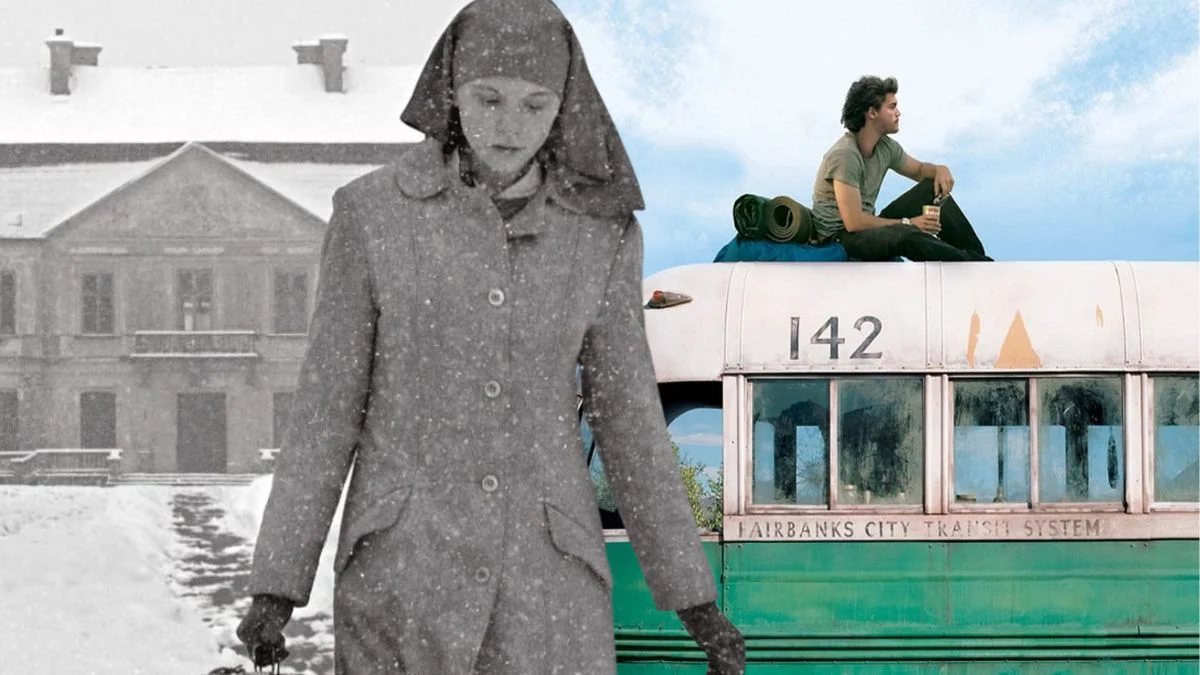


Cinematographers and directors often rely on the sun and available ambient light to create authentic visual landscapes. This technique requires patience and precise timing to capture specific atmospheric conditions. The following list explores twenty films where natural light played a pivotal role in the storytelling process.
‘Days of Heaven’ (1978)
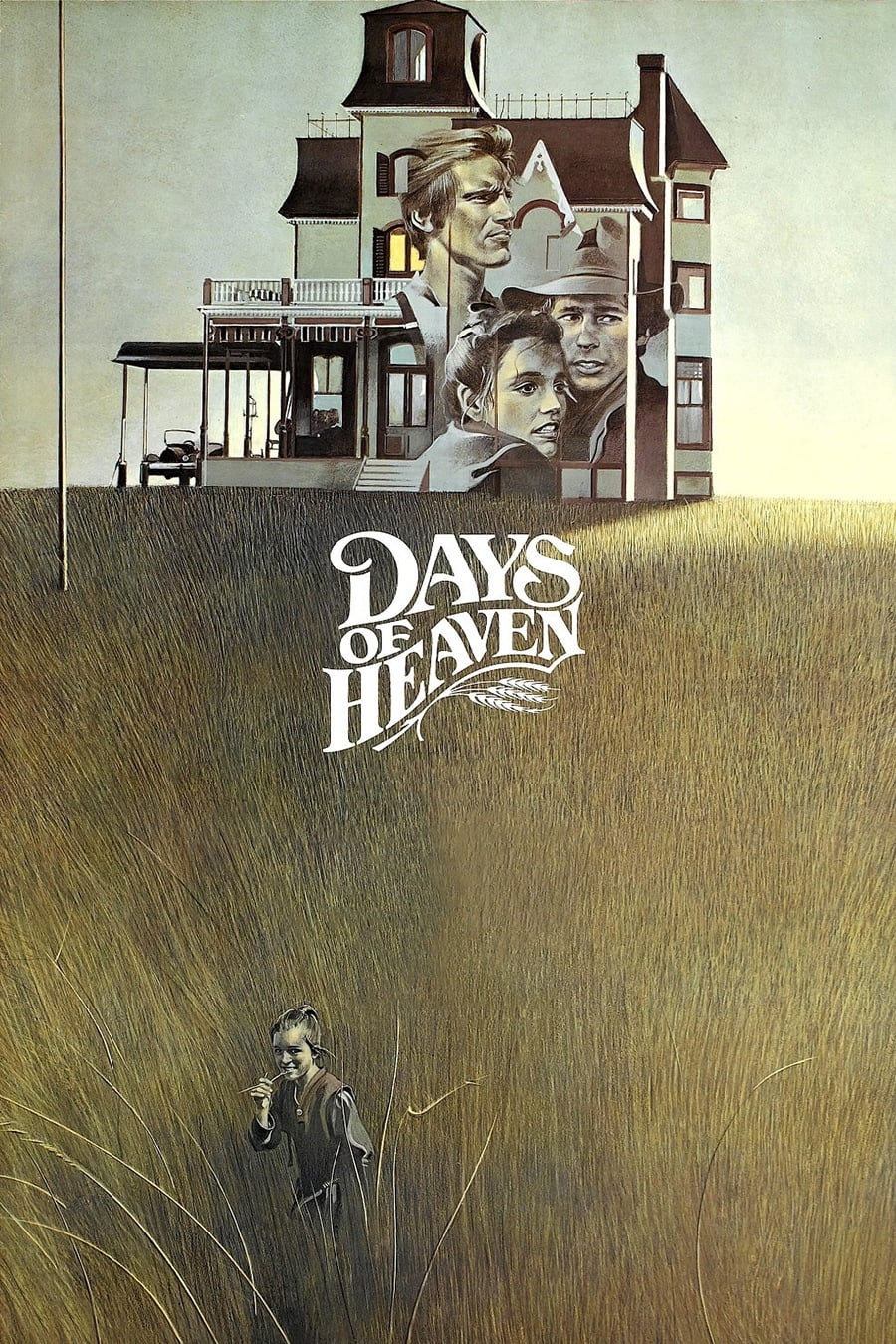
Director Terrence Malick famously insisted on filming primarily during the brief magic hour twilight period. Cinematographer Néstor Almendros captured the wheat fields of the Texas Panhandle with a distinct golden hue that mimics classical paintings. The story follows three migrant workers who get caught in a tragic love triangle amidst the harvest. Visual storytelling takes precedence over dialogue as the changing seasons reflect the emotional states of the characters.
‘The Revenant’ (2015)

Cinematographer Emmanuel Lubezki utilized only natural light to capture the harsh and frozen wilderness of the American frontier. The production team faced immense logistical challenges while chasing the sun in remote locations to maintain visual consistency. Leonardo DiCaprio portrays a frontiersman fighting for survival after a brutal bear attack leaves him for dead. The reliance on available light immerses viewers in the visceral cold and isolation of the 1820s setting.
‘Barry Lyndon’ (1975)

Stanley Kubrick sought to recreate the authentic atmosphere of the eighteenth century by avoiding artificial studio lighting. A specially adapted NASA lens allowed the camera to film scenes lit entirely by candlelight. The narrative chronicles the rise and fall of an Irish rogue seeking social advancement in English society. This technical achievement gives the period drama a soft and painterly aesthetic resembling the artworks of the era.
‘Nomadland’ (2020)
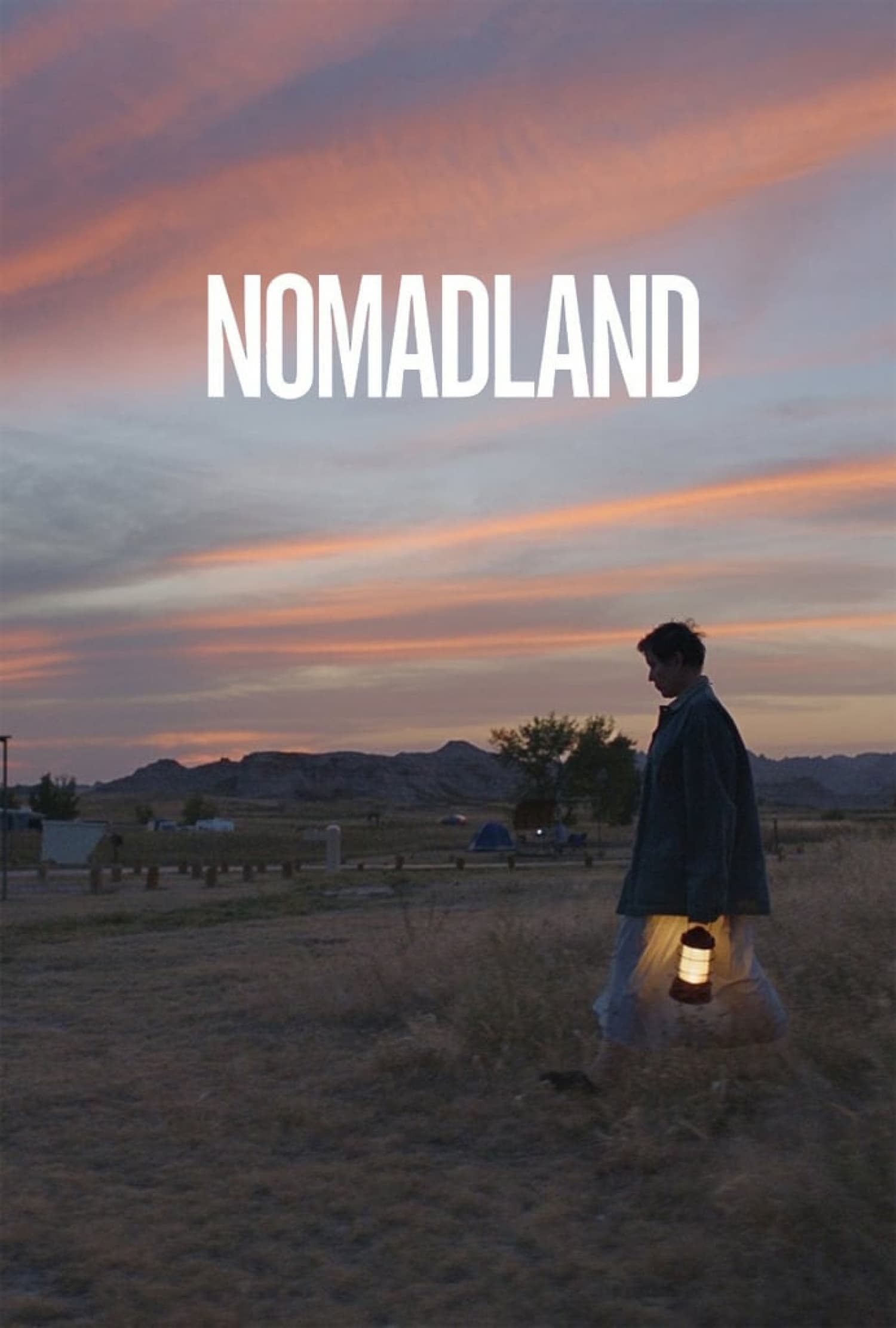
Director Chloé Zhao captured the vast landscapes of the American West using the available light of magic hour. Fern embarks on a journey through the badlands while living as a modern nomad in her van. The camera stays intimate with the protagonist while simultaneously showcasing the grandeur of the changing skies. This approach emphasizes the connection between the transient human characters and the enduring natural world around them.
‘The Tree of Life’ (2011)
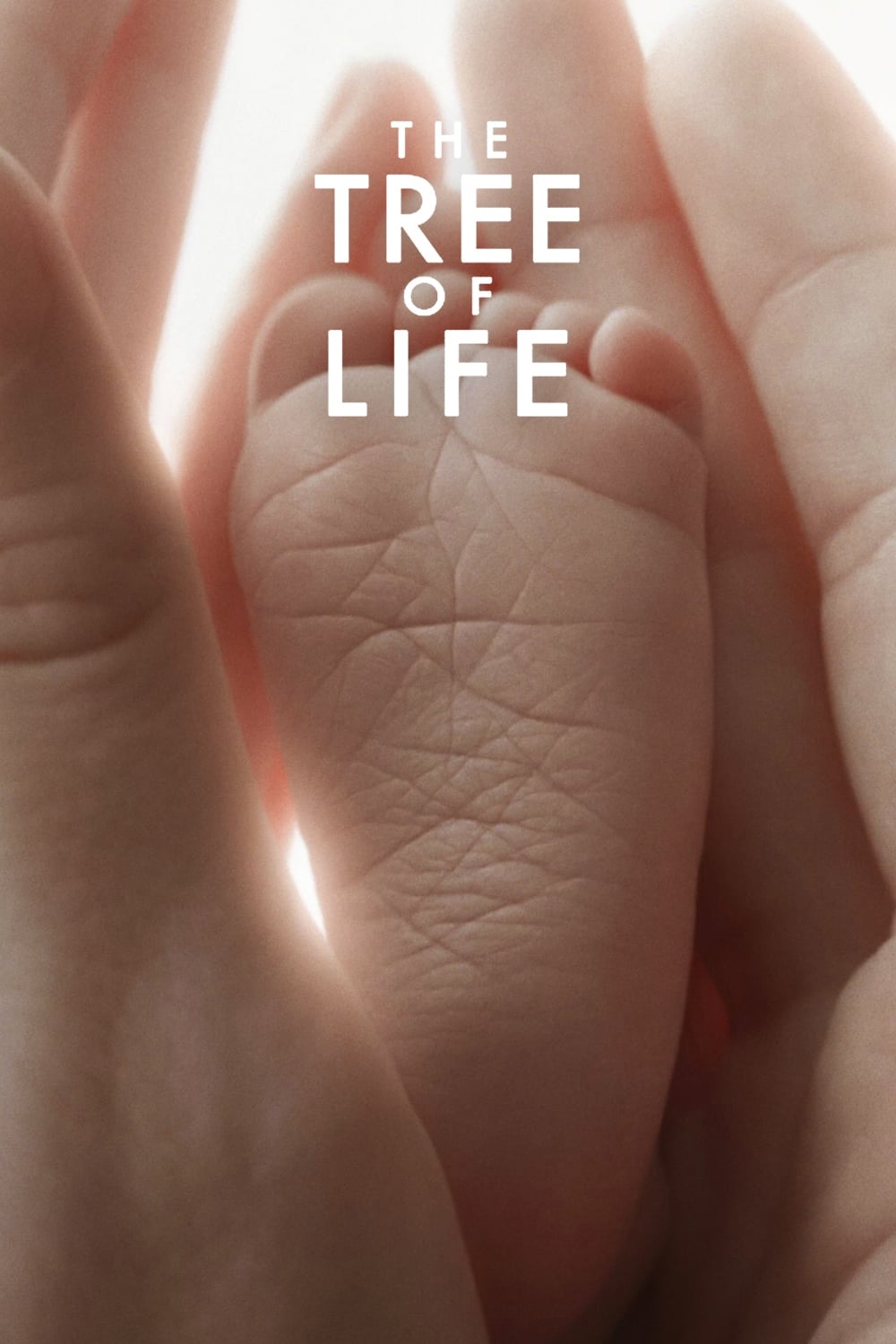
Terrence Malick explores the origins of the universe and the memories of a Texas family through wandering camera movements. Natural light floods the suburban streets and tall grasses to evoke a sense of spiritual wonder. The film juxtaposes the microscopic details of nature with the cosmic scale of creation. Viewers experience the narrative as a stream of consciousness where sunlight serves as a visual metaphor for grace.
‘Call Me by Your Name’ (2017)
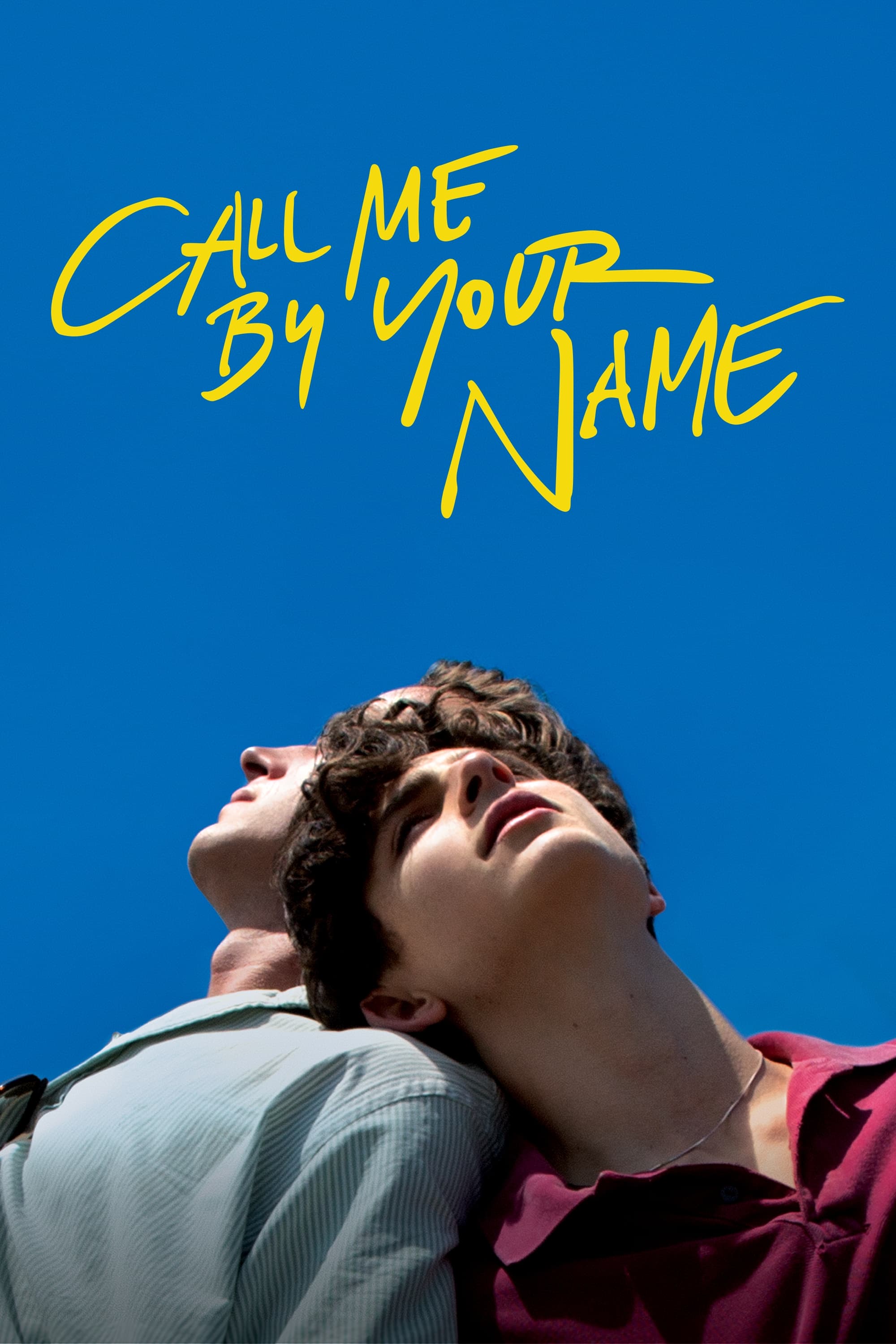
The summer sun of Northern Italy saturates every frame of this romantic drama. Director Luca Guadagnino relied on the intense Mediterranean brightness to mirror the blossoming relationship between Elio and Oliver. Shadows play a crucial role in the interior scenes as the characters navigate their complex feelings. The cinematography captures the languid humidity and vibrant colors of the Italian countryside.
‘The New World’ (2005)
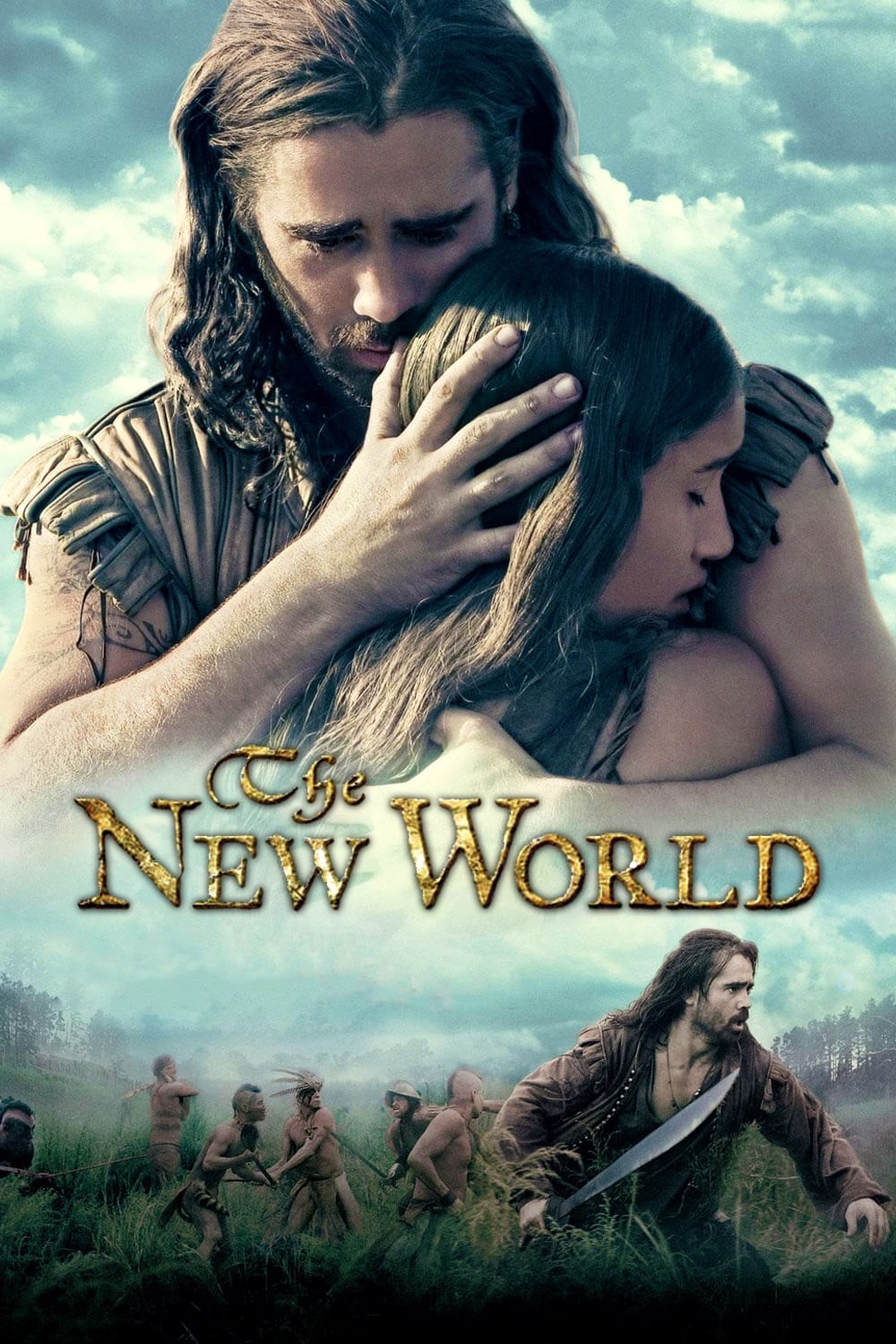
This historical drama reimagines the encounter between English settlers and the Powhatan people near Jamestown. Emmanuel Lubezki emphasized backlighting to create silhouettes against the water and trees. The natural environment becomes a central character that dictates the visual tone of every sequence. Authentic lighting reinforces the clash between the rigid European structures and the organic flow of the indigenous world.
‘Portrait of a Lady on Fire’ (2019)
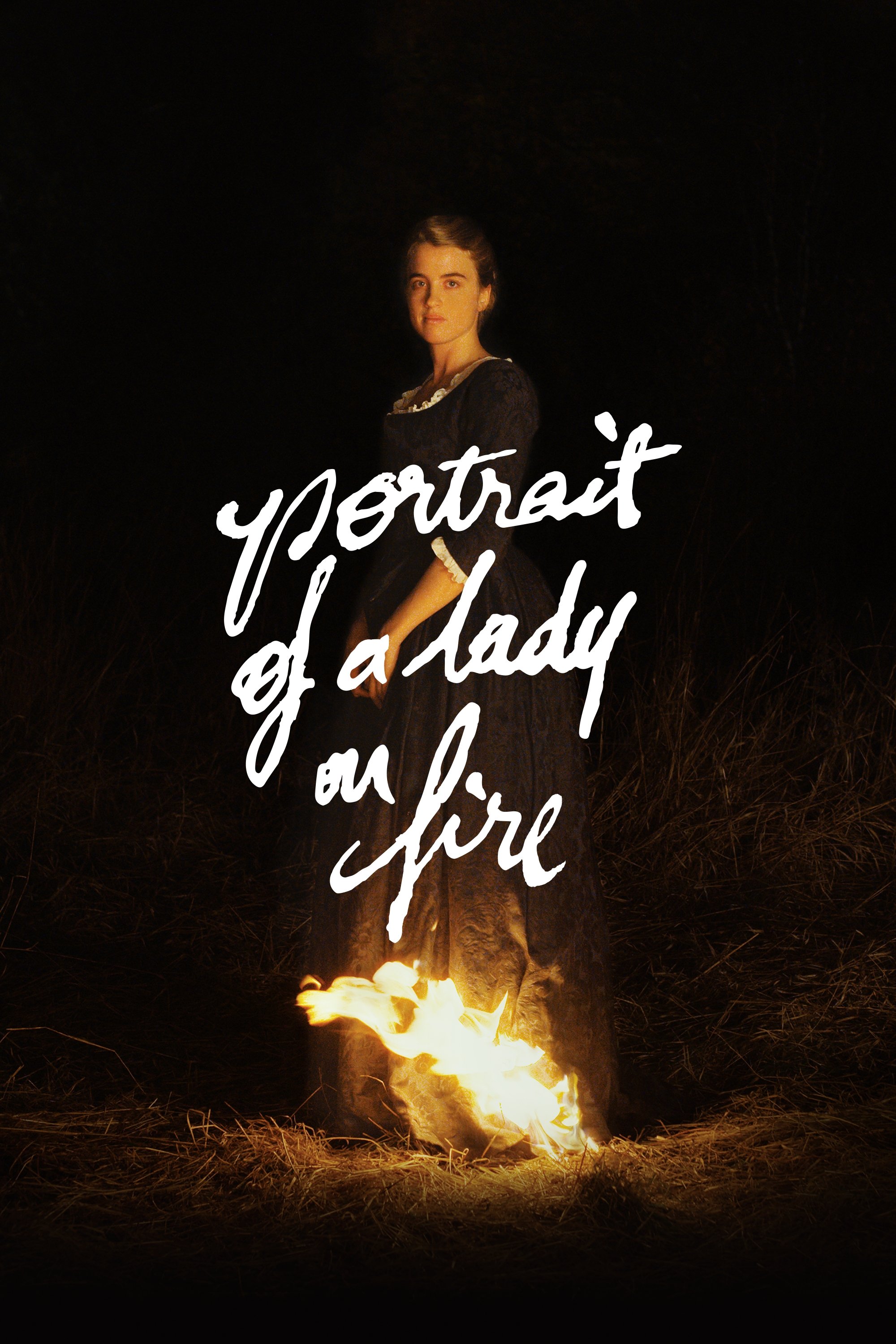
Claire Mathon served as the cinematographer for this intimate romance set on an isolated island in Brittany. The film utilizes the harsh coastal light and soft interior candlelight to frame the gaze between the two female protagonists. Marianne must paint a wedding portrait of Héloïse without her knowing during their daytime walks. The absence of artificial fill light allows textures and micro-expressions to stand out with striking clarity.
‘Into the Wild’ (2007)
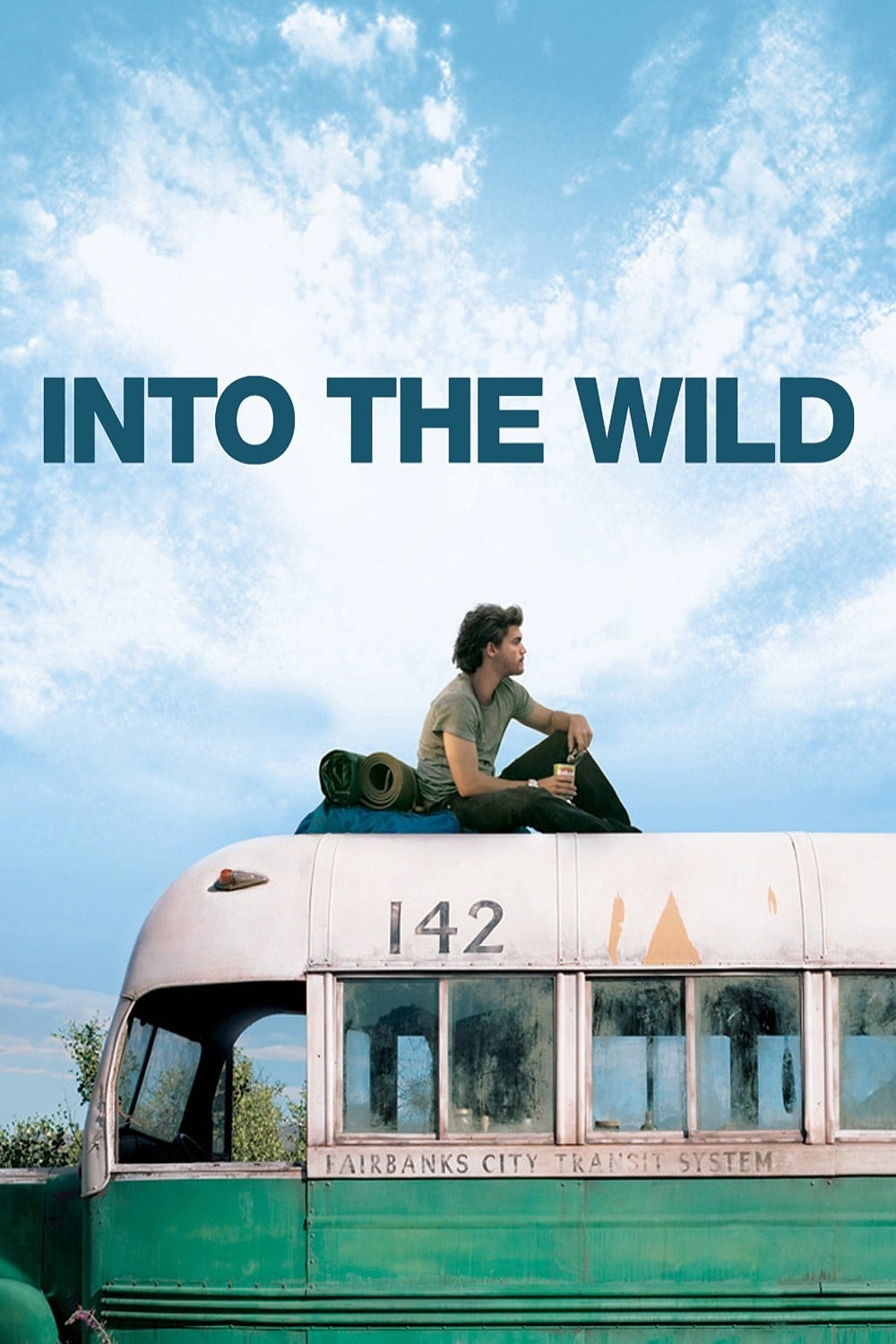
Christopher McCandless abandons his possessions to hitchhike to Alaska and live in the wilderness. Director Sean Penn and cinematographer Eric Gautier chased real weather conditions to document the protagonist’s physical journey. The light changes drastically from the warm golden tones of the southwest to the cold blues of the north. Nature appears both beautiful and indifferent as the sunlight dictates the mood of survival.
‘Y Tu Mamá También’ (2001)

Two teenage boys and an older woman embark on a road trip across rural Mexico to find a fictitious beach. Emmanuel Lubezki used handheld cameras and available light to give the film a documentary feel. The harsh sun highlights the dusty roads and the socio-economic realities passing by the car windows. This raw visual style complements the themes of sexual awakening and political commentary.
‘The Witch’ (2015)
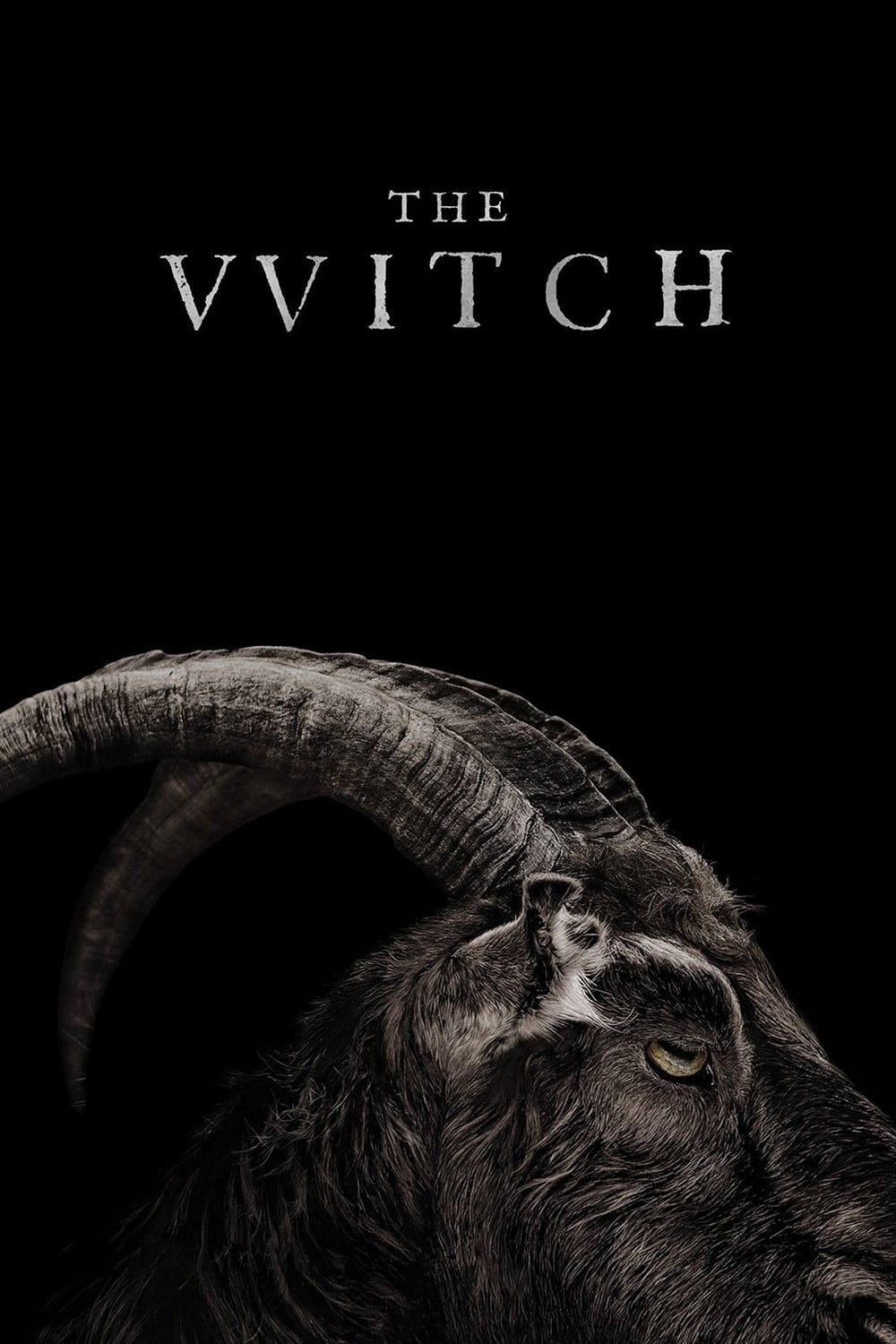
Robert Eggers insisted on period-accurate lighting for this New England folktale set in the 1630s. Gloomy gray skies and flickering candlelight create an oppressive atmosphere of dread and isolation. A family banished to the edge of a dark forest begins to turn on one another amidst supernatural occurrences. The limited visibility heightens the paranoia as shadows conceal potential threats lurking in the woods.
‘Badlands’ (1973)
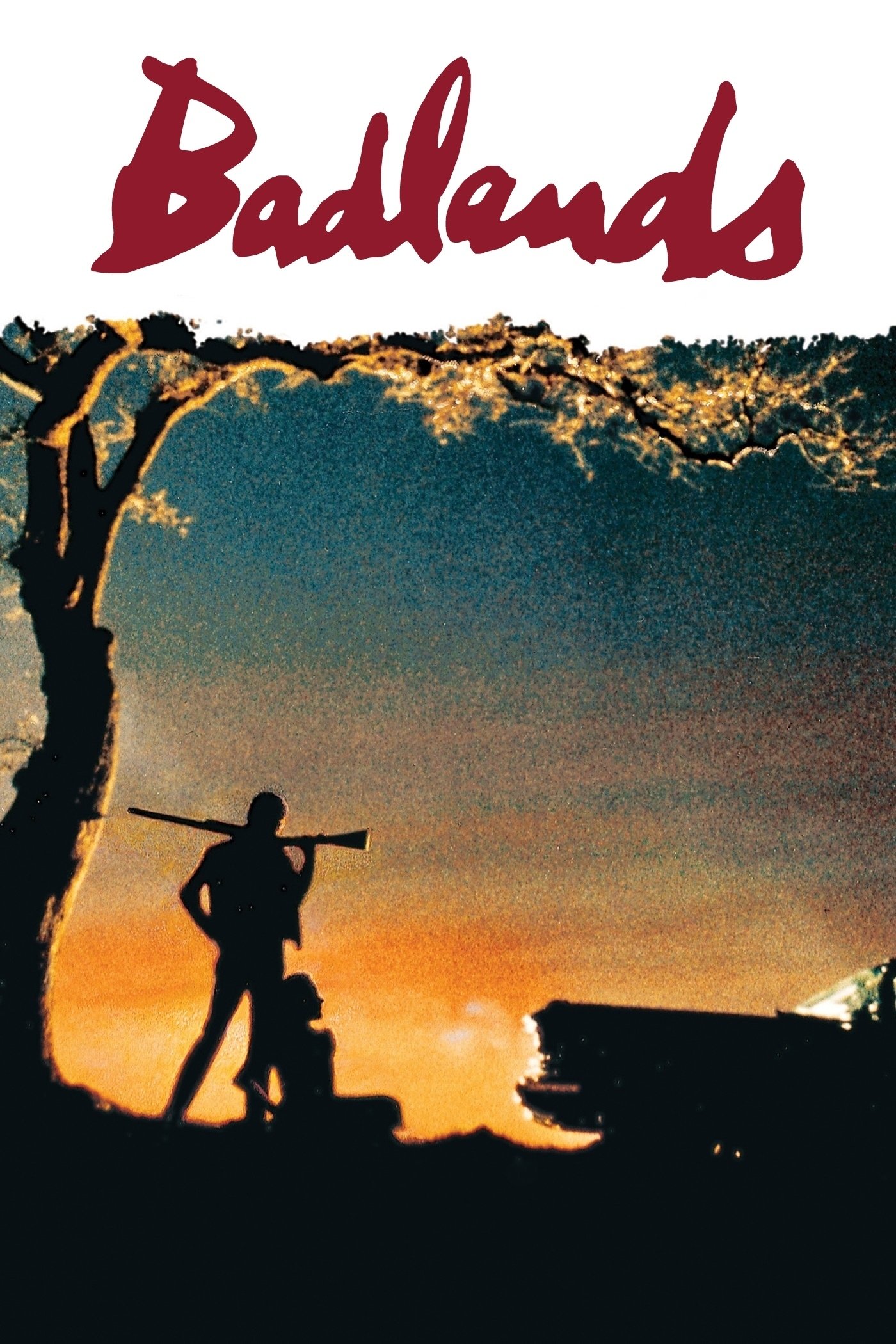
Terrence Malick established his signature visual style in this crime drama about a young couple on a killing spree. The flat horizons of the South Dakota badlands are bathed in soft ambient light. Kit and Holly move through the landscape with a detached demeanor that contrasts with the violence of their actions. The beauty of the natural surroundings provides an ironic backdrop to their criminal flight.
‘Roma’ (2018)
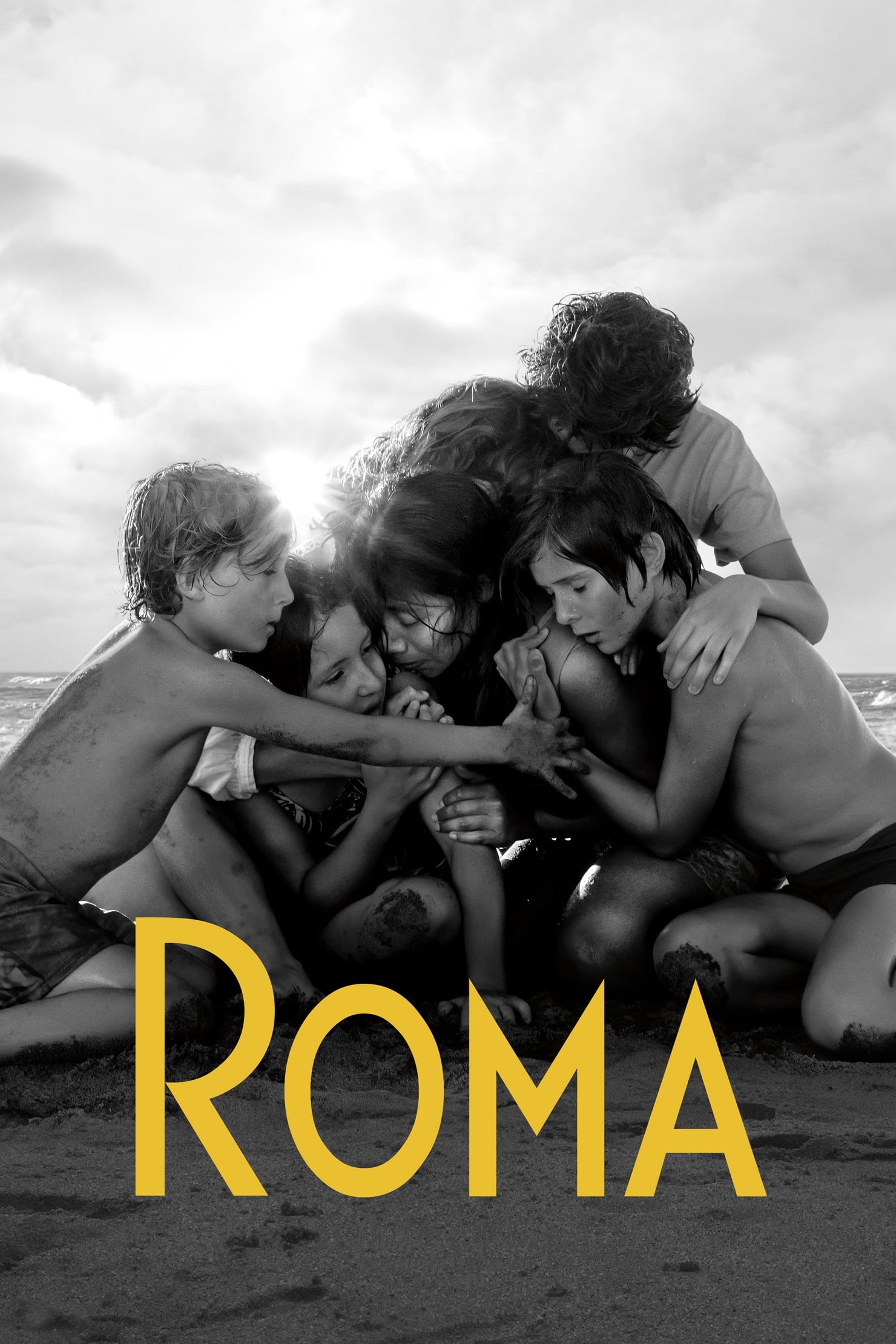
Alfonso Cuarón acted as his own cinematographer to capture his childhood memories of Mexico City in black and white. Wide shots utilize the natural light pouring into the domestic spaces of a middle-class family. The film follows the life of a live-in housekeeper named Cleo as she navigates personal and political turmoil. High contrast lighting emphasizes the textures of the urban environment and the emotional resilience of the protagonist.
‘Moonlight’ (2016)
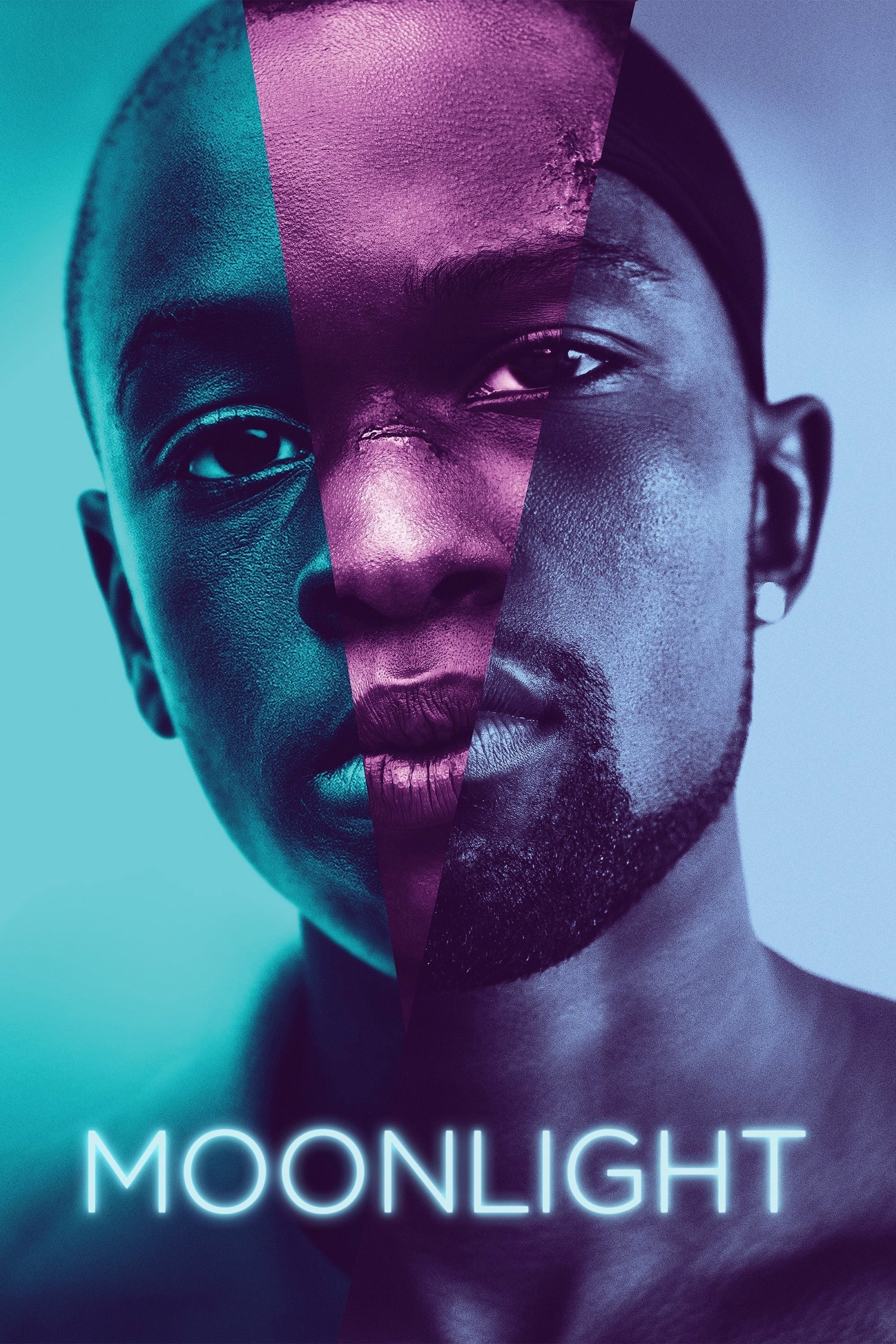
James Laxton used the humidity and vibrant colors of Miami to illuminate the three stages of Chiron’s life. The high-contrast lighting on dark skin tones creates a luminous and rich aesthetic rarely seen in cinema. Moonlight itself becomes a thematic visual element that offers the protagonist moments of vulnerability. The camera lingers on facial expressions softened by the ambient glow of the city and the beach.
‘Winter Sleep’ (2014)
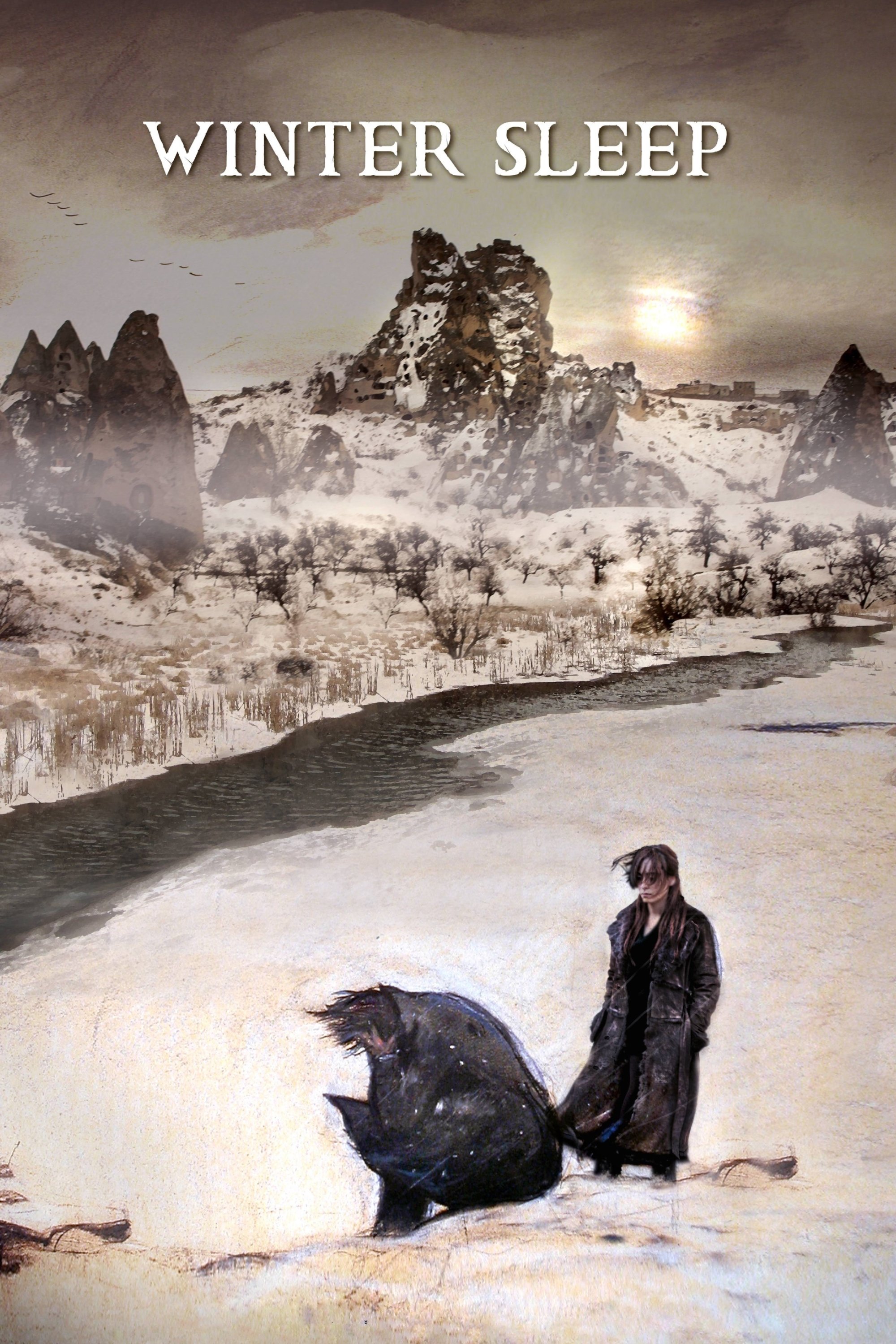
This Turkish drama takes place in the distinct rocky landscape of Cappadocia during a snowy winter. Natural light filters through the windows of a hotel carved into the stone to illuminate intense philosophical conversations. Director Nuri Bilge Ceylan uses the dim winter sun to reflect the emotional distance between the characters. The cold exterior light contrasts sharply with the warm but suffocating interiors of the caves.
‘Ida’ (2013)
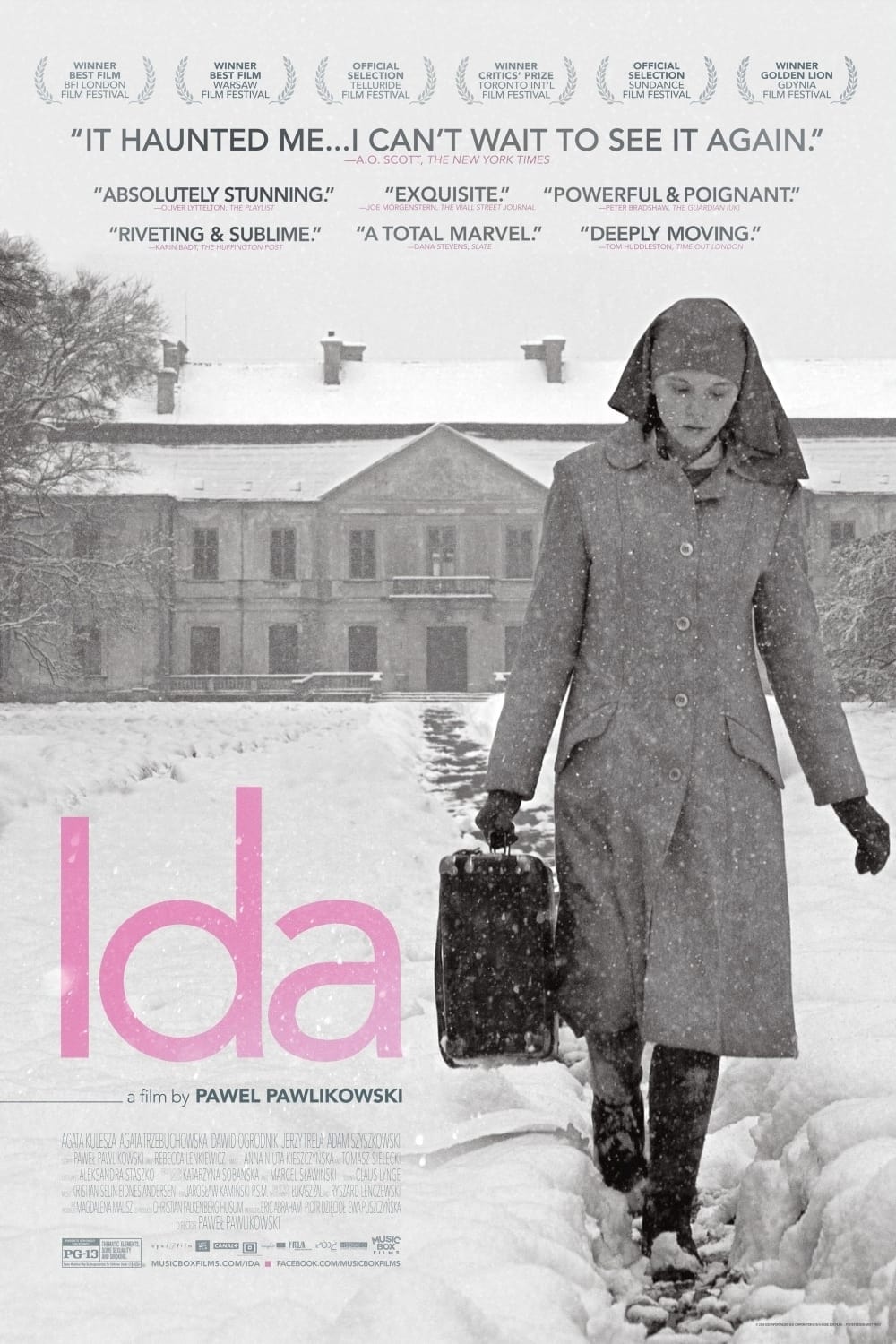
Filmed in black and white with a 4:3 aspect ratio to evoke the feeling of 1960s Poland. Cinematographers Łukasz Żal and Ryszard Lenczewski relied on gray natural light to create a somber and austere mood. A young nun discovers a dark family secret before taking her final vows. The composition often places characters at the bottom of the frame with vast empty skies looming above them.
‘City of God’ (2002)
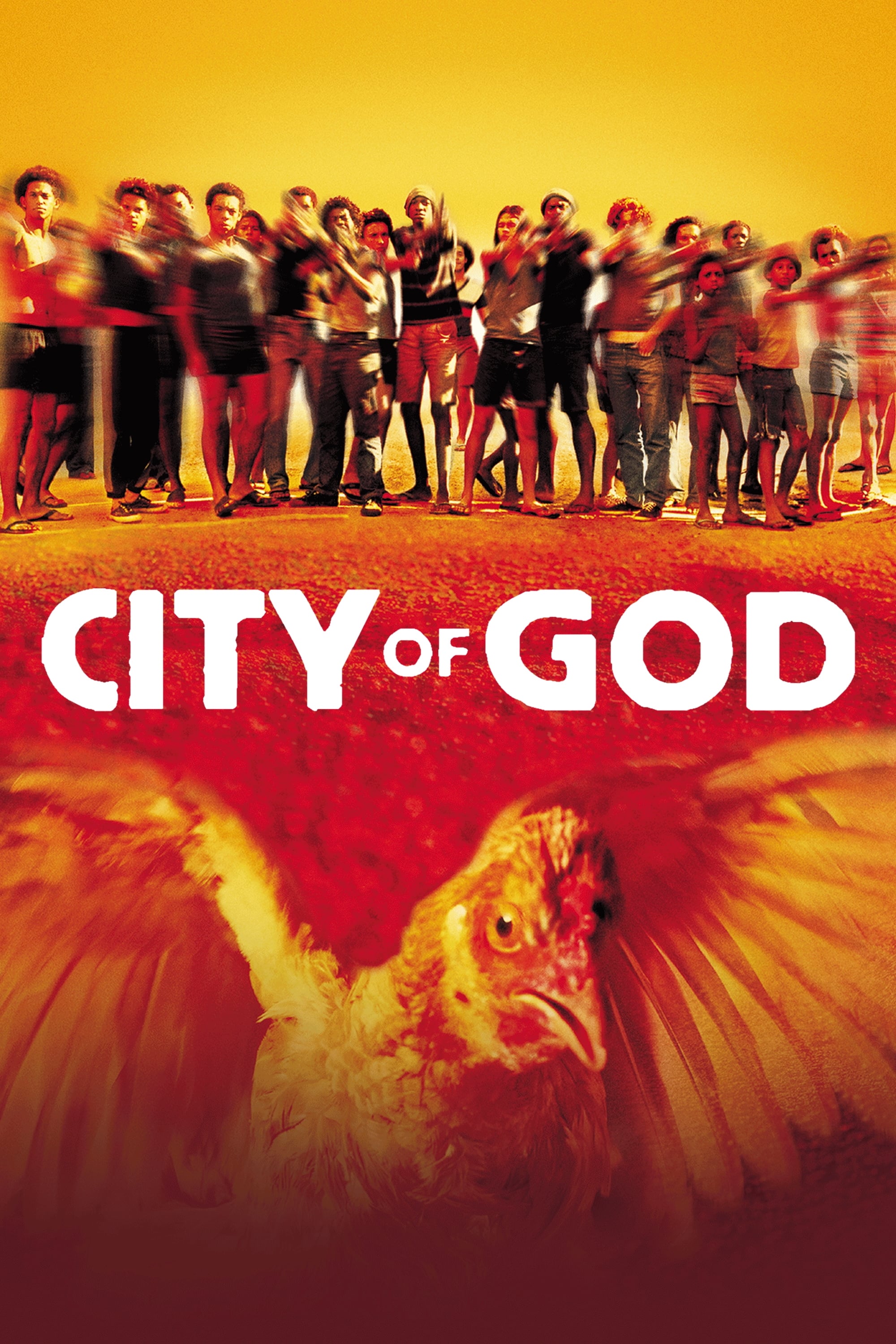
The intense sun of Rio de Janeiro bears down on the favelas throughout this energetic crime saga. Cesar Charlone prioritized available light to maintain the kinetic realism of the street scenes. The film spans several decades to show the growth of organized crime in the impoverished neighborhood. Changes in color temperature and lighting saturation help distinguish the different time periods within the narrative.
‘Biutiful’ (2010)
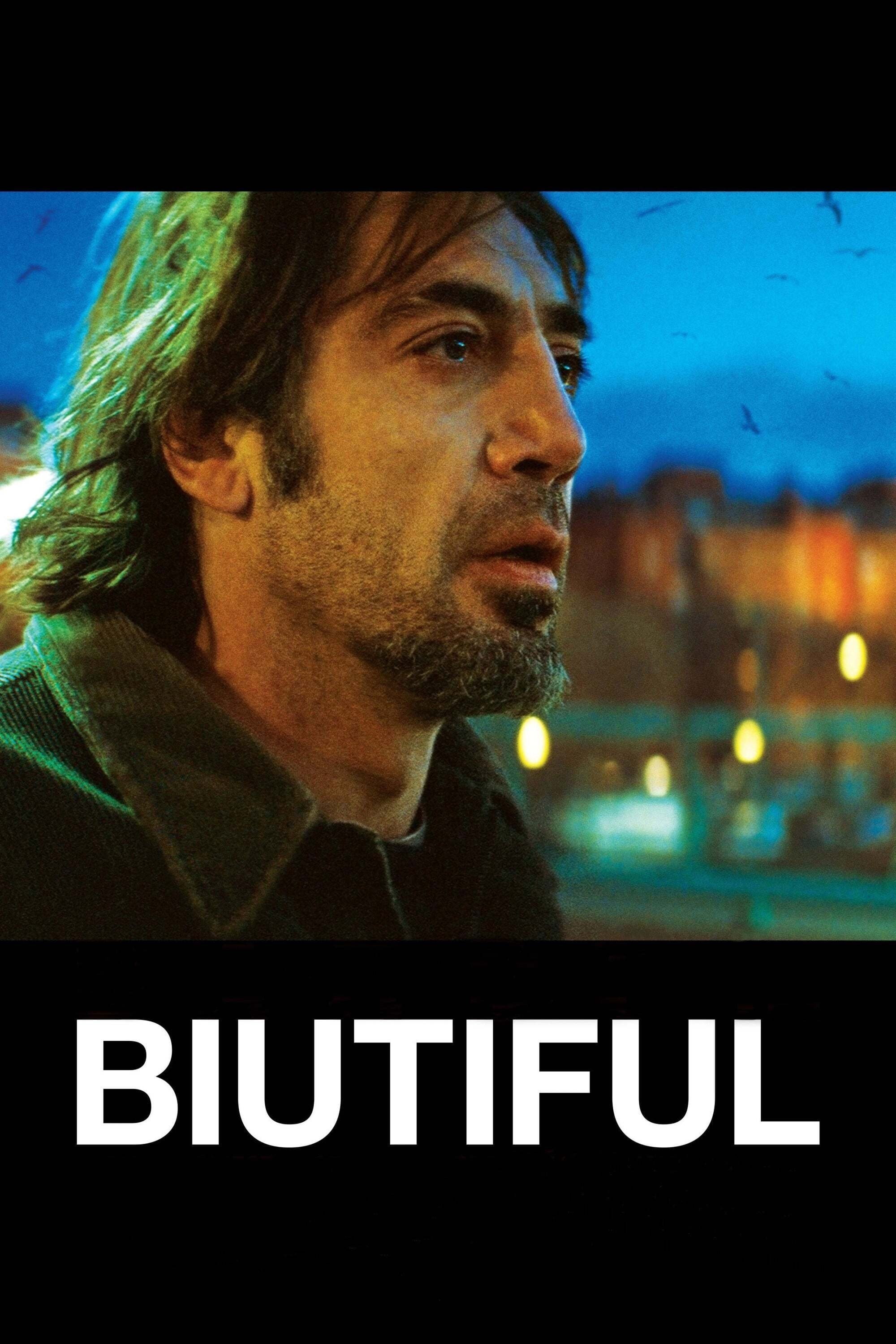
Alejandro González Iñárritu collaborated with Rodrigo Prieto to capture the gritty underbelly of Barcelona. Gray skies and dim interiors reflect the terminal illness and spiritual struggle of the protagonist Uxbal. The film avoids the picturesque tourist locations to focus on the raw textures of urban decay. Natural light emphasizes the harsh reality of the immigrant communities and the underground economy.
‘Zama’ (2017)

Lucrecia Martel presents a colonial officer waiting endlessly for a transfer from a remote South American outpost. The humid atmosphere and sweltering heat are palpable through the use of natural sunlight. Characters appear trapped within the frame by the overwhelming lushness of the vegetation and the bright sky. The lighting underscores the stagnation and feverish delirium of the central character.
‘Ad Astra’ (2019)

Hoyte van Hoytema utilized natural light sources even within the context of a science fiction setting. The film follows an astronaut travelling to the edge of the solar system to find his missing father. Scenes on the moon and Mars rely on the harsh directionality of sunlight in space to create stark realism. This approach grounds the futuristic narrative in a tangible and believable visual language.
Let us know which visually stunning film you think utilized natural light the best in the comments.