


19 Films with the Most Poetic Voiceover Narration

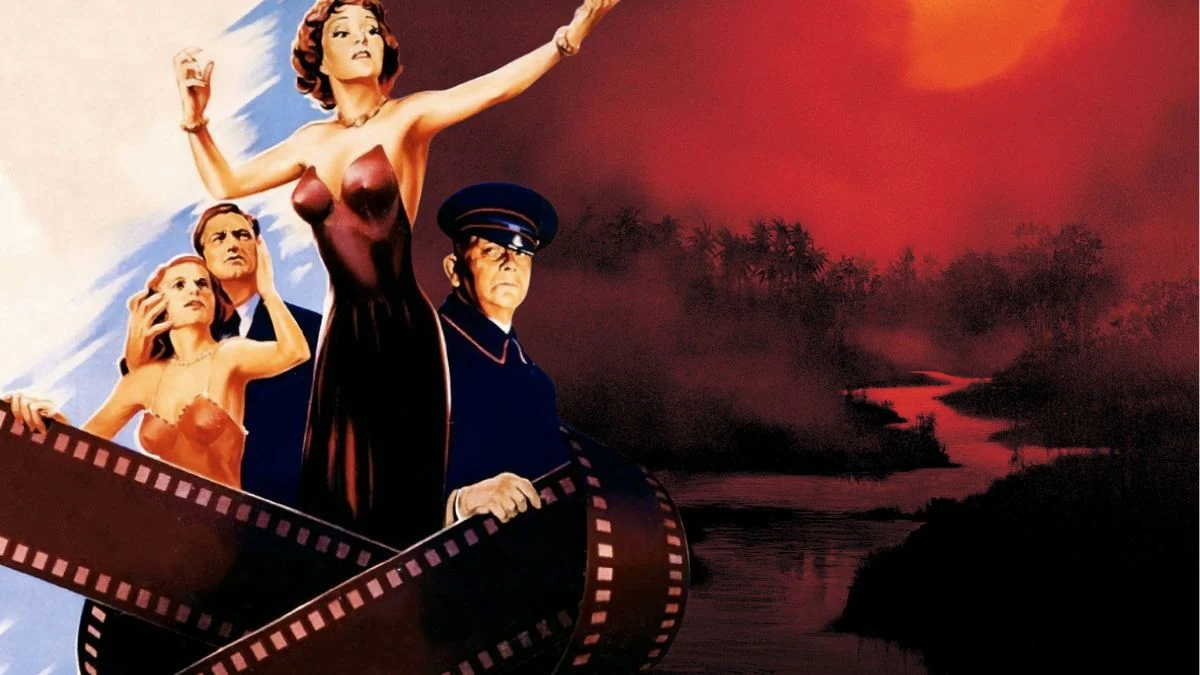


Voiceover narration is a cinematic tool that can either elevate a film to poetic heights or weigh it down with unnecessary exposition. The best examples of this technique add a layer of literary depth that complements the visual storytelling rather than explaining it. These films utilize the spoken word to explore memory and philosophy or the internal states of complex characters. The narration becomes an essential instrument in the symphony of the movie and lingers in the mind long after the credits roll.
‘Days of Heaven’ (1978)
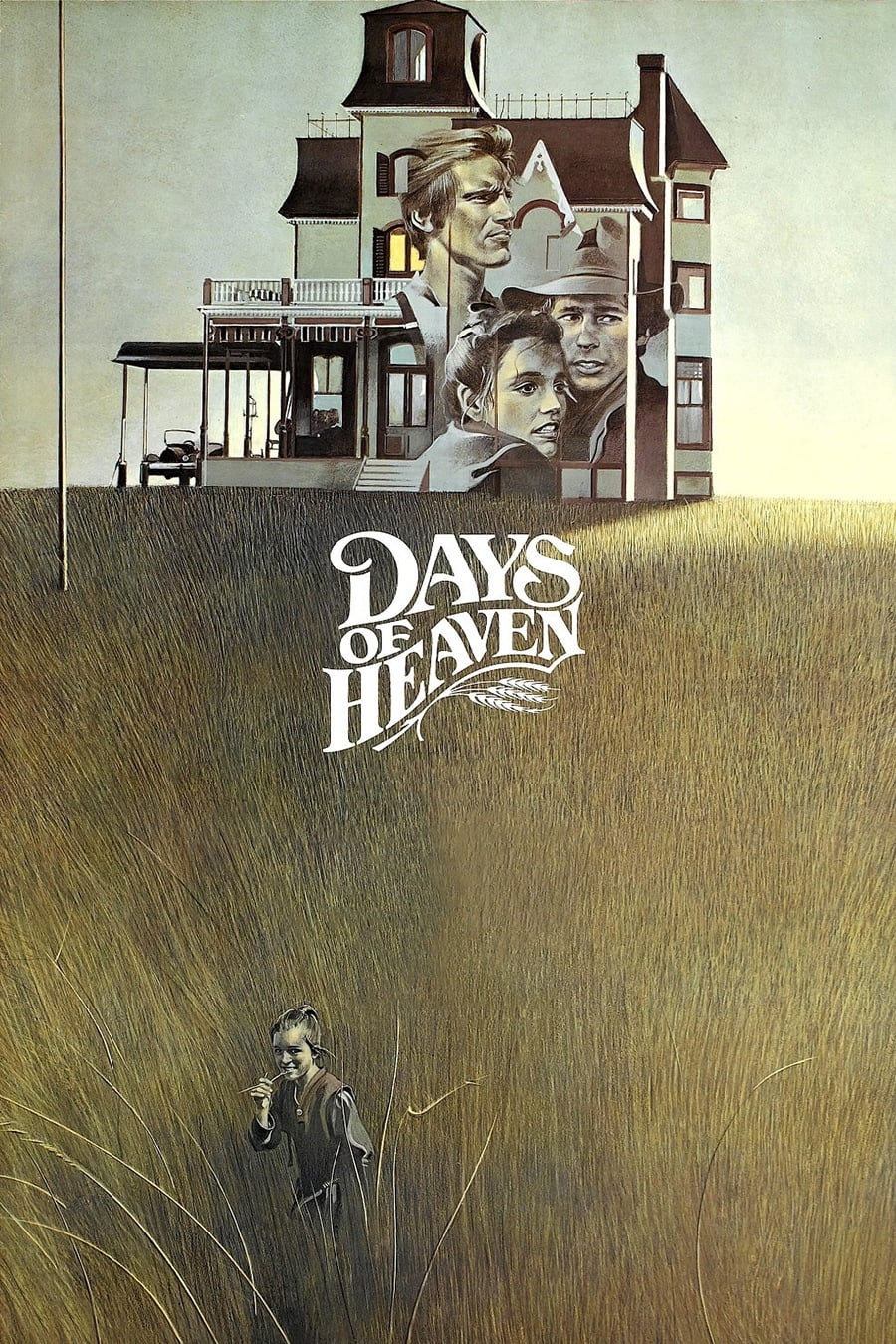
Terrence Malick utilizes the voice of a young girl named Linda to narrate this tragic romance set in the Texas Panhandle. Her naive observations contrast sharply with the adult themes of jealousy and betrayal unfolding on the screen. The narration floats over the imagery like a distinct melody that enhances the ethereal quality of the cinematography. This technique allows the audience to experience the story through a lens of innocence lost in a vast and indifferent landscape.
‘Apocalypse Now’ (1979)
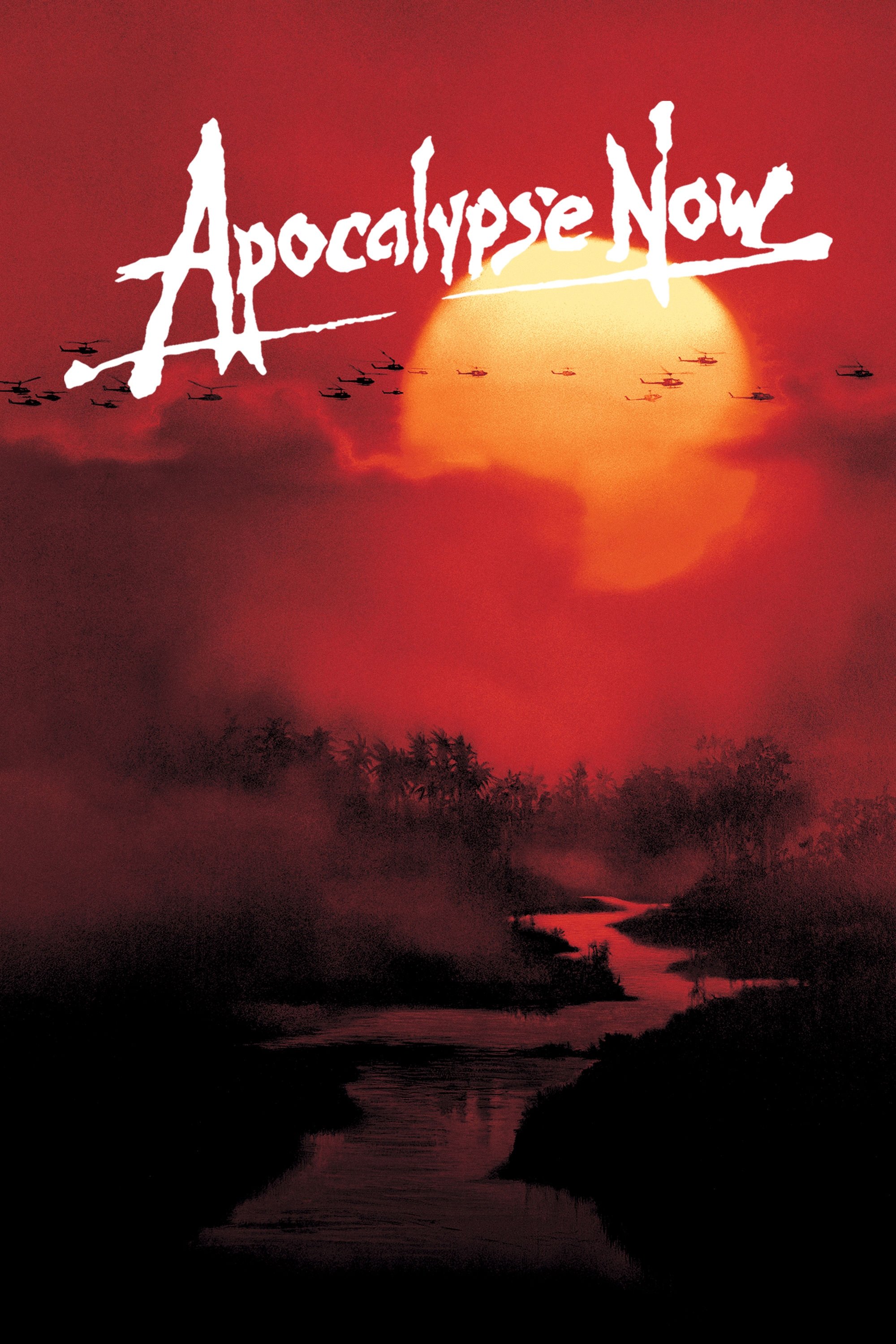
Captain Willard provides a weary and cynical commentary as he journeys up the Nung River to assassinate a rogue colonel. The narration draws heavily from the noir tradition while infusing the dialogue with philosophical musings on the nature of war and madness. Francis Ford Coppola uses these internal monologues to bridge the gap between the surreal visuals and the internal psychological state of the protagonist. The haunting voiceover serves as a guide through the descent into the moral darkness of the human heart.
‘Wings of Desire’ (1987)
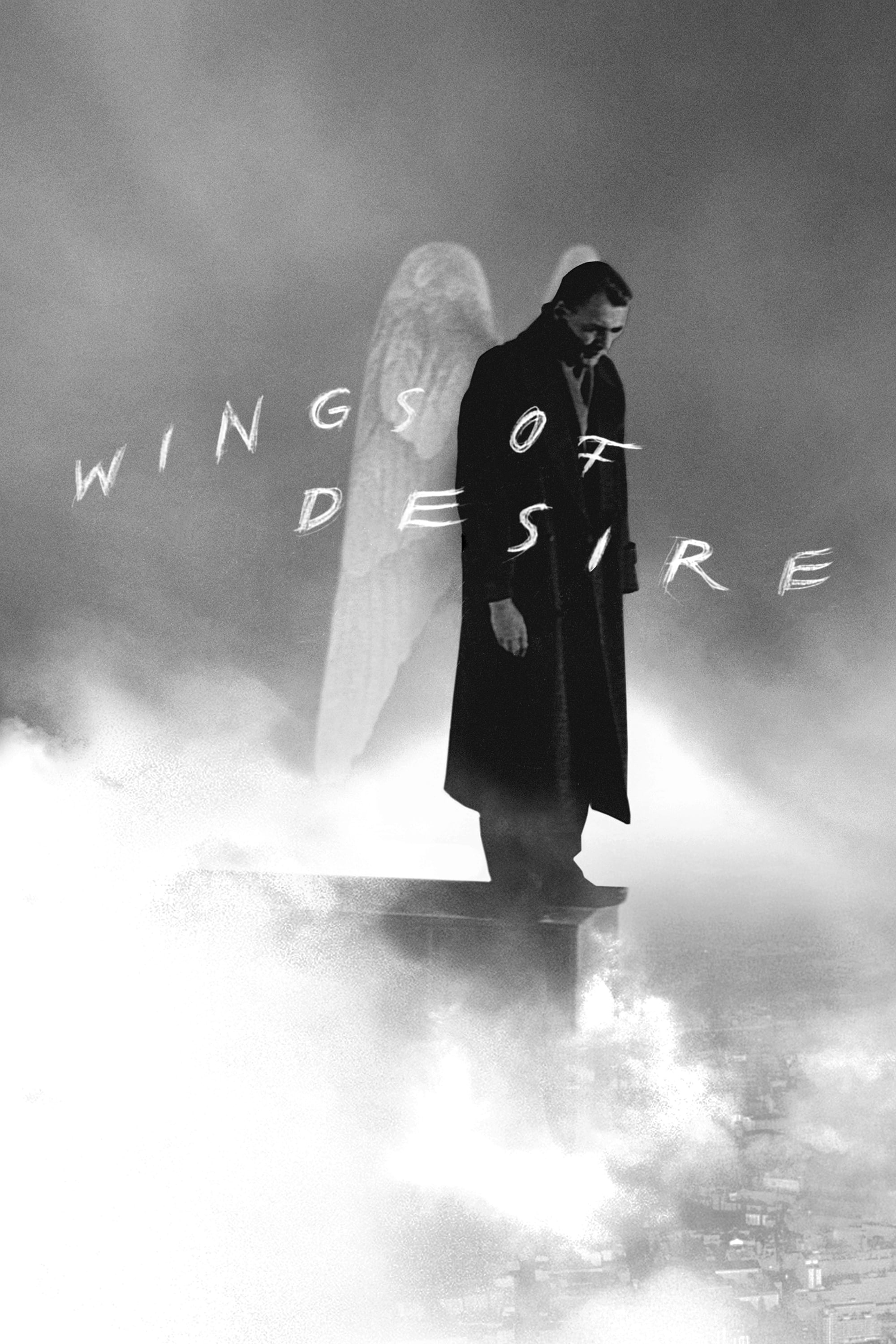
Angels named Damiel and Cassiel wander through divided Berlin while listening to the internal thoughts of the mortal inhabitants. The film features a poetic script that captures the fragmentation of human memory and the longing for physical connection. Wim Wenders employs this narration to create a symphony of voices that reflects the collective consciousness of a city in flux. The spoken words elevate the mundane details of daily life into spiritual meditations on existence and time.
‘The Thin Red Line’ (1998)
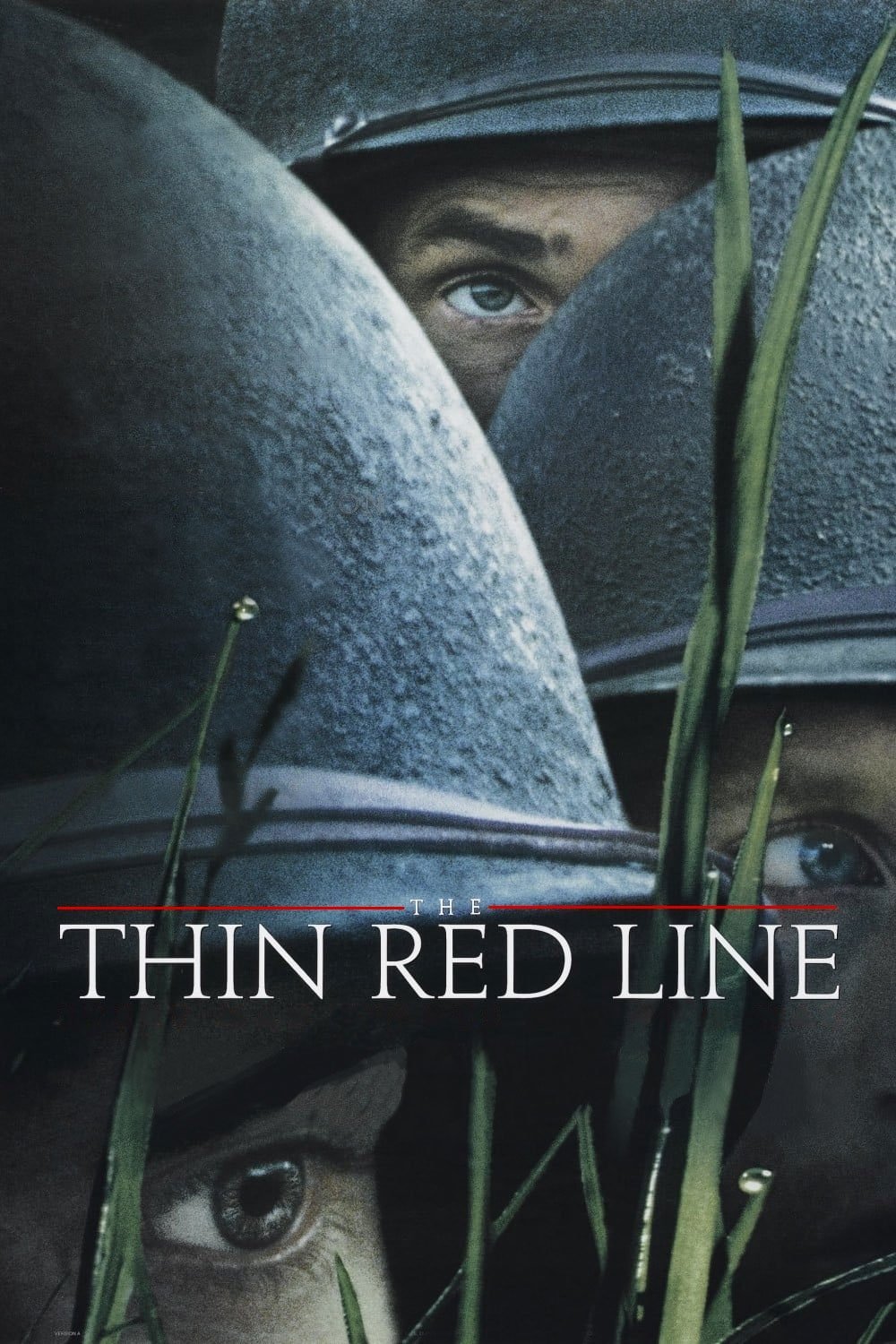
Multiple soldiers offer internal monologues that contemplate the destruction of nature and the spirit during the Battle of Guadalcanal. The narration diverges from typical war films by focusing on metaphysical questions rather than tactical exposition or patriotic fervor. Terrence Malick weaves these disparate voices together to form a collective prayer amidst the chaos of combat. The juxtaposition of violent imagery with gentle philosophical inquiry creates a unique emotional resonance for the viewer.
‘The Assassination of Jesse James by the Coward Robert Ford’ (2007)
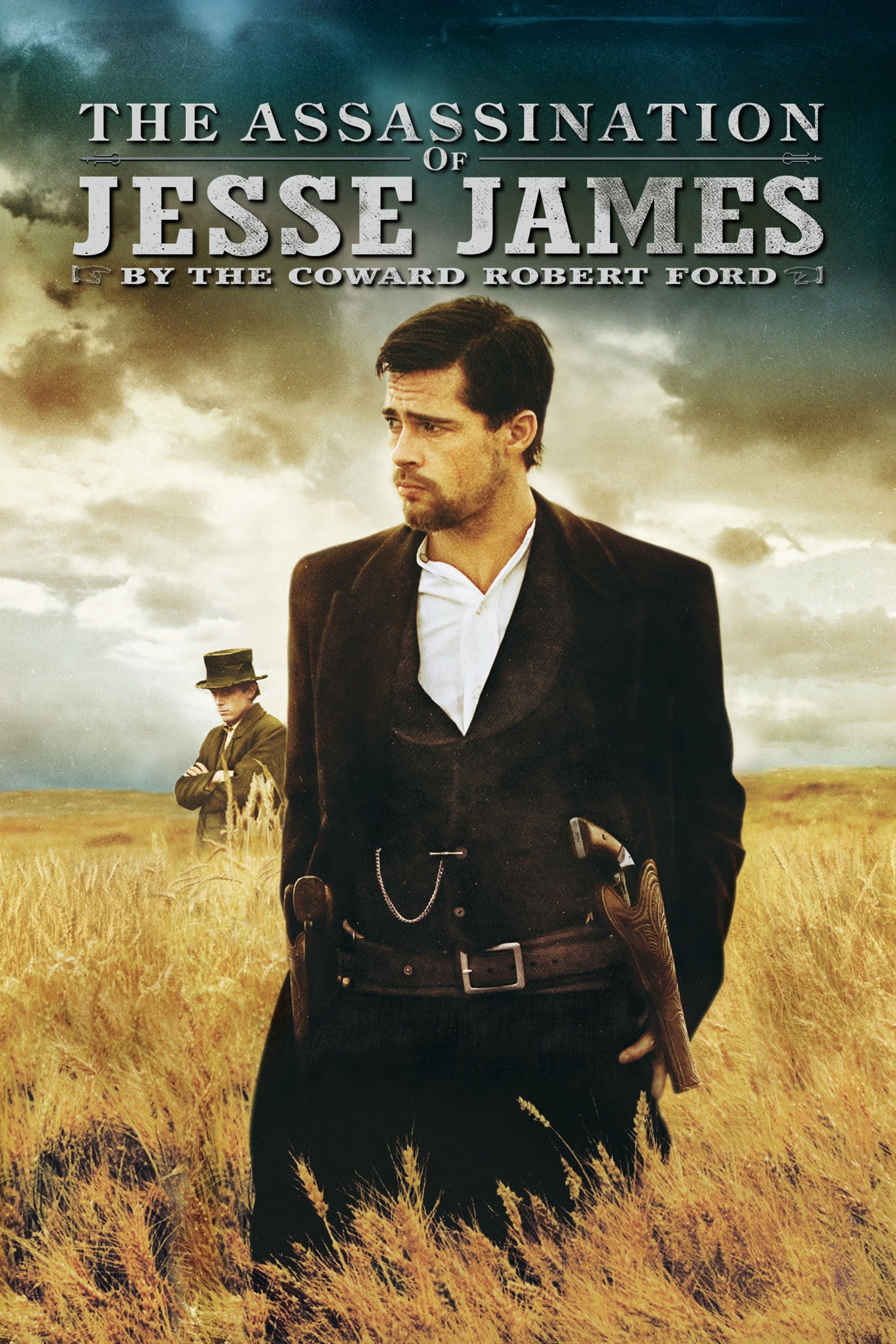
An omniscient narrator recites historical details and psychological insights with the cadence of a storybook fable. The voiceover provides a sense of inevitability to the tragic relationship between the famous outlaw and his eventual killer. Andrew Dominik uses this device to deconstruct the myths of the American West while preserving a melancholic beauty. The precise language highlights the disparity between the public legends and the private realities of the characters.
‘Y Tu Mamá También’ (2001)
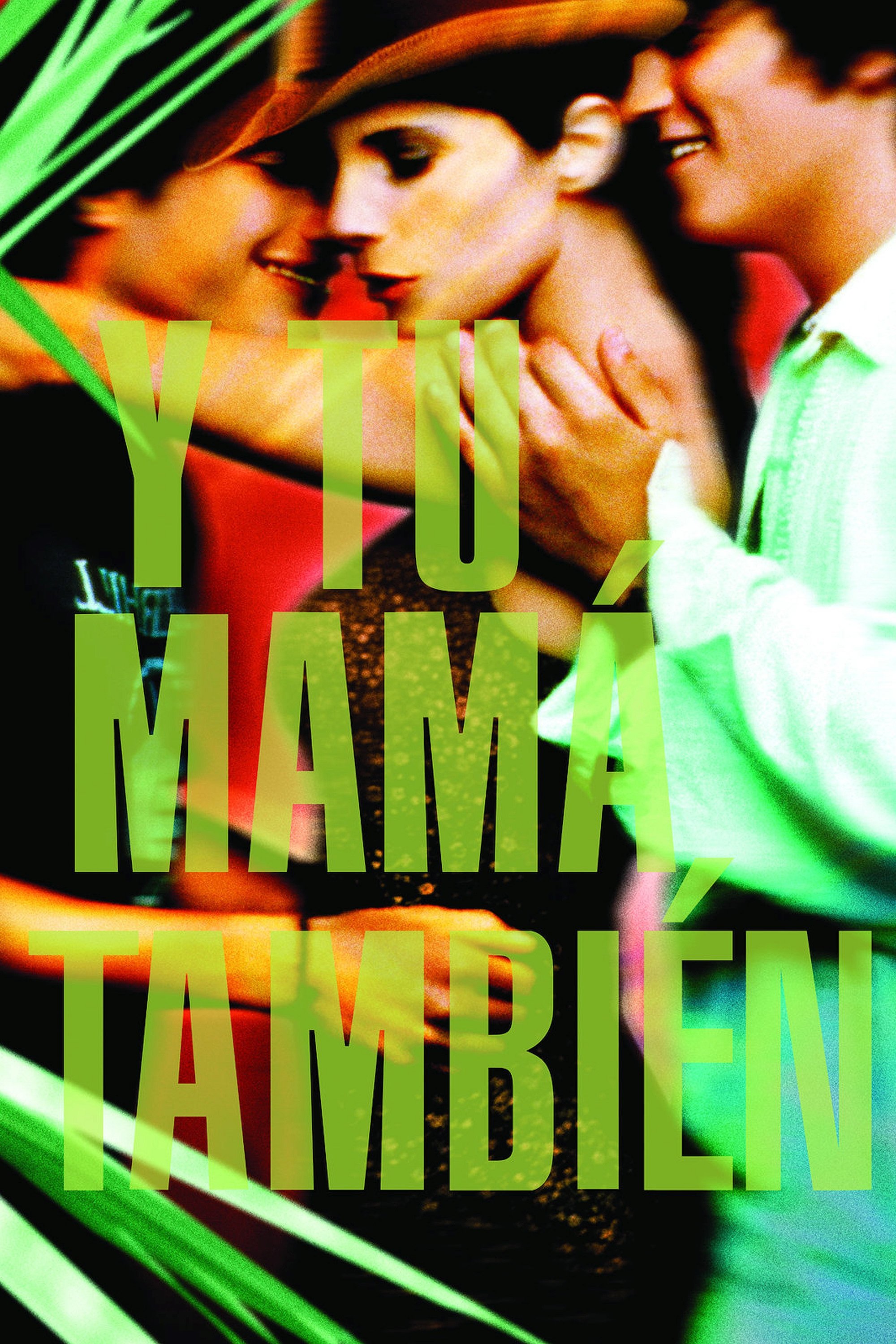
An unseen narrator interjects with sociopolitical context and future details about the characters during their road trip across Mexico. The voiceover breaks the intimacy of the sexual coming of age story by reminding the audience of the transient nature of life and relationships. Alfonso Cuarón uses this detached commentary to place the personal drama within a broader historical and economic framework. This technique adds layers of depth to what initially appears to be a simple summer adventure.
‘Hiroshima Mon Amour’ (1959)

The opening sequence features a hypnotic dialogue between two lovers that blends memory with the trauma of the atomic bomb. Alain Resnais utilizes the narration to blur the lines between past and present as the characters navigate their complex emotions. The poetic repetition of phrases mirrors the cyclical nature of trauma and the difficulty of forgetting. This approach transformed the cinematic landscape by treating dialogue as a form of musical composition rather than mere plot advancement.
‘Badlands’ (1973)
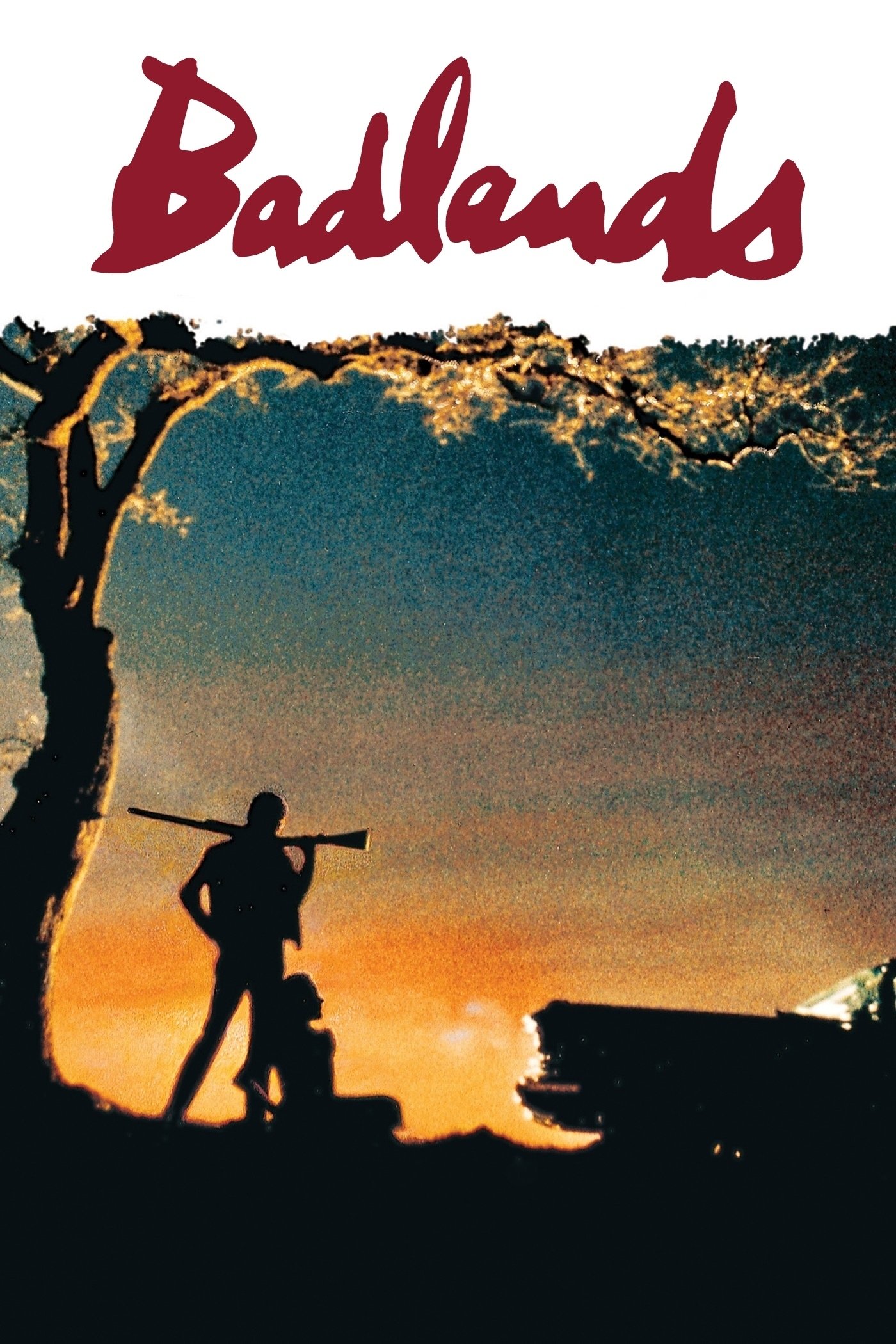
Holly Sargis recounts her crime spree with Kit Carruthers in a tone that is eerily detached and romance novel influenced. The narration reveals her disconnection from the violence she witnesses and participates in throughout the film. Terrence Malick uses her flat affect to underscore the banality of evil and the emptiness of pop culture influence. The contrast between her romanticized view of their life on the run and the brutal reality creates a disturbing irony.
‘Chungking Express’ (1994)
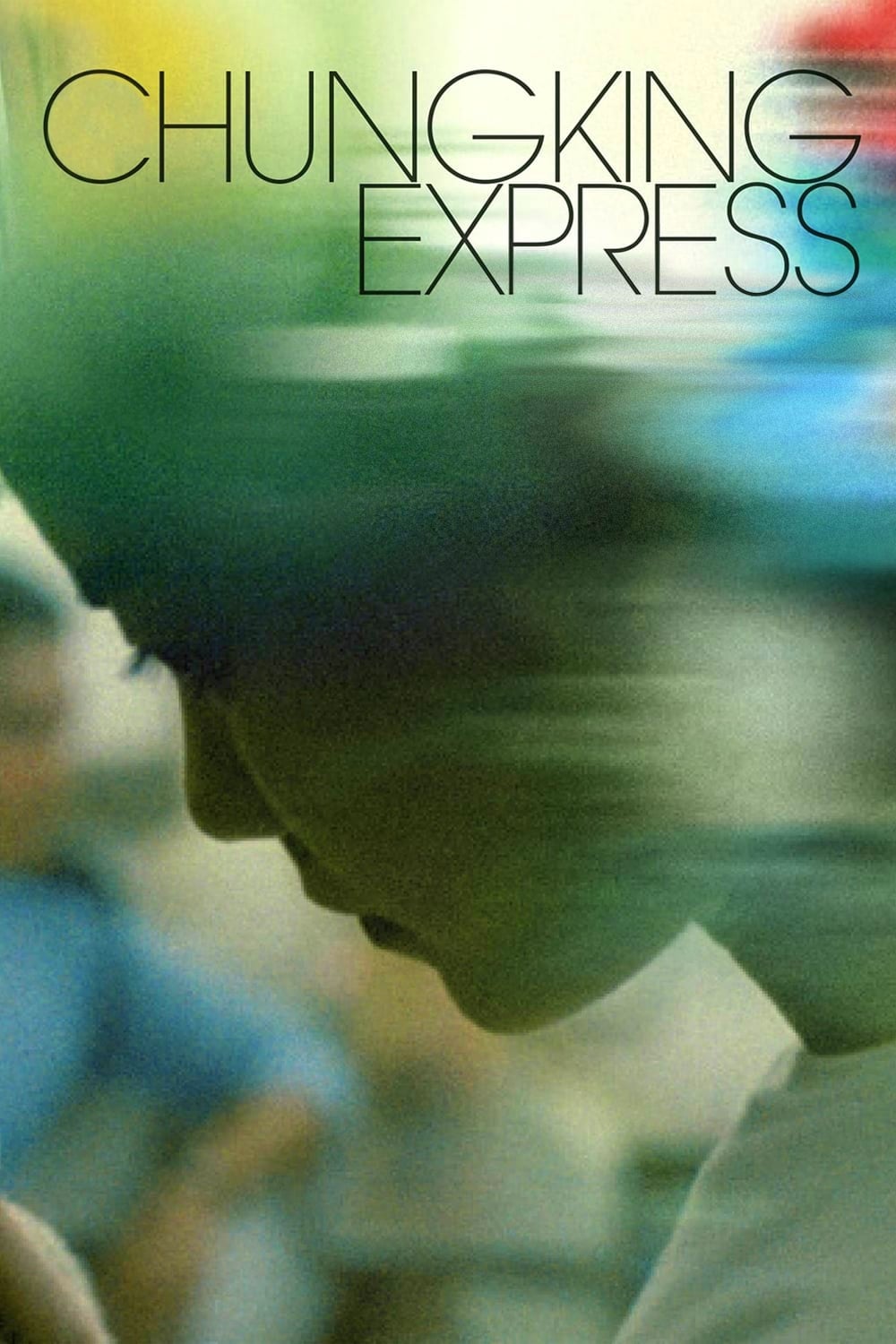
Two lovelorn police officers narrate their own stories of heartbreak and longing amidst the bustling energy of Hong Kong. Wong Kar-wai uses their internal monologues to explore themes of expiration dates and the passage of time in relationships. The voiceovers are intimate and whimsical while capturing the urban isolation felt by the characters. This stylistic choice turns their private melancholies into a shared experience of romantic resilience.
‘A Clockwork Orange’ (1971)
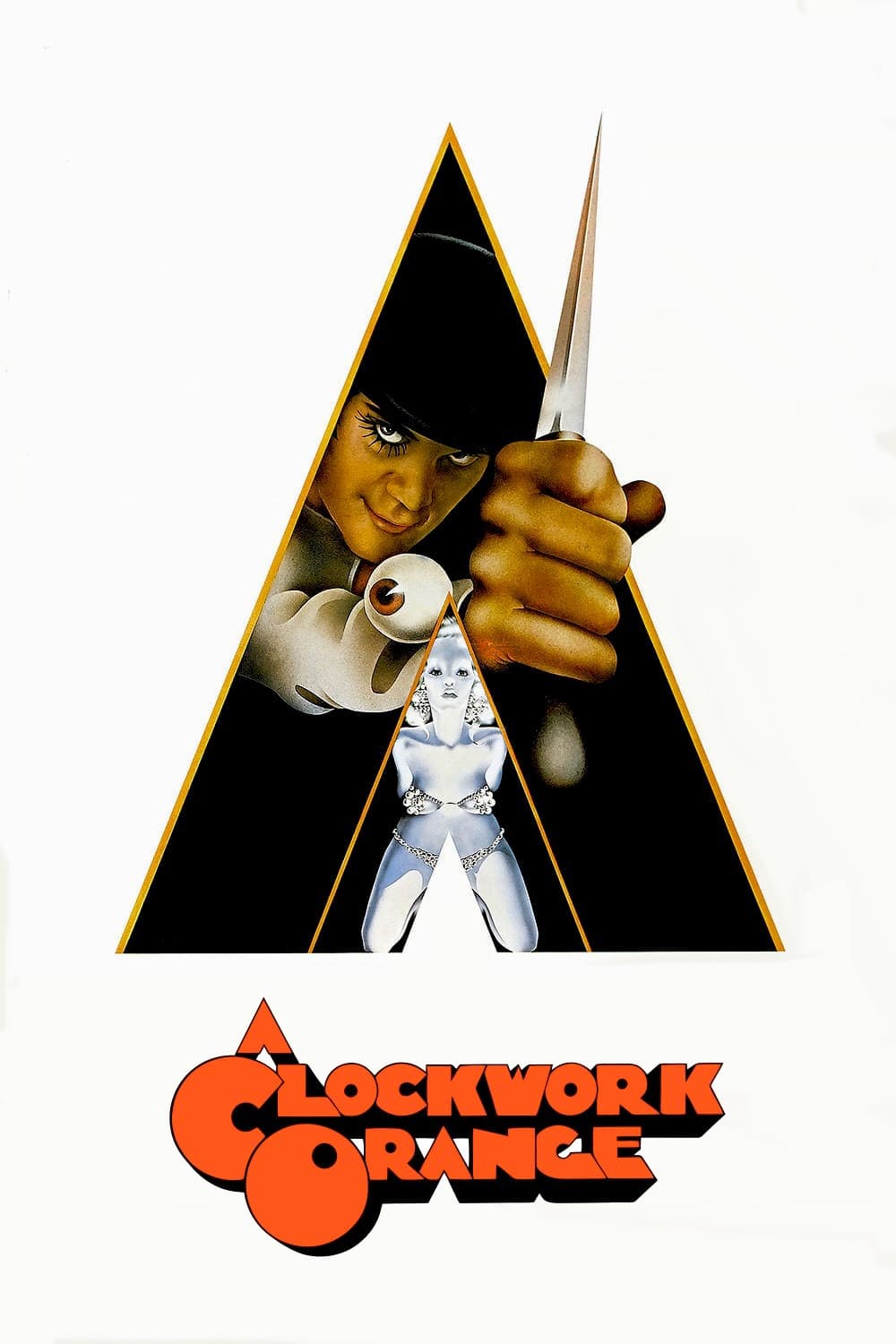
Alex DeLarge narrates his acts of violence with a distinctive Nadsat slang that is both charismatic and repulsively cheerful. Stanley Kubrick utilizes this first person perspective to force the audience into an uncomfortable complicity with the protagonist. The linguistic inventiveness of the voiceover creates a barrier that paradoxically draws the viewer closer to the mind of a sociopath. The narration remains consistent even as Alex undergoes state sanctioned conditioning to cure his criminal impulses.
‘Taxi Driver’ (1976)
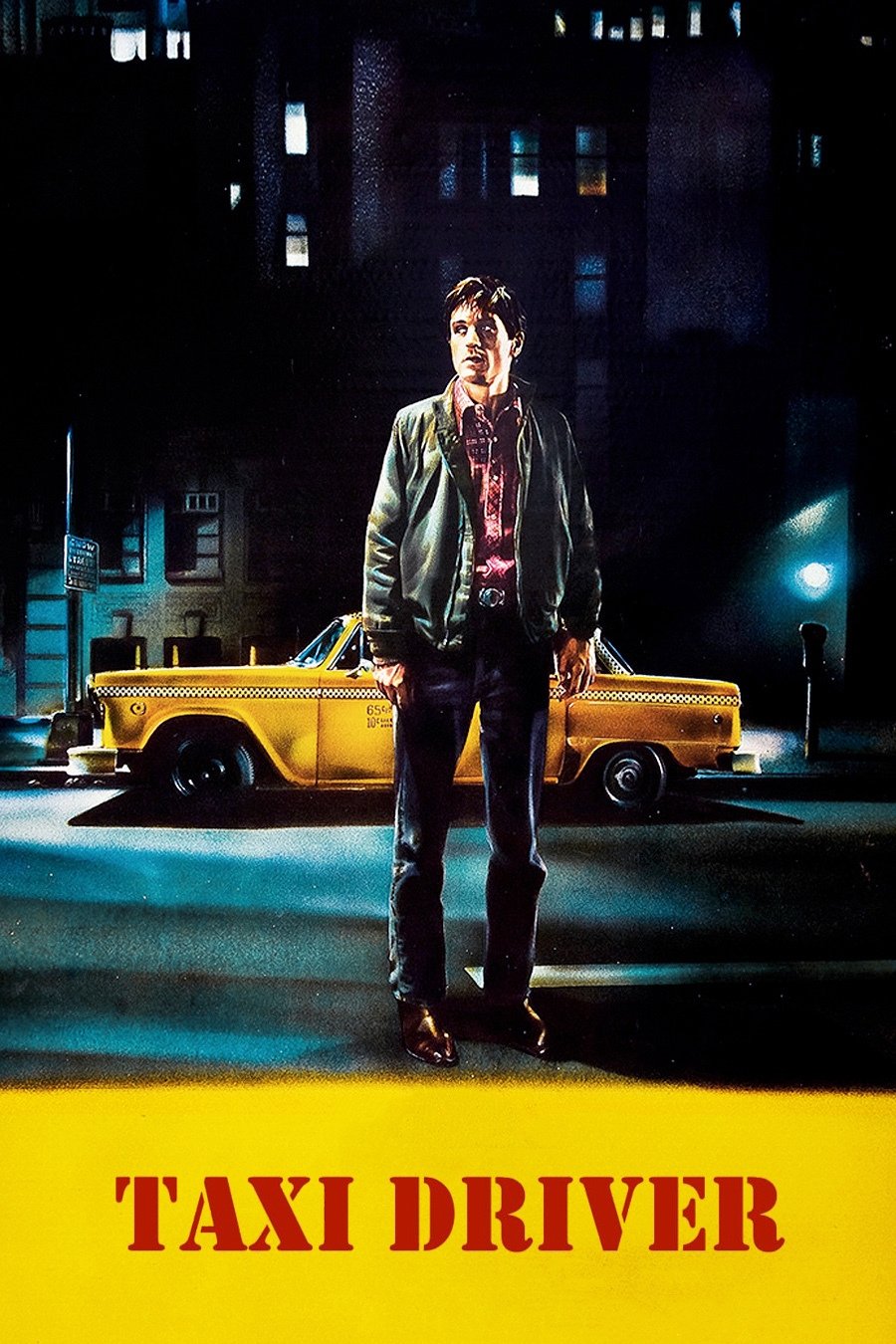
Travis Bickle keeps a diary that serves as the basis for his grim narration regarding the filth and decay of New York City. The voiceover reveals his deepening isolation and his paranoid delusion of becoming a savior figure. Martin Scorsese uses these ramblings to track the psychological disintegration of a lonely man pushed to the edge. The repetitive and brooding nature of his thoughts emphasizes the claustrophobic atmosphere of his existence.
‘The Shawshank Redemption’ (1994)
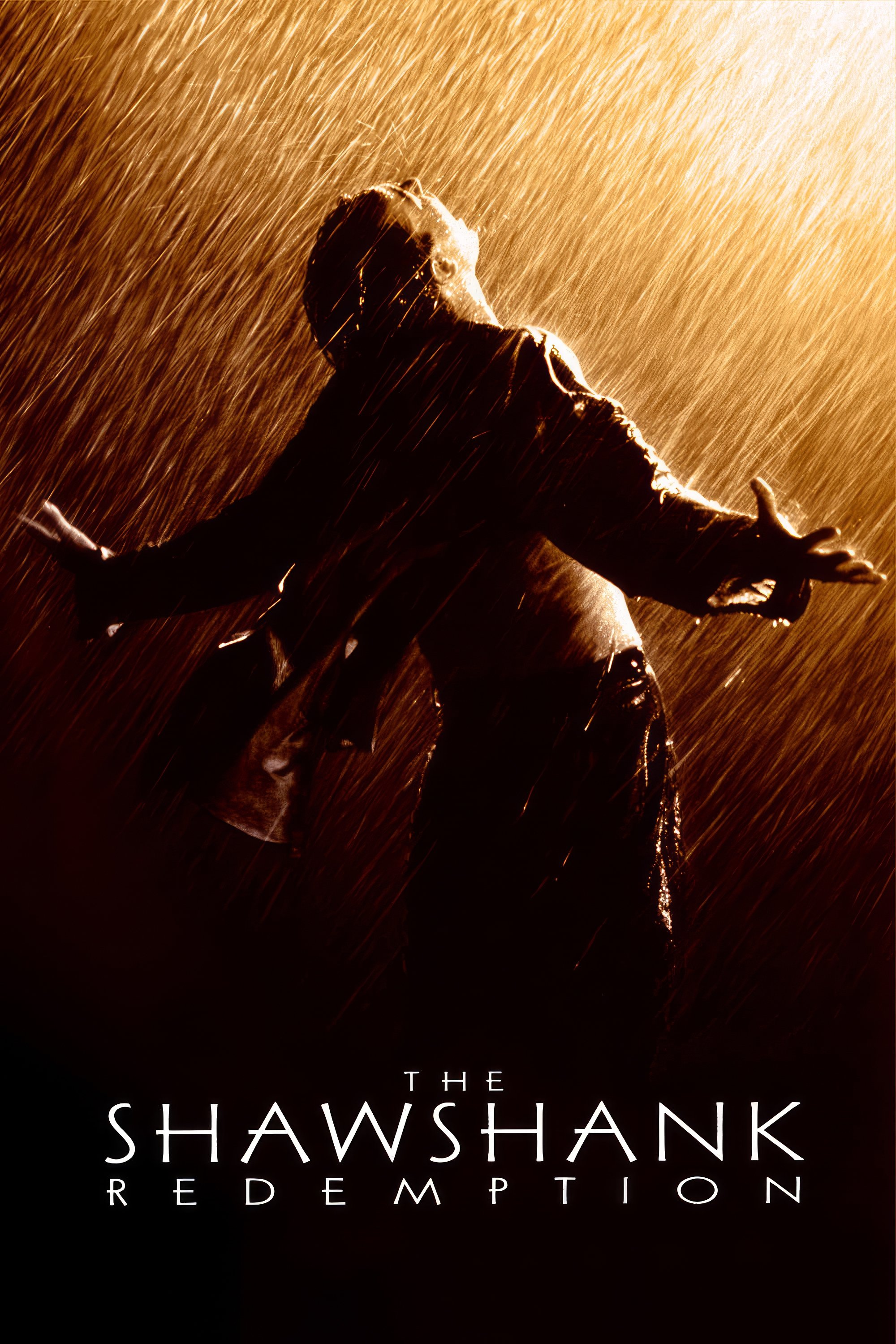
Ellis Boyd Redding provides a soulful and wise retrospective on his friendship with Andy Dufresne inside Shawshank Prison. The narration guides the viewer through decades of incarceration with a tone of quiet hope and resilience. Frank Darabont utilizes the voiceover to articulate themes of institutionalization and the enduring power of the human spirit. The steady and comforting delivery anchors the emotional arc of the film from despair to redemption.
‘Sunset Boulevard’ (1950)
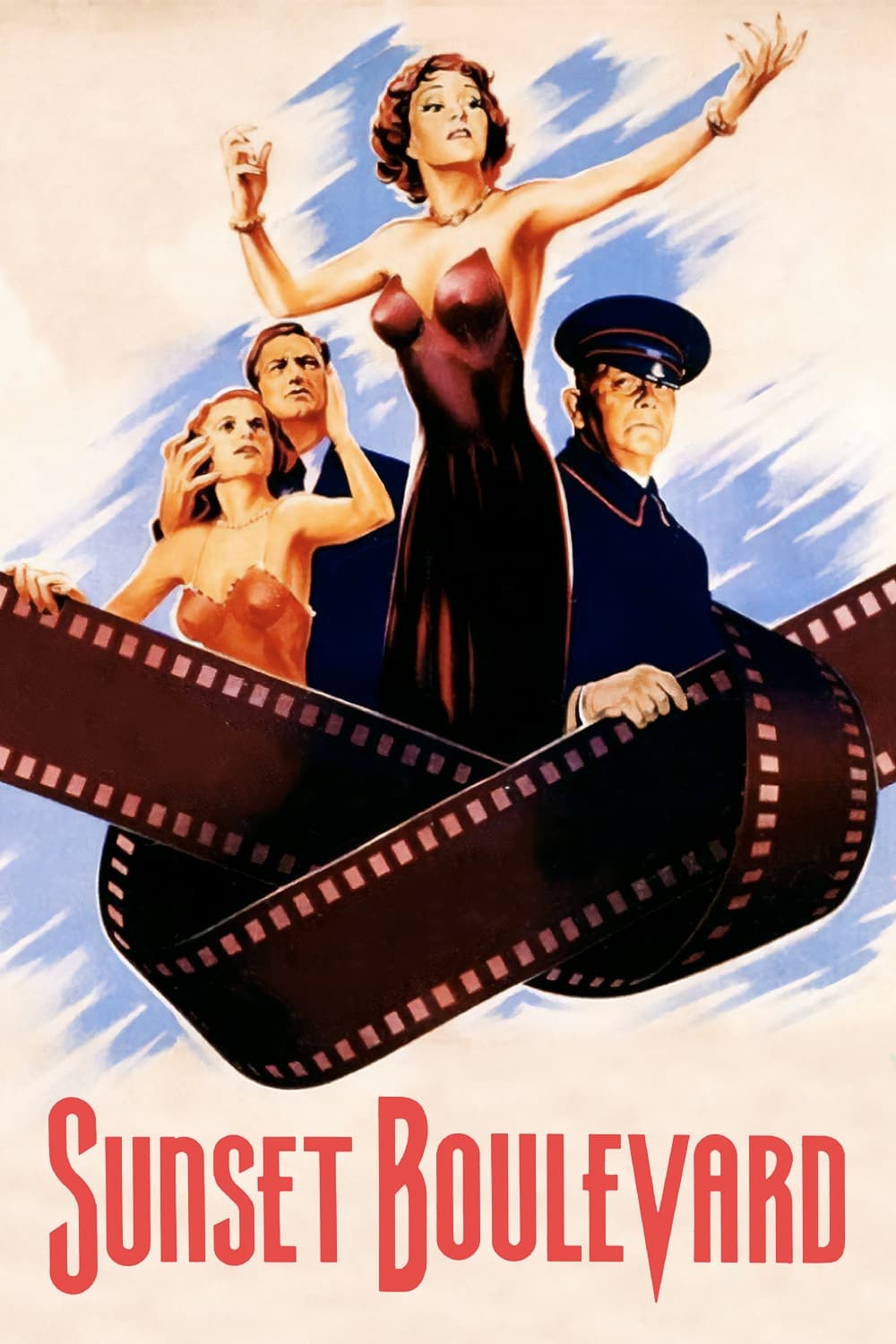
Joe Gillis narrates the story of his entanglement with a faded silent film star from beyond the grave. Billy Wilder employs this morbid framing device to critique the Hollywood studio system and the toxicity of fame. The cynical and biting wit of the voiceover contrasts with the gothic melodrama unfolding in the mansion. This narrative choice establishes a noir atmosphere where destiny is inescapable and tragic.
‘Blade Runner’ (1982)
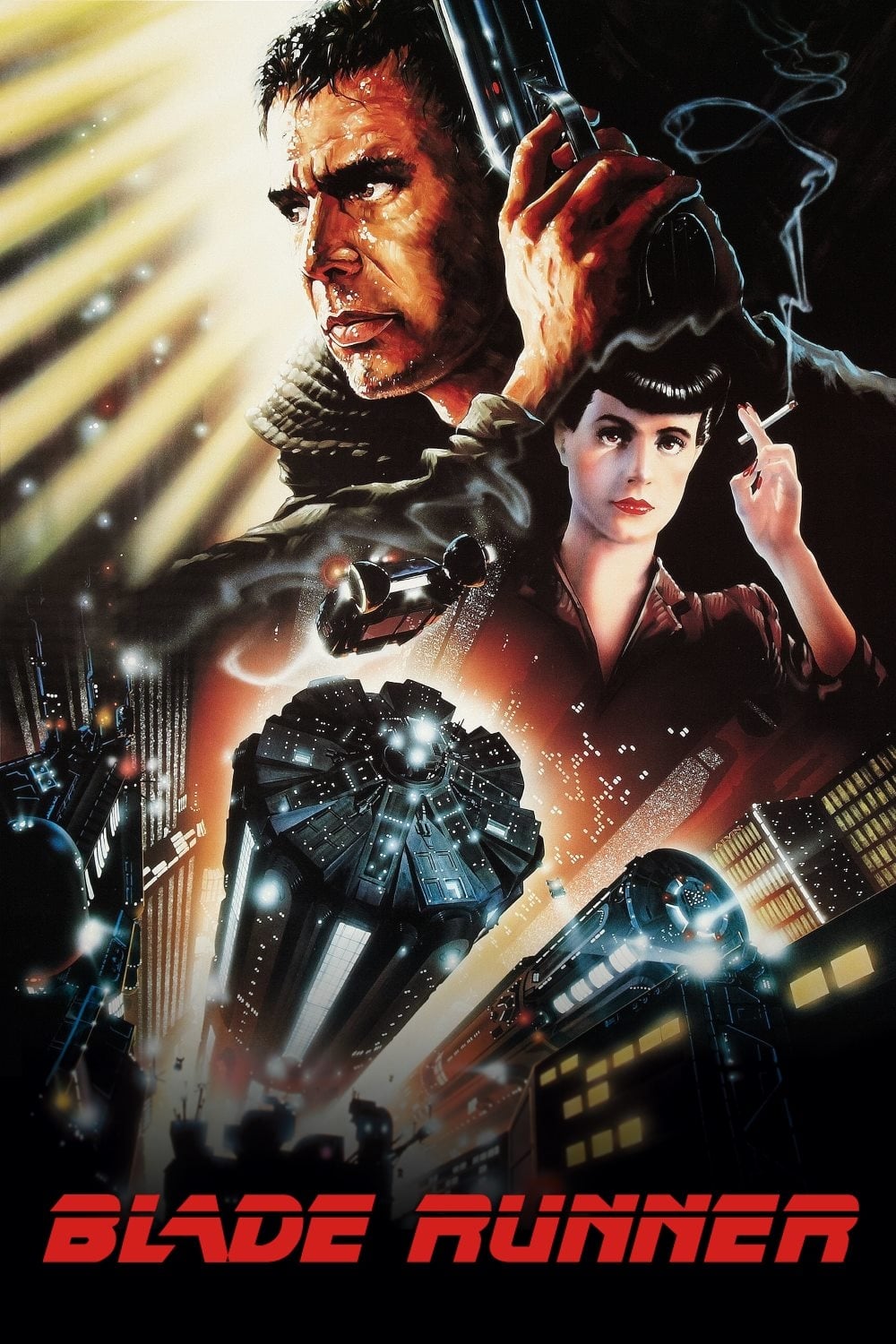
Rick Deckard provides a hard boiled narration that contextualizes the futuristic noir setting of Los Angeles in 2019. The voiceover explains the mechanics of the world and offers insight into the weary mindset of the protagonist. Ridley Scott initially included this element to aid audience understanding although it adds a layer of detective genre homage. The monologue regarding tears in rain remains one of the most quoted moments of poetic reflection in science fiction history.
‘Fight Club’ (1999)

The Narrator describes his insomnia and his descent into an underground anarchic society with dry and nihilistic humor. David Fincher uses the voiceover to satirize consumer culture and the crisis of modern masculinity. The narration is unreliable and plays a crucial role in concealing the central twist of the plot until the climax. The cynical observations provide a rhythmic beat that drives the frenetic pacing of the film.
‘Trainspotting’ (1996)
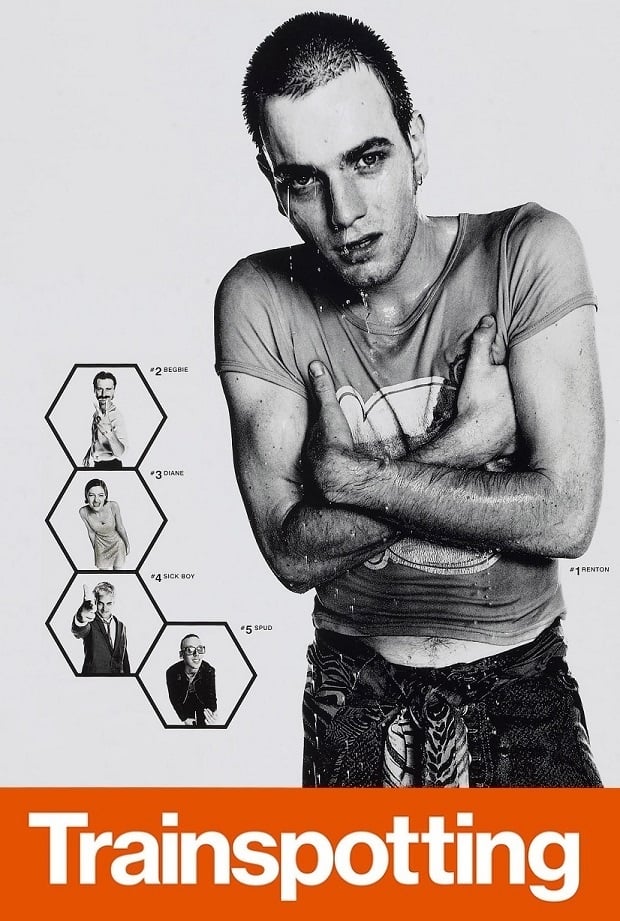
Mark Renton opens the film with a rhythmic monologue that rejects societal norms and embraces the chaotic life of heroin addiction. Danny Boyle uses the narration to inject energy and wit into a grim subject matter involving Scottish youth. The voiceover evolves from a celebration of rebellion to a sober realization of the need for change. The famous speech about choosing life bookends the narrative to show the maturation of the protagonist.
‘American Beauty’ (1999)

Lester Burnham speaks from the afterlife to recount the last year of his suburban existence with a sense of newfound clarity. Sam Mendes utilizes the narration to expose the hollowness of the American Dream and the beauty found in mundane moments. The voiceover shifts from sarcastic frustration to a profound appreciation for the details of his life. This perspective allows the audience to view the tragic conclusion with a sense of peace rather than horror.
‘The Royal Tenenbaums’ (2001)
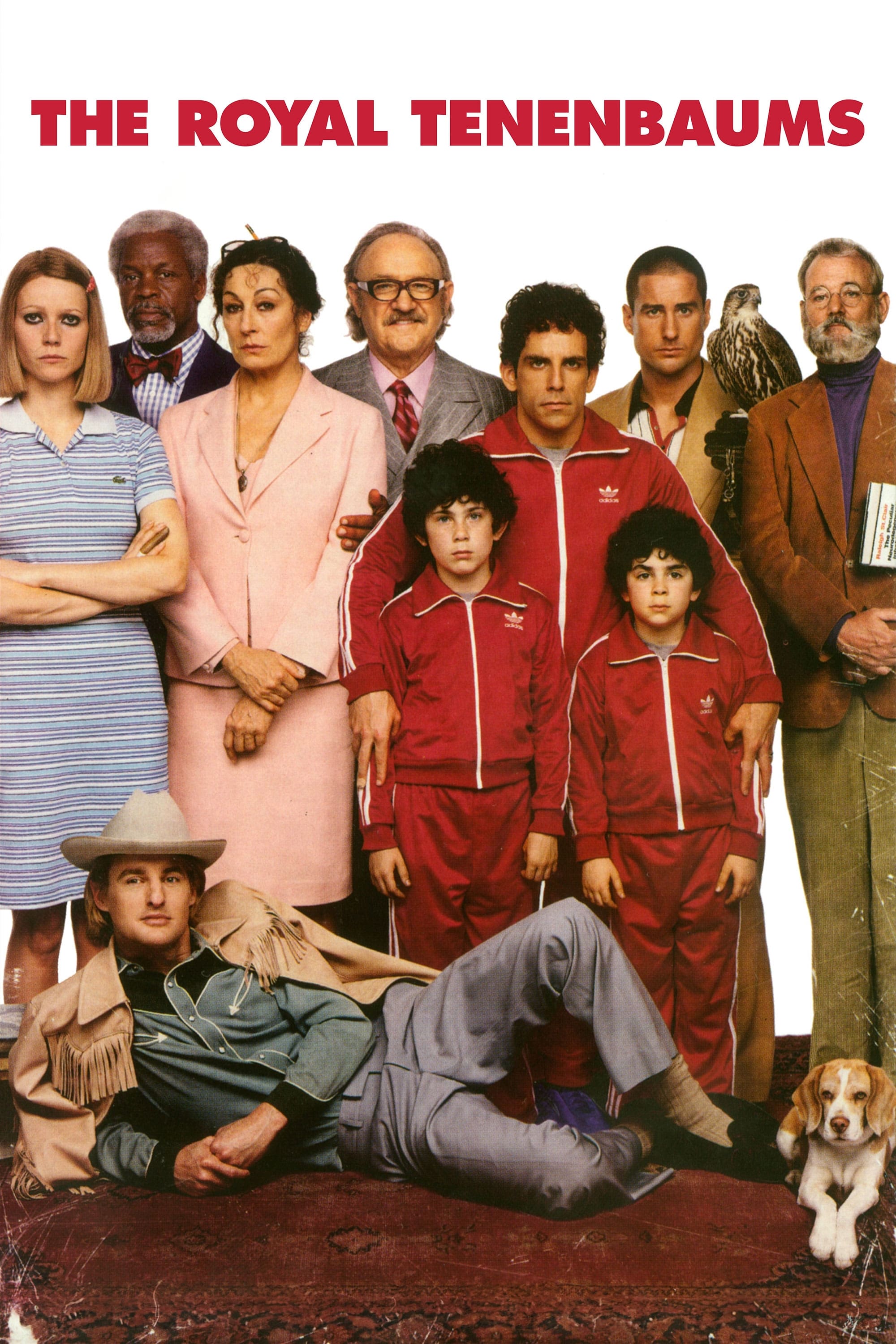
Alec Baldwin narrates the eccentric history of the Tenenbaum family with the dry precision of a literary biography. Wes Anderson uses this storybook technique to introduce the large ensemble cast and their various quirks efficiently. The voiceover maintains a respectful distance that enhances the whimsical yet melancholic tone of the film. The objective delivery contrasts with the deep emotional dysfunction experienced by the characters.
‘Amélie’ (2001)

An omniscient narrator introduces the whimsical world of Amélie Poulain by listing the likes and dislikes of various characters. Jean-Pierre Jeunet uses the voiceover to establish a fable like atmosphere that celebrates the magic of everyday life in Paris. The rapid delivery of trivial details creates a rich texture that defines the unique visual style of the movie. The narration acts as a benevolent guide that champions the small acts of kindness performed by the protagonist.
Please share your favorite examples of cinematic narration in the comments.