


17 Forgotten 90s Animated Series Worth Streaming Today




The 1990s represented a renaissance for Western animation that expanded the medium beyond simple toy advertisements or Saturday morning cartoons. Studios began to experiment with serialized storytelling and mature themes that appealed to audiences of all ages. Many innovative productions from this era failed to find a mass audience during their initial broadcast runs. These hidden gems offer unique visual styles and narrative depth that distinguish them from their more famous contemporaries.
‘The Pirates of Dark Water’ (1991–1993)
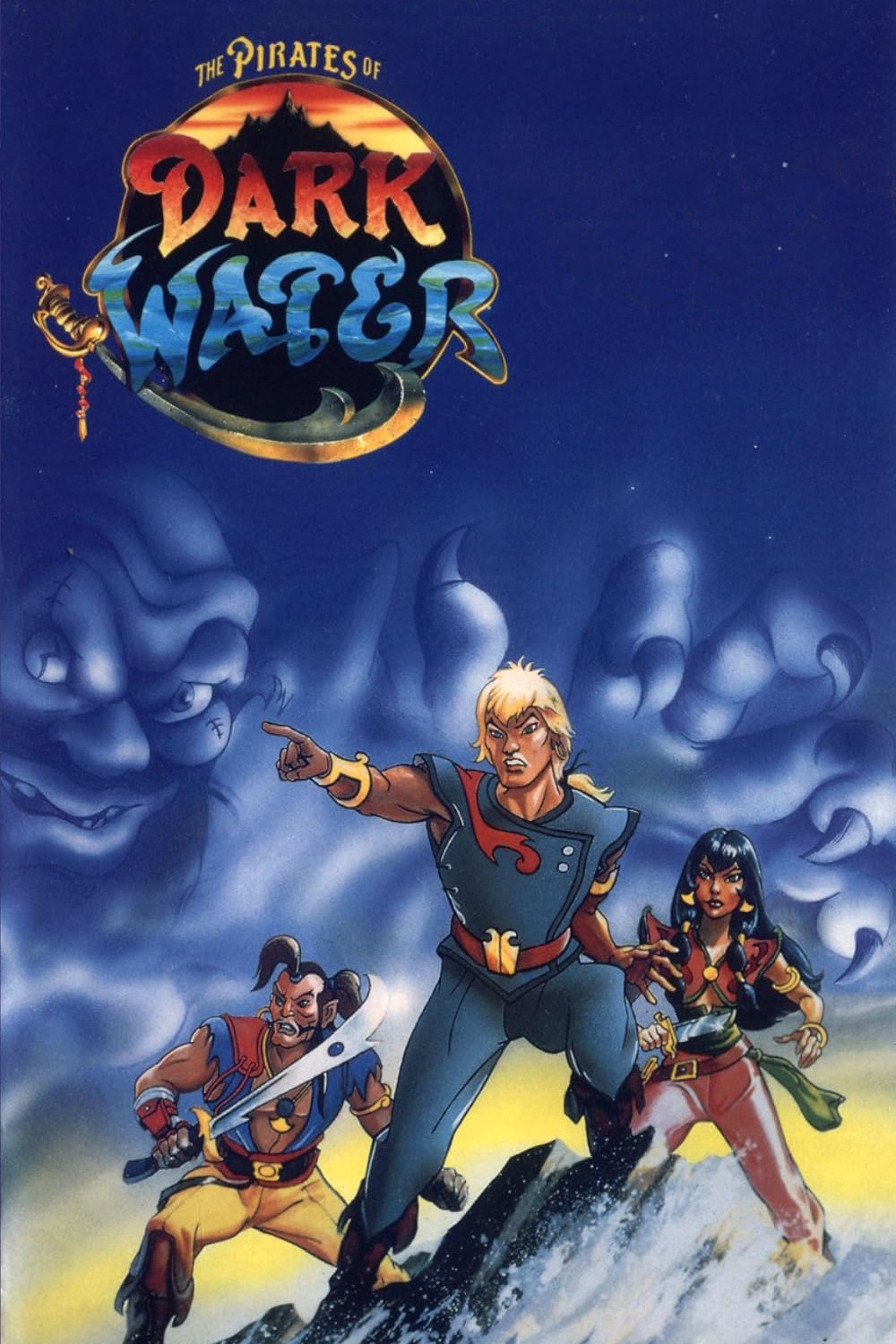
This fantasy adventure series follows Prince Ren on his quest to save the alien world of Mer from being consumed by a sinister substance. Ren must locate the Thirteen Treasures of Rule to stop the encroaching Dark Water with the help of an unlikely crew. The show features high production values and a unique world inhabited by diverse creatures and distinct cultures. The story famously concludes without a resolution because the series ceased production before the final treasures were found.
‘Exosquad’ (1993–1994)
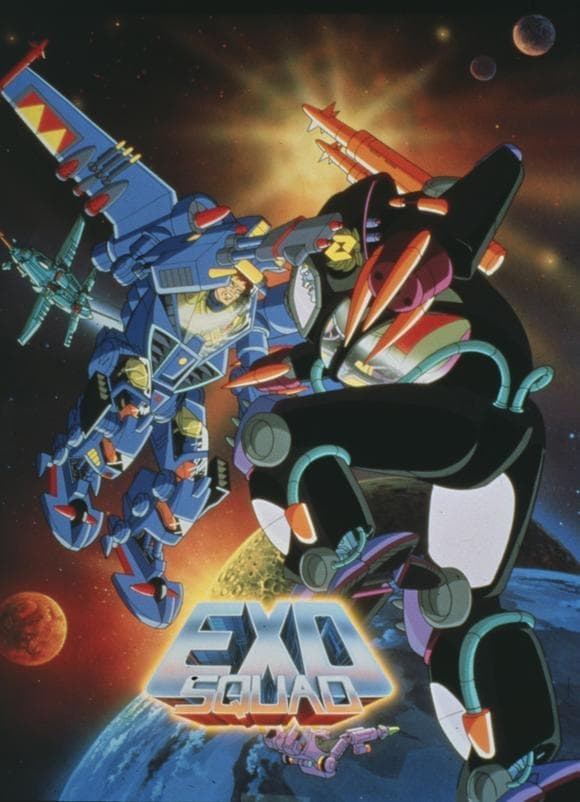
The narrative focuses on Lieutenant J.T. Marsh and his squad of pilots who operate powered mecha frames to protect humanity. The series explores complex themes of prejudice and war through the conflict between humans and a genetically engineered race called Neosapiens. The show distinguishes itself with a heavily serialized plot where characters face permanent consequences and shifting political alliances. It remains a notable example of American animation influenced by Japanese mecha storytelling.
‘SWAT Kats: The Radical Squadron’ (1993–1995)
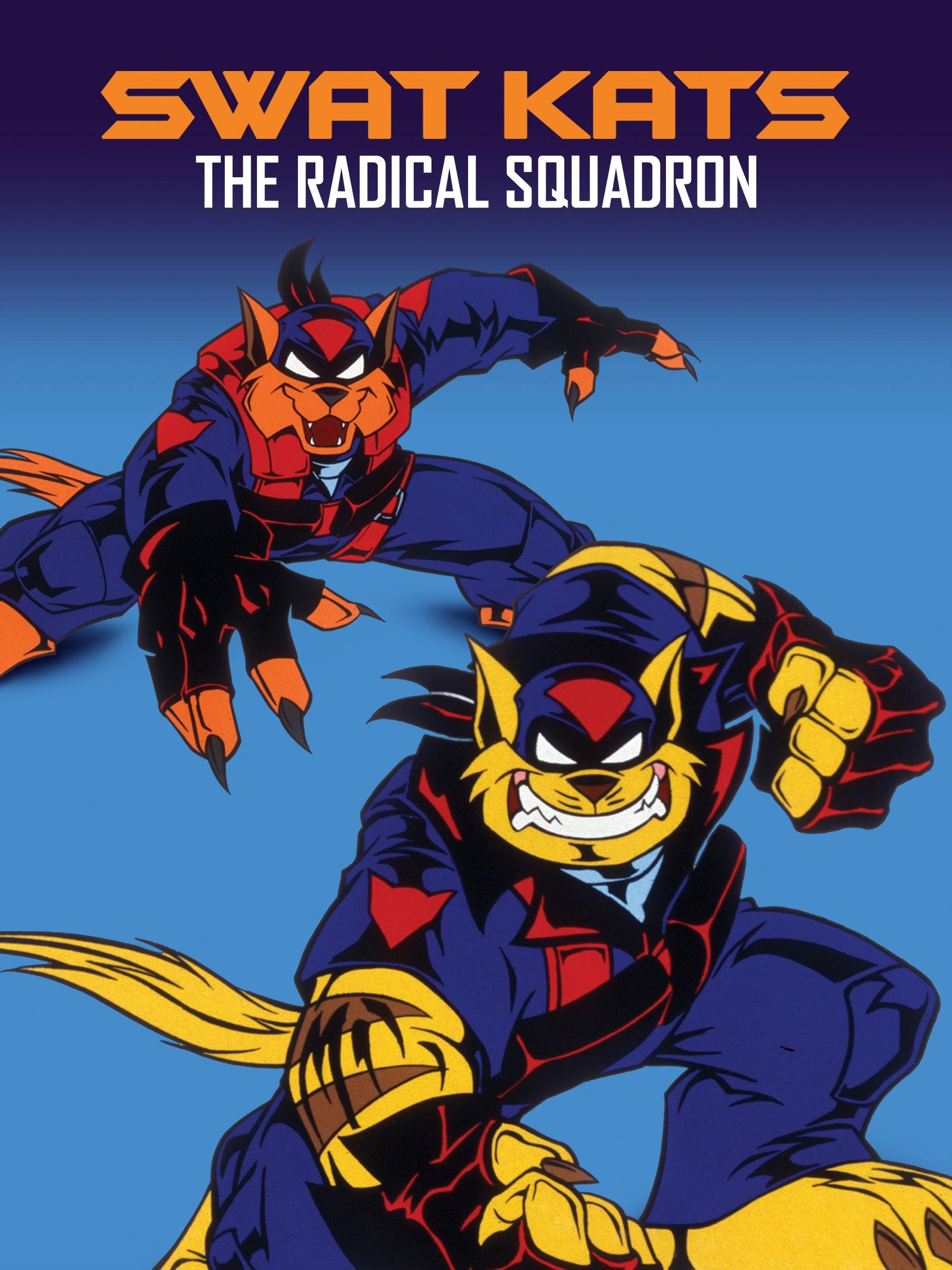
Two demoted fighter pilots construct a high-tech jet from discarded parts to protect Megakat City as vigilantes. Chance Furlong and Jake Clawson operate a salvage yard by day while battling giant monsters and criminal masterminds by night. The series is remembered for its intense aerial combat sequences and a guitar-heavy rock soundtrack. Fans continue to appreciate the darker tone and detailed mechanical designs that set it apart from other anthropomorphic animal shows.
‘The Maxx’ (1995)
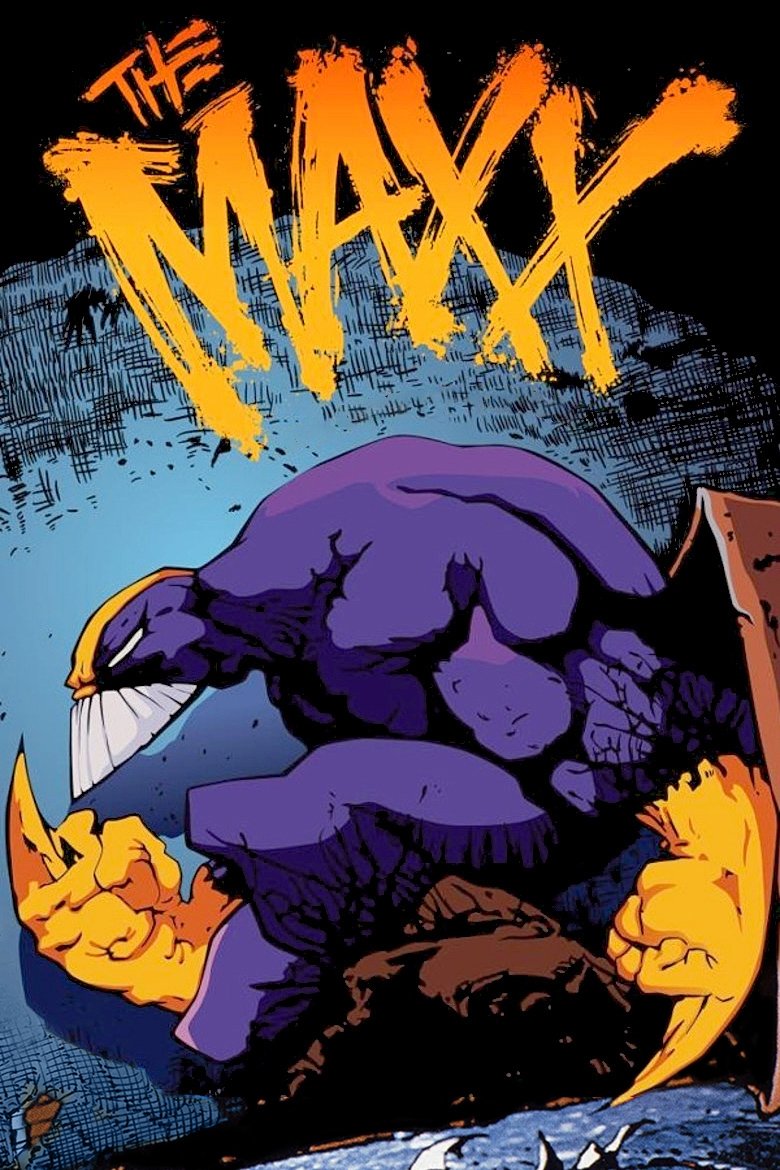
This adaptation of the Image Comics series appeared on MTV as part of their oddities animation block. The story splits time between the grimy reality of the modern world and a subconscious primal landscape known as the Outback. The titular hero protects a freelance social worker named Julie Winters while dealing with his own fractured psyche. The animation combines traditional cel art with live-action footage and 3D models to create a surreal visual experience.
‘Gargoyles’ (1994–1997)
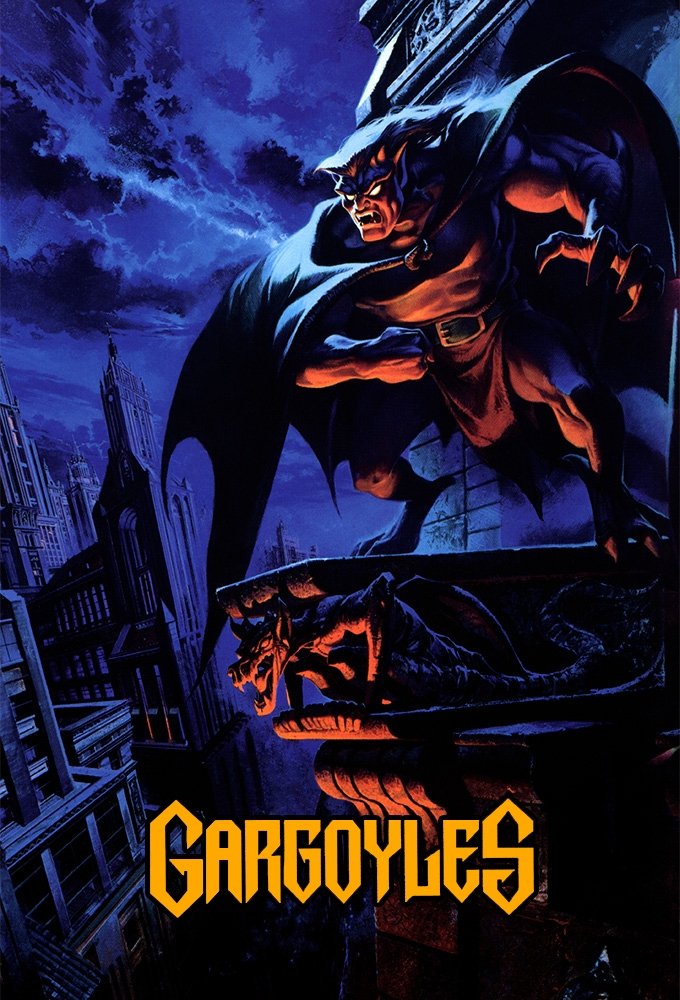
A clan of ancient warriors turns to stone during the day and protects New York City by night. Goliath leads his family of gargoyles as they adjust to modern life after waking from a thousand-year slumber. The series incorporates heavy influences from Shakespearean literature and Scottish mythology throughout its serialized arcs. It garnered praise for its sophisticated writing and the moral complexity of its antagonists.
‘Dr. Katz, Professional Therapist’ (1995–2002)
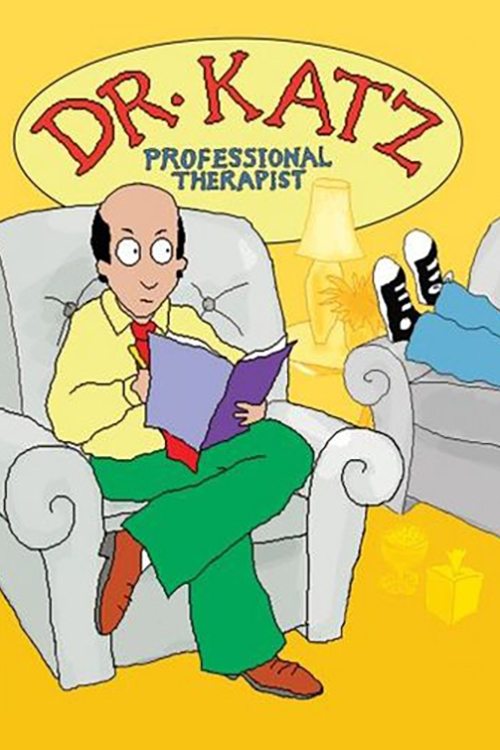
The show centers on a professional therapist who treats famous stand-up comedians voiced by real performers. The distinctive Squigglevision animation style creates a constantly vibrating outline around the characters to simulate movement. Much of the dialogue feels improvised and conversational rather than strictly scripted for punchlines. The series captures the dry wit of the decade through its low stakes and focus on mundane daily interactions.
‘The Tick’ (1994–1996)
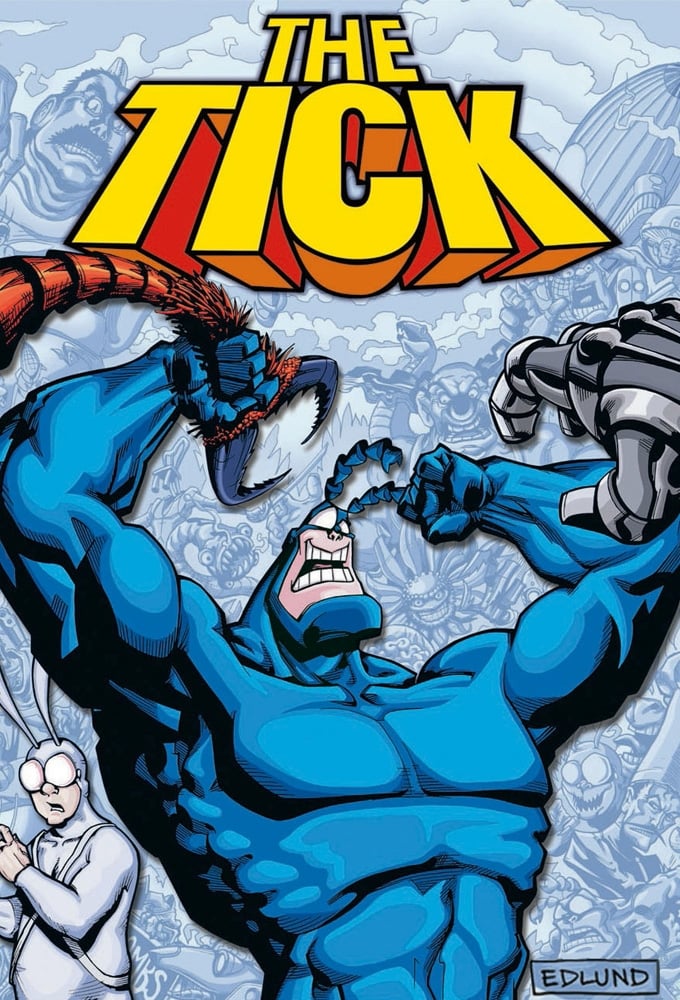
A nearly invulnerable superhero in a bright blue suit protects The City with his sidekick Arthur. The show satirizes the comic book genre through absurd villains and bizarre situations that defy logical explanation. Patrick Warburton provides the booming voice for the title character who often speaks in nonsensical dramatic metaphors. It gained a cult following for its surreal humor and refusal to take superhero tropes seriously.
‘Duckman’ (1994–1997)
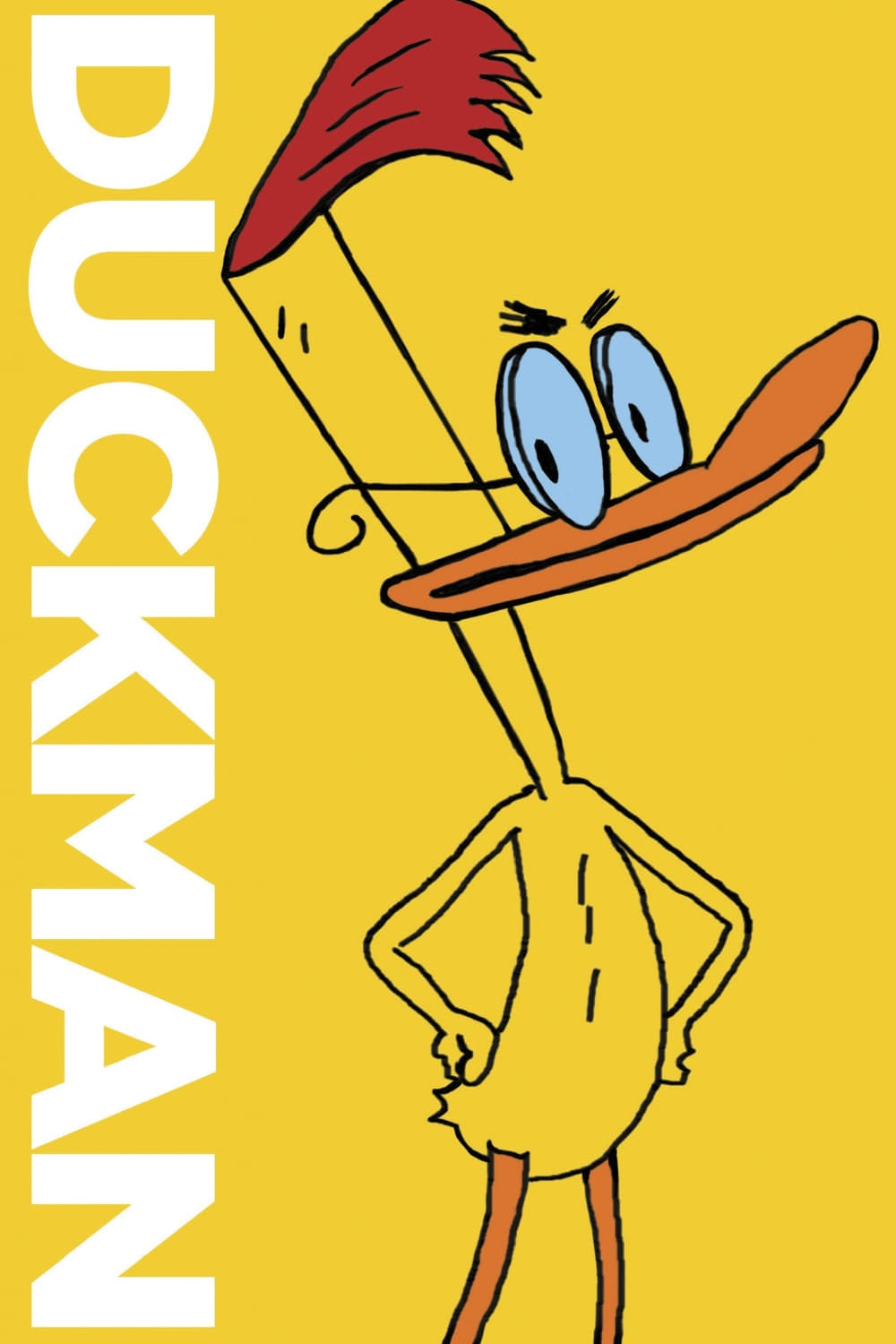
Jason Alexander voices a lewd and self-destructive private detective who lives with his deceased wife’s identical twin sister. The series utilizes a unique scratching animation style produced by Klasky Csupo that matches the gritty tone of the writing. Plots often revolve around the main character attempting to balance his failing career with his dysfunctional family life. The show targets an adult audience with its cynical humor and frequent references to pop culture.
‘ReBoot’ (1994–2001)
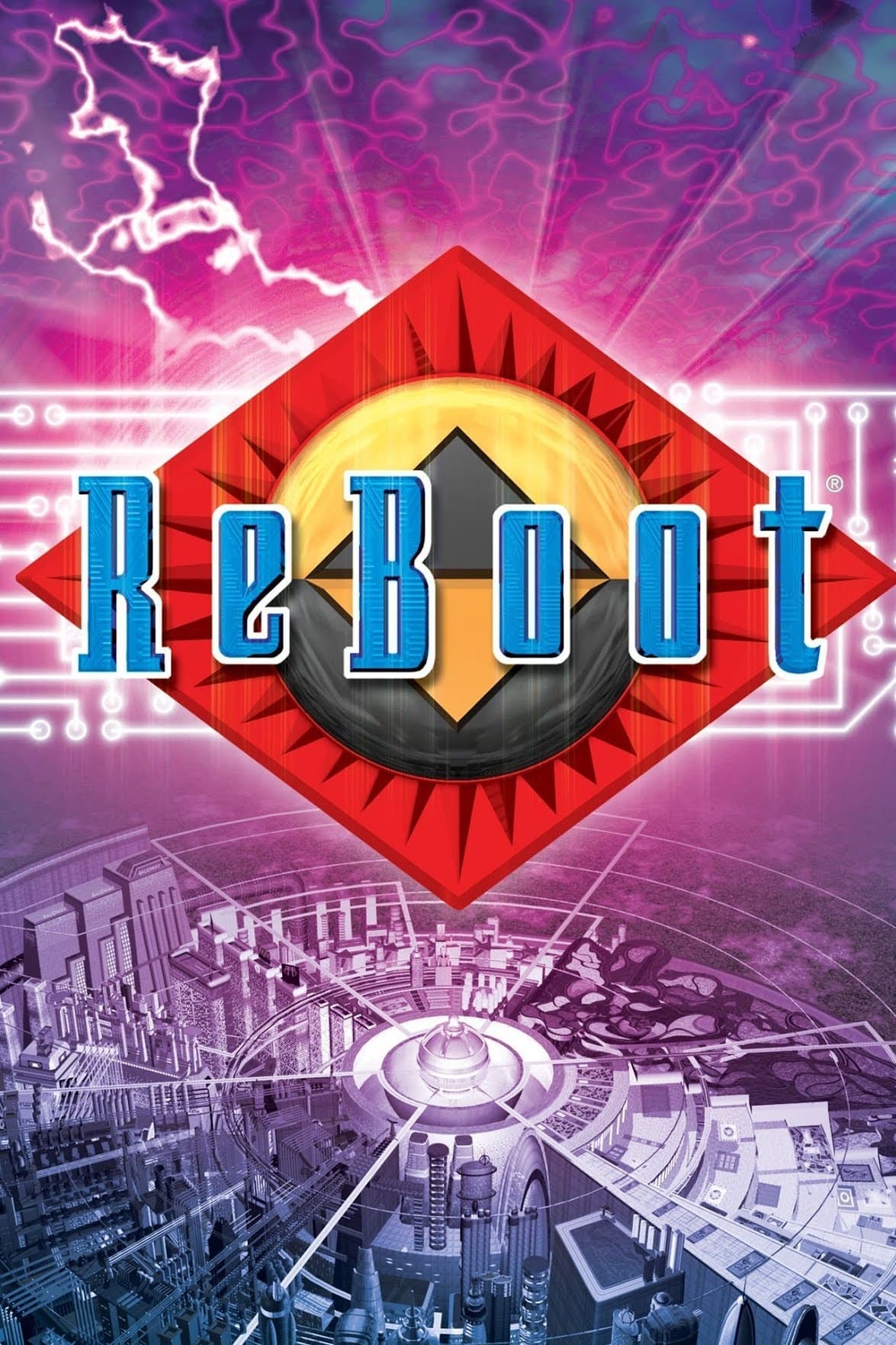
This Canadian production holds the distinction of being the first completely computer-animated half-hour TV series. The plot takes place inside a computer system known as Mainframe where Sprites battle against malicious viruses. Bob and his friends Dot and Enzo work to protect their home from the villainous Megabyte and Hexadecimal whenever the User inputs a game. The animation style evolves significantly over the seasons as the technology improved during the lengthy production run.
‘Mighty Max’ (1993–1994)
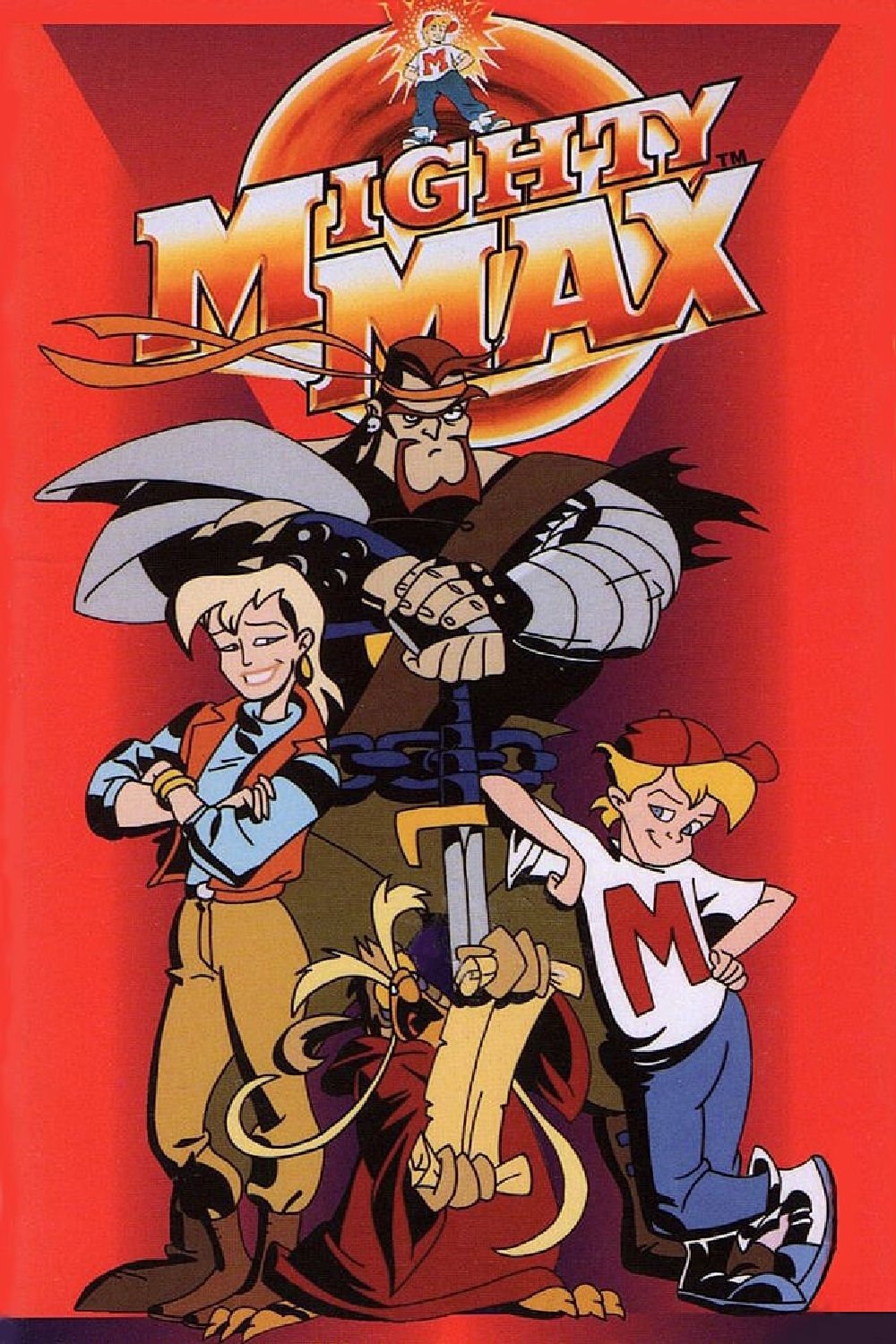
A young boy discovers a magical cap that allows him to travel across instant portals to save the world. Max travels with a lemur-like wise one named Virgil and a Viking bodyguard named Norman to stop the evil Skullmaster. The show presents a surprisingly dark narrative where secondary characters often die and the stakes remain consistently high. It serves as a rare example of a toy-based property that prioritized lore and continuity over simple marketing.
‘Freakazoid!’ (1995–1997)

Teenager Dexter Douglas transforms into an insane superhero after getting sucked into cyberspace due to a computer bug. Executive producer Steven Spielberg helped craft this frantic comedy that relies heavily on slapstick and fourth-wall breaking. The show mocks the conventions of superhero cartoons and often abandons the plot for random comedic skits. Its rapid-fire pacing and meta-commentary anticipated the style of internet humor that would emerge years later.
‘The Critic’ (1994–1995)
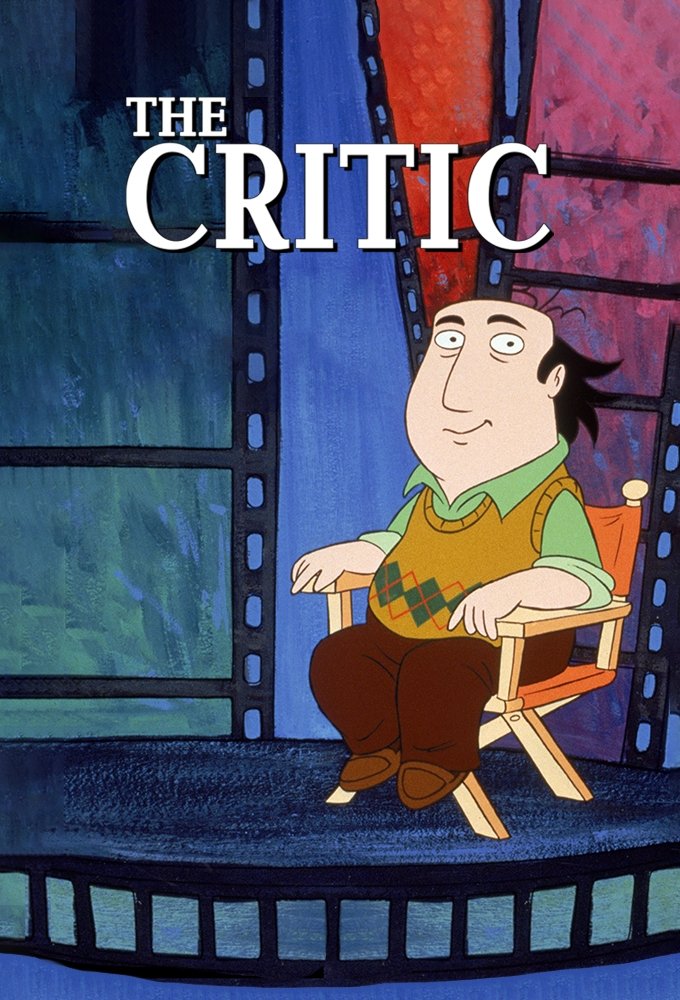
Jon Lovitz voices Jay Sherman who works as a film critic in New York City while dealing with his eccentric wealthy family. The series parodies famous movies through short clips that the main character reviews on his television show. The humor blends intellectual references with physical comedy and biting satire of the entertainment industry. It maintains a loyal following despite bouncing between networks during its short broadcast life.
‘Mission Hill’ (1999–2002)
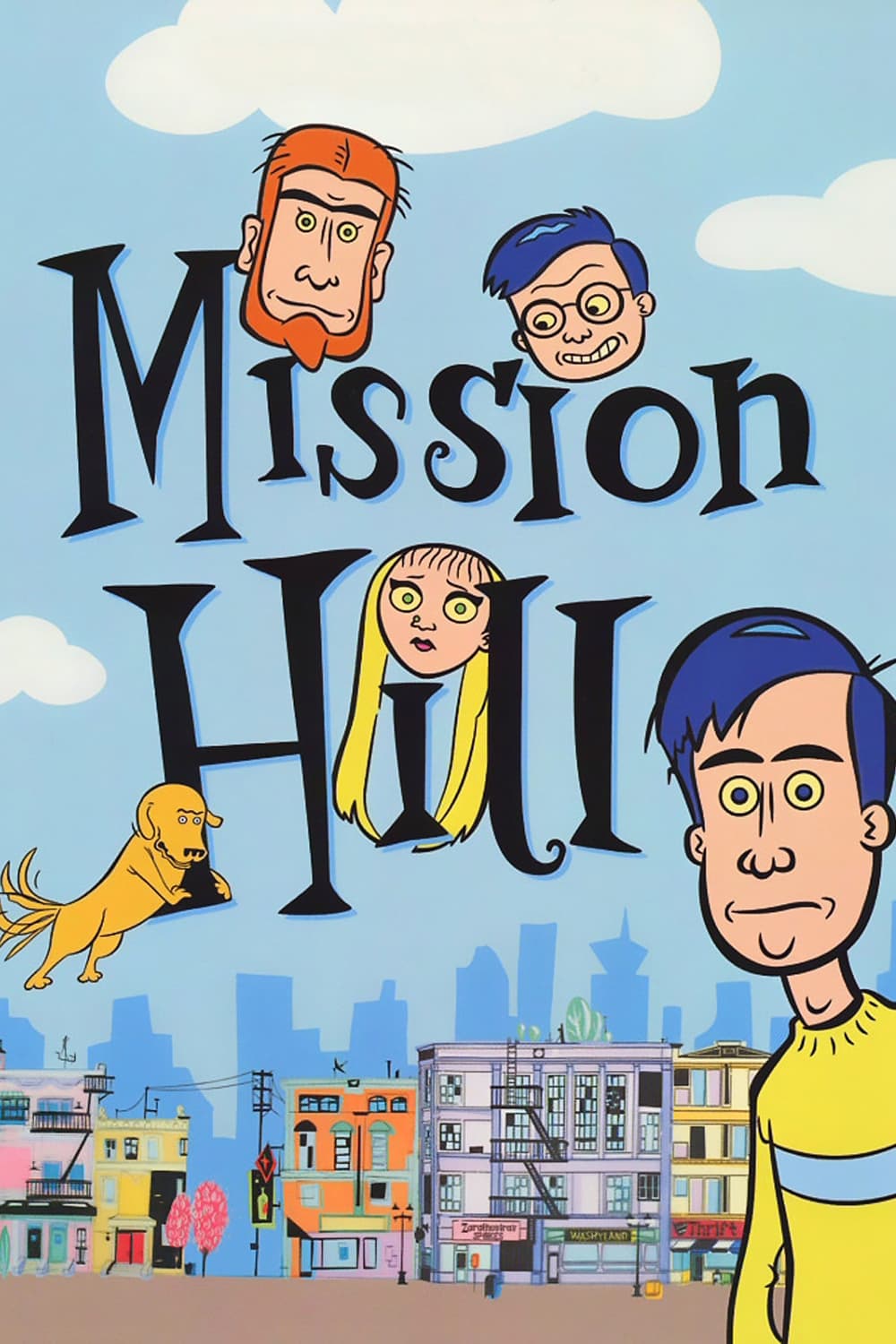
A twenty-something slacker named Andy French lives in a loft with his roommates and his uptight younger brother Kevin. The show captures the specific cultural moment of the late nineties with its alternative rock soundtrack and neon color palette. Scripts focus on the struggles of early adulthood including bad jobs and complicated romantic relationships. The series found a second life on Adult Swim after being cancelled quickly by its original network.
‘Cybersix’ (1999)
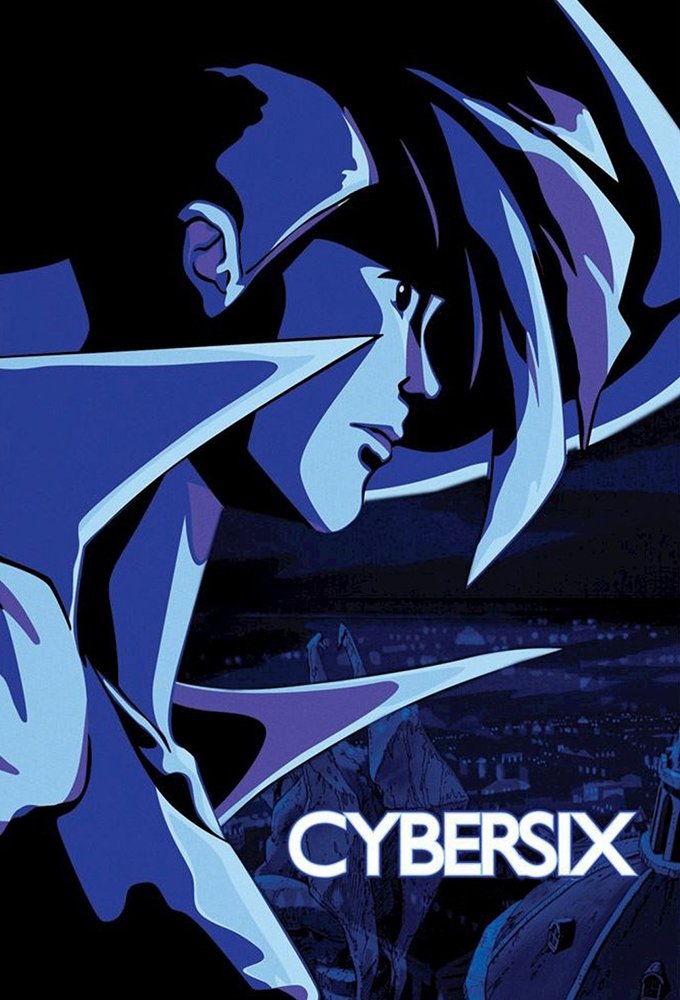
A female genetic experiment escapes her creator to live as a male high school teacher by day and a superhero by night. She battles the monsters sent by the scientist Von Reichter while hunting for the sustenance fluid she needs to survive. The production combines Japanese and Canadian talent to create a noir atmosphere with fluid action sequences. The melancholic tone and electronic soundtrack give the series a distinct identity among superhero shows.
‘Earthworm Jim’ (1995–1996)
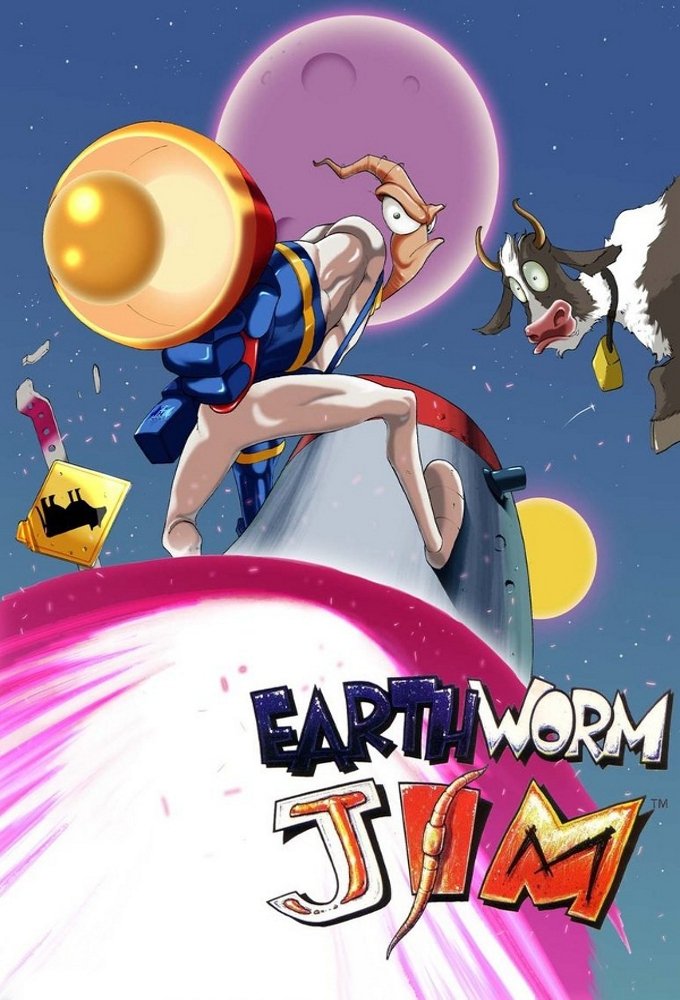
A super suit falls from space and turns an ordinary earthworm into a muscular hero who battles bizarre galactic villains. The show expands on the surreal humor of the video game franchise with the addition of the sidekick Peter Puppy. Dan Castellaneta voices the title character with a manic energy that matches the absurdity of the scripts. The series embraces nonsense logic and breaks the laws of physics for comedic effect.
Tell us which of these nostalgic series you plan to binge-watch first in the comments.