


30 Forgotten 90s TV Shows That Deserve a Reboot More Than Anything Streaming Now



The television landscape of the 1990s was a testing ground for high-concept science fiction and character-driven dramas that often ended too soon. Networks took significant risks on shows that garnered dedicated cult followings despite suffering from premature cancellations or difficult time slots. The current streaming era thrives on nostalgic properties and established intellectual property that can be reimagined for modern viewers. These forgotten gems offer compelling premises that could resonate even more strongly with today’s audiences than they did during their original broadcast.
‘Gargoyles’ (1994–1997)
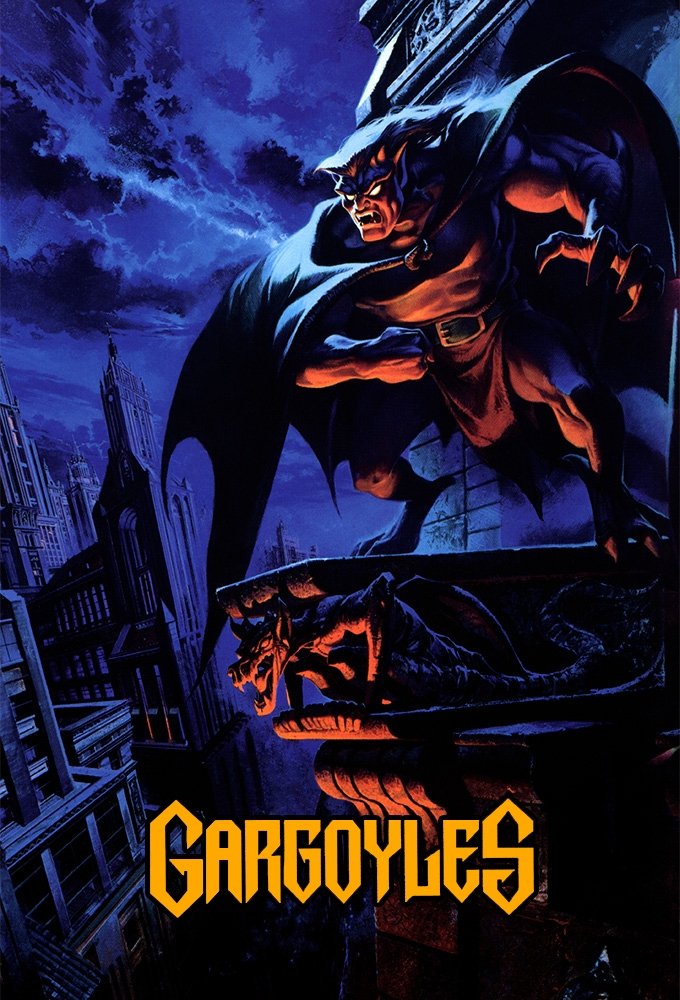
Ancient stone creatures come to life at night to protect modern New York City after being betrayed in medieval Scotland. The clan leader Goliath struggles to lead his people while adapting to a strange new world filled with advanced technology. They face threats from billionaire David Xanatos and the genocidal Demona who wants to destroy humanity. The series explores complex themes of prejudice and redemption rarely seen in animated programming of that era. A live-action adaptation could fully realize the dark gothic atmosphere and intricate mythology of the original series.
‘Sliders’ (1995–2000)
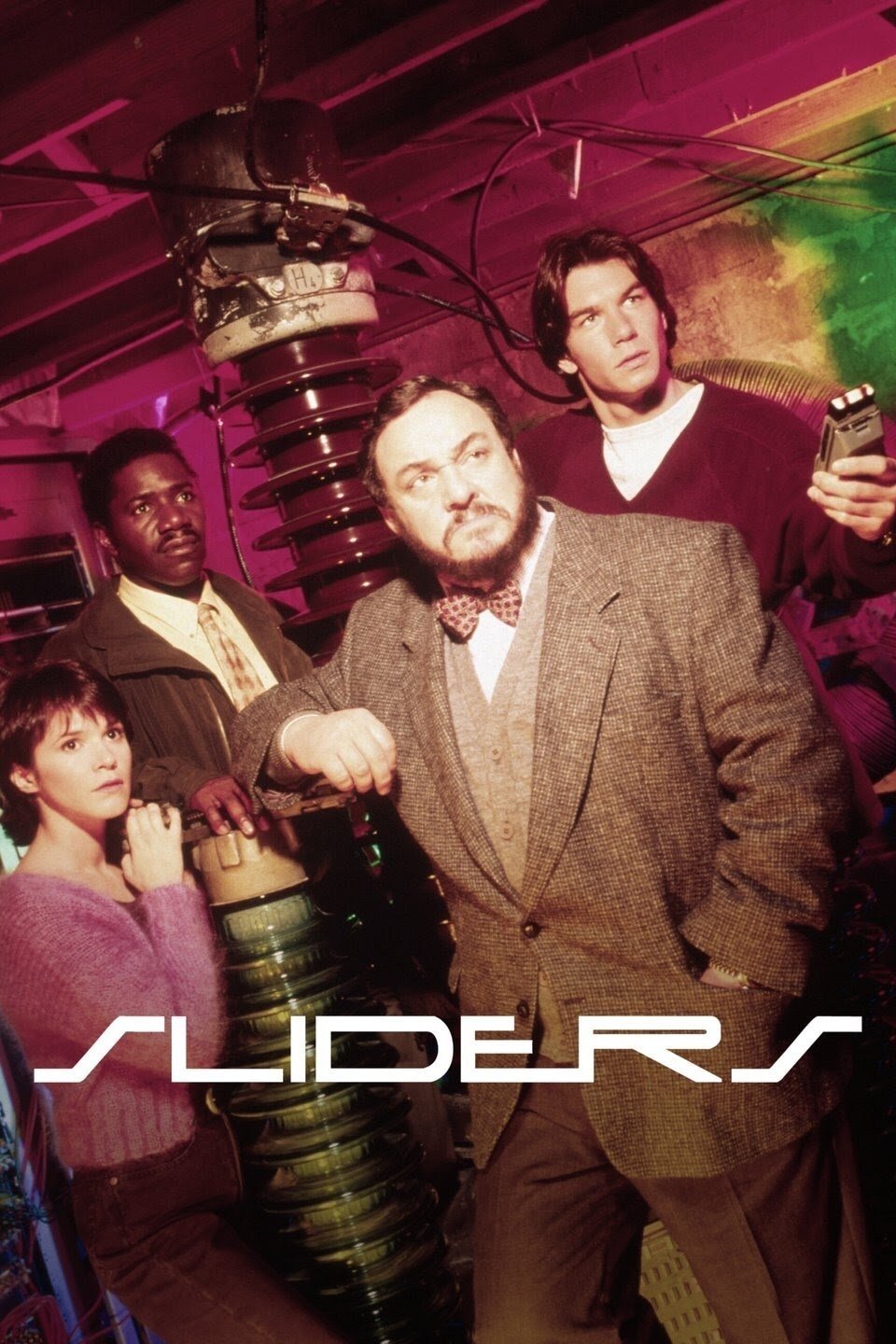
A physics genius invents a device that allows travel between parallel universes by opening a dimensional wormhole. He and his companions become lost and must slide from world to world in hopes of eventually finding their way home. The group encounters alternate histories where the Soviet Union rules America or antibiotics were never discovered. Political commentary and scientific curiosity drive the narrative as the characters navigate these strange societies. Modern visual effects would allow for even more immersive and distinct alternate realities.
‘Space: Above and Beyond’ (1995–1996)
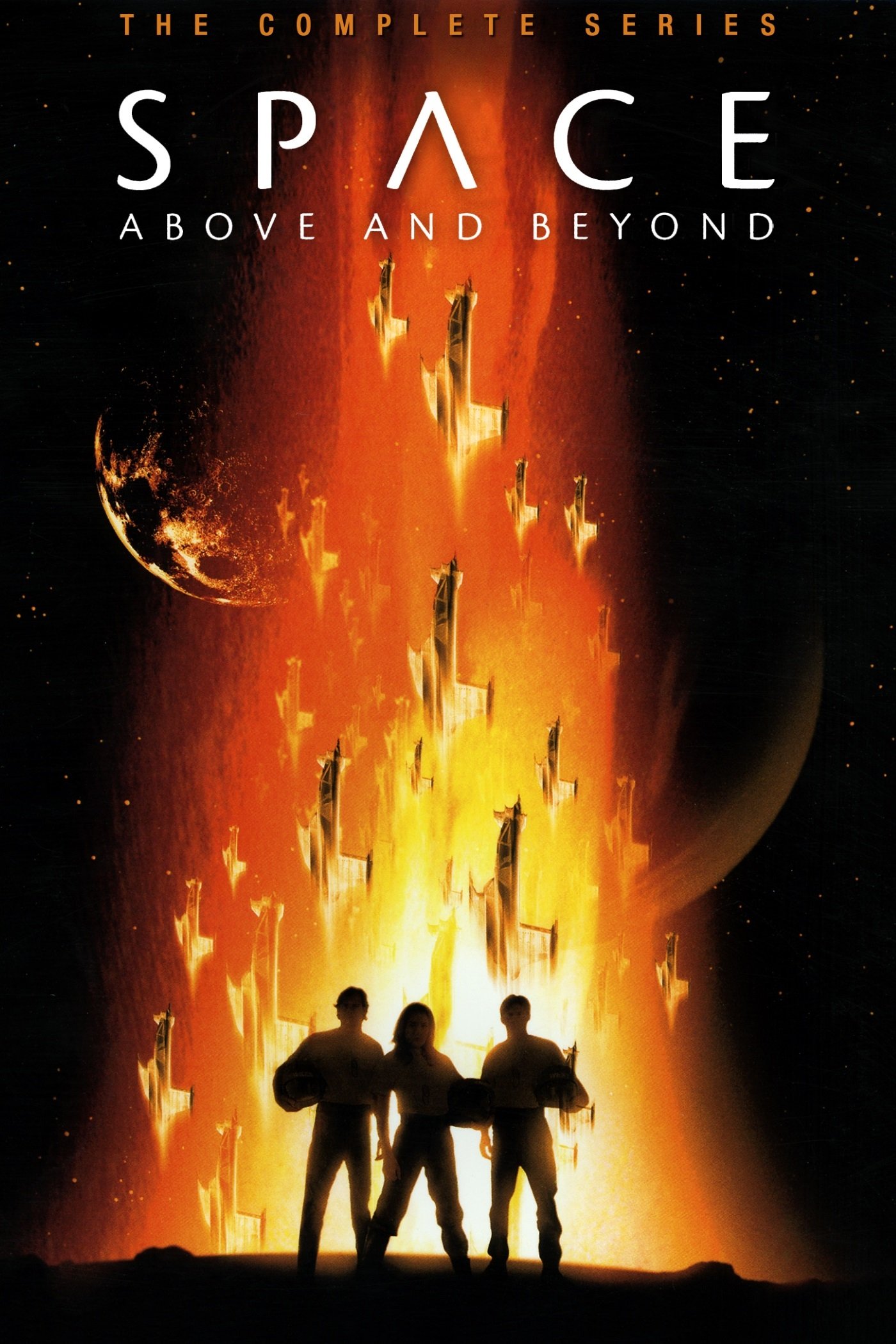
Humanity fights a desperate interstellar war against a mysterious alien species known as the Chigs. A squadron of rookie Marines known as the Wildcards faces the brutal realities of combat in the cold vacuum of space. The show focuses heavily on the psychological toll of warfare and the dehumanization of soldiers. It deals with issues of racism through the treatment of artificially gestated humans called In Vitroes. A reboot could deliver the gritty military science fiction drama that fans of the genre constantly crave.
‘The Adventures of Brisco County, Jr.’ (1993–1994)
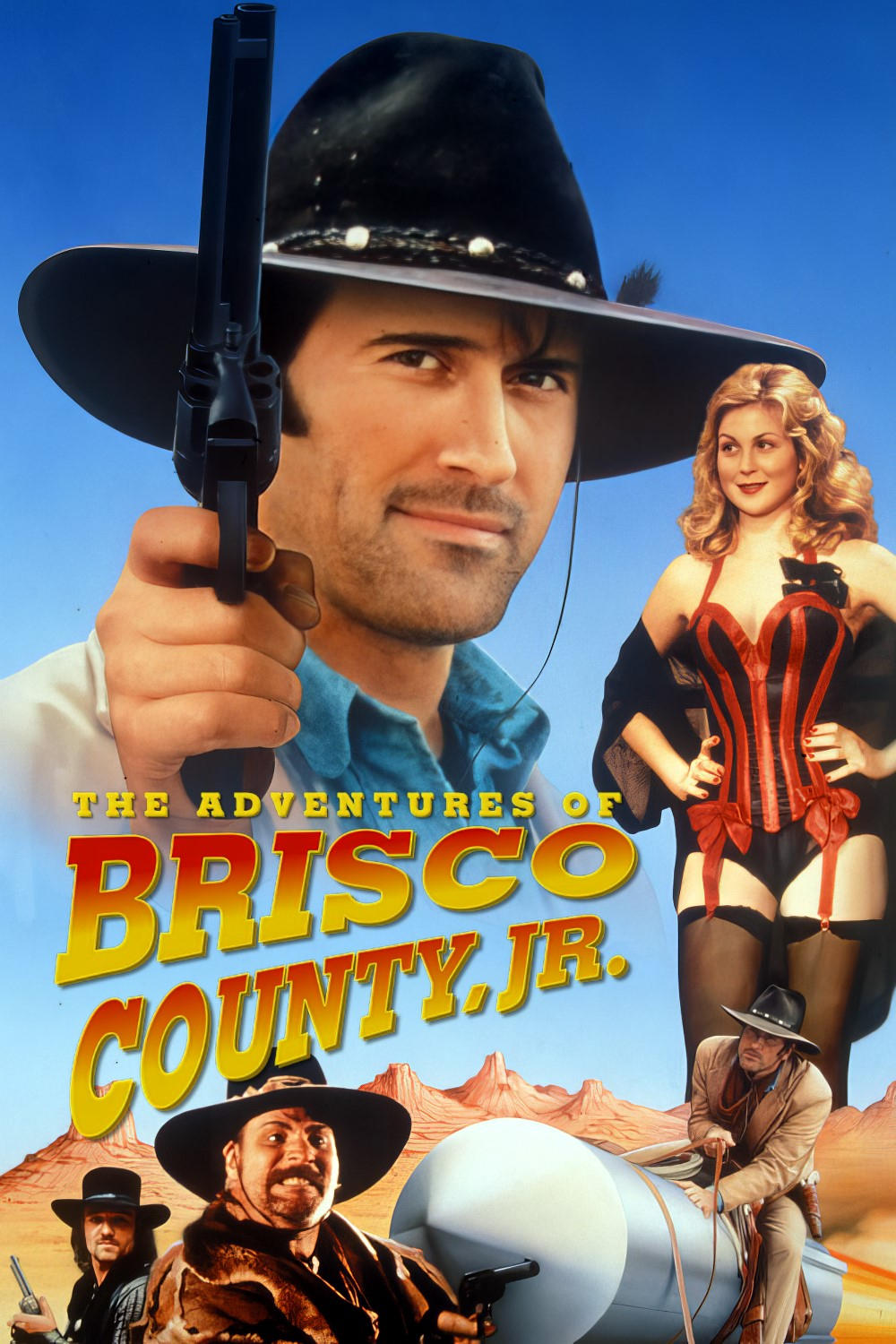
A Harvard-educated bounty hunter travels the American West looking for the gang members who killed his father. He utilizes futuristic gadgets developed by a quirky professor to capture his targets and stay ahead of the law. The show blends elements of steampunk and science fiction with traditional western tropes in a unique genre mix. A mysterious golden orb serves as a central plot device that connects the disparate storylines. This adventurous tone is perfect for a modern action series that does not take itself too seriously.
‘Nowhere Man’ (1995–1996)
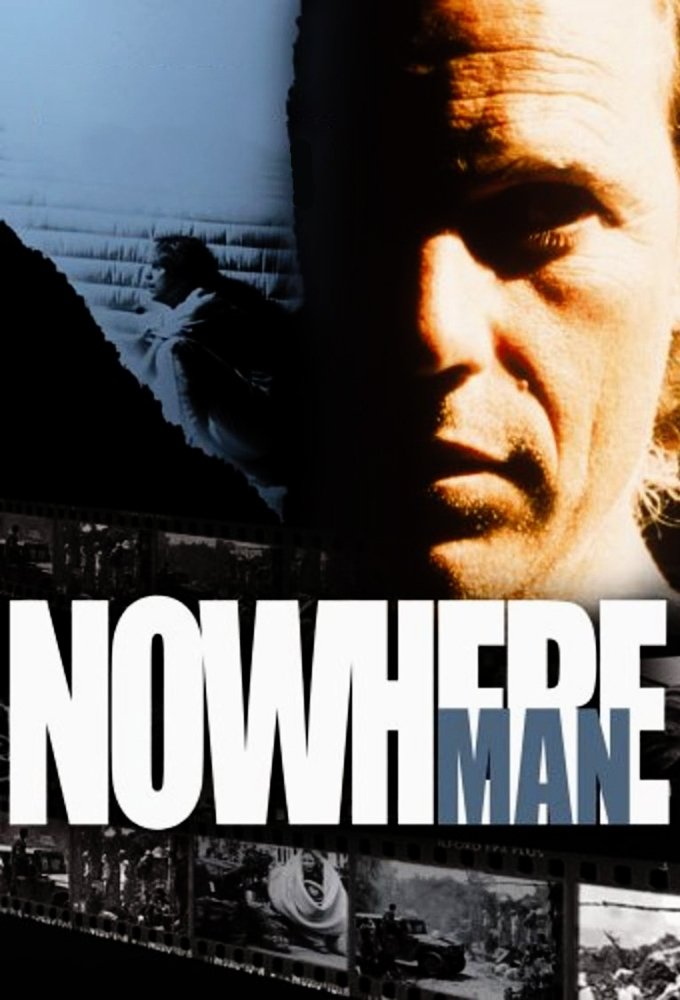
Photojournalist Thomas Veil discovers that his entire life has been erased after he photographs a secret execution. His identity is wiped from existence and his friends and family no longer recognize him. He travels across the country to uncover the conspiracy behind a mysterious organization that is monitoring his every move. The show builds paranoia and tension as Veil tries to prove he exists while evading capture. A contemporary update could explore themes of digital surveillance and identity theft in the information age.
‘Earth 2’ (1994–1995)
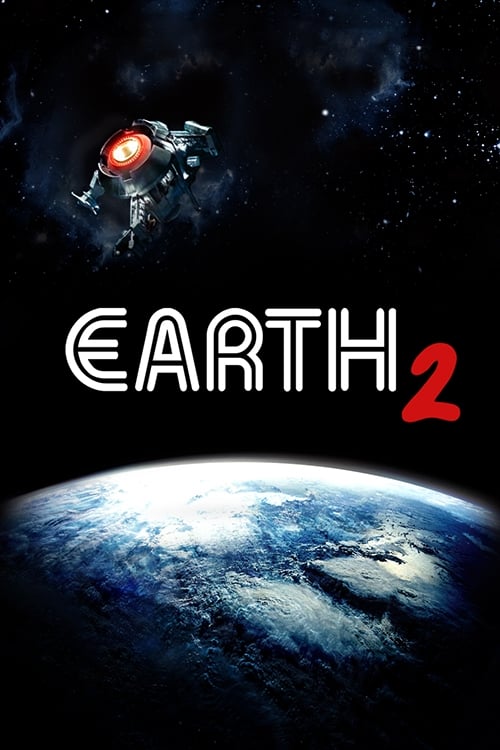
A group of colonists crash lands on an alien planet after fleeing an uninhabitable Earth. They must travel across the dangerous terrain of their new home to reach a designated settlement site. The planet is inhabited by a mysterious indigenous species called the Terrians who can communicate through dreams. Survival mechanics and political infighting create tension among the stranded group. The premise offers a prime opportunity to explore environmentalism and colonization through high-budget survival drama.
‘Dark Skies’ (1996–1997)
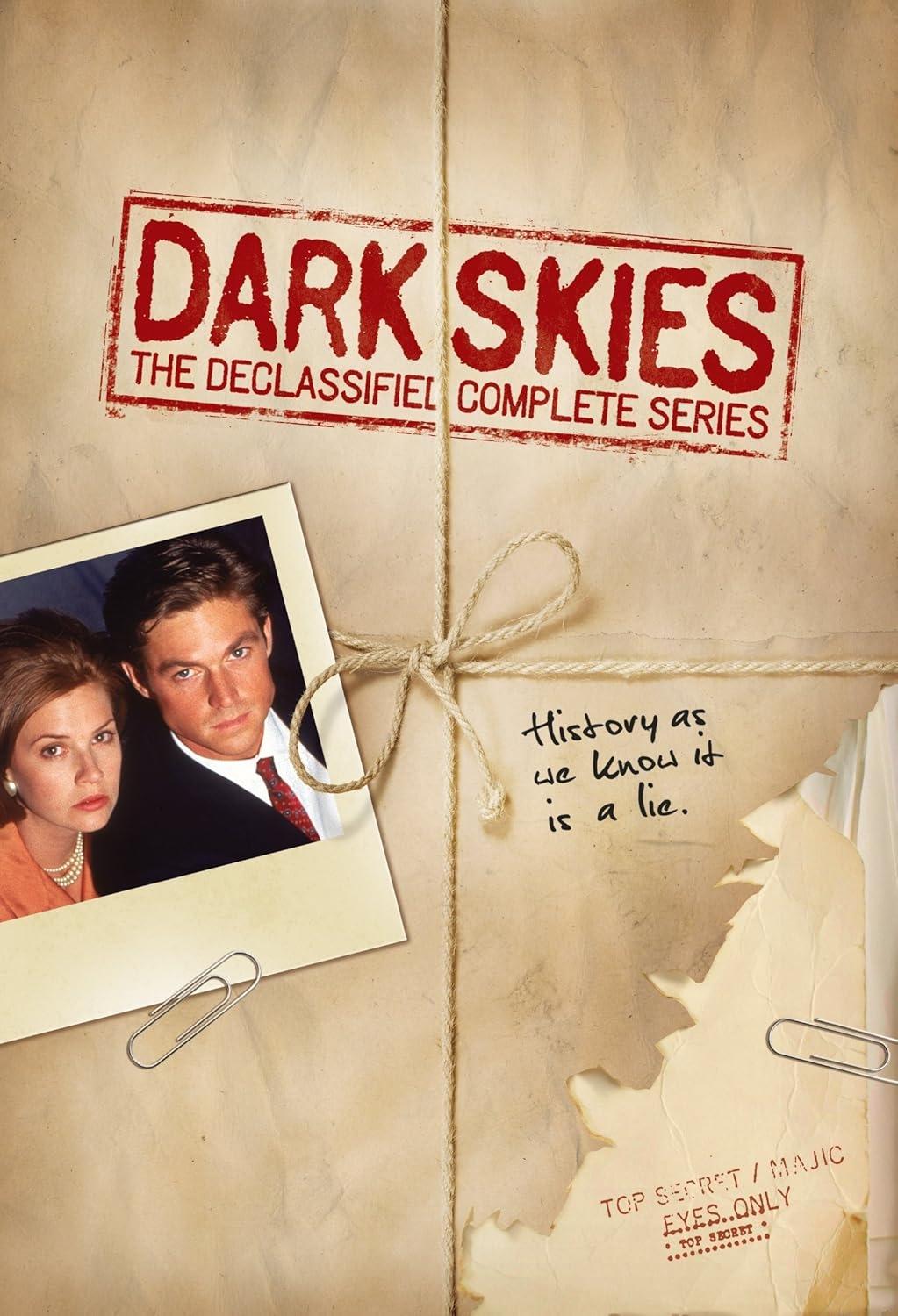
History is rewritten as a young couple attempts to expose an alien invasion that the government has kept secret since the 1940s. They interact with real historical figures while trying to stop the parasitic Hive from taking over human hosts. The narrative weaves real conspiracy theories into the plot to explain major events of the 20th century. Viewers follow the protagonists as they run from a covert government agency known as Majestic-12. A reboot could expand the timeline to show how the secret war influences modern global politics.
‘VR.5’ (1995)

A reclusive hobbyist discovers she can enter a virtual reality dimension by using a telephone line. She realizes that she can interact with the subconscious minds of other people while inside this digital space. A secret organization eventually recruits her to use this ability for espionage and information retrieval. The show was ahead of its time in its depiction of virtual worlds and the blurring of reality. Today’s technology could visualize the virtual landscape much more effectively than the primitive effects of the mid-nineties.
‘Profit’ (1996)
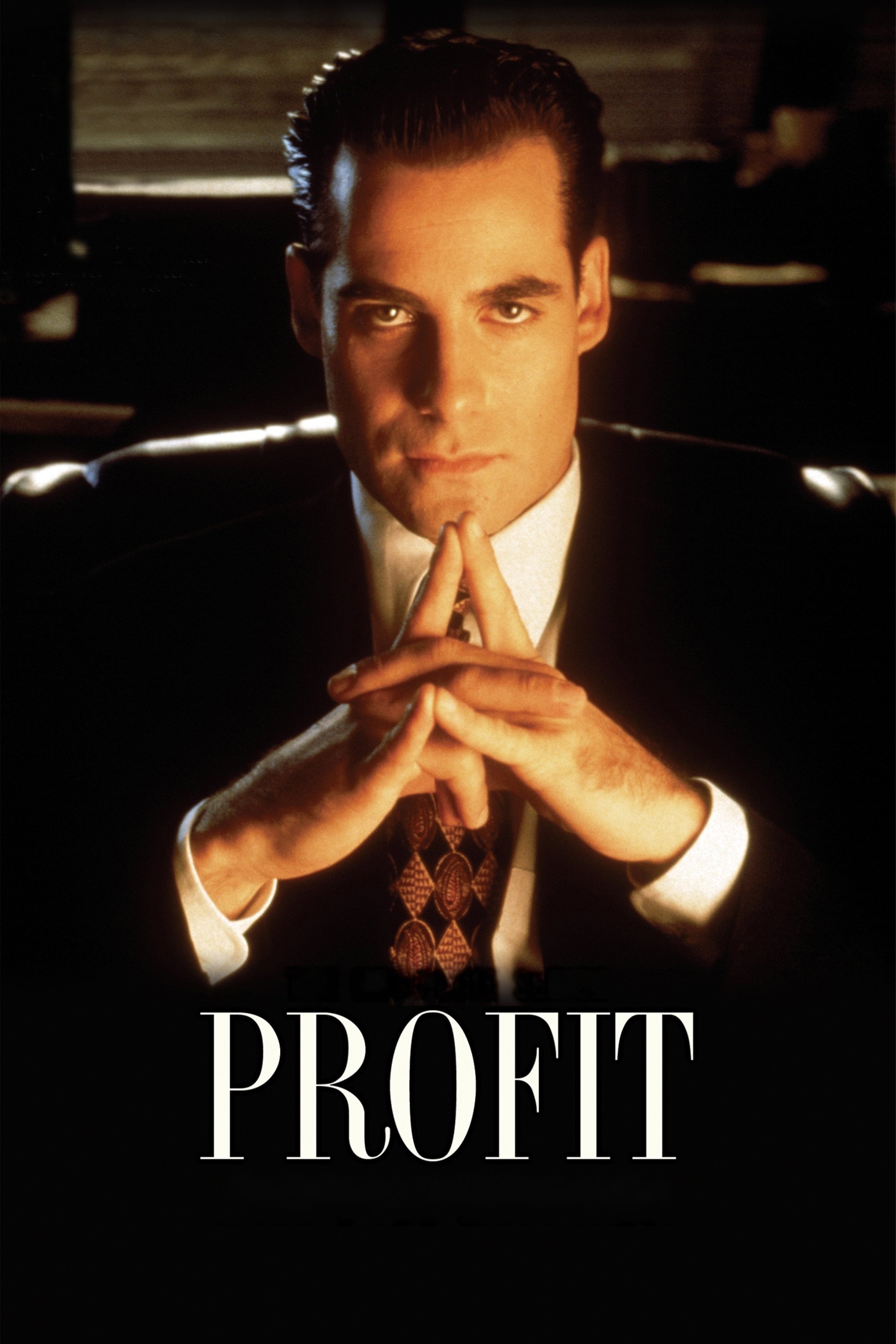
Jim Profit works for a massive conglomerate and uses Machiavellian tactics to destroy his enemies and competitors. He sleeps in a cardboard box despite his immense wealth and harbors a dark past that motivates his behavior. The show satirizes corporate culture by presenting a sociopathic protagonist as the hero of the story. Viewers watch his ruthless ascension up the corporate ladder through manipulation and blackmail. This dark tone would fit perfectly alongside modern prestige dramas that feature anti-hero leads.
‘Strange Luck’ (1995–1996)

Chance Harper is a freelance photographer who survived a plane crash as a child and now experiences bizarre coincidences. He finds himself drawn into strange situations where he must help people or solve mysteries. The universe seems to communicate with him through random events and cryptic messages. The show balances humor and mystery as Chance tries to understand the source of his peculiar destiny. A reboot could lean into the mystery box element and provide a serialized answer to his condition.
‘The Pretender’ (1996–2000)
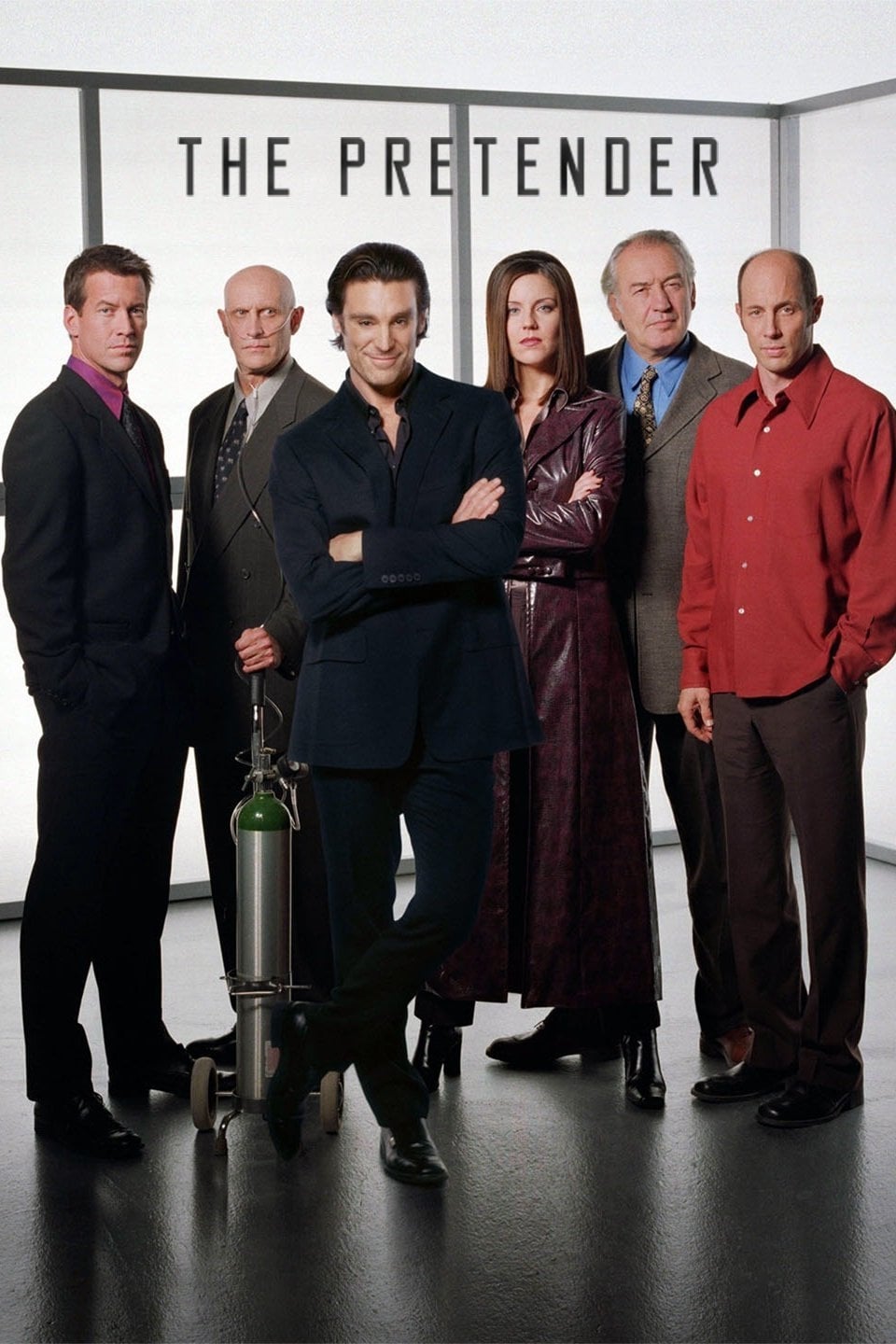
A genius with the ability to master any profession runs away from the secret facility that raised him. He travels from city to city assuming different identities to help innocent people who cannot help themselves. The Centre sends operatives to capture him while he searches for clues about his missing family. Flashbacks reveal the cruel experiments he endured as a child prodigy. The episodic format combined with a serialized mythology makes it an ideal candidate for a procedural with depth.
‘Parker Lewis Can’t Lose’ (1990–1993)
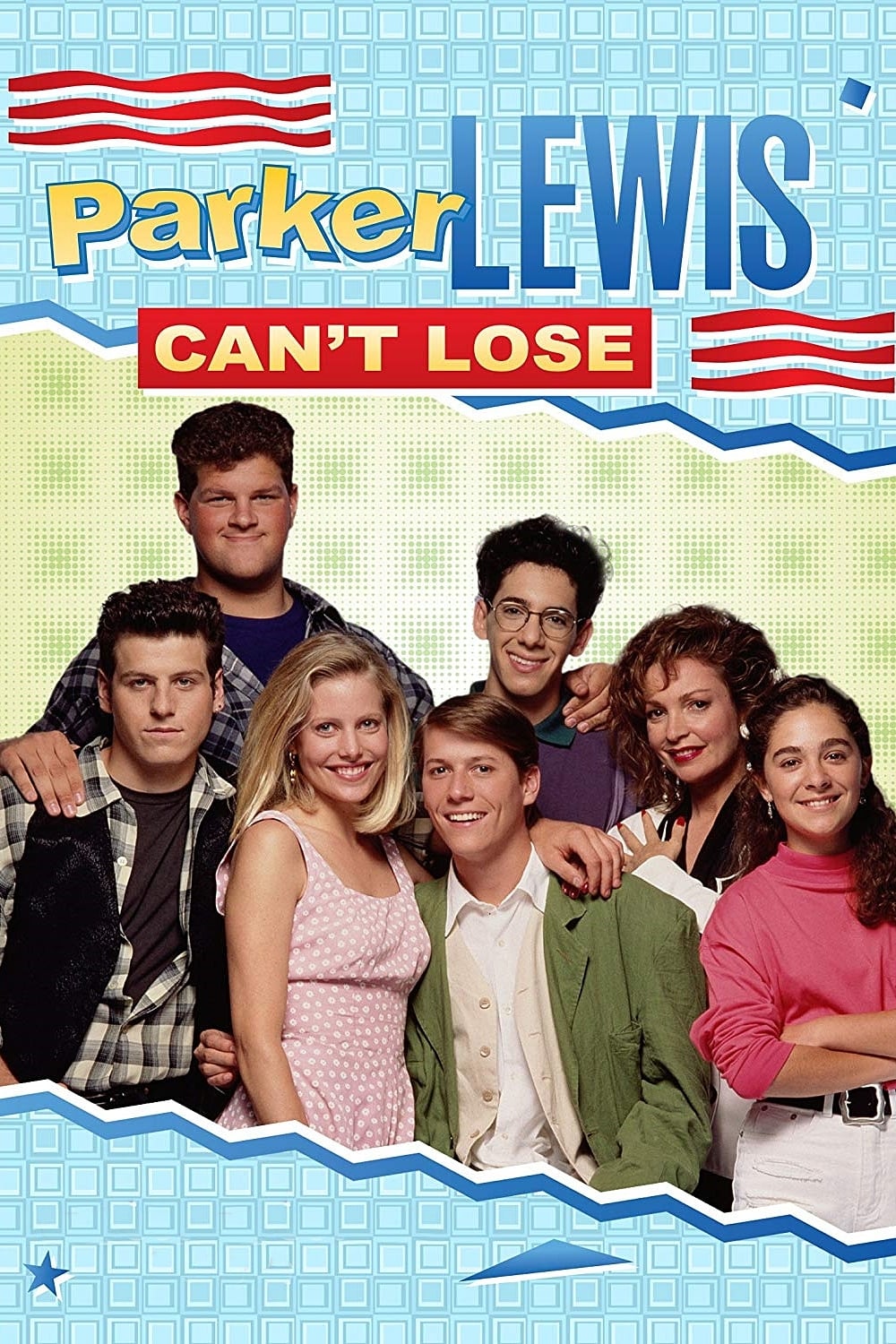
A high school student uses his wits and a network of friends to navigate the challenges of adolescence. The show utilizes surreal humor and fourth-wall breaks to depict the heightened reality of teenage life. Parker constantly battles his nemesis the principal while maintaining his cool demeanor. Visual gags and stylized camera work give the series a distinct and memorable energy. A modern version could adapt this unique visual style to reflect the chaotic life of Gen Z students.
‘Eerie, Indiana’ (1991–1992)
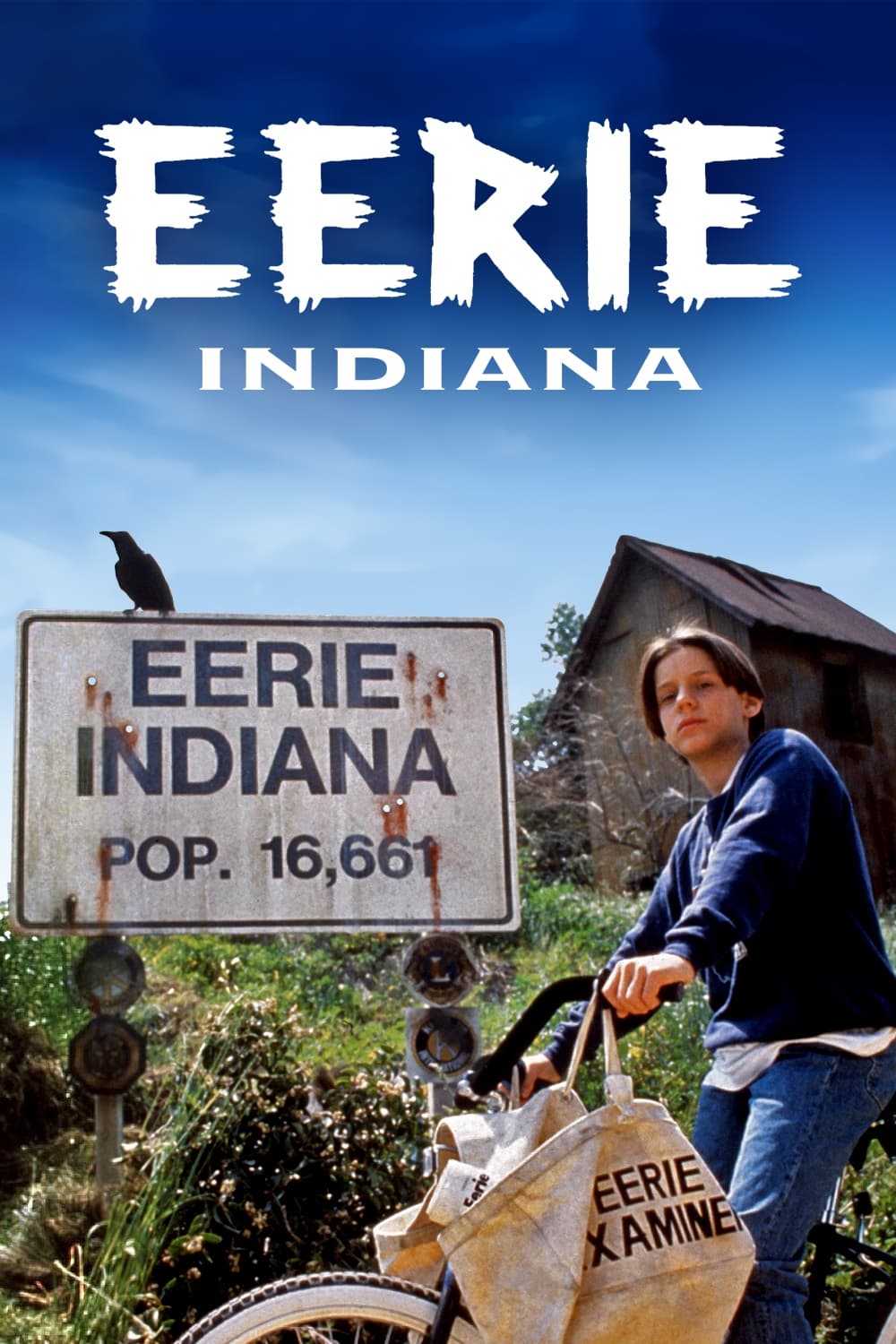
Marshall Teller moves to a small town that serves as the center for all weirdness in the universe. He and his friend Simon collect evidence of urban legends including Bigfoot and Elvis Presley. The adults in the town seem oblivious to the supernatural events that occur on a daily basis. The show combines horror and comedy in a way that appeals to both children and adults. Streaming platforms are currently lacking in anthology-style horror series aimed at a younger demographic.
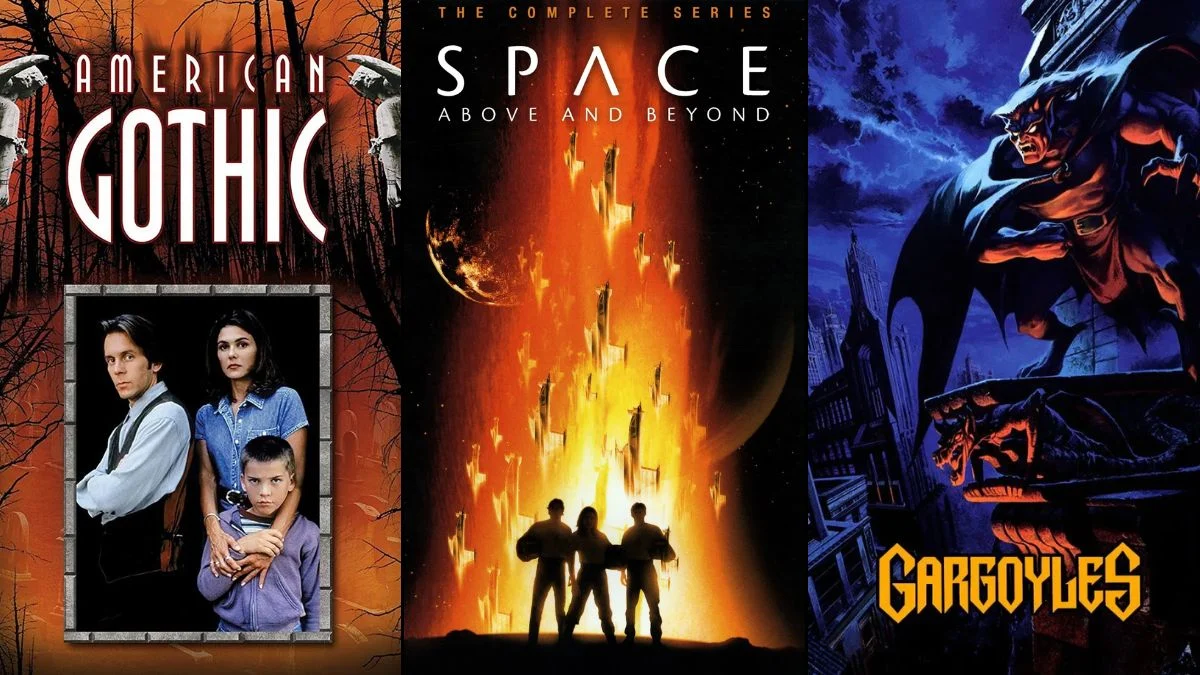
‘American Gothic’ (1995–1996)
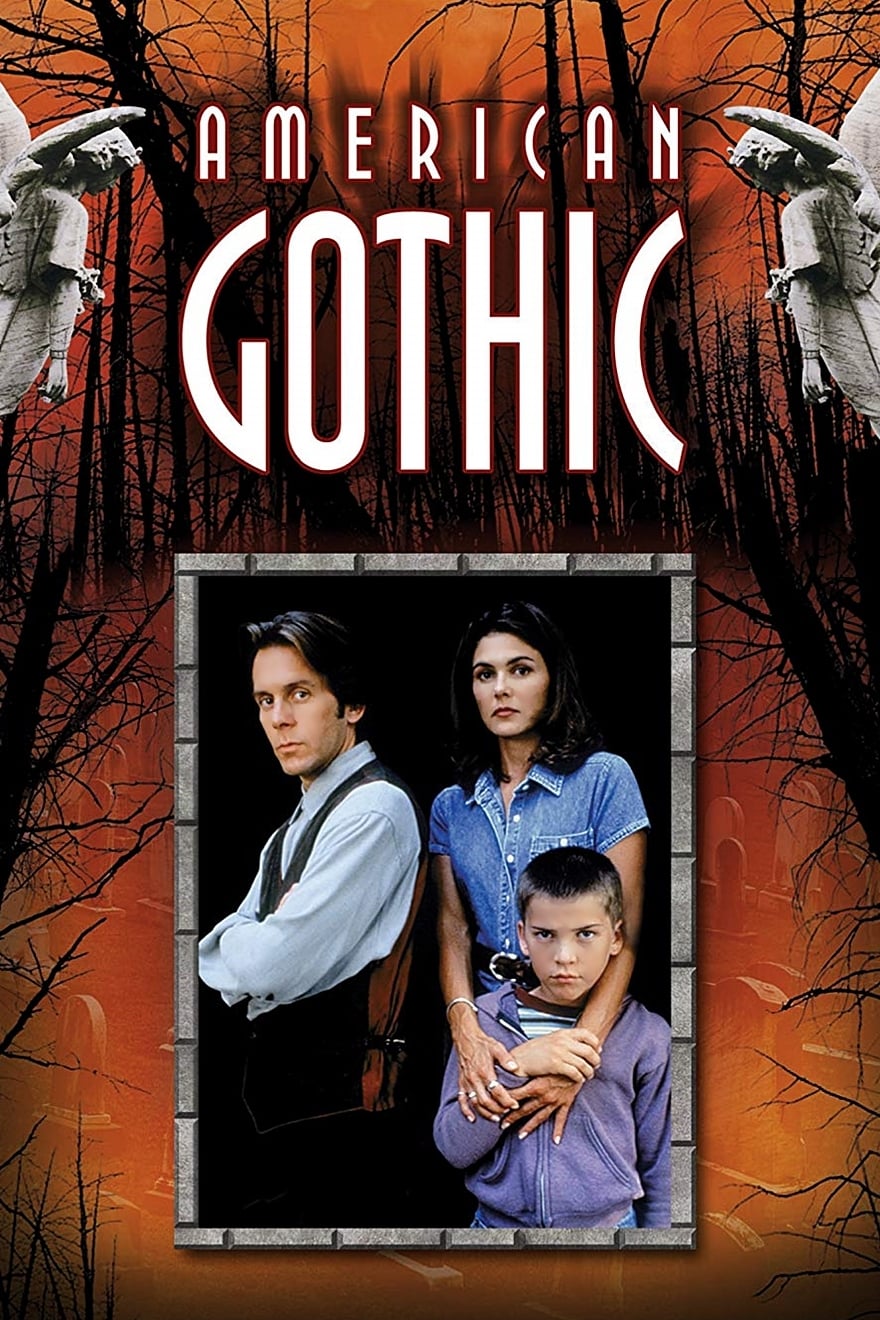
Sheriff Lucas Buck rules the town of Trinity with a charismatic but demonic iron fist. He manipulates the townspeople and battles for the soul of a young boy named Caleb Temple. The show is a supernatural drama that delves into the nature of evil and corruption in a small community. Buck serves as a seductive villain who grants wishes that always come with a terrible price. A revival could push the horror elements further while maintaining the psychological complexity of the antagonist.
‘Kindred: The Embraced’ (1996)
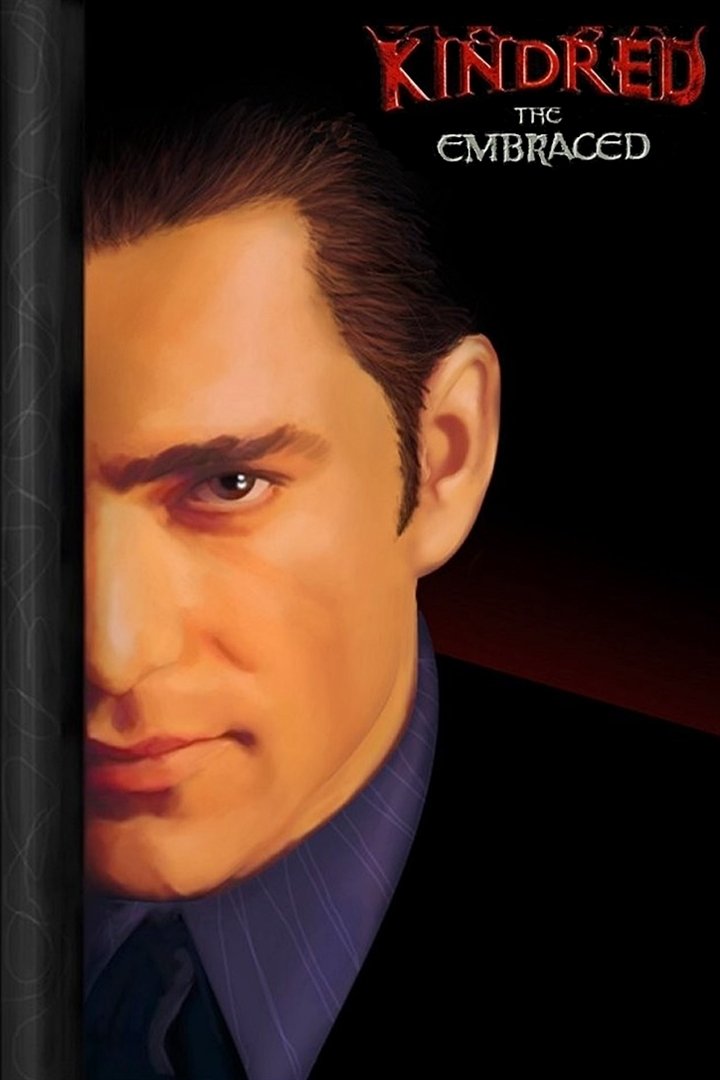
Vampire clans live secretly among humans in San Francisco while engaging in mob-style warfare. A human detective discovers their existence and tries to maintain peace between the factions. The show is based on a popular role-playing game and treats vampirism as a biological condition rather than a mystical one. Political intrigue and forbidden romance drive the plot as the Prince of the city tries to maintain order. This property deserves a second chance to explore its rich lore without the constraints of network censorship.
‘Roar’ (1997)
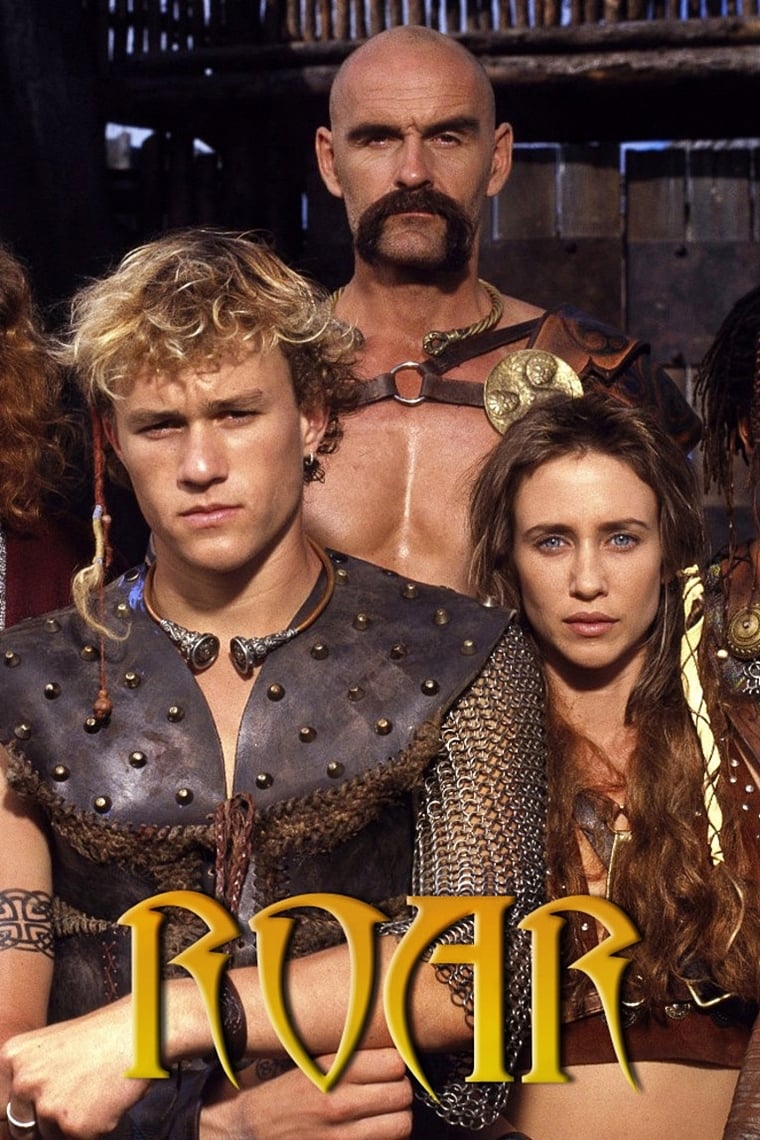
A young Irish prince named Conor unites disparate tribes to fight against the Roman invasion of Hibernia. He is aided by a ragtag group of warriors and a wizard who wields the power of nature. The show combines Celtic mythology with historical fiction and high-fantasy action sequences. Heath Ledger starred in the original role which gave the series a significant amount of charisma. A high-budget remake could capitalize on the current appetite for epic fantasy series rooted in history.
‘M.A.N.T.I.S.’ (1994–1995)
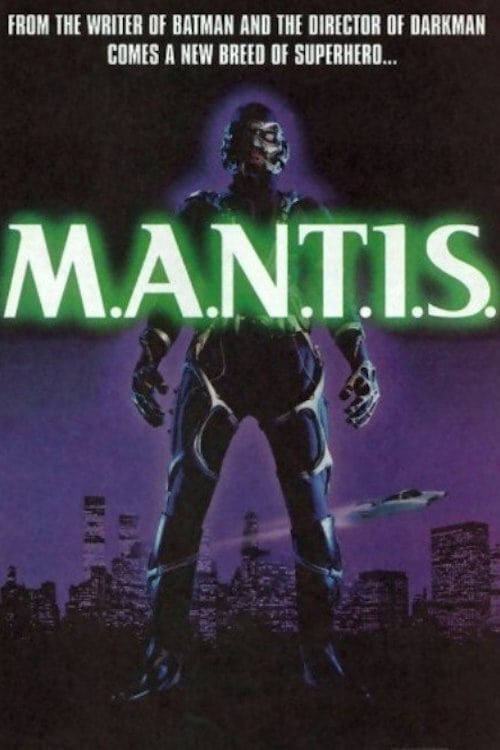
A paralyzed scientist invents a powerful exoskeleton that allows him to walk and fight crime. He operates from an underwater lab and uses advanced technology to battle corruption in a futuristic city. The show was one of the first to feature a black superhero as the lead character on network television. It explores themes of vigilantism and the responsibility of wielding power outside the law. A reboot could focus on the transhumanist aspects of the suit and the social dynamics of the city.
‘Forever Knight’ (1992–1996)
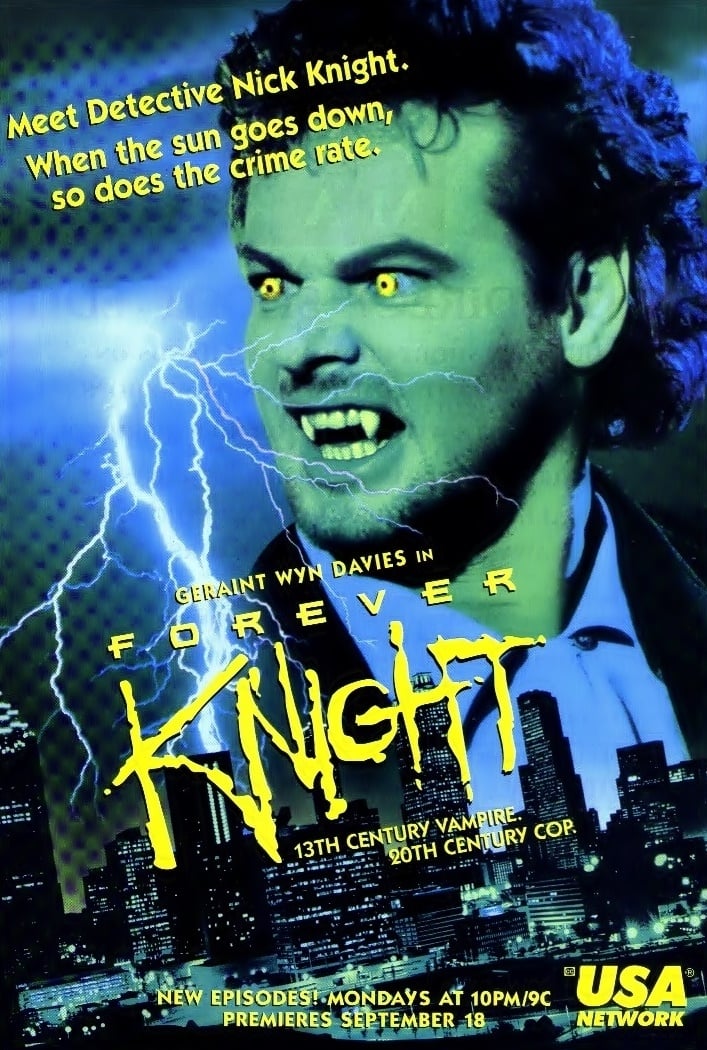
An 800-year-old vampire works as a homicide detective in Toronto while seeking redemption for his past sins. He uses his heightened senses to solve crimes and hopes to eventually regain his mortality. Flashbacks show his life throughout history and his complicated relationship with his vampire creator. The series blends police procedural elements with gothic romance and historical drama. This noir aesthetic offers a fresh take on the vampire genre that differs from teen-focused supernatural shows.
‘Due South’ (1994–1999)
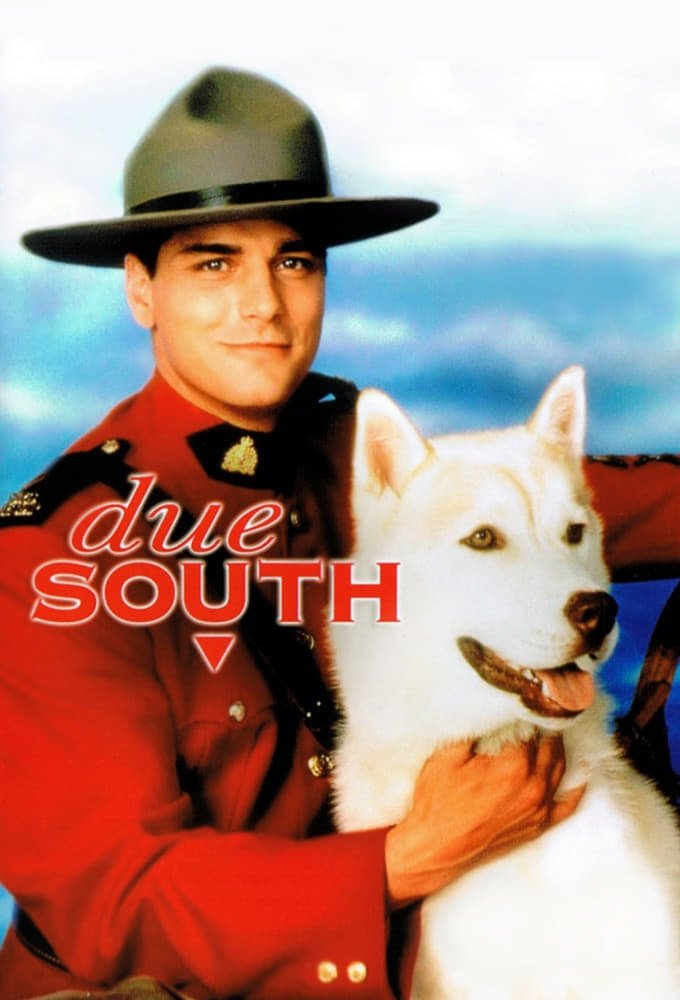
A polite Canadian Mountie is stationed in Chicago and partners with a cynical American detective to solve crimes. The show derives humor from the cultural clash between the two officers and their differing methods. Benton Fraser uses his tracking skills and encyclopedic knowledge to crack cases that baffle the local police. His deaf wolf Diefenbaker accompanies him and serves as a loyal companion. The heartwarming tone and fish-out-of-water comedy would provide a welcome alternative to gritty police dramas.
‘Early Edition’ (1996–2000)
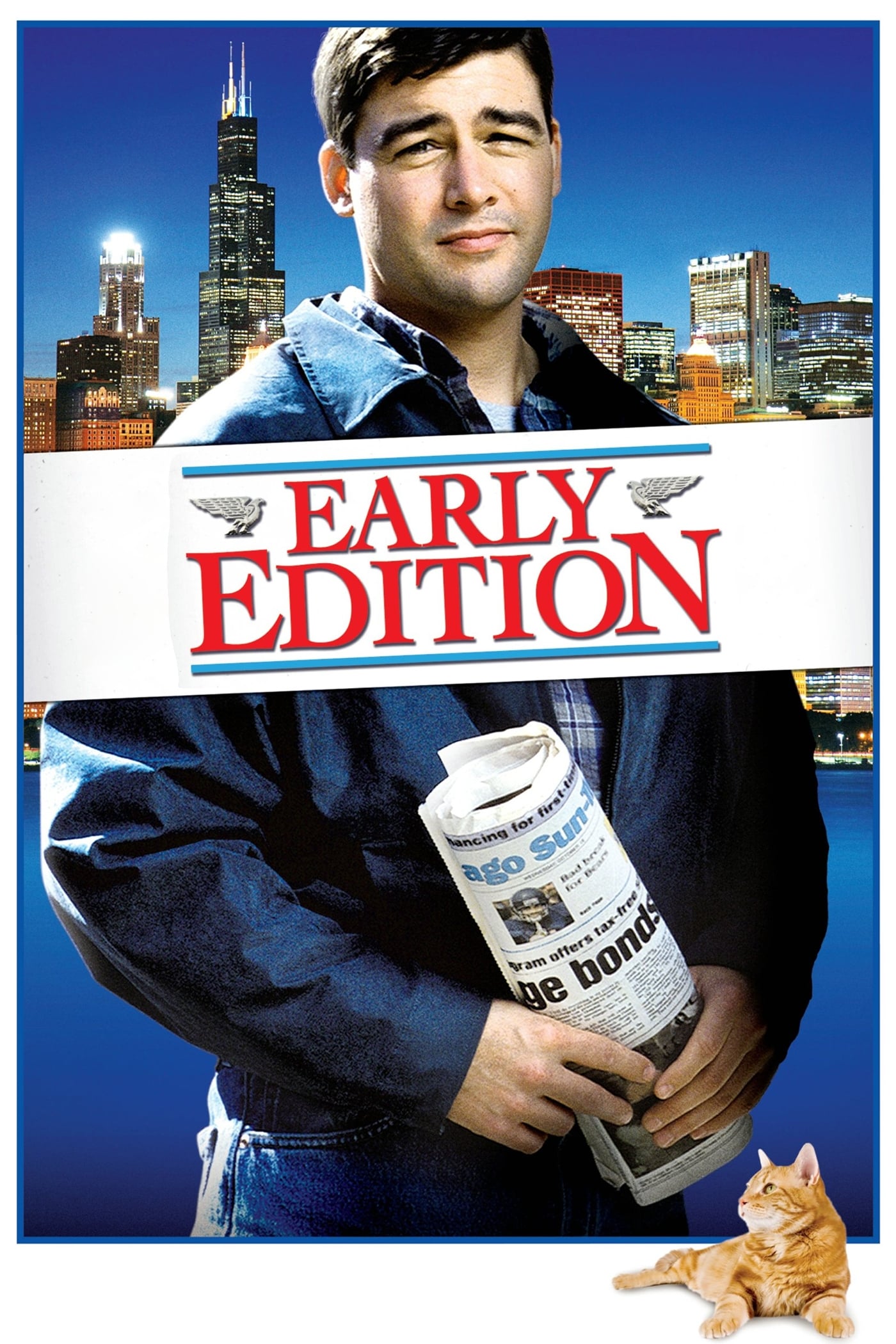
Gary Hobson receives the newspaper from the next day every morning by a mysterious orange cat. He runs around Chicago trying to prevent the tragedies reported in the paper before they happen. His friends often try to use the paper for personal gain while Gary insists on doing the right thing. The show explores the moral obligation of helping others and the burden of knowing the future. A modern setting could update the newspaper concept to a mysterious news feed or digital notification.
‘The Sentinel’ (1996–1999)
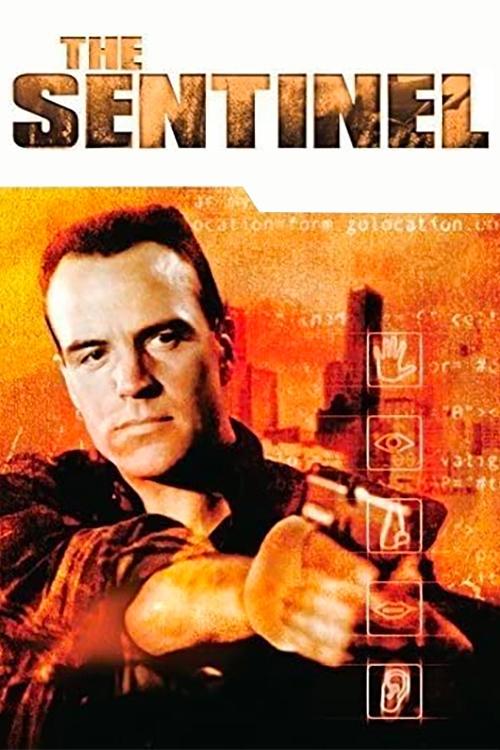
Jim Ellison is a detective who develops hyperactive senses after spending time in the Peruvian jungle. He teams up with an anthropology student who helps him control his abilities and use them for police work. They protect the city from criminals while keeping Jim’s powers a secret from the authorities. The show combines action and mystery with a unique mythological background regarding tribal protectors. A reboot could delve deeper into the sensory experience and the global history of Sentinels.
‘Viper’ (1994–1999)
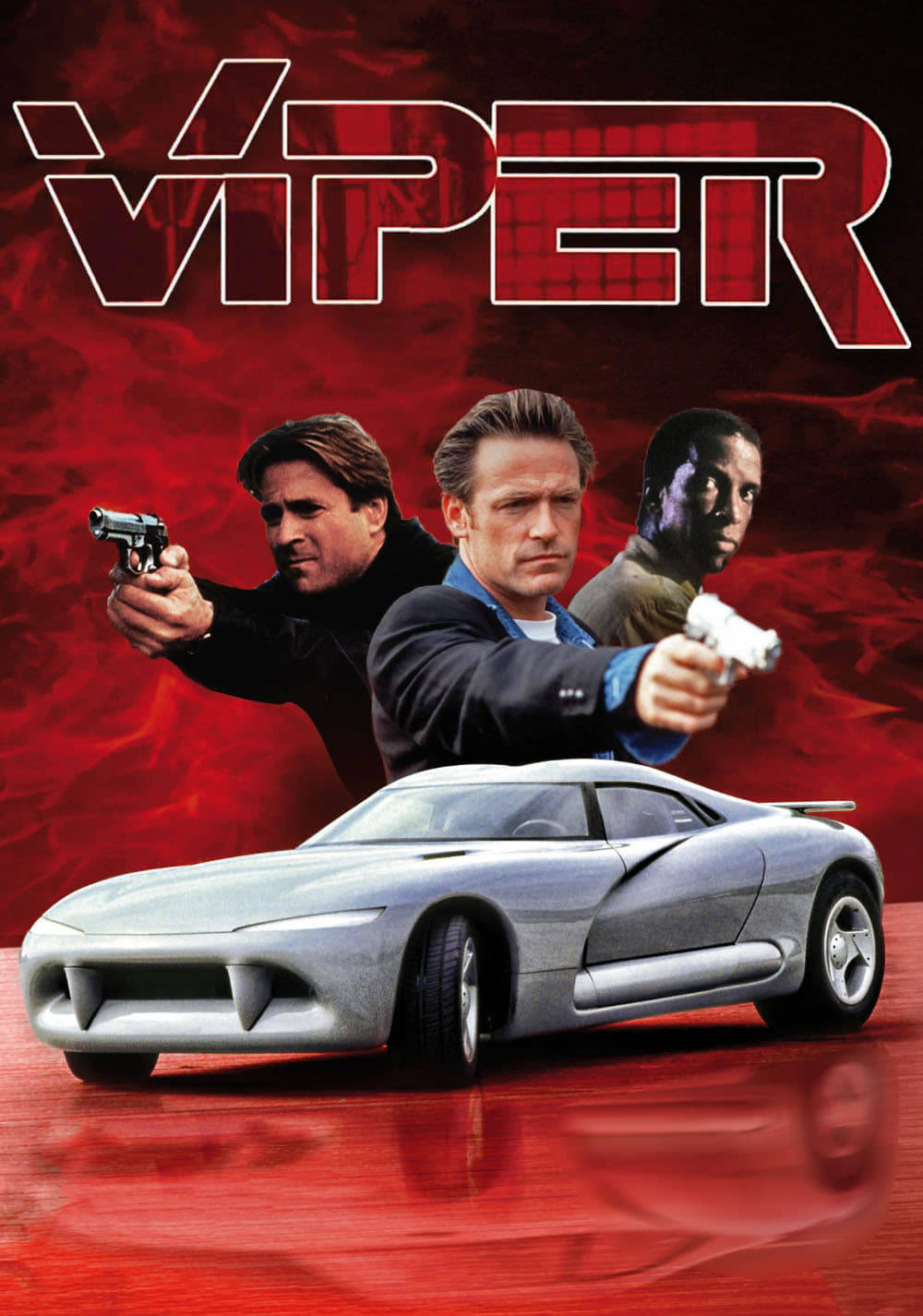
A special task force fights organized crime using a red sports car that can transform into an armored assault vehicle. The car is equipped with gadgets like holograms and drones to disable enemy vehicles during high-speed chases. The setting is a near-future city where criminals have outpaced the technology of standard police forces. The show focuses on the bond between the driver and the machine. Advances in automotive technology and visual effects make this the perfect time for a vehicular action series.
‘Time Trax’ (1993–1994)
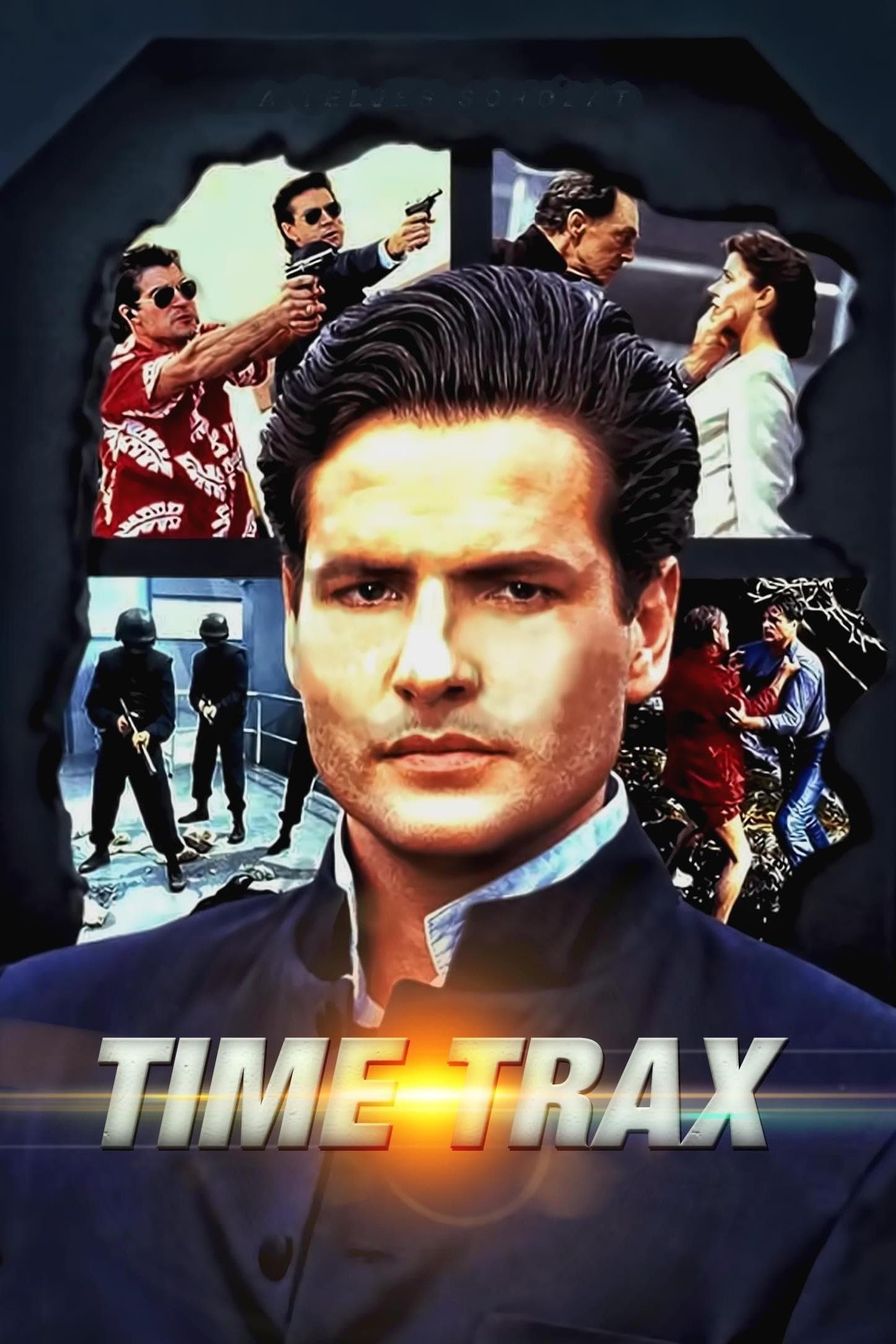
A police officer from the future travels back to 1993 to capture fugitives who have escaped into the past. He is aided by a holographic AI assistant that can project herself into visual range. He uses advanced non-lethal weaponry to subdue criminals and send them back to their own time. The show is a procedural that allows for different villains and settings in every episode. A reboot could explore the consequences of time travel and the culture shock of a future cop in the present day.
‘TekWar’ (1994–1996)
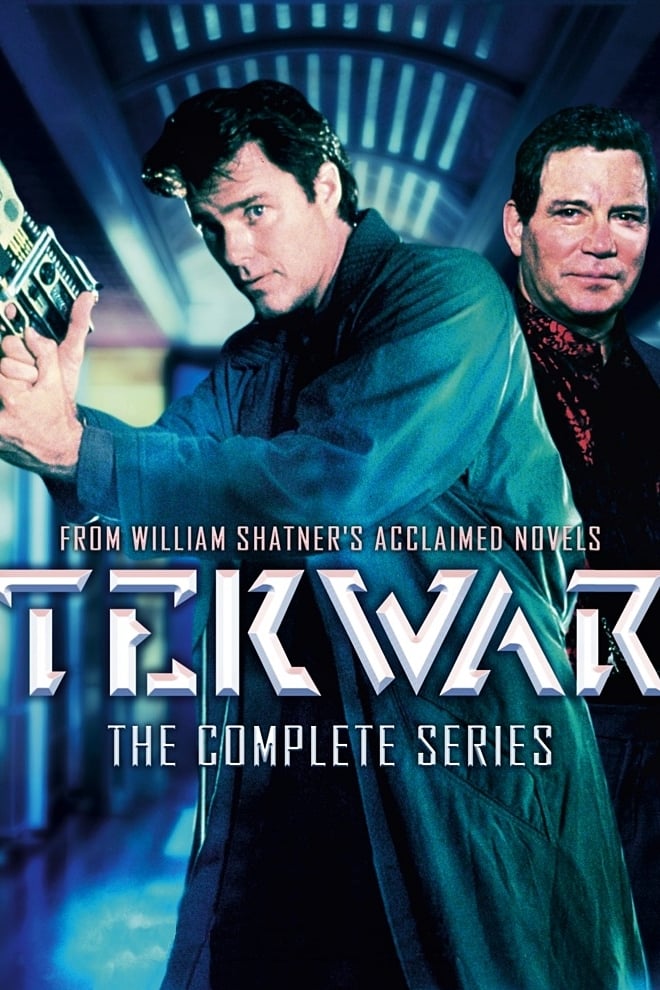
A disgraced former cop works as a private investigator in a future where an addictive digital drug is the main threat. He battles powerful drug lords and corrupt corporations in a high-tech society. The series is based on books by William Shatner and features a cyberpunk aesthetic. Elements of virtual reality and cybernetics play a major role in the investigations. The themes of digital addiction and corporate overreach are even more relevant in the modern world.
‘Brooklyn South’ (1997–1998)
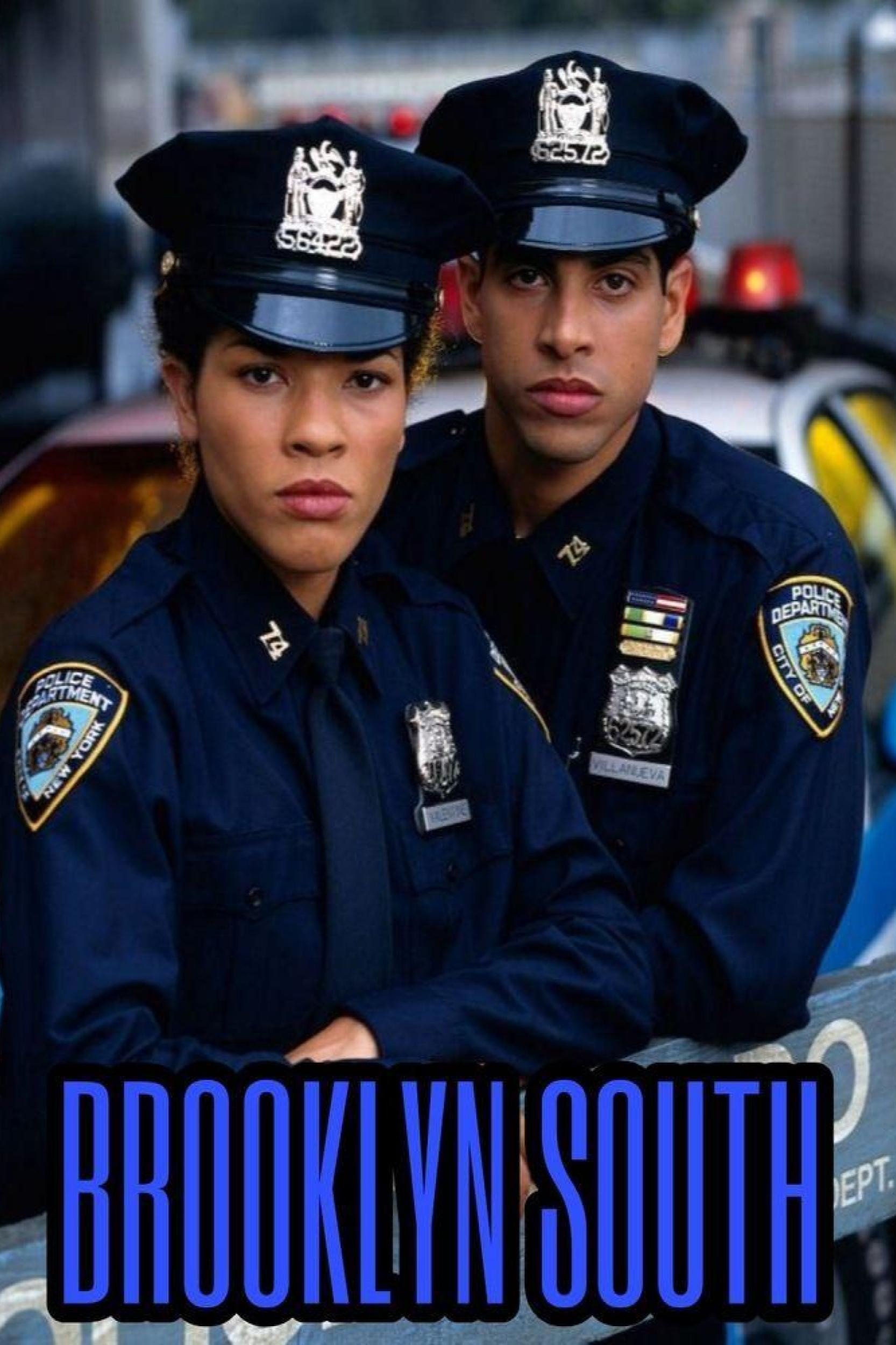
This ensemble police drama focuses on the uniformed officers of a gritty Brooklyn precinct rather than the detectives. The show is known for its intense and realistic depiction of street-level policing and violence. It deals with the personal lives of the officers and the internal politics of the police department. The series was created by Steven Bochco and David Milch who are masters of the genre. A revival could examine the changes in policing and community relations over the last two decades.
‘EZ Streets’ (1996–1997)
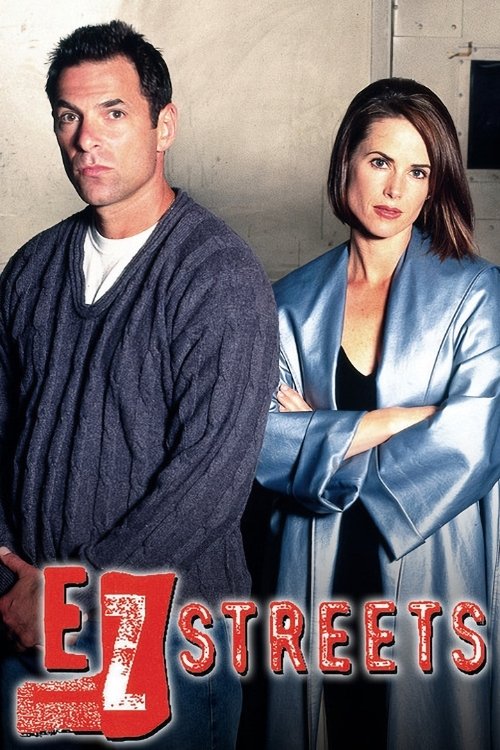
A disgraced detective tries to clear his name while working undercover in a decaying American city. The show features a complex narrative that weaves together the lives of criminals and law enforcement. The atmosphere is bleak and atmospheric with a heavy focus on moral ambiguity. It was critically acclaimed for its writing but failed to find a large audience during its original run. The serialized storytelling fits perfectly with the binge-watching model of current streaming services.
‘Murder One’ (1995–1997)
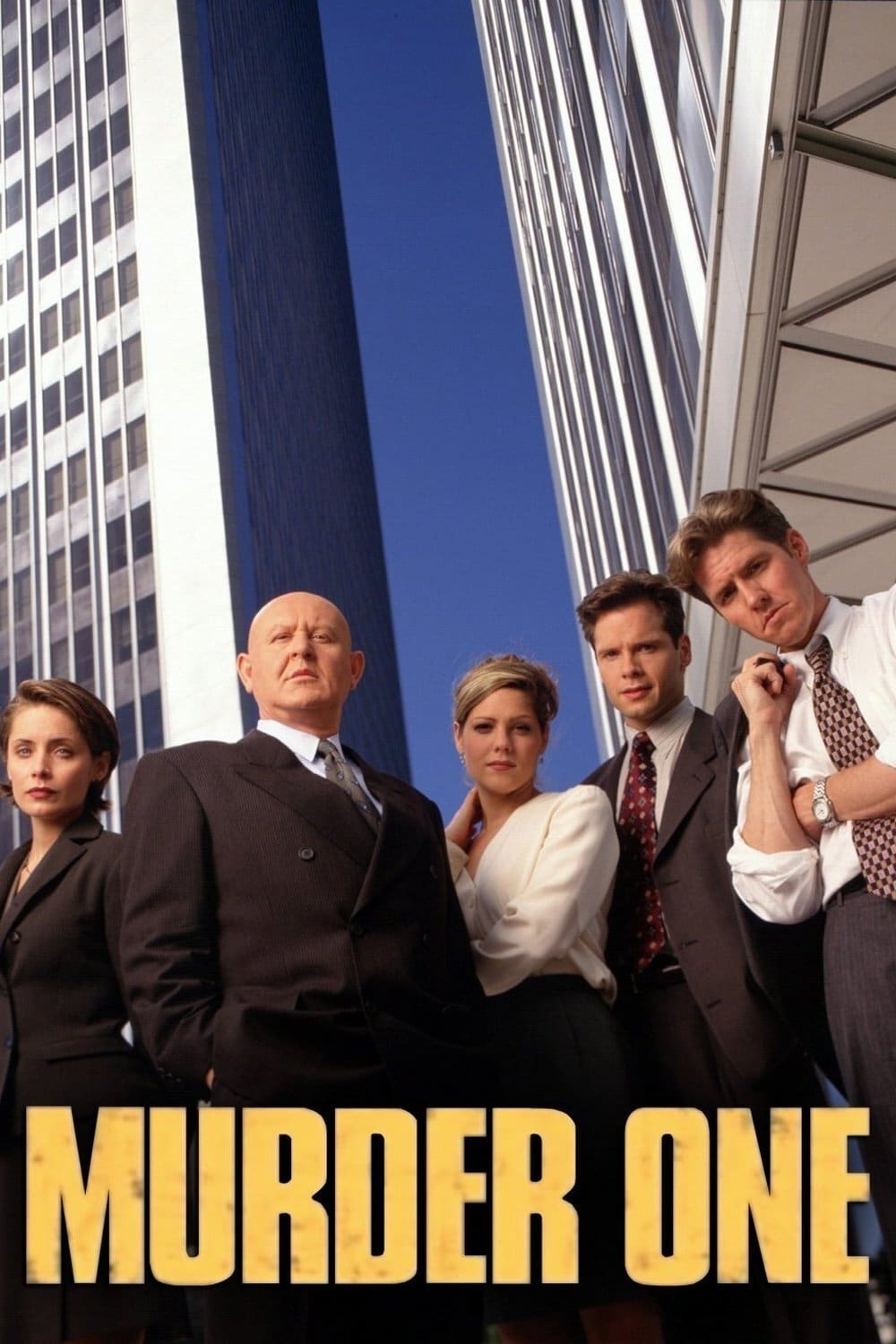
A high-profile defense attorney takes on a single complex murder case that spans an entire television season. The show details every aspect of the legal process from arraignment to the final verdict. Viewers see the strategy behind the defense and the media circus that surrounds celebrity trials. This format was revolutionary at the time but has since become a standard for true crime documentaries. A fictionalized version could provide the drama of a scripted series with the depth of a documentary.
‘Relativity’ (1996–1997)
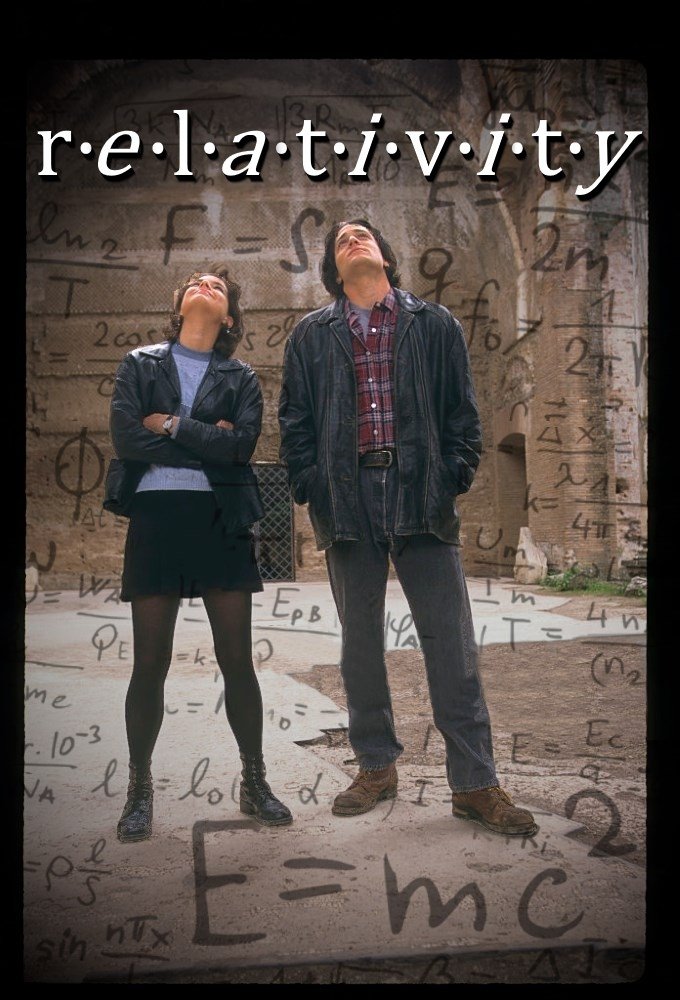
Two young Americans meet in Rome and fall in love before returning to their complicated lives in Los Angeles. The show explores the dynamics of their relationship and the interference of their eccentric families. It is a romantic drama that focuses on the realistic struggles of commitment and family obligations. The writing captures the uncertainty of early adulthood and the intensity of new love. A modern adaptation could explore how long-distance relationships and modern dating apps complicate romance.
‘Sports Night’ (1998–2000)
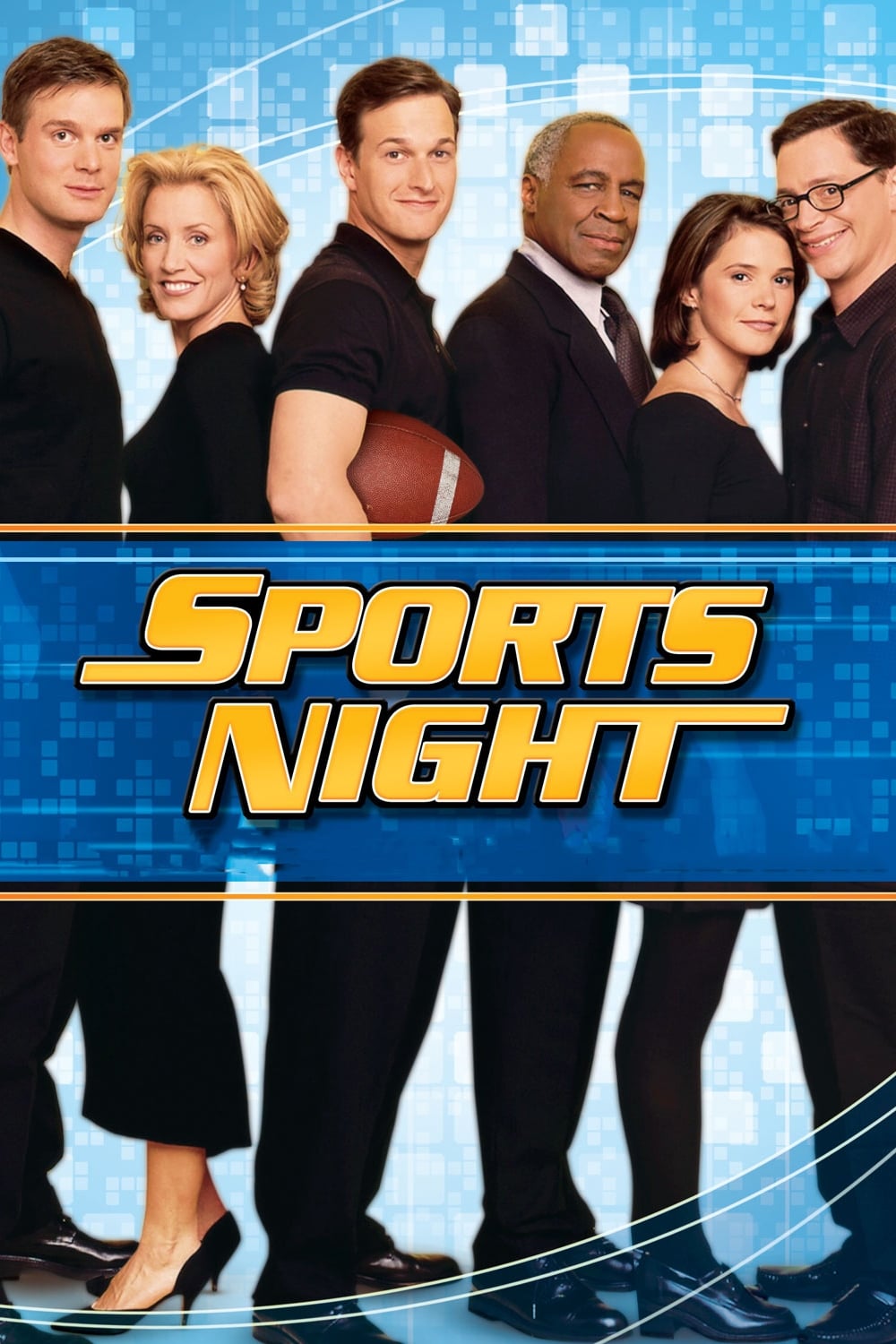
The anchors and producers of a nightly sports news program deal with network pressure and personal issues. The show is famous for its rapid-fire dialogue and walking-and-talking tracking shots through the studio. It blends comedy and drama while tackling serious subjects like racism and ethics in journalism. The characters are intelligent professionals who care deeply about the quality of their work. A reboot could address the 24-hour news cycle and the influence of social media on sports reporting.
‘Cupid’ (1998–1999)
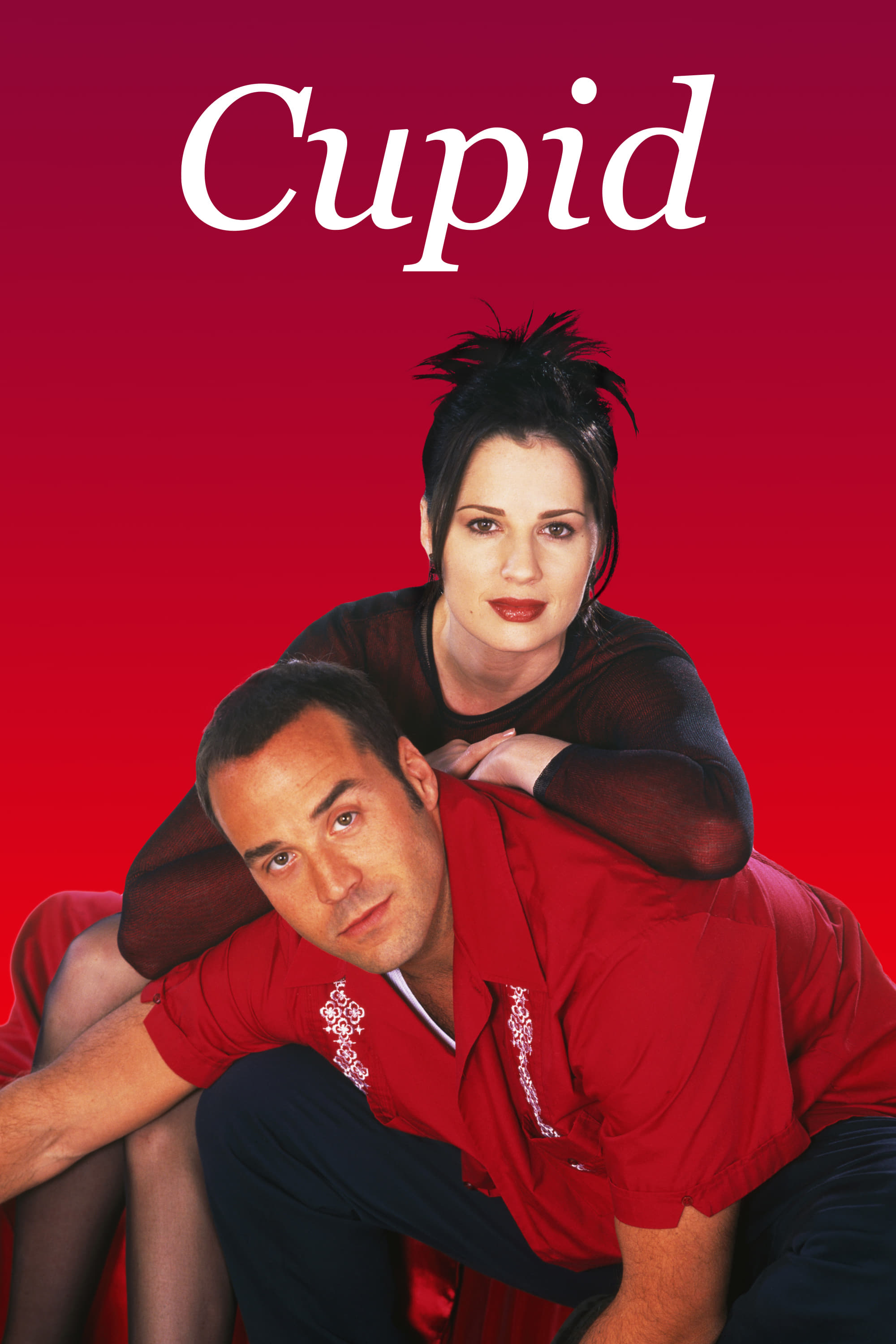
A man claiming to be the god of love is sent to Earth as punishment and must unite one hundred couples to return to Olympus. He is under the care of a skeptical psychiatrist who tries to treat his delusions. The show follows his attempts to orchestrate romance between strangers while debating the nature of love with his doctor. It balances whimsey and cynicism in a way that distinguishes it from standard romantic comedies. The premise allows for an anthology format where new characters find love in each episode.
Share your favorite 90s show that needs a comeback in the comments.