

20 Forgotten Franchises That Sony Needs To Bring Back

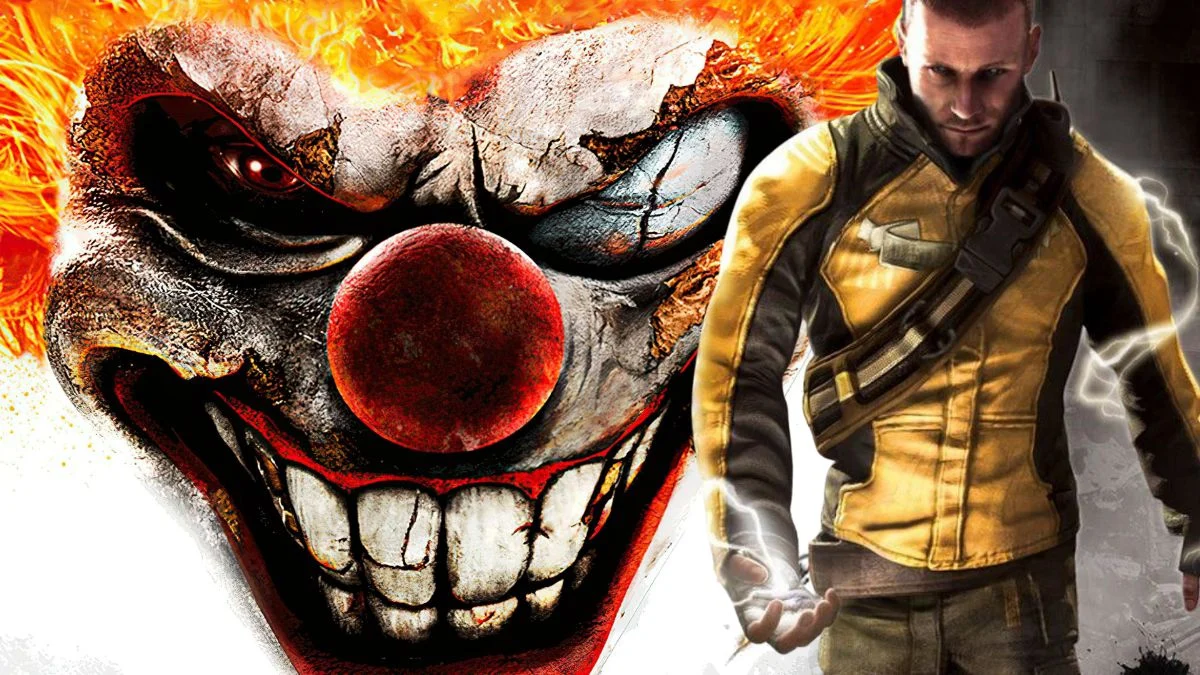


PlayStation’s history is packed with series that defined entire eras and then quietly went on hiatus. From platformers that anchored early consoles to shooters and racers that pushed technical limits, these names helped shape Sony’s identity across generations. Many were developed by first-party studios or closely associated partners, appeared across multiple PlayStation systems, and built loyal followings through distinctive mechanics and style. Here are twenty dormant Sony-associated franchises, with quick snapshots of what they did, who made them, and when they last showed up.
‘Sly Cooper’
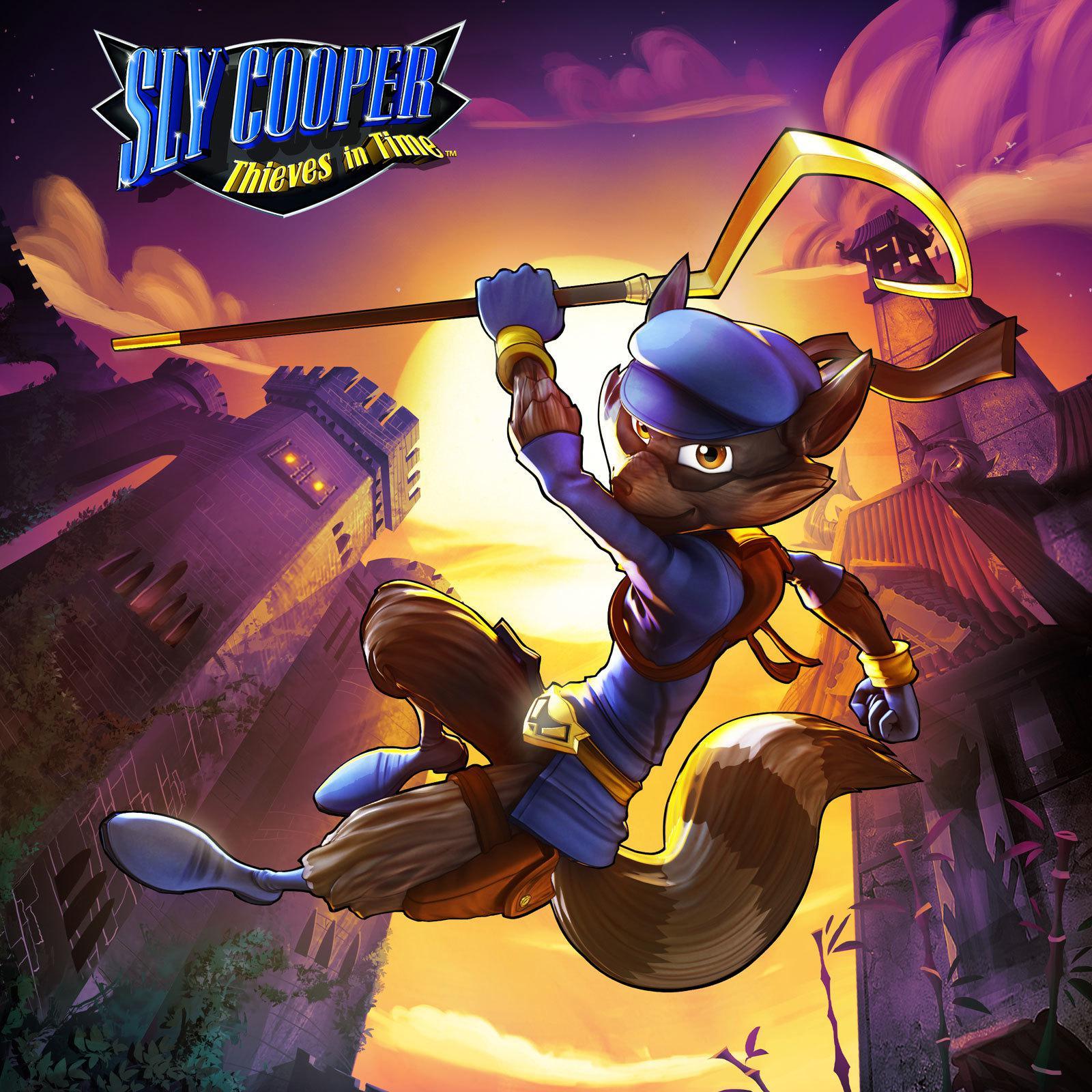
Created by Sucker Punch Productions for PlayStation 2, this stealth-platform series follows a master thief raccoon and his crew across globe-spanning heists. The trilogy introduced cel-shaded visuals, gadget-driven stealth, and hub-based missions, with later collections bringing the games to newer hardware. Sanzaru Games released a follow-up entry on PlayStation 3 and PlayStation Vita. The property has been largely dormant in the years since that release.
‘Jak and Daxter’
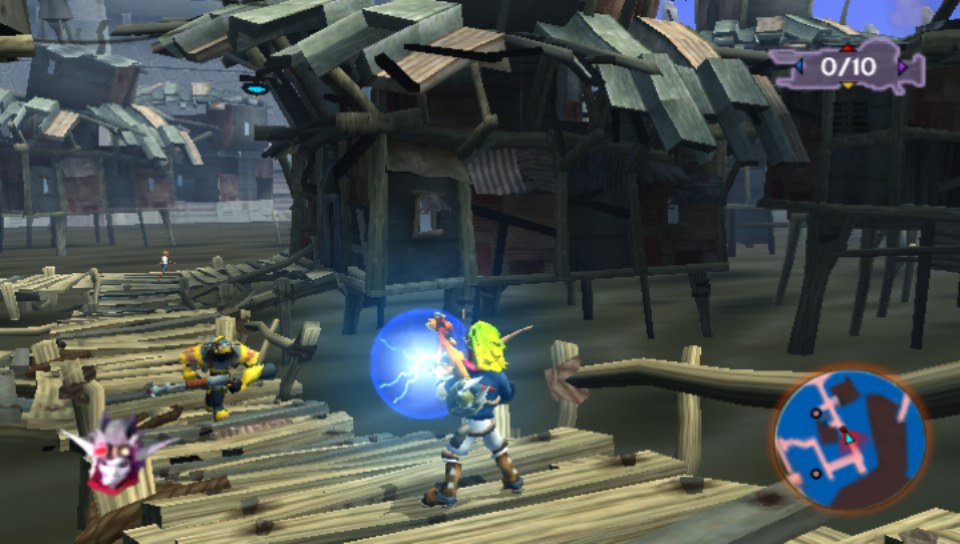
Developed by Naughty Dog for PlayStation 2, this series moved from open-zone platforming into mission-based action with vehicles and firearms in later entries. The core trilogy received remasters on subsequent PlayStation platforms. A racing spin-off and handheld releases expanded the universe. No mainline sequel has been produced after the remastered collections.
‘SOCOM U.S. Navy SEALs’
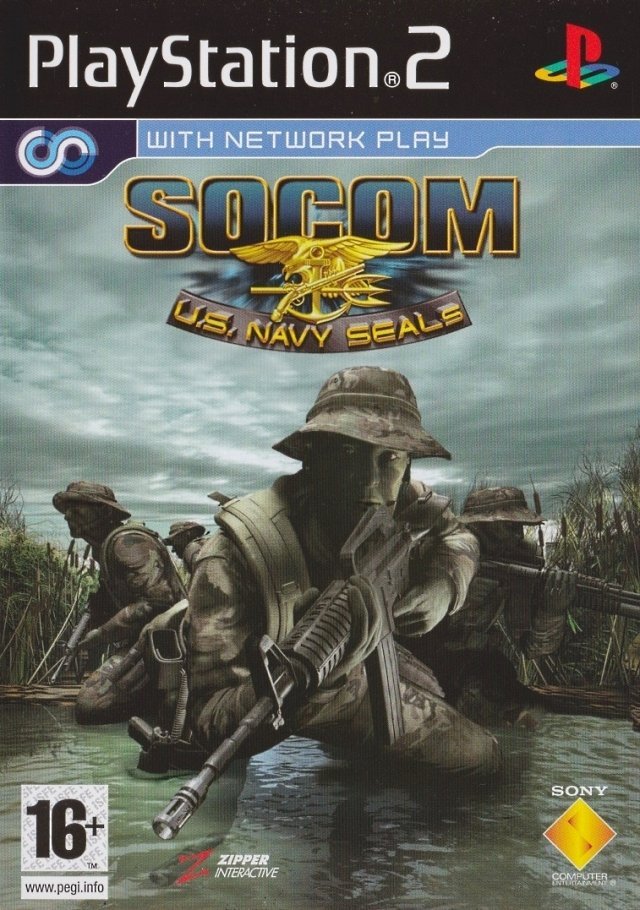
Zipper Interactive built this tactical shooter around team communication, objective-based missions, and online multiplayer on PlayStation 2 and PlayStation 3. Voice commands and headset support were signature features in early entries. The series spanned multiple numbered titles and a few spin-offs. It has remained inactive following studio closures and online service shutdowns tied to older releases.
‘Resistance’
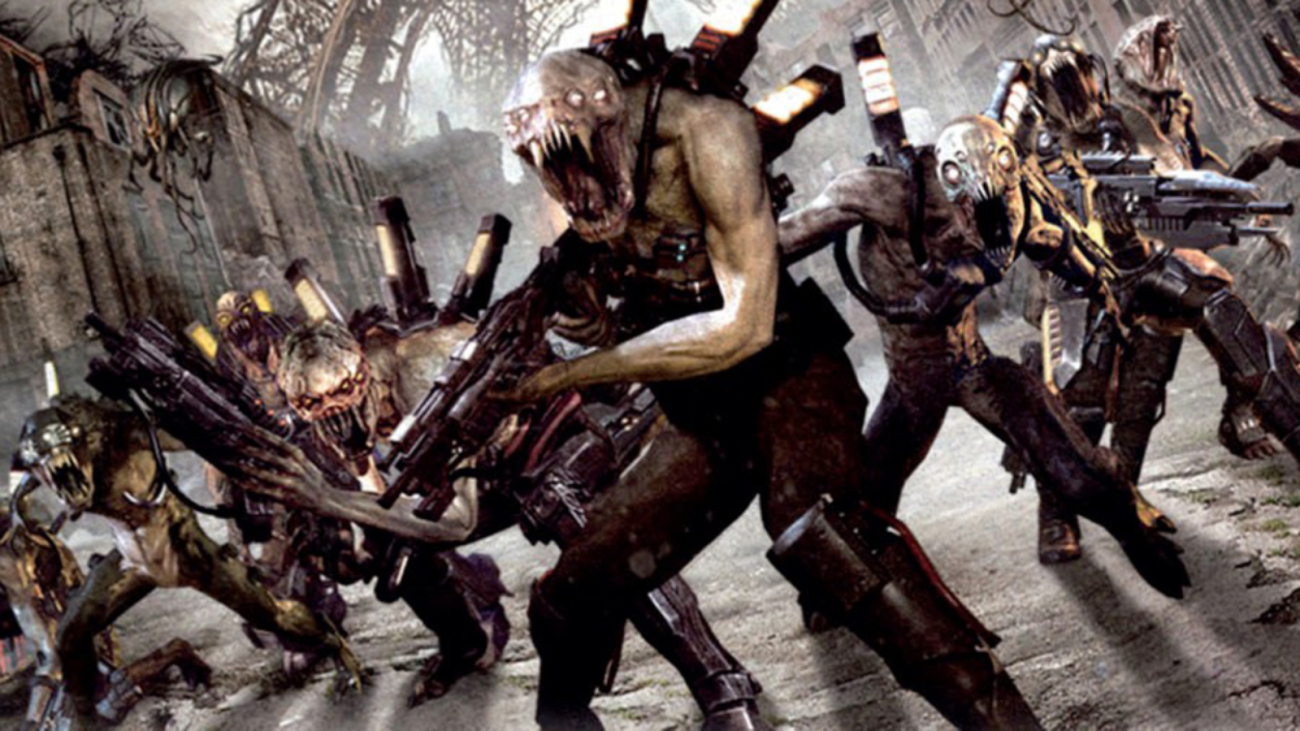
Insomniac Games launched this alternate-history shooter on PlayStation 3 with large-scale battles, signature weapon design, and cooperative modes. The series included sequels and handheld entries that explored different regions and time periods within the same universe. Competitive multiplayer and unique arsenal mechanics were key pillars across titles. There has been no new installment since the early 2010s.
‘Killzone’
Guerrilla Games developed this first-person shooter across home and handheld consoles with a focus on faction warfare and heavy sci-fi weaponry. Entries ranged from story-driven campaigns to robust multiplayer suites. The franchise introduced proprietary engines that later informed other projects at the studio. New releases ceased as the developer shifted resources to other series.
‘MotorStorm’
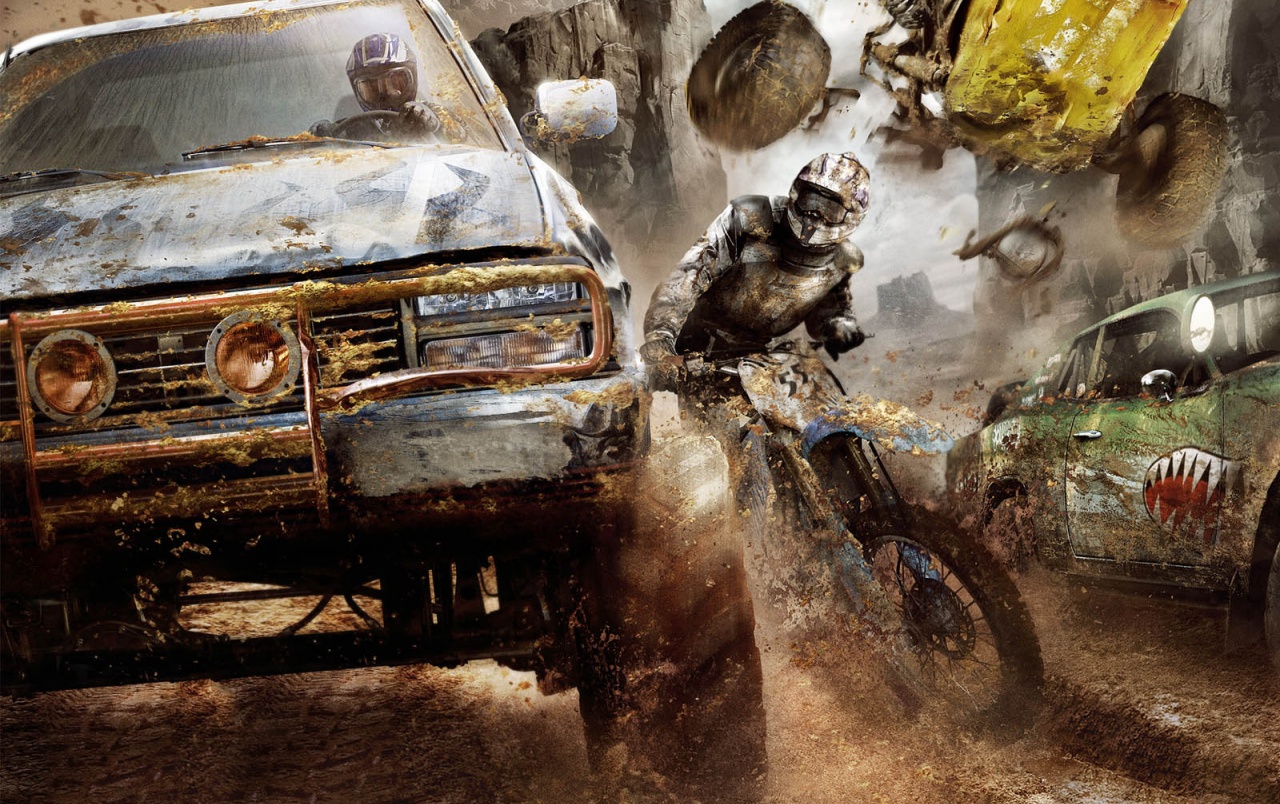
Evolution Studios created this off-road racer known for destructive tracks, festival-style events, and a mix of vehicles from bikes to big rigs. Sequels brought dynamic weather, varied terrain like arctic and jungle settings, and online competition. A dedicated PlayStation Portable and PlayStation Vita presence complemented console entries. The brand has been inactive since the studio’s reorganization and closures.
‘Twisted Metal’

This vehicle-combat series began on the original PlayStation and featured arena battles, distinctive drivers, and hidden route design. Multiple entries appeared across PlayStation generations with split-screen and online modes. A television adaptation arrived years after the last game. No new console game has followed the most recent generation’s remasters and servers adjustments.
‘Infamous’
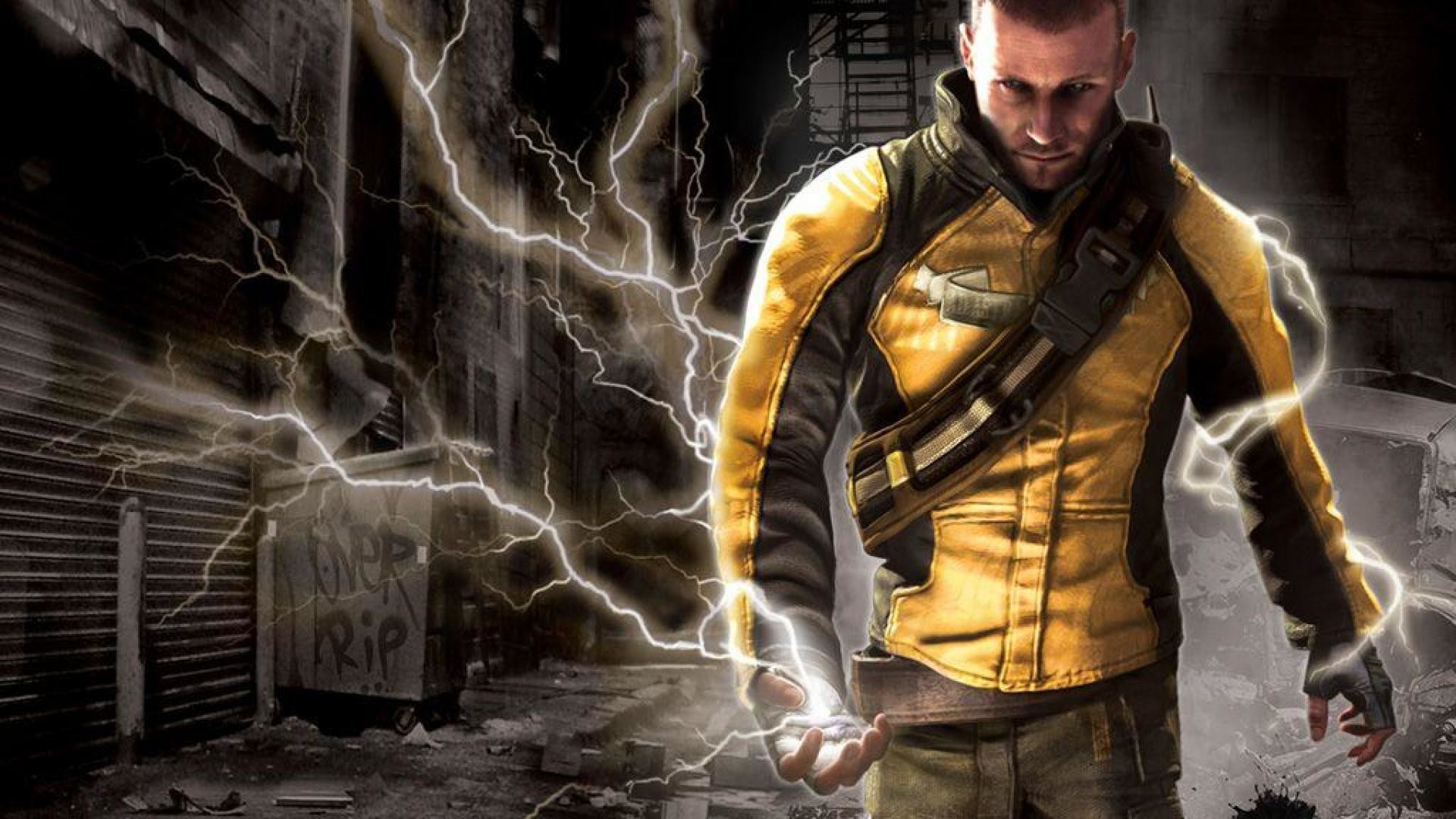
Sucker Punch Productions delivered open-world superhero action with electrical powers, traversal systems, and player-driven morality paths. The series introduced standalone expansions and a new protagonist in later installments. Photo modes, user-generated missions, and city sets evolved across releases. There have been no additional entries since the mid-2010s updates.
‘Gravity Rush’
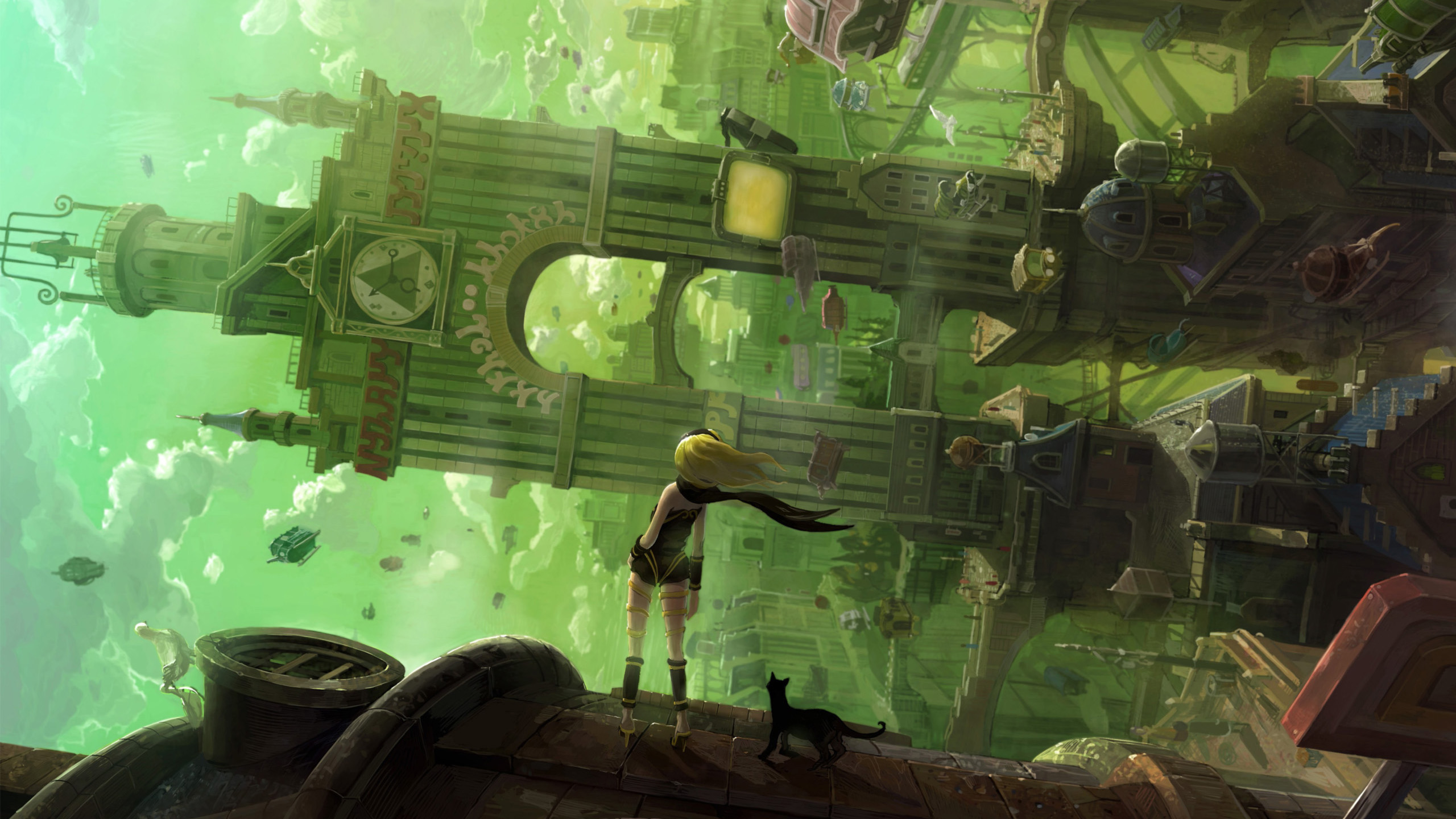
Japan Studio and Project Siren crafted gravity-shifting traversal in a stylized open world first on PlayStation Vita, then on home consoles. The sequel expanded districts, missions, and combat styles while refining aerial movement. Remasters brought the original to new audiences. The series has seen no follow-up after the second main entry.
‘Ape Escape’
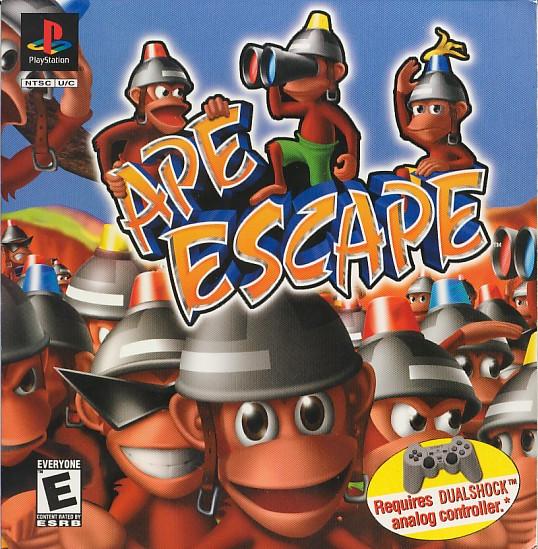
This platformer from Japan Studio popularized analog stick gadget control on PlayStation, centered on capturing mischievous monkeys across themed stages. Sequels and party-style spin-offs appeared on later systems, along with crossover cameos. The franchise introduced a wide range of tools, from nets to RC cars, to secure catches. New mainline releases have not appeared in many years.
‘Parappa the Rapper’
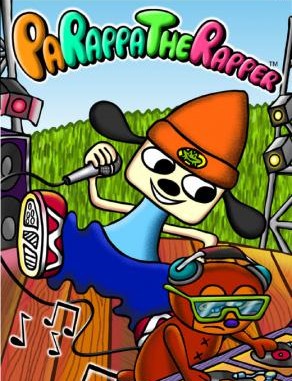
NanaOn-Sha’s rhythm game pioneered call-and-response button timing with cartoon-styled presentation on the original PlayStation. A sequel and related projects maintained the music-driven play on later hardware. Remastered editions refreshed audio and visuals for newer consoles. There have been no brand-new installments beyond updates and ports.
‘Patapon’
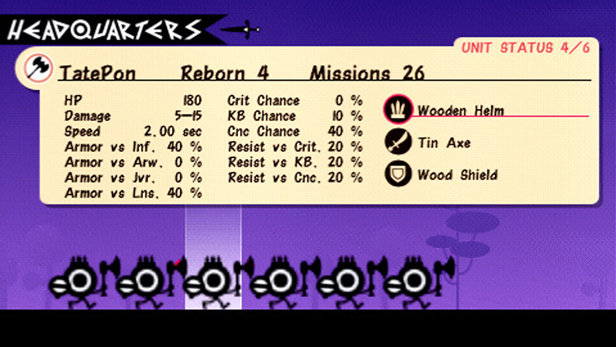
Japan Studio and Pyramid produced a rhythm-strategy hybrid on PlayStation Portable that used drum inputs to command armies. Sequels added new units, boss encounters, and equipment systems while keeping the chant-based control scheme. Remasters introduced high-resolution visuals on home consoles. The series has not expanded with a new entry in recent years.
‘Wild Arms’
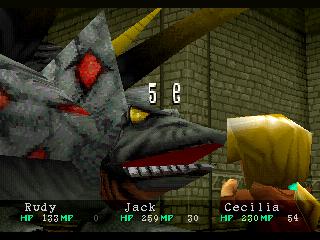
Media.Vision launched this role-playing series on the original PlayStation, blending Western motifs with turn-based combat and puzzle-centric dungeons. Multiple numbered titles appeared across PlayStation generations with shared lore and recurring elements. Spin-offs experimented with tactics systems and handheld formats. Console development paused after later entries while side projects appeared in other formats.
‘The Legend of Dragoon’
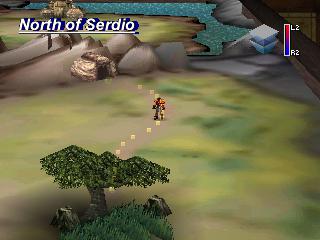
This role-playing game on the original PlayStation was produced by Sony with a timed hit combat system and a multi-disc narrative. It featured transformation mechanics, pre-rendered backgrounds, and cinematic presentation for its era. Re-releases introduced compatibility on newer platforms via classics programs. No sequel materialized after the original’s launch window.
‘Syphon Filter’
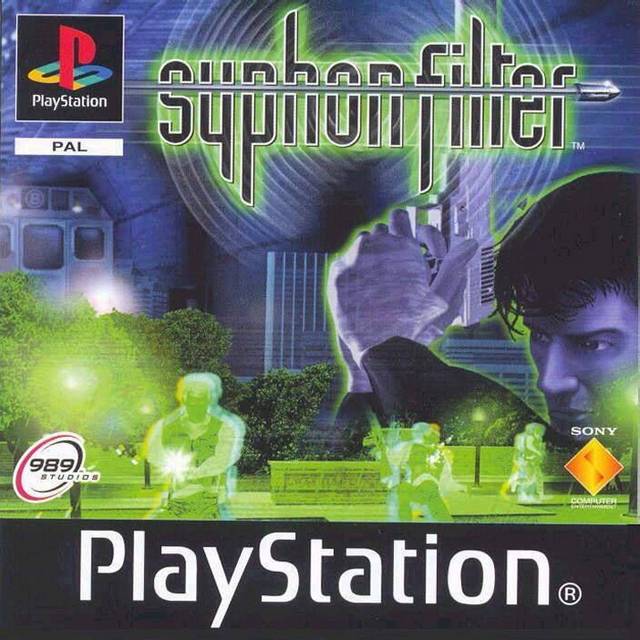
Bend Studio’s third-person stealth-action series began on PlayStation with gadgets, night-vision mechanics, and international missions. Follow-ups landed on PlayStation 2 and PlayStation Portable with expanded arsenals and co-op options. Classic editions later surfaced on subscription services with enhanced features. The brand has not delivered a new mainline title for more than a decade.
‘WipEout’
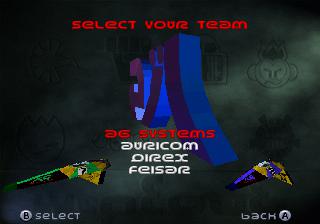
Psygnosis and Studio Liverpool established this anti-gravity racing series with high-speed tracks, licensed music, and combat pickups. Iterations arrived on PlayStation, PlayStation 2, PlayStation 3, and handhelds, culminating in compilation releases for newer systems. Online leaderboards and time trials remained core components. Development slowed after studio restructuring, with no recent console installment beyond collections.
‘Warhawk’
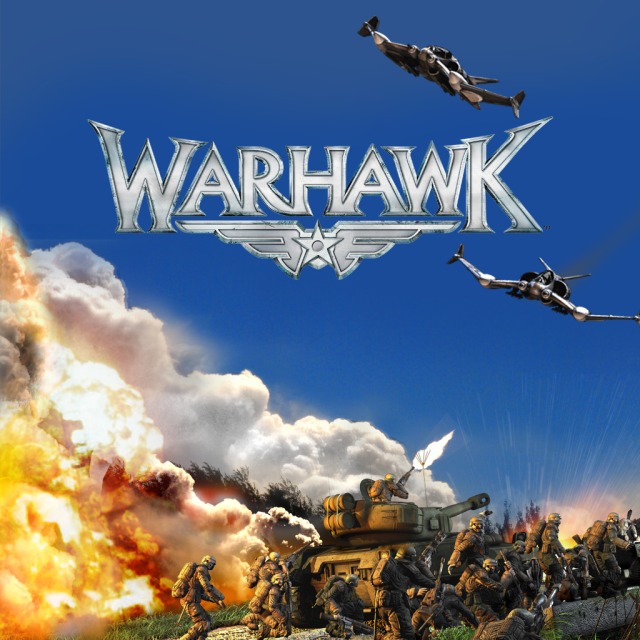
This multiplayer-focused franchise introduced combined-arms combat with aircraft and ground vehicles on PlayStation 3, building on a brand that debuted on the original PlayStation. The PlayStation 3 entry emphasized large lobbies, dedicated servers, and map control. Expansion packs added new vehicles and environments. Official server support ended, and there has been no successor since a spiritual follow-up shifted direction.
‘The Getaway’
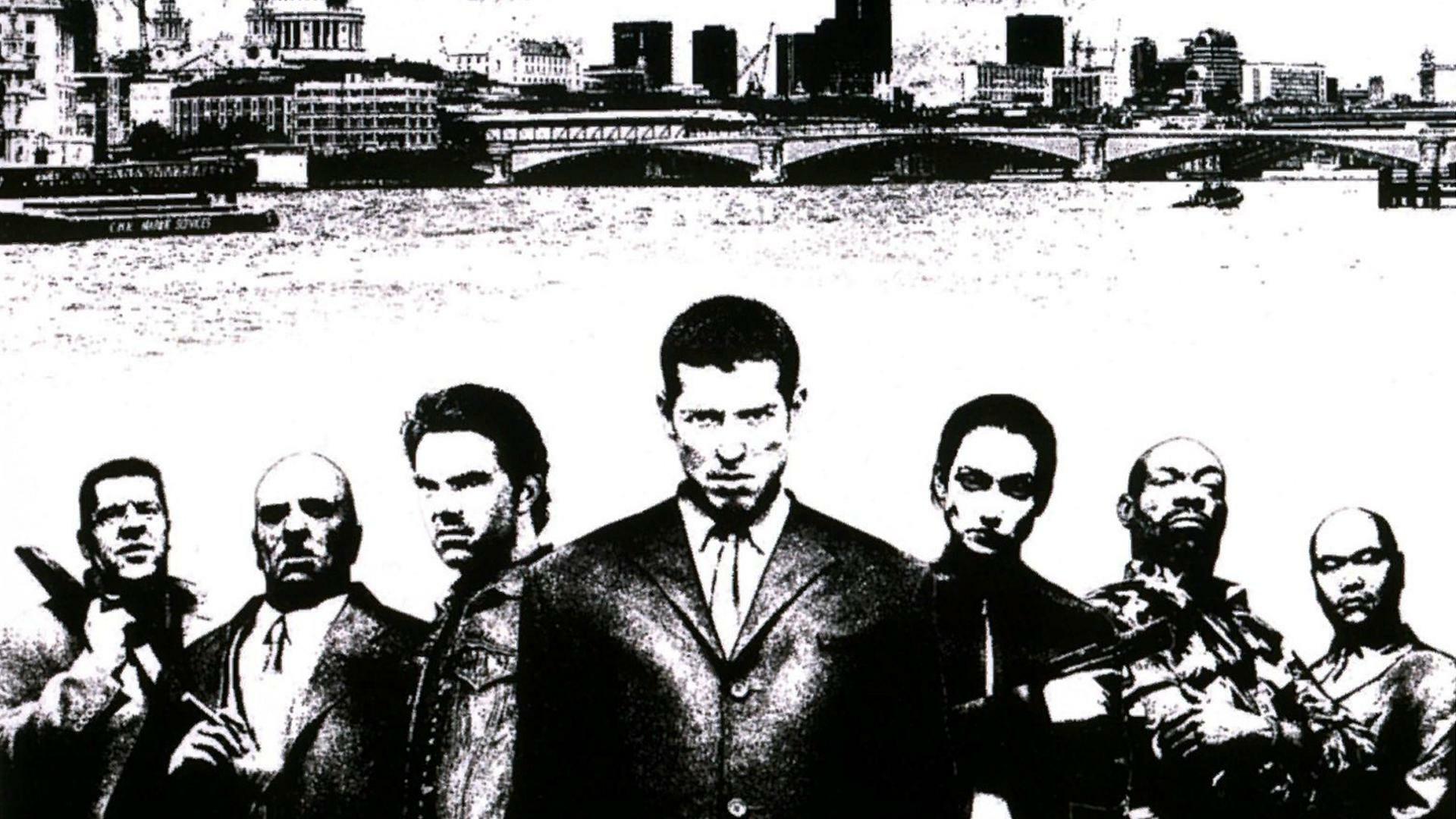
Developed by Team Soho and London Studio for PlayStation 2, this crime-themed action series recreated real London streets with location-based missions. A sequel expanded districts and storylines, with an additional spin-off exploring similar mechanics. A high-profile PlayStation 3 project was shown early in that console’s life but did not release. The series has remained inactive following studio and project changes.
‘Jet Moto’
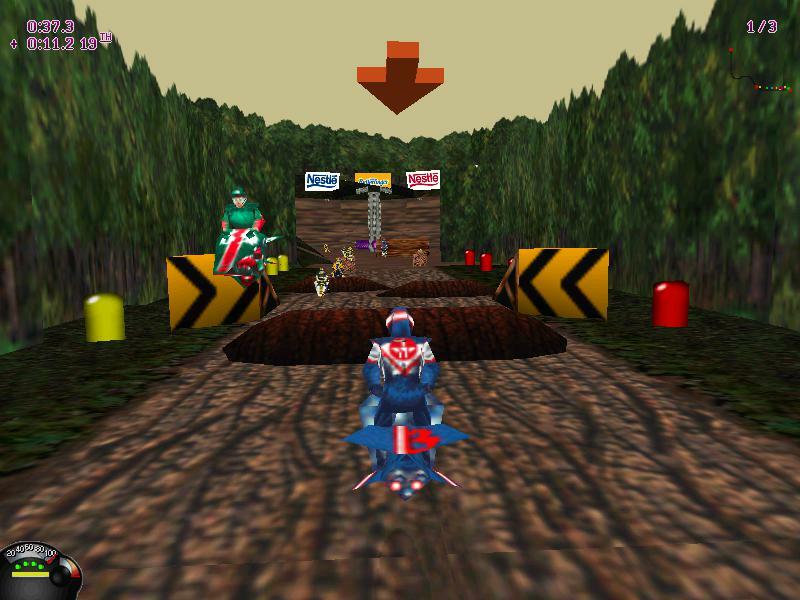
989 Studios launched this futuristic racer on the original PlayStation with hoverbikes, buoy-gated tracks, and physics that emphasized air control. Multiple entries refined vehicle handling and introduced additional circuits and tournament modes. Distinct sponsorships and event formats were part of its identity in early releases. The brand has seen no new mainline title since the late 1990s era.
‘Colony Wars’
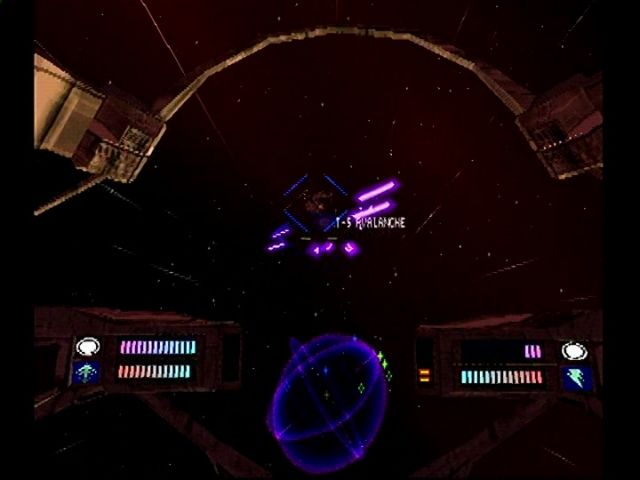
Psygnosis delivered this space-combat series on the original PlayStation with branching campaigns, cockpit views, and factional storylines. Sequels introduced new ships, mission structures, and performance improvements within the same universe. The games emphasized flight-sim elements balanced with console-friendly controls. No subsequent console entries have followed the trilogy period.
Share which PlayStation series you miss the most and why in the comments.