


Formerly Anti-Gay Celebs Who Switched Sides

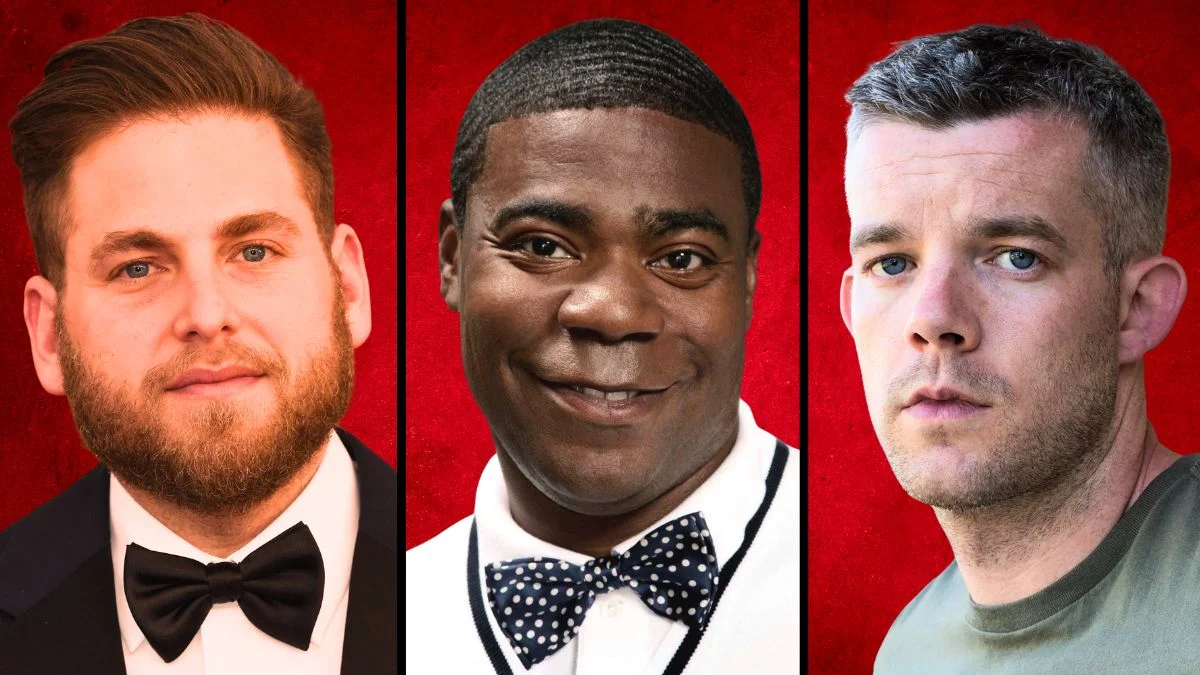


Public figures say things that don’t age well, but some go on to learn, apologize, and take concrete steps to support LGBTQ+ people. This list highlights celebrities who faced backlash for anti-gay or homophobic remarks or lyrics, then moved in a more supportive direction with visible actions like apologies, advocacy, and collaborations.
Tracy Morgan
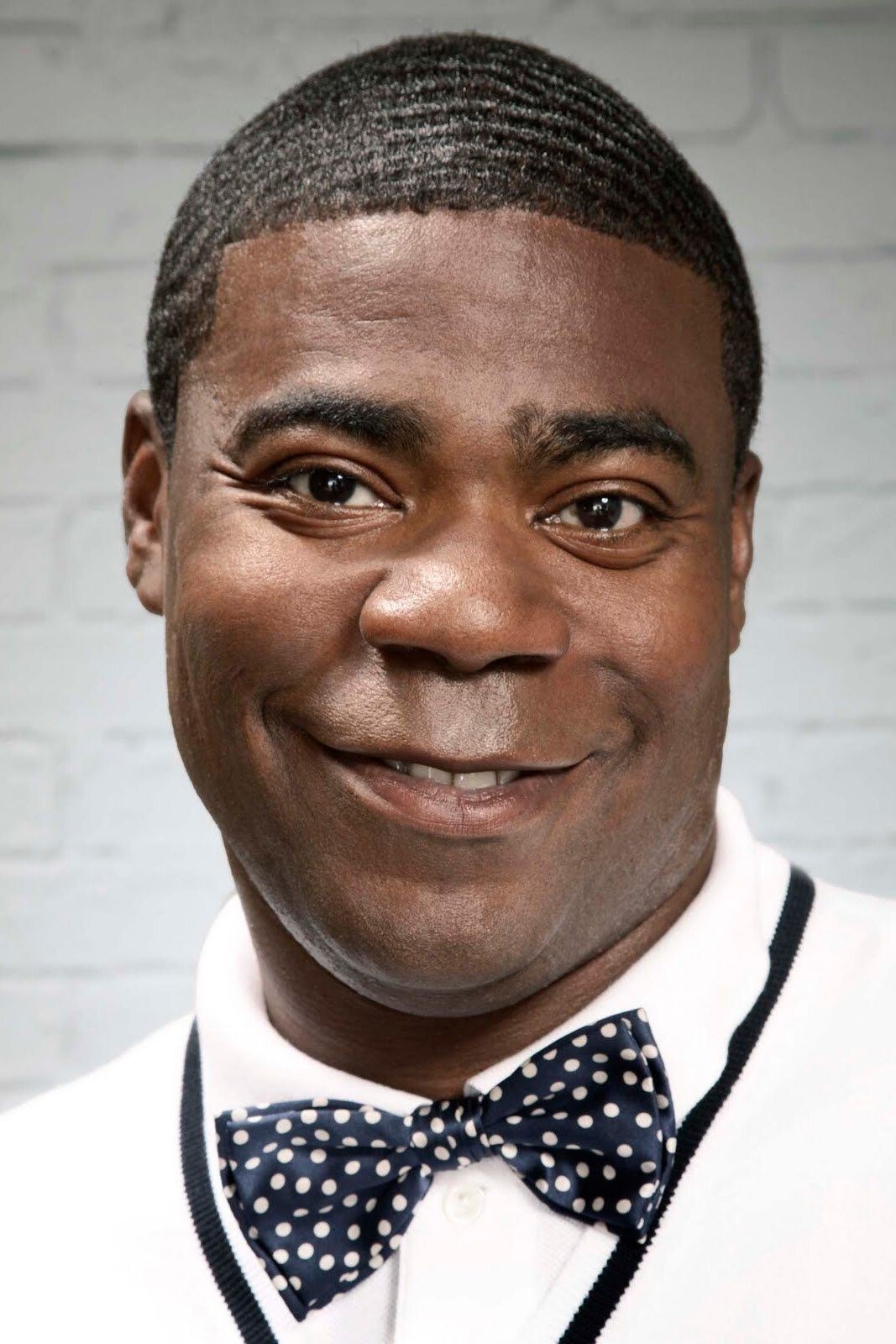
In 2011, during a stand-up set in Nashville, Tracy Morgan made remarks that sparked widespread criticism. He issued a public apology through GLAAD and met with LGBTQ+ youth at the Ali Forney Center in New York. He later filmed a PSA addressing anti-gay bullying and called his earlier comments unacceptable. Morgan’s outreach included conversations with advocacy groups to better understand the harm of his words.
Eminem
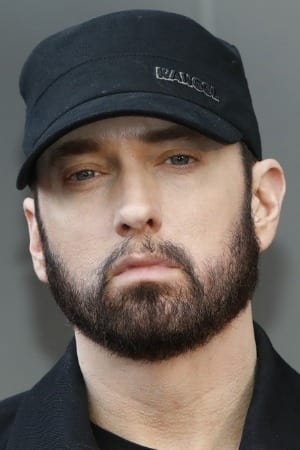
Eminem’s early lyrics drew frequent criticism for homophobic slurs. In 2001 he performed ‘Stan’ with Elton John at the Grammy Awards, a moment both artists later described as a show of solidarity. In interviews he stated his support for same-sex couples’ right to marry and said his earlier language reflected shock value rather than his views. He has since avoided the specific slurs that caused controversy and continued to collaborate with LGBTQ+ peers.
Jonah Hill
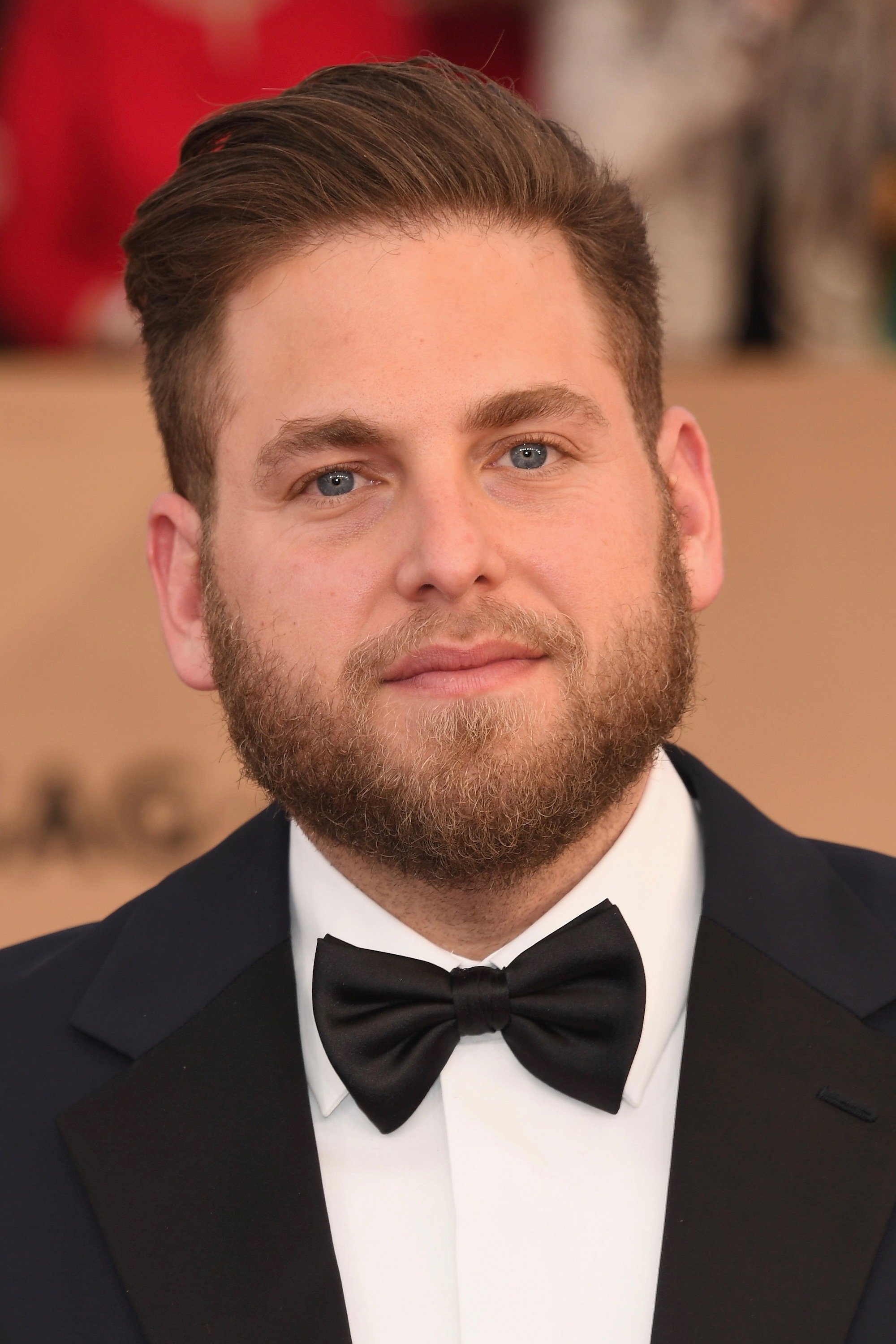
Jonah Hill used a homophobic slur against a paparazzo in 2014, which quickly made headlines. He apologized on national television and said he was ashamed of his language. Hill emphasized accountability and urged people to consider the impact of words on LGBTQ+ communities. He has since supported inclusion initiatives and reiterated that the slur does not reflect his values.
Alec Baldwin
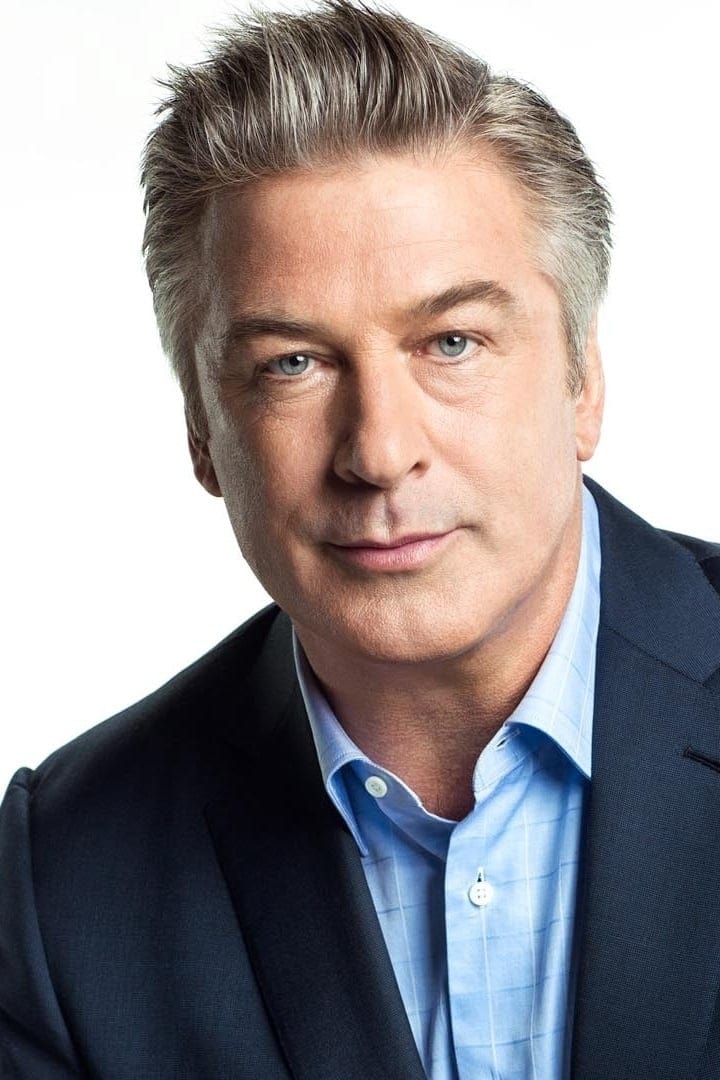
Alec Baldwin was accused of using a homophobic slur toward a photographer in 2013, leading to swift fallout. He apologized publicly and stated his support for LGBTQ+ rights and marriage equality. Baldwin later spoke about learning from the incident and being more careful with language in confrontational moments. He has continued to voice support for inclusive policies and anti-bullying efforts.
Isaiah Washington
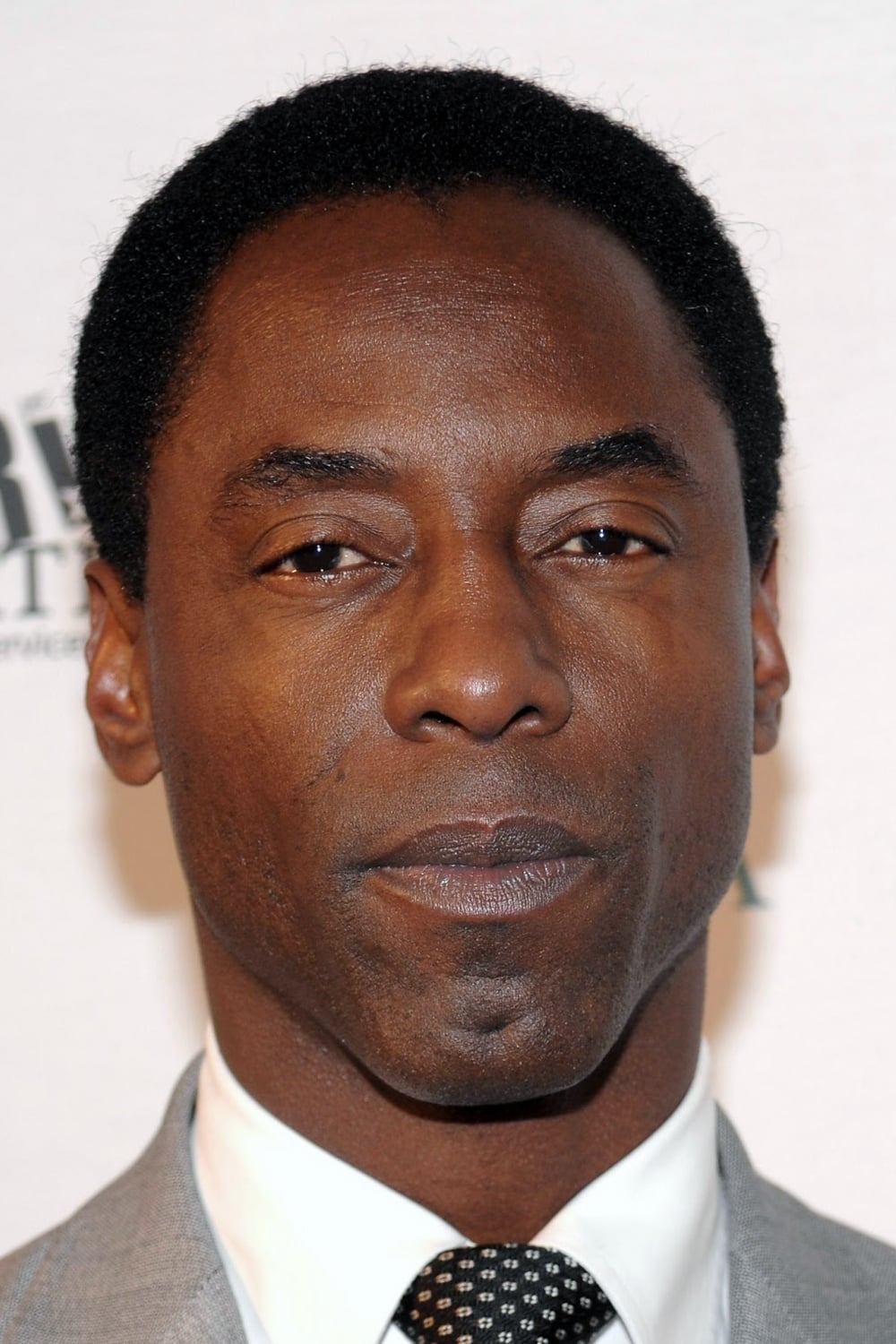
Isaiah Washington’s conflict on the set of ‘Grey’s Anatomy’ in 2006 centered on a slur directed at a co-star. After significant repercussions, he apologized and filmed a PSA urging people to stop using anti-gay slurs. Washington met with advocacy groups to discuss the importance of respectful language and workplace inclusion. He framed the experience as a turning point for listening and change.
Kobe Bryant
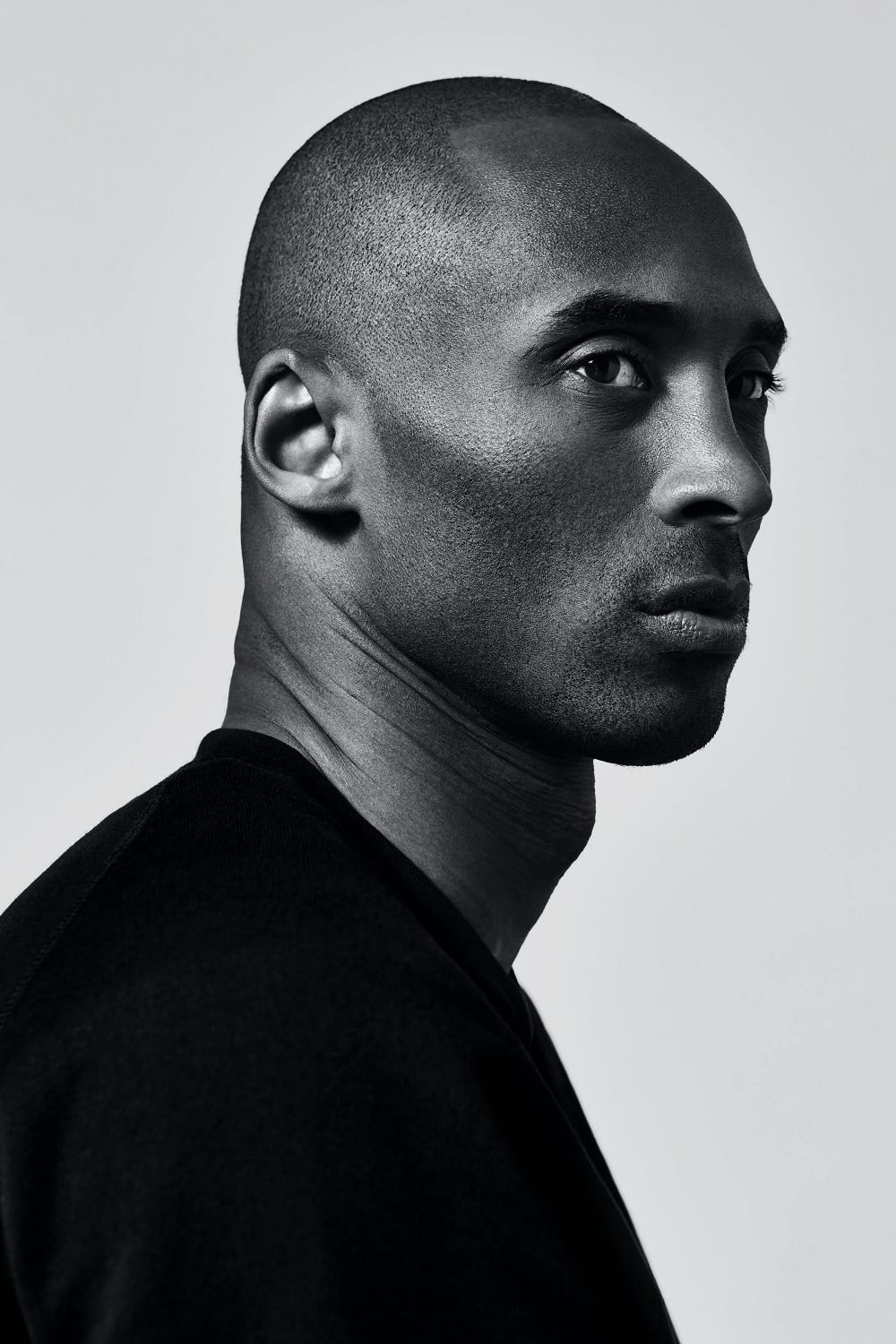
Kobe Bryant used a homophobic slur toward a referee in 2011 during an NBA game. He apologized, accepted a league fine, and later partnered with advocacy messaging that urged fans to choose better words. Bryant publicly reminded followers that language has consequences and modeled a commitment to learning. He used his platform to discourage casual homophobia among fans and players.
50 Cent
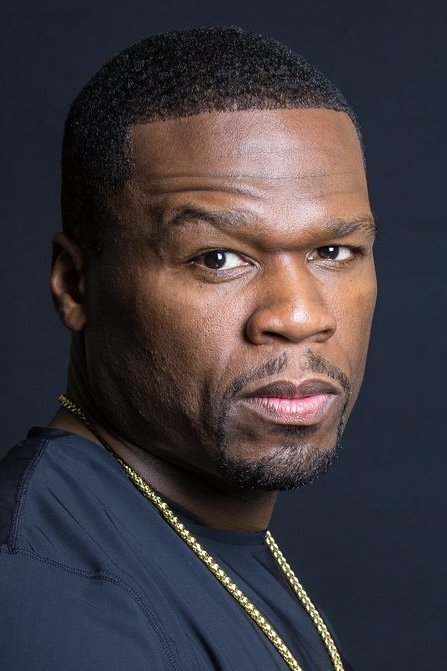
50 Cent faced criticism for tweets and lyrics that were called out as homophobic around the early 2010s. He later stated his support for marriage equality and clarified that earlier jokes and lines were misguided. The rapper acknowledged that public figures influence attitudes and said he wanted to be clear about his stance on equal rights. He has since avoided the language that fueled the earlier backlash.
Tyler, The Creator
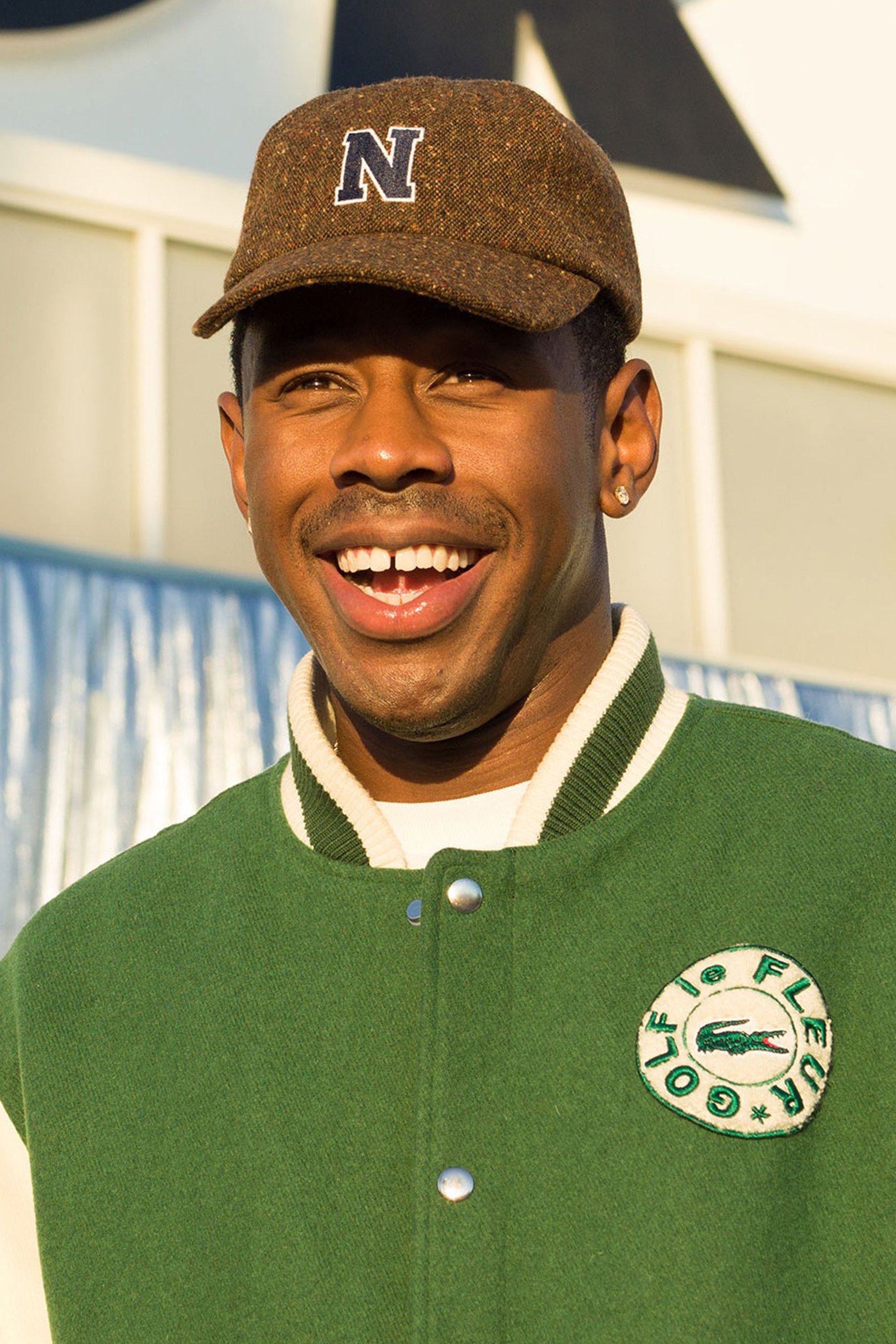
Tyler, The Creator’s early albums were filled with slurs that drew extensive criticism. Over time he shifted musically and personally, collaborating with openly queer artists and addressing sexuality more thoughtfully in his work. He has said he no longer stands by the shock-value language of his youth and prefers listeners focus on the artistry and growth. Festival sets and album rollouts have increasingly highlighted inclusive spaces and diverse collaborators.
DaBaby
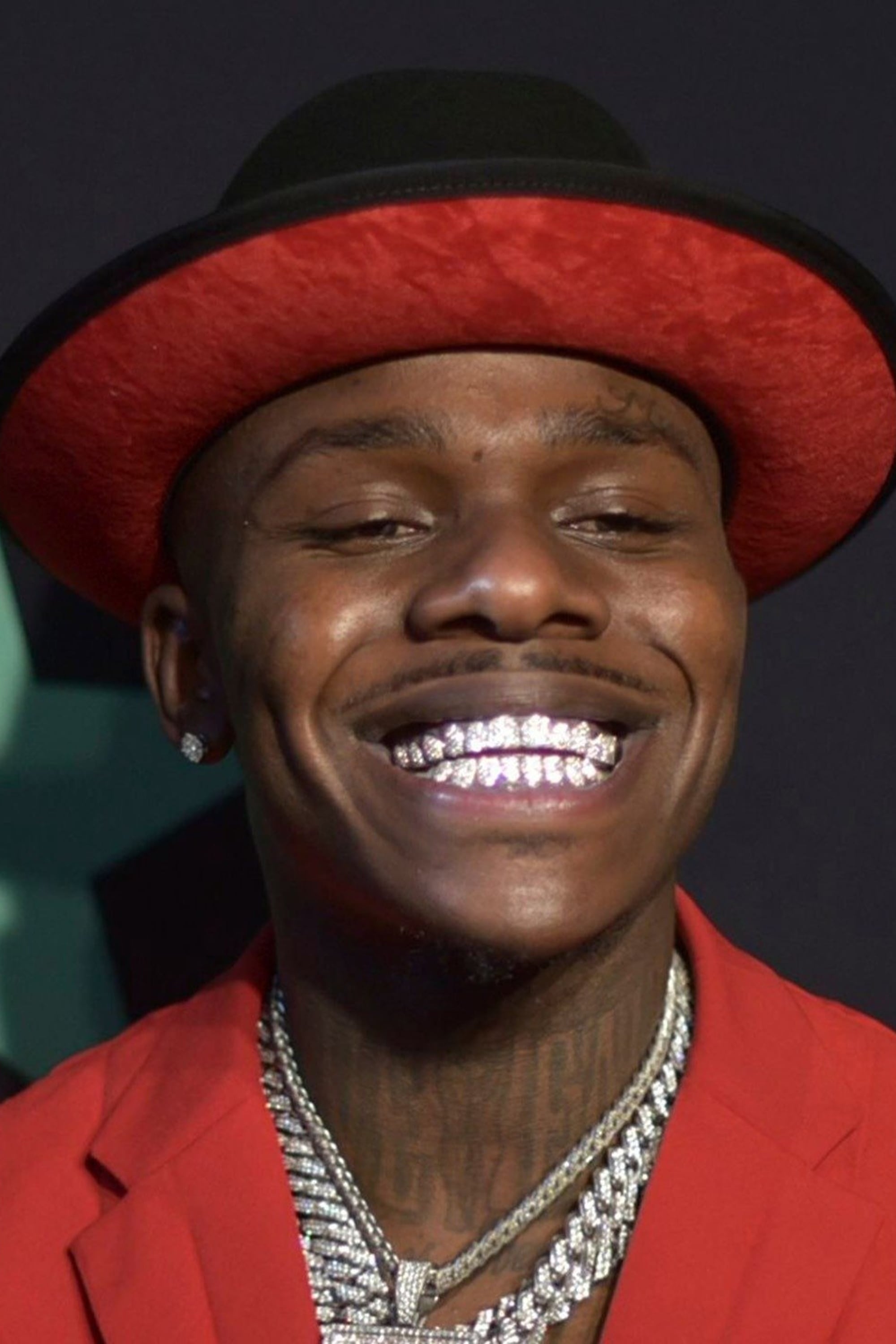
DaBaby made comments about gay men and people living with HIV onstage in 2021, prompting festival cancellations and industry pushback. He issued multiple apologies and met with HIV and LGBTQ+ organizations to learn about stigma and harm. He pledged to use his platform more responsibly and removed promotional materials that minimized the issue. The episode led to a documented period of outreach and education efforts with community groups.
Kevin Hart
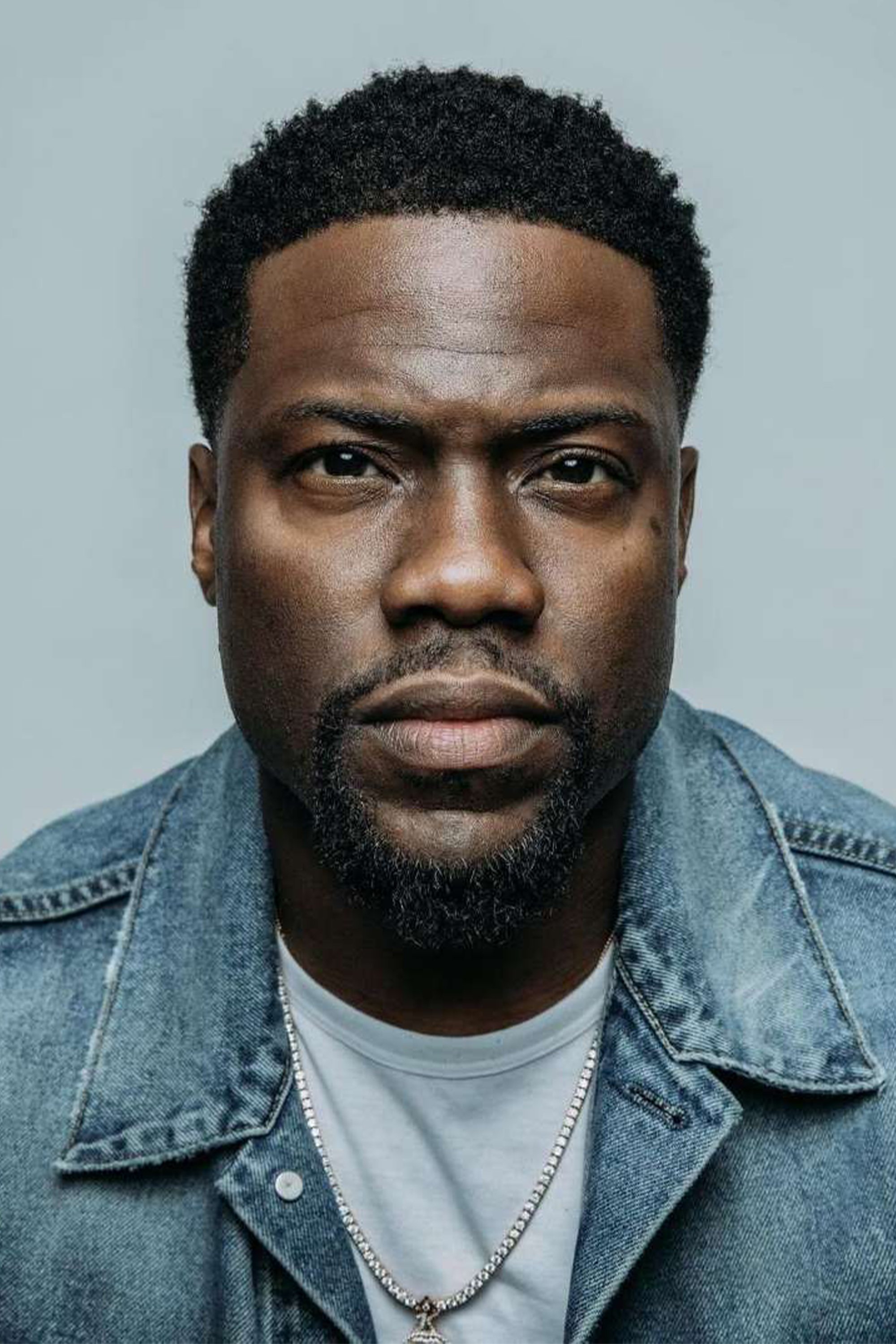
Old tweets from Kevin Hart resurfaced in 2018, leading him to step down from hosting the Academy Awards. He apologized to the LGBTQ+ community and addressed the controversy in interviews and on his own platforms. Hart discussed growth and the need to move beyond hurtful jokes that normalize discrimination. He has since emphasized inclusion in public appearances and projects.
Russell Tovey
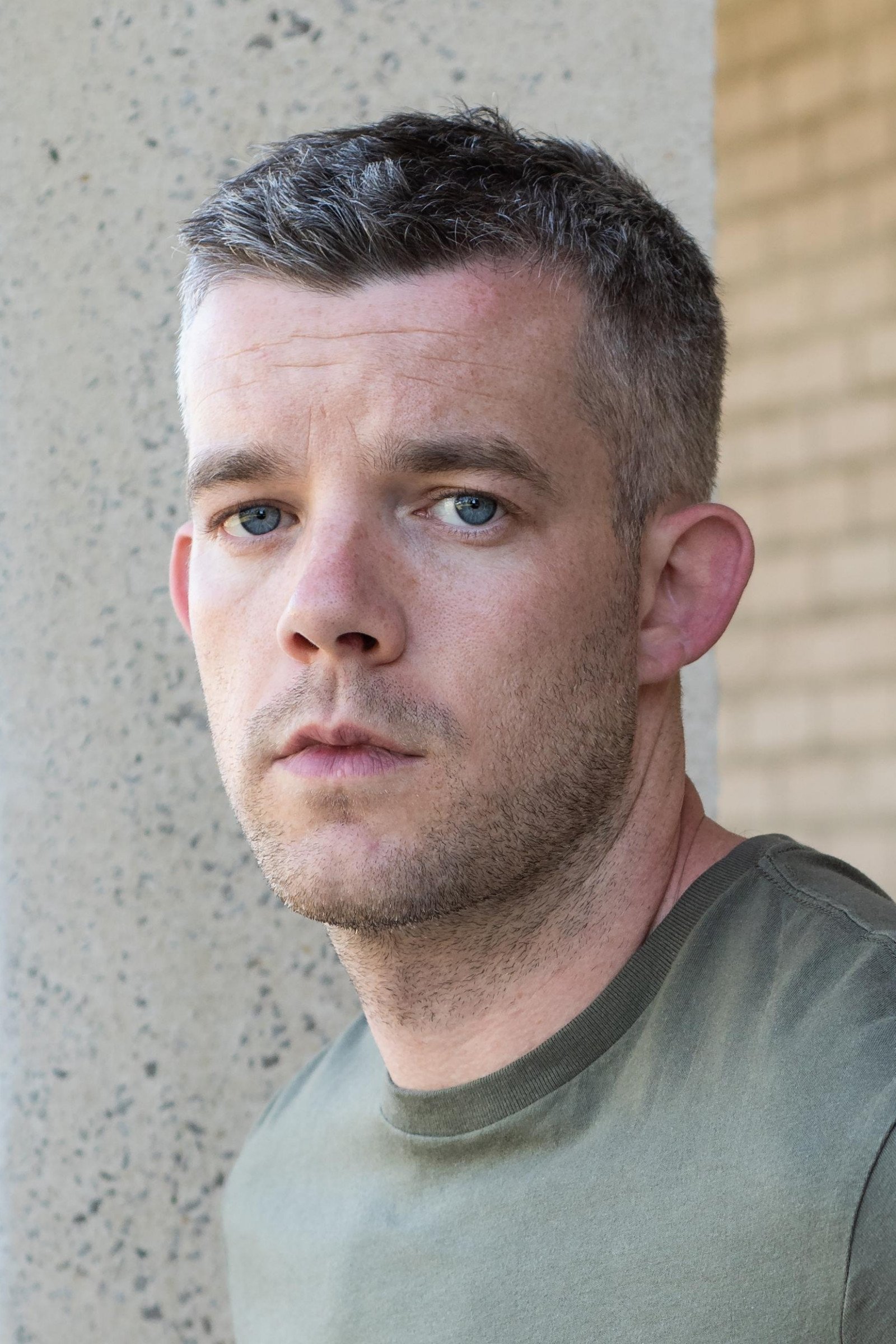
Russell Tovey drew criticism in 2015 for comments about effeminate men that many viewed as harmful within the LGBTQ+ community. He apologized, explaining that he was reflecting on his own experiences and not intending to demean anyone. Tovey reaffirmed his support for all expressions of queer identity and used interviews to clarify that inclusivity matters to him. His later work and public statements have underscored that message.
Paris Hilton
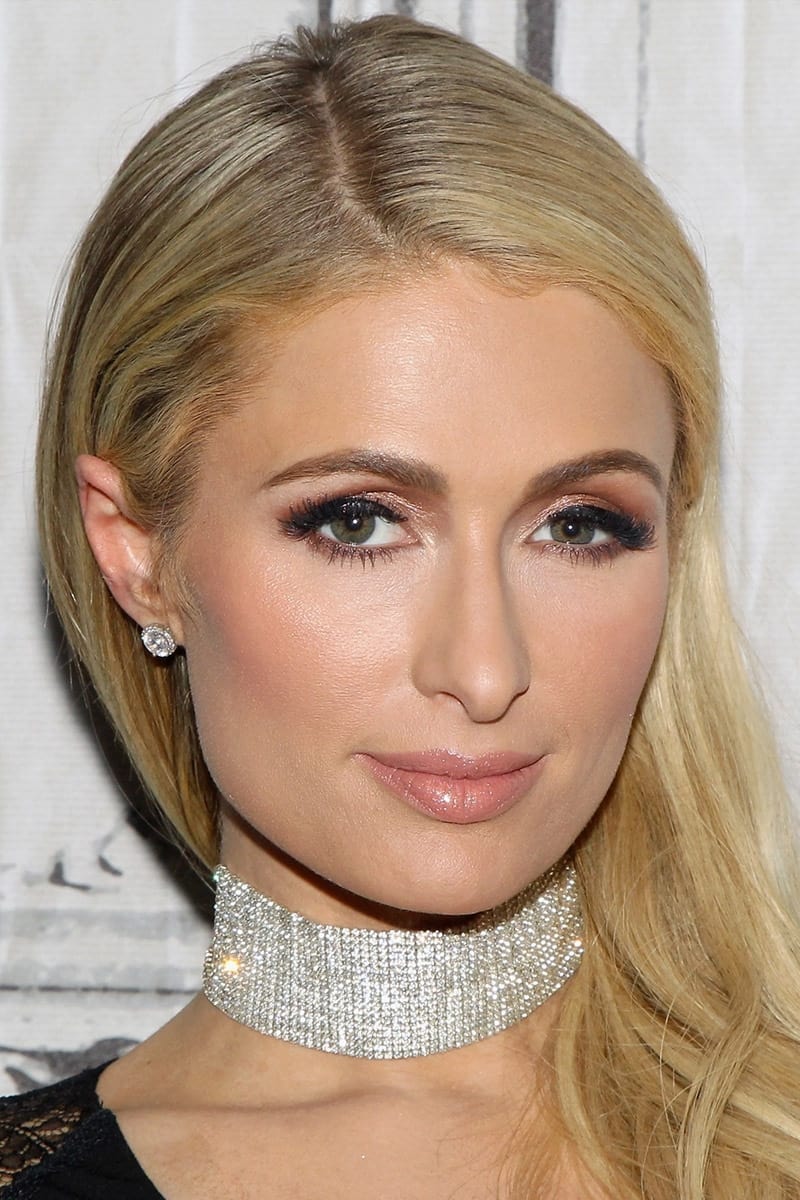
A leaked 2012 audio clip captured Paris Hilton making derogatory remarks about gay men. She apologized and said the comments did not reflect her beliefs. Hilton has since supported marriage equality, appeared at Pride events, and promoted safer-sex messaging. She has used her media platforms to amplify LGBTQ+ visibility and acceptance.
Cardi B
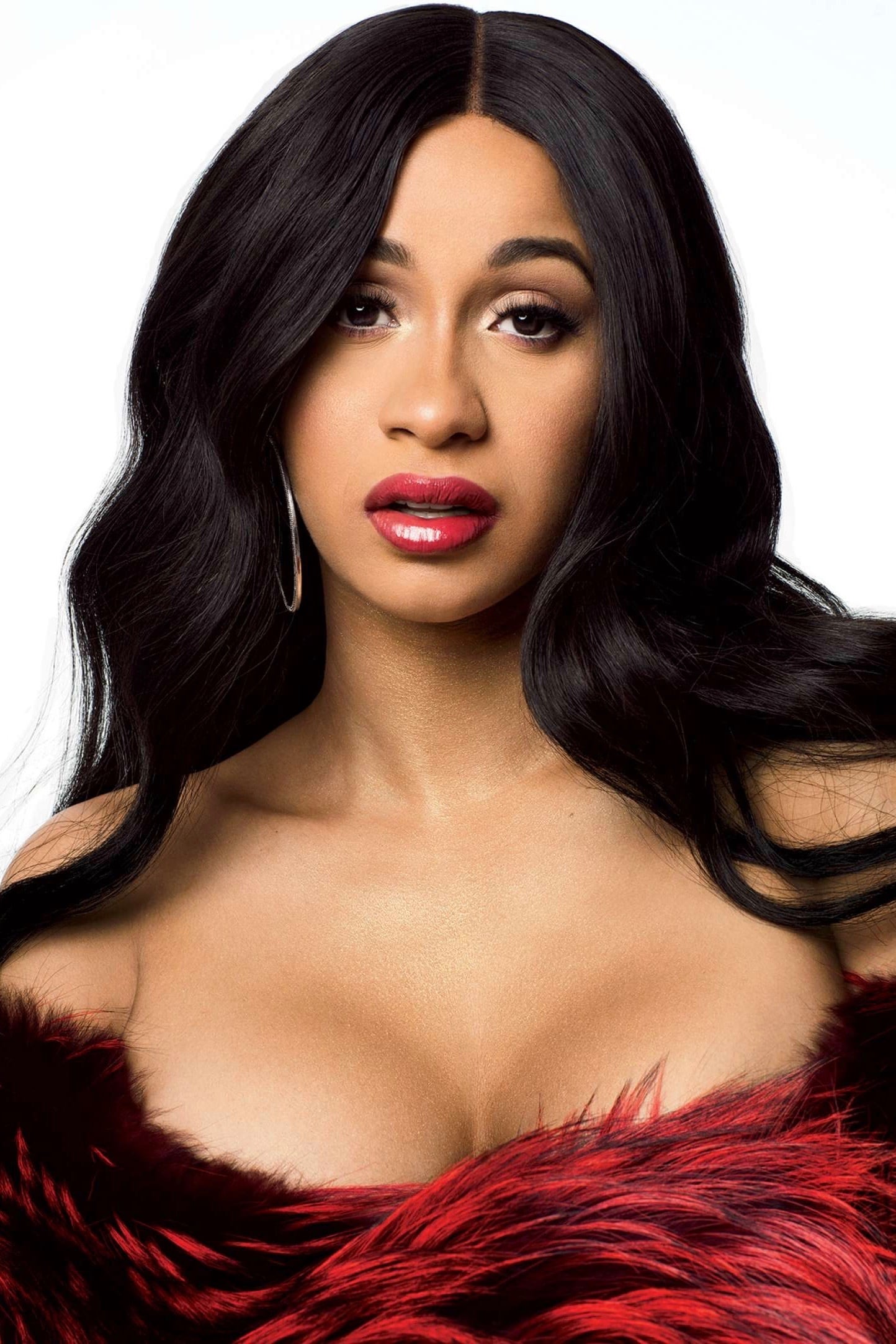
Cardi B faced criticism for past comments that were perceived as transphobic and homophobic. She apologized and clarified her support for LGBTQ+ people, citing close relationships with queer friends and collaborators. Cardi B has since spoken out against harassment of trans people and highlighted the importance of using correct language. Her performances and social media presence have included frequent affirmations of queer fans.
Blake Shelton
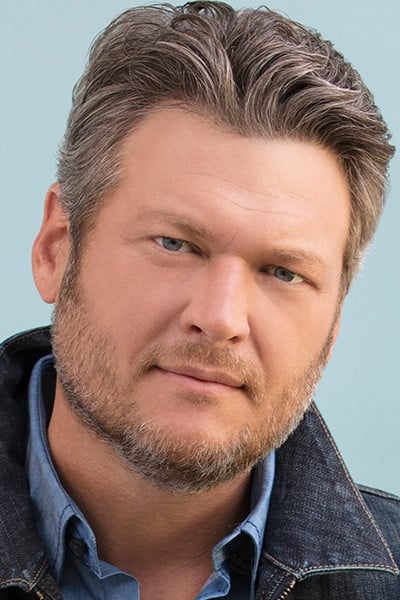
Blake Shelton’s early tweets included jokes that were called out as homophobic. He apologized and said he understood why people were hurt. On ‘The Voice’ he mentored openly LGBTQ+ contestants and praised their artistry without qualification. Shelton has since emphasized that everyone should feel welcome in country music spaces.
Axl Rose
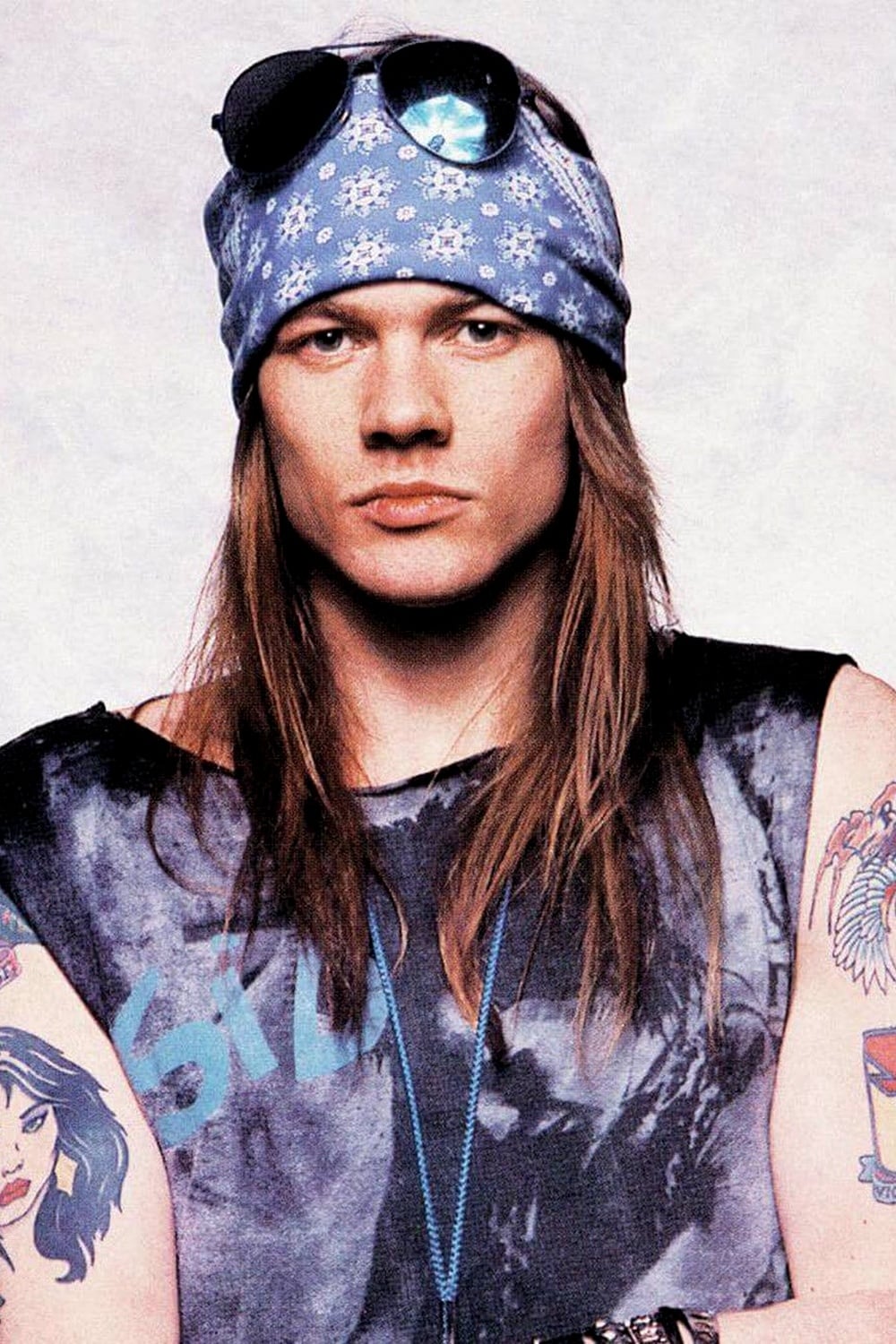
Axl Rose’s song ‘One in a Million’ from the late 1980s included slurs that drew condemnation for years. In later interviews he distanced himself from the lyrics and acknowledged the offense they caused. The track was omitted from archival releases for a time, reflecting changing standards and the band’s sensitivity to the issue. Rose’s public messaging has since avoided language that targets LGBTQ+ people.
Share your thoughts below and tell us who else you think belongs on this list.