


Found-Footage Horror Films That Still Feel Too Real

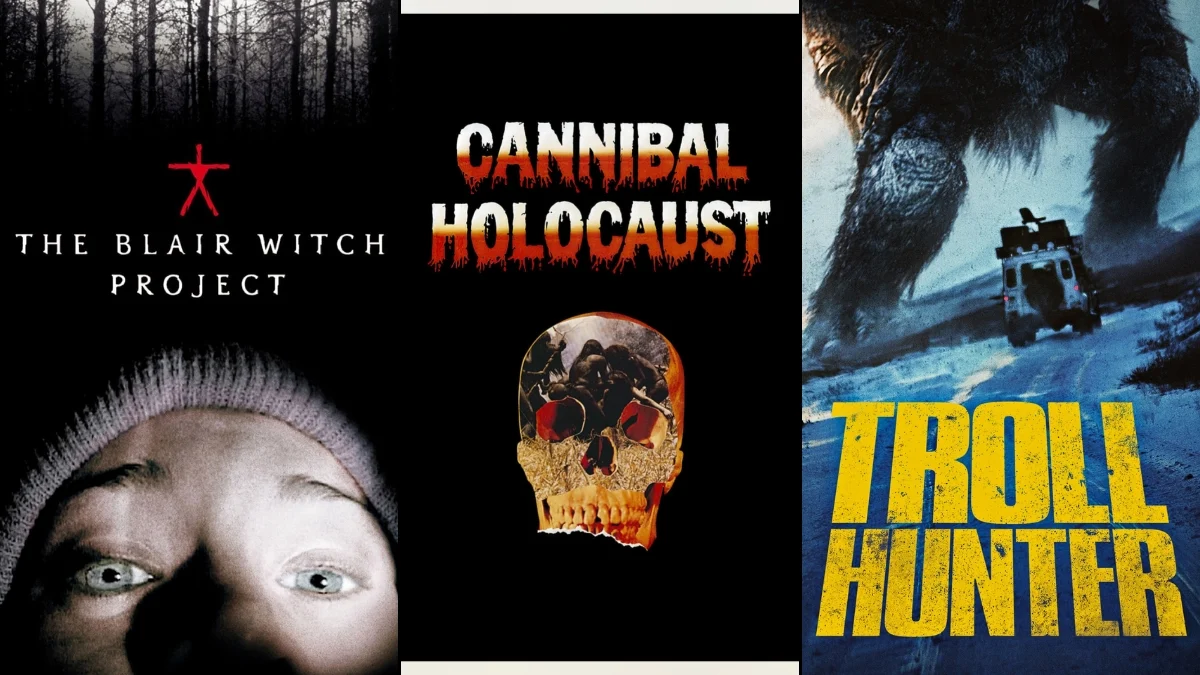


The found-footage subgenre revolutionized horror by trading cinematic polish for raw and immersive authenticity. These films utilize shaky handheld cameras and naturalistic acting to convince audiences that they are witnessing actual events. Filmmakers often rely on improvised dialogue and practical effects to ground the terror in a believable reality. The following collection highlights movies that successfully blurred the line between fiction and documentary evidence.
‘Cannibal Holocaust’ (1980)
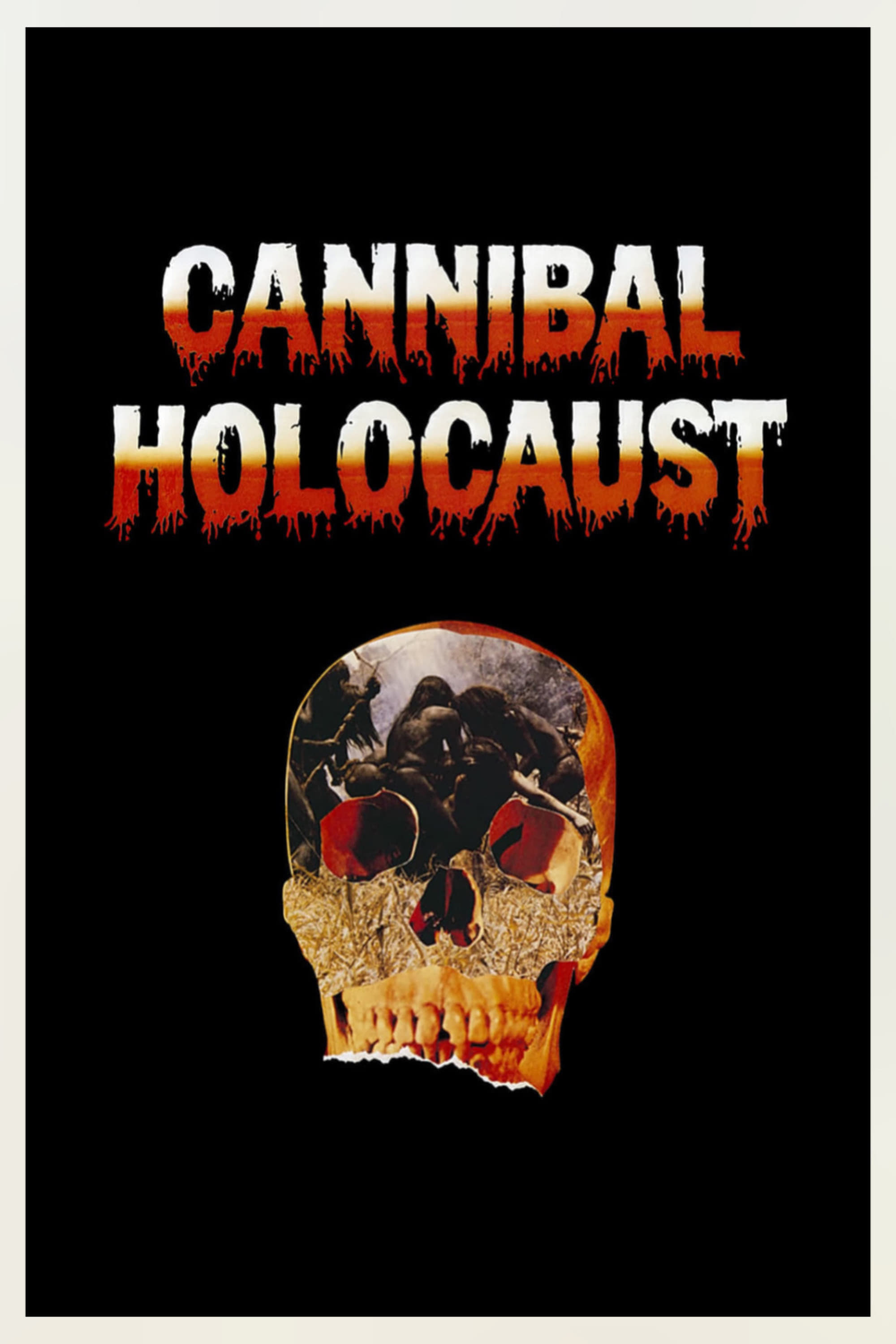
Ruggero Deodato directed this controversial film about a missing documentary crew in the Amazon. A rescue team retrieves their film cans to discover the gruesome fate they met at the hands of indigenous tribes. The special effects were so realistic that the director faced legal charges to prove the actors were still alive. It remains a seminal work that established the template for the found-footage subgenre.
‘The Blair Witch Project’ (1999)
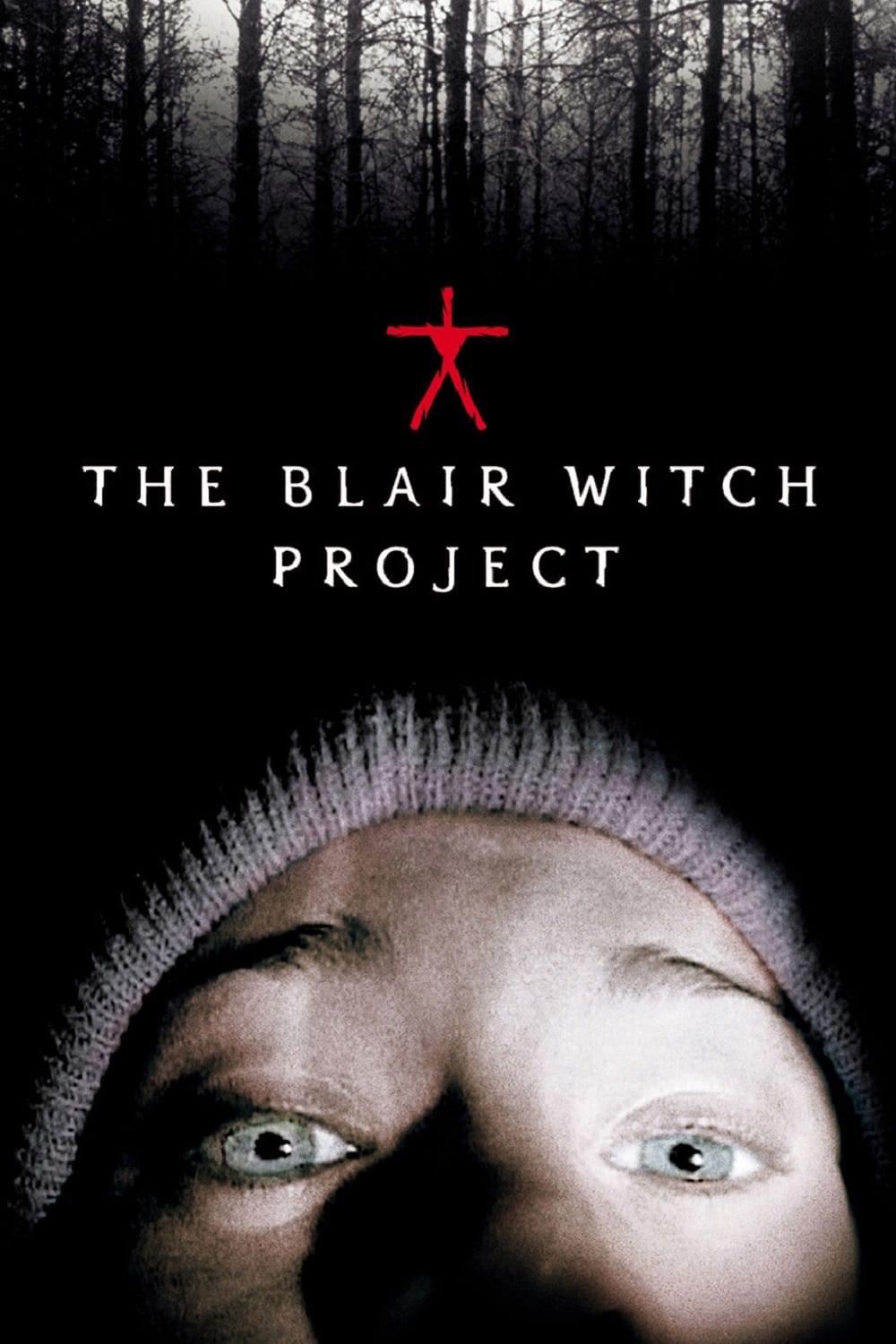
Three film students hike into the Black Hills near Burkittsville to film a documentary about a local legend. They quickly lose their map and their composure as unseen forces torment them during the night. The grainy handheld camerawork and improvised dialogue created a convincing sense of dread that fooled early audiences. This movie turned a minimal budget into a massive global phenomenon through clever internet marketing.
‘Paranormal Activity’ (2007)
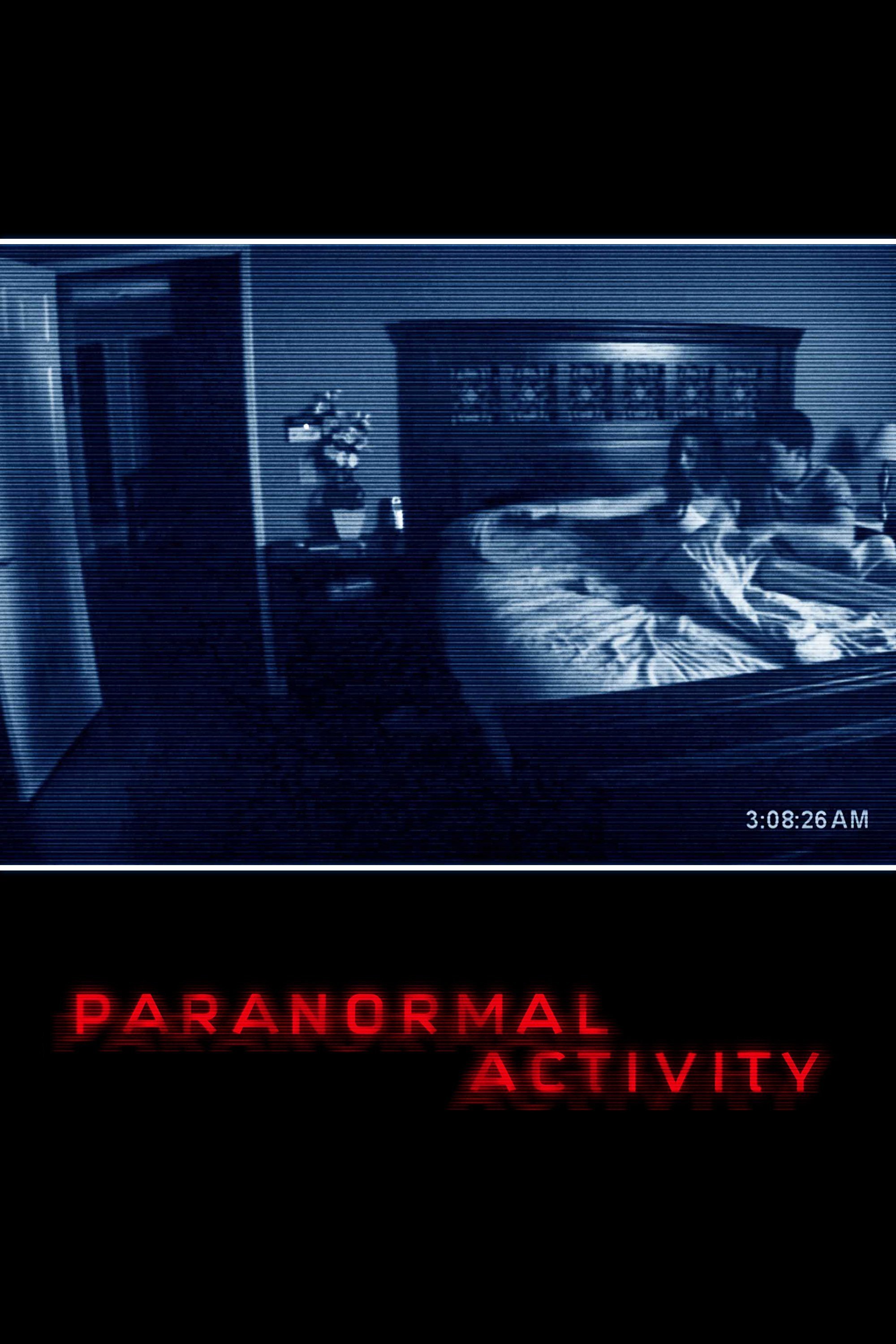
A young couple sets up a camera in their bedroom to capture evidence of a supernatural presence. Subtle environmental changes escalate into violent demonic attacks that threaten their lives. The static camera shots effectively force the audience to scan the frame for the slightest movement. Its massive success revitalized the genre and spawned a long-running franchise.
‘[REC]’ (2007)
!['[REC]' (2007)](https://image.tmdb.org/t/p/original/hgyJR4sgMsee6xMFM3xYiG6cDCh.jpg)
A television reporter and her cameraman follow firefighters into an apartment building on a routine call. The situation deteriorates when authorities seal the building to contain an unknown infection turning residents into aggressive creatures. The narrative unfolds in real time as the characters struggle to survive in the claustrophobic setting. This Spanish film utilizes the camera light to reveal terrors lurking in the darkness.
‘Cloverfield’ (2008)
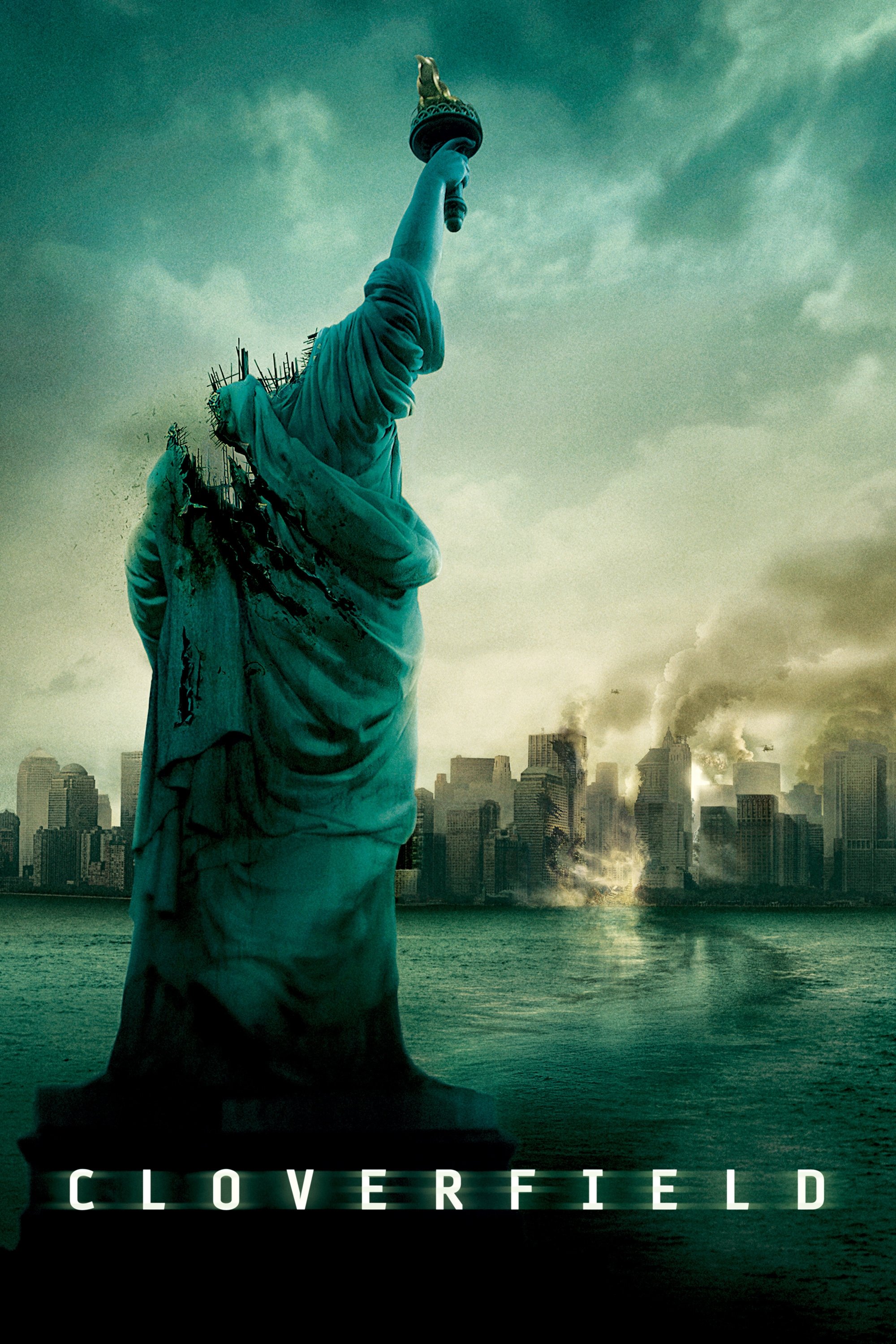
A going-away party in Manhattan is interrupted by the sudden arrival of a massive monster. A group of friends navigates the crumbling city to rescue a trapped survivor while dodging military strikes and parasitic creatures. The perspective remains strictly tethered to a consumer camcorder to ground the fantastical events in reality. This film merged the giant monster movie format with intimate handheld cinematography.
‘Lake Mungo’ (2008)
A grieving family experiences strange events in their home following the drowning death of their teenage daughter. They hire a parapsychologist and examine photographs that suggest the girl led a secret double life. The narrative uses a mockumentary format with interviews and news footage to build a pervasive sense of melancholy and dread. It stands out for its emotional depth and a shocking reveal captured on a cell phone.
‘Troll Hunter’ (2010)
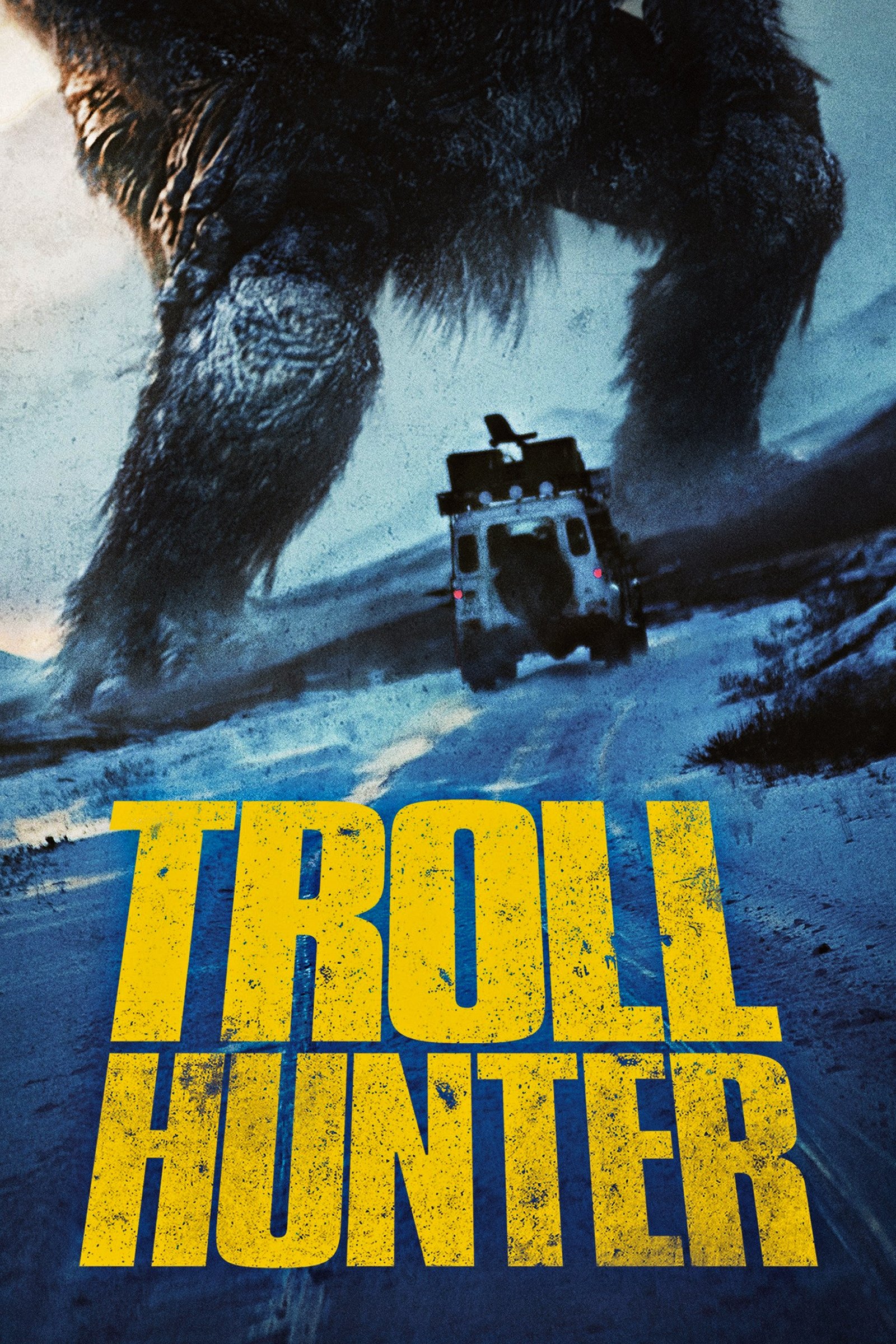
University students in Norway investigate a suspected bear poacher who turns out to be a government employee managing troll populations. The crew follows him into the wilderness to document various species of giant mythical creatures. Dark humor blends with impressive visual effects to create a unique fantasy horror experience. The film treats folklore with a scientific approach that makes the impossible seem grounded.
‘The Last Exorcism’ (2010)
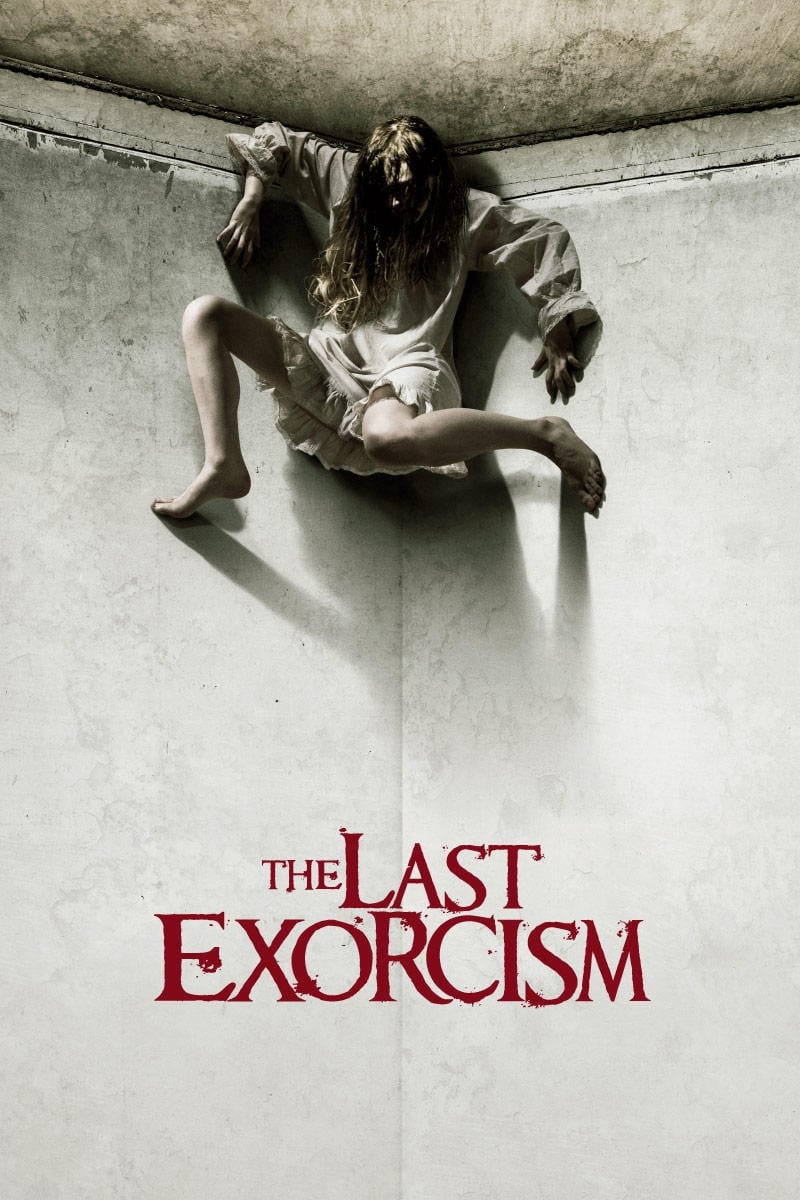
A disillusioned reverend agrees to let a documentary crew film his final fraudulent exorcism on a farm. He soon discovers the possessed girl is suffering from something far more sinister than mental illness. The story shifts from a skepticism exposé to a terrifying encounter with a demonic cult. Handheld cameras capture the contorted physical horror of the possession scenes with disturbing clarity.
‘Grave Encounters’ (2011)
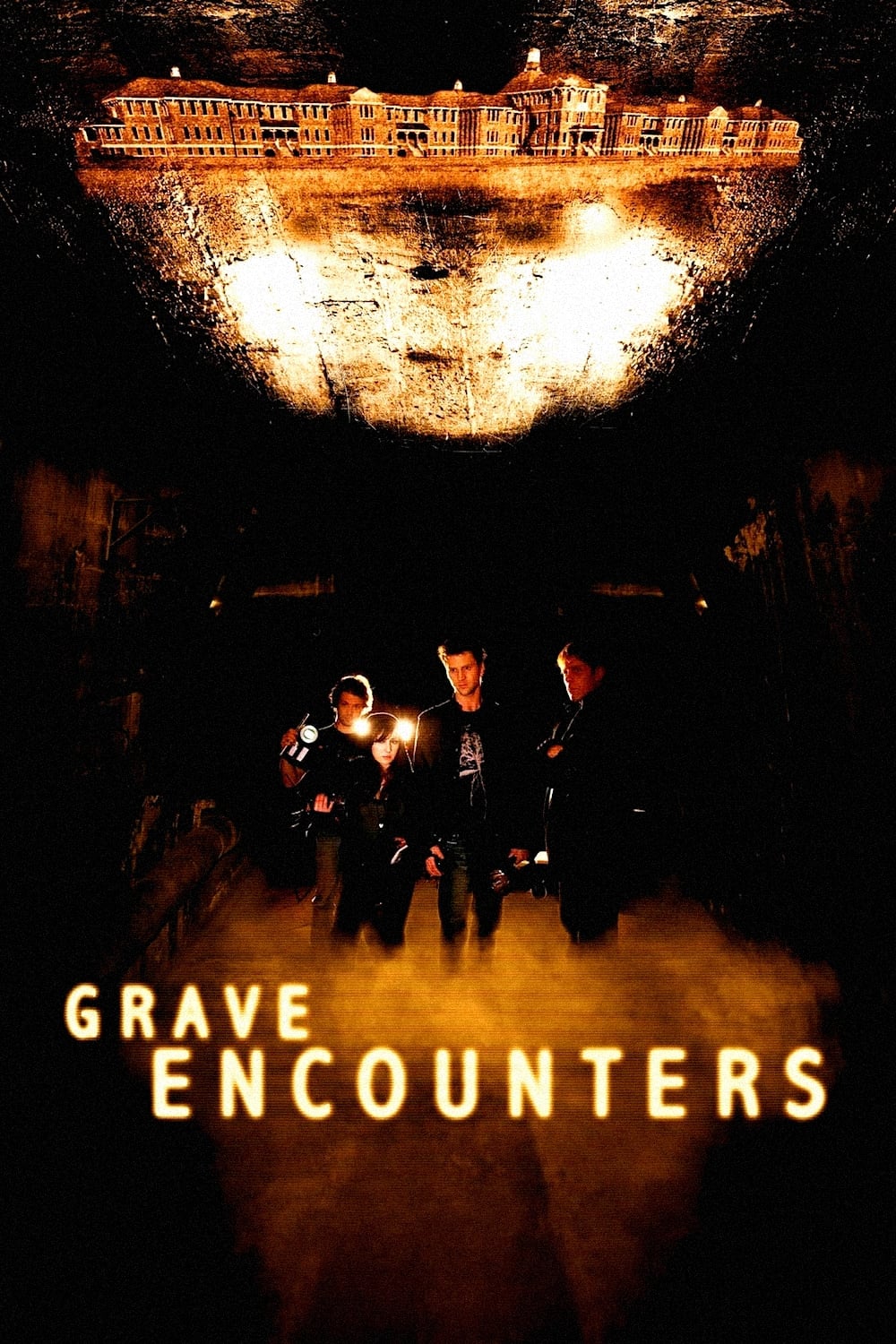
A reality television crew locks themselves inside an abandoned psychiatric hospital to film a ghost hunting episode. They quickly realize the building is a labyrinth that defies physics and traps them with malevolent entities. The satire of paranormal TV shows gives way to genuine terror as the characters lose their minds. Night vision photography plays a crucial role in visualizing the scares within the pitch black corridors.
‘V/H/S’ (2012)
A group of criminals breaks into a house to steal a specific videotape but finds a corpse surrounded by televisions. They watch several cassettes that each contain a different horrifying found-footage story from various directors. The anthology format allows for diverse styles ranging from creature features to supernatural slashers. This collection reinvigorated the short film format within the horror community.
‘The Bay’ (2012)
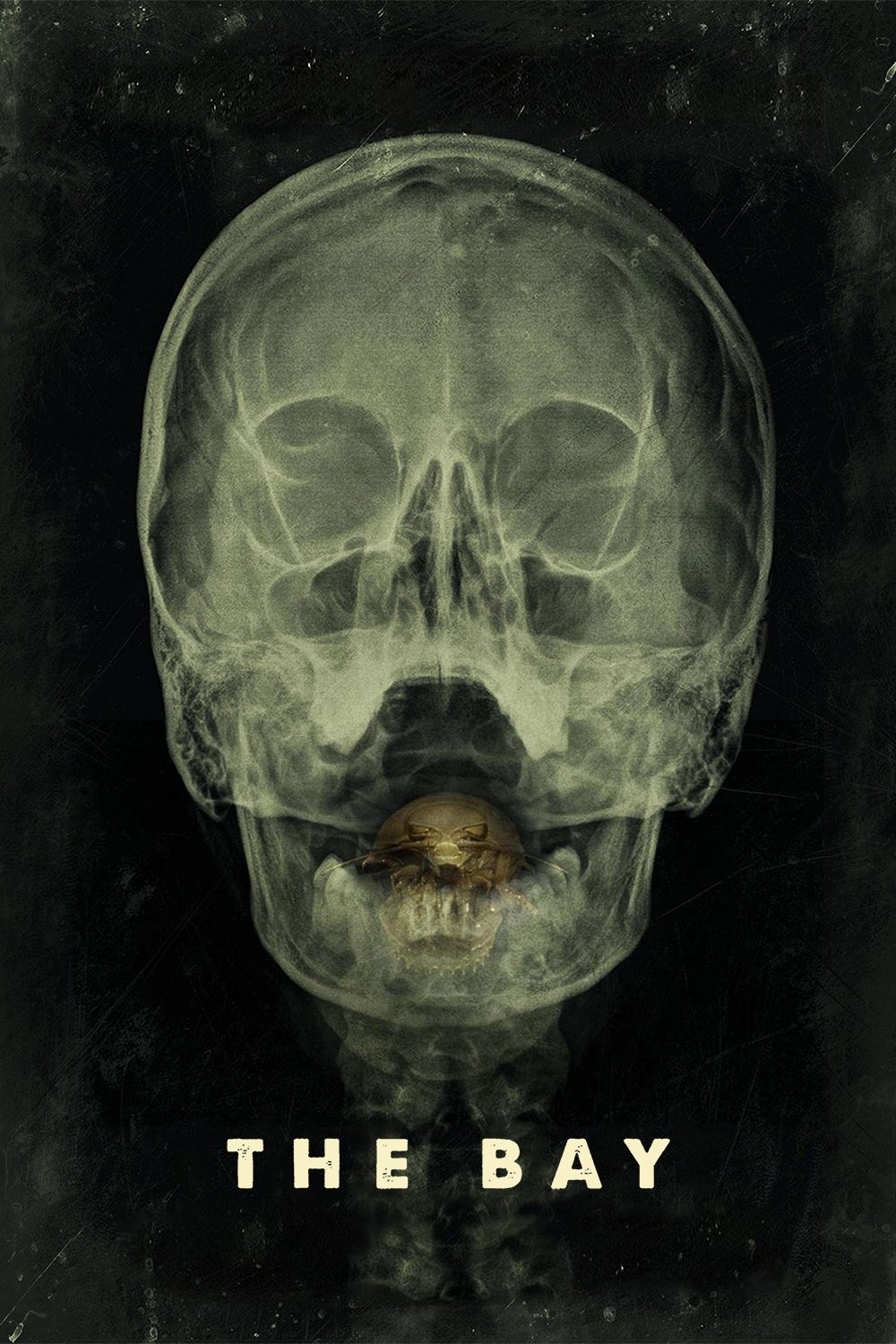
Barry Levinson directs this eco-horror film about a coastal town devastated by a waterborne parasite. The narrative compiles footage from news reports and police cameras and FaceTime calls to reconstruct the disaster. Residents suffer gruesome physical mutations as the government attempts to cover up the incident. The realistic scientific basis of the threat makes the body horror particularly unsettled.
‘The Poughkeepsie Tapes’ (2007)
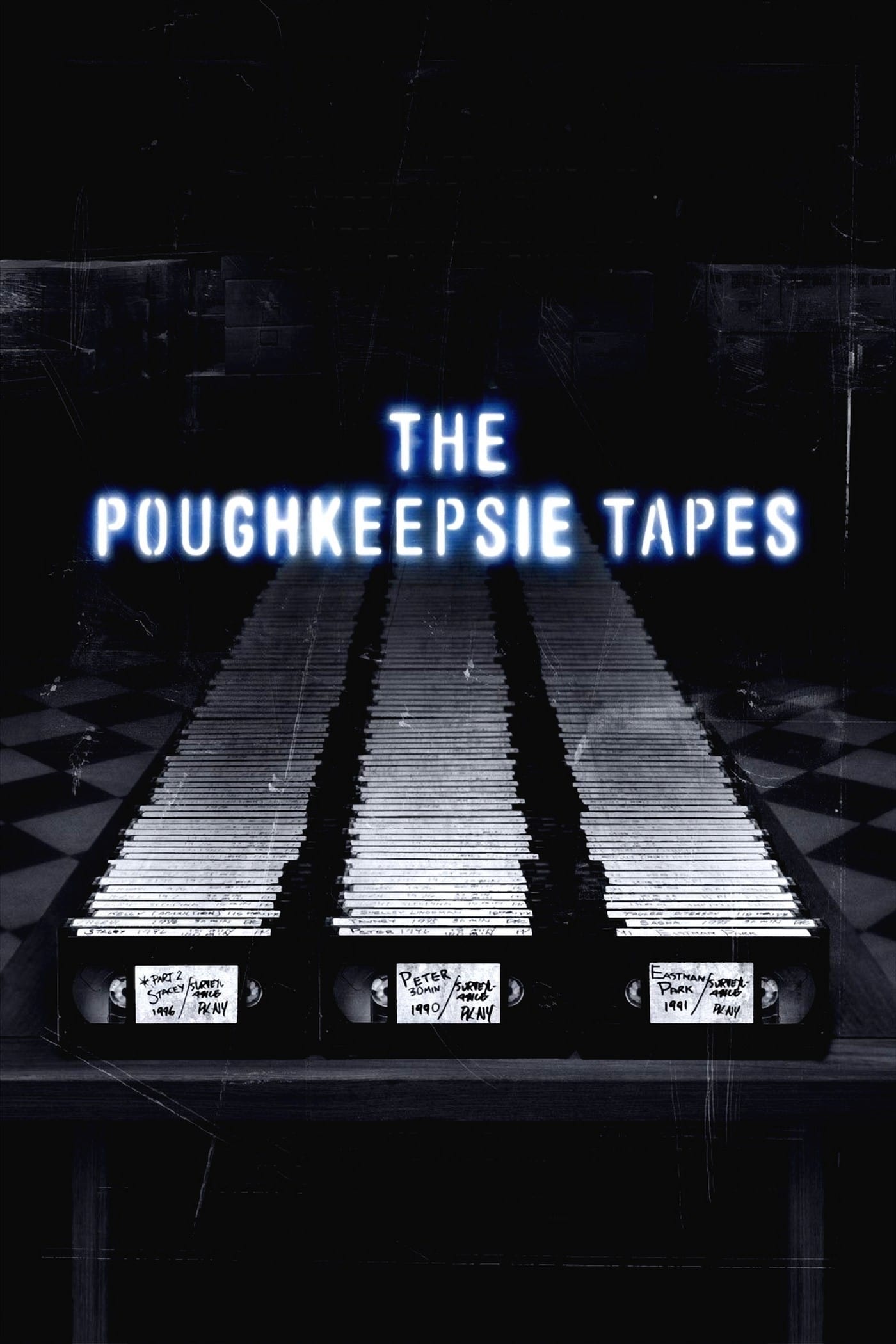
Investigators uncover a collection of hundreds of videotapes filmed by a sadistic serial killer. The movie presents the footage alongside interviews with FBI agents and victim families to build a profile of the murderer. It explores the psychological torture of a victim held captive for years. The degraded video quality adds a layer of grime that makes the violence feel illicit and authentic.
‘Hell House LLC’ (2015)
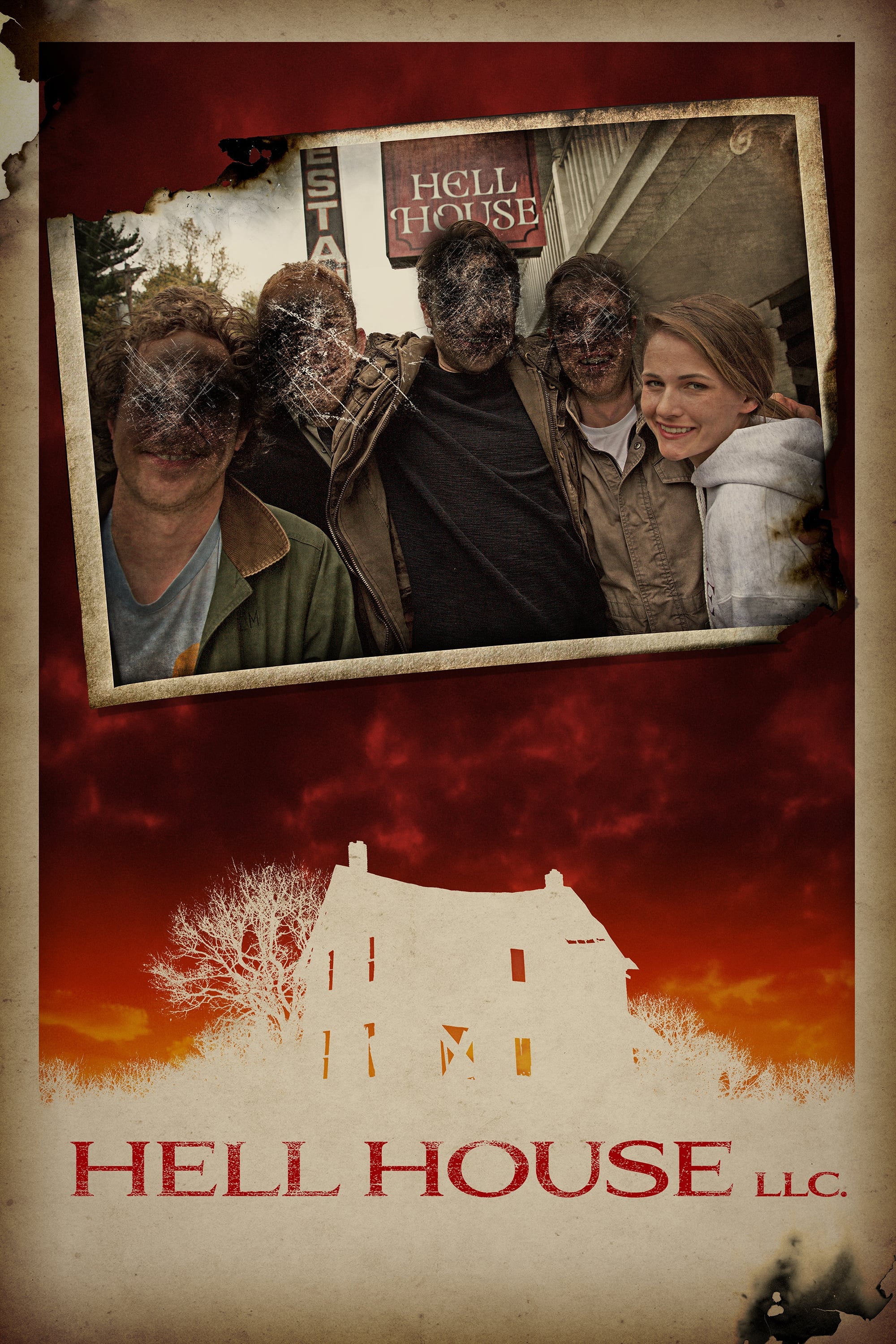
A documentary crew investigates the tragedy that occurred on the opening night of a Halloween haunted attraction. Footage reveals how the setup crew disturbed a demonic presence in the abandoned hotel they utilized. The blurred lines between fake props and real supernatural threats create constant tension. Clowns and mannequins serve as effective sources of fear throughout the confined setting.
‘Creep’ (2014)
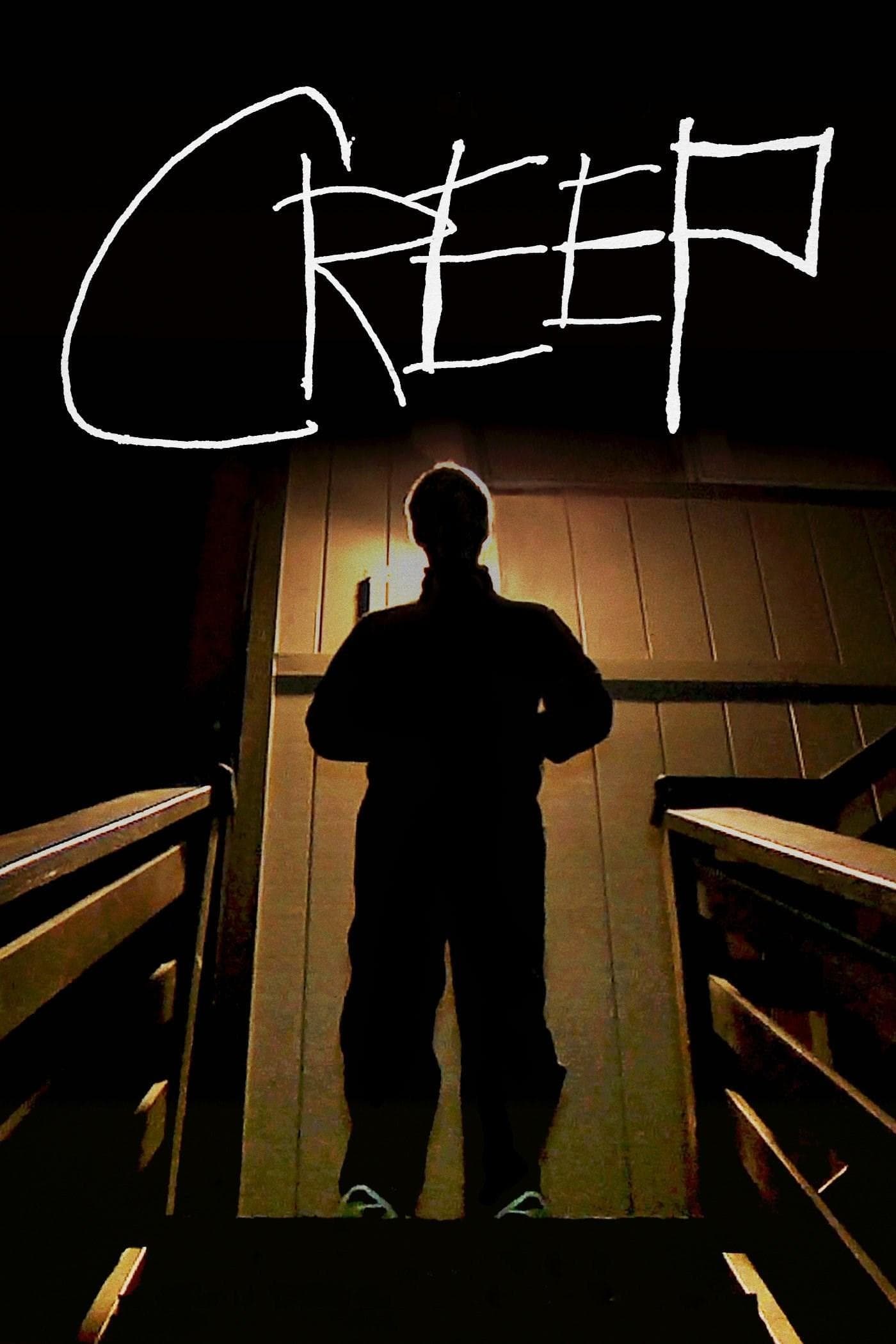
A videographer answers an online ad to film a dying man’s final messages for his unborn son. The client exhibits increasingly eccentric and aggressive behavior that signals he is not who he claims to be. The tension relies entirely on the awkward social interactions and the vulnerability of the protagonist. Mark Duplass delivers a chilling performance that balances humor with menacing unpredictability.
‘Gonjiam: Haunted Asylum’ (2018)
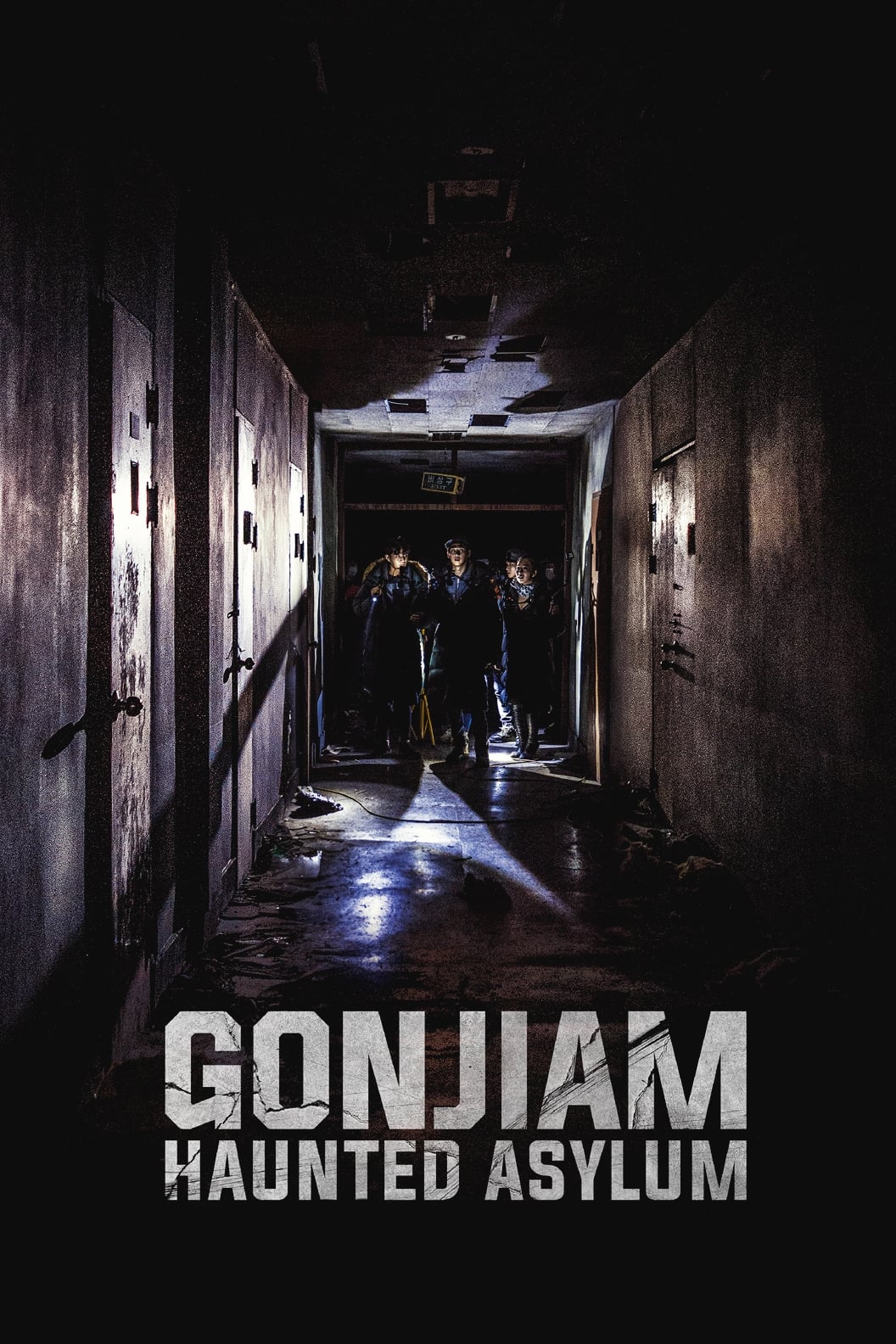
A horror web series crew travels to an infamous abandoned asylum to live stream their exploration. They rig the location with cameras and wear body mounts to capture every angle of the supernatural activity. The viewership numbers climb as the entities in the building begin to physically attack the streamers. This South Korean film effectively updates the genre for the modern era of social media influencers.
‘Host’ (2020)
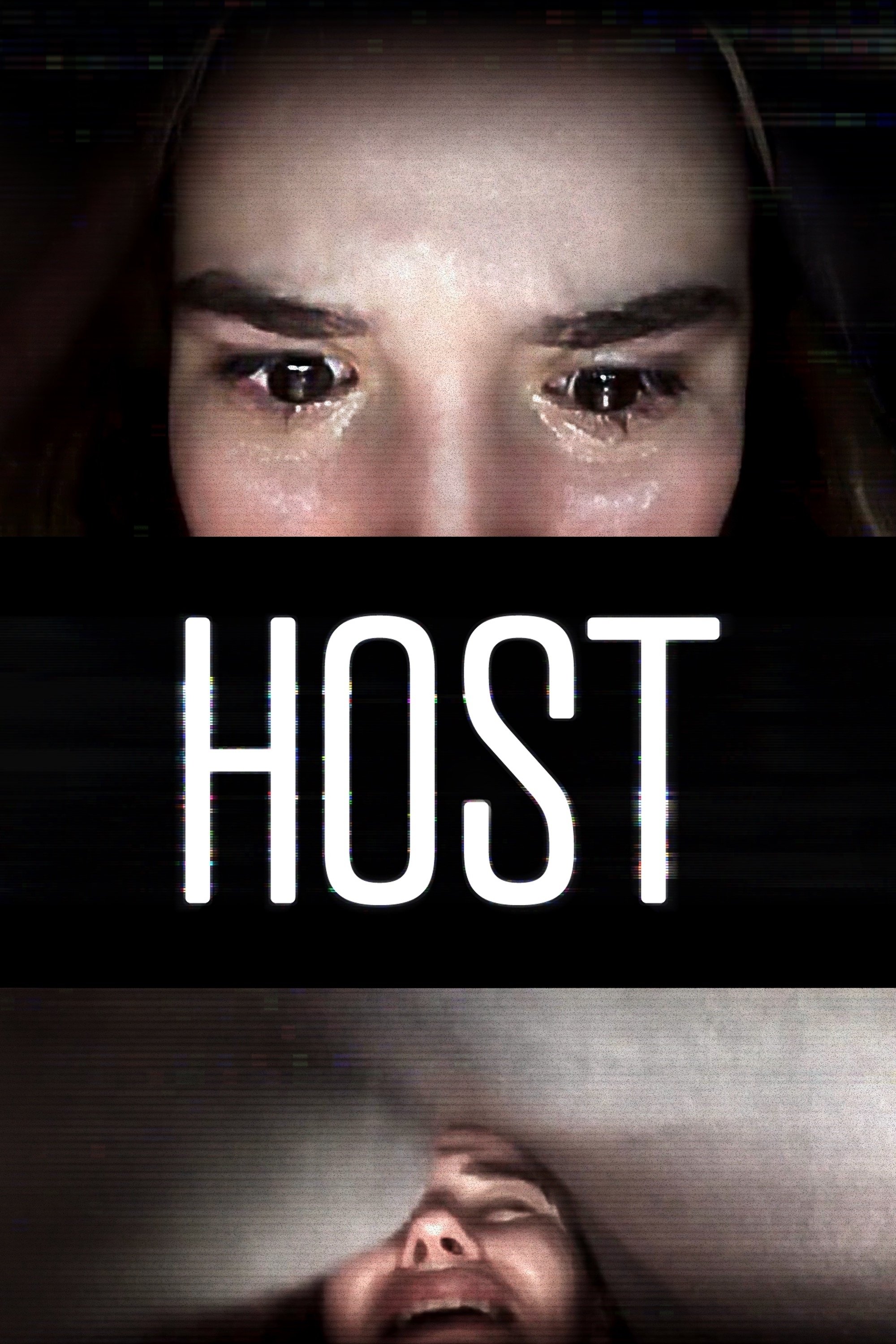
Six friends hire a medium to conduct a séance over Zoom during the COVID-19 lockdown. Disrespectful behavior invites a demonic spirit that invades their individual homes through the internet connection. The entire film takes place on a computer screen to mirror the isolation of the pandemic era. Practical stunts and clever timing make the digital interface feel like a trap.
‘Noroi: The Curse’ (2005)

A paranormal researcher disappears while investigating a series of seemingly unrelated supernatural events. The recovered footage weaves together television clips and variety shows and amateur video to reveal an ancient demon. The complex narrative demands close attention as details from different timelines converge. This Japanese masterpiece builds a sense of inevitable doom without relying on cheap jump scares.
‘Incantation’ (2022)
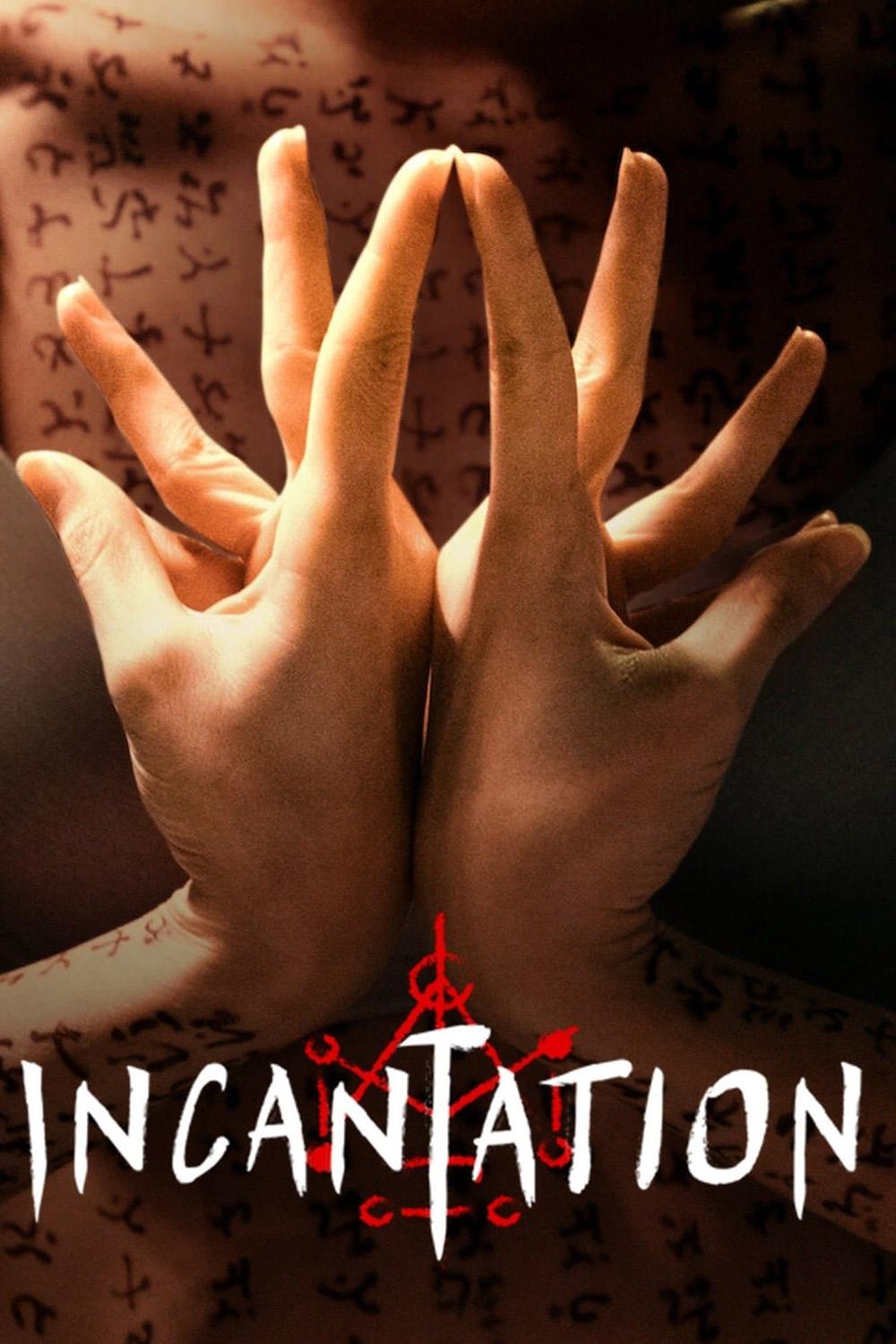
A mother attempts to save her daughter from a deadly curse she accidentally unleashed years prior. The protagonist breaks the fourth wall by asking the audience to memorize symbols and chant along with her. Cultural taboos and religious rituals form the backbone of the terrifying mythology presented in the film. It became the highest-grossing Taiwanese horror film by engaging viewers directly in the horror.
‘The Visit’ (2015)
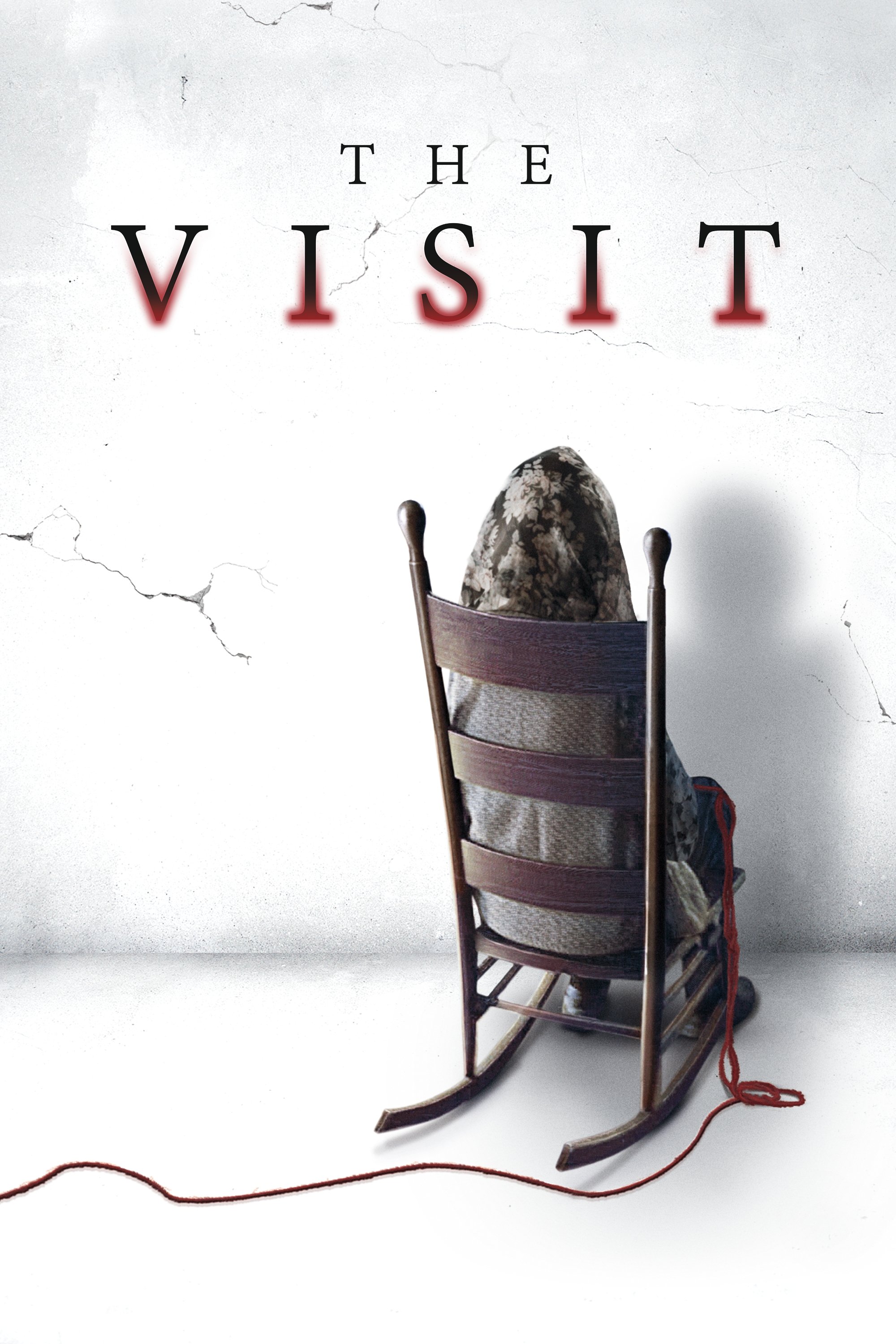
Two siblings travel to a remote farmhouse to spend a week with the grandparents they have never met. The elderly couple exhibits bizarre behavior at night that involves scratching walls and hiding in crawl spaces. The children use their cameras to document the madness while trying to contact their estranged mother. M. Night Shyamalan blends dark comedy with disturbing imagery in this return to form.
‘As Above, So Below’ (2014)
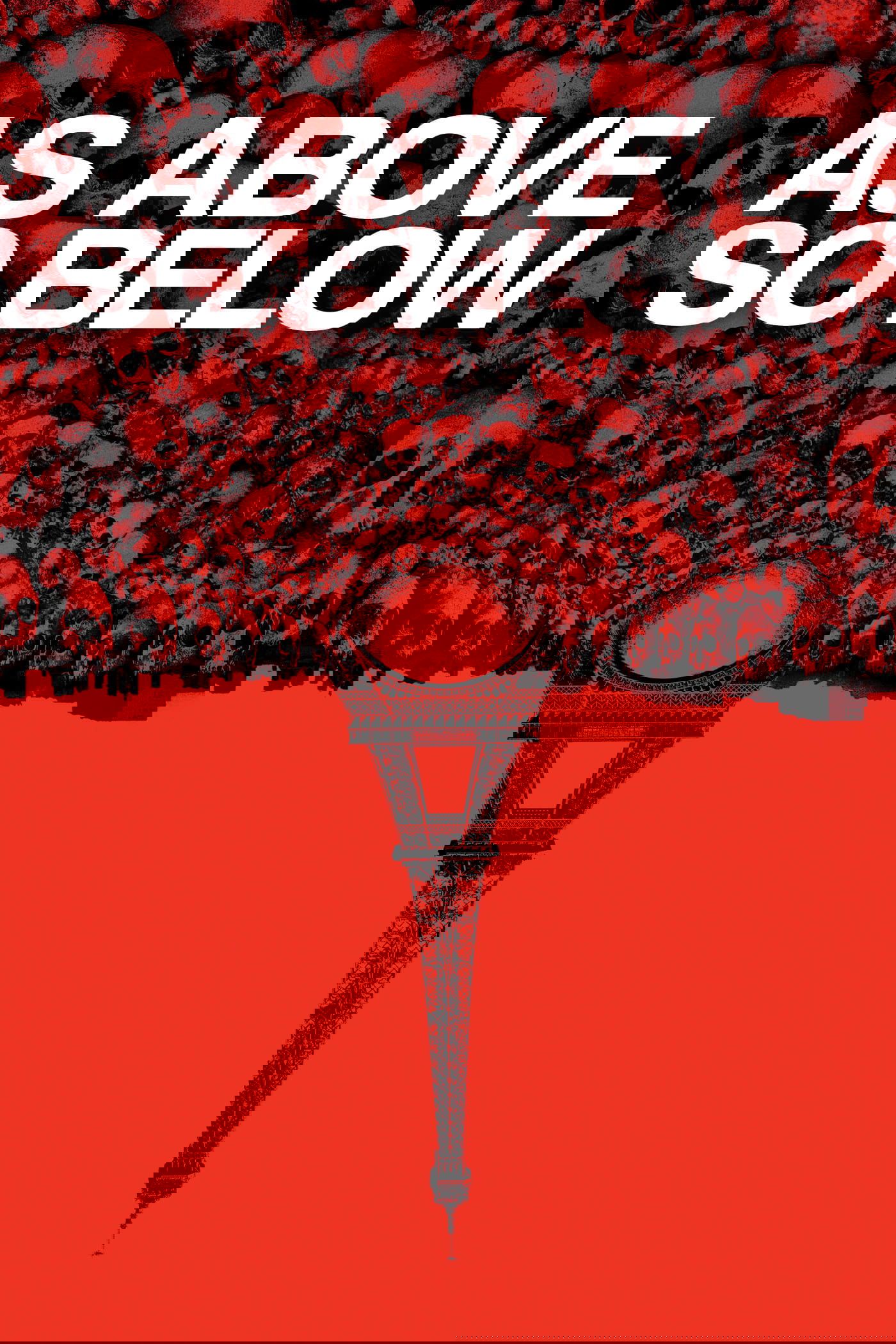
An alchemy scholar leads a team into the Catacombs of Paris to find the legendary Philosopher’s Stone. The underground tunnels loop back on themselves and force the characters to confront their personal traumas. The claustrophobic setting amplifies the fear as the group descends deeper into a literal hell. Historical mysteries merge with psychological horror in this fast-paced adventure.
Tell us which found-footage movie scared you the most in the comments.