


From Awkward Apologies to Physical Clashes: The Biggest Scandals in Late Night Shows

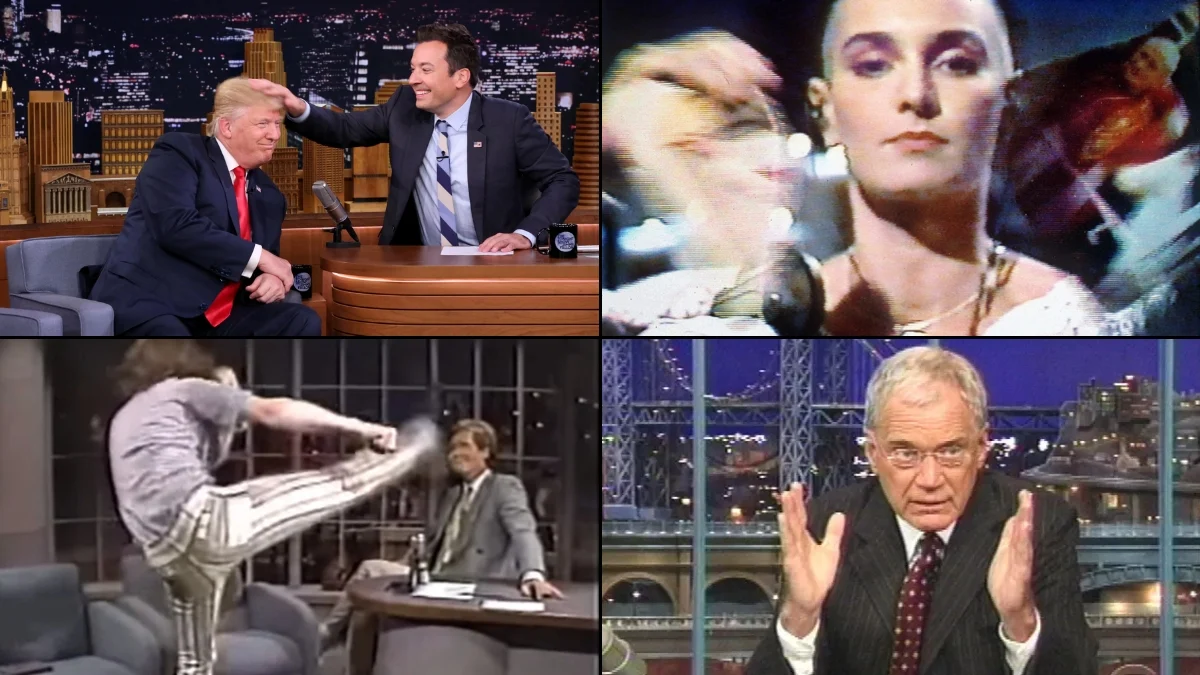


Late night TV has always walked a tightrope between edgy humor and public backlash. From unscripted blow-ups to segments that aged badly, these shows have generated headlines that spilled far beyond studio walls. Sometimes it’s a sketch or a joke that sets off a firestorm; other times it’s behind-the-scenes drama finally bursting into view.
Here’s a look at the most talked-about controversies tied to hosts, guests, and productions—moments that triggered investigations, apologies, FCC complaints, or full-blown media feuds. Each one shows how quickly a few minutes of live television, or a decision made off-camera, can shape a show’s legacy.
Extortion fallout and on-air admission in ‘Late Show with David Letterman’ (2009)
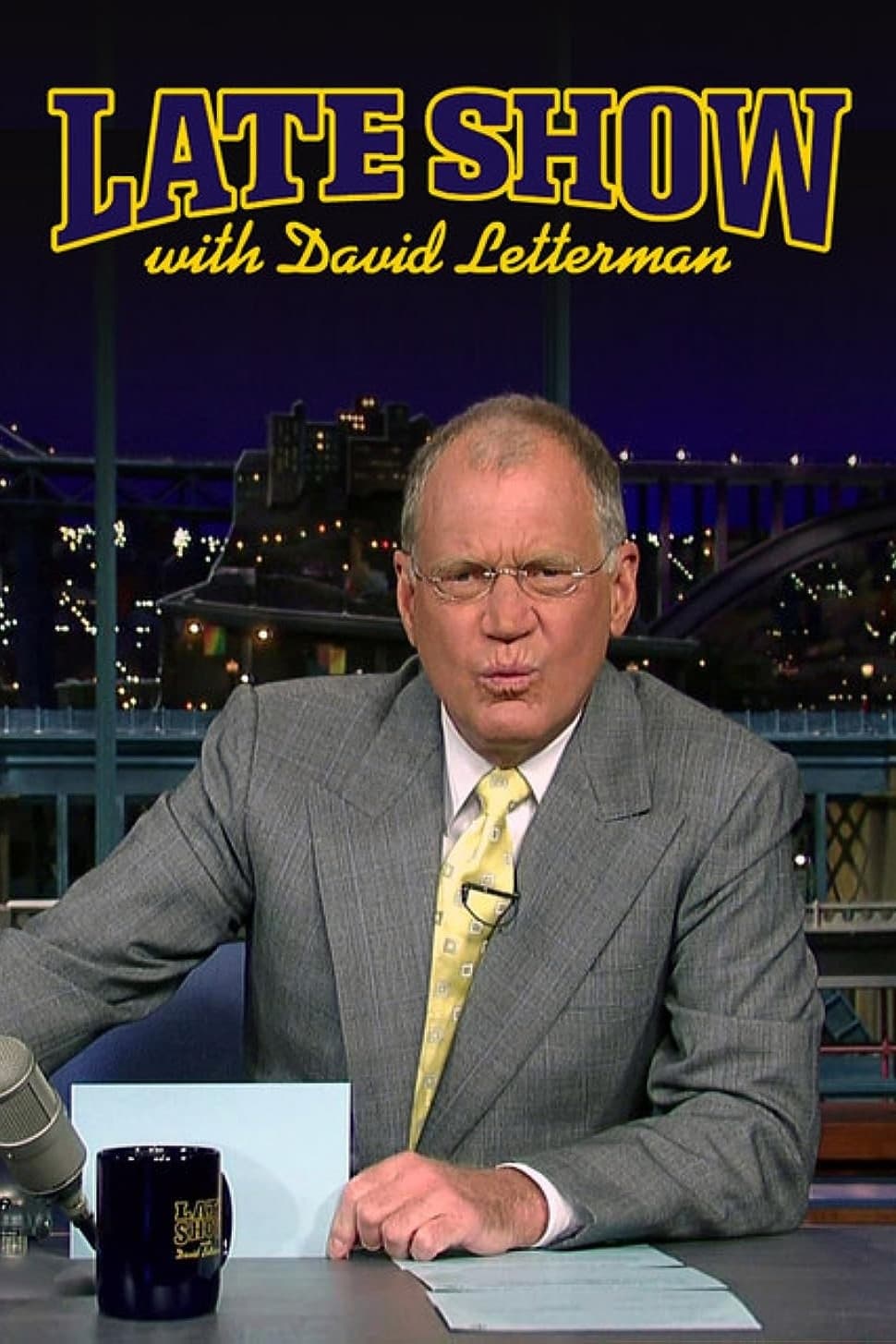
David Letterman revealed on air that he had engaged in relationships with staffers after reporting an extortion attempt to authorities. The admission prompted coverage about workplace relationships on TV productions and led to legal proceedings against the alleged blackmailer. The show continued while scrutiny focused on power dynamics and corporate policies at major networks.
The fallout included public apologies and internal reviews typical for large studio employers. Media historians often point to this broadcast as a rare instance of a host addressing a personal scandal directly to the audience, while law-enforcement documents and court records provided the official timeline of the case.
Time-slot war between Jay Leno and Conan O’Brien in ‘The Tonight Show’ (2010)
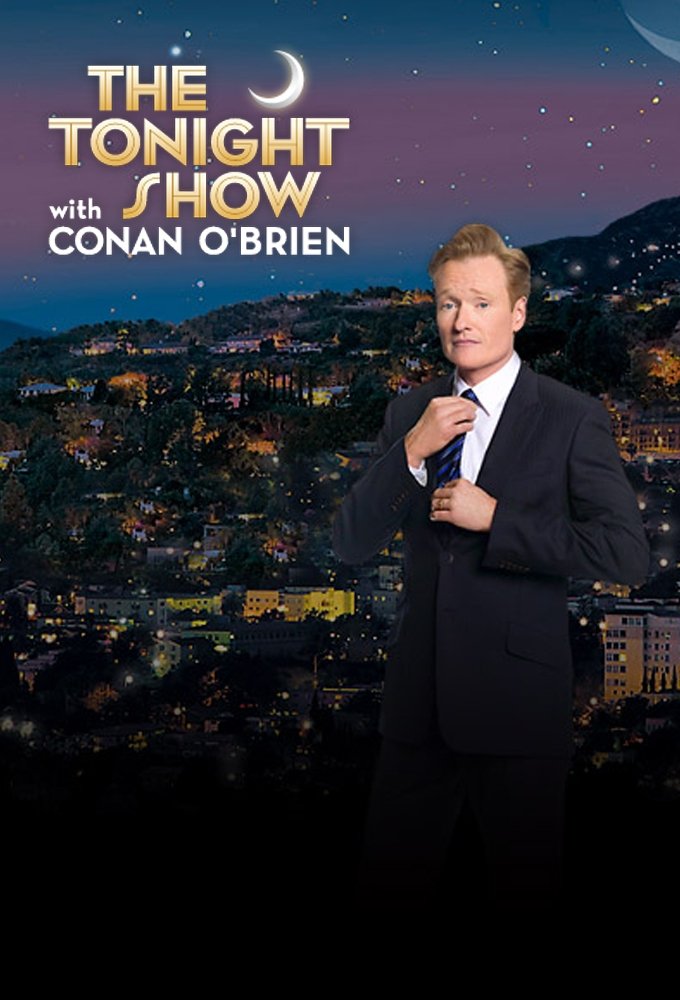
NBC’s reshuffling of its flagship franchise produced a highly public standoff involving Jay Leno and Conan O’Brien. After a programming experiment failed, the network proposed moving one show later, which would have changed long-standing schedules for affiliates and advertisers. O’Brien publicly objected, negotiations followed, and he ultimately departed the network with a well-reported settlement.
The dispute sparked industry-wide discussion about contract guarantees, lead-in ratings, and the economics of late night advertising. It also produced a cascade of statements, press conferences, and ratings analysis that documented how scheduling decisions can reshape a TV brand in a matter of weeks.
Trump hair-tousle interview backlash in ‘The Tonight Show Starring Jimmy Fallon’ (2016)
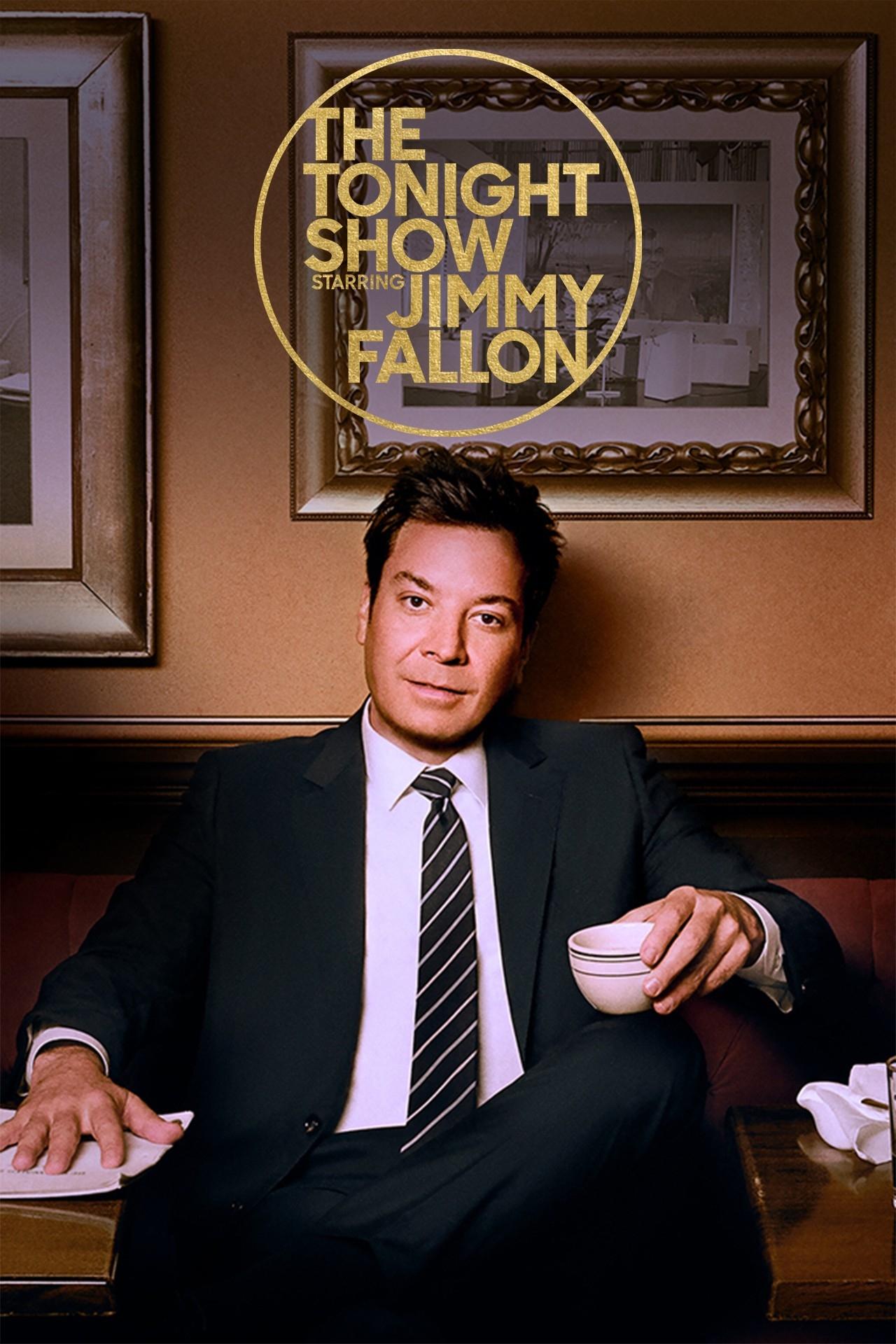
An interview with Donald Trump sparked controversy when Jimmy Fallon tousled the guest’s hair, a moment widely shared online. Critics argued the segment softened a political figure during a heated campaign, while supporters framed it as standard celebrity-style booking. Fallon later addressed the reaction, explaining the show’s approach and the broader context of booking news-making guests.
The episode became a case study in how late night programs navigate political figures. Network metrics tracked the immediate audience response, while subsequent interviews and public comments from the host laid out the show’s booking philosophy and how producers weigh audience expectations against topical relevance.
Workplace culture allegations reported in ‘The Tonight Show Starring Jimmy Fallon’ (2023)
A detailed report alleged a difficult workplace culture behind the scenes, citing current and former employees. The network responded by communicating with staff, and the host addressed the concerns to employees while outlets documented the company’s steps. Coverage focused on HR processes, showrunner turnover, and practices for high-pressure daily productions.
Industry observers pointed to this as part of a larger conversation about leadership and workload in nightly television. The situation prompted renewed interest in how shows codify feedback channels, support mental health, and maintain editorial standards under tight turnarounds.
#CancelColbert tweet backlash in ‘The Colbert Report’ (2014)
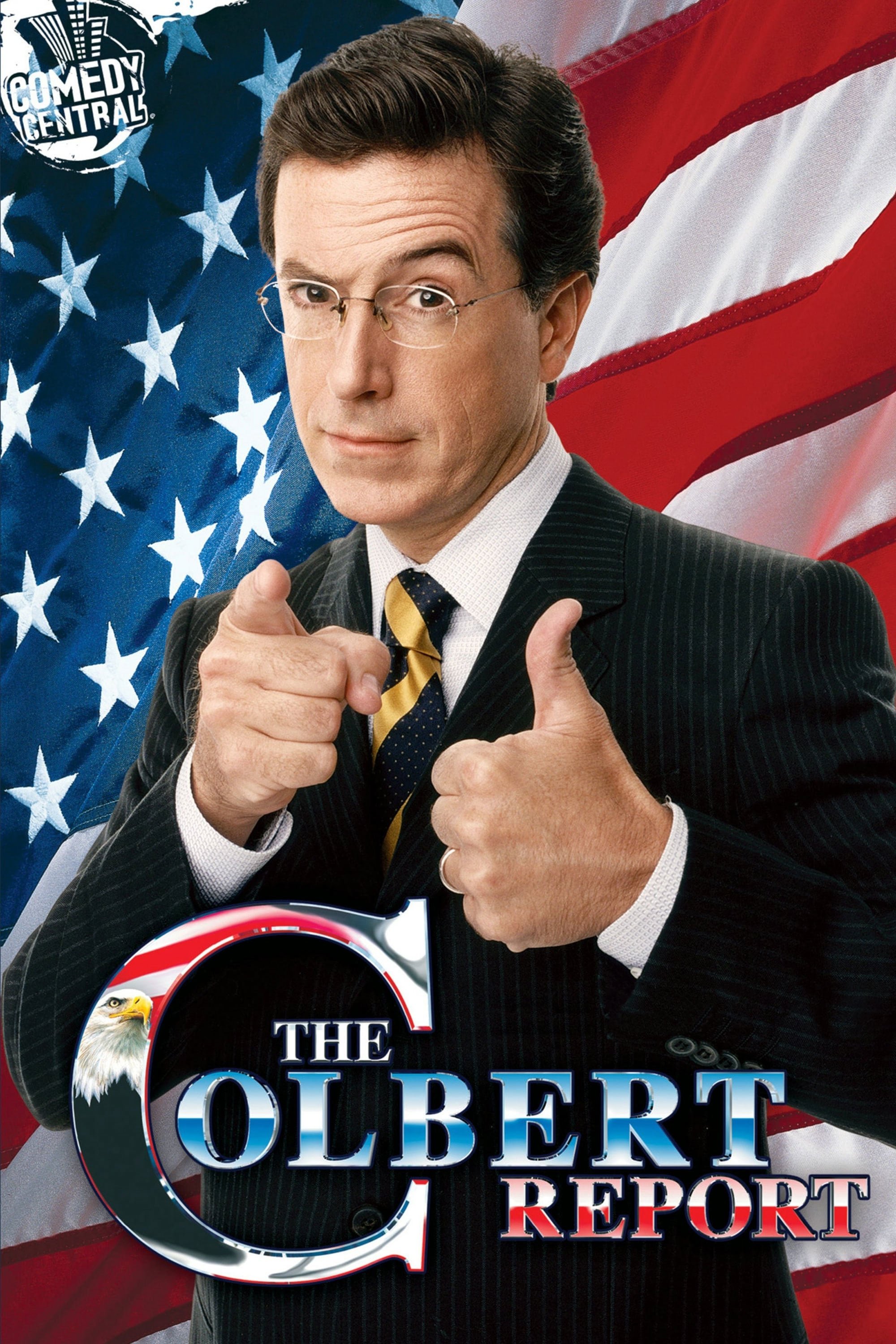
A tweet posted by the show’s account quoting a satirical bit triggered the #CancelColbert backlash. The context of the original segment, which lampooned racially insensitive branding, was lost in the isolated post, leading to protests and calls for accountability. The comedy-news format was scrutinized for how satire is clipped and circulated on social platforms.
The program and network addressed the controversy, and the account was eventually retired. Media scholars have since referenced this incident when discussing platform-specific editing, emphasizing how out-of-context excerpts from satirical programs can change meaning once separated from a segment’s setup and conclusion.
FCC complaints over monologue joke in ‘The Late Show with Stephen Colbert’ (2017)
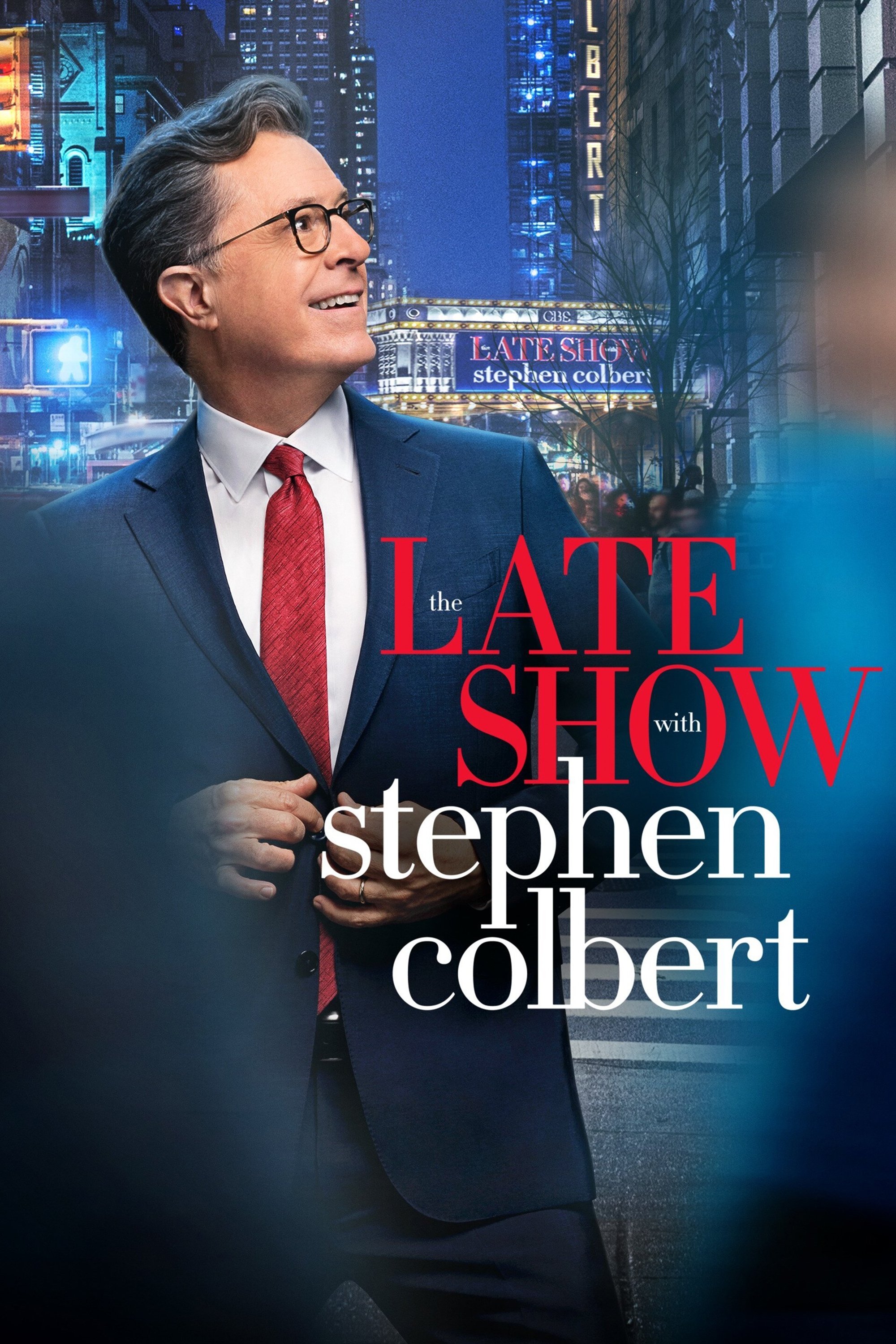
A monologue joke aimed at a political figure triggered thousands of FCC complaints. The commission reviewed the broadcast under decency rules and declined to take action, a decision covered widely by news outlets. The episode highlighted how audience standards cases are evaluated against legal definitions of protected speech.
The incident also illustrated the mechanics of complaints processing, from how submissions are logged to how enforcement letters are issued or closed. Commentators pointed to the broadcast’s live-to-tape workflow and editorial checks that shows use when balancing topical humor with broadcast guidelines.
Restaurant ban and apology in ‘The Late Late Show with James Corden’ (2022)
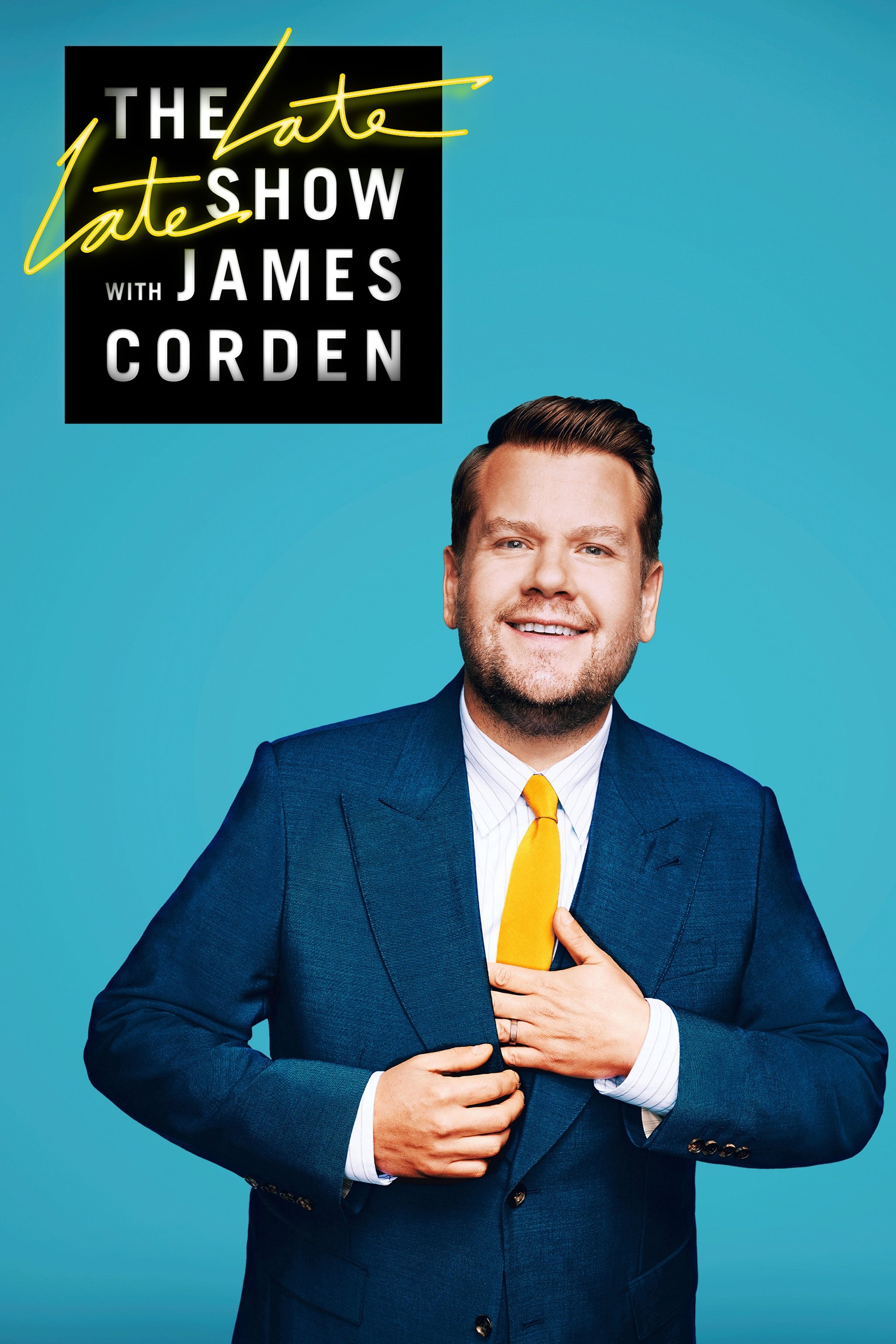
A New York restaurant owner publicly banned James Corden over alleged behavior, then rescinded the ban after Corden apologized. The social-media-driven episode quickly intersected with the show’s public image, prompting additional reporting about expectations for high-profile hosts off-camera.
Follow-up coverage detailed how the apology was delivered and how the venue’s statements evolved over the day. The arc—from allegation to apology to resolution—became a modern example of how off-air conduct can create immediate PR challenges for nightly franchises.
Resurfaced blackface sketches controversy in ‘Jimmy Kimmel Live!’ (2020)

Old sketches resurfaced in which Jimmy Kimmel used blackface while impersonating celebrities, prompting renewed scrutiny. Kimmel issued a statement addressing the material and the show’s archive was re-examined as outlets explained the context in which the sketches originally aired. The network and host navigated the tension between historical content and contemporary standards.
The controversy fueled industry discussion about archival practices, with some services temporarily pulling episodes or adding context notes. It also provided a documented timeline of apologies, edits, and corporate policy references that are now frequently cited in studies of broadcast comedy.
Sinéad O’Connor tears Pope photo live in ‘Saturday Night Live’ (1992)
Sinéad O’Connor tore a photograph of Pope John Paul II at the end of a performance, an unscripted act that stunned the studio and sparked immediate viewer complaints. NBC received a wave of feedback, and reruns replaced the moment with dress-rehearsal footage. The episode became one of the show’s most discussed live-TV shocks.
In the aftermath, the artist explained the protest’s intent in interviews, while the network’s archival choices were scrutinized by media critics. The incident remains a prominent reference in conversations about live performance controls, delay buffers, and editorial discretion in variety programming.
Ashlee Simpson lip-sync mishap in ‘Saturday Night Live’ (2004)
Ashlee Simpson’s appearance devolved into a visible lip-sync mishap when a wrong vocal track played. The performer later addressed the mistake, citing technical reasons, and the show moved quickly to the next segment. Broadcasters and engineers analyzed how audio playback systems and stage-cue protocols contribute to live-music risk on sketch programs.
Trade publications broke down the production chain—from in-ear monitors to front-of-house mixing—demonstrating how a single mis-trigger can create a viral moment. The network’s handling of reruns and statements from the artist’s team filled out the full timeline of the incident.
Jerry Lawler slaps Andy Kaufman in ‘Late Night with David Letterman’ (1982)
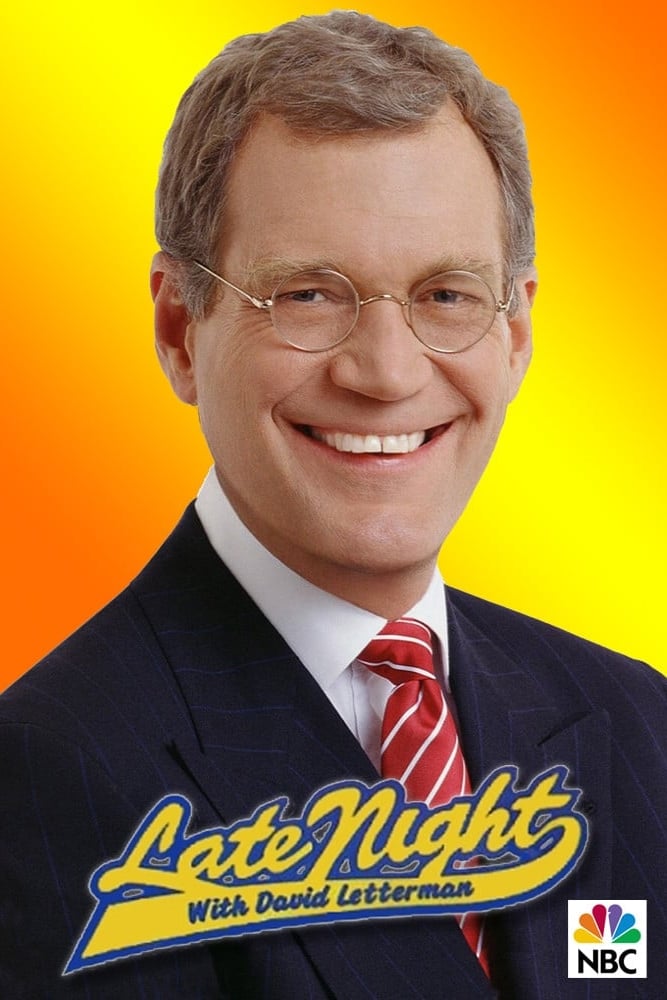
Professional wrestler Jerry Lawler slapped Andy Kaufman during an interview, shocking the audience and sparking years of debate about what was staged. The confrontation produced medical reports, media appearances, and later-released documents that helped reconstruct who knew what before the segment.
The moment is frequently cited in performance-art histories because it blurred entertainment and reality so effectively. Archival footage, subsequent interviews, and statements from participants provide the primary record used by researchers unpacking how the segment was conceived and executed.
Crispin Glover near-kick incident in ‘Late Night with David Letterman’ (1987)
Actor Crispin Glover appeared in platform shoes and, during a chaotic interview, performed a high kick that came close to Letterman, who then left the desk. The exchange raised immediate safety questions and became a touchstone for discussions about guest vetting and pre-interview protocols on live-audience programs.
In the years since, clips of the moment have been used in training case studies for talent coordination, illustrating how producers build contingency plans when a guest seems unpredictable. The episode’s documentation relies on broadcast masters, staff recollections, and contemporaneous press coverage.
On-air racial slur and apology in ‘Real Time with Bill Maher’ (2017)
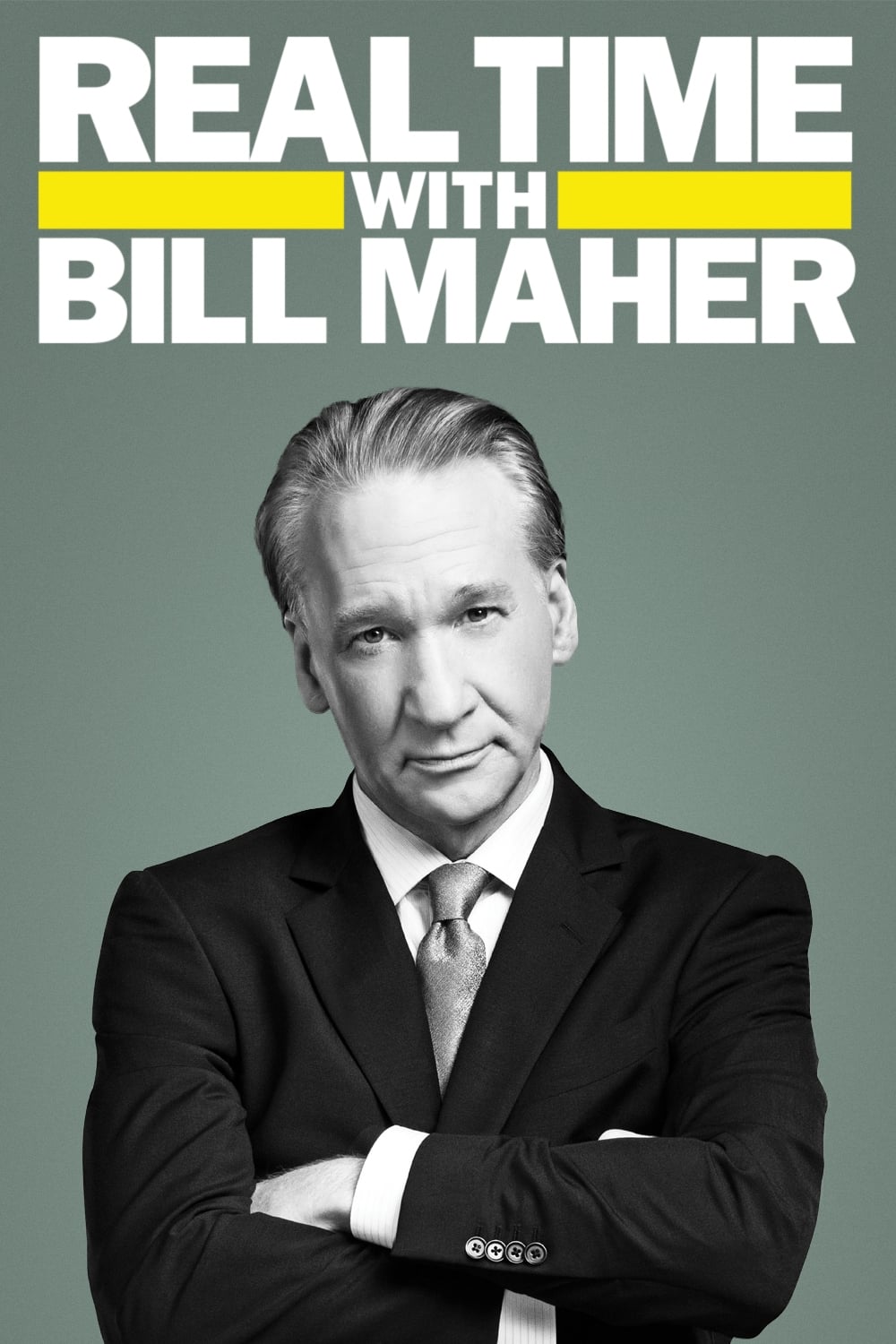
Bill Maher used a racial slur while speaking with a guest, leading to an on-air apology the following episode and statements from HBO. The network addressed the incident publicly, while civil-rights organizations and media critics responded with calls for accountability and policy review.
Subsequent episodes featured discussions about language standards and editorial responsibility, creating a record of how a premium-cable talk show processes viewer feedback. The incident is often referenced in analyses of live conversation formats and the guardrails networks set for unscripted exchanges.
Past tweets controversy after host announcement in ‘The Daily Show’ (2015)
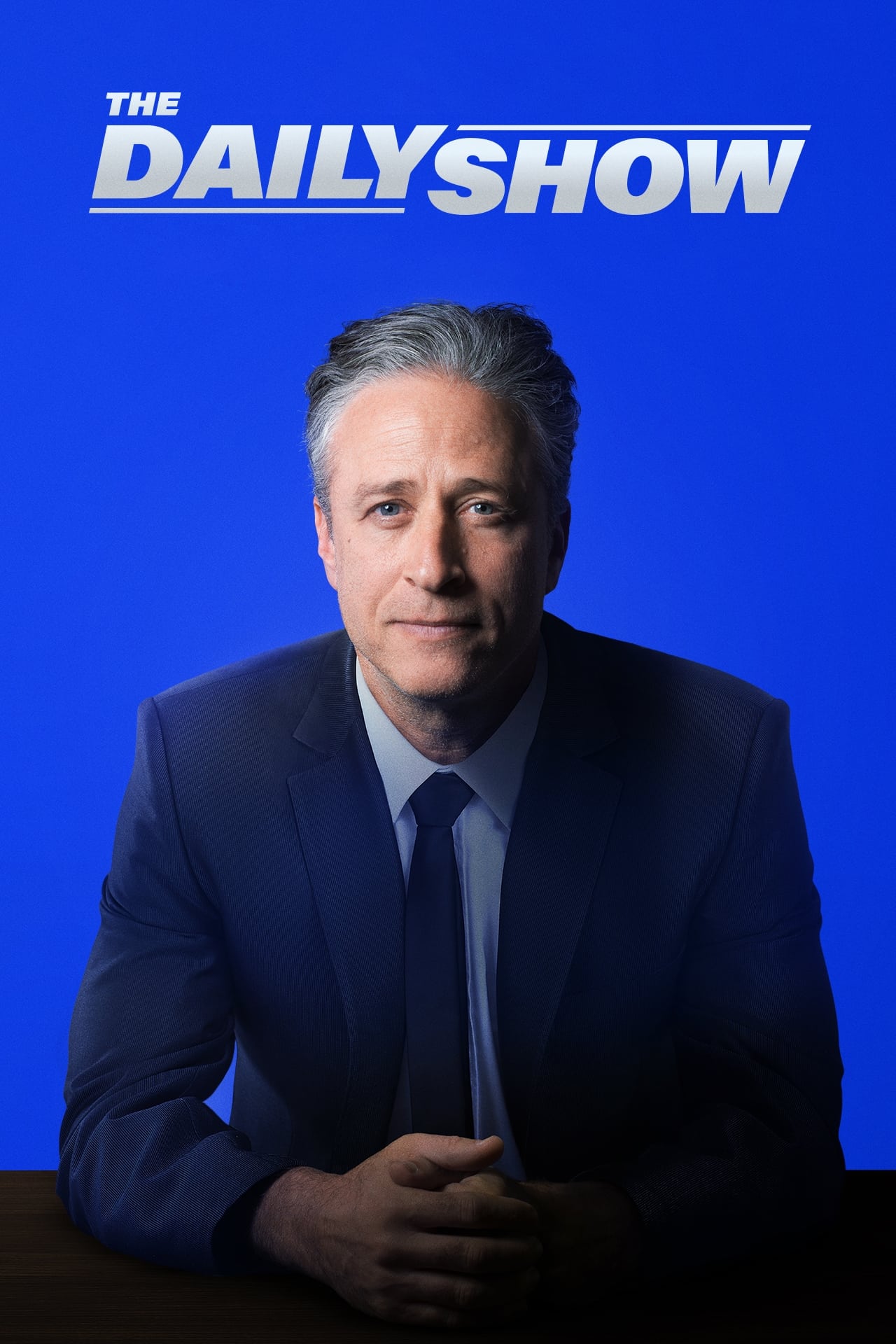
When Trevor Noah was announced as the new host, a set of past tweets drew criticism for offensive jokes. The network issued a statement of support while acknowledging the concerns, and Noah addressed the controversy in interviews as he prepared to take over. Media coverage mapped out the timeline from appointment to debut, including how the show’s writing staff adjusted during the transition.
This episode opened a broader discussion about how legacy programs evaluate a new host’s digital footprint. Trade outlets and academic observers have since used it to illustrate the hiring and reputation-management challenges facing modern late-night franchises.
Craig Kilborn suspended over magazine remarks in ‘The Daily Show’ (1998)
Craig Kilborn was suspended after an interview in a magazine included derogatory remarks about a colleague, prompting disciplinary action by the network. The suspension and subsequent return were documented across entertainment trades, which also detailed contract terms and production impacts during the absence.
The case is frequently cited in HR and media-ethics courses examining host conduct and internal accountability. Coverage from the period provides a paper trail of statements from the network, talent representatives, and the production itself.
Share your take: which moments do you think changed late night the most—drop your thoughts in the comments!