From ‘The Tinder Swindler’ to Real Life: What Screen Romance Scams Teach Online Daters

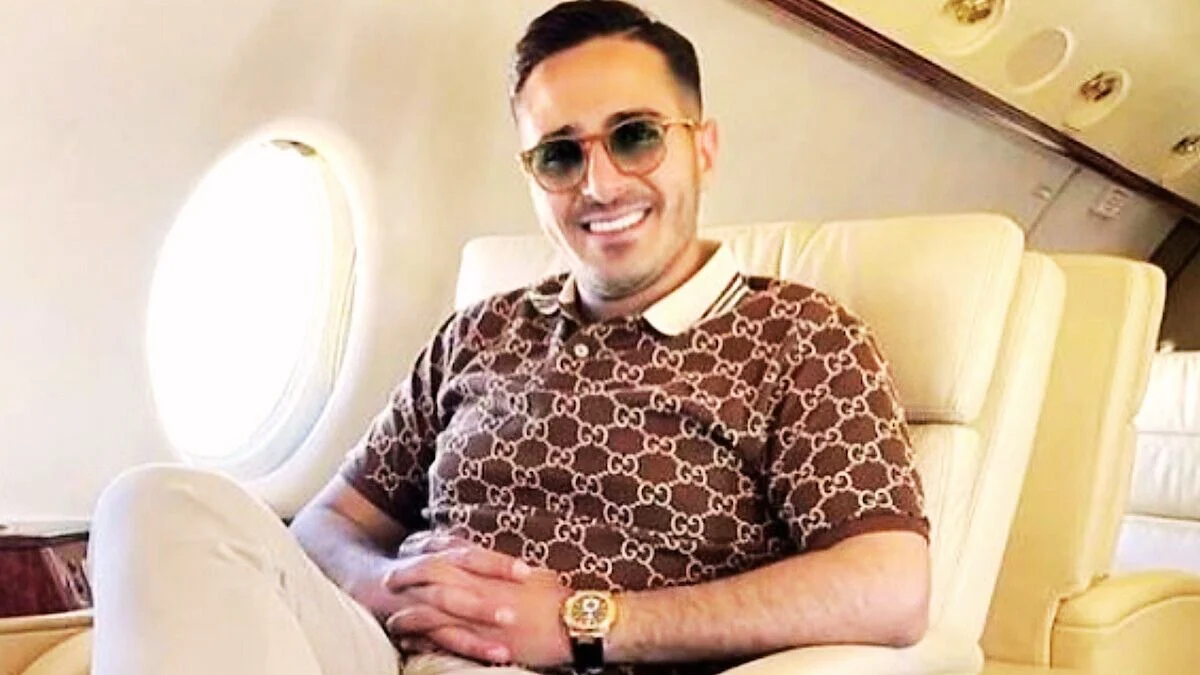
When Netflix released The Tinder Swindler on February 2, 2022, it became one of the platform’s biggest documentary hits almost overnight. Directed by Felicity Morris, the producer behind Don’t F**k With Cats, it logged 45.8 million hours viewed in its first week and reached Netflix’s top 10 in 92 countries.
The story was the kind of thing a scripted thriller would struggle to sell. According to the documentary, Shimon Hayut, going by the name Simon Leviev, used Tinder to meet women while posing as the son of diamond mogul Lev Leviev, then persuaded them to send him money to fund a jet-set lifestyle. Estimates put the total taken from people around the world at around 10 million dollars. Hayut has publicly denied conning the women, and Tinder banned him after the film’s release.
Beyond the true-crime thrills, the film did something useful: it taught millions of viewers how romance scams actually work.
Why the fantasy of wealth is the perfect hook
The swindle in the documentary rested on a simple idea. A wealthy, generous partner is an appealing fantasy, and that fantasy lowers people’s guard. Private jets, luxury hotels and lavish gifts early on made the later requests for money feel like a temporary blip rather than a red flag.
That pattern shows up far beyond one documentary, and the dating world has started to respond. The better comparisons of sugar daddy sites, for example, now spend as much time on scam warnings as on features. They explain the cash-flip trick, warn against sharing bank logins, and remind readers that a genuinely generous partner will never ask you to pay a fee to receive money. For a part of the dating world built openly around wealth, spelling out how wealth gets faked is exactly the right move.
The scripts scammers follow
What makes romance scams so effective is how familiar the script becomes once you see it. The details change, but the shape rarely does.
First comes rapid intimacy. The scammer is attentive, flattering and eager to talk constantly. Next comes the display of wealth or status, often through photos, stories of travel and expensive gestures. Then comes the crisis: an emergency, a frozen bank account, a medical bill or a business deal gone wrong. Finally comes the ask, framed as a loan or a temporary favor that will be repaid in full.
Screen fiction has played with this structure for decades. Romances built on pretense, like the fake engagement at the heart of ‘Drive – The Pretenders’, are fun precisely because the audience knows the truth before the characters do. Real life offers no such vantage point, which is why knowing the script in advance matters so much.
The cash-flip scam: a modern twist
One of the most common scams today flips the classic version. Instead of asking for money first, the scammer offers to send it. They might promise an allowance, a gift or help with bills, then send a check or transfer that looks real.
Shortly after, they ask the target to send part of it back, buy gift cards or pass the money on to someone else. Days later, the original payment bounces, and the target is left out of pocket for everything they sent. It works because receiving money first feels like proof of good faith.
The defense is simple. Never forward money, buy gift cards or share bank details because someone sent you a payment, however convincing it looks.
What the authorities recommend
The Federal Trade Commission’s guide to romance scams boils the advice down to one rule: never send money or gifts to someone you have not met in person, whatever story they tell. It also suggests talking to someone you trust about a new love interest and paying attention if they seem worried.
Practical habits help too. Keep conversations on the dating app until you have met, since scammers often push to move to private messaging early. Ask for a video call before meeting in person. Run a reverse image search on profile photos. And be wary of anyone whose stories about wealth, travel or emergencies seem to escalate faster than the relationship itself.
Why these stories keep landing with audiences
Part of the appeal of The Tinder Swindler and similar true-crime stories is the gap between what the victims saw and what viewers know. It is easy to believe you would spot the signs from the sofa. The documentary’s quieter point is that the people involved were smart and ordinary, and that the scam worked because it was built on genuine emotion.
That is also why the film’s legacy goes beyond entertainment. It gave people a shared reference point. Friends began warning each other about “Tinder Swindler” behavior, and dating platforms became more vocal about safety.
The takeaway for online daters
Real romance does not come with a crisis and an invoice. A partner who is genuinely interested in you will be happy to meet in public, video call before a first date and take things at a normal pace. Anyone who needs money before you have met, or offers money in a way that requires your bank details, is following a script, and it is one that true-crime audiences now know by heart.