

‘Fullmetal Alchemist: Brotherhood’ Mistakes You’ll Never Be Able to Unsee




‘Fullmetal Alchemist: Brotherhood’ is remarkably polished, but like any long-running anime, it carries small slips that attentive viewers can spot once they know where to look. These range from blink-and-you-miss-it animation hiccups to localization choices that create minor continuity snags. None of them derail the story, yet each one highlights how fast-paced production, multiple studios, and regional releases can leave tiny seams showing.
Automail Flips in Mirrored Frames
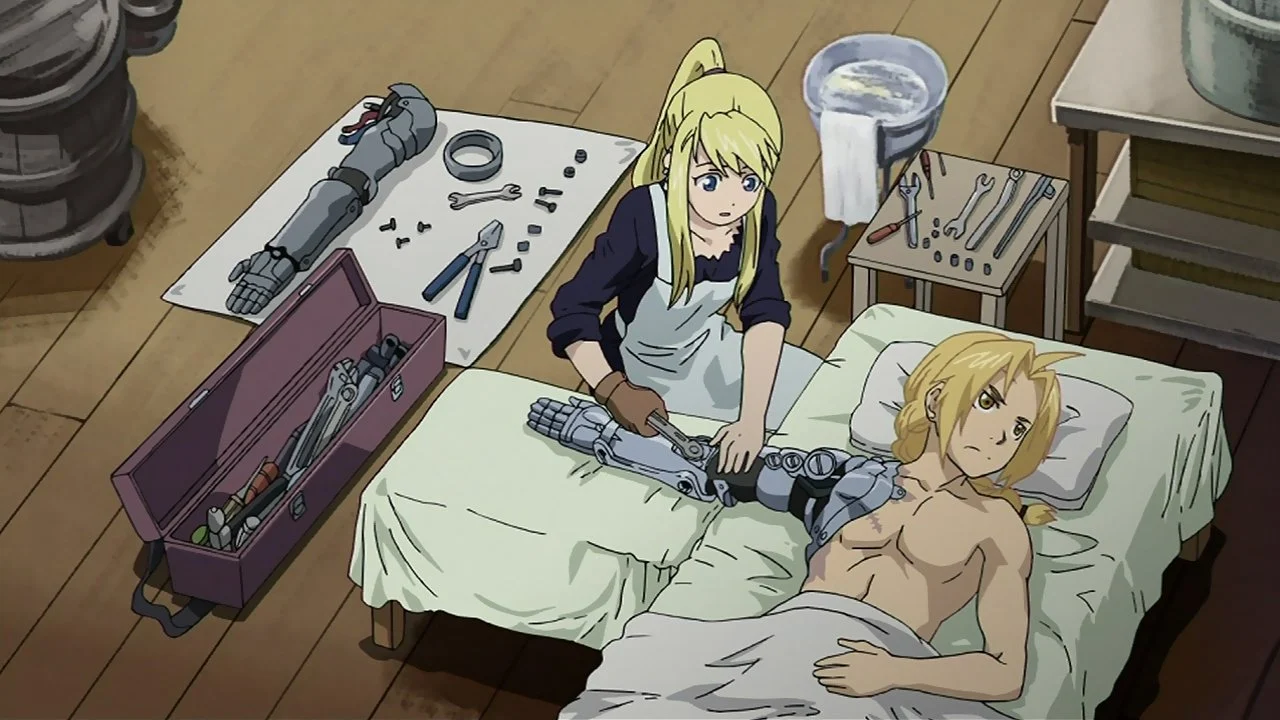
During fast pans or action cuts, mirrored frames occasionally flip Edward’s automail so it appears on his right arm instead of his left. This happens when an image is reversed to maintain screen direction or speed up layout, which can inadvertently swap asymmetrical details. The effect is brief—often a single cut—but once noticed, the mismatch stands out.
Pocket Watch Chain Continuity
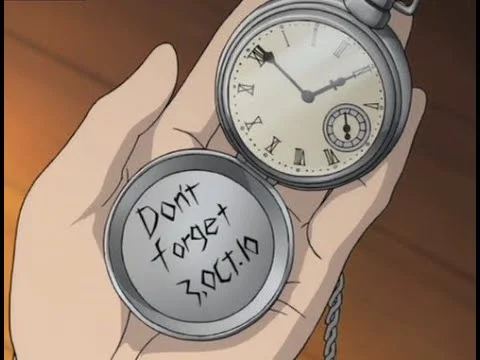
Edward’s State Alchemist pocket watch has a chain that should drape consistently from his belt or pocket. In some intercut scenes, the chain’s length and attachment point shift between shots, especially when cuts jump across different key-animation teams. These changes are practical byproducts of alternating model sheets and tight cut-to-cut timing.
Simplified Transmutation Circles
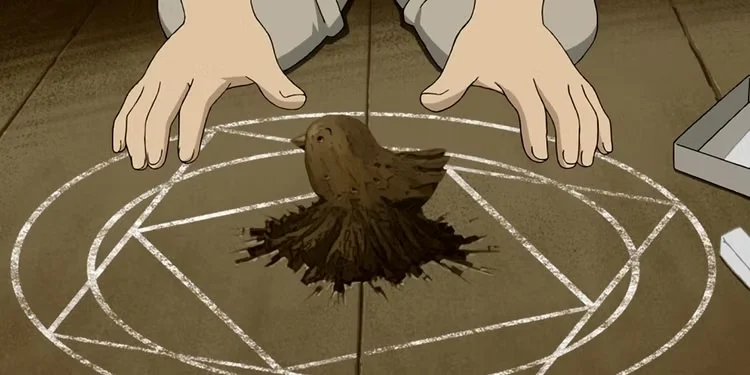
Complex transmutation circles are sometimes drawn with reduced symbols or missing filigree in wide shots. Animators often use simplified background models for distance to keep layouts readable and production on schedule. When the camera cuts closer, the same circle may suddenly gain intricate runes and geometry, creating a subtle continuity bump.
Military Insignia Variations
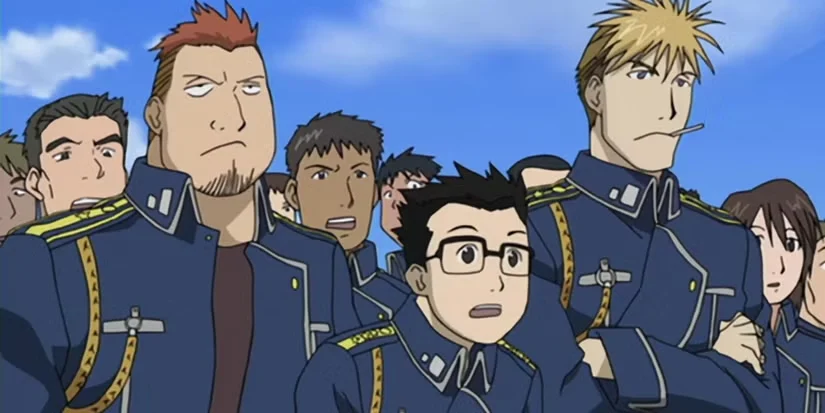
Amestrian uniforms rely on rank badges and sleeve details that are meant to stay consistent within a scene. In crowd or transition shots, stripe counts and emblem outlines can differ slightly from the hero models used in close-ups. These differences typically arise from secondary cuts handled by different artists following older or alternate model sheets.
Blood and Damage Reset Between Cuts
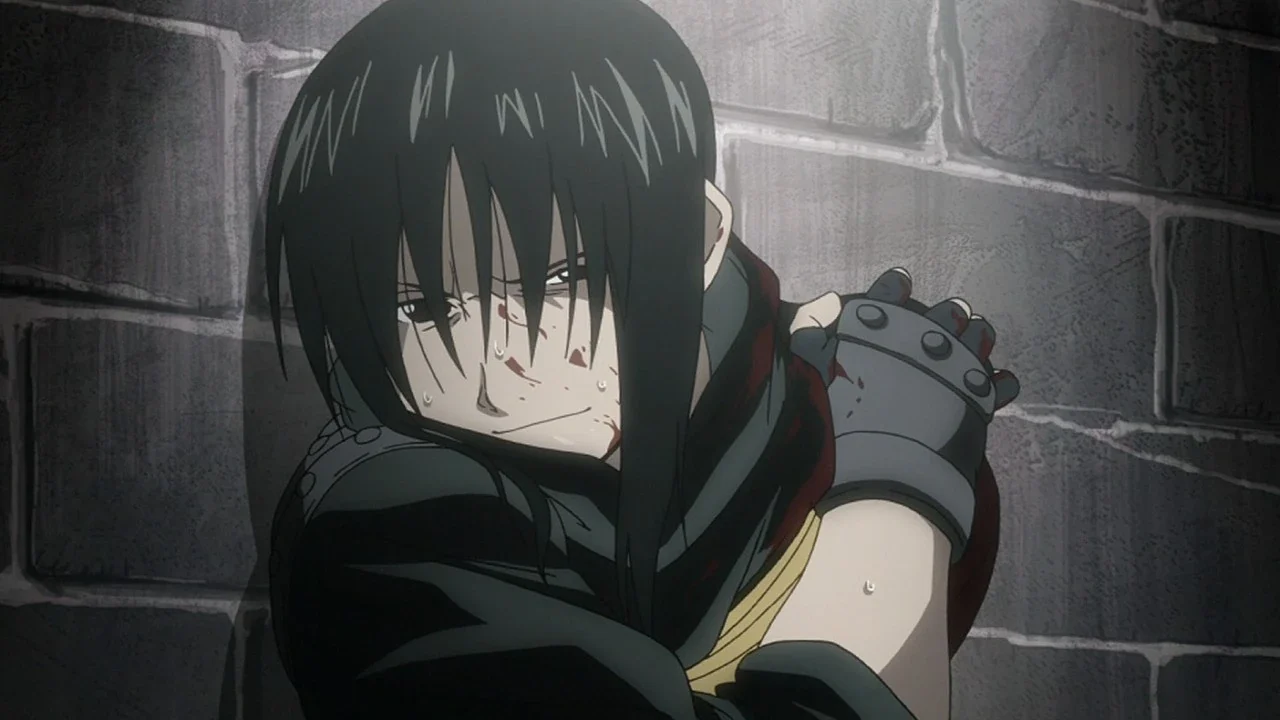
Battle episodes sometimes reset minor scuffs, tears, or blood placement when the angle changes. Because effects layers are tracked separately from line art, a reused or re-timed cut can drop or relocate stains and scratches. This is most visible during rapid exchanges where continuity notes are hardest to propagate.
Lip-Sync Drift in Dubbed Versions
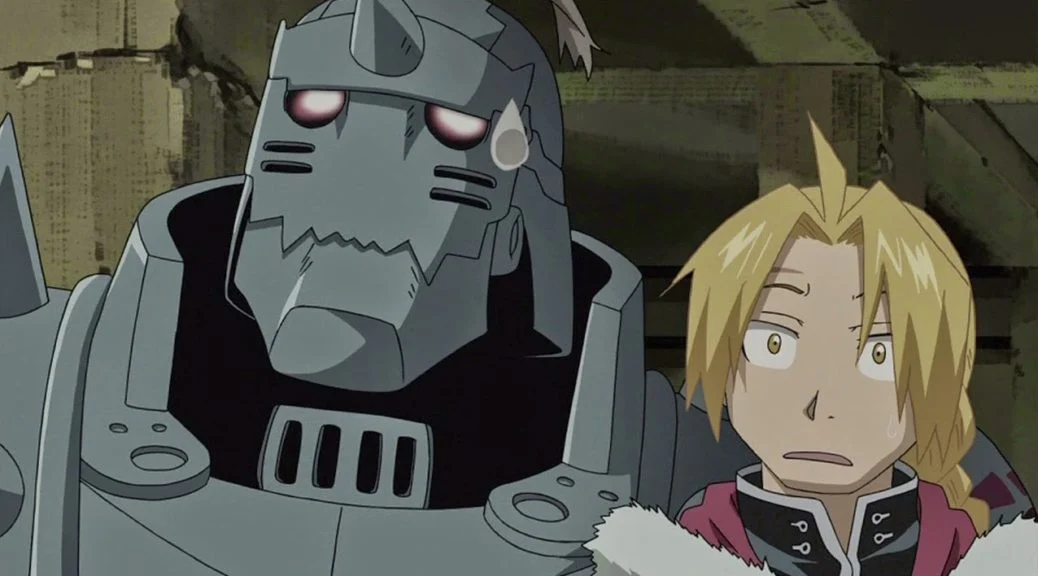
In some dubbed releases, lip-flap timing drifts a fraction of a second against the English dialogue during fast exchanges. The original track is timed to Japanese phonetics and mouth shapes, and re-timing every cut perfectly would require extensive re-animation. Studios prioritize performance and translation accuracy, which can leave brief sync offsets in high-tempo scenes.
Name Localizations That Don’t Match On-Screen Text
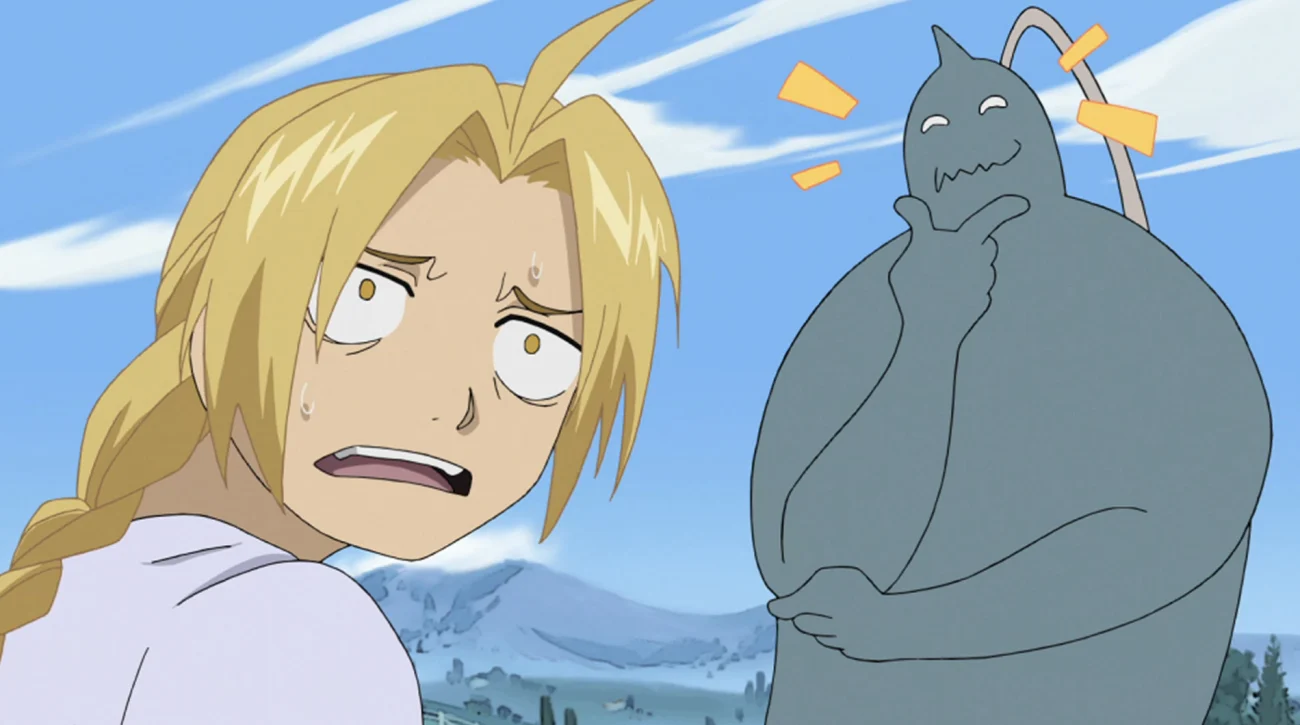
A few terms differ across releases and subtitles, such as “Ishval” versus “Ishbal,” or “Reole” versus “Lior,” depending on region and track. These inconsistencies stem from earlier manga translations, legacy scripts, and differing romanization choices. When a sign or map appears on screen with one spelling while the subtitle uses another, the mismatch becomes noticeable.
Background Signage Swapping Alphabets
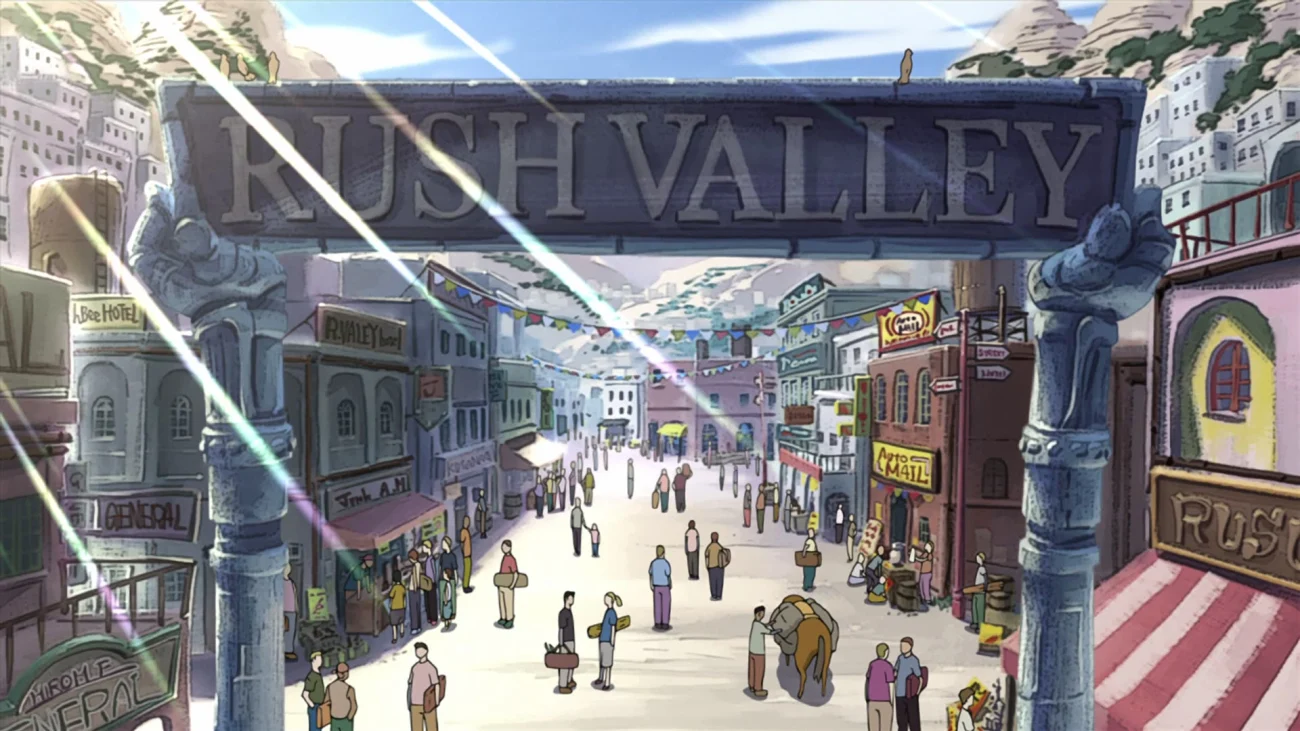
Amestrian signage sometimes alternates between stylized in-world script and Latinletters in adjacent shots. Background teams use asset libraries and legible stand-ins for quick readability, especially on moving backgrounds. The result is a street or storefront that appears to “change writing systems” between angles.
Map Scale and Travel Time Wobbles
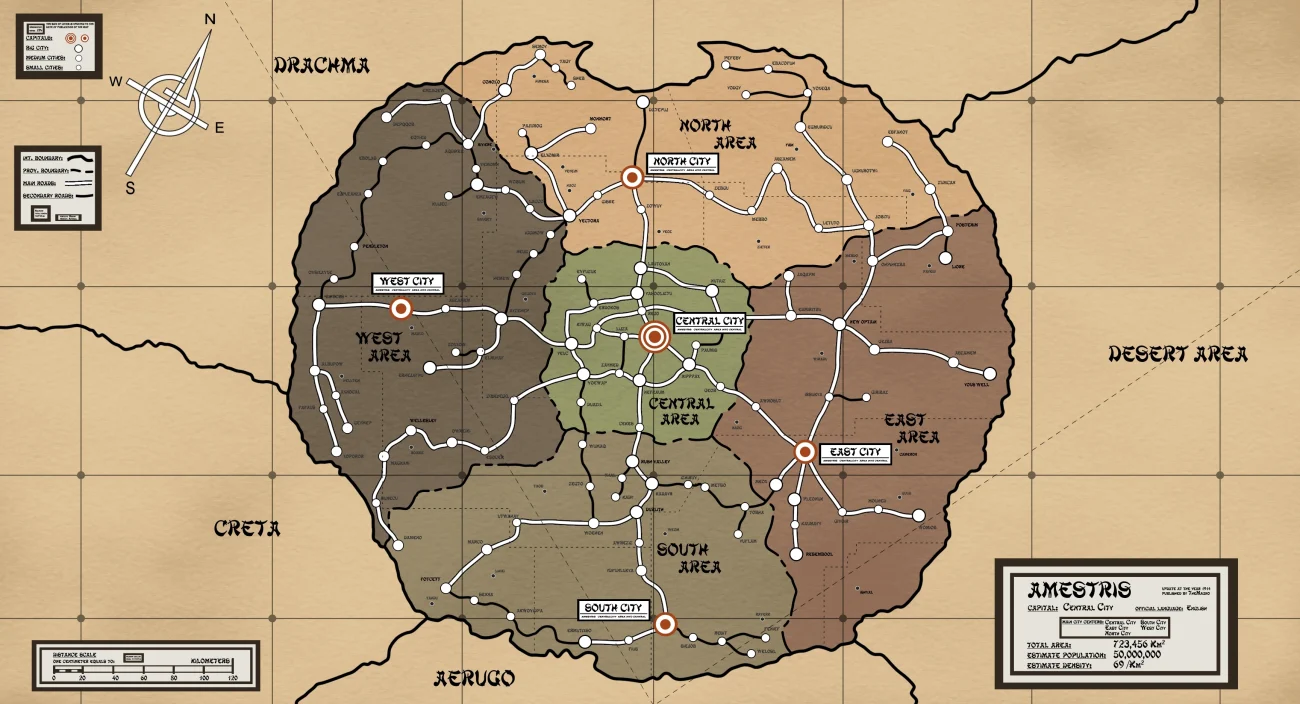
Intercut plots occasionally compress travel time so characters appear to cross large distances faster than previous episodes imply. Production treats these sequences as parallel storytelling rather than minute-by-minute chronology, which can blur scale. Maps and establishing shots provide broad orientation, but exact timings are not always reconciled across arcs.
Character Model Accessory Swaps
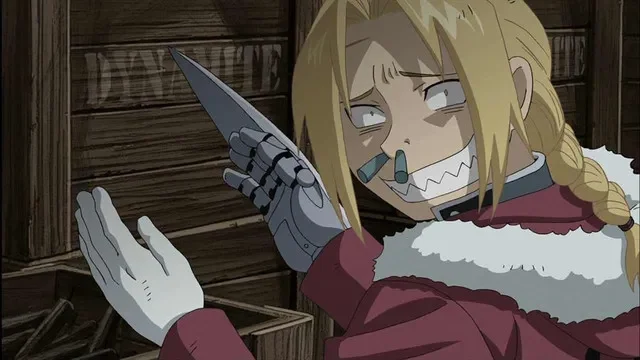
Recurring accessories—earrings, belts, or tool pouches—can jump positions or disappear for a cut in multi-unit episodes. This happens when an in-between artist references a pose sheet that predates a costume tweak, or when layers are dropped in complex composite shots. The next close-up restores the correct layout, making the brief absence read as a pop.
Tell us which slips you’ve spotted in ‘Fullmetal Alchemist: Brotherhood’—share your findings in the comments!