

20 Funniest Video Games Of All Time

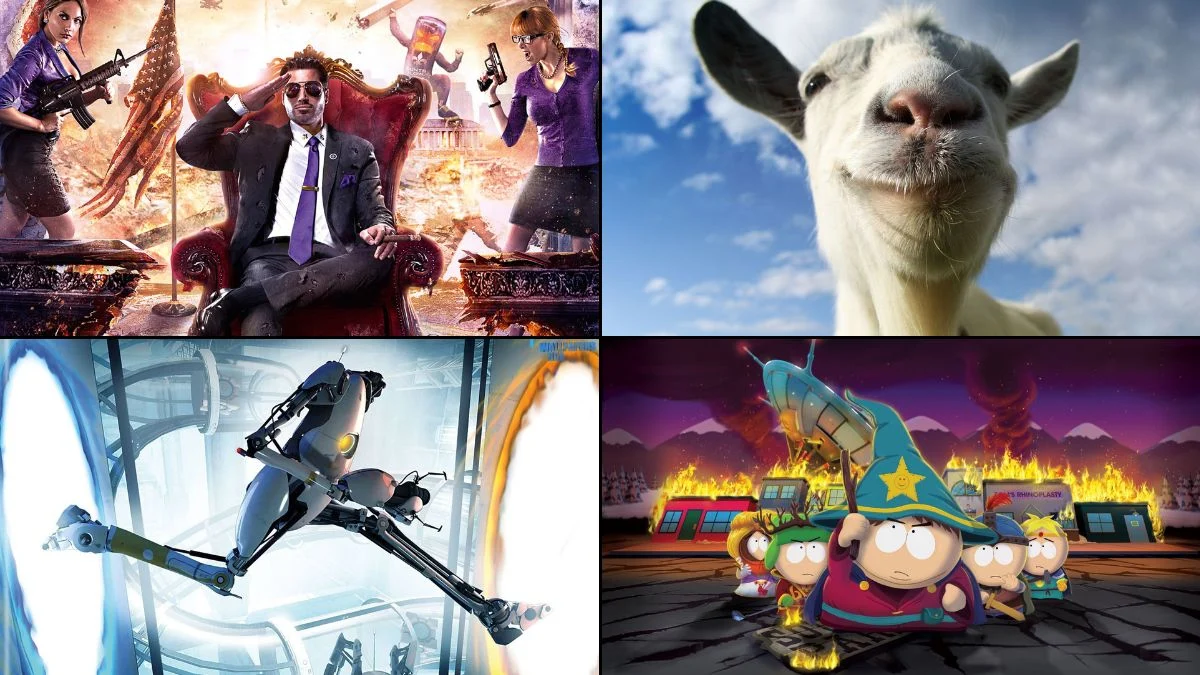


Comedy in games can come from sharp writing, oddball mechanics, or clever surprises that play with your expectations, and the best examples make you laugh while you are solving puzzles or causing delightful chaos. This list rounds up titles known for strong comedic design choices, memorable gags, and playful systems that set up jokes you trigger by simply playing. You will see everything from classic adventure games to modern sandboxes where the punchlines come from physics and timing. Each entry highlights what the game does to deliver laughs and what kinds of moments players can expect.
The Secret of Monkey Island
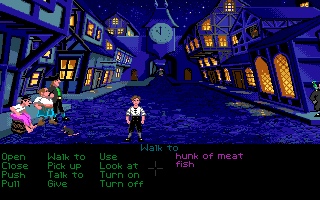
Lucasfilm Games released this point and click adventure in 1990 with design by Ron Gilbert, Tim Schafer, and Dave Grossman. The insult swordfighting system turns duels into call and response wordplay. Puzzle solutions often hinge on misdirection and literal interpretations of idioms. The Special Edition later added full voice acting that preserves the original script.
Monkey Island 2: LeChuck’s Revenge
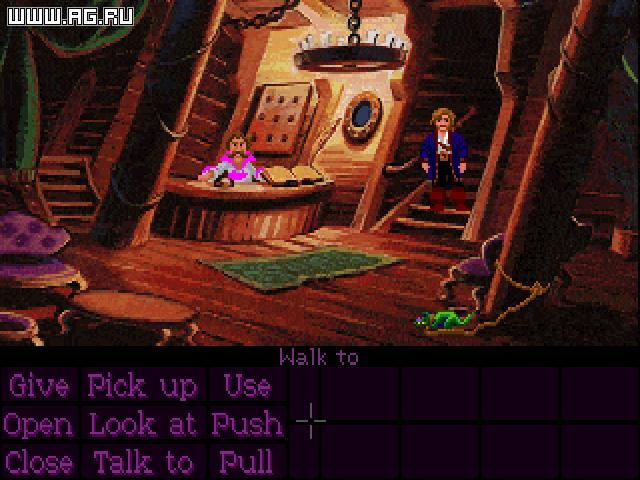
This 1991 sequel expands the original’s structure with multiple islands and a more open chapter format. It introduces a difficulty selector that changes puzzle chains and hints. Jokes lean into bait and switch solutions like the infamous monkey wrench puzzle. Composer Michael Land’s score uses the iMUSE system to transition music cues during gags and scene changes.
Day of the Tentacle

Released in 1993 by LucasArts, this is a time travel adventure starring three protagonists. The game’s three timelines run in parallel and items can be sent between eras through a chron o john system. Many jokes come from altering the past to create sight gags in the future. The original ‘Maniac Mansion’ is playable on a computer inside the game.
Portal
Valve’s 2007 first person puzzler uses the Aperture Science Handheld Portal Device to solve spatial challenges. The AI character GLaDOS delivers deadpan test observations that escalate as you progress. Environmental storytelling in test chambers sets up punchlines without cutscenes. The companion cube and the final song reinforce the comedic tone through in world logic.
Portal 2
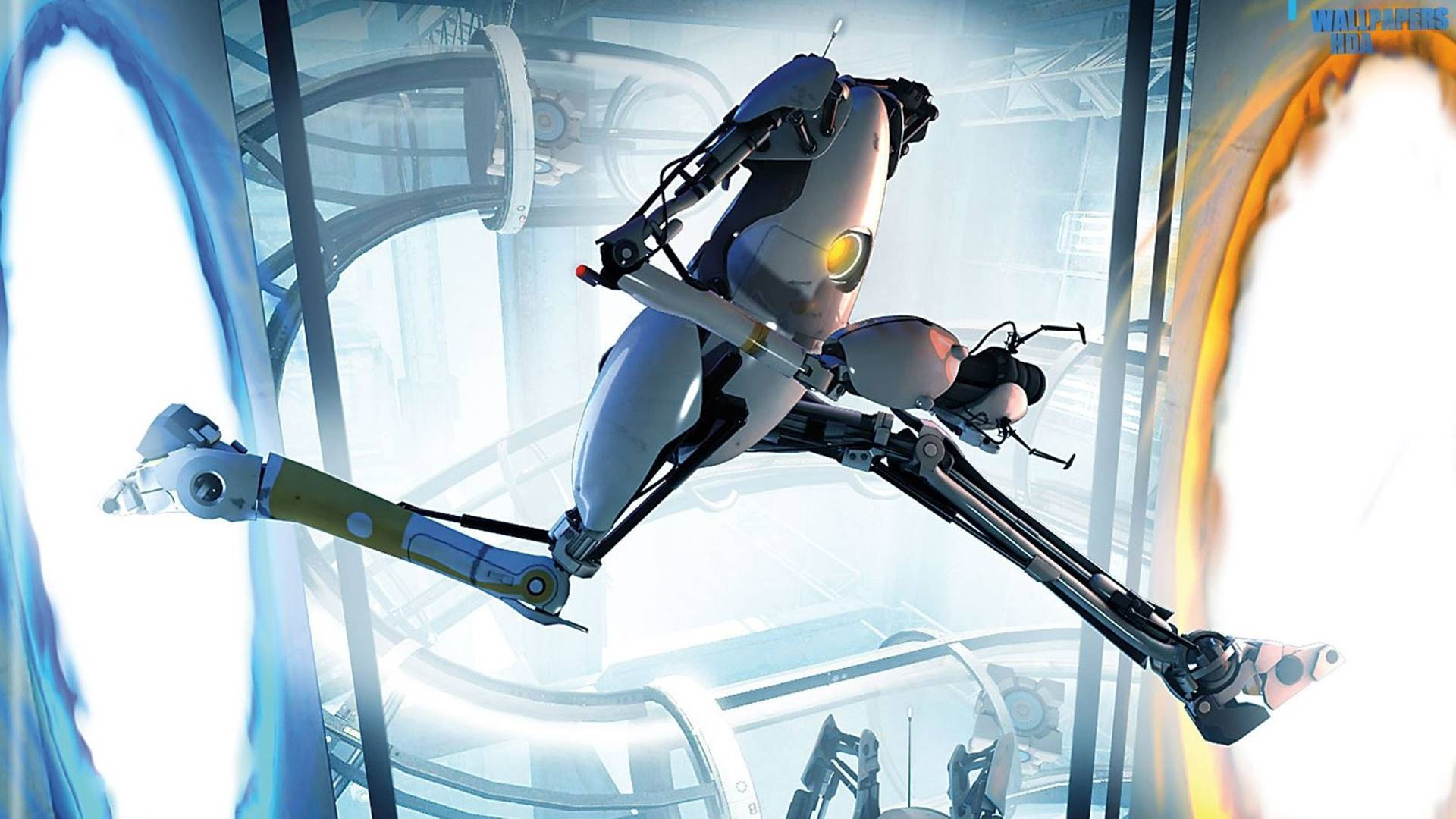
This 2011 sequel adds co op testing and new gels that change movement properties. Characters like Wheatley and Cave Johnson expand the script with distinct delivery styles. Puzzle elements such as light bridges and excursion funnels create setups for physical comedy. The campaign integrates story jokes directly into chamber solutions.
The Stanley Parable
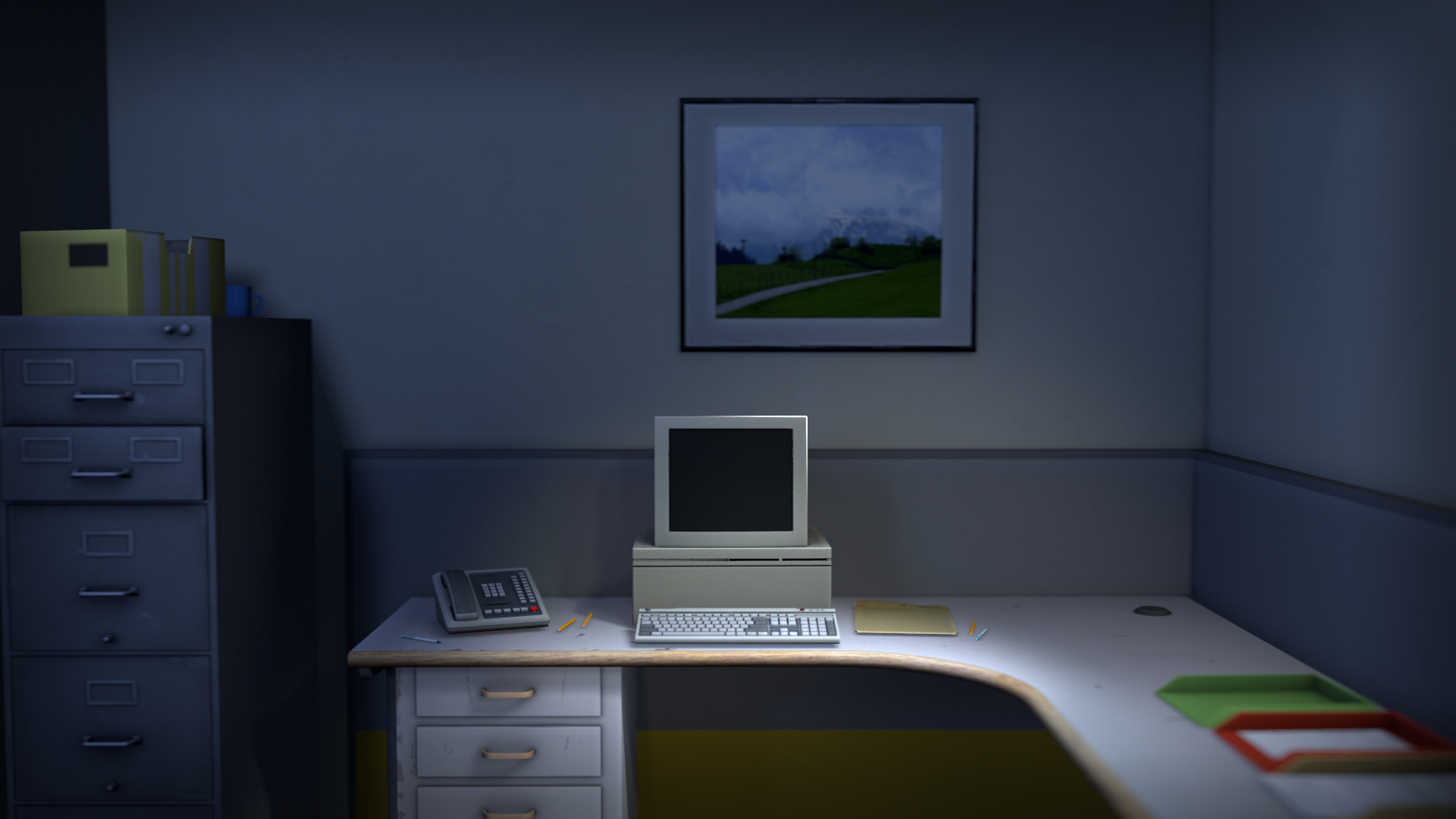
Originally a 2011 mod and later a 2013 standalone release, this narrative game revolves around player choices and a reactive narrator. The game tracks paths through an office labyrinth and comments on your actions in real time. Hidden routes lead to endings that parody design tropes and achievement systems. The Ultra Deluxe version adds new areas with additional meta jokes.
Untitled Goose Game
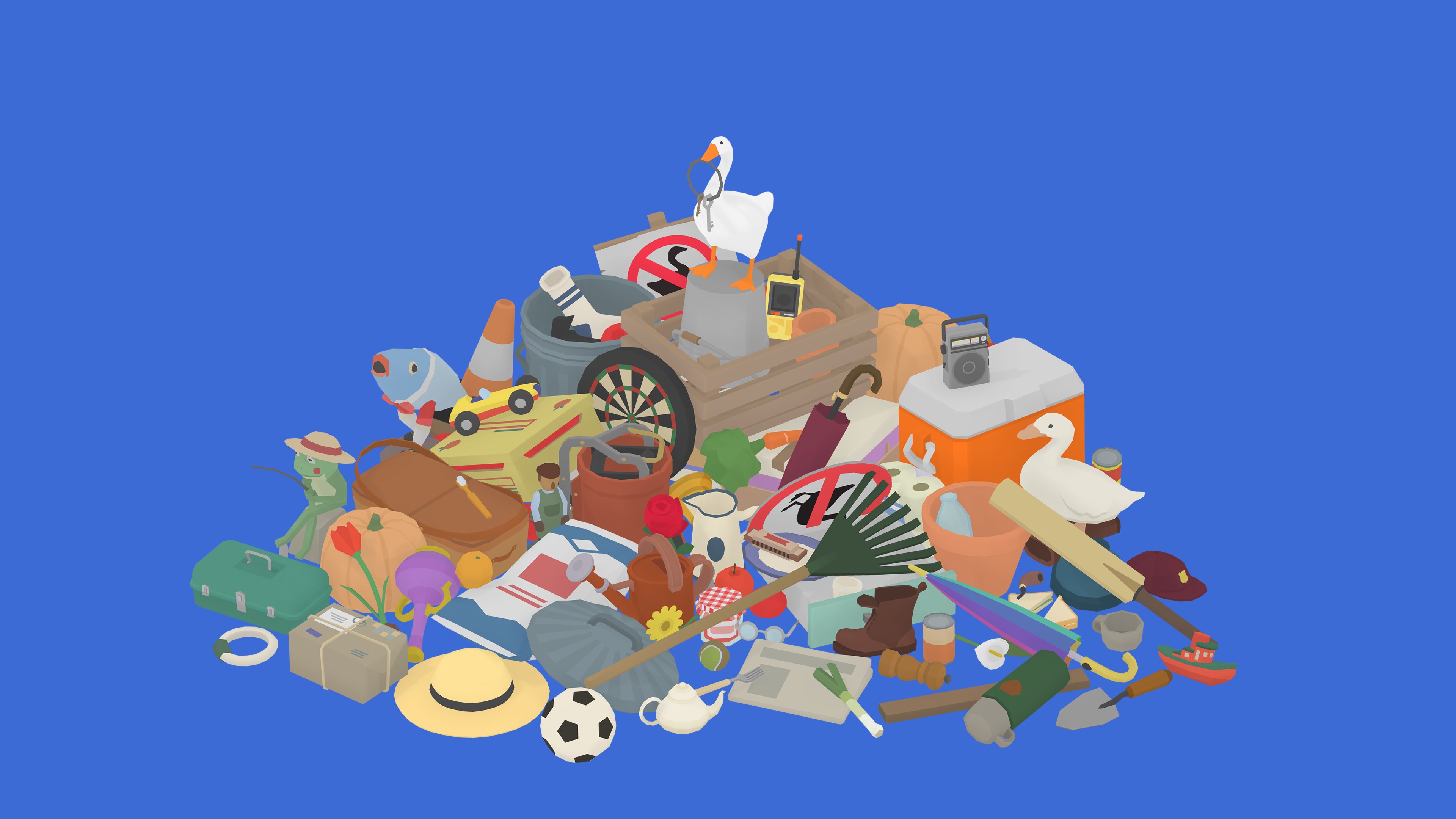
House House launched this stealth sandbox in 2019 starring a goose that completes mischievous objectives. Each area contains a checklist that guides pranks on townsfolk. The animation and honk interactions create unscripted slapstick moments. Two player co op allows coordinated chaos with synchronized tasks.
Conker’s Bad Fur Day
Rare released this platformer in 2001 on the Nintendo 64 with cinematic cutscenes and context sensitive actions. It parodies film scenes and game genres across themed chapters. The game’s set pieces use musical numbers and boss fights to deliver comedic beats. A later remaster preserved the script and added smoother controls.
Psychonauts
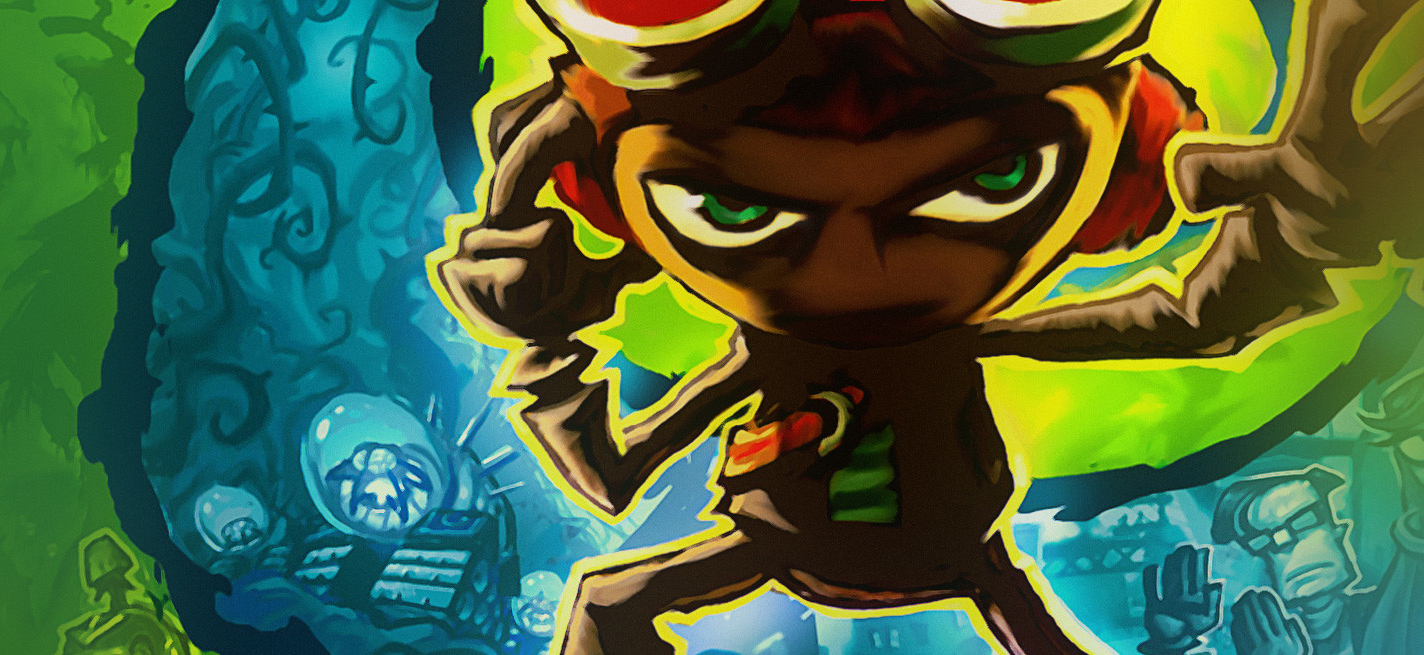
Double Fine’s 2005 adventure platformer follows young psychic Razputin at a summer camp. Levels take place inside character minds where mechanics reflect their personalities. Collectibles like figments and emotional baggage act as visual gags that also track progress. The game blends dialogue humor with environment specific joke design.
Psychonauts 2
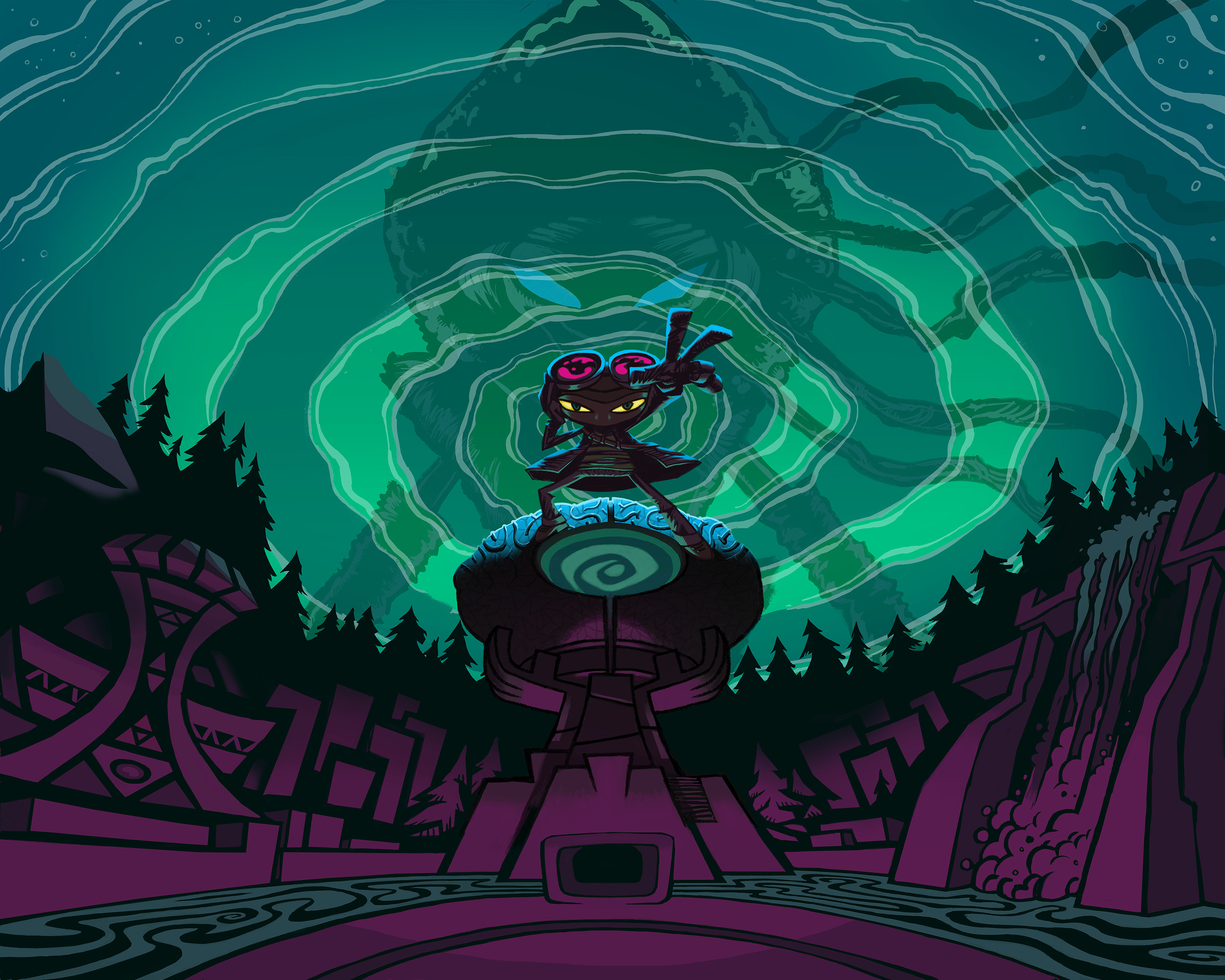
This 2021 follow up refines platforming and introduces powers like mental connection that double as traversal and joke delivery tools. Brain levels incorporate puns into signage and enemy names. Optional intern tasks and post game conversations add new comedic interactions. Accessibility settings let you tune combat without missing narrative humor.
South Park: The Stick of Truth
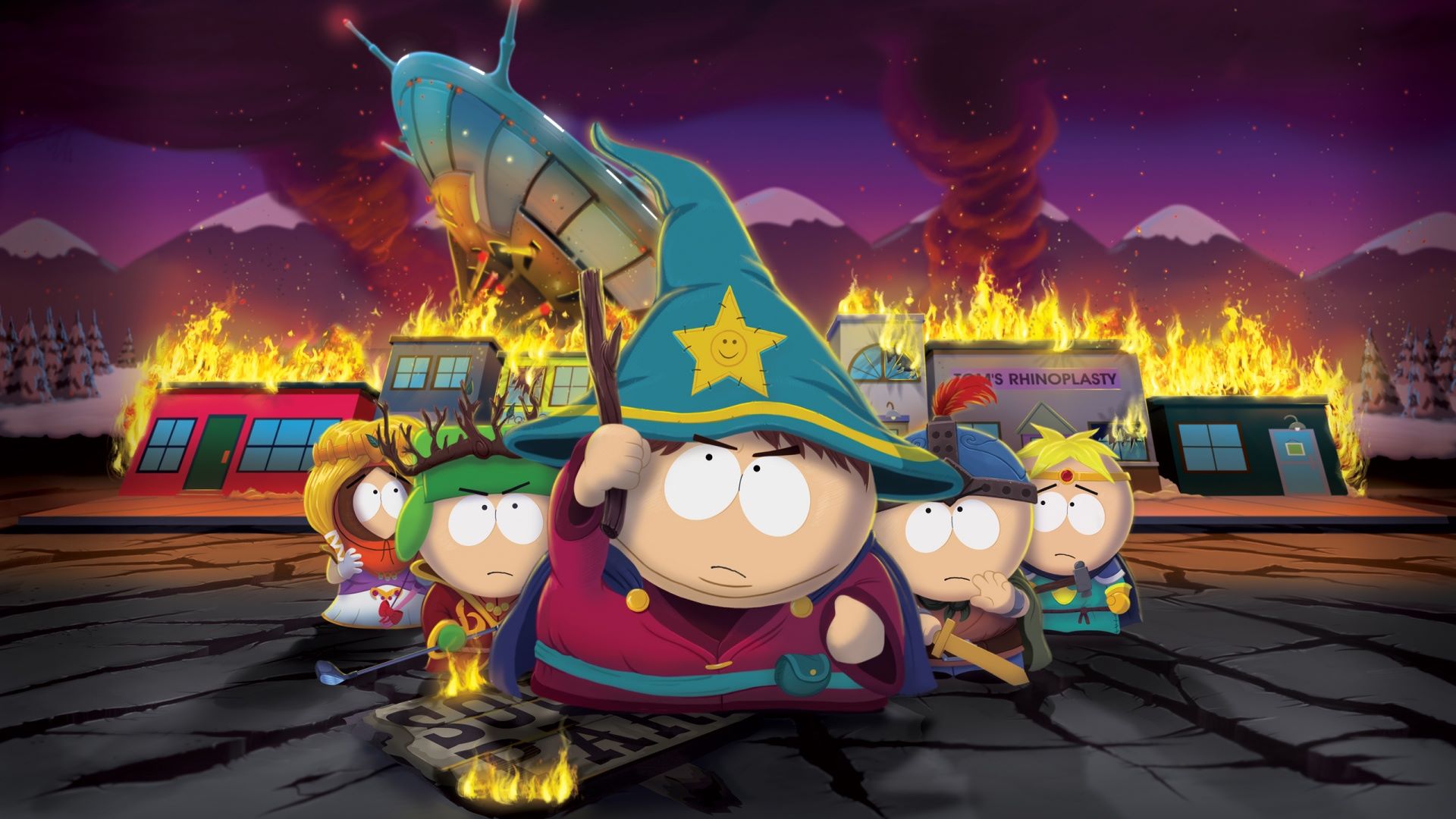
Obsidian’s 2014 role playing game uses turn based combat with timing inputs. The town of South Park is fully explorable and packed with side quests that reference the series. Equipment perks and status effects mirror jokes from episodes in mechanical form. The censorship settings and language options allow regional content adjustments.
South Park: The Fractured but Whole
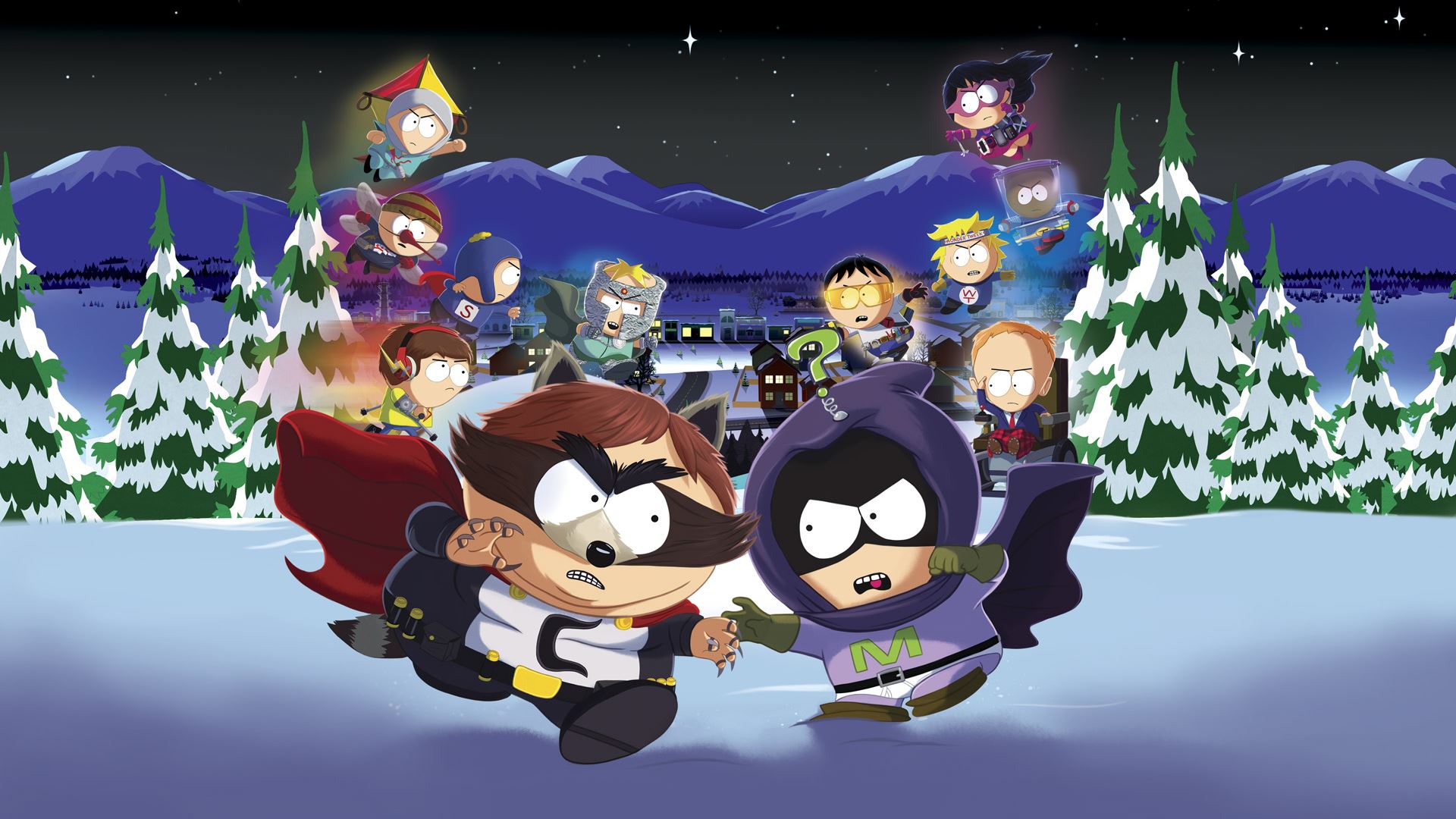
Released in 2017, this sequel shifts combat to a tactical grid with knockback and positioning. The superhero theme changes classes and powers while preserving exploration across town. Social media mechanics inside the game track followers and feed gag delivery. Difficulty sliders affect certain systems without removing story humor.
Saints Row The Third
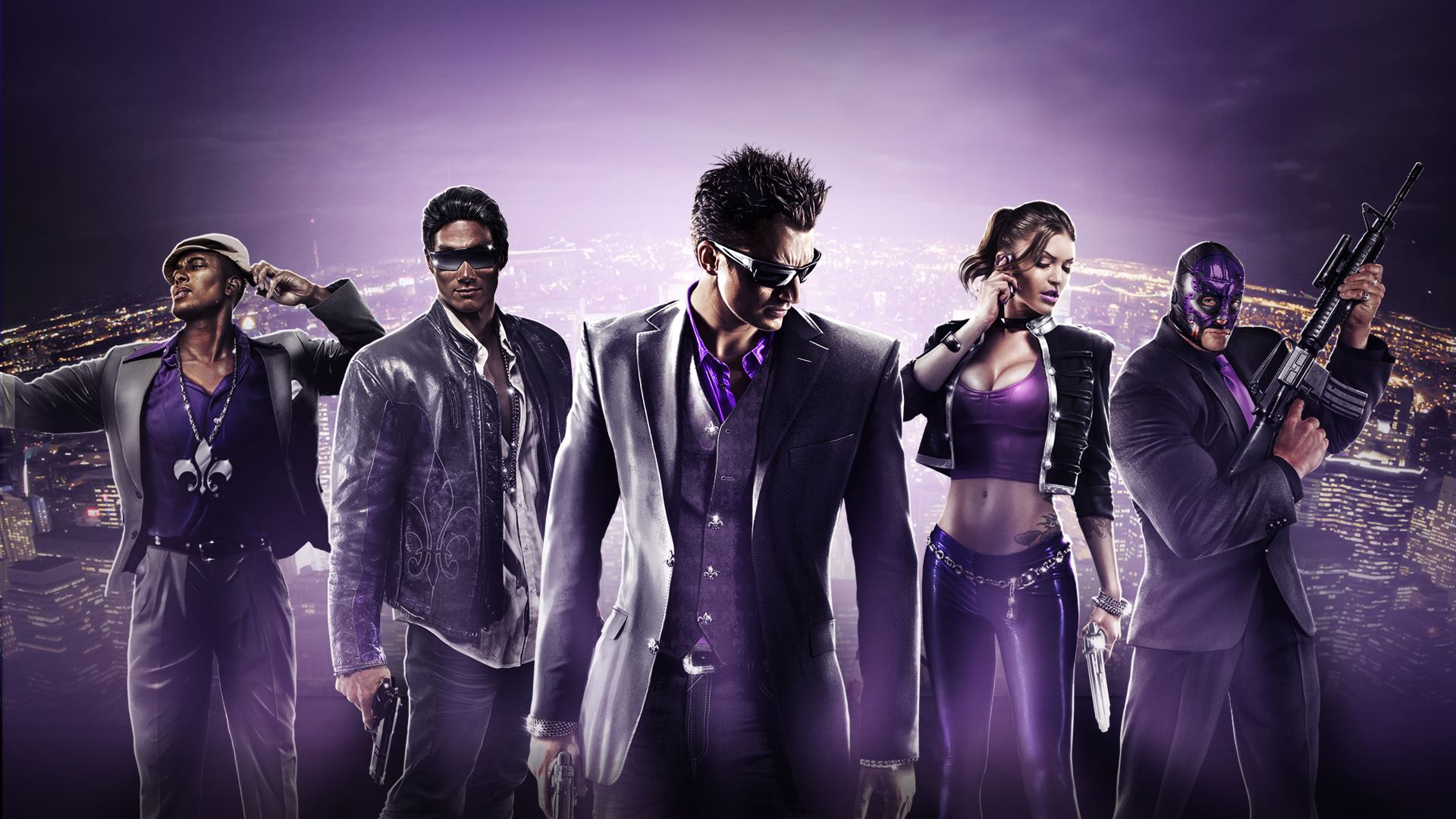
Volition’s 2011 open world game focuses on over the top missions and flamboyant customization. Activities like Professor Genki’s arena and insurance fraud create situational comedy. Co op support enables synchronized stunts that trigger unique dialogue. The physics system and toy like vehicles set up emergent sight gags.
Saints Row IV
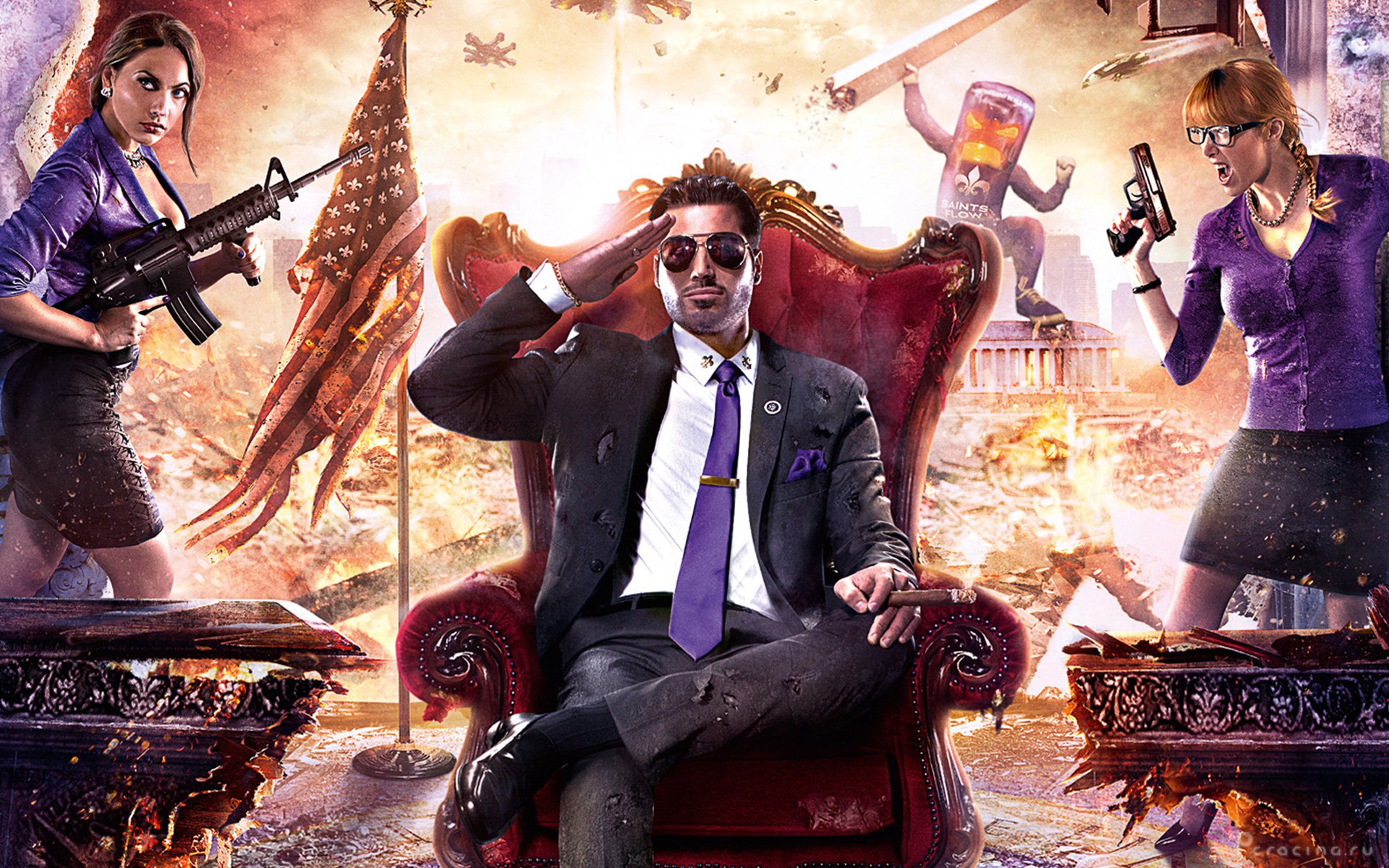
In 2013 the series added superpowers and simulated city traversal. Movement abilities such as super sprint and vertical jumps transform chases into comedic set pieces. Mission design parodies arcade genres and past missions through reinterpretation. Radio stations and in mission audio cues provide timing for punchlines while you play.
Yakuza 0

Set in 1988 Tokyo and Osaka, this 2015 entry mixes crime drama with a large catalog of comedic substories. Mini games include karaoke and business management that unlock unique skits. Fighting styles can switch mid battle to trigger comedic heat actions. The localization preserves wordplay in side quests with region specific references.
EarthBound
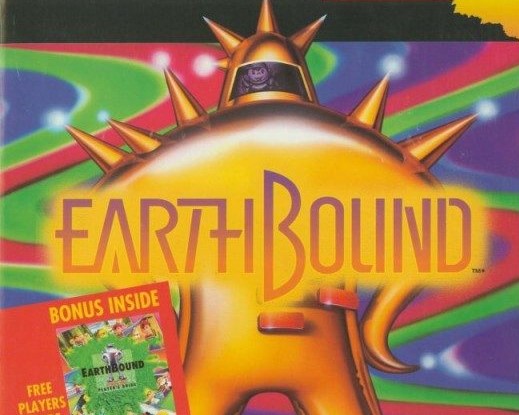
Nintendo’s 1994 role playing game features modern day settings and enemies like new age retro hippies and living trash cans. Combat interfaces use rolling hit points that create tense yet humorous near saves. Towns include phone calls to your dad that save progress and track playtime. The script plays with genre expectations through benign everyday items.
Paper Mario The Thousand Year Door
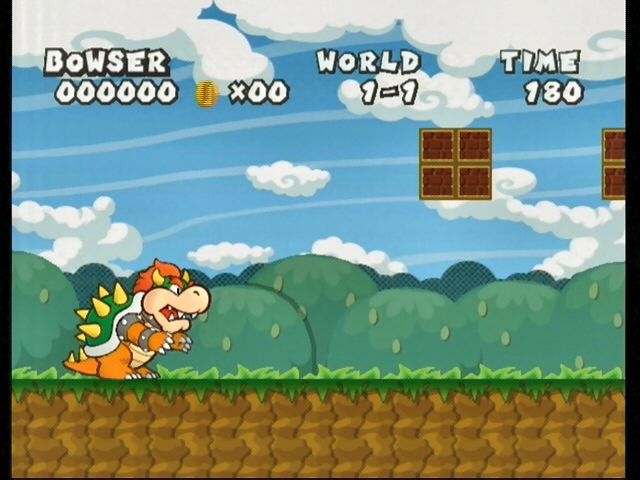
This 2004 role playing game uses stage themed battles where audiences react to your moves. Timing based attacks and badges create customizable loadouts that enable situational gags. Partners bring field abilities that solve puzzles and trigger humorous animations. The recent remaster modernizes visuals while keeping the original script intact.
Jazzpunk
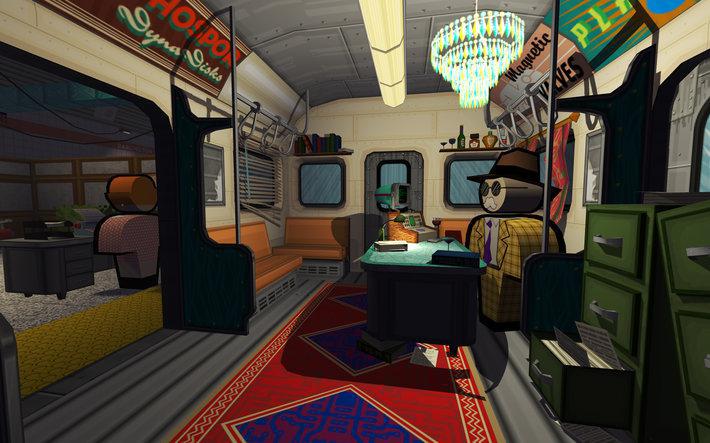
Necrophone Games released this first person adventure in 2014 with a Cold War spoof setting. Levels are dense with micro jokes that activate when you interact with props and NPCs. Side activities like pizza box challenges and hidden arcades unlock extra skits. The soundtrack and visual filters reinforce the parody tone across missions.
Goat Simulator

Coffee Stain’s 2014 sandbox turns physics bugs into the core mechanic by design. You complete a checklist of stunts and earn points for trick combos that send objects flying. Secret areas and mutations change movement and interactions for new joke setups. Regular updates added maps and modes that expand slapstick possibilities.
Octodad Dadliest Catch
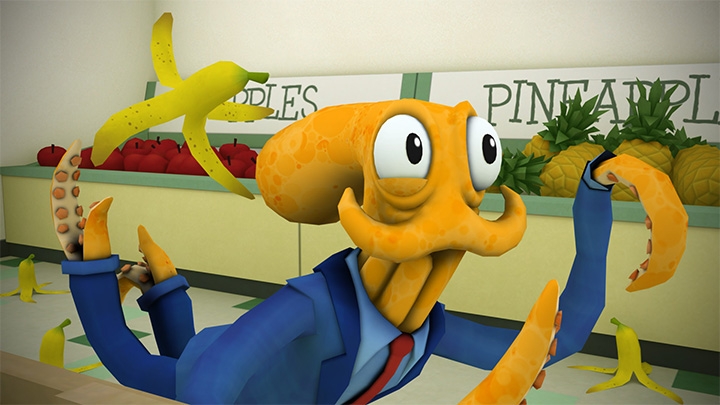
Young Horses launched this indie hit in 2014 with intentionally clumsy controls where you guide a disguised octopus through family tasks. Each limb is mapped to inputs that make simple chores comedic. Stealth segments hinge on keeping suspicion meters low during social scenes. Levels end with set pieces that escalate prop based humor.
The Simpsons Hit and Run
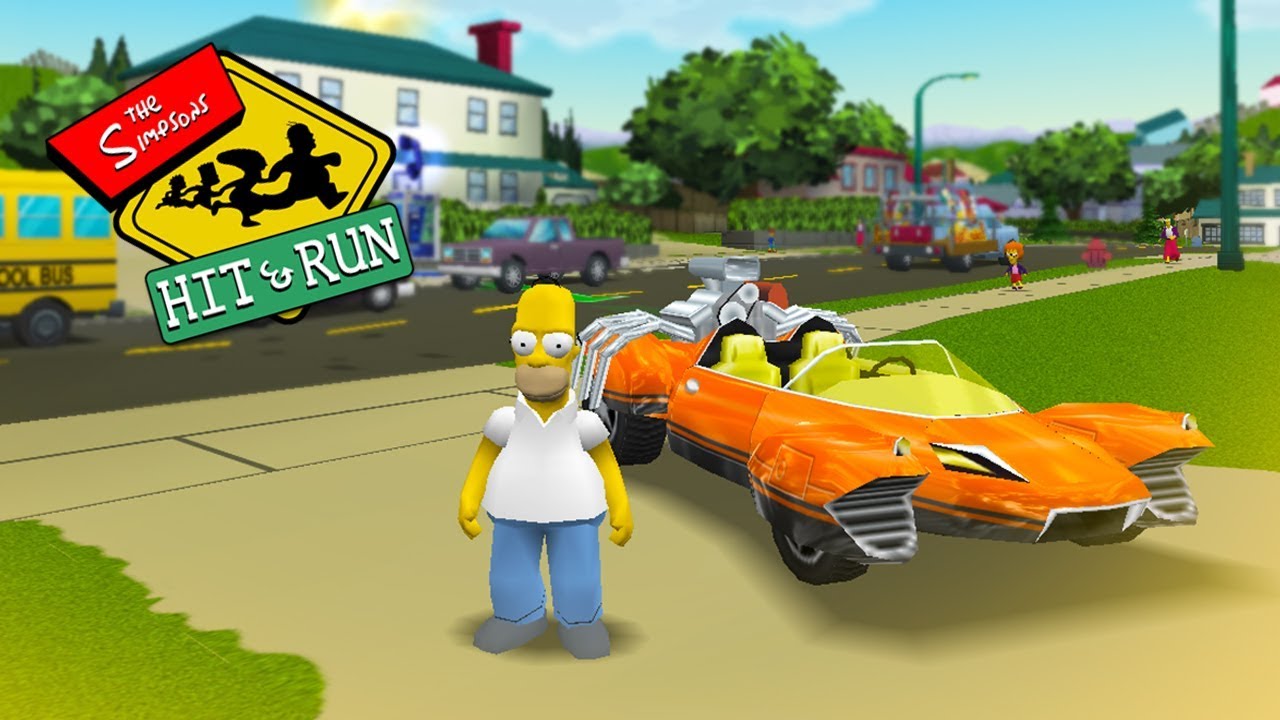
This 2003 title by Radical Entertainment adapts Springfield into a mission based driving and platforming game. Characters deliver show accurate lines recorded by the original cast. Collectibles and gags are placed around neighborhoods tied to episodes and locations. Car physics and pursuit systems create repeatable comedic chases.
Share your picks and the moments that cracked you up in the comments.