


Future-Set Movies That Got It All Wrong

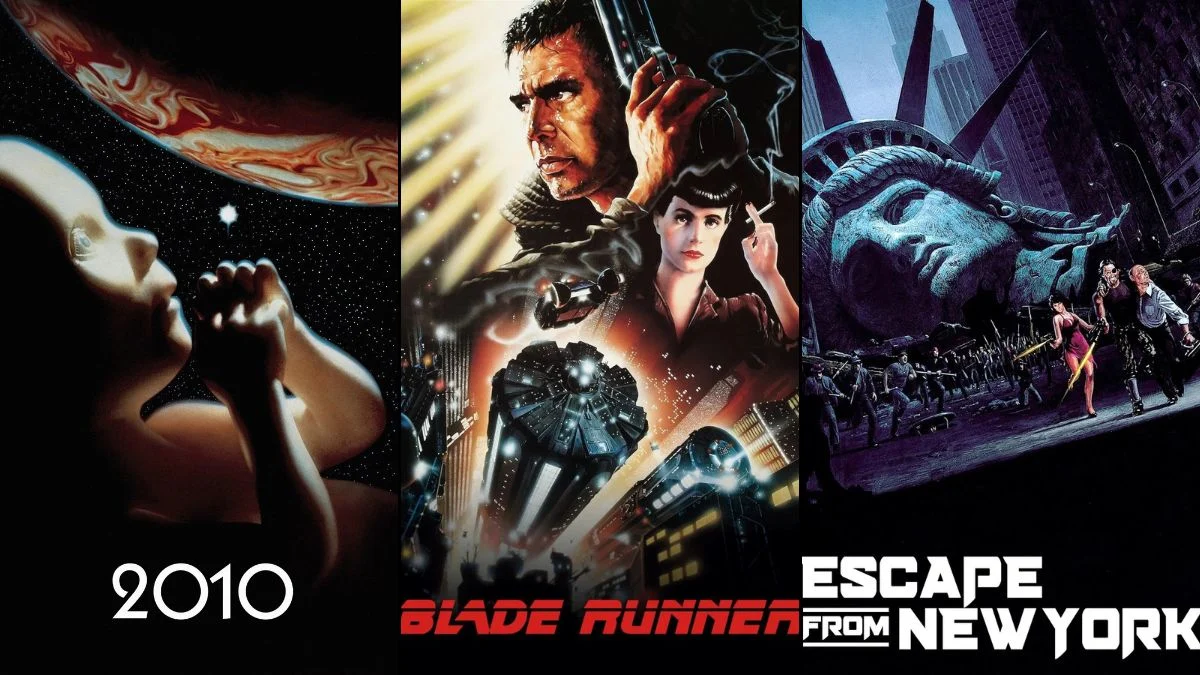


Cinema loves to jump ahead and imagine what the world will look like in a few years. Sometimes those guesses land close to reality, and sometimes they miss by a mile. The most interesting cases are the ones that stamped a specific date on the screen, then watched the calendar catch up without delivering on the big promises.
Here are future-set films that put their chips on a year or a breakthrough that never arrived. Each one painted a clear picture of life down the road, only for real history and real technology to go in very different directions.
‘2001: A Space Odyssey’ (1968)
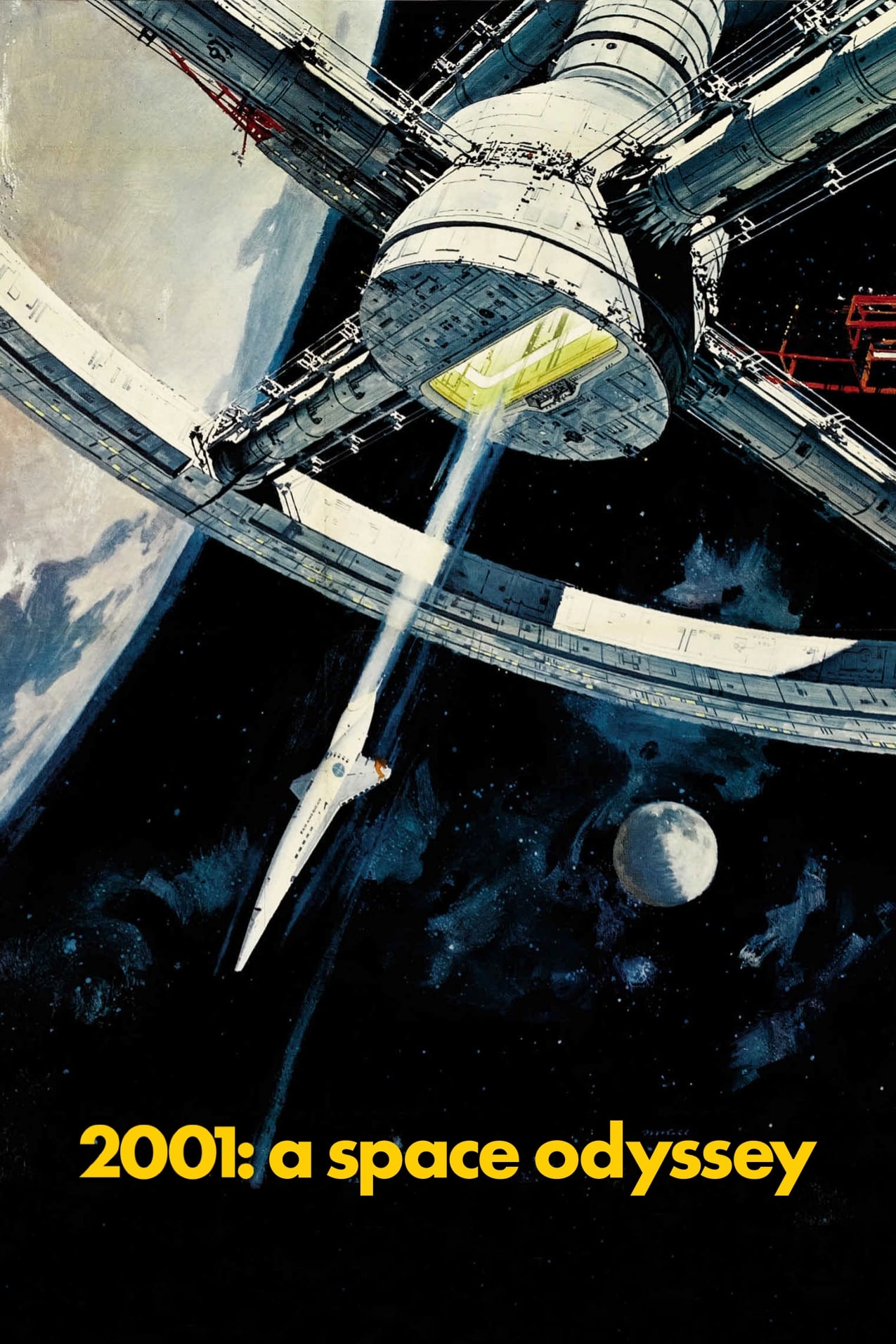
Stanley Kubrick’s film presents routine commercial flights to orbit, a Hilton space station, and a staffed outpost on the Moon by the turn of the millennium. The story also features a conversational artificial intelligence with general capabilities aboard a deep space mission.
By 2001 humanity had the International Space Station and the first space tourist, but no scheduled passenger shuttles to orbit, no lunar base, and no round trips to Jupiter. Artificial intelligence could not manage multi domain reasoning and open ended dialogue at the level shown by HAL.
‘2010: The Year We Make Contact’ (1984)

This sequel expects a joint US and Soviet crew to fly to Jupiter within a generation, investigate alien artifacts, and witness a celestial transformation that creates a second sun. It uses real mission planning language to present the voyage as a near term possibility.
In 2010 there were no crewed missions beyond low Earth orbit, and exploration of Jupiter remained the work of uncrewed probes. Planetary engineering events like igniting a gas giant never occurred, and human spaceflight remained focused on Earth orbit operations.
‘Blade Runner’ (1982)
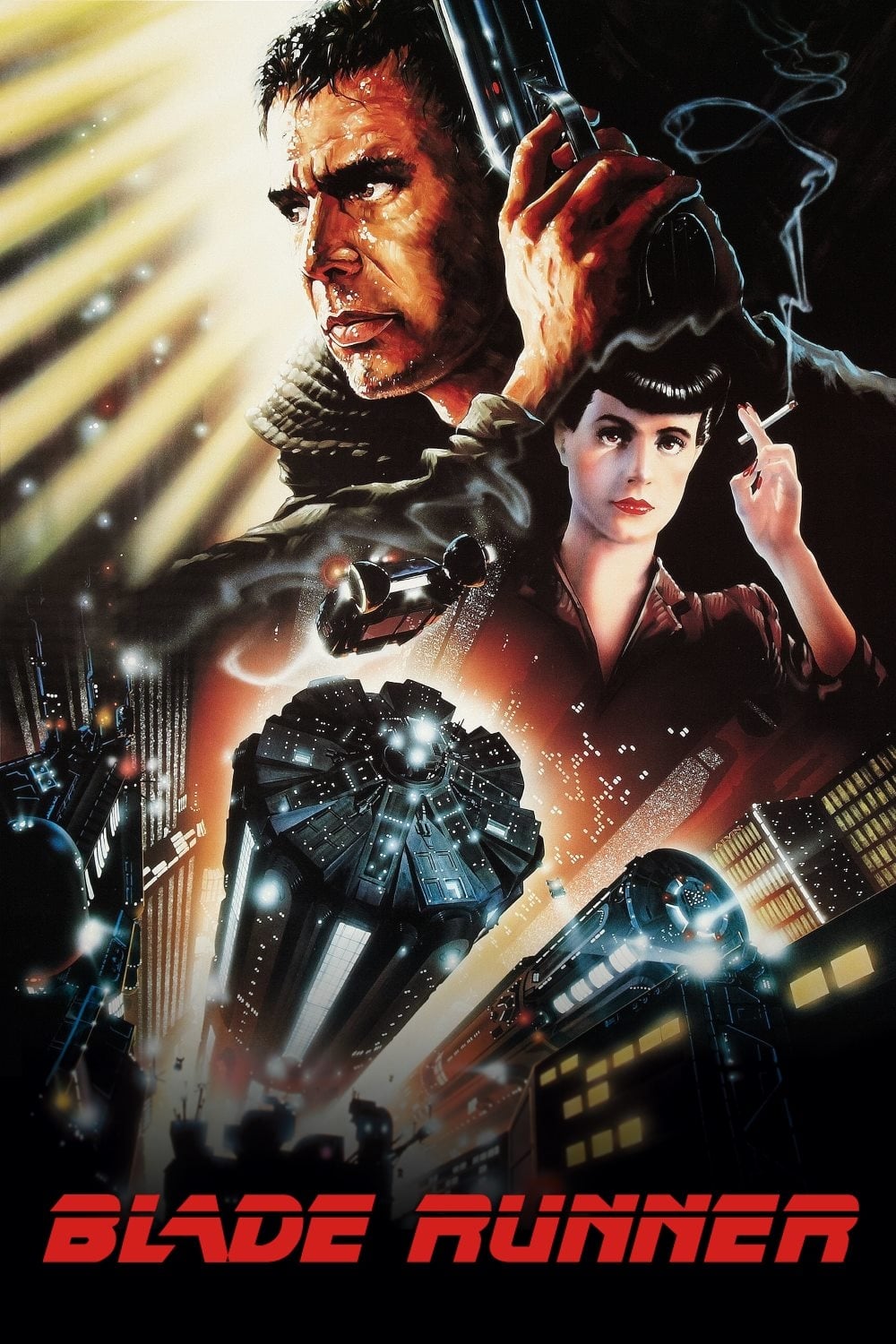
Set in 2019 Los Angeles, the film shows lifelike bioengineered replicants working off world and hiding among humans, along with dense urban skies crossed by flying cars. The environment is marked by constant rain, giant animated billboards, and a permanent night glow.
In 2019 there were no humanlike synthetic workers or commercial off world colonies. Experimental air taxis were in testing rather than crowding city skies, and while digital advertising grew, the built environment and climate of Los Angeles did not resemble the film’s perpetual gloom.
‘Back to the Future Part II’ (1989)
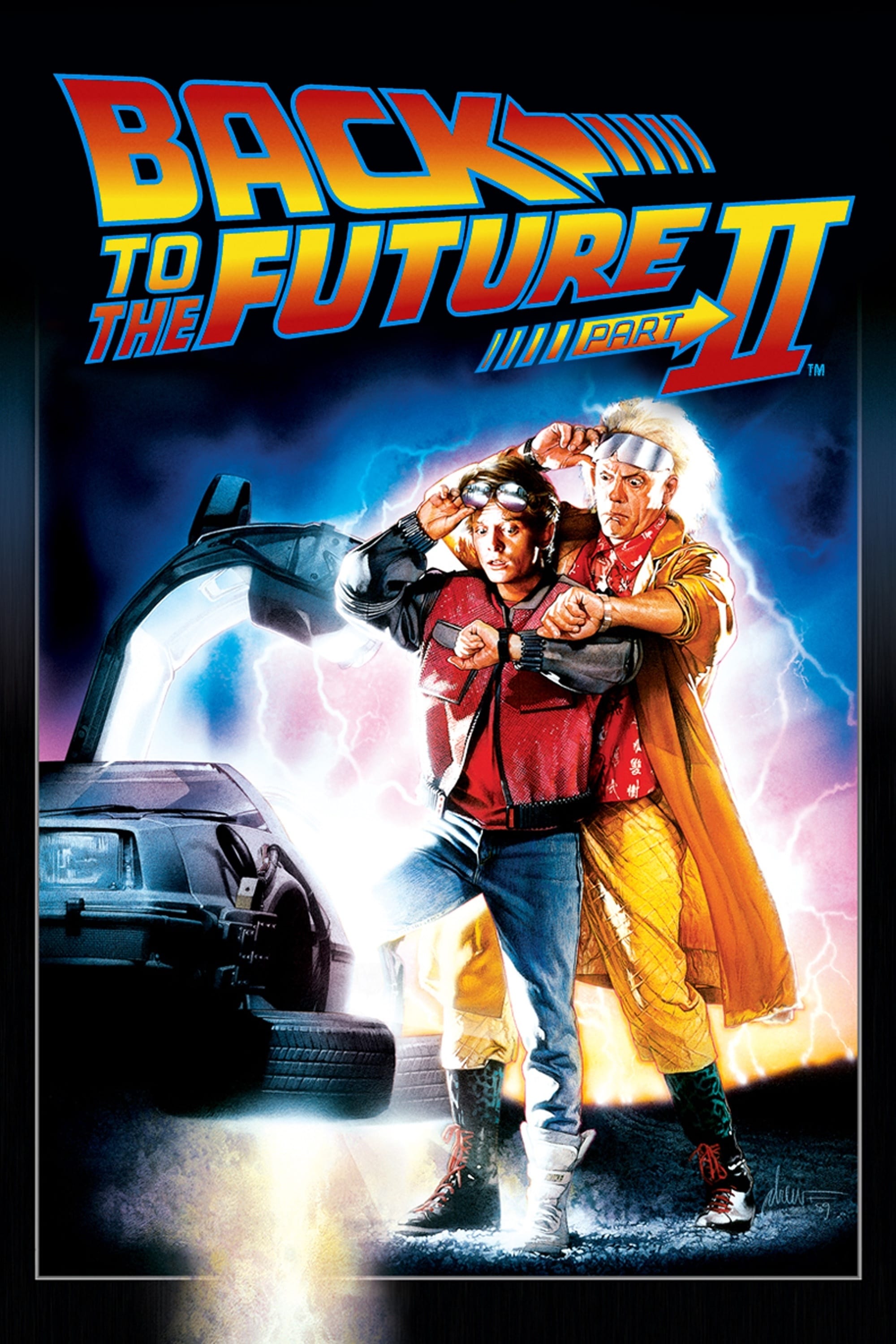
The 2015 visit features true hoverboards, widely used self driving and flying vehicles, and instant weather control that schedules storms to the second. Homes rely on fax machines, dehydrated meals, and fully automated clothing with power laces and auto fit.
In 2015 consumer hoverboards did not levitate, flying cars were not part of daily life, and weather could not be controlled on demand. Households had already moved past fax machines, while smart wearables existed only in early forms and not as universal auto adjusting outfits.
‘Escape from New York’ (1981)
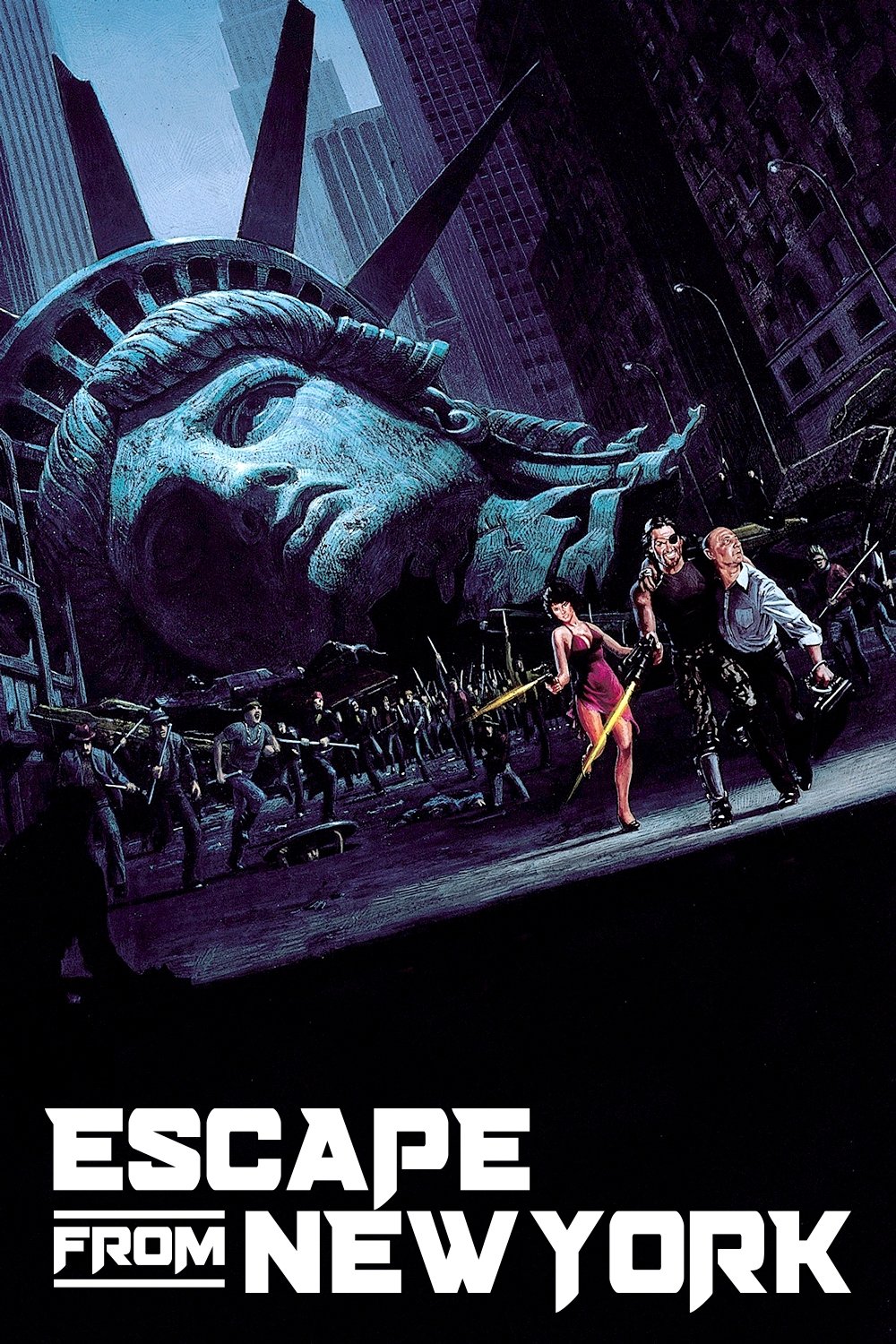
The story designates 1997 Manhattan as a sealed national prison, with bridges mined and the island patrolled by armed gliders and makeshift militias. Federal authority abandons conventional policing in favor of perimeter control and a one way gate.
In 1997 New York City remained a populated commercial center, and no urban island prison project existed. Crime and policing followed real world trends, the bridges stayed open to traffic, and airspace did not host improvised patrol craft.
‘The Running Man’ (1987)
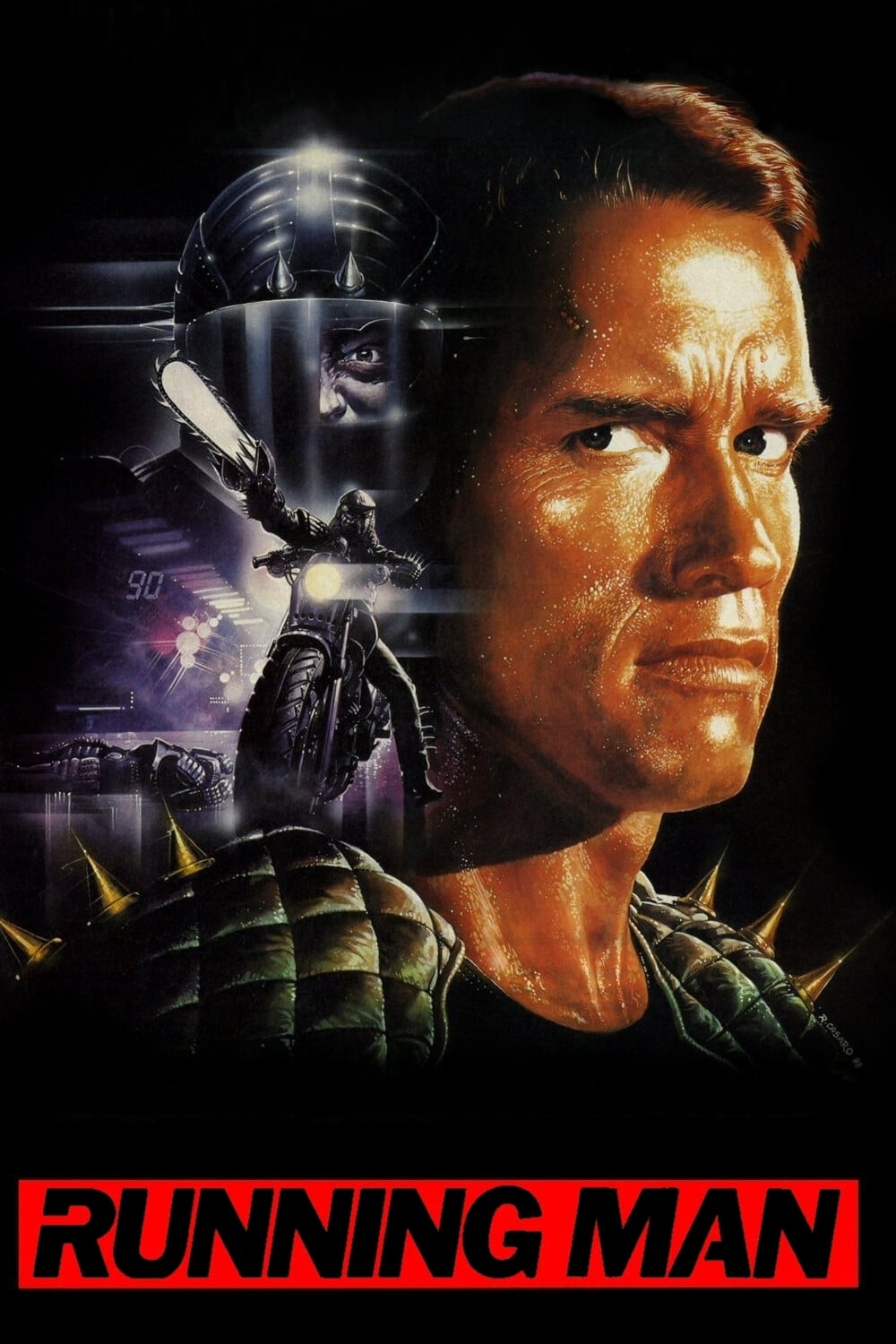
The film envisions 2017 America with a collapsing economy, a heavily censored media landscape, and a prime time death match that recruits convicts as quarry. The entertainment industry is shown as the main instrument of state control.
In 2017 no broadcast network staged lethal competitions, and criminal justice did not include televised hunts. Game shows used stunts and trivia, and although media changed with streaming platforms, the society described in the movie did not materialize.
‘Terminator 2: Judgment Day’ (1991)
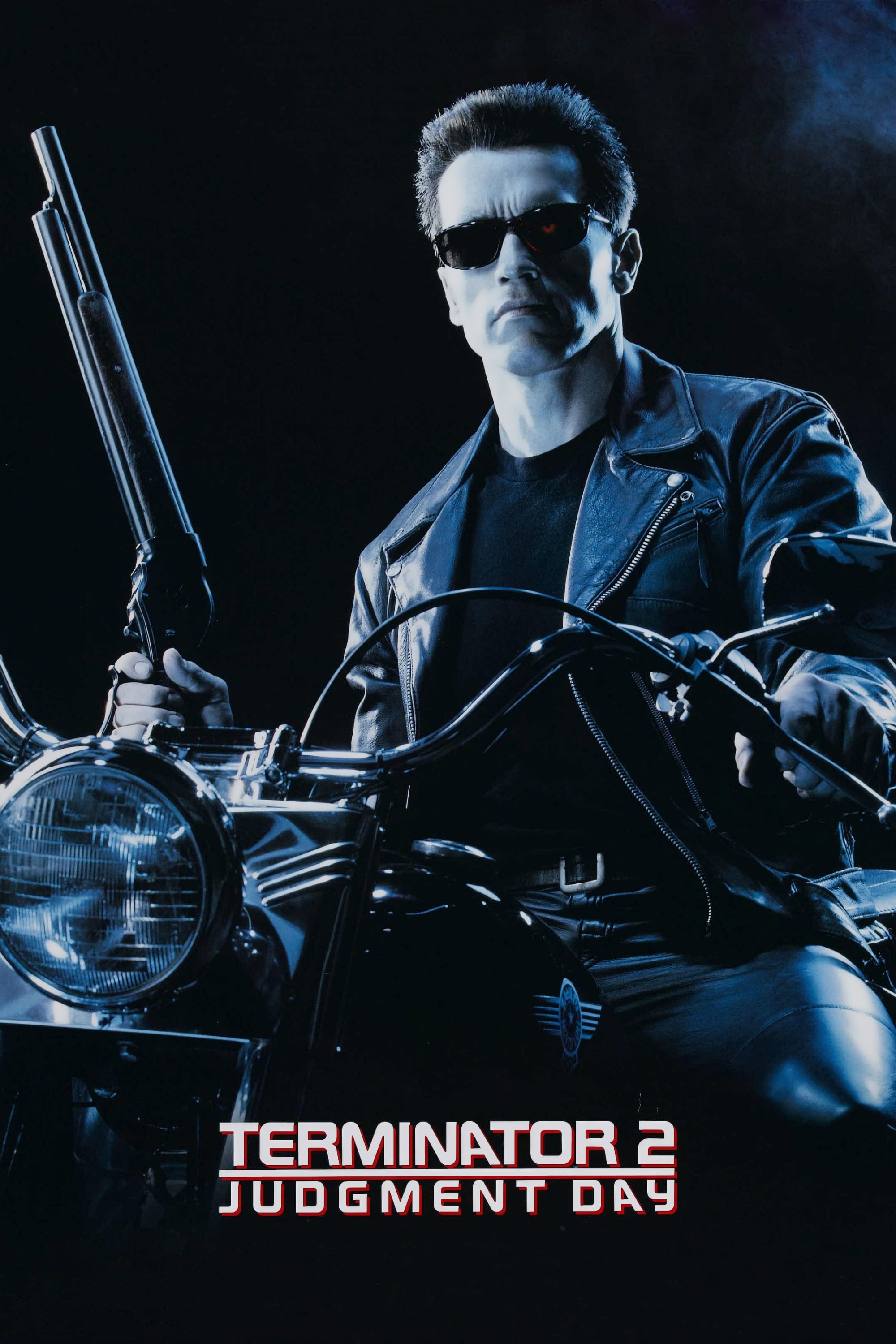
A precise date is central to the plot, with a defense network becoming self aware in 1997 and triggering a nuclear strike. The timeline assumes a rapid build out of autonomous military systems capable of strategic decisions without human oversight.
The year passed without a nuclear exchange triggered by an artificial intelligence. While automation advanced in defense, command authority and safeguards remained under human control, and strategic arsenals followed established treaties and procedures.
‘Strange Days’ (1995)
This thriller sets New Year’s Eve 1999 in a world where compact headsets record and replay complete sensory experiences. The devices circulate as street contraband that anyone can buy, sell, or sample, creating a black market built on raw memory clips.
By 1999 no consumer technology could capture and replay full sensory streams from the brain. Digital cameras and early portable media players existed, but neural recording and direct brain playback for the public did not arrive.
‘Johnny Mnemonic’ (1995)
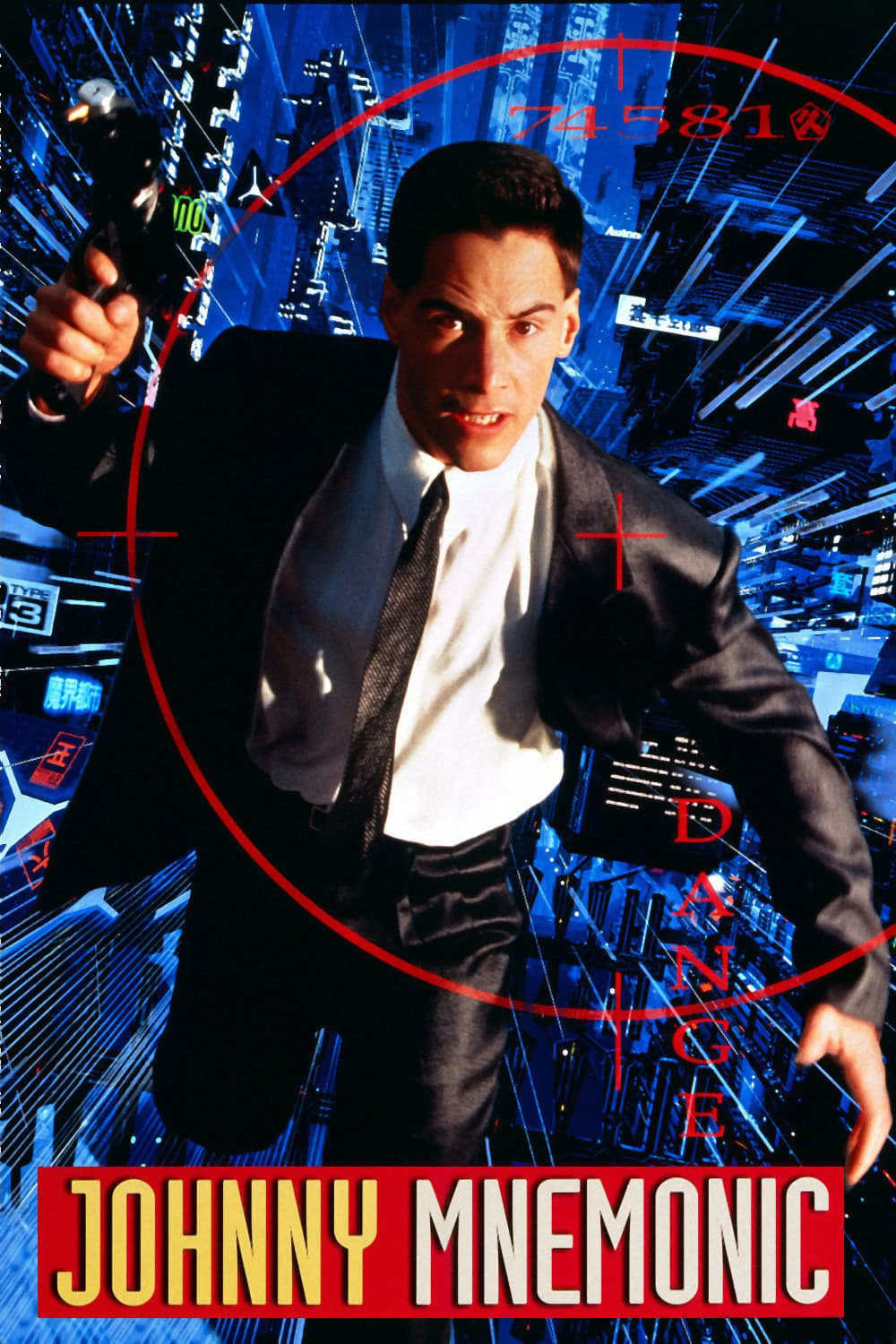
Set in 2021, the plot depends on data couriers who carry hundreds of gigabytes in implanted storage, ferrying sensitive information through physical travel. The network is shown as unstable and lethal, with corporations hiring assassins to intercept human hard drives.
In 2021 data moved through encrypted networks and cloud services rather than people with cranial storage. Medical implants did not provide mass memory for file transfers, and cybersecurity focused on software defenses rather than bodyguarding couriers.
‘Rollerball’ (1975)
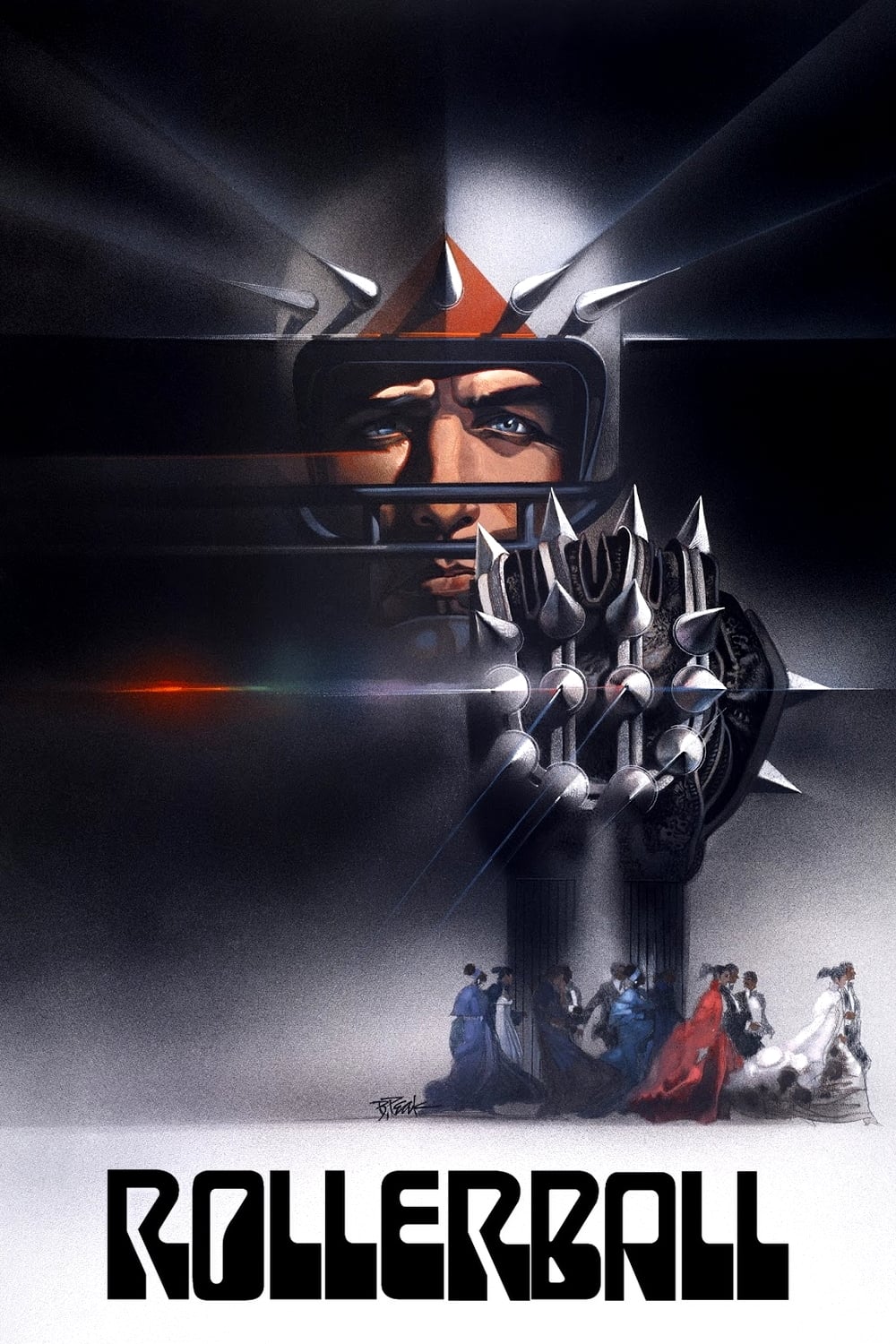
This vision of 2018 replaces nation states with corporate blocs and centers public life on a brutal arena sport. Policy decisions are made in boardrooms, and the game functions as the outlet that keeps populations compliant.
In 2018 governments still operated by constitutional and electoral systems, and professional sports followed regulated leagues with strict safety protocols. Companies held influence, but the merger of state power into single corporations and the rise of a sanctioned lethal sport did not occur.
‘Soylent Green’ (1973)
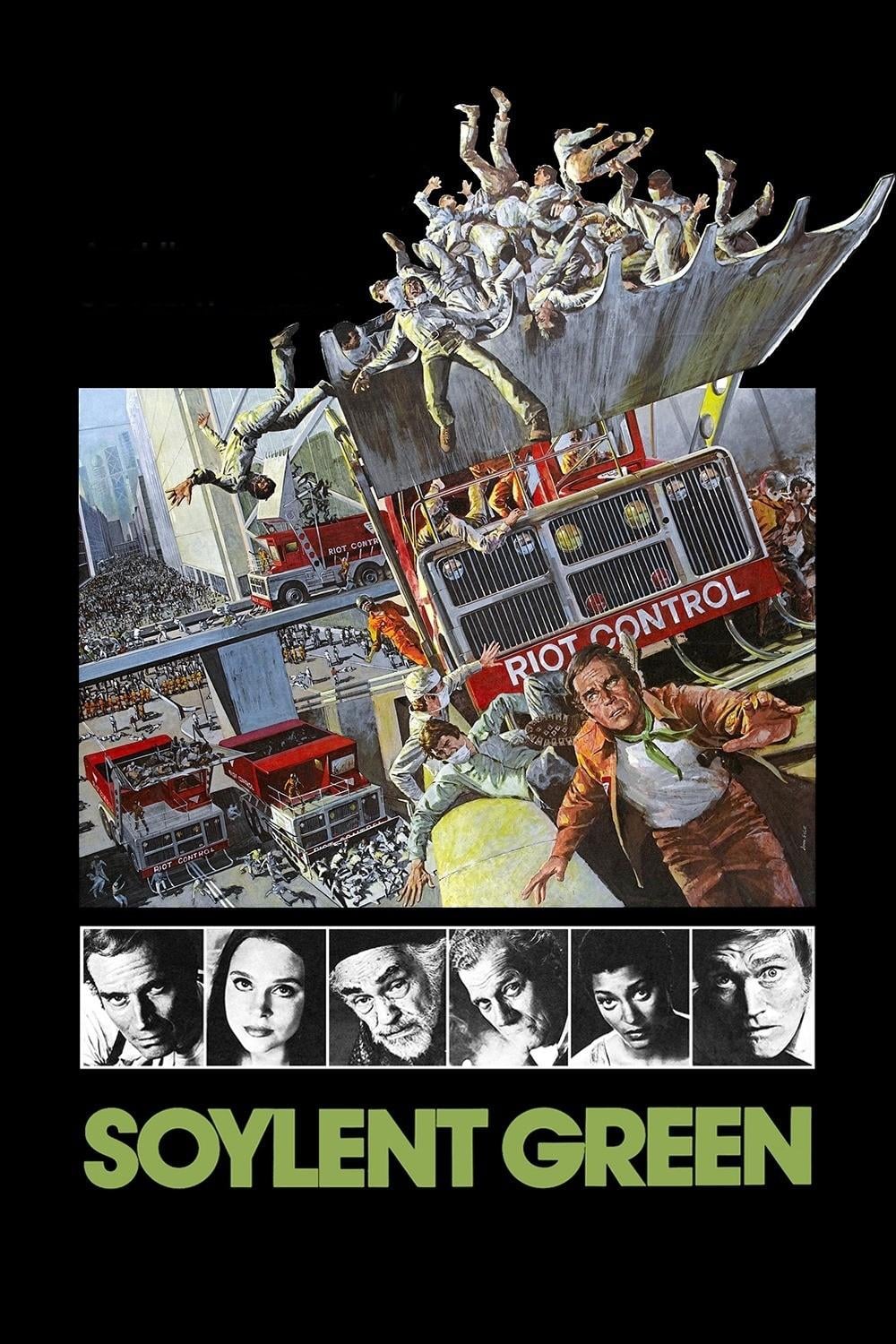
The film locates its crisis in 2022, with runaway population, food scarcity, and oppressive heat driving a rationed diet. The signature product becomes the key to survival and conceals a supply chain based on remains rather than agriculture.
In 2022 food systems relied on farms, fisheries, and industry rather than covert processing of human remains. Cities faced heat waves and resource concerns, but the dietary solution presented on screen remained a work of fiction.
‘Akira’ (1988)

Set in 2019, the story rebuilds Tokyo after a catastrophic event, features government programs cultivating psychic abilities, and advertises a coming international games showcase. The city runs on elevated expressways and overcrowded districts lit by neon and protest fires.
In 2019 Tokyo did not experience a psychic weapons program or a second cataclysm. Preparations for the scheduled games were real, though the event itself shifted to the following year, and the rest of the depicted future, including telekinetic experiments, did not exist.
‘Surrogates’ (2009)
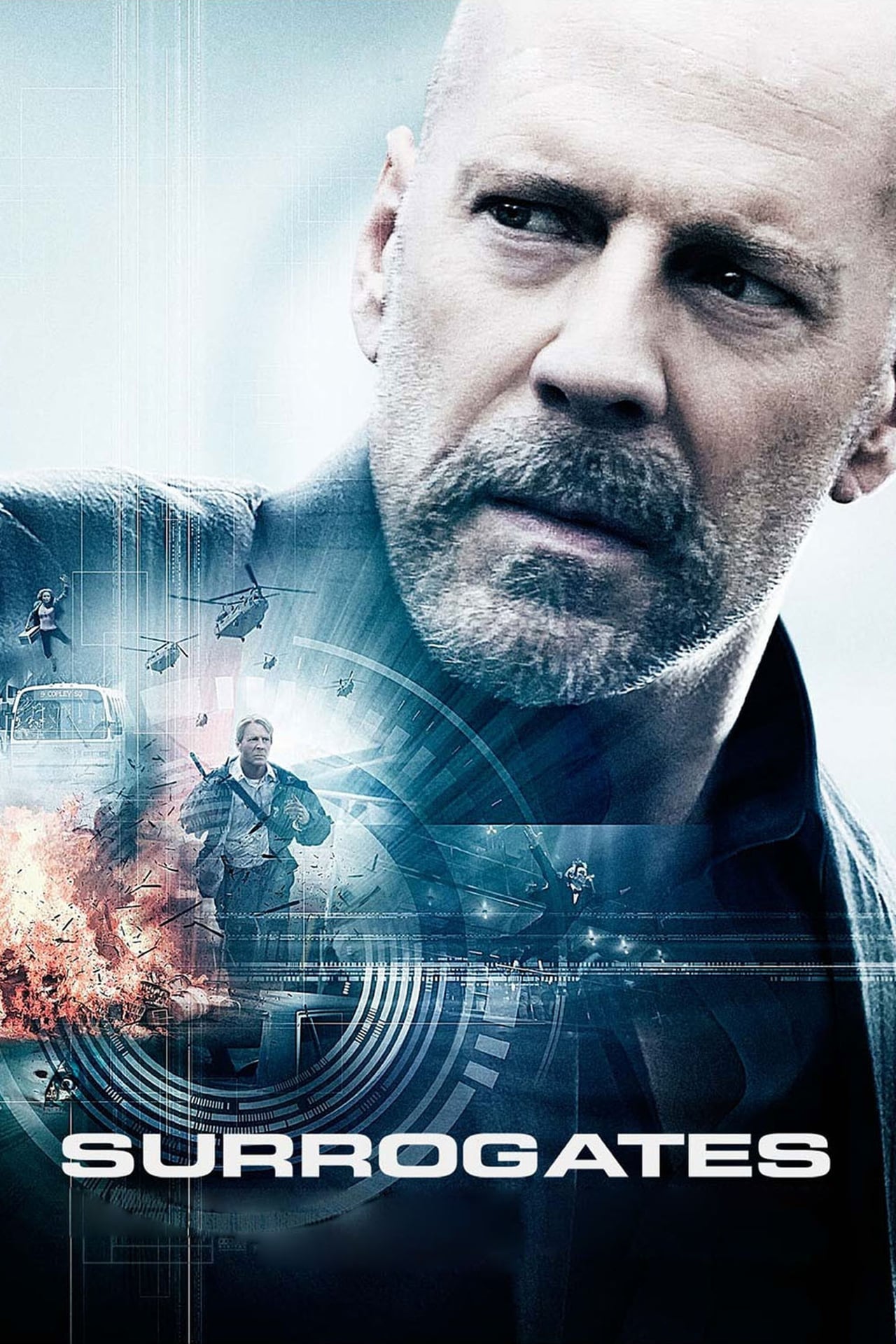
The plot takes place in 2017, when most people stay at home and operate lifelike robotic bodies that move through the world. Public life continues through these remote controlled avatars, which are sold as safer and more convenient than physical presence.
In 2017 consumer robotics could not provide affordable humanlike bodies for everyday use. Remote work tools expanded through software and cameras, but streets were not filled with humanoid proxies, and daily activities still relied on people leaving their homes.
‘Freejack’ (1992)

The action imagines 2009 as an era where wealthy clients project into the past to capture healthy bodies and transplant their minds. The economy has fractured, and urban centers are depicted as polluted zones run by security firms.
In 2009 time travel was not possible, and medicine could not transfer consciousness into new bodies. Urban conditions varied by city, but the combination of temporal kidnapping and routine mind migration did not align with reality.
‘Timecop’ (1994)
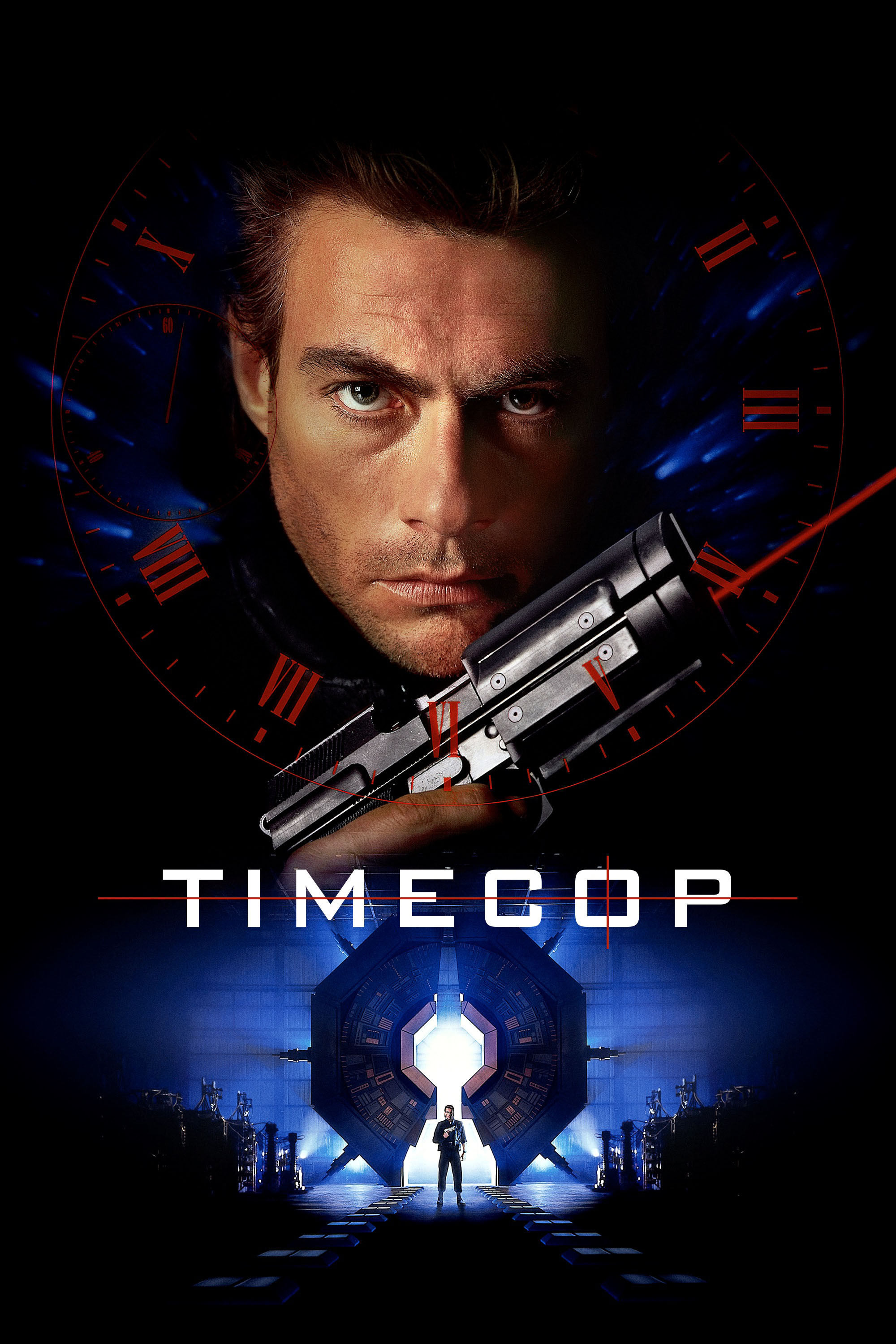
This story sets up a federal agency in 2004 to police crimes committed through newly invented time travel. Agents monitor timelines, interdict illicit investments, and prevent personal alterations of history.
In 2004 no time travel technology existed, and law enforcement had no need to manage branching timelines. Financial crimes and investigations remained grounded in conventional methods rather than temporal oversight.
‘Escape from L.A.’ (1996)
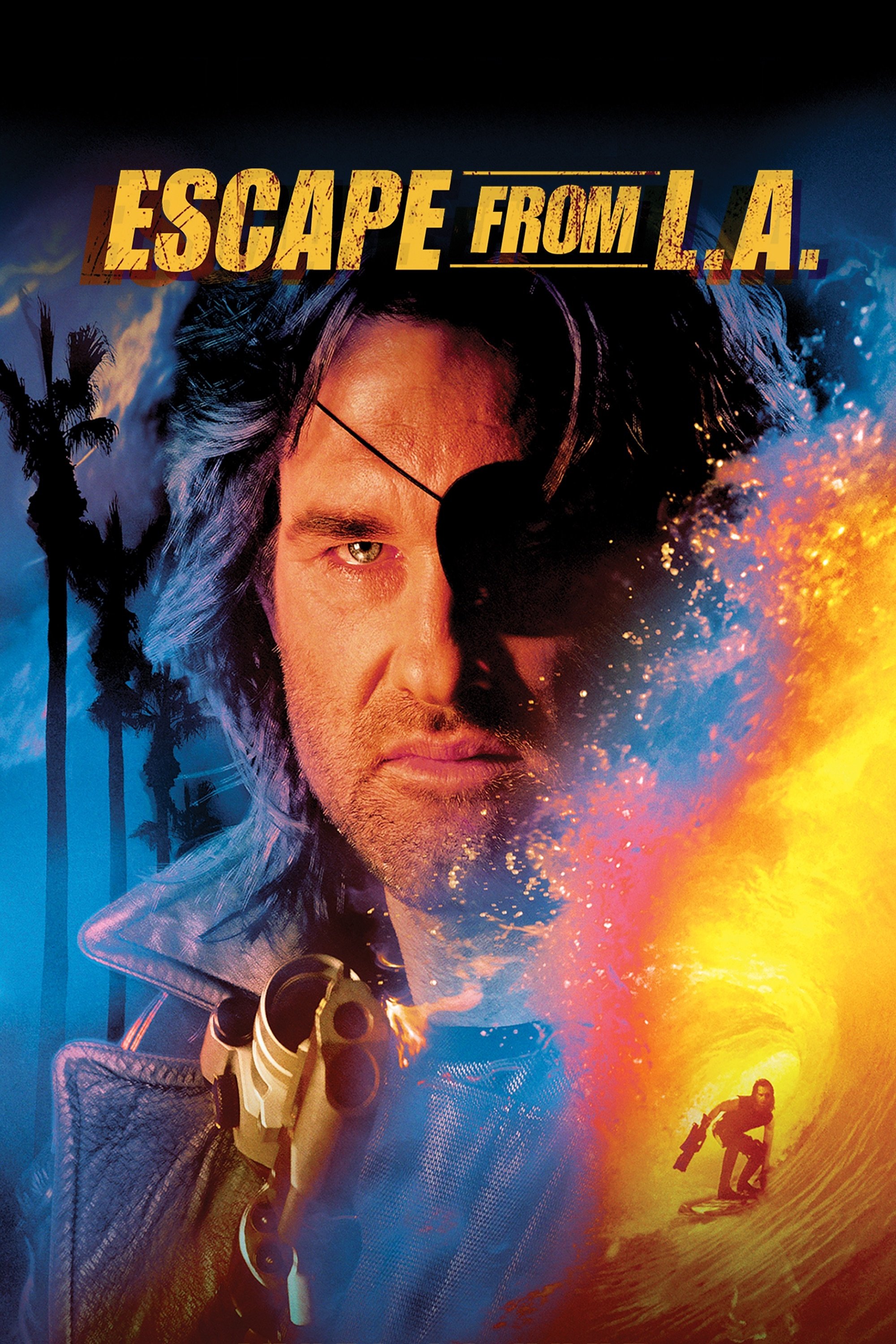
The sequel moves to 2013 and describes a massive earthquake that isolates Los Angeles as an island. A new political order then uses the region as a dumping ground for the banished, with strict morality laws enforced on the mainland.
In 2013 Los Angeles remained connected to the continent, with no seaway cutting it off. Governance followed established systems, and deportation to a coastal island city did not take place.
‘Predator 2’ (1990)
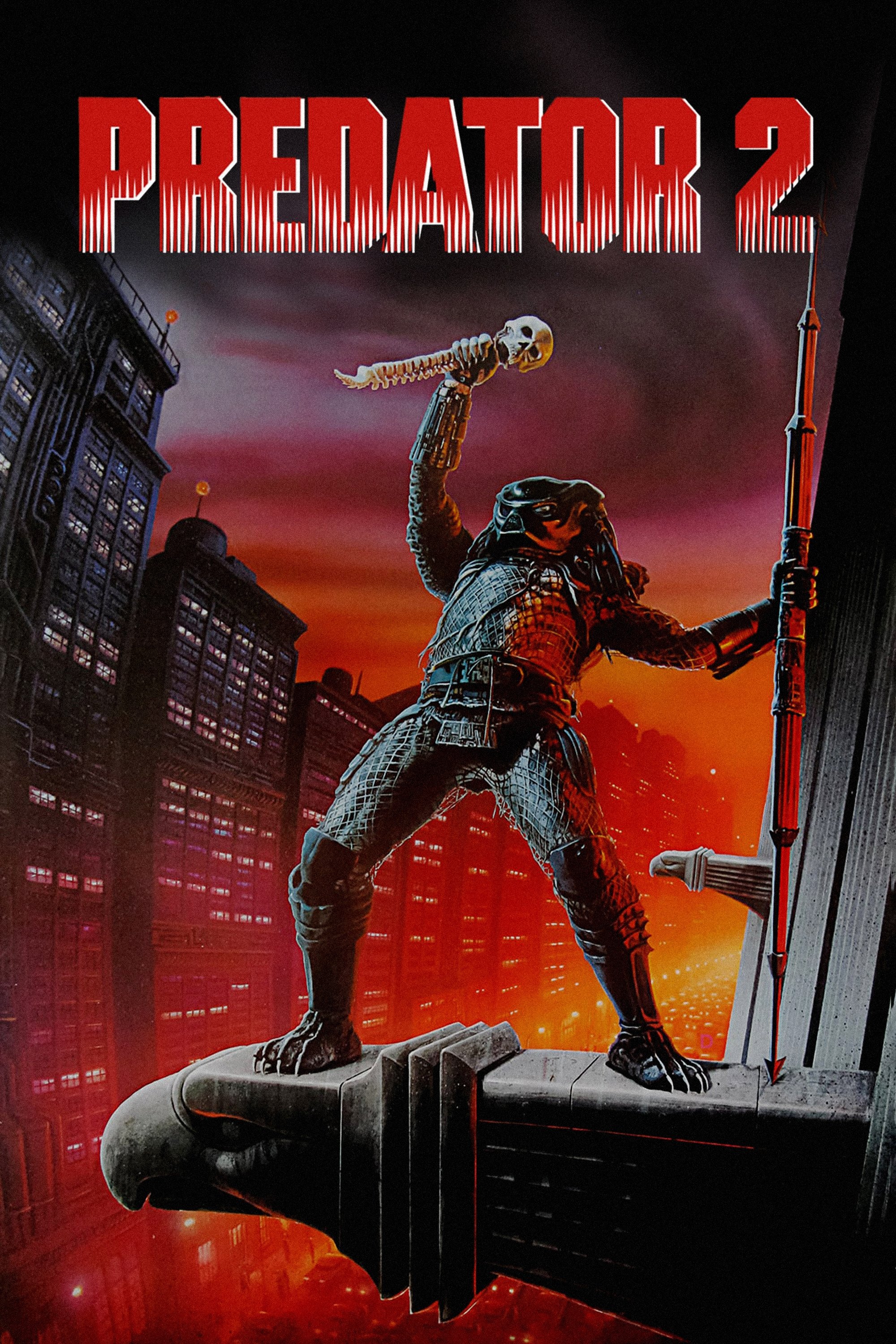
Set in 1997, the film portrays Los Angeles under a crushing heat wave and extreme gang warfare, with city blocks turned into battle zones. Law enforcement is shown as heavily militarized, and the urban core appears on the edge of collapse.
The year arrived without the chronic street warfare shown on screen. While the city managed crime and heat periods, everyday life, infrastructure, and policing did not match the breakdown suggested by the movie.
‘The Purge’ (2013)

This installment takes place in 2022 and presents a national policy that legalizes crime for a single night each year. The idea is sold in the story as a social pressure valve that reduces violence during the rest of the calendar.
In 2022 no such event occurred, and criminal law in the United States continued to prohibit violence throughout the year. Public safety strategies focused on policing, community programs, and data driven approaches rather than a planned suspension of law.
‘2012’ (2009)

Here the calendar drives a global disaster narrative, with a specific year tied to an extinction level chain of events. The story follows leaders and citizens as they try to survive a sudden planetary upheaval that reshapes continents.
The year 2012 passed without a worldwide cataclysm. While natural disasters continued in line with historical patterns, there was no single global event that matched the film’s timeline.
‘Double Dragon’ (1994)
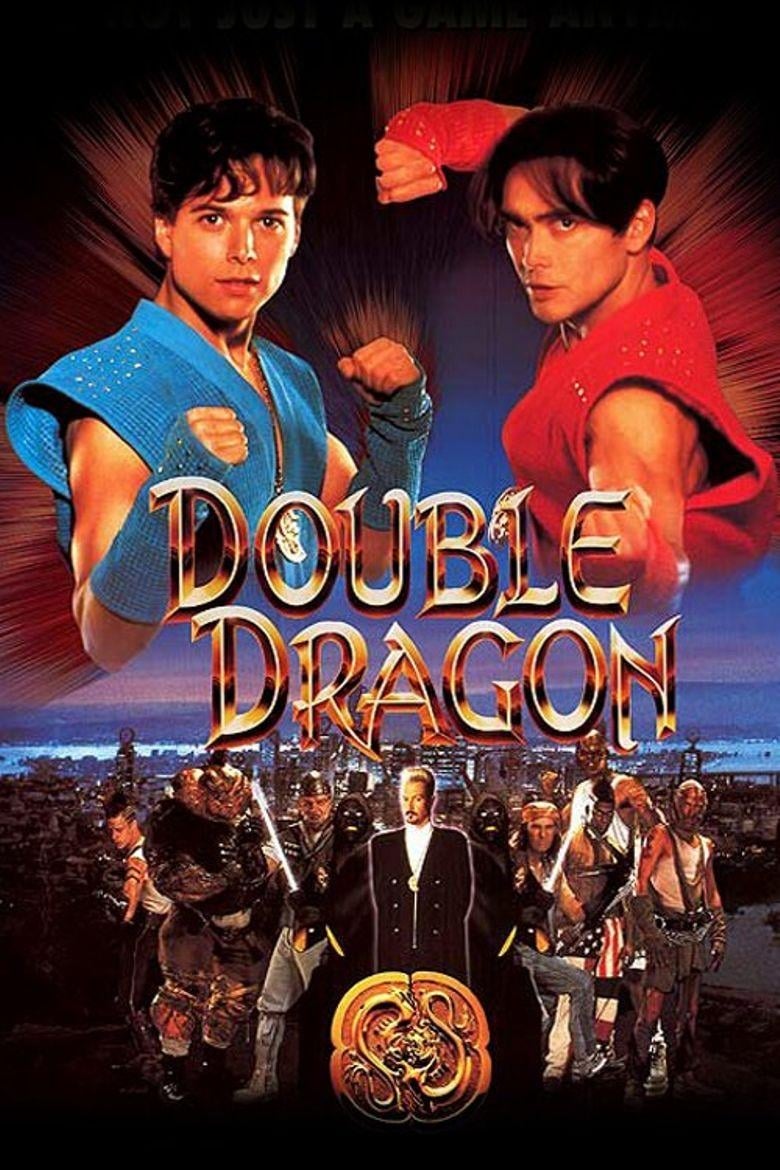
The film is set in 2007 after a devastating earthquake reworks Los Angeles into a partially submerged maze of wreckage, with daylight curfews and gangs controlling neighborhoods. Civic services barely function, and martial arts showdowns decide local power.
In 2007 Los Angeles did not become a half sunken ruin, and municipal life proceeded with normal transport, schools, and commerce. Earthquake preparedness remained a concern in the region, but the scenario shown in the movie did not occur.
Share your favorite example of a movie future that missed the mark in the comments.