

Game Franchises Ruined by Sequels



The history of the gaming industry is filled with legendary franchises that defined entire genres. However some series have suffered from sequels that deviated too far from their successful formulas. These follow up titles often introduced unpopular mechanics or shifted the tone in ways that alienated the original audience. This list explores several video game franchises that faced significant decline or total cancellation after a disappointing entry. Each of these games represents a turning point where a once beloved brand lost its way.
‘Duke Nukem Forever’ (2011)
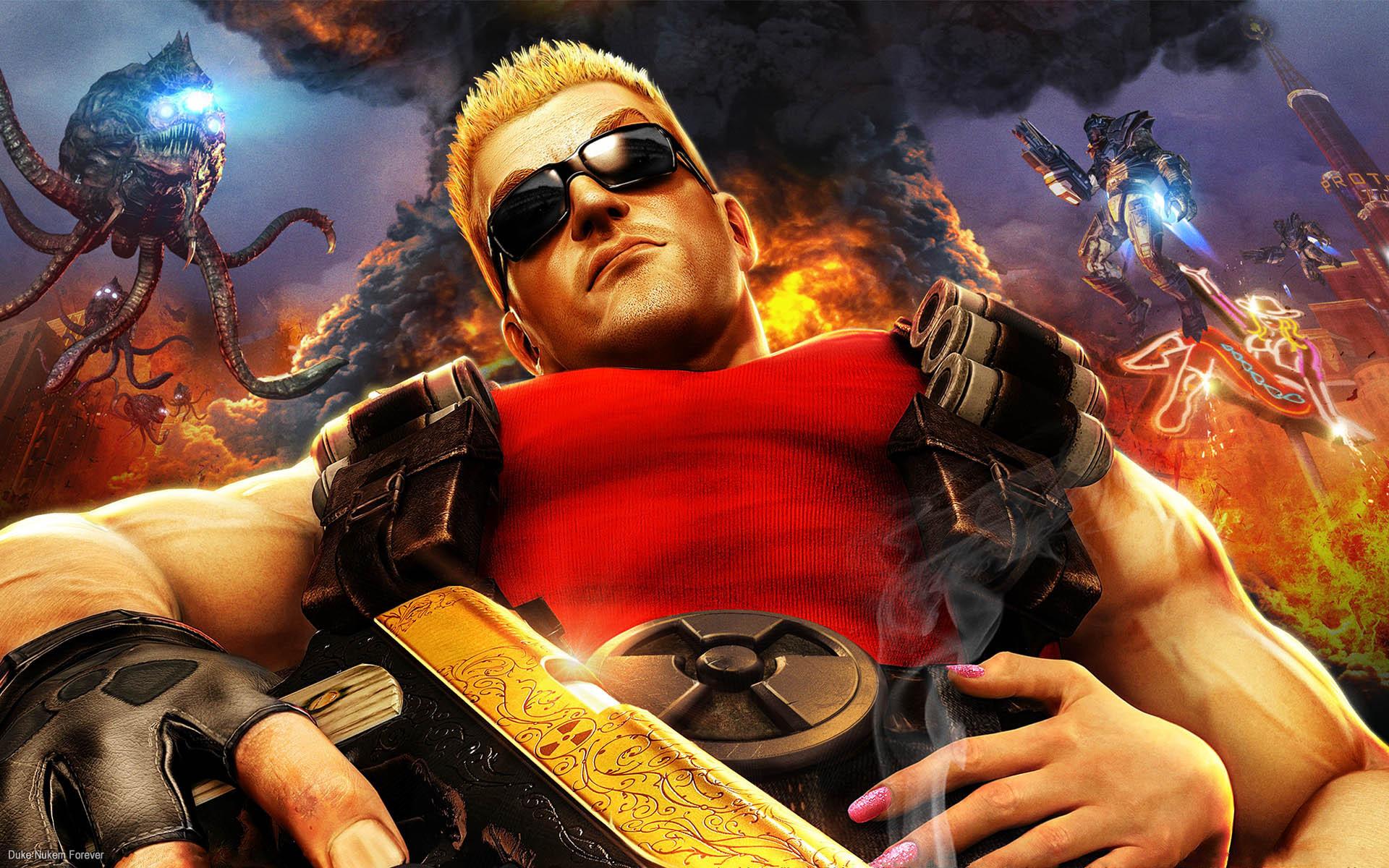
The long awaited sequel to the iconic ‘Duke Nukem 3D’ spent over fifteen years in active development. It finally launched with outdated graphics and gameplay mechanics that failed to impress modern audiences. Fans of the original series felt the humor and design did not translate well to the new era of gaming. The title received widespread criticism for its technical issues and lack of innovation. This release effectively halted the momentum of a once dominant first person shooter brand.
‘Dead Space 3’ (2013)
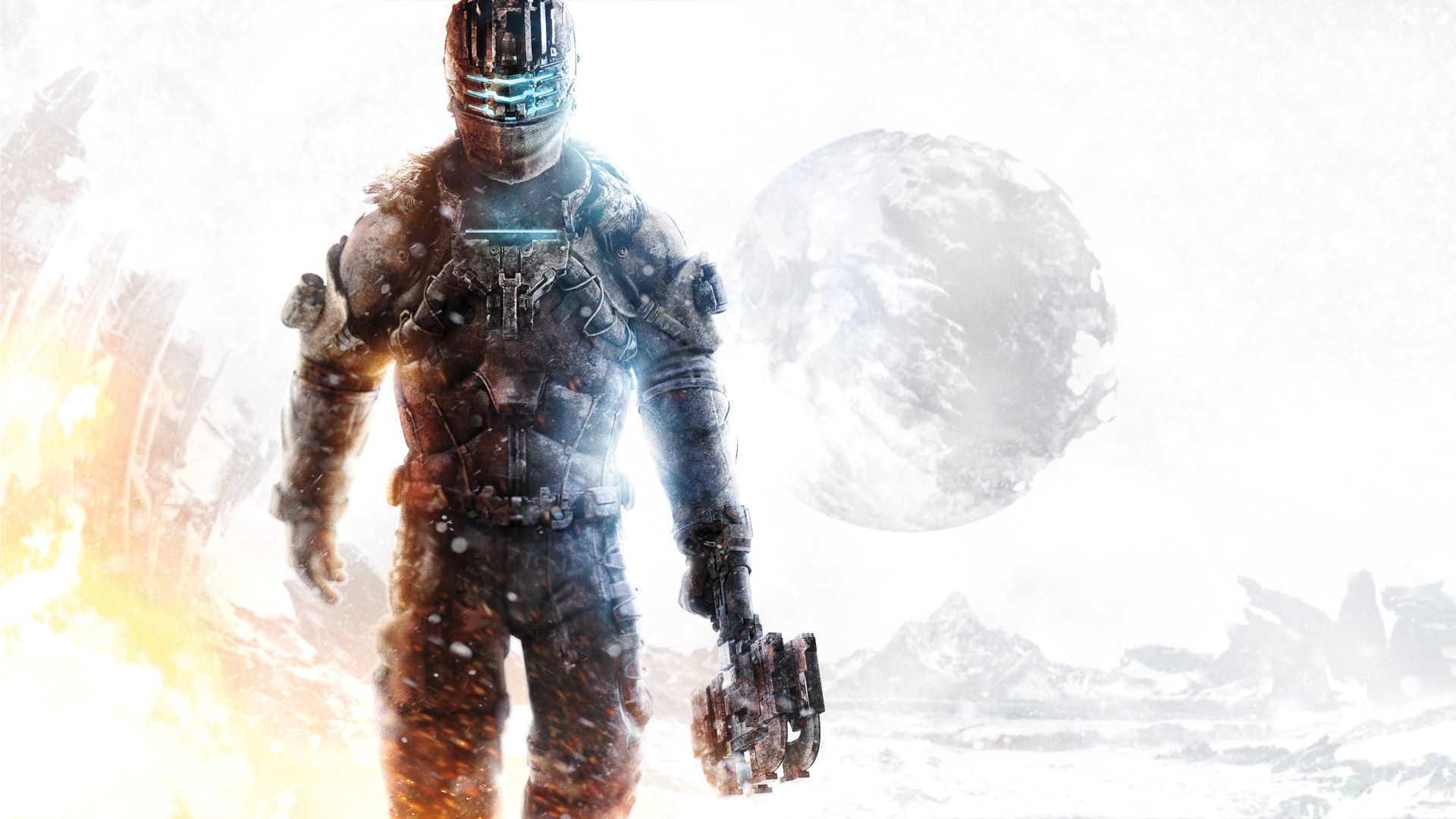
This installment transitioned the survival horror series toward a more action oriented experience. It introduced cooperative play and a microtransaction system for upgrading equipment. Many players felt that the addition of human enemies and more ammunition reduced the tension found in earlier games. The story concluded the trilogy but left the future of the series in doubt for many years. Despite high production values the game failed to meet the sales expectations of its publisher.
‘Banjo Kazooie Nuts & Bolts’ (2008)
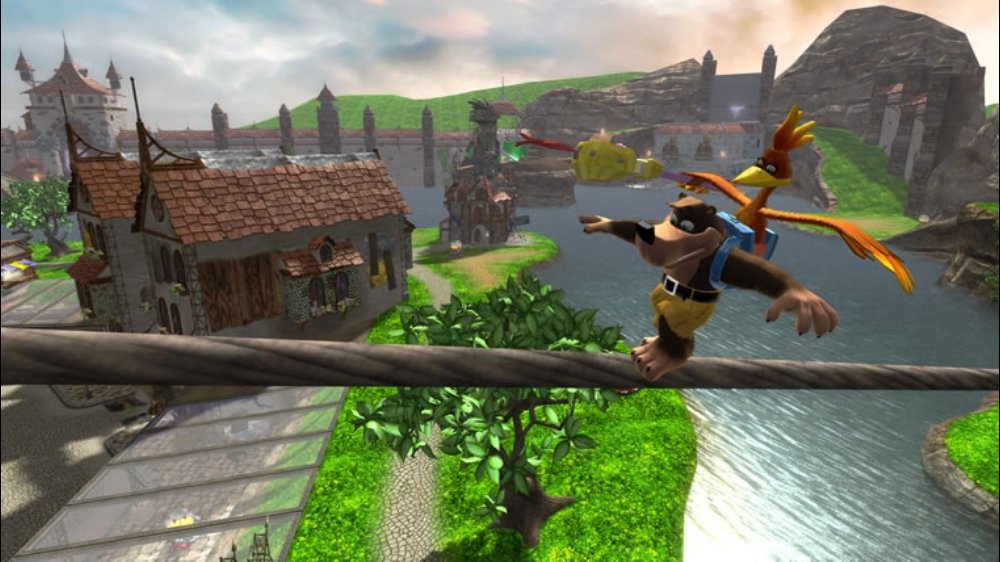
Fans expected a traditional platforming adventure but received a game focused almost entirely on vehicle construction. While the building mechanics were deep they were not what the core audience wanted from a ‘Banjo Kazooie’ sequel. The change in gameplay style was a massive departure from the previous Nintendo 64 hits. The charming exploration and character abilities were replaced by driving challenges across large empty maps. The franchise has remained largely dormant ever since this radical experiment was released.
‘Saints Row’ (2022)
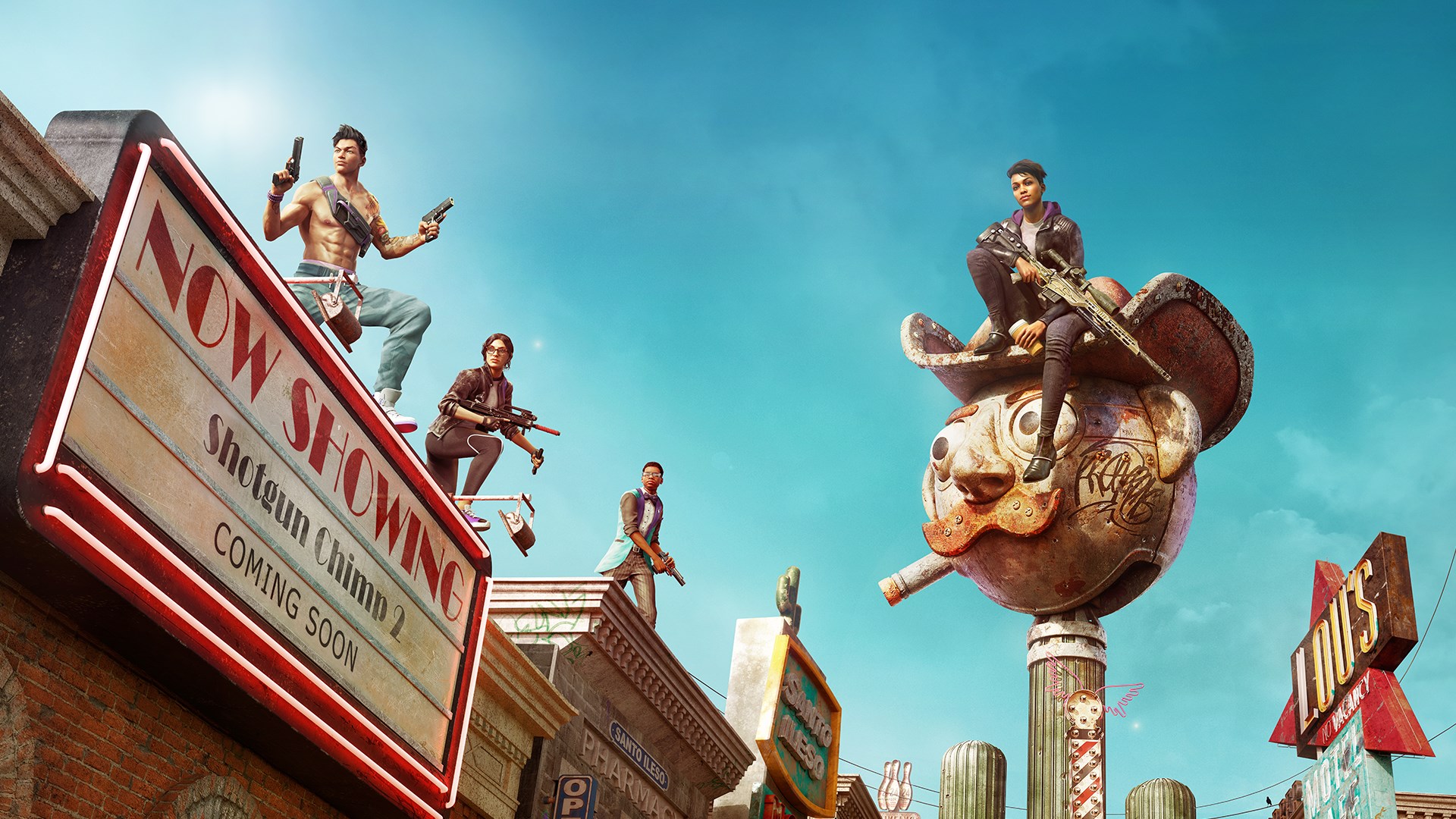
The 2022 reboot attempted to modernize the open world crime series with a fresh cast of characters and a new setting. It suffered from numerous technical bugs and a story that many players found less engaging than the original games. The writing shifted away from the over the top absurdity that defined the later entries of the original series. This tonal change failed to attract new players while simultaneously disappointing veteran fans. The developer was eventually closed following the poor commercial performance of this title.
‘SimCity’ (2013)
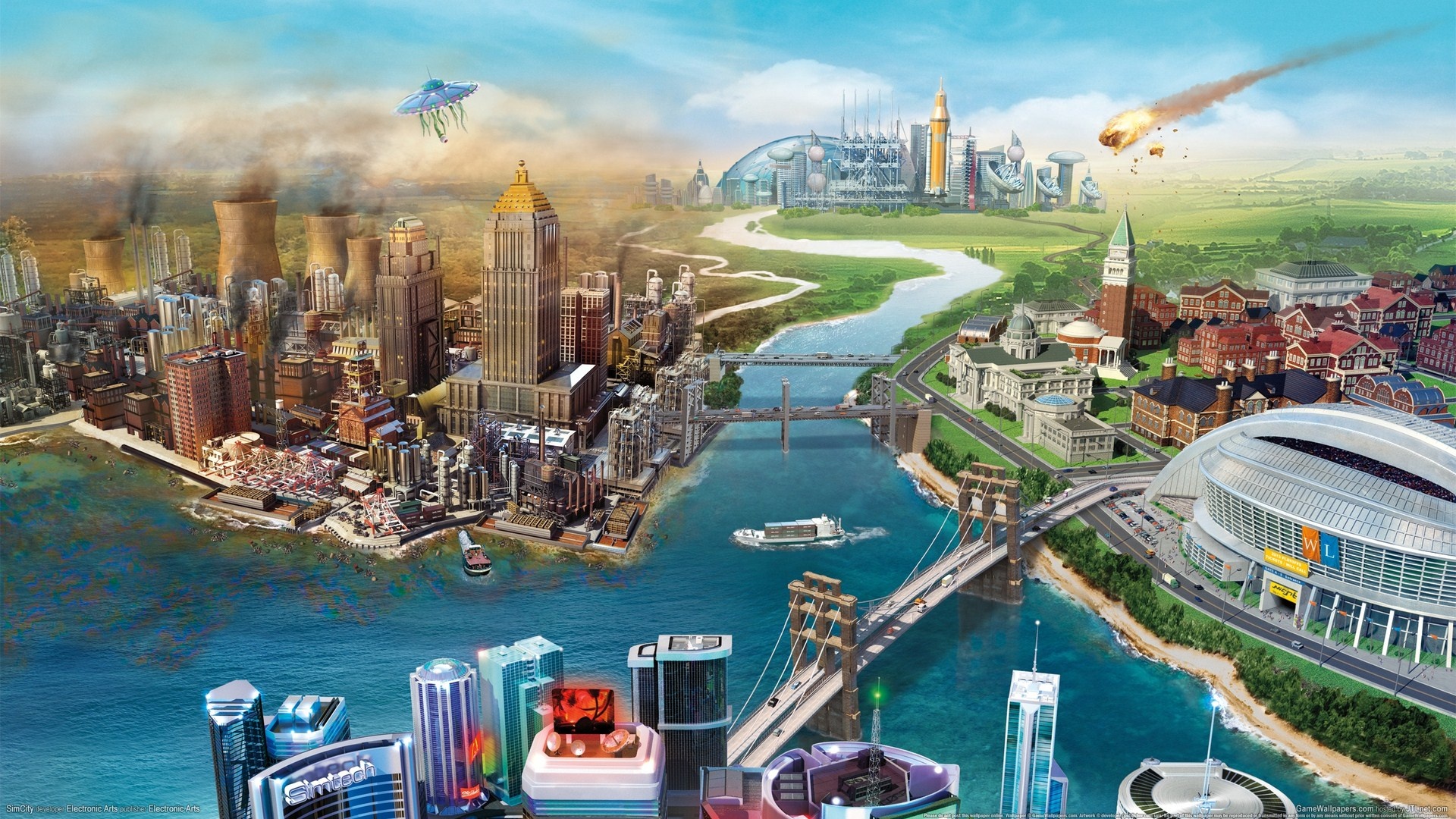
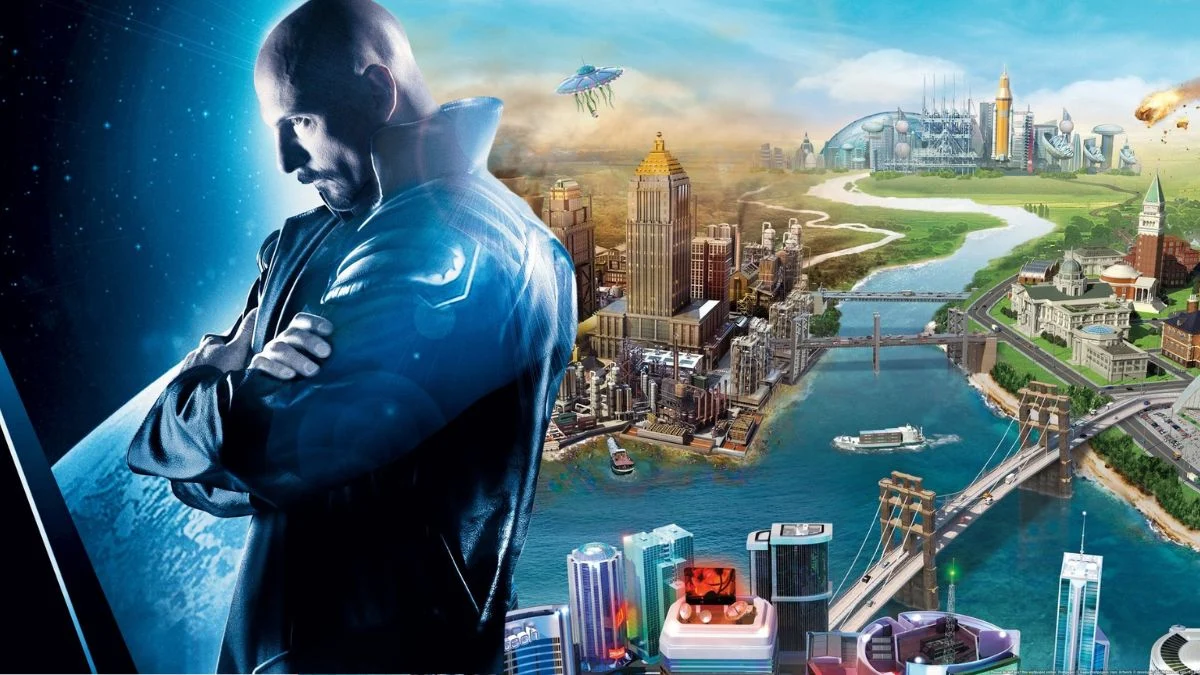
The 2013 reboot of ‘SimCity’ required a constant internet connection to function at launch. This decision resulted in severe server issues that prevented many users from playing the game they purchased. The city plots were significantly smaller than those in previous entries which limited creative freedom for experienced players. While the visual design was impressive the technical limitations and forced online features damaged the reputation of the series. The franchise has not seen a major PC release since this entry launched.
‘Command & Conquer 4 Tiberian Twilight’ (2010)
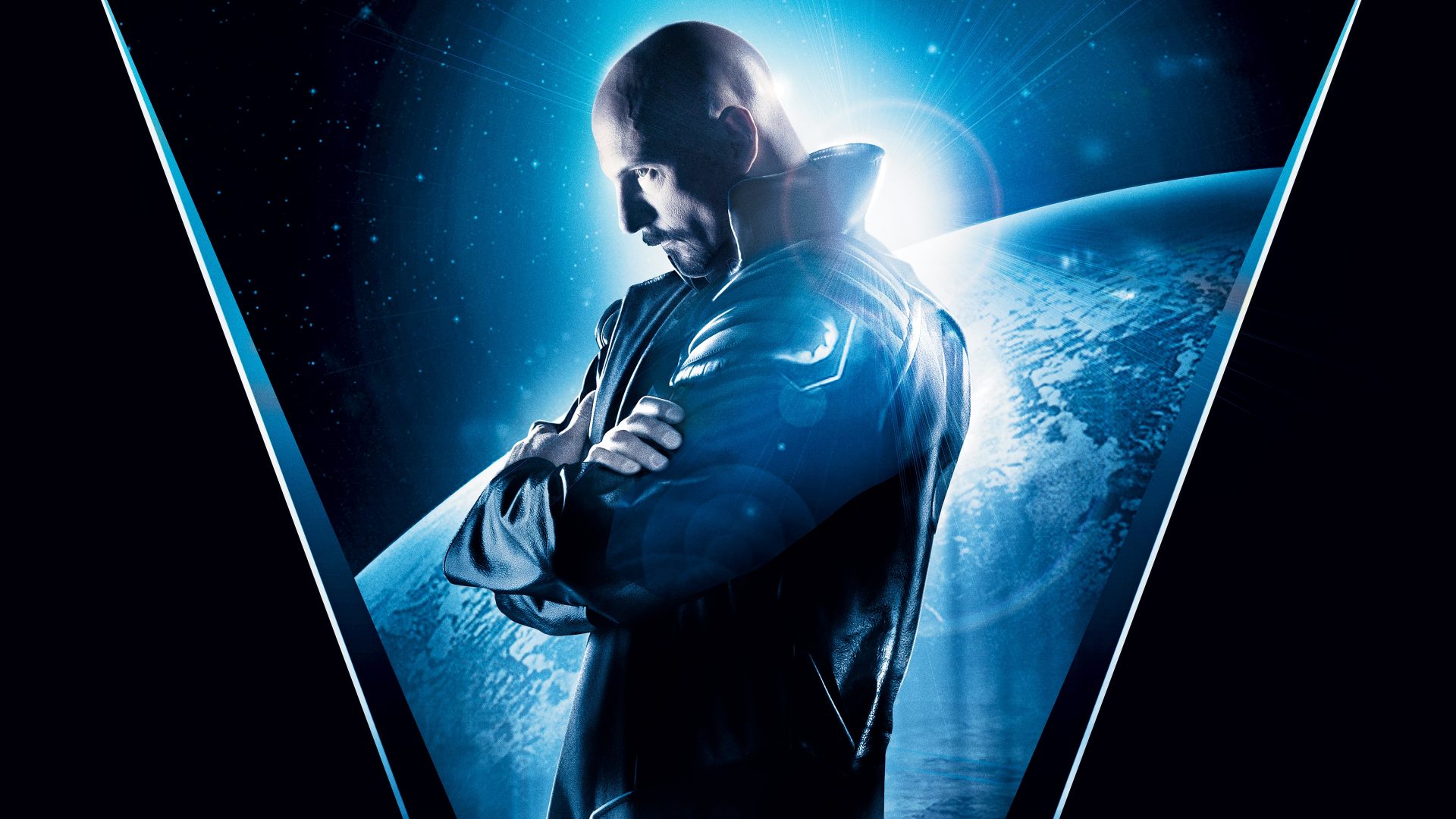
The final chapter of the Tiberian saga completely removed the traditional base building mechanics that defined the series. It implemented a mobile base system and forced players to participate in a class based experience that felt like a different genre. The story concluded the journey of the iconic character Kane but failed to satisfy long term fans due to the drastic gameplay changes. Online requirements and a lack of skirmish maps further hindered the reception of the game. The franchise has not seen a traditional mainline entry since this release occurred.
‘Silent Hill Downpour’ (2012)
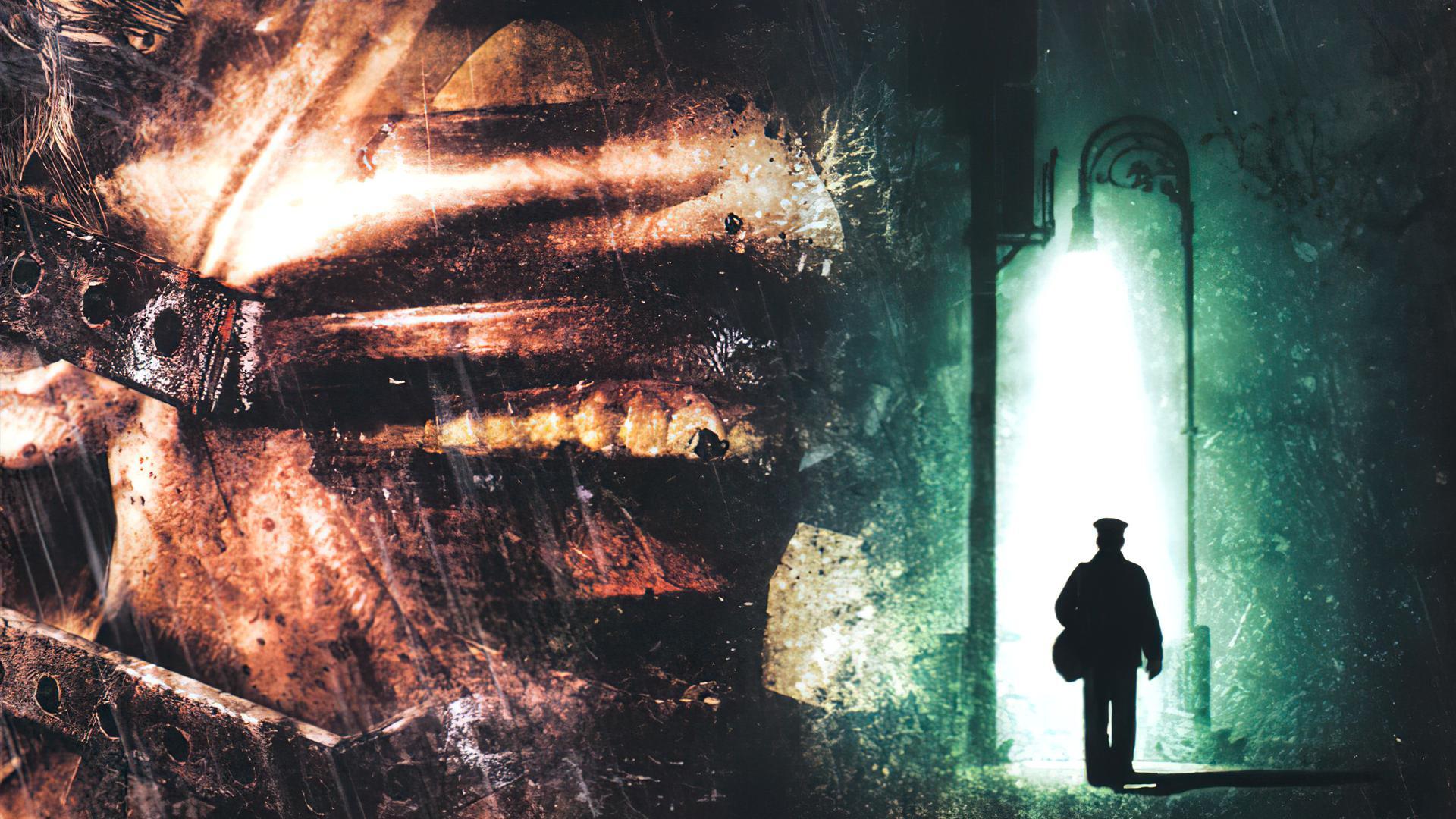
This title attempted to revitalize the horror series with an open world structure and dynamic weather systems. It suffered from technical performance issues and a lack of the psychological depth present in the original games. The combat mechanics were clunky and the monster designs were often criticized for being generic compared to earlier installments. Fans found the story to be less impactful and the atmosphere to be lacking the oppressive dread of the past. The franchise entered a state of dormancy shortly after this and other Western developed sequels were released.
‘Mass Effect Andromeda’ (2017)
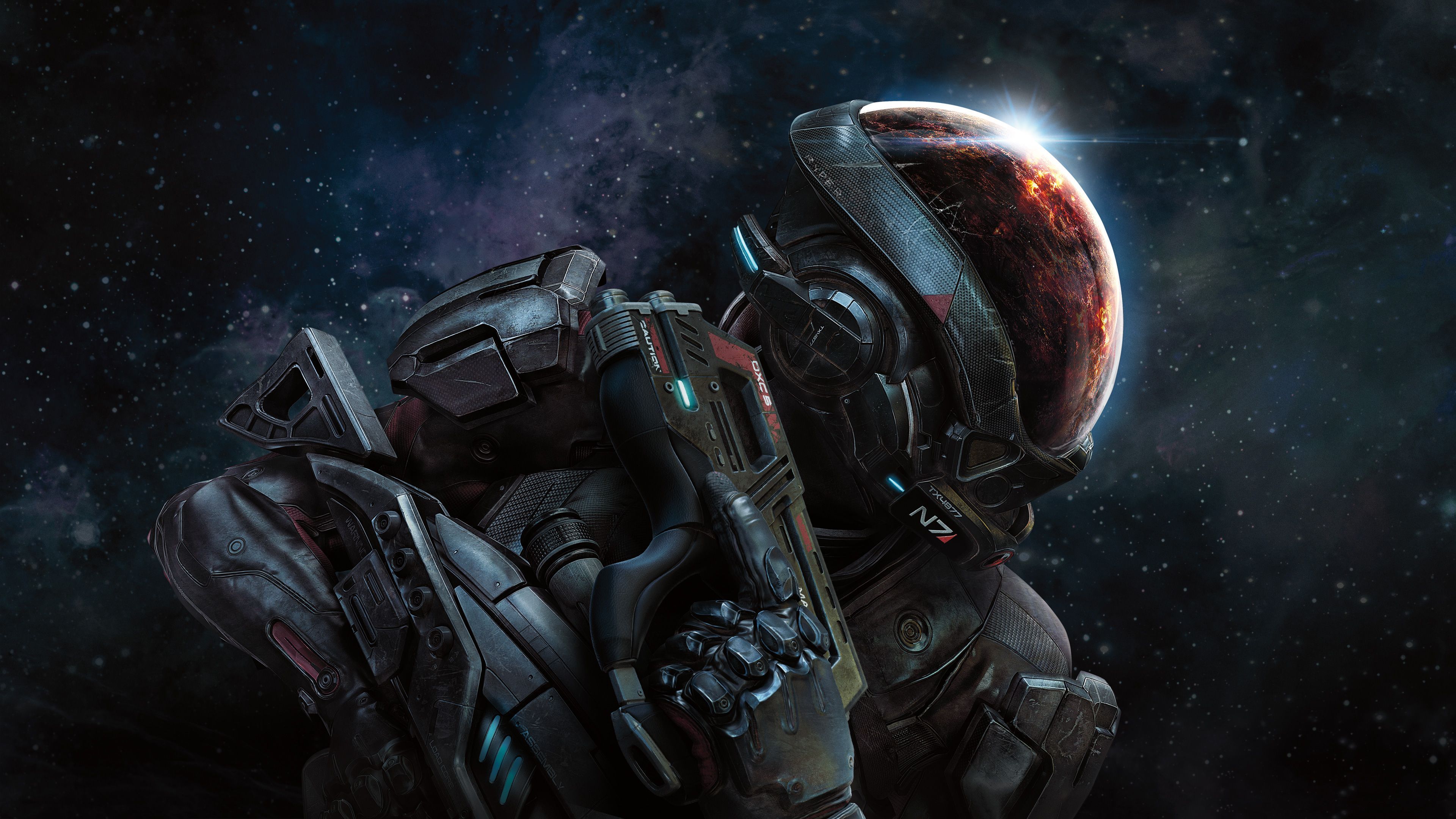
Following a successful trilogy ‘Mass Effect Andromeda’ aimed to start a new story in a different galaxy. The game launched with significant animation problems and technical glitches that became the subject of widespread internet criticism. Many players felt the writing and characters lacked the depth of the original cast from the first three games. While the combat was improved the exploration and narrative elements failed to meet the high standards of the brand. The franchise was put on hiatus for several years as a result of the reception.
‘Star Fox Zero’ (2016)
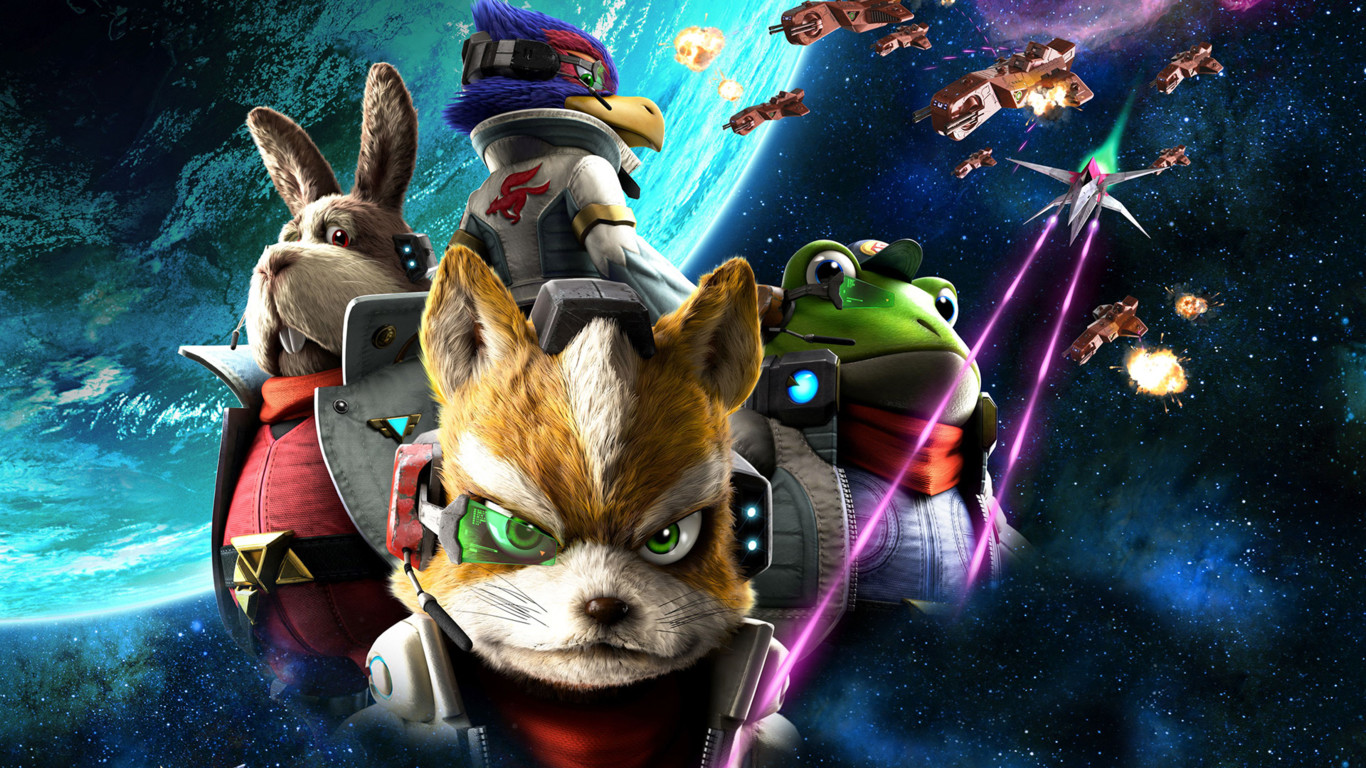
This game attempted to utilize the unique dual screen setup of the Wii U console for its controls. Players were forced to look between the television and the gamepad screen to aim and fly simultaneously. This control scheme proved to be frustrating and unintuitive for many long time fans of the series. The game was also a retelling of the same story seen in previous entries rather than a new adventure. The lack of a traditional control option and repetitive content prevented it from revitalizing the series.
‘Dungeon Keeper’ (2014)
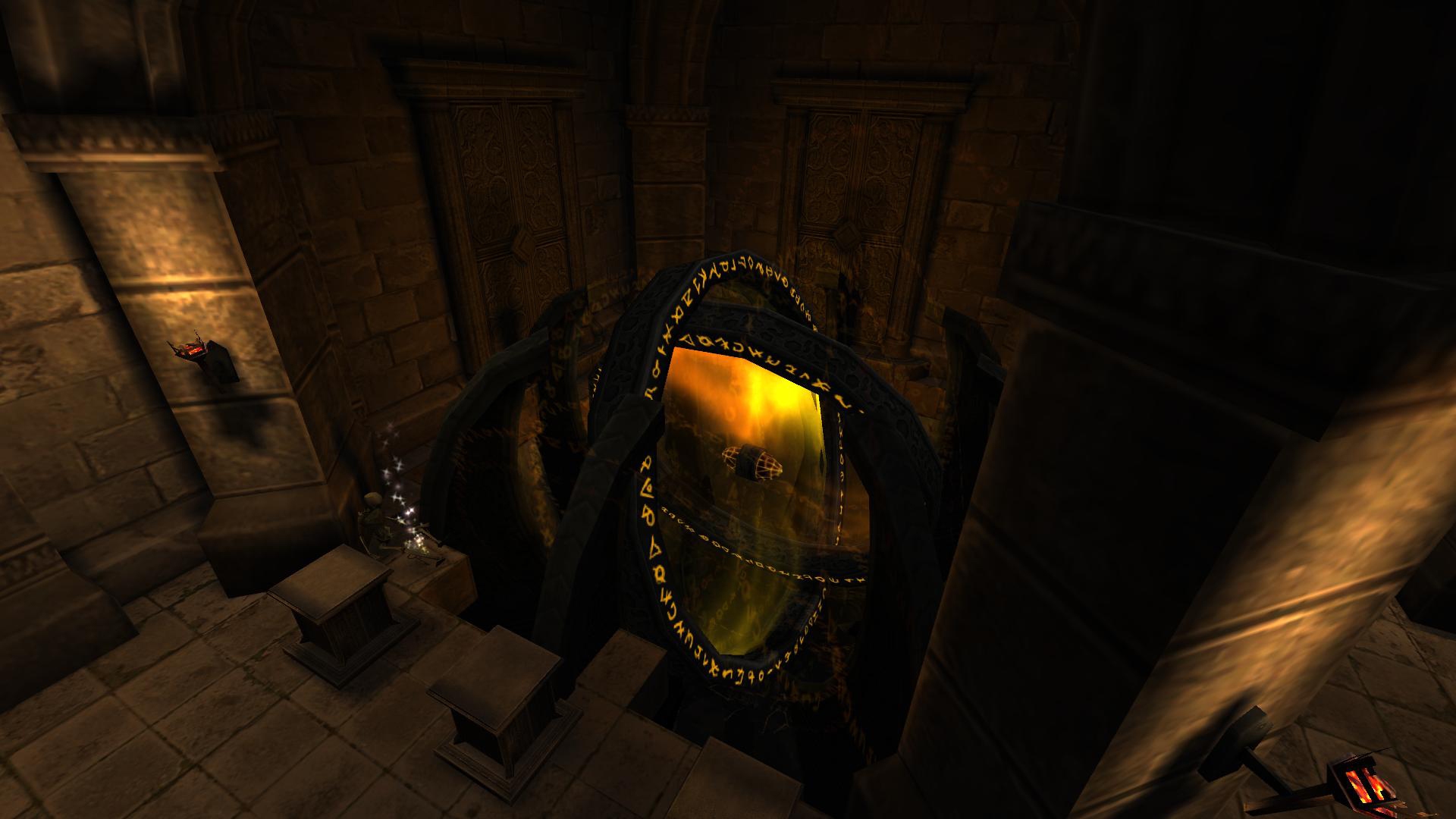
The beloved strategy series returned as a mobile game that relied heavily on aggressive microtransactions. Long timers for basic tasks and expensive currency requirements fundamentally changed the pace of the gameplay. This version of ‘Dungeon Keeper’ was widely panned by critics and fans for prioritizing monetization over fun mechanics. The backlash was so significant that it became a primary example of poor mobile adaptation practices. The brand reputation was severely tarnished by this attempt to modernize the franchise.
‘Tony Hawks Pro Skater 5’ (2015)

This title was released in a clearly unfinished state with numerous game breaking bugs and poor physics. The art style was changed late in development and the levels lacked the creative design of the earlier Neversoft games. Online requirements made even single player sessions difficult to enjoy during the launch period. Fans who had waited years for a return to the classic formula were left with a product that felt like a low budget imitation. The series only found redemption years later with a remake of the first two games.
‘Sonic the Hedgehog’ (2006)
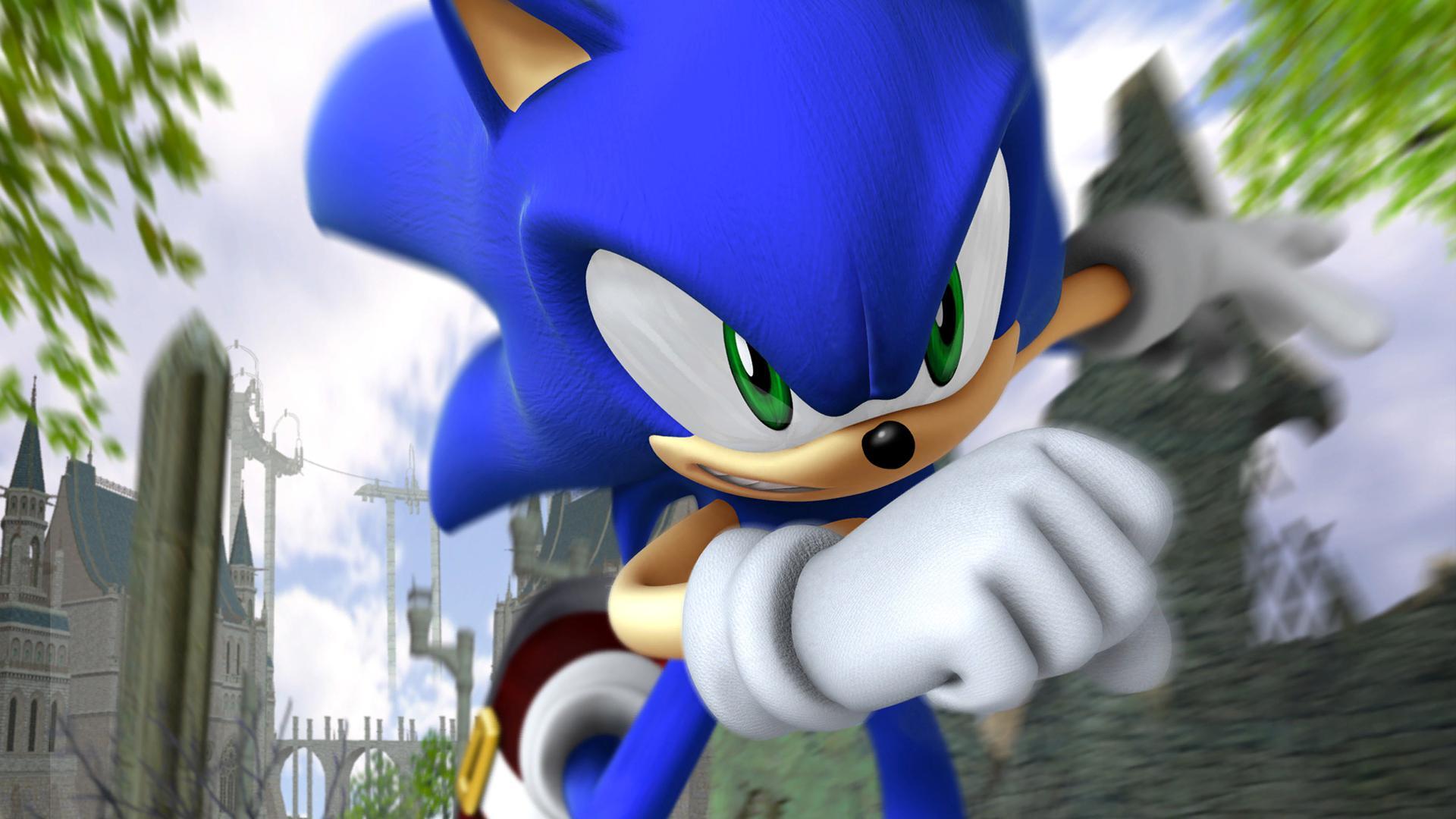
This title was intended to be a grand relaunch for the franchise on high definition consoles. It suffered from a rushed development cycle that resulted in numerous technical glitches and a convoluted story. Players struggled with a difficult camera system and inconsistent physics throughout the campaign. The introduction of realistic human characters and a strange romance plot further alienated the fan base. This game remains a symbol of the quality struggles that the series has faced in the modern era.
‘Metal Gear Survive’ (2018)
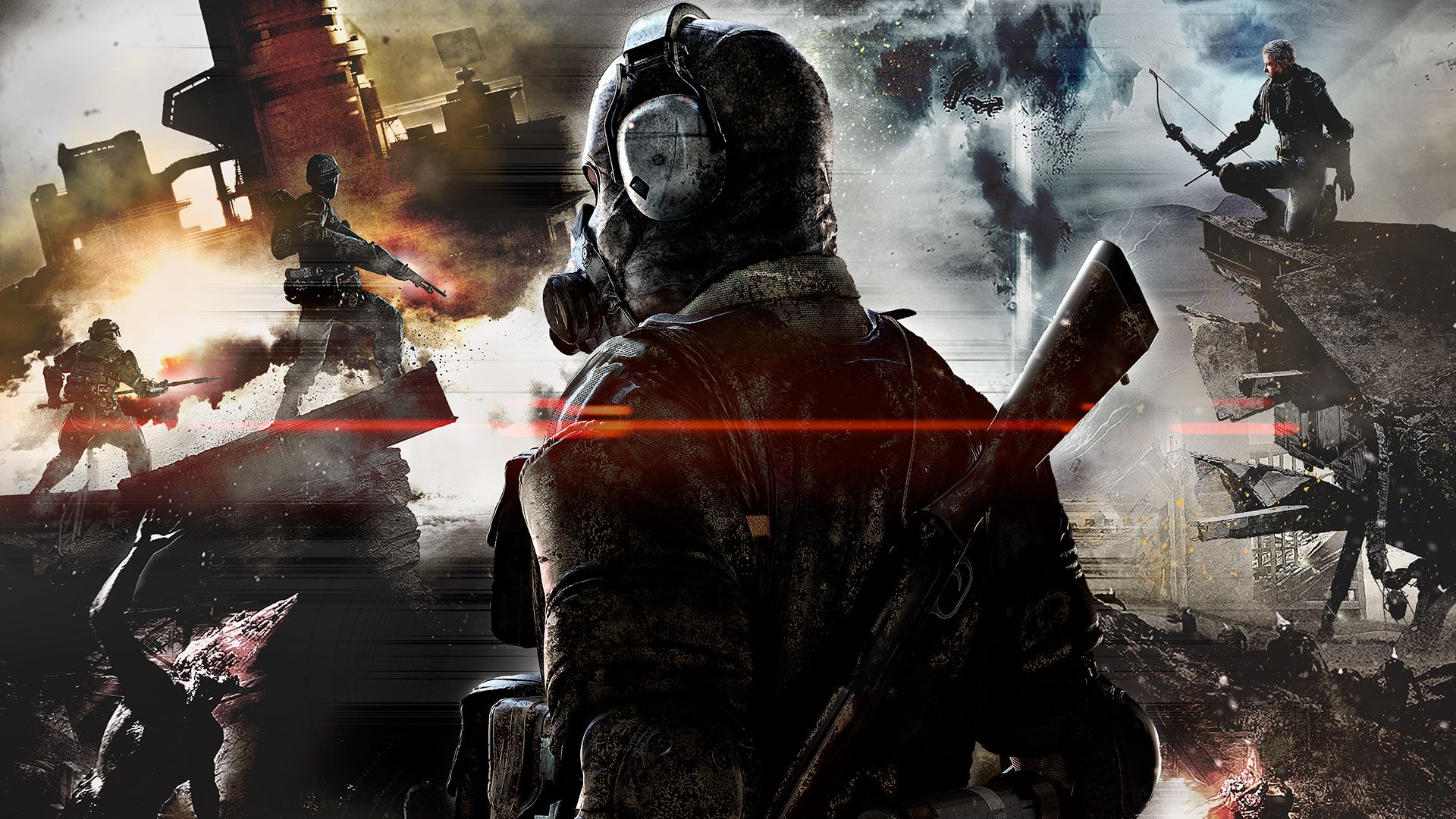
As the first entry after the departure of the series creator ‘Metal Gear Survive’ shifted toward survival and tower defense mechanics. It required a constant internet connection and featured a heavy reliance on microtransactions for basic features. The story involved zombies in an alternate dimension which many fans felt did not belong in the franchise. The gameplay loop was repetitive and lacked the tactical depth of the main stealth entries. The title failed to find a significant audience and is often excluded from discussions about the best of the series.
‘Overwatch 2’ (2022)
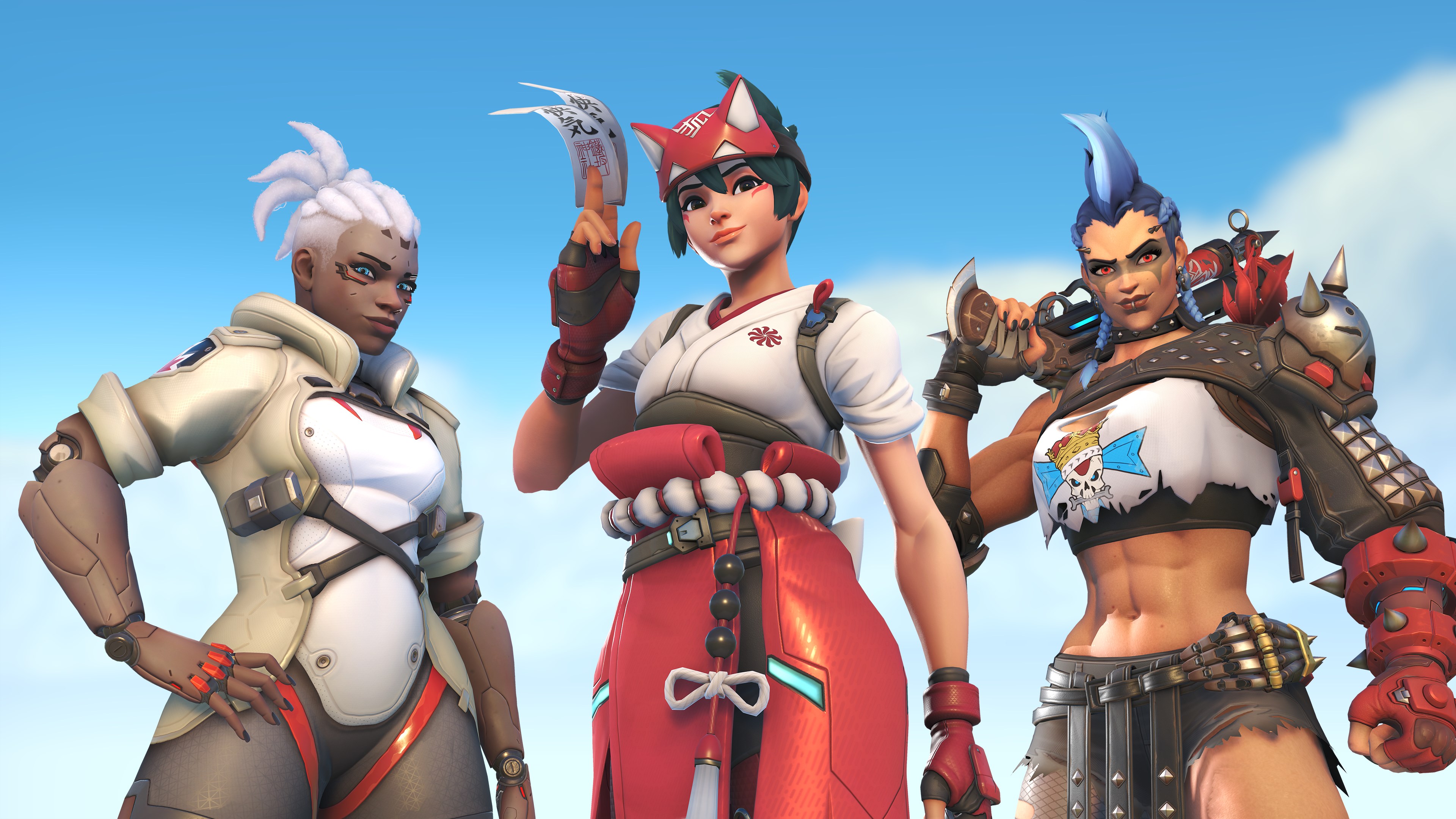
The sequel replaced the original game entirely while introducing a new five against five combat format. It shifted to a free to play model that many players found to be overly expensive for cosmetic items. The promised cooperative story mode that was used to justify the sequel was eventually canceled or significantly scaled back. Fans of the first game felt that the balance and spirit of the original team based shooter had been compromised. The move to a seasonal battle pass system also created friction within the community.
‘Battlefield 2042’ (2021)
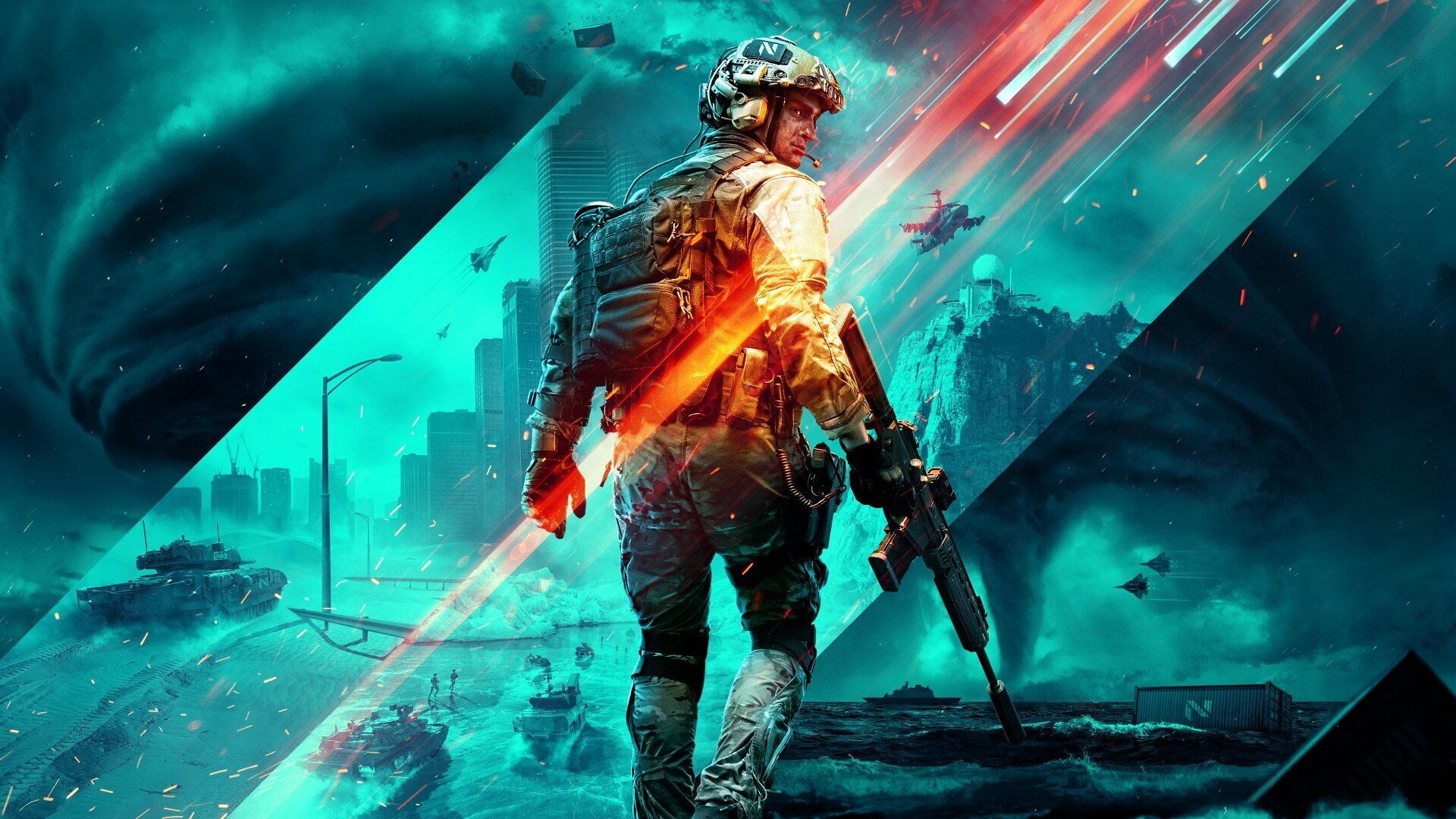
This entry removed the traditional class system in favor of specialized characters which many fans disliked. The game launched with massive maps that felt empty and lacked the focused destruction of previous titles. Technical issues and a lack of basic features like a scoreboard further frustrated the player base at launch. The removal of a single player campaign was also a point of contention for many users. While updates have improved the experience the initial launch severely damaged the credibility of the franchise.
‘Fable The Journey’ (2012)
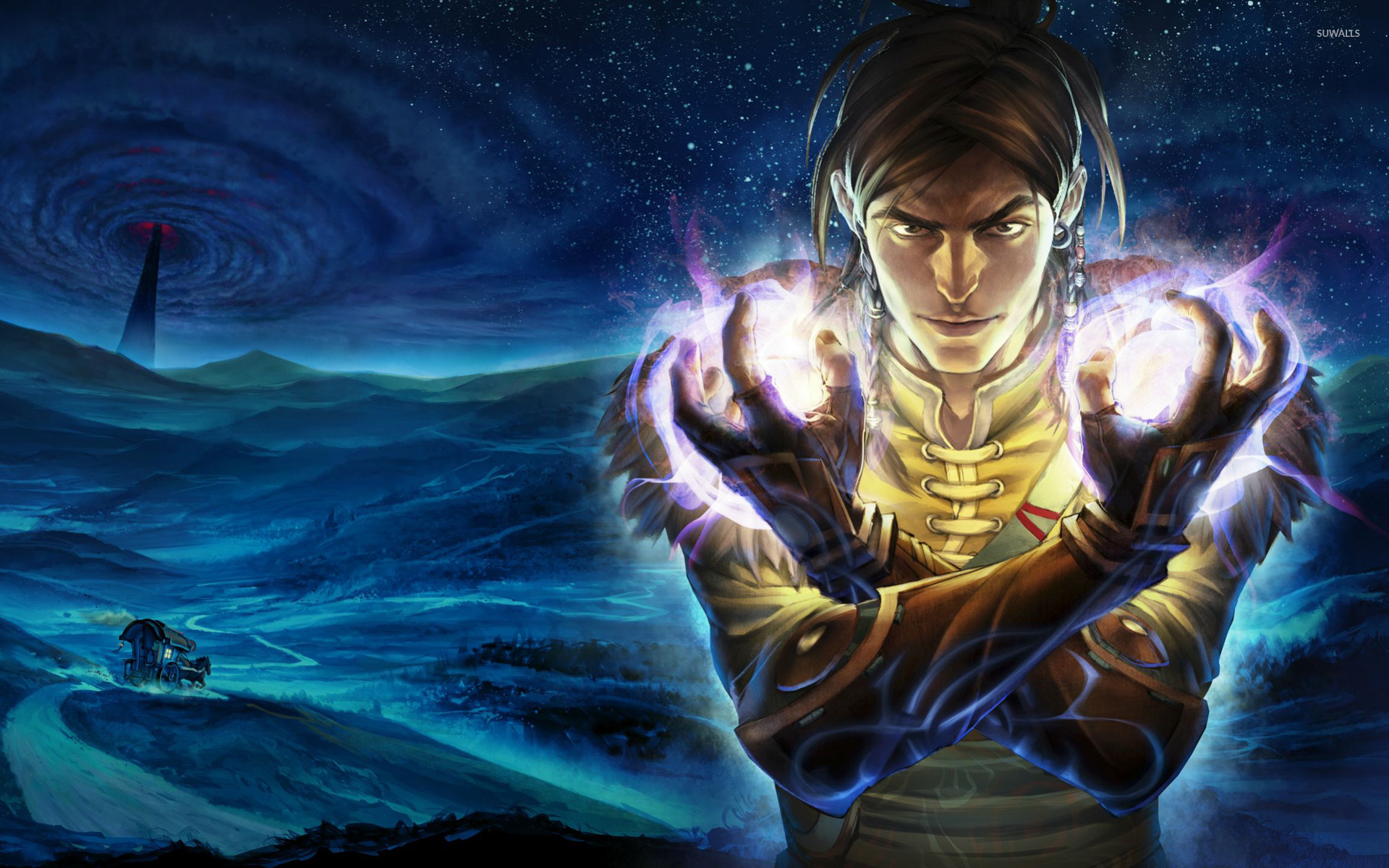
The series moved away from its role playing roots to become a rail shooter designed specifically for the Kinect motion sensor. Players were forced to use arm gestures to cast spells and drive a horse carriage through linear levels. This departure from the open world exploration and moral choices of the previous games was not well received. The limitations of the motion controls made the gameplay feel imprecise and tiring for long sessions. This entry marked the end of the original studio’s development of the mainline franchise.
‘Guitar Hero Live’ (2015)

The revival of the rhythm game genre introduced a new six button controller that made old plastic instruments obsolete. It featured a live action presentation and a streaming service that required players to use currency to play specific songs. When the servers were eventually shut down the majority of the game’s library became inaccessible to players. This reliance on live services and the abandonment of the classic controller style led to the failure of the reboot. The franchise has not seen another release since the service ended.
‘Mirrors Edge Catalyst’ (2016)
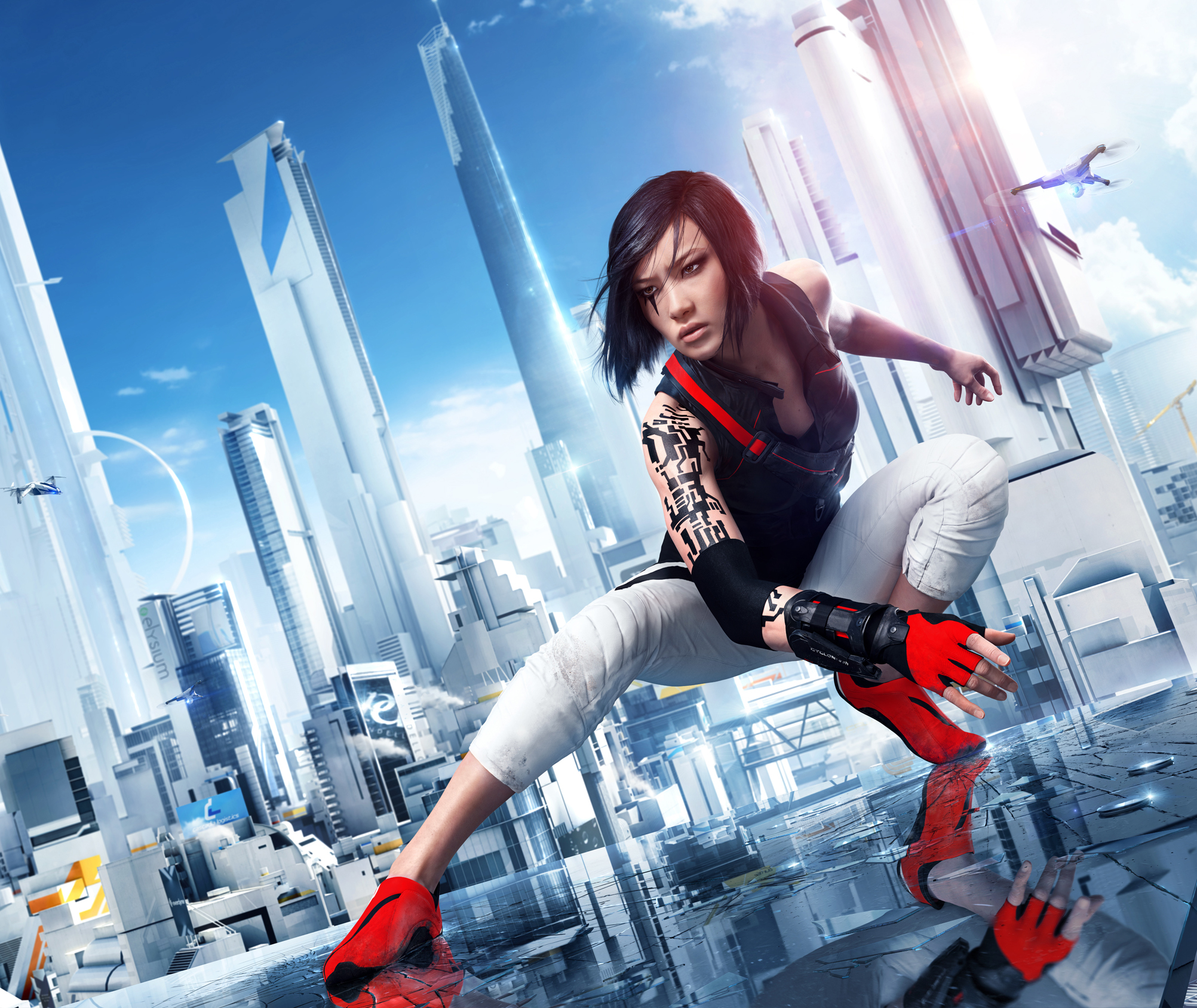
The original game was a linear experience focused on tight platforming and speed. The sequel moved to an open world structure that many players felt diluted the focus of the parkour mechanics. The inclusion of a skill tree and repetitive side missions added unnecessary complexity to a simple and elegant formula. While the visuals and movement were still strong the world felt sterile and lacked the urgency of the first game. The franchise has been silent since this attempt to broaden its appeal failed to meet expectations.
‘Sacred 3’ (2014)
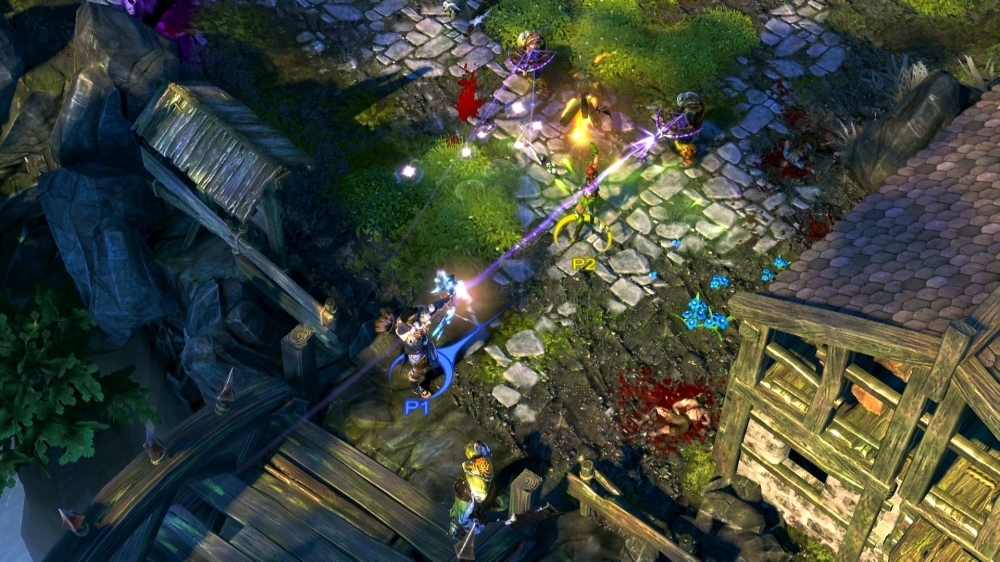
Previous entries in this series were known for being deep open world action role playing games. The third installment stripped away most of the RPG elements to become a linear arcade style brawler. Players could no longer customize their characters or explore a vast world as they did in the past. This drastic change in genre was widely criticized by fans who enjoyed the complexity of the earlier titles. The game failed to appeal to its core audience or find a new one in the crowded brawler market.
‘The 3rd Birthday’ (2010)
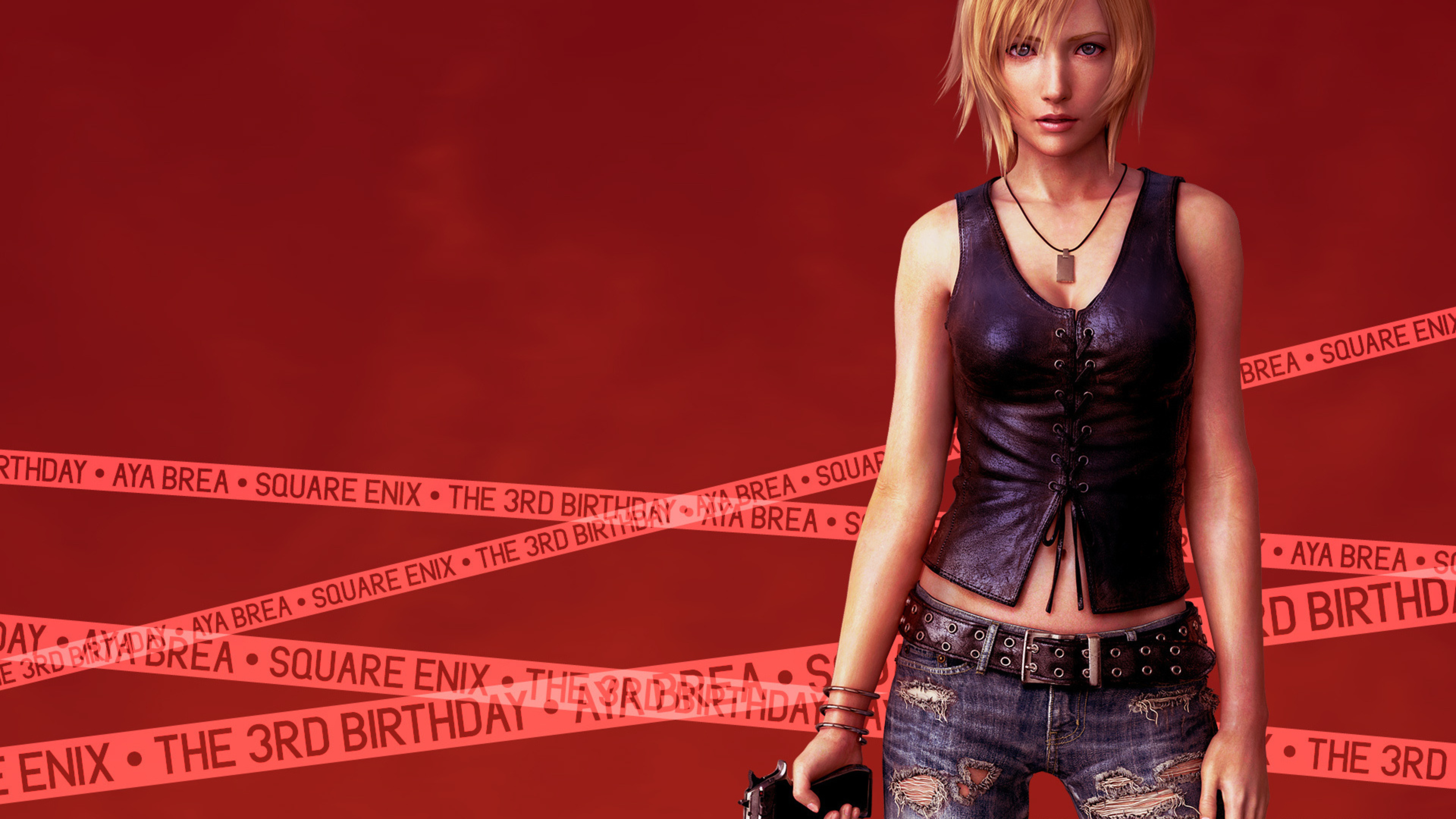
This title served as a follow up to the ‘Parasite Eve’ series but changed the gameplay to a third person shooter. The story was convoluted and significantly altered the character of the protagonist in ways that fans disliked. The RPG elements that made the original games unique were mostly replaced by generic action mechanics. The narrative focus on a new body swapping ability also proved to be confusing and frustrating for many players. The series has remained dormant since this entry failed to capture the magic of the PlayStation originals.
‘Turok’ (2008)
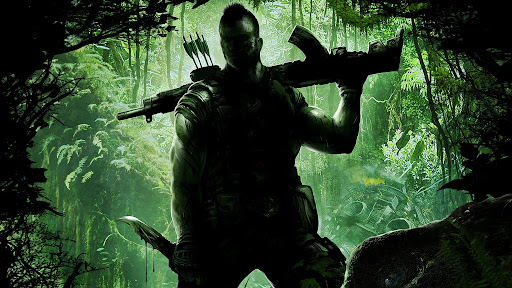
The 2008 reboot attempted to bring the dinosaur hunting series into the modern era with gritty graphics and a new story. It moved away from the colorful and imaginative worlds of the original games to focus on a standard military narrative. The combat was often clunky and the stealth mechanics felt out of place for a series known for fast action. While hunting dinosaurs was still part of the game the overall experience felt like a generic shooter of the time. The franchise has not seen a new high budget entry since this release.
‘Postal III’ (2011)
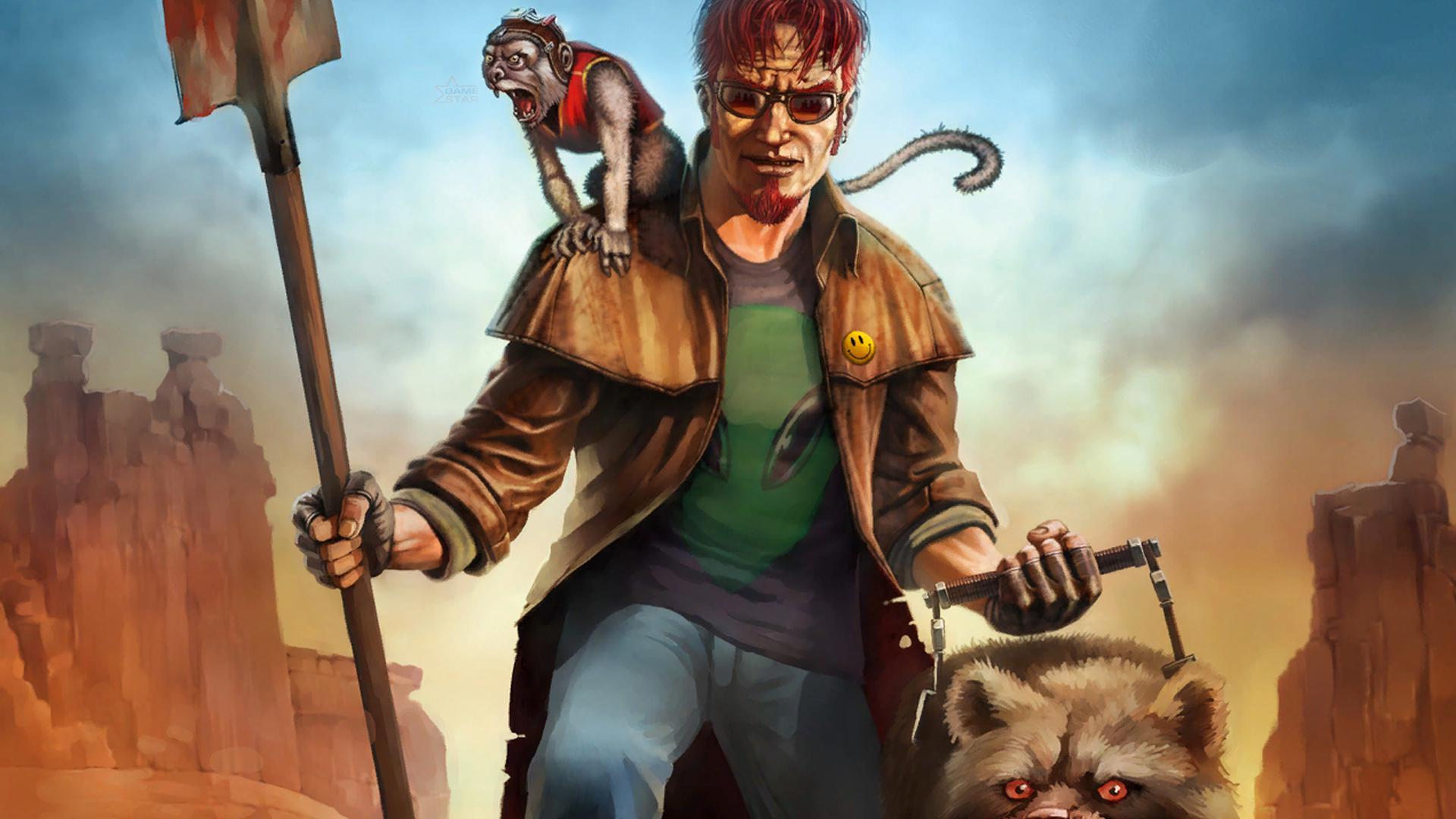
The third entry moved from the open world sandbox of the second game to a linear and buggy third person shooter. The humor was seen as dated and the technical state of the game was nearly unplayable for many users at launch. Even the original developers eventually disowned the title and told fans to avoid it. The physics and AI were a step backward from what had been achieved years earlier. The series only recovered when the developers returned to the style of the second game for later expansions.
‘Contra Rogue Corps’ (2019)
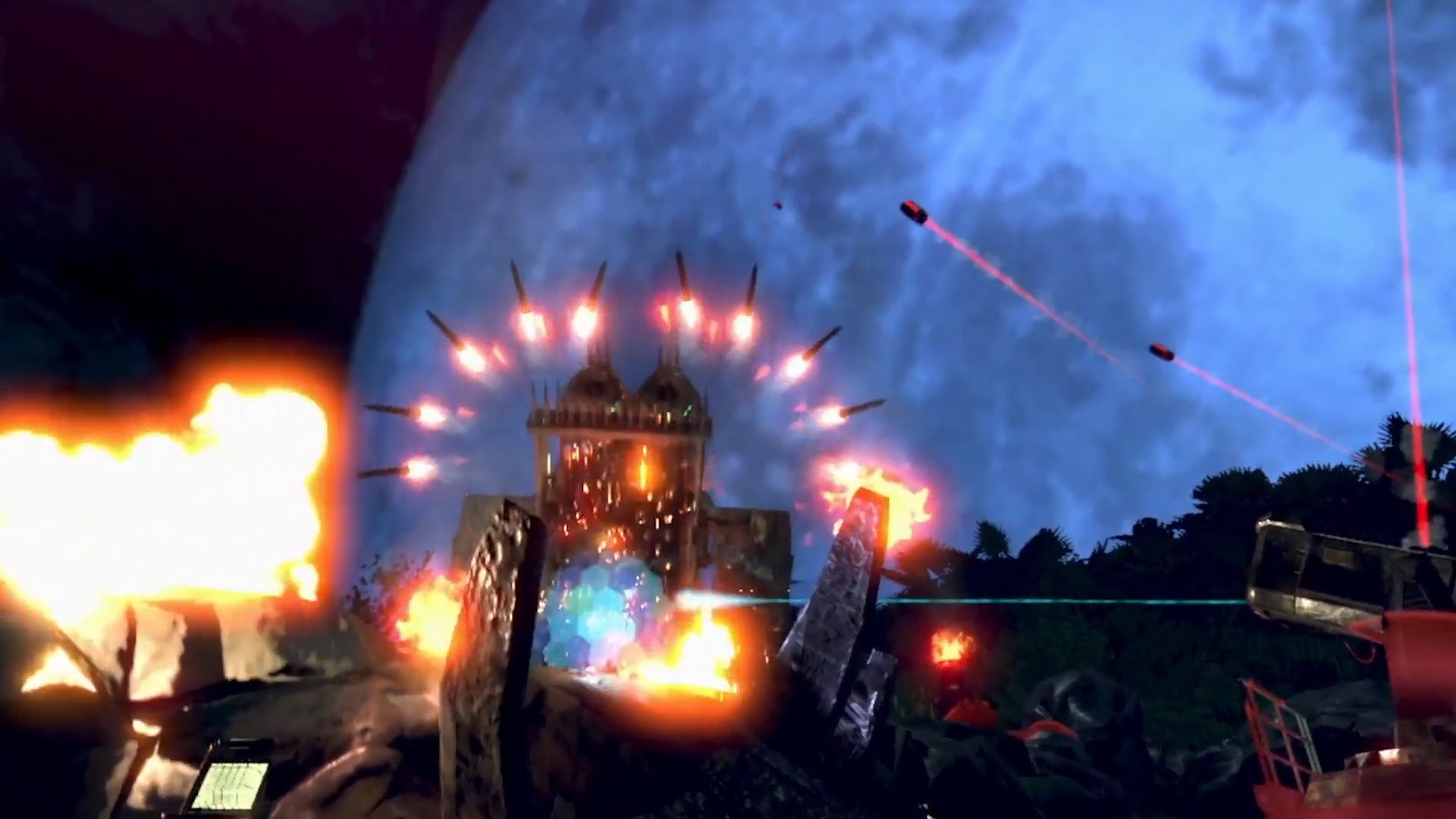
This legendary side scrolling shooter series attempted a transition to a top down twin stick shooter format. The game featured ugly visuals and a loot system that felt grindy and unnecessary for a ‘Contra’ title. Overheating mechanics on weapons frustrated players who just wanted to shoot enemies in the classic style. The chaotic screen and poor controls made it difficult to enjoy the action as a coherent experience. It was widely seen as a low quality attempt to use the name of a famous brand.
‘Castlevania Lords of Shadow 2’ (2014)
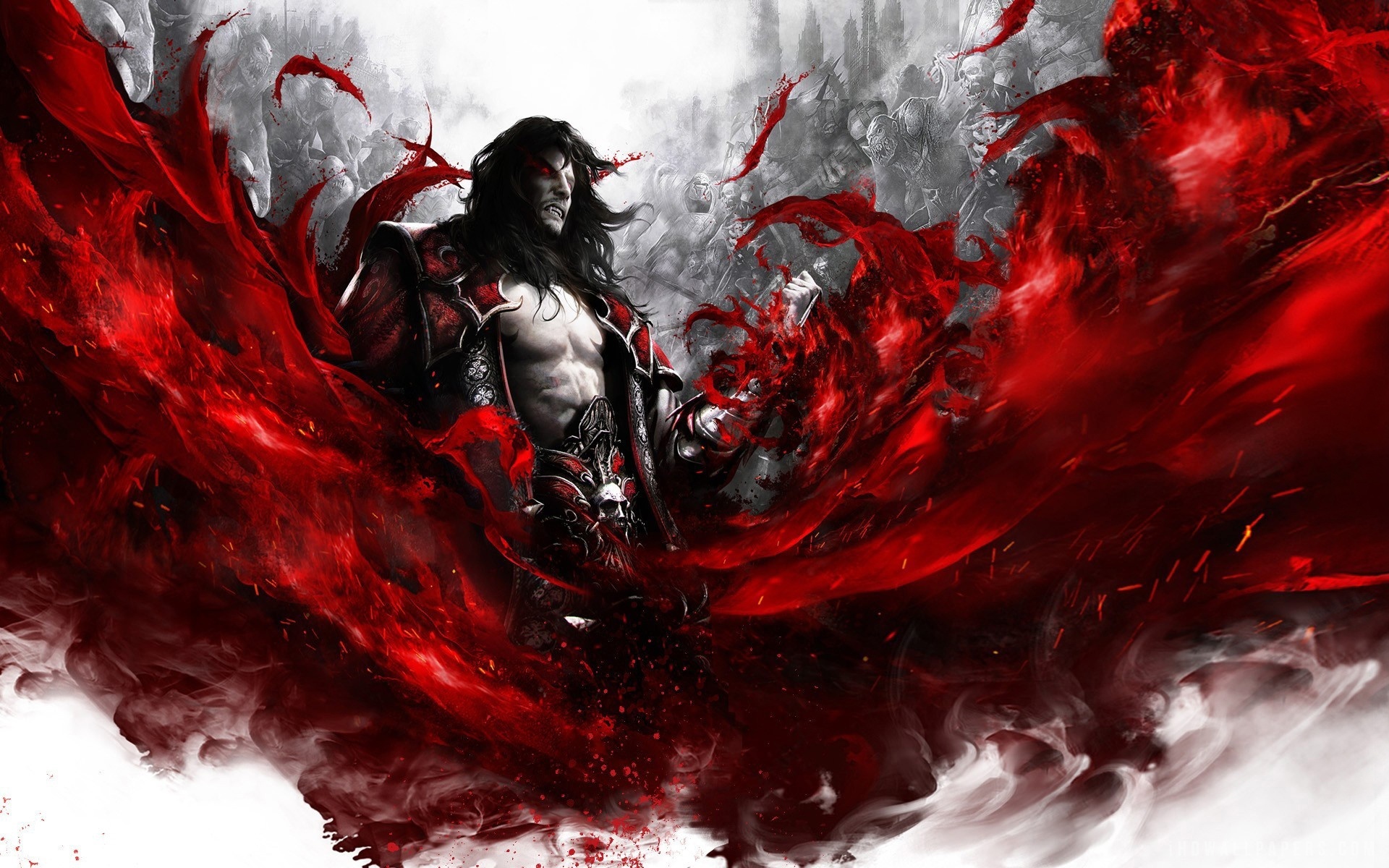
While the first ‘Lords of Shadow’ was a successful reboot the sequel introduced frustrating stealth sections and a modern day setting. These segments forced the player into slow and clunky gameplay that clashed with the fast action of the combat system. The story was also criticized for its pacing and for failing to live up to the epic conclusion of the previous game. The transition to a more open city environment felt less atmospheric than the gothic castles of the past. The series moved toward smaller titles and collections following this release.
‘Breath of Fire 6’ (2016)
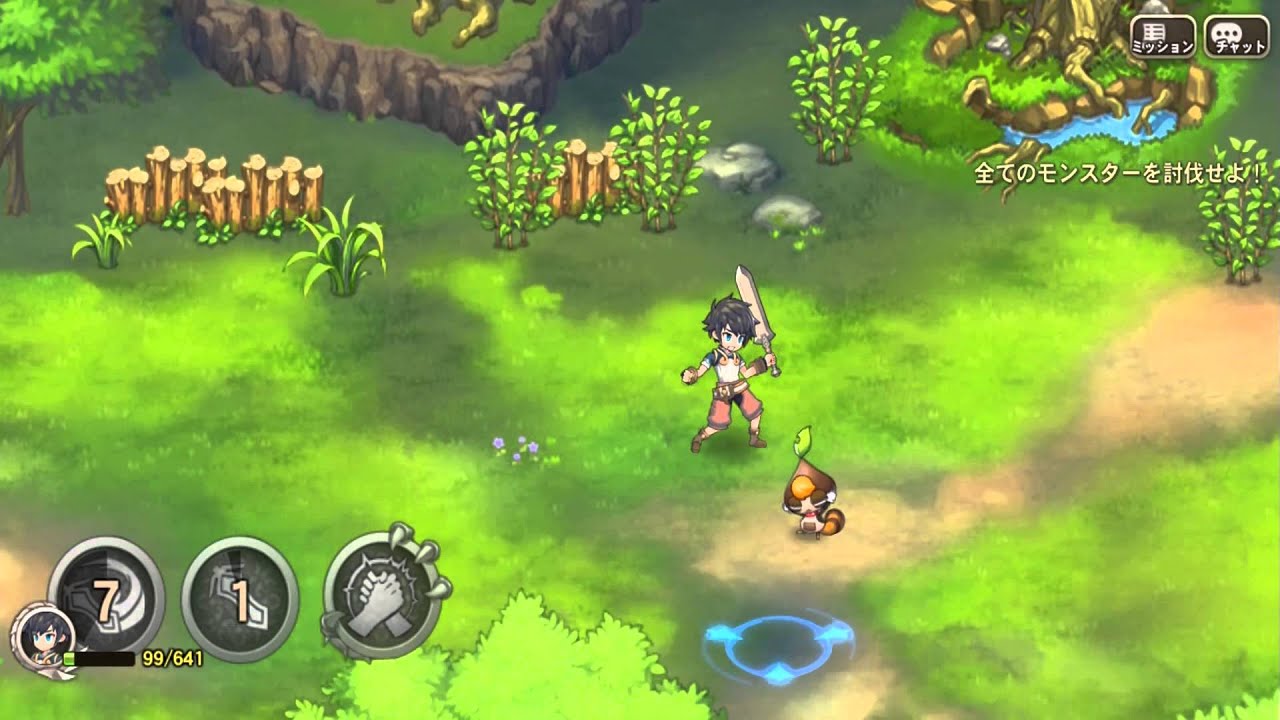
One of the most beloved Japanese role playing series was turned into a mobile and web based game for its sixth entry. It featured a completely different art style and a gameplay loop designed for short sessions and microtransactions. Fans who had waited over a decade for a new mainline game were deeply disappointed by this shift. The game was only released in certain territories and was shut down after a short period. This remains the final numbered entry in a franchise that once rivaled the biggest names in the genre.
‘Perfect Dark Zero’ (2005)
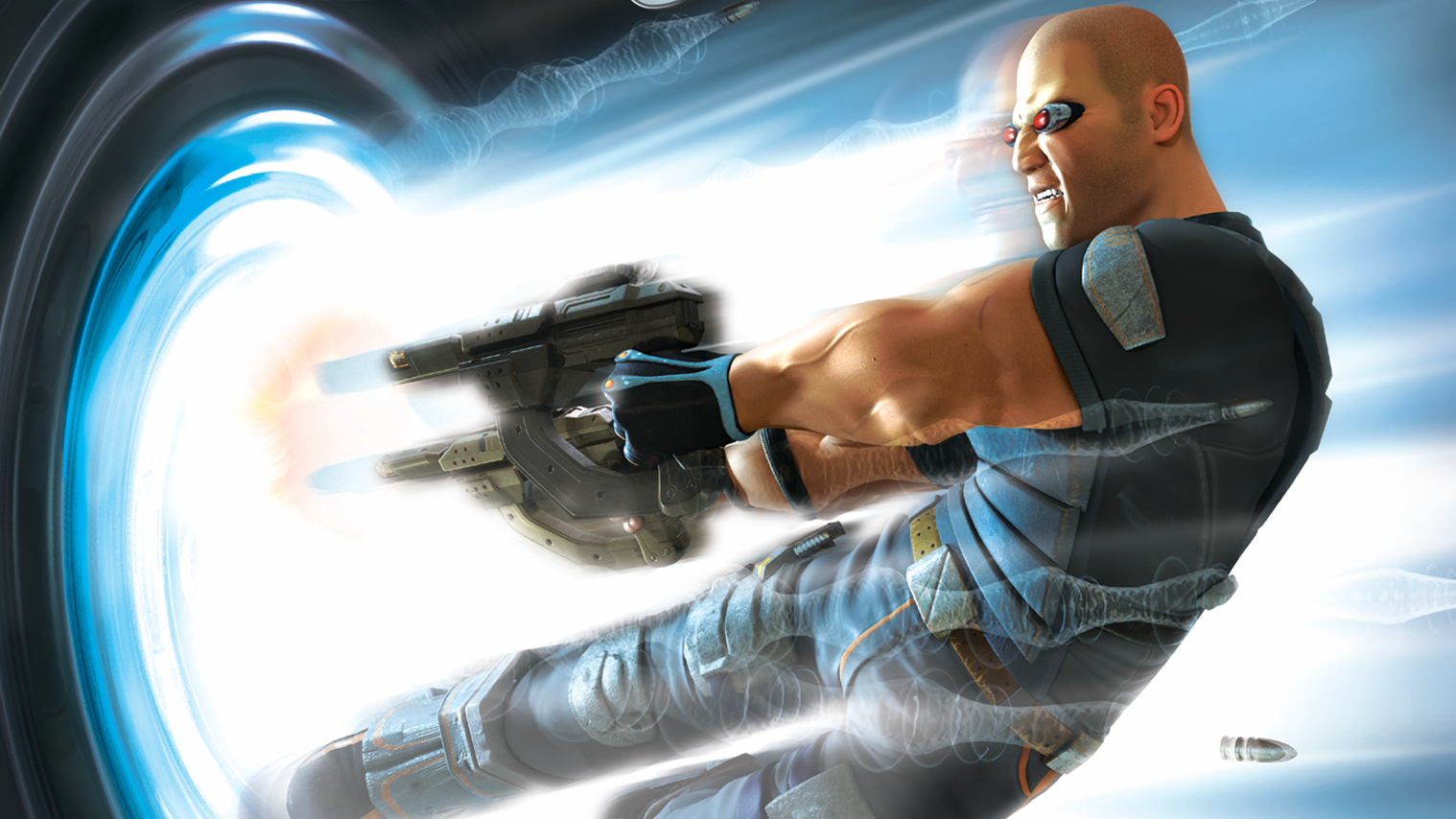
The original ‘Perfect Dark’ was a pioneer of console first person shooters but the sequel failed to match its impact. It launched with a vibrant but generic art style that lacked the moody atmosphere of the original. The level design and AI were considered mediocre compared to contemporary shooters on the same platform. While it was a technical showcase at the time of launch the gameplay did not feel like a true successor. The franchise has struggled to find its footing ever since this prequel failed to wow critics.
‘FlatOut 3 Chaos & Destruction’ (2011)
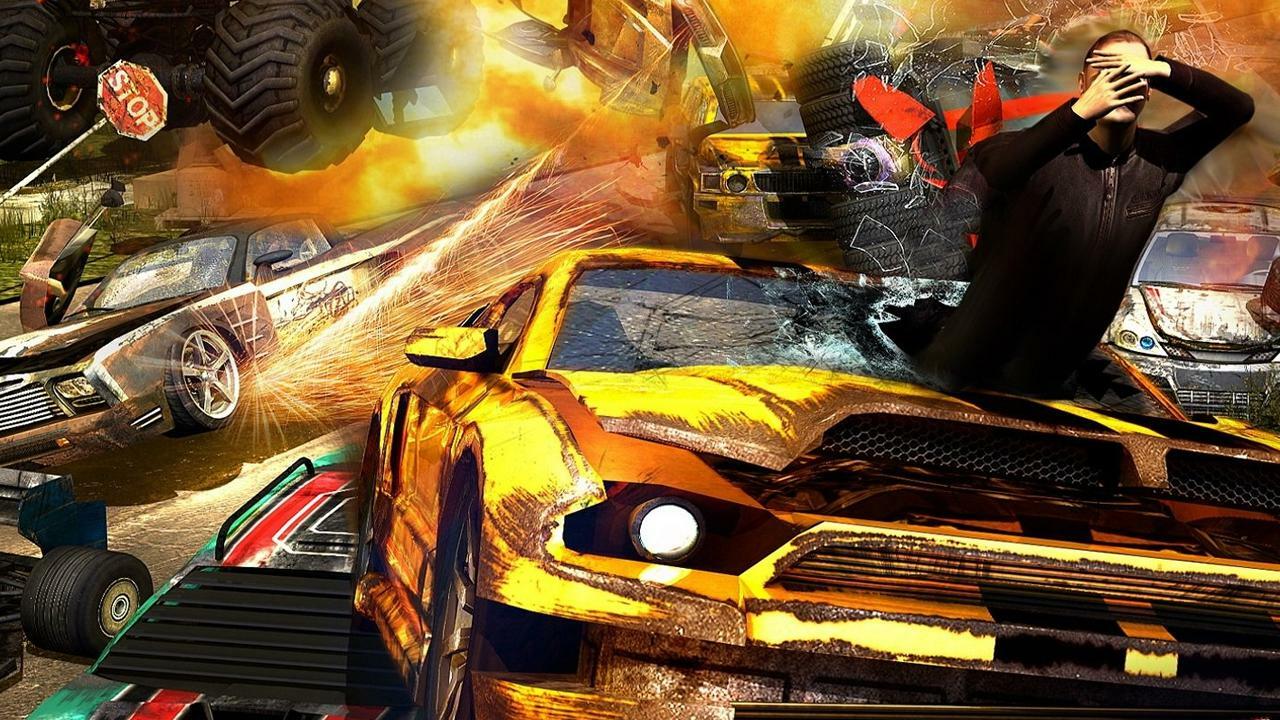
The first two games in the ‘FlatOut’ series were praised for their physics and destruction based racing. The third game was developed by a different studio and was widely considered one of the worst games of its generation. It featured terrible handling and a physics engine that felt completely broken compared to its predecessors. The visuals were a significant step backward and the overall polish was non existent. This release effectively destroyed the reputation of the brand for many racing fans.
‘Dead Rising 4’ (2016)
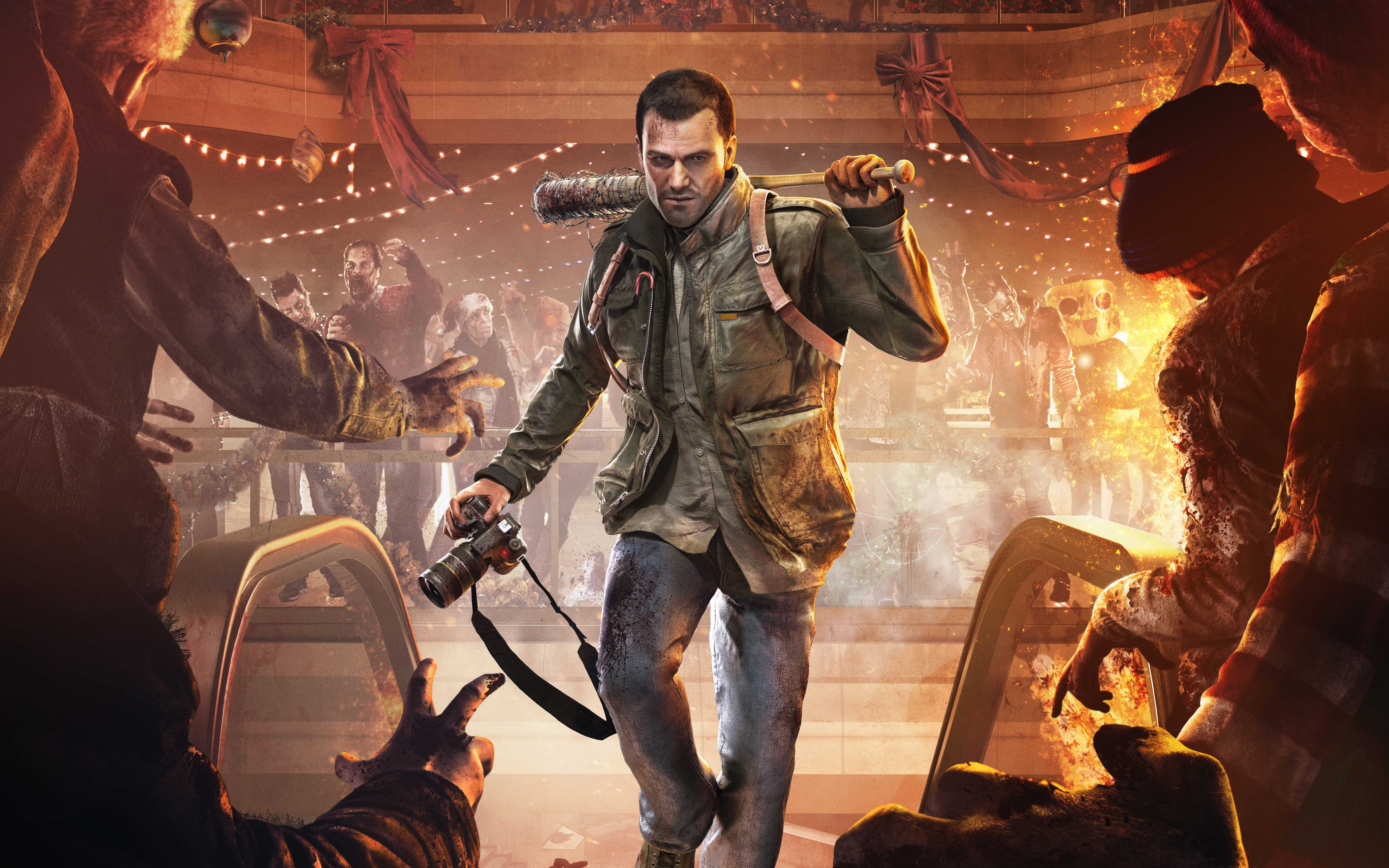
The fourth entry brought back the original protagonist but removed the iconic timer mechanic that defined the series. It also changed the voice actor for the main character which upset many long time fans. The map lacked the density and challenge of previous malls and city centers. Many players felt the game had been simplified too much to appeal to a broader audience. The studio behind the game was eventually closed after this entry failed to meet expectations.
‘FEAR 3’ (2011)
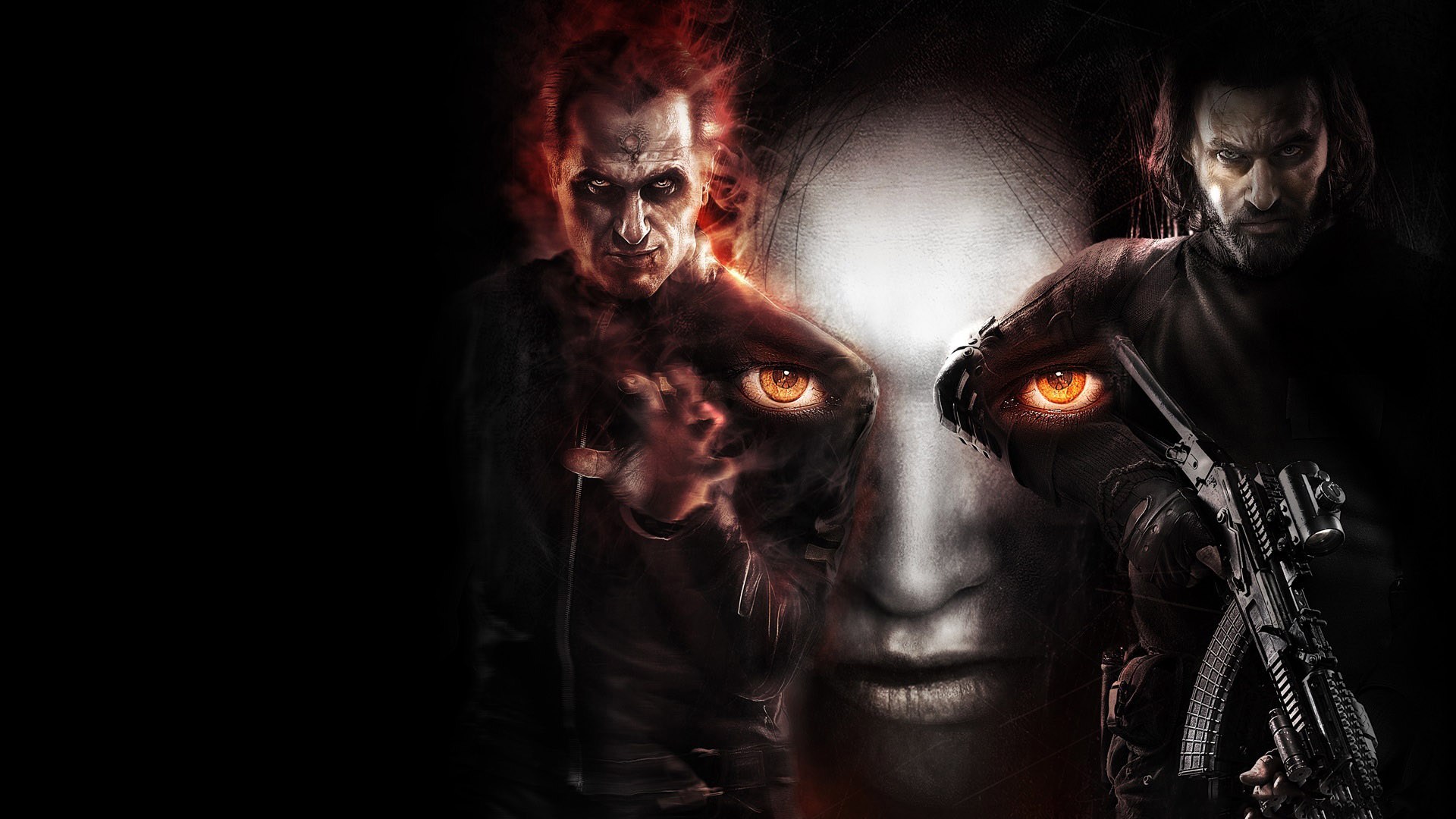
This sequel shifted the focus away from atmospheric horror toward a cooperative action experience. While the combat was competent the scares that defined the first game were almost entirely absent. The story became increasingly convoluted and relied on cinematic tropes rather than psychological tension. Fans felt the addition of a second player ruined the feeling of isolation that made the series special. The franchise has not seen a new release since this installment completed the trilogy.
‘Thief’ (2014)
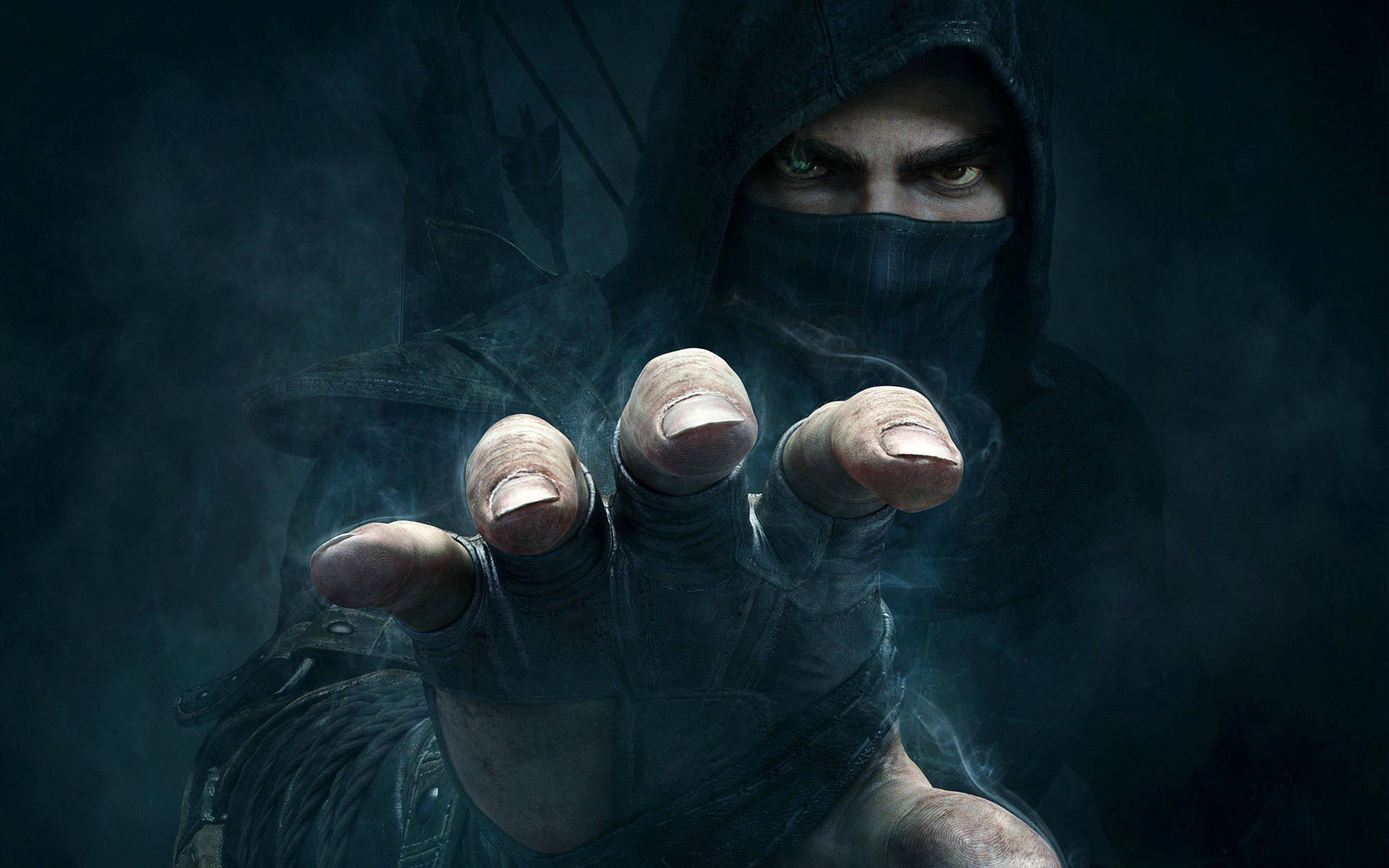
The 2014 reboot of the stealth series attempted to modernize the gameplay for a new generation of players. It introduced a more linear level design and simplified the complex stealth mechanics of the original titles. The protagonist was changed and the moody atmosphere was replaced by a more generic dark fantasy setting. Technical issues and a cluttered user interface further hampered the experience at launch. Most fans of the original games felt this entry failed to capture the spirit of the ‘Thief’ legacy.
‘Splinter Cell Conviction’ (2010)
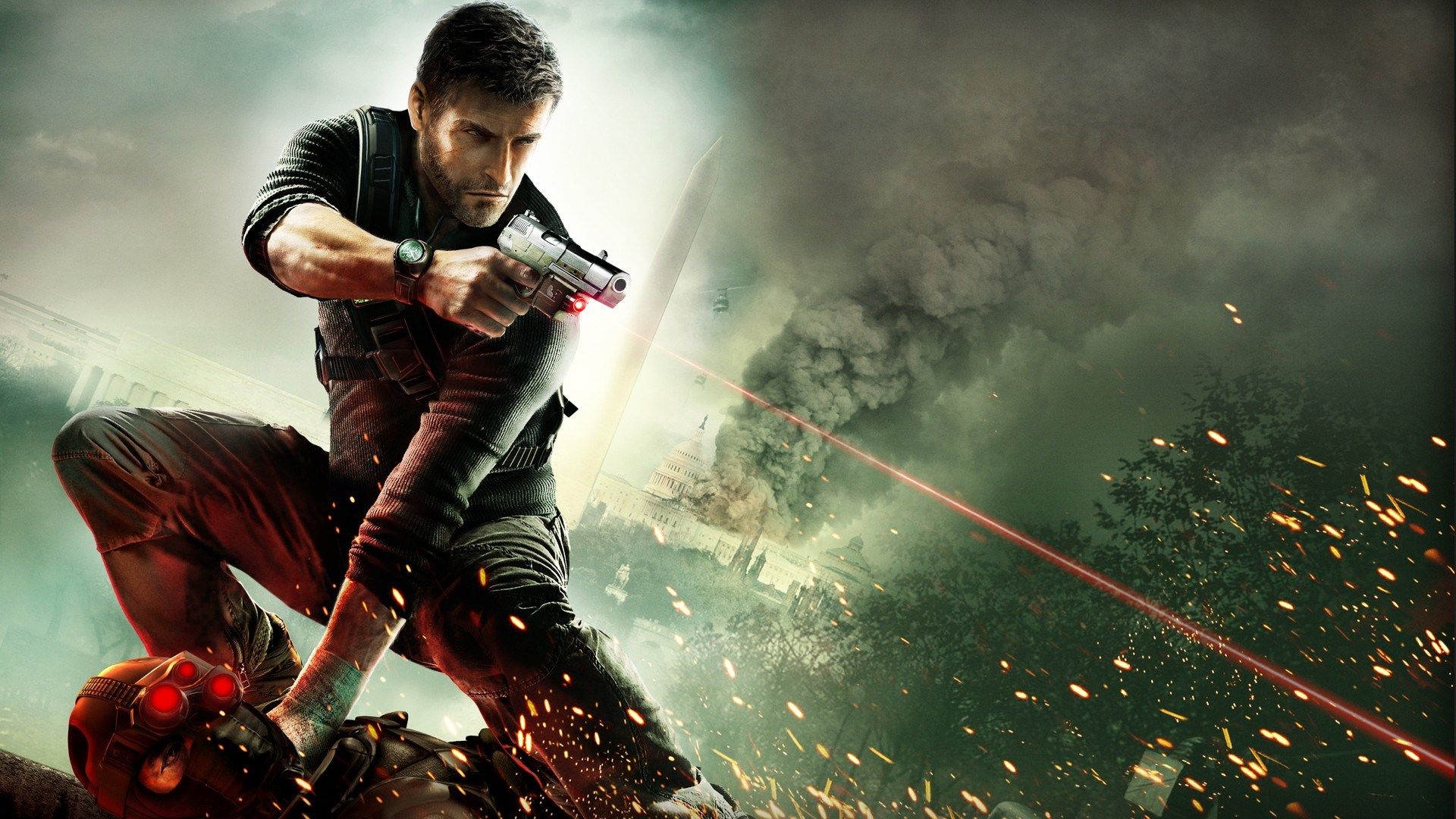
This entry took the tactical stealth series and turned it into a fast paced action game with a focus on shooting. The intricate light and shadow mechanics were simplified and the non lethal options were significantly reduced. While it was a successful action game it moved too far away from the slow and methodical gameplay fans loved. The story became a personal revenge tale that lacked the political intrigue of the earlier titles. The series struggled to find a balance in the following entry before going silent.
‘Lost Planet 3’ (2013)
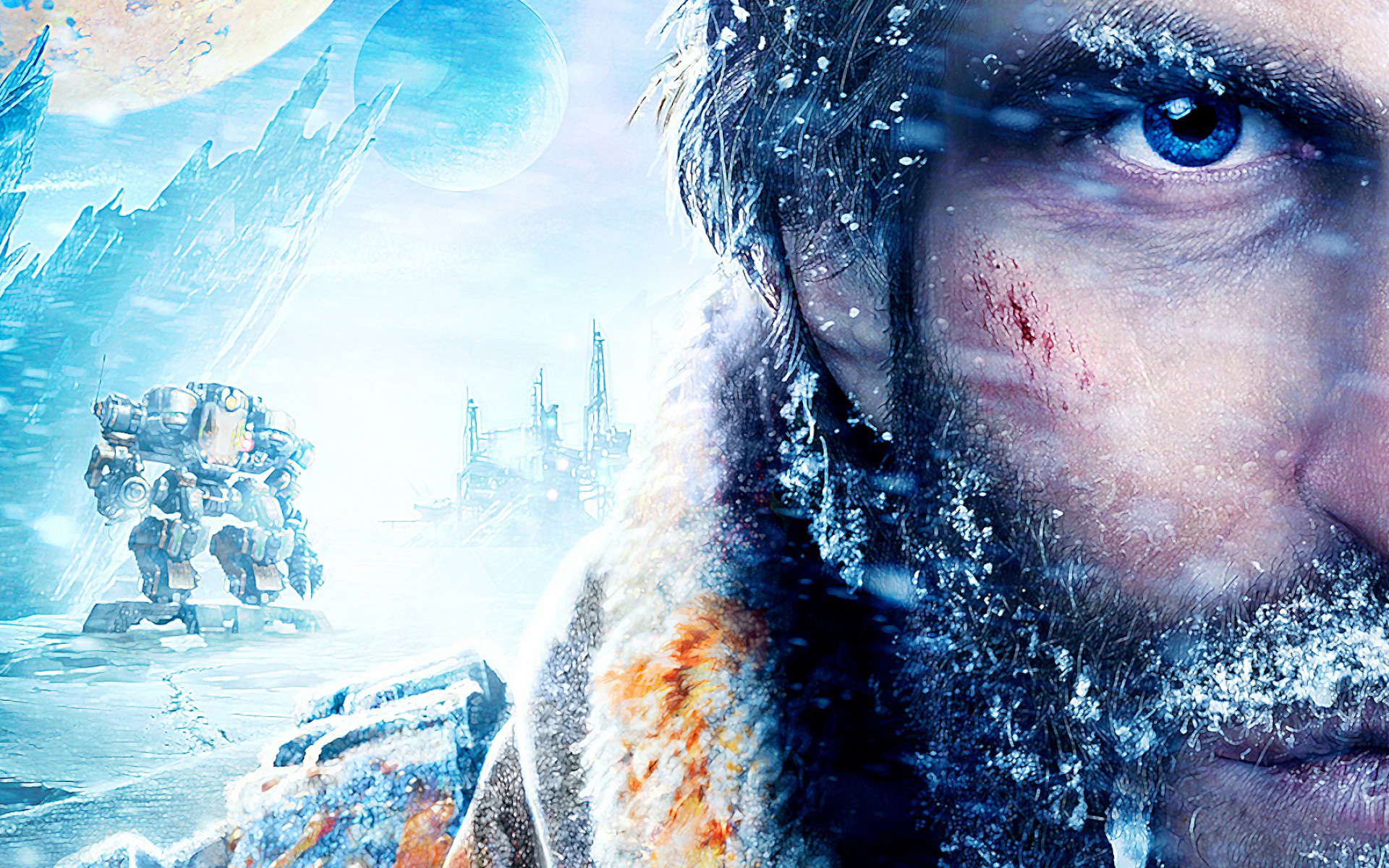
The third game in the series abandoned the frantic action and unique thermal energy mechanics of the first two games. It became a much more linear and narrative focused experience that felt like a standard third person shooter. The combat with giant monsters was less frequent and the open environments were replaced by corridors. Fans of the series missed the scale and intensity of the planetary battles from previous entries. The series has not returned since this title failed to resonate with the existing fan base.
‘Crackdown 3’ (2019)
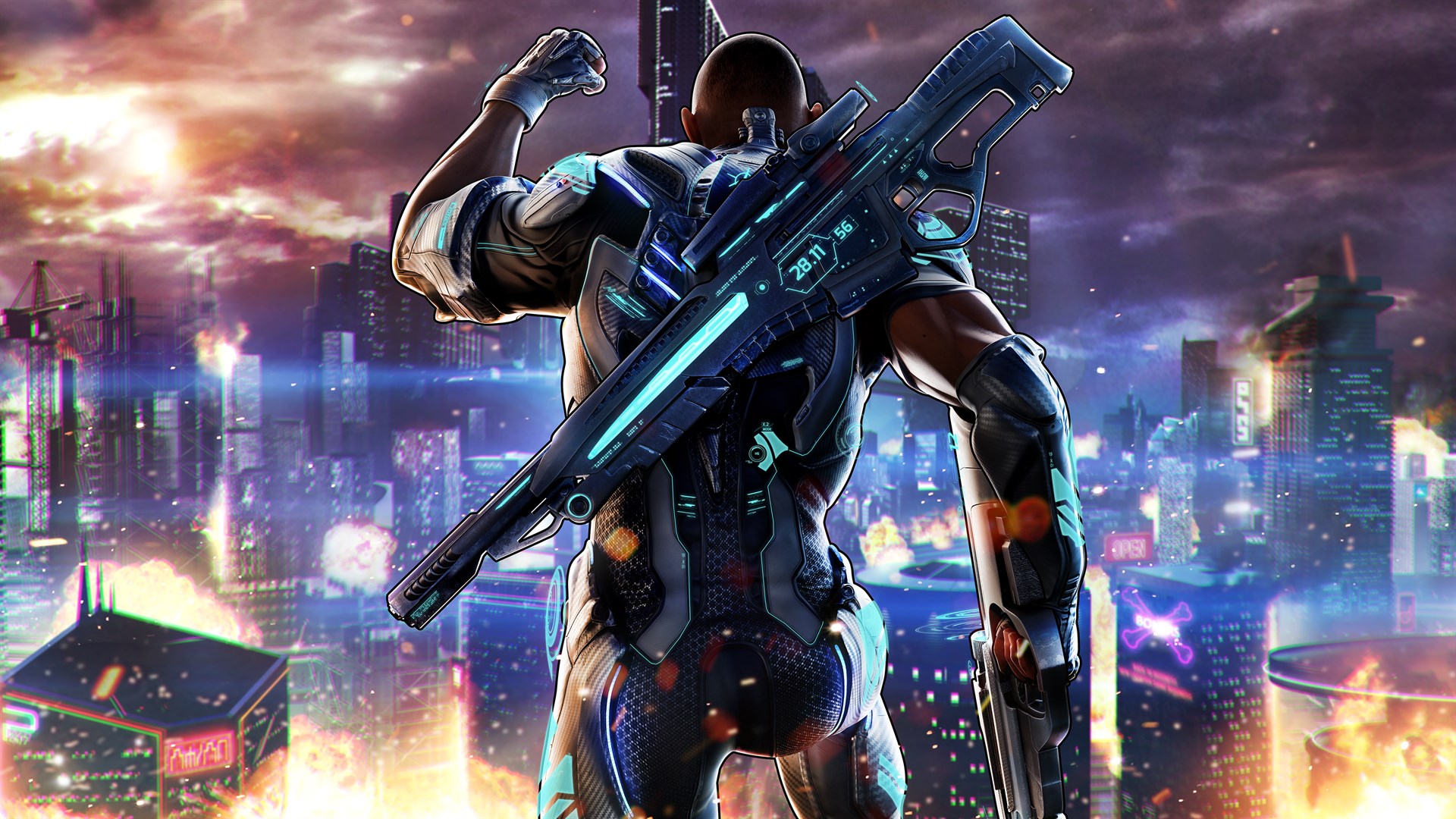
After a long and troubled development period ‘Crackdown 3’ launched with physics and graphics that felt like they belonged in a previous era. The much hyped cloud based destruction was limited to a specific multiplayer mode that few people played. The single player campaign felt like a repetitive list of chores rather than an evolving world. It lacked the sense of progression and scale that made the first game a surprise hit. The franchise lost its relevance quickly after this dated and uninspired sequel arrived.
‘Ninja Gaiden 3’ (2012)
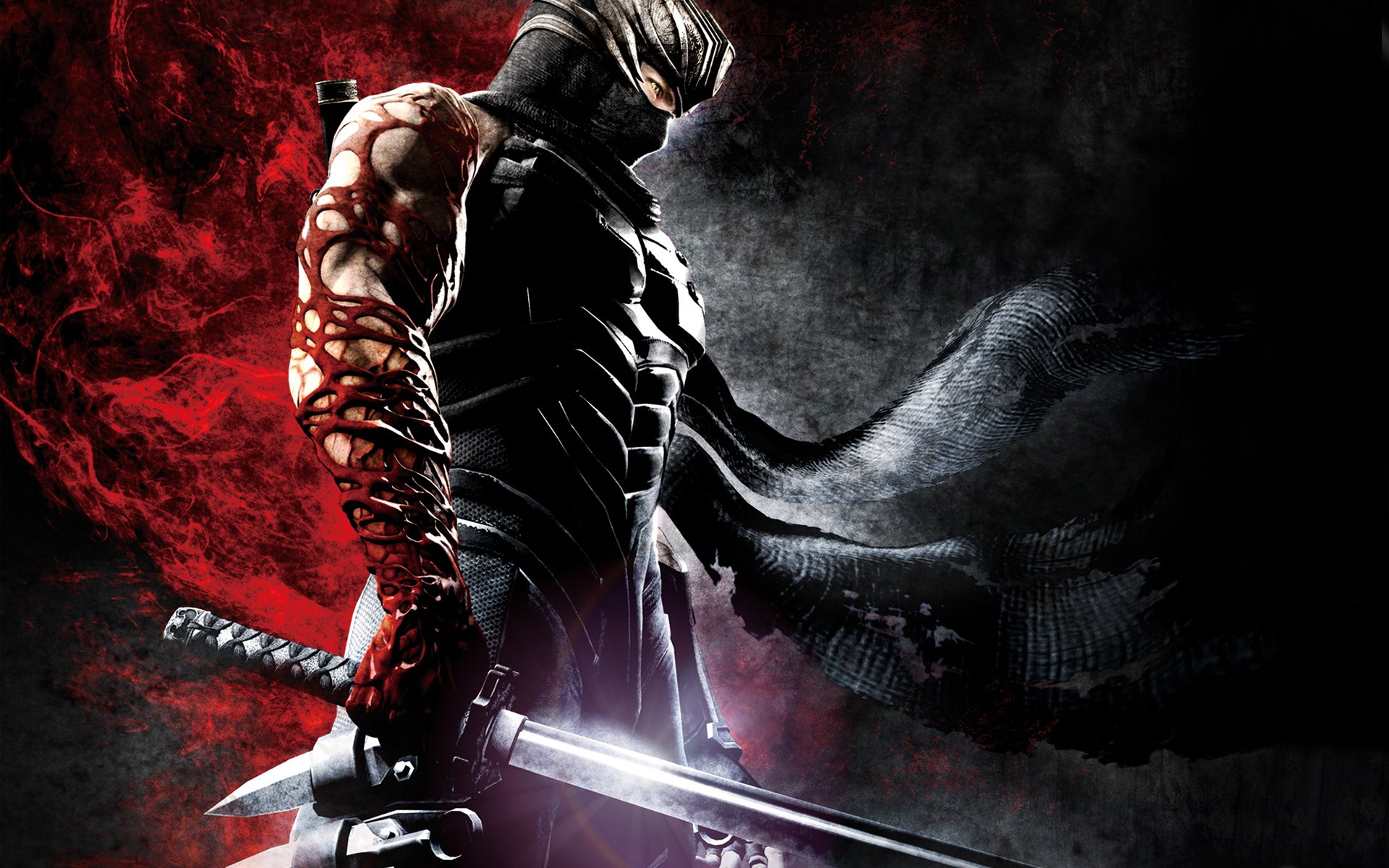
The third entry in the rebooted series removed many of the weapons and deep combat systems of the first two games. It attempted to tell a more emotional story but the gameplay suffered from a lack of variety and excessive quick time events. The brutal difficulty that fans loved was replaced by waves of generic enemies that were tedious to fight. While an updated version fixed some of these issues the initial release was a major disappointment. The series has not had a new mainline entry in the years since this release.
‘Dino Crisis 3’ (2003)
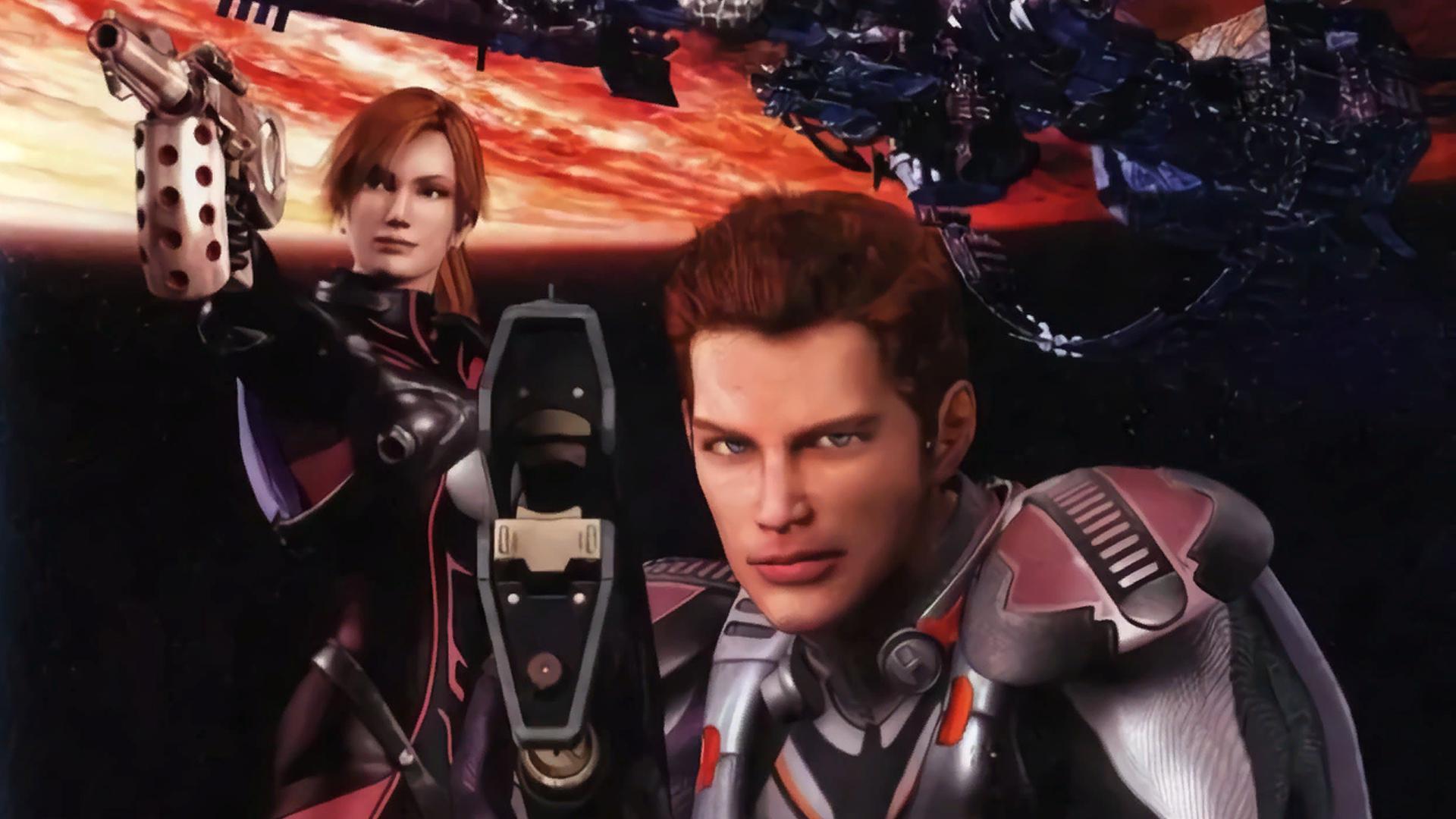
This sequel moved the dinosaur action from a jungle island to a spaceship in the far future. The enemies were mutated space dinosaurs that looked nothing like the creatures fans expected. The camera system was notoriously difficult to manage in the tight corridors of the ship. This radical change in setting and tone alienating everyone who enjoyed the first two games. Capcom has not produced a new ‘Dino Crisis’ game since this entry failed to sell.
‘Ridge Racer Unbounded’ (2012)
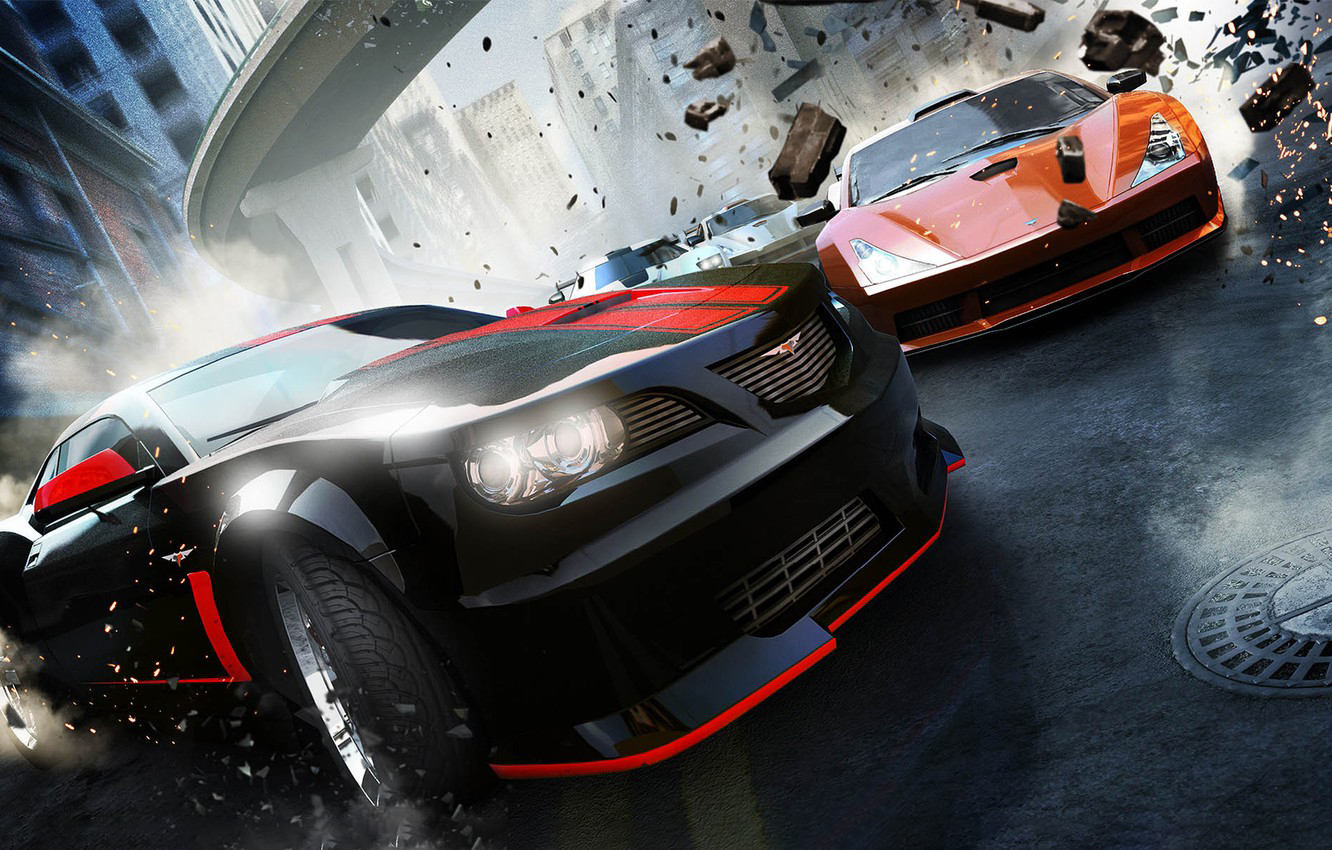
This title tried to turn the precision drifting series into a combat racer similar to the ‘Burnout’ games. It focused on crashing through walls and destroying environments rather than masterfully taking corners. The handling model was completely different from what fans had come to expect from the brand. This attempt to chase western trends failed to capture the unique spirit of the Japanese racing series. The franchise has mostly been relegated to mobile and handheld titles since this release.
‘Earthworm Jim 3D’ (1999)

The transition from two dimensions to three was difficult for many platformers and ‘Earthworm Jim’ was no exception. The vibrant animation of the original games was lost in the move to blocky and unattractive 3D models. The clever humor and creative level design were replaced by a generic collectathon structure. Controlling the character was a constant struggle due to poor camera angles and imprecise jumping mechanics. This entry effectively killed the momentum of the once popular cartoon hero.
‘Bubsy 3D’ (1996)
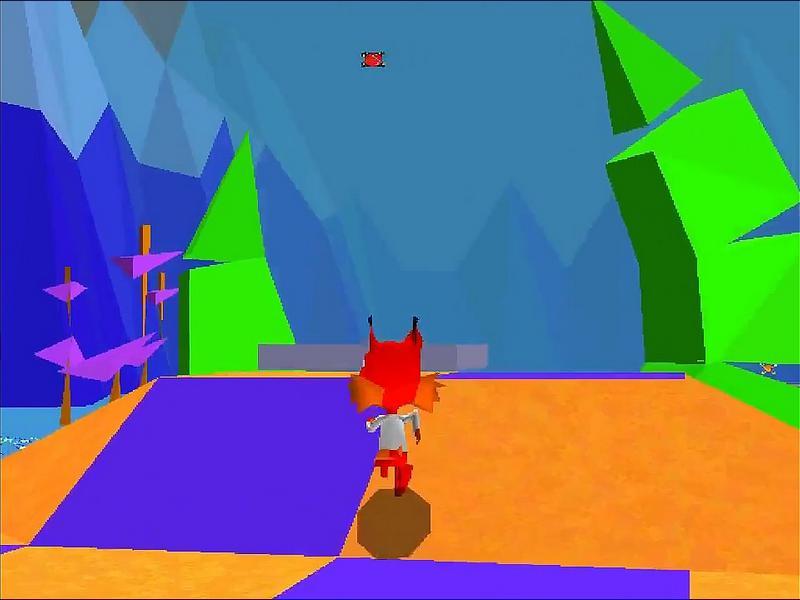
Often cited as one of the worst games of all time this title was a disastrous attempt to enter the 3D platforming market. It featured empty levels with flat colors and some of the most frustrating controls ever designed. The voice clips for the main character were repetitive and annoying to most players. It launched at the same time as groundbreaking titles like ‘Super Mario 64’ which made its flaws even more obvious. The ‘Bubsy’ name became a joke in the industry for decades following this release.
‘Marvel vs Capcom Infinite’ (2017)
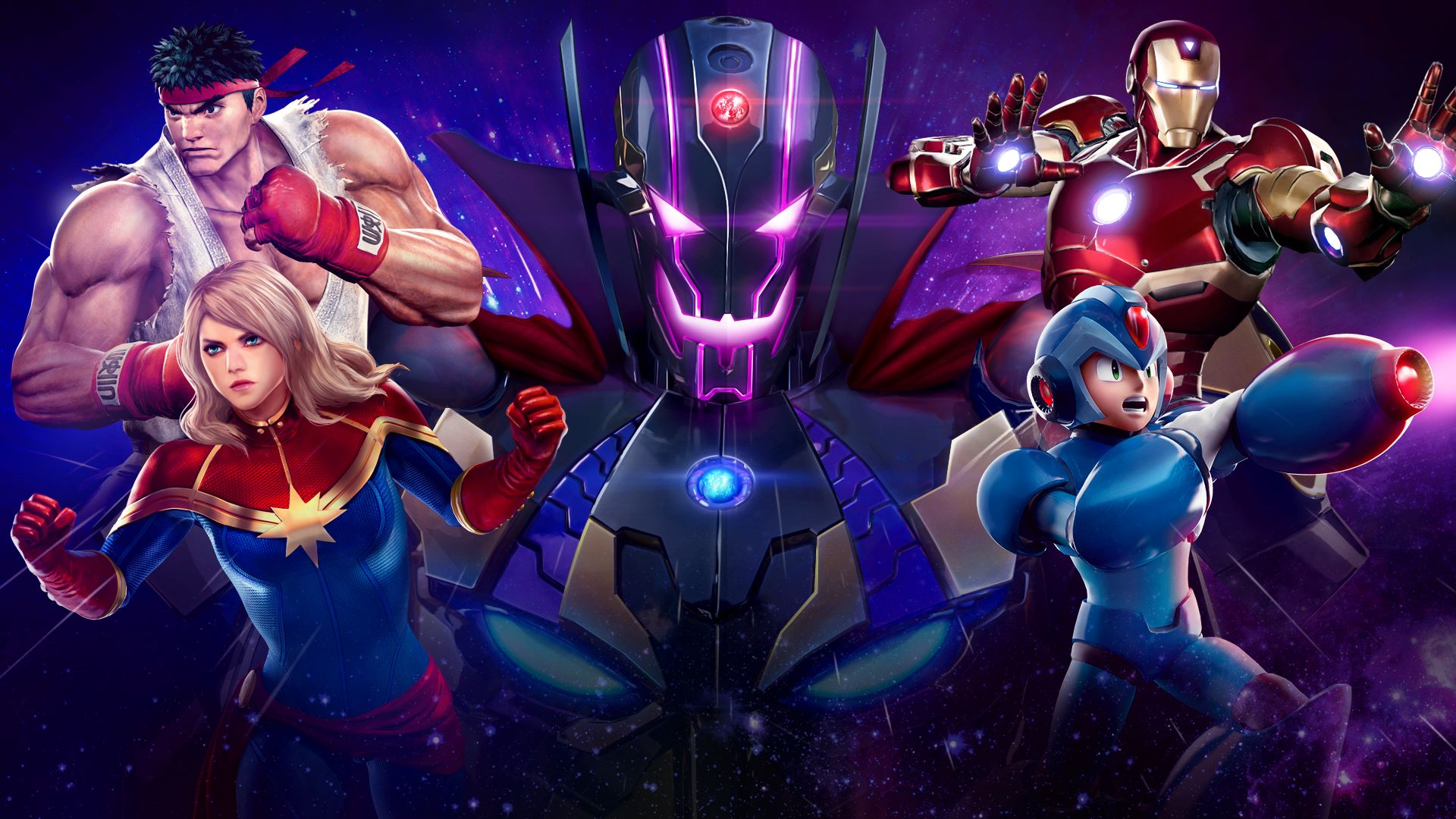
This fighting game suffered from a lackluster roster that excluded many fan favorite characters due to licensing issues. The art style was widely criticized for looking cheaper and less vibrant than the previous entries. While the fighting mechanics were solid the overall presentation felt like a step backward for the storied franchise. It failed to gain a major following in the competitive scene and was quickly overshadowed by other fighting games. The series has faced an uncertain future since this installment disappointed the community.
‘Resistance Burning Skies’ (2012)
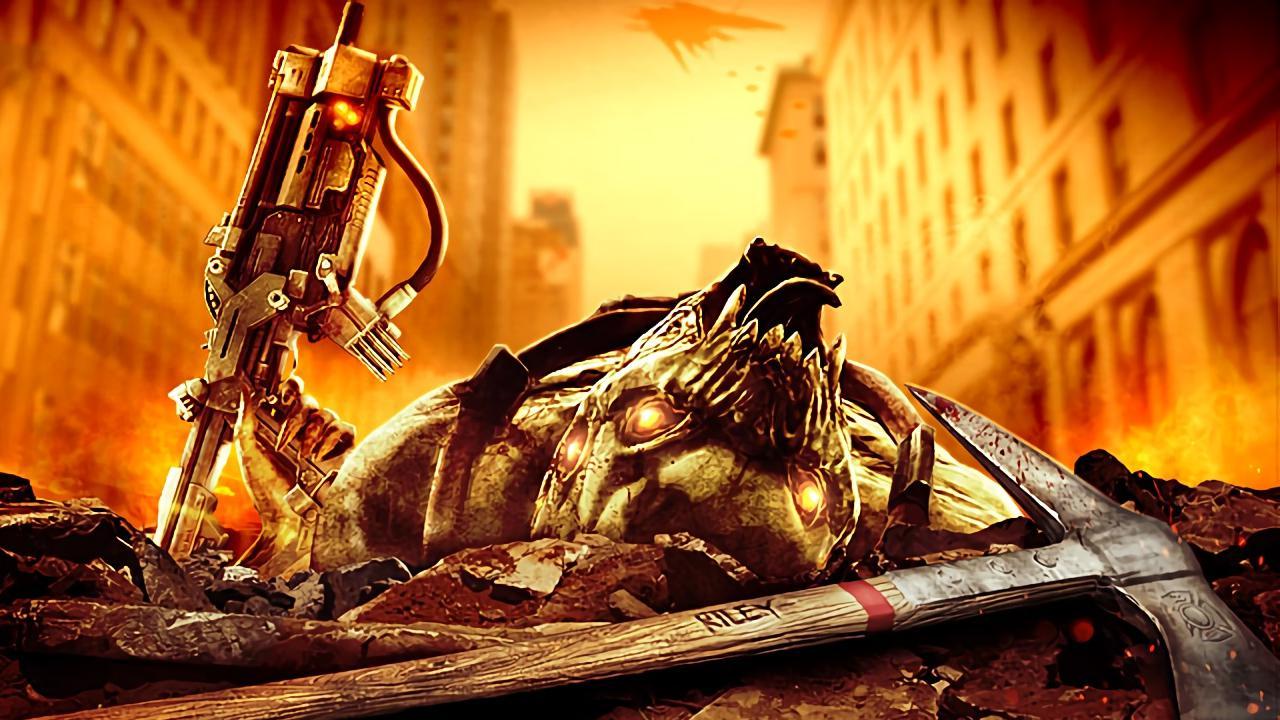
This handheld entry was the first to feature dual analog stick controls on a portable system but failed to deliver a quality experience. The campaign was very short and featured a generic story that added little to the series lore. The graphics and enemy variety were significantly lower than the console counterparts. Technical bugs and a lack of polish made the game feel like a rushed product. This was the final game released in the ‘Resistance’ franchise before the series was discontinued.
‘Paper Mario Sticker Star’ (2012)
This entry removed the RPG elements and deep storytelling that made the first two games in the series classics. The battle system was changed to rely entirely on disposable stickers which discouraged players from engaging in combat. There were no experience points or character progression systems to reward exploration. This new direction was divisive and many fans felt the charm of the series had been lost. The franchise has continued to experiment with these changes despite ongoing fan requests for a return to the original style.
‘Dawn of Mana’ (2006)
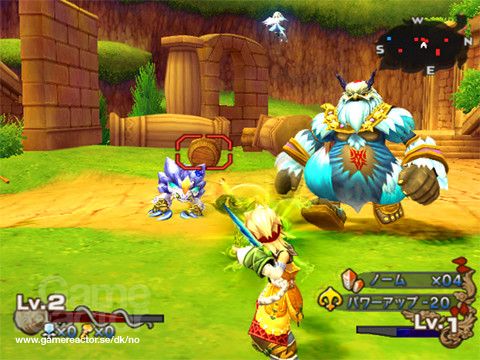
This game turned the classic action RPG series into a linear action game with a heavy focus on physics based puzzles. It removed the traditional leveling systems and replaced them with a temporary progression that reset at the end of every chapter. The camera and controls were frequently cited as the main reasons for the game’s failure to engage players. It was a massive departure from the multiplayer exploration that made the earlier titles legendary. The ‘Mana’ series went through a long period of dormancy following this poorly received entry.
‘Steel Battalion Heavy Armor’ (2012)

The original ‘Steel Battalion’ was famous for its massive dedicated controller that offered a deep simulation experience. The sequel attempted to use the Kinect motion sensor to simulate the controls of a giant tank. The sensor often failed to track movements accurately which made basic gameplay tasks impossible to complete. This led to a game that was essentially unplayable for many people who purchased it. The franchise has not seen another entry since this motion control disaster occurred.
‘Alone in the Dark Illumination’ (2015)
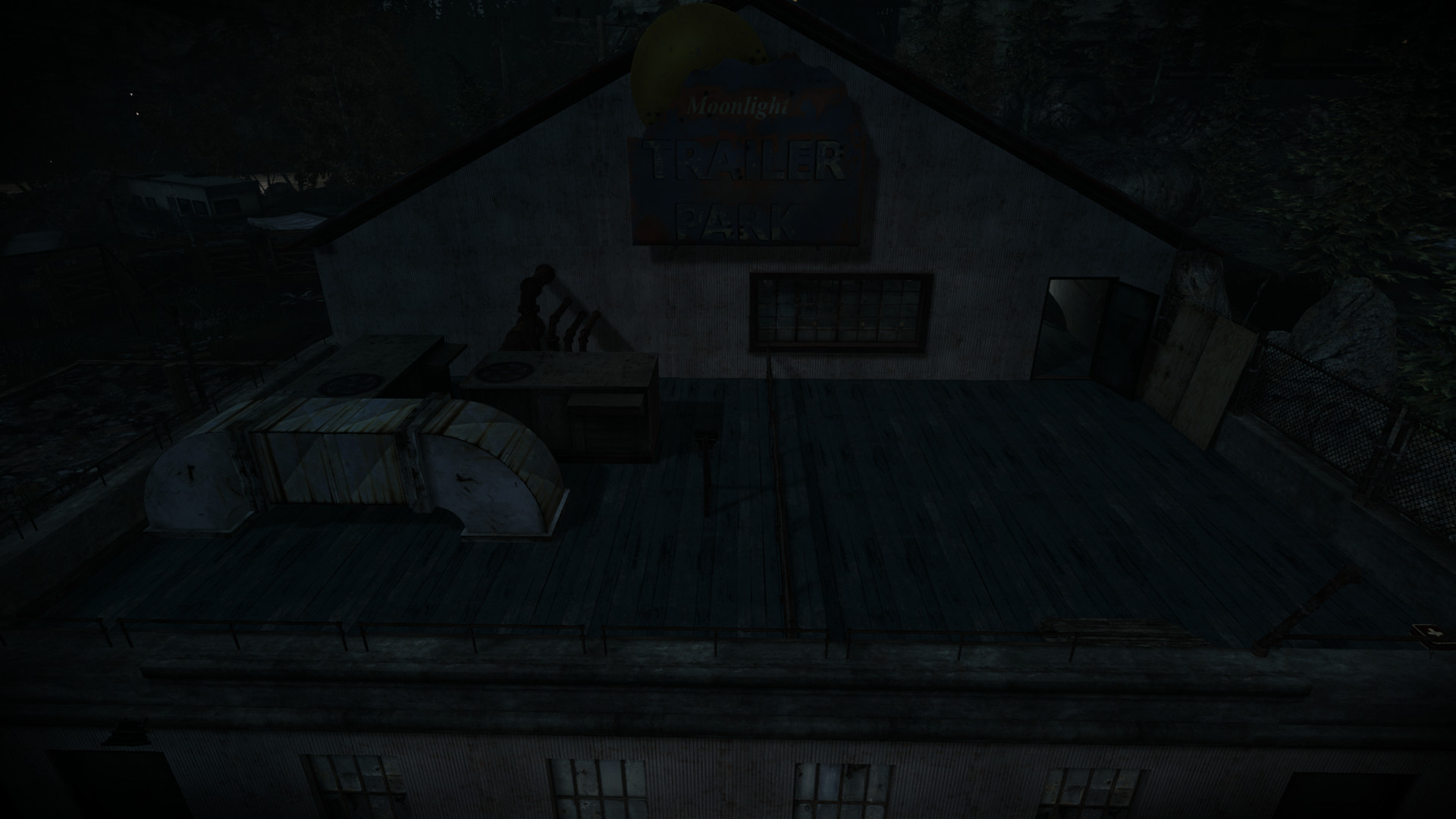
The pioneering survival horror series was turned into a four player cooperative shooter for this entry. It lacked the atmosphere and puzzle solving that defined the original games from the early nineties. The visuals and gameplay mechanics were considered low quality and dated even at the time of release. It received nearly universal negative reviews from critics and fans alike. This attempt to follow the trend of cooperative action games nearly ended the entire franchise.
‘Bionic Commando’ (2009)
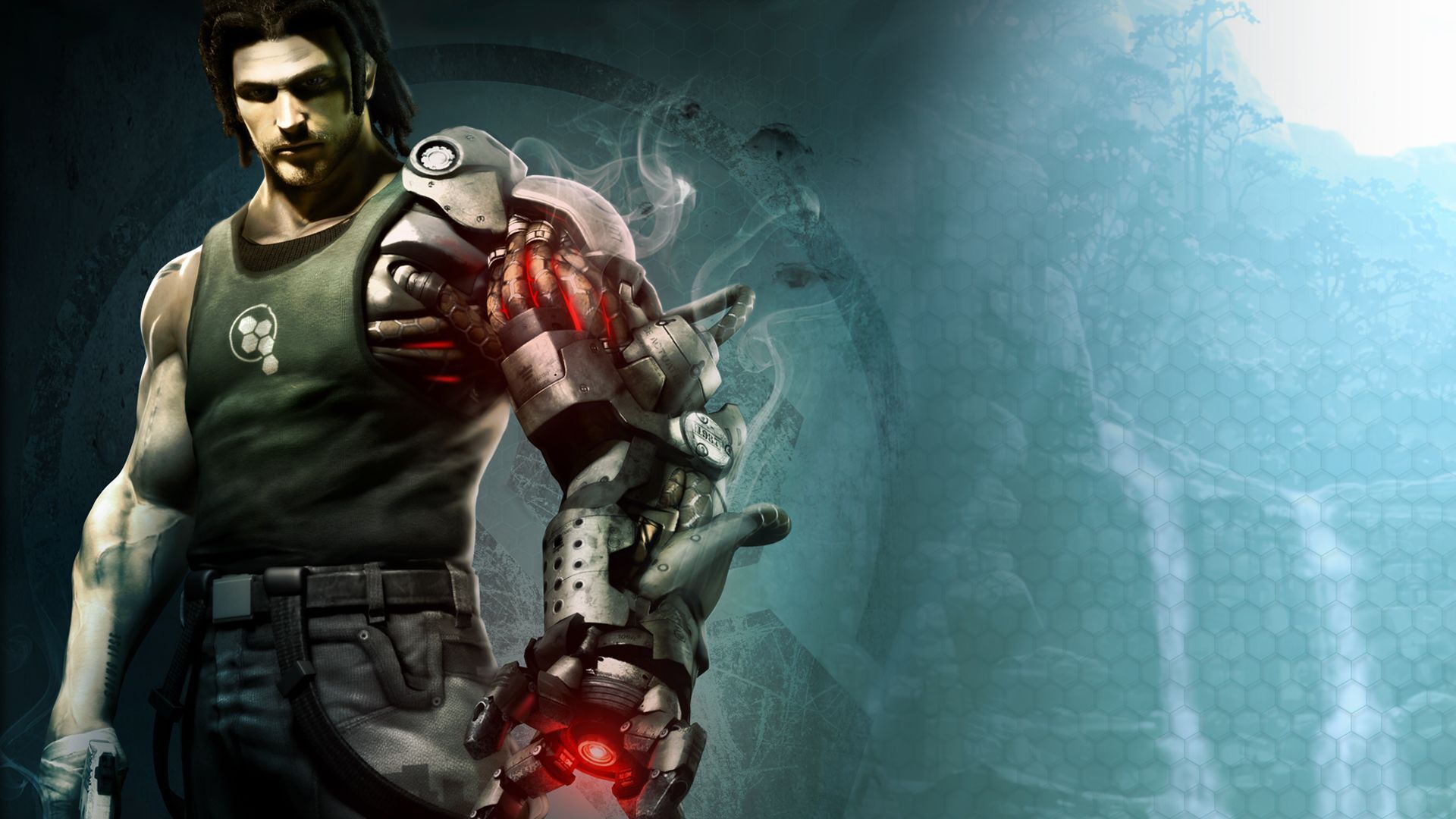
This 2009 reboot attempted to modernize the swinging mechanics of the classic NES game. It featured a gritty story with a controversial plot twist that many players found absurd. The level design often restricted the player’s ability to swing freely which was the main draw of the series. While the swinging physics were well developed the rest of the game felt like a generic third person shooter. The franchise has not seen a major console release since this reboot failed to spark interest.
‘Dungeon Siege III’ (2011)
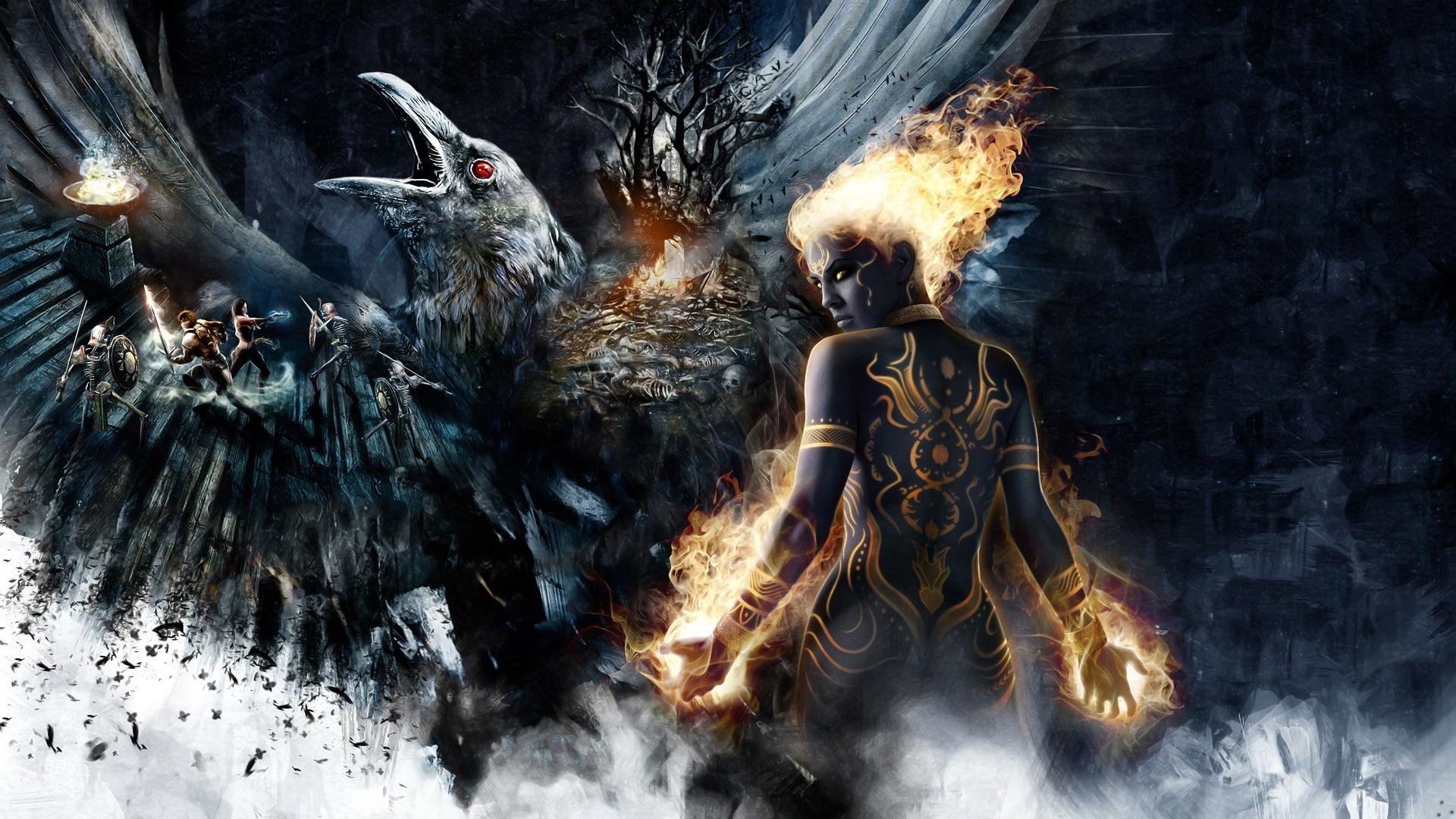
The third entry changed the series from a PC focused real time strategy RPG to a console oriented action brawler. It limited the number of characters in the party and simplified the loot and skill systems significantly. Long time fans felt the game lost the scale and complexity that made the original titles unique. The cooperative play was also restricted which frustrated those who wanted to play with multiple friends. The series has remained inactive since this entry failed to please either old or new fans.
‘Front Mission Evolved’ (2010)
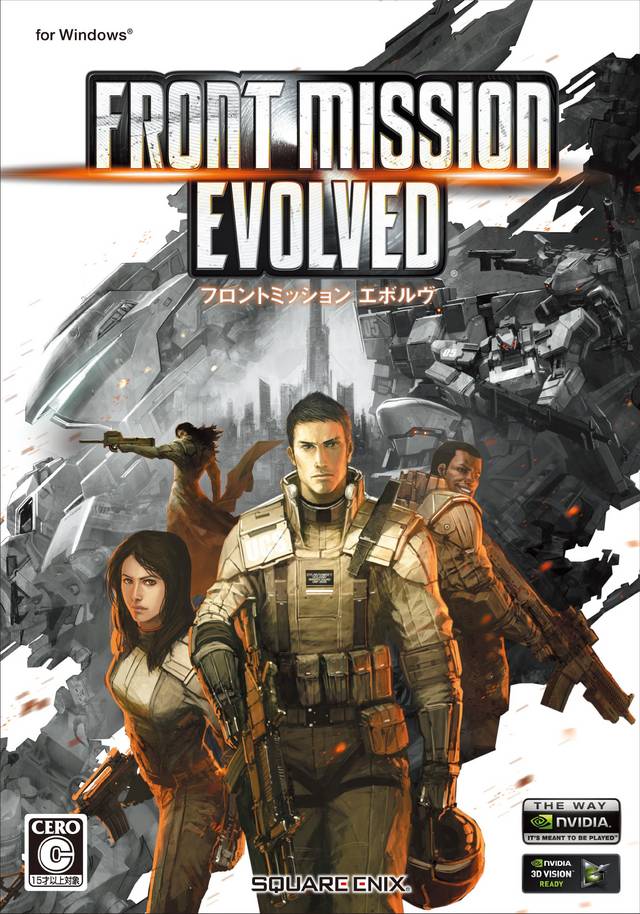
This long running tactical RPG series was turned into a fast paced third person action game for this sequel. The strategic depth of customizing mechs for turn based combat was replaced by generic shooting mechanics. The story and characters were criticized for being stereotypical and uninteresting. Fans of the original tactical series were disappointed by the shift in genre and the lack of polish. The franchise returned to its roots with remakes and smaller titles years after this experiment failed.
‘Suikoden Tierkreis’ (2008)
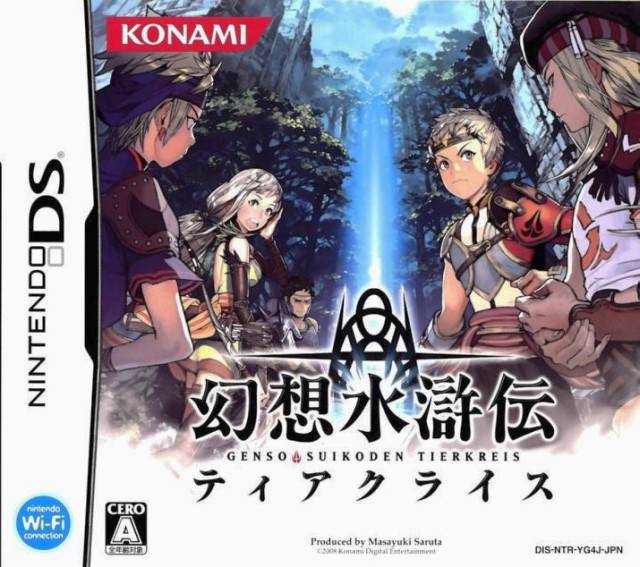
This handheld entry shifted the setting away from the main world of the series to a different dimension. It removed many of the elements that fans loved such as the strategic army battles and the traditional rune systems. The story felt disconnected from the epic lore established in the first five numbered games. While it was a competent RPG on its own it did not feel like a true entry in the ‘Suikoden’ saga. The mainline series has not seen a new release since this and other spin offs were produced.
‘Syphon Filter The Omega Strain’ (2004)
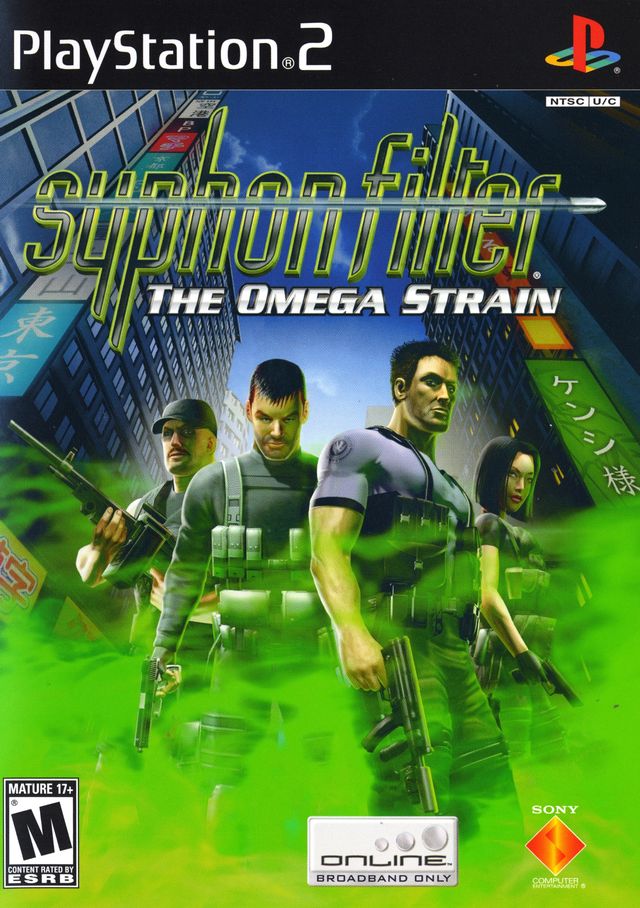
This sequel focused on cooperative multiplayer and forced players to create their own agents rather than playing as the series protagonist. The mission design was often frustrating due to strict time limits and difficult objectives that required multiple players. Technical issues and long loading times further hindered the experience for many users. The absence of the main character from the story was a major point of contention for fans of the original trilogy. The series moved to handheld systems before eventually fading away entirely.
‘Jak and Daxter The Lost Frontier’ (2009)
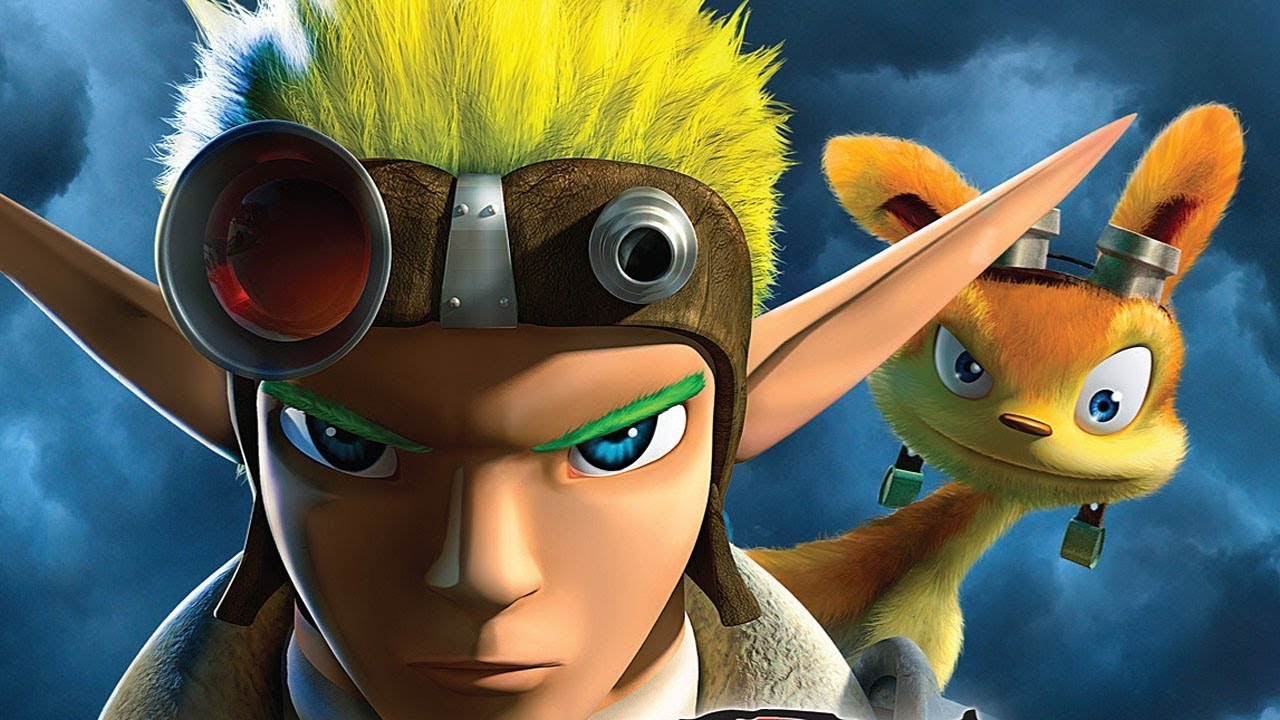
Developed by a different studio this entry lacked the polish and tight controls of the original Naughty Dog trilogy. The platforming sections felt clunky and the new aerial combat mechanics were repetitive and shallow. The character models and environments were also a step down in quality from the previous games. Many fans felt the game did not respect the established lore and personality of the iconic duo. The ‘Jak and Daxter’ series has not received a new entry in over a decade since this release.
Share your own examples of sequels that you believe ruined a favorite game franchise in the comments.