

15 Game Over Screens That Mocked The Player




Video games typically present a game over screen as a neutral notification of failure or a prompt to try again. Some developers choose to take a different approach by actively taunting or ridiculing the person holding the controller. These moments can range from humorous musical numbers to villains directly insulting the competency of the hero. Such design choices leave a lasting impression by adding an extra layer of sting to the defeat. The following titles are memorable for the way they mock players who lose all their lives.
‘Duck Hunt’ (1984)
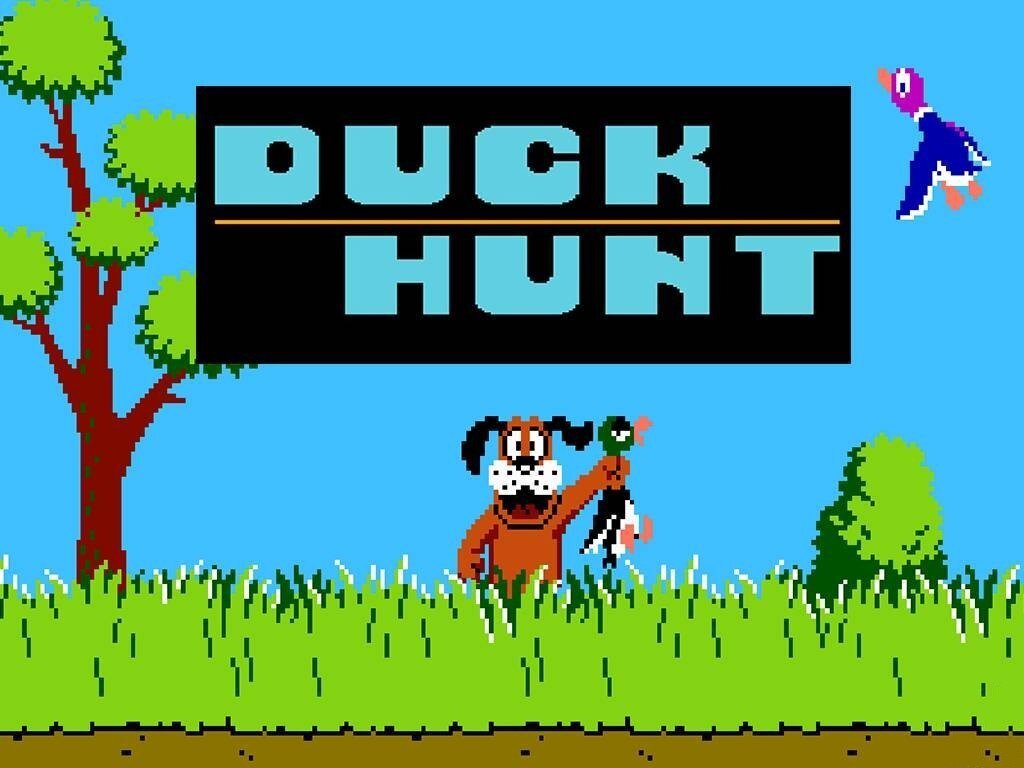
This light gun shooter features one of the most iconic characters in gaming history known for his mocking demeanor. The hunting dog retrieves downed ducks for the player but reacts quite differently when targets are missed. He emerges from the grass to laugh hysterically at the player’s failure to shoot the birds on screen. This animation has caused frustration for decades and remains a memorable example of a game openly ridiculing the user.
‘Total Distortion’ (1995)
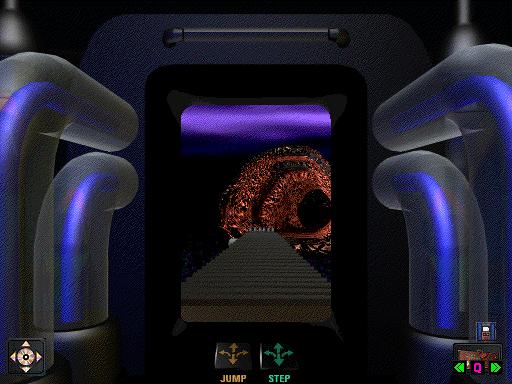
This multimedia adventure game includes a unique way of handling player death through a dedicated musical number. The game over screen triggers a catchy rock song that repeatedly tells the player that they are dead. The lyrics mock the unfortunate situation while upbeat guitar riffs play in the background. This sequence gained cult status for turning a failure state into an entertaining and humorous musical performance.
‘Zelda II: The Adventure of Link’ (1987)
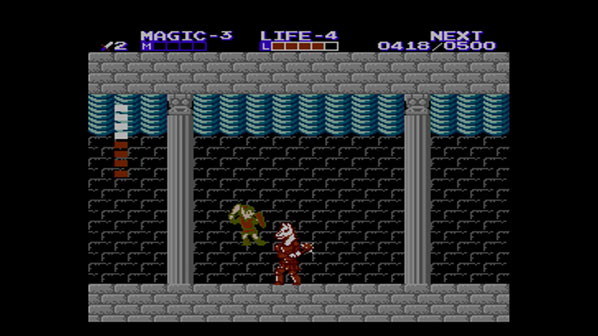
Nintendo created a dark and challenging atmosphere for this sequel that extends to the moment of defeat. When Link runs out of lives the screen turns black before displaying a silhouette of Ganon. The evil antagonist emits a distinctive pixelated laugh to celebrate his victory over the fallen hero. This haunting sound effect serves as a stark reminder that Hyrule has fallen to darkness because the player failed.
‘Batman: Arkham Asylum’ (2009)
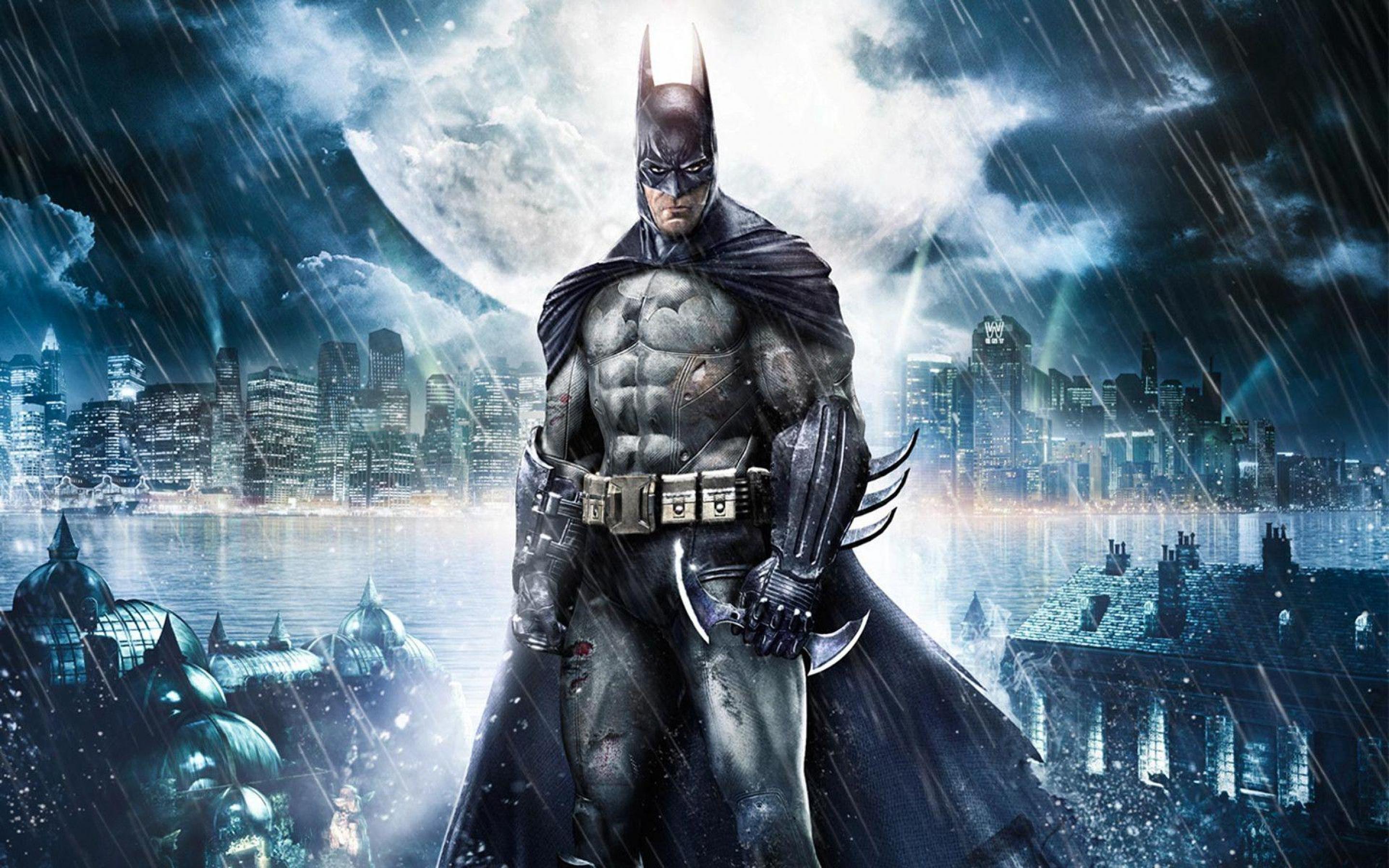
Defeat in this superhero action game triggers a cutscene featuring the specific villain who bested the protagonist. Characters like the Joker or Poison Ivy look directly into the camera to taunt the fallen hero. These scenes vary depending on the context and offer personalized insults regarding the Dark Knight’s failure to save Gotham. The developers used these moments to reinforce the personalities of the rogues gallery while adding insult to injury.
‘Spider-Man 2’ (2004)
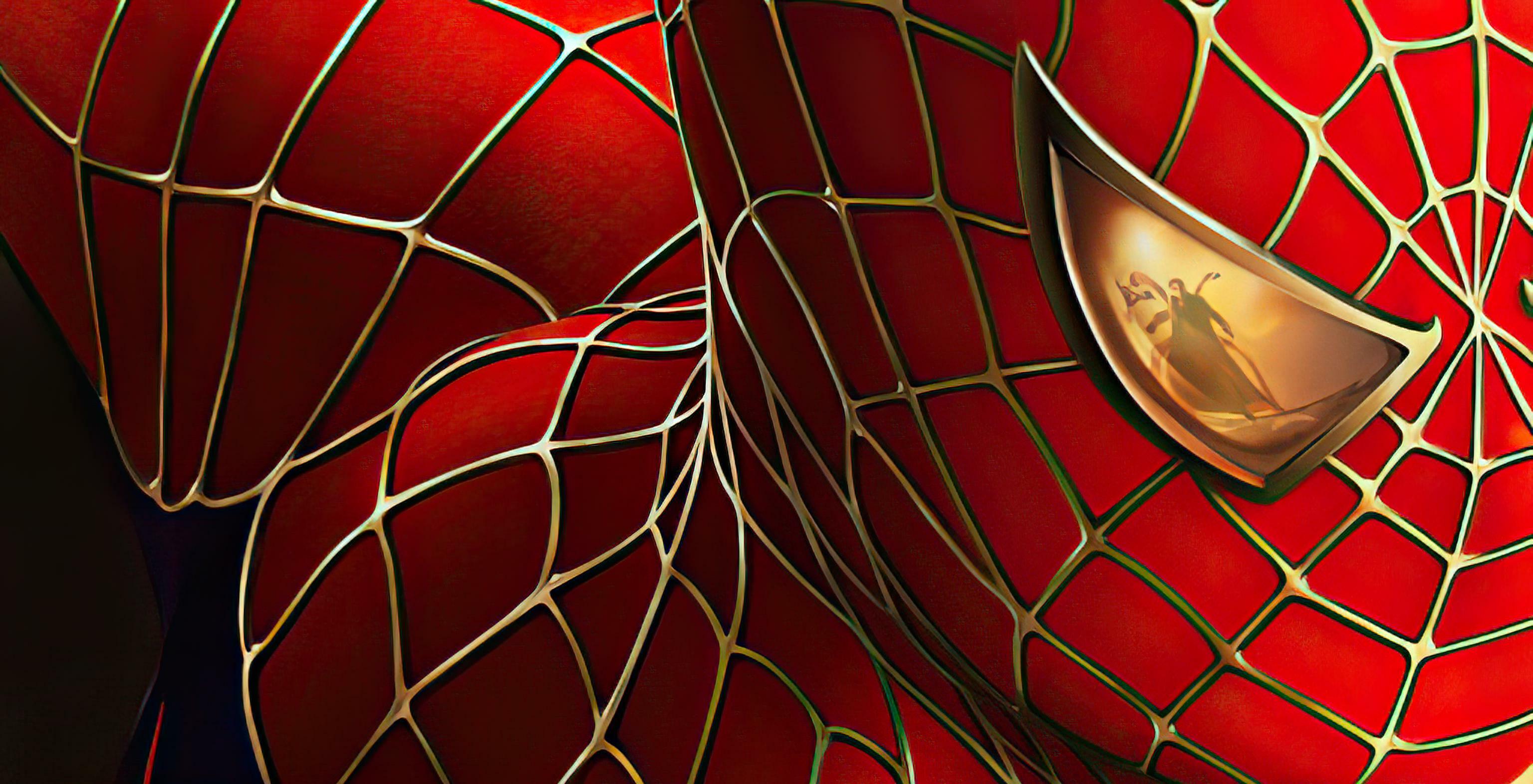
The video game adaptation of the film features actor Bruce Campbell as a snarky narrator throughout the tutorial and main adventure. He offers sarcastic tips and biting commentary whenever the web-slinger runs out of health. His quips often question the player’s competence or suggest they should try a different hobby entirely. This meta-commentary provides comic relief even as the player is forced to restart from the last checkpoint.
‘Banjo-Kazooie’ (1998)
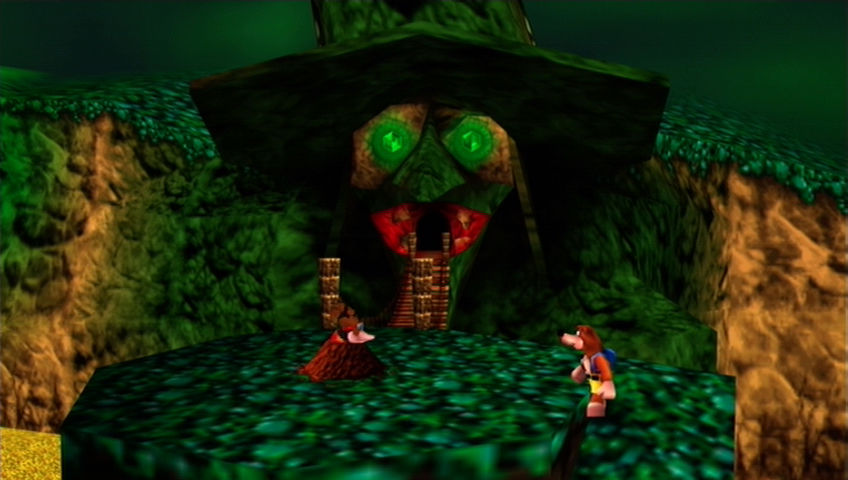
Failing to rescue the protagonist’s sister results in a cutscene where the antagonist Gruntilda successfully steals her beauty. The witch transforms from a grotesque hag into a stunning woman while the sister becomes a monster. Gruntilda prances around the screen to gloat about her victory and the player’s inability to stop her scheme. This visual storytelling adds significant weight to the game over state by showing the permanent consequences of defeat.
‘Sega Rally Championship’ (1994)
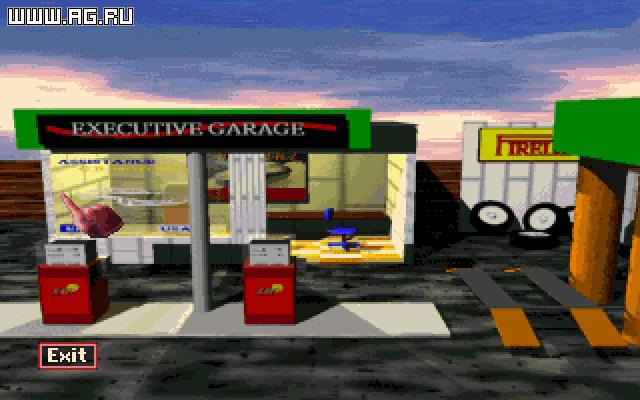
Racing games typically present a somber or neutral tone upon running out of time but this arcade classic takes a different approach. The announcer shouts the words Game Over with an inexplicable amount of joy and enthusiasm. This jubilant delivery sounds like a celebration rather than a notification of failure. Players often find the cheerful tone jarring after the stress of failing to reach the next checkpoint in time.
‘Quantum Conundrum’ (2012)
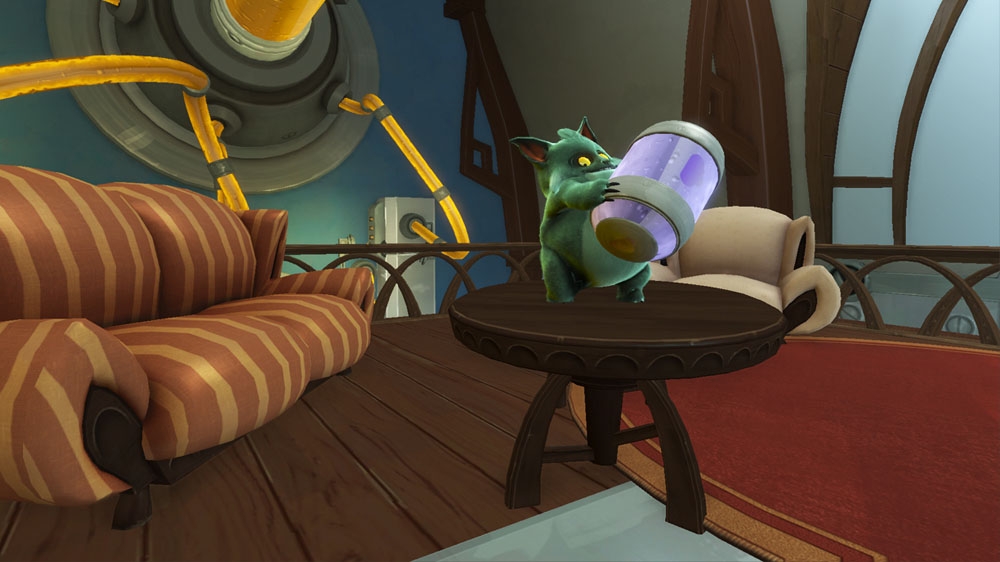
Professor Quadwrangle serves as the narrator for this puzzle platformer and frequently chimes in when the protagonist perishes. He offers backhanded condolences that highlight the foolishness of the death or the inconvenience it causes him. His dialogue emphasizes that he is more concerned about the interruption to his experiments than the safety of his nephew. These witty remarks ensure that every mistake is met with a verbal jab from the eccentric scientist.
‘South Park: The Stick of Truth’ (2014)
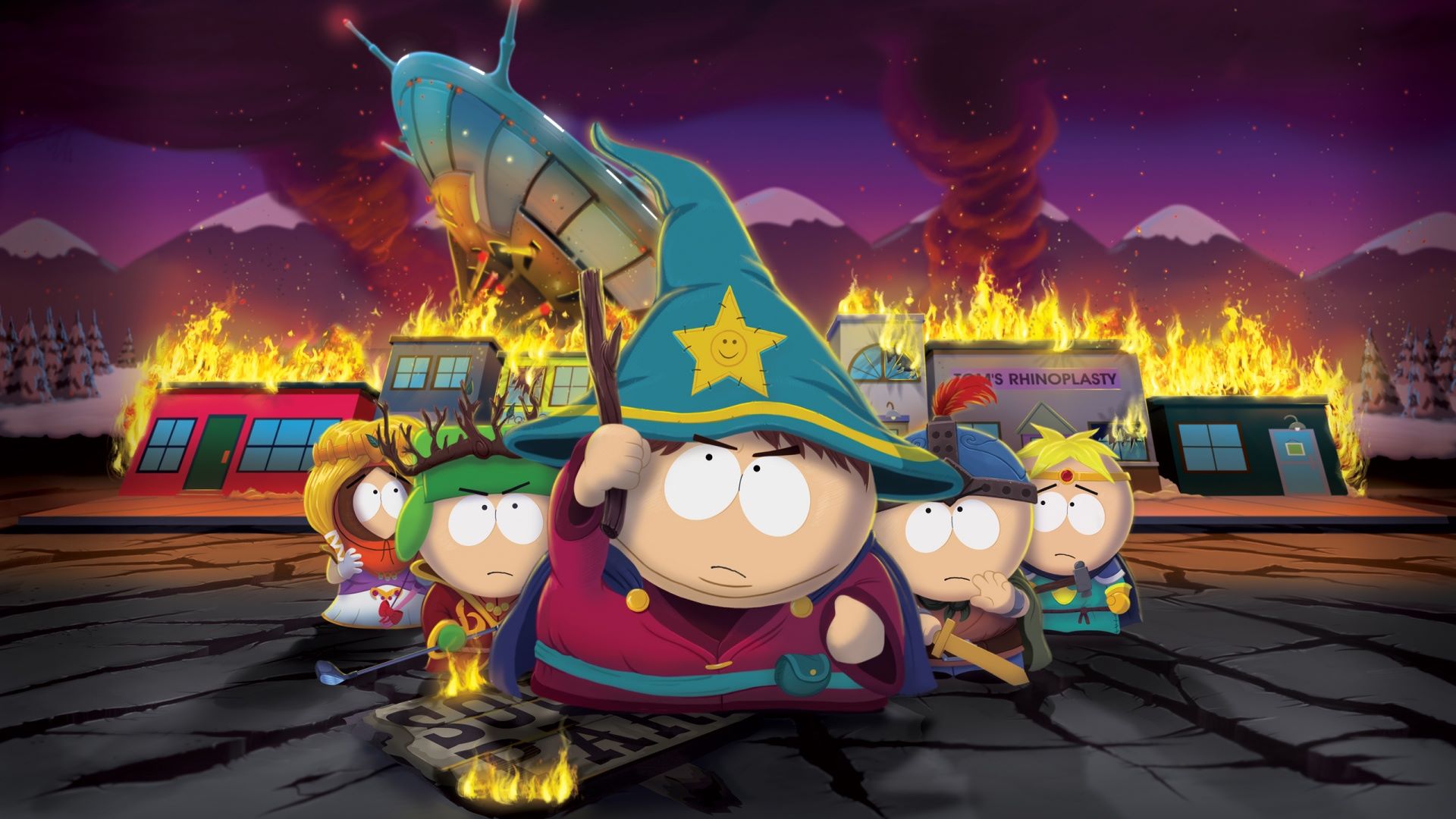
The creators of the television show wrote the game over screens to be as abrasive and humorous as the source material. A realistic photo of a character or animal appears alongside text declaring that the player is screwed. The abrupt tonal shift mocks the player for failing simple tasks or losing battles in the role-playing game. This blunt presentation fits perfectly with the satirical nature of the franchise and its tendency to break the fourth wall.
‘King’s Quest V’ (1990)
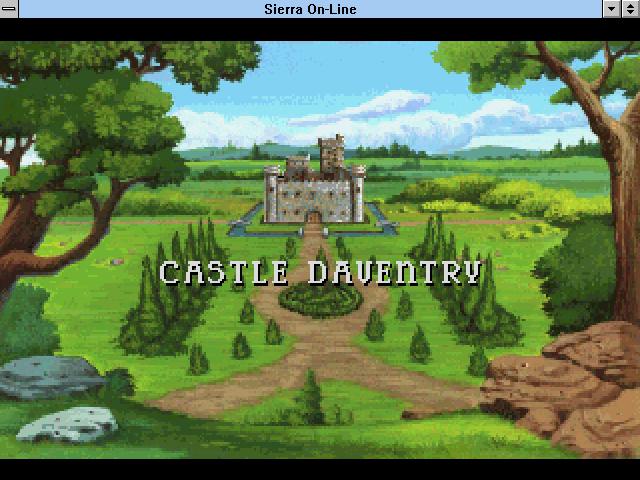
Adventure games by Sierra are infamous for their difficulty and the narrator often delights in the player’s misfortune. Every death is accompanied by a pun or a sarcastic observation about how King Graham met his end. The writing team crafted specific insults for each of the dozens of ways the character can die. These text boxes serve as a humorous reward for finding unique and often unfair ways to lose the game.
‘Friday the 13th’ (1989)
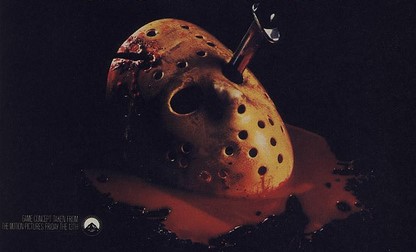
The NES adaptation of the horror franchise presents players with one of the most blunt and discouraging messages in gaming. Upon losing all counselors to Jason Voorhees the screen simply states that the player and their friends are dead. This stark declaration offers no hope or fanfare and emphasizes the bleak outcome of the slasher scenario. The brutal honesty of the text has made it a memorable piece of internet culture and gaming history.
‘Conker’s Bad Fur Day’ (2001)
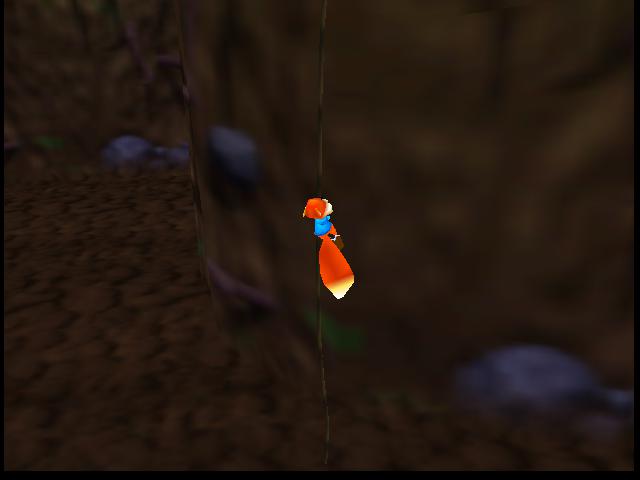
This mature platformer features a grim reaper named Gregg who grows increasingly annoyed with the protagonist’s repeated deaths. He eventually explains the concept of lives to Conker with a condescending attitude toward the squirrel. Gregg hates cats and often complains about his job while processing the player’s return to the land of the living. His dialogue creates a humorous bureaucracy around death that mocks the traditional mechanics of video games.
‘Ninja Gaiden’ (1988)
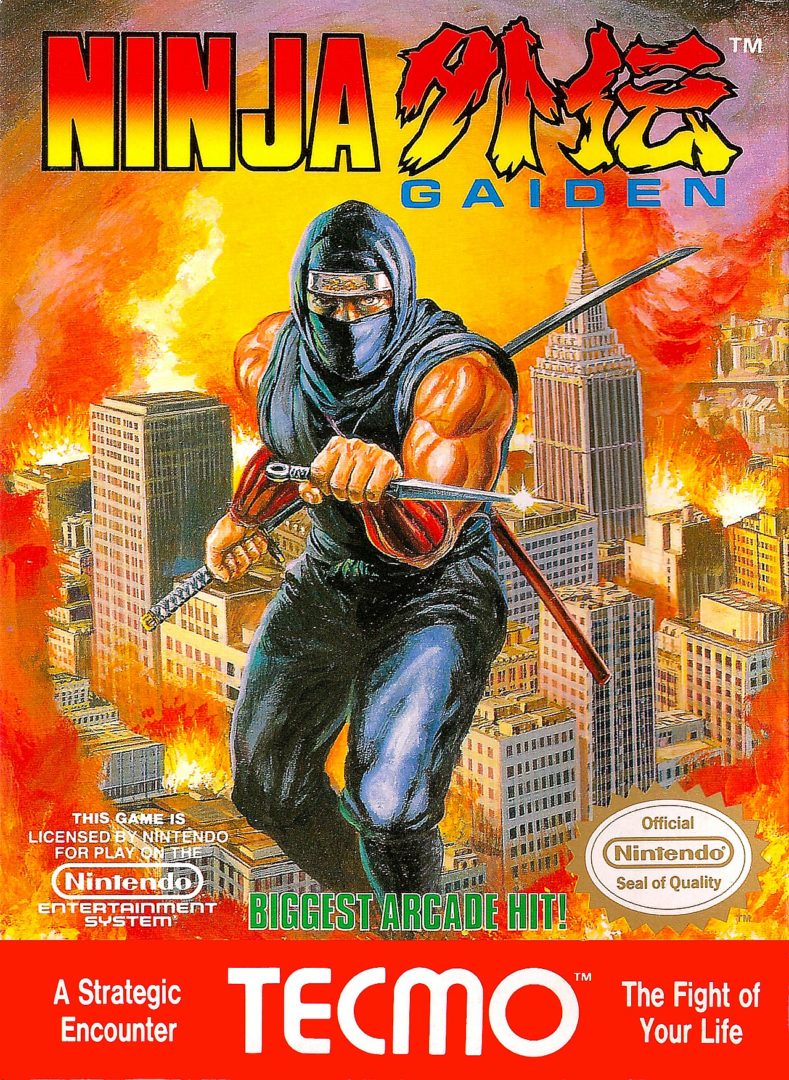
The arcade version of this action game features a continue screen that puts immense pressure on the player. The protagonist is shown strapped to a table while a circular saw slowly lowers toward his chest. The panicked character struggles against his bonds while a countdown timer ticks away toward a gruesome fate. This intense visual compels the player to insert more coins to save the hero from a terrifying death.
‘Undertale’ (2015)
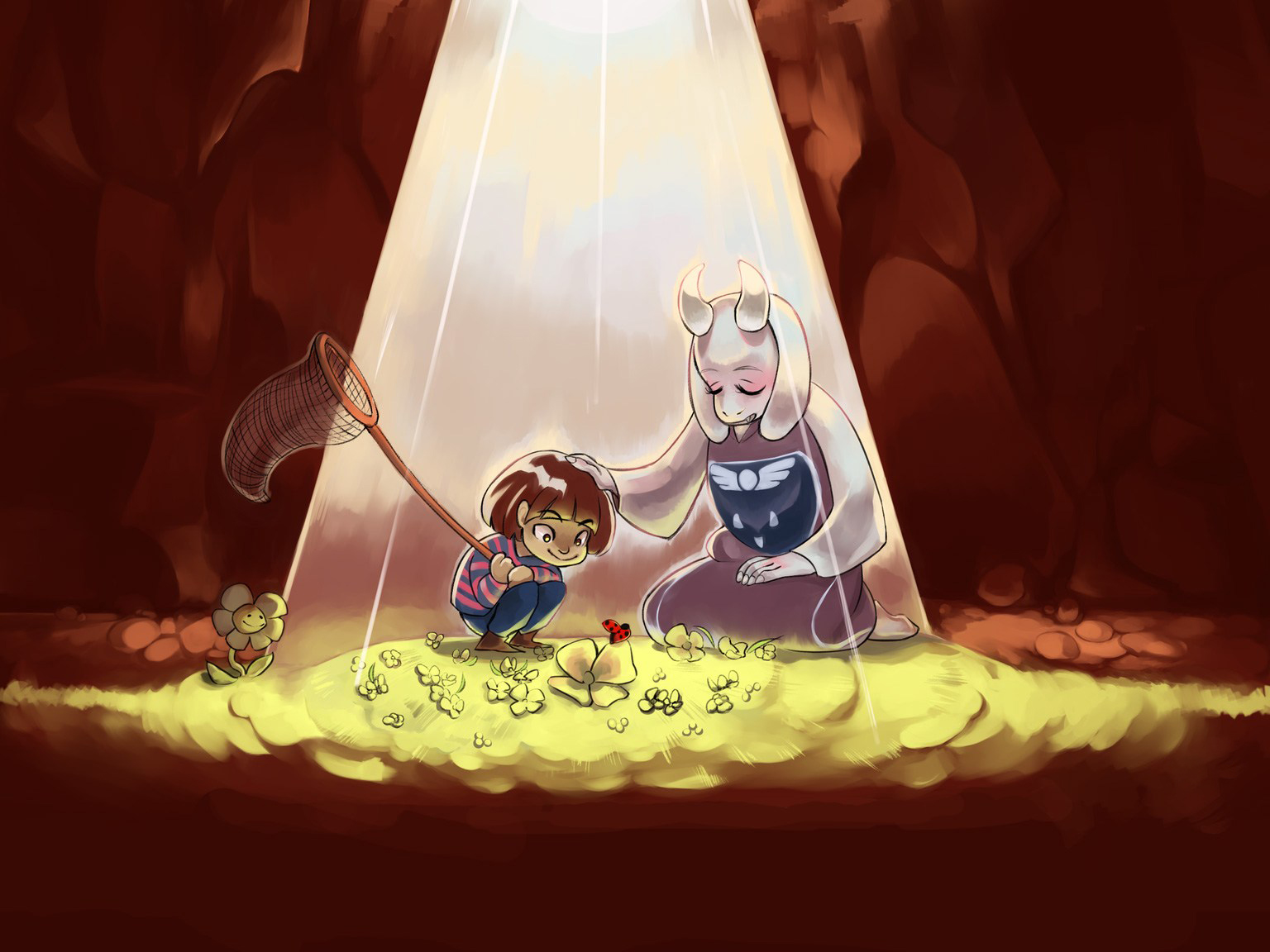
A specific boss fight against the character Sans involves a moment where he offers mercy to the player. Accepting this offer results in an immediate death sequence where the skeleton mocks the player for being gullible. The game over text is replaced with a message about getting dunked on by the difficult opponent. This subversion of RPG tropes punishes players who expect a peaceful resolution during the hardest battle in the game.
‘I Wanna Be The Guy’ (2007)
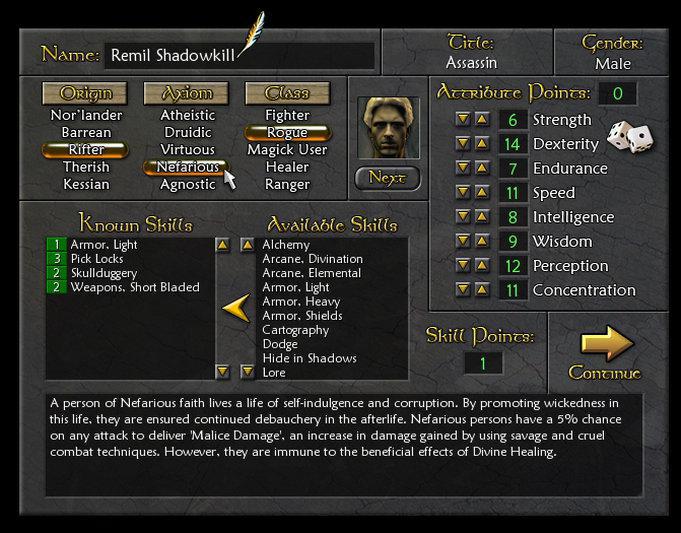
This indie platformer is designed solely to frustrate players with unfair traps and extreme difficulty. The game over screen features the protagonist exploding into blood while a triumphant orchestral tune plays in the background. The music is actually a snippet from a classic fighting game which adds a layer of irony to the frequent deaths. Every aspect of the design is meant to troll the user and the death screen is a constant reminder of that intent.
Please mention which game over screen frustrated you the most in the comments.