

Game Sequels That Replaced the Main Character—and Got Better




Sometimes a series hits a wall with a familiar lead and the smartest move is to hand the story to someone new. Swapping protagonists can unlock fresh settings, new systems, and different stakes that reshape how everything plays. It can also give developers room to rebuild pacing and structure while keeping the world and lore intact.
The games below picked a new main character and used that change to push the design forward. You will see shifts in combat models, exploration, and mission flow along with clear changes in tone and storytelling focus. Each example shows how a different lead can open up mechanics that simply were not possible before.
Assassin’s Creed II
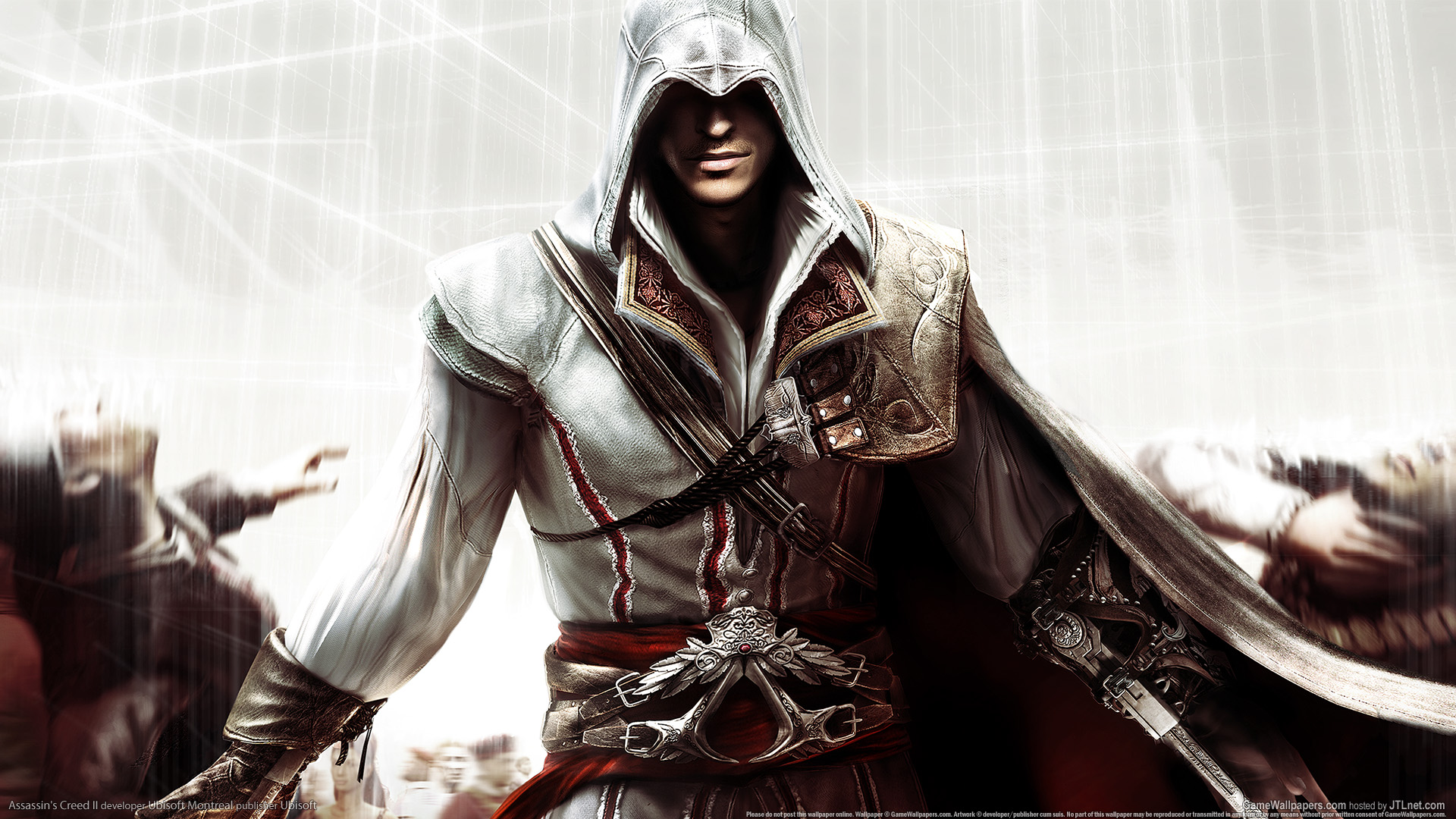
The first Assassin’s Creed followed Altaïr ibn-La’Ahad during the Third Crusade, while Assassin’s Creed II introduced Ezio Auditore across Renaissance Italy. Moving to Florence, Venice, Forlì, and the Tuscan countryside let the series expand city density and vertical navigation. The story spanned years of Ezio’s life, which supported new social stealth tools and a broader cast that tied directly into historical events.
Systems grew in scope with dual hidden blades, improved counter timing, disarms, and smoke bombs. The Monteriggioni villa economy created long term progression, codex pages unlocked gear upgrades, and mission variety increased with races, courier jobs, assassination contracts, and tomb platforming that rewarded new gear.
Red Dead Redemption
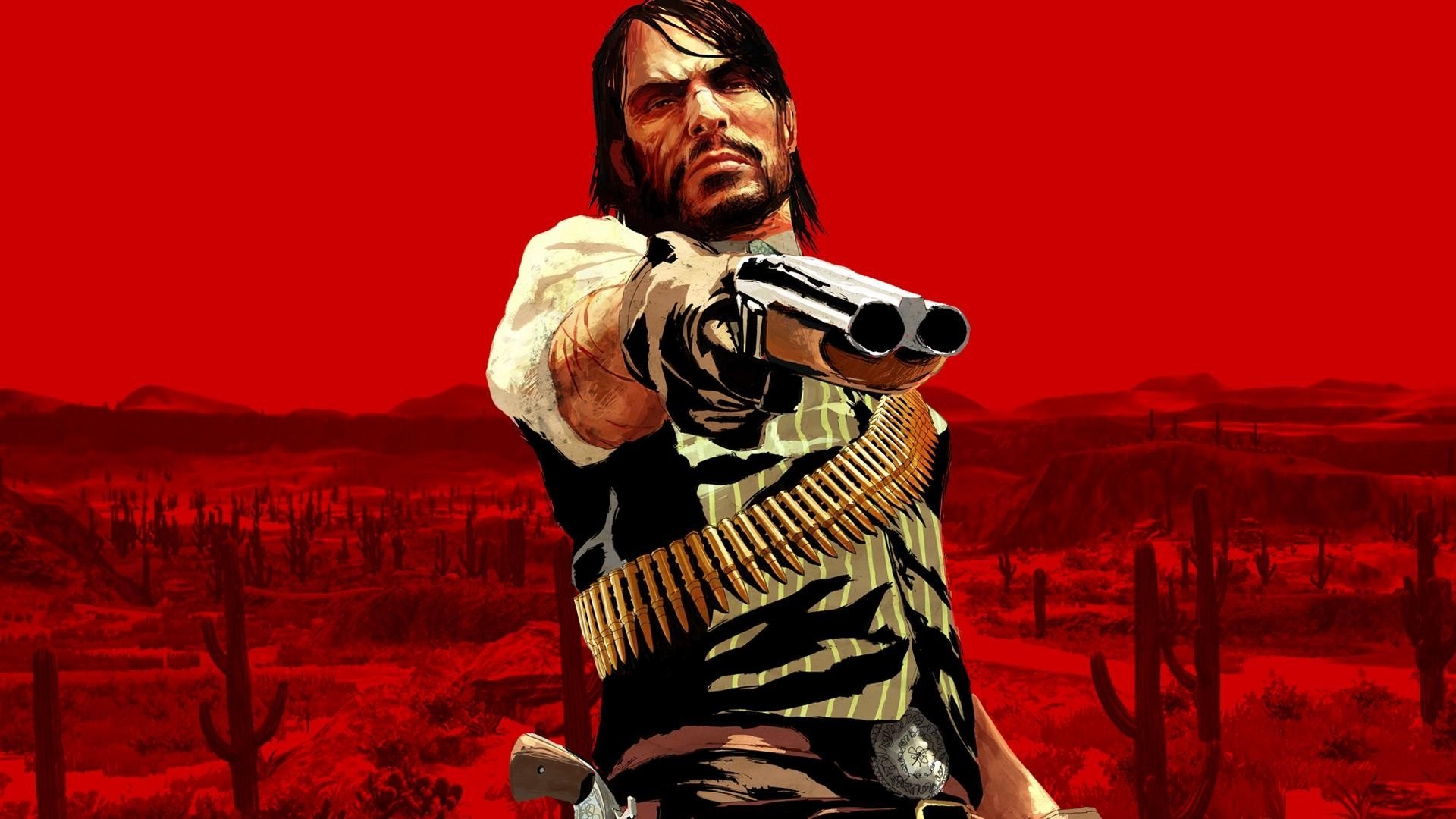
Red Dead Revolver starred Red Harlow in linear shootouts, while Red Dead Redemption shifted to an open frontier with John Marston in 1911. The move to a seamless world allowed dynamic encounters on the trail, a living ecosystem with predators and prey, and towns that changed with player actions.
Dead Eye targeting returned with deeper upgrades, horses gained unique handling and bonding, and a reputation system influenced prices and responses from townsfolk. Side stories through Stranger missions and ambient events stitched narrative into exploration, and the Undead Nightmare expansion repurposed the map with new enemy behaviors.
Red Dead Redemption 2
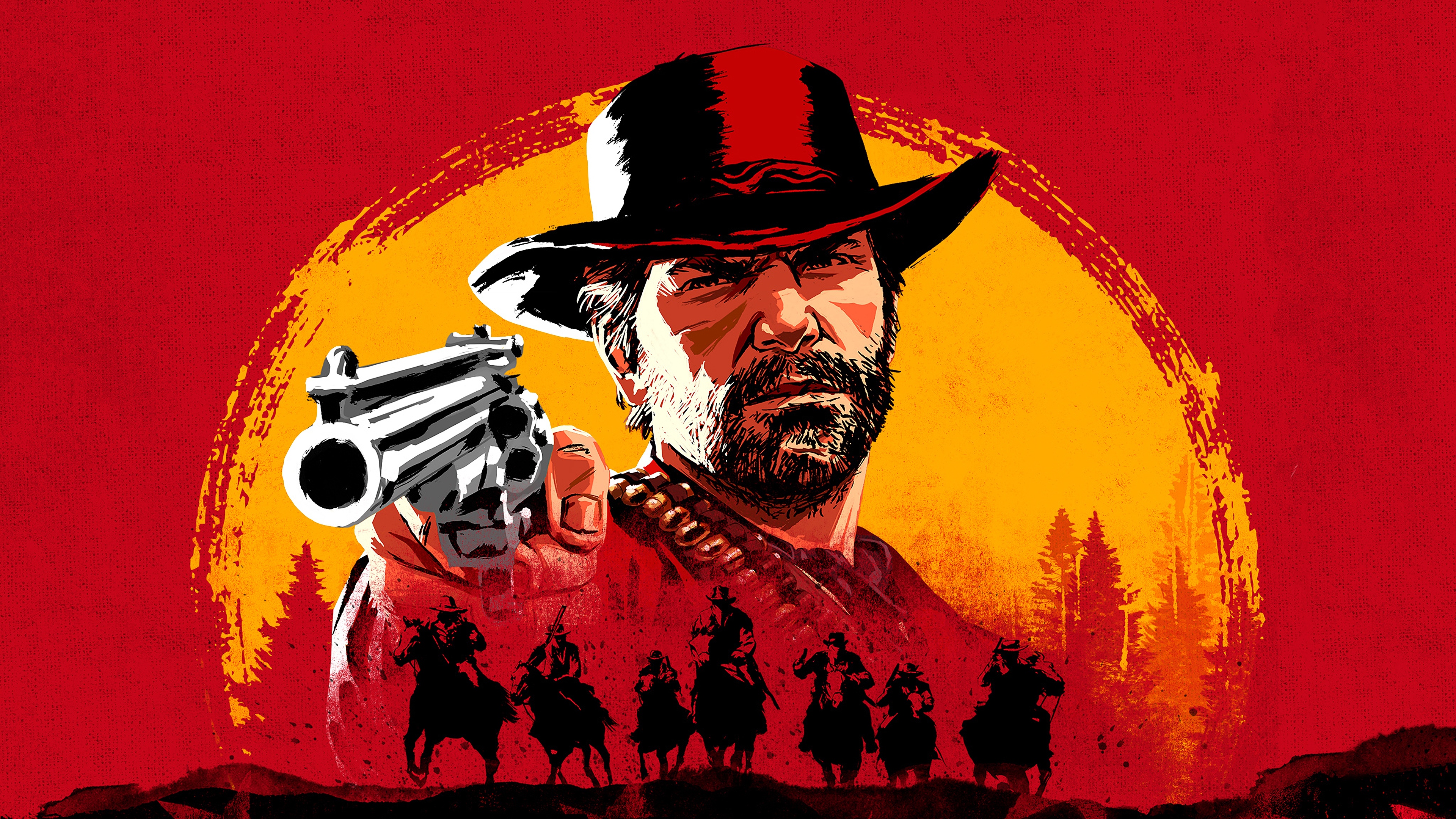
John Marston’s story gave way to Arthur Morgan set amid the Van der Linde gang in 1899. The prequel framing supported a slower frontier in transition, with trains, industry, and law pressure shaping mission design and travel.
Camp management introduced shared resources and character interactions, weapons had detailed maintenance, and hunting tied into crafting and satchel upgrades. A first person view on consoles, meticulous animation systems, and advanced horse behavior created grounded traversal, while honor affected dialogue, store access, and epilogue outcomes.
Metal Gear Solid 2
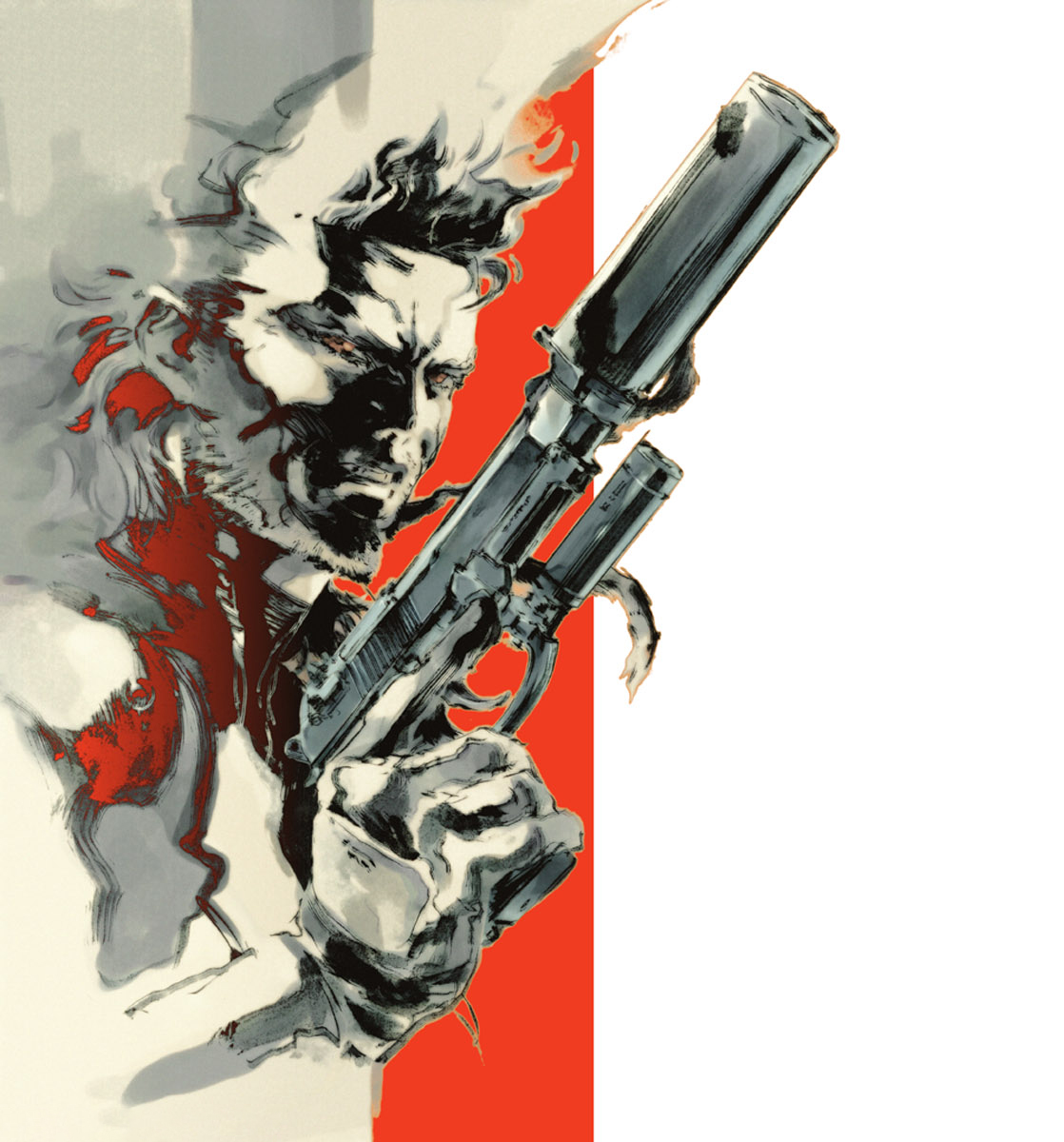
Metal Gear Solid centered on Solid Snake, but Metal Gear Solid 2 placed Raiden at the center for the Big Shell incident. The perspective shift enabled a story about information control while Snake became a mentor figure who operated alongside the player.
Stealth gained first person aiming, contextual ledge hanging, and more advanced enemy senses with vision checks, radio calls, and squad responses to footprints and noise. Non lethal routes expanded through tranquilizers and choke holds, while dynamic physics for liquids, ice, and movable objects added new infiltration tricks.
Metal Gear Solid 3
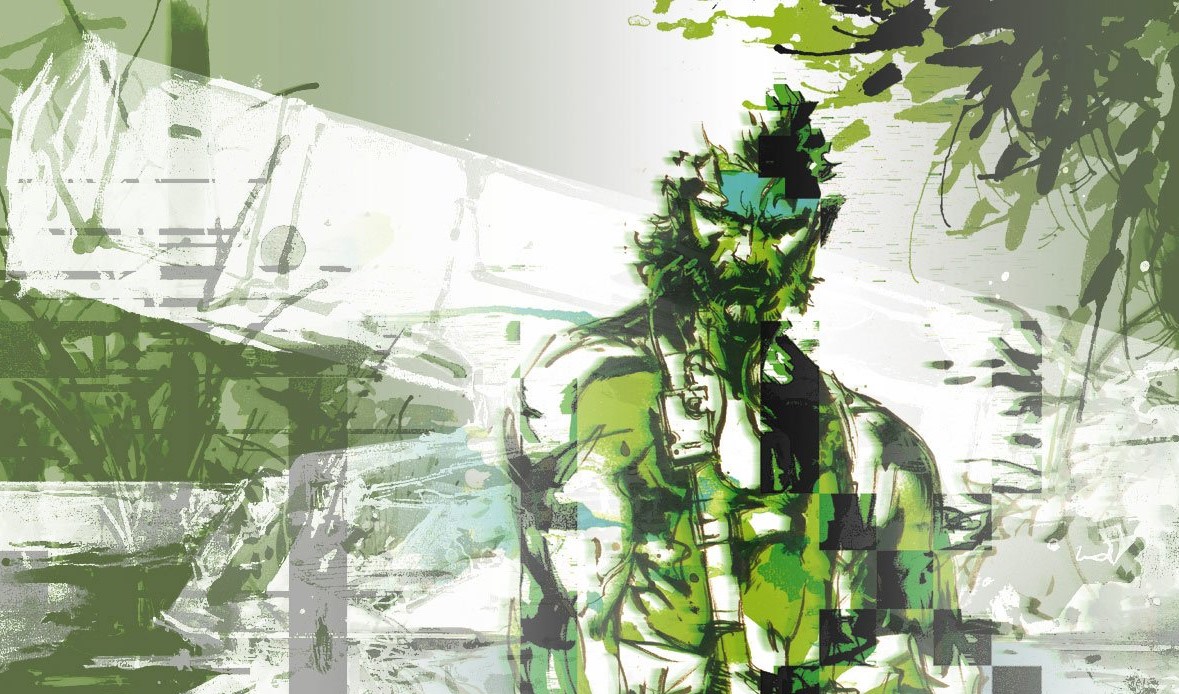
After Raiden, the next entry focused on Naked Snake during the Cold War. A jungle setting replaced facility corridors, enabling camouflage management and a stamina system that affected aim and recovery.
Close quarters combat introduced throws, counters, and guard grabs that changed how players approached patrols. The cure menu modeled injuries from bullets and bites, food spoilage shaped resource planning, and boss fights like The End and The Fury showcased long form stealth and terrain use in open spaces.
Watch Dogs 2
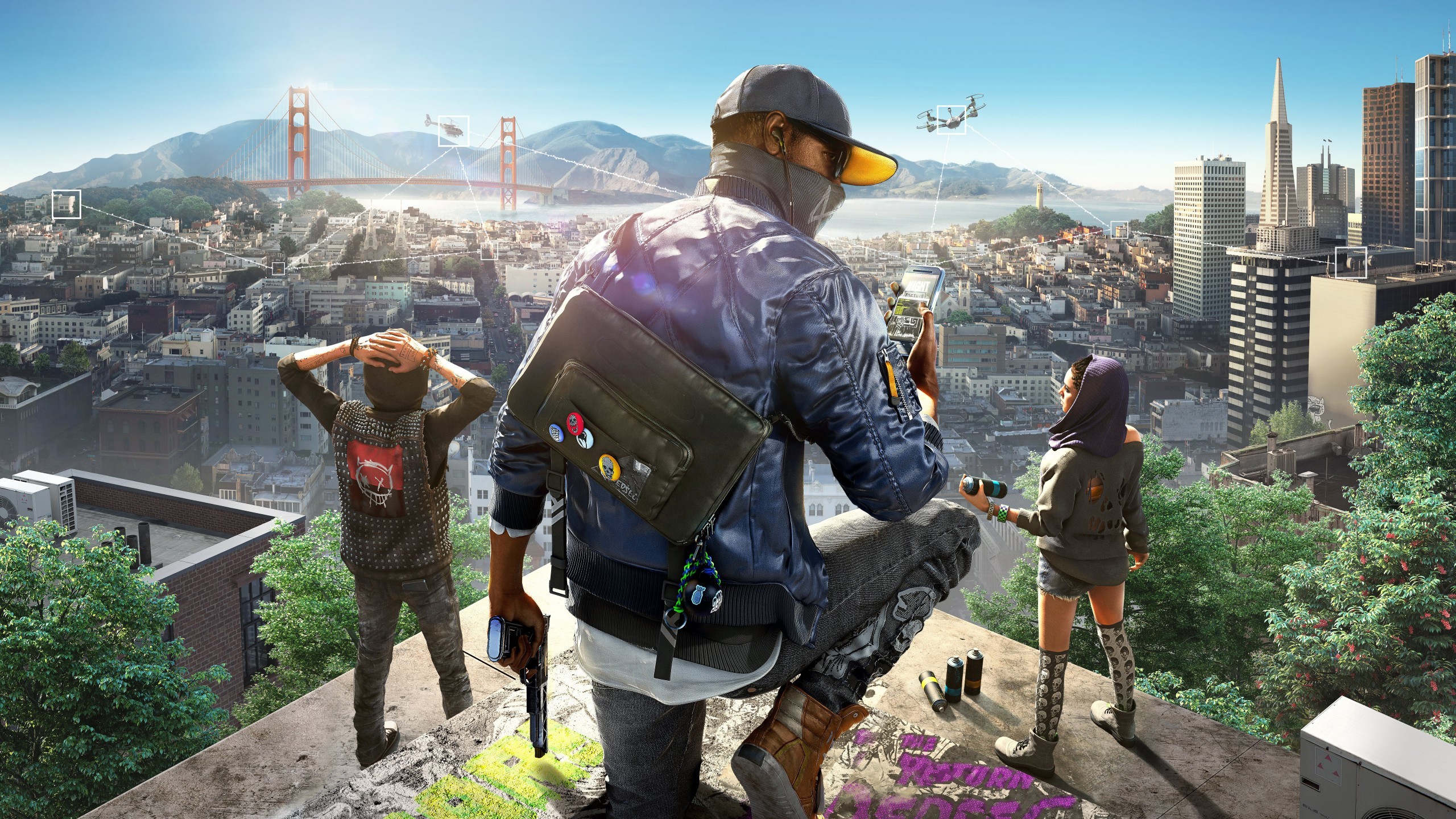
Aiden Pearce’s tale gave way to Marcus Holloway in a near future Bay Area. The new lead fit a broader DedSec crew and a lighter tone that placed social networks and smart city infrastructure at the center of each operation.
Hacking expanded to remote control cars, drones, and a ground bot that slipped through vents and tight spaces. Movement and driving were more responsive, co op and invasion systems were better integrated, and mission hubs across San Francisco, Oakland, and Silicon Valley supported multi route stealth and gadget solutions.
Yakuza: Like a Dragon
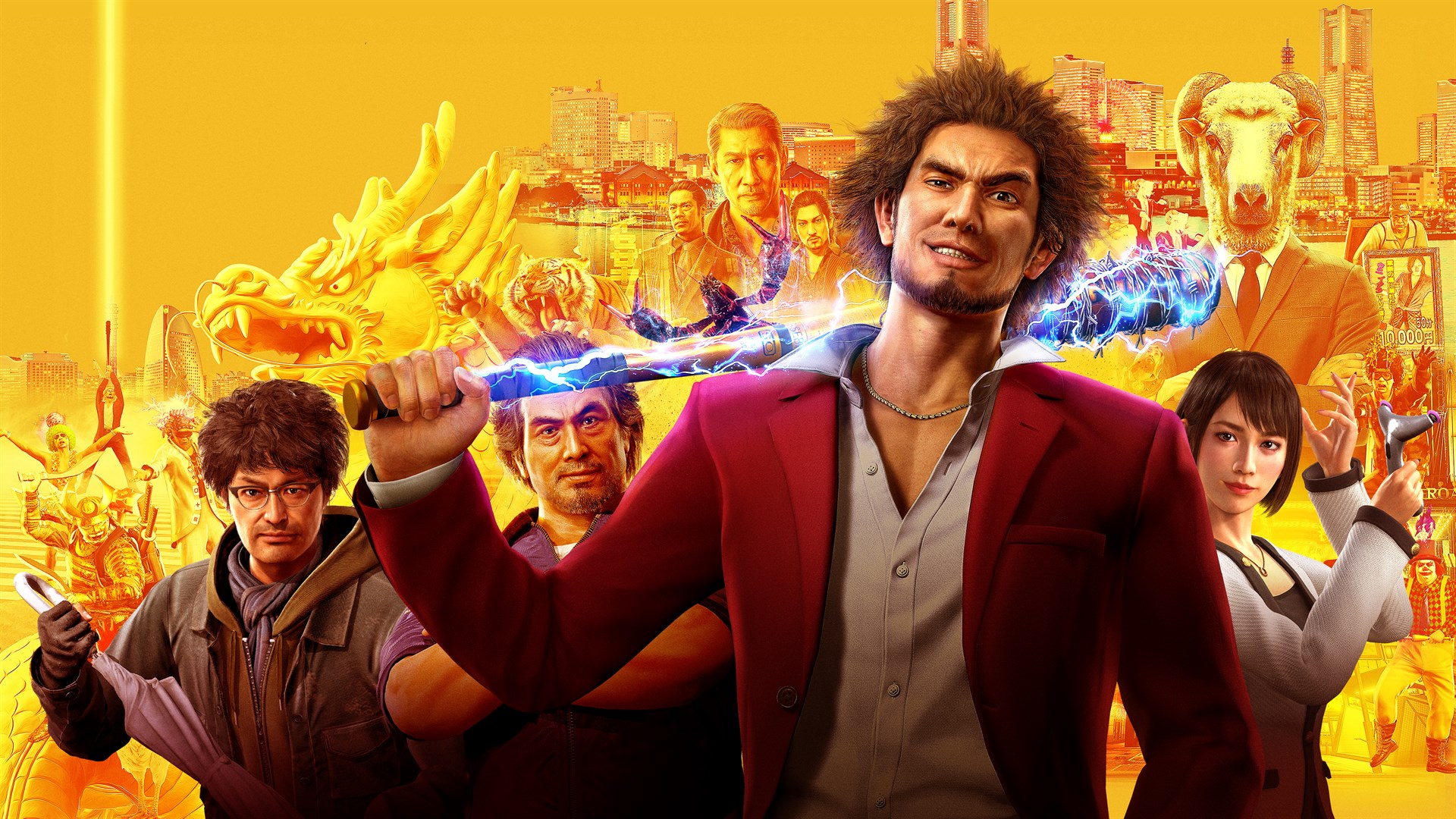
After Kazuma Kiryu’s saga concluded, Ichiban Kasuga stepped in with a new city hub in Isezaki Ijincho. The shift introduced an underdog crew dynamic and a fresh perspective on long running factions in Yokohama.
Combat moved to a turn based system with jobs that altered abilities and party roles. Environmental interactions let characters kick bikes and cones during turns, summons delivered over the top skills, and social bonds unlocked tag team moves. A larger district map, vocational tests, business management, and mini games rounded out long form progression.
Nier Automata
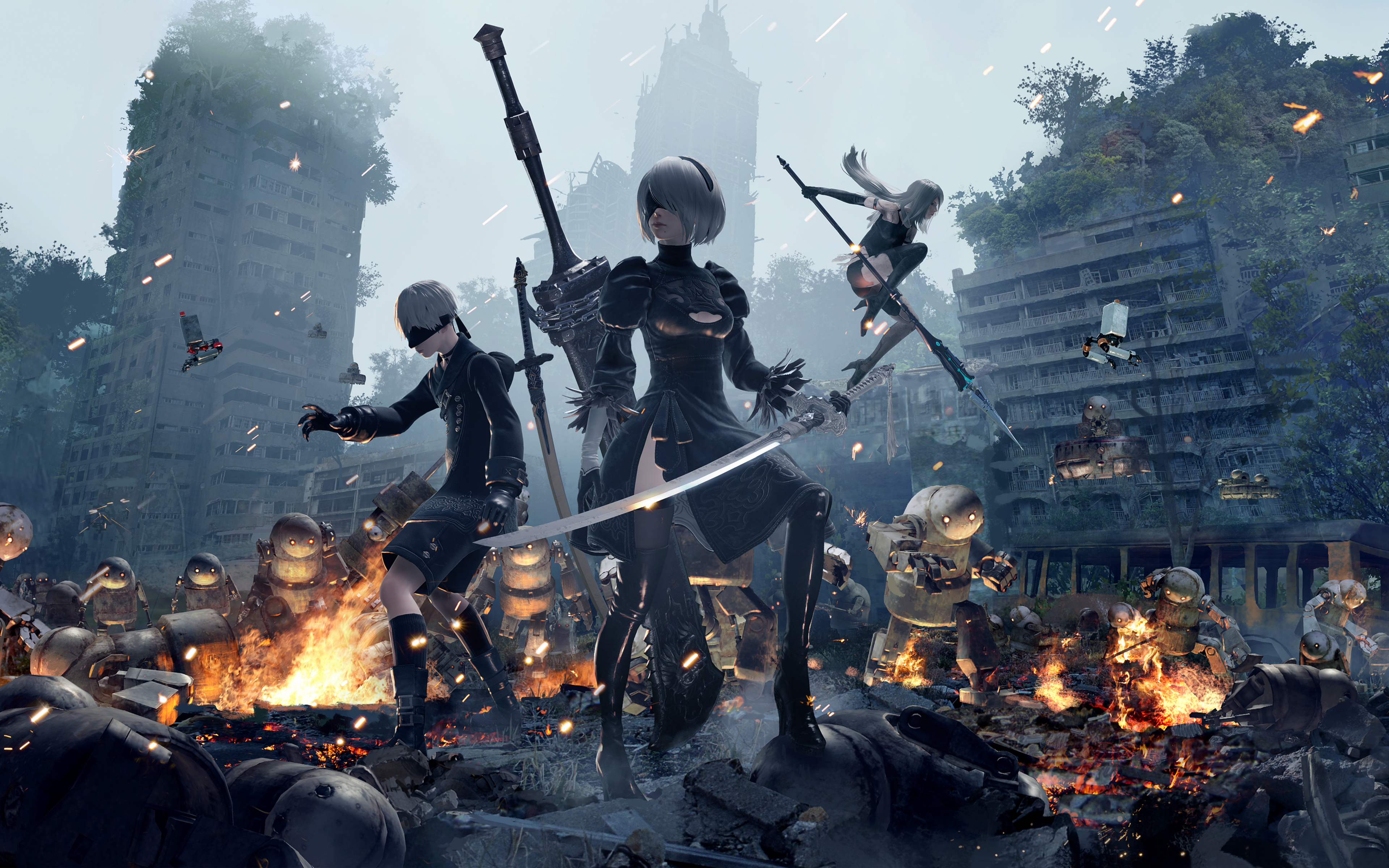
Nier featured a grizzled father or brother figure depending on region, while Nier Automata followed androids 2B, 9S, and A2 on a ruined Earth. The structure divided the story into multiple routes that recontextualized previous events, with each lead bringing different gameplay focus.
PlatinumGames combat provided snappy light and heavy strings, pod shooting, and perfect evasion counters. Hacking sequences changed perspective to twin stick shooting, chip loadouts allowed deep stat tuning, and a save system tied to access points created risk management during exploration. Endings and chapter select supported thorough cleanup runs.
Resident Evil 4
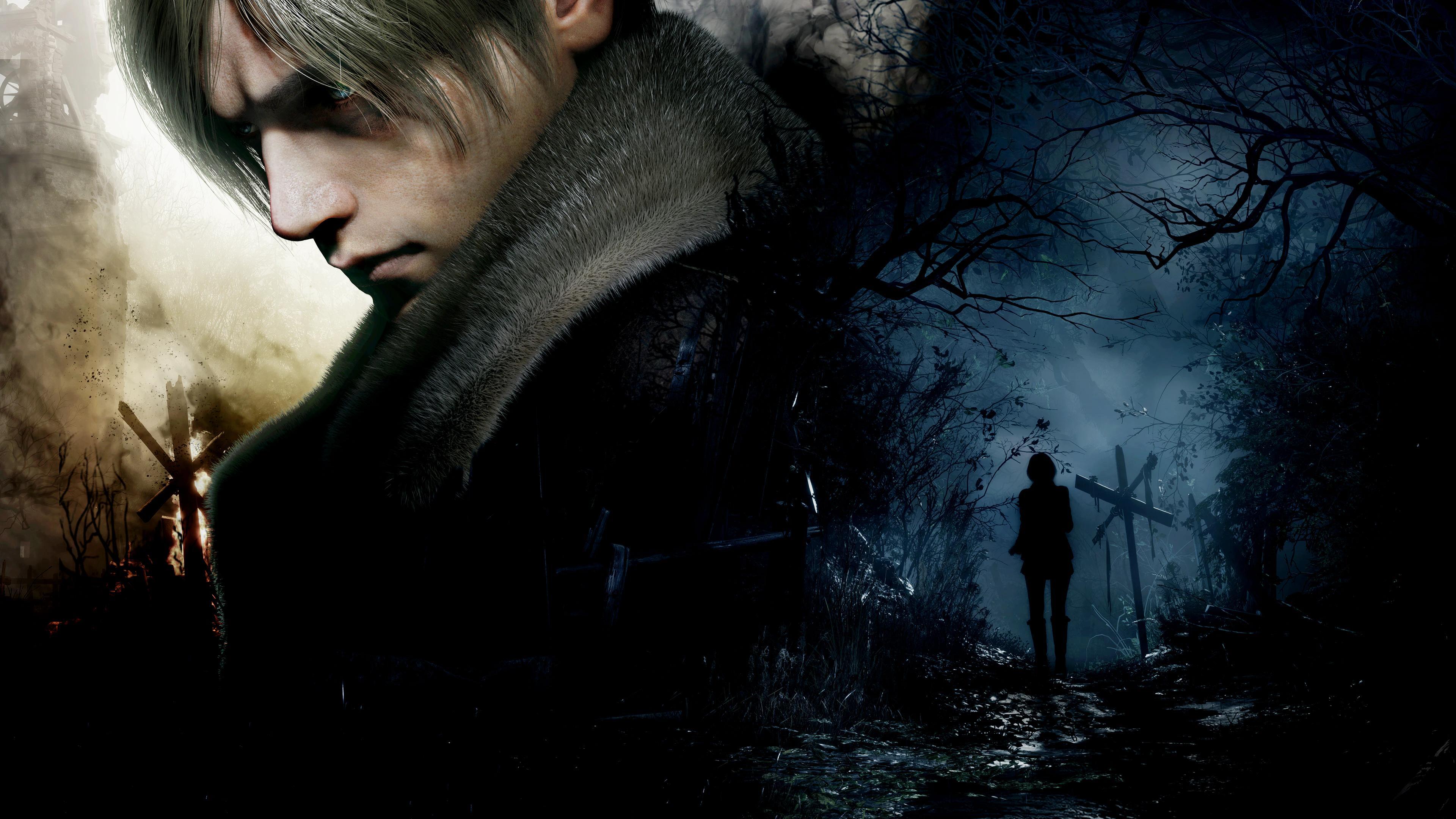
After earlier entries split time between S T A R S members, Resident Evil 4 centered on Leon S Kennedy as a government agent in rural Spain. The narrative followed a rescue mission that moved through villages, a castle, and an island facility with stronger focus on set piece escalation.
An over the shoulder camera introduced precise aiming with hit reactions that triggered melee follow ups. The attaché case enabled spatial inventory puzzles, the Merchant handled upgrades and exclusive weapon paths, and dynamic enemy adaptation kept pressure high as players relied on crowd control and movement.
Final Fantasy X 2
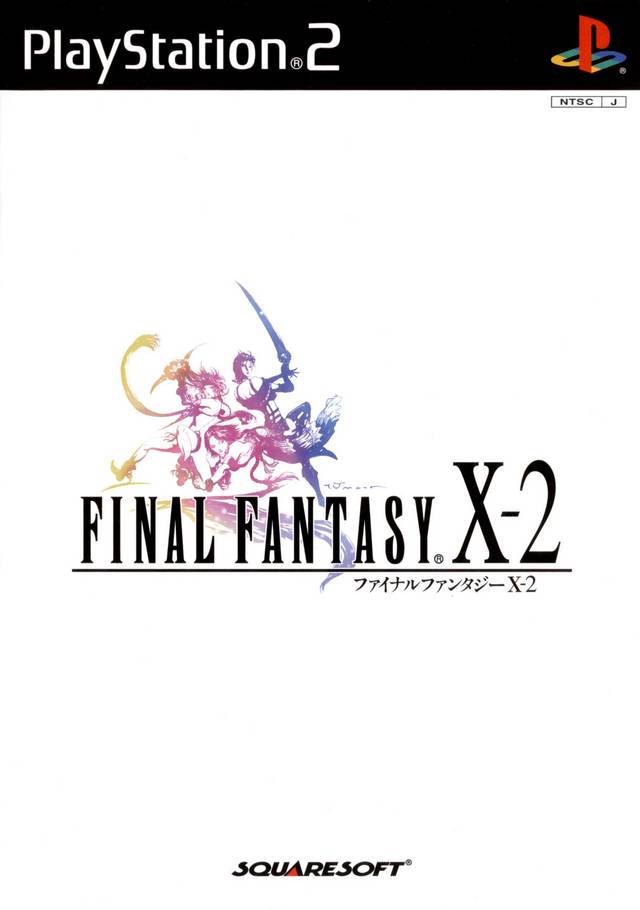
Final Fantasy X told Tidus and Yuna’s story, while Final Fantasy X 2 put Yuna in the lead with Rikku and Paine. The sequel revisited Spira after the fall of Sin and let players tackle zones in an order that fit their goals.
The dressphere system allowed mid battle job changes that altered stats and abilities in real time. Mission completion affected faction standings and unlocked different scenes, while a percentage tracker governed multiple endings. Fast Active Time combat and chapter structure supported replay to see optional content.
Suikoden II
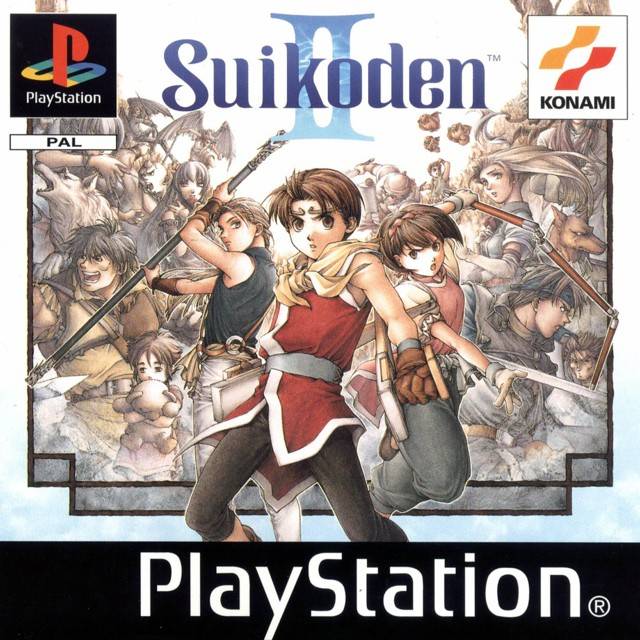
Suikoden followed the Liberation Army led by a silent hero, while Suikoden II introduced Riou amid the Dunan Unification War. The story linked to the first game through returning characters and save transfer that altered events and recruitment.
Core systems returned with 108 Stars of Destiny, unite attacks, and a home base that expanded with shops and minigames. Large scale wars evolved into tactical battles with unit specialties, one on one duels added timing depth, and rune setups supported powerful spell combinations for late game fights.
Dragon Age Inquisition
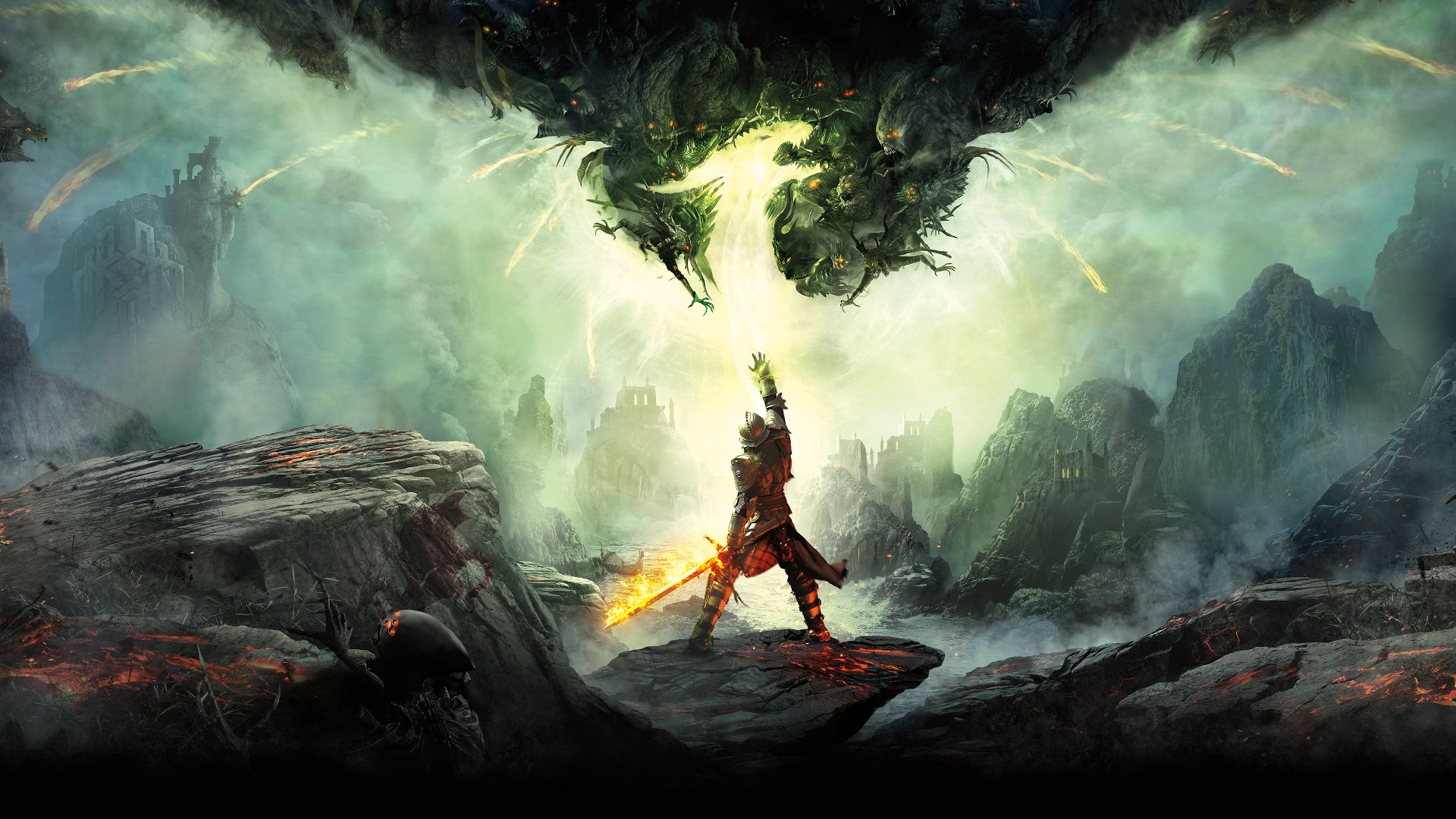
Dragon Age II focused on Hawke in Kirkwall, while Dragon Age Inquisition placed a player created Inquisitor at the center of a crisis that tore a sky wide rift. The change supported a continent spanning campaign with political decisions that touched multiple nations.
Zones like the Hinterlands and the Western Approach offered wide exploration with camps, requisitions, and high level threats. The war table let advisors run operations that opened paths and allies, while crafting and specializations tuned builds for different party roles. Skyhold acted as a growing base with customization and companion scenes.
Assassin’s Creed IV Black Flag
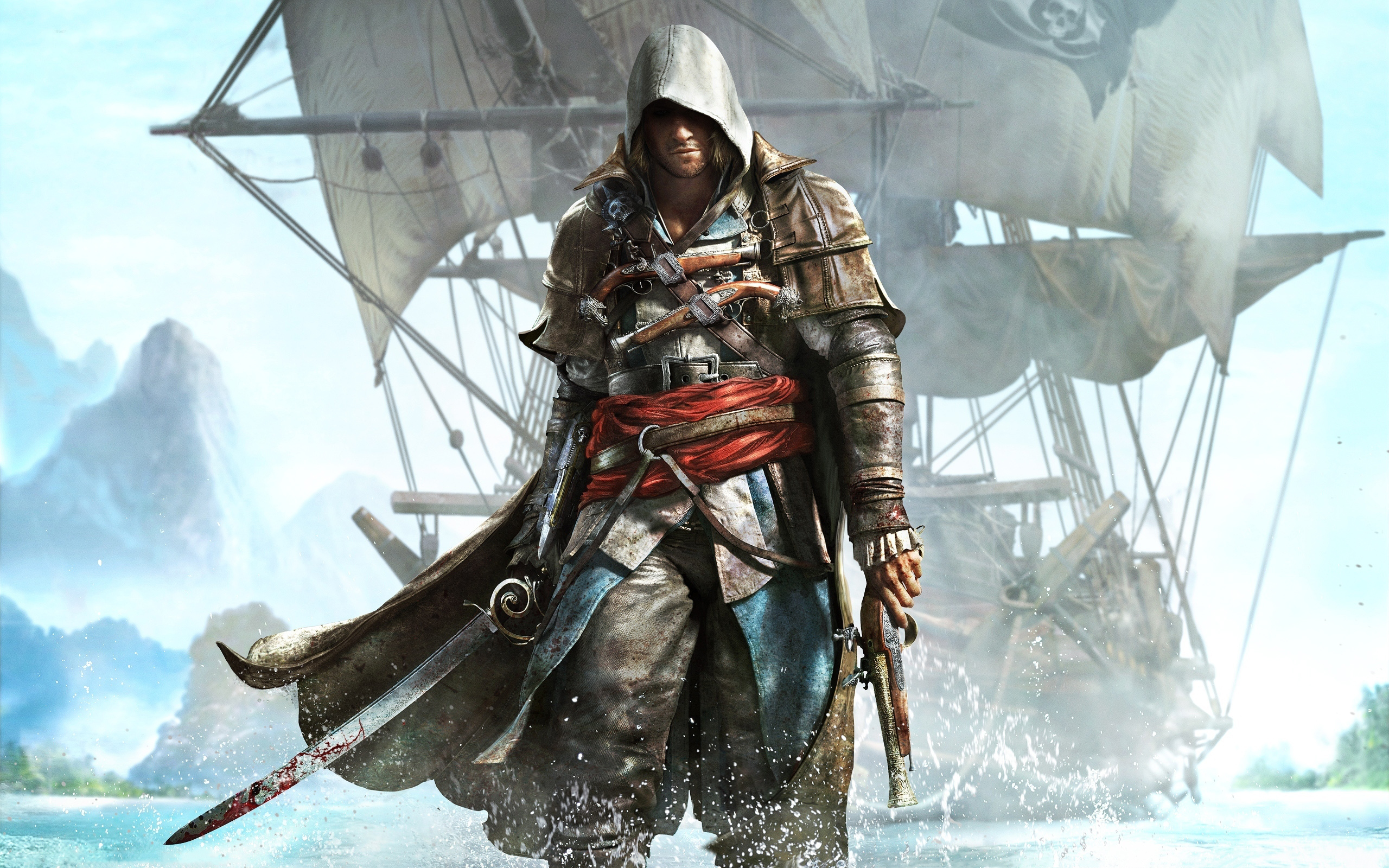
Assassin’s Creed III featured Connor Kenway in the American colonies, while Black Flag followed his grandfather Edward Kenway across the Caribbean. The era of privateers and pirates enabled sea to land missions that flowed without loading screens.
Naval systems matured with broadside volleys, boarding actions, and ship upgrades that unlocked tougher forts and legendary ships. Hunting, diving, and treasure maps fed crafting, crew shanties and wanted levels shaped open sea encounters, and city design in Havana, Nassau, and Kingston supported freerunning at speed.
Infamous Second Son
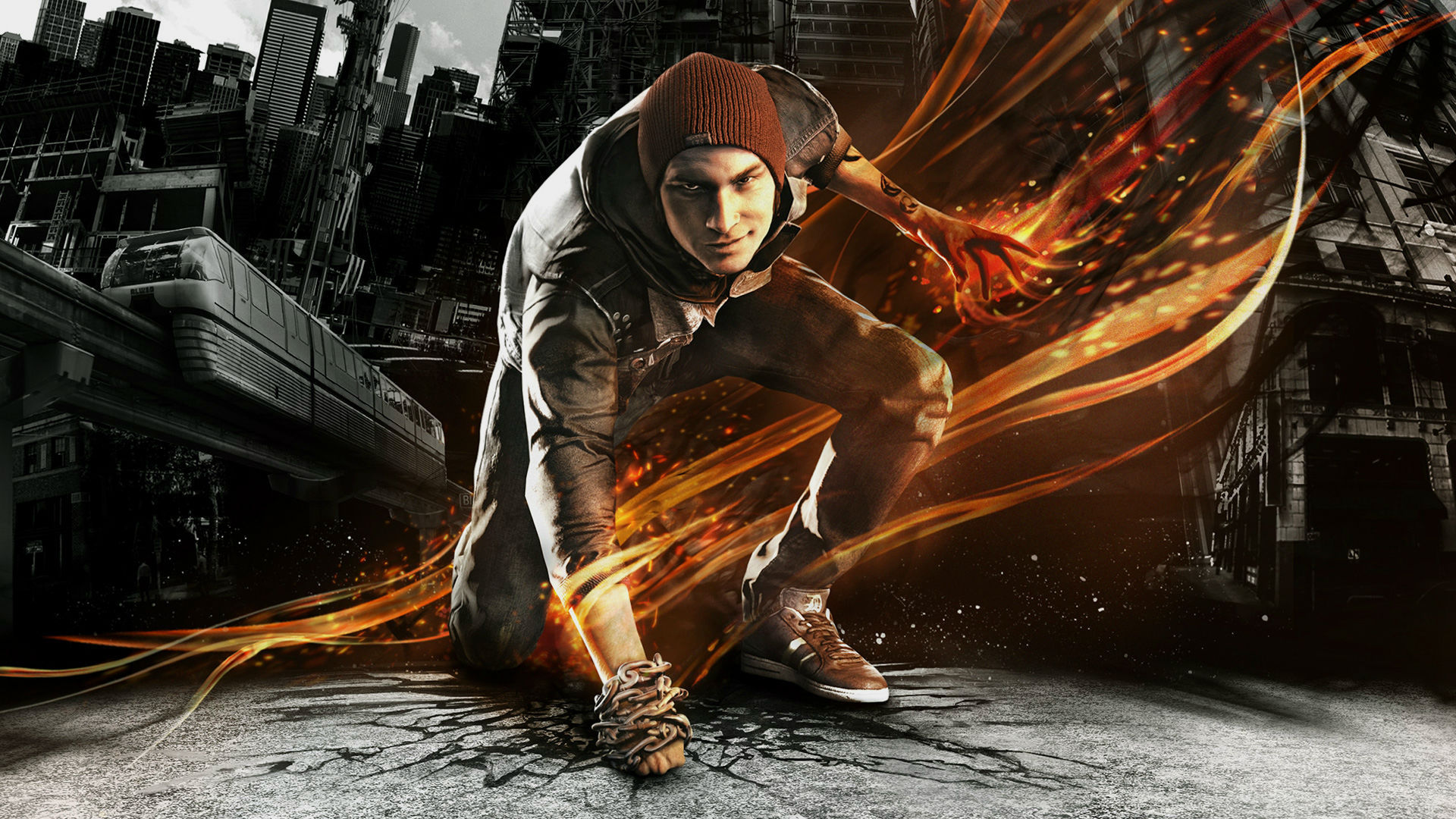
Infamous 2 closed the book on Cole MacGrath, while Infamous Second Son introduced Delsin Rowe in Seattle under Department of Unified Protection control. The open city supported vertical routes across rooftops, vents, and neon signs.
Power sets shifted from electricity to smoke, neon, video, and concrete, each with unique traversal and combat options. Karma choices affected power unlocks and mission variants, side activities filled districts with shards and encounters, and the standalone First Light campaign expanded mechanics with a focus on neon movement.
Baldur’s Gate 3
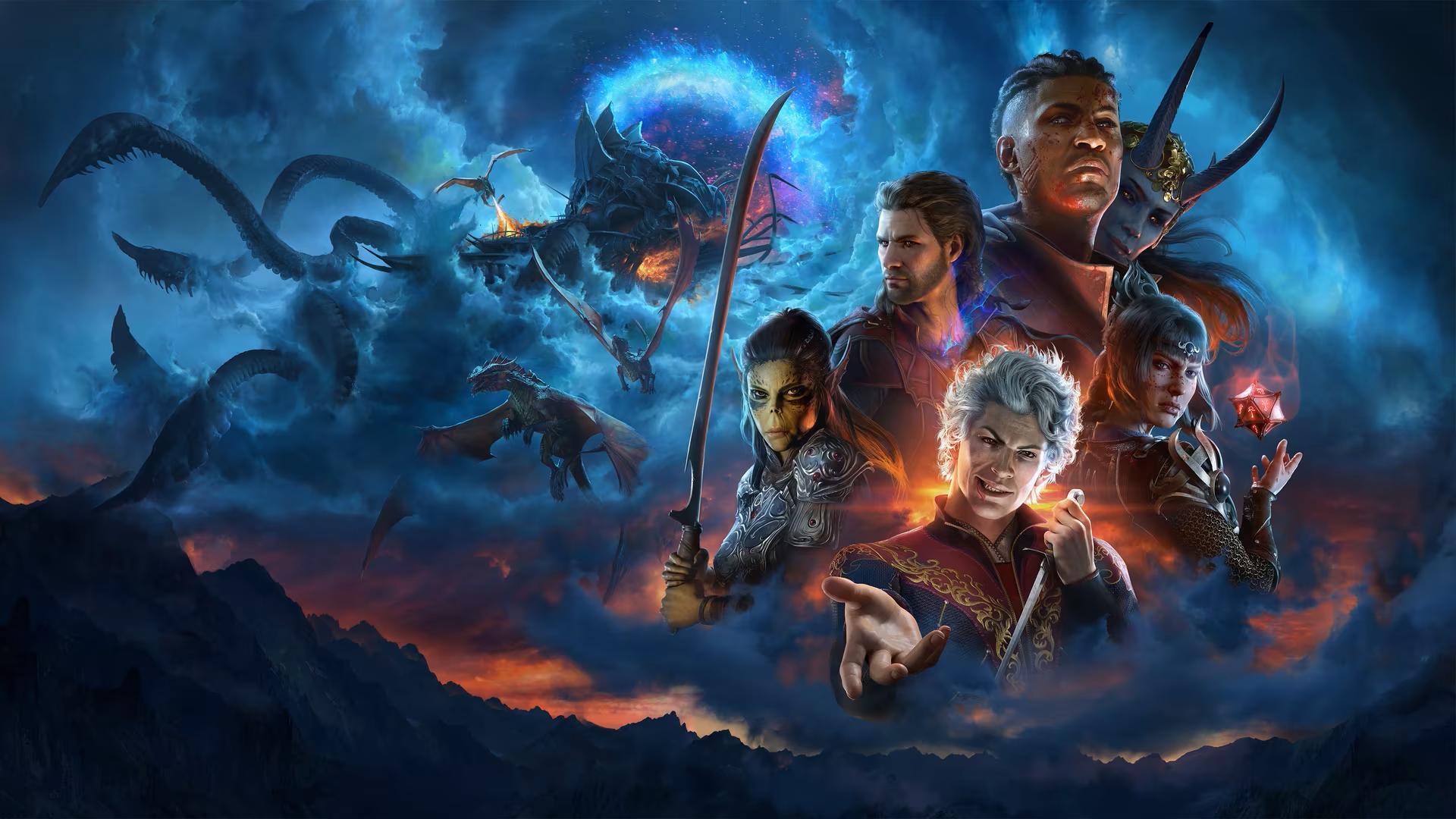
The original Baldur’s Gate duology told a Bhaalspawn saga, while Baldur’s Gate 3 introduced a new custom protagonist known as Tav who carried a mind flayer tadpole. The story moved to the era of Dungeons and Dragons fifth edition rules and centered on a struggle against transformation.
Turn based combat emphasized advantage, high ground, and surfaces that combined fire, water, and lightning in creative ways. Origin companions arrived with deep personal quests and approval systems, dialogue leveraged ability checks and background features, and acts unfolded across large maps that rewarded stealth, verticality, and sequence breaking.
Share your favorite protagonist switch that transformed a series in the comments.