

Games Accused Of Pandering With Sudden Diversity DLCs

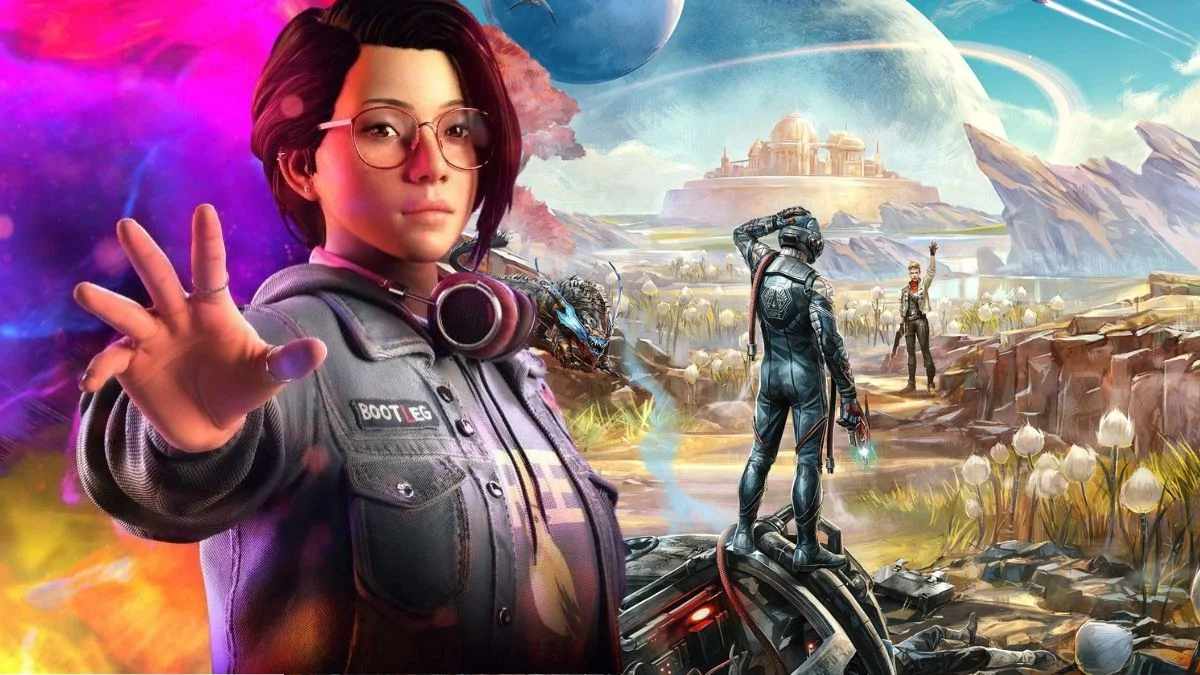


The video game industry frequently navigates complex conversations regarding the inclusion of diverse characters and narratives within established franchises. Many developers use downloadable content and major updates to expand the backgrounds of their protagonists or introduce new perspectives to the game world. While these additions often receive praise for representation some players view them as reactionary attempts to appeal to modern social sensibilities. This tension is particularly evident when changes occur after the initial launch of a title through specific expansion packs or story updates. The following games have all faced scrutiny for content additions that critics labeled as unnecessary pandering.
‘The Last Of Us’ (2013)
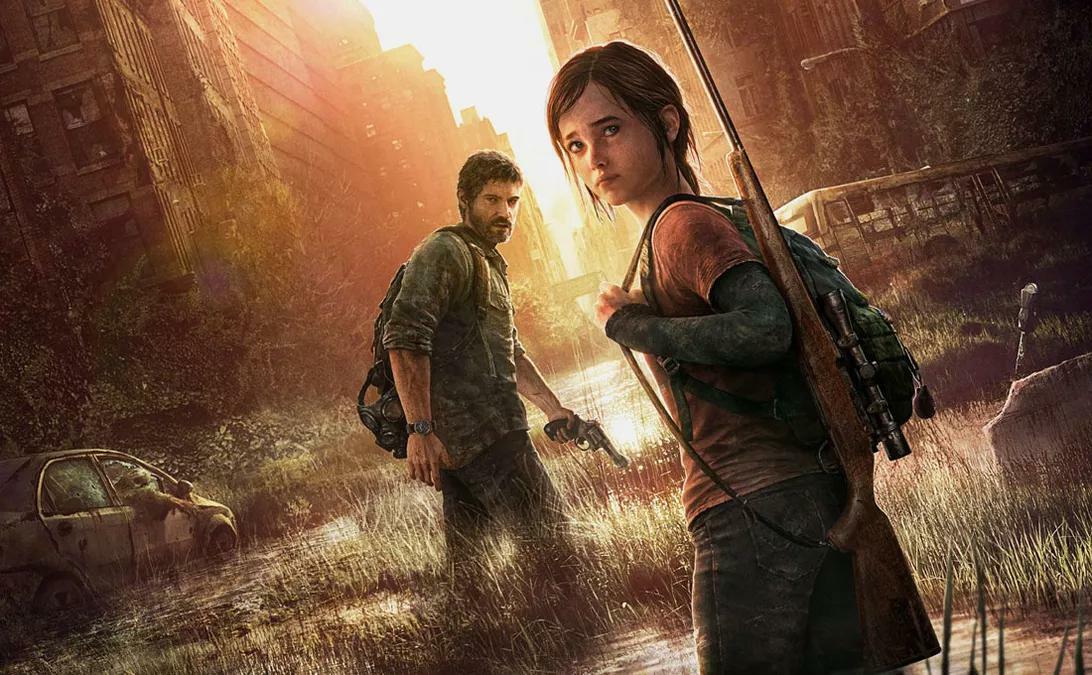
The ‘Left Behind’ expansion explored the relationship between Ellie and her friend Riley. Some players accused the studio of forced inclusion because the base game did not explicitly state the sexual orientation of the protagonist. The narrative focus on a romantic bond between the two girls sparked significant online debate regarding the necessity of the subplot. Critics of the content felt the developers were attempting to gain social credit through the downloadable content. The studio defended the story as a vital part of the character arc for the main protagonist.
‘Assassin’s Creed Odyssey’ (2018)
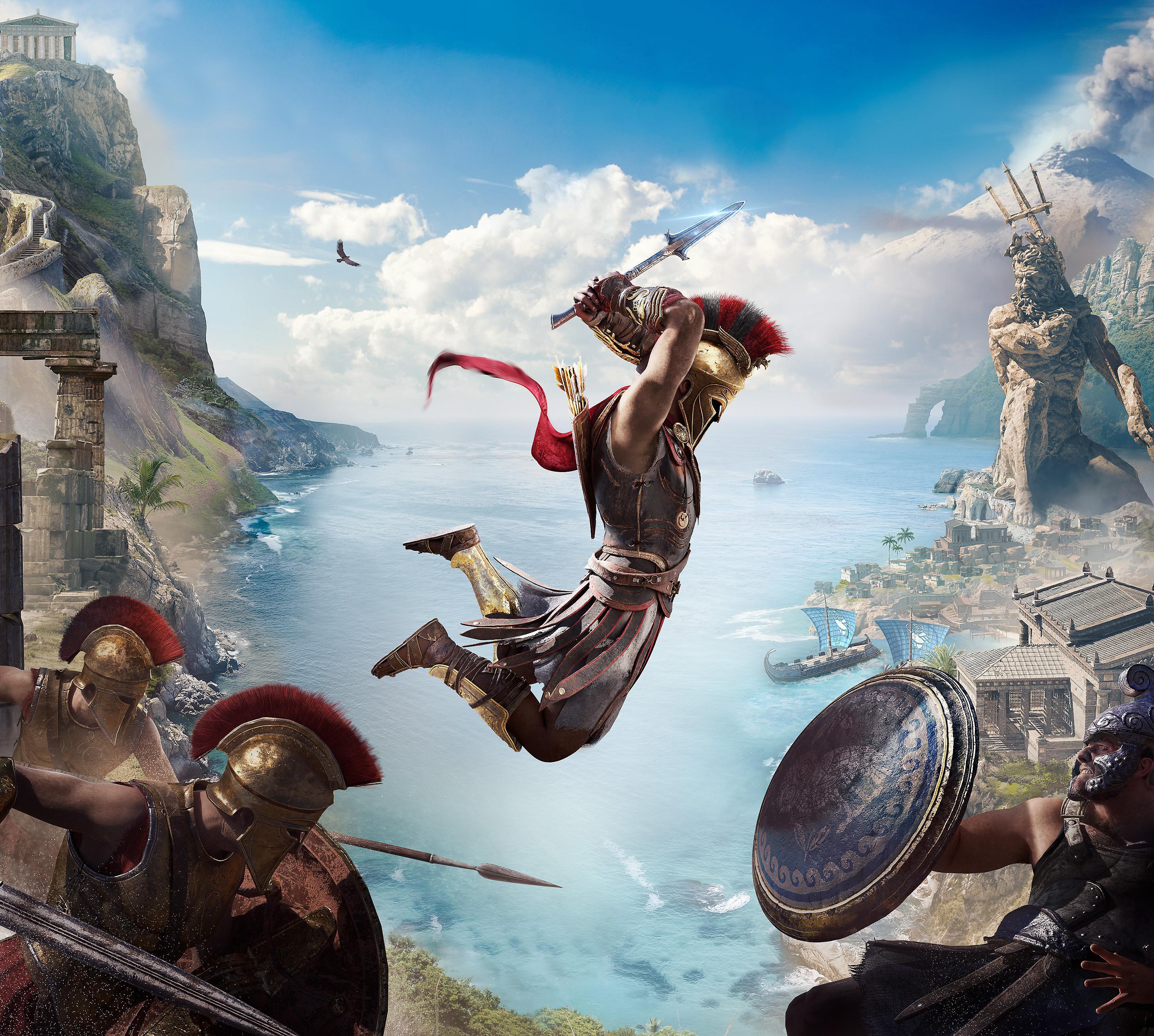
The ‘Legacy of the First Blade’ expansion caused a stir when it forced players into a heterosexual relationship to continue the bloodline. After initial backlash the developers updated the content to allow for more player agency regarding romantic choices. Some fans felt the sudden shift in narrative options was an attempt to appease diverse audiences after the initial release. The controversy highlighted the difficulty of balancing historical narrative needs with modern player expectations for representation. This update remains one of the most discussed examples of post-launch changes to character identity.
‘Horizon Forbidden West’ (2022)
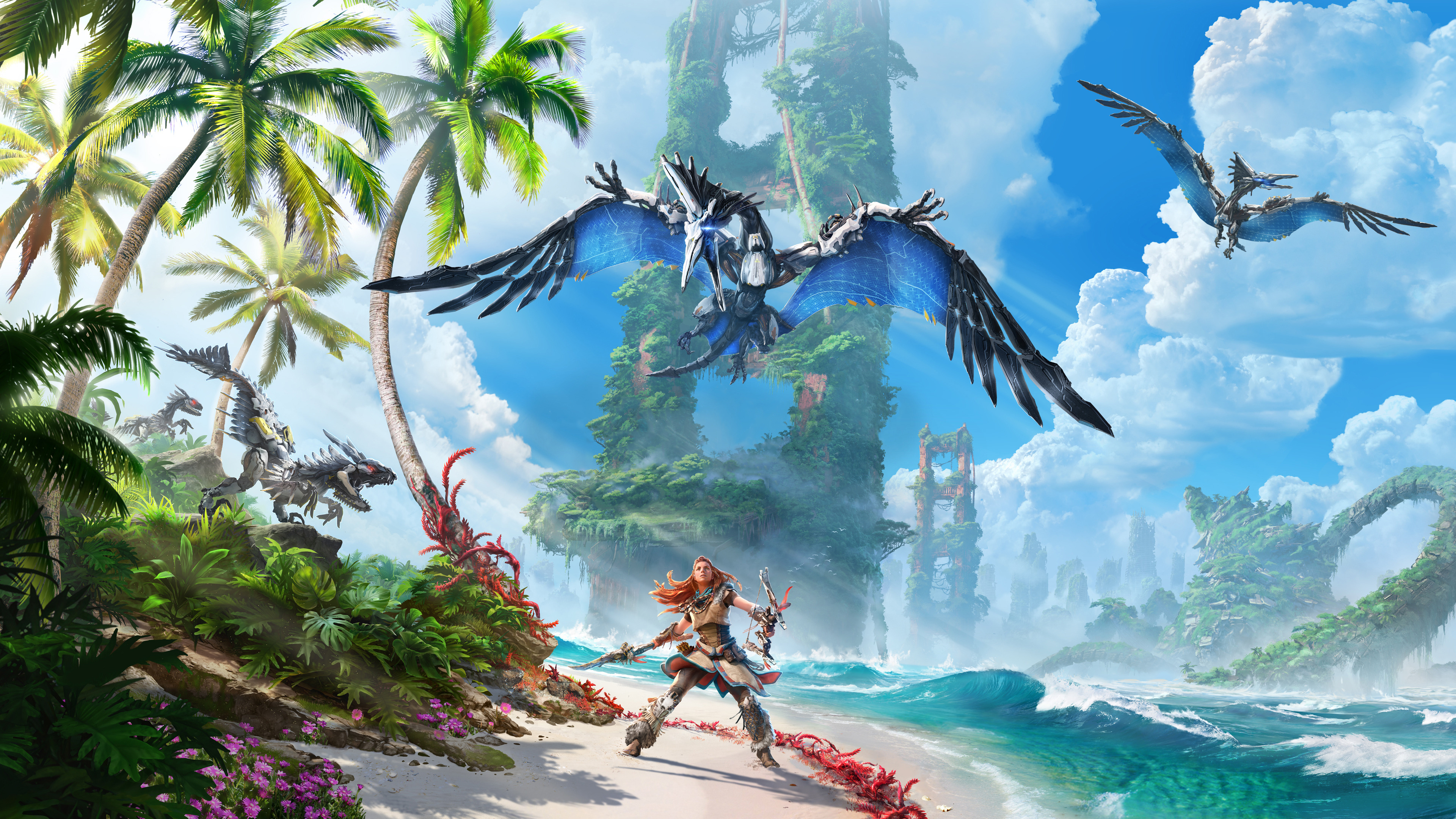
The ‘Burning Shores’ expansion introduced a romantic option for the main character Aloy with a new female companion. This development led to a review-bombing campaign on several platforms as some users felt the inclusion was forced. Critics argued that the base game did not establish this aspect of her identity clearly enough. The developers stood by the creative decision and stated that it was a natural evolution for the character. Many players praised the expansion for its emotional depth despite the surrounding controversy.
‘Overwatch 2’ (2022)
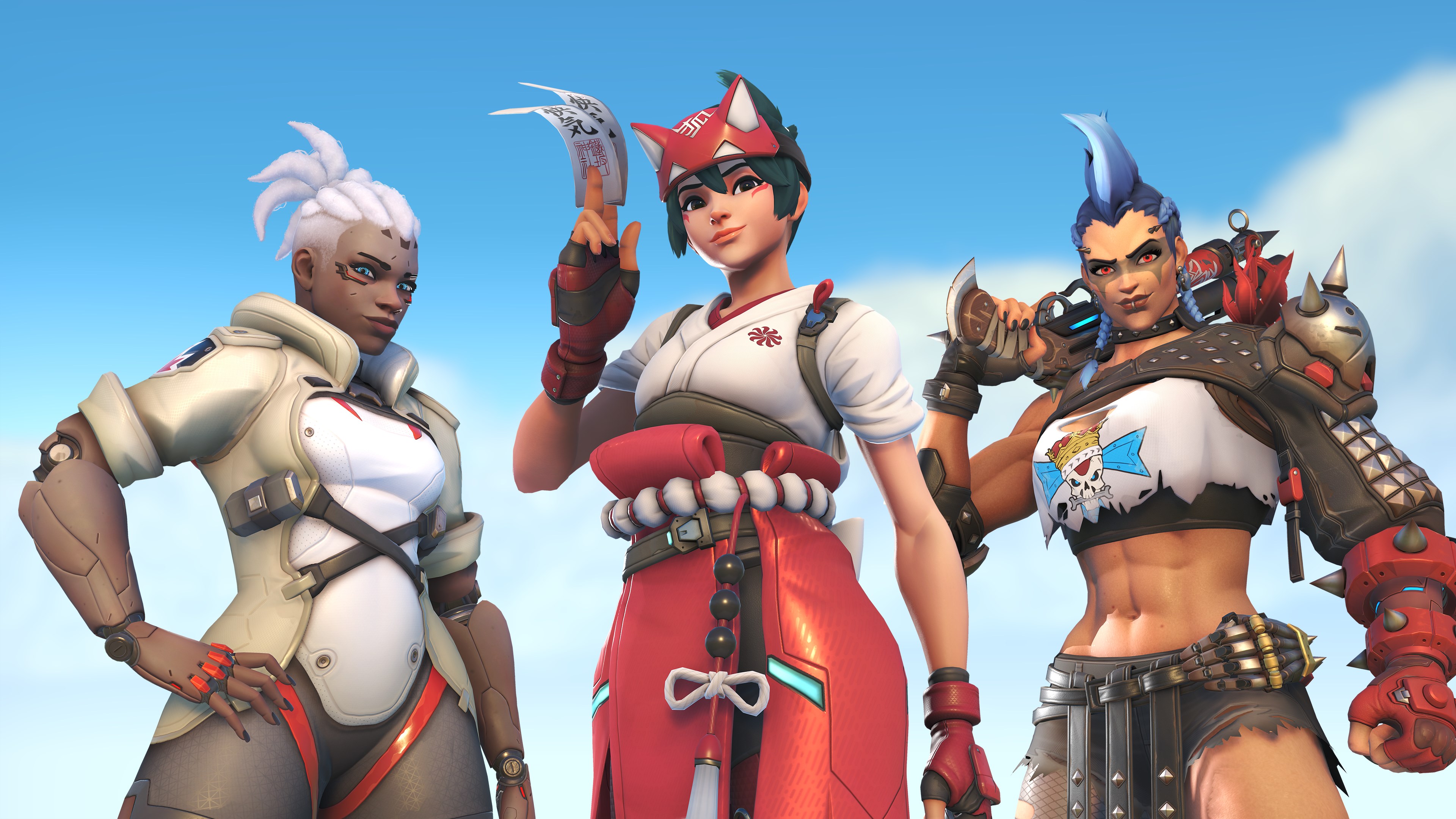
The developers released a short story during a seasonal update that revealed the sexual orientation of the character Pharah. Some members of the community felt this was a strategic move to generate positive PR during a period of community frustration. Accusations of pandering surfaced as players noted that these revelations often occur outside of the actual gameplay. The studio has a history of revealing character details through external media which continues to divide the player base. Many fans enjoy the added lore while others see it as a superficial attempt at diversity.
‘Apex Legends’ (2019)
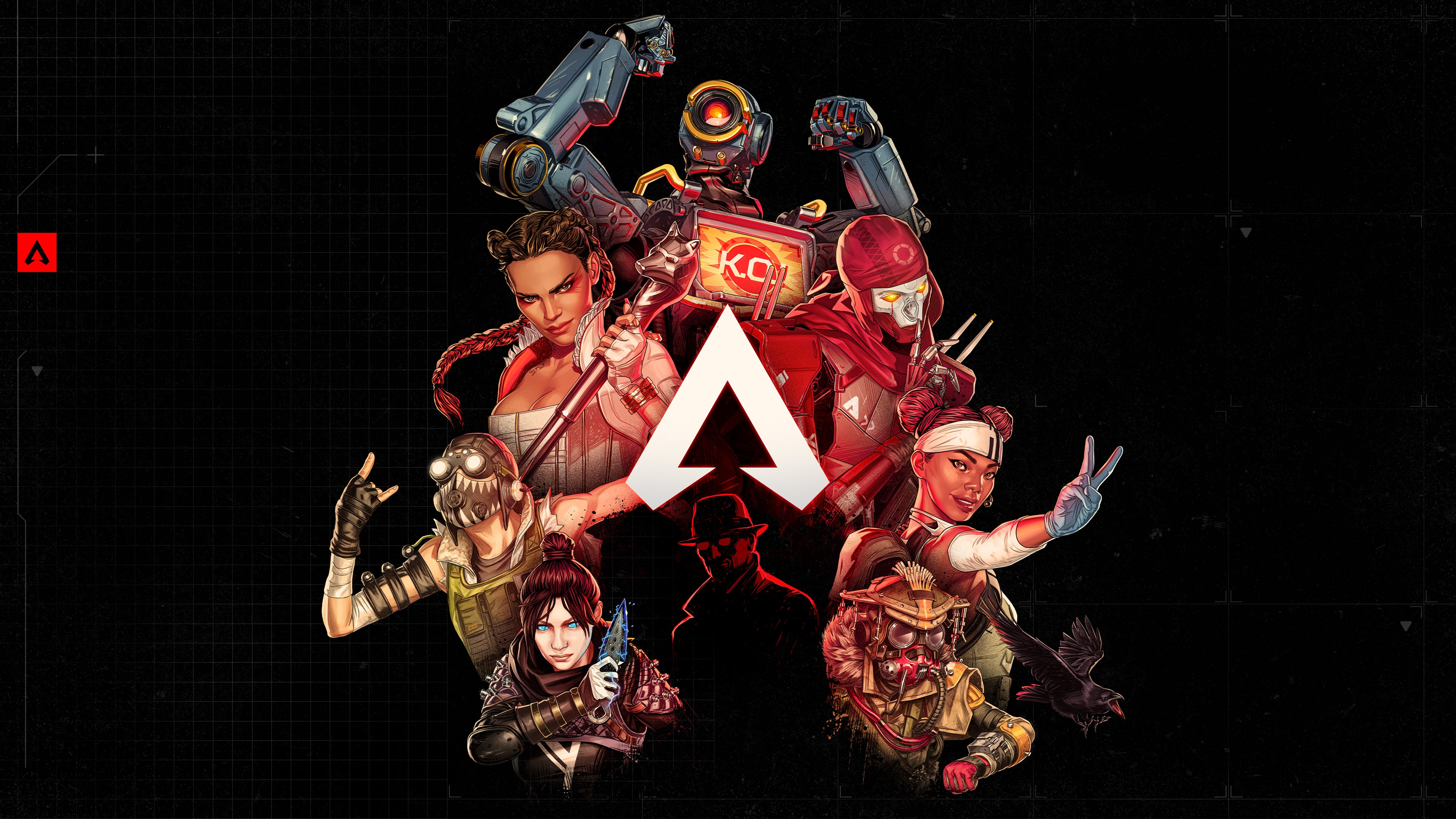
New seasonal updates frequently introduce characters with diverse backgrounds and identities. Some vocal players have criticized the frequency of these reveals as a form of pandering to a specific demographic. The narrative focus on the personal lives of the legends often takes center stage in cinematic trailers and lore drops. While the game has a very inclusive roster the timing of certain reveals has led to skepticism among some fans. The developers maintain that a diverse cast reflects the global nature of their player base.
‘The Sims 4’ (2014)
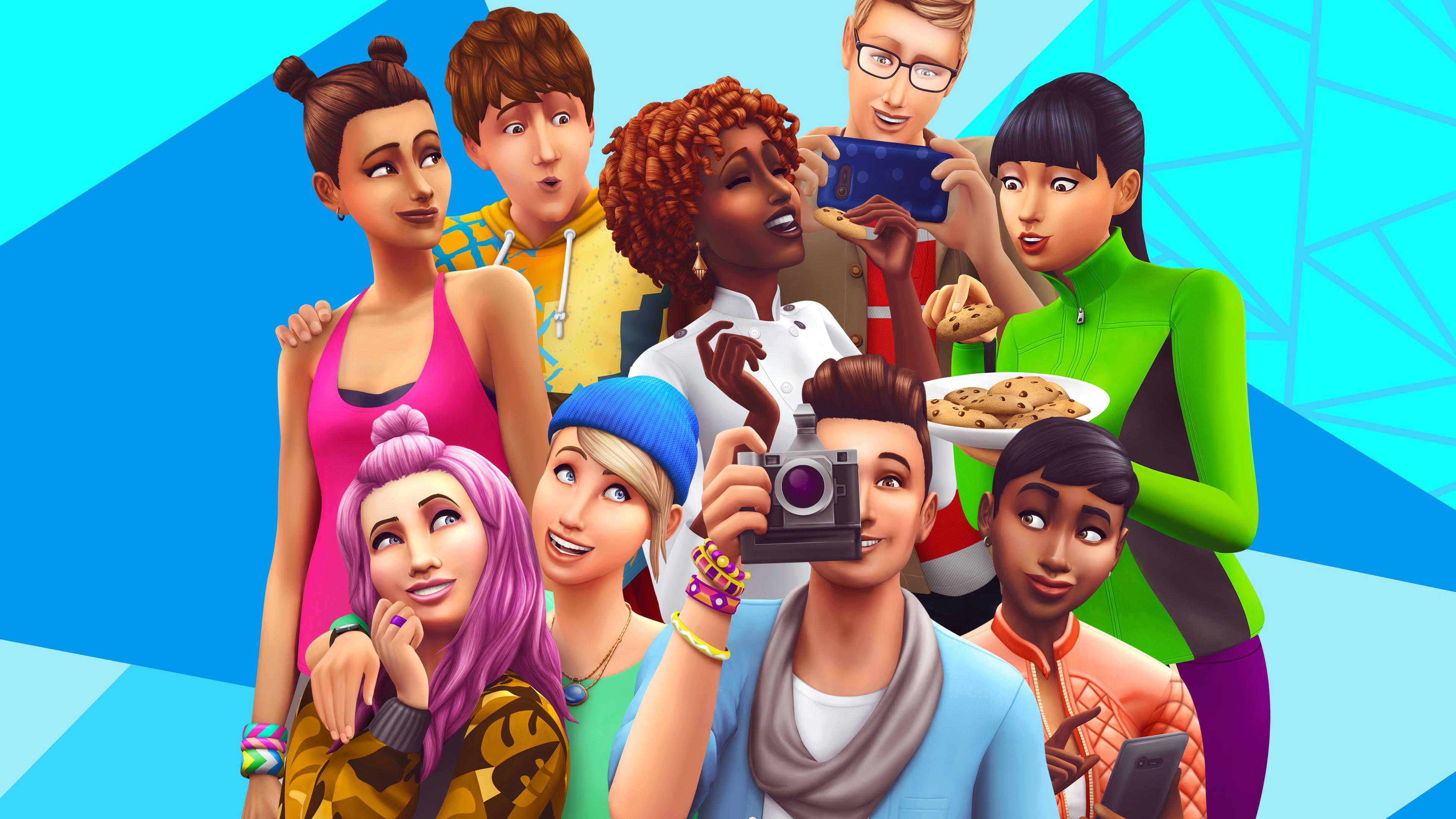
The ‘My Wedding Stories’ expansion pack was marketed with a heavy focus on a same-sex couple which led to its temporary ban in certain regions. Some players felt the marketing campaign was an example of the studio prioritizing social messaging over technical polish. The expansion suffered from numerous bugs at launch which further fueled the argument that the focus was misplaced. Critics of the update suggested that the developers were more concerned with optics than providing a functional game. The studio eventually released several patches to address the mechanical issues of the pack.
‘Guilty Gear Strive’ (2021)
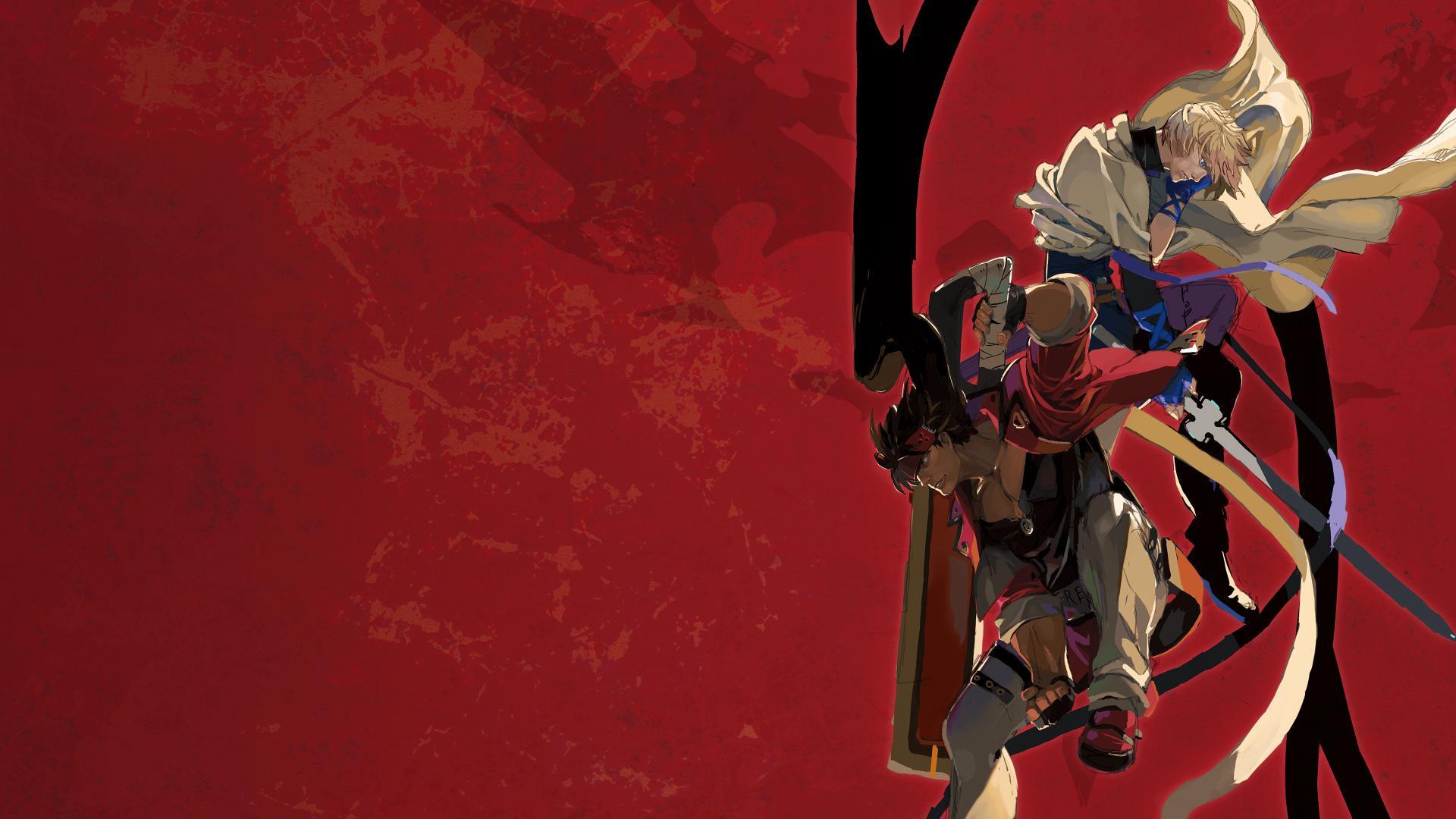
The inclusion of Bridget as a downloadable character sparked intense debate regarding her gender identity and backstory. While the character appeared in previous entries her return in this title featured a distinct narrative shift. Some fans argued that the developers changed her history to align with modern political climates. This move led to significant discourse across social media platforms about the intentions of the studio. The developers maintained that the evolution of the character was a natural progression of her personal journey.
‘Dead By Daylight’ (2016)
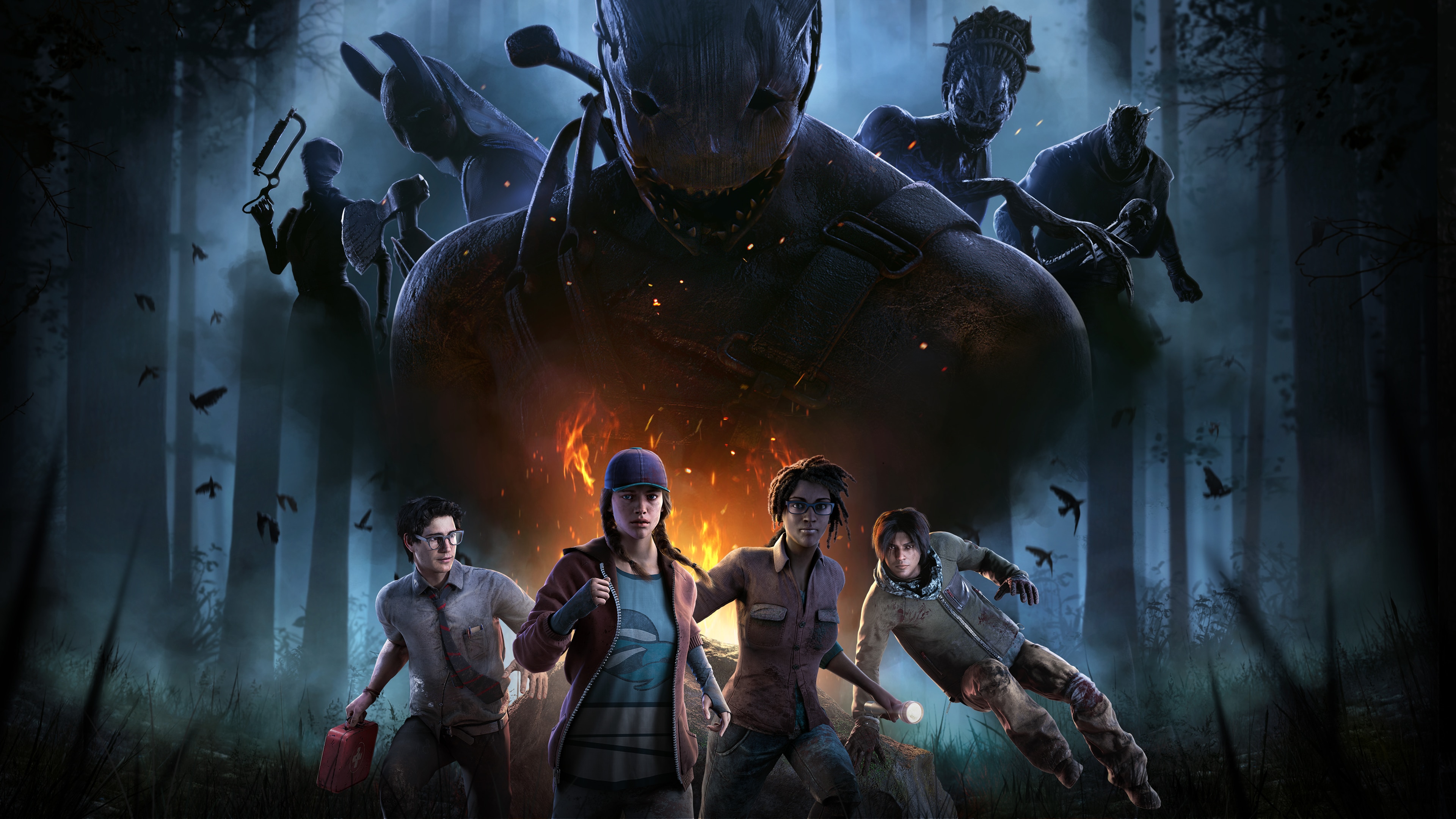
An update to the character archives revealed that David King is the first openly gay survivor in the game. This reveal occurred years after the character was first introduced to the player base. Some fans accused the developers of retconning the character to satisfy diversity requirements. Others felt the reveal was a welcome addition to the lore that provided more depth to the survivor. The studio continues to expand the backstories of its cast through seasonal updates and cosmetic items.
‘Mass Effect: Andromeda’ (2017)
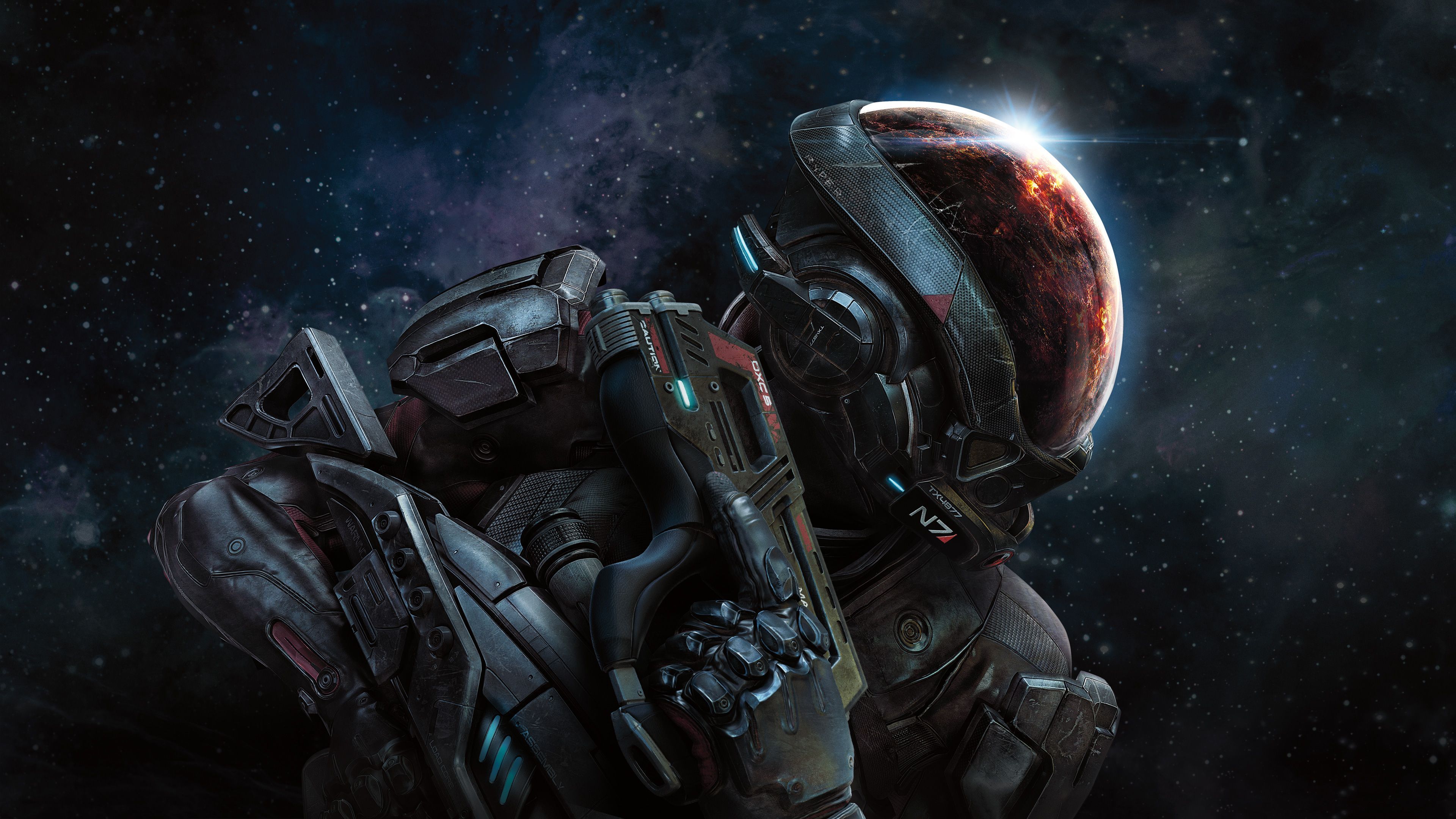
A post-launch patch changed the dialogue of a transgender NPC named Hainly Abram after players complained about the initial presentation. Some critics felt the original writing was insensitive while others viewed the sudden change as a reaction to social media pressure. The update altered how the character introduced themselves to the player to be more realistic. This situation became a focal point for discussions about how diversity is handled in large RPGs. The developers apologized for the original implementation and committed to better representation in future titles.
‘Street Fighter 6’ (2023)
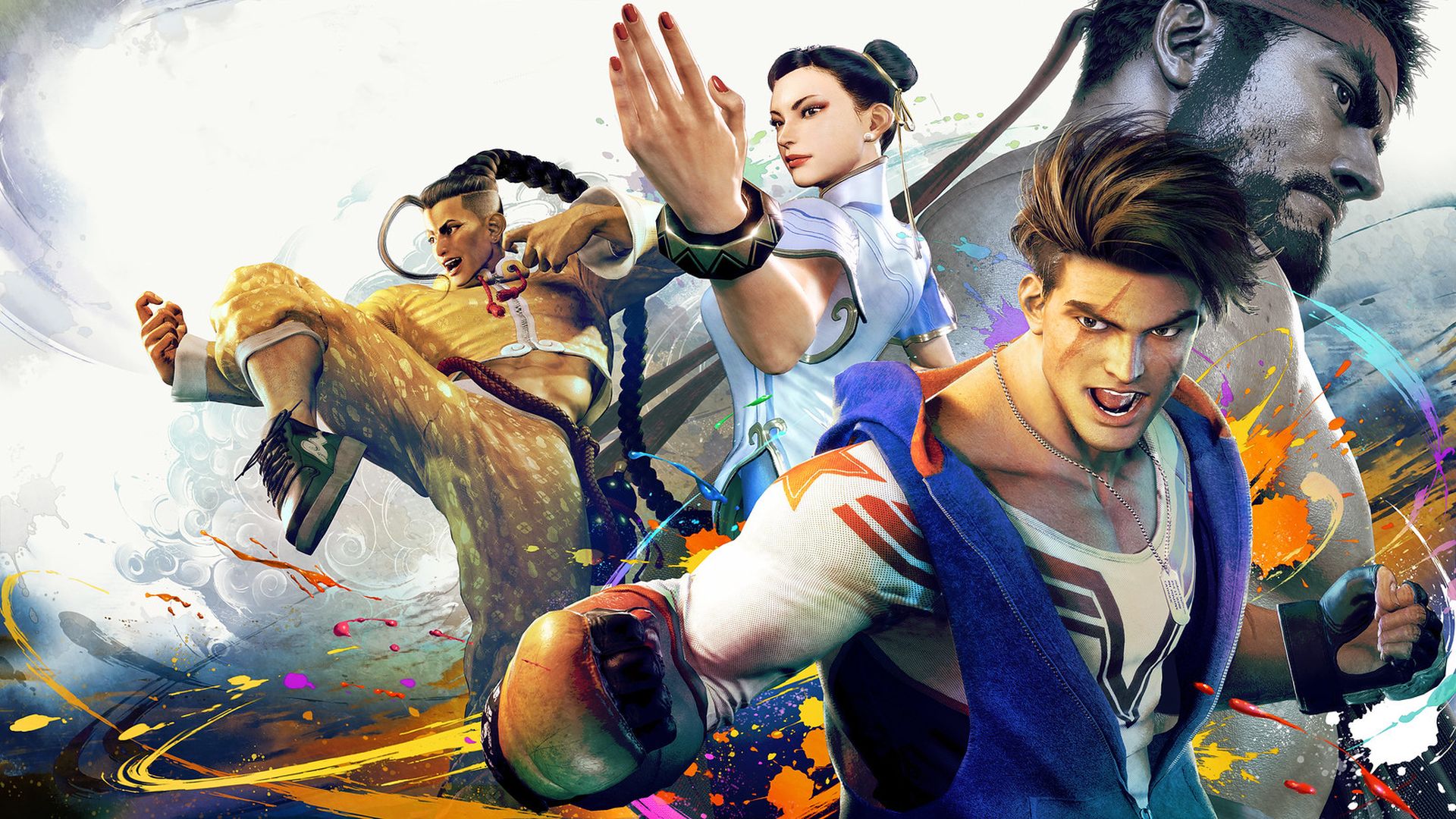
The introduction of the character Eternity as a host for certain in-game events led to accusations of pandering from some segments of the community. Critics felt the character design and personality were included solely to check a box for modern diversity. The debate intensified when players compared the new character to the classic roster of the series. Some fans defended the character as a vibrant and fitting addition to the colorful world of the game. The studio has not made significant changes to the character despite the online discourse.
‘Dragon Age: Inquisition’ (2014)
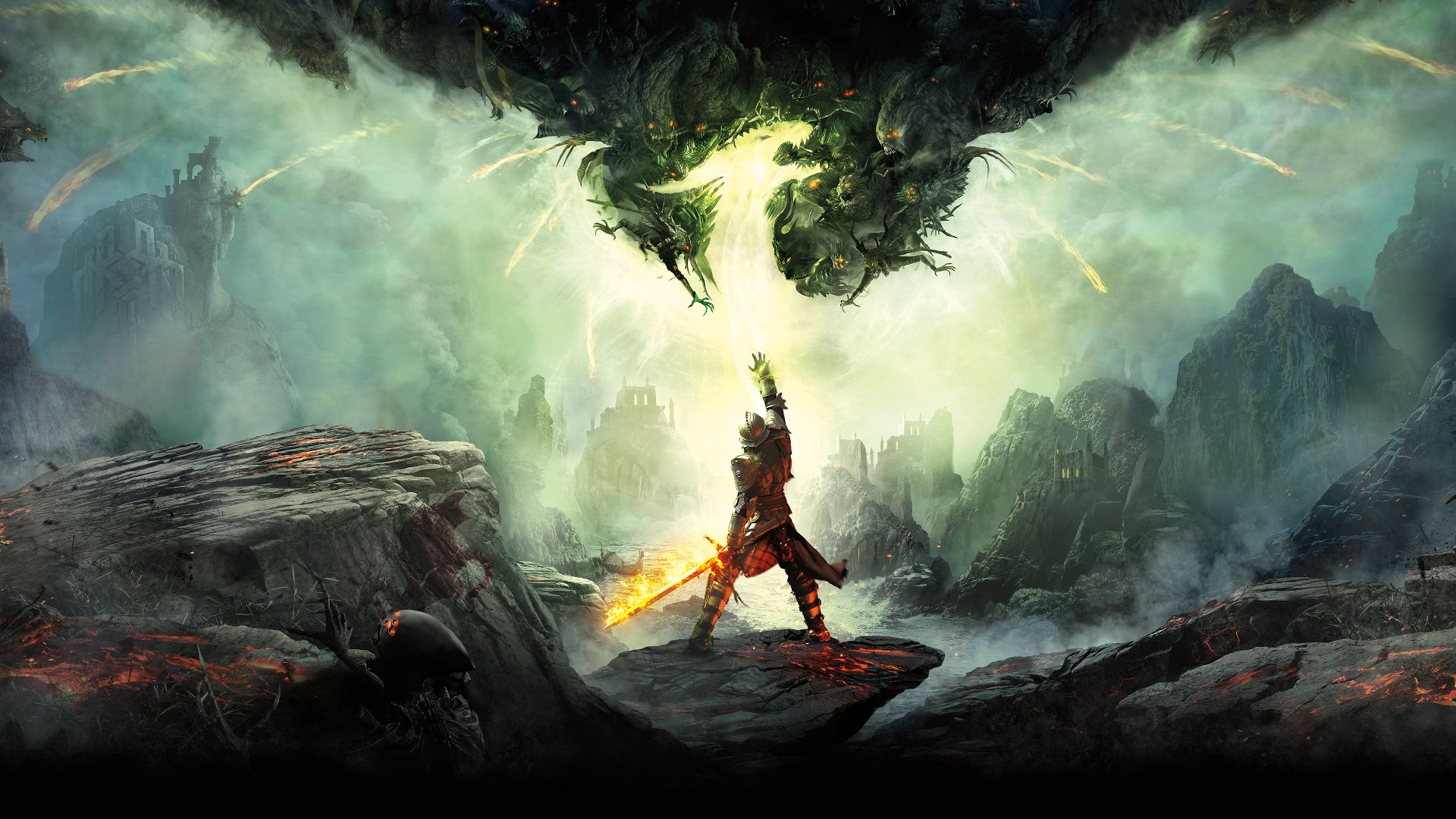
The ‘Trespasser’ DLC provided finality to many character arcs including several diverse romance options. Some players felt the emphasis on these relationships in the final expansion was a way to cater to a specific fan base. The game was already known for its inclusive cast but the DLC leaned further into these themes. Accusations of pandering often targeted the writing of characters like the Iron Bull and Cremisius. The developers have long been vocal about their commitment to representing various identities in their fantasy worlds.
‘Mortal Kombat 1’ (2023)
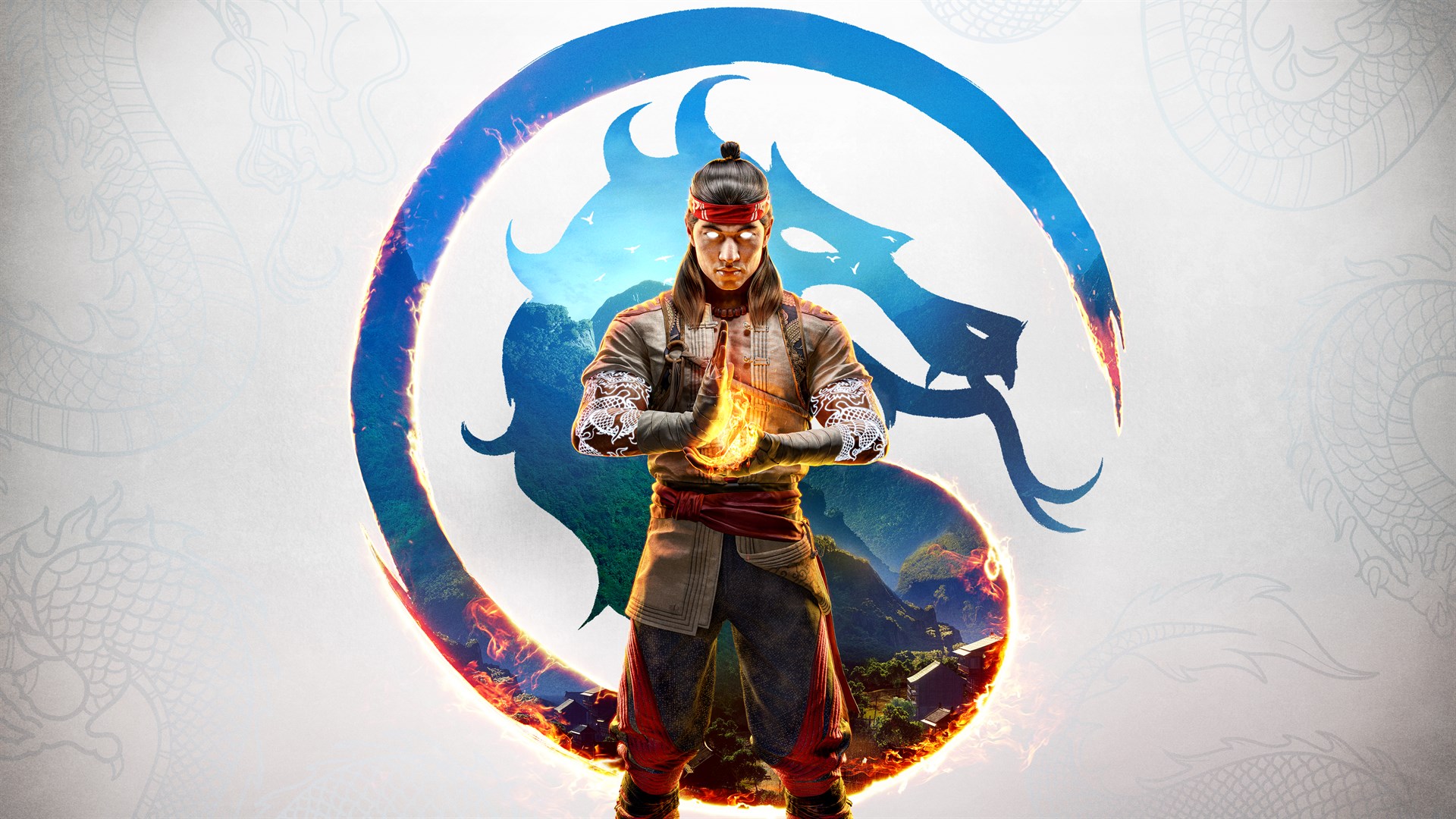
The ‘Khaos Reigns’ expansion and various story updates changed the relationship between Mileena and Tanya to be explicitly romantic. Some fans of the long-running series felt this was a departure from the established lore of the previous timeline. Critics argued that the change was made to appeal to modern audiences rather than serving the traditional plot. The developers countered that the new timeline allowed for fresh takes on classic characters. This romantic subplot remains a point of contention among veteran players.
‘Starfield’ (2023)
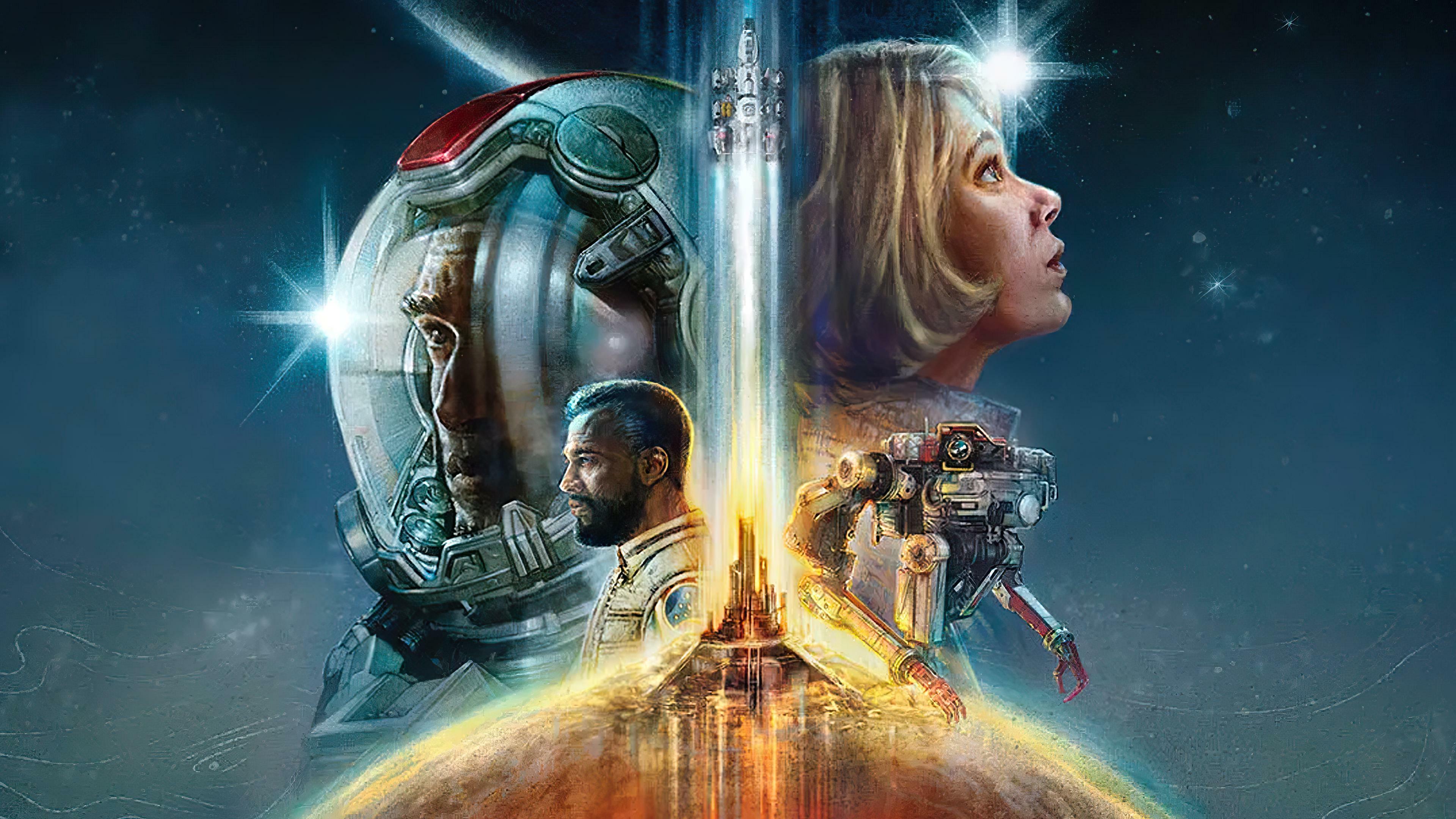
A post-launch update for this space exploration game emphasized the inclusion of pronoun selection and diverse character backgrounds. While these features were present at launch the marketing of subsequent updates highlighted them as key pillars of the experience. Some players felt this was a distraction from the technical issues and gameplay complaints facing the title. The inclusion of these features led to heated debates on gaming forums about the role of identity in role-playing games. The studio continues to support the game with various content updates and expansions.
‘Cyberpunk 2077’ (2020)
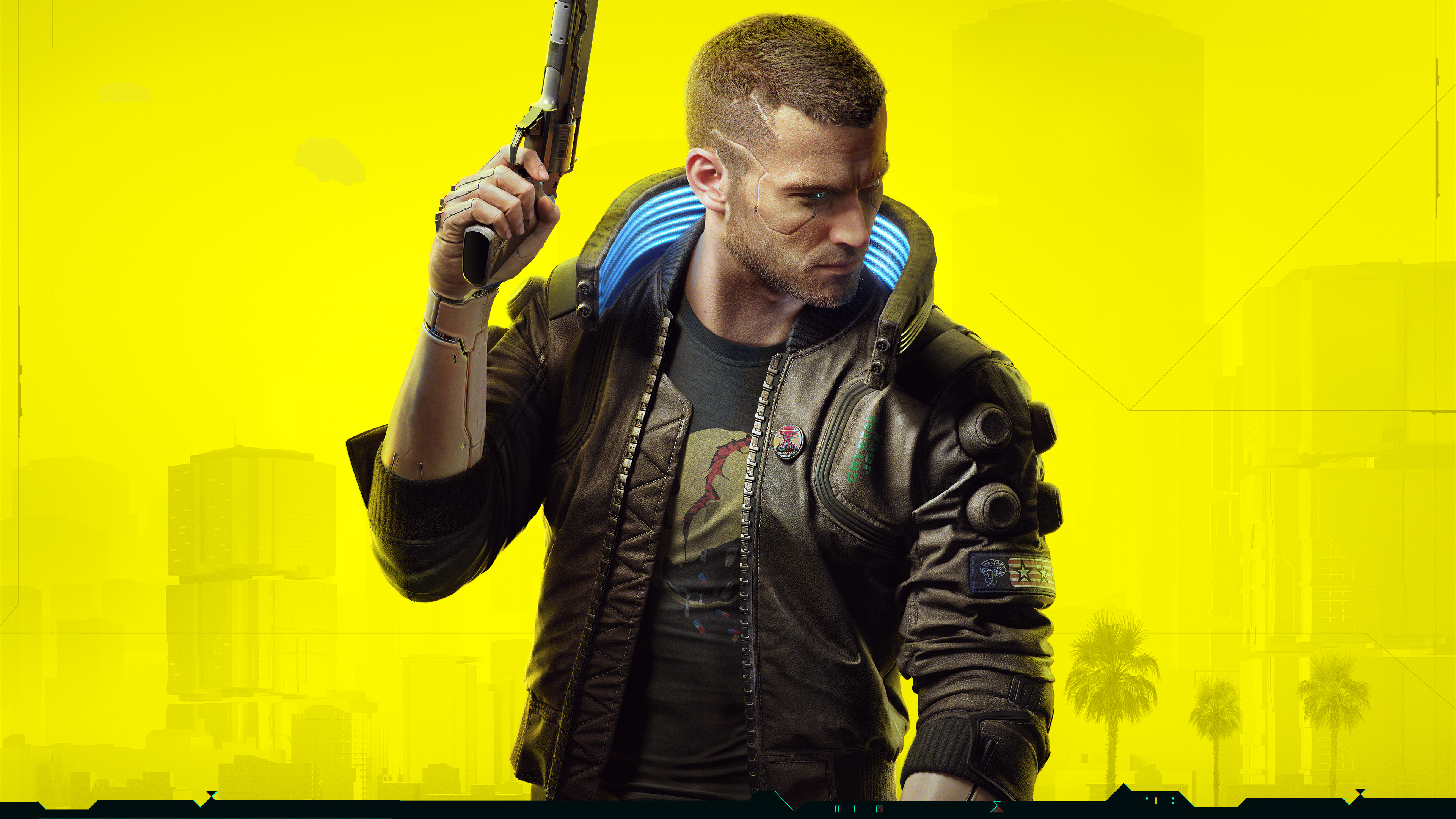
Major updates to the game following its rocky launch included expanded romance options and dialogue for diverse characters. Some critics felt these additions were an attempt to shift the conversation away from the game’s initial performance problems. The inclusion of more inclusive relationship paths was seen by some as a way to appease a vocal part of the community. The developers utilized these updates to flesh out the world of Night City more thoroughly. Despite the accusations many players appreciated the added depth to the social simulation aspects of the game.
‘Baldur’s Gate 3’ (2023)
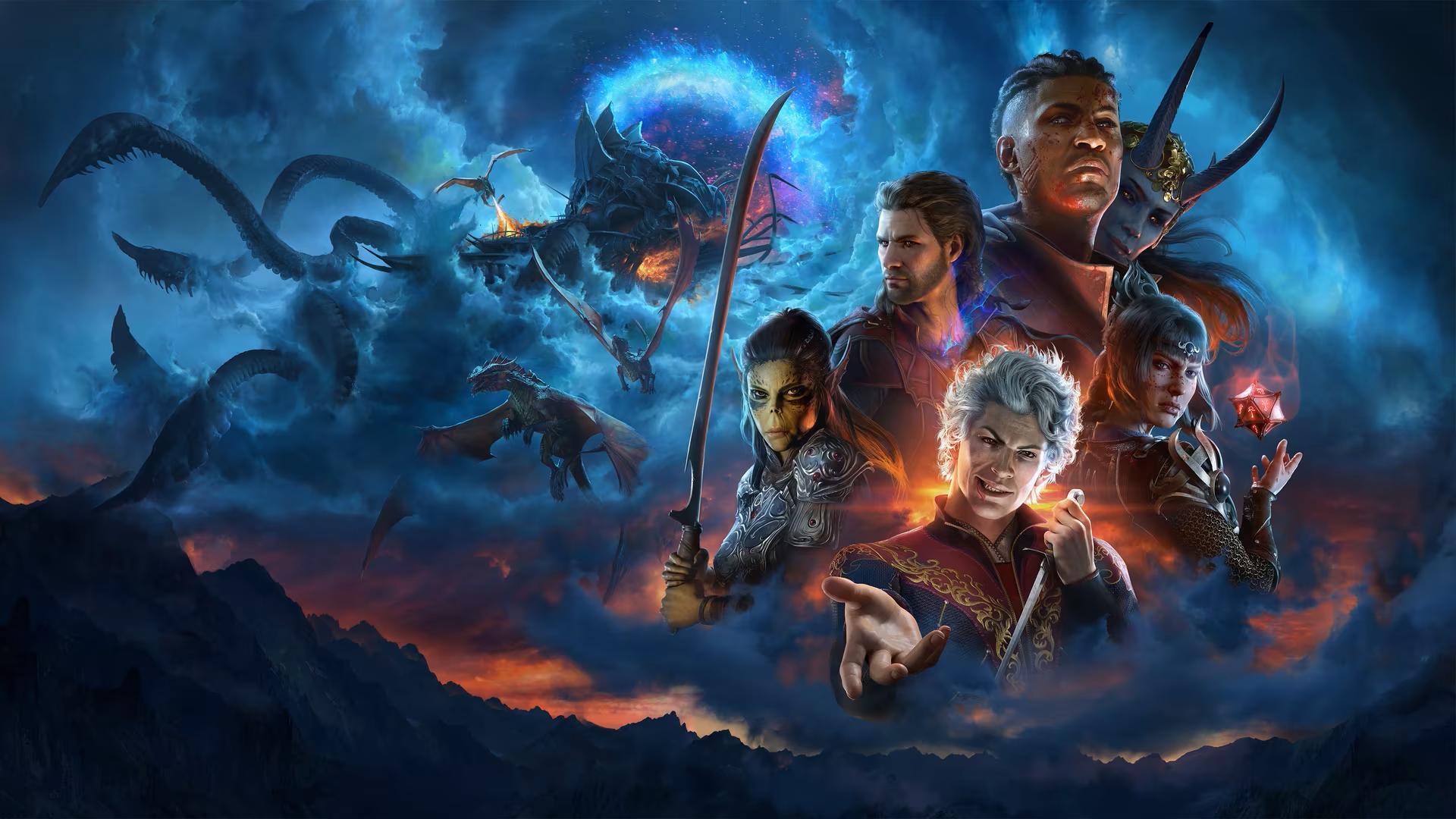
While the base game is highly inclusive certain patches and updates focused on refining the diverse romance options available to players. Some users on community hubs claimed the developers were prioritizing these social features over bug fixes and performance optimization. The game allows for a high degree of player freedom which includes various relationship dynamics. Critics of the game’s direction often pointed to the visibility of these features in patch notes as a sign of pandering. The game has since won numerous awards for its narrative depth and character writing.
‘Life Is Strange: True Colors’ (2021)
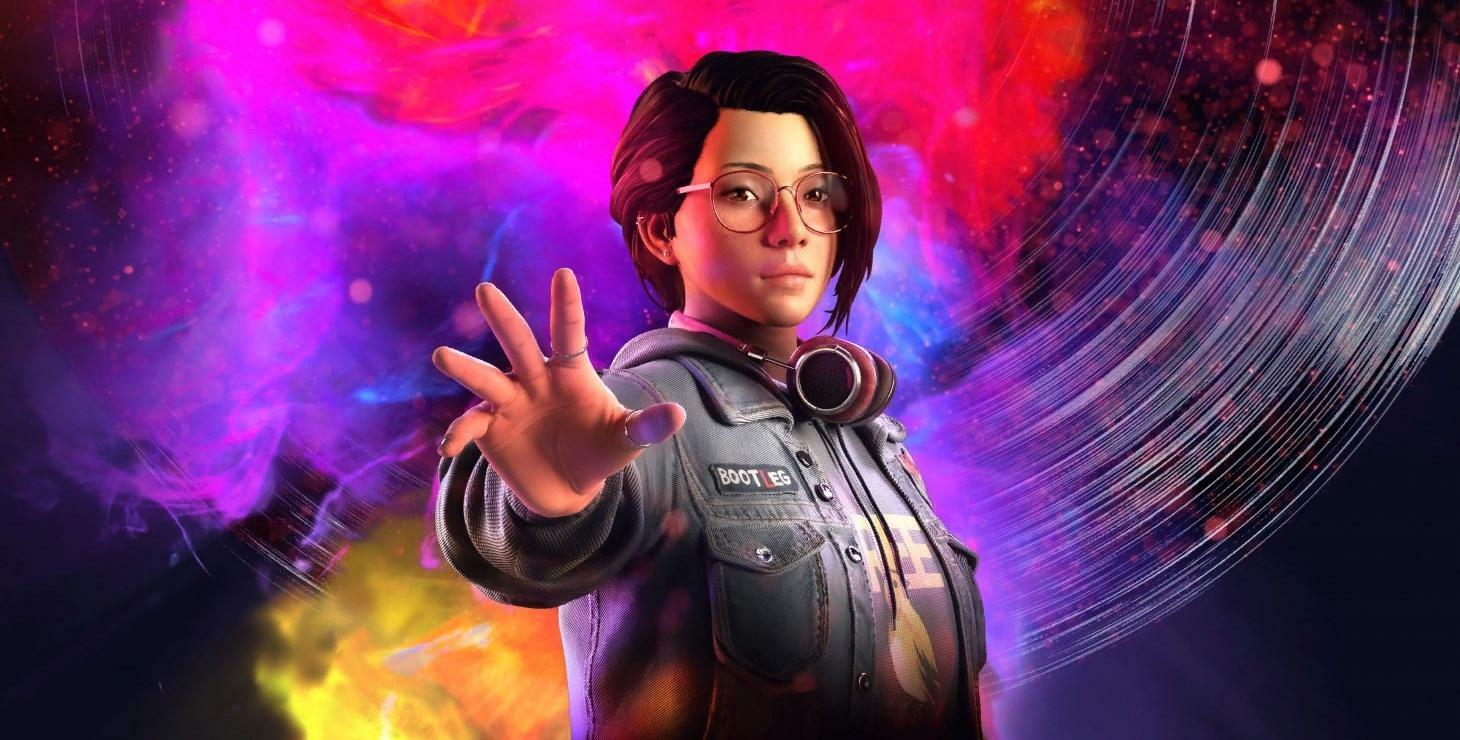
The ‘Wavelengths’ DLC focused entirely on the character Steph and her experiences within the LGBTQ+ community. Some players felt the content was too focused on social issues rather than providing a compelling mystery or gameplay experience. The DLC was viewed by some as an attempt to capitalize on the success of the diverse themes in the main game. Fans of the series praised the expansion for its authentic representation and character development. The series has consistently focused on marginalized voices throughout its various installments.
‘Fire Emblem Engage’ (2023)
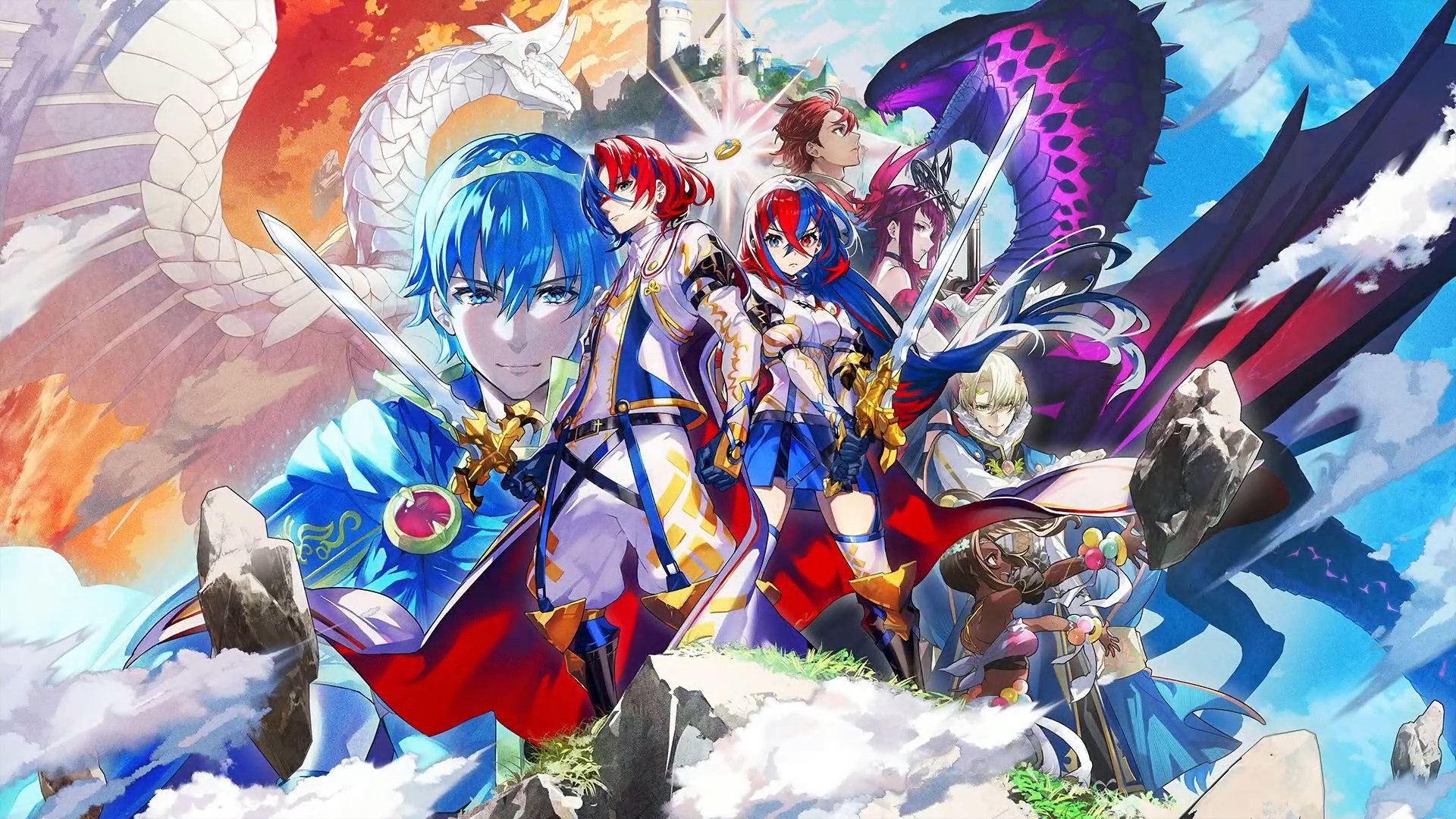
The localization of the ‘Expansion Pass’ content featured changes to certain character interactions and romantic endings. Some fans accused the localization team of altering the original Japanese intent to fit Western social standards. This led to a wider debate about diversity and censorship in translated games. Critics argued that the changes felt like pandering to a specific regional audience. The developers have not reverted these changes despite the feedback from a portion of the fan base.
‘Disney Dreamlight Valley’ (2023)
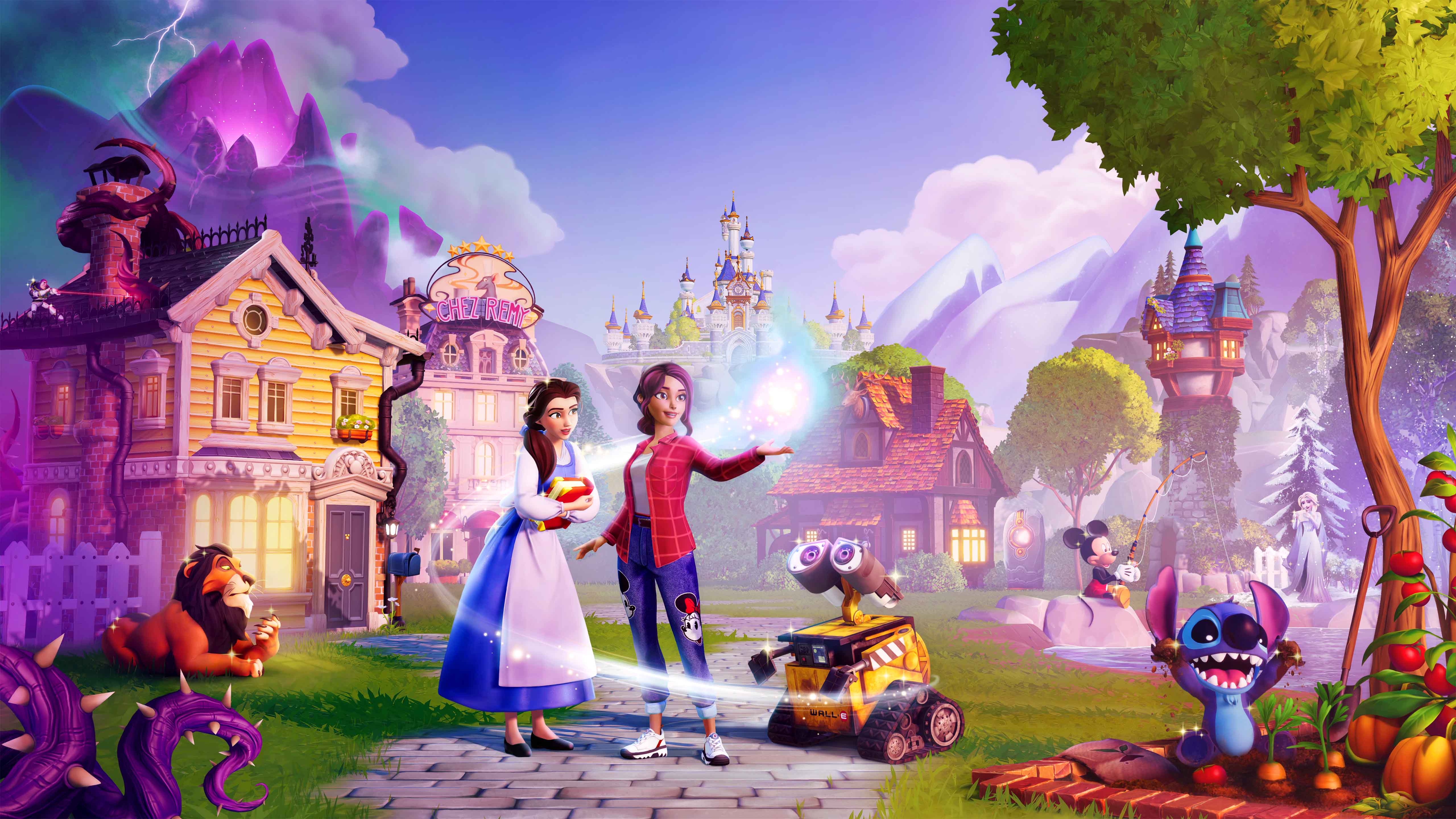
Seasonal updates during Pride Month introduced various rainbow-themed items and character quests focused on inclusion. Some players felt these additions were out of place in a game primarily aimed at families and younger audiences. Accusations of corporate pandering were common as the content was released alongside real-world marketing campaigns. Other players welcomed the additions as a way to make the game world feel more welcoming. The developers continue to release themed updates for various holidays and social events.
‘World Of Warcraft’ (2004)
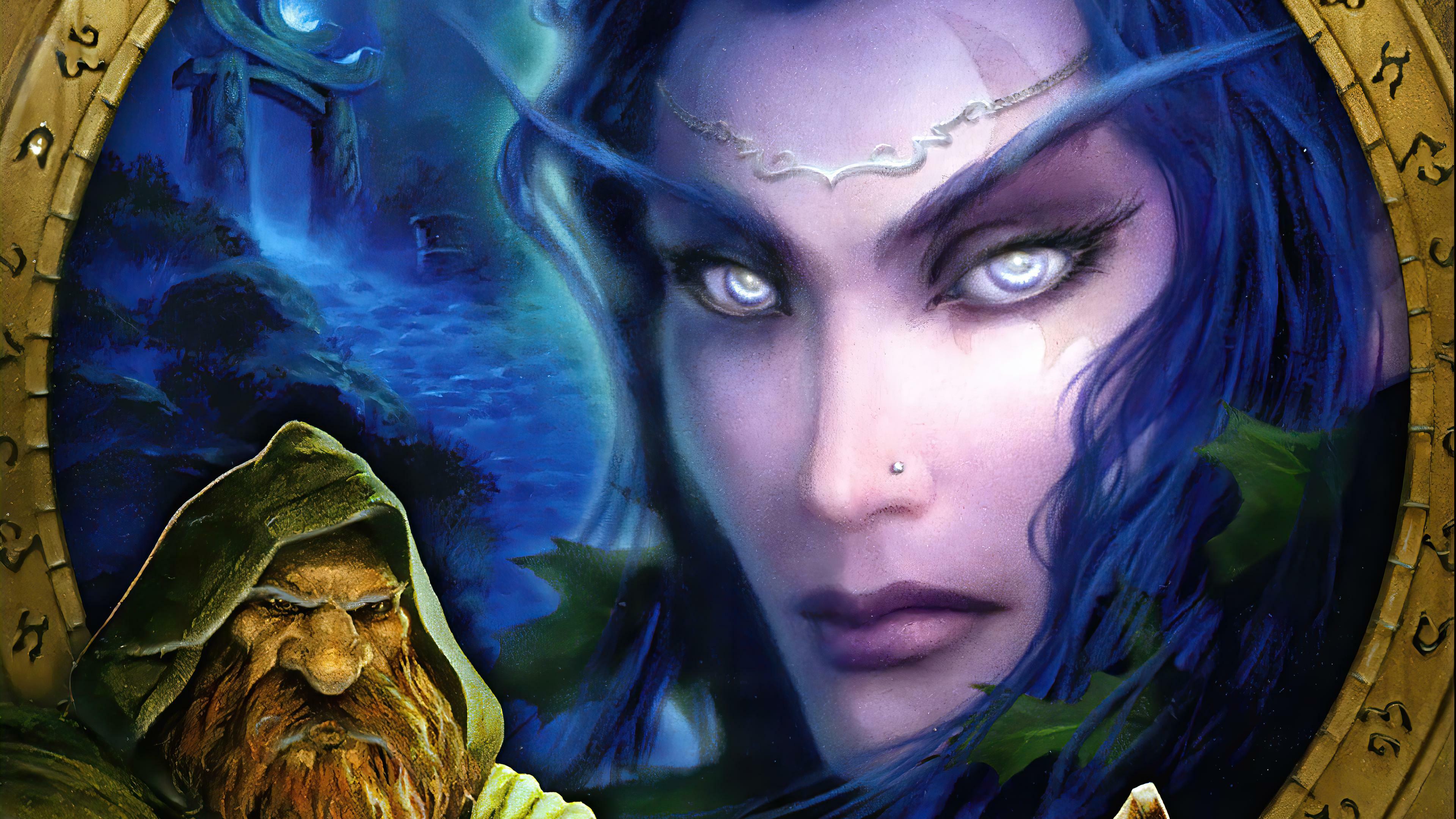
The ‘Dragonflight’ expansion and its subsequent updates introduced several characters with diverse identities and backgrounds. Some long-time players felt the focus on these themes was a departure from the traditional high-fantasy war setting. The inclusion of a transgender character in a prominent role was a specific point of discussion in the community. Critics argued that the writers were focusing on modern social trends instead of established lore. The developers have stated that they want the world of Azeroth to reflect the diversity of its global player base.
‘Destiny 2’ (2017)
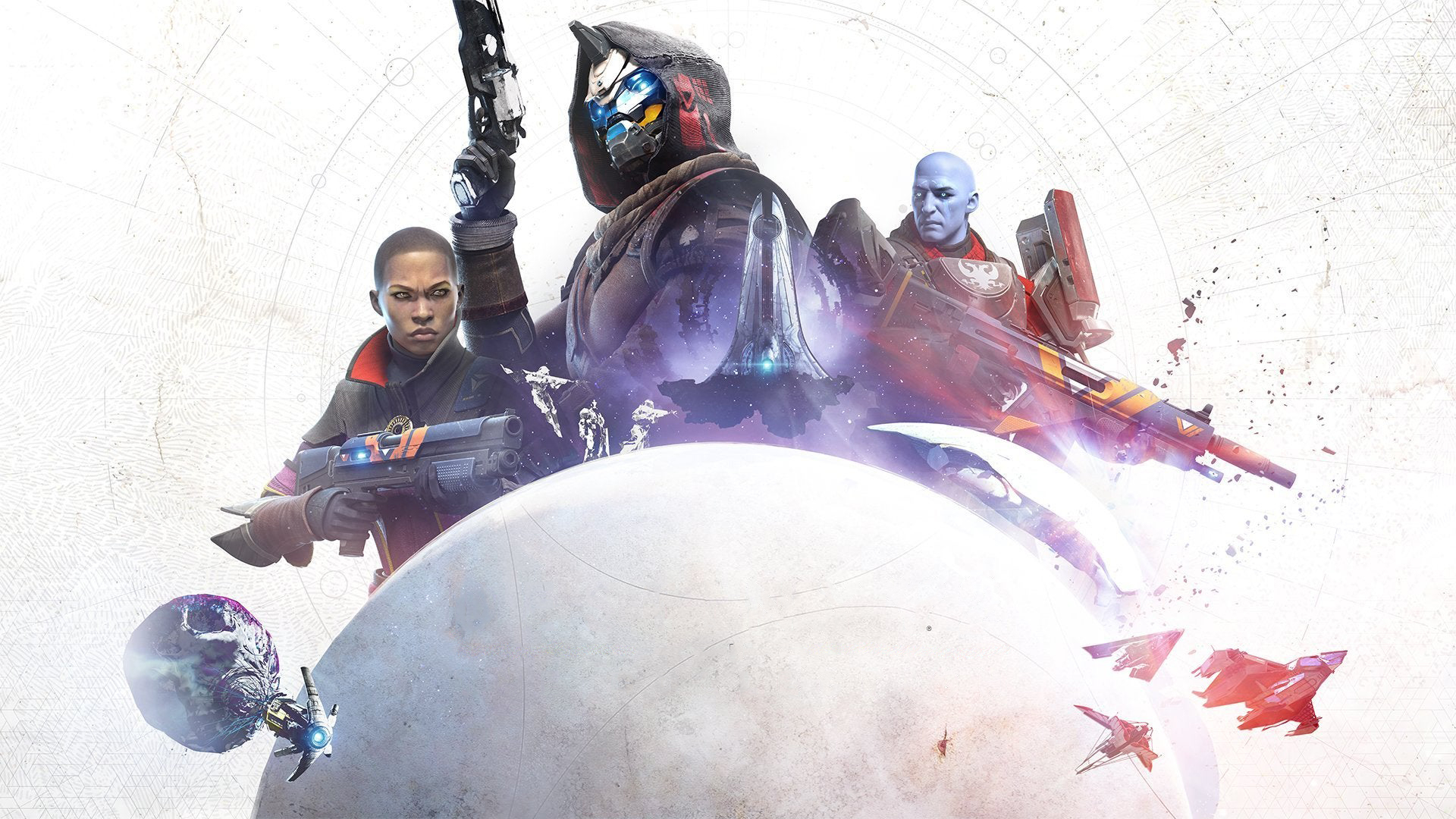
Seasonal story content revealed a long-standing romantic relationship between the characters Osiris and Saint-14. While some fans had long theorized about this the explicit confirmation in the DLC led to claims of pandering. Some players felt the focus on the personal lives of the characters detracted from the overarching sci-fi narrative. The developers used these story beats to add emotional weight to the ongoing conflict in the game. The relationship has since become a core part of the game’s ongoing lore.
‘Valorant’ (2020)
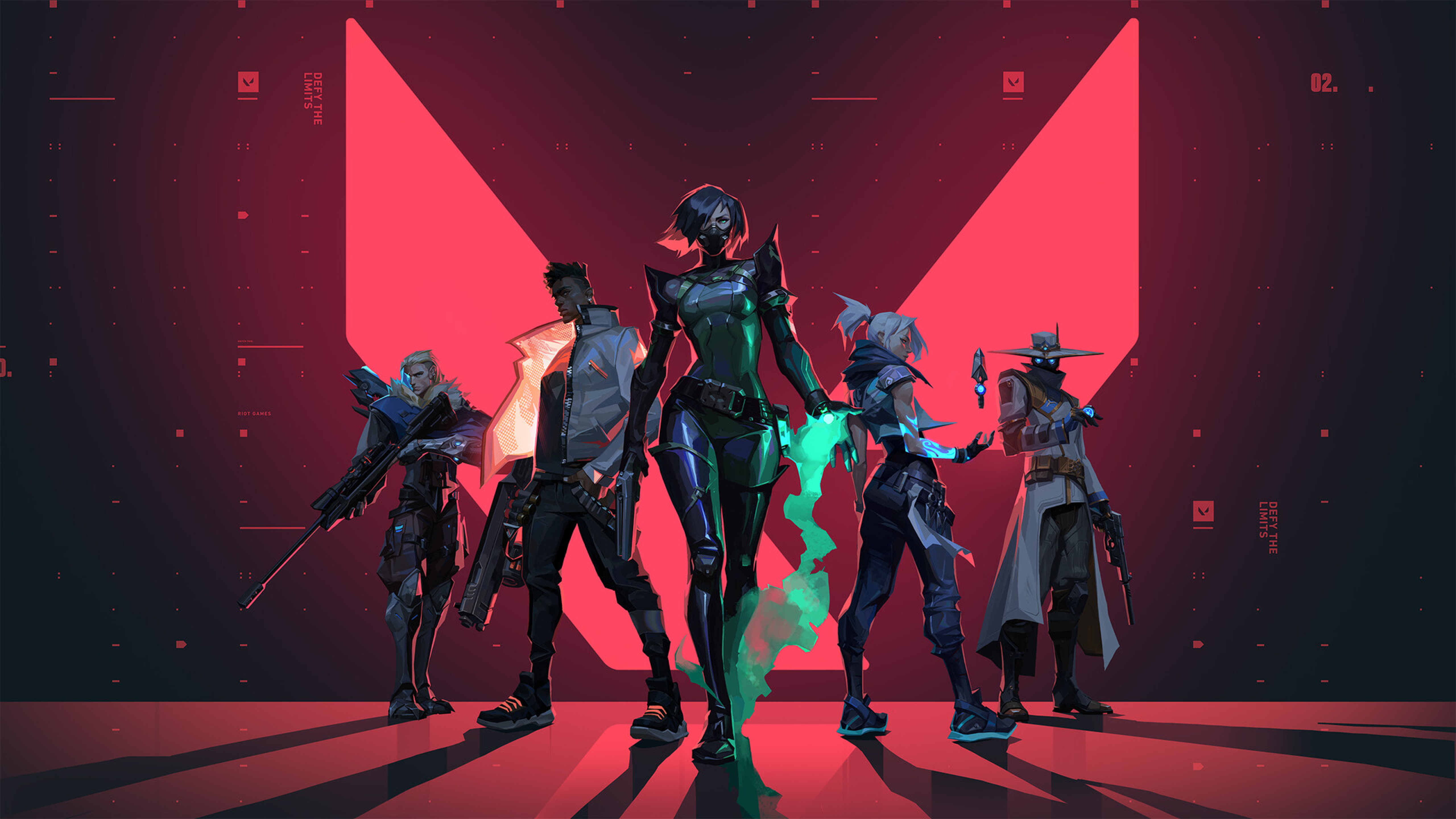
Lore updates delivered through social media and in-game cinematics confirmed a relationship between the characters Killjoy and Raze. Some players felt the timing of the reveal was a strategic move to boost engagement during a competitive season. Accusations of pandering often arise when the game’s lore is expanded through external content. The developers have built a diverse roster of agents from around the world to appeal to a broad audience. Fans of the game’s narrative often look forward to these updates despite the online criticism.
‘League Of Legends’ (2009)
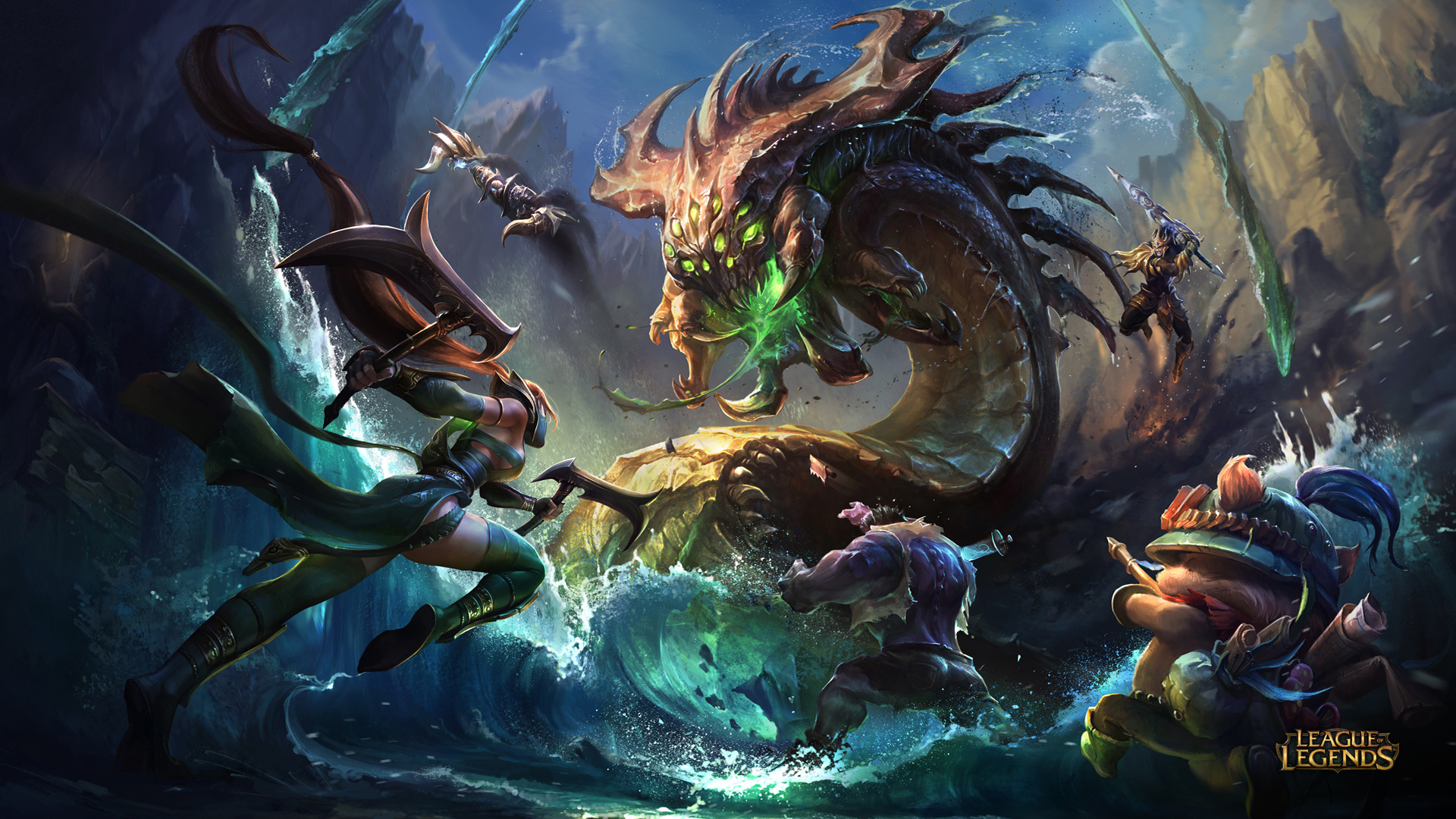
The ‘Pride’ event updates often introduce new lore for established champions such as Varus or K’Sante. Some players believe these updates are reactionary and intended to improve the company’s public image. The focus on the identities of the champions is often highlighted in seasonal missions and cosmetic rewards. Critics argue that these changes feel like late additions to characters that were originally designed without these traits. The studio continues to support diverse representation through its massive roster of characters.
‘Spider-Man 2’ (2023)
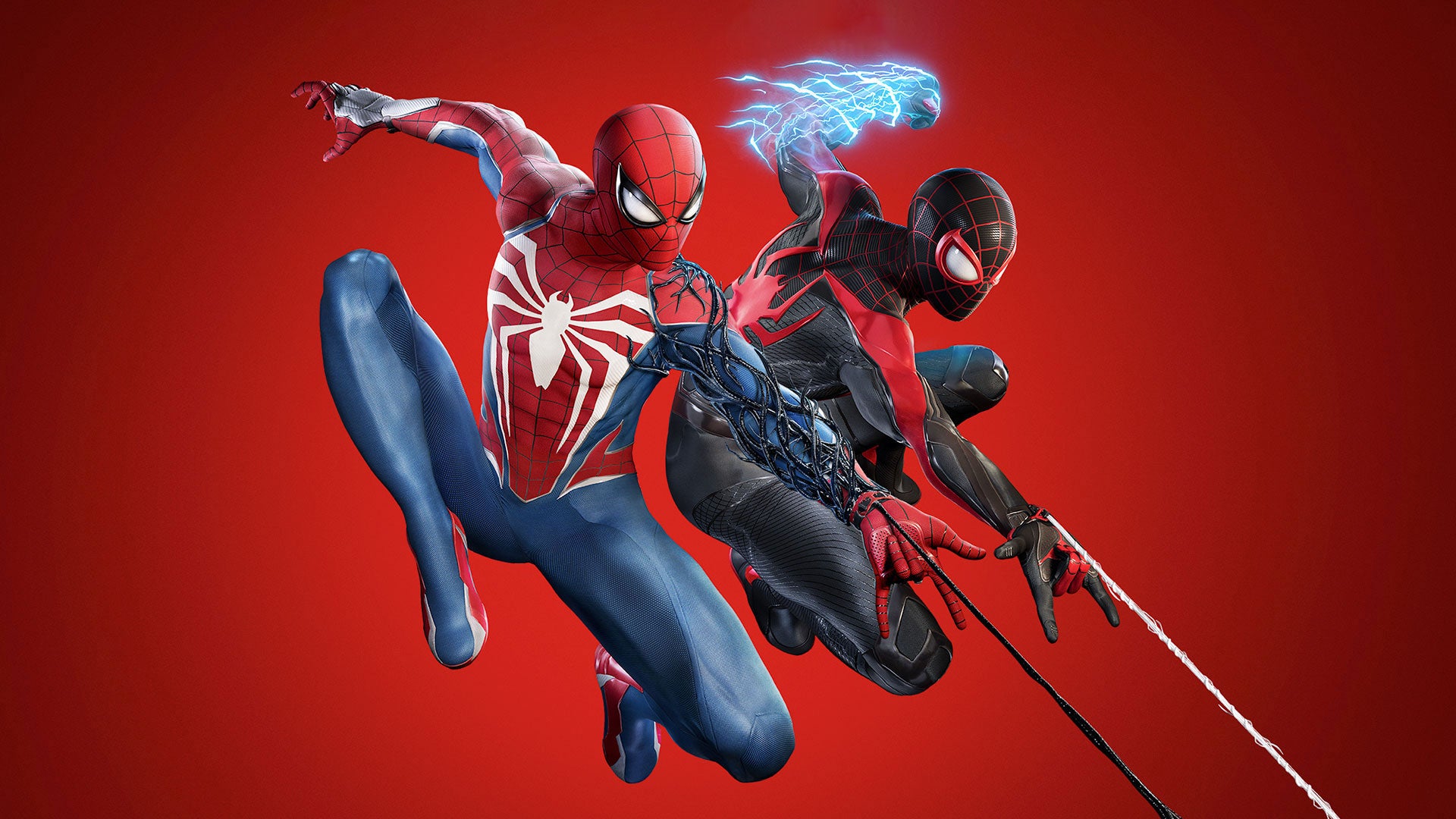
Post-launch updates and side missions in the game featured a strong focus on community diversity and specific social causes. Some players felt these missions were preachy and did not fit the tone of a superhero action game. The inclusion of a mission involving a specific cultural center was a common point of criticism for those who viewed it as pandering. Other players felt these moments grounded the characters in a realistic version of New York City. The game received critical acclaim for its gameplay and narrative despite these localized controversies.
‘Hogwarts Legacy’ (2023)
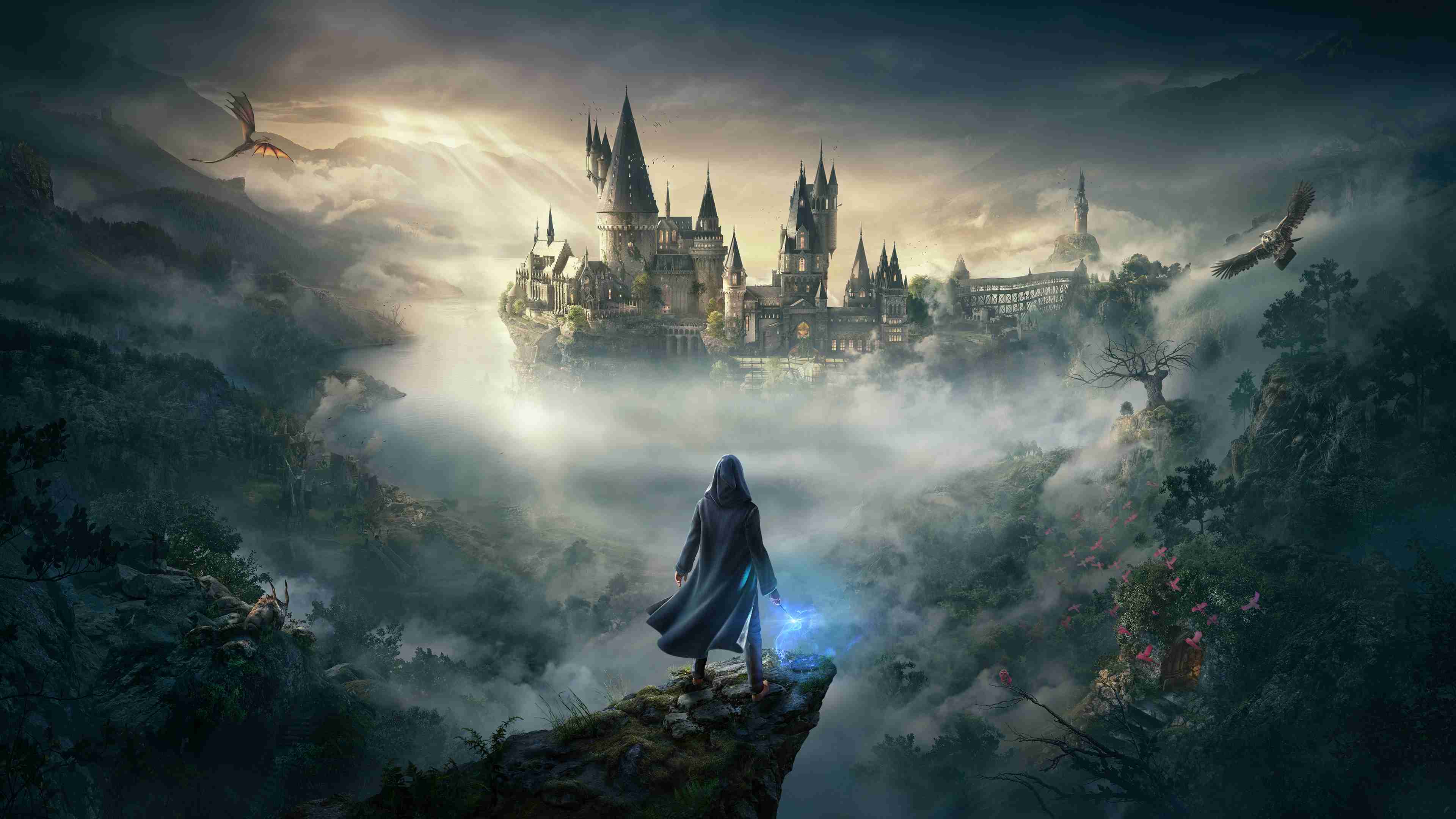
The inclusion of the character Sirona Ryan as a transgender witch led to significant debate before and after the game’s release. Some players felt the character was a sudden addition intended to distance the game from the controversial views of the franchise creator. Critics of the inclusion argued that the character felt out of place in the historical setting of the game. The developers stated that they wanted to create a diverse and inclusive version of the wizarding world. The character remains a notable part of the game’s diverse cast of NPCs.
‘Saints Row’ (2022)
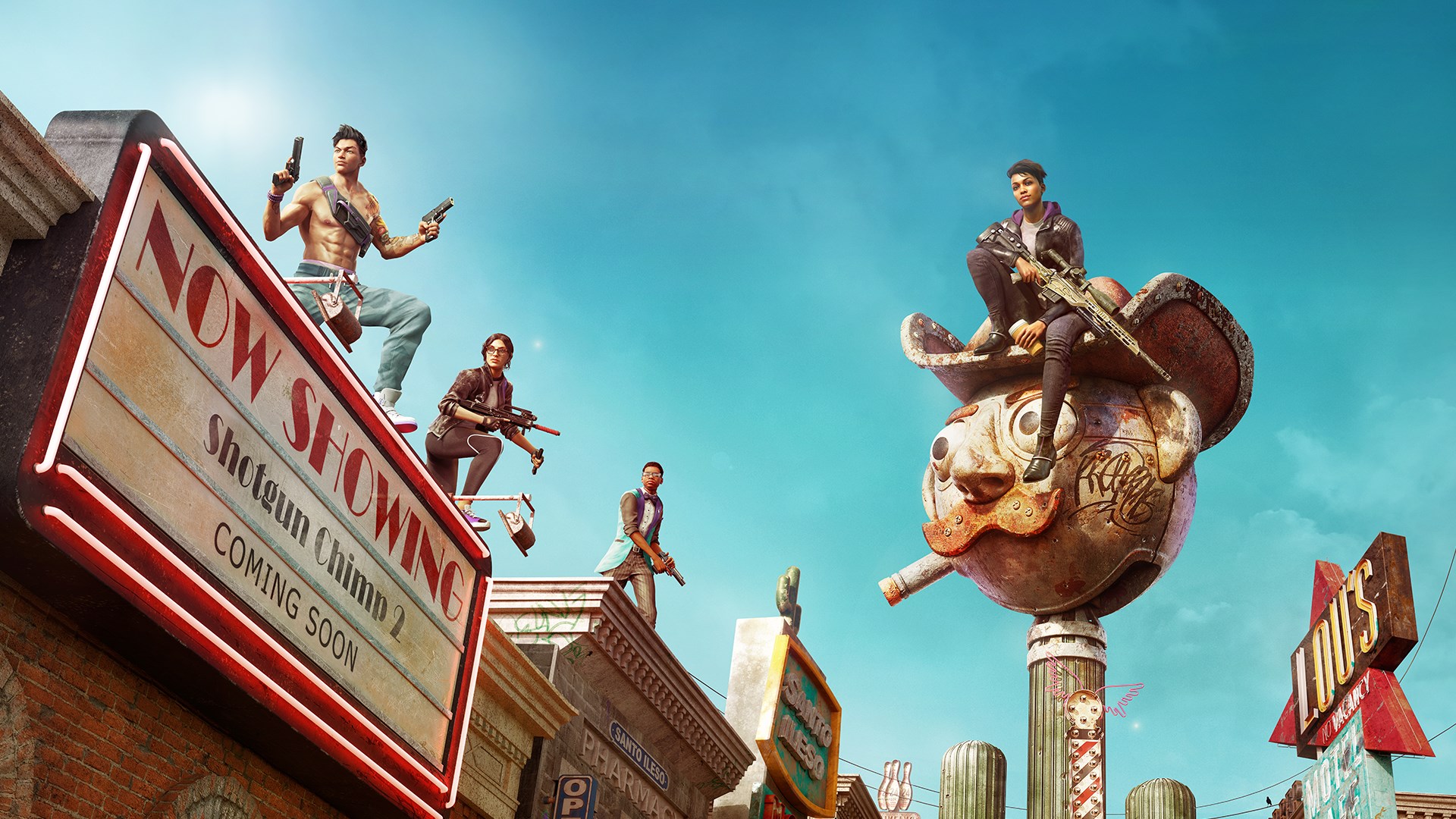
The DLC and post-launch updates for this reboot continued to emphasize a diverse and youthful cast of characters. Many fans of the original series felt this was a form of pandering that abandoned the gritty roots of the franchise. The focus on social dynamics and millennial culture in the expansions was a major point of contention. Some players viewed the new direction as an attempt to appeal to a demographic that was not interested in the series. The game struggled to find a consistent audience following these design choices.
‘Ghostwire: Tokyo’ (2022)
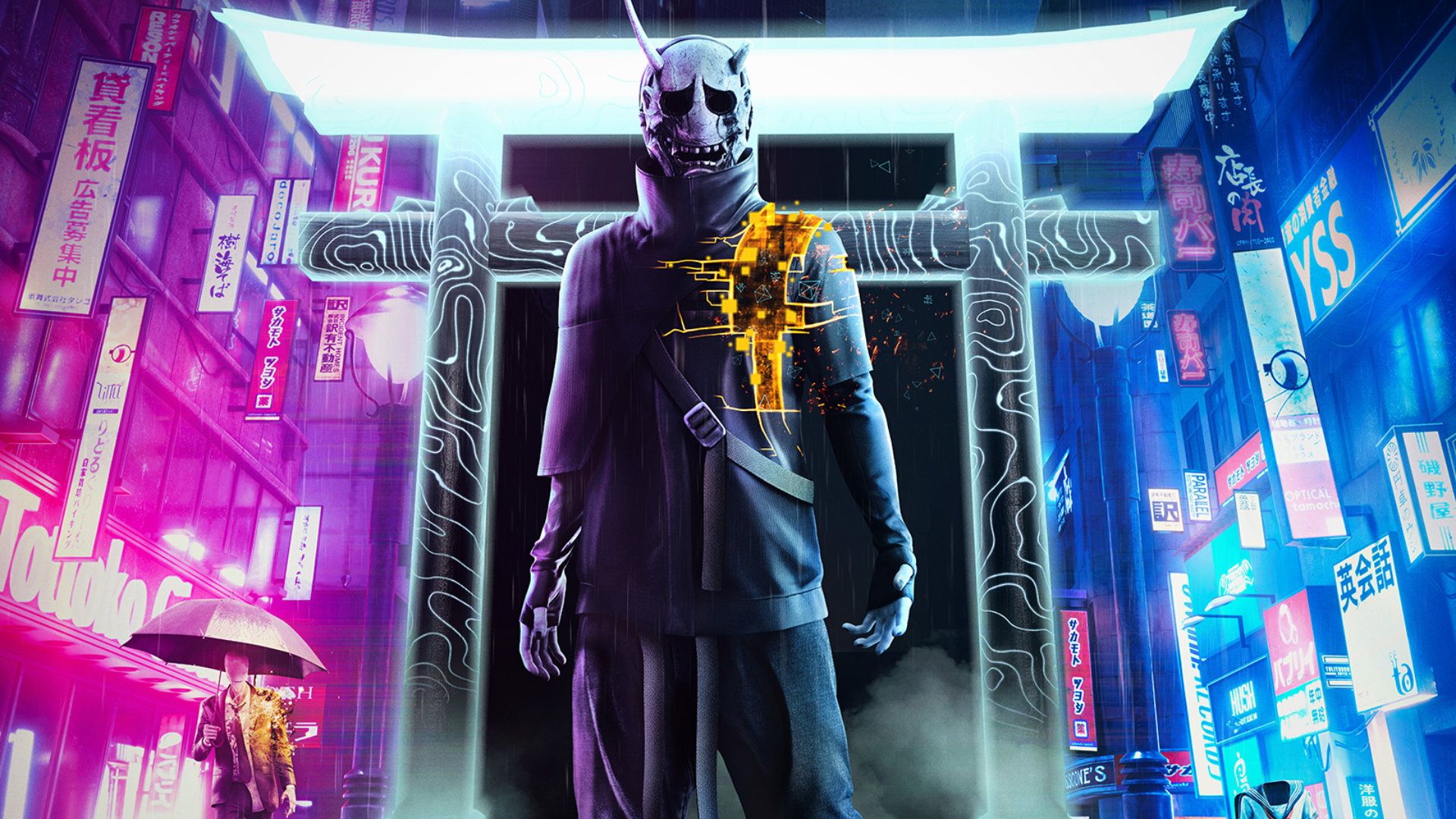
A major free update titled ‘Spider’s Thread’ added new story content and characters that some players felt emphasized diversity more than the base game. Critics argued that the new narrative elements were added to satisfy modern representation requirements. The game focuses heavily on Japanese folklore and culture which some felt was diluted by these additions. The developers used the update to expand the gameplay and provide more variety to the experience. The update was generally well-received for its technical improvements despite the lore debates.
‘Battlefield V’ (2018)

The addition of diverse elite skins and characters in post-launch updates sparked a long-running controversy about historical accuracy. Some players felt the inclusion of female soldiers in certain roles was a form of pandering to modern audiences. This debate began with the initial reveal trailer and continued throughout the game’s lifecycle. The developers defended their choices by stating that they wanted to provide players with more customization options. The controversy became a significant part of the game’s legacy in the shooter community.
‘Call Of Duty: Modern Warfare II’ (2022)
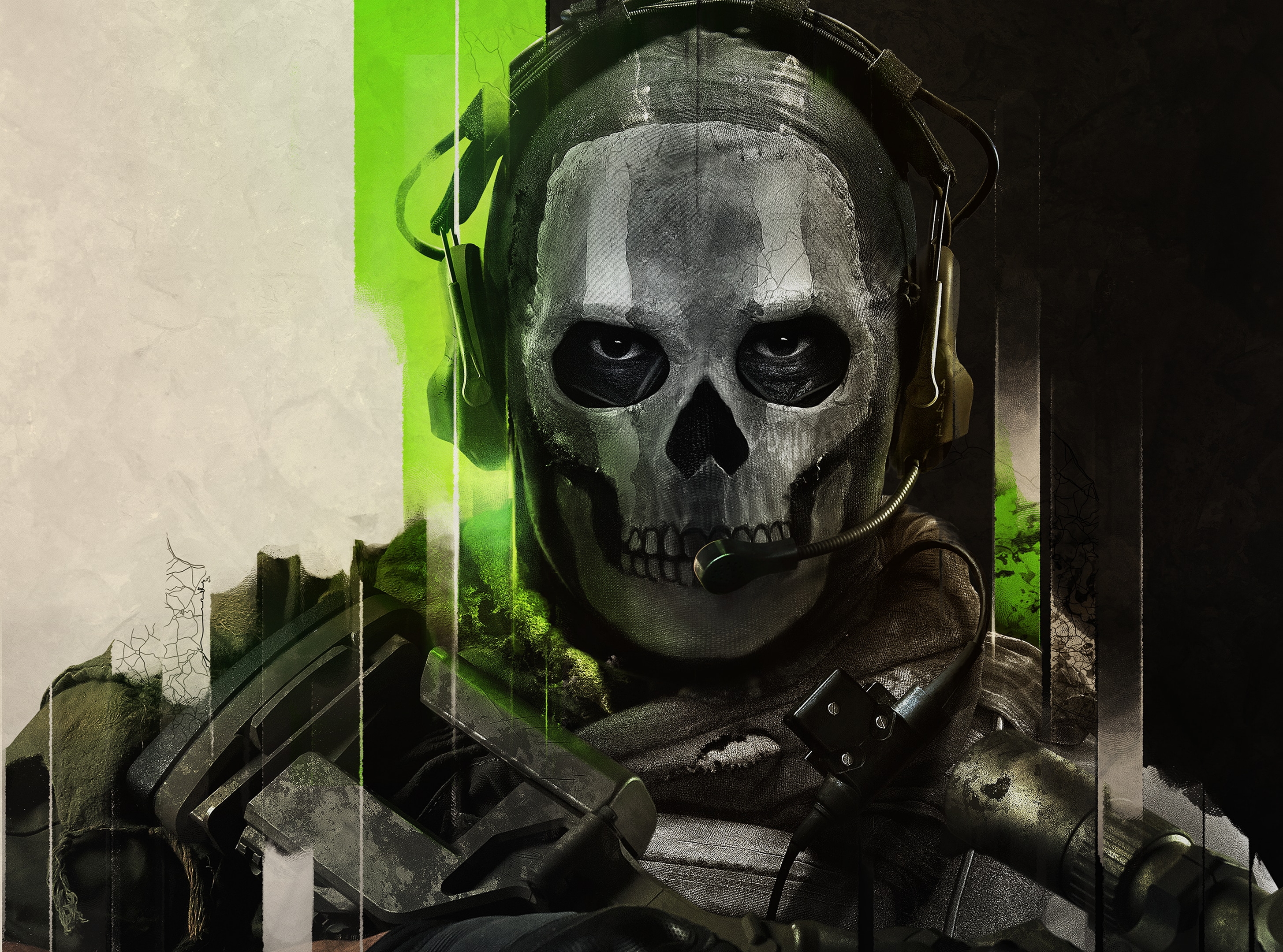
The release of ‘Pride Month’ cosmetic packs and banners led to accusations of corporate pandering from some players. Critics felt these items were out of place in a realistic military shooter focused on global conflict. The debate intensified on social media as players argued about the role of social causes in competitive gaming. Some fans supported the inclusion as a way to show support for a diverse player base. The studio has continued to release various themed cosmetic items across its different titles.
‘Rainbow Six Siege’ (2015)
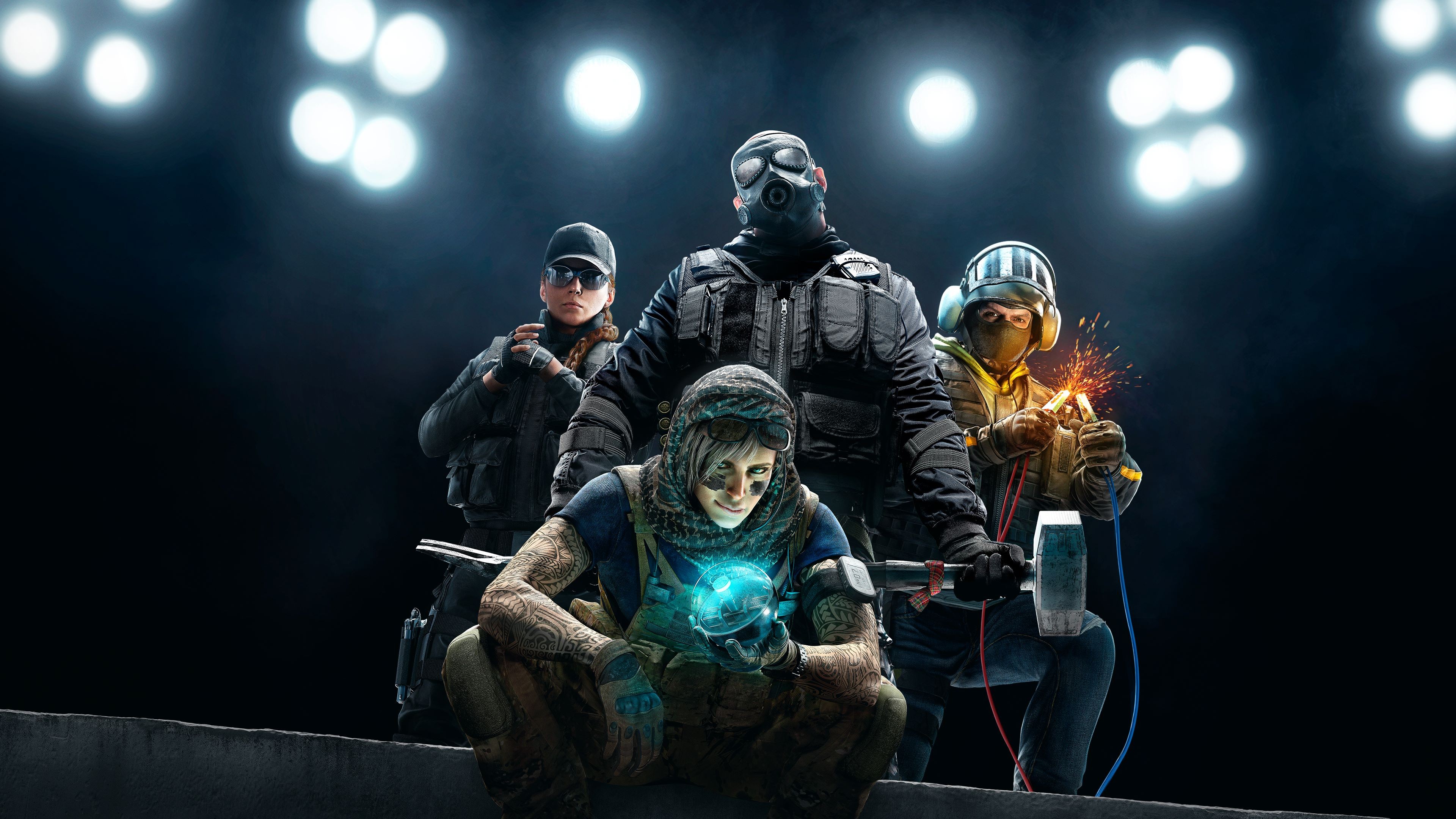
The introduction of operators like Flores and Sens brought more diversity to the tactical shooter’s roster. Some players felt the developers were focusing too much on the personal backgrounds of the characters in the DLC updates. Accusations of pandering surfaced as players questioned the necessity of including sexual orientation or gender identity in a tactical game. The developers have stated that they want their operators to feel like a global team of unique individuals. The game remains one of the most popular competitive titles in the genre.
‘Final Fantasy XIV’ (2013)
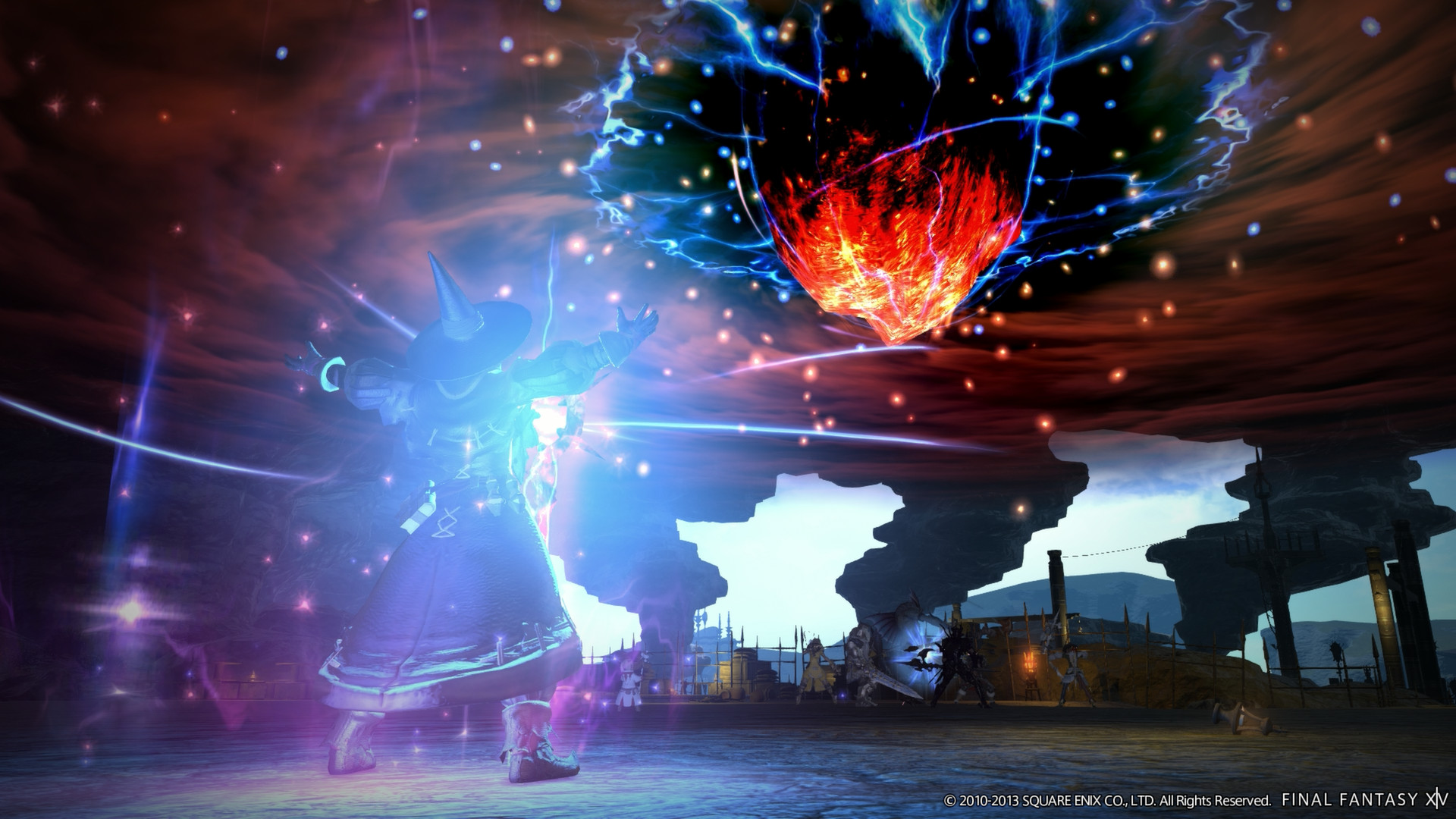
Updates to the ‘Ceremony of Eternal Bonding’ removed gender restrictions for player marriages in the game world. While many players celebrated this change some felt it was a move to appease Western audiences. The removal of gender-locked clothing and features in later patches also sparked similar debates. Critics of the changes argued that they altered the original aesthetic vision of the game. The developers have consistently moved toward providing more freedom for player expression in the virtual world.
‘Sea Of Thieves’ (2018)
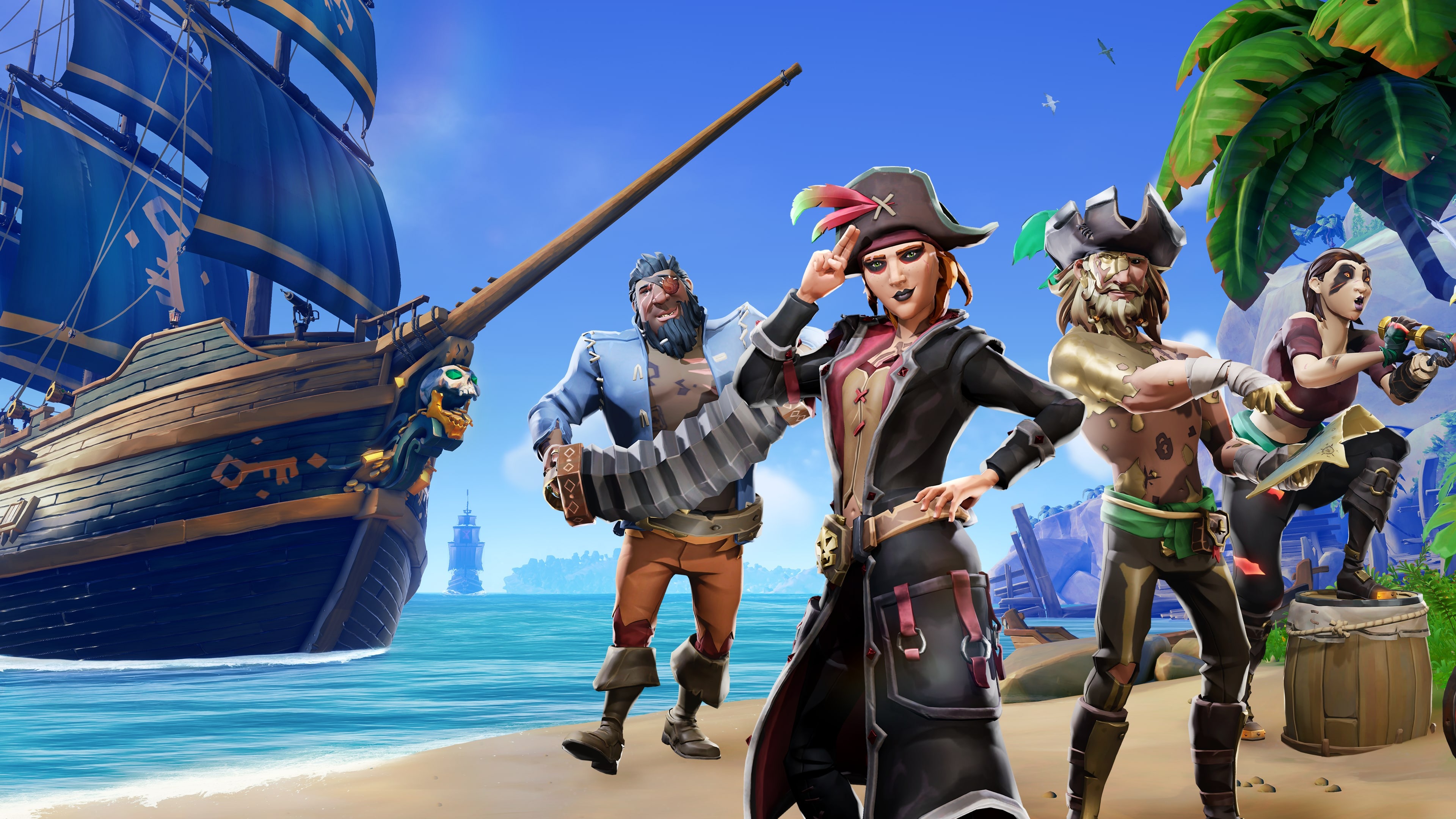
The addition of rainbow flags and specific ‘Pride’ themed cosmetics in seasonal updates led to mixed reactions. Some players felt the developers were bringing real-world politics into a fantasy pirate game. Others viewed the items as a simple way to allow for more player customization and self-expression. The studio has been vocal about its commitment to creating a welcoming environment for all players. These updates are a small part of the game’s extensive list of cosmetic additions.
‘Fallout 76’ (2018)

The ‘Wastelanders’ update and subsequent expansions introduced a variety of NPCs with diverse backgrounds. Some players felt the inclusion of certain characters was a reaction to the lack of human NPCs at launch. Critics of the game argued that the developers were using diversity to mask the initial failings of the title. The game has evolved significantly since its release with a focus on building a living world with diverse factions. The community for the game has become known for its generally positive and inclusive nature.
‘Borderlands 3’ (2019)
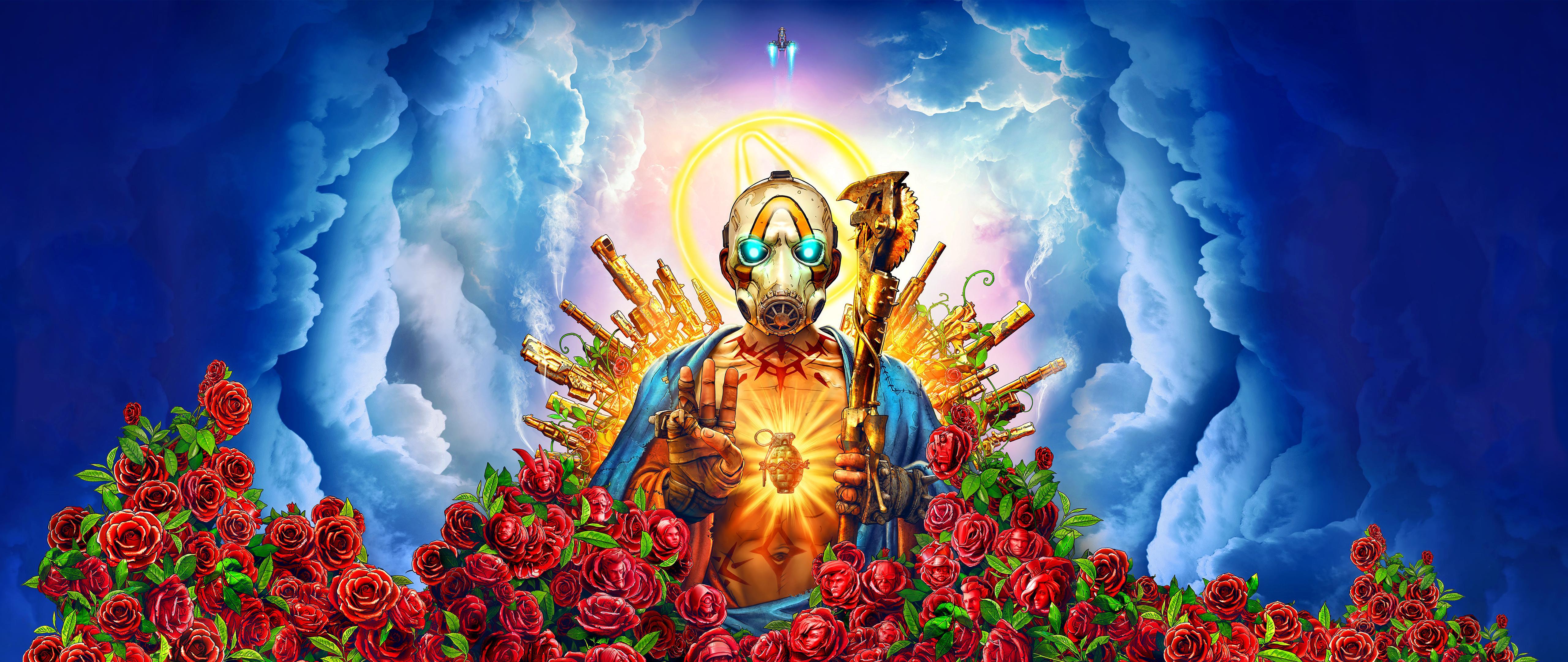
The ‘Guns, Love, and Tentacles’ DLC focused on a wedding between two male characters from the series. Some players felt the expansion was an example of the studio pushing a specific social agenda. The game has always featured an eccentric and diverse cast but this DLC was a major focal point for critics. Fans of the characters praised the expansion for its humor and emotional storytelling. The series is known for its over-the-top style and inclusive character designs.
‘Tell Me Why’ (2020)
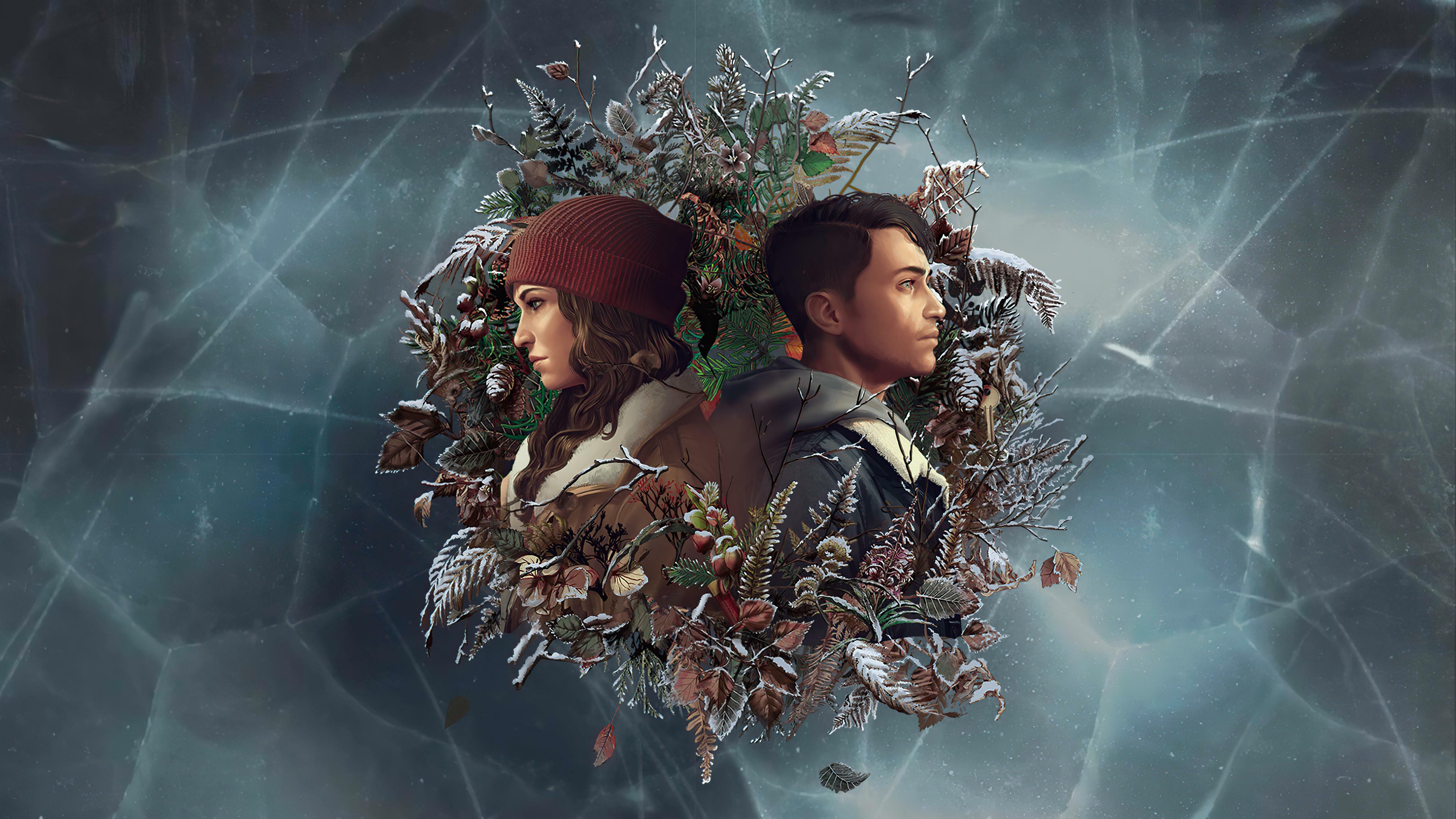
This episodic game featured a transgender protagonist as a central part of its narrative and marketing. Some players accused the studio of pandering by making the character’s identity a primary selling point. The game was developed in collaboration with advocacy groups to ensure authentic representation. Critics argued that the focus on identity overshadowed the actual mystery and gameplay elements. The title received praise from many critics for its thoughtful approach to sensitive topics.
‘The Outer Worlds’ (2019)
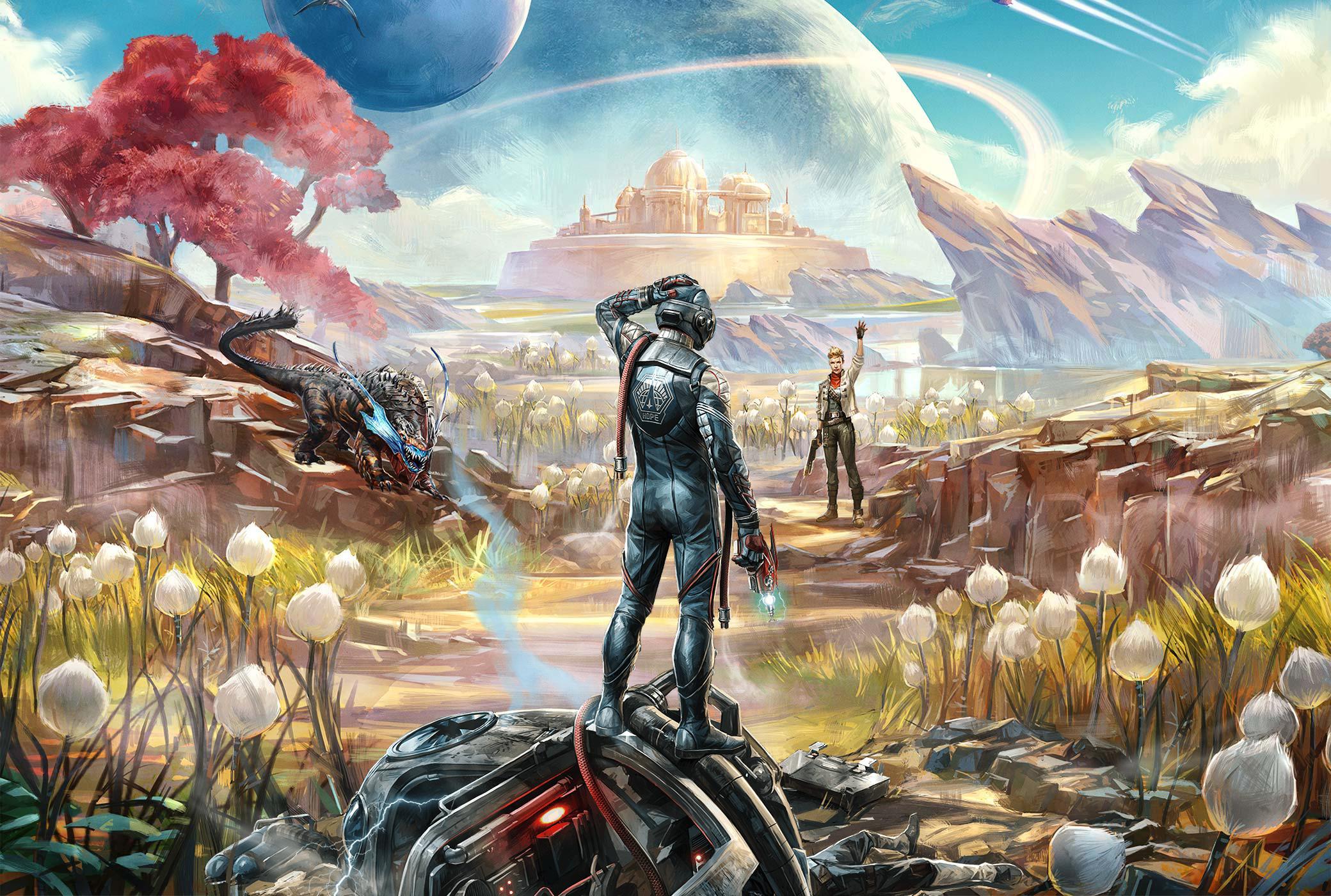
A side quest involving the companion Parvati and her romantic interest was a highlight for many but a point of criticism for others. Some players felt the inclusion of an asexual character was a form of pandering to a niche demographic. The writing for the quest was praised for its sincerity and lack of tropes by many players. The game features a satirical take on corporate culture which some felt was at odds with the earnest diversity of the cast. The developers have a history of creating complex and diverse characters in their RPGs.
‘Animal Crossing: New Horizons’ (2020)
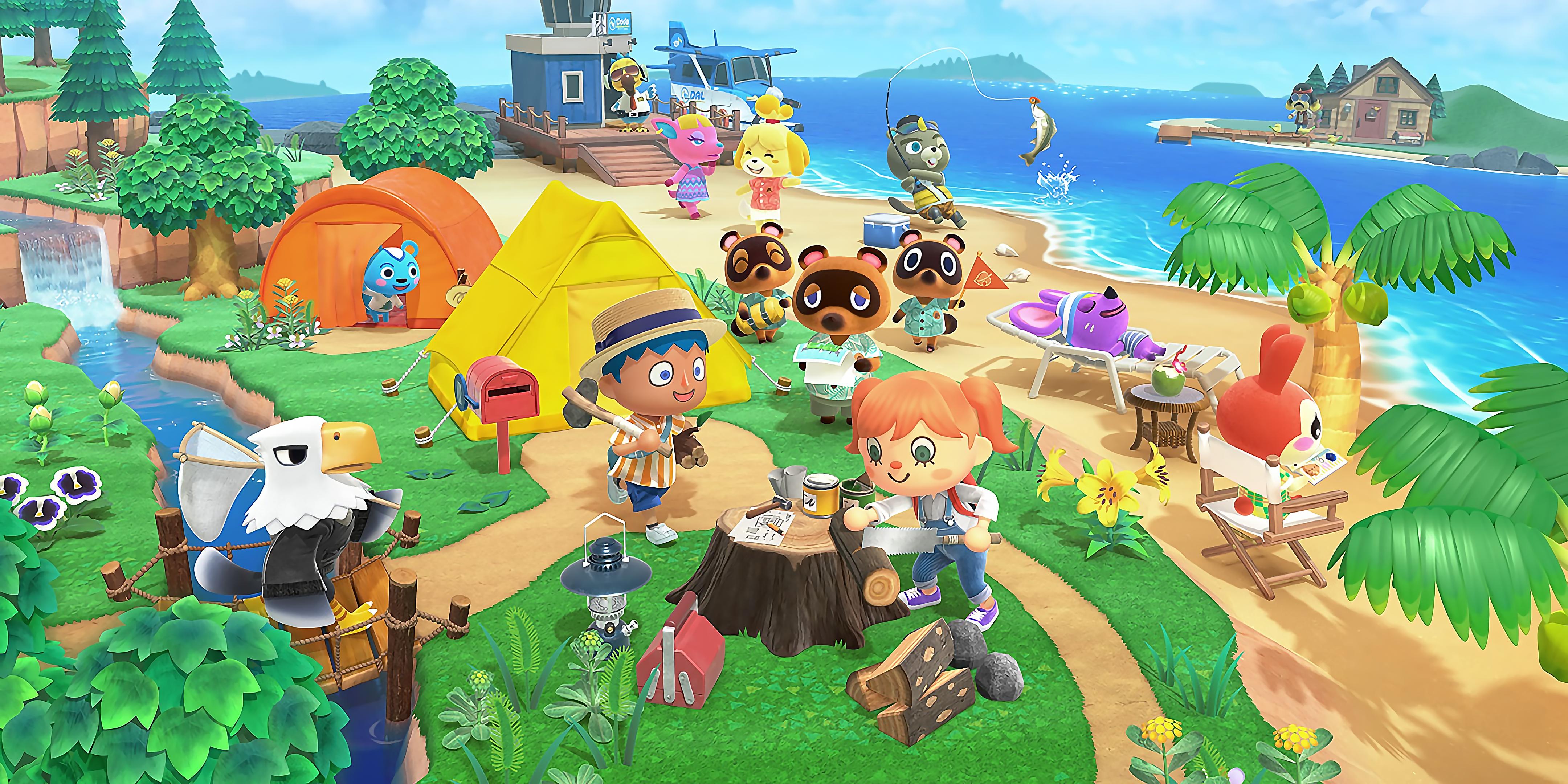
Post-launch updates added new hairstyles and removed gender restrictions for certain clothing and features. Some players felt these changes were a response to social media pressure for more inclusive customization. The update allowed for a much wider range of player expression in the peaceful island simulation. Critics of the move argued that it was an unnecessary change to a long-running series formula. The game was a major hit and the updates were welcomed by a large portion of the community.
‘Minecraft’ (2011)

The addition of new default character skins with diverse appearances was seen by some as a late attempt at representation. Critics felt the original characters were iconic and that the new additions were a form of pandering. The developers stated that they wanted new players to feel represented from the moment they started the game. This change was one of many updates intended to keep the game relevant for a global audience. The game remains one of the best-selling titles of all time with a massive and diverse player base.
‘Roblox’ (2006)
Frequent updates to the platform have introduced more diverse avatar options and social features. Some older users have criticized these changes as a move toward modern social trends. The platform serves as a hub for millions of user-created games with various themes. Critics argue that the company is trying to control the social narrative of the platform through these updates. The company maintains that they are simply providing the tools for a diverse community to express itself.
‘Gotham Knights’ (2022)
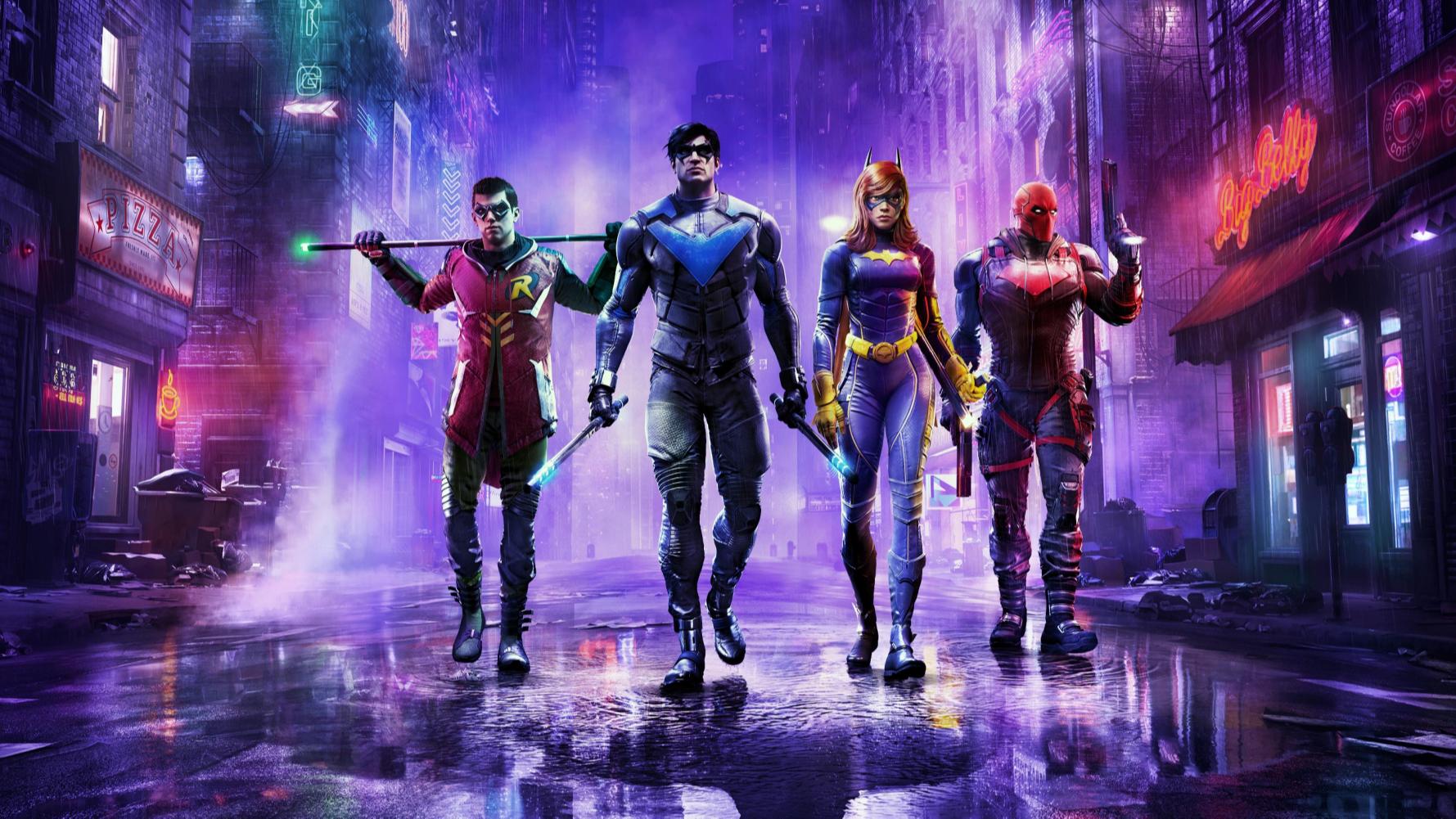
Updates to character bios and in-game dialogue revealed more about the diverse backgrounds of the main heroes. Some fans of the DC universe felt these changes were not reflective of the original comic book source material. The inclusion of certain pride flags and social details in the game world led to accusations of pandering. Critics felt the game was focusing on social details instead of improving the combat and traversal systems. The developers intended to show a modern version of the Bat Family in a changing Gotham City.
‘Suicide Squad: Kill The Justice League’ (2024)
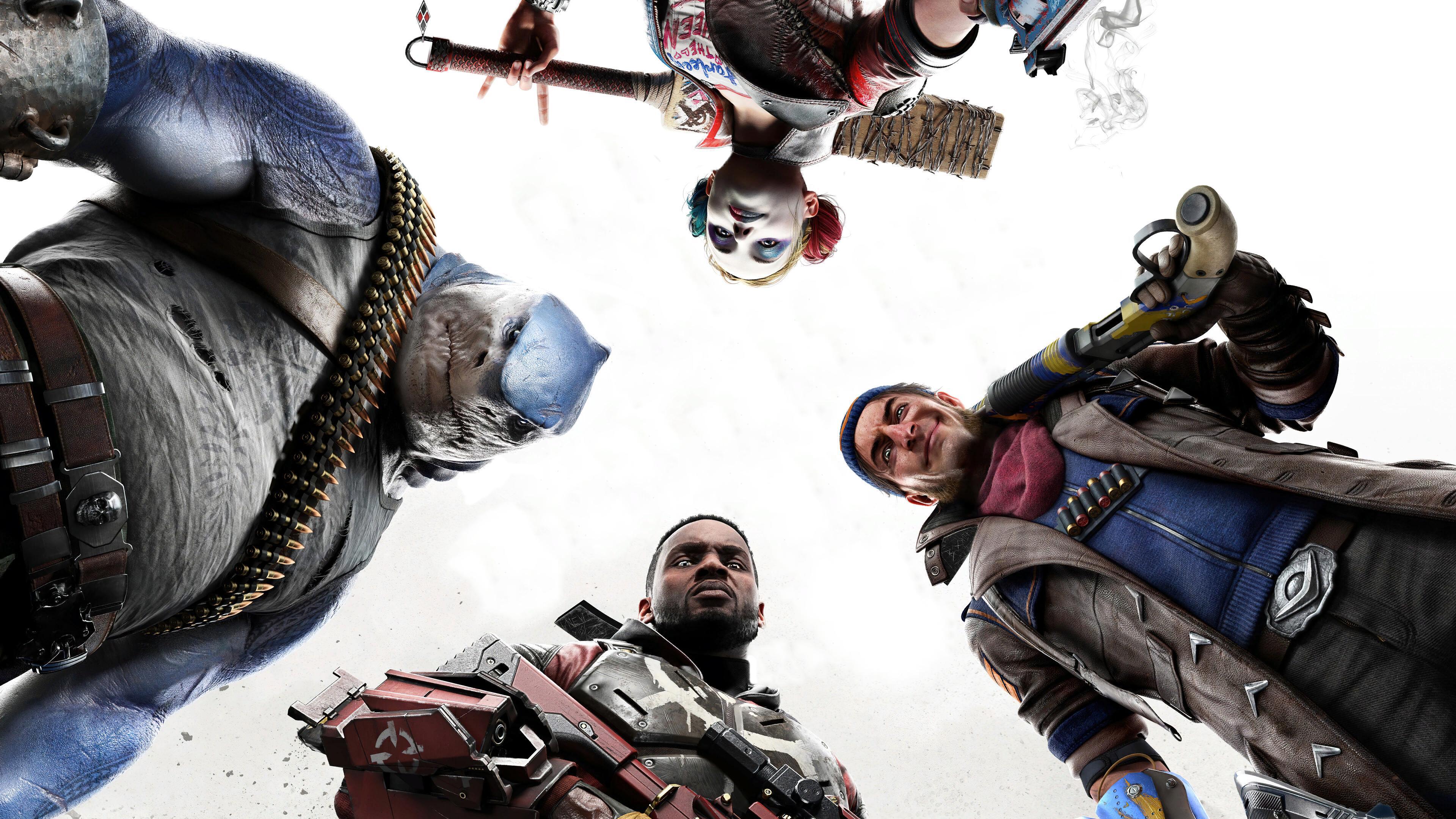
The seasonal DLC updates have introduced characters and storylines that some players feel emphasize modern social dynamics too heavily. Accusations of pandering surfaced as the game struggled with its initial reception and player count. Some critics argued that the developers were using diversity to appeal to a broader audience that was not interested in a live-service shooter. The game features a diverse cast of villains as the main protagonists. The studio continues to release new content as part of its post-launch roadmap.
‘Forspoken’ (2023)
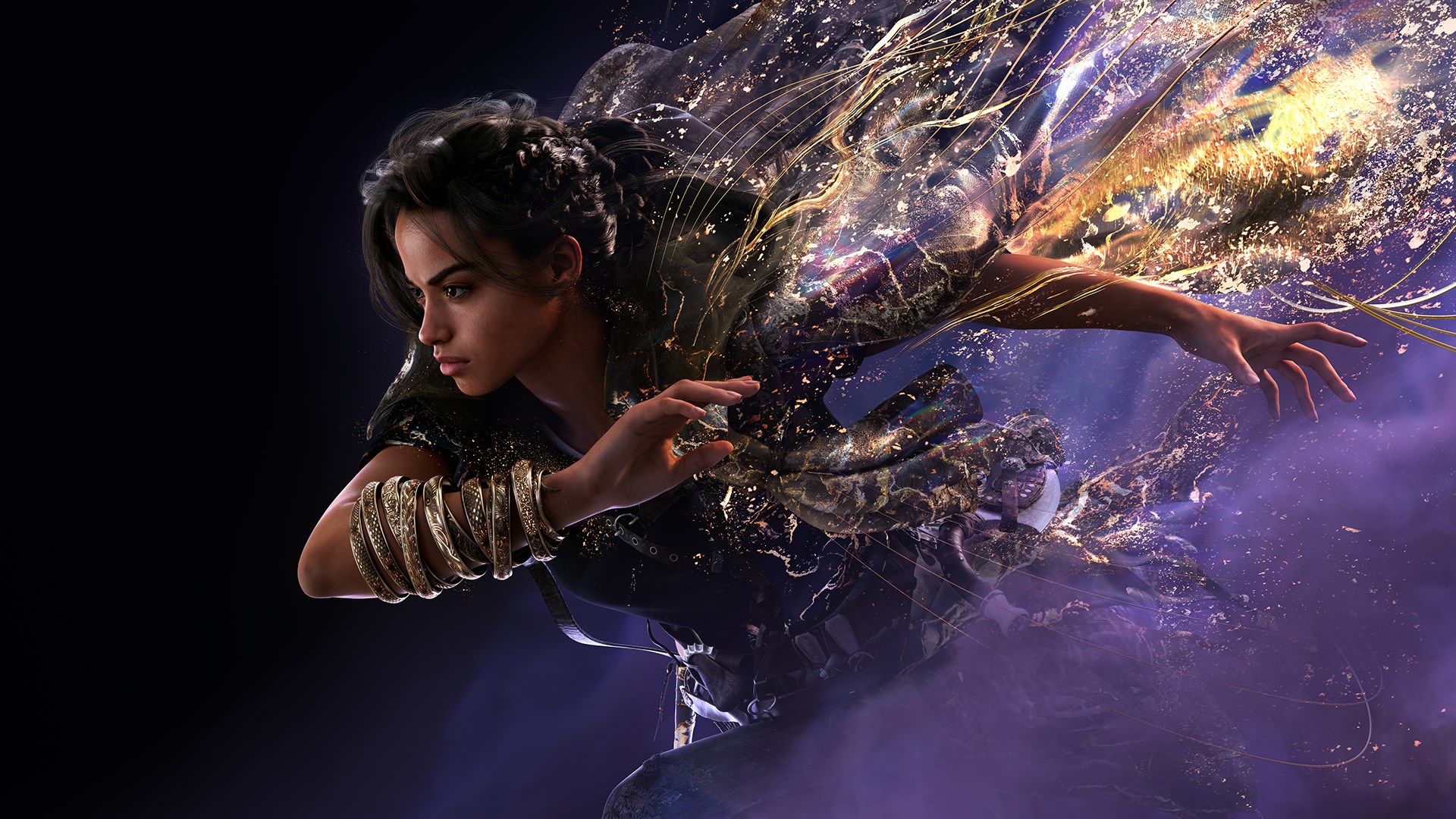
The ‘In Tanta We Trust’ DLC expanded the backstory of the protagonist and the world of Athia. Some players felt the characterization of the main hero was an attempt to cater to modern sensibilities. The game faced a lot of online scrutiny for its dialogue and diverse cast of female characters. Critics of the DLC felt it did not do enough to address the complaints regarding the base game’s narrative. The studio was eventually merged into Square Enix following the game’s commercial performance.
‘Genshin Impact’ (2020)
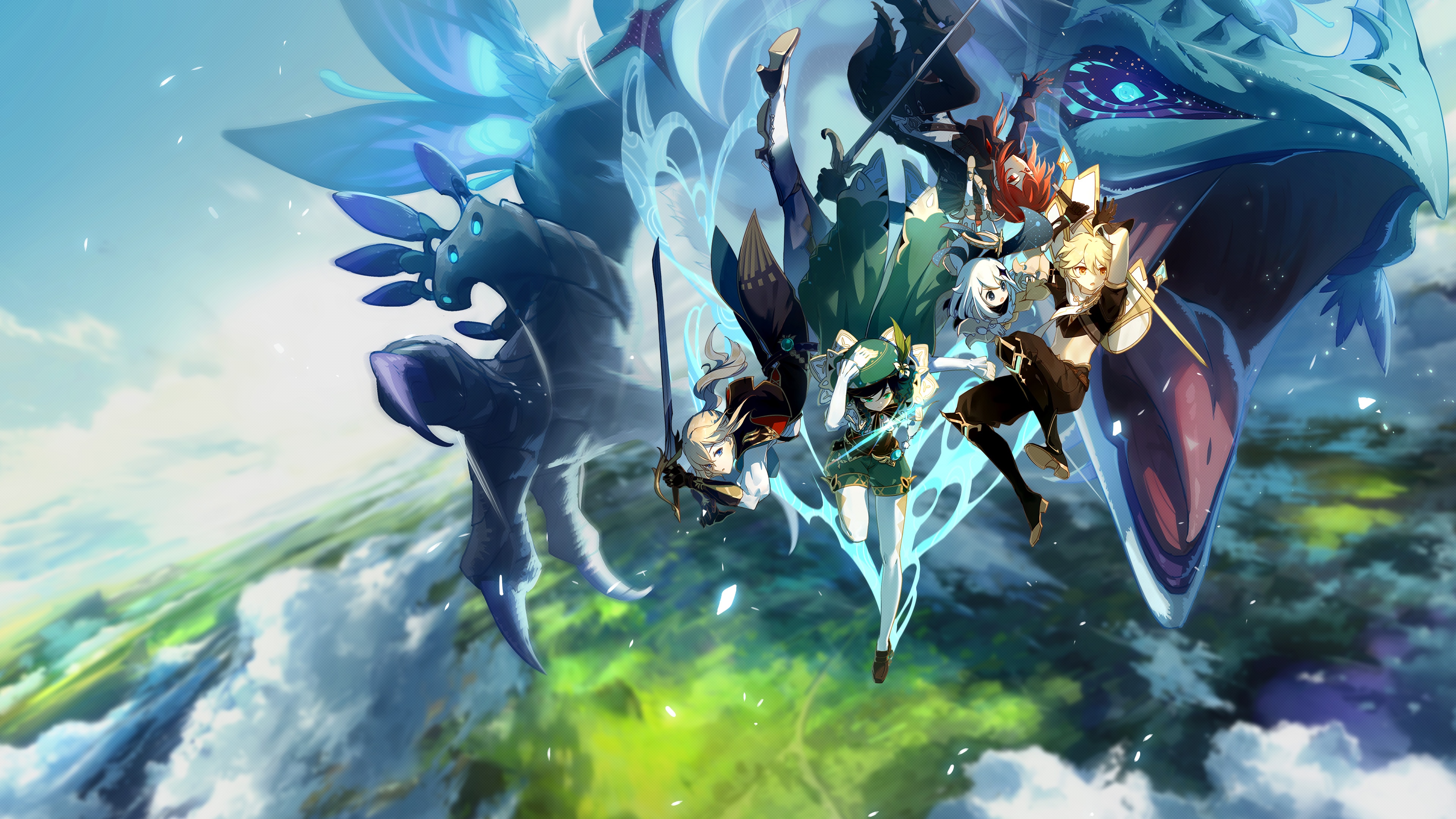
Expansion updates for new regions like Sumeru and Fontaine led to debates about cultural representation and skin tone. Some players felt the character designs were not diverse enough while others felt the localization was pandering to Western standards. This conflict highlighted the challenges of managing a global game with different regional expectations. The developers have continued to release a steady stream of new characters with unique backgrounds. The game remains incredibly popular despite these ongoing discussions in the community.
‘Tales Of Arise’ (2021)
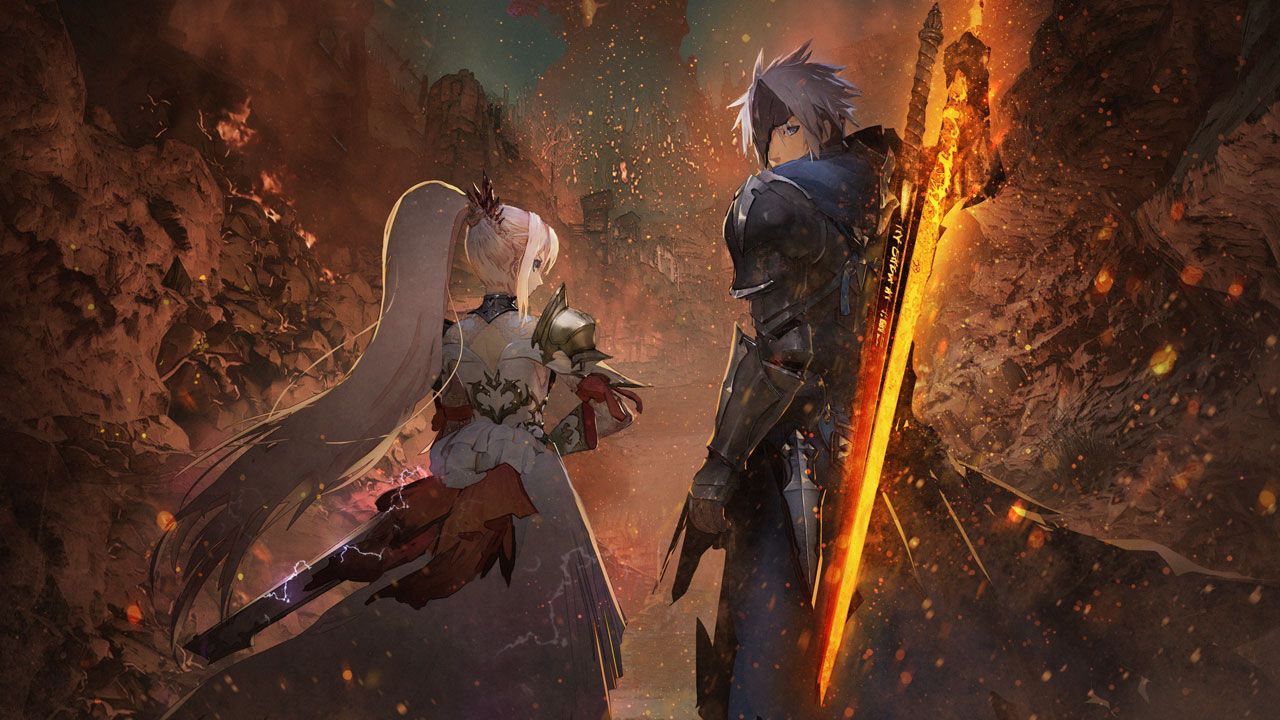
The ‘Beyond the Dawn’ expansion added more dialogue and scenes focused on the relationships and social roles of the main cast. Some players felt these additions were unnecessary and catered to a modern audience’s desire for specific narrative themes. The original game was praised for its story but the DLC received mixed reviews. Critics argued that the expansion felt like a reactionary addition rather than a planned part of the journey. The developers used the DLC to provide closure to the characters’ personal stories.
‘Watch Dogs: Legion’ (2020)
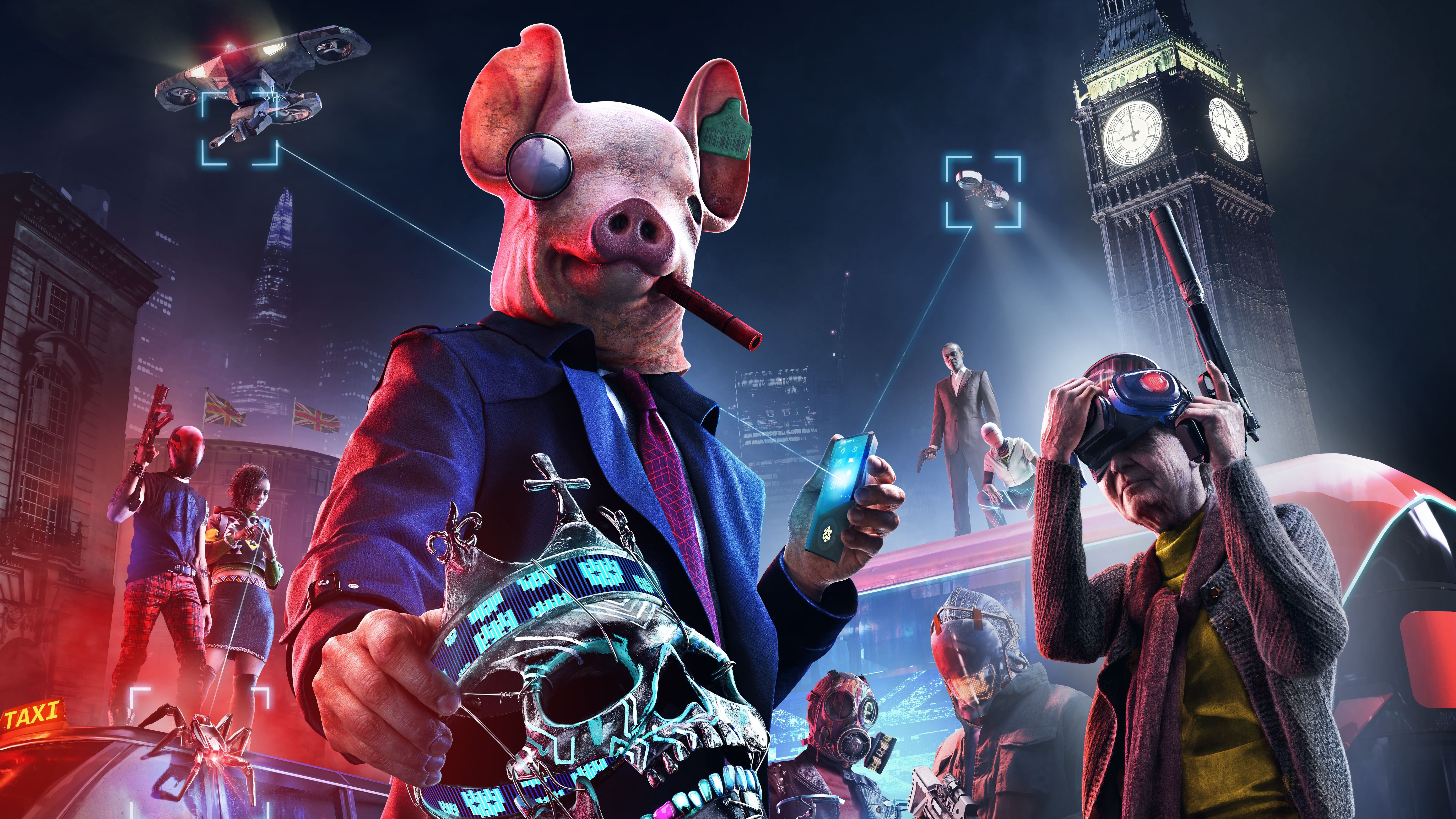
The ‘Bloodline’ DLC and general updates allowed players to recruit a wider variety of characters with diverse traits. Some critics felt the recruitment system was used to push a message of social unity that felt forced. The game’s setting in a post-Brexit London was already a point of political discussion. Some players argued that the focus on diversity was a distraction from the game’s repetitive mission structure. The developers intended the game to be a reflection of the diverse population of a modern metropolis.
‘Star Wars: The Old Republic’ (2011)
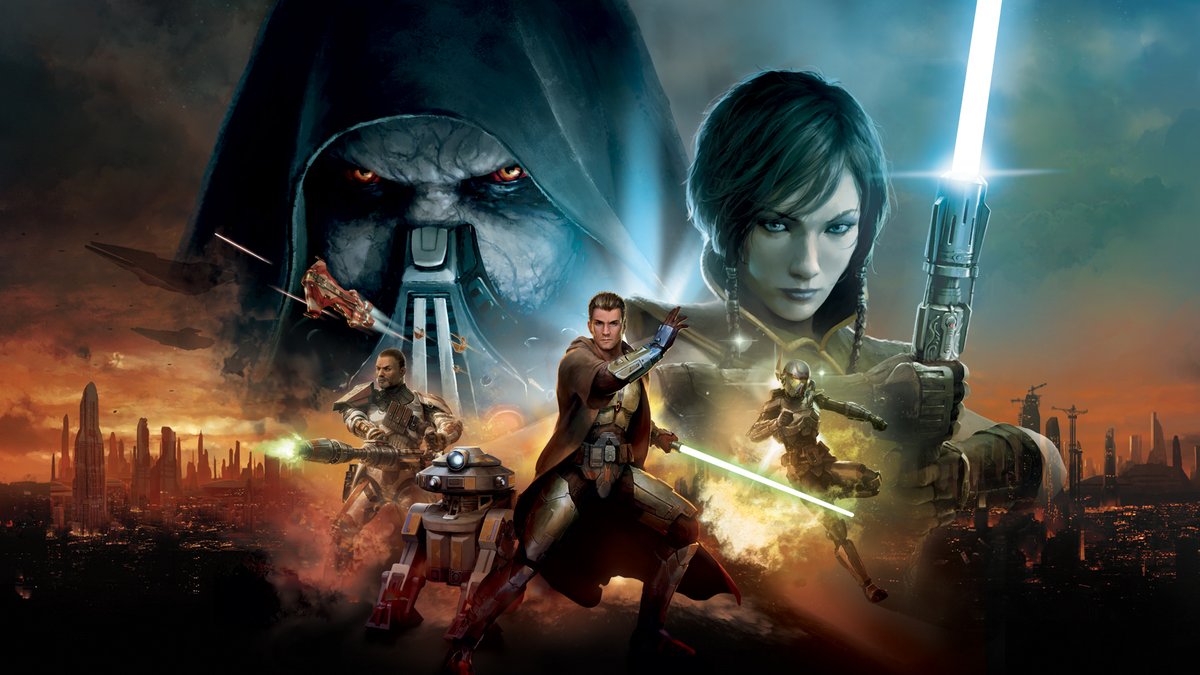
Later expansions for this MMO introduced same-sex romance options that were not present in the original game launch. Some long-time fans felt this was a sudden shift that didn’t align with the original vision of the title. The developers stated that they were responding to long-standing player requests for more inclusive options. Critics of the move argued that it was an attempt to stay relevant in a changing social climate. The game has a dedicated player base that has seen many changes over its decade of service.
‘Fortnite’ (2017)
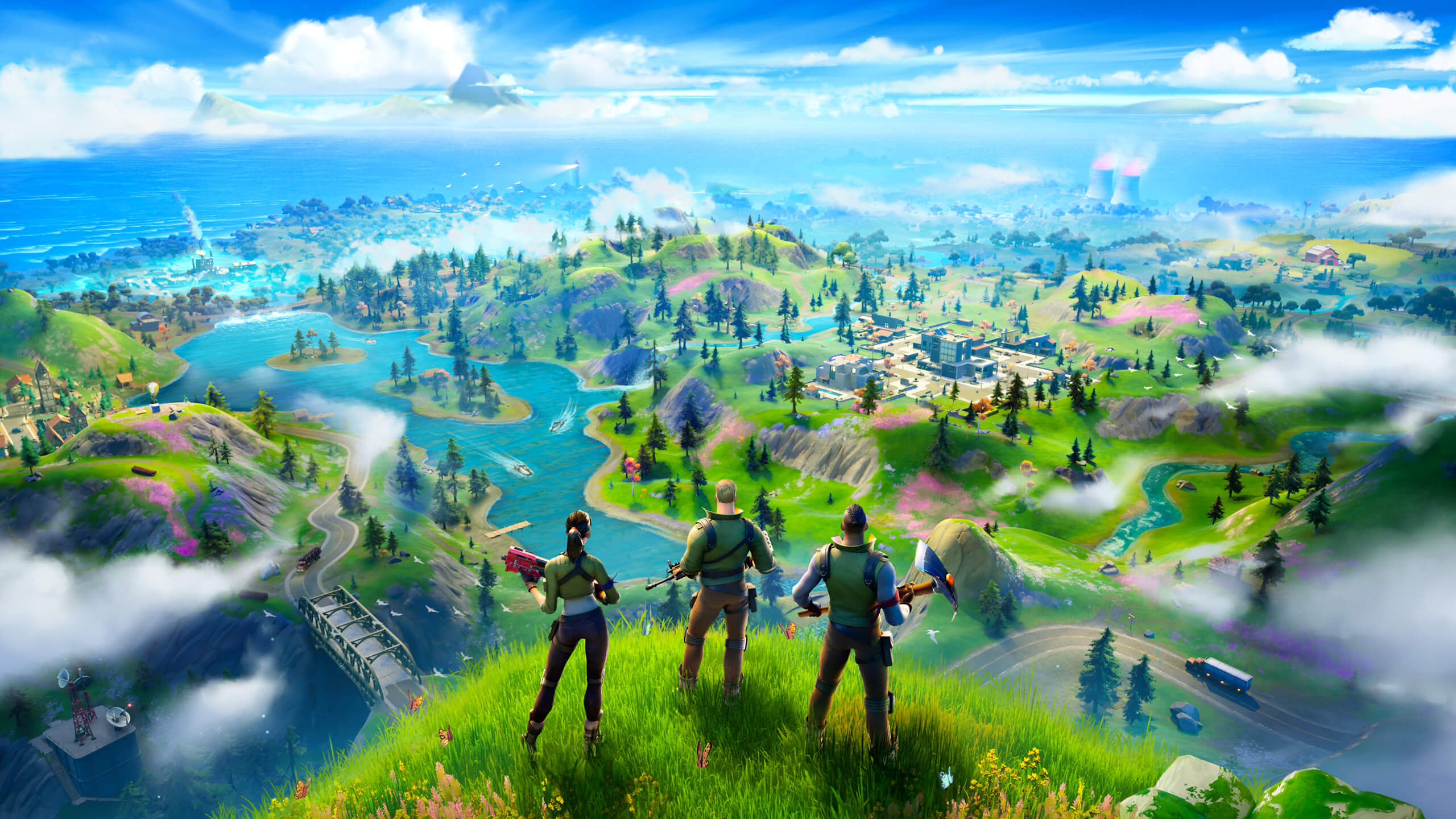
The inclusion of various ‘Icon Series’ skins and ‘Pride’ events in the item shop has drawn accusations of corporate pandering. Some players feel the game uses social causes to sell virtual items to a younger audience. The game is known for its massive cultural impact and frequent collaborations with celebrities and brands. Critics argue that the diversity of the skins is a marketing tactic rather than a genuine commitment. The game remains a dominant force in the industry with a massive global player base.
‘Stray Gods: The Roleplaying Musical’ (2023)
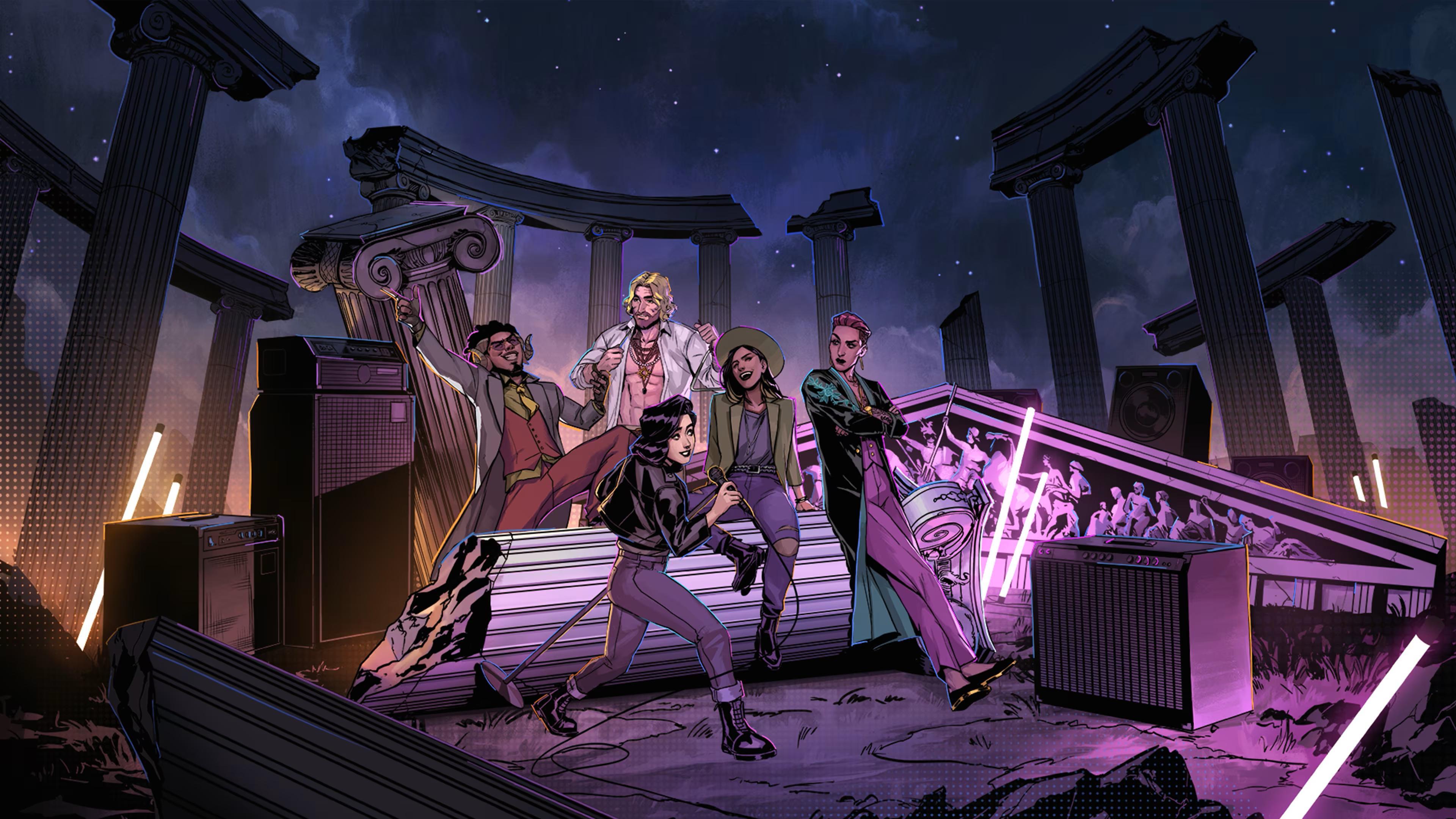
The ‘Orpheus’ DLC expanded on the diverse cast of the main game with new musical numbers and romantic paths. Some players felt the game was overly focused on social themes at the expense of its branching narrative. The developers aimed to create a modern take on Greek mythology with a focus on personal identity. Critics of the game’s direction felt it was pandering to a specific theater and social justice demographic. The title was praised by many for its unique concept and strong voice acting performance.
Please share your thoughts on these controversial game updates and DLCs in the comments.