

Games Accused of Queer-Baiting Fans with Subtext Only

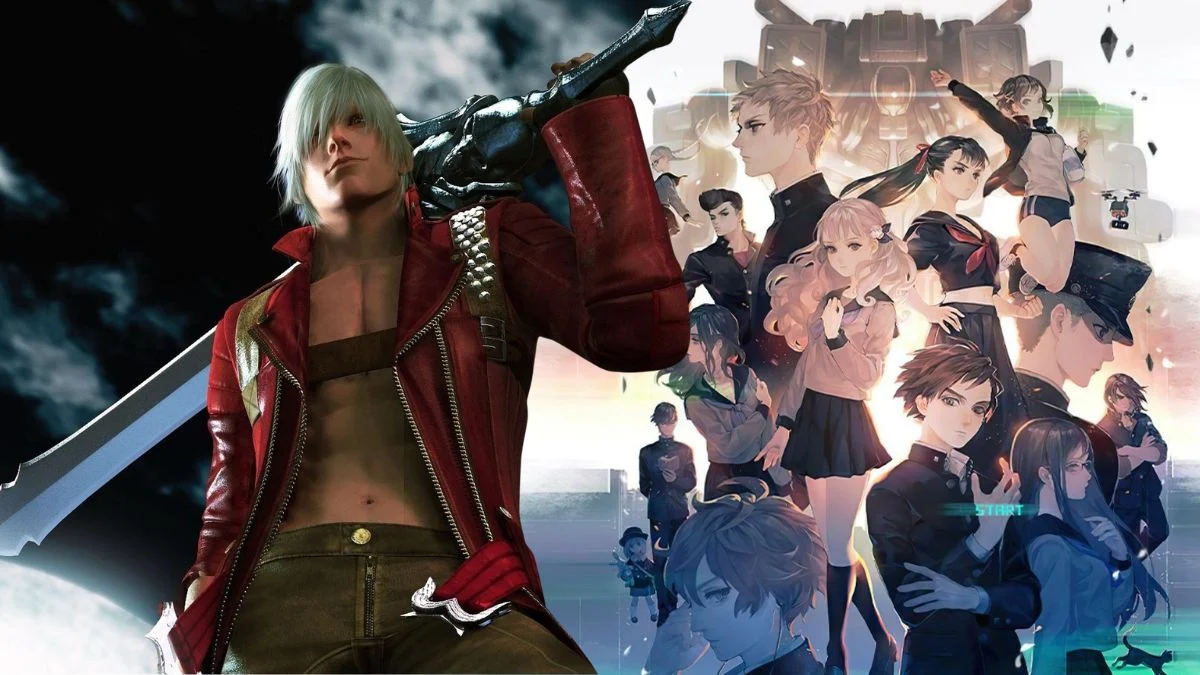


Queer-baiting in video games refers to the practice of hinting at same-sex romance or LGBTQ+ identities to attract that demographic without ever making those elements canon or playable. This marketing tactic often relies on heavy narrative subtext, character chemistry, and promotional material that suggests a relationship exists between characters of the same gender. Fans frequently invest in these dynamics only to find that the developers never intended to confirm them within the actual story. The following titles have faced significant accusations from the gaming community regarding misleading queer subtext.
‘Persona 4’ (2008)
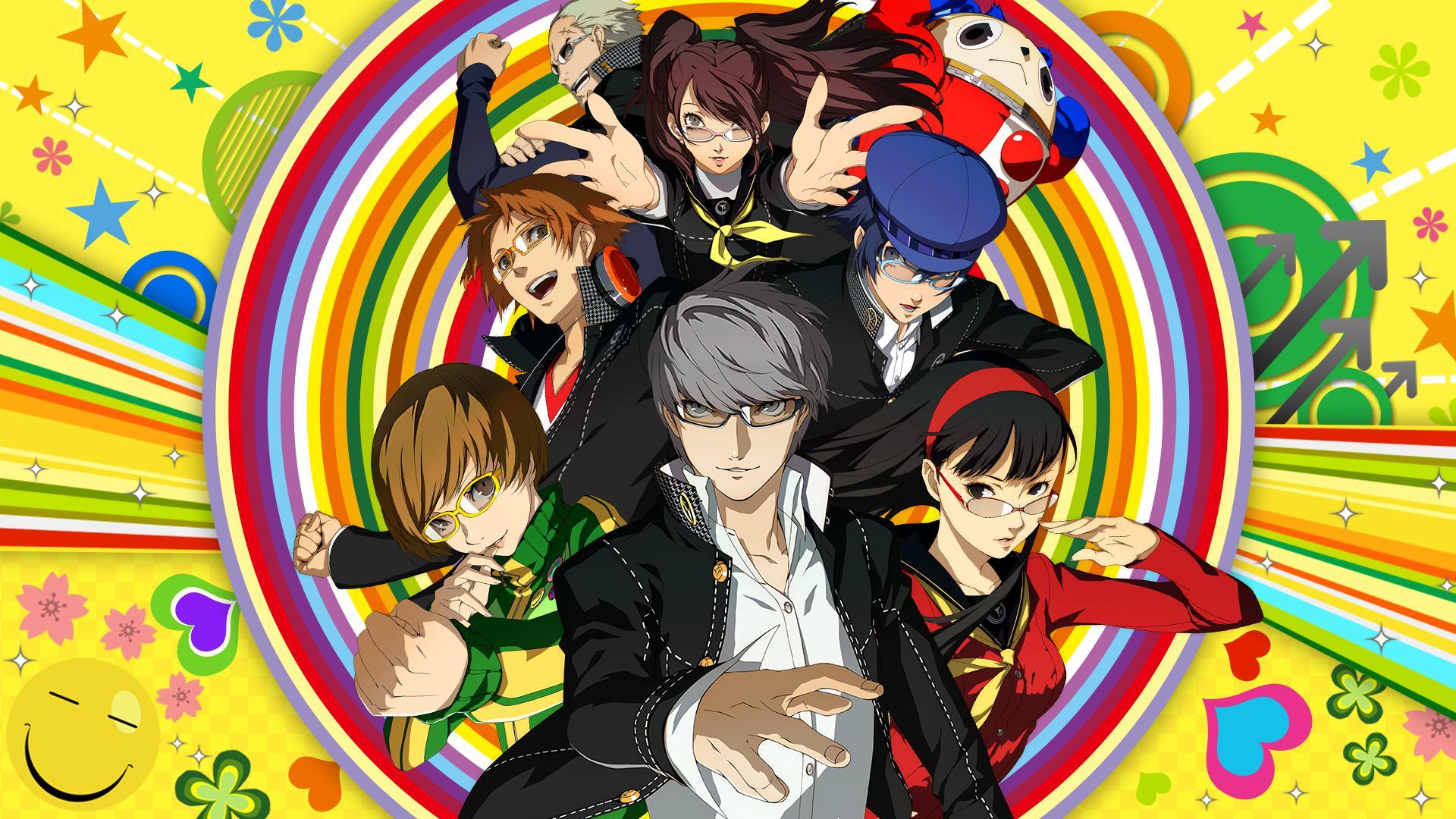
The relationship between the protagonist and Yosuke Hanamura serves as a primary source of frustration for many fans. Unused voice files discovered within the game data suggest that a romantic social link was originally intended for Yosuke. His character arc involves moments of jealousy and emotional dependence that many players interpret as repressed romantic feelings. The final release removed the option to romance him while leaving the intense emotional bonding intact.
‘Tomb Raider’ (2013)
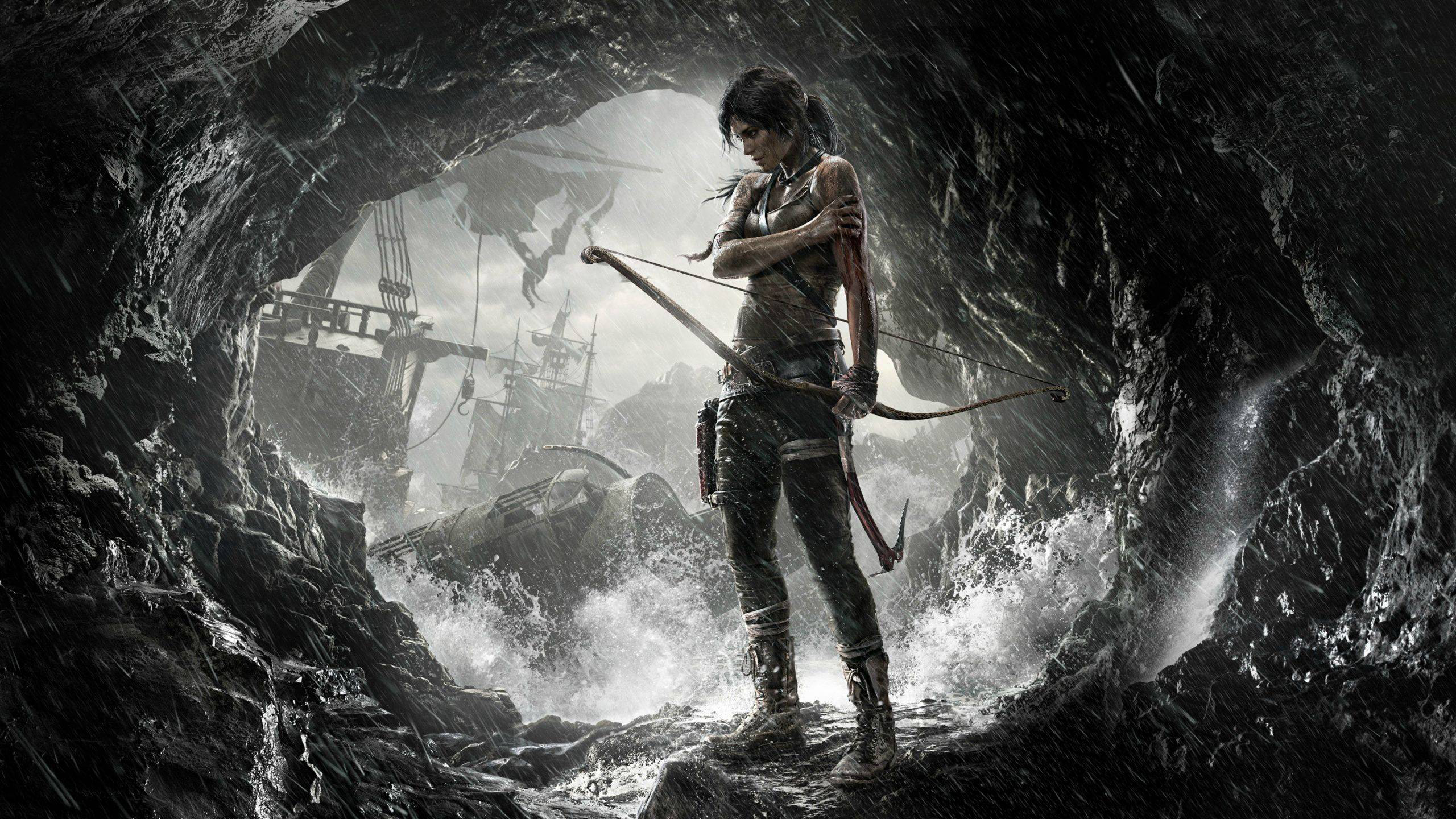
Rebooting the franchise introduced a deep connection between Lara Croft and her best friend Sam Nishimura. Lara goes to extreme lengths to save Sam from a supernatural cult in a narrative framed like a traditional rescue romance. The writers later admitted that the chemistry was unintentional despite the heavy emotional weight placed on their bond. Fans criticized the sequels for minimizing Sam’s role instead of exploring the potential relationship.
‘Final Fantasy XV’ (2016)
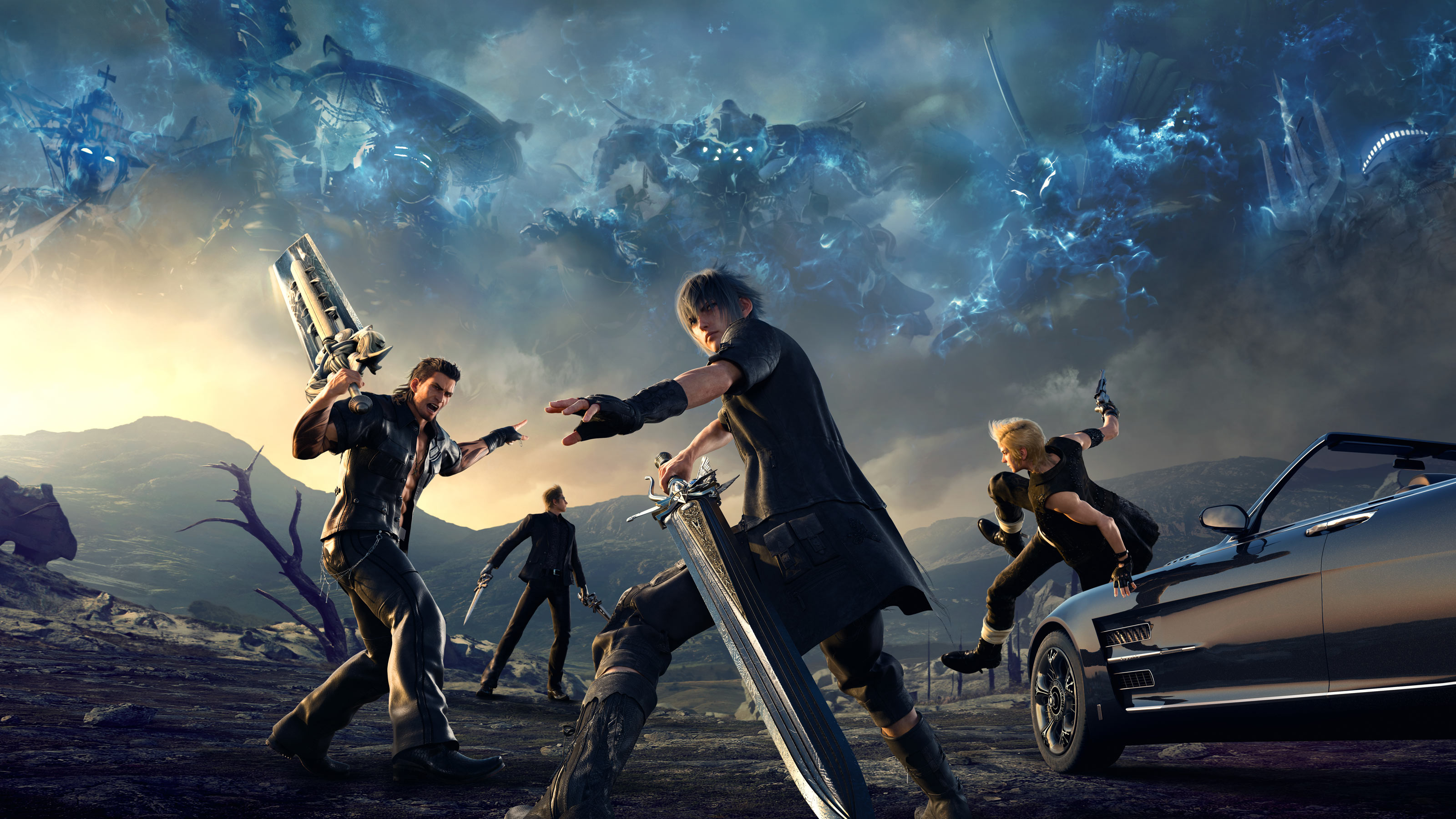
Square Enix centered this narrative on the brotherhood between Prince Noctis and his three bodyguards. Prompto Argentum frequently expresses a devotion to Noctis that transcends typical friendship through dialogue and photography. The game emphasizes their intimacy during motel roof scenes where they share private emotional confessions. Many players felt this intense male bonding provided romantic subtext that was never realized.
‘Kingdom Hearts III’ (2019)
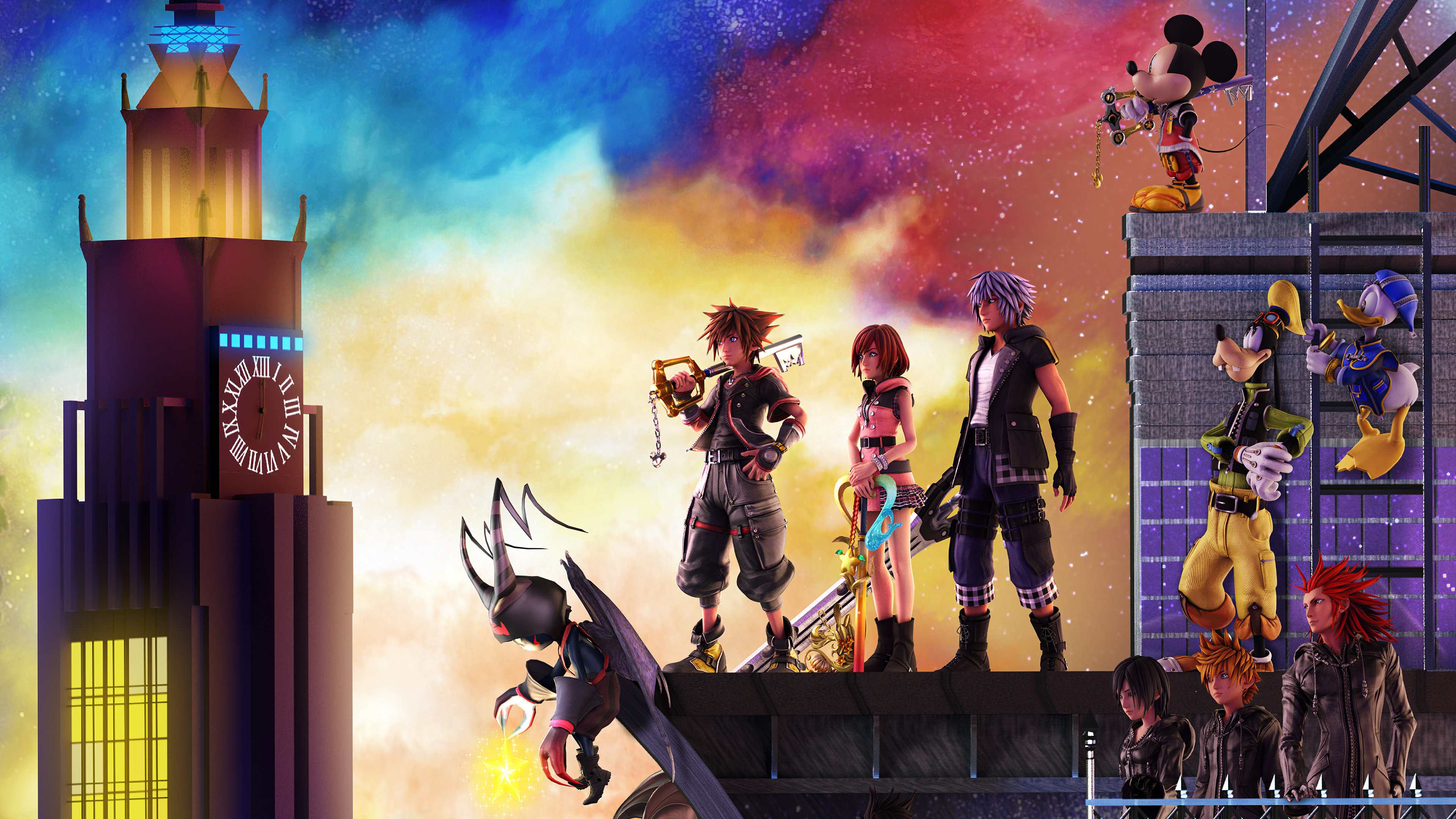
The bond between Sora and Riku has been a central pillar of the franchise for decades. This installment features scenes where the two share items culturally designated for people who want their lives intertwined forever. Visual parallels often frame their reunion with the same cinematic language used for established romantic couples. The lack of explicit confirmation leaves the nature of their relationship purely in the realm of interpretation.
‘Fire Emblem: Three Houses’ (2019)
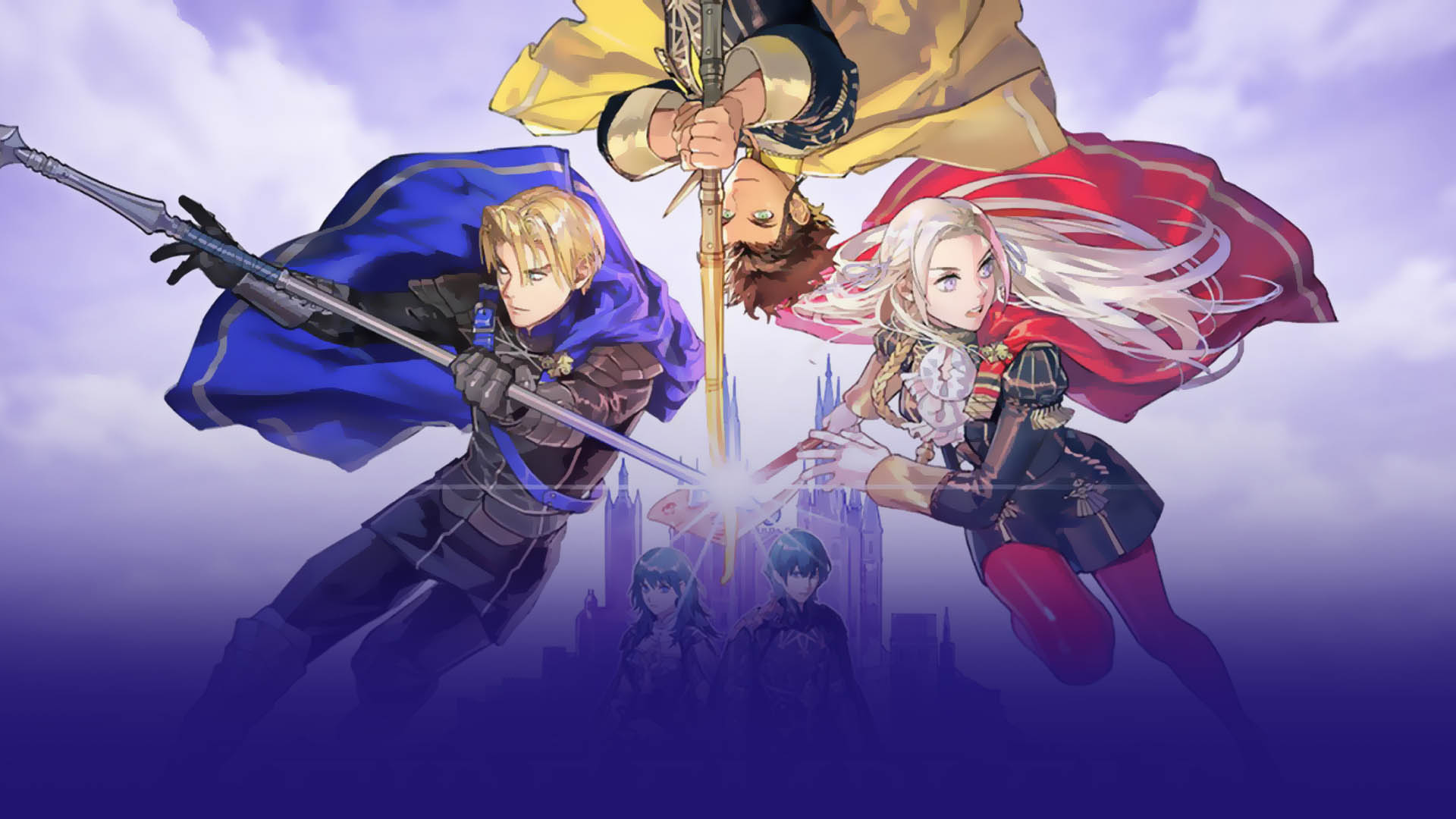
The game allows the protagonist to choose a partner at the end of the story. Fans expressed disappointment that the male protagonist cannot romance house leaders Claude or Dimitri despite their high affinity levels. The emotional intimacy in their support conversations reads as romantic to a significant portion of the audience. These routes conclude with platonic endings that feel at odds with the buildup seen throughout the war.
‘Mass Effect 2’ (2010)
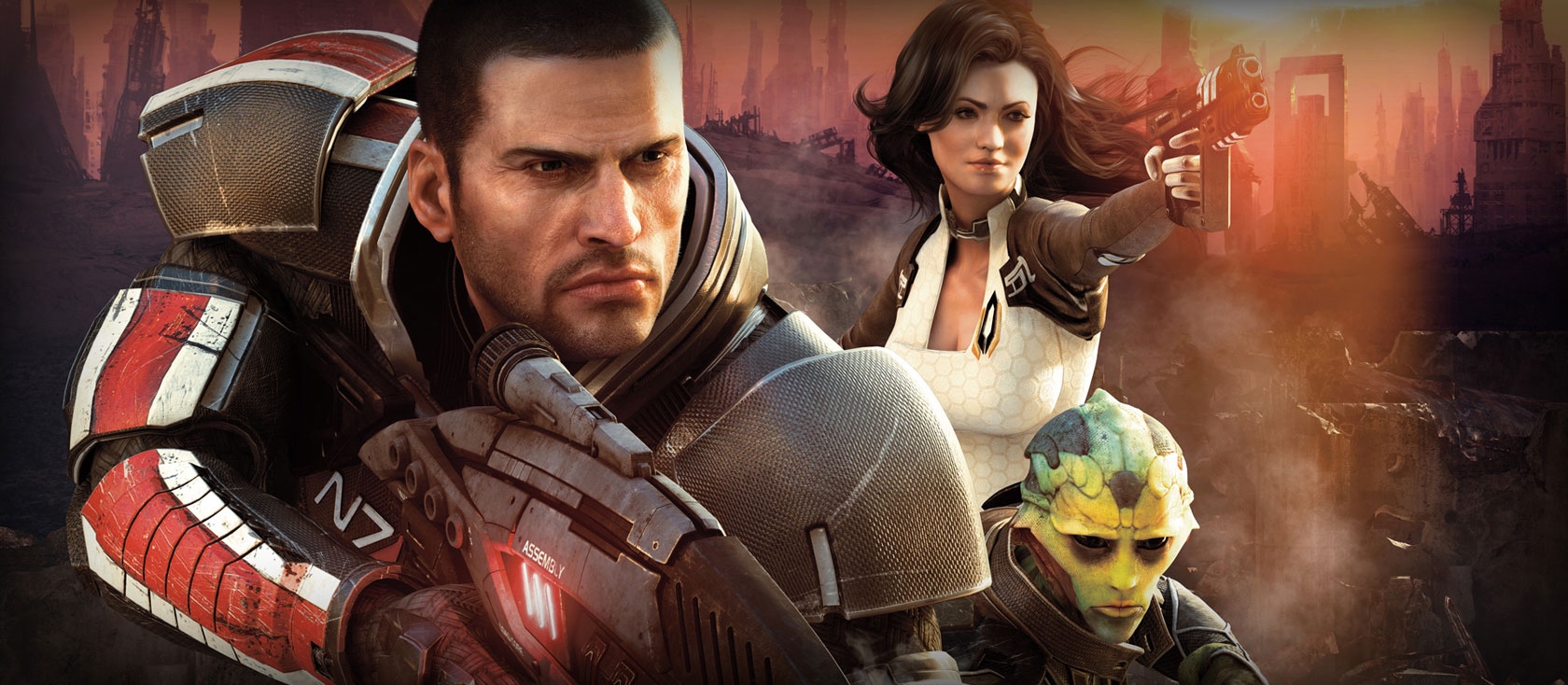
Jack is a powerful biotic who mentions past relationships with both men and women during casual conversation. The developers originally planned for her to be a romance option for a female Shepard before cutting the content. This left traces of dialogue that hint at her pansexuality without allowing players to act on it. The decision forced a strictly heterosexual romance path that contradicted her established character history.
‘Tales of Zestiria’ (2015)
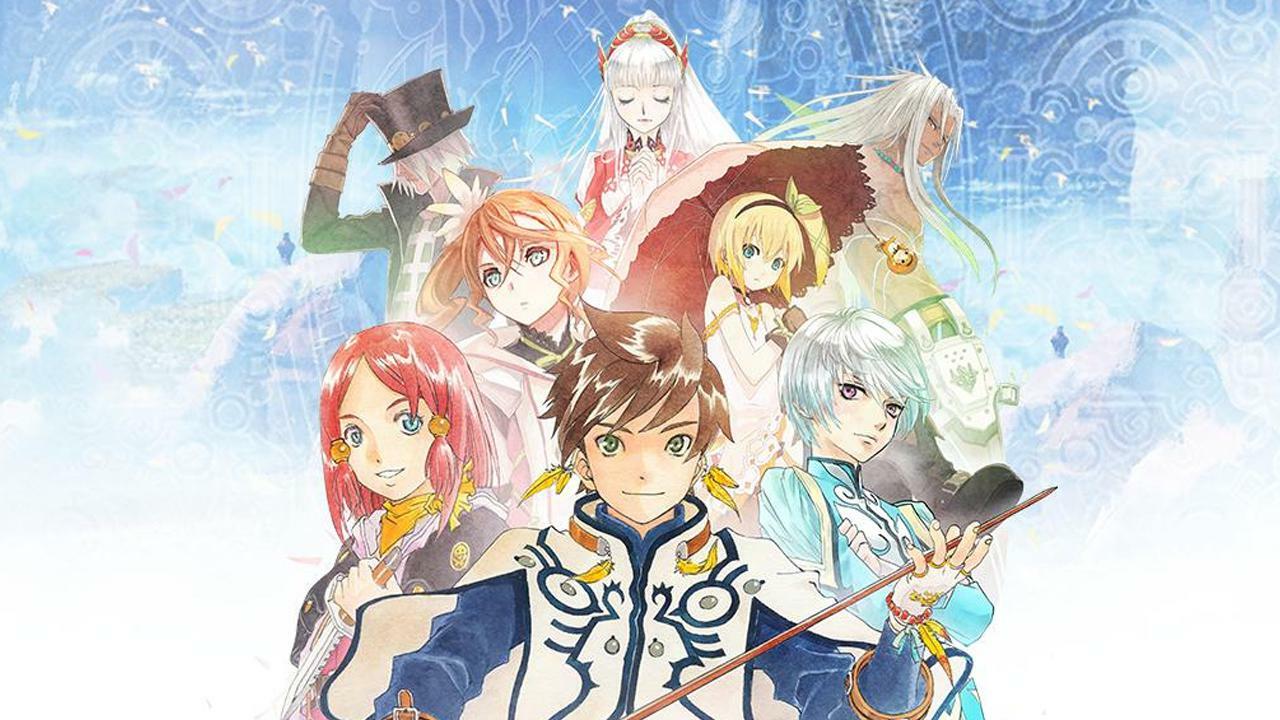
Sorey and Mikleo share a connection described within the lore as being one soul in two bodies. The game marketing focused heavily on their partnership and the visual symmetry of their designs. They function as a singular unit in battle and share a domestic intimacy in skits that surpasses other party members. The developers maintained that they are best friends despite the soulmate terminology used in the script.
‘Resident Evil 6’ (2012)
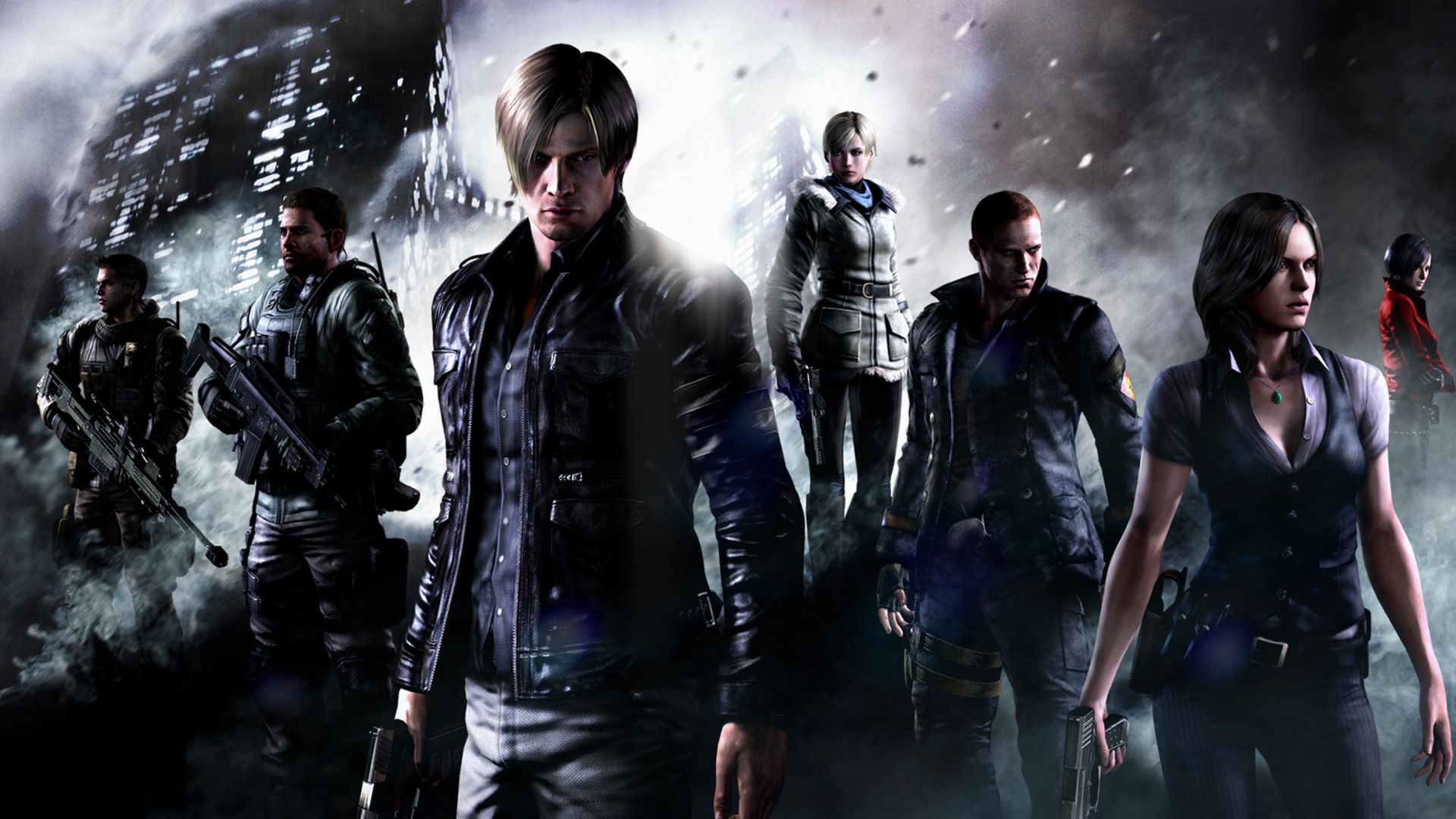
Chris Redfield and Piers Nivans share a campaign defined by sacrifice and intense loyalty. Piers consistently prioritizes Chris above the mission and his own safety in a manner reminiscent of romantic devotion. The tragic conclusion of their story arc emphasizes their bond as the emotional core of the game. Fans argue that the narrative framing of their relationship carries more romantic weight than canonical heterosexual pairings in the series.
‘Ace Attorney’ (2001)
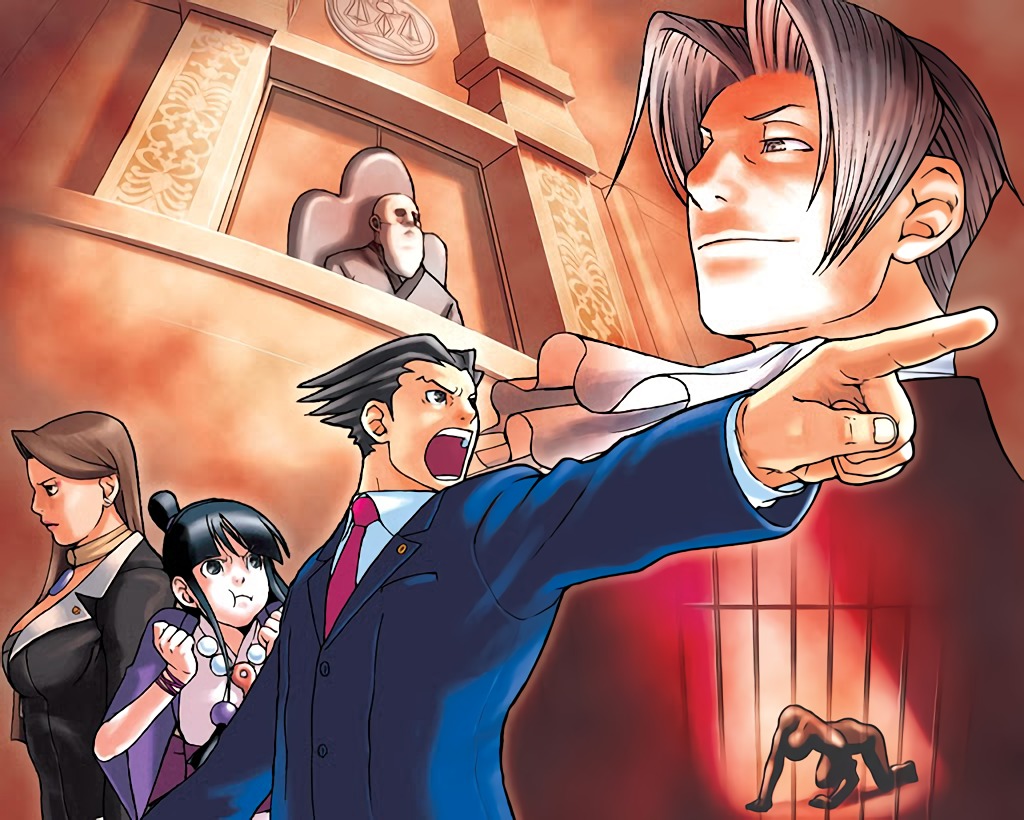
Phoenix Wright and Miles Edgeworth function as rivals whose lives are inextricably linked by a shared past. The narrative focuses on Phoenix changing his entire career path just to save Edgeworth from despair. Their interactions often exclude female love interests to focus entirely on their obsession with one another. This dynamic created a massive fanbase that views the subtext as the primary romance of the series.
‘Genshin Impact’ (2020)
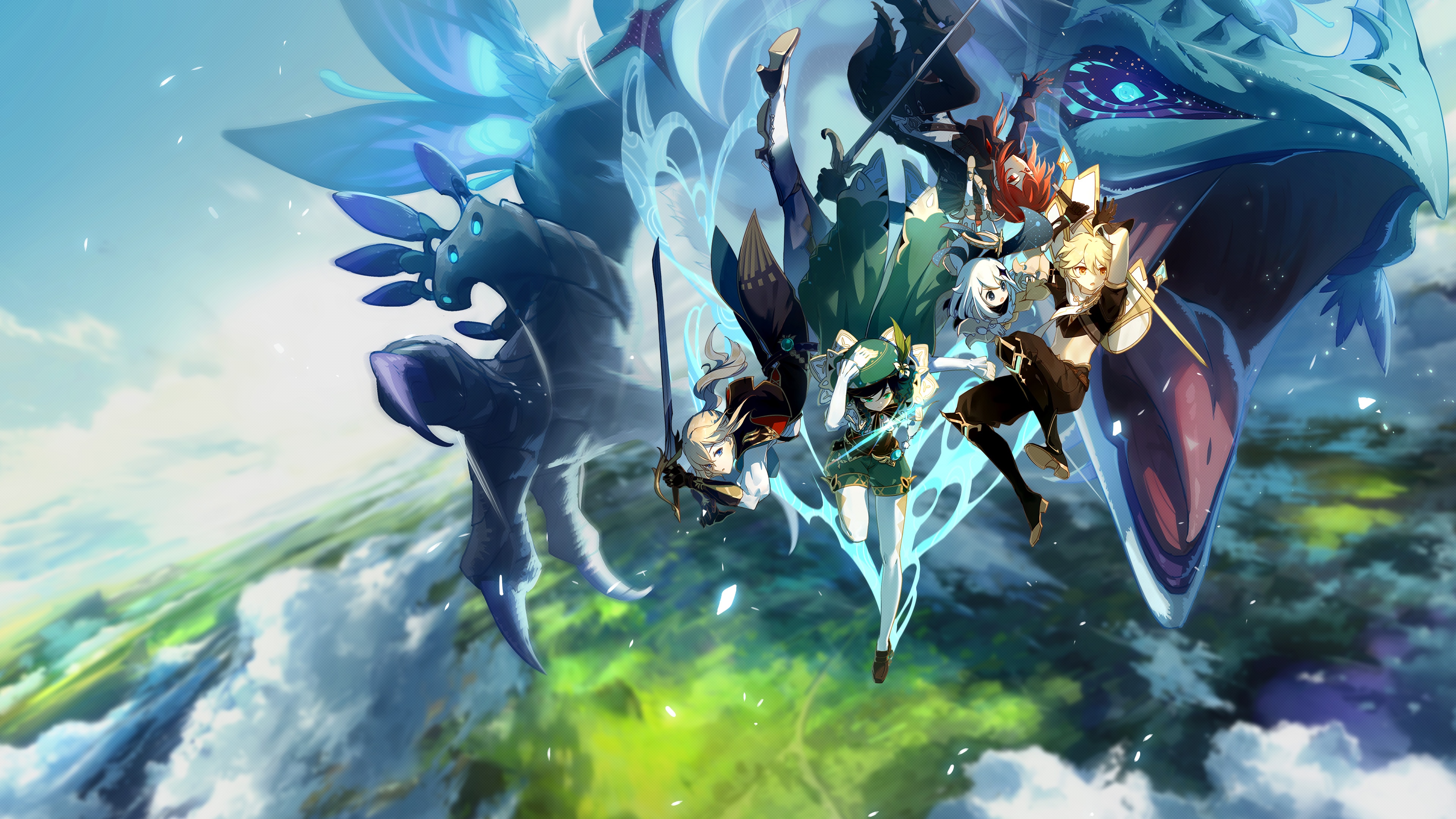
This live-service game contains numerous characters with heavy queer coding but no confirmed relationships. Interactions between characters like Xingqiu and Chongyun or Ningguang and Beidou rely on intimate tropes common in romance anime. The developers release official art and birthday messages that imply dating scenarios without crossing censorship lines. This strategy keeps shippers engaged while maintaining plausible deniability for international markets.
‘Final Fantasy XIII’ (2009)
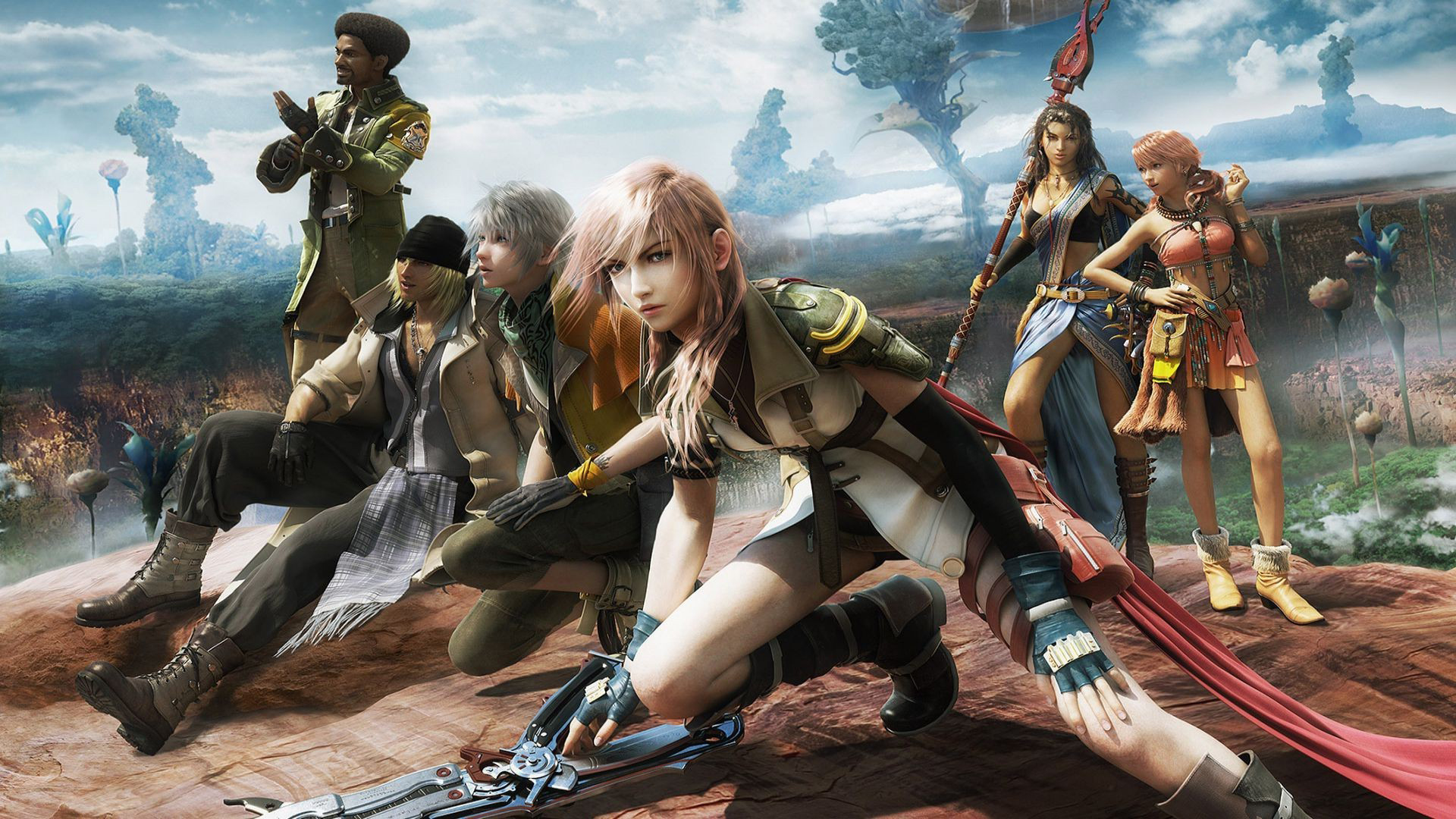
Fang and Vanille share a backstory and focus that drives the emotional stakes of the plot. Their relationship is depicted with more tenderness and physical affection than the engaged couple Snow and Serah. They ultimately share a fate that binds them together in crystal stasis for centuries. The game stops short of labeling them lovers despite their narrative role mirroring that of romantic partners.
‘Danganronpa 2: Goodbye Despair’ (2012)
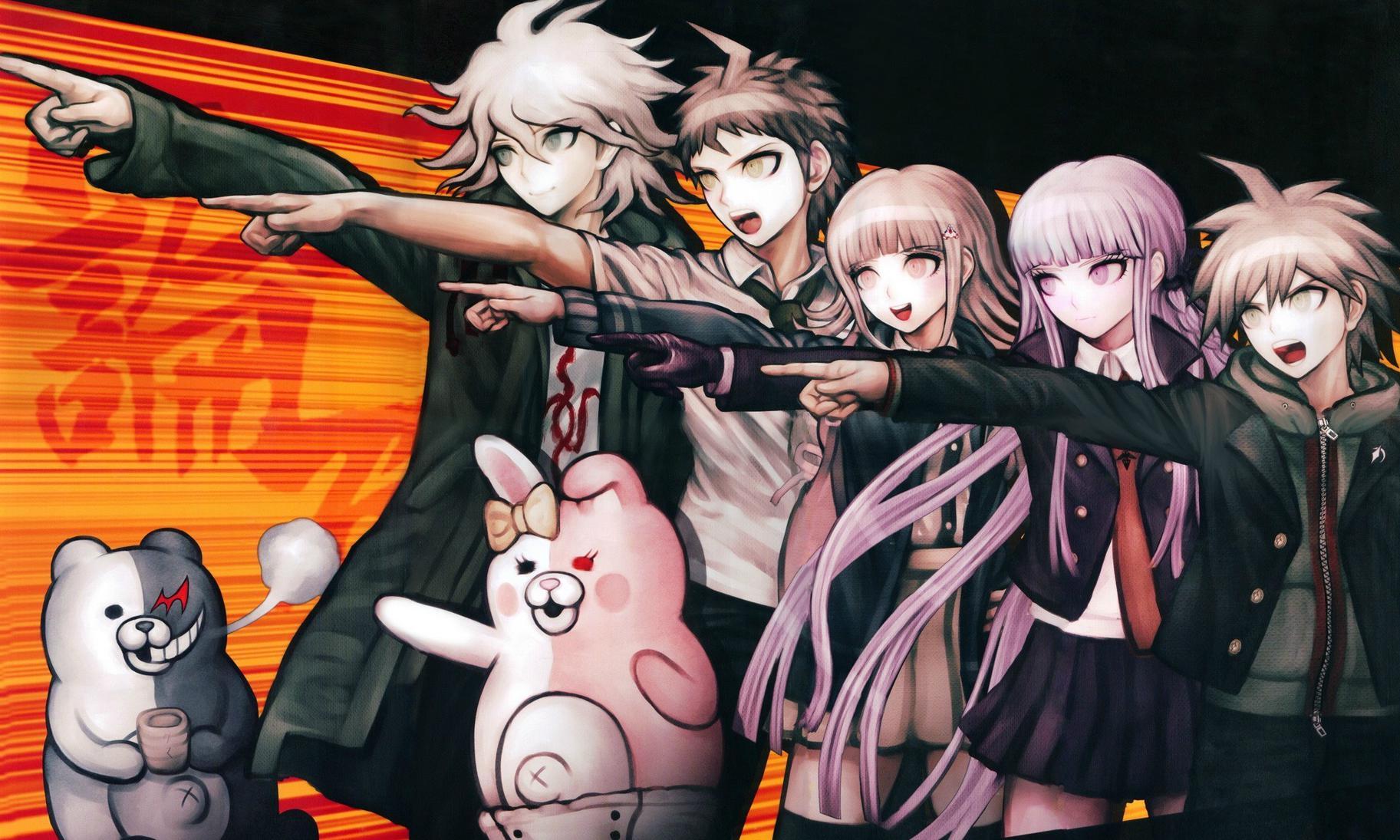
Nagito Komaeda expresses an obsession with the protagonist Hajime Hinata that borders on worship. In the original Japanese text, Nagito uses phrasing during a pivotal scene that is explicitly romantic. The localization toned down this language while retaining the intense fixation Nagito has on Hajime. This discrepancy led to debates over whether the developers intended the attraction to be canon or merely disturbing.
‘Metal Gear Solid’ (1998)
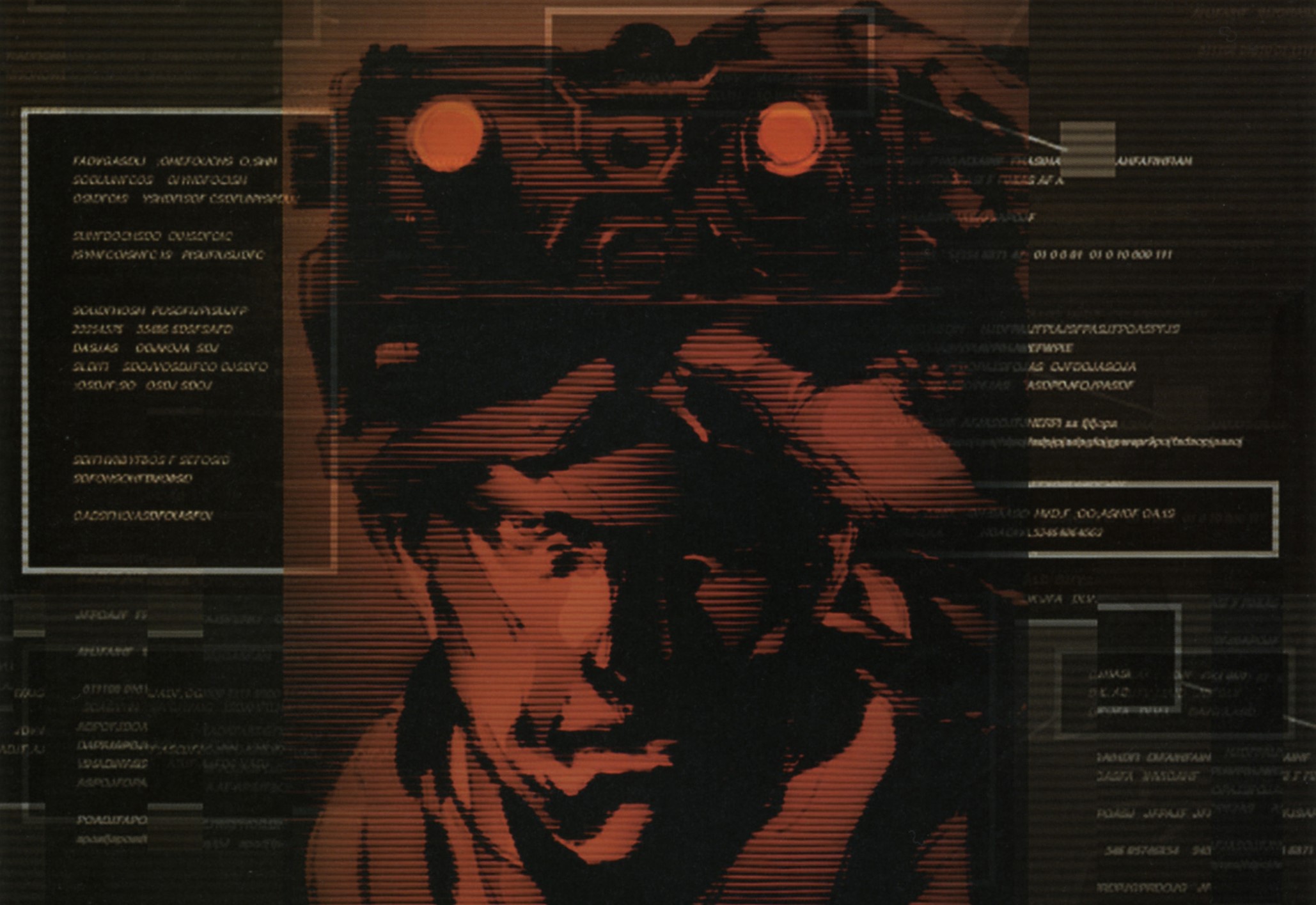
Solid Snake and Otacon develop a partnership that evolves into them raising a child together in later games. Otacon famously asks Snake if love can bloom on the battlefield during a moment of high tension. Their shared life and co-dependency replace traditional romantic endings for Snake as the series progresses. Fans view their domestic partnership as a queer narrative that the game refuses to label.
‘Overwatch’ (2016)
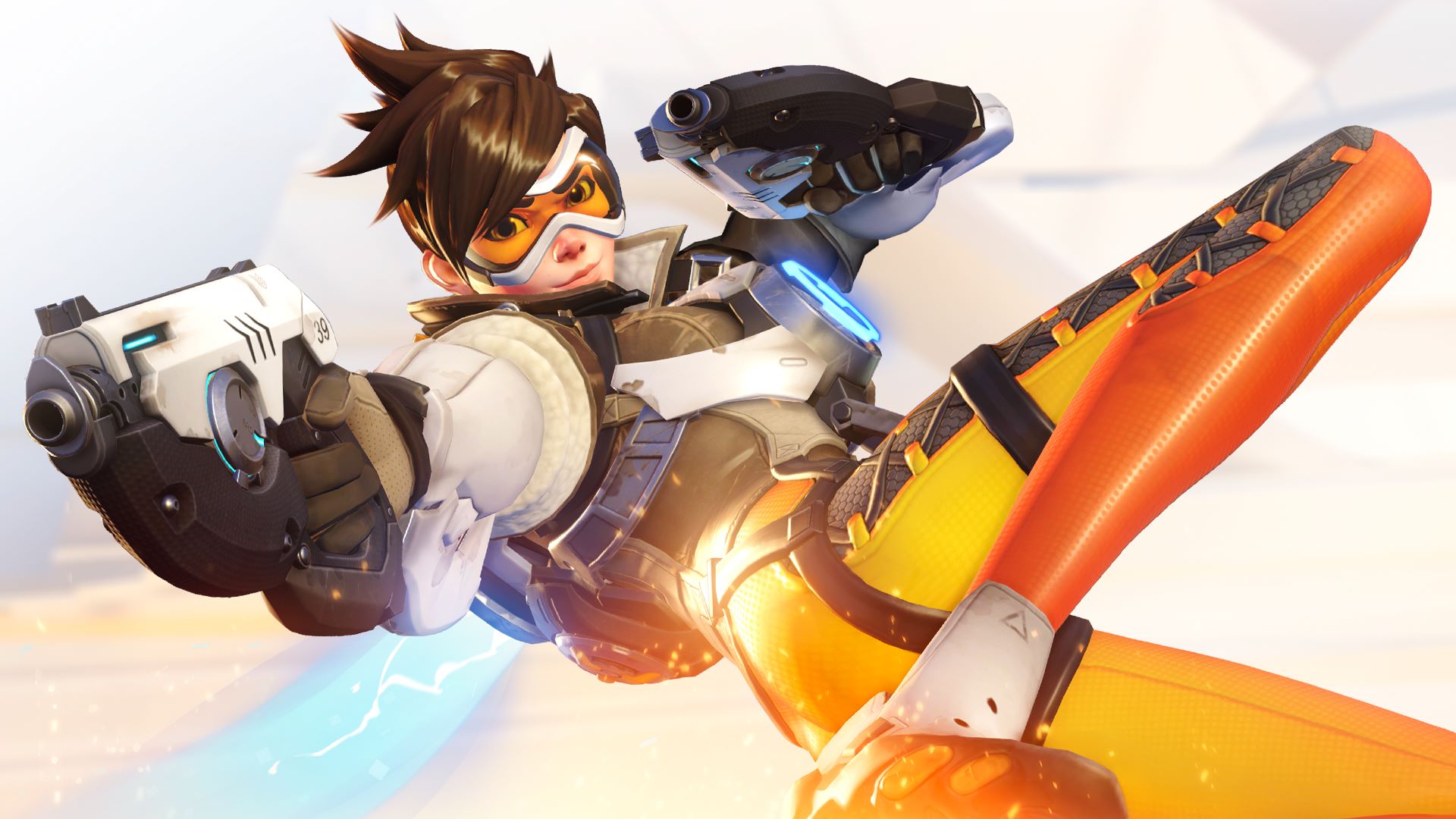
Blizzard teased relationships between various heroes through voice lines and comic interactions for years. Characters like Pharah and Mercy received sprays and dialogue that catered to the popular shipping community. It took years for the developers to confirm Soldier 76 and Tracer as gay while leaving other popular pairings in limbo. This slow drip of information led to accusations that the company was capitalizing on fan theories without committing to representation.
‘Detroit: Become Human’ (2018)
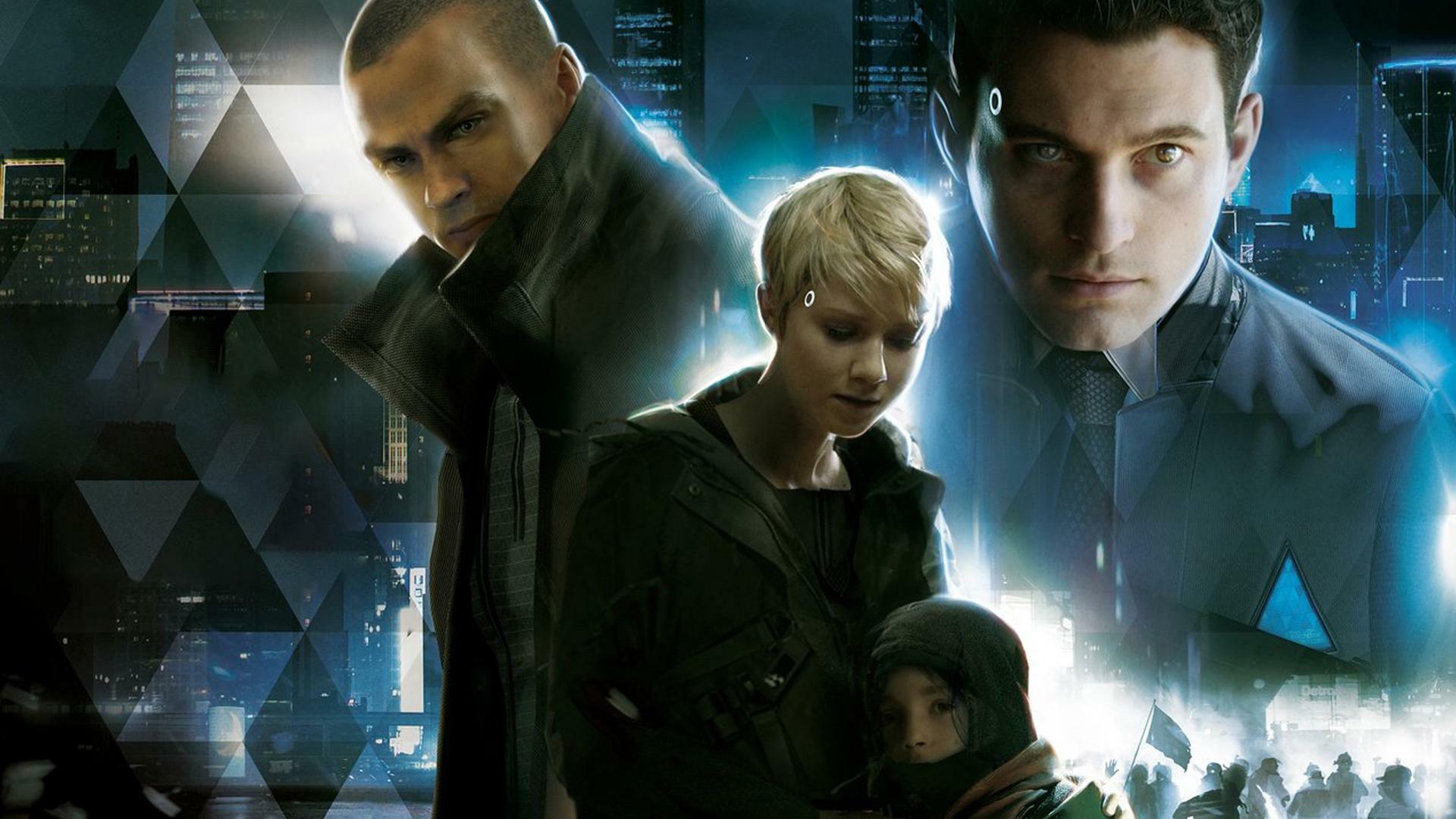
The android Simon can develop a close bond with the protagonist Markus during the revolution arc. Simon offers his heart to Markus in a literal and metaphorical sense during critical story moments. Players can engage in a high affinity path that lacks the romantic culmination available to the female love interest North. The disparity in options frustrated players who felt the chemistry with Simon was more organic.
‘Dragon Age: Inquisition’ (2014)
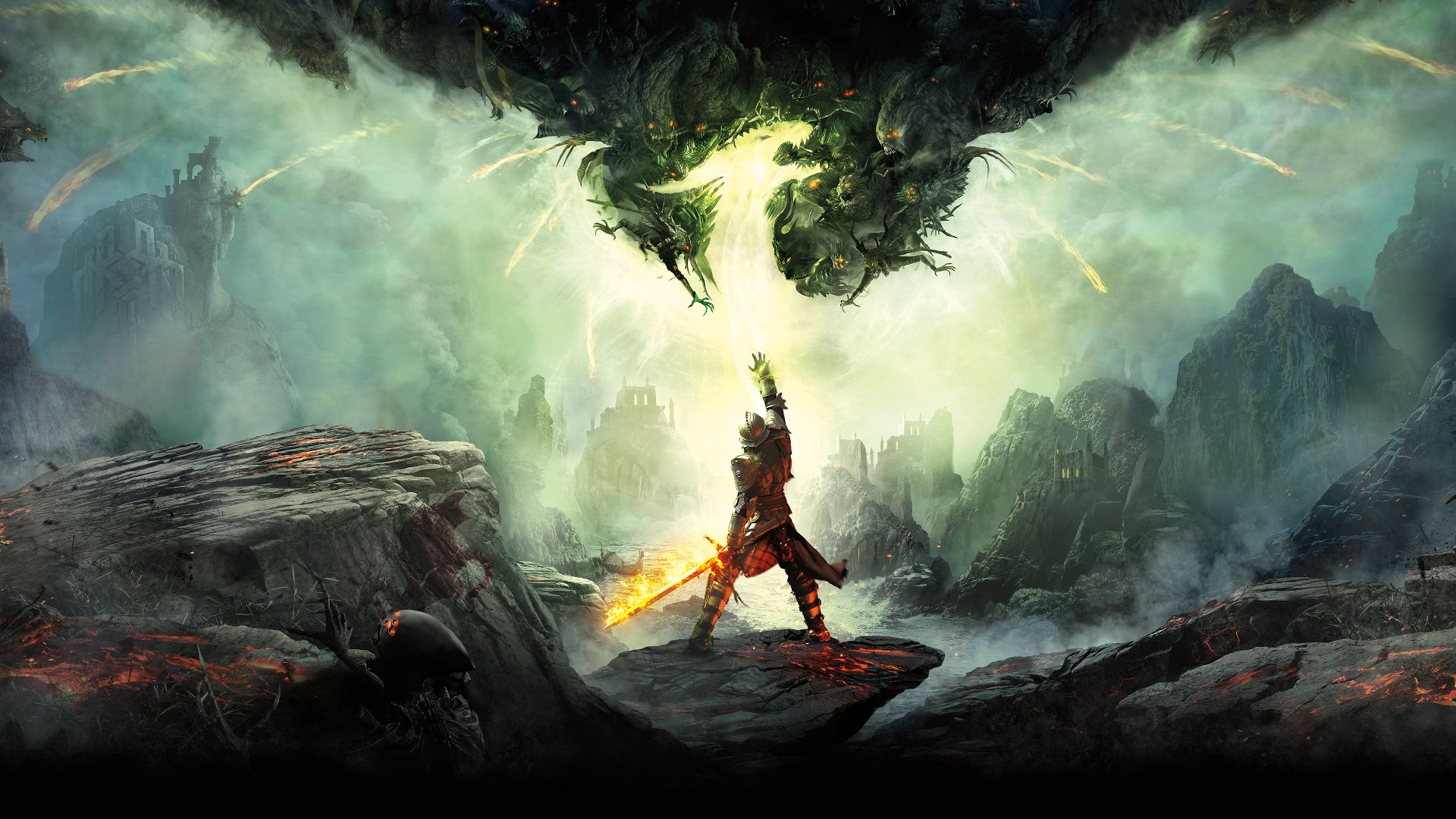
Cullen Rutherford is a commander who plays a central role in the military forces of the Inquisition. During development, rumors circulated that he would be a bisexual romance option for the Inquisitor. The final game locked him to female elves and humans despite his character tropes appealing to a wider demographic. This restriction disappointed fans who felt his narrative arc fit well with a male protagonist.
‘Final Fantasy VII Remake’ (2020)
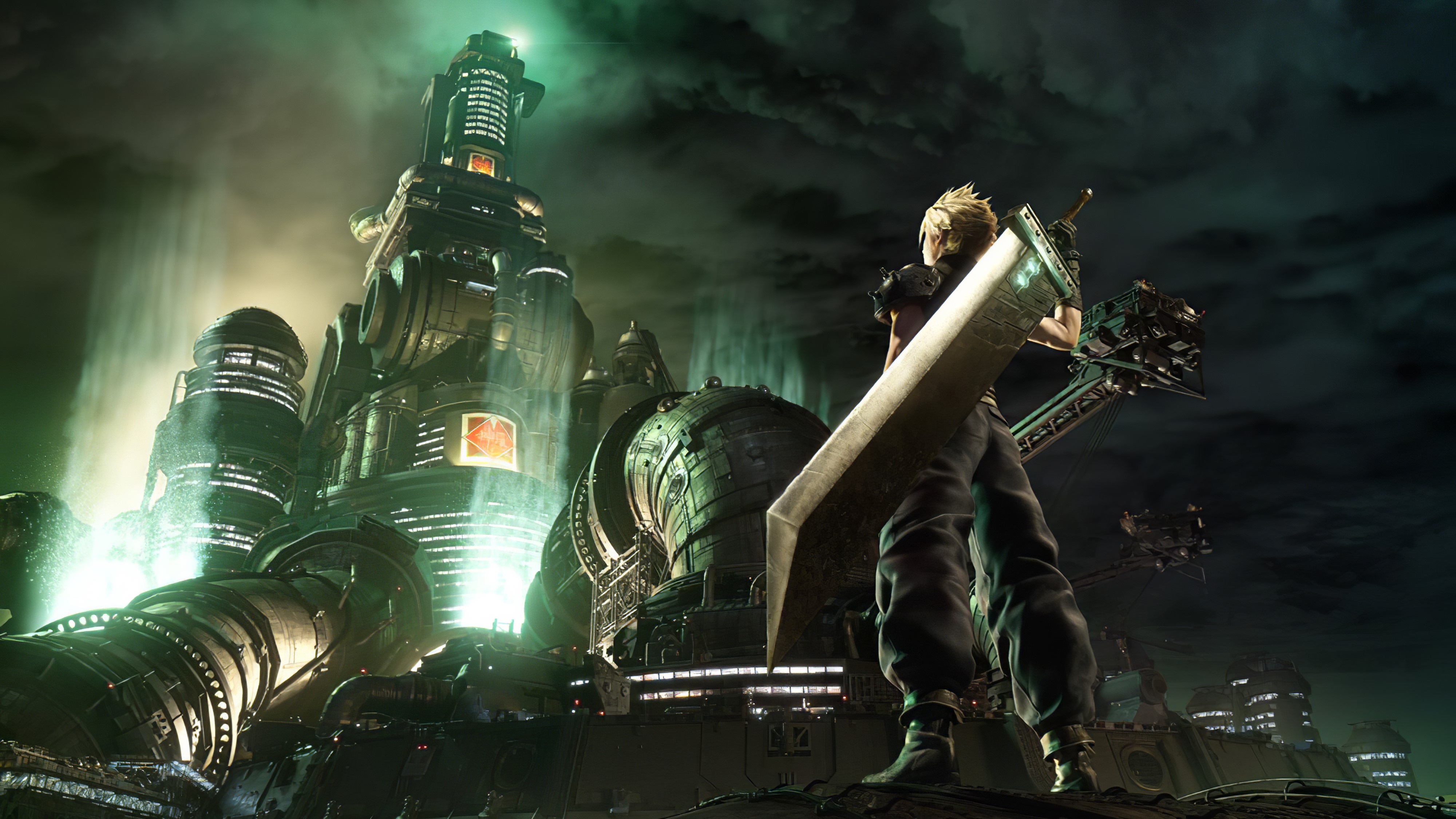
The reimagined story amplifies the obsession Sephiroth has with Cloud Strife. Sephiroth frequently invades Cloud’s personal space and speaks in whispers about their inevitable reunion. The script uses language that frames their conflict as an intimate bond that excludes all others. This intense focus on their connection overshadowed canonical romantic interests for many players.
‘League of Legends’ (2009)
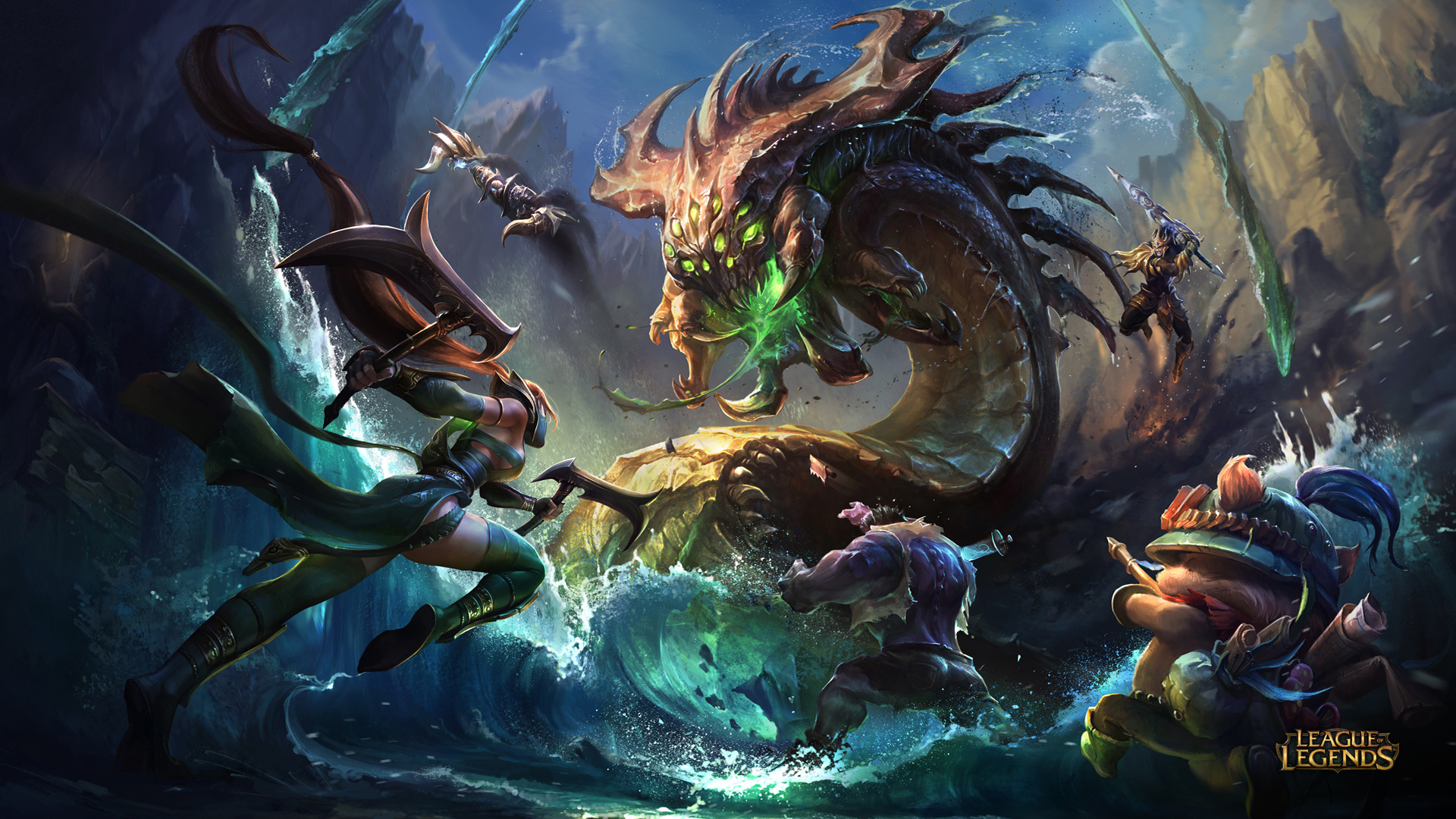
Champions such as Diana and Leona were released with lore that heavily implied a tragic past romance. Riot Games spent years confirming nothing while releasing content that hinted at their shared history. It took a full decade for the developers to explicitly confirm the relationship in a short story. The long period of ambiguity was seen as a way to retain conservative markets while teasing LGBTQ+ fans.
‘Uncharted: The Lost Legacy’ (2017)
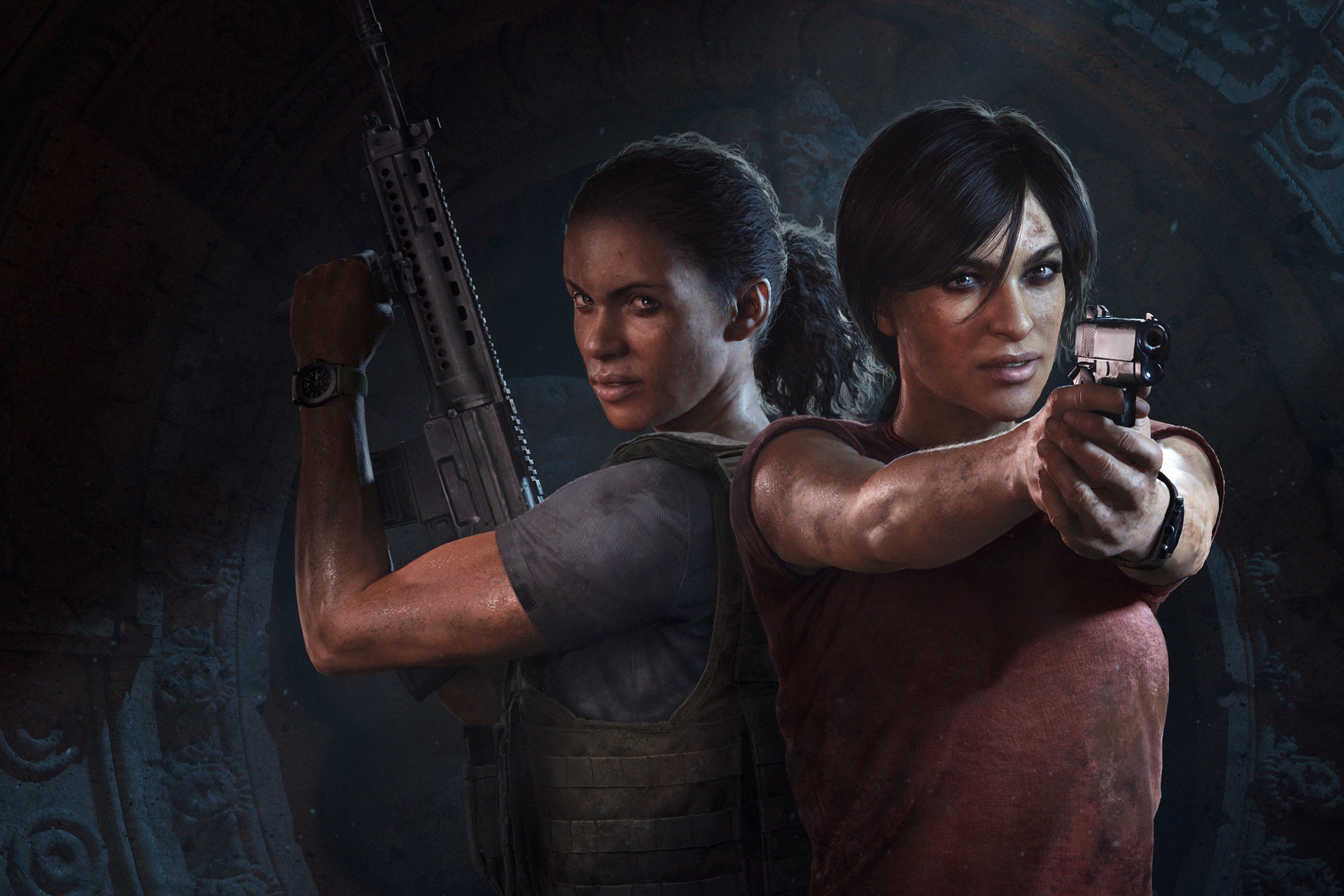
Chloe Frazer and Nadine Ross start as reluctant partners and grow into a team with deep mutual respect. Their chemistry and banter evolve significantly over the course of the adventure. The ending sees them driving off together to pursue new challenges as a duo. Many critics and fans noted that their dynamic felt more like a budding romance than a simple business partnership.
‘Persona 5’ (2016)
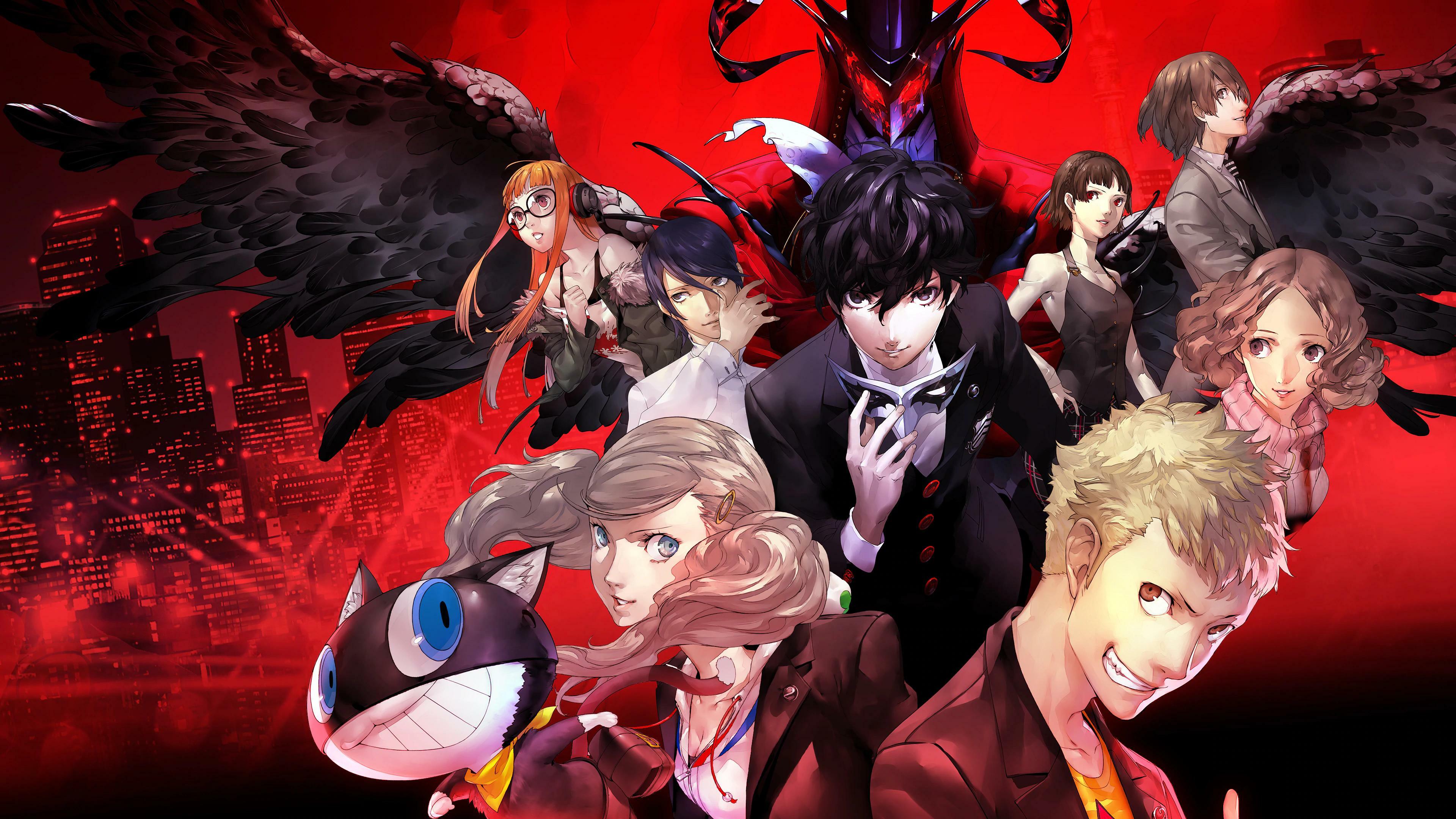
Goro Akechi serves as a foil to the protagonist Joker with a relationship defined by rivalry and obsession. They spend considerable time together in social settings that mimic dates at cafes and bathhouses. Akechi’s fixation on Joker is the primary motivation for his actions throughout the narrative. The lack of a romantic resolution to this intense dynamic left many fans feeling baited.
‘Yakuza 3’ (2009)
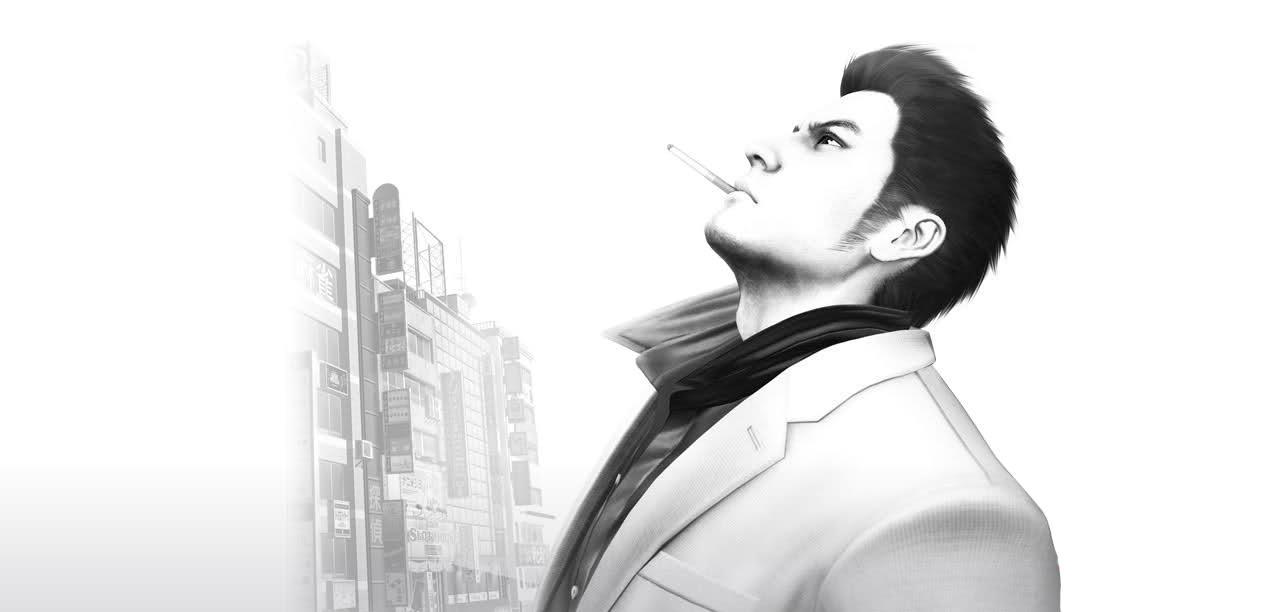
Mine Yoshitaka is a highly capable antagonist who displays unwavering devotion to Daigo Dojima. His motivation for every criminal action he takes is the protection and elevation of Daigo. The game presents this loyalty as the ultimate form of brotherly bond. However, the intensity of Mine’s sacrifice and his disinterest in women leads many to read his character as gay.
‘Honkai Impact 3rd’ (2016)
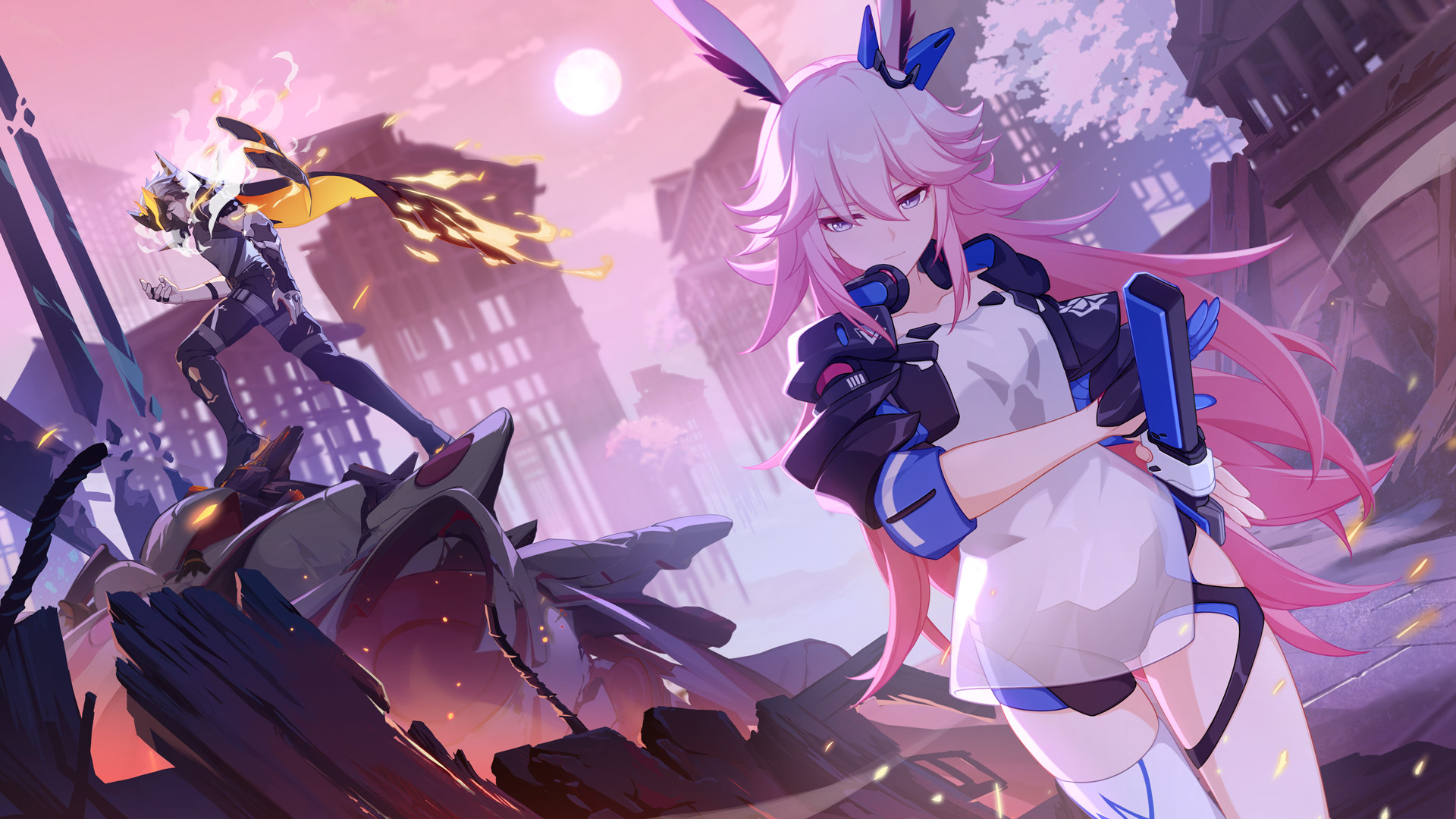
Kiana Kaslana and Raiden Mei share a bond that drives the central conflict of the entire multiverse saga. They frequently express a desire to be together and protect one another above the fate of the world. Censorship laws in the developer’s home country prevent an explicit confirmation of their marriage. The game skirts the line with heavyhanded dialogue that leaves zero room for heterosexual explanation.
‘Tales of Vesperia’ (2008)
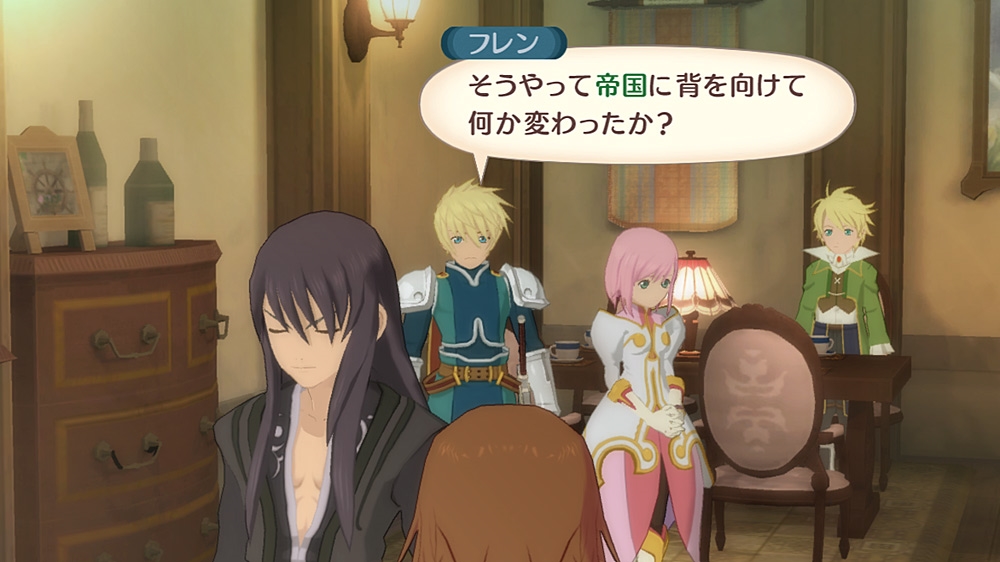
Yuri Lowell and Flynn Scifo grow up together and share the same dream of changing the world. They possess a specific item called a heart container that is usually shared between romantic couples in the series lore. Their dual protagonists dynamic overshadows the female lead who is traditionally the love interest. The narrative treats them as two halves of a whole without confirming romance.
‘Suikoden II’ (1998)
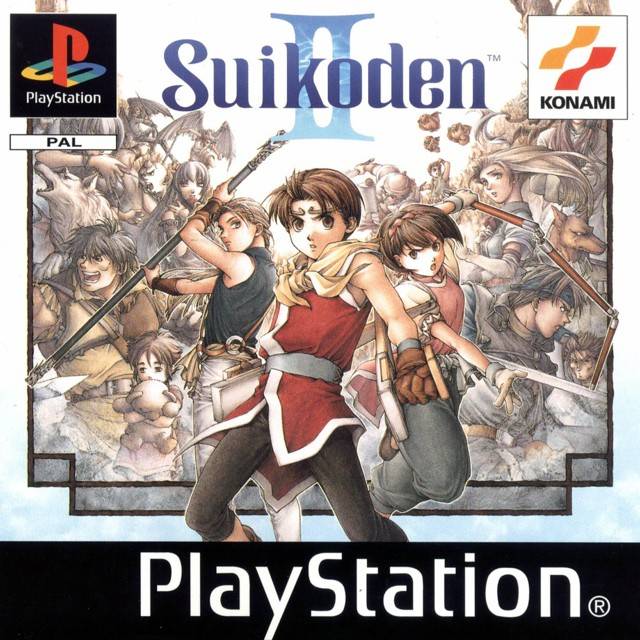
The tragic destiny of Riou and Jowy defines the emotional core of this role-playing game. They are childhood friends forced onto opposite sides of a war who constantly yearn to reunite. The true ending requires the player to reject all power to simply travel the world with Jowy. This commitment to one another is framed as superior to any political or military victory.
‘The World Ends With You’ (2007)
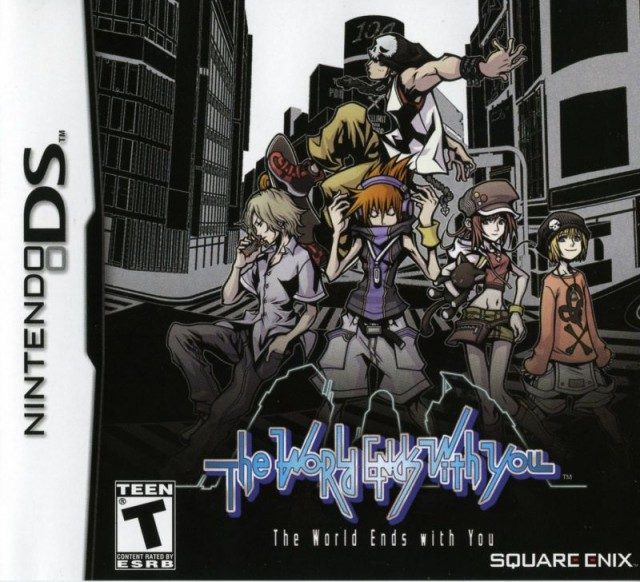
Joshua is a mysterious partner who flirts relentlessly with the protagonist Neku throughout their week together. His dialogue is filled with double entendres and invasions of personal space that fluster Neku. The game presents this as Joshua simply being teasing and manipulative. Fans latched onto the chemistry as one of the most distinct dynamics in the game.
‘Danganronpa V3: Killing Harmony’ (2017)
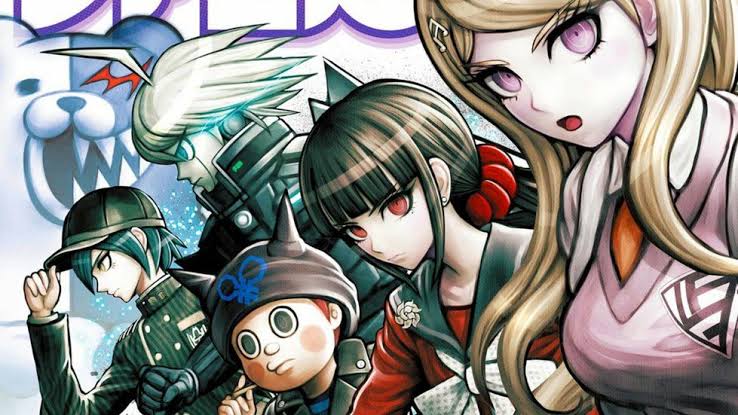
Kokichi Ouma is a pathological liar who claims to have stolen the heart of the protagonist Shuichi Saihara. He frequently creates scenarios to force the two of them into intimate or compromising situations. The game leaves it ambiguous whether his confessions of love are genuine or part of his mind games. This ambiguity allows the writers to use romantic tropes without committing to a queer narrative.
‘Assassin’s Creed Odyssey’ (2018)
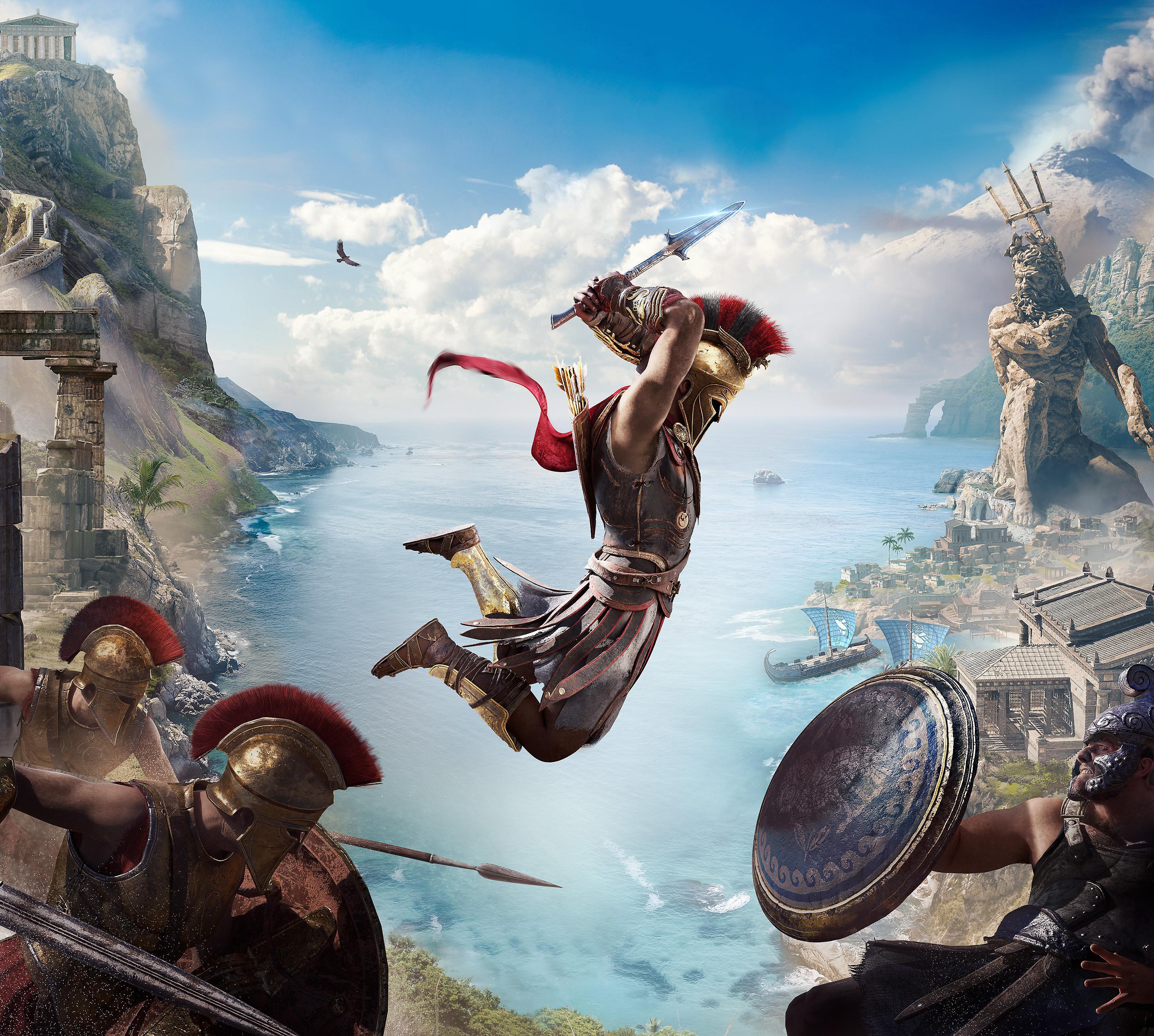
The game was marketed on the premise of total player freedom regarding romance and sexuality. A post-launch DLC forced the protagonist into a heterosexual relationship to produce a bloodline heir. This narrative decision overrode the choices players had made to play Alexios or Kassandra as gay. The developers eventually apologized and patched the scene after significant backlash.
‘Devil May Cry 3’ (2005)
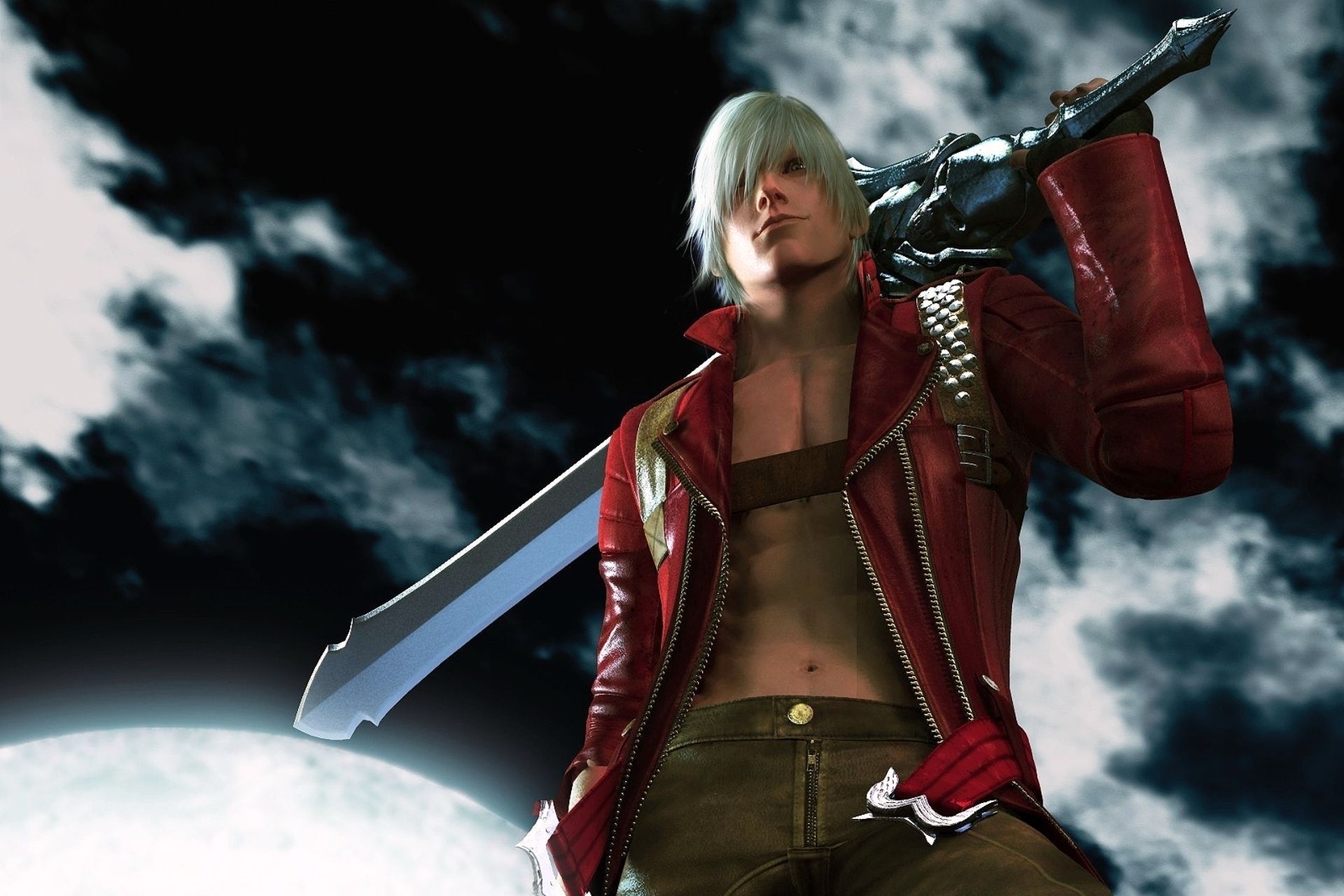
Dante and Vergil are twin brothers whose conflict is laden with psychoanalytic subtext. The narrative focuses entirely on their relationship to the exclusion of effective female integration. Their clashes are intimate and emotional in a way that fuels fan interpretation. The series often emphasizes their bond as the only meaningful connection either character has.
‘Sherlock Holmes: Crimes and Punishments’ (2014)
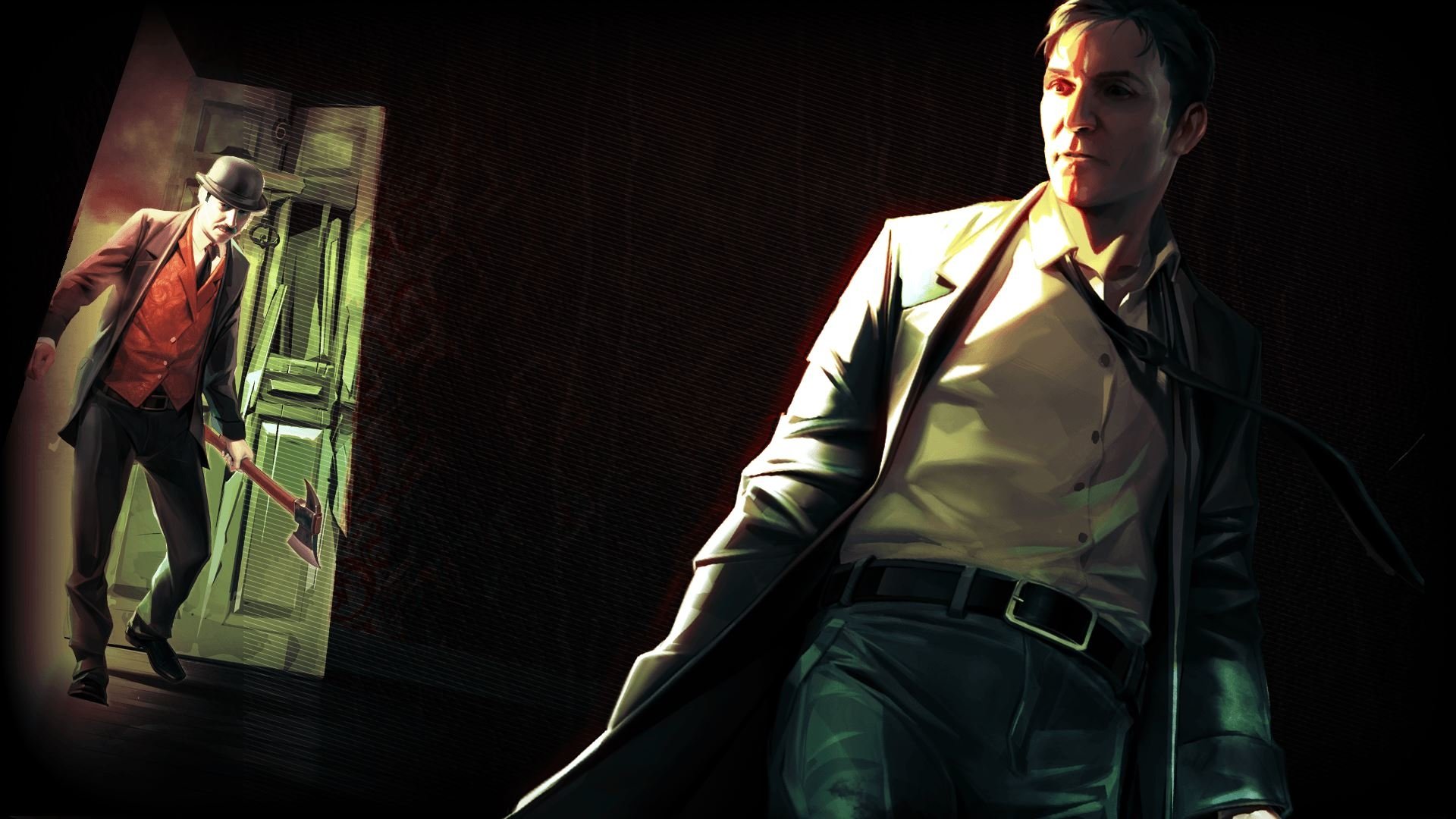
This adaptation leans heavily into the domestic partnership aspect of Holmes and Watson. They share a living space and bicker like an old married couple while raising a dog. The game eschews female love interests to focus entirely on their co-dependency. This portrayal aligns with modern adaptations that highlight the queer subtext of the original stories.
‘Kingdom Hearts II’ (2005)
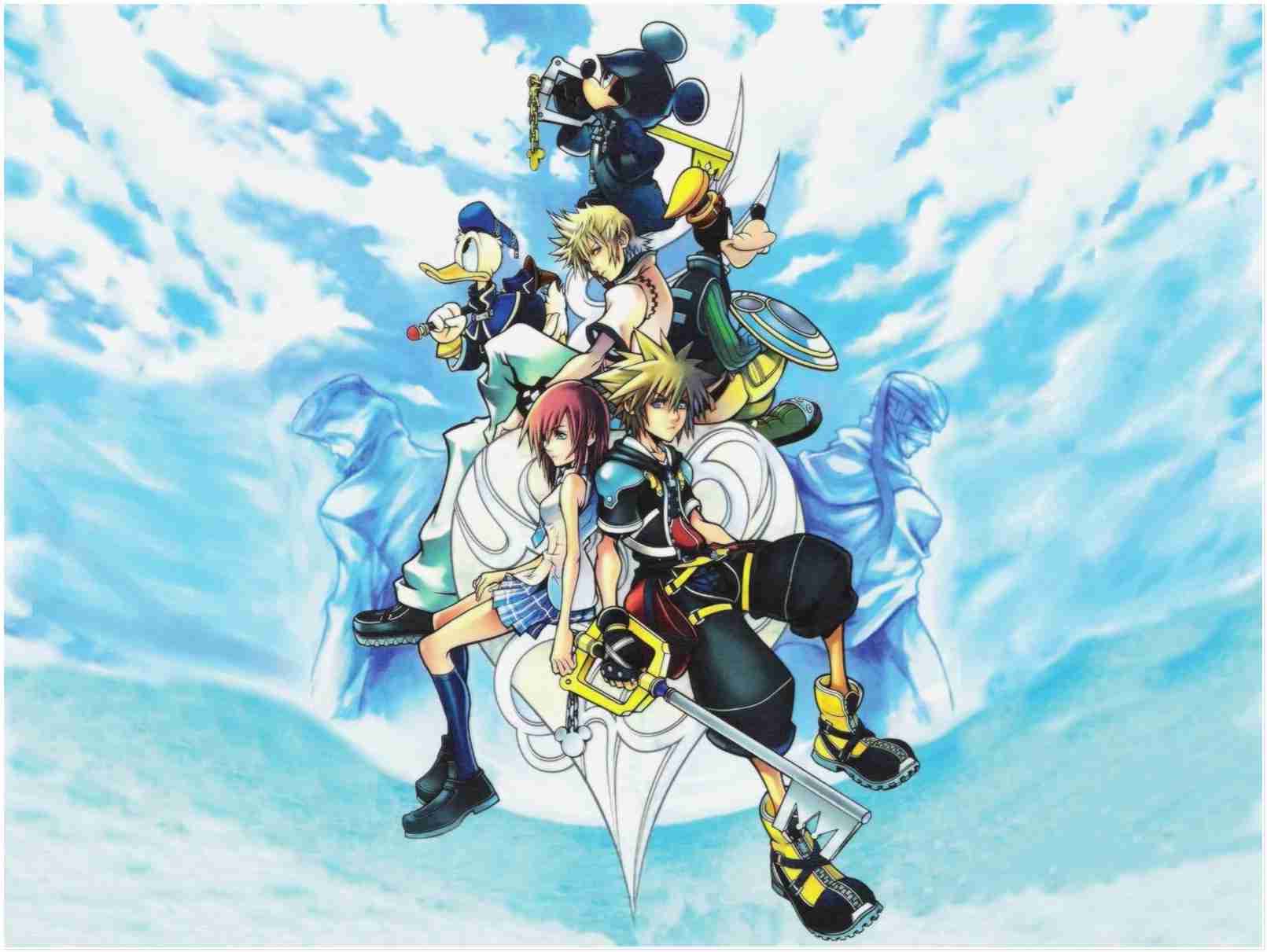
Axel acts as a mentor and handler for Roxas with a devotion that drives the entire prologue. He repeatedly sacrifices his standing within his organization to try and save Roxas from disappearing. His famous line about wanting to be remembered implies a deep emotional need for Roxas specifically. The game frames their separation as a tragic heartbreak.
‘Mass Effect: Andromeda’ (2017)
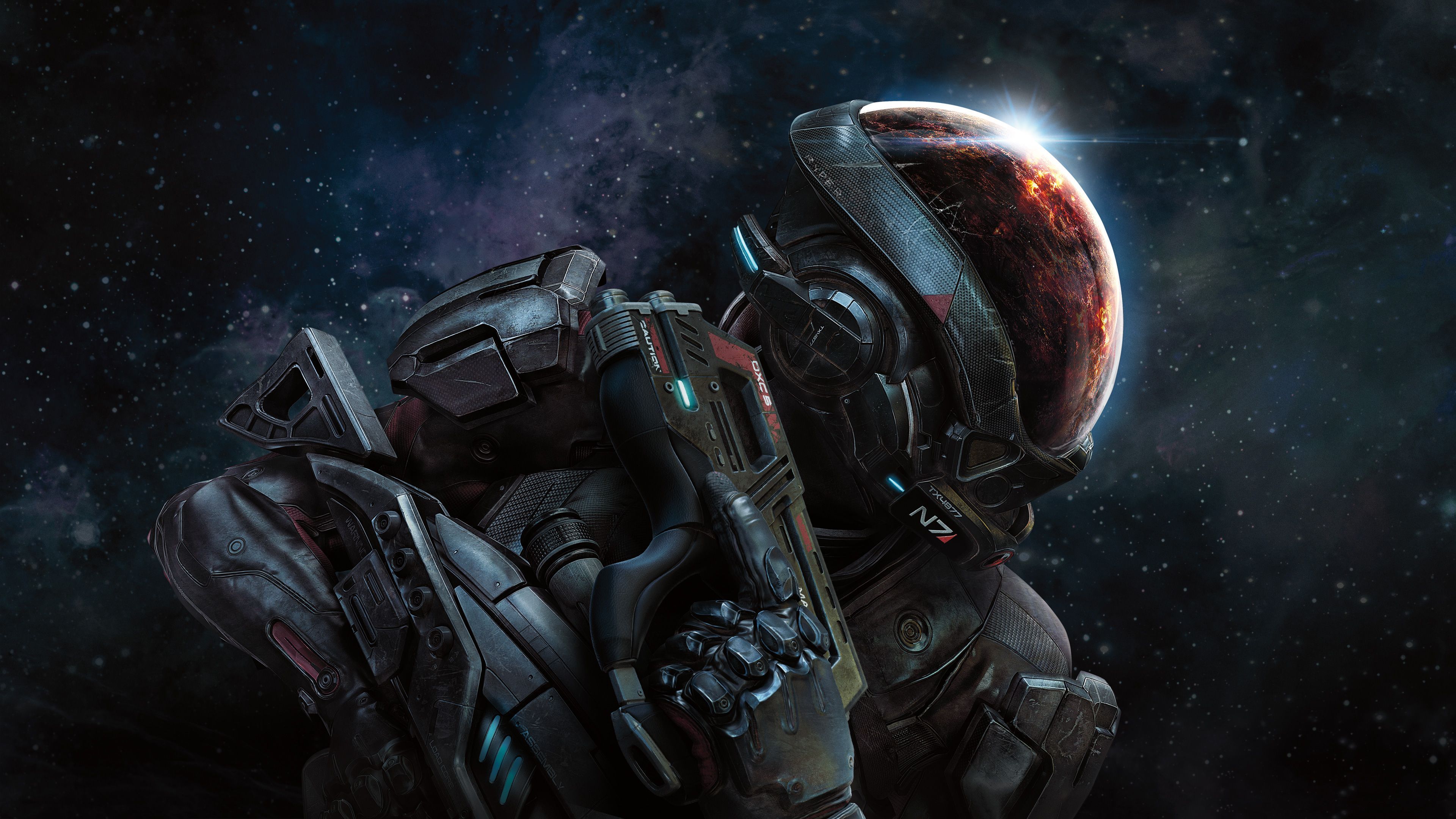
Liam Kosta is a human squad mate who bonds quickly with a male Ryder over movies and drinks. His loyalty mission involves a level of trust and casual intimacy that signals a romance path. He remains strictly heterosexual despite the chemistry and signals present in his dialogue. Players were frustrated that the human male romance options were severely limited at launch.
‘Xenoblade Chronicles 2’ (2017)
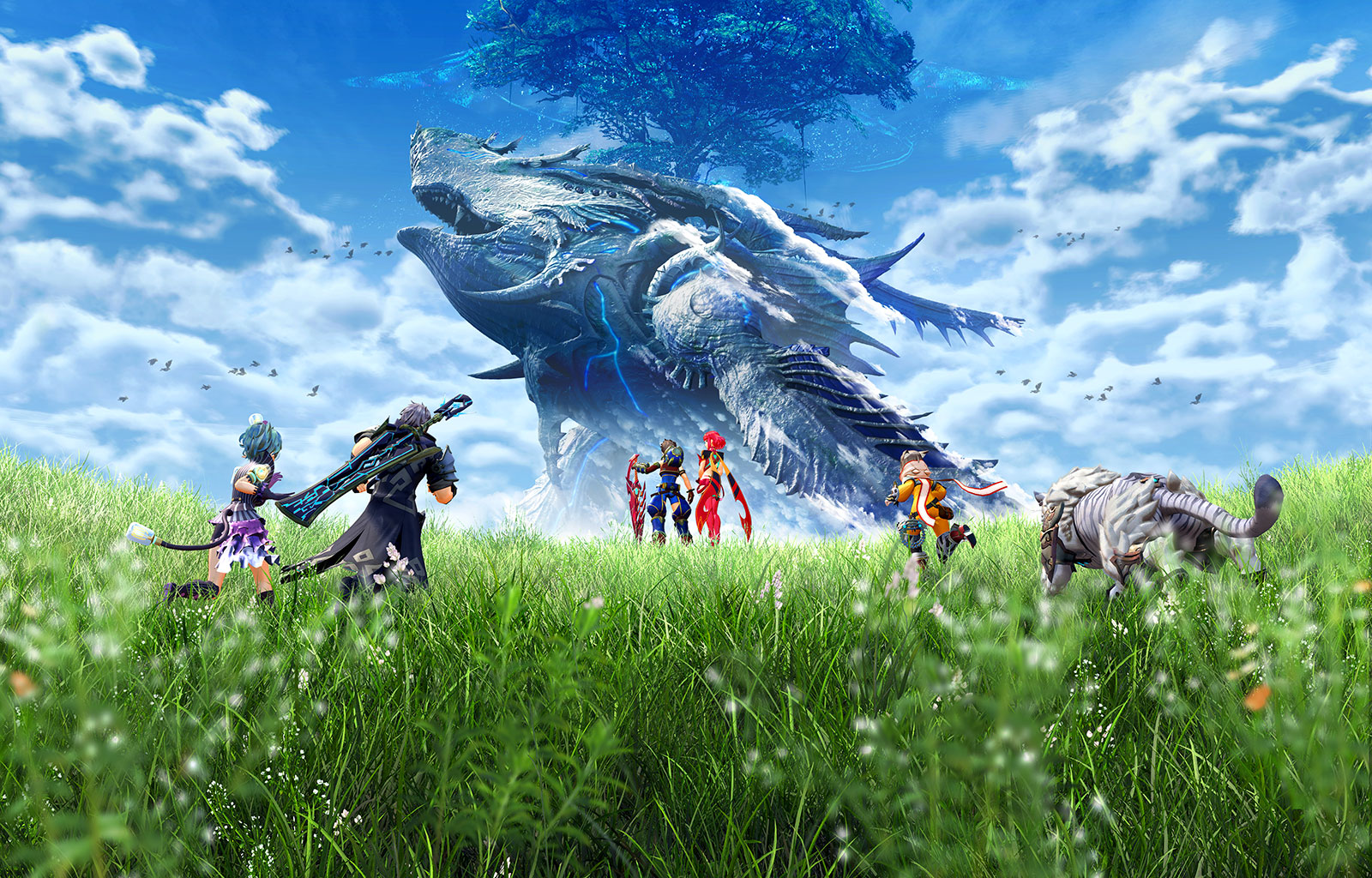
Nia is a major character who confesses her love to the protagonist Rex during a crucial cutscene. Rex responds by saying he loves her and all the other guys in a moment that became an infamous meme. The rejection is played for laughs or obliviousness rather than a serious address of her feelings. It relegates a potential queer or polyamorous moment into a joke about the protagonist’s density.
‘Rune Factory 4’ (2012)
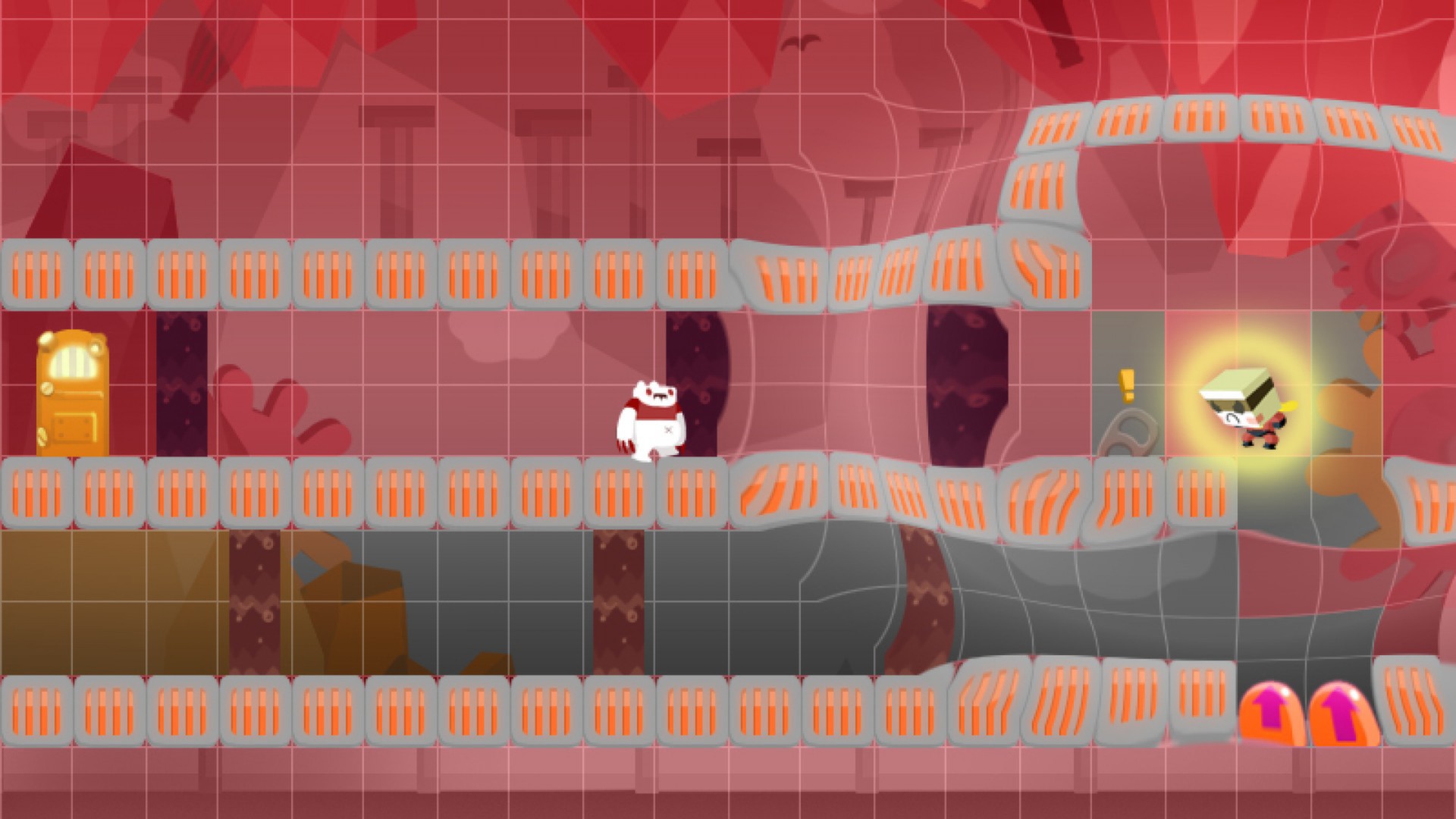
The game did not allow same-sex marriage but players found a workaround by swapping character models. This visual trick allowed players to appear as the same gender as their spouse while the game treated them as opposite. The developers acknowledged the demand for this feature but did not officially implement it until the remake. The original release required players to jump through hoops to see themselves represented.
‘Batman: The Telltale Series’ (2016)
John Doe, who later becomes the Joker, develops a fixation on Bruce Wayne rather than Batman. He seeks Bruce’s approval and friendship in a way that feels intensely personal and desperate. The dynamic shifts the traditional hero-villain rivalry into a relationship defined by emotional vulnerability. Fans interpreted John’s obsession as a twisted form of romantic attraction.
’13 Sentinels: Aegis Rim’ (2019)
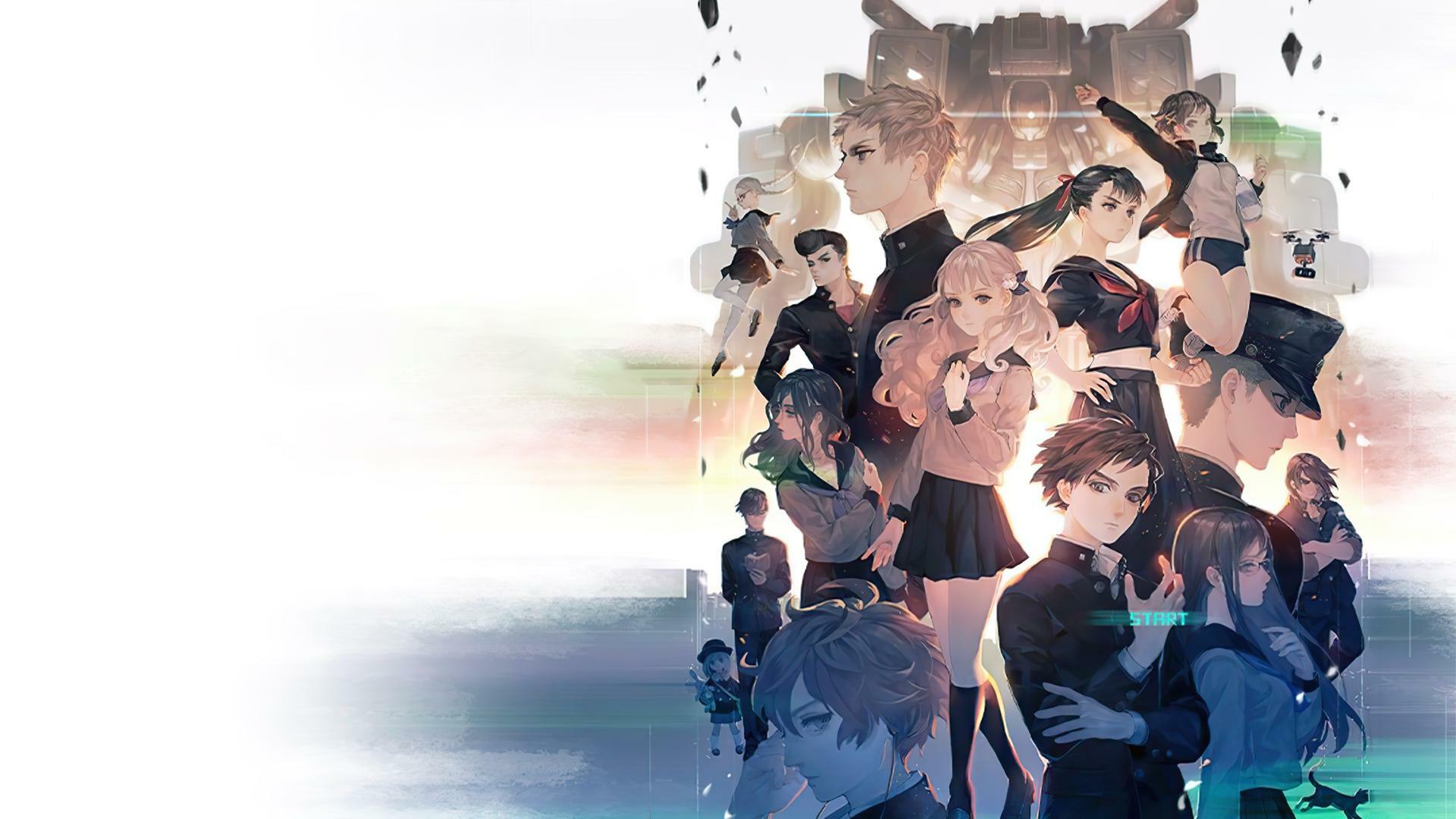
Takatoshi Hijiyama and Tsukasa Okino share a story arc that involves cross-dressing and gender confusion. Hijiyama is frequently flustered by Okino and expresses confusion about his own attraction. The game treats their dynamic with humor but acknowledges a deep bond that survives decades. It stops short of an explicit label while heavily coding their interactions as romantic.
‘Dishonored 2’ (2016)
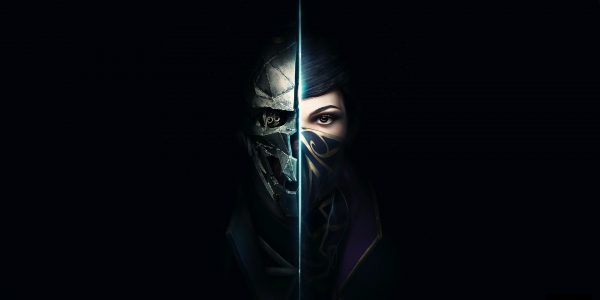
Empress Emily Kaldwin has a lover named Wyman whose gender is never revealed or confirmed. The ambiguity allows players to project their own preference onto the off-screen partner. However, the lack of confirmation feels like a way to avoid committing to a specific representation. It serves as a safe middle ground that neither confirms nor denies Emily’s sexuality.
‘Life is Strange 2’ (2018)
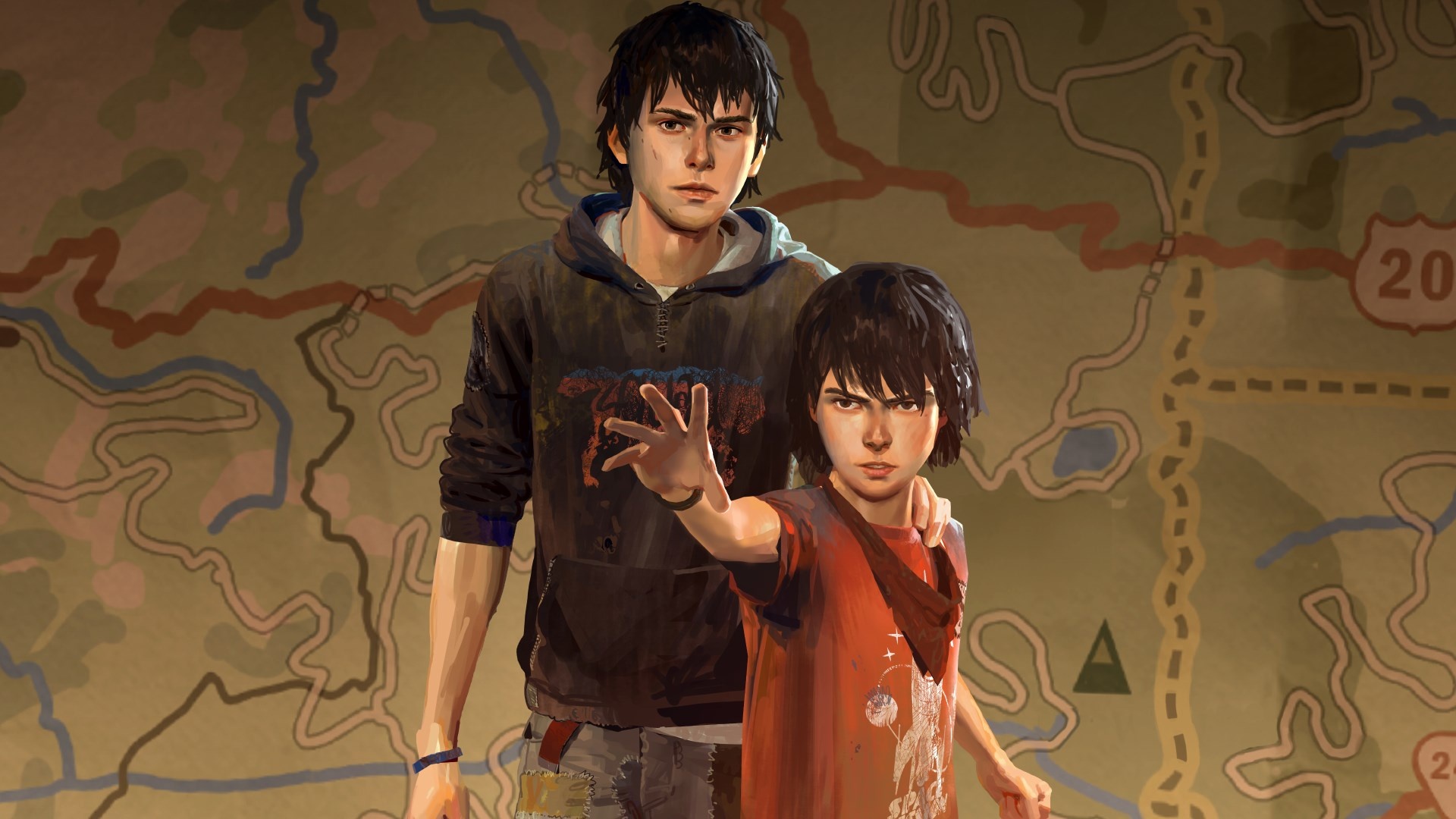
The protagonist Sean Diaz meets a drifter named Finn who flirts with him openly. The romance path with Finn is easily missable if specific, non-obvious choices are not made. Marketing materials highlighted Finn in a way that suggested he would be a major romance option. Many players felt the game hid this representation behind obscure gameplay requirements unlike the straight options.
‘Professor Layton vs. Phoenix Wright’ (2012)
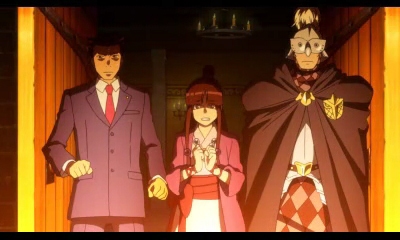
The crossover game ends with a golden ending that highlights the bond between the two leads. Visuals in the credits show them sharing quiet moments that imply a lasting connection. The chemistry between the two intellectual giants became a focal point for fans of both series. The game emphasizes their partnership over any other relationship in the narrative.
Please share your thoughts on which games you feel had the most misleading subtext in the comments.