

Games Accused of Token Minority Characters to Avoid Criticism

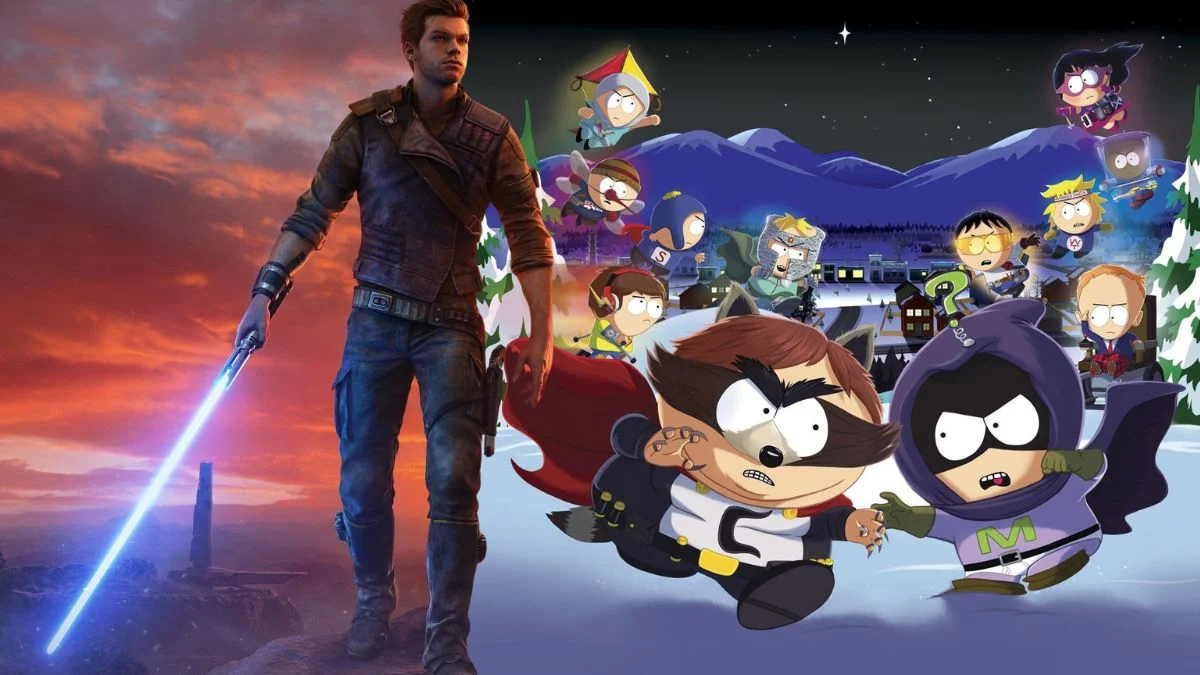


The landscape of modern video games often features a wide range of characters from various backgrounds and identities. Many titles are praised for their inclusive casts while others are accused of utilizing diverse characters purely to preemptively avoid social criticism. This phenomenon often leads to accusations of tokenism where developers are suspected of adding characters to satisfy modern diversity standards rather than narrative depth. These discussions frequently center on the balance between authentic representation and what some players perceive as forced inclusion.
‘Battlefield V’ (2018)

The inclusion of a female soldier with a prosthetic arm in the reveal trailer for this game sparked intense debate about historical accuracy. Many critics claimed the move was an attempt to cater to modern social expectations rather than reflecting the reality of the front lines in World War II. The developers argued that they wanted to provide players with more options for personal expression in the multiplayer mode. This controversy resulted in a significant divide between the player base and the studio before the game even launched.
‘Mass Effect Andromeda’ (2017)
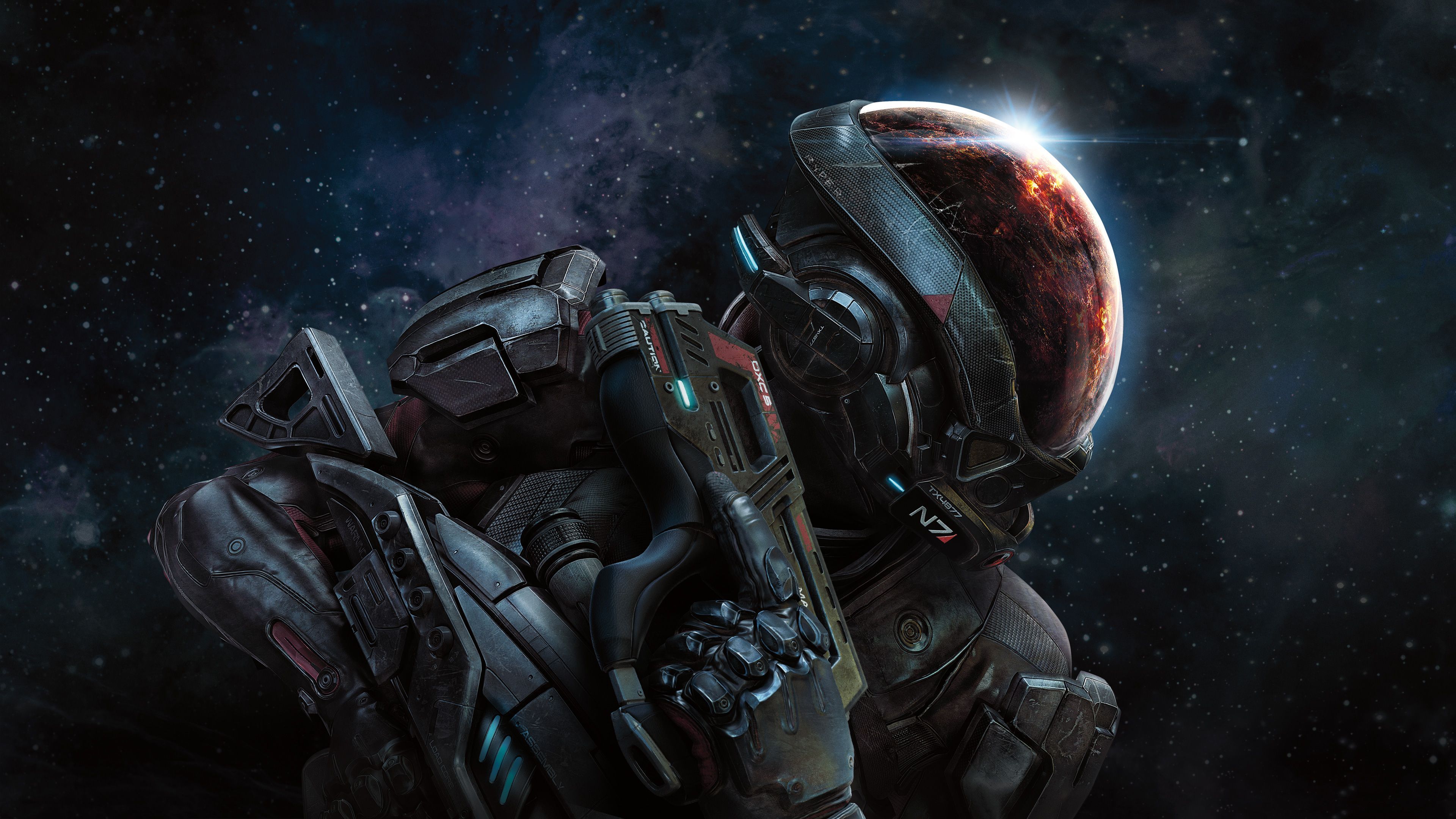
This science fiction epic faced criticism for the writing and presentation of its non binary and transgender characters. Some players felt these individuals were inserted into the story with very little meaningful development or connection to the broader plot. Critics argued that the dialogue for these characters felt like a checkbox exercise intended to satisfy diversity requirements. The game struggled with technical issues at launch which only amplified the scrutiny on its narrative and character choices.
‘The Last of Us Part II’ (2020)
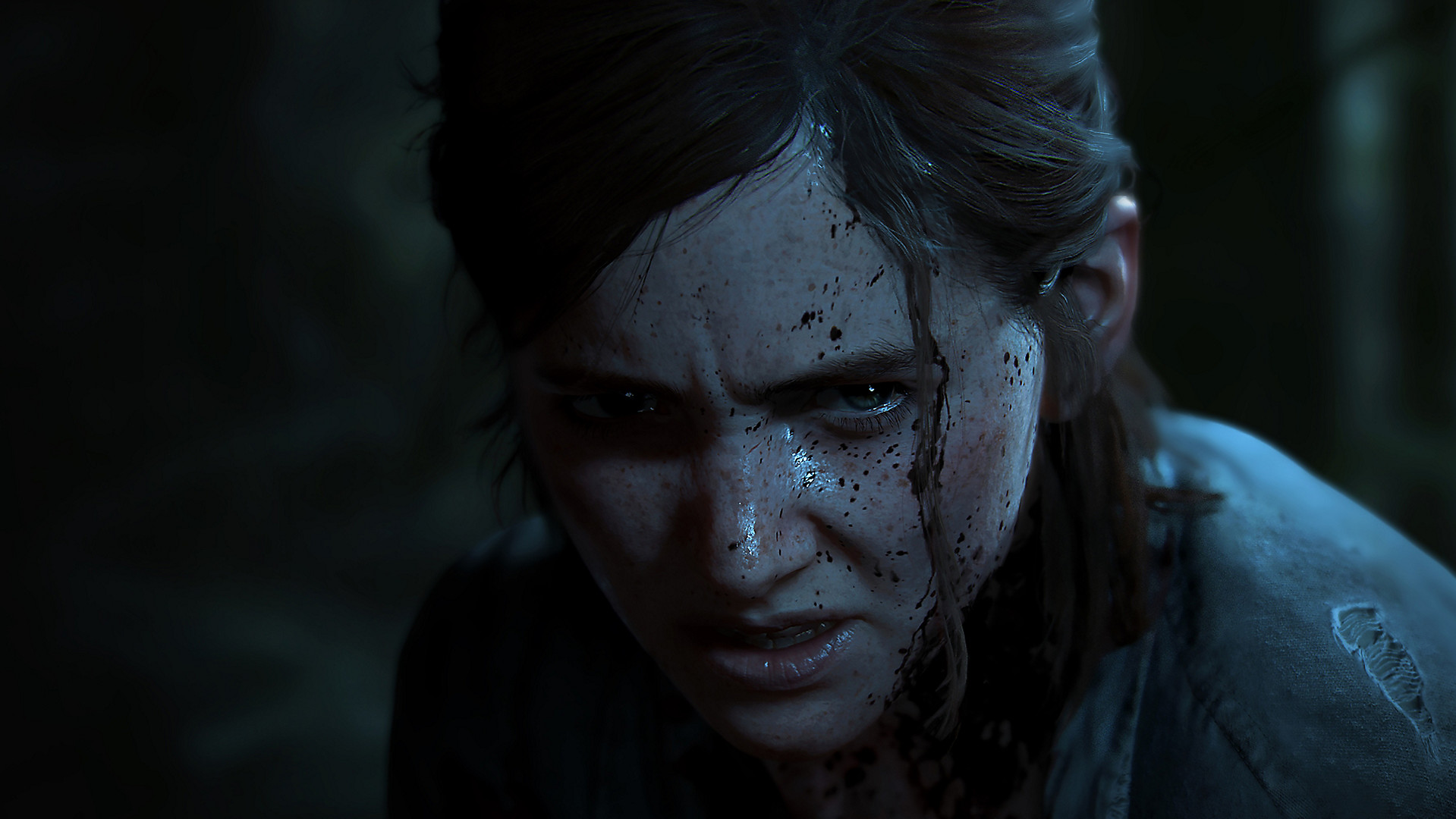
While widely praised for its technical achievements, this sequel faced backlash from sections of the audience regarding its diverse cast. Critics accused the developers of prioritizing political messaging over a cohesive story that respected the established characters from the first game. The inclusion of various minority groups was seen by some as a shield against potential criticism of the dark and violent narrative. This led to a massive and ongoing discussion about the role of social commentary in high budget gaming titles.
‘Overwatch’ (2016)
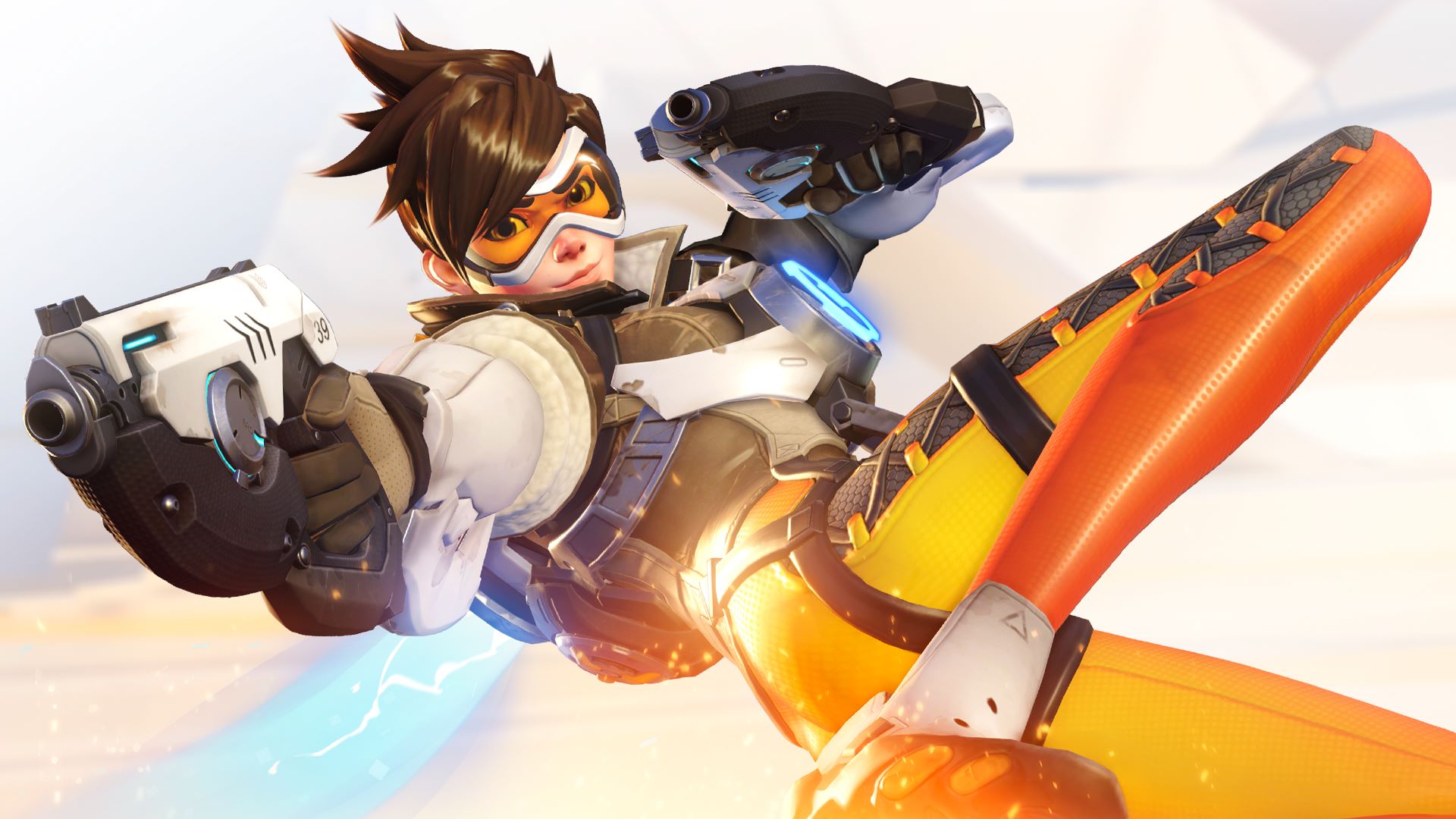
The developers of this popular hero shooter have frequently revealed the identities and backgrounds of characters long after their initial release. Some players argued that revealing a character is part of a minority group years later feels like a strategic move to regain positive press. These critics suggest that such revelations often coincide with internal company controversies or declining player numbers. The community remains divided on whether these updates represent genuine growth or calculated public relations moves.
‘Apex Legends’ (2019)
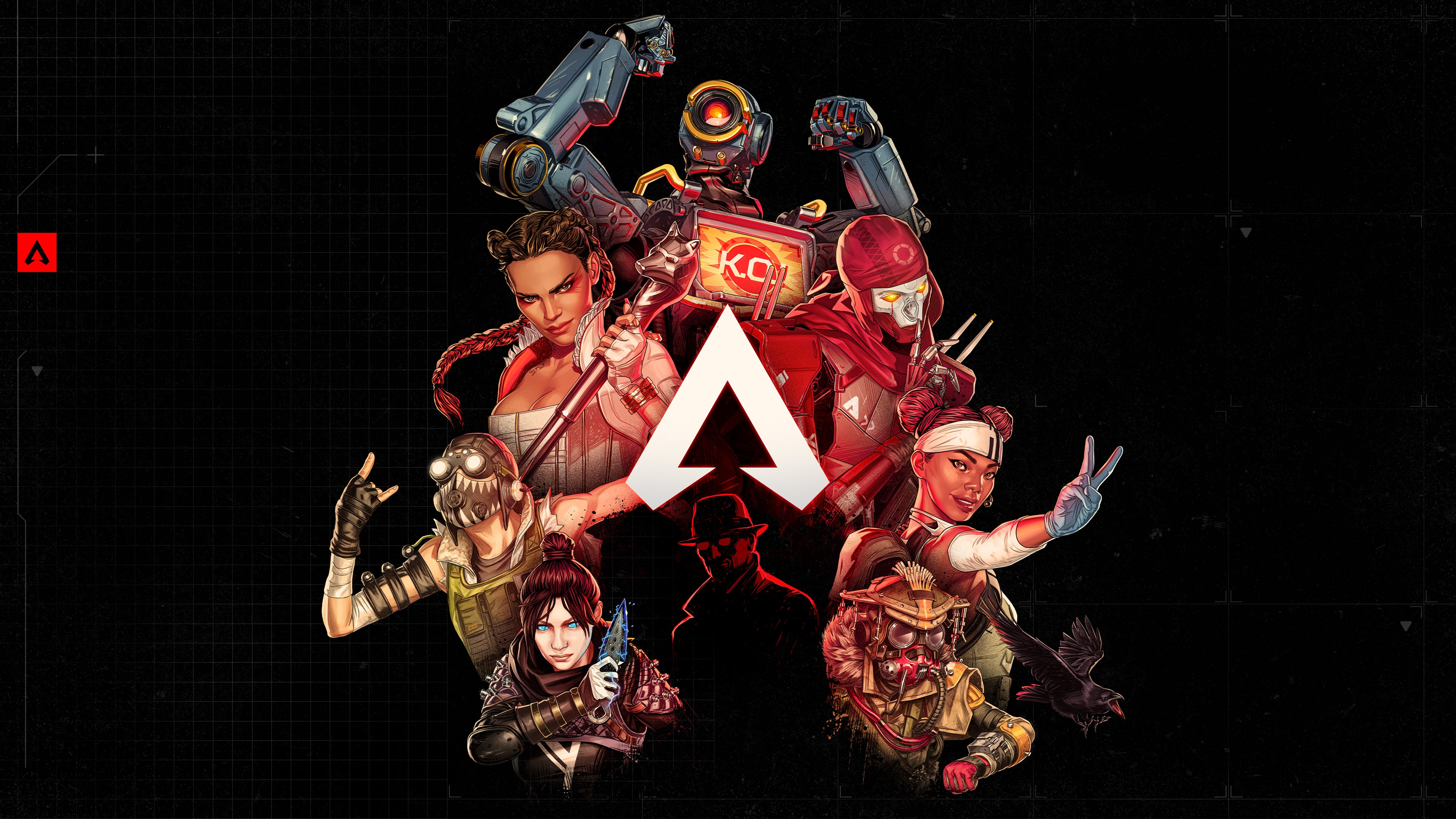
This battle royale title features a very diverse roster of legends with varying ethnic backgrounds and sexual orientations. While many appreciate the representation, some critics argue that the diversity feels like a marketing tool used to differentiate the game from its competitors. There are claims that the background lore for some characters is secondary to their status as representatives of specific groups. This has led to debates about whether the character depth matches the effort put into their visual and demographic design.
‘Cyberpunk 2077’ (2020)
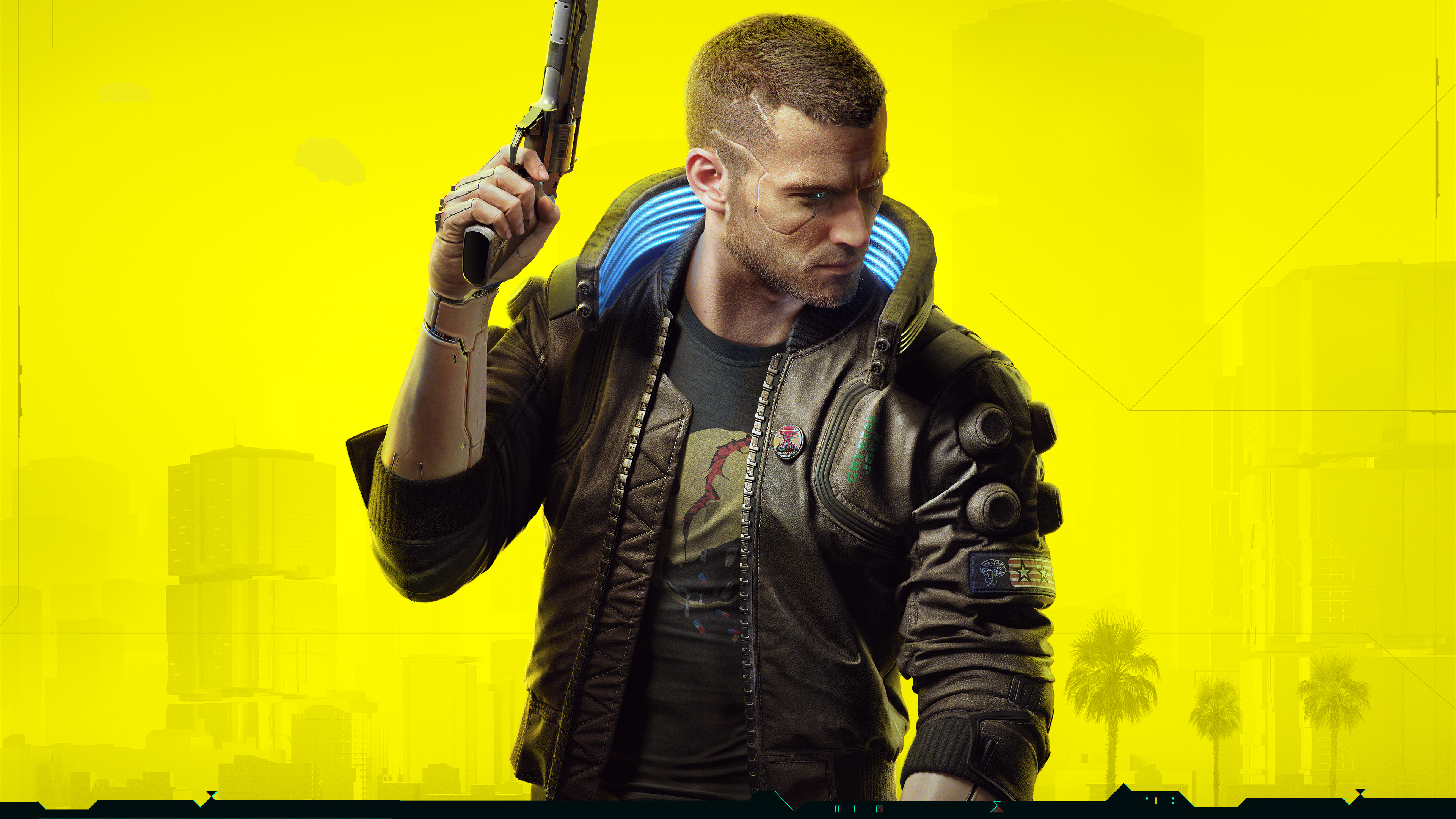
The marketing and character creation tools in this game were criticized for how they handled gender and trans representation. Some advocacy groups felt the inclusion of certain options was superficial and did not translate into a respectful or meaningful in game experience. Critics argued that the game used these elements to appear edgy and progressive while failing to explore the actual themes involved. The resulting backlash highlighted the difficulties of integrating sensitive topics into a massive open world environment.
‘Hogwarts Legacy’ (2023)
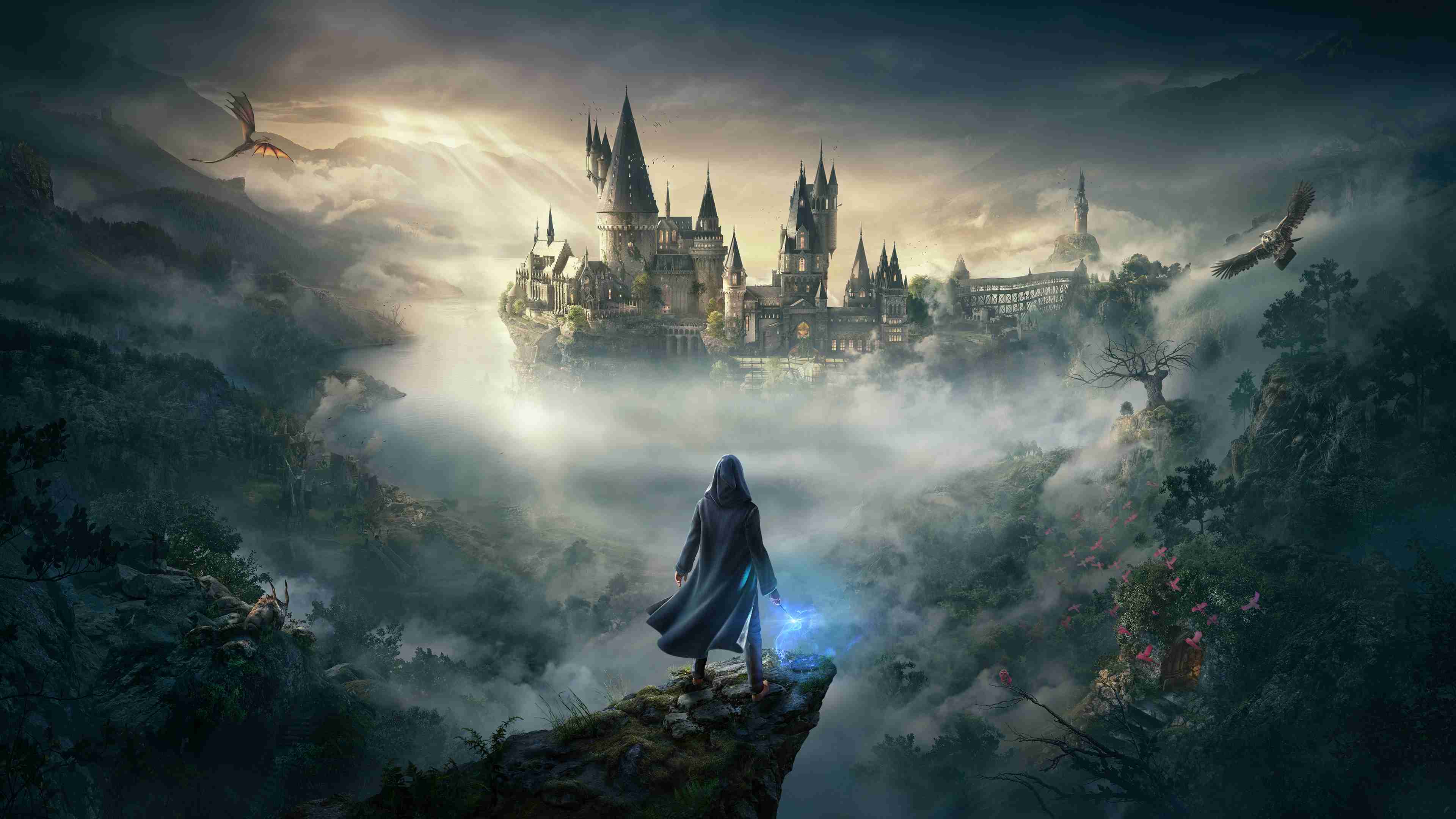
The inclusion of a transgender character in this title was seen by some as a direct response to the controversies surrounding the creator of the source material. Critics suggested the character was added late in development to act as a buffer against calls for a boycott. Some players felt the character lacked a substantial role in the main quest line which reinforced the idea of tokenism. The developers maintained that they wanted to make the game as inclusive as possible for all fans of the magical world.
‘Assassin’s Creed Shadows’ (2025)
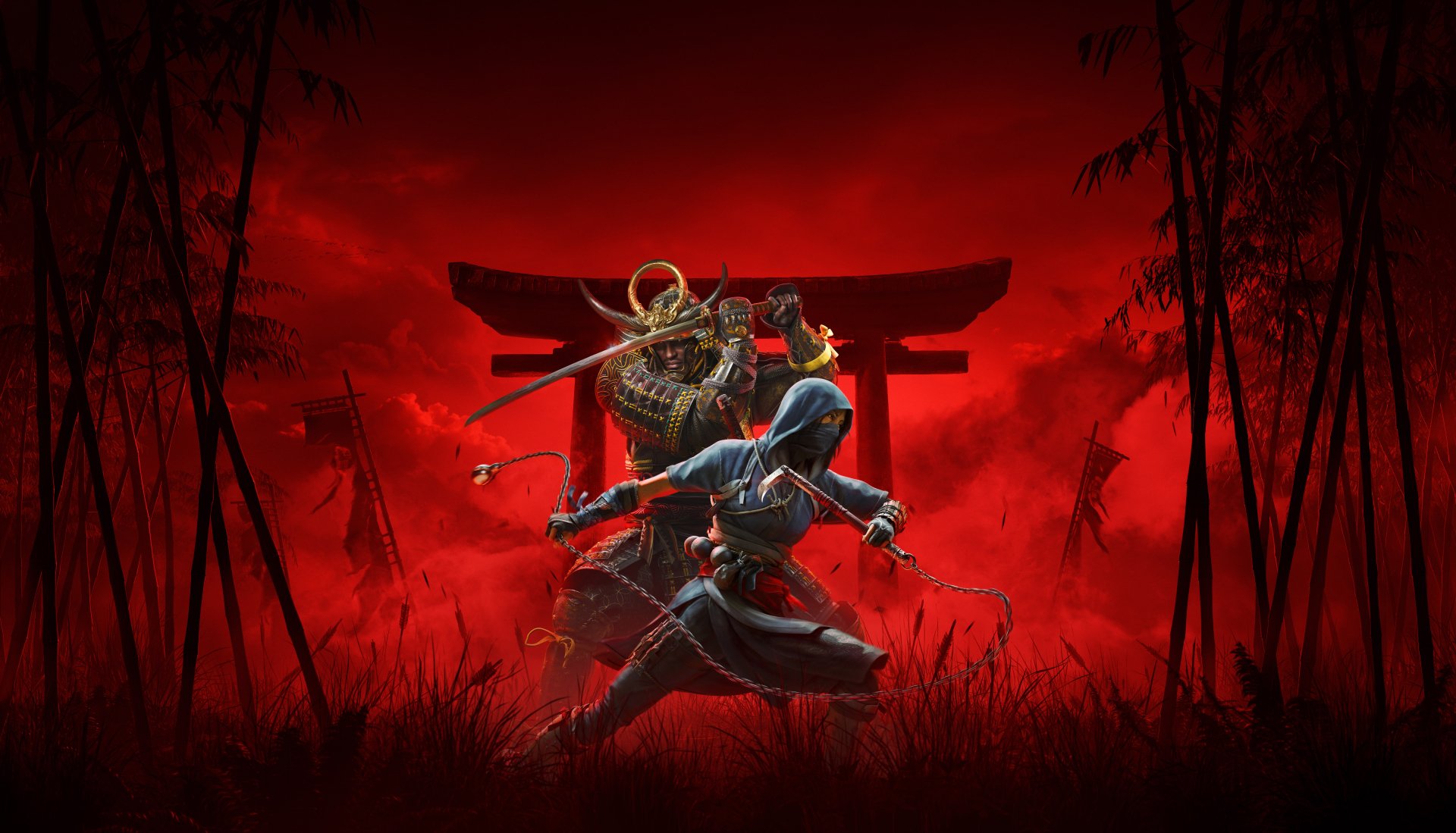
The announcement of a Black samurai as one of the two main protagonists led to significant online pushback regarding historical setting and cultural representation. Critics argued that the choice was made to fit modern diversity quotas rather than following the traditional expectations of a game set in feudal Japan. Some members of the community felt this decision overshadowed the inclusion of a Japanese female protagonist. The debate continues to focus on whether the inclusion is a genuine attempt at a unique story or a move to avoid criticism.
‘Forspoken’ (2023)
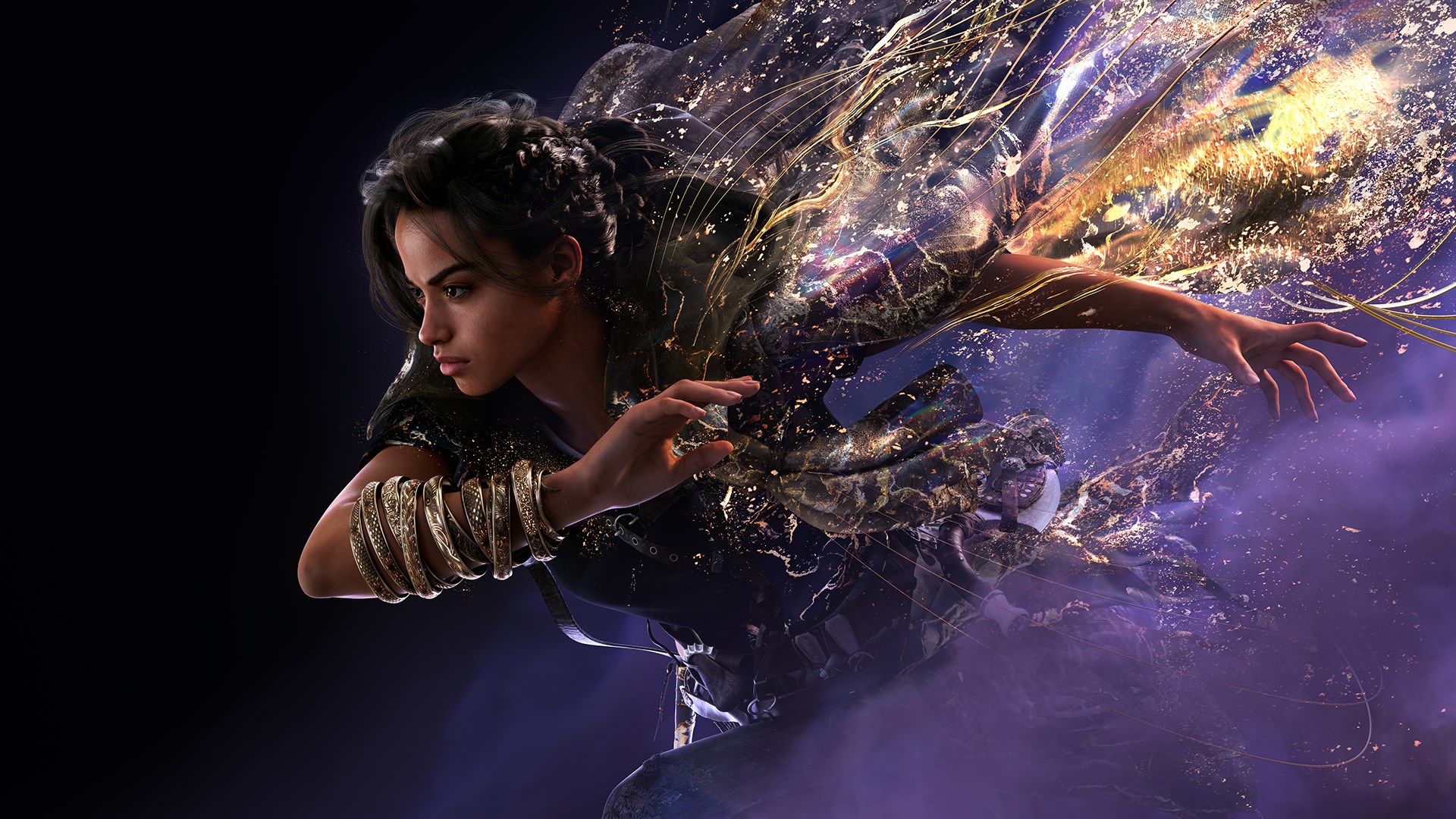
This game follows a young Black woman from New York who is transported to a fantasy world filled with magic and monsters. Some critics argued that the dialogue and characterization of the protagonist felt stereotypical and lacked authentic depth. There were accusations that the diversity of the lead was used as a talking point to distract from the repetitive gameplay and technical shortcomings. The game ultimately struggled to find a large audience after its release.
‘Saints Row’ (2022)
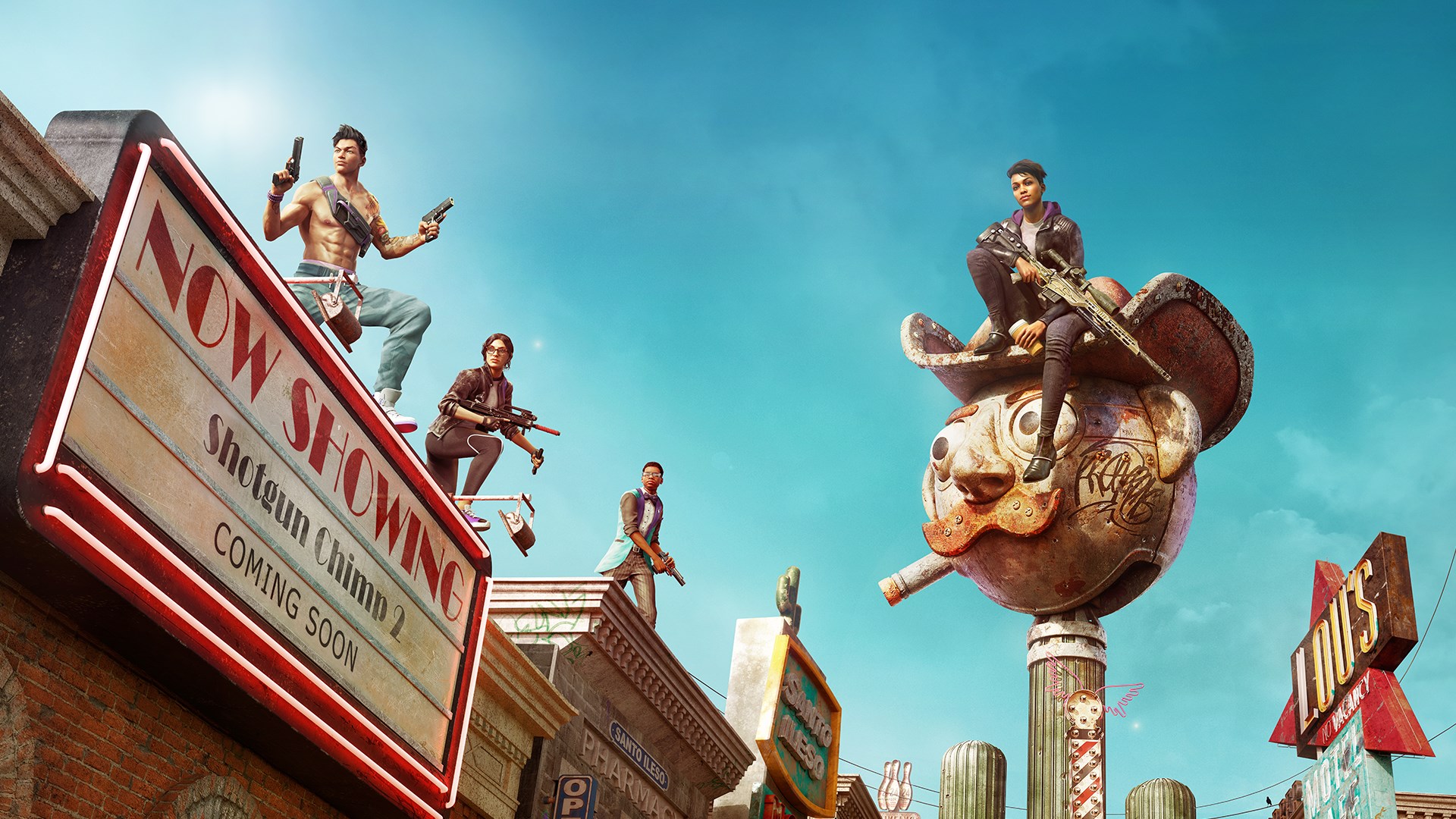
The reboot of this long running series introduced a new cast of characters that many fans felt were a departure from the gritty origins of the franchise. Critics accused the developers of creating characters that felt like they were designed by a corporate committee to appeal to a younger and more diverse demographic. The tone of the game was often described as forced and disconnected from the expectations of the existing fan base. This perceived shift in identity contributed to the lukewarm reception of the title.
‘Marvel’s Avengers’ (2020)
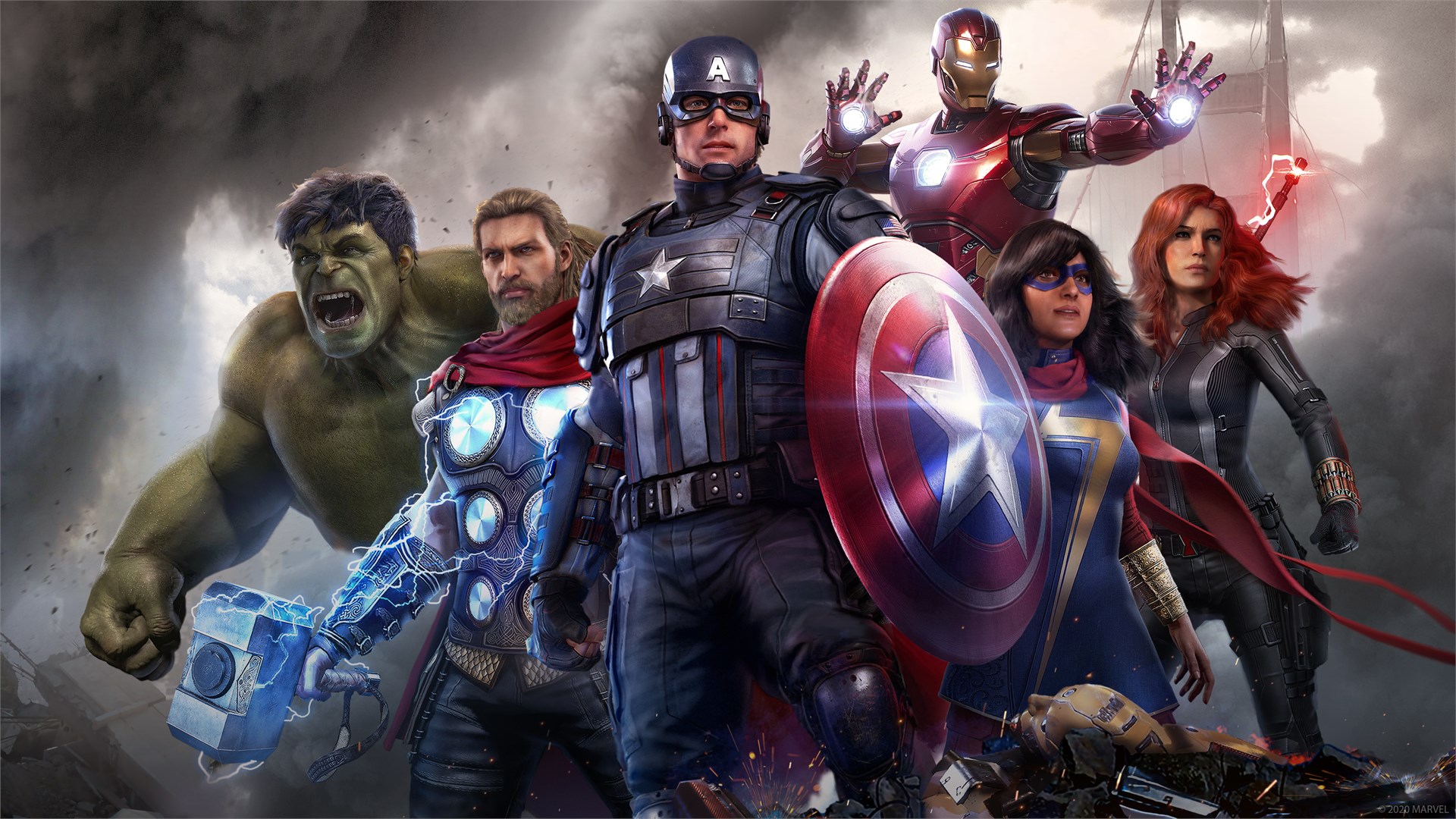
The inclusion of Kamala Khan as the central protagonist was a point of discussion for players who expected a focus on the classic cinematic team. While her story was central to the campaign, some critics felt her role was emphasized to meet diversity goals within the Disney brand. There were claims that her presence was used to shield the game from criticism regarding its live service model and microtransactions. Many fans however enjoyed her character arc despite the overall mixed reception of the game.
‘Far Cry 6’ (2021)
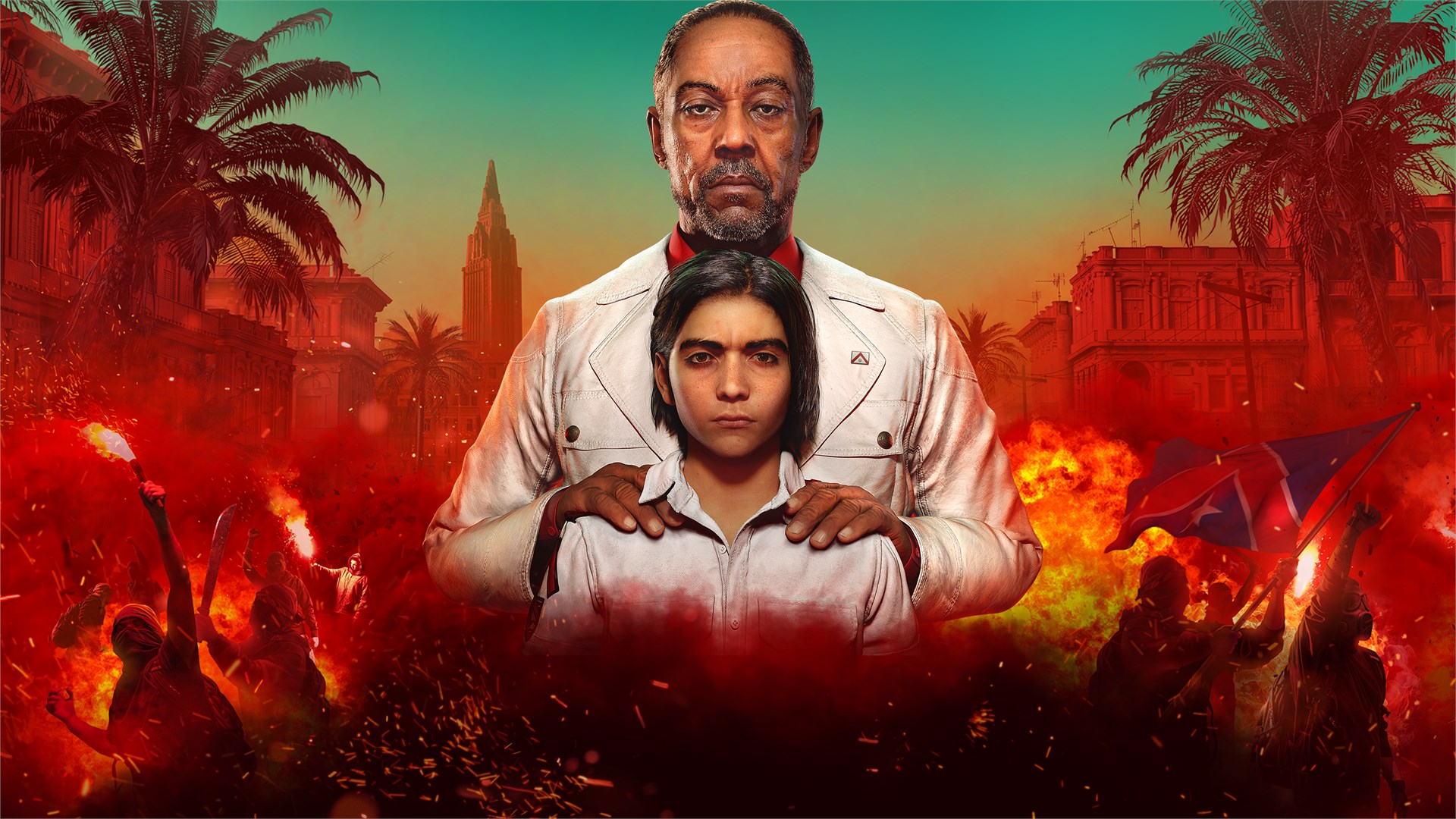
This title features a revolution in a fictional Caribbean nation with a cast primarily consisting of Latin American characters. Some critics argued that the portrayal of the revolution and its participants felt superficial and relied on tropes. There were suggestions that the diversity was used to provide a colorful backdrop without engaging deeply with the political themes of the region. The inclusion of a transgender side character also drew accusations of tokenism from some players who felt the role was minor and undeveloped.
‘Starfield’ (2023)
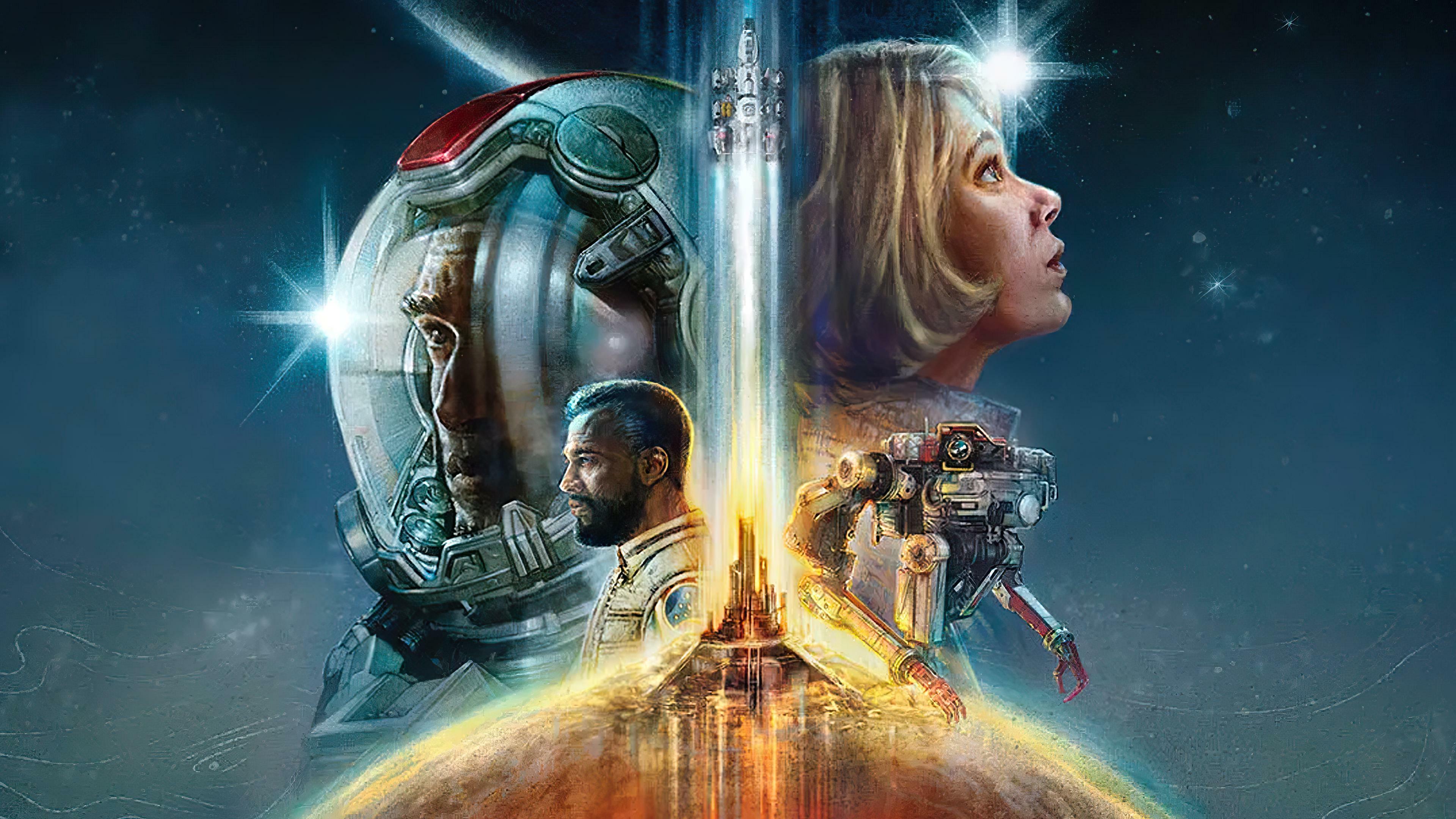
Bethesda’s space exploration game features a wide variety of NPCs and companions from different backgrounds and with different identities. Some players criticized the inclusion of pronoun options and the diverse cast as being a result of modern corporate mandates. These critics argued that the focus on these elements took away from the depth of the role playing mechanics and world building. The game became a central point of the ongoing culture war within the gaming community during its launch window.
‘Call of Duty Vanguard’ (2021)
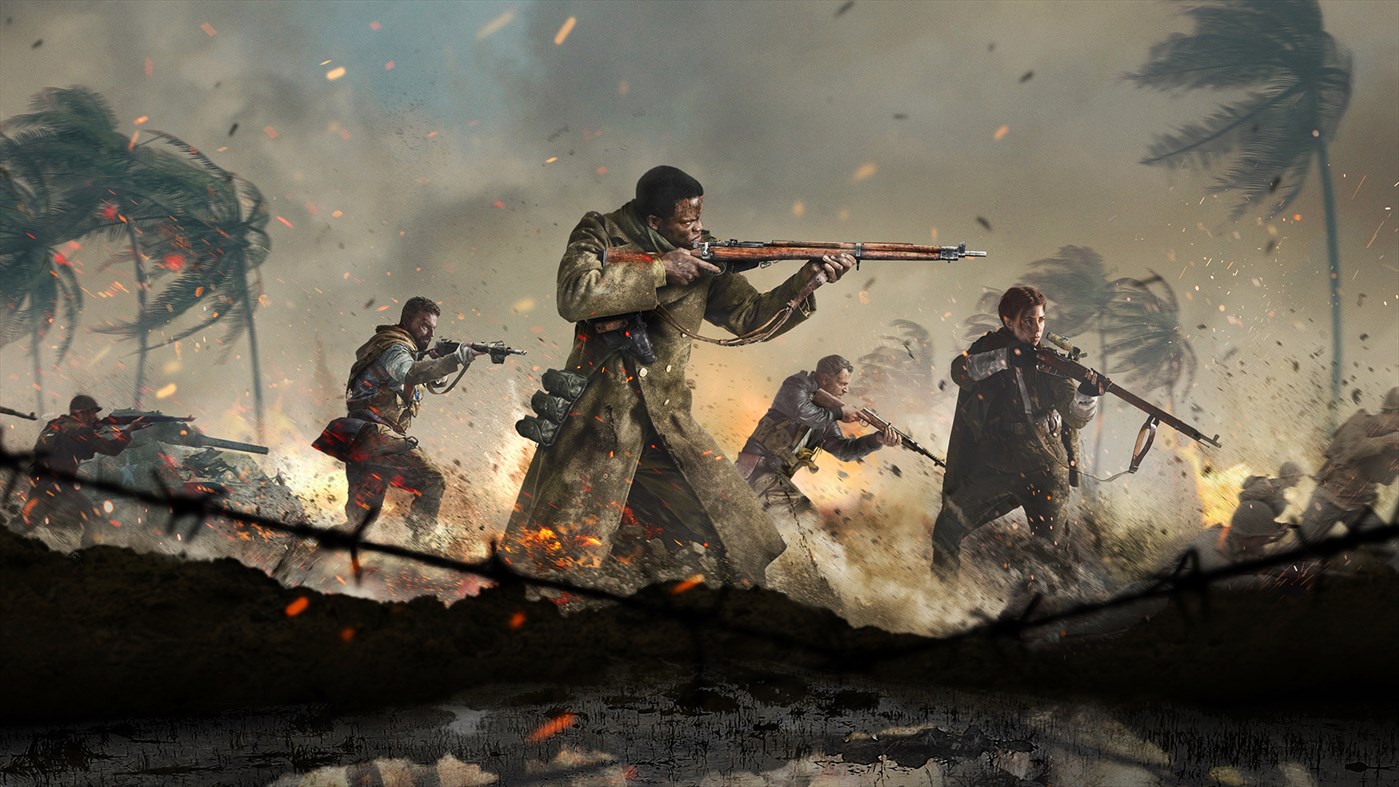
The campaign of this World War II shooter featured a diverse group of elite soldiers from different nations and backgrounds. Some players felt that the focus on these characters was a way to modernize the conflict and avoid the gritty realism of previous entries. Critics argued that the narrative prioritized optics and inclusivity over a grounded depiction of the historical period. This led to claims that the game was using its cast to signal progressive values to a wider audience.
‘The Sims 4’ (2014)
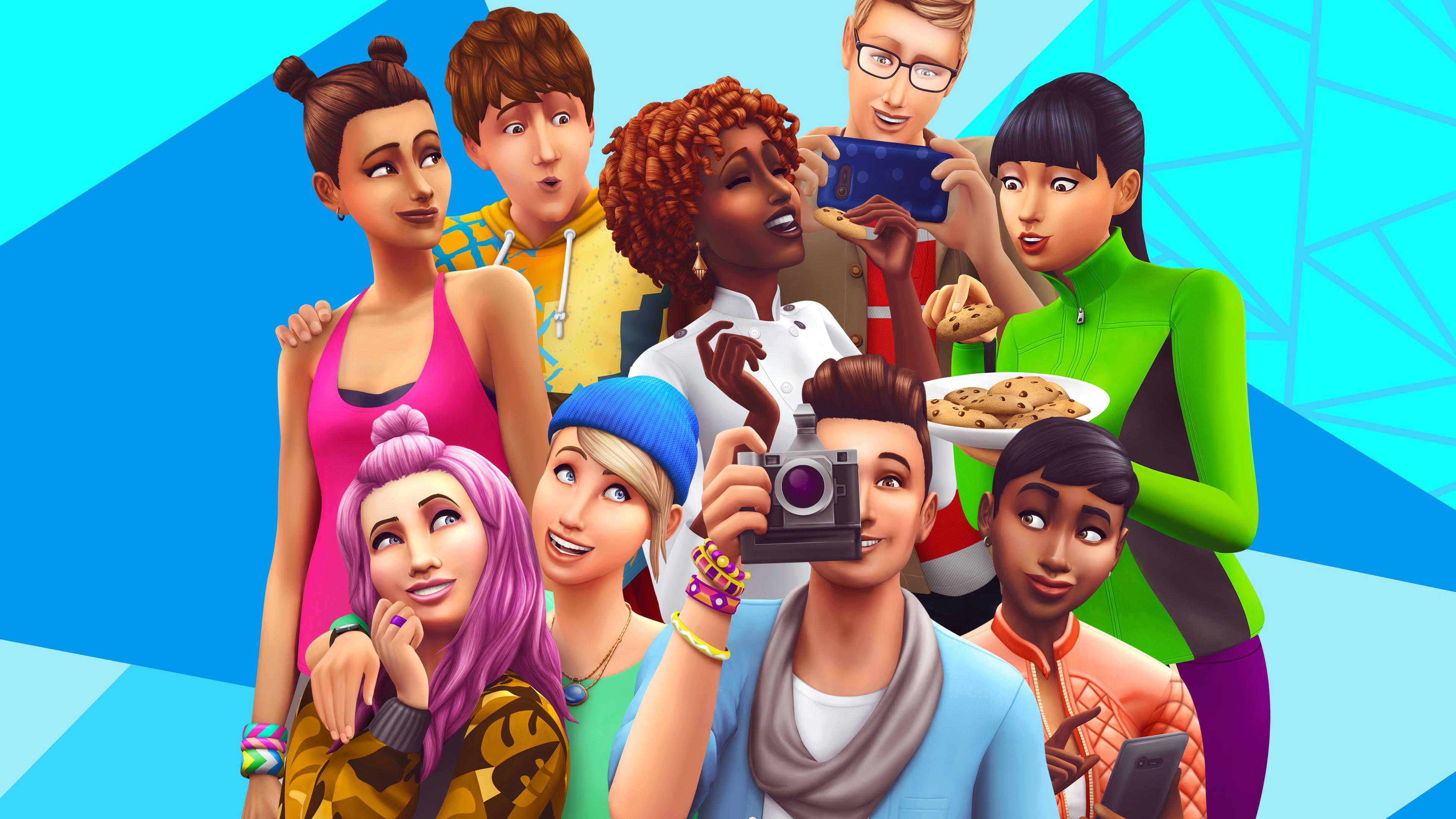
Over the years this life simulation game has added numerous updates for skin tones, gender identities, and cultural items. While many players celebrated these additions, some critics argued that they were reactionary moves to quell long standing community complaints. There were claims that the developers only prioritized these features when the pressure from social media became too great to ignore. This discussion often focuses on how long it took for basic representation features to be implemented into the base game.
‘Life is Strange True Colors’ (2021)
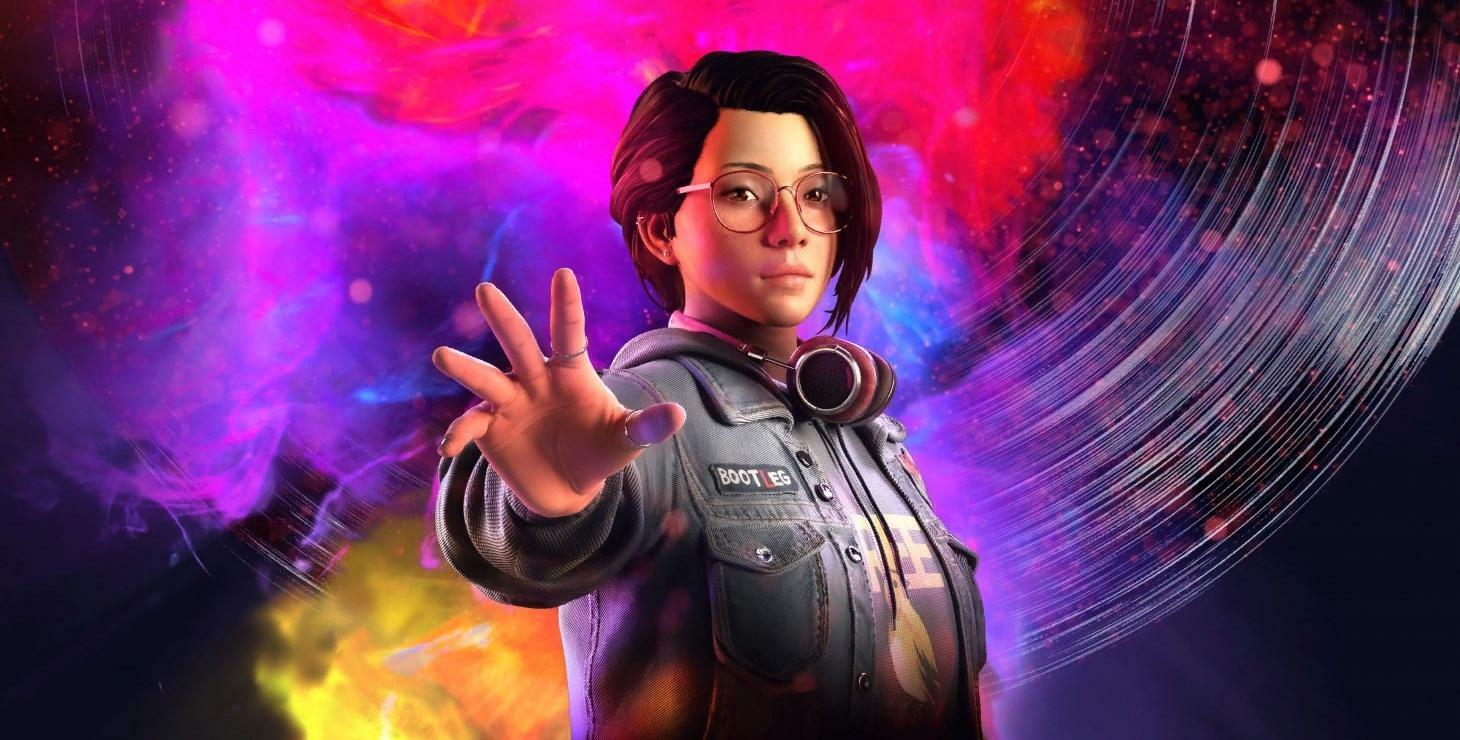
This narrative adventure features a protagonist who is an Asian American woman with the power of empathy. Some critics argued that the game focused too heavily on its diverse cast as a way to appeal to a specific niche audience. There were suggestions that the emotional stakes of the game were used to mask a lack of innovation in the gameplay department. The title continues the series tradition of focusing on marginalized identities which remains a point of both praise and criticism.
‘Watch Dogs 2’ (2016)
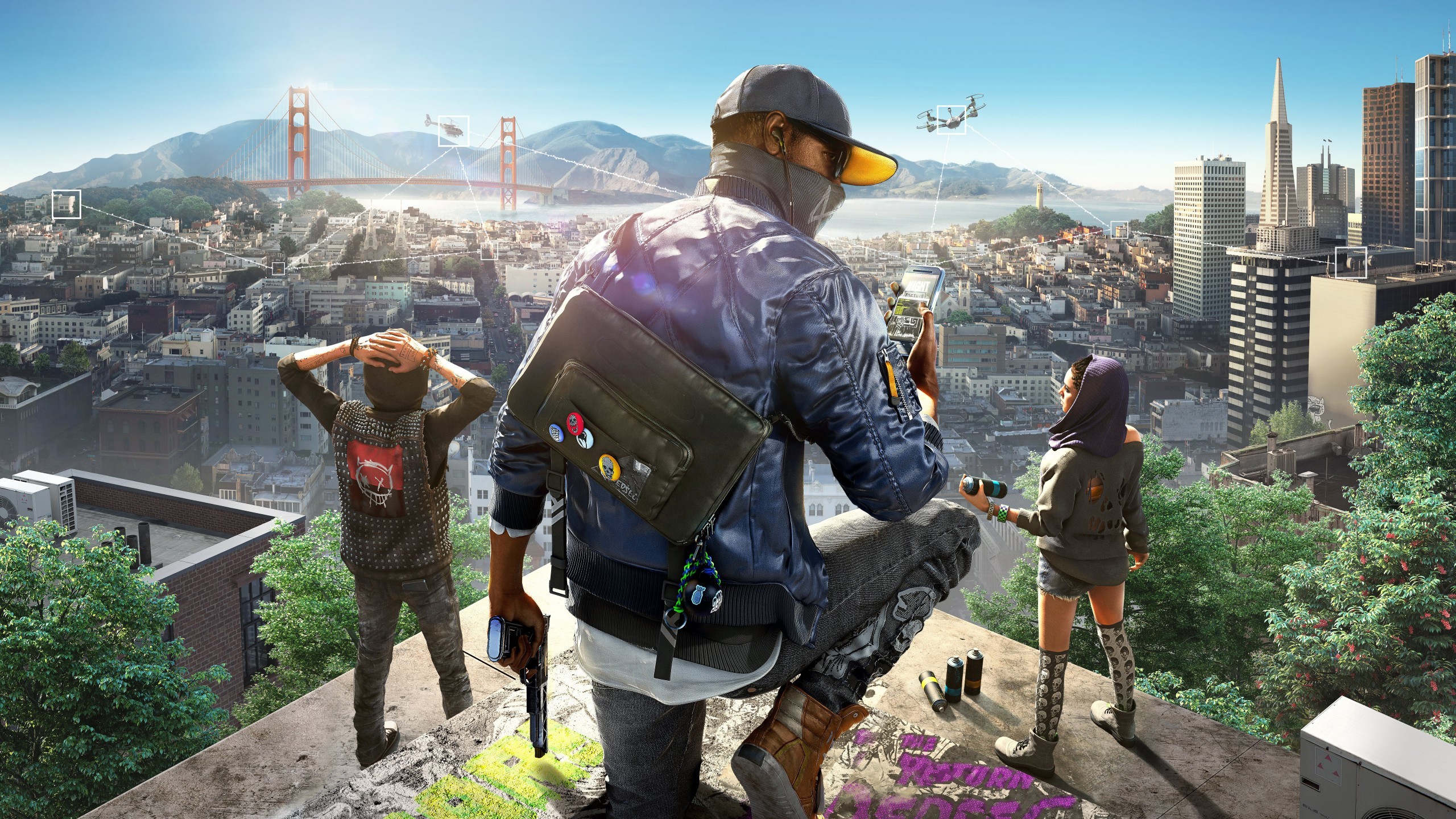
The shift from the stoic protagonist of the first game to a diverse group of young hackers was seen by some as a calculated move to appear more relevant. Critics argued that the characters felt like caricatures of modern youth culture designed to avoid the blandness of the previous entry. Some players felt the diversity was used to create a more vibrant image for the franchise without changing the core gameplay loop. The game was ultimately successful but the debate over its characterizations persisted.
‘Spider-Man Miles Morales’ (2020)

While Miles Morales is a beloved character from the comics, his solo game was accused by some of being a move to satisfy demands for more diverse leads. Critics argued that the game felt like a smaller expansion rather than a full sequel and that the protagonist’s race was used as a primary marketing tool. There were claims that the developers were trying to avoid criticism of the original game’s focus on Peter Parker. Despite this the game received high marks for its representation and story.
‘Suicide Squad Kill the Justice League’ (2024)
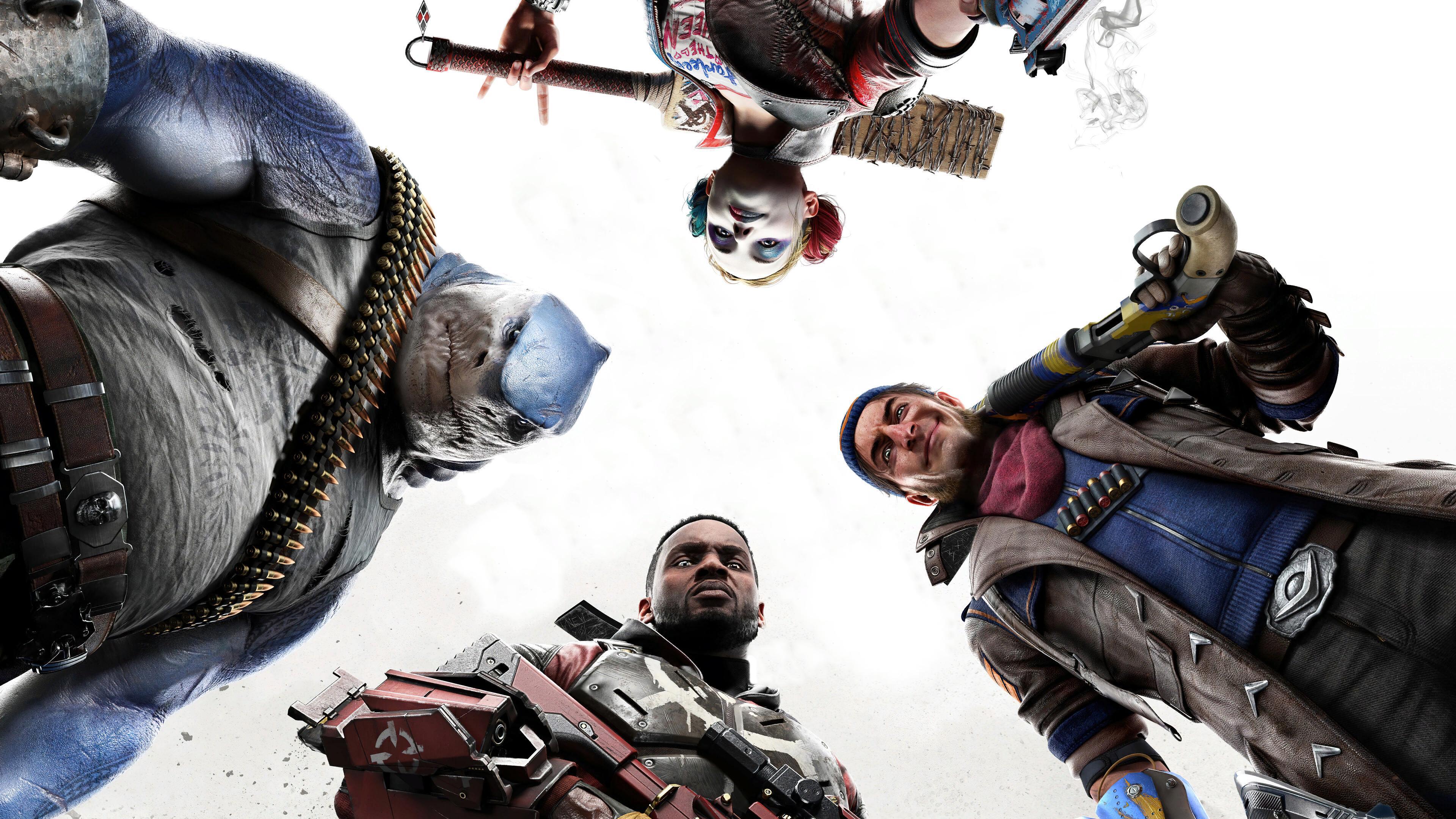
The reimagining of certain characters and the focus on a diverse squad led to accusations of forced inclusivity from some fans. Critics argued that the writing and humor were tailored to fit a modern sensibility that felt out of place for the characters. There were suggestions that the diversity of the team was a way to distract from the controversial decision to make the game a live service title. The project faced significant hurdles and a mixed reception upon its eventual release.
‘Dragon Age The Veilguard’ (2024)
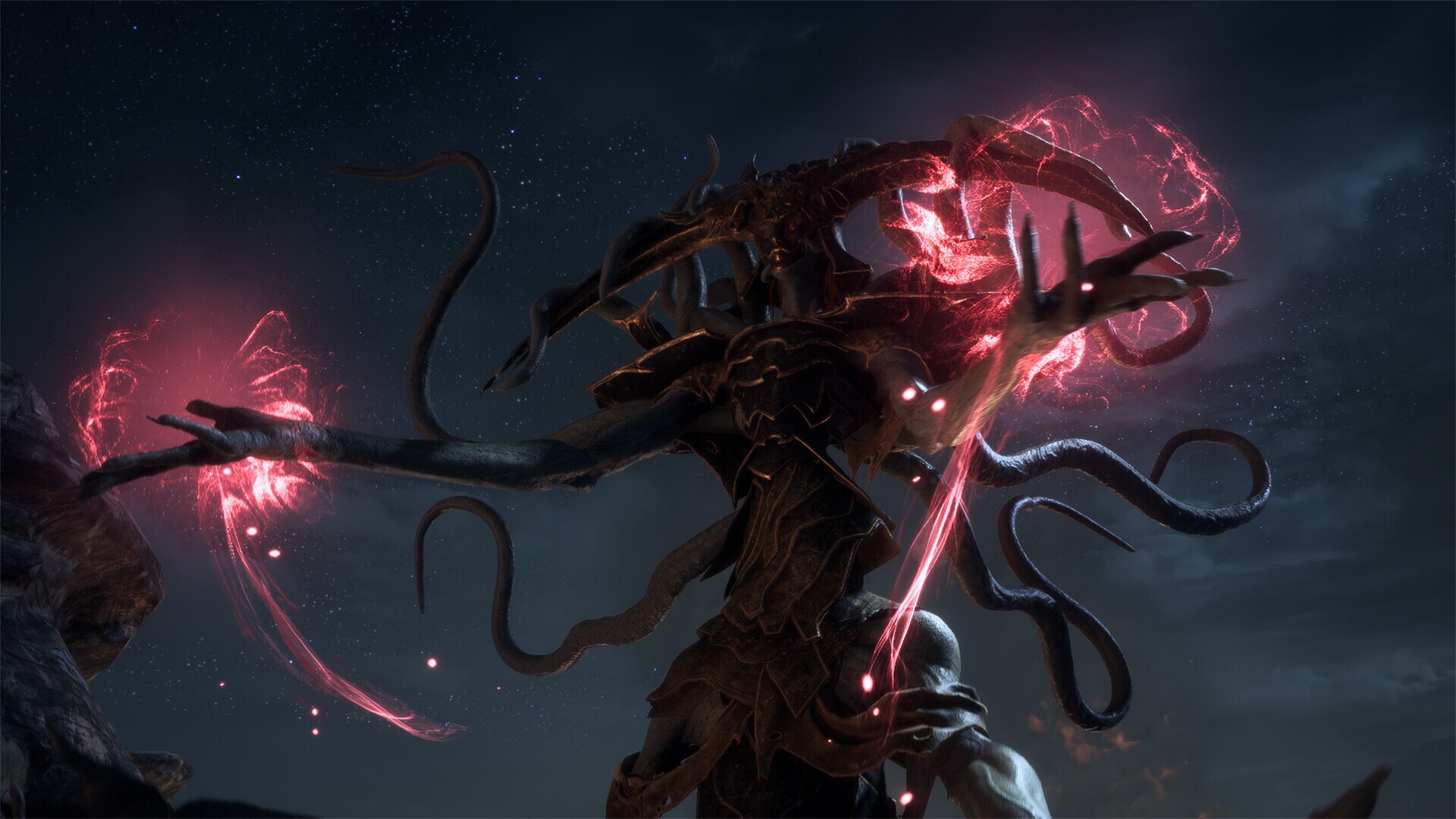
This fantasy role playing game was scrutinized for its character designs and the inclusion of various identity options in the creator. Some players felt that the developers were focusing more on diversity and inclusion than on the deep tactical gameplay of previous entries. Critics argued that the dialogue options regarding identity felt forced into the world of Thedas. The game became a lightning rod for discussions about how modern values are integrated into established fantasy franchises.
‘Dustborn’ (2024)

This narrative driven game features a diverse cast traveling across a divided North America and using the power of words. Critics argued that the game’s focus on social justice themes and diverse characters was an attempt to cater to a specific political demographic. Some players felt that the gameplay was secondary to the message the developers wanted to convey to the audience. The game received significant attention online for its overt political themes and character choices.
‘Concord’ (2024)
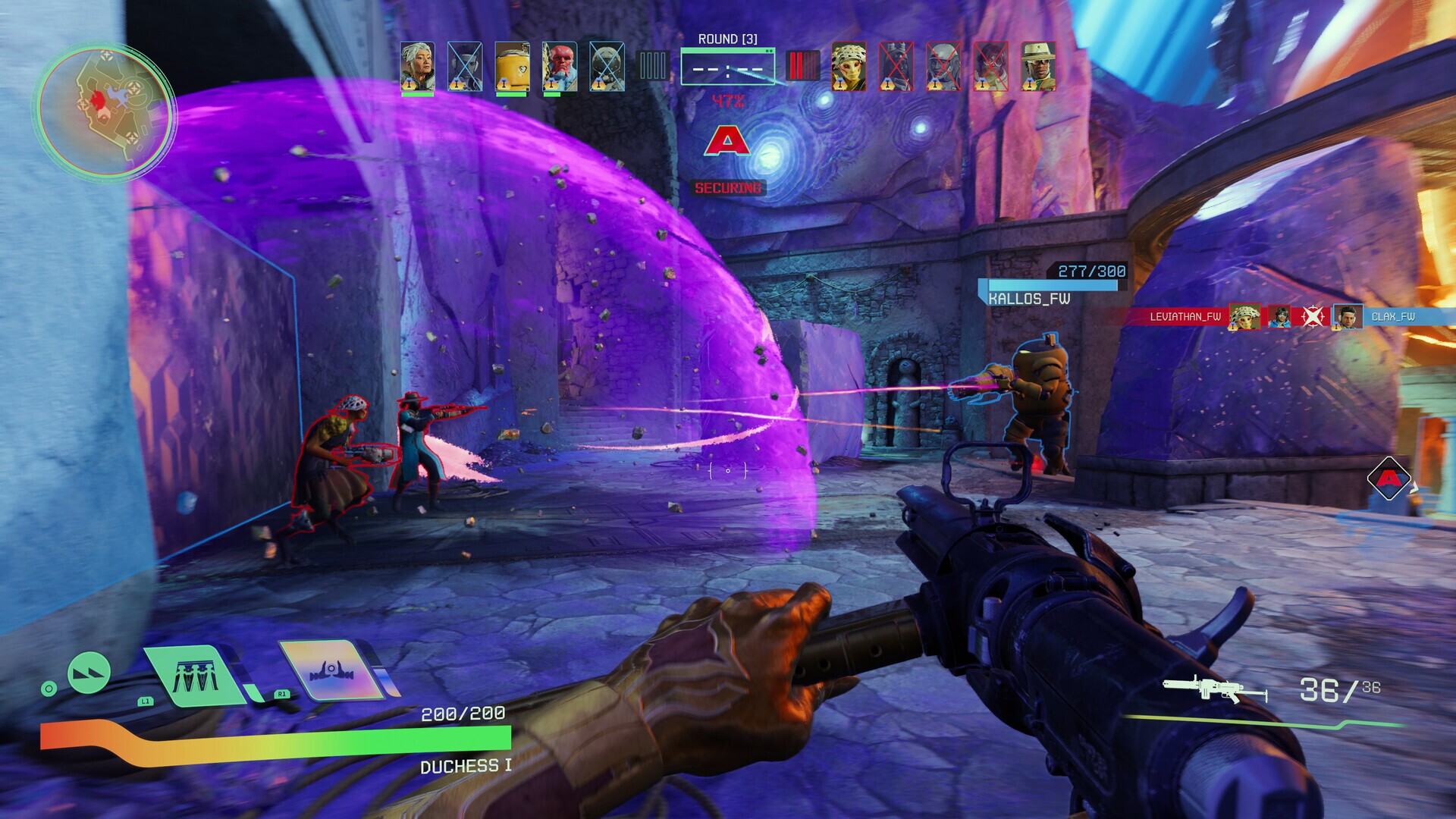
The cast of this multiplayer shooter was criticized by some for appearing to be a collection of diverse archetypes without a strong central identity. Critics argued that the character designs were influenced by a desire to be inclusive rather than creating memorable or iconic figures. Some players suggested that the game’s failure to gain traction was due in part to a lack of appeal in its character roster. The title was ultimately taken offline shortly after its launch due to low player numbers.
‘God of War Ragnarök’ (2022)
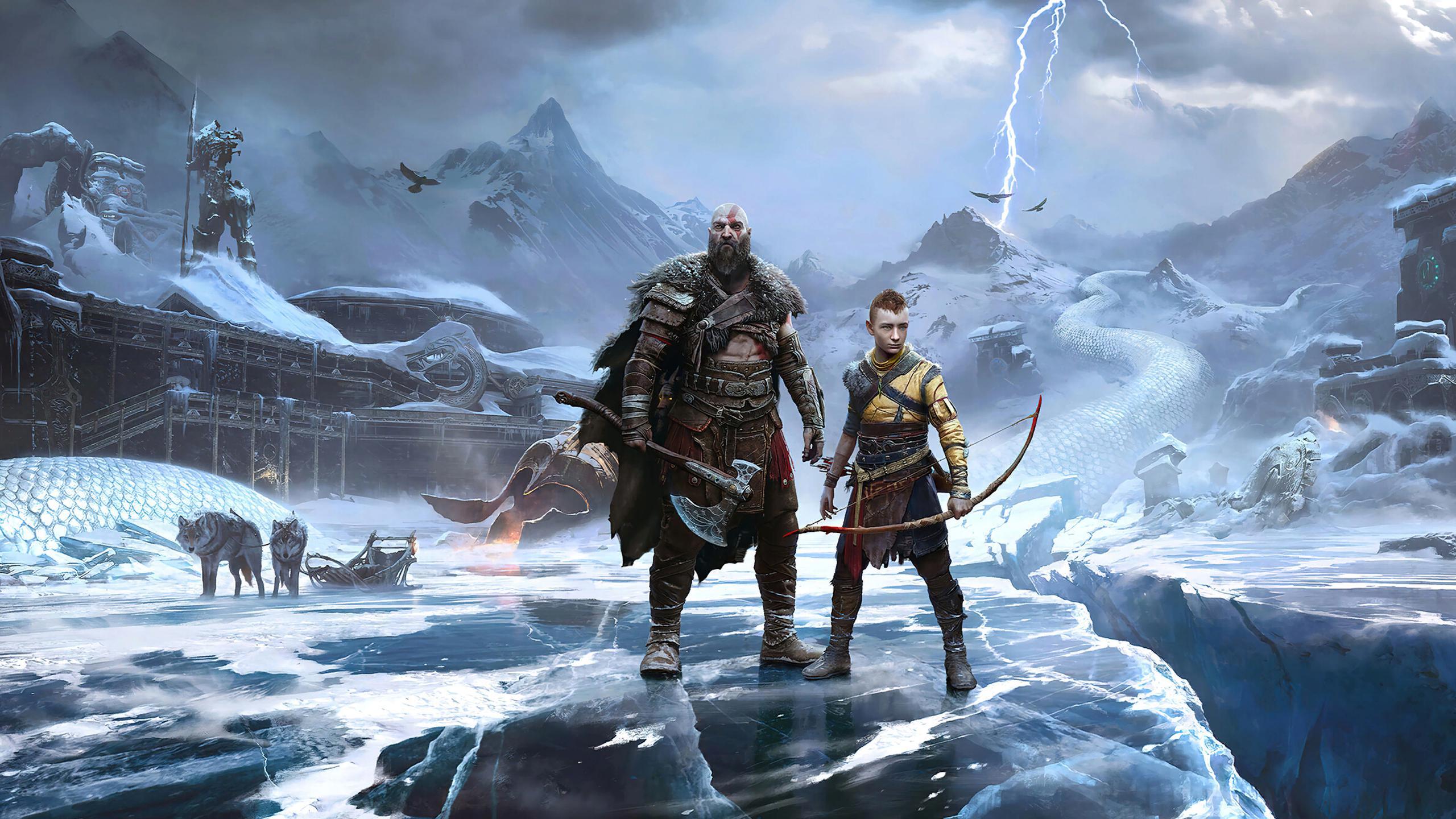
The depiction of Angrboda as a Black character in a Norse setting drew criticism from those who felt it was a modern imposition on cultural legends. Critics argued that the choice was made to signal progressive values rather than for narrative necessity. The developers defended the decision by noting that their version of the myth is a work of fiction with its own artistic direction. This debate highlighted the tension between creative freedom and the preservation of traditional source material in gaming.
‘Star Wars Outlaws’ (2024)
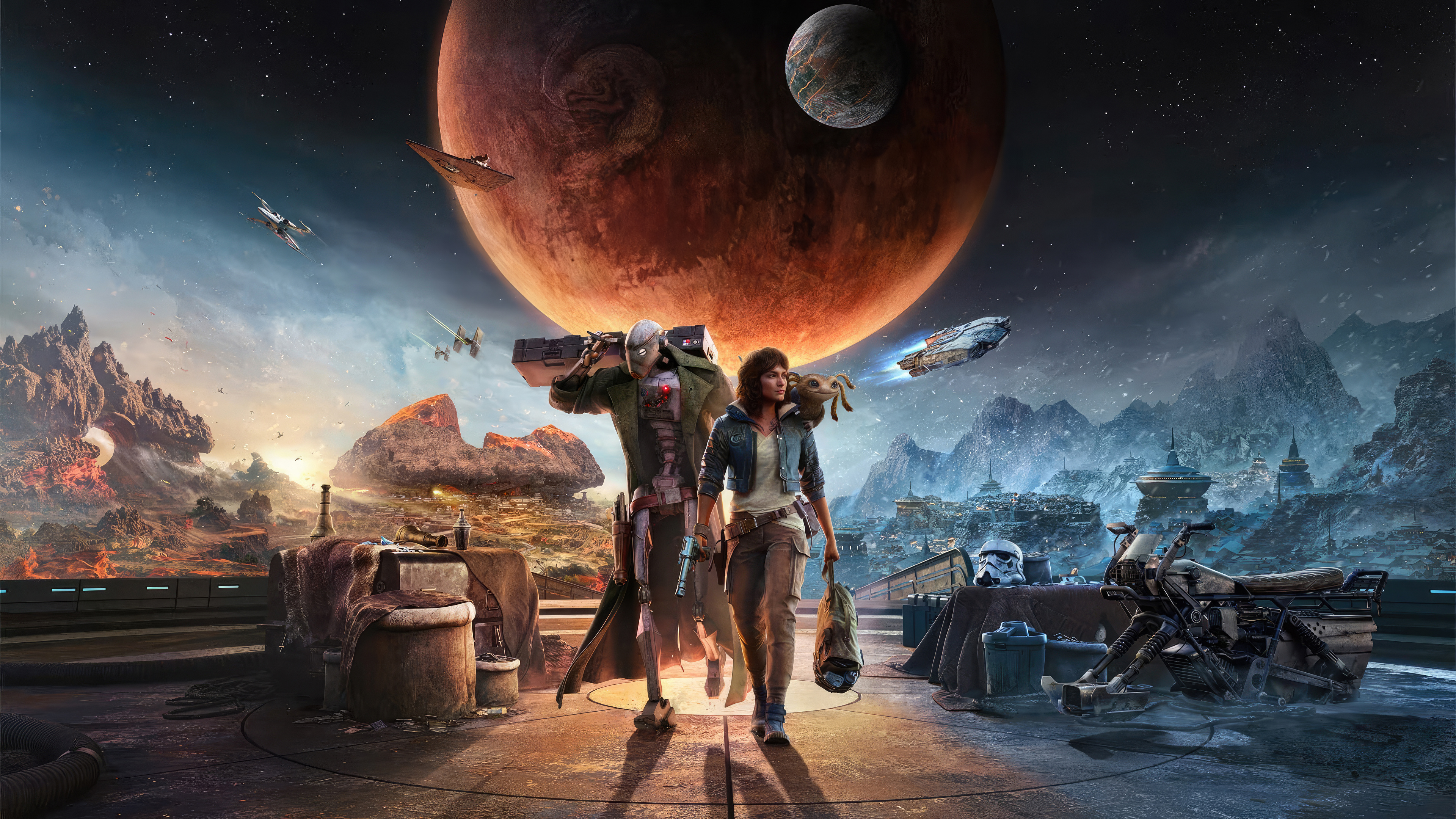
The choice of a female lead and the diverse cast of supporting characters led some to claim that the game was following a corporate diversity mandate. Critics suggested that the characters were designed to be inoffensive and to appeal to a broad demographic at the expense of character depth. There were claims that the focus on representation was a way to protect the brand from criticism regarding its recent media output. The game remains a major release that continues to be discussed in the context of franchise diversity.
‘Unknown 9 Awakening’ (2024)
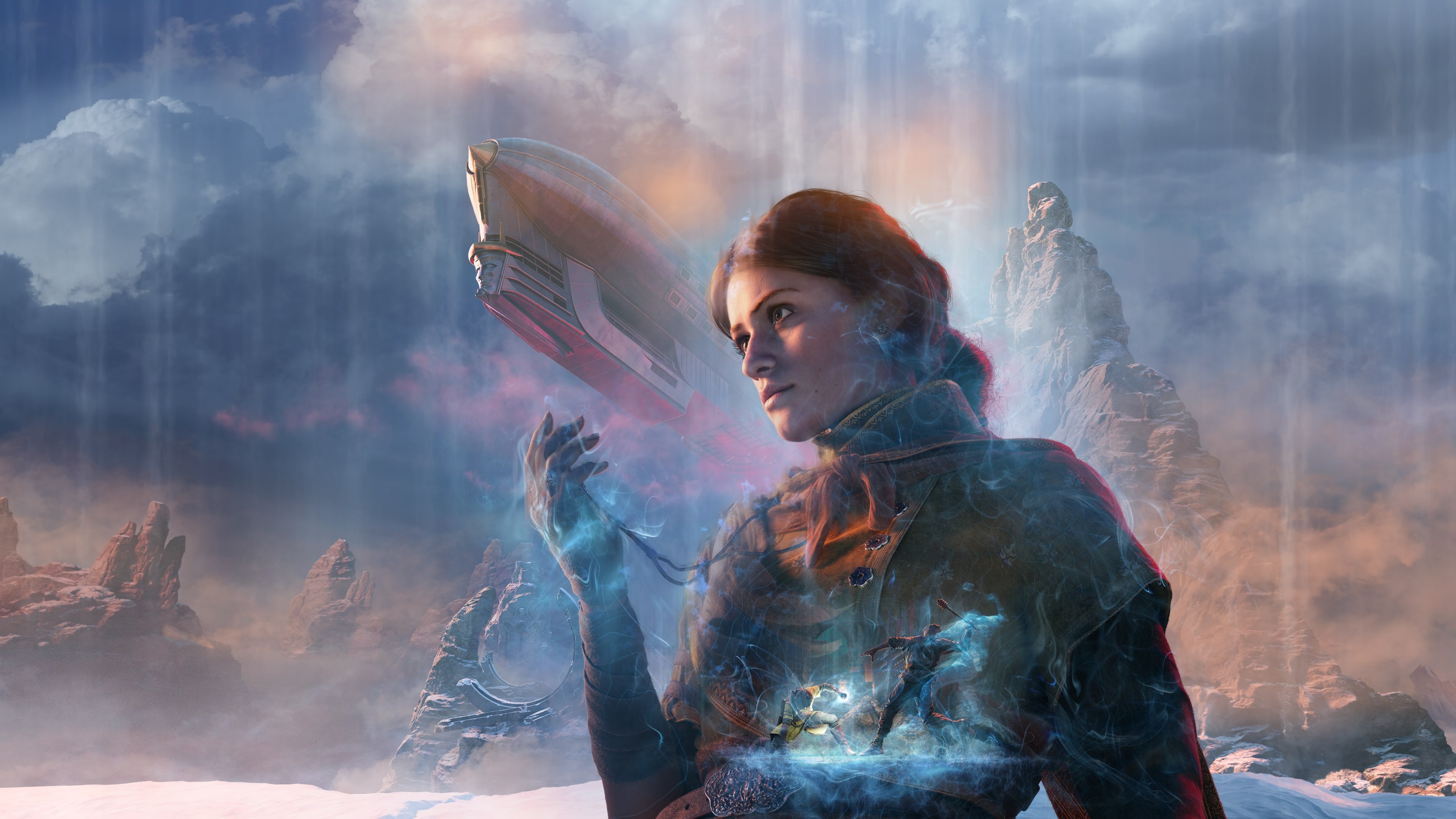
This action adventure title features an Indian protagonist with mysterious powers exploring a hidden world. Some critics argued that the game’s focus on a minority lead was a primary factor in its marketing strategy to avoid criticism of its gameplay mechanics. There were suggestions that the character’s background was not explored deeply enough to feel like more than a surface level choice. The game faced a difficult path to success in a crowded market of similar titles.
‘Banishers Ghosts of New Eden’ (2024)
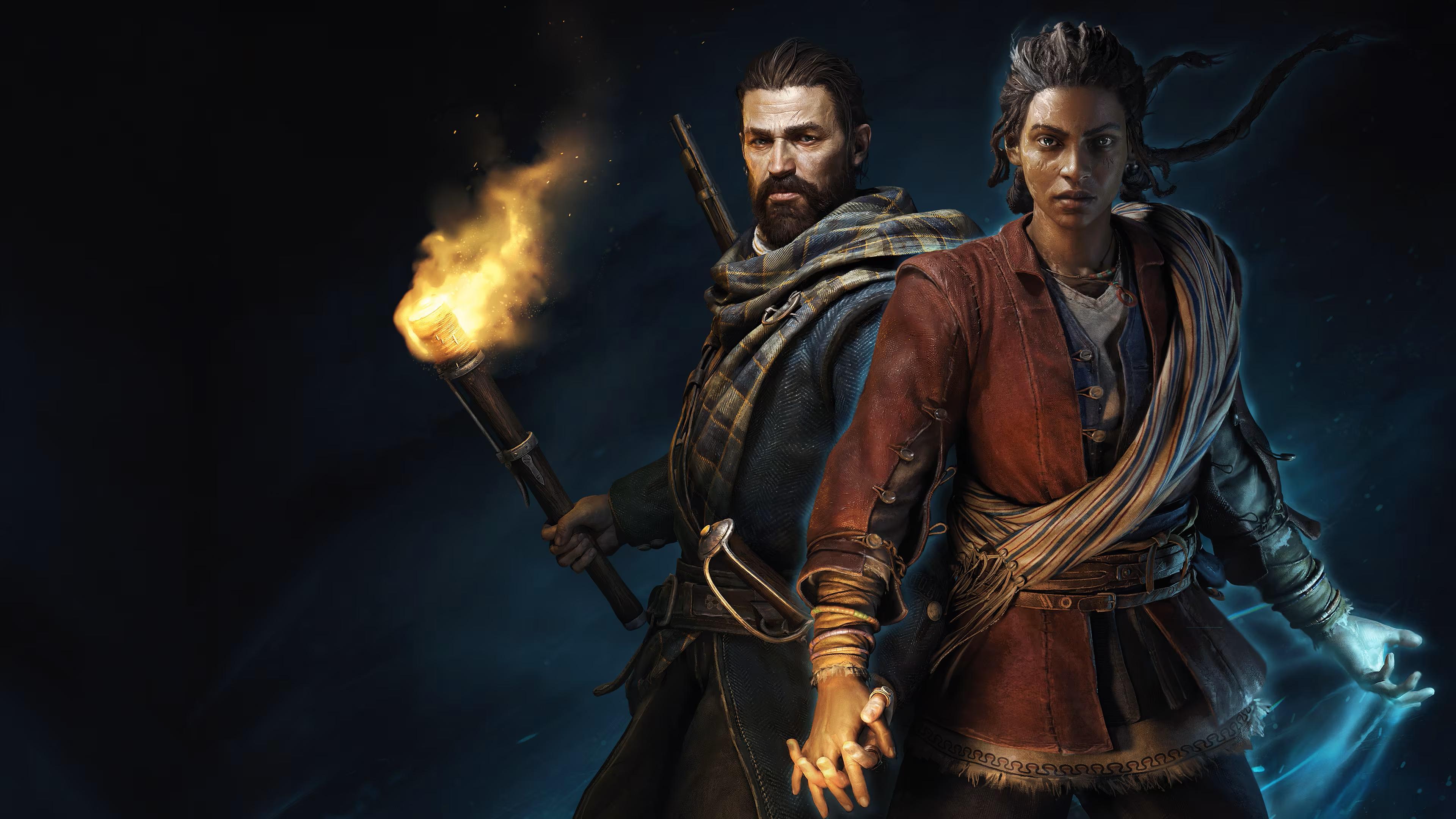
The relationship between the two main characters who are from different ethnic backgrounds was a central part of the game’s story and marketing. Some players felt that the focus on their identities was an attempt to add modern social layers to a historical fantasy setting. Critics argued that the game used its diverse leads to stand out in a genre dominated by traditional protagonists. The developers emphasized the emotional and narrative depth of the bond between the two characters.
‘Gears 5’ (2019)
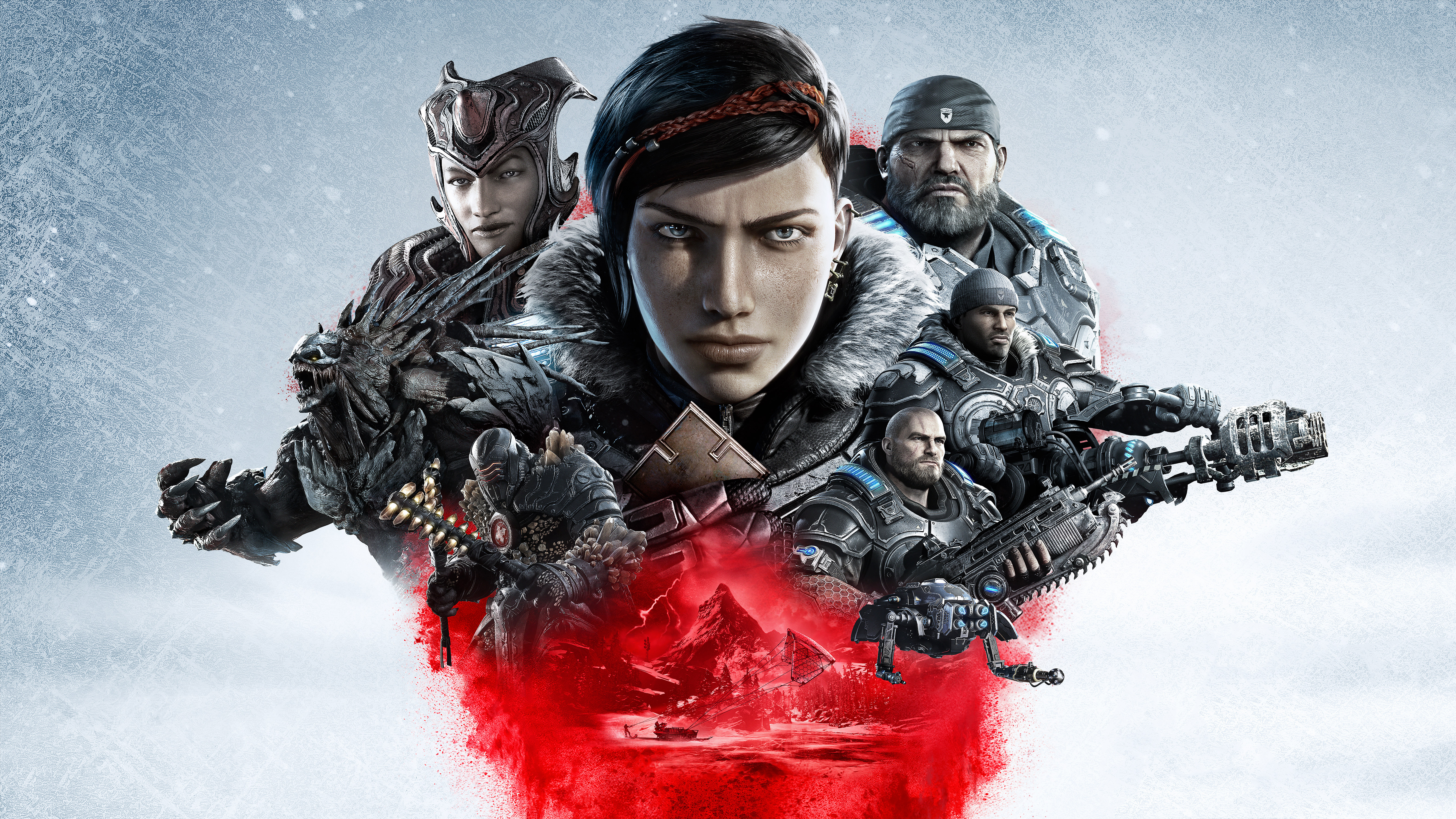
The shift to a female lead and the inclusion of more diverse squad members was seen by some fans as a departure from the series’ masculine roots. Critics argued that the move was a response to industry trends toward more diverse protagonists. Some players felt that the characters were added to shield the franchise from being labeled as outdated. Despite these claims the game was praised for its campaign and the development of its central character Kait Diaz.
‘Tell Me Why’ (2020)

As the first major game from a large studio to feature a transgender protagonist it faced significant scrutiny regarding its intentions. Some critics argued that the focus on the character’s identity was the primary draw rather than the actual mystery at the heart of the story. There were claims that the game was a calculated attempt to gain prestige and avoid criticism for lack of representation. The developers worked closely with advocacy groups to ensure the portrayal was handled with care and respect.
‘Goodbye Volcano High’ (2023)
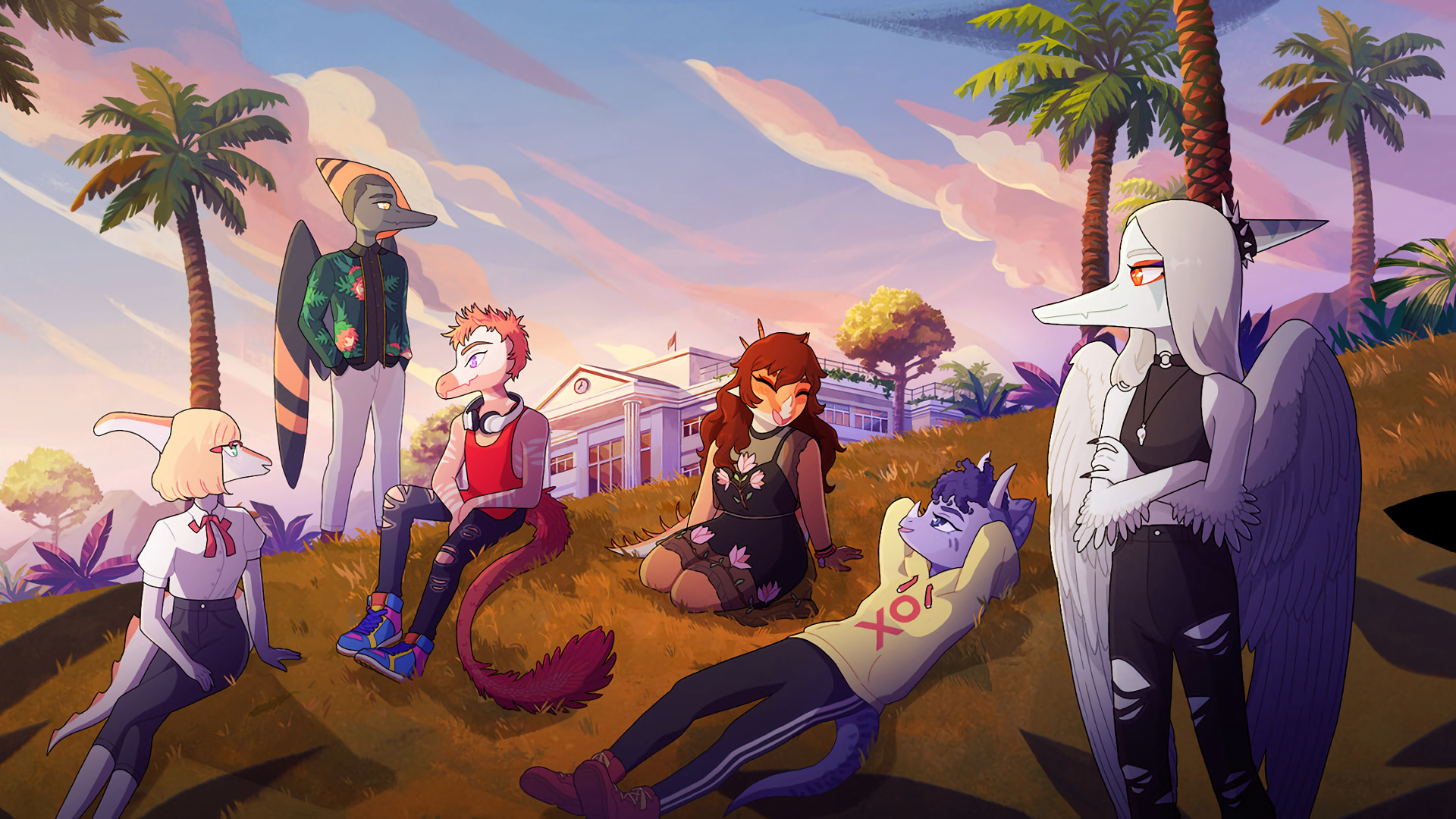
This narrative game about anthropomorphic dinosaurs features a cast with diverse gender identities and sexual orientations. Some critics argued that the game was designed specifically to appeal to a very small demographic while ignoring broader appeal. There were suggestions that the focus on identity was a way to protect the game from negative reviews. The project underwent a long development cycle and became a frequent topic of discussion in online communities.
‘The Walking Dead Telltale Series’ (2012–2019)
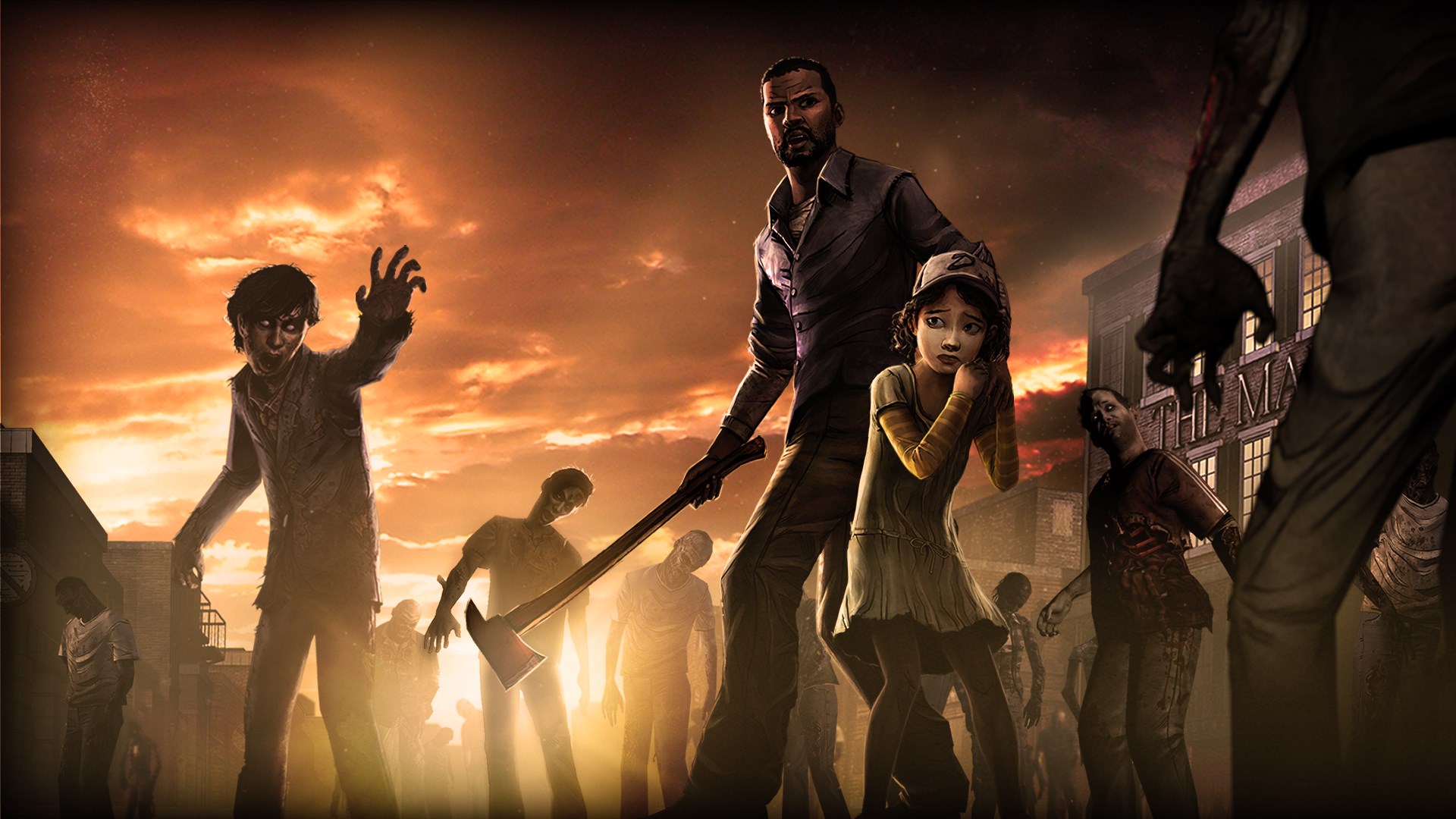
Throughout its various seasons this series featured many diverse protagonists and side characters. Some players argued in later seasons that the introduction of new minority characters felt forced and lacked the organic feel of the original cast. Critics suggested that the developers were trying to maintain relevance by checking diversity boxes as the series went on. However the series is still widely remembered for its impactful storytelling and character development.
‘South Park The Fractured But Whole’ (2017)

This game satirized the concept of diversity by linking the game’s difficulty setting to the skin color of the protagonist. While intended as a joke many critics argued that it was a commentary on how the industry views and uses minority characters. Some players felt the game was mocking the very idea of representation while others saw it as a biting critique of corporate tokenism. The game used its platform to highlight the absurdity of modern social debates in a provocative way.
‘Dead by Daylight’ (2016)
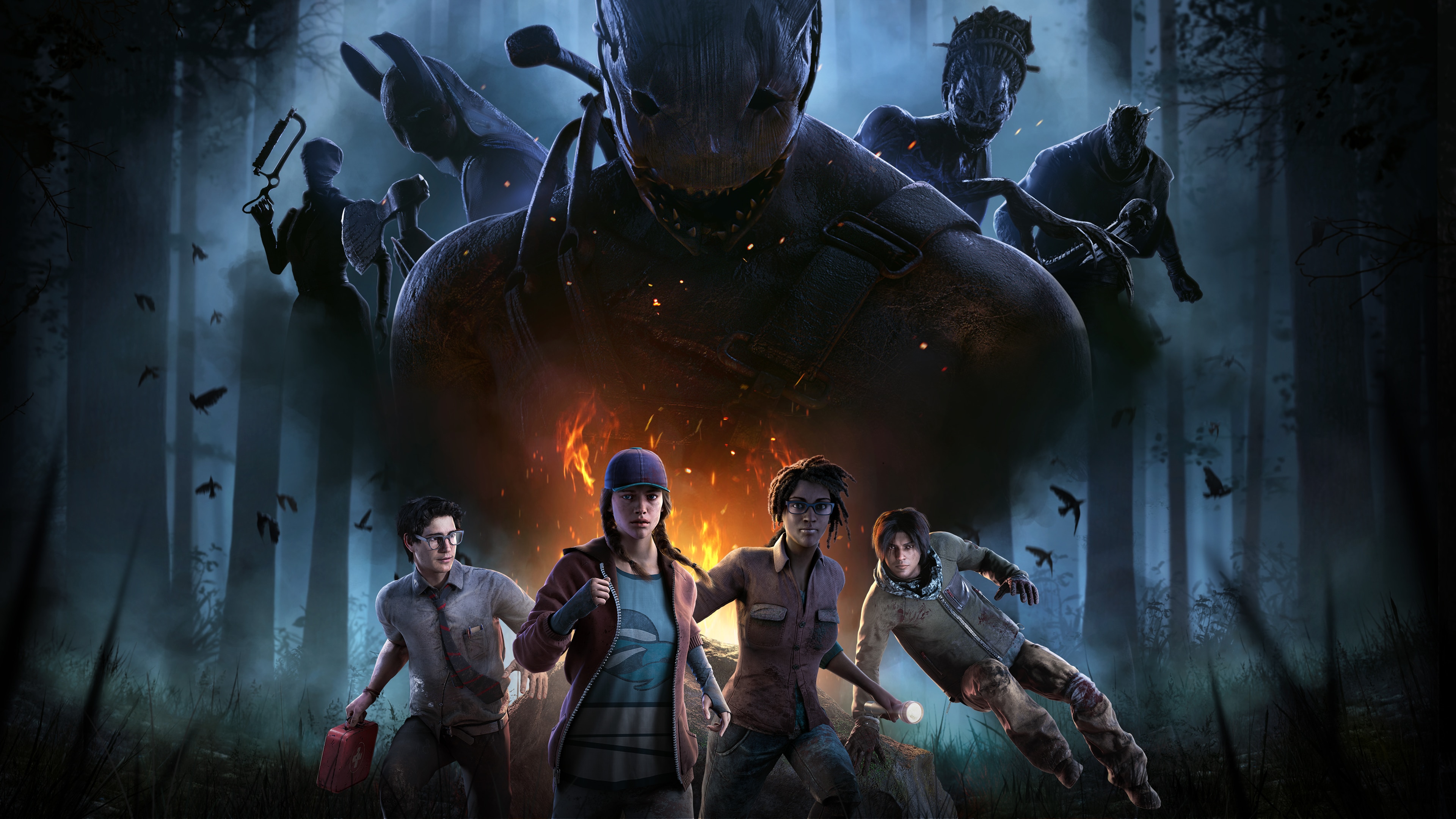
The addition of various survivors and killers from different backgrounds has led to accusations of tokenism within the community. Some players feel that characters are given diverse identities in their lore snippets without these traits ever impacting the actual gameplay. Critics argue that these additions are often timed to coincide with social movements to garner positive attention for the developers. The game continues to expand its roster with a focus on bringing in characters from many different walks of life.
‘League of Legends’ (2009)
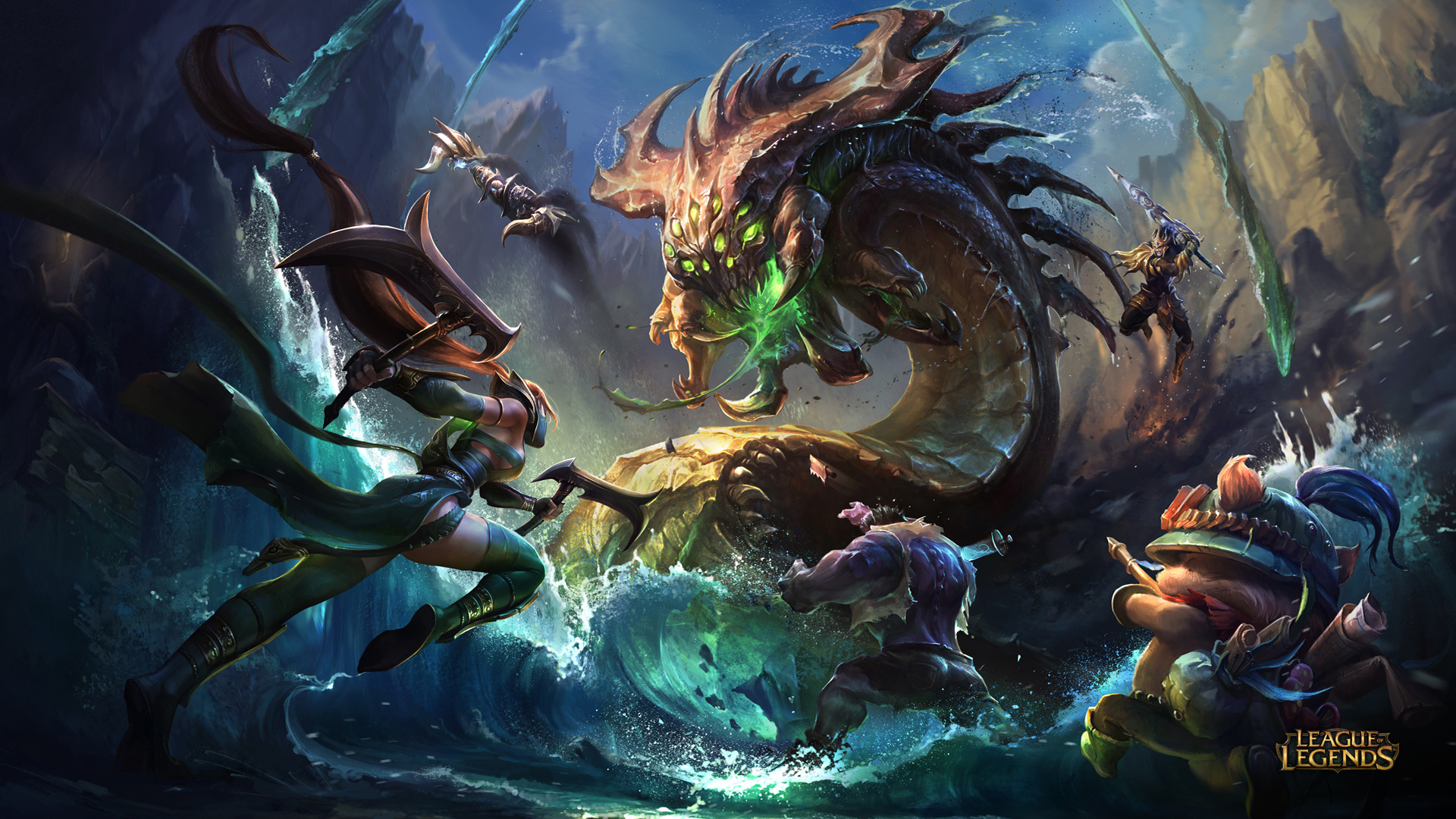
With a massive roster of over one hundred characters this game has frequently updated the lore of older champions to include diverse identities. Some fans argue that these changes are retcons intended to satisfy modern sensibilities and avoid accusations of being out of touch. Critics suggest that the company uses these reveals to deflect from internal workplace culture issues that have been reported over the years. The game remains one of the most popular titles in the world despite these ongoing debates.
‘Genshin Impact’ (2020)
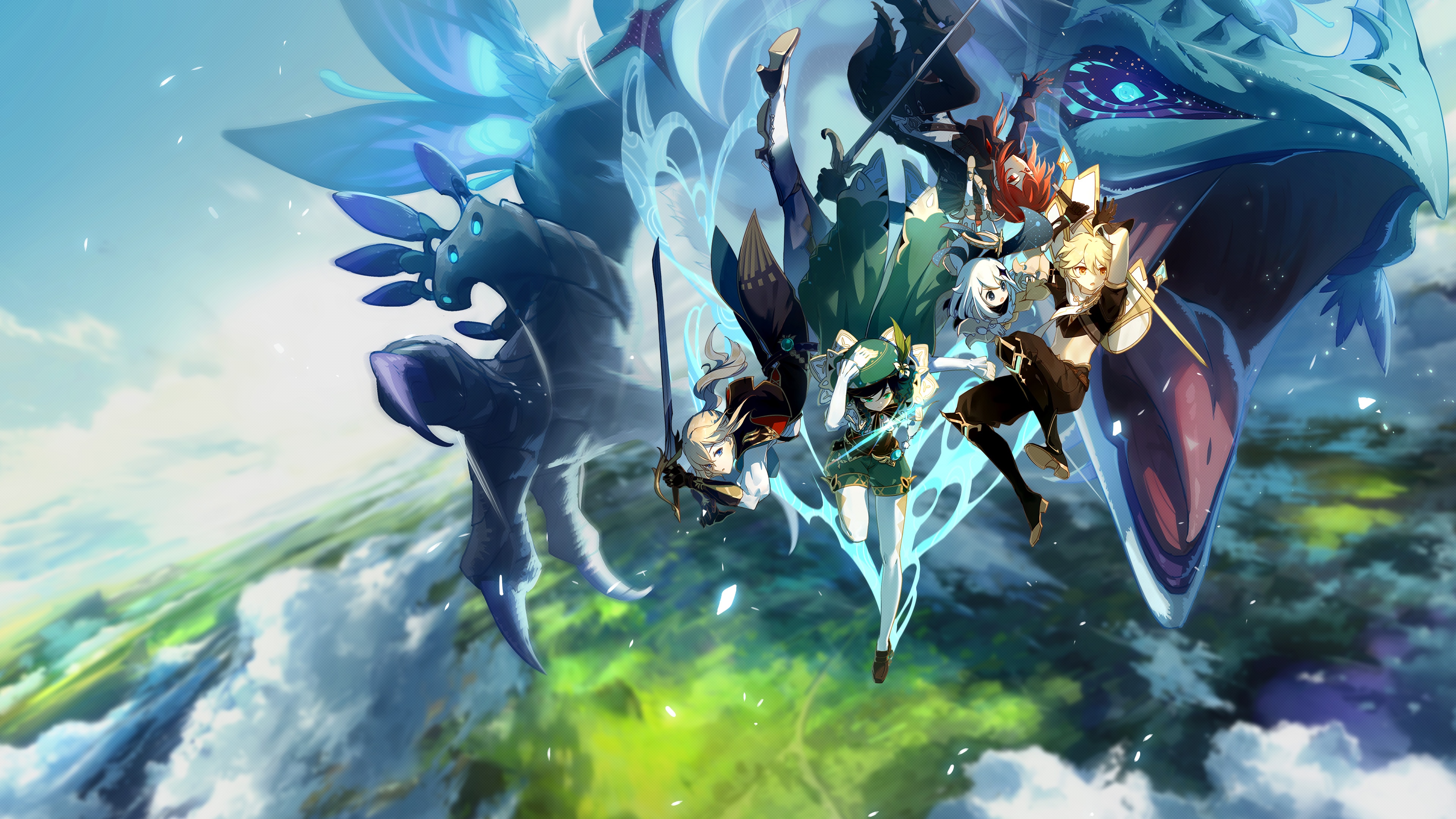
The representation of different cultures in this open world game has been a source of significant controversy and accusations of tokenism. Some critics argue that the game uses diverse aesthetics for its characters but fails to represent the actual people and cultures they are based on. There were claims that the skin tones of characters from certain regions were lightened to appeal to a specific market. This has led to numerous calls for better and more authentic representation from the global player base.
‘Valorant’ (2020)
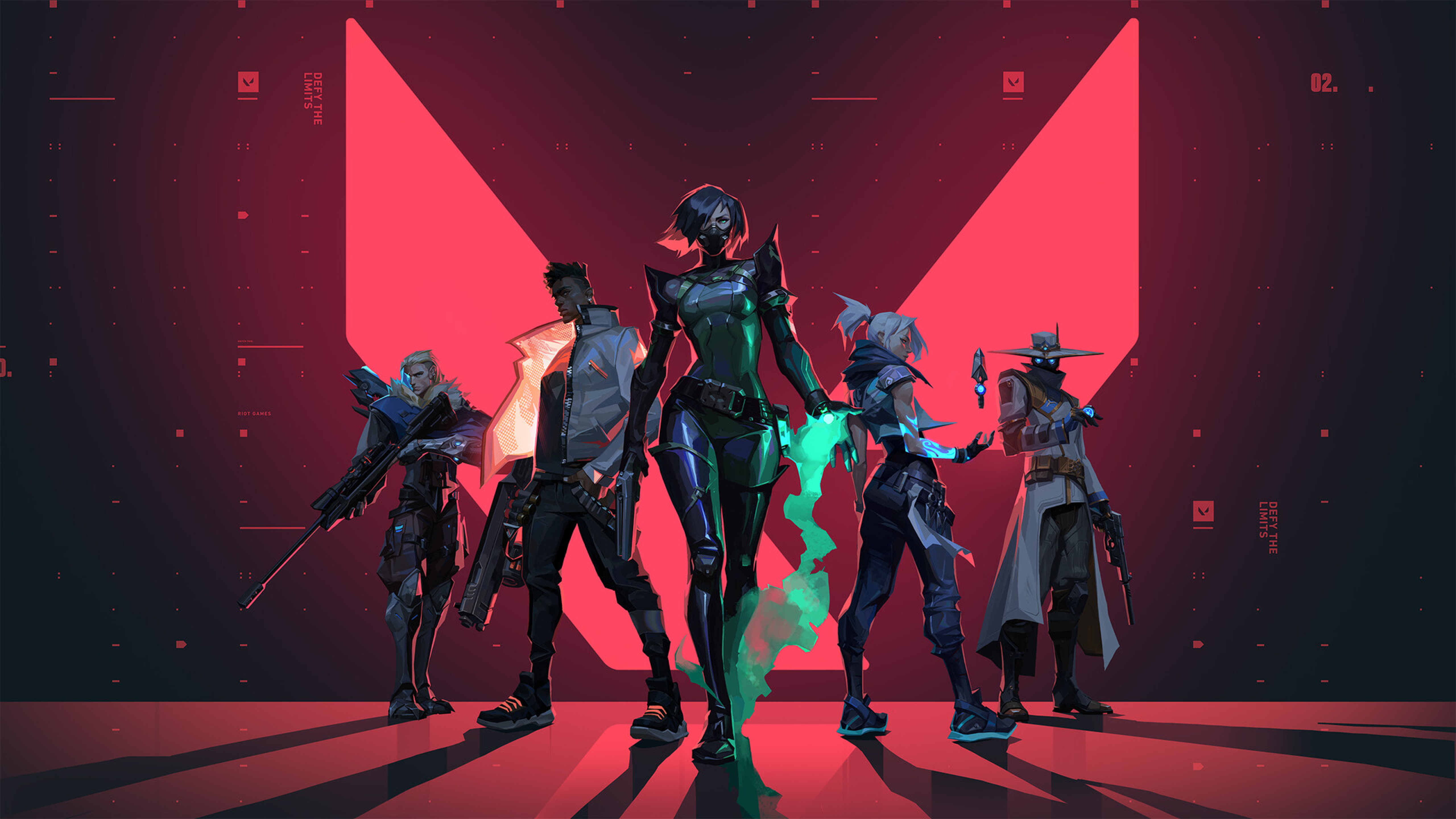
Riot Games has been praised and criticized for its approach to character diversity in this tactical shooter. Some players feel that the agents are designed as a collection of diverse tropes to ensure the game has a wide global appeal. Critics argue that the background stories for these characters feel like an afterthought to their visual identity as representatives of different nations. The developer maintains that they want every player to see someone like themselves in the game’s roster.
‘Wolfenstein II The New Colossus’ (2017)
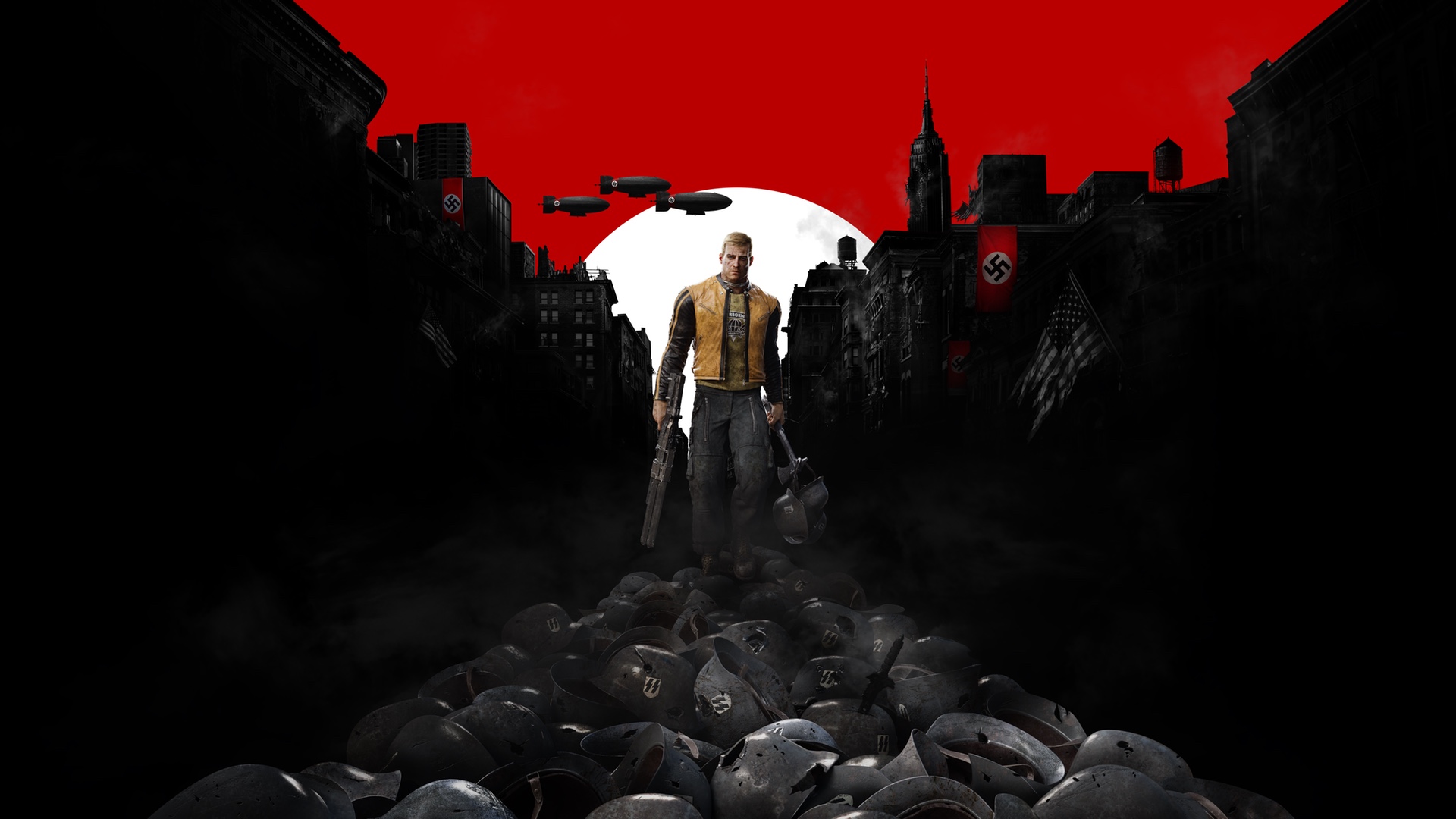
The inclusion of a diverse resistance group fighting against a fascist regime was seen by some as a reflection of modern political divisions. Critics argued that the game’s marketing focused on these elements to create a controversy that would drive sales and protect the game from criticism. Some players felt the characters were used to deliver contemporary political messages that felt heavy handed. The game received high praise for its combat but remained a point of contention for its narrative choices.
‘Ghostwire Tokyo’ (2022)
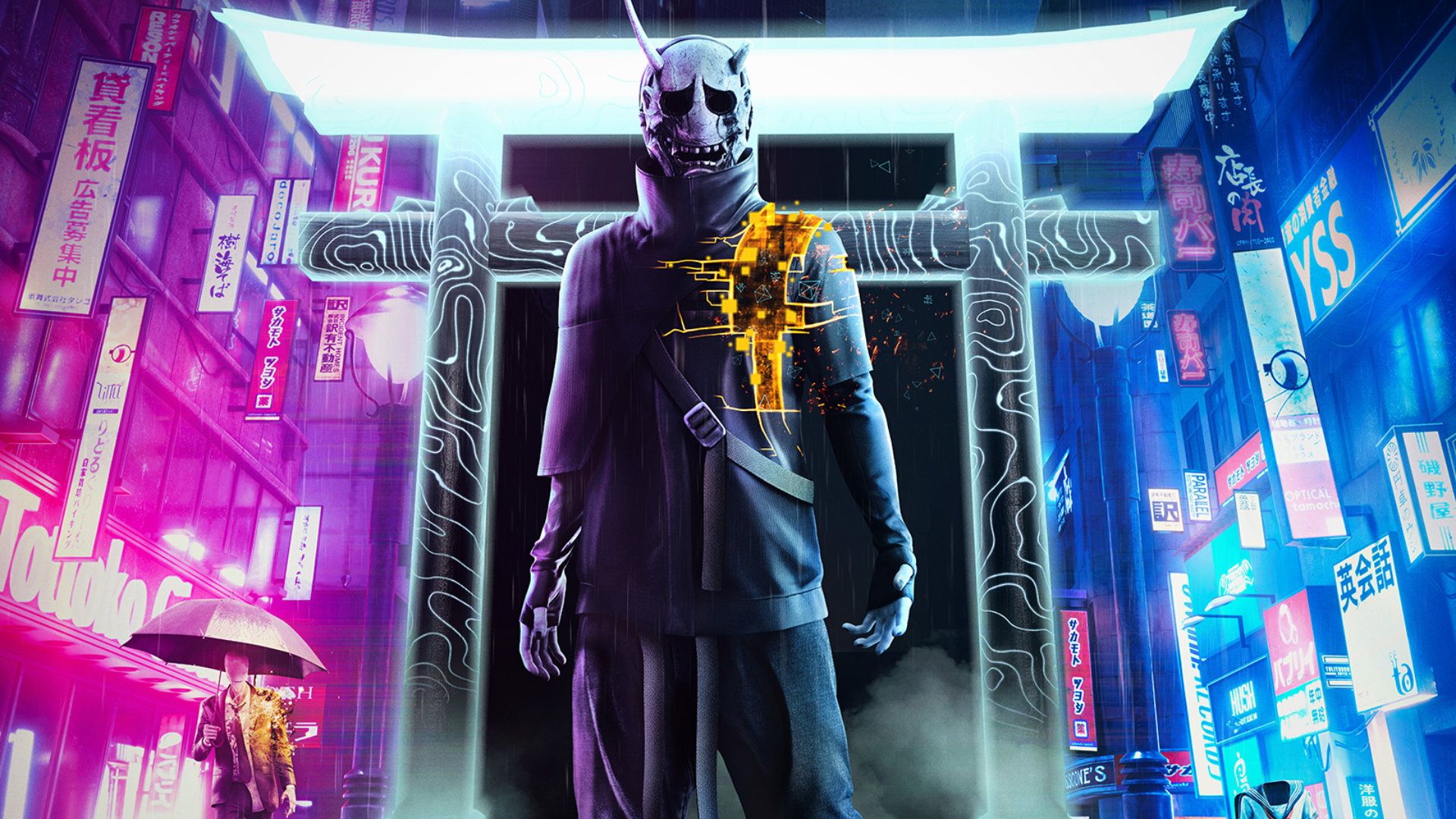
While set in Japan and featuring Japanese themes some critics argued that the game’s portrayal of its characters felt superficial. There were suggestions that the game was trying to appear more culturally deep than it actually was to avoid being labeled as generic. Some players felt that the diverse supernatural elements were used as a distraction from the repetitive mission structure. The game was seen by some as a missed opportunity to engage more deeply with its setting and characters.
‘Ghost of Yotei’ (2025)
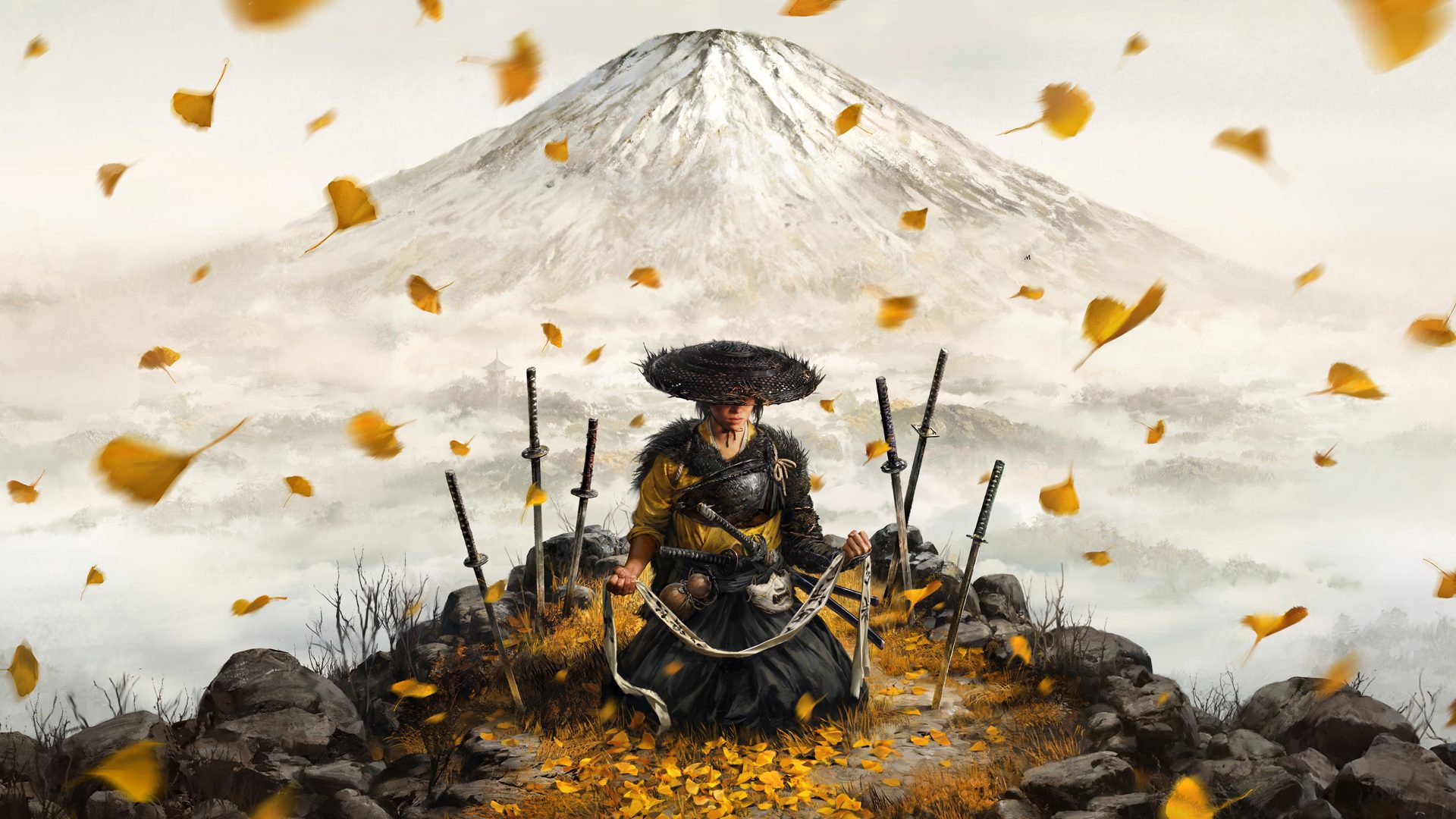
The announcement of a new female protagonist for the follow up to a popular samurai game led to immediate discussion about diversity. Critics argued that the change was made to follow industry trends and to avoid the criticisms leveled at the previous protagonist’s more traditional role. Some fans expressed concern that the game would move away from the grounded feel of the first title to accommodate modern social goals. The developers stated they wanted to explore a different time period and a different perspective in the same world.
‘Horizon Forbidden West’ (2022)
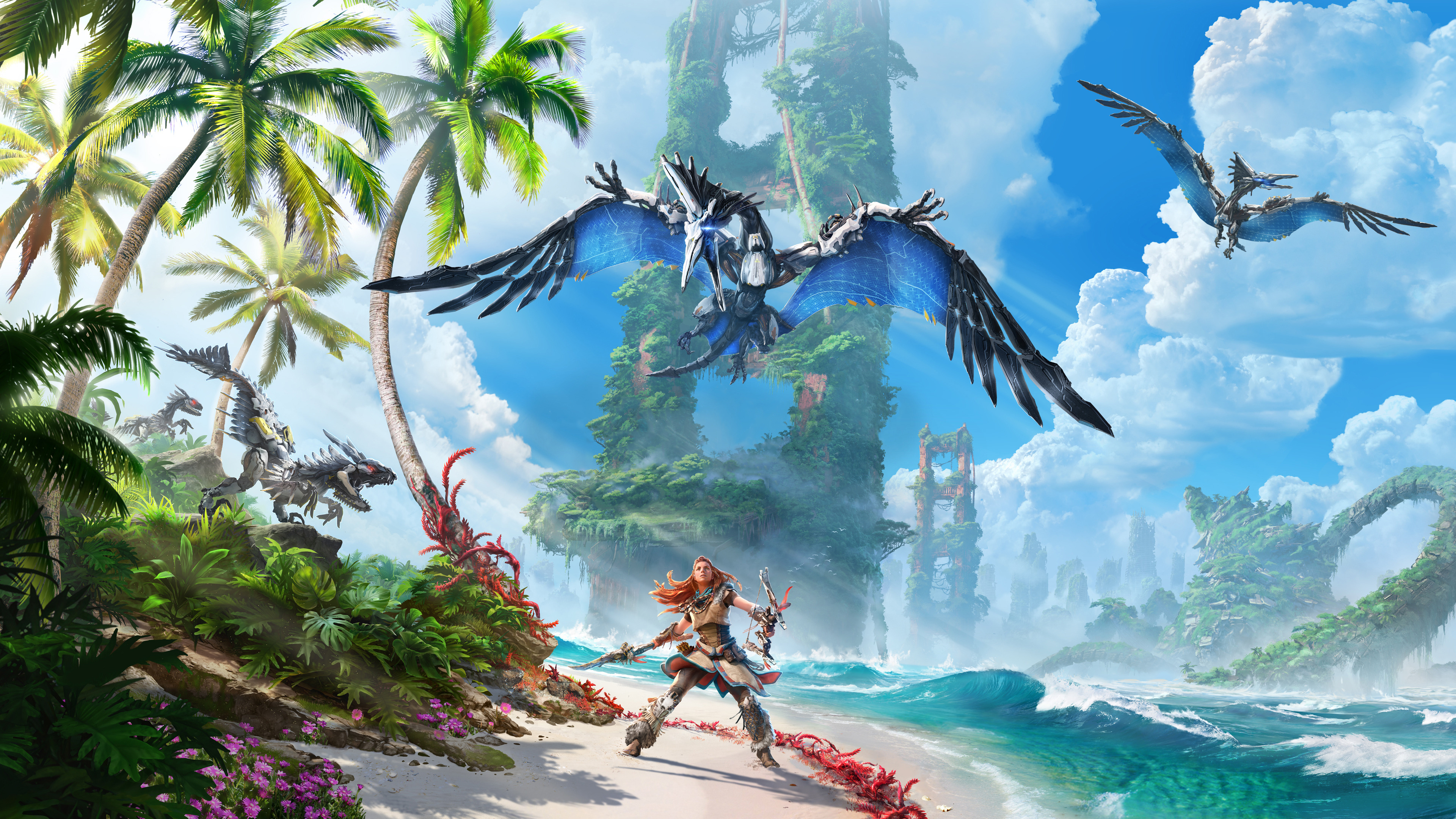
Aloy’s journey in this sequel features a wide variety of tribes and characters with diverse identities and backgrounds. Some critics argued that the sheer number of diverse characters felt unrealistic and was an attempt to make the game a bastion of modern representation. There were claims that the focus on these elements overshadowed the central mystery of the plot. The game was highly successful but continued to be a focal point for debates about diversity in large scale productions.
‘Street Fighter 6’ (2023)
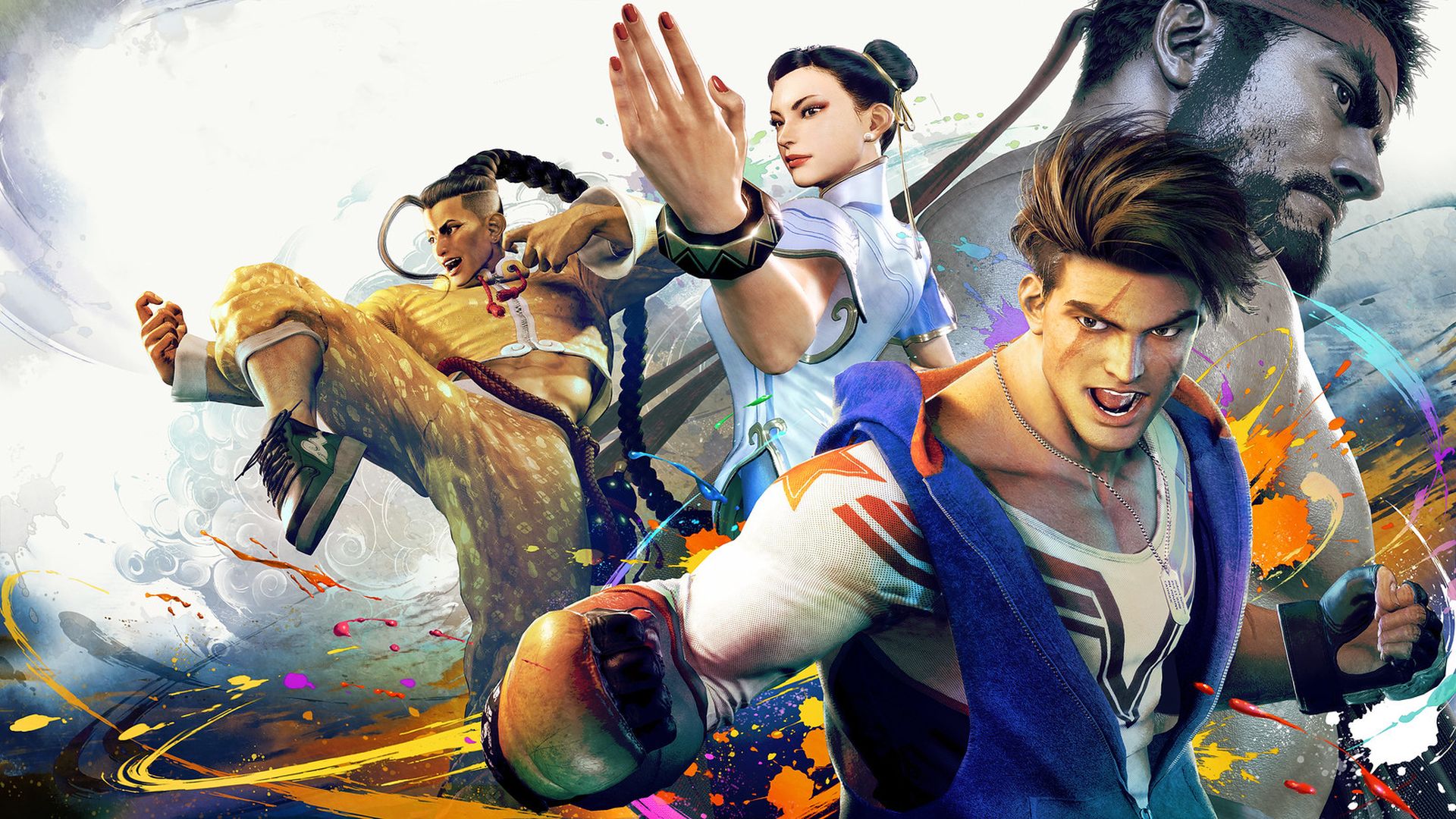
The new generation of fighters introduced in this title features many characters from diverse backgrounds and with modern styles. Some long time fans argued that these characters were designed to replace the classic roster with more socially acceptable alternatives. Critics suggested that the focus on urban culture and diversity was a way to revitalize the brand for a younger audience. The game has been praised for its gameplay but the character designs remain a point of discussion.
‘Tekken 8’ (2024)
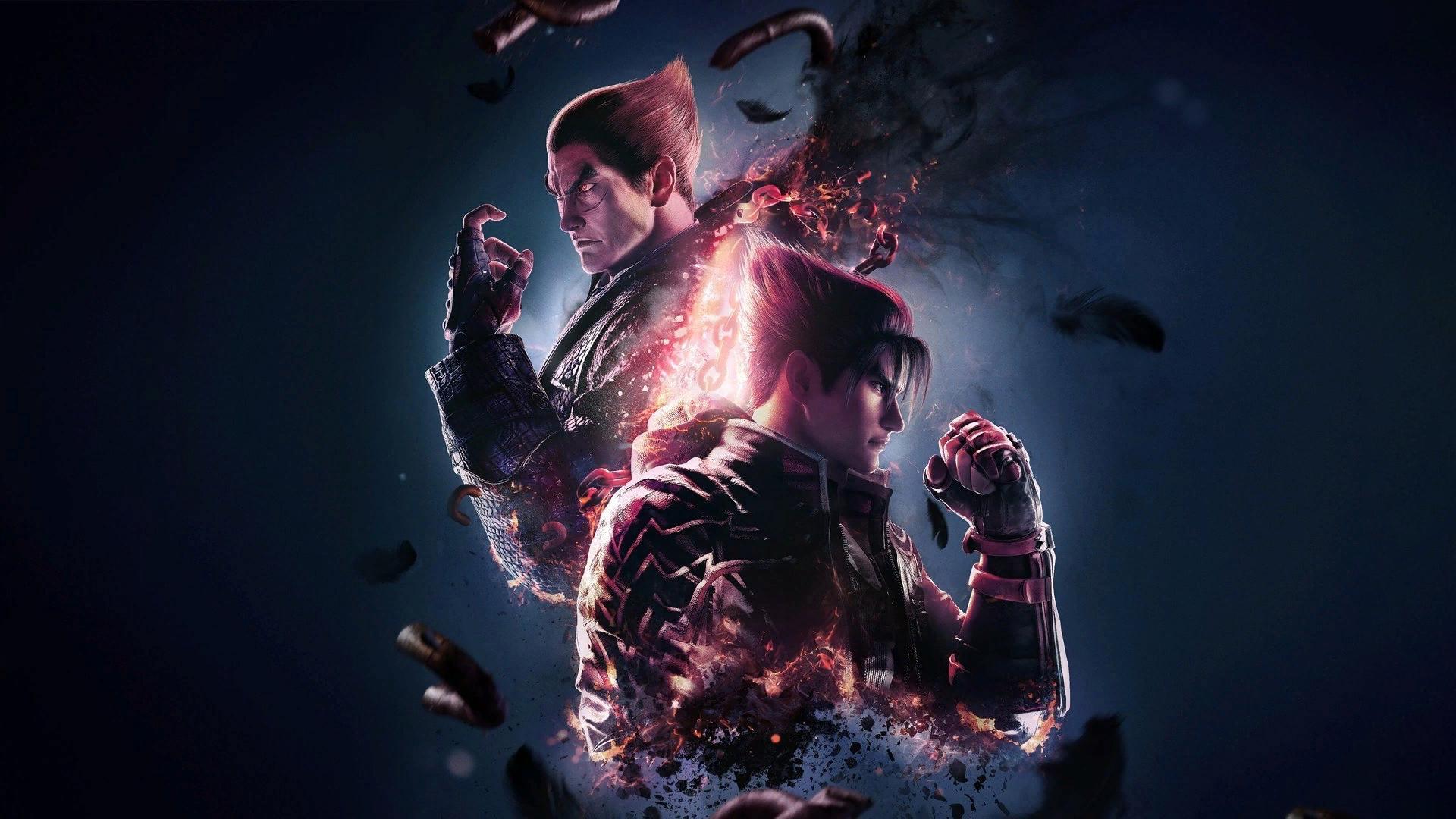
The introduction of new characters from different regions of the world led to claims of tokenism from some players who felt they were added to fill geographic quotas. Critics argued that these characters often relied on cultural stereotypes rather than being well rounded individuals. There were suggestions that the developers were trying to ensure the game remained globally relevant by checking boxes for different markets. The series continues to be a staple of the fighting game community with a massive international reach.
‘Mortal Kombat 1’ (2023)
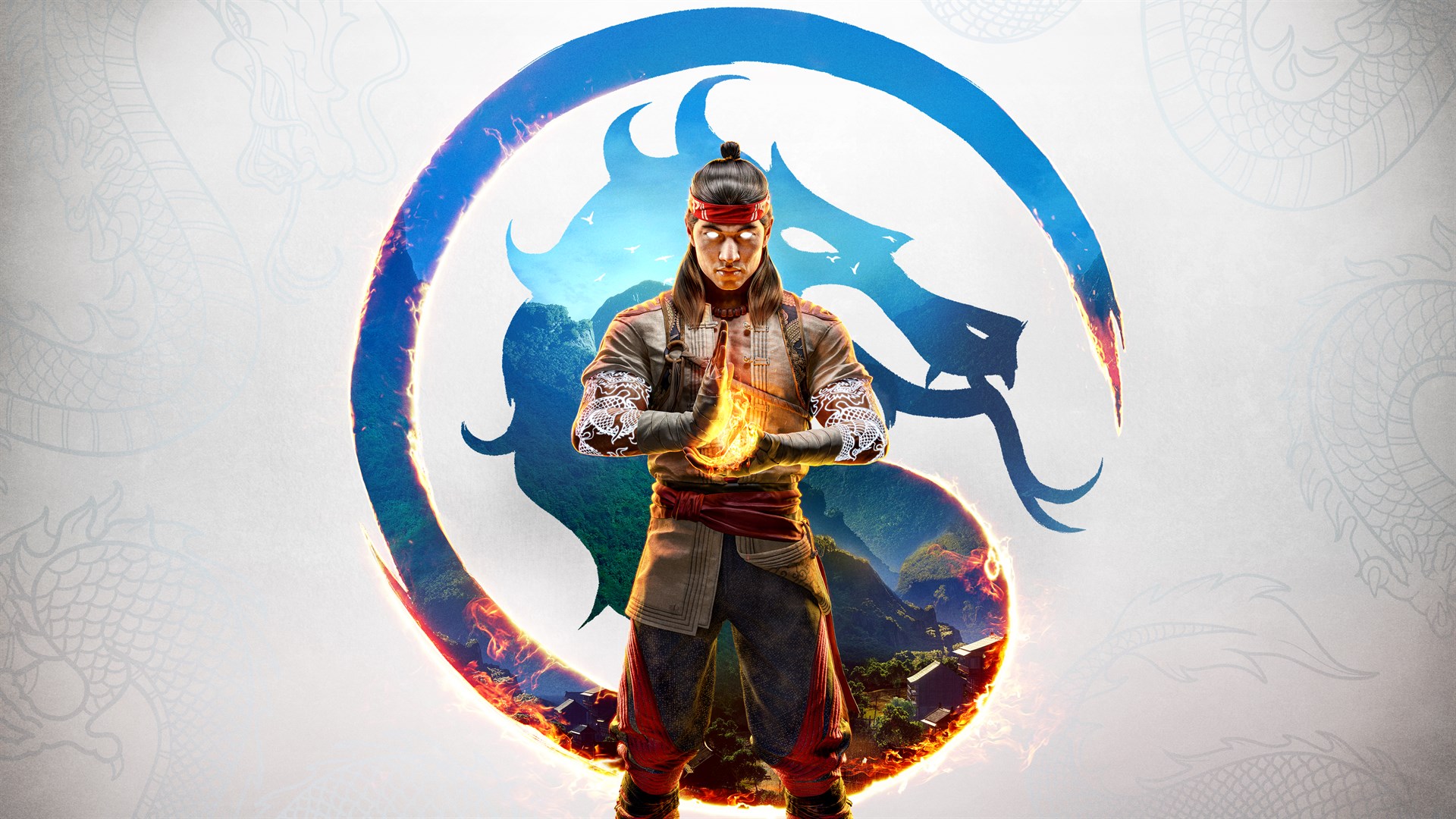
The reboot of the timeline allowed for many characters to be reimagined with different backgrounds and relationships. Some critics argued that these changes were made to align the franchise with modern standards of inclusivity and to avoid past criticisms of its character designs. Some players felt that the focus on these changes was a distraction from the core mechanical updates of the game. The franchise remains a massive success but the narrative shifts continue to be debated.
‘Grand Theft Auto VI’ (2025)

The inclusion of the first female protagonist in the series’ modern era has been a major point of discussion since the initial leaks. Critics have argued that this move is a sign of the series moving away from its satirical roots to avoid modern social backlash. There are suggestions that the game will be more restrained and socially conscious than its predecessors to fit the current cultural climate. The anticipation for the game is immense but so is the scrutiny on its creative direction.
‘Borderlands 3’ (2019)
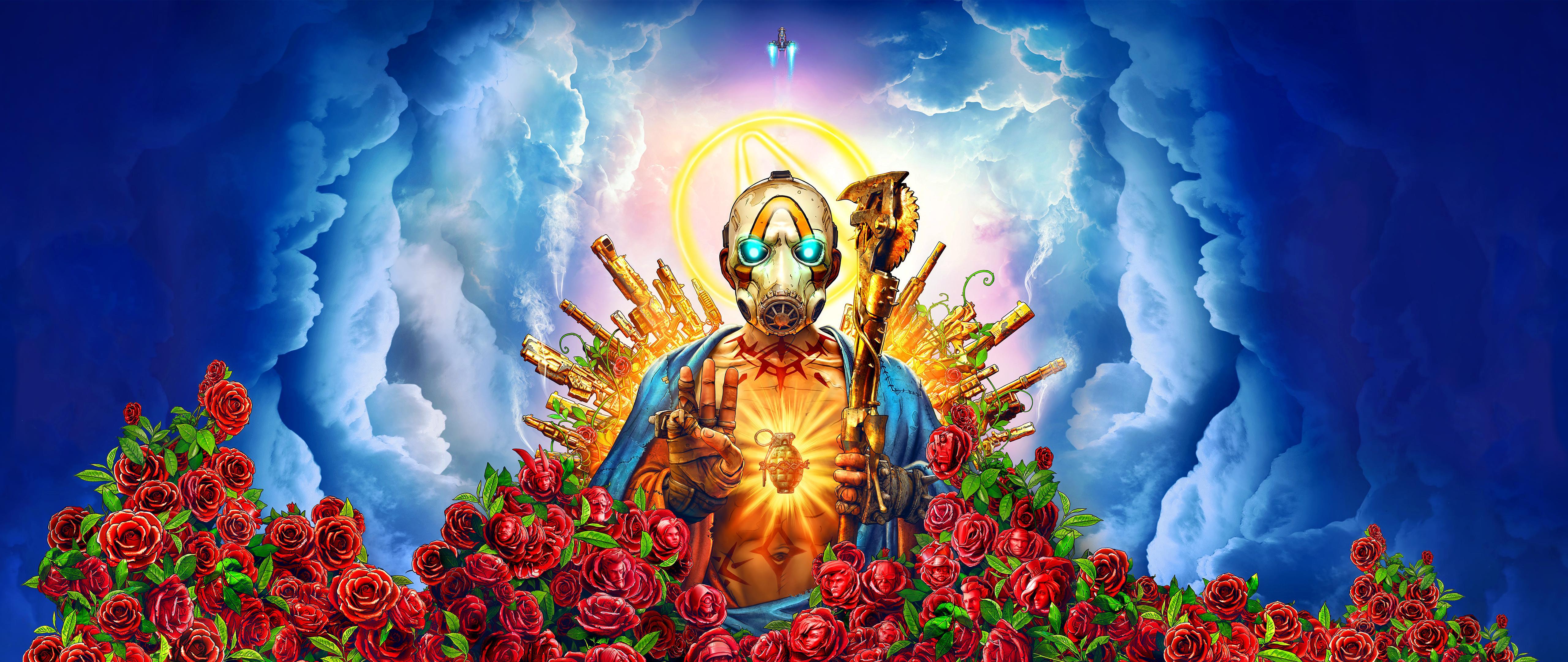
This looter shooter features a very diverse cast of heroes and villains with a focus on various identities. Some critics argued that the humor and characterization felt forced and was trying too hard to be inclusive and edgy at the same time. There were claims that the diversity was used to mask a story that many fans found to be weaker than previous entries. The game was a commercial success but the writing of its characters remains a divisive topic among the fan base.
‘Tiny Tina’s Wonderlands’ (2022)
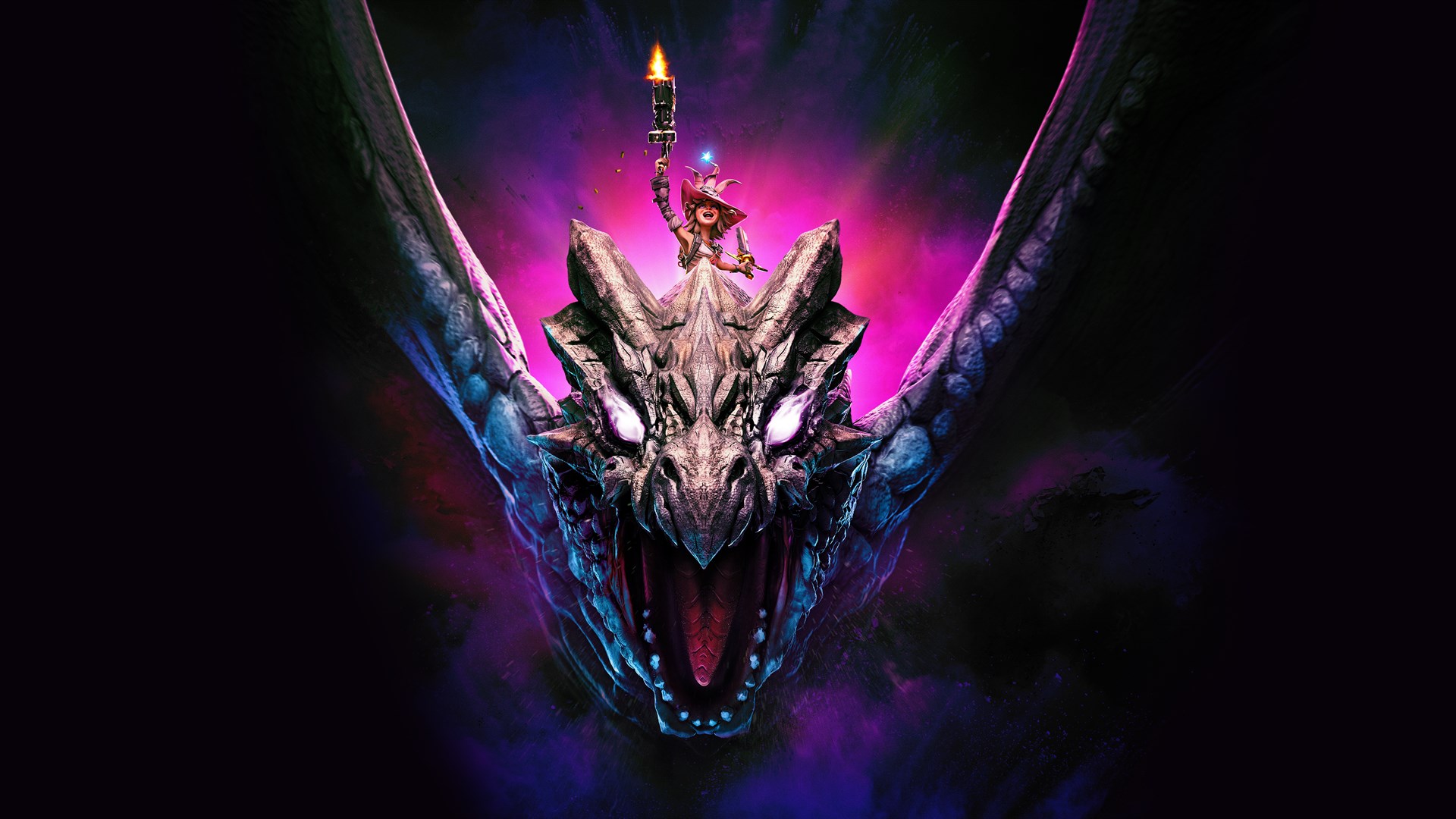
As a spin off focusing on a fantasy tabletop game it featured even more options for character customization and diverse NPCs. Some players felt that the game’s focus on inclusivity was a move to protect the brand from being seen as outdated. Critics argued that the dialogue regarding identity felt like it was written for a modern audience rather than fitting the fantasy setting. The game was praised for its creative mechanics but the tone was a point of contention for some.
‘Need for Speed Unbound’ (2022)

The use of a stylized aesthetic and a diverse cast of street racers was seen by some as an attempt to capture the modern youth demographic. Critics argued that the characters and their dialogue felt like a corporate interpretation of diverse culture intended to avoid criticism. Some players felt that the focus on these elements was a way to make the game stand out in a crowded racing market. The title received mixed reviews for its tone but was noted for its unique visual style.
‘Ratchet and Clank Rift Apart’ (2021)
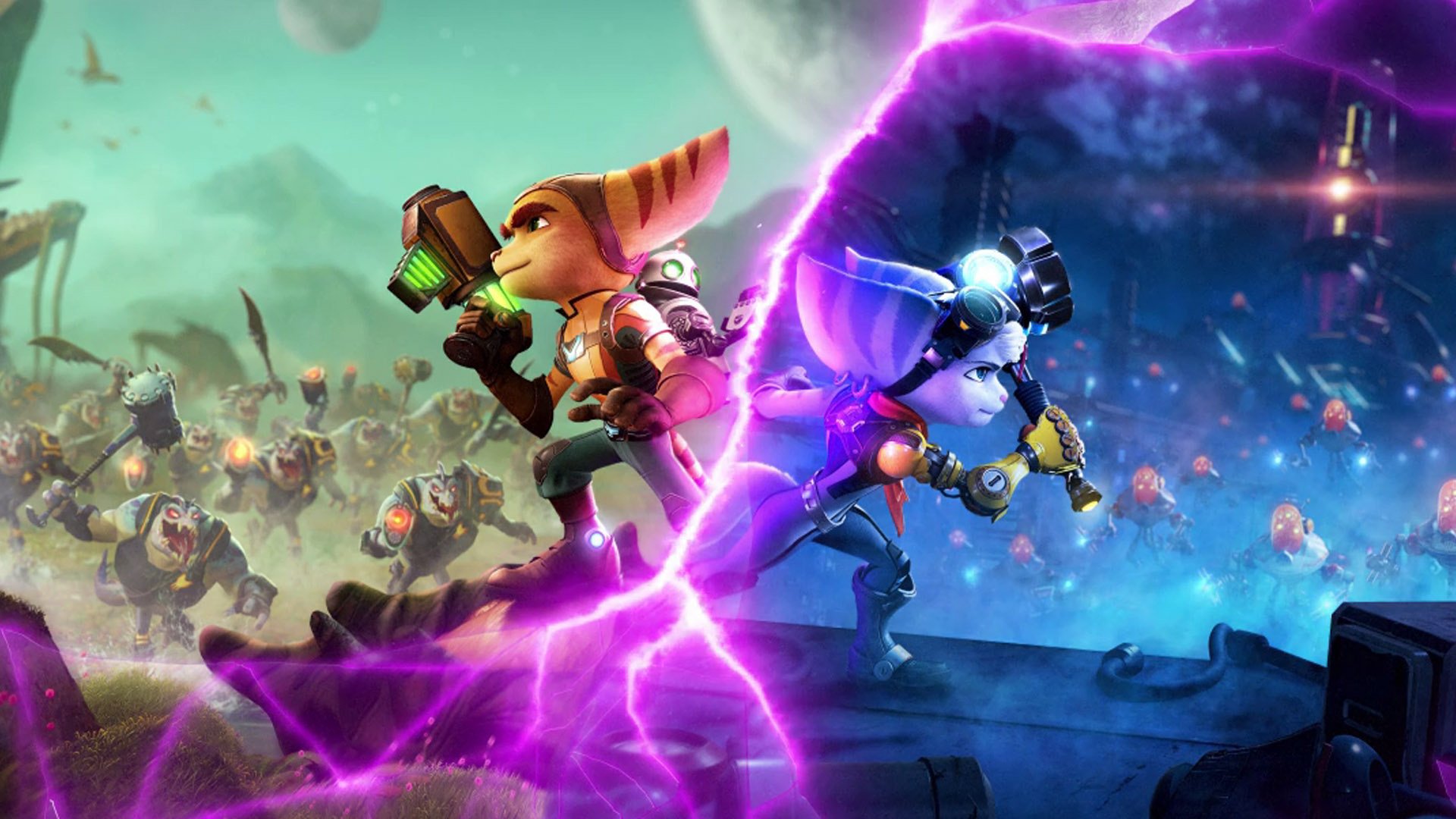
The introduction of Rivet as a female counterpart to Ratchet led to some claims that the developers were trying to diversify the long running franchise. Critics argued that the character was added to satisfy calls for more female representation in gaming. Some players felt her inclusion was a safe move to avoid the criticism of having another male led entry in the series. The game was a technical showcase for the new generation of hardware and was generally well received by fans.
‘Baldur’s Gate 3’ (2023)
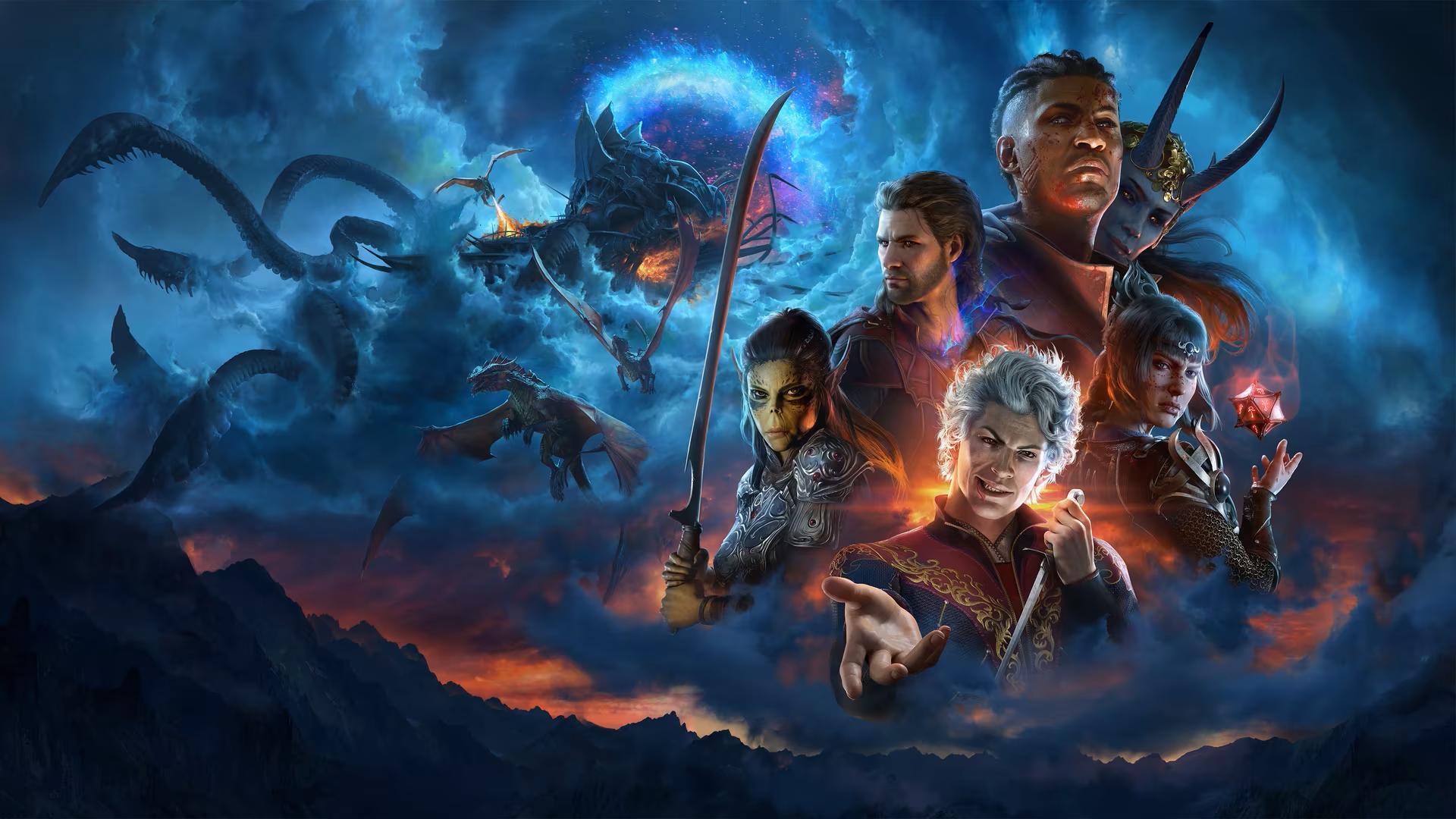
This massive role playing game allows for a high degree of player freedom including a diverse cast of companions and romance options. Some critics argued that the game’s focus on identity and inclusive themes was a move to appeal to a modern tabletop audience. There were suggestions that the developers were trying to distance themselves from the more traditional roots of the genre. Despite these claims the game became a massive critical and commercial success for its depth and choice.
‘Life is Strange 2’ (2018–2019)
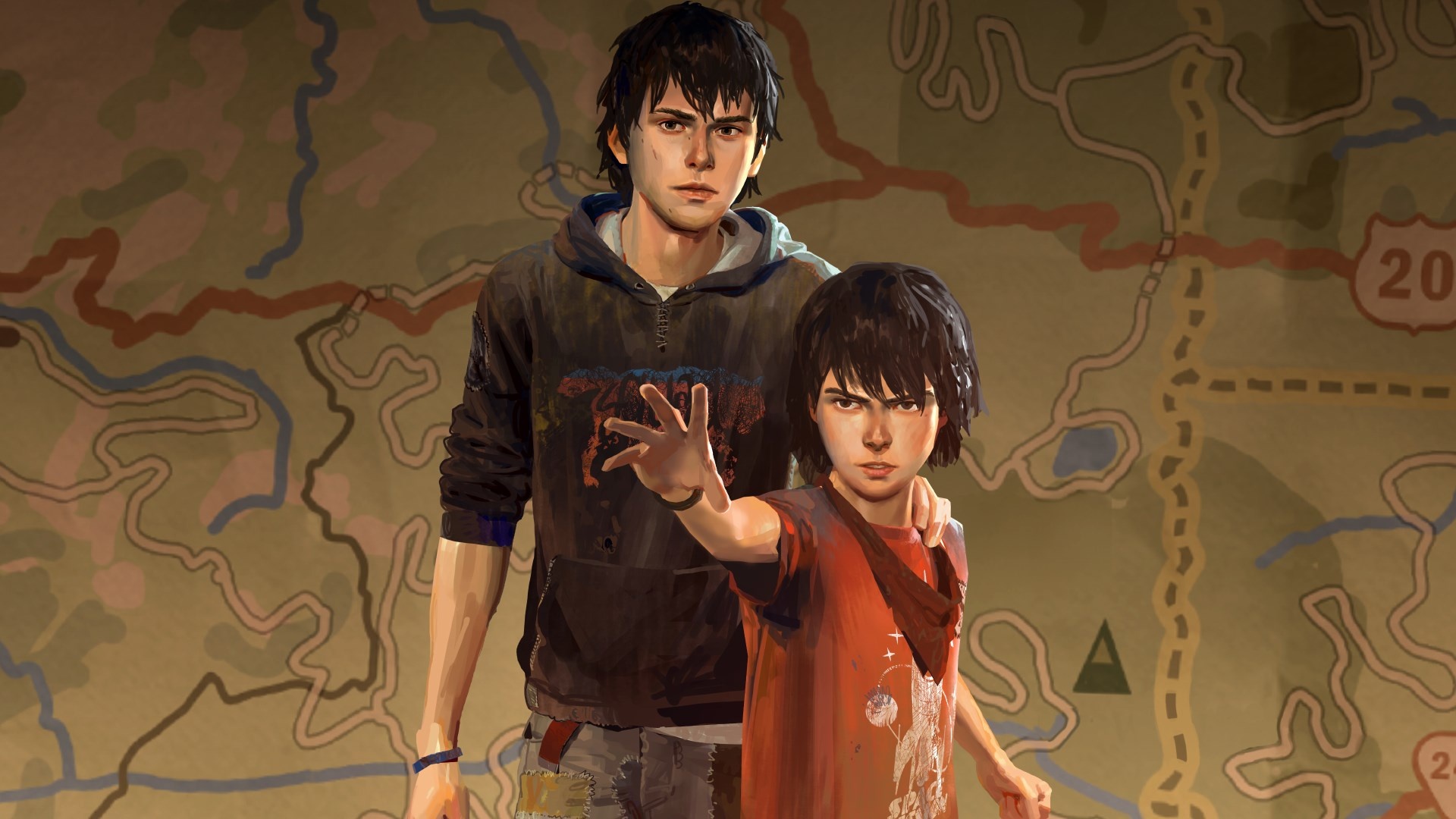
The story of two Mexican American brothers on the run dealt heavily with themes of racism and identity in modern America. Some critics argued that the game was too focused on political messaging and used its diverse leads as a shield against narrative criticism. There were claims that the characters were defined more by their struggle than by their individual personalities. The game remains a significant example of how social issues can be integrated into a narrative focused experience.
‘Star Wars Jedi Survivor’ (2023)
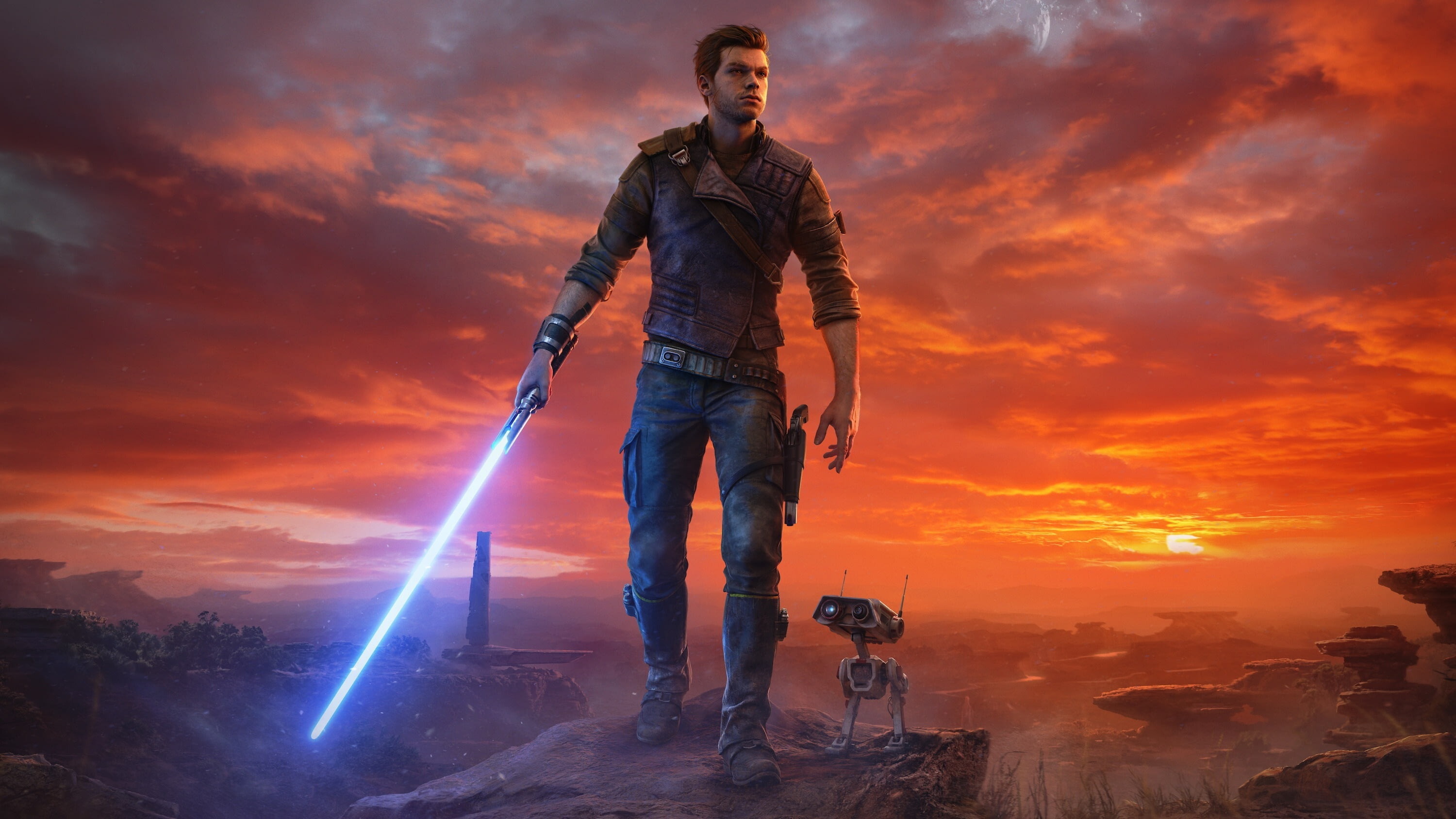
The inclusion of various side characters from diverse backgrounds led some to claim the game was checking boxes for modern sensitivity. These players felt that certain NPCs did not have enough development to justify their presence beyond visual representation. This sentiment often arises when minor characters are used to fill out the world without playing a significant role in the main journey. The developers maintained that they wanted the galaxy to feel as expansive and varied as possible for the players.
Please share your thoughts on whether you believe these characters are meaningful additions or examples of tokenism in the comments.