

Games Accused of Tokenism with One Minority Protagonist




The video game industry has faced increasing pressure to diversify its roster of protagonists, leading to a surge in characters from minority backgrounds. While many players celebrate this progress, others have raised concerns about tokenism, questioning whether certain leads are genuine attempts at representation or calculated corporate decisions. These 15 games have all sparked significant discourse regarding their portrayal of minority protagonists in major releases. From historical dramas to futuristic shooters, the conversation often centers on the depth of the character writing versus the marketing of their identity.
‘Forspoken’ (2023)

Developed by Luminous Productions and published by Square Enix, this title follows Frey Holland, a young woman from New York transported to the fantasy world of Athia. The game faced scrutiny regarding its portrayal of a Black female lead, with critics and players debating whether the character’s dialogue and background felt authentic or performative. Some discussions centered on the “fish out of water” trope and whether it was used to simplify Frey’s identity for a broader audience. Despite these controversies, the developers aimed to create a narrative-heavy experience centered on growth and magical combat.
‘Mafia III’ (2016)
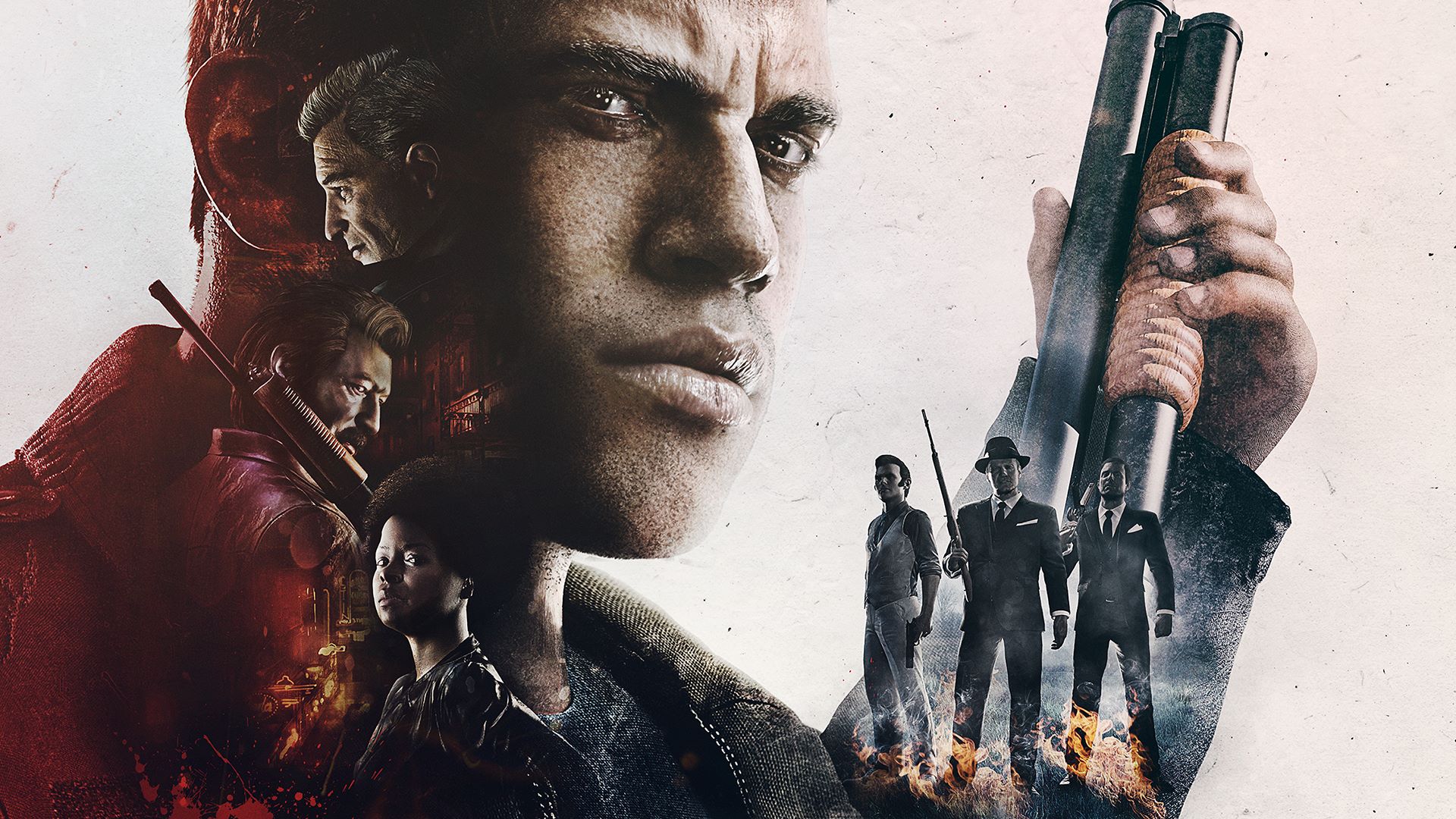
Developed by Hangar 13 and published by 2K Games, this entry features Lincoln Clay, a biracial Vietnam War veteran seeking revenge against the Italian mob. The narrative focuses heavily on the racial tensions of the 1960s American South, which led to debates over the game’s handling of heavy themes. While many praised the raw depiction of the era, some questioned if the character’s ethnicity was used primarily as a marketing tool to add grit to the franchise. The game was notable for being one of the few AAA titles to place a Black protagonist at the center of a historical crime drama.
‘Resident Evil 5’ (2009)

Capcom’s action-horror sequel introduced Sheva Alomar, a Black operative who partners with Chris Redfield in an African setting. Following early trailers, the game was accused of racial insensitivity, leading the developers to introduce Sheva as a co-protagonist to balance the visuals of a white man fighting African villagers. Critics discussed whether her inclusion was a meaningful addition to the lore or a reactive measure to mitigate public backlash. Ultimately, the game remains a significant part of the franchise’s history, despite the ongoing discourse surrounding its cultural representation.
‘Watch Dogs 2’ (2016)

Published and developed by Ubisoft, this sequel replaced the previous game’s lead with Marcus Holloway, a Black hacker in San Francisco. The game explores themes of racial profiling and corporate surveillance within the tech industry through Marcus’s perspective. Some commentators questioned if the shift in protagonist was a calculated move to diversify the series’ image following the stoic lead of the first game. However, the writers focused on Marcus’s place within the counter-culture movement of the Bay Area to provide context for his actions.
‘Assassin’s Creed III: Liberation’ (2012)
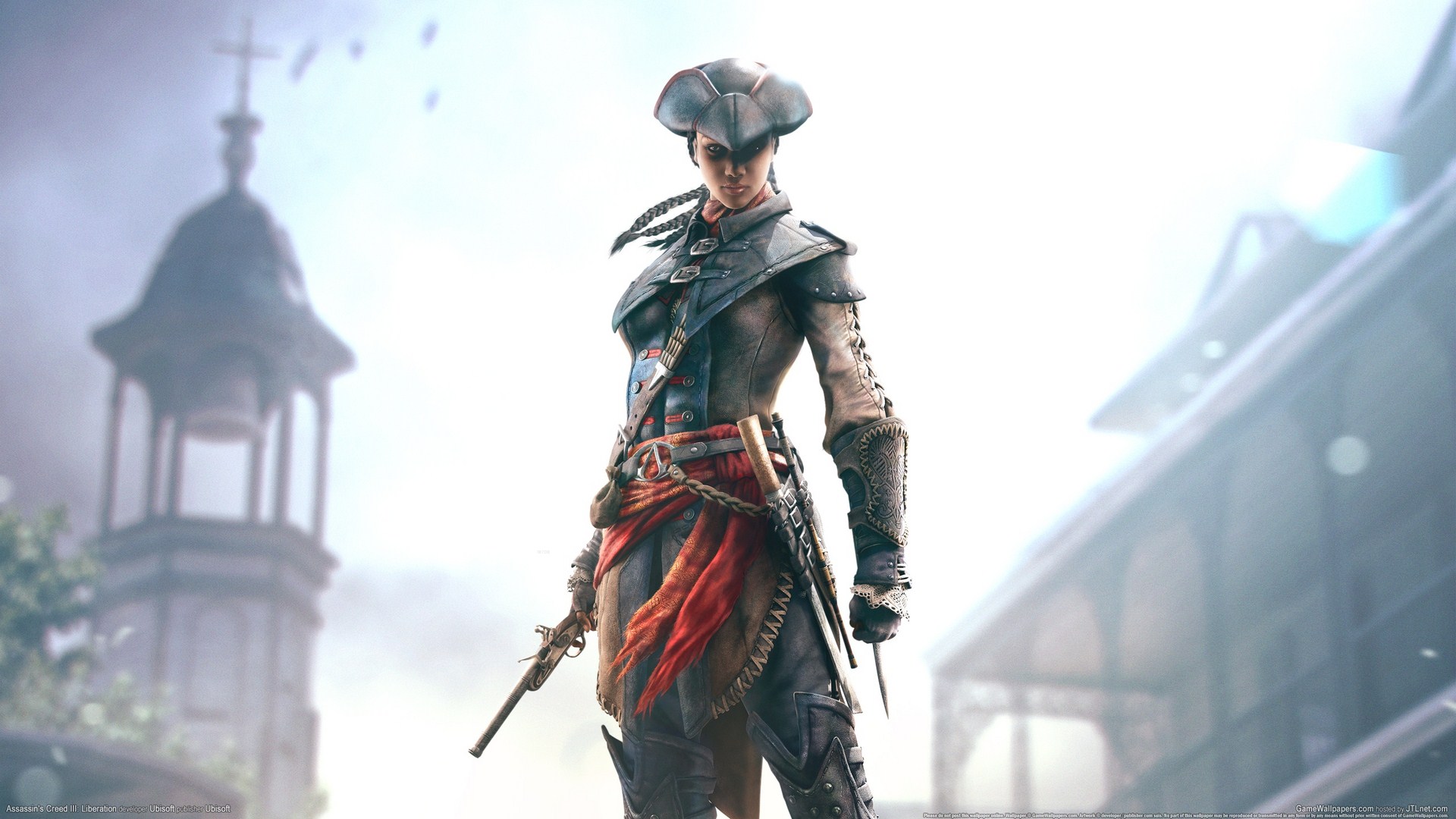
This title, developed by Ubisoft Sofia and published by Ubisoft, features Aveline de Grandpré, the first female protagonist in the series, who is of African and French descent. Set in 18th-century Louisiana, the game utilizes a persona system that allows Aveline to change outfits to navigate different social classes. Critics debated if the persona mechanic reinforced stereotypes or provided a unique look at the intersectionality of her identity. The game was initially released for the PlayStation Vita before being remastered for larger platforms due to interest in the character.
‘Deathloop’ (2021)

Developed by Arkane Lyon and published by Bethesda Softworks, ‘Deathloop’ centers on Colt Vahn, an assassin stuck in a time loop on the island of Blackreef. While the game was praised for its gameplay and stylish aesthetic, some online discussions touched upon the “palatable” nature of the protagonist’s design. These critiques often focused on whether the representation was a genuine creative choice or a box-ticking exercise for modern audiences. The game ultimately won several awards for its narrative and character performances, which helped quell some of the initial skepticism.
‘Marvel’s Spider-Man: Miles Morales’ (2020)

Insomniac Games developed this standalone expansion published by Sony Interactive Entertainment, focusing on Miles Morales as he takes over the mantle of Spider-Man. The story delves into his Afro-Latino heritage and his relationship with the community of East Harlem. While widely celebrated, some discourse arose regarding the “sidekick” nature of the character versus the original lead, Peter Parker. Critics often analyzed if the game’s shorter length compared to the original title contributed to a sense of “tokenized” representation for a minority lead.
‘Remember Me’ (2013)

Developed by Dontnod Entertainment and published by Capcom, this cyberpunk title features Nilin, a mixed-race memory hunter in Neo-Paris. The developers publicly stated that they faced challenges finding a publisher willing to support a female protagonist of color during production. This led to discussions about industry-wide biases and whether Nilin’s design was a deliberate push against those norms. Despite the innovative memory-remixing mechanics and diverse setting, the game received mixed commercial success upon its release.
‘Battlefield 1’ (2016)

Developed by DICE and published by Electronic Arts, ‘Battlefield 1’ prominently featured a Black soldier from the Harlem Hellfighters on its cover and in the campaign. Some players and historians argued that the marketing emphasized minority participation more than the actual gameplay content of the single-player mode. This sparked a conversation about historical accuracy versus the inclusion of marginalized voices in World War I narratives. The game was overall a massive success, highlighting various global perspectives of the conflict through its episodic structure.
‘True Crime: New York City’ (2005)

Developed by Luxoflux and published by Activision, this open-world game follows Marcus Reed, a former gang member turned police officer. The game’s narrative heavily utilized hip-hop culture and urban settings, leading to critiques about the reliance on racial stereotypes for the protagonist. Some reviewers questioned if the character’s background was used as a shortcut for “street credibility” rather than a nuanced character study. Despite the controversy, the game was noted for its ambitious recreation of Manhattan and its morality system.
‘The Walking Dead’ (2012)

Telltale Games developed and published this episodic adventure featuring Lee Everett, a Black professor and convicted felon. While Lee is often cited as a benchmark for excellent character writing, early discussions sometimes touched upon the “criminal with a heart of gold” archetype. Some observers questioned if his initial backstory relied too heavily on established tropes for Black characters in mainstream media. The series eventually became a critical darling, winning numerous awards for its emotional depth and character-driven choices.
‘Grand Theft Auto V’ (2013)
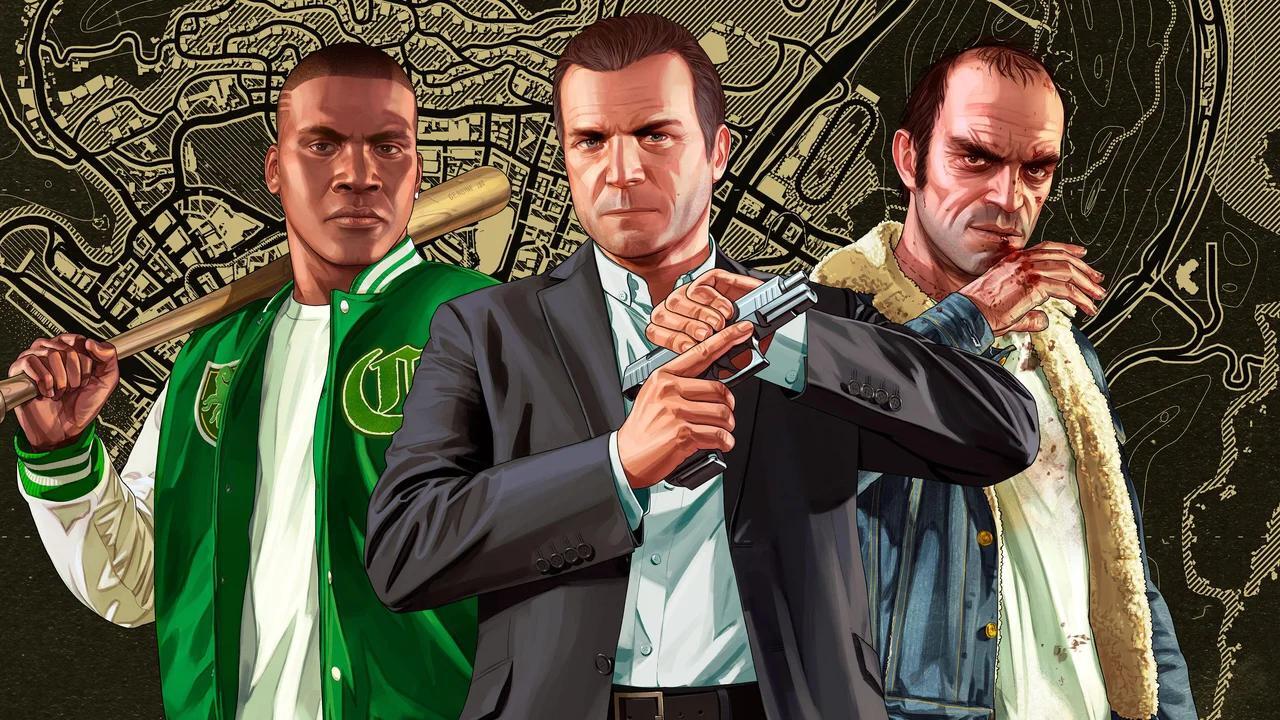
Rockstar Games developed and published this massive open-world title featuring three protagonists, including Franklin Clinton. Franklin’s storyline involves his attempt to escape the gang-affiliated lifestyle of Los Santos for a more lucrative career in high-stakes crime. Critics often debated whether Franklin was a less developed character compared to the more volatile Michael and Trevor. Some arguments suggested his character was included primarily to fulfill a demographic requirement while the other leads drove the primary plot.
‘Star Wars Battlefront II’ (2017)

Developed by DICE and published by Electronic Arts, the campaign follows Iden Versio, an Imperial commander of South Asian descent. Some fans expressed disappointment when the narrative quickly shifted from her unique Imperial perspective to a more traditional Rebel story. This led to accusations that her background and position were used as a bait-and-switch for marketing purposes. The character’s development remained a key focus of the game’s single-player expansion, though the debate regarding her narrative trajectory continued.
‘Mirror’s Edge’ (2008)

Developed by DICE and published by Electronic Arts, the game features Faith Connors, a Southeast Asian parkour runner. Faith’s design was lauded for being practical and non-sexualized, but some discussions focused on her perceived lack of narrative depth in the first game. Critics questioned if the character was a “blank slate” designed to check a diversity box without providing a compelling personal history. The game became a cult classic due to its unique first-person traversal, leading to a reboot years later.
‘Prey’ (2017)

Developed by Arkane Studios and published by Bethesda Softworks, ‘Prey’ allows players to choose the gender of the protagonist, Morgan Yu, who is of mixed Asian and European descent. While the inclusion was seen as a positive step for representation, some discourse focused on the “optional” nature of the character’s background. Critics debated if making ethnicity or gender a choice reduces the character to a mere avatar rather than a specific individual with a lived experience. The game is highly regarded for its complex environmental storytelling and immersive gameplay mechanics.
Share your thoughts on these titles and their representation in the comments.