

Games Accused of Using Trans Characters as Joke Punchlines

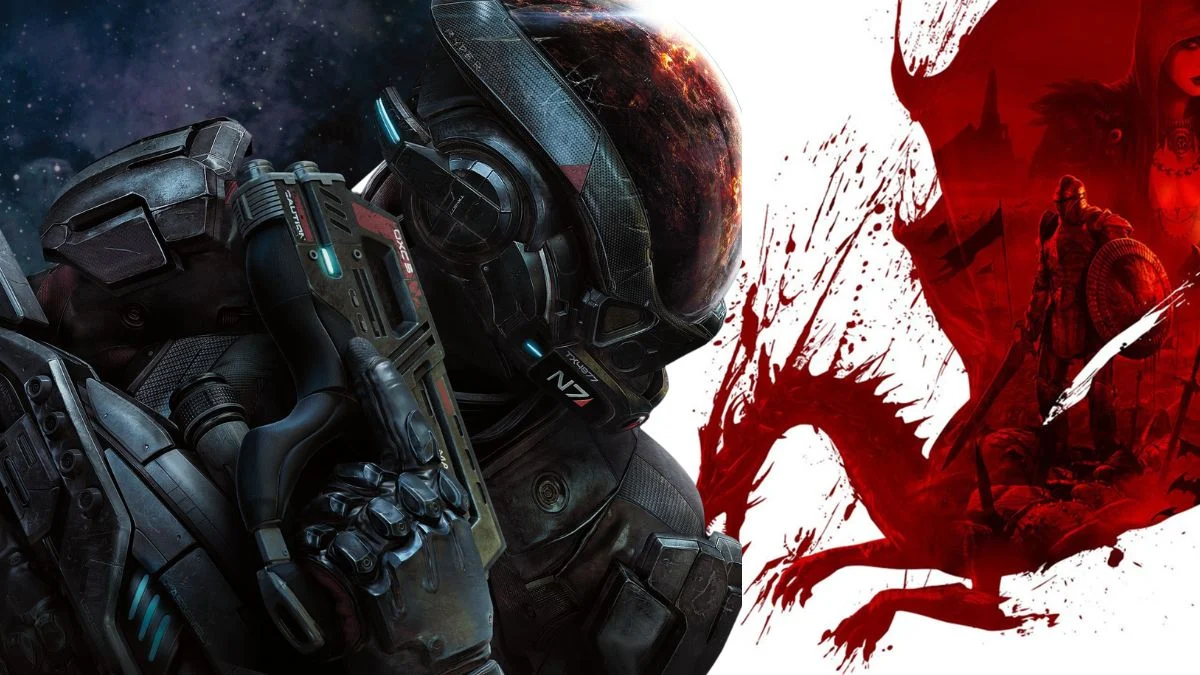


The history of video games includes many instances where marginalized groups were used for cheap humor or shock value. Transgender and gender nonconforming characters have frequently appeared in titles as the subjects of ridicule or mockery. Critics and players alike have highlighted how these portrayals can perpetuate harmful stereotypes and alienate audiences. While industry standards are evolving many older and even some modern titles continue to face scrutiny for their characterizations. This list explores several video games that have been accused of using trans characters as punchlines.
‘Grand Theft Auto V’ (2013)
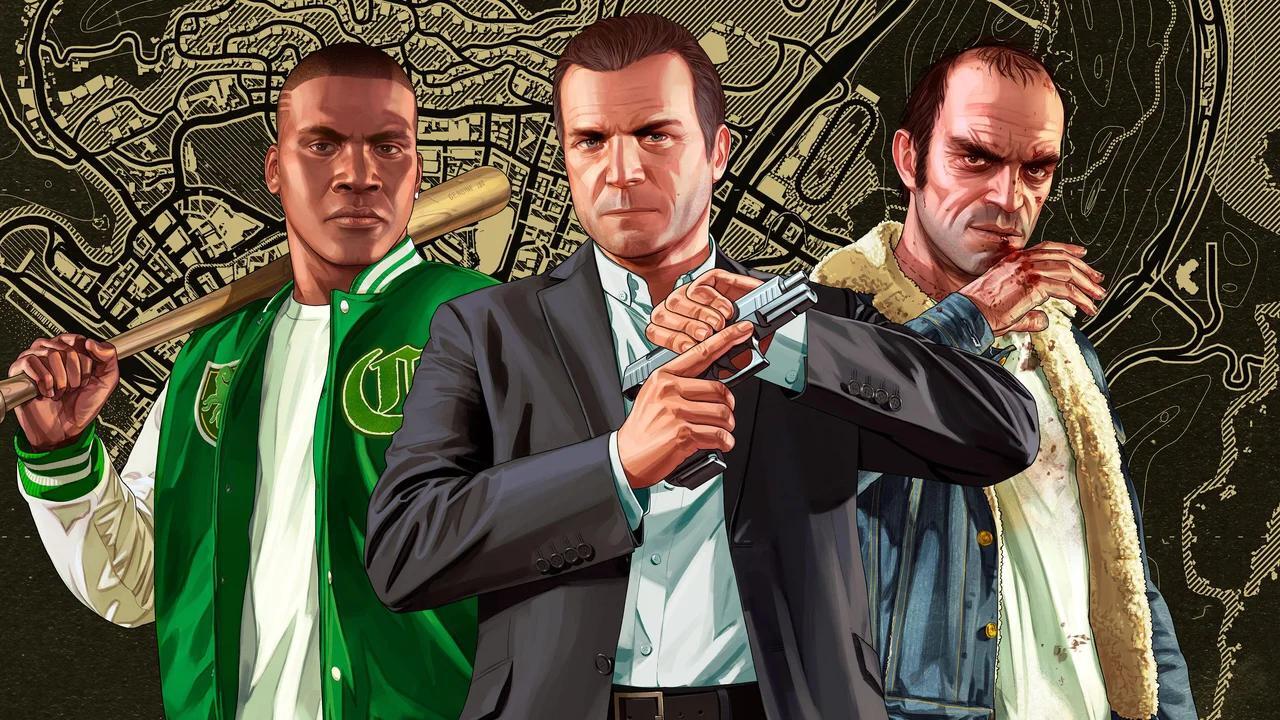
Players encounter characters outside the Cockatoos nightclub who are often the target of derogatory remarks. The game features specific dialogue options where the protagonists mock the appearance of these individuals. Many critics pointed out that these characters exist solely to be ridiculed by the player or the main cast. This depiction has been cited as a regression in how the series handles diverse populations. Rockstar Games eventually updated later versions of the game to remove some of these specific interactions.
‘Catherine’ (2011)
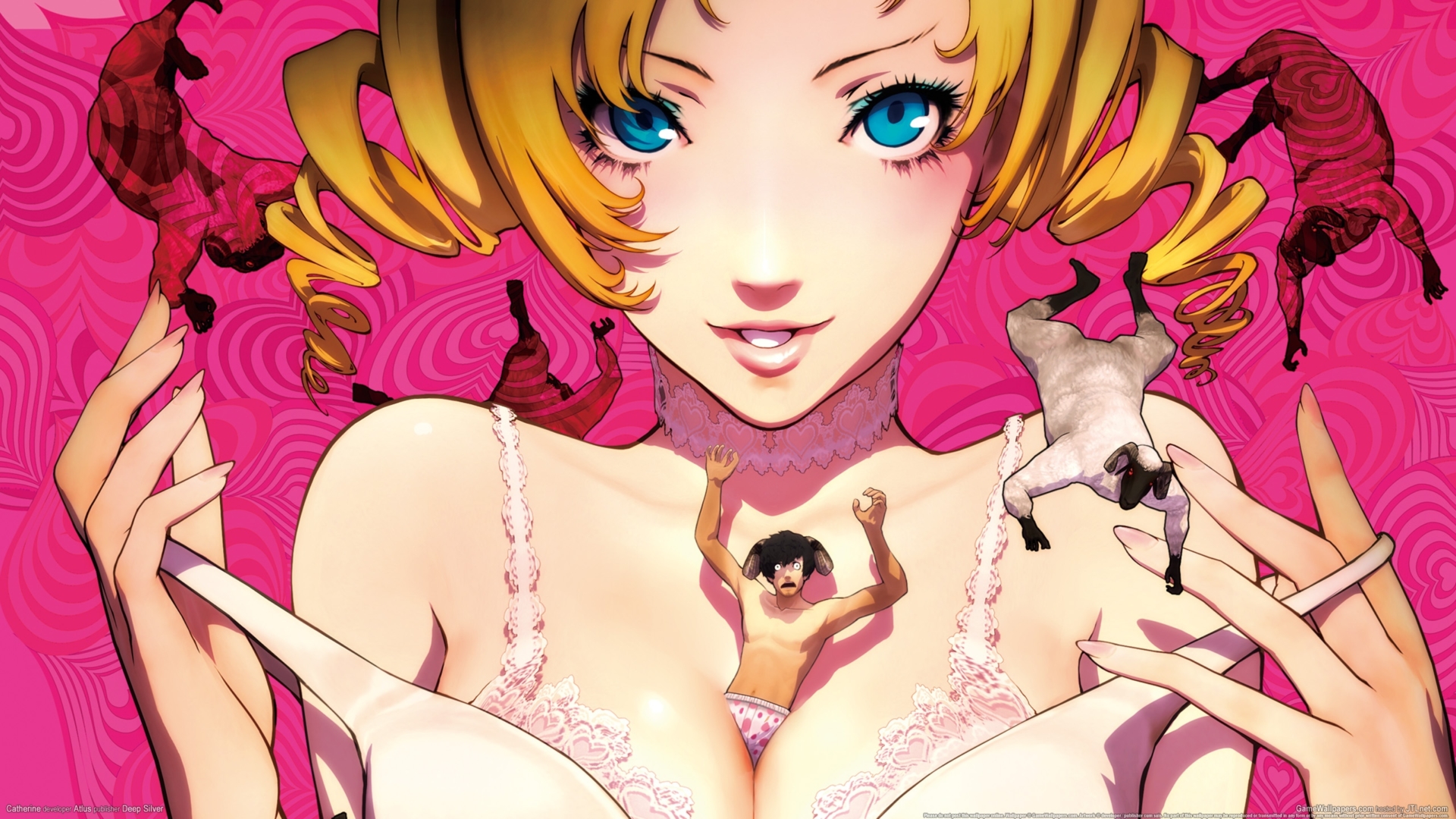
The character Erica Anderson is a core member of the main friend group who is revealed to be trans during the story. Throughout the narrative various characters make subtle and overt jokes about her identity and past. The game manual and end credits frequently refer to her by a different name which many players found disrespectful. Critics argued that her inclusion served as a source of shock value rather than genuine representation. This treatment often undermined her role as a supportive and capable friend to the protagonist.
‘Persona 5’ (2016)
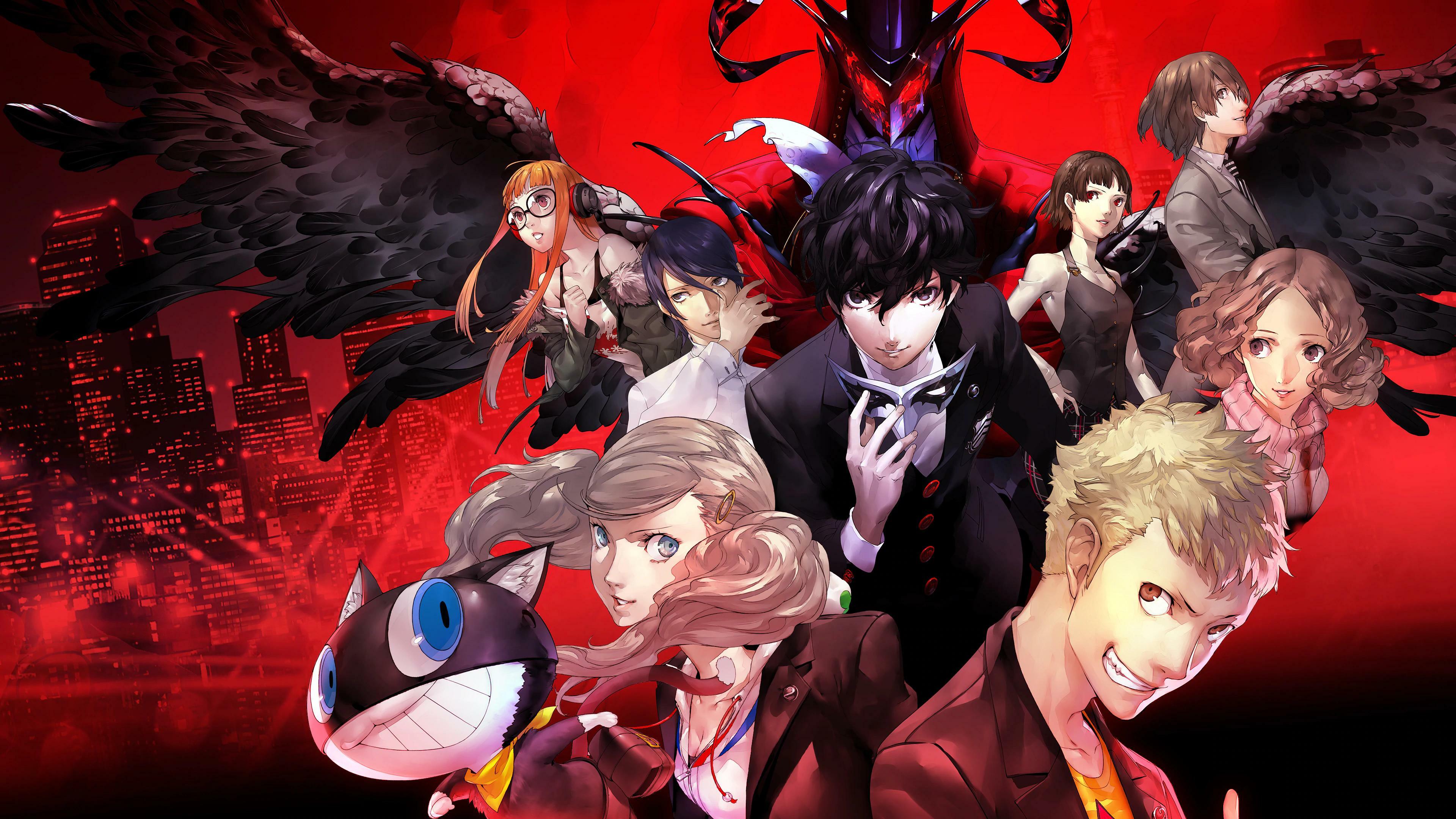
This popular role playing game features two recurring characters encountered in the Shinjuku district who are portrayed as predatory. These characters are used for comedic relief when they corner the protagonist or his friends in uncomfortable situations. The dialogue often relies on outdated tropes that frame trans or gender nonconforming individuals as aggressive or dangerous. Fans expressed disappointment that the game used these archetypes for cheap laughs during an otherwise serious journey. Updated versions of the title attempted to soften the dialogue to be less offensive to players.
‘Yakuza 3’ (2009)
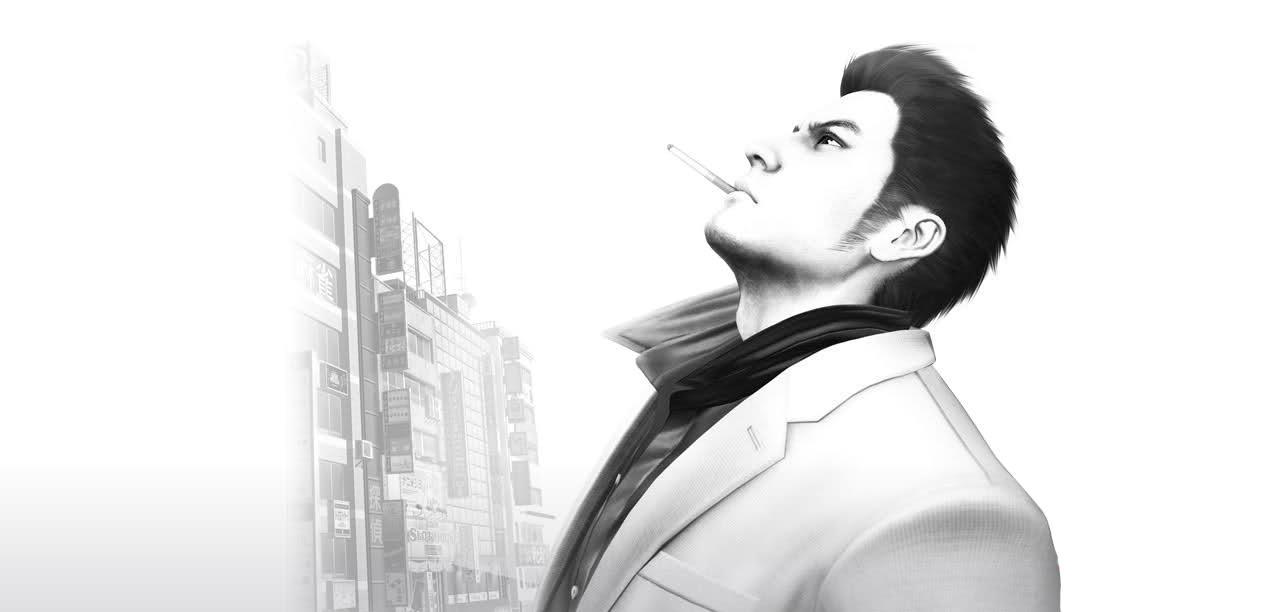
The original release of this title included a substory where the protagonist is chased by a trans woman in a sequence intended to be funny. The character is depicted with exaggerated features and the pursuit is framed as a terrifying or gross ordeal for the hero. Many players felt the mission relied on transphobic tropes to create a sense of discomfort for humor. When the game was remastered for modern platforms the developer decided to remove this specific content entirely. This decision was made to ensure the game met modern standards of sensitivity and respect.
‘Leisure Suit Larry Magna Cum Laude’ (2004)
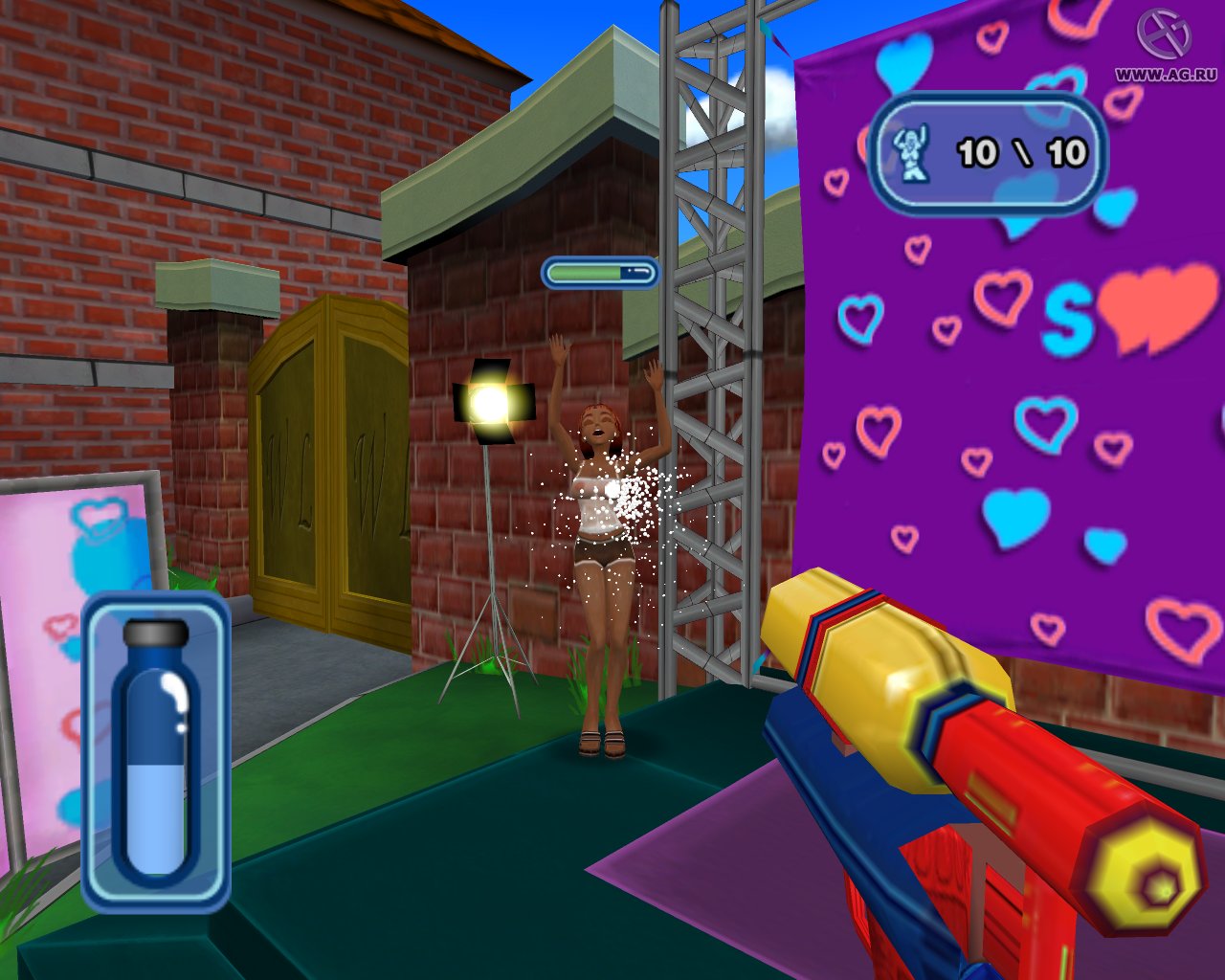
This adult themed comedy game includes a scene where the protagonist interacts with a character he believes is a woman. The discovery of her gender identity is treated as a disgusting revelation that causes the character to react with extreme horror. This specific interaction is designed to get a laugh from the audience at the expense of the trans character. Critics have noted that the game relies on transphobia as a core mechanic for its humor. The series has often been scrutinized for its reliance on crude stereotypes for all of its characters.
‘Dragon Age Origins’ (2009)
In a specific brothel location players can encounter a character named Serendipity who is a trans woman. The dialogue options available to the player often involve mocking her appearance or expressing shock at her identity. Other non playable characters in the game make comments that frame her existence as a joke or a curiosity. While the series later became known for better representation this early instance was criticized for its handling of the character. The interaction is brief but remains a point of contention for fans of the franchise.
‘The Legend of Zelda Breath of the Wild’ (2017)
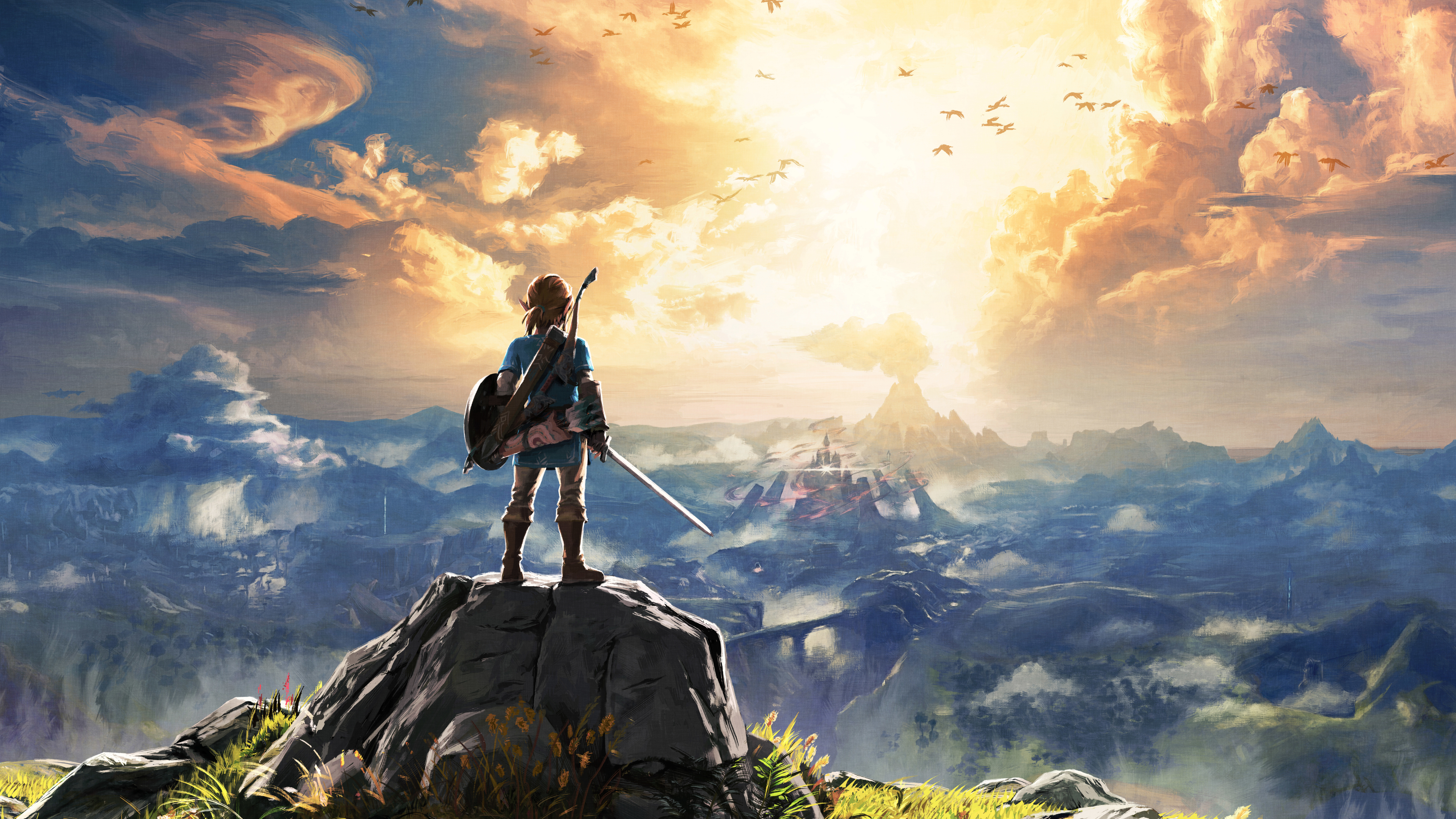
To enter the female only Gerudo Town Link must seek out an NPC who provides him with a traditional outfit. The encounter with this character is framed with comedic music and surprised reactions from the protagonist. Critics pointed out that the character is depicted using various tropes that marginalize trans women for the sake of a gag. The scene relies on Link being shocked by the character’s appearance under a gust of wind. This moment felt out of step with the otherwise progressive world building found in the rest of the game.
‘Super Mario Bros 2’ (1988)
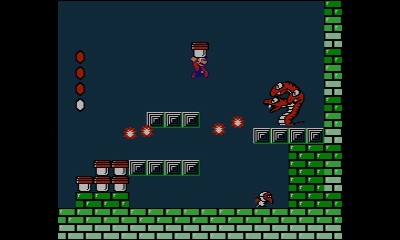
The character Birdo was introduced in the instruction manual with a description that noted she thinks she is a girl. The manual used her identity as a point of confusion and frequently used male pronouns despite her clear preference. For many years the franchise used this ambiguity as a recurring joke in various spin off titles. While recent games have moved toward acknowledging her as female the early descriptions are often cited as a problematic starting point. This history makes Birdo one of the earliest examples of a gender nonconforming character used as a punchline in mainstream gaming.
‘Street Fighter X Tekken’ (2012)
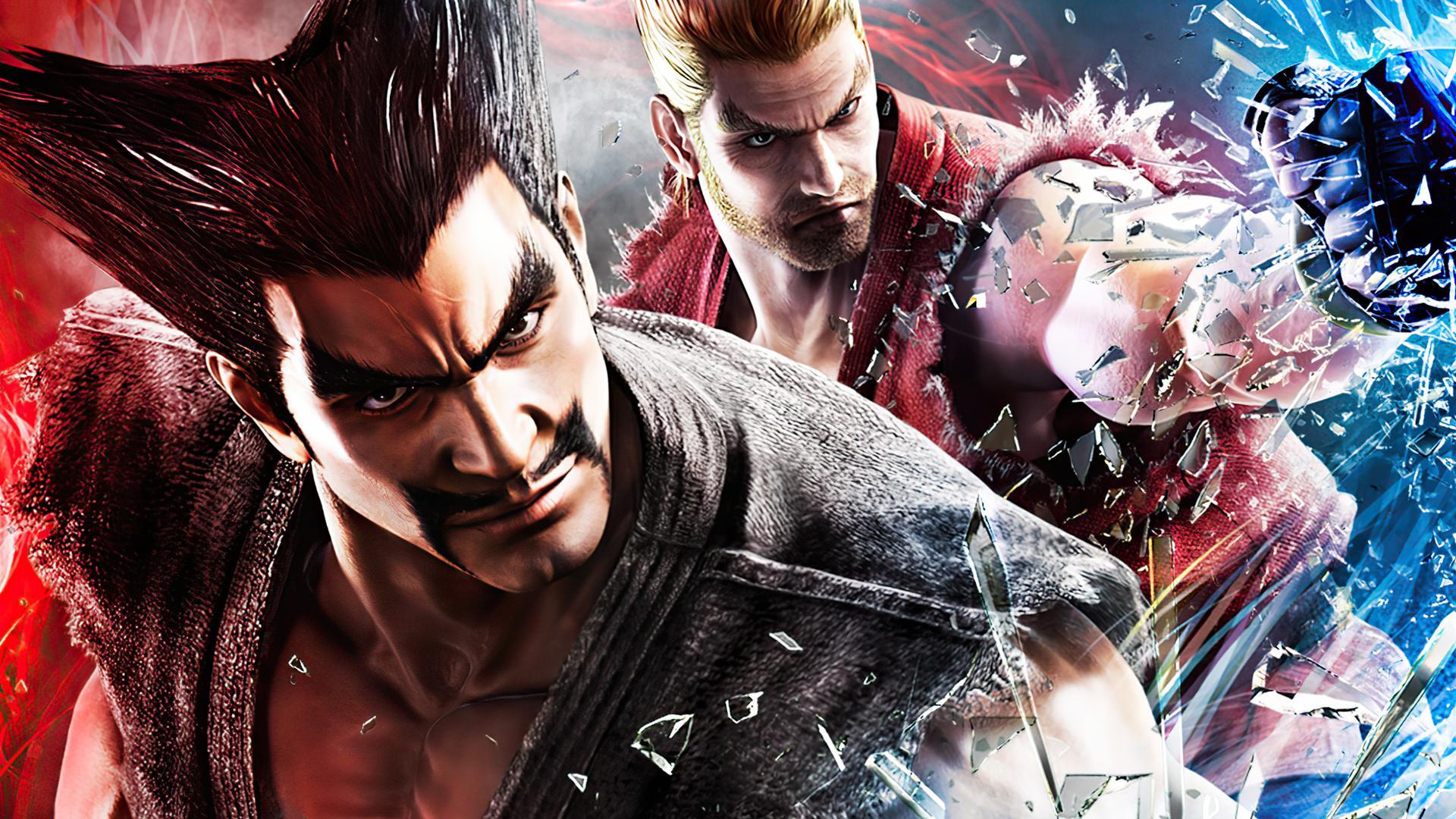
The character Poison has a long history of ambiguous gender identity that started as a way to avoid censorship issues. In this crossover title her win quotes and the dialogue of other characters often make light of her anatomy. Several fighters express confusion or disgust after defeating her in combat. These interactions were criticized for turning her identity into a series of crude jokes. Capcom has since tried to clarify her status but the legacy of these specific jokes remains a part of her character history.
‘Duke Nukem Forever’ (2011)
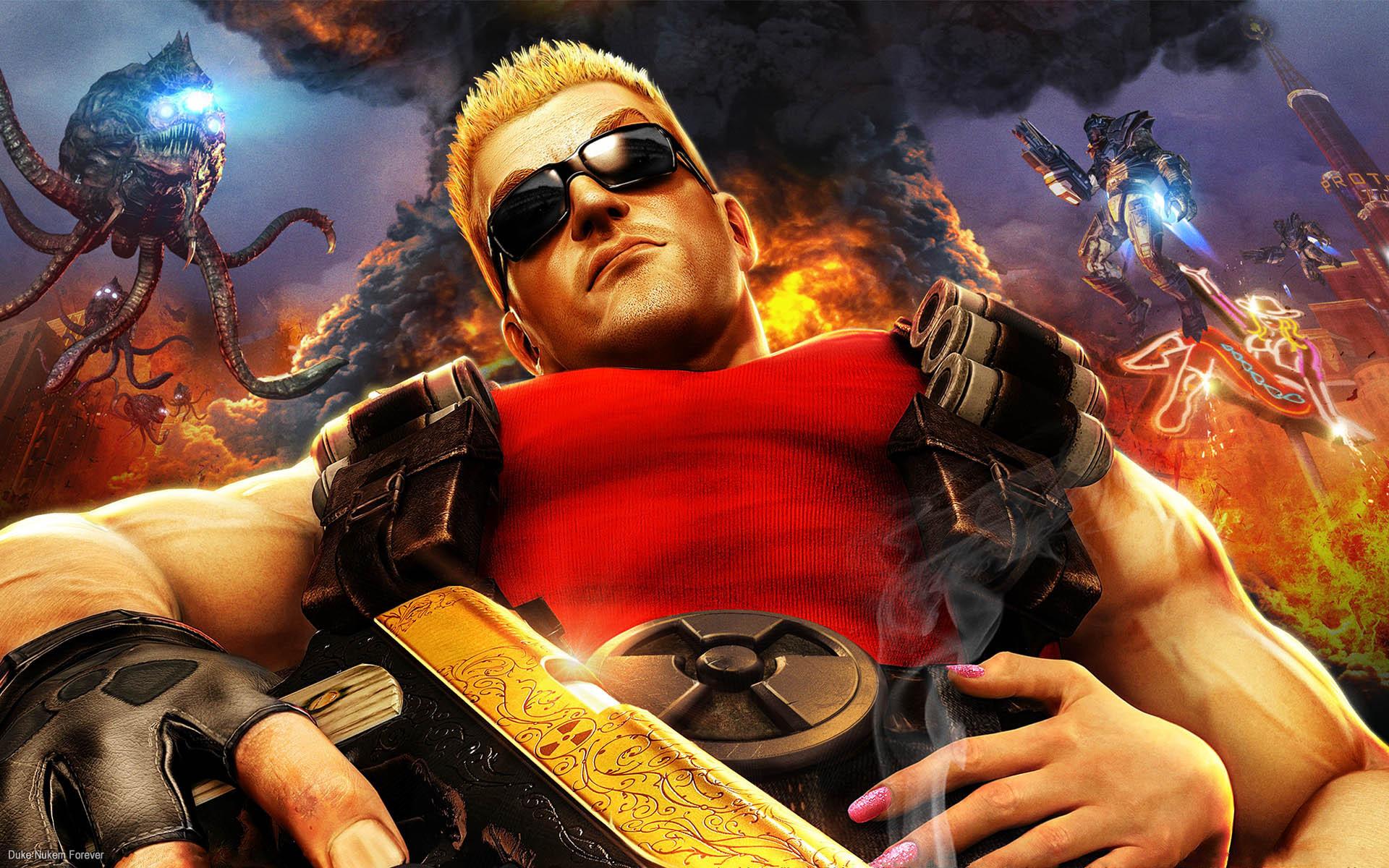
This long delayed sequel features numerous instances of crude humor that target various groups including trans individuals. One specific mission involves NPCs making derogatory comments about the gender of certain characters in the environment. The game uses these individuals as background set dressing designed to be laughed at by the player. Many reviewers found the humor to be dated and mean spirited rather than genuinely funny. The overall tone of the game was criticized for its reliance on offensive stereotypes from a bygone era.
‘South Park The Stick of Truth’ (2014)
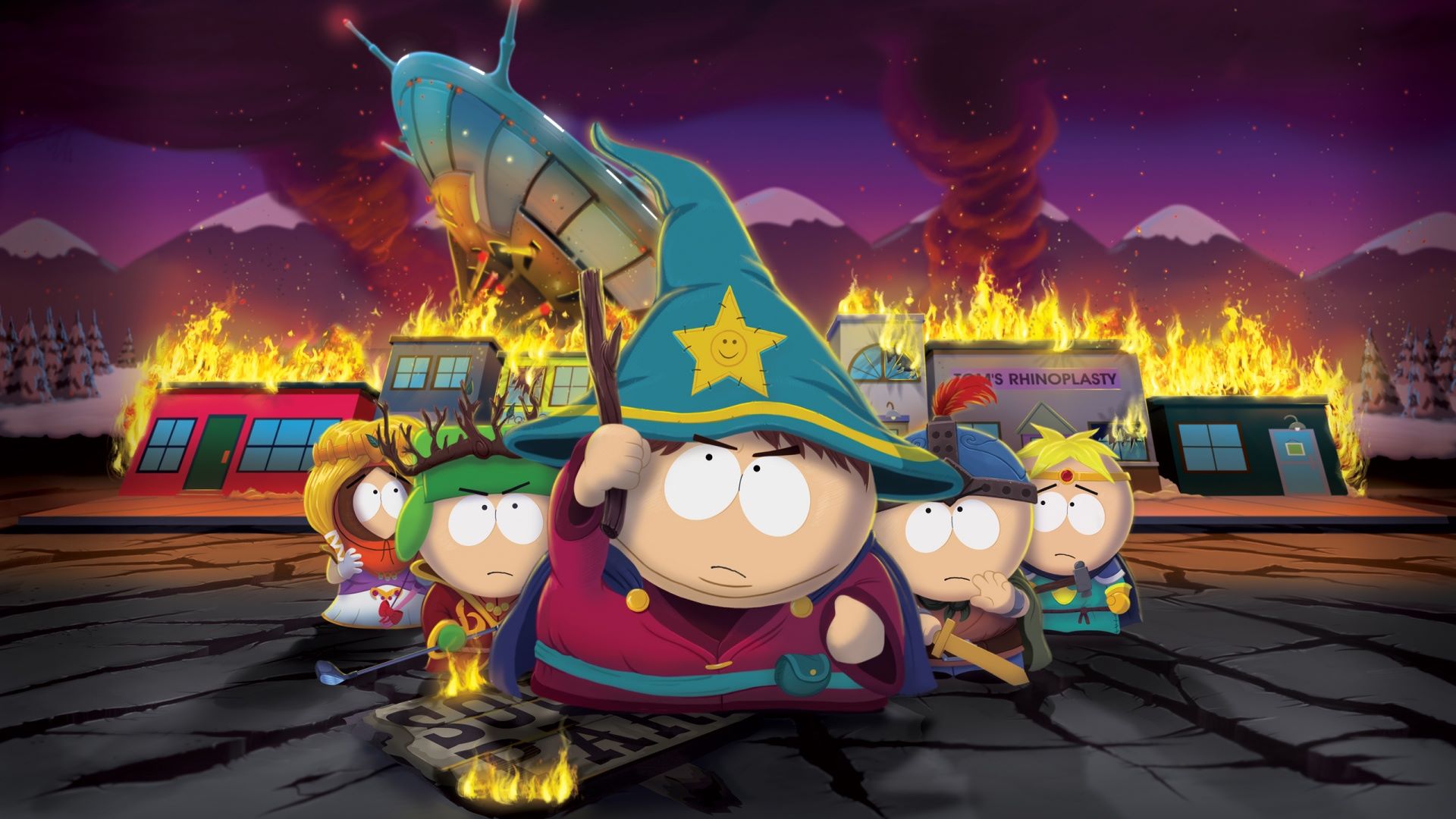
True to the spirit of the television show this game uses shock humor to address many social topics. Several quests involve characters whose gender identities are treated as the core of a joke. The writing often relies on the protagonists being confused or repulsed by trans individuals they encounter. While the game satirizes everything many players felt the treatment of trans characters was particularly punching down. The humor is consistent with the source material but remains a point of discussion regarding its impact.
‘Dead or Alive 4’ (2005)
The character lore in this fighting game series has occasionally touched on gender identity with a lack of sensitivity. In the fourth installment certain character endings and victory poses were seen as making light of non binary or trans traits. The focus is often on the physical attributes of the characters in a way that prioritizes sexualization or mockery. Fans have pointed out that the series rarely treats these themes with the seriousness they deserve. This has led to accusations that the developers view these identities primarily as tools for humor.
‘Ace Attorney Justice for All’ (2002)
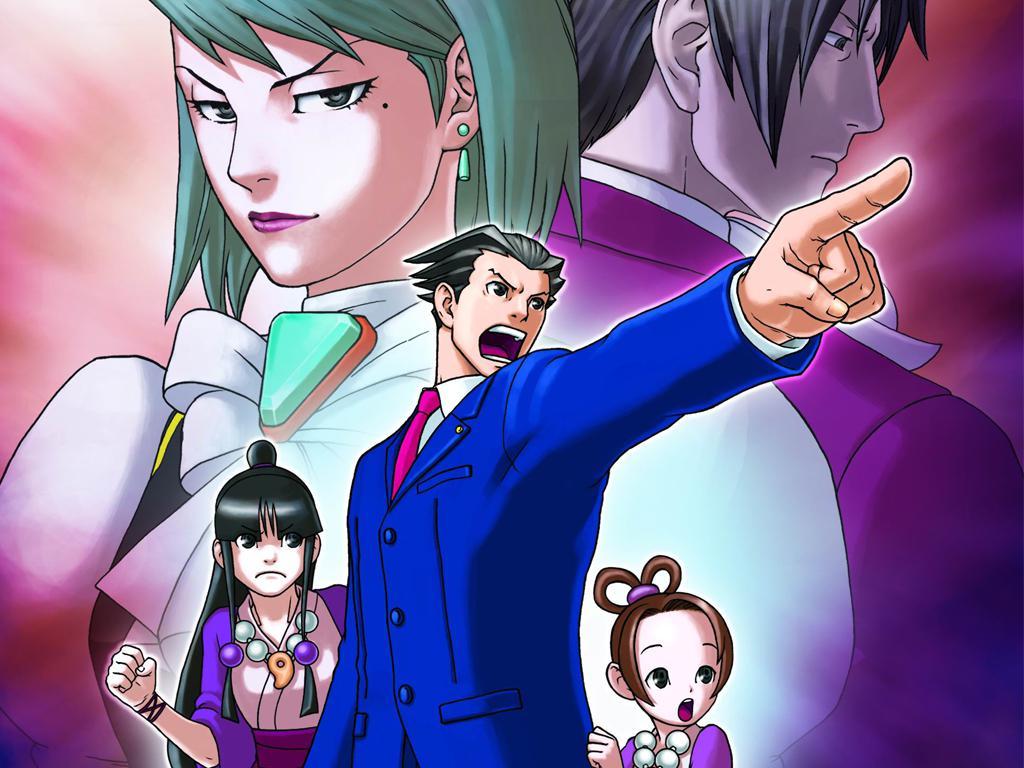
The character Jean Armstrong is a chef whose gender is a constant point of debate and humor throughout a specific case. Other characters in the courtroom and investigation segments make frequent remarks about his appearance and behavior. The game uses his feminine traits as a way to create confusion and comedic tension during the trial. Many players found the constant questioning of his identity to be unnecessary and disrespectful. This portrayal is often cited as a low point for a series that usually features more nuanced characters.
‘Deadly Premonition’ (2010)
This cult classic game includes a character named Thomas whose gender identity is revealed as part of a plot twist. The revelation is framed with a sense of horror and madness that links the character’s identity to their mental state. Other characters react with shock and the narrative uses this reveal to explain the character’s villainous turn. This trope of the unstable trans person is a common source of criticism in media analysis. The game uses the character’s identity more as a shocking punchline than a developed trait.
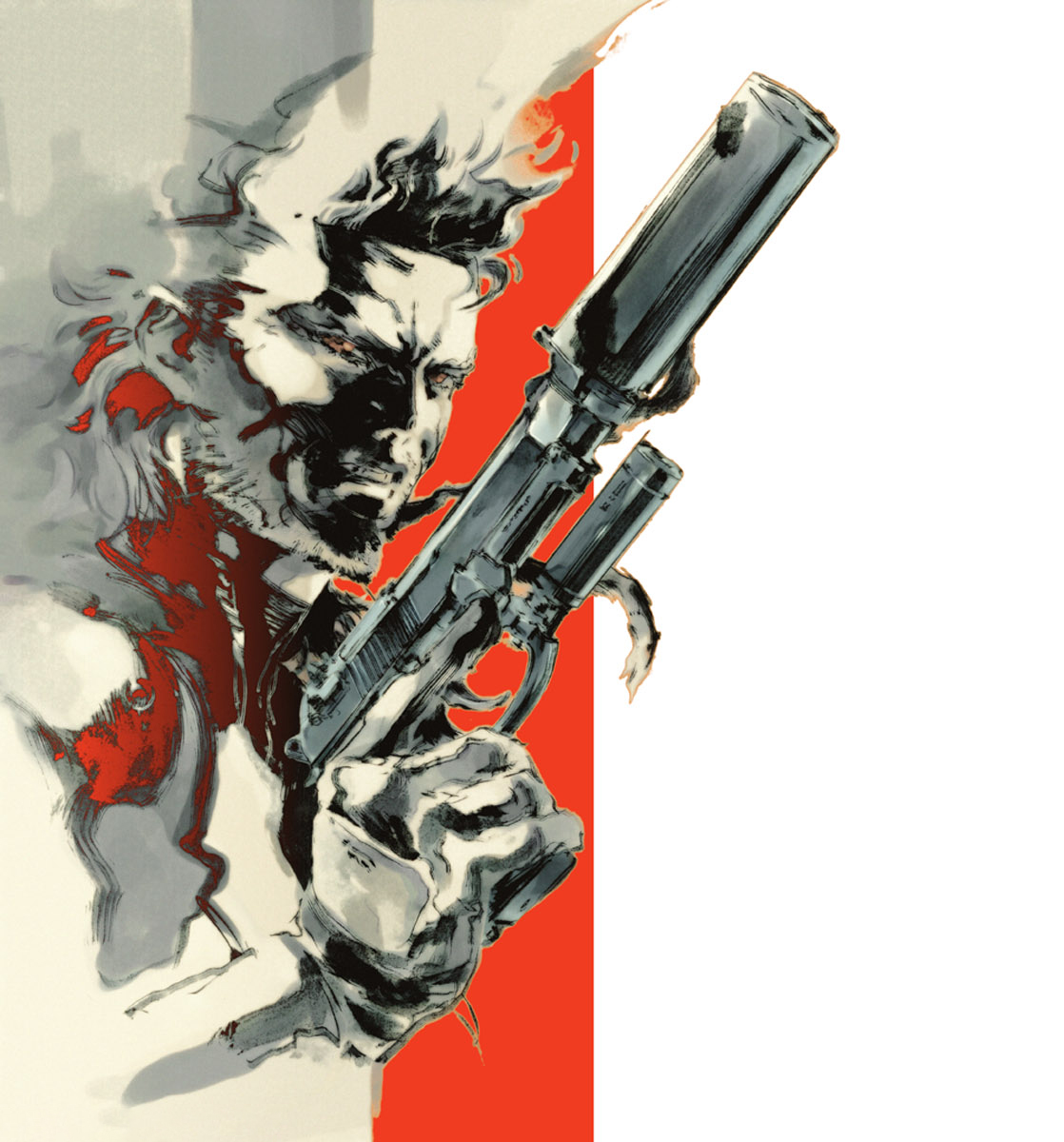
‘Metal Gear Solid 2 Sons of Liberty’ (2001)
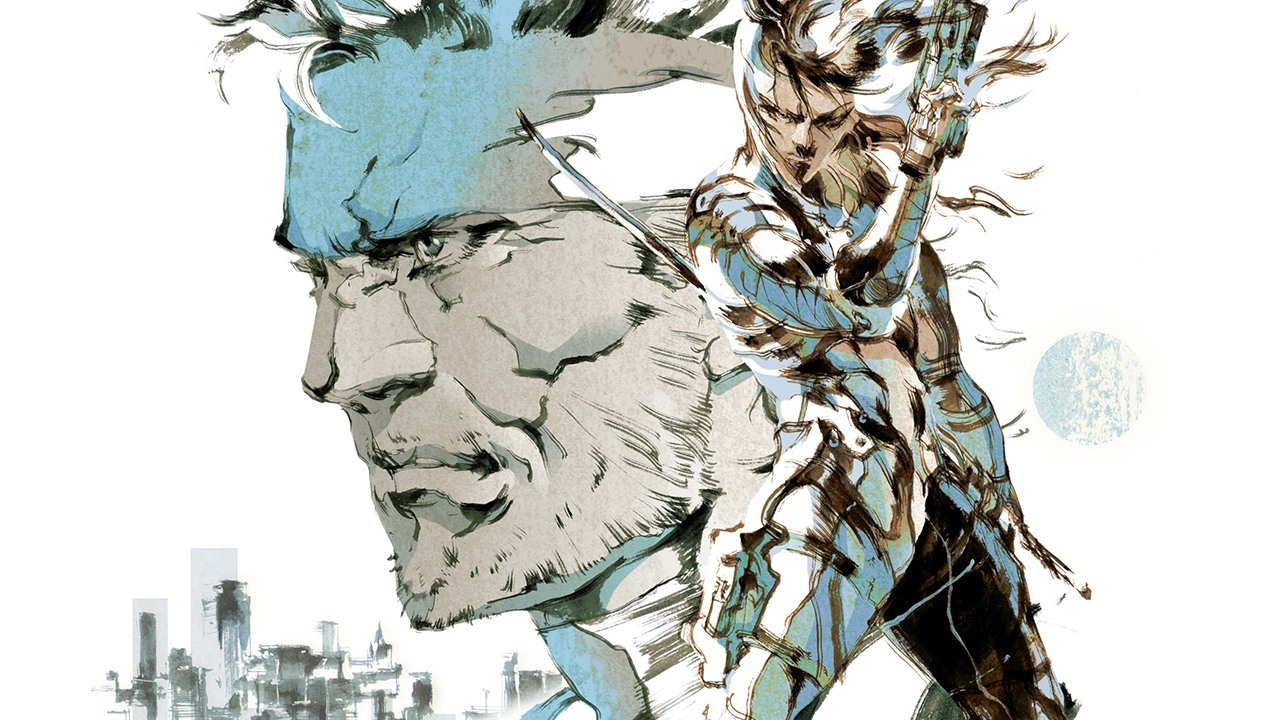
While the game is praised for its complex story it features several jokes aimed at the protagonist Raiden for his perceived lack of masculinity. At one point a character grabs his groin to confirm his gender which is played as a comedic moment of shock. The dialogue frequently mocks his long hair and slender build in a way that echoes transphobic rhetoric. These jokes were intended to highlight the character’s vulnerability but often came at the expense of gender nonconforming people. It remains a notable example of how the series used gender as a tool for humor.
‘Final Fantasy VII’ (1997)
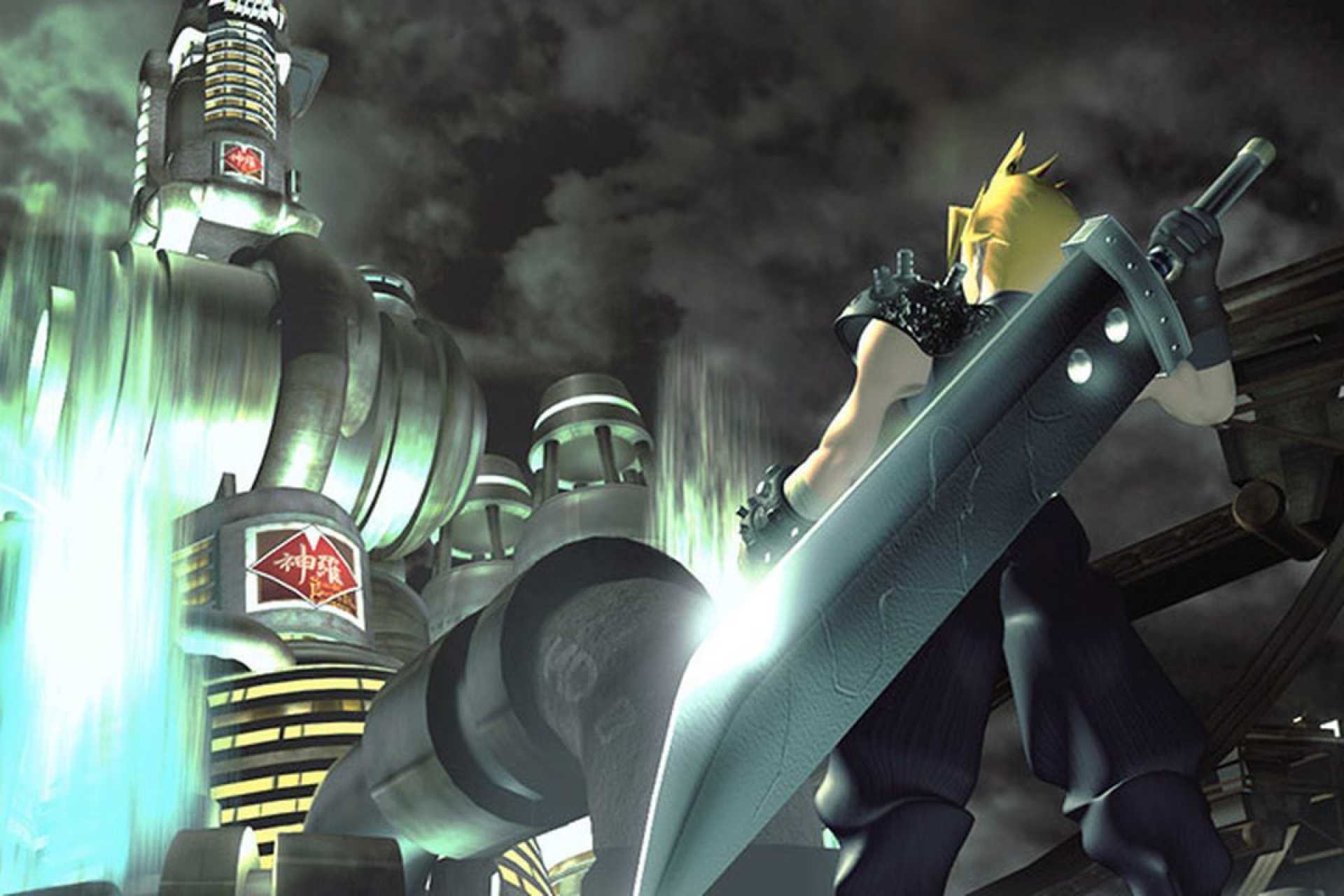
The original Honeybee Inn sequence involves Cloud Strife dressing in women’s clothing to infiltrate a mansion. During this segment several NPCs make comments that frame the entire situation as a bizarre and hilarious prank. The interactions with the men in the inn are often depicted as predatory or gross for the sake of a laugh. Many critics have noted that the original version used the concept of cross dressing and gender fluidity purely for comedic effect. The 2020 remake significantly changed this scene to be more celebratory and respectful.
‘Saints Row The Third’ (2011)
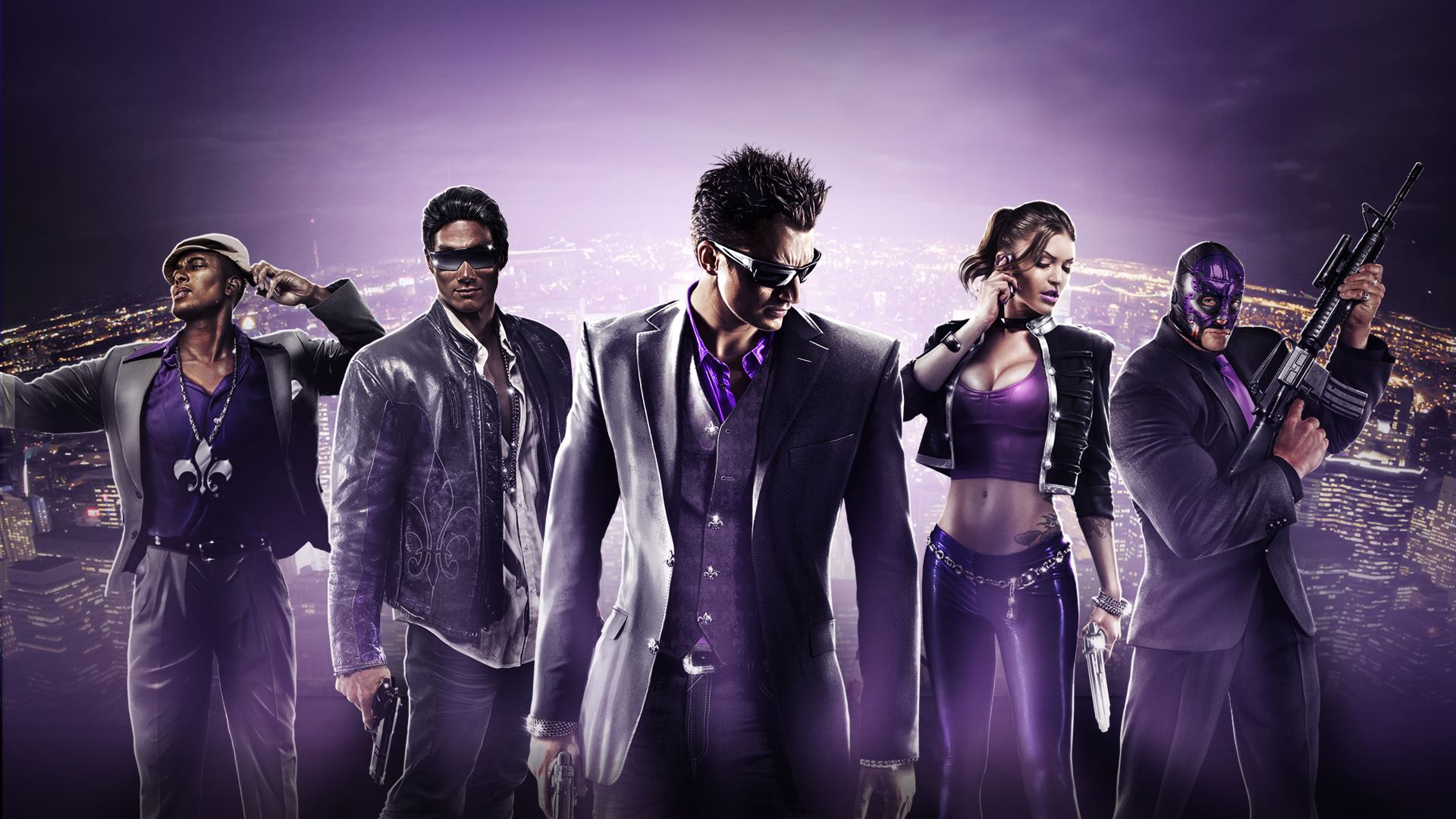
The series is known for its over the top humor but some of its earlier jokes targeted trans individuals. Certain customization options and NPC interactions were framed in ways that made fun of gender nonconforming traits. Players could encounter enemies or citizens whose appearances were used as the basis for crude gags. While the series eventually became more inclusive these early entries relied on shock value that many found offensive. The humor often prioritized a wild atmosphere over the respectful treatment of diverse identities.
‘Postal 2’ (2003)
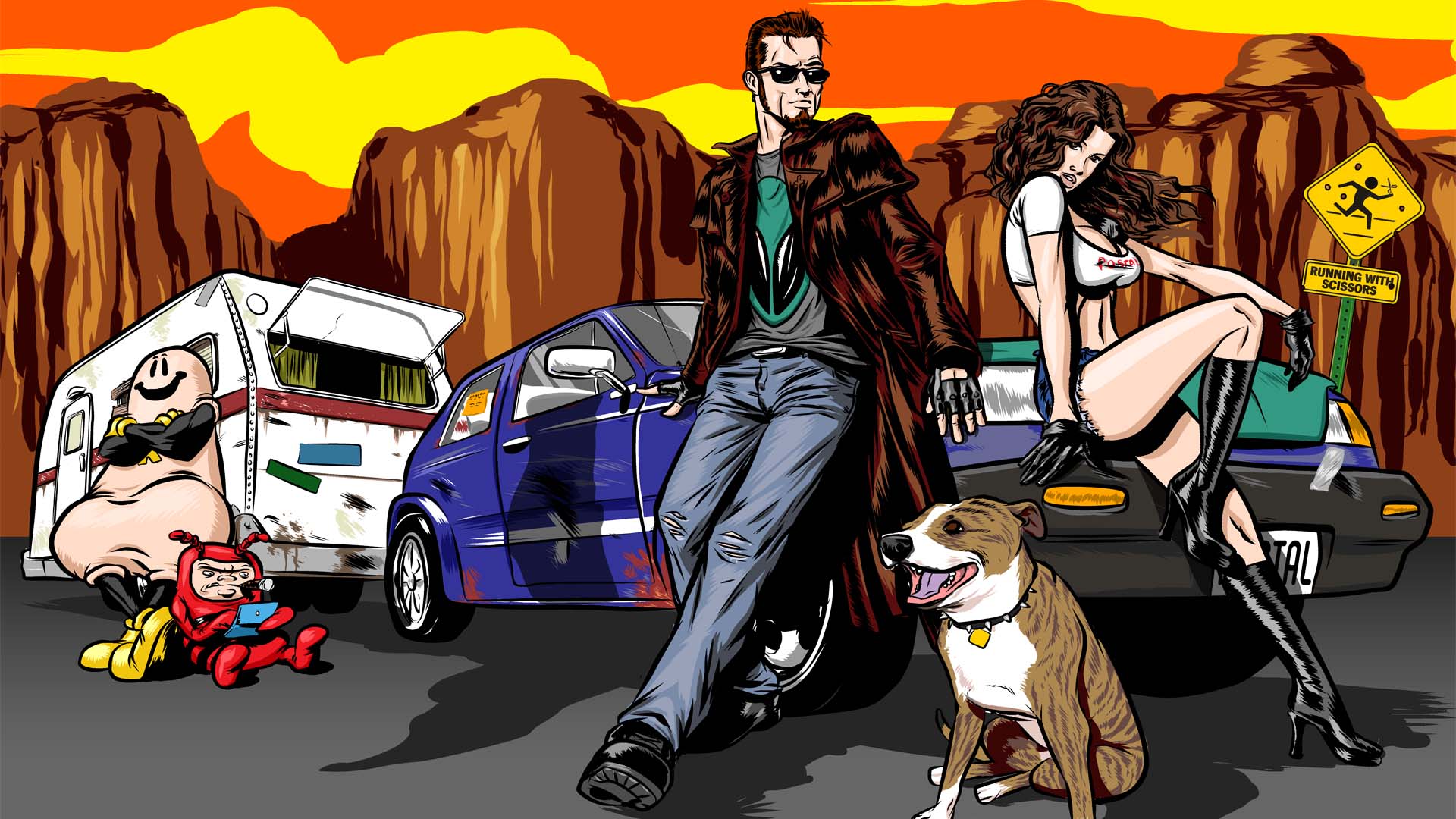
This title is infamous for trying to offend as many people as possible through its gameplay and dialogue. It includes various NPCs and situations where trans people are depicted in a highly stereotypical and derogatory manner. The game invites the player to commit acts of violence against these characters while the protagonist makes snide remarks. The developers used these identities as part of a larger effort to be edgy and controversial. As a result the game is frequently cited in discussions about harmful representation in digital media.
‘Conker’s Bad Fur Day’ (2001)
This mature platformer features a wide array of bathroom humor and pop culture parodies. One specific scene involves a character whose gender reveal is used to shock and disgust the main character. The humor relies on the audience sharing Conker’s revulsion at the discovery. This type of joke was common in early 2000s media but has been heavily criticized in recent years. It stands as an example of the game’s overall philosophy of using shock as the primary source of laughter.
‘Guilty Gear XX’ (2002)
The character Bridget was long presented as a boy who was raised as a girl and her identity was the source of many jokes. Victory screens and story modes often focused on the surprise or confusion of other fighters when they learned her true gender. The fan base and the game itself frequently used her status as a trap which is a term many find offensive. While the developer later officially transitioned her into a trans woman the early years were defined by these jokes. This shift was seen by many as a way to rectify years of using her identity as a gag.
‘Danganronpa Trigger Happy Havoc’ (2010)
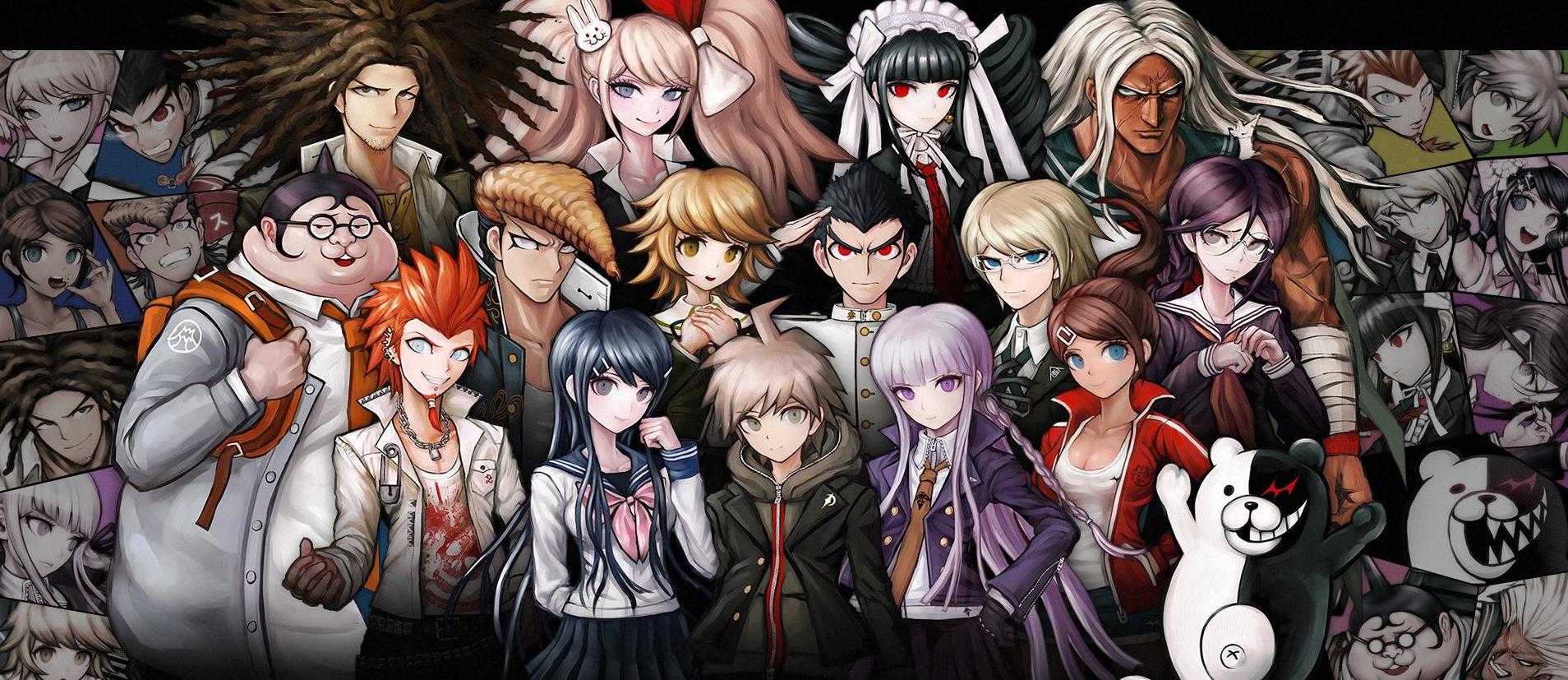
The character Chihiro Fujisaki is revealed to be a boy who cross dresses to hide his perceived weaknesses. The reveal is treated as a major shock and other characters react with intense confusion and scrutiny. The narrative often struggles to balance the character’s personal struggles with the way others mock his choice of clothing. Many critics argued that the game uses Chihiro’s identity more as a plot device and a punchline than a serious exploration of gender. The handling of the character remains one of the most debated aspects of the franchise.
‘The Witcher 3 Wild Hunt’ (2015)
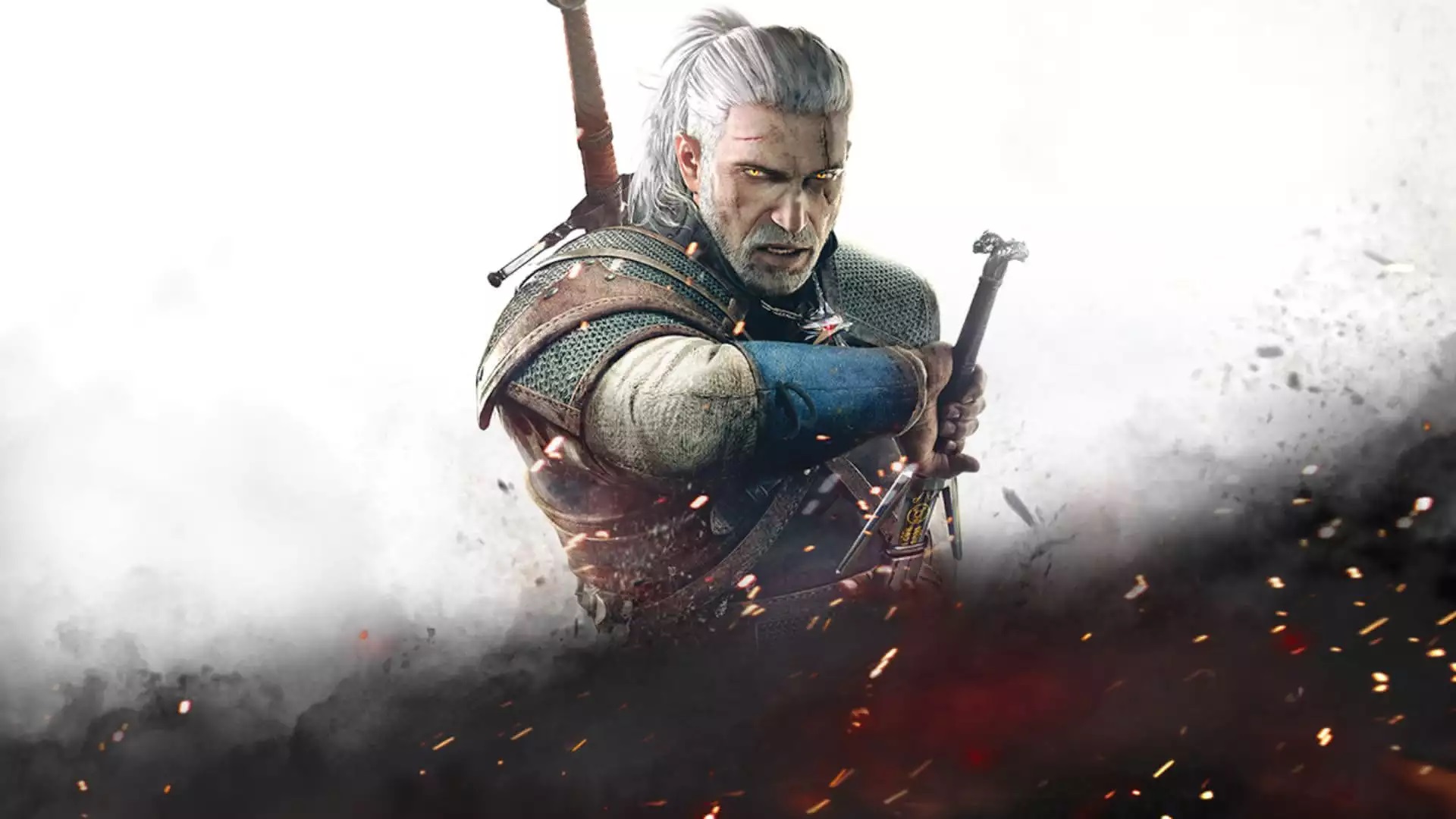
In the city of Novigrad players can meet an elf named Elihal who enjoys wearing women’s clothing. While the interaction is relatively calm the protagonist Geralt has dialogue options that can be dismissive or confused. Some players felt that the game presented Elihal as a curiosity to be gawked at rather than a person. The presence of the character in a quest about finding a serial killer added a layer of discomfort for some critics. Despite the nuanced world the depiction of gender nonconformity here was seen by some as a missed opportunity.
‘Tekken 7’ (2015)
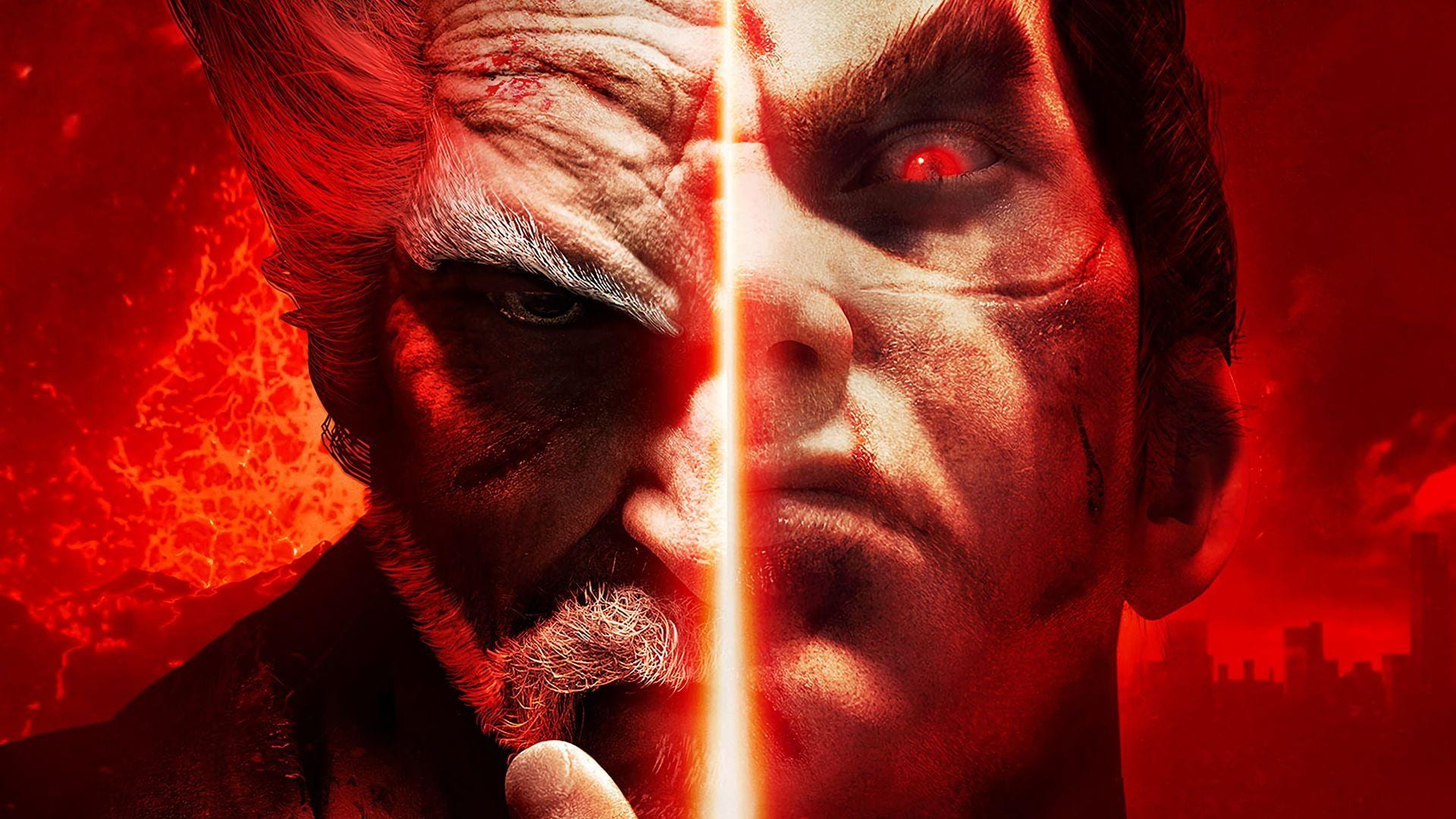
The character Leo Kliesen has a gender identity that the developers intentionally kept ambiguous for several games. This ambiguity was often used as a marketing tool and a way to generate jokes within the community and promotional materials. Producer comments sometimes treated the question of Leo’s gender as a funny secret rather than an important part of the character. Fans have criticized this approach for turning a character’s identity into a long running tease. This lack of clarity is often seen as a way to avoid taking a definitive stance on representation.
‘Mass Effect Andromeda’ (2017)
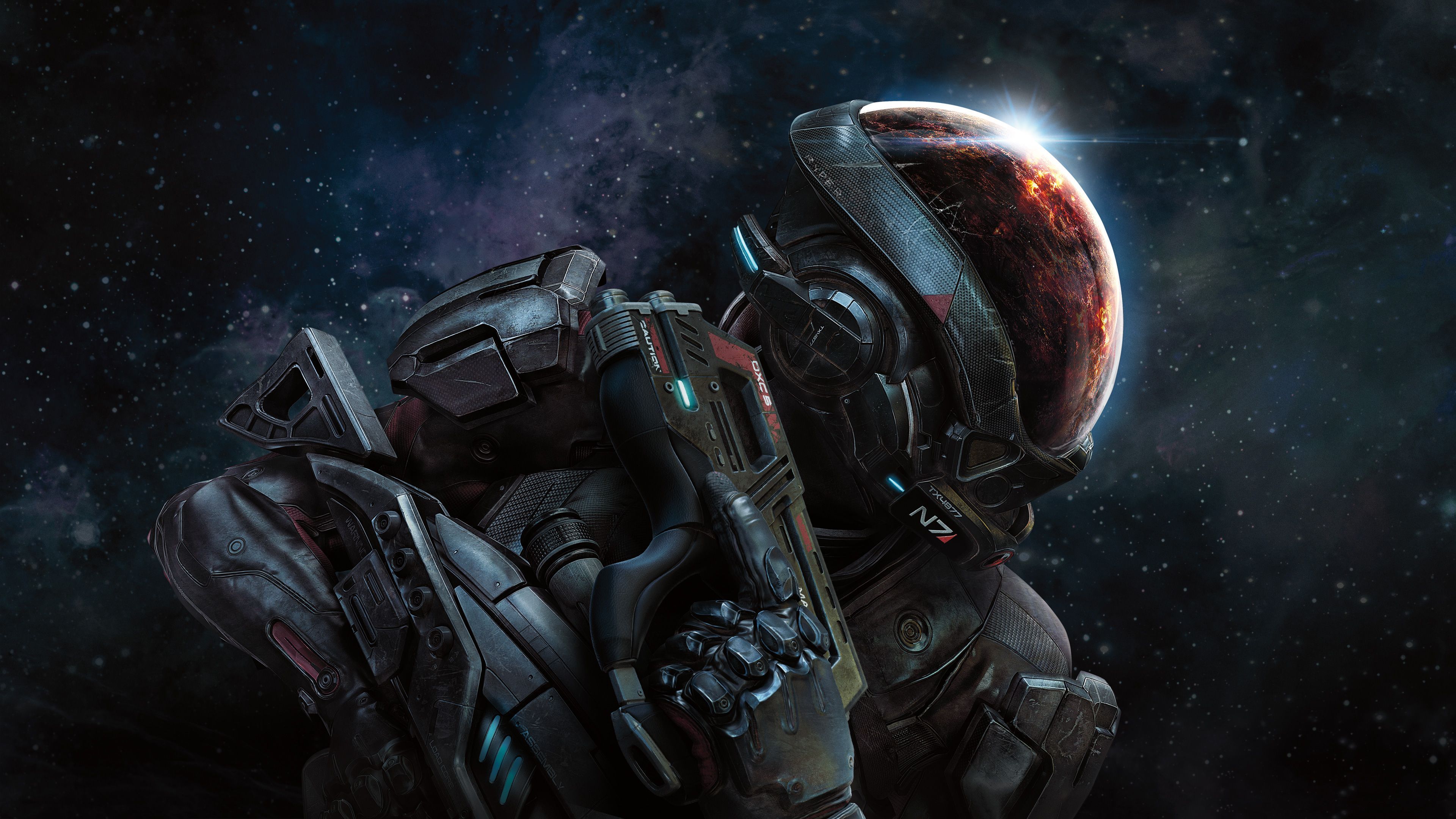
A character named Hainly Brehn was criticized shortly after the game’s release for her introductory dialogue. She reveals her deadname and trans history to the protagonist almost immediately after meeting them. Many players found this writing to be clunky and felt it turned her identity into a superficial talking point. The developers eventually patched the game to change the dialogue so she would only share that information once a relationship was established. This incident highlighted the importance of writing trans characters with depth rather than as a collection of facts.
‘Cyberpunk 2077’ (2020)
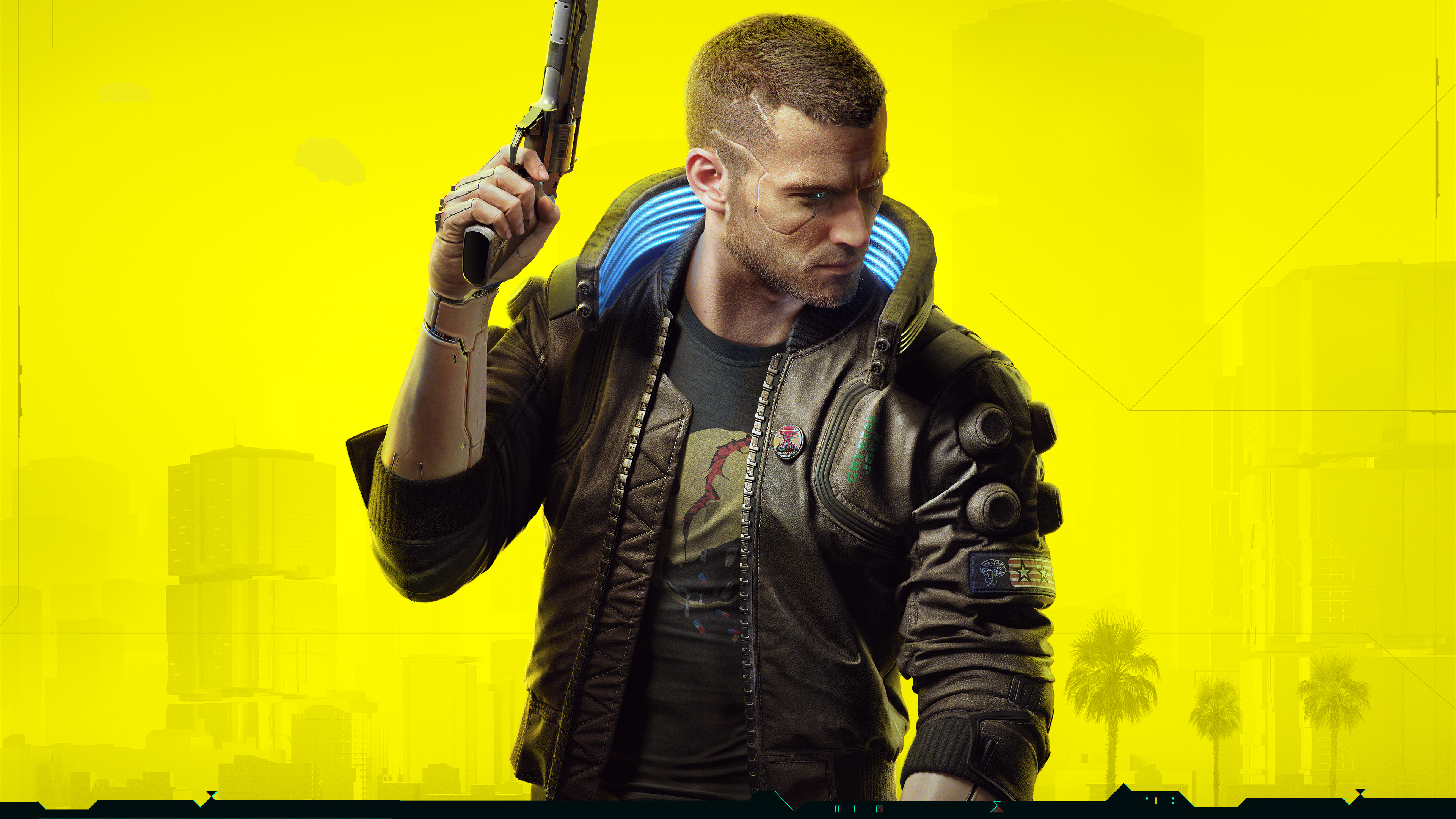
The marketing for this game included an in game advertisement featuring a trans woman with an exaggerated physique to sell a soda. This image became a flashpoint for debate about how the game used trans bodies as aesthetic objects or jokes. Within the game world many of the depictions of trans people are found in background lore that can be seen as dehumanizing. Critics argued that the game used transness as a way to show how broken the future is rather than as valid representation. The developer defended the choice as a critique of corporate exploitation but many fans remained unconvinced.
‘Fable II’ (2008)
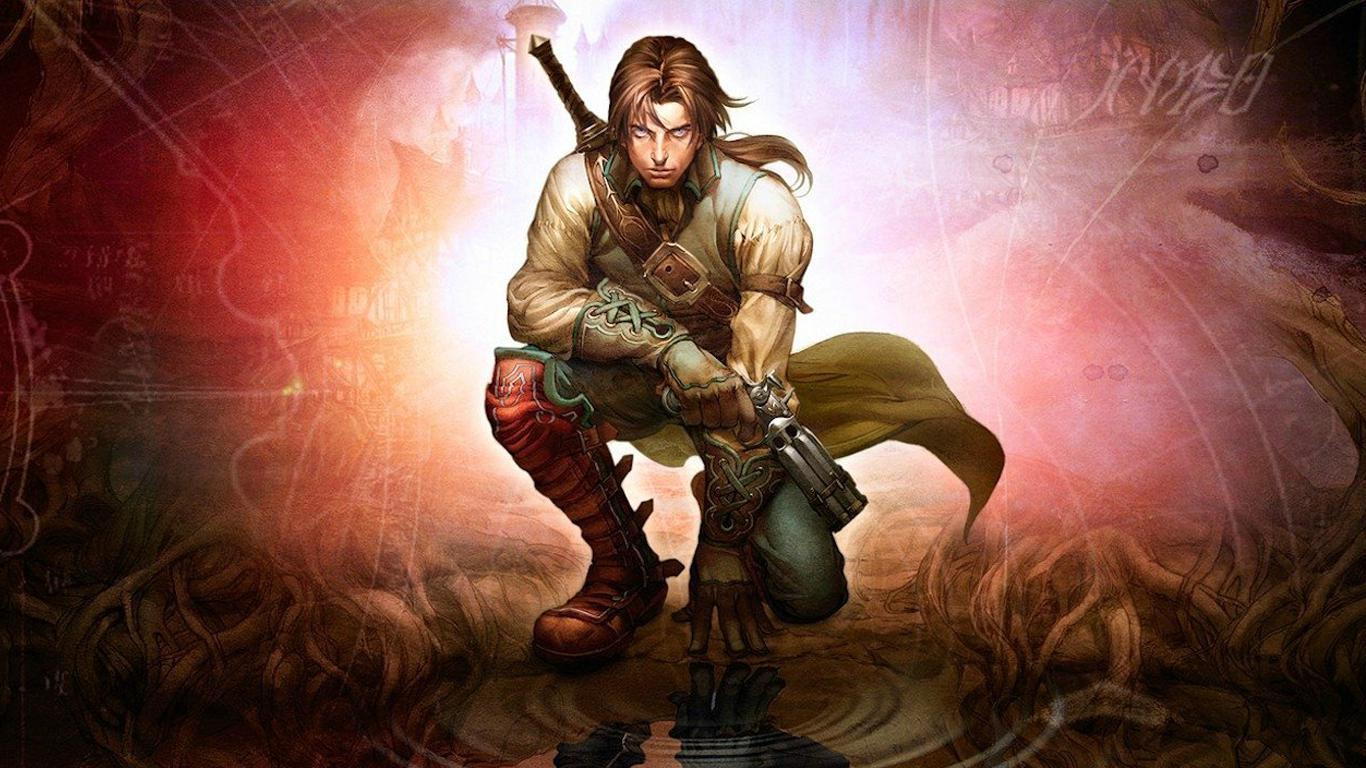
The game features a Potion of Transmutation that allows the player to permanently change their character’s gender. The reactions of NPCs to this change are often comedic and rely on shock or confusion. Some of the dialogue written for these situations frames the transition as a bizarre magical accident rather than a personal choice. While the mechanic was unique for its time the execution was often focused on the novelty and humor of the situation. This led to accusations that the game did not take the concept of gender identity seriously.
‘Bully’ (2006)
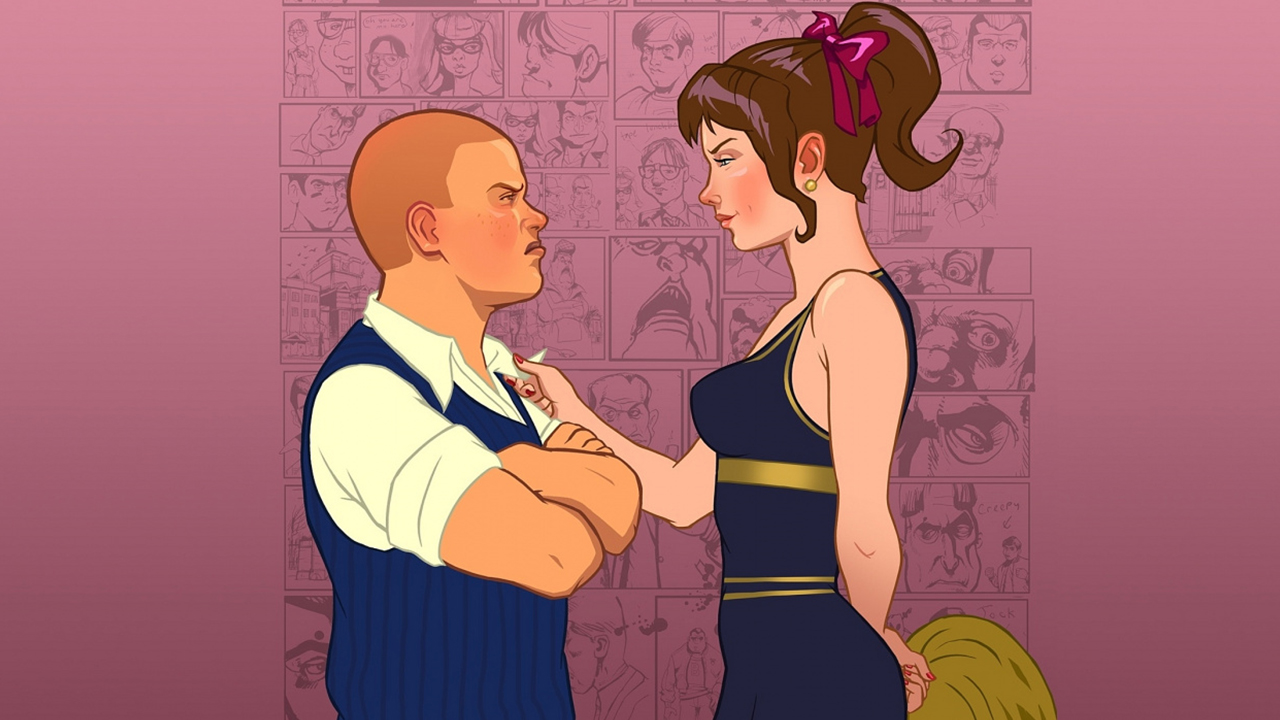
This school based sandbox game features several NPCs who can be found around the campus or town. Some of the dialogue lines for these background characters include disparaging remarks about gender nonconforming people. The humor is consistent with the game’s focus on mean spirited schoolyard dynamics but can still feel targeted. Players noted that certain adult characters are depicted with traits that are used as punchlines for being unmanly or masculine women. These depictions are part of the game’s overall satirical take on social hierarchies.
‘World of Warcraft’ (2004)
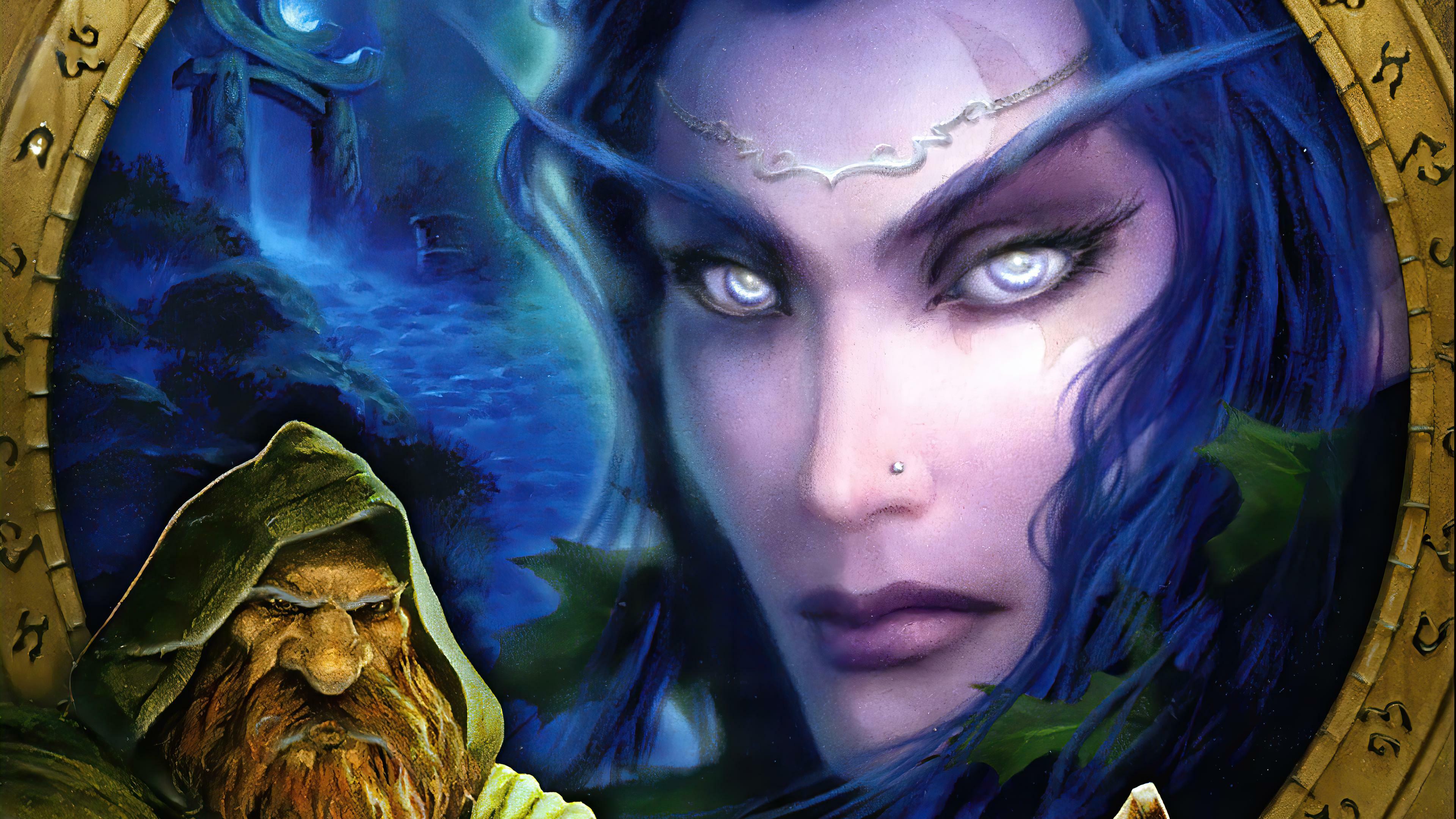
The massive online world has contained various NPCs over the years whose names or descriptions were used as jokes. Some early quests featured characters with pun based names that mocked gender identity or transition. Blizzard has since removed or renamed many of these characters following feedback from the community. These changes were part of a broader effort to make the game world feel more inclusive to all players. The original inclusions are often cited as examples of the bro culture that influenced early game development.
‘EarthBound’ (1994)
This quirky RPG includes a group of characters known as the Magypsies who have magical powers. They are depicted with feminine clothing and makeup but have facial hair and deep voices. While some fans see them as positive figures others argue they are portrayed as eccentric oddities for the player to laugh at. Their mannerisms and dialogue are often written to be over the top and strange. This portrayal is a product of its time but has faced modern reevaluation regarding how it handles gender nonconformity.
‘Sly 3 Honor Among Thieves’ (2005)
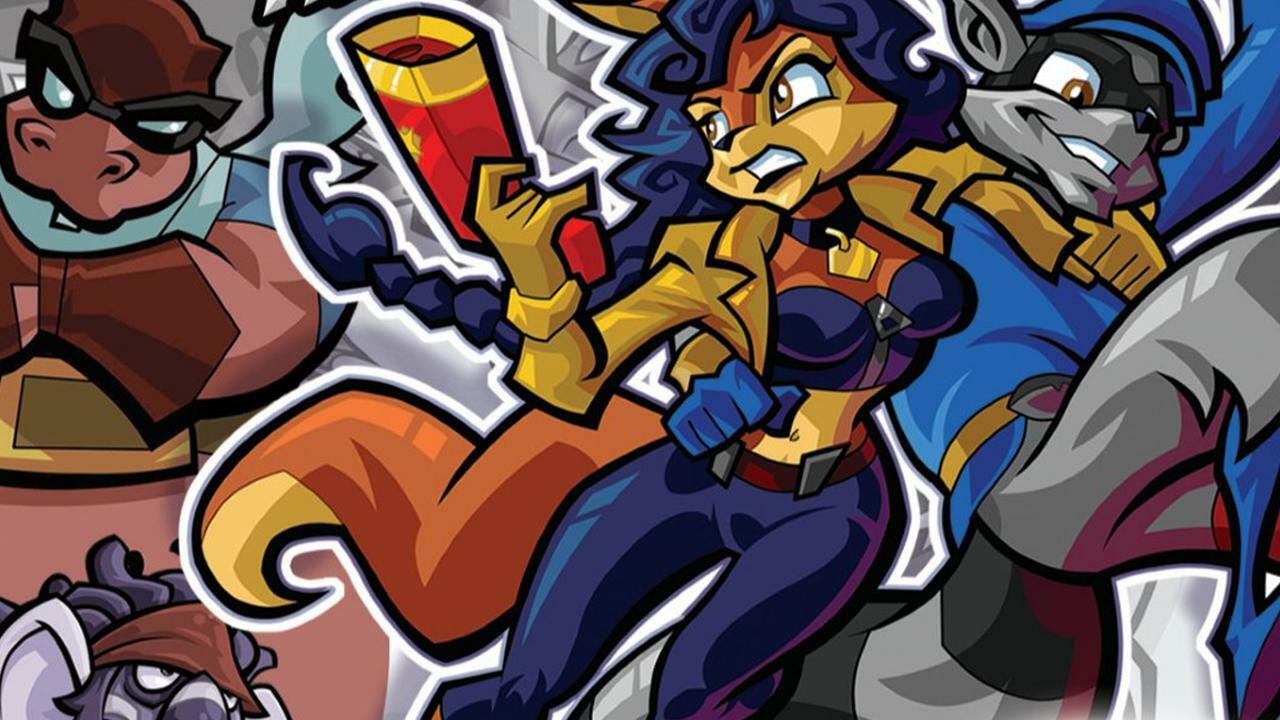
One of the boss characters in this stealth game is a large woman whose gender is a recurring joke for the protagonists. The dialogue between the main characters often focuses on her appearance in a way that is meant to be funny. They use her strength and size as reasons to question her identity during their banter. This type of humor was common in children’s media during that era but is now seen as problematic. It uses the character’s deviation from gender norms as a core part of the comedic conflict.
‘Borderlands 2’ (2012)
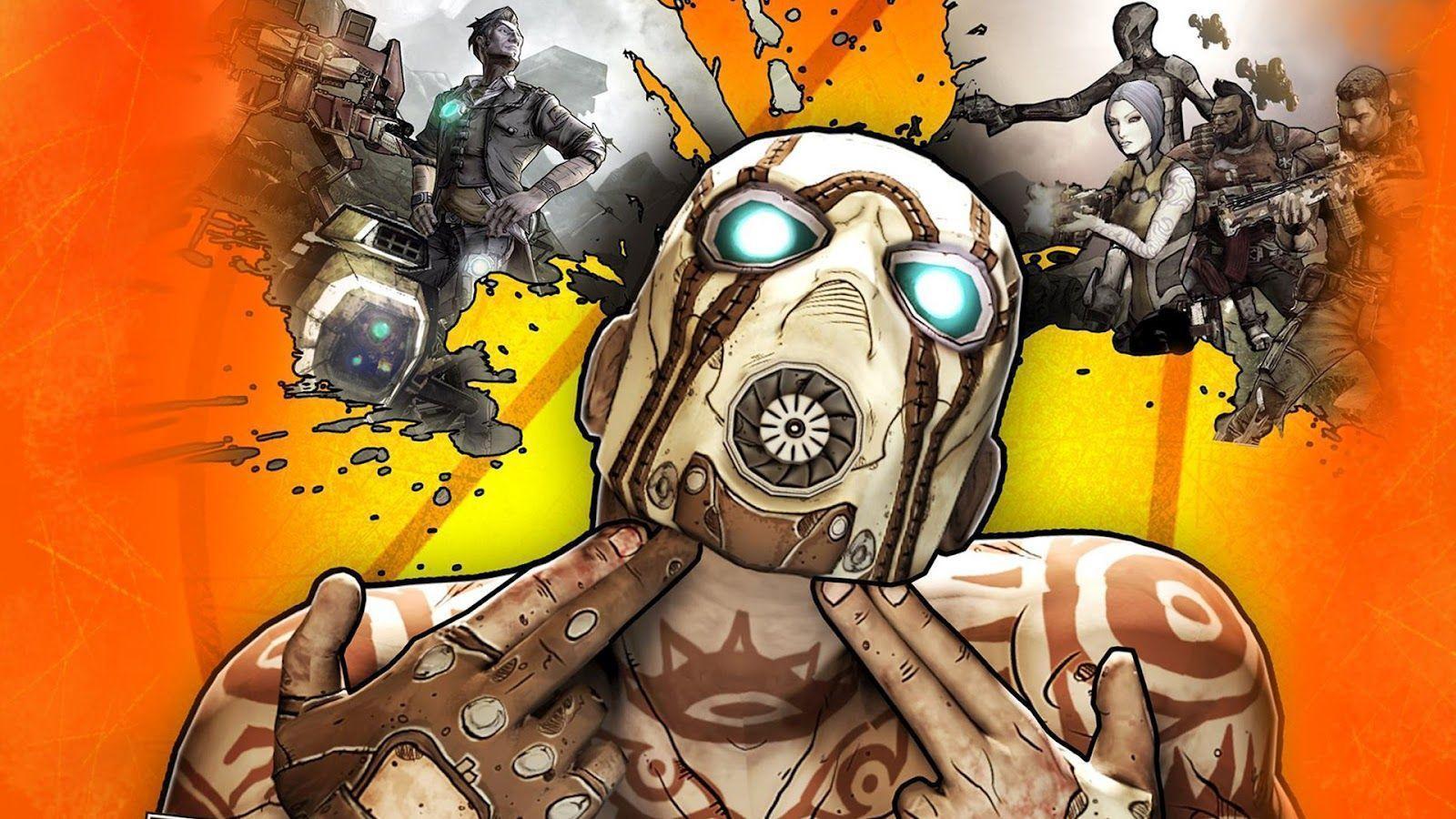
The character Sir Hammerlock is a fan favorite but some of the dialogue written by other characters can be seen as mocking. In particular the character Tiny Tina has lines that make light of gender and identity in her typical chaotic fashion. While the game is praised for its diverse cast it sometimes uses that diversity for crude or fast paced jokes. Some critics felt that the constant barrage of humor sometimes came at the expense of character dignity. The game balances a fine line between inclusive writing and using character traits for laughs.
‘Far Cry 6’ (2021)
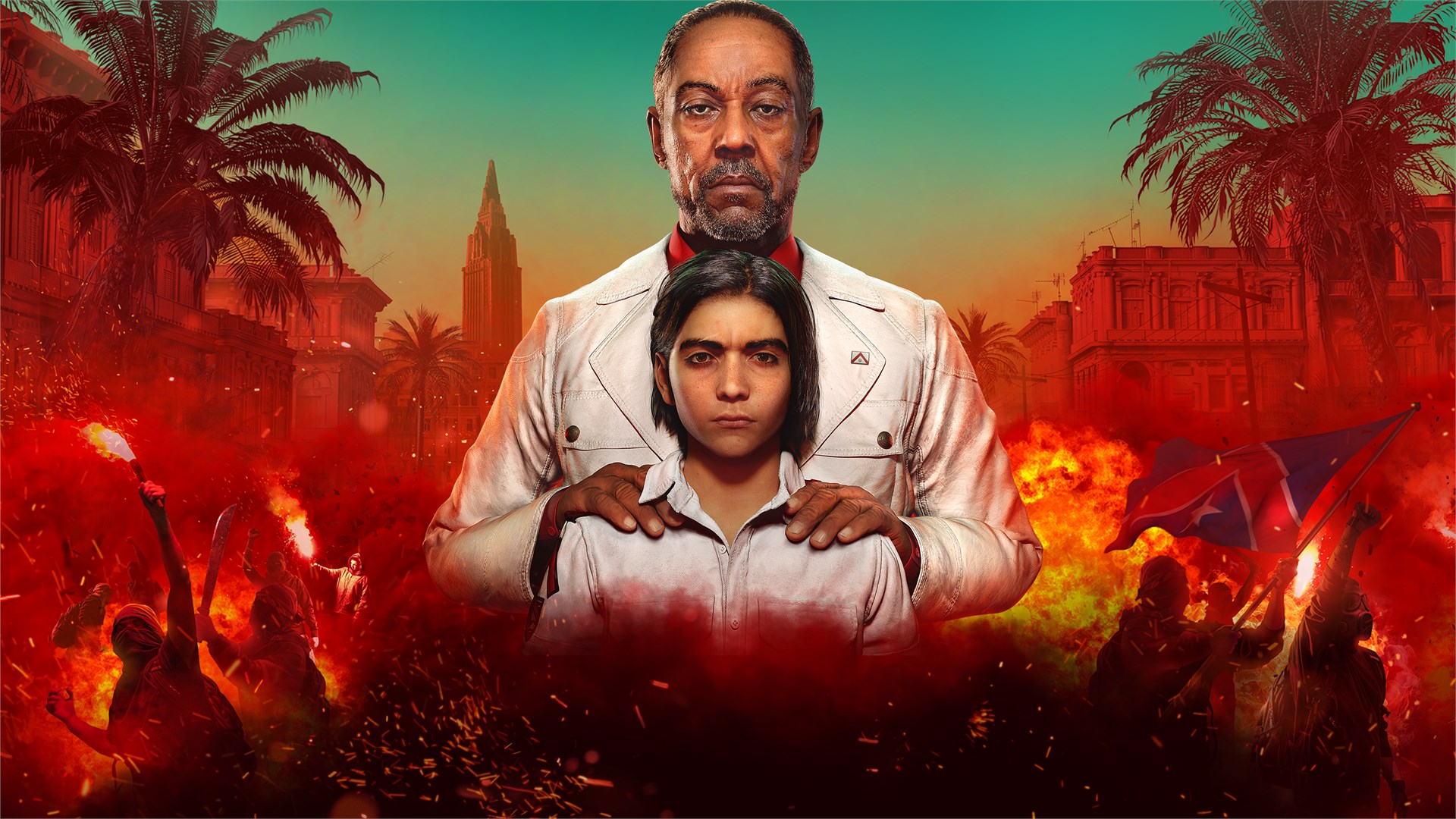
The character Paolo is a trans man who is a central part of the rebel group in the game. Some players and critics took issue with how his transition was discussed by other characters during certain missions. There were concerns that the narrative focused too much on his past struggles as a source of drama or dark humor. While he is a heroic figure the way his identity is framed in certain dialogues felt insensitive to some. This led to discussions about how even well intentioned representation can falter in its execution.
‘Persona 4’ (2008)
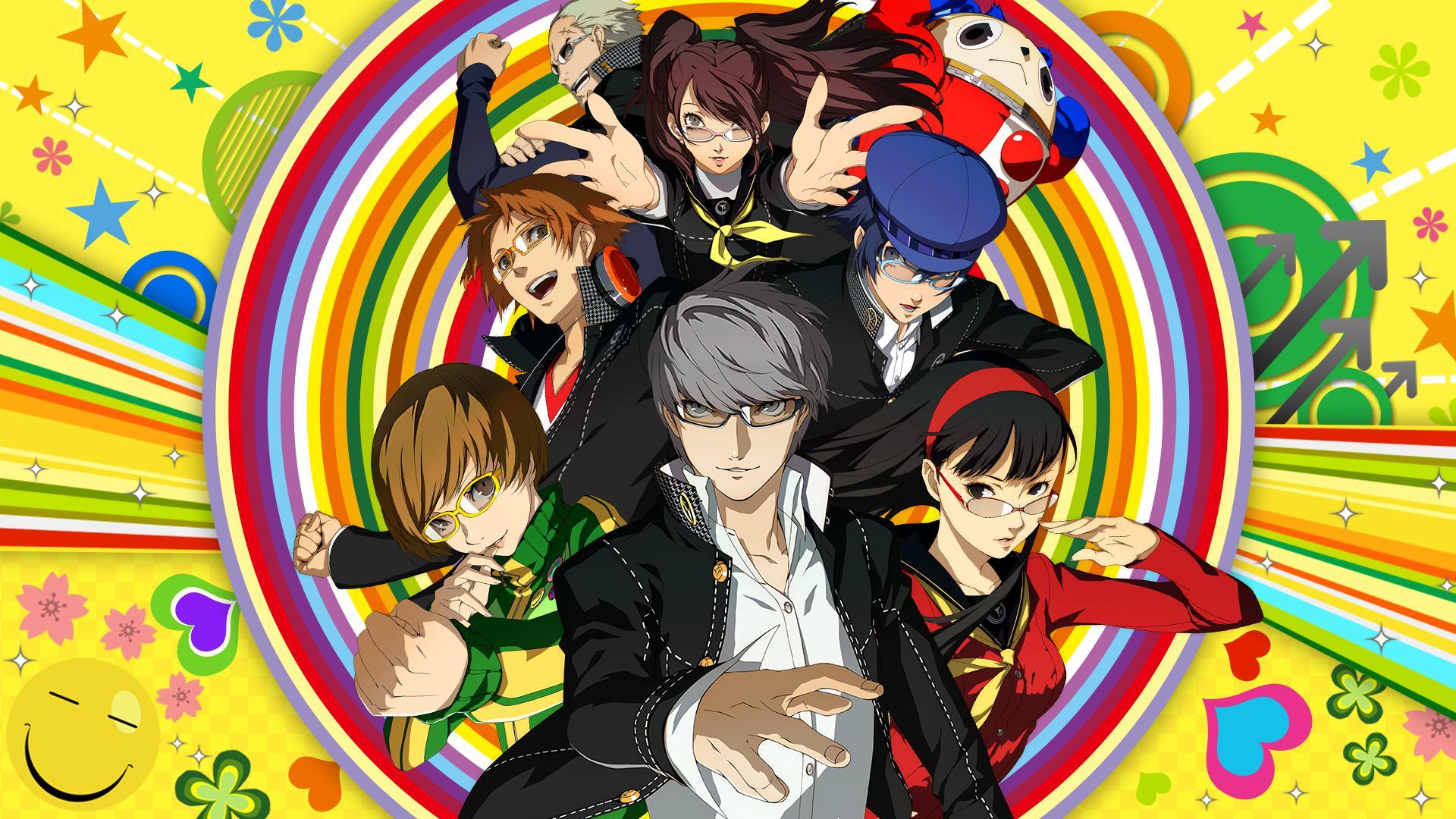
Naoto Shirogane is a character who presents as a man to be taken seriously in the police force. Throughout the game the main cast makes numerous jokes about her true gender once it is revealed. The narrative eventually reinforces that she is a woman who was just pretending which frustrated many players who saw her as a trans man. The constant teasing about her body and her choice of clothing is used as a recurring gag in the social segments. This treatment is often criticized for dismissing the character’s gender journey for the sake of comedy.
‘Street Fighter II’ (1991)
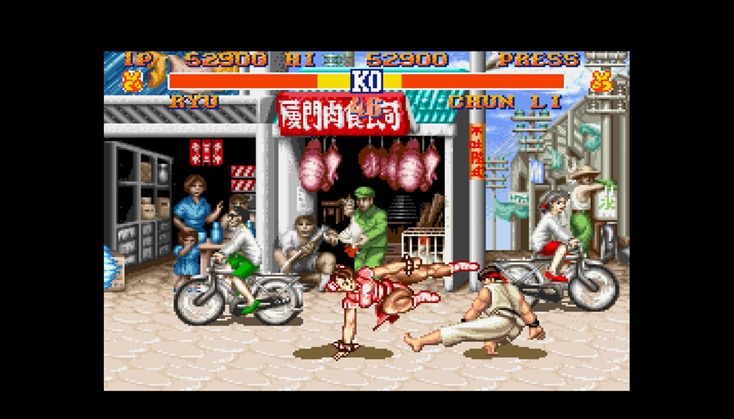
The character Poison was originally designed as a female enemy but was changed to be transgender in the manual to avoid hitting women. This change was presented as a way to make it acceptable for the player to fight her in the game. For years this was treated as a joke in behind the scenes interviews and official art books. The idea that her identity was a legal loophole rather than a character trait was seen as disrespectful by many fans. This historical context has colored the character’s perception for decades.
‘BlazBlue Chrono Phantasma’ (2012)
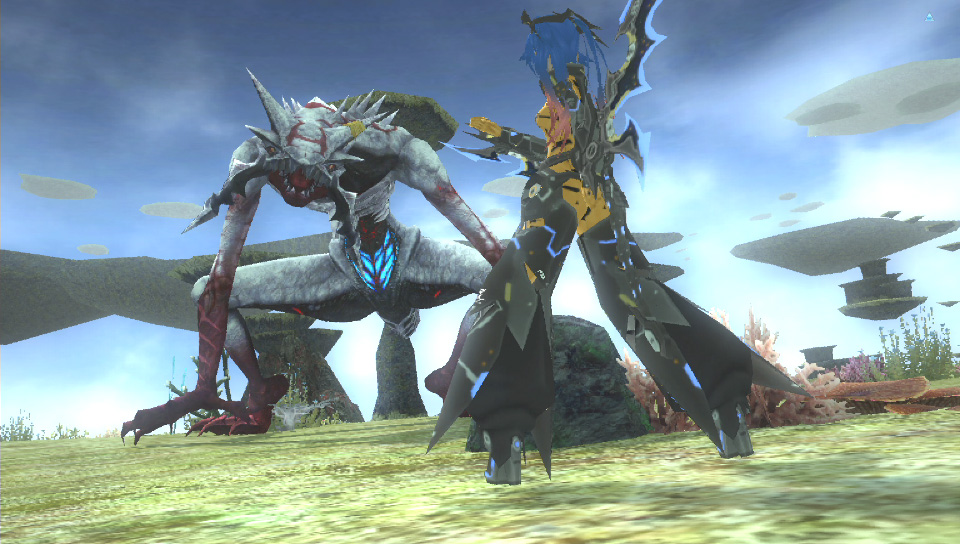
The character Amano is often the subject of confusion and jokes regarding his appearance and mannerisms. Other fighters in the roster react to him with a mix of shock and mockery during their intro and outro sequences. The game uses his gender nonconforming traits as a way to establish his eccentric personality. Some players felt that these interactions were designed to make the player uncomfortable for the sake of humor. This is a common trope in many fighting games from this developer.
‘Samurai Shodown’ (1993)
The character Charlotte was occasionally the target of mistranslations and jokes that questioned her gender in early English releases. These errors were often left in the game and became a part of the series lore for western players. The humor relied on the idea that a strong female knight was a confusing concept that required explanation. While not as overt as other examples it showed a lack of care in how gender roles were presented. Modern entries have moved away from this but the early jokes are still remembered.
‘Fallout New Vegas’ (2010)
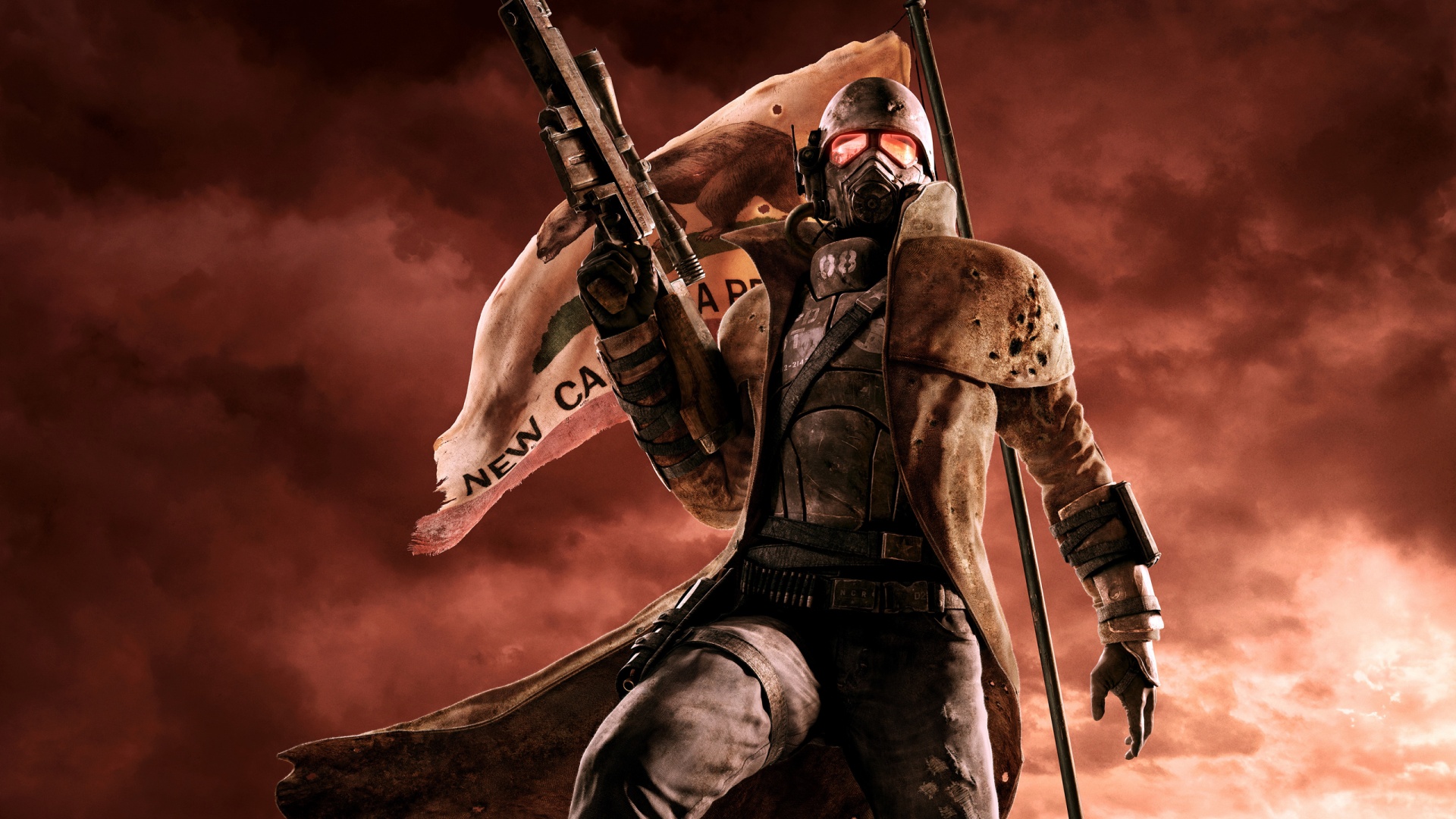
In the Old World Blues expansion players can interact with various robotic personalities that have exaggerated traits. Some of the dialogue written for these characters includes jokes that play on gender identity and body parts. These lines are intended to fit the game’s dark and absurdist sense of humor but they can feel like they are targeting trans individuals. The protagonist has the option to respond in ways that further the joke or express confusion. This content is often overshadowed by the game’s overall quality but remains a point of criticism.
‘The Last of Us Part II’ (2020)
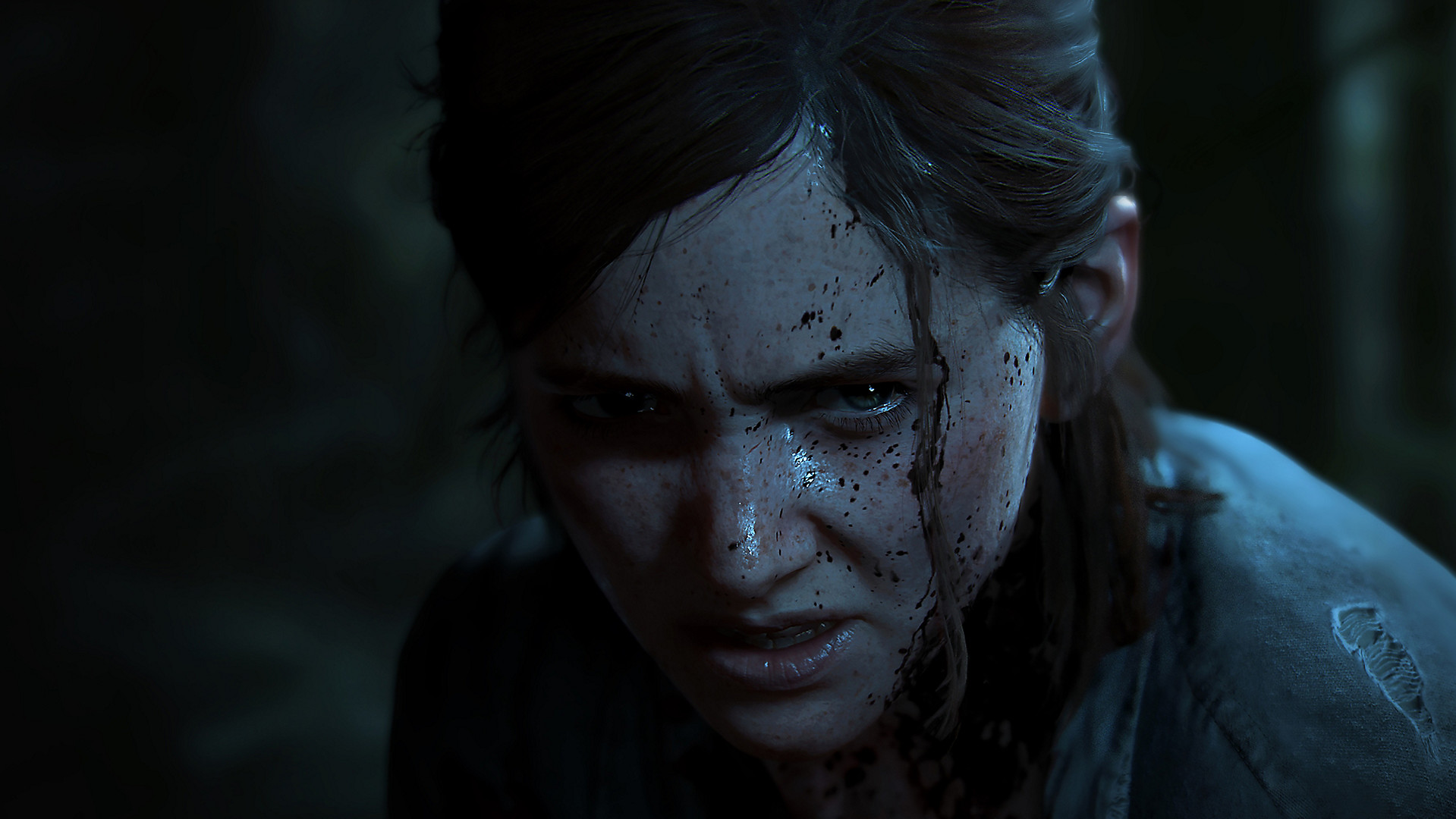
The character Lev is a trans boy whose identity is a major part of his character arc. While the game is widely praised for its representation it was also accused of using his deadnaming for emotional shock value. Some critics felt that the constant trauma he faces due to his identity was a form of misery porn that bordered on being exploitative. While not a punchline in the traditional sense the use of his identity as a source of horror for the player was seen by some as insensitive. This sparked a large debate about the difference between realistic struggle and harmful tropes.
‘Hogwarts Legacy’ (2023)
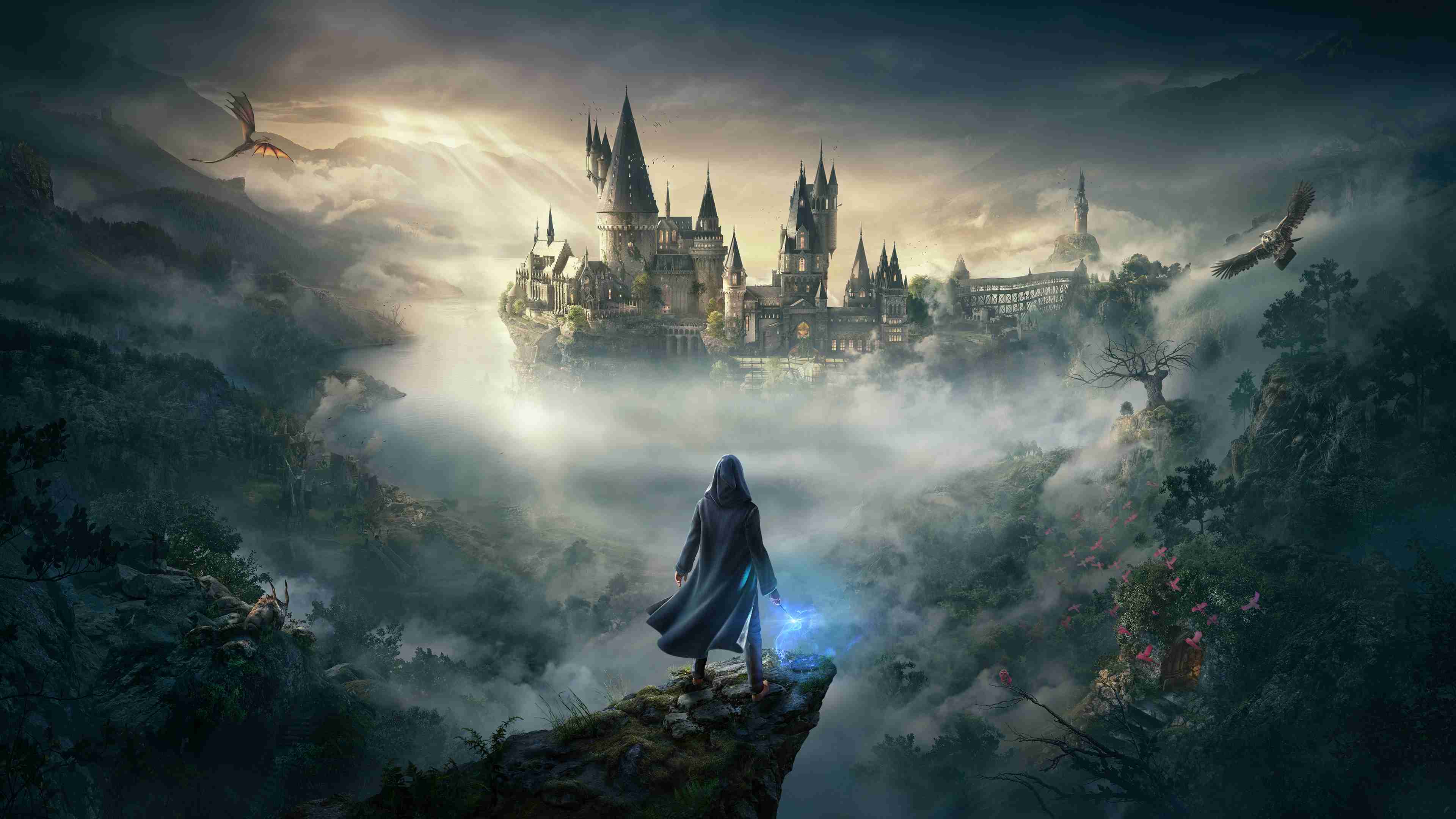
The inclusion of Sirona Ryan was seen by some as a forced attempt to address criticisms of the franchise creator. Some players felt her name was a poorly disguised joke that focused on the word sir as a way to mock her identity. The dialogue she provides is often seen as dry and solely focused on her history which some felt was lazy writing. Critics argued that her presence felt like a shield against controversy rather than a genuine attempt at representation. This led to a polarized reaction from the community regarding her role in the game.
‘Dragon’s Dogma’ (2012)
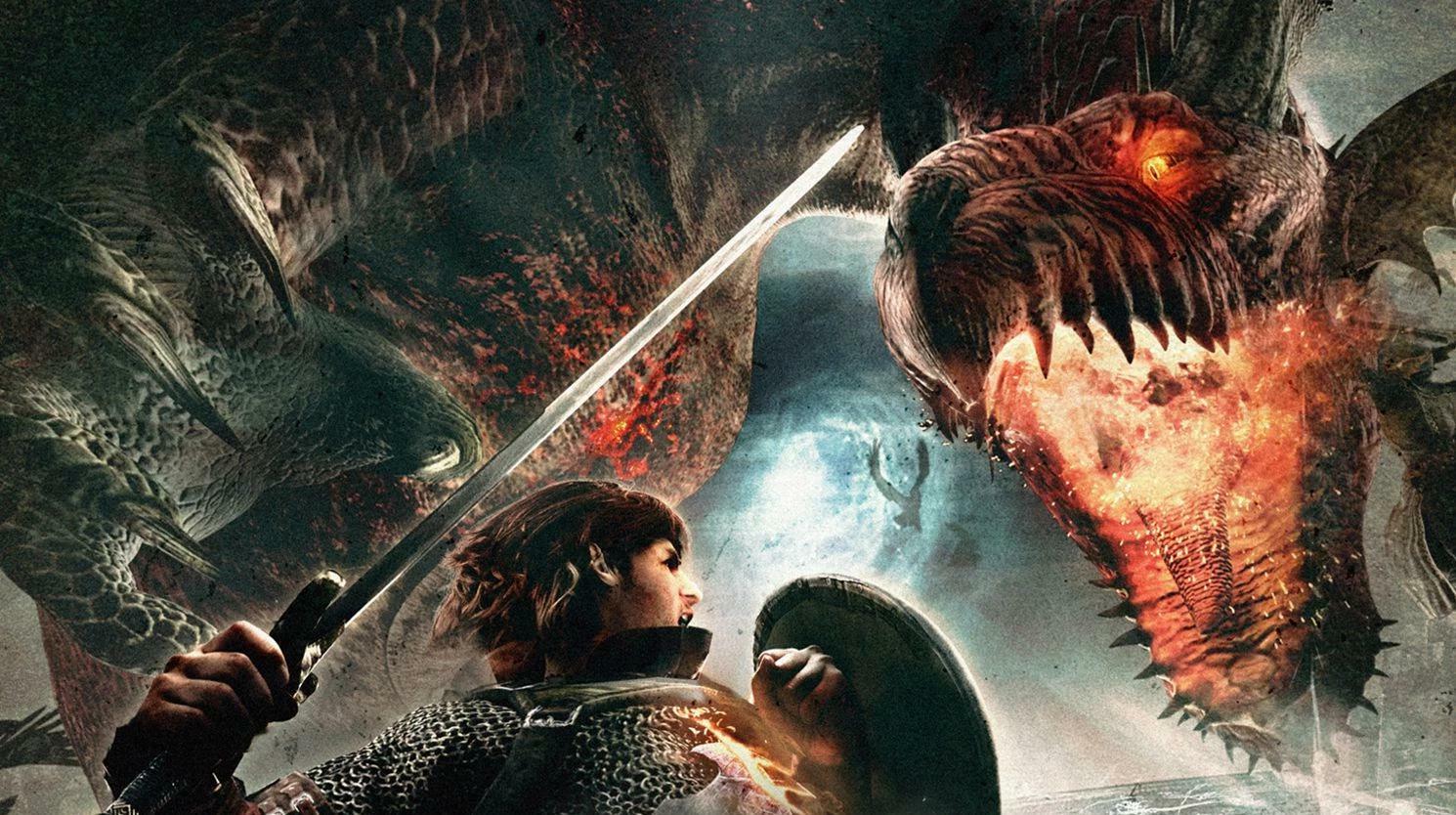
This fantasy game includes a mechanic where certain items can change a character’s appearance in ways that cross gender lines. The reactions from other characters in the world and the way these items are described often lean into comedic tropes. There is a sense of tricking the world or others that is framed as a fun or silly gameplay quirk. Some players felt this trivialized gender identity by turning it into a temporary disguise or a gag. This approach is typical of many RPGs that use gender as a cosmetic layer rather than a character trait.
Share your own experiences with representation in gaming in the comments.