

Games Boycotted Over Creator’s Offensive Private Messages

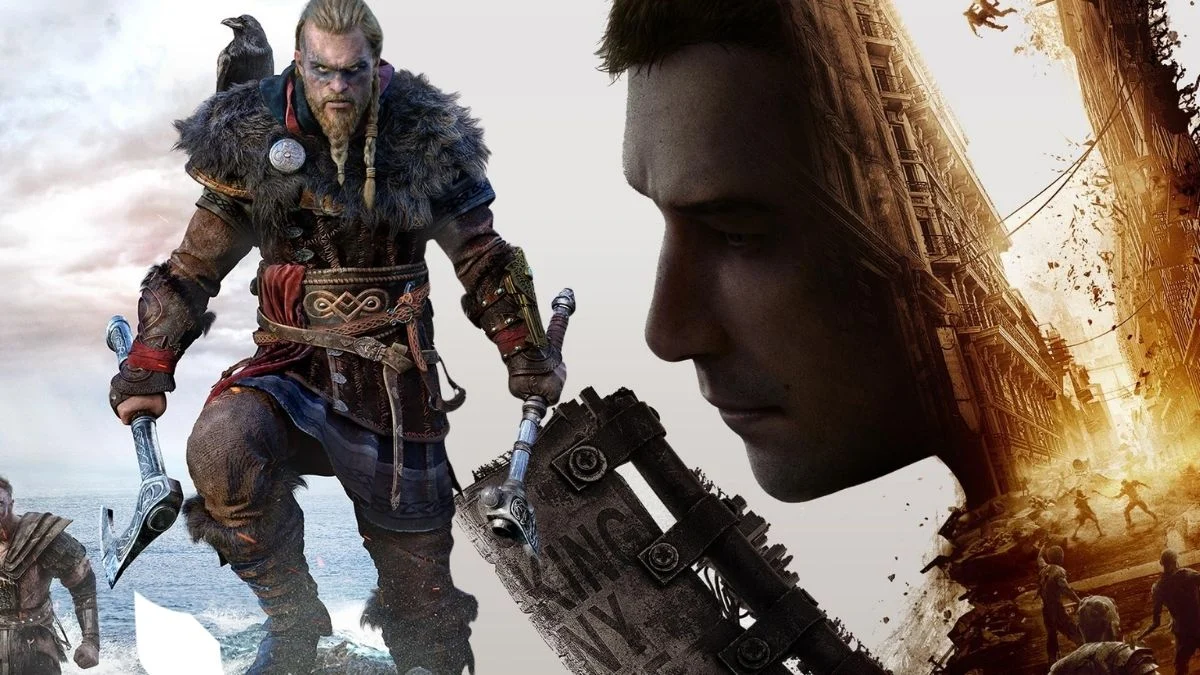


The video game industry frequently faces scrutiny when the people behind popular titles are exposed for controversial behavior. While public statements often trigger backlash, some of the most intense boycotts stem from leaked private messages or internal communications that reveal harassment or bigotry. These incidents often force players to decide if they can separate the art from the artist when toxic conduct is brought to light. The following list highlights games that faced significant community resistance after private offensive interactions by their creators were exposed.
‘High on Life’ (2022)
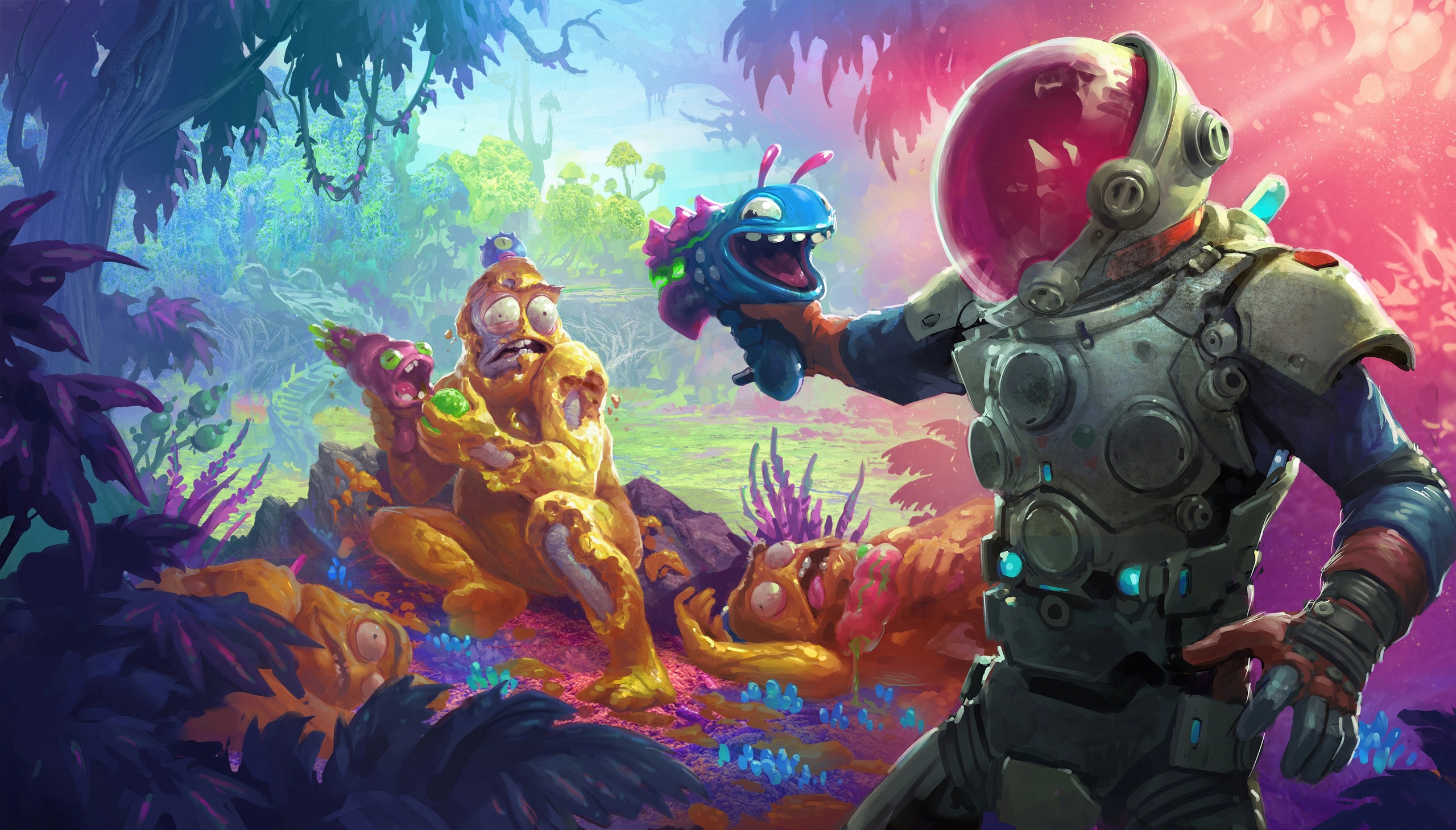
This comedic shooter faced a massive wave of backlash after allegations surfaced regarding creator Justin Roiland. Leaked private messages appeared to show the writer sending inappropriate and sexually explicit texts to minors and fans. The studio Squanch Games eventually announced his resignation to distance the project from his personal scandals. Many players refused to purchase the game because Roiland provided the primary voice acting and creative direction.
‘Skullgirls: 2nd Encore’ (2015)
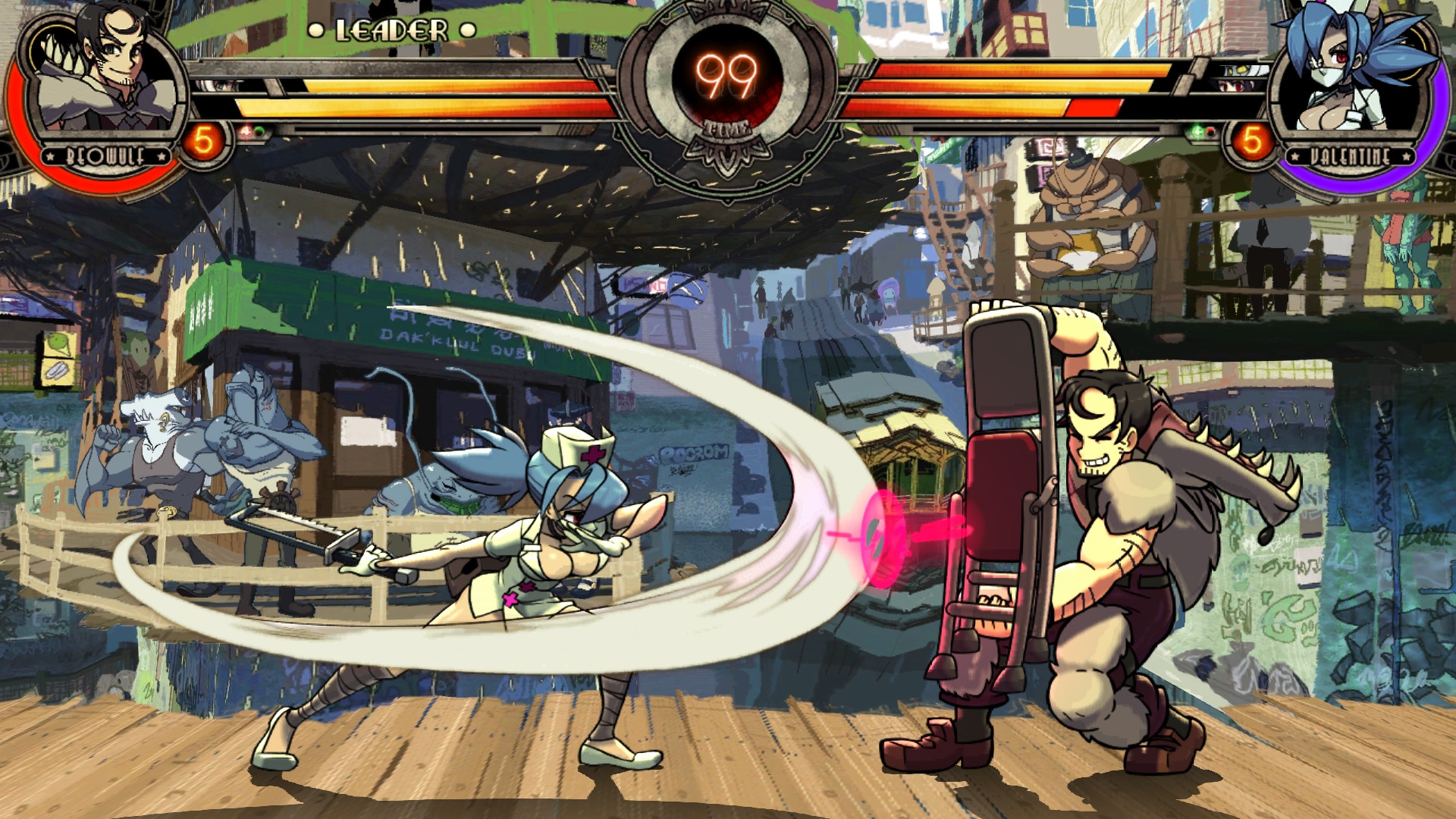
Lead designer Mike Zaimont became the center of a major controversy when private direct messages revealed him making uncomfortable sexual comments to members of the community. The competitive fighting game scene responded by banning the title from major tournament lineups for a significant period. Internal conflicts escalated until the rest of the development team resigned to form a new studio without him. Ownership of the intellectual property was eventually transferred to sever financial ties with the disgraced creator.
‘Indivisible’ (2019)
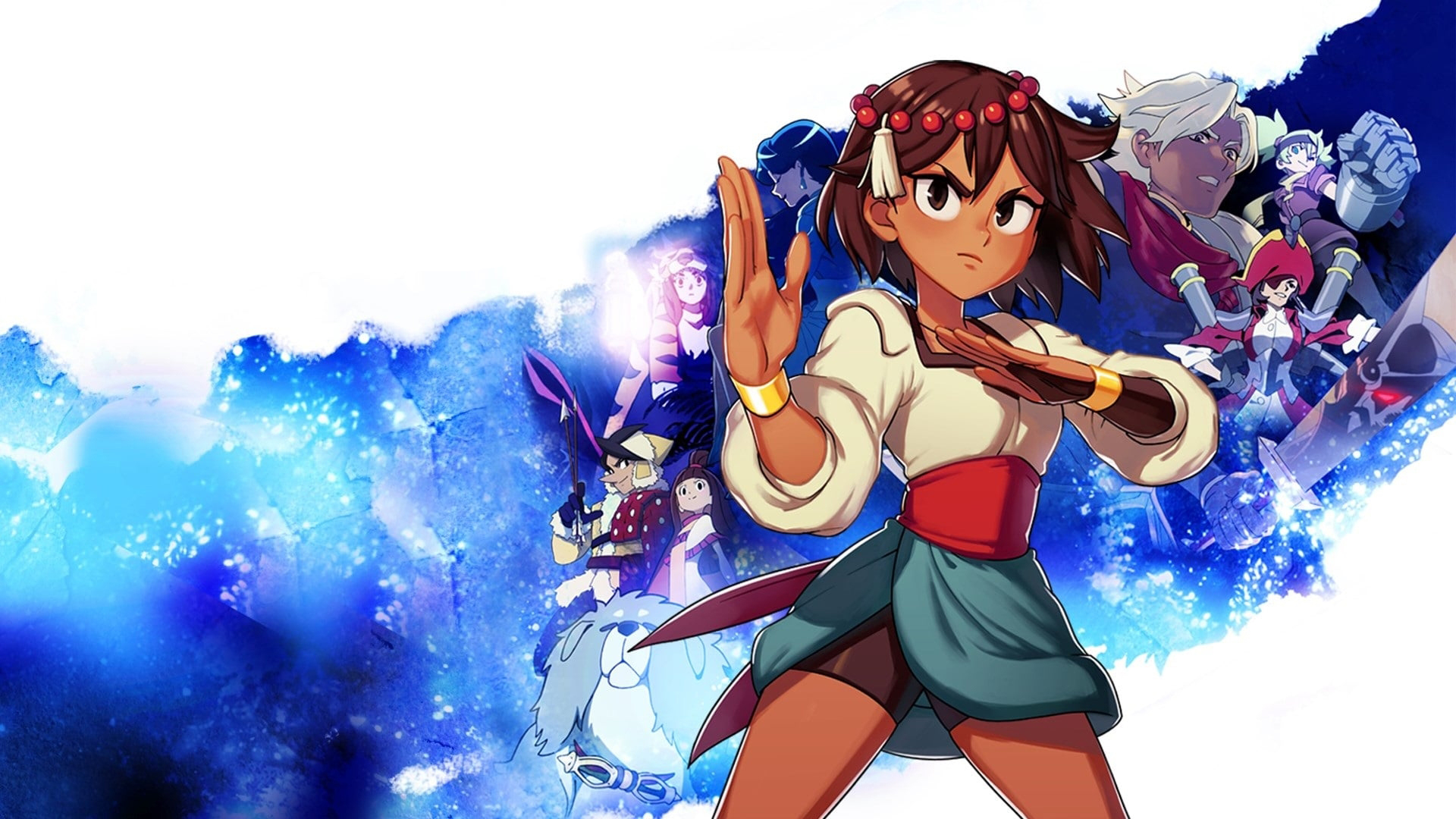
The production of this action role-playing game suffered greatly due to the behavior of lead design director Mike Zaimont. Following the release of his inappropriate private messages, the game ceased receiving new content updates much earlier than planned. 505 Games stopped production on guest character content after the dissolution of Lab Zero Games. Fans expressed disappointment that the crowdfunding promises could not be fulfilled due to the toxic management revealed by the leaks.
‘Night in the Woods’ (2017)
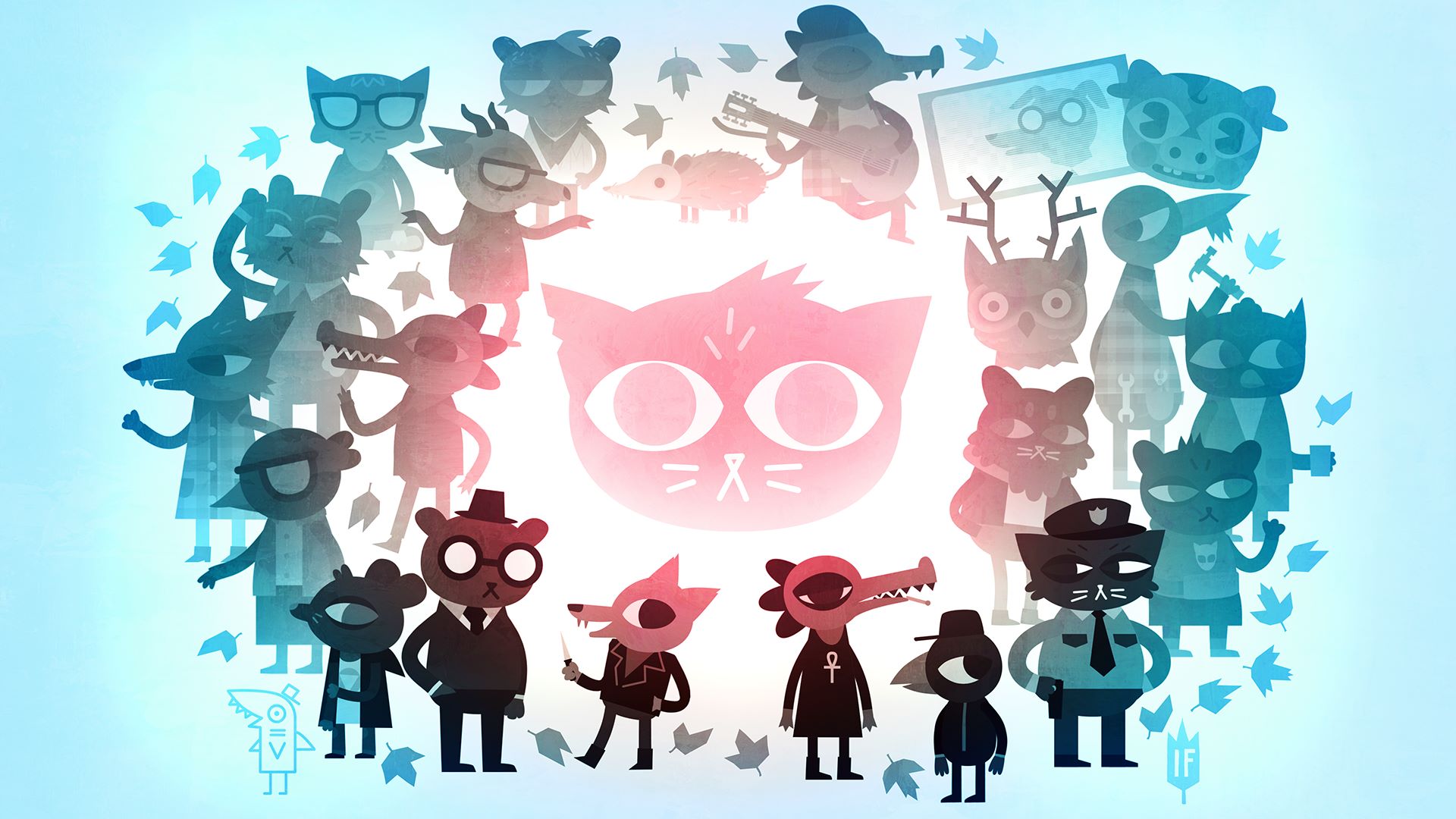
This critically acclaimed indie title faced a difficult period after accusations of abuse involving developer Alec Holowka came to light. The allegations detailed manipulative behavior and emotional abuse that allegedly occurred in private relationships. The remaining development team cut ties with Holowka and cancelled a planned physical release to address the situation. The controversy left the community divided on how to interact with a game that deals heavily with mental health themes.
‘Ion Fury’ (2019)
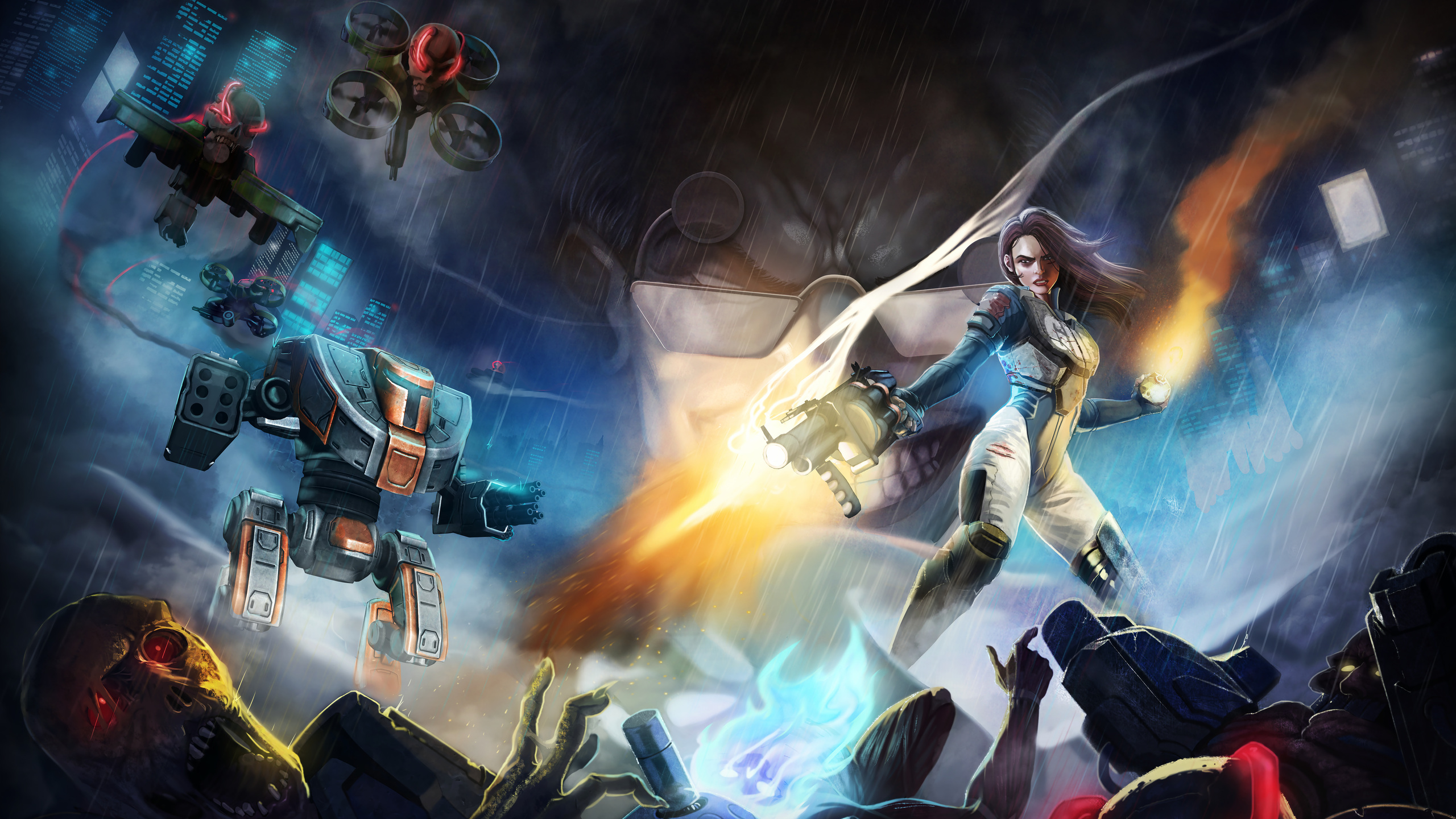
Developers at Voidpoint faced criticism when Discord logs surfaced showing staff members making transphobic and sexist remarks. The leaked chats contained offensive language that contradicted the public image of the studio. The company initially apologized and promised to donate to charity but later retracted parts of their statement under pressure from different groups. This vacillation caused a boycott from both sides of the political spectrum regarding the handling of the private logs.
‘Overwatch 2’ (2022)
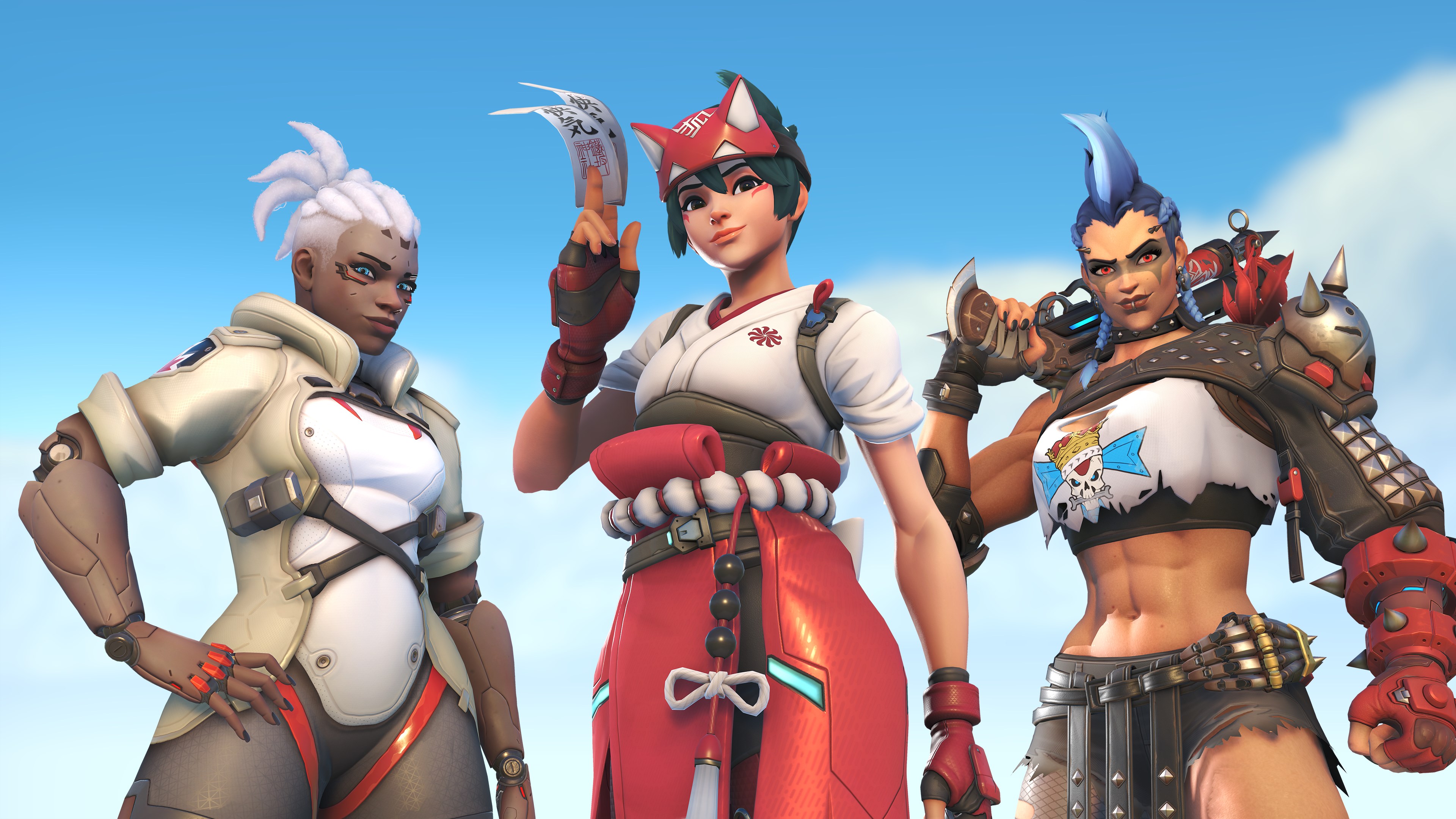
Activision Blizzard faced a historic lawsuit that cited internal communications and a “frat boy” culture involving harassment. Reports detailed the existence of the “Cosby Suite” where executives allegedly engaged in inappropriate conduct during company events. Fans organized boycotts and log-off protests to demand better working conditions for the staff. The fallout forced the company to rename the character Jesse McCree after the real-world developer was implicated in the text message scandals.
‘World of Warcraft: Shadowlands’ (2020)
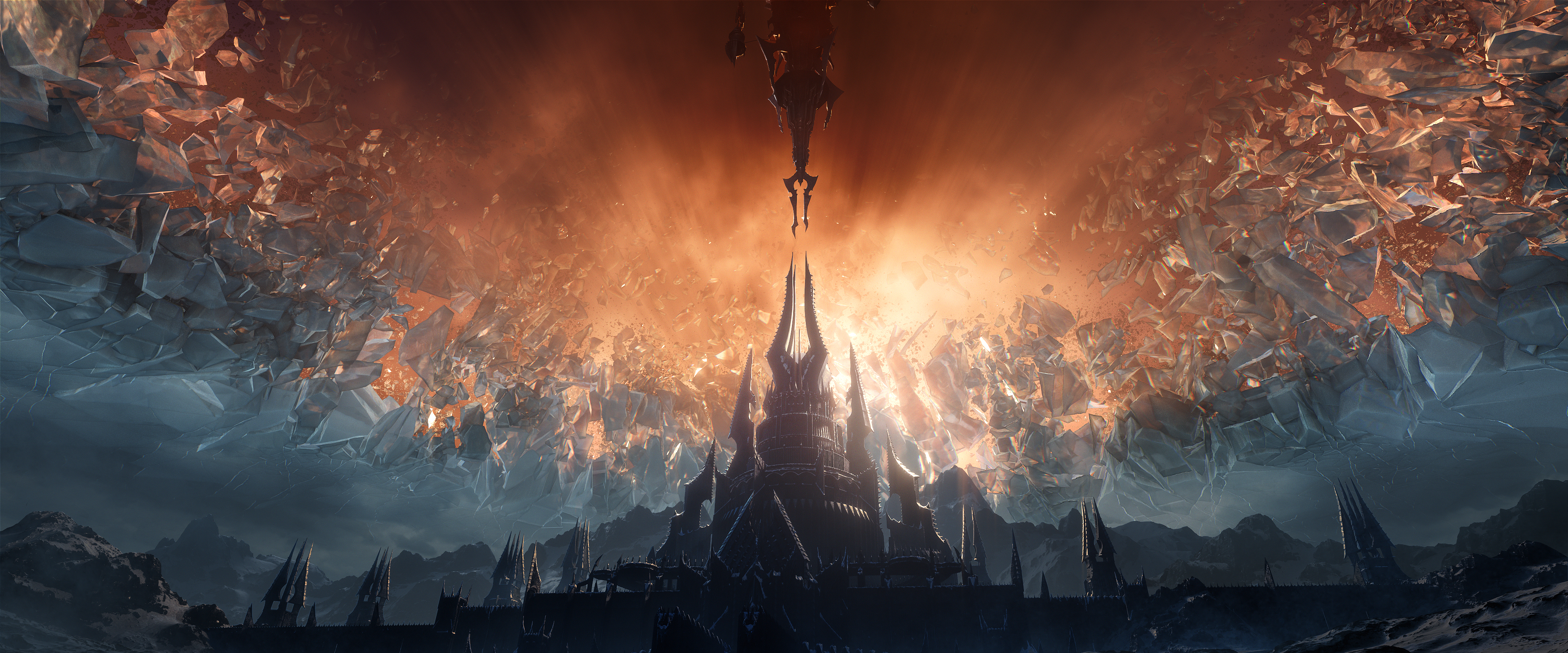
The release of this expansion coincided with the explosion of the California Department of Fair Employment and Housing lawsuit against Blizzard. Internal documents and communications painted a picture of widespread harassment and gender discrimination within the company. Longtime subscribers cancelled their recurring payments in solidarity with the affected employees. In-game protests saw players gathering in major cities to demand accountability from leadership regarding the toxic private culture.
‘Diablo IV’ (2023)
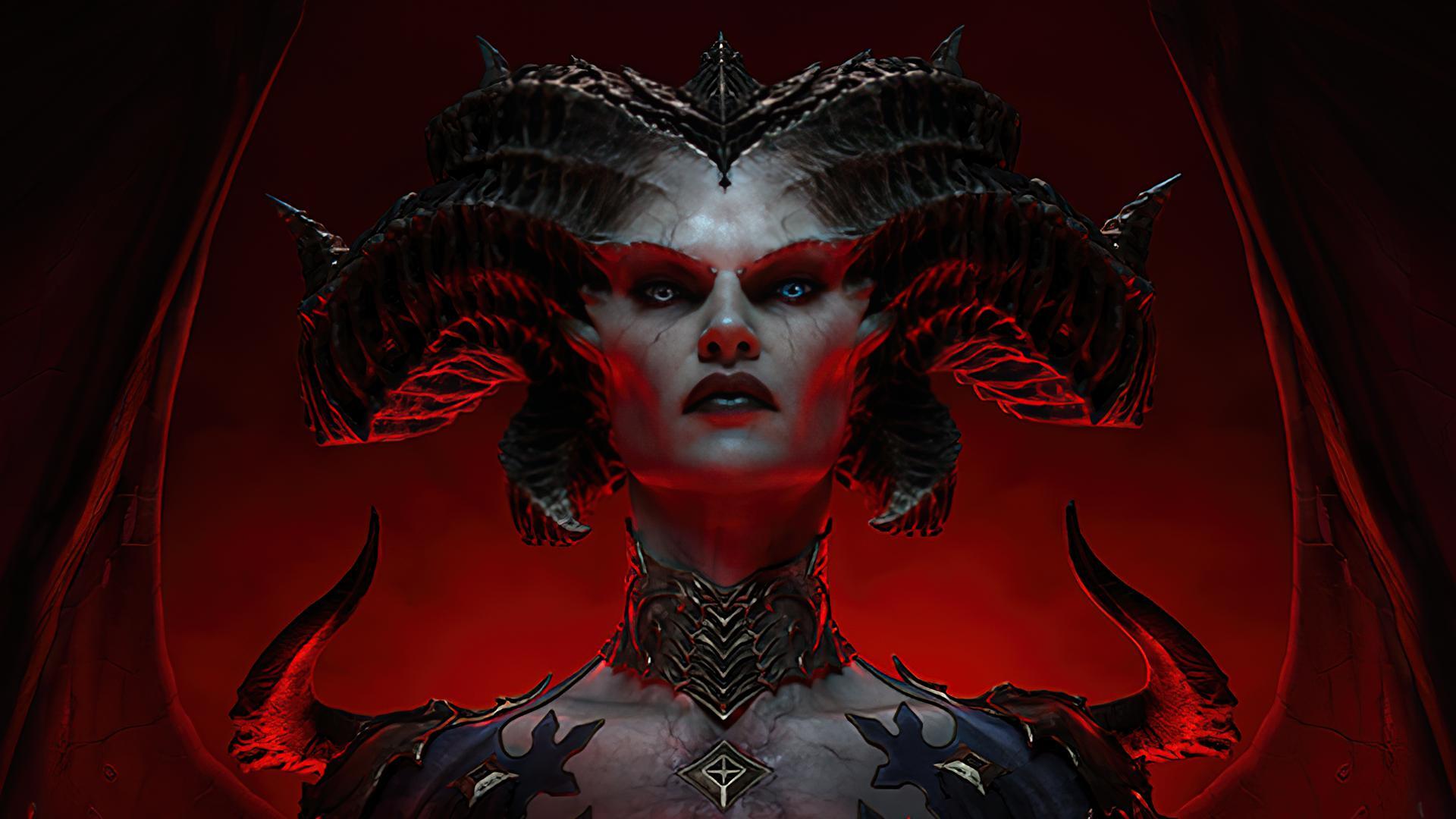
Development of this highly anticipated sequel was marred by the removal of its director and lead level designer following the “Cosby Suite” leaks. The internal text messages and photos from the gathered developers created a PR nightmare for the studio. Marketing campaigns were paused while the company attempted to purge the toxic elements identified in the reports. Many series veterans hesitated to buy the game to avoid supporting a company accused of ignoring internal pleas for help.
‘Call of Duty: Modern Warfare II’ (2022)
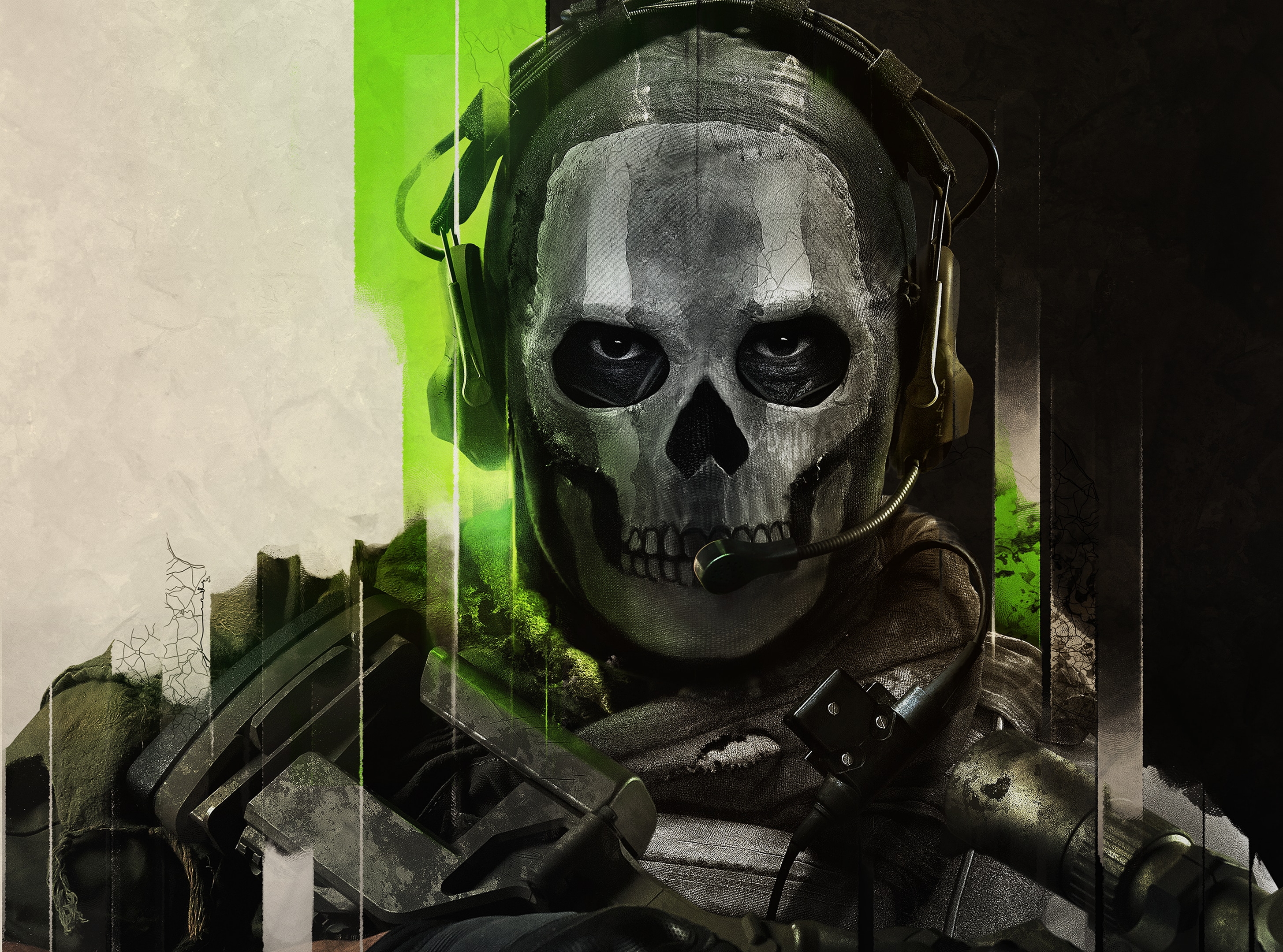
The Activision Blizzard scandal extended to its flagship shooter franchise as details of the workplace culture emerged. Employees staged walkouts after leadership failed to adequately address the private harassment claims detailed in the lawsuit. Several streamers and content creators announced they would stop covering the game until demands were met. The boycott highlighted how internal misconduct affects even the largest entertainment properties in the world.
‘Assassin’s Creed: Valhalla’ (2020)
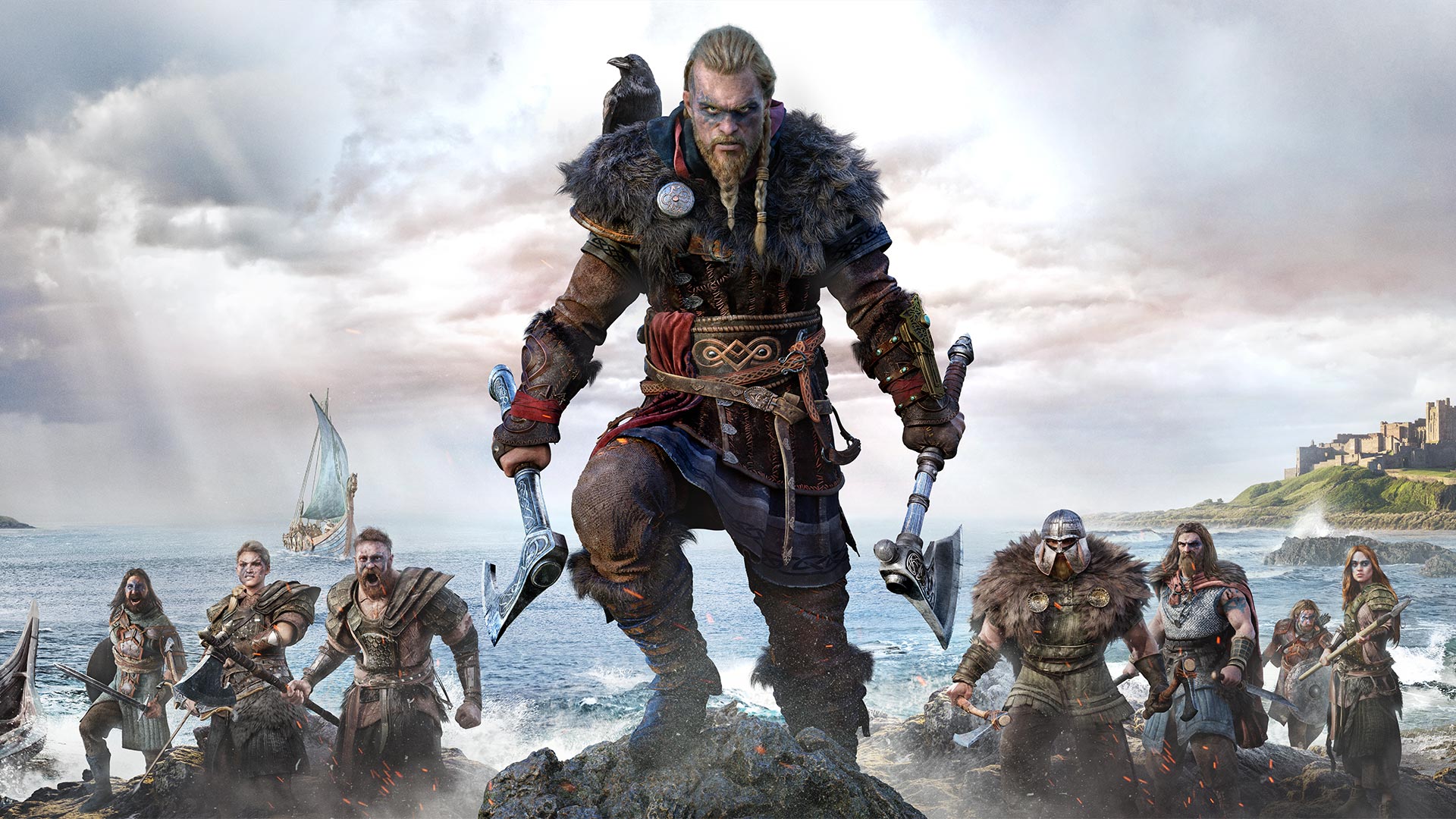
Creative director Ashraf Ismail stepped down from the project after allegations regarding his private life surfaced. Reports indicated he used his position to solicit relationships with fans while concealing his marriage. The leaked details of these private interactions led to his termination from Ubisoft during a company-wide investigation into misconduct. Players questioned the corporate culture that allowed such power dynamics to exist unchecked for years.
‘Dying Light 2: Stay Human’ (2022)
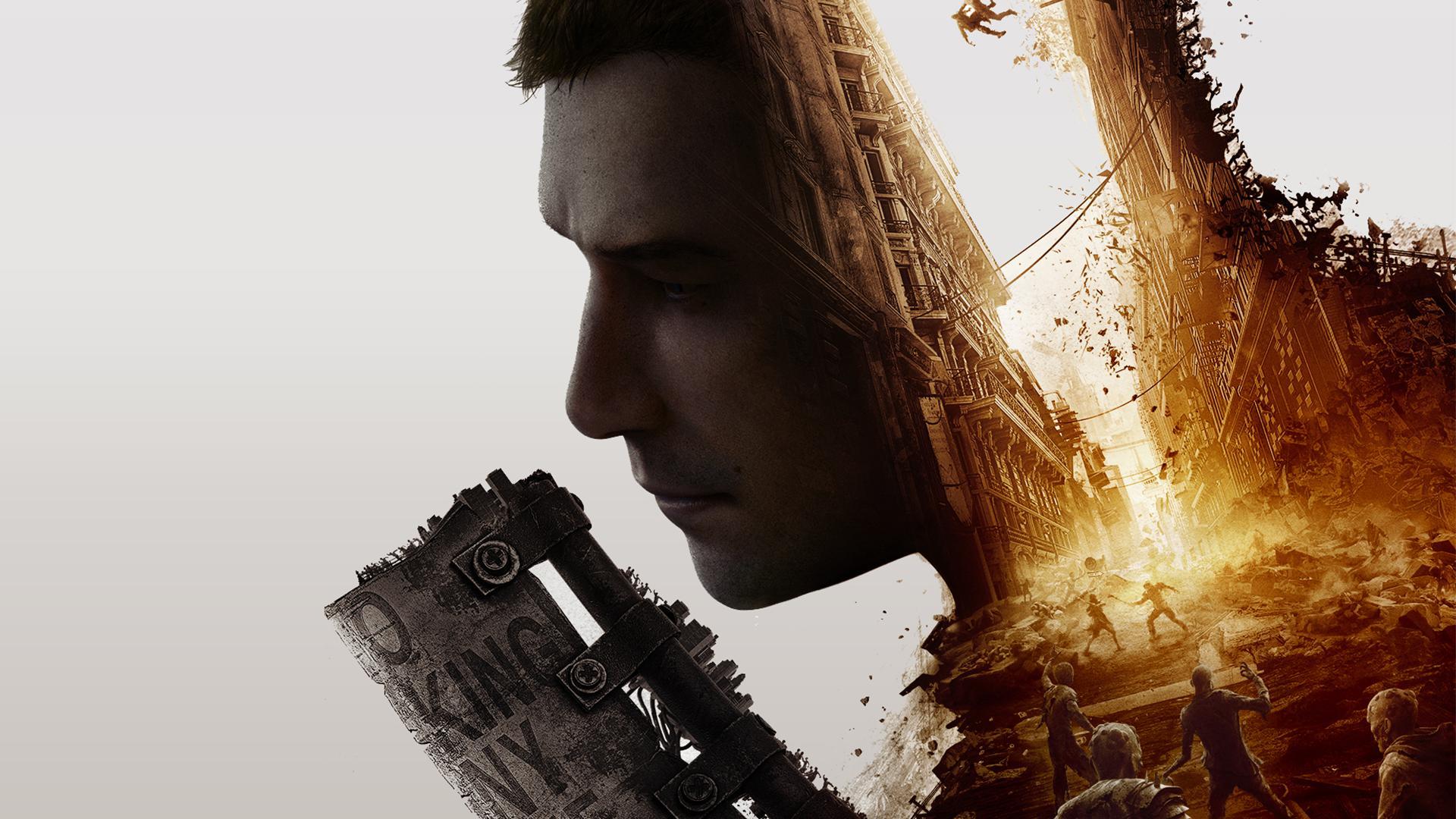
Renowned writer Chris Avellone was removed from this project after allegations of sexual misconduct involving private interactions surfaced online. Techland immediately cut ties with him and promised to remove his contributions from the narrative. Although Avellone later settled a libel lawsuit regarding the claims, the initial boycott significantly impacted the pre-release hype. Gamers were left wondering how much of the final story was altered due to the sudden departure.
‘Vampire: The Masquerade – Bloodlines 2’ (TBA)
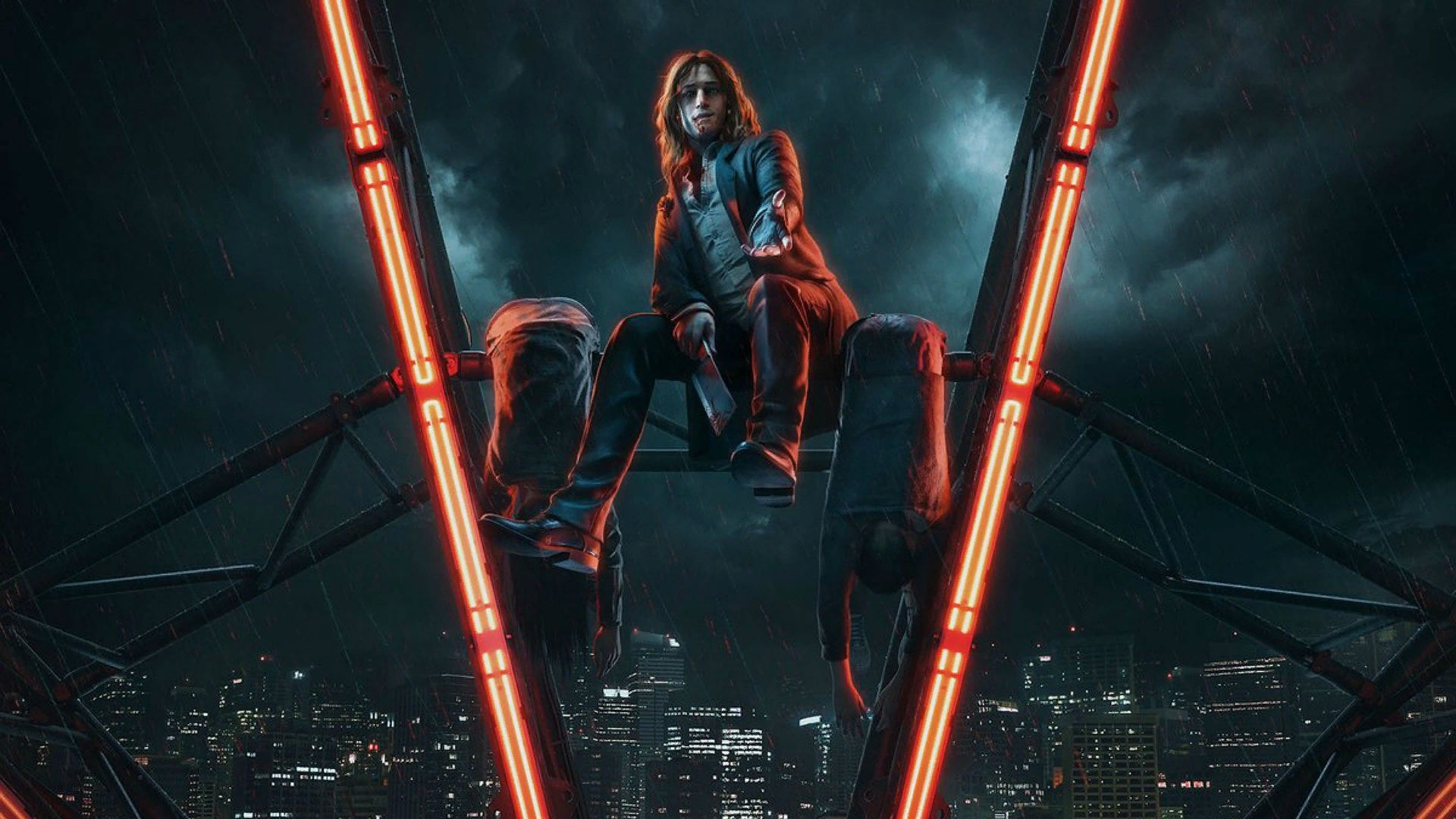
This troubled production also lost contributions from Chris Avellone following the wave of accusations regarding his private behavior. Paradox Interactive confirmed that none of his work would remain in the final version of the game. The title has since undergone multiple developer changes and delays that some attribute to the initial management turmoil. Fans of the original game expressed concern over the loss of the original writer despite the controversy.
‘Cultist Simulator’ (2018)
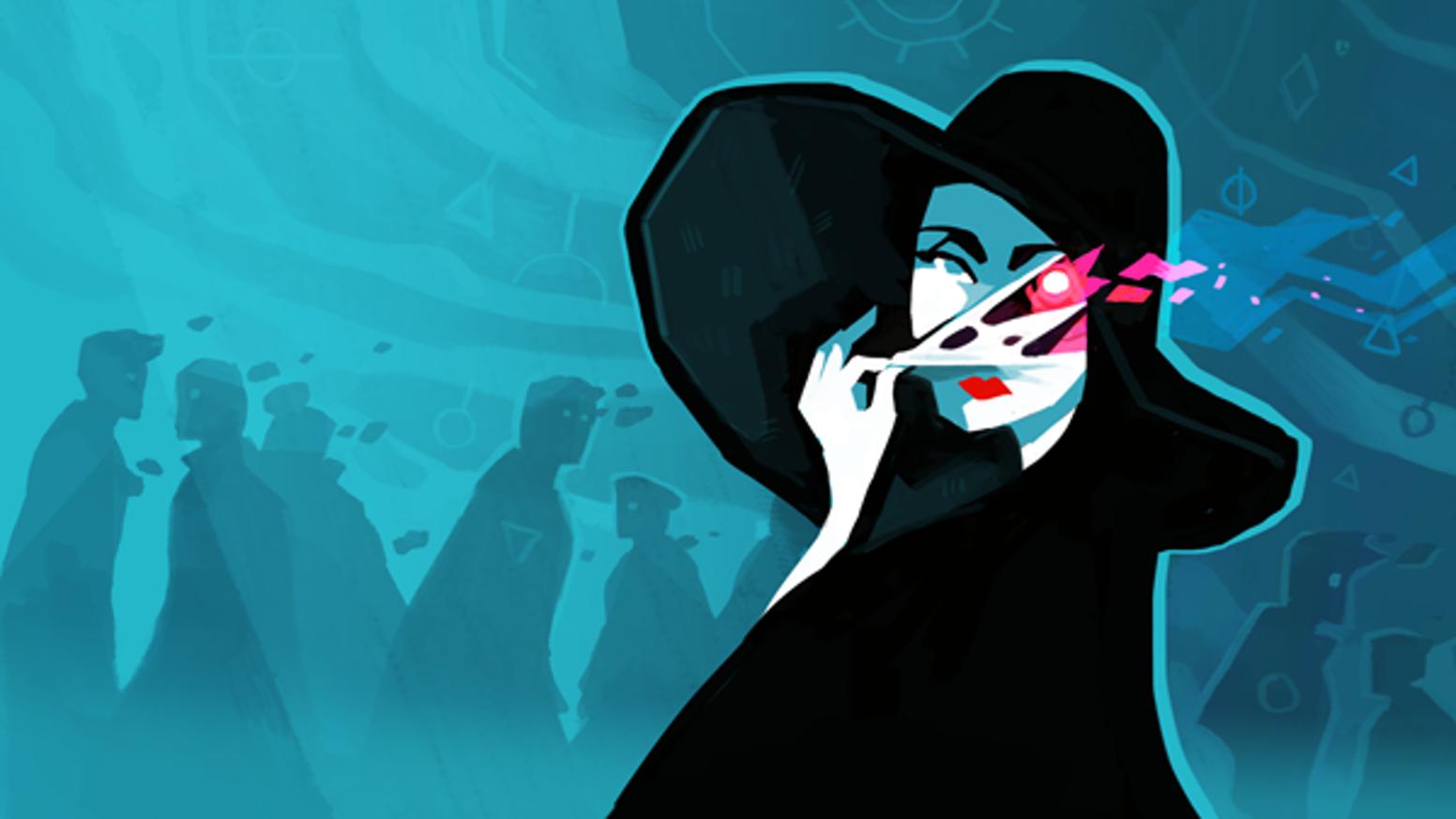
Creator Alexis Kennedy faced serious allegations from fellow industry professionals regarding his conduct in private settings. The accusations included exploitation of younger women and professional retaliation. Weather Factory faced a boycott from indie game enthusiasts who found the alleged behavior predatory. The studio attempted to weather the storm by continuing development despite the reputational damage within the tight-knit indie scene.
‘Starbound’ (2016)

Chucklefish faced a significant boycott after former contributors leaked chat logs concerning unpaid labor. The internal communications suggested that management knowingly used the enthusiasm of young developers to get free work. These “super-volunteers” claimed they were misled about potential employment opportunities during private discussions. The community backlash led many to stop recommending the game despite its previous popularity.
‘Detroit: Become Human’ (2018)
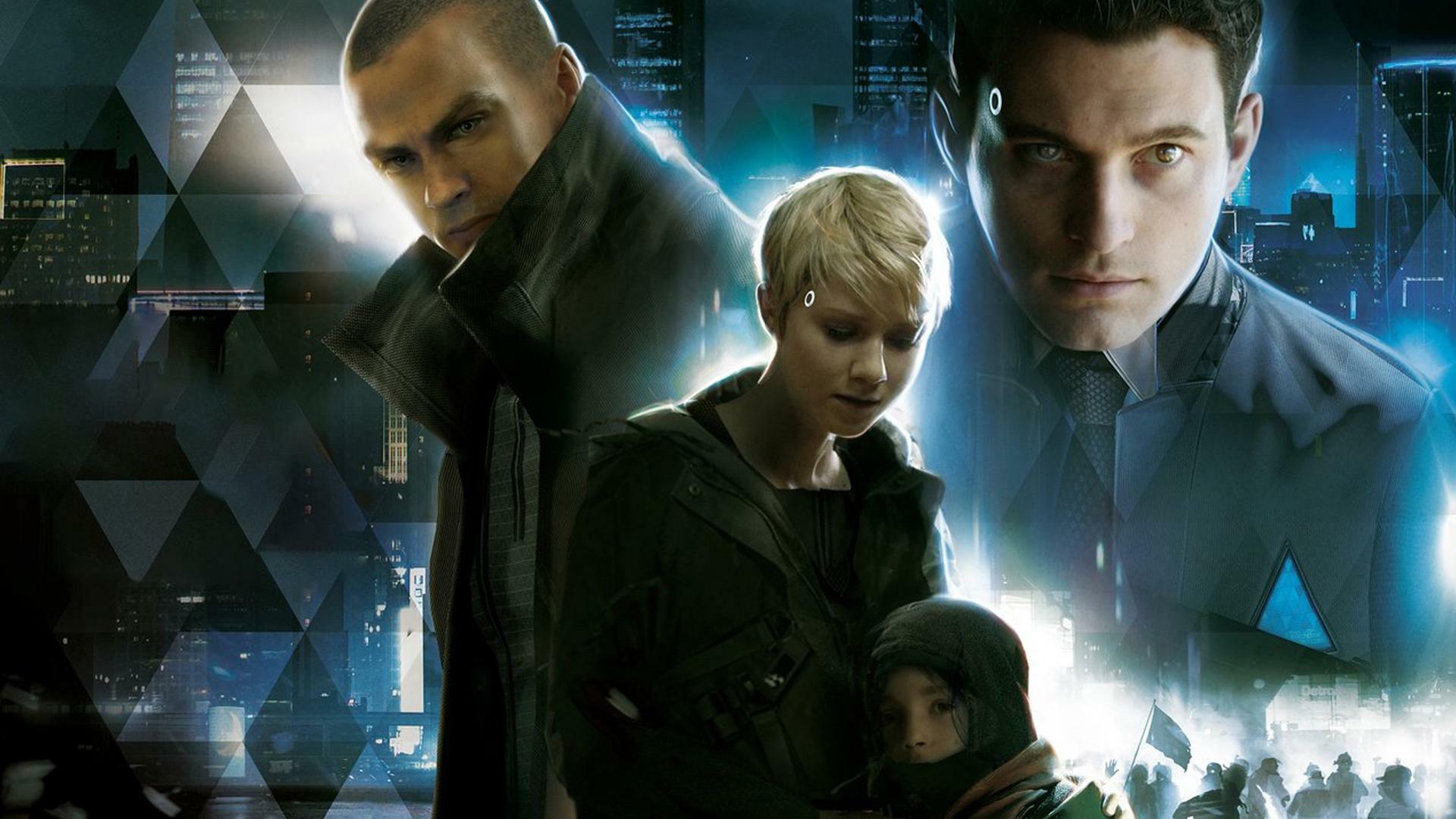
French studio Quantic Dream sued media outlets that reported on their allegedly toxic workplace culture. Leaked internal emails and photoshopped images circulated among staff contained sexist and racist jokes. The reports described a hostile environment where management engaged in inappropriate private banter. This led to a distinct boycott from players who opposed the type of workplace behavior described in the court cases.
‘Heavy Rain’ (2010)
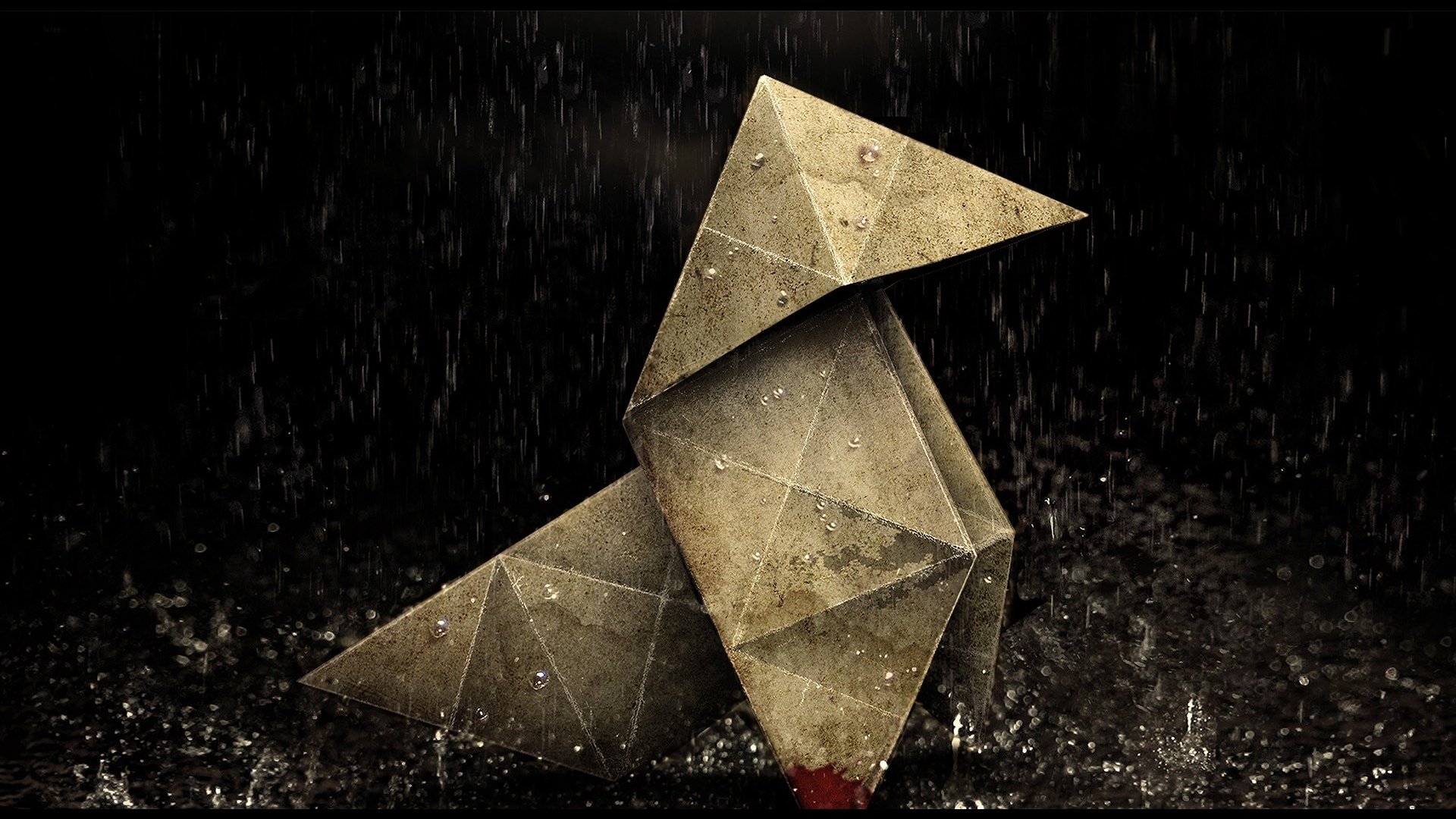
The legacy of this narrative game was tarnished by the same reports that affected Detroit: Become Human. Allegations against studio leadership regarding their private conduct and management style caused a retrospective re-evaluation of their catalog. Players expressed discomfort with the way the studio handled female characters given the context of the internal leaks. The studio has struggled to shake the reputation established by the expose on their internal culture.
‘Beyond: Two Souls’ (2013)
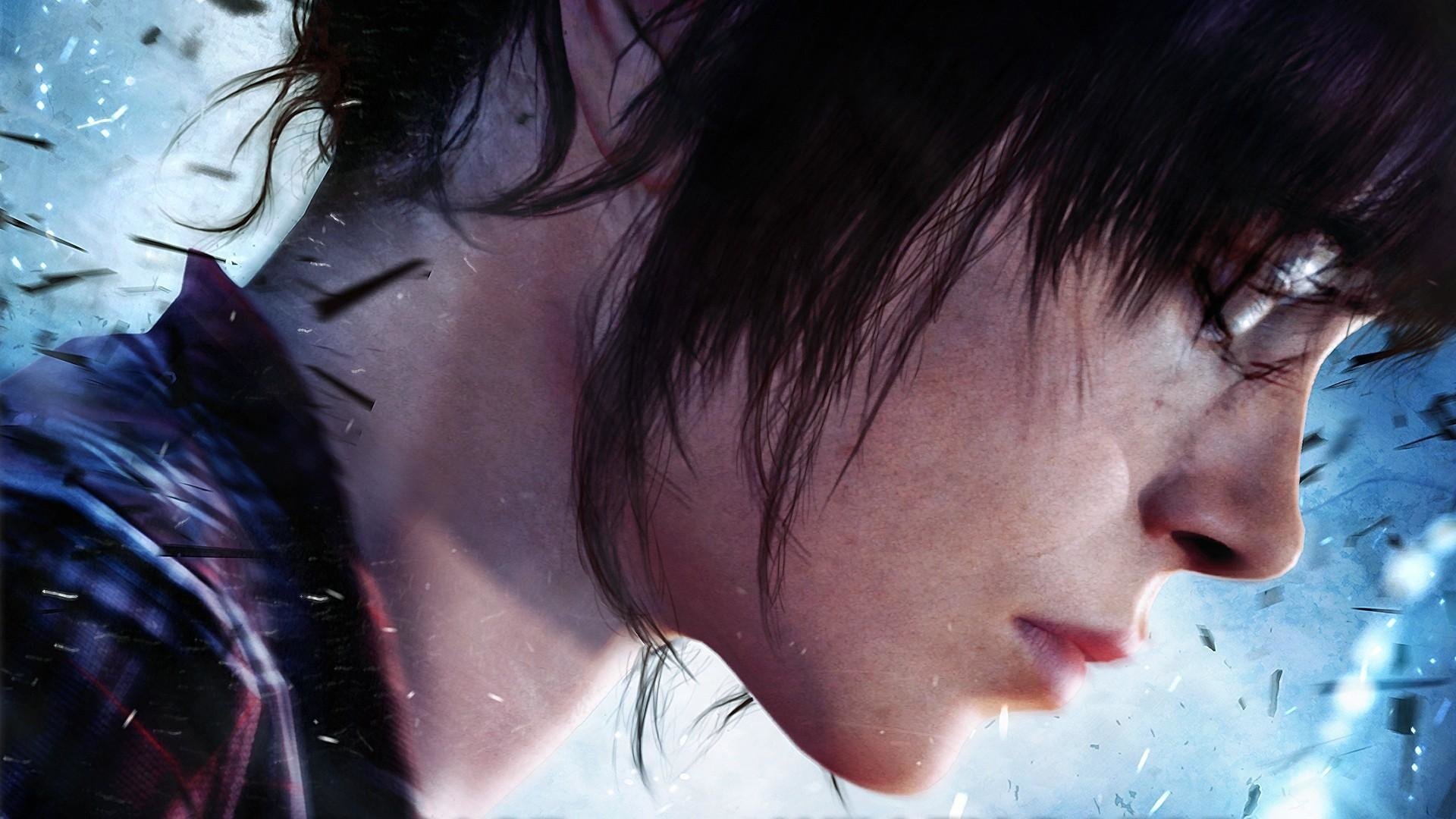
Quantic Dream faced further scrutiny concerning this title during the legal battles over their studio culture. The controversy surrounding the “photoshop” scandal involving private internal images led to calls for boycotts of their entire library. Lead director David Cage faced specific criticism regarding his alleged private remarks about women and LGBTQ+ individuals. The gaming press became much more critical of the studio following the release of the investigative reports.
‘Escape from Tarkov’ (2017)
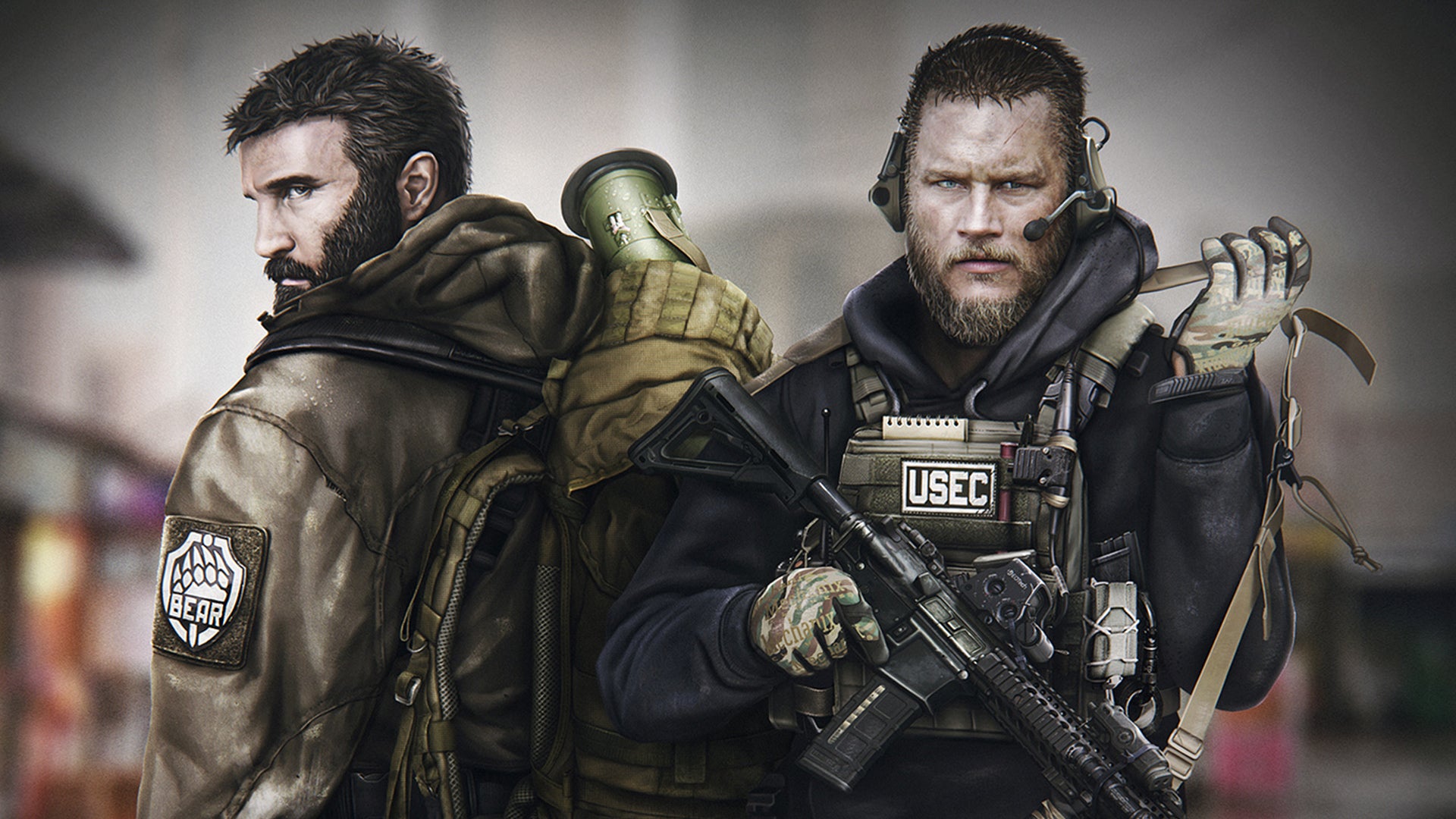
Battlestate Games faced backlash after a developer interview and subsequent internal chats revealed sexist views. The comments suggested that women were not fit for combat in their realistic military simulation. Clarifications issued by the studio failed to quell the anger stemming from the initial private sentiments made public. A segment of the tactical shooter community refused to play until the developers fully retracted the exclusion of female characters.
‘Breathedge’ (2021)
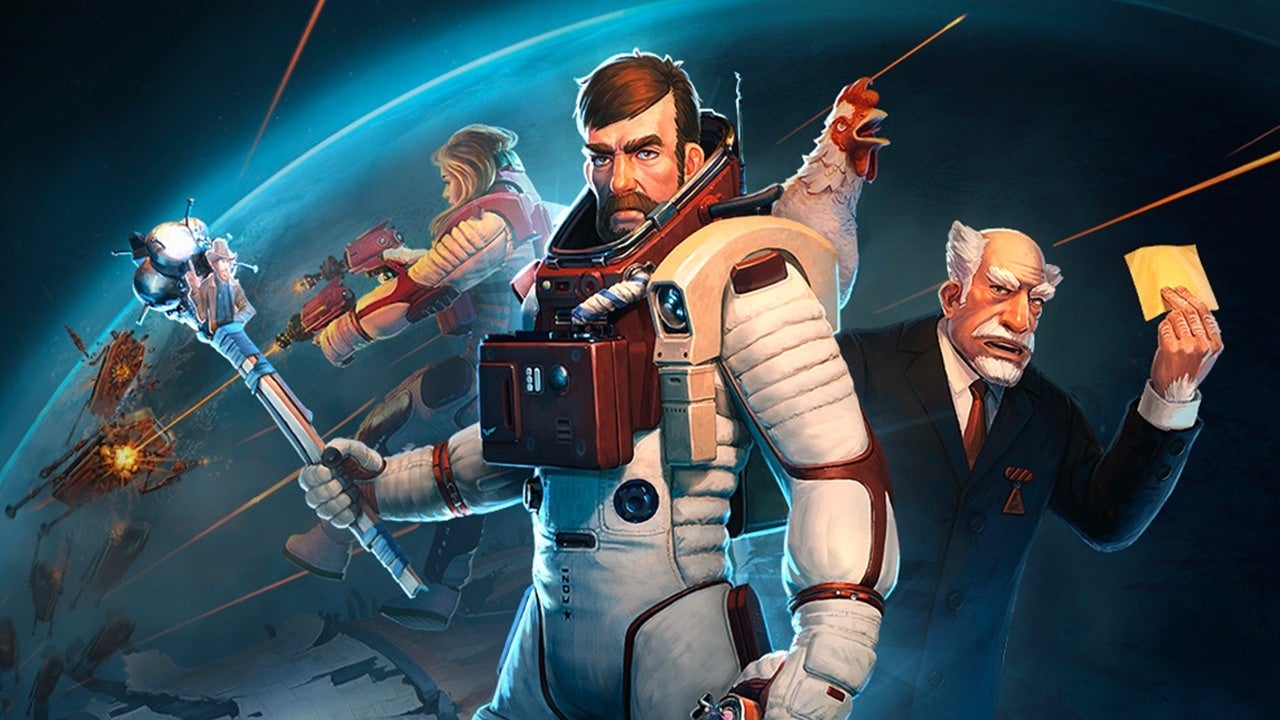
This survival game faced a review bombing campaign after the developers made controversial comments in their Discord server. The private messages appeared to mock legitimate criticisms regarding the game and its mechanics. Players felt the developers were being hostile and unprofessional in their direct communications. The spread of these screenshots convinced many potential buyers to avoid the title entirely.
‘Open Roads’ (2024)

Fullbright co-founder Steve Gaynor stepped down from his role as creative lead after reports of toxic private behavior. Employees cited a pattern of controlling and demeaning interactions during internal meetings. The studio delay and restructuring were direct results of the team stating they could no longer work under his leadership. Fans of the studio’s previous narrative games expressed disappointment in the contrast between the stories and the creator’s conduct.
‘Gone Home’ (2013)
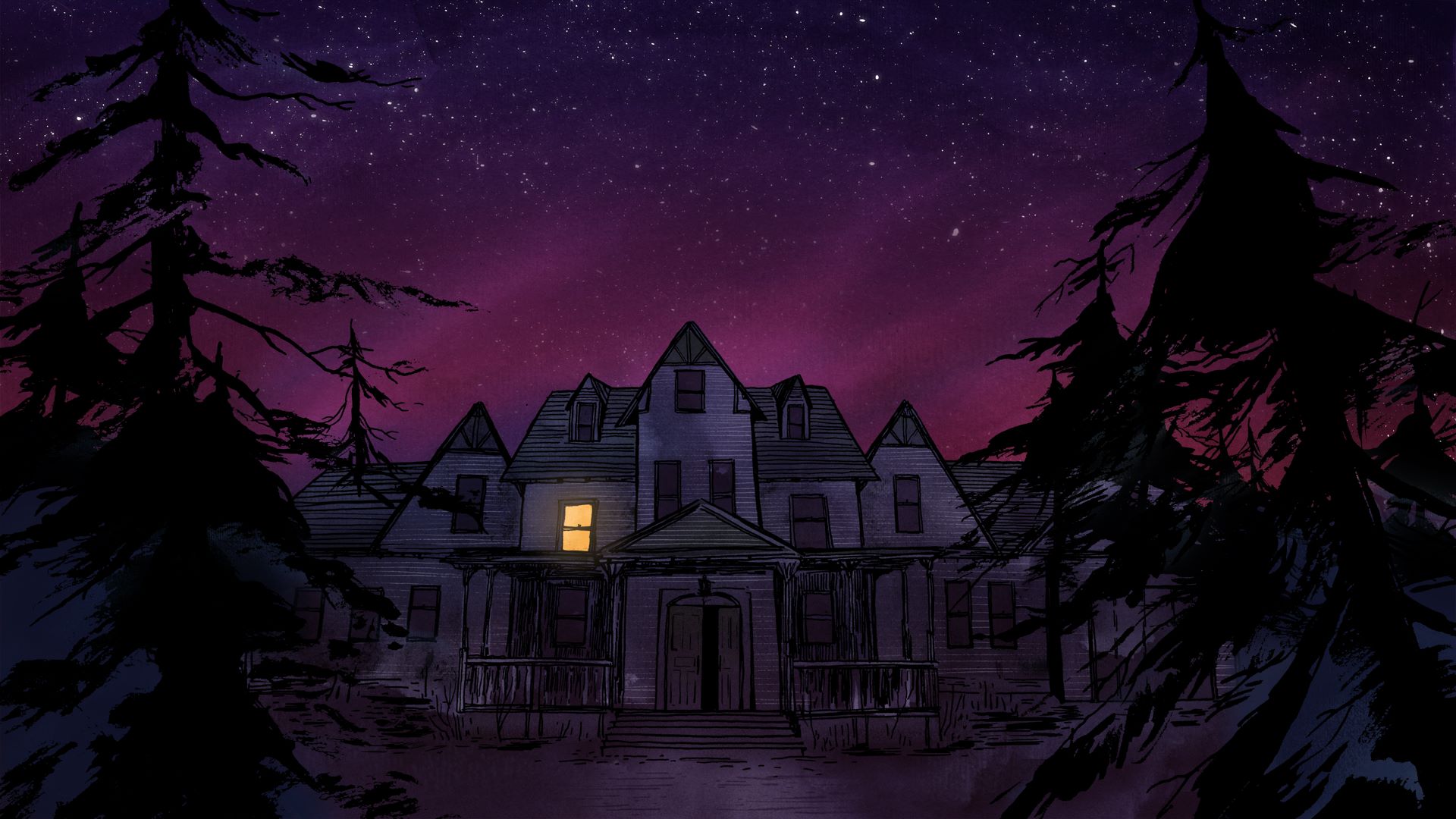
The reputation of this landmark indie title was retroactively affected by the allegations against Steve Gaynor. While the game champions progressive themes, the reports of his treatment of women in private professional settings caused cognitive dissonance for fans. Some players chose to remove the game from their recommendations lists to stand with the affected staff. The situation sparked a broader conversation about toxic auteur theory in indie development.
‘Tacoma’ (2017)
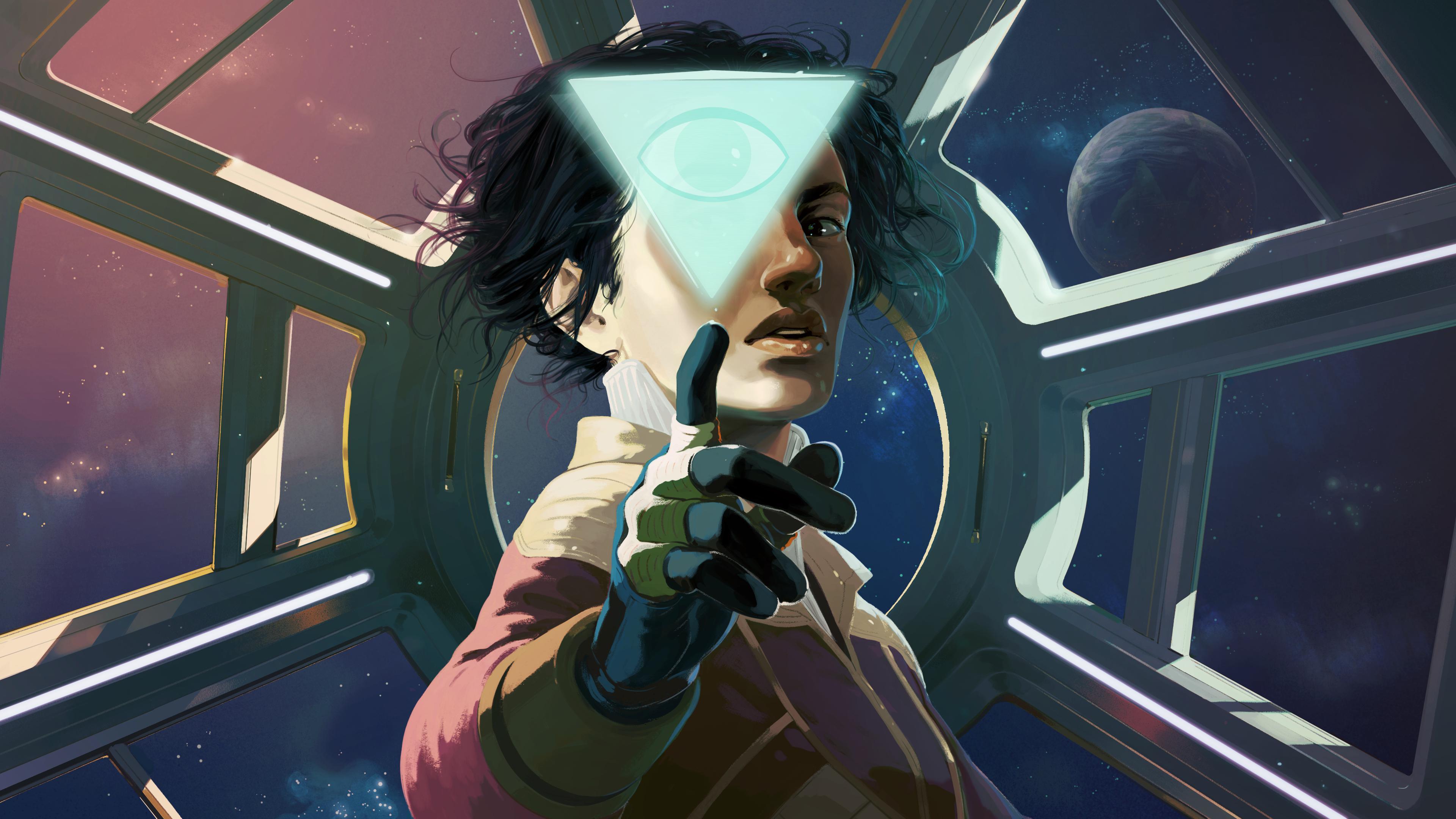
Another title from Fullbright that suffered collateral damage due to the leadership controversy. The revelations about the internal culture and private management style led to a reassessment of the studio’s output. Players debated whether buying the game would support the remaining team or reward the founder accused of toxicity. The studio eventually transitioned to a new structure to complete their subsequent projects without Gaynor’s direct oversight.
‘Into the Breach’ (2018)
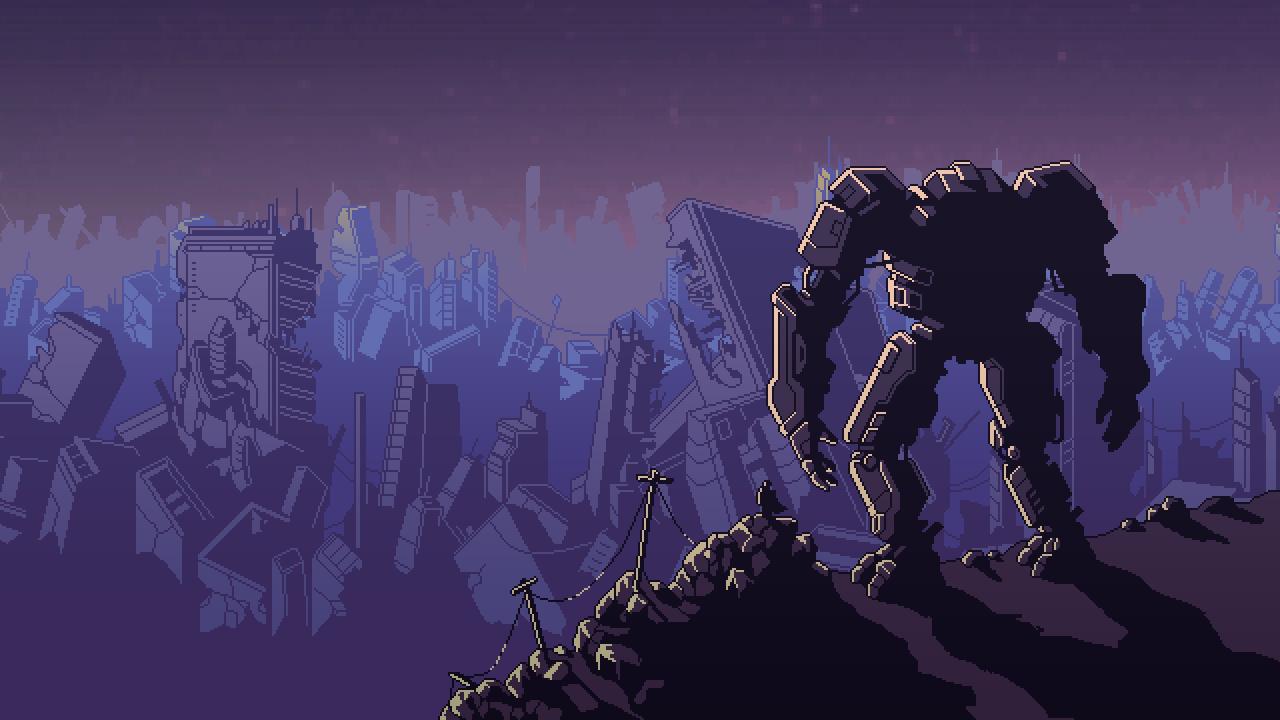
Subset Games made the decision to remove Chris Avellone’s writing credit from this strategy game following the allegations against him. Although his contribution was minor, the studio acted quickly to distance themselves from the controversy involving his private conduct. Fans appreciated the swift action but the association still caused friction in online discussions. The move highlighted how strictly studios were auditing their credits lists during the height of the controversy.
‘Prey’ (2017)
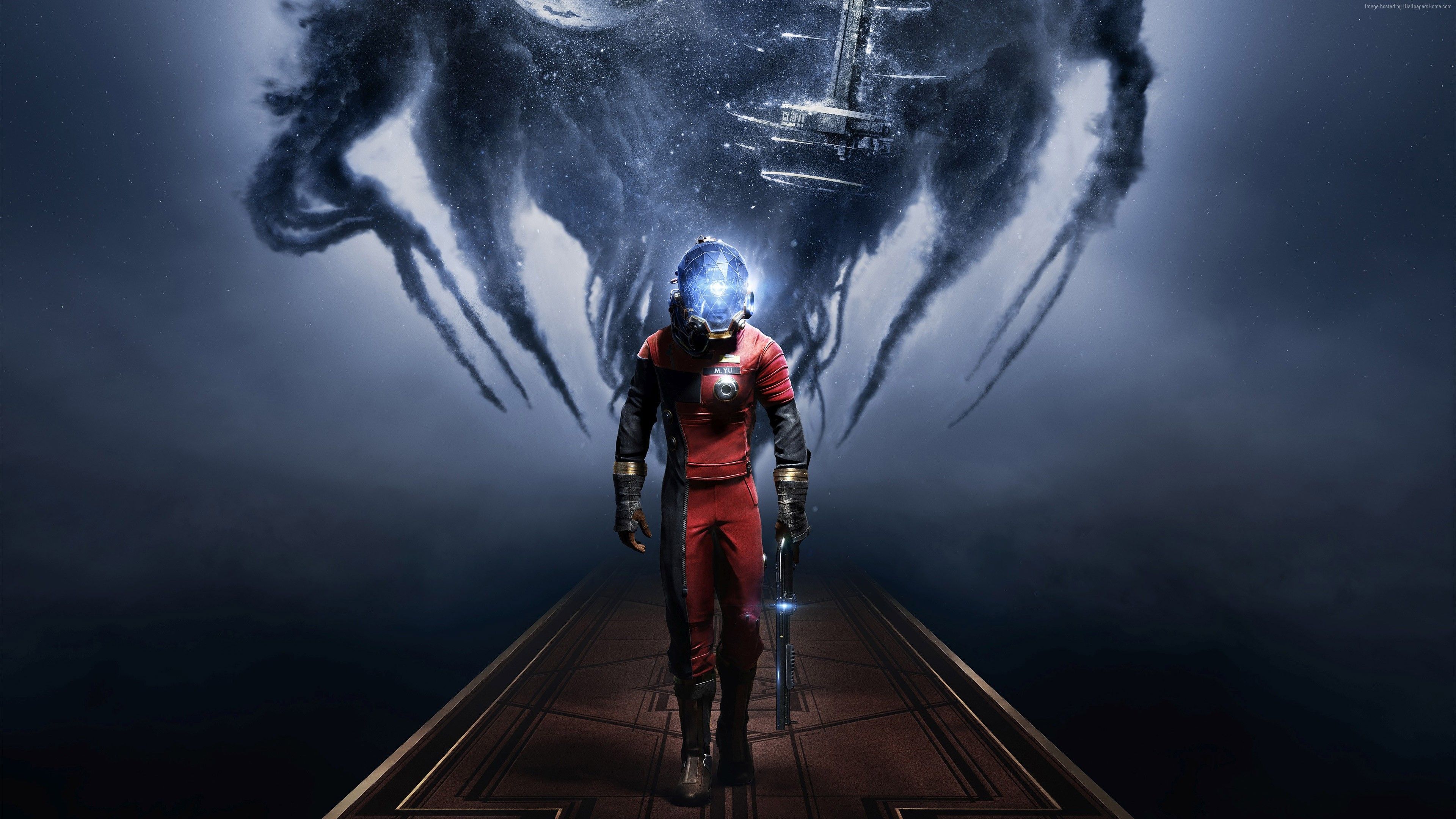
Arkane Studios faced uncomfortable questions regarding Chris Avellone’s involvement in this sci-fi immersive sim. While his role was limited to early writing, his name became a point of contention for players boycotting his work due to the misconduct allegations. The industry-wide reckoning forced publishers to clarify exactly how much influence controversial figures had on finished products. Some players chose to avoid any project associated with his writing during the investigation period.
‘Pathfinder: Kingmaker’ (2018)
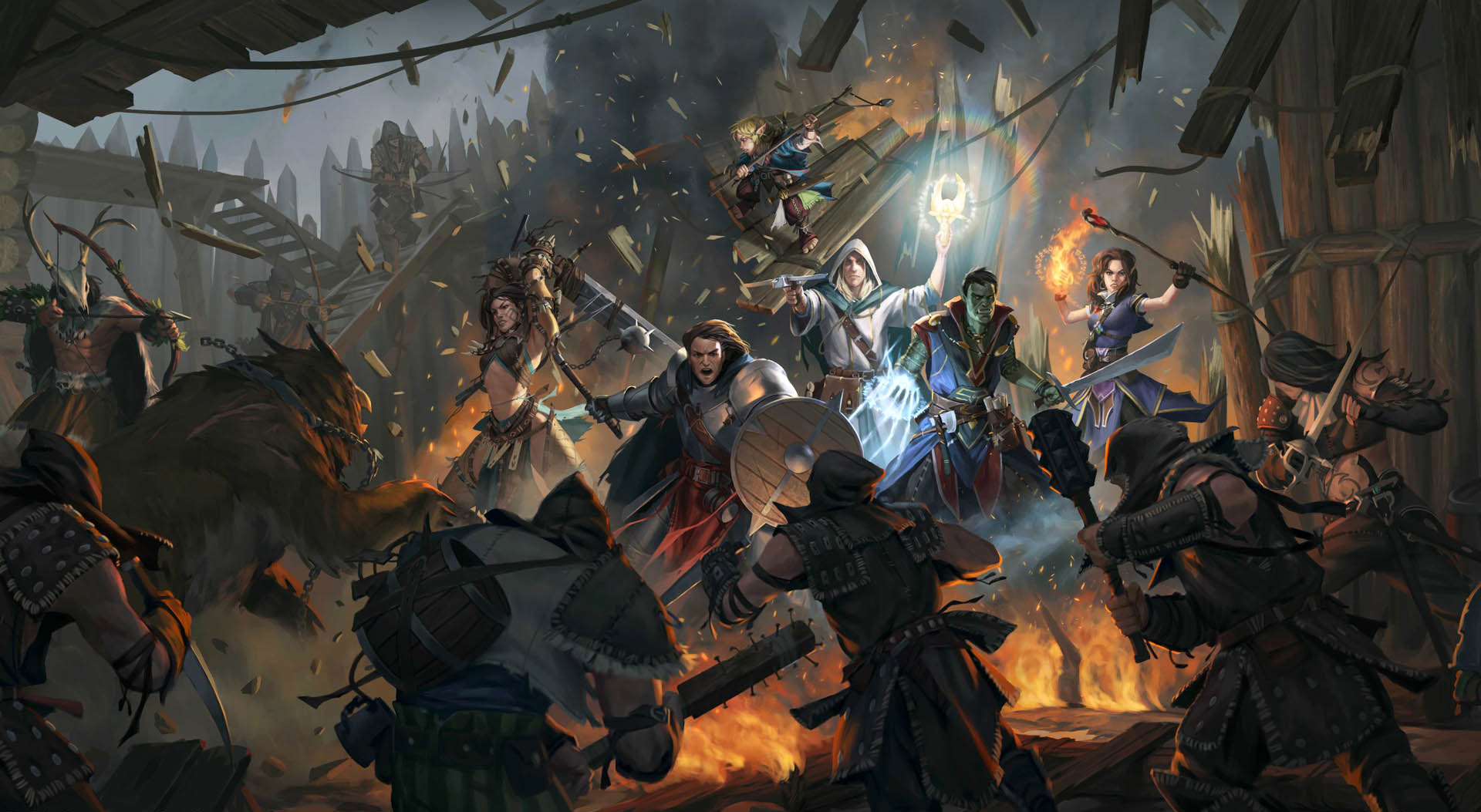
Owlcat Games had to navigate the controversy surrounding their narrative designer Chris Avellone. The role-playing game features extensive writing credited to him which made separating the art from the artist difficult for some players. Community forums became battlegrounds between those ignoring the private allegations and those enforcing a boycott. The situation complicated the marketing for the sequel which did not feature his involvement.
‘System Shock’ (2023)
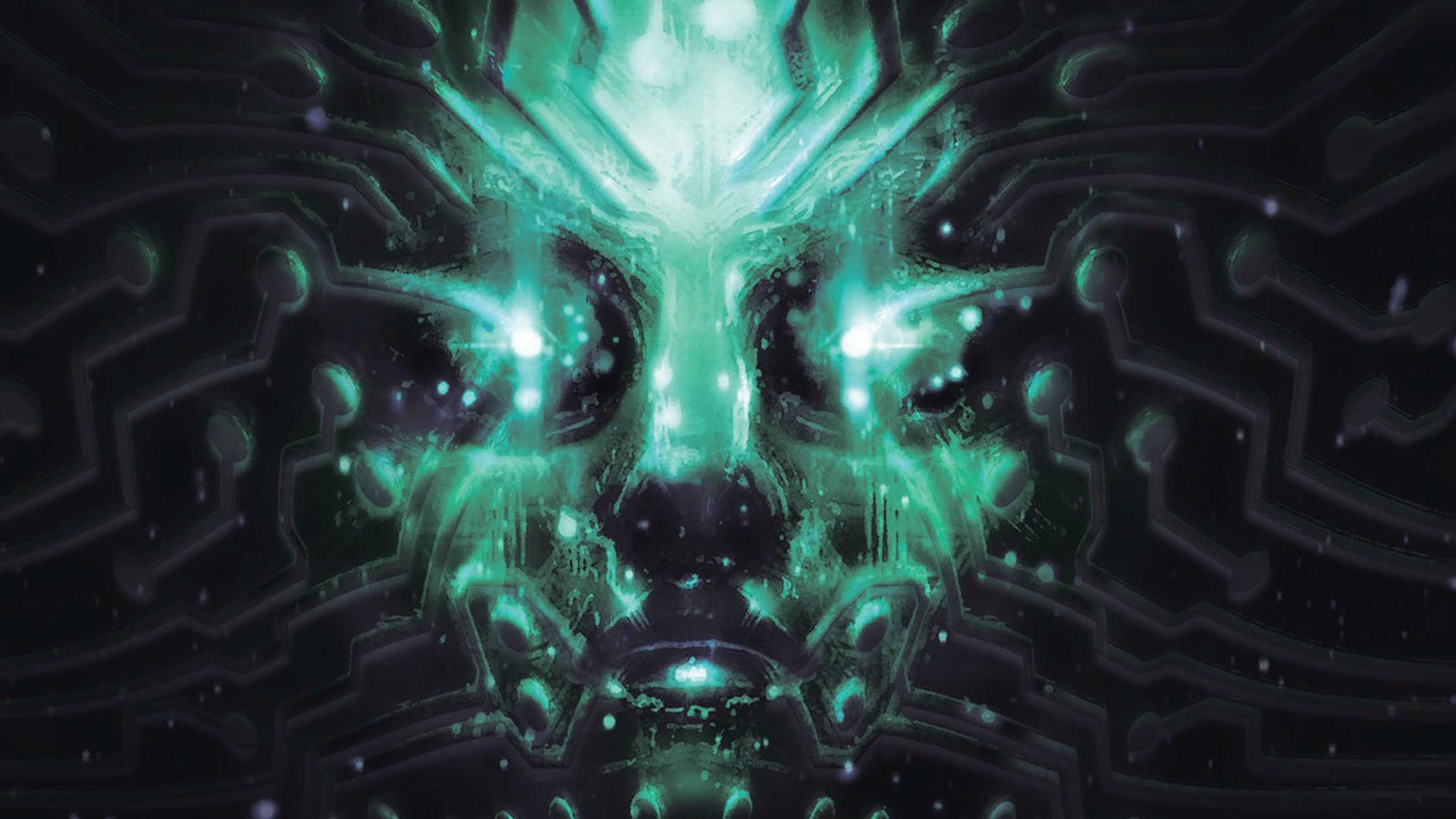
The remake of this classic title had originally touted Chris Avellone’s involvement during its Kickstarter campaign. Following the allegations of private misconduct, Nightdive Studios clarified that his work had not been used in the final product. This announcement was necessary to prevent a boycott from backers who felt betrayed by his inclusion. The team had to reassure fans that the narrative vision remained intact without his direct input.
‘Destiny 2: Lightfall’ (2023)
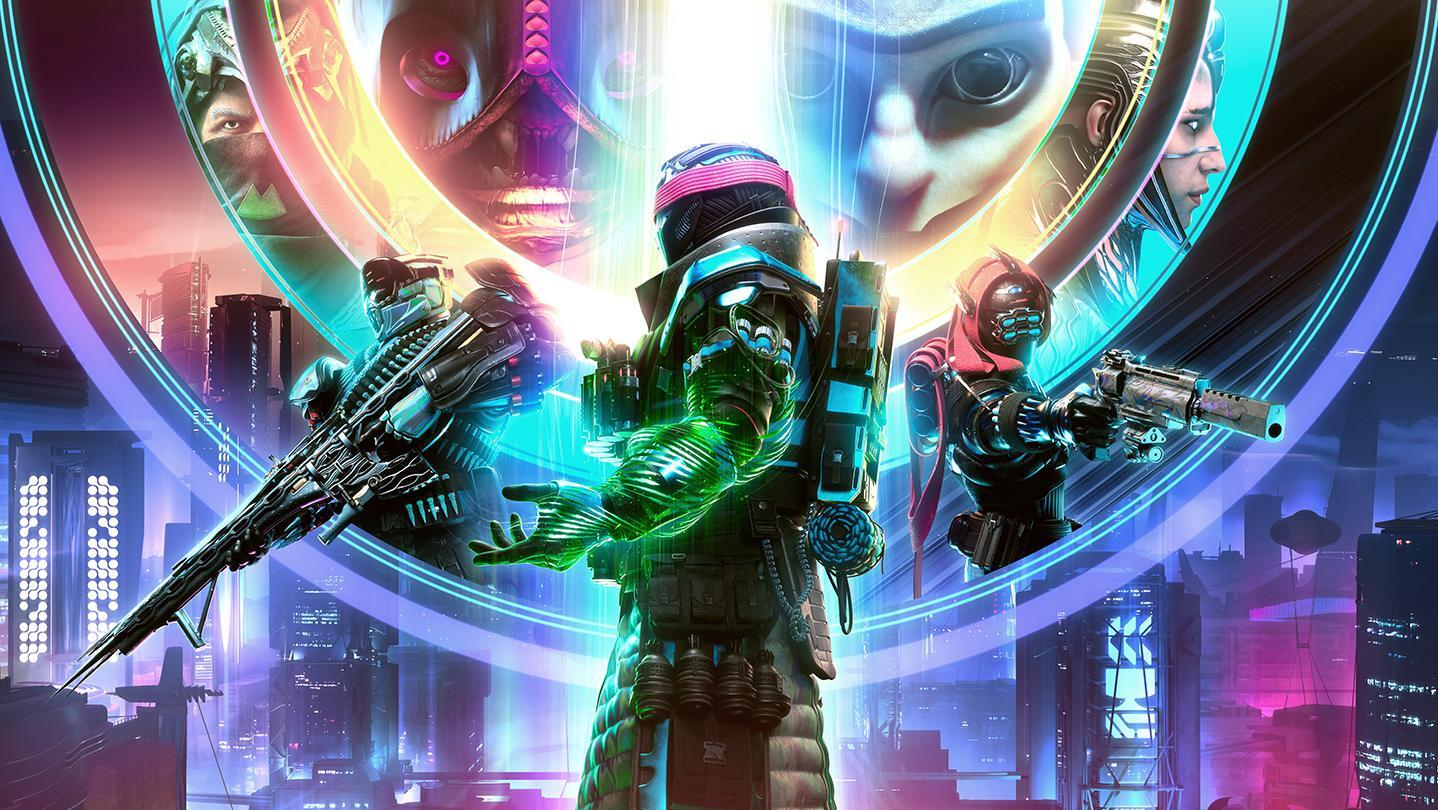
Bungie has faced its own internal reckoning with reports of a toxic workplace culture protected by private arbitration. Current and former employees described a “boys’ club” atmosphere in internal texts and meetings. The studio apologized and promised systemic changes after the reports went public. However, many long-time guardians stepped away from the franchise to protest the treatment of narrative and QA teams.
‘League of Legends’ (2009)
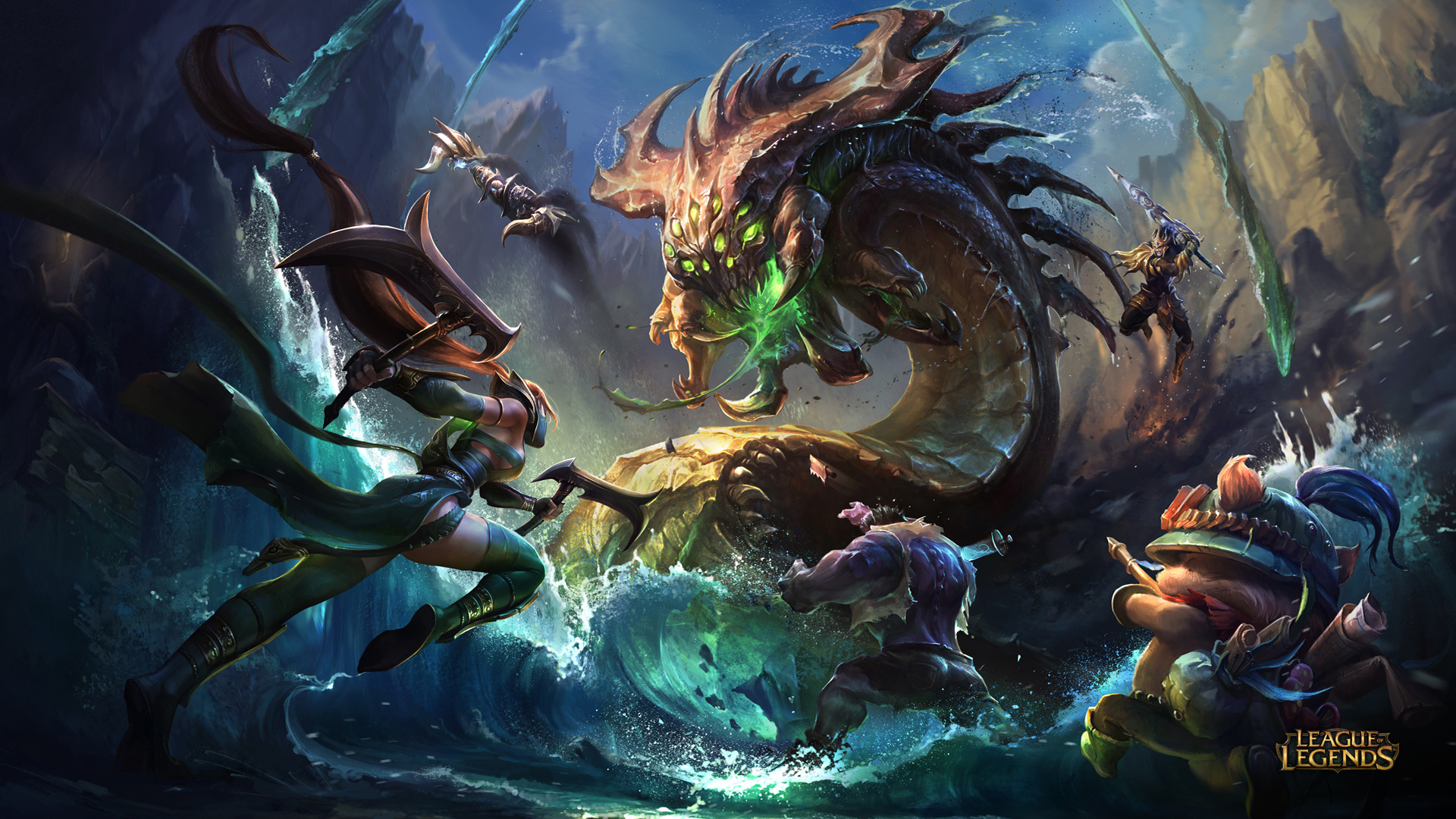
Riot Games settled a massive gender discrimination lawsuit that exposed a culture of sexism in private communications and meetings. The “bro culture” described in the lawsuit included inappropriate email chains and “face rating” of female employees. Players staged walkouts and in-game protests to support the Rioters who spoke out. The controversy remains a dark mark on the history of one of the world’s most popular esports titles.
‘Valorant’ (2020)
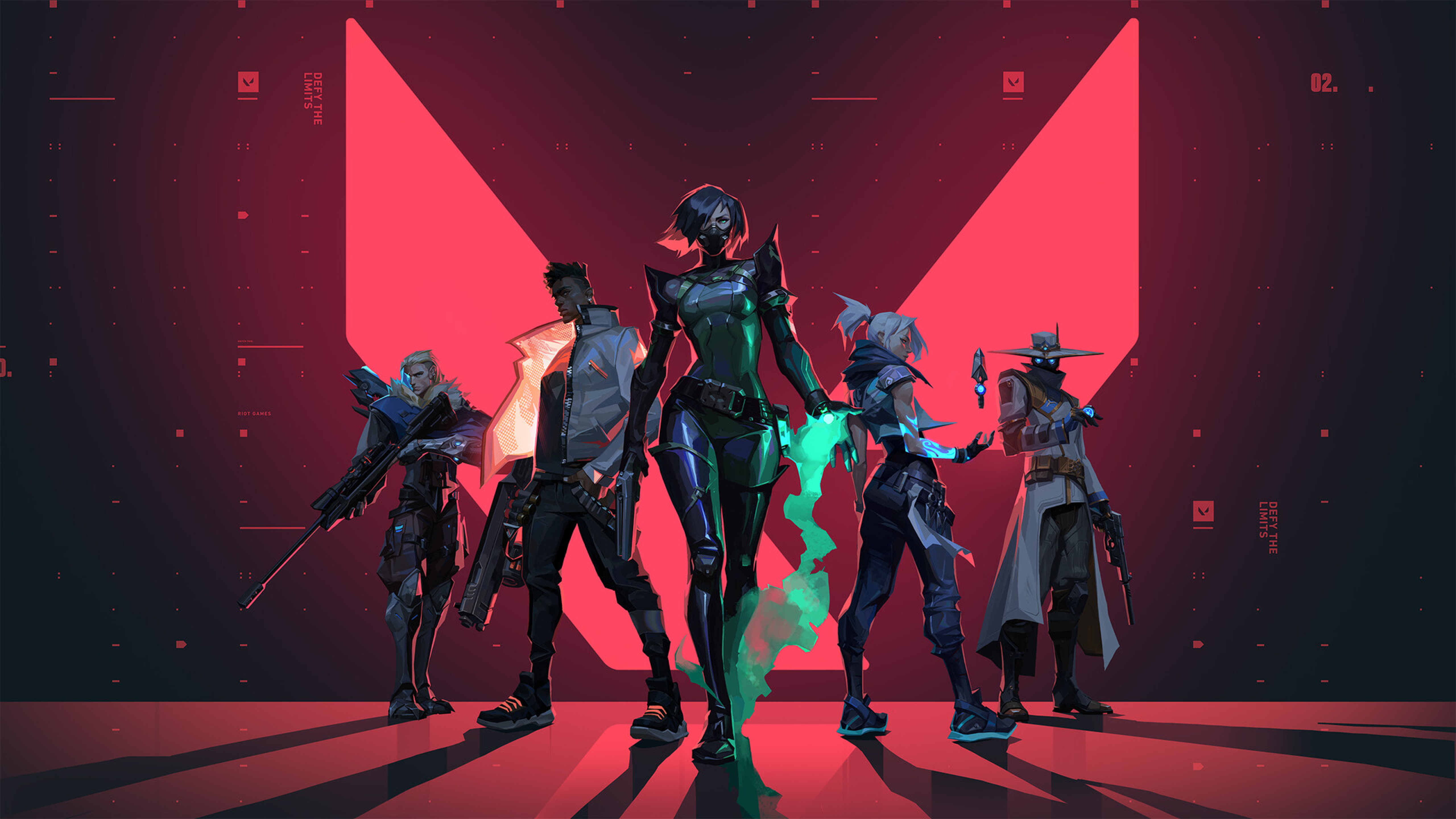
As a Riot Games title, this tactical shooter inherited the baggage of the studio’s cultural controversies. The investigation into the CEO’s conduct and other executive behavior in private settings led to calls for boycotts. Competitive players and casters voiced their concerns about partnering with the company during the height of the scandal. The studio has since implemented strict diversity and inclusion updates to regain community trust.
‘Trover Saves the Universe’ (2019)
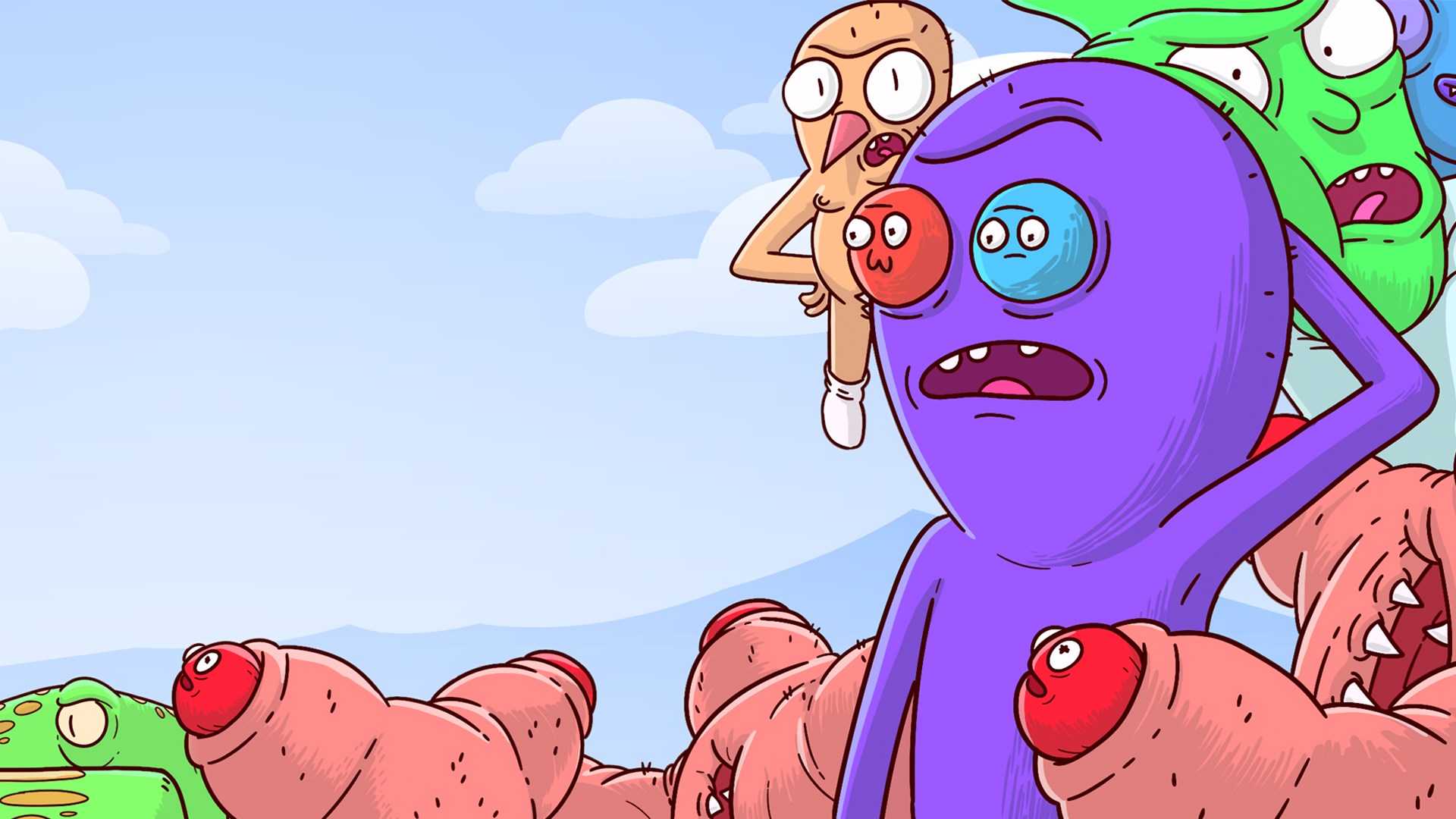
Justin Roiland’s second major gaming project faced the same scrutiny as his other works following the leaked DM scandal. The game relies heavily on his improvisational humor which became unpalatable for many after reading the messages sent to fans. Steam reviews and community hubs saw an influx of negative sentiment regarding the creator’s character. The title is often cited alongside High on Life as a casualty of the creator’s personal downfall.
‘Rick and Morty: Virtual Rick-ality’ (2017)
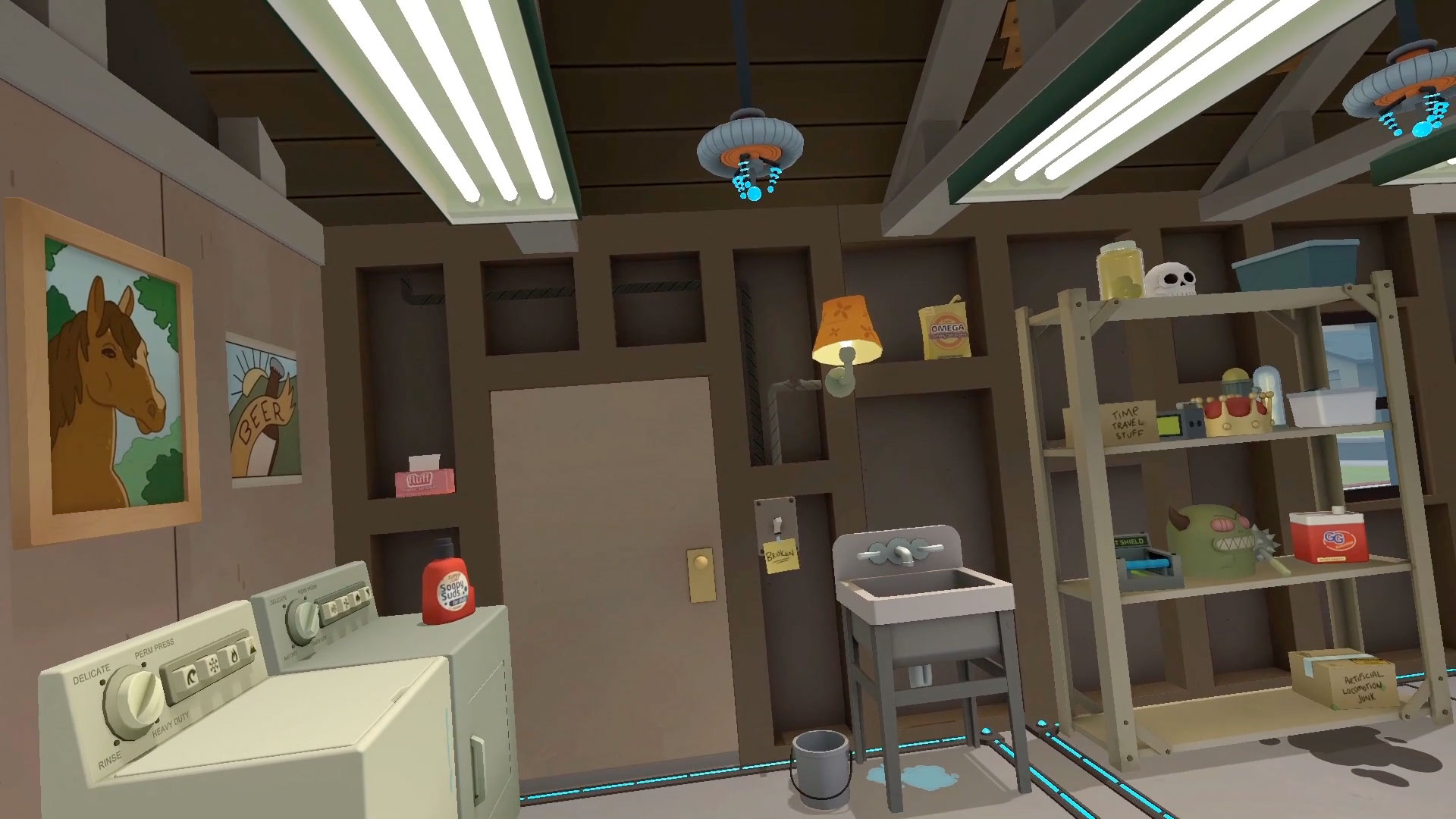
Although developed by Owlchemy Labs, this VR title is inextricably linked to co-creator Justin Roiland. The exposure of his private messages led to a re-evaluation of the humor and content within the game. Adult Swim cut ties with Roiland, effectively ending his involvement with the franchise he helped build. Fans of the VR experience were left in an awkward position regarding their support for the IP.
Share your thoughts on these controversies and whether creator behavior impacts your gaming choices in the comments.