

Games Boycotted Over Devs’ Hypocritical Social Media Posts



Social media has bridged the gap between game creators and their audiences, but this direct line of communication often leads to explosive controversies. Developers and studio representatives sometimes take to platforms like X (formerly Twitter) to vent their frustrations, only to alienate the very fanbases that support their work. These incidents frequently involve perceived hypocrisy, where creators demand respect or tolerance while simultaneously insulting or dismissing valid criticism from players. The following list explores significant instances where social media conduct led to boycotts, refund waves, and lasting reputational damage for the games involved.
‘Battlefield V’ (2018)
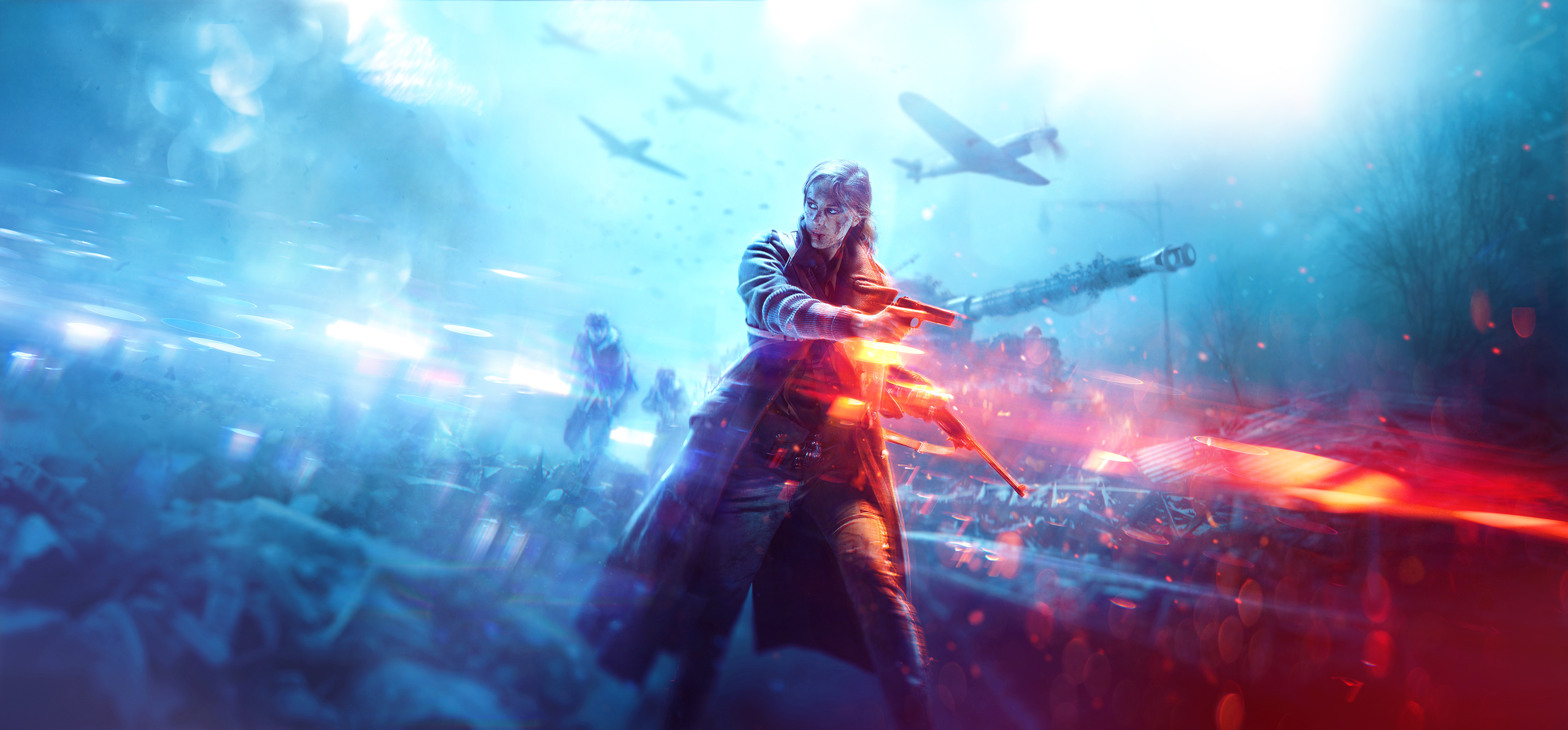
The controversy surrounding this World War II shooter began when fans questioned the historical accuracy of including a woman with a prosthetic arm in the reveal trailer. EA Chief Creative Officer Patrick Söderlund responded aggressively, telling players they were “uneducated” and offering an ultimatum to either accept the creative vision or “don’t buy it.” This dismissive attitude toward the core audience’s concerns about immersion was seen as arrogant and hypocritical coming from a studio that previously touted historical authenticity. The gaming community took his advice literally, leading to disappointing pre-order numbers and a swift price drop shortly after launch.
‘Concord’ (2024)
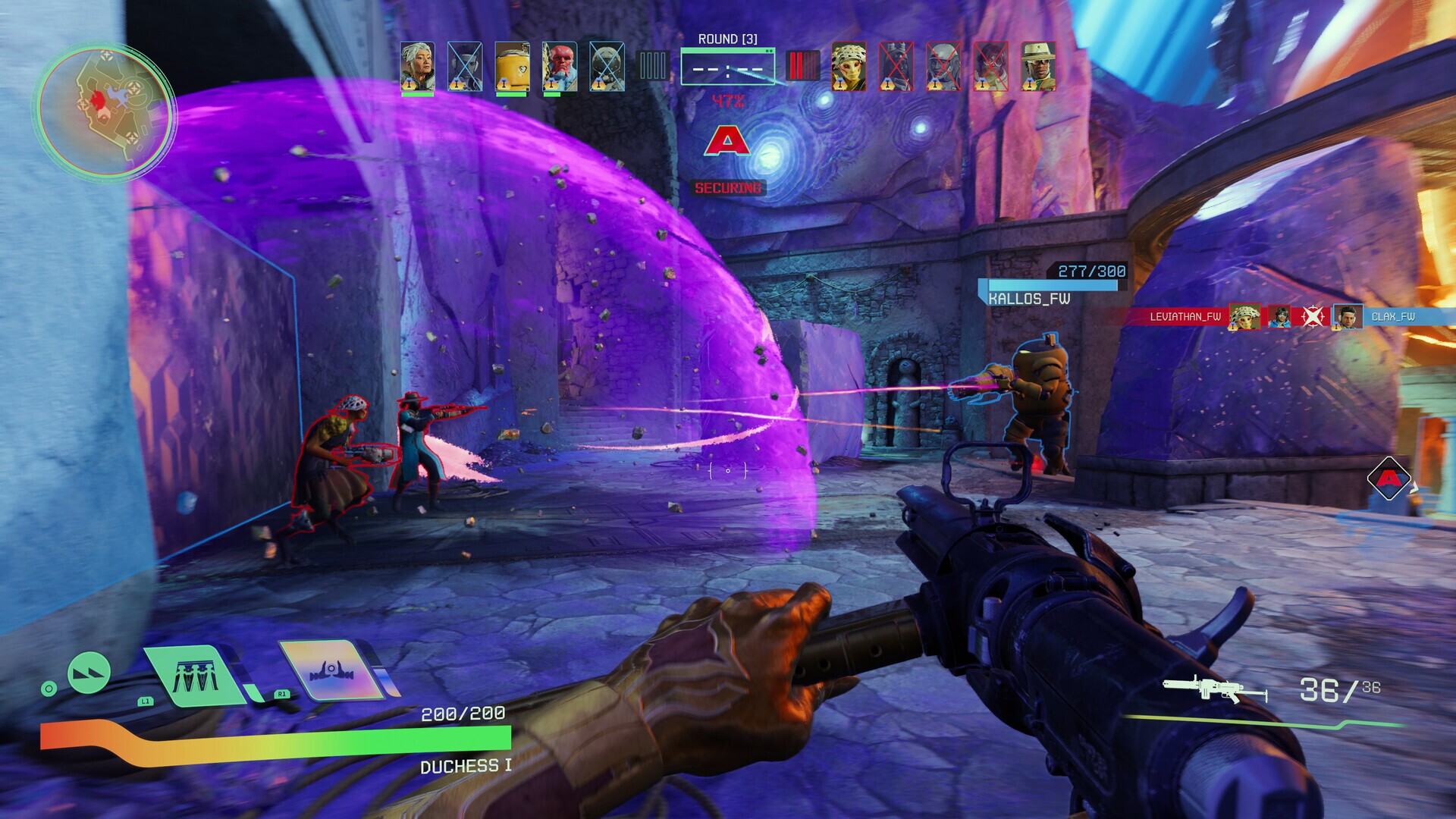
Following the disastrous launch and subsequent shutdown of this hero shooter, developers from Firewalk Studios faced intense scrutiny for their online behavior. One developer notably lashed out at critics on social media, dismissing them as “talentless freaks” and blaming the game’s failure on a hate campaign rather than its design or price point. This reaction was viewed as highly hypocritical given the studio’s stated values of positivity and inclusivity. The hostility further alienated the few players who might have been interested, sealing the game’s fate as one of the industry’s most rapid failures.
‘Borderlands 3’ (2019)
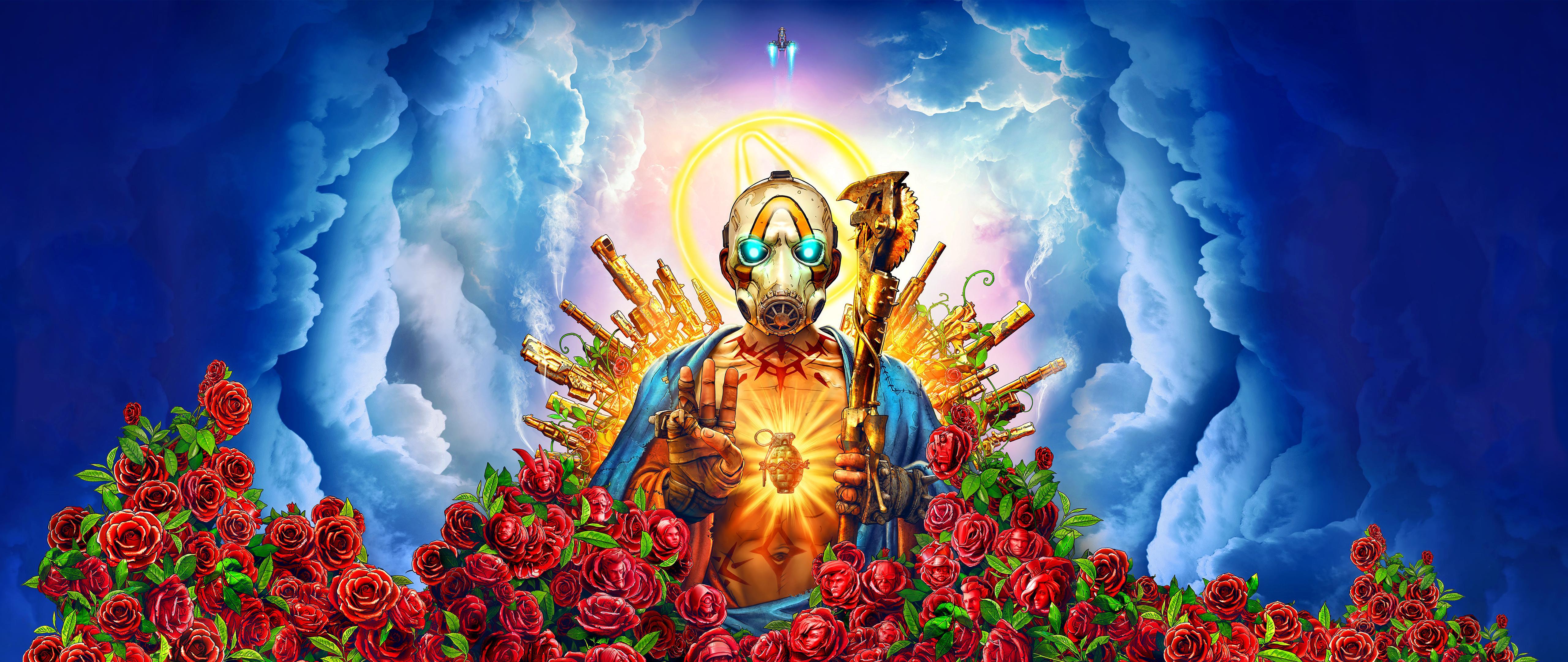
Gearbox Software CEO Randy Pitchford is infamous for his unfiltered social media presence, which frequently lands his studio in hot water. During the promotional cycle for ‘Borderlands 3’, Pitchford attacked journalists and fans alike, even engaging in public spats about voice actor pay disputes. His behavior included blocking critics and making bizarre, defensive claims that contradicted official PR statements. Many long-time fans of the franchise found it difficult to separate the art from the artist, leading to boycott calls urging players to avoid the game to stop supporting his leadership.
‘Apex Legends’ (2019)
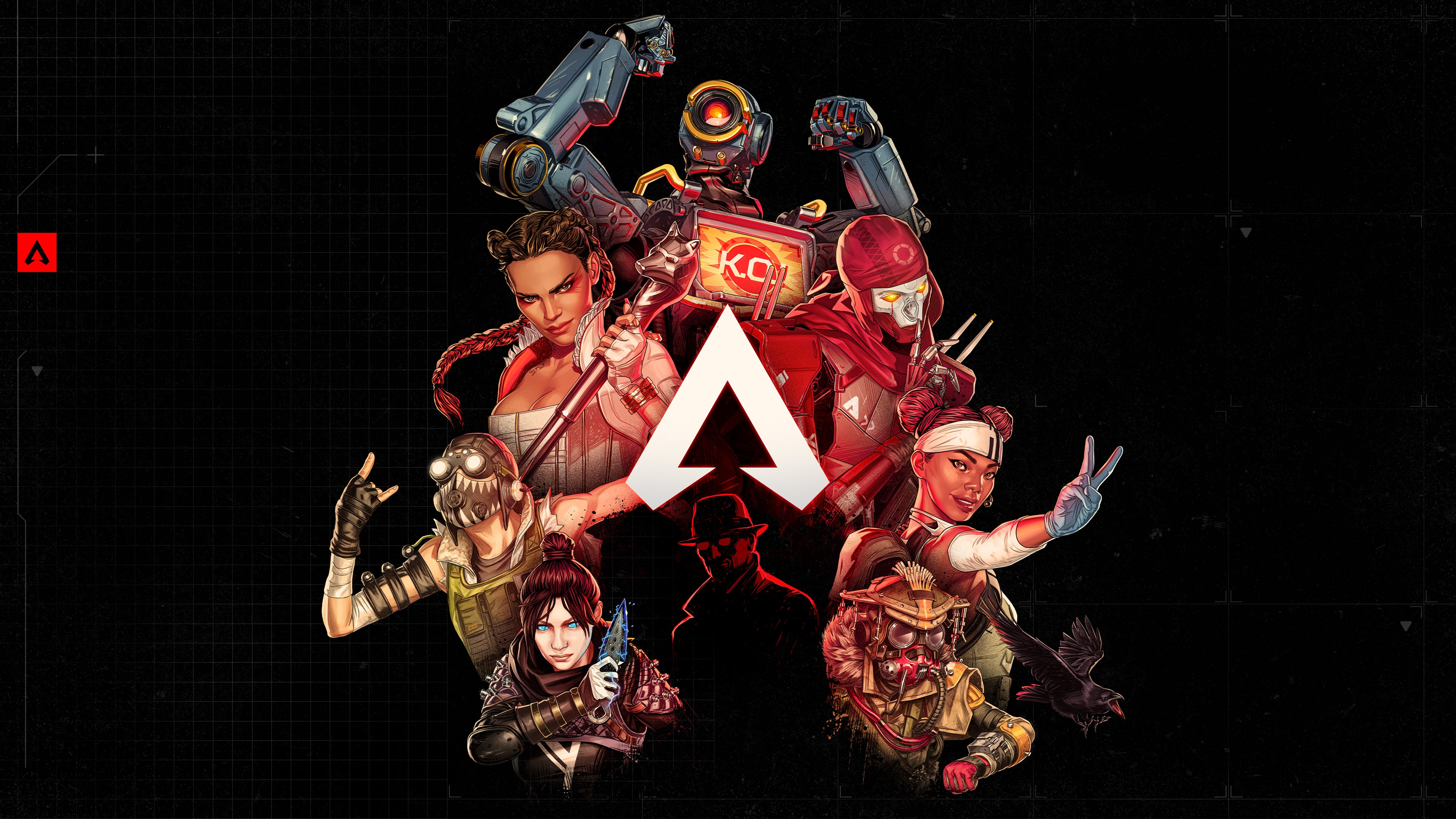
Tensions boiled over during the Iron Crown event when players complained about the egregious pricing of cosmetic items. Instead of de-escalating, developers from Respawn Entertainment took to Reddit to insult the community, calling players “freeloaders,” “ass-hats,” and “dicks.” The developers claimed they were standing up against toxicity, but players pointed out the hypocrisy of fighting insults with professional misconduct. The incident caused a massive rift between the studio and its player base, with many swearing off the game’s microtransactions entirely.
‘Fez’ (2012)

Phil Fish, the creator of ‘Fez’, became a polarizing figure due to his abrasive online persona and frequent arguments with the gaming community. He famously stated that “gamers are the worst f***ing people” and insulted anyone who questioned his development process or pricing decisions. After a particularly heated exchange on Twitter where he told a user to compare their life to his and “kill yourself,” Fish abruptly cancelled ‘Fez 2’ and announced his departure from the industry. His confrontational style remains a cautionary tale about how developer antagonism can overshadow a critically acclaimed product.
‘The Day Before’ (2023)

The developers behind this survival MMO, Fntastic, used social media to aggressively deny allegations that their game was a scam or “asset flip.” They frequently posted passive-aggressive messages blaming “haters” and the “negative press” for the skepticism surrounding the project. When the game finally launched in a broken state, proving the critics right, the studio shut down days later while still blaming the community for a lack of financial support. Their final posts were seen as the ultimate hypocrisy, refusing to take accountability for years of misleading marketing.
‘Bayonetta 3’ (2022)
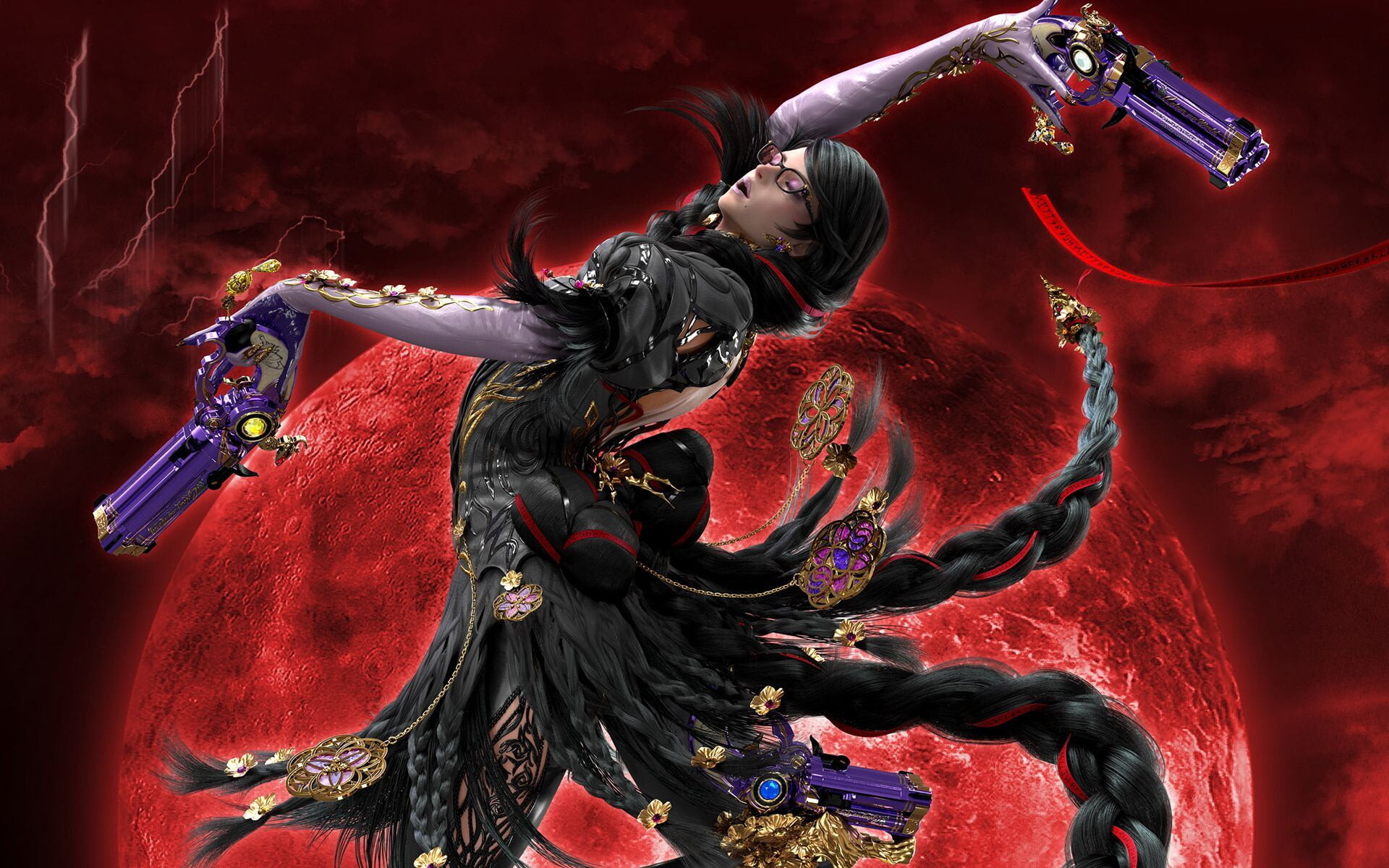
PlatinumGames executive Hideki Kamiya is known for his strict “block rule” on Twitter, but his behavior during the voice actor controversy for ‘Bayonetta 3’ drew significant ire. When allegations surfaced regarding low pay for the original voice actress, Kamiya responded by calling critics “insects” and mass-blocking concerned fans. Although the full truth of the pay dispute later revealed complexity on both sides, his initial knee-jerk hostility caused many to cancel their pre-orders. The situation highlighted the risks of a high-profile developer treating serious industry allegations with disdain.
‘Diablo Immortal’ (2022)
While the infamous “Do you guys not have phones?” line was delivered on stage, the subsequent social media defense by Blizzard developers solidified the backlash. Developers expressed confusion and frustration online that their core PC audience was not excited about a mobile-only title, which fans felt was tone-deaf and condescending. The dismissal of legitimate concerns about microtransactions and platform preference was seen as a betrayal of the studio’s “gameplay first” mantra. This disconnect fueled a boycott that persisted even after the game was eventually ported to PC.
‘Saints Row’ (2022)
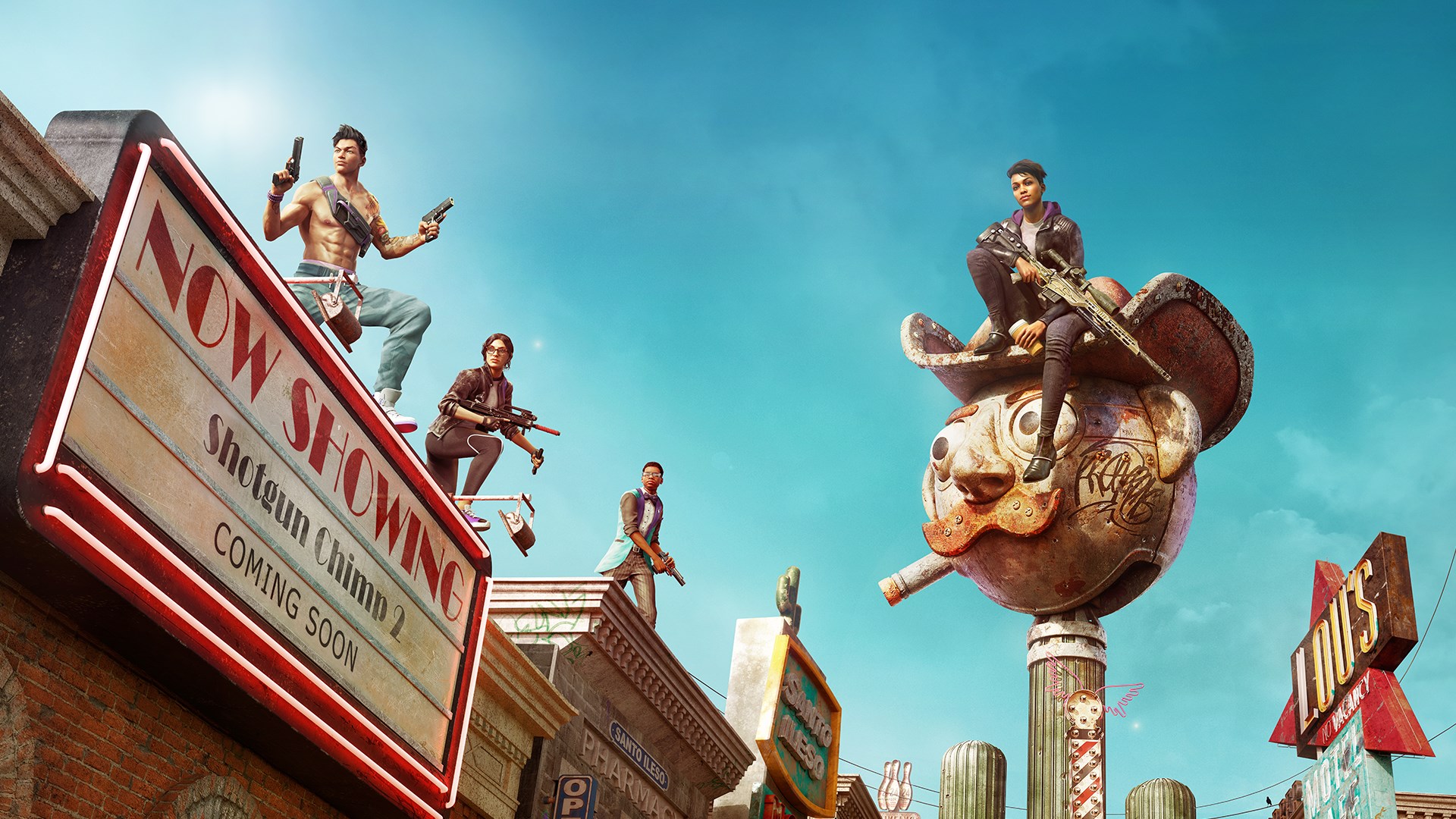
When the reboot of ‘Saints Row’ was revealed, long-time fans expressed disappointment with the new tone and characters, which departed significantly from the franchise’s roots. The official Twitter account and developers responded by mocking these fans with “haters gonna hate” memes and telling them to “move on.” This refusal to engage constructively with valid criticism about the game’s identity crisis alienated the core fanbase that had kept the series alive. The game ultimately underperformed critically and commercially, leading to the closure of the studio, Volition.
‘Total War: Rome II’ (2013)
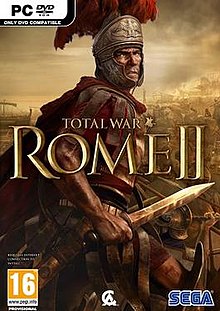
Creative Assembly faced a firestorm when a controversy erupted over the spawn rates of female generals in the game. A community manager exacerbated the situation by telling players that if they did not like the inclusion of female characters, they could “mod it out” or stop playing. This response was perceived as dismissive of fans who were arguing for historical accuracy, regardless of the validity of their claims. The blunt “my way or the highway” attitude led to review bombing and calls to boycott future Total War titles.
‘SimCity’ (2013)
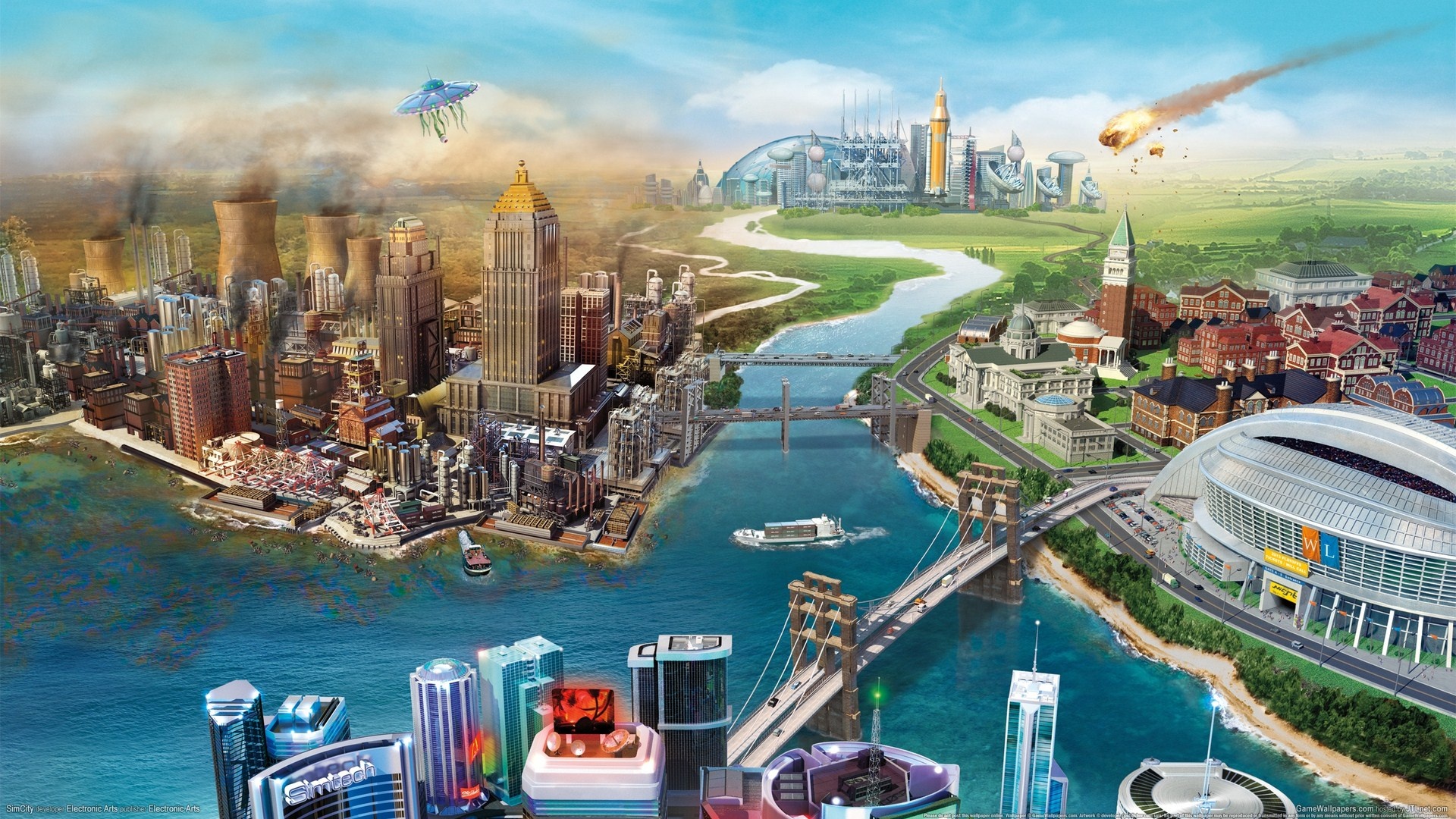
Before launch, Maxis and EA developers insisted on social media that the game’s “always-online” requirement was necessary for complex server-side calculations. When the game launched and servers collapsed, modders quickly proved that an offline mode was entirely possible, exposing the developers’ previous claims as untrue. The hypocrisy of claiming the restriction was for the player’s benefit, while it actively prevented them from playing, caused a massive revolt. The incident remains a textbook case of how misleading technical claims on social media can destroy consumer trust.
‘Suicide Squad: Kill the Justice League’ (2024)
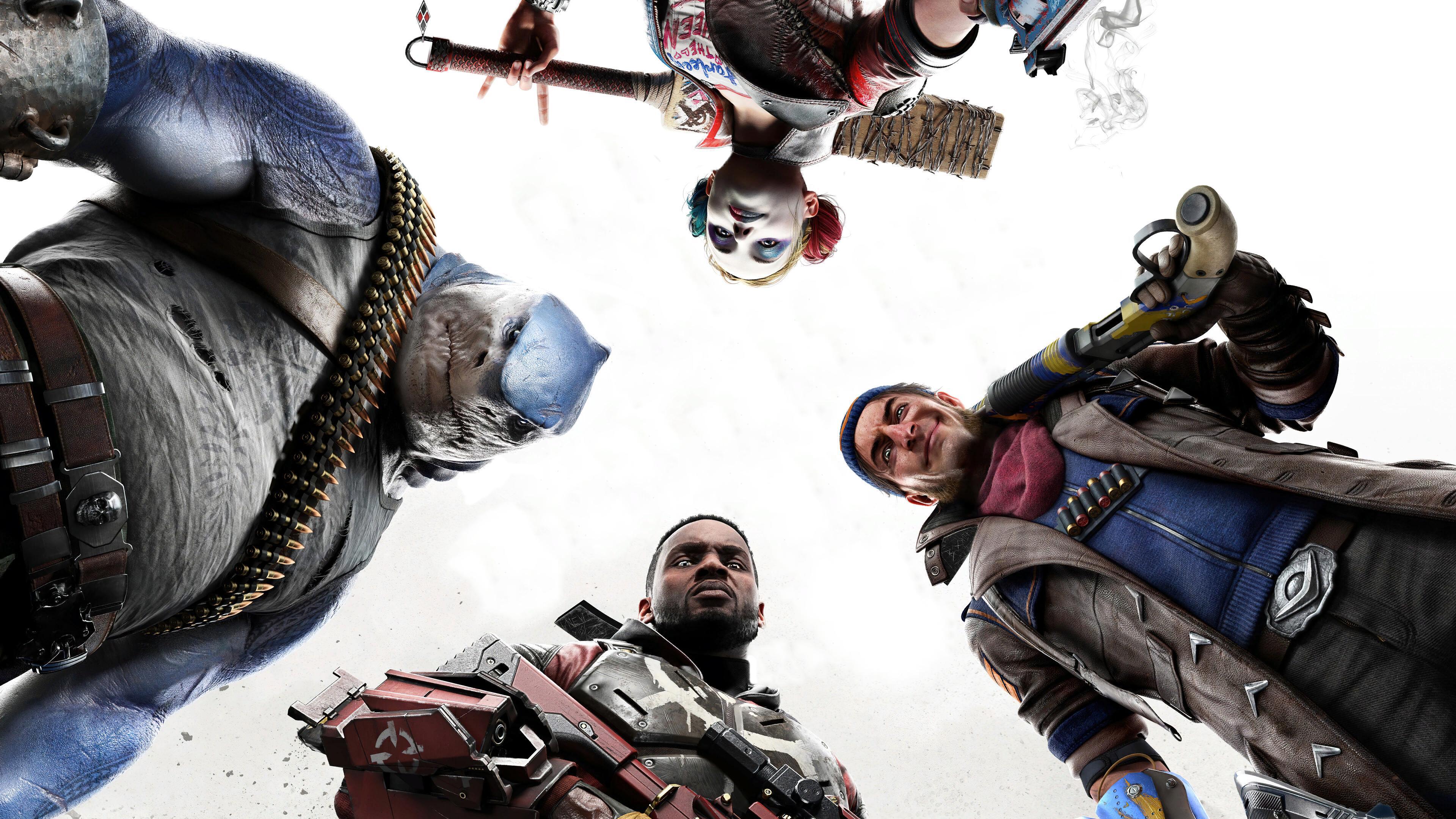
Rocksteady Studios faced immense backlash not just for the game’s live-service elements, but for the perceived disrespect toward the ‘Arkham’ series’ Batman. Developers and writers took to social media to defend the narrative choices, often dismissing fans’ emotional attachment to the character as childish. The disconnect between the studio’s desire for a new tone and the audience’s reverence for the source material was widened by these defensive posts. The result was a catastrophic launch where the core audience refused to support a game they felt mocked their investment in the franchise.
‘Skullgirls’ (2023)
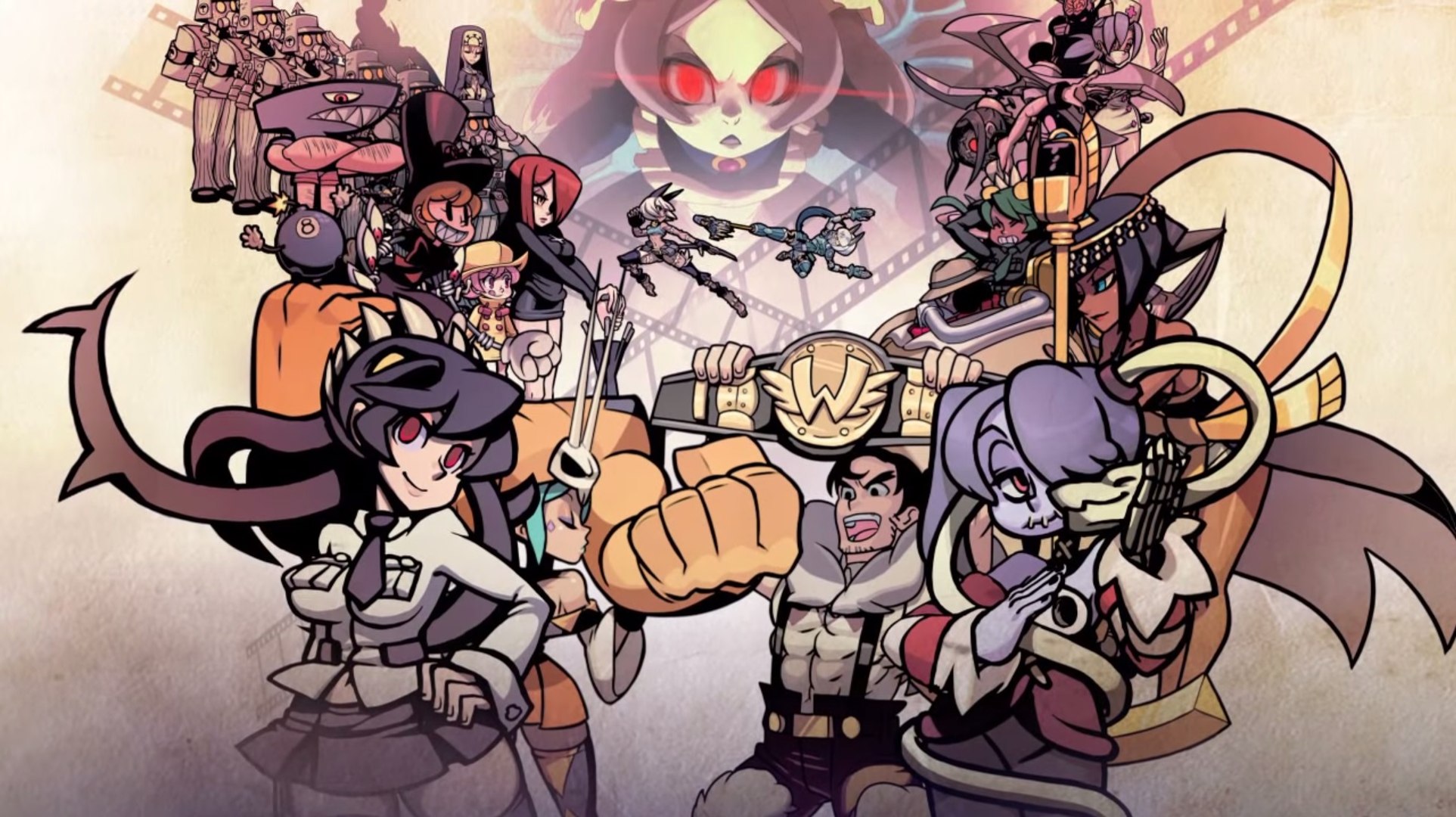
After a significant update censored artwork and removed content deemed “in inappropriate taste,” the developers at Hidden Variable defended the changes on social media and forums. They argued the changes were necessary to reflect their current values, despite the game being funded and supported for years by fans who enjoyed the original aesthetic. The perceived hypocrisy of taking money from fans for specific content and then retroactively removing it while lecturing the audience sparked a massive review bombing campaign. The backlash was less about the changes themselves and more about the studio’s attitude toward its long-term supporters.
‘Helldivers 2’ (2024)

While the game was a massive success, it faced a significant hurdle when a Community Manager antagonized players during the PSN account linking controversy. The CM encouraged players to leave negative reviews and refund the game to “hurt” the publisher, only to later argue with players and tell them to “git gud” in other contexts. This erratic behavior confused the community and fueled the fire of an already volatile situation. Although the account linking requirement was walked back, the unprofessional conduct of the community management team left a sour taste for many.
‘Forspoken’ (2023)
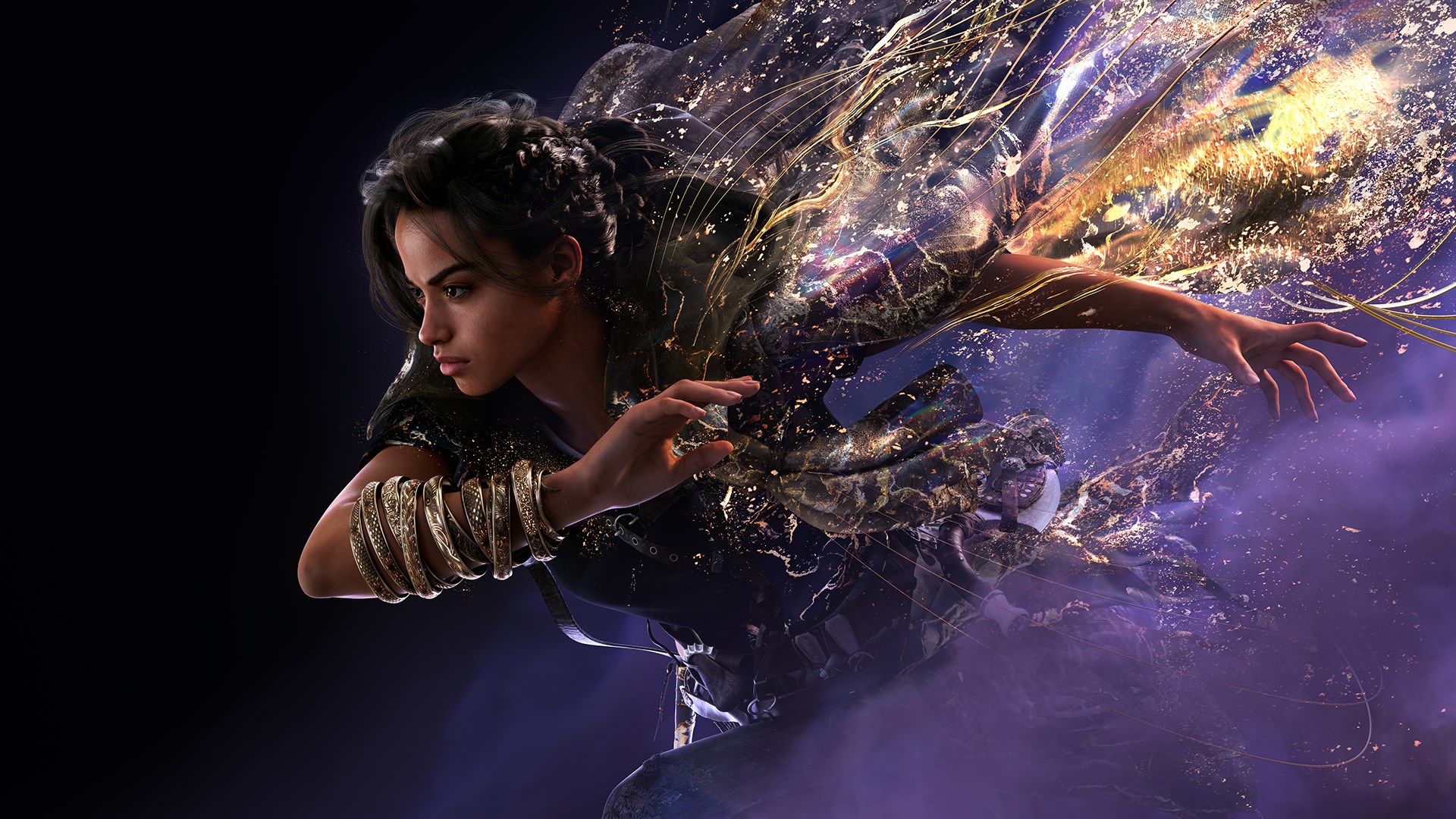
Following the release of a demo, players criticized the game’s dialogue for being “cringe-worthy” and overly quippy. The writing team and developers appeared to mock these criticisms on social media, implying that the audience simply didn’t understand the tone they were going for. This refusal to acknowledge the widespread feedback painted the team as out of touch with modern gaming standards. The ” Joss Whedon-esque” dialogue became a meme, and the developers’ defensiveness only encouraged more ridicule and avoidance of the title.
‘Payday 2’ (2015)
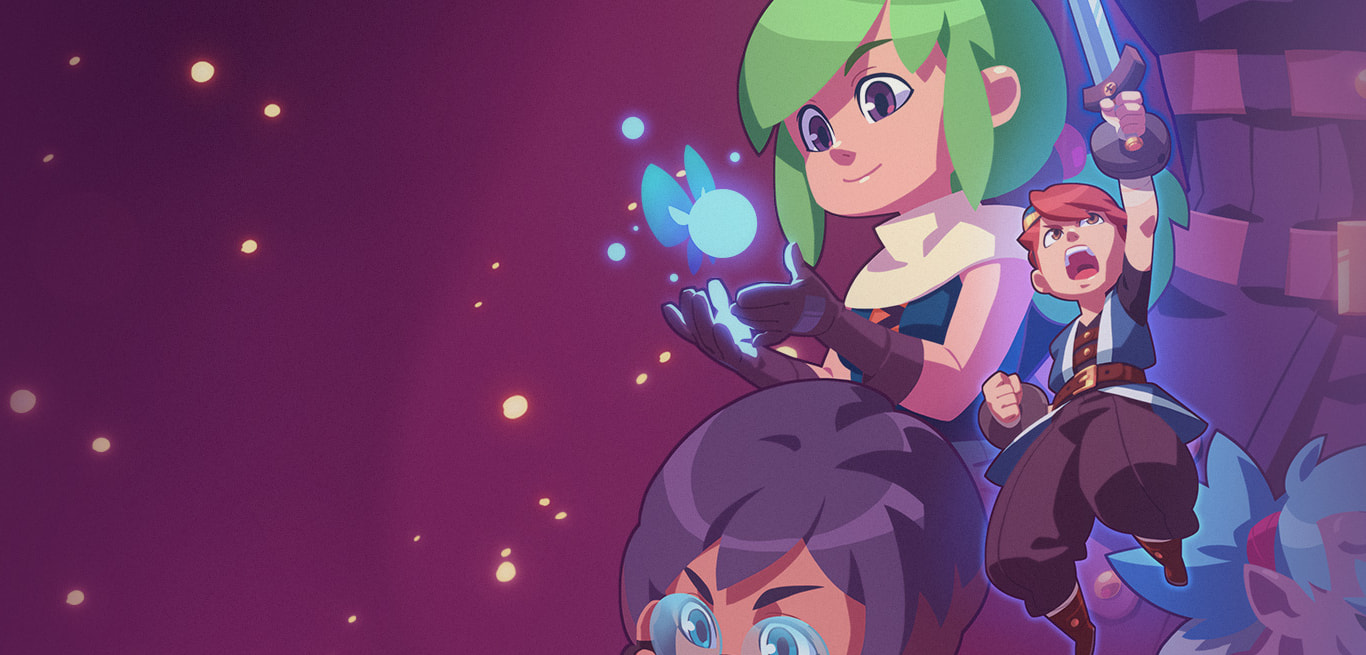
The developers at Overkill Software famously stated during development that ‘Payday 2’ would never have microtransactions, saying, “Shame on you if you thought otherwise.” When they later introduced stat-boosting weapon skins via paid safes, the community unearthed the old posts to highlight the blatant hypocrisy. The developers initially tried to defend the decision as necessary for survival, which rang hollow to players who had already bought the game and endless DLC. The “shame on you” comment became a rallying cry for the boycott that followed.
‘Mighty No. 9’ (2016)
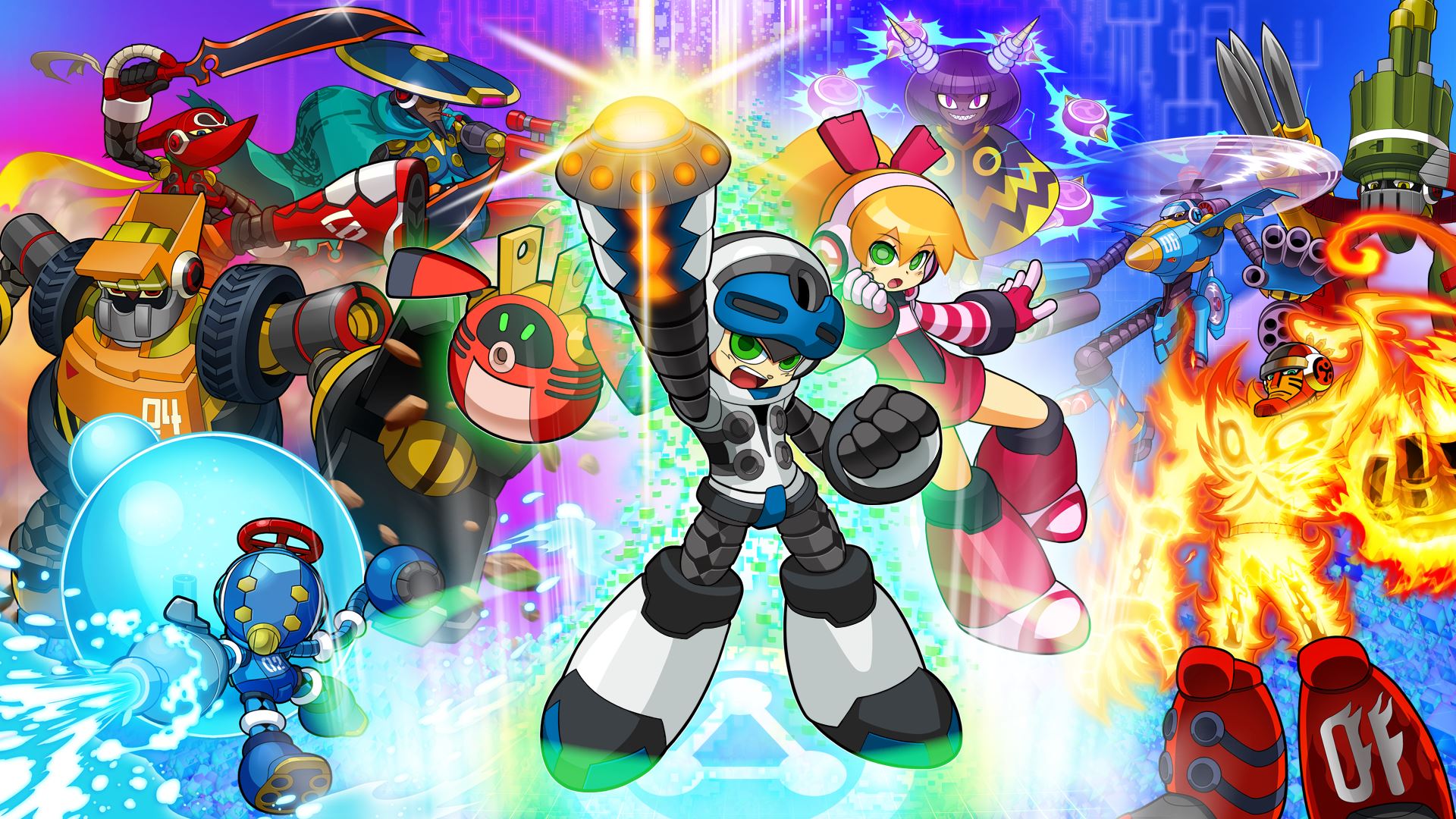
During the disastrous launch of this Kickstarter project, the community manager posted a trailer with a caption famously insulting the game’s own aesthetic, comparing it to “an anime fan on prom night.” This attempt at self-deprecating humor backfired spectacularly, as it insulted the very backers who had funded the game based on its anime-inspired style. It showed a lack of confidence and respect for the product and its audience. The tweet became emblematic of the entire mishandled campaign, leading to mass refund requests.
‘Ion Fury’ (2019)
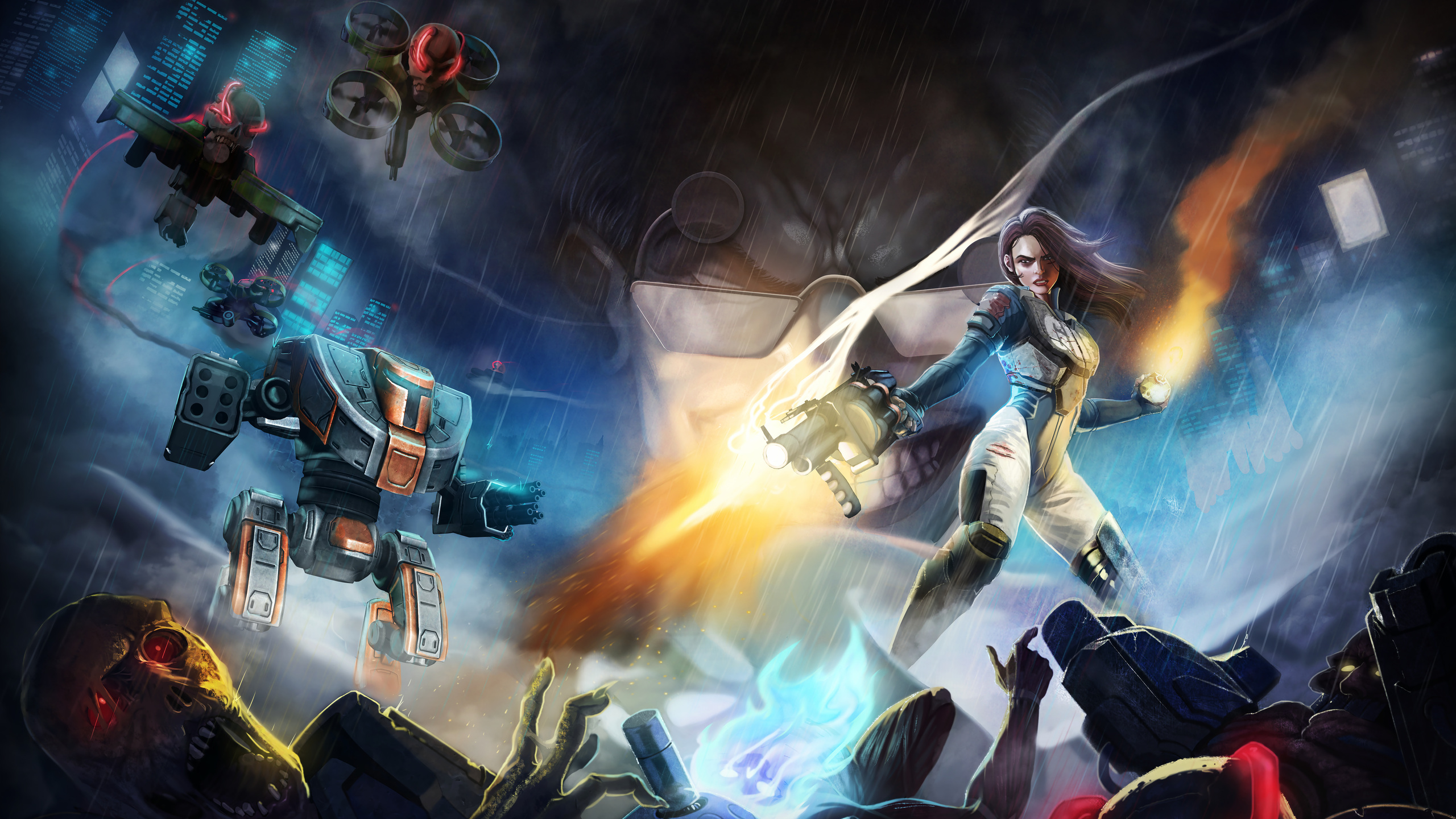
Voidpoint developers found themselves in a “lose-lose” situation due to indecisive social media management regarding offensive content found in their game. After initially apologizing for homophobic slurs in a developer Discord and promising to donate to charity, they retracted their statement and refused to censor the game following pressure from “anti-woke” groups. This flip-flopping exposed them to ire from both sides of the political spectrum. The inconsistency and lack of conviction in their stated values led to boycotts from progressive and conservative gamers alike.
‘Genshin Impact’ (2021)

During the first anniversary of the game, players were dissatisfied with the meager in-game rewards and voiced their complaints online. Official social media accounts began censoring criticism and banning users who complained, while developers remained silent or posted unrelated promotional content. This stonewalling technique was seen as hypocritical for a company that claimed to “listen to its travelers.” The situation escalated until players began review-bombing completely unrelated apps, forcing the studio to issue a formal apology and better rewards.
‘Shadow Complex Remastered’ (2015)
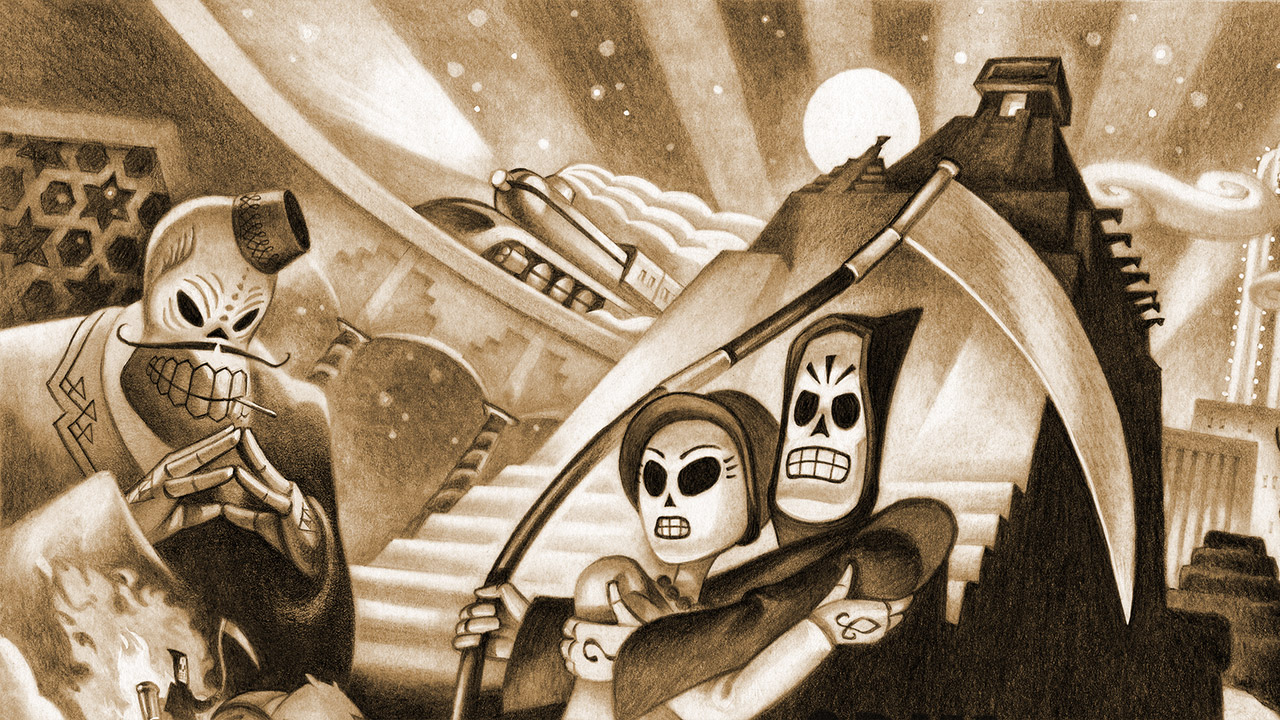
While not a developer tweet, the involvement of Orson Scott Card, who holds vocal anti-LGBTQ views, caused a boycott that the studio failed to navigate effectively. When pressed on social media about their association with Card, representatives gave vague non-answers about “separating the art from the artist.” For many players, the refusal to explicitly condemn the hateful rhetoric of a key beneficiary of the game’s sales was enough to skip the title. The silence and deflection were viewed as a tacit acceptance of his views.
‘LawBreakers’ (2017)

Cliff Bleszinski, the lead designer, adopted a highly aggressive marketing persona on Twitter, frequently disparaging competitors like ‘Overwatch’ and insulting Xbox players. He claimed his game was for “skilled” players, unlike the “casuals” on other platforms, effectively insulting a massive portion of the potential audience. When the game struggled to find a player base, his previous arrogance made him an easy target for mockery. The “hardcore” posturing backfired, as the players he insulted simply chose not to play his game.
‘Evolve’ (2015)
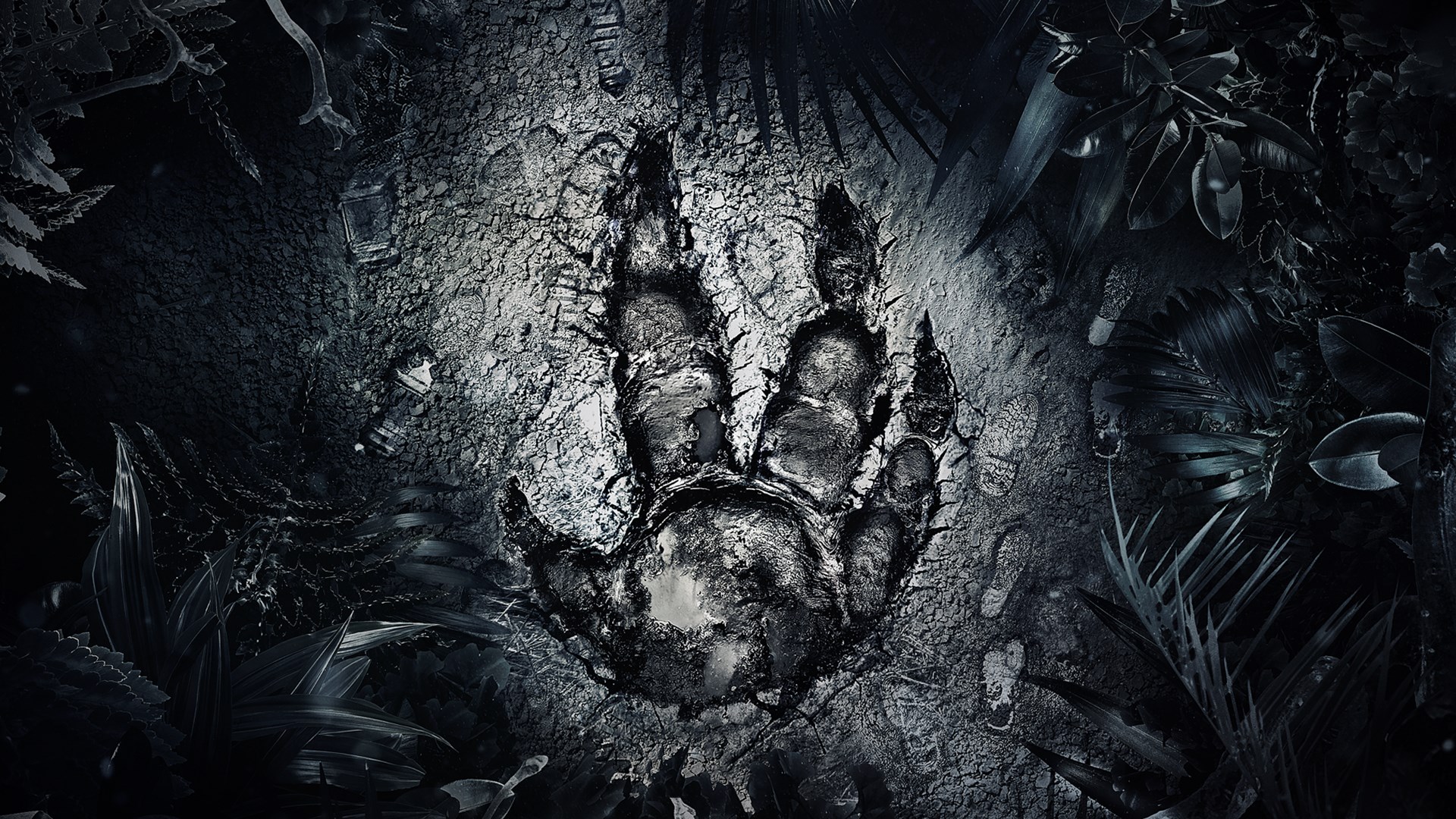
Turtle Rock Studios and 2K Games faced heavy criticism for their aggressive DLC strategy, detailed in confusing infographics before the game even launched. Developers defended the “built from the ground up for DLC” approach on forums and social media, claiming it was for the players’ benefit to have options. This corporate-speak contradicted the reality of a full-priced game feeling stripped of content. Gamers viewed the defense as greedy and hypocritical, leading to a rapid decline in the player base shortly after release.
‘Artifact’ (2018)
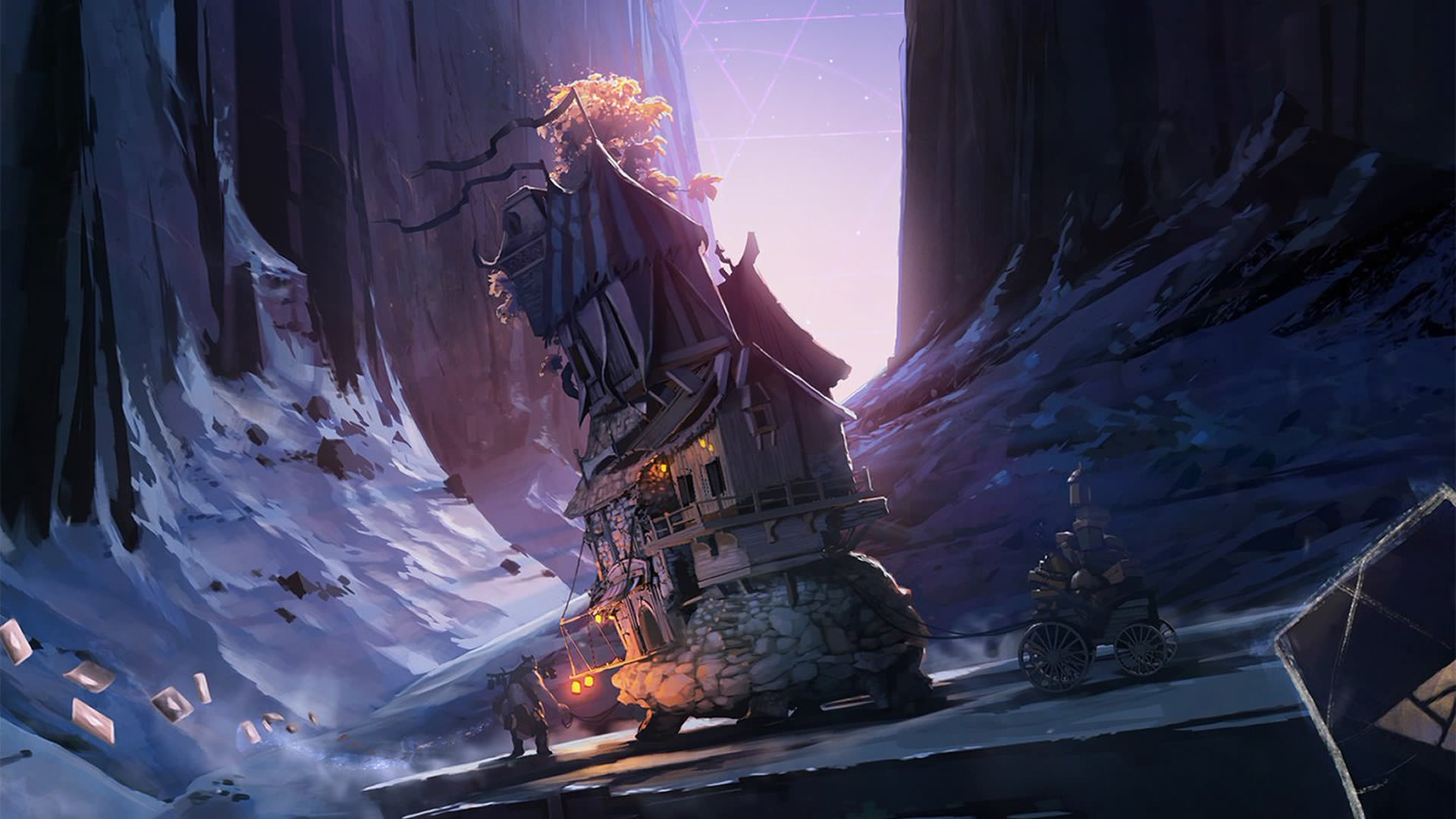
Valve’s card game was met with skepticism upon reveal, but the developers’ silence and refusal to address the monetization concerns on social media worsened the situation. When they did communicate, it was often to double down on the “pay-for-every-card” model, comparing it to physical trading cards. This comparison ignored the digital nature of the product and the standards of the genre. The refusal to adapt or listen to feedback on social platforms led to the game becoming a ghost town within months.
‘Dragon Age: The Veilguard’ (2024)
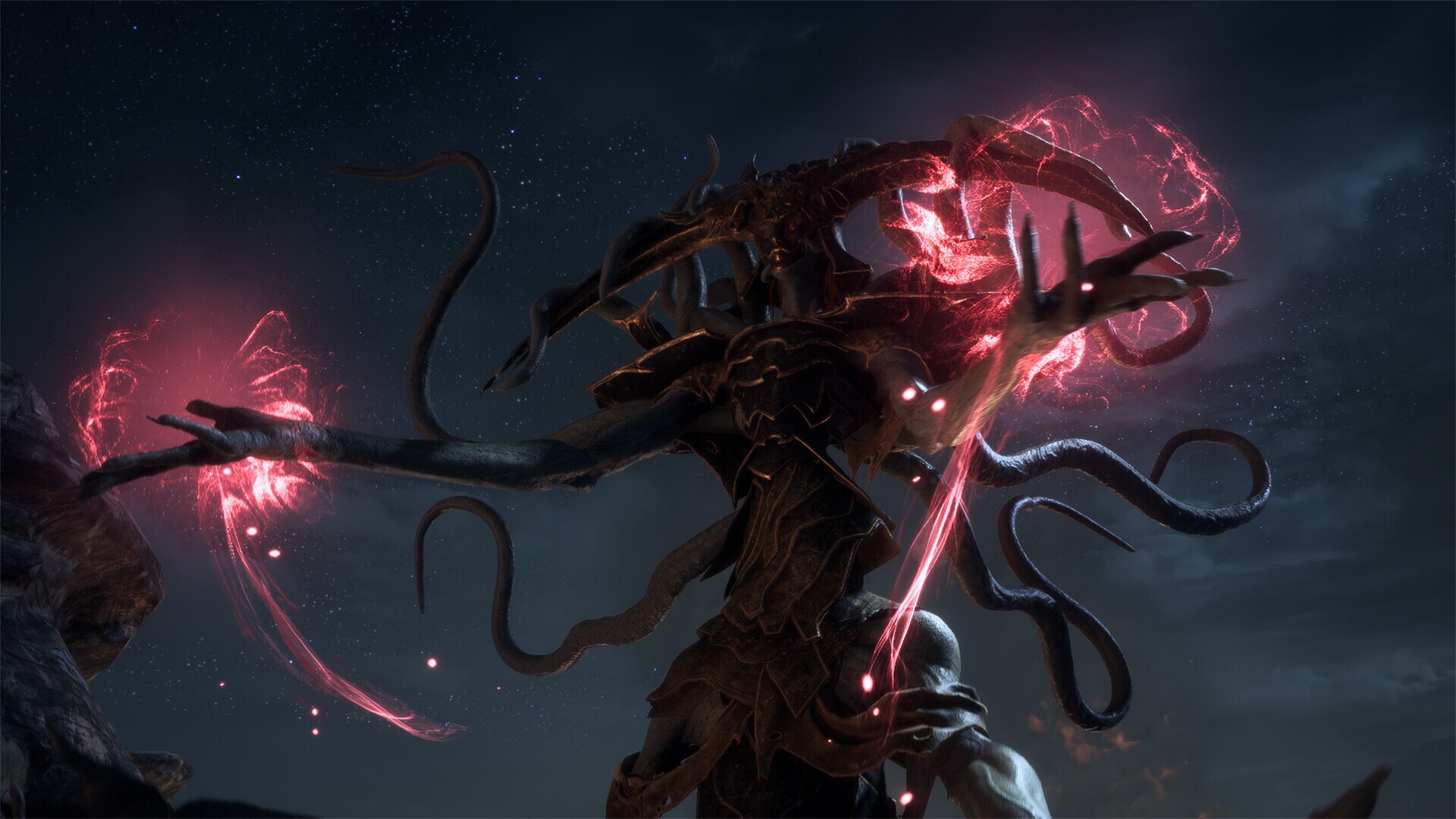
BioWare developers and game directors faced backlash for dismissing criticism of the game’s art style and tone as coming from “tourists” who didn’t understand the franchise. Social media posts from staff members implied that long-time fans who preferred the dark fantasy of ‘Origins’ were stuck in the past or politically motivated. This gatekeeping from the creators themselves alienated the veteran players who had supported the studio through its rough patches. The “us vs. them” mentality displayed online contributed to a fractured community before the game even released.
‘Gotham Knights’ (2022)
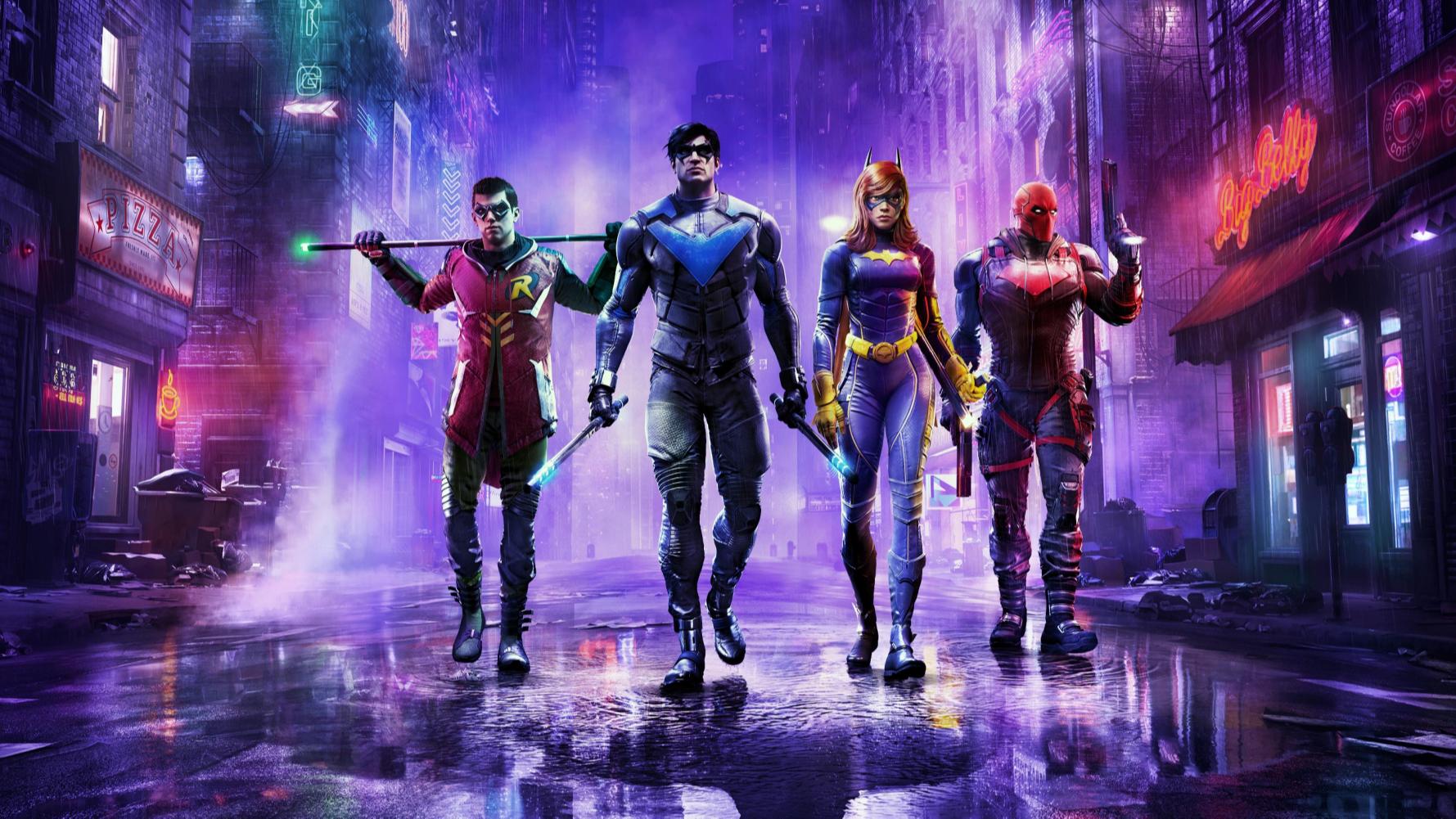
When it was revealed that the game would be locked to 30fps on consoles, a developer from WB Games Montreal took to Discord to claim that the Series S was holding back the generation. This excuse was immediately debunked by fans pointing to much more technically demanding games running at 60fps on the same hardware. The developer’s attempt to shift blame to the hardware rather than admitting to optimization issues was seen as dishonest. The comment went viral, leading to a lack of trust in the studio’s technical competence.
‘Minecraft’ (2019)

Markus “Notch” Persson, the creator of ‘Minecraft’, became a pariah due to a series of controversial and offensive tweets years after selling the game to Microsoft. While he was no longer developing the game, his name was still featured on the title screen, and his comments prompted Microsoft to quietly remove all references to him. The community boycott was directed less at the game and more at his legacy, with many players demanding his complete dissociation from the brand. The incident highlighted how a creator’s post-success behavior can retroactively tarnish their creation.
‘Palworld’ (2024)
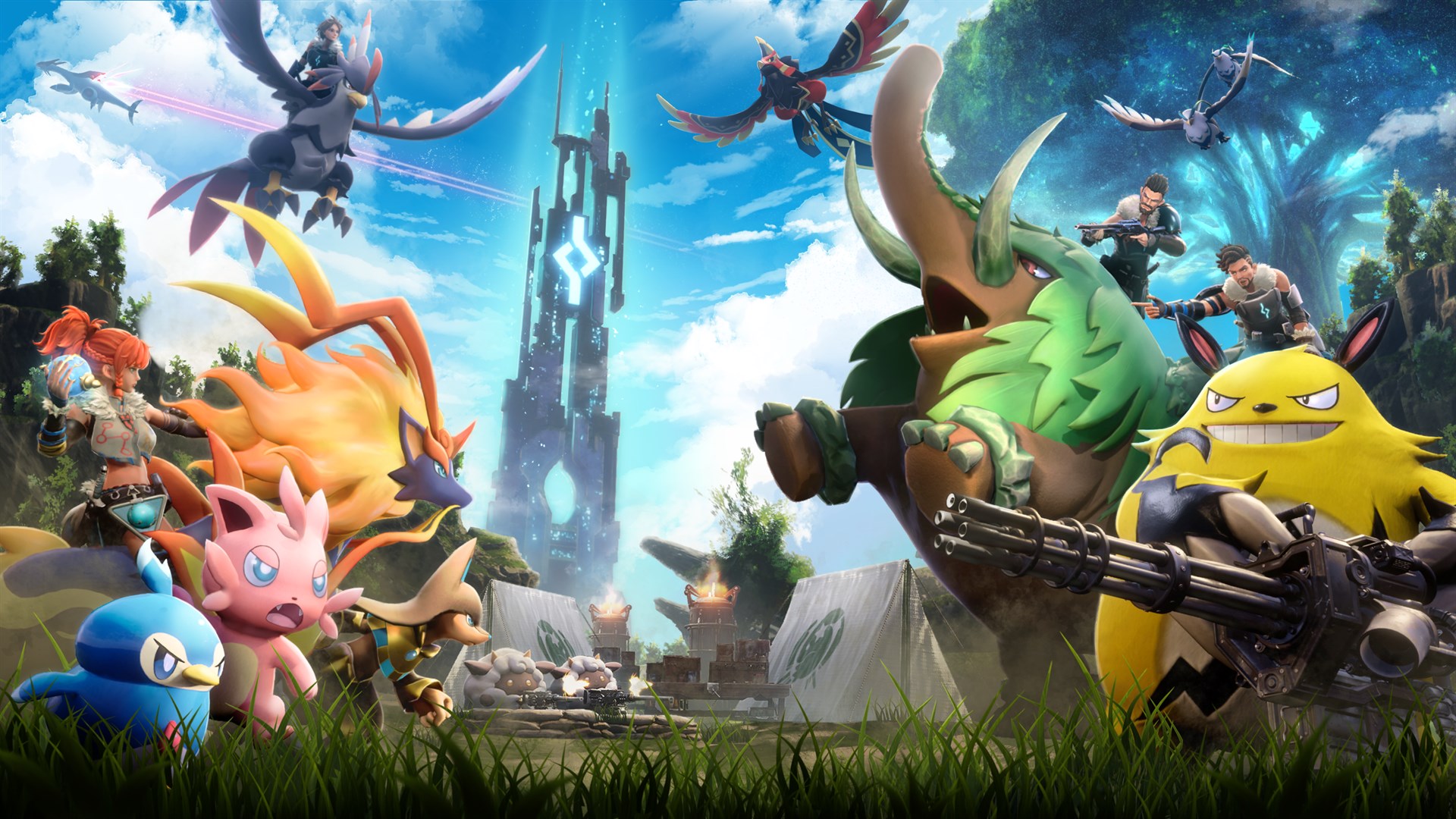
Pocketpair CEO Takuro Mizobe faced accusations of plagiarism and using AI generation for the game’s creature designs. Instead of addressing the allegations with transparency, his past tweets praising AI’s ability to bypass copyright were dug up and circulated. These posts painted a picture of a developer who valued quick profits over artistic integrity, fueling the narrative that the game was a soulless copycat. While the game was a commercial hit, a significant portion of the artist community boycotted the title due to these ethical concerns.
‘God of War Ragnarok’ (2022)
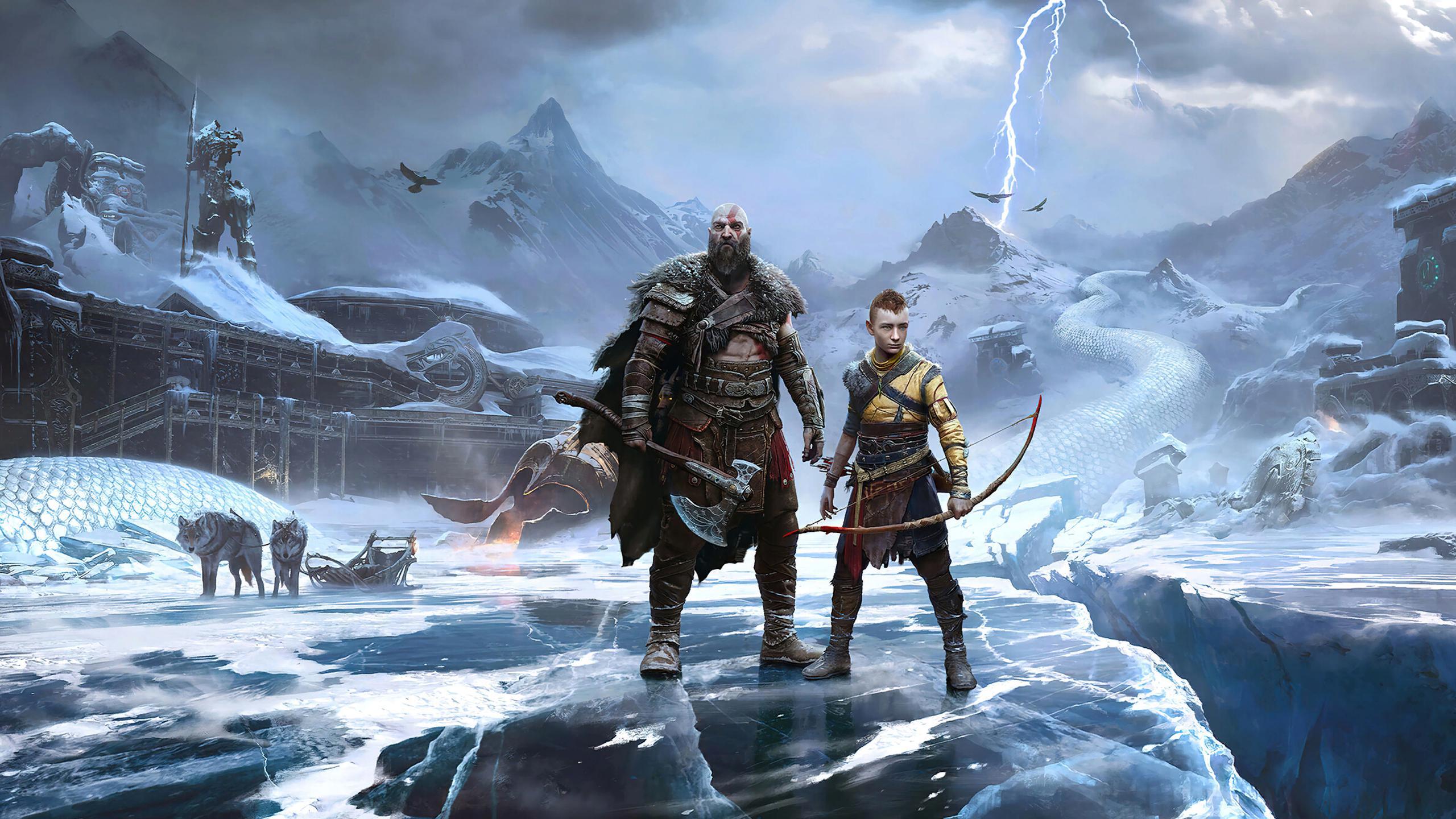
A writer for Santa Monica Studio faced harassment after the reveal of Angrboda, but the response from the development team widened the controversy. Staff members engaged in heated arguments with fans on Twitter, telling them that the studio’s creative vision was absolute and that they didn’t care about “mythological accuracy” complaints. While the defense of their colleague was warranted, the combative tone towards the general fanbase’s questions about the adaptation created unnecessary friction. The “don’t like it, don’t play it” sentiment was echoed, leading some purists to do exactly that.
‘Rust’ (2018)

Facepunch Studios founder Garry Newman is known for his blunt and often rude responses to player complaints. When Linux users complained about the removal of support for their platform, Newman told them to “refund it” and claimed the Linux community was more trouble than it was worth. While brutally honest, the dismissal of paying customers as a nuisance was seen as highly unprofessional. The comments galvanized the Linux gaming community to boycott Facepunch titles and leave negative reviews.
‘Starfield’ (2023)
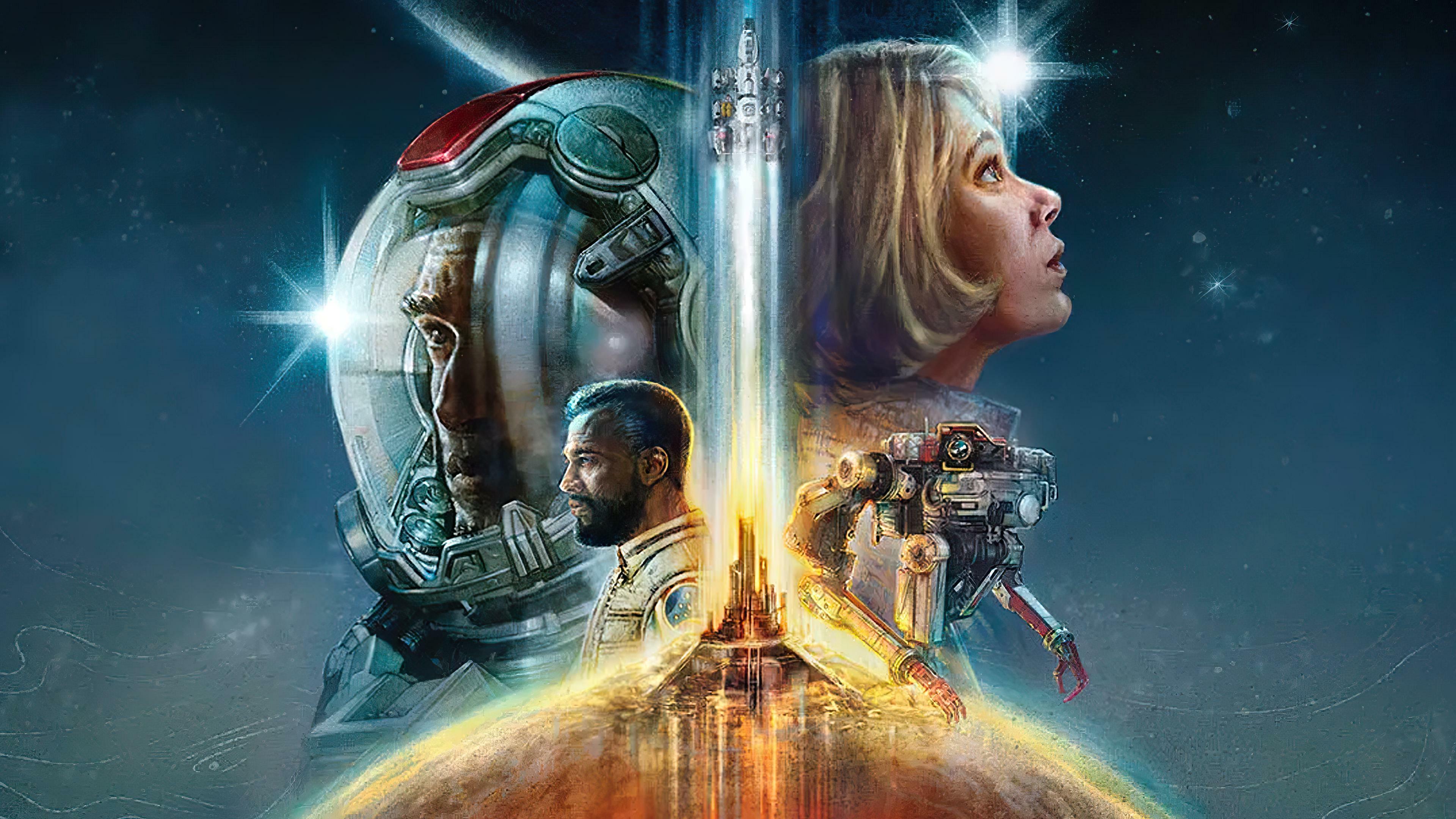
Following complaints about the game’s empty planets and reliance on fast travel, Bethesda executive Pete Hines defended the design on X. He argued that the emptiness was realistic and implied that players who found it boring were “exploring wrong” or didn’t understand the majesty of space. This refusal to validate the players’ subjective experience of boredom came across as gaslighting. The “you’re playing it wrong” defense is rarely well-received, and it contributed to the game’s polarizing reception.
‘Firewatch’ (2017)
Developer Campo Santo filed a DMCA takedown against YouTuber PewDiePie’s playthrough of their game after he used a racial slur in an unrelated video. While many agreed with condemning the slur, the studio’s use of copyright law to punish behavior they disliked was seen as a dangerous abuse of power. The developers tweeted that they would file DMCA strikes against any content he made, which gamers viewed as hypocritical censorship. This led to a massive review bombing campaign on Steam, not because of the game’s quality, but because of the studio’s legal bullying tactics.
‘Dustborn’ (2024)
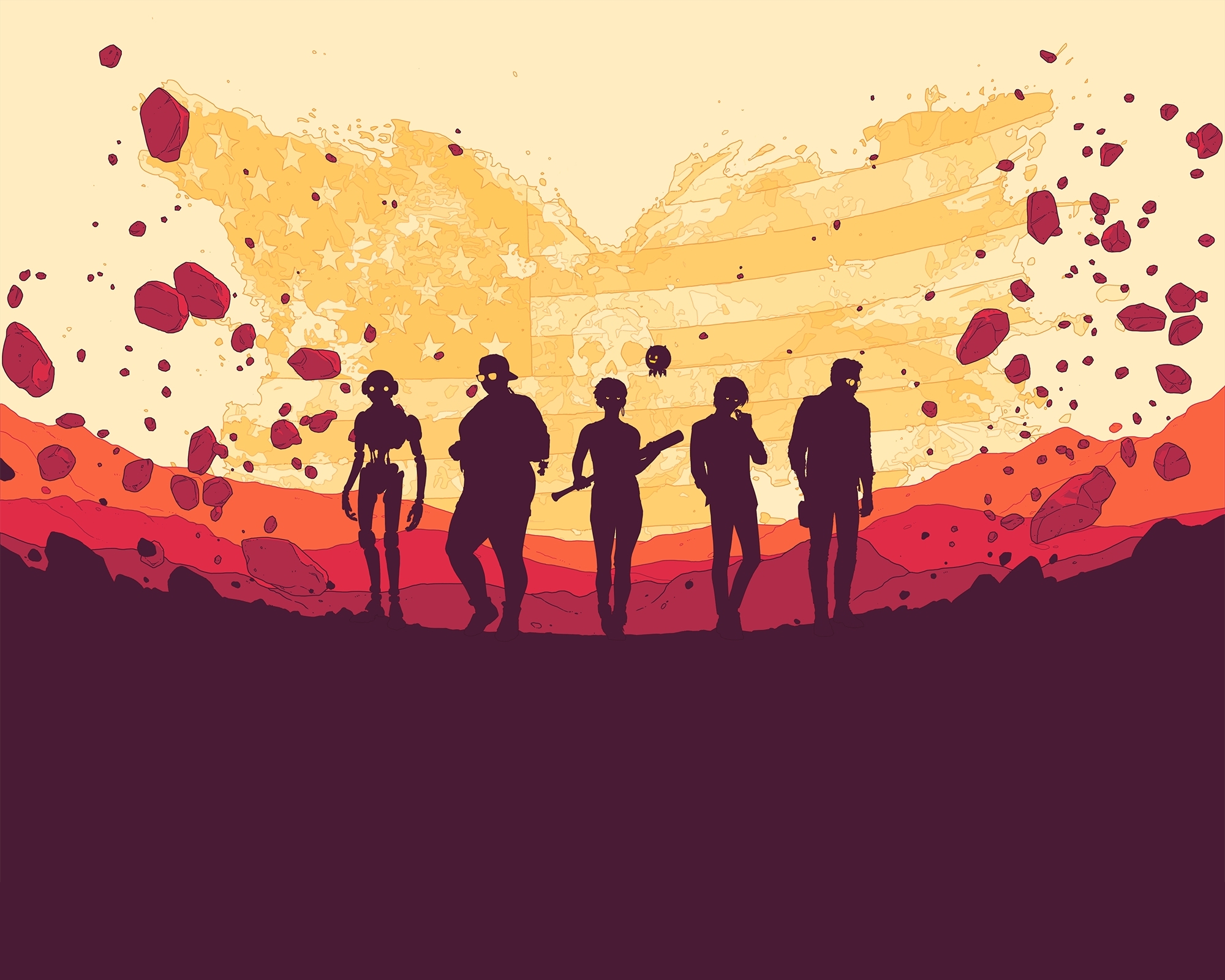
This narrative adventure game faced immediate backlash upon reveal, and the developer’s social media response fueled the fire. When users criticized the game’s overt political themes, the official account blocked them and the developers posted tweets mocking the “fragile” detractors. The studio’s funding from government grants also became a point of contention, with the devs dismissing tax-payer concerns with snark. The antagonistic relationship established on social media ensured that the game launched to a hostile audience and negligible player counts.
‘Five Nights at Freddy’s’ (2021)
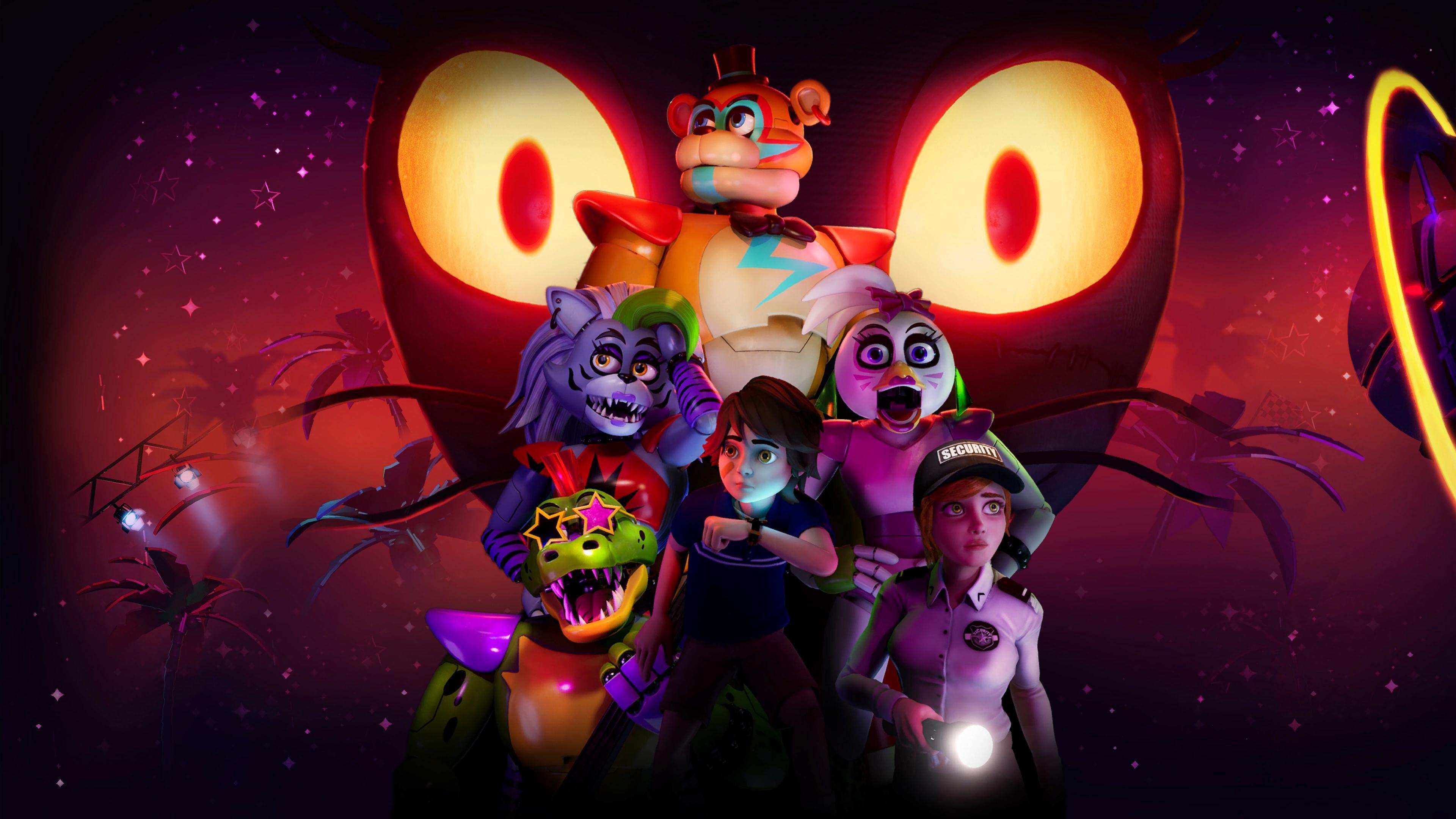
Creator Scott Cawthon faced a massive boycott after his political donations to conservative politicians were made public. In his response post, Cawthon refused to apologize for his personal beliefs, stating, “I have always loved, and will continue to love, this community and these characters.” While some respected his stance, a large portion of the LGBTQ+ fanbase felt betrayed, viewing his financial support of anti-LGBTQ politicians as hypocritical to his message of love and acceptance. He ultimately retired from professional game development to distance the franchise from the controversy.
‘Return to Monkey Island’ (2022)
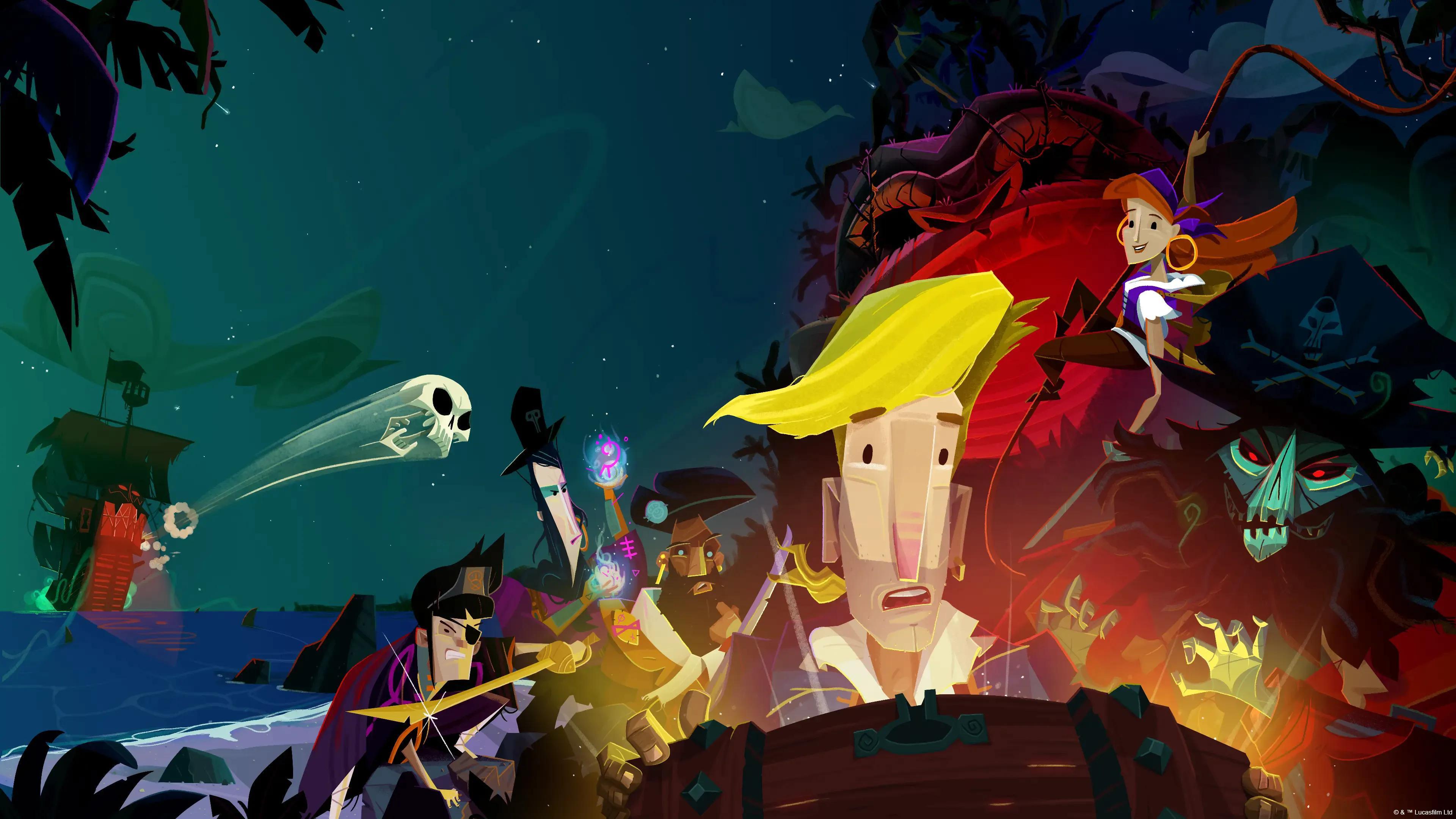
Ron Gilbert, the legendary creator of the series, shut down his personal blog’s comment section after fans criticized the game’s new art style. In a final post, he scolded the fans for being “mean” and stated he would no longer share updates, effectively taking his ball and going home. While the harassment he received was unjustifiable, his blanket dismissal of all criticism as “hate” was seen by some as thin-skinned for an industry veteran. The incident soured the pre-release hype, with many fans feeling unfairly chastised for having an aesthetic preference.
‘Stellar Blade’ (2024)
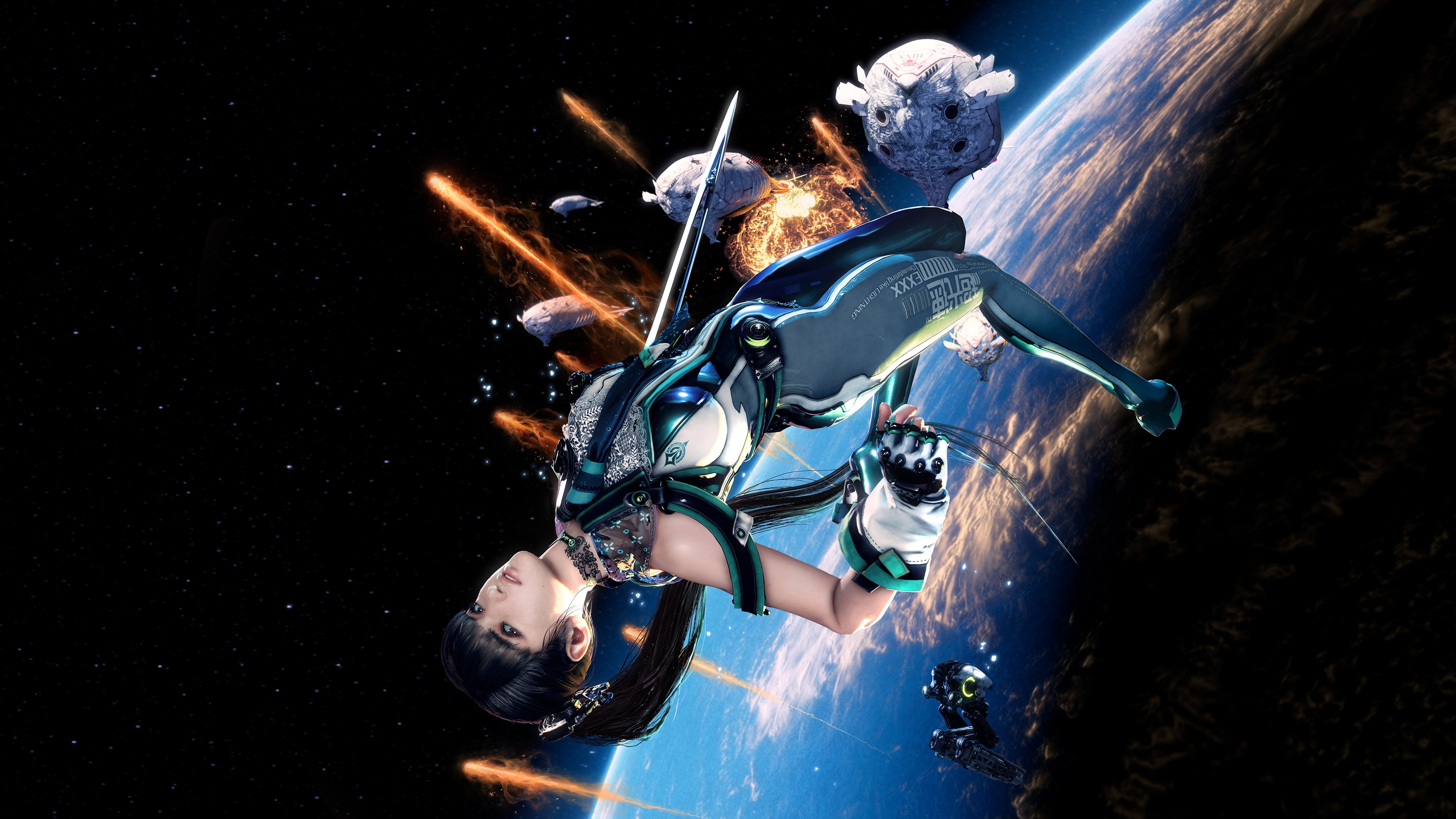
Developer Shift Up and its director touted the game as “uncensored” in the months leading up to release, positioning it as a bastion of artistic freedom. However, a Day One patch censored certain outfits and gore, leading to accusations of bait-and-switch marketing. The studio’s subsequent silence on social media, followed by vague PR statements that contradicted their pre-launch bravado, infuriated the “anti-censorship” crowd they had courted. The hypocrisy of marketing a game on its lack of censorship only to censor it immediately led to a refund campaign.
Share your thoughts on these controversies or mention any we missed in the comments.