

Games Hit with Mass Refund Requests Over Bad Updates

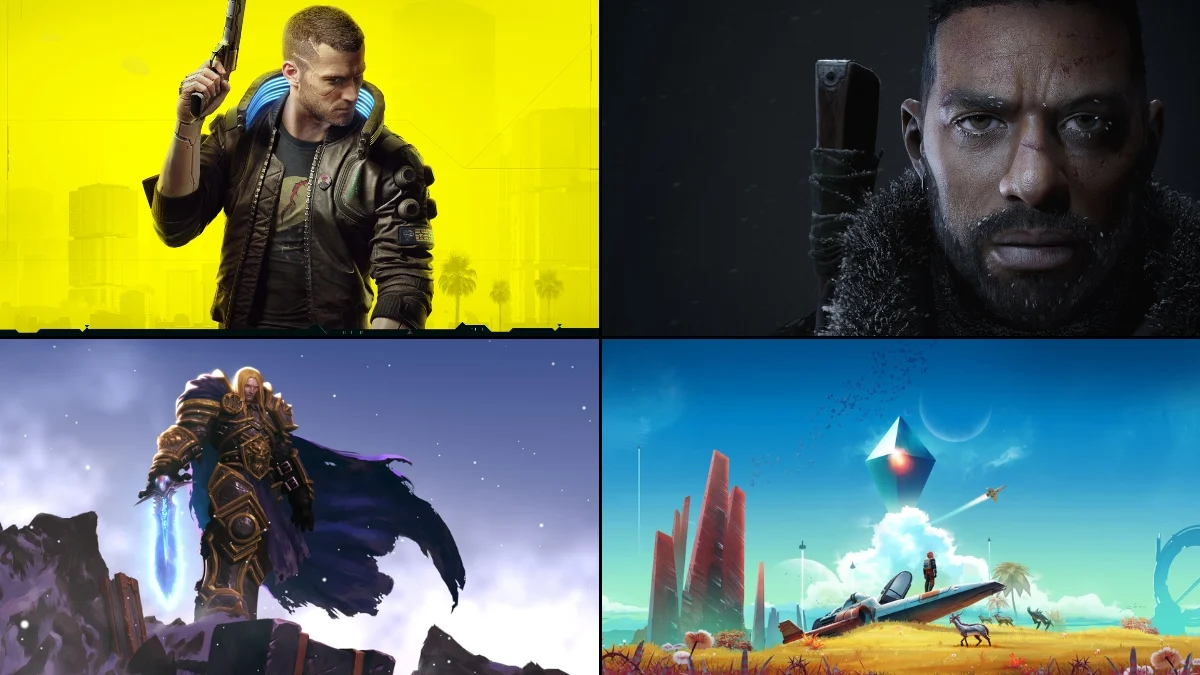


The gaming industry often sees massive hype cycles followed by technical disappointments that lead to significant consumer pushback. When updates fail to address core issues or inadvertently break established features, players frequently turn to digital storefronts to demand their money back. These instances often force publishers and developers to issue public apologies or change their refund policies to mitigate reputational damage. From broken technical launches to controversial monetization changes, the following titles faced substantial refund requests following updates that failed to meet community expectations.
‘Concord’ (2024)
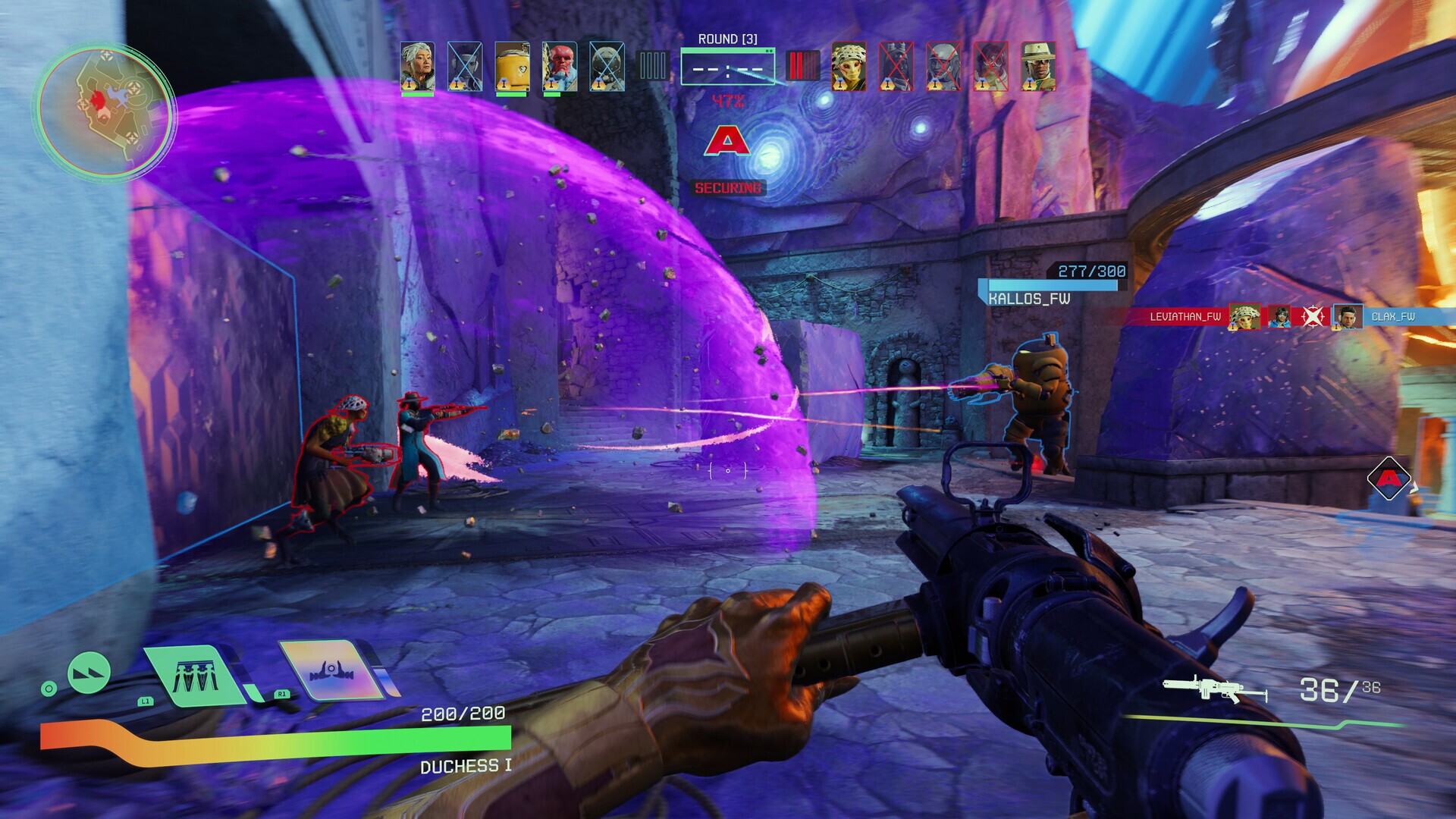
Sony Interactive Entertainment and developer Firewalk Studios released ‘Concord’ as a premium hero shooter in a market dominated by free-to-play titles. After the game failed to gain traction, Sony took the unprecedented step of shutting down the servers just two weeks after the initial launch. The company issued automatic full refunds to every player who purchased the game on PlayStation 5 and PC via Steam or the Epic Games Store. This decision followed a disastrous update regarding player counts and long-term viability. Firewalk Studios was subsequently closed following the game’s total withdrawal from the market.
‘The Day Before’ (2023)

Developer Fntastic and publisher Mytona released ‘The Day Before’ following years of anticipation, only for the game to launch in a state far removed from its trailers. The game was marketed as an open-world survival MMO but arrived as a technical mess with limited features and significant server issues. Within days of the Early Access launch and a subsequent patch that failed to fix the core experience, Fntastic announced the studio’s closure. Steam eventually collaborated with the publisher to issue universal refunds to all buyers regardless of their playtime. The game’s servers were officially decommissioned shortly after the announcement.
‘Cyberpunk 2077’ (2020)
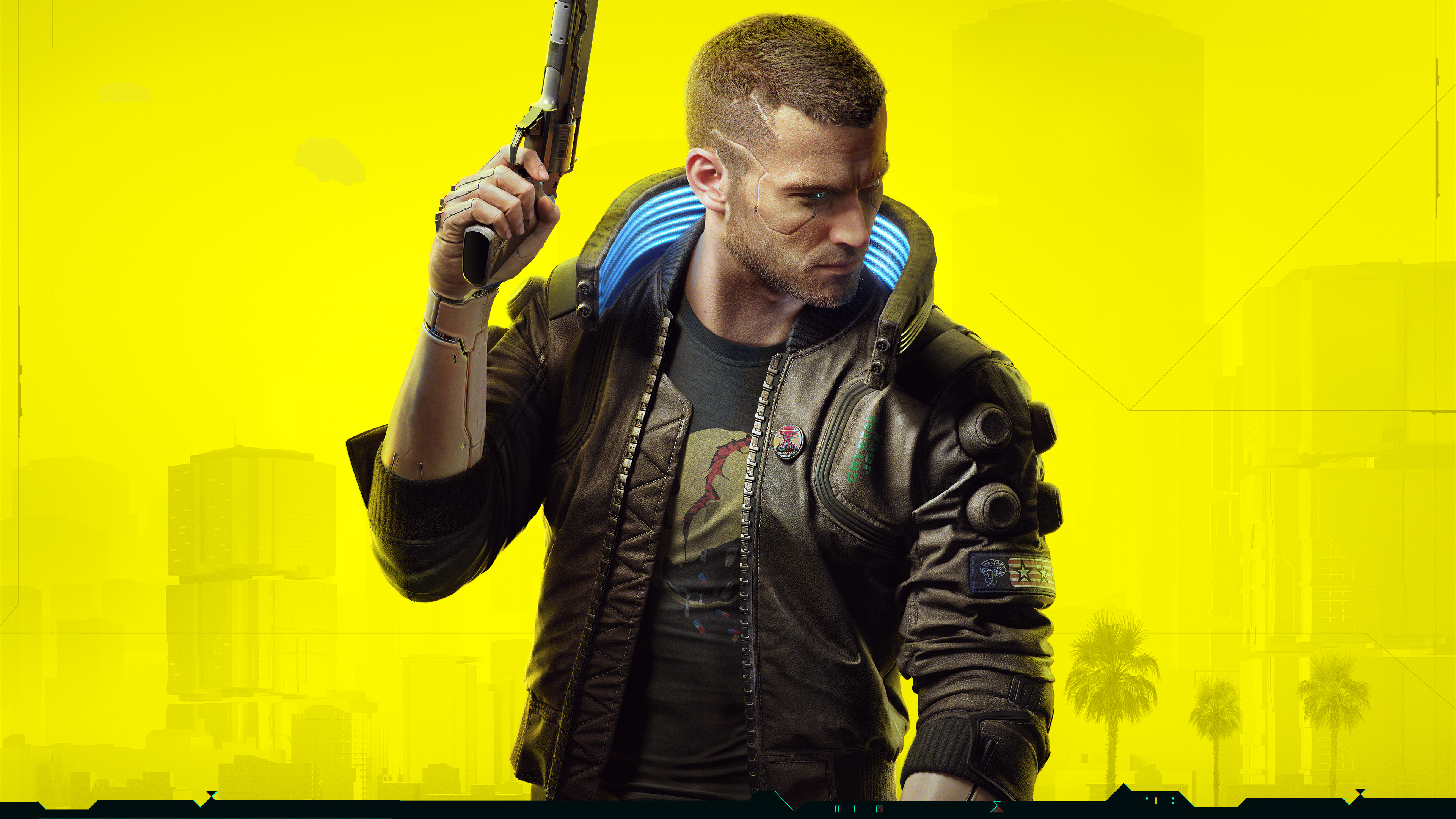
CD Projekt Red faced one of the most significant controversies in gaming history when ‘Cyberpunk 2077’ launched with severe technical issues, particularly on older consoles. Despite a Day 1 update intended to stabilize the experience, the game remained virtually unplayable for many PlayStation 4 and Xbox One users. The backlash was so intense that Sony Interactive Entertainment removed the title from the PlayStation Store for several months. CD Projekt Red established a dedicated refund program to compensate dissatisfied customers across all platforms. It took years of subsequent updates and the ‘Phantom Liberty’ expansion to fully restore the developer’s reputation.
‘Overwatch 2’ (2022)
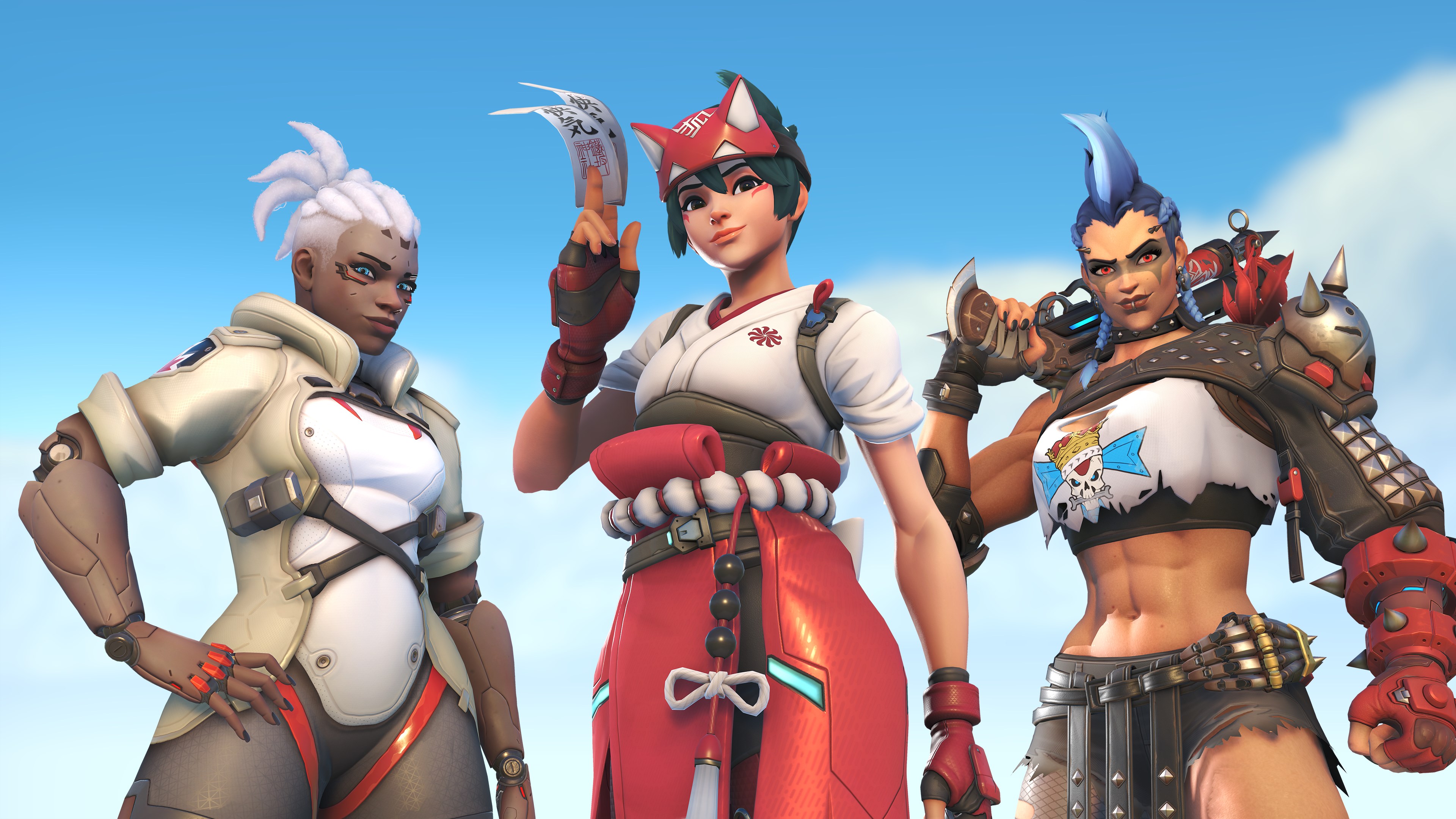
Blizzard Entertainment transitioned the original ‘Overwatch’ into ‘Overwatch 2’, a move that initially promised a massive PvE campaign mode. When a major development update revealed that the highly anticipated Hero Mode and talent trees were canceled, the community responded with an influx of refund requests for the “Watchpoint Pack.” This discontent intensified when the game launched on Steam and was immediately met with thousands of negative reviews citing broken promises. Players who had invested in the sequel specifically for the narrative content felt misled by the change in development direction. Blizzard has since shifted focus to smaller-scale seasonal missions to address the narrative gap.
‘Cities: Skylines II’ (2023)

Paradox Interactive and Colossal Order faced significant criticism for the performance issues and missing features at the launch of ‘Cities: Skylines II’. The situation escalated when the developers released the ‘Beach Properties’ DLC, which players criticized for its lack of content and high price point. In response to the outcry, Paradox Interactive issued a formal apology and converted the DLC into a free update. They also offered refunds to everyone who had purchased the pack individually. The studio has since committed to delaying further console releases to focus on fixing the core PC experience.
‘Warcraft III: Reforged’ (2020)

Blizzard Entertainment released ‘Warcraft III: Reforged’ as a modernized version of the classic RTS, but the final product lacked several promised features. Fans were disappointed to find that updated cinematics shown at previous events were missing and that the new UI was less functional than the original. Furthermore, a mandatory update for the original game client forced players onto the new, bug-ridden platform. Due to the overwhelming volume of complaints, Blizzard implemented an automated system to grant instant refunds regardless of playtime. This event marked a significant low point for the company’s relationship with its long-term strategy fan base.
‘Battlefield 2042’ (2021)
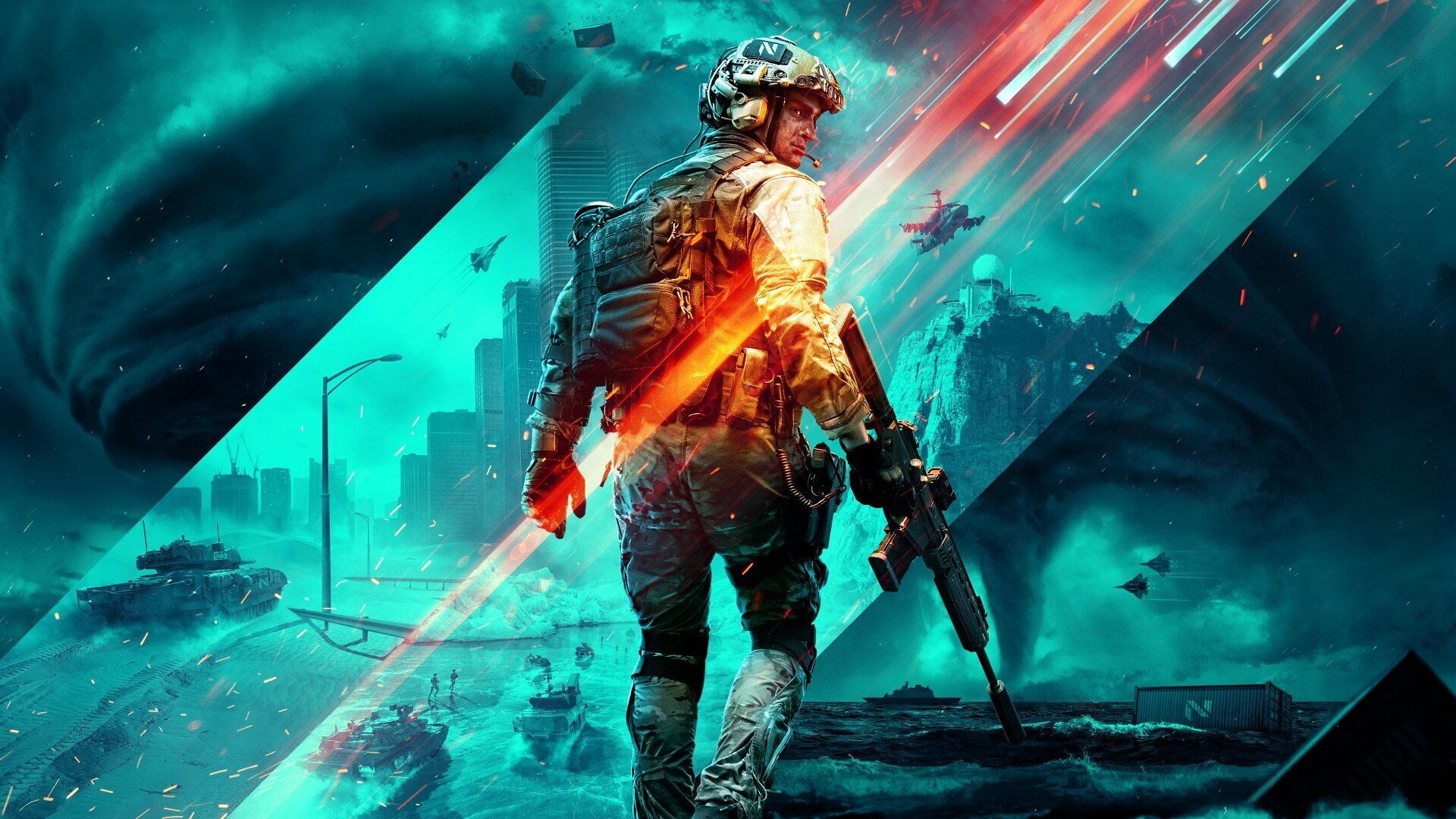
Electronic Arts and DICE launched ‘Battlefield 2042’ without several “legacy features” such as a traditional scoreboard and voice chat. The technical state of the game at launch, combined with updates that failed to address balance issues, led to a massive decline in the player base. A viral petition on Change.org calling for refunds across all platforms garnered over 200,000 signatures. While EA did not grant a universal refund policy, many individual players successfully argued for returns through Steam and Microsoft support. The developers spent several seasons reworking the game’s core maps and class systems to regain player trust.
‘Redfall’ (2023)
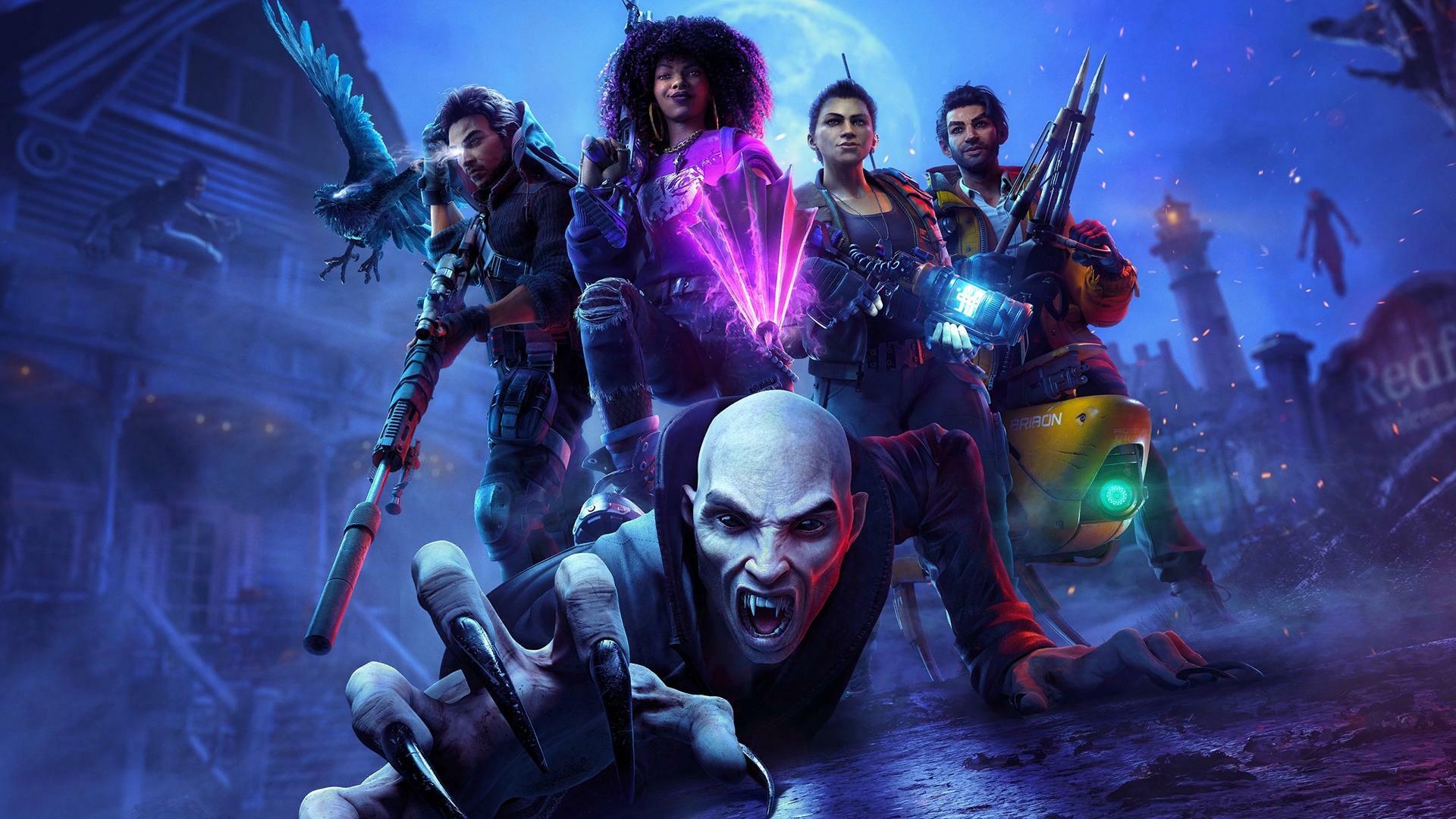
Bethesda Softworks and Arkane Austin released ‘Redfall’ to critical panning due to its lackluster AI and numerous technical glitches. The game notably launched without a 60 FPS performance mode on Xbox Series X|S, a feature many players considered essential for a modern first-person shooter. When early updates failed to significantly improve the gameplay loop or technical stability, many players requested refunds through the Xbox ecosystem. Microsoft eventually closed Arkane Austin as part of a larger restructuring of Bethesda’s parent company, ZeniMax Media. A final “thank you” update was released to add an offline mode before development ceased entirely.
‘The Last of Us Part I’ (2023)
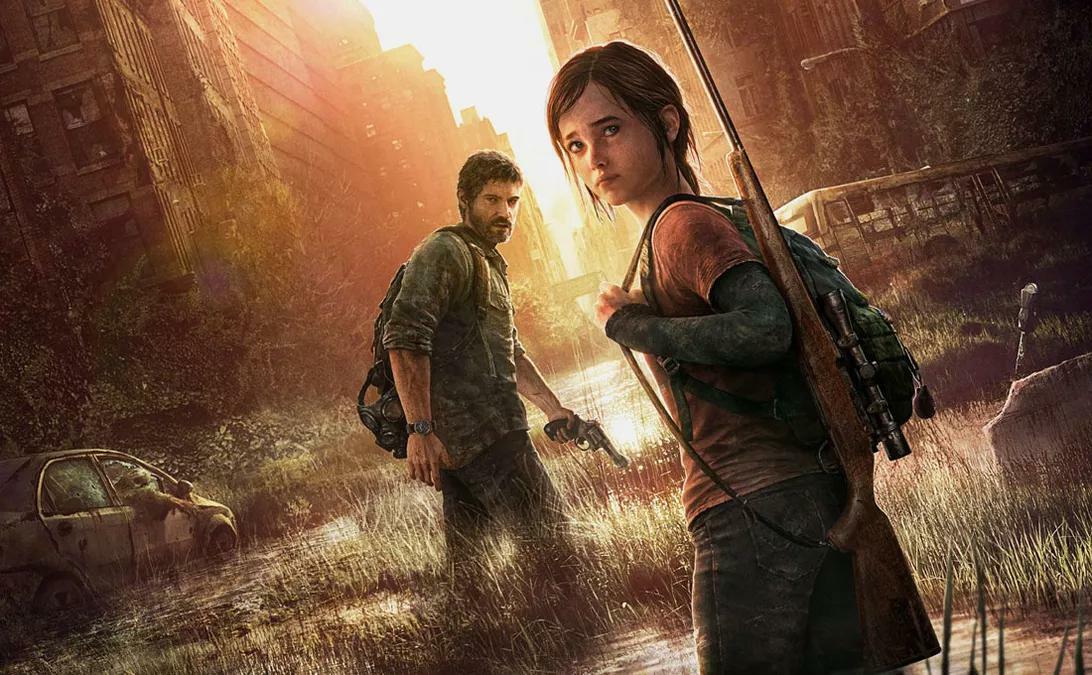
Sony Interactive Entertainment and Naughty Dog brought ‘The Last of Us Part I’ to PC with the help of Iron Galaxy, but the port was heavily criticized for its poor optimization. Players reported frequent crashes, long shader compilation times, and bizarre visual bugs that hindered the cinematic experience. Steam was flooded with refund requests as the initial post-launch patches were slow to resolve the performance bottlenecks. The game’s “Mostly Negative” rating on Steam at launch prompted the developers to issue multiple hotfixes in rapid succession. It took several months of patching to bring the PC version up to the standard of the PlayStation 5 original.
‘Star Wars Battlefront II’ (2017)
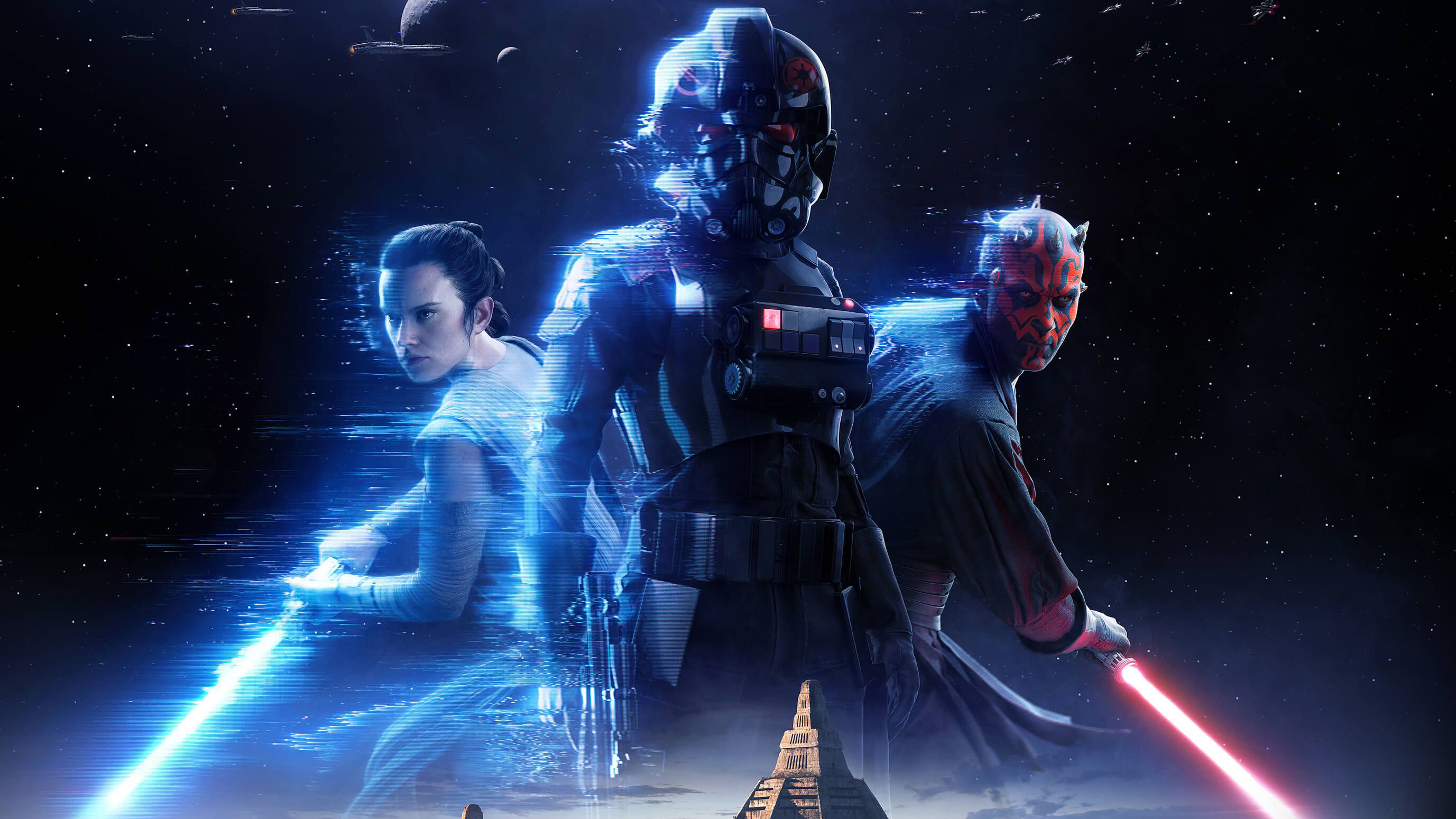
Electronic Arts and DICE sparked a global conversation about loot boxes when ‘Star Wars Battlefront II’ launched with a controversial progression system. The game’s original economy was tied to randomized crates, leading to accusations of “pay-to-win” mechanics. Just hours before the official release, an update temporarily disabled all microtransactions following a massive backlash and a wave of pre-order cancellations. Despite this, many players who had already purchased the game sought refunds through Origin and retail outlets. The game eventually underwent a total progression overhaul that removed randomized elements entirely.
‘Fallout 76’ (2018)
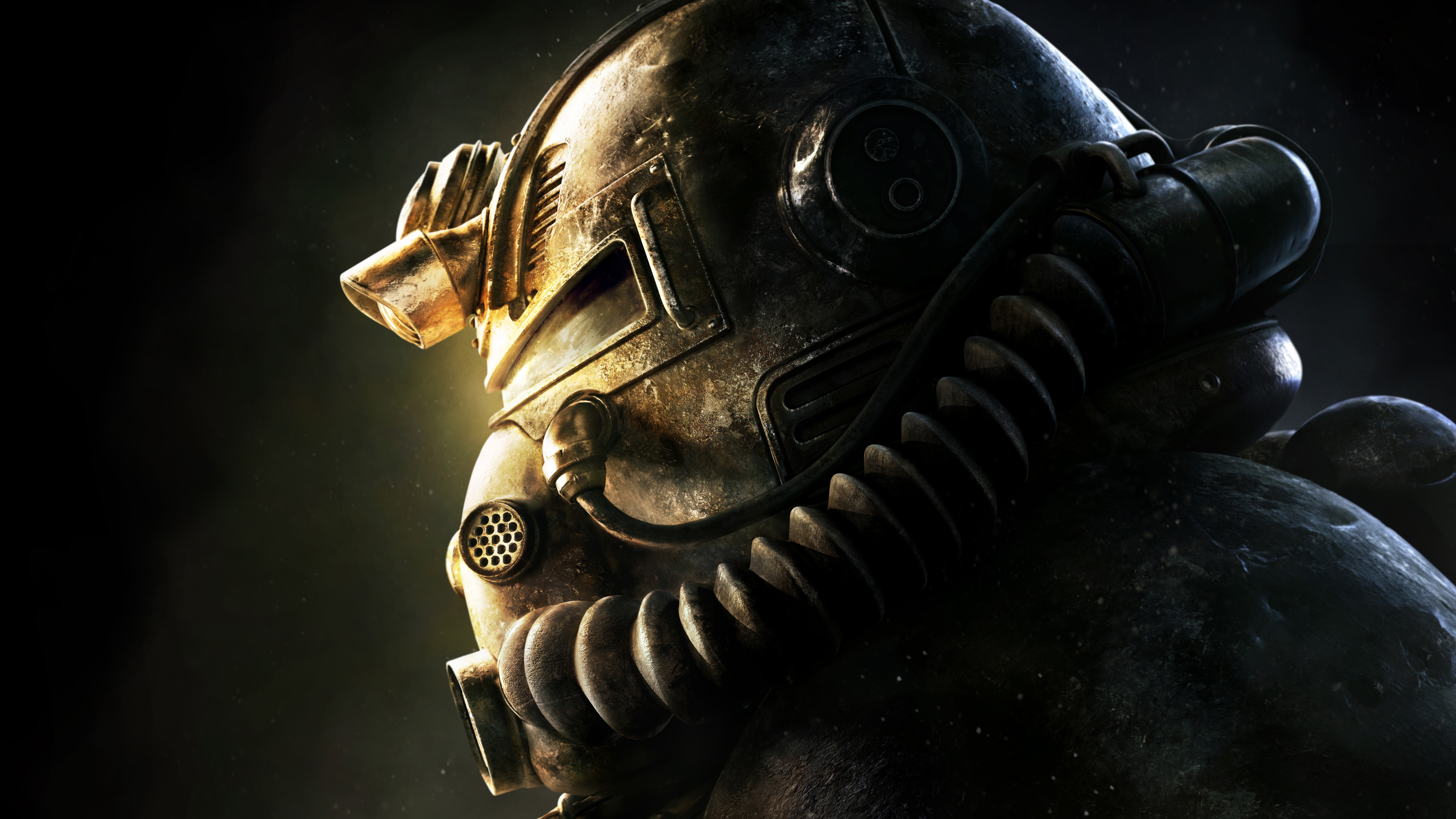
Bethesda Softworks encountered severe backlash when ‘Fallout 76’ launched as a multiplayer-only experience fraught with bugs and stability issues. The situation worsened when the “Power Armor Edition” update revealed that the promised canvas bags had been replaced with cheaper nylon alternatives. This physical goods controversy, combined with the broken state of the game, led to legal threats and a surge in refund demands. Bethesda initially denied many of these requests, which prompted further scrutiny from consumer protection groups. The game has since evolved significantly with the ‘Wastelanders’ update, which added human NPCs and traditional questlines.
‘Grand Theft Auto: The Trilogy – The Definitive Edition’ (2021)
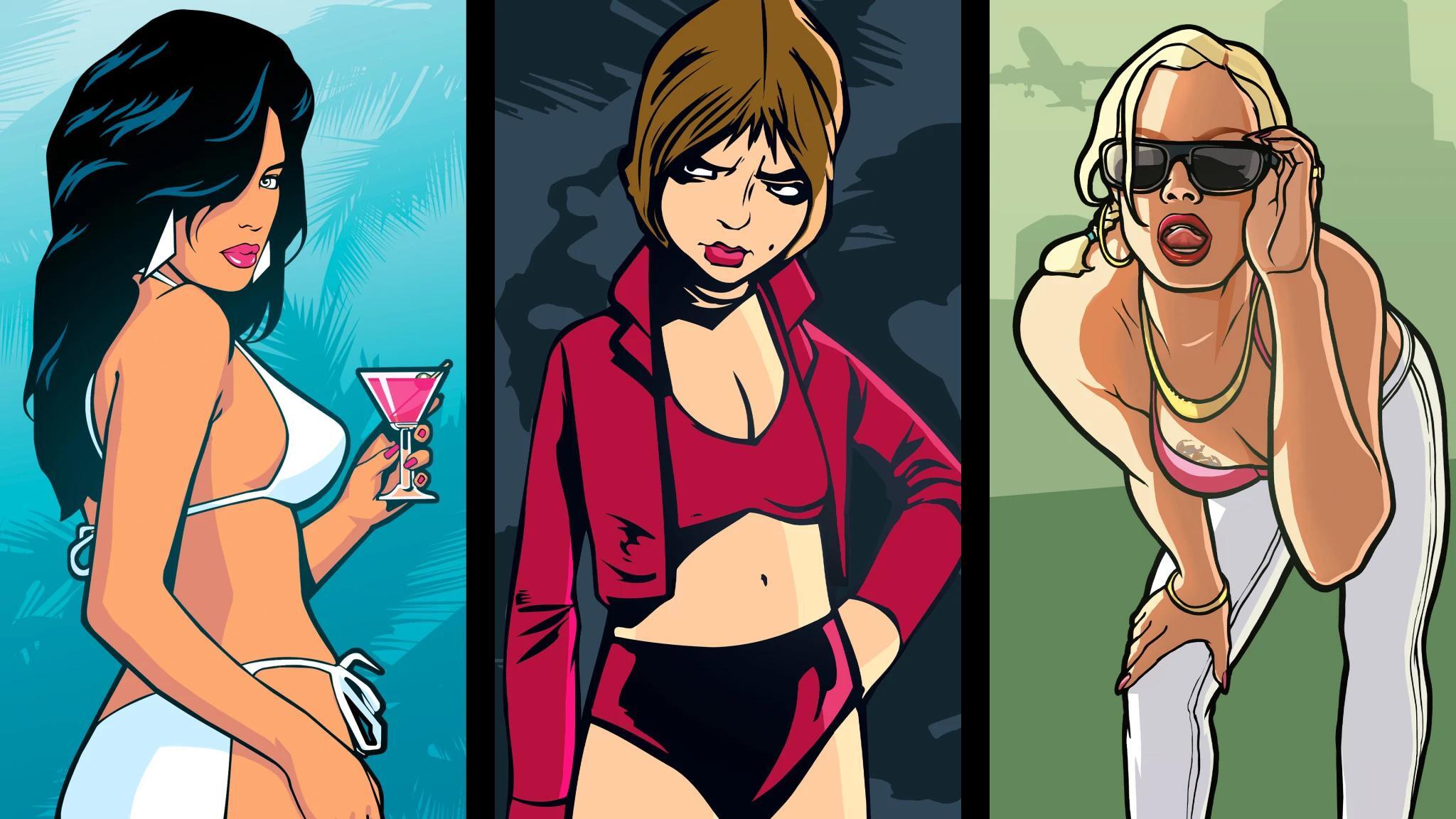
Rockstar Games and developer Grove Street Games released ‘Grand Theft Auto: The Trilogy – The Definitive Edition’ featuring remastered versions of three classic titles. However, the launch was marred by significant graphical glitches, poor performance, and the removal of licensed music. The PC version was even temporarily pulled from sale when Rockstar discovered unshielded internal files were included in the update. This led to a massive influx of refund requests from fans who felt the remasters disrespected the legacy of the original games. Rockstar eventually apologized and gave PC owners the original versions of the games for free.
‘Anthem’ (2019)
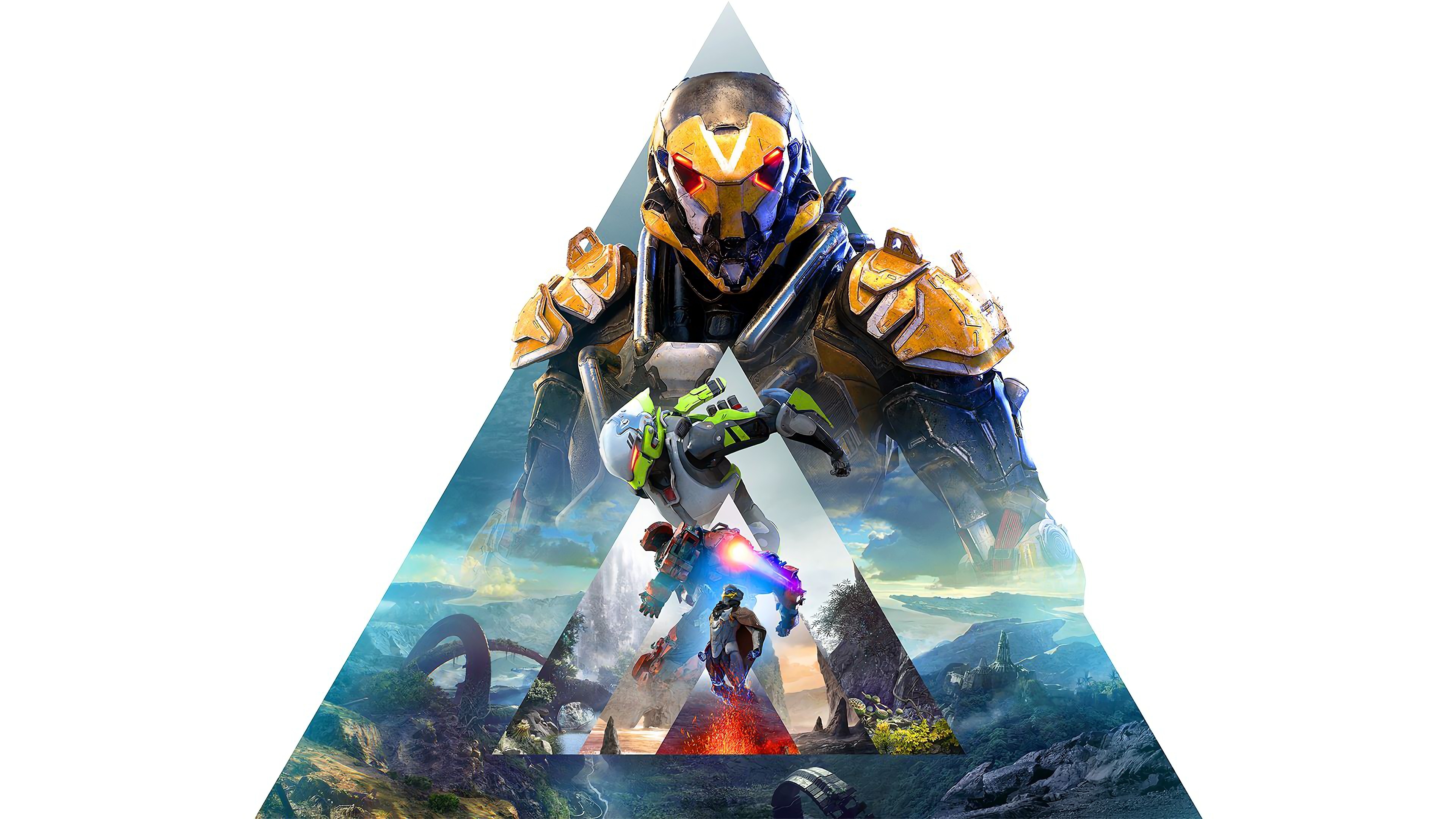
Electronic Arts and BioWare hoped ‘Anthem’ would be a long-term live-service success, but the game suffered from a lack of content and technical instability. Early updates intended to fix the loot system often resulted in “stealth nerfs” that frustrated the remaining player base. When reports surfaced detailing the game’s troubled development, many players attempted to secure refunds through Sony and Microsoft. Although BioWare originally planned a massive “Anthem 2.0” overhaul to save the project, EA eventually canceled the redesign. The game remains playable in its original state but receives no further content updates.
‘No Man’s Sky’ (2016)
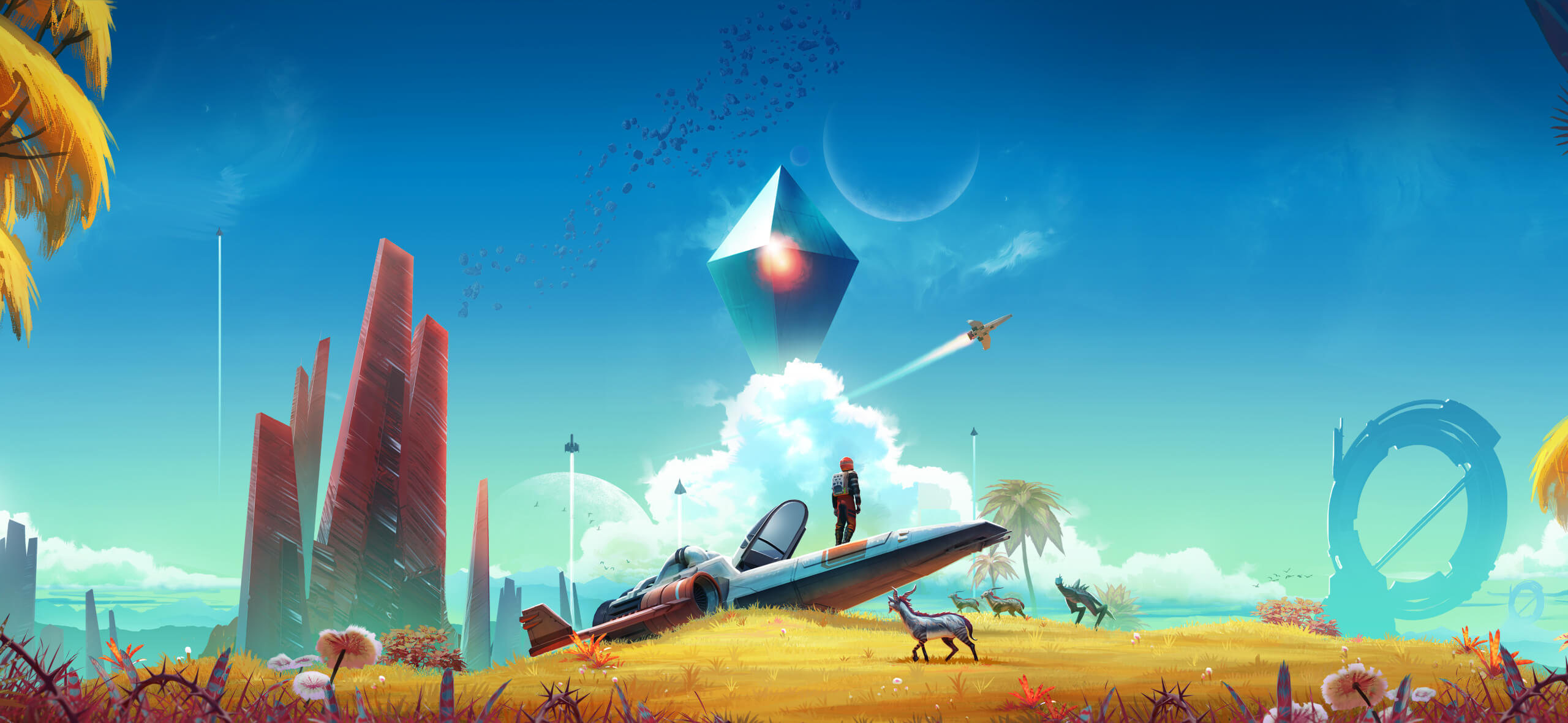
Hello Games and Sony Interactive Entertainment faced intense scrutiny when ‘No Man’s Sky’ launched without many of the features showcased in promotional interviews. Players discovered that multiplayer interactions and complex planetary ecosystems were missing from the Day 1 version of the game. This discrepancy led to a high volume of refund requests on Steam and the PlayStation Store, with some retailers offering returns despite standard policies. The UK’s Advertising Standards Authority even launched an investigation into the game’s marketing. Hello Games spent the next several years releasing massive free updates that eventually fulfilled and exceeded the original promises.
‘SimCity’ (2013)
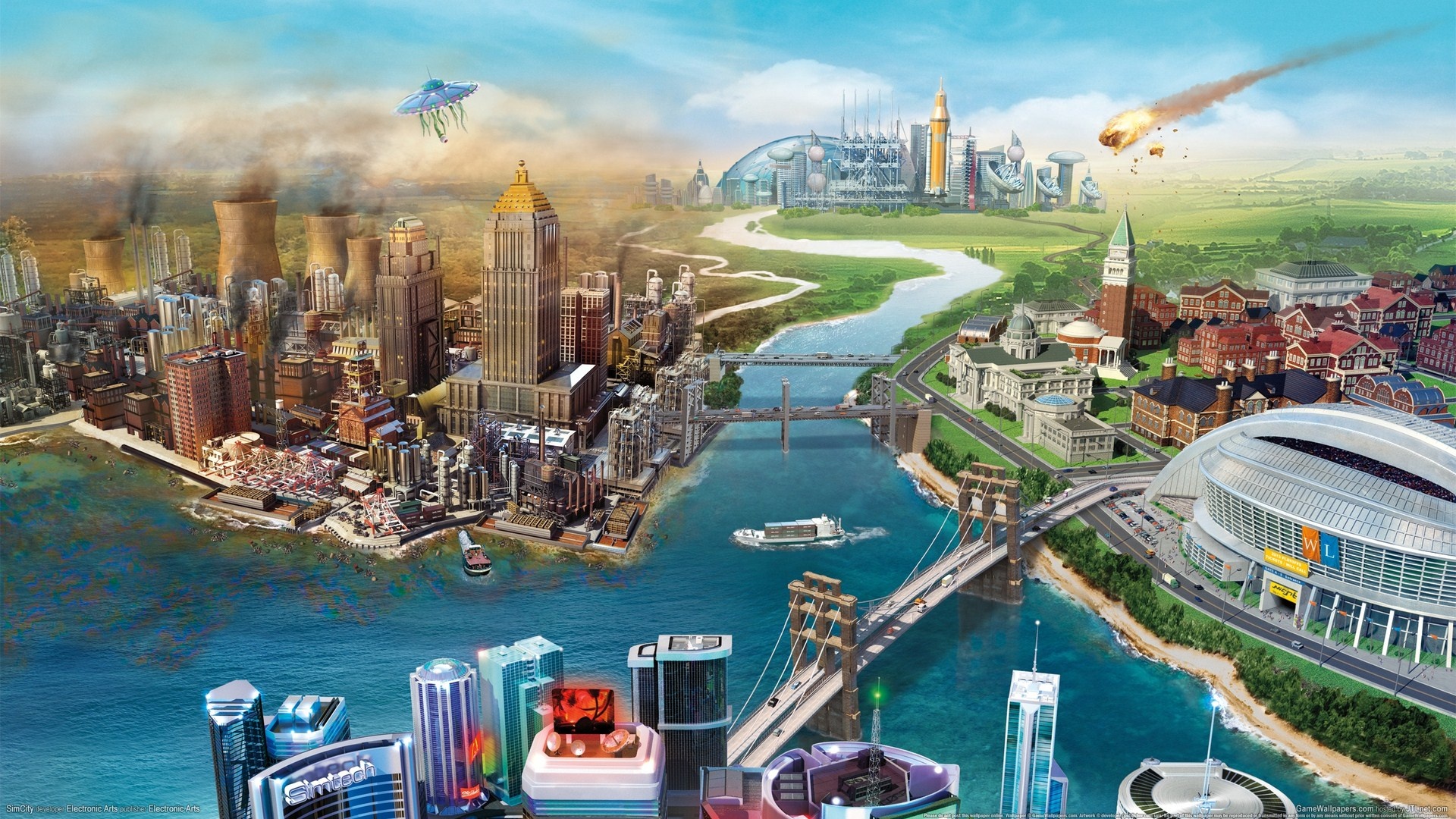
Electronic Arts and Maxis released ‘SimCity’ with a mandatory always-online requirement that caused a total collapse of the game’s servers at launch. Players found themselves unable to access the game they had purchased, and an update to disable non-essential features failed to alleviate the congestion. The disaster was so significant that Amazon temporarily suspended digital sales of the title due to the volume of complaints. EA eventually offered a free game from their catalog to affected users as a peace offering for the failed launch. It took nearly a year for the developers to release an update that finally allowed for an offline mode.
Please share your thoughts on these controversial game updates and refund situations in the comments.