

Games Letting You Design Your Own Boss Fights




For many gamers, the thrill of a boss battle is the highlight of the experience, but some titles take this a step further by handing the creative reins to the player. These games offer robust level editors, creation tools, or Dungeon Master modes that allow you to design, script, and customize your own formidable encounters. From placing logic triggers in platformers to sculpting 3D monstrosities in sandbox engines, the ability to build a boss fight adds infinite replayability. This list explores fifty games that empower you to become the architect of your own epic showdowns.
‘Super Mario Maker 2’ (2019)
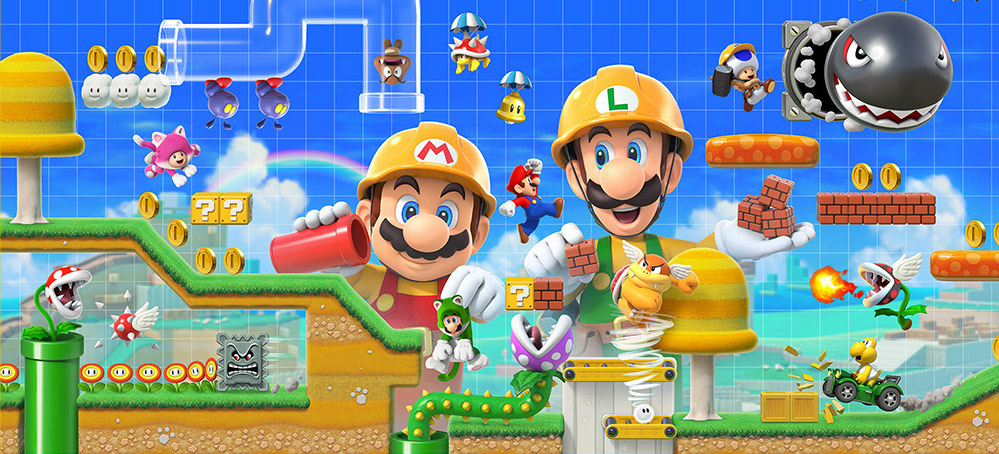
This Nintendo Switch hit expanded upon its predecessor by offering even more tools for creating custom courses. Players can place iconic villains like Bowser or Boom Boom and modify their behavior with wings, parachutes, or giant mushrooms. The introduction of scroll locking and custom clear conditions allows creators to build dedicated boss arenas where the player must defeat the enemy to proceed. It remains one of the most accessible ways to design classic 2D boss encounters.
‘LittleBigPlanet 3’ (2014)
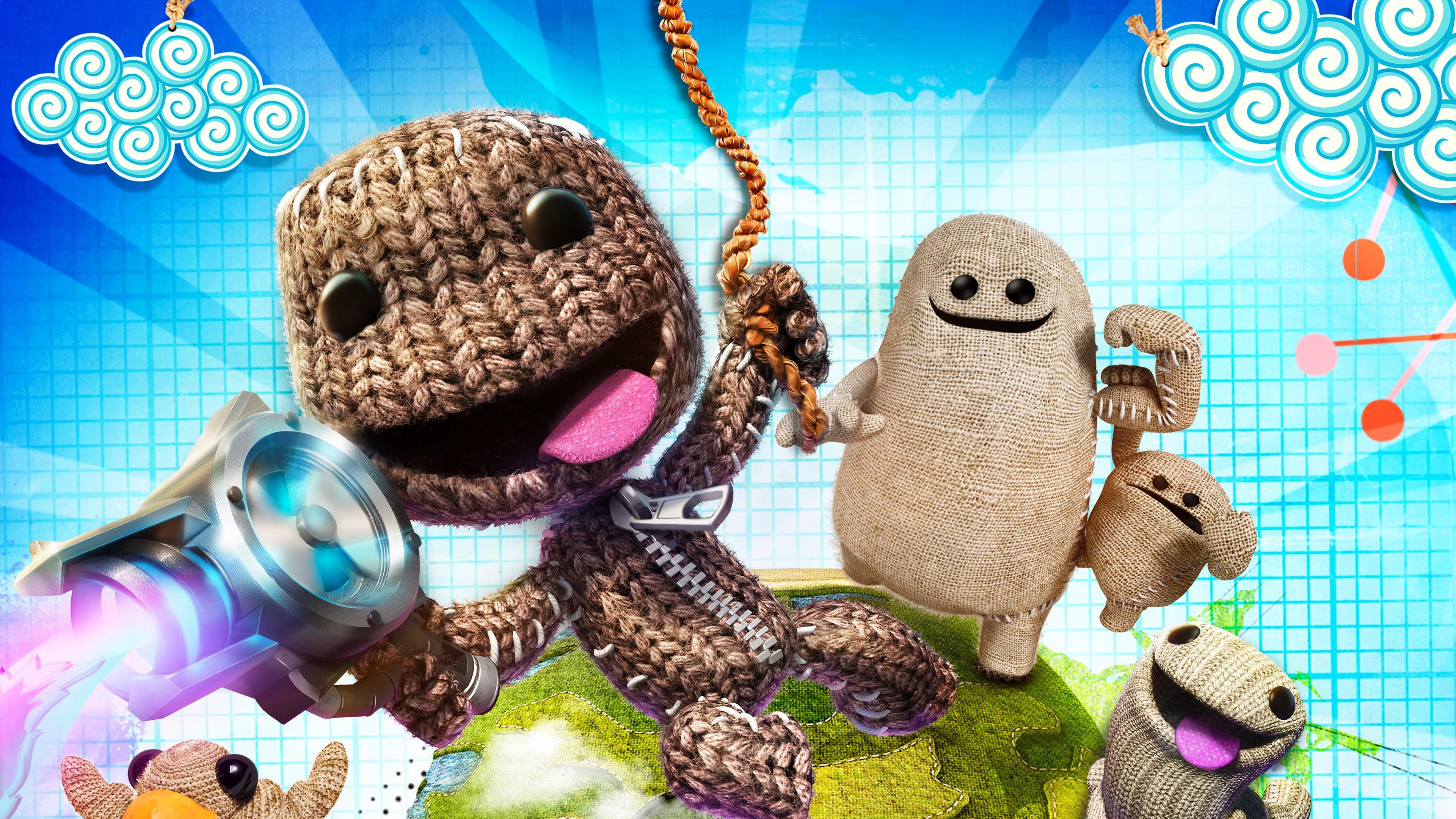
Sackboy’s platforming adventure features an incredibly deep creation mode that goes far beyond simple jump-and-run levels. The game utilizes complex logic tools, such as sensors and switches, which allow players to build multi-phase boss fights from scratch. You can design custom creatures using various materials and animate them to attack the player in specific patterns. The community has used these tools to recreate famous bosses from other franchises with impressive accuracy.
‘Dreams’ (2020)
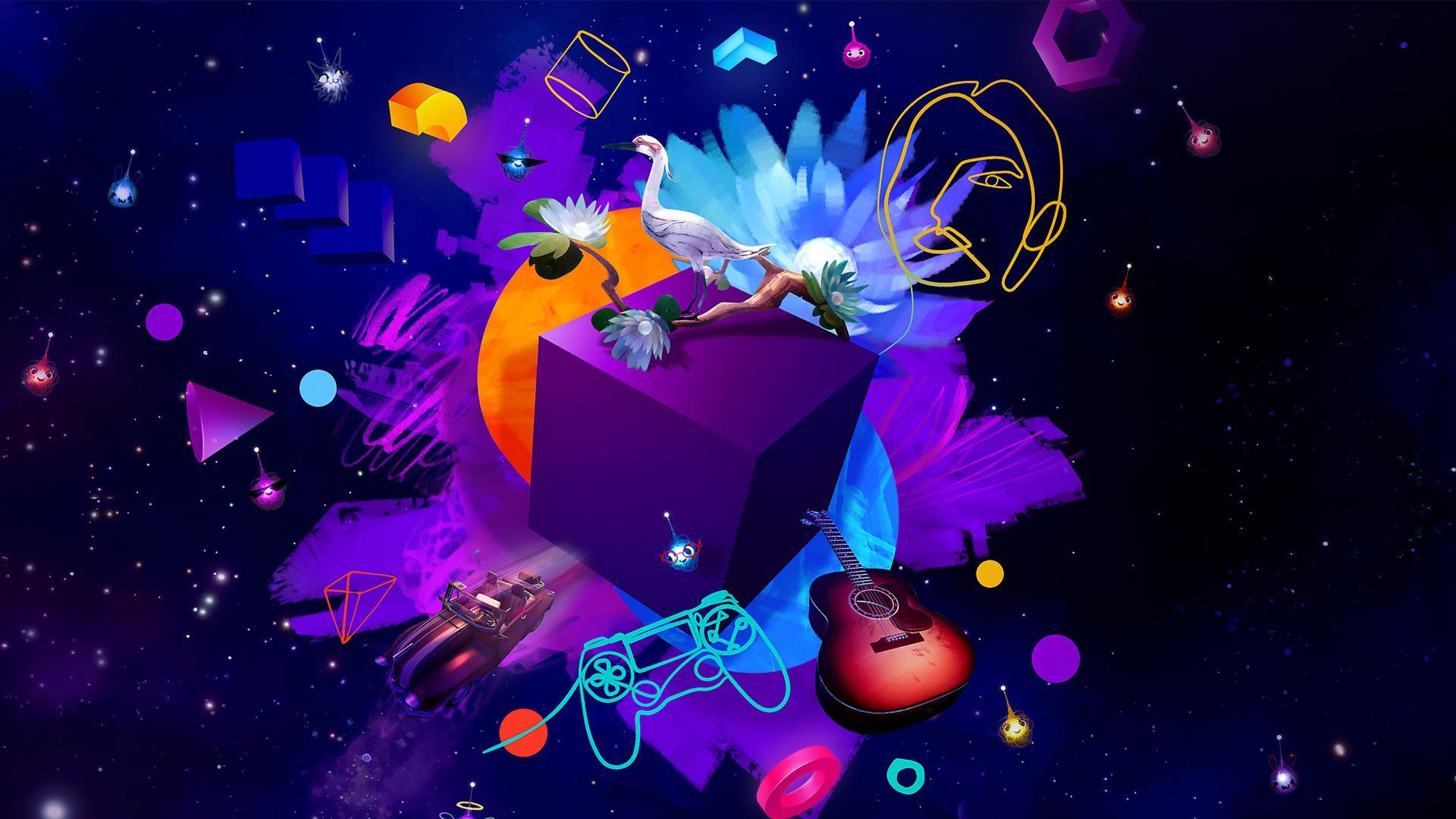
Media Molecule created a powerful game engine disguised as a game, allowing for the creation of virtually anything. Users can sculpt unique character models, animate them frame-by-frame, and program complex AI logic for attacks and movement. The possibilities range from first-person shooter bosses to giant RPG monsters, limited only by your patience with the tools. It stands as one of the most comprehensive creative suites ever released on a console.
‘Minecraft’ (2011)
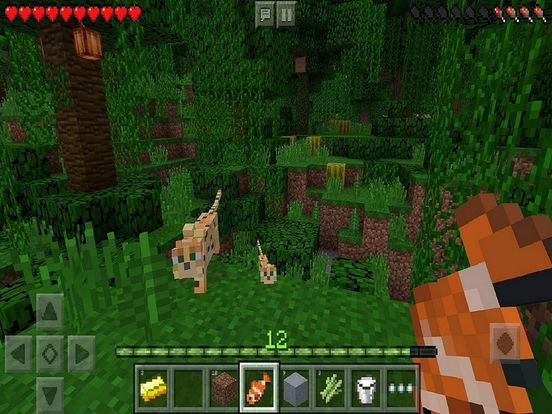
While the base game features the Ender Dragon and Wither, the true potential for boss creation lies in Creative Mode and command blocks. Players can summon enemies with modified health pools, equipment, and status effects to simulate boss-tier threats. Advanced users utilize data packs to script entirely new attack patterns and arena mechanics. This sandbox nature has fueled thousands of custom adventure maps featuring unique boss encounters.
‘Roblox’ (2006)
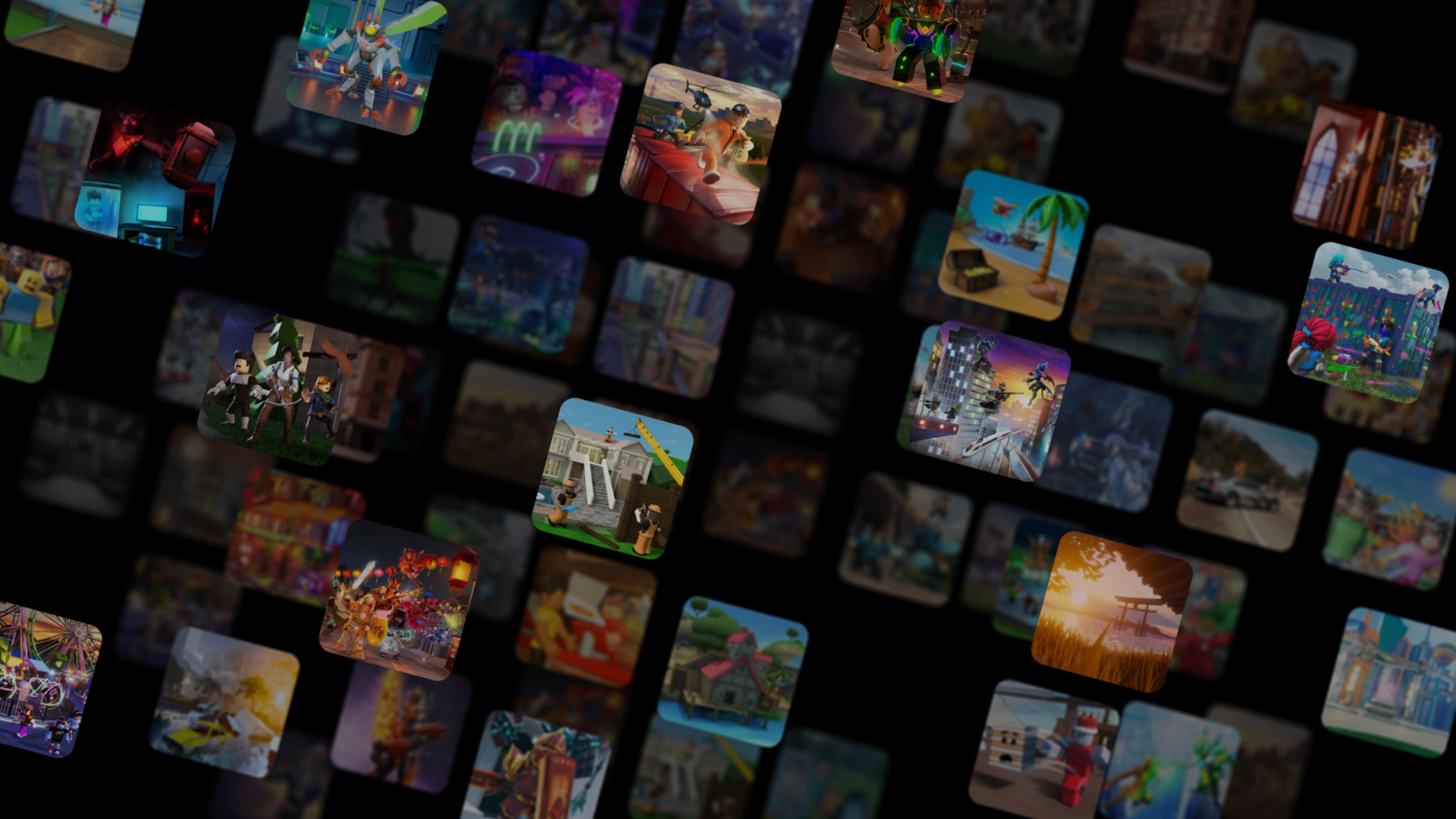
As a platform for game creation, ‘Roblox’ provides Roblox Studio, a toolset that uses the Lua scripting language. Creators can build elaborate boss NPCs with custom meshes, animations, and damage scripts. Many of the most popular experiences on the platform, such as tower defense or RPG modes, rely entirely on user-generated boss fights. It offers a professional-grade development environment that is accessible to younger audiences.
‘Spore’ (2008)
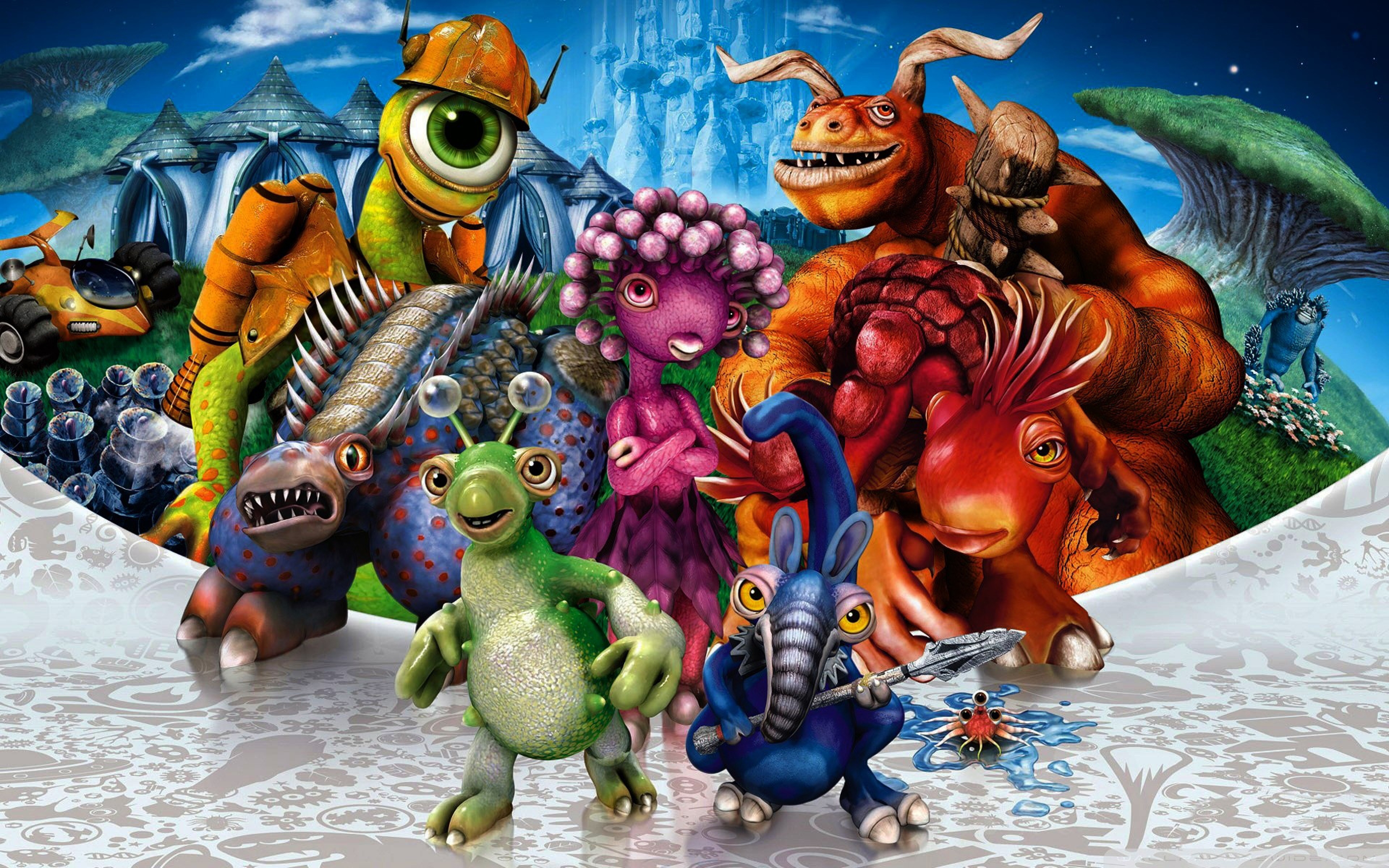
The Galactic Adventures expansion drastically changed the endgame by allowing players to beam down to planets and play custom missions. The Adventure Creator lets you design a captain and assign specific stats, equipment, and behaviors to enemy creatures. You can scale an alien to massive proportions and set it as a “Guardian” to create a traditional boss fight feel. The ability to customize the appearance of the creature adds a personal touch to every encounter.
‘RPG Maker MV’ (2015)
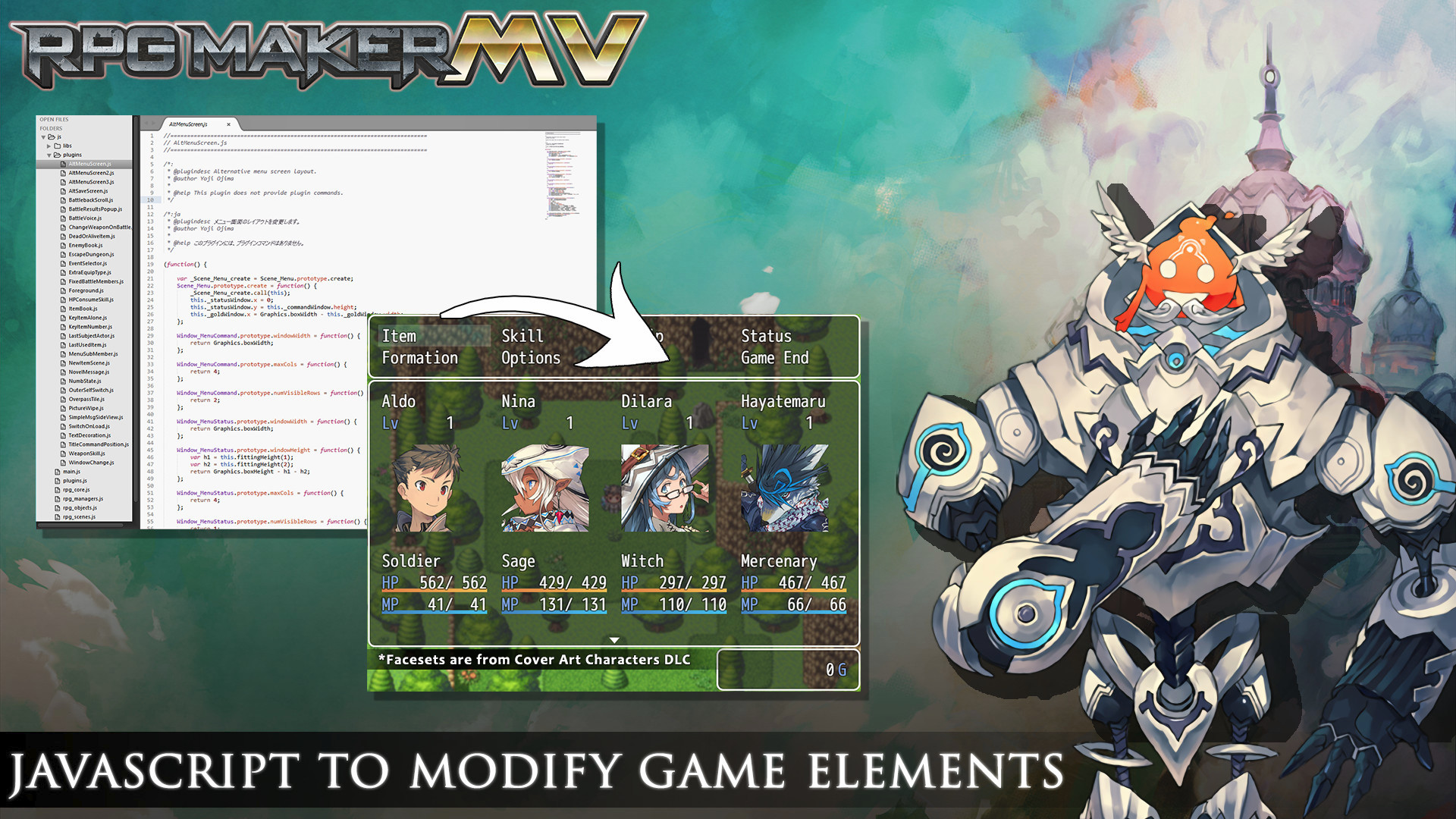
This software is renowned for allowing anyone to create a classic turn-based role-playing game without knowing how to code. The database allows you to adjust enemy stats, resistances, and attack patterns to create balanced boss battles. You can script events within the battle, such as dialogue mid-fight or transformation phases when the enemy reaches low health. It remains a staple for indie developers looking to tell stories with challenging combat.
‘Game Builder Garage’ (2021)
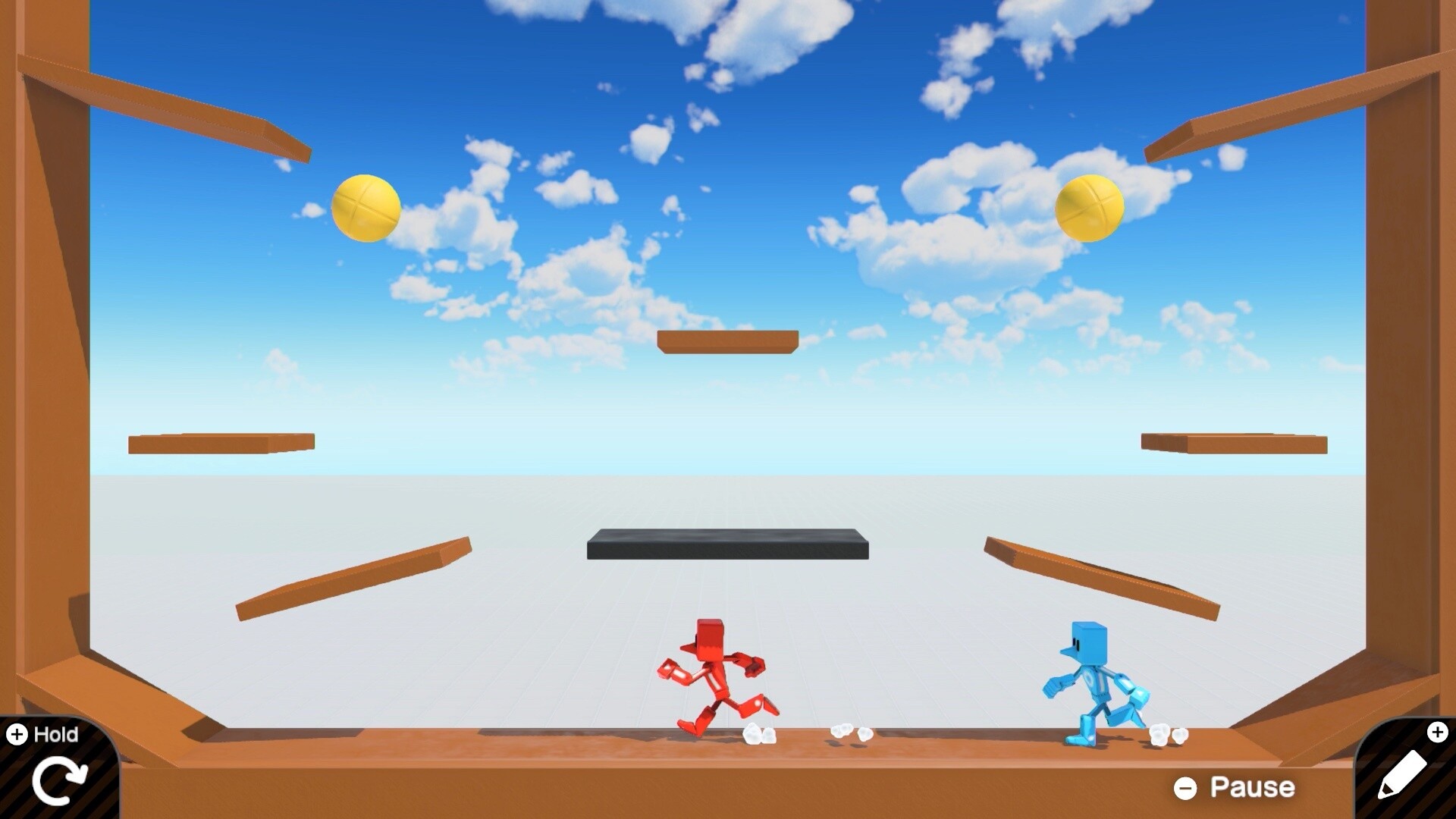
Nintendo distilled the logic of game programming into a visual language using creatures called Nodon. Players connect these nodes to handle inputs, physics, and enemy AI, allowing for the construction of custom boss behaviors. While the aesthetic is simple, the underlying logic is robust enough to create multi-stage encounters with unique weak points. It serves as an excellent educational tool for understanding the mechanics behind boss design.
‘WarioWare D.I.Y.’ (2009)
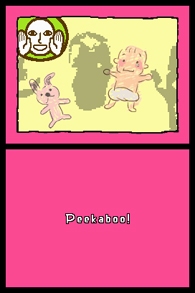
This Nintendo DS title focused on microgames, but it gave players the tools to draw graphics, compose music, and script game logic. The “Boss Game” category allowed creators to make longer, more complex challenges that functioned as end-of-stage encounters. Players had to draw the boss sprites themselves and program the conditions for victory and defeat. It was a charming, bite-sized take on game development.
‘Disney Infinity 3.0’ (2015)
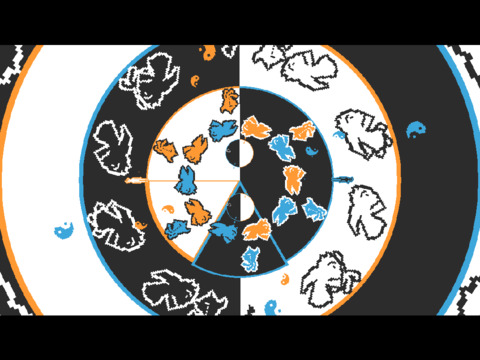
The Toy Box mode in this toys-to-life game was surprisingly deep, offering Logic Gates and Enemy Generators. Players could spawn bosses from the Star Wars or Marvel universes and link them to triggers that altered the environment during the fight. You could script a sequence where defeating a boss opened a door or spawned a loot chest. The shutdown of servers limited sharing, but the local creation tools remain functional.
‘Project Spark’ (2014)
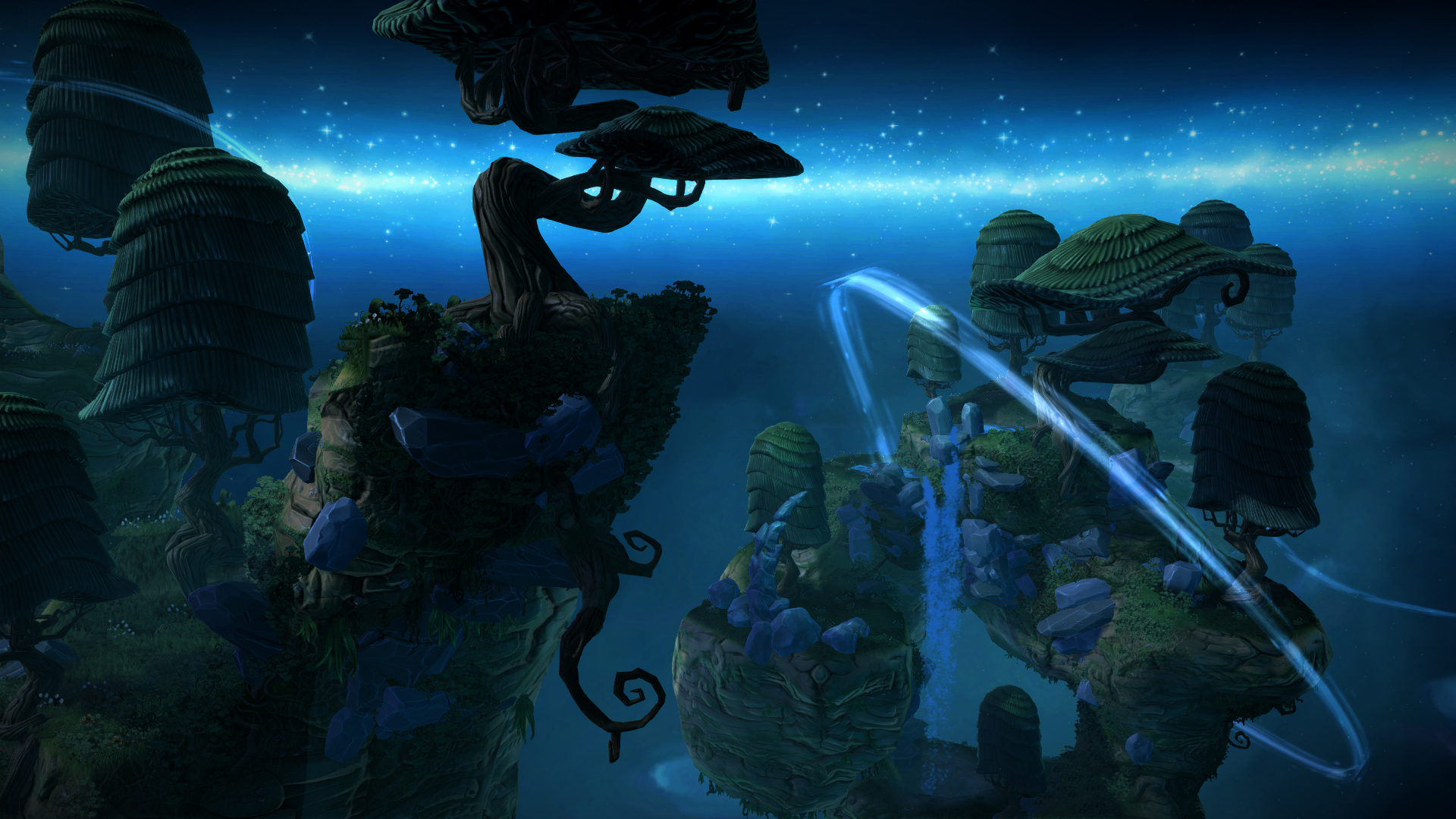
Microsoft’s ambitious creation game allowed players to build worlds and program characters using a visual “brain” system. You could take a generic goblin model and program it to have boss-level health, unique spells, and specific movement patterns. The game supported terraforming, meaning you could build the boss arena exactly to your specifications. Although the game is no longer supported online, it was a pioneer in console-based game creation.
‘Doom’ (2016)
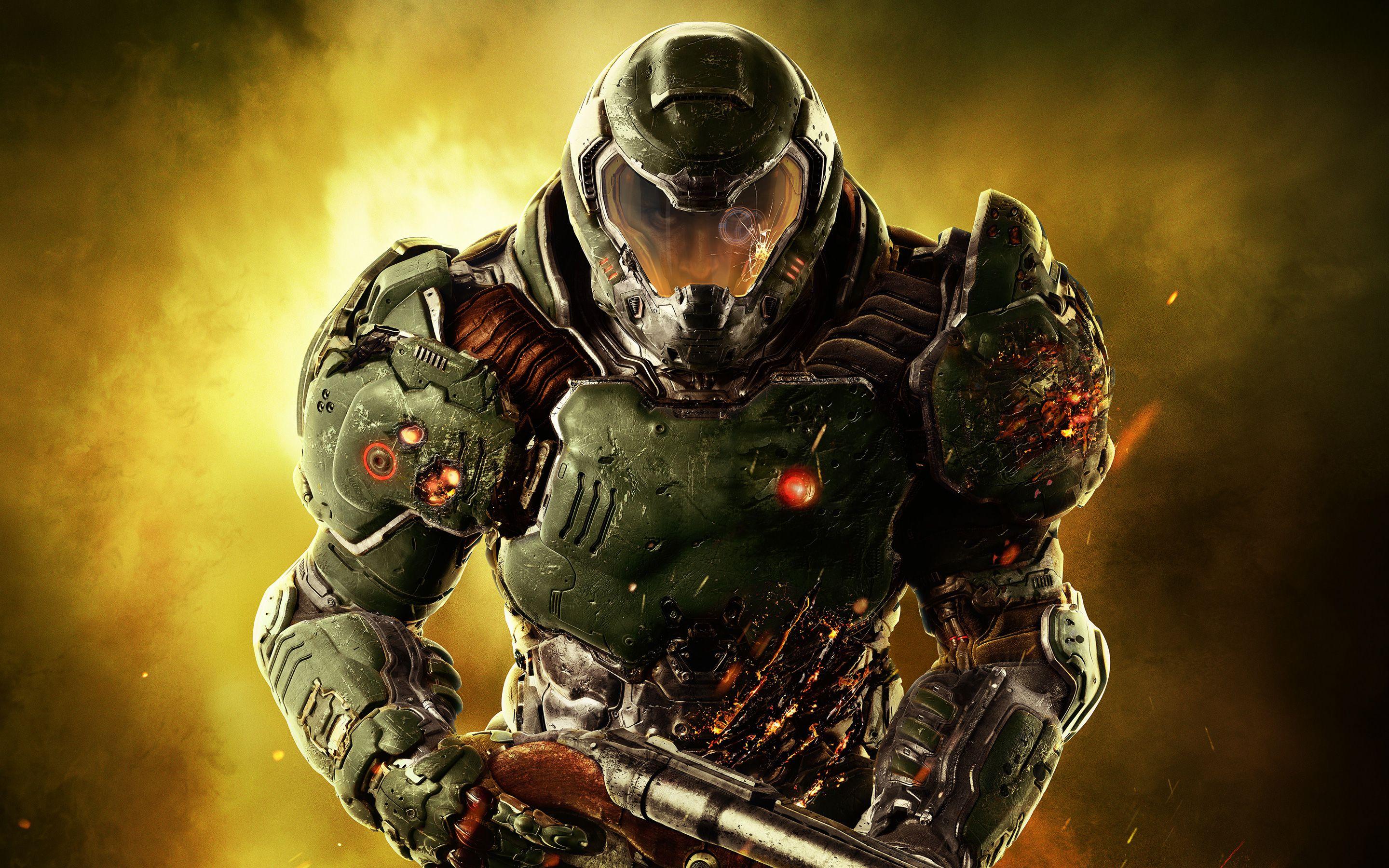
The SnapMap feature revitalized the modding spirit of the franchise by allowing players to snap together pre-made room modules. You could place boss demons like the Baron of Hell and use logic chains to define their behavior and spawn conditions. The tool allowed for the creation of wave-based survival arenas or structured boss fights with health bars and scripted events. It brought a level of customization rarely seen in modern AAA shooters.
‘Far Cry 5’ (2018)
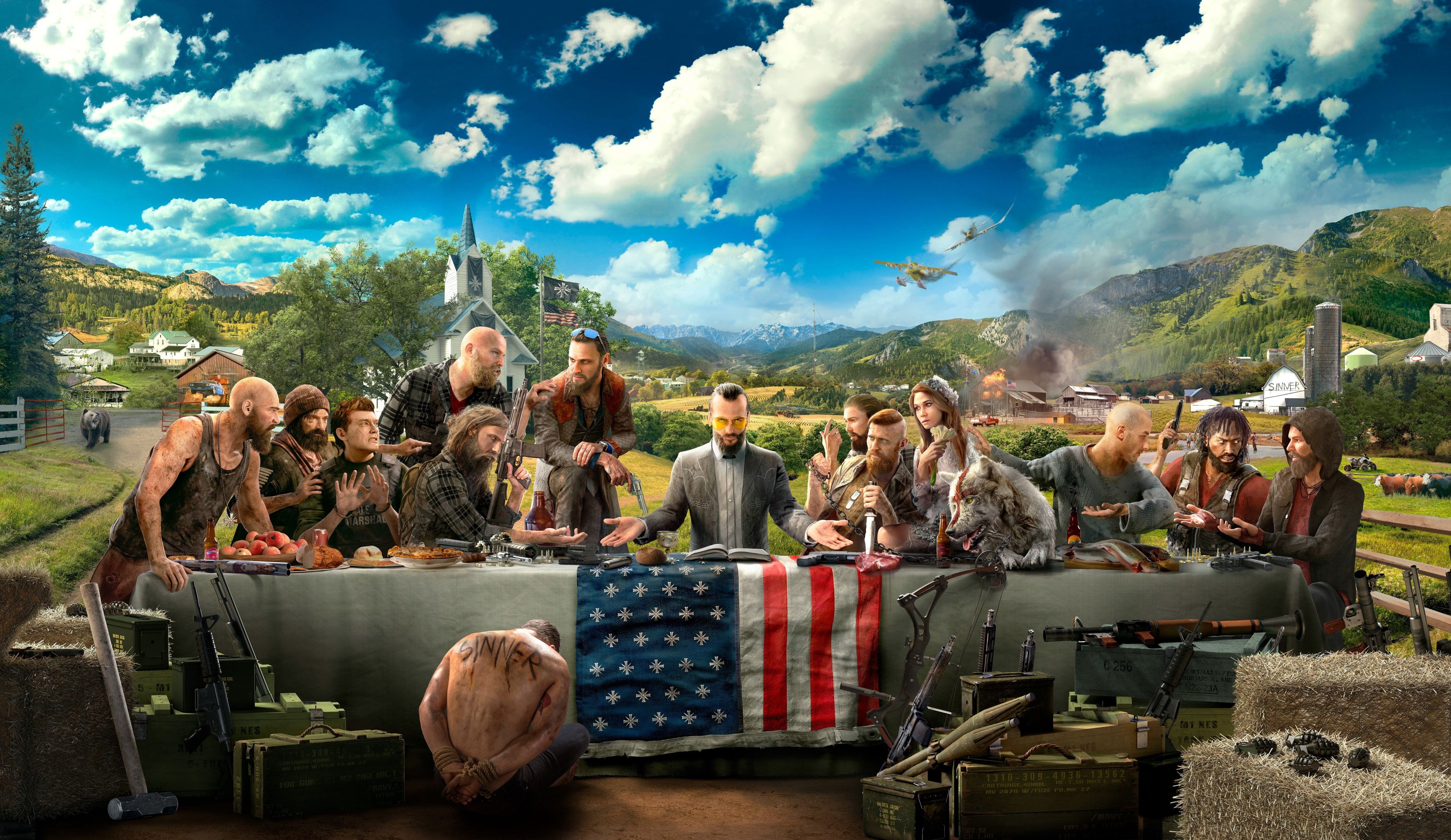
Far Cry Arcade provided a massive asset library from various Ubisoft franchises, allowing for diverse map creation. Players could place high-level AI enemies and adjust their loadouts to create boss-style encounters in open environments. The editor included scripting tools to manage waves of enemies or trigger cinematics upon an enemy’s death. It turned the first-person shooter into a canvas for creative combat scenarios.
‘Halo Infinite’ (2021)
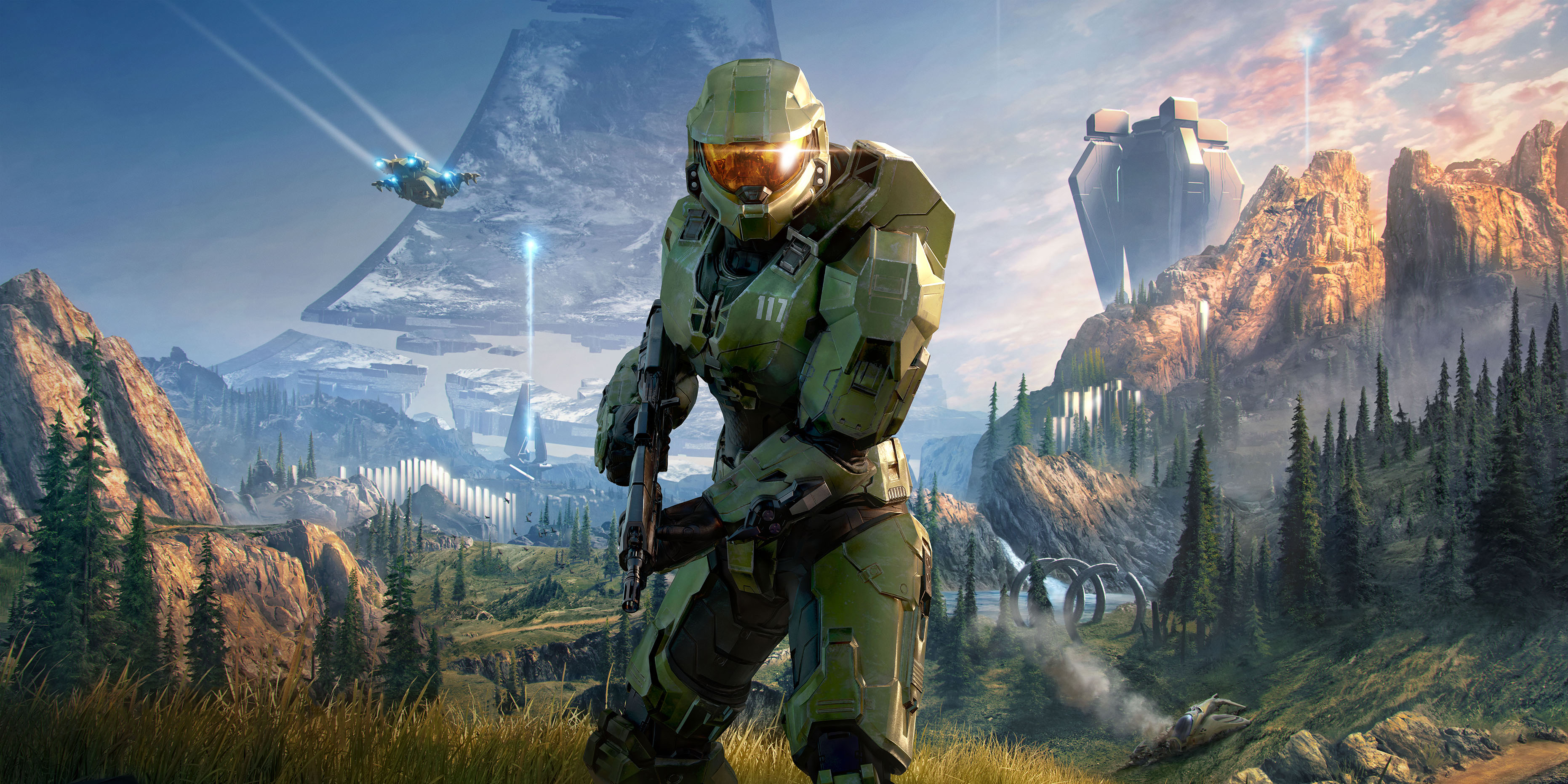
The Forge mode in this installment is the most advanced in the series, featuring a visual scripting language called Node Graph. Players can spawn campaign bosses and manipulate their health, damage, and interactions with the map geometry. The scripting allows for complex raid-like mechanics, such as requiring players to complete objectives to lower a boss’s shield. The community has used these tools to build entirely new game modes centered around these custom fights.
‘Warcraft III: Reign of Chaos’ (2002)
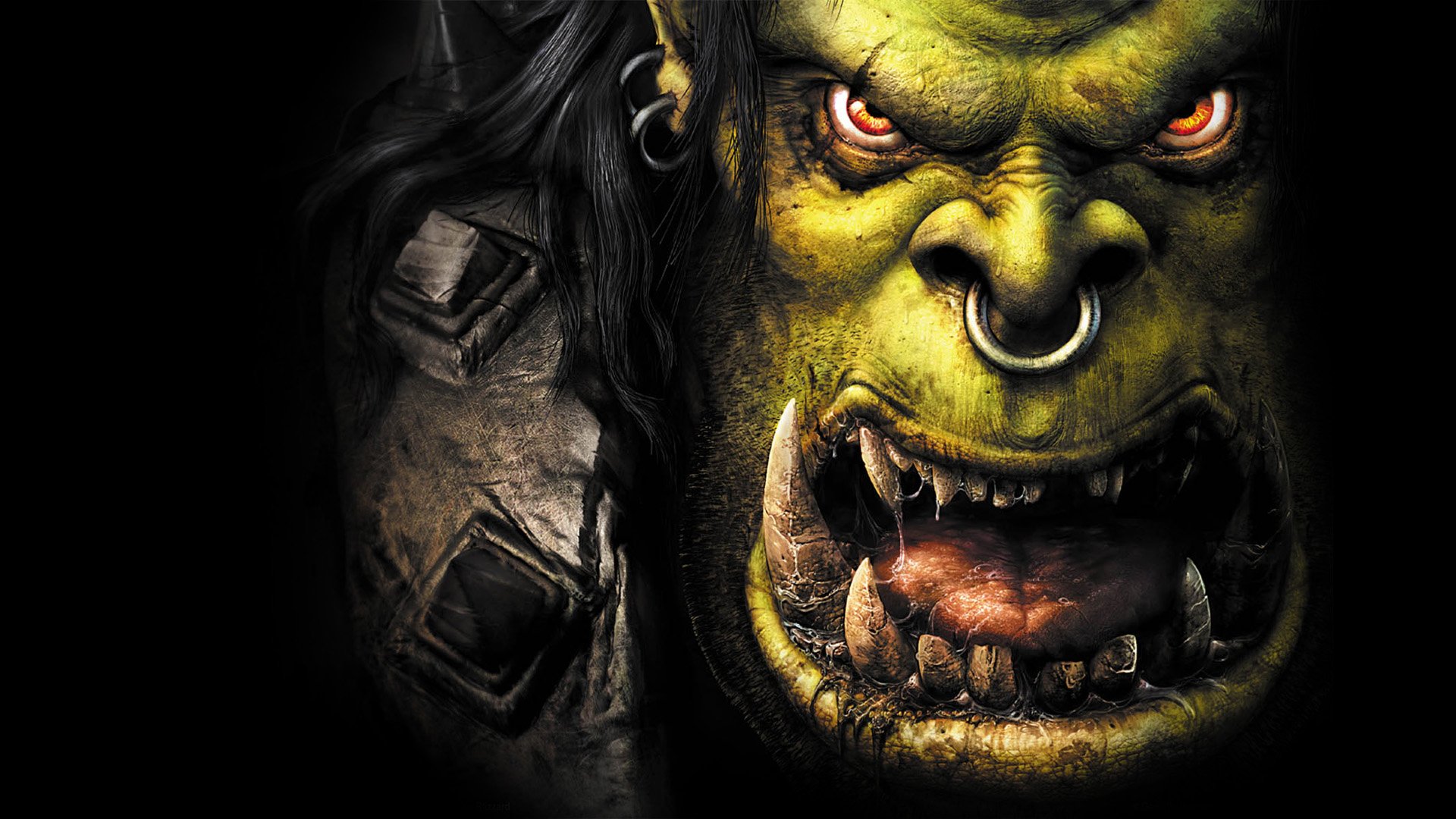
The World Editor included with this RTS is legendary for spawning entire genres like MOBAs and Tower Defense. Users can take any unit, scale it up, give it custom abilities, and script complex triggers for boss phases. The editor allows for the importation of custom models and sounds, giving creators complete control over the boss’s presentation. It remains one of the most influential modding tools in PC gaming history.
‘StarCraft II’ (2010)
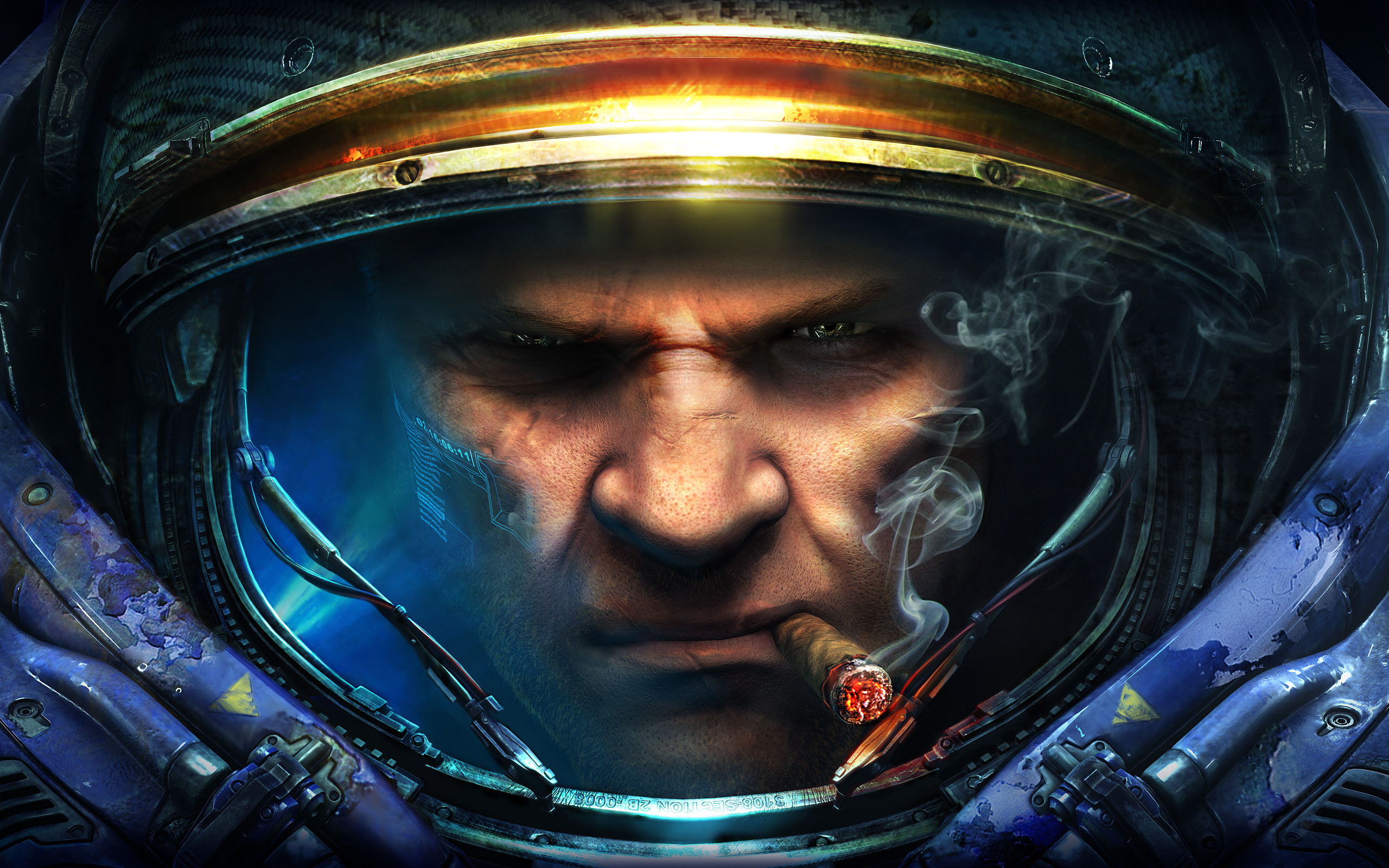
Building on the legacy of its predecessor, the Galaxy Editor offers even more granular control over unit data and triggers. Creators can design bosses with intricate ability telegraphs, bullet-hell patterns, and environmental interactions. The Arcade is filled with “Boss Battle” maps where players team up to take down these custom-designed monstrosities. The engine’s physics and lighting capabilities allow for visually spectacular encounters.
‘Totally Accurate Battle Simulator’ (2021)
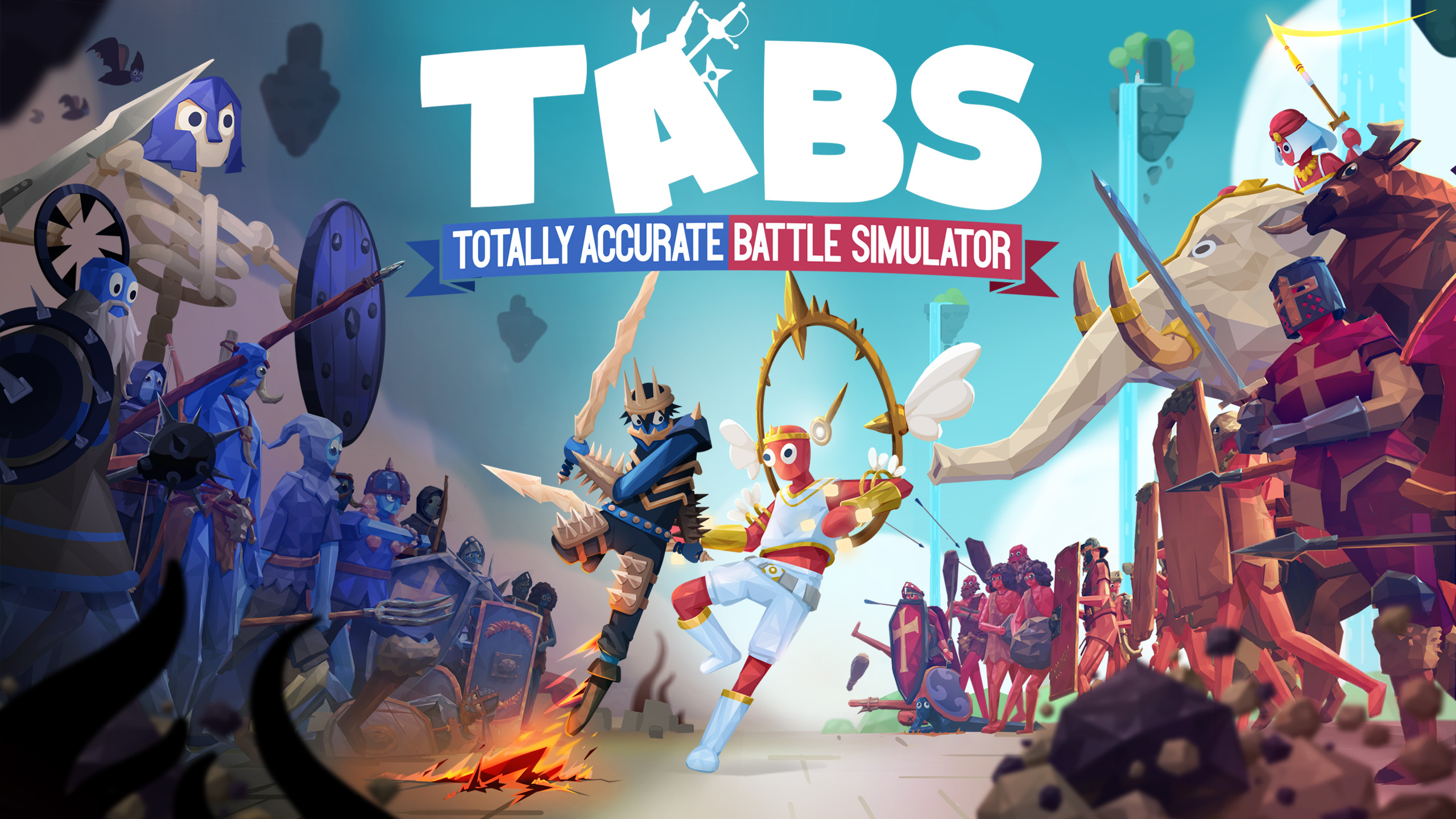
The Unit Creator update fundamentally changed the game by allowing players to design their own wobbling warriors. You can mix and match abilities from different factions, adjust unit size, and crank up hit points to create boss units. Players then place these creations in scenarios to test them against armies of standard units. The hilarious physics engine ensures that no two boss fights play out exactly the same way.
‘Scribblenauts Unlimited’ (2012)
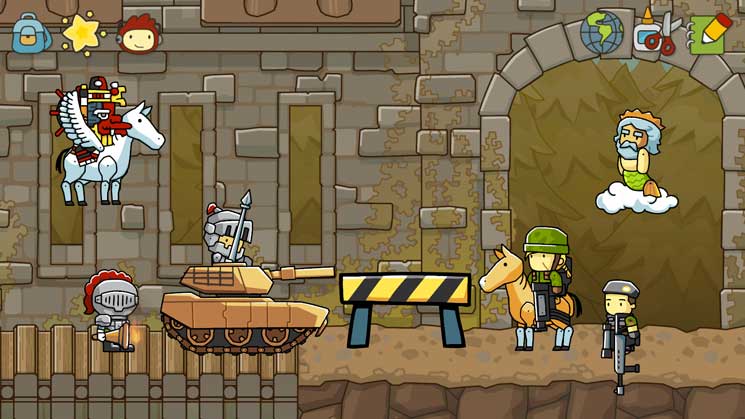
Maxwell’s notebook allows players to summon objects by writing their names, but the Object Editor lets you create your own. You can take a monster base, change its appearance, and apply adjectives like “Giant,” “Aggressive,” or “Fire-breathing” to create a boss. These custom creations can then be shared and fought in the sandbox world. It is a simple yet creative way to experiment with entity attributes.
‘Drawn to Life: The Next Chapter’ (2009)
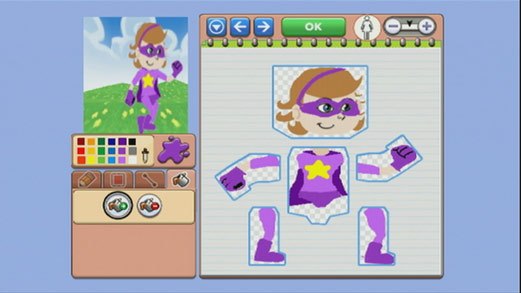
This DS platformer asks players to draw not just their hero, but also elements of the world and items. While you don’t program AI, the game frequently asks you to draw the physical appearance of the bosses you face. This visual customization makes the boss fights feel personal, as you are battling your own artistic creations. The mechanic seamlessly integrates drawing into the narrative and gameplay.
‘Draw a Stickman: EPIC 2’ (2015)
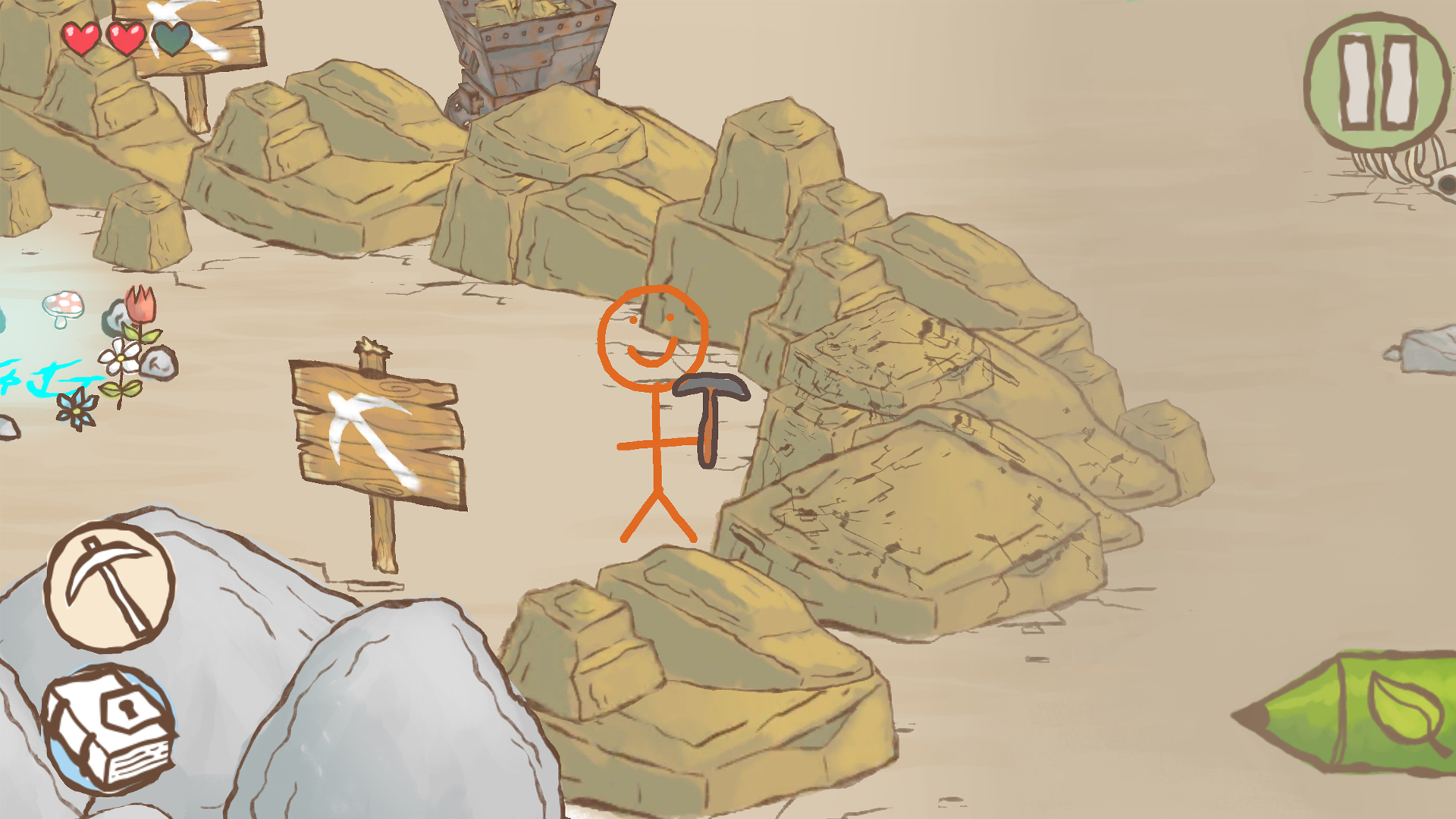
Similar to other drawing games, this title requires players to draw tools and weapons to solve puzzles. The bosses are often drawn by the player at certain story beats, or the player draws the weapons used to defeat them. The game creates a feedback loop where your creativity directly impacts the visual style of the conflict. It creates a unique sense of ownership over the game’s antagonists.
‘Geometry Dash’ (2013)
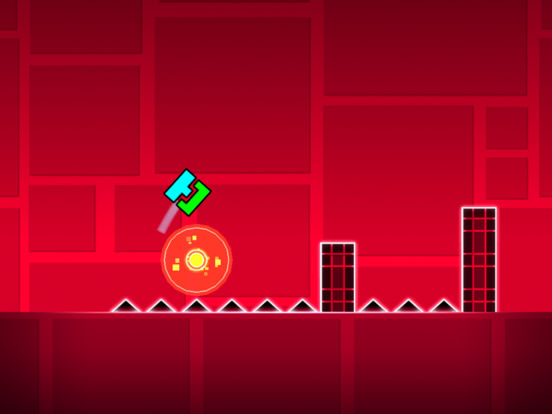
What started as a rhythm-based platformer evolved into a complex level creation tool. The 2.1 update introduced a trigger system that allows creators to animate objects and create “boss fights” where the player must dodge moving obstacles. These bosses are not AI-driven but are instead meticulously choreographed sequences of hazards synced to music. The community has pushed this engine to create stunning, bullet-hell style encounters.
‘Levelhead’ (2020)
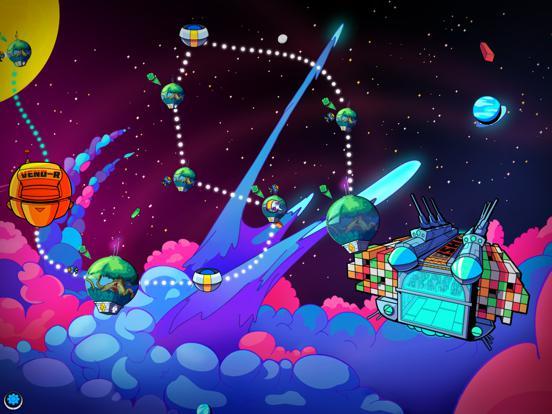
This platformer centers on a delivery robot and features a robust level editor used by the developers themselves. You can place enemies and use “switches” and “receivers” to change the state of the level, simulating boss phases. Creators can stack enemies or attach them to moving tracks to build complex mechanical threats. The game emphasizes tight controls and precise design, making for challenging custom battles.
‘Super Dungeon Maker’ (2023)
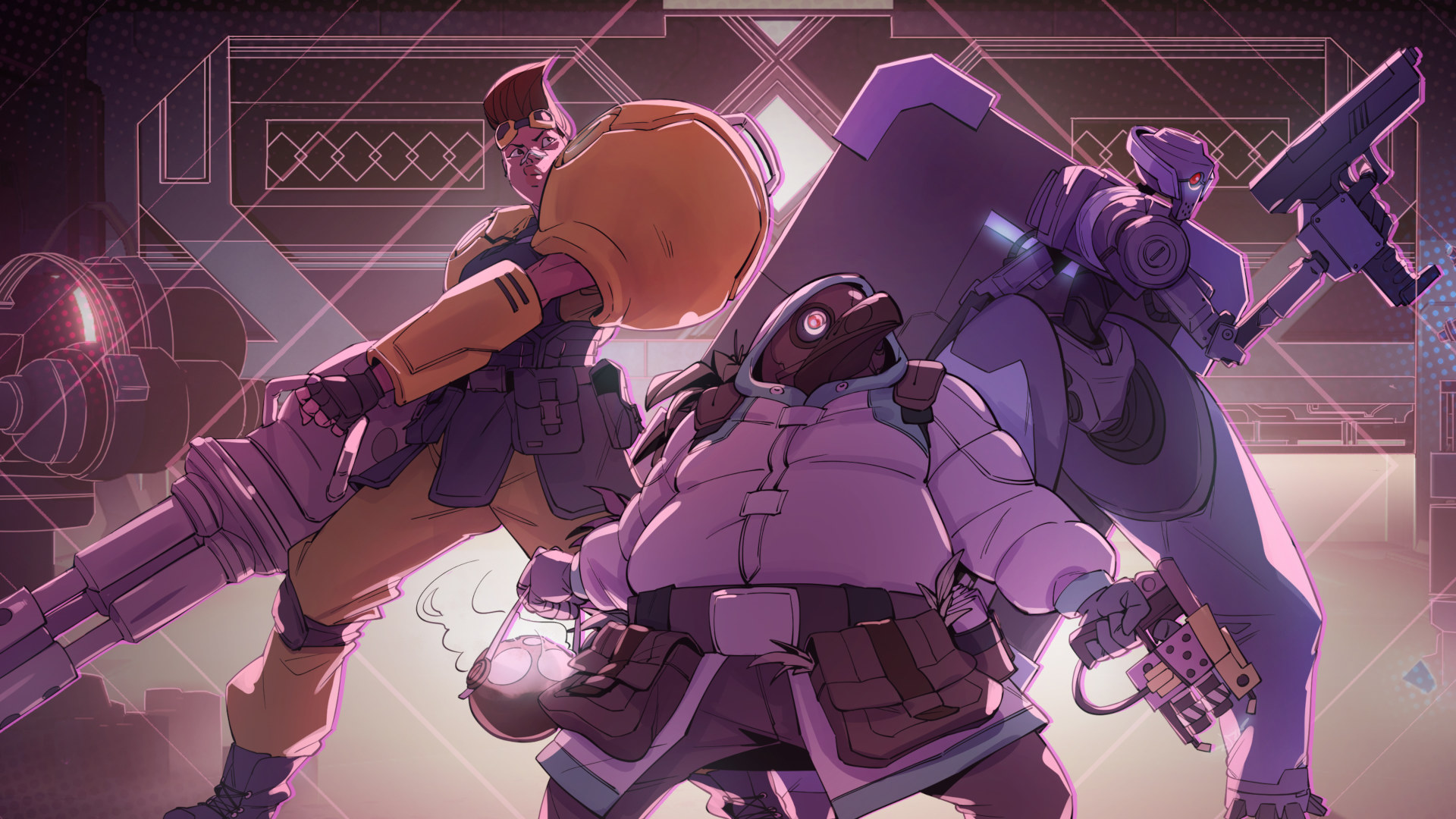
Inspired by 2D Zelda titles, this game is entirely dedicated to building and sharing pixel-art dungeons. You can place enemy spawners and designate specific rooms as boss chambers containing larger, tougher foes. The editor allows you to hide keys and power-ups that are necessary to defeat the boss, integrating puzzle-solving into the fight. It captures the essence of 16-bit adventure game design.
‘Sound Shapes’ (2012)
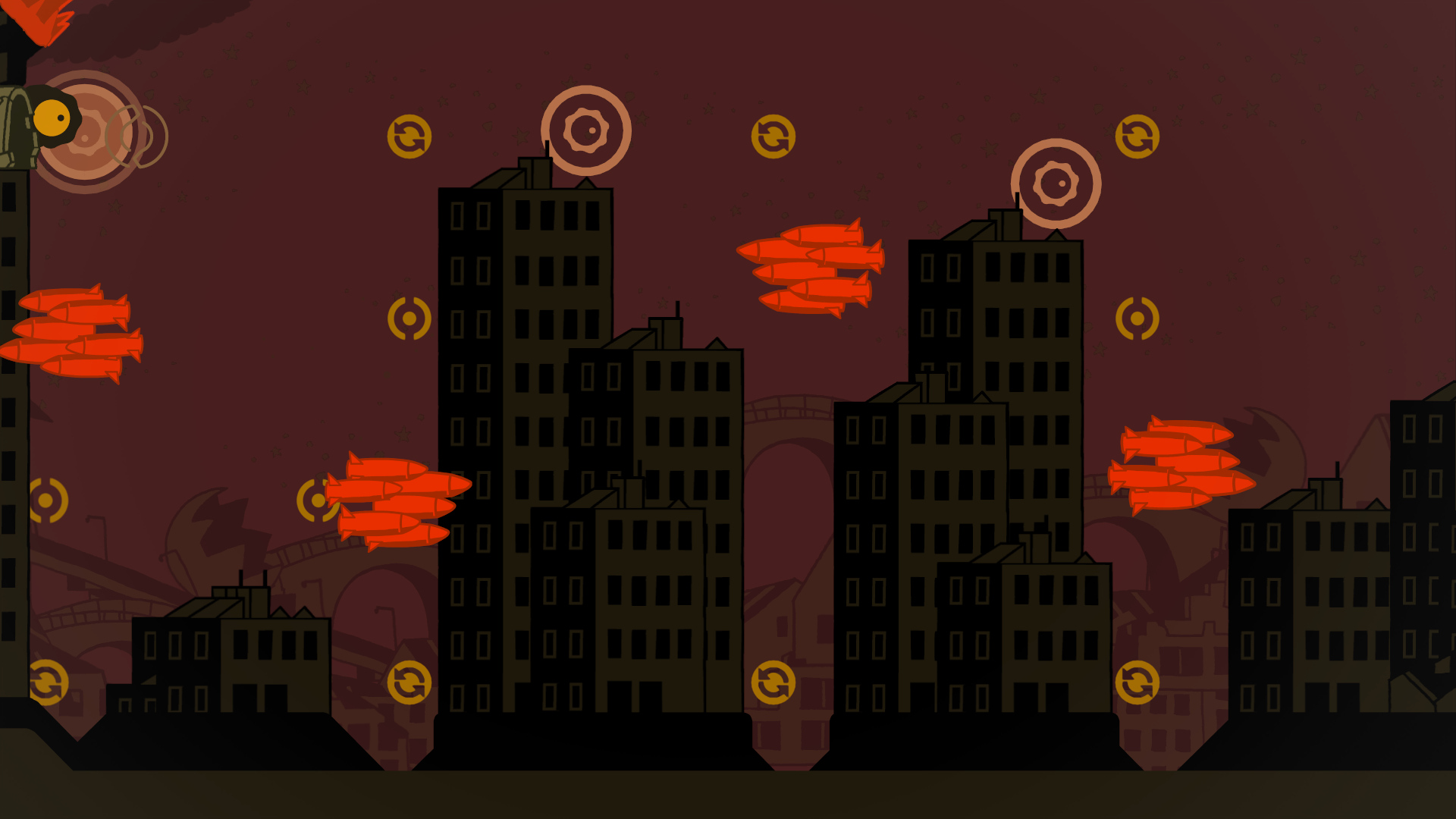
This musical platformer integrated level design with music composition. Players could place enemies and hazards that pulsed to the beat of the soundtrack they composed. “Boss” levels could be designed by creating intense, high-tempo tracks with rhythmic obstacles that the player had to survive. It offered a unique synesthetic approach to designing difficulty.
‘Mega Man Powered Up’ (2006)
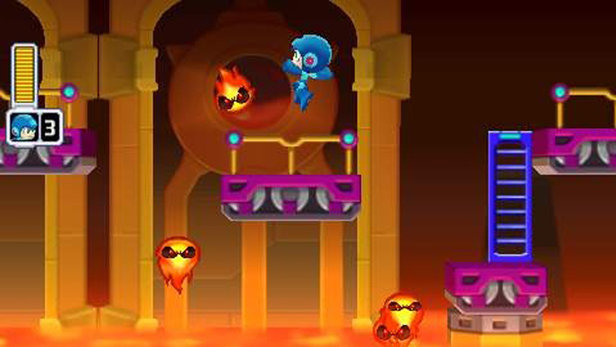
This PSP remake of the original Mega Man included a level editor that was ahead of its time. Players could place any of the Robot Masters they had unlocked as the boss of their custom stage. You could also play as the bosses themselves, flipping the script on the traditional design. This feature allowed for the creation of challenging gauntlets ending in your favorite robot duel.
‘Divinity: Original Sin 2’ (2017)
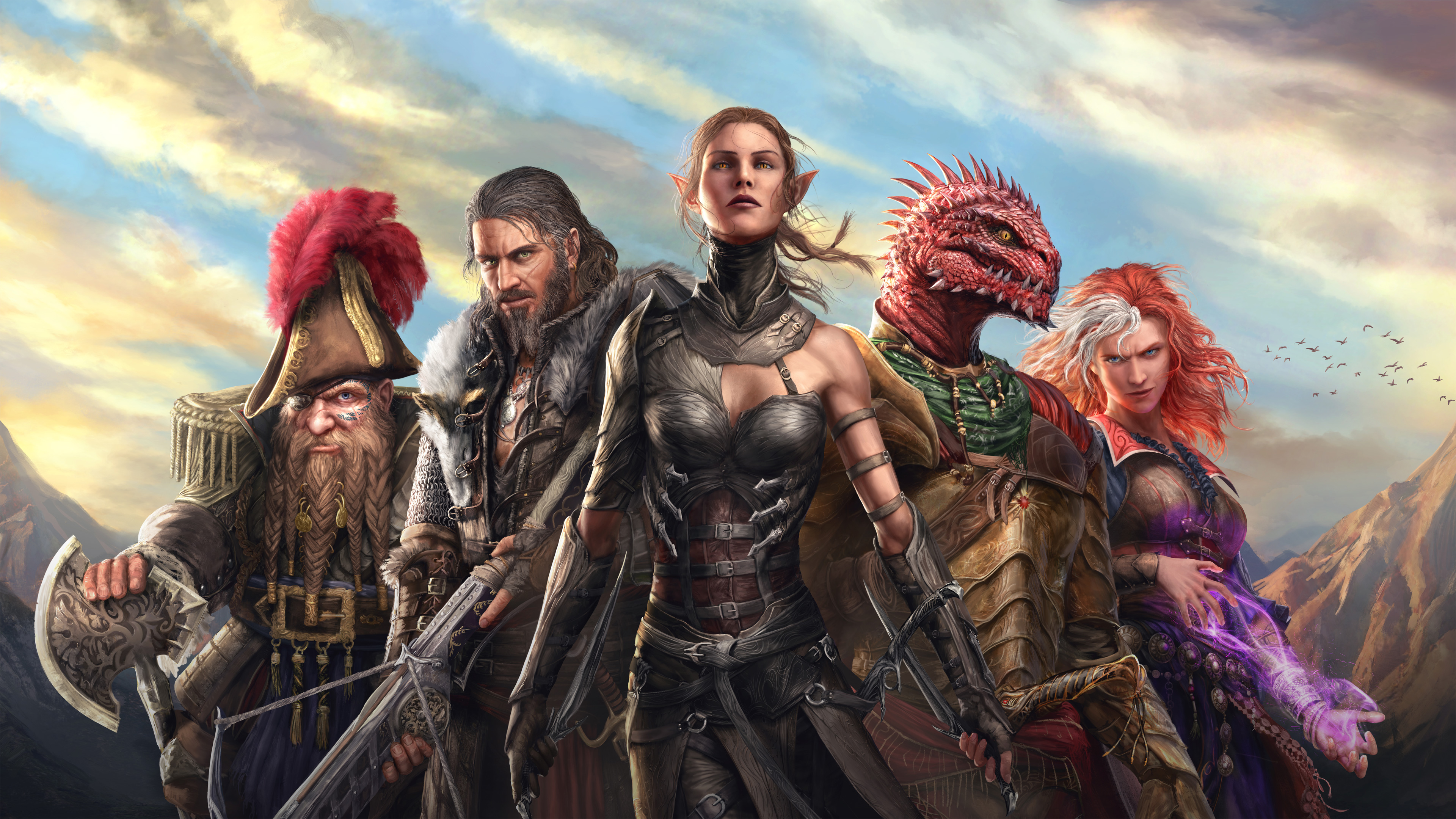
The Game Master Mode attempts to replicate the tabletop RPG experience in a digital format. A designated Game Master can spawn enemies, adjust their stats on the fly, and possess them to control their actions during combat. This allows for truly dynamic boss fights where the “boss” can react intelligently to the players’ strategies. It bridges the gap between pen-and-paper creativity and video game visuals.
‘Neverwinter Nights: Enhanced Edition’ (2018)
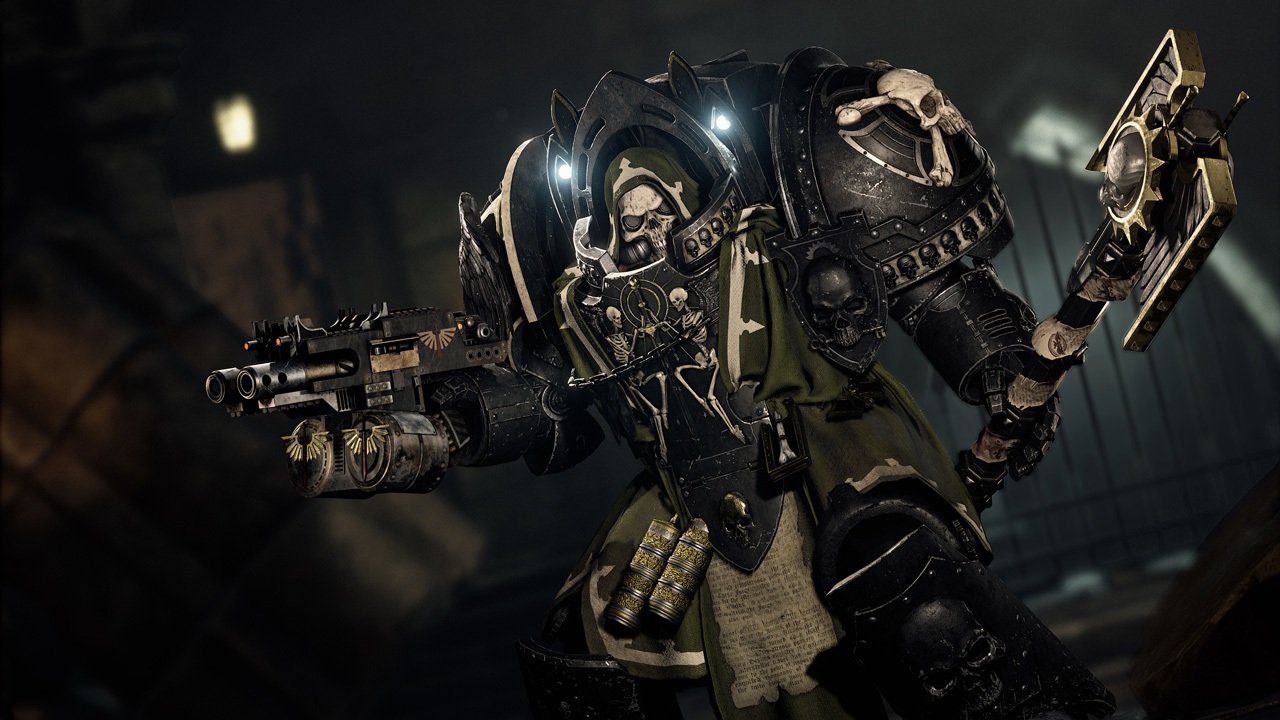
The Aurora Toolset is a powerful utility that allows Dungeon Masters to build entire campaigns. You can create custom creature blueprints with specific feats, spells, and equipment to serve as campaign villains. Scripts can be attached to the boss to trigger dialogue or summon minions at specific health thresholds. The persistent online worlds created with this tool often feature raids designed entirely by players.
‘Sword Coast Legends’ (2015)
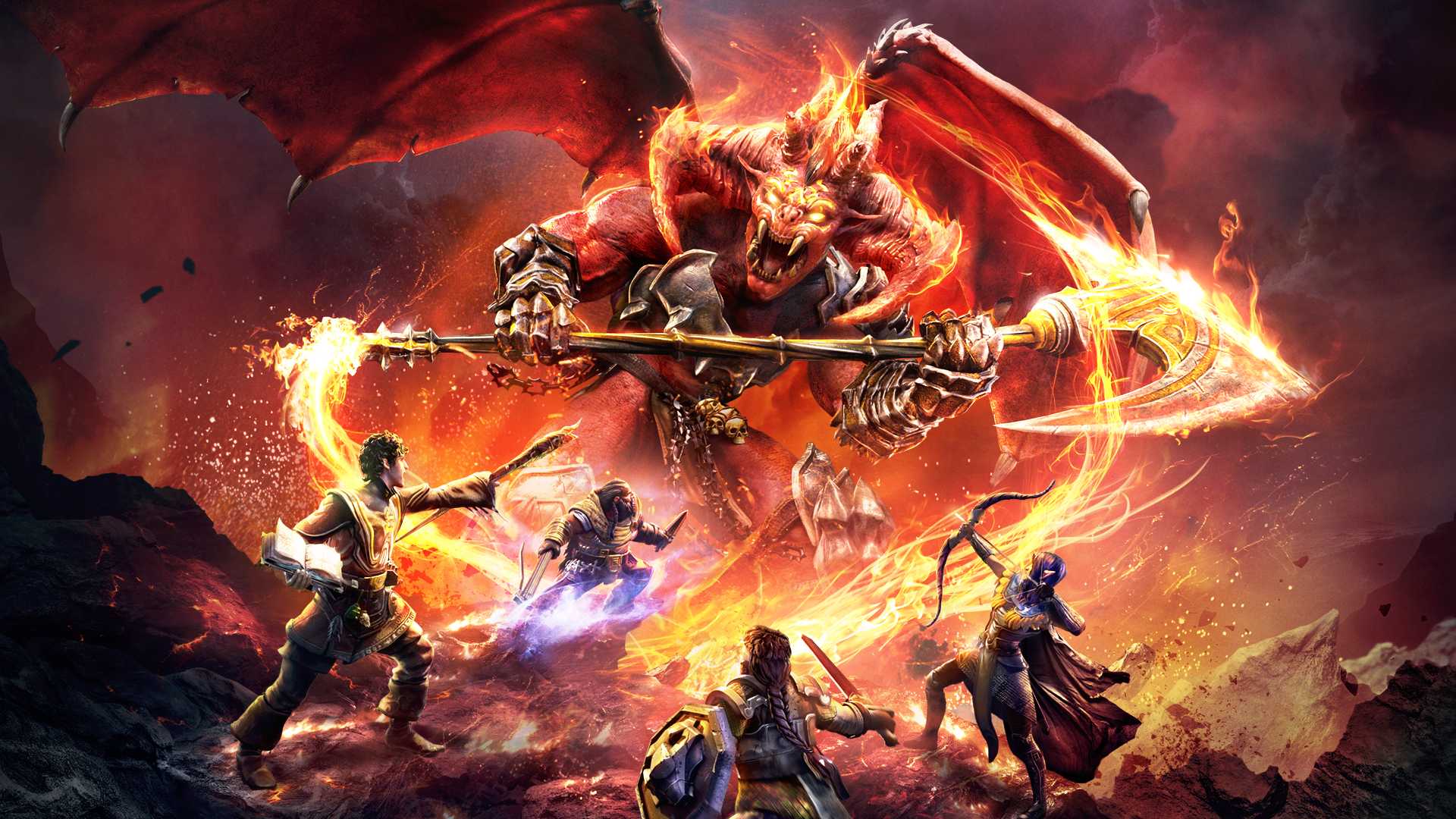
This RPG featured a real-time Dungeon Master mode where one player could influence the game while four others played as adventurers. The DM could spawn monsters and bosses directly into the path of the party and activate special abilities to increase the challenge. It allowed for an asymmetric multiplayer experience where the boss fight was guided by human intelligence. The customization options gave the DM control over the pacing of the encounter.
‘Arma 3’ (2013)
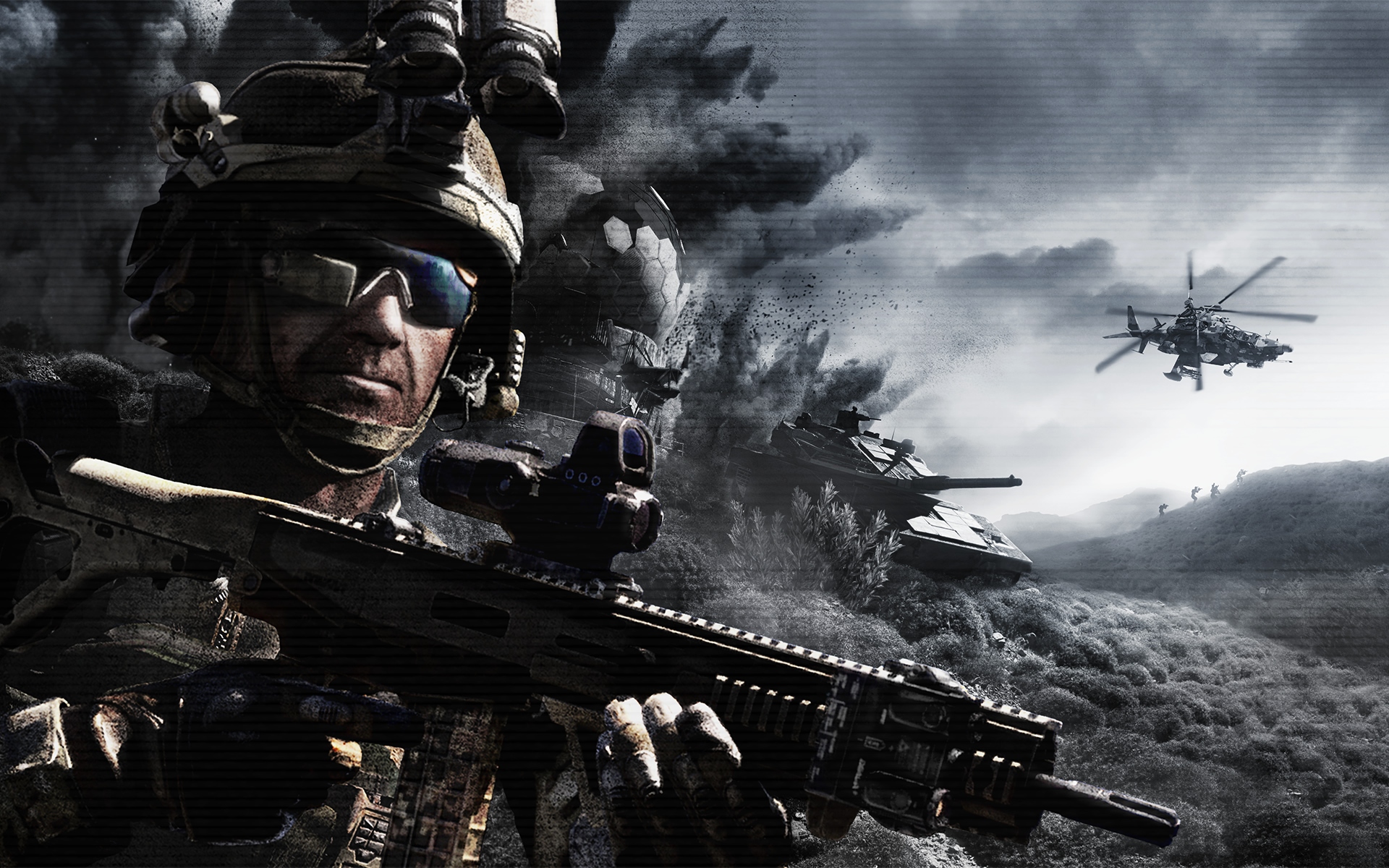
The Zeus mode in this military simulator allows a player to act as a game master in real-time. Zeus can spawn tanks, attack helicopters, or squads of elite soldiers to act as “boss” objectives for the players on the ground. The game master can control these units directly or give them complex waypoints to flank the players. It turns a tactical shooter into a dynamic, unpredictable wargame.
‘Hotline Miami 2: Wrong Number’ (2015)
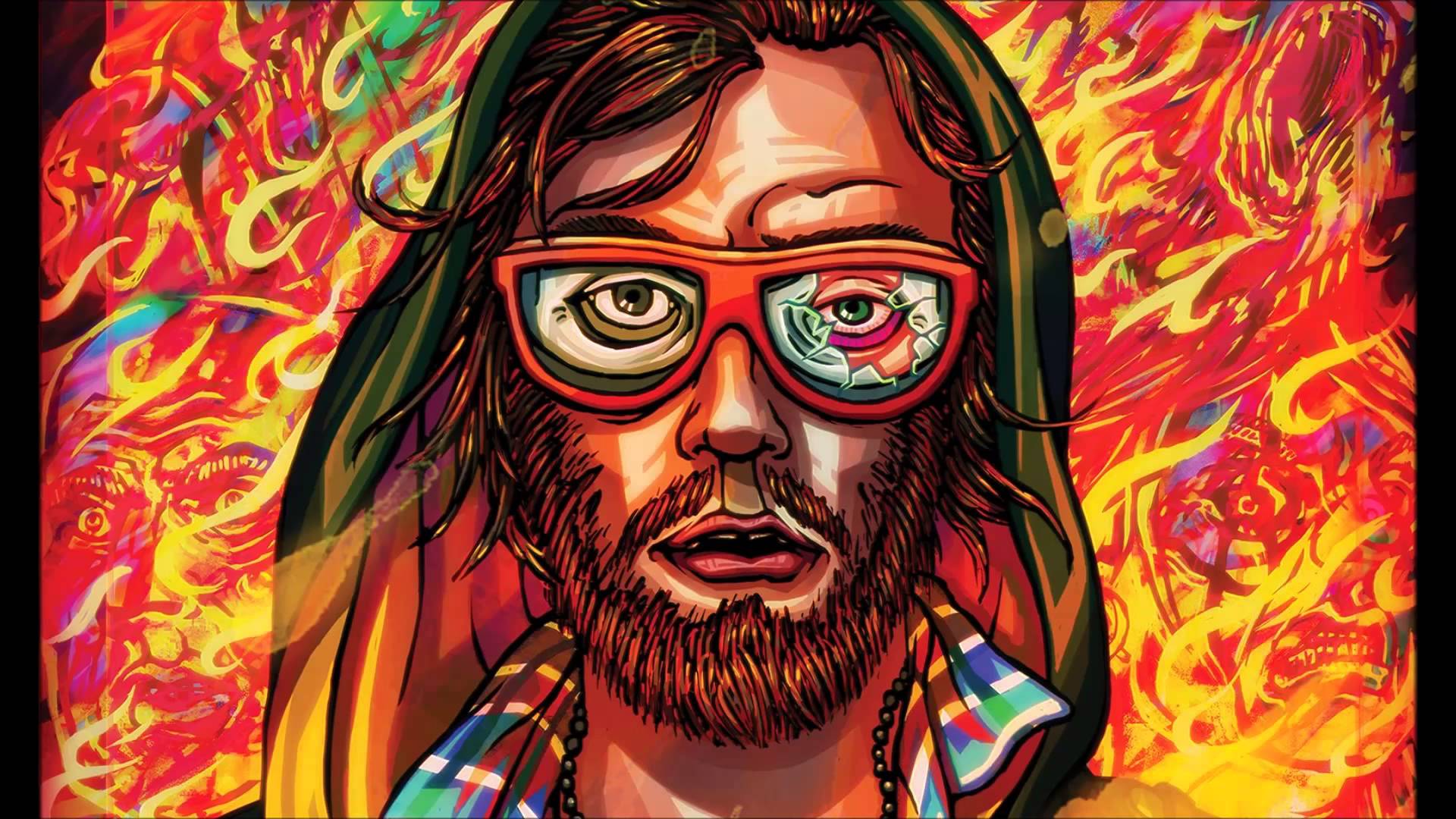
The level editor allows users to create their own top-down ultra-violent stages. You can place “boss” characters like the Fans or the Son, who have different AI and weapon capabilities compared to standard mobsters. Creators use cutscene tools to build tension before the fight, mimicking the narrative style of the main campaign. The fast-paced lethality makes these custom encounters incredibly tense.
‘Broforce’ (2015)
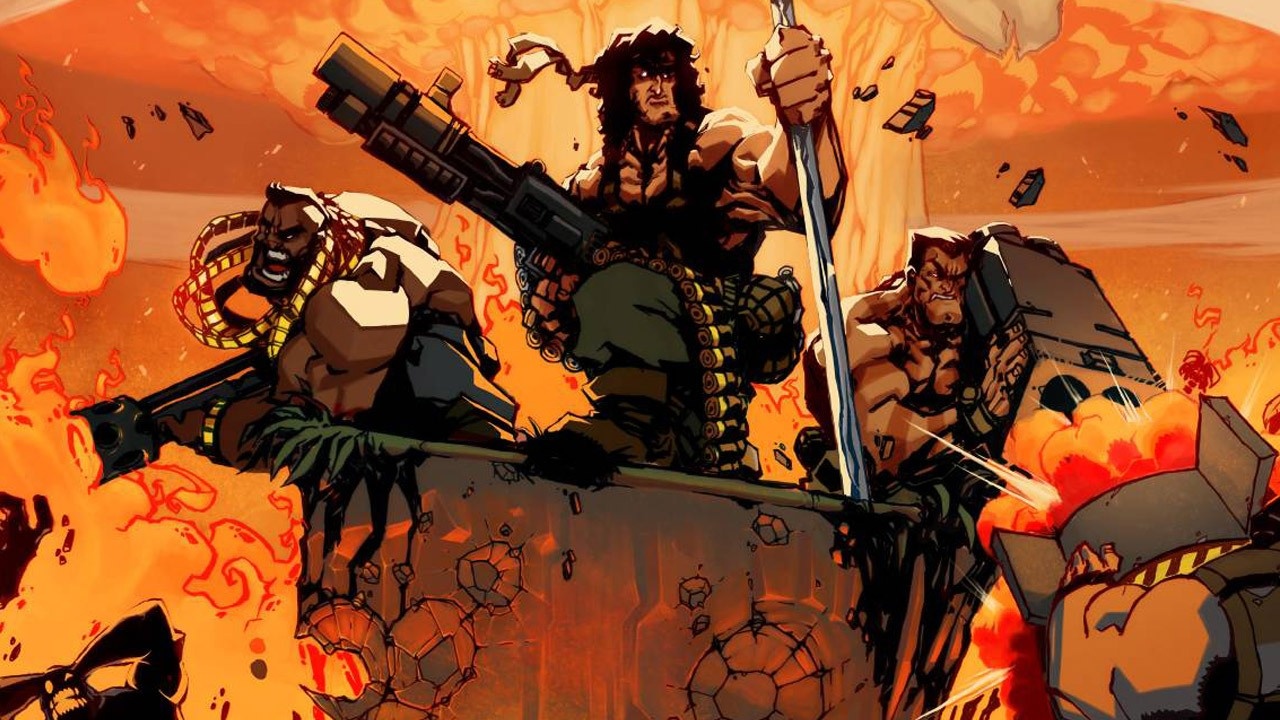
This patriotic run-and-gun game features a level editor that includes all the enemies and bosses from the campaign. You can place the giant Satan boss or massive mechanical tanks and trigger them to activate when the player enters a zone. Triggers can also be used to destroy terrain or spawn reinforcements, adding chaos to the battle. The destructible environments add a layer of unpredictability to every custom fight.
‘Crawl’ (2017)
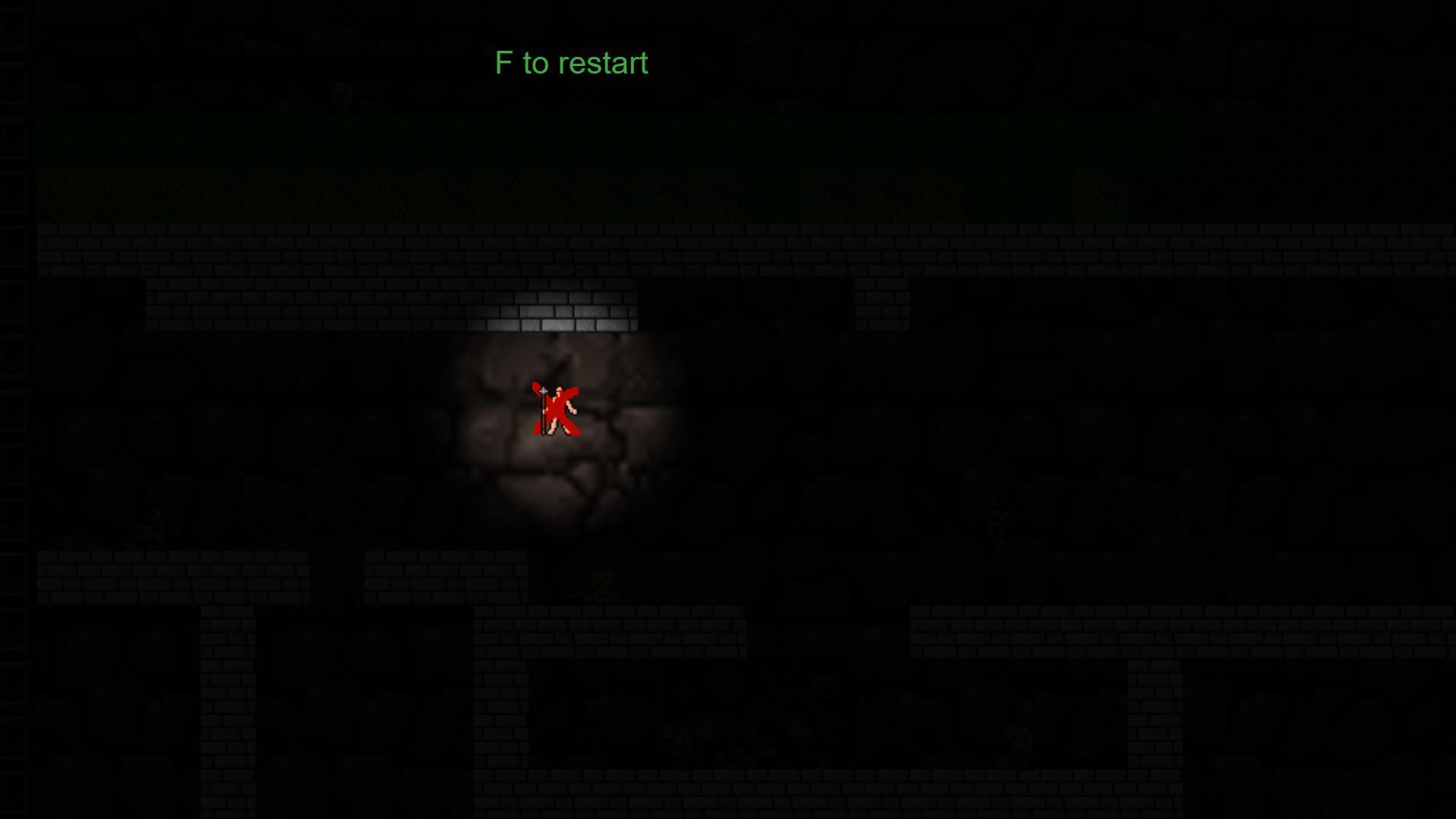
In this asymmetric multiplayer dungeon crawler, one player is the hero while the others control the traps and monsters. When the hero reaches the end of the dungeon, the ghost players inhabit a massive boss monster to try and kill them. The players evolve their monsters throughout the match, effectively “designing” the boss’s stats and attacks by choosing upgrades. It is a competitive take on boss design where you are the danger.
‘Resident Evil Resistance’ (2020)
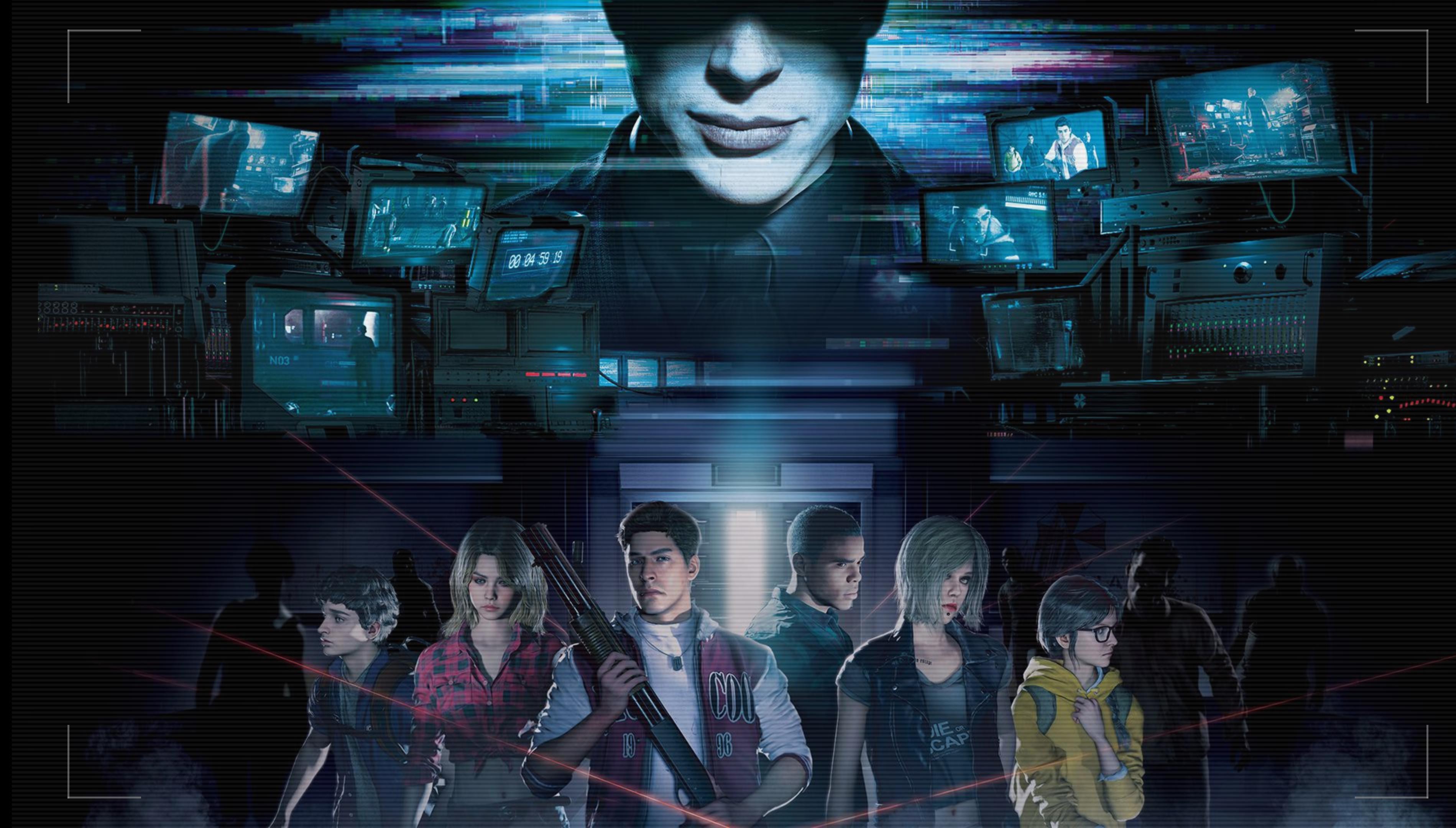
This asymmetric multiplayer mode places one player in the role of the Mastermind. The Mastermind views the map through security cameras and places traps, zombies, and terrifying bioweapons like Mr. X or Nemesis to stop the survivors. Controlling these “boss” characters allows you to execute unique attacks and hunt down players directly. It creates a strategic layer where the boss encounter is managed in real-time.
‘Boss Fighters’ (2023)
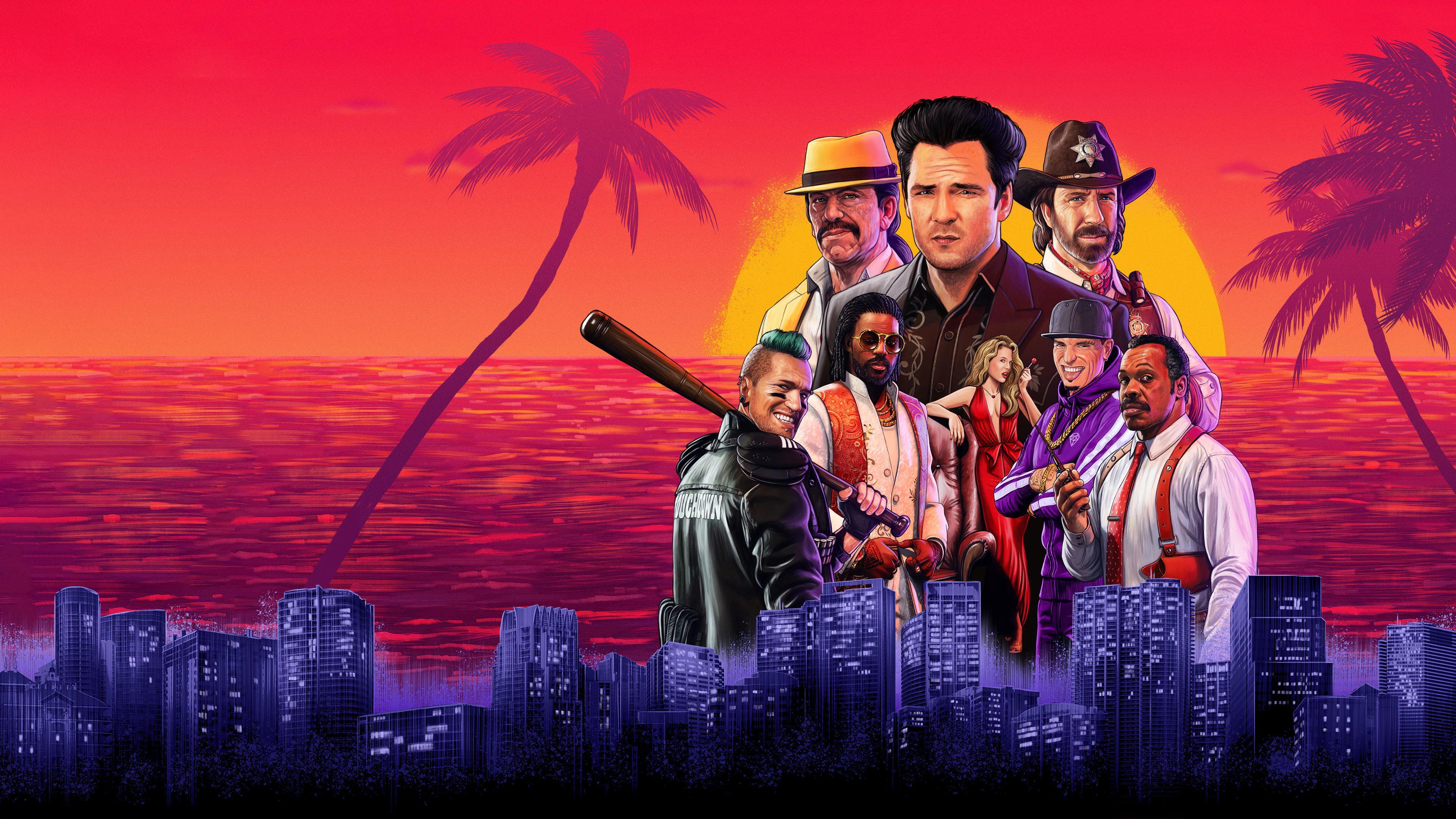
This VR/PC cross-play game is built entirely around the concept of a player-controlled boss. The VR player acts as the giant boss, physically using their hands to smash the arena and attack the PC players running around below. The boss player can customize their loadout and appearance, tailoring their playstyle to be a specific type of threat. It turns the physical motions of the VR user into a cinematic boss battle.
‘TimeSplitters: Future Perfect’ (2005)
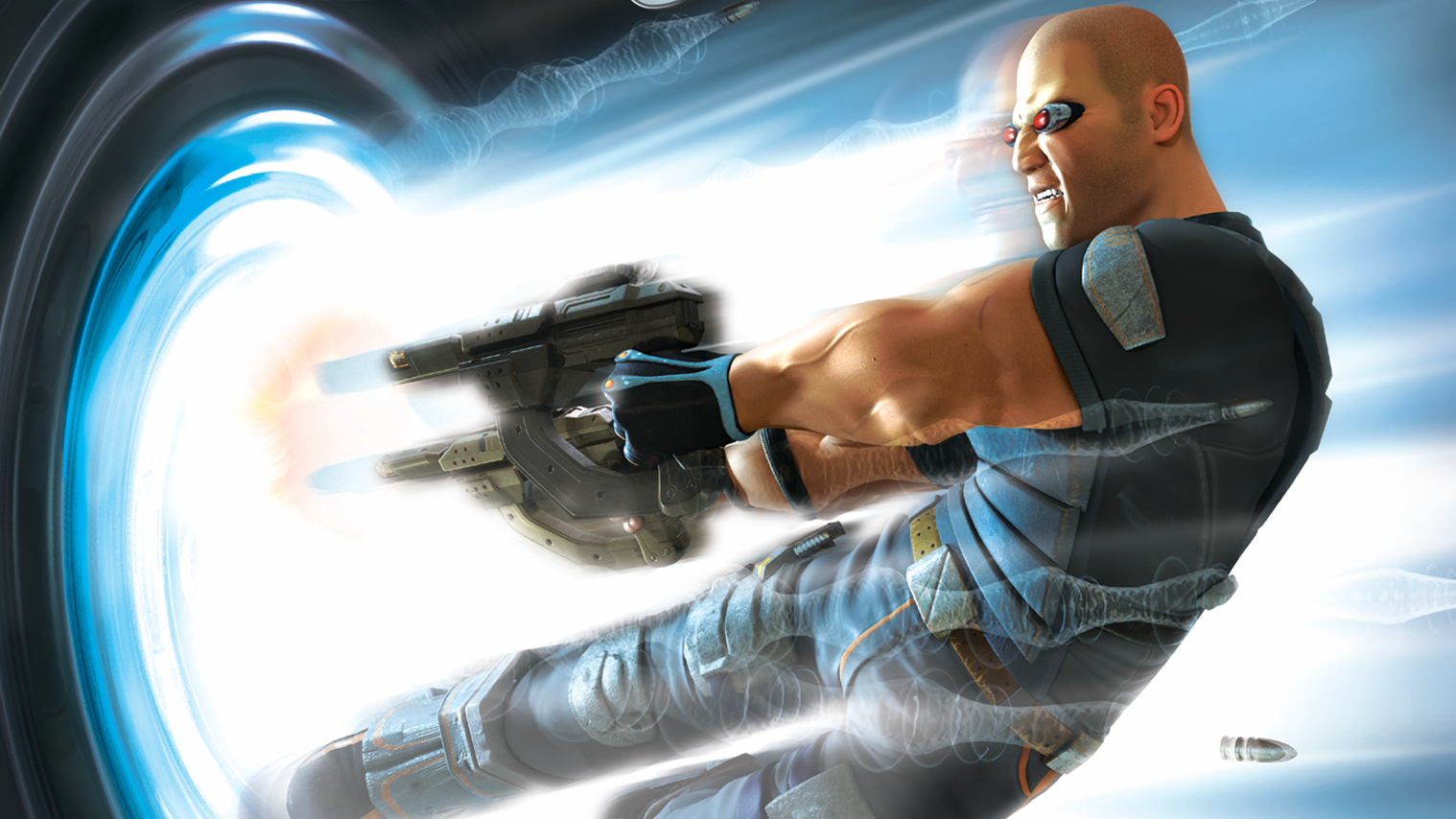
The MapMaker in this classic shooter was surprisingly versatile for its time. Players could set up “Story” levels where they could place specific objectives and boss enemies requiring heavy firepower to defeat. Logic options allowed for doors to lock until the boss was defeated, creating structured progression. It remains a beloved example of console-based FPS map design.
‘Tenchu 2: Birth of the Stealth Assassins’ (2000)
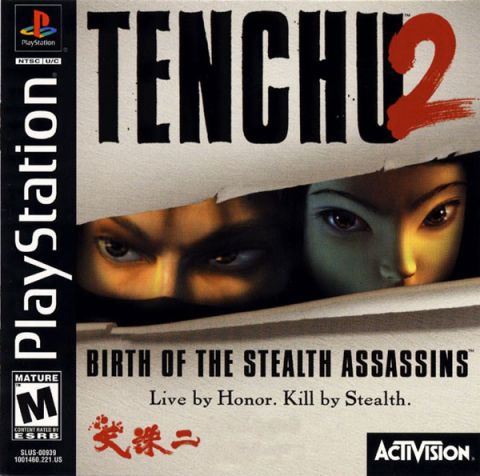
This PlayStation stealth game featured a Mission Editor that allowed players to create their own ninja layouts. You could designate a specific enemy as the “Target” (boss) and increase their health and alertness. Designing the patrol routes and bodyguard placement was essential to creating a worthy assassination challenge. It was one of the earliest examples of a mission editor on a console.
‘Infamous 2’ (2011)
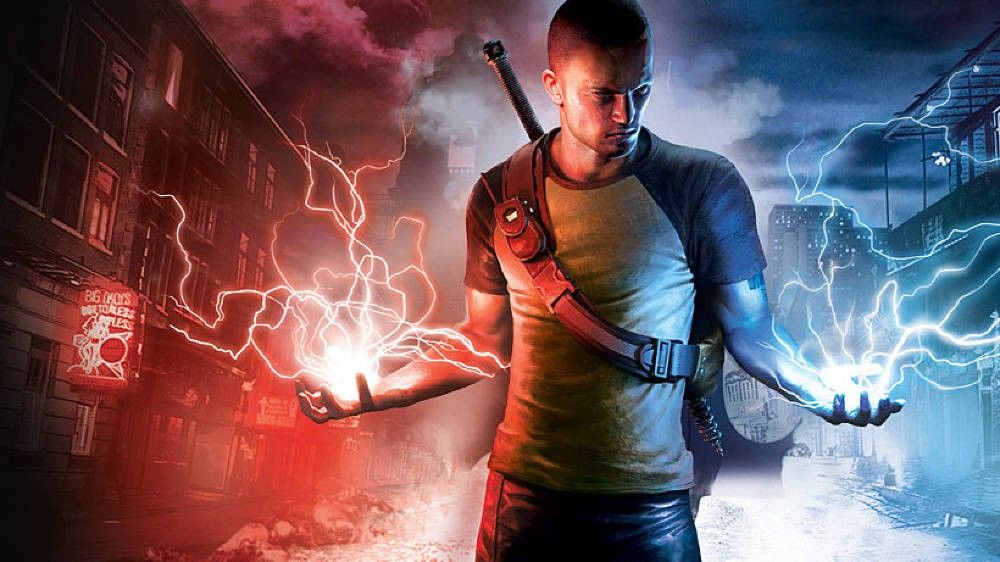
Sucker Punch included a User-Generated Content mode that let players build missions within the open world of New Marais. Creators could spawn giant conduit enemies and script their behaviors using a logic node system. This allowed for the creation of multi-stage battles where the environment could be utilized to defeat the foe. The feature extended the life of the game significantly with community missions.
‘Solasta: Crown of the Magister’ (2021)
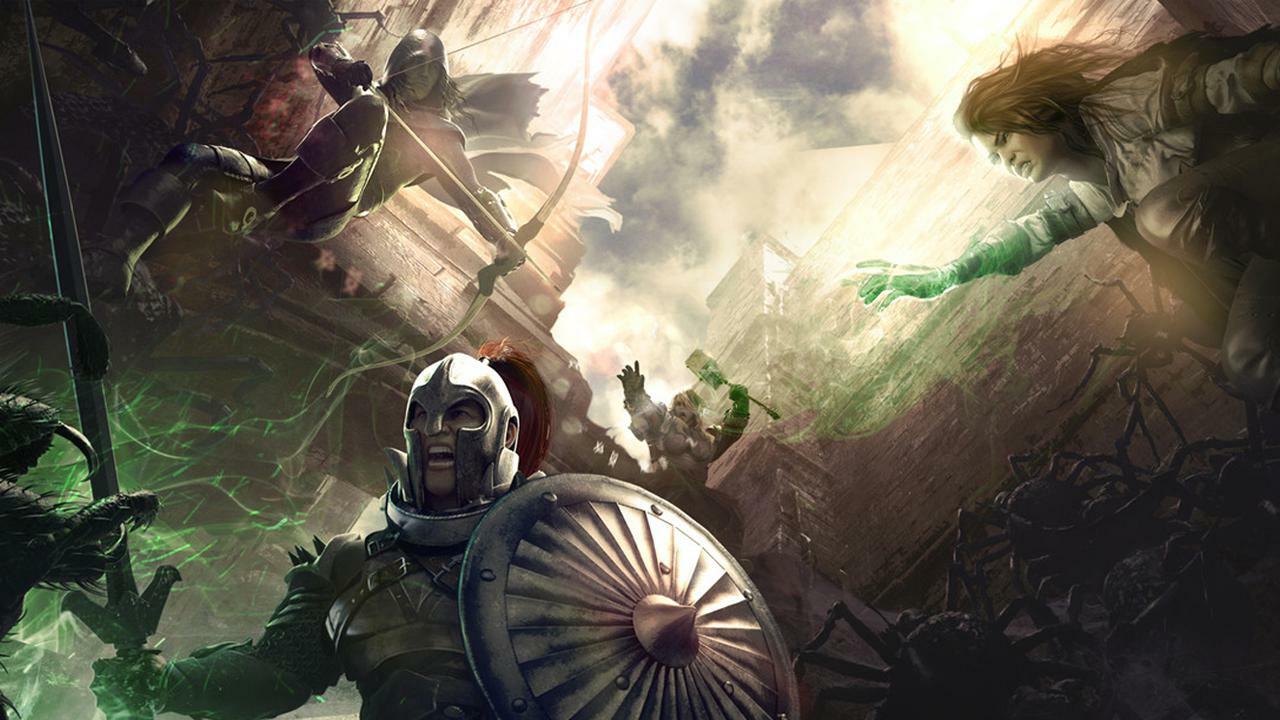
Based on the Dungeons & Dragons SRD 5.1 rules, this game features a Dungeon Maker. Players can design rooms, place monsters, and configure loot drops to create custom adventures. You can set up boss encounters by placing high-challenge rating monsters and giving them advantageous positions or minions. The tactical nature of the combat makes these user-designed fights highly strategic.
‘Unrailed 2: Back on Track’ (2024)
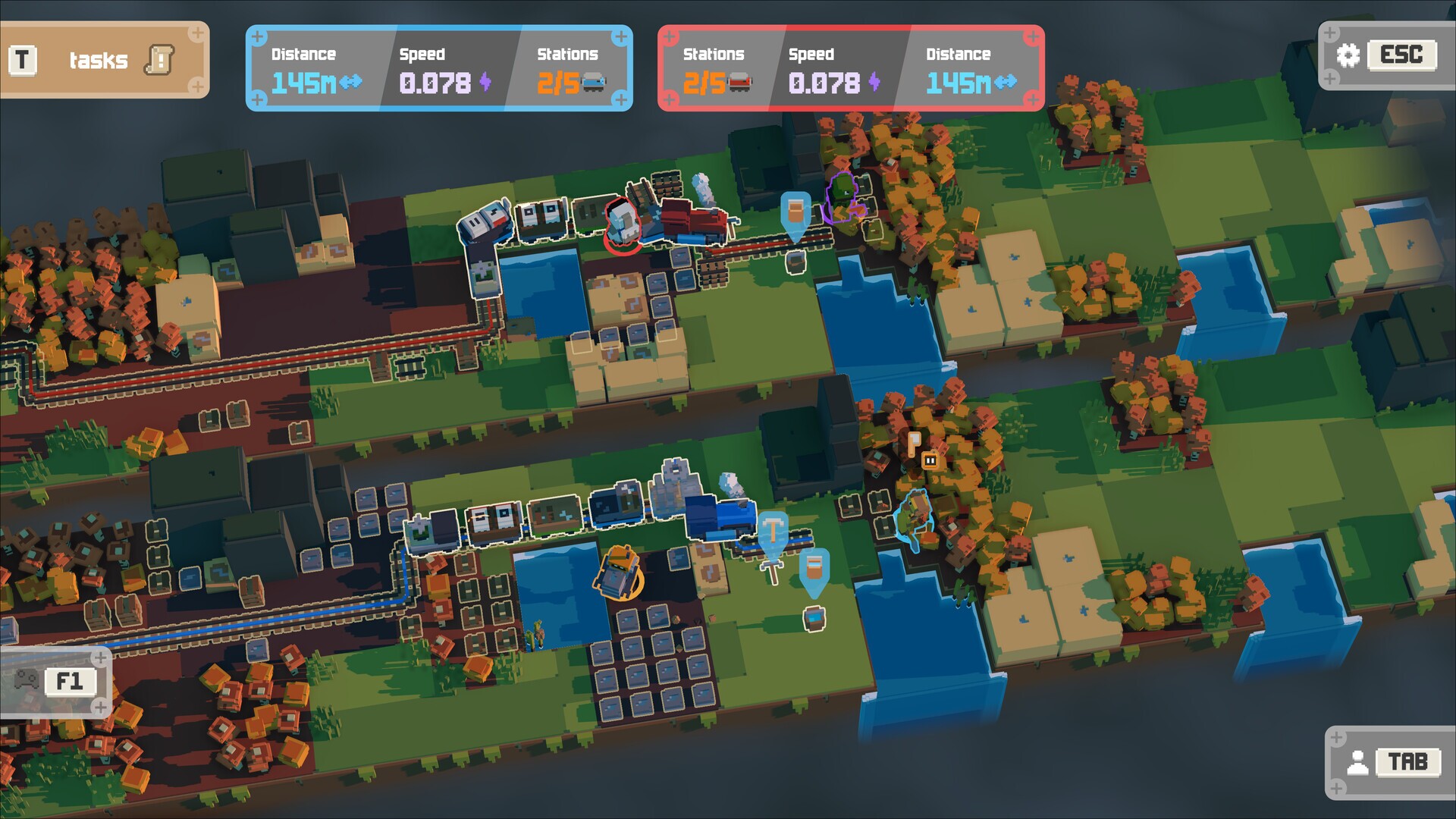
This sequel introduced the “Terrain Conductor” mode, a level editor that allows players to create custom maps. Since the game features boss battles that disrupt the train tracks, players can place these boss nodes within their custom layouts. You can design the geography of the encounter, forcing players to build tracks around the boss’s attacks. It adds a creative layer to the chaotic co-op gameplay.
‘Quest Master’ (2024)
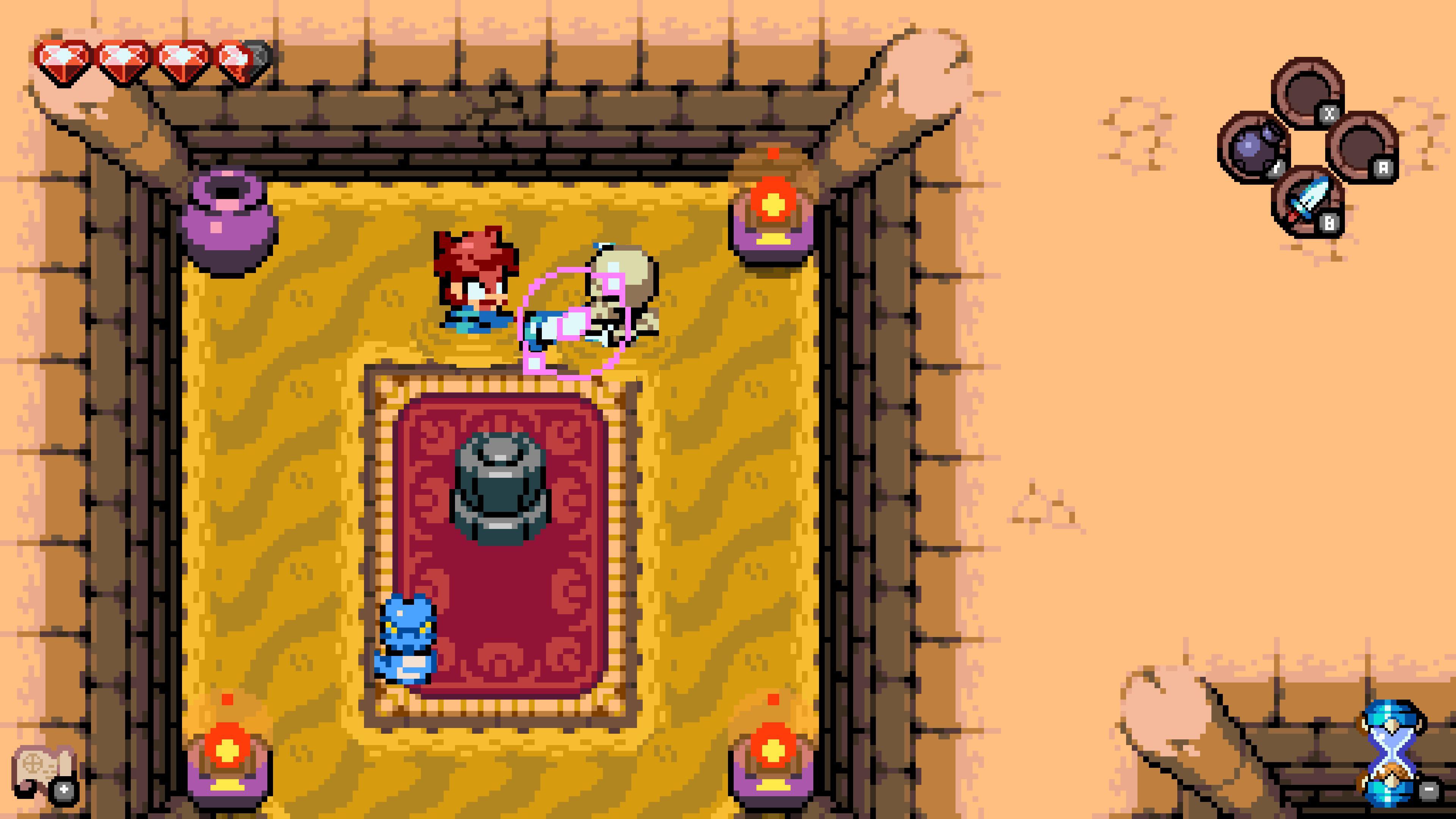
This dungeon-making game is a love letter to classic top-down adventures. It provides a dedicated set of tools for placing bosses and configuring the arena with traps and puzzles. The intuitive drag-and-drop interface makes it easy to set up trigger-based events that activate when the boss fight begins. It focuses heavily on the puzzle-combat hybrid style of design.
‘Fight Crab’ (2020)
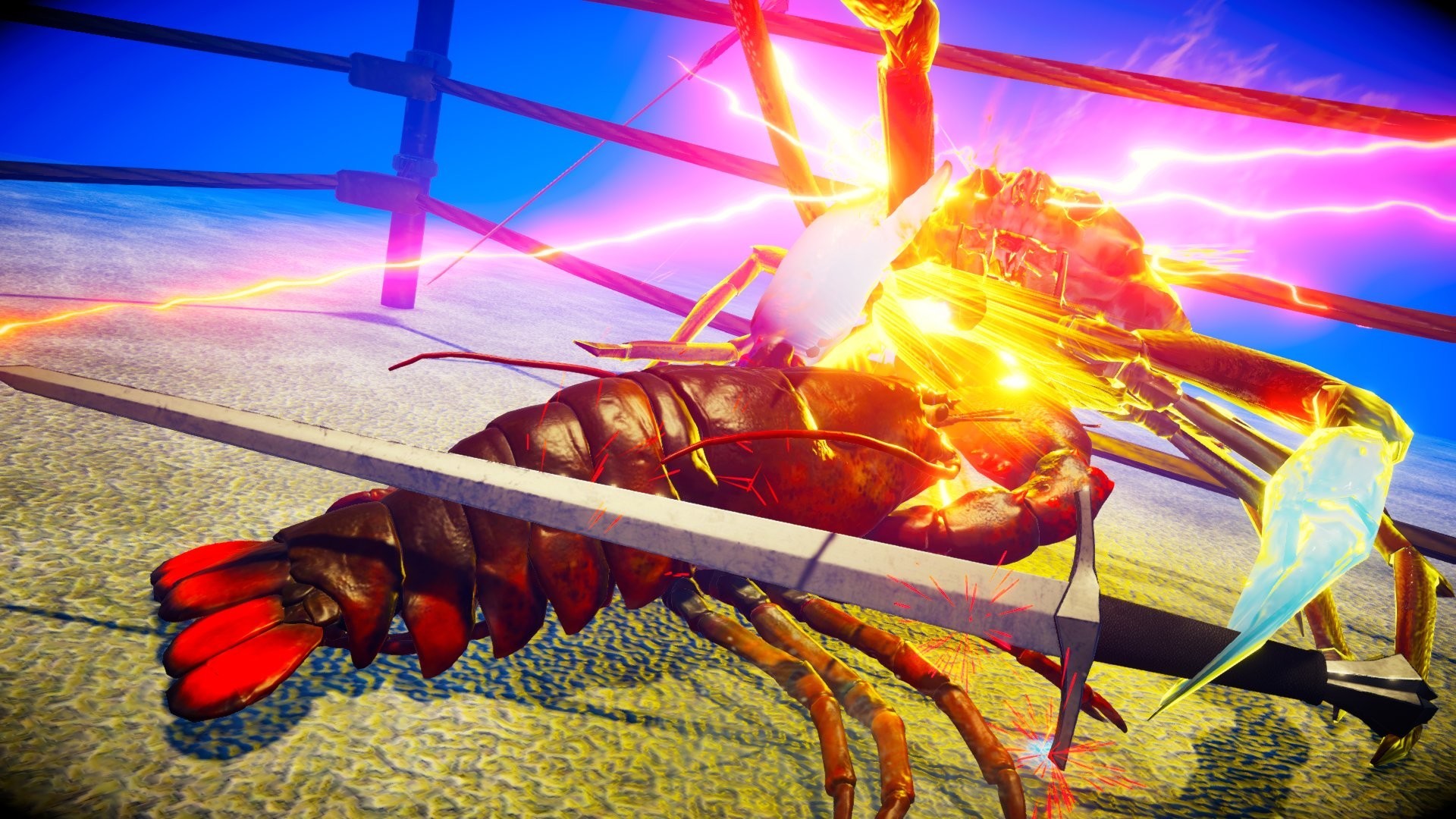
While not a level editor in the traditional sense, the game allows for deep customization of your crab fighter. You can equip your crab with various weapons, from knives to jet engines, and level up stats to create a juggernaut. In multiplayer or versus modes, your customized crab effectively becomes a boss for the opponent to overcome. The absurdity of the physics plays a huge role in the design of the combatant.
‘N++’ (2015)
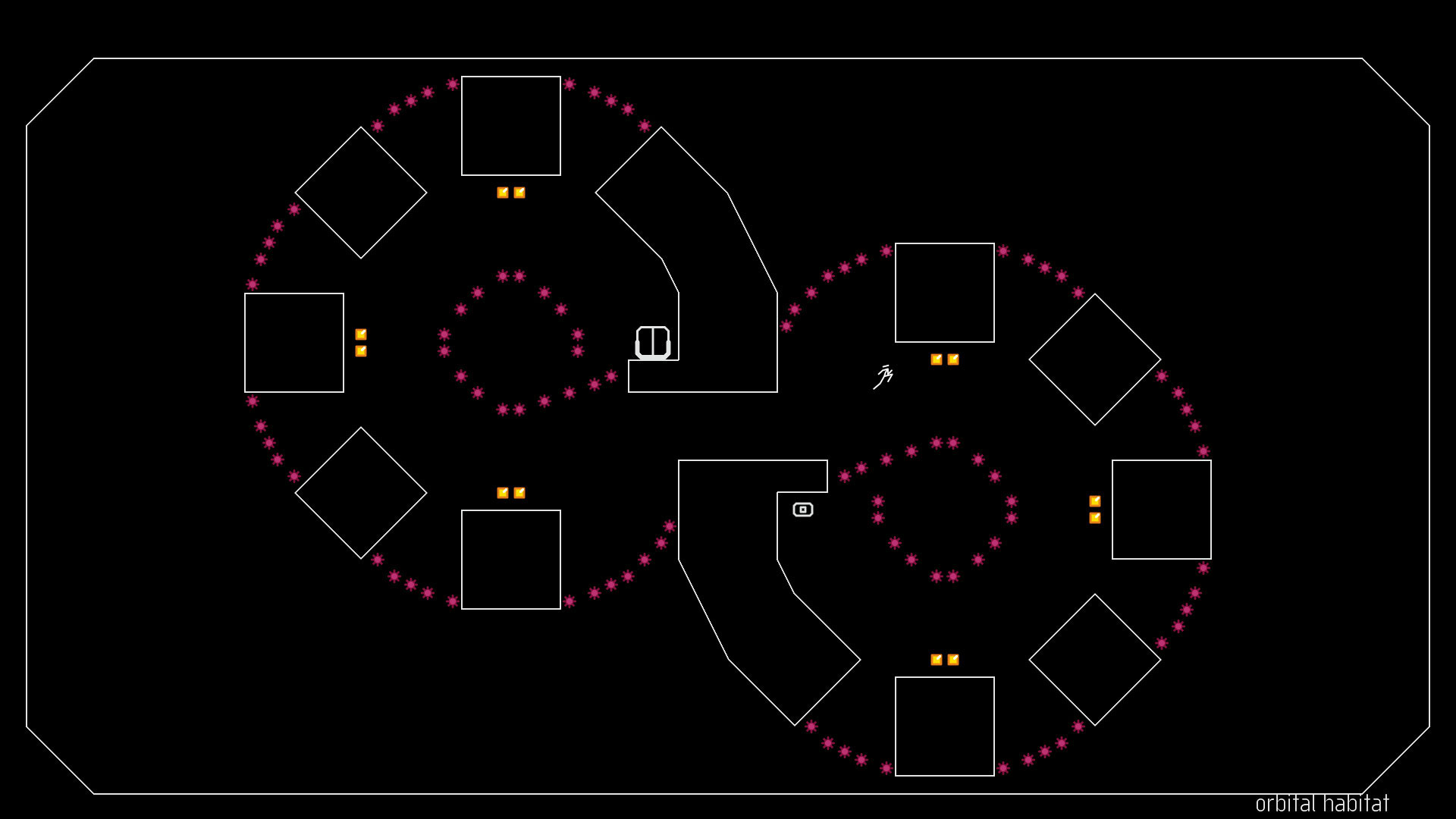
This momentum-based platformer includes a level editor used to create thousands of community maps. While there are no traditional “monsters,” players use mines, homing missiles, and evil ninja clones to create boss-like gauntlets. A “boss” in this game is often a complex arrangement of moving hazards that requires perfect execution to survive. The editor allows for precise placement of every lethal element.
‘BattleBlock Theater’ (2013)
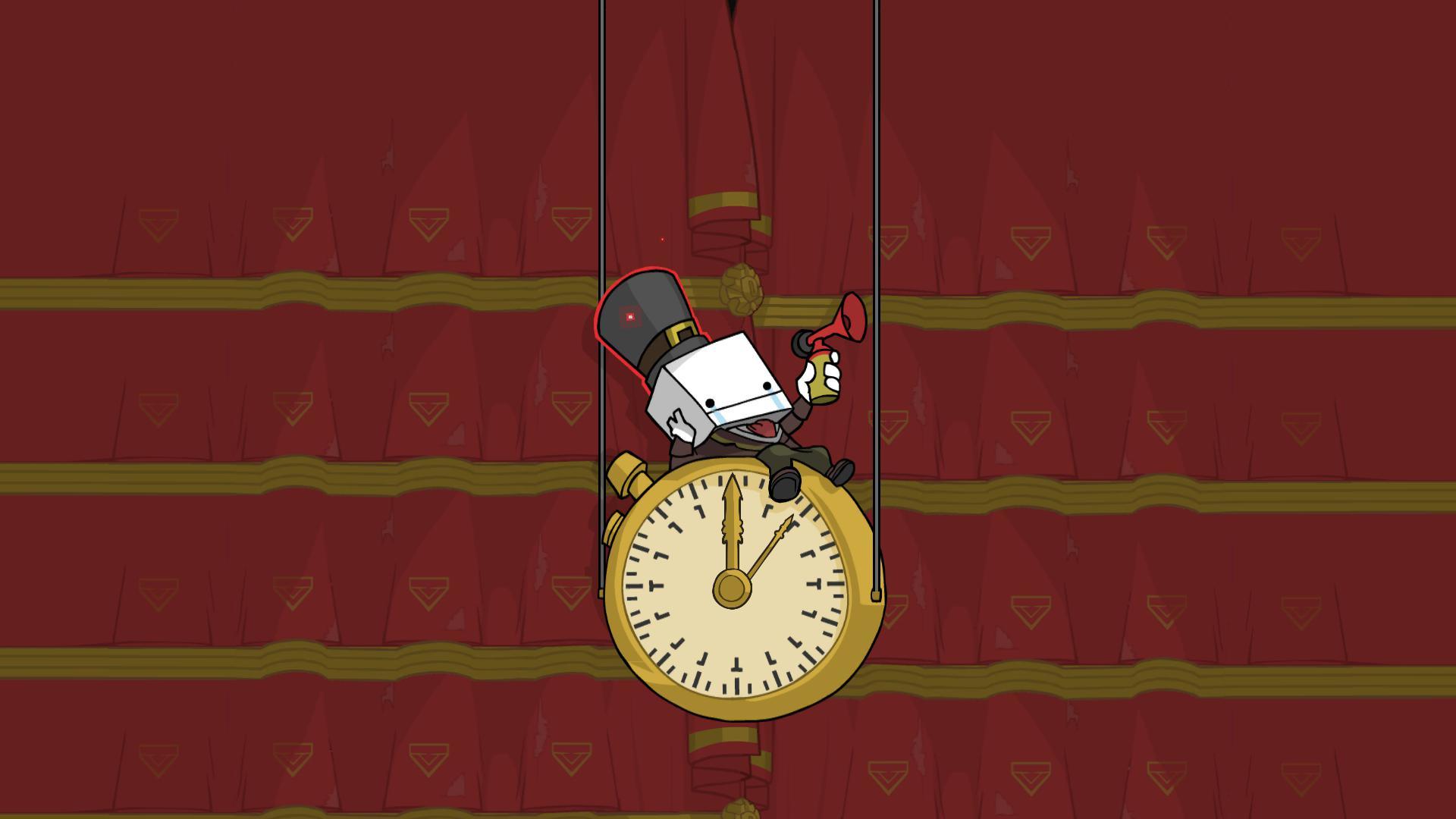
The level editor in this comedy platformer is robust and user-friendly. Players can place enemy cats, hazards, and puzzle elements to create difficult stages. While true “bosses” are rare, the tools allow for the creation of arenas where the player must defeat waves of enemies or survive a timed gauntlet to proceed. The ability to upload and rate levels keeps the best designs in circulation.
‘Besiege’ (2020)
Usually, you build machines to destroy levels, but the level editor allows you to reverse the roles. You can design a fortress with automated defenses or a massive mechanical unit that a player must destroy. By using logic blocks and sensors, creators can build machines that track and attack the player automatically. It turns the engineering game into a battle of mechanical wits.
‘Trailmakers’ (2019)
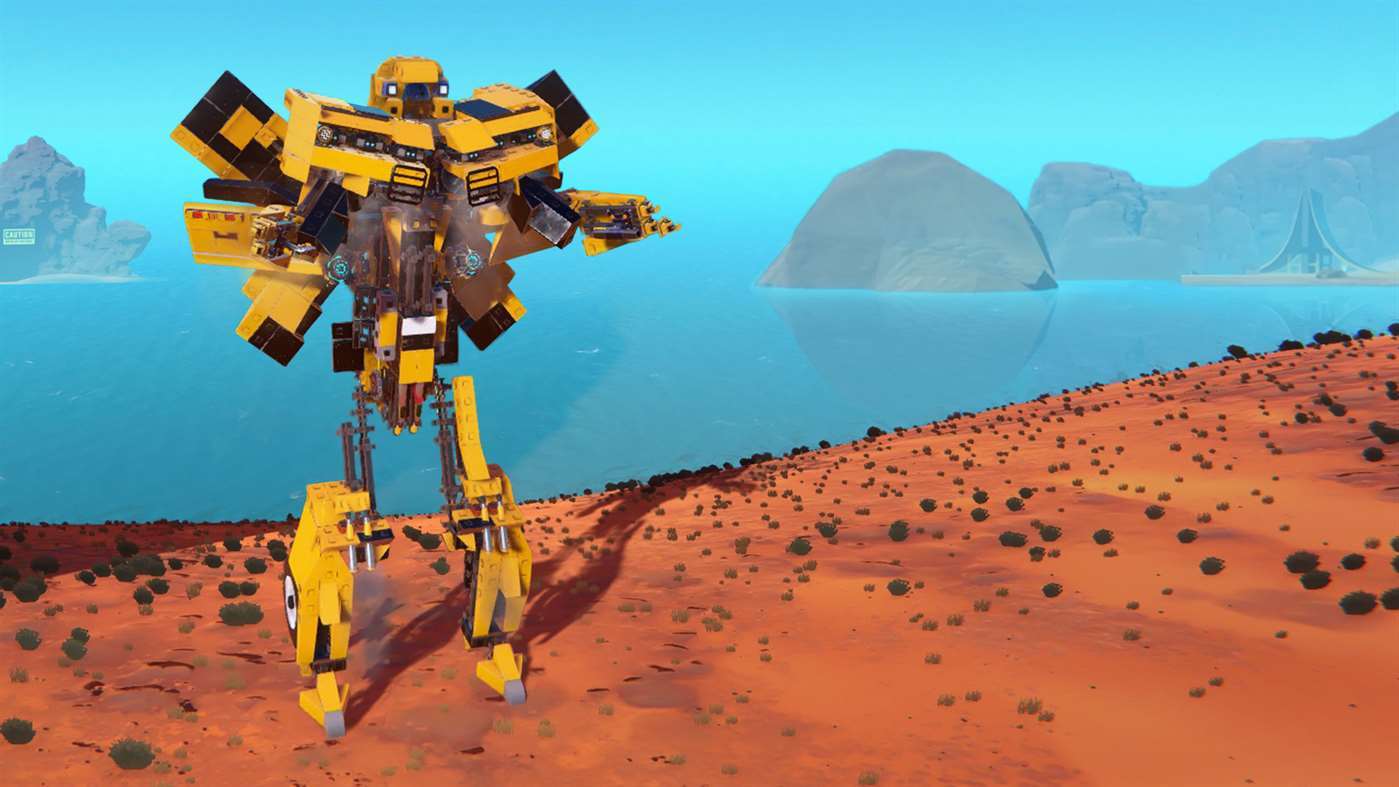
Similar to other building games, this title focuses on constructing vehicles, but its sandbox mode allows for combat scenarios. Players can build massive, weaponized vehicles and set them up as challenges for others to destroy. The “High Seas” expansion added waves and wind physics, allowing for the creation of naval boss battles. The complexity of the building system means bosses can have multiple functional parts.
‘Kodu Game Lab’ (2009)
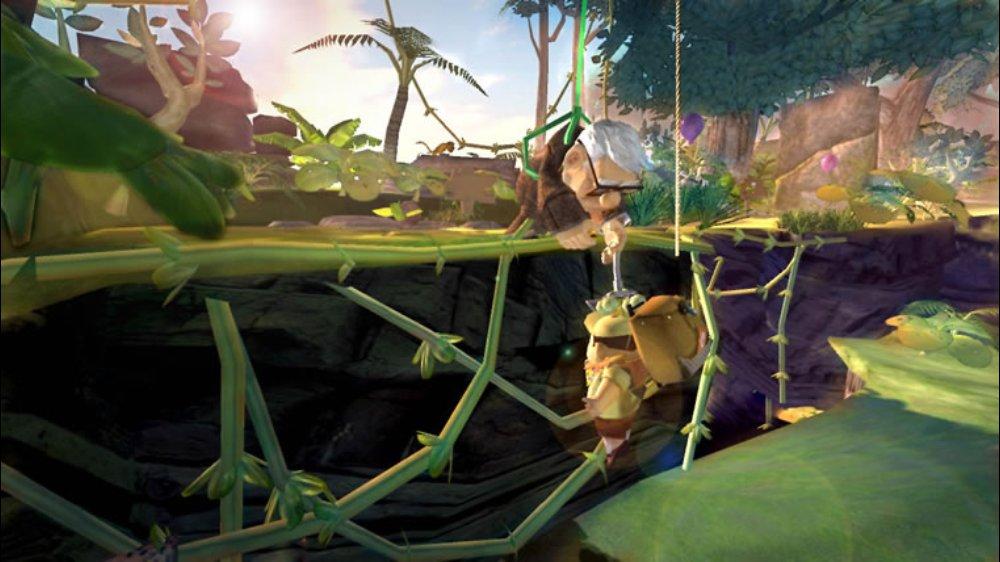
Developed by Microsoft Research, this visual programming tool was designed to teach kids game design. Users can program characters (Kodus) to react to sight, hearing, and collision, allowing for the creation of enemy AI. You can set hit points, damage values, and shooting patterns to build a functional boss fight. It is an excellent entry point for understanding the logic behind enemy behavior.
‘Meet Your Maker’ (2023)
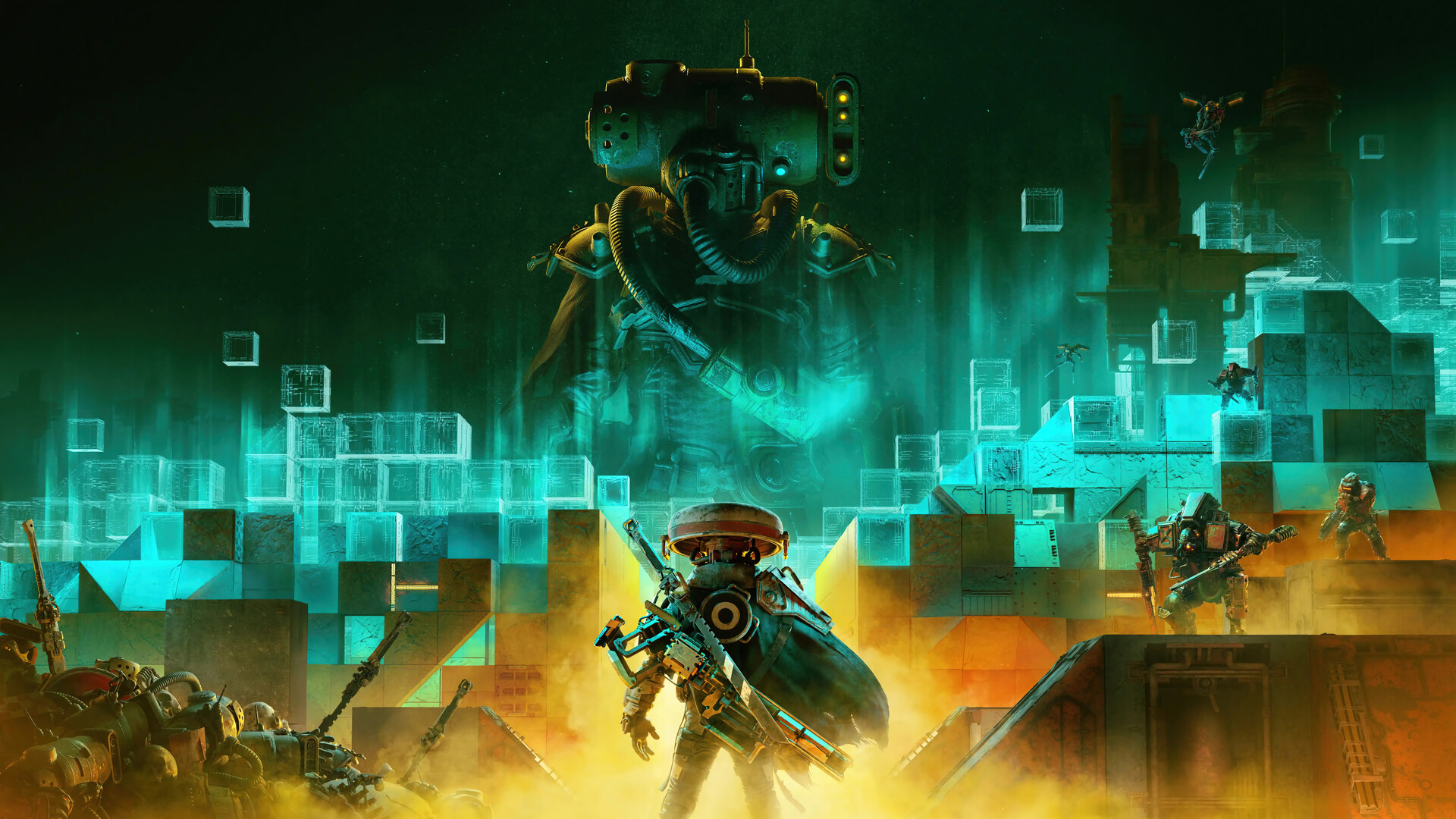
In this post-apocalyptic building game, every level is designed by a player to kill other players. You construct an outpost and fill it with traps and guards, effectively designing a dungeon that acts as a boss encounter for the raider. You can customize the patrol paths and armor of the guards to create specific kill zones. The game is a constant loop of designing defenses and testing the designs of others.
‘Age of Empires II: Definitive Edition’ (2019)
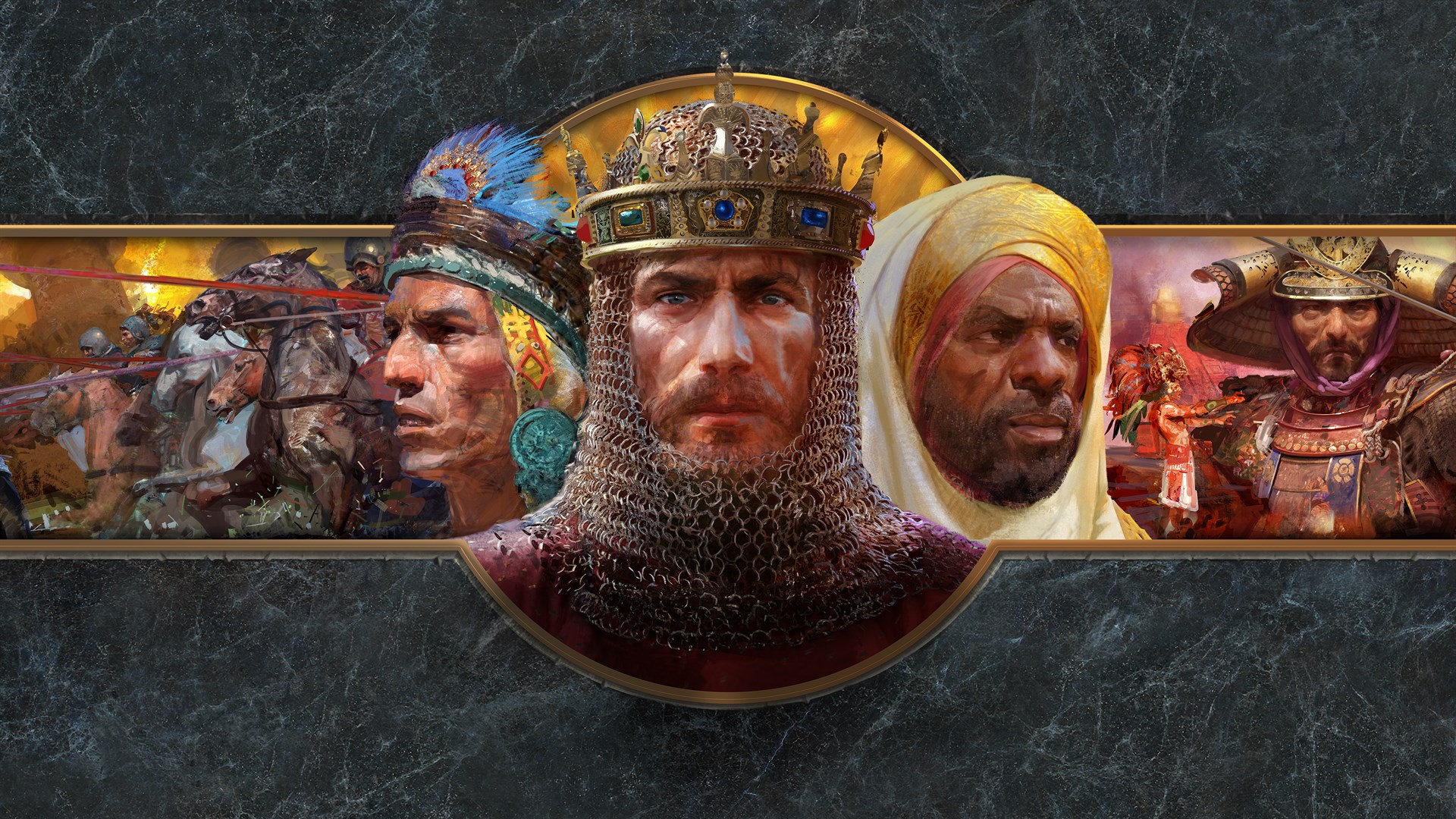
The Scenario Editor in this classic RTS is one of the most powerful tools in the genre. Creators can modify unit stats to turn a standard knight into a god-like boss with thousands of hit points. Triggers can be used to spawn reinforcements, change diplomacy, or display dialogue during the fight. The community has used this to create RPG-style campaigns where players control a single hero against massive odds.
‘VVVVVV’ (2010)
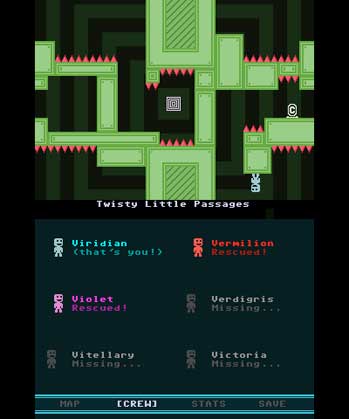
This gravity-flipping platformer includes a level editor that allows for the creation of custom dimensions. Players can place “script boxes” to trigger text, music changes, and enemy behaviors. While the enemies are simple sprites, creators use scripting to build “boss” rooms where the screen scrolls or hazards move in difficult patterns. It proves that simple mechanics can yield complex challenges when placed in the hands of the community.
Share your favorite custom boss creation in the comments to let us know which game does it best!