

Games Letting You Trade Items Across Save Files



Many players enjoy the ability to transfer hard-earned loot between different characters or save files to enhance their gaming experience. This mechanic allows you to collect equipment with a high-level hero and pass it down to a new adventurer for a smoother journey. Games utilizing shared stashes or direct trading systems reward your time investment by ensuring powerful items never go to waste. The following titles offer specific features that let you move inventory across your various saves.
‘Diablo II: Resurrected’ (2021)

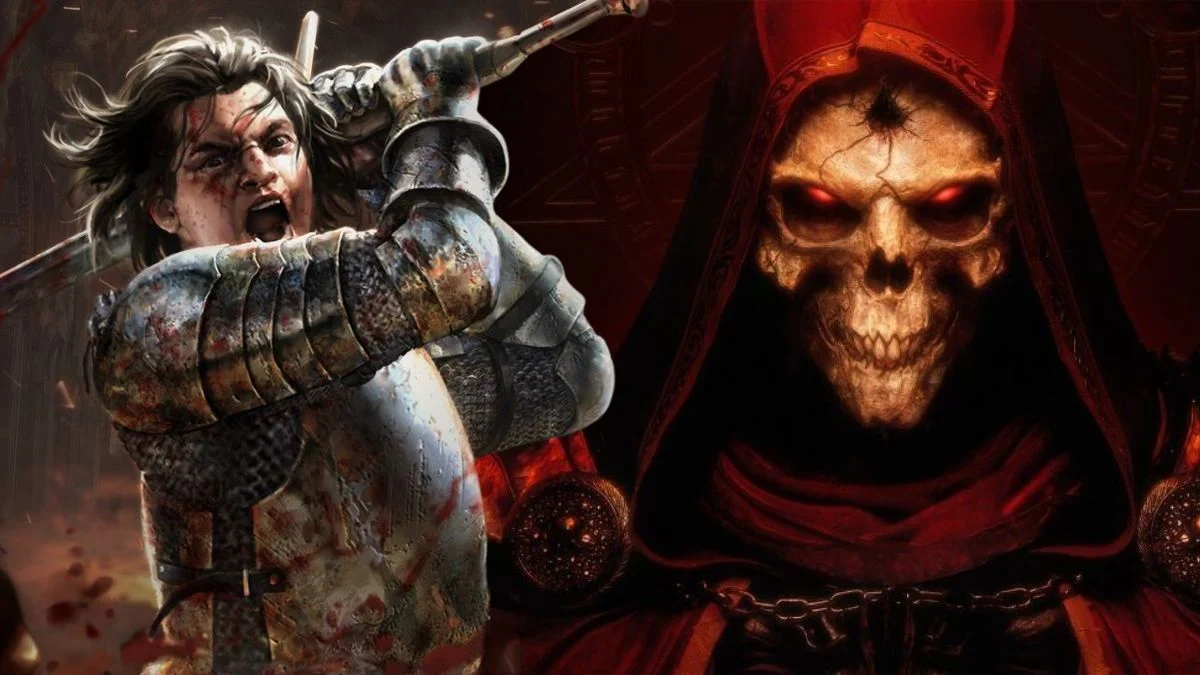
This remastered classic includes a shared stash system that allows seamless item transfer between your online or offline characters. You can store high-level runes and unique armor in the shared tabs for your other heroes to access immediately. This feature removes the old requirement of creating mule characters or risking item loss by dropping gear on the ground. Players can effectively farm gear with a Sorceress and equip it onto a Paladin without needing a second player to assist.
‘Borderlands 2’ (2012)
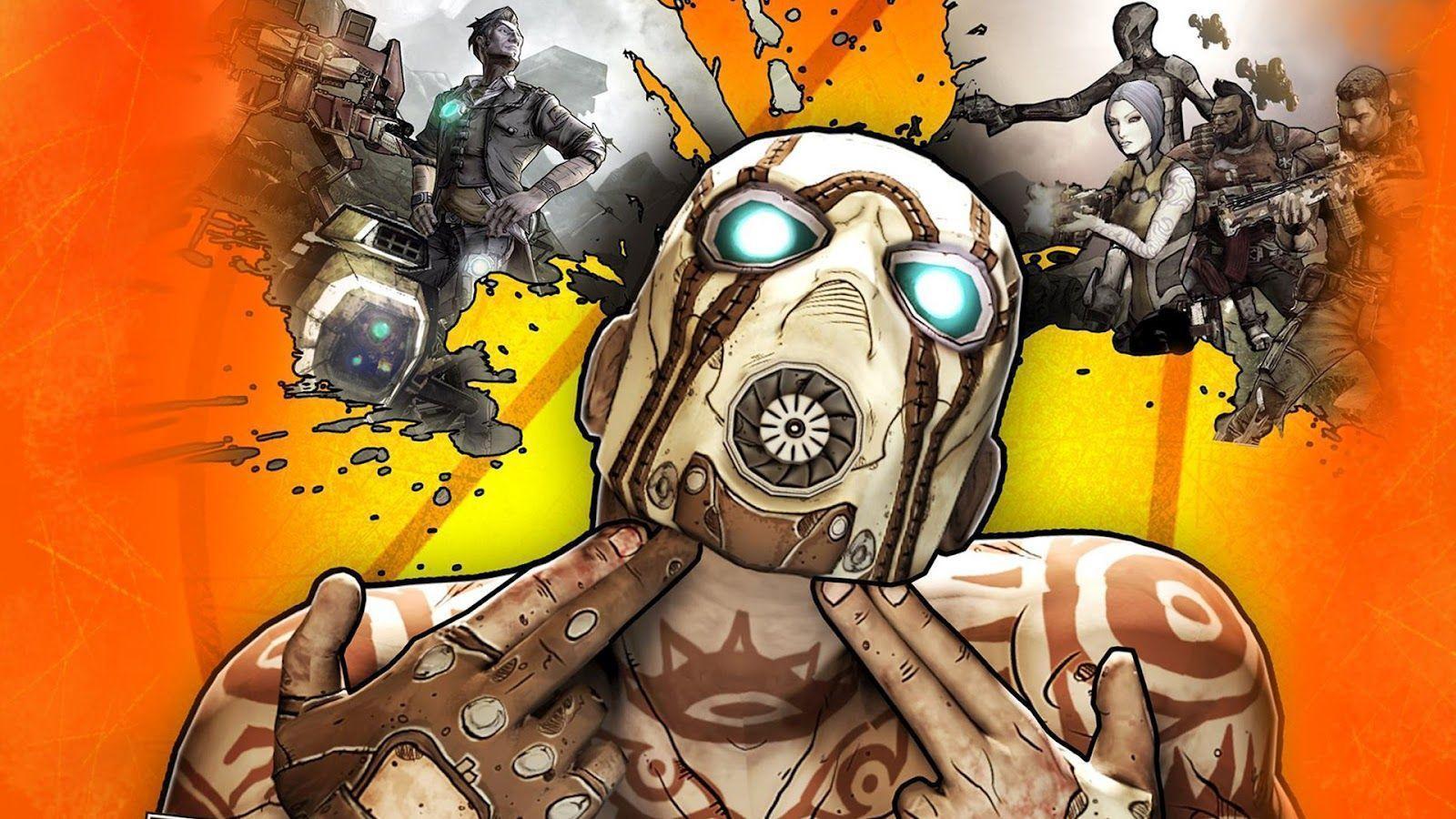
Vault Hunters can access Claptrap’s Secret Stash in the city of Sanctuary to trade weapons between different save files. The storage locker is limited in space but serves as the primary method for moving legendary guns from one character to another. You can farm a specific boss with your strongest character and hand the loot down to a fresh save. This system encourages players to start new playthroughs with the advantage of powerful equipment unlocked by previous heroes.
‘Terraria’ (2011)
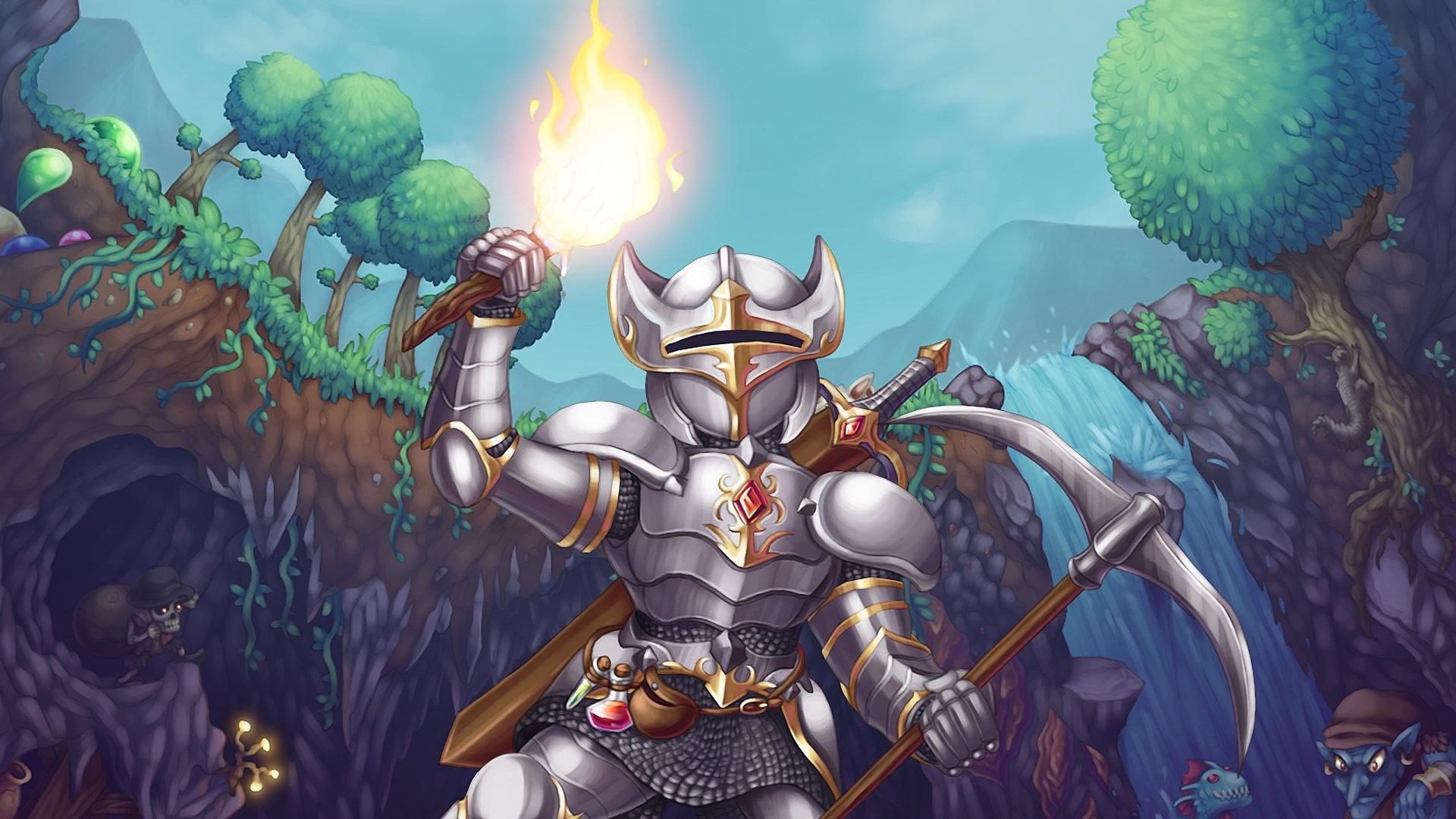
Your character is saved separately from the world file which allows you to take your inventory into any map you generate. You can fill your pockets with rare materials in an established world and bring them into a brand new game to get a head start. This mechanic enables players to scavenge resources from multiple worlds to build a single massive base. The freedom to move characters between save files makes item collection and trading incredibly fluid.
‘Destiny 2’ (2017)
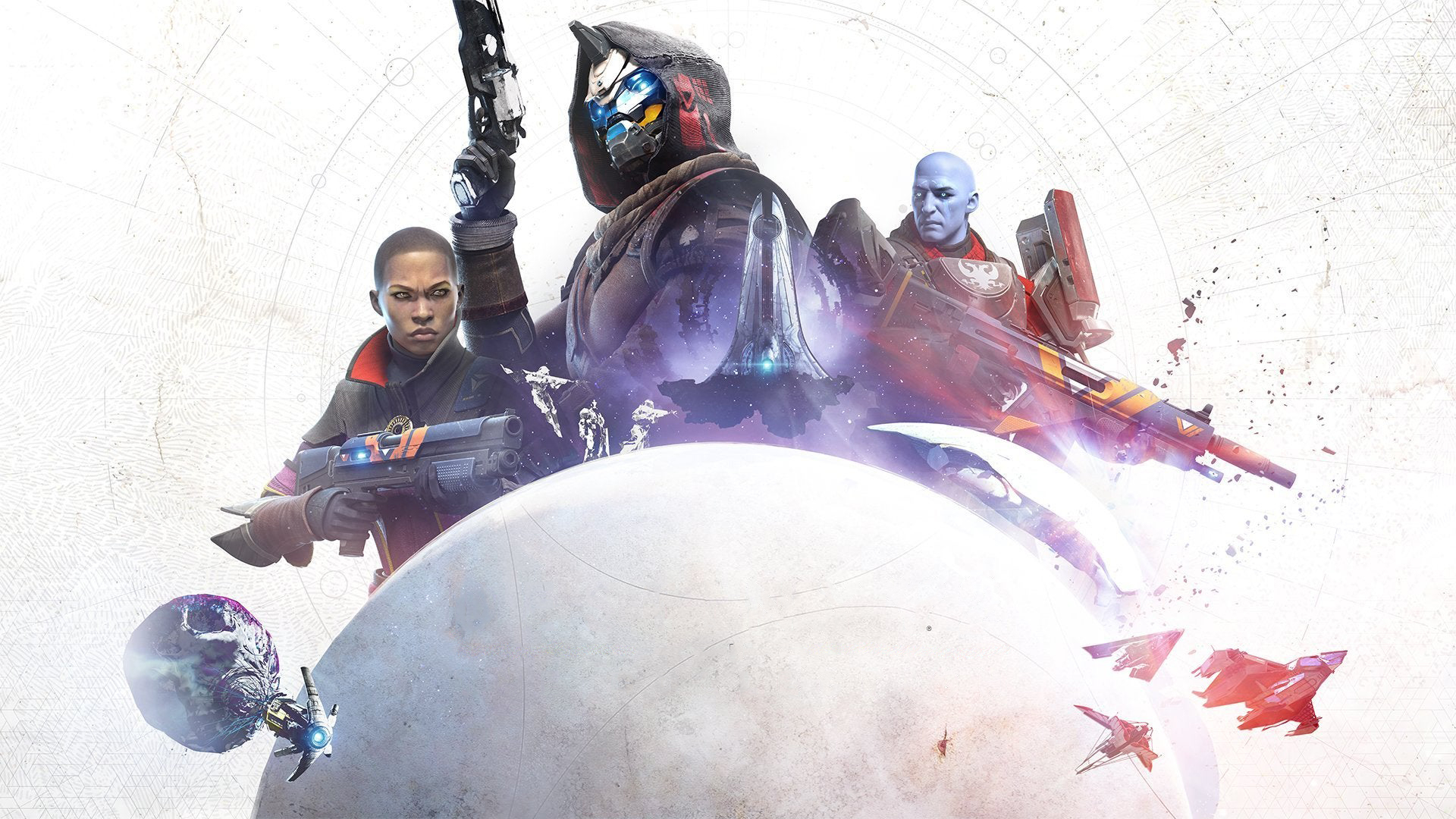
The Vault system in the Tower acts as a central hub where all your Guardians can deposit and withdraw equipment. You can transfer powerful weapons from your Hunter to your Titan as long as they meet the level requirements. This shared inventory management is crucial for efficient leveling and engaging in end-game activities with multiple classes. Applications on mobile devices even allow you to move items between characters while you are away from the console.
‘Path of Exile’ (2013)

This action RPG features a stash that is shared across all characters within the same league. You can find a valuable skill gem or unique weapon with one character and leave it in the chest for another to use. The extensive currency system relies on this shared storage to let players accumulate wealth across their entire account. It fosters a playstyle where every drop has potential value for future builds or alternate characters.
‘Torchlight II’ (2012)
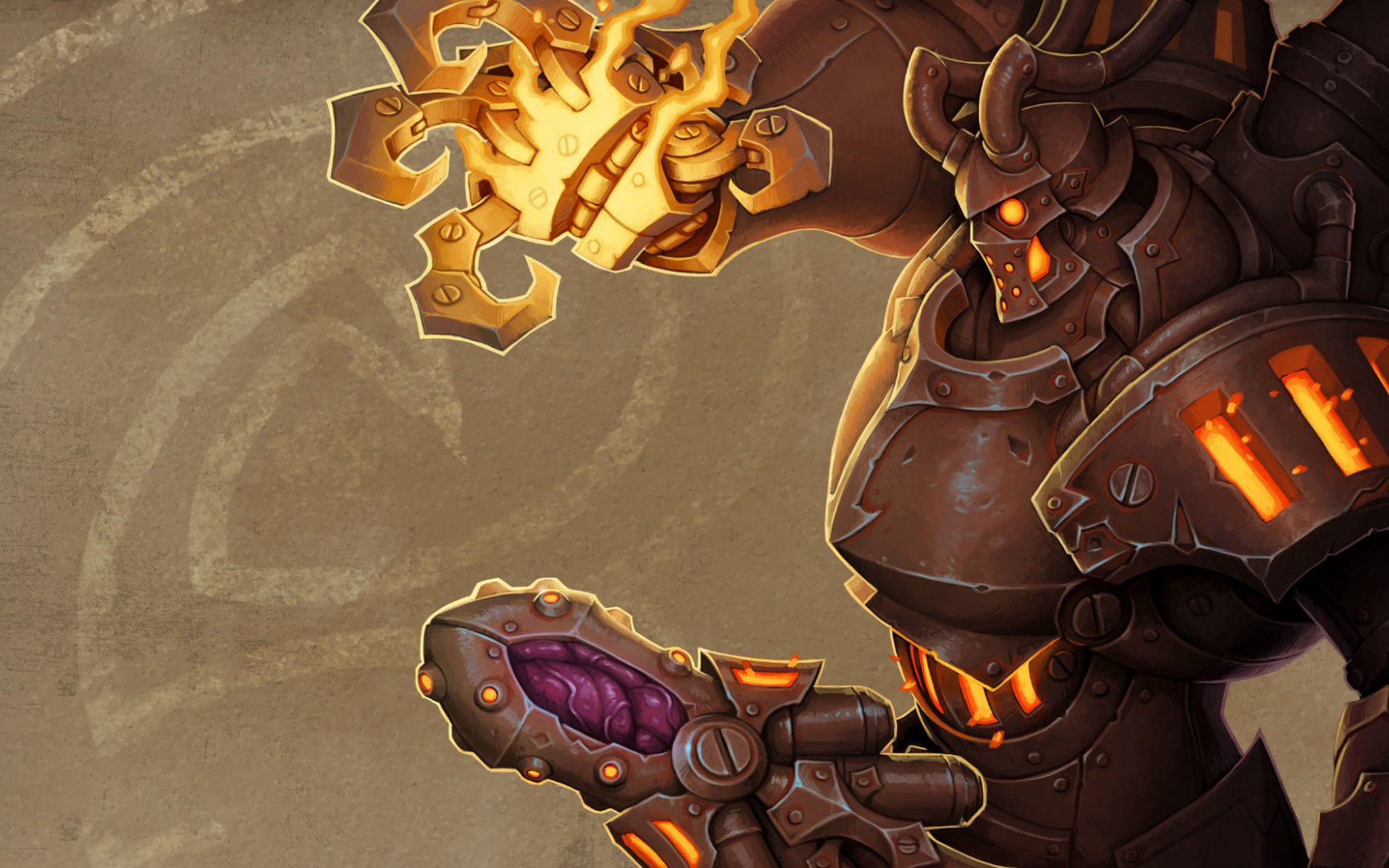
Runic Games implemented a dedicated shared chest in every major town to facilitate trading between your own characters. You can deposit armor sets and magical gems that are not useful for your current class but perfect for another. This system ensures that rare loot is never wasted simply because it dropped for the wrong hero. The shared stash is large enough to accommodate a significant collection of goods for your entire roster.
‘Grim Dawn’ (2016)
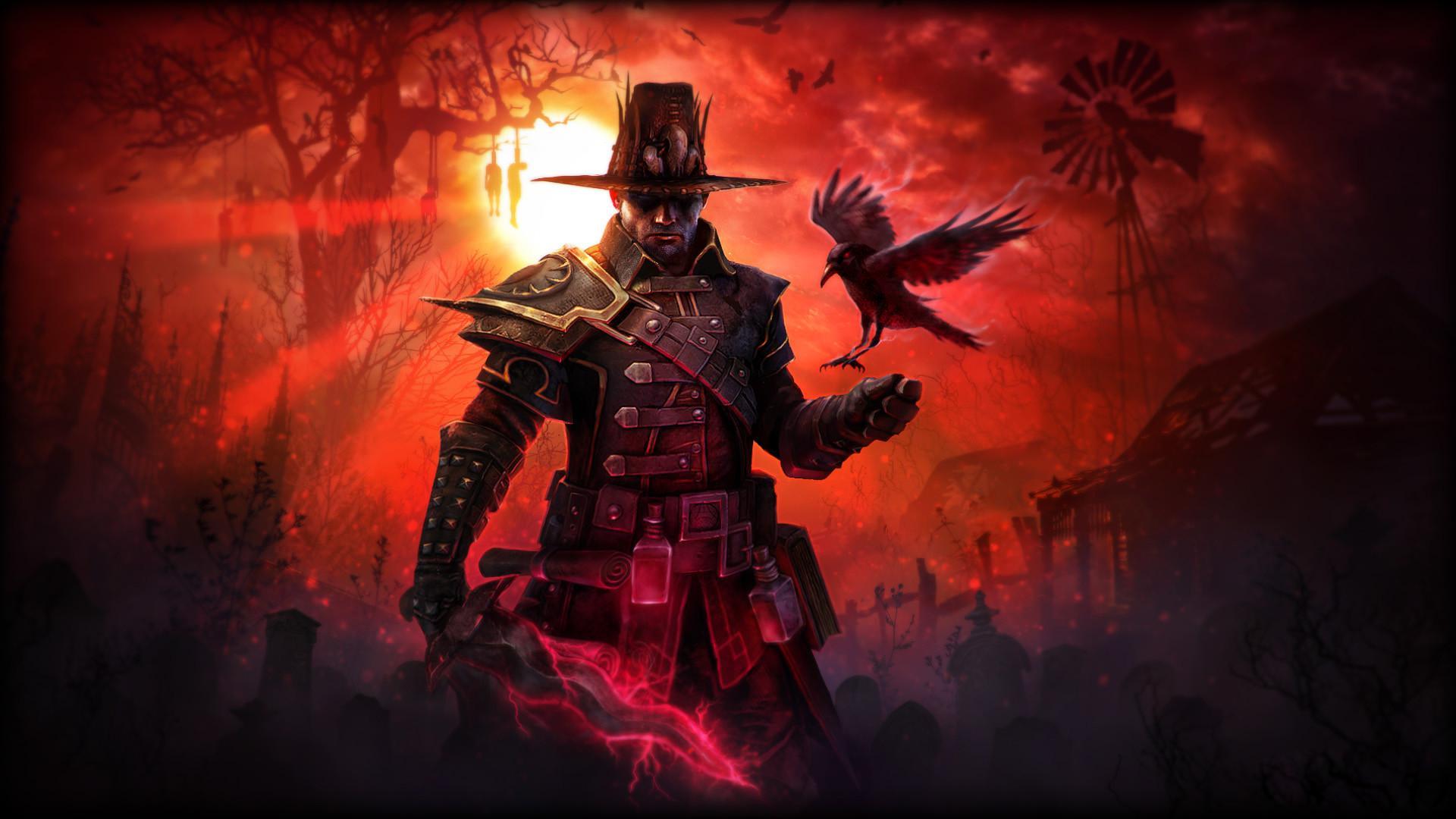
The smuggler in Devil’s Crossing provides a service to transfer items between characters using a shared stash interface. You can unlock additional storage tabs by spending in-game iron bits to expand your capacity for loot. This feature is vital for collecting complete legendary sets that often require multiple playthroughs to assemble. Players utilize the transfer system to craft specific builds by farming gear with their most efficient character first.
‘Pokemon Red’ (1996)
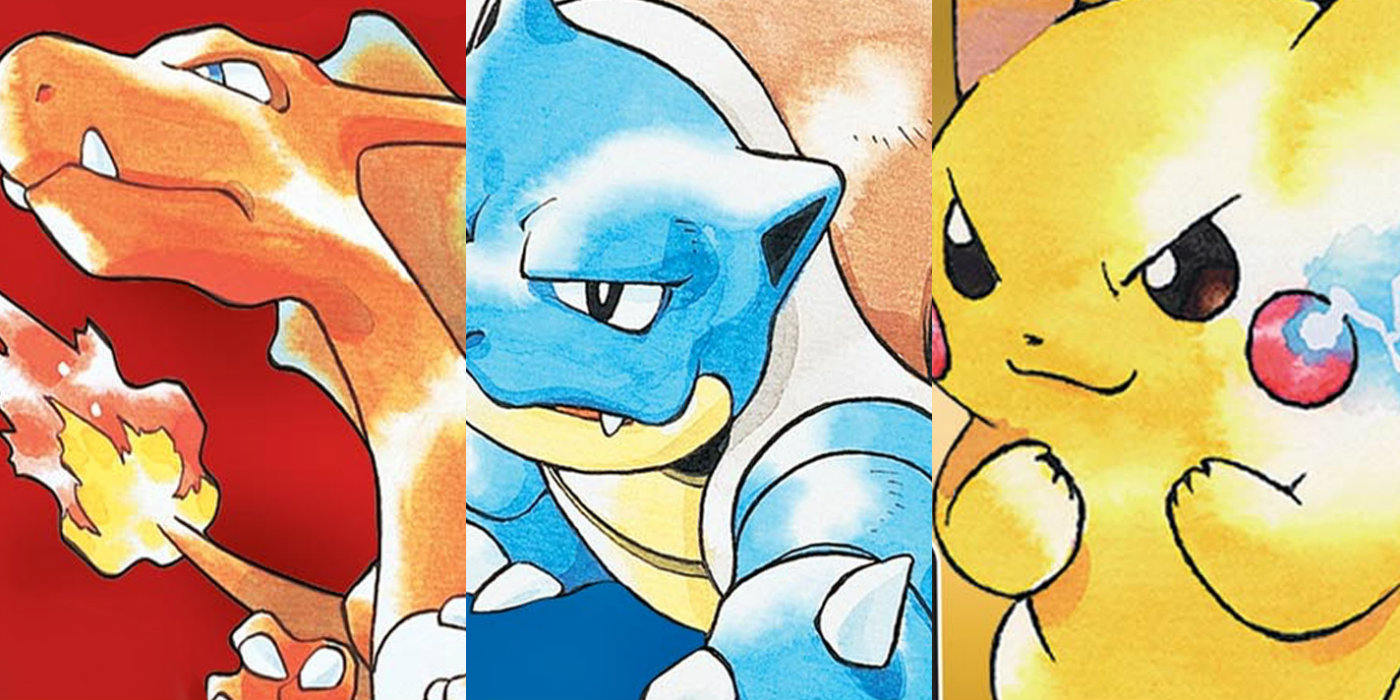
Game Freak revolutionized handheld gaming by allowing players to trade creatures between different cartridges using a link cable. You could trade a starter Pokemon from one save file to a friend and then have them trade it back to your new game. This method allowed a single player with two devices to complete the Pokedex or obtain all three starter Pokemon on one save. The entire franchise is built upon this fundamental concept of trading data between files.
‘Animal Crossing: New Horizons’ (2020)
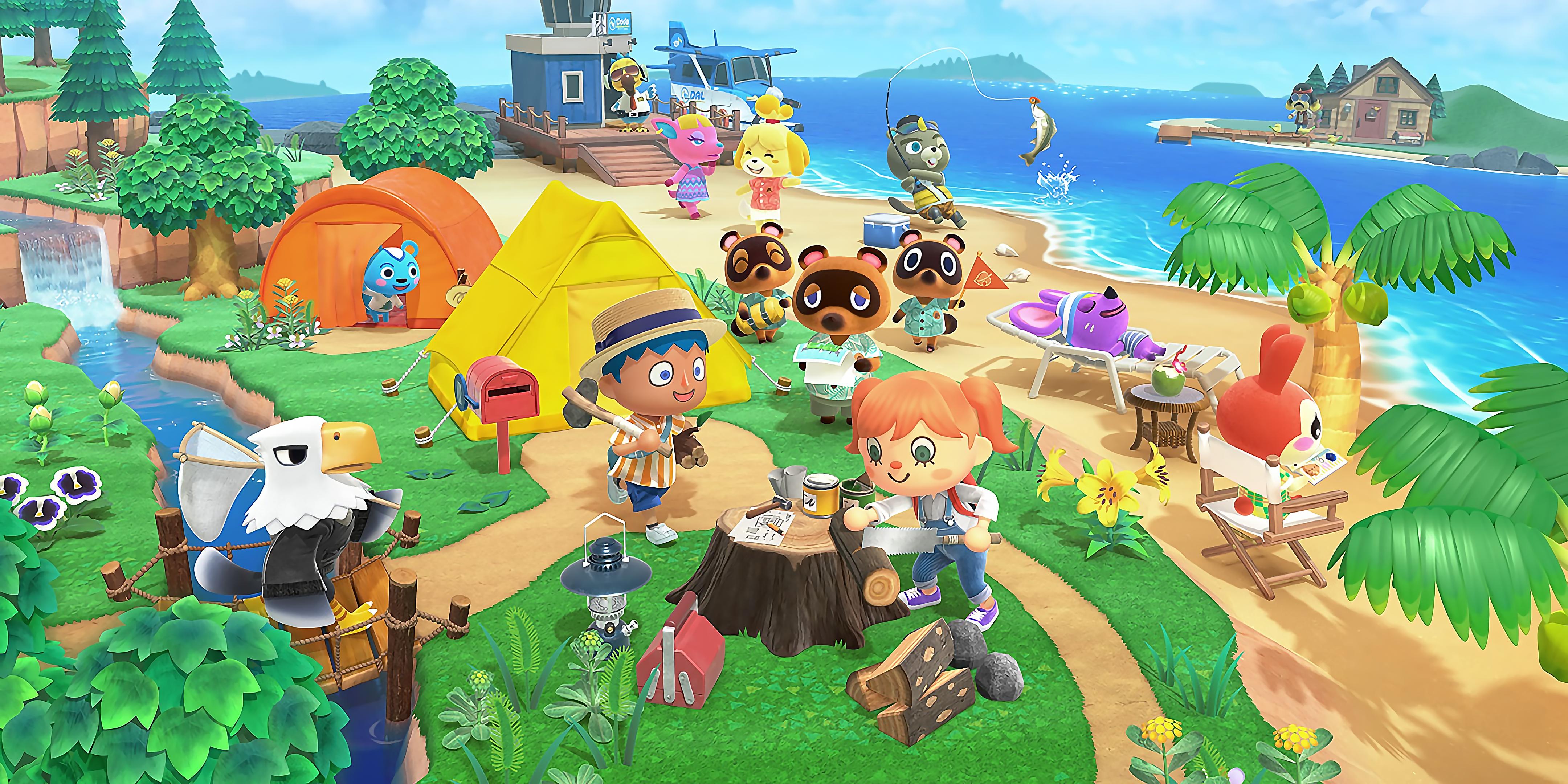
Players can visit the islands of other profiles or friends to drop items and trade furniture. You can load a secondary character on a separate Switch and travel to your main island to exchange resources. This mechanic allows for the transfer of fruits and bells between different save files to accelerate town growth. The game encourages visiting other towns to obtain items that are not native to your own specific save file.
‘Valheim’ (2021)
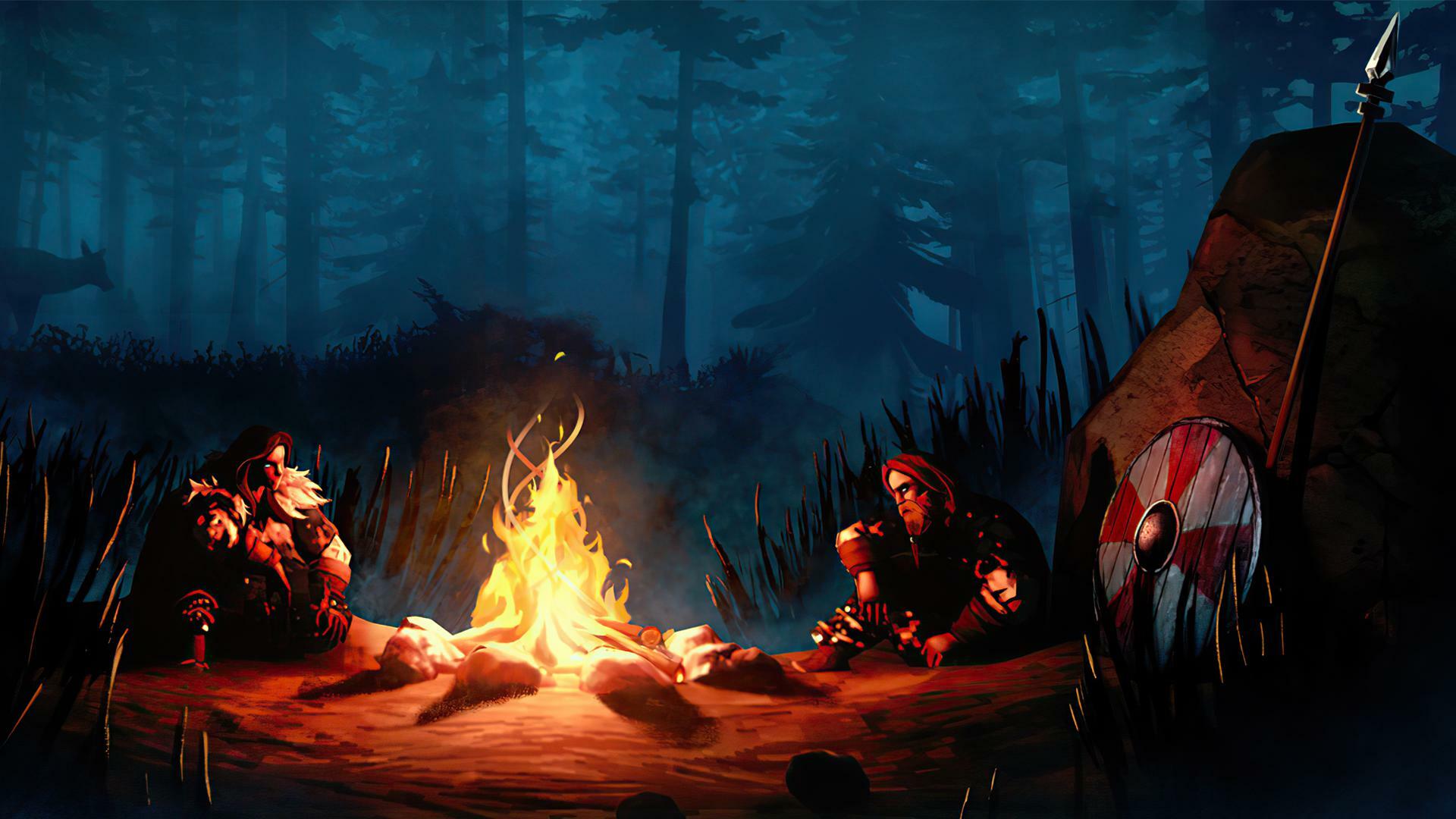
Your Viking character retains their inventory and stats regardless of which server or world seed they enter. You can mine iron and silver in a resource-rich world and transport it back to your main home base in a different save. This separation of character data and world data provides total freedom in how you manage your resources. It effectively turns your character inventory into a portable storage unit for trading across saves.
‘The Division 2’ (2019)
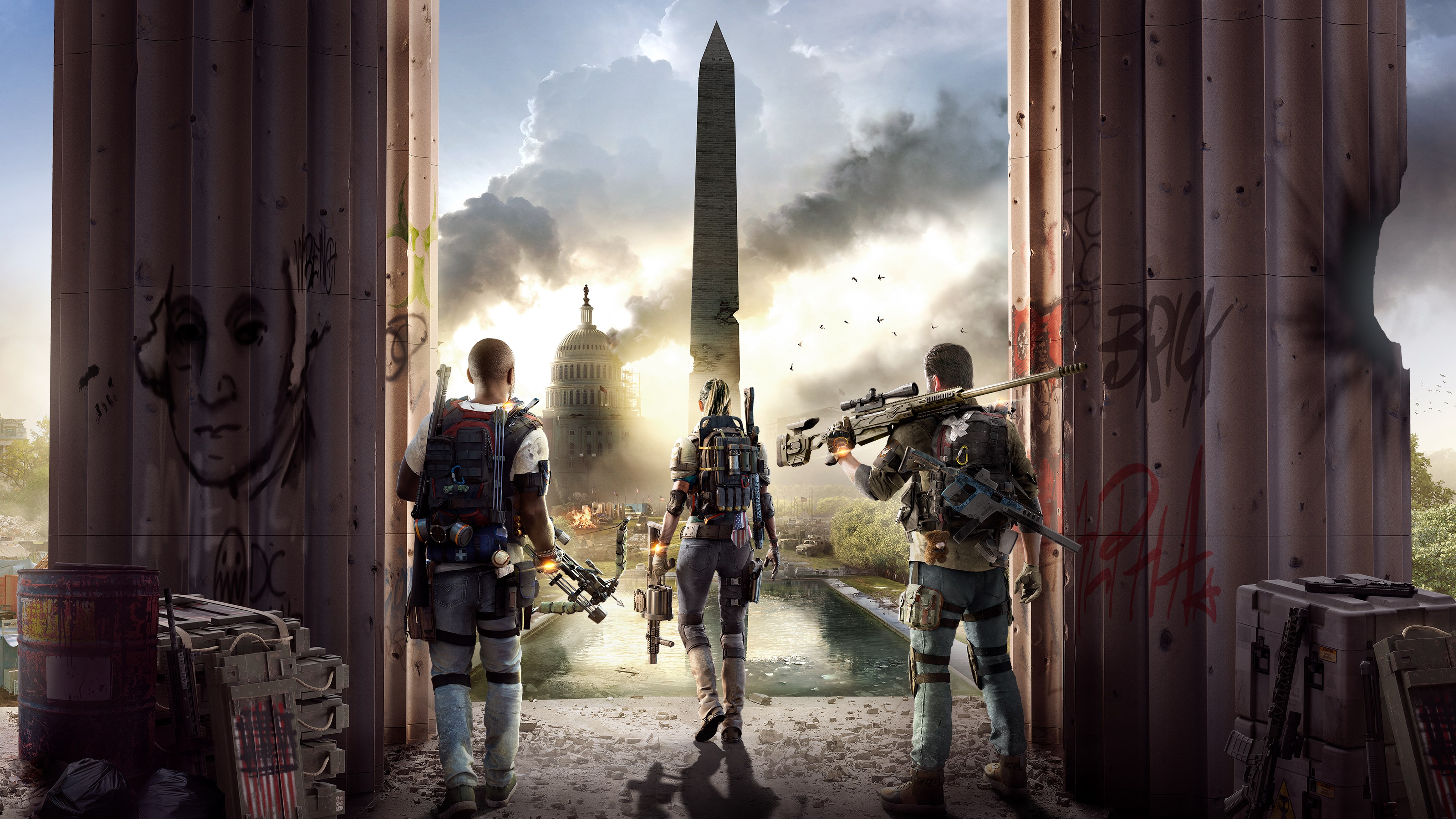
The Stash in the White House serves as a transfer point for weapons and gear across your entire account. You can loot high-end assault rifles with a max-level agent and save them for a new agent to use later. Blueprint unlocks are also account-wide which allows all your characters to craft the same powerful modifications. This system streamlines the progression for players who want to maintain multiple specialized agents.
‘World of Warcraft’ (2004)
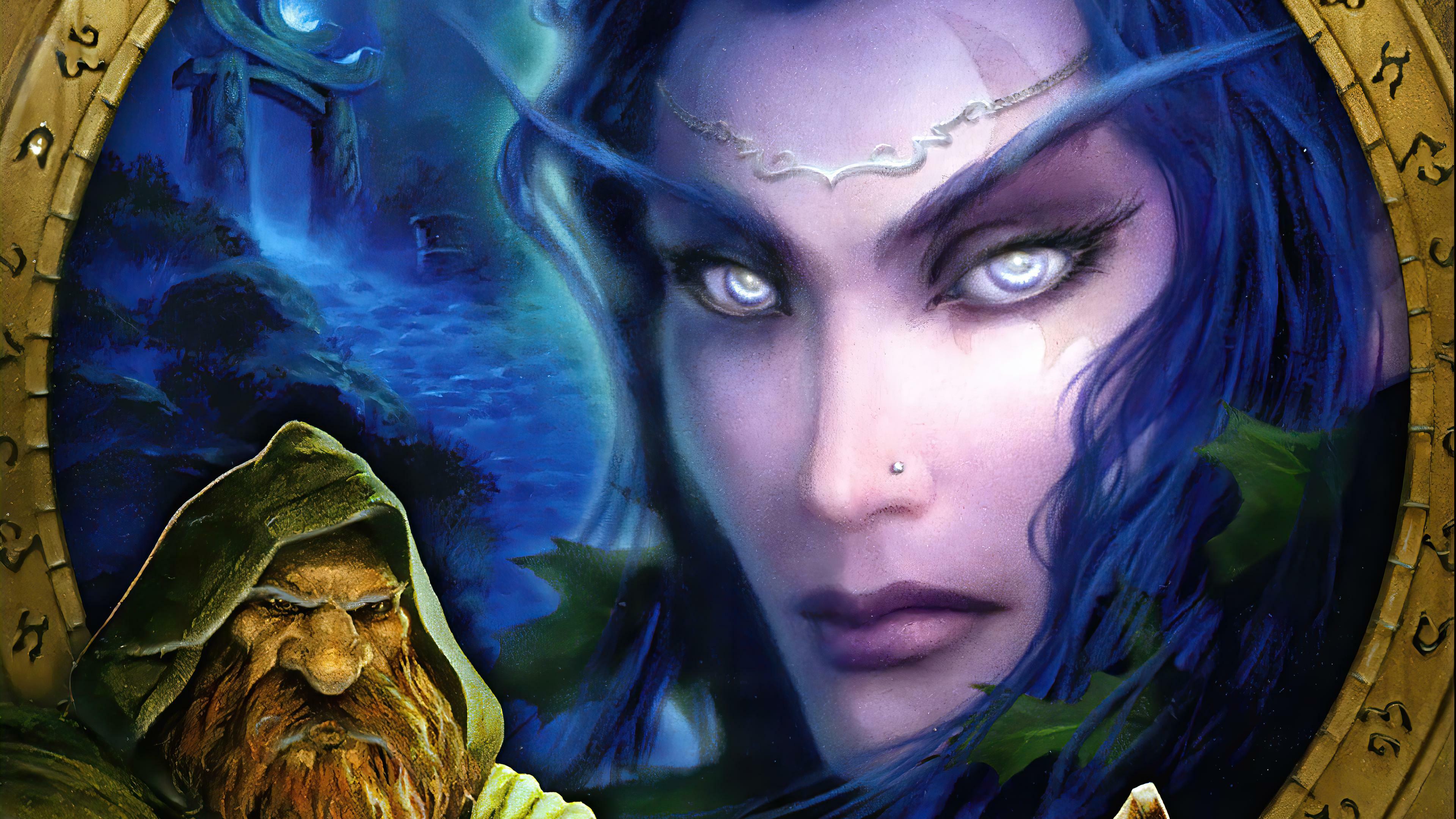
Blizzard allows players to mail gold and items between characters on the same server instantly. The introduction of the Warband Bank has further integrated inventory management across your entire account regardless of the realm. You can gather crafting materials on a gathering character and send them to your blacksmith for processing. This interconnected economy between save files is a staple of the massive multiplayer experience.
‘Elder Scrolls Online’ (2014)
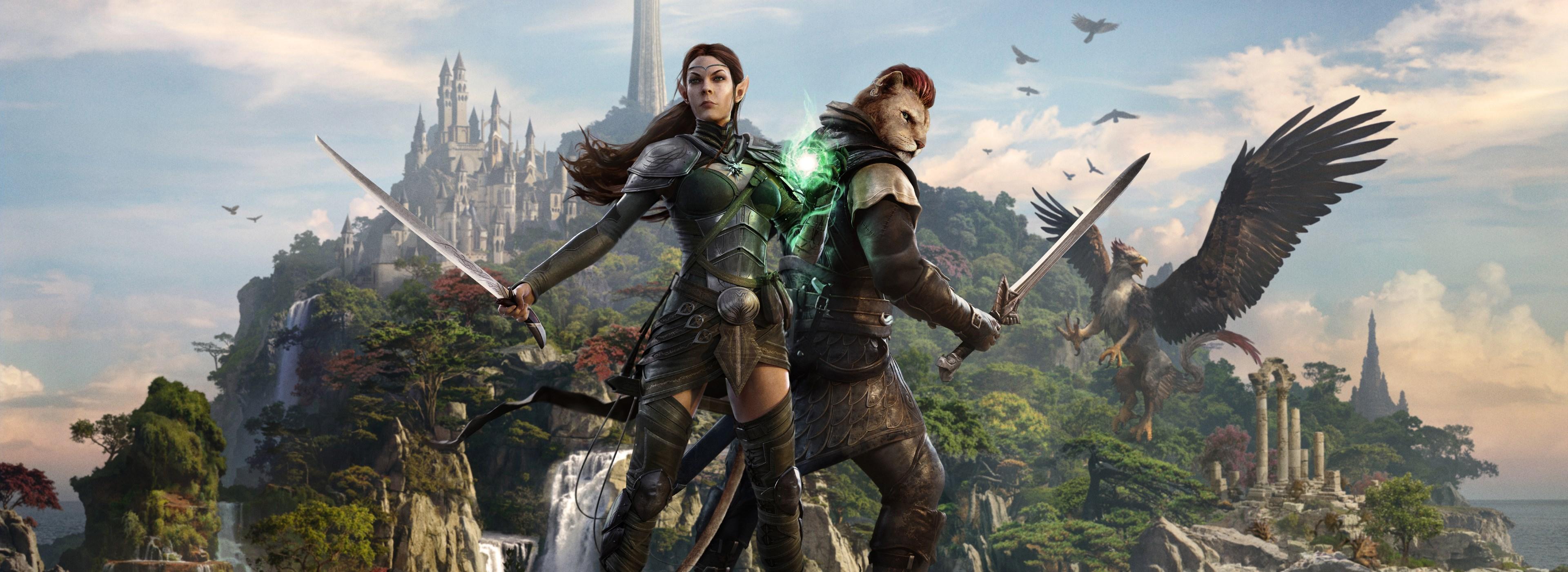
The bank system is shared across all characters on your account which allows for easy item swapping. You can deposit crafting motifs and materials into the bank for your alternate characters to withdraw and learn. This shared space is essential for managing the vast amount of loot found during your travels in Tamriel. Plus membership doubles this bank space to make managing inventory across multiple saves even easier.
‘Guild Wars 2’ (2012)
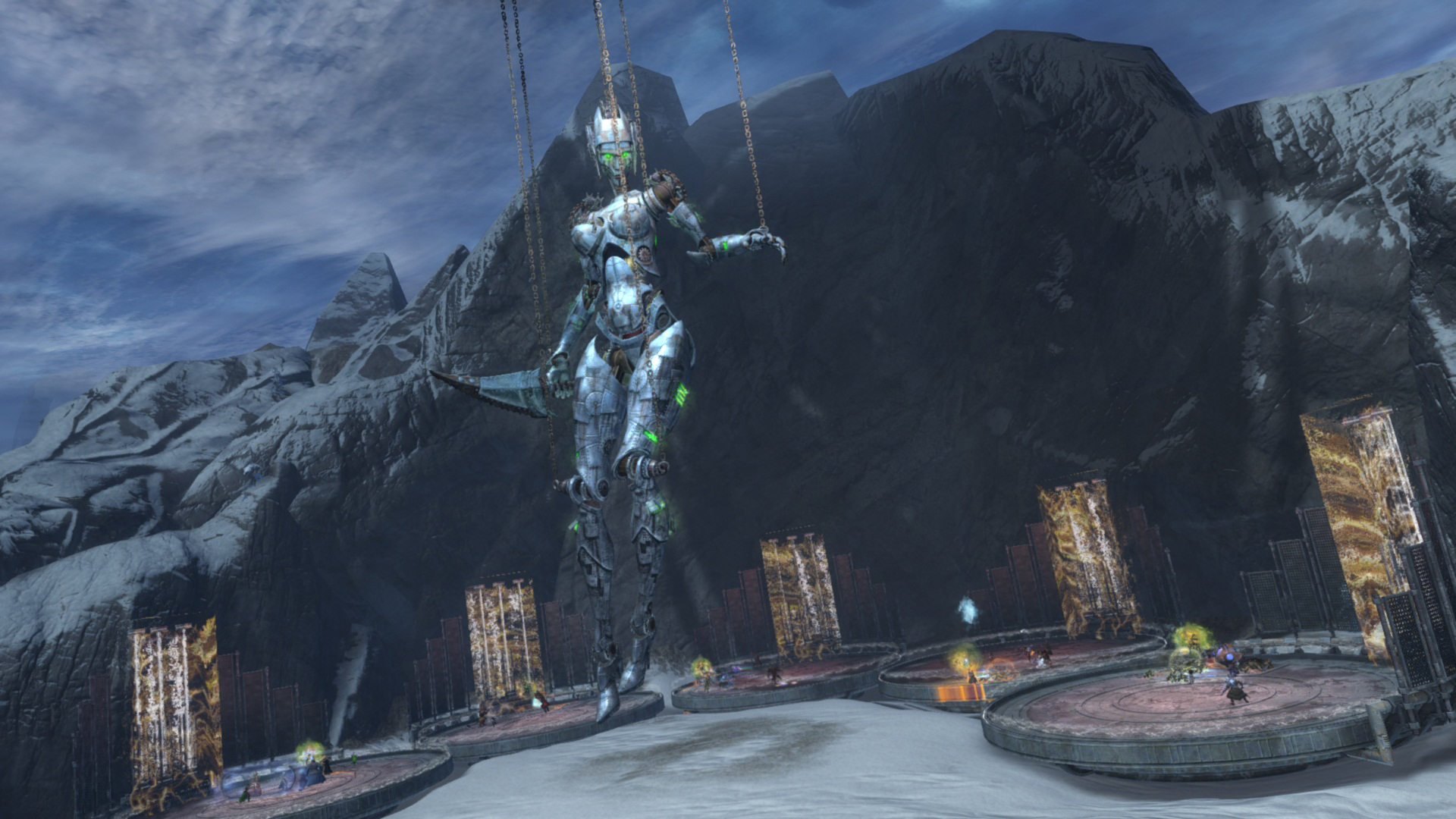
The account vault allows all your characters to access a central storage system for transferring goods. You can store ascended armor and legendary weapons that are account-bound rather than character-bound. This flexibility lets you swap top-tier equipment between characters of the same weight class without penalty. The wallet system also shares currencies and dungeon tokens across your entire account automatically.
‘Borderlands 3’ (2019)

The Bank aboard Sanctuary III offers a massive amount of shared storage space for all your Vault Hunters. You can upgrade the capacity of this bank using cash to store hundreds of guns and class mods. This expanded storage is perfect for hoarders who want to keep every elemental variant of a legendary weapon. It makes starting a new character exciting because you have a treasure trove of gear waiting for you.
‘Diablo III’ (2012)
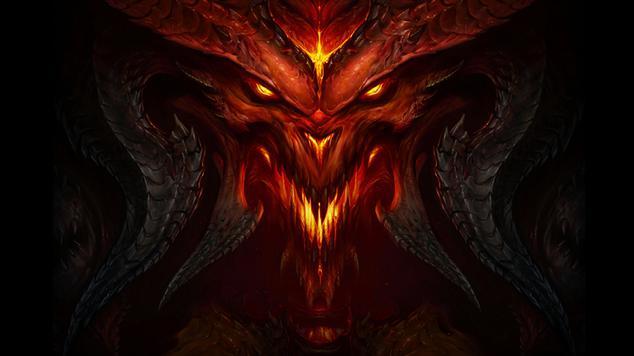
The shared stash and artisan progression mean that all your characters benefit from the work of your main hero. You can craft high-level gems and rings that have no level requirement to overpower your new characters early on. The game is designed to let you seamlessly switch between classes while maintaining your gathered wealth. Seasonal rewards are also shared which accelerates the leveling process for subsequent characters.
‘Diablo IV’ (2023)
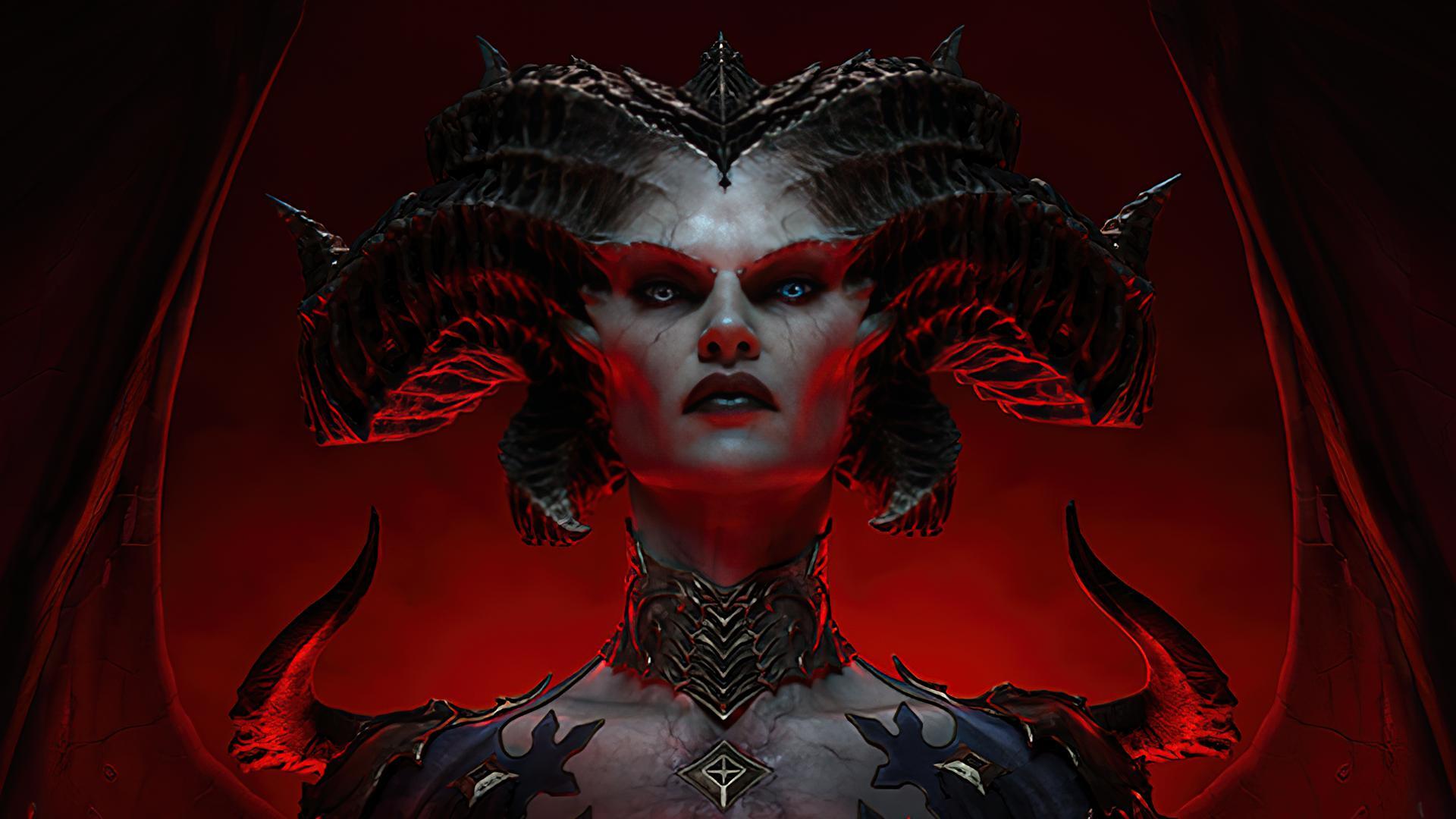
Blizzard continued the tradition of a shared stash that links the inventories of all your wanderers in Sanctuary. You can salvage unwanted legendary items for materials that are accessible to every character on the realm. The Codex of Power unlocks aspects for your entire account once you clear a dungeon for the first time. This interconnectivity ensures that your time spent exploring benefits every save file you create.
‘Titan Quest’ (2006)
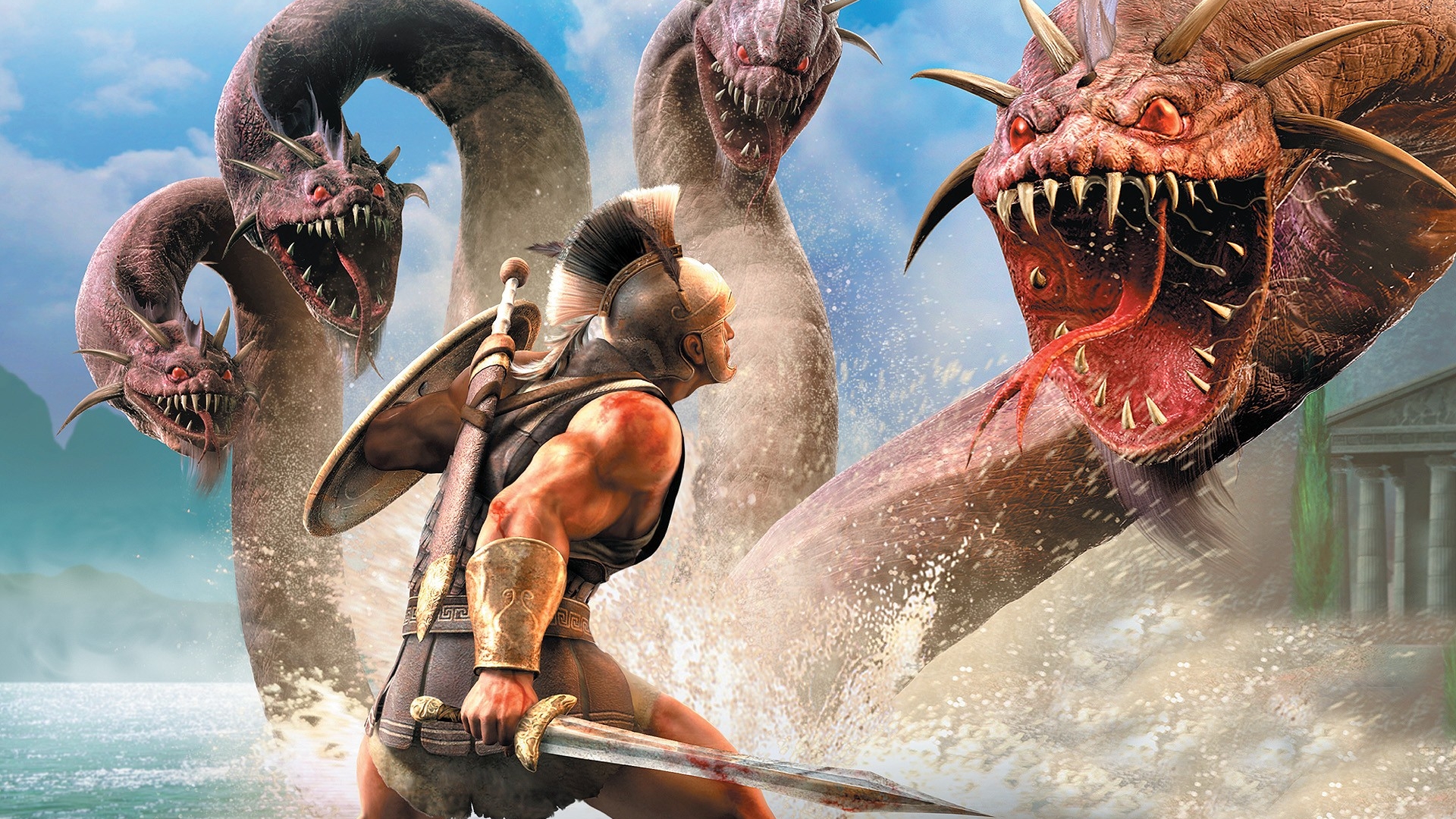
The caravan driver in each town acts as the transfer agent for your items between different heroes. You can pass powerful relics and monster charms to new characters to give them a significant combat advantage. This system is crucial for completing artifacts that require reagents found in different acts of the game. The transfer area simplifies the process of gearing up alt characters for higher difficulty settings.
‘Starbound’ (2016)
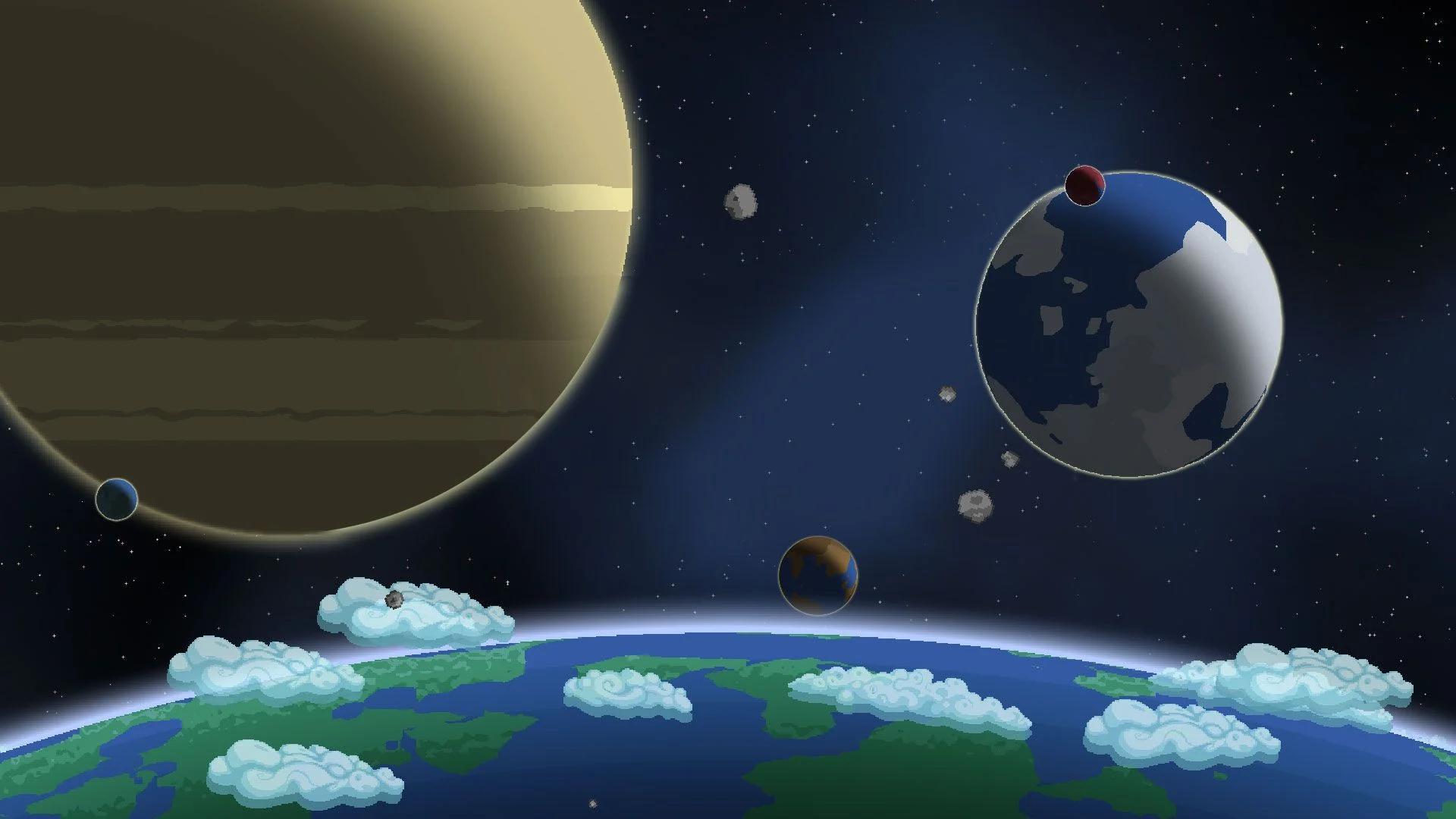
Characters can visit the same universe coordinates to access containers left by previous characters. You can build a storage facility on a specific planet and fill it with supplies for your other save files to loot. This persistence of the universe allows for complex trading networks between your own different playthroughs. It rewards exploration and base building by making your structures useful for every character you make.
‘Fallout 76’ (2018)
Players can transfer items between characters by using private worlds or trusted friends as intermediaries. You can place items in a world container on a private server and quickly switch characters to retrieve them. This method allows you to move ammo and legendary weapons to the character that needs them most. The introduction of account-wide unlockables has further bridged the gap between different save files.
‘Outriders’ (2021)
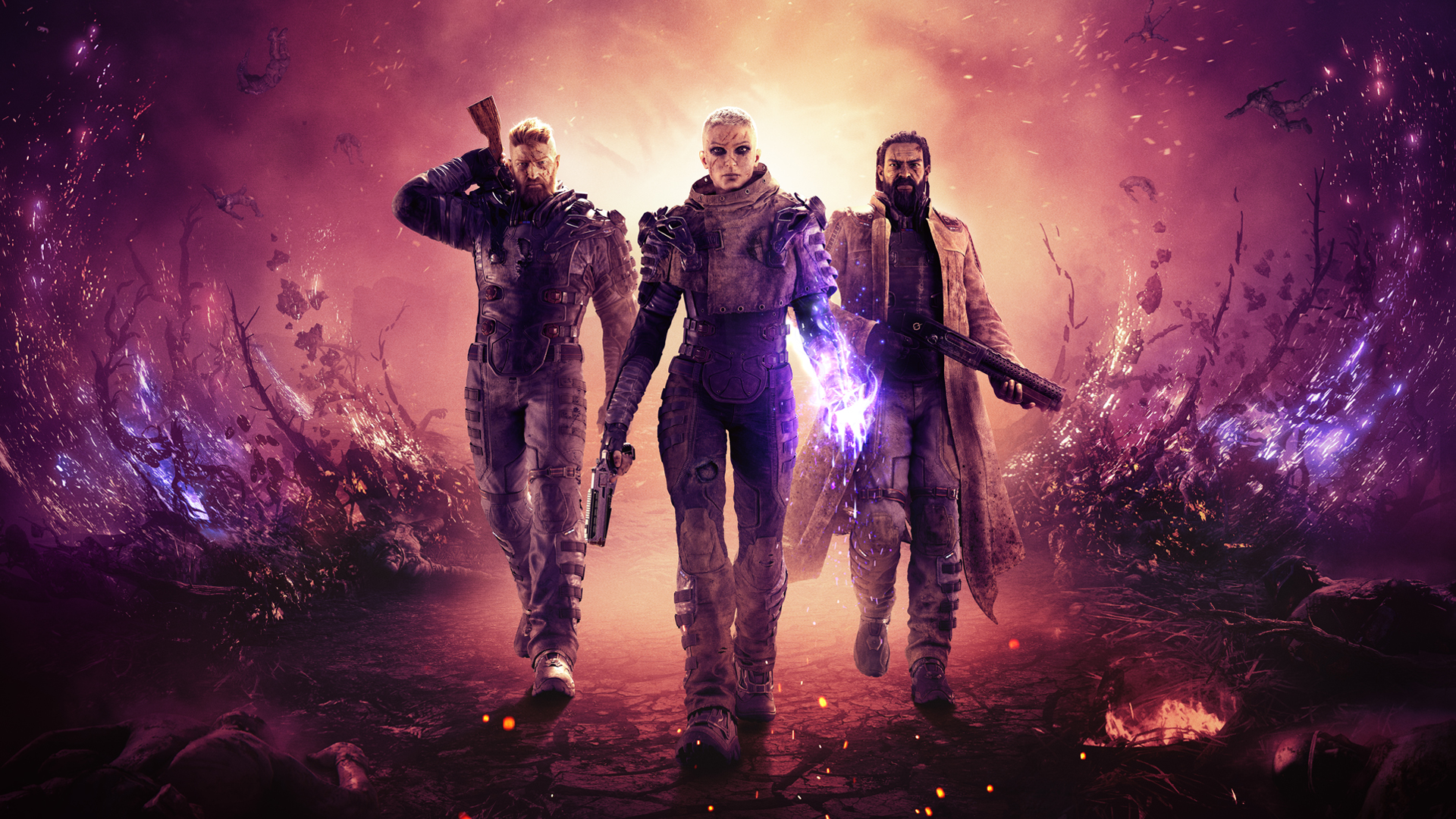
The stash box found in camps allows you to move weapons and armor between your different Altered characters. You can farm mods on a Trickster and transfer the gear to a Pyromancer to dismantle and learn the mod. This system is essential for filling out your modification library and crafting the perfect build. The shared resources make experimenting with new classes much less of a grind.
‘Last Epoch’ (2019)
The stash system is categorized by league and is fully shared among all characters in that mode. You can purchase many tabs and organize them with custom labels to sort loot for different classes. This organization is key for storing idols and affix shards that are universally useful. The game encourages you to pick up loot for other classes by giving you a safe place to store it.
‘Warframe’ (2013)
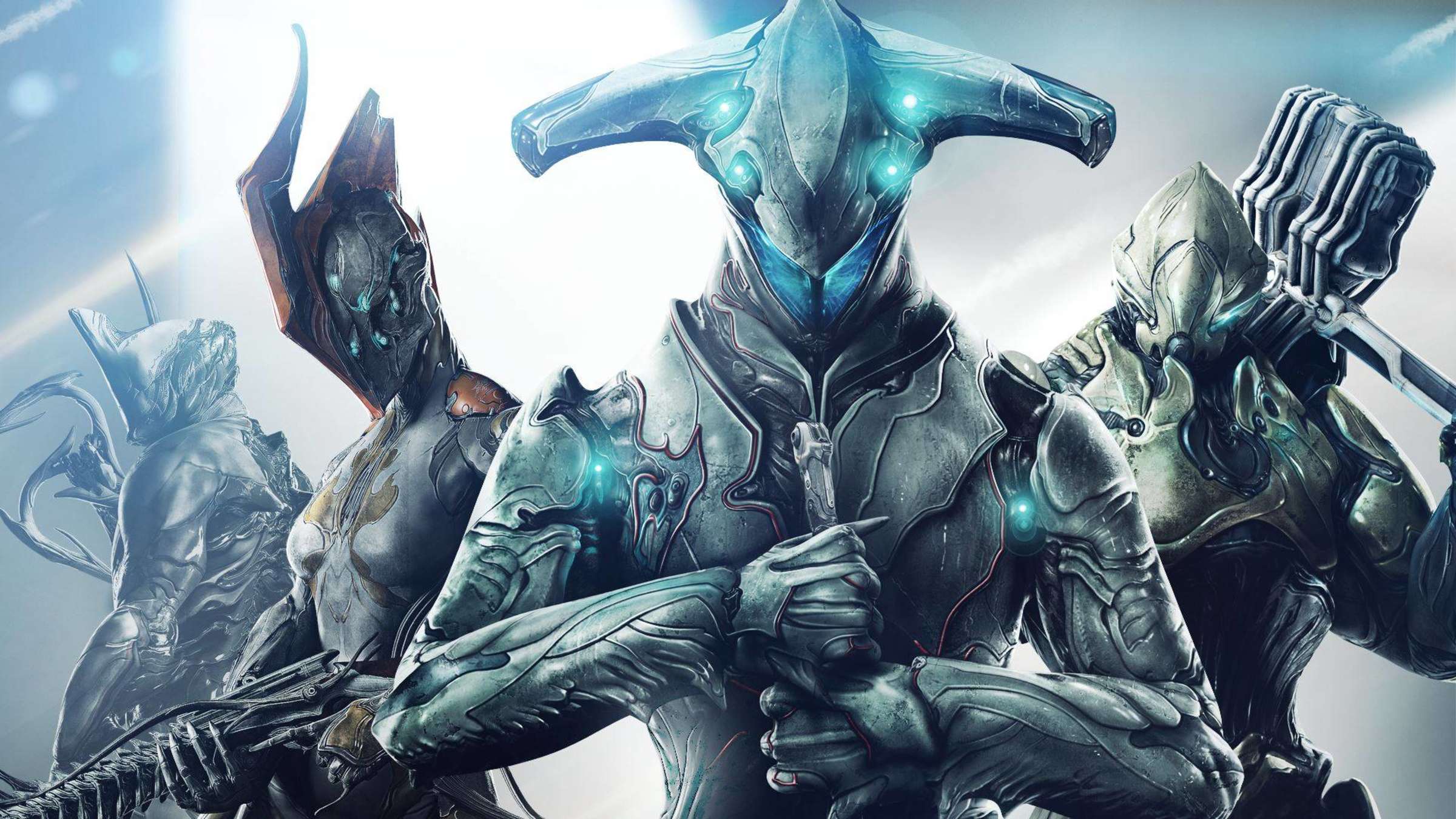
While you technically play as one operator you switch between different Warframes which act like different RPG classes. All weapons and mods are available to every Warframe you own without restriction. You can level up a rifle with one frame and immediately use it on a newly crafted frame. This unified inventory system makes the acquisition of new characters feel like an expansion rather than a reset.
‘Dragon’s Dogma: Dark Arisen’ (2013)
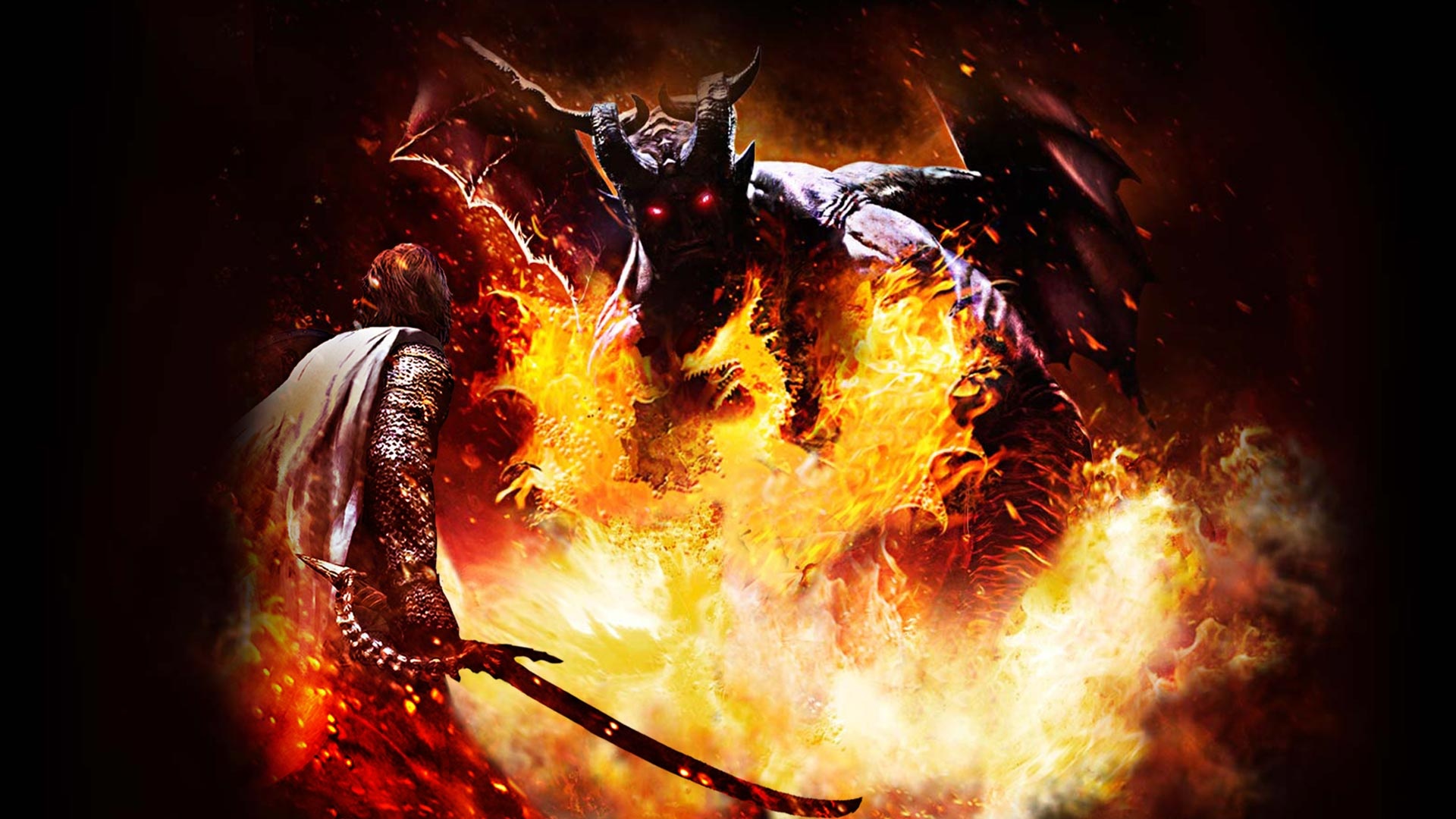
You can hire the Pawn of your alternate account to transfer items and equipment as gifts. When you release the Pawn back to its master you can equip it with new gear that carries over to the other save. This unique multiplayer mechanic doubles as a trading system between your own save files if you have two accounts. It provides a creative way to share resources and powerful items across playthroughs.
‘Nioh 2’ (2020)
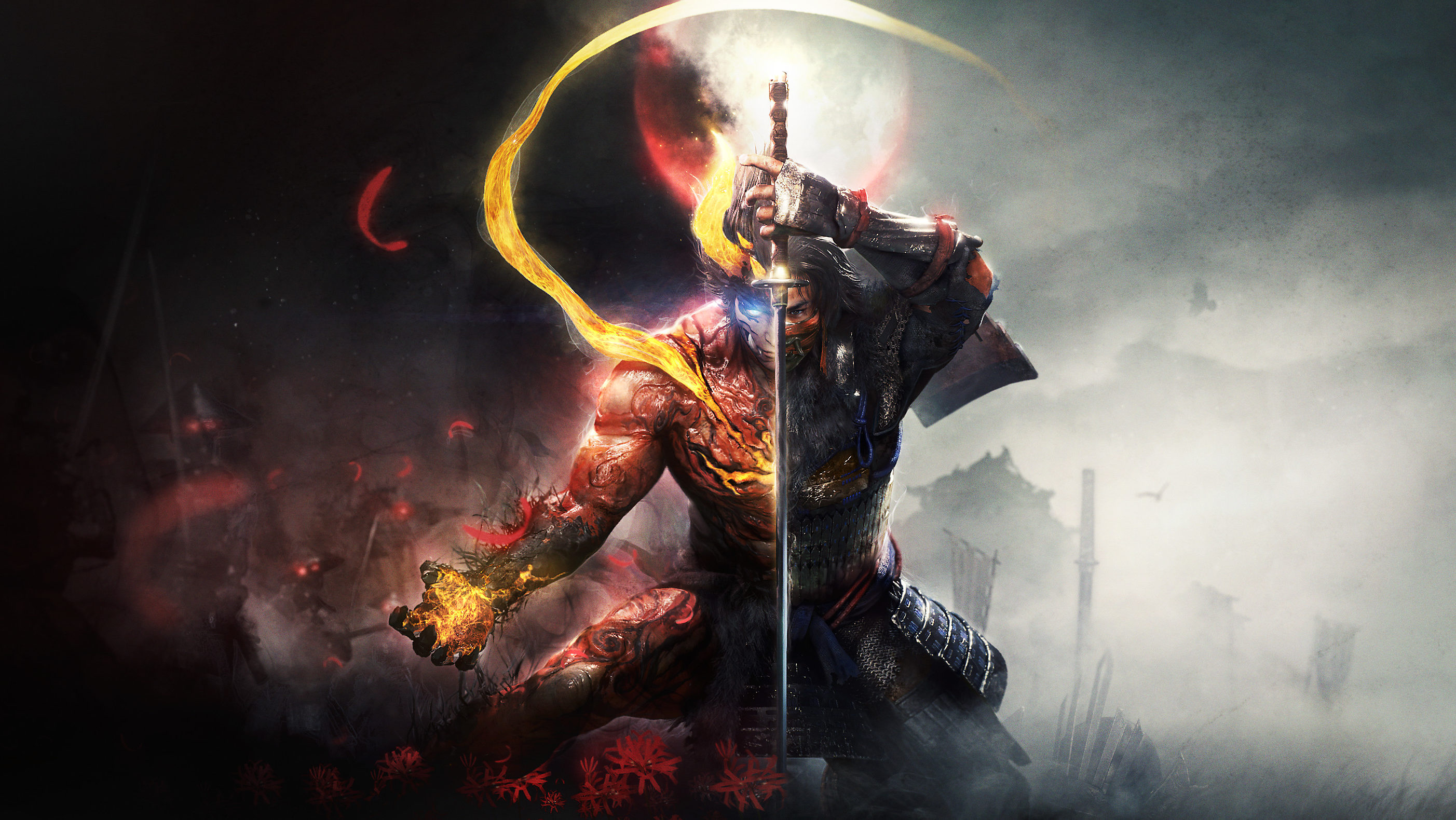
The Teahouse allows players to join a clan and access shared rewards that benefit their account. You can also use the Hidden Teahouse to store items that can be accessed across different play sessions. While direct equipment transfer is limited the glory points and clan bonuses are account-wide. This system provides passive benefits that help every character you create.
‘Salt and Sanctuary’ (2016)
Local co-op allows a second player to join your game using a character from a different save file. The second player can pick up items dropped by enemies or sold by merchants during the session. This mechanic effectively lets you mule items and progress between two different save slots. It brings the classic feeling of couch co-op trading to a challenging soulslike platformer.
‘Dead Island’ (2011)

Jin serves as a mobile storage unit where you can deposit weapons to be retrieved by other characters. You can store modified machetes and guns that are too high level for your current hero but perfect for another. This storage carries over between save files which allows for easy item swapping. It is a vital feature for preserving your best weapons when durability is a concern.
‘Dying Light’ (2015)

The player stash is accessible from safe zones and is shared across all save files on the same profile. You can stockpile medkits and crafting parts to help a new runner survive the night more easily. Rare orange-tier weapons found in the late game can be saved for future playthroughs. This shared inventory keeps the gameplay momentum going even when starting over.
‘Sacred 2: Fallen Angel’ (2008)
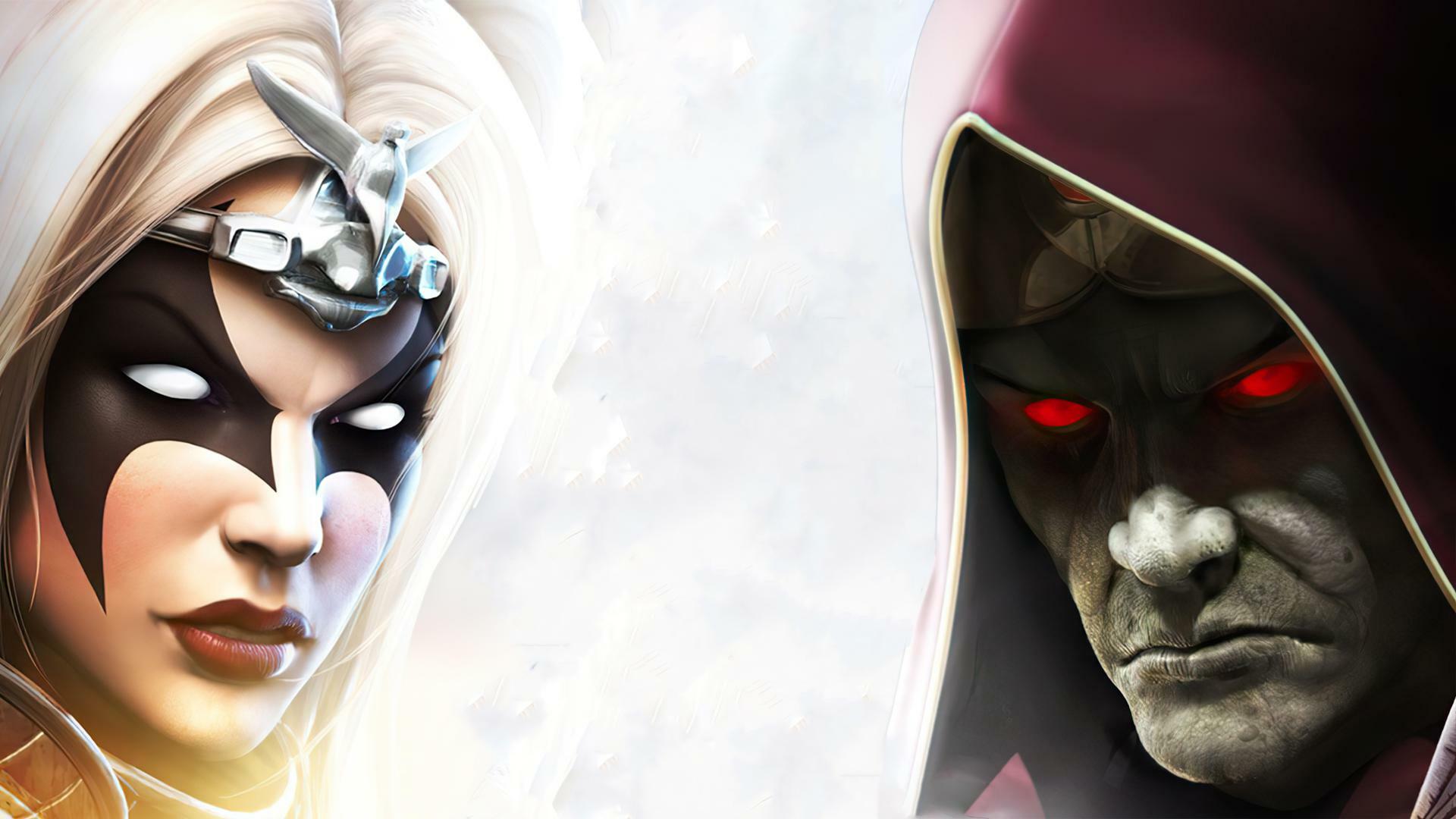
The hero chest is a magical storage unit that shares its contents between all characters on your account. You can transfer set items and potions to help your other heroes survive the vast open world. Blacksmithing runes can also be stored here to upgrade weapons for any of your characters. This feature supports the collection of class-specific loot that drops for the wrong character.
‘Dungeon Defenders’ (2011)
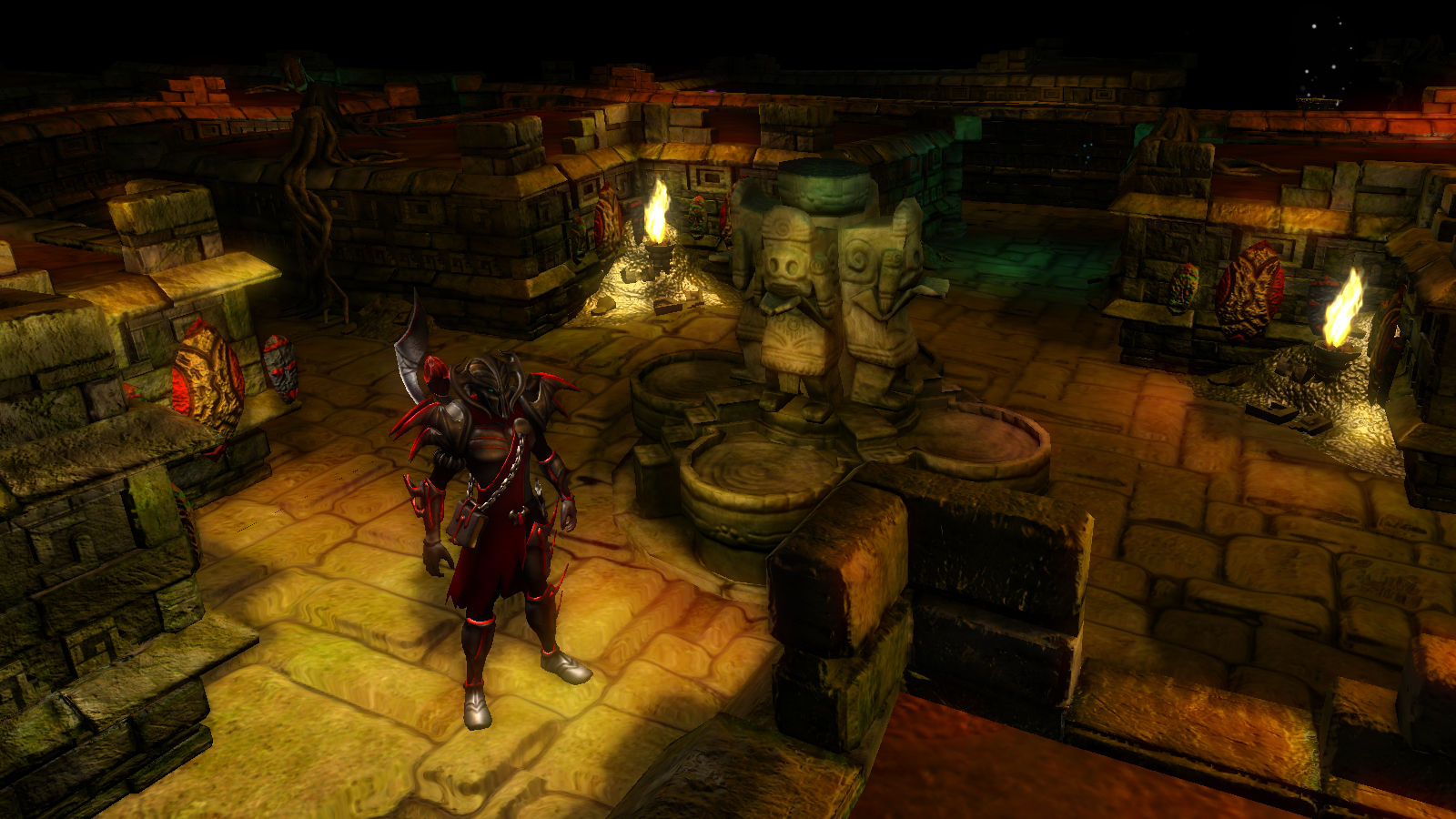
The Item Box is shared among all the heroes you create within your profile. You can swap between a Squire and an Apprentice between waves and they will access the same gear supply. This allows you to build defenses with one class and switch to another for combat while using the best gear for both. The game is designed around managing a roster of heroes with a unified inventory.
‘Realm of the Mad God’ (2011)
The Vault is a safe area where you can store potions and equipment that persists even after character death. Since death is permanent in this game the Vault is the only way to save progress for your next character. You can drink stat-increase potions from the Vault to instantly strengthen a level one wizard. This mechanic is the core loop of the game’s progression system.
‘Pokémon Gold’ (1999)
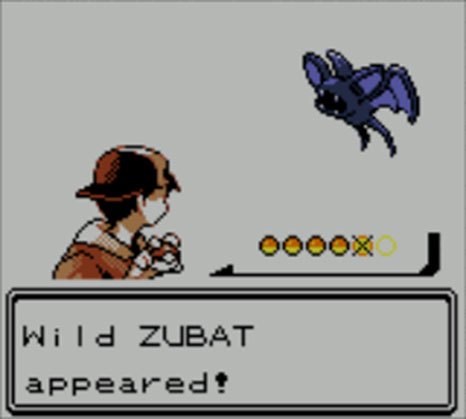
This sequel introduced the Time Capsule feature which allowed trading with the previous generation of games. You could trade Pokemon from the Kanto region save files into your Johto save file. This allowed players to bring their favorite team members from the past into the new adventure. It bridged the gap between save files on different hardware generations.
‘Pokémon Ruby’ (2002)

Trading between cartridges remained a staple feature for completing the Hoenn Pokedex. Players could link two Game Boy Advance systems to swap creatures between different versions. This was necessary to obtain version-exclusive Pokemon that did not appear in your own save file. The ability to trade items held by Pokemon added another layer of depth to the transfer system.
‘Fable II’ (2008)
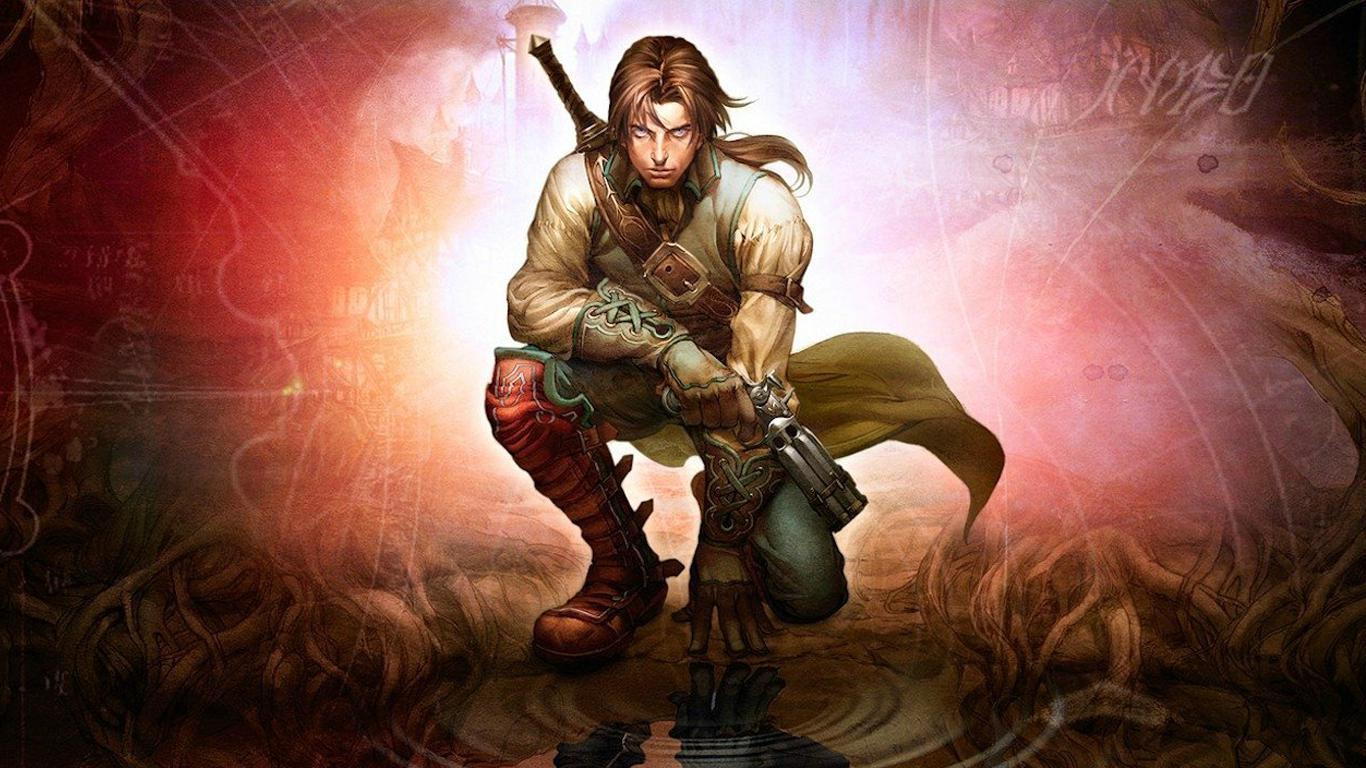
The co-op mode allows a second player to join your world and earn gold and experience. You can trade items and weapons between the host and the guest character during these sessions. This lets you move wealth and legendary weapons from a completed save file to a beginner file. The interaction is seamless and integrated directly into the gameplay camera.
‘Fable III’ (2010)
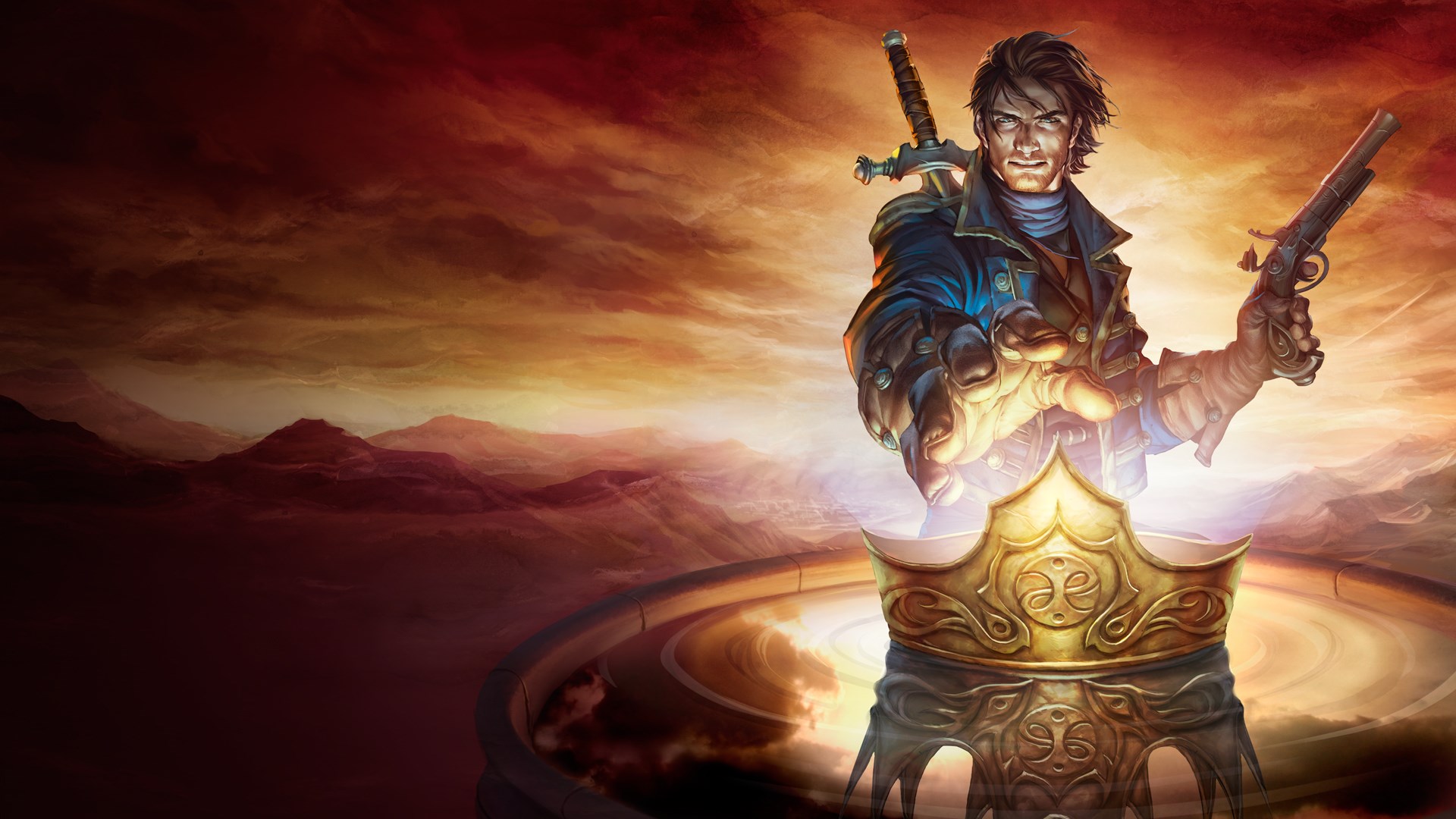
The Sanctuary acts as a hub where players can manage their inventory and interact with other players. You can join another player’s game and gift them gold or weapons from your own armory. This allows you to transfer assets between your different heroes by using a friend as a middleman. It makes the accumulation of property and gold feel significant for your entire account.
‘Final Fantasy XIV’ (2013)
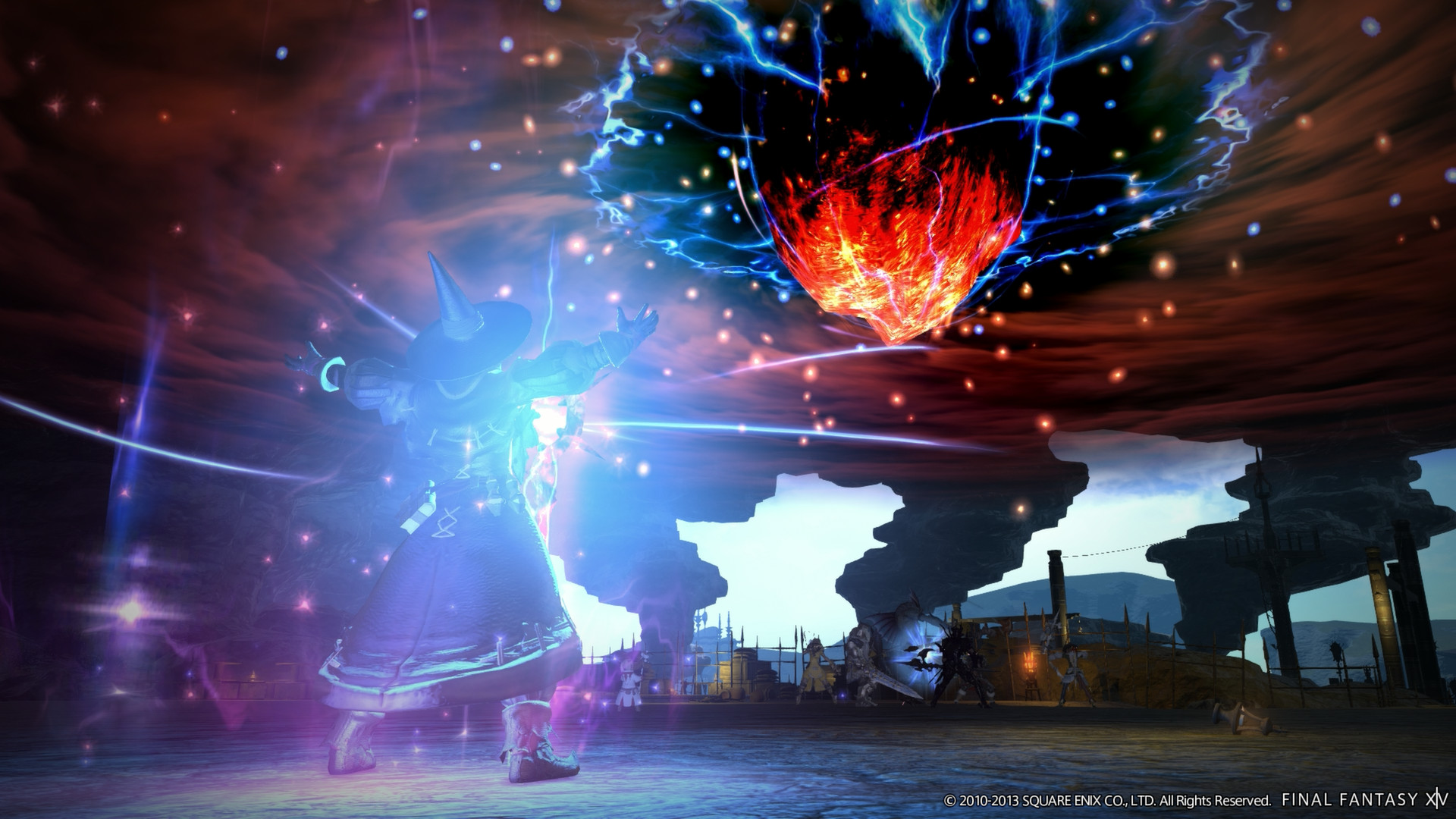
Retainers are NPCs that hold your excess inventory and can be accessed by your character. While items are generally character-bound you can mail tradeable items to friends who can mail them back to your alts. The game also features an account-wide glamour system for certain cosmetic items bought with real money. Managing inventory through retainers is a daily task for serious players.
‘Star Wars: The Old Republic’ (2011)
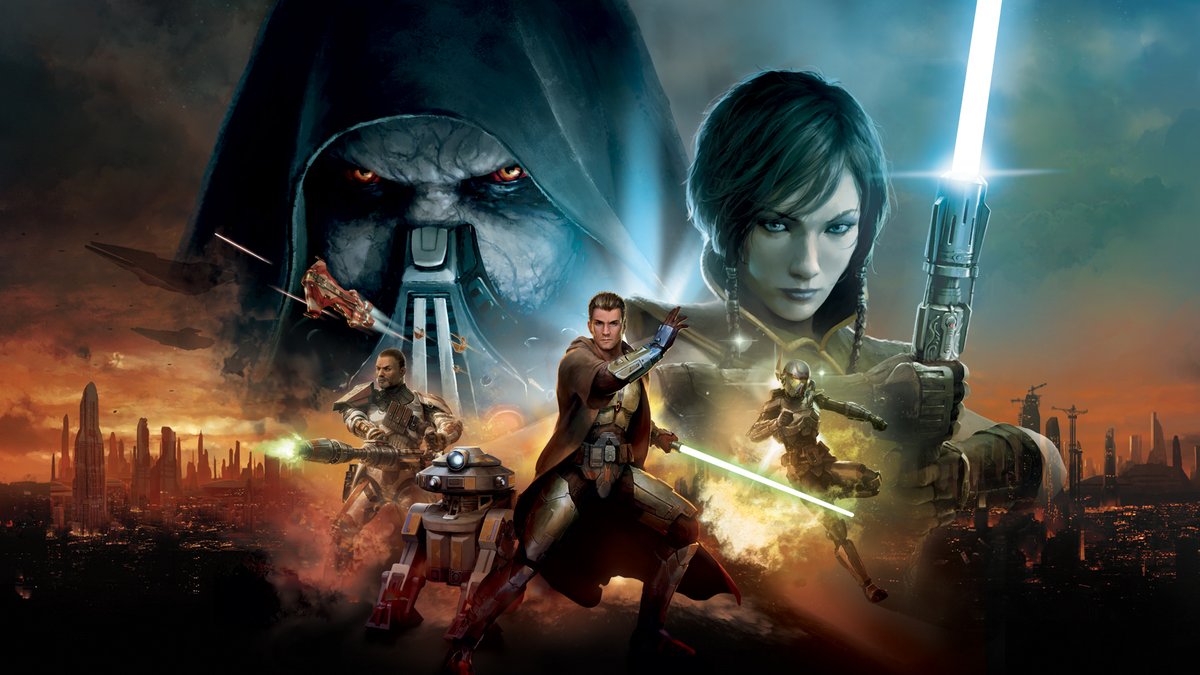
The Legacy system introduces a Stronghold storage that is shared by all characters in your Legacy. You can transfer credits and gear between your Sith and Jedi characters effortlessly. This system encourages you to play through all eight class stories by making resource sharing easy. Unlocking Legacy perks provides permanent bonuses to every save file on your server.
‘Torchlight III’ (2020)
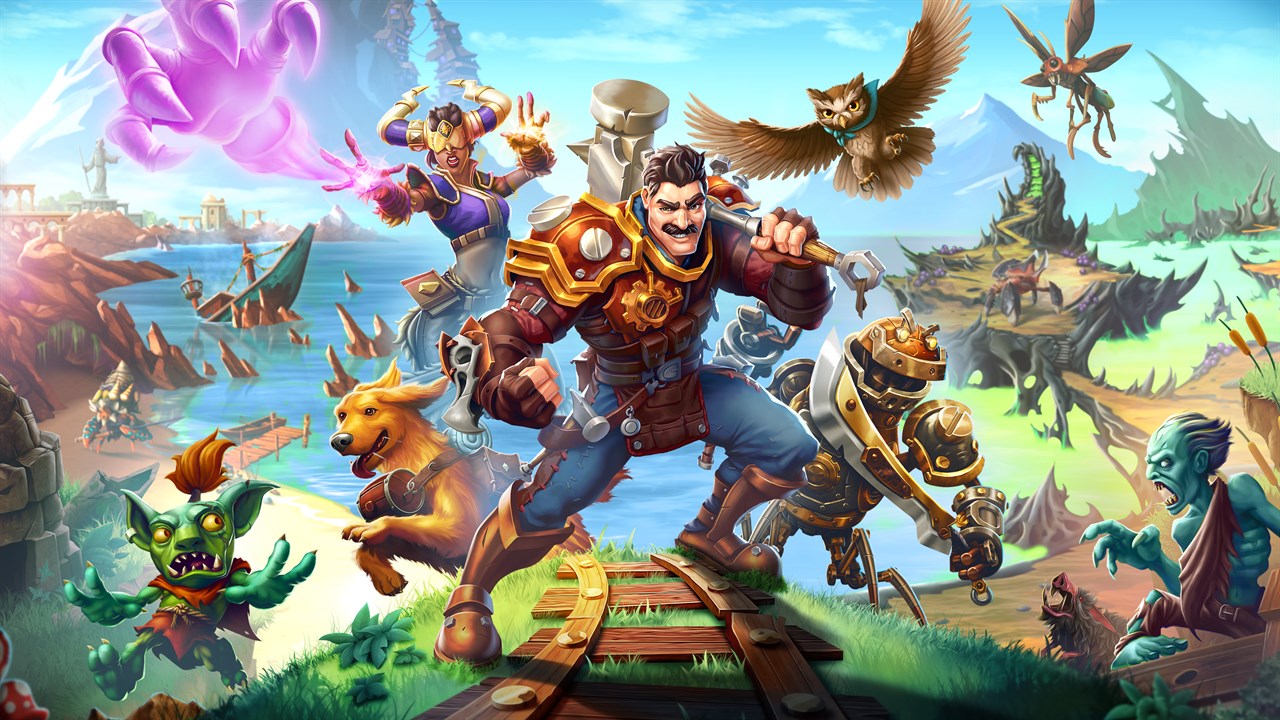
The shared fort system allows you to build structures that all your characters can visit and utilize. A shared stash box is available to transfer loot between your different classes. You can collect resources for fort building with one character and spend them on upgrades that benefit everyone. This unifies the progression of your account through a central base of operations.
‘Victor Vran’ (2015)
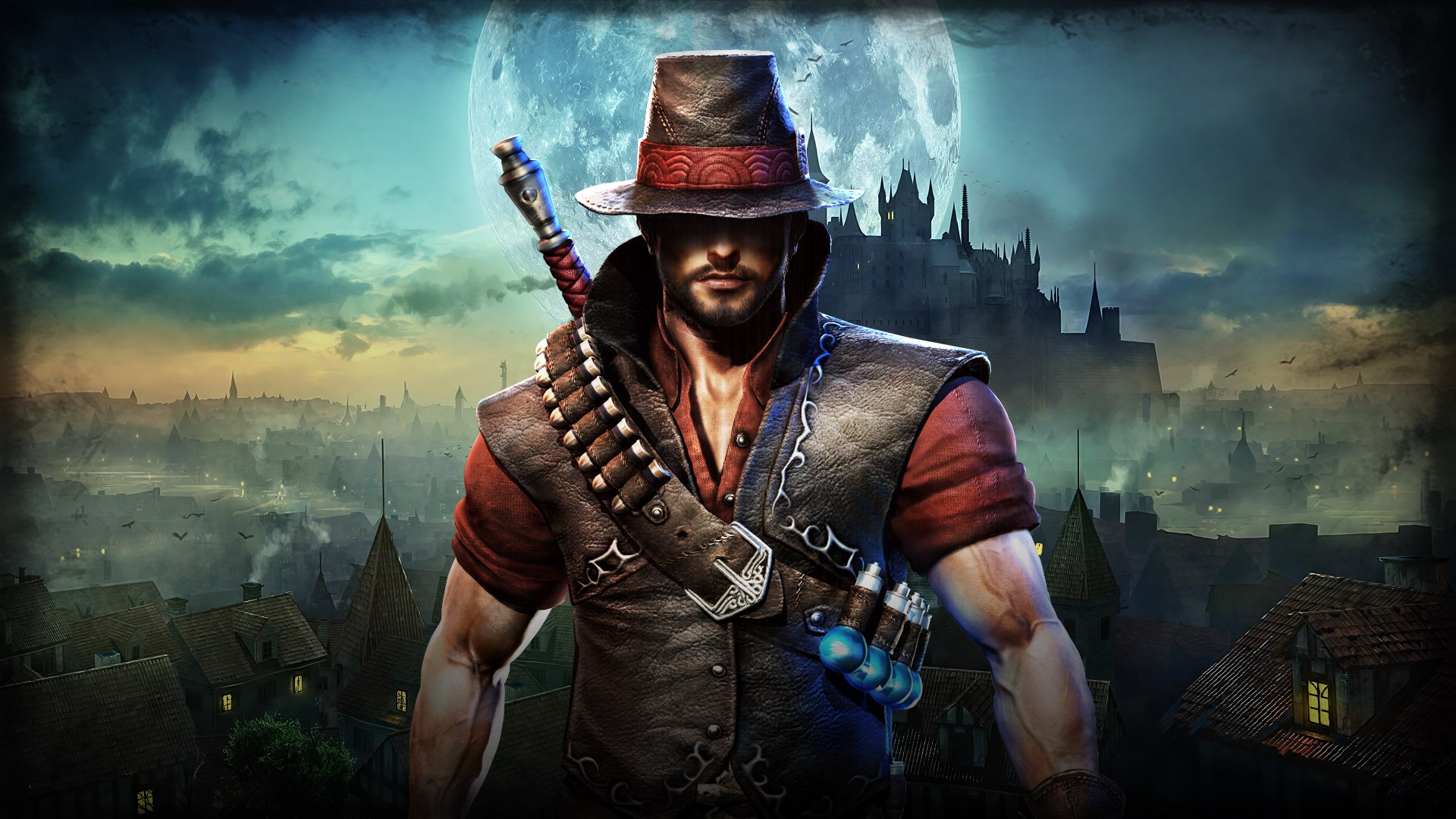
The stash in the castle hub allows you to store destiny cards and weapons for all your profiles. You can find legendary scythes or hammers and save them for a different build style later. The transmutation station also uses resources from your shared stash to upgrade items. This makes every loot drop valuable regardless of your current weapon choice.
‘The Incredible Adventures of Van Helsing’ (2013)
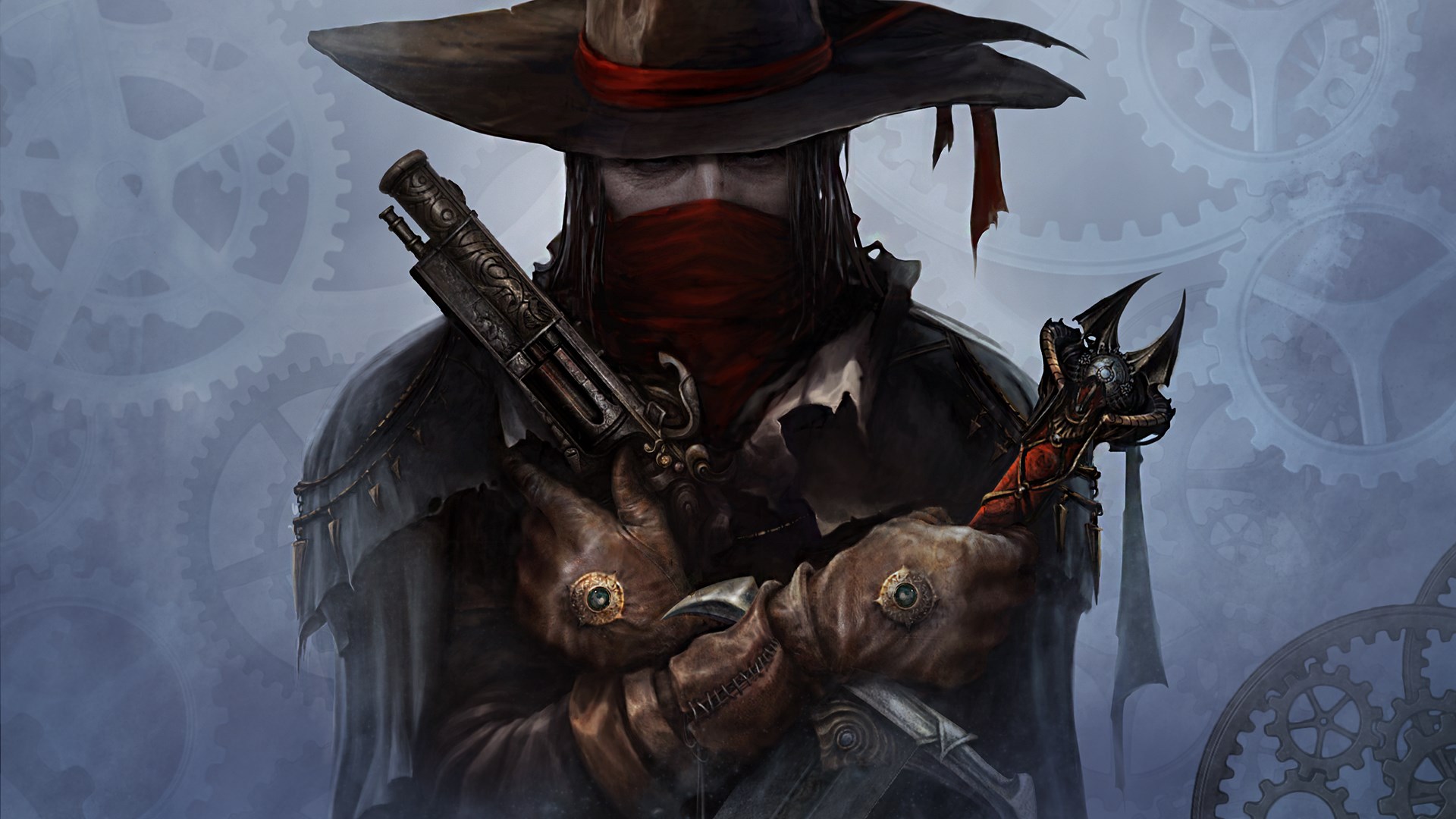
A shared storage chest is located in the secret lair for transferring items between your characters. You can store essences and epic equipment to give your other monster hunters a fighting chance. The game encourages replayability by making it easy to gear up new classes. This convenience keeps the action focused on killing monsters rather than inventory tetris.
‘Chronicon’ (2020)
This indie ARPG features a shared stash that is essential for its infinite progression system. You can find set items for the Templar class while playing as a Warlock and store them for later. The game also allows you to share crafting materials and money across your entire account. It creates a satisfying loop where playing any character contributes to the strength of the others.
‘Warhammer 40,000: Inquisitor – Martyr’ (2018)
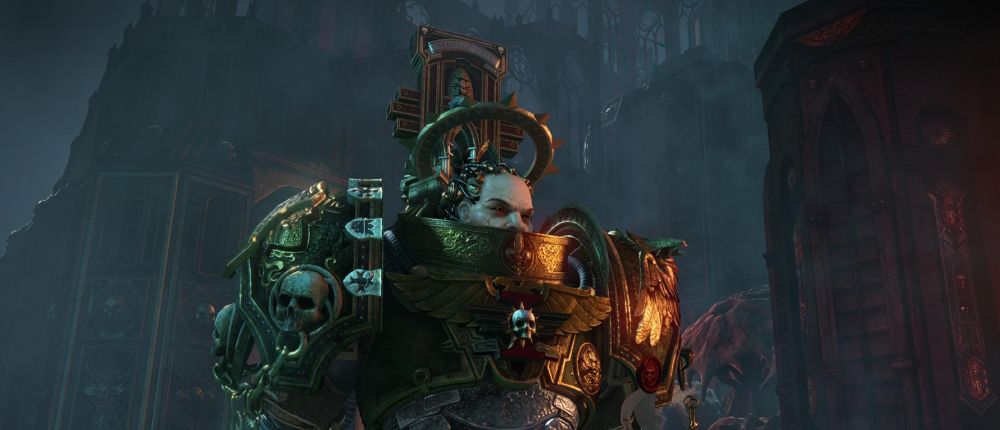
The command bridge of your ship contains a stasis casket for shared account storage. You can transfer blueprint fragments and relics between your different Inquisitors. This allows you to switch between the Crusader and Assassin classes without losing access to your best gear. The account-wide progression system relies heavily on this shared inventory capability.
‘Minecraft’ (2011)
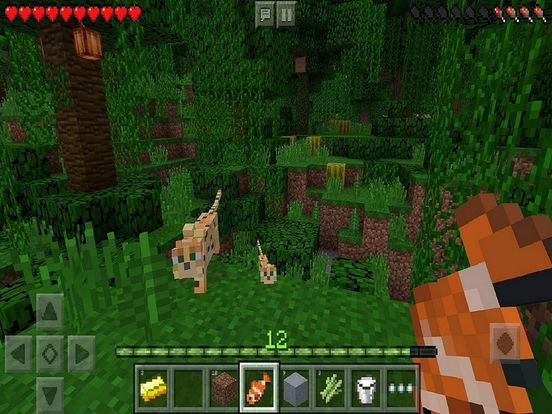
On many servers or local setups player inventory is tied to the username rather than the specific world file in some configurations. More commonly players use chests to transfer items between different players in a shared world save. You can mine diamonds and leave them in a chest for another player or a secondary account to pick up. This physical transfer of items is the bedrock of the game’s multiplayer economy.
‘Dragon’s Crown’ (2013)
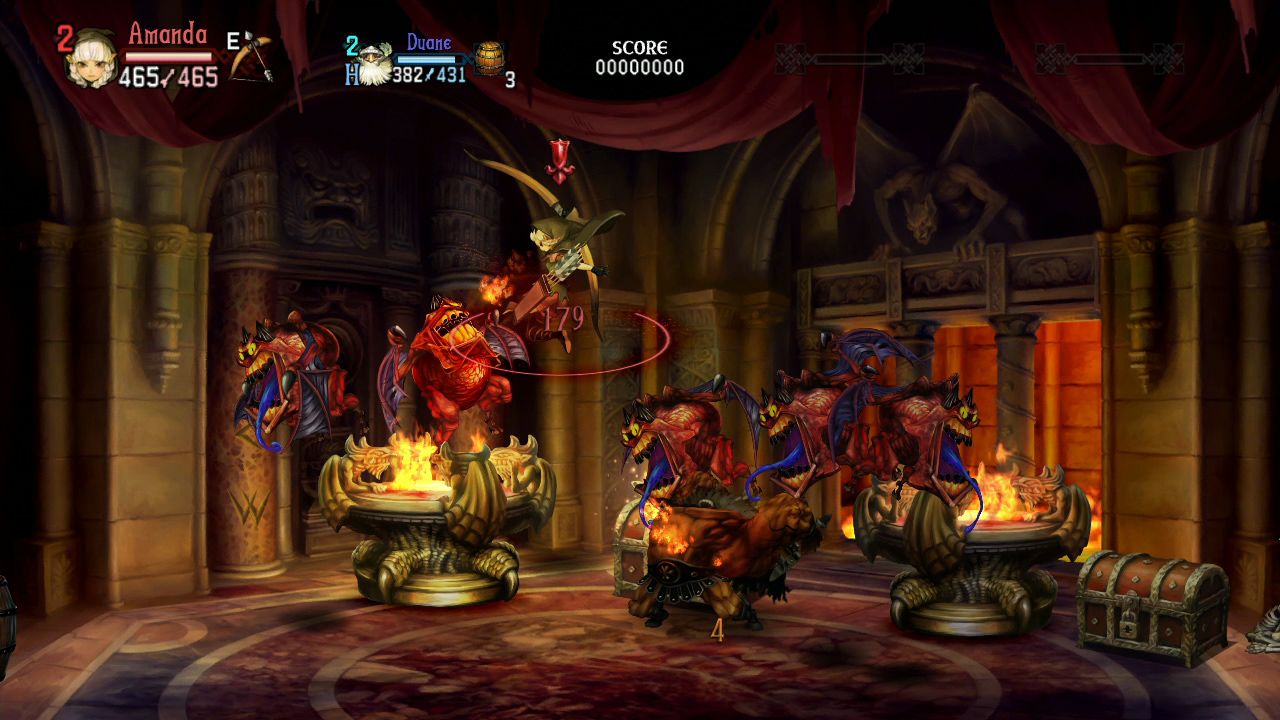
The spoils of your dungeon runs are shared across all the characters you create on your save data. You can appraise loot found with the Fighter and give it to the Sorceress if it suits her class. The game automatically categorizes gear in the selection screen to make equipping alts easy. This fluid item management encourages you to level up every class to the max.
‘Odin Sphere Leifthrasir’ (2016)
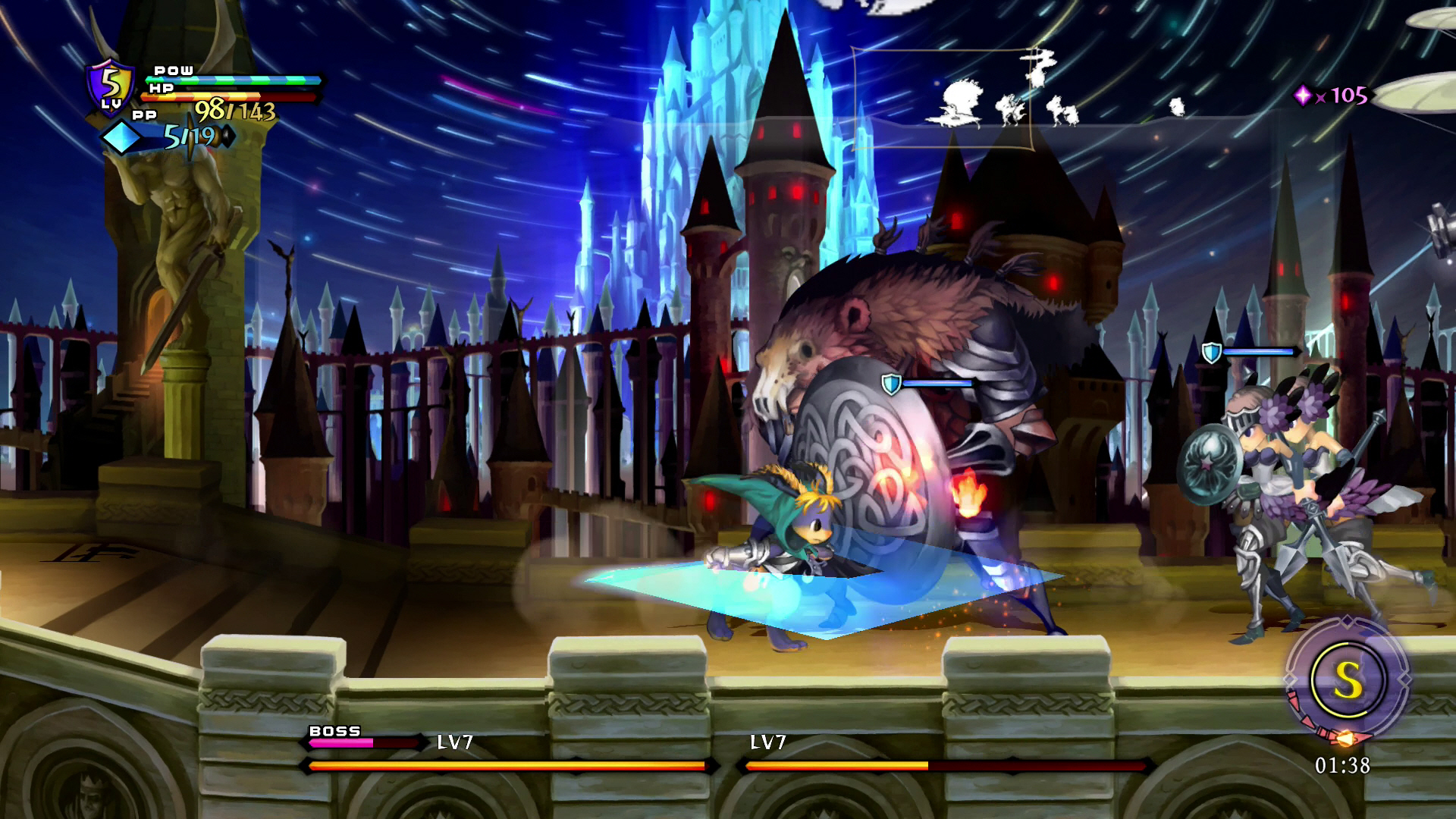
The Item Box is shared among the five protagonists you control throughout the intersecting story. You can cook food and brew potions with one character to stock the box for the next character’s chapter. This is extremely helpful for managing resources during the more difficult boss fights later in the game. It connects the separate narratives through a unified inventory system.
‘Castlevania: Harmony of Despair’ (2010)
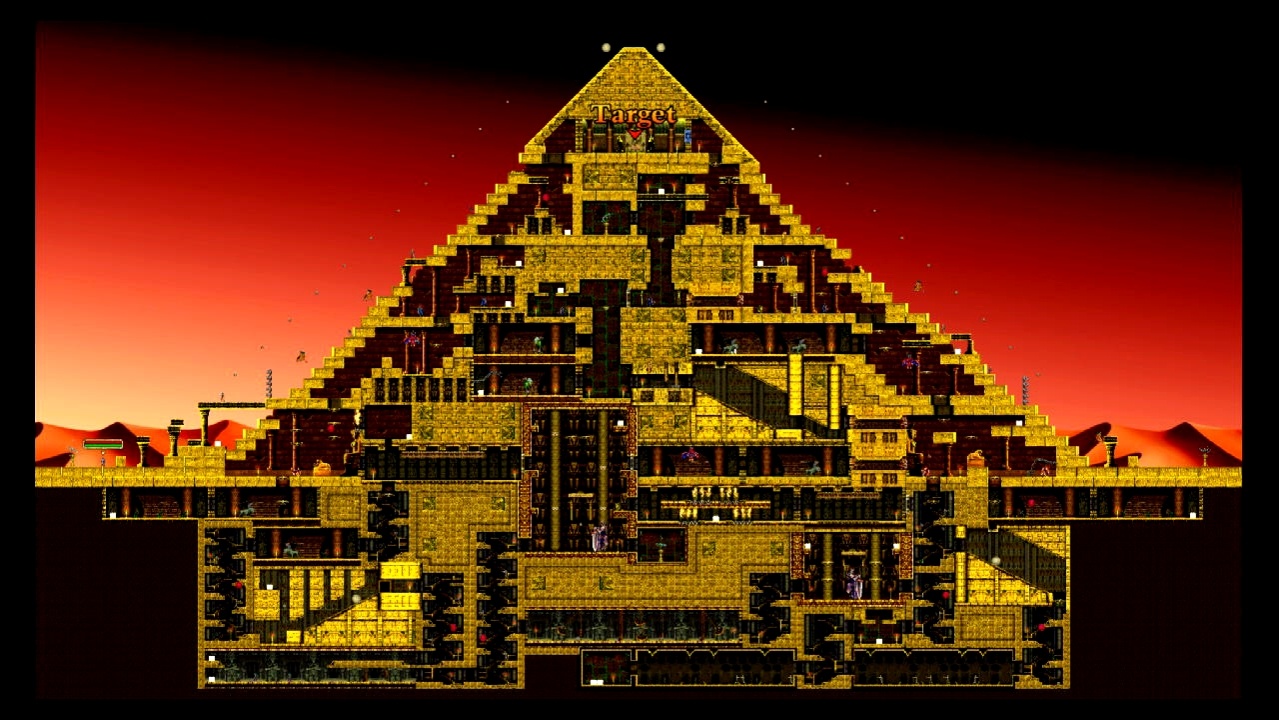
All weapons and armor found in chests are added to a communal inventory accessible by all characters. You can find the Alucard Sword while playing as Soma Cruz and equip it to Alucard immediately. The shop funds are also pooled which allows rich characters to buy gear for poor ones. This design supports the grinding nature of the game where you replay levels for rare drops.
Give us your recommendations for the best games with shared stashes in the comments.