

Games Letting You Unlock Alternate Art Styles

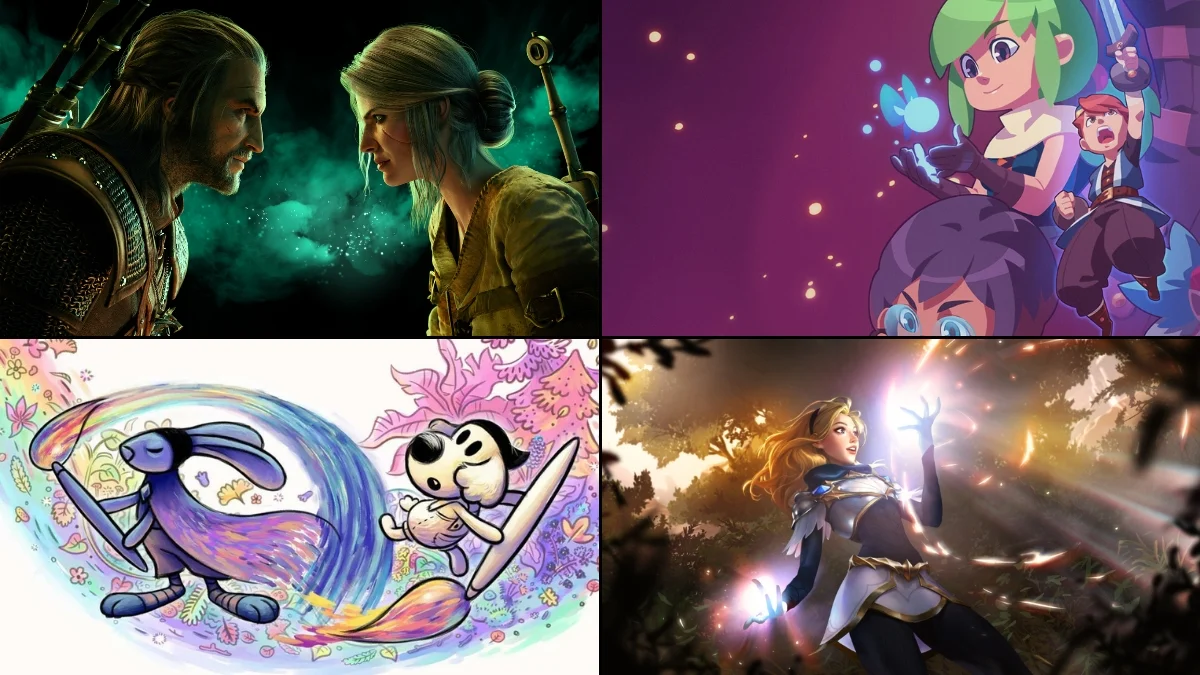


Some games go beyond simple skins and let you earn entirely new looks—filters, palette swaps, retro sprites, or alternate illustrations that change how the action is presented. Whether it’s a built-in “old-school” mode, collectible palettes, or bonus render styles you buy with in-game rewards, these unlocks are a fun way to remix the same gameplay with a fresh visual vibe.
‘Downwell’ (2015)
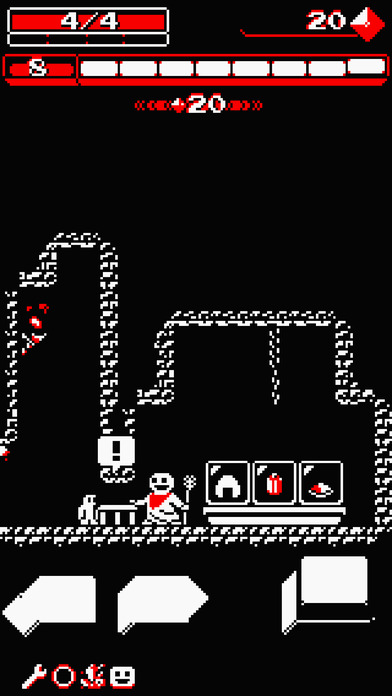
Developed by Moppin and published by Devolver Digital, ‘Downwell’ ties its look-and-feel upgrades directly to play. As you progress, you can unlock additional color palettes that change the game’s stark, high-contrast presentation into different themed schemes. These palette options are designed to be quick to swap so each run can feel visually distinct. It’s a straightforward example of progression-based style unlocks that don’t affect mechanics, just the art direction.
‘Gato Roboto’ (2019)
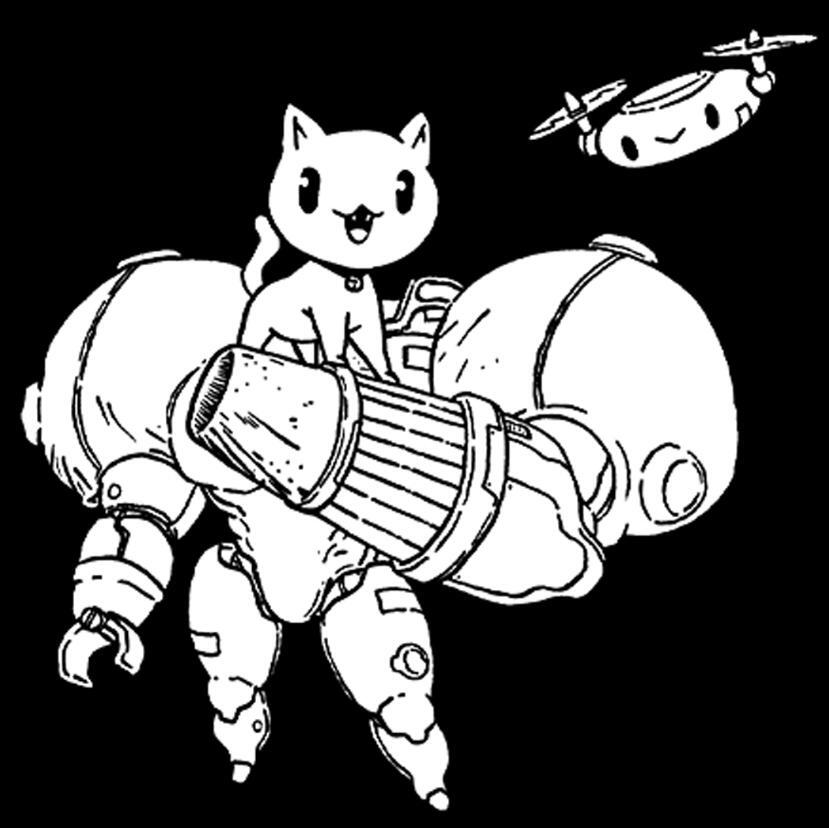
Developed by doinksoft and published by Devolver Digital, ‘Gato Roboto’ starts with a Game Boy-like look and then lets you expand it. By finding collectible “color cartridges,” you unlock alternate palettes that recolor the entire world and sprites. The cartridges act like in-game rewards, so the new styles feel earned rather than just toggled on. It’s a clean system: explore more, unlock more visual flavors.
‘Evoland’ (2013)
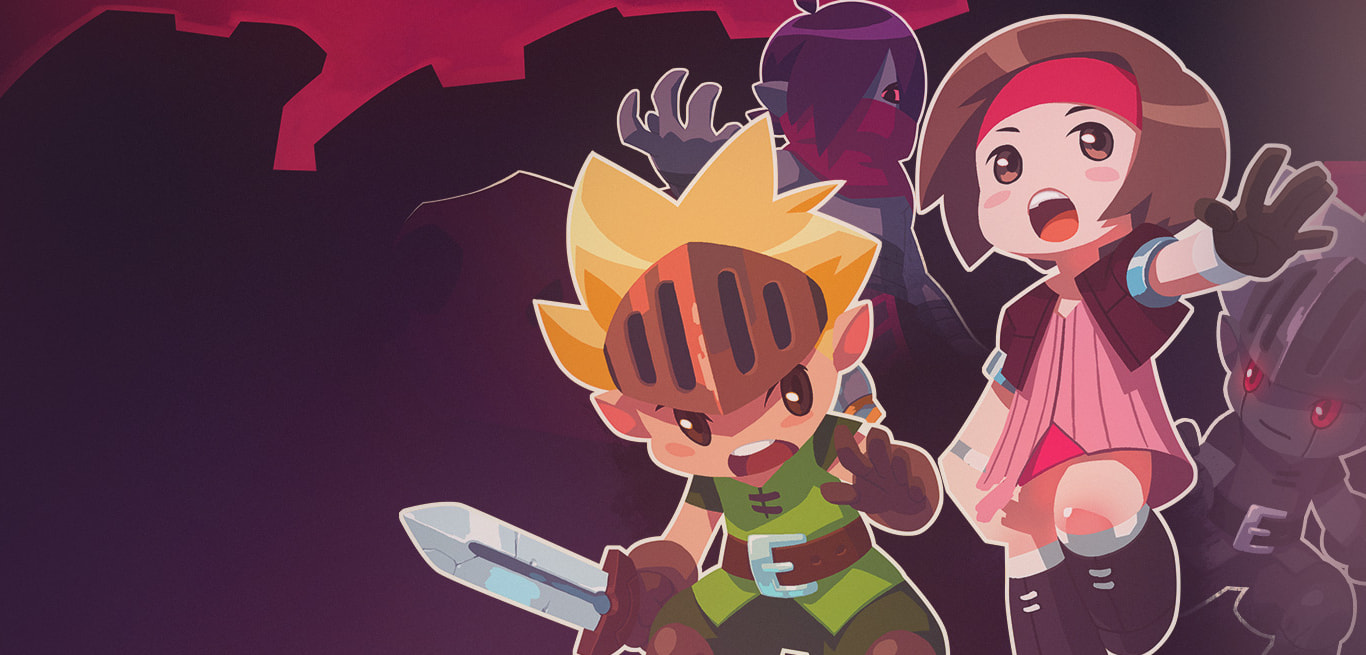
Developed and published by Shiro Games, ‘Evoland’ is built around earning visual upgrades as a core progression loop. Opening certain chests unlocks new “graphic upgrades” that move the game through different eras, from simple monochrome to more advanced presentations. Those upgrades don’t just add polish—they deliberately shift the art style to represent gaming history. It’s one of the clearest cases where “unlocking” and “changing the art style” are the same mechanic.
‘Evoland 2’ (2015)
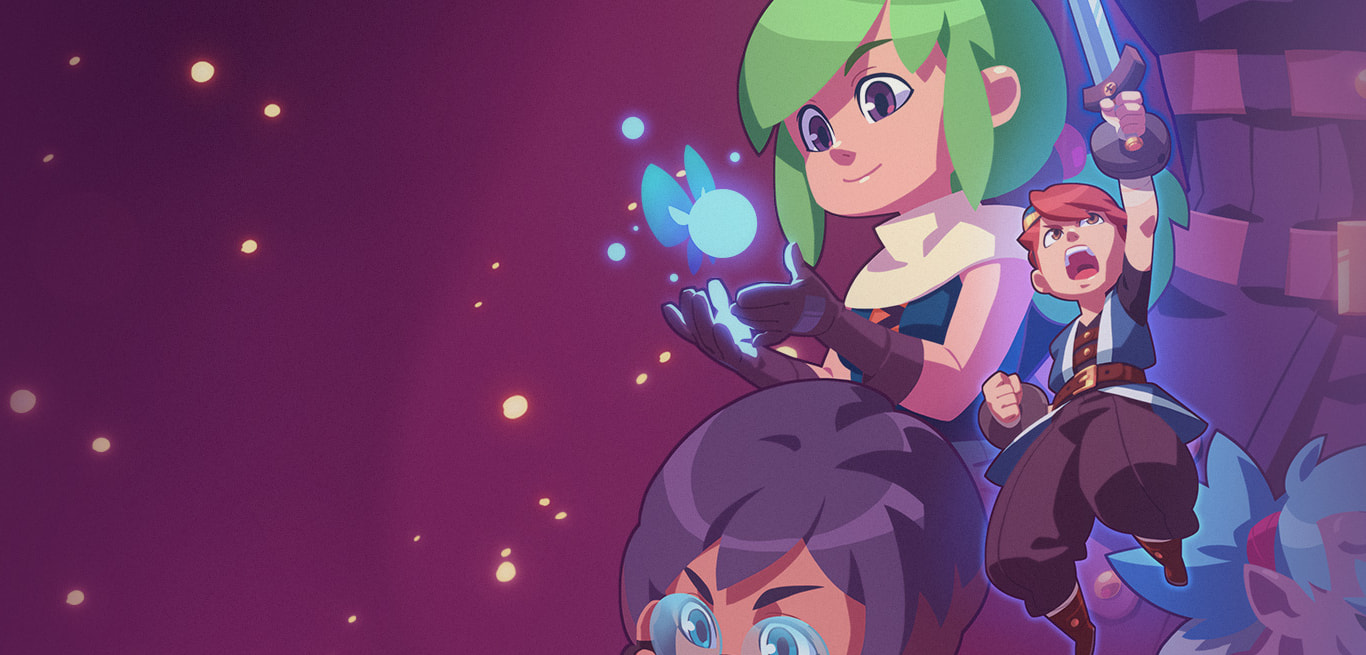
Developed and published by Shiro Games, ‘Evoland 2’ leans even harder into style-shifting as you move through its story. The game changes its graphic style as you progress, using time travel to justify big jumps between visual eras. That means the “alternate art styles” arrive as part of what you unlock by advancing and reaching new segments. It’s a progression-driven approach where visuals evolve alongside the narrative beats.
‘Chicory: A Colorful Tale’ (2021)
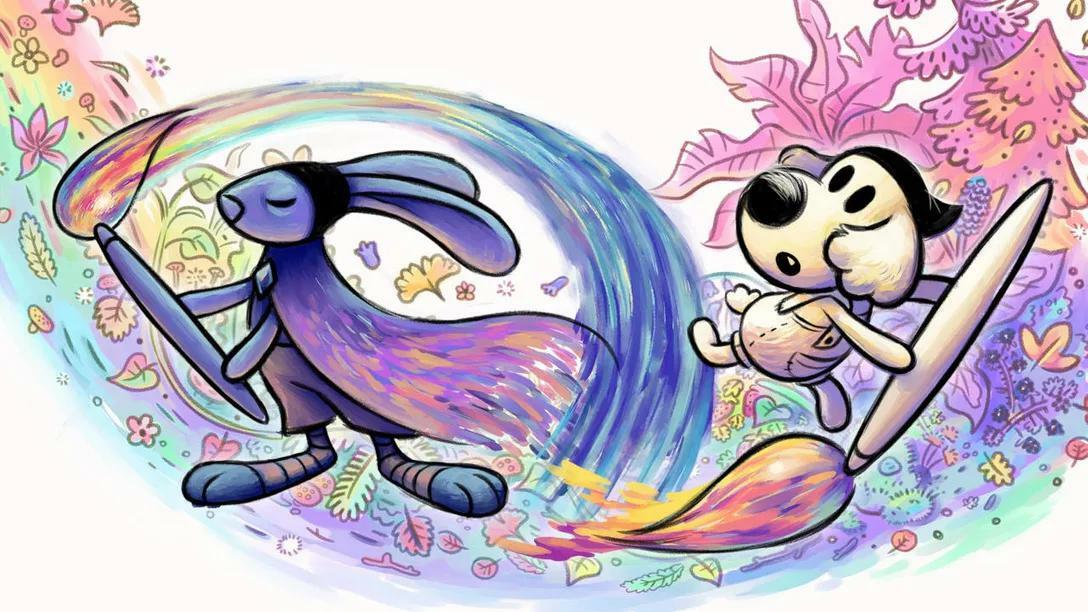
Developed by Wishes Unlimited and published by Finji, ‘Chicory: A Colorful Tale’ treats visual expression as a collectible toolbox. As you explore, you can pick up Brush Styles that change the shape, texture, and stamp-like behavior of your strokes. Those styles function as unlockable “art modes” for how the world gets colored and decorated. The result is a game where unlocking new styles literally expands the visual language you can apply everywhere.
‘Cuphead’ (2017)
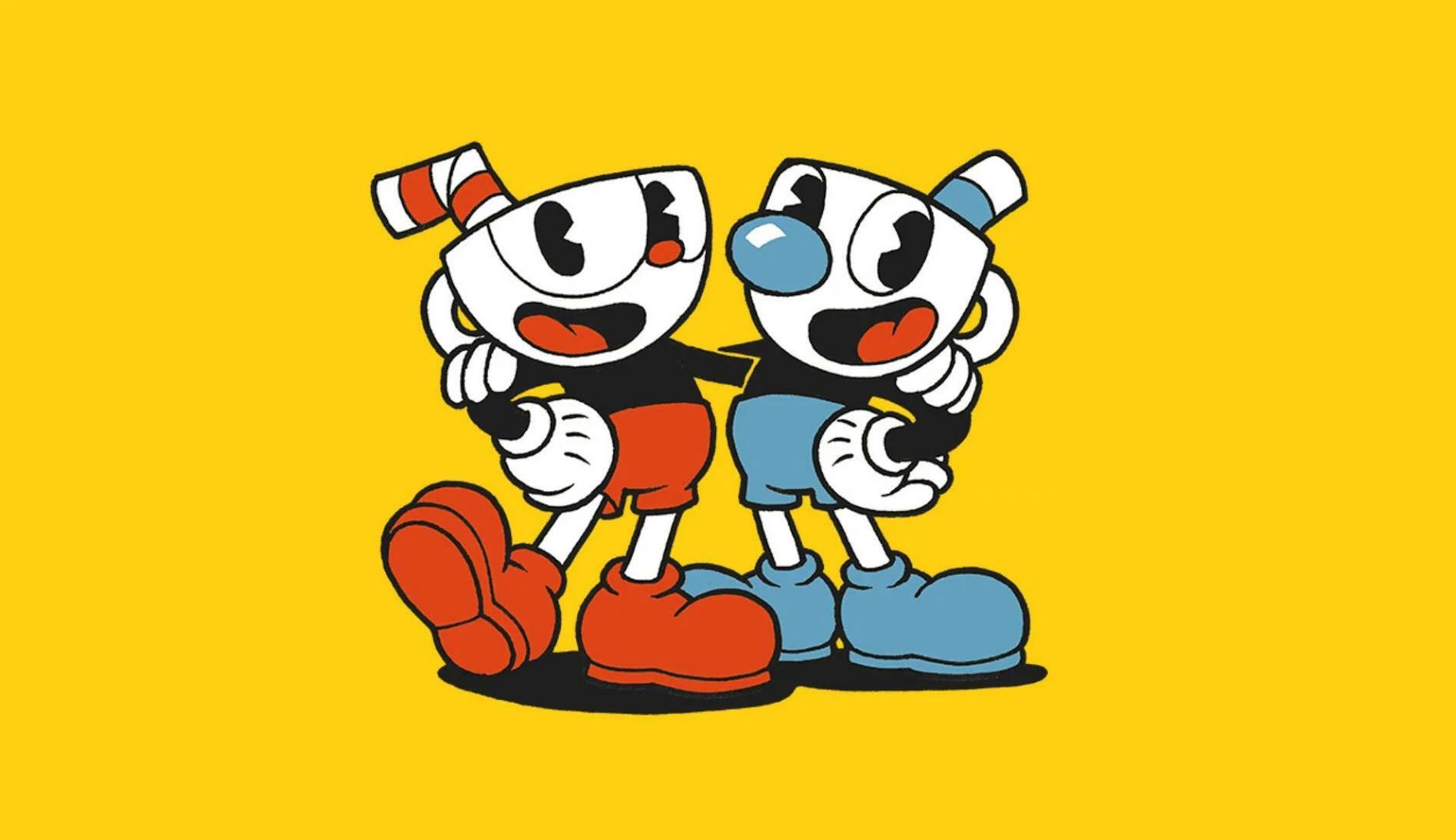
Developed and published by Studio MDHR, ‘Cuphead’ rewards certain achievements with throwback presentation tweaks. One notable example is unlocking visual filters (like black-and-white or vintage film-strip looks) through specific completion goals. These filters change the overall aesthetic while leaving the underlying action the same, which makes them ideal as post-clear bonuses. It’s a classic “beat it a different way, get a different look” setup.
‘The Messenger’ (2018)
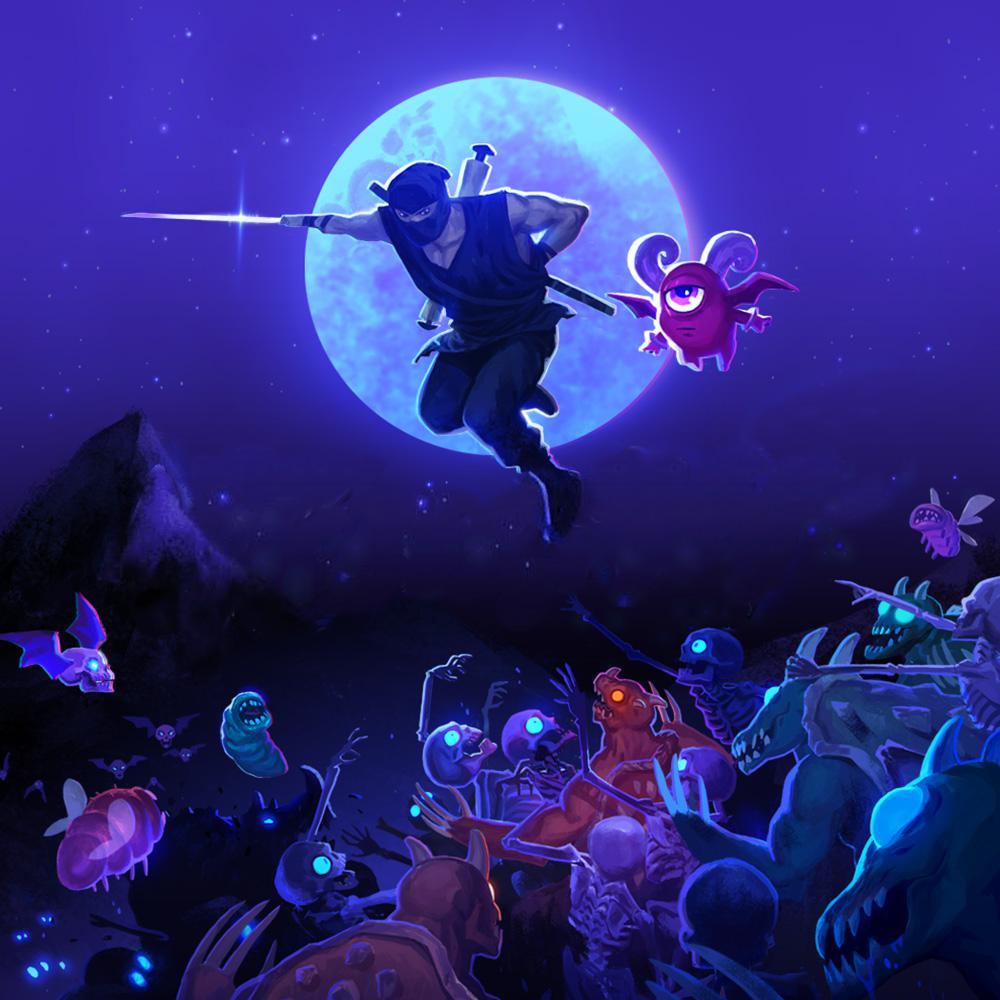
Developed by Sabotage Studio and published by Devolver Digital, ‘The Messenger’ uses art-style shifts as a major progression feature. The game moves between an 8-bit-inspired look and a more detailed 16-bit-inspired presentation as the adventure expands. The visual change isn’t just cosmetic—it’s part of how the game reveals new scope and spaces. It’s a memorable example of unlocking a new era of style as the campaign opens up.
‘Streets of Rage 4’ (2020)
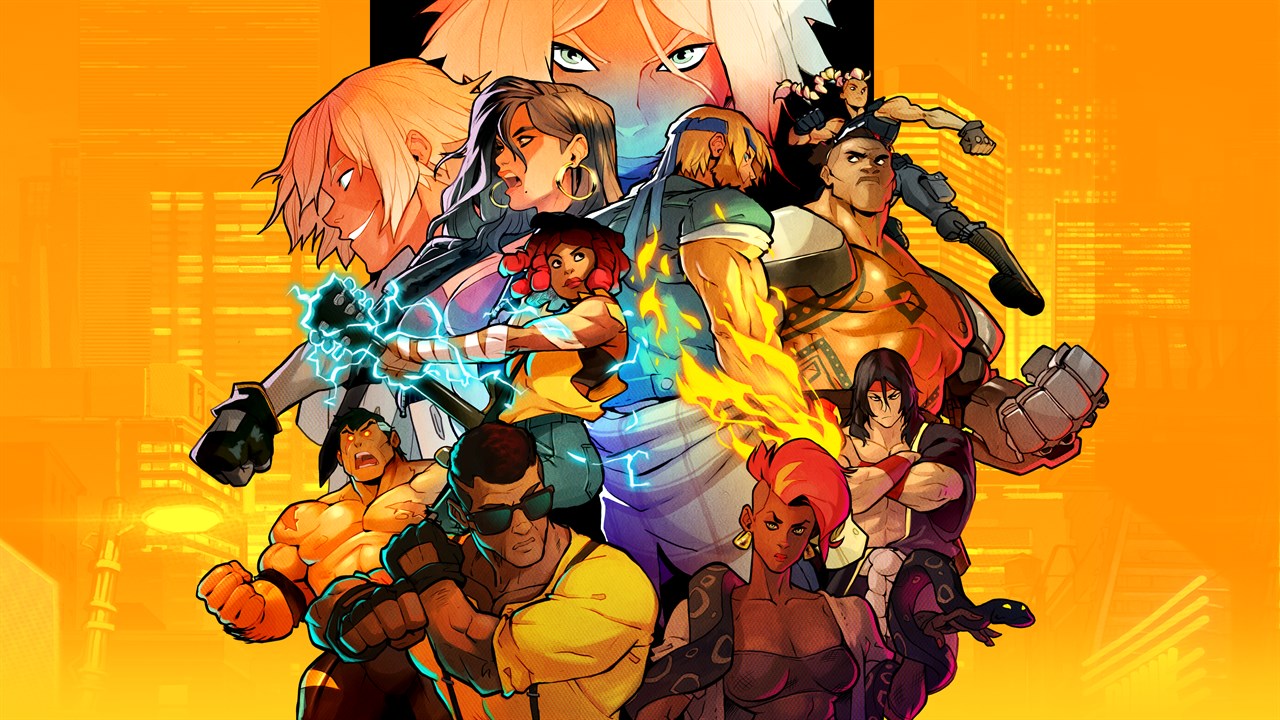
Developed by Dotemu, Lizardcube, and Guard Crush Games and published by Dotemu, ‘Streets of Rage 4’ mixes modern hand-drawn art with unlockable retro flair. By playing and hitting score thresholds, you can unlock classic characters that use pixel-art sprites, creating a striking contrast with the new visual style. Those unlocks effectively let you bring an older “art era” into a modern game. It’s a strong way to make alternate art styles feel like rewards, not just settings.
‘Teenage Mutant Ninja Turtles: Shredder’s Revenge’ (2022)
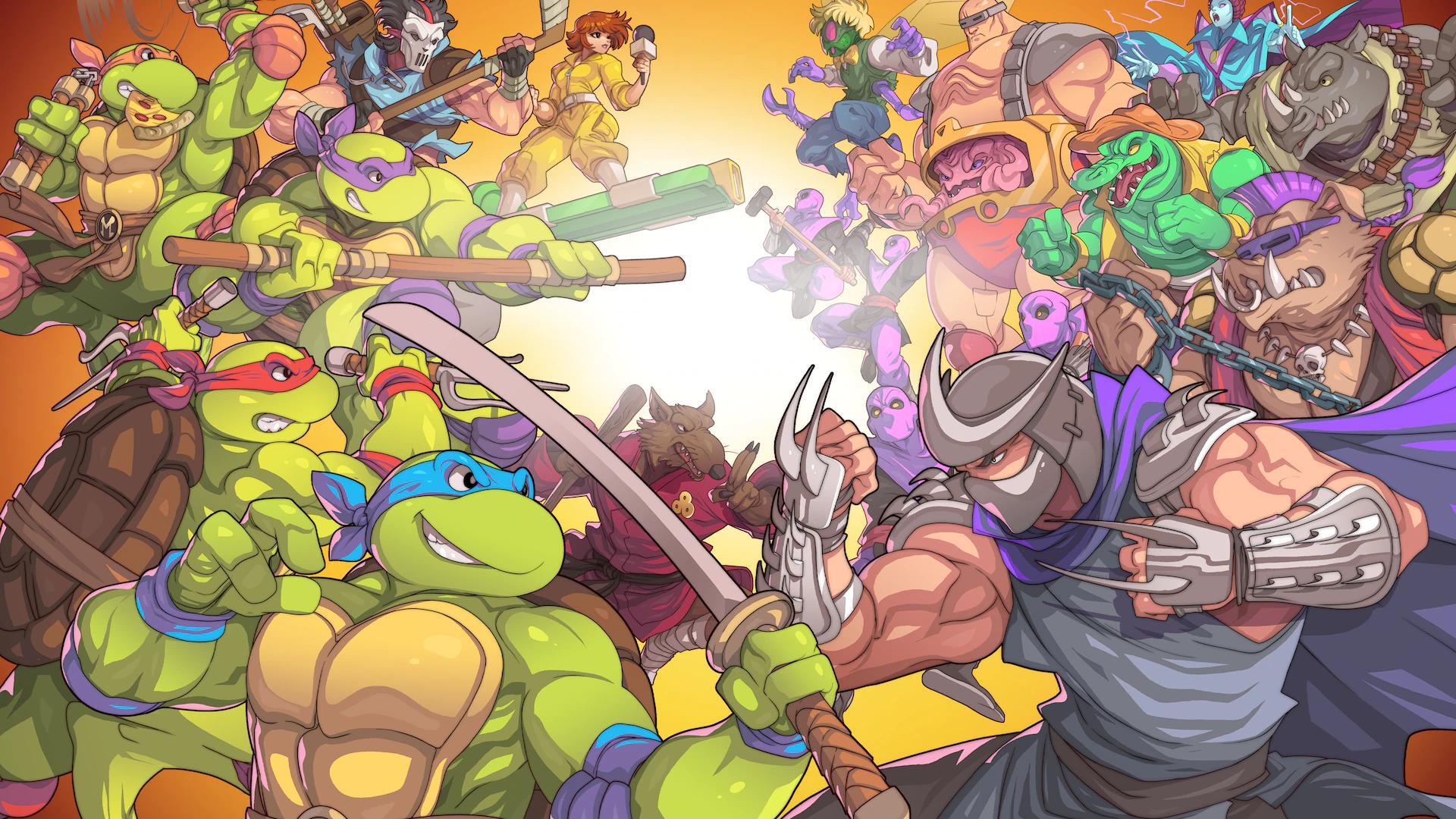
Developed by Tribute Games and published by Dotemu, ‘Teenage Mutant Ninja Turtles: Shredder’s Revenge’ offers unlockable color palettes that act like alternate style sets for characters. With Survival Mode content, you can earn new colour palettes for your selected character as you progress through runs. These palette swaps are more than tiny tweaks—they’re designed as recognizable “looks” that change the vibe of the sprites. It’s a simple but satisfying unlock loop for visual variety.
‘Uncharted 4: A Thief’s End’ (2016)
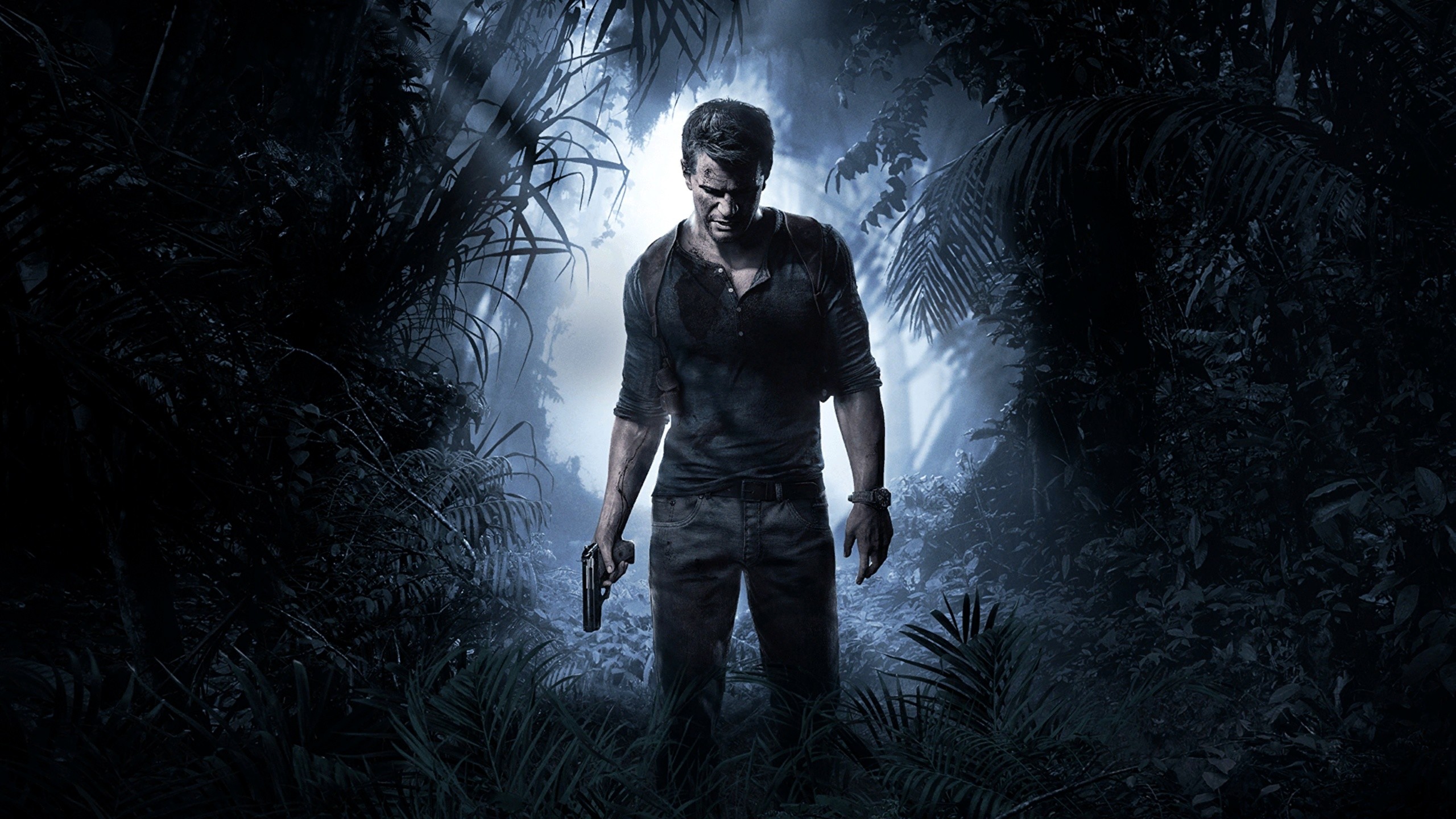
Developed by Naughty Dog and published by Sony Computer Entertainment, ‘Uncharted 4: A Thief’s End’ includes unlockable render-mode filters. You earn Unlock Points through gameplay activities like collecting treasures, then spend those points to buy visual filters from the Bonus menu. Once purchased, the filters can be applied to change the game’s overall look, like cel-shaded or other stylized presentations. It’s a clear “play more, unlock a new visual treatment” system.
‘The Last of Us Part II’ (2020)
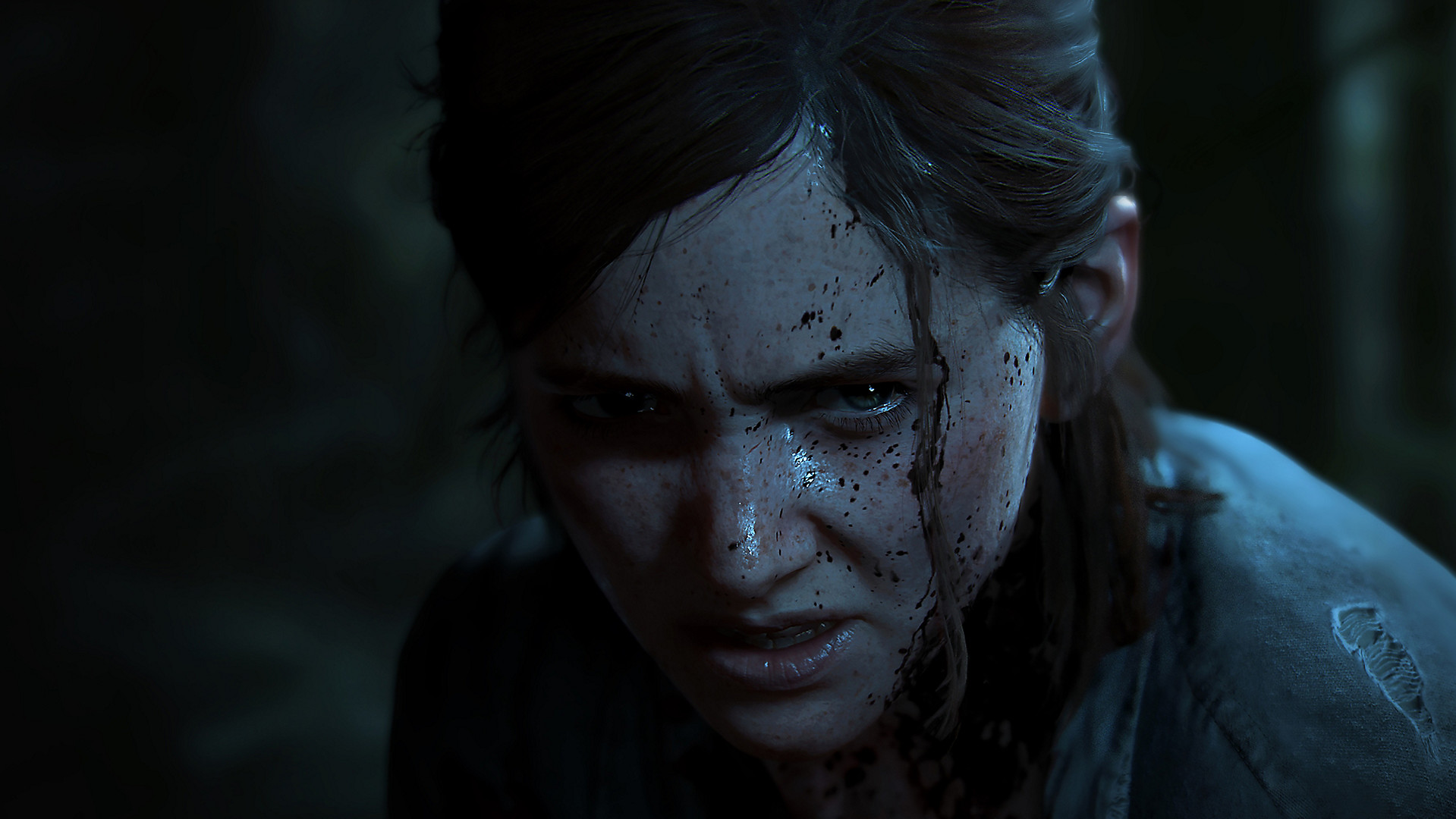
Developed by Naughty Dog and published by Sony Interactive Entertainment, ‘The Last of Us Part II’ lets you earn points and spend them on Extras. Those points can be used to unlock render modes that change the game’s visual presentation. The system is tied to completing challenges and finding collectibles, so visual experimentation becomes a reward track. It’s a good example of style unlocks living alongside other bonus content like models and concept art.
‘Silent Hill 2’ (2024)
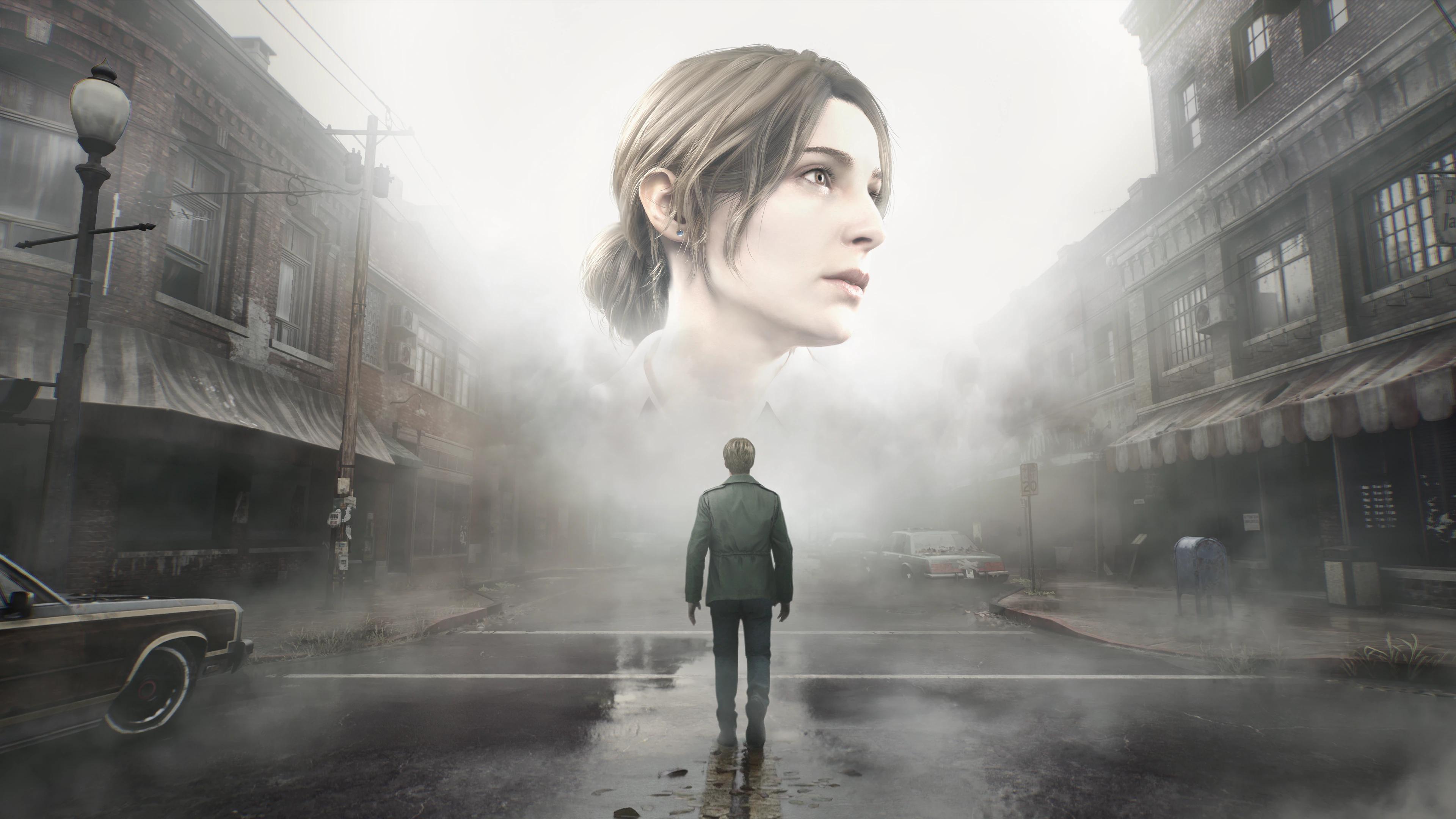
Developed by Bloober Team and published by Konami, the ‘Silent Hill 2’ remake includes a set of visual filters you can unlock. Completing the game at least once makes additional filters available in the graphics settings beyond the default look. These filters change color and screen effects to give the experience a different aesthetic pass on replay. It’s a replay-driven approach that encourages a second run with a new visual tone.
‘Team Fortress 2’ (2007)
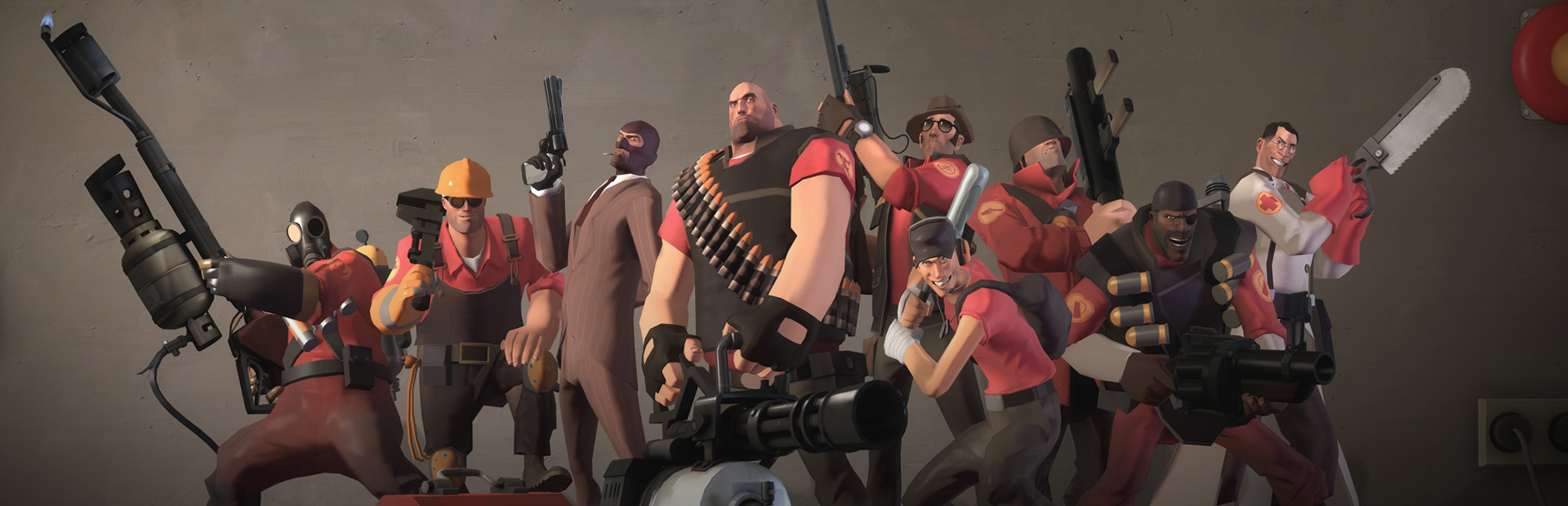
Developed and published by Valve, ‘Team Fortress 2’ has a famously dramatic visual modifier tied to an item unlock. Equipping the Pyrovision Goggles makes players see the world through “Pyrovision,” which alters the presentation with exaggerated, whimsical visual replacements. Because it’s item-based, you can toggle the alternate style simply by changing your loadout. It’s one of the most distinctive examples of a game-wide “art-style mode” you activate through unlockable gear.
‘Street Fighter 6’ (2023)
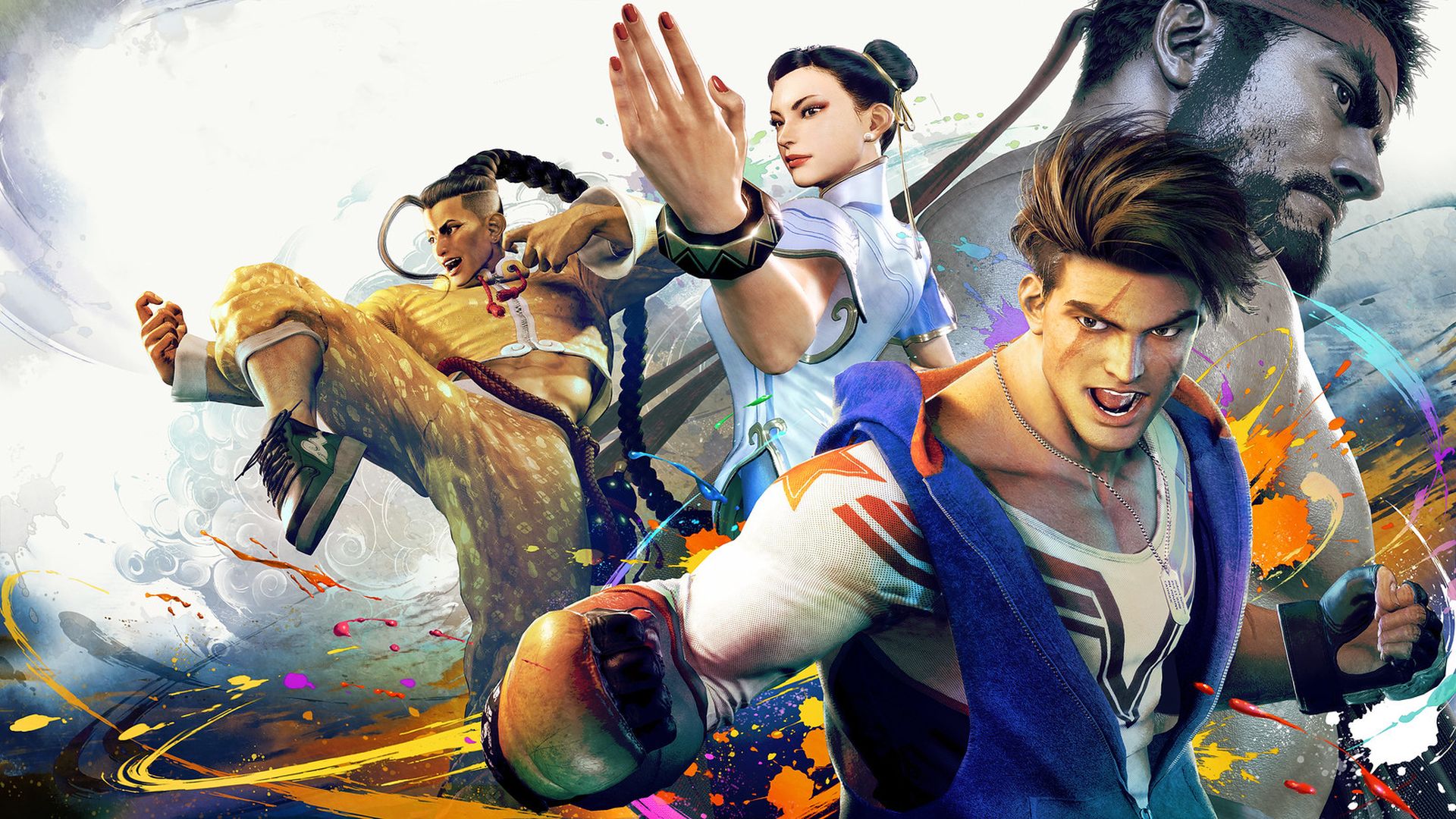
Developed and published by Capcom, ‘Street Fighter 6’ supports alternate looks through unlockable outfits tied to its modes. In World Tour, you can unlock additional outfits for Masters by raising Bond levels through interactions, sparring, and gifting. That system turns cosmetic style changes into long-term progression goals rather than instant menu picks. It’s a structured way to earn new visual identities for characters you train with.
‘Slay the Spire’ (2017)

Developed by Mega Crit and originally published for Early Access by Humble Bundle, ‘Slay the Spire’ hides some of its most playful visuals behind endgame goals. Beating the Heart (Act 4) with a character unlocks that character’s Beta Art, letting you swap many cards to alternate illustrations. The toggle is per-card, so you can mix standard and alternate art in the same deck. It’s one of the cleanest examples of unlockable “alternate card art” as a progression reward.
‘Hearthstone’ (2014)
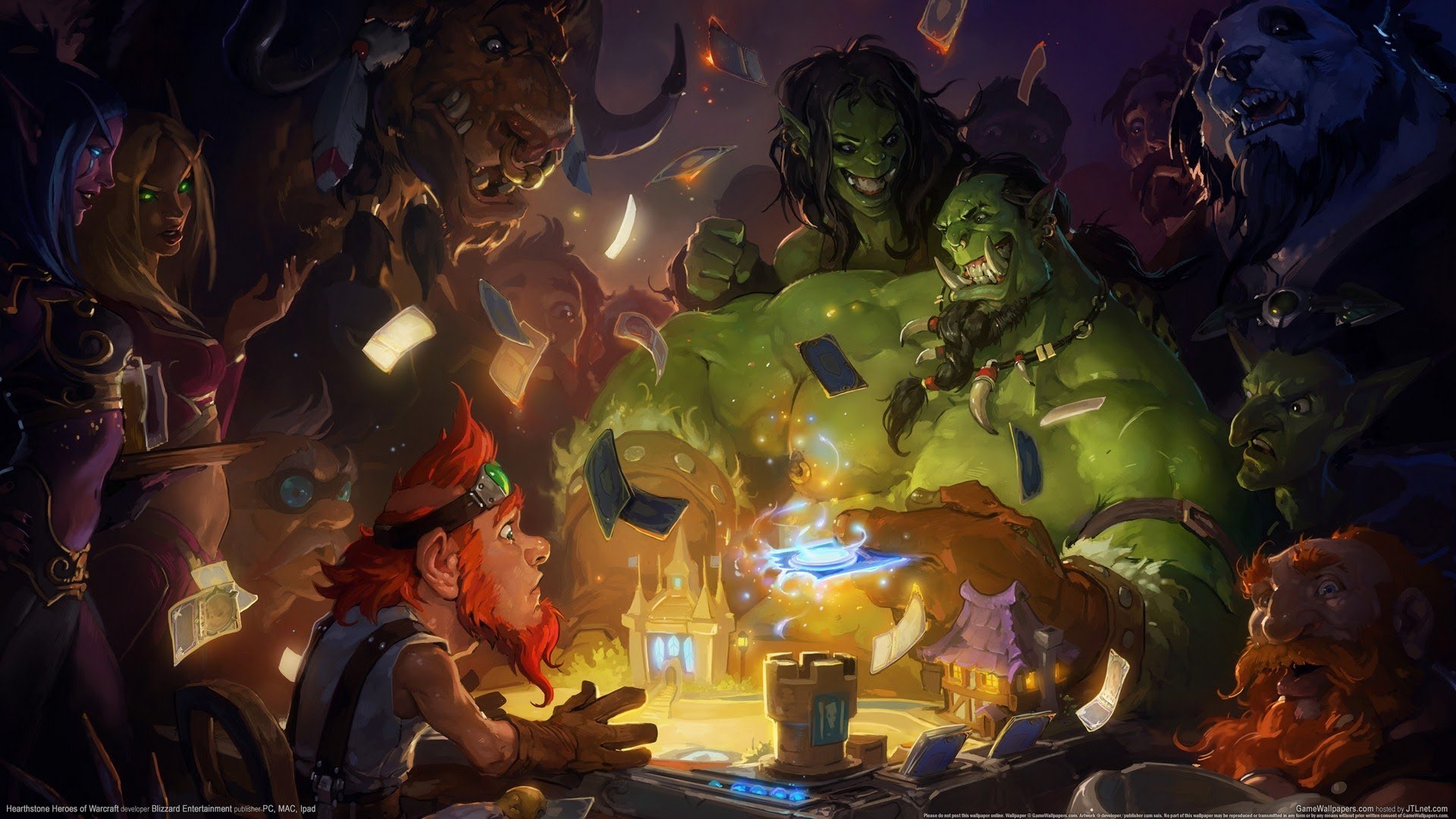
Developed and published by Blizzard Entertainment, ‘Hearthstone’ offers alternate art styling through premium card versions. Golden cards add animated art and are obtainable through packs, rewards, or crafting, depending on the card set. Because the upgrade is visual, it lets players keep the same gameplay while changing how the card looks in hand and on board. It’s a long-running model for earning flashier art variants through collection progress.
‘Magic: The Gathering Arena’ (2019)
Developed by Wizards Digital Games Studio and published by Wizards of the Coast, ‘Magic: The Gathering Arena’ uses card styles as collectible cosmetics. Card styles can be earned through systems like ranked season rewards and other in-game promotions, giving you alternate looks for specific cards. These styles don’t change rules text, but they do change how the card is presented visually in your collection and matches. It’s essentially an “unlock new art treatment” layer on top of deckbuilding.
‘Gwent: The Witcher Card Game’ (2018)
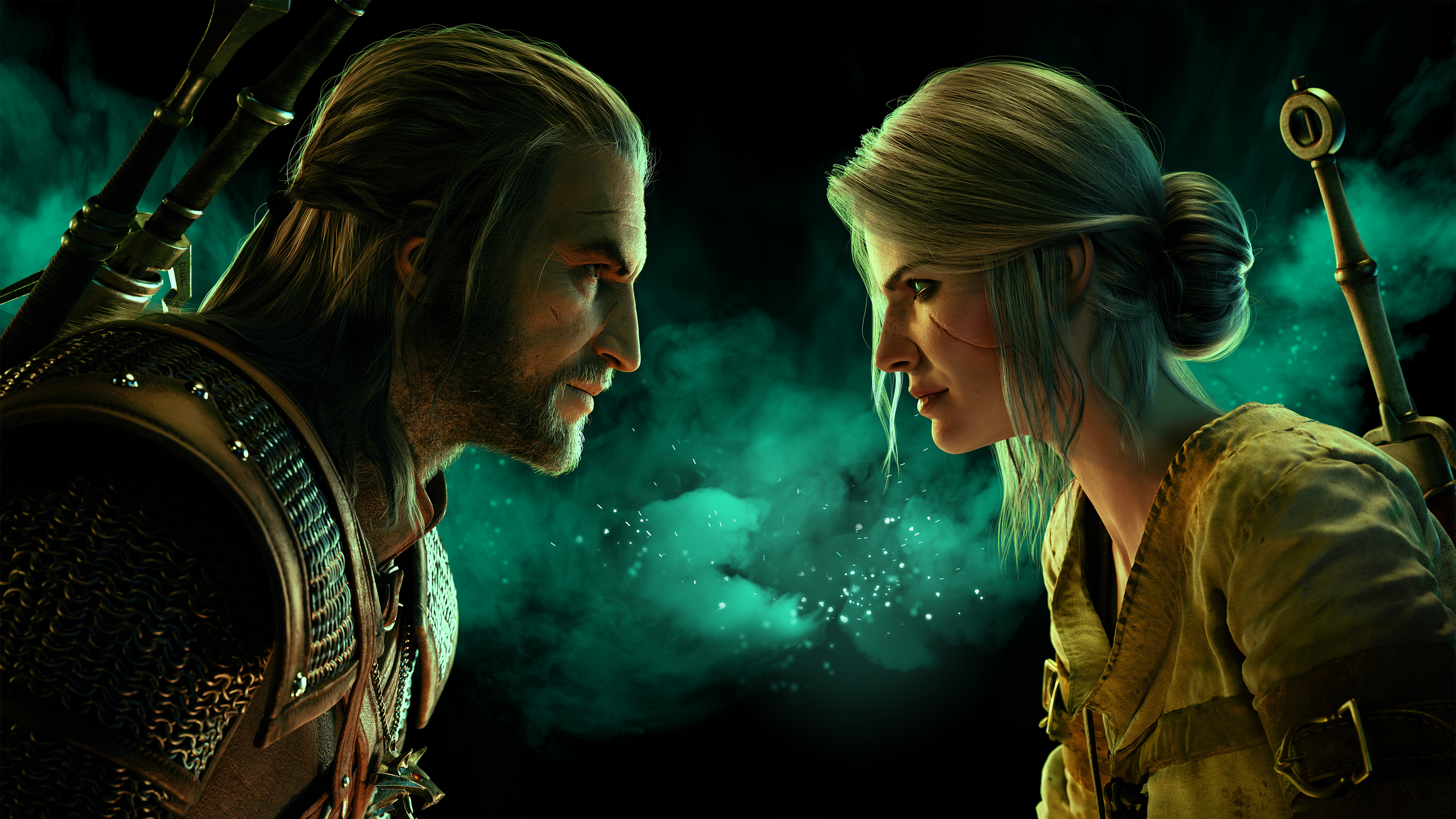
Developed by CD Projekt Red and published by CD Projekt, ‘Gwent: The Witcher Card Game’ treats animated premium versions as a visual upgrade path. The official economy notes explain that you can use meteorite powder to convert a normal card into a premium, animated presentation. That conversion keeps gameplay identical while shifting the art style into a more dynamic, collectible look. It’s a strong example of unlockable “premium art” being integrated into progression currencies.
‘Legends of Runeterra’ (2020)
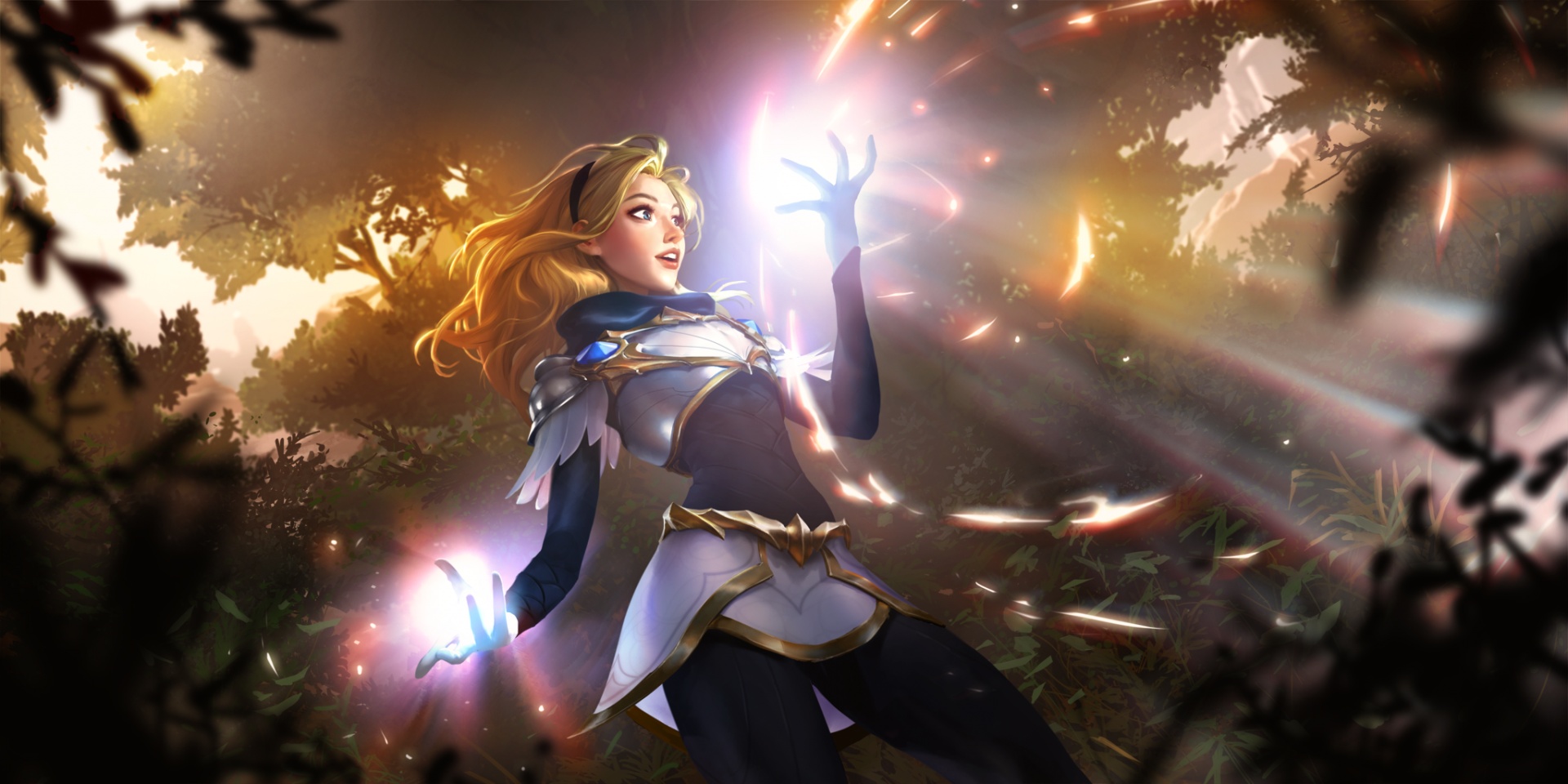
Developed and published by Riot Games, ‘Legends of Runeterra’ includes Prismatic card styles as a separate cosmetic layer. Prismatic upgrades are earned through card-style quests and rewards that provide Prismatic chests and essence used for further upgrades. The upgrade changes the visual treatment of the card without changing its function in play. It’s a clear “complete tasks, unlock a new art finish” system built into the game’s economy.
‘Marvel Snap’ (2022)
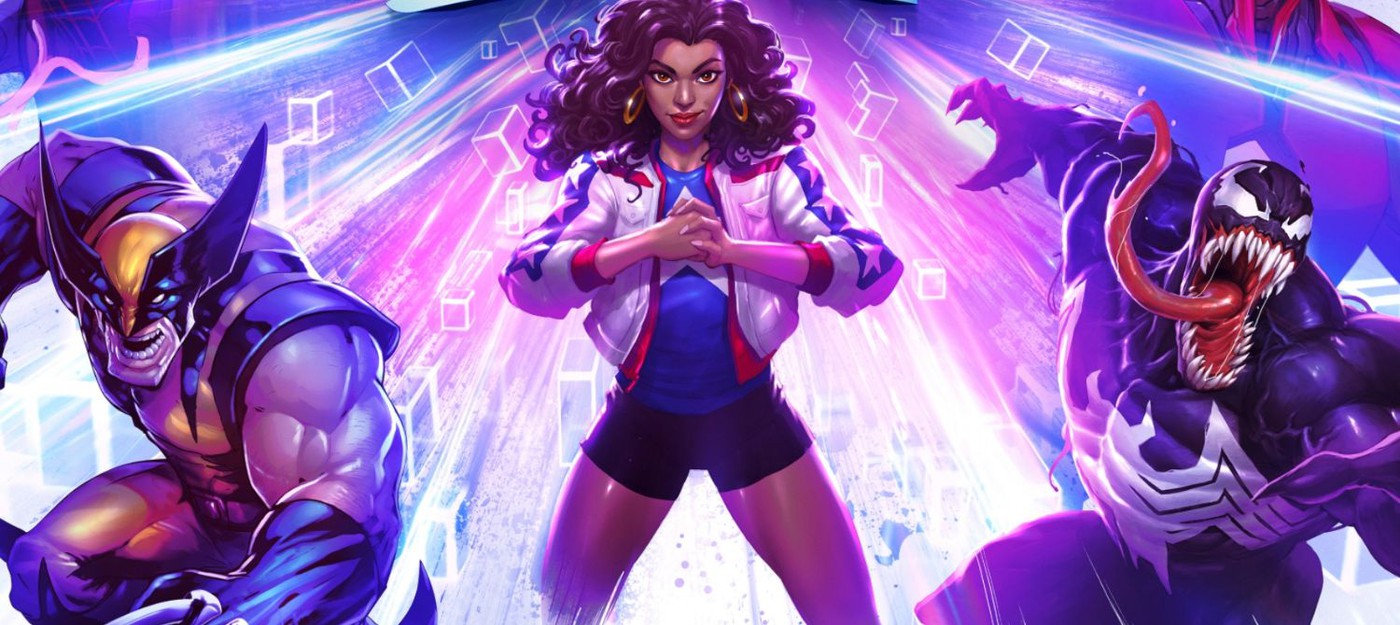
Developed by Second Dinner and originally published by Nuverse, ‘Marvel Snap’ is built around unlocking card variants with different art styles. Variants can be earned through multiple routes, including Collector’s Reserves on the Collection Level track and rewards tied to seasonal progression. Because variants often come in distinct visual themes, they function like unlockable mini-art-styles for your deck. It’s a modern example of progression constantly feeding new alternate illustrations into your collection.
Drop your favorites (and any other games with great unlockable visual modes) in the comments so everyone can discover more style-swapping gems.