

Games Review-Bombed for Making Classic Heroes “Too Feminine”

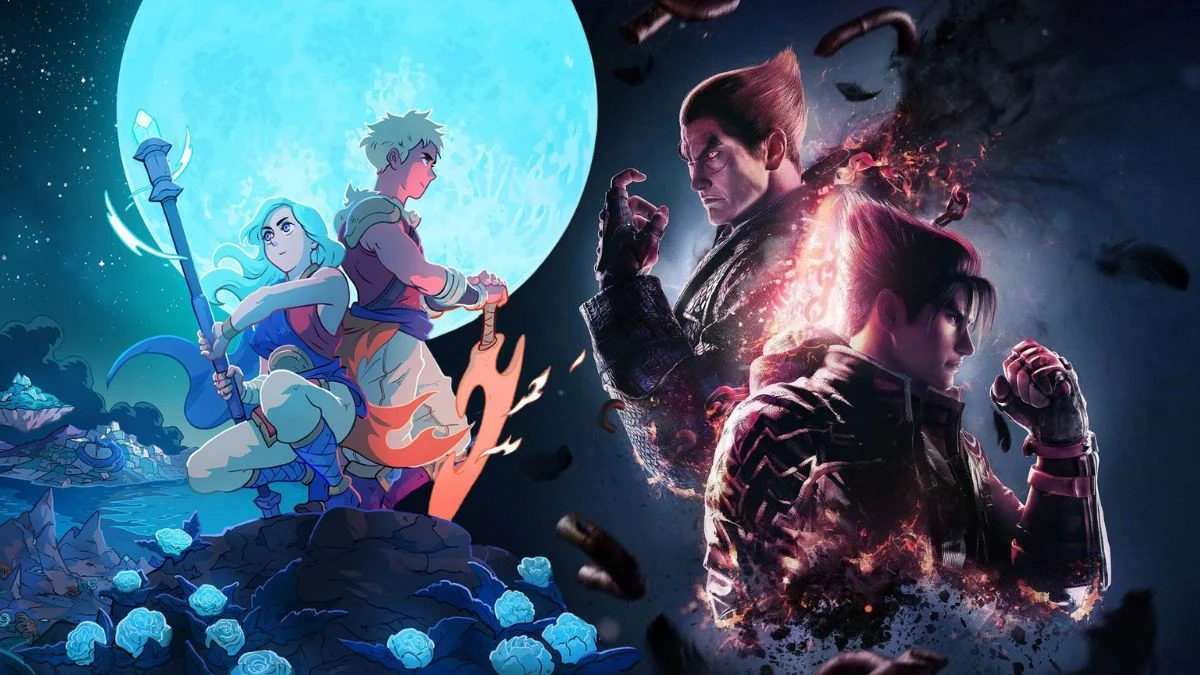


The landscape of modern gaming has frequently become a battleground for debates over character design and artistic direction. Many long-standing franchises have faced intense scrutiny when they choose to update the appearance of iconic protagonists. A growing trend involves players submitting low user scores to express dissatisfaction with heroes they perceive as being made too feminine. These visual changes often lead to widespread discussions about brand identity and developer intent across various digital platforms.
‘The Legend of Zelda: Breath of the Wild’ (2017)
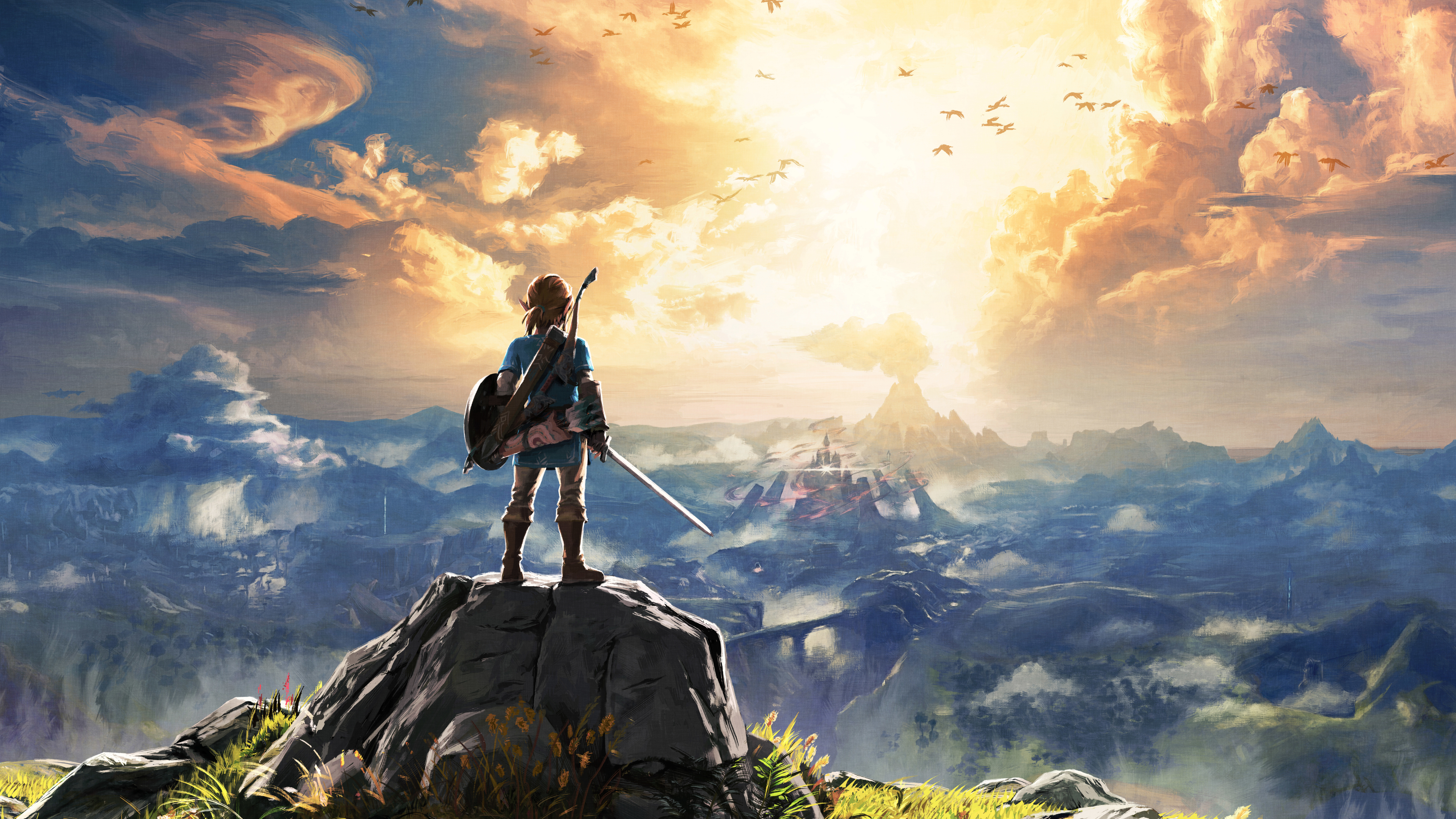
The redesign of Link in ‘The Legend of Zelda: Breath of the Wild’ introduced a much more androgynous look than previous iterations. Many players felt the softer facial features and slimmer physique moved the character too far away from his masculine roots. This aesthetic shift led to a wave of critical user reviews on aggregate sites shortly after the game launched. The developers explained that they wanted a design that felt gender-neutral to allow players to project themselves onto the hero. This decision remained a point of contention for a specific subset of the gaming community.
‘Final Fantasy VII Remake’ (2020)
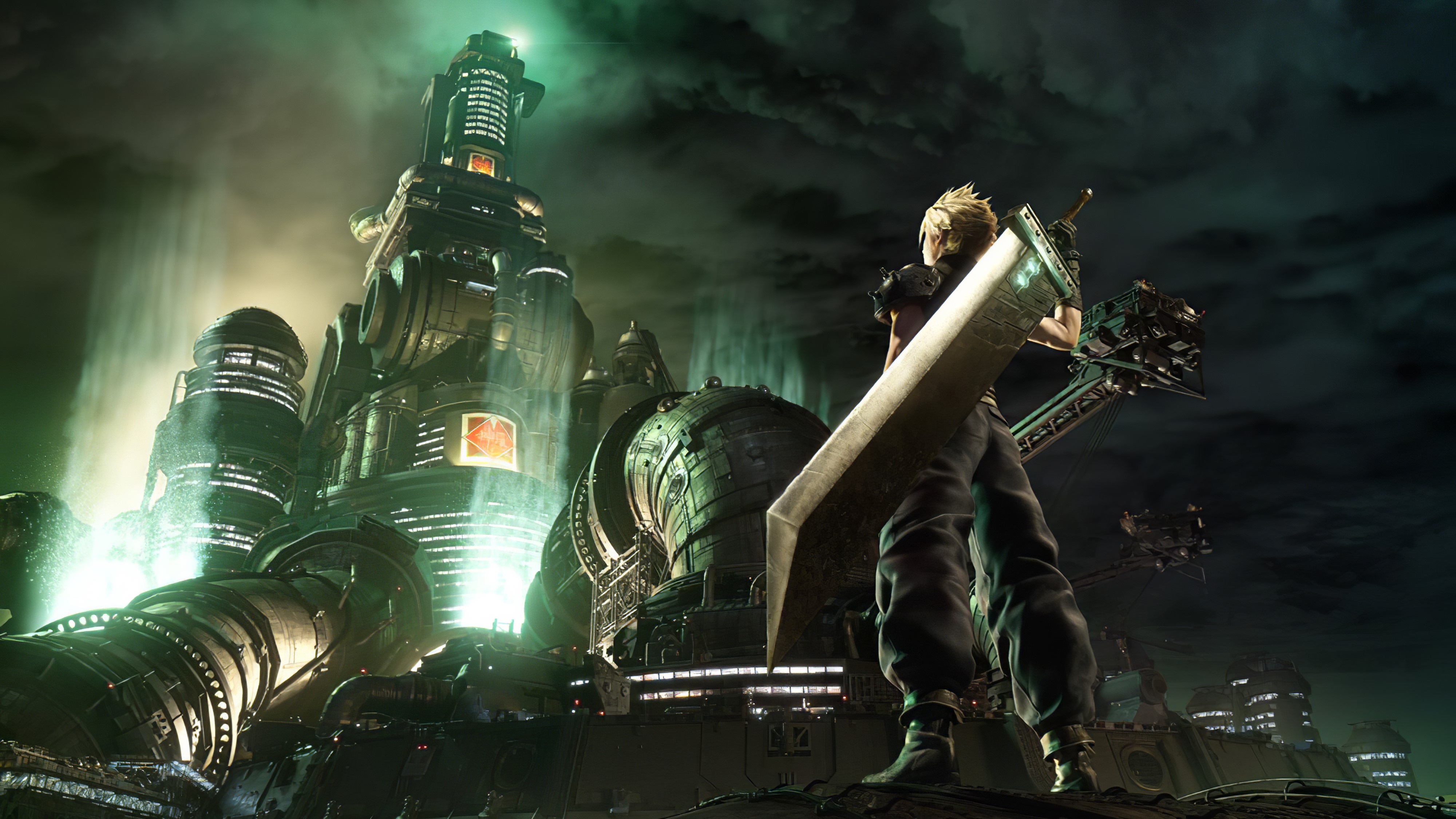
Cloud Strife received a visual update in ‘Final Fantasy VII Remake’ that emphasized his delicate facial structure and slender frame. Some long-term fans criticized the high-definition model for being too feminine and lacking the ruggedness they expected from a mercenary. The inclusion of the expanded Wall Market sequence further fueled debates about the presentation of the main character. User scores were impacted by these aesthetic disagreements as players expressed their frustrations through low ratings. The project overall sought to remain faithful to the original art style while modernizing the graphics for a new generation.
‘Devil May Cry 5’ (2019)
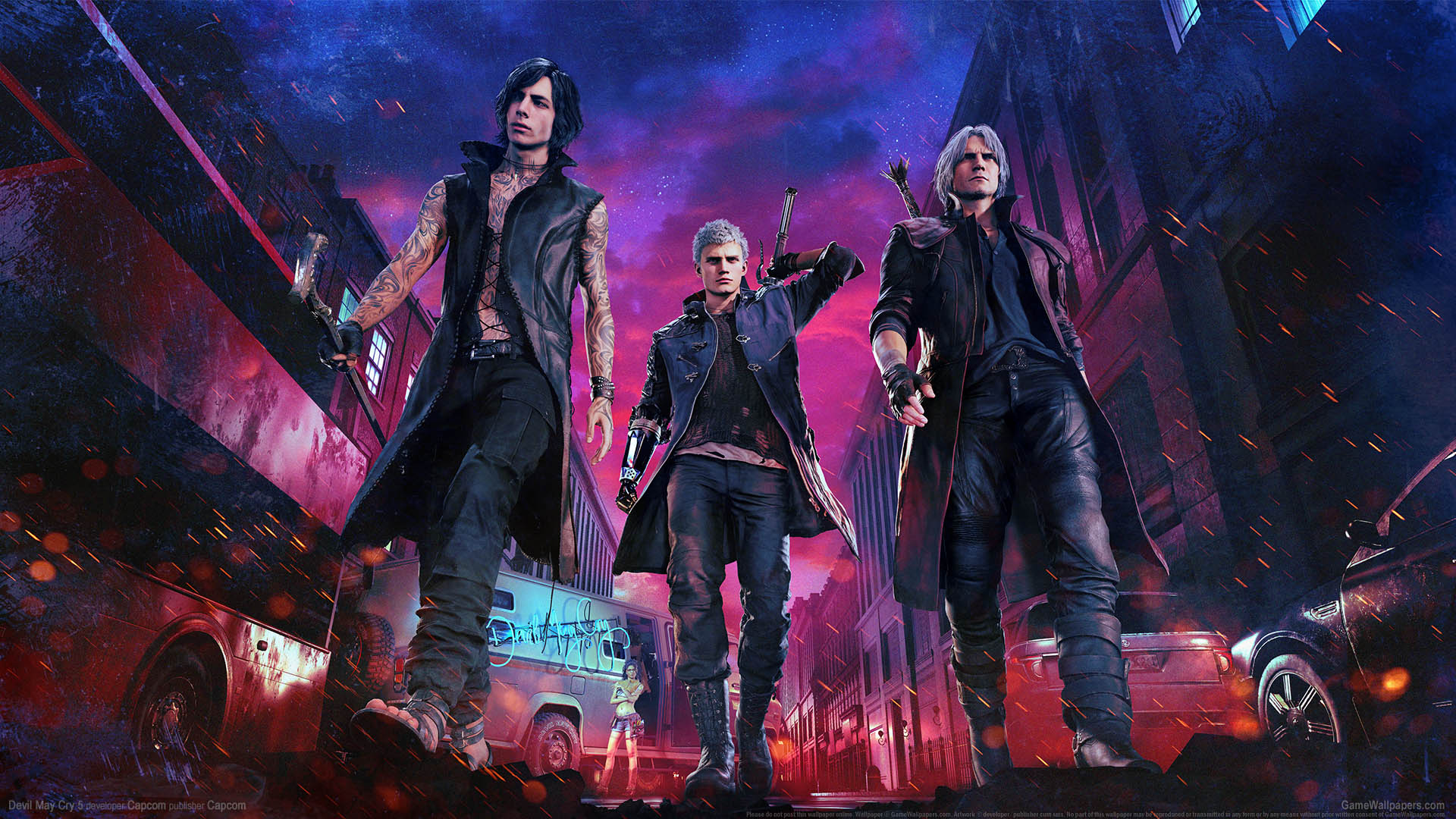
The introduction of the character V in ‘Devil May Cry 5’ brought a different aesthetic to the traditionally hyper-masculine action series. This character utilized a more slender and gothic design which some players labeled as too feminine for the franchise. Nero and Dante also underwent facial redesigns using photogrammetry that some users found to be less rugged than previous versions. These changes contributed to a subset of negative user reviews focused on the perceived softening of the lead cast. Despite the backlash the game received high marks for its combat systems and technical performance.
‘Marvel’s Spider-Man 2’ (2023)
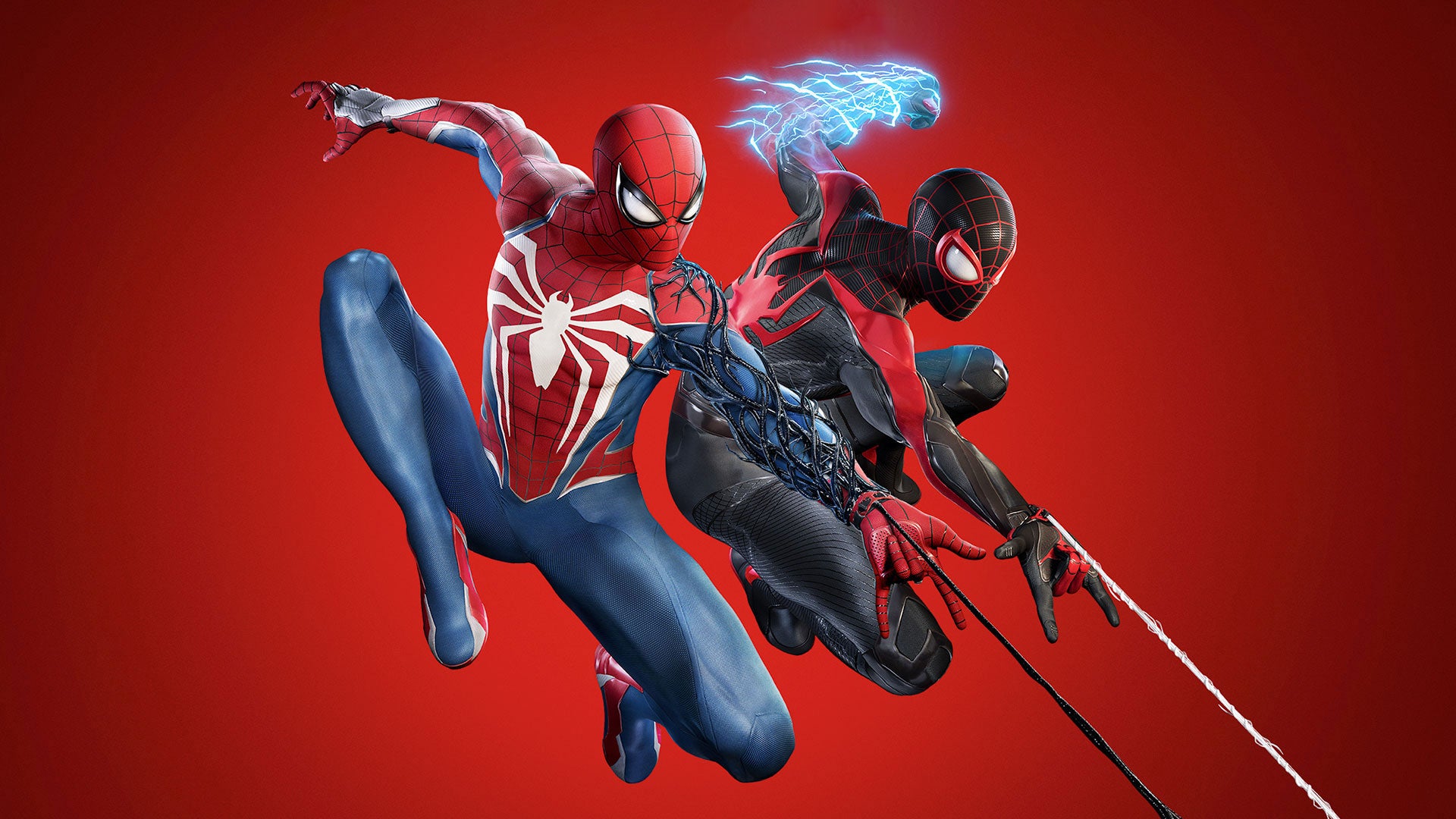
The face model for Peter Parker in ‘Marvel’s Spider-Man 2’ continued to be a source of controversy following its initial change in the previous remaster. Many fans argued that the new face appeared too young and feminine compared to the original more weathered look. This sentiment led to organized review bombing efforts where users cited the character design as a primary reason for their low scores. The developers maintained that the change was necessary to better match the facial performance of the voice actor. The debate over Peter Parker’s appearance remains one of the most discussed aspects of the modern series.
‘Prince of Persia: The Lost Crown’ (2024)
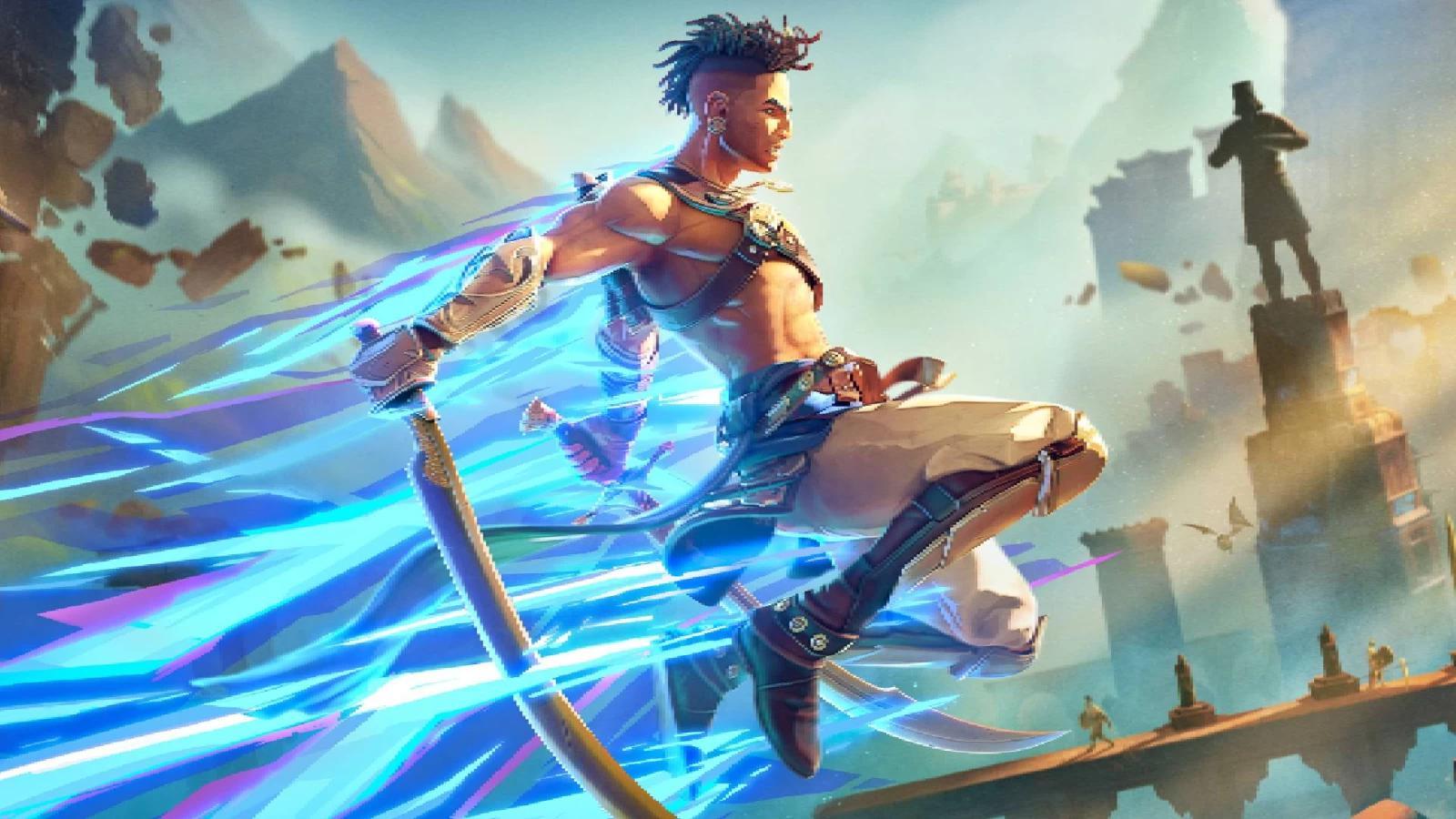
The protagonist Sargon in ‘Prince of Persia: The Lost Crown’ faced immediate criticism from fans of the original trilogy. Many players felt that his facial features and hairstyle were too aligned with modern feminine-leaning trends rather than the gritty aesthetic of past titles. This perception resulted in a significant number of negative user reviews upon the game’s announcement and release. Critics of the design felt it stripped the hero of his traditional identity as a Persian warrior. The game eventually received praise for its gameplay mechanics but the initial reception was heavily colored by this visual dispute.
‘Fire Emblem Engage’ (2023)
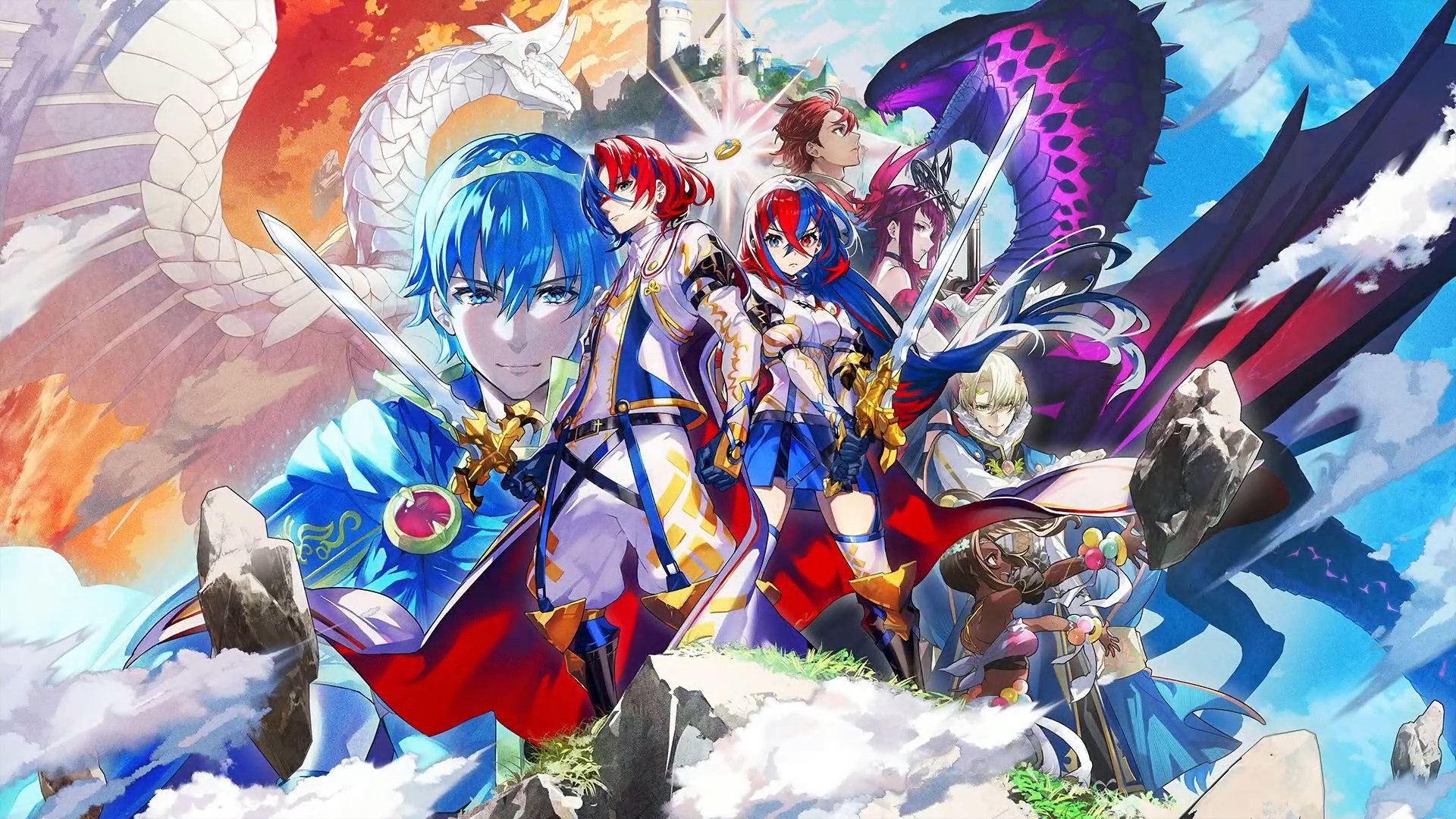
The male version of the protagonist Alear in ‘Fire Emblem Engage’ was criticized for his colorful hair and soft facial features. Fans of the long-running strategy series argued that the design felt too feminine and lacked the stature of previous lords. This led to a divided reception on user review platforms where the art style was frequently cited as a negative factor. The developers opted for a more vibrant and anime-influenced look to celebrate the history of the franchise. Some players felt this direction moved the series too far away from its more serious medieval fantasy roots.
‘God of War Ragnarok’ (2022)
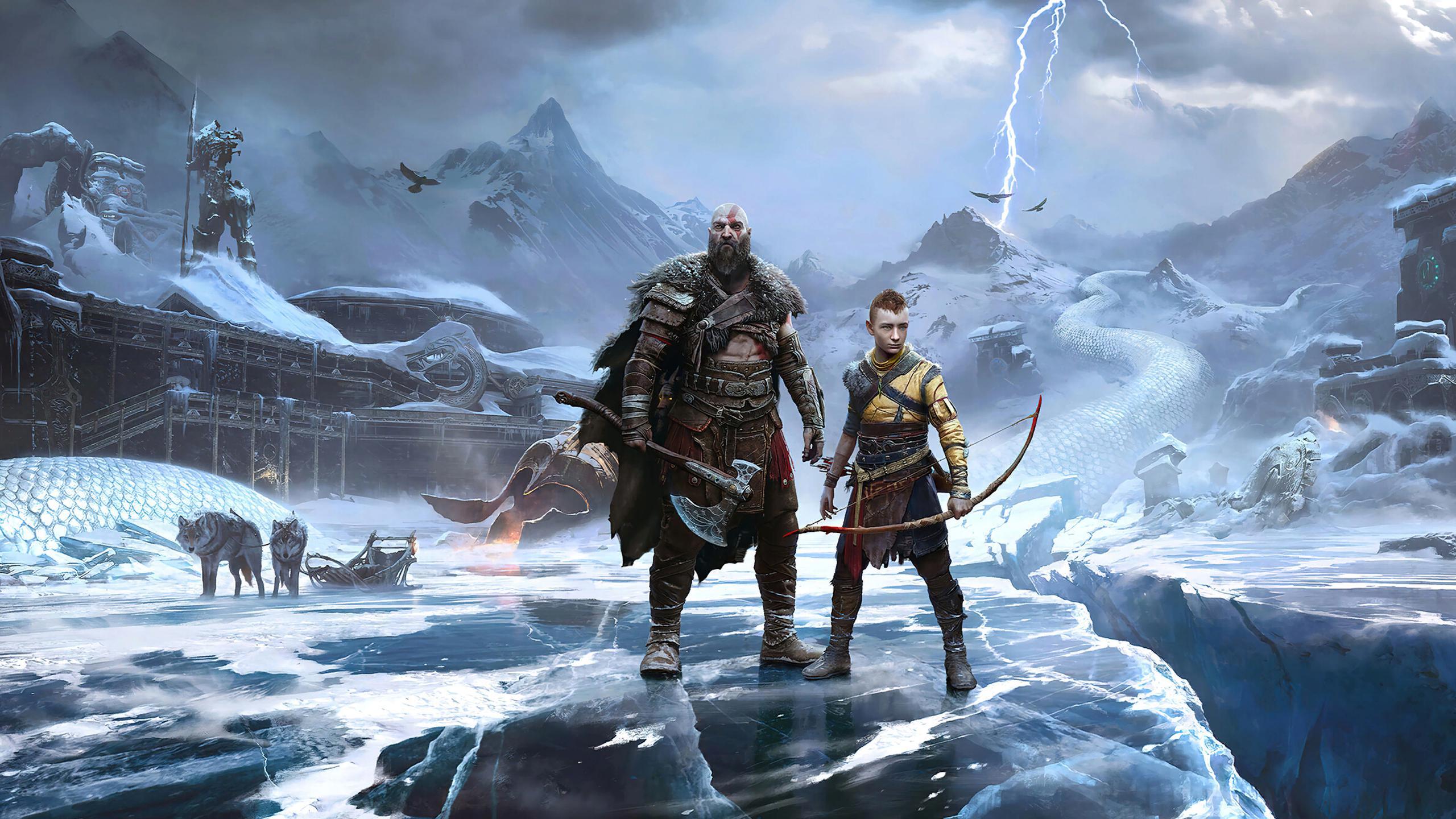
The portrayal of Atreus in ‘God of War Ragnarok’ became a focal point for players who felt his character arc and appearance were too soft. Some users criticized the character for lacking the traditional toughness associated with the series and its legendary protagonist Kratos. This sentiment manifested in negative reviews that targeted the narrative focus on a younger and more emotional hero. The developers intended to show the growth and vulnerability of a teenager finding his own path. However a segment of the audience felt this approach feminized the legacy of the franchise.
‘Mortal Kombat 1’ (2023)
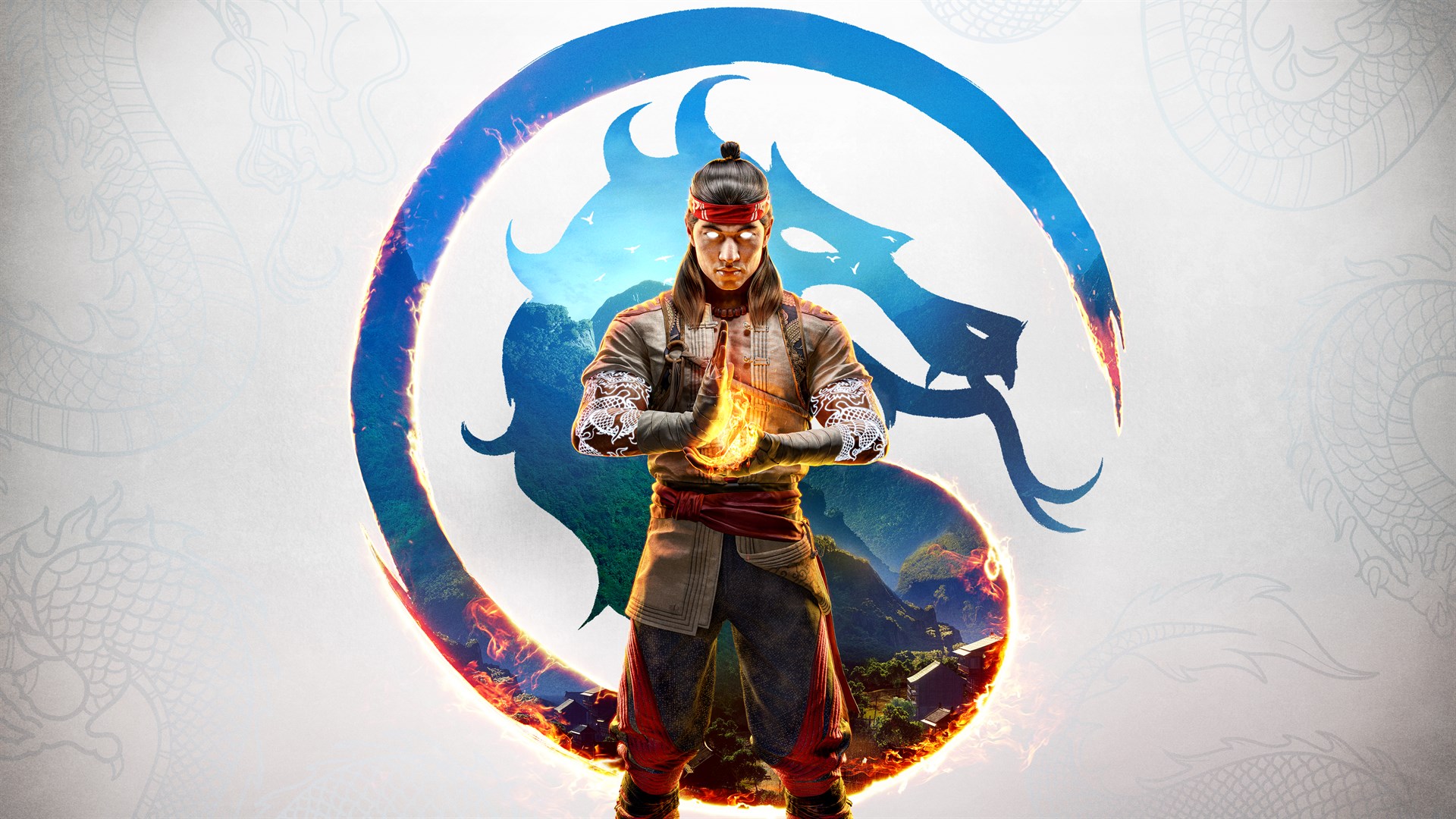
The reimagining of characters like Reptile and Raiden in ‘Mortal Kombat 1’ sparked debate among the fighting game community. Reptile’s new human form was described by some fans as being too much like a pretty boy and lacking his iconic monstrous traits. Similarly the younger and more humble version of Raiden was seen as a softening of the formerly authoritative thunder god. These changes led to mixed user reviews where players expressed nostalgia for the more aggressive and masculine designs of the past. The game aimed to reset the timeline with fresh perspectives on classic figures.
‘Saint’s Row’ (2022)
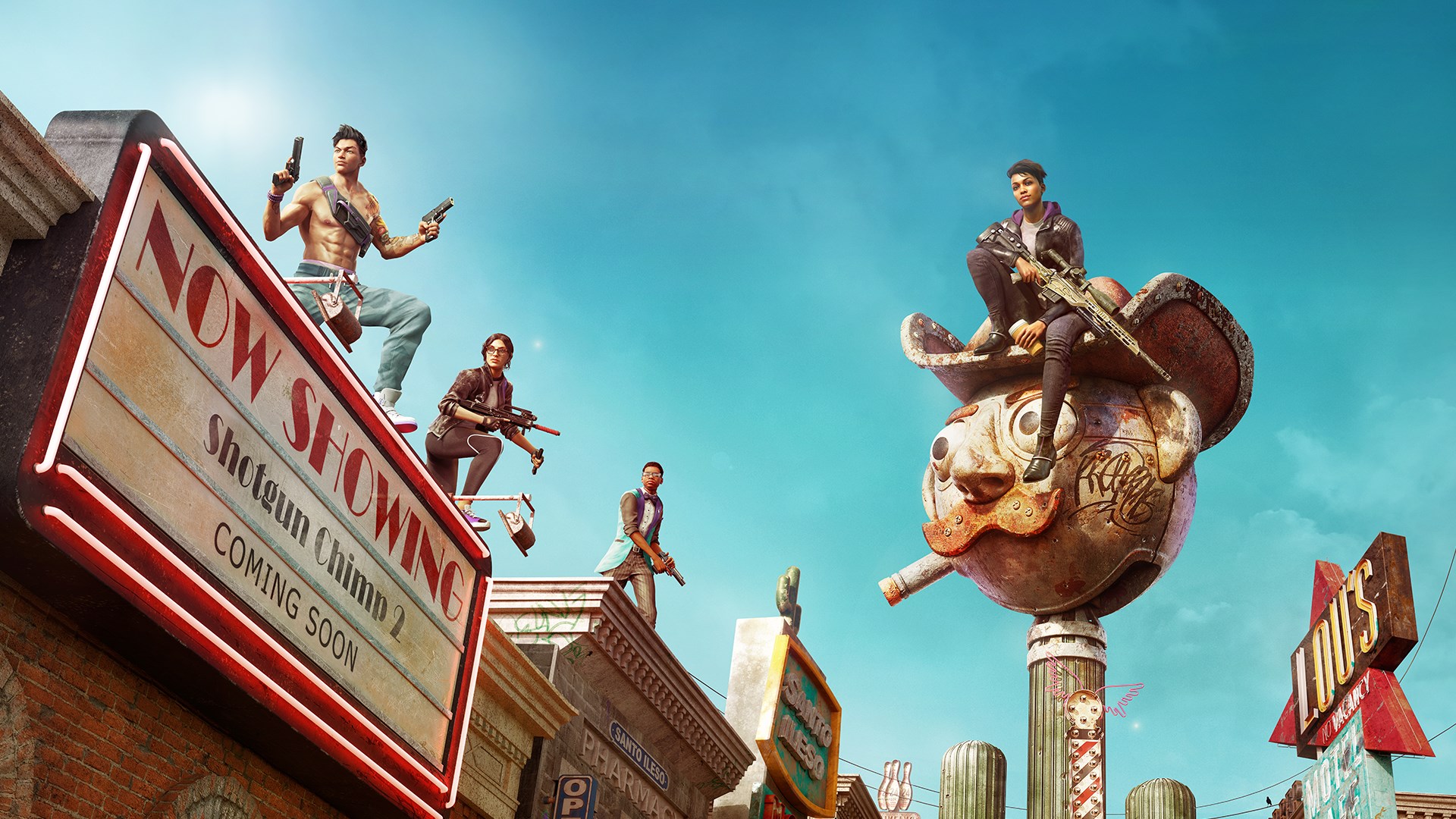
The reboot of ‘Saint’s Row’ introduced a new cast of characters that many fans felt lacked the grit of the original series. The protagonists were often criticized for having a hipster aesthetic that some players labeled as too feminine or non-threatening. This disconnect from the franchise’s criminal roots resulted in a massive wave of review bombing. Players felt the new direction prioritized a specific modern sensibility over the established tone of the brand. The game’s commercial and critical performance was heavily impacted by this initial negative reception.
‘Suicide Squad: Kill the Justice League’ (2024)
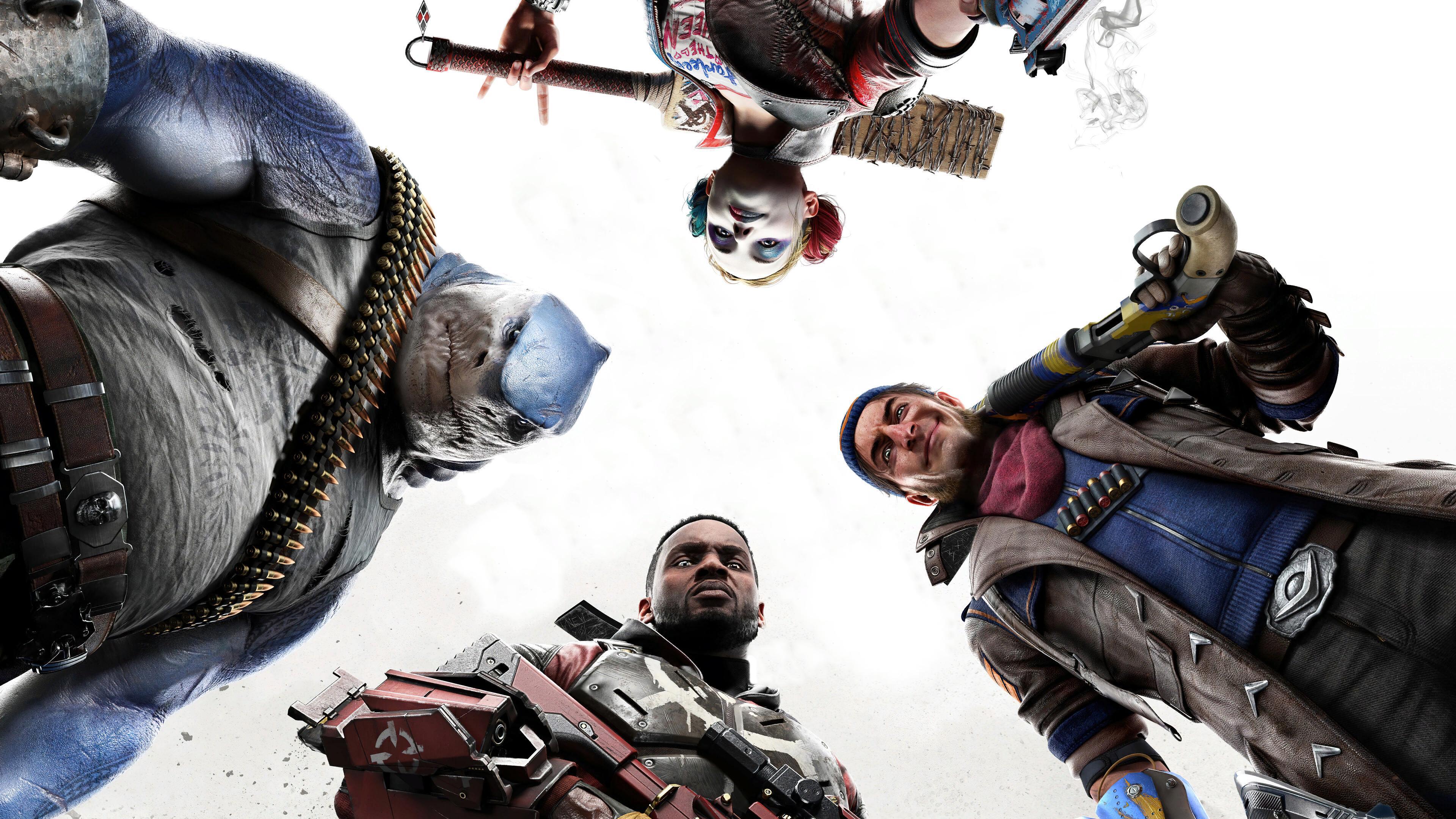
The depictions of classic heroes like Superman and Batman in ‘Suicide Squad: Kill the Justice League’ faced backlash for their roles in the story. Some players felt that the way these icons were defeated or characterized felt like a softening of their legendary status. This perception led to negative user reviews that accused the developers of pursuing a specific political or social agenda. The game struggled to find an audience as fans of the Arkham series felt the tone had shifted too dramatically. The visual and narrative treatment of these heroes remained a central point of the controversy.
‘Gotham Knights’ (2022)
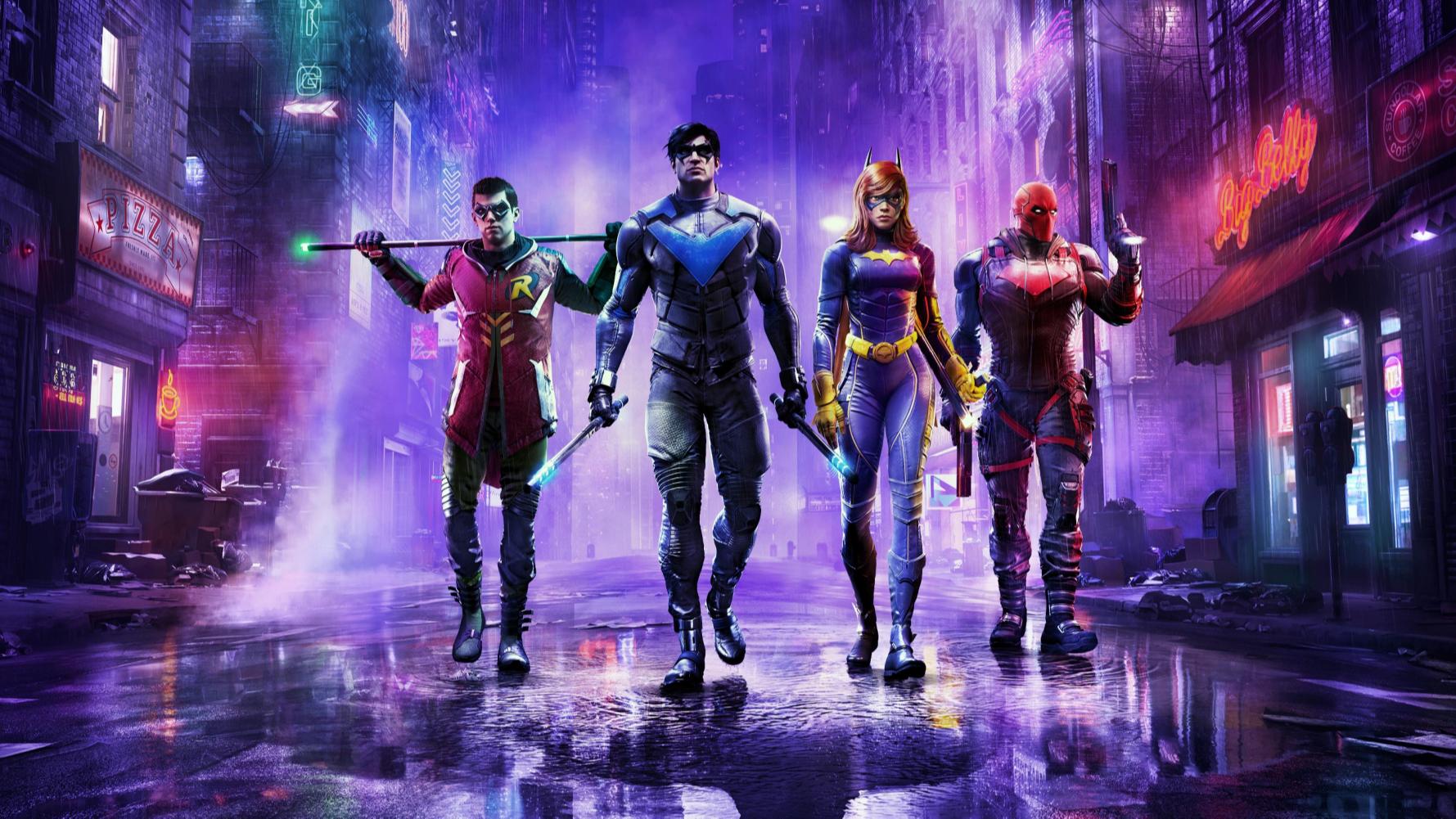
The character designs for Nightwing and Robin in ‘Gotham Knights’ were scrutinized for being less rugged than their counterparts in previous games. Some fans argued that the facial models and outfits were too feminine and lacked the combat-hardened look suitable for protectors of Gotham. This sentiment was reflected in various user reviews that criticized the game’s overall art direction and characterization. The developers aimed to showcase a younger generation of heroes stepping into the spotlight. Despite these intentions the community remained divided over the aesthetic choices for the lead quartet.
‘Resident Evil 4’ (2023)
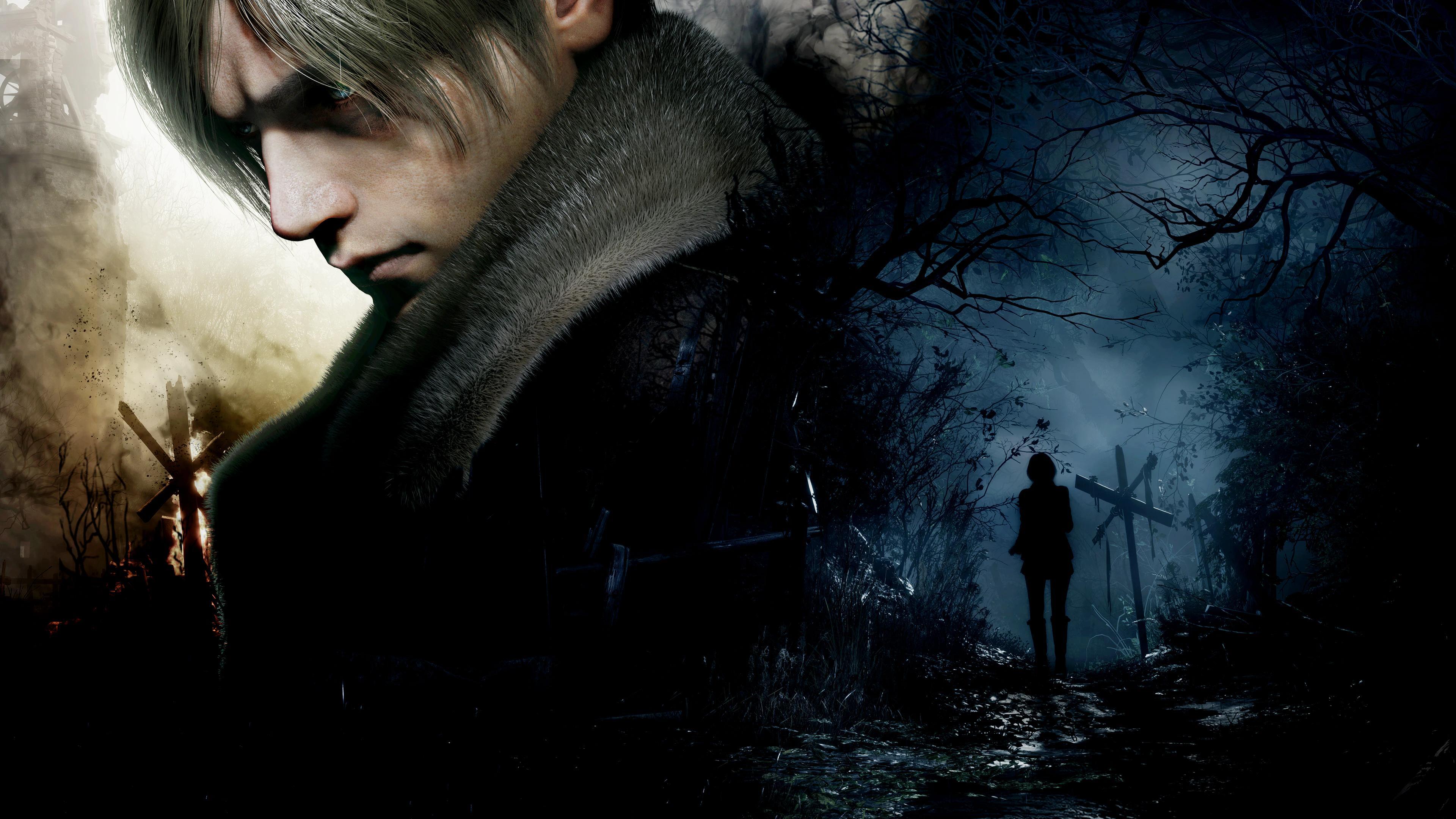
The remake of ‘Resident Evil 4’ saw Leon S. Kennedy receive a detailed update that some fans found to be too soft. While the game was a massive critical success a small group of users felt his updated facial features were more feminine than the 2005 original. These complaints often appeared in user reviews alongside discussions about other character changes. The goal of the remake was to provide a more grounded and realistic take on the classic survival horror story. Most players embraced the new look but the debate over Leon’s masculinity persists in fan circles.
‘Street Fighter 6’ (2023)
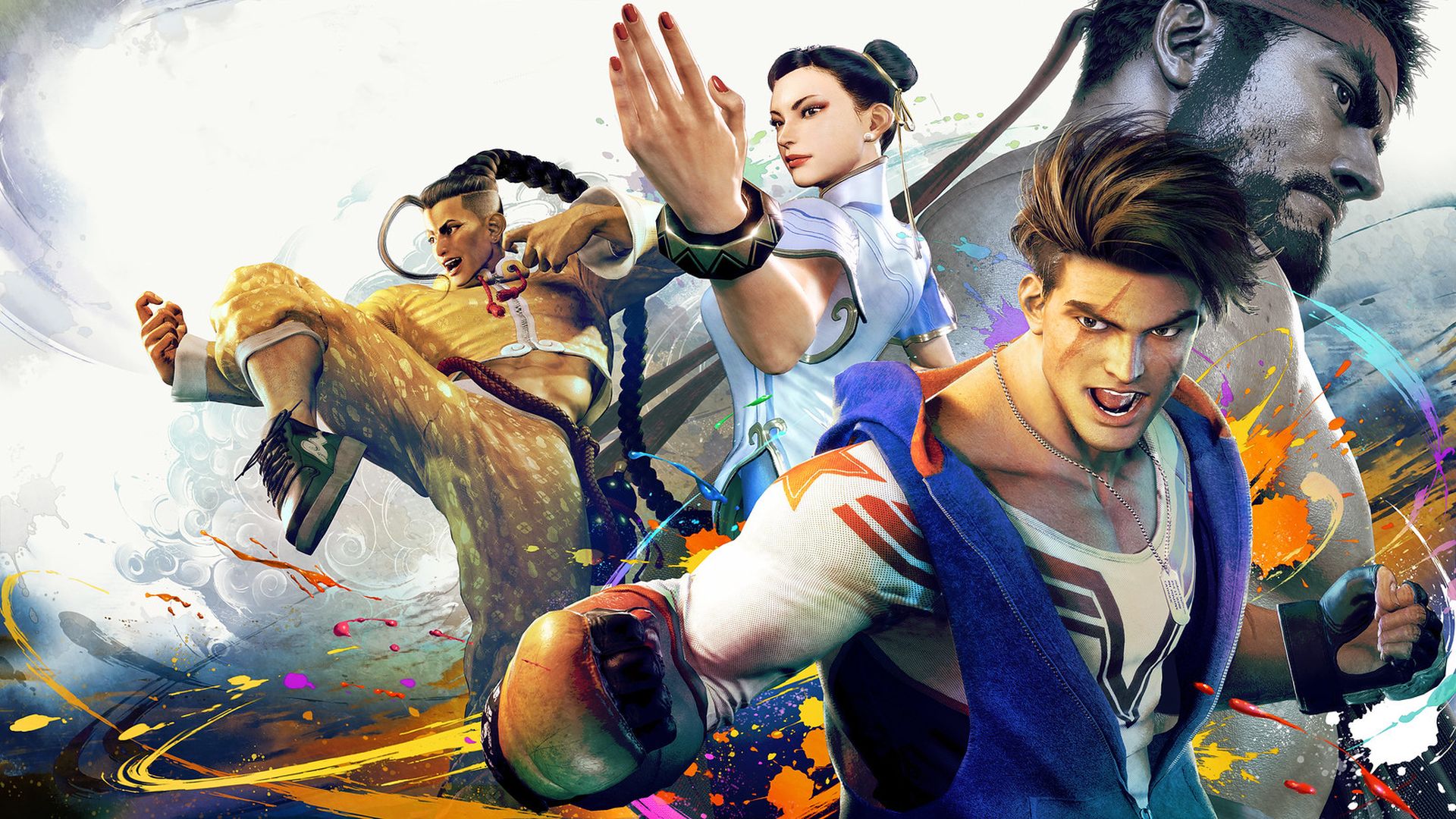
The introduction of characters like Jamie and the redesign of classic fighters in ‘Street Fighter 6’ led to varied community reactions. Jamie’s fluid and graceful fighting style was described by some as being too feminine for a primary rival character. Some players also expressed dissatisfaction with the softer aesthetic of certain male fighters compared to the bulky designs of the previous entry. This did not stop the game from being a major success though user review sections often debated these artistic shifts. The new art style aimed to blend urban culture with traditional martial arts themes.
‘Pokémon Scarlet and Violet’ (2022)

The protagonist character options in ‘Pokémon Scarlet and Violet’ were criticized for being too gender-neutral and feminine. Many players felt that the clothing options and facial presets did not allow for a traditionally masculine character build. This led to negative feedback on social media and user review sites where fans asked for more diverse customization. The developers chose a more unified school uniform aesthetic for all players regardless of their chosen gender. This decision was seen by some as a move toward a more feminine or soft presentation for the series.
‘Halo Infinite’ (2021)
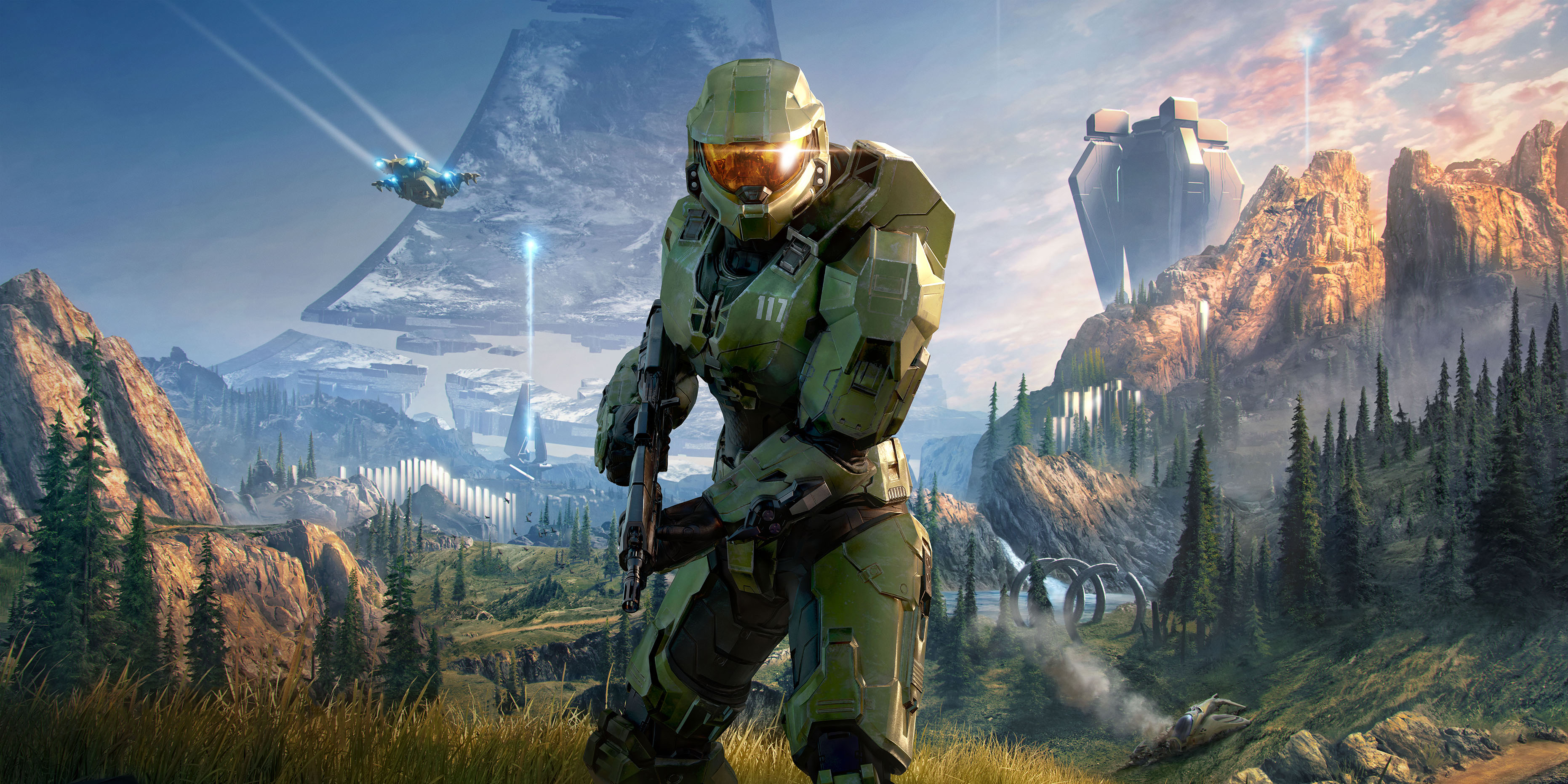
The customization options for Spartans in ‘Halo Infinite’ faced criticism regarding the available body types. Some players felt that the options for male characters were not muscular enough and appeared too feminine compared to previous games. This led to discussions in user reviews about the perceived lack of a true soldier aesthetic in the new engine. The developers intended to provide more flexibility in how players represent themselves in the multiplayer arena. However many long-time fans felt this change diluted the power fantasy associated with the Master Chief and his peers.
‘The Last of Us Part I’ (2022)
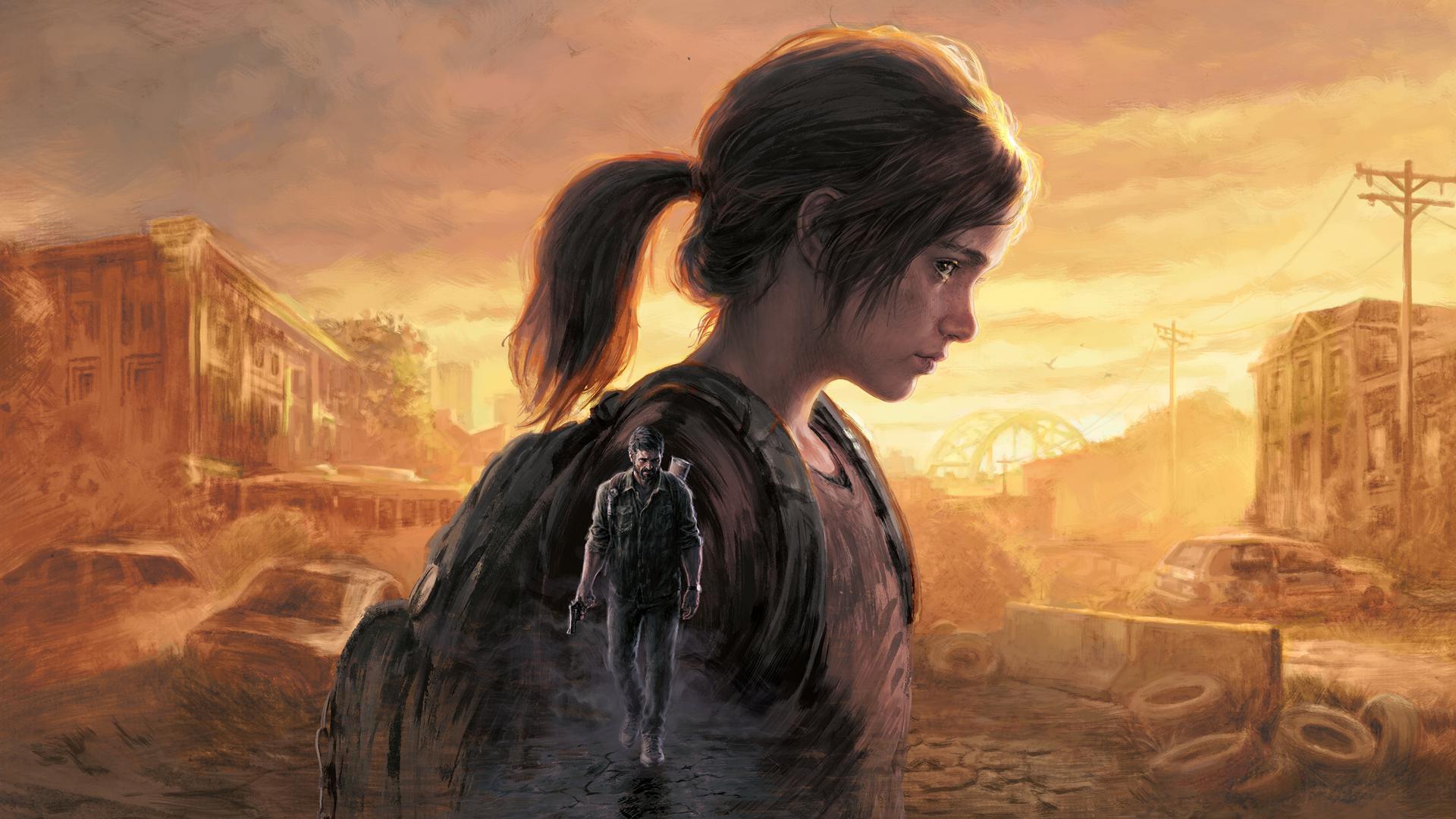
The remake of ‘The Last of Us Part I’ featured updated character models for Joel and other major characters. Some users argued that Joel’s new face appeared softer and more feminine which they felt contradicted his hardened survivor persona. These criticisms were part of a larger wave of negative user reviews targeting the necessity of the remake. The developers used the original performance data to create more expressive and realistic faces for the modern hardware. While the game was technically praised the aesthetic changes remained a polarizing topic for the fanbase.
‘Assassin’s Creed Shadows’ (2024)
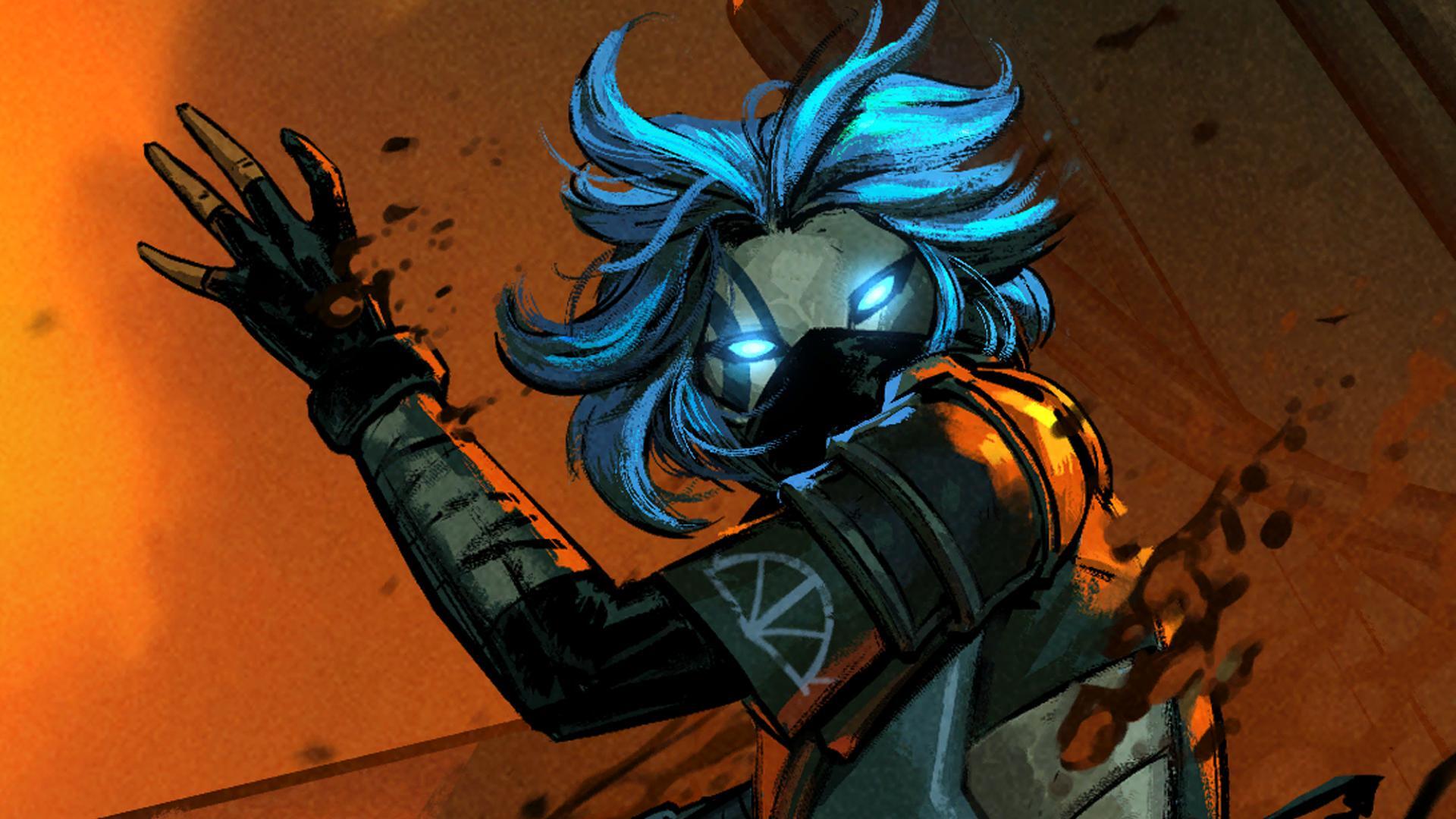
The announcement of ‘Assassin’s Creed Shadows’ sparked controversy over its dual protagonists and historical setting. Some players criticized the inclusion of a female shinobi and felt the overall aesthetic direction was leaning too heavily into modern feminine tropes. This led to preemptive review bombing on various platforms before the game was even released. Fans debated the historical accuracy and the intended tone of the series moving forward into feudal Japan. The game became a lightning rod for discussions about gender representation in major gaming franchises.
‘Fable’ (2025)
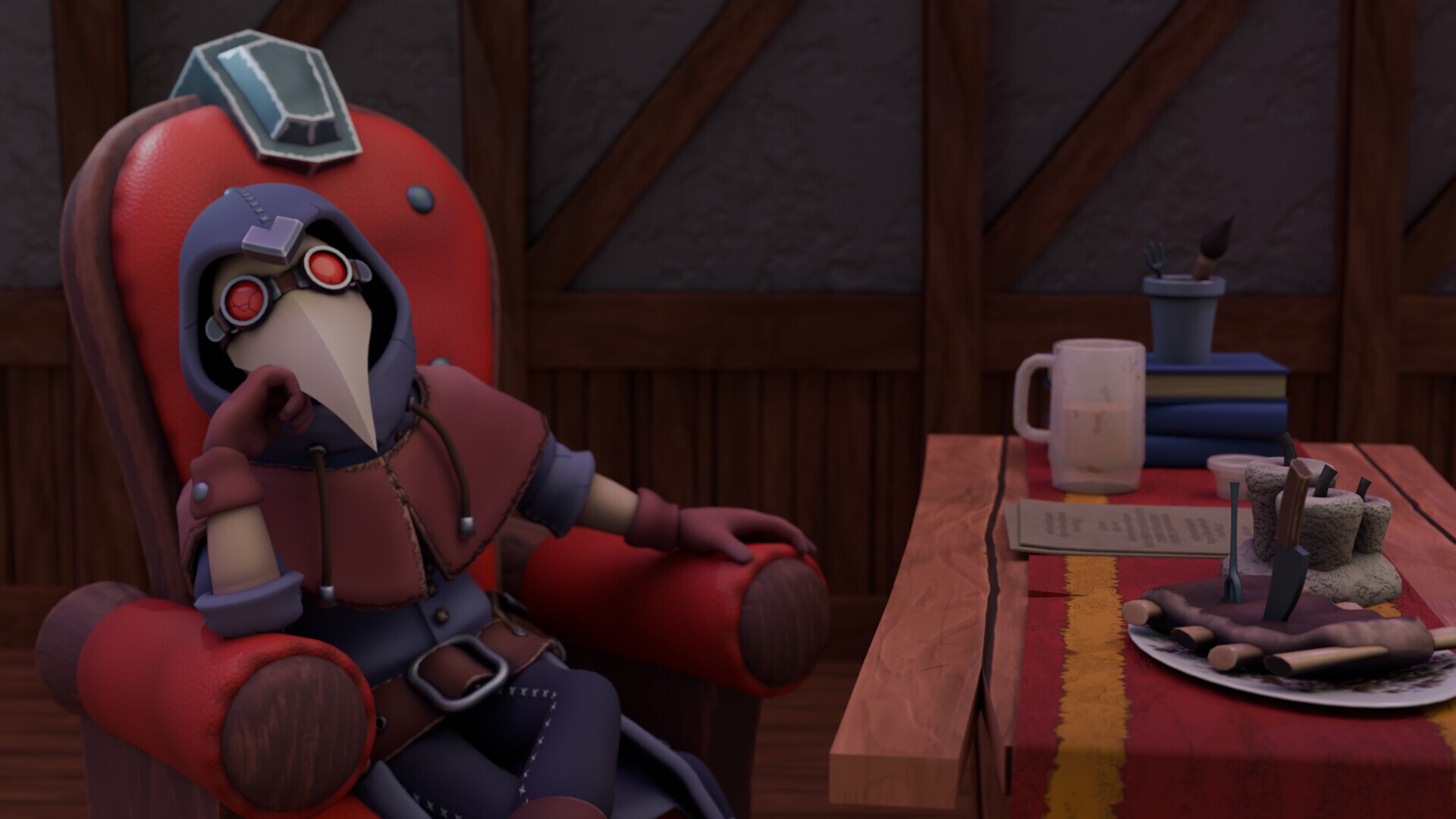
The reveal trailer for the upcoming ‘Fable’ reboot features a female protagonist who became the subject of intense online debate. Many users criticized her appearance as being part of a trend that moves away from traditional feminine beauty or masculinity in leads. This has already resulted in significant negative sentiment and downvoting of promotional materials on social media. The developers have signaled a return to the quirky and irreverent tone that defined the original trilogy. Despite this the focus of many critics remains on the visual presentation of the main hero.
‘Dragon Age: The Veilguard’ (2024)
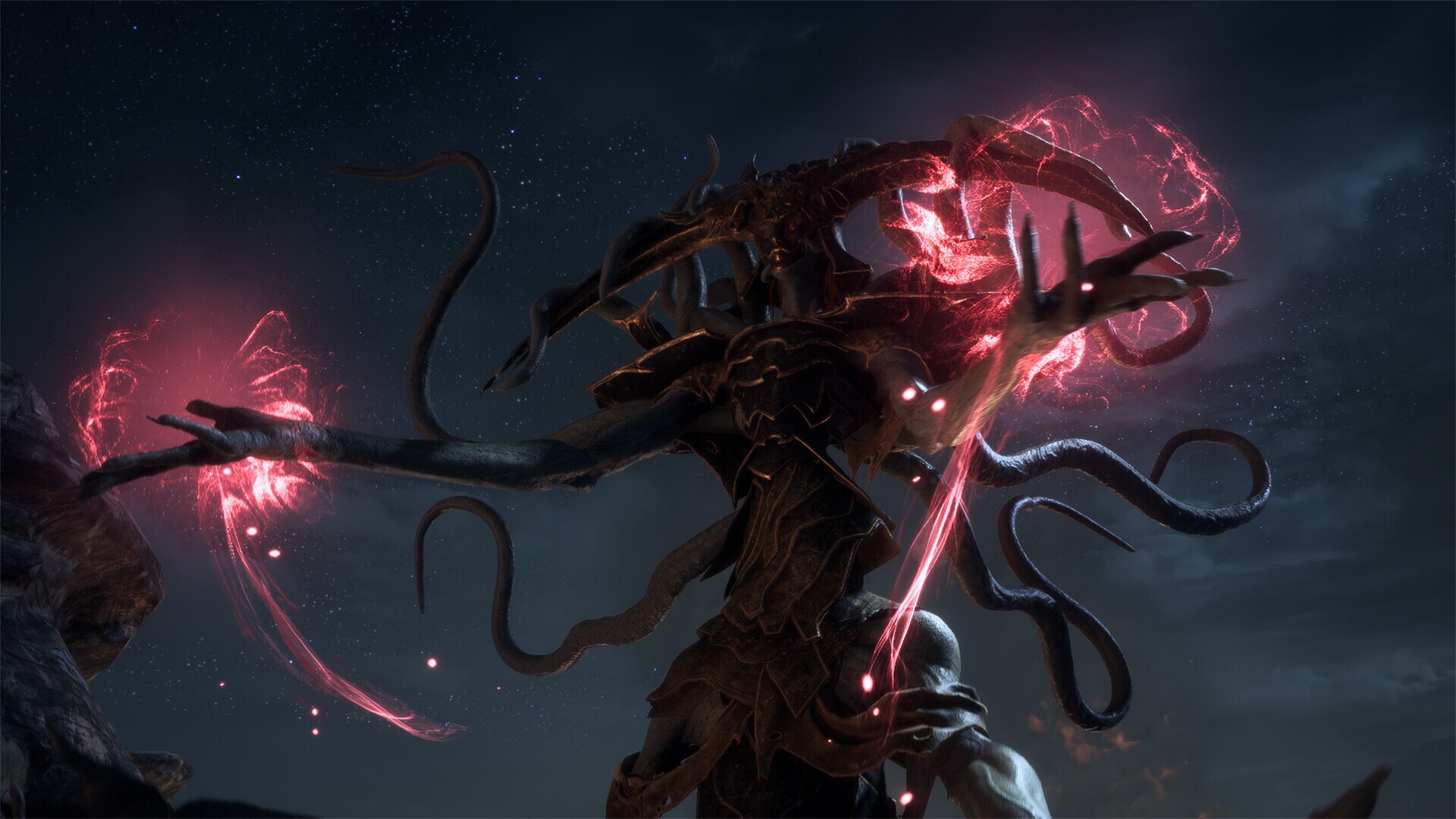
The first look at ‘Dragon Age: The Veilguard’ drew criticism for its colorful and stylized art direction. Some fans of the dark fantasy series felt the new look was too soft and feminine for the gritty world of Thedas. This led to a surge of negative user comments and low ratings on early impressions videos. Players expressed concern that the series was moving away from the mature and rugged themes established in the first game. The developers defended the choice as a way to give the new entry a distinct and memorable visual identity.
‘Starfield’ (2023)
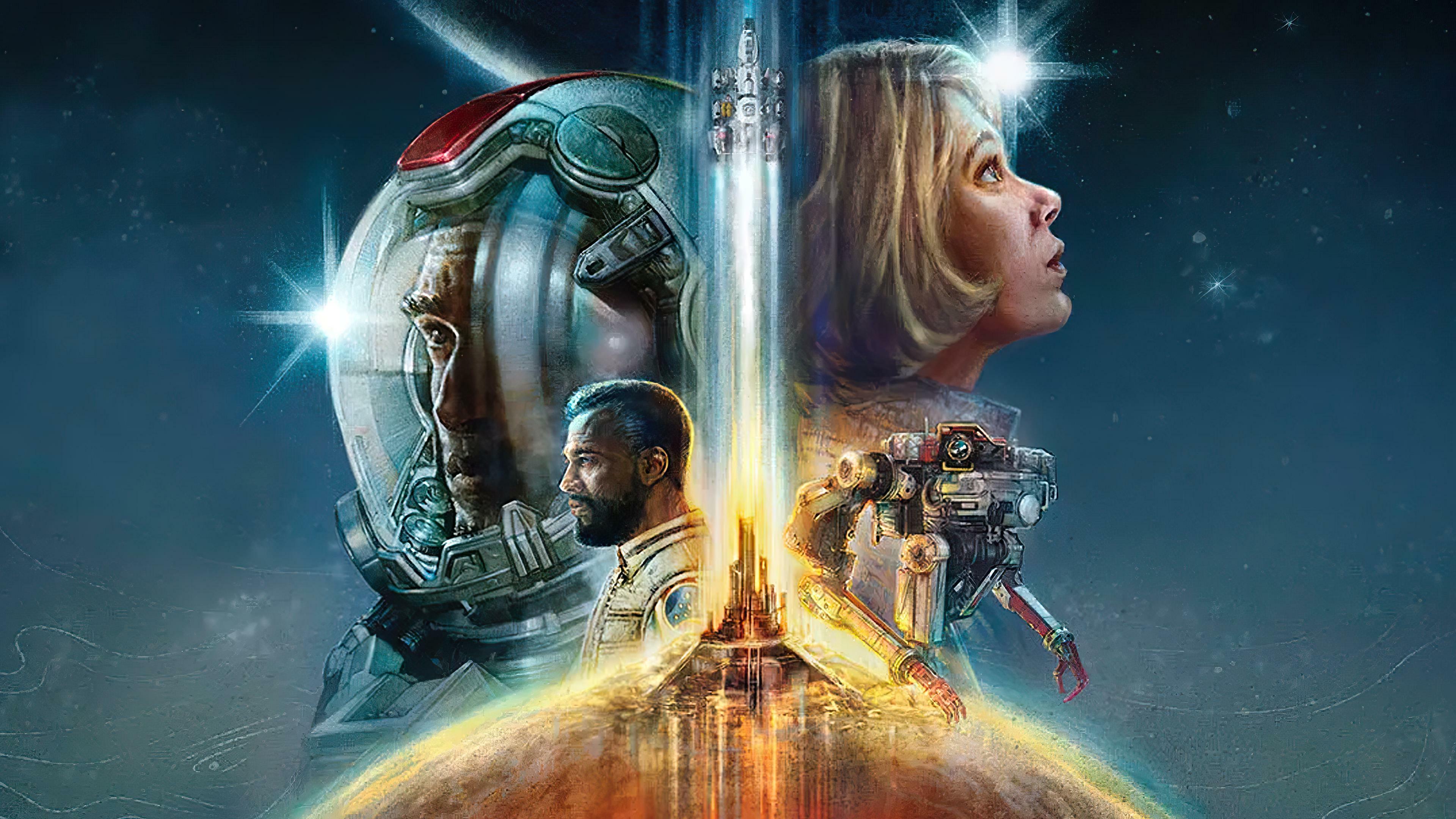
The character creation system in ‘Starfield’ was a point of contention for players looking for traditional gender roles. Some users felt that the body types and facial features were biased toward a more feminine or androgynous look. This sentiment appeared in numerous user reviews that criticized the game for being too focused on modern social trends. The game offers a wide range of customization to reflect its massive sci-fi universe. However a vocal segment of the audience felt this approach limited their ability to create a traditionally masculine hero.
‘Hogwarts Legacy’ (2023)
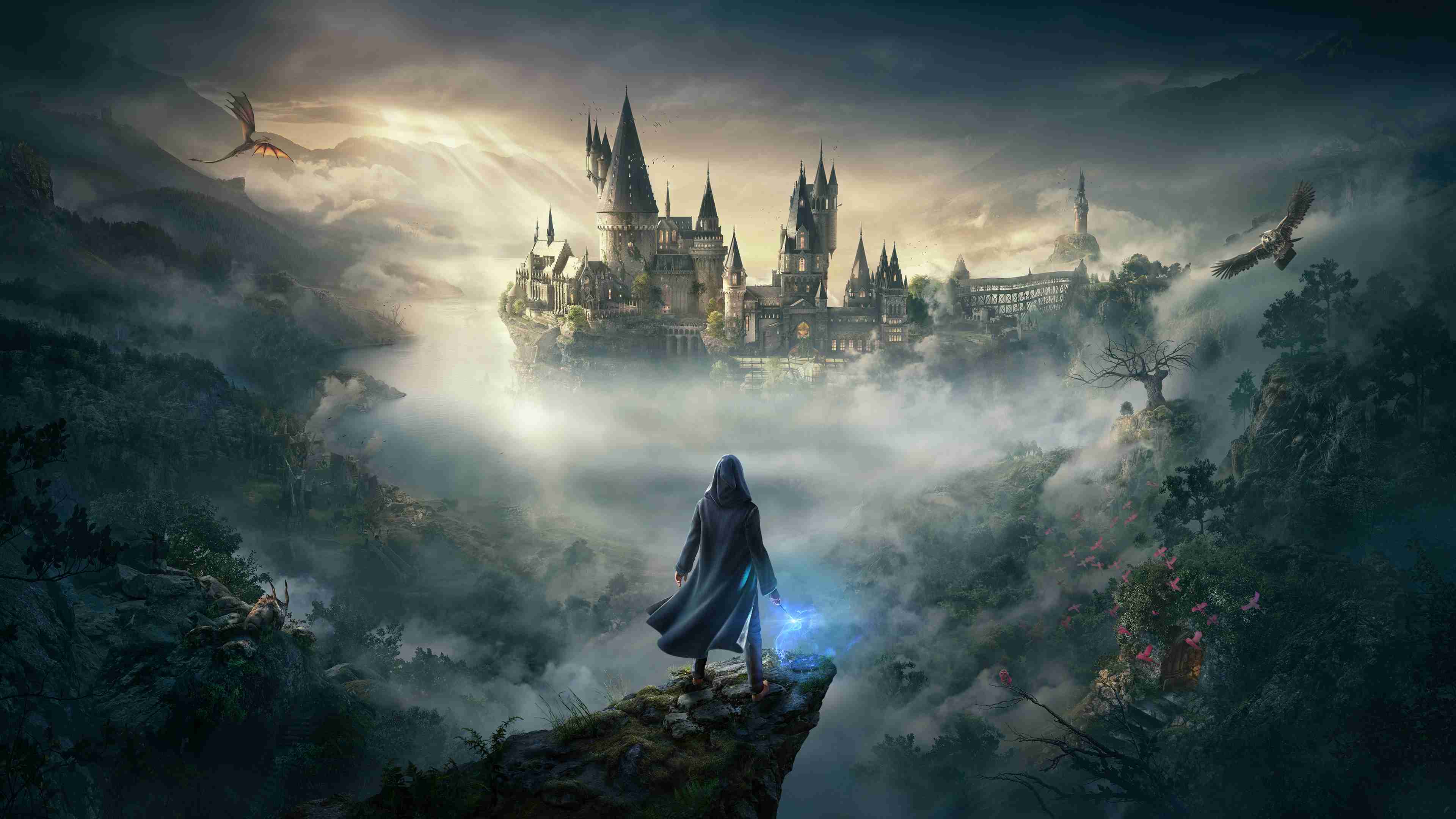
‘Hogwarts Legacy’ faced scrutiny for its character creator and the inclusion of diverse identity options. Some players felt that the default options for male characters were too feminine and lacked a rugged aesthetic. This led to debates within the user review sections about the influence of modern social politics on the game. The developers aimed to provide an inclusive experience for fans of the Wizarding World. Despite the controversy the game became one of the best-selling titles of its year and was generally well-received by the broader public.
‘Final Fantasy XVI’ (2023)
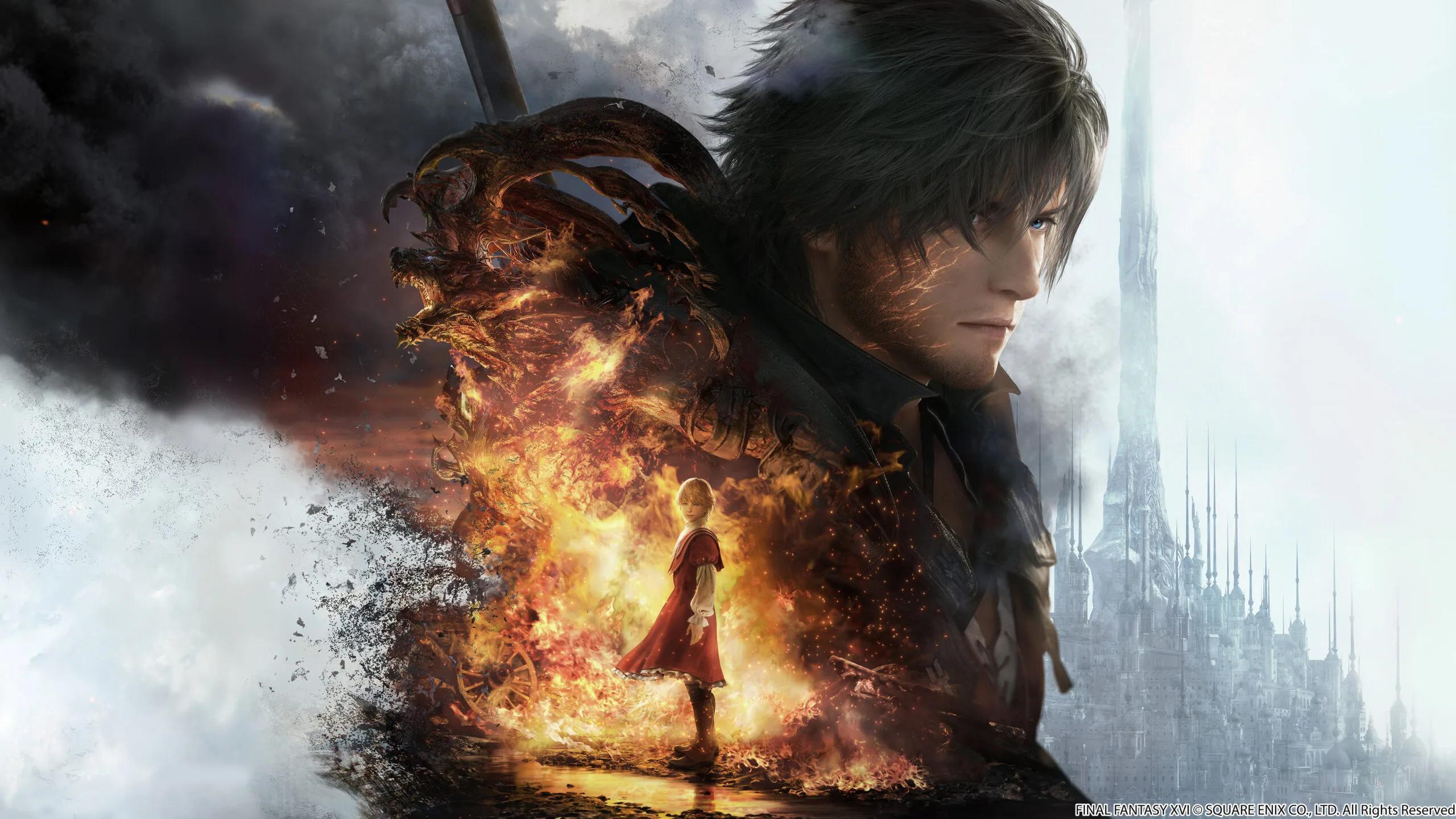
While ‘Final Fantasy XVI’ adopted a darker and more mature tone some players still found the character designs to be too feminine. Specifically the younger versions of the protagonists and certain members of the supporting cast were criticized for their pretty boy appearance. This led to some negative user reviews from fans who wanted a more consistently rugged medieval cast. The game focused heavily on character-driven drama and high-fidelity facial animations. The artistic direction followed the long-standing tradition of the series which often blends feminine and masculine traits in its leads.
‘Tales of Arise’ (2021)
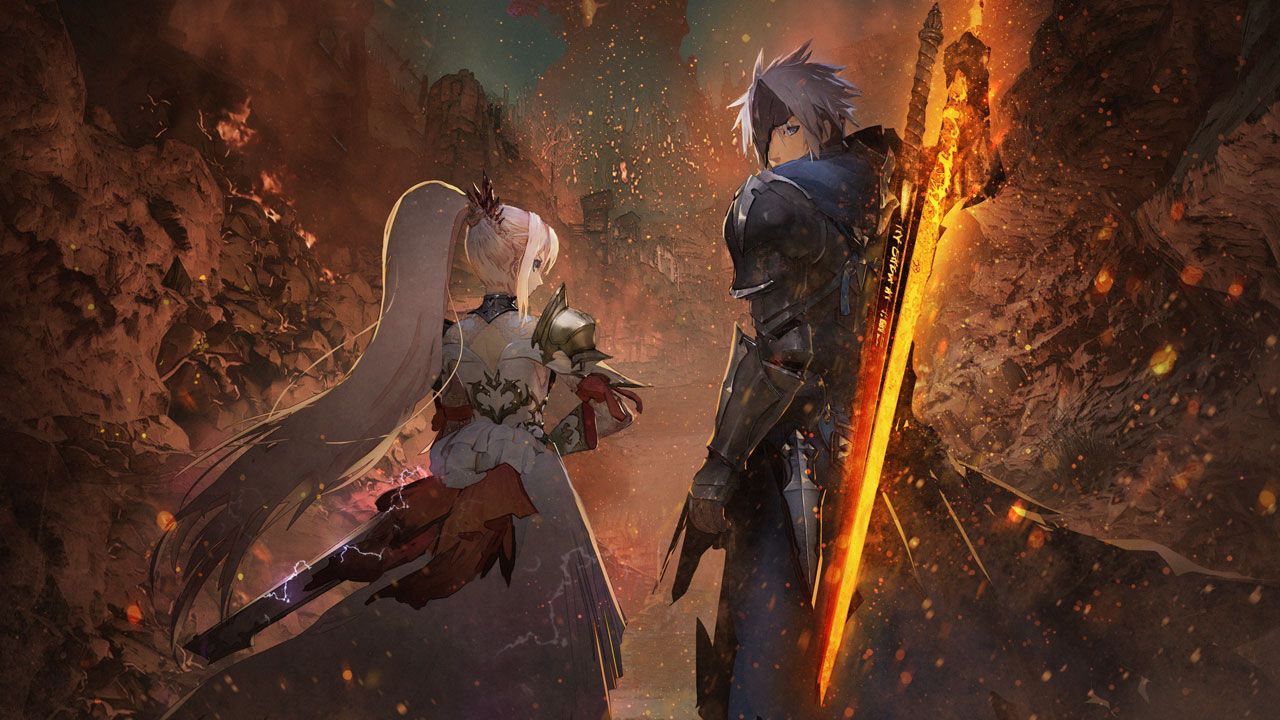
The protagonist Alphen in ‘Tales of Arise’ was noted by some players for having a softer and more delicate design than expected for a warrior. While the game was a major success for the franchise some user reviews criticized the character for being too feminine in both appearance and personality. This debate centered on the contrast between his amnesiac beginnings and his role as a revolutionary leader. The developers utilized a new visual shader to give the game a painterly and modern look. This aesthetic choice was polarizing for fans used to the older art styles of the series.
‘Xenoblade Chronicles 3’ (2022)
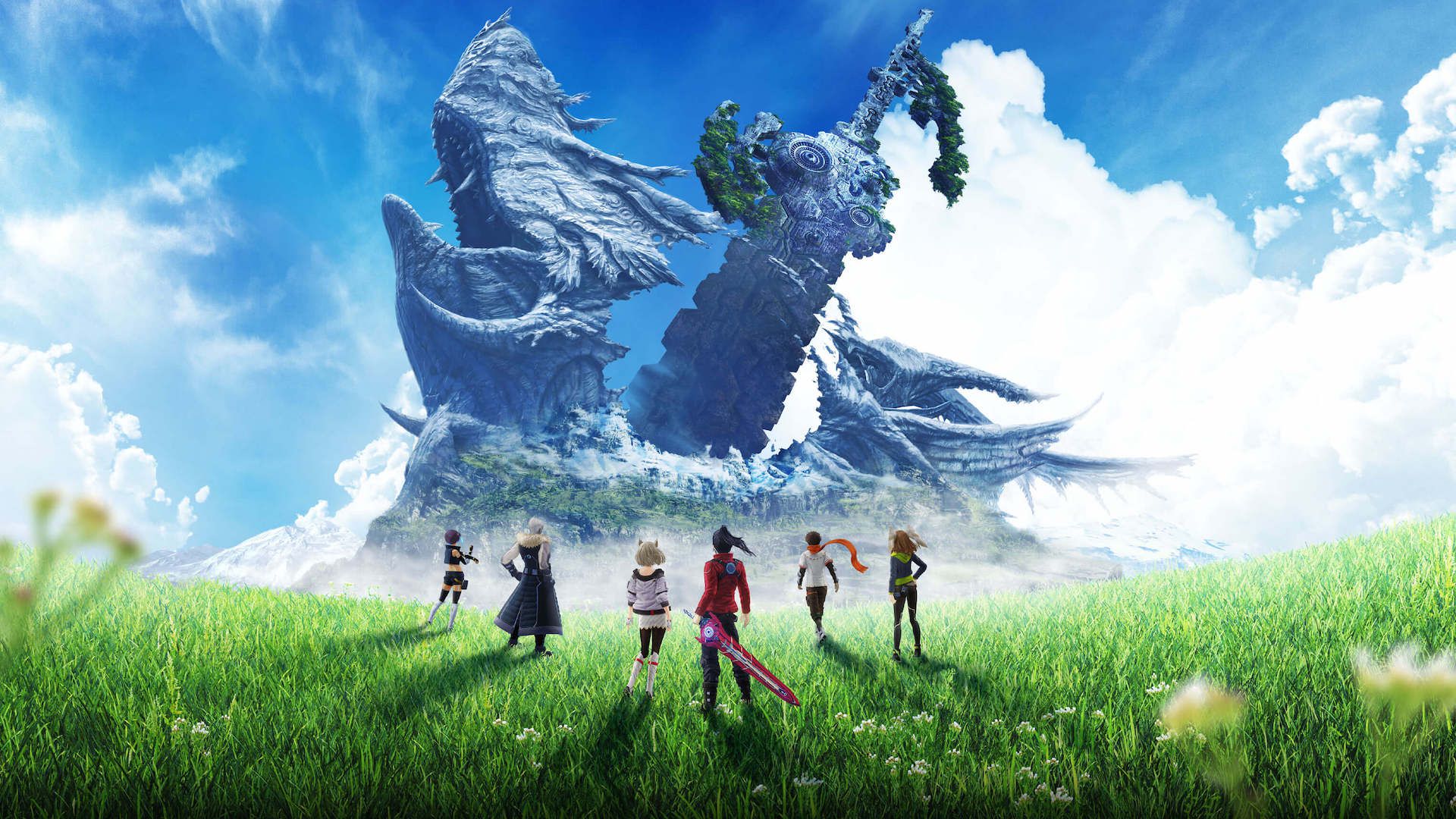
The main character Noah in ‘Xenoblade Chronicles 3’ was criticized by some segments of the fanbase for his slender build and gentle features. These players felt the design was too feminine for the leader of a military group in a world at war. This resulted in some negative user feedback focused on the characterization and visual style of the game. The story explored themes of pacifism and the cost of conflict which necessitated a more empathetic hero. The game was nonetheless praised for its deep narrative and massive open world.
‘Silent Hill 2’ (2024)
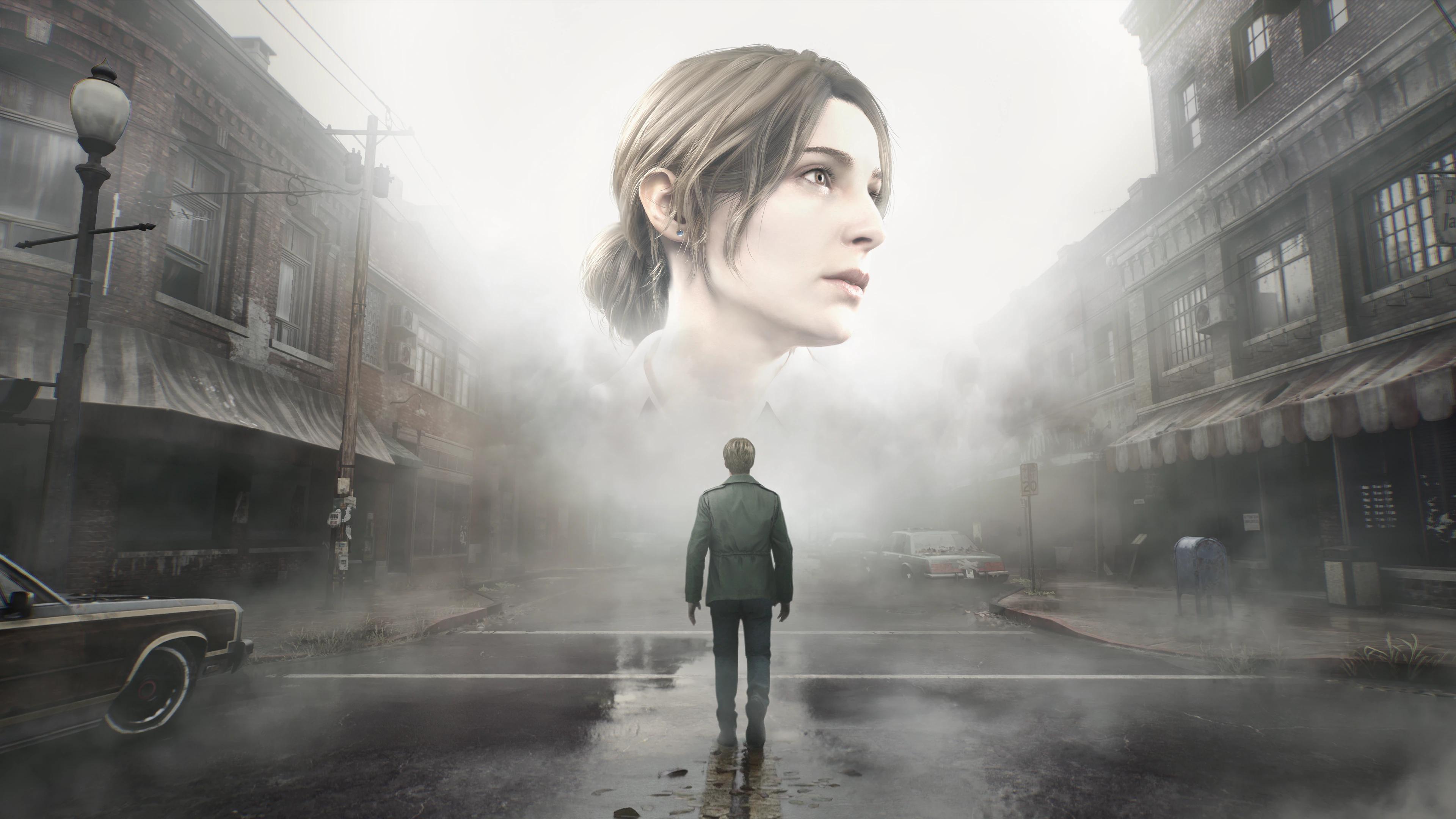
The remake of ‘Silent Hill 2’ faced early criticism regarding the updated look of the protagonist James Sunderland. Some fans argued that the new model looked too soft and lacked the distinctive weariness of the original character. This led to a wave of negative user comments on trailers and early gameplay reveals. The developers at Bloober Team stated they wanted to emphasize the character’s emotional turmoil through more detailed facial expressions. The community remains divided on whether these changes enhance or detract from the psychological horror atmosphere.
‘Metal Gear Solid Delta: Snake Eater’ (2025)
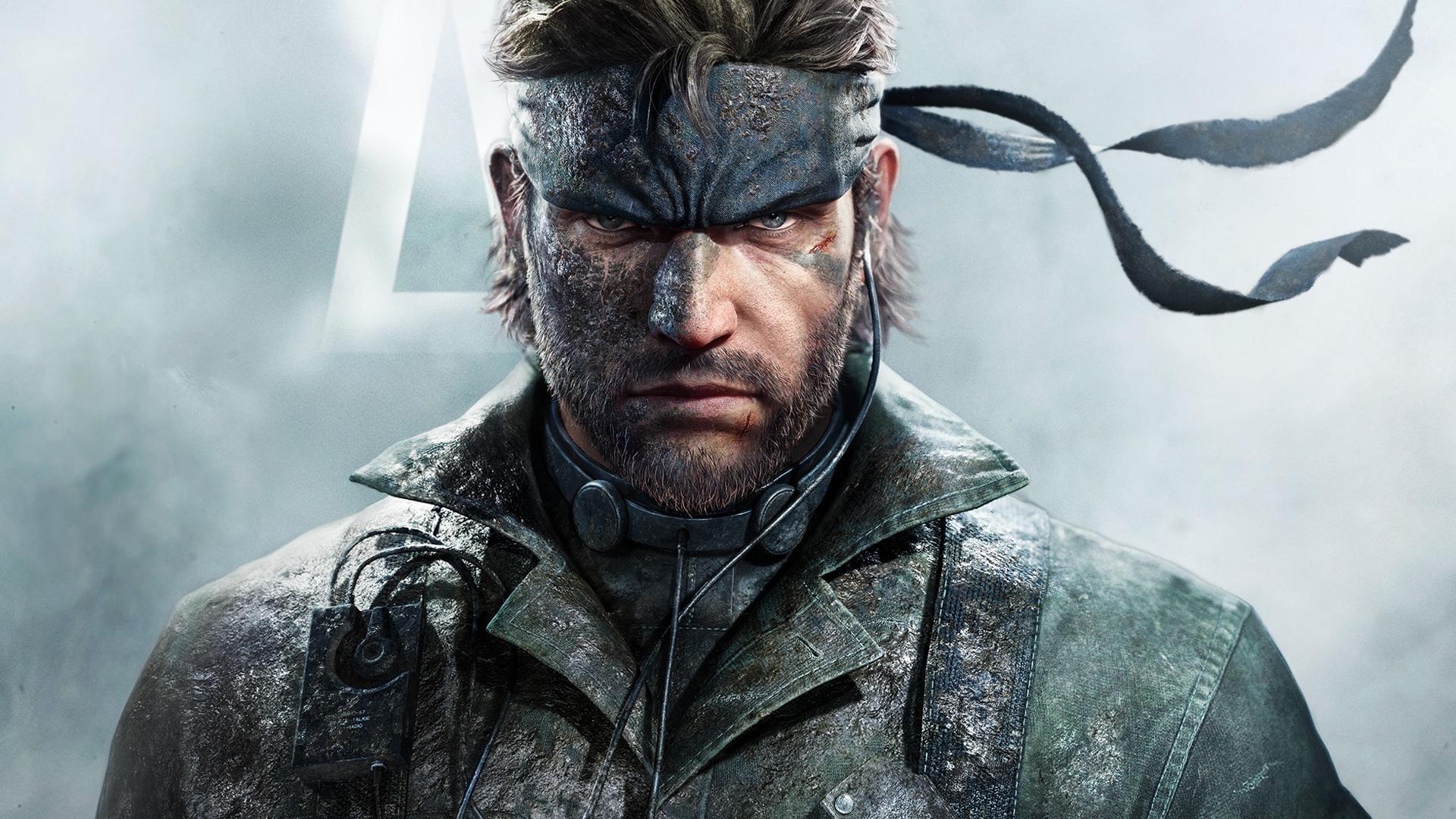
The announcement of ‘Metal Gear Solid Delta: Snake Eater’ led to intense scrutiny of the updated character model for Big Boss. Some fans expressed concern that the new graphics made the legendary soldier look too young or feminine compared to the original. This prompted discussions and negative feedback on social media platforms regarding the faithfulness of the remake. The project aims to recreate the classic experience with modern visuals and sound. Players are closely watching to see if the final product retains the rugged essence of the iconic hero.
‘Tekken 8’ (2024)
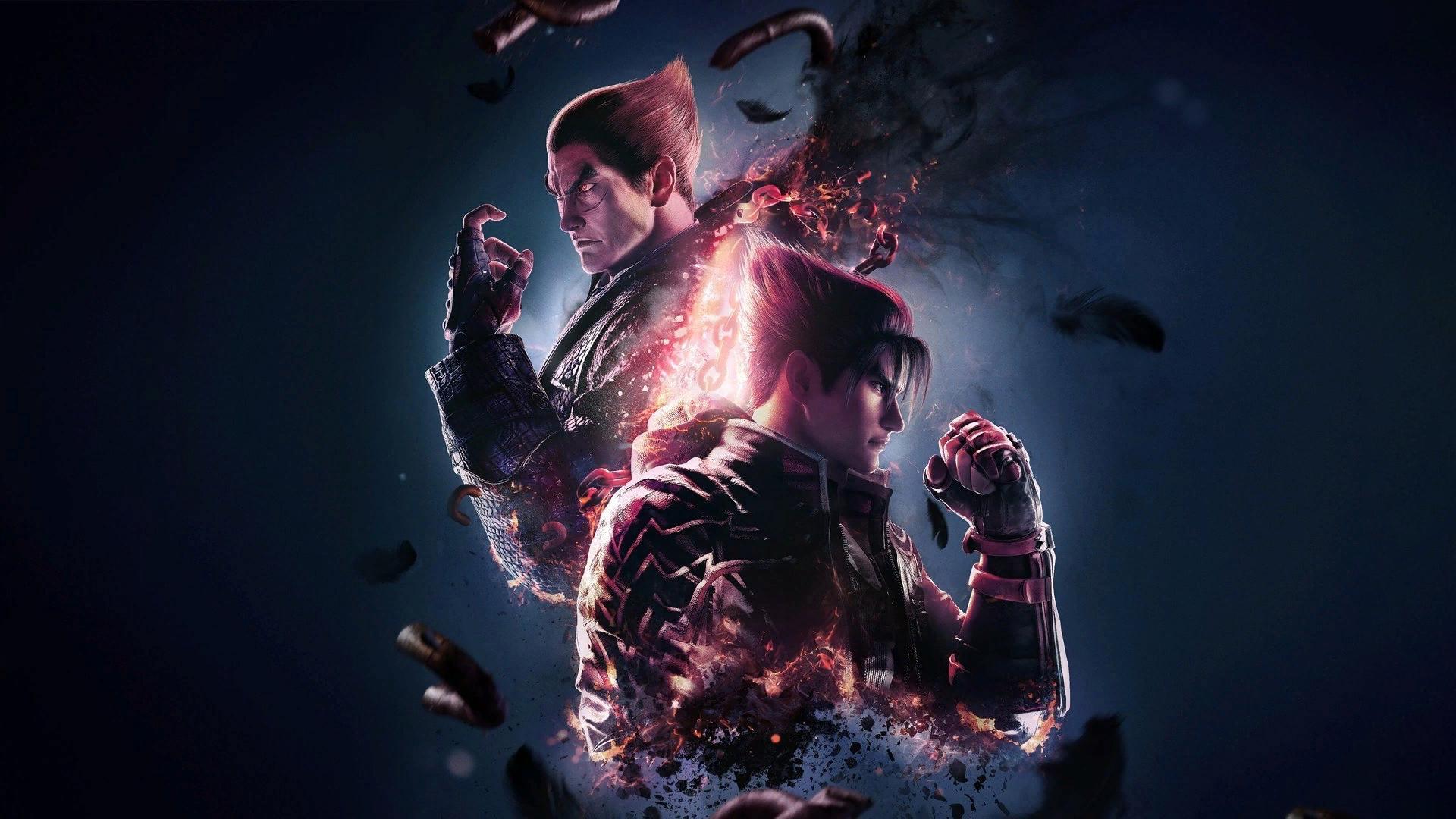
While ‘Tekken 8’ features massive and muscular characters some newer additions were criticized for their softer designs. Characters like Leo have long been a source of debate regarding their gender and feminine appearance in a martial arts setting. Some players submitted negative user reviews citing these designs as a departure from the series’ masculine roots. The game prides itself on its high-intensity combat and diverse roster of fighters. The developers continue to balance traditional power fantasies with more modern and varied character aesthetics.
‘Granblue Fantasy: Relink’ (2024)
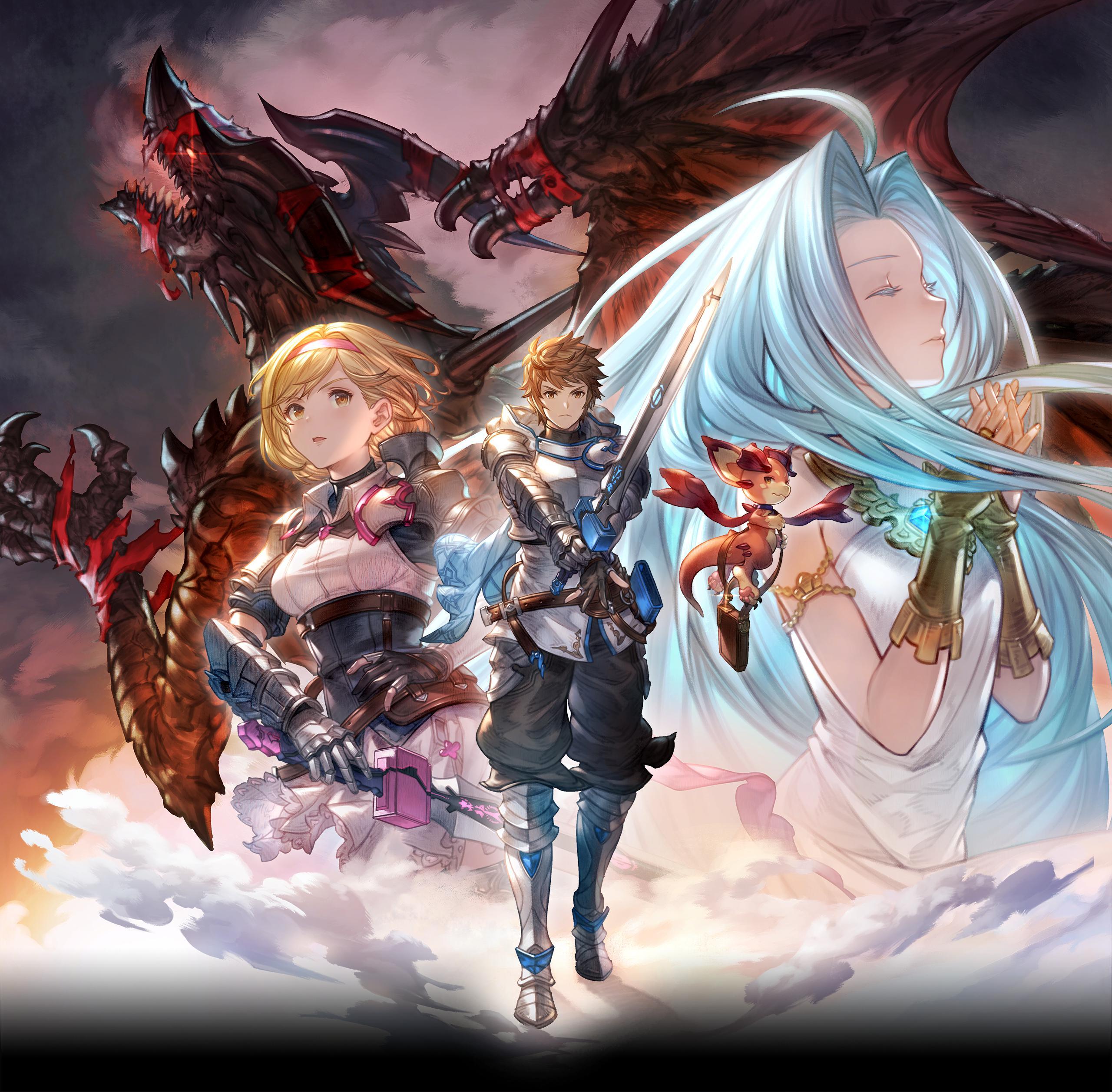
The male protagonist in ‘Granblue Fantasy: Relink’ was criticized by some Western players for being too feminine and lacking the presence of a classic fantasy hero. This sentiment appeared in several user reviews that compared the game to other major action RPGs. The design is consistent with the established art style of the franchise which is popular in Japan. The game features a wide array of characters with different styles and combat roles. However the perception of the lead character’s femininity remained a hurdle for a specific portion of the global audience.
‘League of Legends’ (2009)
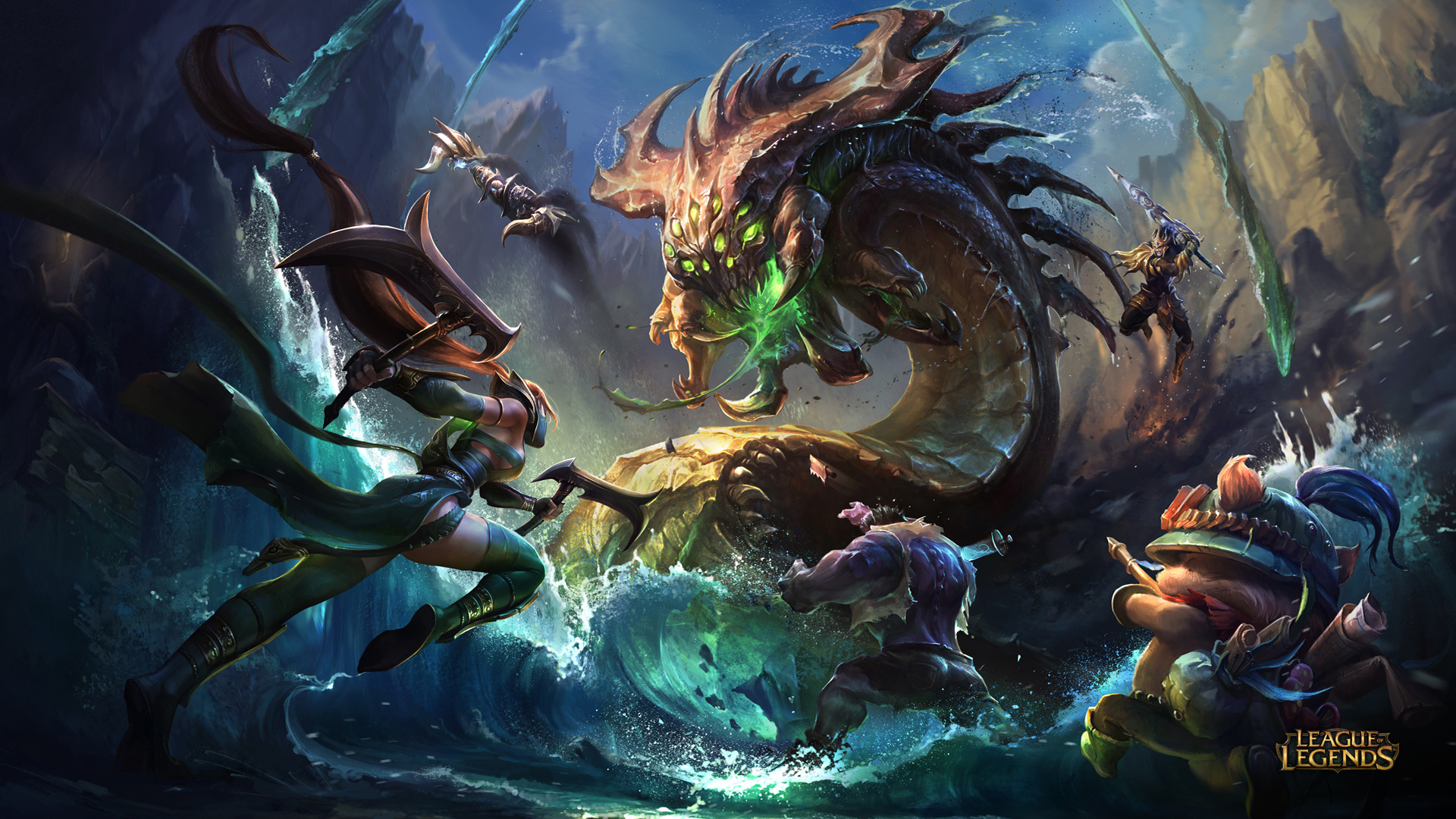
Over the years ‘League of Legends’ has updated many of its older male champions with more refined and slender models. Some players have review-bombed recent updates or champion releases arguing that the game is moving away from rugged designs in favor of feminine pretty boys. This debate often surfaces on community forums and user aggregate sites whenever a new character is revealed. The developers aim to create a diverse cast that appeals to a massive international player base. This shift in art direction continues to be a point of contention for veteran players of the MOBA.
‘Overwatch 2’ (2022)
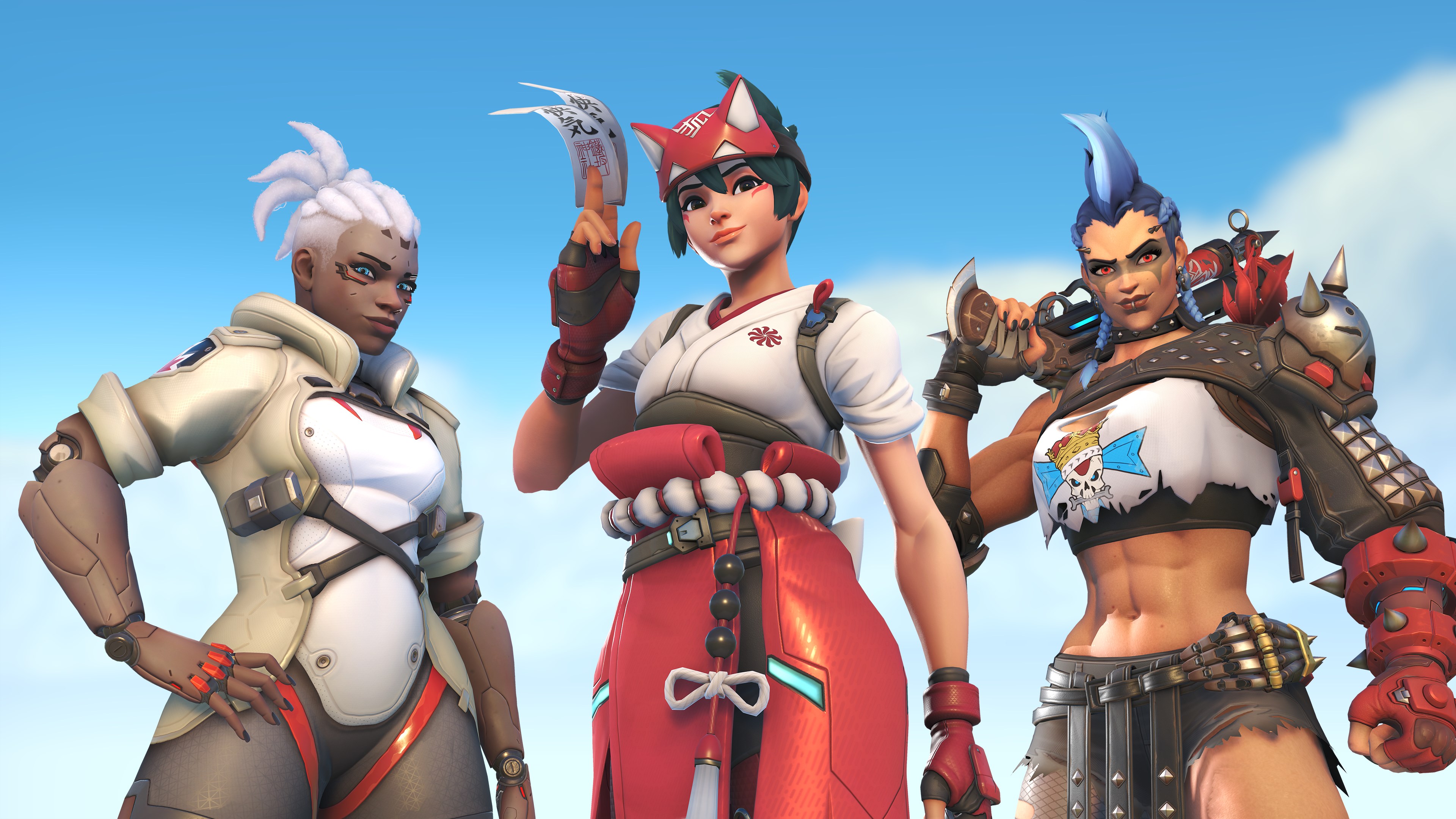
The transition to ‘Overwatch 2’ brought new skins and character updates that some fans felt were too feminine. Male characters receiving more colorful or delicate cosmetic options led to negative user reviews from those who preferred a military or gritty look. The game’s focus on a vibrant and inclusive future has always been a core part of its identity. However some players felt that the recent aesthetic choices pushed the game too far into a specific stylistic direction. The debate over character skins remains a prominent part of the game’s community interaction.
‘Genshin Impact’ (2020)
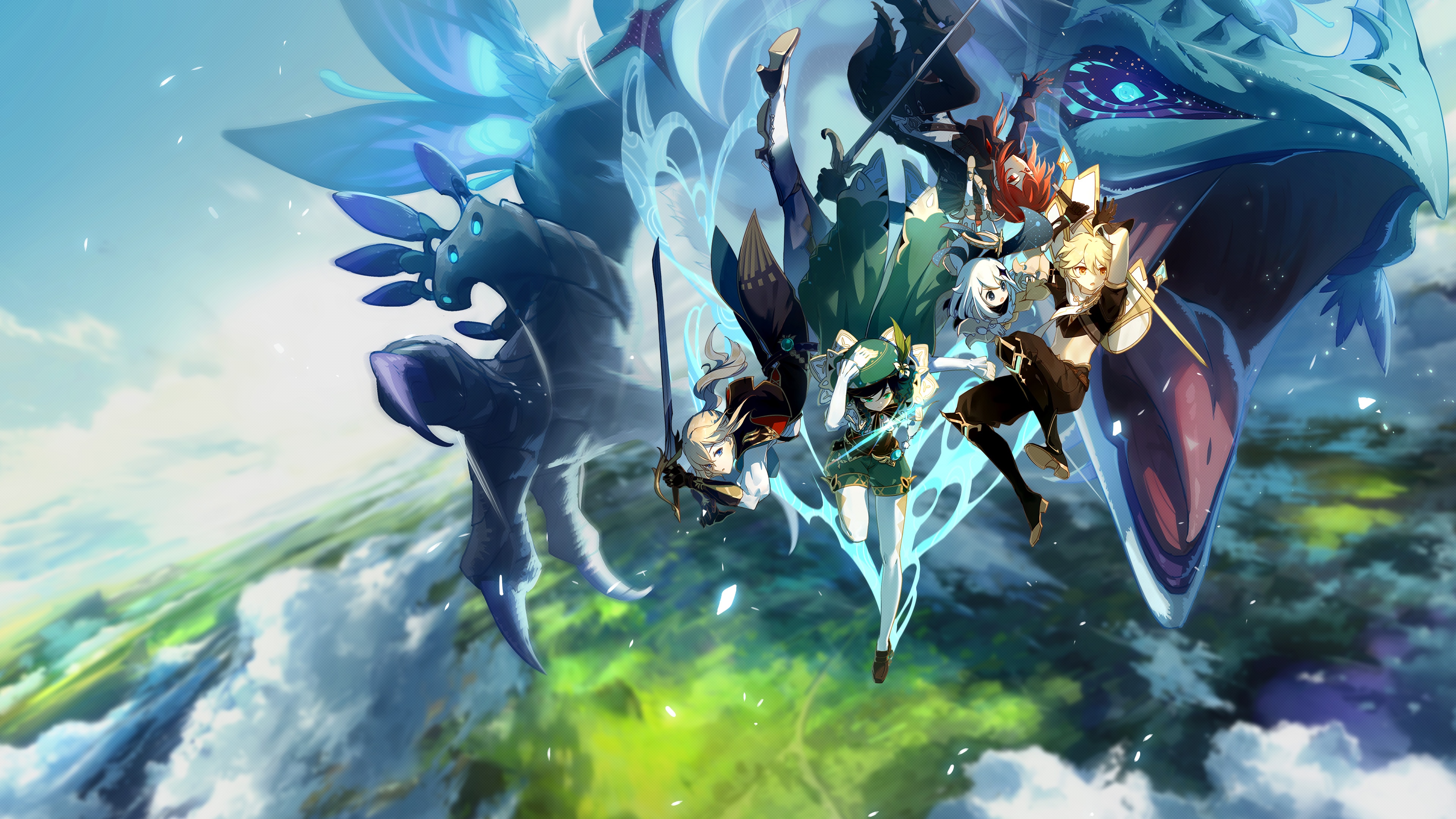
‘Genshin Impact’ is frequently cited by some critics for its focus on beautiful and feminine male characters. While extremely popular this design philosophy has led to review bombing from players who find the lack of traditionally masculine heroes frustrating. User reviews often mention the slender builds and ornate outfits of the male cast as a reason for their dissatisfaction. The game’s massive success is largely built on its character collection mechanics and distinct art style. This approach has created a significant divide between its core fanbase and critics of the aesthetic.
‘Sea of Stars’ (2023)
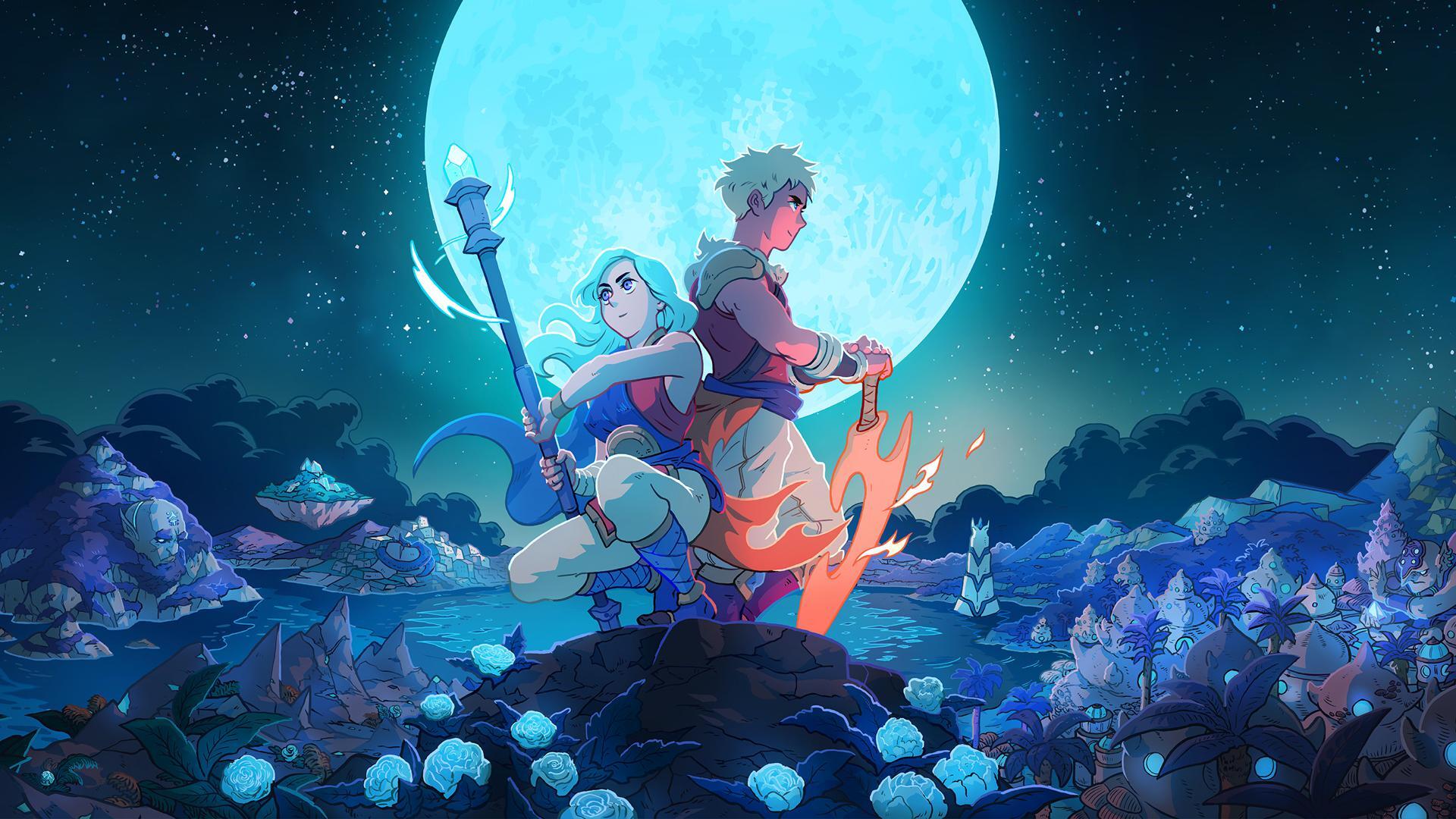
The protagonist Zale in ‘Sea of Stars’ was described by some players as having a too feminine appearance for a solar warrior. This feedback appeared in various user reviews that criticized the character’s soft features and long flowing hair. The game was designed as a tribute to classic 16-bit RPGs with a focus on vibrant pixel art. While the title received critical acclaim for its gameplay and music the visual design of the leads was polarizing for some. The developers stayed true to their artistic vision of a whimsical and magical world.
‘Baldur’s Gate 3’ (2023)
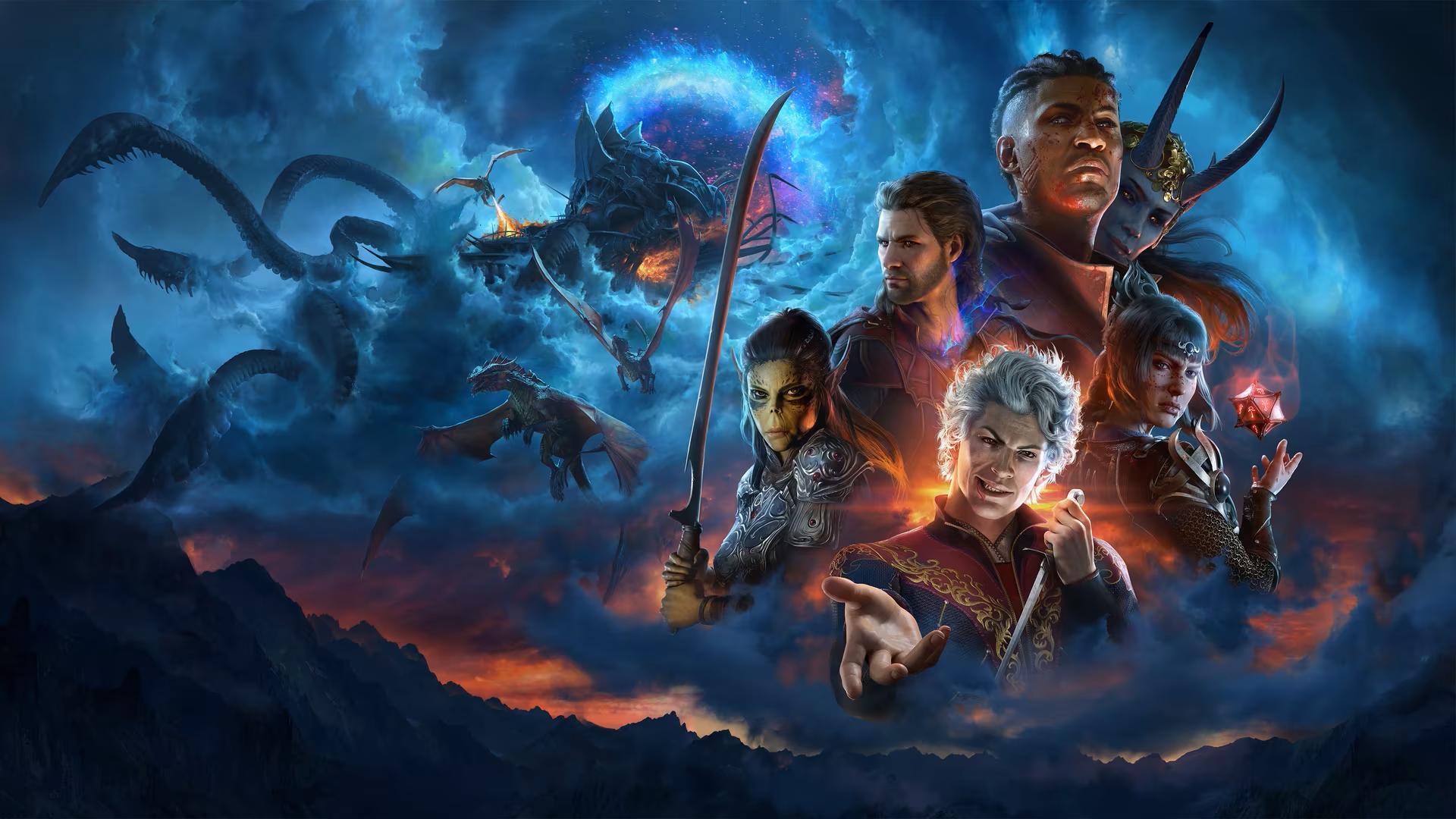
‘Baldur’s Gate 3’ offers extensive character customization that some players felt lacked traditional masculine presets. Some user reviews targeted the game for making it easier to create feminine or androgynous characters than rugged ones. This led to discussions about the influence of modern social values on the role-playing genre. The game provides players with immense freedom to define their own path and identity within the world of Dungeons and Dragons. Despite the vocal complaints about character models the game became a massive critical and commercial landmark.
‘Horizon Forbidden West’ (2022)
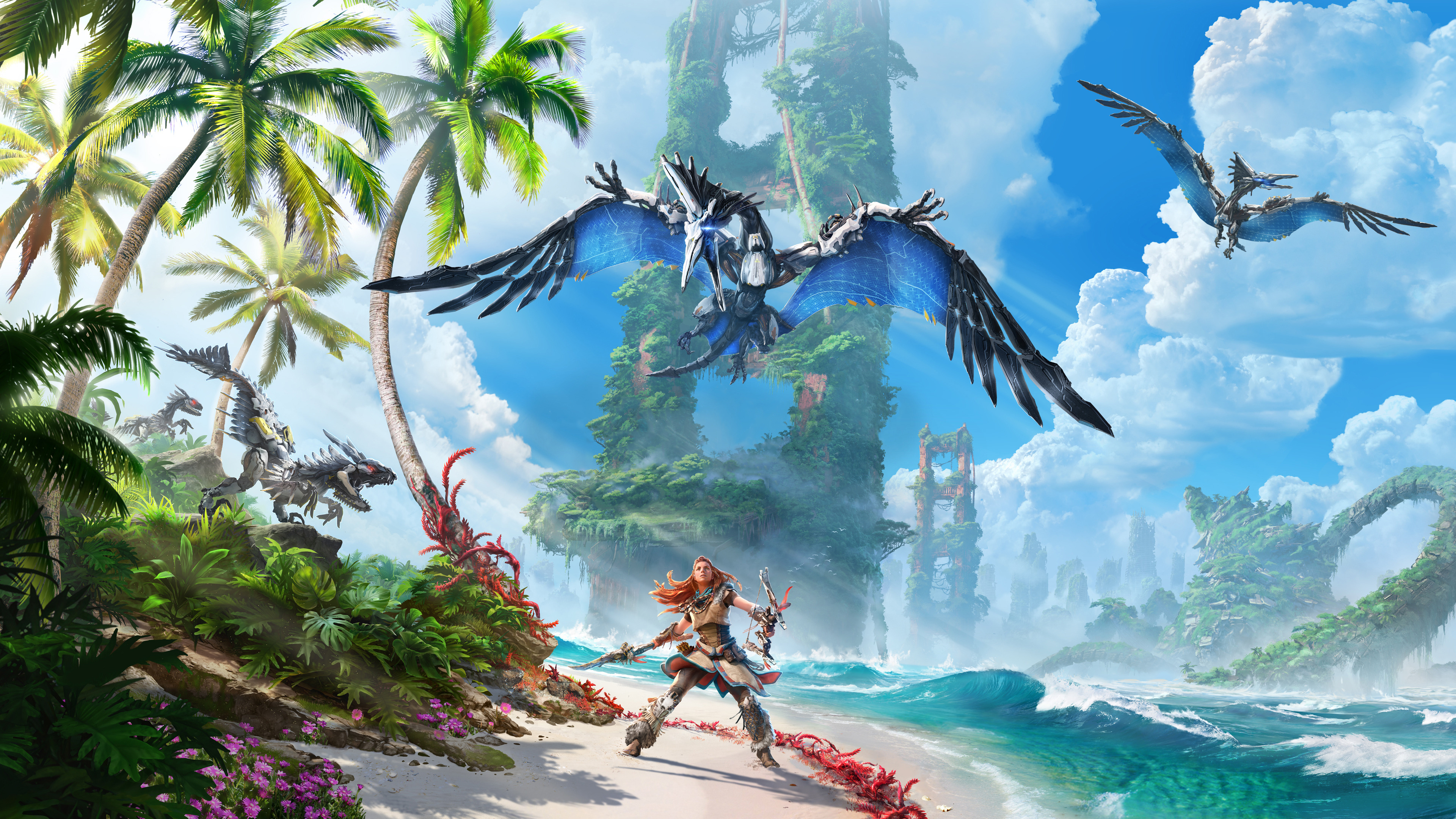
The appearance of Aloy in ‘Horizon Forbidden West’ became a major point of contention for a specific group of players. Some users argued that her facial features were either too feminine or not feminine enough depending on the specific critique. This led to significant review bombing on user aggregate sites where the character’s look was the primary focus of the complaints. The developers aimed to create a more realistic and detailed version of the character for the sequel. The resulting debate highlighted the intense scrutiny faced by modern female leads in gaming.
‘Star Wars Outlaws’ (2024)
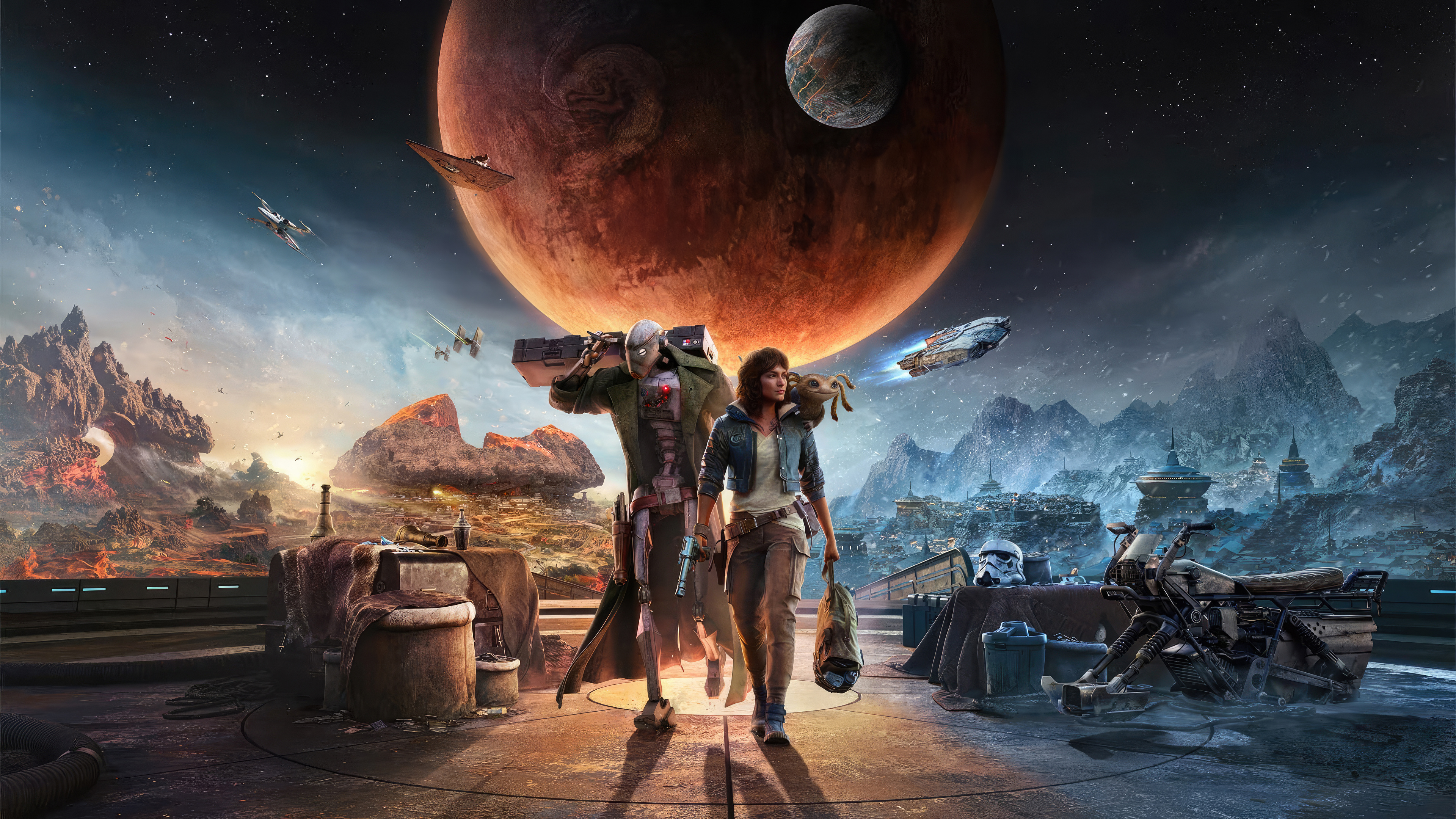
The reveal of the protagonist Kay Vess in ‘Star Wars Outlaws’ led to immediate discussion regarding her appearance and characterization. Some users felt the design was a departure from traditional Star Wars heroes and criticized it for being too influenced by modern feminine trends. This resulted in a wave of negative sentiment across social media platforms and early user rating sections. The game aims to tell a scoundrel-focused story in the criminal underworld of the galaxy. The reception of the character remains a central part of the conversation surrounding the game’s upcoming release.
Tell me your thoughts on these character design changes in the comments.