

Games Slammed for Queer-Baiting Romance Options

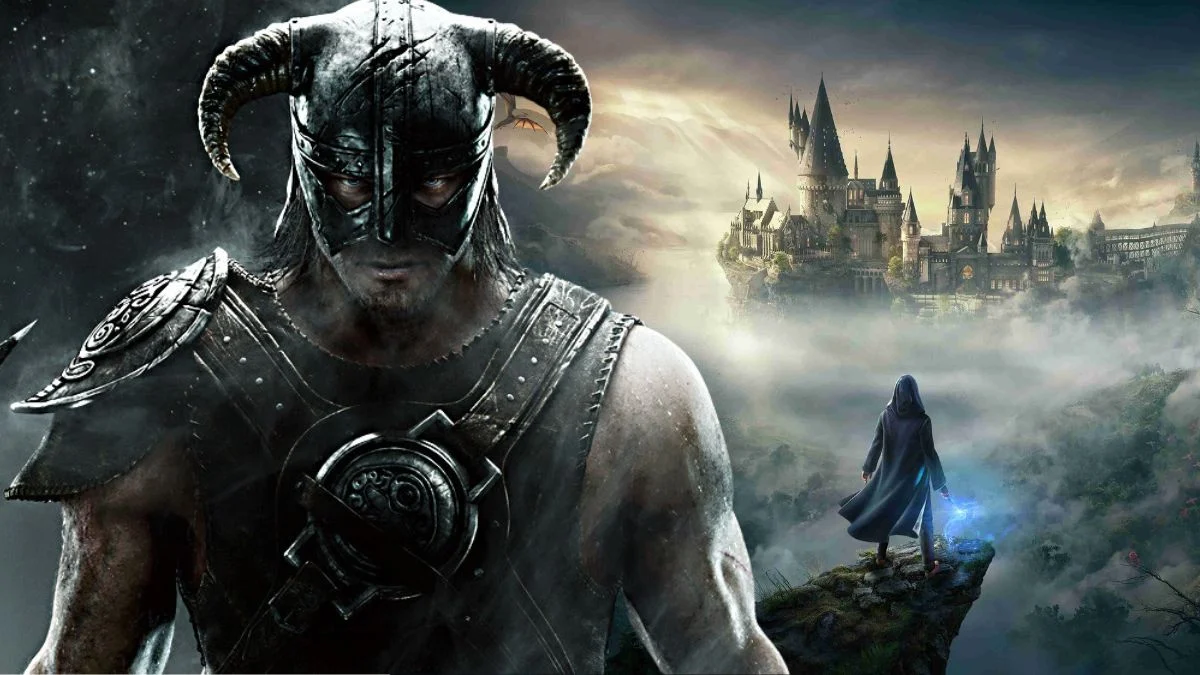


The gaming community has grown increasingly vocal about how developers present romantic options and LGBTQ+ representation in modern titles. Several high profile games have faced backlash for queer-baiting by teasing relationships through subtext or marketing without providing actual gameplay options. These criticisms often highlight the disconnect between a game’s narrative promise and the mechanical reality of its romance systems. As the demand for authentic inclusion rises players continue to hold major studios accountable for how they depict diverse identities. This list explores various titles that have sparked controversy for their handling of queer characters and potential love interests.
‘Cyberpunk 2077’ (2020)
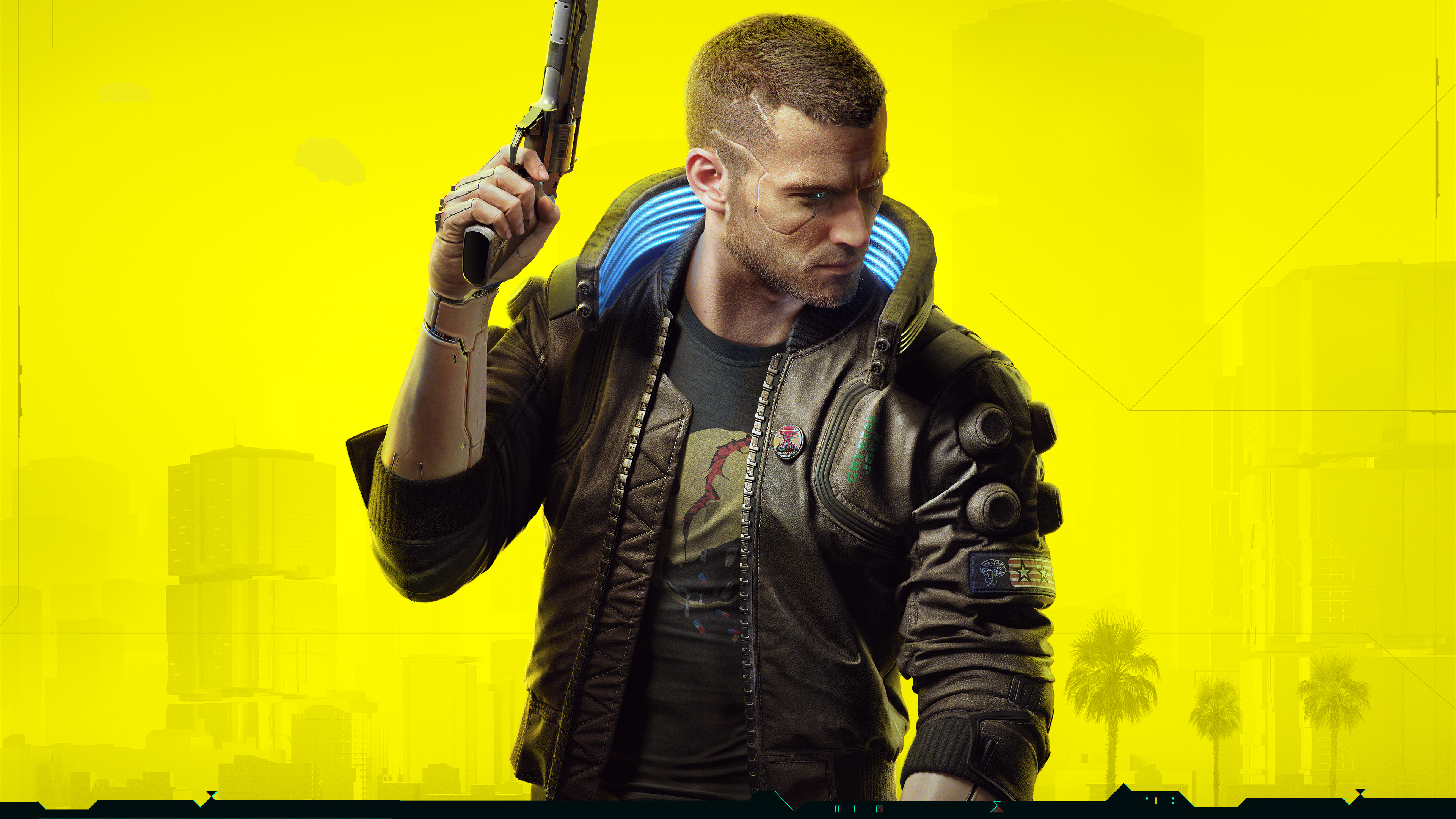
Players criticized ‘Cyberpunk 2077’ for its marketing which suggested a wide array of romantic freedom in Night City. Upon release fans found that major romanceable characters like Judy Alvarez and Panam Palmer were strictly gender-locked based on player choice. This led to accusations of queer-baiting as promotional materials hinted at more fluid relationship possibilities. Many players felt that these restrictions limited the role-playing potential of a game centered on personal identity. The backlash was significant enough that modders eventually worked to unlock these options on the PC version.
‘Persona 5’ (2016)
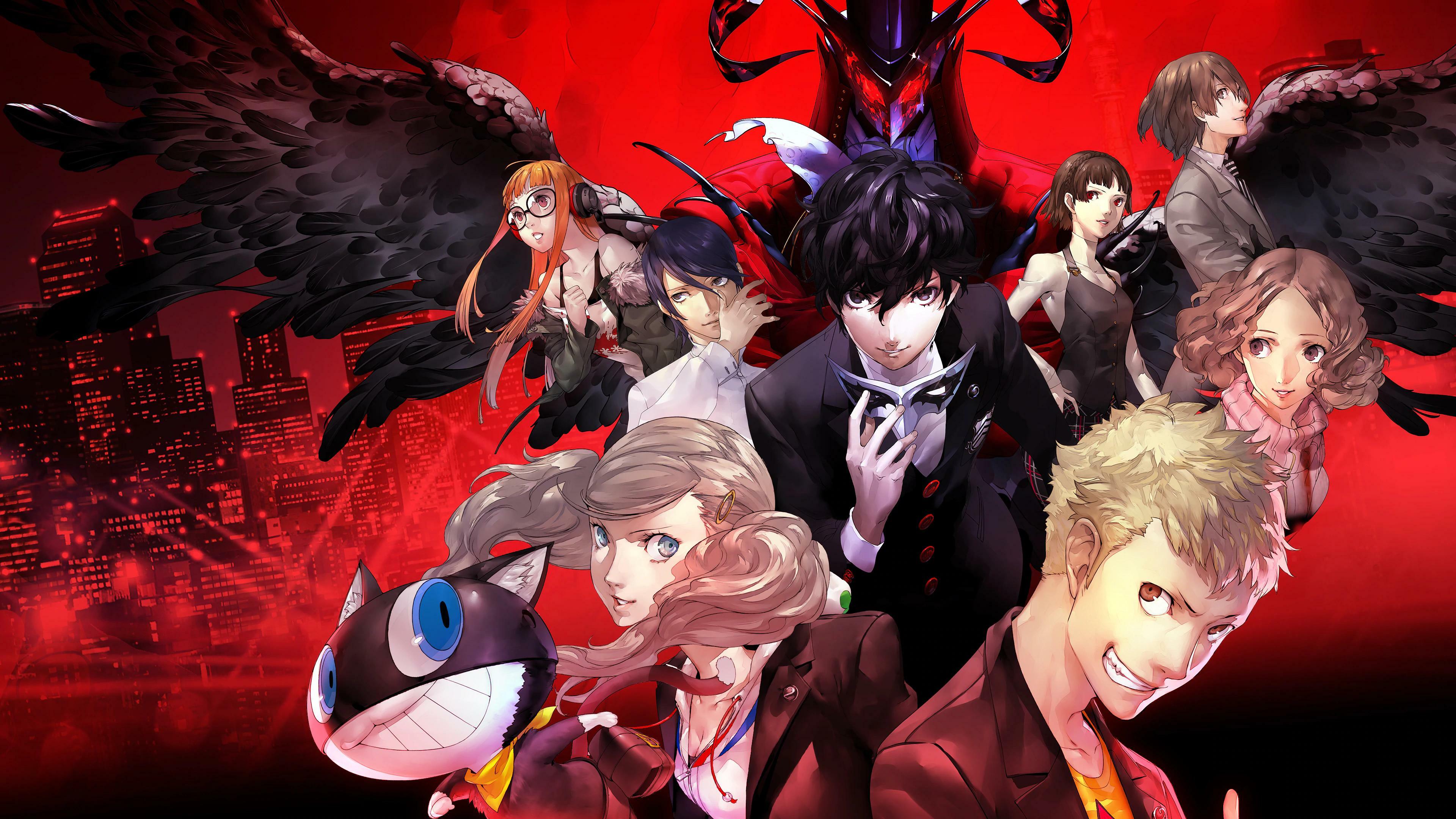
The relationship between the protagonist and his male companions in ‘Persona 5’ sparked heated debates regarding queer-baiting. Characters like Ryuji Sakamoto and Yusuke Kitagawa share deeply emotional moments with the player that many interpreted as romantic. Despite these bonds the game only allows the protagonist to date female characters while relegating male friendships to platonic levels. Fans pointed to specific scenes that felt like dates as evidence of teasing a romance that never materialized. This design choice was seen by some as a missed opportunity for meaningful representation in a modern setting.
‘Fire Emblem: Three Houses’ (2019)
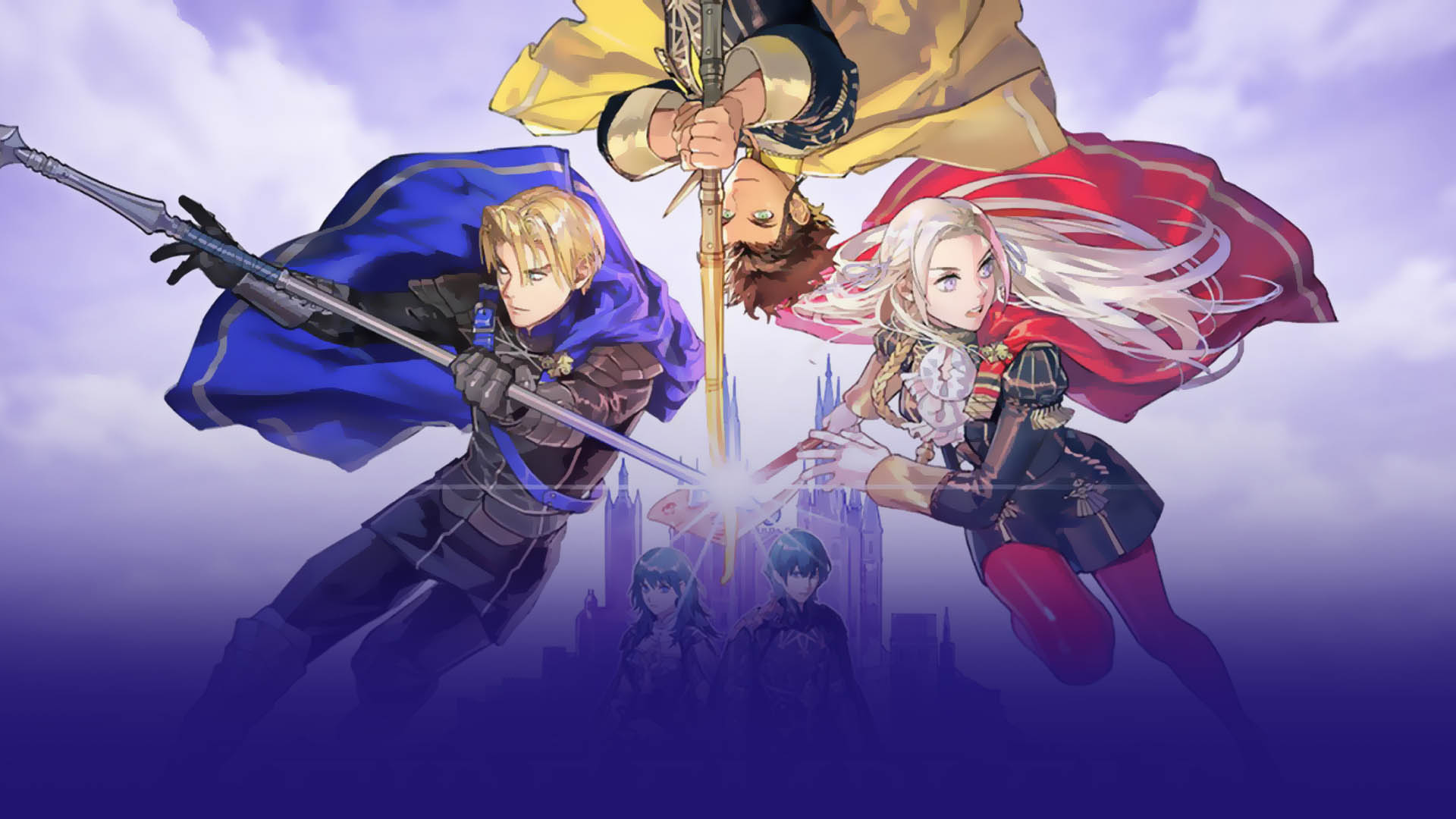
‘Fire Emblem Three Houses’ was met with frustration due to the disparity between male and female queer romance options. Female players had several meaningful choices for same-sex partners but male players were significantly limited. One of the few male-male options resulted in a platonic ending rather than a romantic one which fans felt was a bait-and-switch. This led to a social media campaign calling for better representation for male players who felt their options were an afterthought. The developer eventually added more options through a software update after the initial backlash.
‘Fire Emblem: Fates’ (2015)

The release of ‘Fire Emblem Fates’ included a controversial character named Soleil who could be romanced by the male protagonist. Fans were upset because Soleil expressed attraction to women but was not a same-sex romance option for female players. Additionally the Japanese version of the game included a scene that many interpreted as a harmful conversion therapy trope. Although the localization team changed this scene for Western audiences the lack of genuine queer options for the character remained a point of contention. Critics felt the character design teased queer identity without offering the mechanical support to back it up.
‘Final Fantasy XV’ (2016)
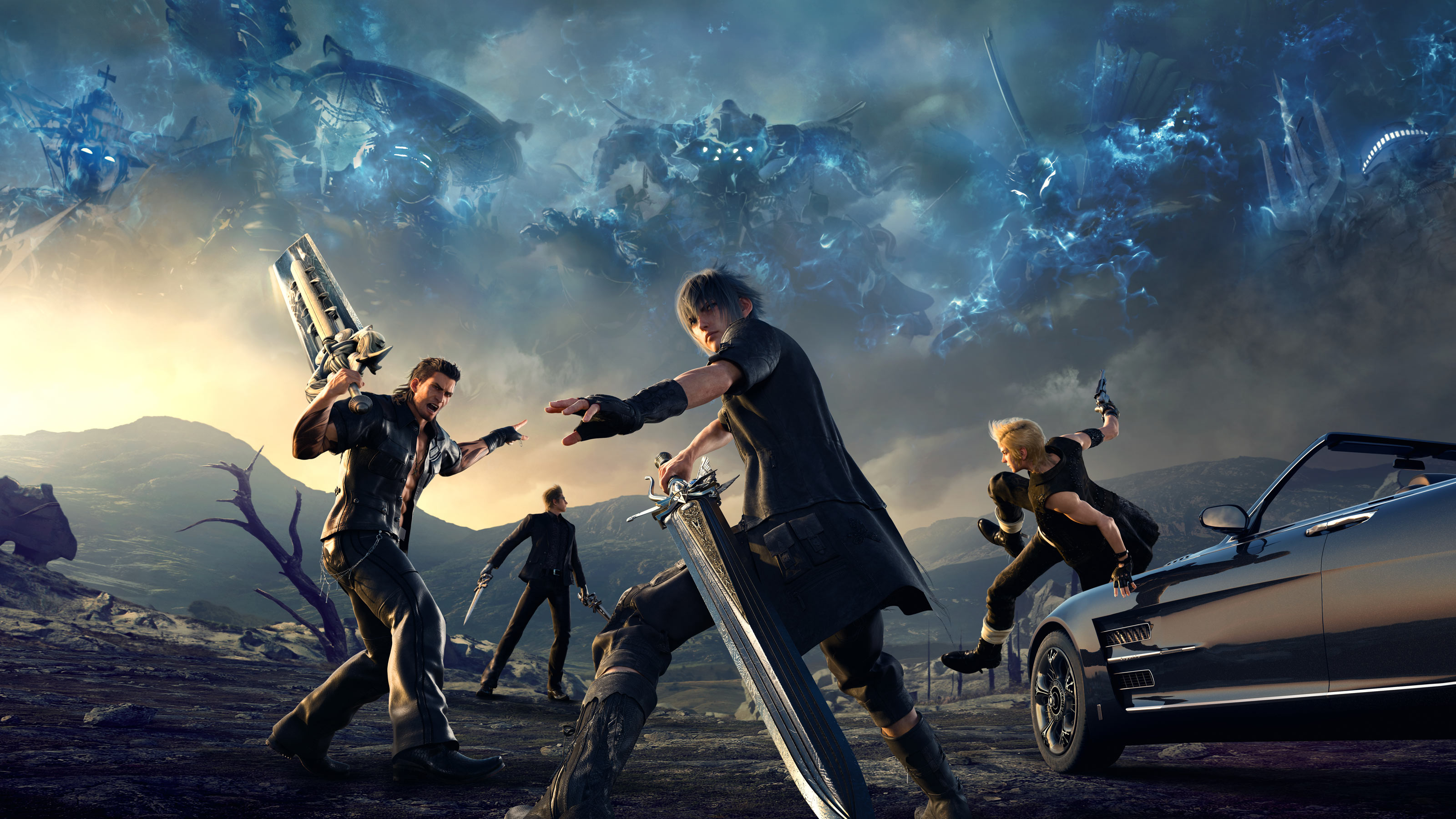
The central cast of ‘Final Fantasy XV’ consists of four men on a road trip with themes of brotherhood and loyalty. Many fans noted the intense chemistry between Noctis and his companions that often bordered on romantic subtext. Despite this the game strictly frames these relationships as platonic and features no same-sex romance options for the player. Critics argued that the game relied on queer aesthetics without offering any actual representation. This led to frustrations from players who felt the emotional core of the game was being teased as something more than friendship.
‘Kingdom Hearts III’ (2019)
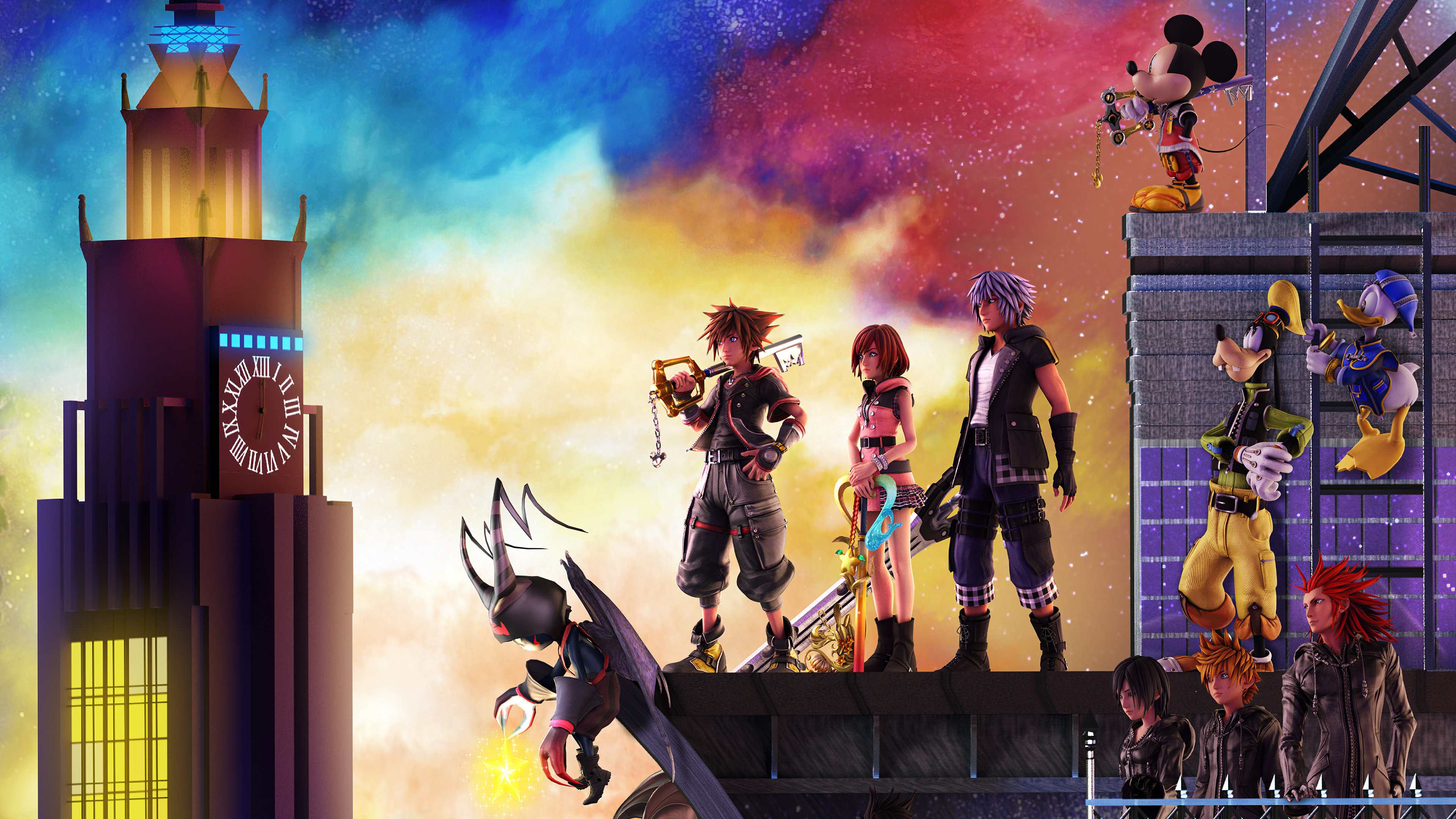
The ‘Kingdom Hearts’ series has long been scrutinized for the relationship between the main characters Sora and Riku. Fans have pointed to years of narrative setup and symbolic imagery that suggests a deep romantic bond between the two. In ‘Kingdom Hearts III’ the lack of resolution or acknowledgment of these feelings led to accusations of queer-baiting. Many players felt that the game prioritized traditional heteronormative tropes while ignoring the most developed relationship in the franchise. The focus on a different romantic interest for Sora was seen as a pivot away from the subtext built over previous games.
‘Persona 4’ (2008)

‘Persona 4’ features a character named Yosuke Hanamura who was originally intended to be a romance option for the male protagonist. Players discovered unused voice clips in the game files that confirmed a cut romantic path for the character. The final game portrays Yosuke as occasionally making homophobic remarks which fans found especially jarring given the deleted content. This discovery led to the game being cited as an example of queer-baiting through omission. Many felt that the removal of this path damaged the character development and the game’s overall message of self-acceptance.
‘Catherine: Full Body’ (2019)
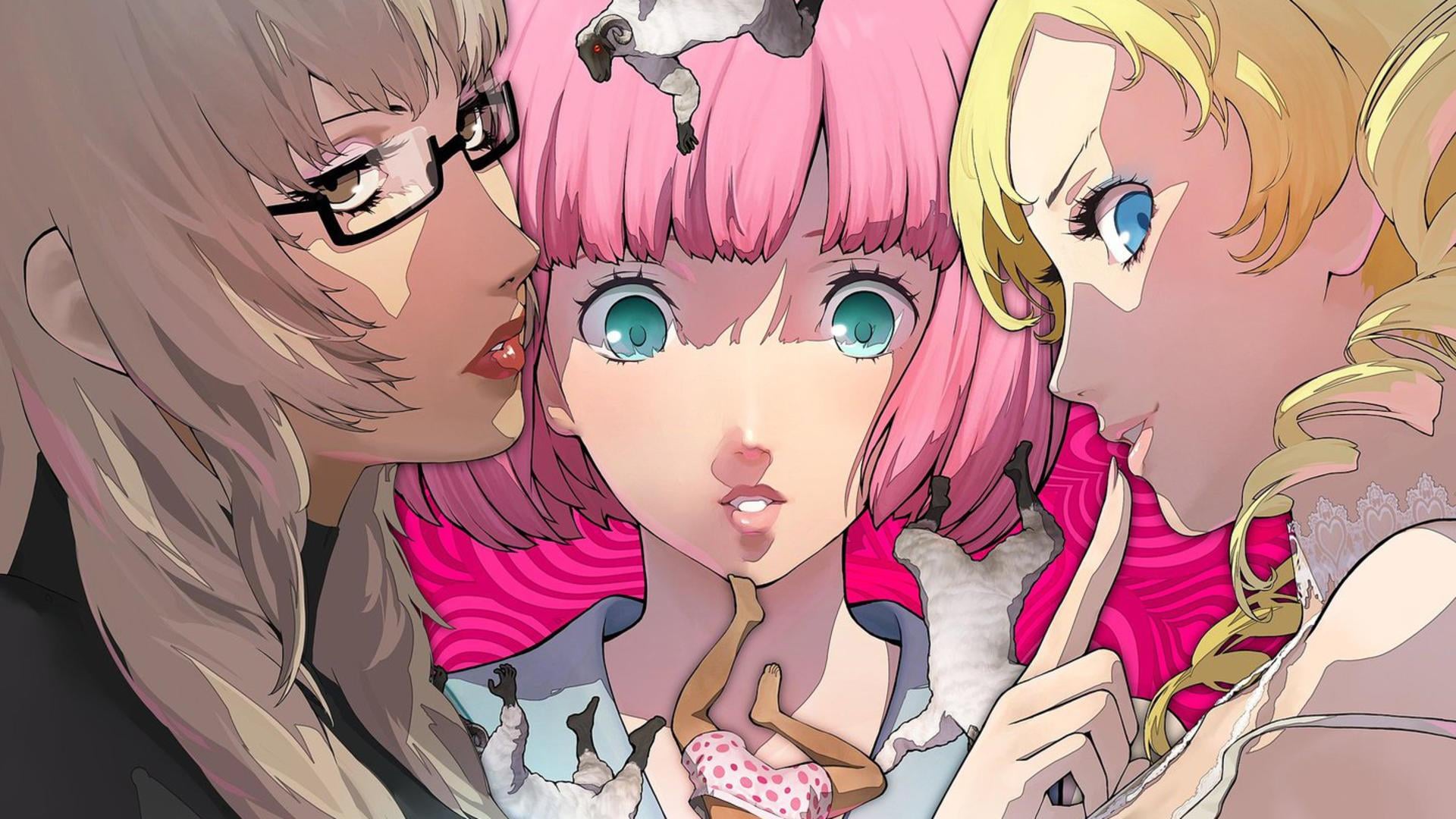
The enhanced version of the puzzle game ‘Catherine’ introduced a new character named Rin to the story. Marketing for the game teased Rin as a mysterious new love interest with a unique secret. Some players felt that the handling of Rin’s identity and the protagonist’s reaction to it was handled poorly. Critics argued that the game used queer-coding as a plot twist rather than providing a respectful romantic path. This led to a divide in the community over whether Rin represented a step forward or a step back for the series.
‘Danganronpa V3: Killing Harmony’ (2017)
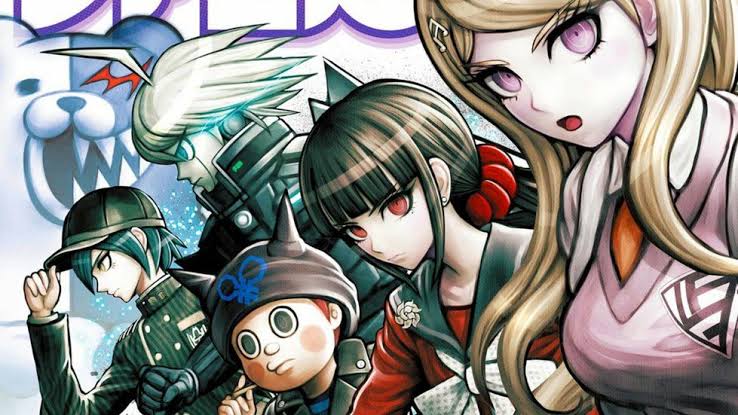
‘Danganronpa V3 Killing Harmony’ features several characters with heavy queer subtext including the protagonist and certain rivals. Fans were disappointed when the game failed to provide any concrete romantic payoff for these relationships in its main story or bonus modes. The game was criticized for using flirtatious dialogue and suggestive situations to keep players engaged without intending to follow through. This led to a perception that the game was baiting its queer fanbase for the sake of mystery and tension. Many players expressed their frustration with the lack of definitive representation in the series.
‘The Witcher 3: Wild Hunt’ (2015)
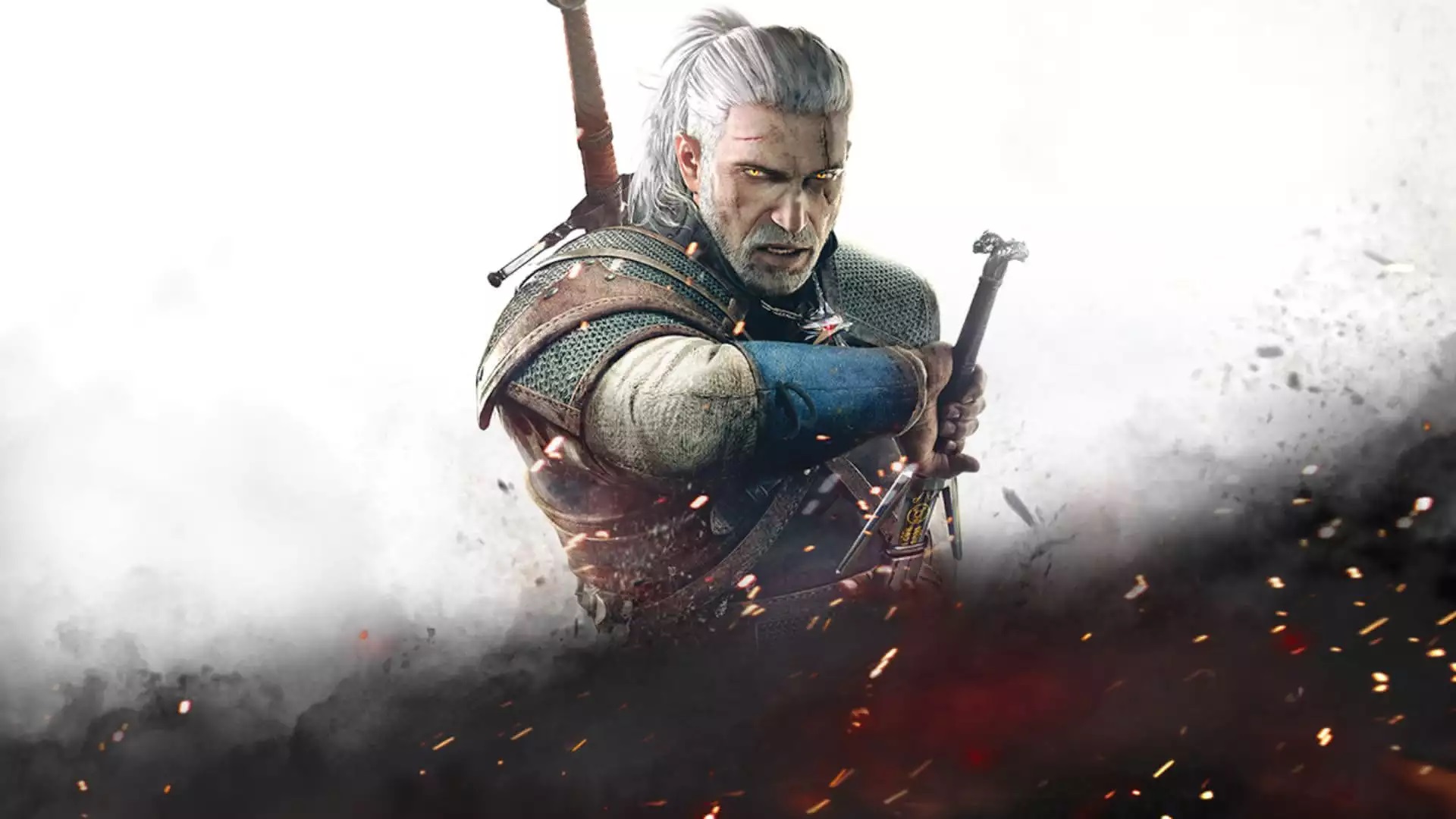
The expansive world of ‘The Witcher 3 Wild Hunt’ offers many romantic interests for Geralt of Rivia but all of them are women. While the game is based on established source material fans criticized the lack of flexibility in a medium known for player choice. Some felt that the close bond between Geralt and certain male characters could have been expanded into romantic territory. The rigid adherence to Geralt’s heterosexuality was seen by some as a limitation on the role-playing experience. This sparked a broader conversation about how much developers should stick to lore versus player agency.
‘Dragon Age: Origins’ (2009)

In ‘Dragon Age Origins’ the romanceable companions Alistair and Morrigan are strictly locked to heterosexual relationships. This frustrated many players who felt that the chemistry between their characters and these companions was universal. While the game did include two bisexual options the restriction of the most central companions felt like a limitation to some. Fans pointed out that the narrative could easily accommodate these changes without altering the core plot. This feedback led to a more open approach in the sequels of the franchise.
‘Sherlock Holmes: Chapter One’ (2021)
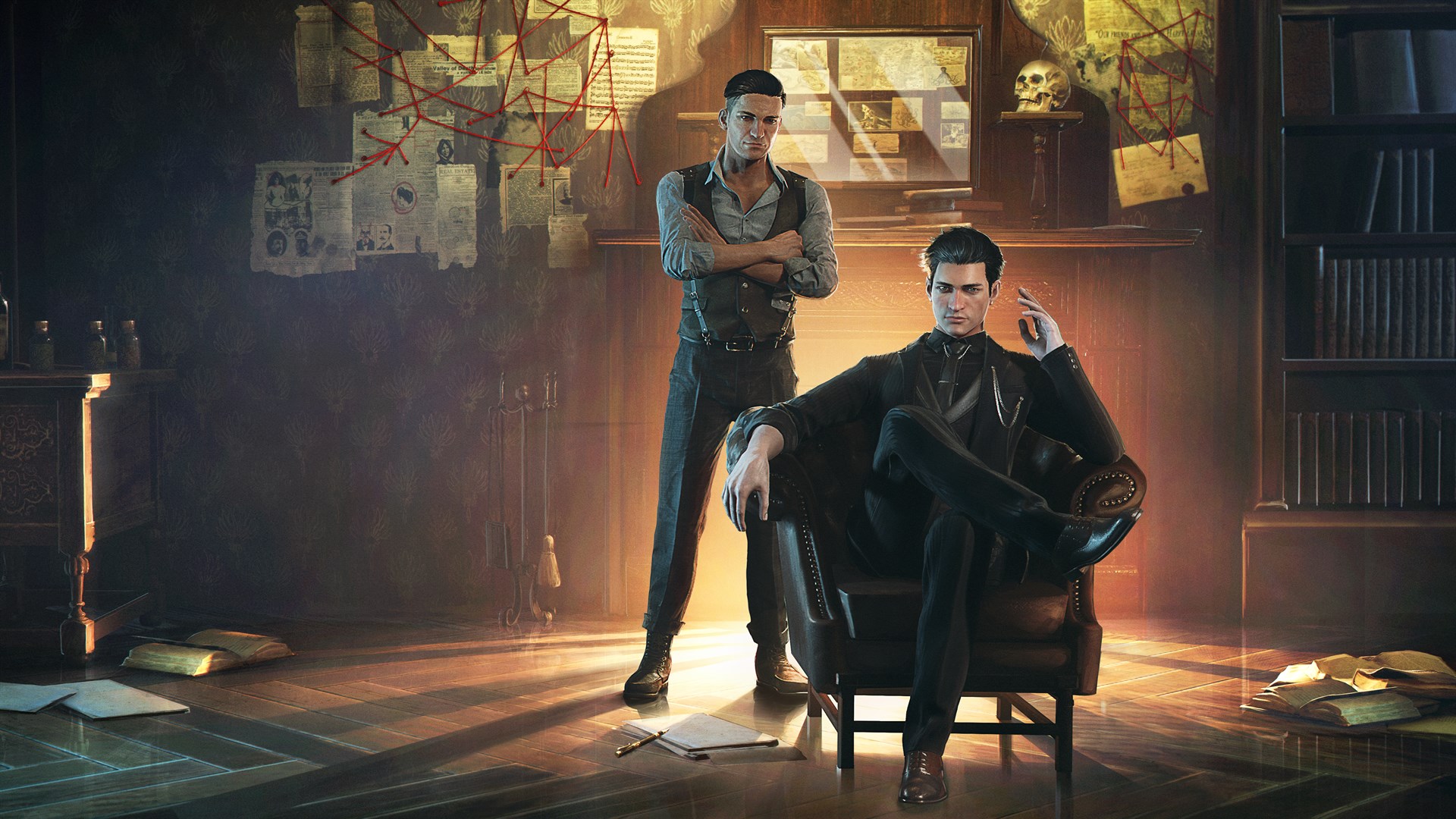
‘Sherlock Holmes Chapter One’ explores a young Sherlock and his relationship with his best friend Jon. The game focuses on their deep emotional connection and the ways they support each other through trauma. Many players interpreted their dynamic as having romantic undertones that the game never explicitly addresses. The marketing emphasized their bond which led some to expect a more progressive take on the legendary duo. The final product was criticized for maintaining a platonic status quo despite the heavy subtext provided in the script.
‘Yakuza: Like a Dragon’ (2020)
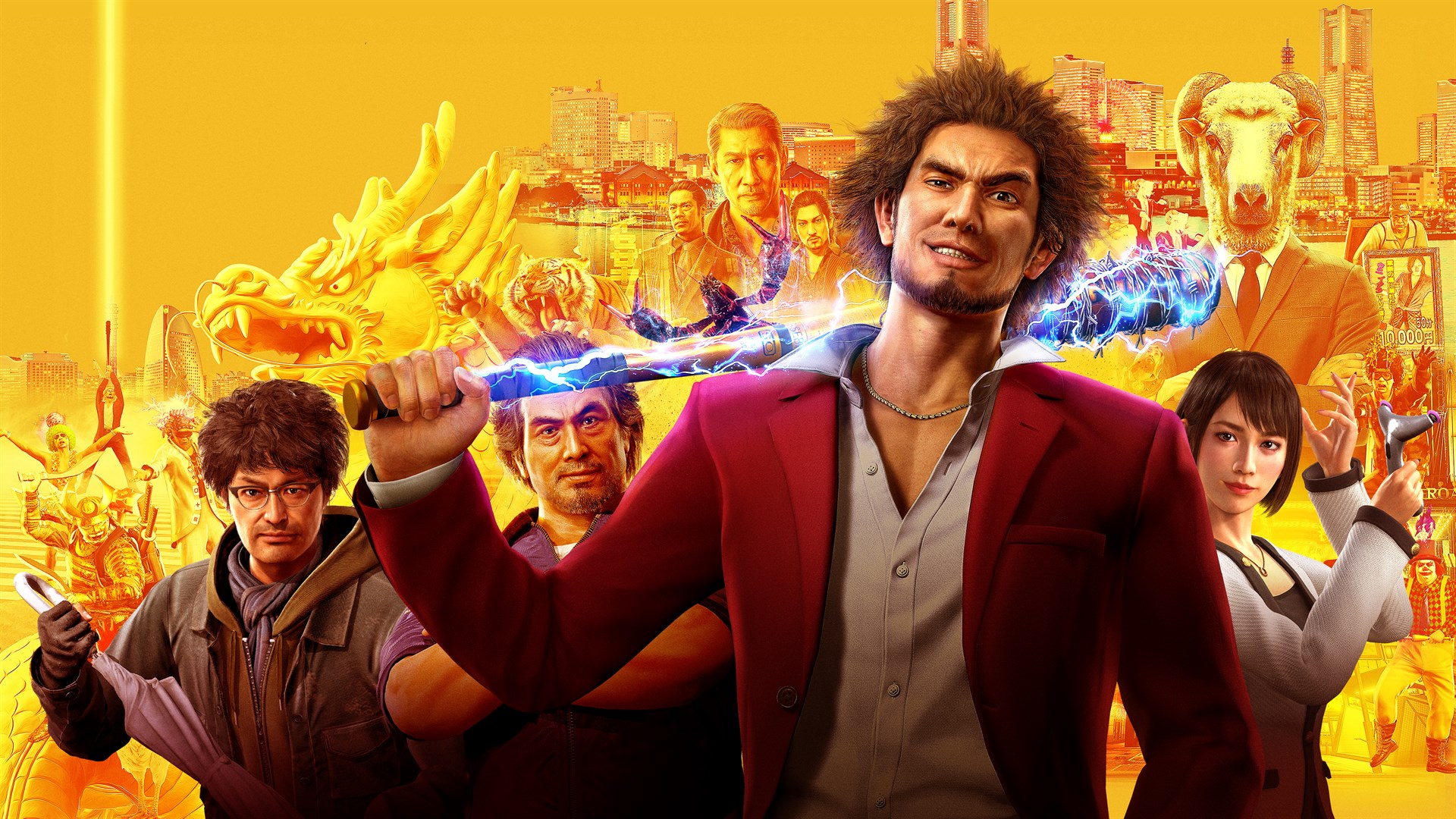
‘Yakuza Like a Dragon’ introduced a new protagonist named Ichiban Kasuga who is known for his wearing his heart on his sleeve. The game features deep bonding mechanics with male party members that involve personal conversations and shared vulnerability. Despite the intense loyalty and affection displayed fans were disappointed that these relationships could not turn romantic. The game allows Ichiban to pursue several women but keeps his male friends at a distance. This was viewed by some as a form of baiting given the emotional intimacy portrayed in the story.
‘Detroit: Become Human’ (2018)
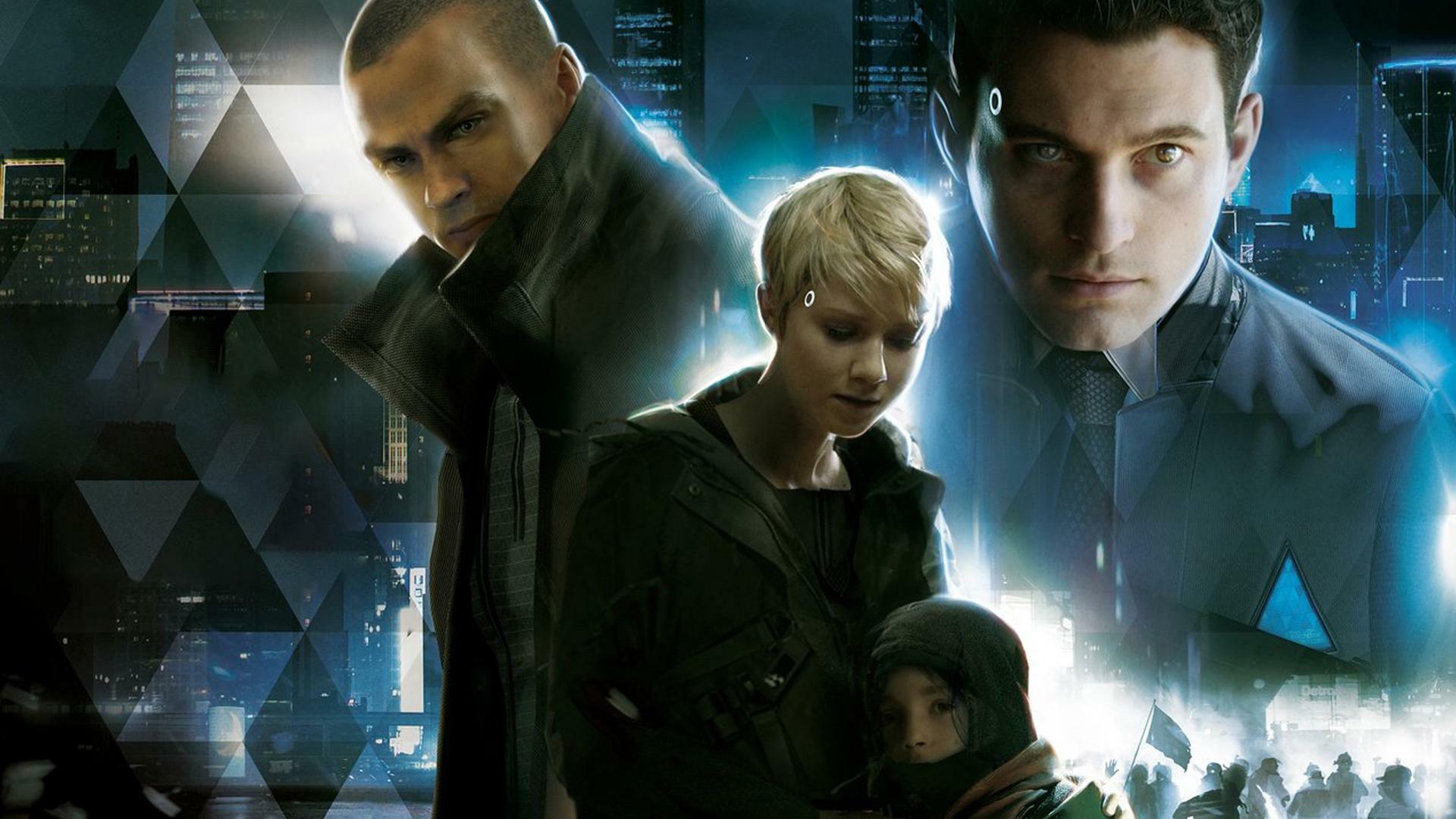
The relationship between android Connor and Lieutenant Hank Anderson in ‘Detroit Become Human’ gained a massive following for its chemistry. Fans pointed to various endings and dialogue paths that suggested a deep love between the two characters. However the game never allows for a romantic conclusion and keeps their bond focused on partnership or friendship. Some players felt that the marketing capitalized on this fan-favorite dynamic without any intention of legitimizing it. This led to accusations that the game was using queer subtext to build interest while avoiding actual representation.
‘Life is Strange: True Colors’ (2021)
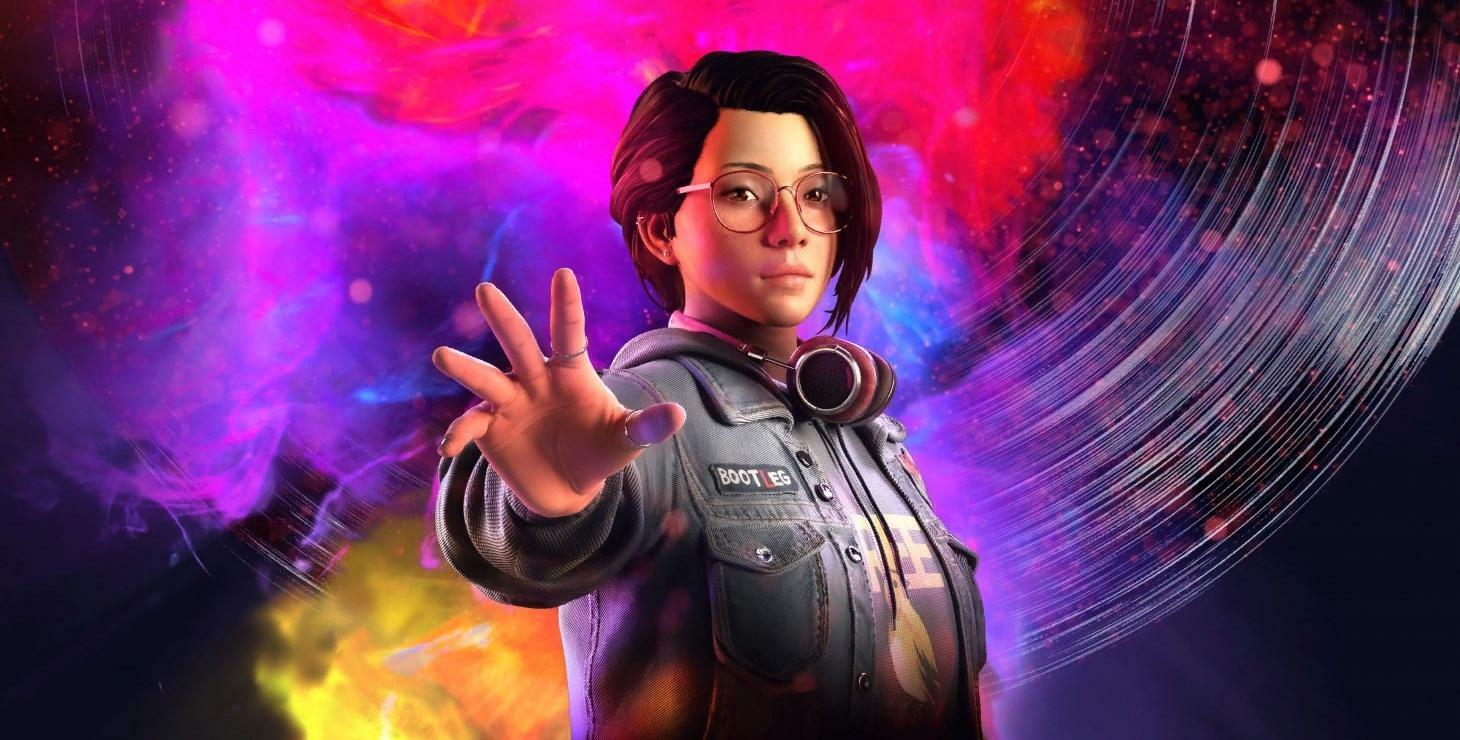
While ‘Life is Strange True Colors’ features a bisexual protagonist some players felt the marketing for the male love interest was misleading. The game promoted two main options but some felt the narrative pushed the female option more heavily in terms of emotional weight. Conversely other fans felt the male romance was teased as more significant in trailers than it appeared in the final game. This created a sense of dissatisfaction for players who wanted an equal focus on both paths. The tension between marketing expectations and game reality sparked discussions about baiting within the community.
‘Hogwarts Legacy’ (2023)

‘Hogwarts Legacy’ faced significant criticism regarding its inclusion of a transgender character named Sirona Ryan. Some players felt the character was introduced as a superficial way to deflect criticism without providing meaningful depth. The lack of romantic options for the player character also meant that queer identities were largely restricted to background NPCs. This led to accusations that the game was baiting an inclusive audience while failing to provide a truly inclusive player experience. Critics argued that the representation felt performative rather than integrated into the heart of the game.
‘Horizon Forbidden West’ (2022)
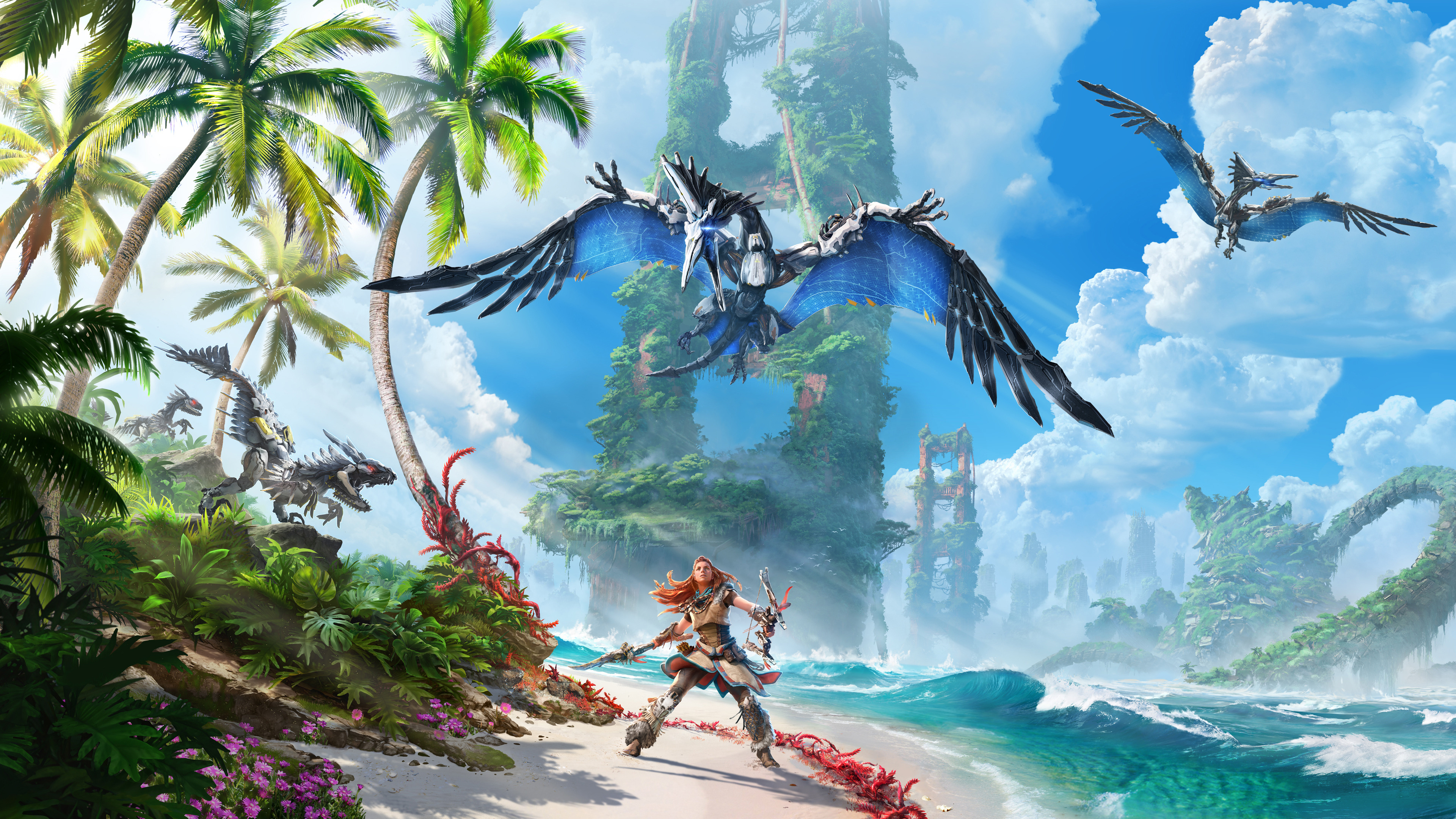
Aloy the protagonist of ‘Horizon Forbidden West’ was at the center of romance rumors since the first game launched. Fans identified several potential queer love interests in the sequel and were disappointed when the base game remained platonic. It was not until the Burning Shores expansion that a queer romance was finally made possible. Some players felt that delaying this representation until a paid DLC was a form of baiting to keep fans interested. The controversy highlighted the frustrations of players who wanted to see Aloy’s identity confirmed in the main narrative.
‘Starfield’ (2023)
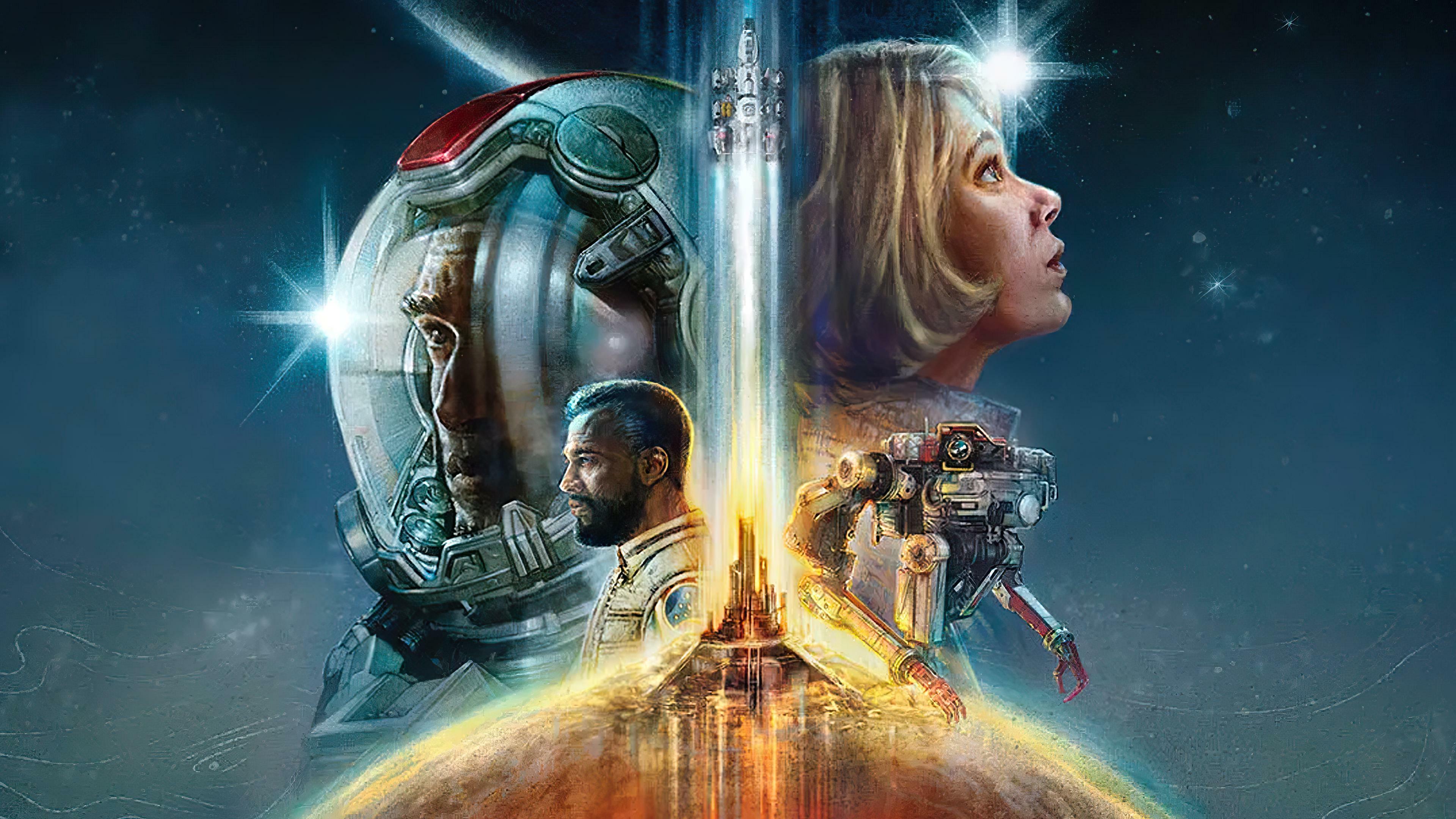
‘Starfield’ offers several companions that the player can marry regardless of their own character’s gender. However critics noted that the chemistry and dialogue for these relationships often felt generic and lacked specific queer perspectives. Some players felt that the game used a one-size-fits-all approach to romance to avoid the work of writing unique queer stories. This led to claims that the game was providing the bare minimum for representation while marketing itself as a vast role-playing experience. The lack of cultural or identity-specific depth in these romances was a common point of frustration.
‘Apex Legends’ (2019)
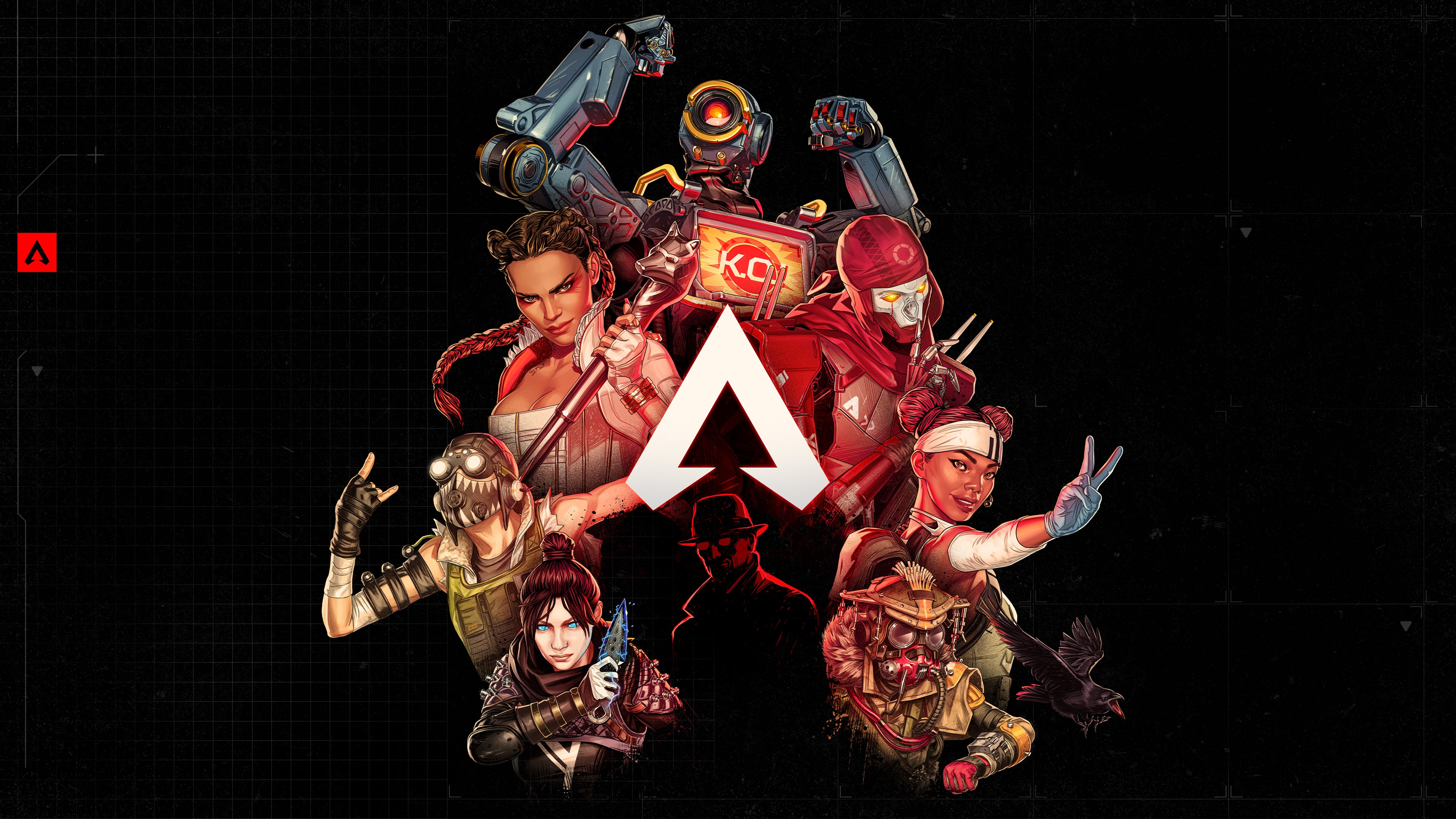
‘Apex Legends’ has a diverse cast of characters with many confirmed LGBTQ+ identities in the official lore. However fans have criticized the game for focusing on these identities in social media posts and trailers while they remain largely absent from the gameplay. Teased relationships between characters like Loba and Valkyrie have taken a long time to develop in the actual story. Some players feel that the developers use these relationships to generate engagement without giving them meaningful screen time. This has led to accusations of queer-baiting through the slow pacing of the narrative.
‘League of Legends’ (2009)
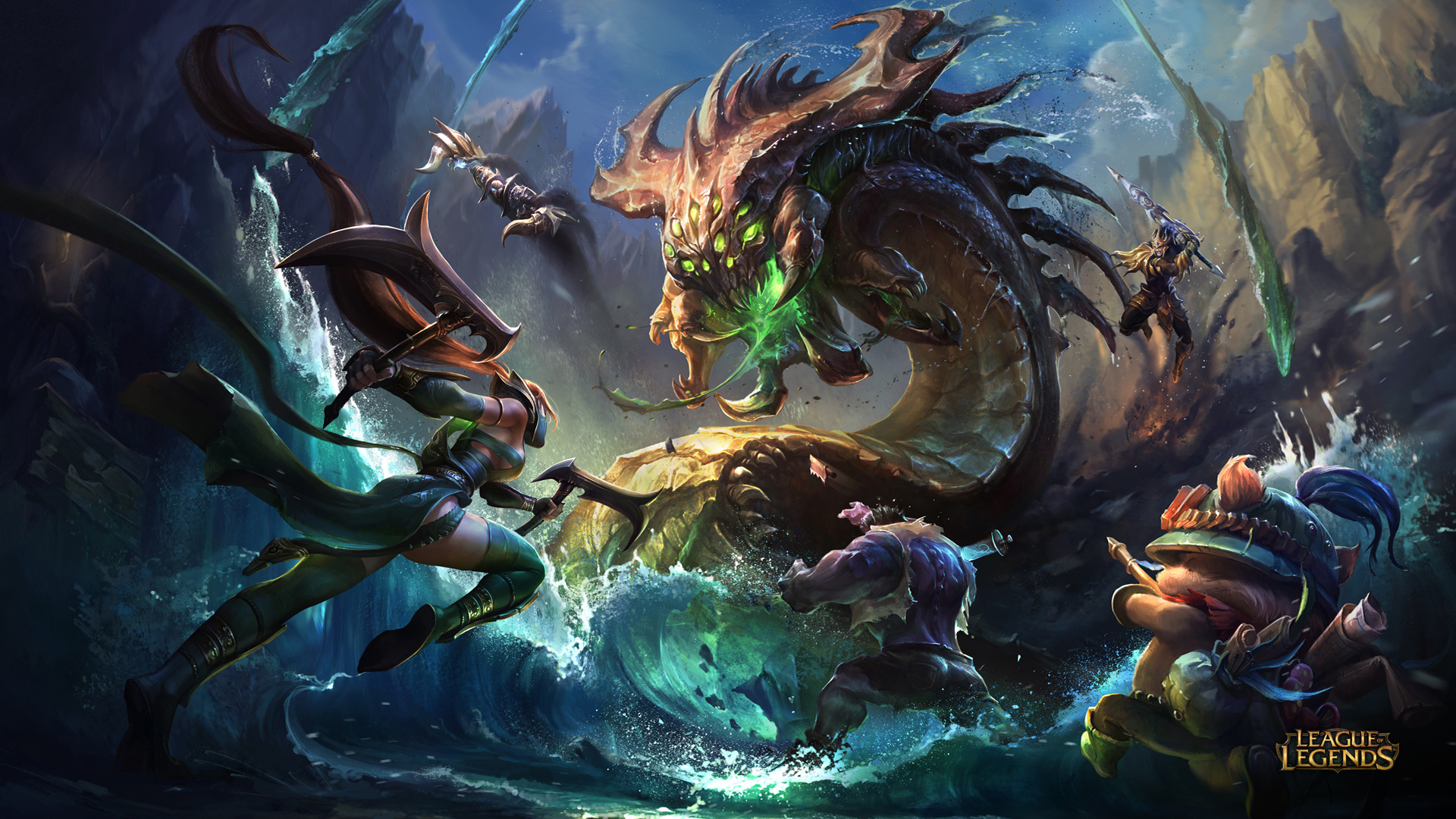
‘League of Legends’ has been accused of queer-baiting for years due to the way it handles character backstories. Many champions have long-standing ties and romantic subtext that fans have theorized about since their release. The developer Riot Games has often hinted at these relationships in cinematic trailers while being slow to confirm them in the game lore. This creates a situation where fans feel their interpretations are being teased for marketing purposes. Recent attempts to confirm some characters as queer have been met with both praise and skepticism regarding the timing.
‘Devil May Cry 5’ (2019)
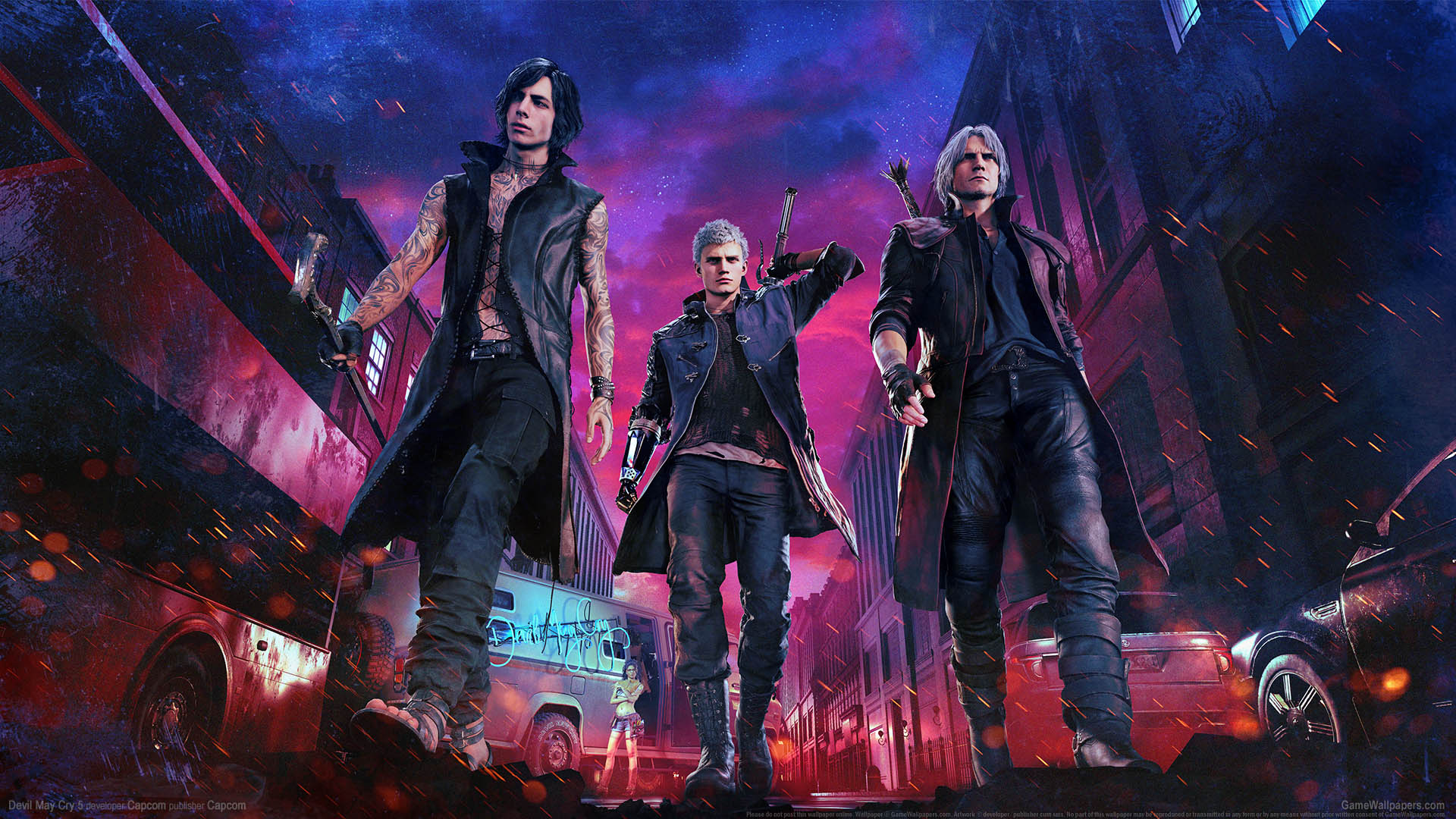
The ‘Devil May Cry’ series is known for its stylish action and high energy characters who often exhibit queer-coded traits. In ‘Devil May Cry 5’ fans pointed to the dynamic between certain male leads as having romantic potential. However the series has consistently avoided any explicit queer representation or romance options for its protagonists. Critics argue that the game benefits from the aesthetic of queer coding while remaining firmly heterosexual in its narrative. This has led to ongoing discussions about the lack of diversity in the character-driven action genre.
‘Final Fantasy VII Remake’ (2020)
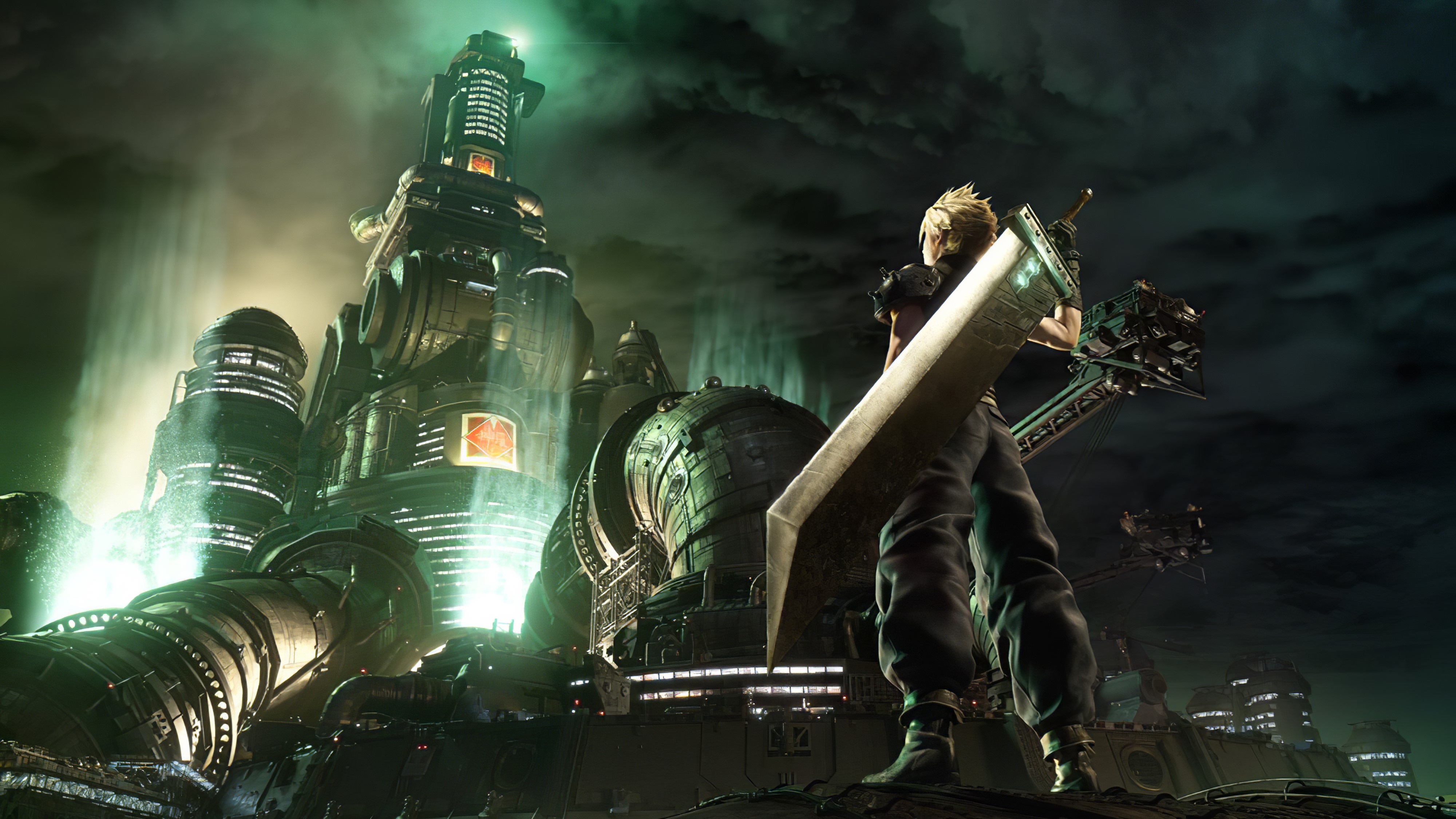
The relationship between Cloud Strife and his rival Sephiroth or his friend Zack Fair has been a staple of fan theories for decades. ‘Final Fantasy VII Remake’ leaning into the intense and often intimate nature of these bonds sparked new accusations of queer-baiting. Some players felt the game deliberately teased these dynamics to appeal to fan shippers without any intention of exploring them. The focus on the female love interests remains the central romantic core of the game. Fans expressed disappointment that a remake of such a legendary story did not take the opportunity to expand its romantic horizons.
‘Tales of Vesperia’ (2008)
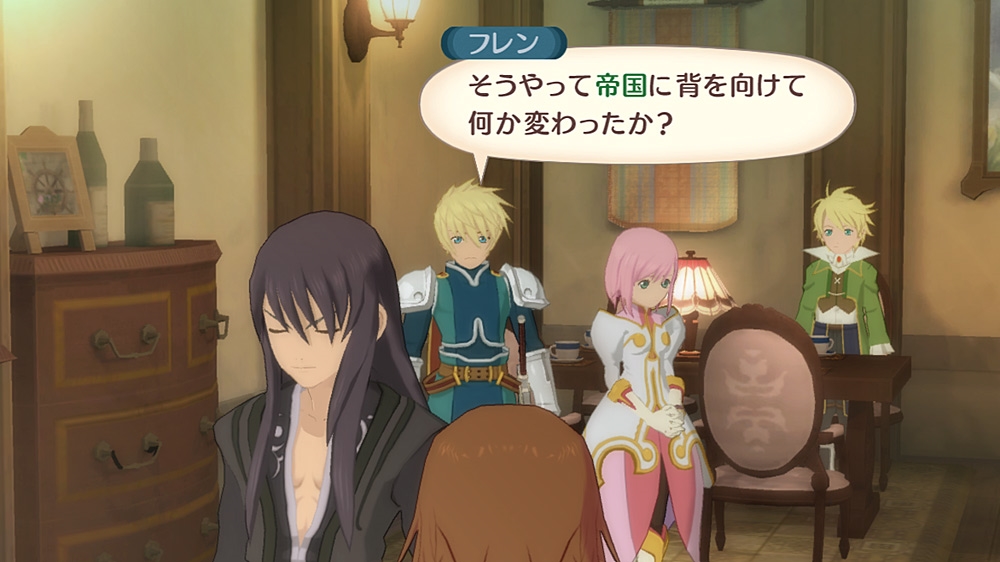
The bond between Yuri Lowell and Flynn Scifo in ‘Tales of Vesperia’ is one of the most celebrated in the franchise. Throughout the game the two share an intense and exclusive connection that many fans believe transcends friendship. Despite this the game never provides a romantic path and keeps their relationship strictly platonic. Critics have noted that the game’s marketing often focuses on their partnership as a key selling point. This has led to the title being frequently cited as an example of queer-baiting in the JRPG genre.
‘The Last of Us Part II’ (2020)
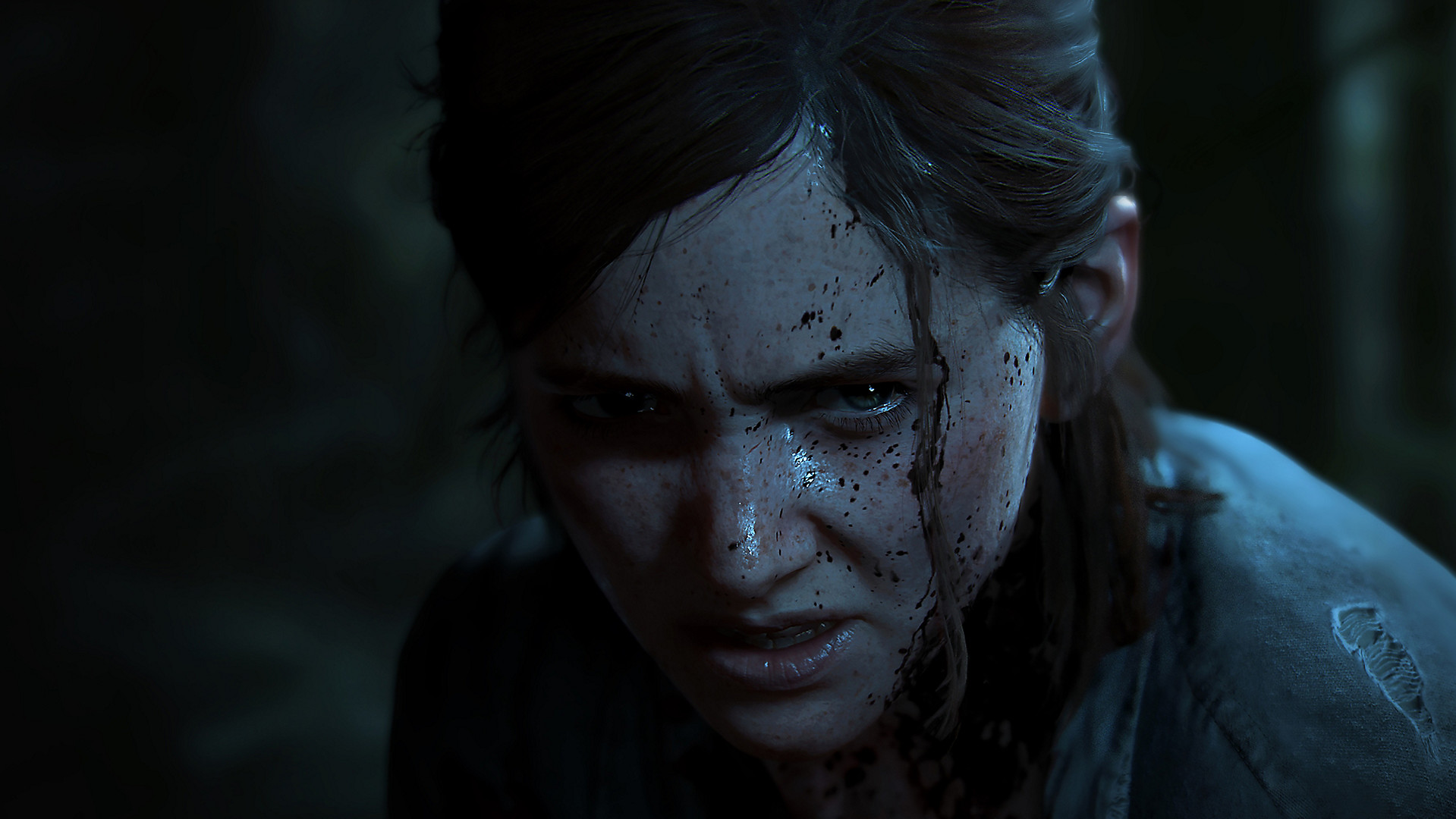
Marketing for ‘The Last of Us Part II’ focused heavily on Ellie’s relationship with Dina to promote the game’s queer representation. Some players felt this was a form of baiting when the narrative took a much darker turn that sidelined the romance for long periods. The promotional trailers were accused of misrepresenting the tone and focus of the story to appeal to certain demographics. While the game features a central queer protagonist the execution of her story arc polarized the community. This led to intense discussions about how queer stories are utilized in high budget game advertising.
‘Dream Daddy: A Dad Dating Simulator’ (2017)
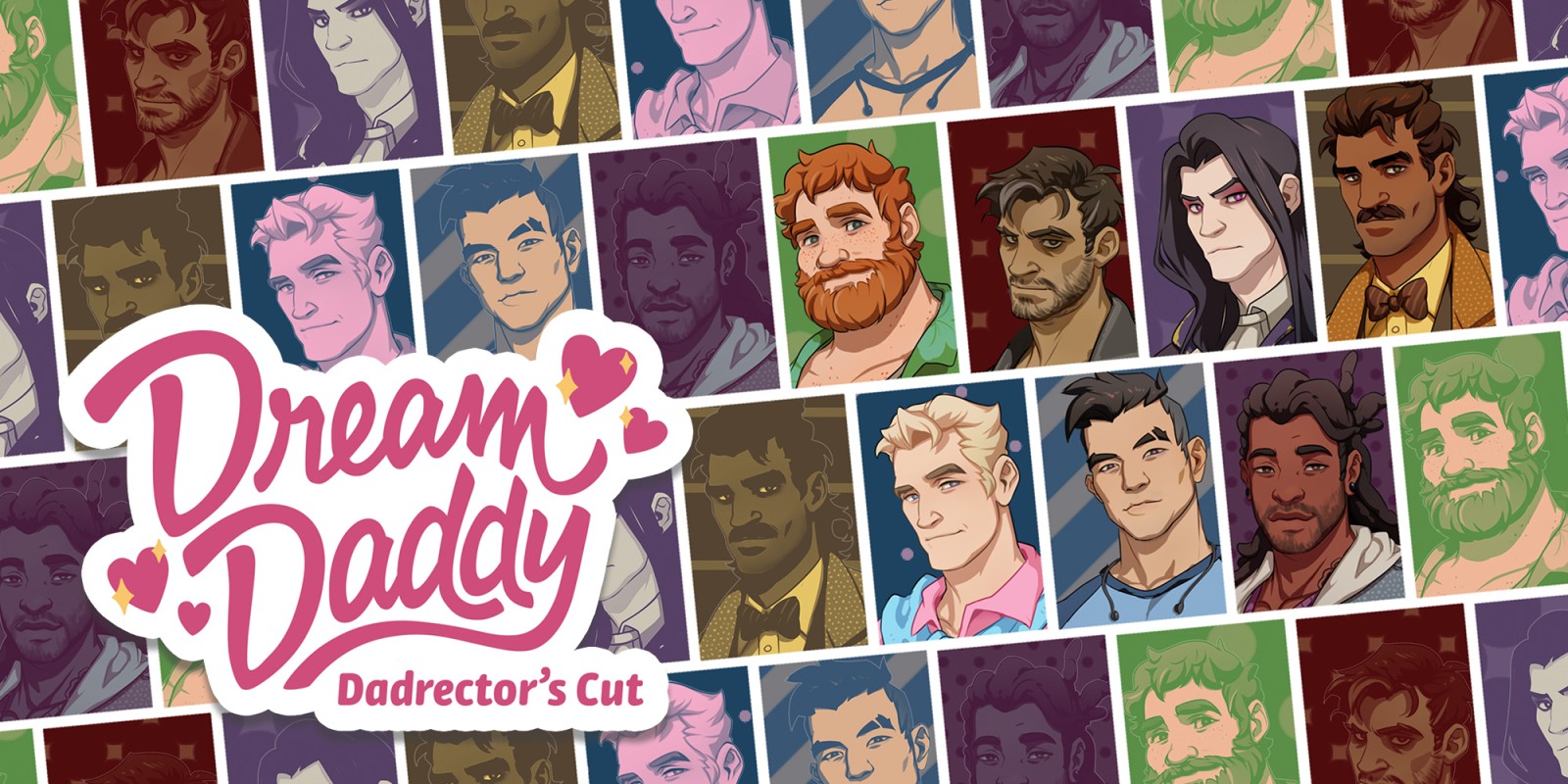
‘Dream Daddy A Dad Dating Simulator’ was marketed as a celebration of queer fatherhood and romance. However some fans felt the game relied too heavily on stereotypes and failed to provide deep romantic satisfaction. There were criticisms that the game prioritized humor and memes over genuine emotional connection in its dating paths. Some players felt that the marketing promised a more serious exploration of queer life than the final product delivered. This led to accusations that the game was baiting the queer community with a shallow experience.
‘Boyfriend Dungeon’ (2021)
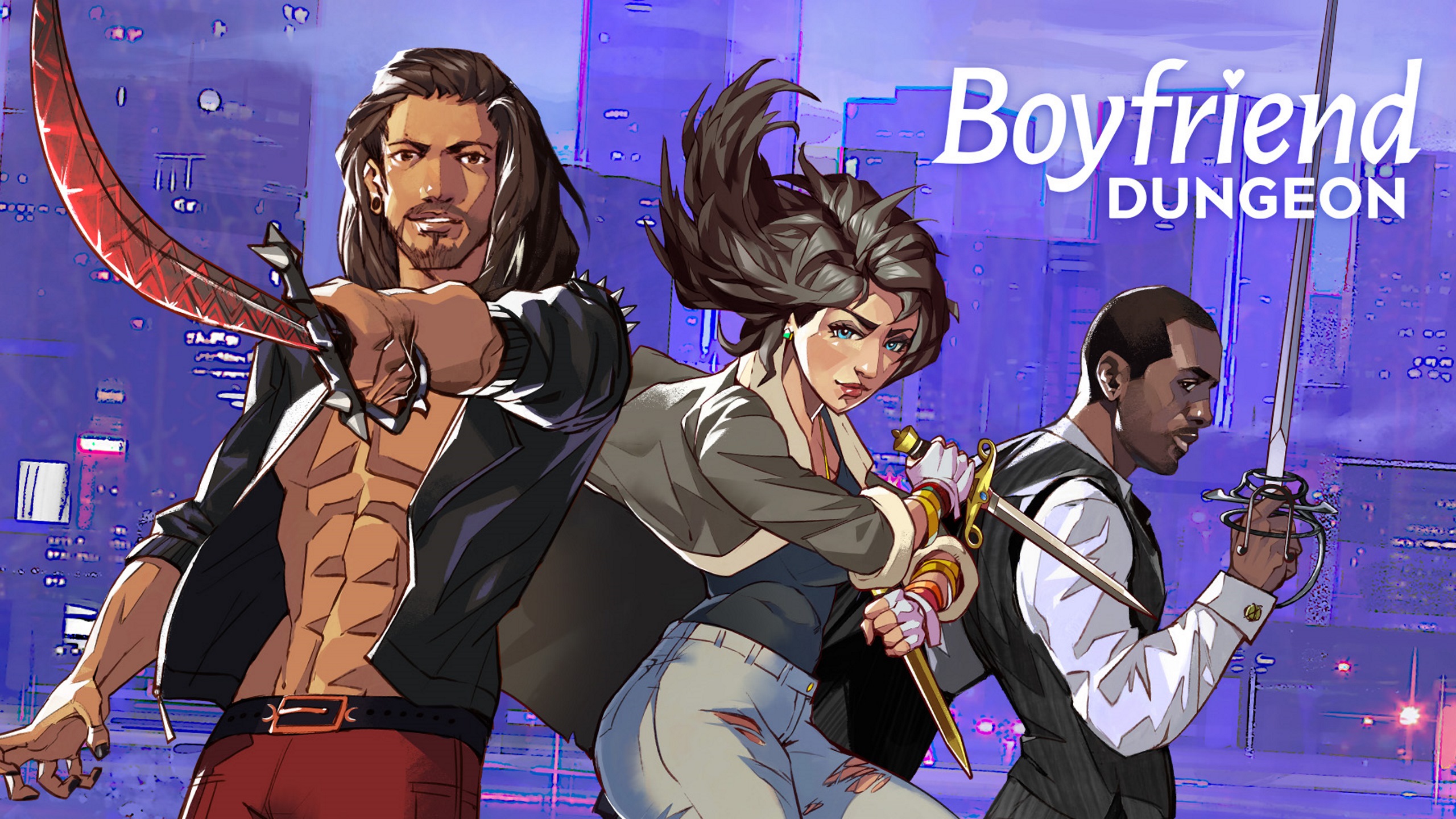
‘Boyfriend Dungeon’ combines dungeon crawling with a dating simulator where your weapons turn into people. The game was criticized for including a character whose story arc involved stalking and harassment without sufficient warnings. Some players felt the marketing suggested a lighthearted and inclusive dating experience that was undermined by this content. The backlash forced the developers to update the game with more explicit content warnings. This situation raised questions about the responsibilities of developers when marketing games to a queer audience.
‘The Sims 4’ (2014)
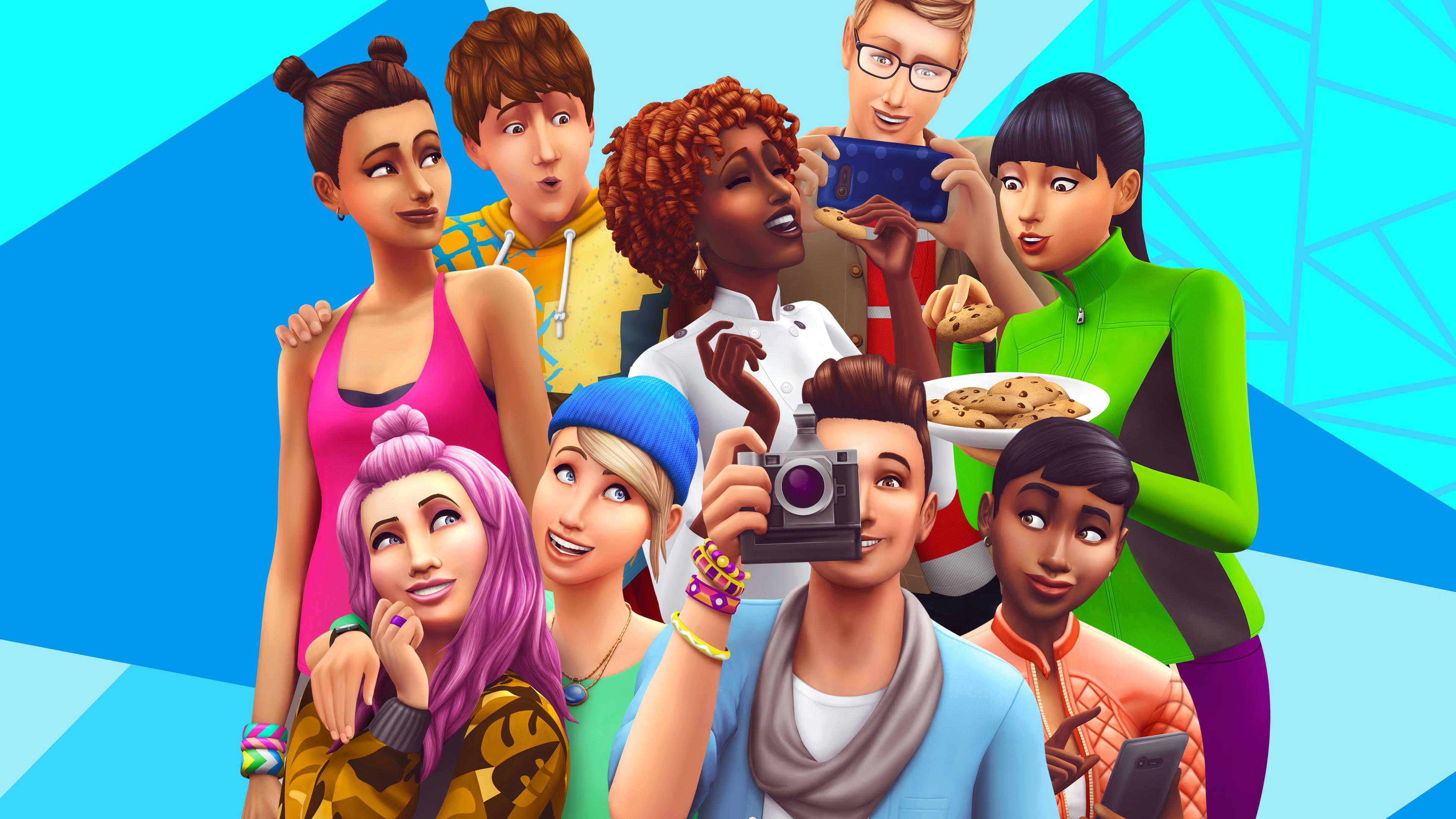
‘The Sims 4’ has long been a staple of inclusive gaming but it has not been without its controversies. The release of the My Wedding Stories game pack was slammed for being broken and for how it was marketed in certain regions. Some players felt the marketing emphasized queer weddings while the actual gameplay was plagued with technical issues. This led to claims that the developer was using inclusive imagery to sell a faulty product. Fans argued that the community deserved better than buggy representation.
‘Splatoon 3’ (2022)
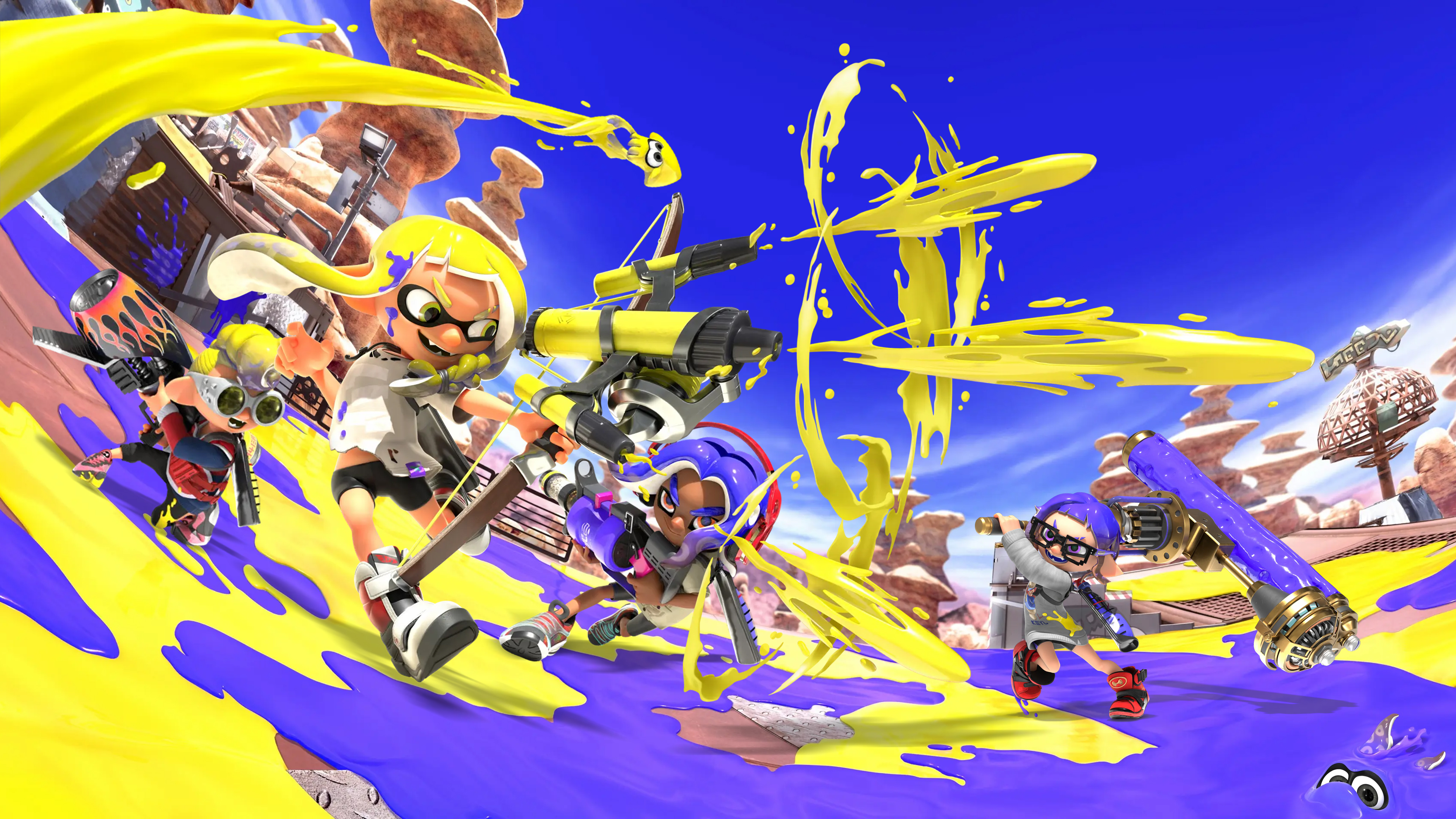
The ‘Splatoon’ series is known for its vibrant world and characters who often defy traditional gender norms. In ‘Splatoon 3’ fans were particularly interested in the dynamic between the new idols known as Deep Cut. Many players interpreted the interactions between the characters as queer-coded and expected official confirmation. When the game failed to provide any explicit representation some fans felt the marketing had been baiting them. The debate over character pronouns and identities remains a hot topic within the game’s fanbase.
‘Street Fighter 6’ (2023)
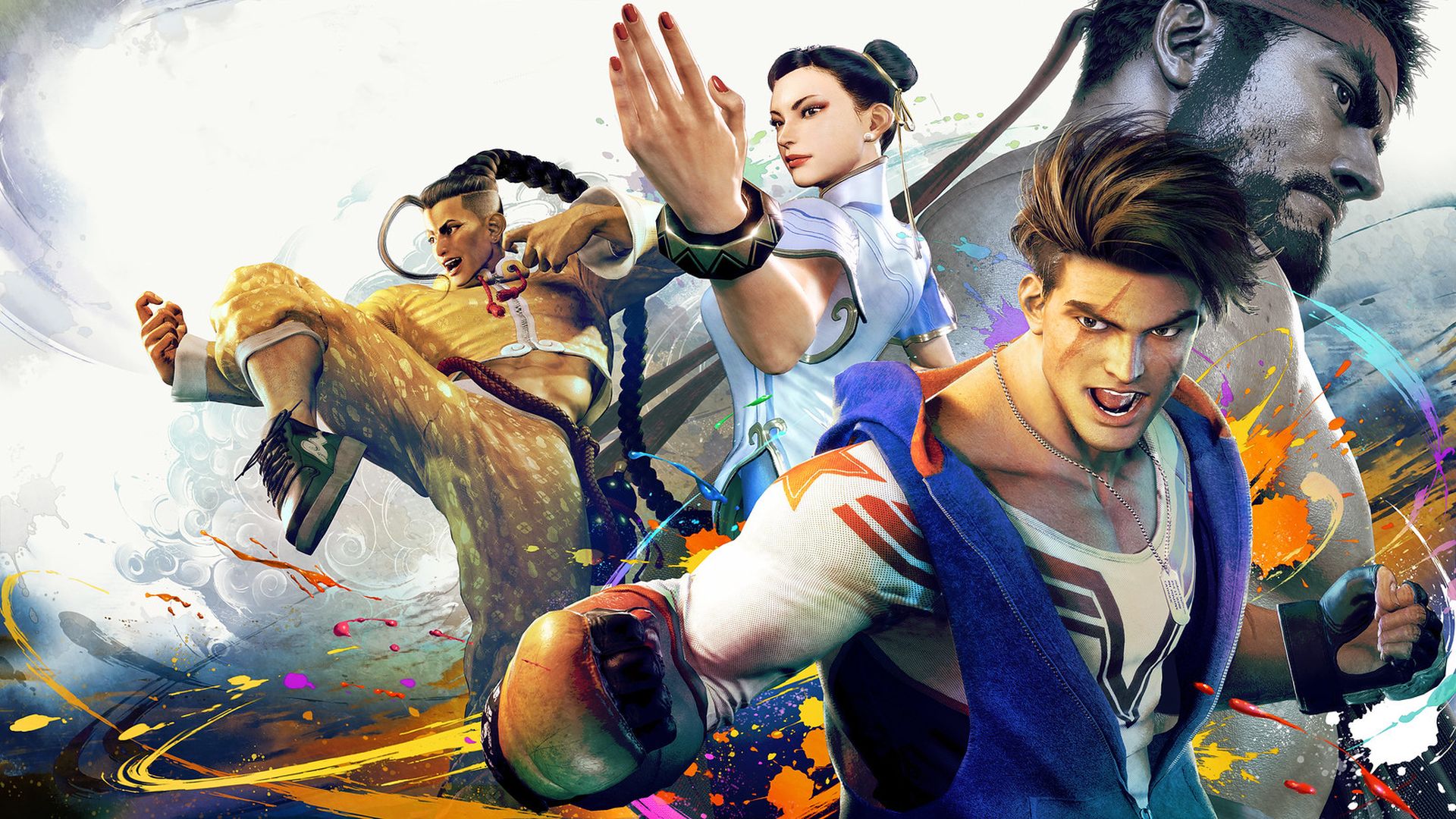
‘Street Fighter 6’ features a diverse roster of fighters with elaborate backstories and personal motivations. Some players have pointed to certain character designs and interactions as being queer-coded for the sake of modern appeal. However the game lacks any explicit romantic or identity-based representation in its main story mode. This led to accusations that the game was using inclusive aesthetics without committing to real diversity. Critics argued that the fighting game genre still has a long way to go in terms of authentic queer storytelling.
‘Mortal Kombat 11’ (2019)

In ‘Mortal Kombat 11’ the relationship between characters like Mileena and Kitana has been a point of interest for many fans. The game includes dialogue and endings that tease various romantic possibilities that never come to fruition in the main canon. Some players felt that these hints were a way to keep fans engaged without making any definitive changes to the status quo. This resulted in accusations of queer-baiting within a franchise known for its brutal and often over-the-top character dynamics. Fans expressed a desire for more consistent and meaningful representation across the series.
‘Tekken 8’ (2024)
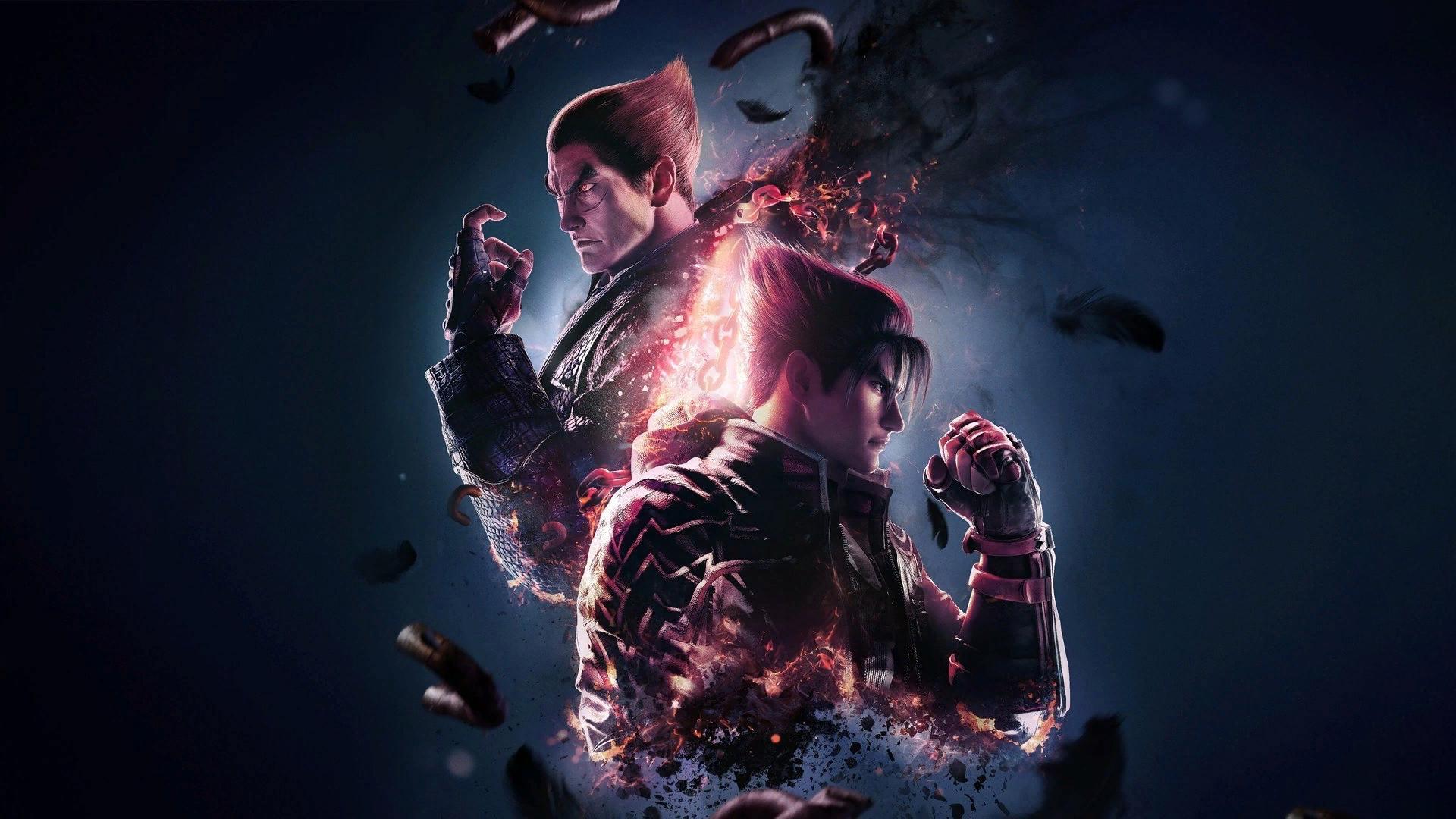
‘Tekken 8’ features a character named Leo who has historically been presented with gender ambiguity. Fans have long debated Leo’s identity and whether the character represents queer or non-binary representation. The developer’s refusal to provide a definitive answer has led to accusations of baiting both sides of the conversation. Some players feel that keeping the character’s identity a mystery is a way to avoid controversy while still appealing to diverse audiences. This ongoing lack of clarity has become a point of frustration for many in the community.
‘Animal Crossing: New Horizons’ (2020)
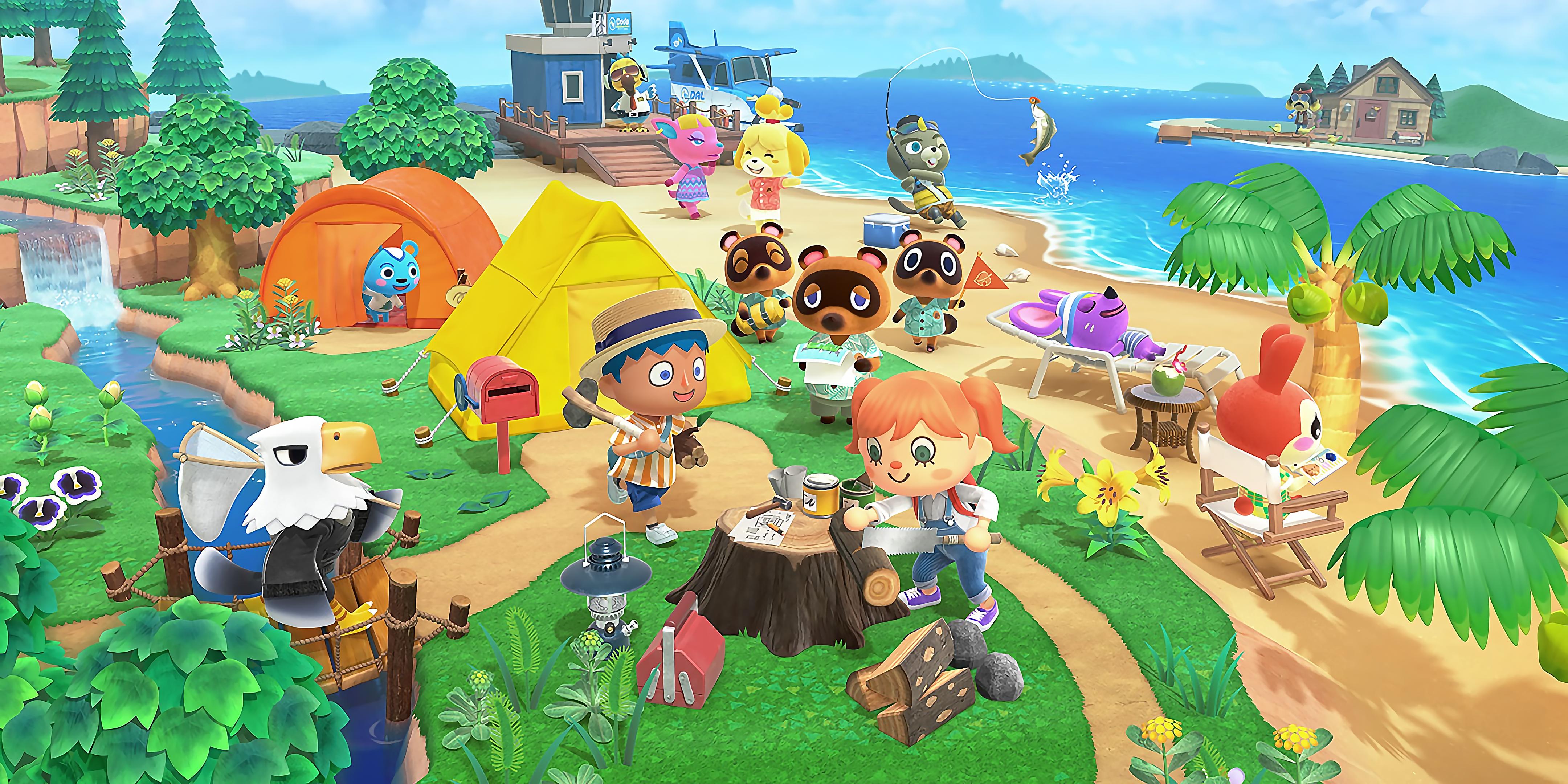
‘Animal Crossing New Horizons’ removed gender-locked clothing and hairstyles which was seen as a major win for representation. However the game still lacks explicit same-sex relationships or marriage mechanics between players and villagers. Some fans were disappointed when certain characters who seemed queer-coded in their interactions were never officially confirmed. The game was criticized for being inclusive in aesthetic only while maintaining traditional social structures. This led to a feeling that the game was playing it safe rather than fully embracing its queer fanbase.
‘Miitopia’ (2017)
When ‘Miitopia’ was ported to the Switch it included advanced makeup and wig options that allowed for greater character customization. While these tools were praised some players felt the game still relied on traditional romantic tropes. The relationships between Miis were framed in ways that often felt like they were avoiding explicit queer labels. This led to some fans feeling that the game was baiting them with customization while limiting the actual relationship outcomes. The tension between creative freedom and narrative restriction was a common theme in player feedback.
‘GreedFall’ (2019)
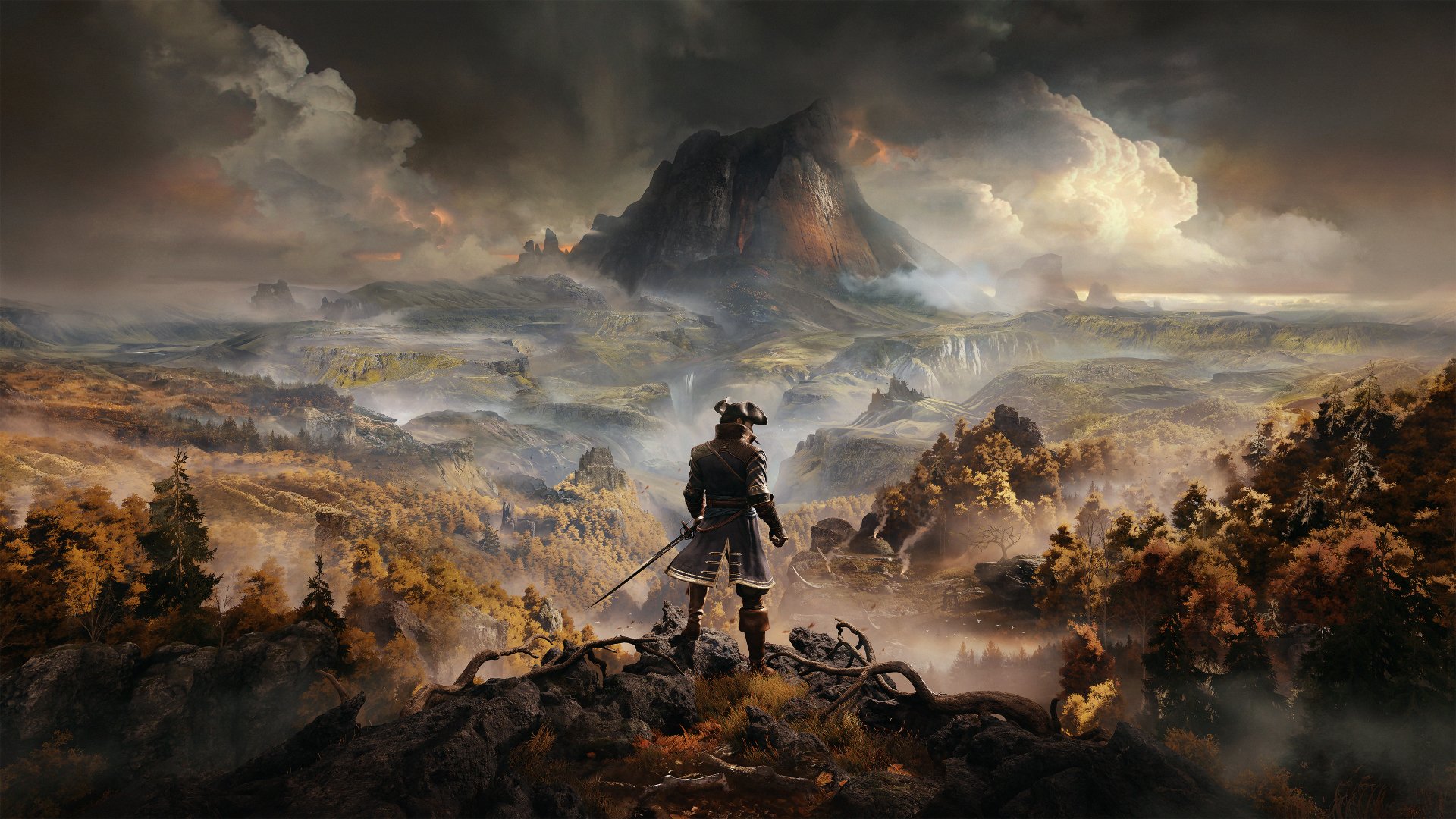
‘GreedFall’ was marketed as an old-school role-playing game where player choices matter in every aspect including romance. Players were disappointed to find that several of the most interesting companions were gender-locked for romance. This restriction felt arbitrary to some especially given the game’s focus on building a unique character path. Critics argued that the game was baiting players with the promise of freedom while holding back on inclusive options. This feedback was taken into account for the developer’s later projects.
‘The Outer Worlds’ (2019)
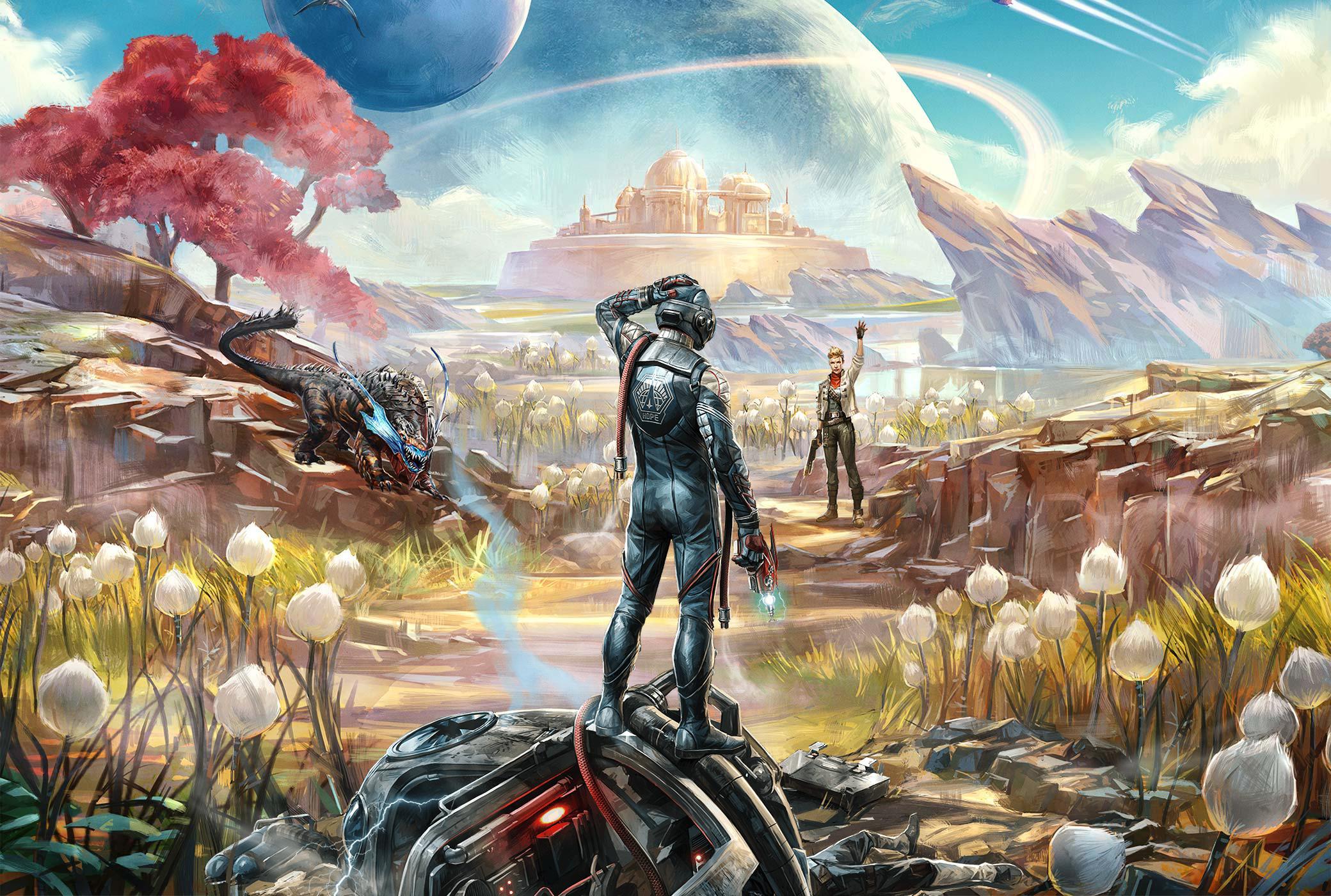
While ‘The Outer Worlds’ features a prominent asexual queer character named Parvati the player character has limited romantic agency. Some fans felt that the game’s marketing teased a more robust romance system than what was actually delivered. The focus on helping companions find love rather than pursuing it yourself was a surprise to many players. This led to a feeling that the game was baiting players who expected a more traditional dating experience. While the representation was praised the lack of player-centric options was a point of criticism.
‘Fallout 4’ (2015)
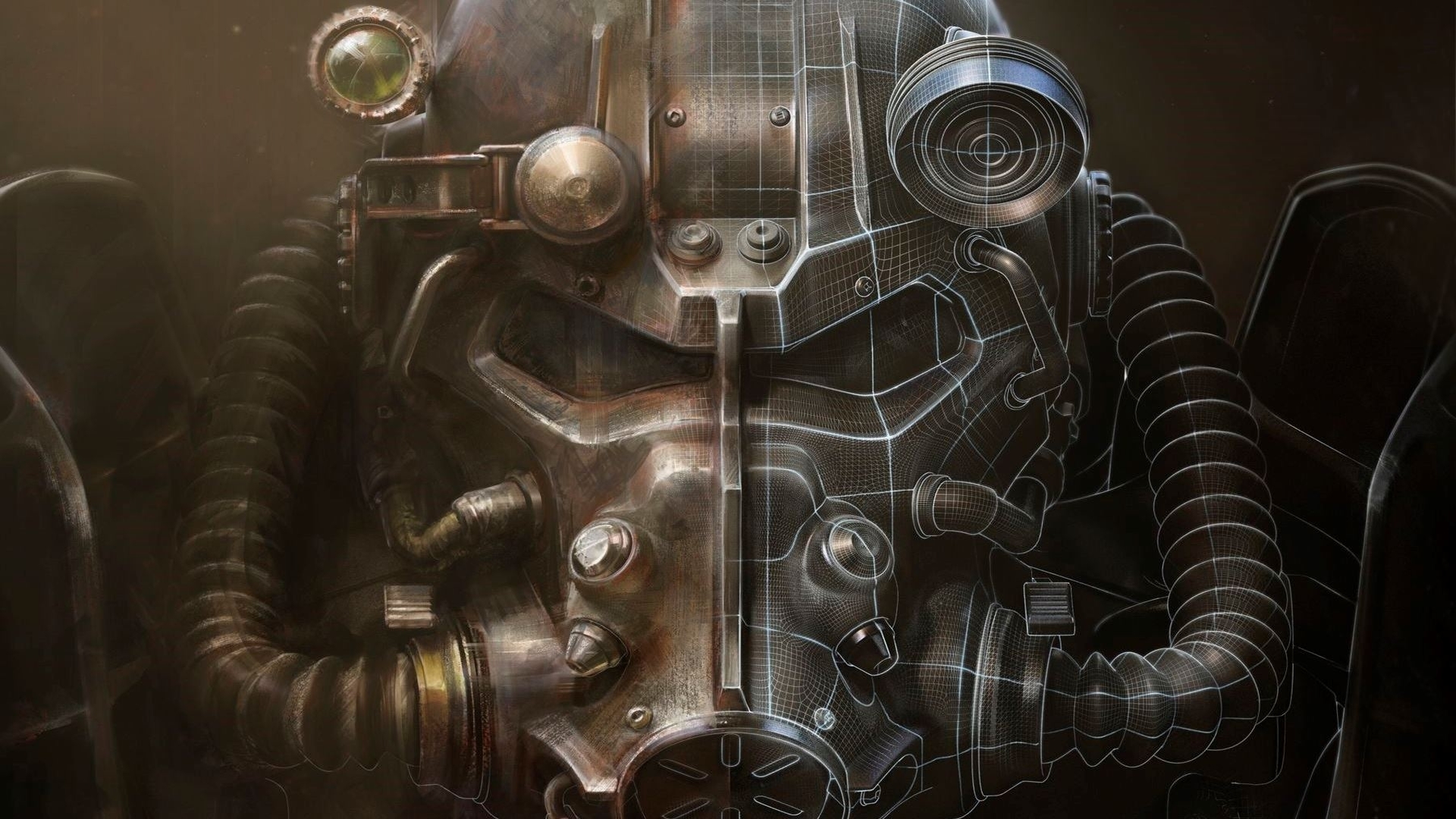
‘Fallout 4’ allows players to romance companions regardless of gender but the system was criticized for being shallow and repetitive. Some fans felt that the game’s marketing emphasized personal relationships that lacked any real consequence or depth. The dialogue for queer romances was often identical to heterosexual ones which some felt was a form of erasure. This led to claims that the game was baiting players with the idea of romance without providing any meaningful content. The lack of identity-specific storytelling was a frequent complaint among queer players.
‘Skyrim’ (2011)

‘Skyrim’ introduced marriage mechanics that were open to all characters regardless of gender. However the process of getting married was criticized for being a simple fetch quest with no emotional weight. Some players felt the game was baiting them with the promise of a life together that never manifested in the gameplay. The lack of unique dialogue or interactions for same-sex couples was seen as a missed opportunity. This led to the game being cited as an example of performative inclusion that lacked substance.
‘Dragon’s Dogma: Dark Arisen’ (2012)
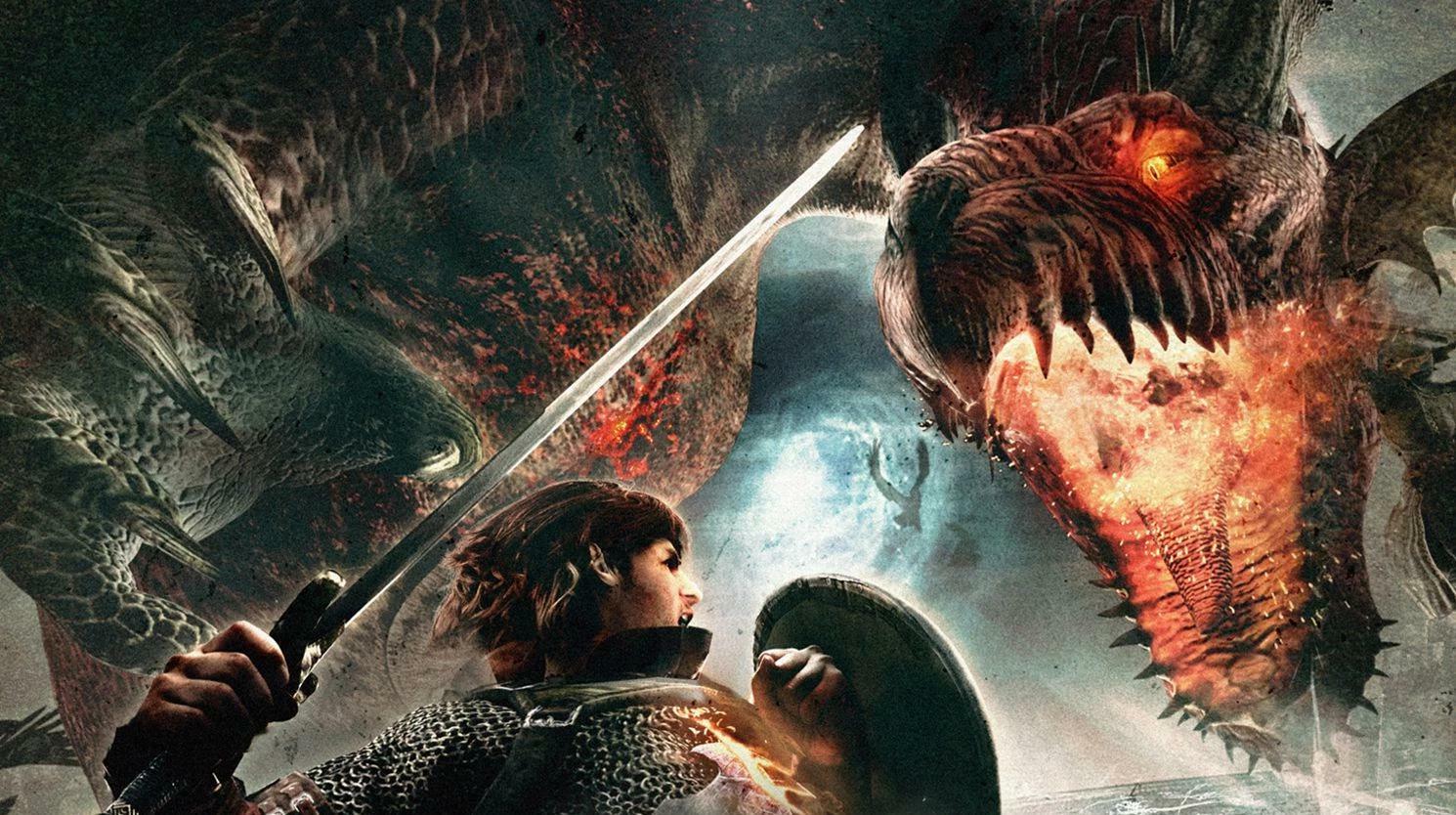
The romance system in ‘Dragon’s Dogma’ uses a hidden affinity mechanic that determines which character becomes the player’s beloved. This system often led to unexpected and sometimes awkward romantic conclusions with background characters. Players criticized the game for not allowing more intentional same-sex romance paths in the main story. Some felt the game’s marketing teased a heroic romance that was often undercut by the mechanical execution. This lack of control was seen as a form of baiting for players who wanted a serious romantic arc.
‘Fable III’ (2010)
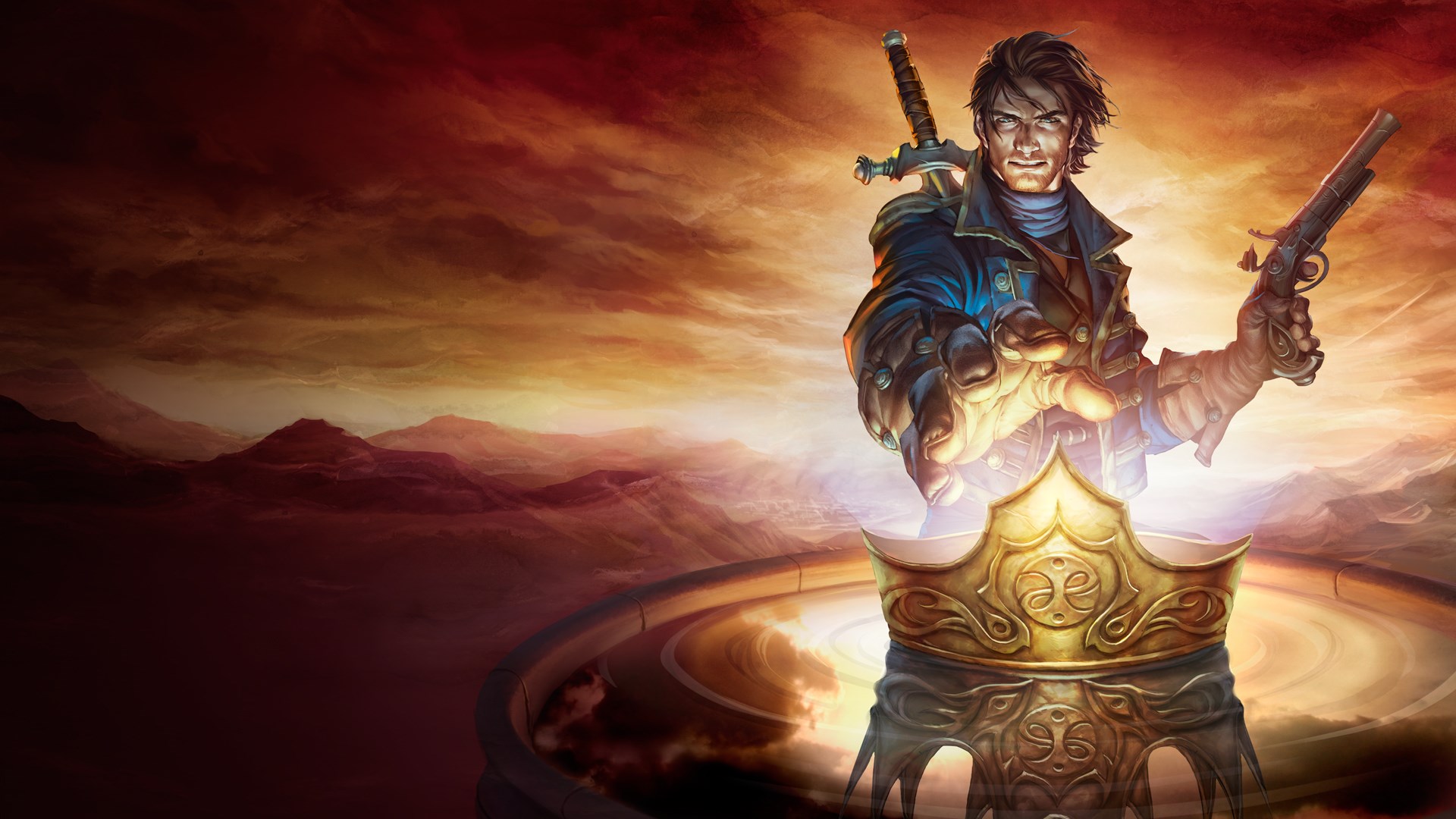
‘Fable III’ allows for same-sex marriage and family building but the mechanics were often criticized for being superficial. Some fans felt the game used these options as a novelty rather than a serious part of the role-playing experience. The marketing for the ‘Fable’ series often emphasized the freedom to be whoever you want which some felt was not fully realized. This led to accusations that the game was baiting a queer audience with options that lacked narrative impact. The social simulation aspects were frequently described as shallow.
‘The Legend of Zelda: Breath of the Wild’ (2017)
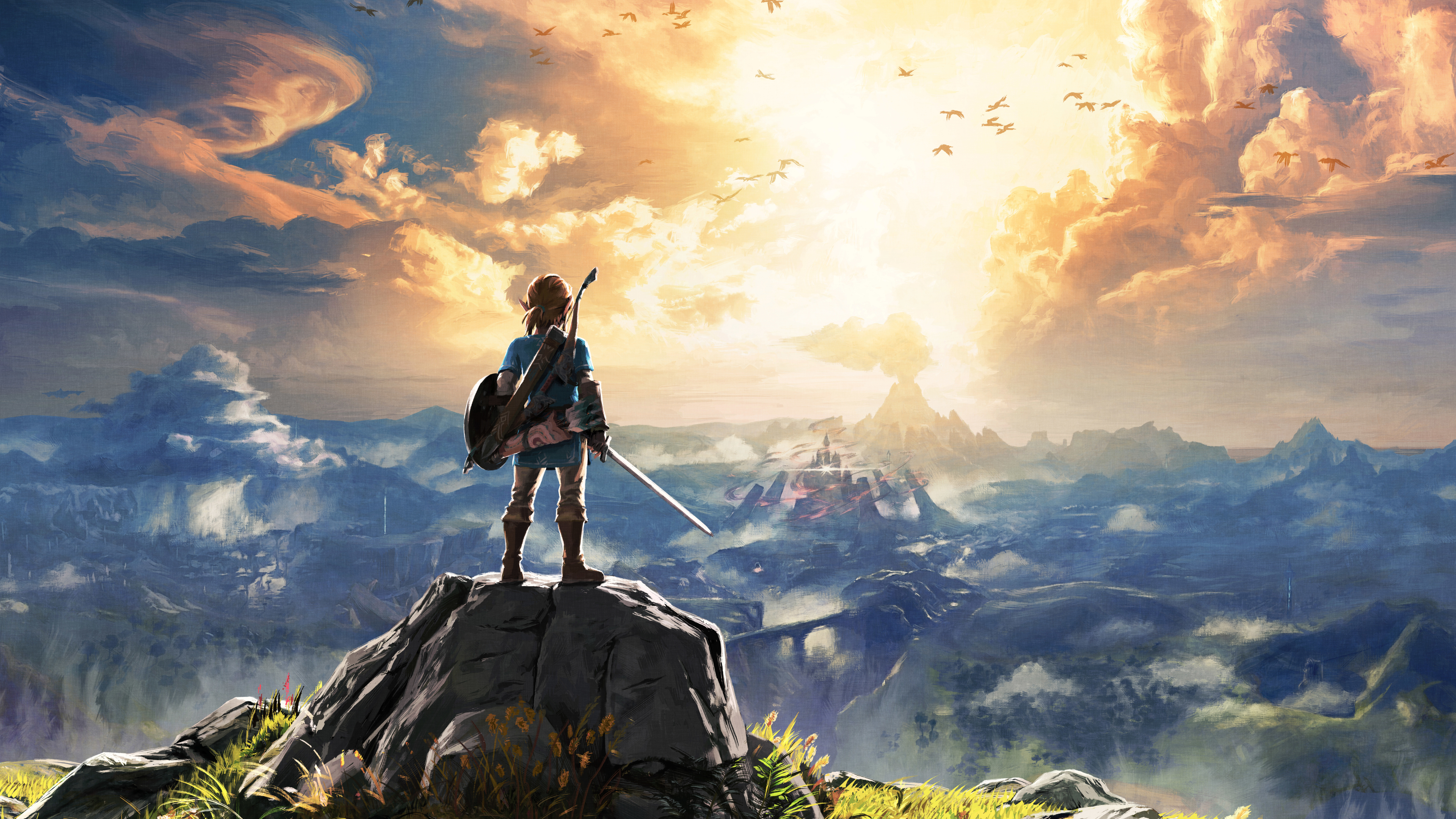
‘The Legend of Zelda Breath of the Wild’ features a character named Prince Sidon who became an immediate fan favorite. Many players noted the flirtatious nature of his dialogue and his intense admiration for Link. The lack of any official romantic payoff for this bond led to widespread claims of queer-baiting. Some fans felt that the developers were teasing a same-sex attraction to generate social media buzz without ever intending to confirm it. This dynamic continued to be a point of discussion in the sequel.
‘Genshin Impact’ (2020)
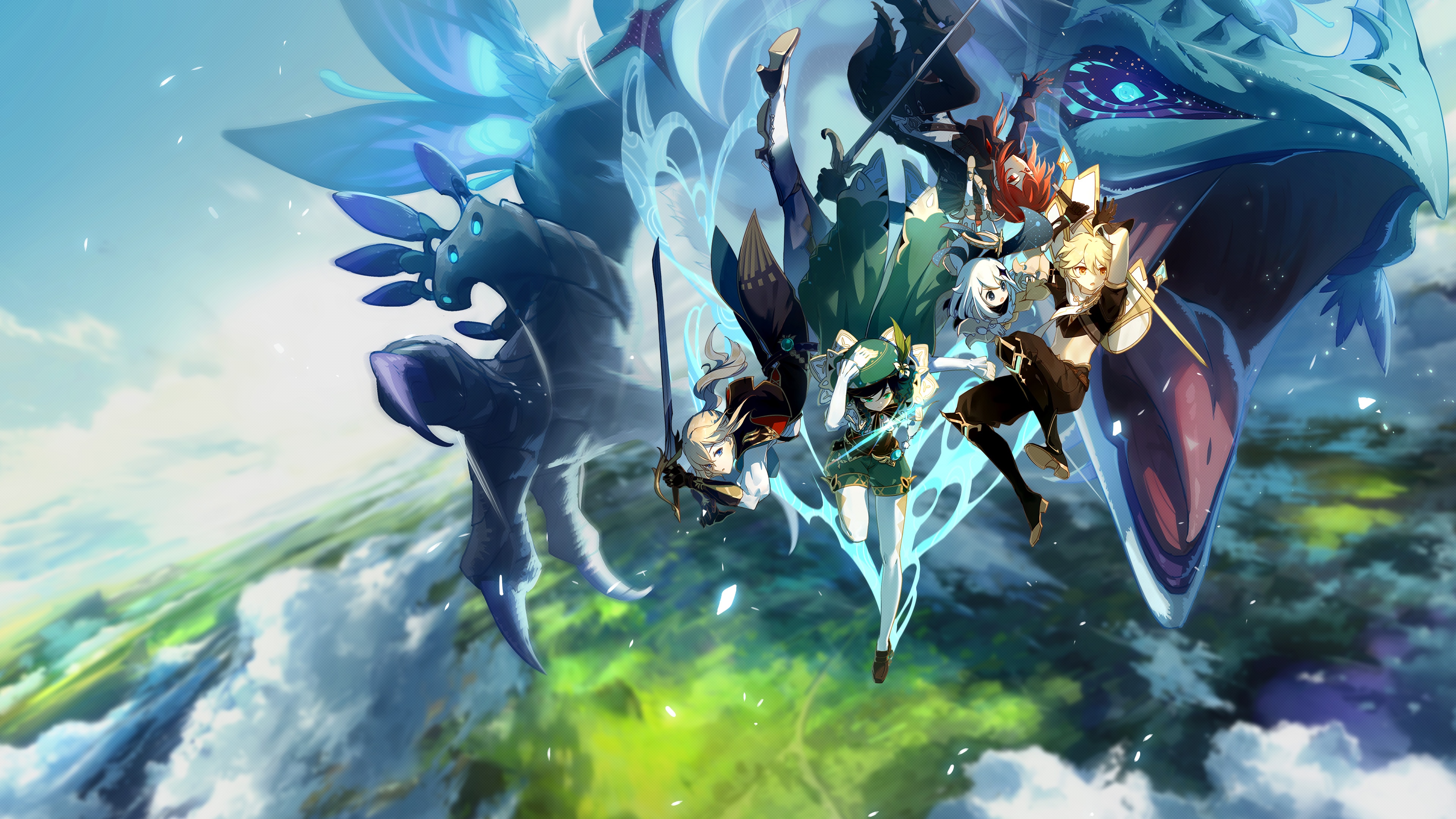
‘Genshin Impact’ frequently introduces characters with close relationships and shared backstories that suggest romantic feelings. Characters like Alhaitham and Kaveh or Beidou and Ningguang are often seen in situations that fans interpret as queer-coded. However the developer HoYoverse has never officially confirmed these pairings or included explicit romance mechanics for any characters. This creates a sense of queer-baiting for players who feel the game profits from these ships without committing to them. The lack of clarity is often attributed to strict censorship laws in the home country of the studio.
‘Elden Ring’ (2022)
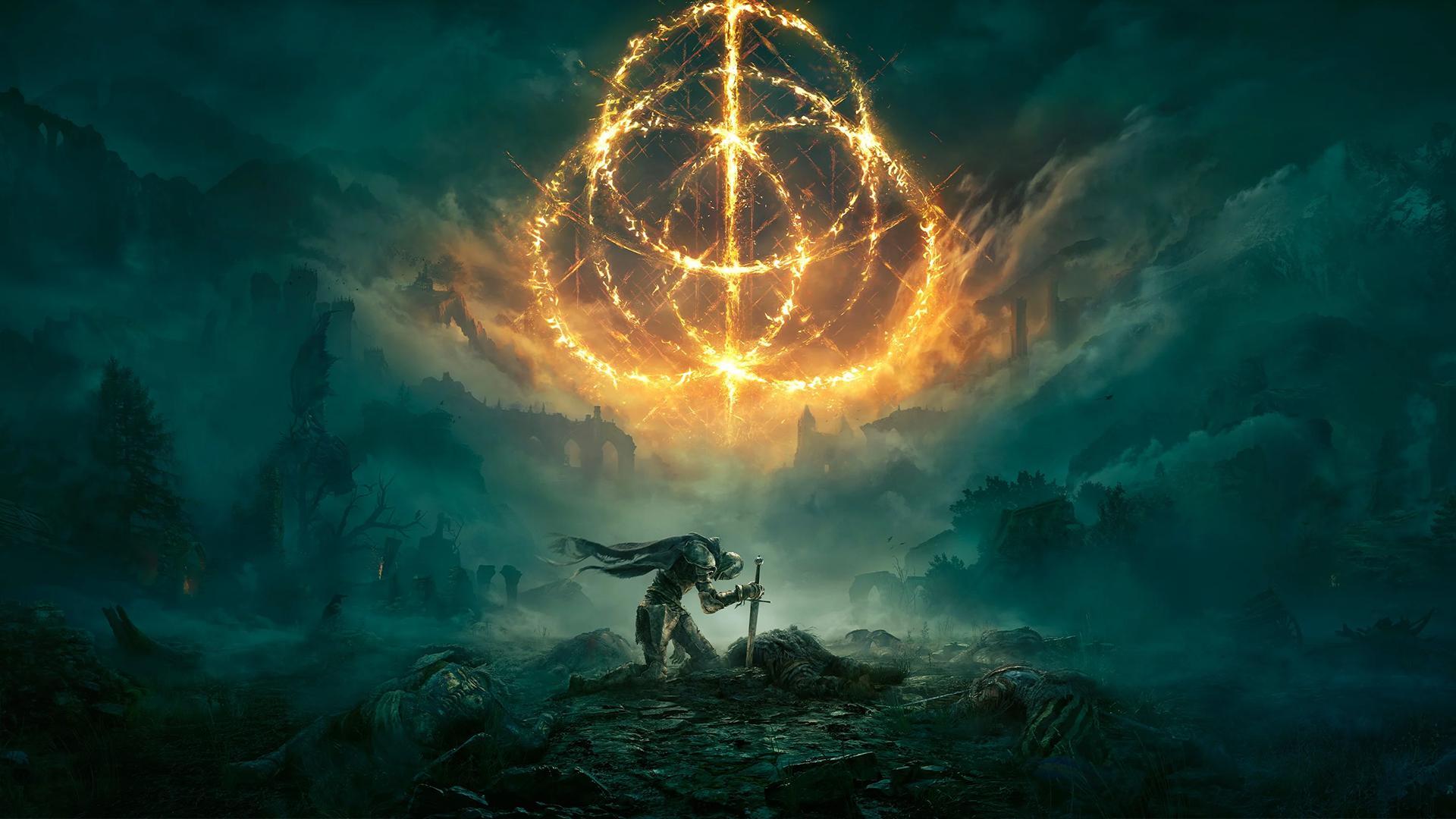
The lore of ‘Elden Ring’ includes complex relationships between gods and demi-gods that often blur the lines of gender and identity. Some players felt that the game teased queer dynamics in its backstory that were never fully explored in the main quest. The relationship between Miquella and other characters has been a particular focus of fan theories regarding queer-baiting. Critics argued that the game used these themes for atmospheric depth while avoiding any concrete representation. This has led to ongoing debates about the nature of storytelling in the Lands Between.
‘Overwatch 2’ (2022)
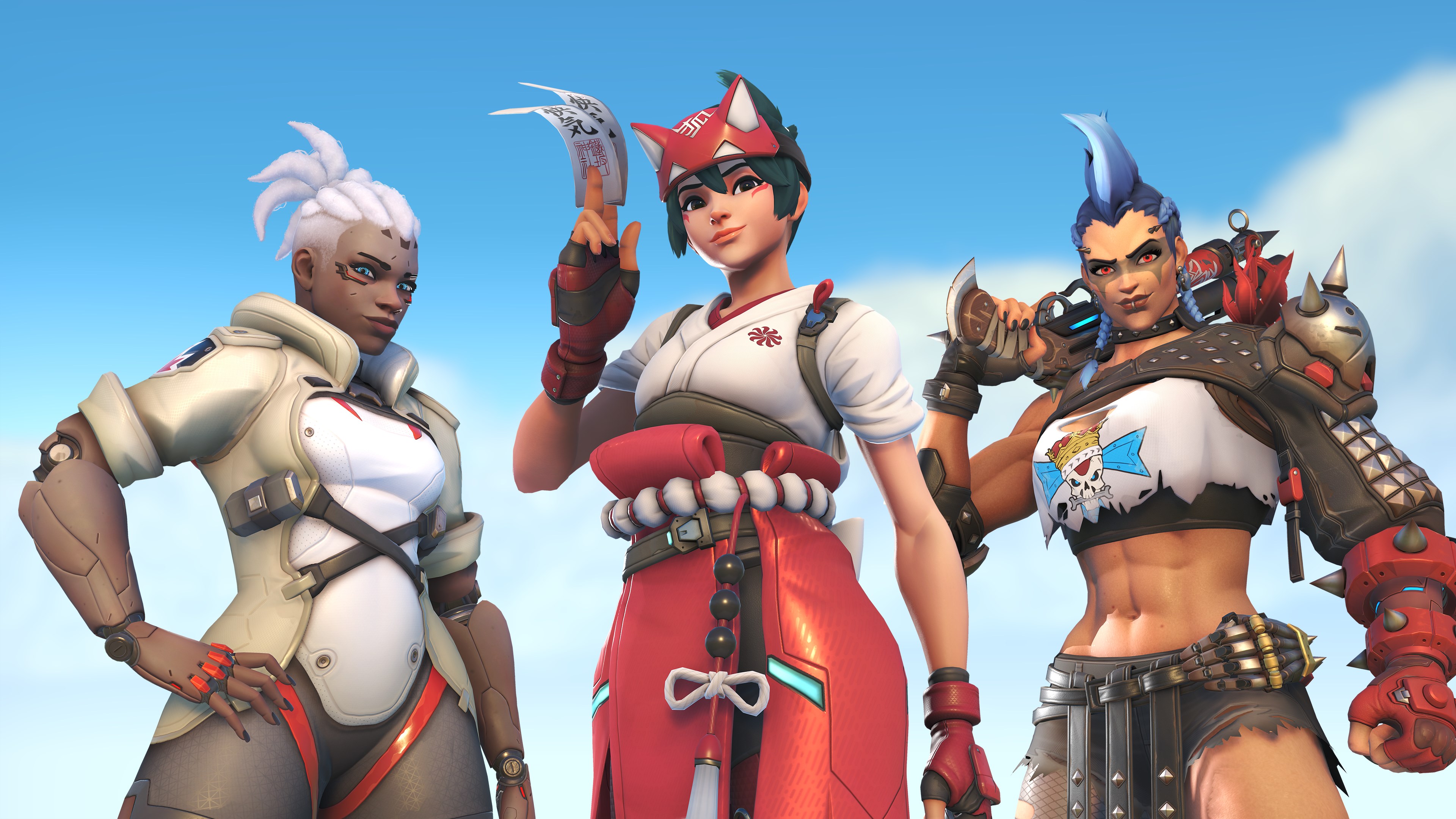
‘Overwatch 2’ has been criticized for how it reveals the identities of its queer characters through external media rather than in the game itself. Fans felt that the revelation of characters like Soldier 76 or Baptiste being queer felt like an afterthought to generate positive PR. The lack of romantic interactions or story progression for these characters in the game led to accusations of baiting. Some players argued that the game was using these identities for marketing while ignoring them in the actual player experience. This has remained a contentious issue for the hero shooter’s community.
‘Dragon Age: Inquisition’ (2014)
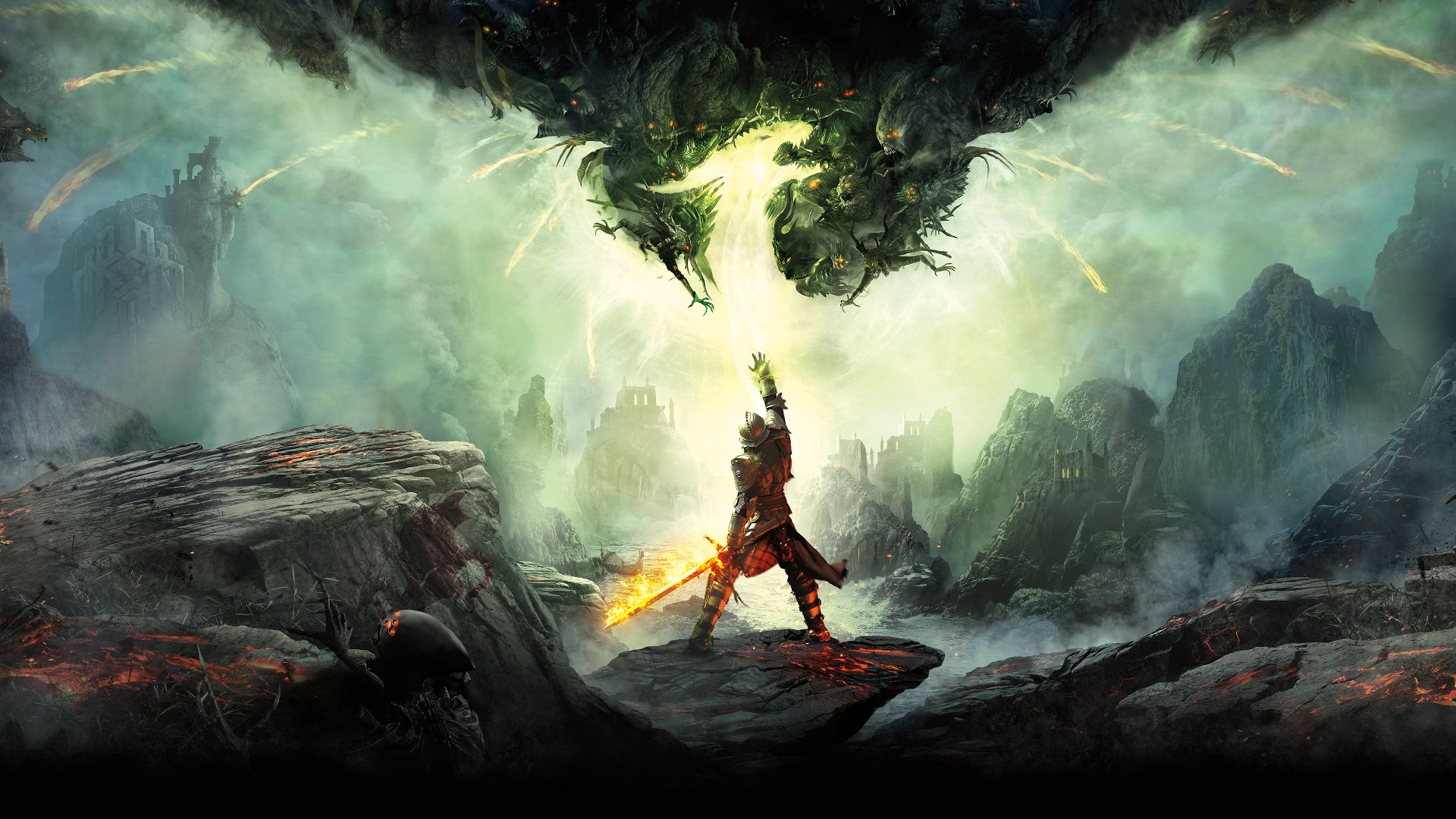
While ‘Dragon Age Inquisition’ is often praised for its diversity it faced some criticism for the way certain romances were restricted. Some players felt that the marketing for characters like Dorian or Sera focused too much on their sexuality rather than their overall character. Others were frustrated that some fan-favorite companions were not available for same-sex romance. This led to a debate over whether the game was baiting players with the idea of total freedom while still imposing limits. The conversation highlighted the challenges of balancing character integrity with player agency.
‘Star Wars: The Old Republic’ (2011)
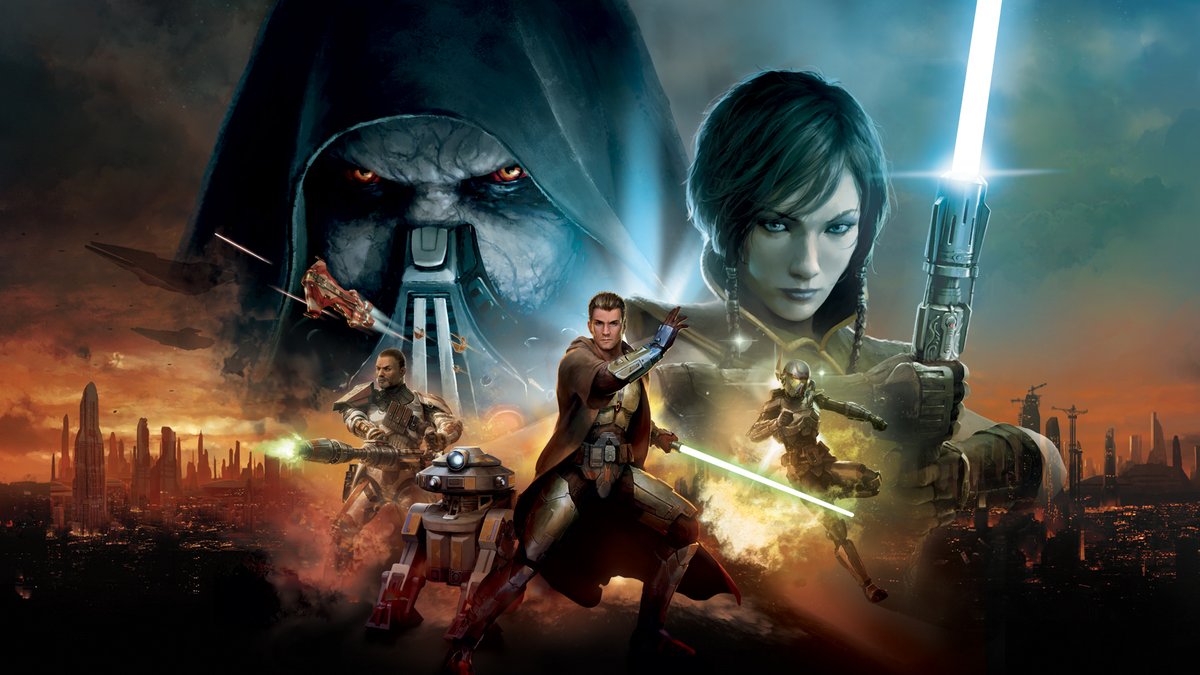
At launch ‘Star Wars The Old Republic’ did not include any same-sex romance options which led to a massive player protest. The developers eventually added these options in an expansion but some felt they were sidelined to a specific planet. This led to accusations that the game was baiting a queer audience by claiming to be a true BioWare RPG without providing the expected representation. Fans felt that the initial exclusion and later implementation were handled poorly. The situation is often cited as a major turning point for queer representation in MMOs.
‘Final Fantasy XVI’ (2023)
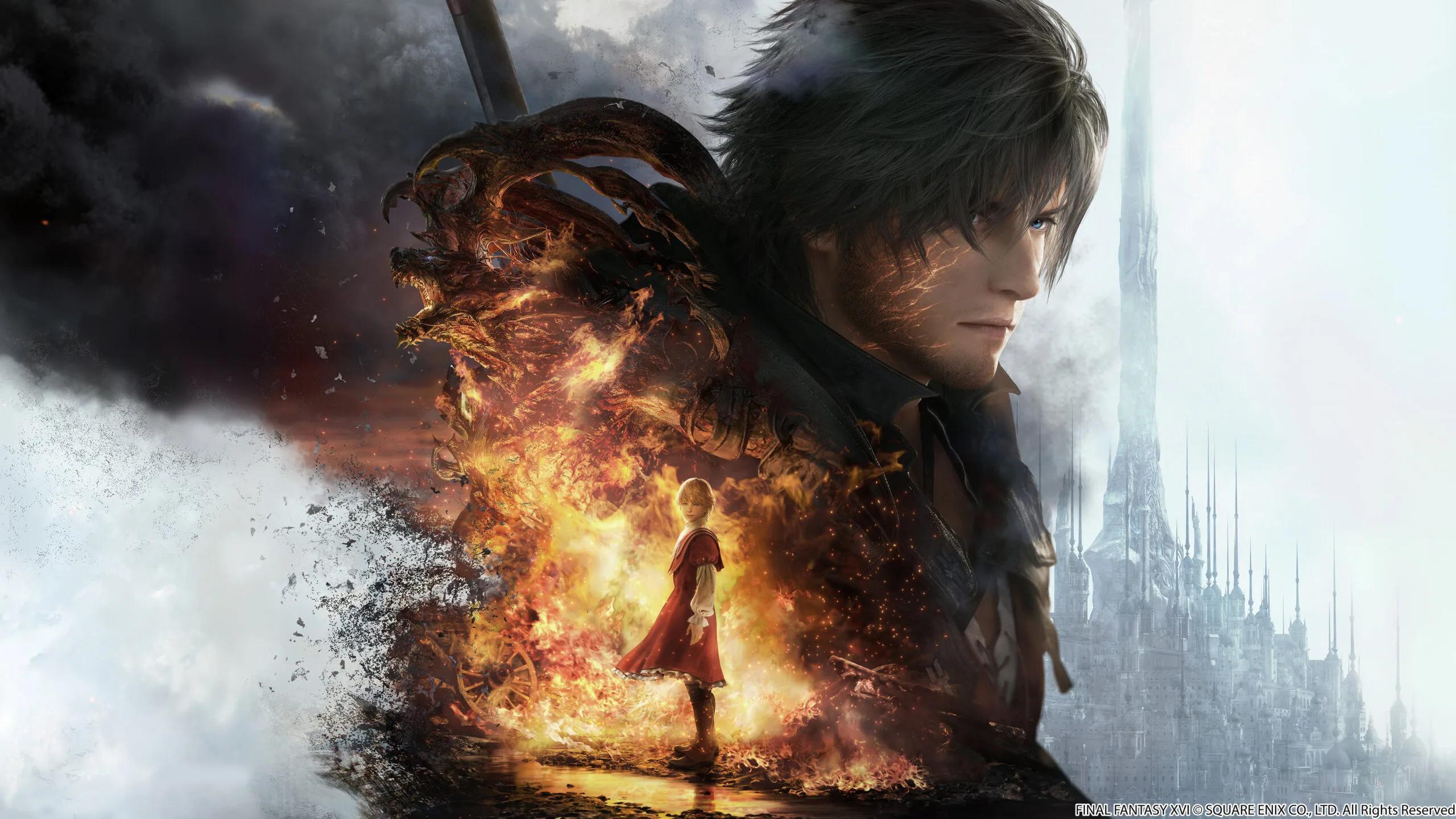
‘Final Fantasy XVI’ features the first explicitly queer major character in the franchise’s history with the character Dion Lesage. While this was praised some fans felt the marketing did not prepare them for how his story would be handled. There were concerns that his relationship was used as a plot device rather than a fully developed romantic path for the player to experience. Some critics argued that the game still relied on traditional tropes that sidelined queer joy. This led to a complex discussion about the progress and pitfalls of representation in the series.
‘Tales of Arise’ (2021)
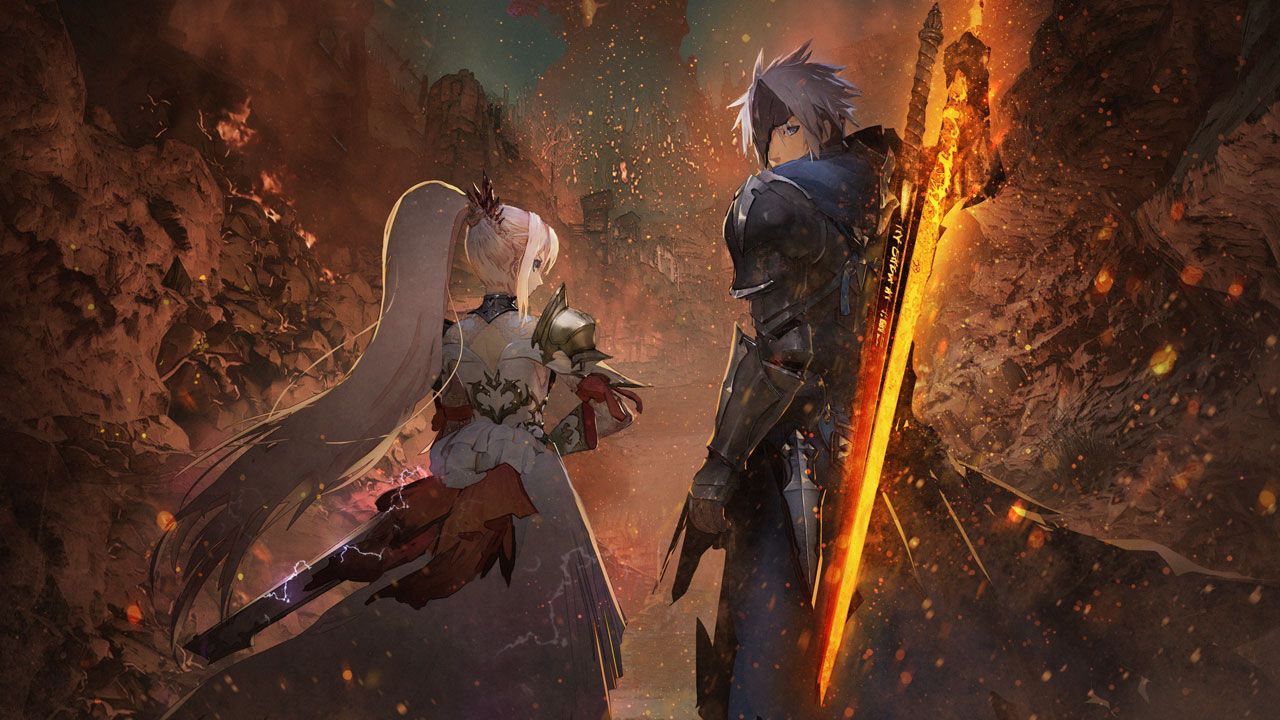
‘Tales of Arise’ focuses heavily on the romantic bond between its two leads but offers very little in terms of queer representation. Fans were disappointed that the supporting cast lacked any same-sex romance options or meaningful queer subtext. The game was criticized for adhering to a very traditional romantic structure despite its themes of revolution and social change. Some players felt that the marketing teased a more modern take on the JRPG genre than what was actually delivered. This resulted in a sense of frustration for fans looking for more diverse perspectives in the series.
Share your thoughts on these controversial romance options in the comments.