

Games That Added Pride Content and Saw Huge Backlash

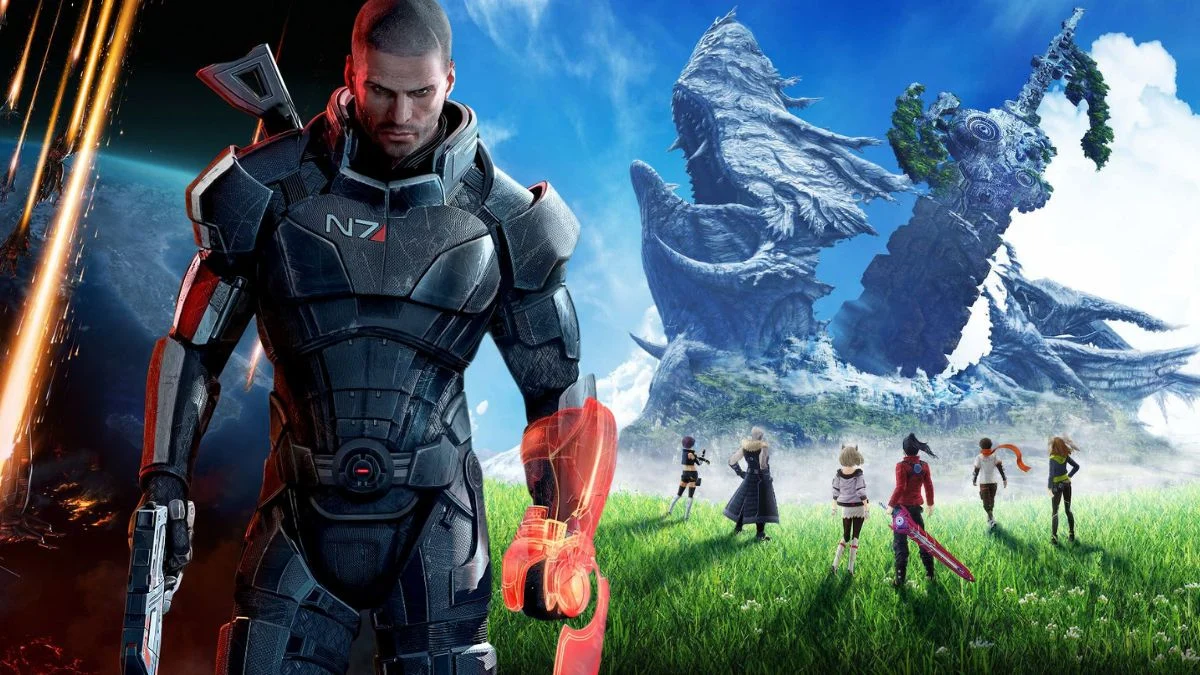


The video game industry has increasingly embraced diversity by incorporating LGBTQ+ characters and themes into major releases. This shift toward inclusivity has been met with praise from advocacy groups but has also triggered significant resistance from certain segments of the gaming community. Developers often face review bombing and social media harassment campaigns when they introduce elements such as pronouns or same-sex relationships. The following titles experienced some of the most intense backlashes regarding their inclusion of pride-related content.
‘Old School RuneScape’ (2017)
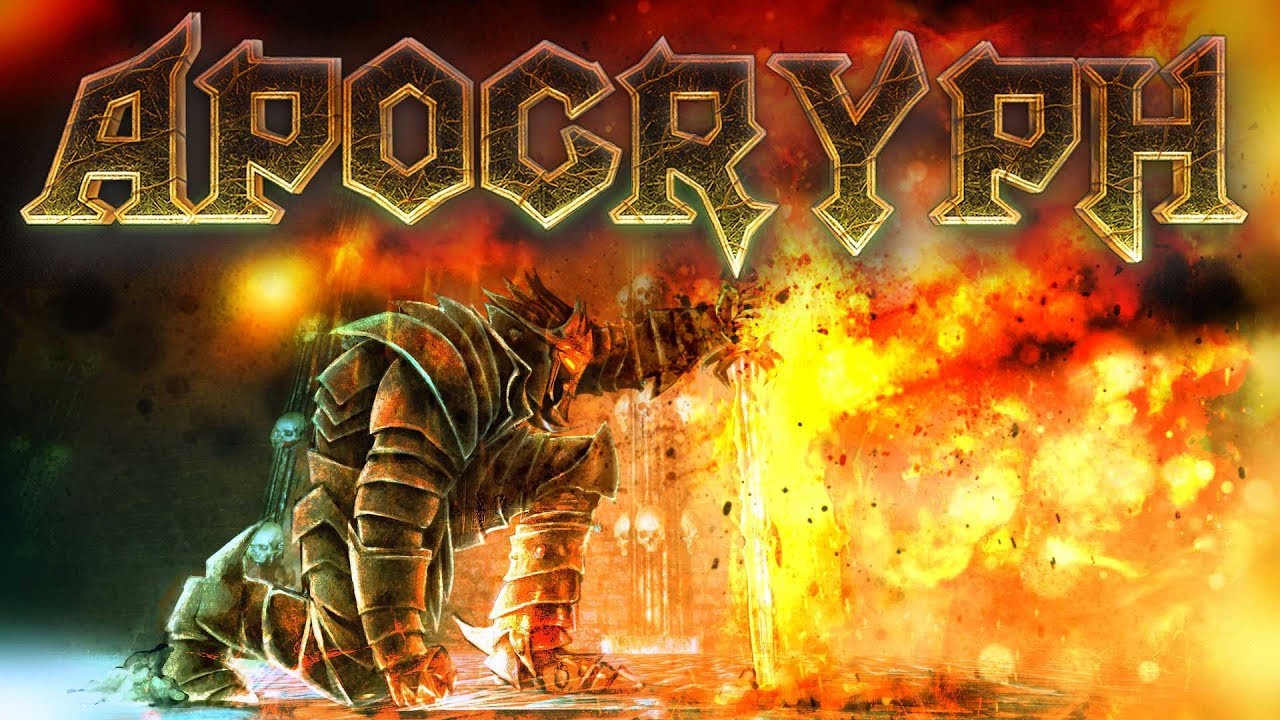
When developers Jagex announced a small in-game event to celebrate Pride Month, a significant portion of the player base reacted with intense hostility. Players organized massive riots in the city of Falador, dressing their avatars in white robes to resemble hate groups and spamming hateful messages. The controversy centered on the argument that real-world politics had no place in a medieval fantasy setting, despite the event being optional and taking up a tiny portion of the map. Jagex moderators faced personal harassment, yet they kept the event in the game to support their LGBTQ+ staff and players. This incident remains one of the most volatile moments in the history of the MMORPG’s community.
‘Starfield’ (2023)
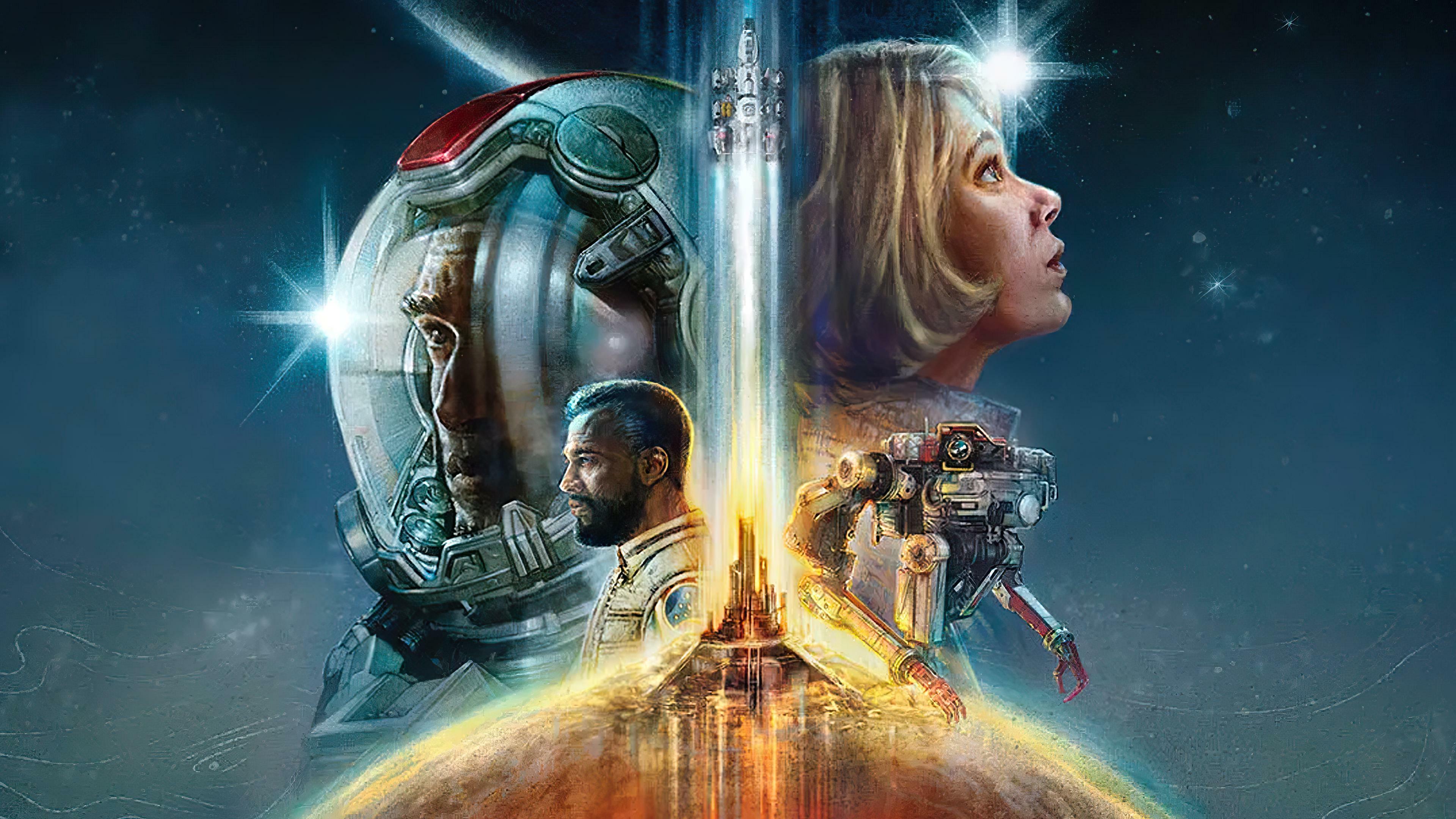
Bethesda’s space exploration RPG faced a wave of viral outrage largely sparked by the character creation menu. Players discovered that they could select pronouns such as he/him, she/her, or they/them, which prompted a well-known streamer to launch into a screaming tirade about “modern day politics” ruining immersion. Critics flooded social media and review platforms with complaints that the game was pushing a “woke agenda” simply by acknowledging gender neutrality. This backlash occurred despite the pronoun selection being a minor UI element that had no impact on gameplay mechanics. The controversy highlighted the growing sensitivity among certain gamer demographics regarding gender inclusivity in triple-A titles.
‘Marvel’s Spider-Man 2’ (2023)
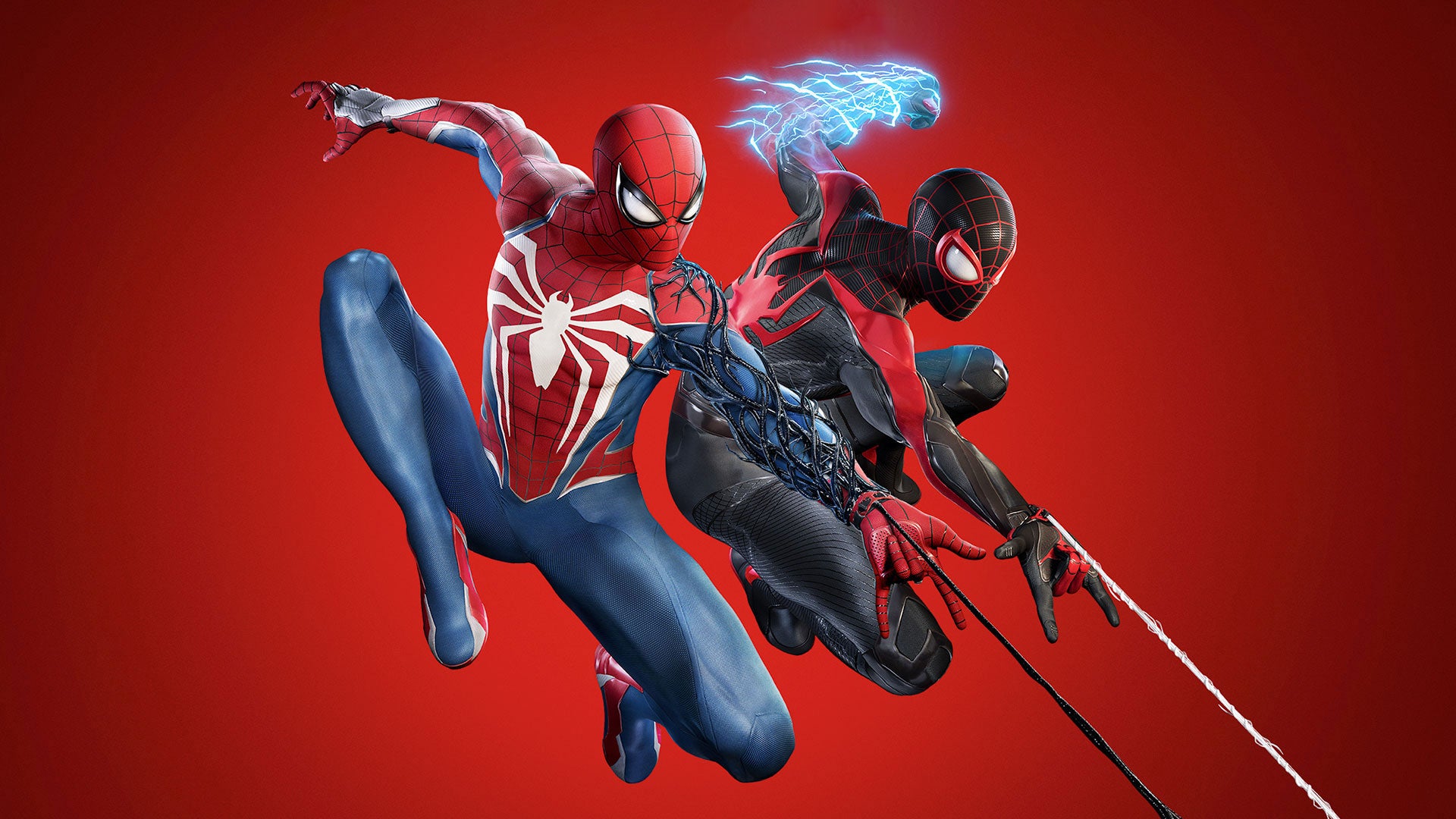
Insomniac Games included several LGBTQ+ elements in their superhero sequel, such as Pride flags displayed throughout New York City and a side mission involving a gay student asking his boyfriend to homecoming. While critics praised the game’s mechanics, a vocal minority expressed anger over the visible queer representation, claiming it was forced upon players. The backlash intensified when international versions of the game in the Middle East had these flags and dialogue removed to comply with local laws. This discrepancy sparked a global debate about censorship and the inclusion of Western progressive values in global media. The developers stood by their creative choices in the Western release, emphasizing that Spider-Man is for everyone.
‘The Last of Us Part II’ (2020)
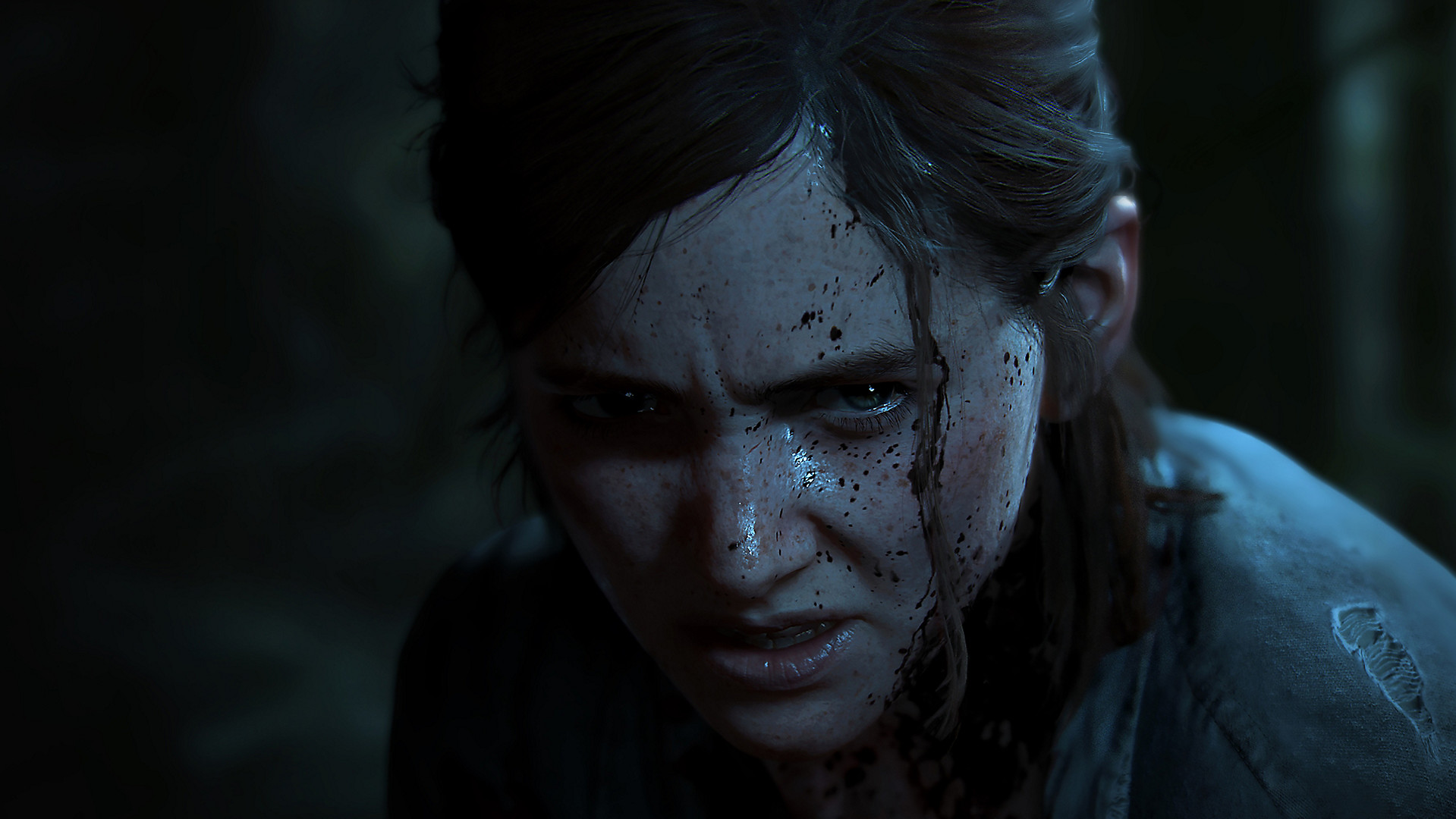
Before the game even launched, leaks revealing key plot points led to a massive hate campaign targeting the developers and voice actors. Much of the vitriol focused on Ellie’s lesbian relationship with Dina and the inclusion of Lev, a transgender character who plays a pivotal role in the story. Detractors accused the game of sacrificing narrative quality to push a “social justice” message, leading to review bombing on Metacritic within hours of release. The backlash was so severe that the game’s director and cast received death threats, overshadowing legitimate critiques of the pacing or story structure. Despite the noise, the title won numerous Game of the Year awards and sold millions of copies.
‘Horizon Forbidden West’ (2023)
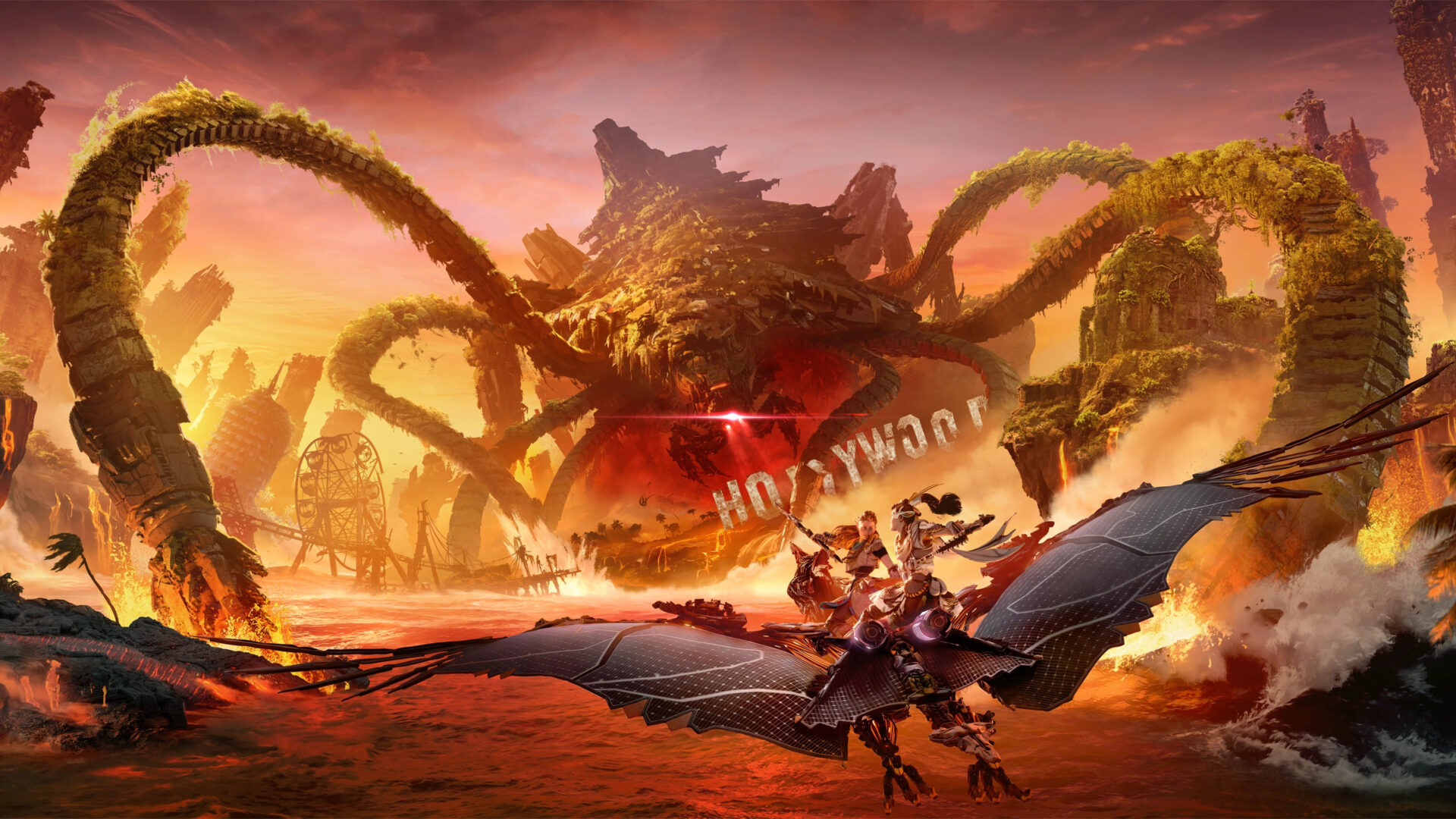
The release of the ‘Burning Shores’ DLC ignited a firestorm of negative user reviews solely due to an optional romantic scene. At the end of the expansion, the protagonist Aloy can choose to kiss her female companion, Seyka, confirming her queer identity. Metacritic was flooded with zero-score reviews claiming the developers ruined the character or were pandering to a “woke mob.” The review bombing became so aggressive that Metacritic announced they would implement stricter moderation tools to combat abusive non-gameplay related feedback. This incident underscored the ongoing resistance some players have toward established protagonists engaging in same-sex relationships.
‘Overwatch 2’ (2024)

Blizzard has faced repeated backlash for its diverse roster, but the introduction of Venture, the game’s first non-binary damage hero, reignited complaints. Critics on social media and forums argued that the character’s design and use of they/them pronouns were unnecessary political statements. This followed years of tension that began when an earlier comic revealed Soldier: 76 was gay, which saw some players abandon the game in protest. Discussions in voice chat and lobbies often turned toxic, with players intentionally misgendering the character to spite the developers. Blizzard has continued to support the character with lore and cosmetics despite the noisy disapproval from a segment of the fanbase.
‘Guilty Gear Strive’ (2022)
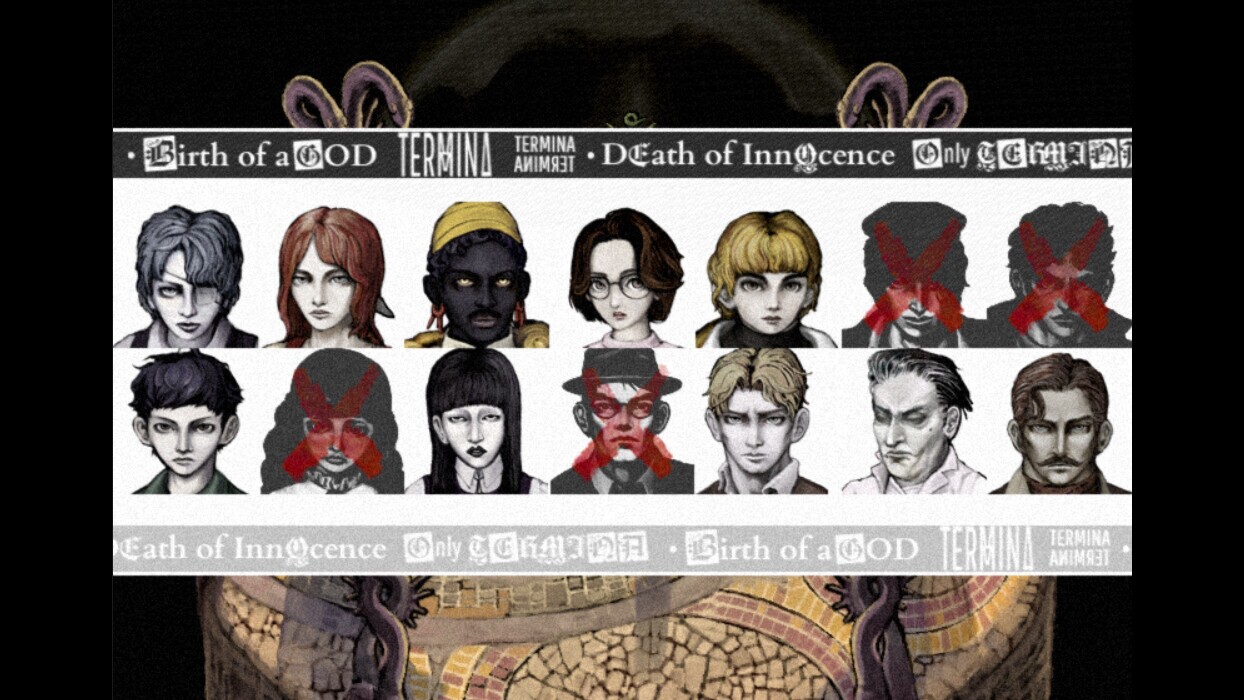
The fighting game community erupted in debate when the character Bridget was confirmed to be a transgender woman in her arcade mode ending. For years, Bridget had been portrayed as a male crossdresser, and some fans felt this new direction retconned established lore to appease modern audiences. Accusations of “grooming” narratives and poor writing flooded forums, with players analyzing Japanese translations to try and disprove the canon. The developers eventually issued an official statement confirming Bridget’s identity to put the matter to rest. Despite the controversy, Bridget became one of the most popular and played characters in the game’s roster.
‘Dead Space’ (2023)
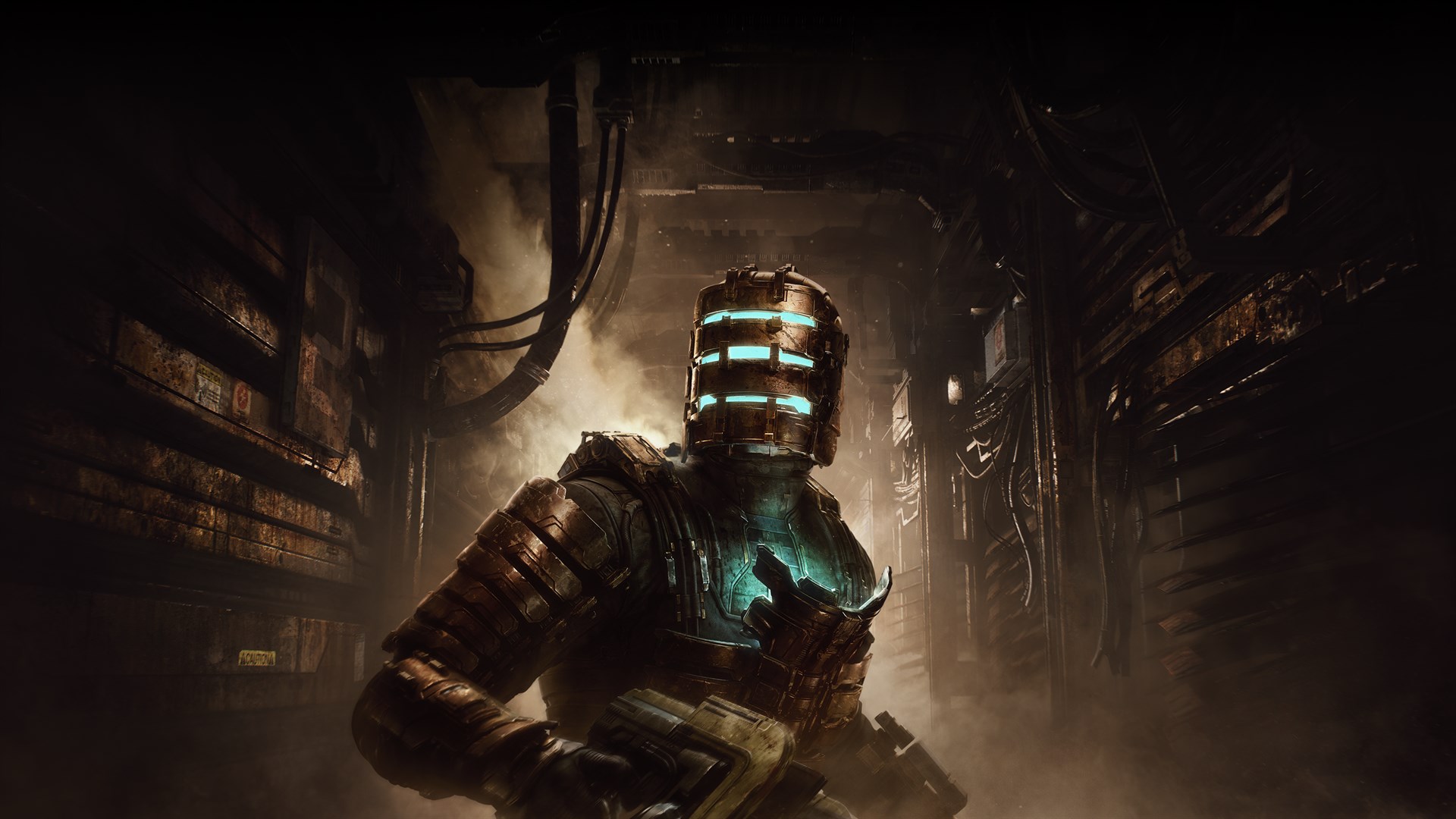
The remake of the survival horror classic drew ire for what might seem like a minor environmental detail: the inclusion of gender-neutral bathrooms on the spaceship USG Ishimura. Viral videos and posts circulated mocking the idea that a futuristic space station would care about inclusive signage, labeling the game “woke trash.” Further complaints targeted the redesign of characters to look more realistic and less idealized, which some interpreted as an attack on femininity. These cosmetic and environmental updates overshadowed discussions about the game’s improved lighting and mechanics for a specific subset of the audience. The developers maintained that the changes were made to reflect a realistic, modern sci-fi setting.
‘Apex Legends’ (2022)
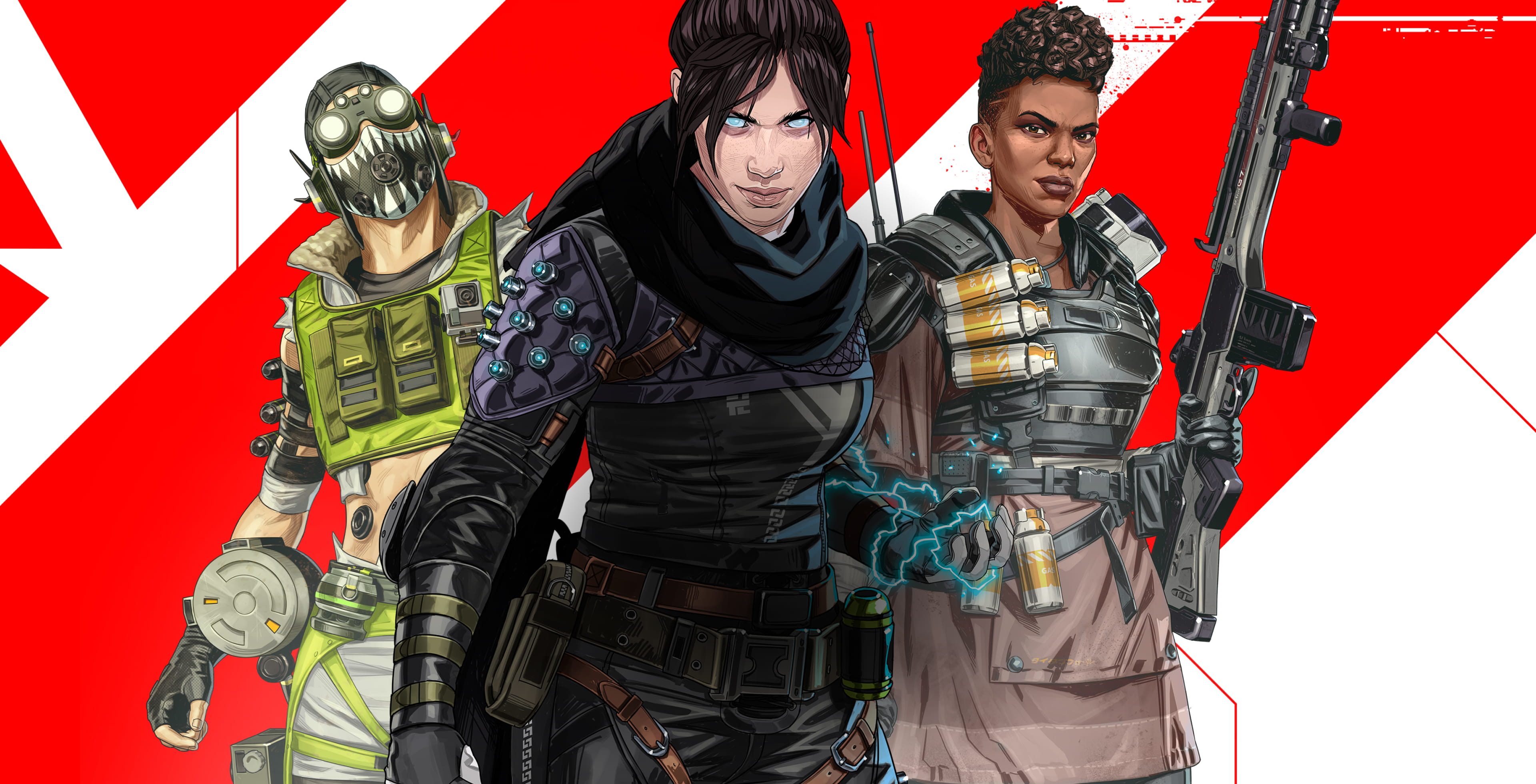
Respawn Entertainment added Catalyst, a terraformer and defensive legend, who was explicitly introduced as a transgender woman. While many celebrated the representation, a vocal contingent of players criticized the decision as “checking boxes” rather than focusing on gameplay. The backlash often manifested in toxic voice chat behavior and forum threads demanding that politics be kept out of a battle royale shooter. The developers worked closely with GLAAD and trans employees to ensure the character was authentic, including voice lines that referenced her transition. This commitment to authenticity did little to quell the anger of those who felt the game was becoming too focused on social identity.
‘World of Warcraft’ (2022)
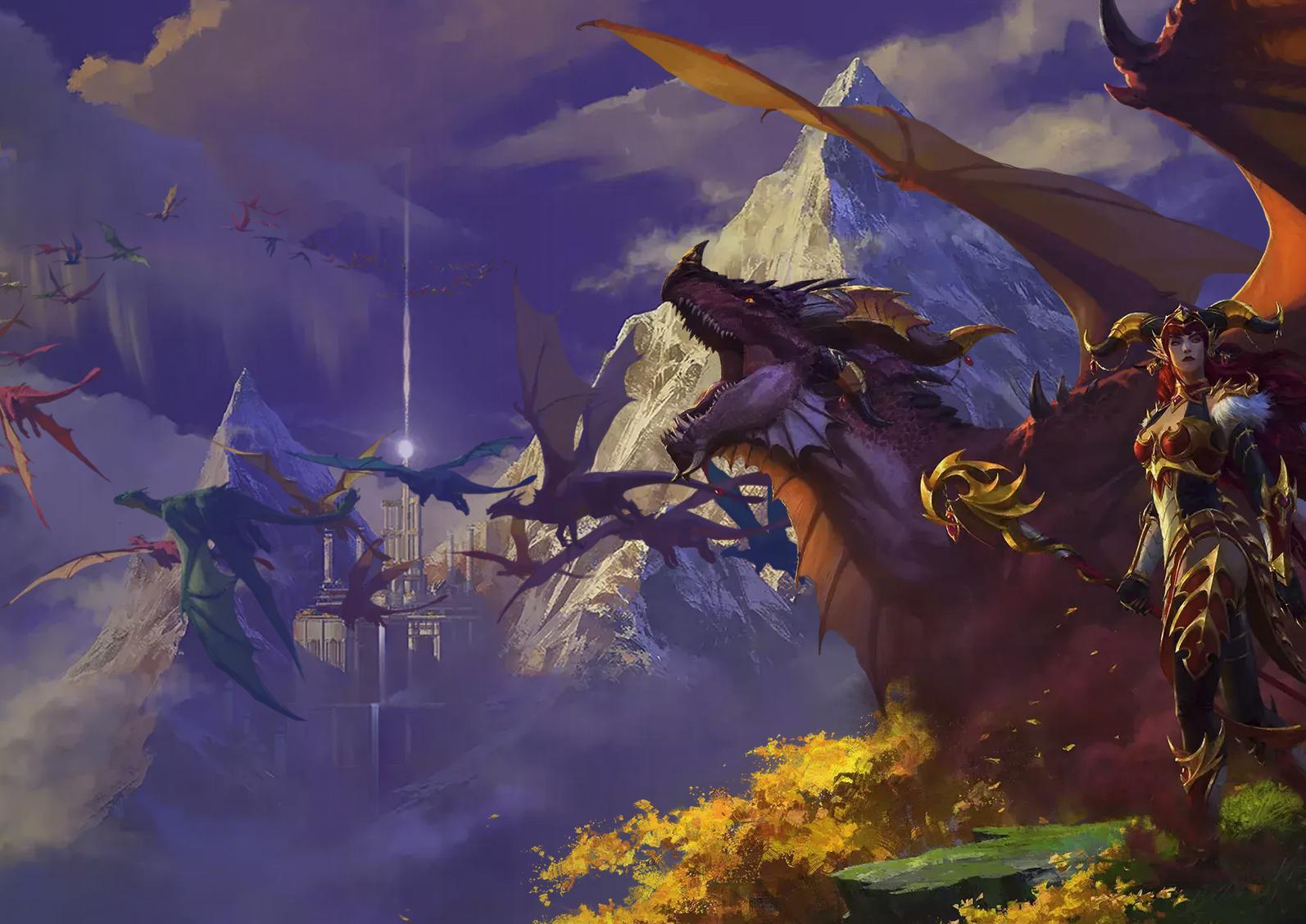
During the ‘Dragonflight’ expansion, Blizzard introduced a questline involving Chromie, a dragon who chooses a female gnome visage, which was heavily coded as a trans allegory. Additionally, the game added “Visage Day,” a celebration of identity that many players paralleled with real-world Pride events. Official forums and community sites saw heated arguments, with some players threatening to cancel subscriptions over the “forced inclusion” of LGBTQ+ themes in high fantasy. The developers stated that Azeroth is a world for everyone and that these stories reflect the diversity of their player base. The controversy highlighted the divide between legacy players and the modern direction of the game’s narrative.
‘Dead by Daylight’ (2022)

Behaviour Interactive revealed that David King, a tough-guy debt collector and fan-favorite survivor, was gay via a Twitter announcement and in-game lore update. The reaction was mixed, with some players appreciating the depth added to his character, while others accused the studio of “tokenism” and retconning a straight character for social credit. Negative reviews and comments surged, claiming that sexual orientation is irrelevant in a game about escaping a serial killer. The developers explained that they wanted to represent their diverse community and that David’s story was just the beginning of more inclusive lore. Despite the pushback, David King remains one of the most played survivors in the game.
‘Valorant’ (2024)

Riot Games introduced Clove, a controller agent who uses they/them pronouns, sparking immediate debate within the tactical shooter’s community. Unlike previous characters whose identities were revealed in external lore, Clove’s non-binary identity was central to their character design and voice lines. Content creators and players faced harassment for correcting others on Clove’s pronouns, and some players claimed the inclusion was confusing for callouts during matches. Riot implemented strict moderation policies to handle transphobic abuse in voice and text chat. The backlash demonstrated the friction that occurs when inclusive character design meets a highly competitive gaming environment.
‘League of Legends’ (2022)

The release of K’Sante, the Pride of Nazumah, marked the arrival of the game’s first black, openly gay champion designed with that identity from the start. While his gameplay kit was criticized for being overpowered, a significant portion of the hate was directed at his sexuality and his promotional skin designed by Lil Nas X. Comments on the reveal trailers were filled with homophobic rhetoric and claims that Riot was pandering to Western “woke” culture. In certain regions with strict anti-LGBT laws, Riot faced criticism for censoring mentions of his sexuality, leading to a double-sided backlash. The champion challenged the typical archetype of a tank by adding layers of queer identity that some players refused to accept.
‘The Sims 4’ (2022)
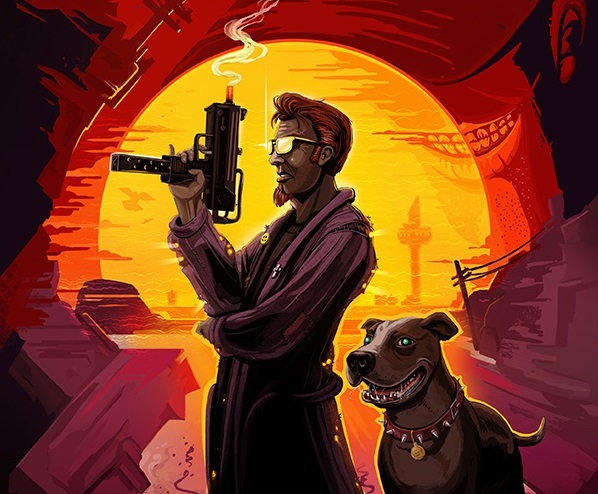
Maxis released a free update allowing players to customize the pronouns of their Sims, a feature long requested by the community. While ‘The Sims’ has historically been progressive, this specific update drew fire from conservative players who felt the game was bowing to pressure from “social justice warriors.” Complaints on social media argued that the feature was unnecessary and complicated the game’s coding for no reason. Some players even created mods to remove the functionality, claiming it ruined their immersion. The developers maintained that ‘The Sims’ is a life simulation that must evolve to reflect the real world’s understanding of identity.
‘Hogwarts Legacy’ (2023)
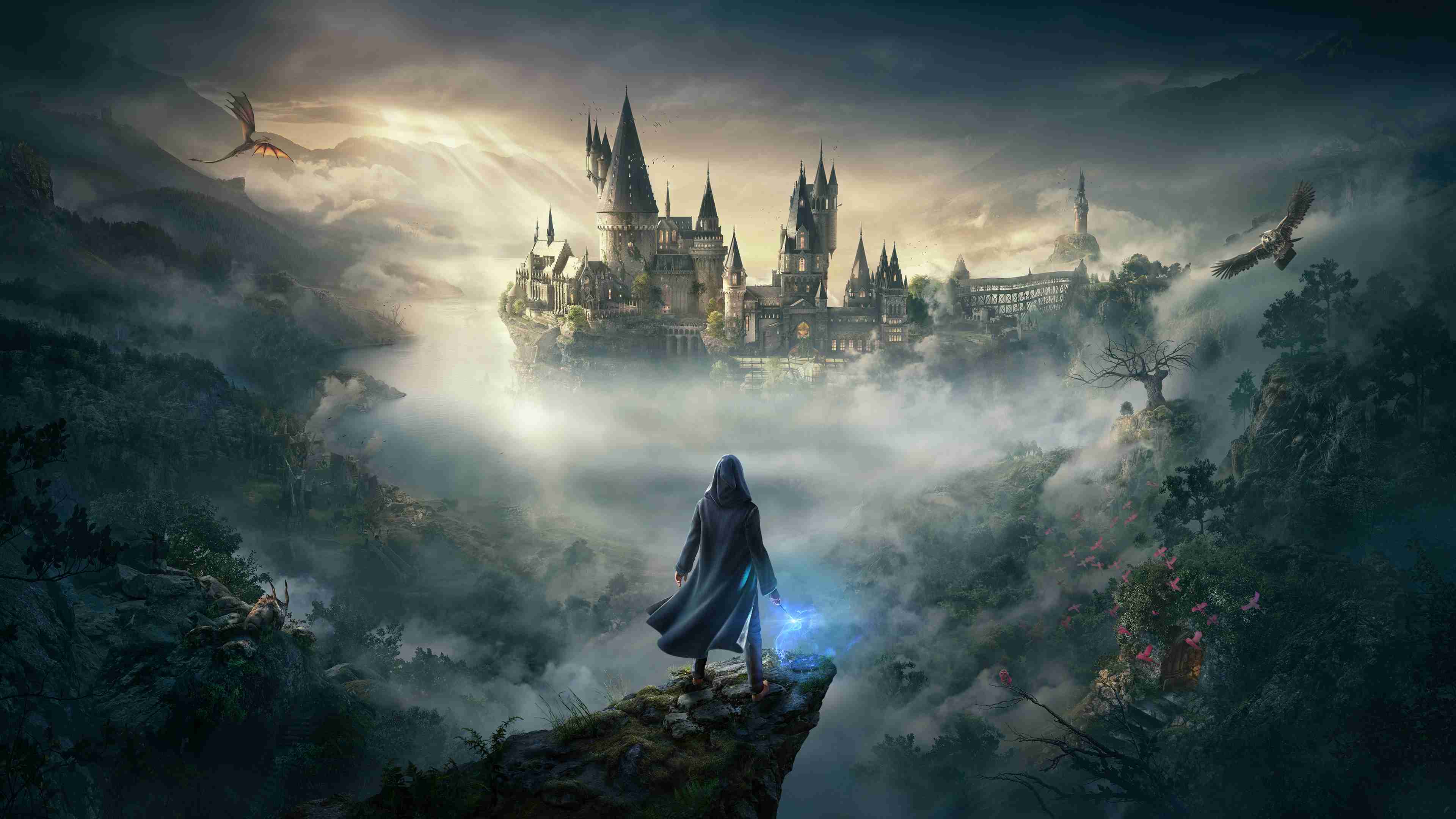
This title faced a complex two-front controversy involving the character Sirona Ryan, a transgender witch who runs the Three Broomsticks pub. While many boycotted the game due to J.K. Rowling’s views, a different group of players attacked the developers for including Sirona at all, labeling the game “woke” for capitulating to the trans community. Detractors mocked the character’s name and voice, claiming the representation was disingenuous or malicious. This created a unique situation where the game was being criticized simultaneously for being transphobic by one side and for being “too inclusive” by the other. The character became a lightning rod for the broader culture war surrounding the franchise.
‘Baldur’s Gate 3’ (2023)
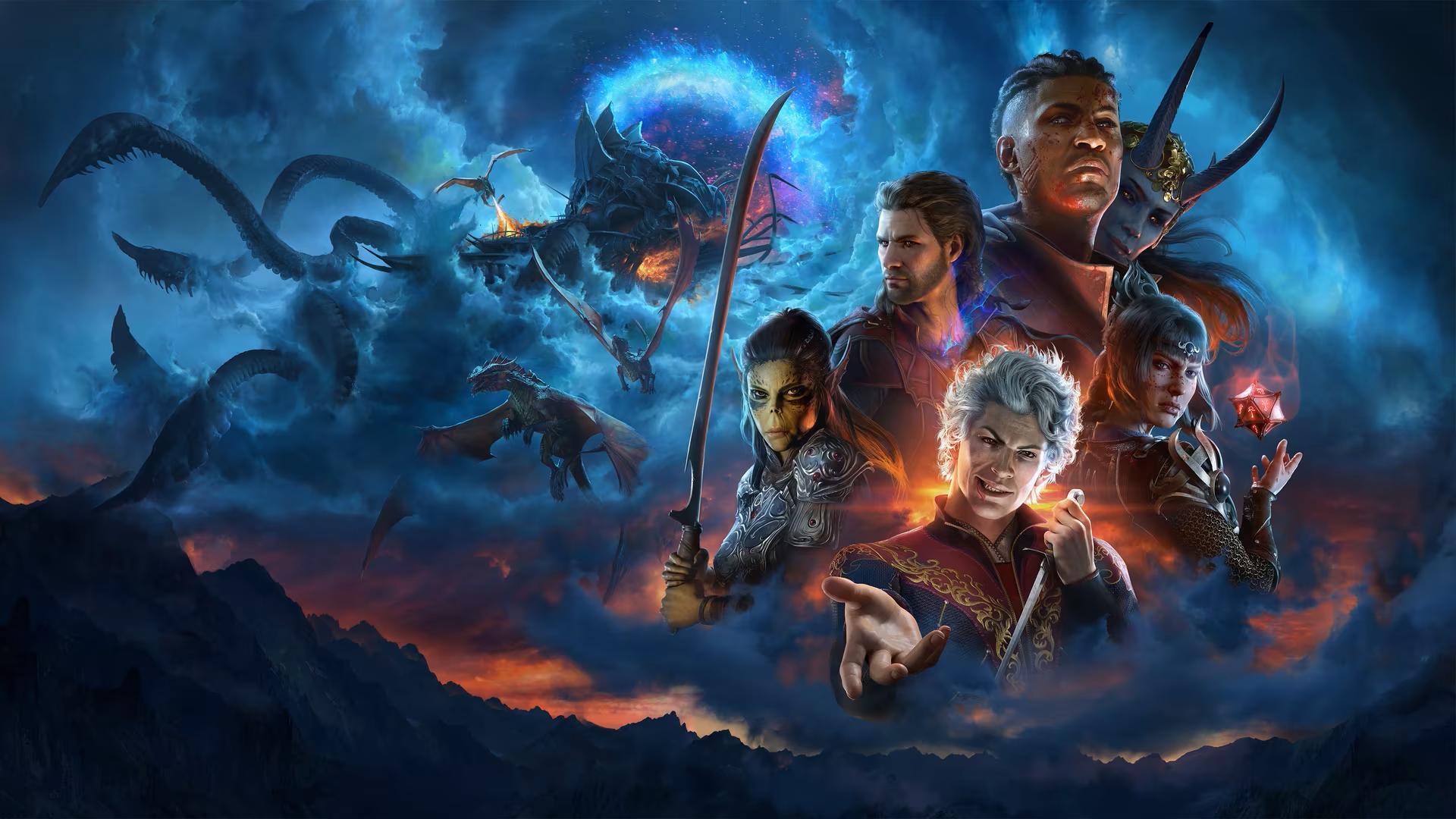
Larian Studios created a vast RPG where player freedom extended to romance, allowing for pansexual relationships and gender-fluid character creation. While the game was a critical darling, it faced backlash from “anti-woke” groups who compiled lists of “propaganda” to avoid, citing the presence of gay relationships and non-binary options. A viral moment involving a romance scene with a druid in bear form also sparked outrage among conservative commentators who labeled it degenerate. Despite the noise, the developers stood firm on their vision of a world where players could love whoever they wanted. The game’s massive commercial success ultimately drowned out much of the targeted hate.
‘Call of Duty’ (2023)
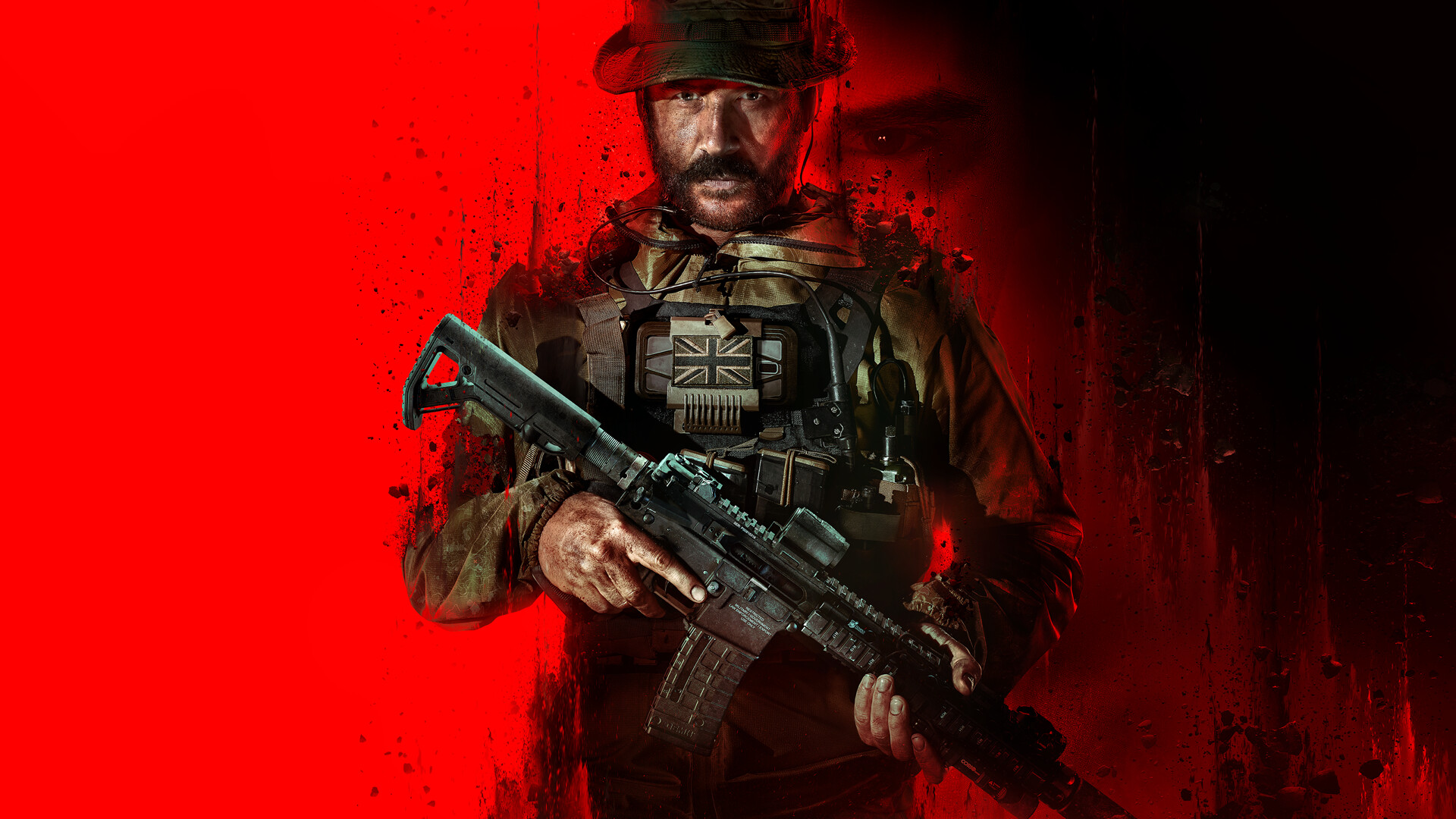
Activision faced a significant controversy when they added Pride-themed cosmetics to the in-game store for ‘Modern Warfare II’ and ‘Warzone’. A popular streamer, NICKMERCS, made controversial comments regarding the recognition of Pride month in schools, leading Activision to remove his operator bundle from the game. This removal triggered a boycott from his fans and other content creators who accused the publisher of censoring free speech and forcing a political agenda. The incident polarized the community, with lobbies becoming battlegrounds for arguments about the company’s stance. It remains one of the most high-profile instances of a publisher taking action against a creator over LGBTQ+ discourse.
‘Mortal Kombat 1’ (2023)
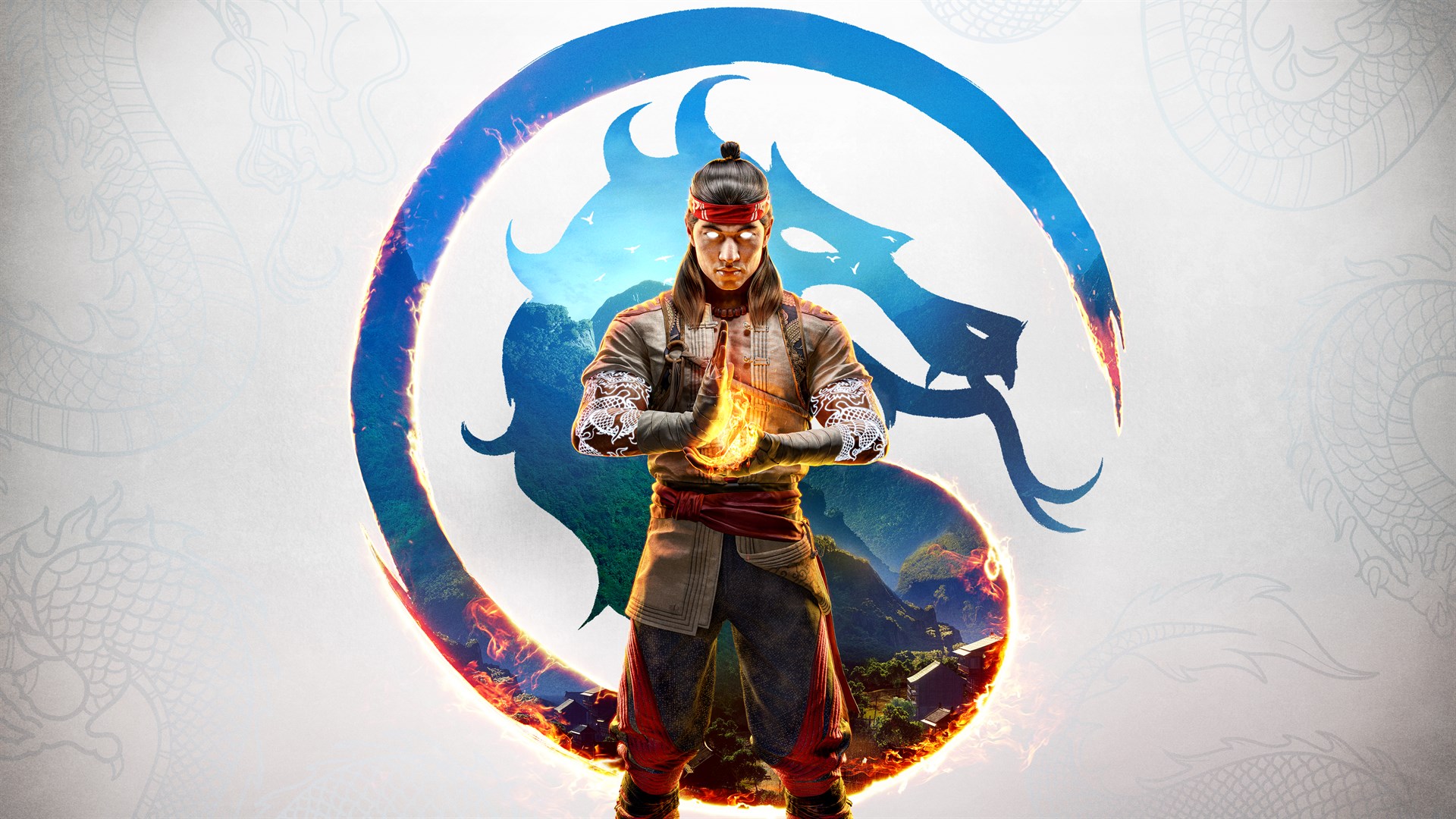
The redesign of the character Tanya sparked a wave of complaints from fans who felt she had been “uglified” compared to her previous iterations. Critics focused on her more realistic facial features and hairstyle, attributing the changes to a “woke” initiative to desexualize female characters. The backlash was compounded by her role in the story, which heavily implied a romantic relationship with Mileena, a pairing that had previously been fanon. Social media threads were filled with side-by-side comparisons of her old models, accusing the developers of ruining the character’s legacy. NetherRealm Studios ignored the complaints, keeping the design and story arc intact for the full release.
‘Street Fighter 6’ (2023)
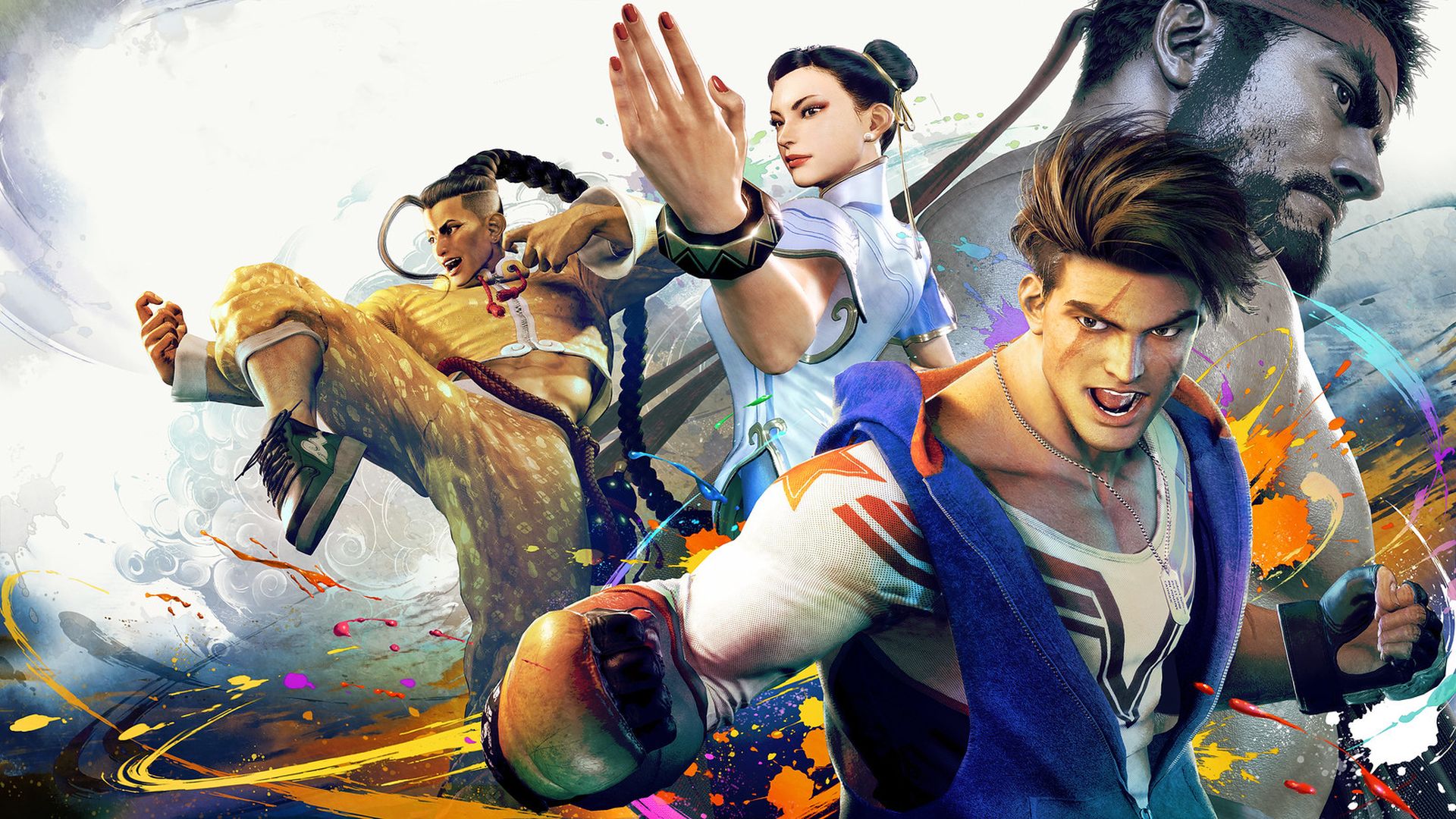
Capcom introduced a new character named Eternity, a flamboyant commentator found in the Battle Hub mode, who sports a typically gender-non-conforming aesthetic. Players reacted negatively to the design, flooding Twitter and Reddit with insults calling the character “repulsive” and a sign of Western decline. The backlash was distinct from gameplay critiques, as Eternity is an NPC, meaning the anger was purely directed at the visual representation of a queer-coded character. Many fans expressed confusion as to why a fighting game needed a “host” character with such a specific political aesthetic. The intensity of the hatred highlighted how visual design alone can trigger massive controversy in the fighting game community.
‘Gotham Knights’ (2022)
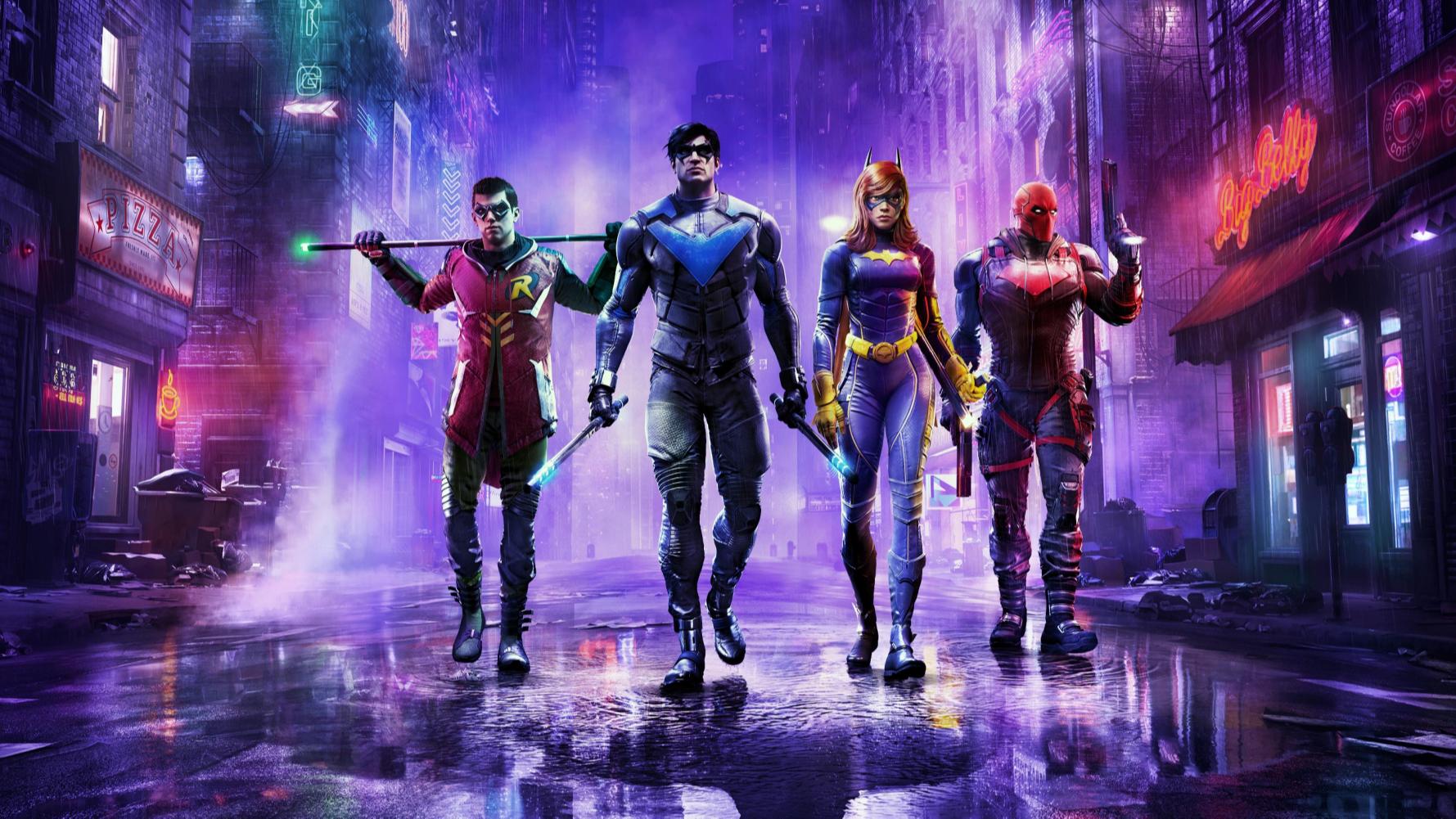
In this Batman-adjacent action game, astute players noticed a Pride flag in the belfry base and uncovered emails confirming Robin (Tim Drake) is bisexual. This aligns with modern comic book canon, but it still caused an uproar among gamers who felt their childhood hero was being altered for “diversity points.” YouTube channels dedicated to “anti-woke” content produced videos claiming the game was pushing propaganda on children. The backlash focused heavily on the idea that legacy characters should remain static and untouched by modern social shifts. Warner Bros. Games kept the details, adhering to the current direction of the DC comics universe.
‘Suicide Squad: Kill the Justice League’ (2024)
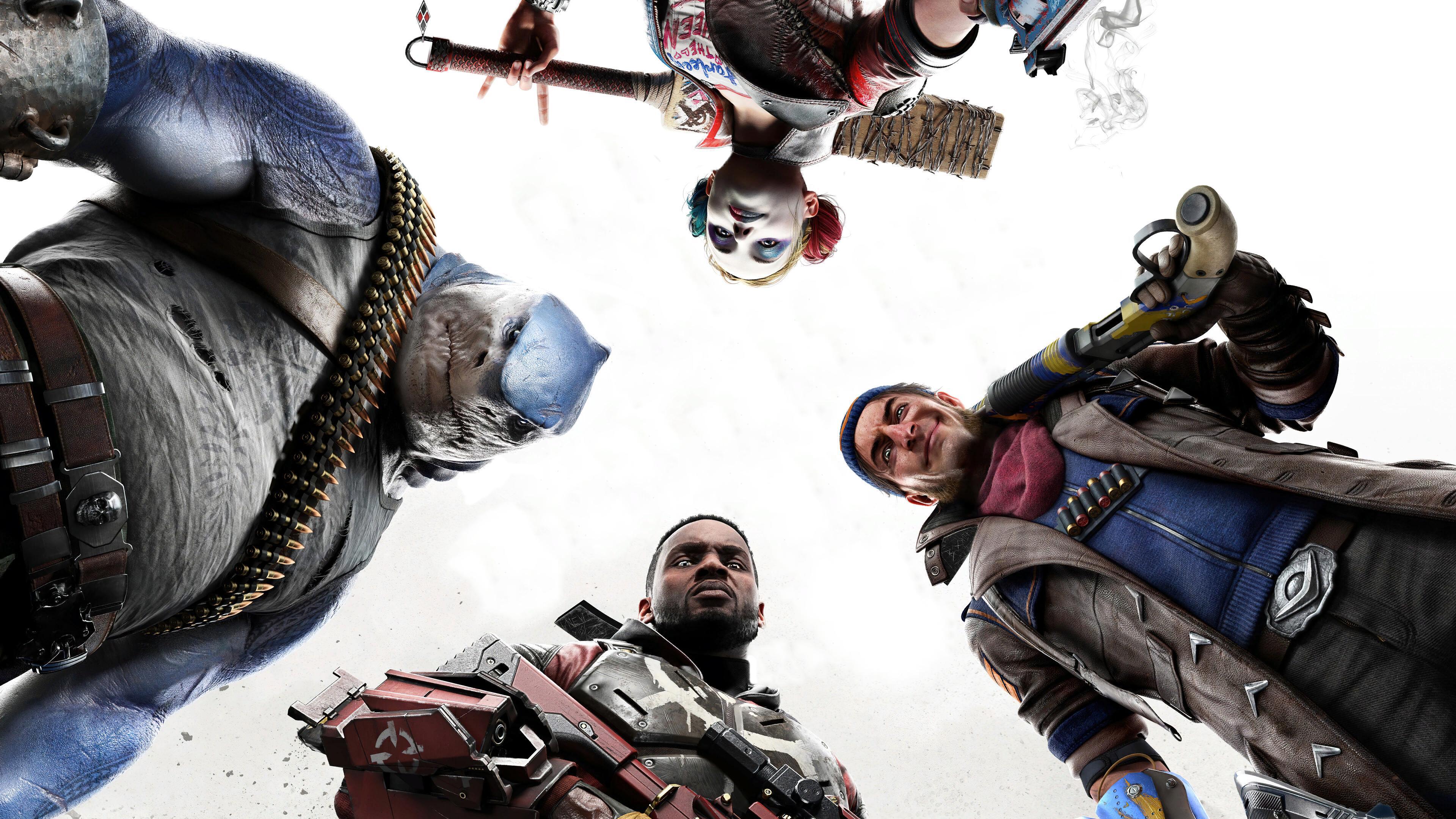
Rocksteady’s live-service shooter faced intense scrutiny for many reasons, but the inclusion of Pride flags in Metropolis and a scene where Harley Quinn lectures characters on toxic masculinity added fuel to the fire. Detractors cited these elements as proof that the studio had lost its way and was prioritizing political messaging over respecting the source material. Screenshots of the Pride flags were circulated as evidence of the game’s “woke failure” alongside its poor sales performance. The backlash often conflated these small environmental details with the game’s larger structural and narrative issues. It became a prime example of how struggling games often face intensified scrutiny over social content.
‘Mass Effect 3’ (2012)
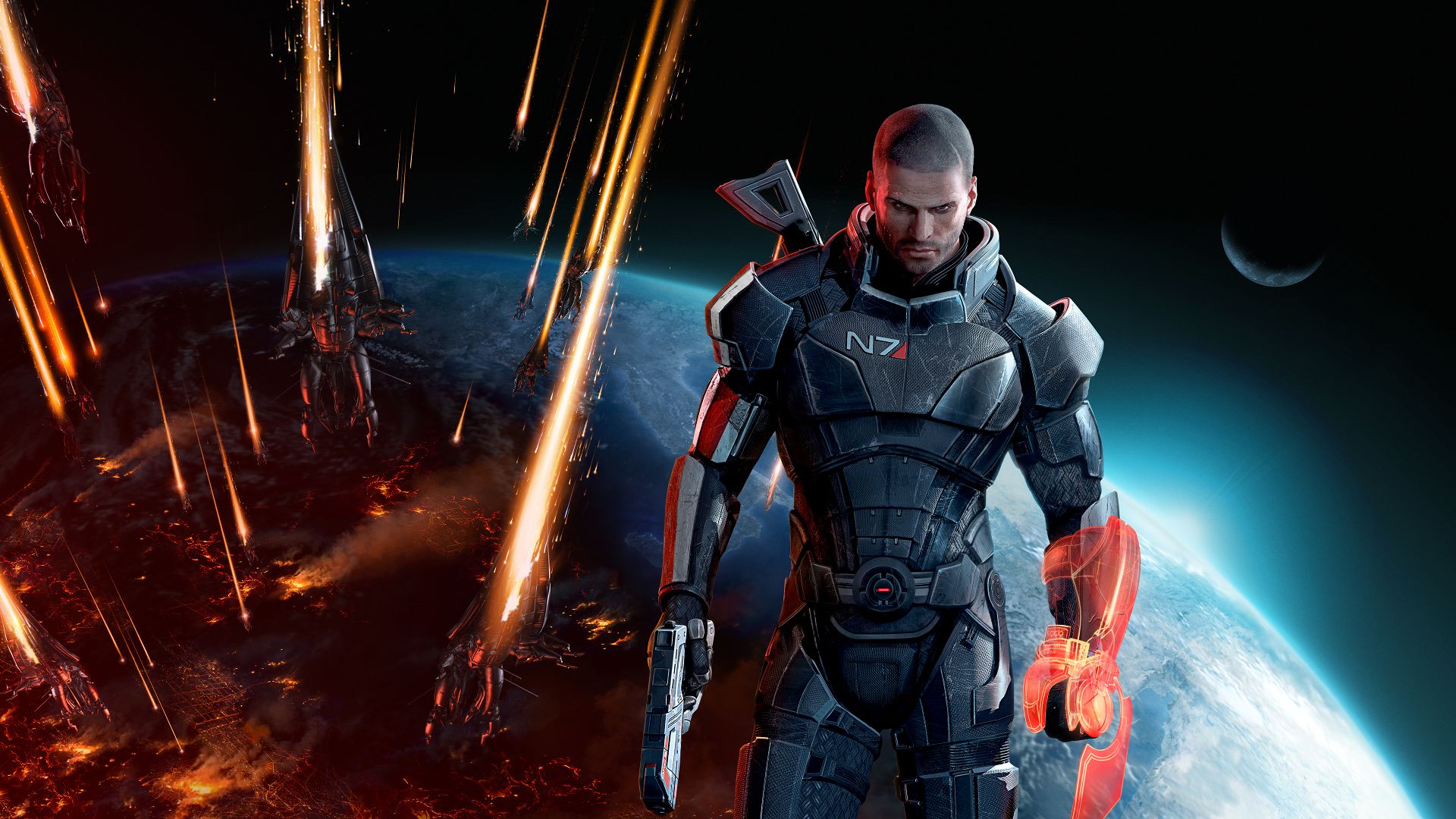
Bioware expanded romance options in the conclusion of their trilogy, allowing a male Commander Shepard to romance male characters like Kaidan Alenko and Steve Cortez. A vocal minority of players complained that the game was catering to a “niche” audience and that resources were wasted on gay romances instead of the main plot. The character Steve Cortez specifically drew ire for having a storyline focused on grieving his husband, which some players labeled as “forced drama.” This backlash occurred despite the series always allowing lesbian romances for female Shepard, highlighting a double standard in the community’s acceptance. Bioware defended the choice, stating that the game is about choice and role-playing.
‘Dragon Age II’ (2011)
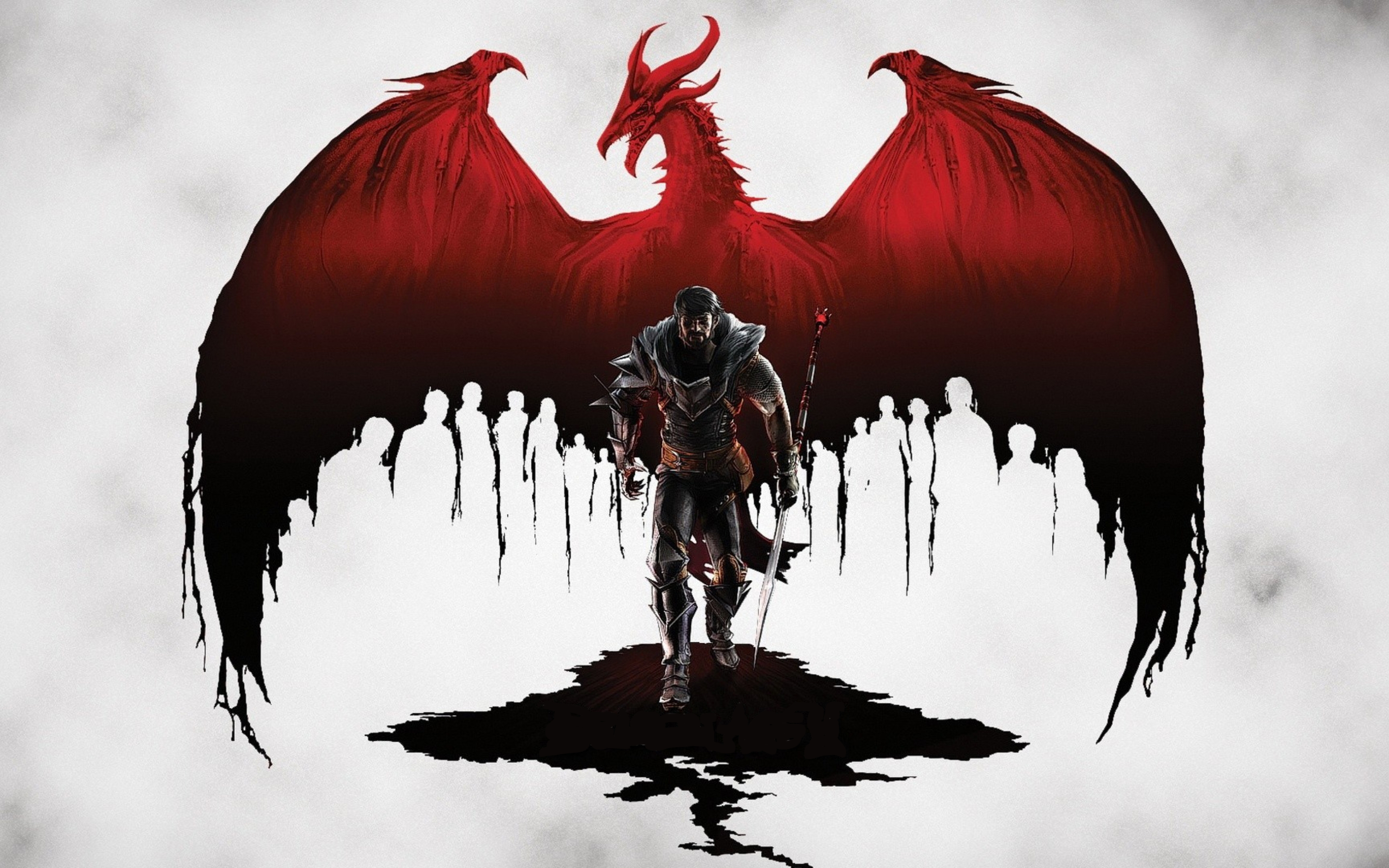
When players discovered that male companions like Anders would flirt with a male protagonist regardless of the player’s previous choices, a controversy erupted on the Bioware forums. One player famously posted a complaint claiming that the inclusion of “homosexuality” was neglected the “straight male gamer” demographic and that there should be a “no-homo” button. The game’s lead writer, David Gaider, issued a scathing response defending the inclusivity, stating that the game was not made solely for one demographic. This exchange became a landmark moment in the discussion of privilege and representation in RPGs. The backlash, however, persisted throughout the game’s lifecycle.
‘Rainbow Six Siege’ (2021)
Ubisoft introduced Osa, the game’s first transgender operator, who is a military engineer with a clear tactical role. While many players focused on her shield mechanics, a subset of the community expressed outrage, claiming that her gender identity was irrelevant to a tactical shooter. Threads appeared on forums arguing that “realism” was being broken, despite the game featuring holograms and nanobots. Ubisoft moderated the community heavily, banning players who used hate speech in response to the reveal. Osa remains a staple in the game’s meta, proving that the controversy did not hinder her pick rate.
‘Borderlands 3’ (2019)
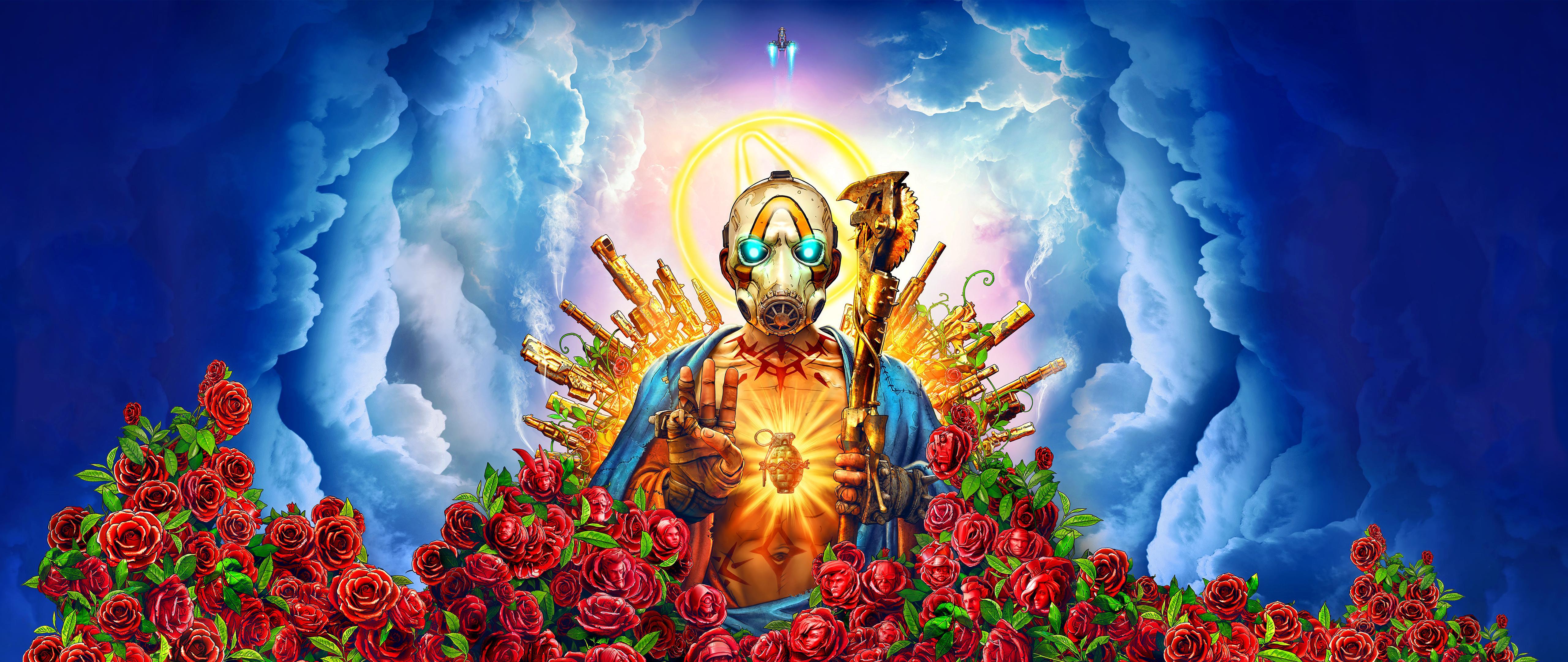
Gearbox introduced FL4K, a non-binary robot beastmaster who uses they/them pronouns and wears a pin with the non-binary flag colors. Forum moderators on the game’s official site announced that they would ban users who intentionally misgendered the character, which sparked cries of censorship. Critics argued that a robot shouldn’t have a gender identity, ignoring the franchise’s history of sentient AI with personalities. The backlash was fueled by the strict moderation policy, which some players felt was an infringement on their speech. Despite the drama, FL4K became one of the most popular vault hunters for solo play.
‘Celeste’ (2018)
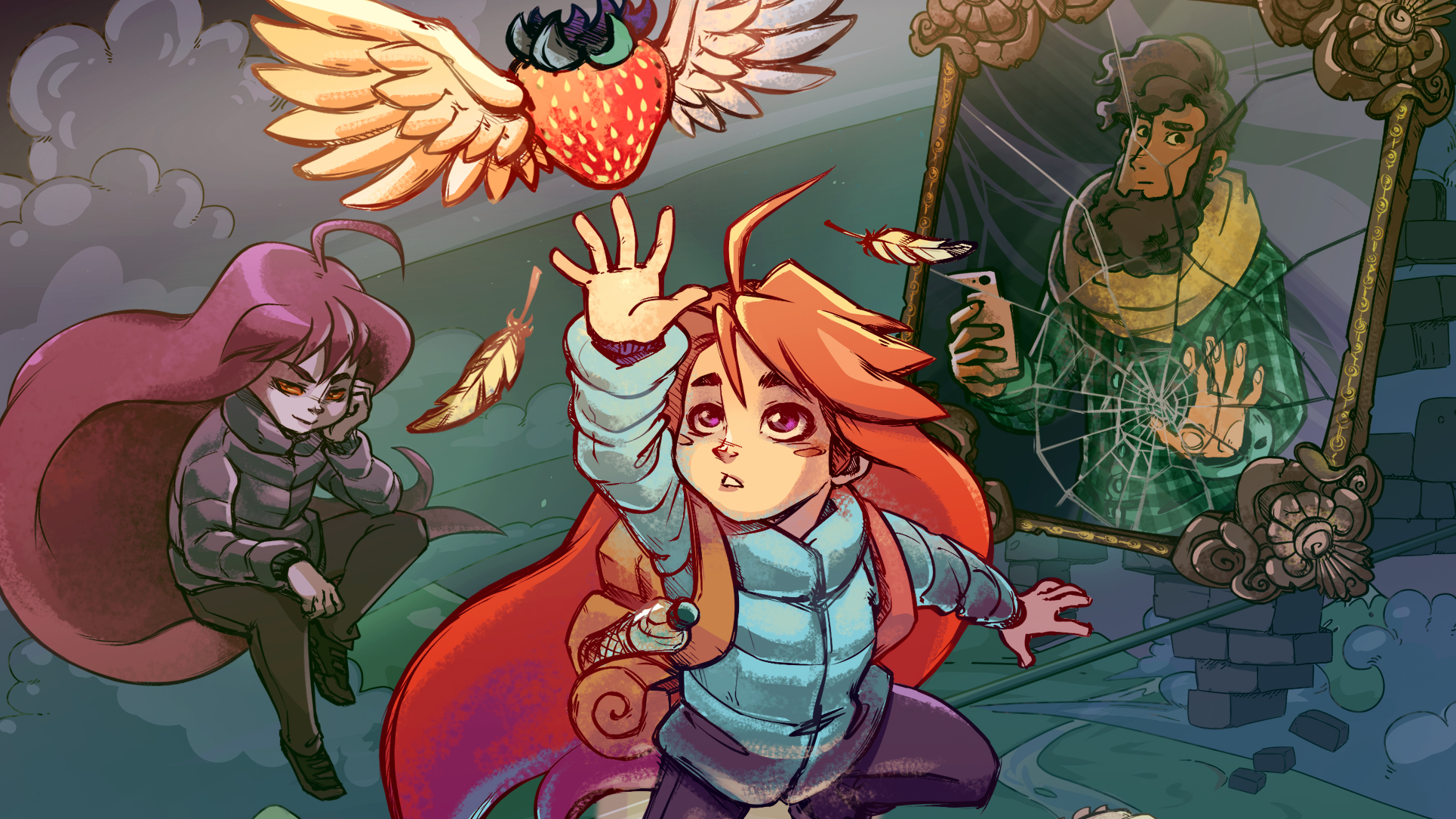
While the base game is a platformer about climbing a mountain, the ‘Farewell’ DLC included a small detail—a trans Pride flag on the protagonist Madeline’s desk—that confirmed her trans identity. This subtle confirmation caused a meltdown among players who felt “betrayed” that the game they enjoyed had “political” themes. The developer, Maddy Thorson, who is also trans, later confirmed that Madeline’s journey was an allegory for self-acceptance and transition. This retrospective recontextualization led to arguments on forums about separating art from the artist’s identity. The game is now widely celebrated as a trans masterpiece, though the detractors remain vocal.
‘BattleTech’ (2018)
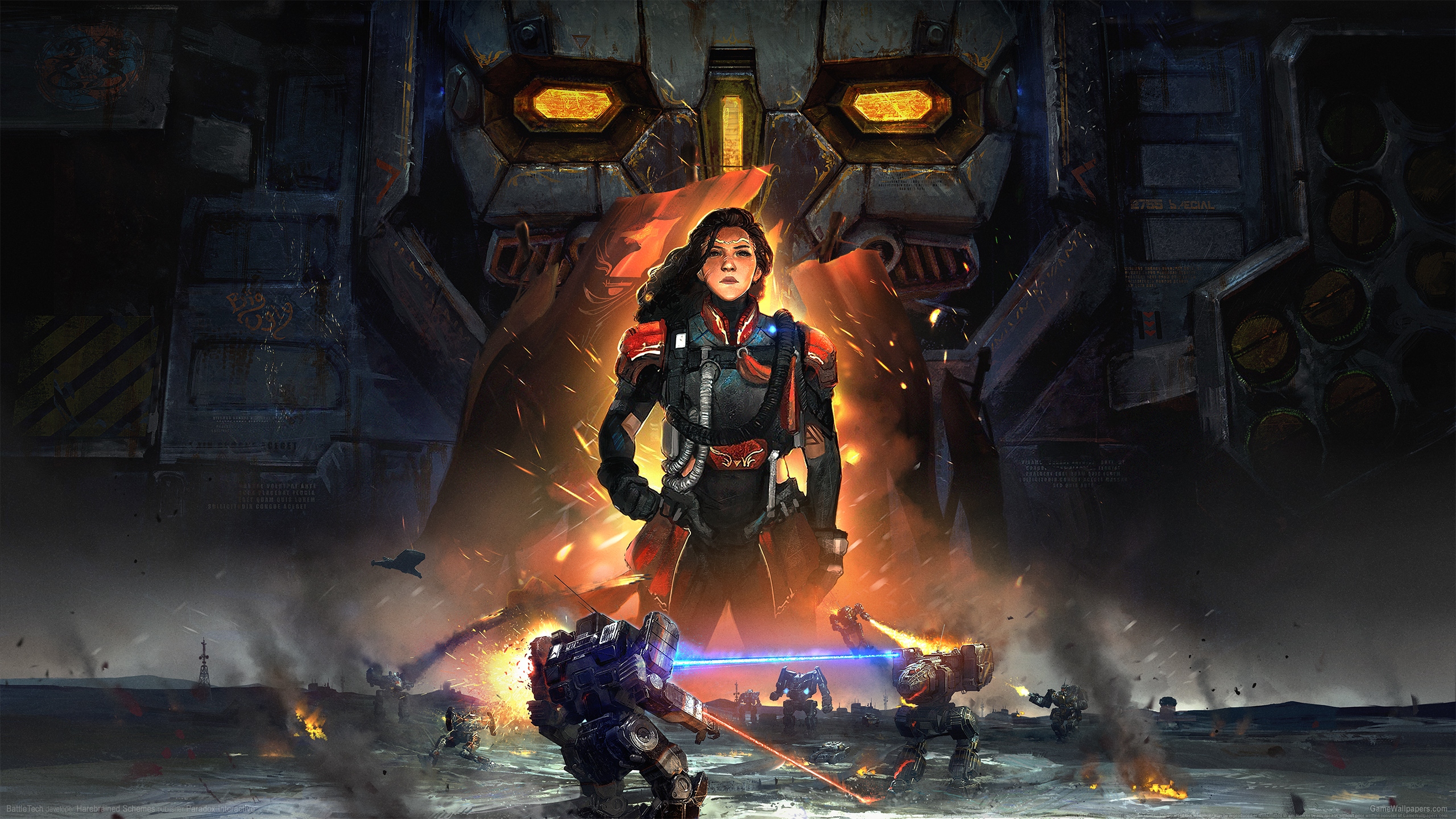
Harebrained Schemes added a simple toggle in the character creator allowing players to choose “They/Them” pronouns for their mech pilot. The Steam forums were immediately flooded with angry threads claiming that the developers were rewriting the lore of the BattleTech universe to fit a liberal agenda. The vitriol became so intense that the developers had to lock and ban numerous threads to maintain order. The backlash was notable because the pronoun choice was a single text string that changed nothing about the gameplay or story. It served as an early example of how minor text options could trigger massive community unrest.
‘Story of Seasons: A Wonderful Life’ (2023)

This remake of a beloved farming simulator introduced the ability for players to choose non-binary pronouns and marry any eligible candidate regardless of gender. Purists of the original game complained that these changes ruined the nostalgia and forced modern values onto a classic title. The inclusion of same-sex marriage, which was not present in the original GameCube release, was specifically targeted as “ruining the sanctity” of the game’s family-building mechanic. Review sections were hit with negative comments lamenting the loss of “traditional” farming sim values. The developers stated the changes were made to ensure all players felt welcome in Forgotten Valley.
‘Fire Emblem Engage’ (2023)
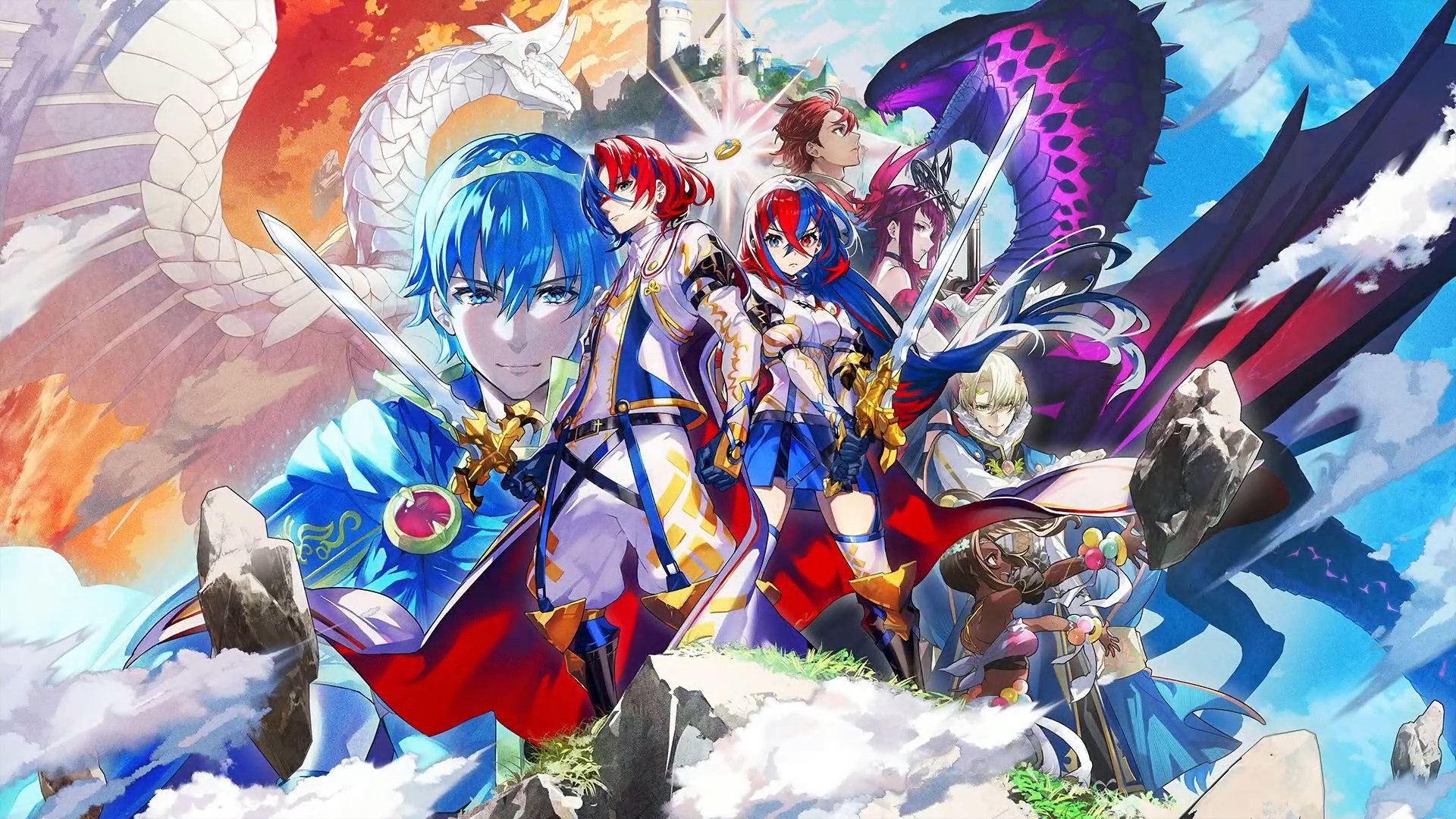
In the Western localization of the game, dialogue was altered to remove gender-specific restrictions on romance, effectively allowing for same-sex pairings that were more ambiguous in the Japanese version. Fans accused the localization team of censorship and rewriting the creator’s intent to push a “woke” narrative. This sparked a debate about the role of localization versus translation, with purists arguing that the changes were disrespectful to the source material. The removal of under-age romance connotations also drew fire, though for different reasons. The controversy overshadowed much of the discussion regarding the game’s actual strategy mechanics.
‘Saints Row’ (2022)
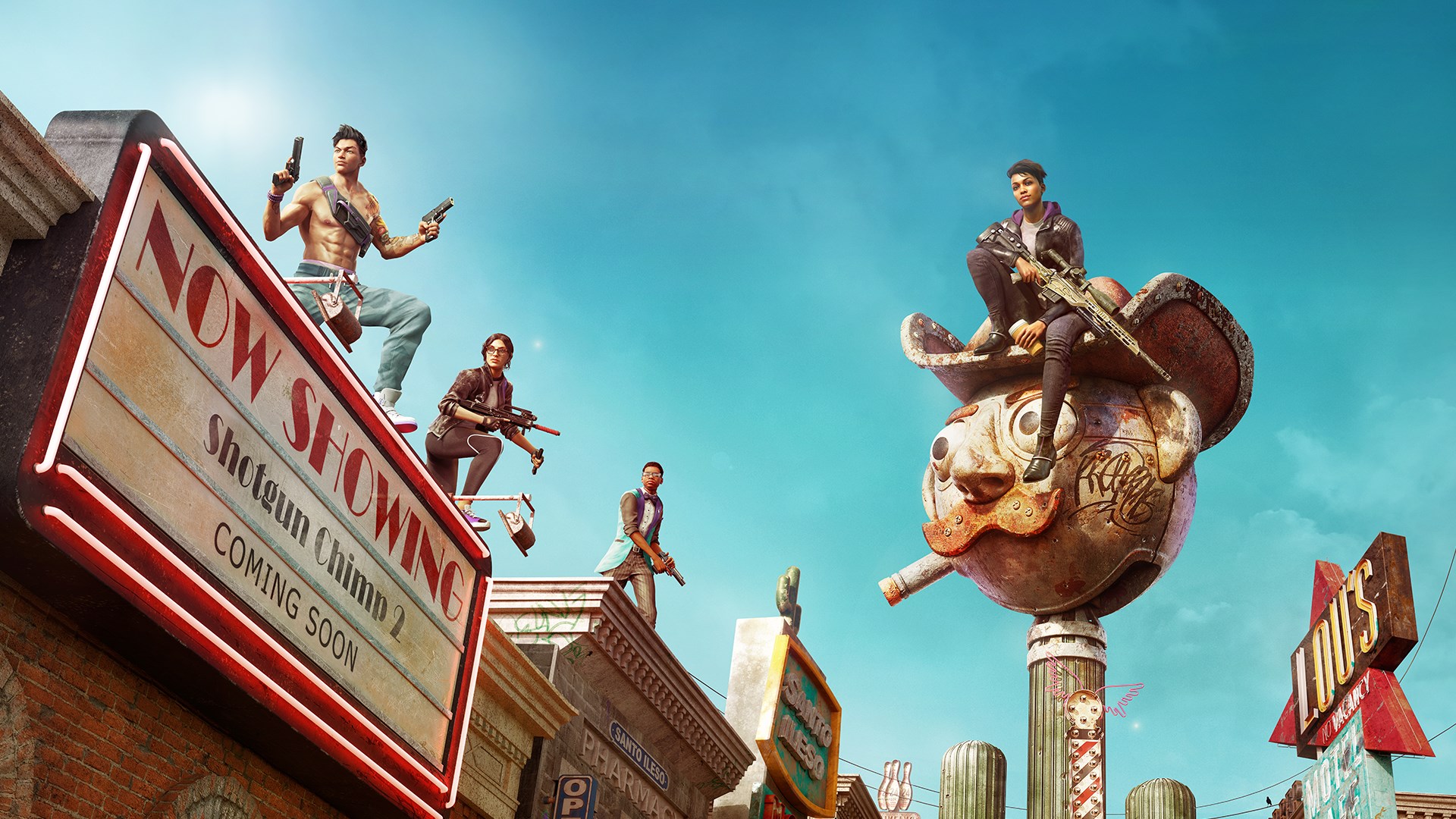
The reboot of the chaotic open-world franchise featured a new cast of characters described as millennial gig-economy workers, departing from the “gangster” aesthetic of the originals. Backlash focused on the character Kevin, who is pansexual and shirtless, and the general “safe” and inclusive tone of the dialogue. Long-time fans accused the developers of sanitizing the series’ edgy humor to appeal to a modern, sensitive audience. The term “woke” was used pejoratively in thousands of comments to describe the writing and character dynamics. The game ultimately failed commercially, with the studio shutting down, and many critics cited the alienation of the core fanbase as a primary reason.
‘Tell Me Why’ (2020)

Dontnod Entertainment released this narrative adventure featuring Tyler Ronan, the first playable transgender protagonist in a major release from a big studio. The game was review-bombed on Metacritic by users who had never played it, simply because of the protagonist’s identity. Furthermore, the game was unavailable for purchase in several countries with anti-LGBTQ+ laws, leading to a discussion about global censorship. While critics praised the respectful handling of Tyler’s story, the user score remained artificially low due to the organized hate campaign. The backlash highlighted the difficulties of releasing queer-focused narratives in a global market.
‘Cyberpunk 2077’ (2020)
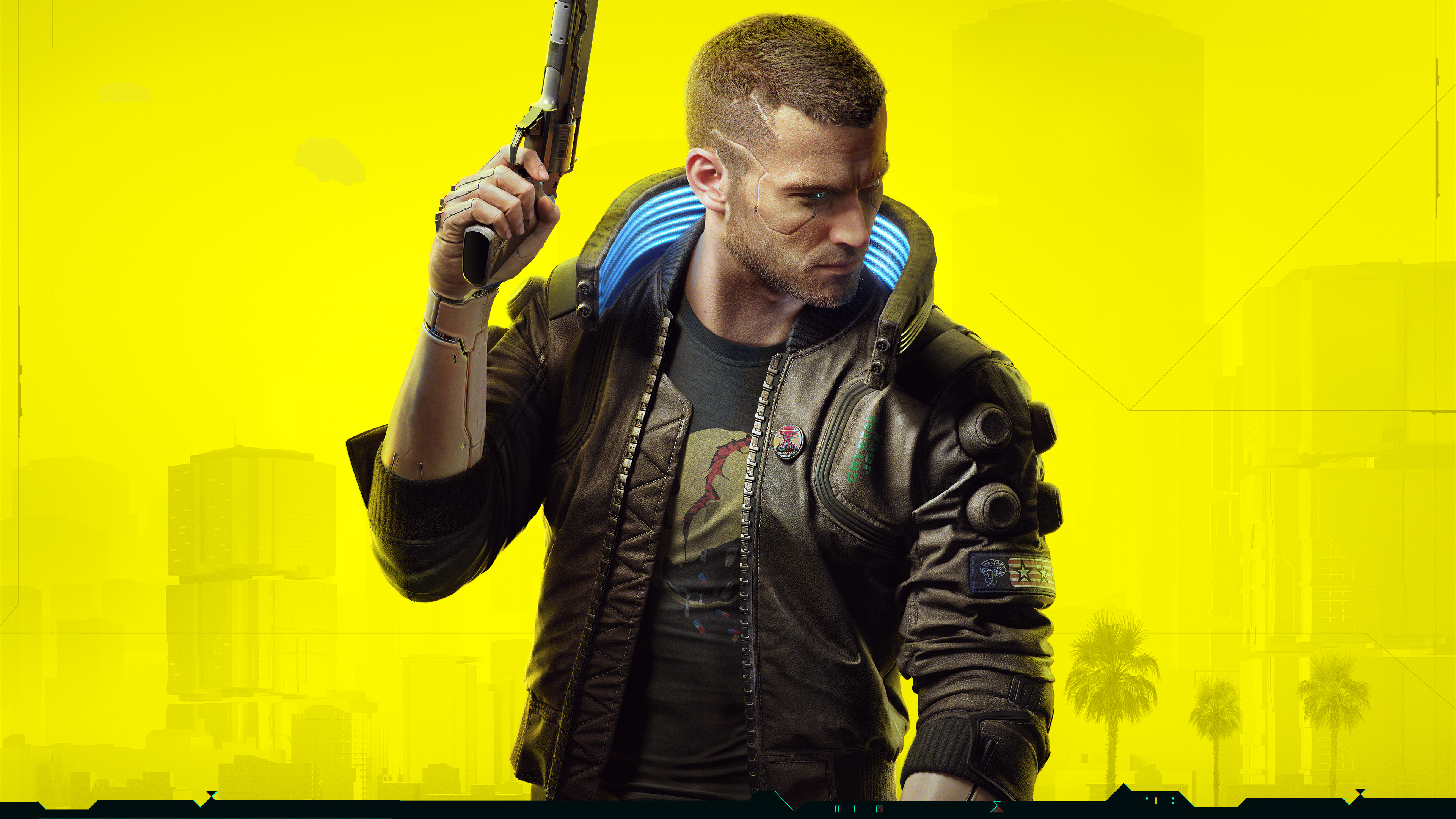
CD Projekt Red faced controversy from two directions regarding their in-game advertising and character creation tools. An in-game poster featuring a sexualized trans woman with the slogan “Mix It Up” drew criticism for fetishization, while the ability to mix and match genitals and voices in the character creator drew anger from transphobic players. The “anti-woke” crowd claimed the studio was pandering by allowing trans bodies, while trans advocates felt the representation was exploitative. This created a unique storm where the game was being attacked for its pride content from opposing ideological viewpoints. The developers claimed the world was meant to be a hyper-sexualized dystopia where corporations exploit everything, including identity.
‘Star Wars: The Old Republic’ (2013)

When the ‘Rise of the Hutt Cartel’ expansion introduced the planet Makeb, it also added the first same-sex flirt options in the game’s history. The backlash was severe, with thousands of forum posts threatening to cancel subscriptions, referring to the addition as the “gay planet” expansion. Conservative groups outside of the gaming sphere even issued statements condemning the game for allowing Jedi to be gay. BioWare had to heavily moderate their forums to keep the peace, eventually making same-sex romance a standard feature in later expansions like ‘Shadow of Revan’. This event is often cited as a turning point for LGBTQ+ inclusion in MMOs.
‘Goodbye Volcano High’ (2023)
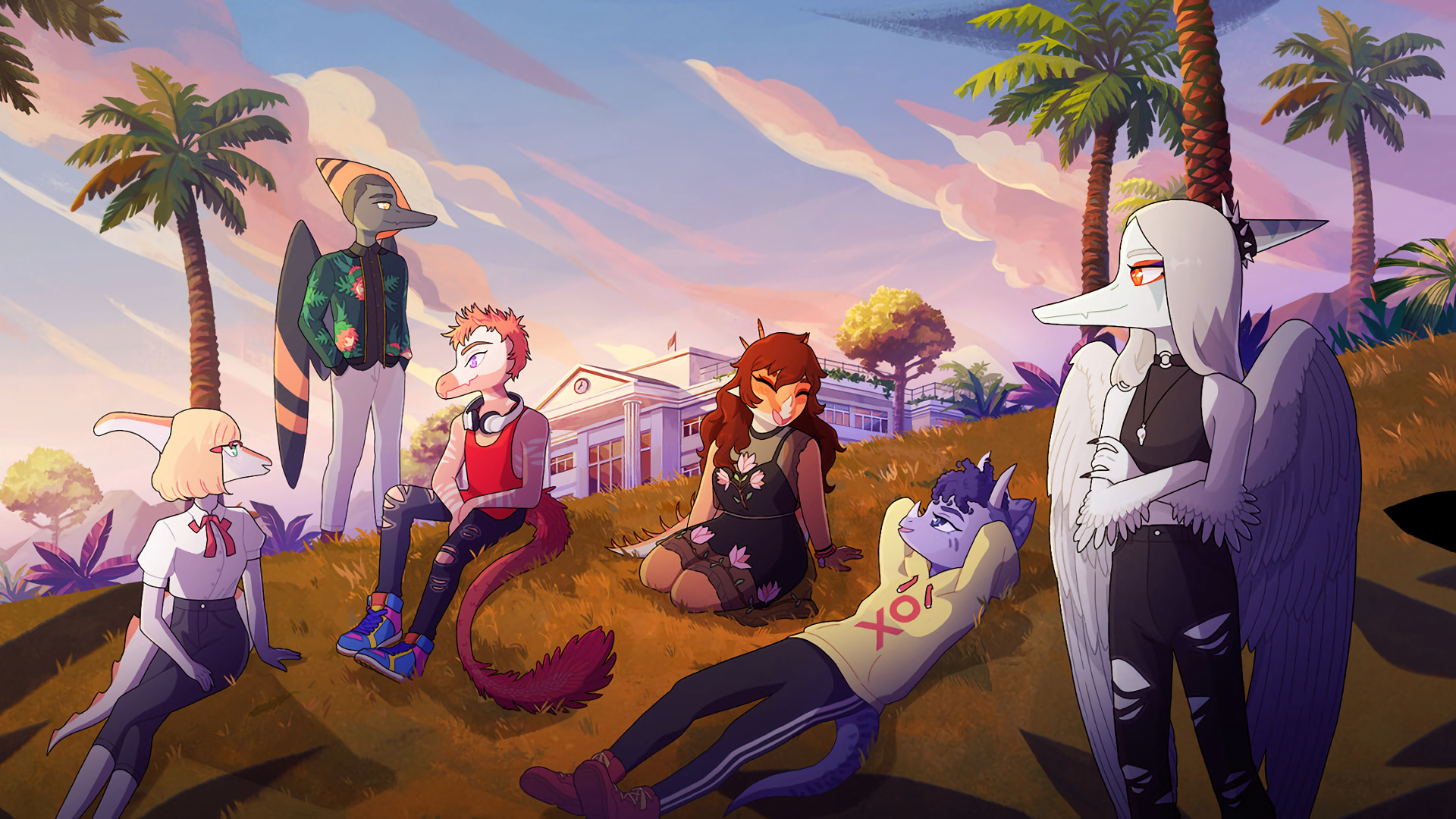
From the moment its first trailer aired, this narrative game about queer dinosaurs in a band became a target for organized harassment campaigns on sites like 4chan. The backlash was not based on gameplay, as the game hadn’t been released, but entirely on the art style and the non-binary identity of the protagonist, Fang. The developers faced years of trolling and hate mail leading up to the release, forcing them to lock down their social media accounts. Critics labeled the game “cringe” and a symbol of everything wrong with modern indie gaming. Despite the pre-release hate, the game launched to generally positive critical reception for its writing and music.
‘Temtem’ (2020)
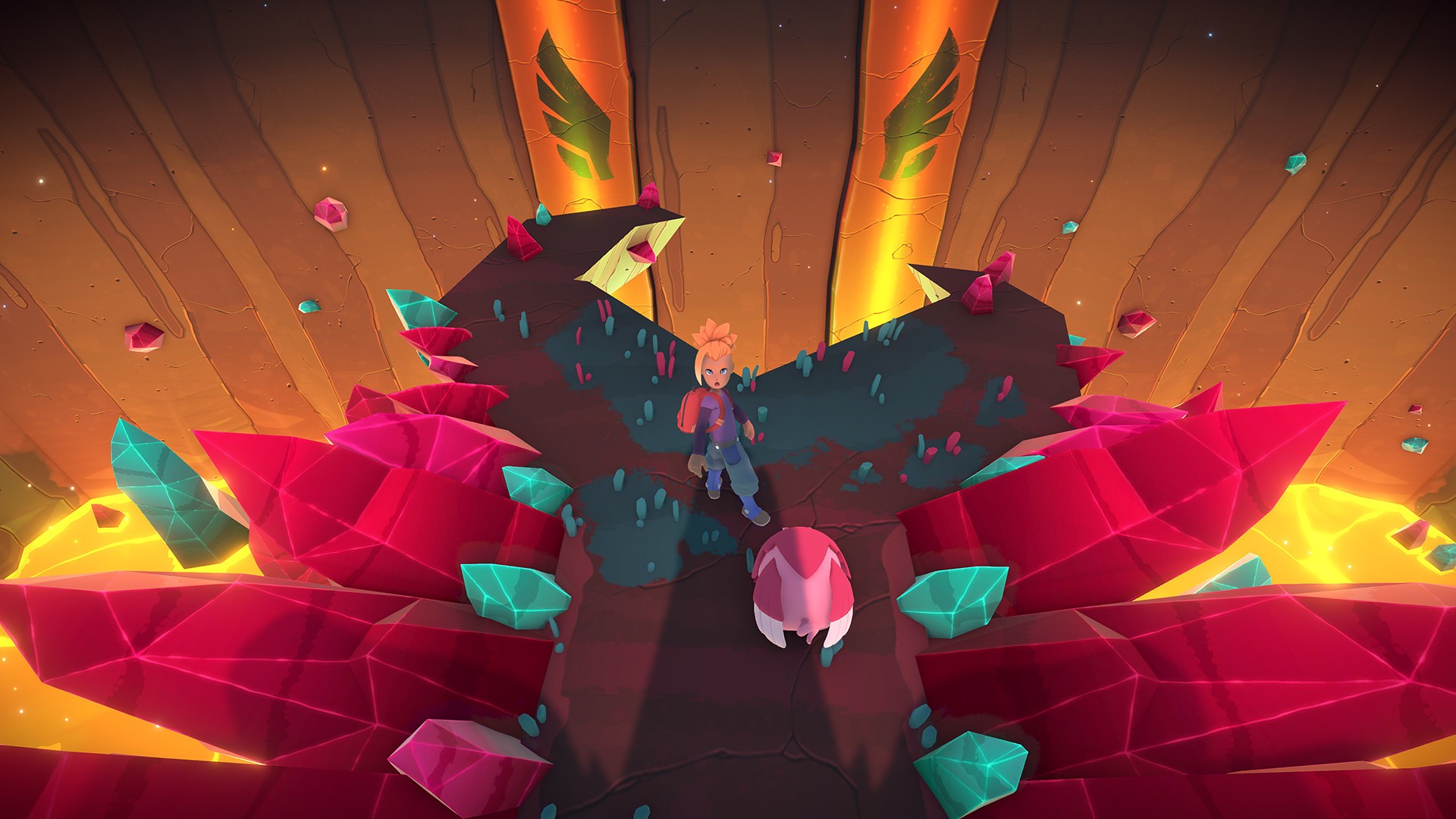
This creature-collection MMO allowed players to choose their pronouns during character creation, a feature absent in the franchise it was inspired by, Pokémon. A subset of players took to the Steam forums and Discord to complain that the developers were forcing gender politics into a game about catching monsters. The developers responded by banning users who were being toxic about the feature, stating that inclusivity was a core pillar of their design. This zero-tolerance policy caused a secondary wave of backlash regarding free speech and moderation. The controversy served as a litmus test for how indie MMOs would handle inclusivity moving forward.
‘Minecraft’ (2023)
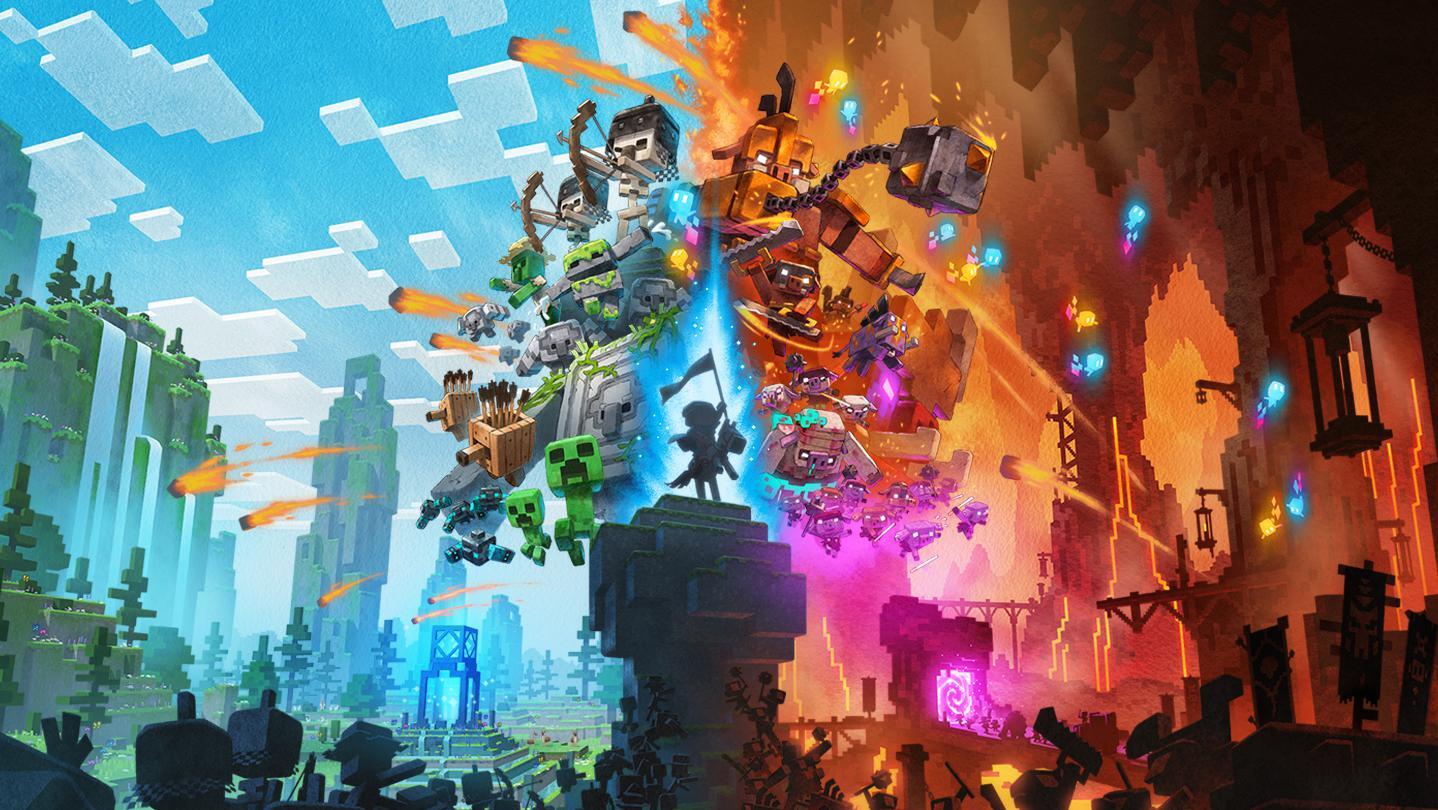
Mojang has slowly integrated more inclusive default skins and celebrated Pride month with cape updates, which drew surprising ire from the game’s massive, younger audience. Comments on YouTube announcements for these updates were often disabled due to a flood of accusations that the game was “grooming” children by exposing them to rainbows and diverse skins. The backlash was fueled by content creators who monetize outrage, framing the updates as an intrusion of adult topics into a kid-friendly space. Mojang continued their support, releasing educational content about diversity despite the noise. The incident showed that even the most ubiquitous game in the world is not immune to culture war debates.
‘Forza Horizon 5’ (2022)
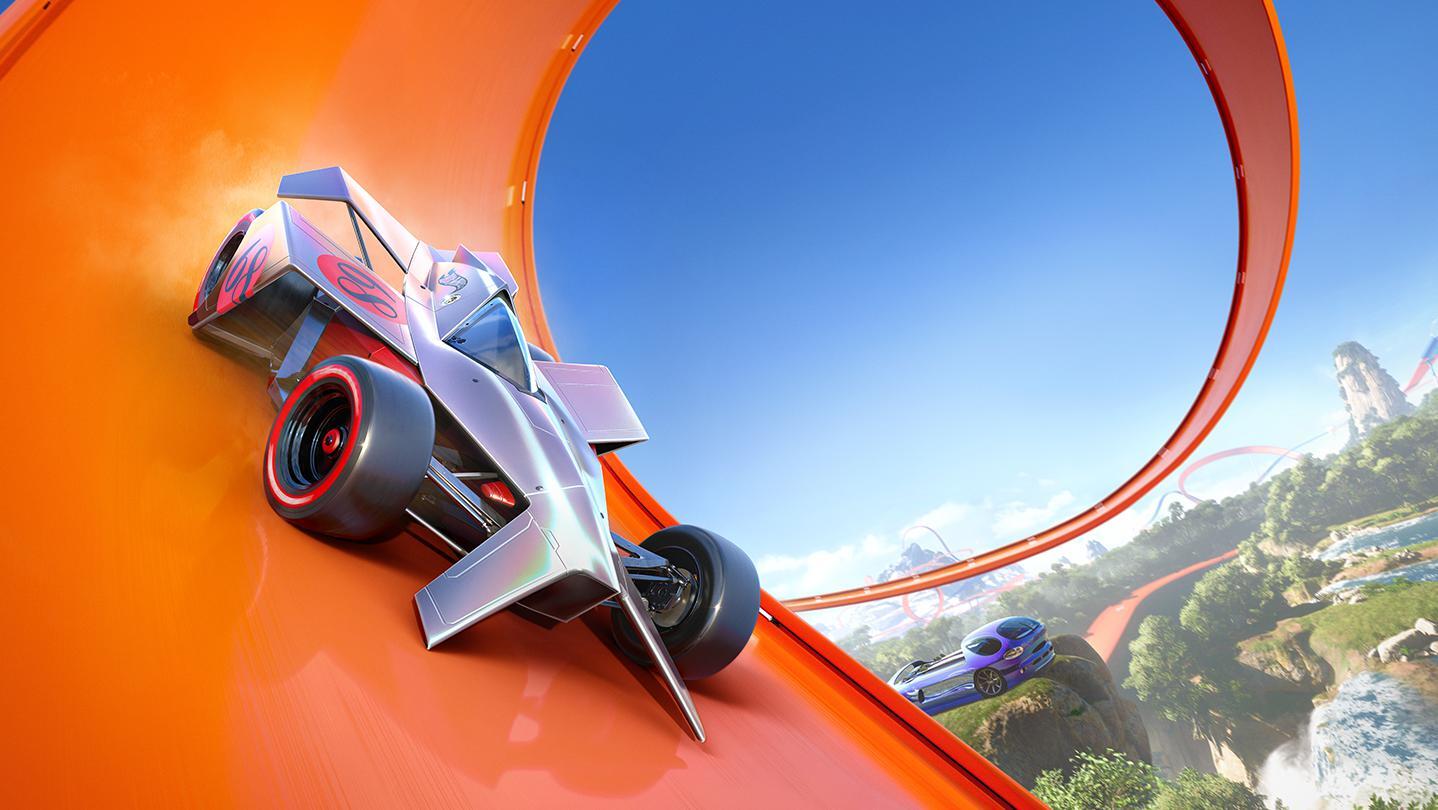
During Pride Month, the developers added rainbow-themed vanity items and livery options for cars. The official Twitter account’s post announcing these items was ratioed by users telling the car game to “stick to cars” and stop virtue signaling. Players who used the Pride liveries in online races reported being targeted by other drivers who would intentionally ram them off the road. The backlash highlighted a specific type of toxicity within the racing game community, which is often perceived as apolitical. Playground Games ignored the demands to remove the content and has continued to support Pride events annually.
‘Gears 5’ (2019)
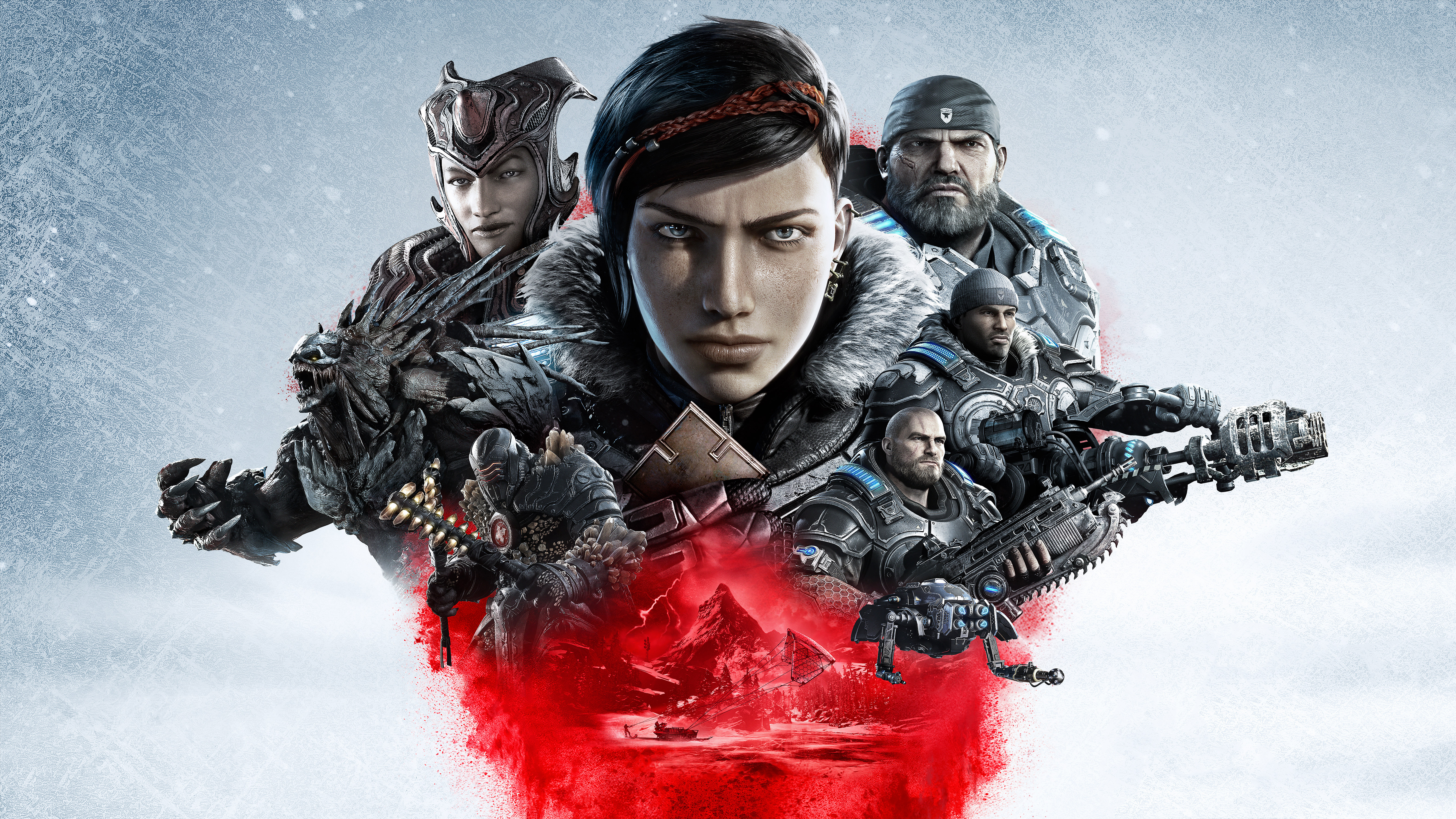
The Coalition added nineteen different Pride flags as banners that players could equip to their profiles. A segment of the hardcore fanbase reacted negatively, claiming that a gritty shooter about war was no place for “identity politics.” The comments section of the announcement was filled with players threatening to uninstall the game because of the optional cosmetic items. The backlash was particularly jarring given the franchise’s hyper-masculine roots, which some fans felt were being betrayed. The developers stood by the inclusion, stating that the Gears army fights for everyone’s survival.
‘Xenoblade Chronicles 3’ (2022)
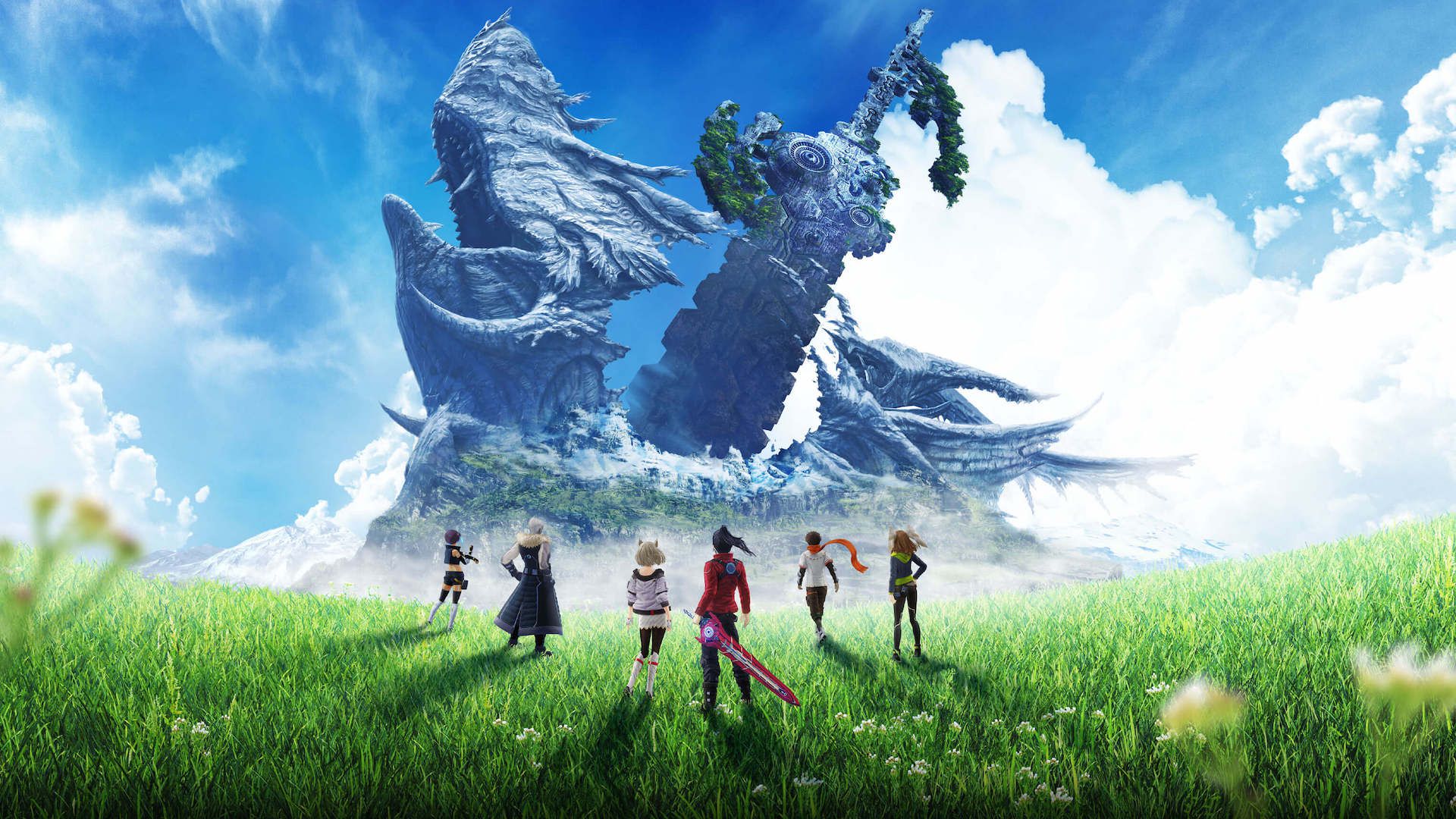
The character Juniper caused a stir among fans due to their ambiguous gender identity and the use of they/them pronouns in the English localization. Purists accused the localization team of mistranslating the Japanese script to insert non-binary representation where none existed, despite the character being referred to in gender-neutral terms in the original Japanese as well. Heated debates broke out on wikis and Reddit threads about the “true” gender of the character, with many refusing to use the correct pronouns. The controversy became a case study in how Western audiences project their own cultural wars onto Japanese media. Juniper remains a fan favorite for their design and gameplay utility, regardless of the debate.
Share your opinion on these controversial gaming moments in the comments.