

Games That Added Rainbow Flags and Immediately Got Review-Bombed

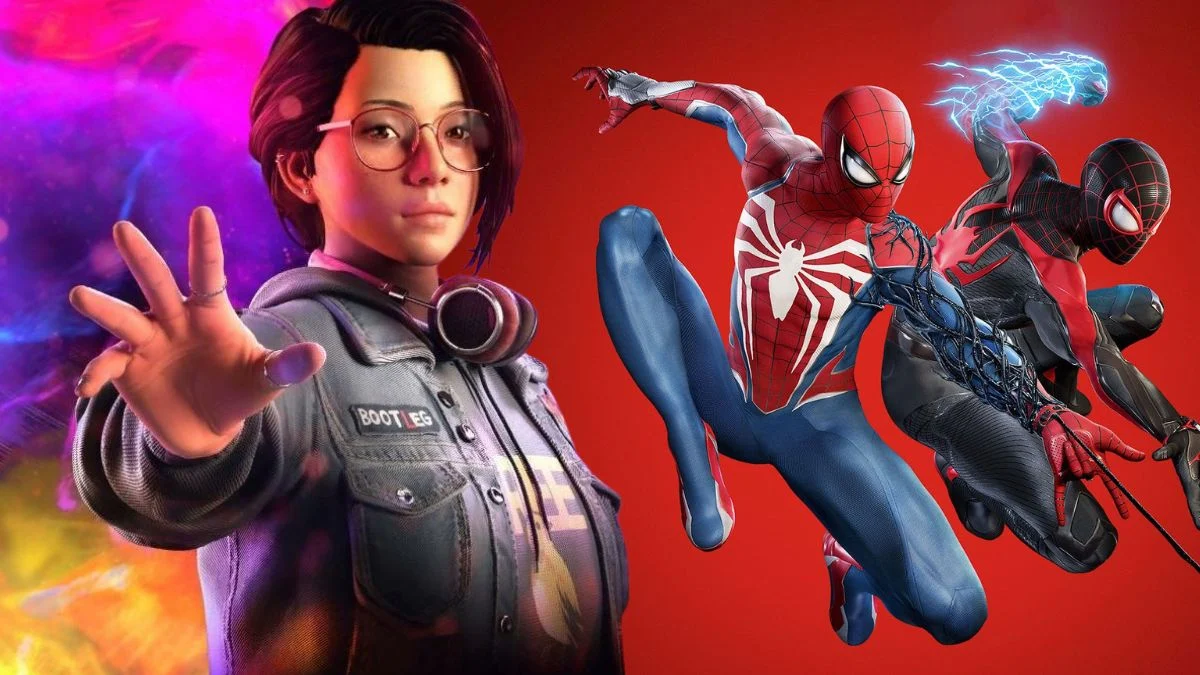


The video game industry has experienced a growing trend of incorporating diverse symbols and themes within various digital worlds to better represent its global player base. Developers frequently add rainbow flags and other Pride related items to their games to promote inclusivity and support for the LGBTQ community. While many fans appreciate these efforts some segments of the audience react by targeting the titles with negative user reviews. This practice of review bombing often occurs immediately after the content is announced or released. These instances highlight the ongoing debate surrounding representation and social themes in the world of interactive entertainment.
‘Marvel’s Spider-Man 2’ (2023)
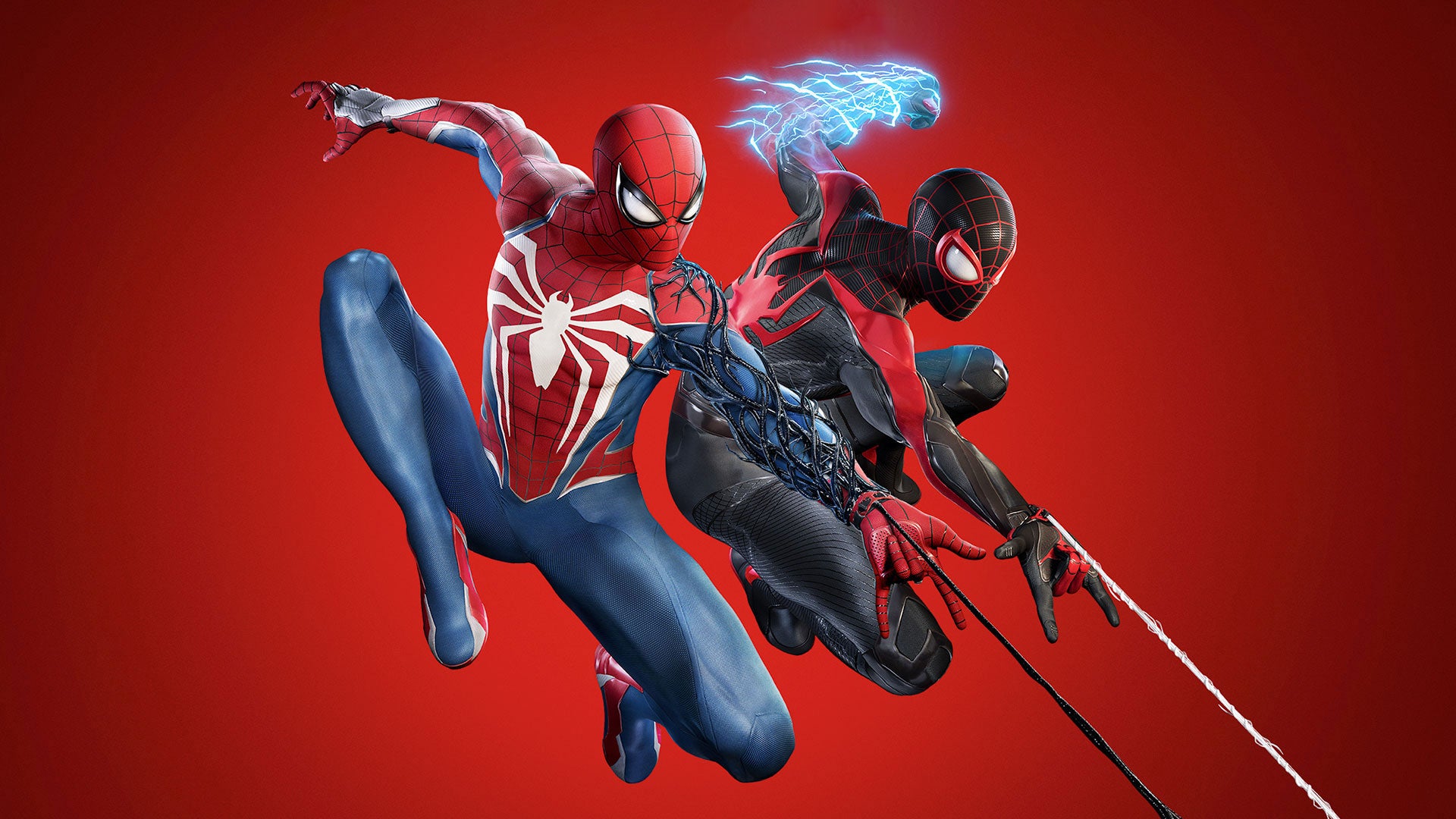
Insomniac Games included various Pride flags throughout the digital recreation of New York City to reflect the diversity of real world neighborhoods. Players can find these symbols on apartment buildings and within certain side missions that feature LGBTQ characters. Shortly after the launch the game faced a coordinated effort by some users to lower its audience score. Many of the negative comments specifically targeted the inclusion of these social symbols within the game world. The developers maintained that the inclusion was a necessary part of creating an authentic urban environment.
‘The Last of Us Part II’ (2020)
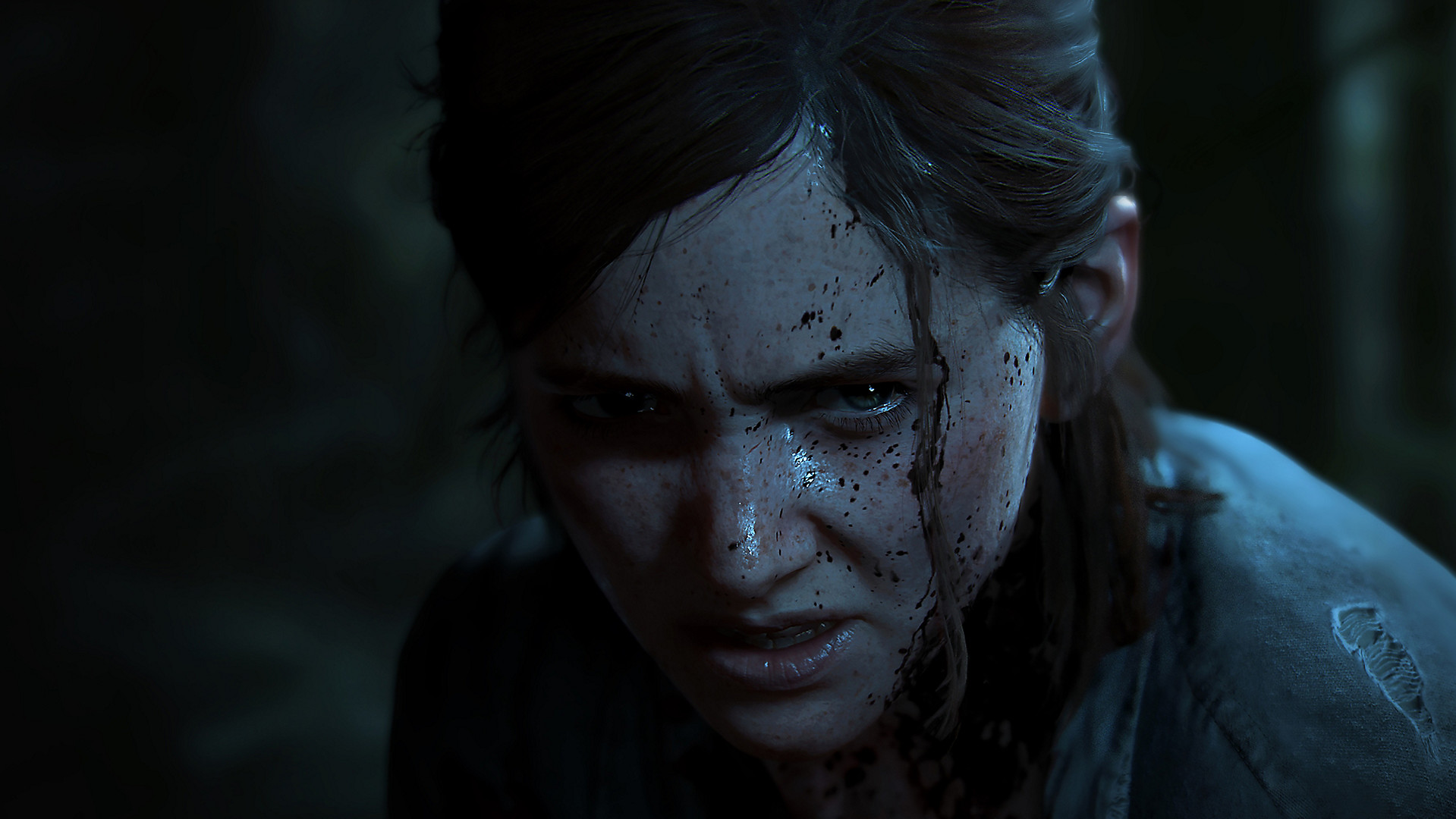
This sequel features a world where rainbow flags and Pride murals remain visible in urban ruins across the post apocalyptic setting. The story also focuses on characters who belong to the LGBTQ community which sparked intense discussion online. Immediately following its launch the game was subjected to one of the largest review bombing campaigns in recent history. A massive volume of negative reviews targeted the inclusion of these symbols and the narrative paths of the characters. This backlash led to a wider conversation about moderation on user led review platforms.
‘Starfield’ (2023)
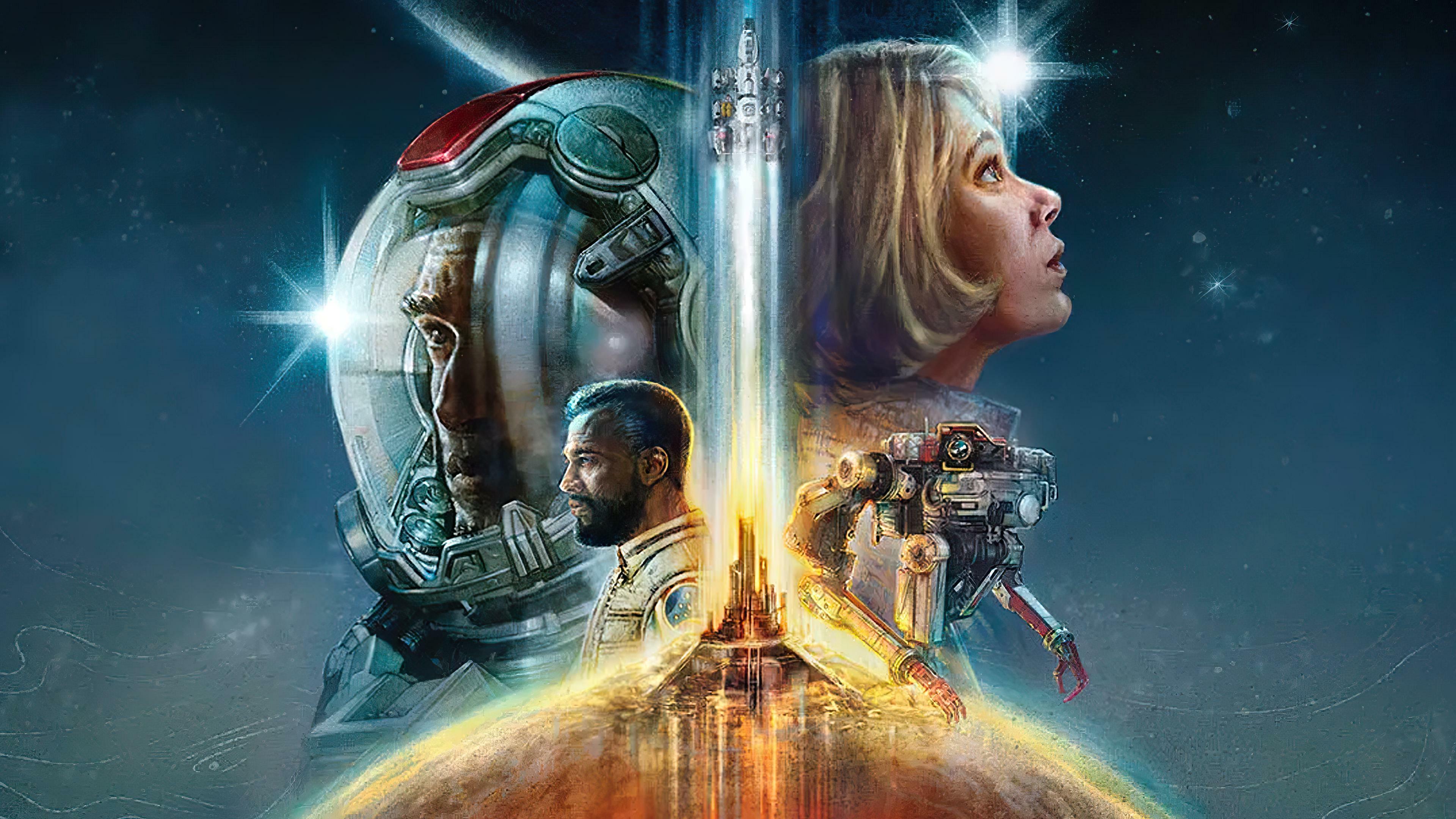
The expansive space exploration game ‘Starfield’ allows players to select their preferred pronouns during the character creation process. This feature was highlighted by many users shortly after the game launched on various platforms. A coordinated effort to lower the user score began on several prominent review sites. Critics of the feature argued that it was an unnecessary addition to the role playing experience. The game still maintained a strong presence in terms of player count and commercial success.
‘Horizon Forbidden West’ (2022)
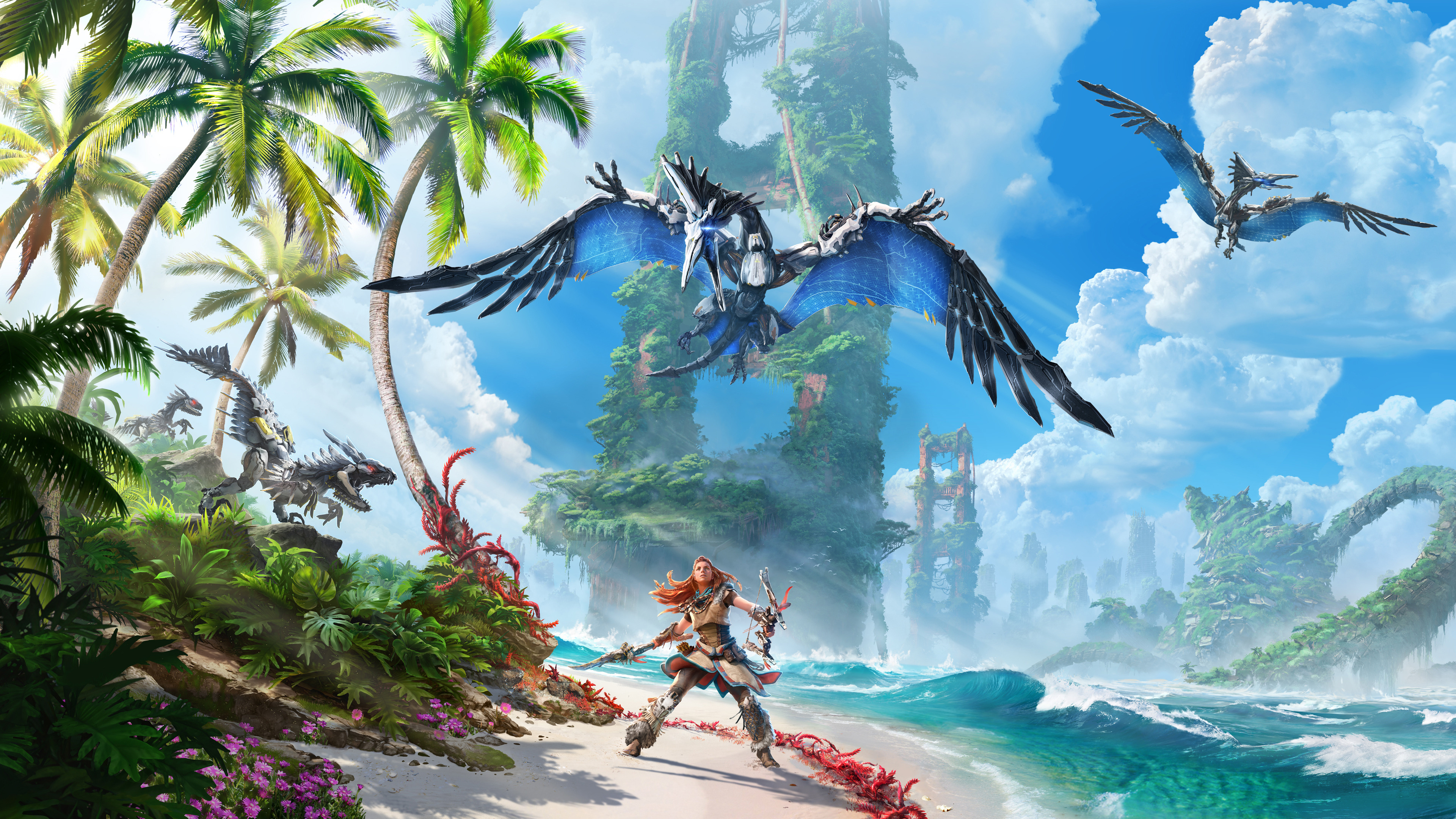
The expansion for this title introduced a romantic option for the main character that involves a same sex relationship. Players noticed that the update also included subtle environmental details that support diverse identities. Following the release of this content the game experienced a sudden influx of low user ratings. Many of these reviews cited the new romantic direction as a reason for their dissatisfaction. The developer stood by the creative choice as a natural progression for the character of Aloy. the tension between modding communities and official content standards.
‘The Sims 4’ (2014)
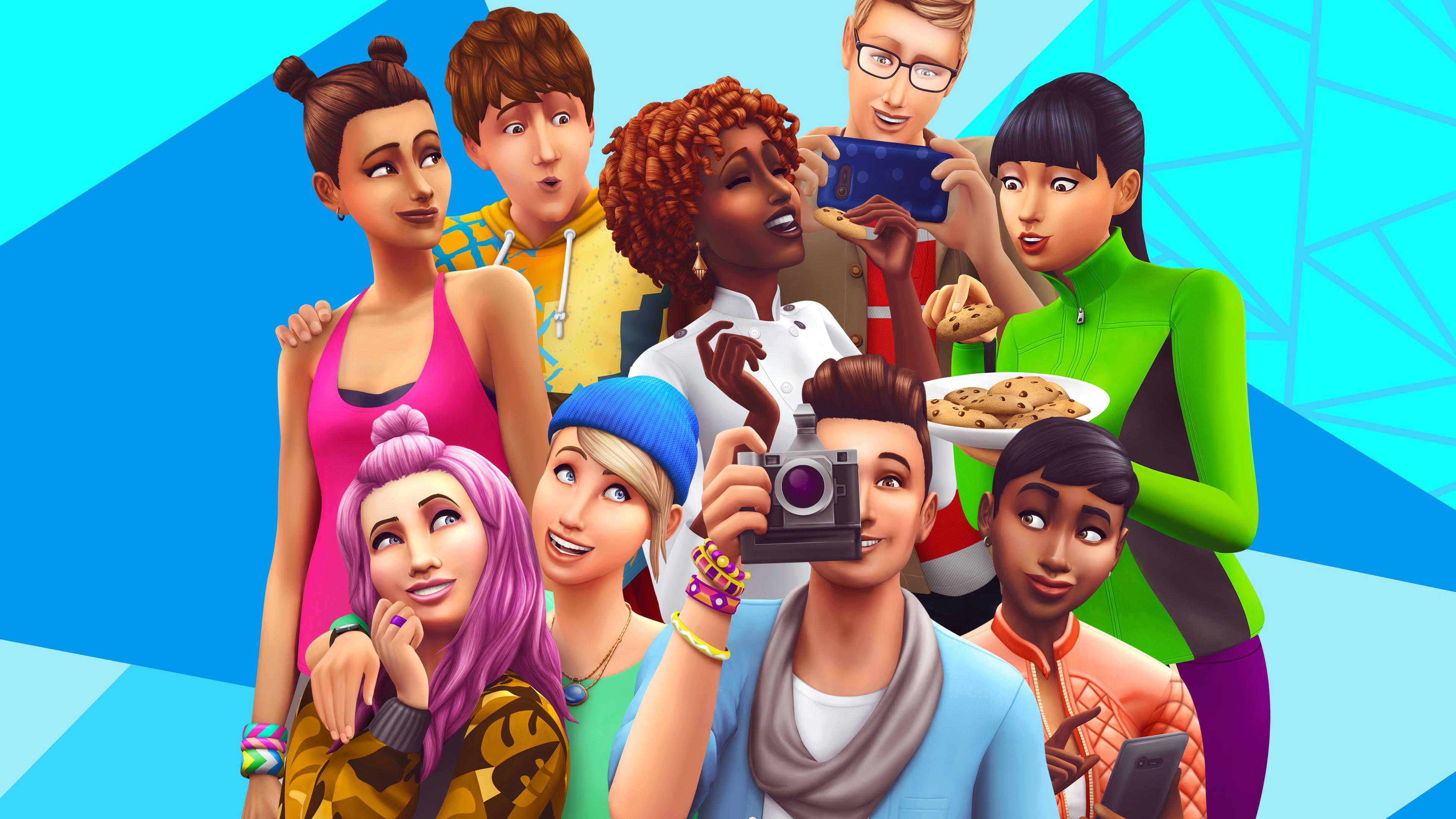
The developer of ‘The Sims 4’ released a major update that added specific sexual orientation and gender identity settings for all characters. This patch also included various Pride flags and clothing items for players to use in their virtual homes. Shortly after the update went live the game saw a spike in negative feedback on several community hubs. Many players expressed frustration with the inclusion of these features in the life simulation gameplay. Electronic Arts continued to support the update as part of their long term commitment to diversity.
‘Overwatch 2’ (2022)
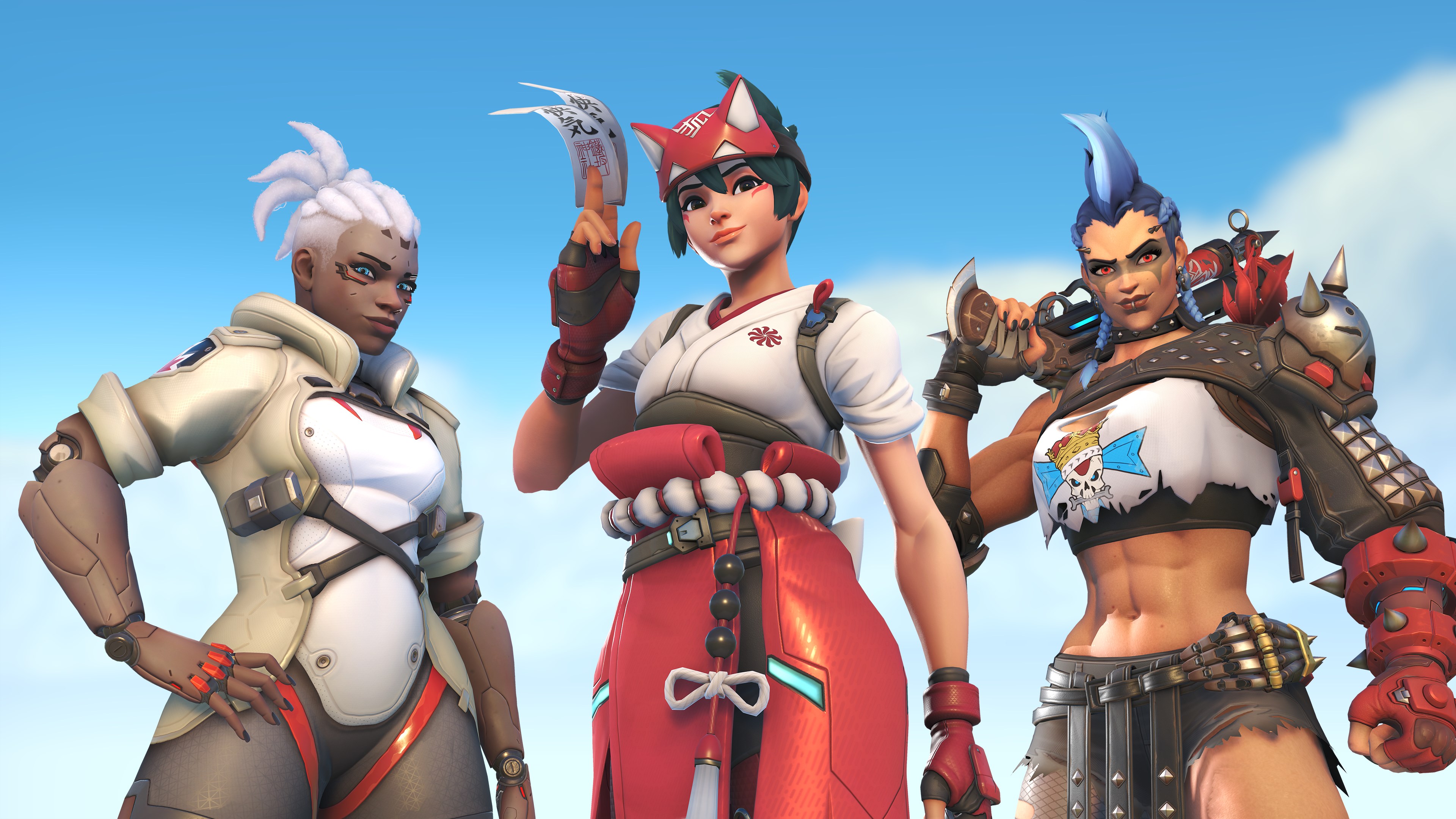
Blizzard Entertainment launched a Pride event in ‘Overwatch 2’ that included rainbow flags on the Midtown map and various character icons. This update also confirmed the identities of several popular heroes through short stories and in game items. Some users reacted to these changes by posting low scores on review platforms to express their disagreement. These players often argued that social themes should remain separate from the competitive gaming environment. Despite the negative reviews the event provided visibility for many fans within the community.
‘Baldur’s Gate 3’ (2023)
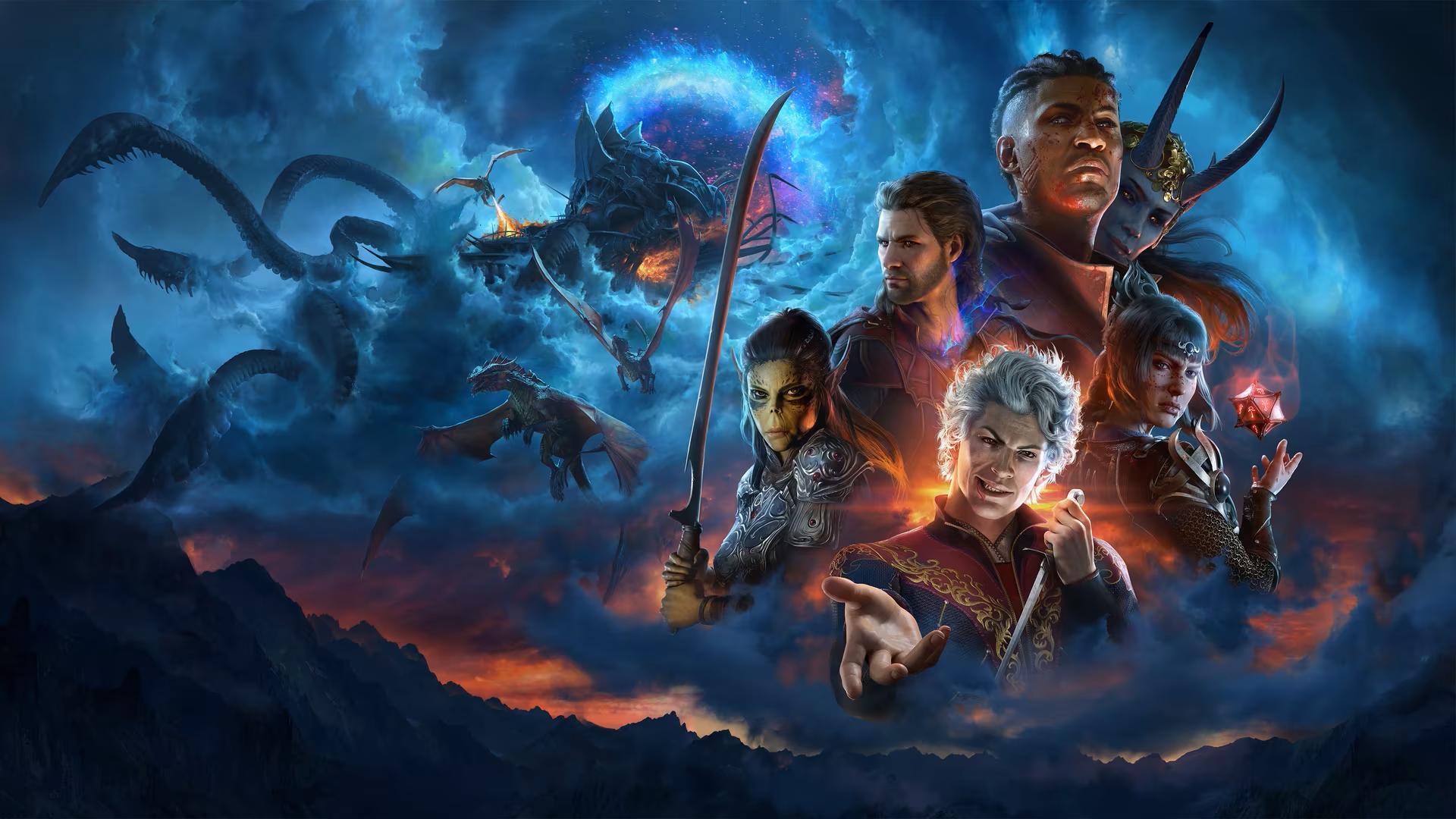
This massive role playing game includes extensive romance options that allow for same sex relationships among the party members. Players can also find various references to LGBTQ identities throughout the vast world of Faerun. While the game received critical acclaim it also faced a wave of negative user reviews targeting its inclusive nature. Some critics focused on the frequency of these romantic interactions and the presence of diverse themes. The game went on to win numerous awards and reached a massive audience worldwide.
‘Destiny 2’ (2017)
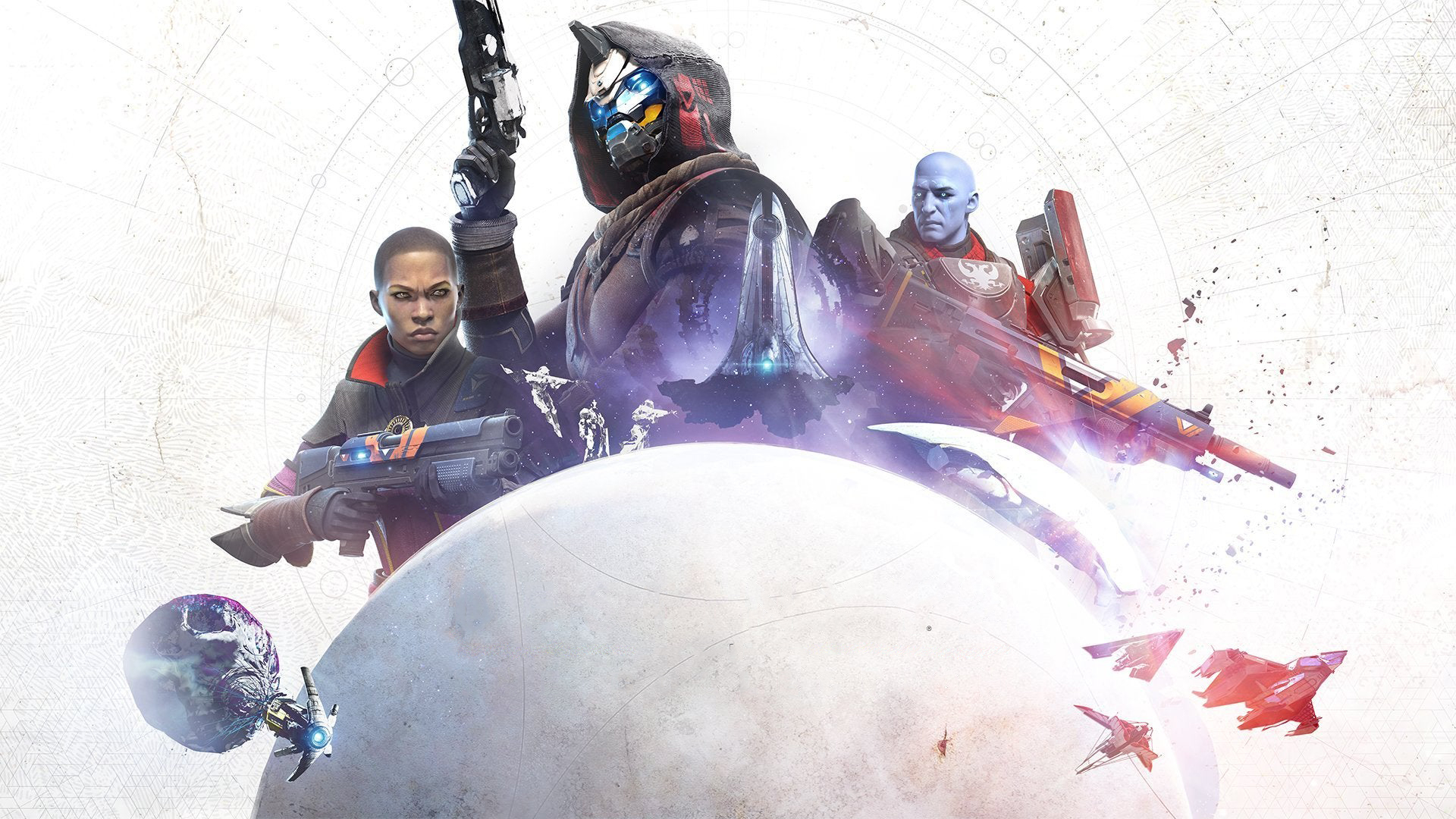
The creators of ‘Destiny 2’ introduced a special Pride emblem and several rainbow themed items to celebrate diversity within the community. These items were made available to players through various in game events and charitable promotions. Following the introduction of these symbols the game faced a period of negative feedback on community forums and review sites. Some users claimed that the inclusion of such items was out of place in a science fiction setting. Bungie responded by reaffirming their support for the LGBTQ community and continuing their inclusion efforts.
‘Apex Legends’ (2019)
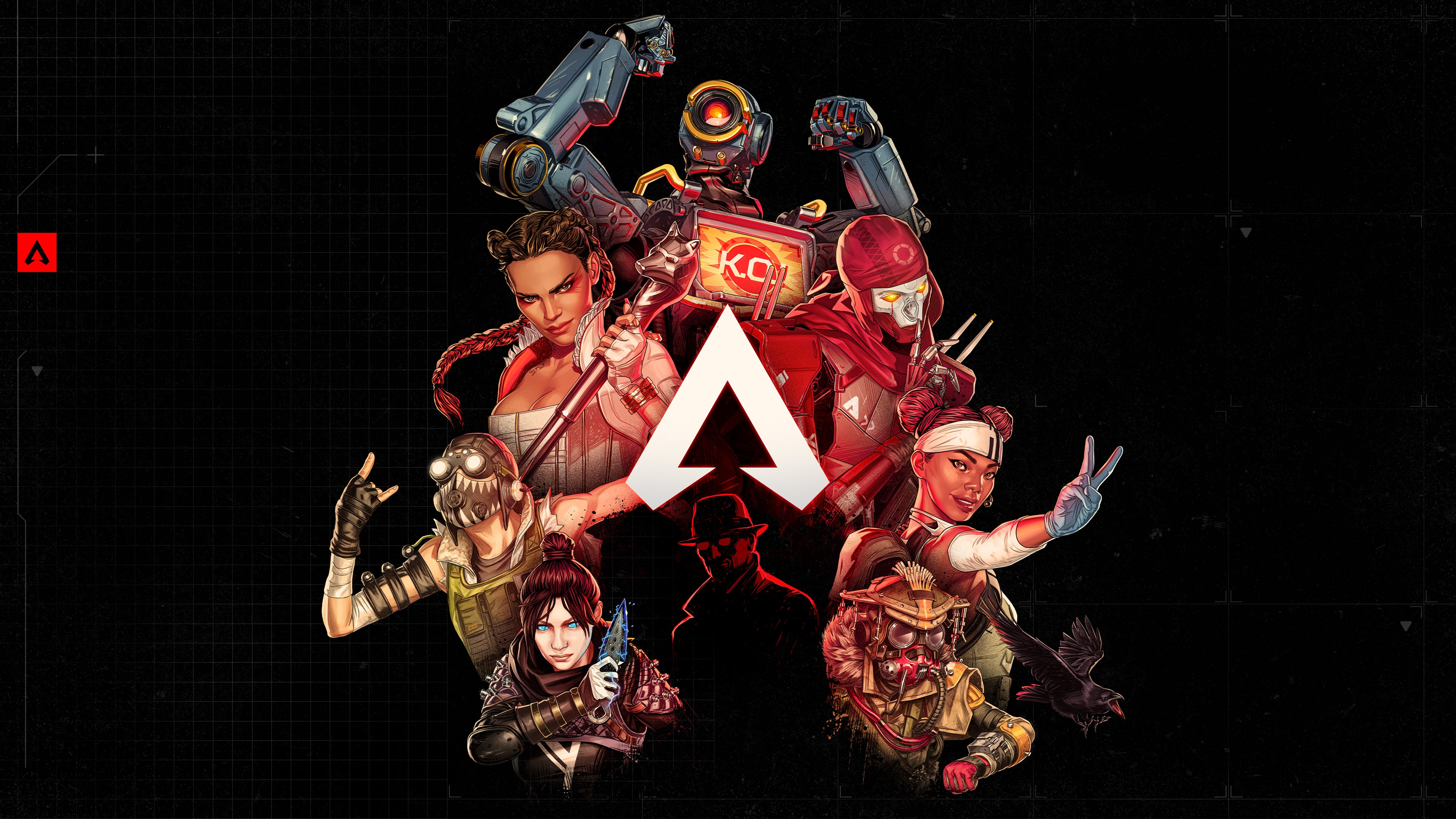
‘Apex Legends’ features a diverse roster of characters with many identifying as members of the LGBTQ community. The developers added a special Pride badge that players can display on their profiles to show support. Shortly after the badge was introduced the game saw an increase in negative comments and lower user ratings. Many of these reviews focused on the perceived political nature of the badge and character backgrounds. Respawn Entertainment has remained vocal about their dedication to representation in the hero shooter genre.
‘Call of Duty: Modern Warfare II’ (2022)
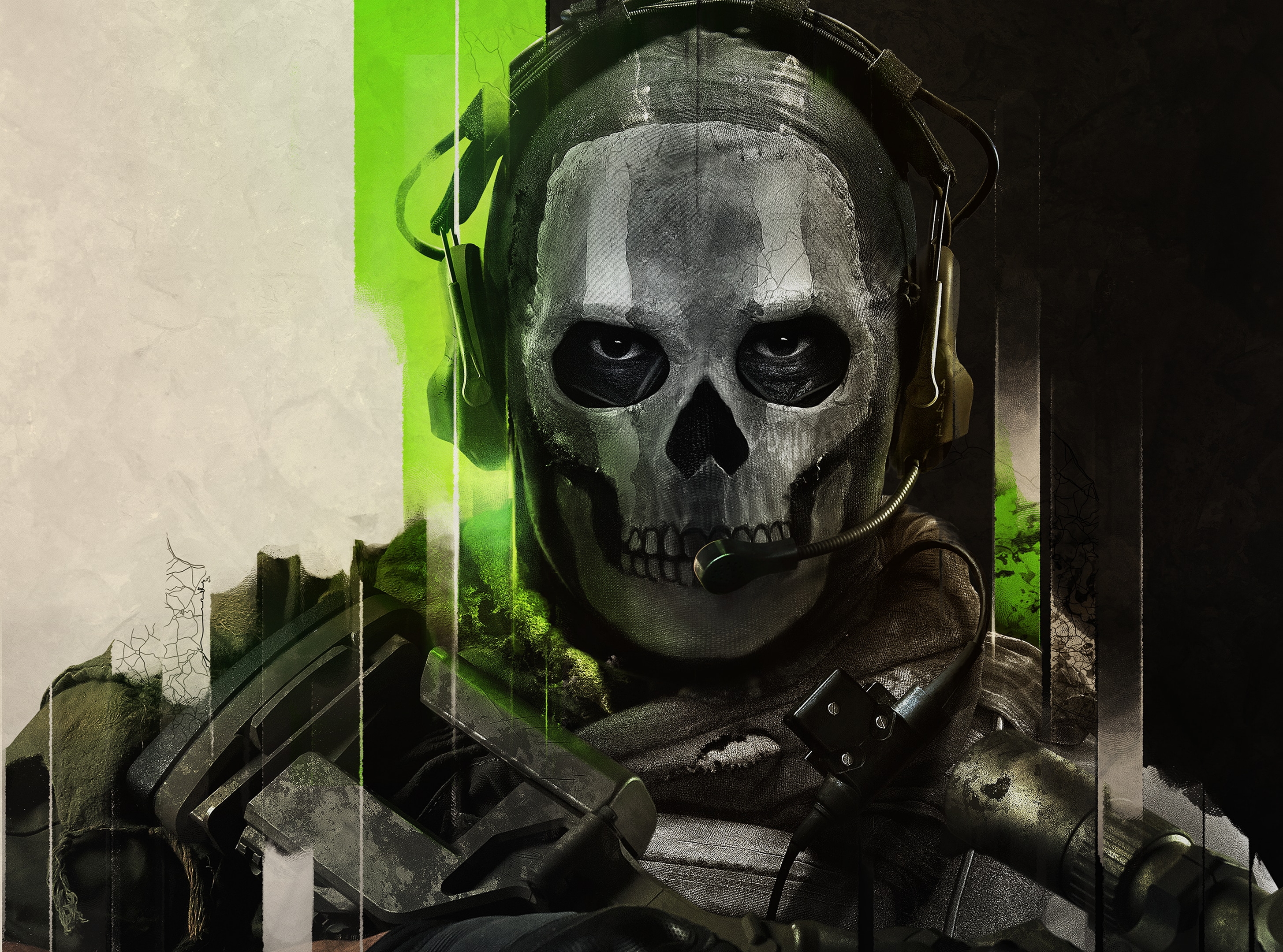
The developers added several Pride themed calling cards and emblems that players could equip during the month of June. These items featured various iterations of the rainbow flag and other symbols of inclusivity. After the update was released the game experienced a surge in negative user reviews on digital storefronts. Many of the critics argued that these items did not belong in a military themed shooter. The inclusion of these cosmetics sparked a significant debate among the player base regarding real world symbols in gaming.
‘Minecraft’ (2011)

‘Minecraft’ has included various Pride related content through its marketplace and special community events over the years. This includes rainbow themed capes and character skins that allow players to express their identities. Some of these updates have been met with negative reviews on community platforms and mobile app stores. Users often complained that the game was moving away from its original creative focus by including these symbols. Mojang has continued to foster an inclusive environment for its massive and diverse player base.
‘Life is Strange: True Colors’ (2021)
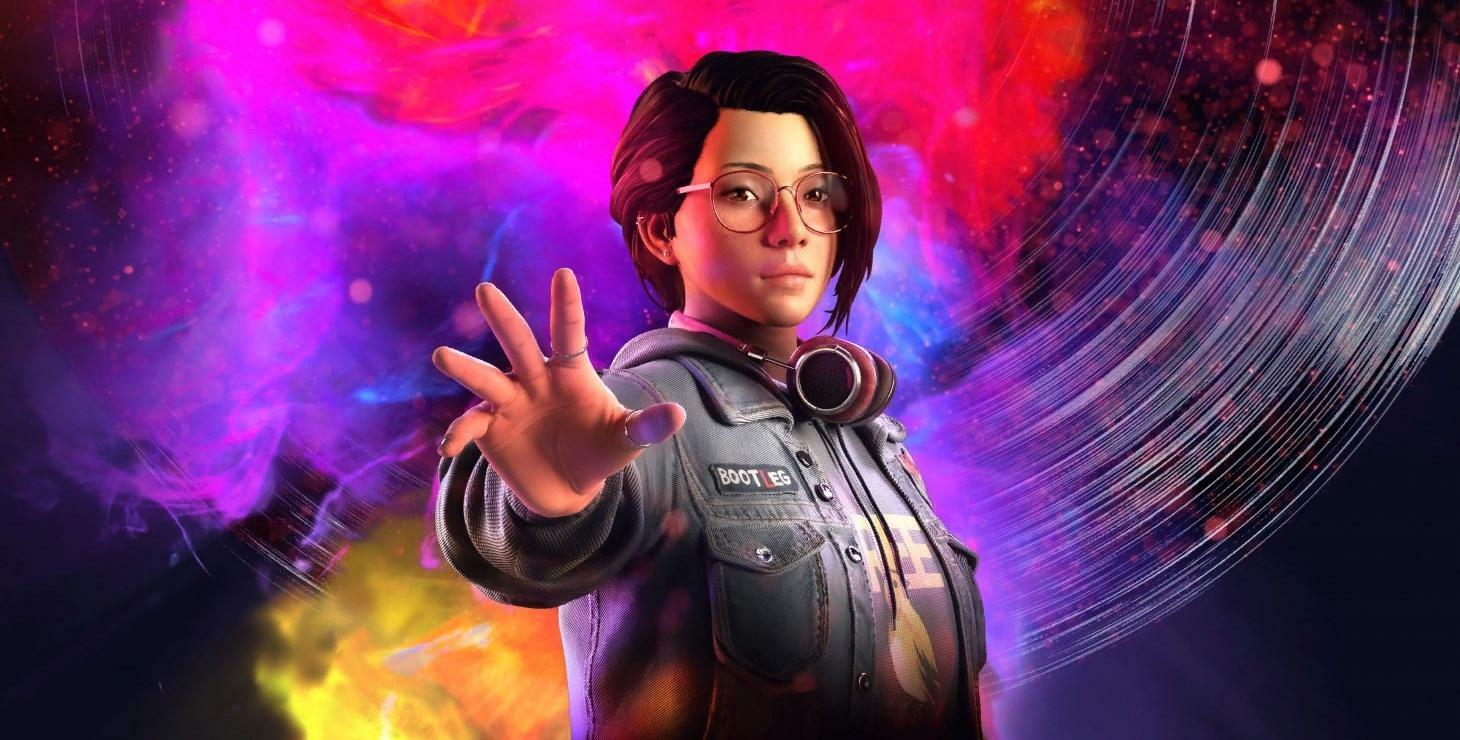
This narrative adventure game features a Pride flag in a prominent shop window within the main town setting. The story also explores the protagonist and her potential romantic relationships with both male and female characters. Upon release the game was targeted by a wave of negative reviews on various platforms. Many of these reviews specifically mentioned the presence of the rainbow flag as a reason for the low score. The developers defended the inclusion as a realistic representation of the small town setting and the characters.
‘Forza Horizon 5’ (2021)

‘Forza Horizon 5’ allowed players to use a rainbow badge on their driver profiles and featured various Pride themed car liveries. These cosmetic items were intended to celebrate the diverse community of racing fans. Shortly after these features were highlighted the game received a series of low ratings from certain users. These reviews often claimed that the inclusion of such symbols was unnecessary for a racing game. The game remains highly rated by critics for its technical performance and open world design.
‘Dead by Daylight’ (2016)
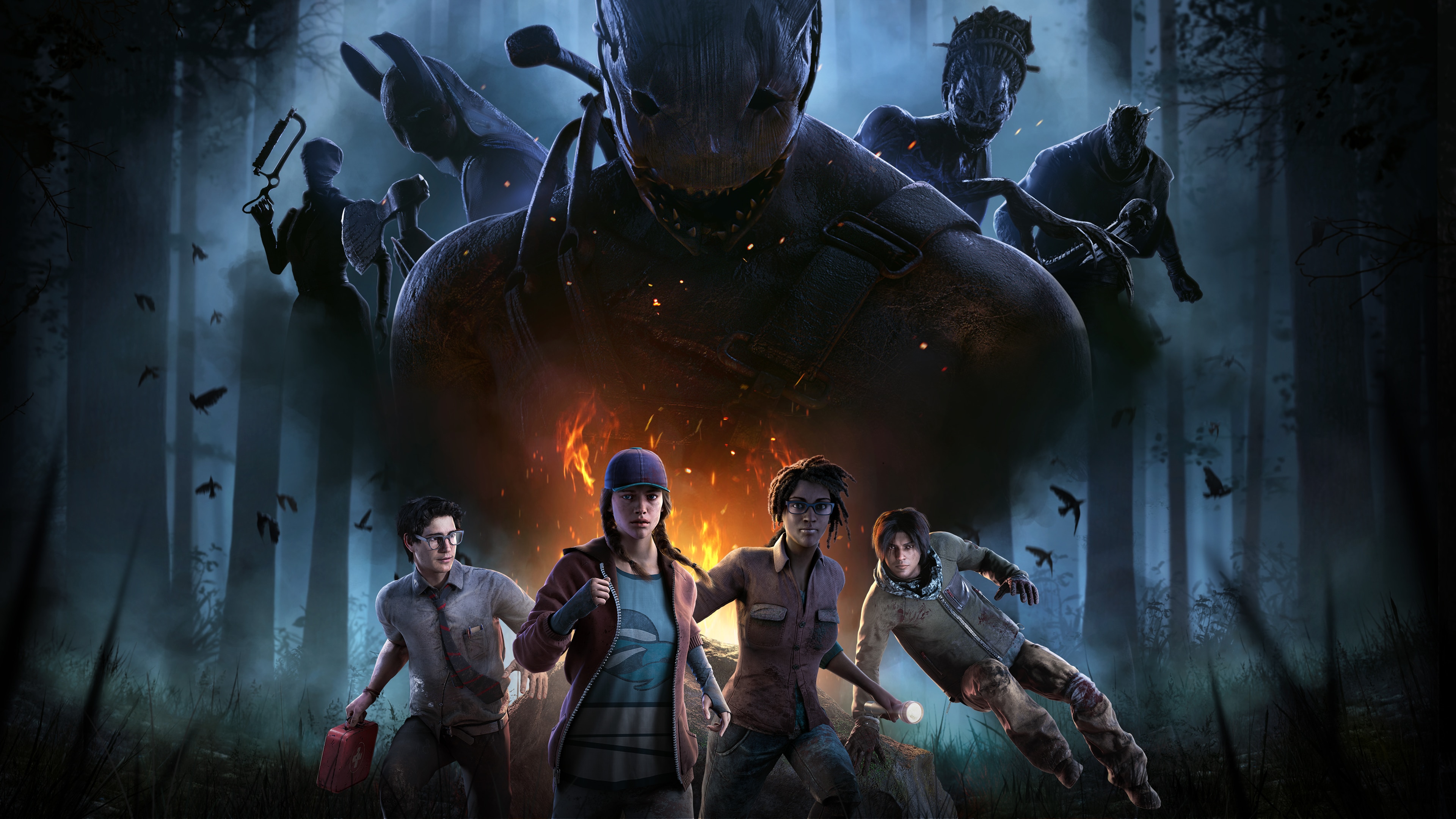
The horror game ‘Dead by Daylight’ introduced a rainbow flag charm that players can equip on their characters to show support for Pride. This small cosmetic addition was meant to celebrate the LGBTQ community during an annual event. Soon after the announcement the game received a significant amount of negative feedback on community forums. Many users expressed frustration with the inclusion of real world symbols in a fictional horror setting. Despite this the developers continued to support the inclusion and released more diverse content in later updates.
‘Sea of Thieves’ (2018)
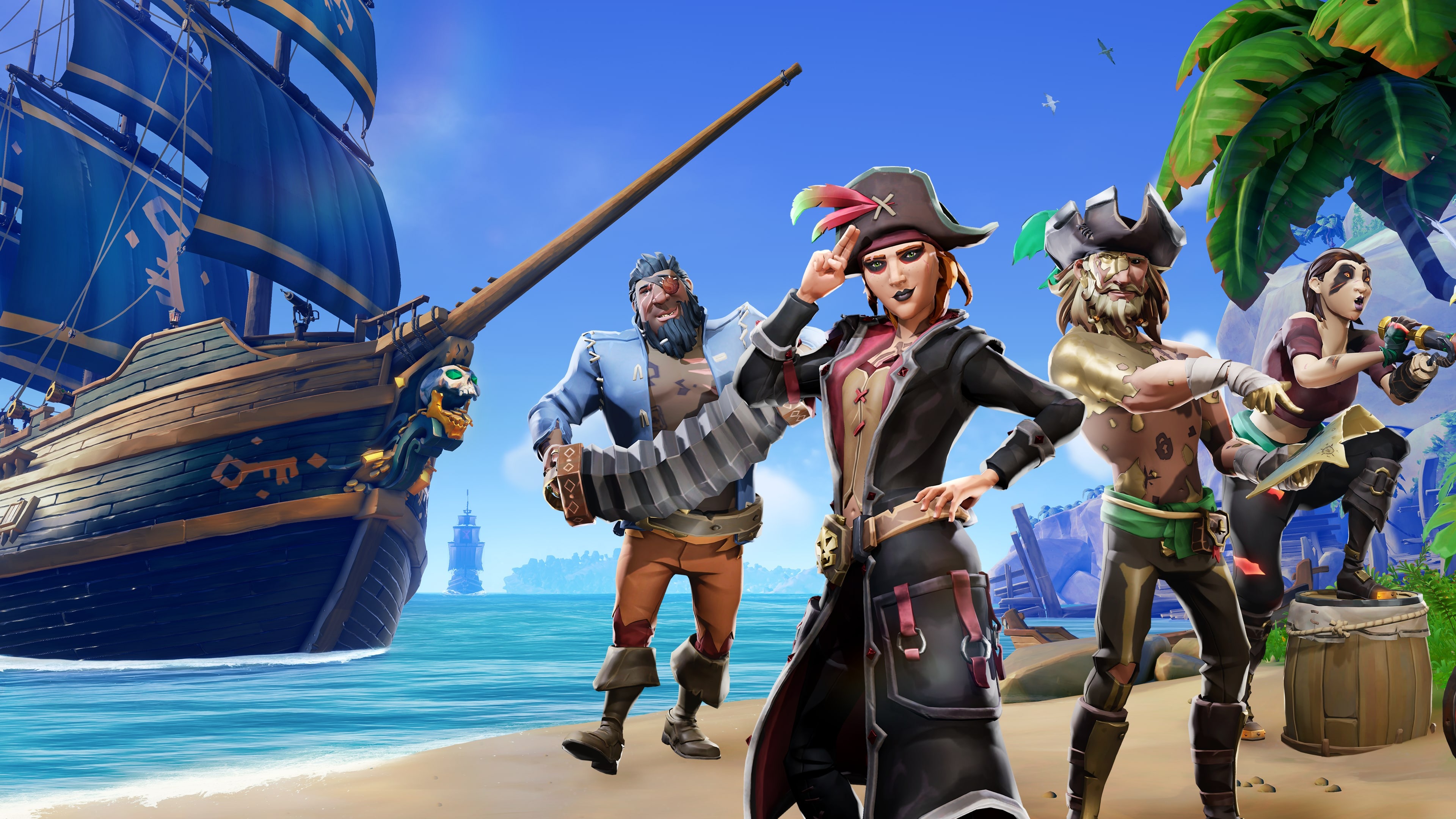
Rare added a Flag of Pride to ‘Sea of Thieves’ which allows players to fly a rainbow flag from the mast of their pirate ships. This update was part of a larger effort to make the pirate themed world more inclusive for everyone. Following the addition of the flag the game saw an uptick in negative user reviews on various digital platforms. Some players argued that the flag broke the immersion of the seventeenth century setting. The developers have consistently maintained that the game is a welcoming place for all types of players.
‘Halo Infinite’ (2021)
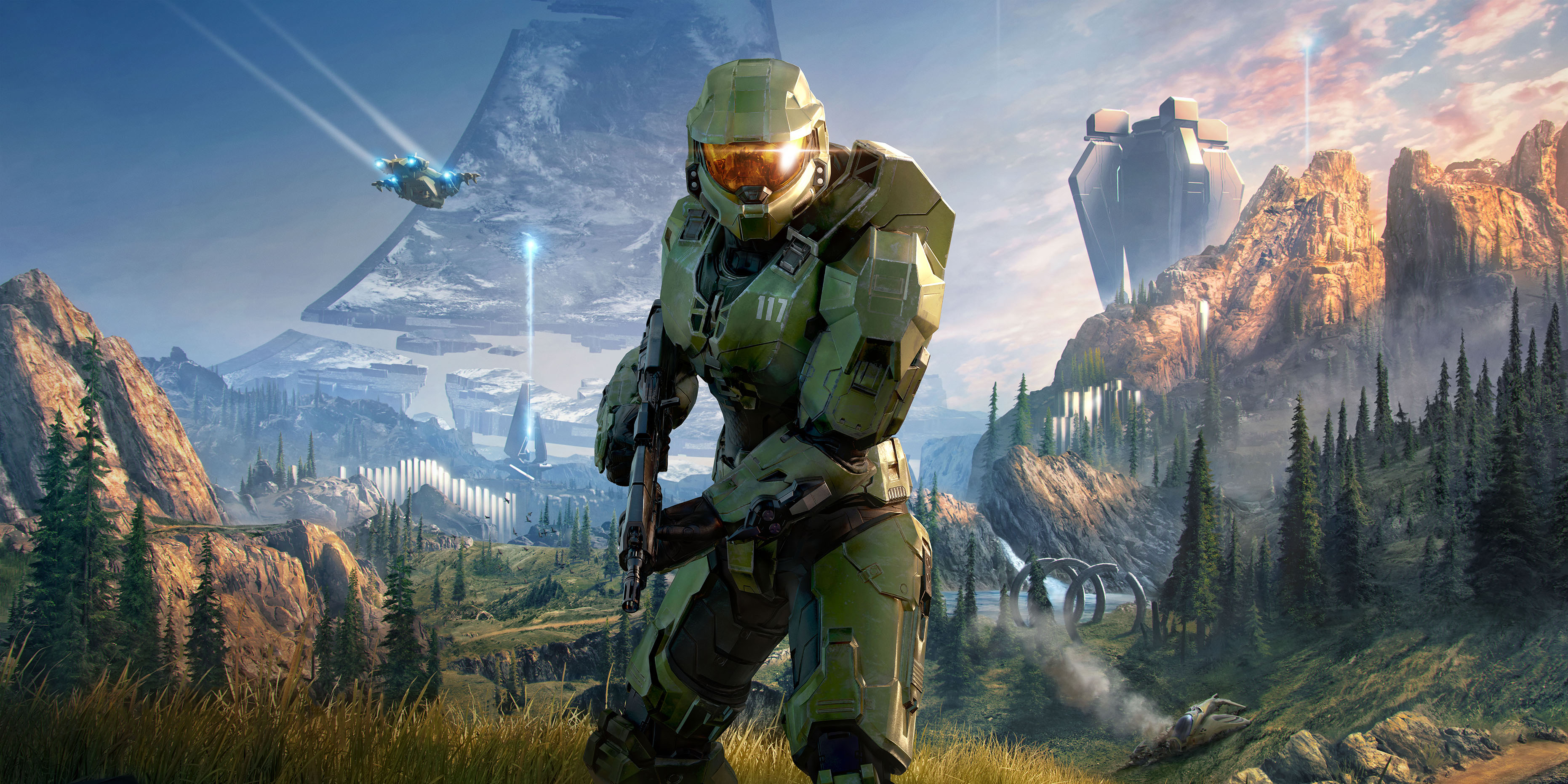
The developers of ‘Halo Infinite’ released a special Unity nameplate and emblem featuring rainbow colors to celebrate Pride month. This cosmetic item was made available to all players as a way to promote a positive community environment. After the release of the item the game faced a wave of negative comments on social media and review platforms. Critics of the emblem claimed that it was an unnecessary addition to the legendary science fiction franchise. 343 Industries remained committed to their inclusion goals despite the initial backlash.
‘Fallout 76’ (2018)
Bethesda added various Pride icons and rainbow flags that players could place in their custom settlements within ‘Fallout 76’. These items were designed to give players more ways to personalize their space in the post apocalyptic wasteland. Shortly after these items appeared in the game store the title experienced a surge in negative user feedback. Many of these reviews focused on the inclusion of Pride symbols in the game world. The developers have continued to add more diverse decorations to the game in subsequent updates.
‘Rocket League’ (2015)

‘Rocket League’ introduced a set of Pride month items including rainbow wheels and trails for the cars. These items were part of a free bundle intended to celebrate the LGBTQ community within the game. Following the release of the bundle the game saw a spike in negative ratings and comments on several platforms. Users often argued that the items were a distraction from the core sports gameplay. Psyonix has continued to offer these items annually to maintain their support for diversity.
‘League of Legends’ (2009)
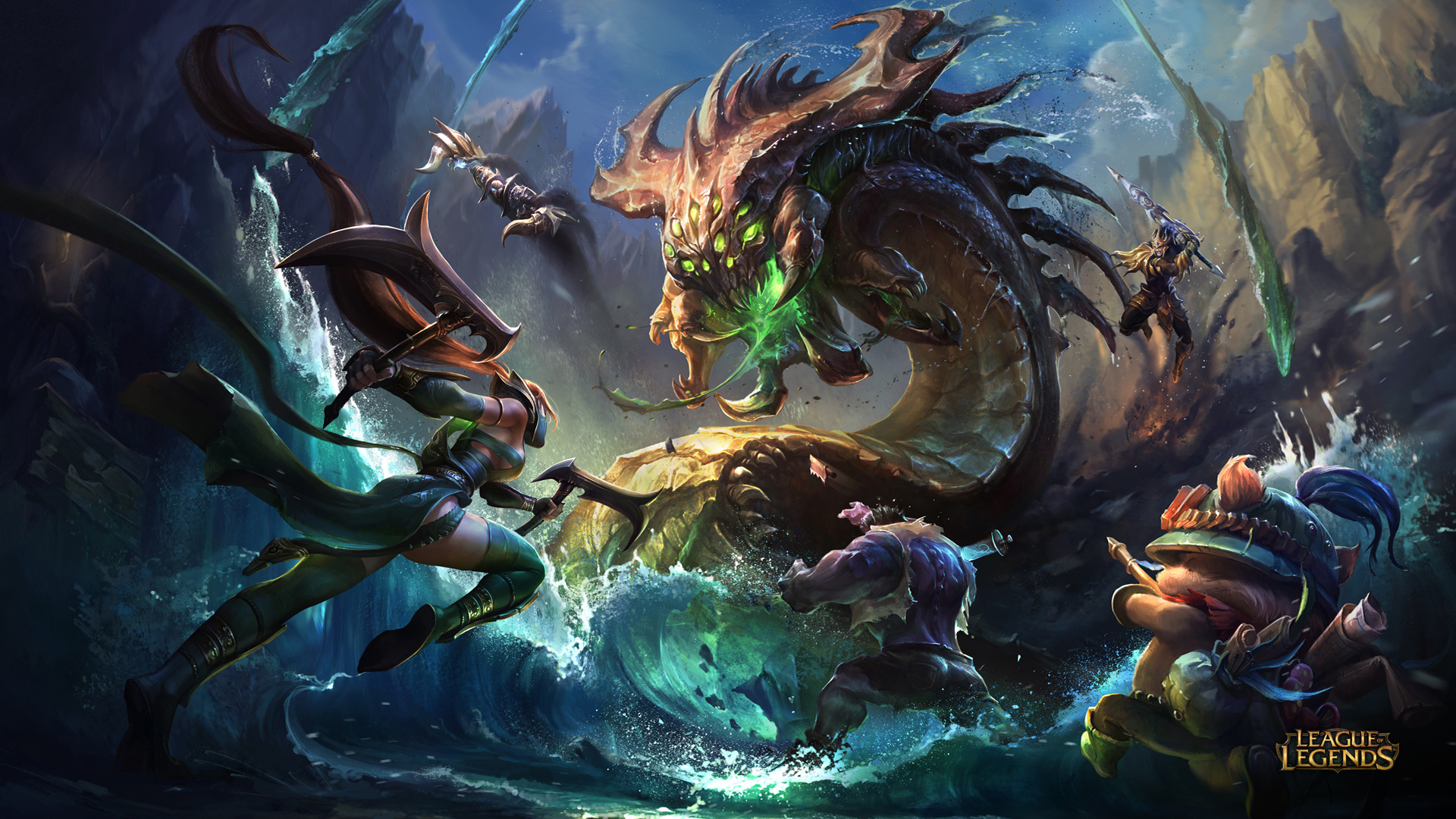
Riot Games has regularly included Pride icons and colorful homeguard trails to celebrate the LGBTQ community during special events. These updates also include short stories that flesh out the backgrounds of various champions in the game. Some segments of the player base responded by posting negative reviews on community sites and forums. These reviews often targeted the narrative changes and the visible symbols in the game. Riot Games has remained firm in their commitment to representing their diverse global audience.
‘Valorant’ (2020)
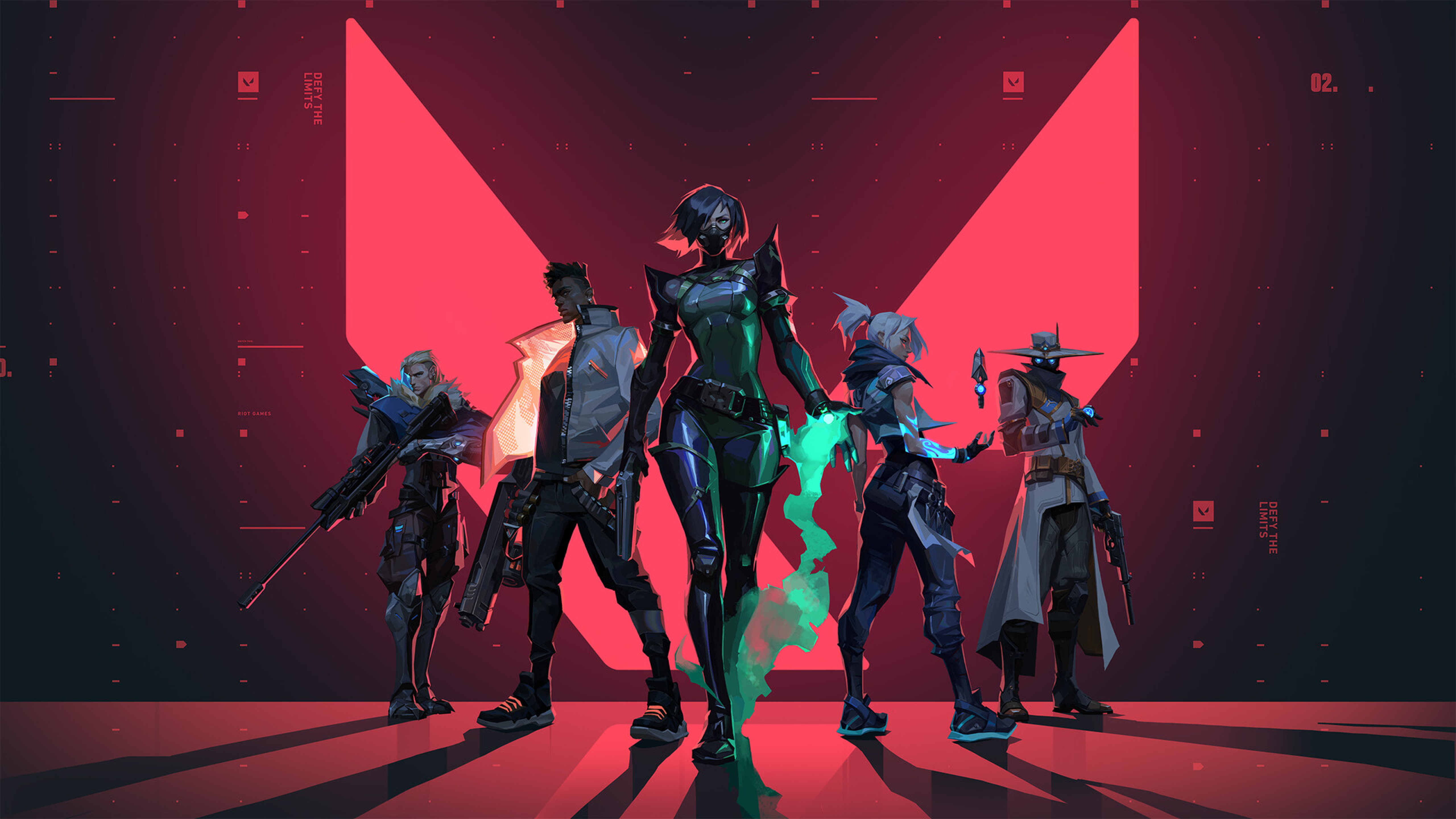
‘Valorant’ released a series of Pride player cards that feature various flag colors representing different identities within the LGBTQ community. These cards are displayed during the loading screens and within the player profiles. Soon after the cards were made available the game faced a wave of negative user feedback. Many critics claimed that the cards were a form of virtue signaling that did not belong in a tactical shooter. The developers have continued to release new versions of these cards to show ongoing support.
‘Dead Island 2’ (2023)
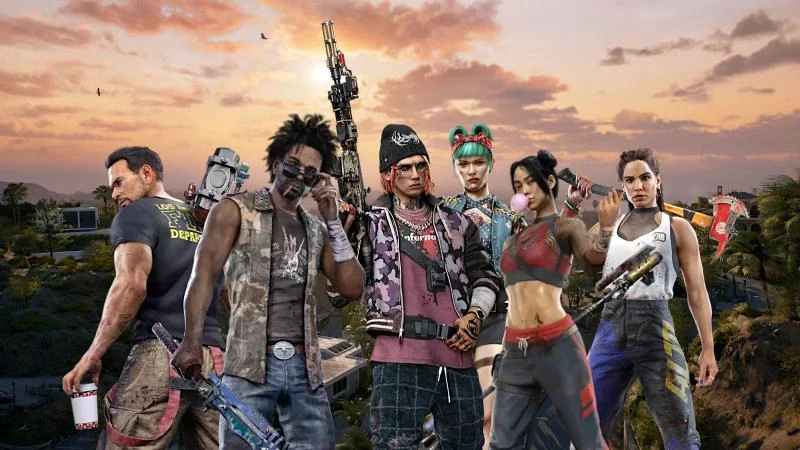
This zombie action game features several rainbow flags and Pride related posters within its stylized version of Los Angeles. These environmental details were included to reflect the actual culture and atmosphere of the city. Shortly after the game launched it was met with a flurry of negative reviews on various user led sites. Many of these reviews cited the environmental Pride symbols as a reason for their low ratings. The game still achieved strong sales and was generally well received for its combat and graphics.
‘Dying Light 2: Stay Human’ (2022)
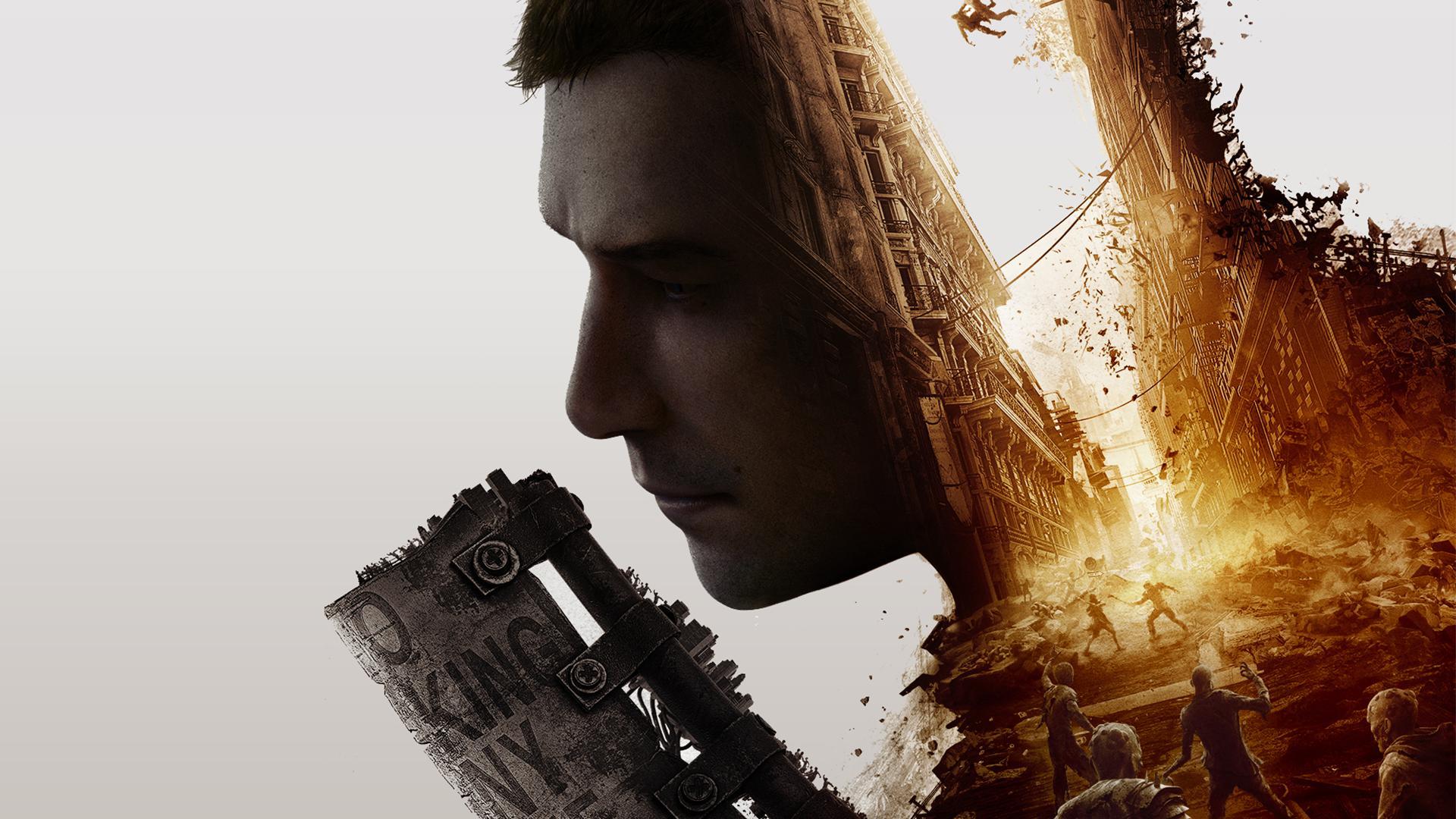
The developers added a variety of Pride items and rainbow decorations that can be found in the game world of ‘Dying Light 2’. These features were meant to show support for the community during the anniversary of the game. Following the update the game received a significant number of negative user ratings on major platforms. Some users expressed their disapproval of the inclusion of these social symbols in a survival horror game. Techland has continued to engage with their community while standing by their inclusive design choices.
‘Cyberpunk 2077’ (2020)
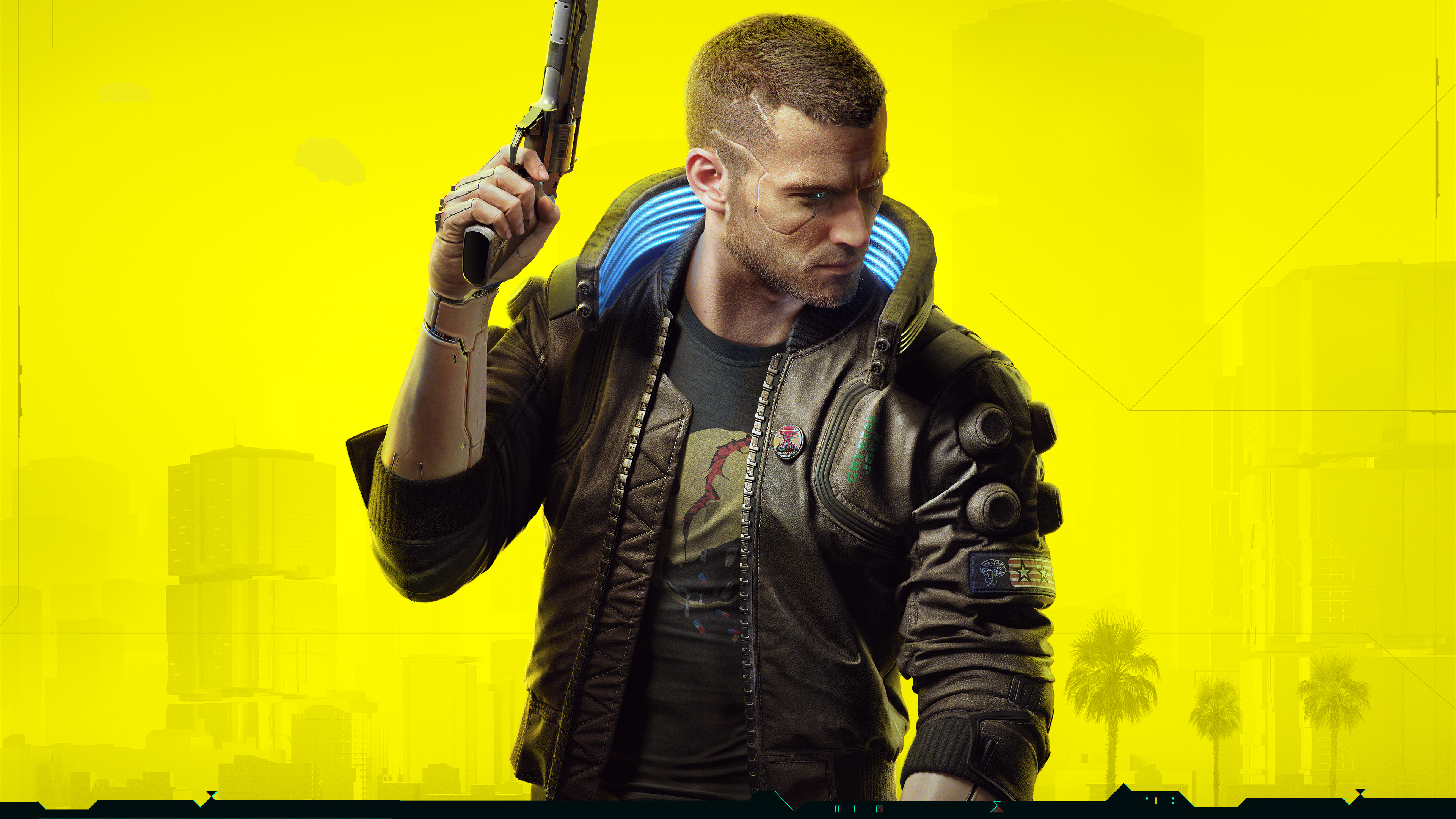
‘Cyberpunk 2077’ features a future where identity is fluid and rainbow flags are a common sight in the streets of Night City. The game includes several characters with diverse backgrounds and romantic paths for the player to explore. Despite its focus on a transhumanist future the game faced review bombing from users who objected to these themes. Many of the negative reviews focused on the representation of LGBTQ characters and symbols. The developers have continued to update the game to enhance both its performance and its narrative depth.
‘Celeste’ (2018)
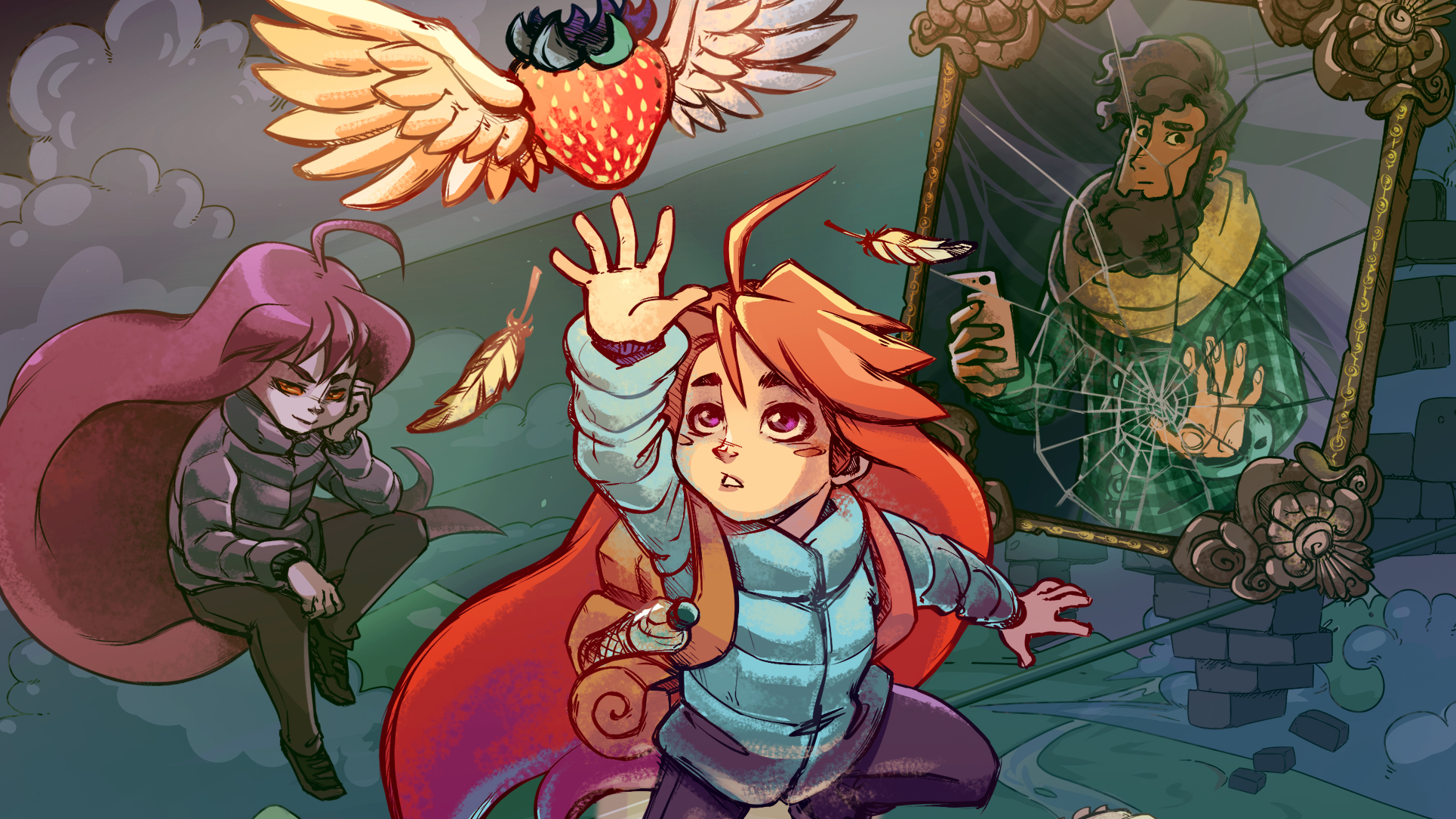
The critically acclaimed platformer ‘Celeste’ features a rainbow flag in a prominent scene and explores themes related to the identity of the protagonist. These elements were added by the developers to reflect personal experiences and support the LGBTQ community. Following these revelations the game was targeted by a wave of negative user reviews on various platforms. Critics often claimed that the inclusion of these themes was a modern addition that changed the tone of the game. ‘Celeste’ remains one of the most highly regarded indie games for its gameplay and emotional storytelling.
‘Mass Effect Legendary Edition’ (2021)
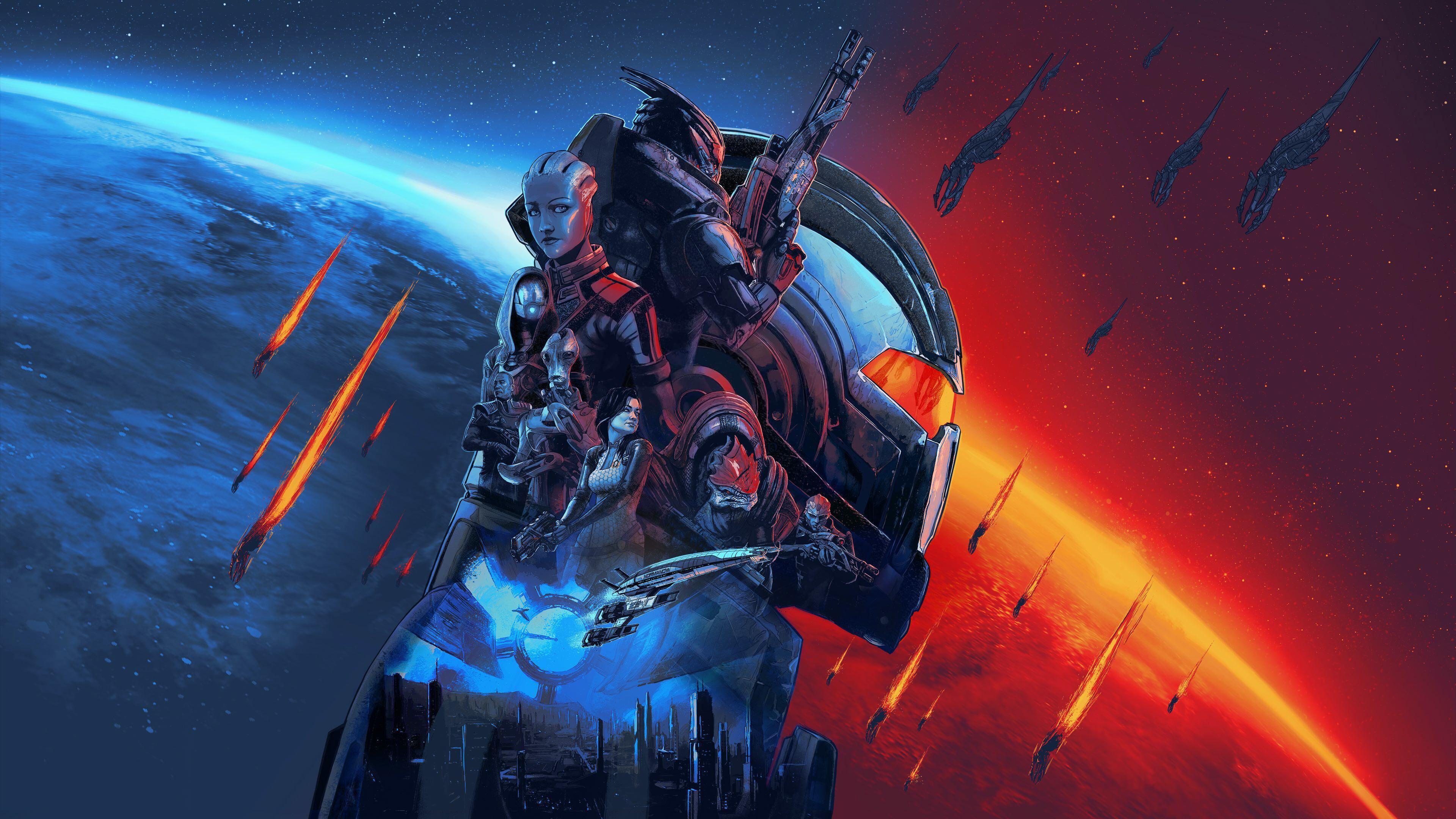
This remastered collection brought the classic trilogy to modern consoles with updated graphics and gameplay. It included the same sex romance options that were a hallmark of the original series and expanded some dialogue. Some players targeted the game with low ratings because of these inclusive relationship paths. The negative reviews often focused on the perceived political nature of the content within the remastered version. BioWare remained committed to providing a diverse experience for all fans of the legendary series.
‘Dragon Age: The Veilguard’ (2024)
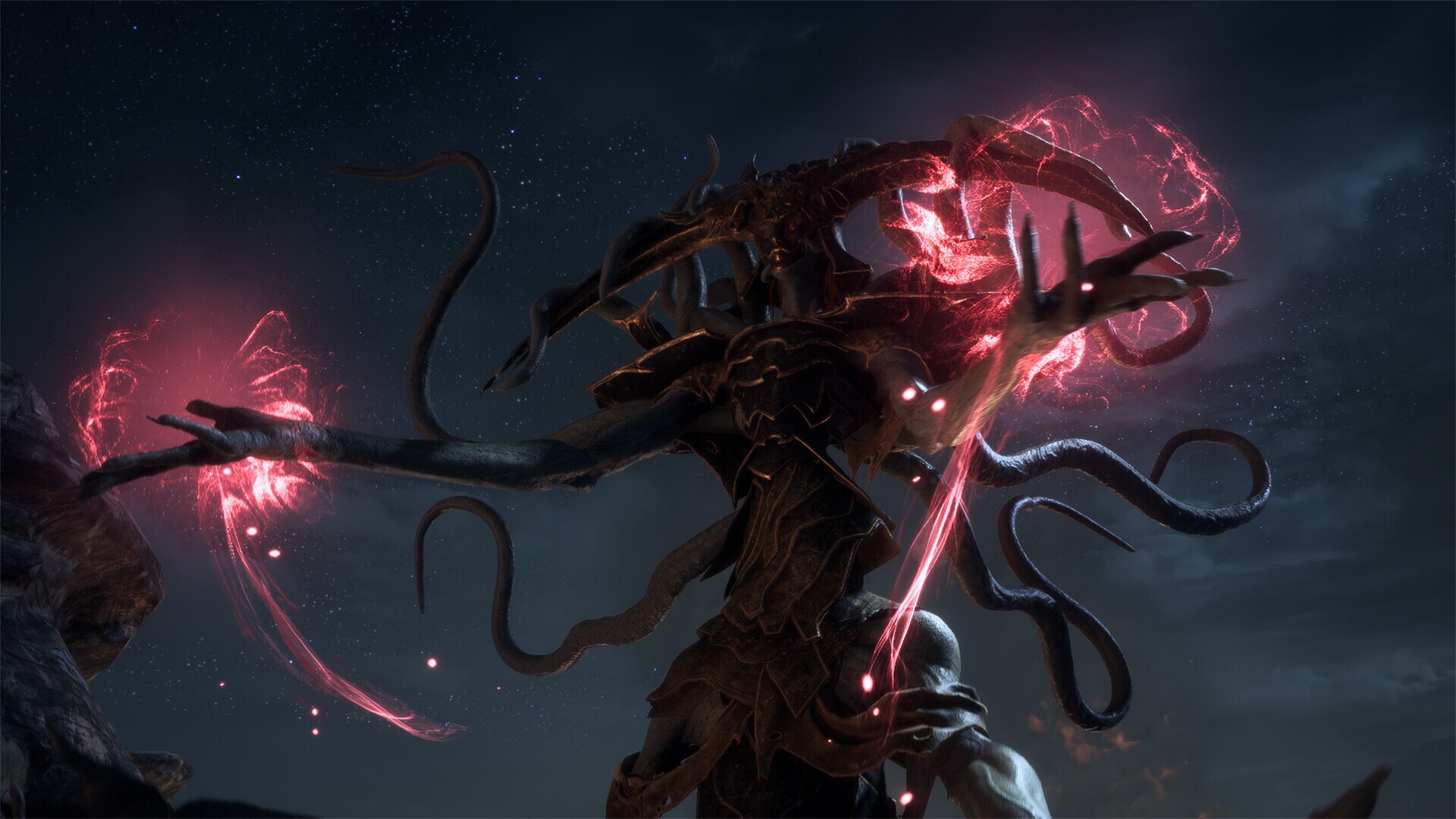
The latest entry in the ‘Dragon Age’ series features inclusive themes and characters that have been part of the franchise since its inception. Players can find various symbols of support for the LGBTQ community throughout the game world. Even before its full release the title faced a wave of negative feedback and low ratings on several platforms. Many of these comments targeted the focus on diversity and the inclusion of representative themes. The developers have maintained that inclusivity is a core value of the series and will continue to be a priority.
‘Tell Me Why’ (2020)

‘Tell Me Why’ is a narrative adventure game that features a transgender protagonist and includes various Pride symbols throughout the story. The game was praised for its authentic representation but also faced significant review bombing on digital storefronts. Many of the negative reviews were directed at the identity of the main character and the themes of the game. Despite the backlash the game won several awards for its storytelling and impact. Xbox Game Studios has continued to promote the title as an example of inclusive storytelling.
‘Assassin’s Creed Odyssey’ (2018)
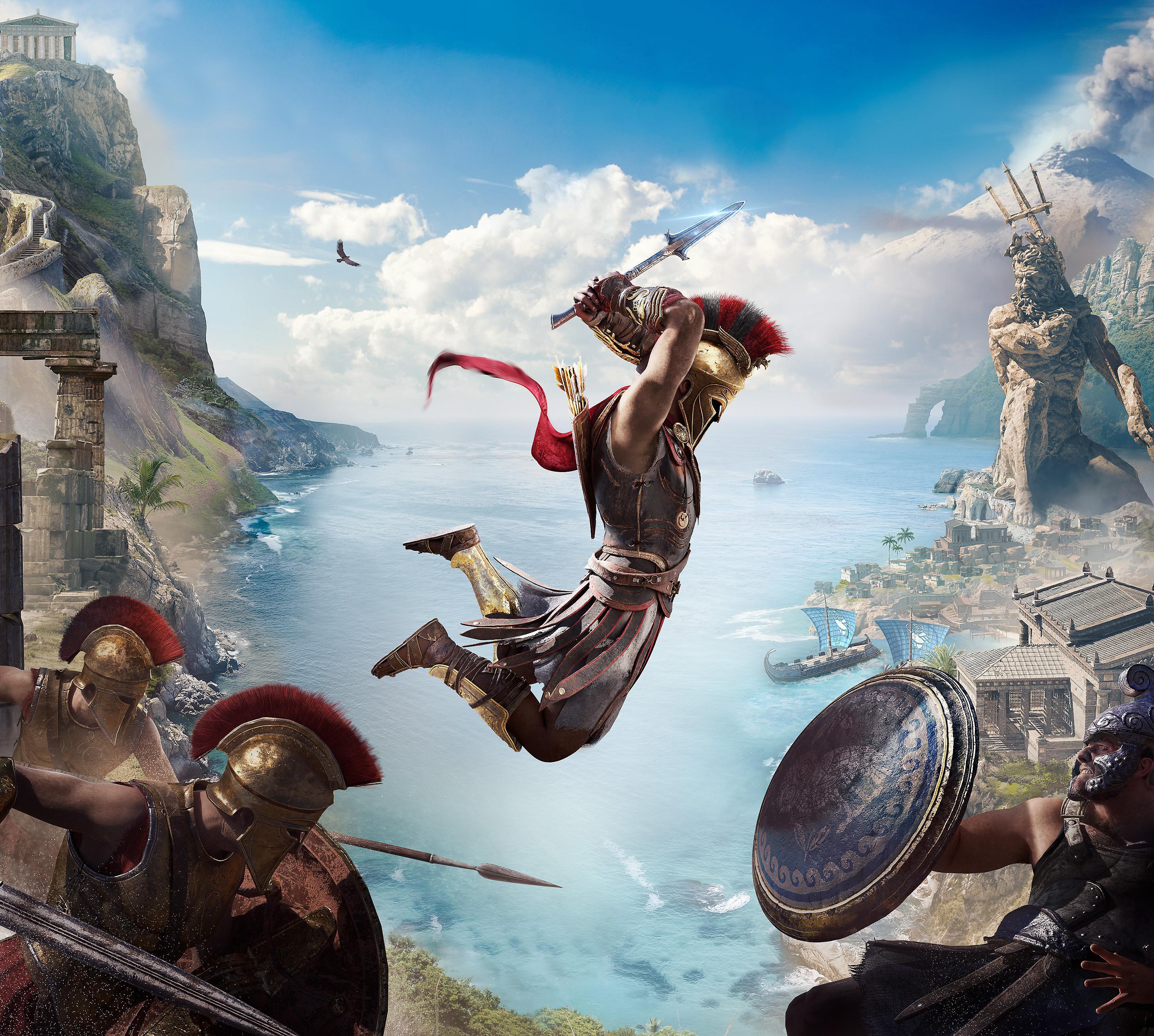
This entry in the long running franchise allowed players to choose between a male or female protagonist and pursue same sex romances. The game also featured various historical and fictional elements that supported diverse identities. Shortly after launch the game experienced a surge in negative user reviews regarding these choices. Some players argued that the inclusion of such options was historically inaccurate or unnecessary for the series. Ubisoft stood by the choice to give players more freedom in how they define their characters.
‘The Outer Worlds’ (2019)
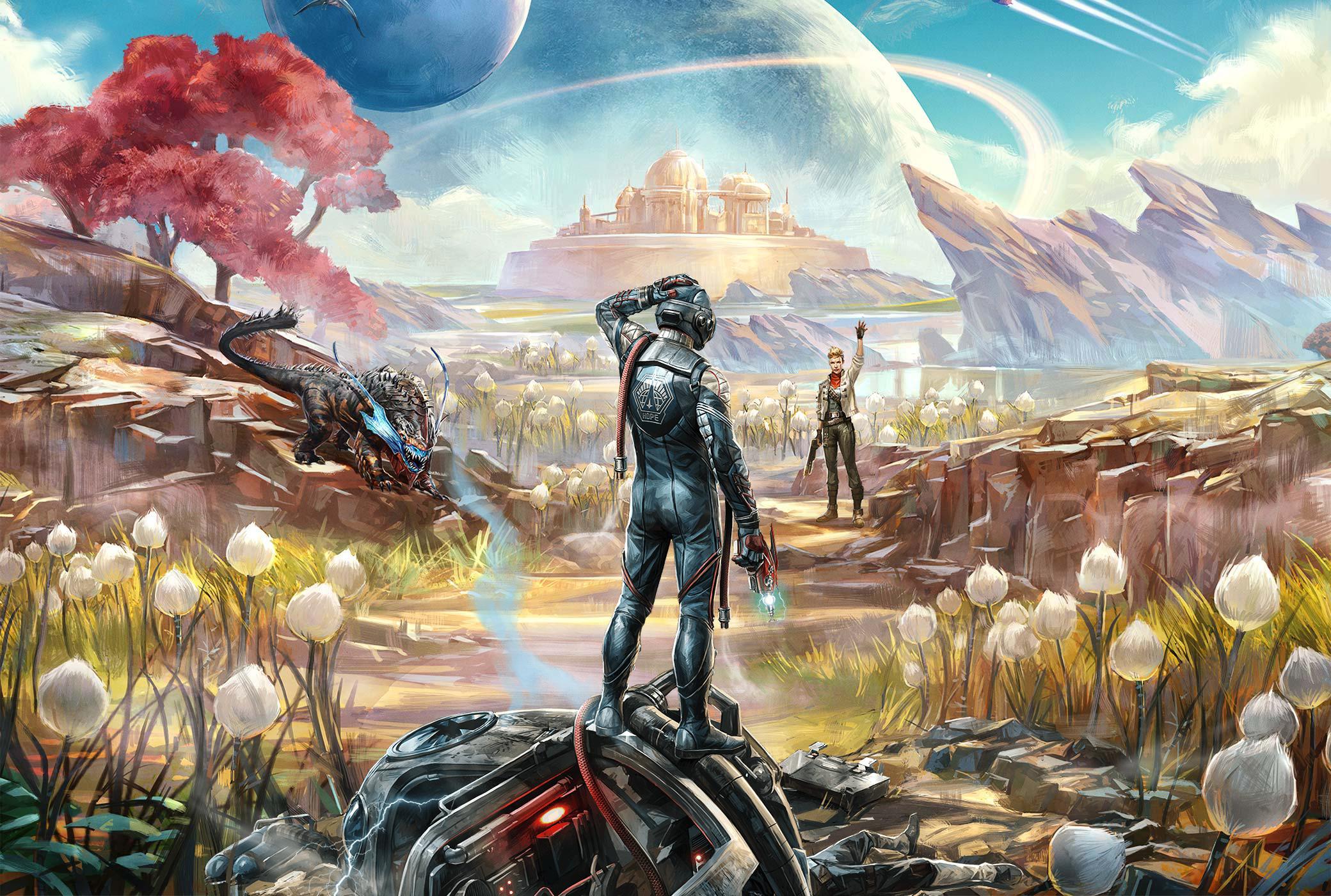
‘The Outer Worlds’ features a prominent companion quest that involves helping a character navigate their own LGBTQ identity. The game also includes various environmental details that reference a diverse range of social backgrounds. Following the release of the game some users posted low scores to express their disapproval of these inclusive elements. Many of these reviews focused on the specific character quest and the perceived agenda of the developers. The game was otherwise a critical and commercial success for Obsidian Entertainment.
‘Hades’ (2020)
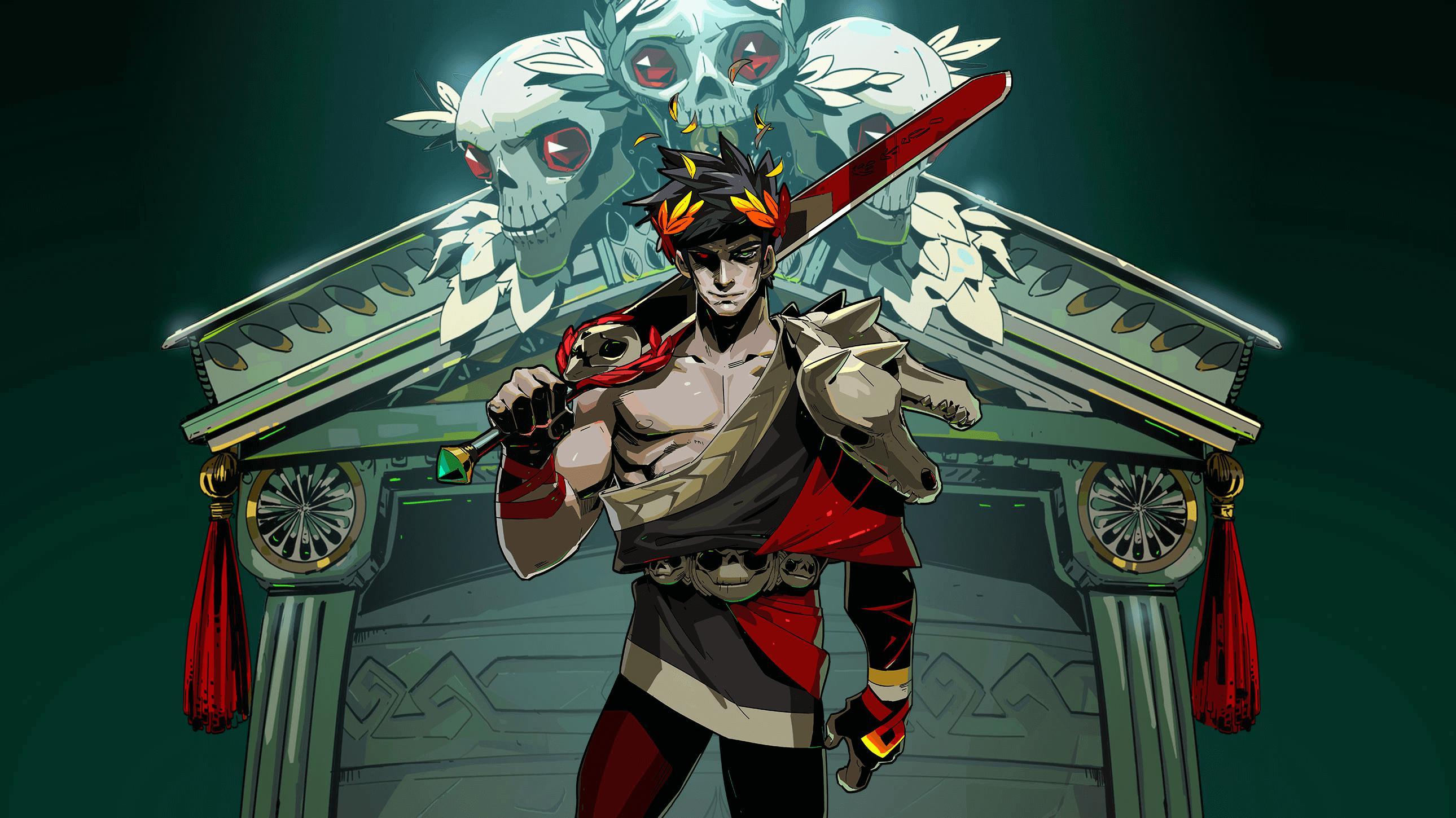
This popular rogue like game features various characters from Greek mythology with diverse identities and romantic interests. The story includes rainbow symbols and dialogue that reflects the inclusive nature of the ancient pantheon. While the game was a massive hit it also faced a period of review bombing from users who objected to these themes. Some reviews claimed that the developers were modernizing the myths in an inappropriate way. Supergiant Games received widespread praise for their writing and character development regardless of the criticism.
‘Fortnite’ (2017)
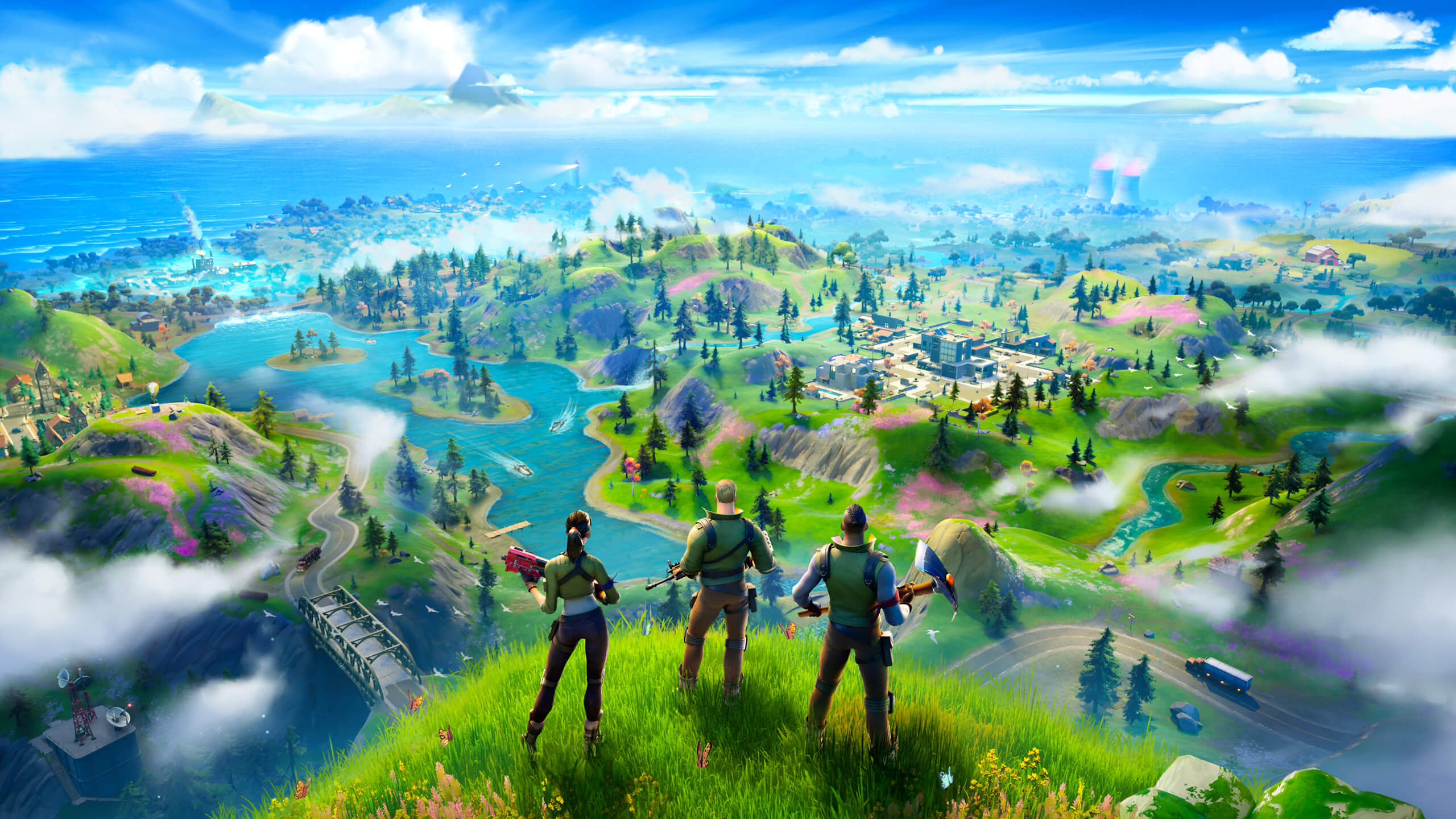
Epic Games launched the Rainbow Royale event in ‘Fortnite’ to celebrate the LGBTQ community with new items and map changes. This event included rainbow trails and flags that players could use during matches. After the event was announced the game saw an influx of negative comments and lower user scores on some platforms. Many of the critics argued that the game should not involve itself in social issues. Epic Games has continued to hold the event annually as part of their commitment to a global player base.
‘Psychonauts 2’ (2021)
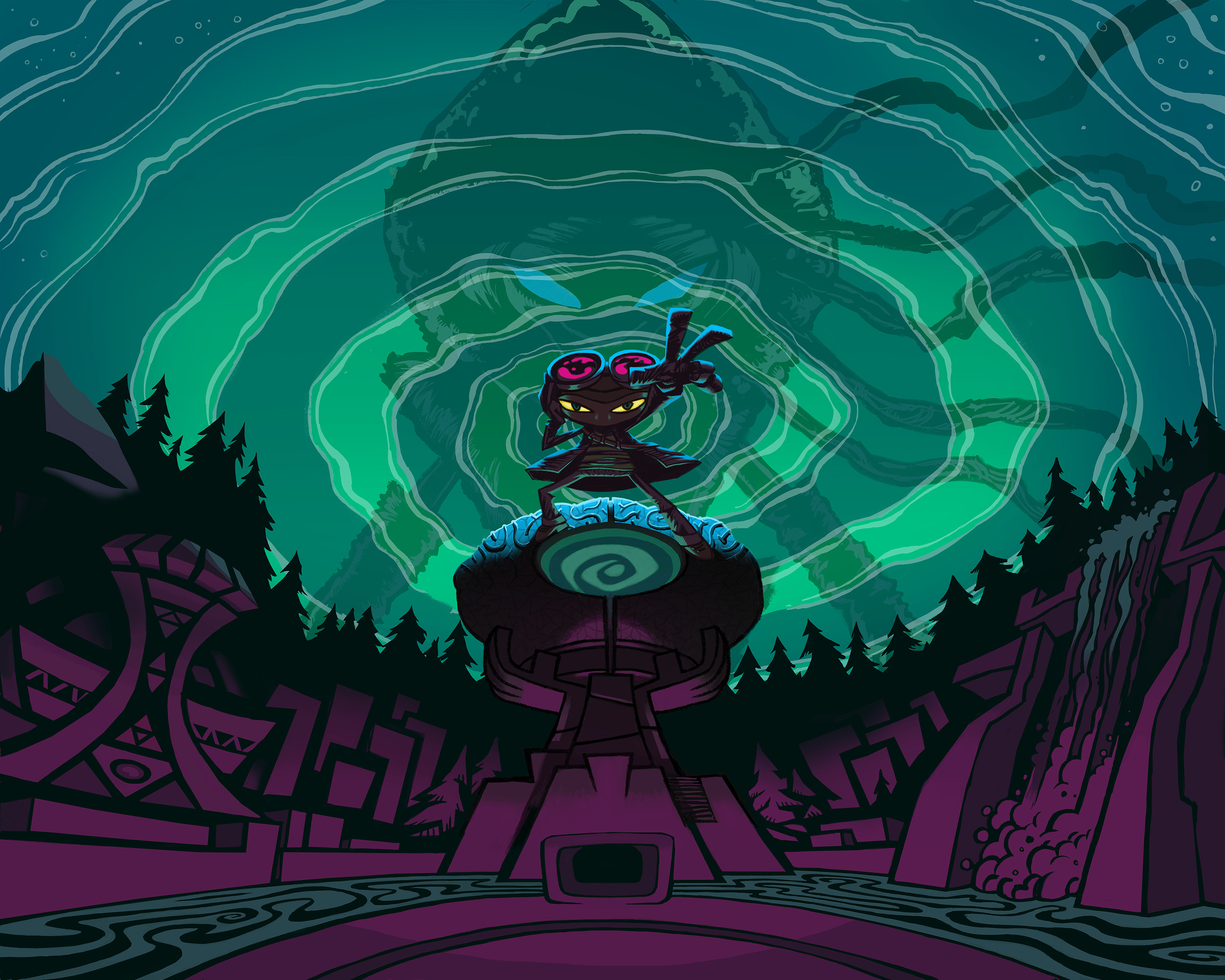
‘Psychonauts 2’ features inclusive themes and characters that reflect a wide range of human experiences and identities. The game includes subtle Pride symbols and dialogue that supports the LGBTQ community. Following its release the game was met with some negative feedback and low ratings from a segment of the audience. These reviews often focused on the inclusion of diverse themes within the whimsical world. The game was highly praised by critics for its creativity and emotional depth.
‘The Last of Us Part I’ (2022)
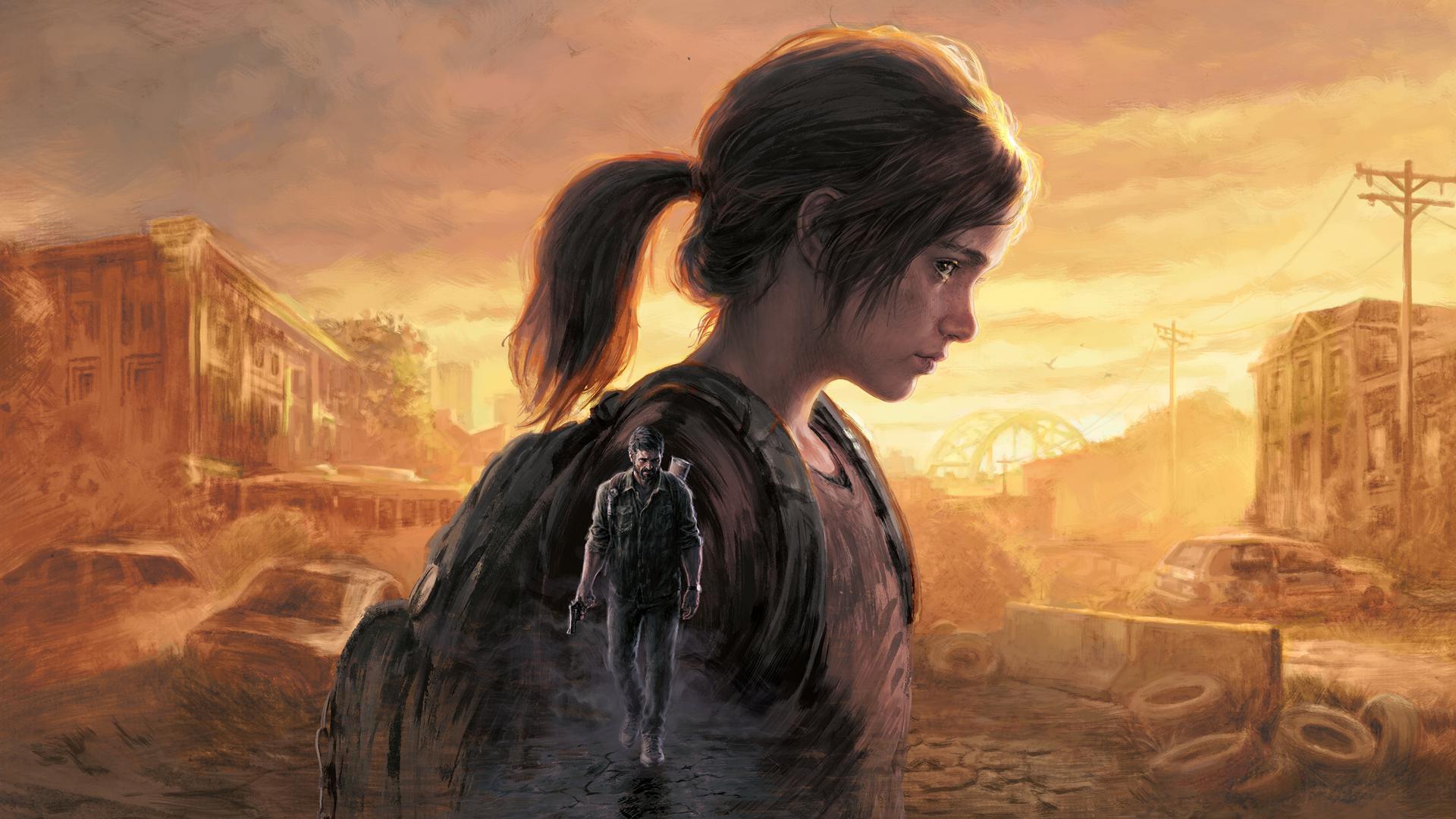
The remake of the original game included updated graphics that made environmental details like rainbow flags much more visible. These symbols were included to align the game with the established world building of the sequel. Some players responded by review bombing the remake and criticizing the addition of these details. The negative reviews often claimed that the flags were an unnecessary change to the original vision. Naughty Dog maintained that the updates were part of creating a cohesive world for the entire series.
‘Borderlands 3’ (2019)
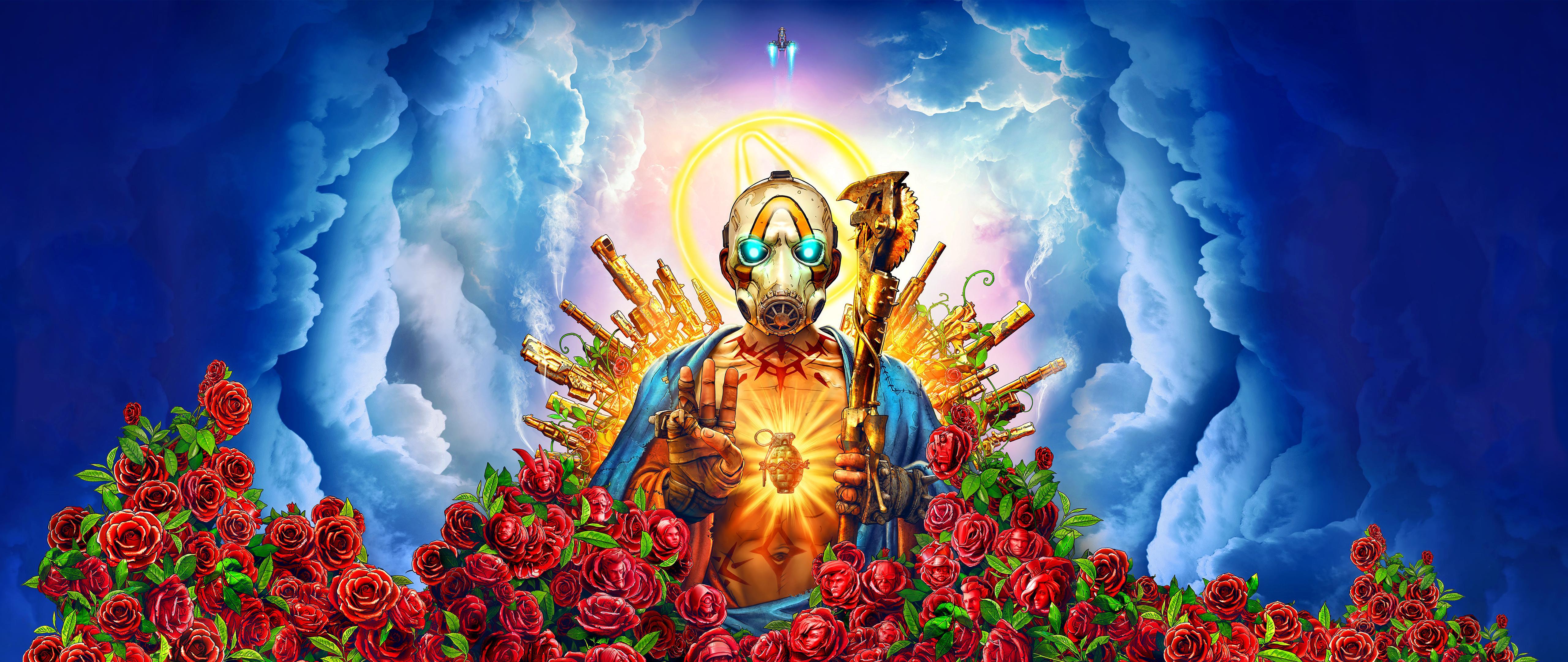
‘Borderlands 3’ features a variety of characters who identify as LGBTQ and includes numerous references to these identities in the dialogue. The game also features environmental posters and symbols that support a diverse population. Shortly after its launch the game faced a wave of negative user reviews on various platforms. Many of these comments targeted the inclusive nature of the characters and the humor associated with them. Gearbox Software has continued to embrace diversity in all aspects of the franchise.
‘Bugsnax’ (2020)
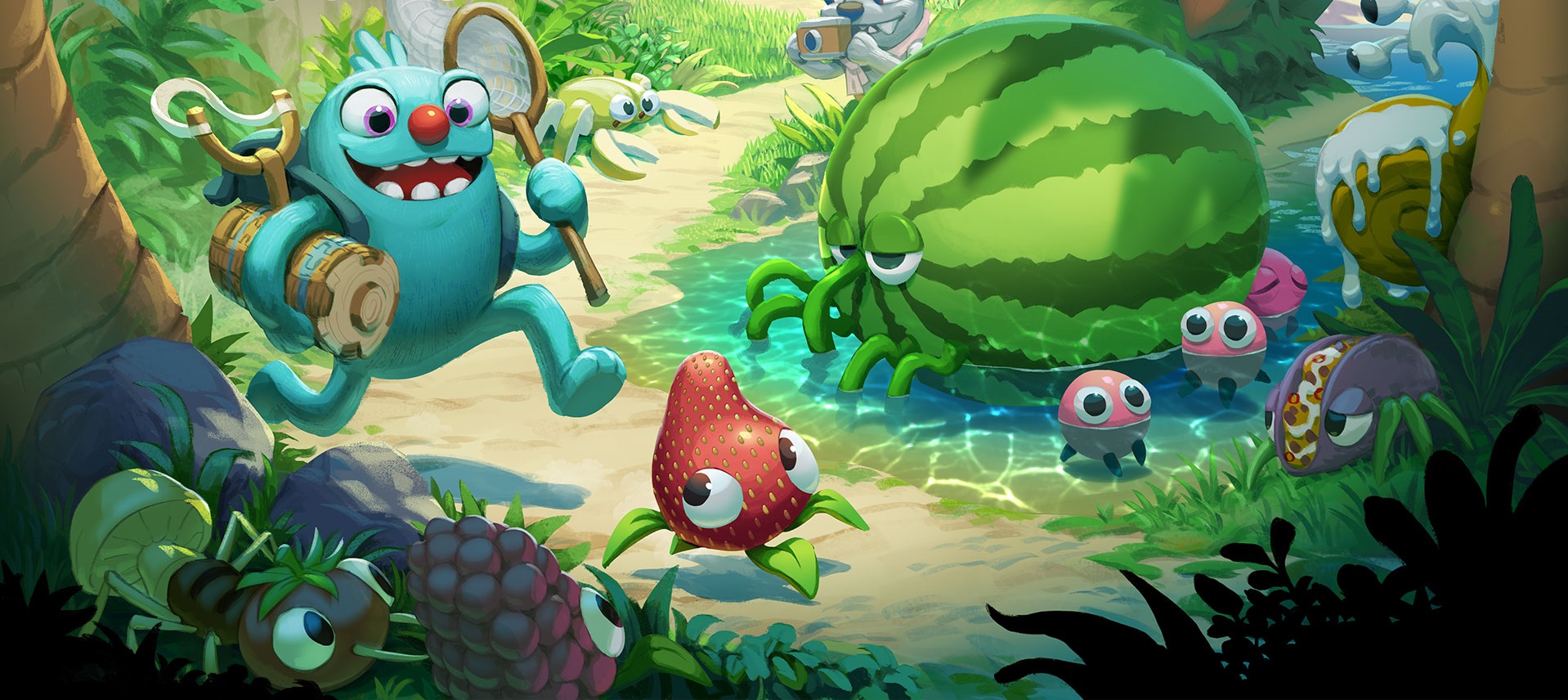
The whimsical game ‘Bugsnax’ features several prominent LGBTQ characters and explores their relationships throughout the story. The game also includes subtle visual cues and items that represent Pride. While the game was noted for its charm it also faced a series of low user ratings from certain groups. These reviews often expressed frustration with the inclusion of adult themes and diverse identities in a game with a colorful art style. The developers have been open about their desire to create an inclusive and welcoming experience.
‘Unpacking’ (2021)
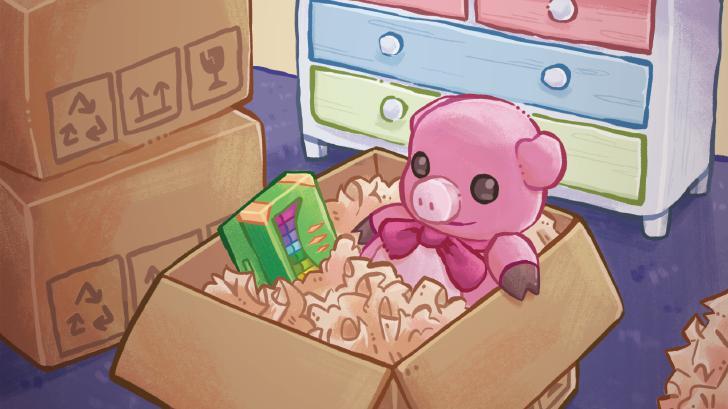
‘Unpacking’ is a zen puzzle game where players learn about a character’s life by organizing their belongings over several years. The game subtly reveals the character’s LGBTQ identity and includes Pride related items like a rainbow flag. Some users targeted the game with negative reviews after discovering these narrative elements. Critics of the game argued that the inclusion of these details was unnecessary for a simple puzzle experience. The game received multiple awards for its innovative storytelling and design.
‘Gone Home’ (2013)
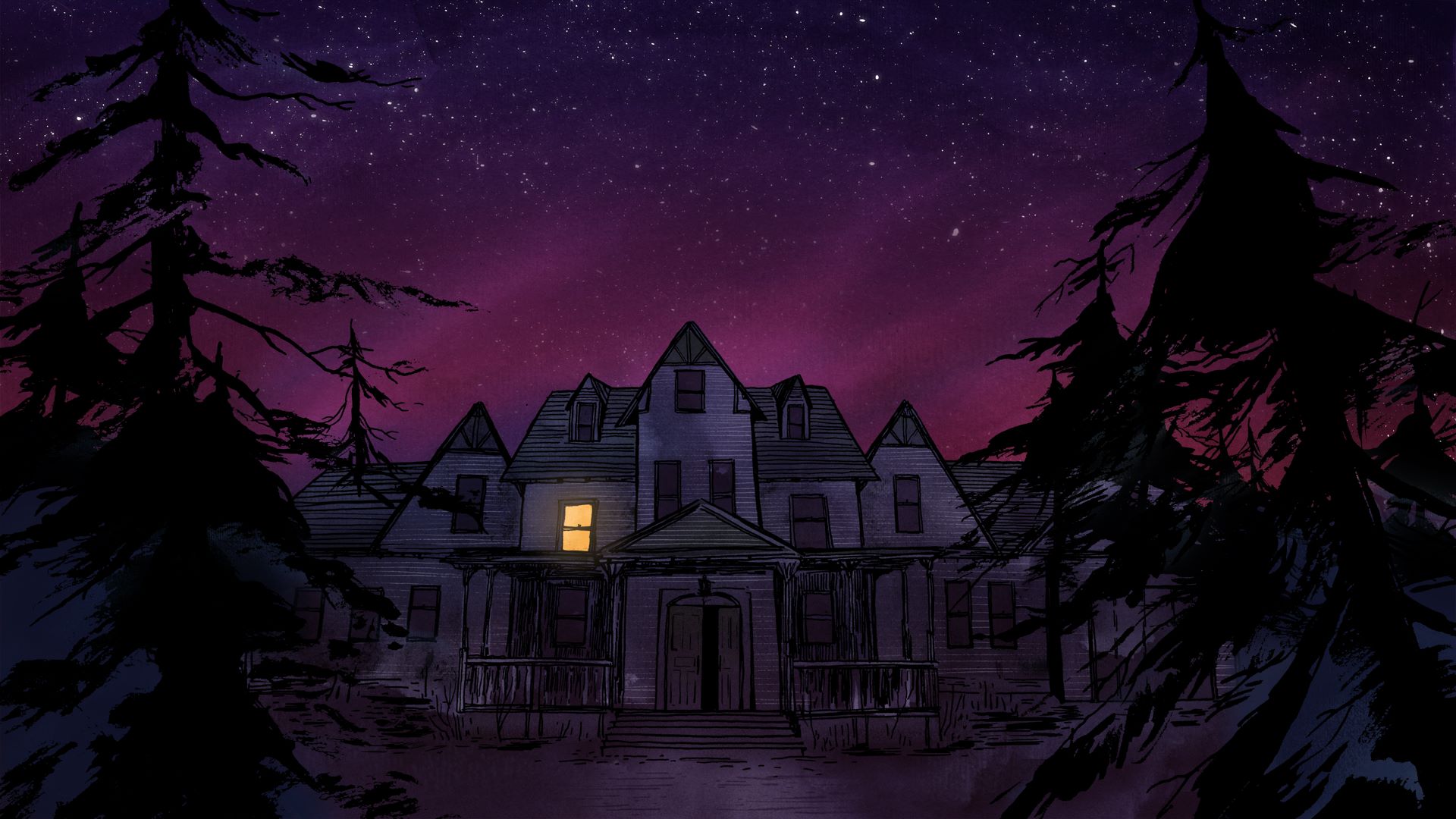
This narrative exploration game focuses on a story centered around an LGBTQ relationship and the challenges faced by the characters. The game world includes various letters and items that highlight these themes including rainbow symbols. ‘Gone Home’ was one of the earliest examples of a game facing significant backlash and review bombing for its focus on diversity. Many of the negative reviews claimed that the game was more of a social statement than a traditional video game. It remains a landmark title for representation in the indie game scene.
‘Stardew Valley’ (2016)
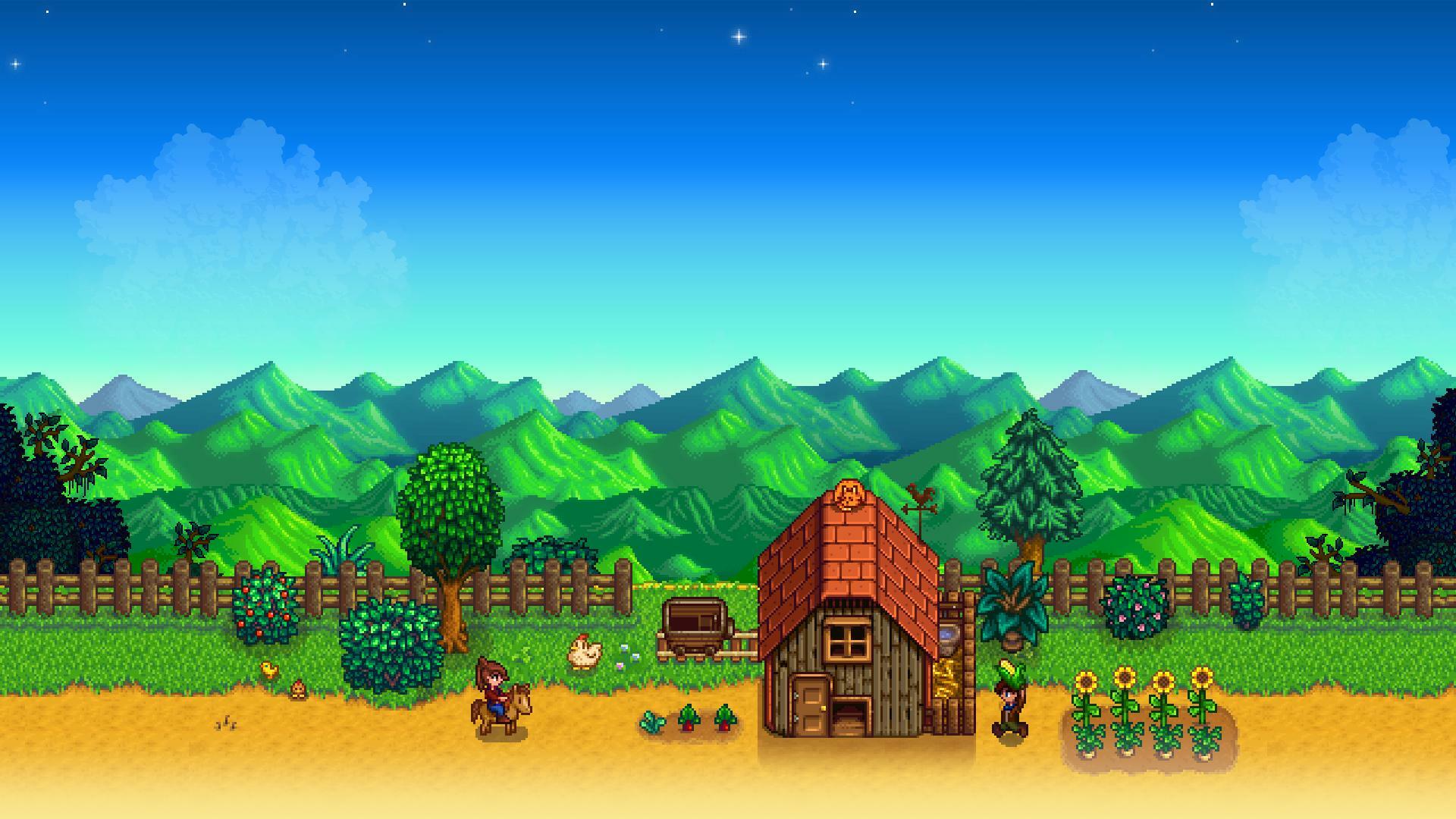
‘Stardew Valley’ allows players to pursue same sex marriage and features a community that is inclusive of various identities. The game includes seasonal events and items that can be interpreted as symbols of support for the LGBTQ community. While the game is widely beloved it has faced periods of negative feedback from users who object to these features. Some reviews suggested that the inclusion of same sex relationships was out of place in a farming simulator. The developer has continued to update the game to be more inclusive over the years.
‘The Sims FreePlay’ (2011)
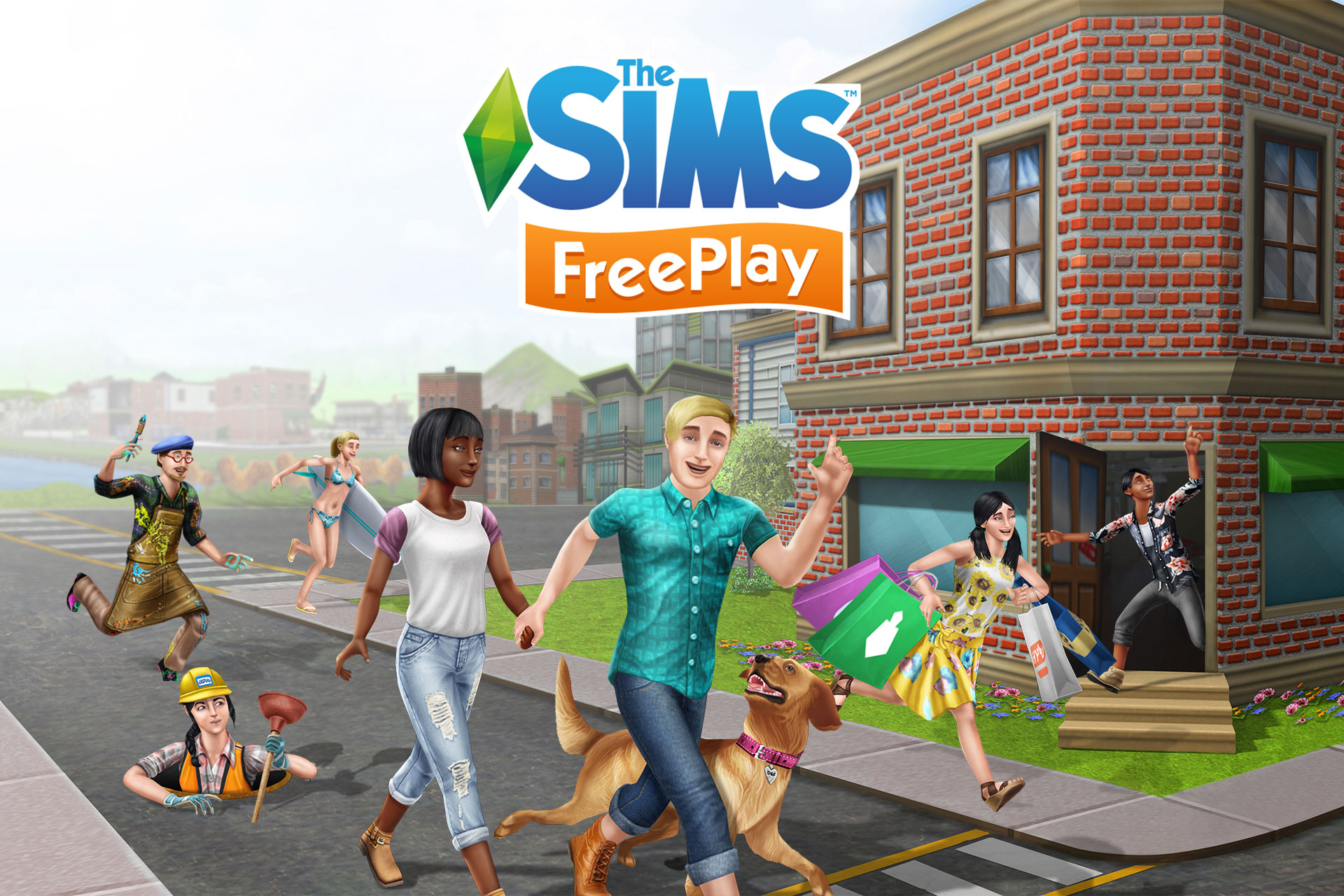
The mobile version of ‘The Sims’ regularly includes Pride themed updates that add rainbow clothing and home decorations. These updates are intended to provide the same level of inclusivity as the main series. Following these updates the game often sees a spike in negative reviews on mobile app stores. Many of the low ratings come from users who disagree with the presence of Pride symbols in the game. Electronic Arts continues to provide these updates to ensure their mobile players feel represented.
Share your thoughts on these game updates in the comments.