

Games That Added Trans Options and Saw Immediate Player Backlash

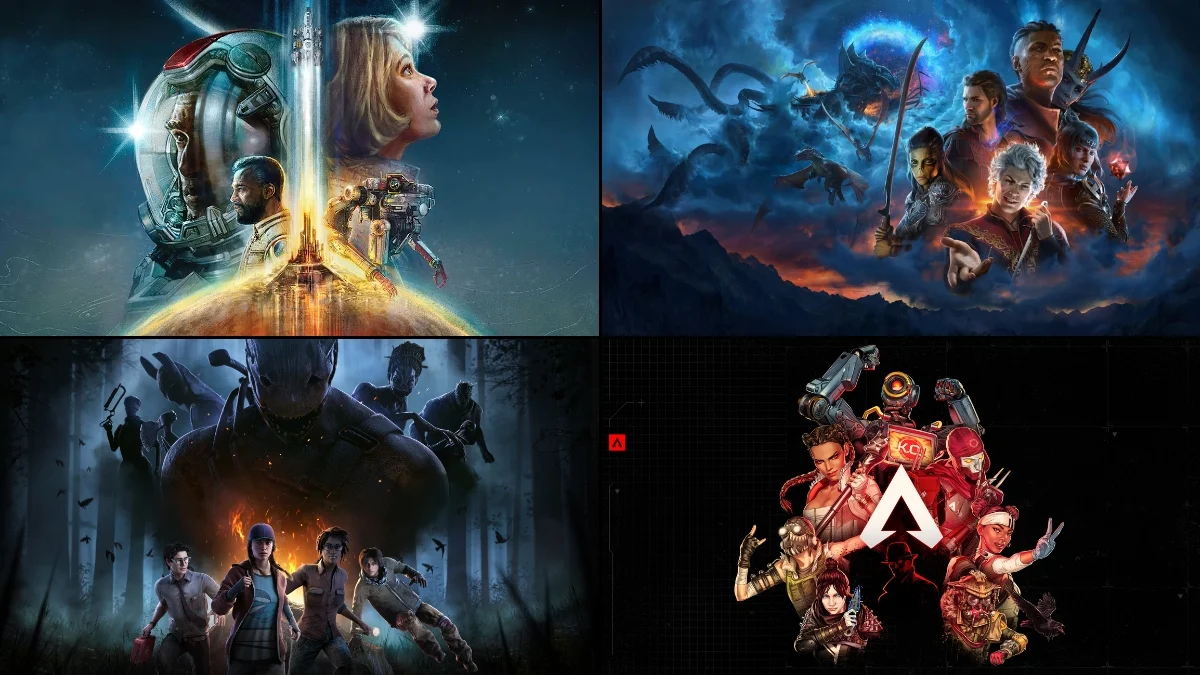


The gaming industry has increasingly prioritized diversity and inclusion in recent years by introducing transgender characters and gender identity options. While many players welcome these changes as a step toward better representation some updates have triggered significant backlash within the gaming community. Developers and publishers often find themselves at the center of heated debates regarding the role of social themes in entertainment. These 15 games highlight the complex relationship between inclusive design and the diverse reactions of global audiences.
‘Hogwarts Legacy’ (2023)

Warner Bros. Games and Avalanche Software introduced a transgender character named Sirona Ryan to the Wizarding World. This addition sparked significant debate among certain segments of the community who criticized the character’s name and inclusion as a forced political statement. The developers aimed to provide representation within ‘Hogwarts Legacy’ despite the ongoing controversies surrounding the franchise creator. Some players responded by attempting to boycott the title or leaving negative reviews on various distribution platforms. The game ultimately achieved high sales figures despite the vocal online friction regarding its social content.
‘Starfield’ (2023)
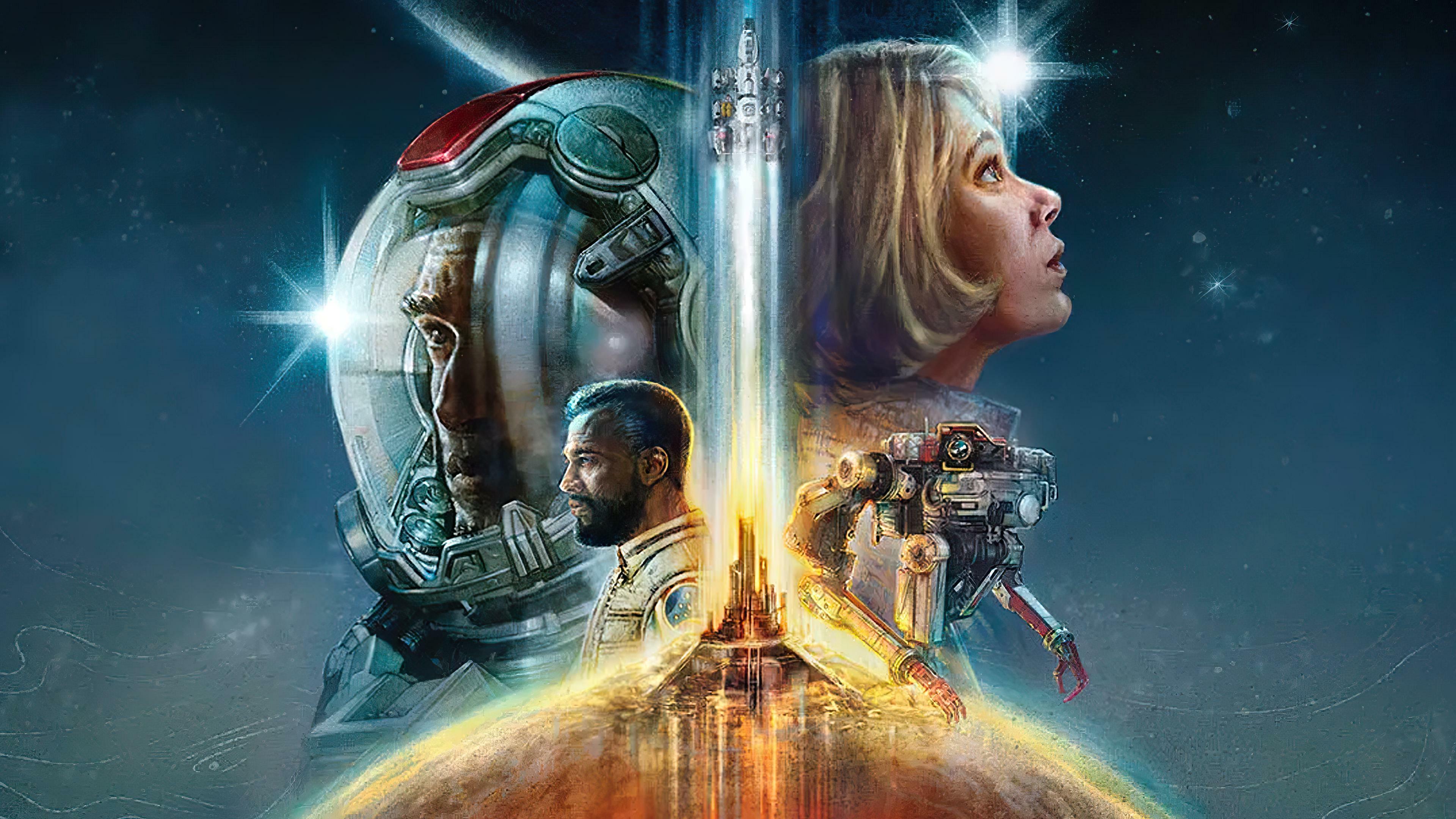
Bethesda Softworks included a pronoun selection tool during the character creation process to allow for more inclusive roleplay options. This feature led to a wave of backlash from a subset of players who argued that the inclusion of such social mechanics broke the immersion of the space exploration setting. Many critics shared videos expressing frustration over the presence of these identity markers within the futuristic universe of ‘Starfield’. The development team defended the choice as a standard part of modern RPG customization designed to accommodate all players. The controversy became a major talking point on social media and gaming forums during the month of the launch.
‘The Sims 4’ (2014)
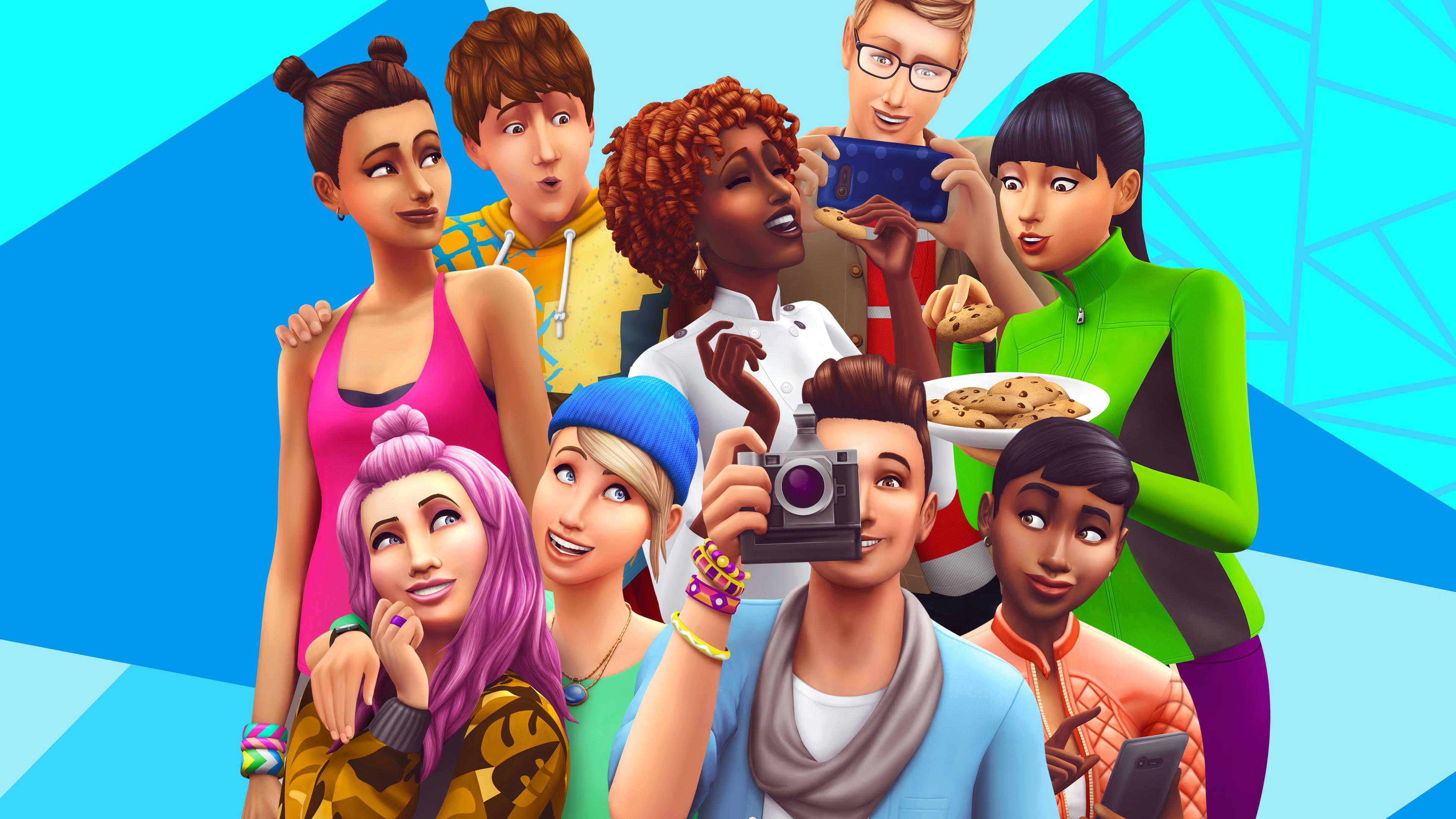
Maxis and Electronic Arts released a major update that added medical wearables such as binders and top surgery scars to the character creator. This expansion of gender expression options in ‘The Sims 4’ was met with praise from advocacy groups but faced immediate resistance from some player bases. Online petitions and social media threads emerged where users called the additions inappropriate for a general audience simulation game. The developers maintained that their goal was to reflect the diversity of their actual player base more accurately. This update continued a long history of the franchise evolving its approach to gender and identity representation.
‘The Last of Us Part II’ (2020)
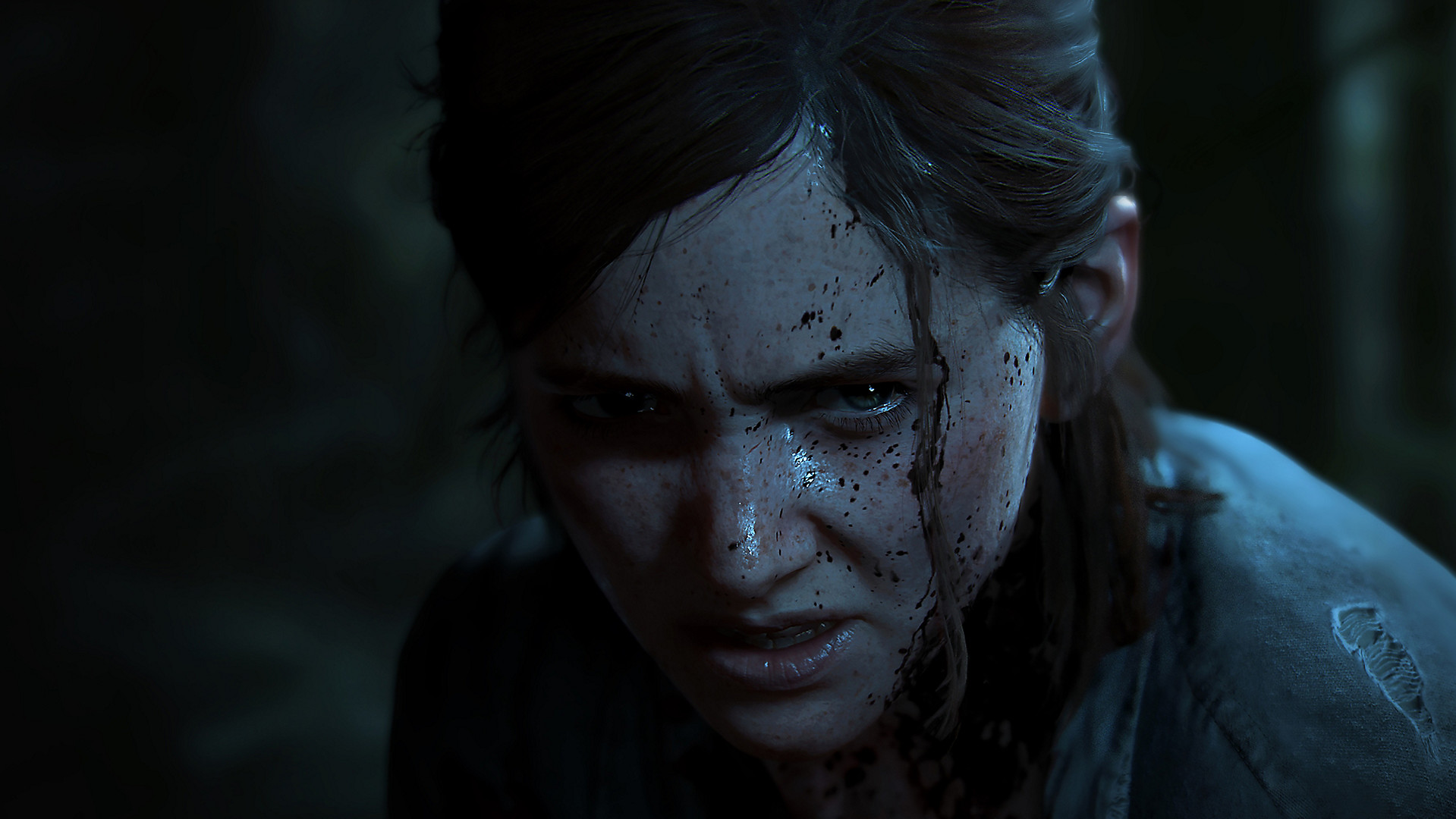
Naughty Dog and Sony Interactive Entertainment featured a transgender character named Lev who fled a religious cult that did not accept his identity. The character’s story arc became a focal point for intense online backlash and review bombing before the game even launched. Many detractors claimed that the narrative focused too heavily on social issues rather than the core survival themes of the sequel. Despite the vocal criticism of the character’s inclusion the game received numerous awards for its storytelling and performances. The creative team stood by the representation as a necessary component of the gritty and diverse world they built.
‘Cyberpunk 2077’ (2020)
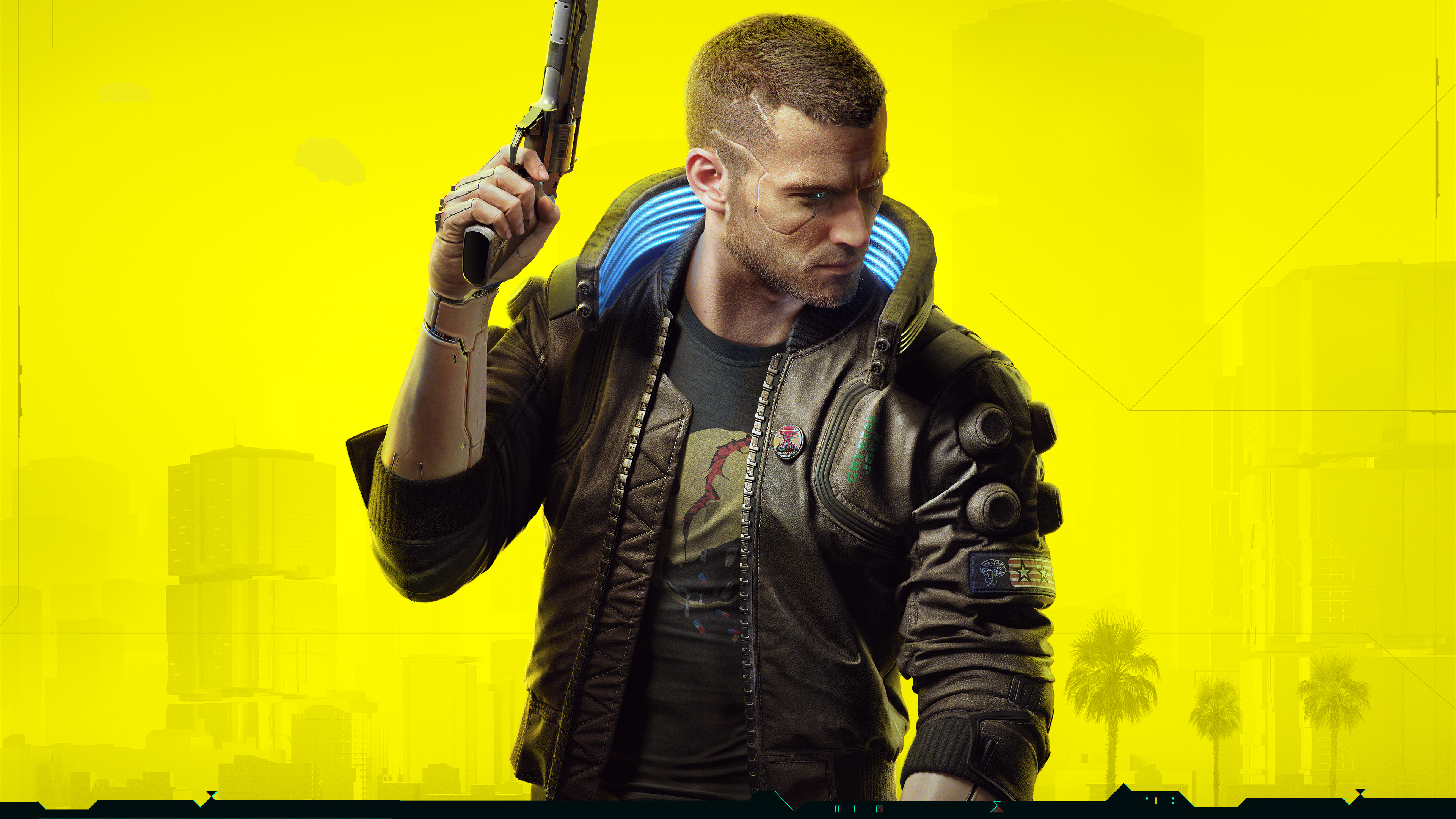
CD Projekt Red implemented a character creator that decoupled voice from body type and included various gender nonconforming options. While the developers marketed ‘Cyberpunk 2077’ as a game about personal freedom and modification the inclusion of these options led to mixed reactions. Some players criticized the execution as being superficial while others viewed any inclusion of trans identity as an unnecessary political addition. The controversy was further fueled by in game advertisements that some felt misrepresented transgender individuals. This debate overshadowed some of the technical discussions regarding the game’s initial performance and stability.
‘Dragon Age: The Veilguard’ (2024)
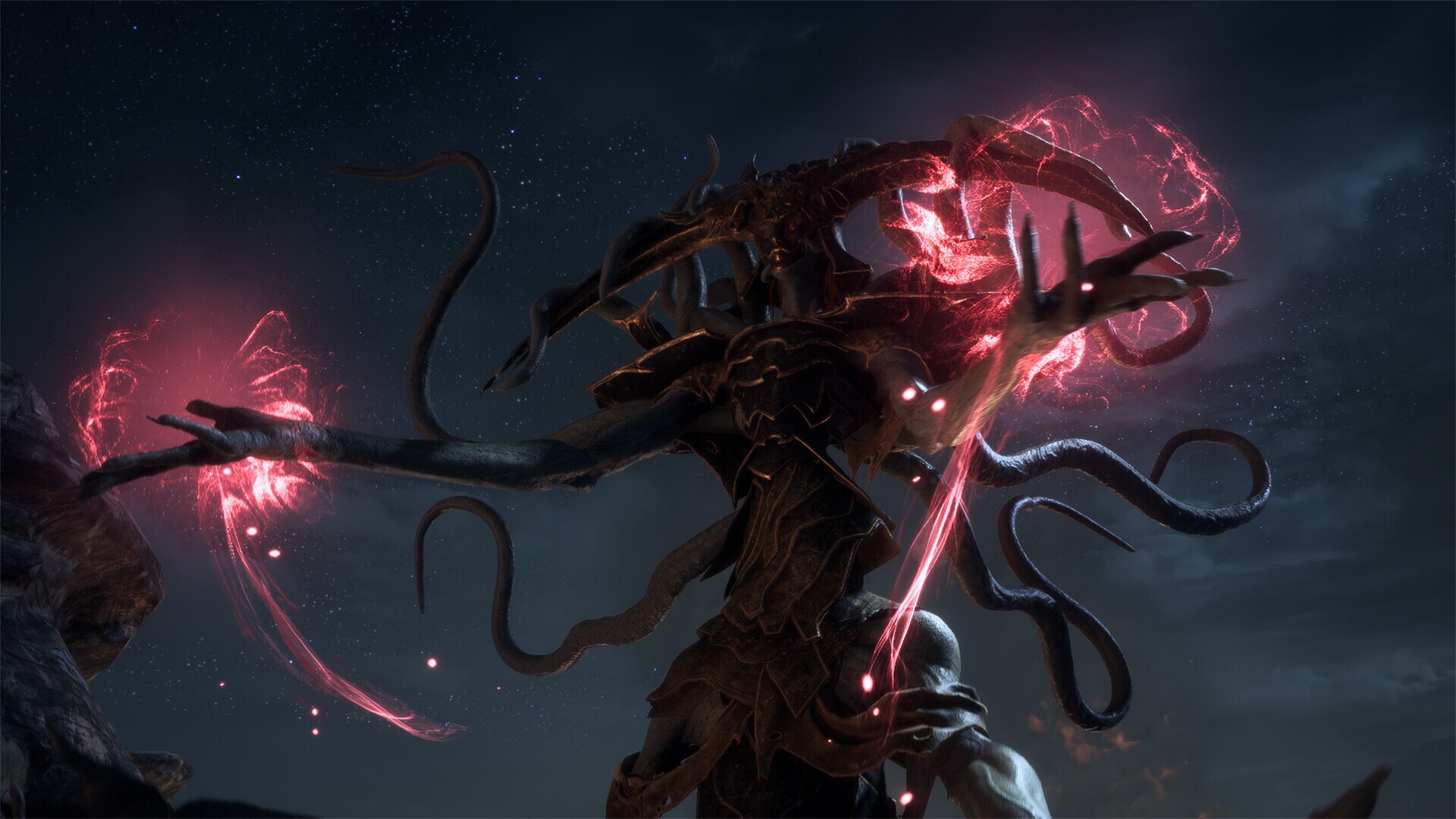
BioWare and Electronic Arts allowed players to select their gender identity and pronouns during the initial setup of the protagonist. This feature prompted a swift response from certain online communities who accused the developers of prioritizing social agendas over traditional fantasy storytelling. Critics of ‘Dragon Age: The Veilguard’ used social media platforms to organize campaigns against the game’s inclusive design choices. The development team responded by stating that the franchise has always been about diverse perspectives and personal identity. The discourse around these features became a central part of the game’s reception during its launch window.
‘Overwatch 2’ (2022)
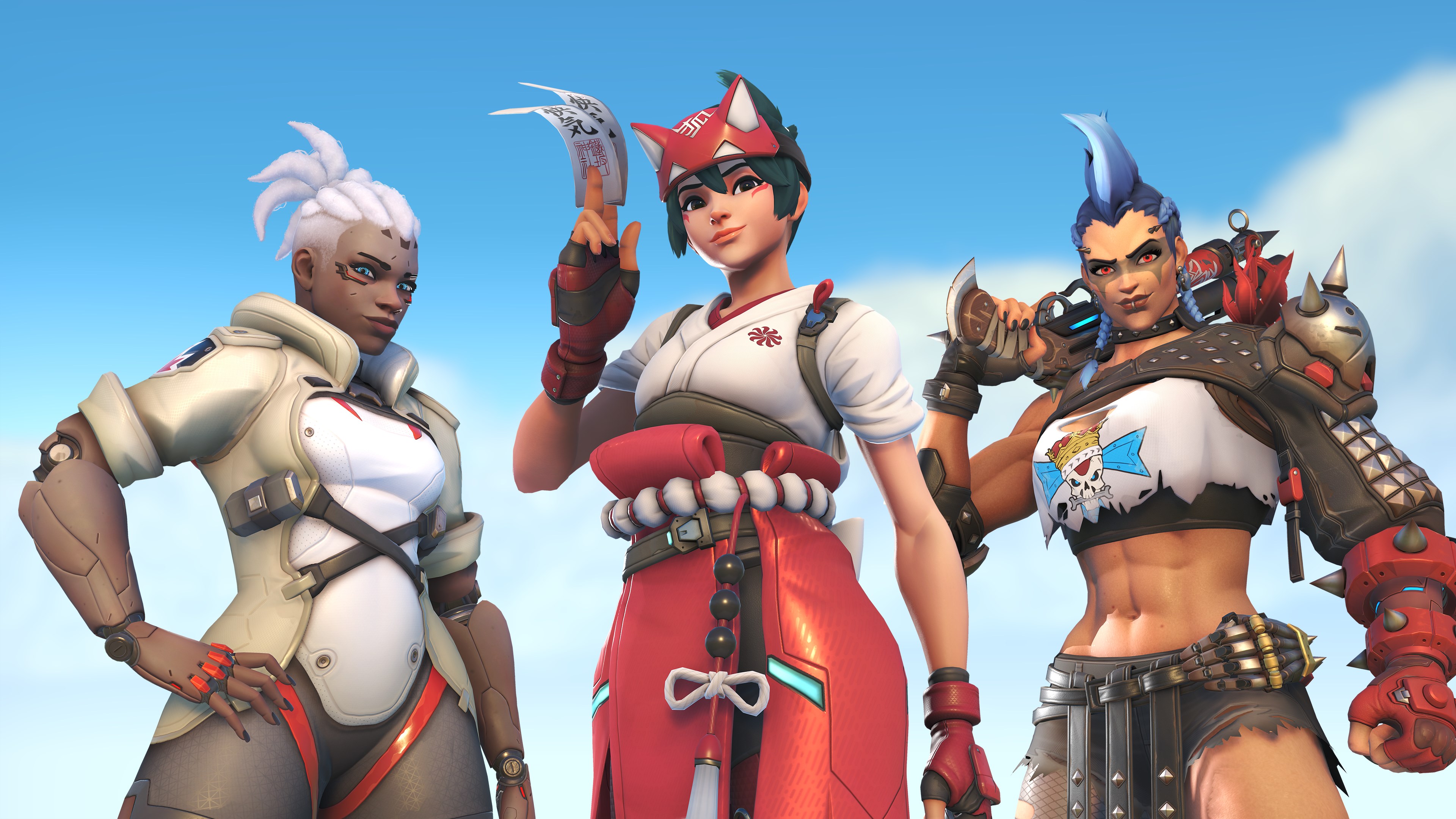
Blizzard Entertainment introduced a nonbinary hero named Venture who utilizes a drill based kit for combat. The reveal of this character led to a divide in the ‘Overwatch 2’ community with some players expressing frustration over the focus on gender identity. Negative comments appeared across official forums and social media channels where users questioned the necessity of the character’s specific identity. Blizzard continued to support the character by emphasizing the importance of a diverse roster of heroes from different backgrounds. The addition of Venture marked a significant step in the ongoing evolution of the game’s lore and representation.
‘Apex Legends’ (2019)
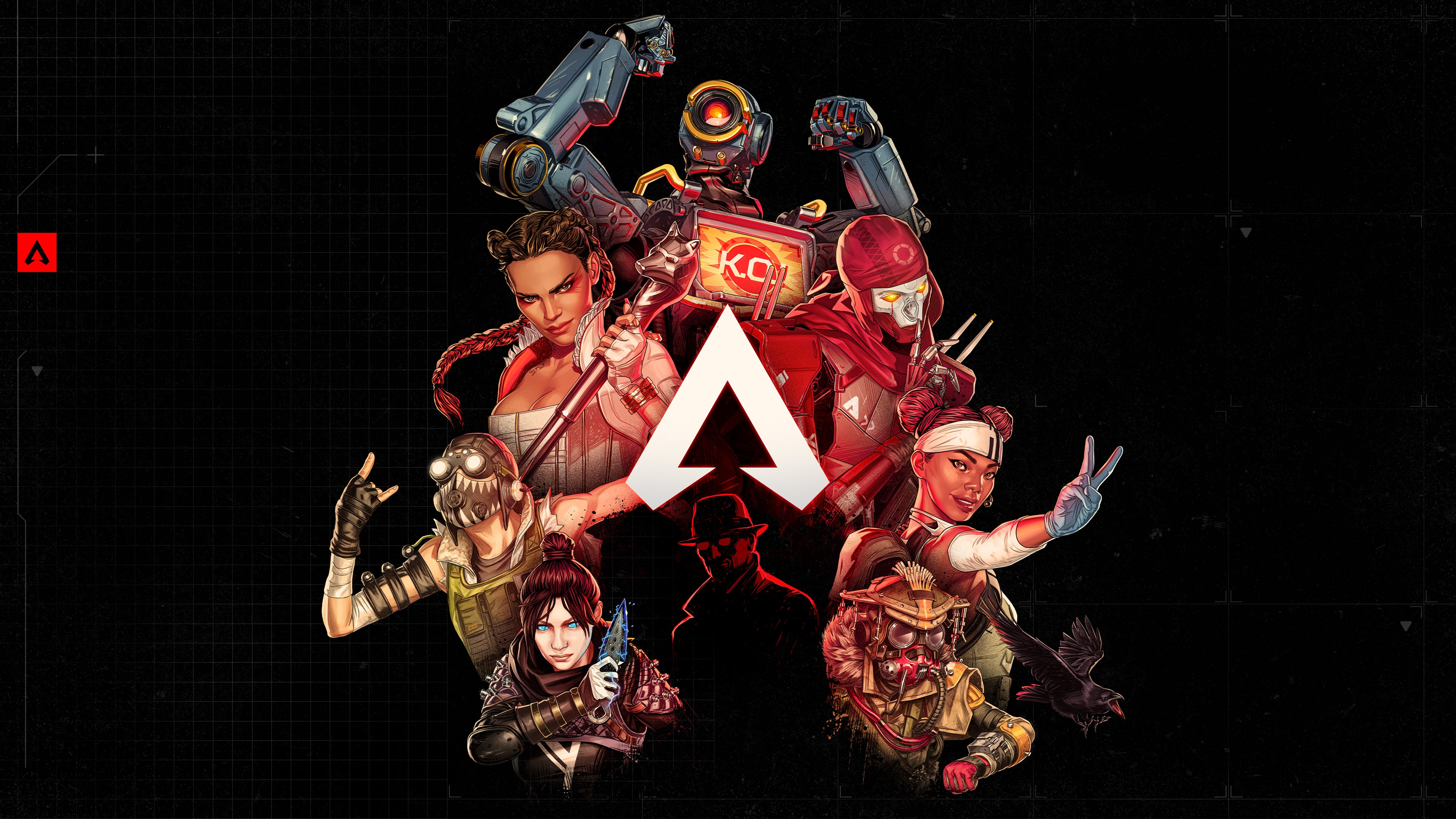
Respawn Entertainment and Electronic Arts added a transgender woman named Catalyst to the playable roster during the fifteenth season. The character’s background and identity were integrated into her lore which triggered a wave of negative feedback from some players on social media. These critics argued that the game was becoming too focused on representation rather than gameplay mechanics and balance. Despite the backlash ‘Apex Legends’ saw a continued increase in its player count as Catalyst became a popular choice for her unique terraforming abilities. The developers reiterated their commitment to making the Outlands a place where everyone can see themselves reflected.
‘Baldur’s Gate: Siege of Dragonspear’ (2016)

Beamdog released this expansion for the classic RPG and included a transgender cleric named Mizhena. The character’s presence and her brief dialogue about her transition sparked an early and intense example of coordinated online backlash in gaming. Players flooded review sites with negative scores and complained that the writing was forced or out of place in the universe of ‘Baldur’s Gate’. The developers eventually edited some of the dialogue in response to the pressure while maintaining the character’s presence in the game. This incident is often cited as a turning point in the conversation regarding representation in fantasy games.
‘Dead by Daylight’ (2016)
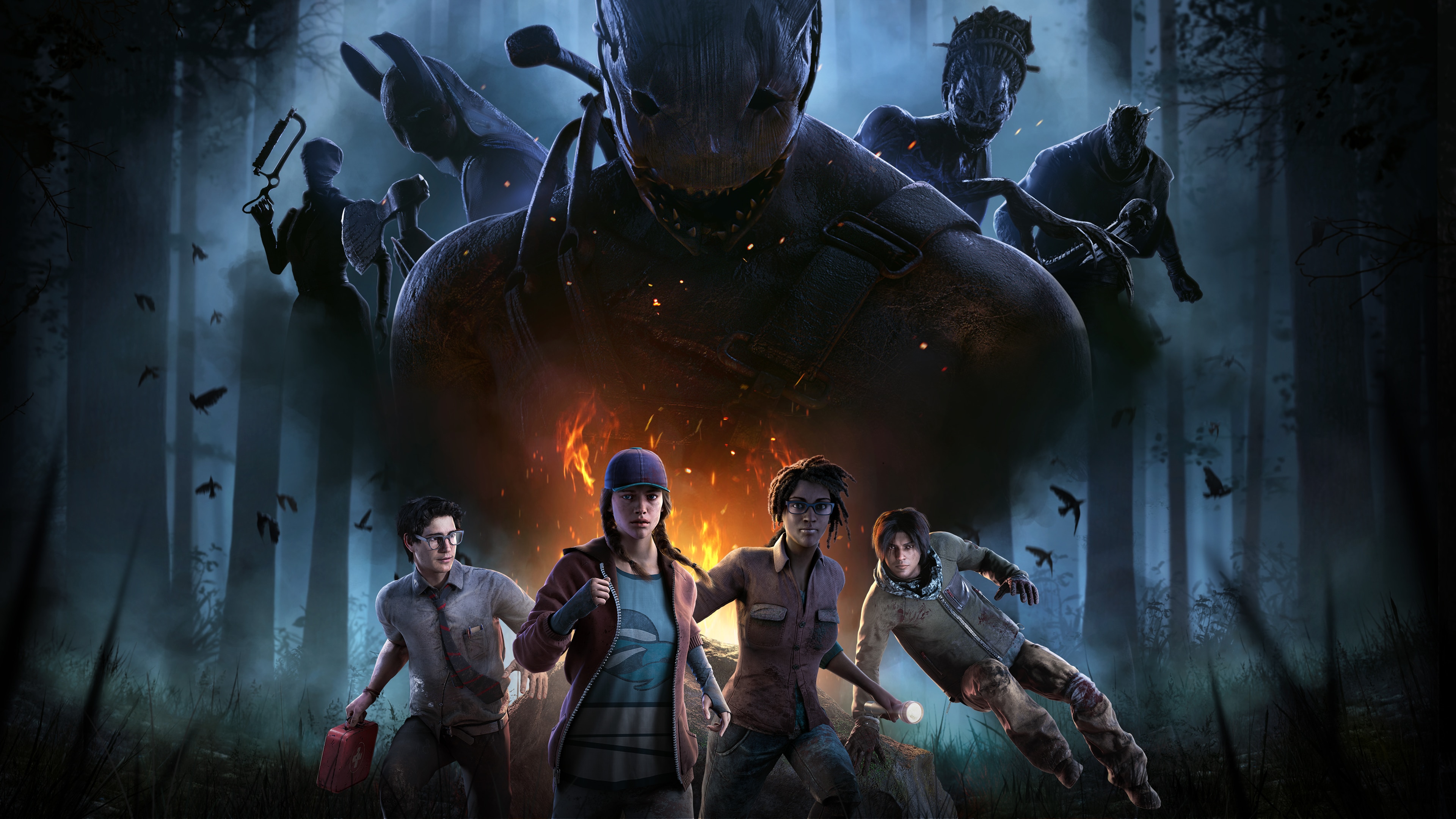
Behaviour Interactive introduced various pride themed charms and lore updates that confirmed the identities of certain characters. These additions to ‘Dead by Daylight’ were met with a surge of negative comments and harassment on community platforms. Some players felt that these social statements had no place in a horror themed survival game. The developers took a firm stance by implementing stricter moderation tools and continuing to release inclusive content for their audience. This ongoing commitment has made the game a prominent example of how developers handle long term community feedback on social topics.
‘Spider-Man 2’ (2023)
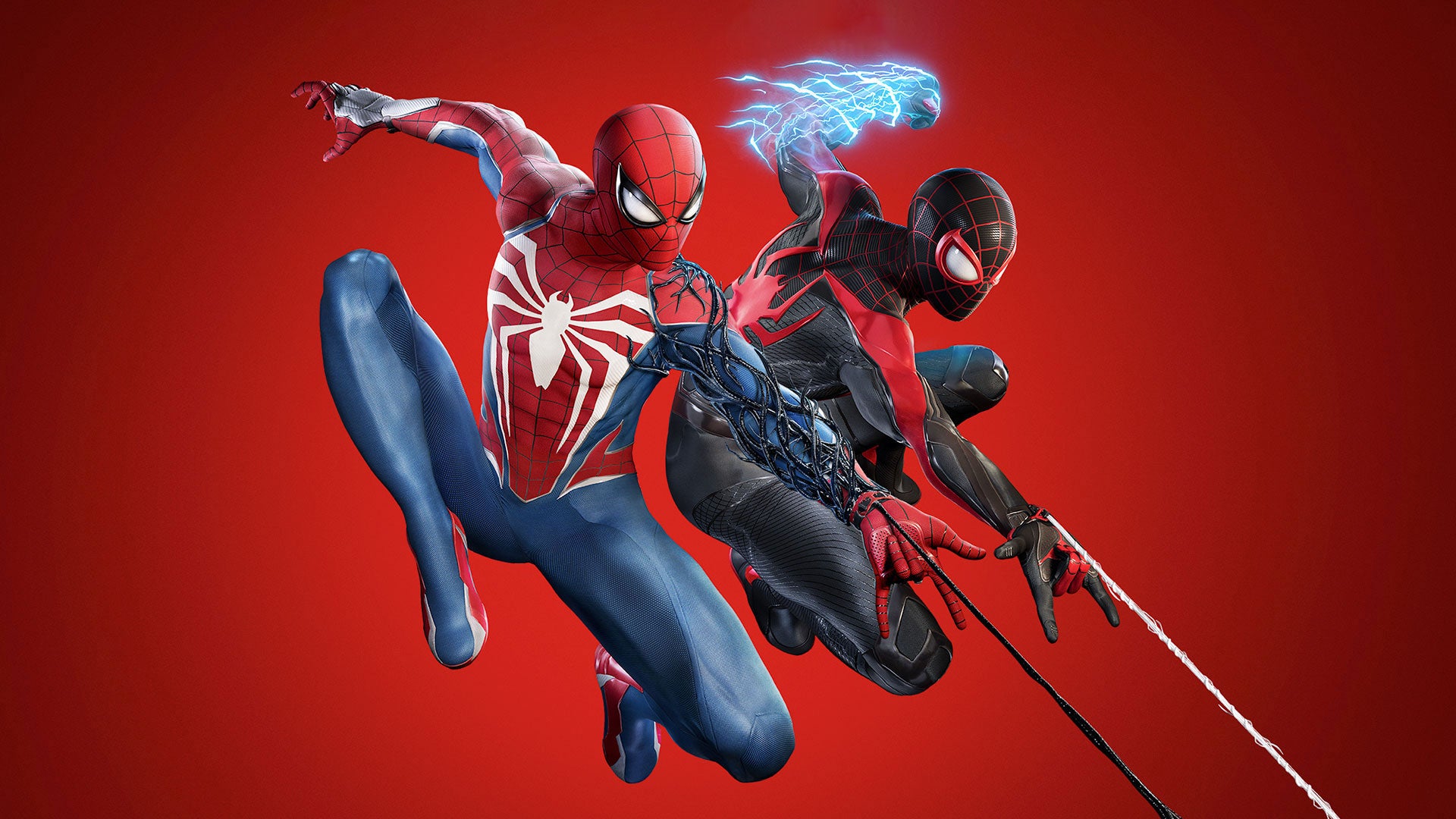
Insomniac Games and Sony Interactive Entertainment included several pride flags and side quests featuring diverse characters within their recreation of New York City. The presence of these elements led to online campaigns where some users called for the removal of what they termed political propaganda. A specific quest involving a student proposal also became a target for players who felt the game was deviating from its superhero roots. The developers ignored the calls for censorship and kept the content intact for all regions where the game was released. The title went on to be a commercial success despite the localized online friction.
‘Mass Effect: Andromeda’ (2017)
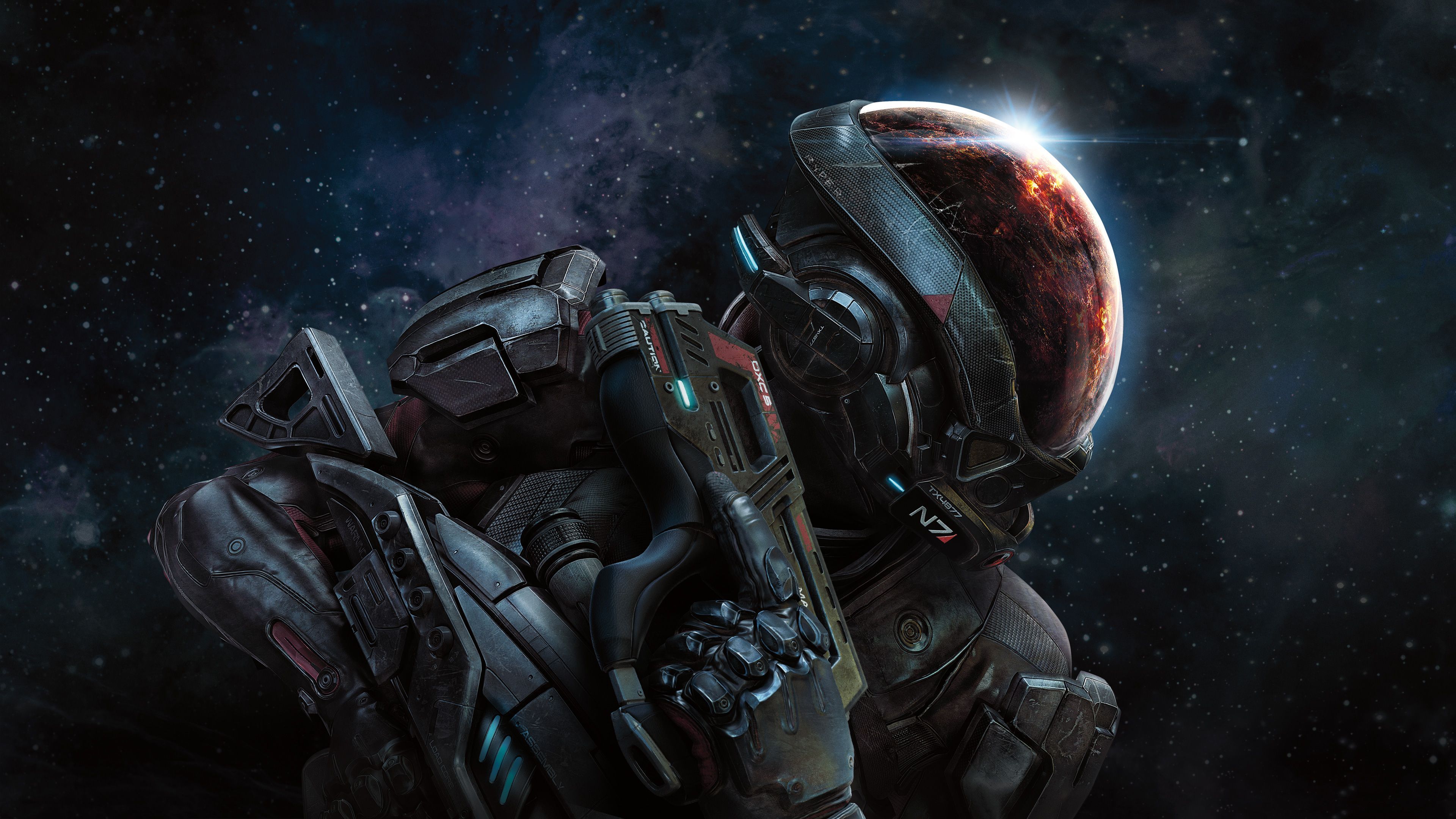
BioWare and Electronic Arts featured an NPC named Hainly Abram who revealed her transgender identity shortly after meeting the player character. This interaction was criticized by some players for being poorly written and by others for its mere inclusion in the universe of ‘Mass Effect Andromeda’. The backlash was so significant that the developers eventually patched the game to change how the character introduces herself to the player. Critics argued that the original dialogue felt unnatural and reduced the character to a single trait. This instance highlighted the challenges developers face when attempting to integrate sensitive identity topics into expansive RPGs.
‘Guilty Gear Strive’ (2021)
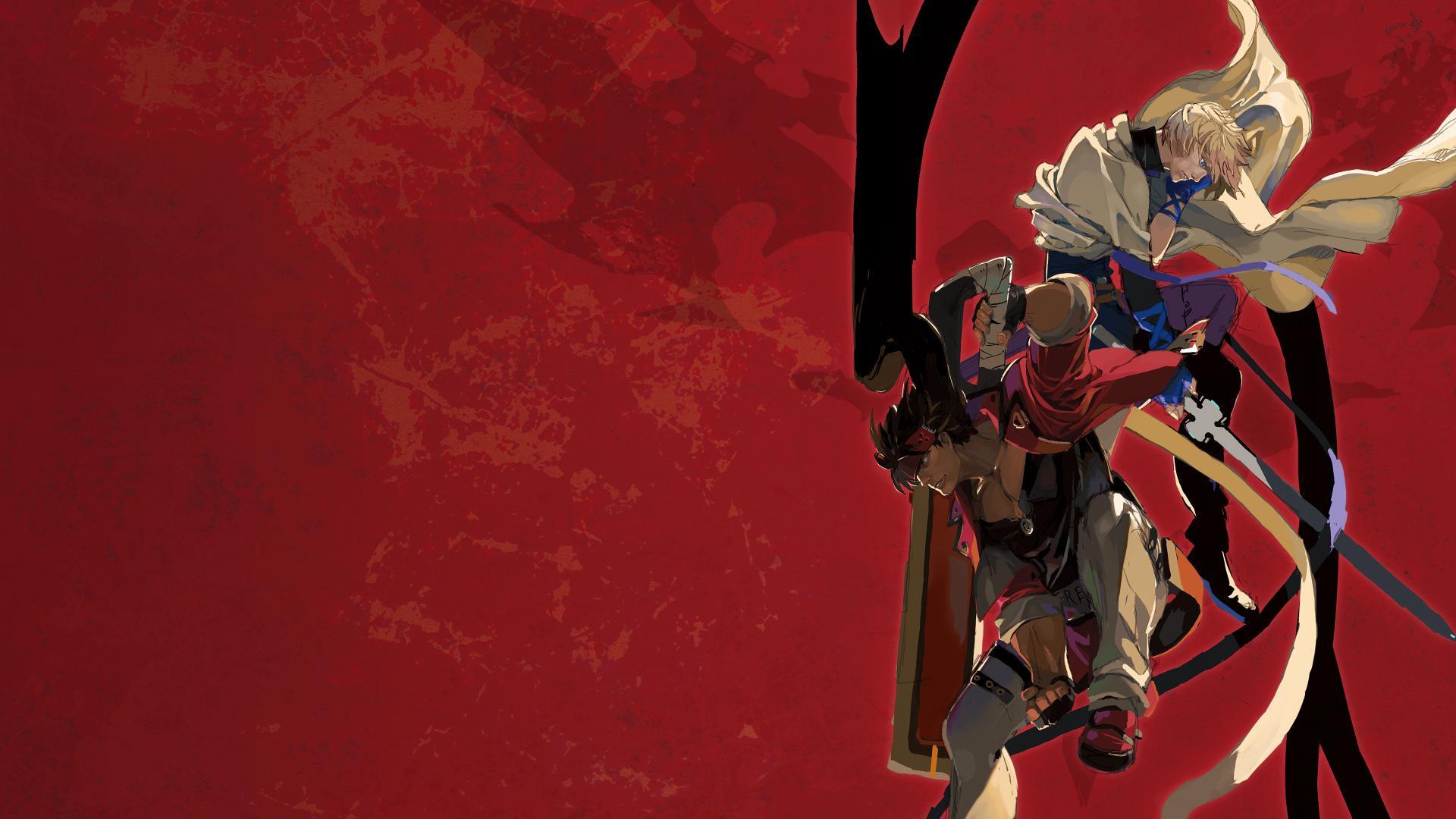
Arc System Works updated the lore for the returning character Bridget to confirm her identity as a transgender woman. This revelation caused a massive split in the fighting game community with some fans claiming the change was a retcon of her original story. Social media platforms were filled with heated arguments regarding the translation and intent of the developers in ‘Guilty Gear Strive’. The creator of the series eventually released a statement confirming the character’s identity to end the speculation. This move solidified the character as a major icon for representation within the competitive fighting game scene.
‘Minecraft’ (2011)

Mojang Studios and Microsoft updated the default character skins to include more diverse options and adjusted lore to be more gender neutral. These changes to the ‘Minecraft’ experience were met with backlash from players who felt the modifications were unnecessary for a sandbox game. Some users expressed their dissatisfaction on community forums by claiming that the original aesthetic should have remained unchanged. The developers argued that the updates were essential to ensure that the massive global player base felt included. The game continues to be one of the most successful titles in history despite these occasional community disagreements.
‘Baldur’s Gate 3’ (2023)
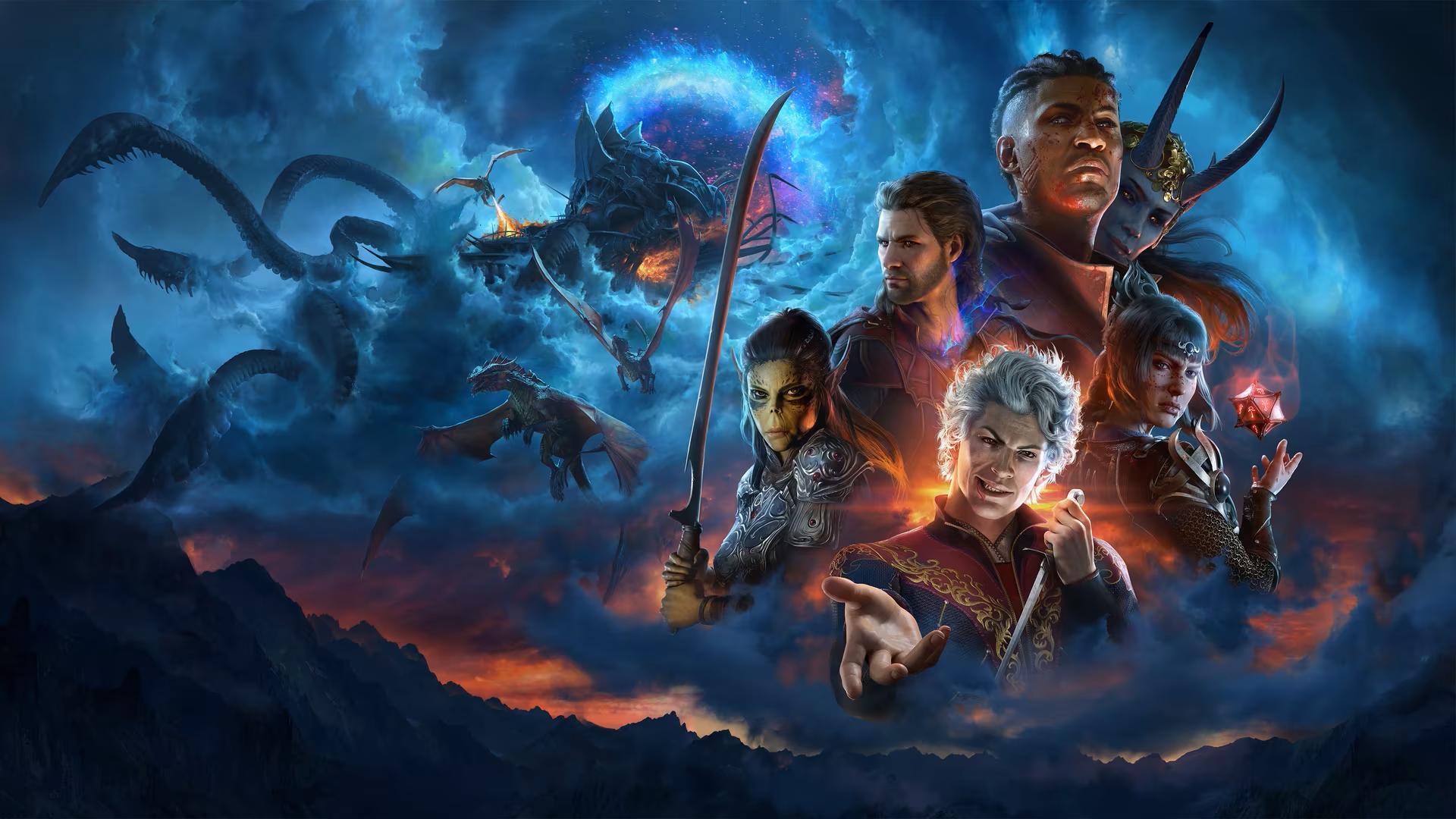
Larian Studios provided players with the ability to choose nonbinary gender options and included a transgender NPC named Nocturne. The depth of the customization in ‘Baldur’s Gate 3’ led to a coordinated effort by some groups to review bomb the title on various platforms. These critics claimed that the inclusion of such progressive themes was a distraction from the core Dungeons and Dragons experience. The game received near universal acclaim from professional critics and became a massive commercial hit regardless of the online controversy. Larian Studios remained vocal about their support for diverse storytelling and player choice throughout the post launch period.
Share your perspective on the implementation of gender identity options in the comments.