

Games That Bombed Because of Controversial Developer Tweets

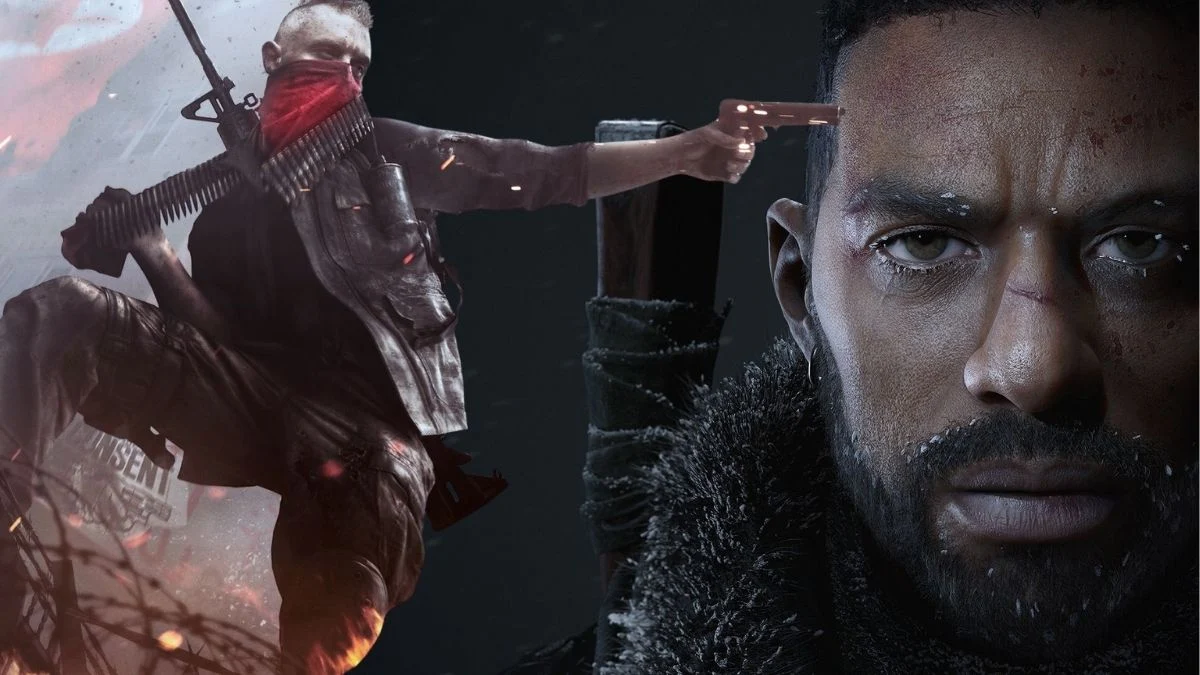


Social media gives developers a direct line to their audience but this instant connection can sometimes lead to disaster. A single ill-advised tweet can alienate a fanbase or cause a public relations nightmare that destroys years of hard work. The following titles suffered significant backlash or financial failure directly due to statements made by their creators on Twitter.
‘The Day Before’ (2023)

Developer Fntastic used Twitter to aggressively defend this survival MMO against accusations of it being a scam. They posted condescending statements telling doubters to stop spreading misinformation despite obvious discrepancies in their marketing. The game launched in a broken state that matched the skepticism of the community. The studio announced its closure just days after release and the title was delisted. The combative tweets served only to heighten the scrutiny that eventually exposed the project.
‘Concord’ (2024)
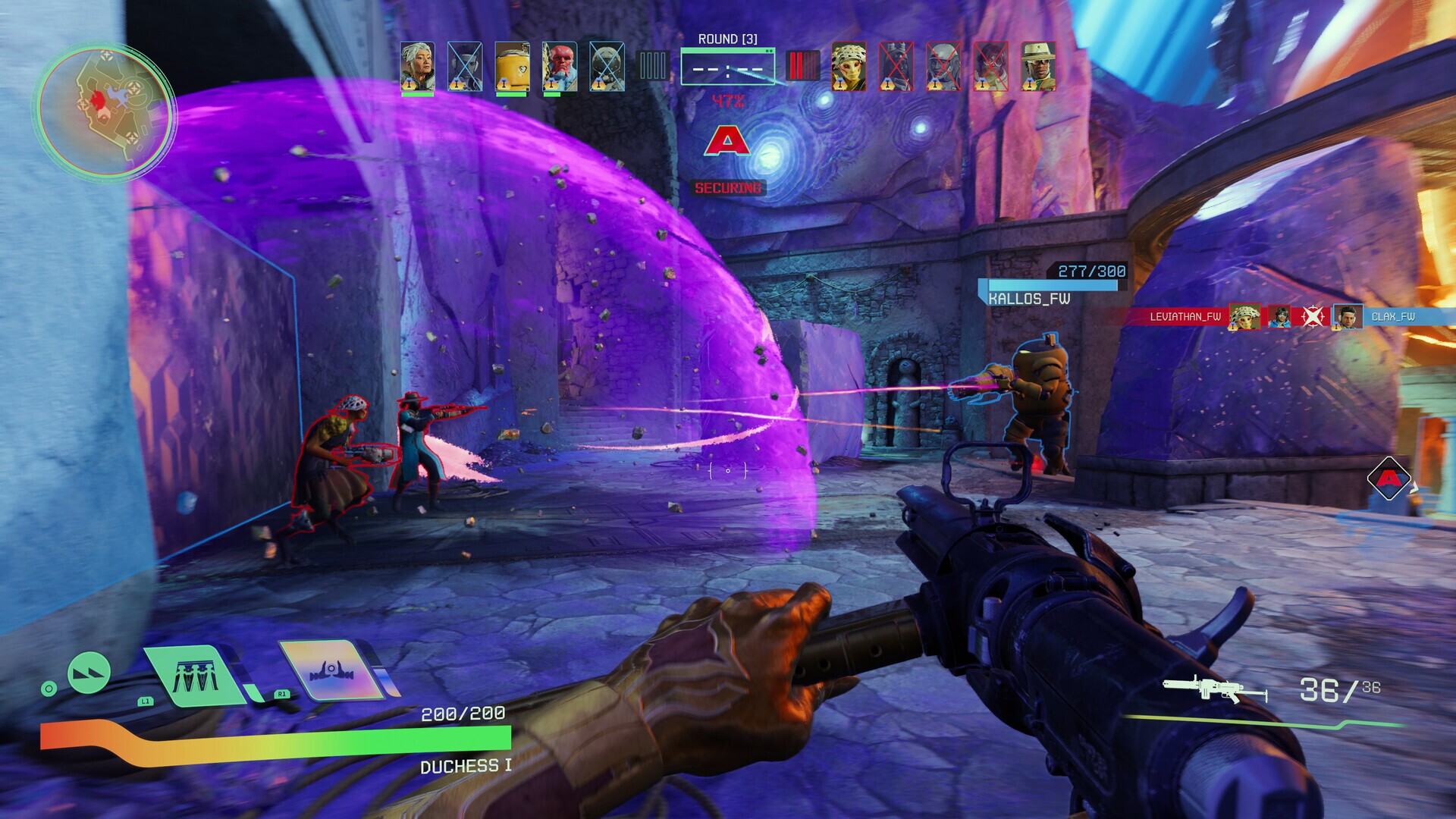
This hero shooter struggled to gain traction during its beta phase and faced criticism for its character designs. A developer responded on Twitter by dismissing critics as talentless freaks who should be ignored. This hostility alienated potential players who were already skeptical of the price point. The game launched to abysmal player counts and Sony shut the servers down after only two weeks. The antagonistic social media presence is often cited as a key factor in its historic failure.
‘Mass Effect: Andromeda’ (2017)
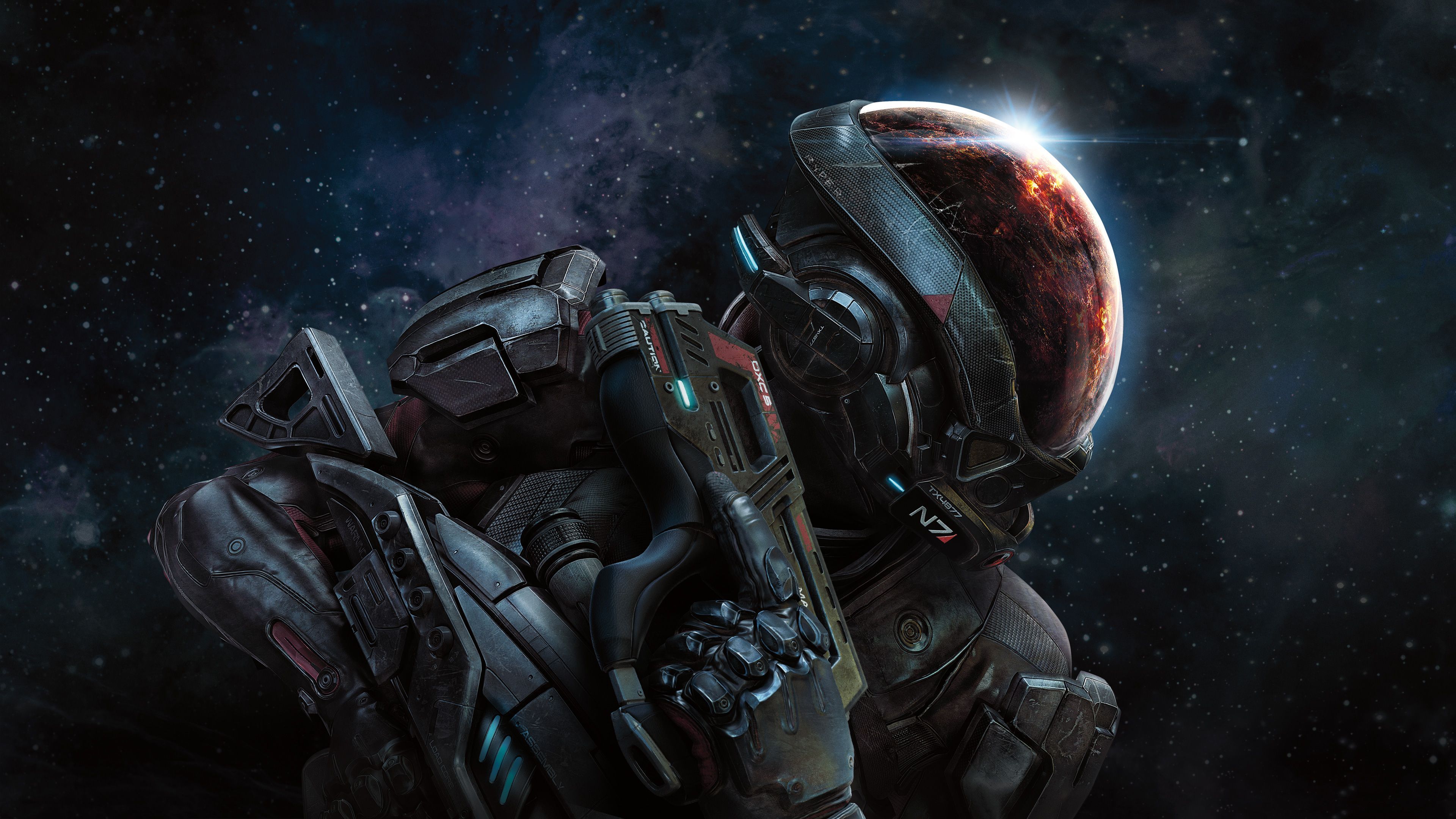
BioWare developer Manveer Heir posted a series of racially charged tweets that angered a large portion of the fanbase. These comments circulated widely before launch and led to calls for a boycott of the sci-fi RPG. The controversy compounded the negative reception caused by technical animations and bugs. Many players cited the developer’s open hostility as a reason they refused to purchase the game. The title underperformed sales expectations and the series was put on hiatus.
‘Battlefield V’ (2018)
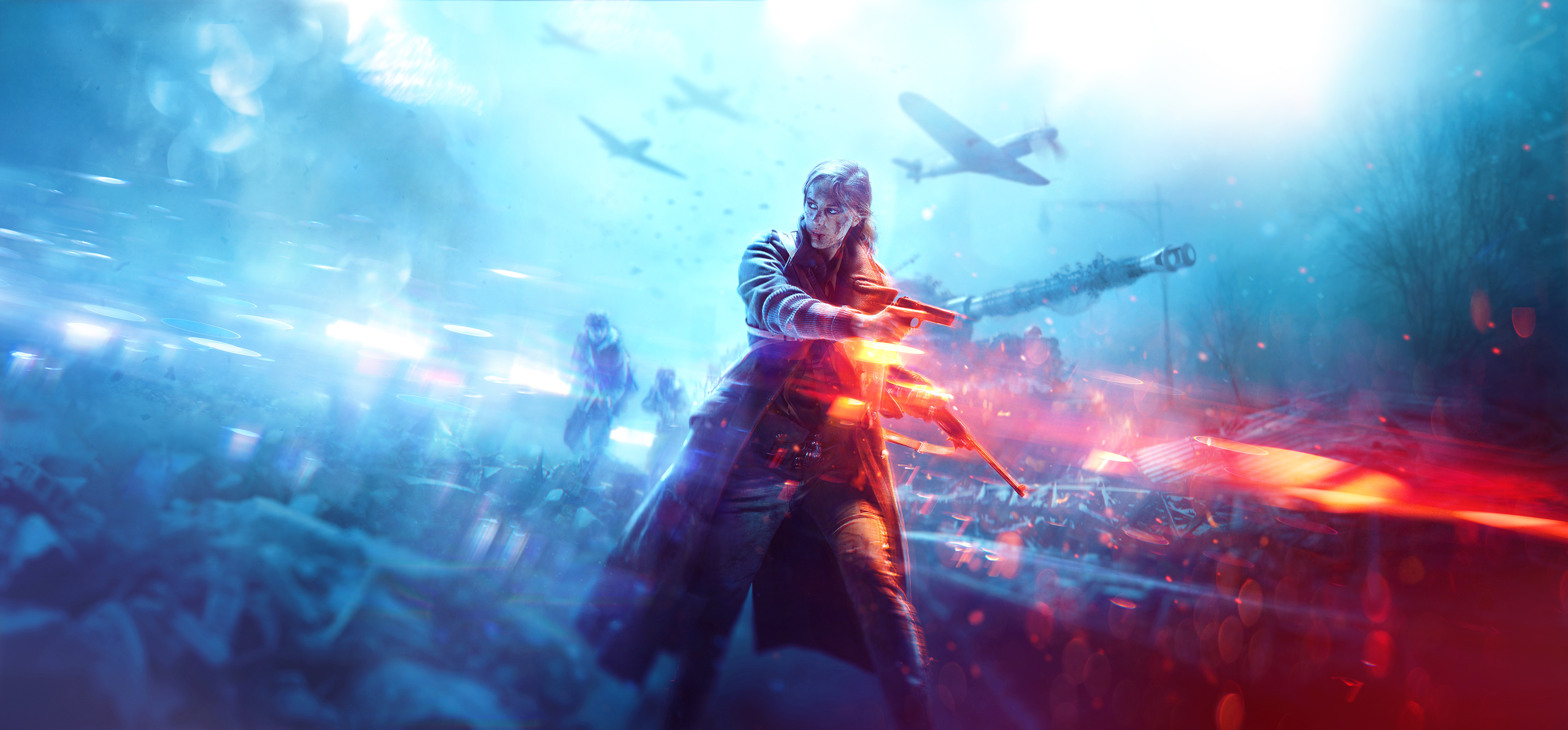
EA executive Patrick Söderlund took to social media and interviews to address complaints about historical accuracy. He told fans that they were uneducated and should not buy the game if they disliked the creative direction. Millions of players took his advice and pre-order sales tracked significantly lower than previous entries. The game failed to meet the commercial targets set by the publisher. This confrontation marked a turning point in the relationship between the developers and the core community.
‘LawBreakers’ (2017)

Lead designer Cliff Bleszinski spent months arguing with critics and shooter fans on Twitter leading up to launch. He frequently told players that his game was too skilled for them or mocked the competition. This combative attitude turned the public perception of the game from a promising shooter into a vanity project. The player count dropped to near zero shortly after release despite positive critical reviews. The studio Boss Key Productions shut down less than a year later.
‘Domina’ (2017)
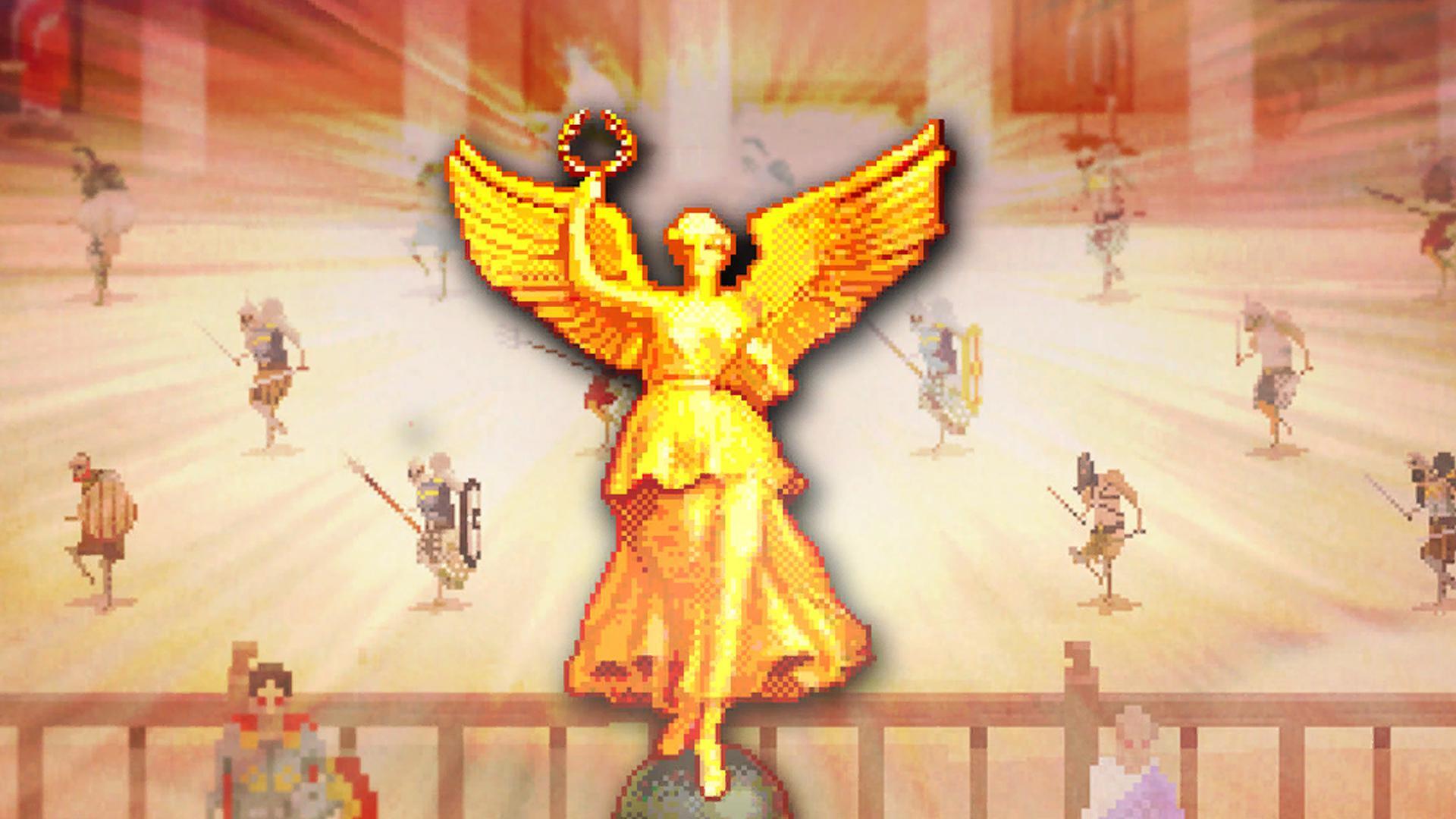
The developer of this gladiator management simulator began using patch notes and Twitter to post political rants. These tweets included transphobic comments and arguments against wearing masks during the pandemic. The user reviews plummeted as players reacted to the developer behaving aggressively toward the community. Valve eventually banned the developer and removed the game from Steam permanently. The studio destroyed its own revenue stream by refusing to separate personal views from professional communication.
‘Saints Row’ (2022)
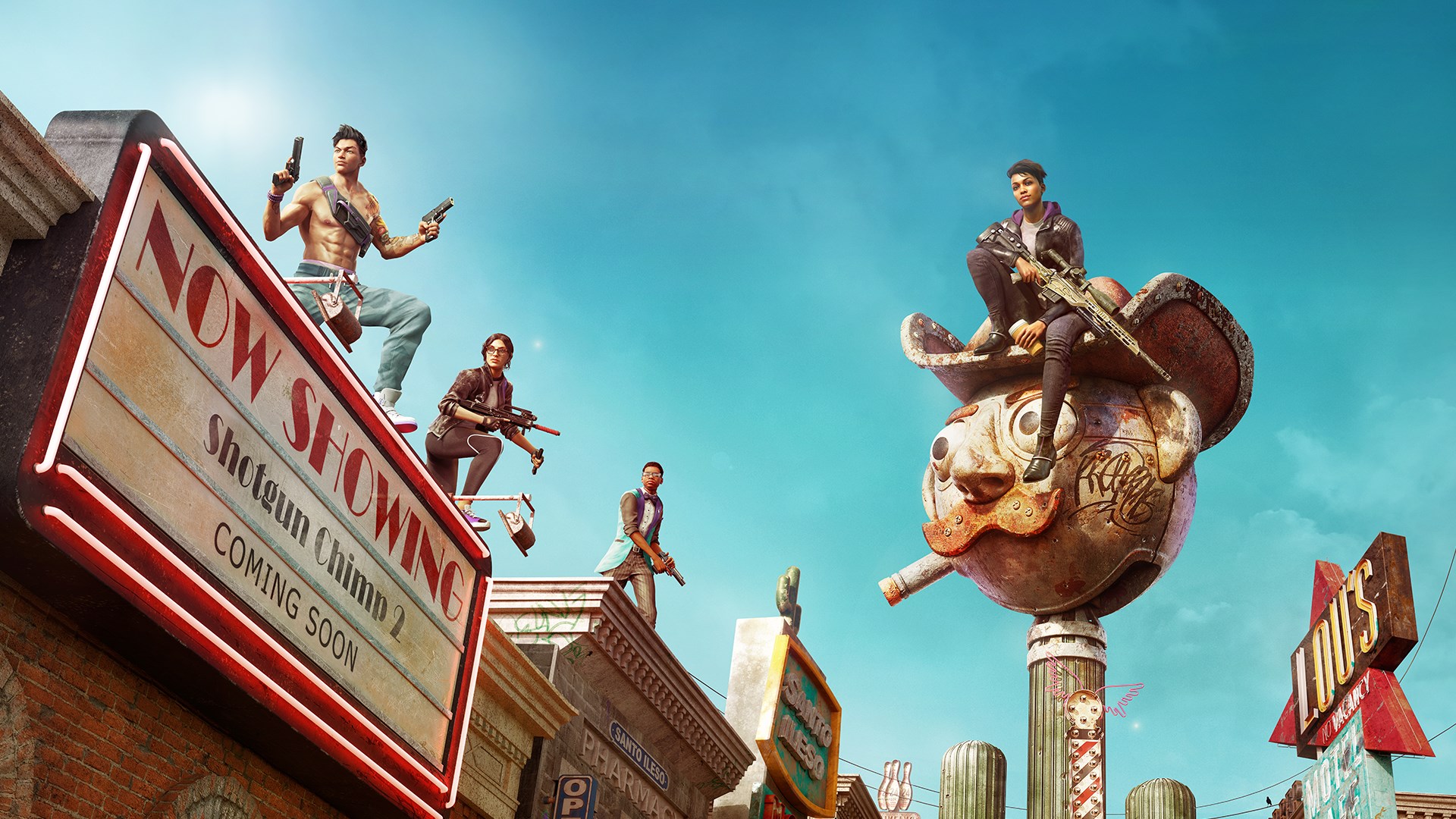
The reboot of this open-world crime franchise faced criticism for its new tone and characters. The official Twitter account responded to the backlash by posting a GIF that dismissed the critics as haters. They doubled down on this stance by telling long-time fans that the studio would not back down. This antagonized the core audience who felt the developers were ignoring their feedback. The game became a critical and commercial flop that led to the closure of Volition.
‘SimCity’ (2013)
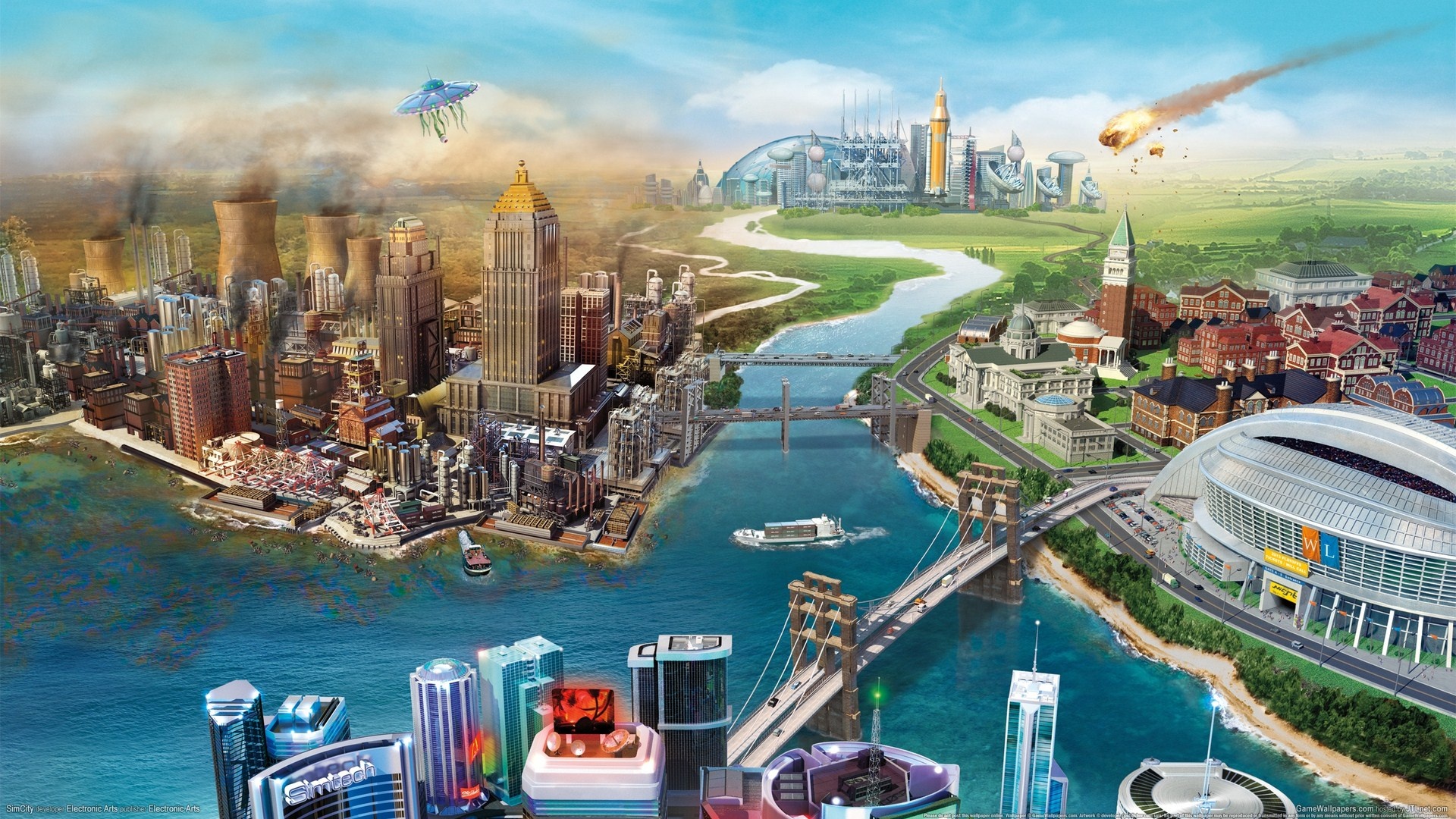
Maxis developers used Twitter to insist that the game required an always-online connection for cloud computing. Players were skeptical of this claim and felt it was simply a form of invasive rights management. Modders proved shortly after launch that the game could function offline despite the developer tweets. The misinformation destroyed trust in the studio and the launch was plagued by server issues. The brand suffered irreparable damage and the studio was eventually closed by EA.
‘Mighty No. 9’ (2016)
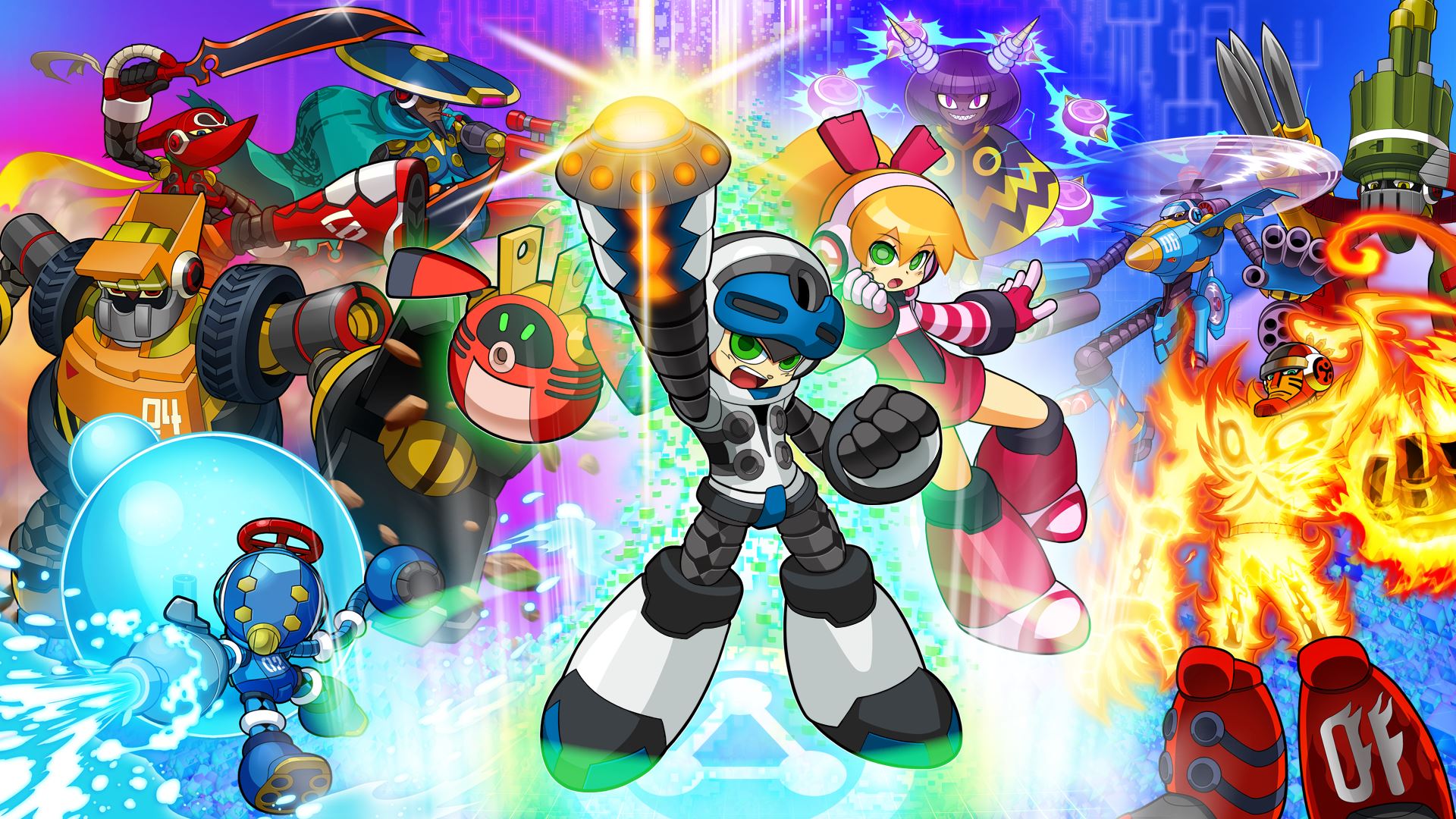
The community manager for this Kickstarter project posted a tweet mocking anime fans on prom night. This insult alienated the exact demographic that had funded the spiritual successor to the Mega Man franchise. Backers were already upset about delays and the visual downgrade of the final product. The tweet became a symbol of the disconnect between the team and their supporters. The game launched to poor reviews and the planned multimedia franchise was cancelled.
‘Ion Fury’ (2019)
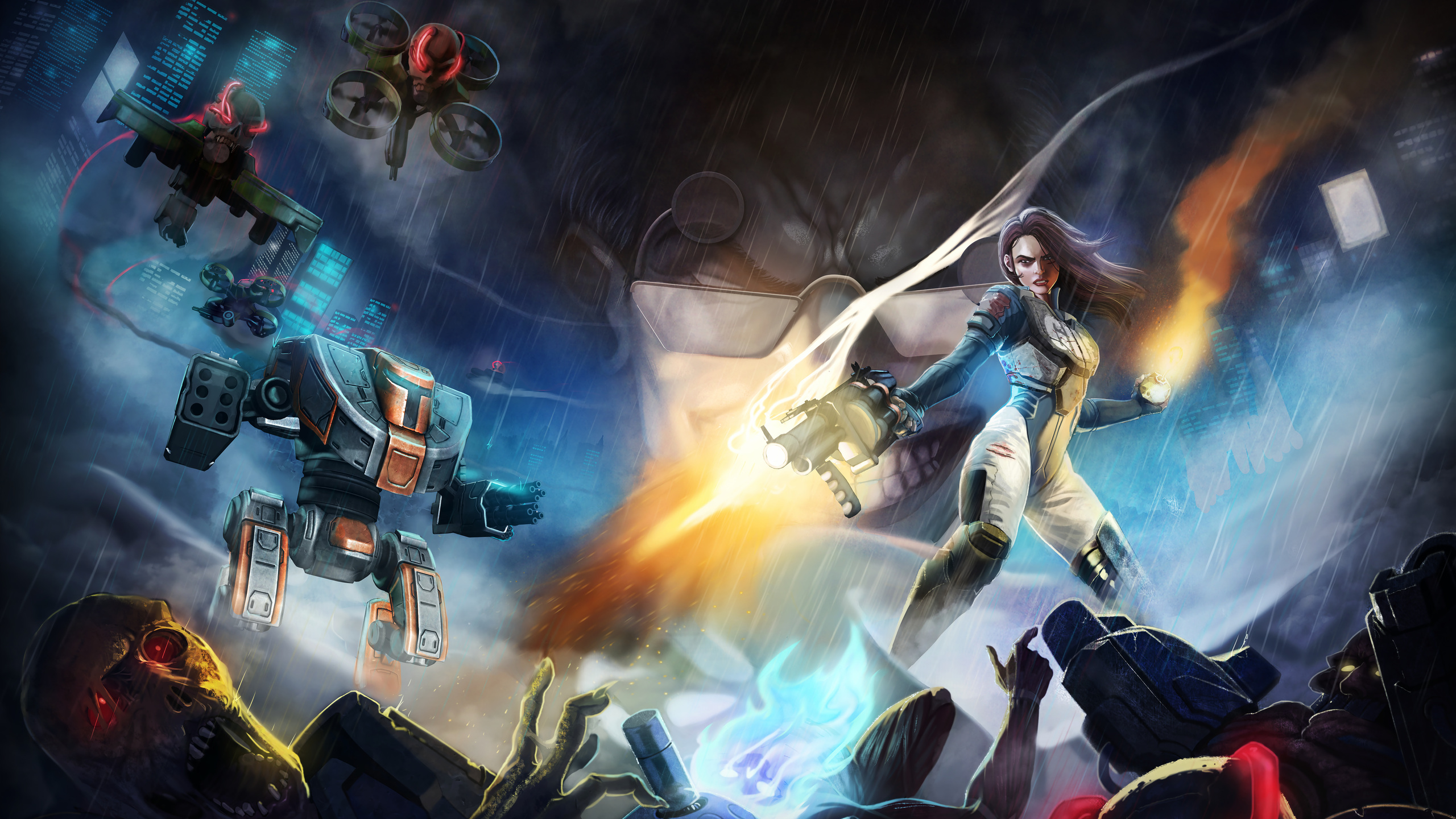
Developers at Voidpoint faced backlash after discord logs and tweets surfaced containing transphobic language. The studio initially apologized but then walked back their statement on Twitter to appease a different group of fans. This flip-flopping angered both sides of the controversy and led to a review bombing campaign. The focus shifted entirely away from the gameplay and onto the political stance of the creators. The incident tarnished the launch of an otherwise well-received shooter.
‘The Culling 2’ (2018)

Xaviant Games released this sequel with almost no marketing and it was immediately rejected by their fanbase. The studio tweeted a confused message asking players what they actually wanted from the series. This admission of ignorance proved they had not listened to any feedback during development. The player count hit single digits within hours of the launch. The game was pulled from sale eight days later and the developer apologized.
‘Day One: Garry’s Incident’ (2013)
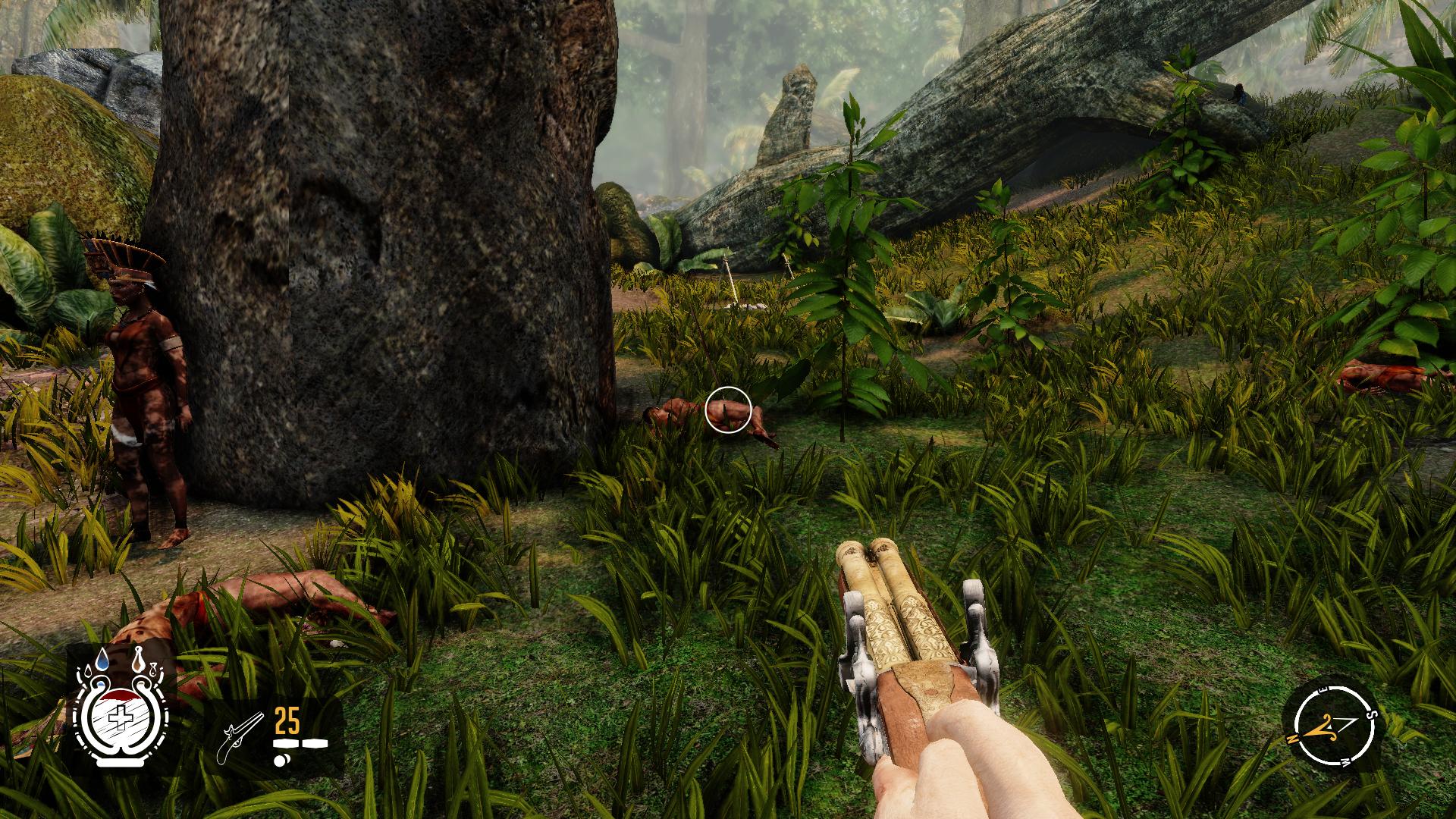
The developers issued a copyright strike against a critic who posted a negative review of their game. They used Twitter to justify the censorship by claiming the critic did not have the right to monetize the video. This sparked a massive outcry about fair use and freedom of the press in gaming. The total lack of understanding regarding internet culture caused the game to become a laughingstock. Sales flatlined as the community united against the developer’s bullying tactics.
‘Sunset’ (2015)
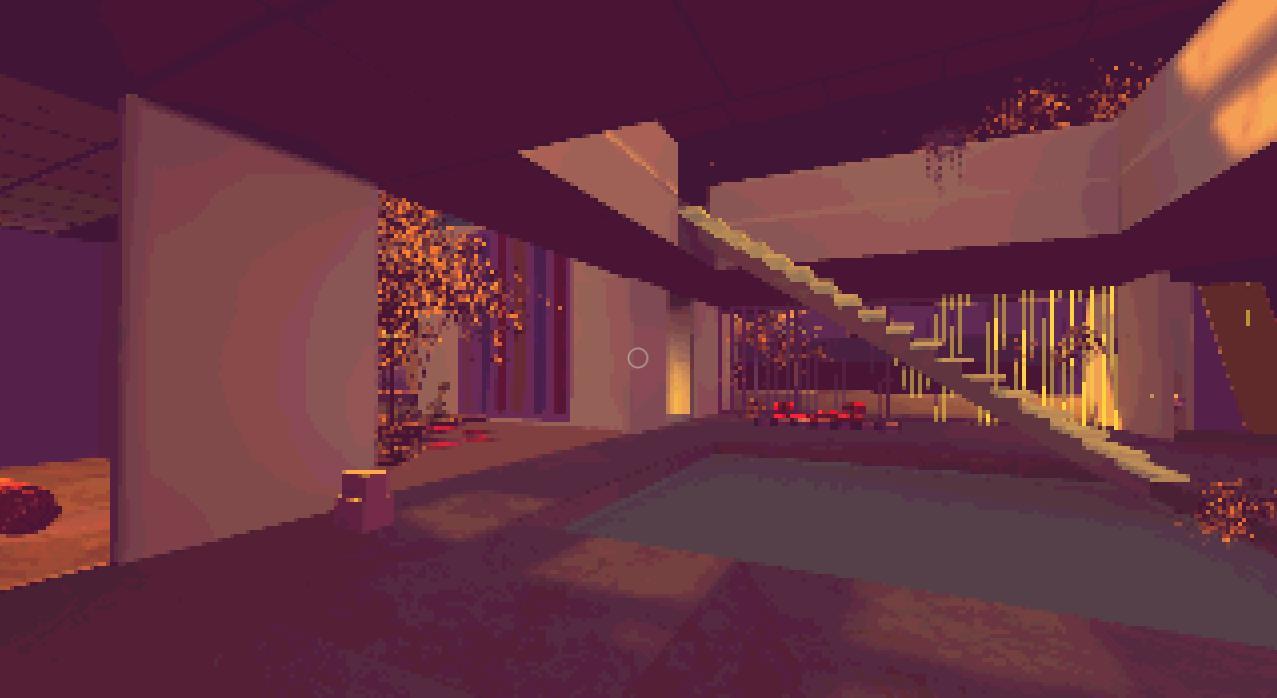
The developers at Tale of Tales tweeted that they were no longer making games for gamers after this title failed commercially. They blamed the failure on the audience rather than the niche nature of the art house game. This statement was perceived as bitter and ungrateful by the wider gaming community. The studio ceased game production shortly after the public complaint. The incident is often cited in discussions about the disconnect between indie artists and consumer expectations.
‘Total War: Rome II’ (2013)
A community manager tweeted that female generals were historically accurate and told complaining fans not to play the game. This statement ignited a review bombing campaign on Steam from players who felt the game was prioritizing ideology over history. The controversy gained mainstream attention and overshadowed the actual updates being made to the strategy title. The developer eventually had to issue a statement to calm the situation. The aggressive response to the fanbase damaged the reputation of the studio for years.
‘Yooka-Laylee’ (2017)
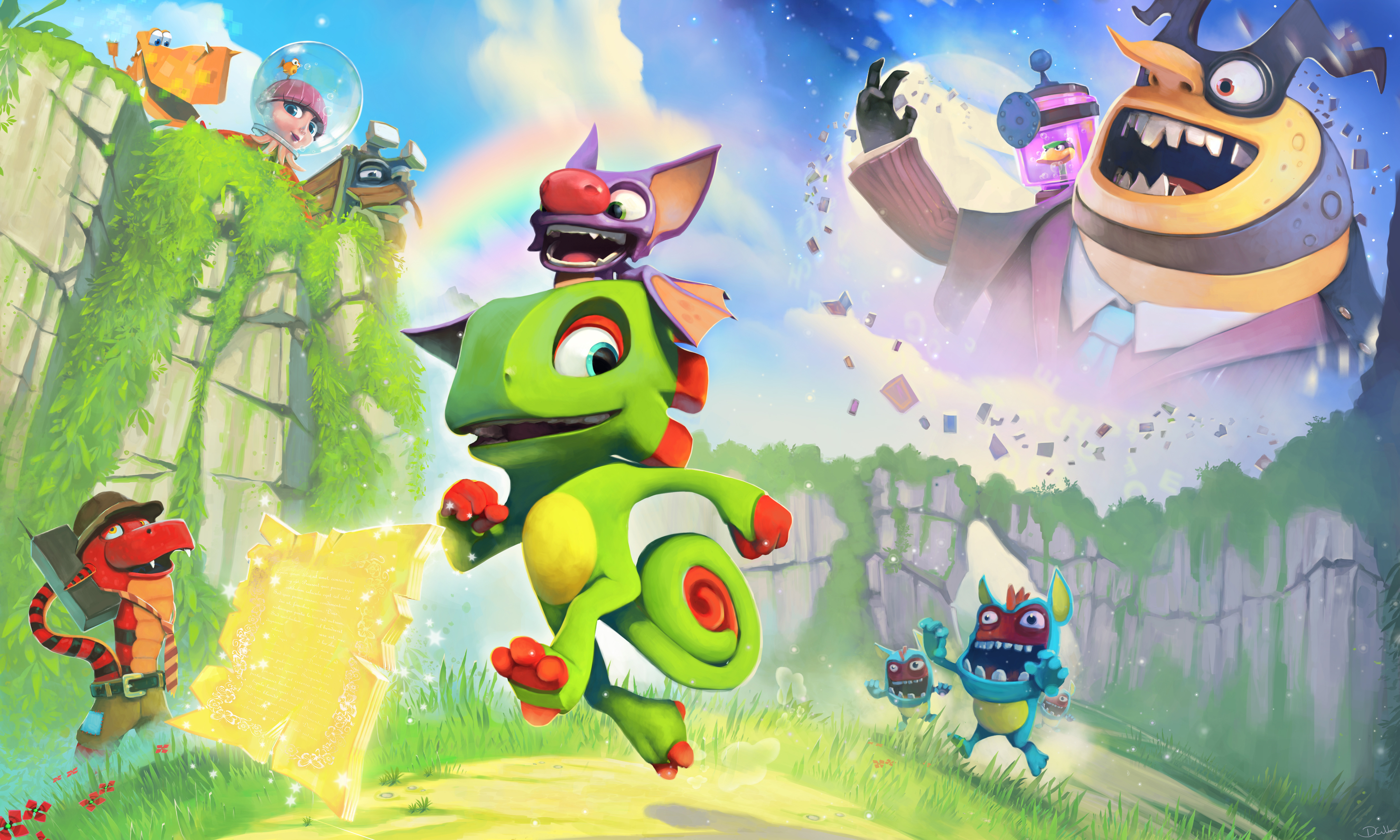
Playtonic Games used Twitter to announce the removal of a voice actor due to his personal political views. The decision caused a rift in the community with thousands of backers demanding refunds. The tweets explaining the decision were seen as performative by some and necessary by others. The resulting debate dominated the discourse surrounding the launch of the platformer. The game itself received mixed reviews and the controversy suppressed the initial sales momentum.
‘Firewatch’ (2016)
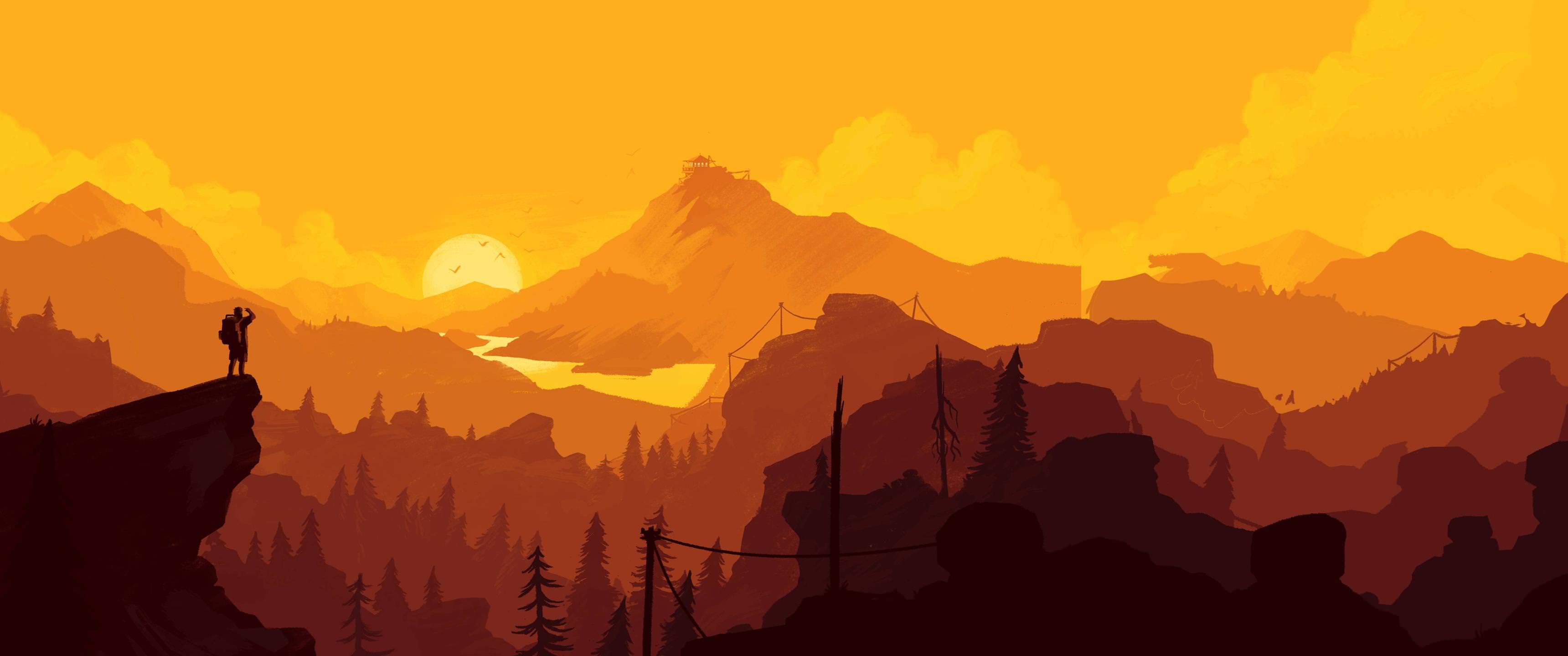
Developer Campo Santo tweeted that they would file a DMCA takedown against a popular YouTuber who used a racial slur in a video. While the YouTuber was playing a different game at the time the developers targeted his videos of their title. This action was viewed by many as an abuse of copyright law to punish personal behavior. The game was review bombed on Steam as users protested the misuse of the legal system. The studio faced intense scrutiny regarding their understanding of fair use protections.
‘Subnautica’ (2018)
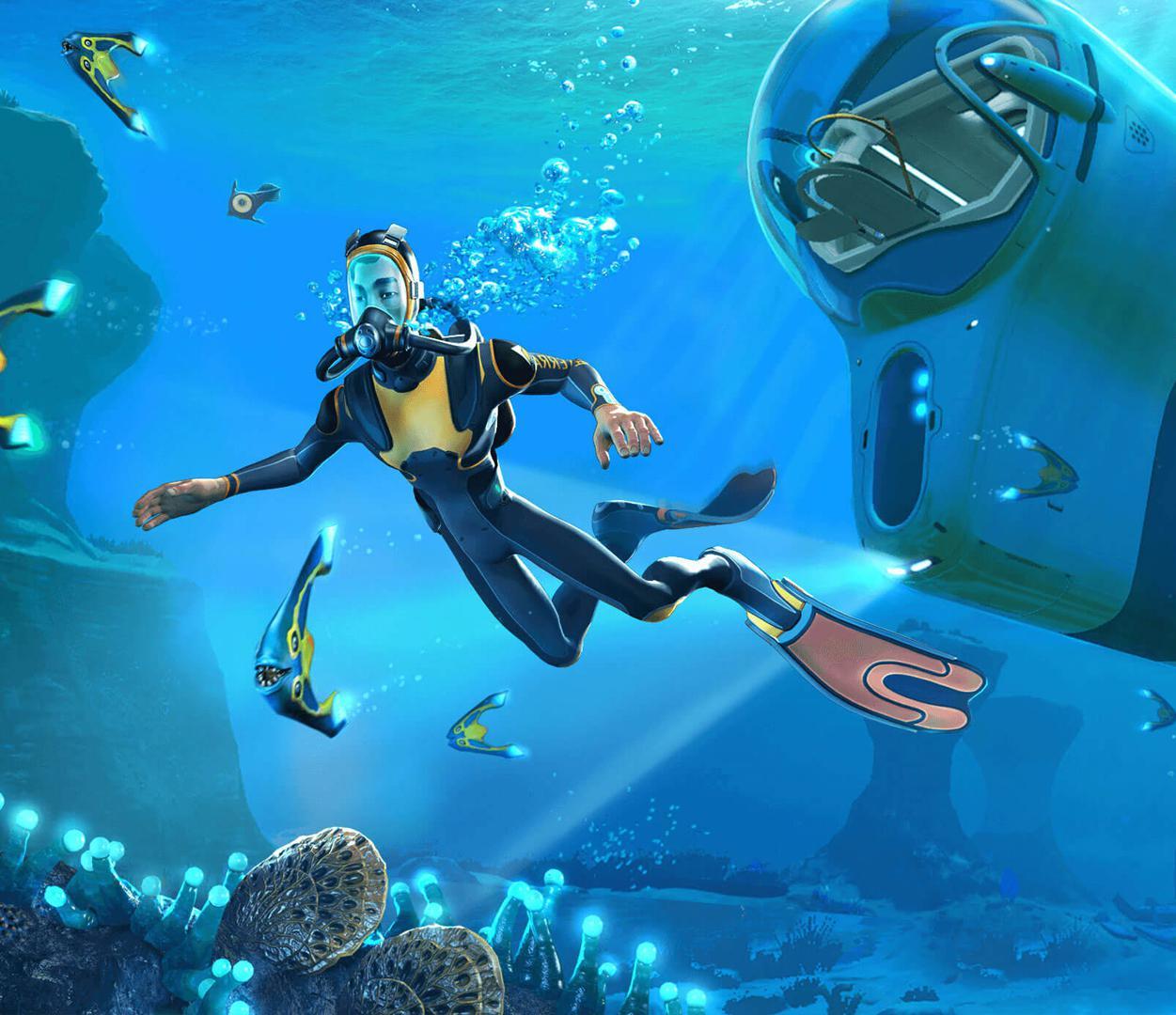
The sound designer for Unknown Worlds was fired after posting a series of controversial political tweets. The developer tweeted regarding immigration and other sensitive topics that contradicted the company values. The studio announced his termination on Twitter which sparked a debate about employee speech. Players on both sides of the political spectrum threatened to boycott the survival game. The situation created a PR headache that distracted from the otherwise successful launch.
‘Killing Floor 2’ (2016)
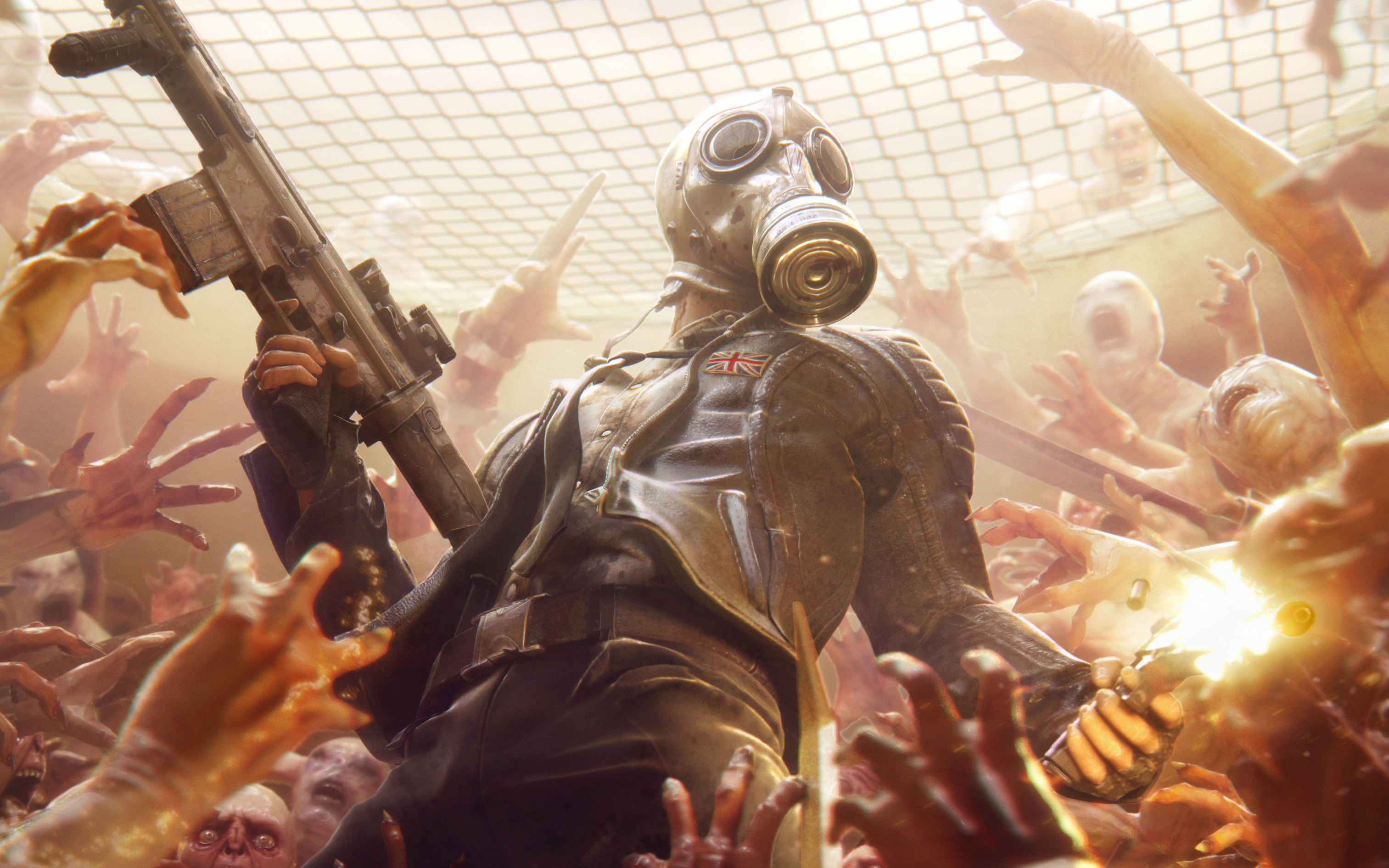
The president of Tripwire Interactive tweeted support for a controversial abortion law in Texas. This statement drew immediate condemnation from industry partners and the player base. Another studio explicitly stated they would no longer work with Tripwire due to the tweet. The president stepped down from his position following the backlash. The game suffered a wave of negative reviews as players protested the leadership’s public stance.
‘War Z: Infestation Survivor Stories’ (2012)
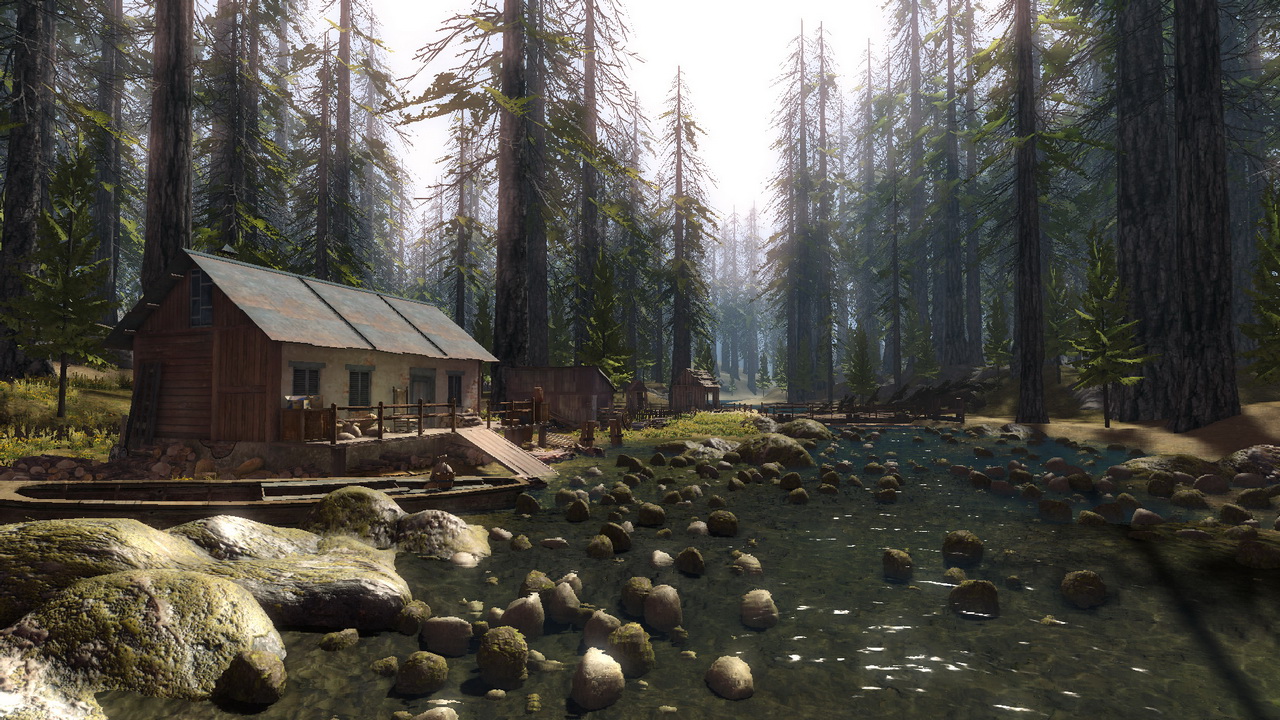
Producer Sergey Titov used Twitter and forums to insult players who complained about missing features. He called customers idiots and claimed they had misread the store description despite clear evidence of false advertising. The hostility from the lead developer fueled a firestorm of refunds and bad press. The game became synonymous with scam tactics and poor community management. It was eventually removed from Steam and rebranded in an attempt to escape the reputation.
‘Dustborn’ (2024)
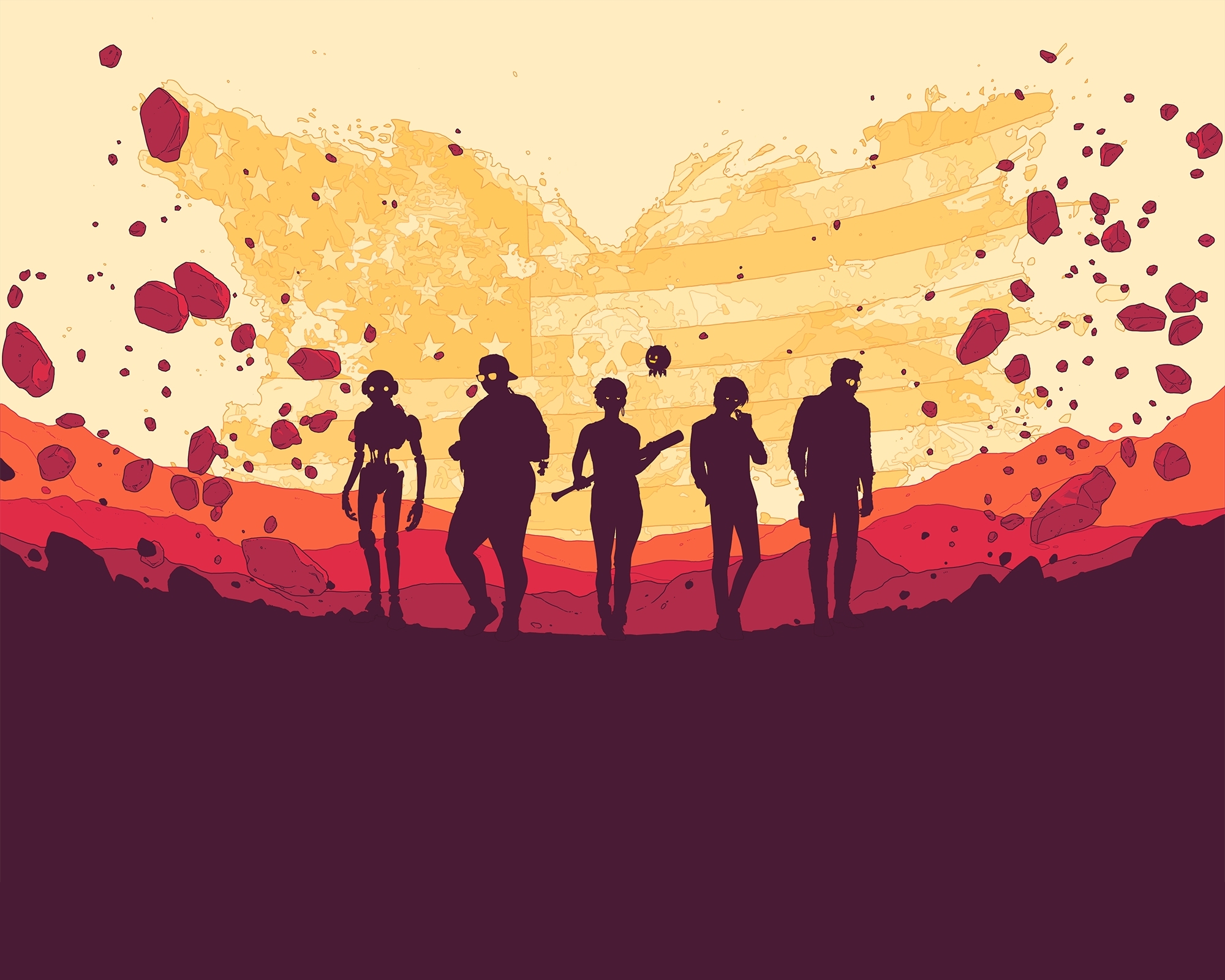
The official account for this narrative game tweeted images of a block list containing thousands of accounts. They claimed they were preemptively blocking anyone who might criticize their game’s themes. This action was perceived as creating an echo chamber and rejecting valid feedback. The game launched to an incredibly low concurrent player count on Steam. The defensive social media strategy failed to generate any positive interest in the title.
‘Payday 3’ (2023)
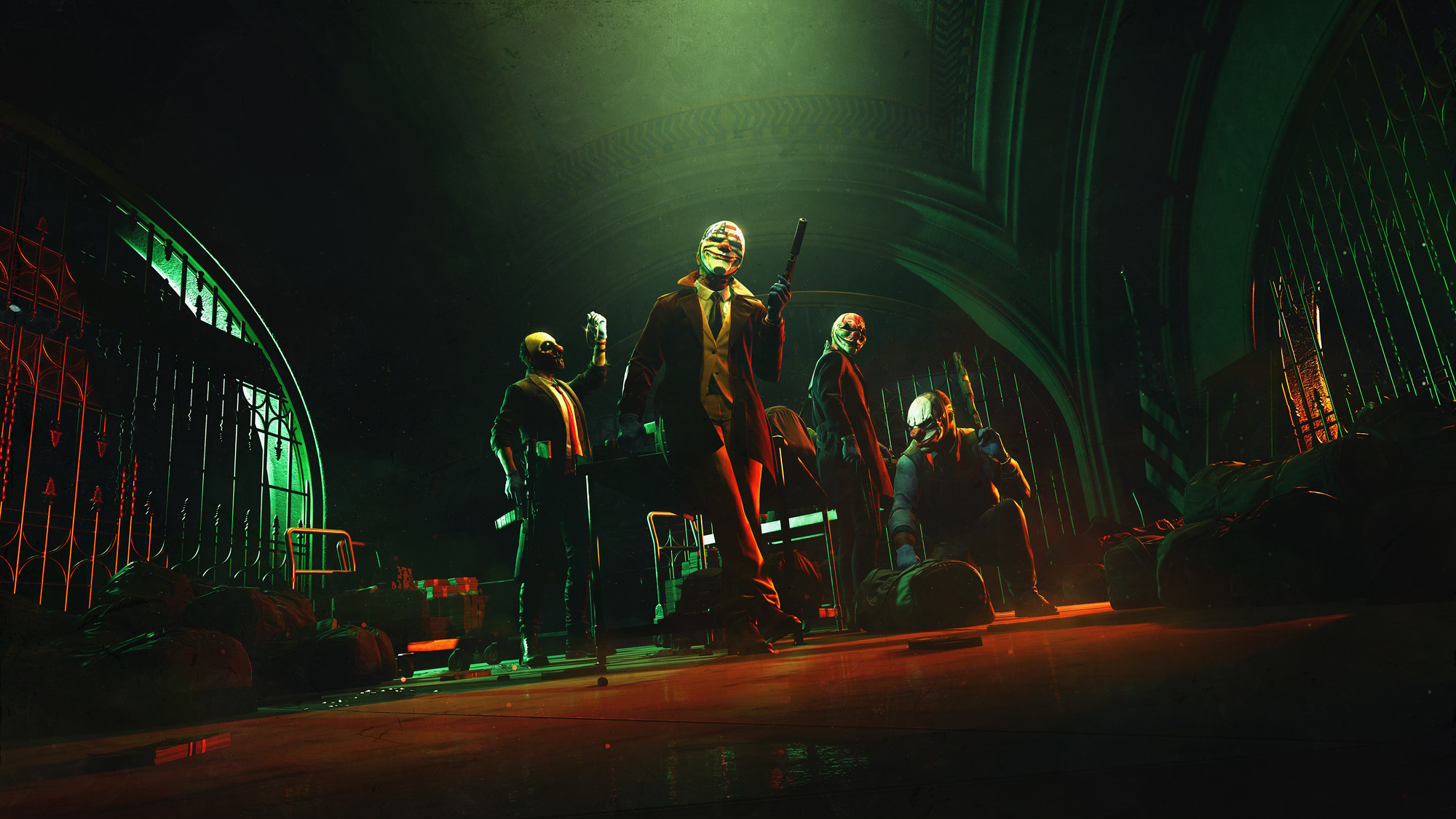
The CEO of Starbreeze tweeted an apology for the disastrous server issues that plagued the launch. However the tone of the communication did little to assuage the anger of fans unable to play the online-only game. Subsequent tweets from the account failed to provide a concrete timeline for fixes. The community felt the developers were not treating the outage with enough urgency. The player base evaporated and returned to the previous entry in the series.
‘Cities: Skylines II’ (2023)
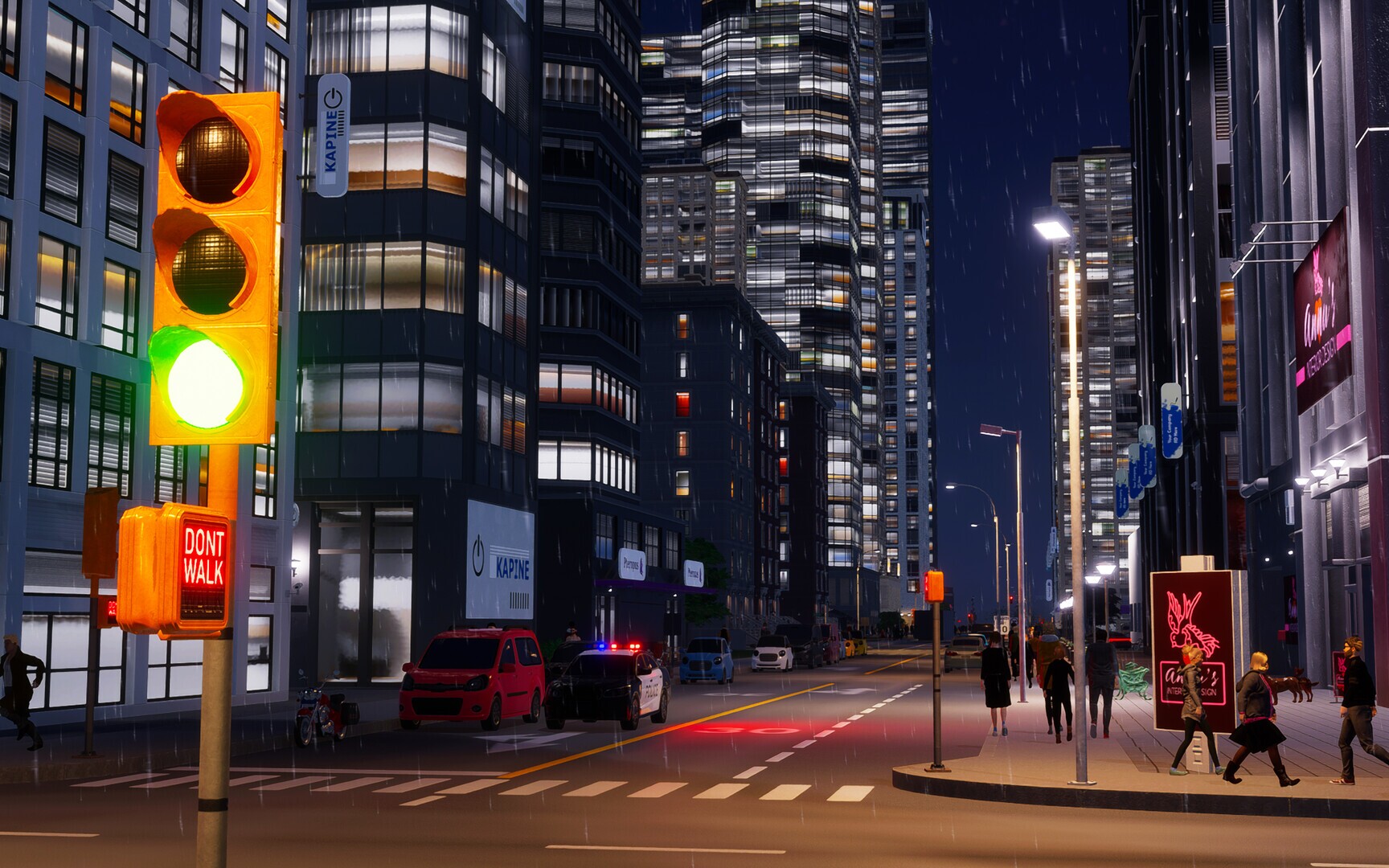
Colossal Order executives tweeted that the simulation was working as intended despite player reports of broken economy mechanics. They told fans that if they disliked the simulation style then the game might not be for them. This dismissal of legitimate technical criticism infuriated the dedicated city-building community. The game currently holds a mixed to negative rating on Steam due to performance issues and the developer’s attitude. The studio has spent months trying to repair the relationship with their audience.
‘Helldivers 2’ (2024)

A community manager tweeted that creating a PlayStation Network account was not difficult and encouraged PC players to do it. This comment came during a massive controversy where Sony was mandating account linking for the Steam version. The dismissive tone of the tweet poured gasoline on the fire and accelerated the review bombing. The developer later apologized and the publisher reversed the decision. The employee’s comments remain a case study in how not to handle a crisis.
‘Skullgirls: 2nd Encore’ (2020)
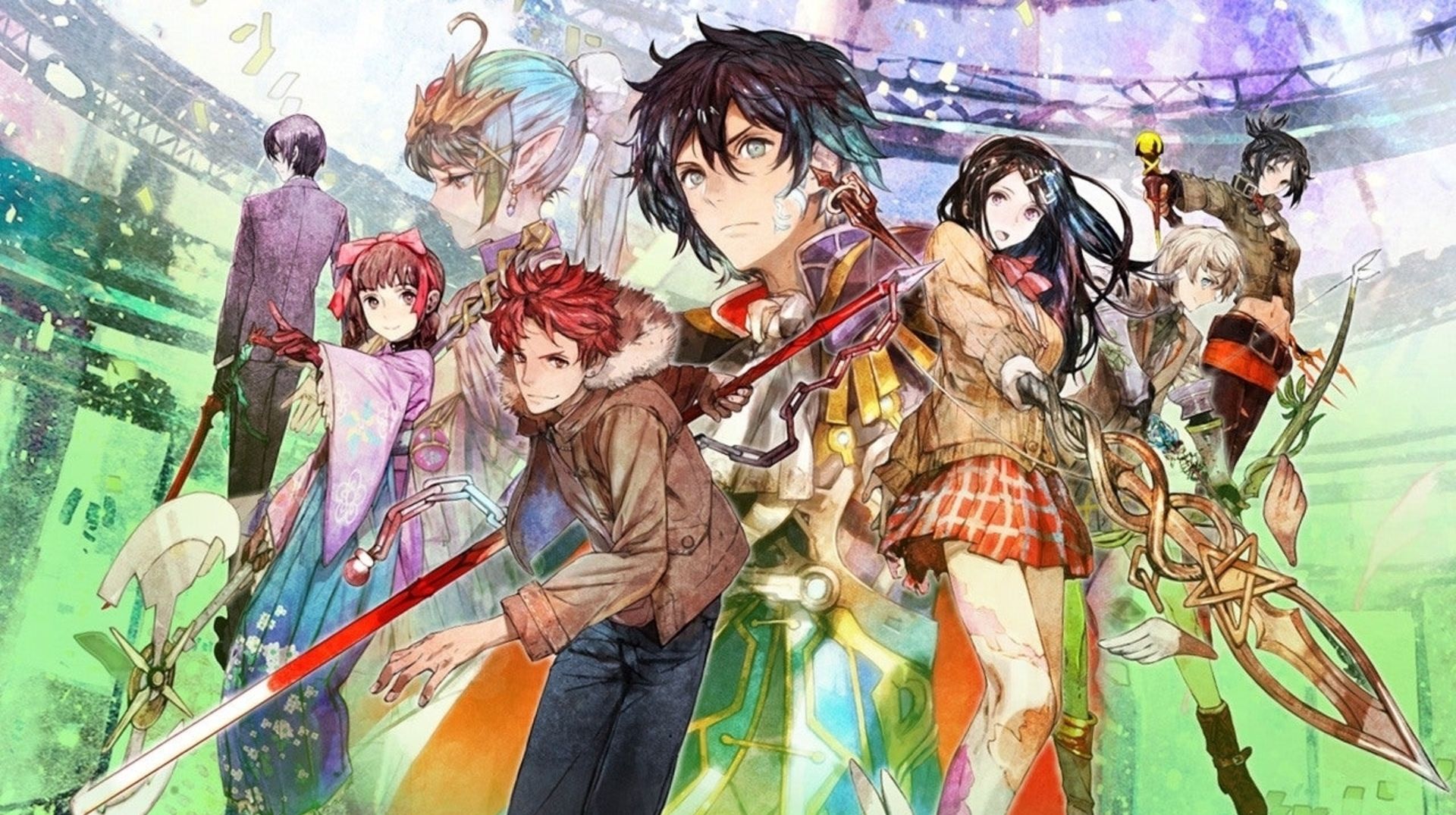
Lead designer Mike Zaimont made several inappropriate jokes and comments on Twitter that made the community uncomfortable. Following internal investigations the studio board requested his resignation which he refused. The IP holder eventually severed all ties with him and dissolved the development team to reform without him. The chaos halted content production for a significant period. The controversy tainted the legacy of the fighting game and its competitive scene.
‘Project CARS’ (2015)
Studio head Ian Bell engaged in forum posts and tweets where he insulted players who criticized the game’s physics. He threatened to ban users who spoke negatively about the development progress. This authoritarian approach to community management alienated the sim racing enthusiasts. The studio developed a reputation for being thin-skinned and hostile to feedback. The franchise eventually declined and the studio was acquired and then shut down by EA.
‘Balan Wonderworld’ (2021)
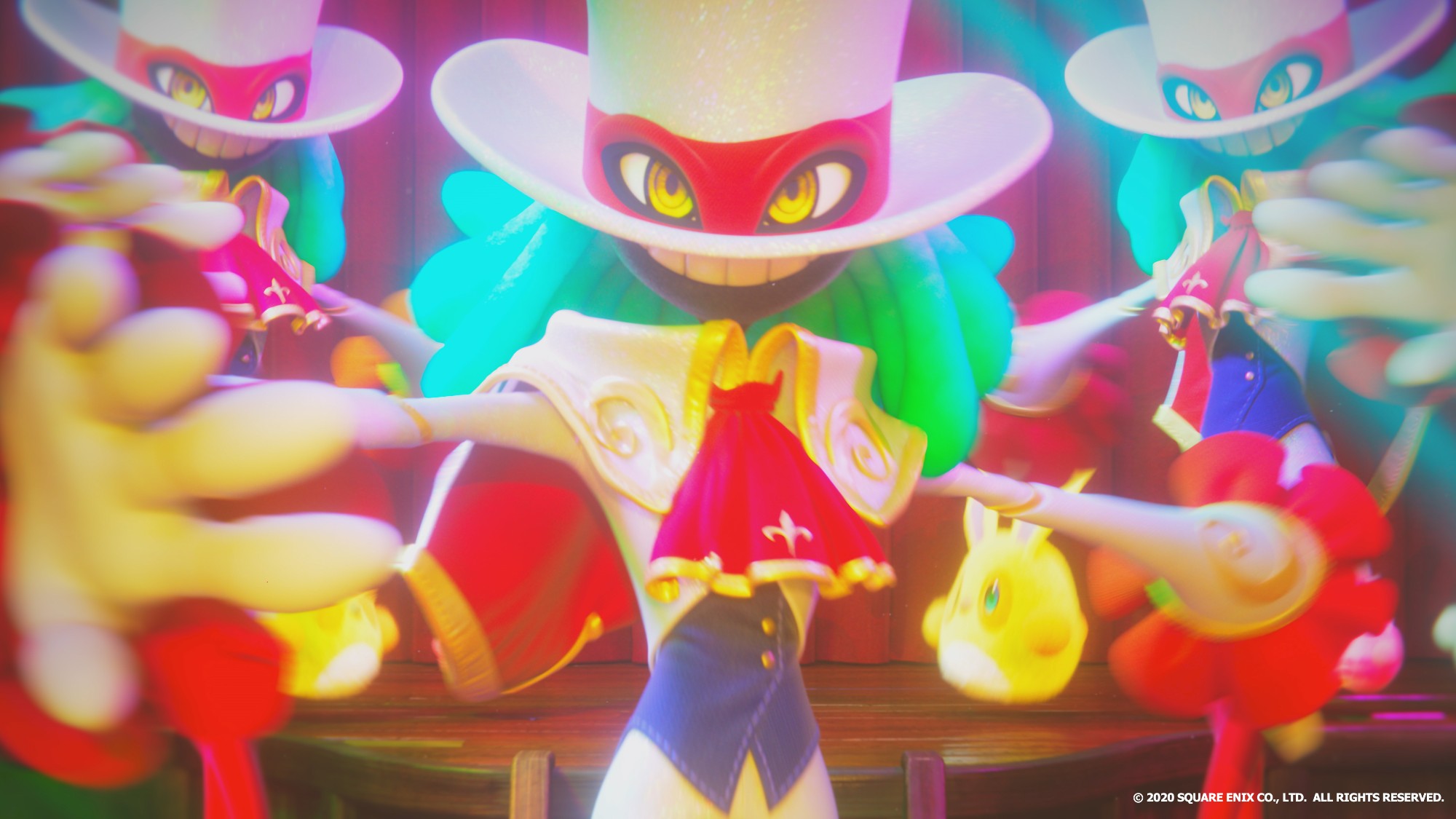
Director Yuji Naka tweeted that he had been removed from the project by Square Enix before launch. He accused the publisher of not caring about games and releasing the title in an unfinished state. While the game was already a critical failure the tweets confirmed the chaotic development cycle. The public legal dispute effectively killed any chance of the game receiving post-launch support. The legendary creator faced criminal charges unrelated to the tweets shortly after.
‘Homefront: The Revolution’ (2016)
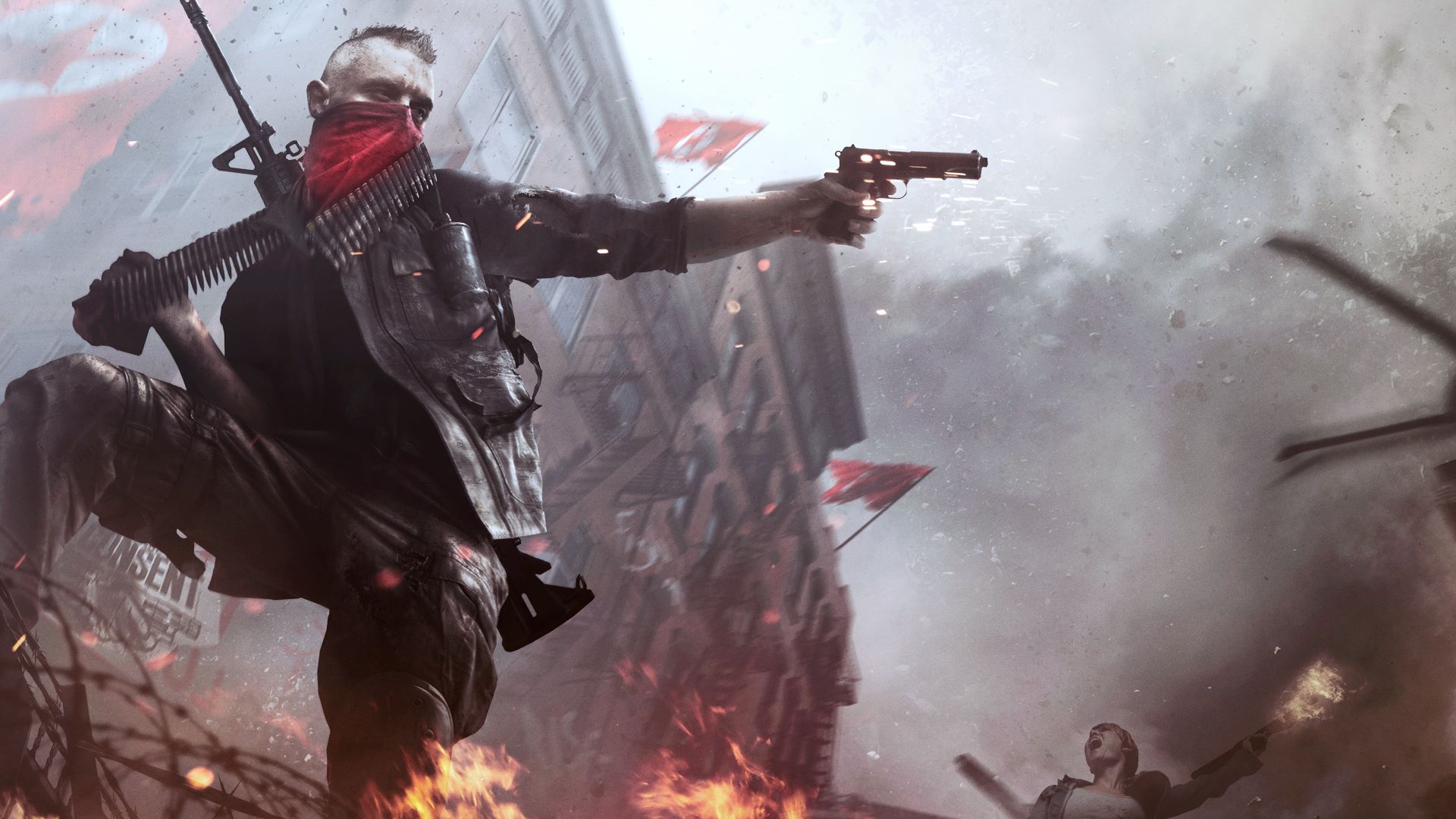
Developers expressed frustration on Twitter regarding the technical state of the game and the reception from the press. The open admission of the game’s faults did not garner sympathy but rather confirmed it was a bad product. Sales suffered as the tweets were cited in news articles warning players away. The game is remembered as a buggy disaster that ended the franchise. The studio was closed and the IP has remained dormant since.
Does a developer’s social media behavior influence your decision to buy a game? Share your thoughts in the comments.