

Games That Changed an Entire Genre Without Anyone Realizing



Many famous video games are credited with inventing genres when they merely refined ideas introduced by earlier titles. These forgotten pioneers introduced revolutionary mechanics that developers use in almost every modern release. While some of these games were popular in their time, history often overlooks their contributions in favor of the blockbusters that followed. This list explores the innovative titles that quietly laid the foundation for the gaming industry we know today.
‘Kill Switch’ (2003)
Namco released this tactical shooter that fundamentally altered the mechanics of third-person combat. It introduced the cover system that ‘Gears of War’ famously popularized years later. Players could blindly fire from behind protection or peek out to aim precisely at enemies. Almost every modern tactical shooter now utilizes the framework established by this title.
‘Infiniminer’ (2009)
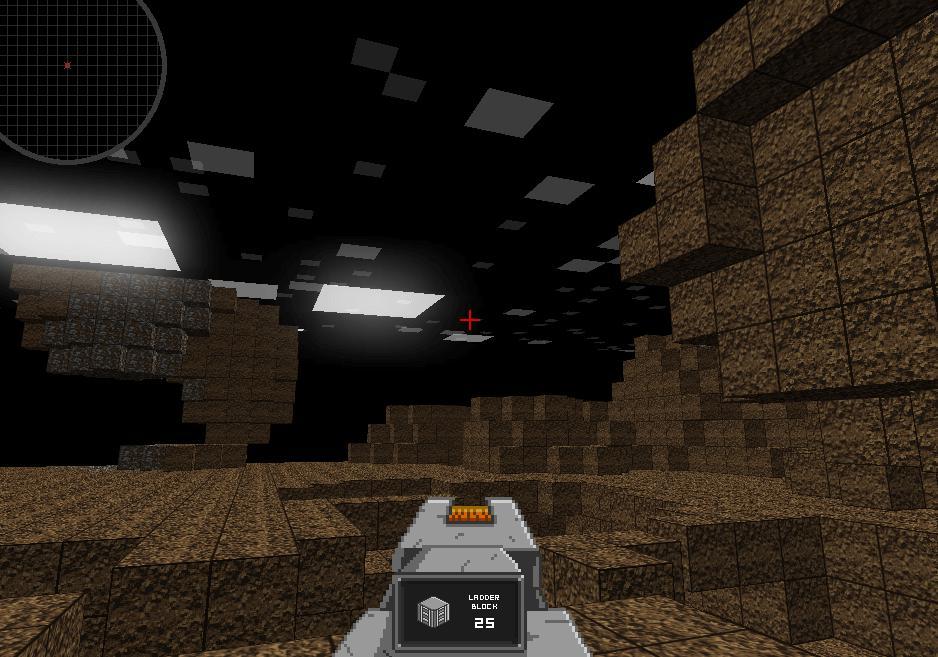
This competitive block-building game laid the direct groundwork for the global ‘Minecraft’ phenomenon. It featured procedural generation and gave players the ability to dig for resources in a voxel world. The core concept of removing and placing blocks to build structures originated here. Its open-source release allowed other developers to expand upon its revolutionary voxel mechanics.
‘Sweet Home’ (1989)
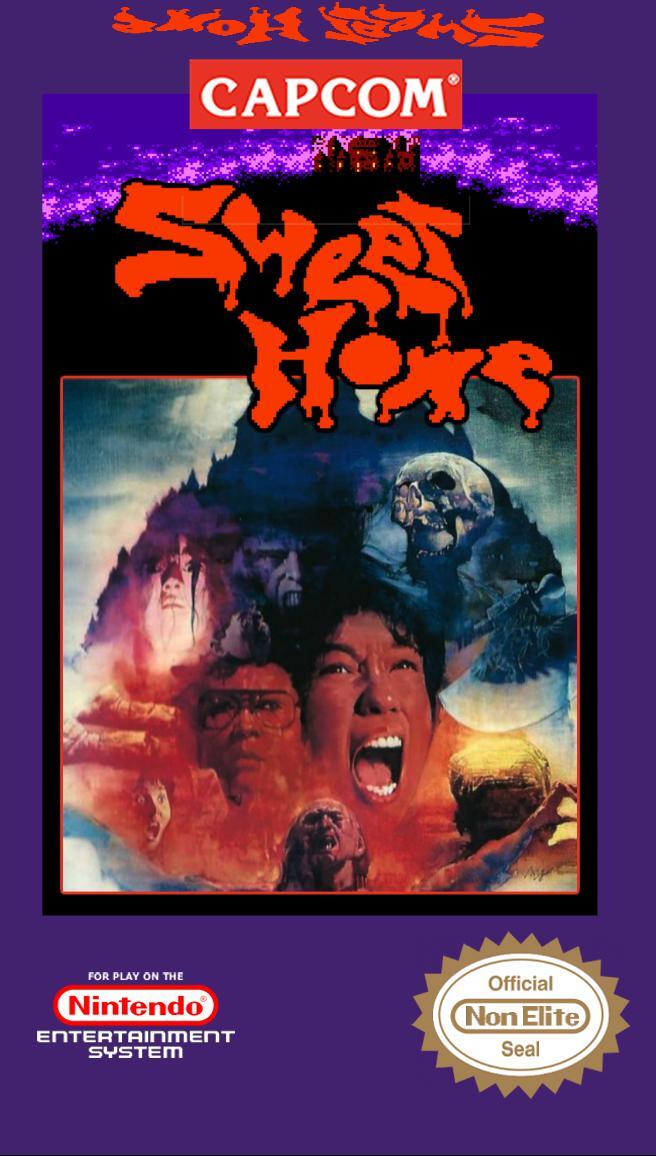
Capcom created this horror RPG based on a Japanese film of the same name. The game introduced door-opening animations and strict inventory management in a limited space. These specific design choices heavily influenced the creation of ‘Resident Evil’ years later. It stands as a grandfather to the entire survival horror genre.
‘Herzog Zwei’ (1989)
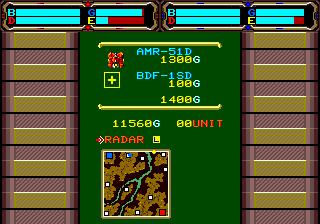
This Sega Genesis title combined real-time strategy with arcade-style shooting mechanics. Players controlled a transforming mech that could transport units across various bases on the map. Many developers cite it as a primary inspiration for the MOBA genre and early RTS games. It established the formula of base control and unit production in real time.
‘Body Harvest’ (1998)
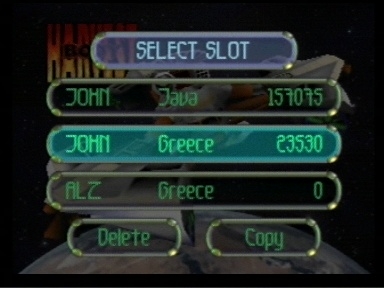
DMA Design developed this open-world game before they created the industry-changing ‘Grand Theft Auto III’. It featured a fully 3D sandbox environment where players could commandeer various land and air vehicles. The mission structure and vehicle mechanics served as a prototype for modern open-world design. It bridged the gap between top-down action and 3D exploration.
‘WinBack: Covert Operations’ (1999)

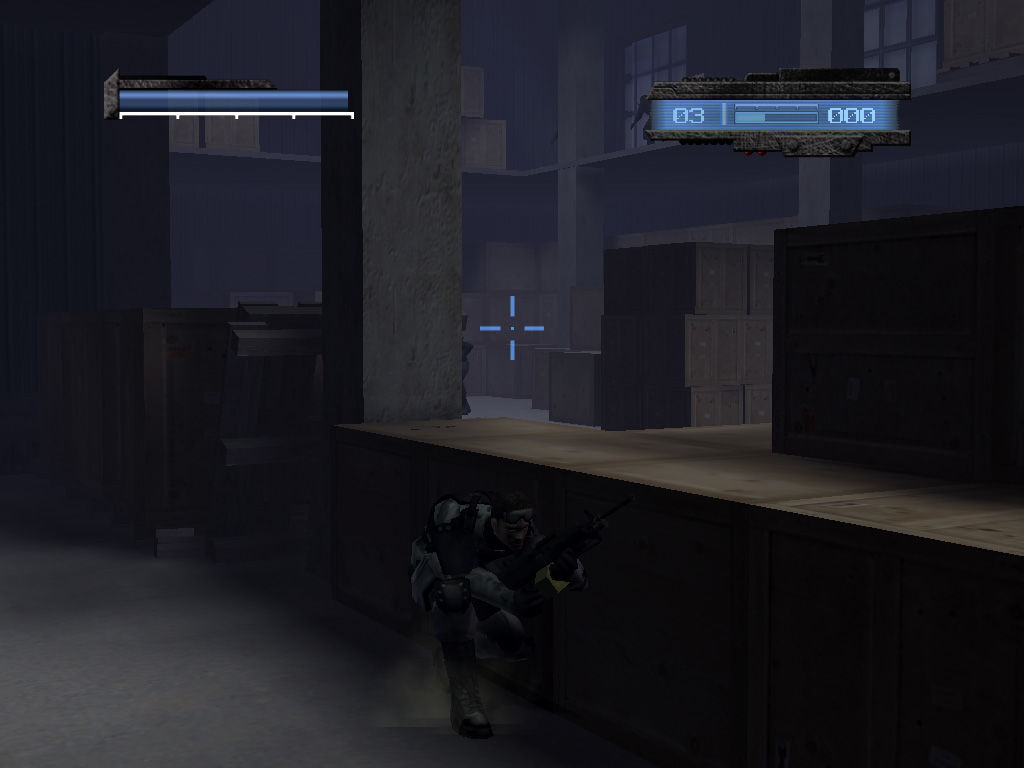
This Nintendo 64 shooter pioneered the laser-sight aiming mechanic in a third-person view. It also incorporated a cover system that allowed players to pop out and shoot at enemies. ‘Resident Evil 4’ later popularized the over-the-shoulder perspective and laser aiming found here. The game demonstrated how to implement precision aiming in a 3D space effectively.
‘Trespasser’ (1998)
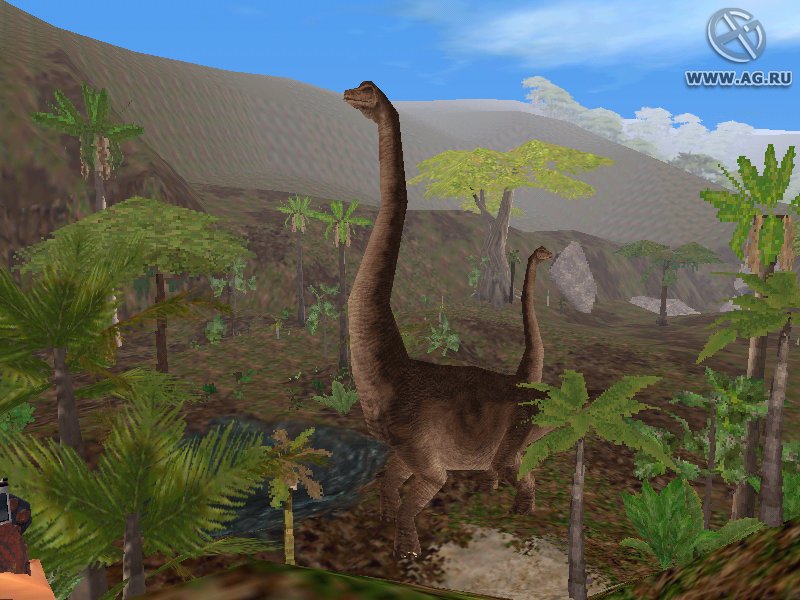
This ‘Jurassic Park’ spinoff attempted to use a completely physics-based interaction system. While it suffered from technical issues, it introduced mechanics like ragdoll physics and diegetic health interfaces. ‘Half-Life 2’ would later perfect the physics puzzles that this title ambitiously attempted first. It remains a fascinating case study in pushing engine technology forward.
‘King’s Field’ (1994)
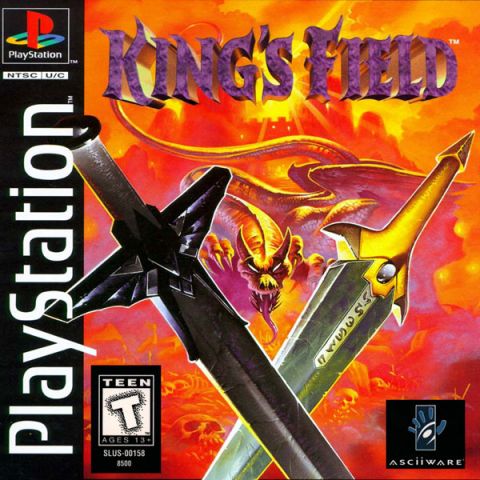
FromSoftware developed this difficult first-person RPG long before ‘Demon’s Souls’ became a hit. It featured a dark atmosphere and an interconnected world with absolutely no hand-holding. The stamina management and slow combat pacing mirror the modern Soulslike genre. This game established the grim fantasy aesthetic the developer is known for today.
‘Alone in the Dark’ (1992)
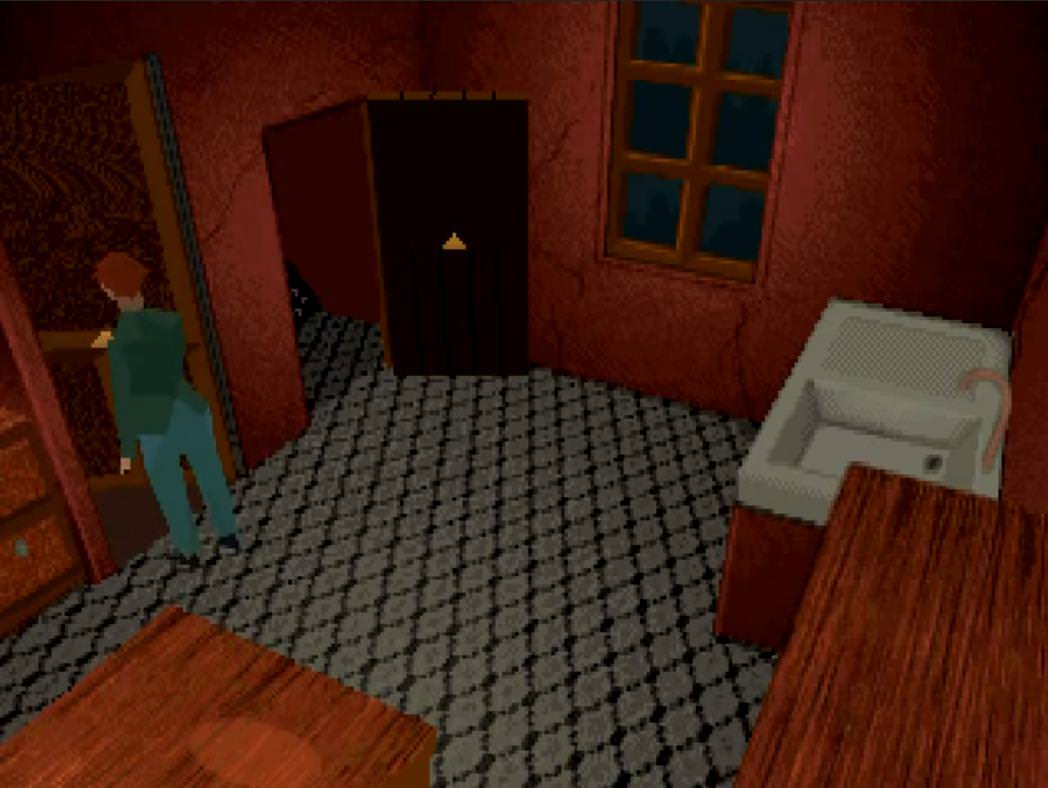
This title serves as the true progenitor of 3D survival horror gaming. It utilized fixed camera angles and pre-rendered backgrounds to create cinematic tension. Players had to manage limited inventory while solving puzzles in a haunted mansion. ‘Resident Evil’ adopted this exact presentation style to achieve massive commercial success.
‘Catacomb 3-D’ (1991)

id Software created this fantasy shooter before ‘Wolfenstein 3D’ became a household name. It introduced texture mapping to first-person environments for added visual realism. The game allowed players to cast spells with a visible hand on the screen. It laid the technological foundation for the first-person shooter explosion of the nineties.
‘Hunter’ (1991)
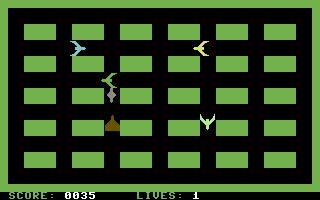
This early 3D game offered a massive open world filled with vehicles and buildings to enter. Players could explore the island freely and choose how to complete their objectives. It predated the sandbox freedom of the ‘Grand Theft Auto’ series by several years. The mix of on-foot exploration and vehicle piloting was revolutionary for its time.
‘Turbo Esprit’ (1986)

This driving game featured a free-roaming city with functioning traffic lights and pedestrians. Players acted as a police officer attempting to stop drug smugglers in a living world. Its non-linear structure allowed for dynamic chases through urban environments. It remains one of the earliest examples of a functional urban sandbox.
‘Little Computer People’ (1985)

Activision published this life simulation game where players observed a tiny character in a house. The virtual person would go about daily routines like eating and sleeping without direct control. It served as a clear predecessor to ‘The Sims’ by focusing on domestic life management. The game proved that mundane activities could provide compelling interactive entertainment.
‘Future Cop: LAPD’ (1998)
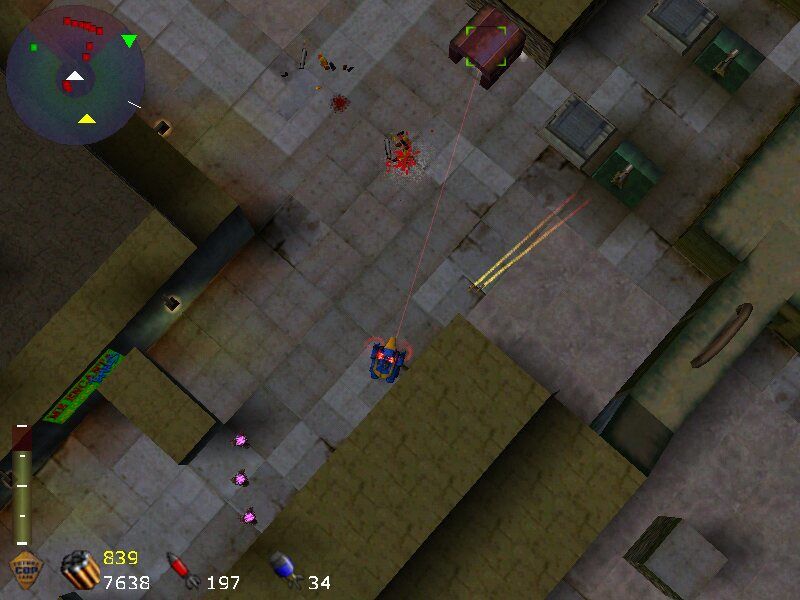
This action game included a unique mode called Precinct Assault. Players battled to destroy an enemy base while managing unit spawns and resources. This mode essentially functioned as an early MOBA before ‘Defense of the Ancients’ existed. It combined third-person shooting with tower defense strategy mechanics.
‘Hydlide’ (1984)
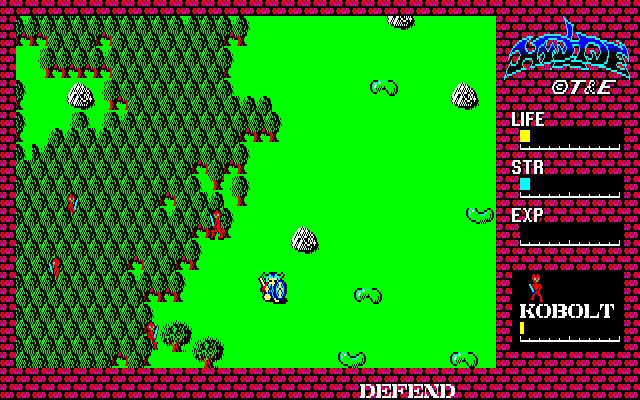
This action RPG introduced mechanics like regenerating health and morality meters. It featured an open world where players needed to find items to progress without guidance. While the execution was rough, it influenced the design of many subsequent adventure games. It represents an early attempt to blend stats with real-time action.
‘Karate Champ’ (1984)

This arcade hit established the one-on-one fighting game template used today. It utilized dual joysticks to execute a variety of martial arts moves. The game introduced the concept of a best-of-three round structure. ‘Street Fighter’ built upon the competitive foundation laid by this title.
‘Terminator: Future Shock’ (1995)

This shooter was one of the first to offer fully 3D environments with mouse-look control. Players could look up and down freely rather than being locked to a horizontal plane. It also featured drivable vehicles within a first-person shooter context. This control scheme is now the standard for all games in the genre.
‘Tenchu: Stealth Assassins’ (1998)
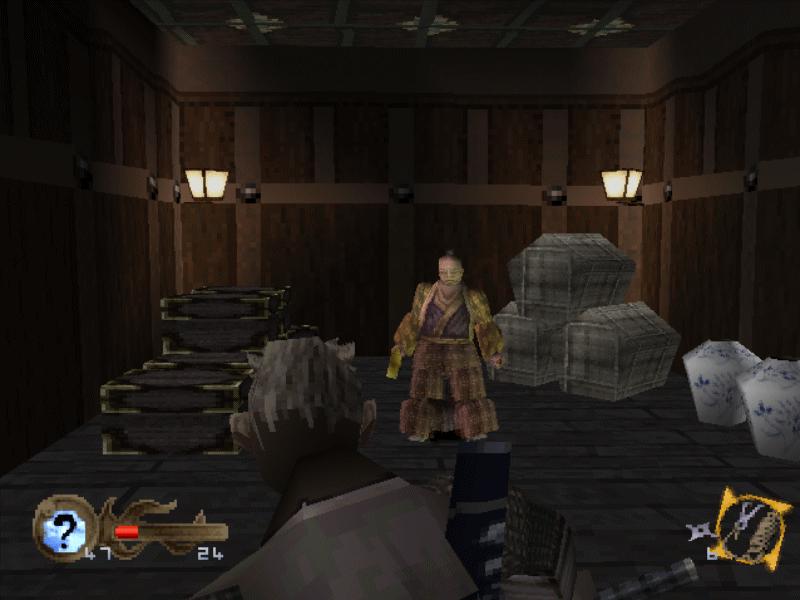
This ninja simulator emphasized stealth over direct confrontation in a 3D space. Players used grappling hooks and tools to navigate rooftops and eliminate guards silently. It arrived shortly before ‘Metal Gear Solid’ and helped define the stealth action genre. The focus on verticality and patience set it apart from typical action games.
‘System Shock’ (1994)

Looking Glass Studios created this complex first-person game that blended RPG elements with action. It emphasized emergent gameplay and environmental storytelling through audio logs. This design philosophy led directly to the creation of the immersive sim genre. Games like ‘BioShock’ and ‘Deus Ex’ owe their existence to its innovations.
‘Ultima Underworld: The Stygian Abyss’ (1992)

This dungeon crawler featured a fully texture-mapped 3D world with verticality. Players could look up and down and jump across gaps in real time. It influenced the technology behind virtually every 3D RPG that followed. The game proved that first-person experiences could be deep and simulation-heavy.
‘Shenmue’ (1999)

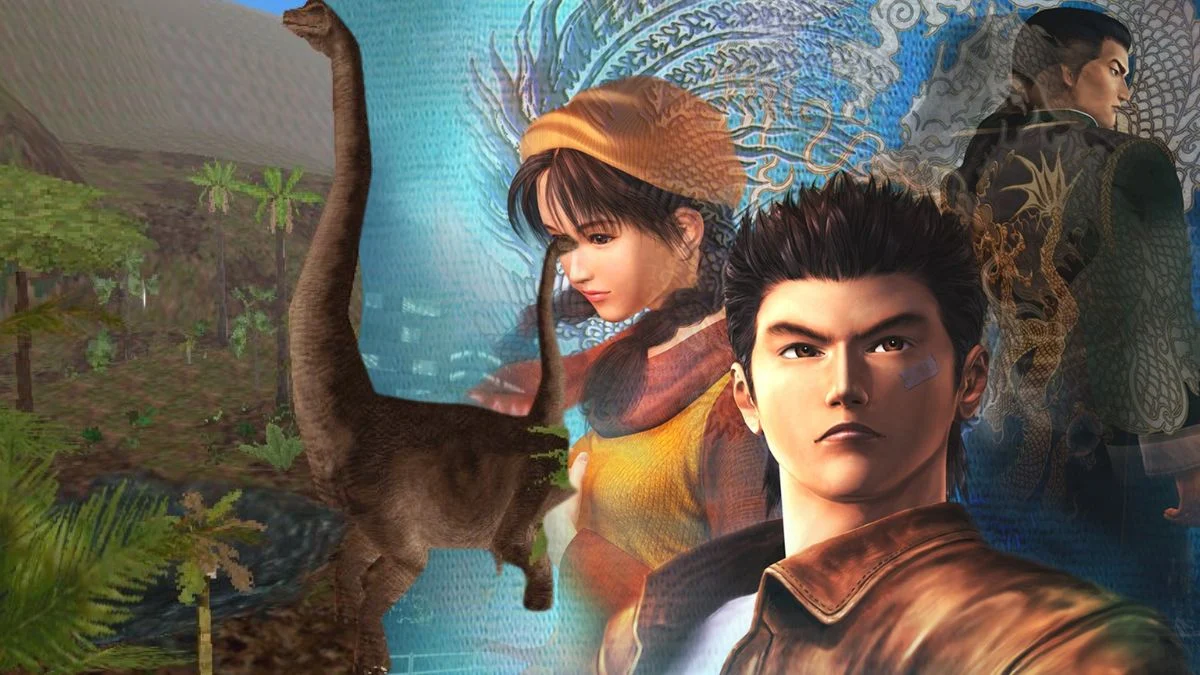
Yu Suzuki created this detailed open-world adventure with a focus on daily life. It introduced Quick Time Events as a major gameplay mechanic during cinematic cutscenes. The game also featured a living world with NPCs following distinct schedules. Its ambition in world-building set a new bar for immersive environments.
‘Outcast’ (1999)
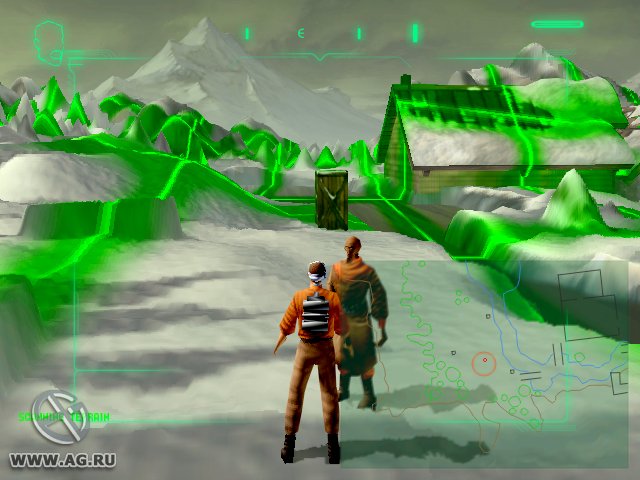
This adventure game used voxel technology to create vast and organic alien landscapes. It offered a non-linear structure where player actions affected the game world. The AI was advanced for its time and reacted dynamically to the player. It remains a cult classic for its approach to open-world exploration.
‘Dragon’s Lair’ (1983)
This laserdisc game utilized full-motion animation instead of pixel graphics. It relied entirely on quick reflexes to progress the story through button prompts. This mechanic effectively created the Quick Time Event decades before it became common. It showed the potential for interactive cinema in gaming arcades.
‘Meridian 59’ (1996)
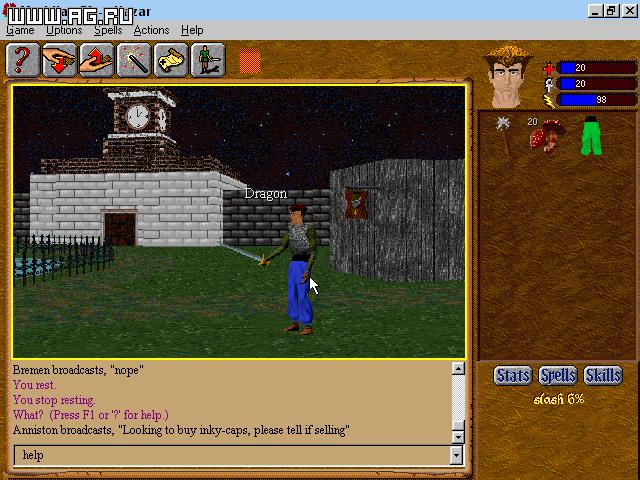
This title was the first 3D massively multiplayer online role-playing game. It introduced a flat monthly subscription fee that became the industry standard. Players could explore a persistent world and interact with a graphical user interface. It paved the way for giants like ‘EverQuest’ and ‘World of Warcraft’.
‘Neverwinter Nights’ (1991)

This online game on AOL was the first graphical MMORPG to display players as avatars. It fostered a strong community and social interaction within a digital space. The game demonstrated the viability of multiplayer online worlds to a wider audience. It served as a bridge between text-based MUDs and modern MMOs.
‘Virtua Fighter’ (1993)

Sega released this game as the first fully 3D fighting game with polygon graphics. It focused on realistic martial arts techniques rather than fireballs or magic. The addition of the third dimension changed how developers approached fighting game mechanics. It influenced the visual style of the entire industry moving forward.
‘Adventure’ (1979)
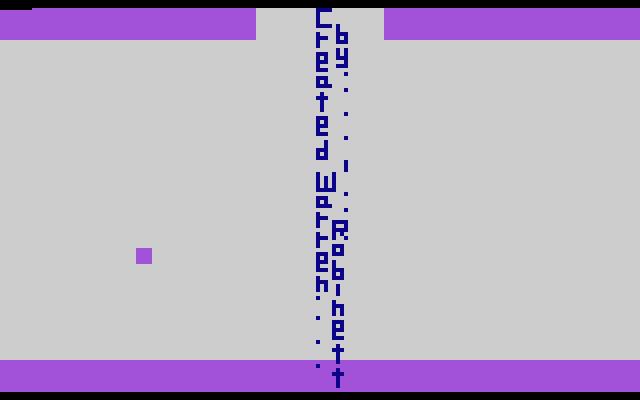
This Atari 2600 cartridge is considered the first action-adventure game. It introduced the concept of a hidden secret within a video game code. Players navigated screens to find items and unlock new areas. The game established the fetch-quest structure found in countless later titles.
‘M.U.L.E.’ (1983)

This strategy game focused on supply and demand economics on a colonized planet. Four players competed to produce resources and trade them in a market. It introduced competitive economic mechanics that are now common in strategy games. The balance of cooperation and competition was ahead of its time.
‘Archon: The Light and the Dark’ (1983)
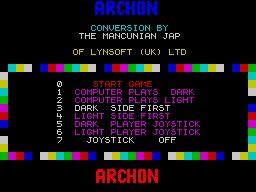
This title mixed chess-like strategy with real-time arcade combat. When pieces met on the board the game shifted to an action battle. It pioneered the concept of blending two distinct genres into a cohesive package. Modern hybrid games owe a debt to this early experiment.
‘Harvest Moon’ (1996)

Natsume proved that farming and socializing could be the basis of a fun video game. Players managed crops and livestock while building relationships with villagers. This pacifist approach to gaming inspired the massive ‘Stardew Valley’ hit. It created the farming simulation genre that remains popular today.
‘Populous’ (1989)
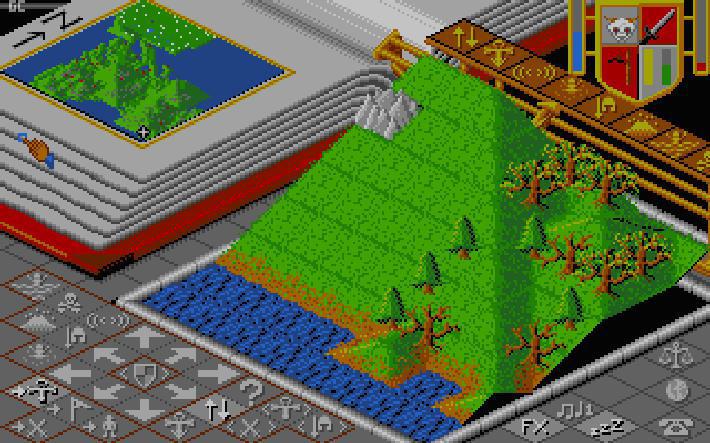
Peter Molyneux designed this game that allowed players to manipulate the environment like a deity. It established the god game genre where indirect control is key. Players shaped the land to help their followers thrive and conquer enemies. The game demonstrated that overseeing a world could be as fun as fighting in it.
‘SimCity’ (1989)
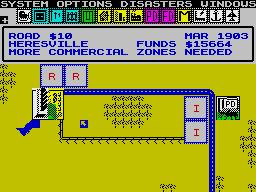
Will Wright created this city-building simulation that focused on urban planning. It lacked a traditional win state and encouraged endless creativity and management. The game proved that open-ended simulation toys could be commercially successful. It spawned an entire subgenre of management simulation titles.
‘Elite’ (1984)
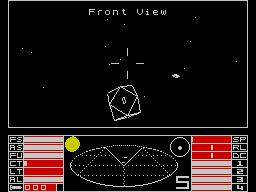
This space trading simulator featured 3D wireframe graphics and a massive procedurally generated galaxy. Players could choose to be traders or pirates in an open universe. It laid the foundation for the open-world space sim genre. Modern titles like ‘No Man’s Sky’ follow the path this game blazed.
‘Rogue’ (1980)
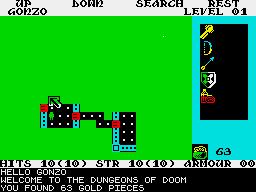
This dungeon crawler introduced procedural generation and permanent death to gaming. Every playthrough offered a different layout and item distribution. It created an entire subgenre known as the Roguelike. The mechanics of risk and randomization it established are more popular now than ever.
‘Mystery House’ (1980)

This Apple II title was the first graphic adventure game ever released. It combined text descriptions with static vector illustrations. This visual addition transformed the text adventure genre into the point-and-click adventure. It opened the door for visual storytelling in the interactive medium.
Share your thoughts on these influential pioneers in the comments.