

Games That Changed Canon Genders and Divided the Community




The video game industry has a long history of exploring gender identity through character design and narrative evolution. Many iconic franchises have introduced characters whose gender presentation changed during development or within the established lore. These shifts often spark intense discussions among players regarding representation and creative intent. Understanding these changes provides insight into how the medium has evolved over several decades. This list examines several prominent titles where canon gender identity has been a central point of conversation.
‘Metroid’ (1986)
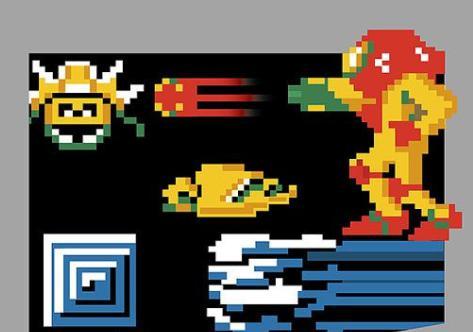
The original ‘Metroid’ featured a protagonist named Samus Aran who spent the entire adventure inside a heavy suit of armor. Most players at the time assumed the character was male due to the limitations of early graphics and marketing materials. The final reveal showed Samus in a leotard and proved that the galaxy’s greatest bounty hunter was a woman. This moment became a landmark in gaming history because it subverted expectations about action heroes. The community continues to discuss the impact of this legendary twist today.
‘Super Mario Bros. 2’ (1988)
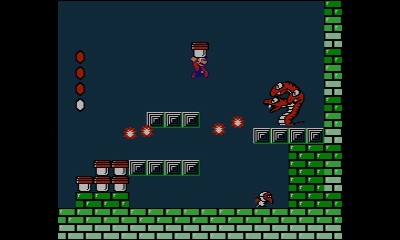
This platformer introduced a character named Birdo who initially appeared as a mini boss. The instruction manual stated that Birdo was a boy who thought he was a girl and preferred to be called Birdetta. Later games in the franchise removed these references and treated Birdo as a female character. Fans often debate the consistency of the character’s background across different regions and eras. Birdo remains a significant figure for discussions regarding early representations of gender in the ‘Super Mario’ universe.
‘Final Fight’ (1989)
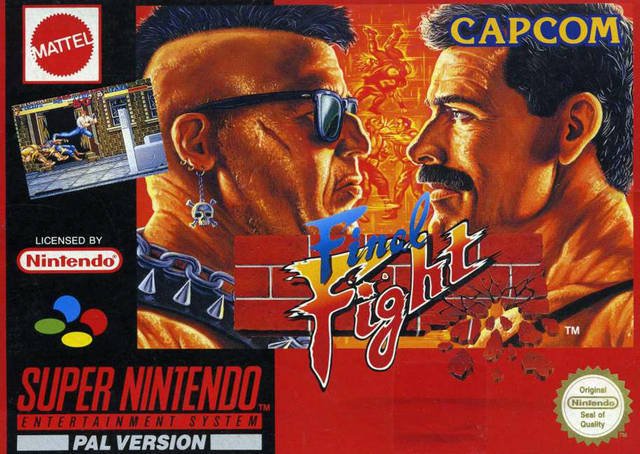
The character Poison was originally introduced as a female thug in this arcade brawler. Developers worried about the potential controversy of players hitting women and decided to claim the character was transgender in some versions. This led to decades of confusion and conflicting statements from various creators at Capcom. Poison has since appeared in multiple fighting games with her gender identity remaining a topic of significant community discussion. The character is now celebrated as an early example of complex gender representation in mainstream gaming.
‘Final Fantasy V’ (1992)
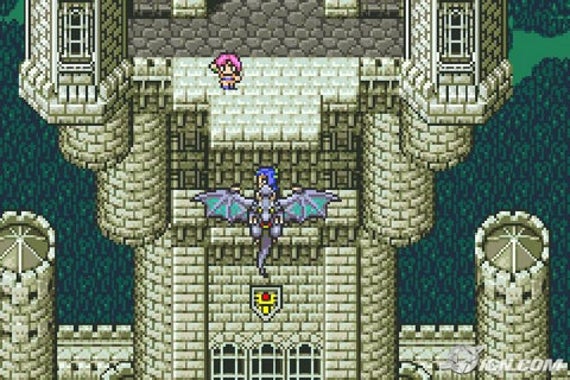
Faris Scherwiz is a pirate captain who joins the party while masquerading as a man to command respect on the high seas. The story eventually reveals that Faris is a princess and the sister of another party member. Faris continues to display a mix of masculine and feminine traits throughout the game which has made the character a fan favorite. This portrayal challenged the traditional roles of female characters in early role playing games. The community appreciates Faris for her strength and her refusal to conform to standard social expectations.
‘Chrono Trigger’ (1995)
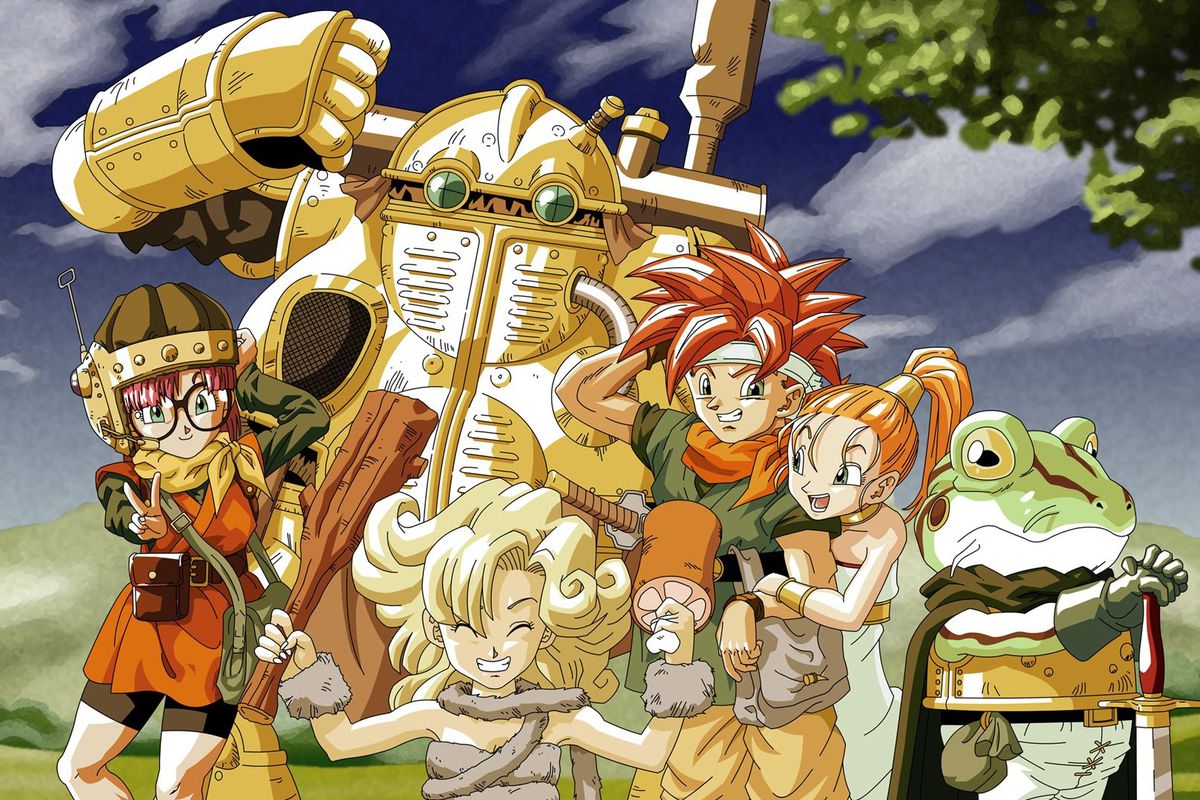
In this time traveling adventure players encounter a magical villain named Flea who serves the dark wizard Magus. Flea has a very feminine appearance but explicitly states that power and beauty are more important than gender labels. The character identifies as a man despite wearing a dress and possessing delicate features. This brief dialogue exchange created a memorable moment for fans who were not used to seeing such perspectives in the mid nineties. Flea remains a cult favorite for his unique and defiant personality.
‘Nights into Dreams’ (1996)
The title character of this Sega classic was intentionally designed to be androgynous and genderless. Developers wanted Nights to represent the freedom of dreams where the concept of gender does not have to exist. Players can project their own interpretations onto the character as it flies through various dreamscapes. This design choice was revolutionary for its time and allowed a wide range of players to connect with the protagonist. The community still views Nights as a prime example of successful androgynous character design.
‘The Legend of Zelda: Ocarina of Time’ (1998)
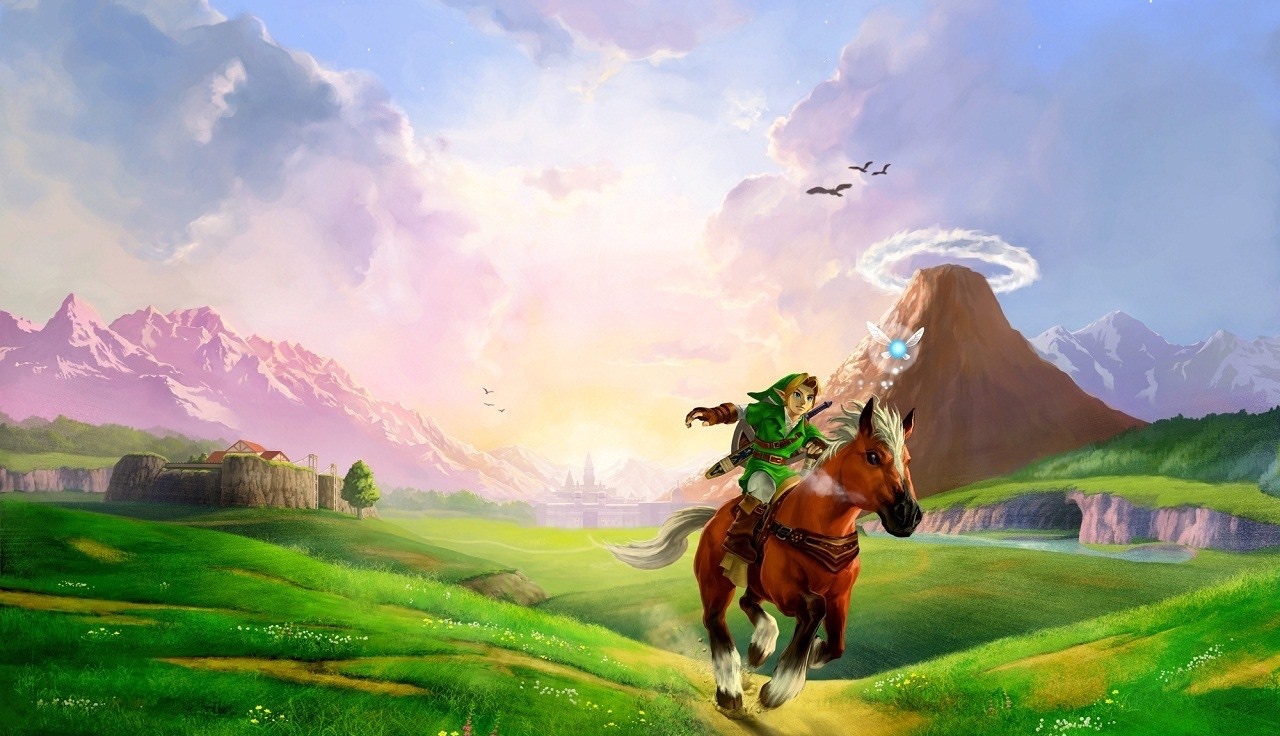
Princess Zelda takes on the identity of Sheik to hide from the villainous Ganondorf during the seven year time skip. Sheik possesses a different physical build and voice which led many players to believe the character was biologically male in that form. The debate over whether Sheik is a magical transformation or a simple disguise has persisted for years. Official statements have clarified that Sheik is Zelda and therefore female but the masculine presentation remains iconic. This duality is a core element of the game’s narrative impact.
‘Pokemon Gold and Silver’ (1999)
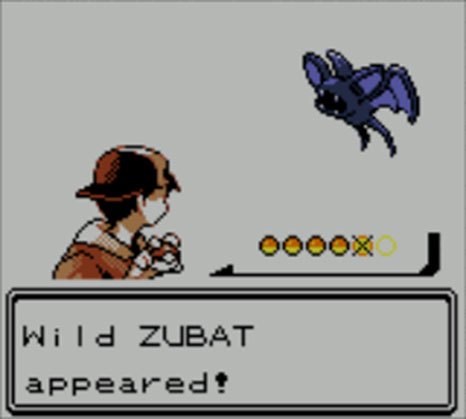
The introduction of the pre evolution Azurill in later generations created a strange technical glitch regarding gender. Azurill has a different gender ratio than its evolution Marill which means some female Azurill could become male Marill upon evolving. While this was likely a coding oversight it led to many theories within the fan community about the biology of water type monsters. The developers eventually fixed this in later titles but the history of the gender swapping mouse remains a popular piece of trivia. It serves as a unique example of how gameplay mechanics can accidentally influence character canon.
‘Fire Emblem: The Blazing Blade’ (2003)
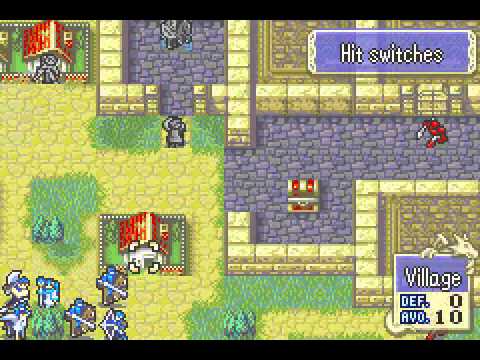
The character Lucius is a powerful monk with long blonde hair and delicate features that often cause other characters to mistake him for a woman. His design was a deliberate attempt to subvert the typical look of male warriors in fantasy settings. Lucius frequently has to correct people about his gender which adds a layer of social commentary to his interactions. Fans have long debated the effectiveness of this trope in the ‘Fire Emblem’ series. His relationship with the mercenary Raven is also a frequent topic of discussion among the community.
‘Paper Mario: The Thousand-Year Door’ (2004)
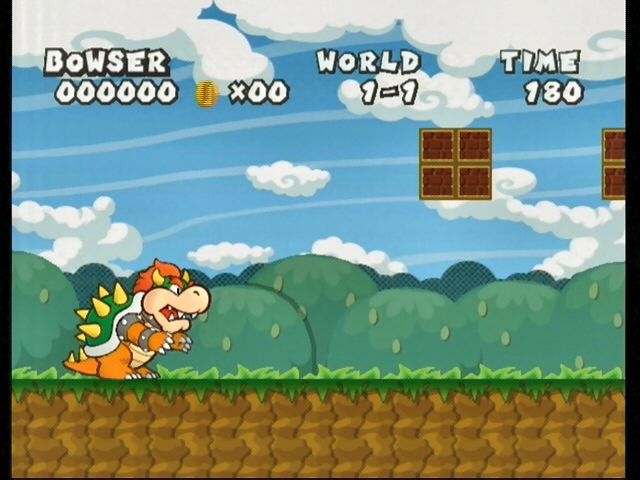
Vivian is a member of the Shadow Sirens who eventually joins Mario on his quest. In the original Japanese version of the game Vivian is described as a boy who transitioned to being a girl and faces bullying from her sisters. The English localization removed these references and simply presented her as a female character. This change was restored in the recent remake which brought the discussion back to the forefront of the community. Vivian is widely regarded as one of the most sympathetic and well developed characters in the series.
‘Enchanted Arms’ (2006)
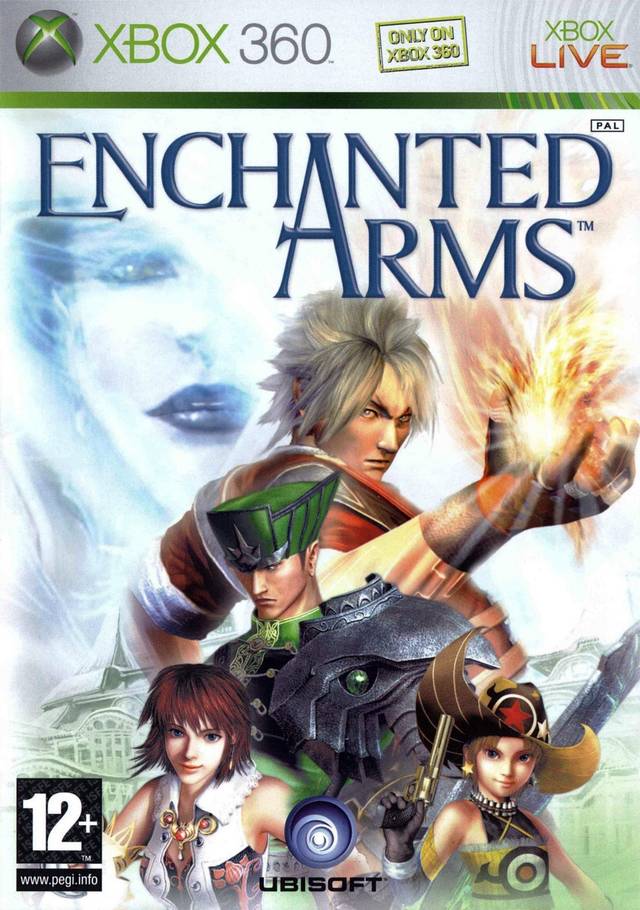
This role playing game features a character named Makoto who is a flamboyant and openly transgender woman. Her inclusion was notable for the time but her portrayal often leaned into stereotypes that divided the audience. Some players appreciated the representation while others felt the character was used for comedic relief. Makoto’s presence in the game highlights the growing pains of gender representation in the mid two thousands. She remains a historical point of reference for how developers approached these themes during that era.
‘Tekken 6’ (2007)

Leo Kliesen was introduced as a character with a strictly neutral design to appeal to all players regardless of gender. For several years the developers refused to confirm if Leo was male or female which led to intense speculation. Eventually it was stated that Leo was a woman named Eleonore but the character continues to use masculine pronouns and clothing. This ambiguity is a key part of the character’s appeal and fighting style. The ‘Tekken’ community continues to use various pronouns when referring to Leo in competitive play.
‘Persona 4’ (2008)
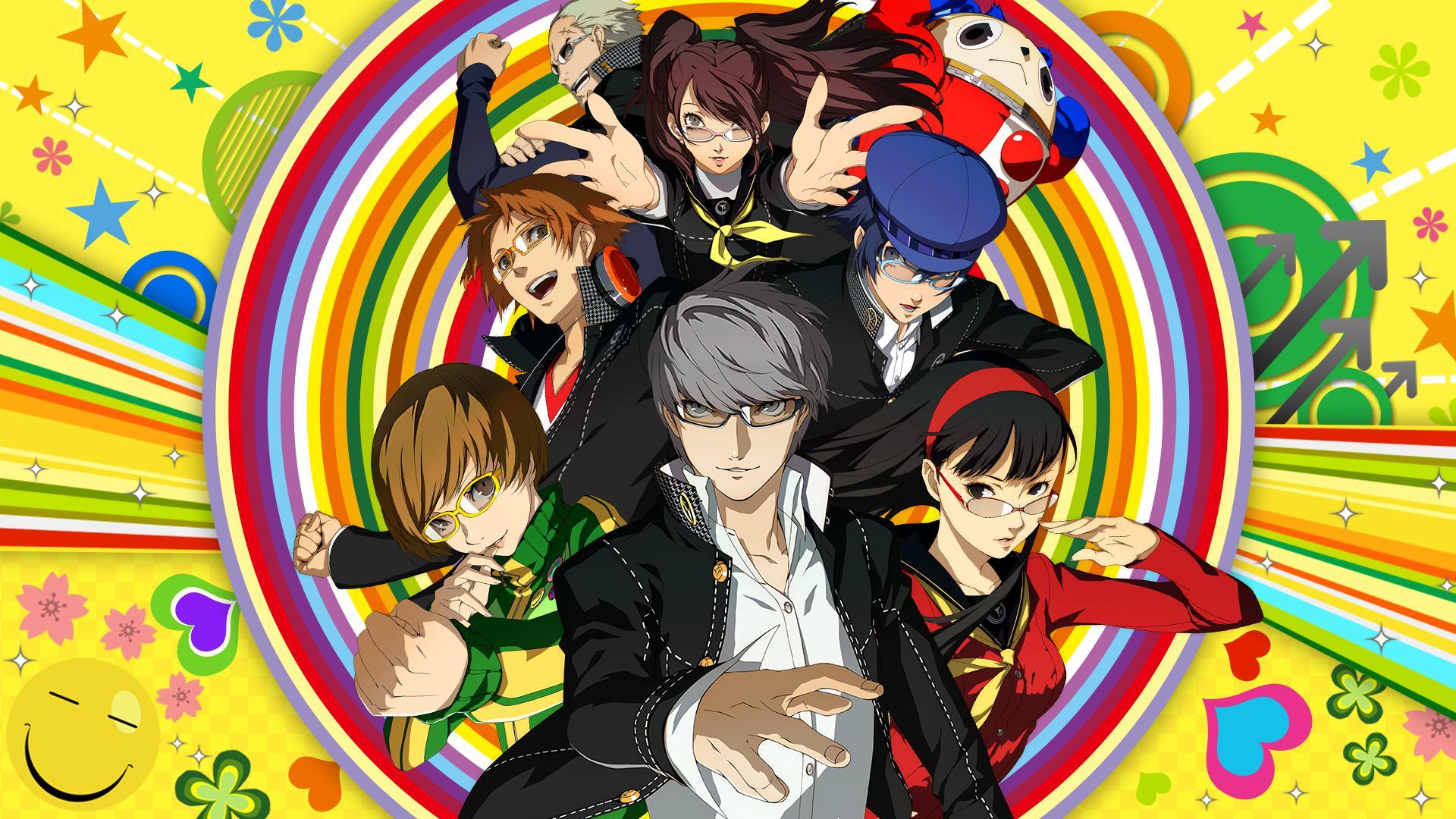
Naoto Shirogane is a detective who presents as a boy to gain respect in a male dominated field. The character’s story arc focuses heavily on the struggle between societal expectations and personal identity. While the game ultimately frames Naoto’s journey as accepting her womanhood many fans interpret the character as transgender. This conflict between the text and the fan interpretation has led to years of debate within the ‘Persona’ community. Naoto remains one of the most analyzed and discussed characters in the franchise.
‘Fable II’ (2008)
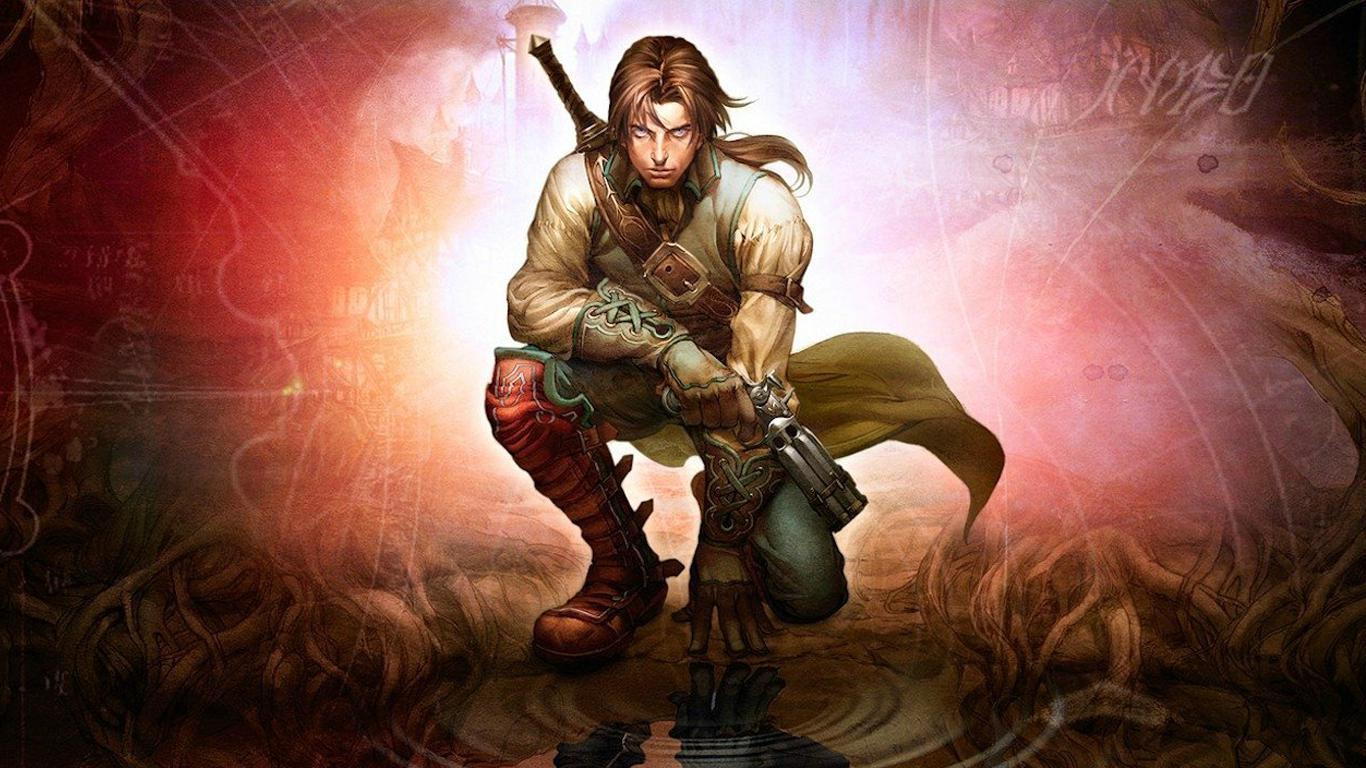
The ‘Fable’ series allows players to change their character’s appearance and traits through various in game actions. One specific item called the Potion of Transmutation allows the protagonist to permanently swap their gender. This mechanic was a rare inclusion for an open world action game at the time and gave players more control over their identity. It allowed for unique role playing opportunities that were not common in other mainstream titles. The community frequently used this feature to see how NPCs reacted to different versions of the hero.
‘Danganronpa: Trigger Happy Havoc’ (2010)
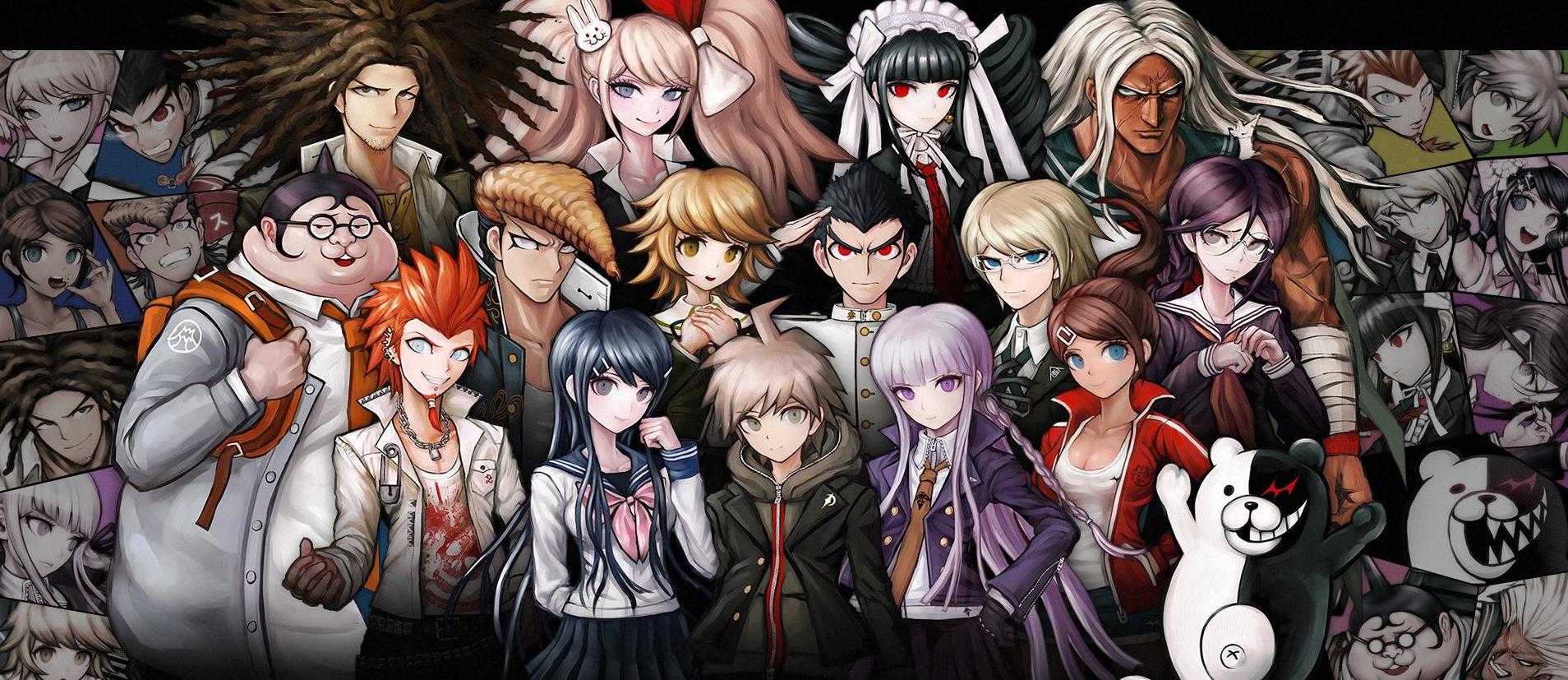
Chihiro Fujisaki is a programmer who is initially introduced as a young girl to the rest of the cast. The story eventually reveals that Chihiro is a boy who dressed as a girl to avoid being bullied for his perceived weakness. This revelation is a major plot point that influences the investigation of a central murder mystery. The community has had long discussions about the handling of this twist and what it says about gender roles. Chihiro remains a tragic and beloved figure among the ‘Danganronpa’ fanbase.
‘Nier Replicant’ (2010)
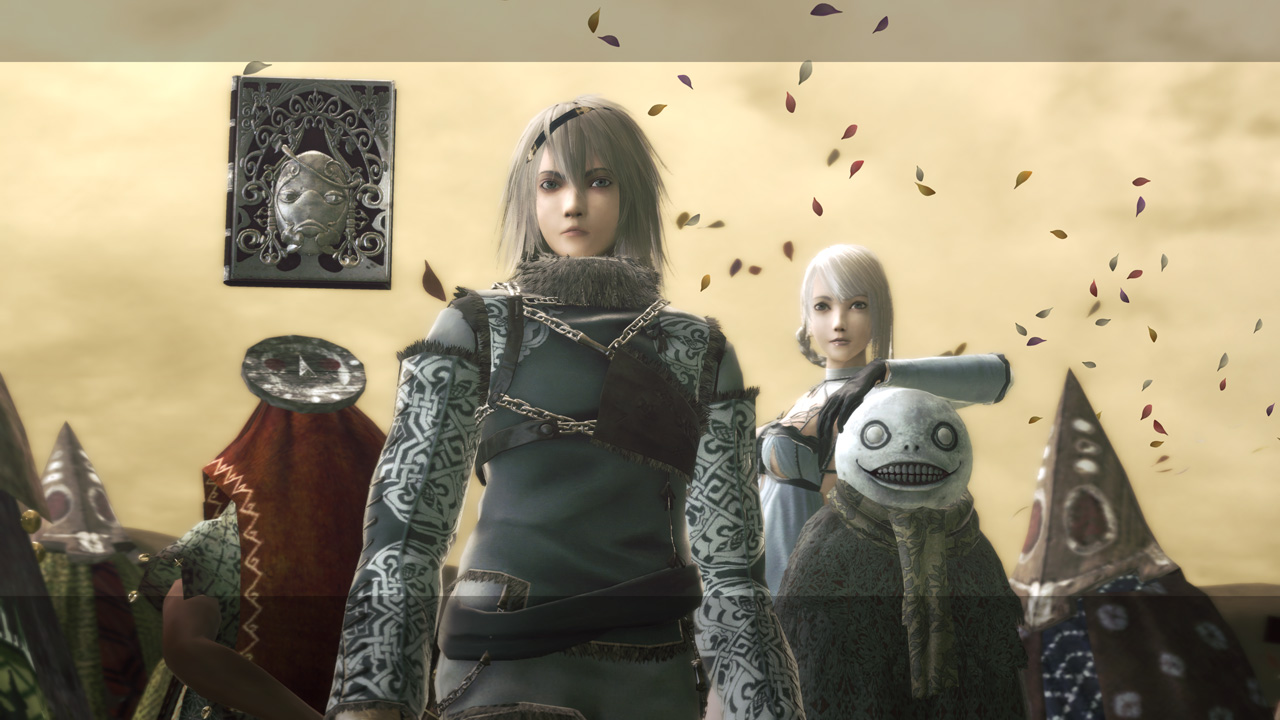
Kaine is a fierce warrior who accompanies the protagonist and is known for her foul mouth and revealing outfit. The lore clarifies that Kaine is intersex and her choice of clothing is a form of protest against those who shunned her. This aspect of her character is handled with a mix of aggression and vulnerability that resonated with many players. The community often discusses how her identity shaped her outlook on the world and her relationships. Kaine is considered a pioneer for complex gender representation in Japanese action games.
‘Saints Row: The Third’ (2011)
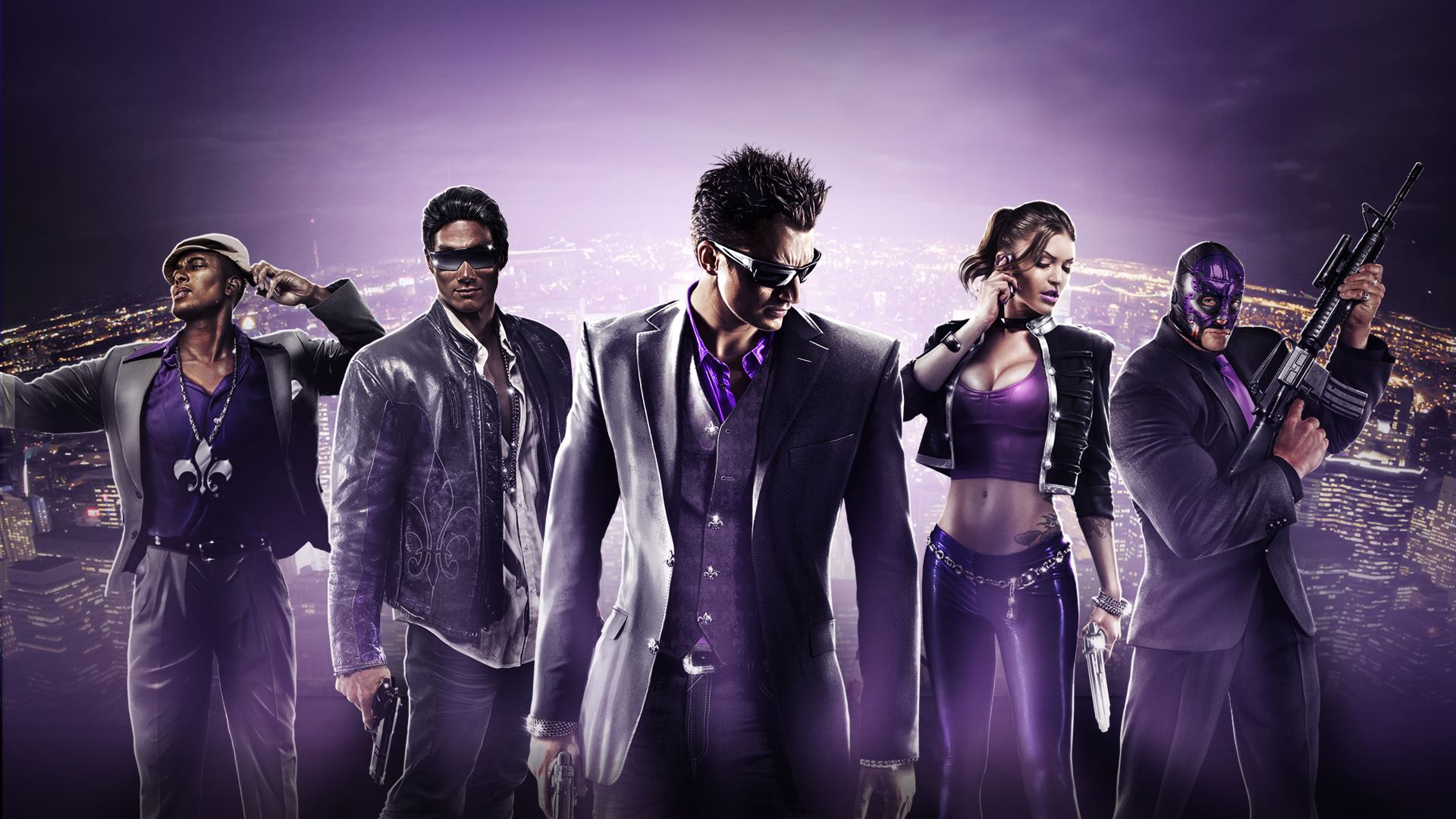
The ‘Saints Row’ franchise is famous for its robust character creator that allows players to design their boss. Players can change their character’s gender at any time by visiting a plastic surgery clinic in the city. This flexibility is a core part of the game’s chaotic and inclusive spirit. The boss’s voice and gender can be swapped without any negative impact on the narrative progression. This system encouraged players to experiment with their identity in a fun and low stakes environment.
‘The Elder Scrolls V: Skyrim’ (2011)

The Daedric Princes in the ‘Elder Scrolls’ universe are powerful deities who do not have a fixed biological gender. Characters like Boethiah and Azura have appeared as both male and female across different games in the series. In ‘Skyrim’ players interact with these beings and see their various manifestations firsthand. This fluid nature is consistent with the lore that describes them as beyond mortal concepts. Fans enjoy the mystical and unpredictable nature of these divine entities.
‘Dead or Alive 5’ (2012)
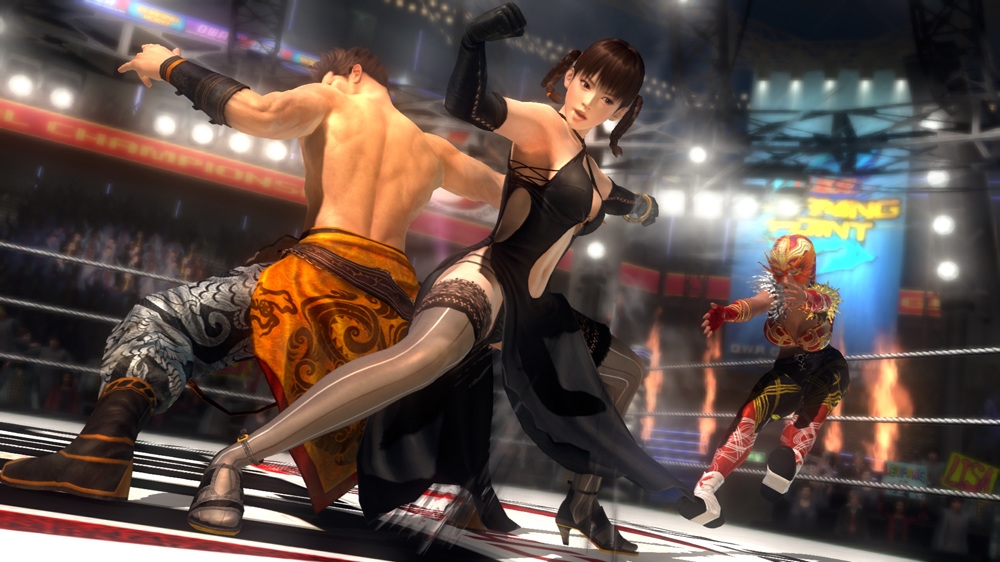
This fighting game introduced Nyotengu who is a female version of the legendary Tengu from previous entries. While she is a distinct character her fighting style and role are a direct evolution of the original male Tengu. Some fans welcomed the change as a fresh take on a classic archetype while others preferred the older design. Nyotengu quickly became one of the most popular characters in the series due to her unique personality. Her inclusion represents the franchise’s trend of reimagining older roles with a new perspective.
‘Dragon Age: Inquisition’ (2014)
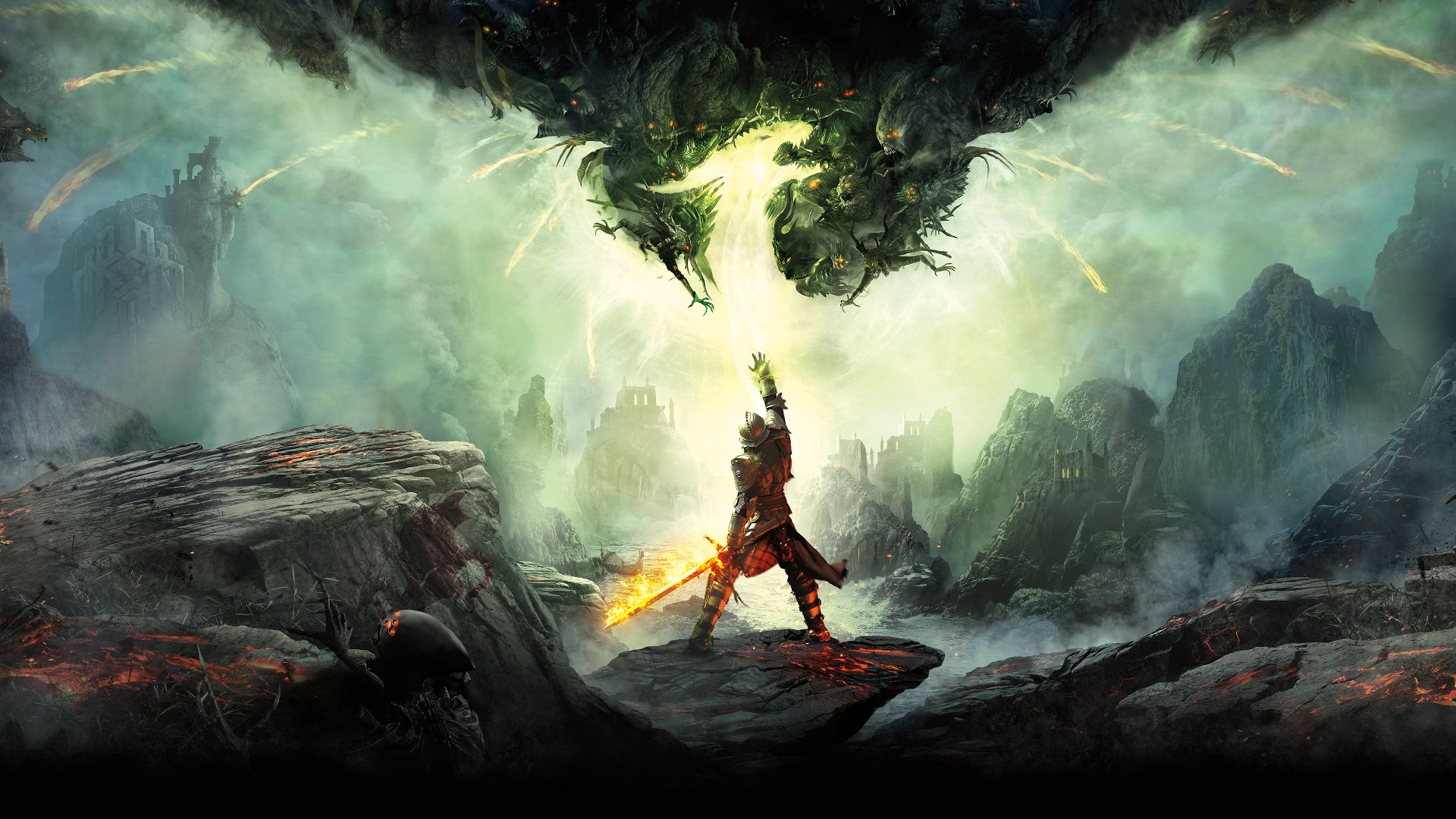
Krem is a member of the Bull’s Chargers and is the first prominently featured transgender character in the ‘Dragon Age’ series. He is a trans man who serves as the second in command to Iron Bull. The game provides players with the opportunity to ask Krem about his life and his transition in a respectful manner. This portrayal was praised for its sincerity and for integrating the character’s identity into the world’s lore. Krem’s presence sparked many positive conversations about representation in high fantasy games.
‘Shovel Knight: Treasure Trove (2014)’
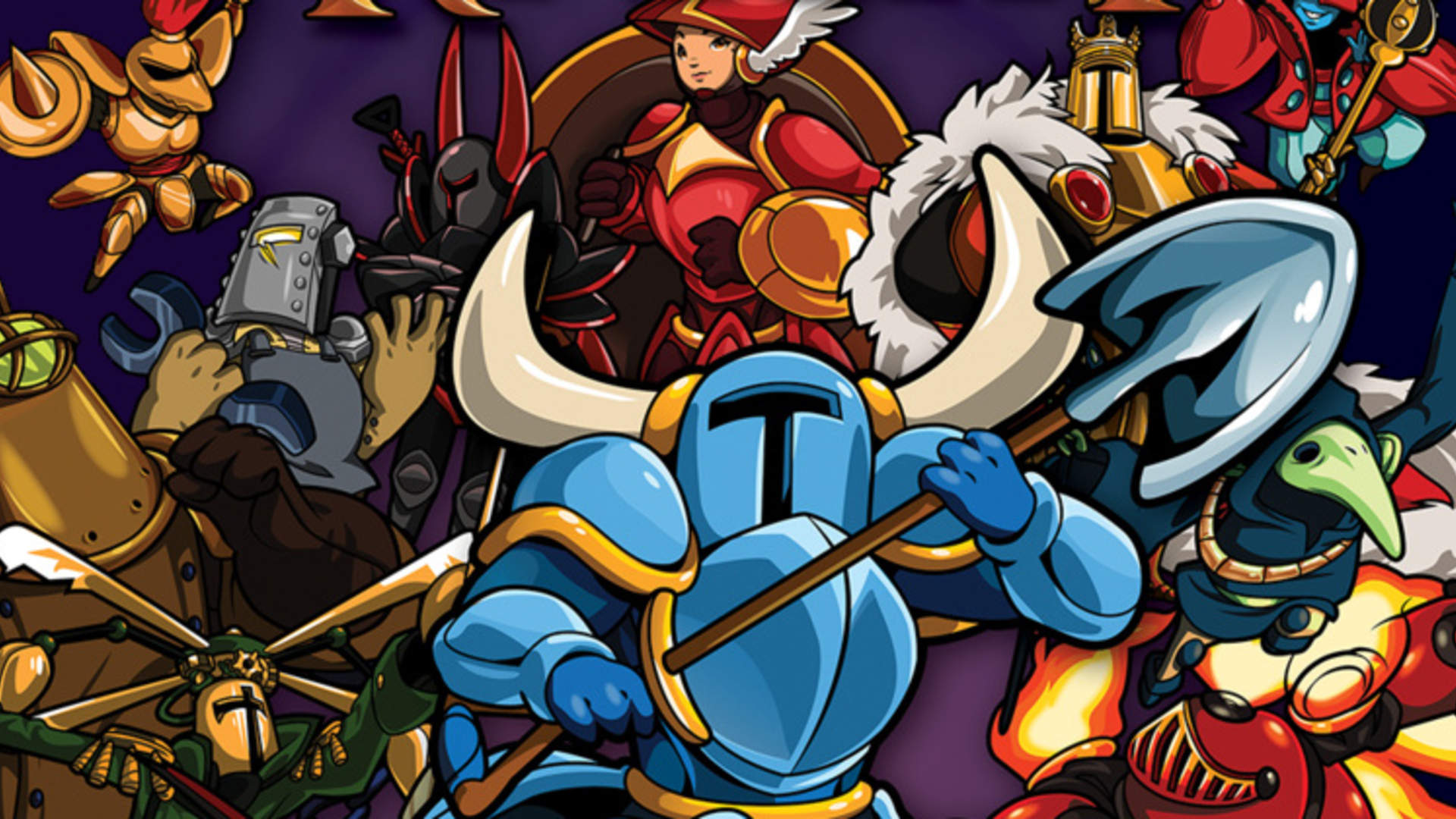
The developers of ‘Shovel Knight’ added a Body Swap mode that allows players to change the gender of every character in the game. This feature includes new character designs and adjusted pronouns for the entire cast. It was designed to provide more representation and to let players experience the story through different lenses. The community praised the effort put into the new sprites and the commitment to inclusivity. This mode showed that even retro style games can embrace modern ideas about gender.
‘Undertale’ (2015)
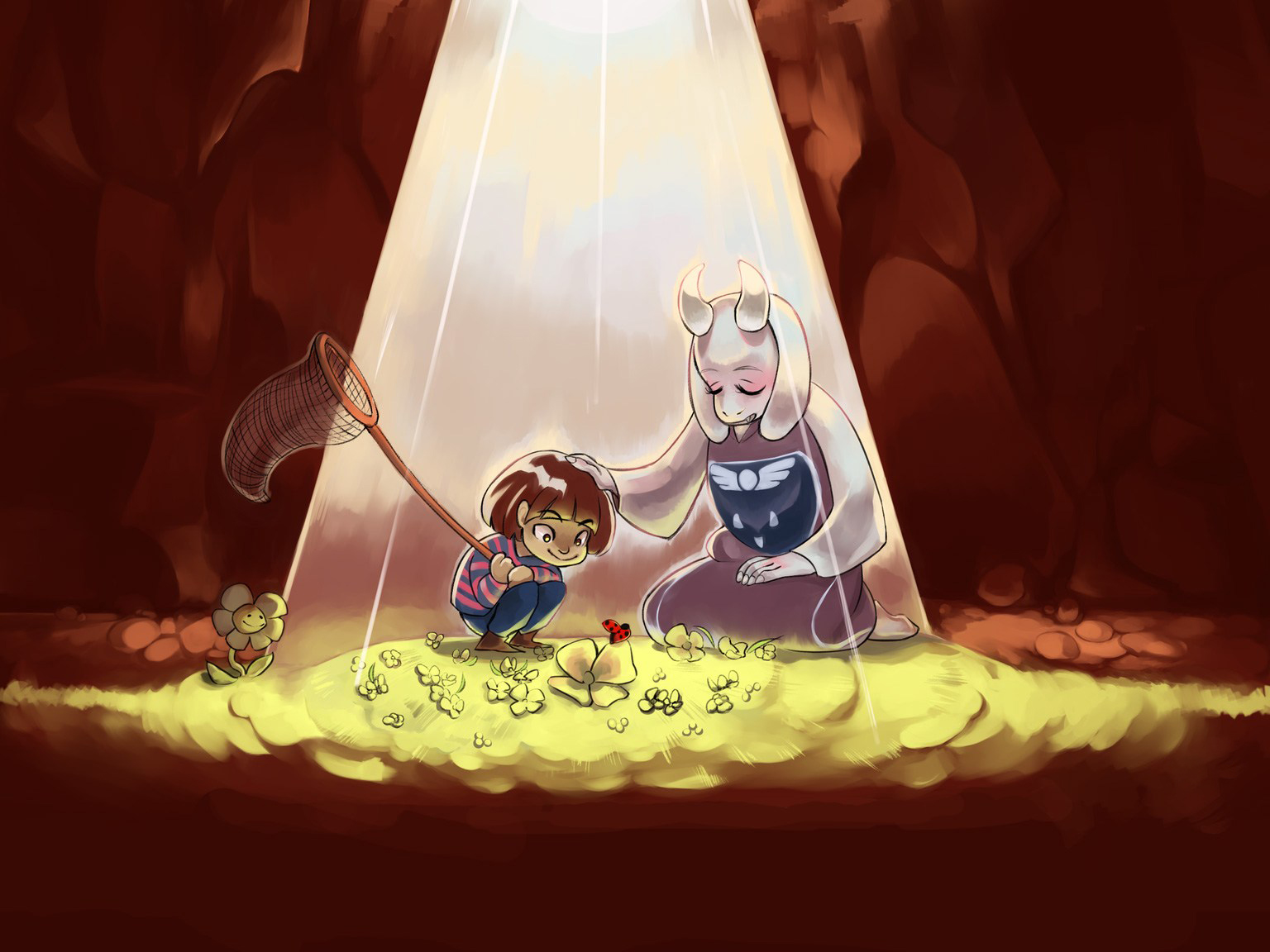
The protagonist of ‘Undertale’ is a child named Frisk who is never assigned a gender by the game or its creator. Characters within the game use neutral pronouns when referring to Frisk throughout the entire story. This allows the player to project any identity they choose onto the character as they navigate the underground. The lack of a defined gender is a key part of the game’s themes of empathy and universality. The community has embraced this ambiguity and often discusses how it enhances the role playing experience.
‘Rainbow Six Siege’ (2015)
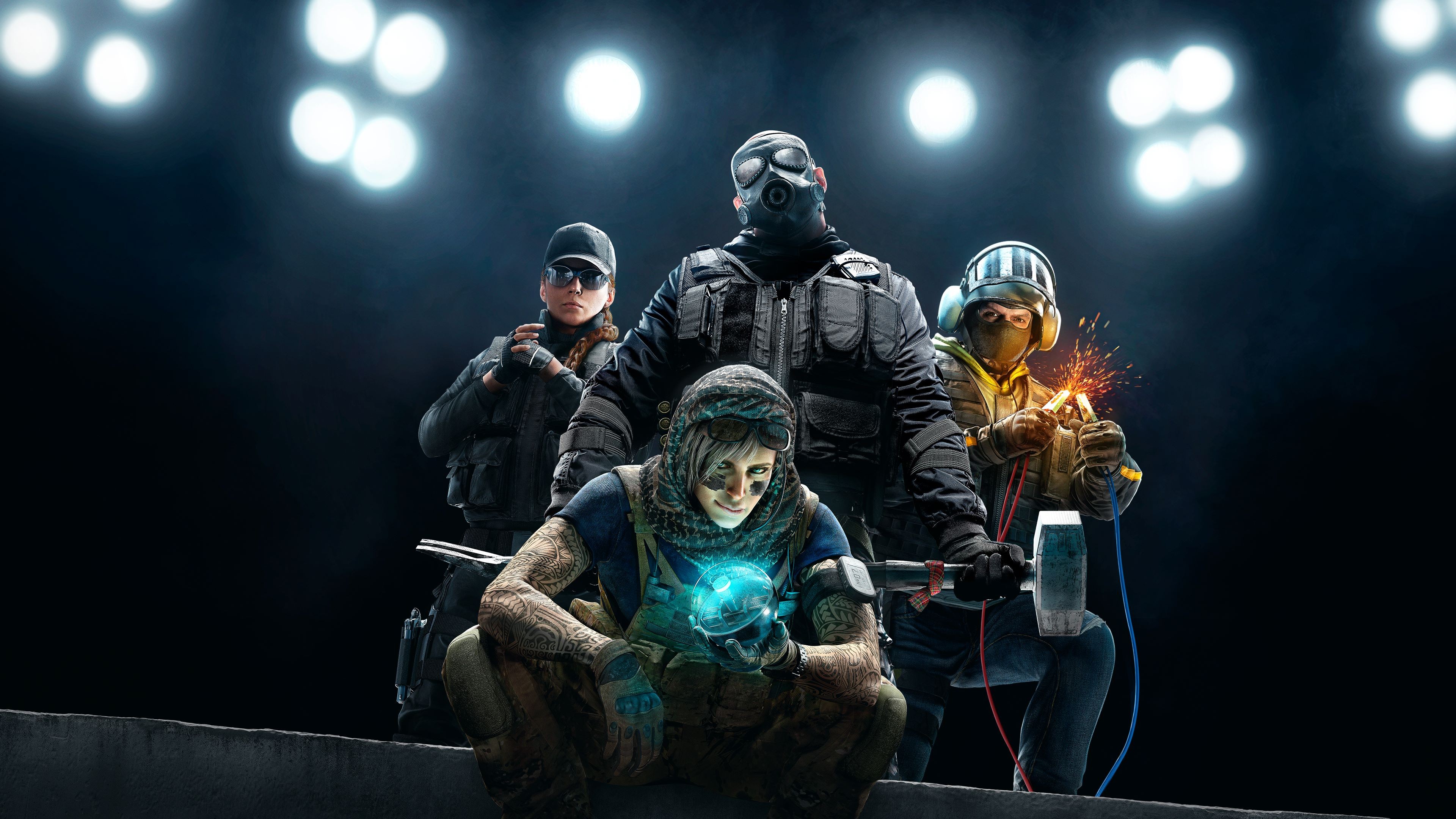
The tactical shooter introduced an operator named Osa who is a transgender woman and a talented military engineer. Her inclusion was a significant step for a franchise that focuses on realistic military scenarios. Osa’s identity is mentioned in her background lore but her primary focus is on her specialized equipment and tactical utility. The community had varied reactions to her debut but many players appreciated the addition of a diverse new character. Osa remains a popular choice for players who enjoy her unique defensive capabilities.
‘Hollow Knight’ (2017)
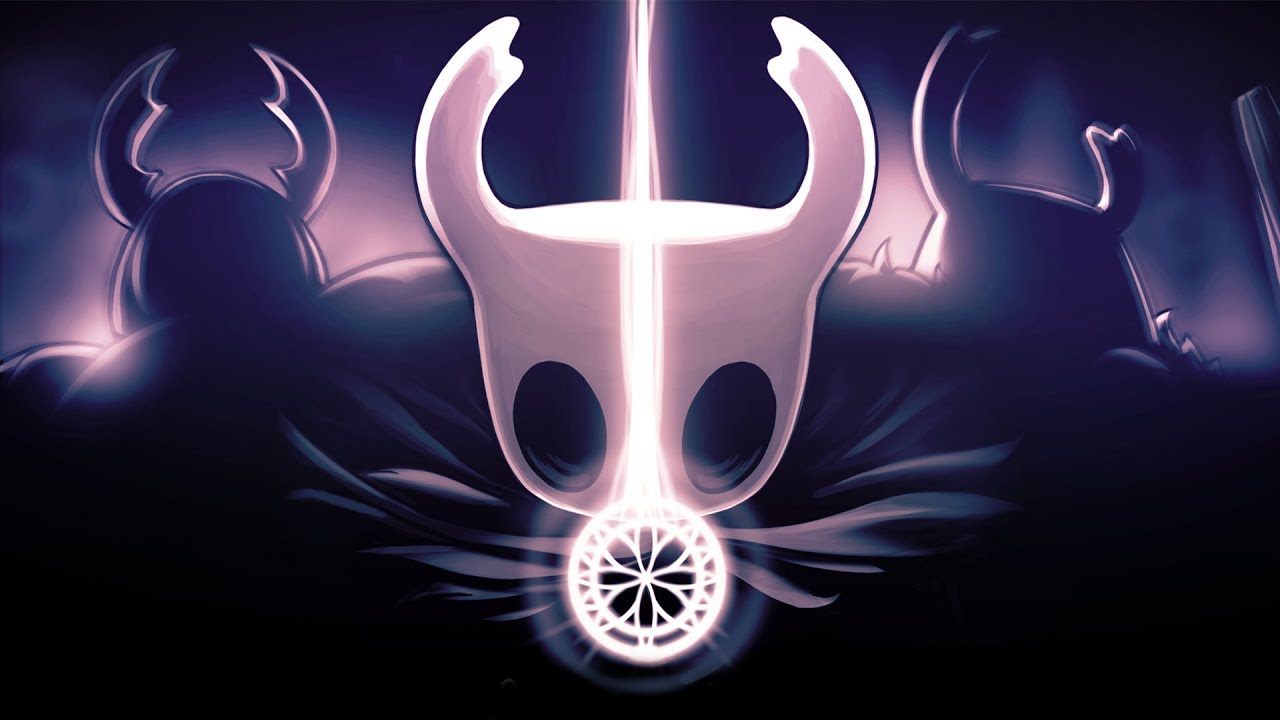
The main character of this atmospheric adventure is a small creature known simply as the Knight. Like all Vessels in the game’s lore the Knight is genderless and was created for a specific purpose. This lack of gender is a plot point that connects to the tragic origins of the kingdom of Hallownest. Players often discuss the philosophical implications of a protagonist without a personal identity. The community values the Knight for its silent and mysterious nature.
‘Assassin’s Creed Odyssey’ (2018)
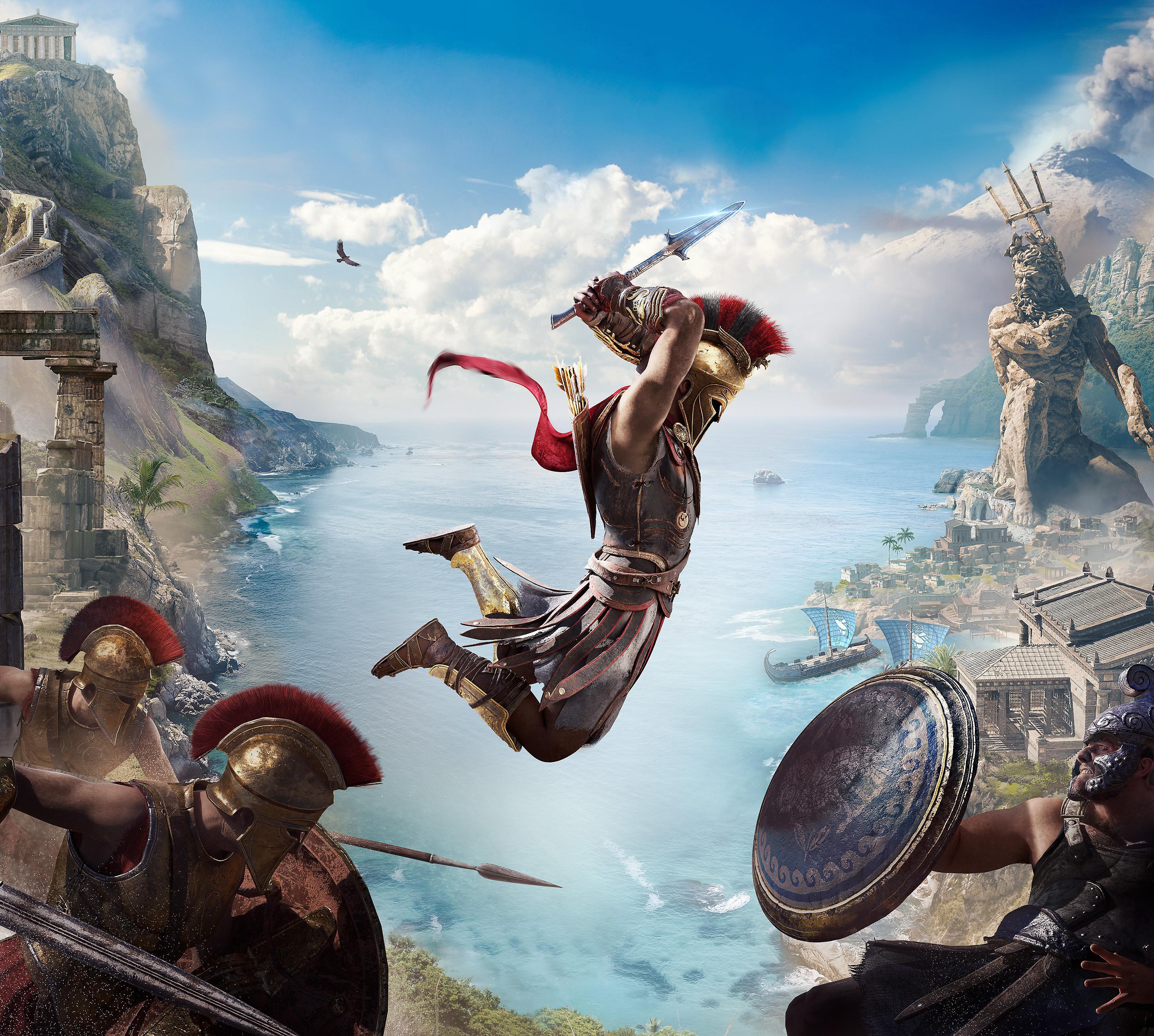
For the first time in the series players could choose between a male protagonist named Alexios or a female one named Kassandra. While both characters follow the same general plot Kassandra was later confirmed to be the canon protagonist in the official lore. This decision divided some fans who had spent hundreds of hours playing as Alexios. However many players praised Kassandra’s voice acting and her fit within the historical setting. The game’s approach to choice and canon became a major talking point for future entries.
‘Deltarune’ (2018)
Following the tradition of ‘Undertale’ the protagonist Kris is a human character whose gender is never specified. All characters in the game use they and them pronouns when speaking about Kris. This choice reinforces the idea that Kris is their own person with a mysterious background. Fans spend a lot of time theorizing about Kris’s identity and how it relates to the player’s control. The community generally respects the use of neutral pronouns for the character.
‘Apex Legends’ (2019)
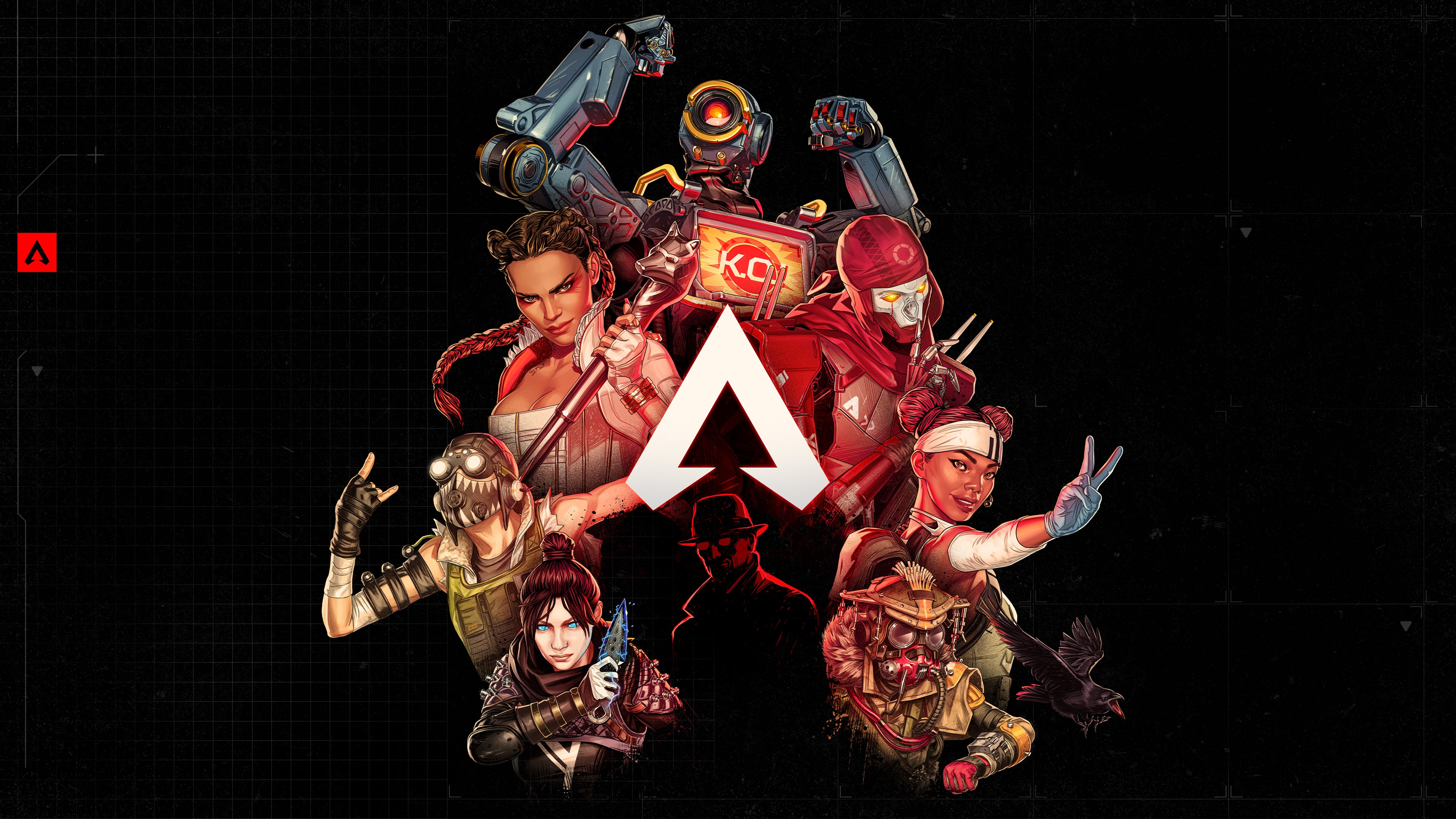
Bloodhound is a master tracker who has been a part of the ‘Apex Legends’ roster since the game’s launch. The developers have consistently stated that Bloodhound is non binary and uses neutral pronouns. This was one of the first major instances of a non binary character in a blockbuster battle royale game. Bloodhound’s identity is treated as a natural part of their character and is respected by the other legends. The community has largely embraced Bloodhound as a powerful and mysterious icon of the game.
‘Catherine: Full Body’ (2019)
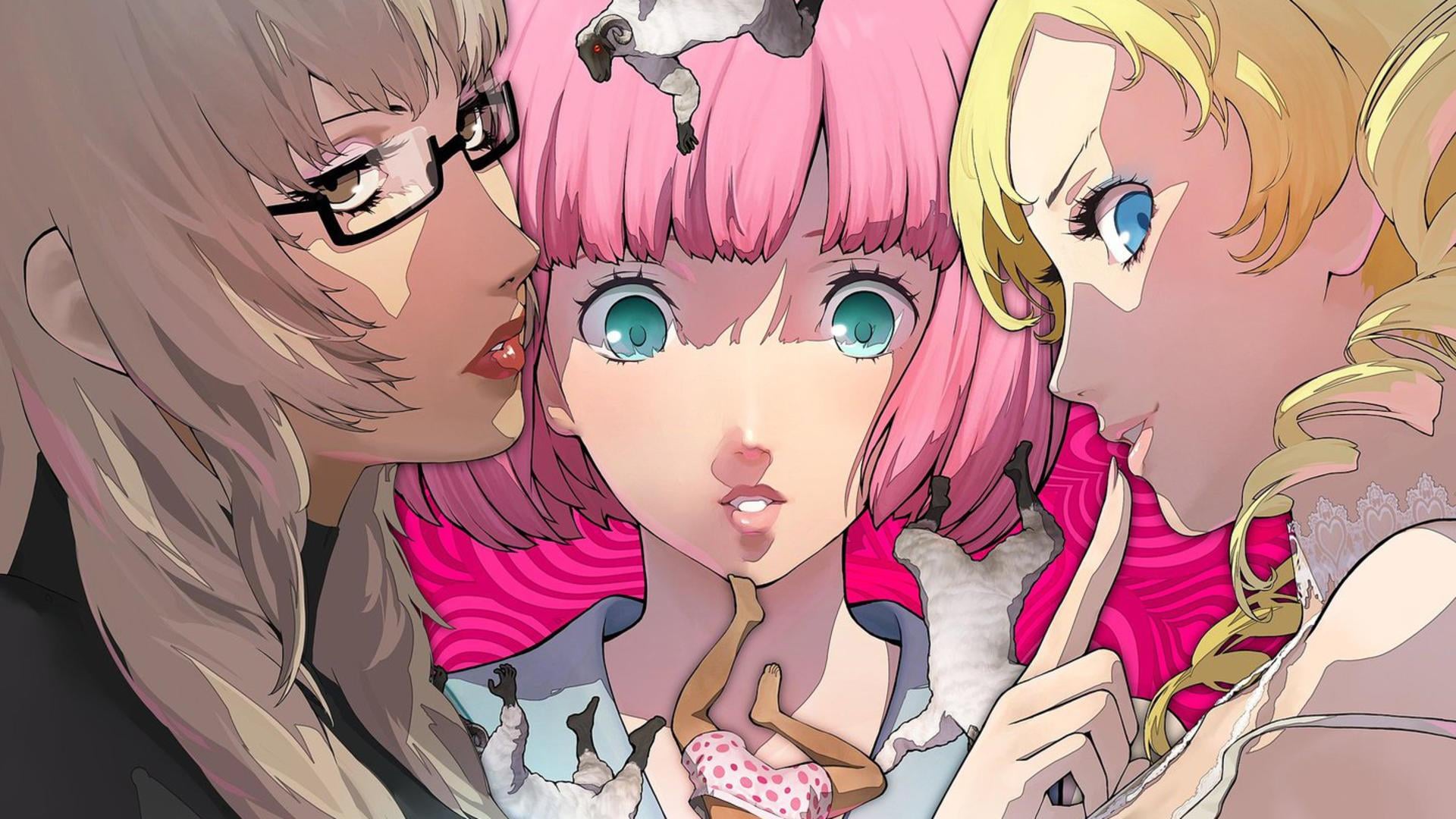
The enhanced version of this puzzle game introduced a new love interest named Rin. As the story progresses the protagonist discovers that Rin is a man who presents as a woman. This revelation causes a significant internal conflict for the main character and offers a new path for the narrative. Some players felt the handling of the reveal was clumsy while others found it to be a meaningful addition to the game’s themes. Rin’s story added a new layer of complexity to the game’s exploration of relationships.
‘Assassin’s Creed Valhalla’ (2020)
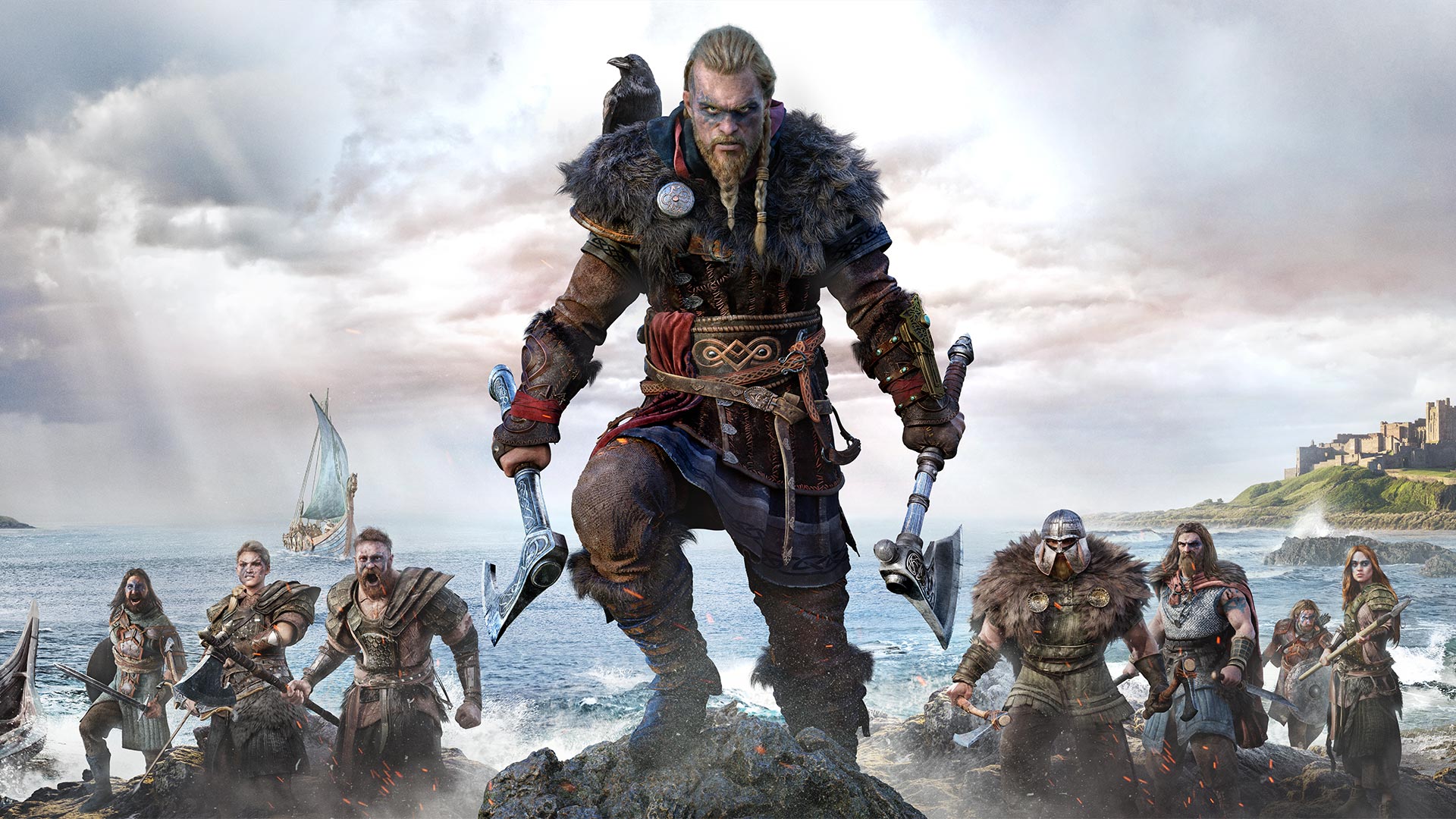
Like the previous entry this game allows players to choose the gender of the protagonist Eivor. In this title the game also offers a Let the Animus Decide option which swaps Eivor’s gender at specific points in the story. This feature is tied to the game’s science fiction elements and the duality of the character’s soul. Some players found the switching confusing but others enjoyed the unique narrative justification. Eivor remains a strong example of a character whose gender is fluid within the game’s mechanical framework.
‘The Last of Us Part II’ (2020)
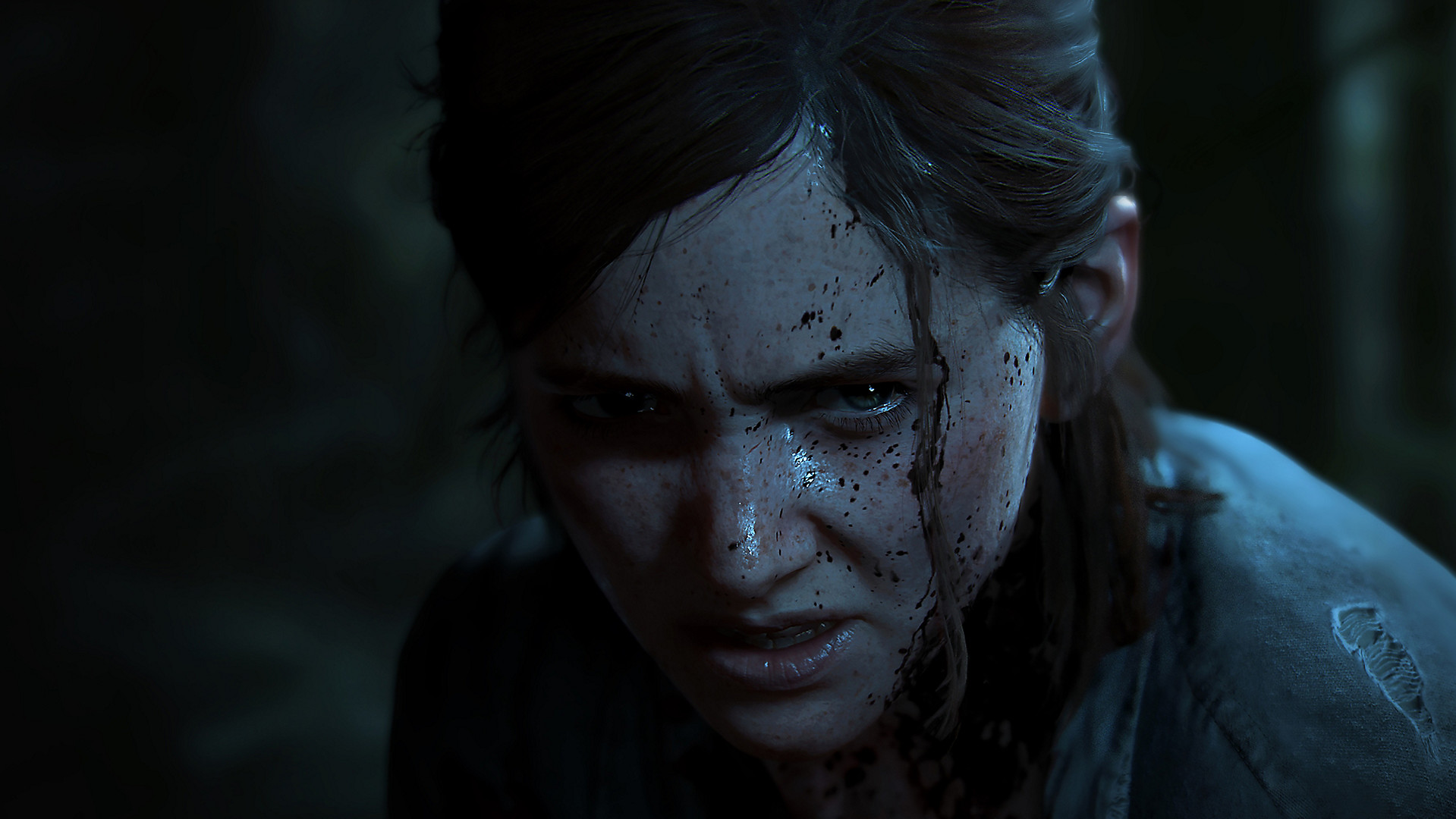
Lev is a young boy who fled his religious community after being persecuted for his gender identity. His journey and his bond with Abby form a core part of the game’s emotional second half. Lev’s story is a harrowing look at the struggles of being transgender in a post apocalyptic world. The community had intense debates about his inclusion and the violence he faces in the story. Despite the controversy Lev is widely seen as a landmark character for transgender representation in AAA gaming.
‘Valorant’ (2020)
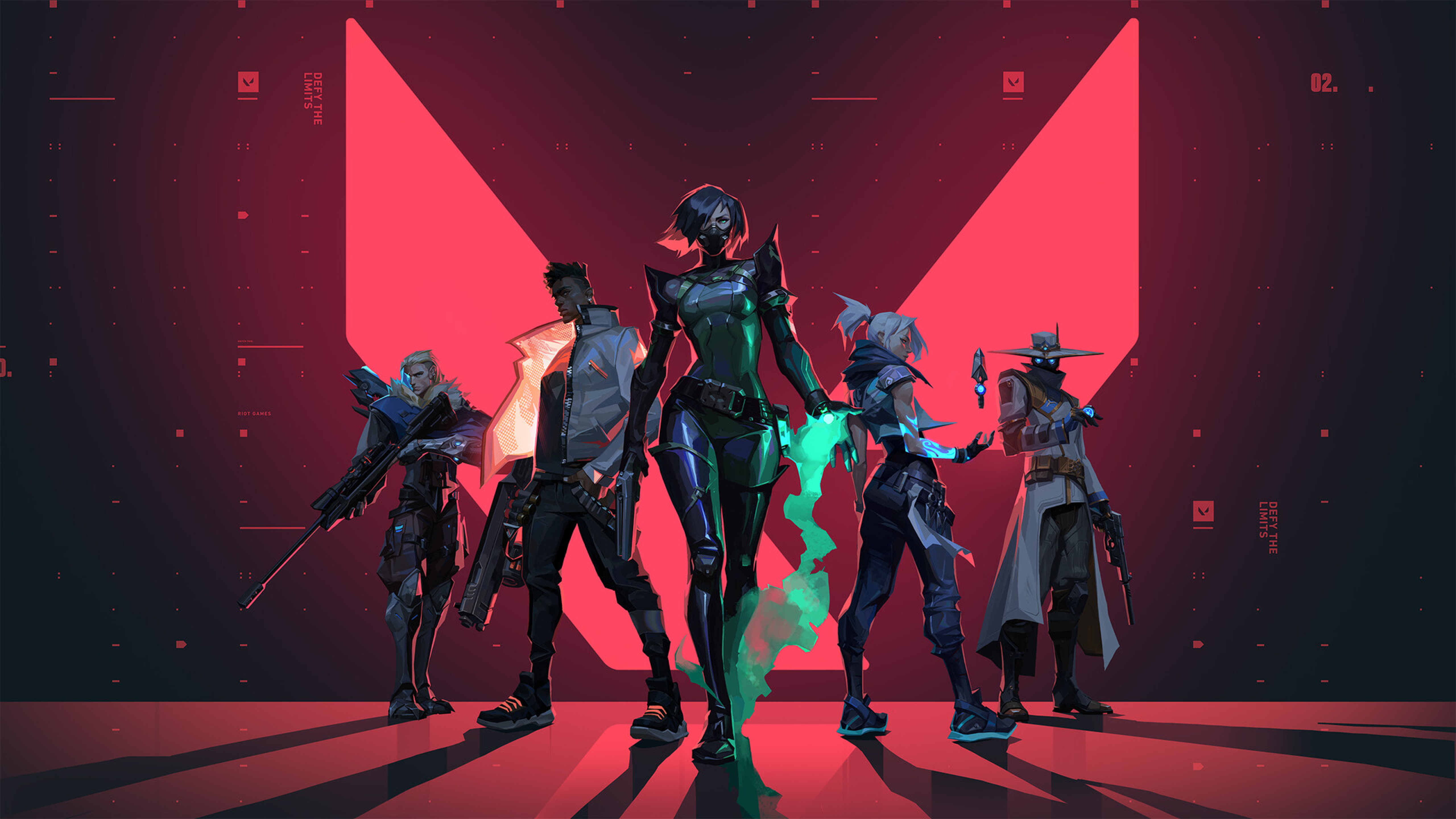
Clove is a non binary agent who joined the tactical shooter’s roster with a focus on life and death themes. Their design and personality are vibrant and they frequently use neutral pronouns in their dialogue. The inclusion of Clove was met with enthusiasm by many players who wanted to see more diverse identities in the game. Clove’s abilities allow them to impact the round even after being defeated which fits their defiant nature. The community has quickly integrated Clove into the competitive meta.
‘Hades’ (2020)
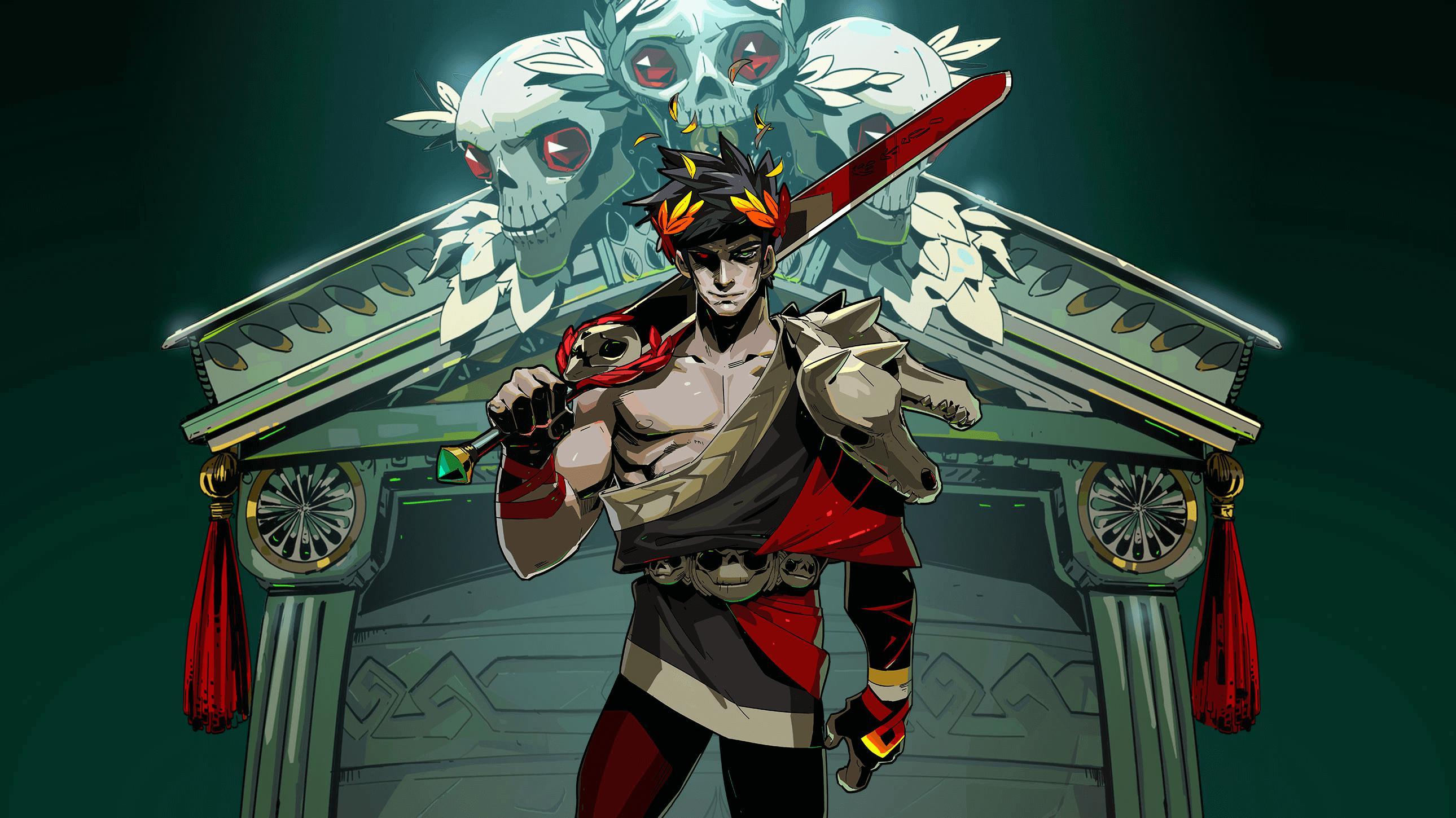
Chaos is an ancient and powerful entity in the Greek underworld who is portrayed as non binary. They exist as the primordial source of all things and are depicted with a shifting androgynous appearance. Chaos uses neutral pronouns and speaks with a detached and ethereal voice. This portrayal fits perfectly with the mythological themes of the game where gods often transcend mortal boundaries. Players appreciate Chaos for their mysterious presence and the unique challenges they offer.
‘Genshin Impact’ (2020)
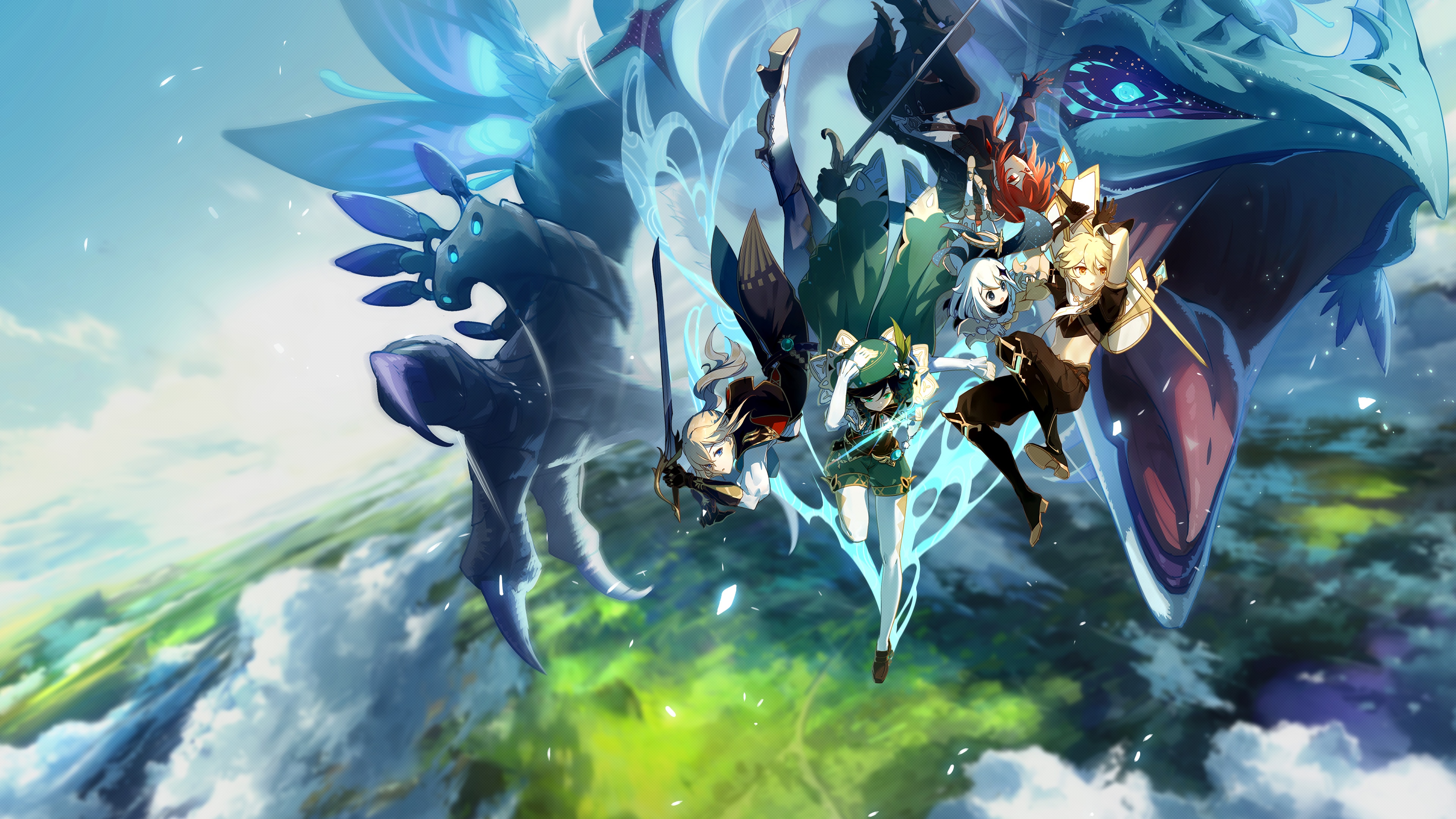
Venti is the mortal vessel for the Anemo Archon and is a character with a very androgynous appearance. While Venti is referred to as a male the character’s design and voice often lead new players to assume otherwise. This ambiguity is consistent with the lore of Archons who are elemental beings without a fixed biological sex. Venti’s playful and carefree attitude has made him one of the most popular characters in the game. The community often discusses the various ways gender is presented among the game’s divine cast.
‘Cyberpunk 2077’ (2020)
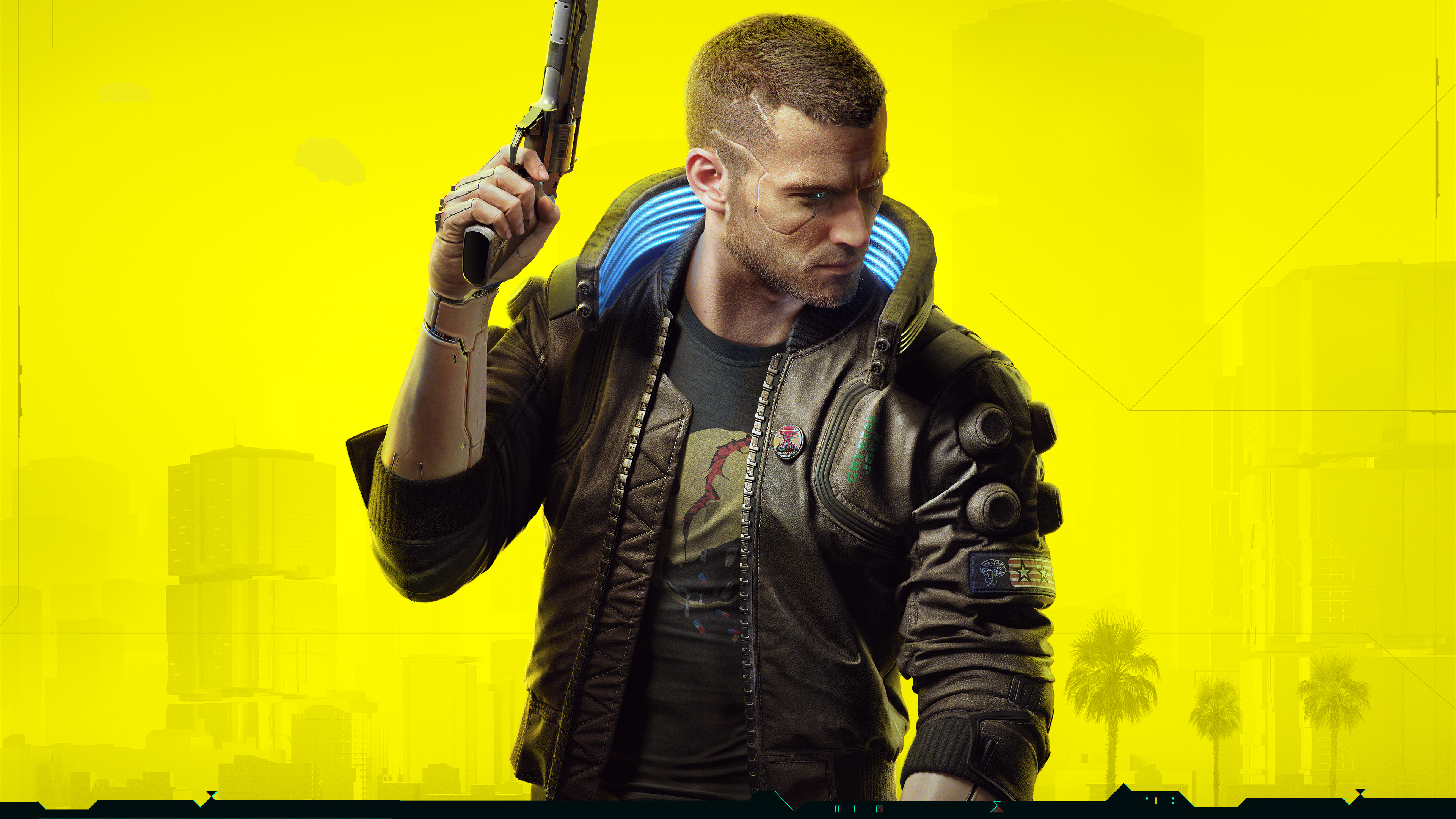
Claire Russell is a popular NPC and a talented mechanic who runs the racing scenes in Night City. During her side quests she reveals to the player that she is a transgender woman and mentions her transition. This revelation is handled as a personal conversation that adds depth to her character and her motivations. Players generally praised the realistic and grounded portrayal of a trans character in a high tech setting. Claire remains one of the most memorable supporting characters in the game.
‘Guilty Gear Strive’ (2021)
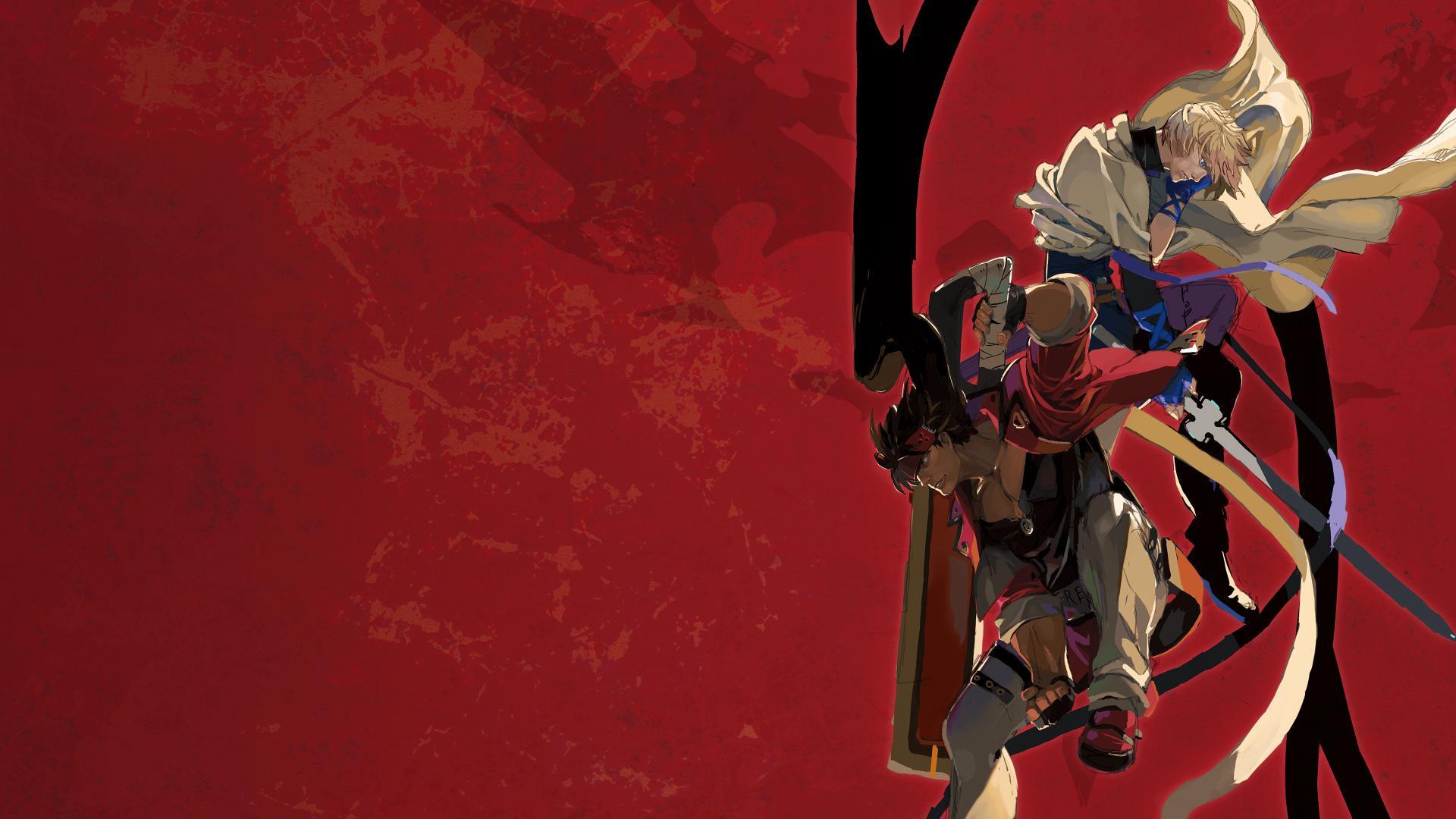
Bridget returned to the ‘Guilty Gear’ series with a story arc that officially confirmed her as a transgender woman. For years the character had been a source of debate due to her background of being raised as a girl despite being born male. In the latest game Bridget finally embraces her identity as a woman and finds peace with herself. This update was a major event in the fighting game community and sparked widespread discussion. Bridget’s new design and happy ending have made her a symbol of progress for many fans.
‘Elden Ring’ (2022)
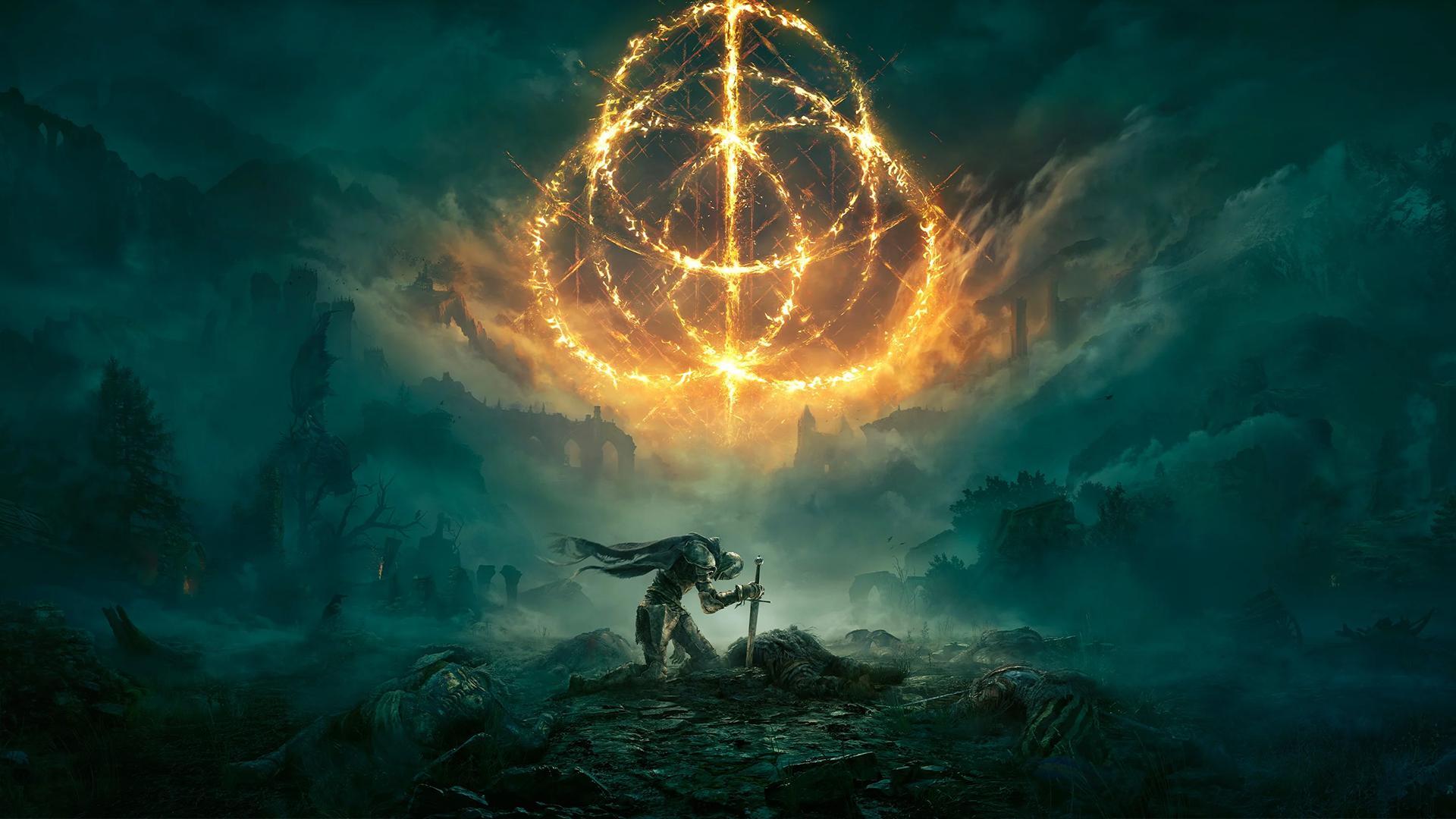
The lore of ‘Elden Ring’ features a complex figure named Miquella who also exists as the female persona St. Trina. This duality is a central mystery in the game’s deep and cryptic history. Characters in the world speak of St. Trina with reverence while Miquella’s followers seek his return. This gender fluid nature is a common theme in the works of the developers who often explore the merging of different identities. Fans spend countless hours piecing together the connection between these two aspects of the same being.
‘Overwatch 2’ (2022)
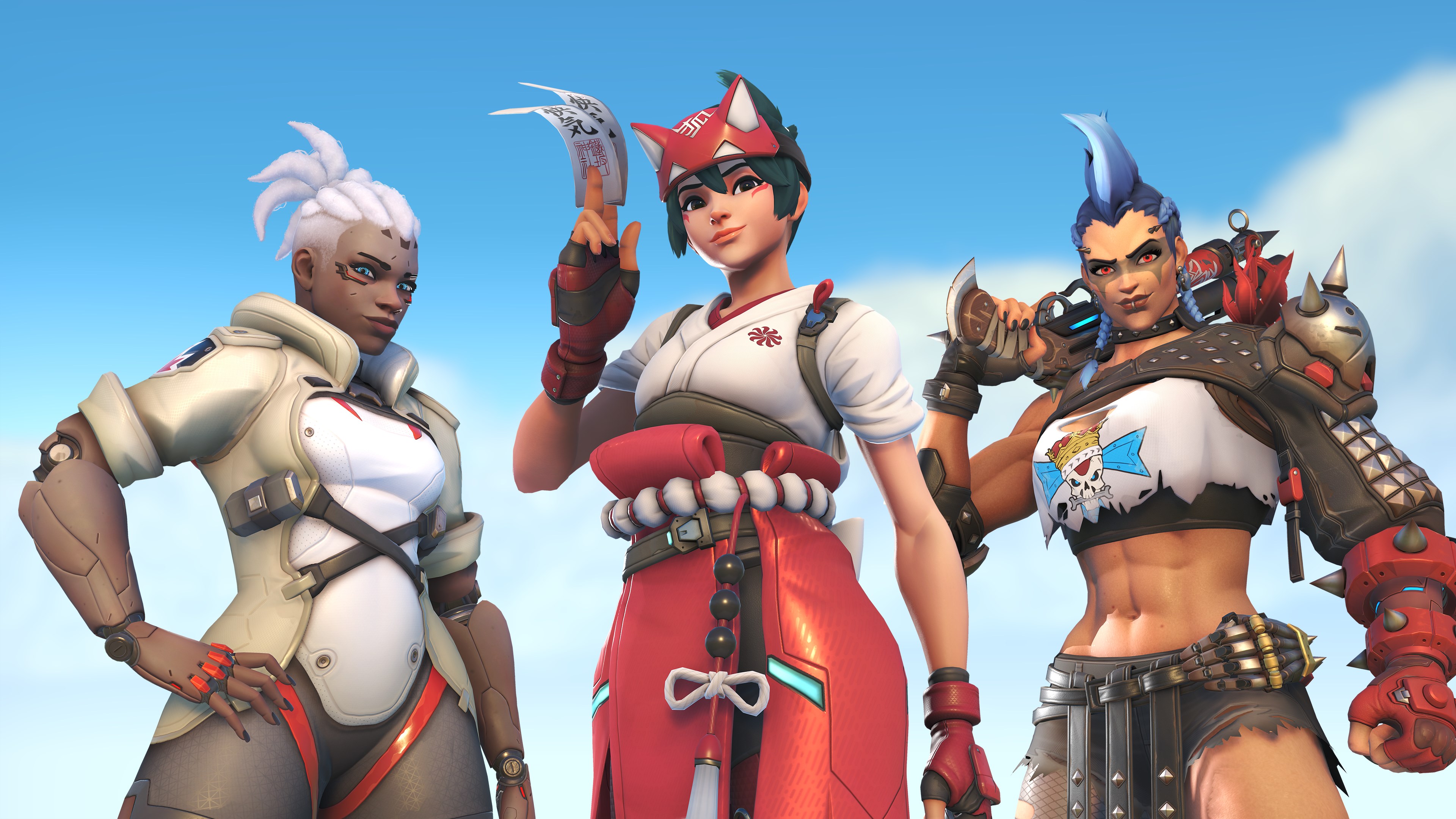
Venture is a non binary archaeologist who joined the hero shooter with a kit focused on burrowing and explosive damage. They use they and them pronouns and their design reflects an adventurous and scrappy personality. Venture’s addition to the game was part of an effort to make the roster more inclusive and representative of different identities. The community responded positively to their fun gameplay style and their unique voice lines. Venture is a prominent example of how modern shooters are incorporating diverse characters into their core casts.
‘Baldur’s Gate 3’ (2023)
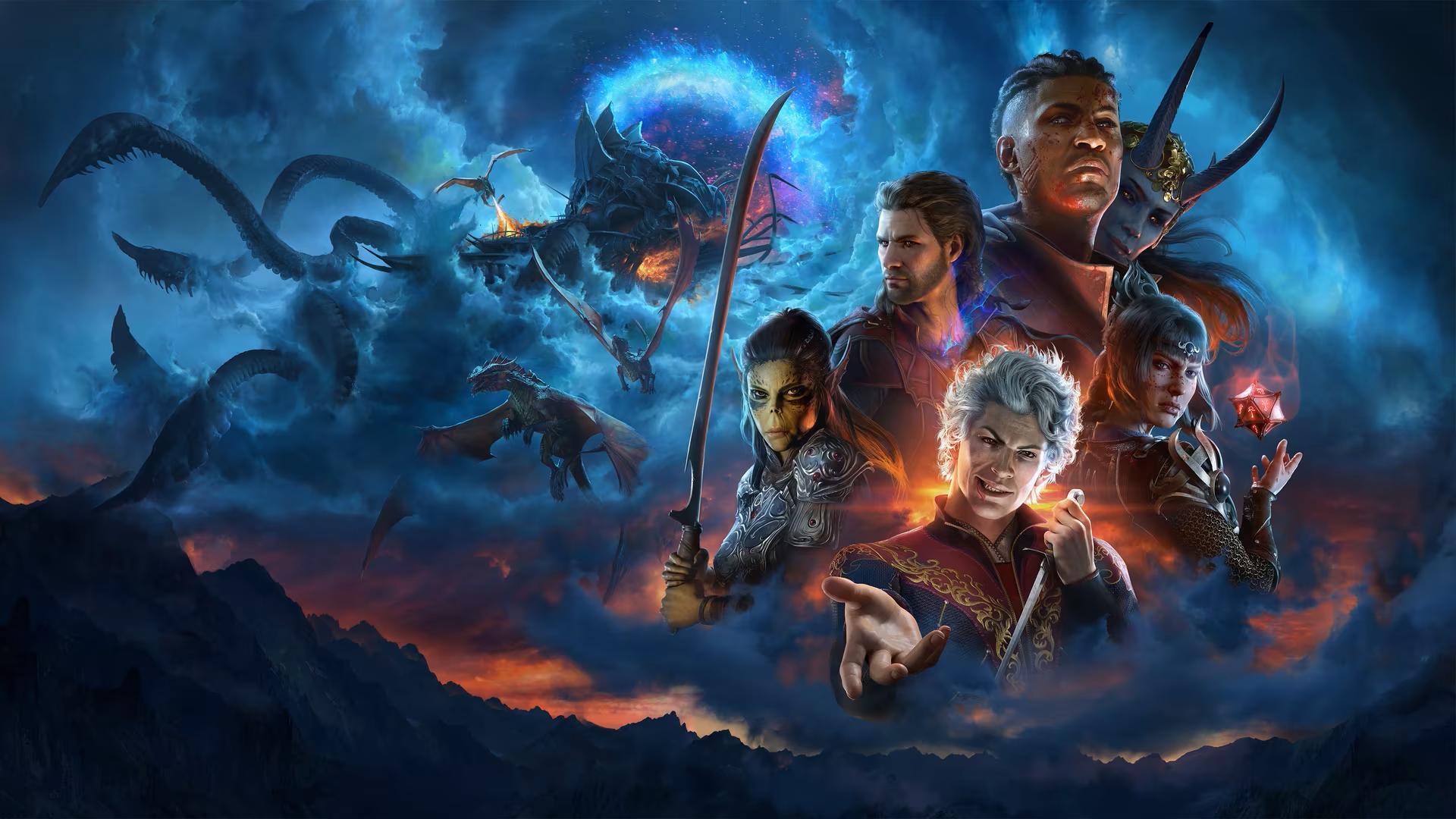
This massive role playing game features several characters who represent a wide spectrum of gender identities. One notable example is Nocturne who is a transgender woman and a friend of the companion Shadowheart. Players can discover her story through dialogue and exploration within the world. The game’s character creator also allows players to choose their own pronouns and physical traits independently. This level of freedom has been highly praised by the community for allowing truly personal role playing.
Share your thoughts on these character developments in the comments.