

Games That Changed Canon Races in Sequels

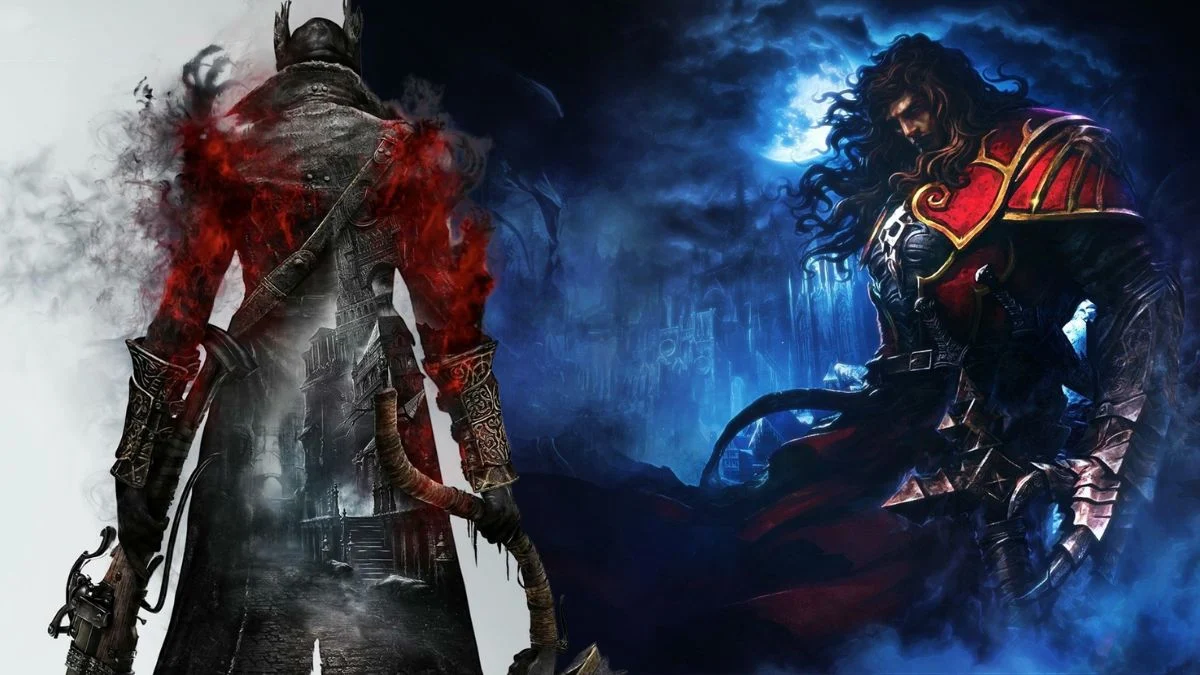


Evolution and visual updates are common in long running video game series as technology improves and narratives expand. Developers often decide to overhaul the appearance or history of established species to better fit new gameplay mechanics or artistic directions. These changes can range from simple aesthetic tweaks to massive retcons that rewrite the origin of an entire culture. Observing how these races transform across sequels provides insight into the creative growth of beloved gaming franchises.
‘Dragon Age II’ (2011)
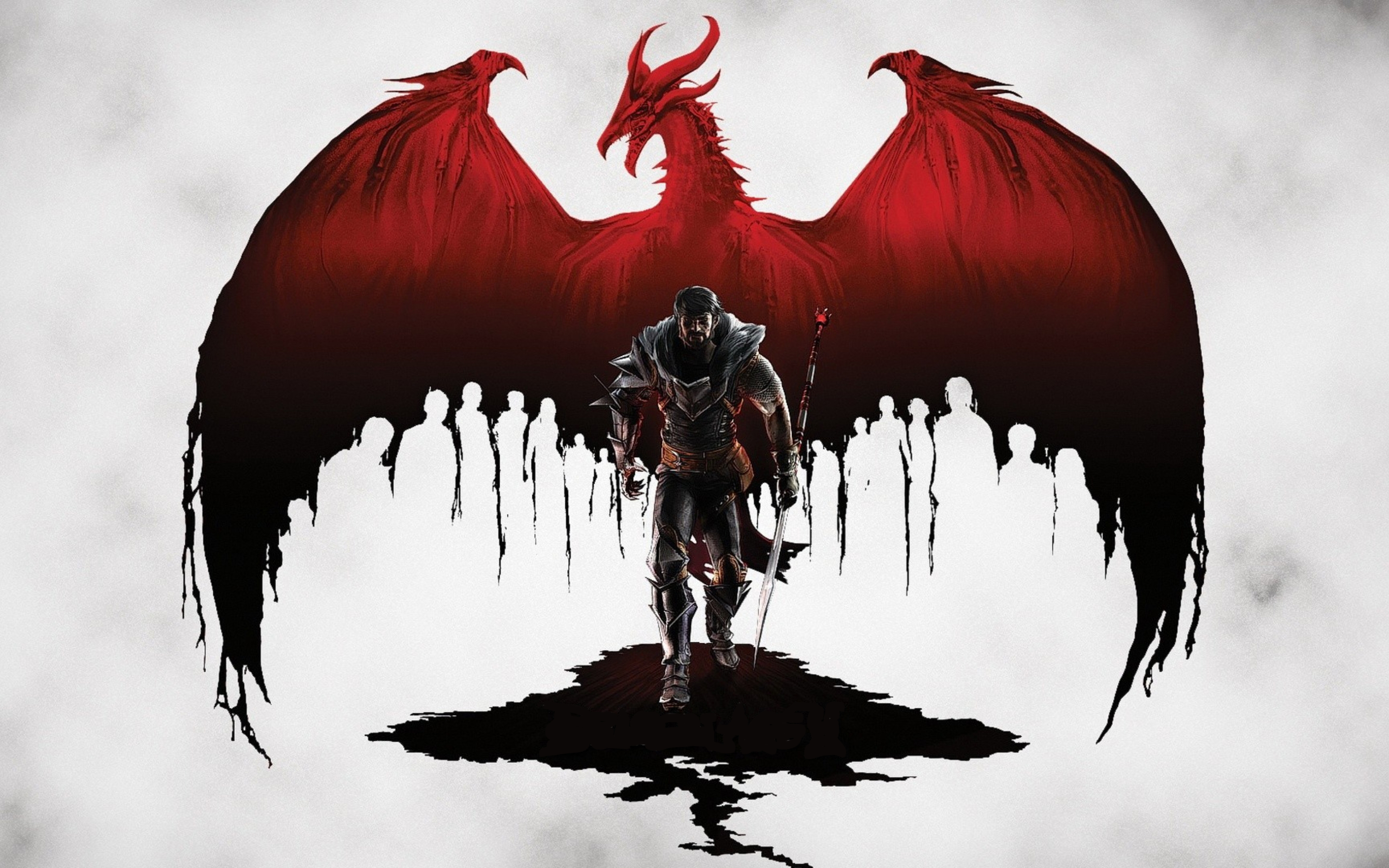
The sequel significantly altered the physical appearance of the Elven race to distinguish them from humans. In ‘Dragon Age II’ Elves received more slender builds and prominent facial features including large eyes and high cheekbones. The Qunari also underwent a massive redesign by gaining large horns and obsidian skin. These changes were meant to provide a more distinct visual identity for the fantasy races within the series world. Developers explained that the new look reflected the original vision that technical limitations had previously restricted.
‘The Elder Scrolls III: Morrowind’ (2002)
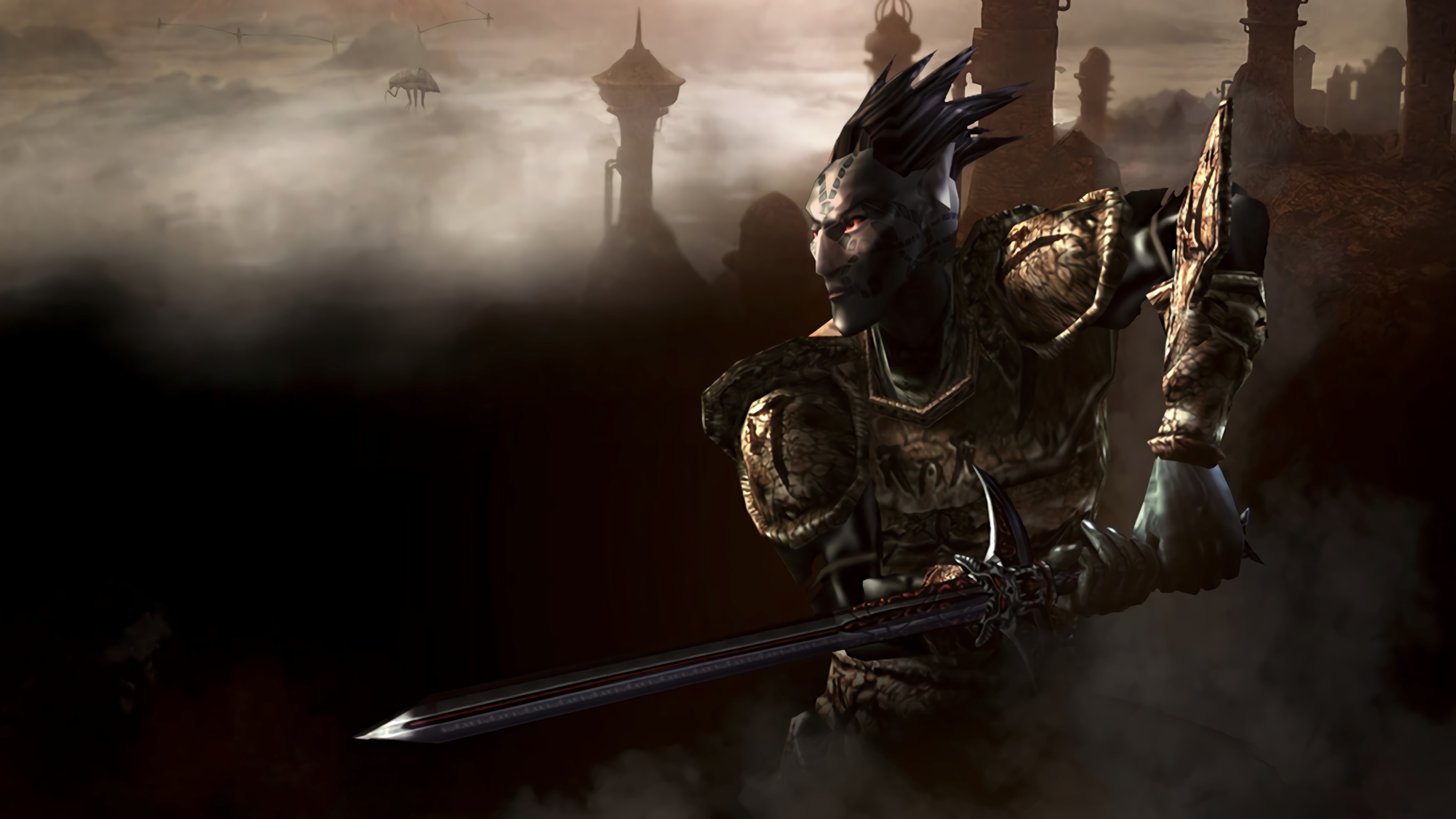
This entry in the series fundamentally changed how the beast races functioned by making them digitigrade. Argonians and Khajiit in ‘The Elder Scrolls III: Morrowind’ possessed unique skeletal structures that prevented them from wearing standard boots or full face helmets. This design choice emphasized their animalistic nature and separated them from the more humanoid races of Tamriel. The change added a layer of strategic depth to character equipment choices while reinforcing the distinct biology of these species. Future games eventually reverted this change to allow for more uniform armor systems across all playable characters.
‘Halo 4’ (2012)
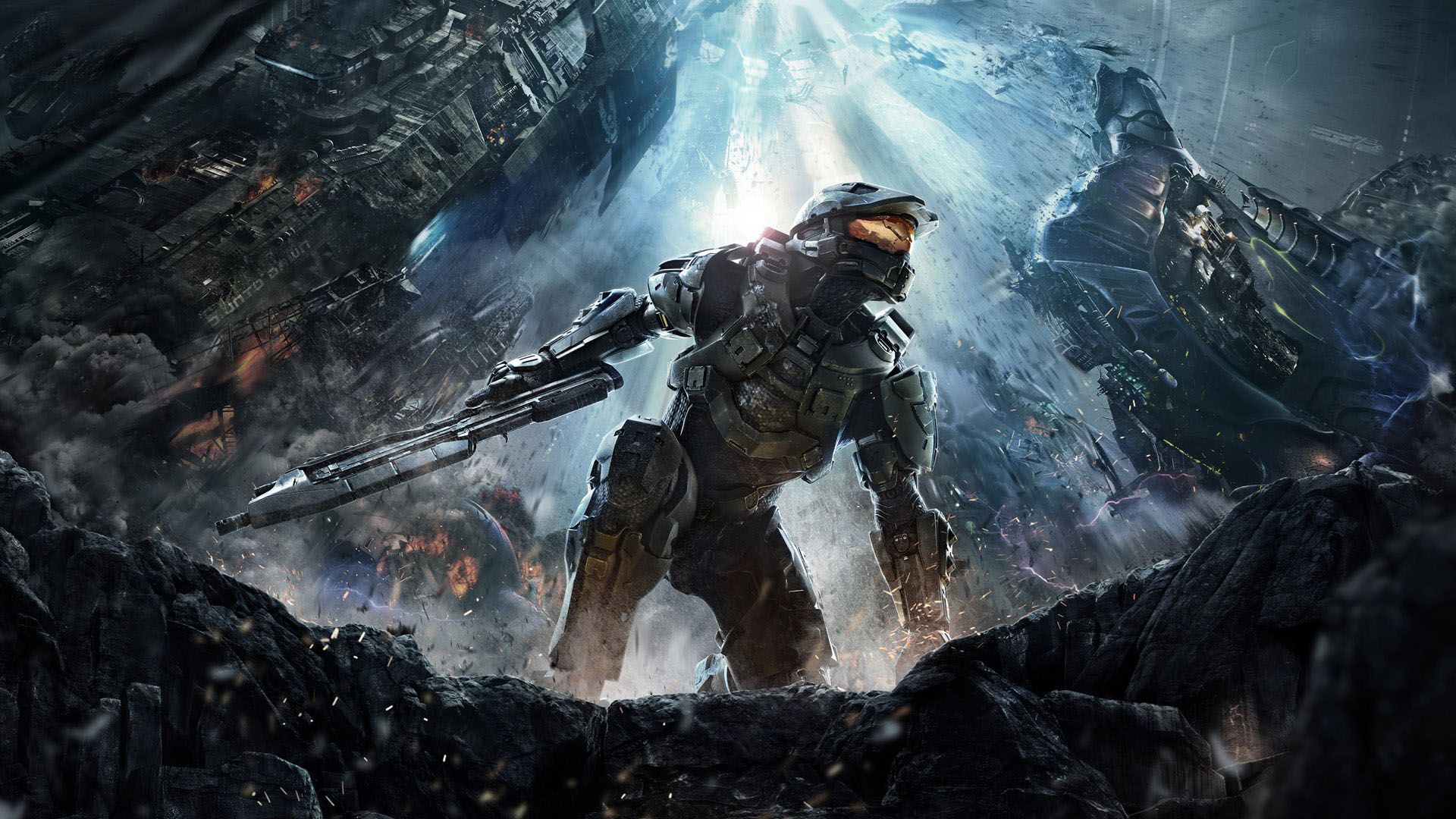
The transition to a new developer brought significant aesthetic changes to the Sangheili and Unggoy species. In ‘Halo 4’ the Elites appeared much bulkier with scaly skin and different facial structures compared to the previous games. Grunts also saw a radical redesign with more reptilian features and a lack of the traditional methane masks over their entire faces. These updates were part of a broader artistic shift to modernize the look of the Covenant remnants. Fans noted that these changes altered the long established visual canon of the science fiction series.
‘World of Warcraft: The Burning Crusade’ (2007)
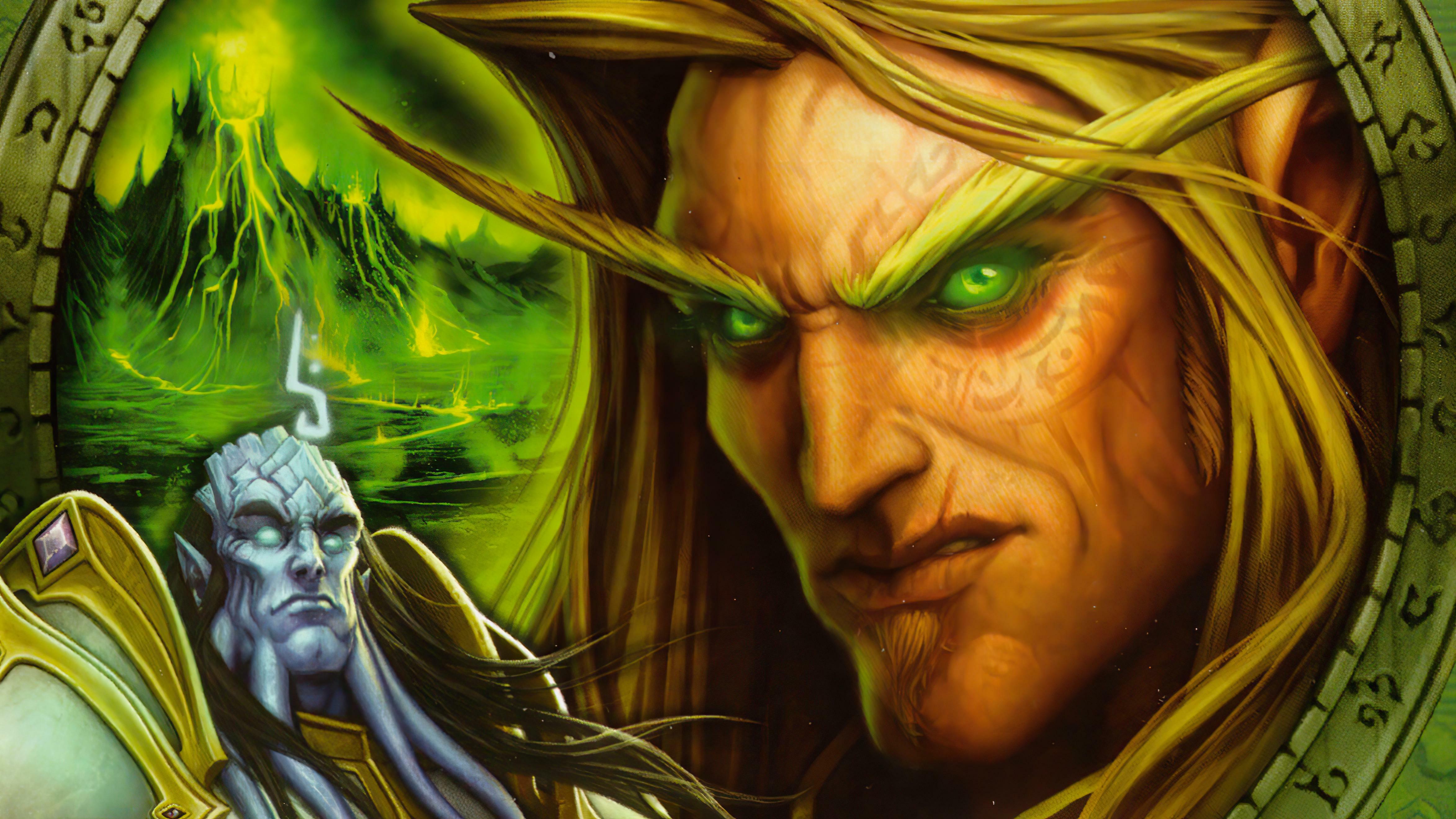
The first expansion for ‘World of Warcraft’ introduced a massive retcon regarding the origins of the Draenei race. Originally depicted as broken and mutated creatures in earlier games they were reimagined as noble and uncorrupted beings from another planet. This sequel established that the demonic Eredar were actually a corrupted branch of the Draenei people. The introduction of the Naaru and space travel elements further expanded the lore of this species. This change allowed the developers to introduce the Draenei as a playable race for the Alliance faction.
‘The Legend of Zelda: Breath of the Wild’ (2017)
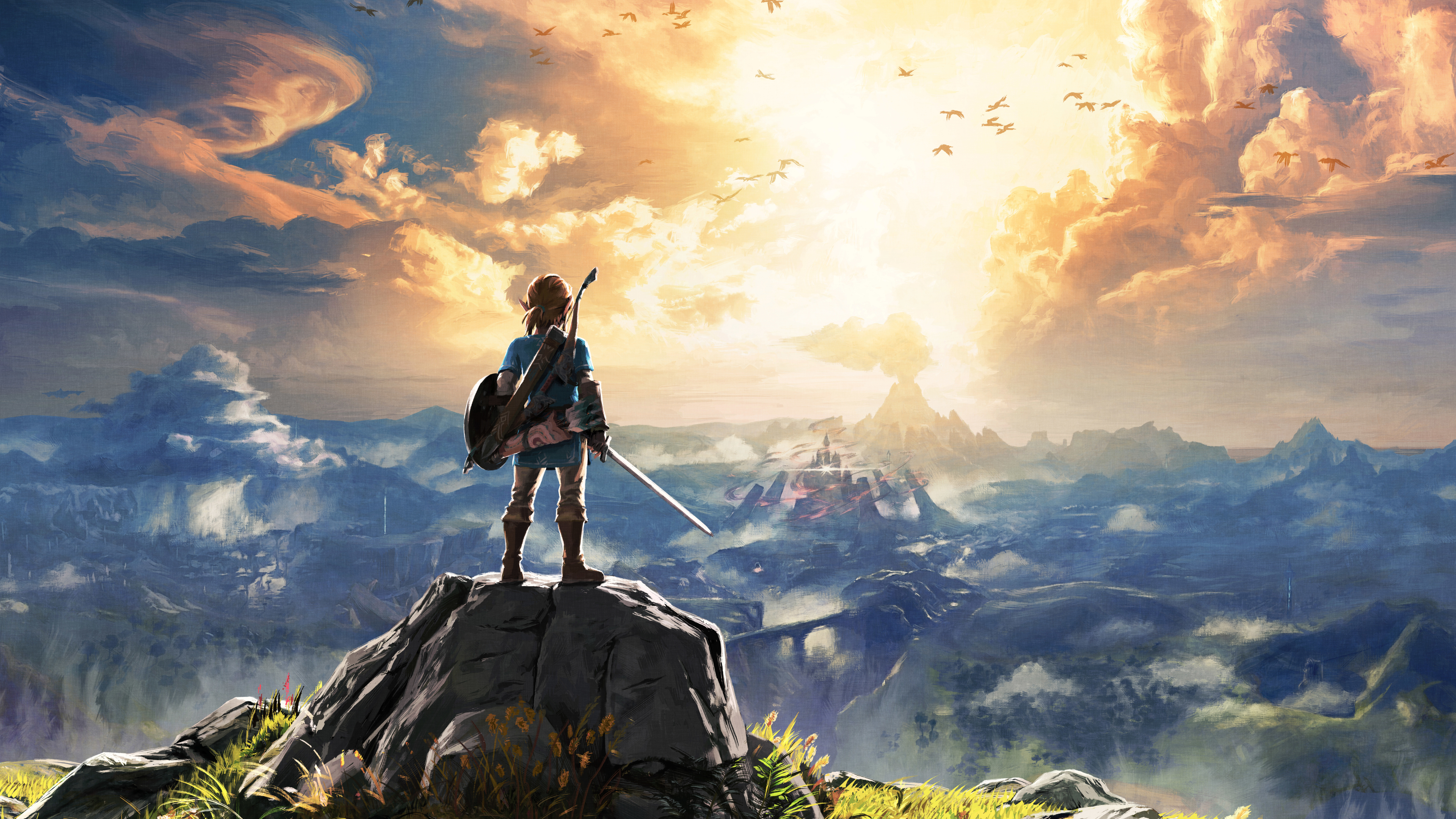
This title introduced significant changes to the biology and culture of the Zora and Rito races. In ‘The Legend of Zelda: Breath of the Wild’ the Zora displayed much more variety in their physical forms with different colors and head shapes inspired by various sea creatures. The Rito underwent an even more dramatic shift by appearing as fully avian humanoids rather than the human like birds seen in earlier entries. Their society was also more deeply integrated into the world map with specialized architecture and ancient traditions. These updates helped modernize the classic races for a massive open world environment.
‘Dragon Age: Inquisition’ (2014)
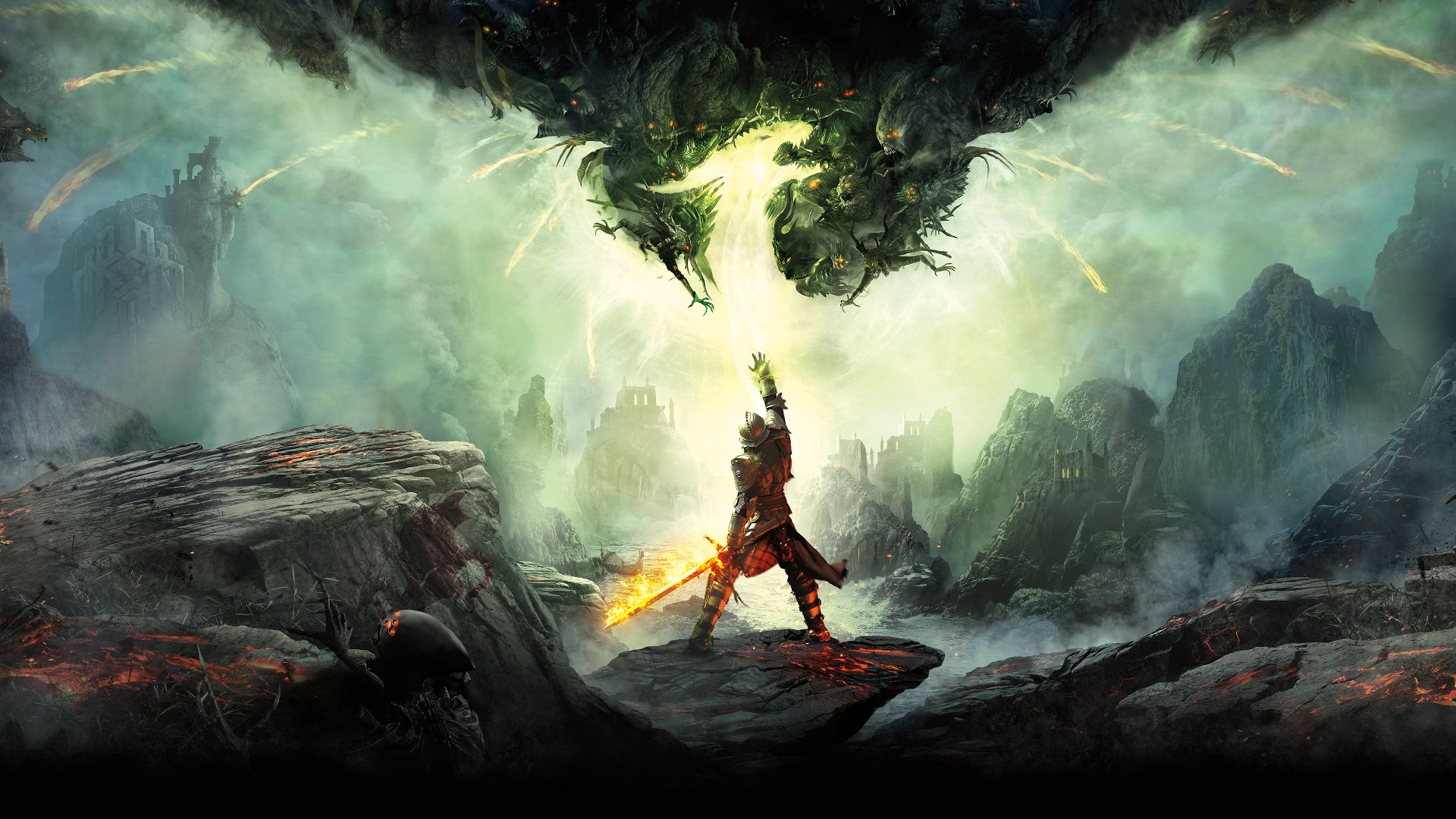
Building upon the changes in the previous sequel this game further refined the lore of the Qunari race. ‘Dragon Age: Inquisition’ allowed players to create their own Qunari character for the first time which led to expanded customization options. The game introduced the concept of the Vashoth who are Qunari born outside of their strict religious and social structure. It also clarified that while most Qunari have horns some are born without them and are considered special within their society. These narrative additions provided a much deeper understanding of their physiological and cultural diversity.
‘Fallout 3’ (2008)
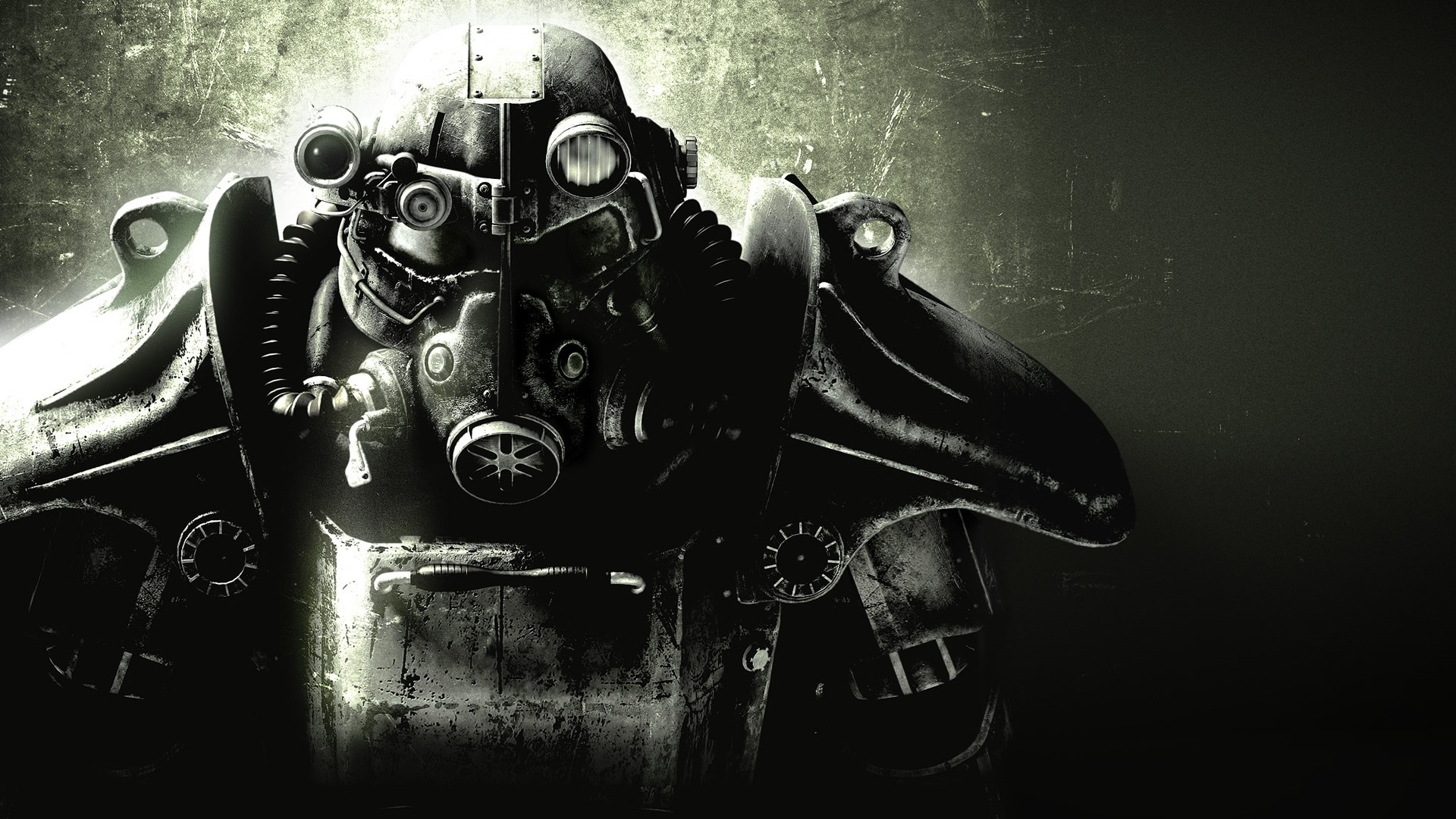
The leap to three dimensions allowed for a redesign of the iconic Super Mutants and Ghouls in the ‘Fallout’ universe. In ‘Fallout 3’ the Super Mutants of the Capital Wasteland were depicted as more feral and yellow skinned compared to the more intelligent versions from the West Coast. Ghouls also received a visual overhaul with more detailed decaying flesh and varying stages of radiation damage. The introduction of Feral Ghouls as a distinct mindless threat changed how players interacted with the irradiated population. These changes helped establish a unique atmosphere for the post apocalyptic setting of Washington D.C.
‘Warcraft III: Reign of Chaos’ (2002)
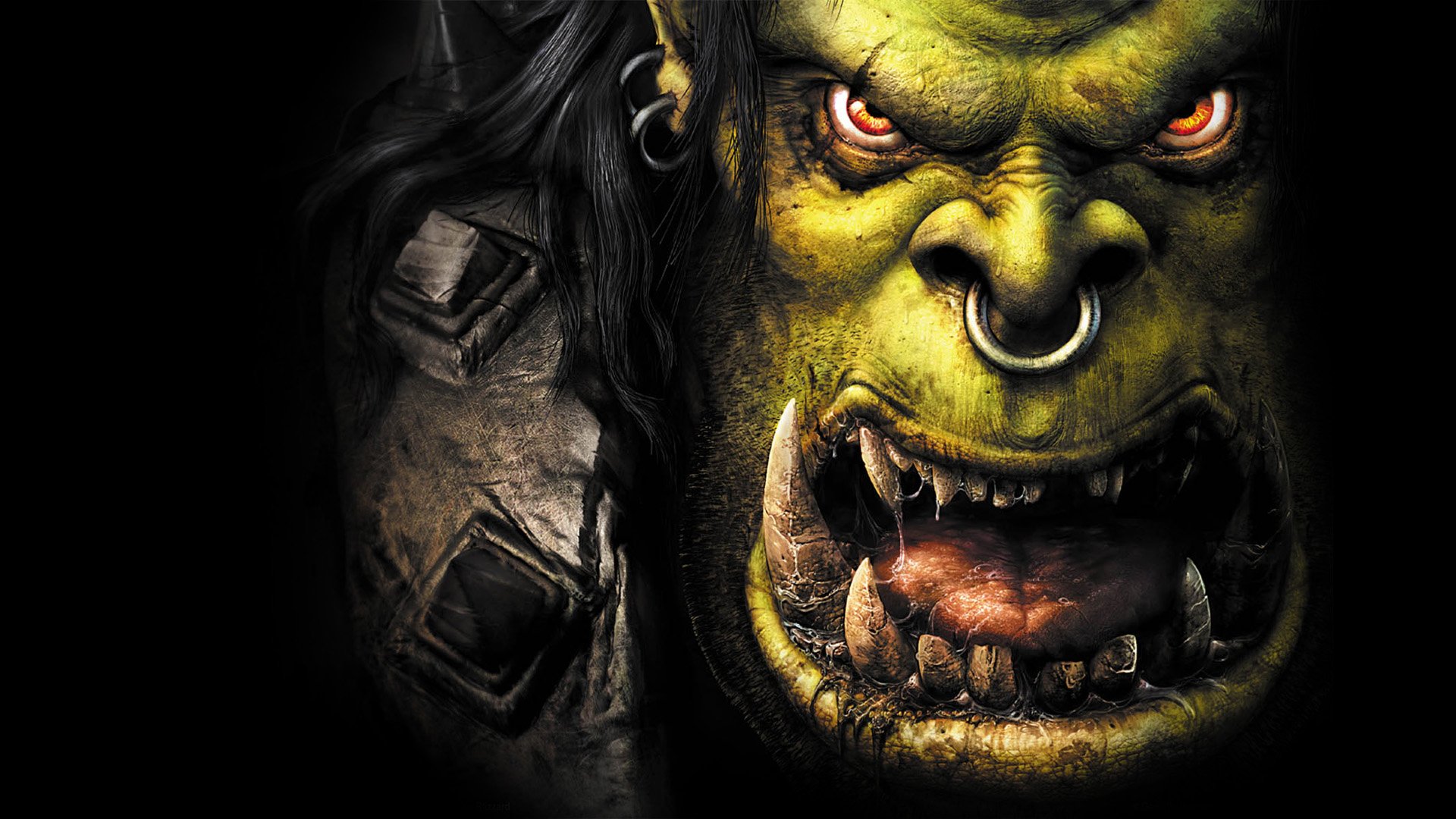
The Orcs in ‘Warcraft III: Reign of Chaos’ experienced a massive cultural and physiological shift from their previous depictions. Instead of being mindless monsters driven by demonic bloodlust they were revealed to be a noble and shamanistic society. This sequel introduced the concept that their green skin was a result of demonic corruption rather than their natural state. The game focused on Thrall leading his people to rediscover their ancestral heritage in the land of Kalimdor. This narrative pivot transformed the Orcs into a complex faction with their own deep history and values.
‘XCOM 2’ (2016)
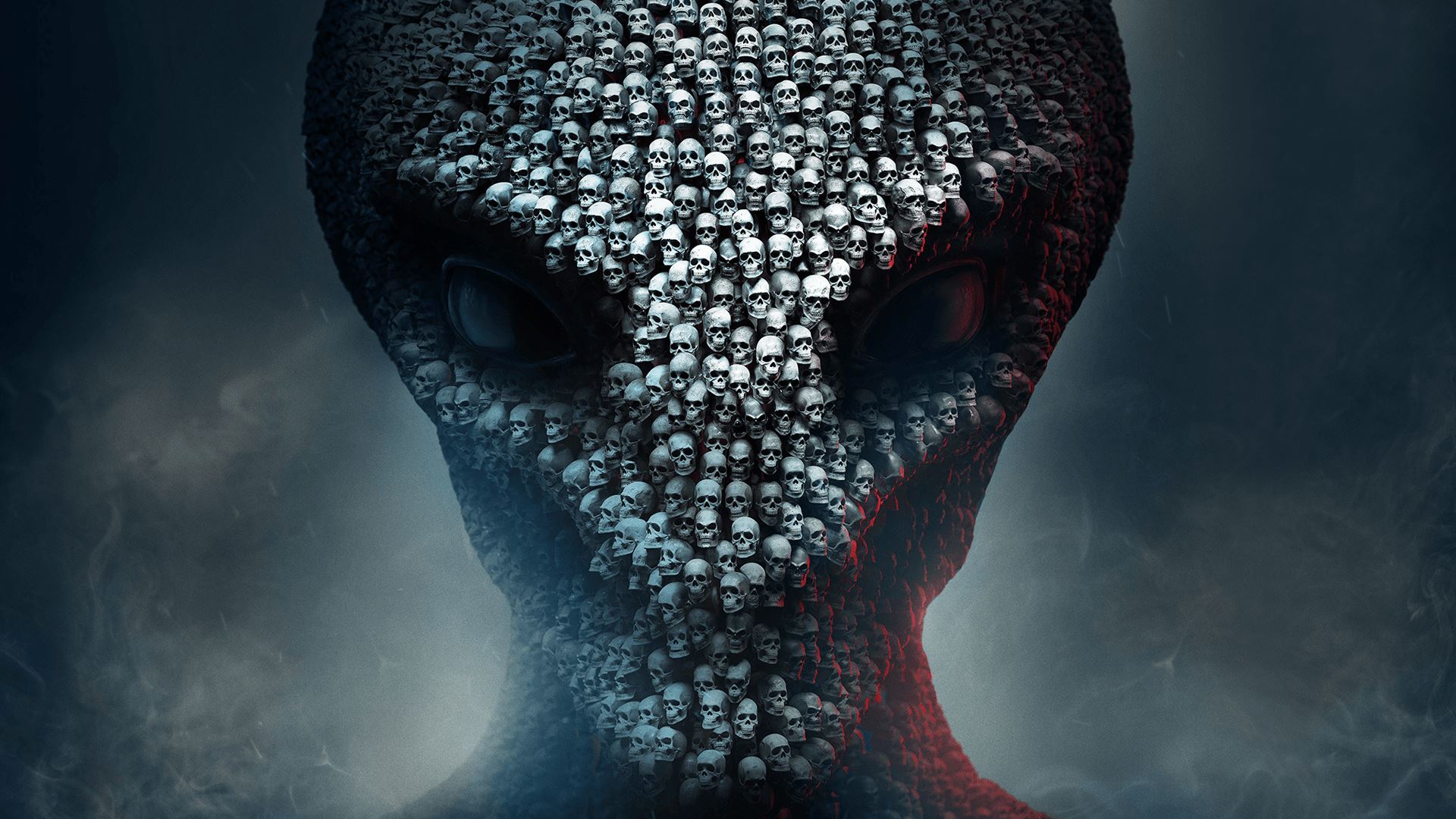
In this sequel the alien invaders have successfully occupied Earth and modified their own biology using human DNA. The Sectoids in ‘XCOM 2’ grew much larger and more humanoid compared to the short grey aliens from the previous game. This change granted them new psychic abilities and a more intimidating presence on the battlefield. Other races like the Thin Men were revealed to be the true forms of the serpentine Vipers. These biological shifts reflected the theme of the aliens adapting to rule over humanity.
‘StarCraft II: Wings of Liberty’ (2010)
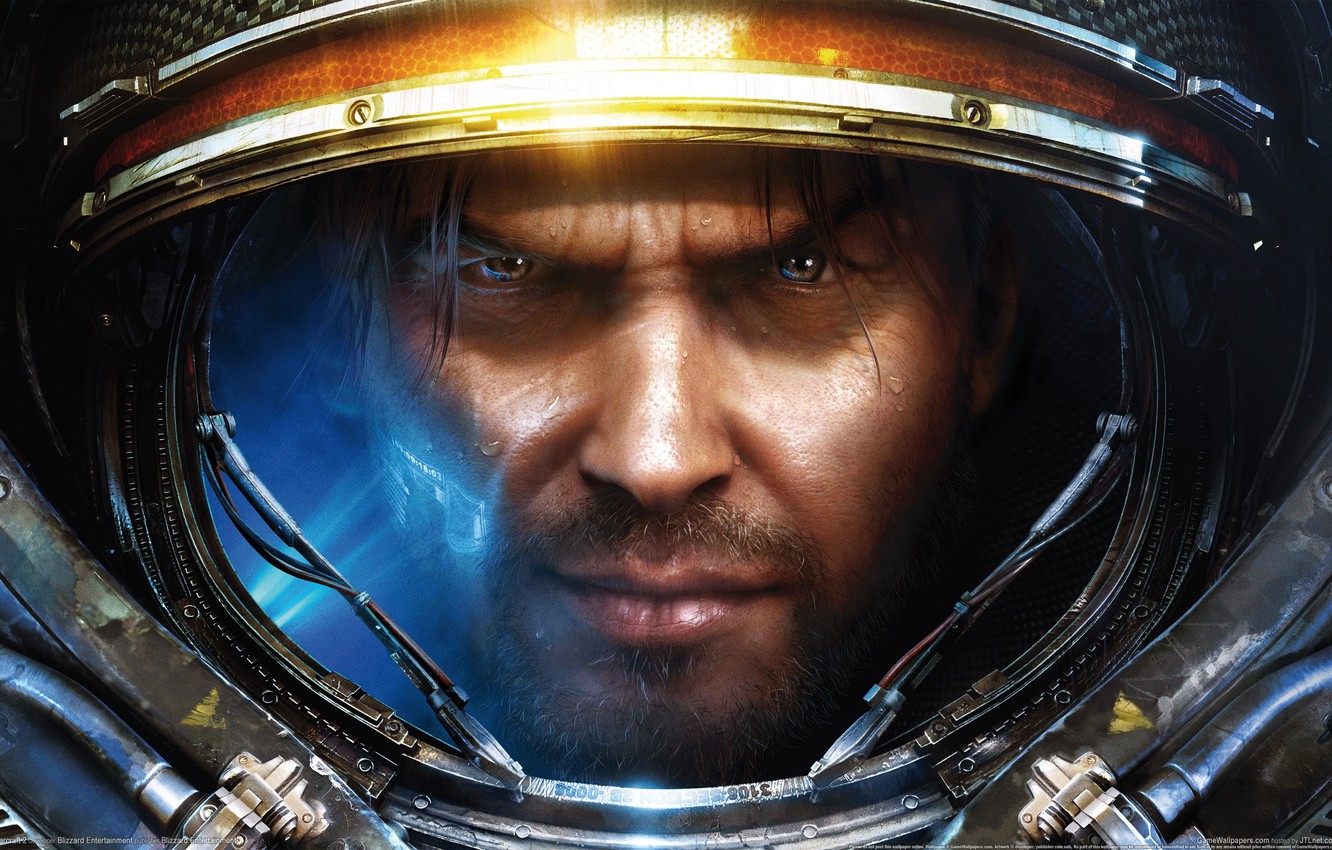
The Protoss race saw significant visual and lore updates with the arrival of ‘StarCraft II: Wings of Liberty’ and its expansions. The sequel introduced the Nerazim and the Tal’darim which are distinct cultural and biological offshoots of the main Protoss species. These groups displayed different armor styles and varying colors of psionic energy to reflect their differing philosophies. The game also expanded on the Khala which is the communal telepathic link that defines their society. These additions made the ancient alien race feel more diverse and politically complex.
‘Mass Effect 2’ (2010)
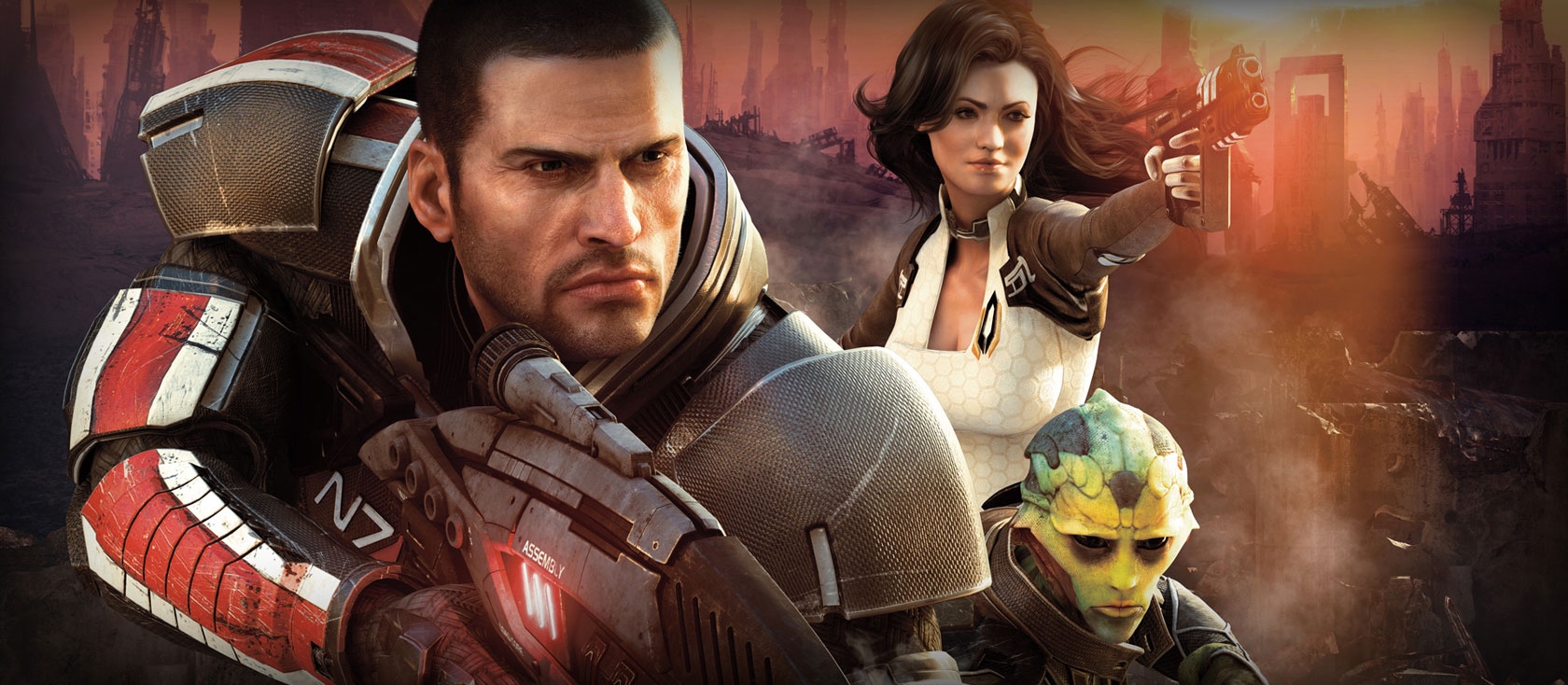
This sequel introduced a major revelation regarding the Geth race and their internal structure. In ‘Mass Effect 2’ players meet Legion who explains that the Geth are not a monolithic hive mind but a collection of individual programs. This entry also introduced the concept of Heretics who are a splinter group that chose to follow the Reapers. The visual design of the Geth was refined to show more intricate machinery and glowing components. These changes humanized the synthetic race and added moral complexity to the ongoing conflict.
‘Mortal Kombat 1’ (2023)

The rebooted timeline in ‘Mortal Kombat 1’ completely redefined the nature of the Tarkatan race. Instead of being a separate species from another realm Tarkatans are now victims of a wasting disease called the Tarkat virus. This illness transforms normal citizens into monstrous beings with retractable bone blades and sharp teeth. This change added a tragic element to characters like Mileena and Baraka who were previously seen as simple villains. The shift also altered the political landscape of Outworld by making the Tarkatans a persecuted group of plague victims.
‘Sonic Adventure’ (1998)

This game expanded the lore of the Echidna race by introducing an ancient civilization and its tragic downfall. In ‘Sonic Adventure’ players learn about the Knuckles Clan and their conflict with the water god Chaos. The game depicted the Echidnas as a powerful and warlike tribe that once ruled the world before being wiped out. This added significant depth to the character of Knuckles the Echidna who was previously just a rival to Sonic. The introduction of Tikal provided a spiritual connection to the history of this now extinct species.
‘Metroid Dread’ (2021)
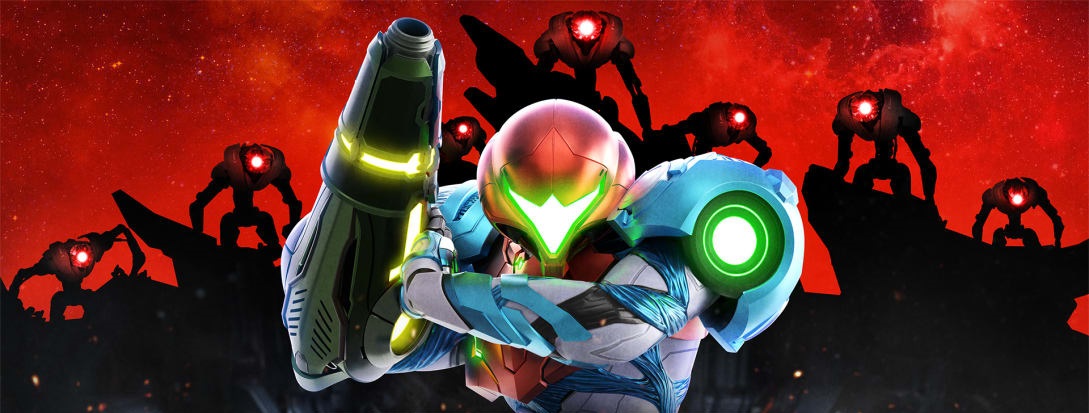
The Chozo race received their most significant update in ‘Metroid Dread’ after being mostly mentioned in logs and ruins. This sequel introduced living Chozo warriors and revealed a darker side to their ancient culture. The Mawkin tribe was depicted as a militaristic faction that sought to use the Metroids and the X Parasite for galactic conquest. This contrasted heavily with the peaceful and scientific image of the Chozo presented in previous games. The game also showcased their advanced combat prowess and biological resilience in modern graphics.
‘The Witcher 2: Assassins of Kings’ (2011)
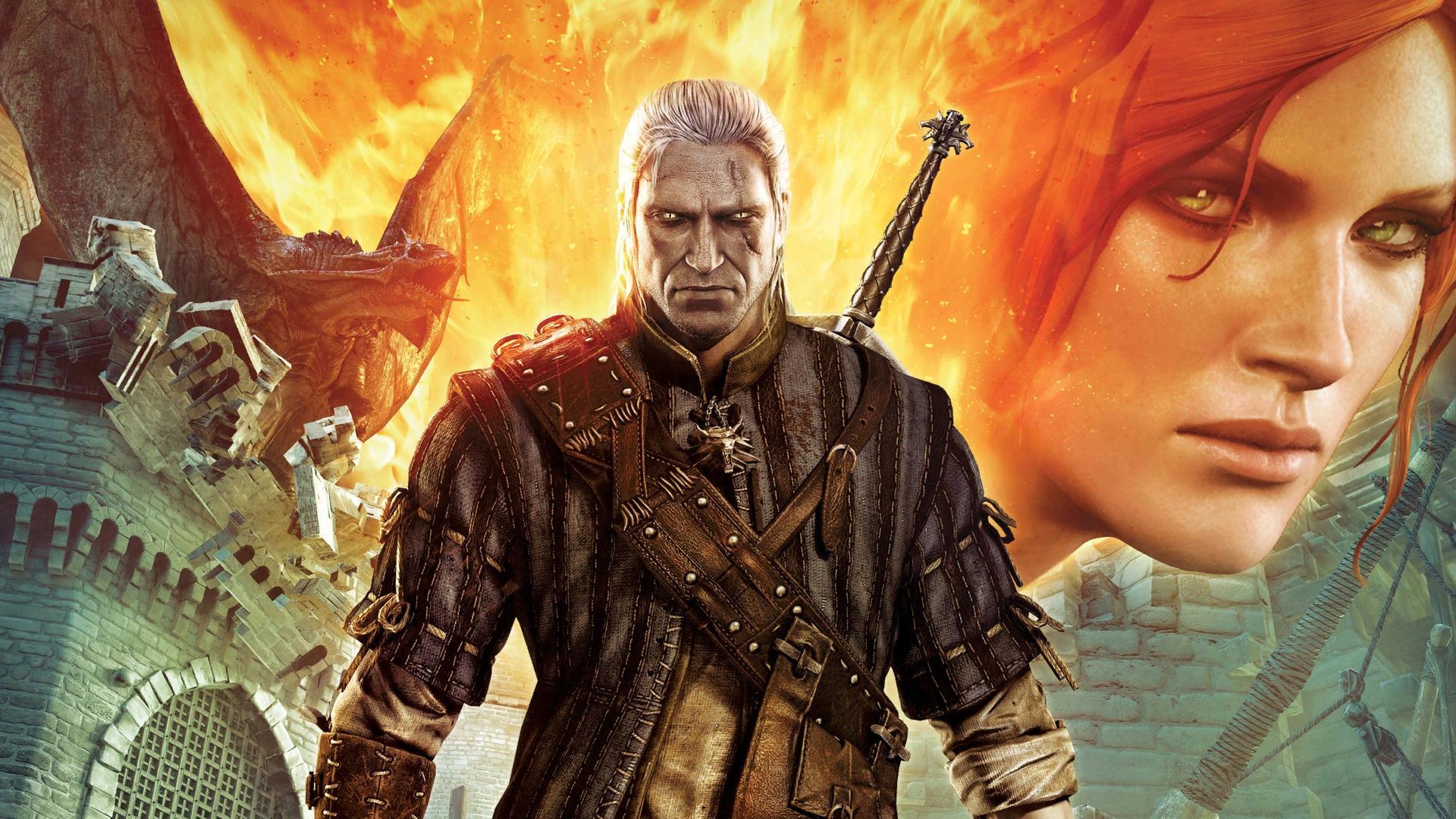
The Elves of the ‘The Witcher’ universe were given a much more distinct and gritty visual style in this sequel. In ‘The Witcher 2: Assassins of Kings’ the Scoia’tael rebels were depicted with intricate tattoos and more rugged clothing to reflect their life in the wilderness. The game also delved deeper into the tragedy of their declining population and their struggle against human expansion. This focus helped distinguish them from traditional high fantasy Elves by emphasizing their status as a marginalized and desperate minority. The visual fidelity of the new engine highlighted the physical differences between Elves and humans more clearly.
‘Spyro: Reignited Trilogy’ (2018)
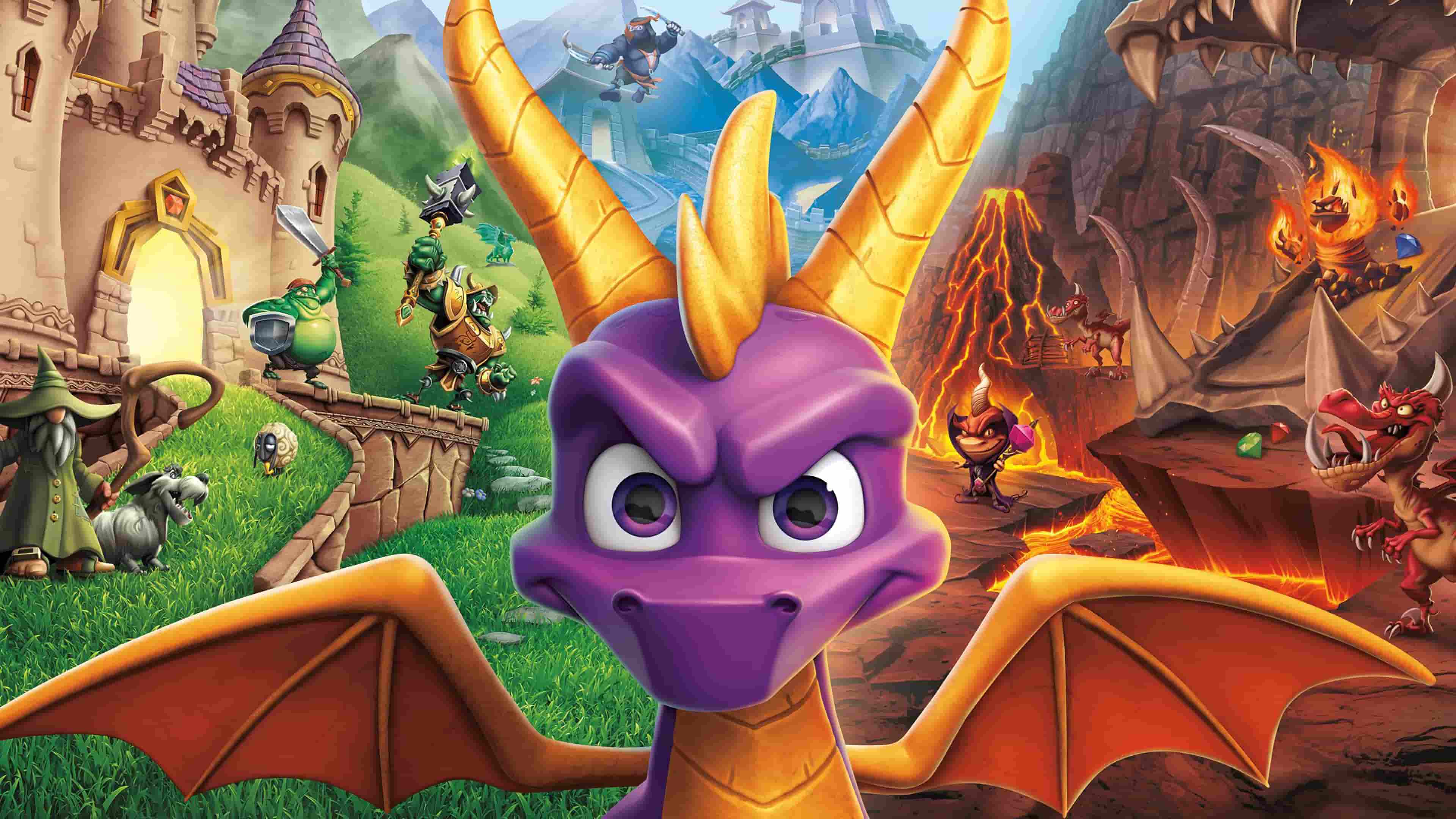
While technically a remake this collection of sequels drastically changed the designs of the adult dragons. In ‘Spyro: Reignited Trilogy’ every dragon saved by the player has a unique profession and appearance based on their home world. This replaced the repetitive character models from the original games with a diverse cast of individuals including bakers and painters. These changes gave the Dragon race a much richer sense of culture and personality. The updated visuals also added expressive animations that were not possible on older hardware.
‘Gears 5’ (2019)
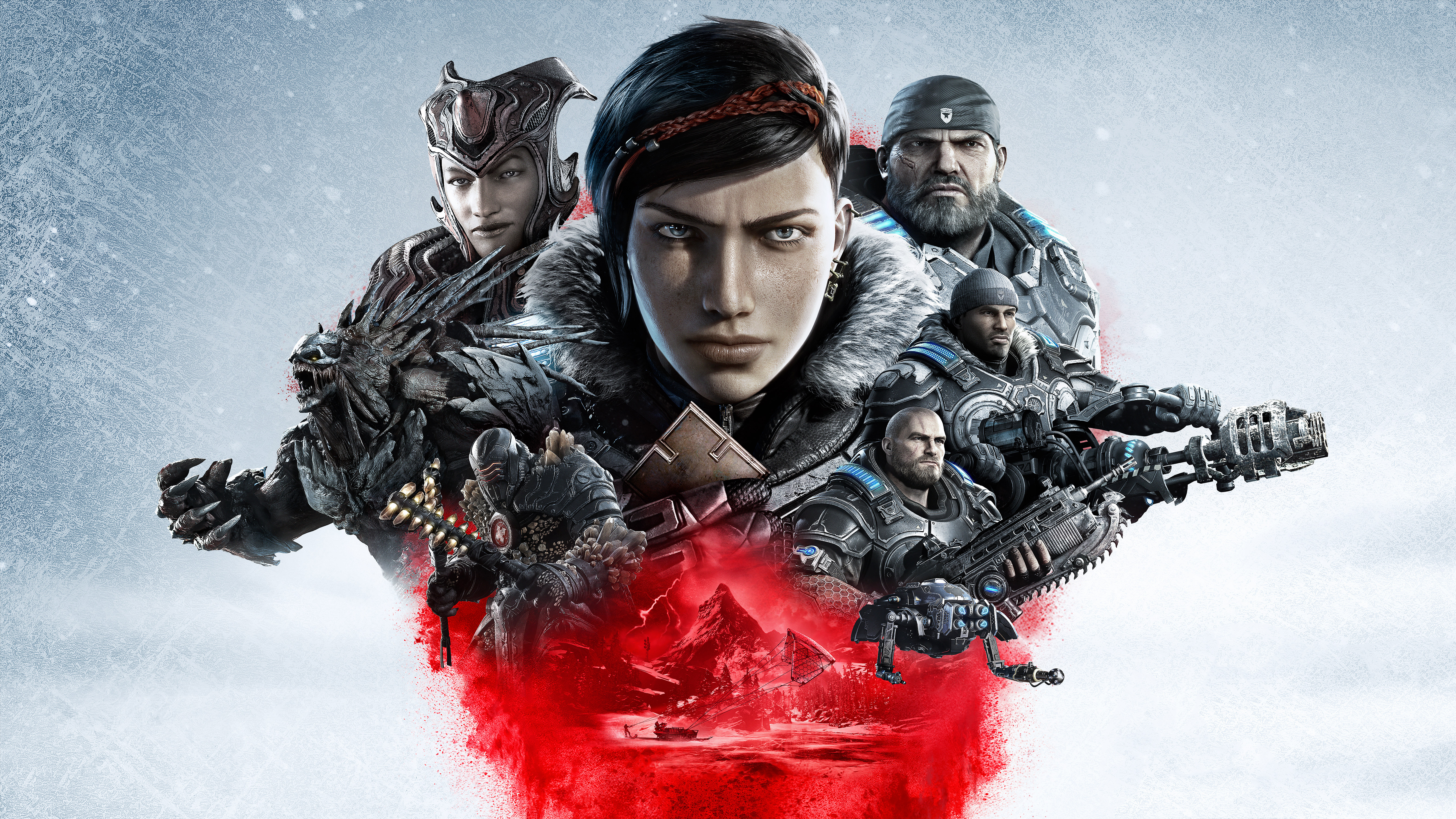
This entry provided the definitive origin story for the Locust and their evolution into the Swarm. In ‘Gears 5’ the protagonist discovers that the Locust were created through secret government experiments involving human DNA and indigenous creatures. This revelation changed the canon by establishing that the enemy was a man made horror rather than a natural subterranean race. The game also explored the psychological link between the Swarm Hivemind and the remains of the Locust Queen. These narrative shifts added a layer of historical tragedy to the long running war on Sera.
‘Final Fantasy XIV: Shadowbringers’ (2019)
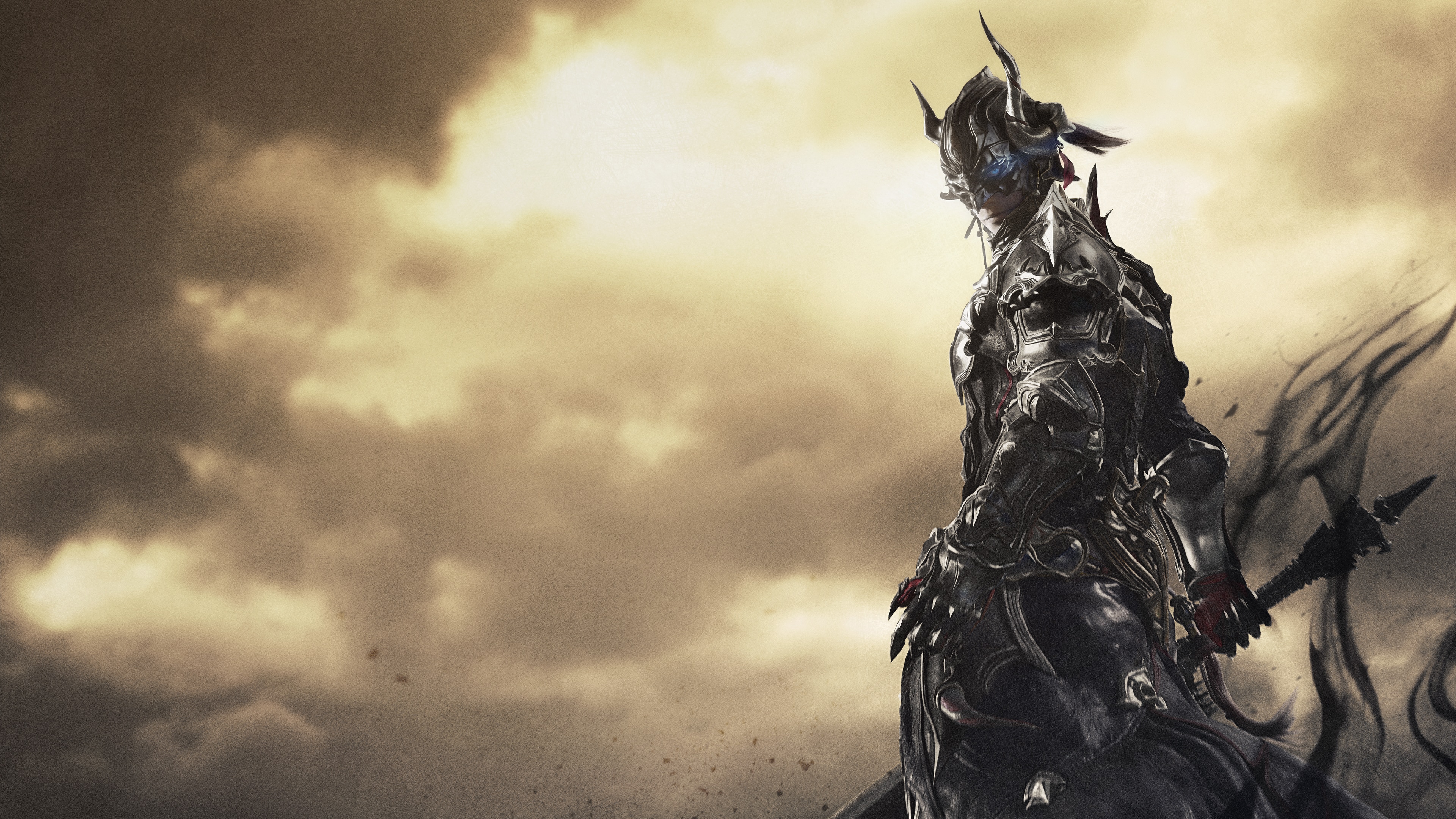
The expansion for ‘Final Fantasy XIV’ introduced the Hrothgar and Viera as playable races with deep ties to the game world. While the Viera had appeared in other titles they were given a specific history within the lore of Eorzea as forest guardians. The Hrothgar were introduced as a powerful leonine race with a complex social structure based on queens and clans. This sequel also explored the concept of shards where different versions of these races exist in parallel worlds. These additions significantly increased the biological diversity of the player population.
‘Resident Evil Village’ (2021)
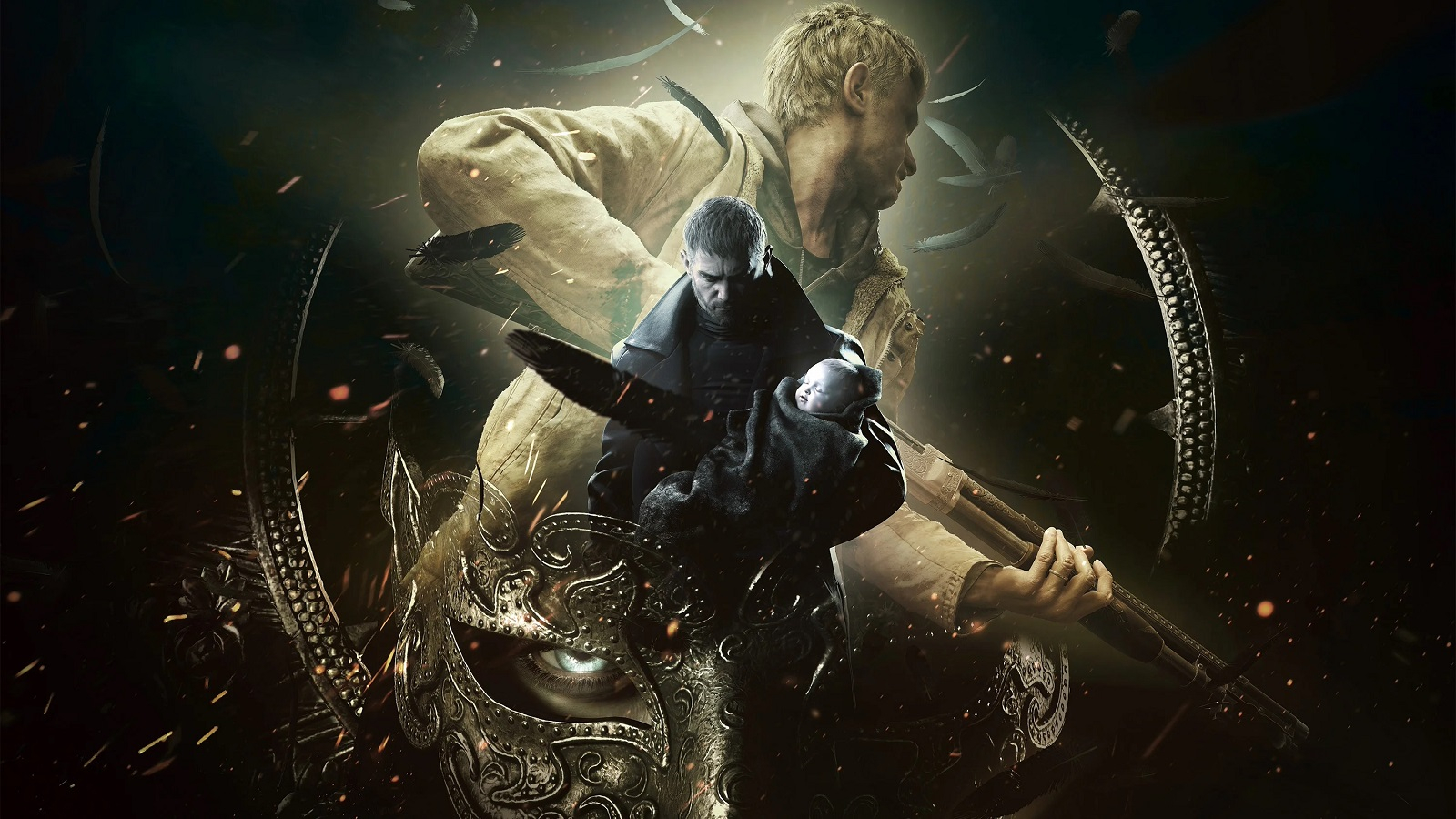
This sequel introduced a new interpretation of classic monsters like Lycans and Vampires within the established bio weapon lore. In ‘Resident Evil Village’ these creatures were revealed to be the result of a fungal infection called the Megamycete. This canon change moved away from traditional viral infections to explain the supernatural abilities and physical transformations of the enemies. The game provided detailed scientific documents that categorized these beings as successful experiments by Mother Miranda. This approach allowed the series to explore Gothic horror themes while staying grounded in its biological science fiction roots.
‘Doom Eternal’ (2020)
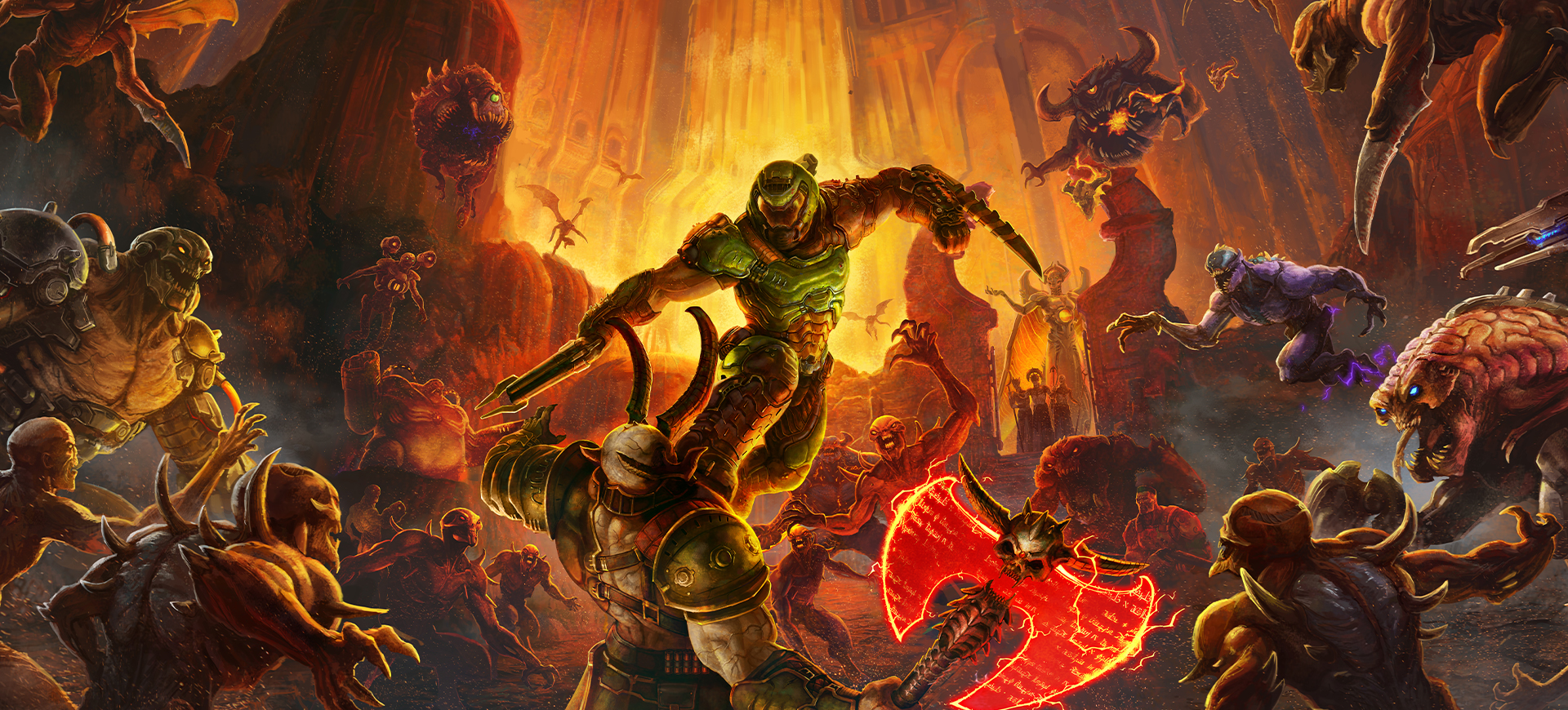
The lore of the demons and their cosmic counterparts was vastly expanded in ‘Doom Eternal’ through the introduction of the Maykrs. This sequel revealed that the demons of Hell were part of a massive interdimensional machine designed to harvest souls for a divine race. The Maykrs were depicted as angelic beings with technological enhancements who controlled the balance of the universe. This change shifted the series from a simple battle against Hell to a grand science fiction epic involving ancient civilizations. The visual design of the enemies also became more intricate to reflect their new roles in the hierarchy.
‘The Elder Scrolls V: Skyrim’ (2011)
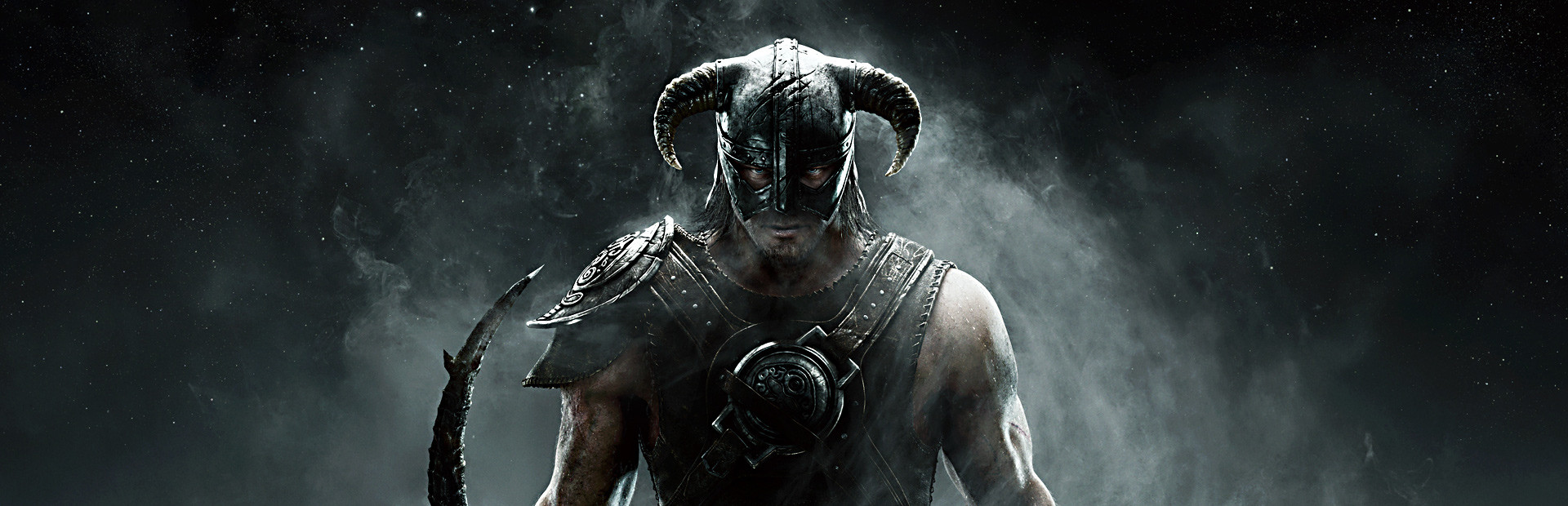
The Falmer were transformed from a legendary extinct race into a terrifying subterranean threat in ‘The Elder Scrolls V: Skyrim’. The game revealed that the Snow Elves were driven underground by the Nords and eventually betrayed by the Dwarves. Centuries of living in the dark and consuming toxic fungi turned them into blind and twisted creatures. This tragic history was a major lore addition that changed how players viewed the ancient ruins of the province. The introduction of Knight-Paladin Gelebor provided a rare look at what the race looked like before their tragic fall.
‘Guild Wars 2’ (2012)
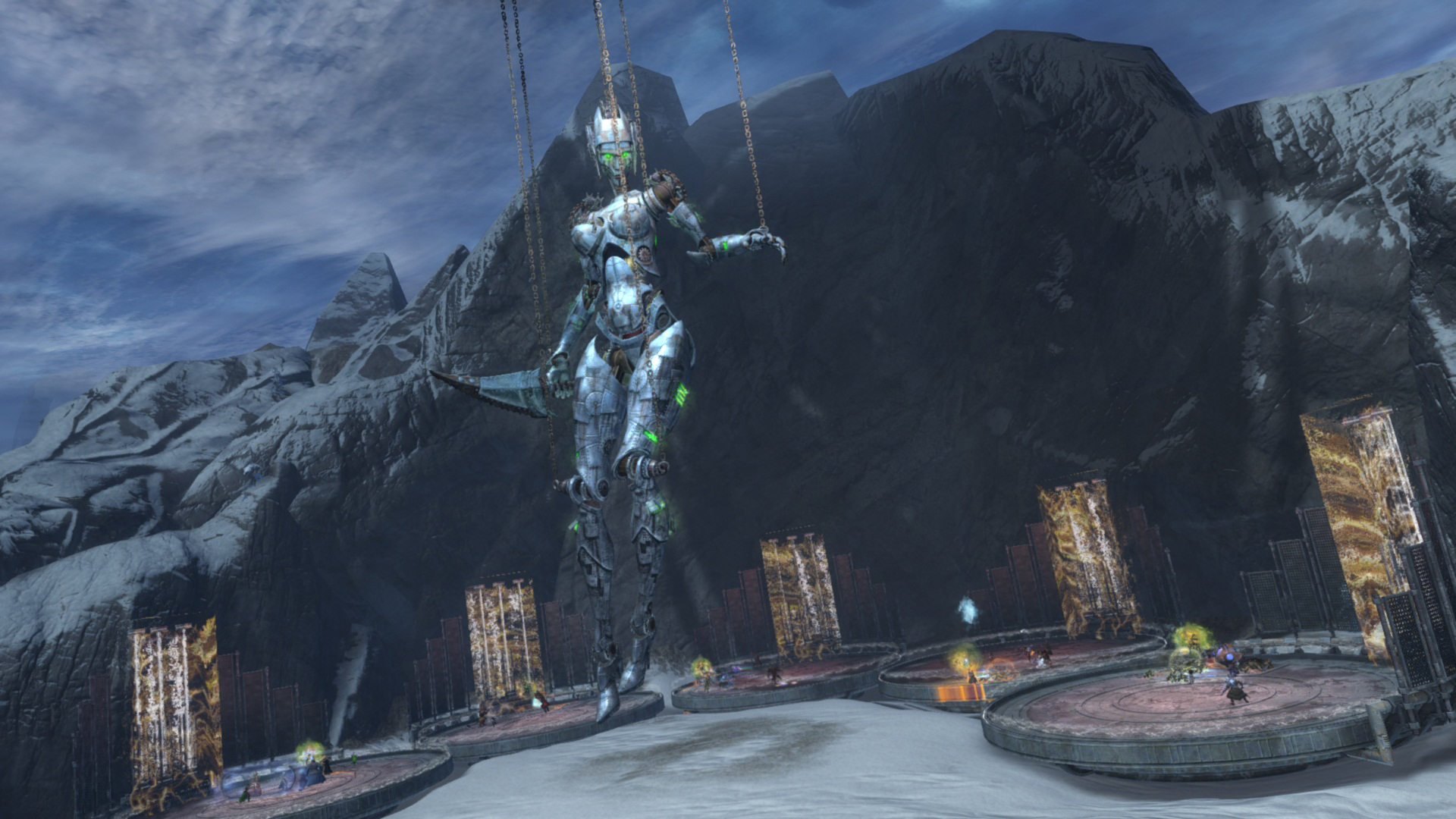
This sequel completely redesigned the Charr and Asura races to make them more suitable for a playable role. In ‘Guild Wars 2’ the Charr shifted from being antagonistic furry monsters to a highly disciplined and industrial military society. The Asura were reimagined with a distinct aesthetic inspired by magical technology and high intelligence. The game also introduced the Sylvari who are a race of plant beings born from a mystical tree. These changes helped create a more balanced and diverse world where players could choose from multiple unique perspectives.
‘SoulCalibur VI’ (2018)
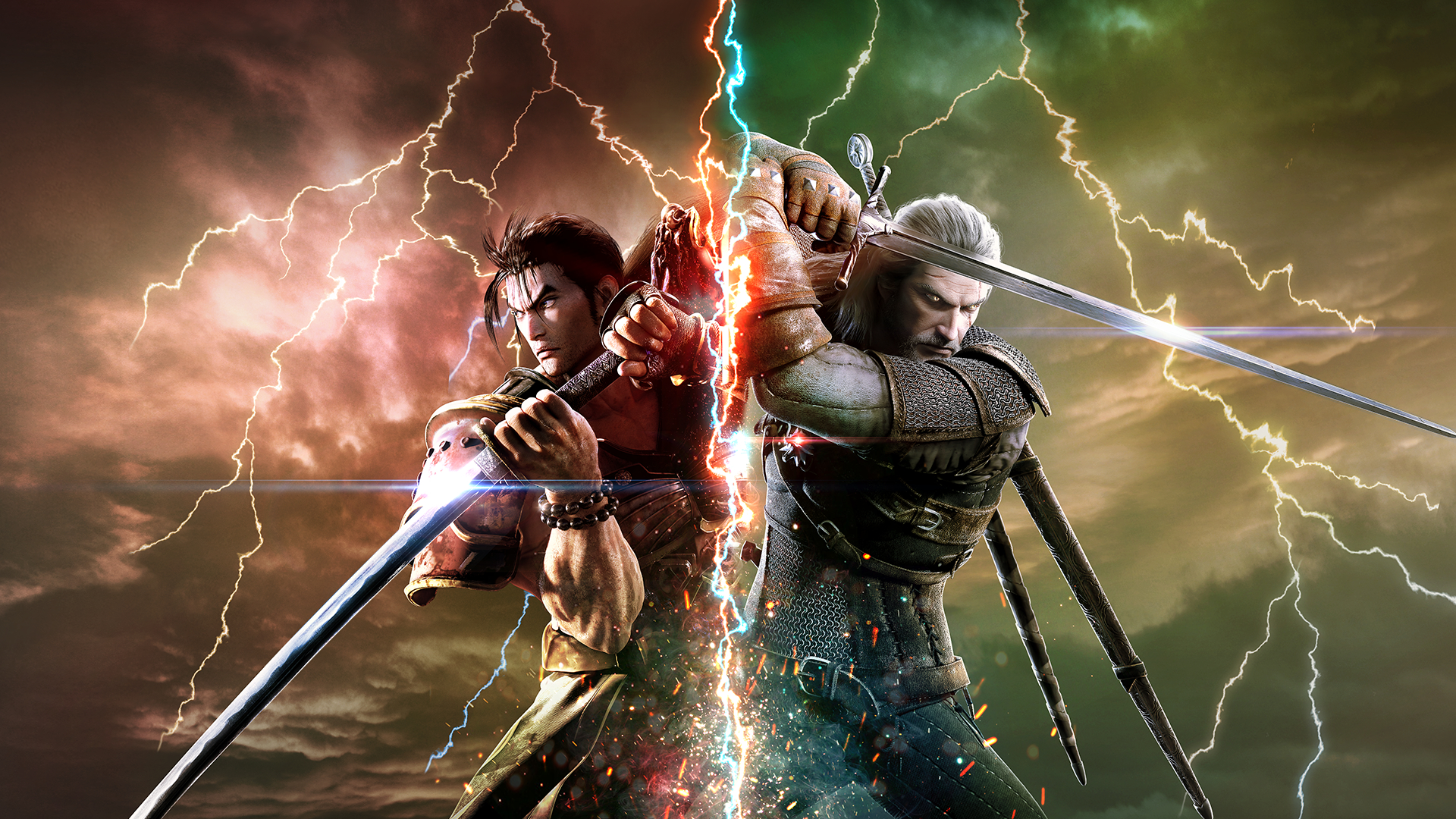
The race system was expanded in ‘SoulCalibur VI’ to allow players to create characters from a wide variety of species. This sequel formally categorized existing characters into specific races like the Malfested and the Outcasts. The lore of the Lizardmen was expanded to show their origins as human warriors transformed by divine or dark energy. This entry also introduced the concept of the Astral Fissures which could transform normal humans into different types of beings. These additions made the character creator feel more integrated into the canonical history of the weapon based fighter.
‘Bloodborne’ (2015)
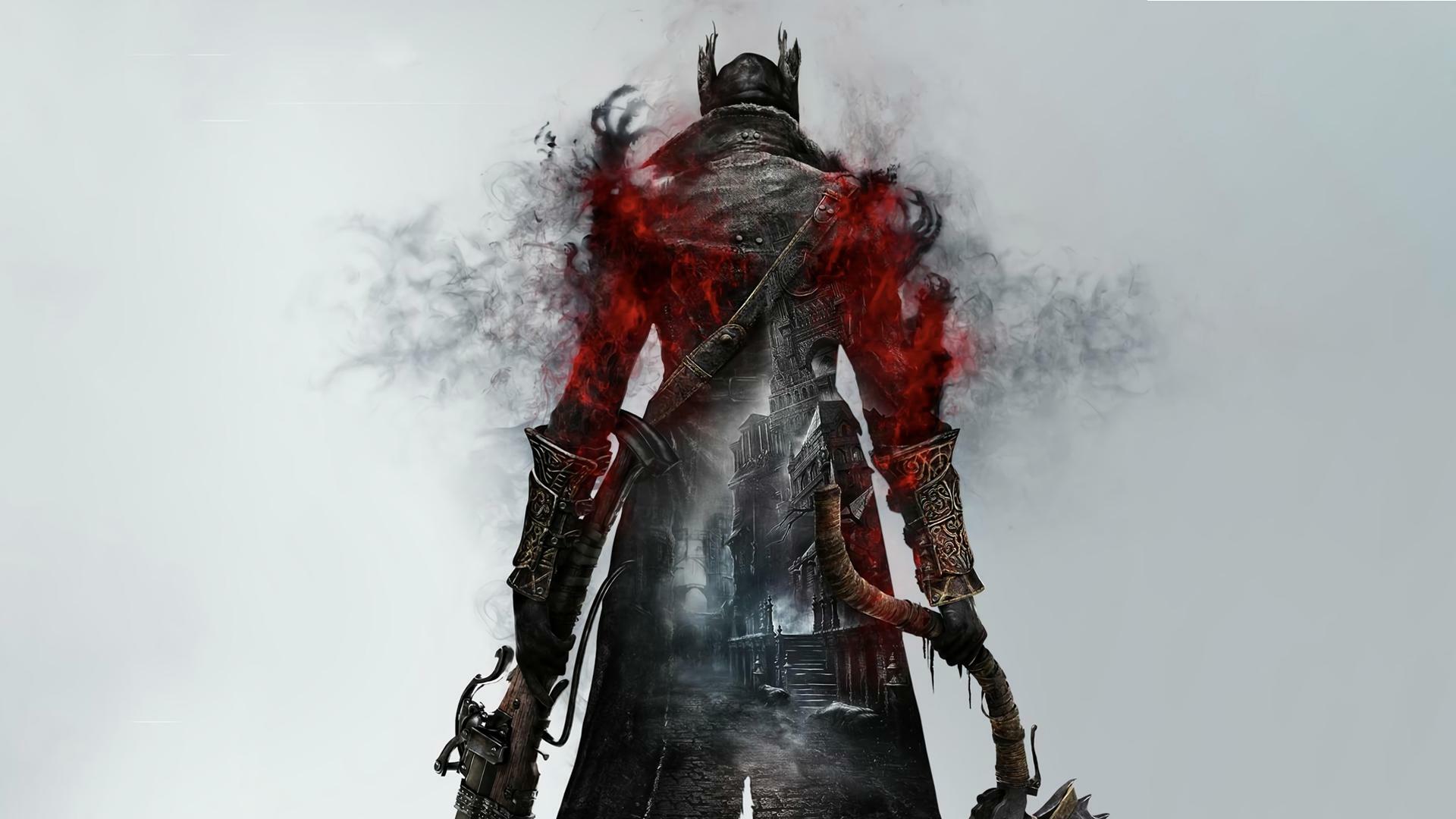
While a standalone title in spirit this spiritual successor to the ‘Souls’ series introduced the Pthumerians as a central piece of its lore. In ‘Bloodborne’ the Pthumerians are revealed as an ancient race of superhuman beings who guarded the secrets of the Great Ones. They were depicted with pale skin and elongated limbs to show their alien nature compared to the people of Yharnam. The discovery of their civilization beneath the city is what led to the catastrophic events of the game. This added a deep layer of prehistoric mystery to the setting.
‘Ratchet & Clank: Rift Apart’ (2021)
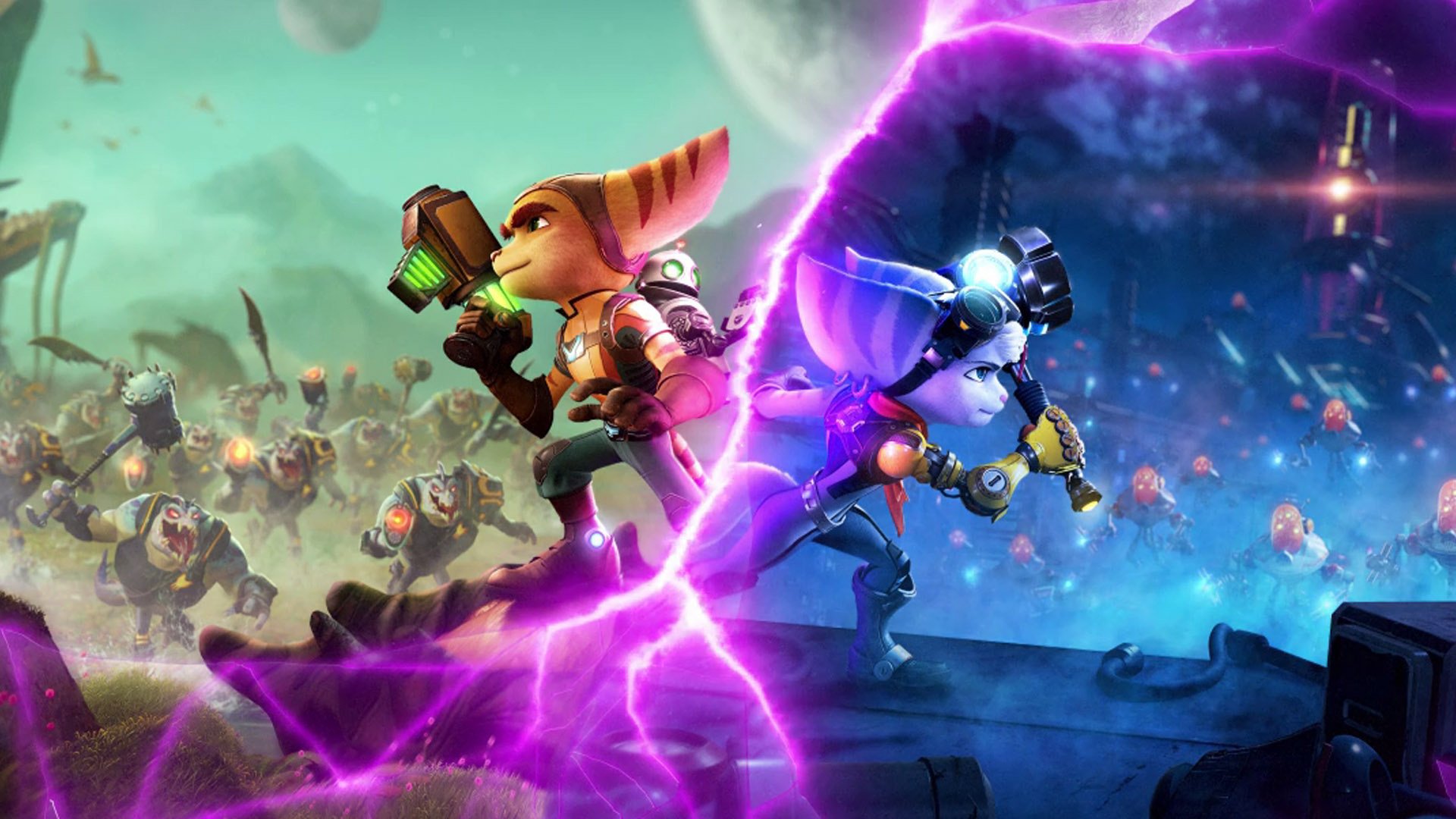
The mystery of the Lombax race was further explored through the introduction of Rivet in ‘Ratchet & Clank: Rift Apart’. For the first time the series confirmed that female Lombaxes could have tails which was a point of debate in previous games. The game also showcased a dimension where the Lombaxes lived in a vibrant and technologically advanced society before its destruction. This expanded the scope of the race beyond just being a lost species and provided a counterpart to Ratchet. The use of modern hardware allowed for more detailed fur and expressive facial animations.
‘Castlevania: Lords of Shadow’ (2010)
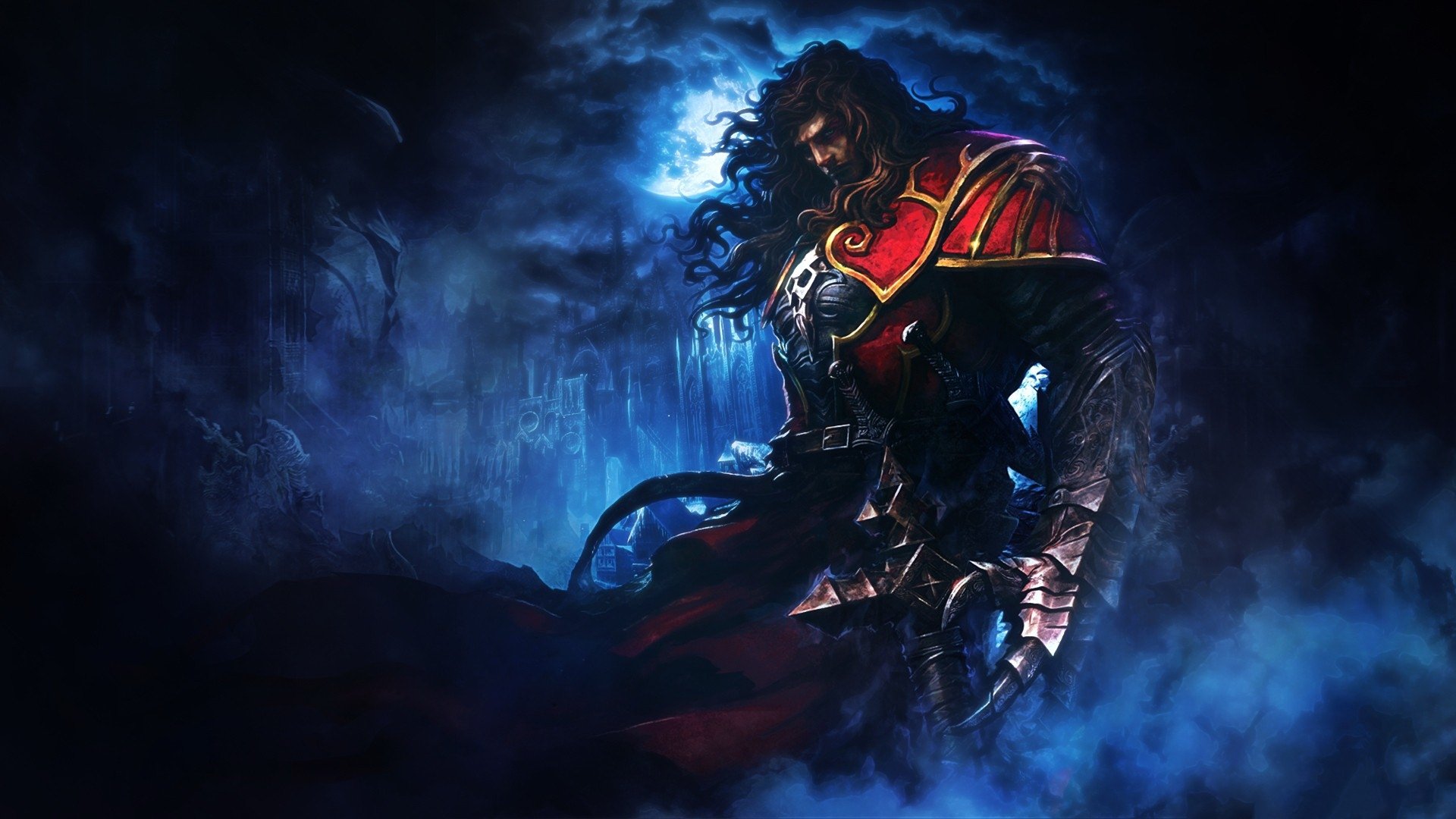
This reboot of the ‘Castlevania’ franchise completely reinterpreted the origins of Vampires and Werewolves. In ‘Castlevania: Lords of Shadow’ these creatures were born from the remnants of three holy knights who ascended to heaven and left their dark halves behind. This canon change provided a unified and tragic origin for the monsters that haunt the land. The game also gave Vampires a more elegant and tragic visual style that emphasized their lost humanity. This reimagining helped modernize the classic horror tropes for a new generation of players.
‘Darksiders III’ (2018)
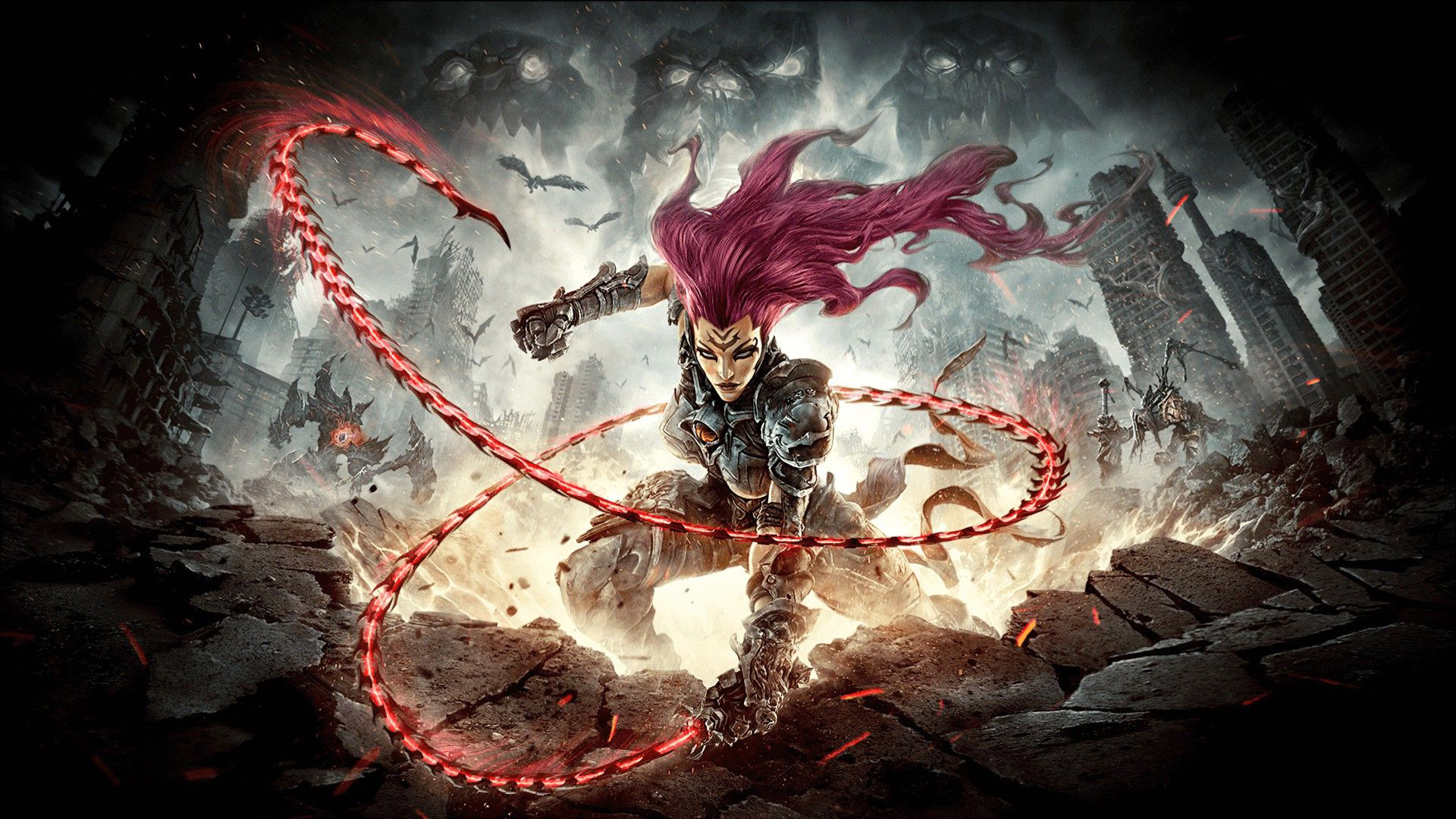
The third entry in the series focused on the character Fury and expanded the lore of the Nephilim. In ‘Darksiders III’ the Nephilim were depicted as a race created from the ashes of angels and demons who were ultimately eradicated for their power. The game explored the internal conflict of the Horsemen who were forced to hunt their own kind to maintain the balance. This added personal weight to the characters and established their unique place in the cosmic hierarchy. The visual design of the Horsemen was also updated to highlight their specific elemental themes.
‘Diablo III’ (2012)
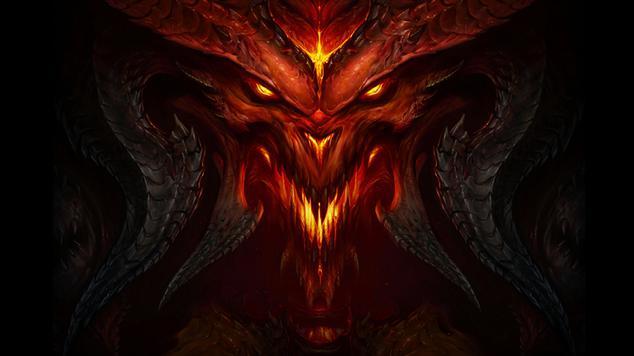
The history of humanity was fundamentally changed in ‘Diablo III’ with the introduction of the Nephalem lore. It was revealed that humans are the offspring of angels and demons who sought to escape the Eternal Conflict. This change established that humans possess the potential for power that exceeds both their celestial and infernal parents. The game followed the awakening of this ancient power within the player character as they fought back against the Lords of Hell. This narrative shift gave humanity a more active and powerful role in the fate of the world.
‘Borderlands 3’ (2019)
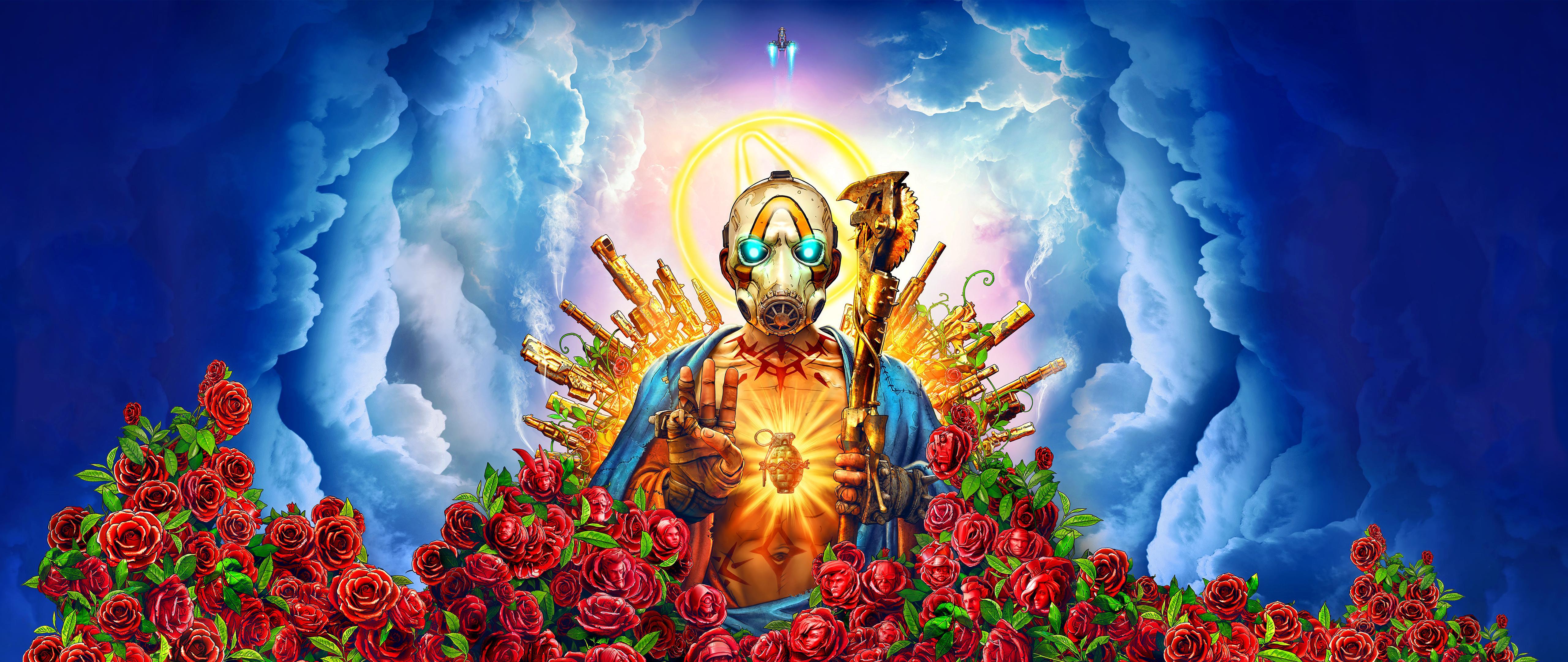
The nature and origins of the Sirens were significantly expanded in ‘Borderlands 3’ through new characters and lore logs. This sequel revealed that there are always exactly six Sirens in the universe and explained how their powers are passed to new hosts. It also introduced the concept that Sirens could be linked to ancient Eridian technology and the Great Vault. The visual representation of their tattoos and cosmic energy was upgraded to be more dynamic and central to their character designs. These changes provided a clearer framework for one of the series most mysterious elements.
‘Oddworld: Soulstorm’ (2021)
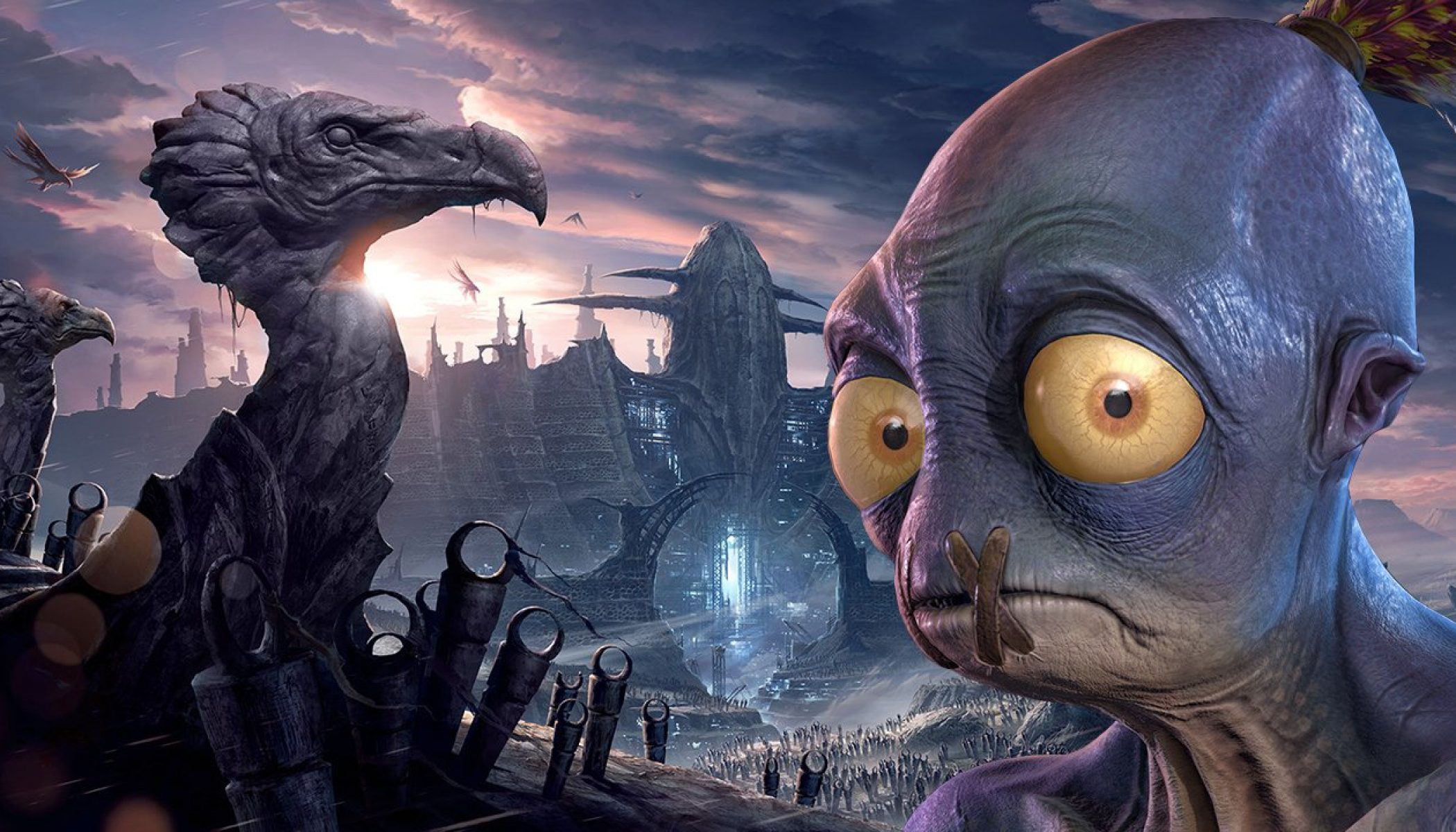
This reimagining of the second game in the series updated the biology and social structure of the Mudokons. In ‘Oddworld: Soulstorm’ the Mudokons are depicted as a more physically diverse race with different skills and roles within their resistance movement. The game emphasized their vulnerability and the psychological toll of their enslavement by the Glukkons. The visuals added more detail to their skin textures and expressive eyes to make them more relatable to the player. These changes helped reinforce the themes of survival and revolution in the face of industrial oppression.
‘Tekken 8’ (2024)
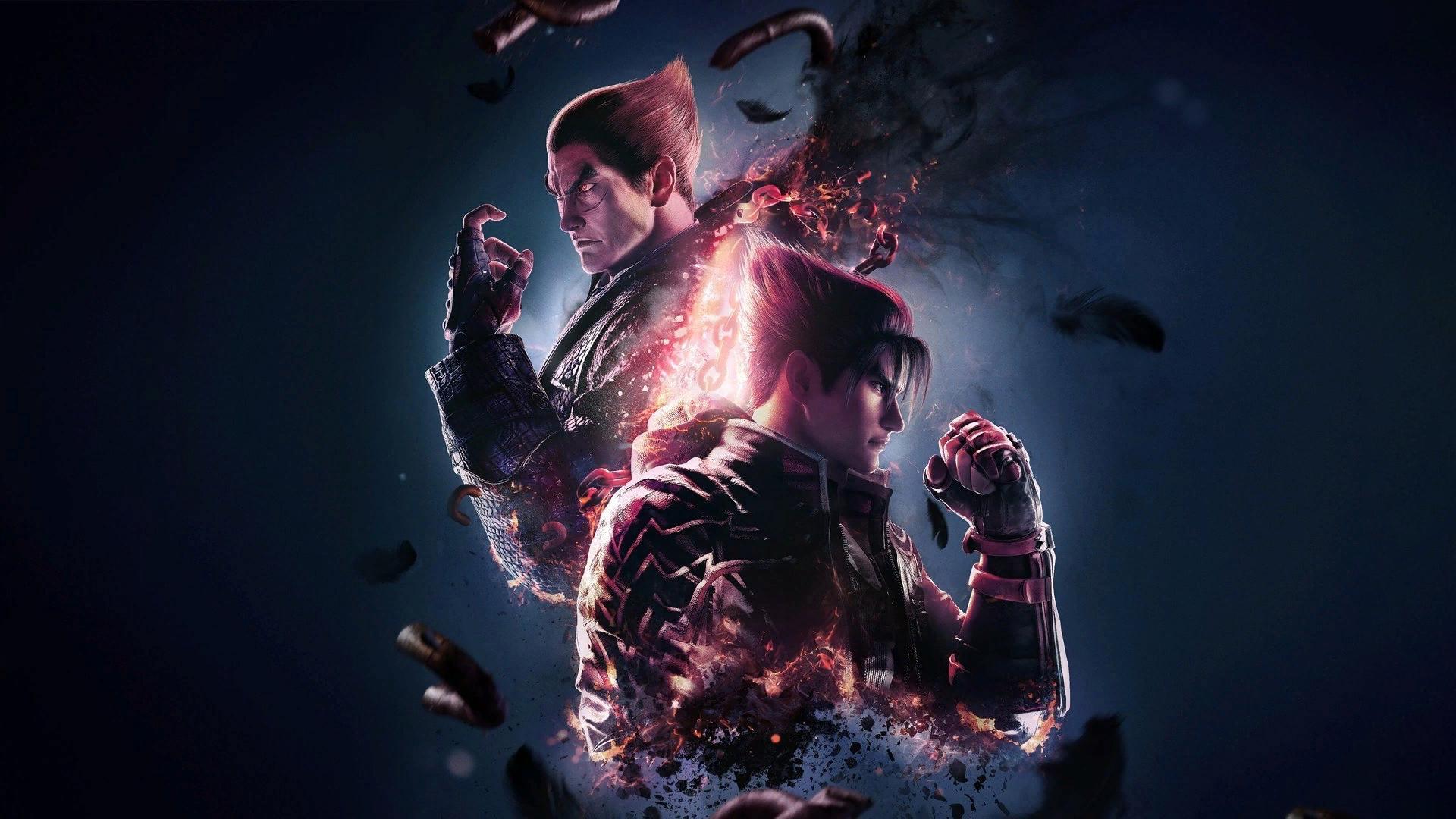
The lore of the Devil Gene and the Hachijo Clan was finalized in ‘Tekken 8’ through the climax of the Mishima family feud. This sequel clarified the biological origins of the demonic transformation and its connection to an ancient line of assassins. The game featured a massive battle between Kazuya and Jin that showcased the full extent of their supernatural abilities. It also introduced new visual effects for the Devil forms that integrated more cosmic and angelic themes. This concluded decades of speculation about the nature of the series most iconic transformation.
‘Street Fighter V’ (2016)
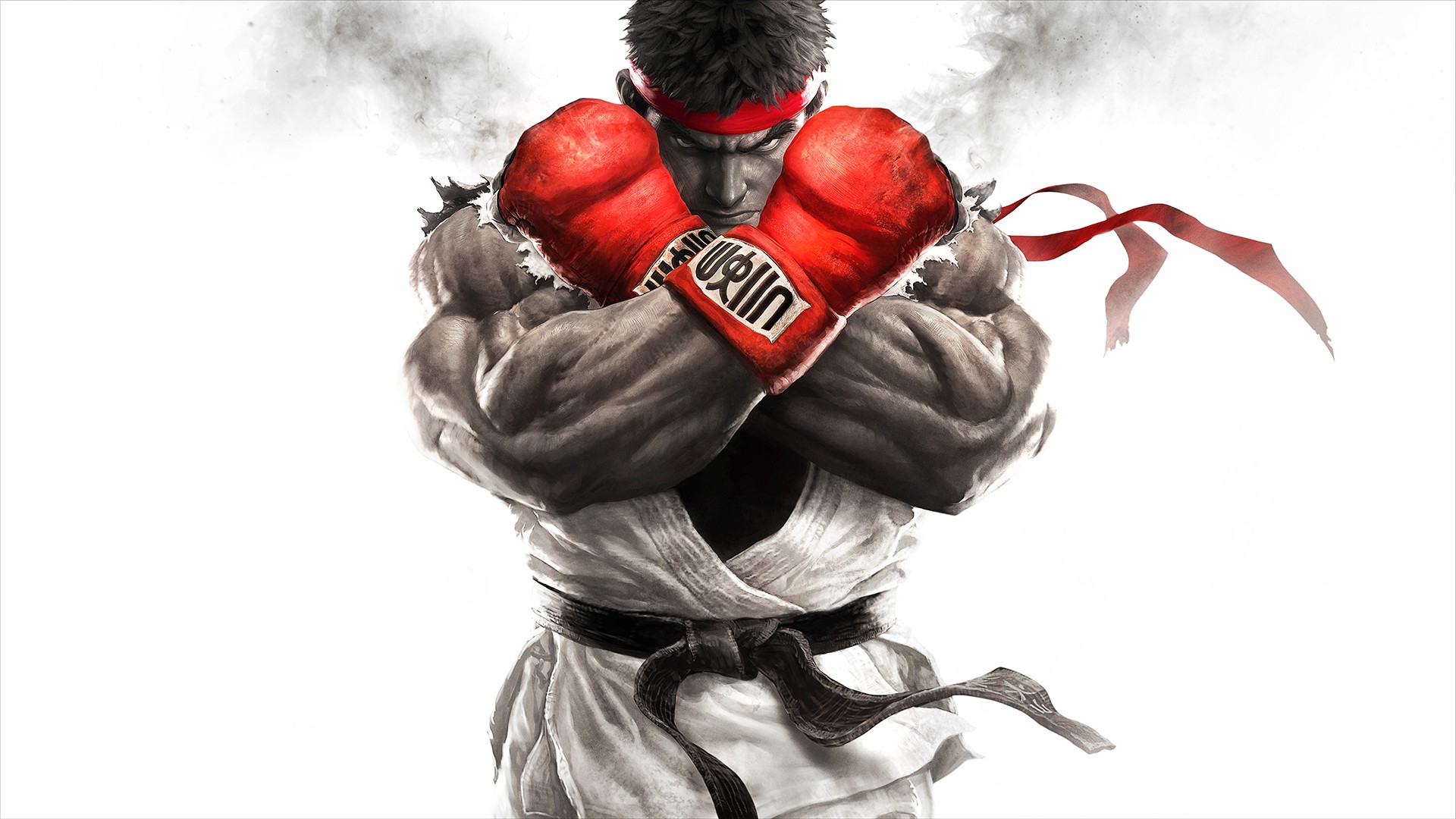
The Satsui no Hado was expanded from a simple gameplay mechanic into a deep piece of character lore in ‘Street Fighter V’. This sequel explored how different fighters interact with this dark energy and the physical toll it takes on their bodies. The introduction of Necalli and the story of the ancient prophecy provided a historical context for the power. It also showcased how characters like Ryu could transcend the darkness to find a new balance of power. The visual updates included dark purple energy and glowing eyes to represent the corruption of the soul.
‘Destiny 2’ (2017)
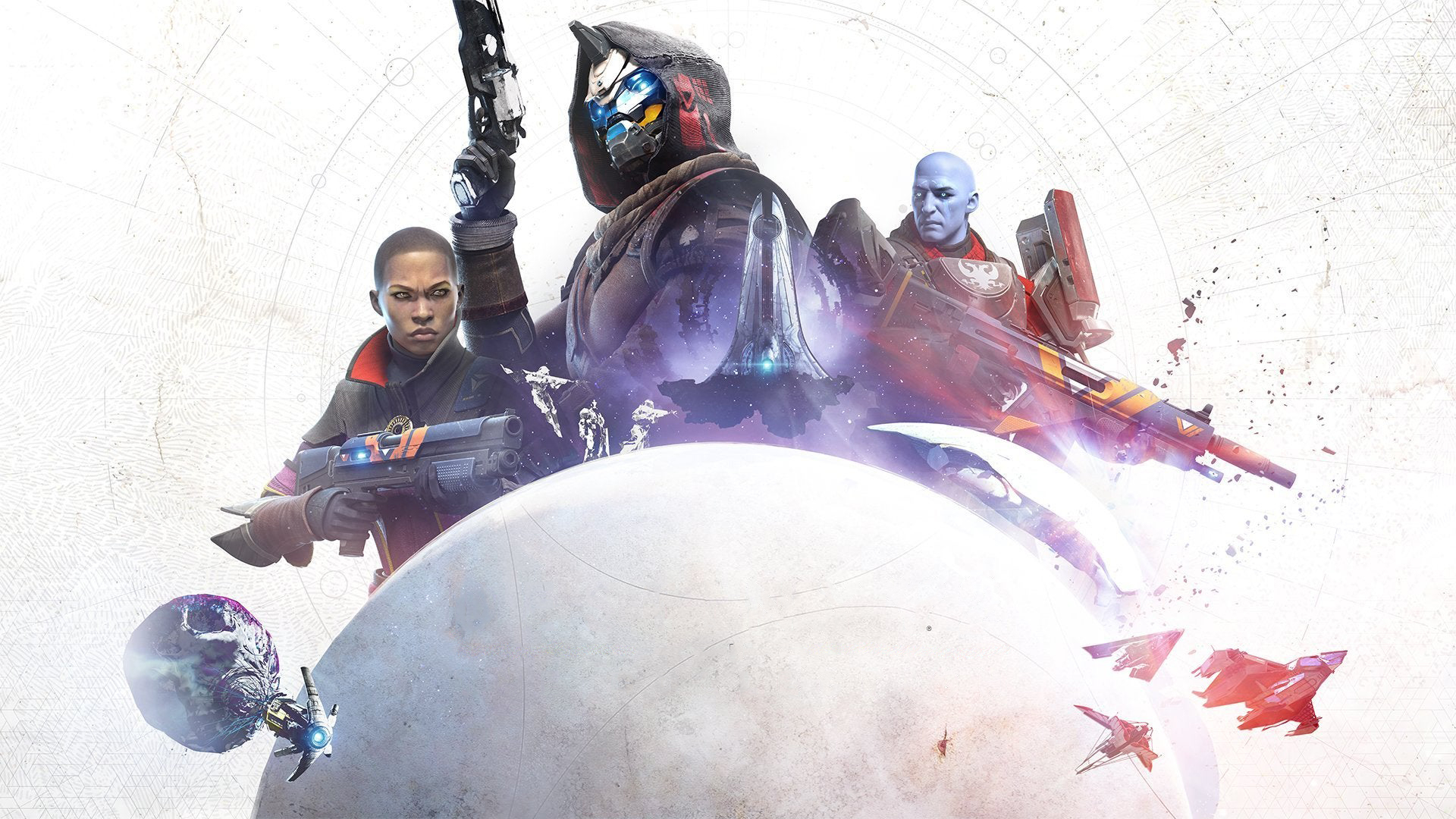
The origins of the Awoken and the Exo were explored in great detail across the various expansions of ‘Destiny 2’. Players learned that the Awoken were born from a clash between Light and Dark energy during a space flight. The Exo were revealed to be human consciousnesses transferred into robotic bodies using a mysterious substance called Clarity. These revelations changed the canon by grounding the fantasy races in a more structured science fiction history. The game also introduced the Eliksni and Cabal as complex allies rather than just mindless enemies.
‘Bayonetta 3’ (2022)
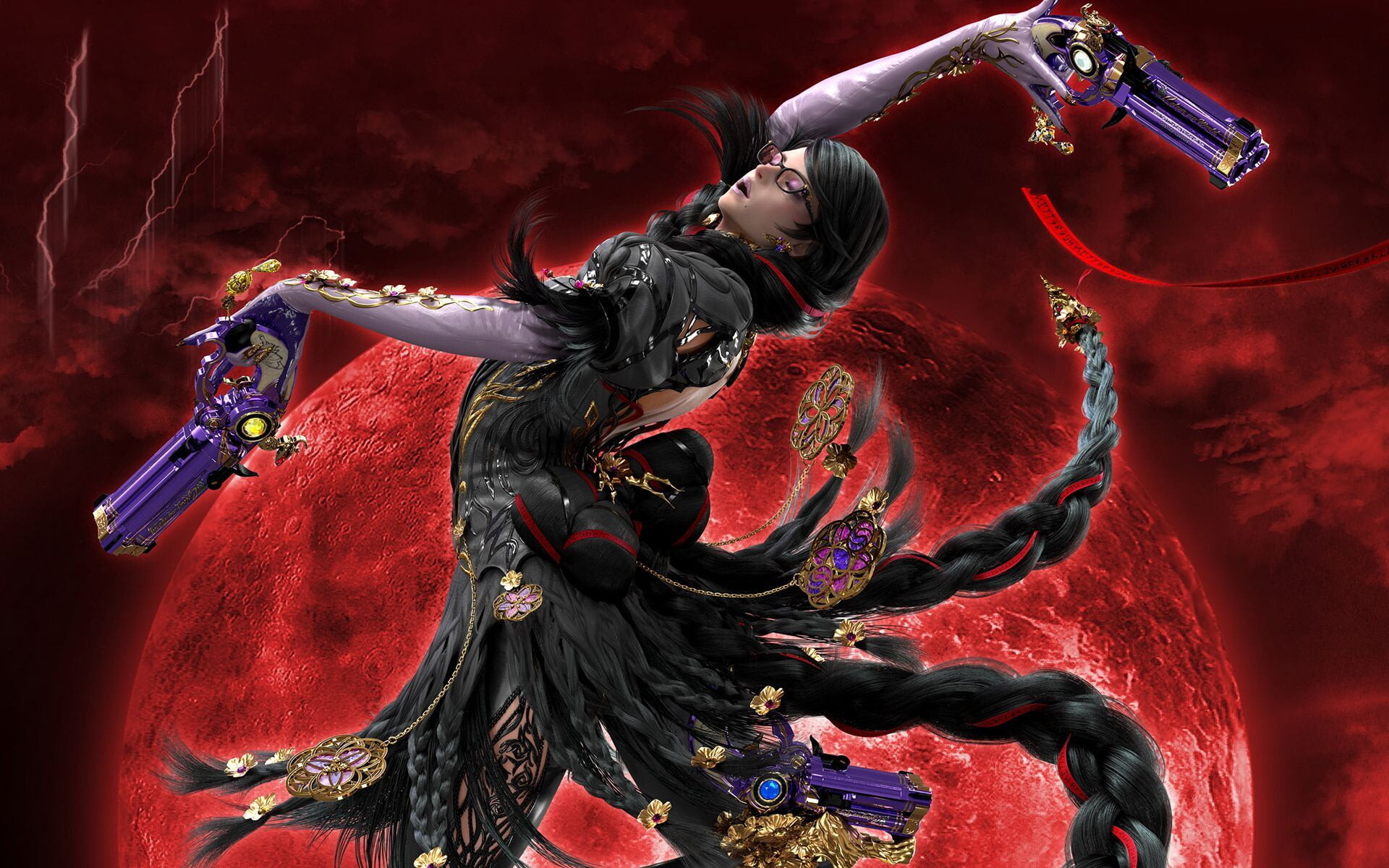
The introduction of the Homunculi in ‘Bayonetta 3’ provided a new type of enemy that was distinct from the traditional angels and demons. These man made creatures were shown to be a multiversal threat that could consume entire realities. The game also expanded on the lore of the Umbra Witches and Lumen Sages by showing different versions of them from parallel worlds. This changed the canon by establishing a massive multiverse where the balance of power varies significantly. The visual design of the enemies focused on iridescent colors and fluid movements to contrast with the previous games.
‘Star Wars: Knights of the Old Republic II’ (2004)
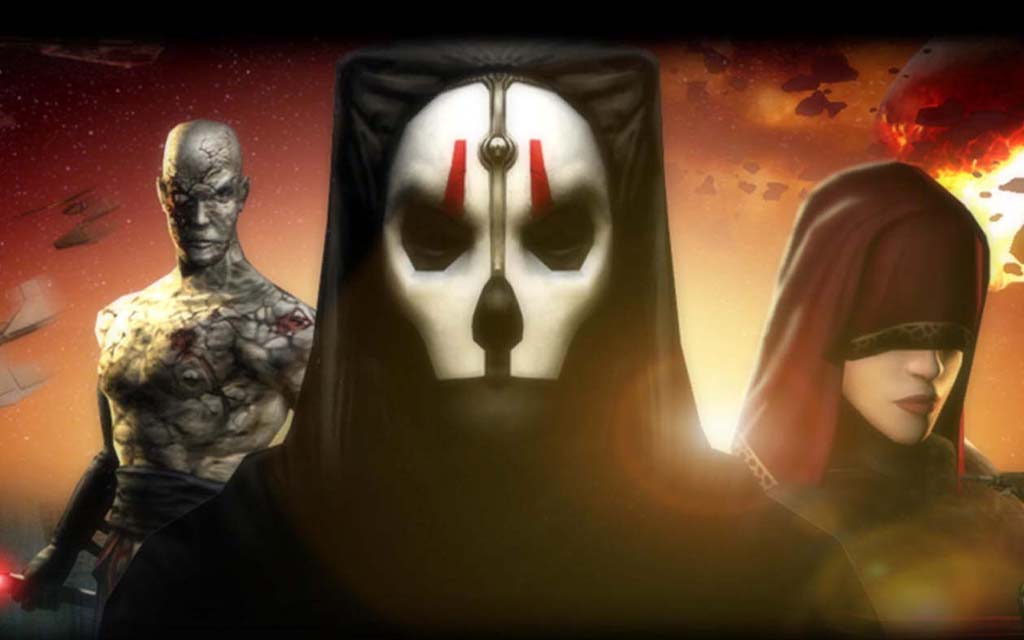
This sequel provided a more philosophical and nuanced look at the Sith as both a culture and a biological entity. In ‘Star Wars: Knights of the Old Republic II’ the Sith were depicted as a fragmented group of survivors with vastly different views on the Force. The game explored the idea of the Sith species and how their ancient history influenced the modern dark side users. It also introduced characters like Darth Nihilus who represented a complete departure from traditional humanoid villains. This deepened the lore of the Star Wars universe by questioning the binary nature of good and evil.
‘God of War’ (2018)
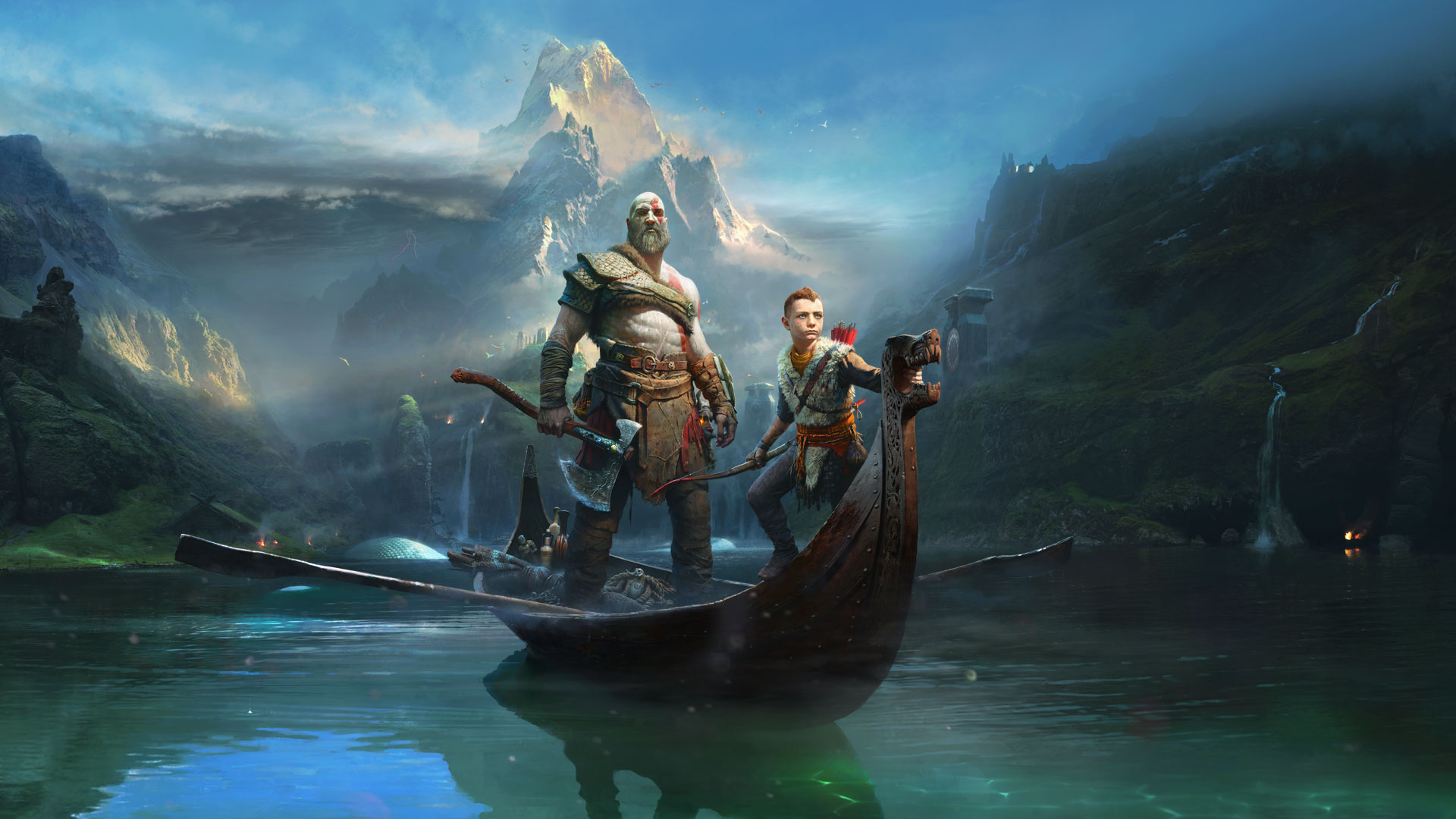
The transition to Norse mythology completely changed how the Jötunn and Elves were depicted in the ‘God of War’ series. Instead of being mindless giants the Jötunn were shown to be a noble and prophetic race of artisans and scholars. The Light and Dark Elves were depicted as being locked in a perpetual and tragic civil war over a source of divine energy. This reimagining added a layer of cultural depth and tragedy to the world that Kratos and Atreus explored. The visual design of these beings was inspired by ancient folklore rather than modern fantasy tropes.
‘Killer Instinct’ (2013)
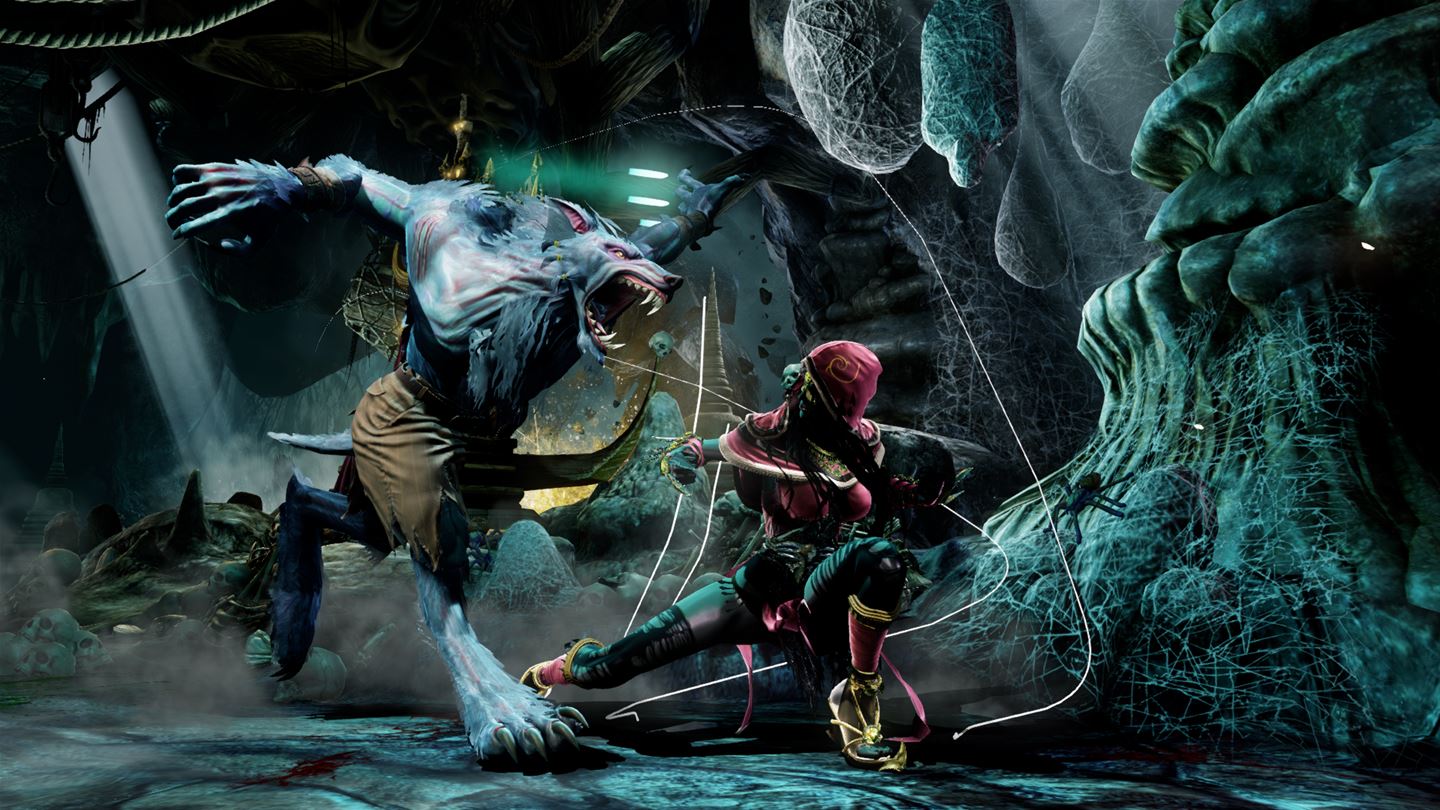
The reboot of ‘Killer Instinct’ updated the origins of its diverse cast of characters to fit a more cohesive narrative. The game revealed that many of the non human fighters were the result of experiments by the sinister UltraTech corporation. Other characters like Glacius and Aganos were tied to ancient alien civilizations and forgotten eras of history. This provided a more structured background for the various races featured in the fighting game. The updated graphics allowed for more unique textures and particle effects for each species.
‘Dark Souls III’ (2016)
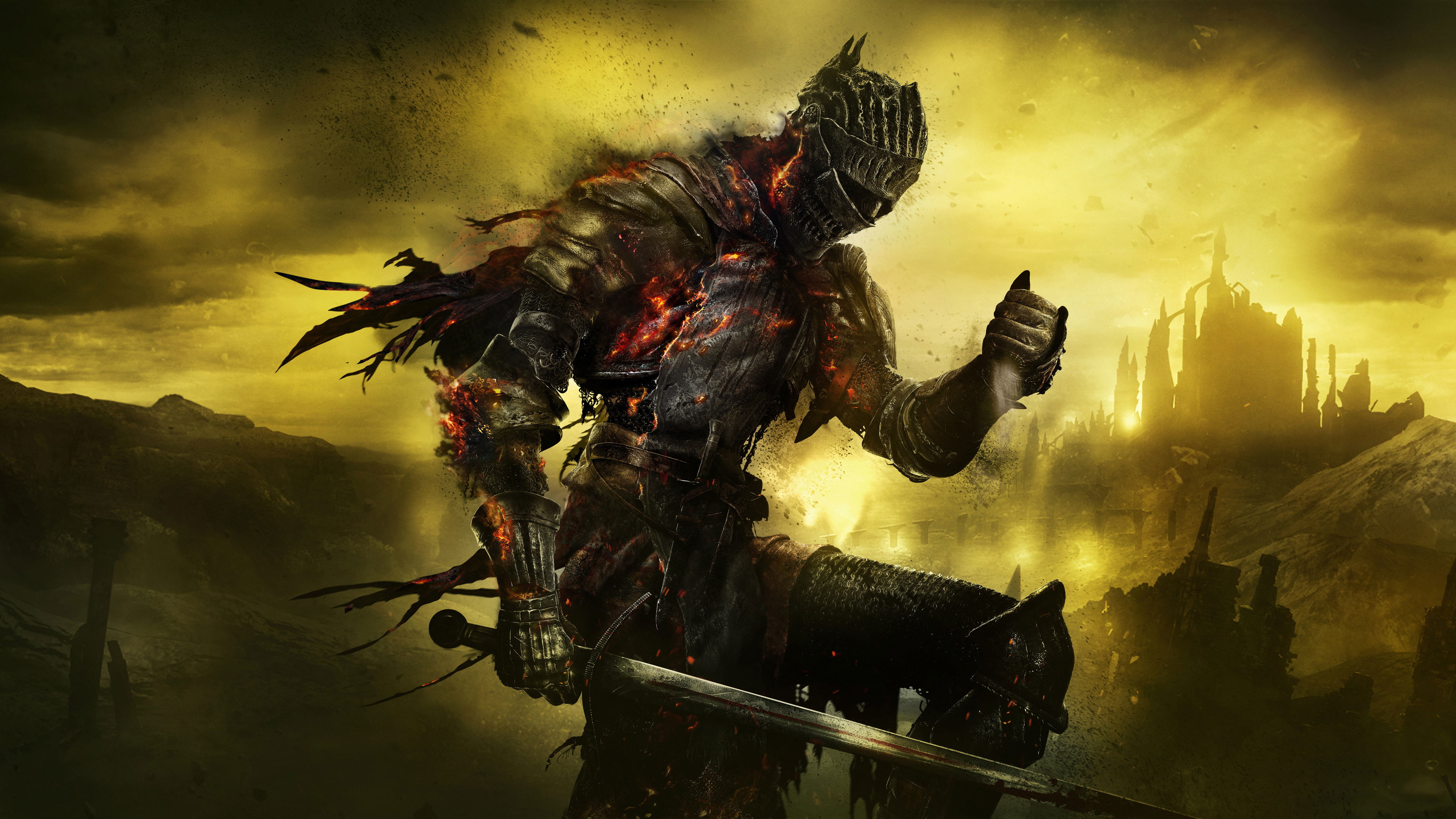
The final entry in the trilogy provided a closing look at the evolution of Giants and the Lords of Cinder. In ‘Dark Souls III’ the Giants were depicted in various forms ranging from the massive Yhorm to the smaller slaves found in the cathedral. This suggested a biological decline or variation depending on their social status and location. The game also explored the concept of the Unkindled who are beings unable to fully link the fire and remain as ash. These additions provided a somber conclusion to the history of the world and its diverse inhabitants.
‘Serious Sam 4’ (2020)
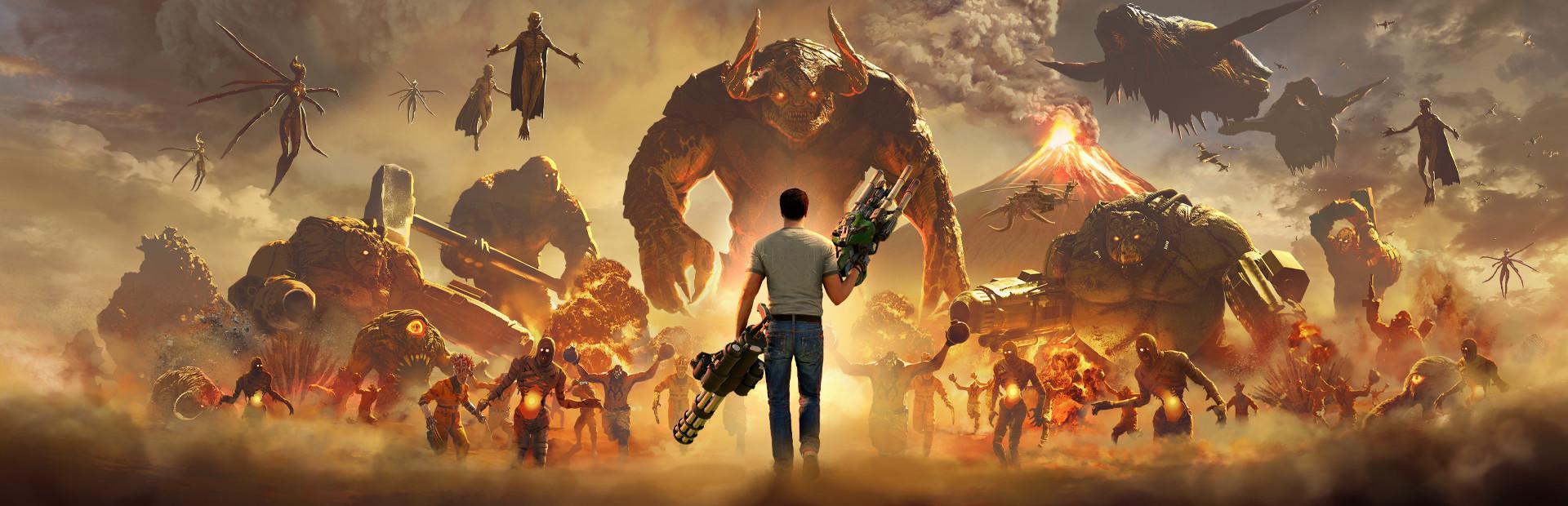
The prequel sequel ‘Serious Sam 4’ expanded the variety of alien species within Mental’s Horde. The game introduced more detailed versions of classic enemies like the Kleer and the Headless Kamikaze while adding new biological horrors. The lore logs provided more information about the planets these creatures originated from and how they were conquered by the alien overlord. This gave the mindless action a sense of scale and history that was missing from earlier entries. The improved engine allowed for hundreds of these creatures to appear on screen simultaneously.
‘Pikmin 4’ (2023)
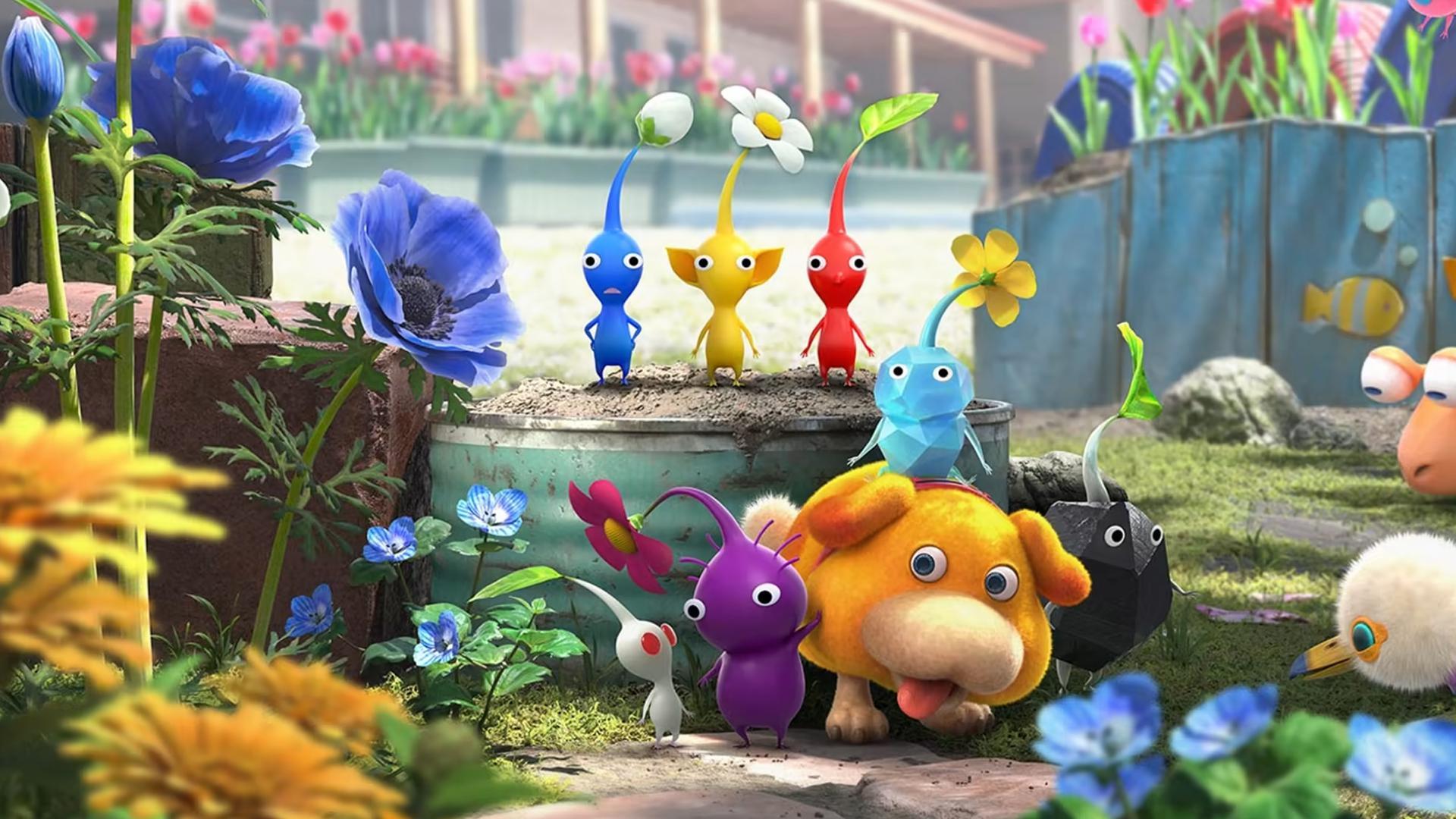
The newest entry in the series introduced the Leaflings who are humans or other beings transformed by a mysterious fungal infection. In ‘Pikmin 4’ these creatures act as obstacles and challenges for the player to overcome through Dandori battles. This added a new layer to the canon by suggesting that the Pikmin and their environment can actively convert other life forms. The game also introduced Oatchi who belongs to a new species of space dog with unique abilities. These changes expanded the biological diversity of the miniature world while adding new gameplay mechanics.
Share your thoughts on these drastic race changes in the comments.