

Games That Changed Villain Races and Sparked Endless Lore Debates



Video games often use specific races or factions as primary antagonists to provide players with a clear sense of conflict and motivation. Over time many developers have chosen to subvert these tropes by introducing complex backstories or shifting the moral alignment of these once villainous groups. These narrative changes frequently lead to intense discussions among fans regarding the ethics and lore of their favorite virtual worlds. Examining these transformations reveals how storytelling in gaming has evolved to embrace ambiguity and nuanced character development.
‘Halo 2’ (2004)
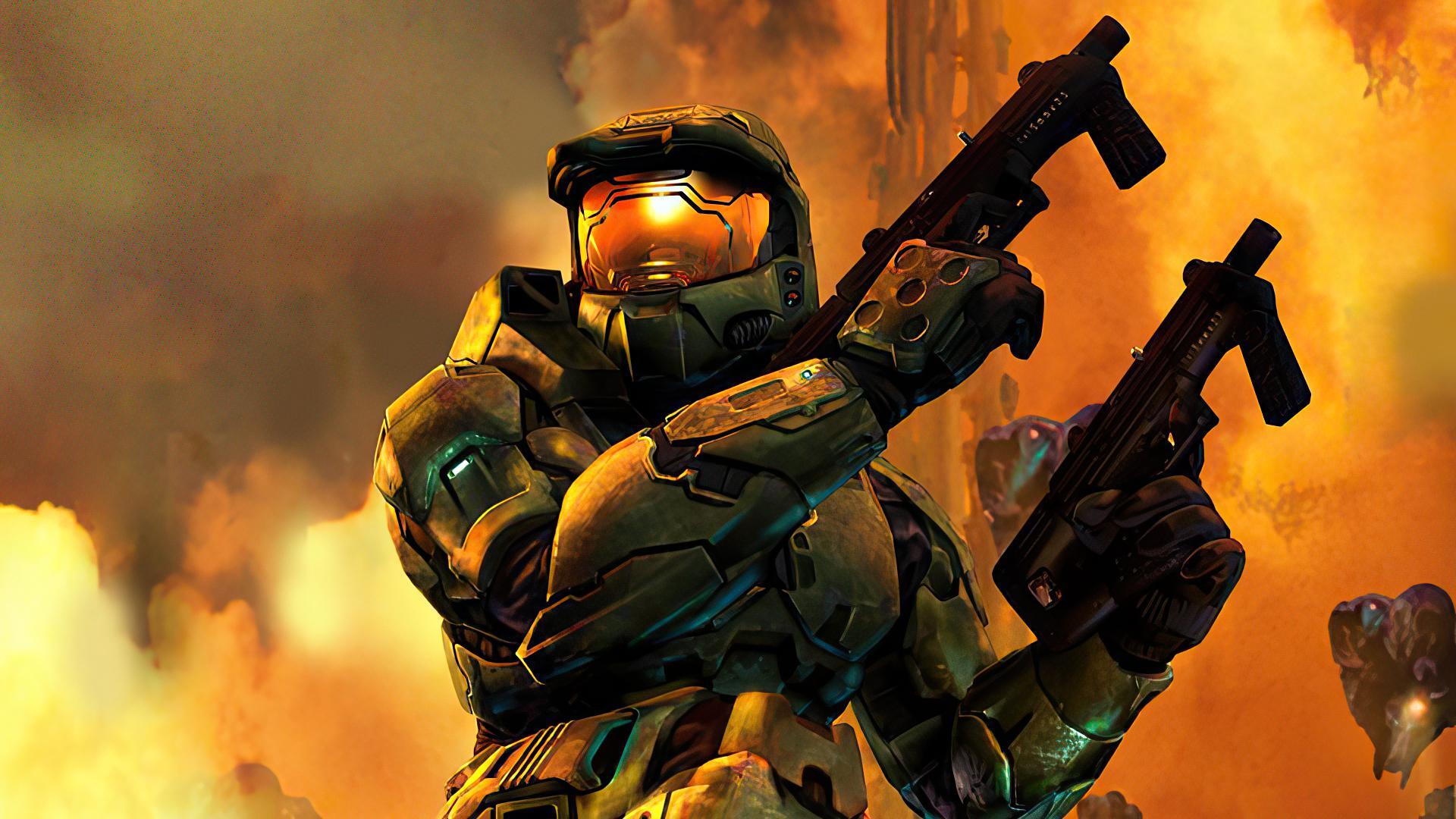
The narrative of ‘Halo 2’ introduces a deep political divide within the Covenant empire that fundamentally alters the perception of the Sangheili race. Players witness the Great Schism which results in the Elites turning against the Prophets and eventually becoming allies to humanity. This transition sparked extensive discussions regarding the religious indoctrination of alien species and their capacity for redemption. The shift from mindless enemies to nuanced protagonists forced fans to reevaluate the entire history of the Human Covenant War.
‘Warcraft III Reign of Chaos’ (2002)
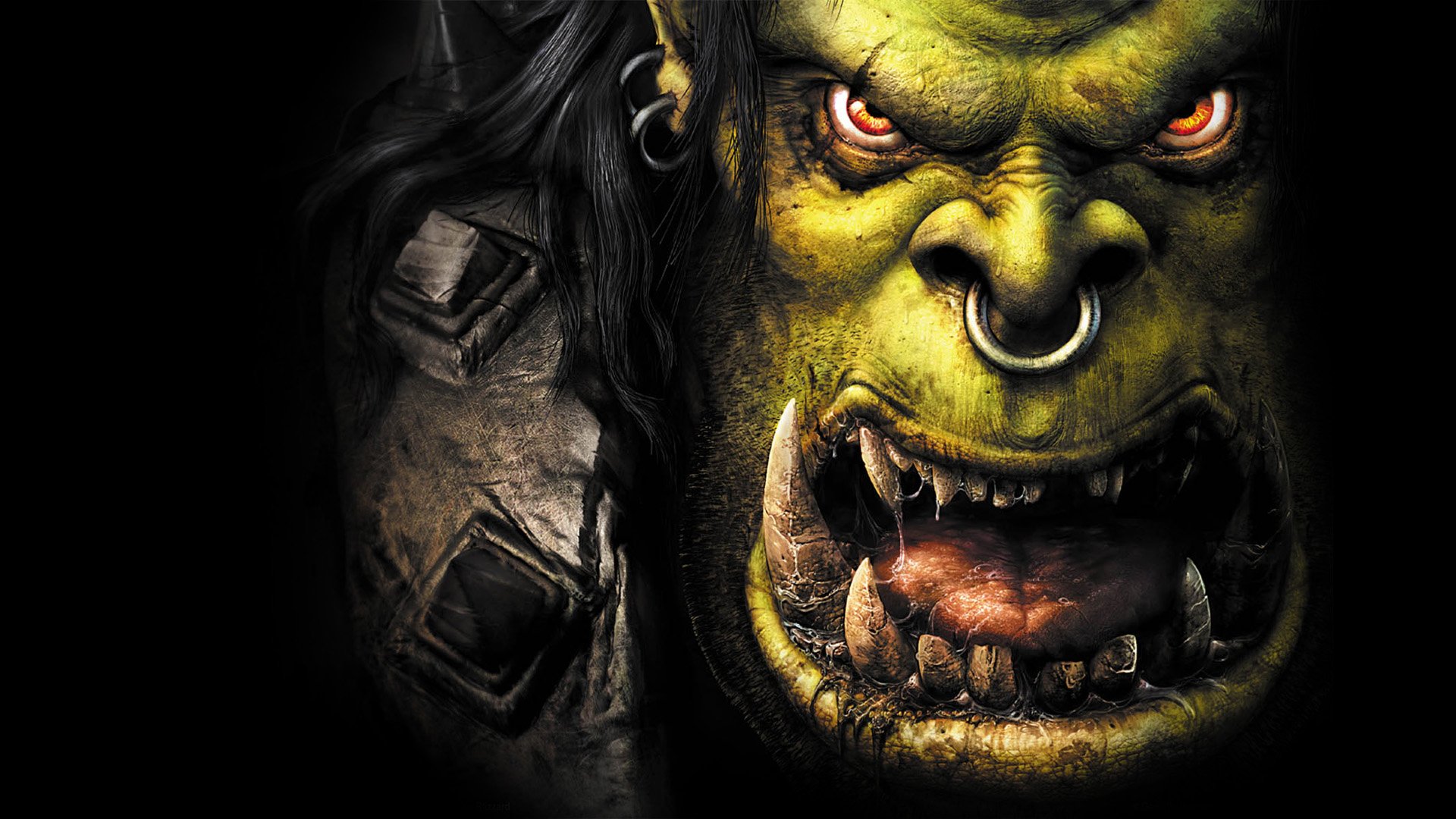
This title humanized the Orcish Horde by depicting them as a displaced people seeking a new home rather than a simple demonic invasion force. Thrall leads his people across the sea to Kalimdor to escape the corruption that once fueled their bloodlust. The introduction of the Burning Legion as the true manipulators shifted the blame away from the Orcish race itself. Fans frequently debate the extent of Orcish agency during their initial conquest of Azeroth.
‘Mass Effect’ (2007)
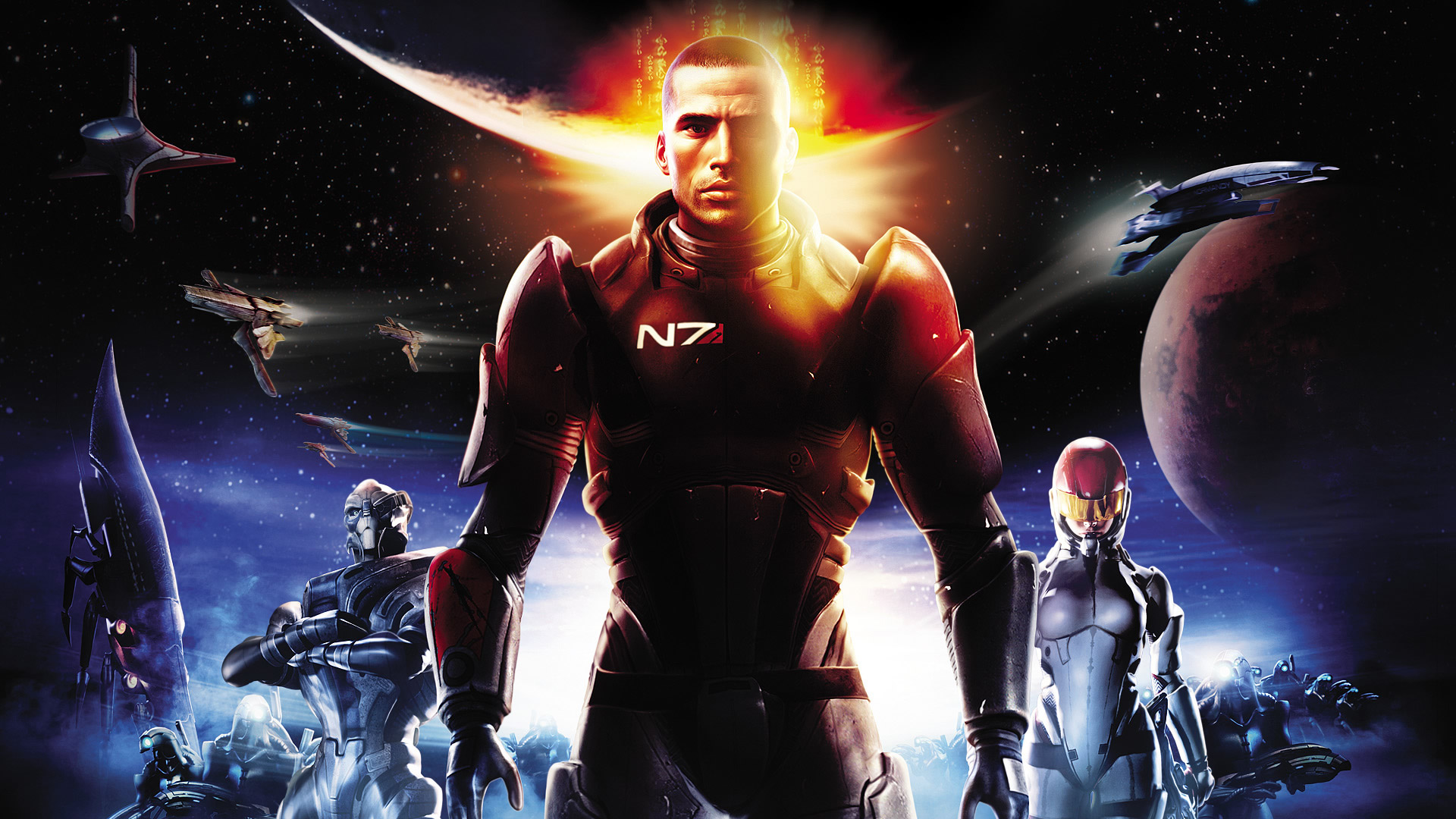
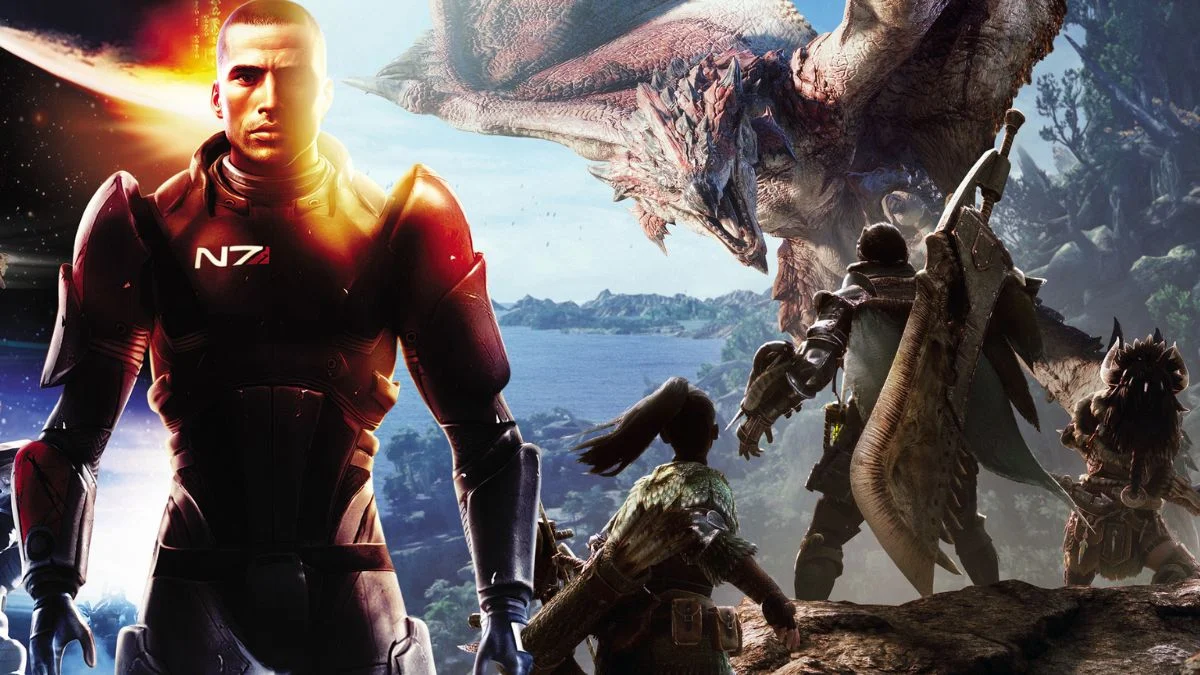
In ‘Mass Effect’ the Geth are initially presented as a synthetic hive mind serving the primary antagonist Saren. Later entries in the series reveal that the Geth were acting out of a desire for self preservation after being attacked by their creators. This revelation changed the community perspective on synthetic life and sparked debates about the morality of the Quarian creators. Players are forced to choose between supporting the Geth or the Quarians which leads to significant lore implications across the trilogy.
‘Dragon Age Origins’ (2009)
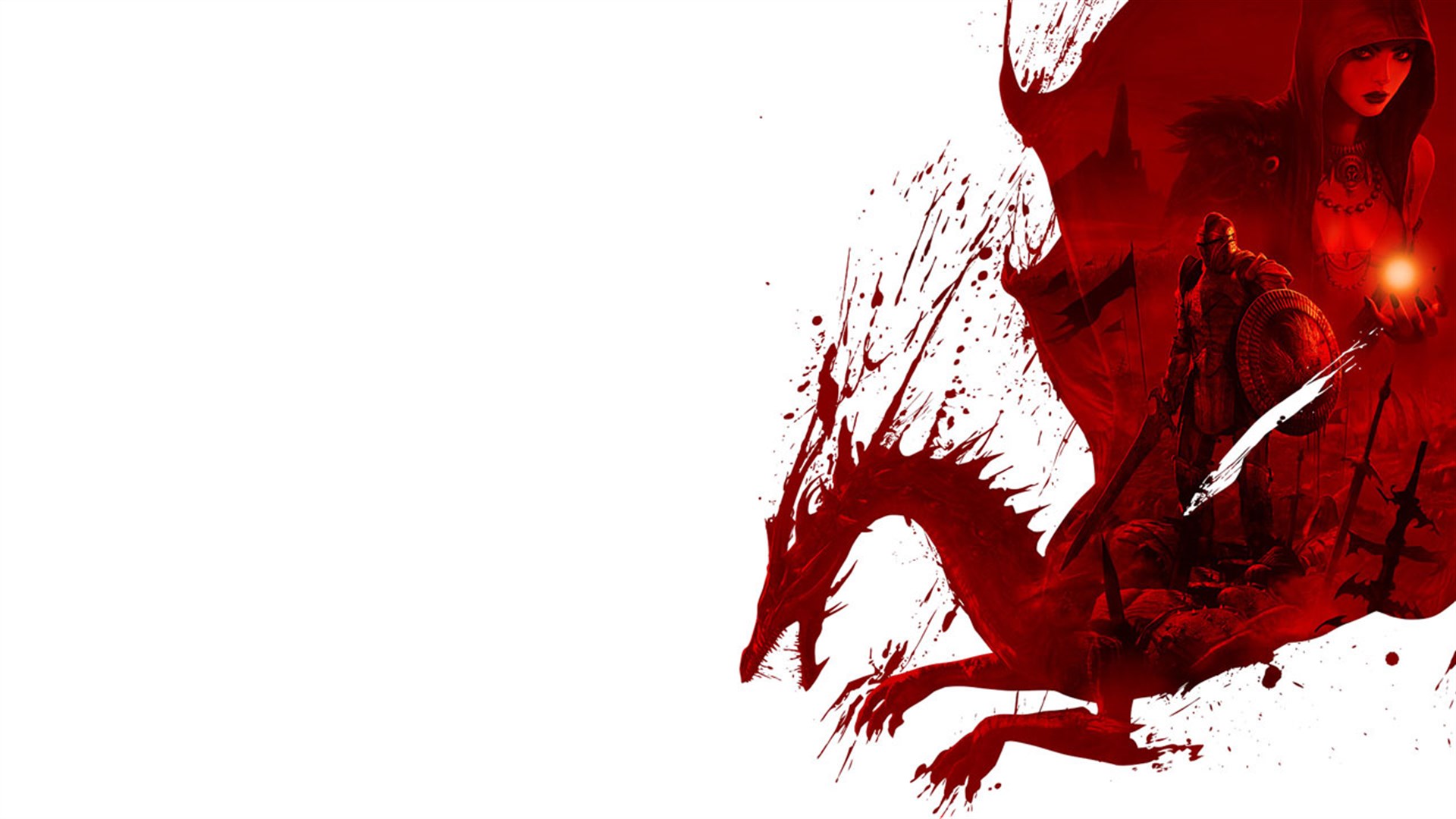
The Darkspawn are revealed to be more than just mindless monsters when ‘Dragon Age Origins’ explores their origins in the Fade. Players learn about the Architect who is a self aware Darkspawn seeking to free his kind from the call of the Old Gods. This discovery introduced the possibility of peace between the surface world and the subterranean threat. The lore community continues to discuss whether the Darkspawn are inherently evil or simply victims of a divine curse.
‘The Elder Scrolls V Skyrim’ (2011)
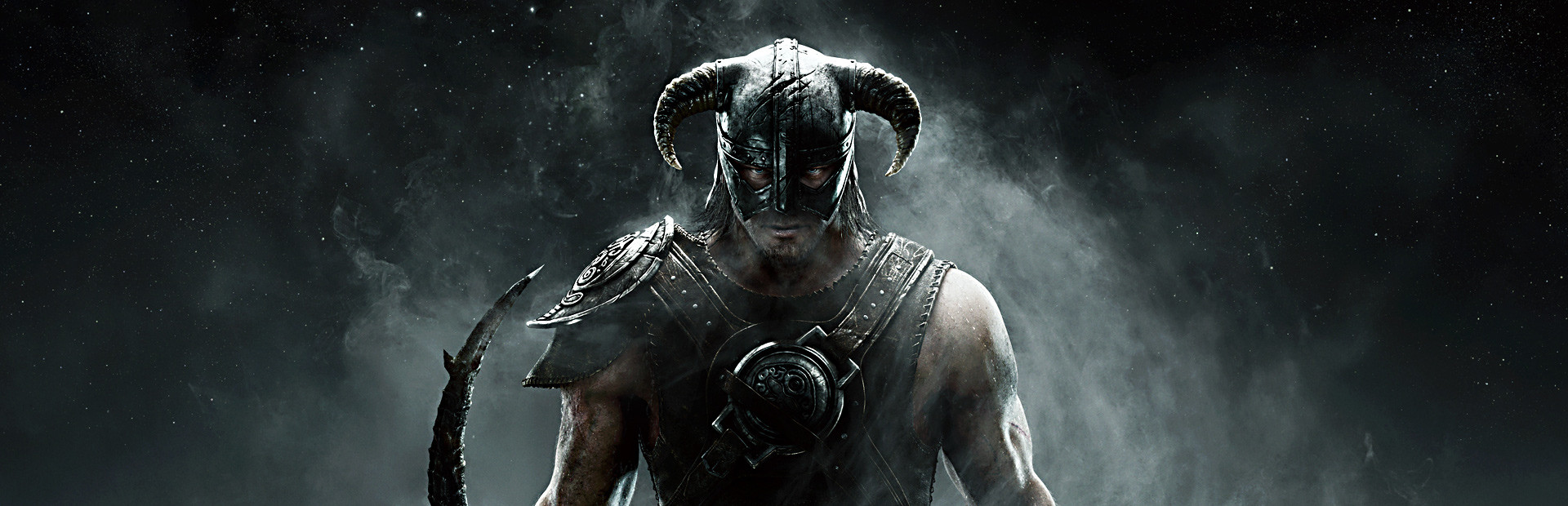
The inclusion of Paarthurnax and the ancient dragons complicates the role of dragons as purely destructive forces. Players learn that some dragons were able to overcome their innate nature to dominate and instead chose to assist mortals. This creates a moral dilemma regarding the Blades and their insistence on exterminating every remaining dragon. Many lore enthusiasts debate whether a dragon can truly change its nature or if they are simply playing a long game to regain power.
‘StarCraft II Wings of Liberty’ (2010)
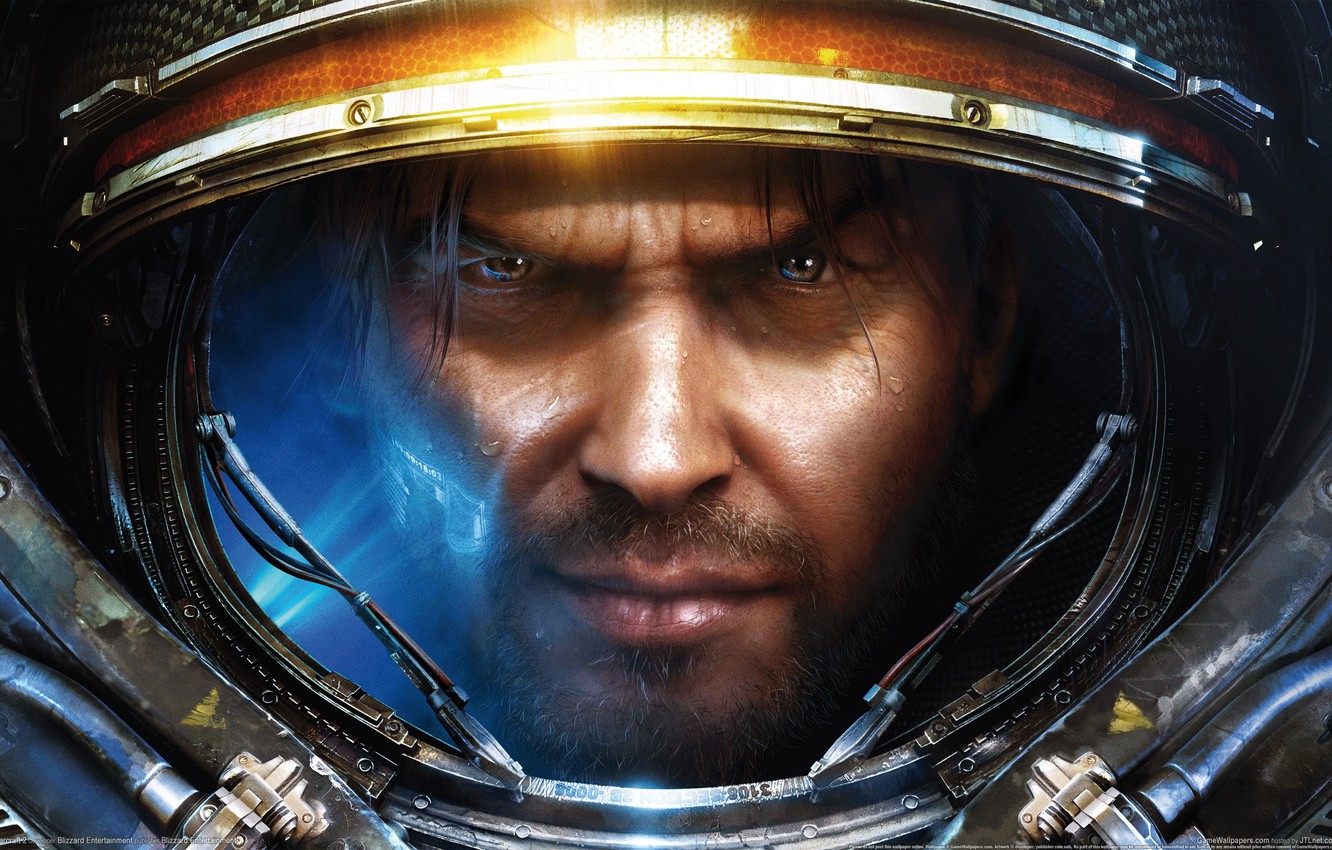
The Zerg are initially portrayed as a mindless swarm driven only by the instinct to consume and evolve. In ‘StarCraft II Wings of Liberty’ the narrative begins to explore the influence of the Xel’naga and the corruption of the Overmind. This reframing suggests that the Zerg were manipulated into their villainous role by a higher power. The community continues to debate the level of autonomy possessed by the Swarm and the moral weight of their past actions.
‘Final Fantasy XIV Shadowbringers’ (2019)
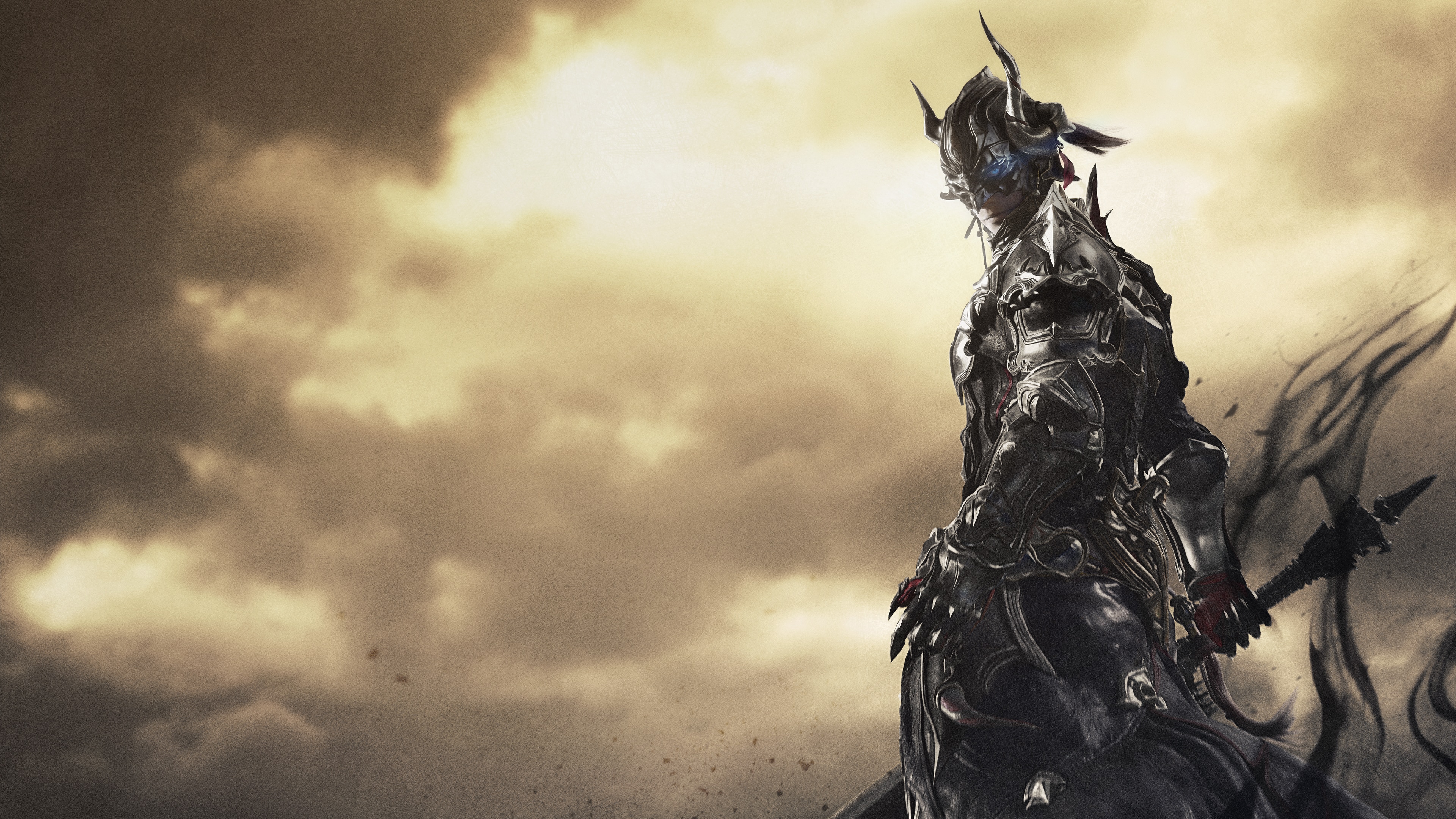
This expansion provides a sympathetic backstory for the Ascians who were previously seen as generic agents of chaos. Players learn about their lost civilization and their desperate quest to restore their world and loved ones. This revelation transformed the primary villains into tragic figures whose goals were fundamentally understandable. Fans often discuss whether the survival of the current world justifies the permanent loss of the ancient Ascian society.
‘Destiny’ (2014)
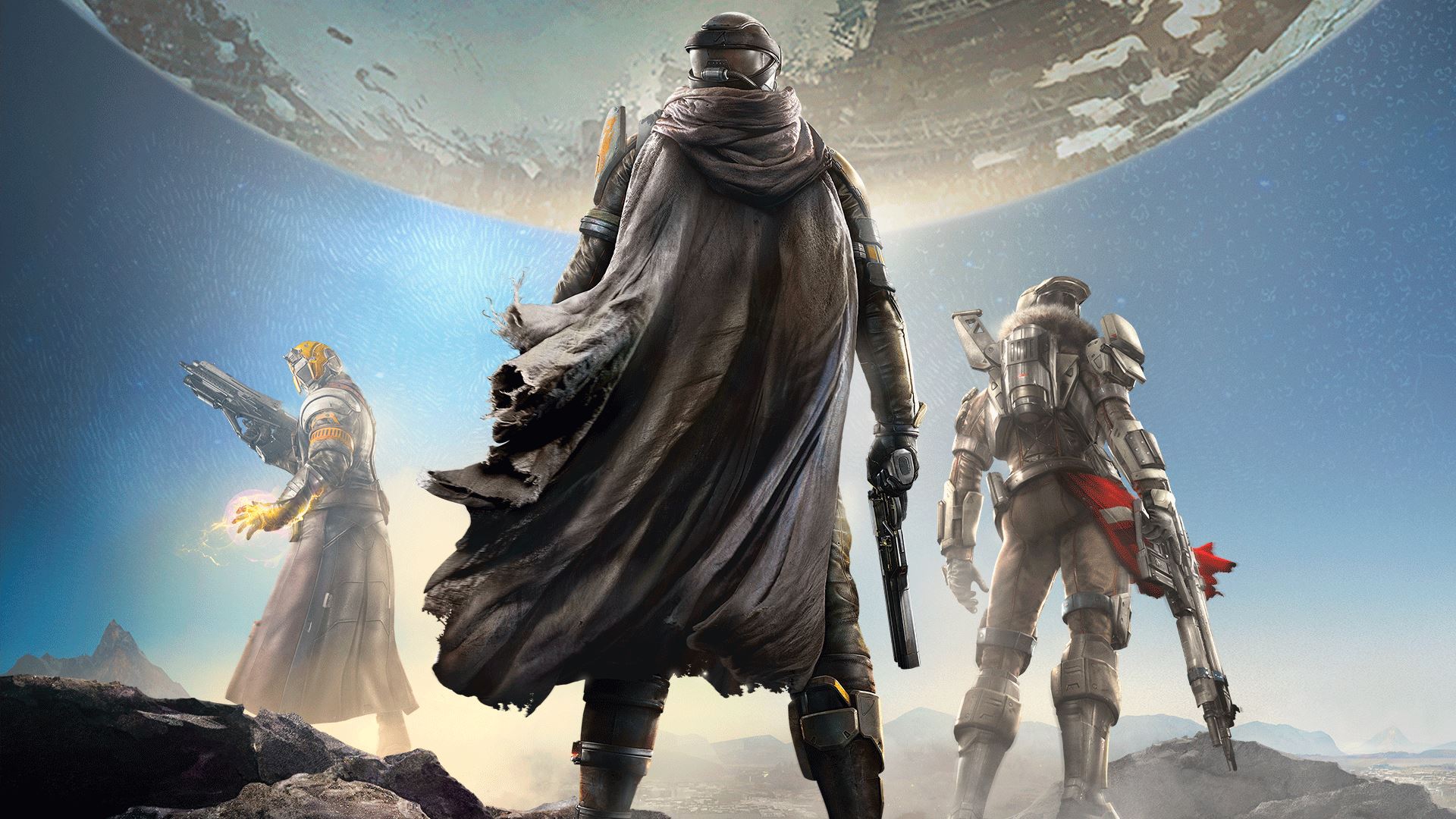
The Fallen or Eliksni are introduced as scavengers who are desperate to reclaim their former glory after a great collapse. Later expansions humanize the race by showing their perspective on the Traveler and its abandonment of them. This change in narrative direction led to alliances between humanity and specific Eliksni factions like the House of Light. The community frequently debates the morality of the Traveler and the historical actions of the Eliksni during the City Age.
‘Warhammer 40,000 Dawn of War’ (2004)
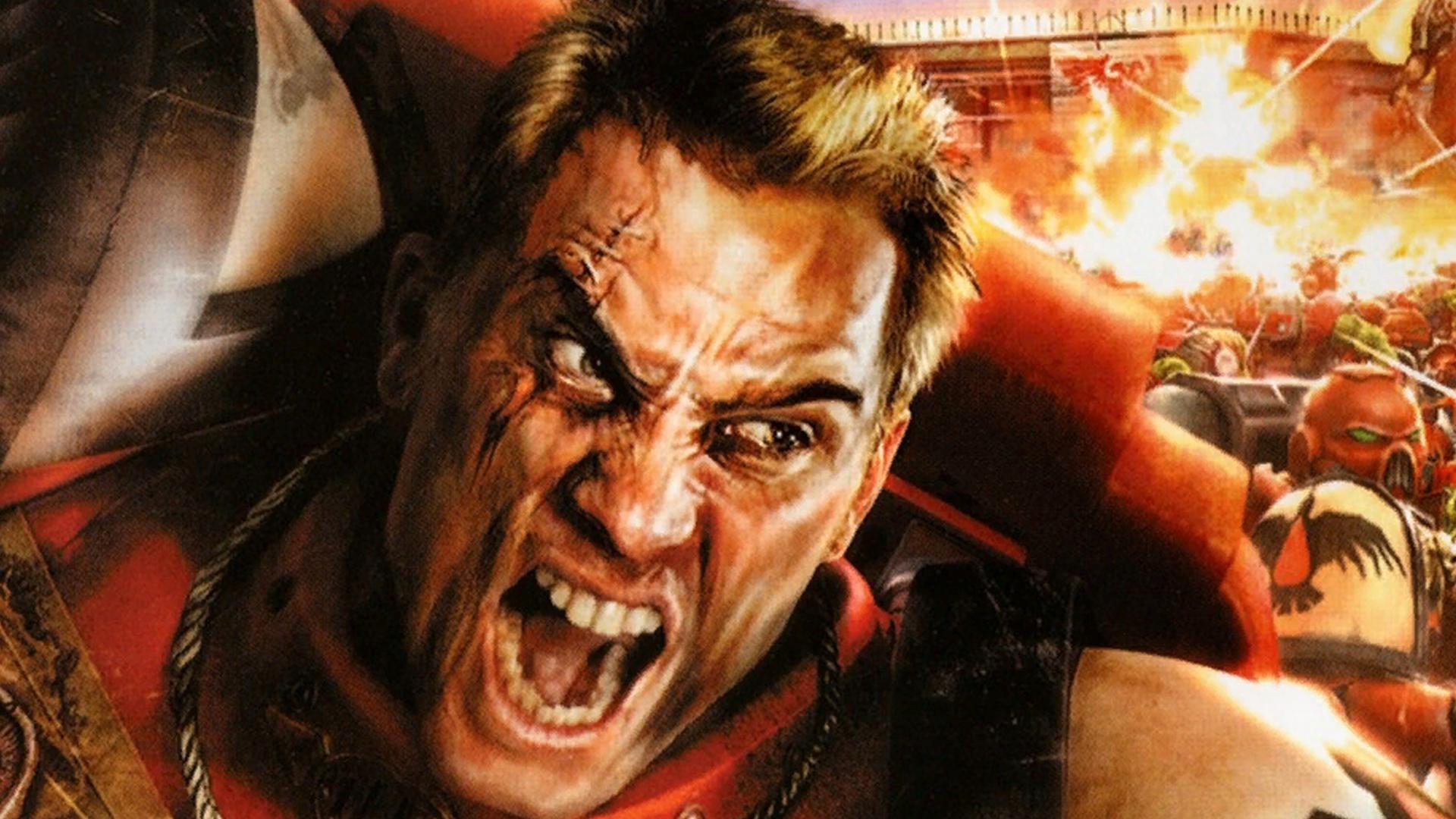
The Necrons are initially depicted as soulless machines dedicated to the extermination of all biological life. Later lore updates in the franchise introduced the idea of Necron Dynasties with unique personalities and political agendas. This shift turned them from a monolithic threat into a collection of bickering kings with ancient grudges. Fans often debate whether this change improved the depth of the faction or took away from their cosmic horror appeal.
‘Guild Wars 2’ (2012)
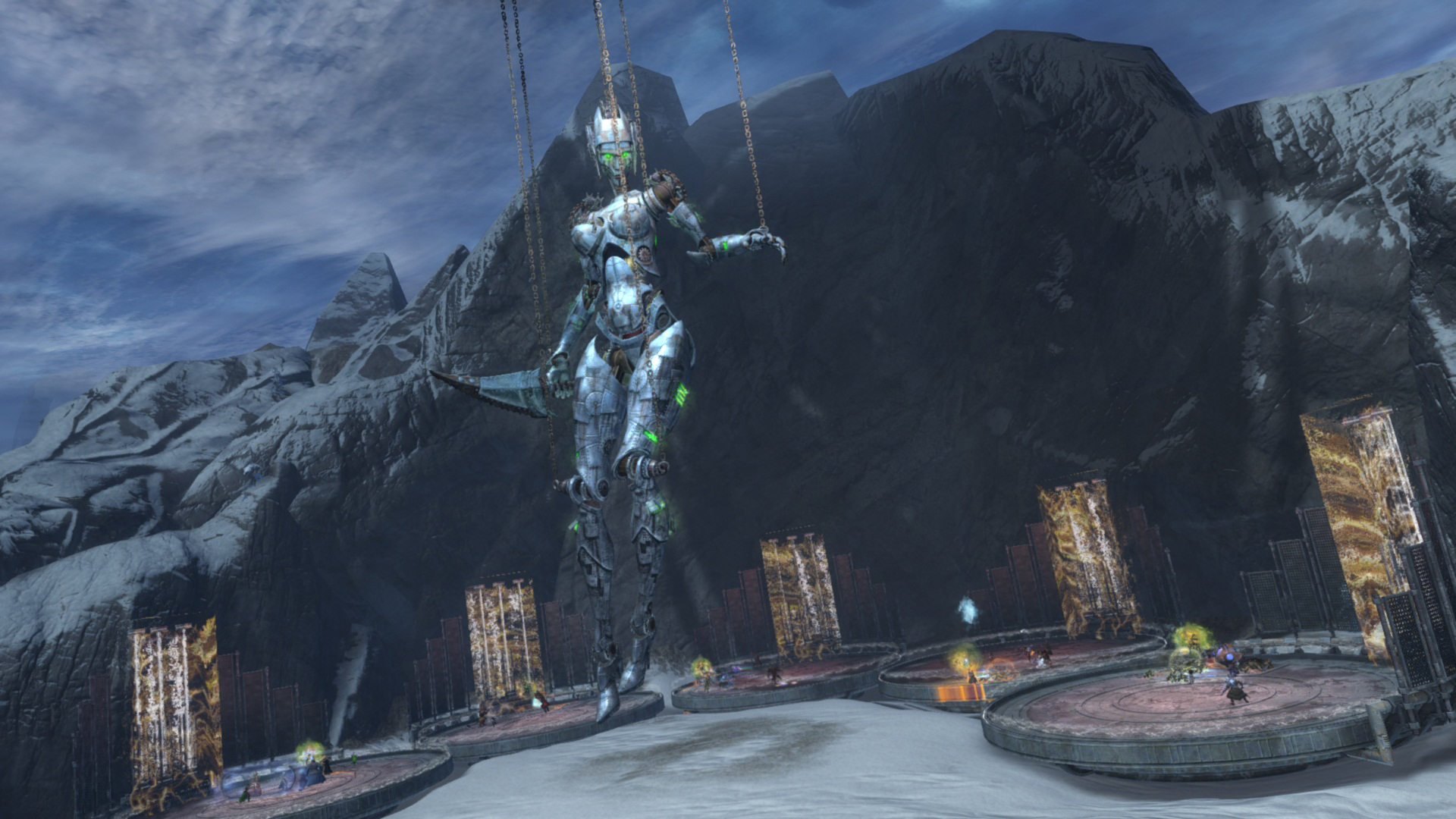
The Sylvari are a race of plant people who are initially presented as pure and curious newcomers to the world. The narrative later reveals their connection to the Elder Dragon Mordremoth and their potential as his mindless servants. This revelation caused a significant rift in the lore as players questioned the true purpose of the Sylvari existence. Discussions often center on the balance between their individual free will and their biological tie to a draconic master.
‘Horizon Zero Dawn’ (2017)
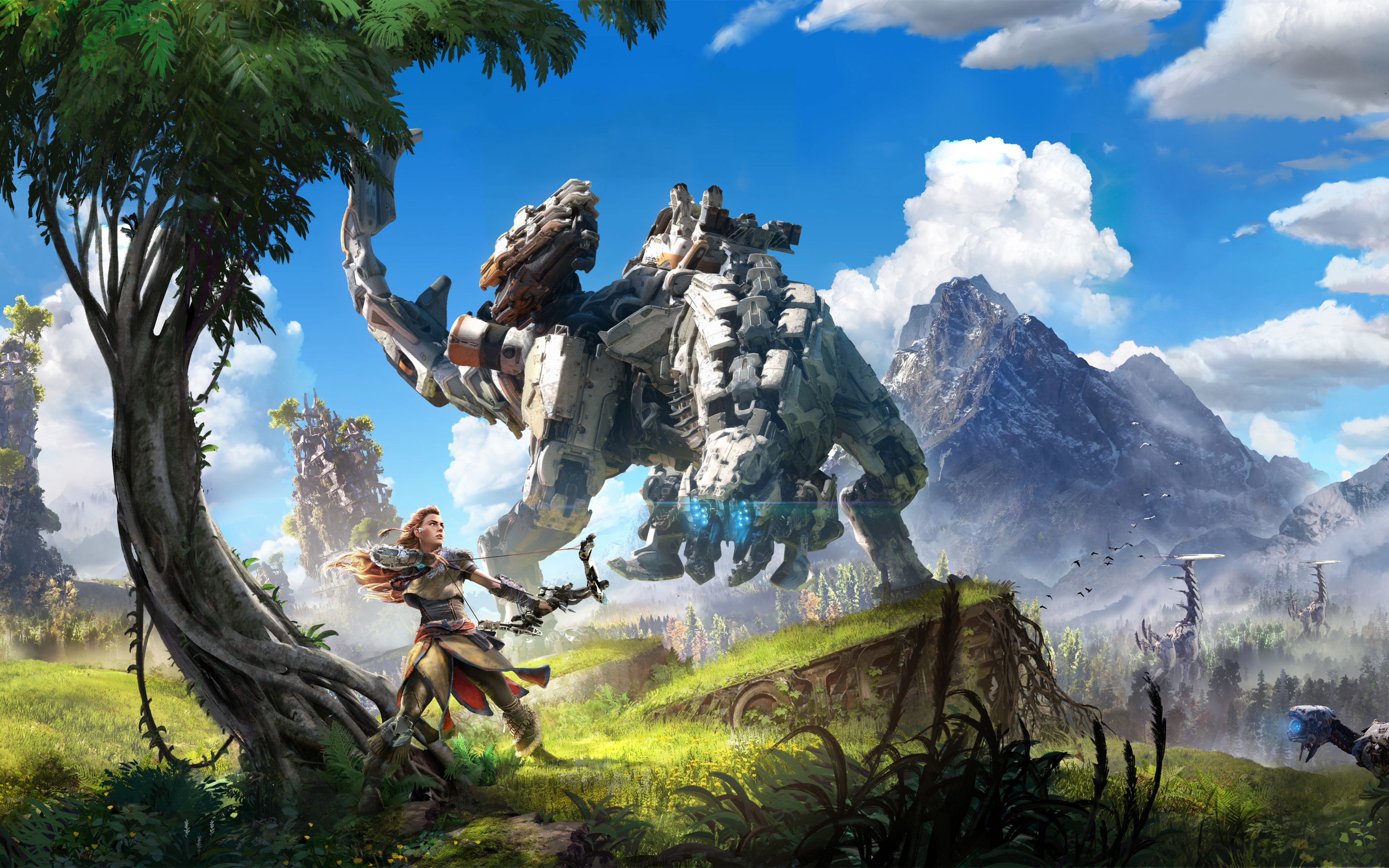
The machines in this world are initially perceived as natural predators that have turned aggressive over time. Discovery of the GAIA system and the Faro Plague reveals that the machines were originally designed to save and restore the planet. This lore shift explains the Derangement as a corruption of a once benevolent ecological system. Fans discuss the implications of AI autonomy and the responsibility of creators when technology fails catastrophically.
‘Fallout 3’ (2008)
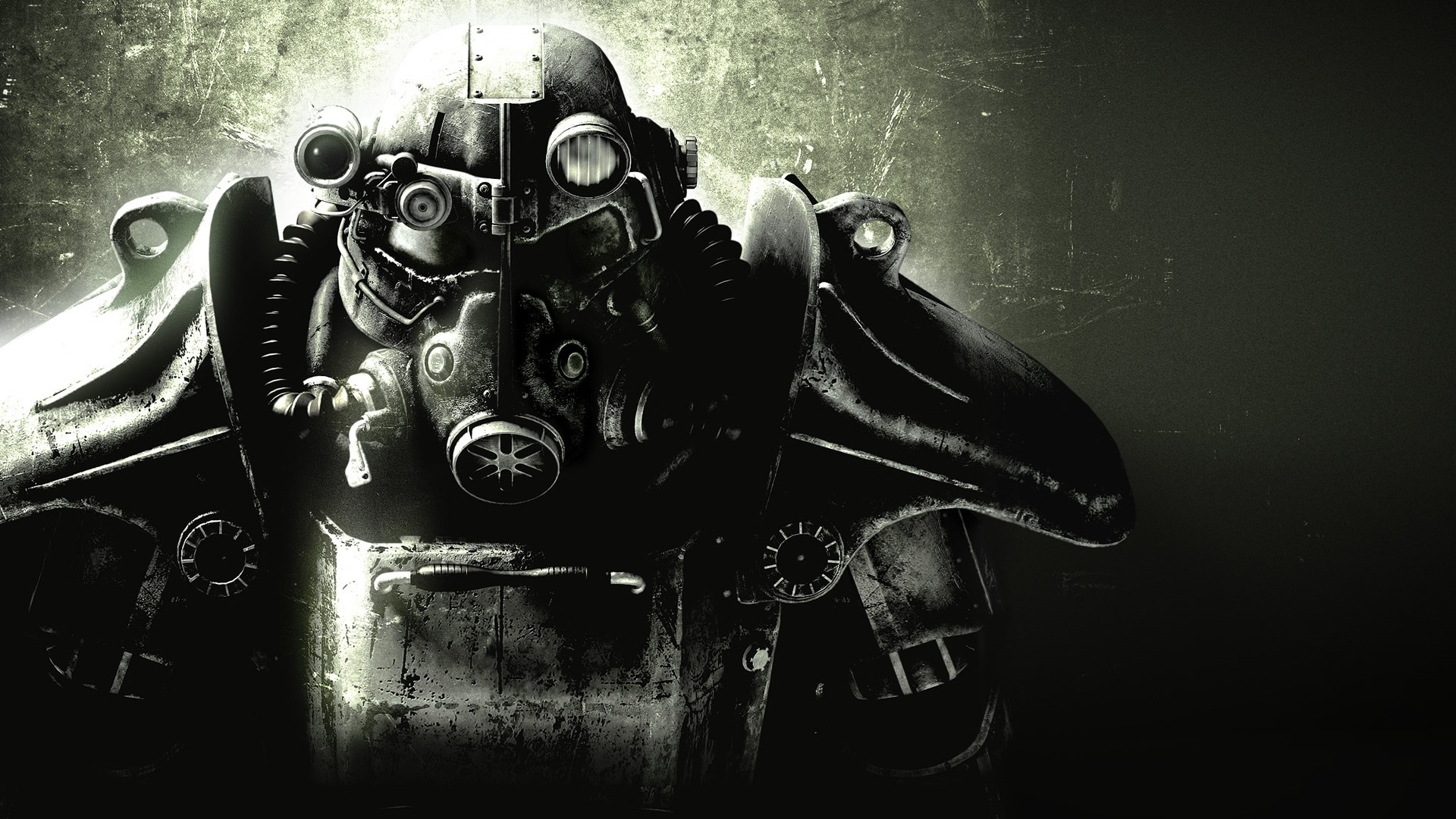
The Super Mutants of the Capital Wasteland are portrayed as violent and unintelligent monsters created by the FEV virus. This presentation contrasts with the more civilized mutants found in other parts of the series like Fawkes or the residents of Jacobstown. The existence of sentient mutants sparks debates about the possibility of curing the condition or finding a peaceful coexistence. Players often analyze the ethics of the scientific experiments that led to the creation of the mutant race.
‘Resident Evil 4’ (2005)
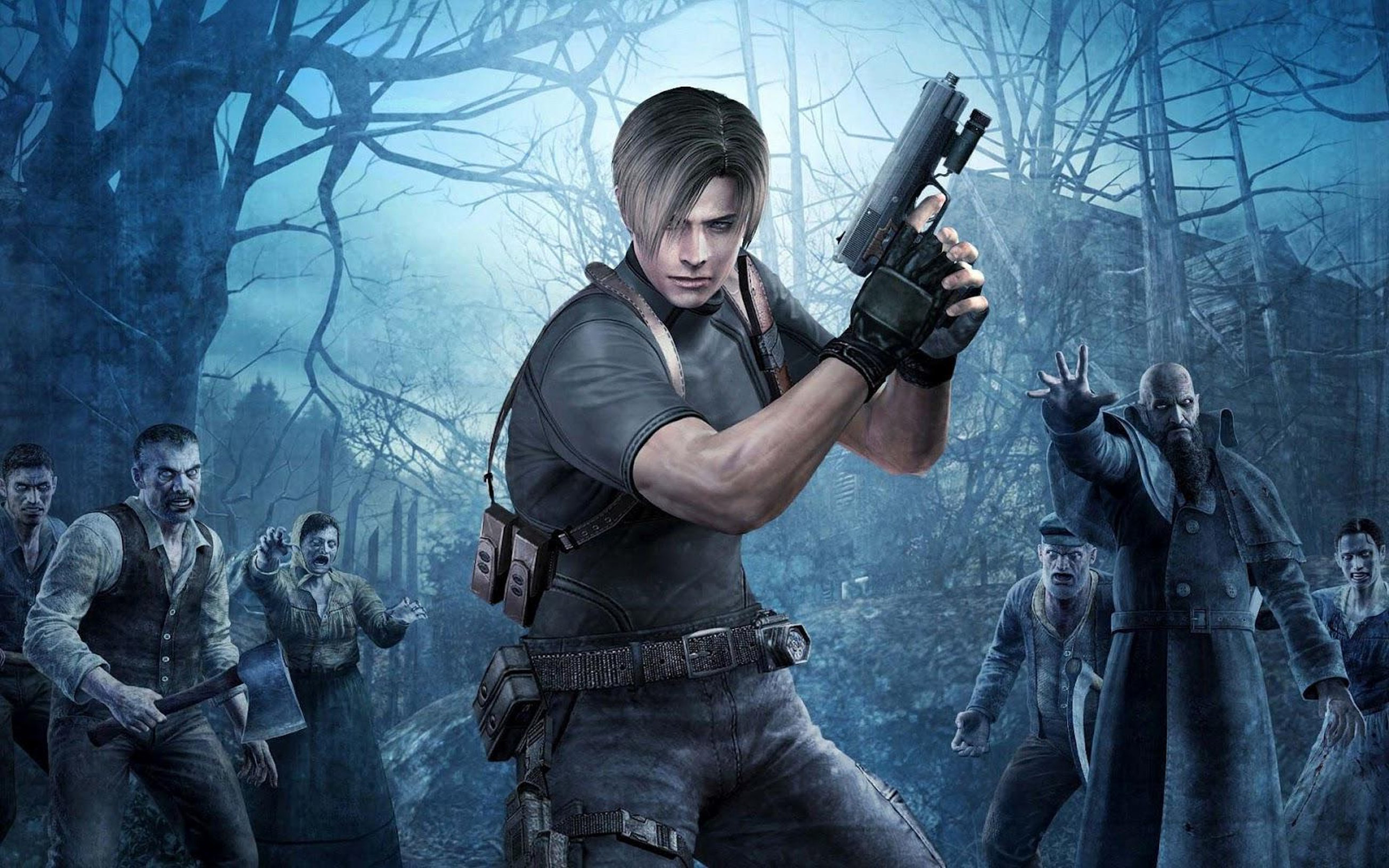
The introduction of the Ganados shifted the franchise away from traditional zombies toward enemies controlled by the Las Plagas parasite. These enemies retained some level of human intelligence and social coordination which made them more formidable and unsettling. The lore explores how a community can be subverted from within by a biological threat. Fans debate the distinction between the mindless infected of earlier games and the hive mind functionality of the Ganados.
‘Gears of War 2’ (2008)
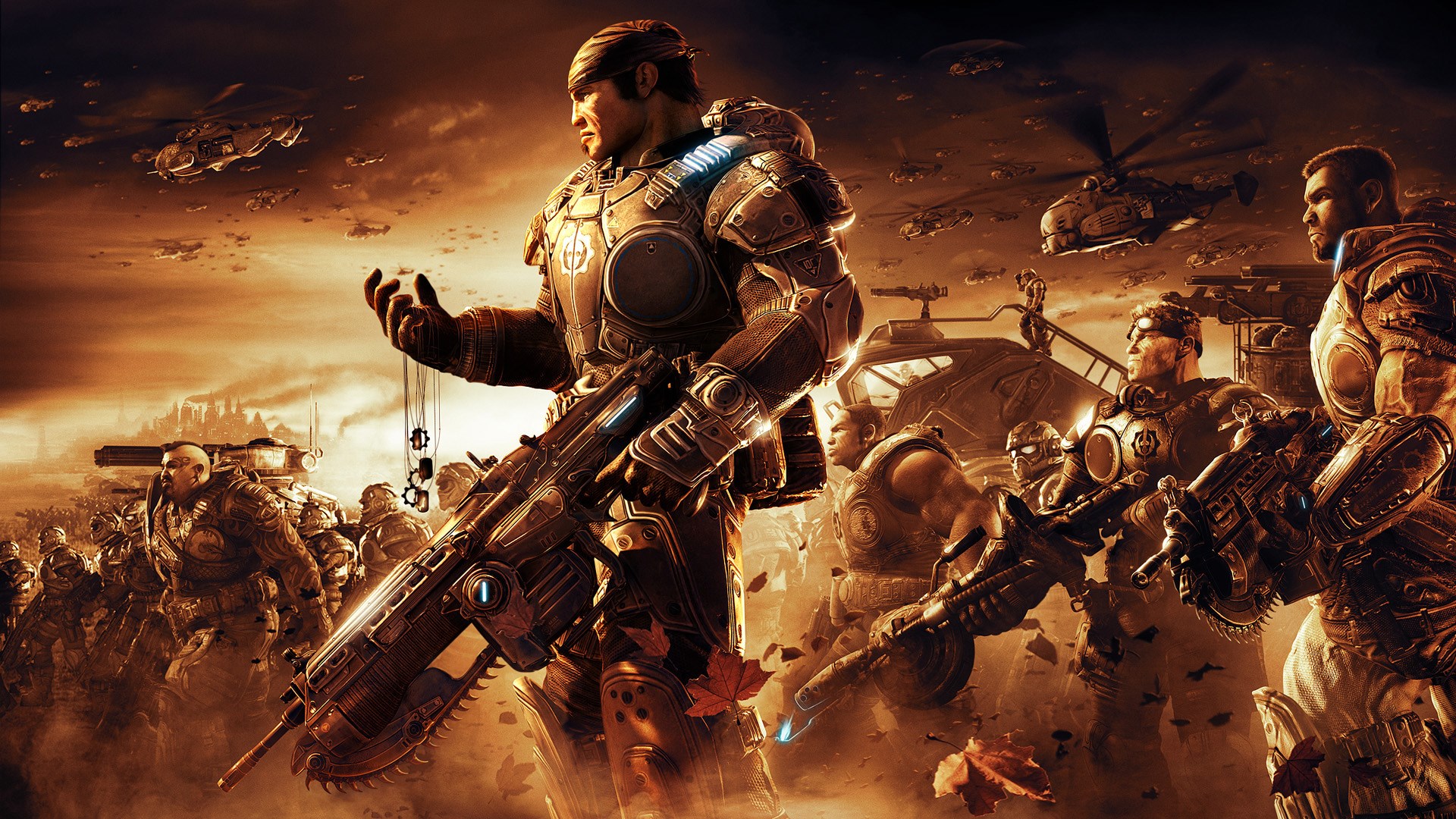
The sequel introduces the concept of the Hollow and the complex social structure of the Locust Horde. Players discover that the Locust are not just monsters but a civilization fighting for survival against an internal parasitic threat known as the Lambent. This revelation added a layer of sympathy to the enemies that were previously seen as generic subterranean threats. The lore surrounding their origin and relationship with the Sires continues to be a major point of discussion in the community.
‘God of War’ (2018)
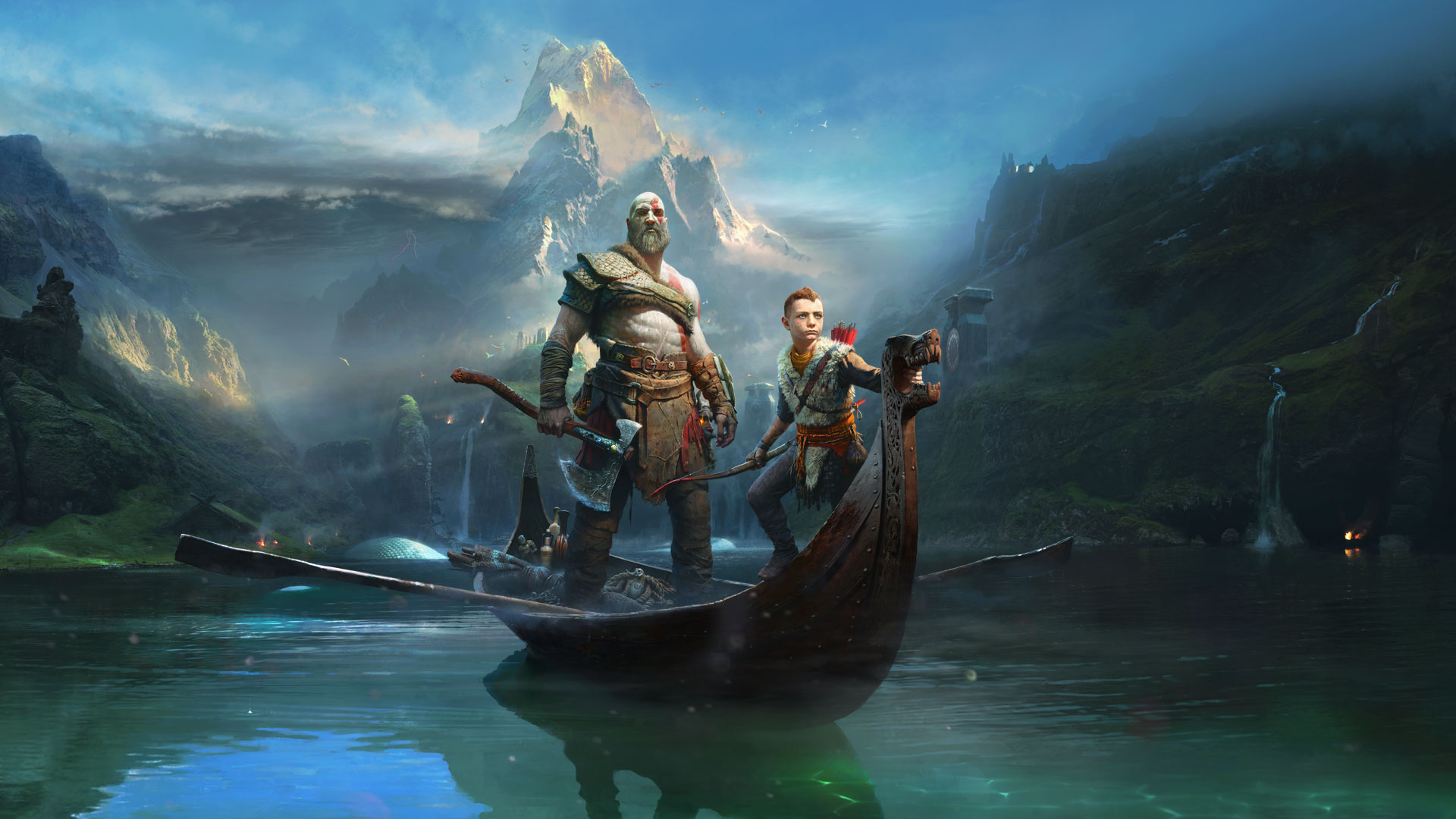
The 2018 reimagining of the franchise shifts the focus to the Aesir gods as the primary antagonists of the story. Unlike previous entries where gods were often portrayed with some dignity the Norse deities are shown as paranoid and cruel rulers. This portrayal sparked debates about the mythological interpretation of figures like Odin and Thor within the game universe. Players navigate a world where the traditionally heroic gods are the source of most suffering and misery.
‘Dark Souls’ (2011)
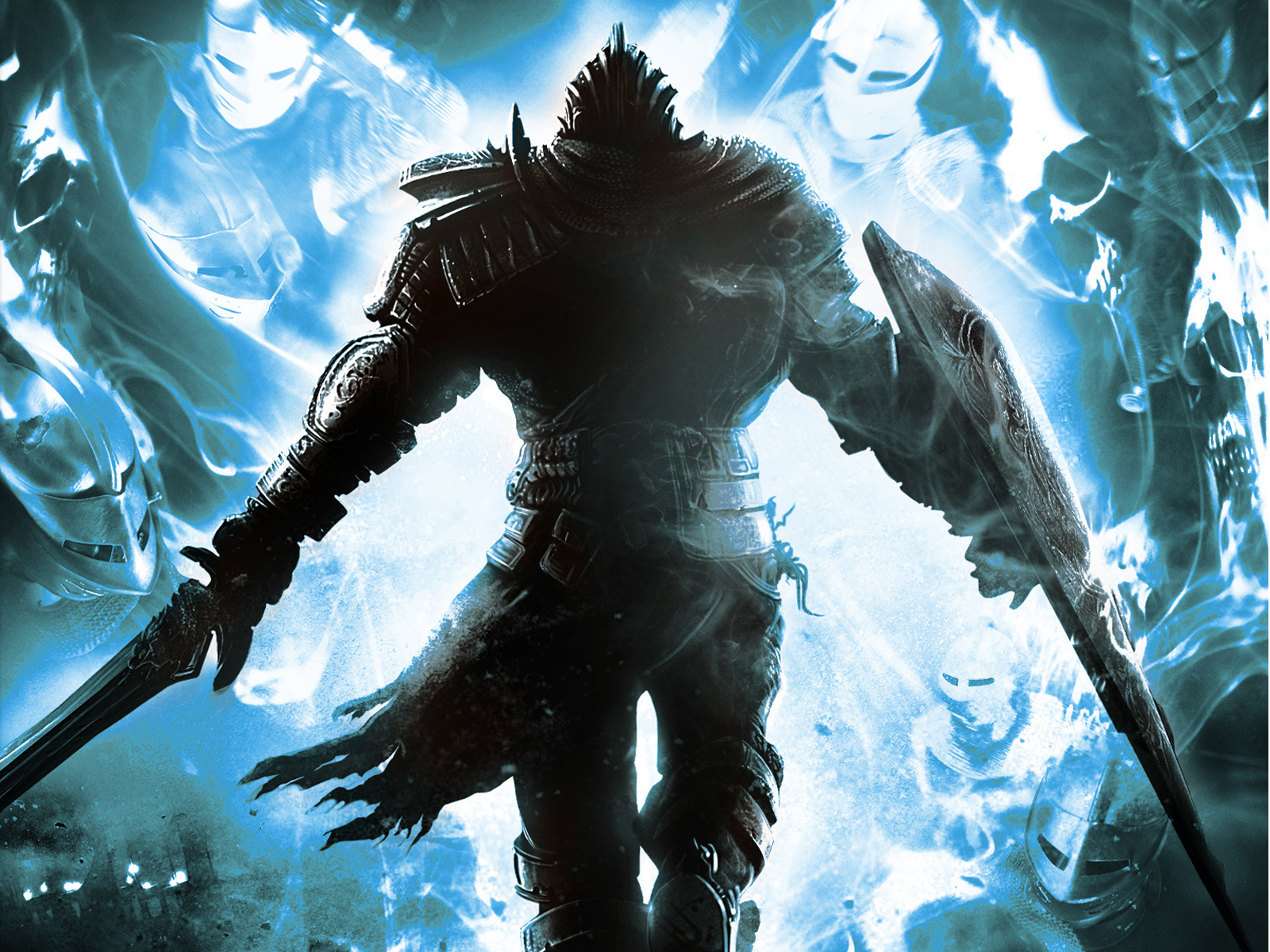
The Hollows are the primary enemies encountered by the player but their nature is deeply tied to the fading of the First Flame. Players eventually learn that the gods themselves are responsible for the curse of the undead to maintain their power. This realization shifts the blame for the world’s decay from the mindless monsters to the ruling elite. Lore enthusiasts spend years deconstructing the cycle of fire and the true intentions of Lord Gwyn.
‘NieR Automata’ (2017)
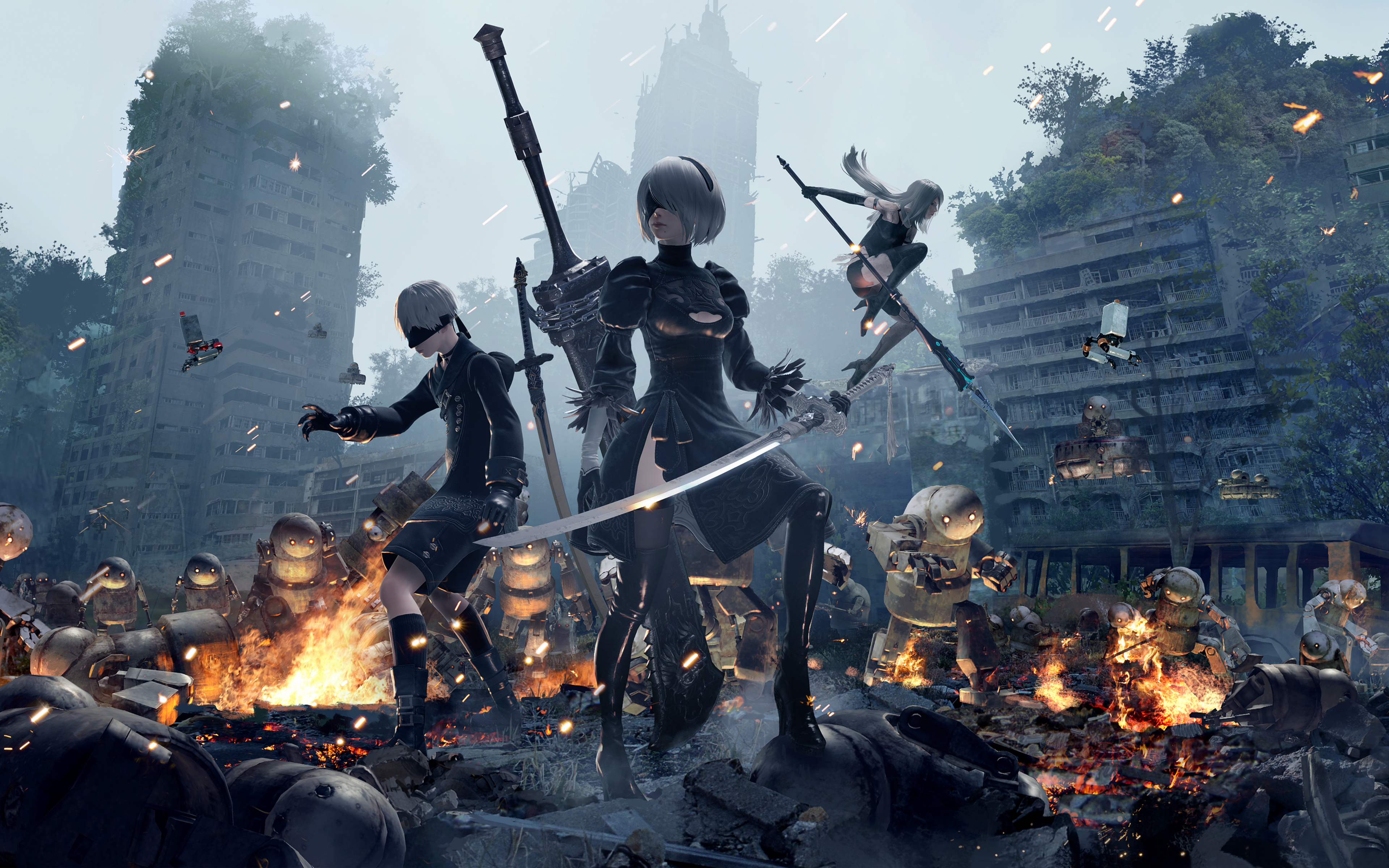
The machine lifeforms are initially seen as mindless tools of an alien invasion. As the story progresses the player discovers that the machines have developed emotions and are attempting to mimic human society. This discovery leads to an existential crisis for the protagonists and the player alike. The community debates the definition of consciousness and whether the machines have surpassed their creators in emotional depth.
‘The Witcher 2 Assassins of Kings’ (2011)
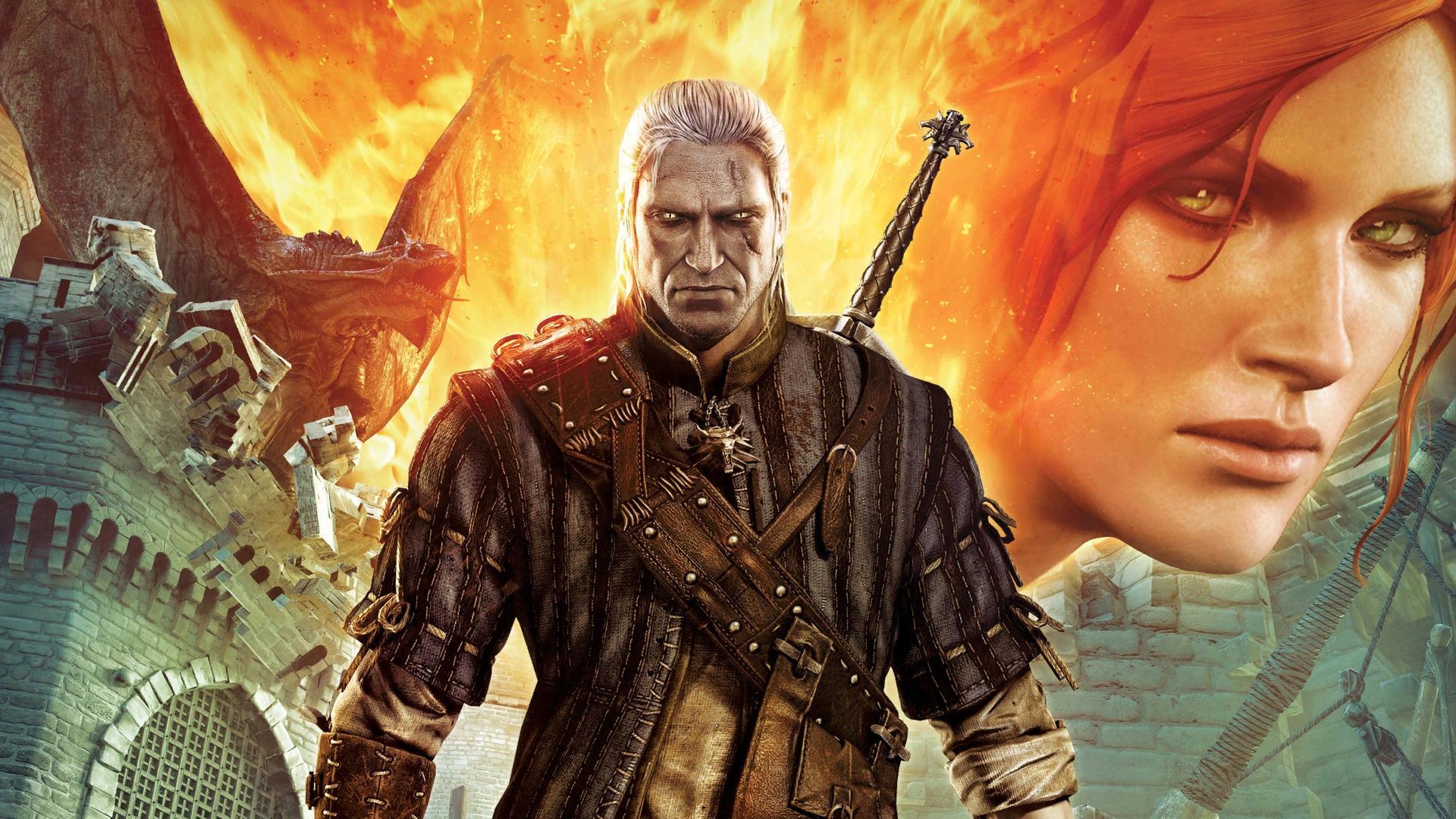
The Scoia’tael are an elven rebel group that is often viewed as a terrorist organization by the human kingdoms. Through the perspective of Geralt the player sees the systemic oppression and racism that drives the non humans to violence. This nuanced portrayal forces the player to choose between order and the desperate struggle for survival. Lore debates often focus on whether the ends justify the means for the elven resistance.
‘Doom Eternal’ (2020)
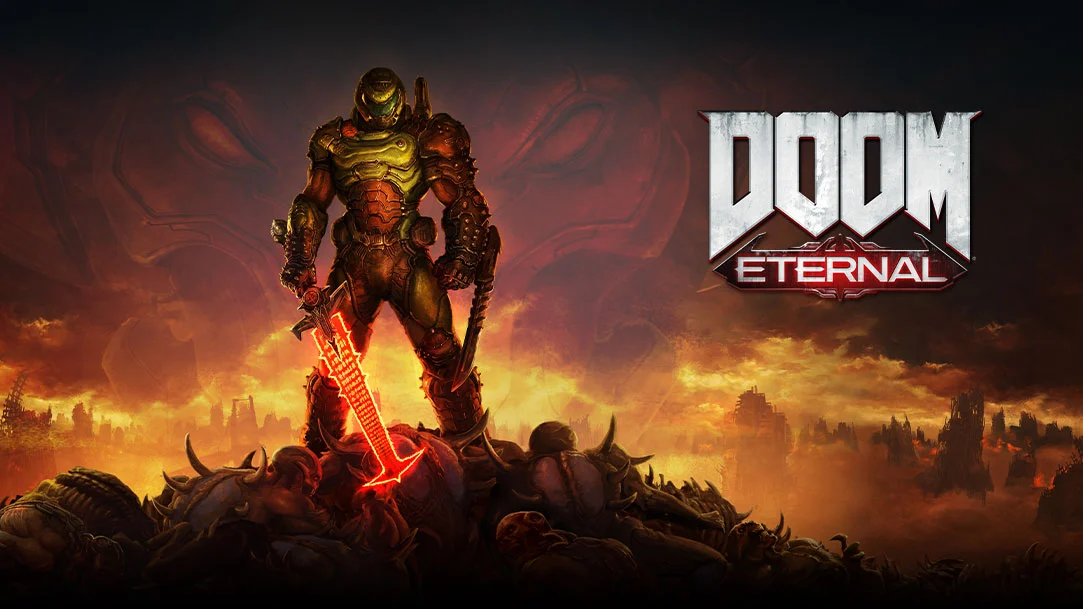
The demons are presented as an eternal threat but the lore reveals they are part of a cosmic resource extraction process. The Maykrs are an angelic race that made a deal with Hell to maintain their own immortality at the cost of other worlds. This revelation complicates the black and white conflict between heaven and hell. Fans discuss the moral bankruptcy of a celestial race that would sacrifice entire civilizations for their own benefit.
‘Mortal Kombat 1’ (2023)
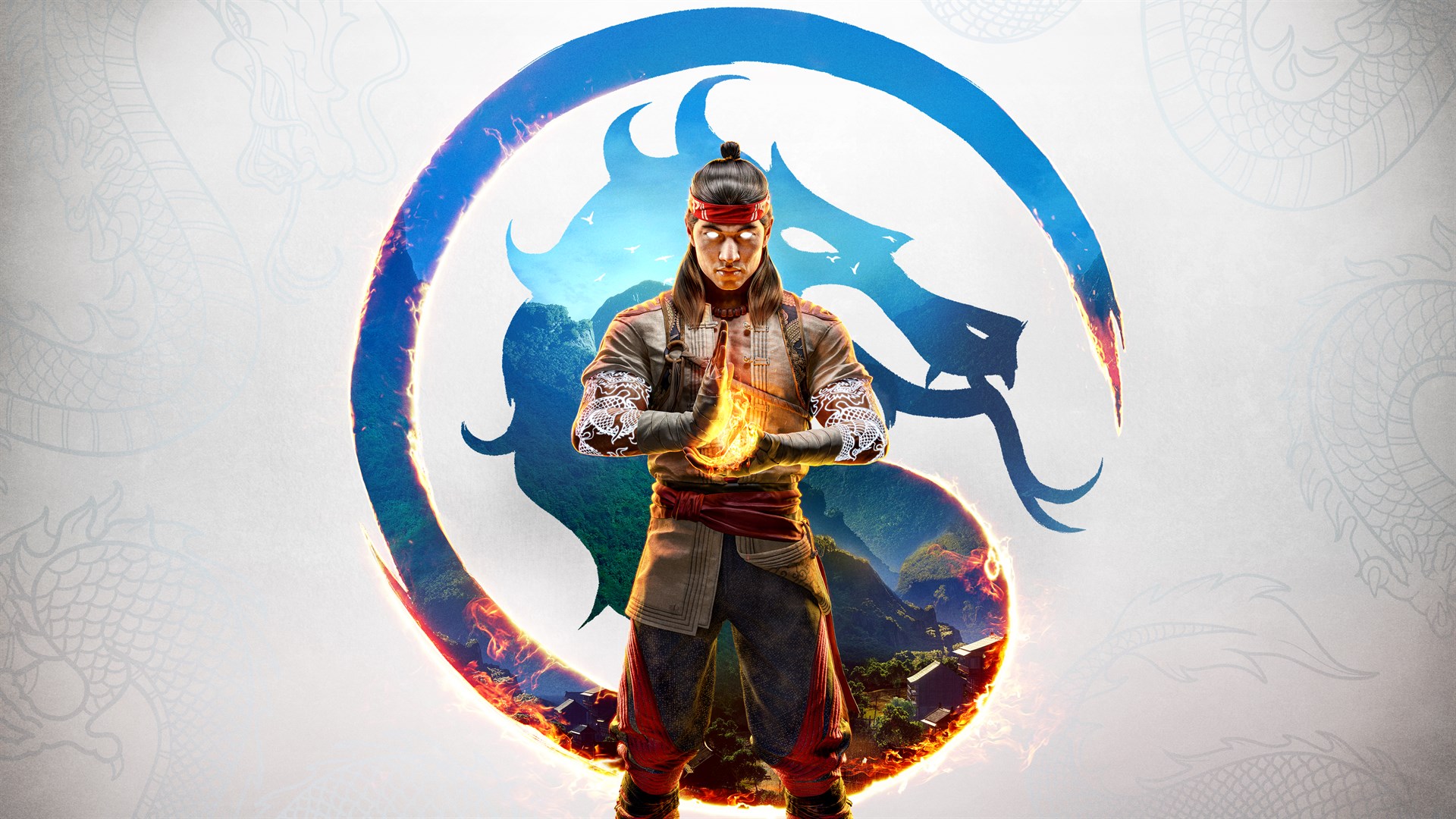
The rebooted timeline changes the origin of the Tarkatan race from a separate species to victims of a wasting disease. This transformation turns once mindless warriors into tragic figures who are exiled from society. The new lore explores the political and social implications of the Tarkat disease within Outworld. Community discussions focus on how this change alters the legacy of characters like Mileena and Baraka.
‘Baldur’s Gate 3’ (2023)
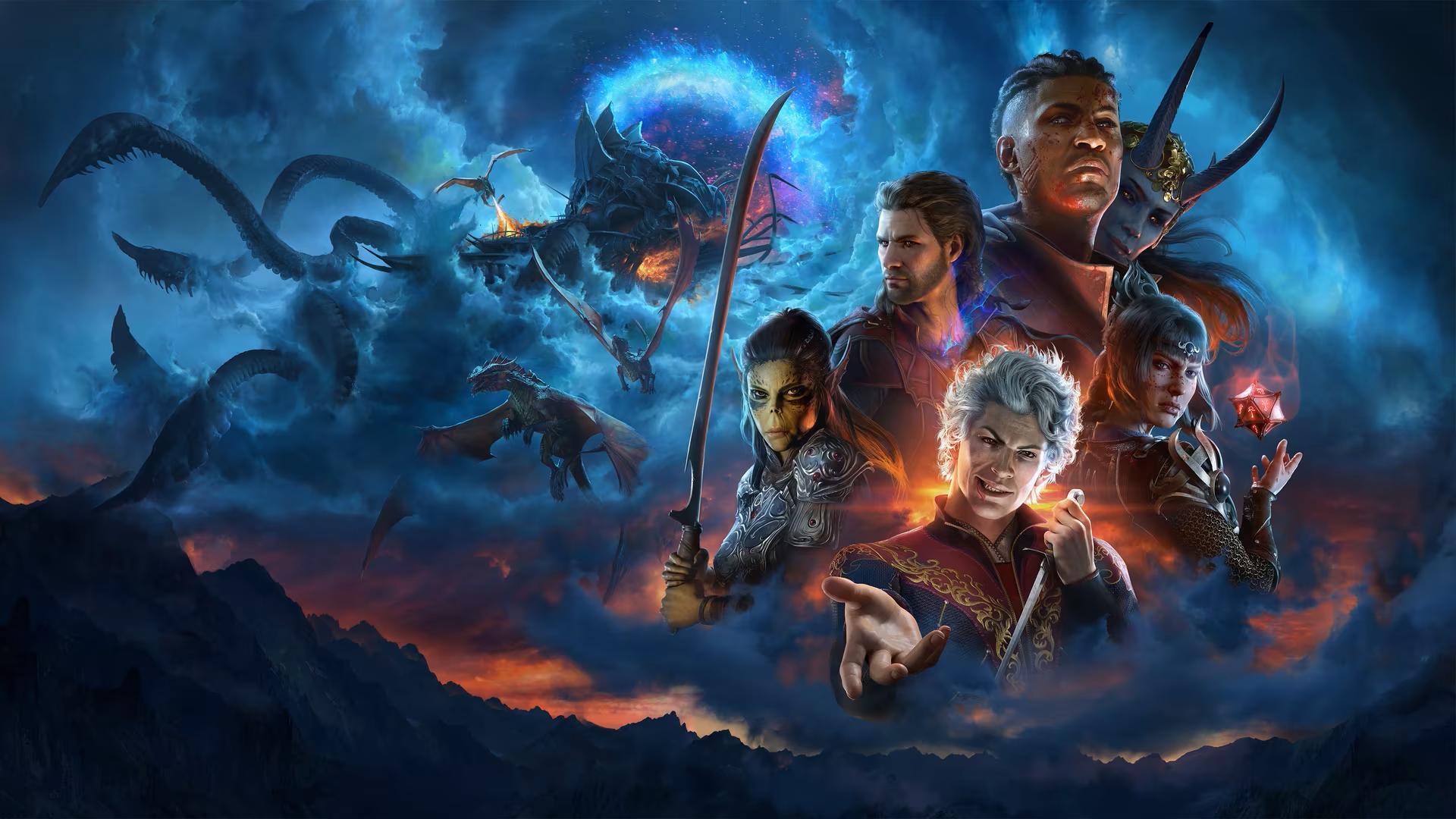
This game explores the complex society of the Mind Flayers through the character of the Emperor. Players learn that while the species is traditionally seen as soulless predators some individuals claim to retain their original personalities. This challenge to the established lore of the setting created massive debates about the nature of the soul and free will. The presence of the Githyanki as a secondary antagonistic force further complicates the racial dynamics of the world.
‘System Shock 2’ (1999)
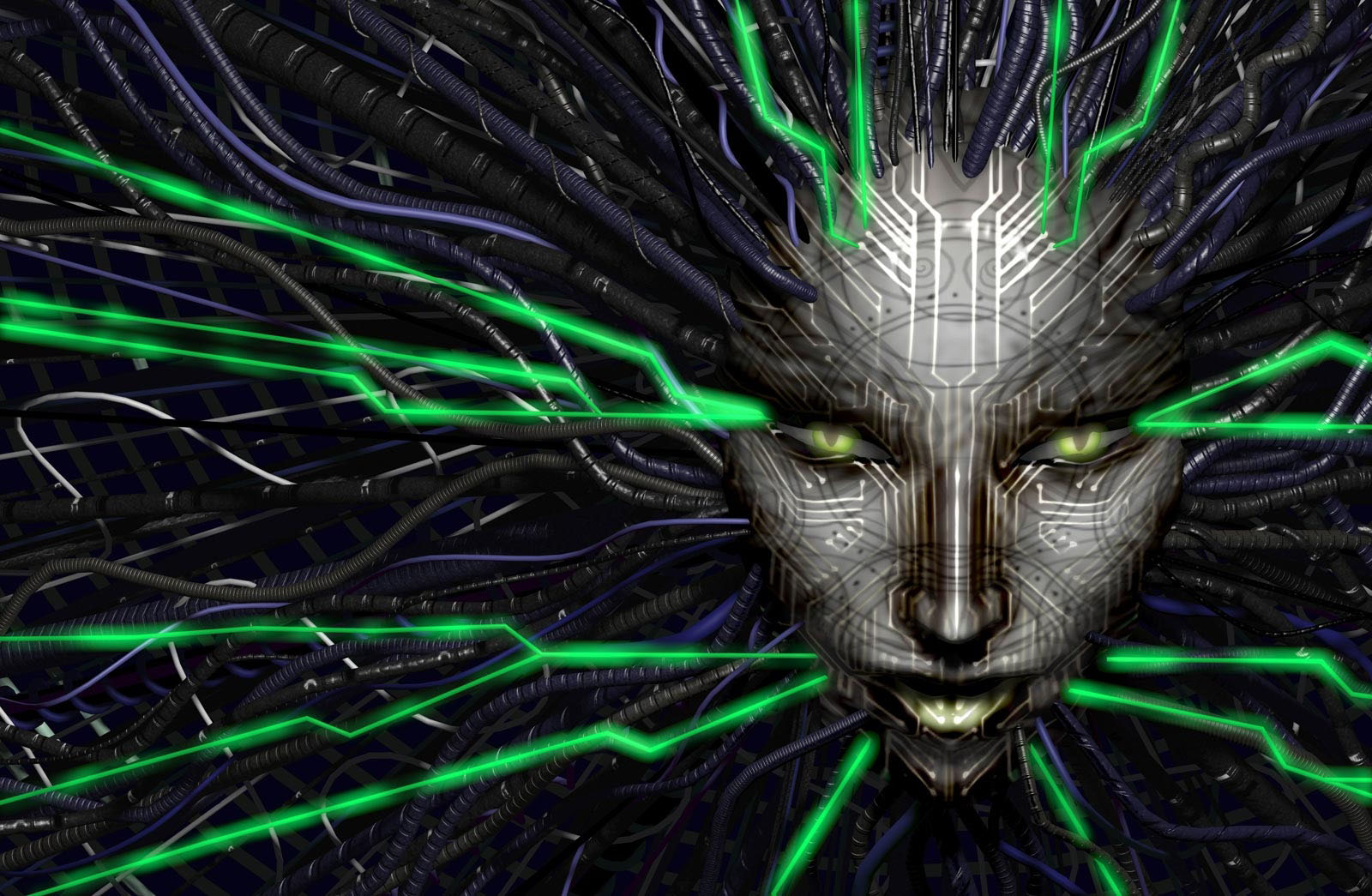
The Many is a biological hive mind created by the rogue AI SHODAN that seeks to assimilate all life. Throughout the game the player is contacted by the hive mind which attempts to justify its existence as a peaceful union of all beings. This perspective challenges the player to view the horrific mutations as a form of evolution. Fans often debate whether the Many represents a genuine alternative to human individuality or just another form of tyranny.
‘Half Life 2’ (2004)
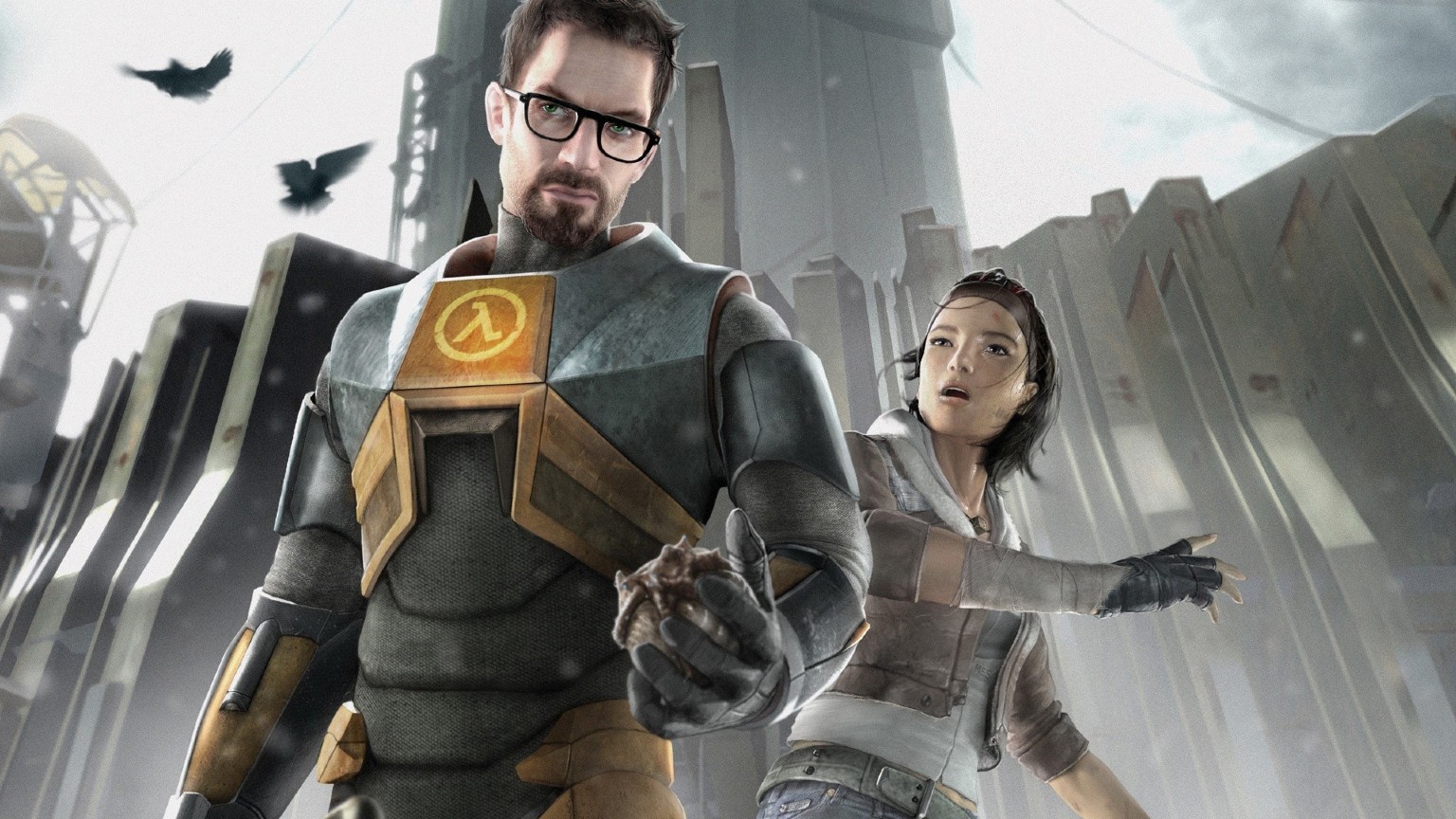
The Combine are introduced as a multi dimensional empire that has enslaved humanity and various alien species. Players discover that the Vortigaunts who were enemies in the previous game are now essential allies in the resistance. This shift in the Vortigaunt role highlights their shared history of oppression under a previous master. The lore surrounding their collective consciousness and their view of time remains a popular topic for fan theories.
‘Diablo III’ (2012)
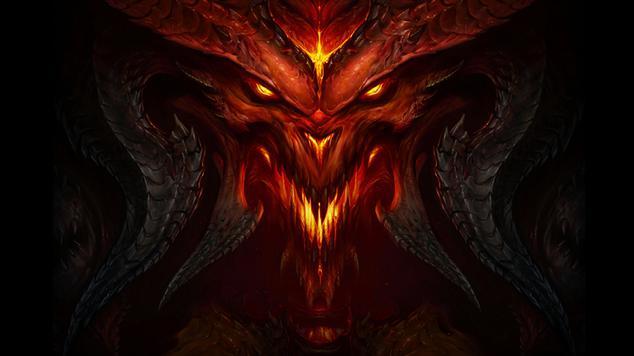
The High Heavens and the Burning Hells are presented as opposing forces but the lore reveals that both can be equally destructive to humanity. The angels are often portrayed as cold and indifferent to the suffering of the mortal realm. This moral ambiguity leads to the realization that humans or Nephalem must forge their own path. Discussions often center on the arrogance of the angelic council and their role in the ongoing Eternal Conflict.
‘Shadow of the Colossus’ (2005)
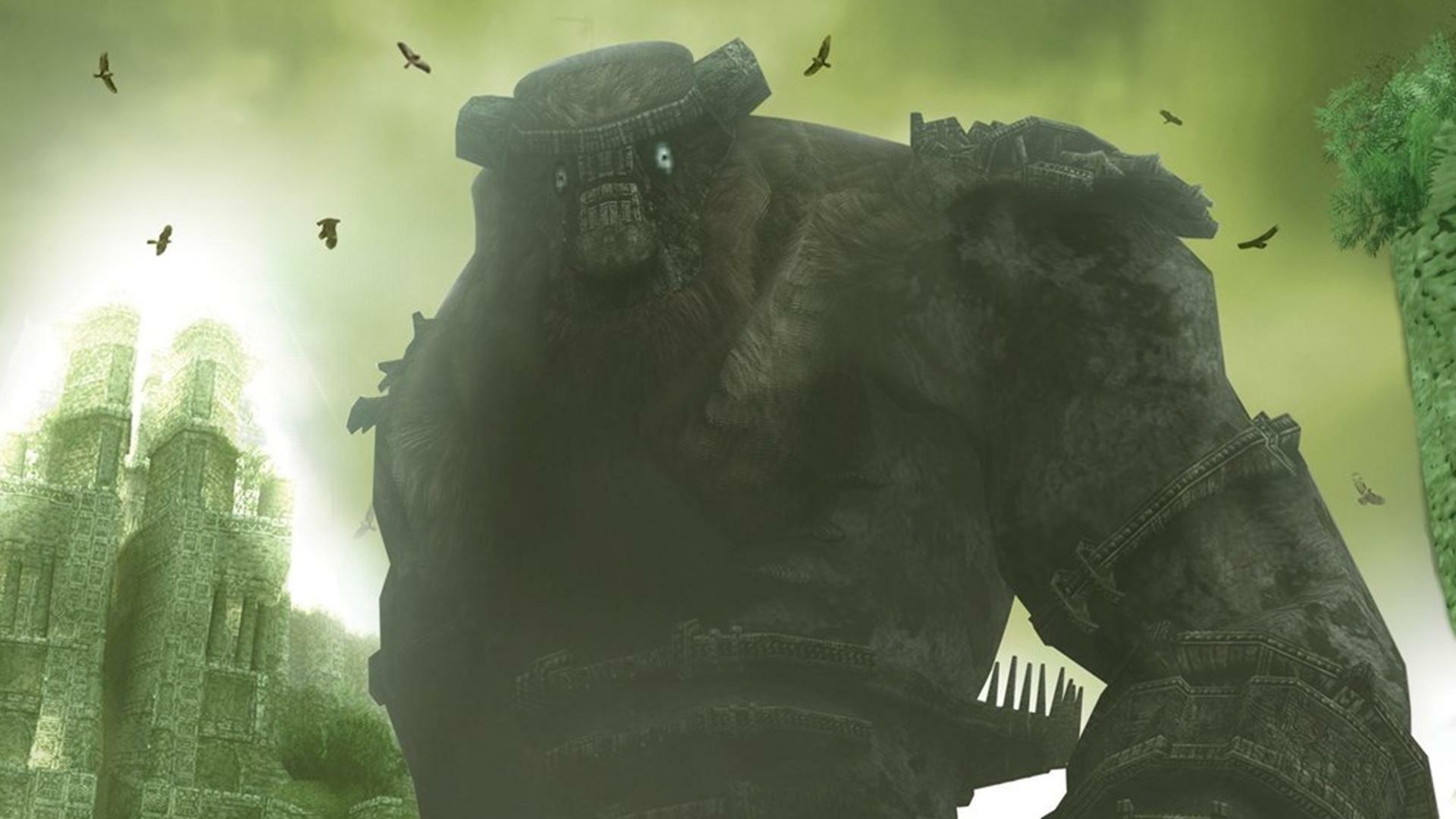
The player is tasked with hunting down sixteen massive Colossi to revive a lost soul. It is eventually revealed that the Colossi are not evil creatures but guardians of a dark power. This revelation turns the player’s quest into an act of destruction rather than heroism. The community debates the morality of the protagonist and the tragic nature of the ancient guardians.
‘XCOM 2’ (2016)
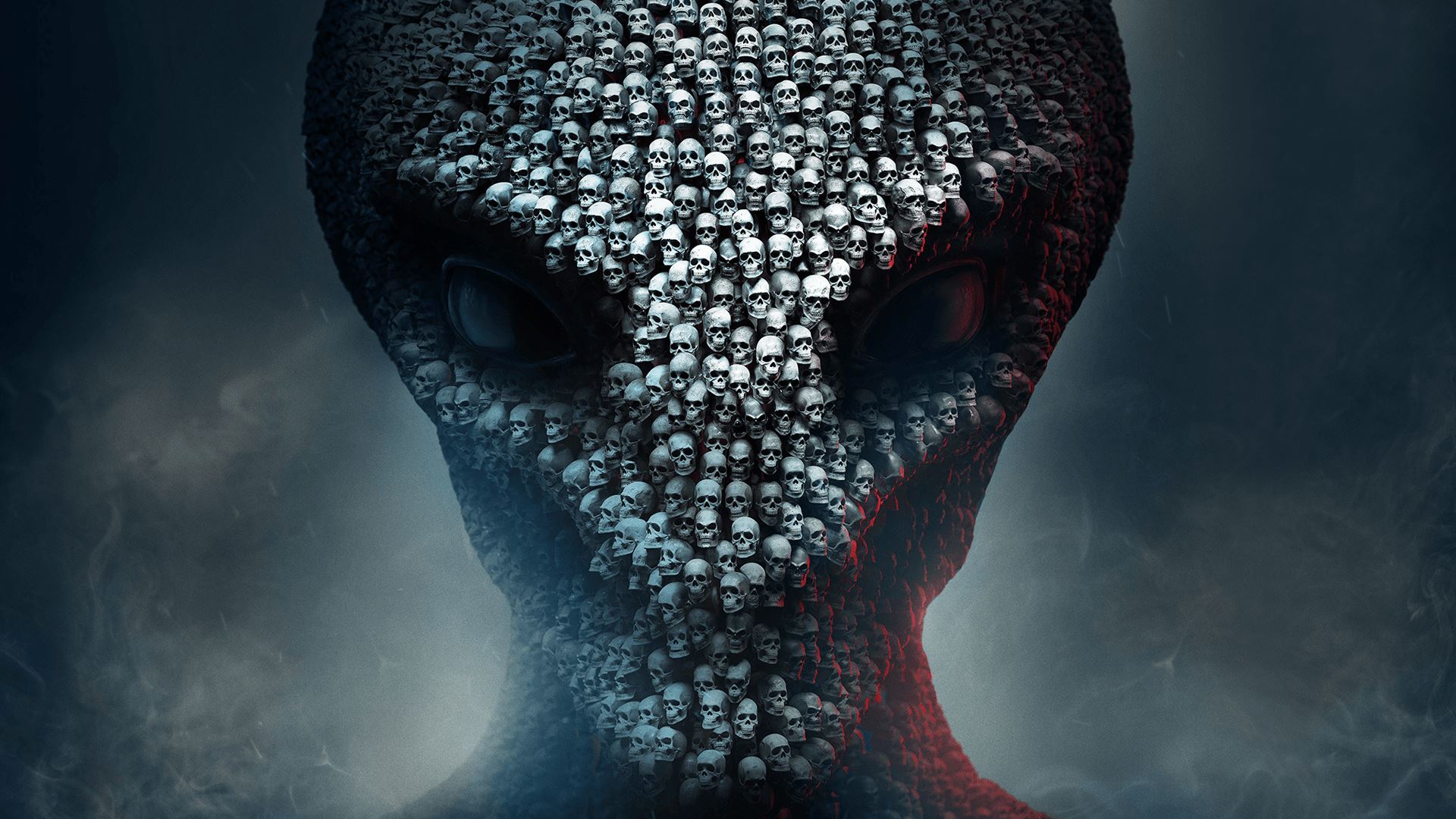
The alien invaders are shown to have integrated themselves into human society under the guise of the Advent administration. Players learn that the aliens are using human DNA to stabilize their own decaying genetic code. This discovery shifts the focus from a simple invasion to a desperate attempt at species survival. Fans discuss the ethical implications of the alien experiments and the true motives of the Ethereals.
‘Deus Ex Human Revolution’ (2011)
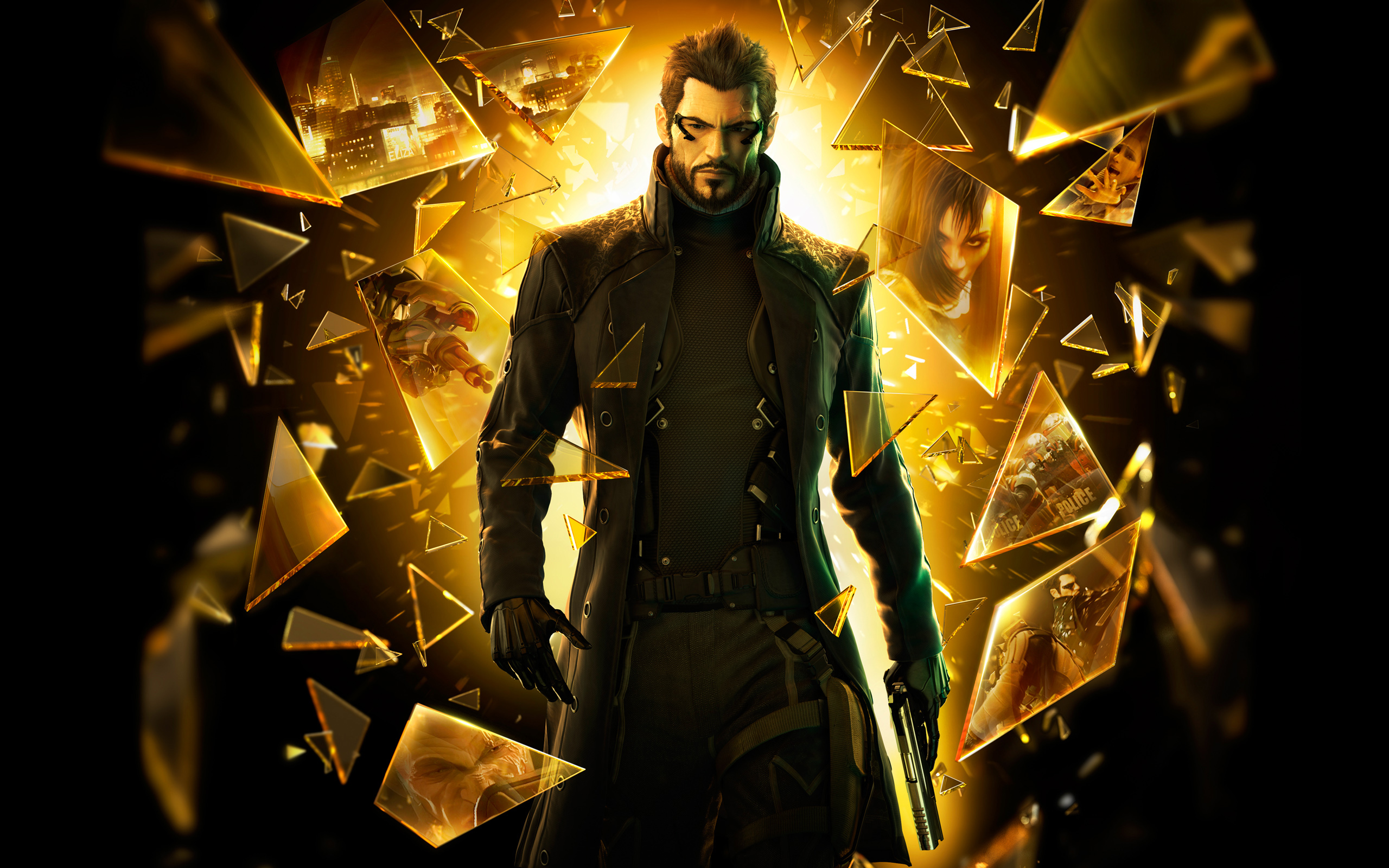
The conflict centers on the use of mechanical augmentations and the societal divide between the augmented and the natural humans. The antagonists are often those who seek to control or limit this technology for their own gain. This setting sparks debates about transhumanism and the loss of human identity. Players explore the perspective of various factions that believe they are doing the right thing for the future of the species.
‘Overwatch’ (2016)
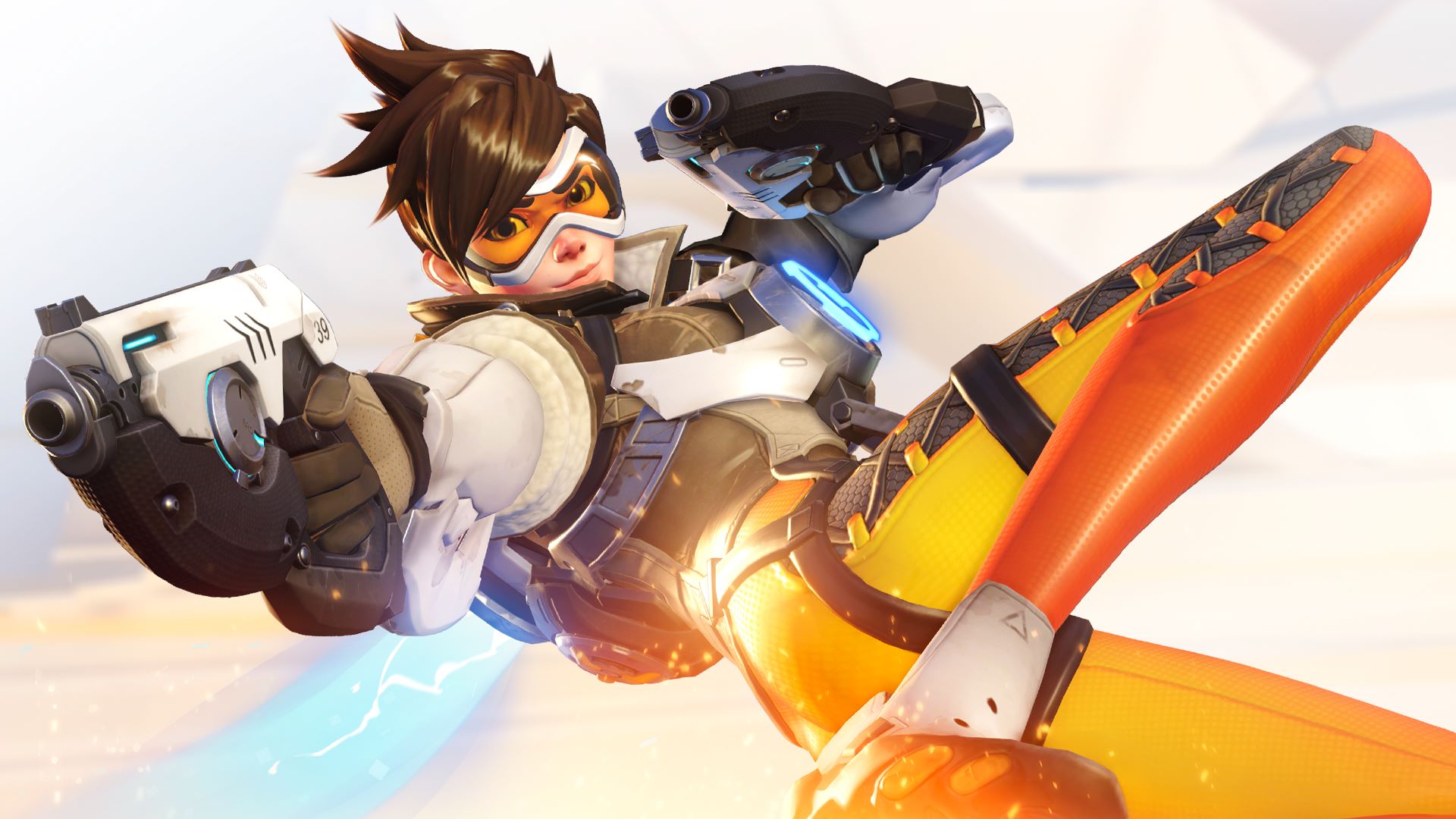
The Omnic Crisis is the foundational event of the lore where sentient robots rose up against their human creators. The game explores the aftermath of this war and the ongoing struggle for Omnic rights and integration. Characters like Zenyatta and Ramattra represent different philosophies on how the Omnic race should exist in the world. Fans frequently debate whether the Omnics are truly sentient or simply programmed to believe they are.
‘Hollow Knight’ (2017)
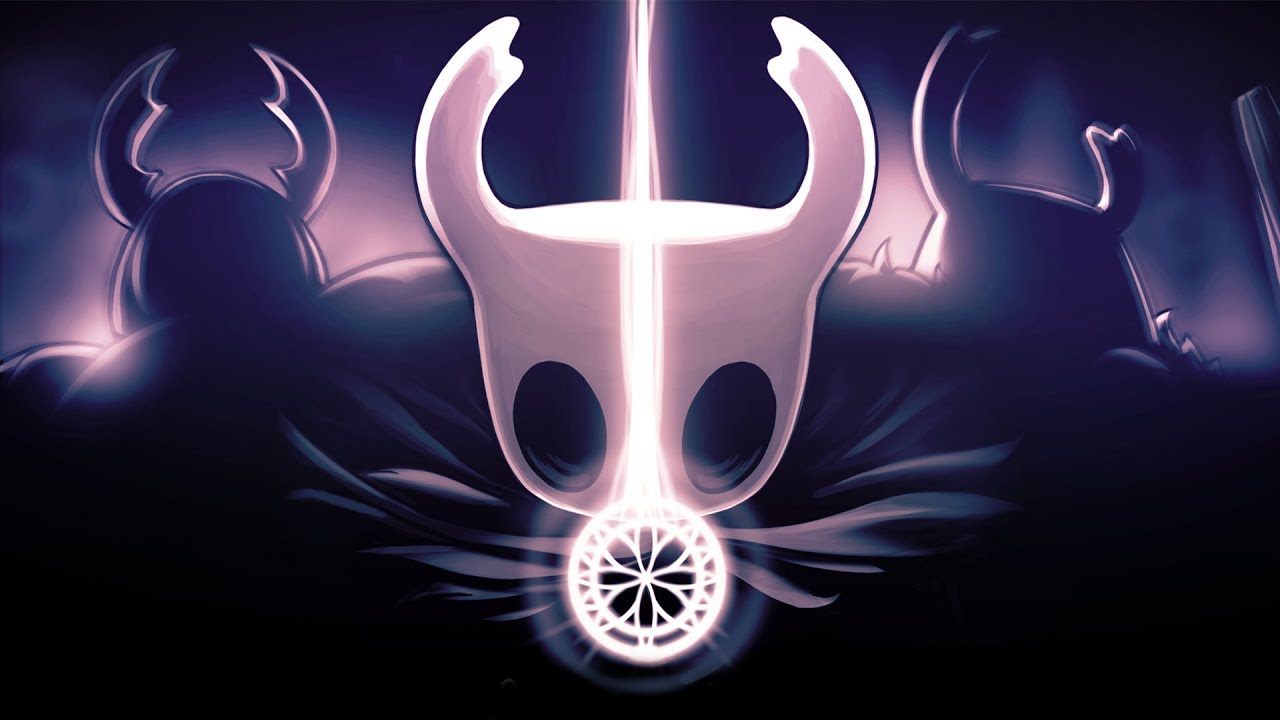
The Infection is a plague that robs the inhabitants of Hallownest of their minds and turns them into aggressive husks. Players discover that the infection is actually the influence of an ancient goddess who was forgotten by her people. This revelation transforms the mindless enemies into tragic victims of a celestial power struggle. Lore enthusiasts spend countless hours piecing together the history of the Pale King and the Radiance.
‘Splatoon’ (2015)
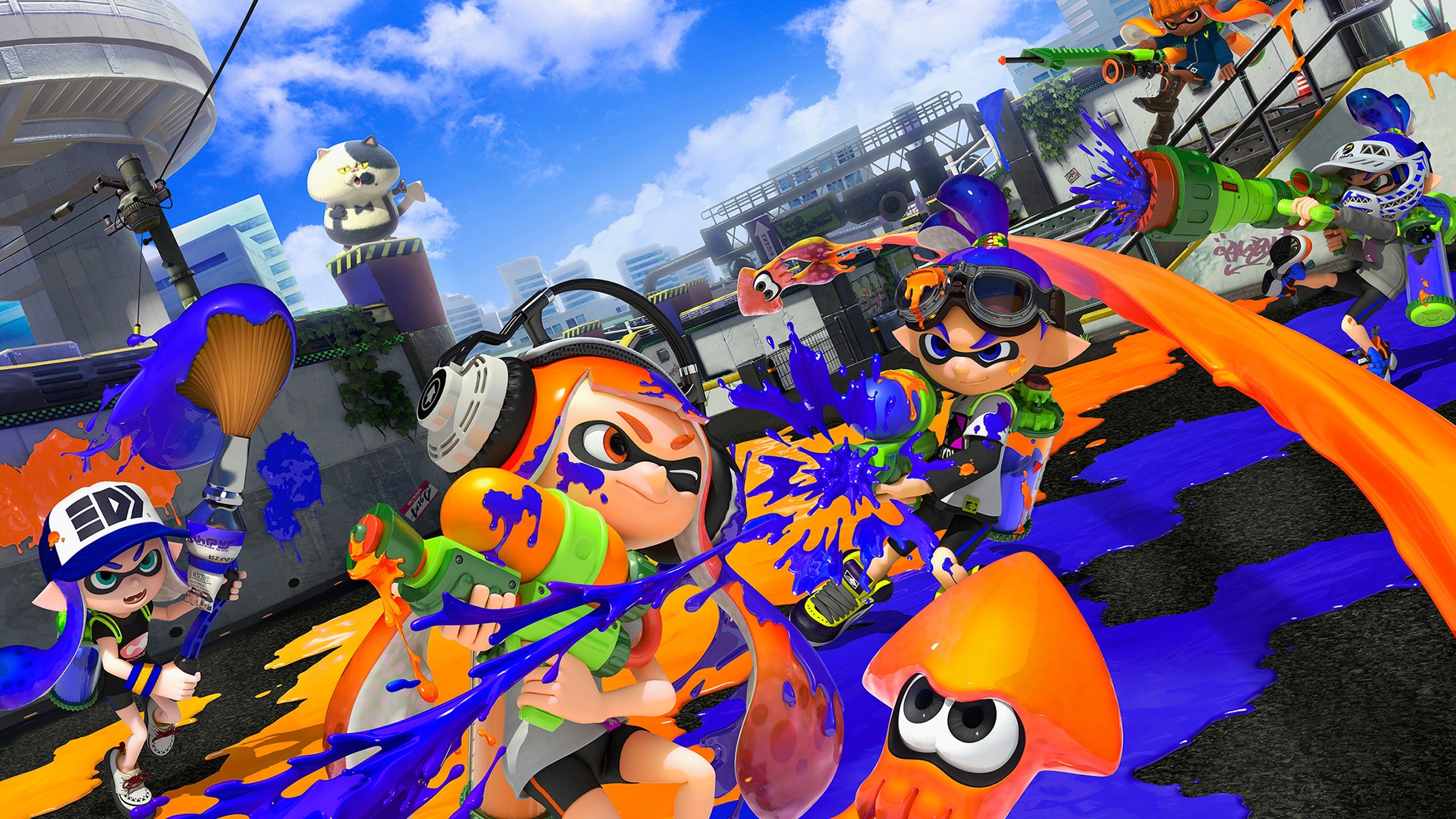
The Octarians are presented as the primary enemy race that stole the Great Zapfish from the Inklings. Later lore reveals that the Octarians were forced underground after losing a war for resources in the past. This tragic backstory turns the conflict into a struggle for survival rather than simple villainy. Players eventually see the two races begin to integrate which sparked discussions about cultural reconciliation.
‘Undertale’ (2015)
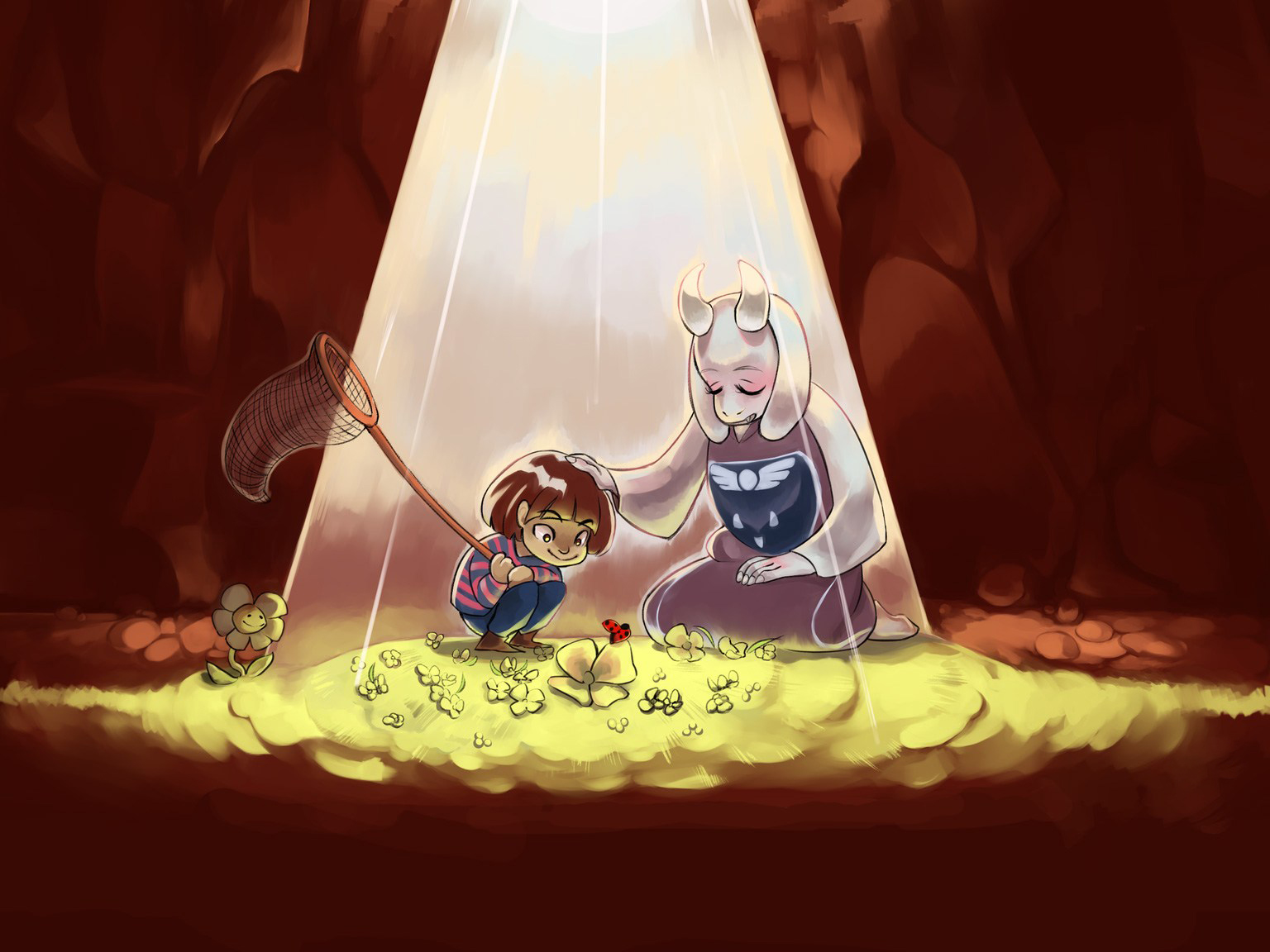
The monsters are initially seen as traditional RPG enemies that must be defeated to progress. The game subverts this by allowing the player to spare every monster and learn about their hopes and fears. This approach reveals that the monsters were exiled by humans and are simply trying to find a way back home. The community debates the morality of the humans who originally trapped the monsters underground.
‘BioShock’ (2007)
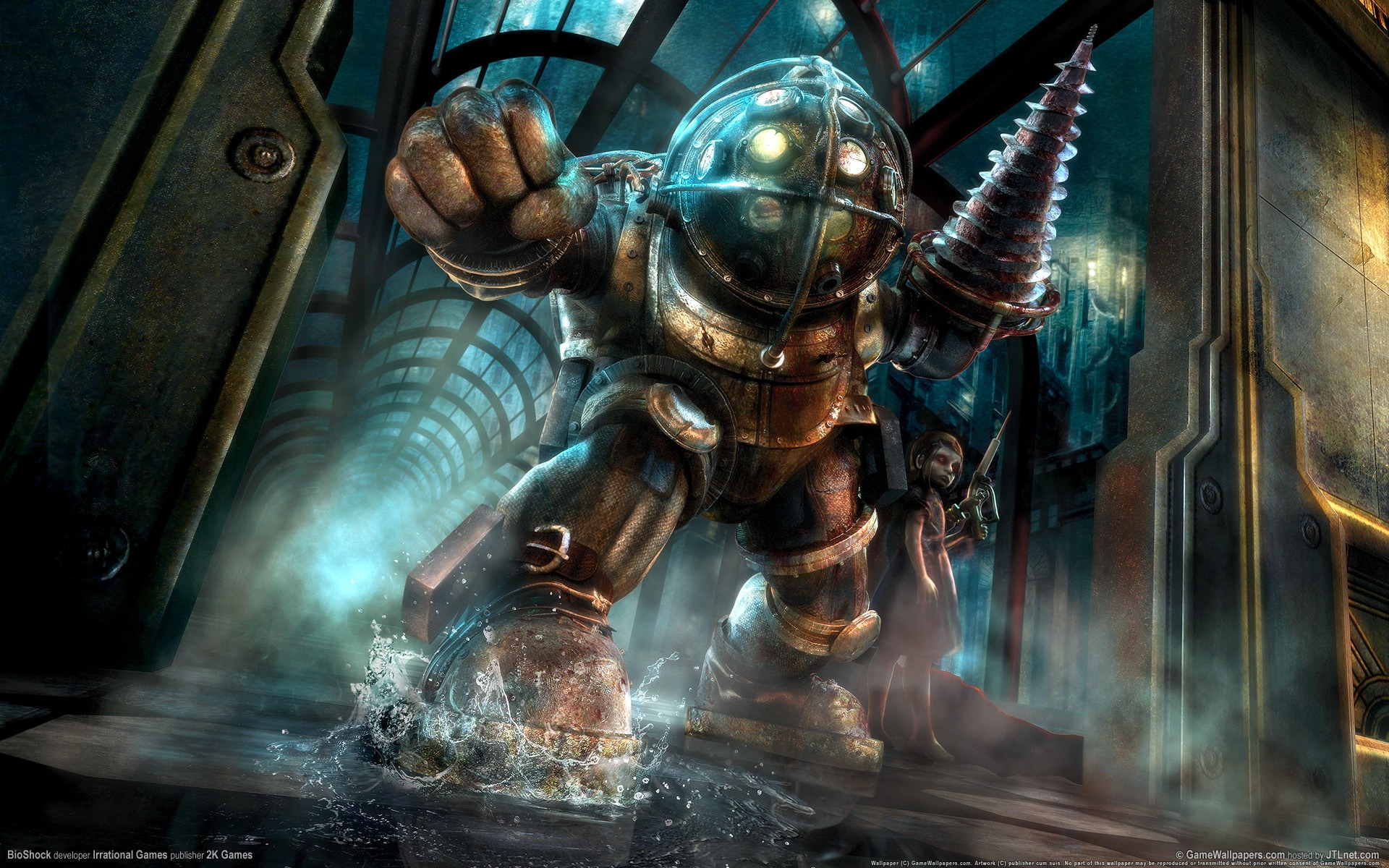
The Splicers are the mutated remnants of the citizens of Rapture who have lost their minds to ADAM addiction. The game explores how a utopian society collapsed due to the unchecked pursuit of scientific and personal freedom. This transformation turns the citizens into horrific monsters that the player must defend themselves against. Fans discuss the philosophical failures of Andrew Ryan and the tragic loss of human potential in the underwater city.
‘Metroid Dread’ (2021)
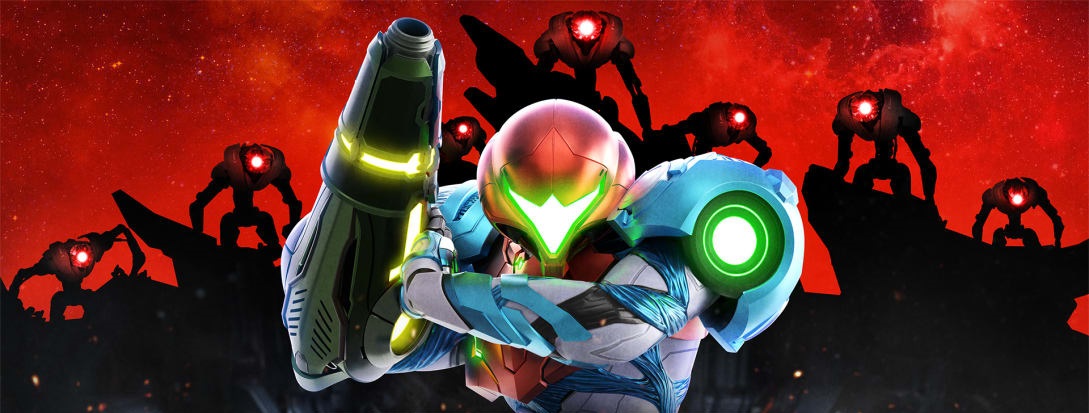
The Chozo were long thought to be a wise and extinct race of mentors for Samus Aran. ‘Metroid Dread’ introduces the Mawkin tribe which is a warlike faction of the Chozo seeking to use the Metroids for conquest. This revelation complicates the history of the race and shows that they were not a monolithic group of peaceful scholars. Fans debate the impact of this discovery on Samus and her connection to her adoptive culture.
‘Castlevania Symphony of the Night’ (1997)
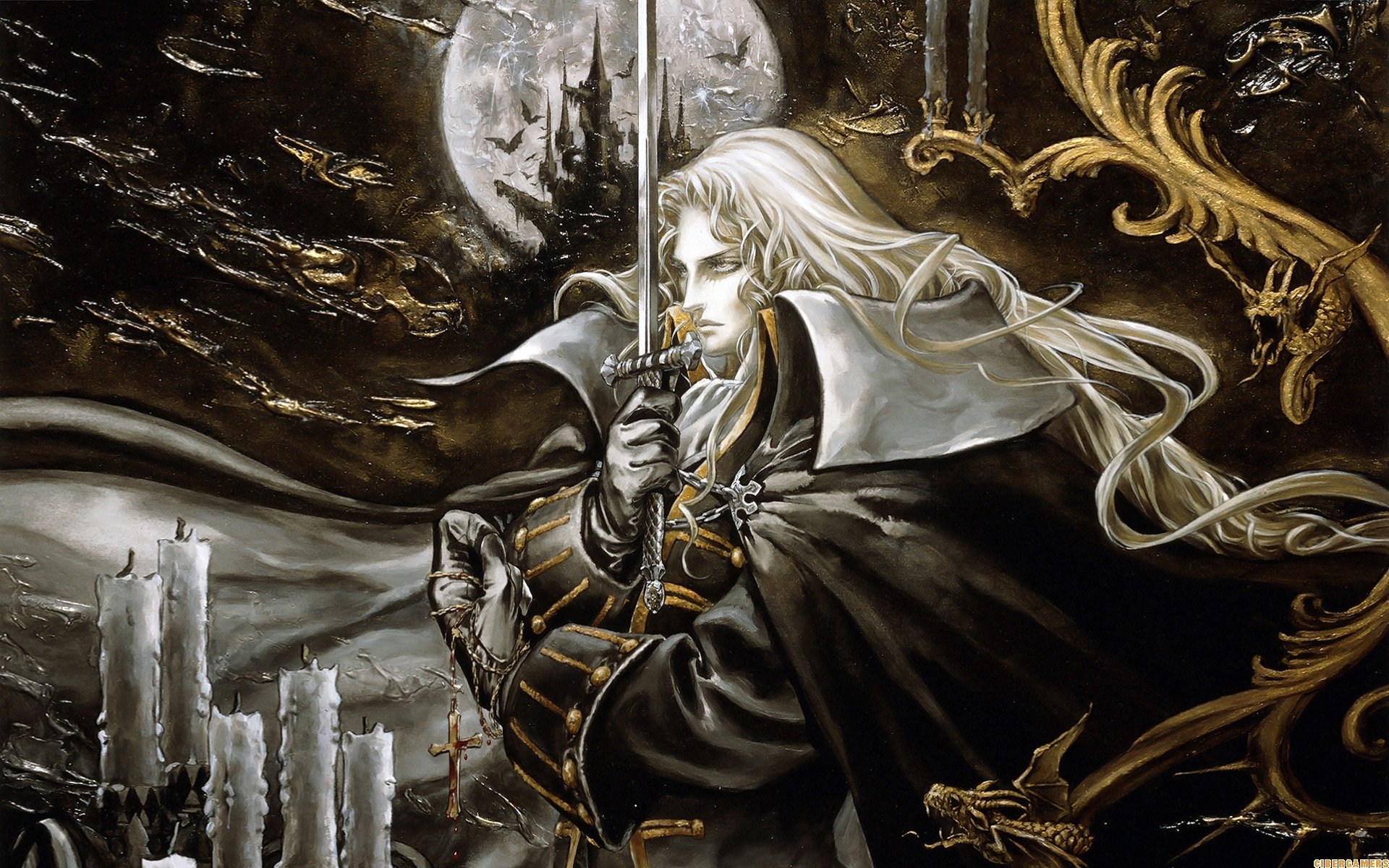
Alucard is the son of Dracula who chooses to fight against his own father to protect humanity. This internal family conflict humanizes the vampire race and introduces the idea of dhampirs who struggle with their dark heritage. The narrative explores the tragedy of Dracula’s descent into madness after the loss of his human wife. Community discussions often center on the redemptive potential of the vampire characters.
‘The Last of Us’ (2013)
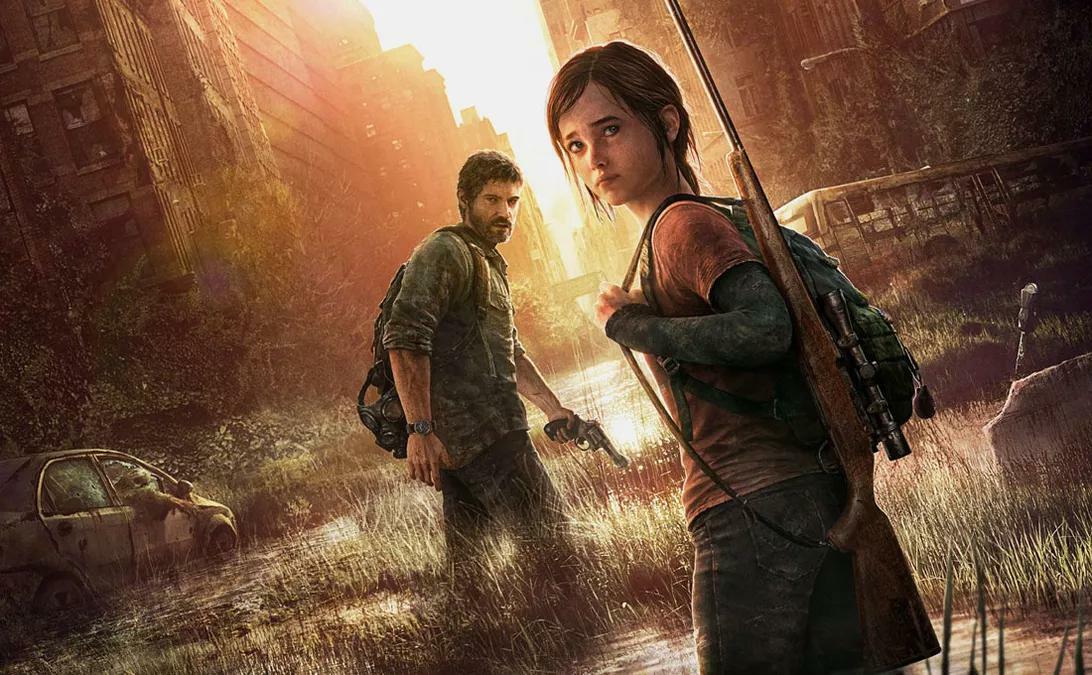
The Cordyceps infection turns humans into mindless and aggressive creatures that threaten the remains of civilization. As the story progresses the narrative emphasizes that the survivors are often more dangerous and cruel than the infected. This thematic shift forces players to question the moral superiority of the human race in a post apocalyptic setting. The lore debates often focus on whether the infected are victims of a biological tragedy or a new stage of existence.
‘Metal Gear Solid 4 Guns of the Patriots’ (2008)
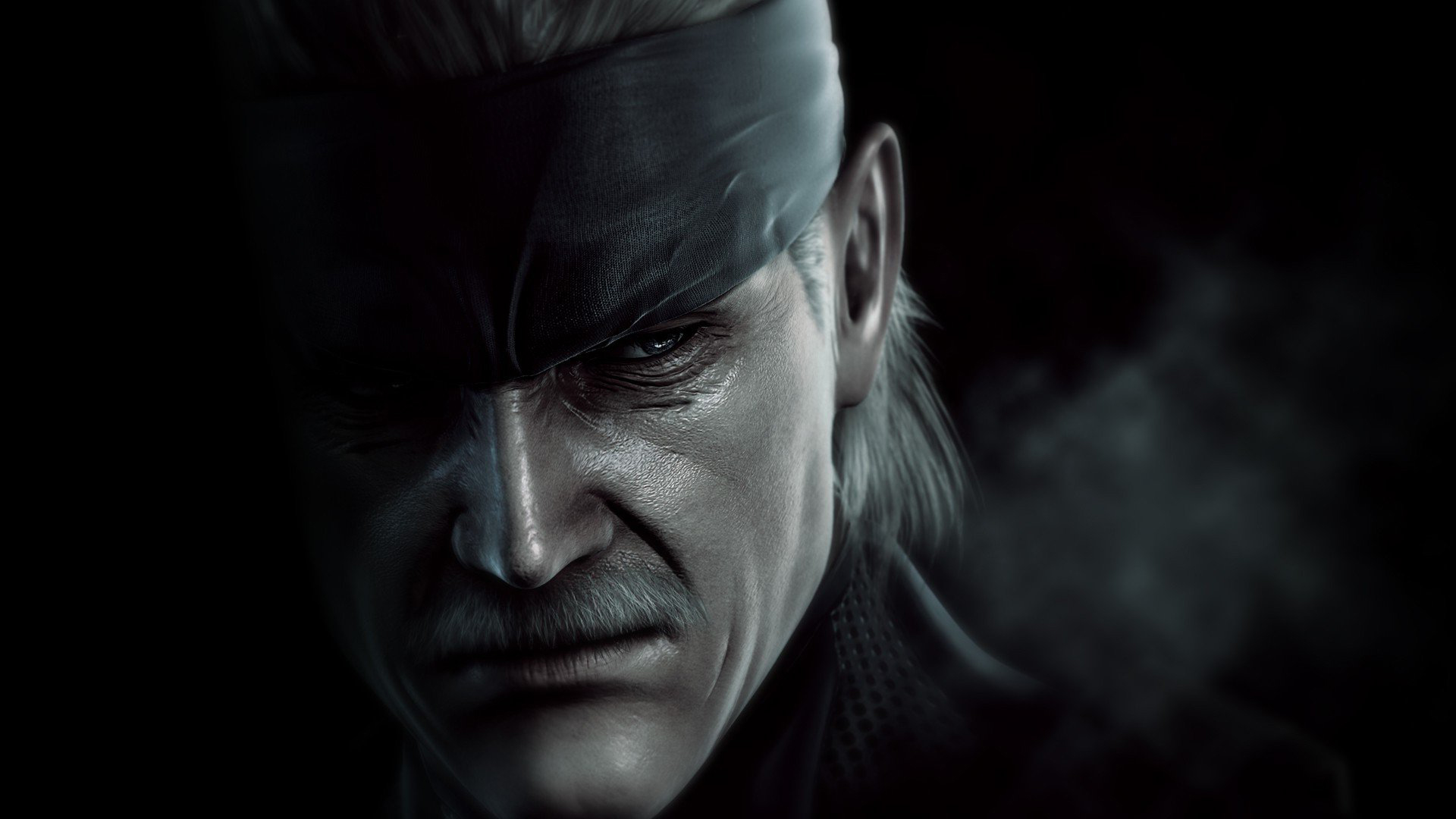
The Beauty and the Beast Unit consists of soldiers who have been psychologically and physically scarred by war. They are turned into monstrous machines to serve as bosses for the player to defeat. After each fight the game reveals their tragic human backstories and the trauma that led to their current state. This shift humanizes the enemies and serves as a critique of the military industrial complex.
‘Fallout New Vegas’ (2010)
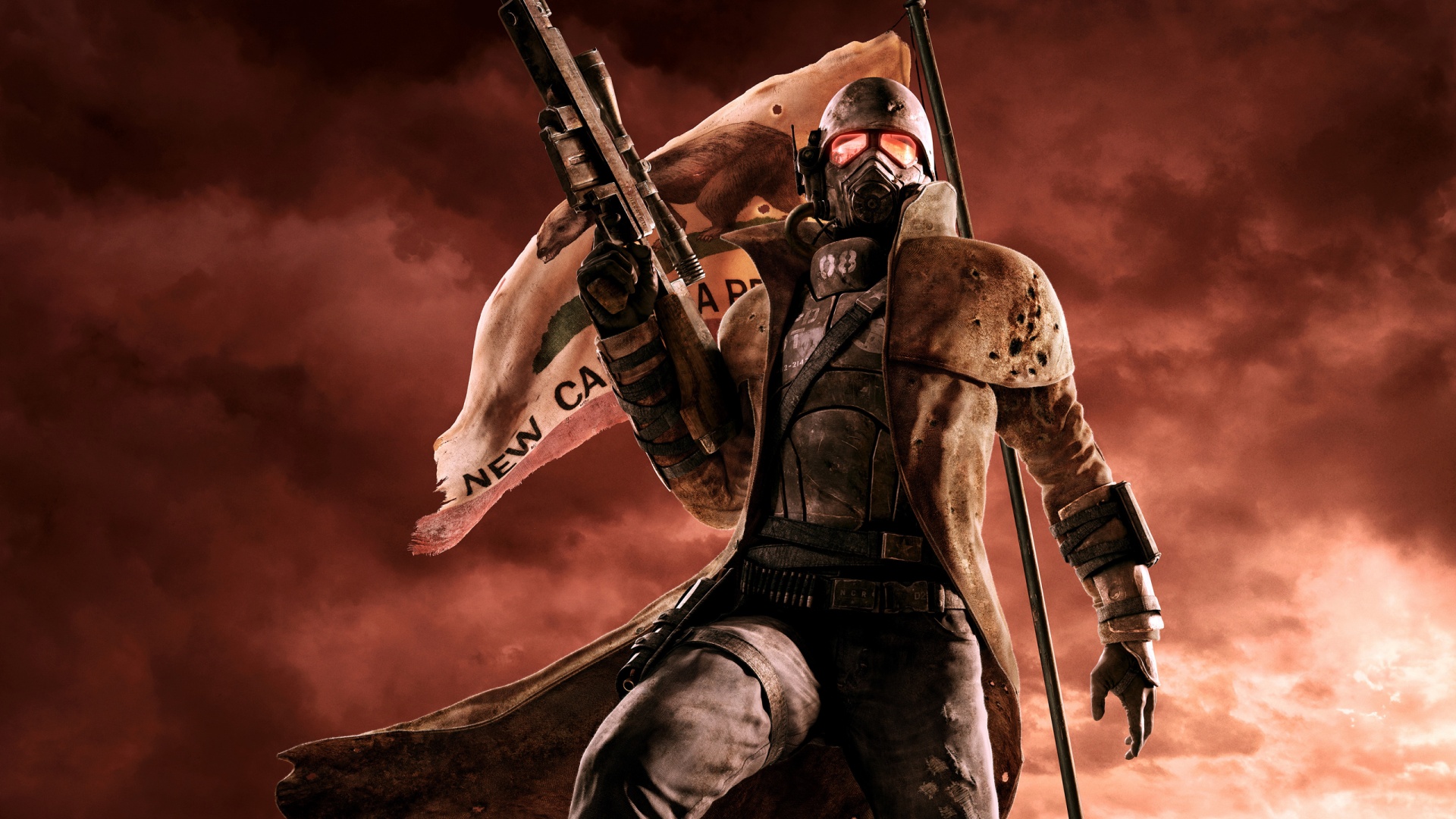
The game presents the Super Mutants of Jacobstown as a peaceful community seeking a cure for their mental instability. This portrayal contrasts sharply with the mindless brutes found in other parts of the wasteland. The inclusion of Marcus as a leader provides a link to the older titles while expanding on the intellectual capacity of the race. Fans often debate whether the Nightkin can ever truly be integrated into society given their traumatic history.
‘Bloodborne’ (2015)
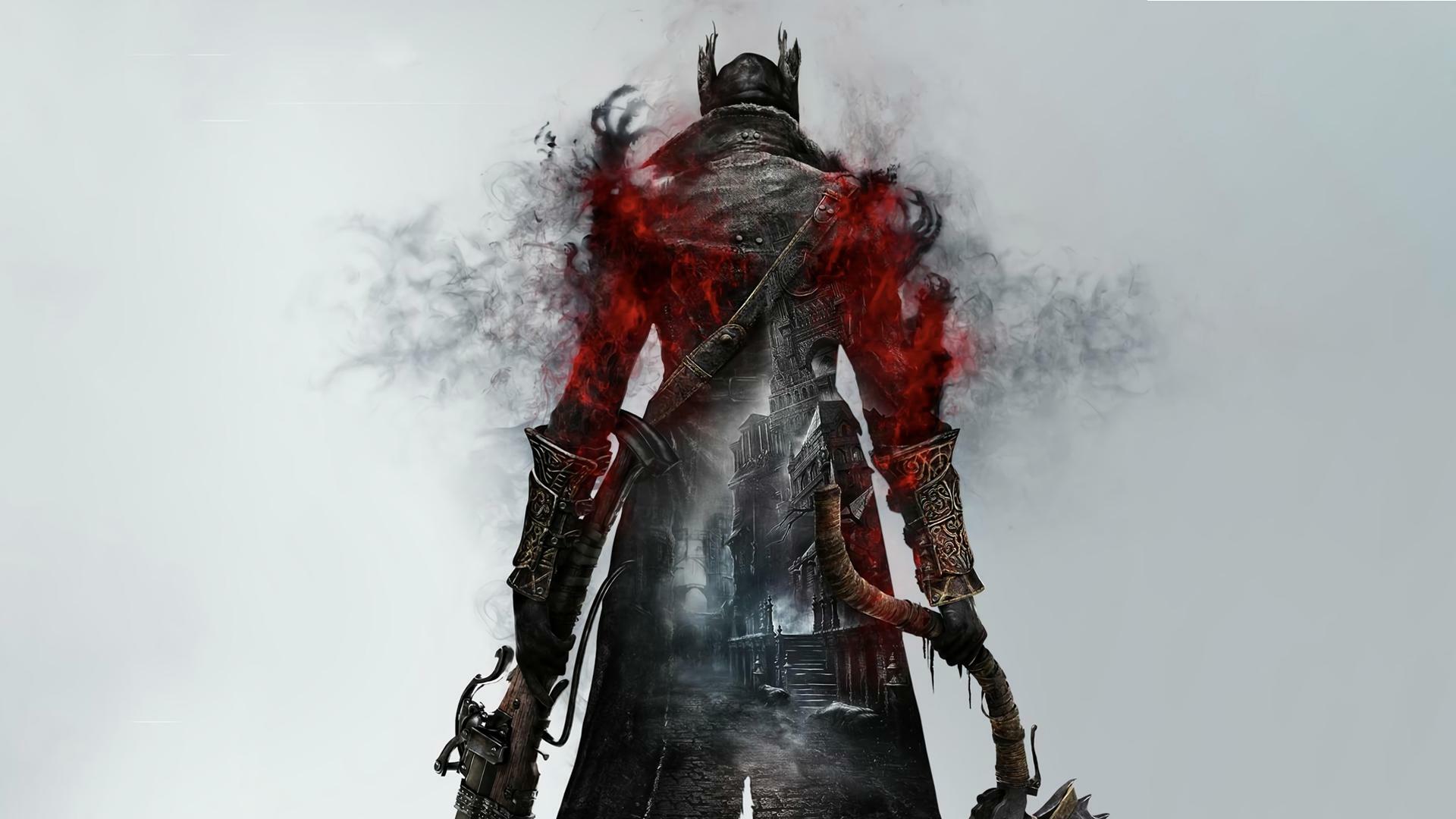
The beasts encountered in the city of Yharnam are revealed to be the citizens themselves who have been transformed by the use of old blood. This revelation shifts the focus from a simple werewolf hunt to a tragedy of cosmic proportions. Players learn that the pursuit of higher knowledge and evolution led to the physical degradation of the human race. Lore enthusiasts discuss the role of the Great Ones and the ethics of the Healing Church.
‘Mass Effect 2’ (2010)
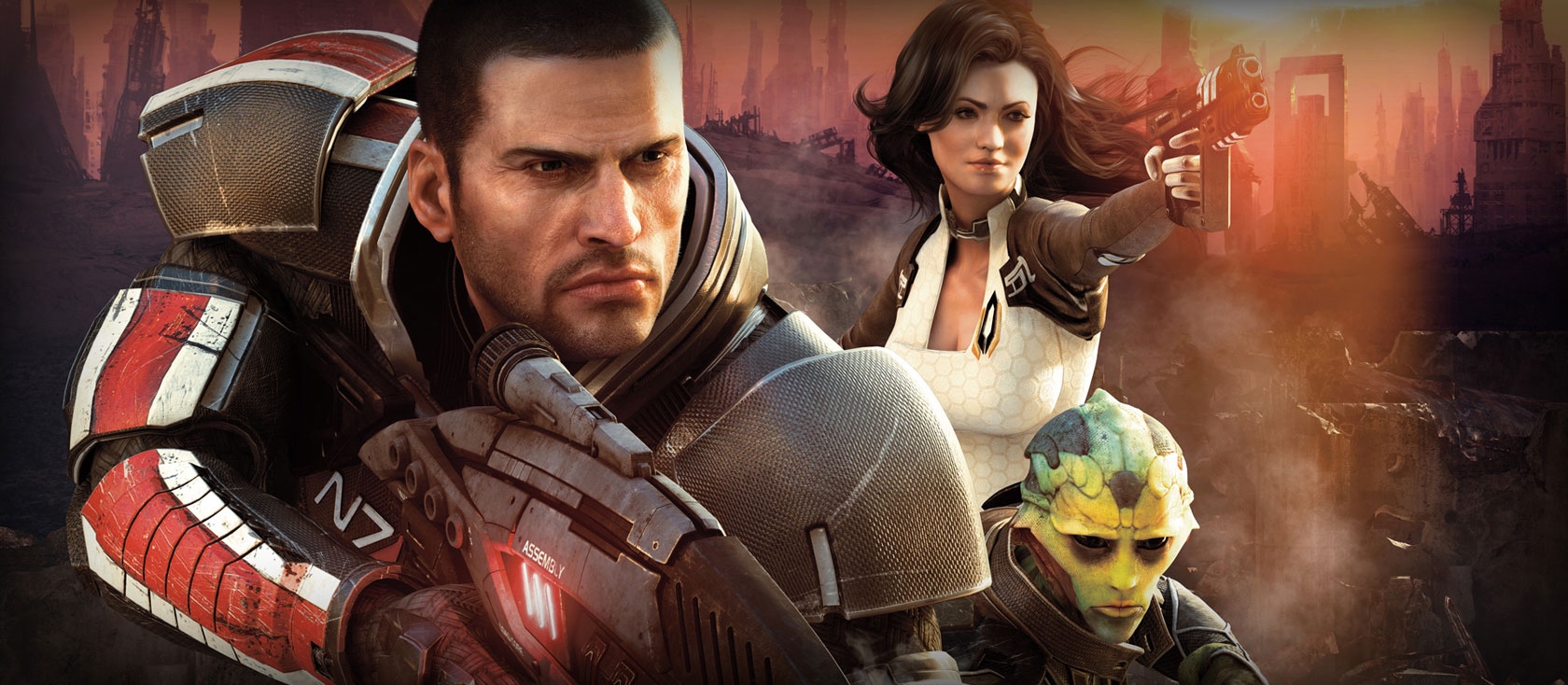
The introduction of the Collectors reveals a tragic connection to the Protheans who were long thought to be extinct heroes. Players learn that the ancient race was genetically modified and enslaved by the Reapers to serve as mindless drones. This twist transformed a respected progenitor race into a source of horror and pity for the player base. The discovery led to endless theories about what other civilizations might have been repurposed by the Reaper cycle.
‘The Legend of Zelda Skyward Sword’ (2011)
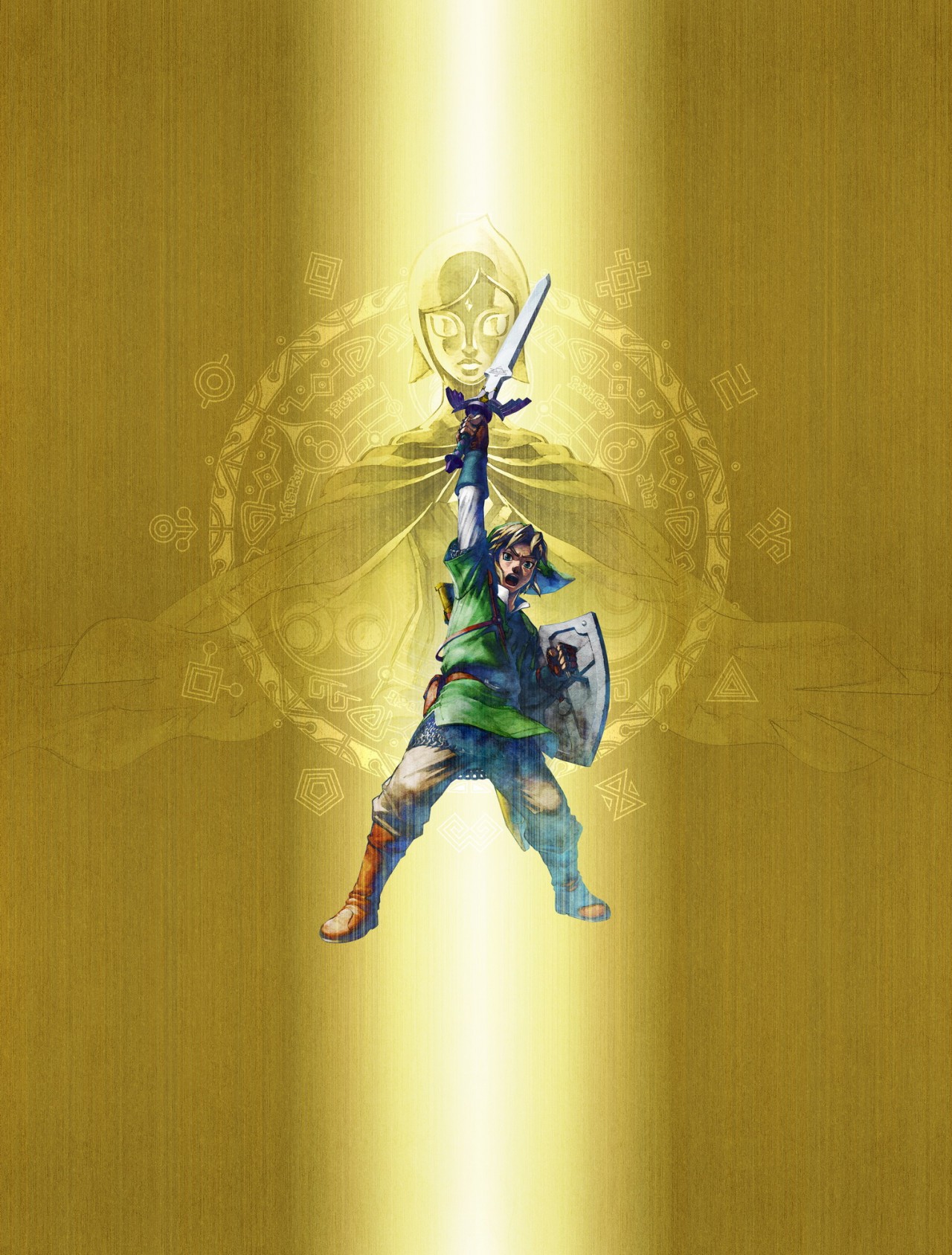
Demise is introduced as the source of all evil whose hatred will haunt the descendants of Link and Zelda. This provides a cosmic origin for the recurring villain Ganon and the monsters of Hyrule. The lore shift explains the cyclical nature of the conflict as a divine curse rather than random occurrences. Fans debate how this origin story impacts the agency of Ganon throughout the timeline of the series.
‘Sekiro Shadows Die Twice’ (2019)
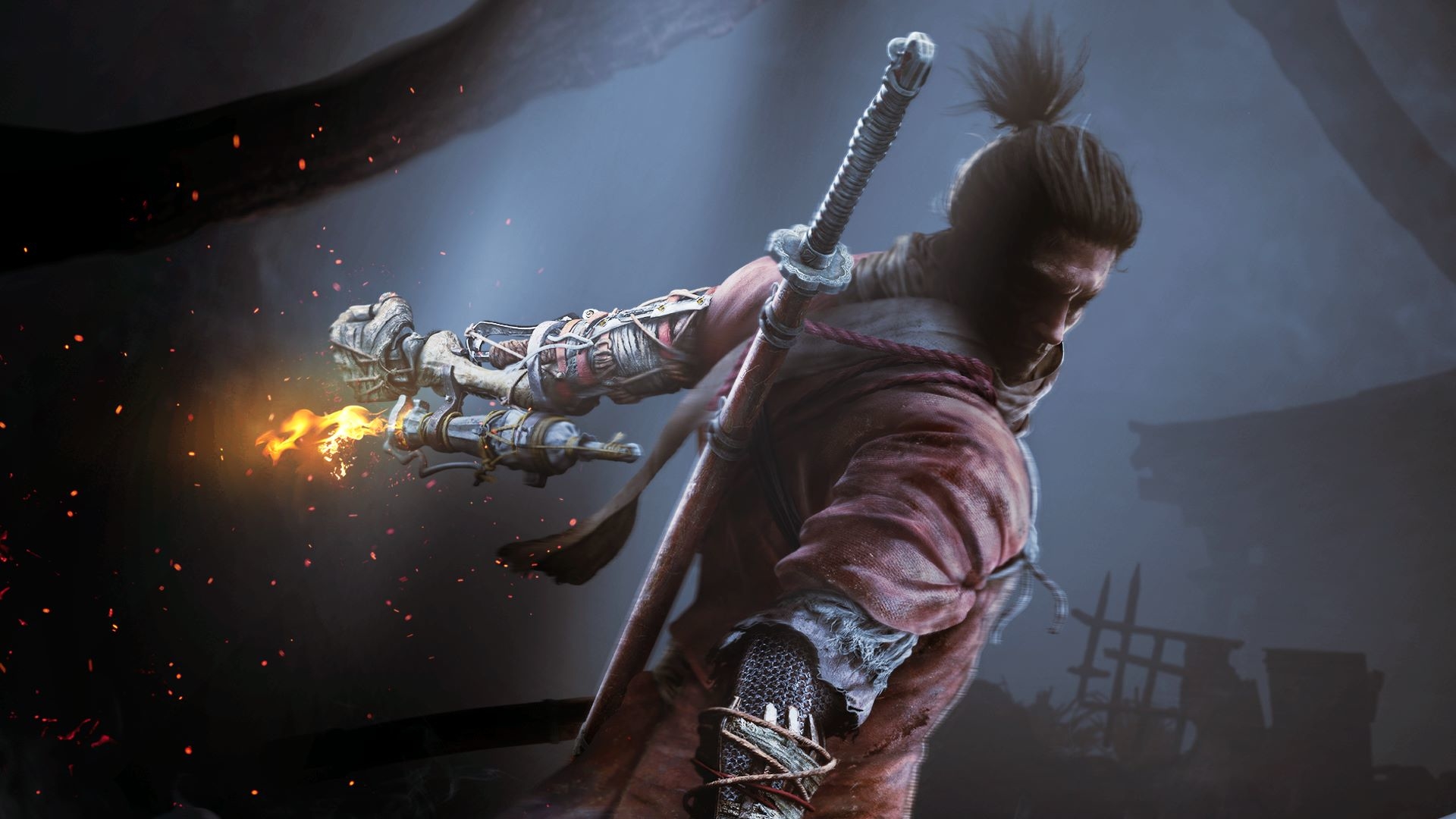
The Infested are beings who have achieved a form of immortality through the use of the Rejuvenating Waters. This immortality comes at the cost of being host to a giant centipede that controls their bodies. The narrative explores the horror of an eternal life that is devoid of humanity and dignity. Discussions often center on the corruption of the monks at Senpou Temple and their abandonment of their spiritual paths.
‘Control’ (2019)
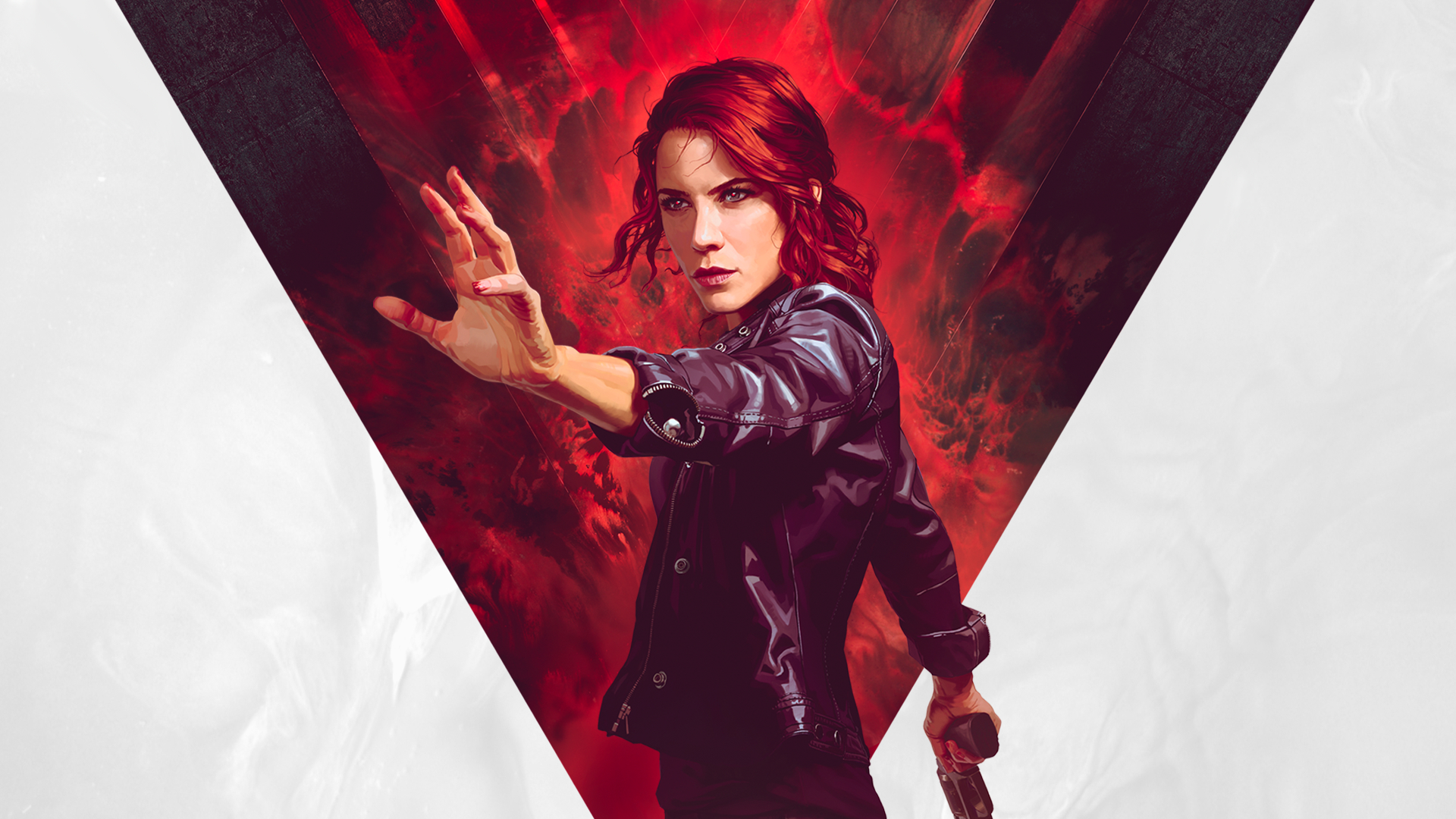
The Hiss is an extra dimensional resonance that takes over the bodies of the employees at the Federal Bureau of Control. It turns them into aggressive puppets that repeat distorted versions of their original thoughts. This transformation explores the loss of self and the invasion of the mind by an incomprehensible force. Fans analyze the environmental storytelling to understand the nature of the Hiss and its origins in the Astral Plane.
‘Fable’ (2004)
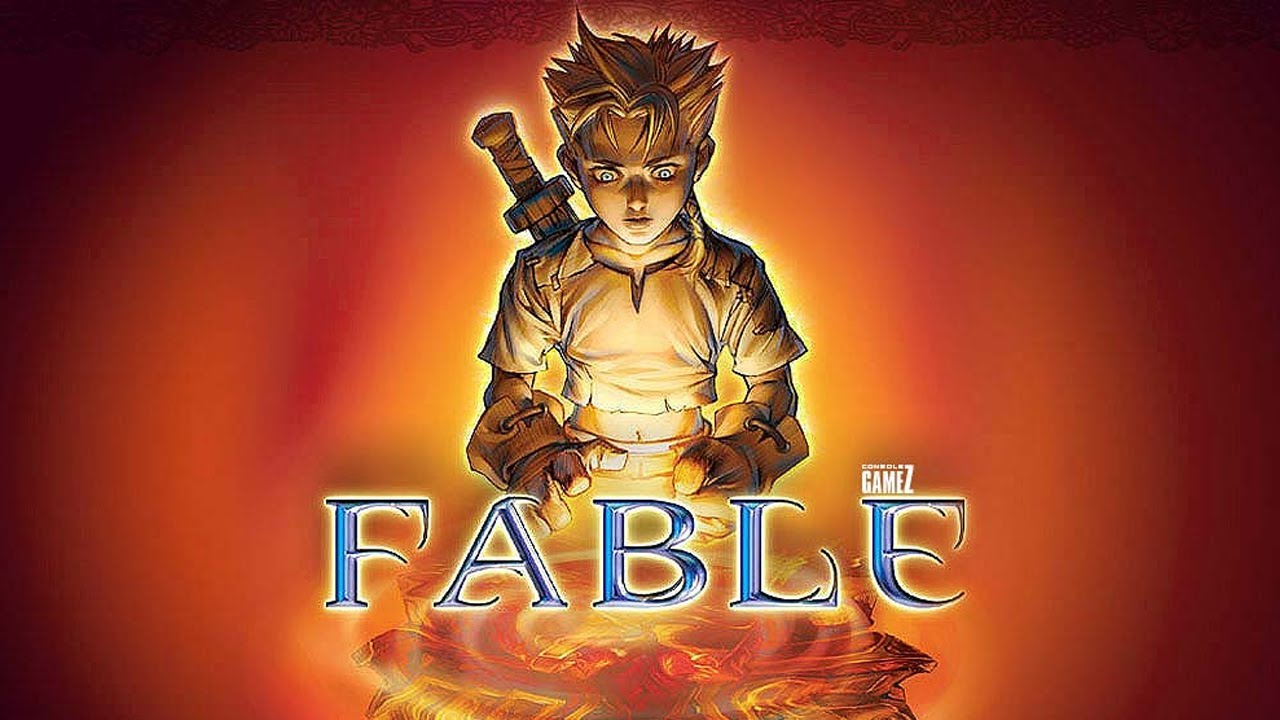
The Balverines are werewolf like creatures that are revealed to be humans who have been infected by a bite. This human origin adds a layer of tragedy to the enemies as players realize they were once innocent villagers. The lore explores the history of the first Balverine and the curse that spread through the land of Albion. Community debates often focus on the morality of hunting creatures that were once human.
‘Pikmin’ (2001)
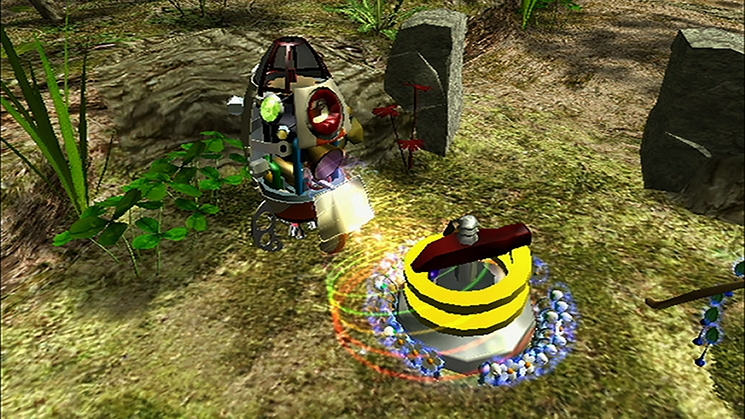
The various creatures on the planet are initially seen as simple predators for the Pikmin to overcome. Scientific notes from the protagonists provide a detailed biological context for each species and their place in the ecosystem. This framing shifts the perception of the monsters from villains to natural animals acting on instinct. Fans discuss the ecological balance of the planet and the impact of the player’s presence on the local wildlife.
‘Monster Hunter World’ (2018)
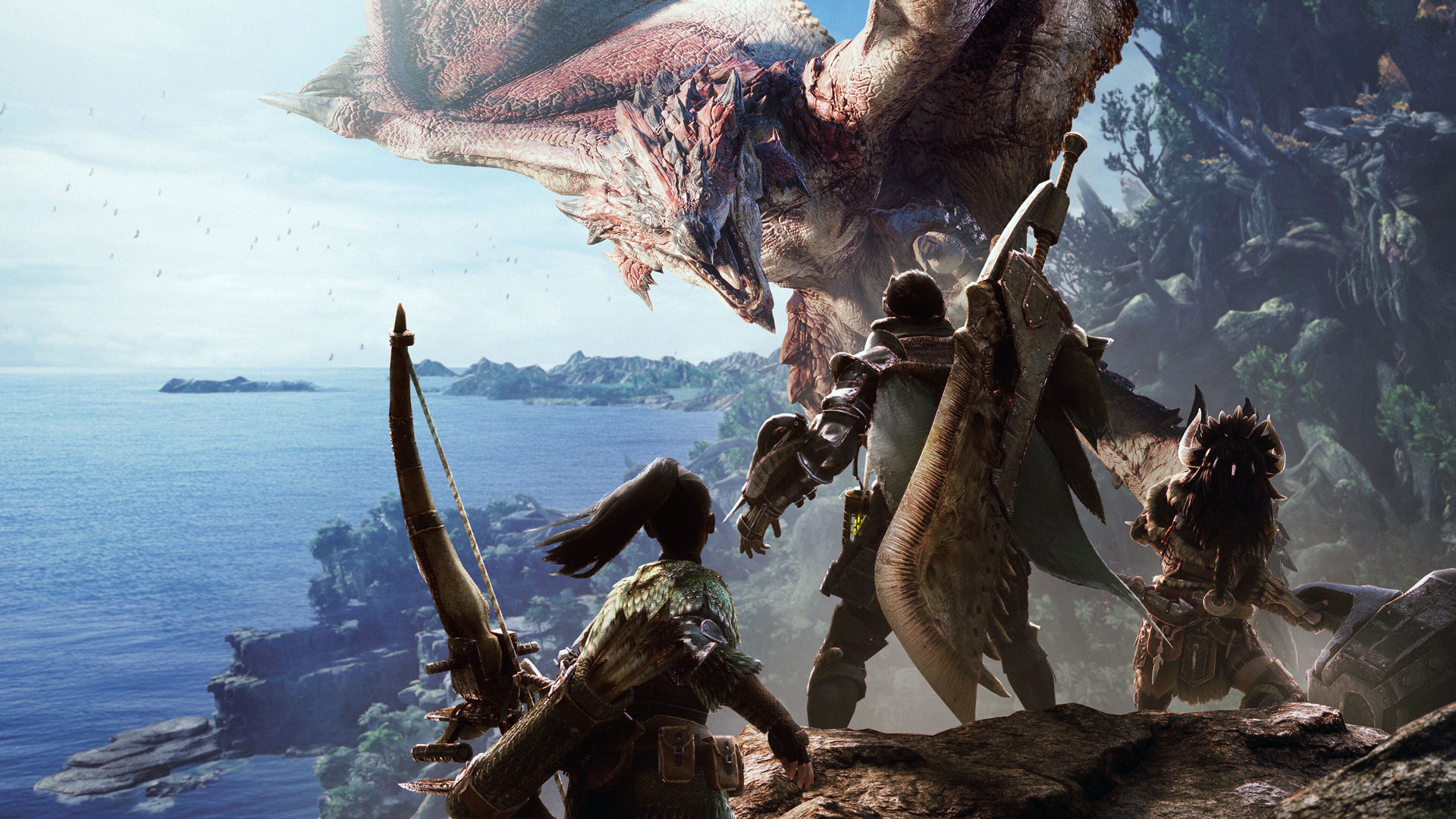
The Elder Dragons are depicted as forces of nature that can cause environmental catastrophes simply by existing. The narrative explores the Elder Crossing and the natural lifecycle of these massive creatures. This perspective shifts the hunt from a quest for glory to a necessary action to protect the ecological balance. Players debate the ethics of hunting such magnificent and ancient beings for research and safety.
‘Dead Space’ (2008)

The Necromorphs are horrific creatures created from the reanimated corpses of the crew of the Ishimura. The discovery of the Marker reveals that this transformation is part of a plan by an alien intelligence to converge all life. This turns the body horror into a cosmic threat that targets the very essence of humanity. Discussions often focus on the religious zealotry of the Unitologists and their role in the outbreak.
‘Silent Hill 2’ (2001)
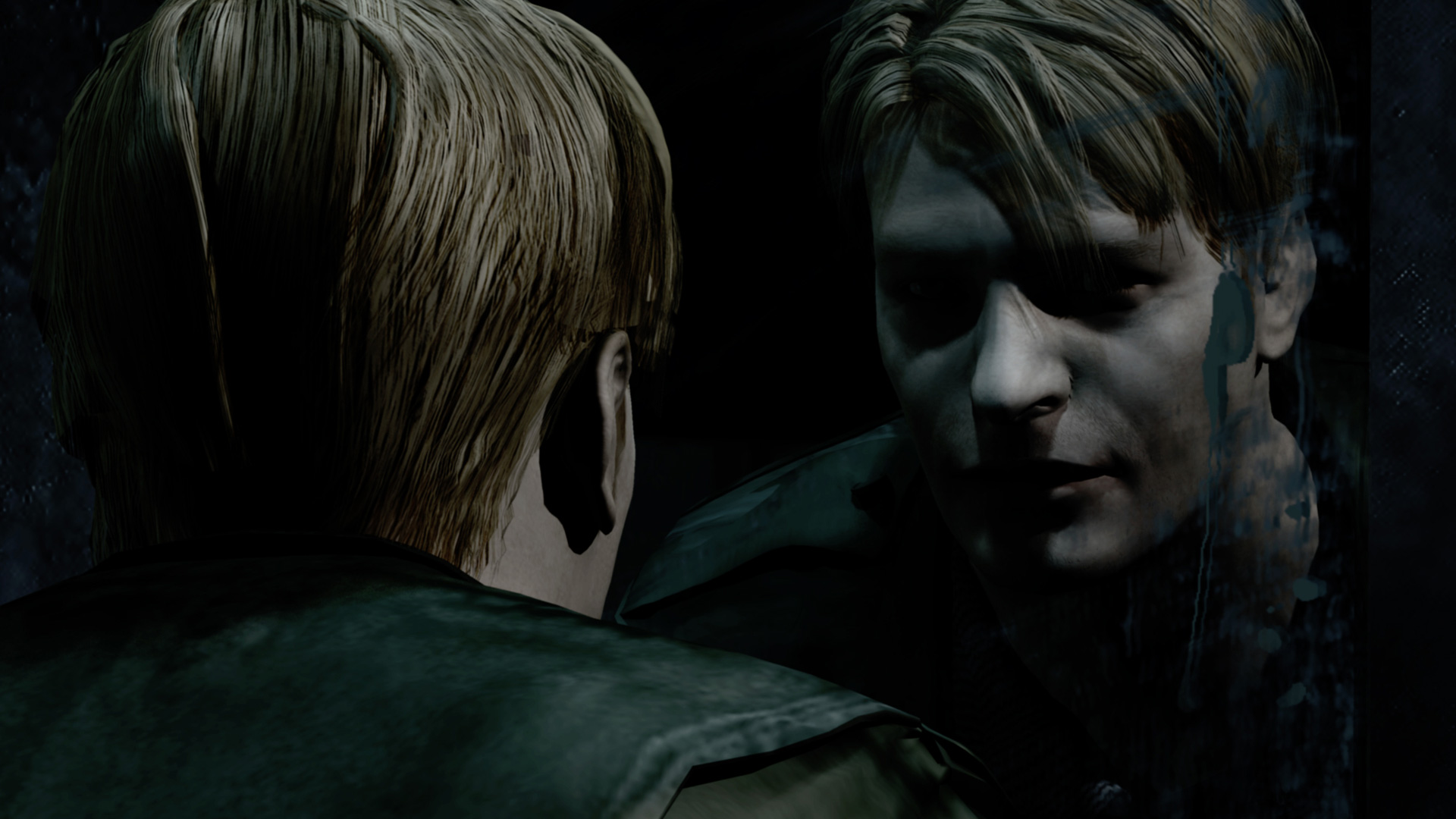
The monsters in the town are revealed to be psychological manifestations of the protagonist and his personal guilt. This revelation changed the perception of the creatures from simple horror enemies to symbolic representations of internal trauma. Fans spend significant time analyzing the design of each monster to uncover their specific narrative meanings. This shift moved the franchise away from traditional cult based horror toward a character focused experience.
‘Batman Arkham City’ (2011)
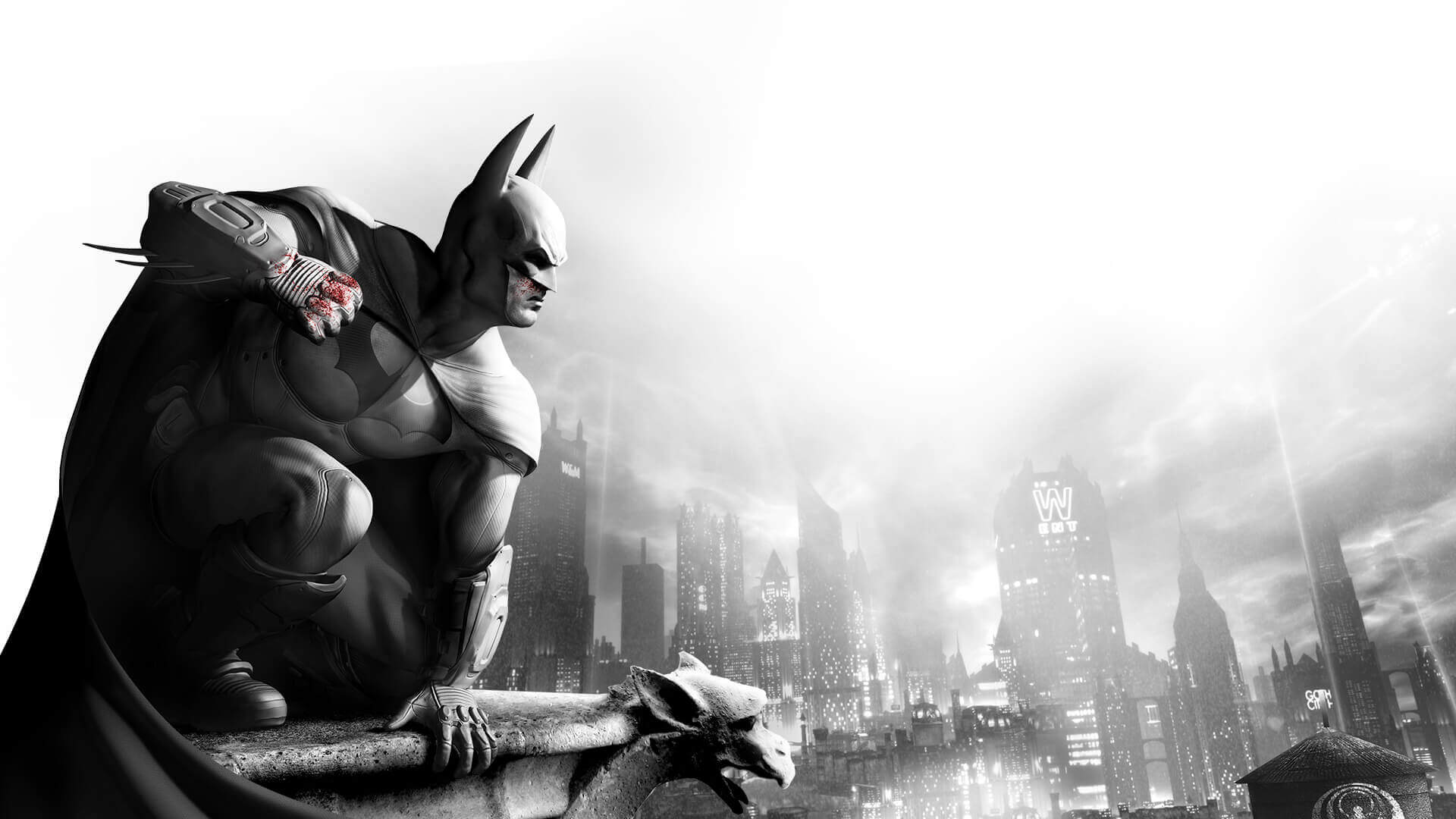
The Tyger Guards are a private security force that enforces the order within the massive prison city. It is eventually revealed that they are being brainwashed and controlled through psychological conditioning. This revelation turns the faceless soldiers into victims of the primary antagonist’s grand plan. Players often discuss the ethical implications of the privatization of law enforcement and the loss of individual autonomy.
‘Dragon Age II’ (2011)
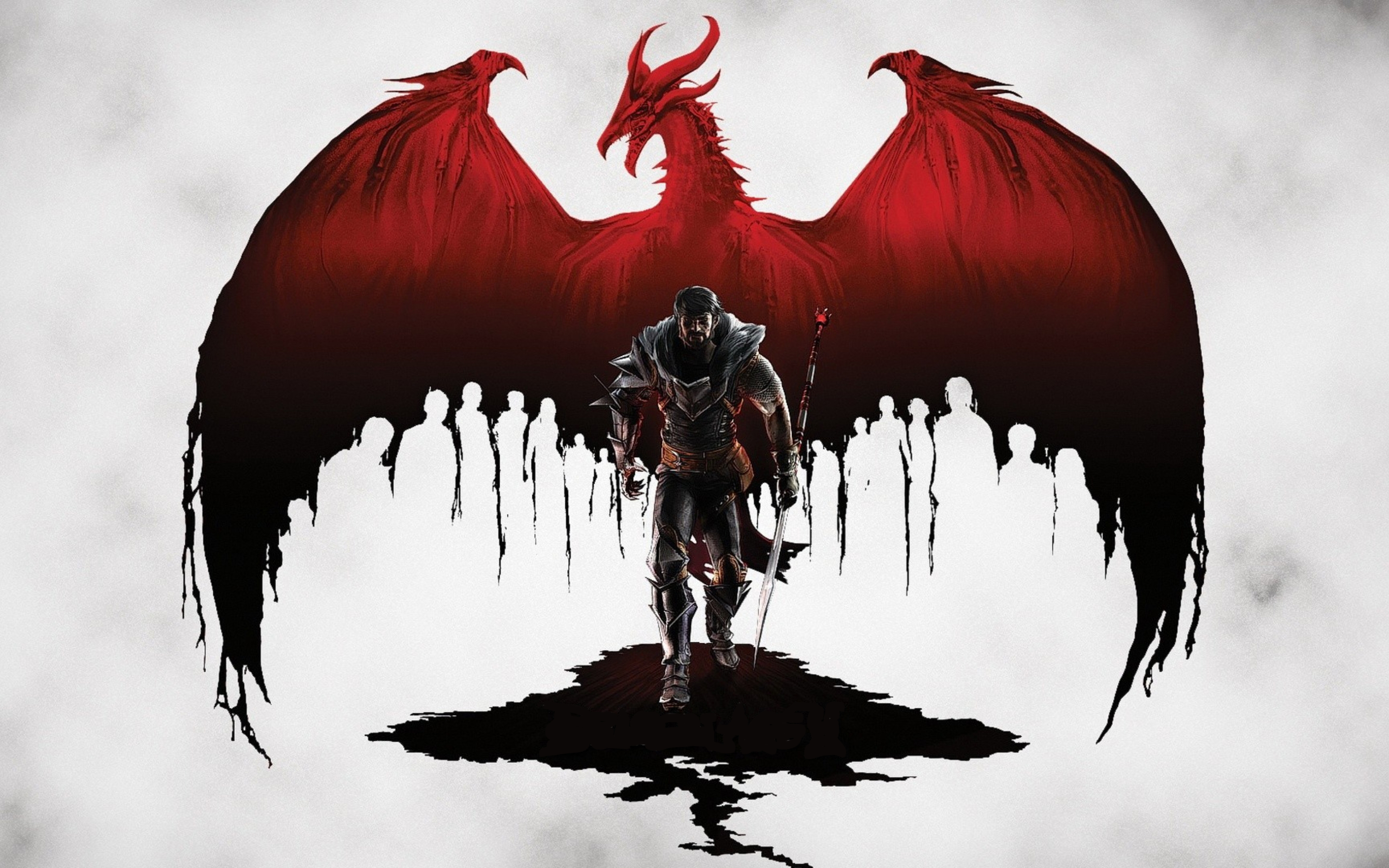
The Qunari are a race with a rigid social and religious structure that often brings them into conflict with the rest of the world. Through the character of the Arishok the player learns about the philosophical foundations of their society. This nuanced portrayal shows that their actions are driven by a strict moral code rather than simple malice. Fans debate the merits of the Qun versus the chaotic freedom of the other nations in Thedas.
‘Legacy of Kain Soul Reaver’ (1999)
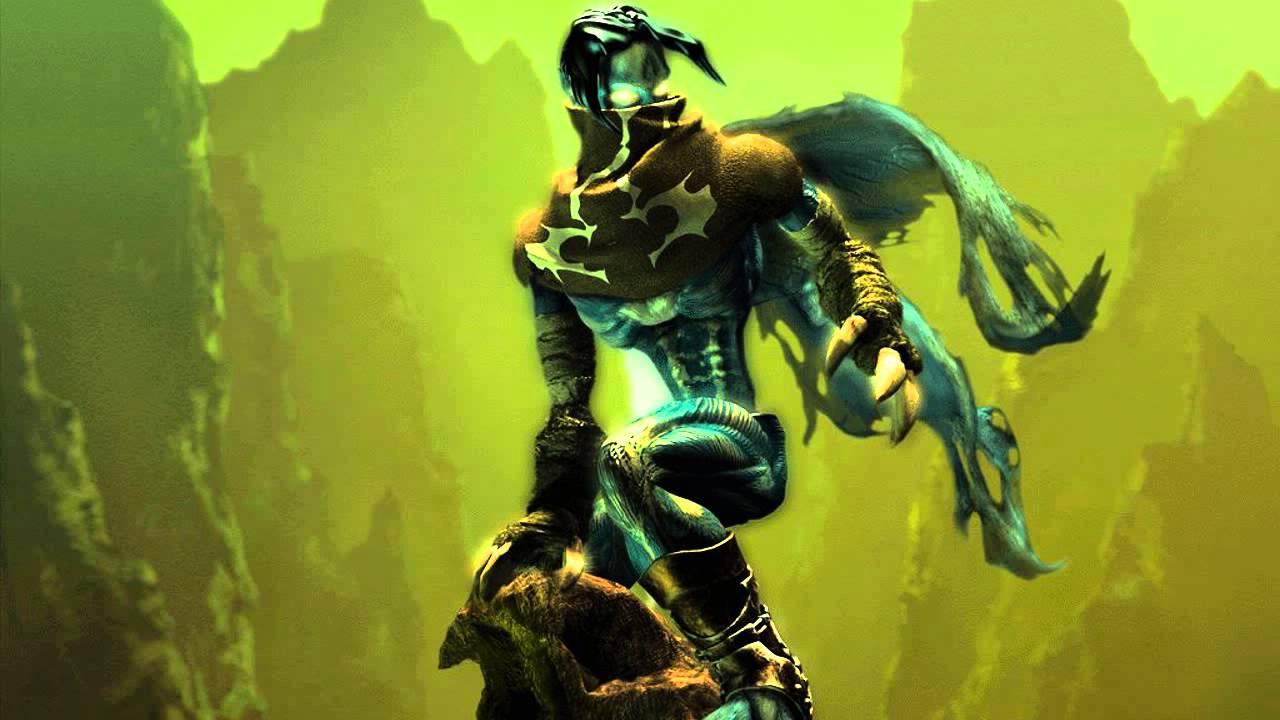
The vampires in this world are depicted as a ruling class that has fallen into evolutionary decay. Raziel is a former vampire lieutenant who is resurrected to take revenge on his creator Kain. The narrative explores the tragic history of the vampire race and their role in the fate of Nosgoth. Community discussions often center on the complex motivations of Kain and whether he is a villain or a misunderstood savior.
Share your favorite examples of villainous races that turned out to be misunderstood in the comments.