

Games That Defined An Era Of Gaming




Video games have evolved from simple pixelated pastimes into a dominant global medium that shapes modern culture and entertainment. Throughout the decades, specific titles have emerged that fundamentally altered the industry’s trajectory through technological innovation, narrative depth, or revolutionary design. These landmark releases did not just achieve commercial success; they established new genres and set the standards for every developer that followed. By examining these pivotal games, one can trace the growth of the medium from the first arcade cabinets to the expansive digital worlds of today.
‘Pong’ (1972)

Released and developed by Atari, ‘Pong’ is widely credited as the first commercially successful video game in history. This simple table tennis simulation proved that electronic entertainment could be a profitable venture in both arcades and the home market. Its massive success launched the nascent video game industry and established Atari as a dominant force during the 1970s. The game’s intuitive mechanics and competitive nature laid the groundwork for the generations of sports titles that followed.
‘Space Invaders’ (1978)
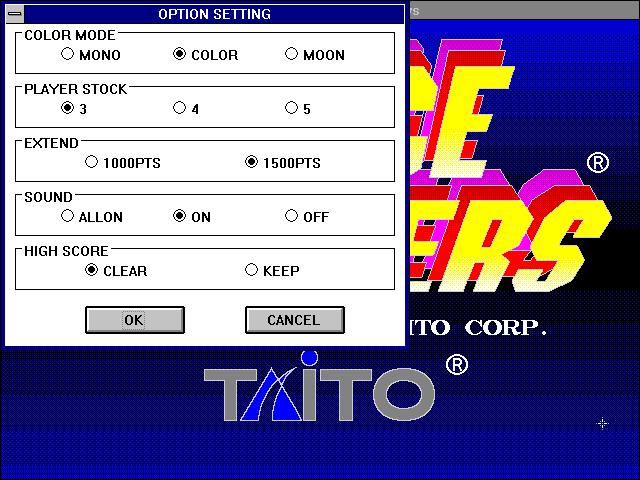
Developed by Taito and released in North America by Midway, ‘Space Invaders’ triggered a cultural phenomenon that revitalized the arcade scene. The title introduced the concept of the high score and utilized a difficulty curve that increased as the screen cleared of enemies. It was instrumental in moving video games from a niche hobby to a mainstream global industry, reportedly causing a coin shortage in Japan. The alien iconography remains one of the most recognizable and enduring symbols in gaming history.
‘Pac-Man’ (1980)
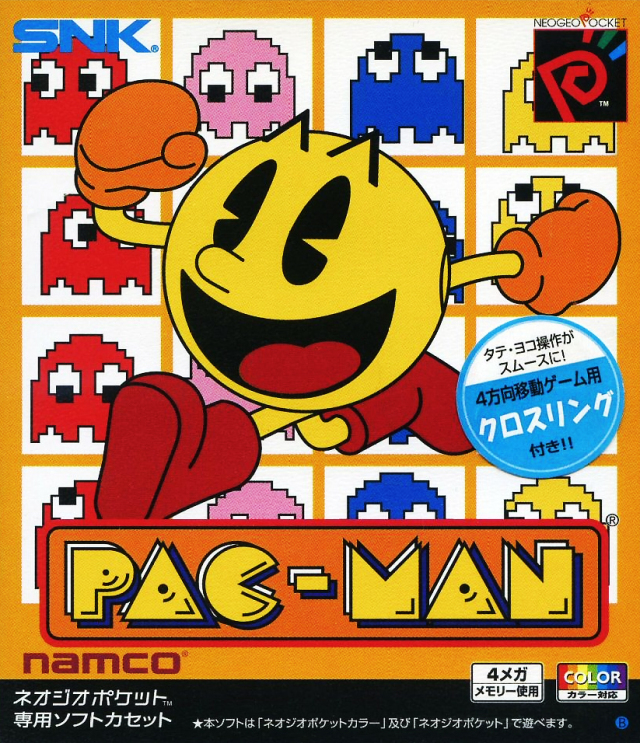
Namco developed this maze-based title, which was subsequently released in the United States by Midway. ‘Pac-Man’ broke the mold of contemporary shooters by focusing on a character-driven experience that appealed to a broad demographic, including women and children. It introduced the first recognizable gaming mascot and generated a massive wave of merchandising known as “Pac-Mania.” The game’s design emphasized pattern recognition and evasion, cementing its place as a permanent fixture in popular culture.
‘Super Mario Bros.’ (1985)
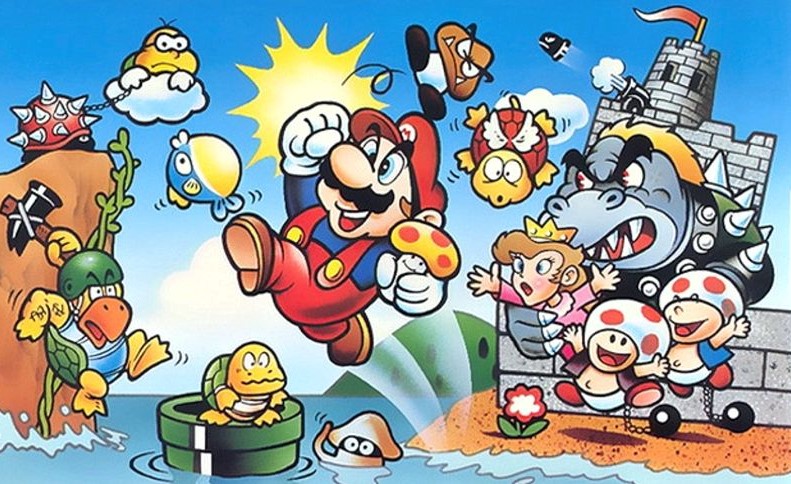
Nintendo developed and released ‘Super Mario Bros.’ for the Nintendo Entertainment System, effectively saving the North American home console market after the 1983 industry crash. The game defined the side-scrolling platformer genre with its precise controls, vibrant graphics, and imaginative world design. It introduced players to the Mushroom Kingdom and established Mario as the face of the brand for decades to come. The title’s intricate level design and hidden secrets set a gold standard for home console experiences.
‘The Legend of Zelda’ (1986)
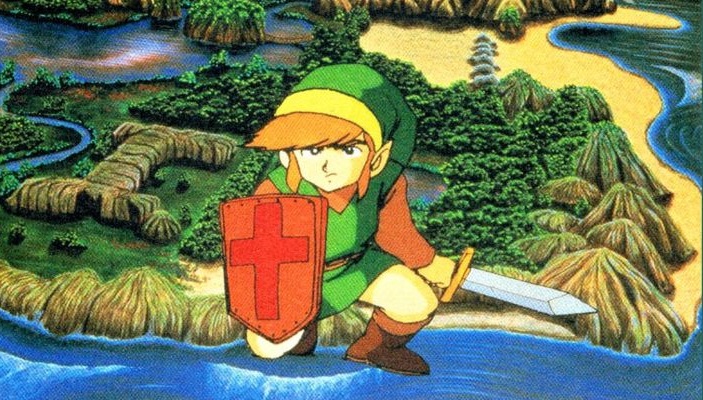
Developed and published by Nintendo, ‘The Legend of Zelda’ introduced the concept of non-linear exploration and progress saving on a home console. Players were given the freedom to explore the land of Hyrule and tackle dungeons in a non-prescribed order, emphasizing discovery over linear progression. This title pioneered the action-adventure genre by blending combat, puzzle-solving, and role-playing elements into a single package. Its battery-backed save feature allowed for a much deeper and more expansive quest than previous arcade-style games.
‘Tetris’ (1984)

Created by Soviet researcher Alexey Pajitnov and popularized globally through its release on the Nintendo Game Boy in 1989, ‘Tetris’ is often cited as the perfect puzzle game. The title demonstrated that addictive gameplay did not require complex graphics or a narrative structure to captivate a global audience. Its widespread availability on various platforms made it a universal success that transcended age, gender, and regional boundaries. The game’s simple mechanics of rotating falling blocks to clear lines remain virtually unchanged in modern iterations.
‘Doom’ (1993)

Developed and published by id Software, ‘Doom’ revolutionized the first-person shooter genre with its fast-paced action and advanced 3D graphics for its time. It popularized multiplayer “deathmatch” gaming and the use of user-created “mods,” which allowed players to customize and expand their own experiences. The game’s distribution as shareware helped it reach millions of computers worldwide, establishing it as a technological benchmark for the PC platform. ‘Doom’ influenced nearly every shooter that followed and became a focal point for discussions regarding video game violence.
‘Super Mario 64’ (1996)

Nintendo developed and released ‘Super Mario 64’ as a launch title for the Nintendo 64, providing the essential blueprint for 3D movement in games. It introduced a dynamic camera system and an analog control scheme that allowed for fluid navigation in a three-dimensional space. The open-ended nature of the Peach’s Castle hub world encouraged exploration and experimentation rather than strictly linear progression. This title proved that traditional 2D franchises could successfully transition into the third dimension without losing their core appeal.
‘Final Fantasy VII’ (1997)

Developed and published by Square, ‘Final Fantasy VII’ brought the Japanese role-playing game genre to the global mainstream. Utilizing the storage capacity of the PlayStation’s CD-ROM format, it featured cinematic pre-rendered backgrounds and high-quality CGI cutscenes that were revolutionary at the time. The game’s complex narrative and mature themes resonated with a wide audience, moving the genre away from its niche status in the West. It remains a landmark for storytelling and technical ambition in the 32-bit era.
‘The Legend of Zelda: Ocarina of Time’ (1998)

This Nintendo-developed title for the Nintendo 64 is often cited as one of the greatest games ever made due to its pioneering design elements. It introduced the “Z-targeting” lock-on system, which solved the inherent difficulty of managing combat and camera angles in 3D environments. The game’s sprawling world and time-traveling narrative offered a level of immersion that was unprecedented during the late nineties. Its influence can be seen in the control schemes and environmental storytelling of nearly every modern action-adventure game.
‘Metal Gear Solid’ (1998)

Developed and published by Konami, ‘Metal Gear Solid’ redefined the stealth genre and elevated cinematic storytelling in video games. Directed by Hideo Kojima, the title used long cutscenes and intricate voice acting to deliver a complex political thriller through the PlayStation hardware. It utilized the environment to create interactive scenarios where players were encouraged to avoid detection rather than engage in direct combat. The game’s fourth-wall-breaking moments and psychological depth set a new standard for narrative maturity in the medium.
‘Grand Theft Auto III’ (2001)

Developed by DMA Design and published by Rockstar Games, this title popularized the “open-world” or “sandbox” genre for a new generation. It transitioned the series from a top-down perspective to a fully realized 3D city that players could explore freely at their own pace. The game gave players unprecedented freedom to interact with the environment and choose their own activities between story missions. Its success led to a massive shift in industry focus toward expansive, non-linear game worlds.
‘Halo: Combat Evolved’ (2001)

Developed by Bungie and published by Microsoft, ‘Halo: Combat Evolved’ proved that first-person shooters could work effectively and intuitively on home consoles. It introduced a streamlined control scheme and a recharging health mechanic that quickly became industry standards for the shooter genre. The game’s robust multiplayer mode and epic science-fiction narrative helped establish the Xbox as a serious competitor in the console market. Its impact on console gaming culture and online play through later entries in the series cannot be overstated.
‘World of Warcraft’ (2004)

Developed and published by Blizzard Entertainment, ‘World of Warcraft’ brought the Massively Multiplayer Online Role-Playing Game genre to millions of people worldwide. It streamlined the complex mechanics of earlier MMOs, making the experience more accessible to casual players without sacrificing depth. The game became a massive cultural phenomenon, boasting millions of active subscribers and creating a vast social ecosystem that lasted for decades. Its success shaped the future of live-service games and online community engagement.
‘Wii Sports’ (2006)

Nintendo developed and published ‘Wii Sports’ to showcase the unique motion-control capabilities of the Wii console. By using the Wii Remote to mimic real-world movements, the game appealed to non-gamers and older demographics, significantly expanding the industry’s reach. It became one of the best-selling games of all time and kicked off a significant trend of motion-controlled gaming across the industry. The title’s accessibility proved that simple, intuitive interfaces could drive massive hardware sales and cultural relevance.
‘Call of Duty 4: Modern Warfare’ (2007)

Developed by Infinity Ward and published by Activision, this title shifted the series from World War II to a contemporary setting. It introduced a revolutionary multiplayer progression system featuring “perks” and “killstreaks” that rewarded consistent player performance. The cinematic single-player campaign and addictive online component set the template for the modern military shooter. This game turned ‘Call of Duty’ into an annual blockbuster franchise and a cornerstone of competitive online gaming.
‘Minecraft’ (2011)

Created by Markus Persson and developed by Mojang, ‘Minecraft’ redefined the concept of emergent gameplay and player creativity. The game’s infinite procedurally generated world allows players to build almost anything using textured cubes in a 3D environment. It became a global phenomenon without the backing of a major publisher initially, highlighting the rising power of independent development. ‘Minecraft’ has since become a vital educational tool and currently stands as the best-selling video game in history.
‘Dark Souls’ (2011)

Developed by FromSoftware and published by Bandai Namco, ‘Dark Souls’ sparked a resurgence of high-difficulty games and environmental storytelling. Its punishing combat and intricate, interconnected world design challenged the prevailing trend of “hand-holding” in modern titles. The game’s “Souls-like” subgenre has since become a major industry staple, influencing the design of dozens of other titles. Its unique asynchronous multiplayer and cryptic lore encouraged deep community collaboration and analysis.
‘The Legend of Zelda: Breath of the Wild’ (2017)
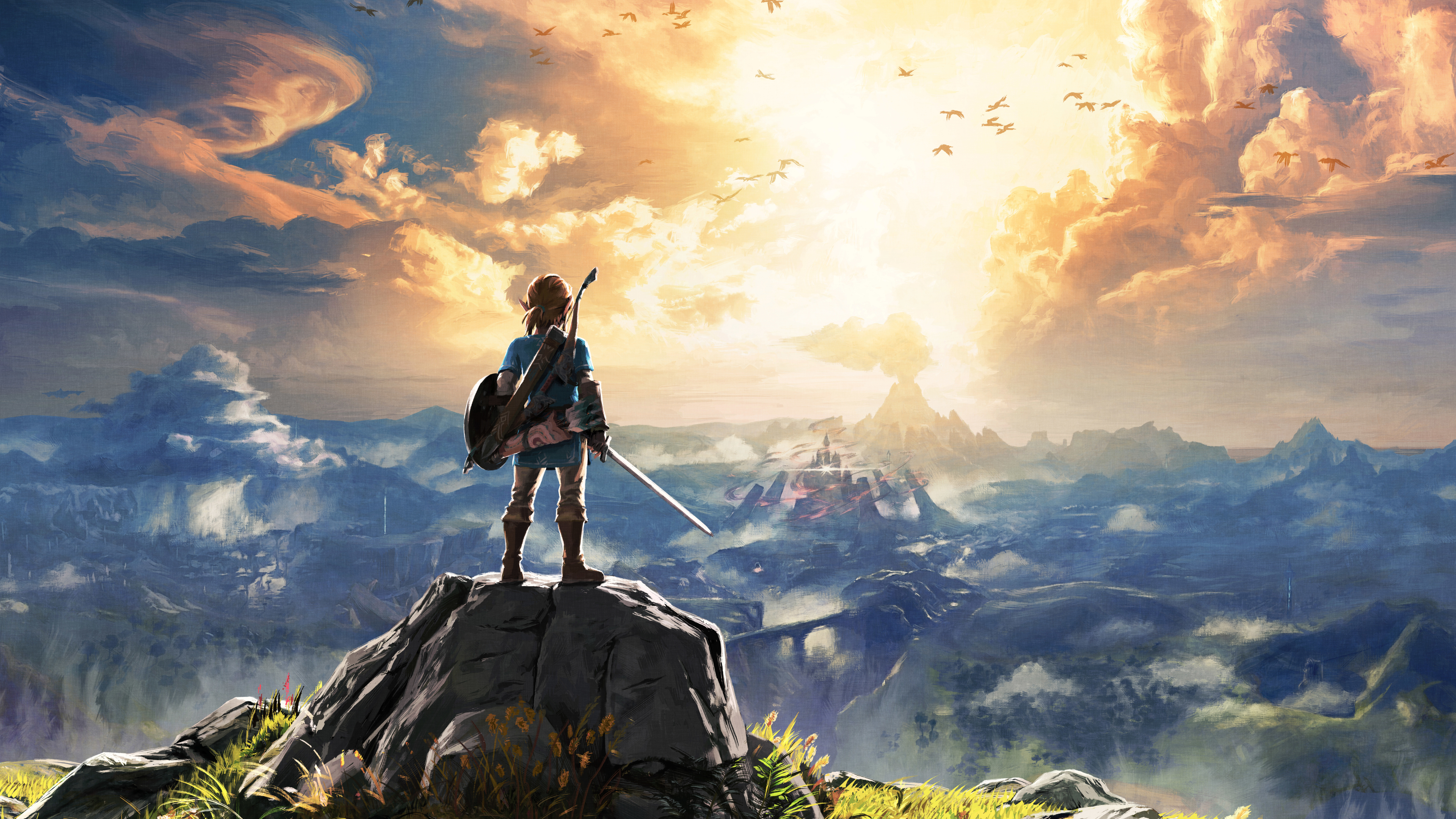
Developed and published by Nintendo, this title reinvented the open-world genre with its physics-based “chemistry engine” and total player freedom. It removed traditional quest markers and mandatory tutorials, encouraging players to experiment with the game’s systems to solve problems. The vast, seamless landscape of Hyrule offered a sense of discovery that many critics felt had been lost in more scripted open-world games. Its design philosophy has significantly influenced the development of numerous subsequent adventure titles.
‘Fortnite’ (2017)

Developed and published by Epic Games, ‘Fortnite’—specifically its “Battle Royale” mode—transformed the gaming landscape through its free-to-play model and cross-platform accessibility. It popularized the “Battle Pass” monetization system, which has since been adopted by almost every major live-service title. The game’s frequent content updates, in-game concerts, and massive cultural collaborations turned it into a digital social hub. It remains a dominant force in the industry, bridging the gap between gaming and mainstream entertainment media.
Share which of these titles most defined your own personal history with gaming in the comments.