

Games That Explored Forgiveness Themes in Villain Arcs

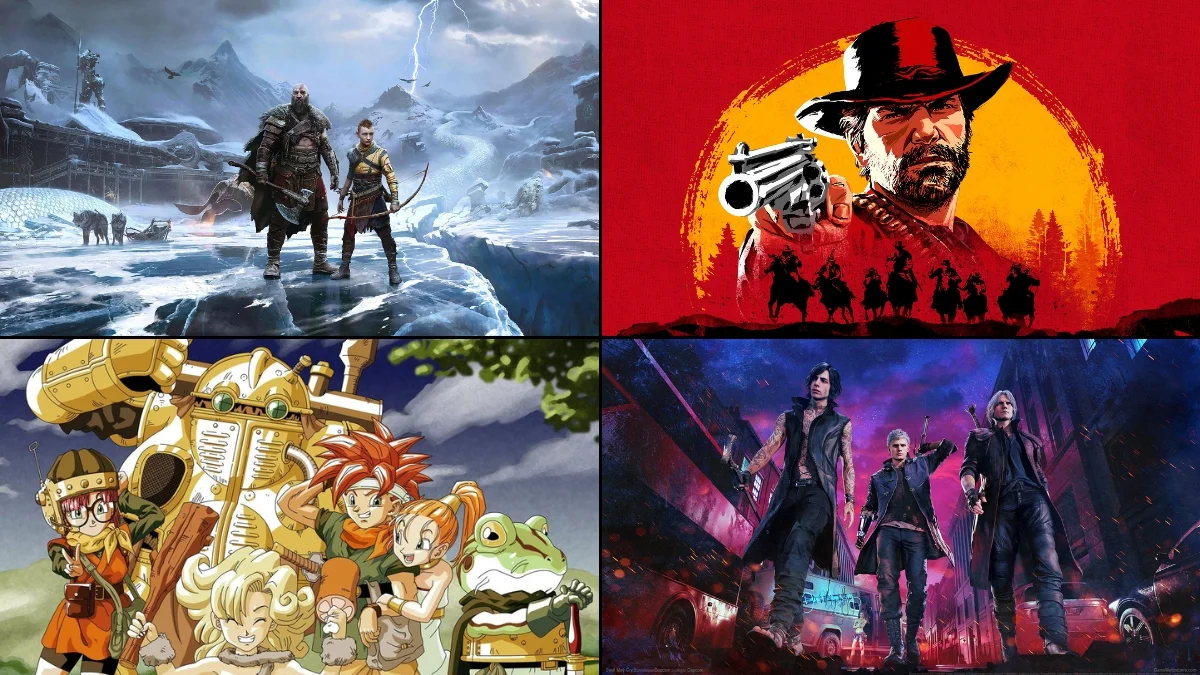


Video games frequently use the interactive medium to explore complex human emotions, with forgiveness often serving as a pivotal narrative hook. These stories often challenge players to look past the initial transgressions of an antagonist to understand the underlying trauma or logic driving their actions. By shifting perspectives or offering branching paths, developers allow players to witness the evolution of characters from villains to allies or tragic figures worthy of mercy. The following titles highlight how forgiveness can reshape a game’s world and its characters’ fates.
‘The Last of Us Part II’ (2020)
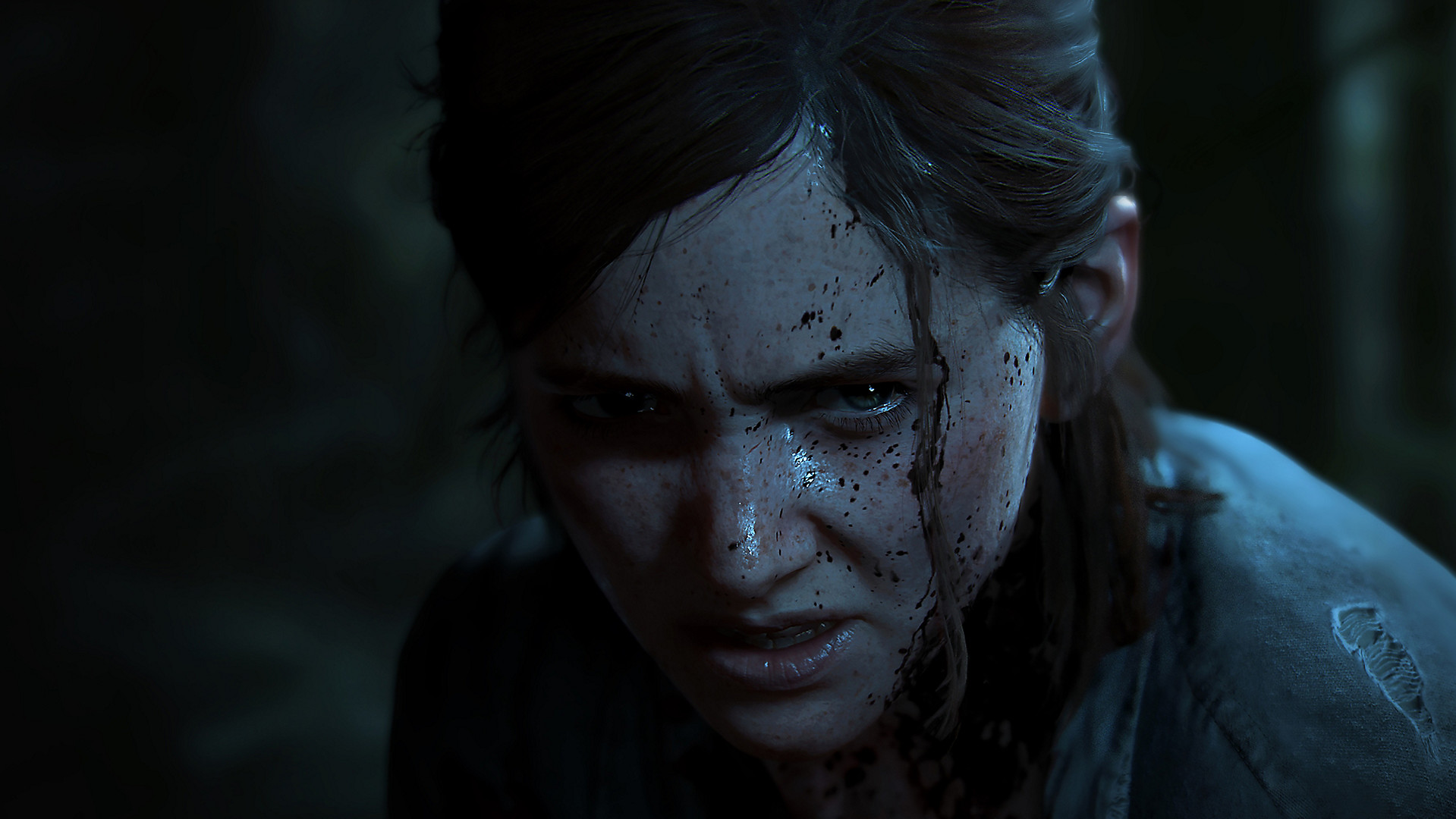
In ‘The Last of Us Part II’, developed by Naughty Dog and published by Sony Interactive Entertainment, the narrative centers on the cycle of violence between Ellie and Abby. Abby begins as the primary antagonist after killing Joel, but the game shifts perspectives to humanize her motivations and losses. The climax forces Ellie to confront her grief and decide whether to exact final revenge or find the strength to let go. This title explores the psychological toll of hatred and the difficult path toward internal peace.
‘God of War Ragnarök’ (2022)
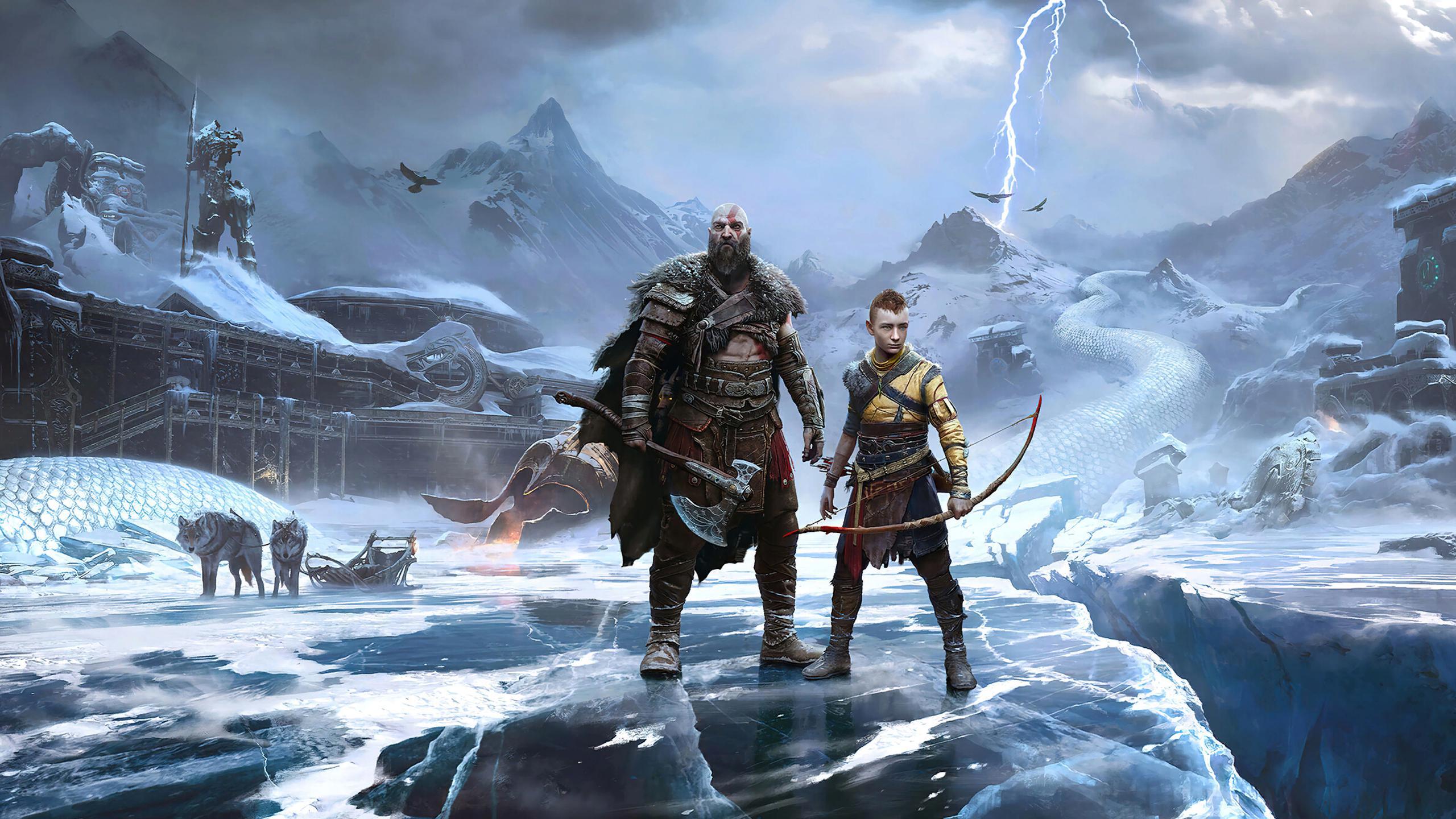
Santa Monica Studio and Sony Interactive Entertainment released ‘God of War Ragnarök’, which features a complex arc for the character Freya. Initially seeking vengeance against Kratos for the death of her son, Baldur, she eventually chooses to ally with him to face the greater threat of Odin. The game also examines the potential for redemption in Thor, a character long defined by his violent service to the All-Father. Forgiveness becomes a central mechanic for breaking generational cycles of trauma.
‘Undertale’ (2015)
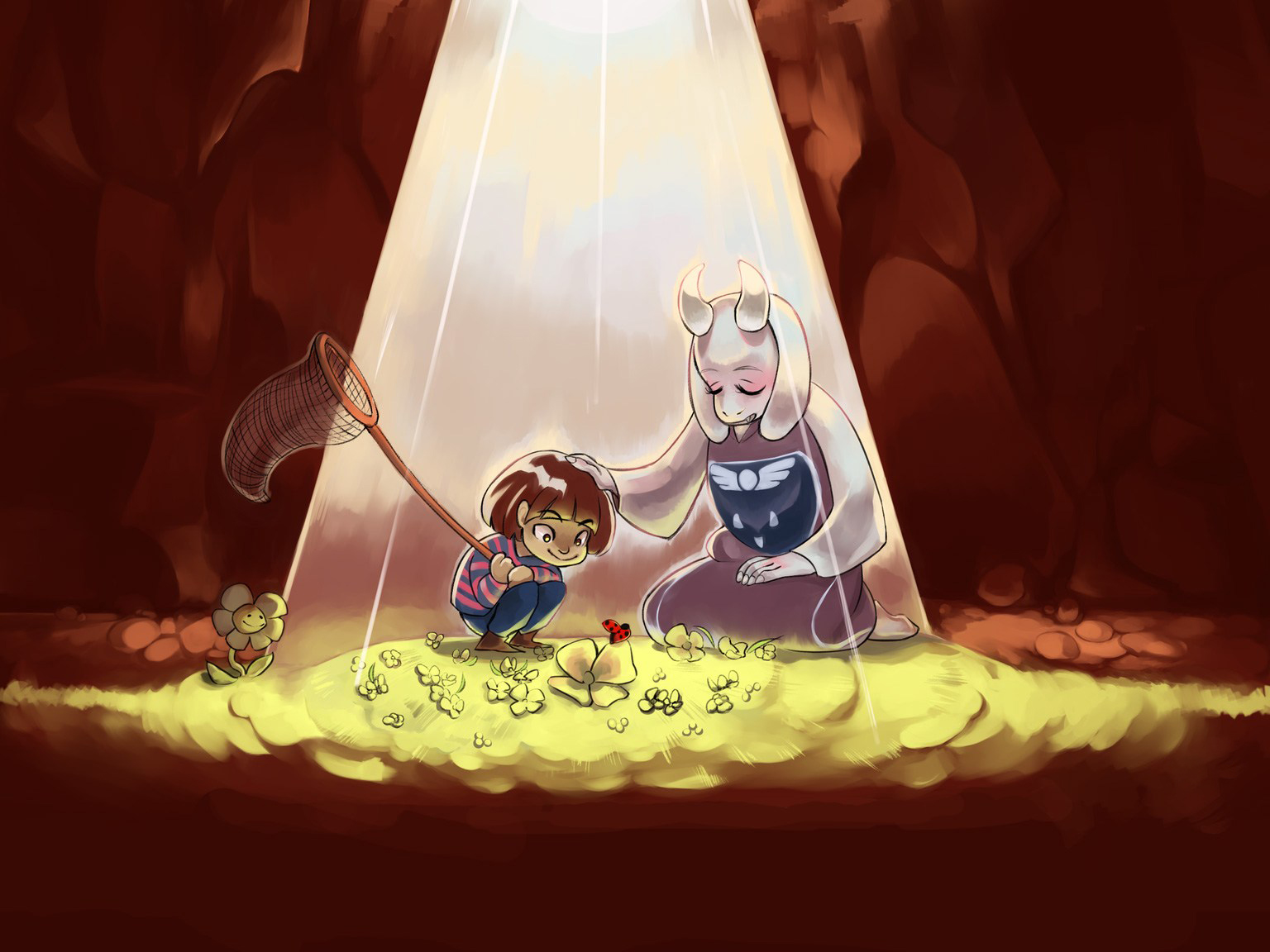
‘Undertale’, an independent title created and published by Toby Fox, offers players the choice to navigate the entire game through non-violent means. The narrative culminates in the discovery of Asriel Dreemurr’s history, a character whose tragic transformation led to the game’s central conflict. Players must choose whether to offer comfort and forgiveness to a figure who caused immense suffering throughout the Underground. This mechanic directly impacts the ending, emphasizing the power of empathy over combat.
‘Red Dead Redemption 2’ (2018)
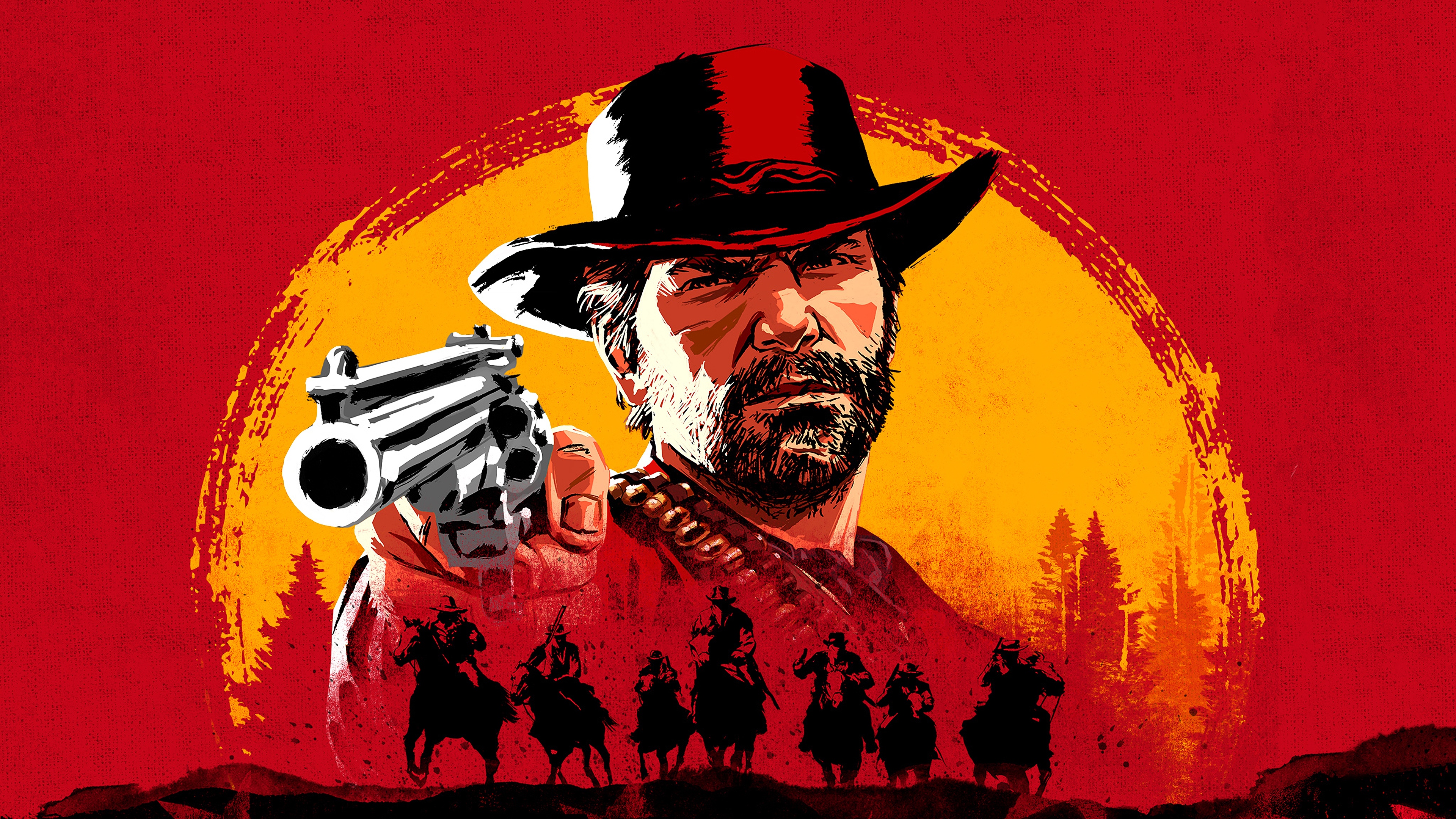
Developed and published by Rockstar Games, ‘Red Dead Redemption 2′ follows Arthur Morgan as he grapples with his history as a violent enforcer for the Van der Linde gang. As Arthur’s health declines, he seeks to make amends for his past actions by helping those he previously harmed. The story explores themes of self-forgiveness and the possibility of finding peace before death. Players’ choices influence Arthur’s honor level, which dictates the final resolution of his redemptive arc.
‘Mass Effect 3’ (2012)
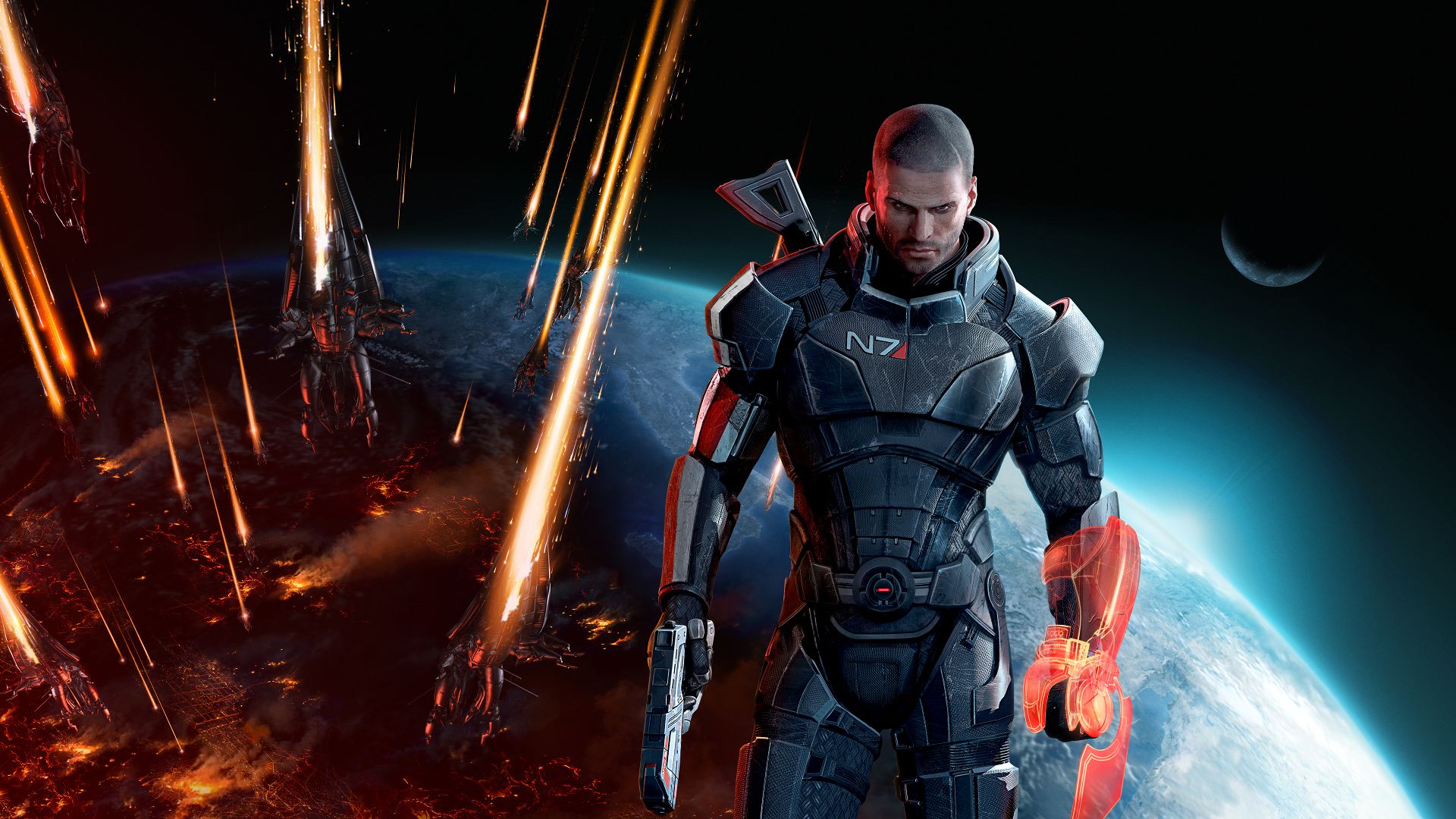
‘Mass Effect 3’, developed by BioWare and published by Electronic Arts, features a long-standing conflict between the Quarians and the Geth. The Geth, initially presented as a monolithic antagonist force, are revealed to have a complex history of seeking self-determination rather than conquest. Through the character Legion, players are given the opportunity to negotiate a peace treaty and forgive centuries of war. This decision requires the player to reconcile the past to ensure a collaborative future against the Reapers.
‘Devil May Cry 5’ (2019)
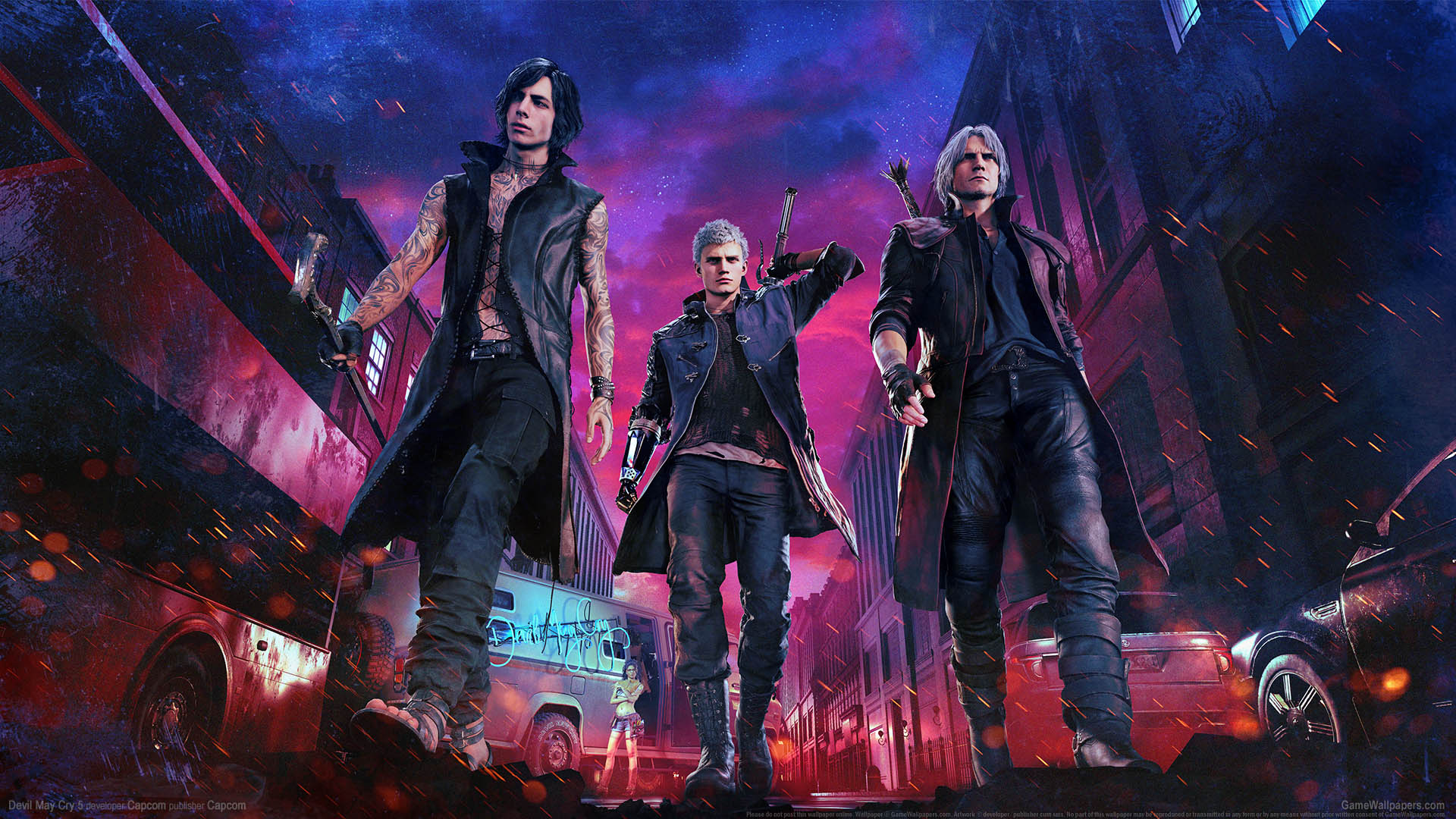
Published and developed by Capcom, ‘Devil May Cry 5’ explores the fractured identity of Vergil, the recurring rival and brother of the protagonist Dante. After being split into two entities—the human V and the demonic Urizen—Vergil eventually regains his original form with a newfound understanding of his humanity. The game’s conclusion focuses on the brothers reconciling their differences through combat that ends in a mutual, if begrudging, acceptance. This resolution moves the series past a decades-old blood feud.
‘Halo 3’ (2007)
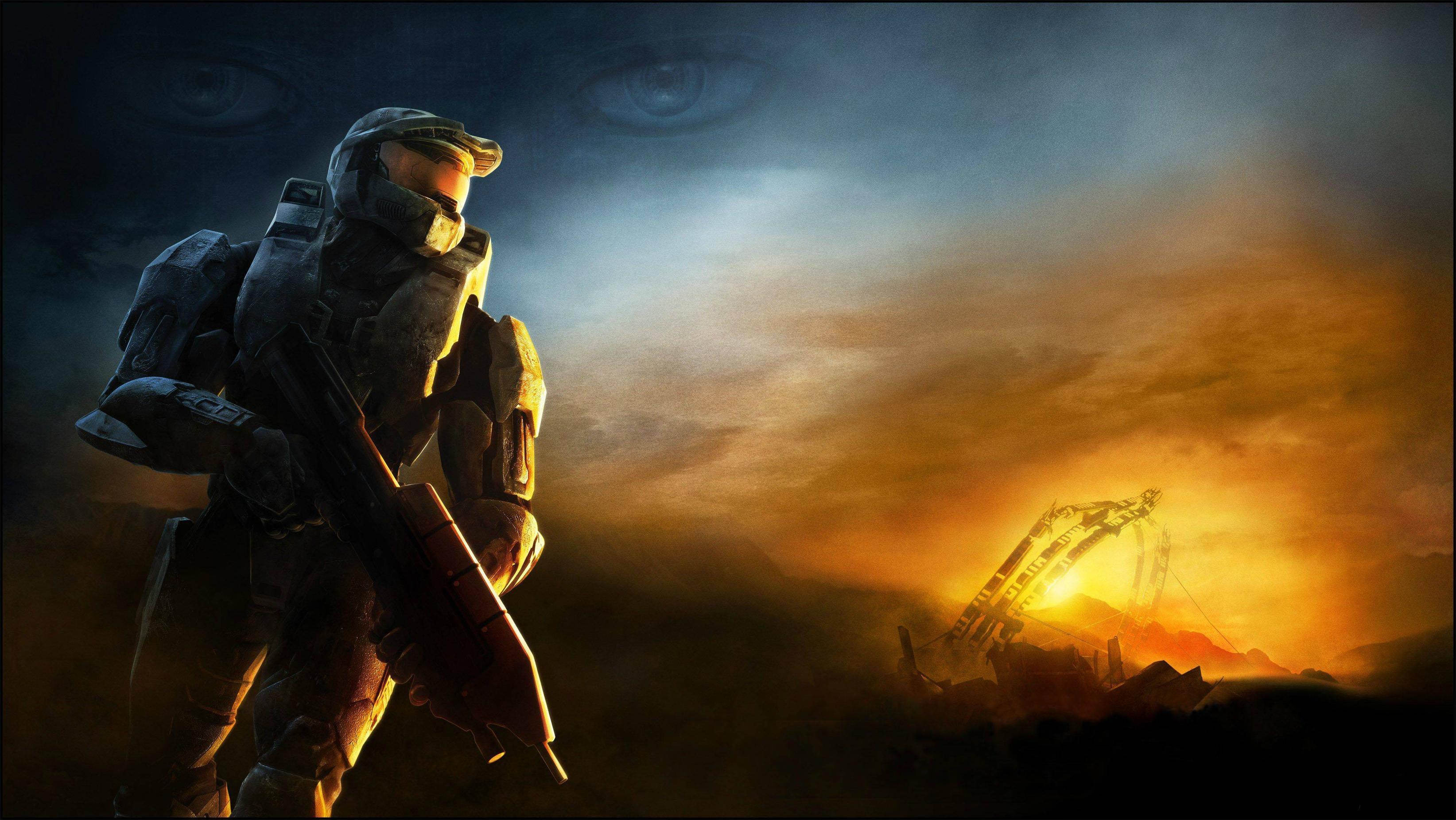
Bungie and Microsoft Game Studios concluded the original trilogy with ‘Halo 3’, which solidified the alliance between the Master Chief and the Arbiter. The Arbiter, once a high-ranking commander of the antagonistic Covenant, seeks to redeem himself after learning the truth about the Great Journey. This arc requires the human characters to forgive the former enemy who led the glassing of human colonies. The partnership between the two warriors serves as a narrative bridge for the reconciliation of their respective species.
‘Marvel’s Spider-Man: Miles Morales’ (2020)

In ‘Spider-Man: Miles Morales’, developed by Insomniac Games and published by Sony Interactive Entertainment, the protagonist faces his childhood friend, Phin Mason. Phin takes on the mantle of the Tinkerer to seek revenge against the Roxxon Corporation for the death of her brother. The narrative focuses on Miles’ attempts to reach Phin through their shared history and convince her to abandon her destructive path. The final act hinges on Phin’s realization of the harm she has caused and her ultimate sacrifice.
‘Hades’ (2020)
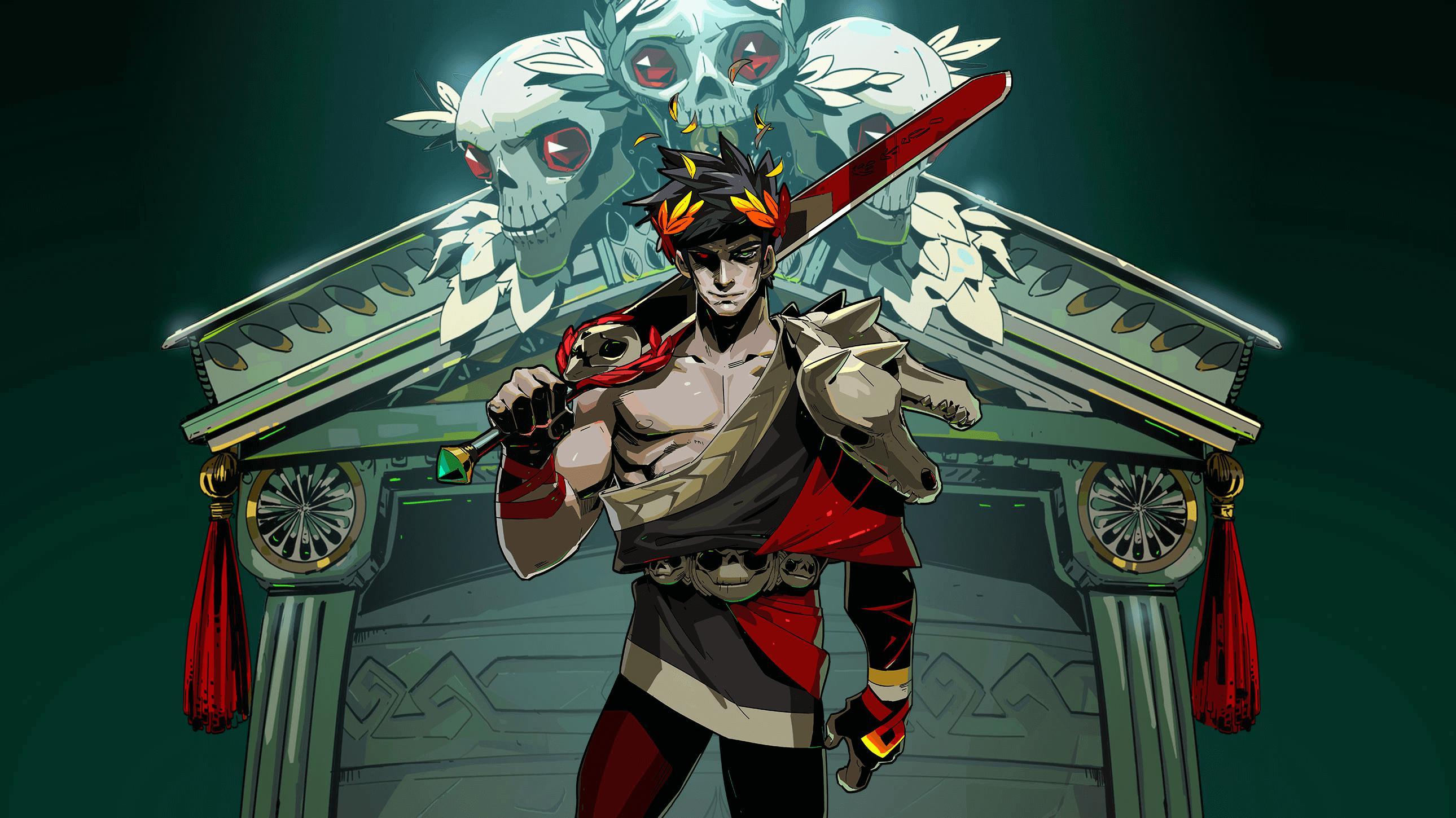
Supergiant Games released ‘Hades’, a rogue-like title that focuses on the strained relationship between Prince Zagreus and his father, the God of the Underworld. As Zagreus repeatedly attempts to escape to the surface, the narrative uncovers the reasons behind Hades’ cold demeanor and the disappearance of Persephone. The game does not end with a final defeat, but rather with a series of conversations that lead to family reconciliation. Forgiveness is treated as a gradual process necessitated by open communication and understanding.
‘Chrono Trigger’ (1995)
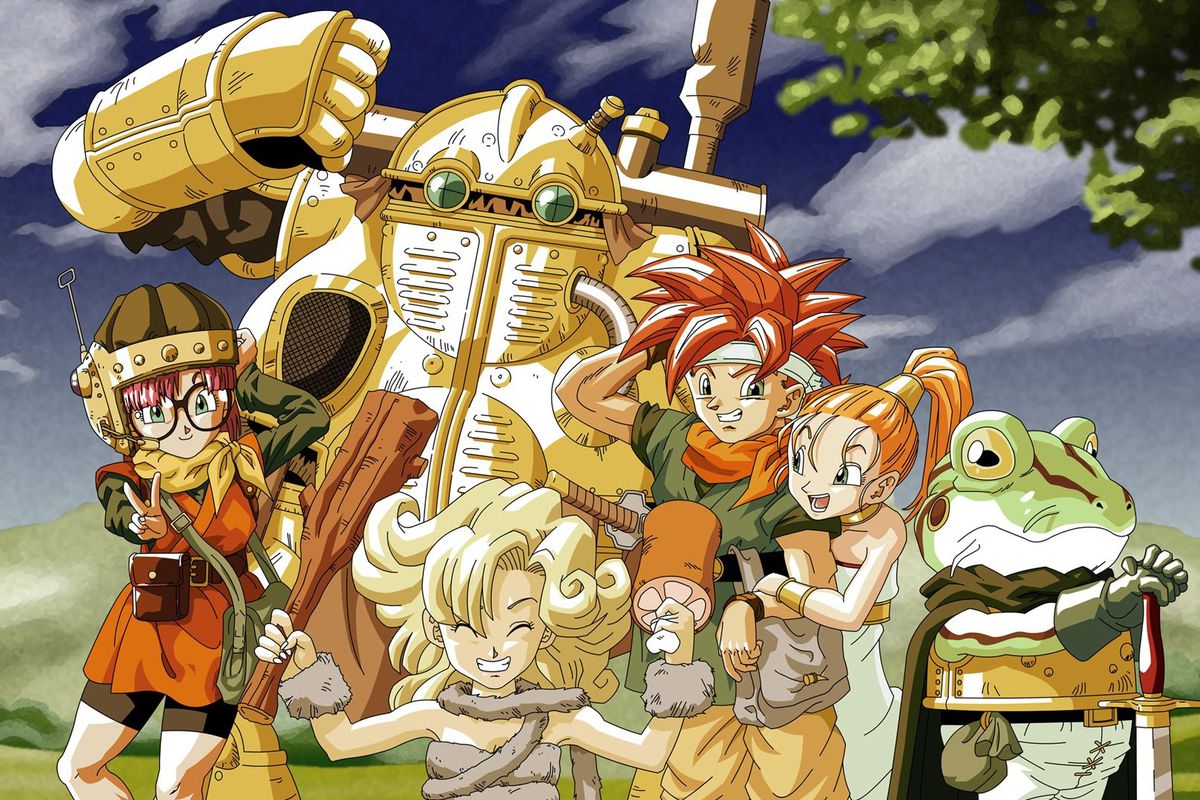
‘Chrono Trigger’, developed and published by Square, introduces Magus as a primary antagonist who seeks to summon the world-destroying Lavos. As the party travels through time, they learn of Magus’s tragic origins as Janus, a prince of the Kingdom of Zeal who lost his family. Players are given the specific choice to either execute Magus for his past crimes or allow him to join the party. Choosing to spare him allows for a unique arc where he works alongside the heroes to prevent the apocalypse.
‘Final Fantasy IV’ (1991)
Published and developed by Square, ‘Final Fantasy IV’ features the redemption arc of Cecil Harvey, a Dark Knight who begins the game carrying out morally questionable orders. Cecil must literally fight his personified darkness at Mt. Ordeals to transform into a Paladin, a process rooted in self-forgiveness and atonement. The game further extends this theme to Kain Highwind and Golbez, characters who were manipulated into committing villainous acts. The story emphasizes that individuals can overcome external control to find a path toward the light.
‘Star Wars: Knights of the Old Republic’ (2003)
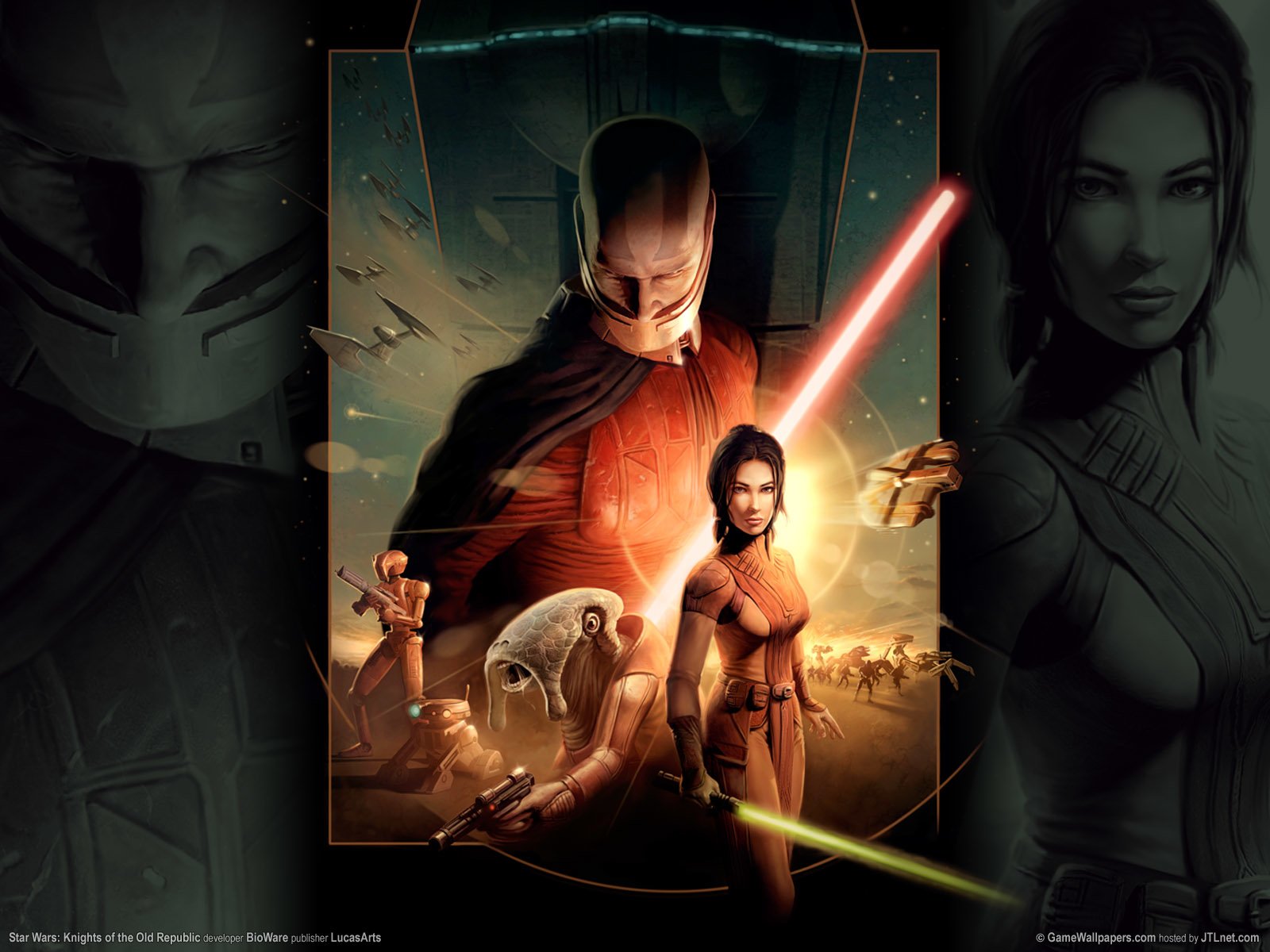
Developed by BioWare and published by LucasArts, ‘Star Wars: Knights of the Old Republic’ centers on a protagonist who is revealed to be the former Sith Lord, Revan. After having their memory wiped by the Jedi Council, the player must decide whether to return to the dark side or seek redemption. The narrative explores whether a person can be forgiven for galactic-scale atrocities if they no longer remember committing them. Characters like Bastila Shan also face arcs involving the fall to and return from darkness.
‘NieR: Automata’ (2017)
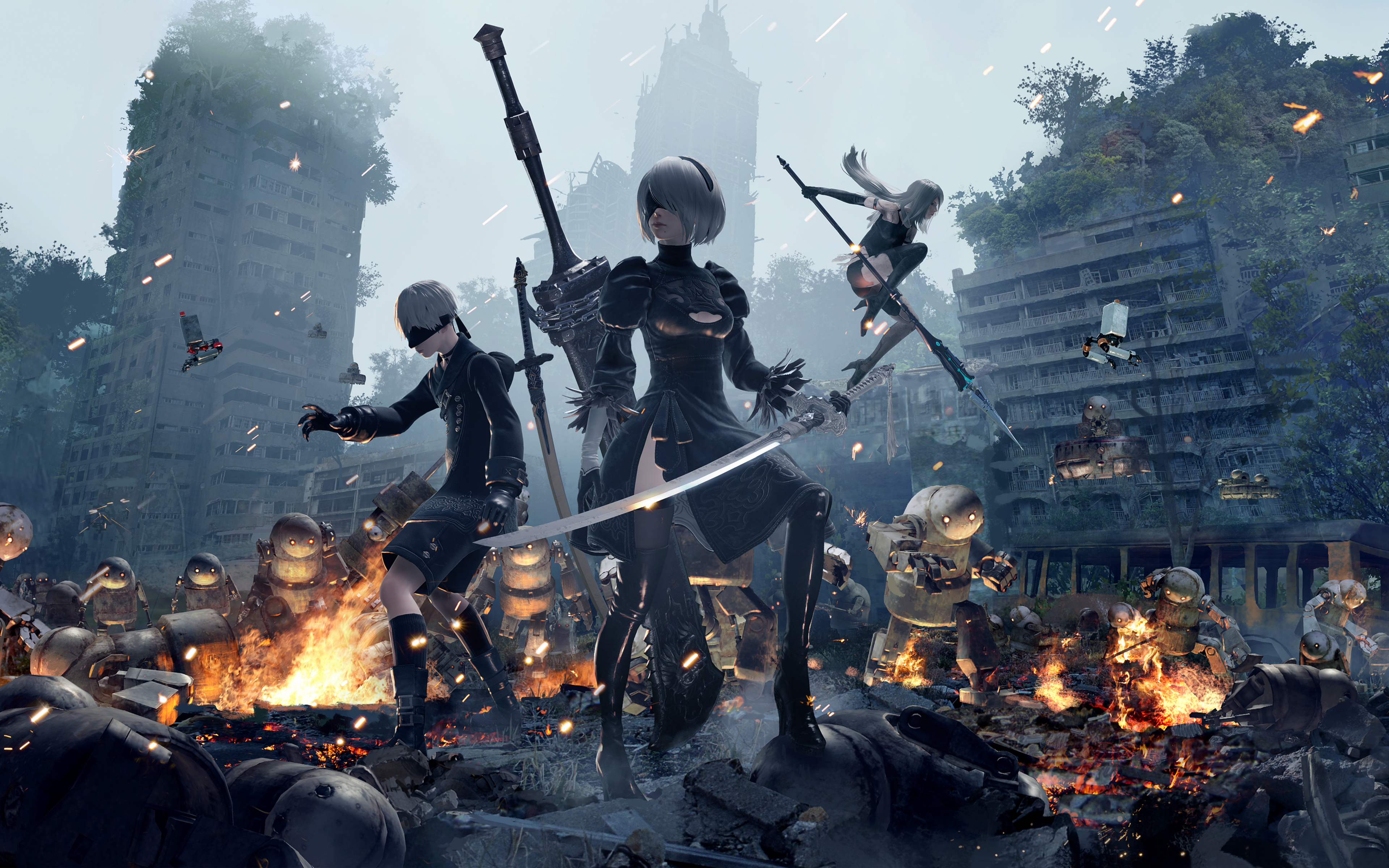
‘NieR: Automata’, developed by PlatinumGames and published by Square Enix, explores the perspective of A2, an android who initially appears as a rogue murderer. As players progress through the game’s multiple endings, they uncover A2’s history as a betrayed soldier seeking revenge against the machines. Her interaction with the pod and her eventual sacrifice for the other protagonists reflect a shift from mindless vengeance to empathetic action. The game’s final ending offers a meta-commentary on the player’s own capacity for forgiveness and sacrifice.
‘Suikoden II’ (1998)
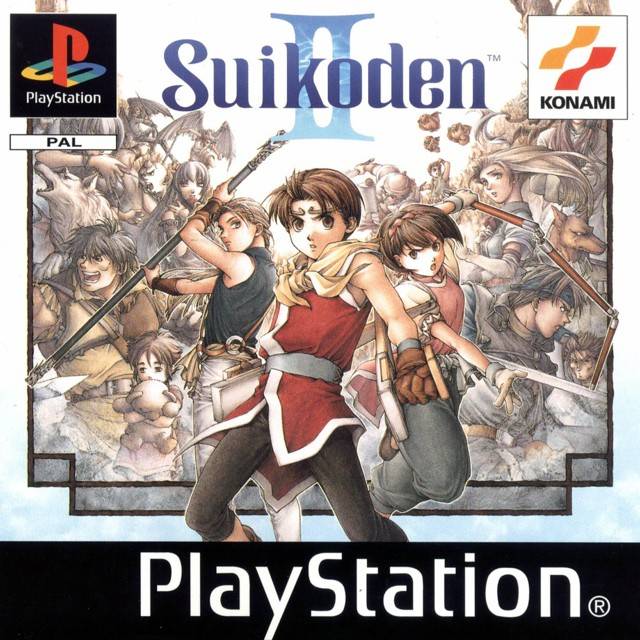
Konami developed and published ‘Suikoden II’, a tactical RPG that features the tragic rivalry between the protagonist and his childhood friend, Jowy Atreides. Jowy defects to the antagonistic Highland Empire to bring peace through total conquest, leading to a war that pits the friends against each other. Depending on player choices throughout the game, the narrative can end in a duel to the death or a moment of profound forgiveness. The final resolution requires the player to refuse to fight Jowy, leading to a peaceful reconciliation between the survivors.
‘Tales of Vesperia’ (2008)

‘Tales of Vesperia’, developed by Namco Tales Studio and published by Namco Bandai Games, features a protagonist, Yuri Lowell, who takes justice into his own hands. While Yuri himself operates in a moral gray area, the game explores the redemption of characters like Flynn Scifo and Raven. Raven, who initially works for the antagonists under a different identity, eventually seeks forgiveness from the party for his deception. The group’s willingness to accept his past mistakes allows him to contribute to the world’s salvation.
Share which of these gaming redemption arcs resonated with you the most in the comments.