

Games That Faced Bans in Countries Over Political Themes

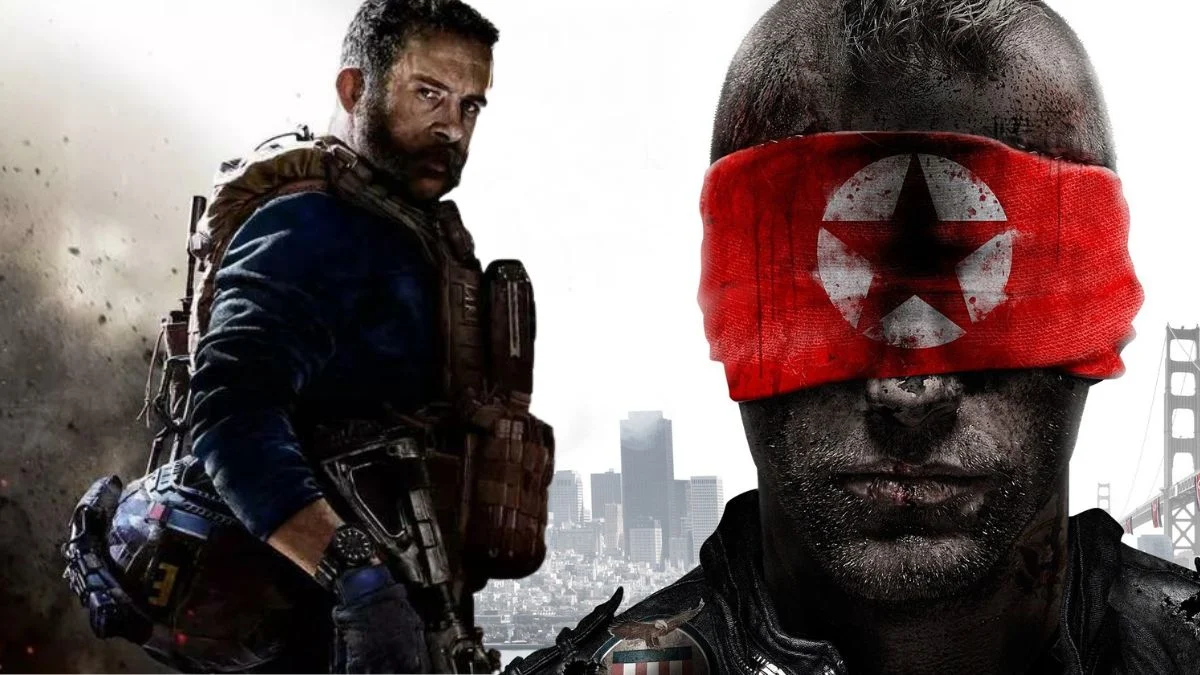


Video games often serve as a reflection of global tensions and cultural values which can lead to friction with government authorities. When a game depicts a sensitive historical event or challenges a specific political ideology it may face total prohibition in certain markets. These bans are frequently implemented to protect national security or maintain social order according to the regulating bodies involved. Understanding why these titles were restricted provides insight into the complex relationship between digital art and state power. This list examines several high profile games that were officially removed from store shelves due to their political themes.
‘Homefront’ (2011)
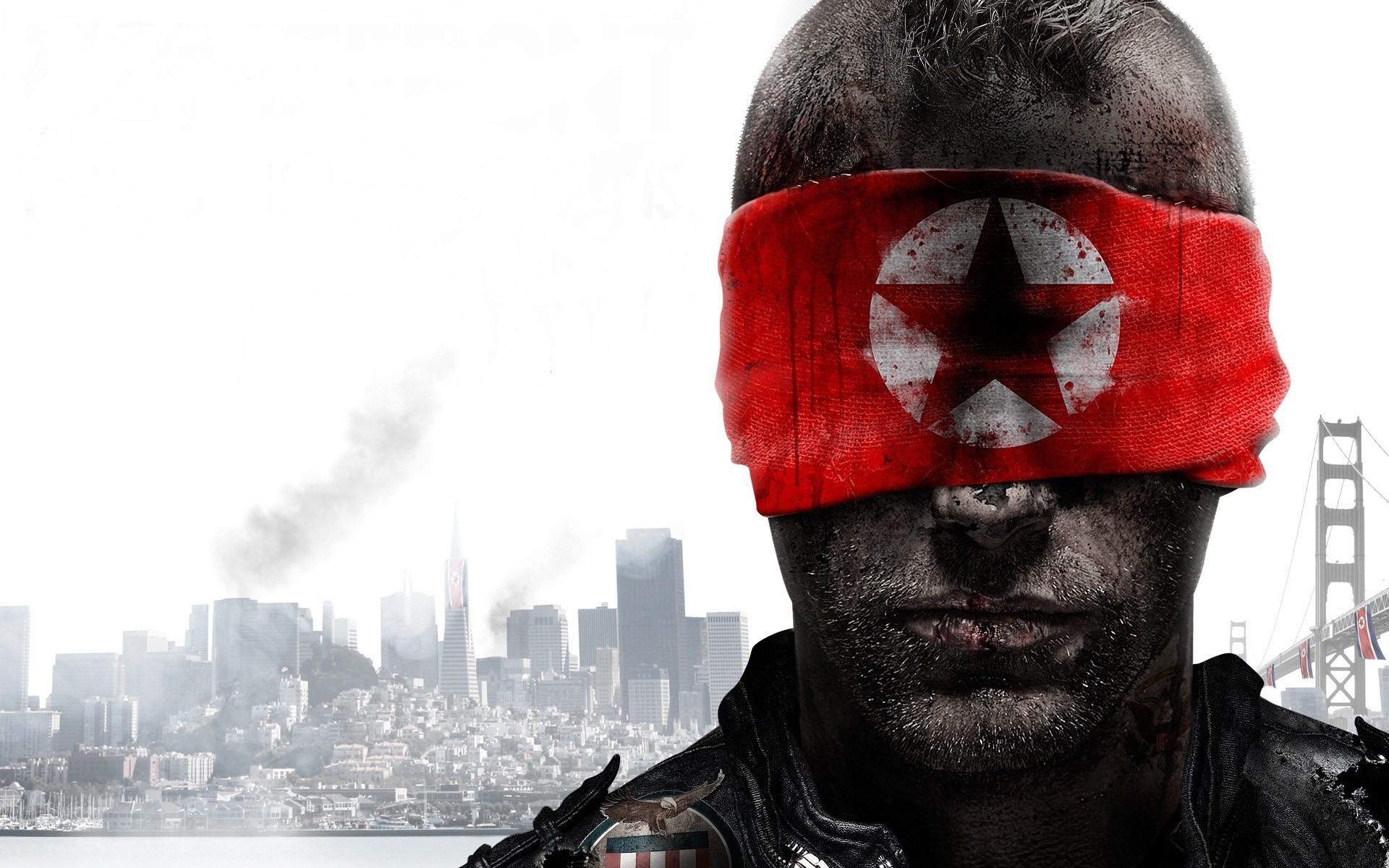
The game features a speculative future where North Korea invades and occupies the United States. South Korean authorities banned the title due to fears it would damage diplomatic relations with its northern neighbor. The narrative centers on a resistance movement fighting against the occupying foreign forces. Officials believed the sensitive political atmosphere of the peninsula made the release inappropriate for the local market. This ban highlighted the influence of real world geopolitics on the distribution of digital entertainment.
‘Command & Conquer: Generals’ (2003)
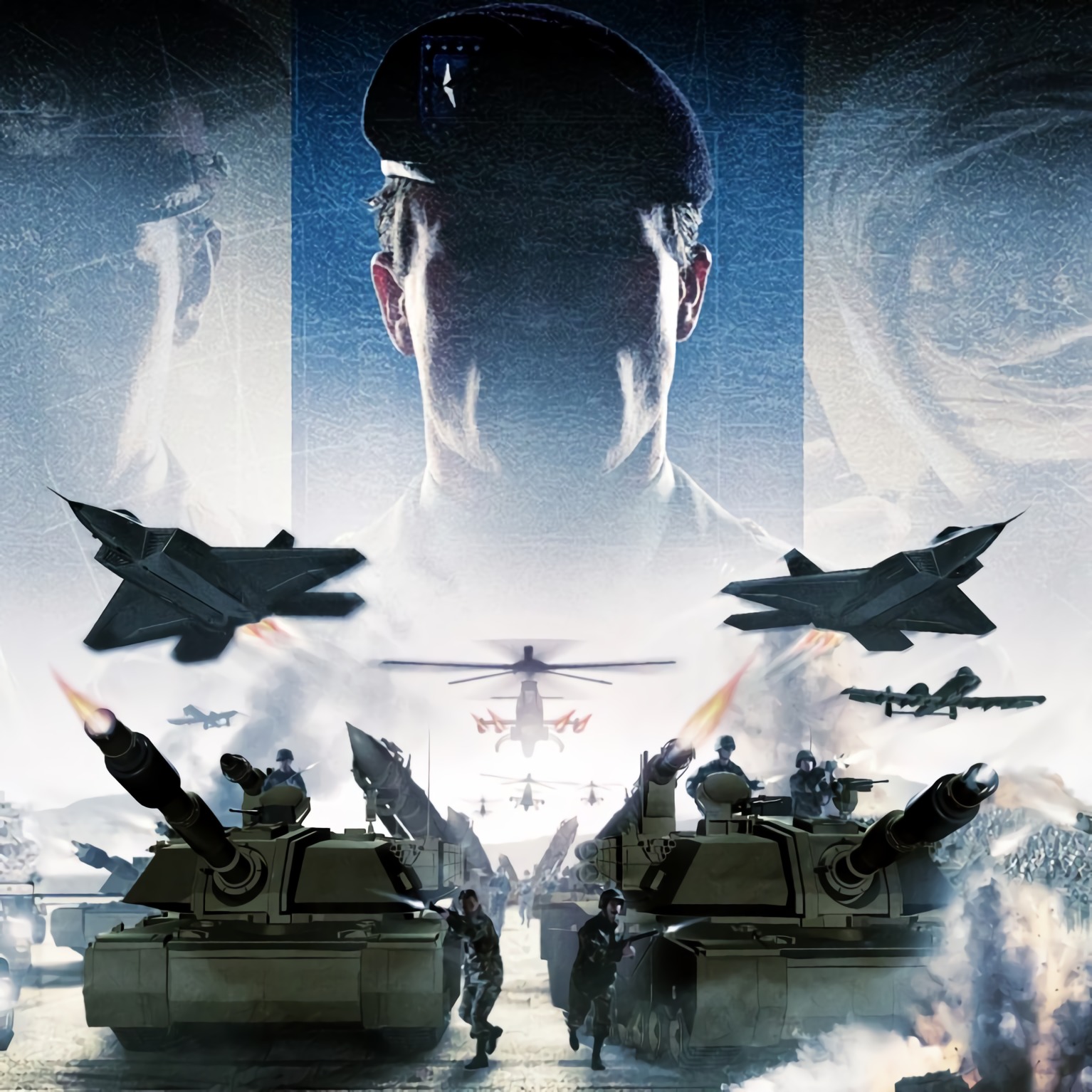
This real time strategy game was banned in China because of its portrayal of the Chinese military and the destruction of national landmarks. The campaign includes missions where players use nuclear weapons and engage in urban combat within Chinese territory. Government regulators argued that the game smeared the image of the state and its armed forces. It became a notable case of international software being restricted for perceived political insults. The ban extended to all official distribution channels and internet cafes within the country.
‘Battlefield 4’ (2013)
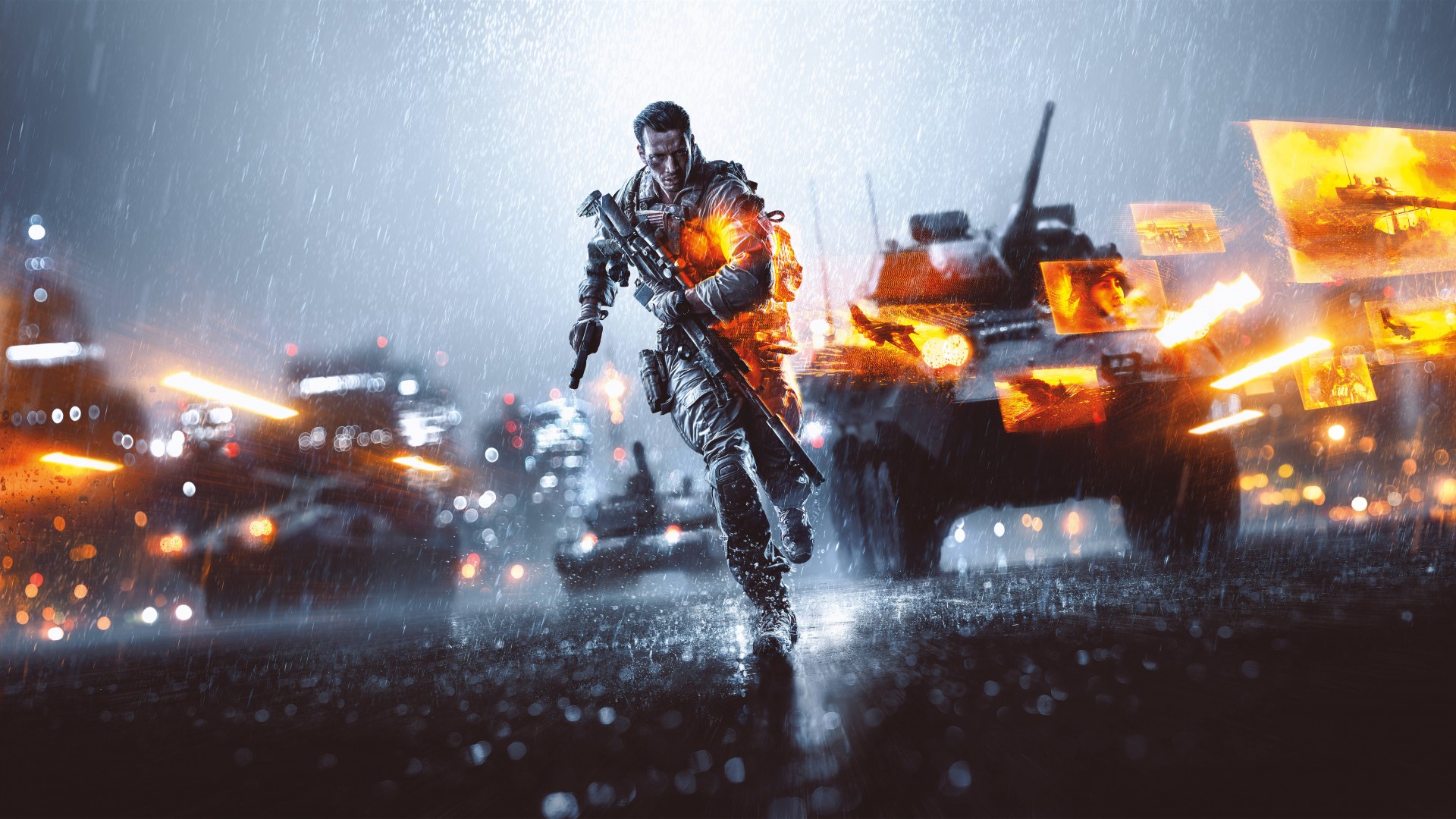
China banned this military shooter for including content that allegedly endangered national security. The story involves a fictional military coup within the country and portrays the Chinese government in a controversial manner. Authorities claimed the game was a form of cultural invasion designed to mislead players about the nation. All sales and promotional materials were prohibited from the domestic market to prevent the spread of these themes. This decision followed a series of restrictions on other Western titles with similar geopolitical narratives.
‘Football Manager 2005’ (2004)
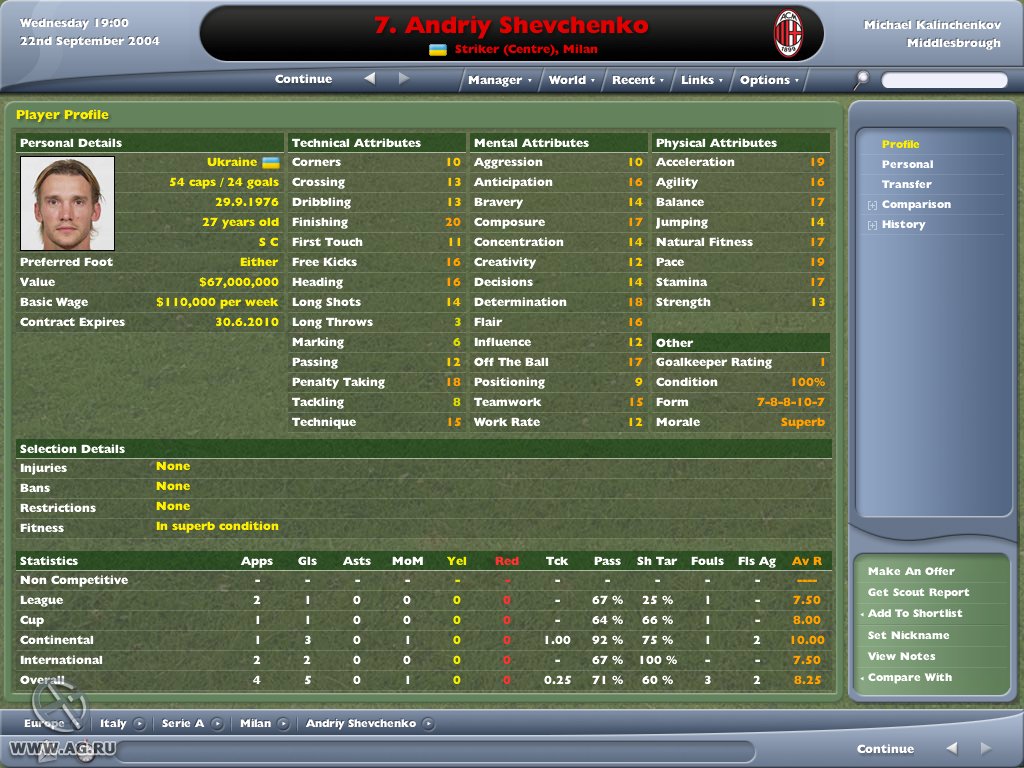
Chinese regulators banned this management simulation for recognizing Tibet as an independent nation within its database. The game included Tibet as a separate territory which violated the official stance of the central government. Officials ordered the confiscation of all physical copies and the closure of websites hosting the software. The developers eventually released a modified version to comply with regional requirements and restore their market presence. It serves as a prominent example of how administrative borders and sovereignty issues affect game development.
‘Hearts of Iron IV’ (2016)
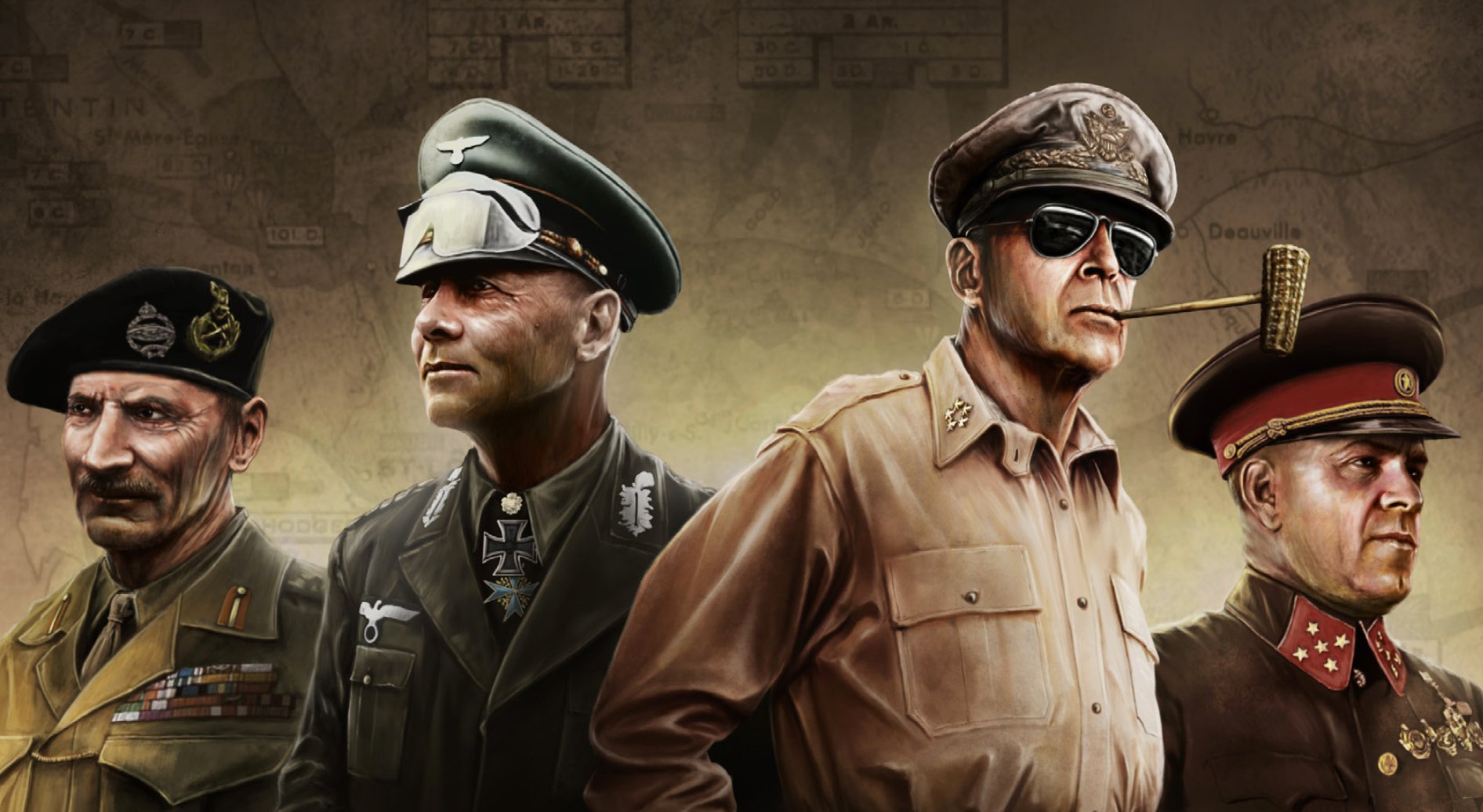
This grand strategy title was banned in China for its historical depiction of regional borders during the World War II era. The game includes independent factions and territorial divisions that the government finds politically unacceptable for public consumption. Regulators stated that the portrayal of history distorted facts and harmed the sovereignty of the state. This led to the removal of the game from major digital storefronts available to Chinese citizens. Many strategy games face similar scrutiny when dealing with the complex history of East Asian geopolitics.
‘Ghost Recon Wildlands’ (2017)
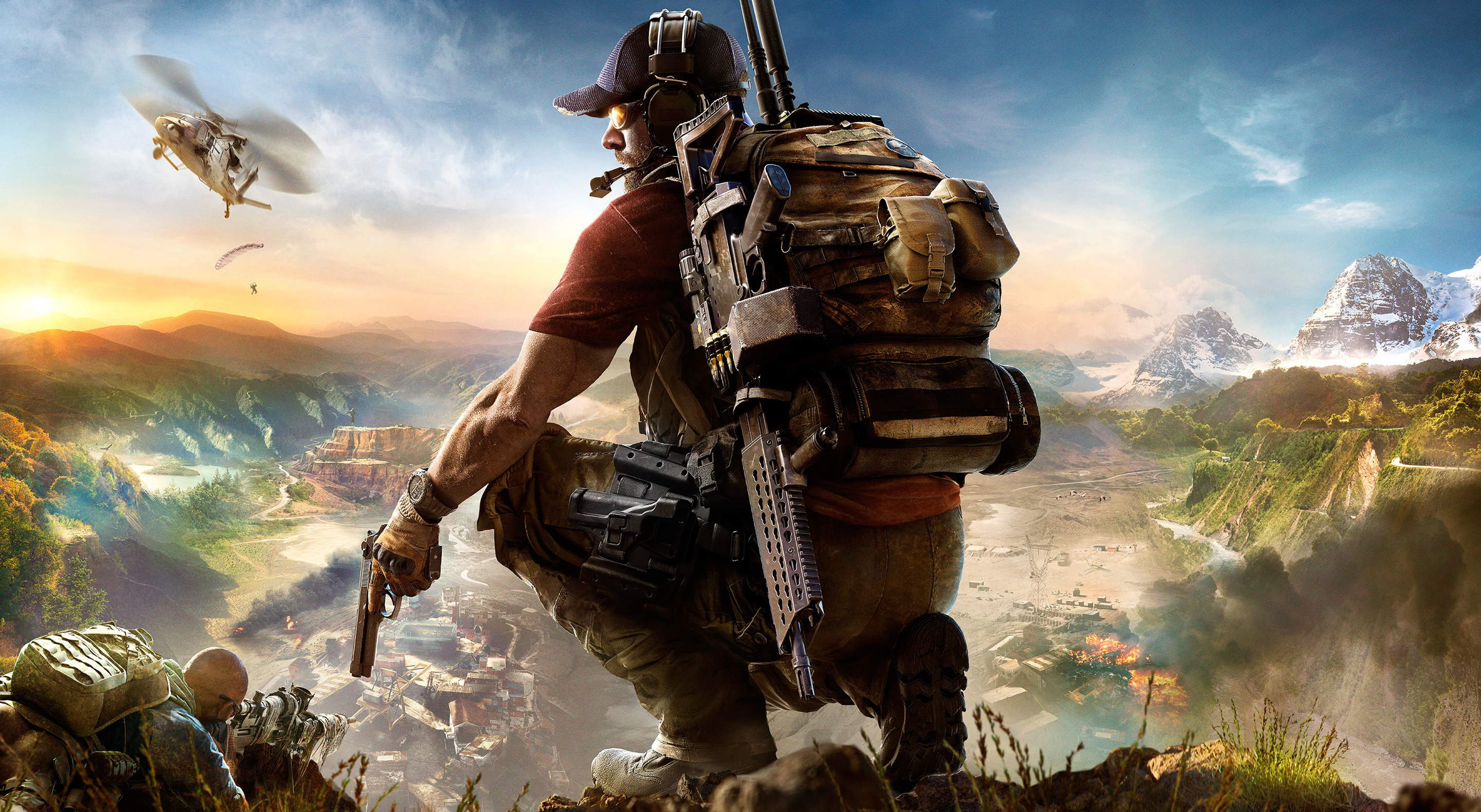
The Bolivian government filed a formal complaint and sought to restrict this game for its depiction of the country as a narco state. The narrative follows a special operations team fighting a powerful drug cartel that has seized control of the national government. Officials argued that the game unfairly tarnished the international reputation of Bolivia and its people. This diplomatic tension resulted in legal challenges regarding the creative freedom of developers when using real nations as settings. The situation highlighted the risks of using modern political instability as a backdrop for action stories.
‘Mercenaries: Playground of Destruction’ (2005)
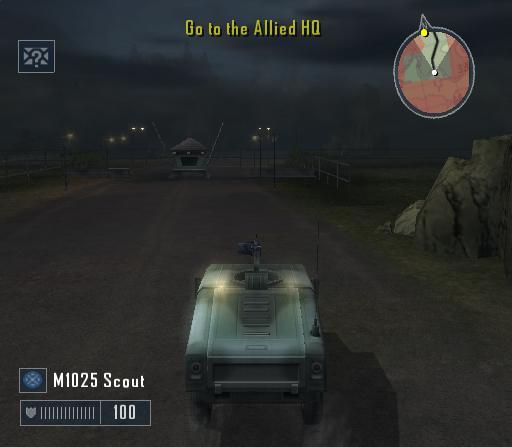
South Korea prohibited the distribution of this action title due to its focus on an escalated conflict in the Korean Peninsula. The game depicts an invasion of North Korea and features specific political figures that caused concern for regional stability. Authorities feared the content would aggravate existing tensions between the two nations during a sensitive period of negotiation. It remained unavailable for several years before rating boards reconsidered the ban based on changing political climates. The case illustrated how local history and ongoing conflicts can impact the availability of global media.
‘Call of Duty: Modern Warfare’ (2019)
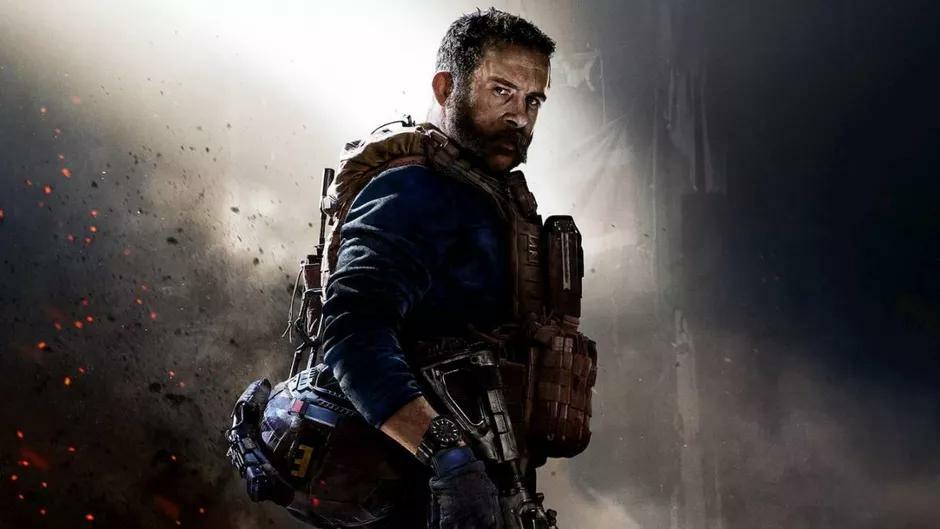
This reboot faced significant backlash and a soft ban in Russia due to its portrayal of the Russian military. The campaign features a group called the White Helmets and depicts Russian soldiers committing war crimes in a fictional Middle Eastern country. Many local retailers and digital platforms refused to stock the game to avoid associating with the political controversy. Critics in the country claimed the narrative was biased and served as a form of Western propaganda. This led to a fractured release where only specific digital versions were accessible to the public.
‘Animal Crossing: New Horizons’ (2020)
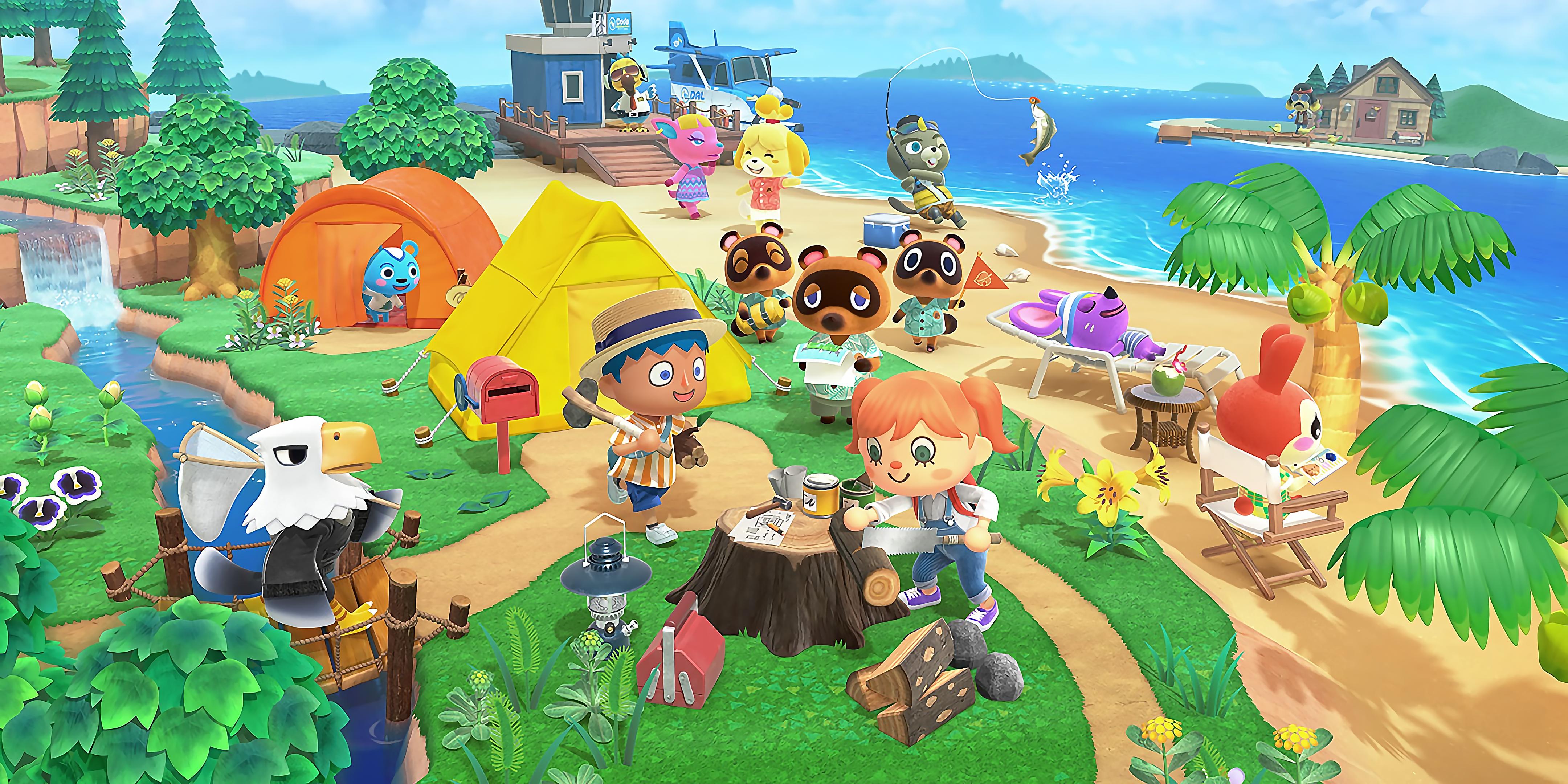
China restricted the sale of this popular simulation game after players began using it for political activism. Protesters in Hong Kong utilized the in game design tools to create and share slogans against the government. This led to the removal of physical and digital copies from various online marketplaces across the mainland. Regulators viewed the ability to share unmonitored political messages as a threat to social order and public safety. The ban demonstrated the unexpected ways social games can become platforms for unmonitored public discourse.
‘Devotion’ (2019)
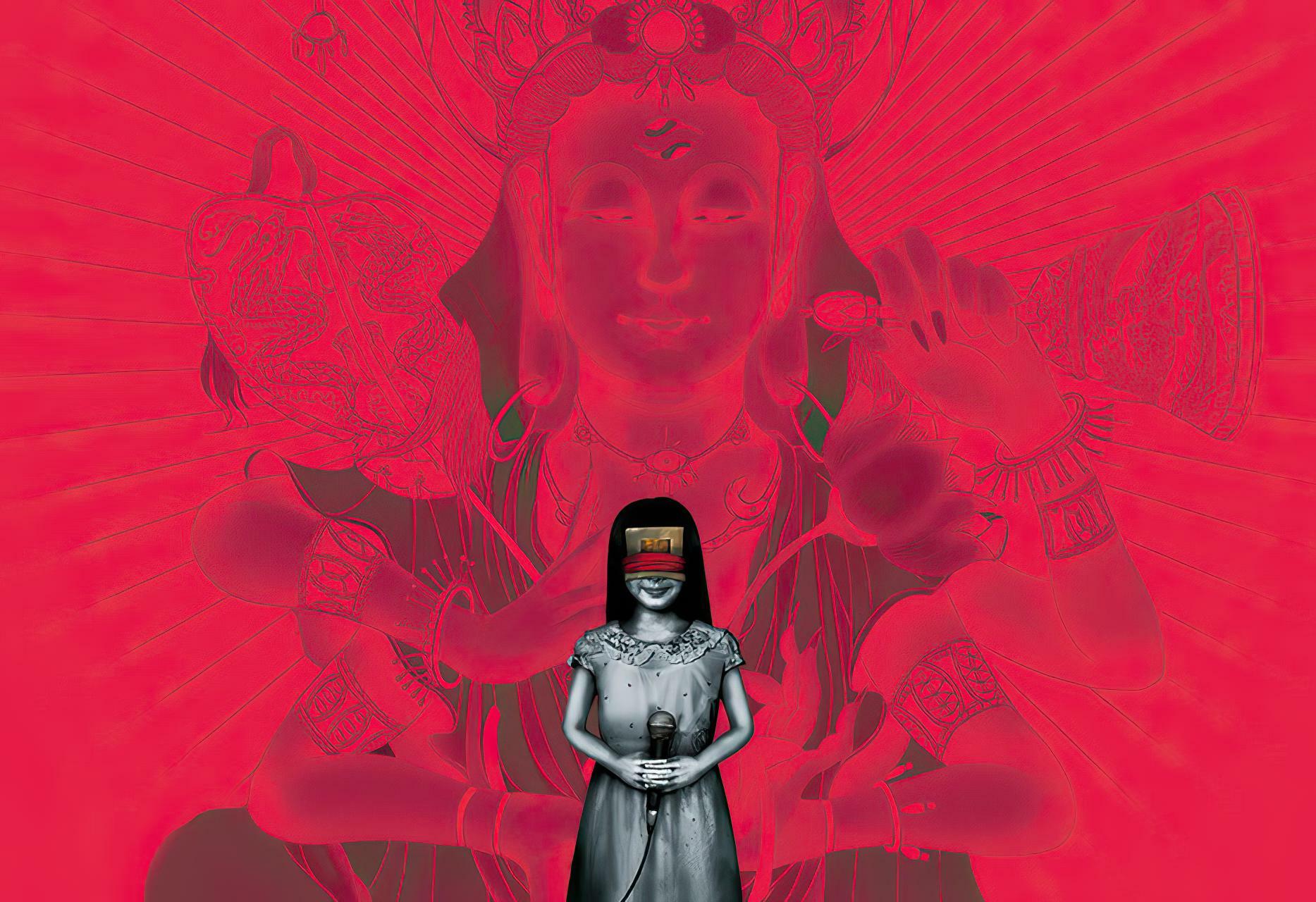
This horror game was pulled from global digital stores after players discovered a hidden reference to a Chinese political leader. The controversy centered on a talisman in the game that contained an unflattering comparison to a well known cartoon character. This discovery led to a massive wave of negative reviews and the eventual loss of the Chinese publisher for the title. Even after the developers issued an apology the game remained largely inaccessible on major platforms for several years. It remains one of the most famous instances of a single hidden asset causing a total commercial collapse.
‘Fallout 3’ (2008)
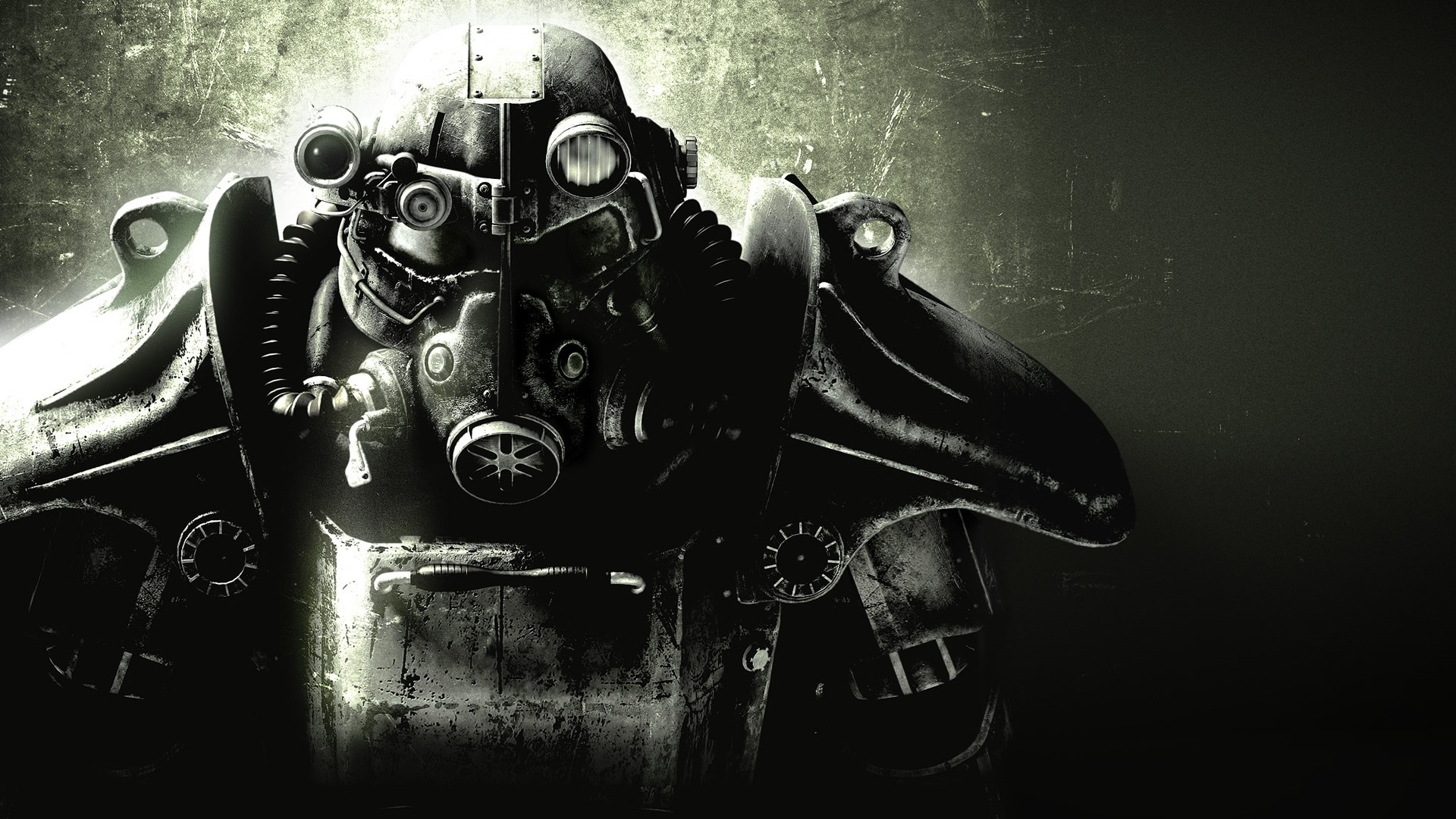
The release of this post apocalyptic game was cancelled in India due to cultural and religious sensitivities regarding its content. The presence of mutated two headed cattle named Brahmin was seen as offensive to the local population. Since the cow is a sacred animal in Hinduism the naming convention caused significant concern for the regional distributor. To avoid potential protests or legal action the company decided to skip the Indian market entirely. This move reflected the importance of cultural awareness when naming fictional creatures in the global video game industry.
‘Mass Effect’ (2007)
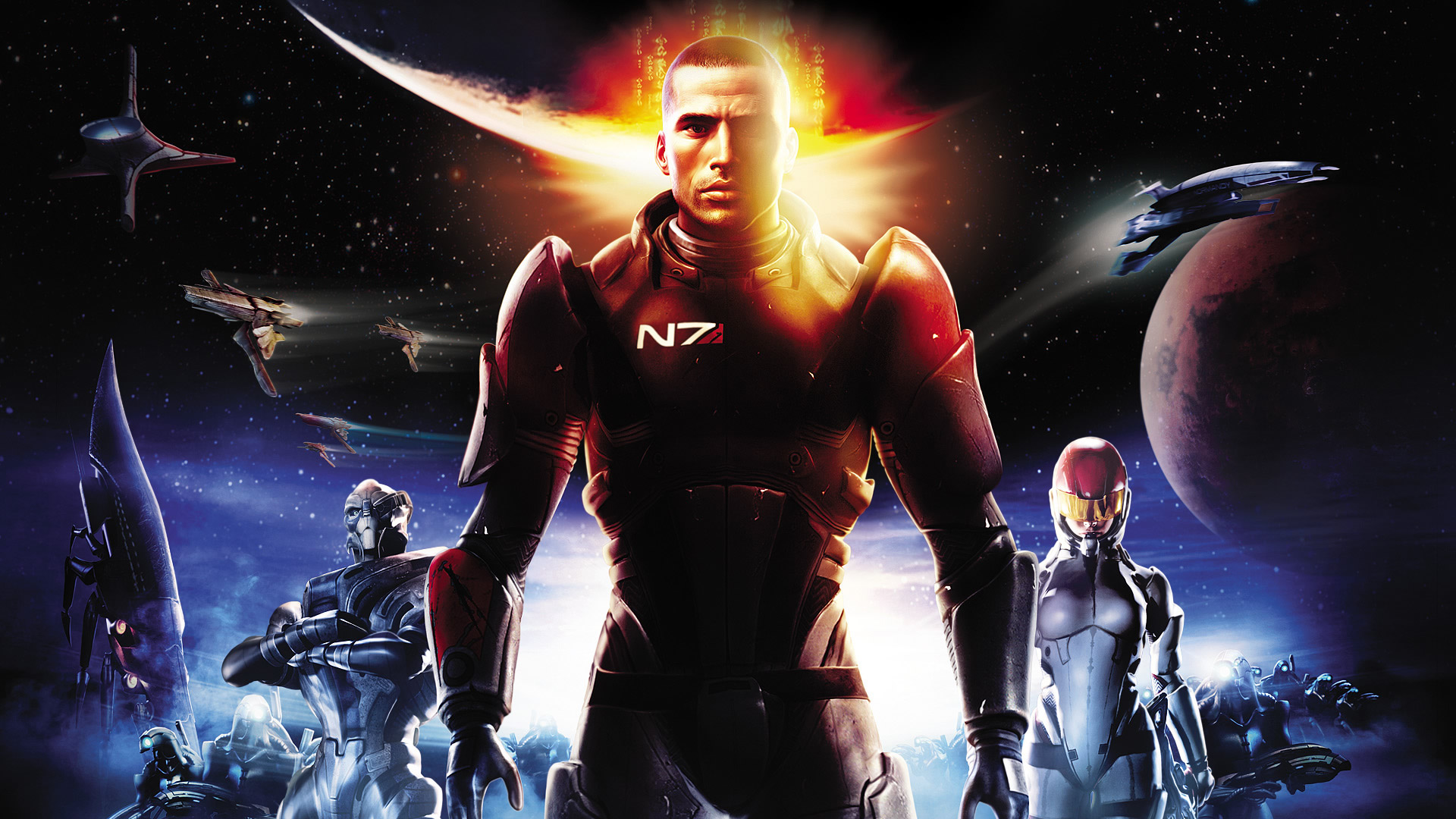
Singapore briefly banned the first entry in this science fiction series for depicting a romance between a female human and a female alien. Regulators classified the scene as a promotion of homosexual activity which was restricted by local laws at the time. After a public outcry from the local gaming community the ban was lifted and replaced with a mature rating. The controversy sparked a wider discussion about the representation of diverse relationships in interactive media. This event marked a significant shift in how the country approached foreign entertainment products.
‘Spec Ops: The Line’ (2012)
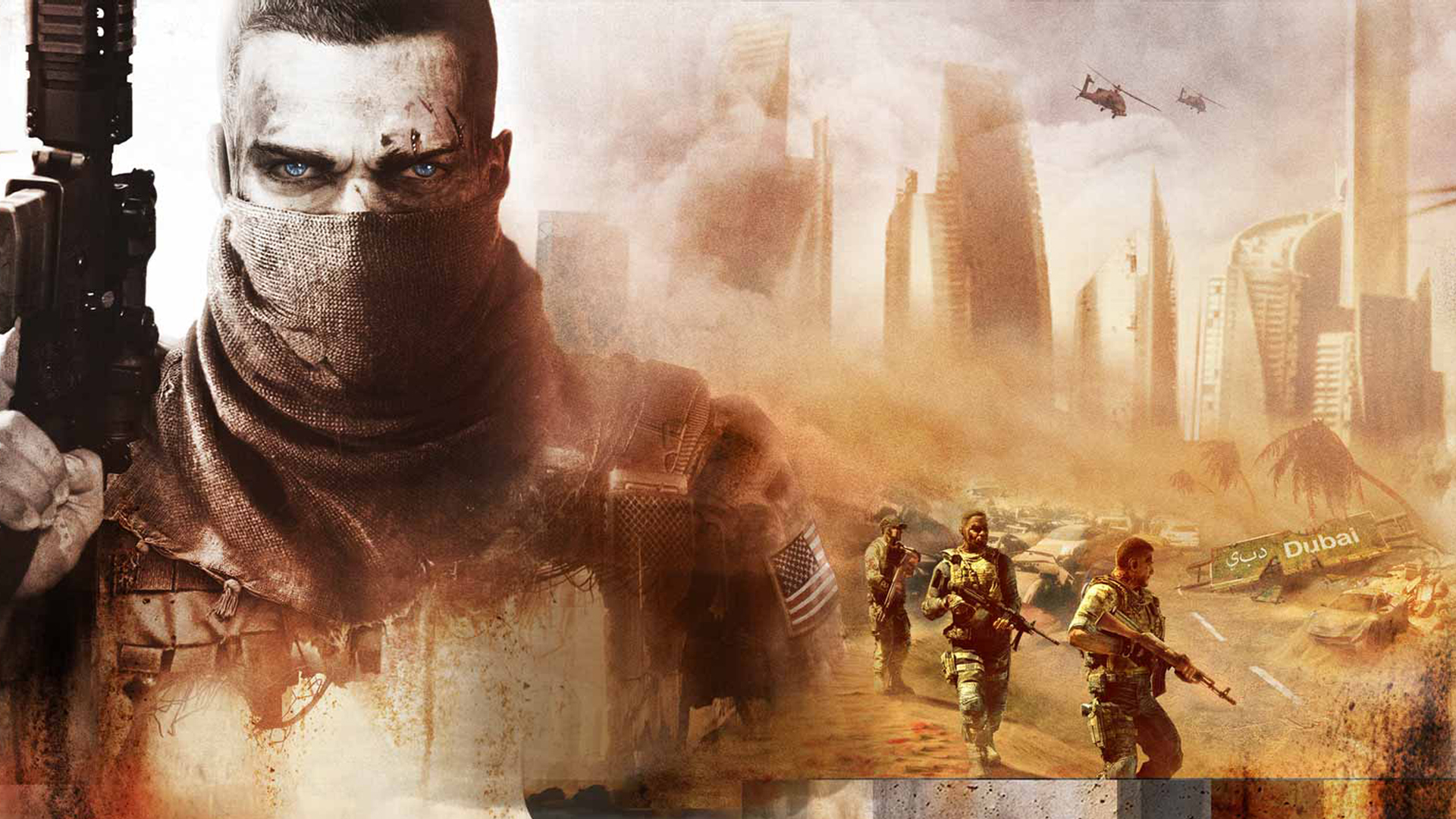
The United Arab Emirates banned this military shooter because it depicted a ruined and abandoned version of Dubai. The narrative explores dark themes of war and morality while showing the iconic city buried in sand and controlled by rogue soldiers. Government officials felt the portrayal was disrespectful to the national image and the modern progress of the city. As a result the game was not sold through official retail channels in the region. Its challenging story remains a point of discussion for its subversion of traditional war game tropes.
‘Injustice: Gods Among Us’ (2013)
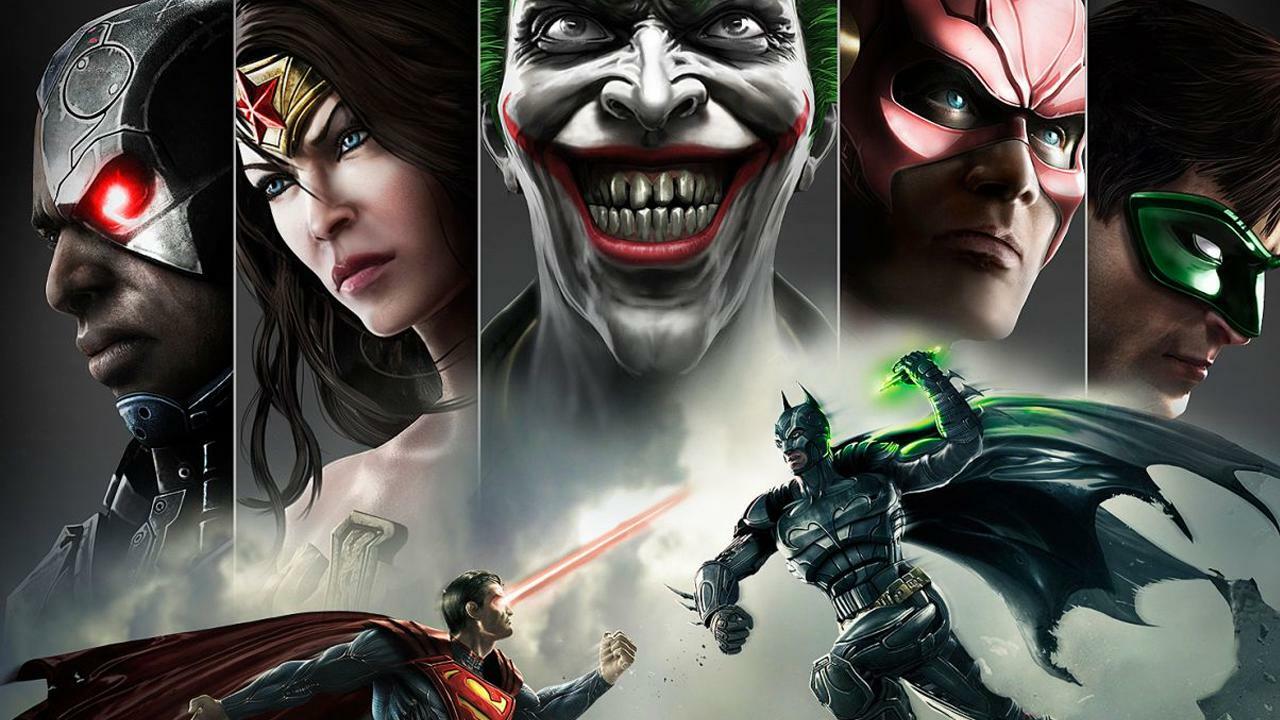
Kuwait and the United Arab Emirates faced issues with this fighting game primarily due to the word Gods in the title. Local censors argued that the reference to multiple deities was incompatible with the religious and political beliefs of the region. The title was eventually rebranded or restricted in certain markets to comply with local laws and cultural expectations. This case showed how even a single word in a title can lead to significant hurdles for international distribution. Developers often have to adjust naming conventions to accommodate different cultural landscapes across the globe.
‘Tropico 5’ (2014)
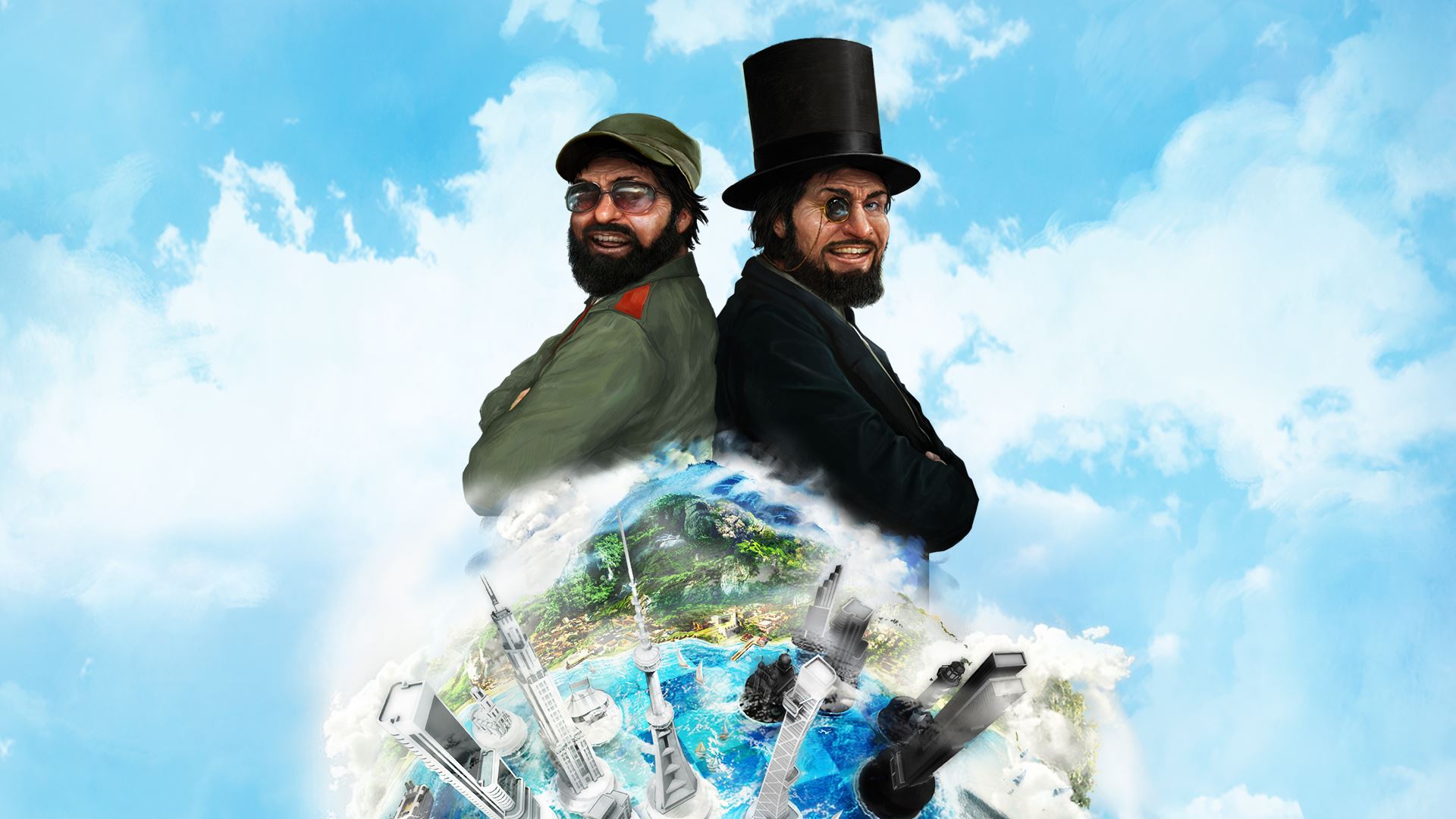
Thailand banned this city building simulation because the military junta feared it would affect peace and order. The game allows players to act as a dictator and manage a small island nation through various political eras. Regulators believed the themes of governance and revolution were too sensitive following a recent coup in the country. The local distributor was forced to stop all sales to comply with the government order. This highlighted how political instability can lead to the suppression of satirical media that parodies state leadership.
‘The Last of Us Part II’ (2020)
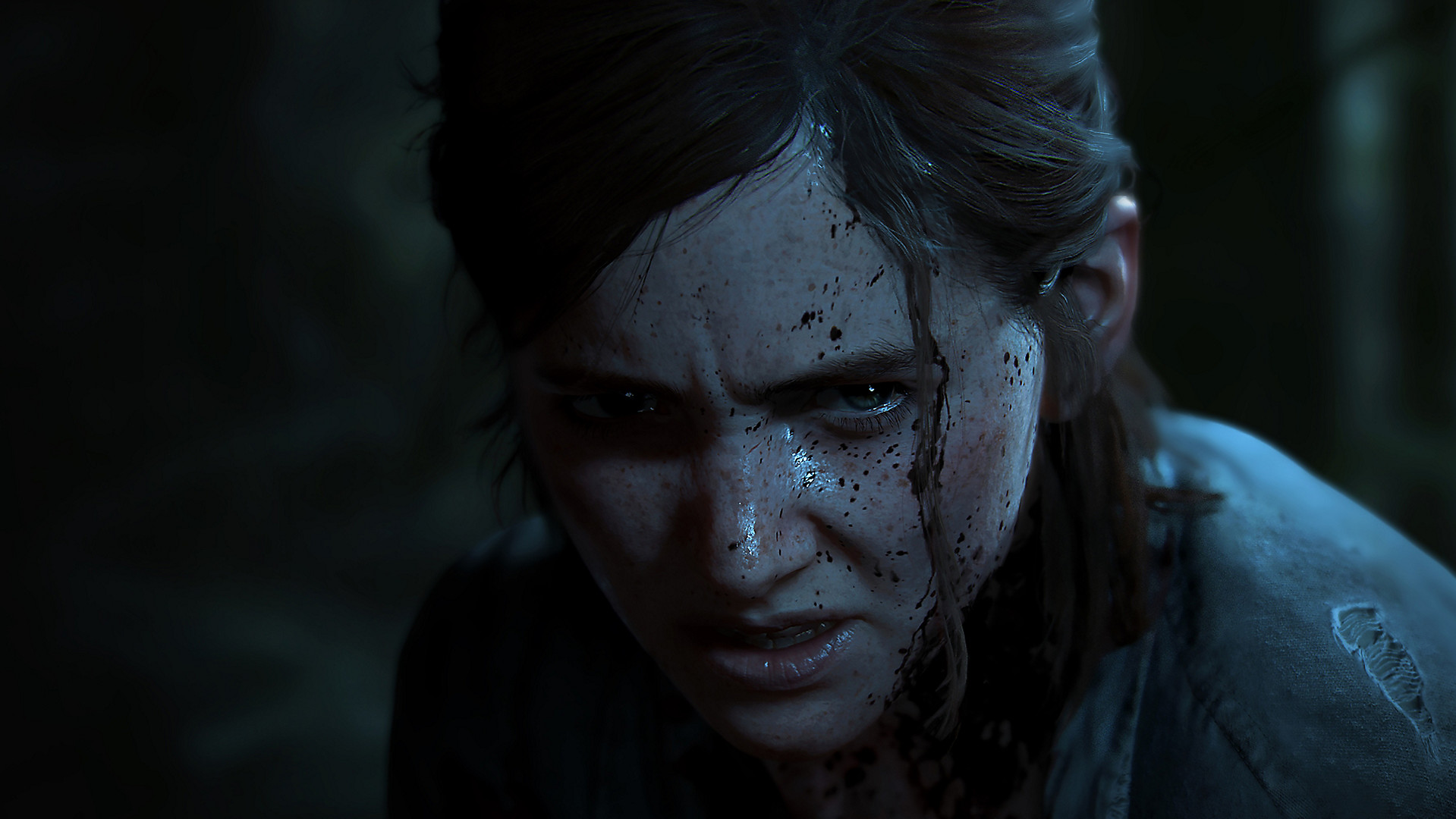
This high profile sequel was banned in several Middle Eastern countries including Saudi Arabia and the United Arab Emirates. The decision was tied to the prominent inclusion of LGBTQ characters and themes within the main narrative. Censors found the romantic relationships and specific plot points to be in violation of local cultural and political standards. The developers chose not to censor the game to meet these requirements which led to a total ban on sales. It remains a significant example of a major studio prioritizing creative integrity over broad market access.
‘Wolfenstein: The New Order’ (2014)
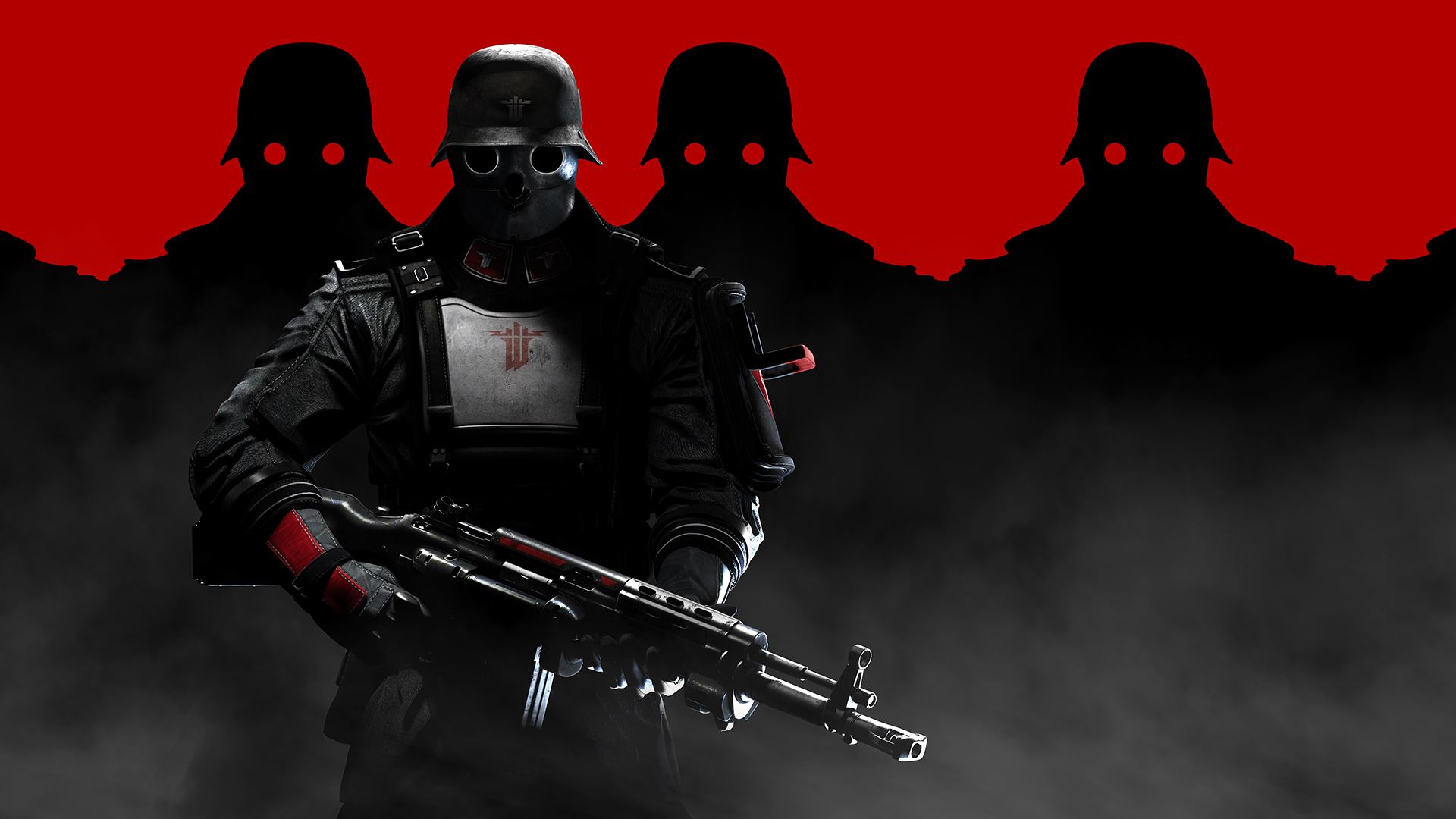
Germany required significant changes to this game before it could be sold legally within its borders. The original version contained Nazi symbols and historical references that were prohibited by German law for many decades. Developers had to replace these symbols with fictional icons and rewrite portions of the story to remove specific political terms. The ban on such imagery in art was later relaxed but the game remains a key example of regional compliance. These modifications were necessary to ensure the title could reach the large German audience.
‘South Park: The Stick of Truth’ (2014)
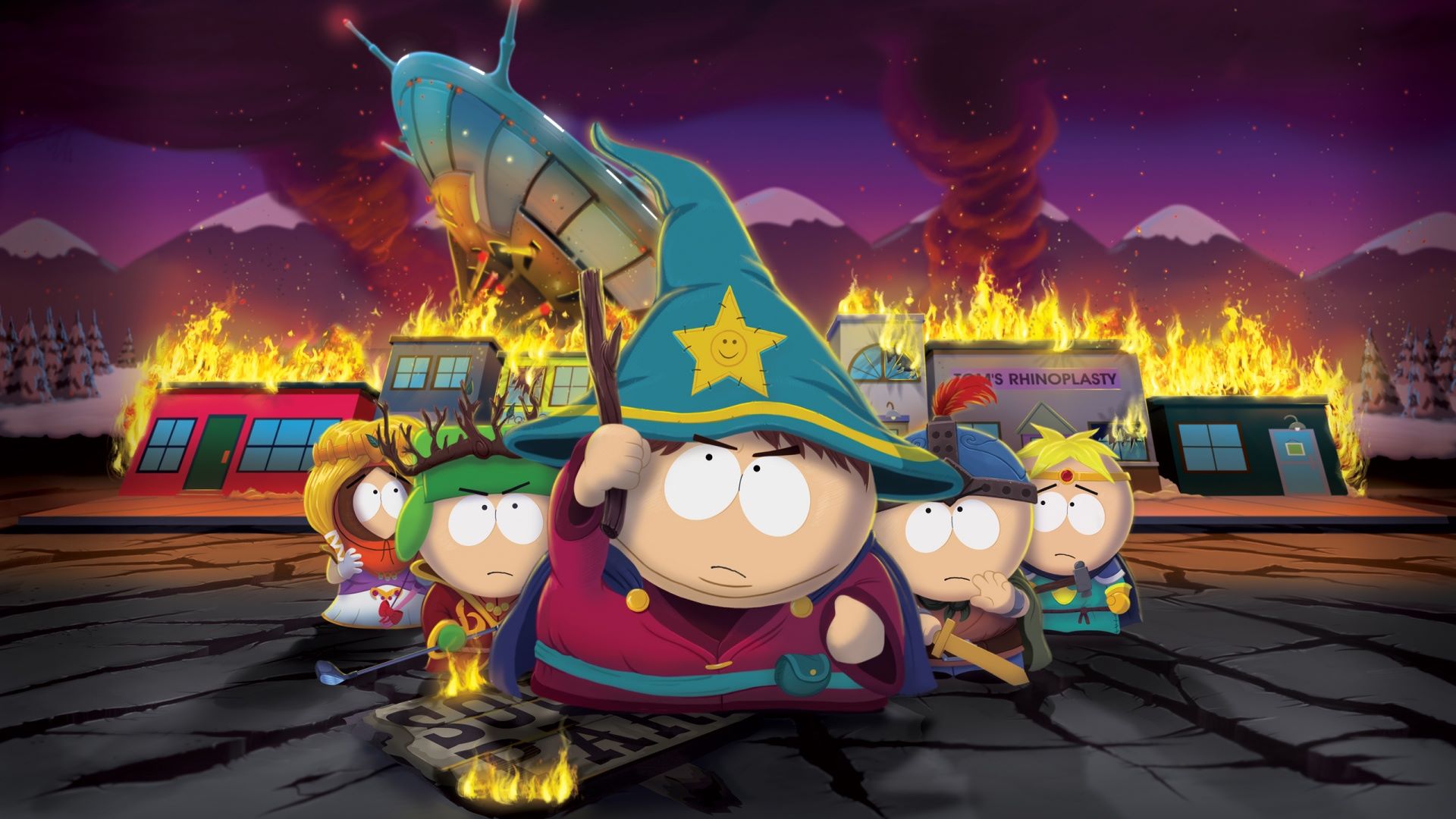
Censors in Europe and Australia removed several scenes from this role playing game due to their controversial and political nature. The omitted content included depictions of abortion and specific medical procedures that were deemed too offensive for the national ratings boards. In some regions the scenes were replaced by a screen describing the events in a satirical way. The creators expressed frustration with the censorship but agreed to the changes to secure a wide release. This situation showcased the different standards for humor and satire across global political markets.
‘Manhunt 2’ (2007)
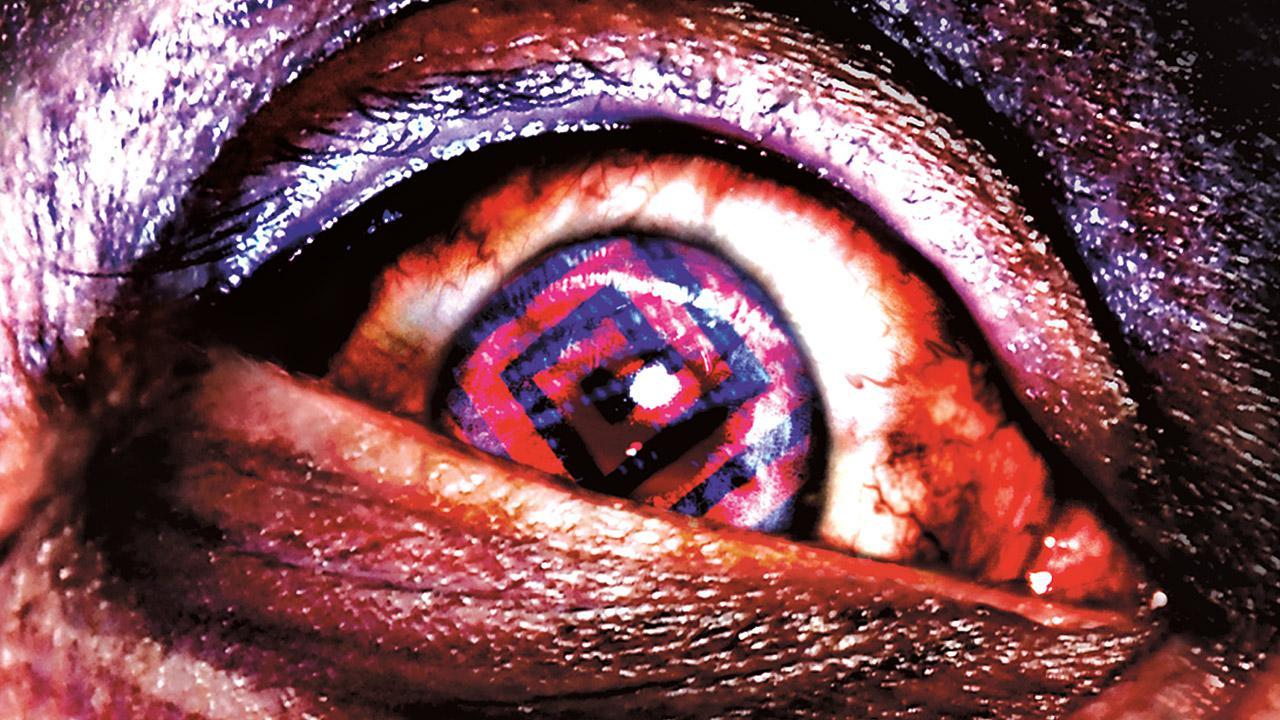
This title faced bans in the United Kingdom and Ireland due to its focus on extreme and sadistic violence. Regulators argued that the game offered no redeeming social value and focused purely on the act of killing. The developers had to apply filters and make numerous cuts to eventually secure a legal release rating. Even with these changes the game was restricted to adult audiences only in many territories. It remains one of the most contentious releases in the history of the medium due to its political fallout.
‘Bully’ (2006)
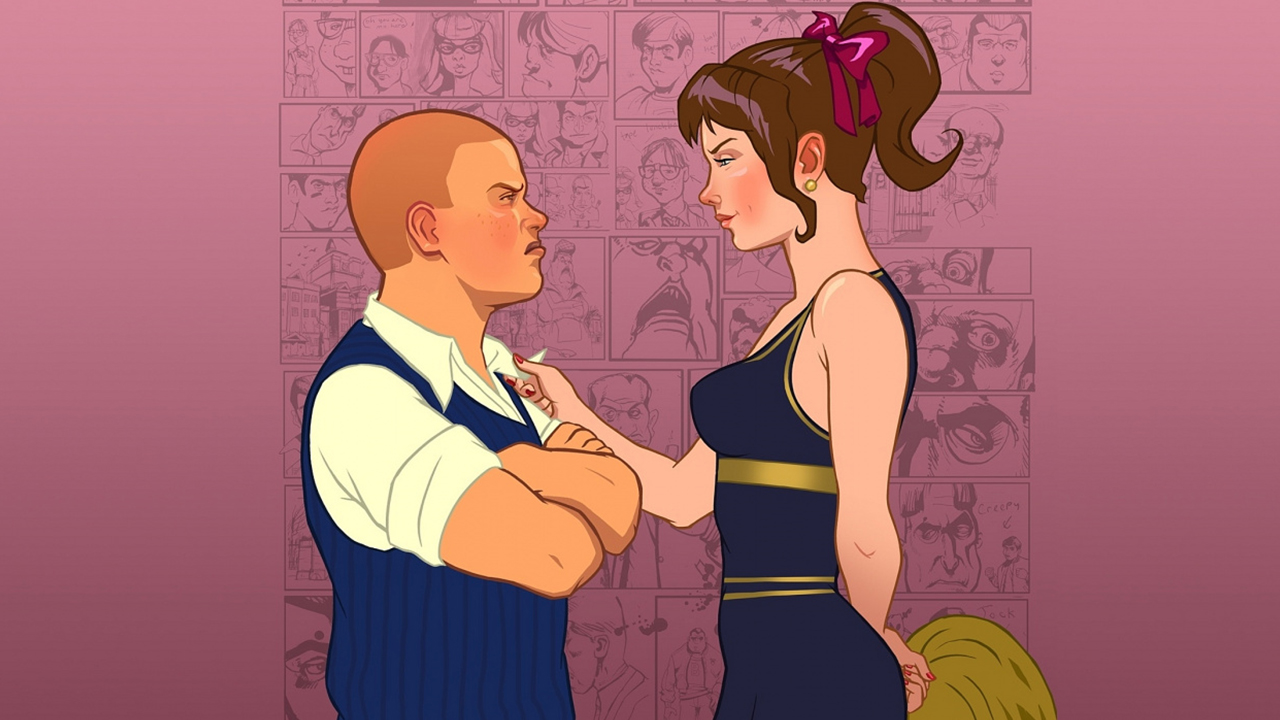
Brazil banned this school themed action game because it allegedly encouraged violence against classmates and teachers. A judge ruled that the title portrayed a negative environment that could influence young players to engage in harmful social behavior. The ban prohibited the sale and distribution of the game across the entire country for several years. Eventually the restriction was lifted as the legal perspective on video game content and artistic expression evolved. This case brought international attention to how educational settings and youth dynamics are depicted in games.
‘Saints Row IV’ (2013)
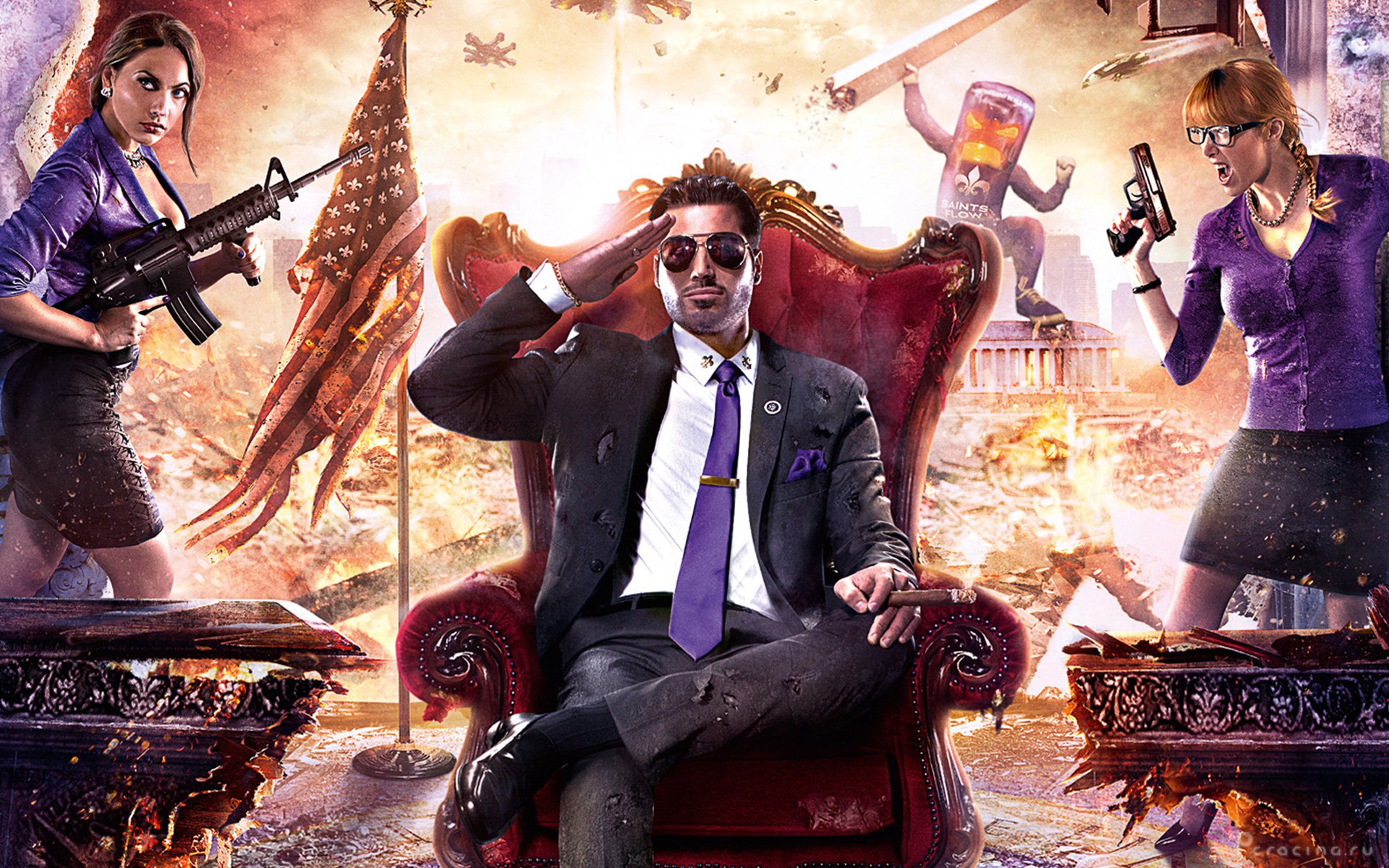
Australia refused to classify this game initially due to its portrayal of illicit drug use as a gameplay mechanic. The inclusion of a specific weapon that functioned as an anal probe also contributed to the rejection by the board. Developers had to remove the offending mission and the weapon to obtain a rating for the Australian market. This highlighted the strict guidelines maintained by the national classification board regarding drug references and sexualized violence. The modified version allowed fans in the region to finally experience the over the top superhero narrative.
‘State of Decay’ (2013)
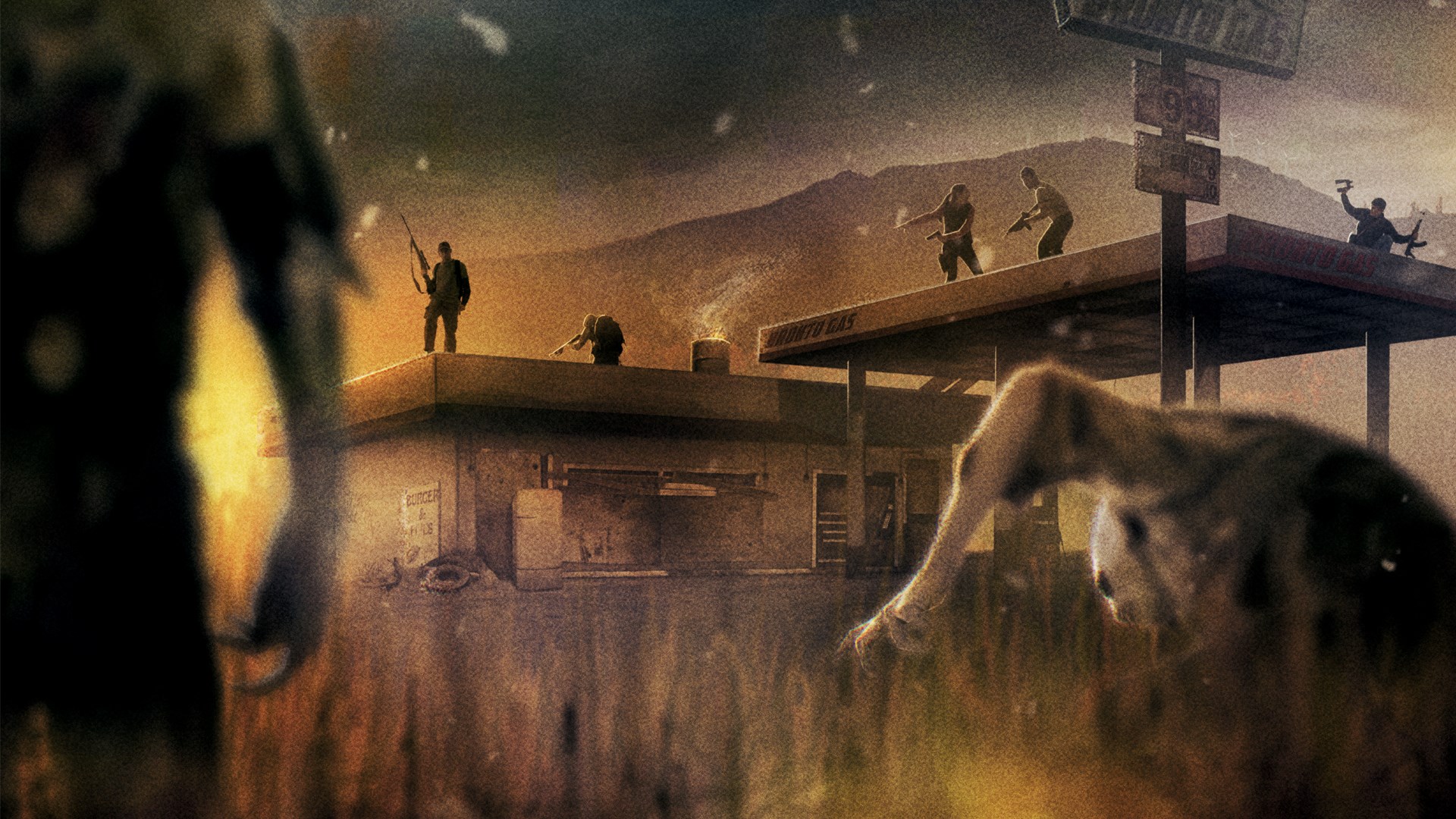
This zombie survival game was initially banned in Australia because it used various medications as a way to boost player performance. Regulators viewed the use of chemical stimulants to recover stamina as an endorsement of illicit drug use. The developers were forced to change the icons and names of the items to bypass the classification hurdle. Once the changes were made the game was allowed for sale to adult players under a high age rating. This instance showed how even minor gameplay items can lead to a complete market ban in specific countries.
‘I.G.I.-2: Covert Strike’ (2003)
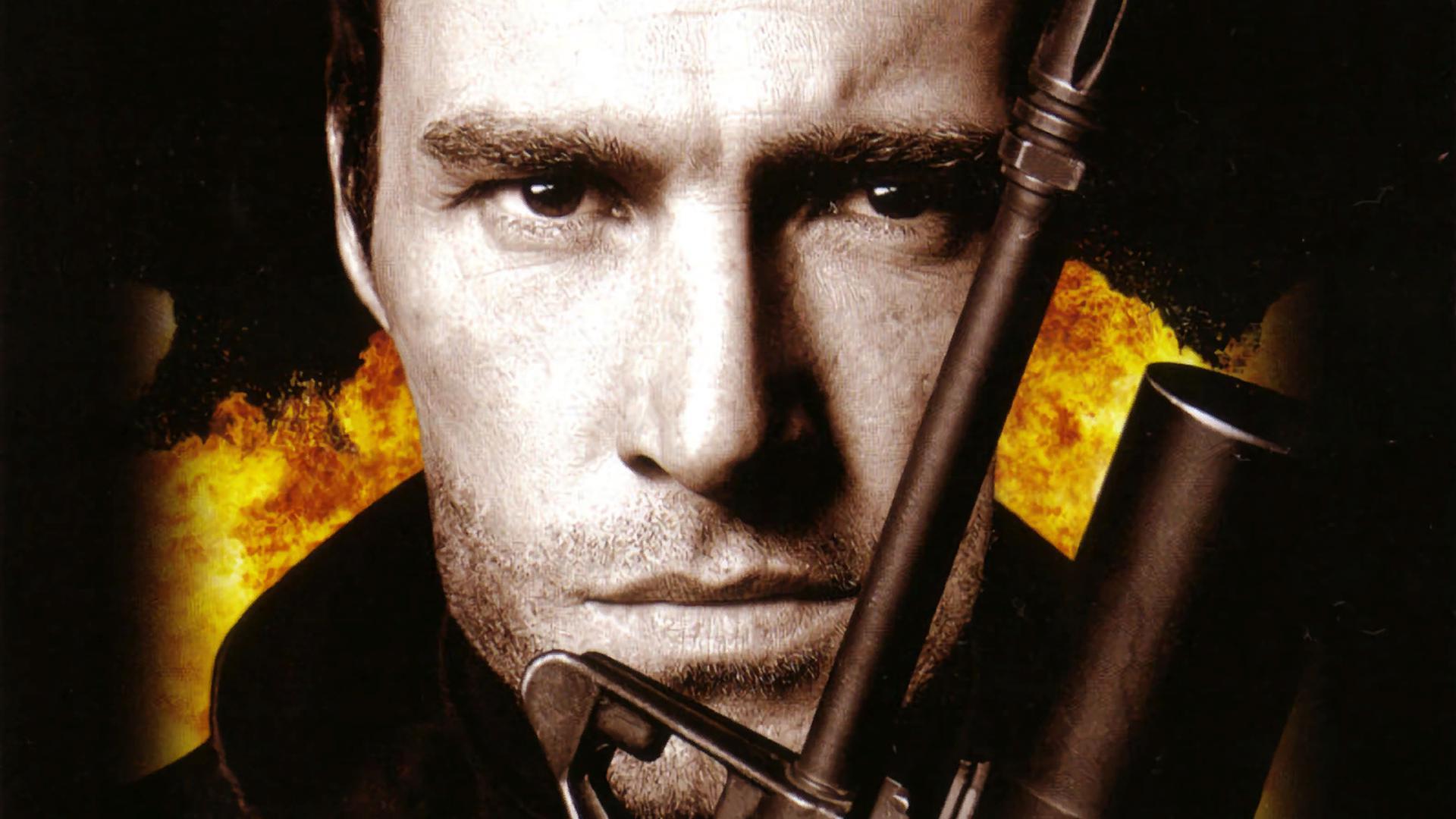
China banned this tactical shooter for missions that took place within its borders and involved the Chinese military. The government claimed the game intentionally smeared the image of the nation and its national defense forces. Officials also argued that the level designs revealed sensitive geographical information that could be considered a security risk. All sales of the game were halted and local servers were shut down by the authorities. It remains a notable example of the strict control exercised over military themed entertainment in East Asia.
‘Dante’s Inferno’ (2010)
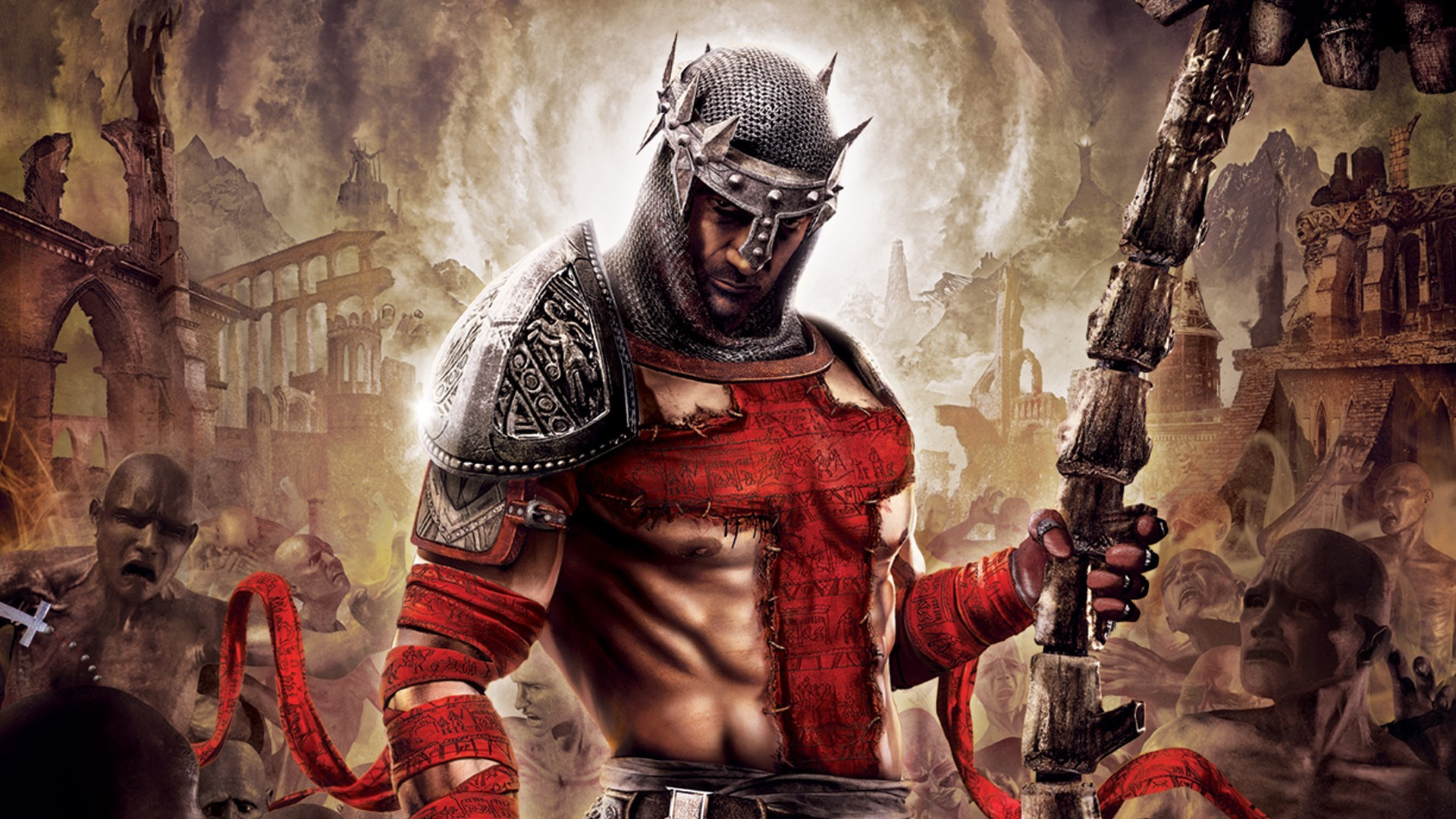
Malaysia banned this action game because of its use of Islamic imagery and religious figures in a fictional hell setting. Regulators argued that the depiction of the afterlife and specific character designs were offensive to the Muslim population. The government felt the content could lead to confusion or disrespect toward established religious and political tenets. As a result the game was not allowed to be sold or marketed within the borders of the country. This reflected the broader trend of restricting media that challenges religious sensitivities in conservative nations.
‘God of War’ (2005)
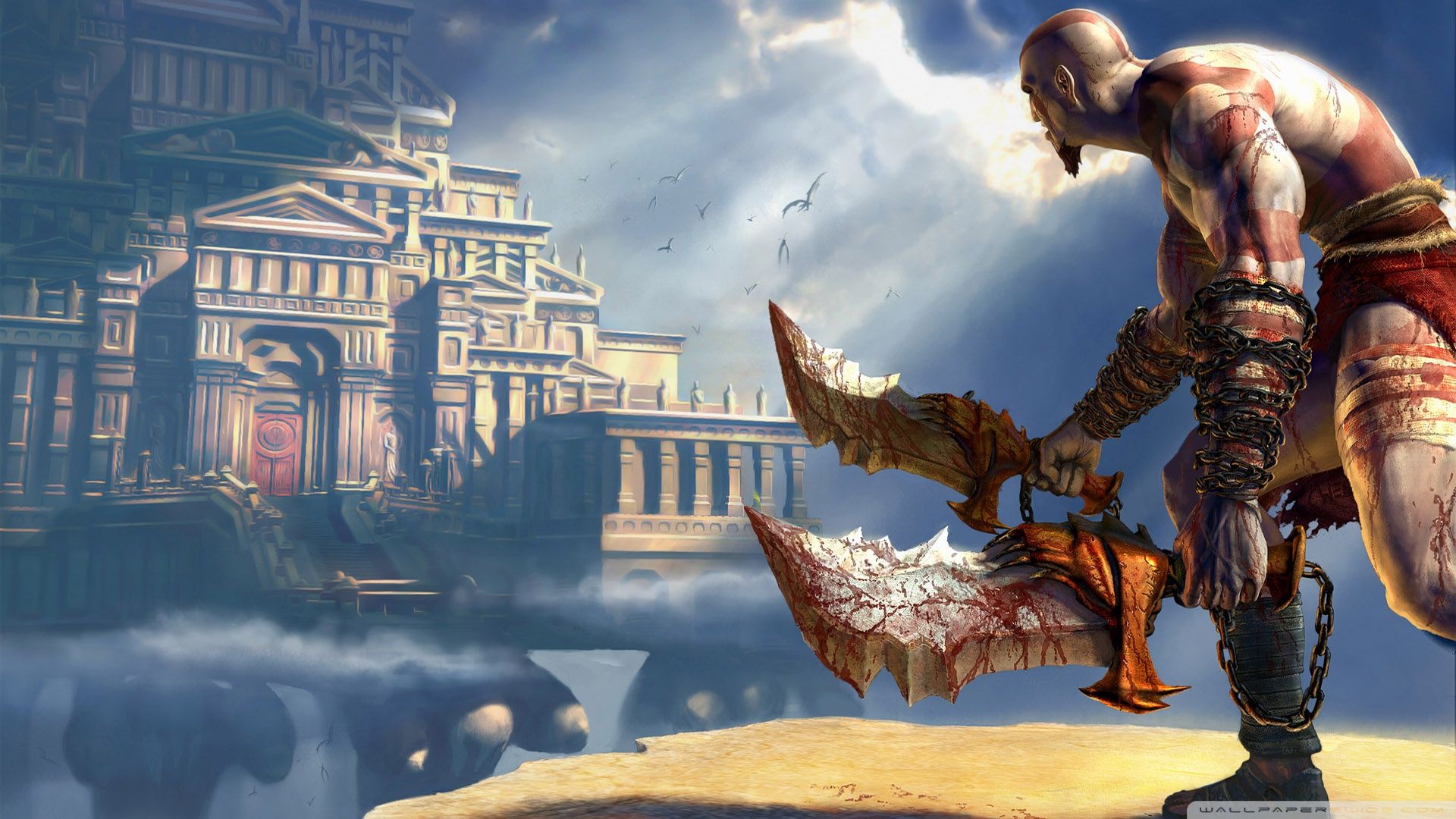
Saudi Arabia banned the original entry in this series largely due to the word God appearing in the title and its polytheistic themes. Censors found the idea of a mortal challenging and killing deities to be religiously and politically inappropriate. The game also featured nudity and extreme violence which further contributed to the decision by the national rating board. For many years the franchise was difficult to obtain through official retail channels in the region. Recent shifts in local policy have since allowed newer entries in the series to be sold more freely.
‘Pokémon GO’ (2016)
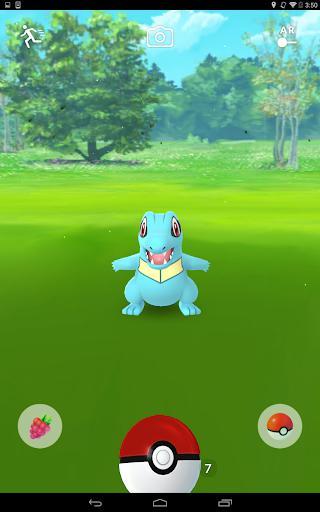
Iran banned this mobile game shortly after its global release citing security concerns and the use of location based technology. Authorities feared that the game could be used for espionage or to gather data on sensitive military sites within the country. There were also concerns about the safety of citizens playing the game in public spaces without proper supervision. The high council of virtual spaces stated that the game failed to obtain the necessary permits for official operation. It remains a unique case of a mainstream mobile title being restricted for national security reasons.
‘Plague Inc.’ (2012)
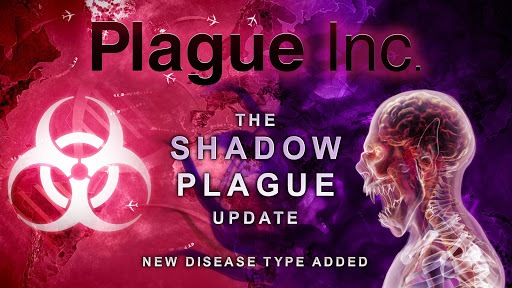
China removed this pandemic simulation game from its app stores during the early stages of a global health crisis. Regulators claimed the game contained illegal content although they did not provide specific details regarding the violation. Many analysts believed the ban was related to the ability of players to name their viruses and the realistic simulation of global outbreaks. The timing of the removal suggested that the government wanted to control narratives around public health and safety. The developers expressed disappointment but were unable to appeal the decision effectively.
‘Tom Clancy’s Splinter Cell: Pandora Tomorrow’ (2004)
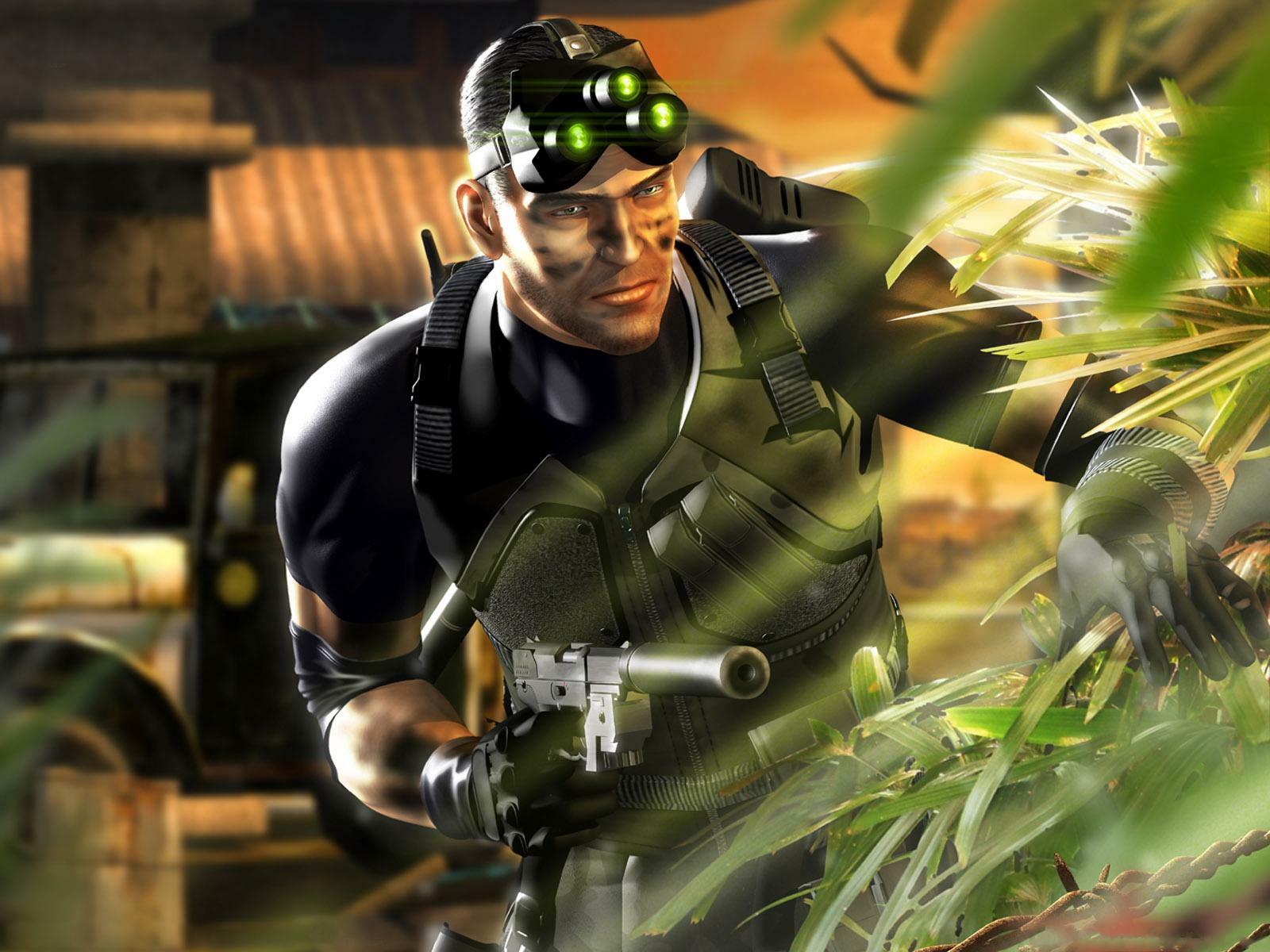
Indonesia banned this stealth game because it depicted a fictional terrorist group operating within its national borders. The story follows a secret agent as he attempts to stop a biological attack planned by radical groups. Government officials were unhappy with the portrayal of their nation as a breeding ground for extremist violence. They argued that such content could damage international relations and the local tourism industry. The game remains a prominent example of regional sensitivity toward modern political thrillers and tactical shooters.
‘S.T.A.L.K.E.R. 2: Heart of Chornobyl’ (2024)
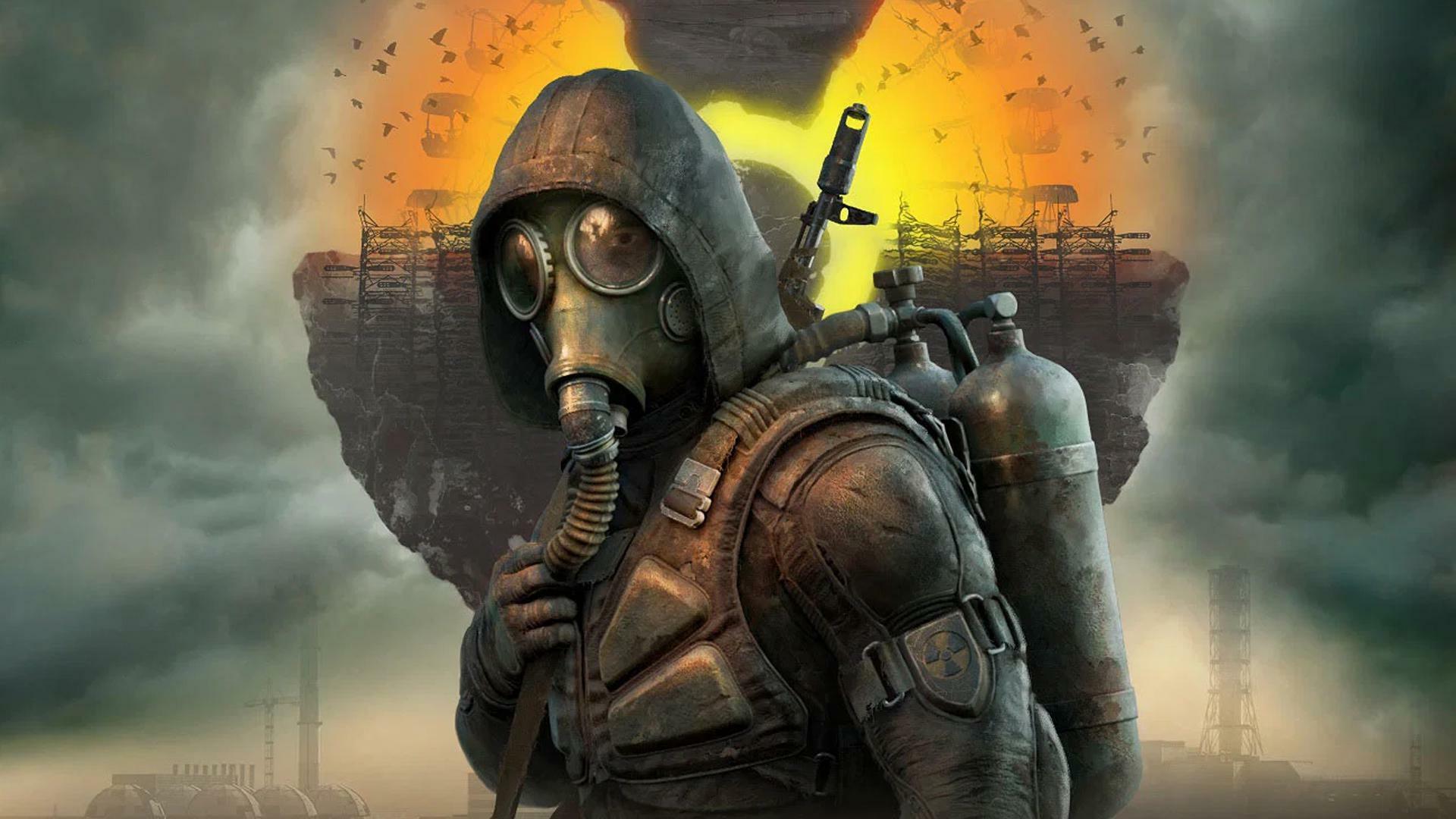
Russia banned this highly anticipated sequel as part of a broader crackdown on products coming from Ukraine. The developers openly supported the Ukrainian defense efforts and included political messages within their community updates during the conflict. Russian authorities labeled the game as a potential tool for extremism and prohibited its distribution within the federation. Players were warned that purchasing the game could lead to legal consequences under current national security laws. This ban solidified the game as a symbol of the ongoing political conflict between the two nations.
‘Company of Heroes 2’ (2013)
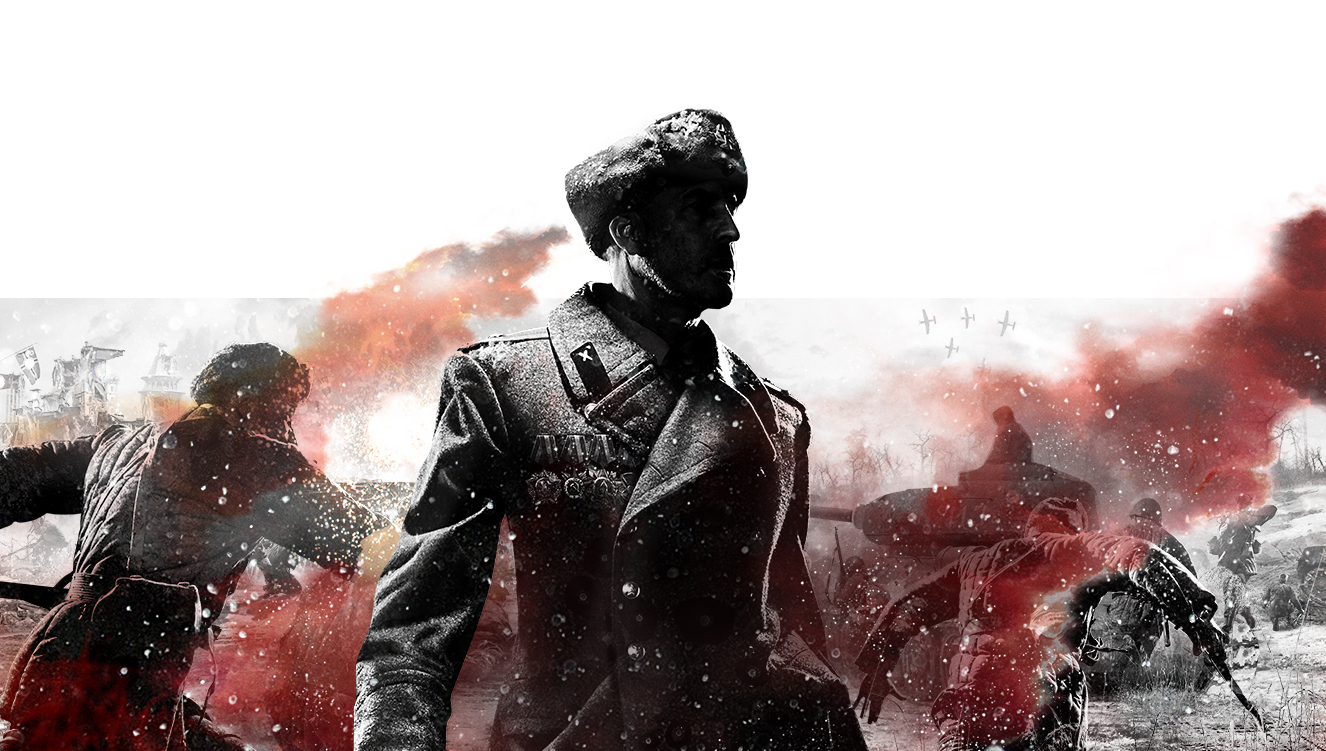
This strategy game faced a sales ban in Russia following complaints about its depiction of the Red Army during World War II. Players and critics argued that the game portrayed Soviet soldiers as cruel and focused on negative historical events like the execution of retreating troops. A local distributor stopped selling the game after a public outcry and pressure from government supporters. The controversy highlighted the deep emotional and political weight of war history in Eastern European countries. It remains a polarizing title for its narrative choices regarding the history of the Eastern Front.
‘Dragon Age: Inquisition’ (2014)
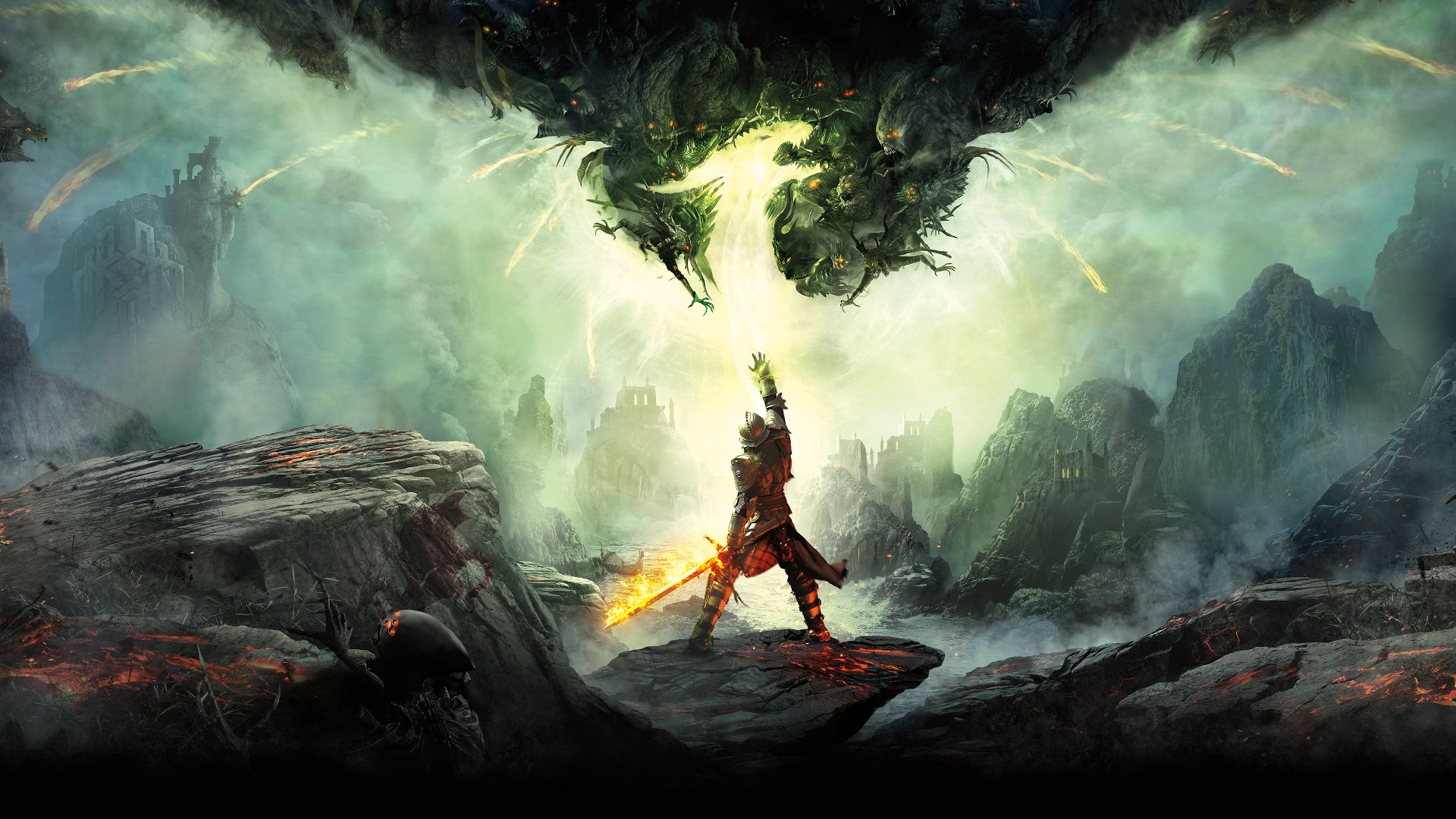
This fantasy role playing game was not released in India and parts of the Middle East to avoid potential legal issues. The developers decided to skip these markets due to the inclusion of same sex romance options and diverse characters. They feared that the content would violate local obscenity laws and lead to a formal ban or criminal prosecution. By voluntarily withdrawing the title the company avoided the long and expensive process of regional censorship. This move highlighted the challenges of launching inclusive global products in diverse legal and political environments.
‘The Sims 4’ (2014)
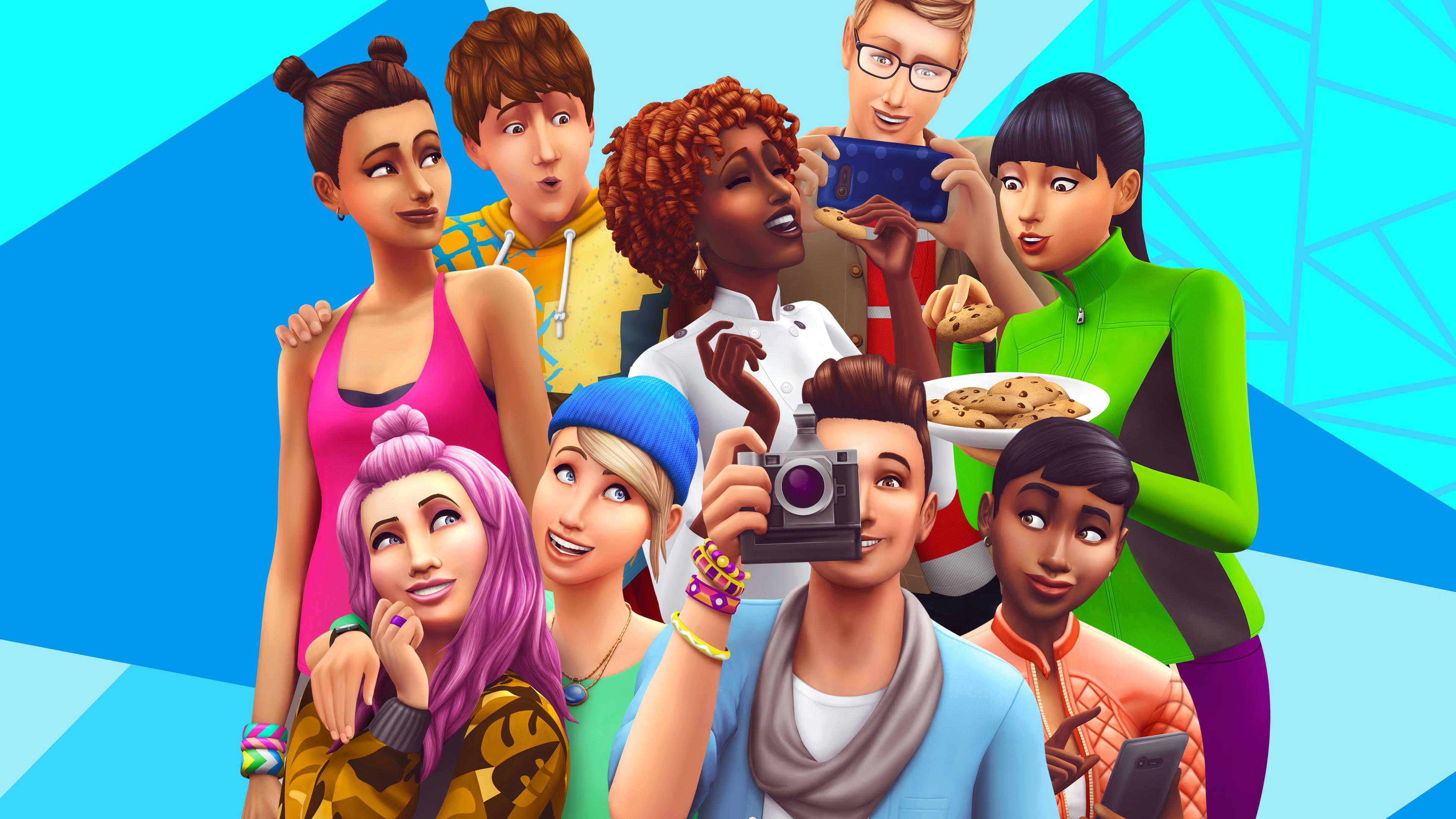
Russia assigned a mature rating to this life simulation game to comply with laws regarding the protection of children from specific social information. The law prohibits the promotion of non traditional sexual relationships to minors which affected the game because of its open romance options. This classification effectively limited the marketing and availability of the game compared to other global regions. Some players viewed this as a soft ban that restricted access for younger audiences who enjoy the series. The developers maintained the inclusive features despite the regional rating and political challenges.
‘Roblox’ (2006)
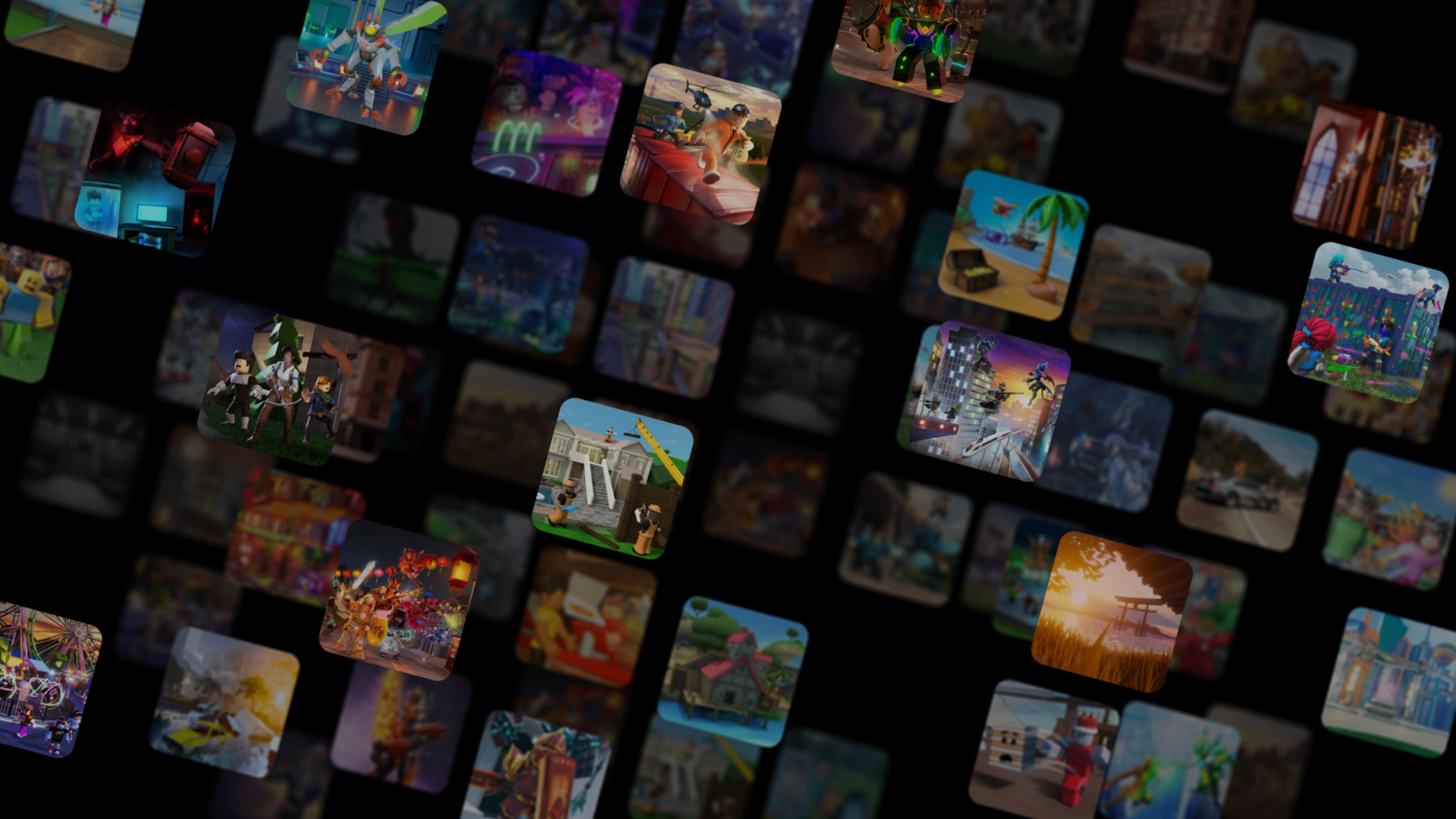
Turkey recently banned this massive gaming platform over concerns regarding child safety and the presence of inappropriate content. Officials stated that the platform was being used to spread harmful material that did not align with national values. There were also allegations that the game allowed for the exploitation of minors through unmonitored digital interactions. The decision was part of a broader effort to regulate digital spaces and protect the youth from foreign influence. This ban affected millions of users who utilized the platform for creativity and social connection every day.
‘EVE Online’ (2003)
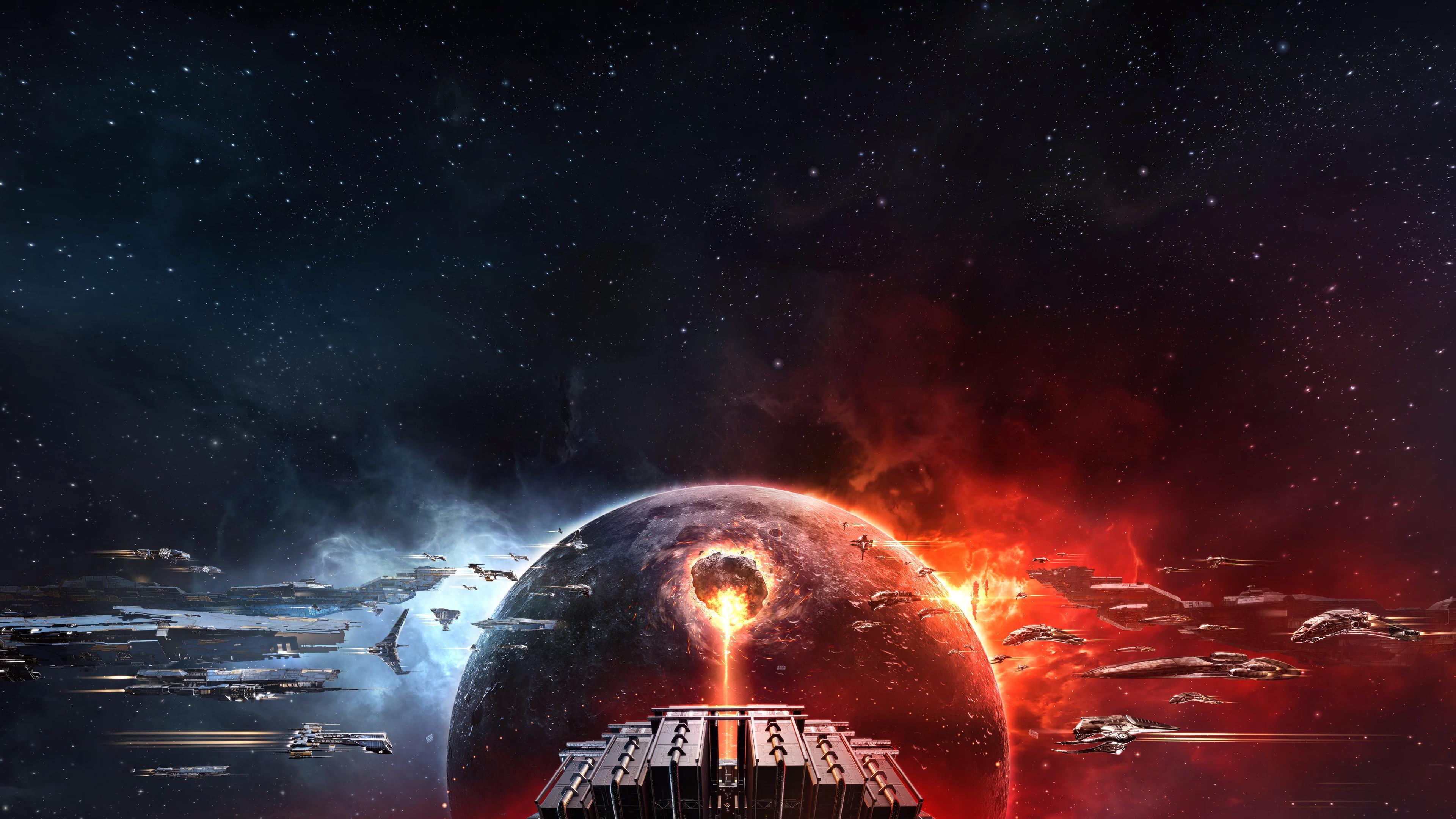
China required a completely separate version of this space simulation to be managed by a local company to maintain oversight. The government insisted on strict monitoring of player interactions and the ability to censor political discourse within the game world. This led to the creation of a special server that is isolated from the rest of the global player base. Regulators wanted to ensure that the complex social and political structures of the game did not challenge state authority. It demonstrates how virtual economies and societies are subject to real world political oversight.
‘Red Alert 2’ (2000)
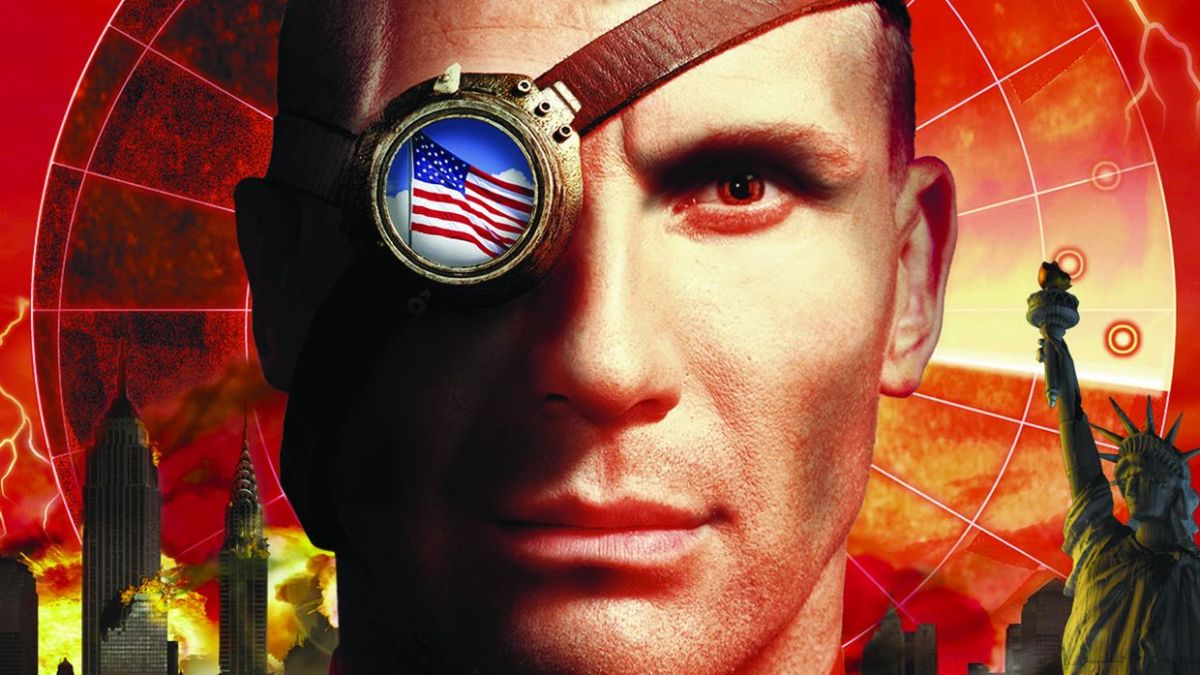
This strategy game was banned in China because it featured missions where players could attack and destroy national monuments. The storyline involves a global conflict between the Soviet Union and the United States with various regional factions involved. Chinese officials found the portrayal of their territory and the potential for digital destruction to be politically offensive. The ban covered both the base game and its popular expansion packs across all retail outlets. It remains a classic example of early 2000s era censorship in the international gaming industry.
‘Call of Duty: Black Ops’ (2010)
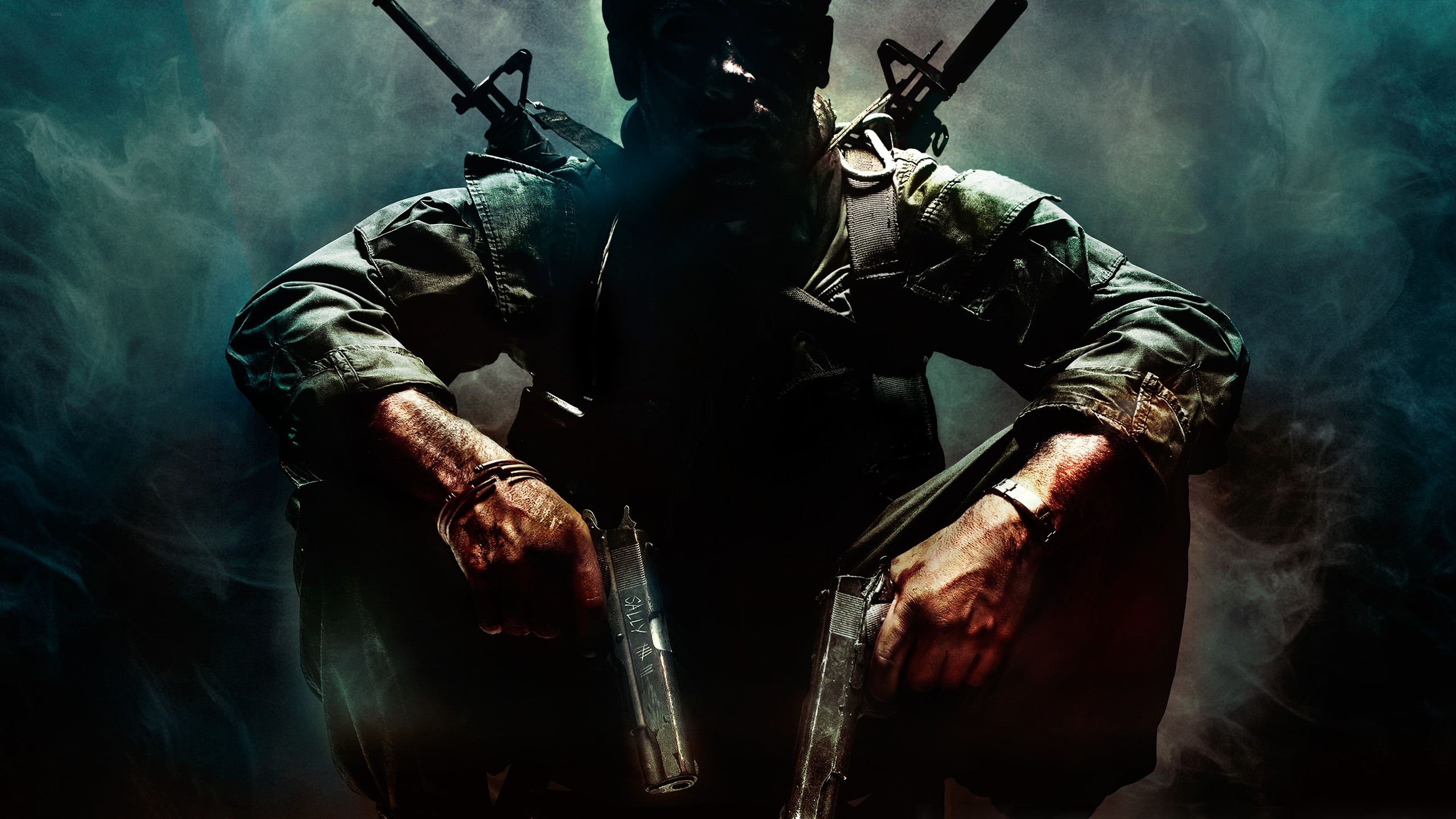
Cuba condemned this game and restricted its availability due to a mission that involves an assassination attempt on a former leader. The government called the game a tool of American imperialism and a celebration of political violence against sovereign states. They argued that the content was designed to brainwash the youth and promote a hostile view of the Cuban Revolution. This resulted in a total prohibition of the game on the island and in official state media. The incident sparked a brief international conversation about the ethics of depicting real leaders in combat games.
‘Modern Warfare 2’ (2009)
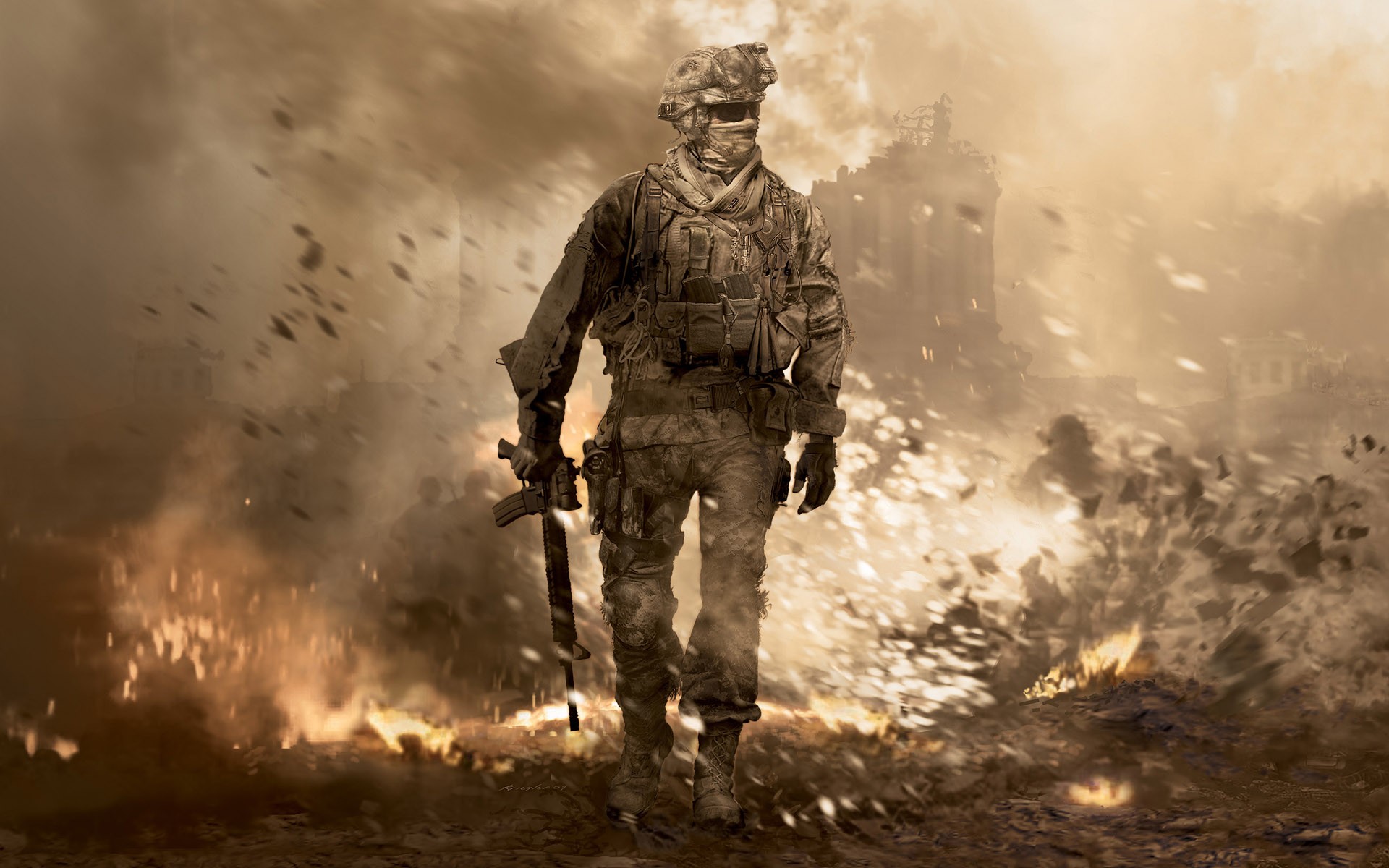
The infamous airport mission caused significant political friction in several countries including Russia and Japan. In Russia the console version was recalled so the mission could be removed after intense government and public scrutiny. In other regions the mission was made optional or featured a failure screen if players harmed non combatants. The scene depicts a terrorist attack and was intended to show the brutality of the main antagonist in the story. Its inclusion remains one of the most debated and censored moments in the history of the action genre.
‘VRChat’ (2014)
China implemented a ban on this social platform because it allowed users to interact without real time government surveillance. The ability for players to use custom avatars and enter unmoderated chat rooms was seen as a threat to national stability. Officials were concerned that users could share political opinions or organize movements outside of established state control. As a result the platform was blocked and became inaccessible to the mainland population without a private connection. This case illustrates the high priority placed on communication control in certain political jurisdictions.
‘Project I.G.I.’ (2000)
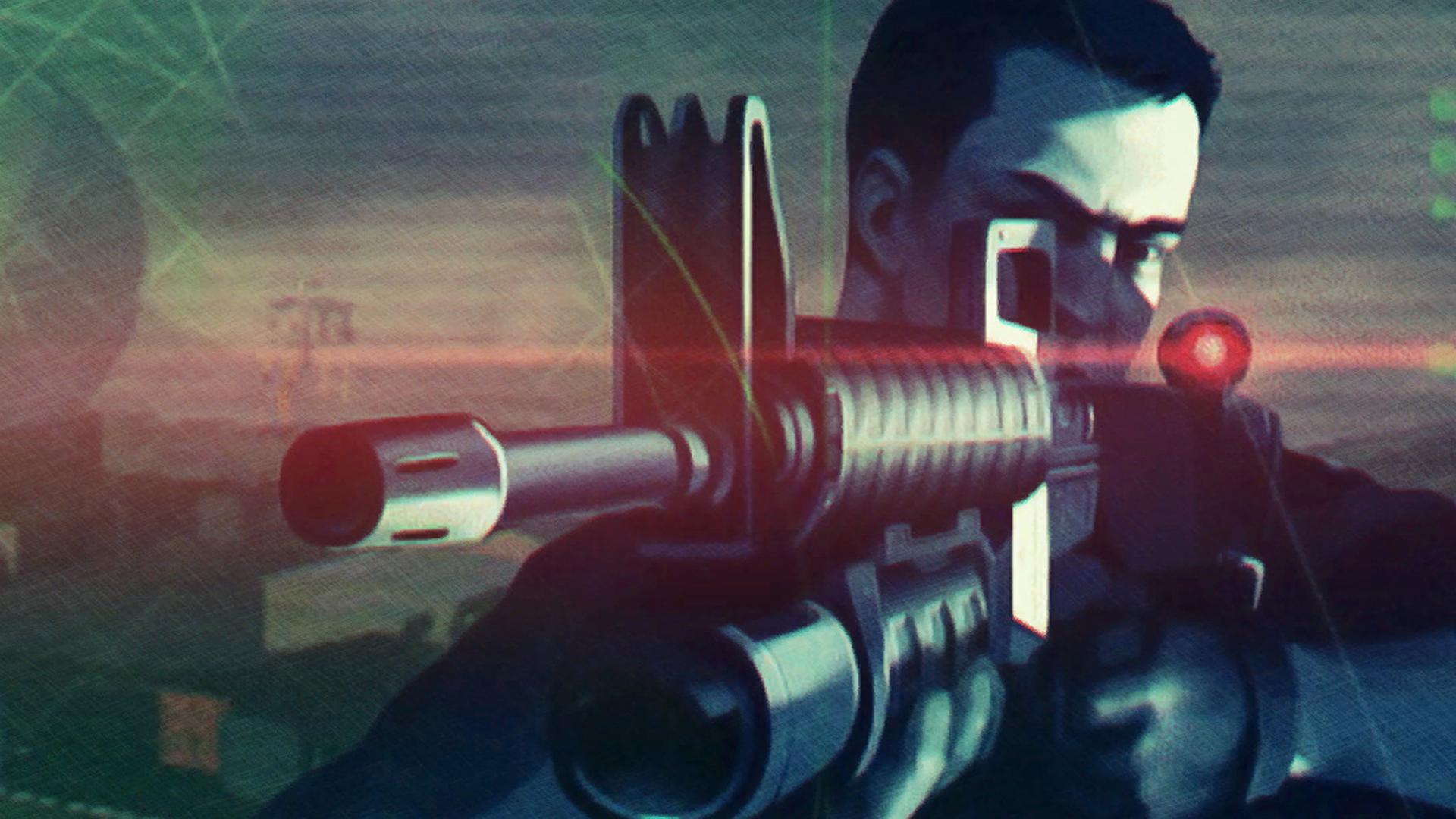
This early tactical shooter was banned in China for missions that depicted the infiltration of military bases within the country. The government argued that the game presented an inaccurate and harmful view of its national security forces to a global audience. They also expressed concern that the game could be used to gather intelligence about the layout of sensitive locations. The ban was strictly enforced and prevented the game from gaining a legal foothold in the growing domestic market. It set a precedent for how future military games would be evaluated by regional political censors.
Share your thoughts on these controversial bans in the comments.