

Games That Faced Boycotts Over Historical Inaccuracy Debates



The intersection of entertainment and history often leads to heated debates regarding the necessity of accuracy in digital media. Developers frequently balance educational realism with gameplay mechanics and narrative themes. Some titles face significant pushback from audiences when these creative liberties are perceived as revisions of established facts. This has led to organized boycotts and digital protests across various gaming platforms. The following entries represent major video games that encountered controversy over their depiction of historical events or figures.
‘Battlefield V’ (2018)
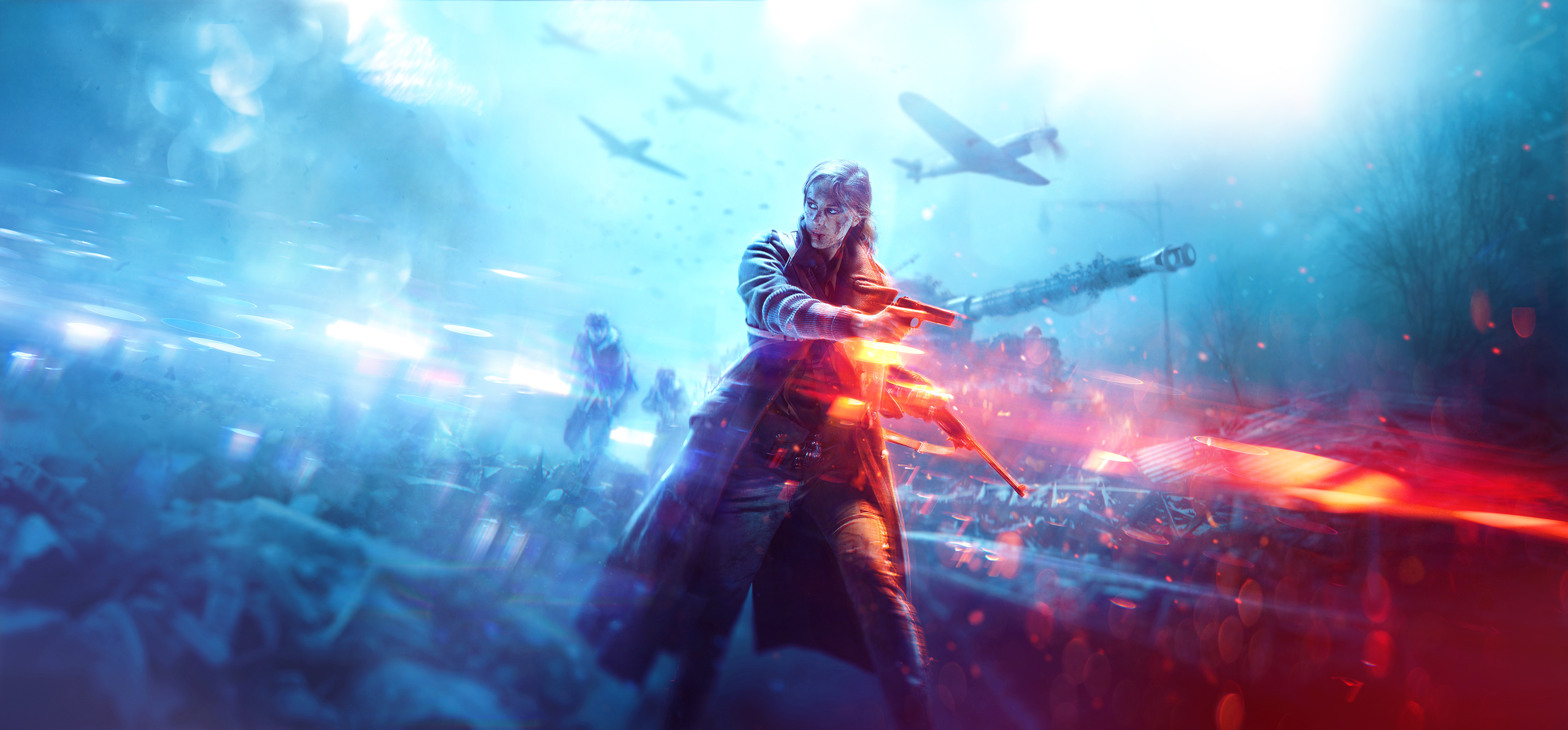
The inclusion of female soldiers in front line combat roles during World War II sparked a significant backlash from segments of the gaming community. Many critics argued that the creative choice undermined the historical authenticity that the franchise was known for in previous entries. Electronic Arts executives responded by defending the decision as a push for inclusivity and player customization. This debate led to a drop in pre order numbers and a vocal boycott under a specific social media hashtag. The controversy highlighted the tension between representative game design and strict adherence to historical records.
‘Assassin’s Creed Shadows’ (2025)
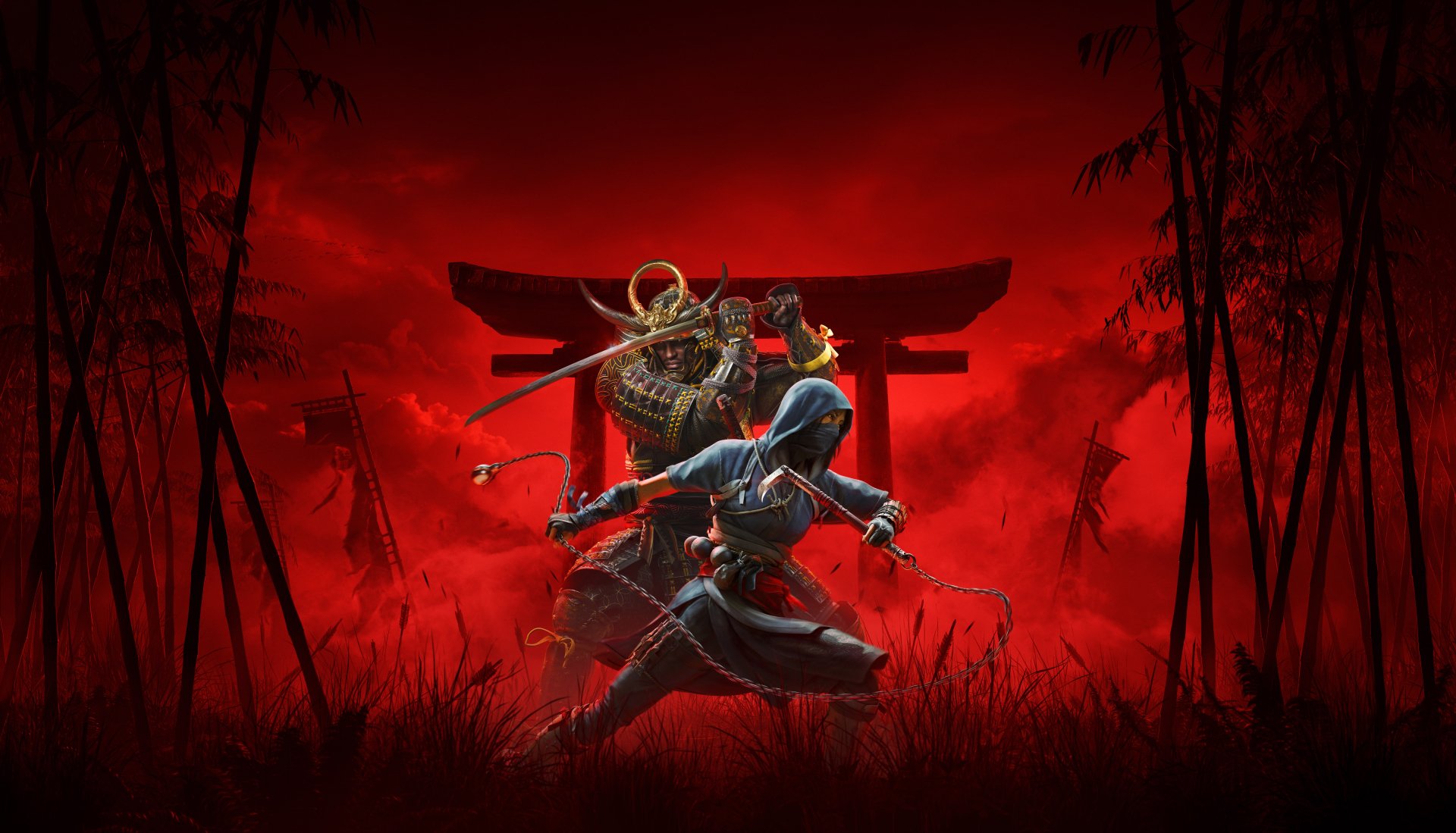
This title faced early criticism for its portrayal of Yasuke as a legendary samurai in feudal Japan. Critics and some historians debated whether his historical role as an attendant to Oda Nobunaga justified his depiction as a primary warrior protagonist. Online petitions and social media campaigns called for a more traditional Japanese lead character to ensure cultural accuracy. The developer emphasized that the series has always blended historical facts with fictional narratives. This situation demonstrates the high level of scrutiny that major franchises face when exploring sensitive cultural and historical topics.
‘Kingdom Come Deliverance’ (2018)
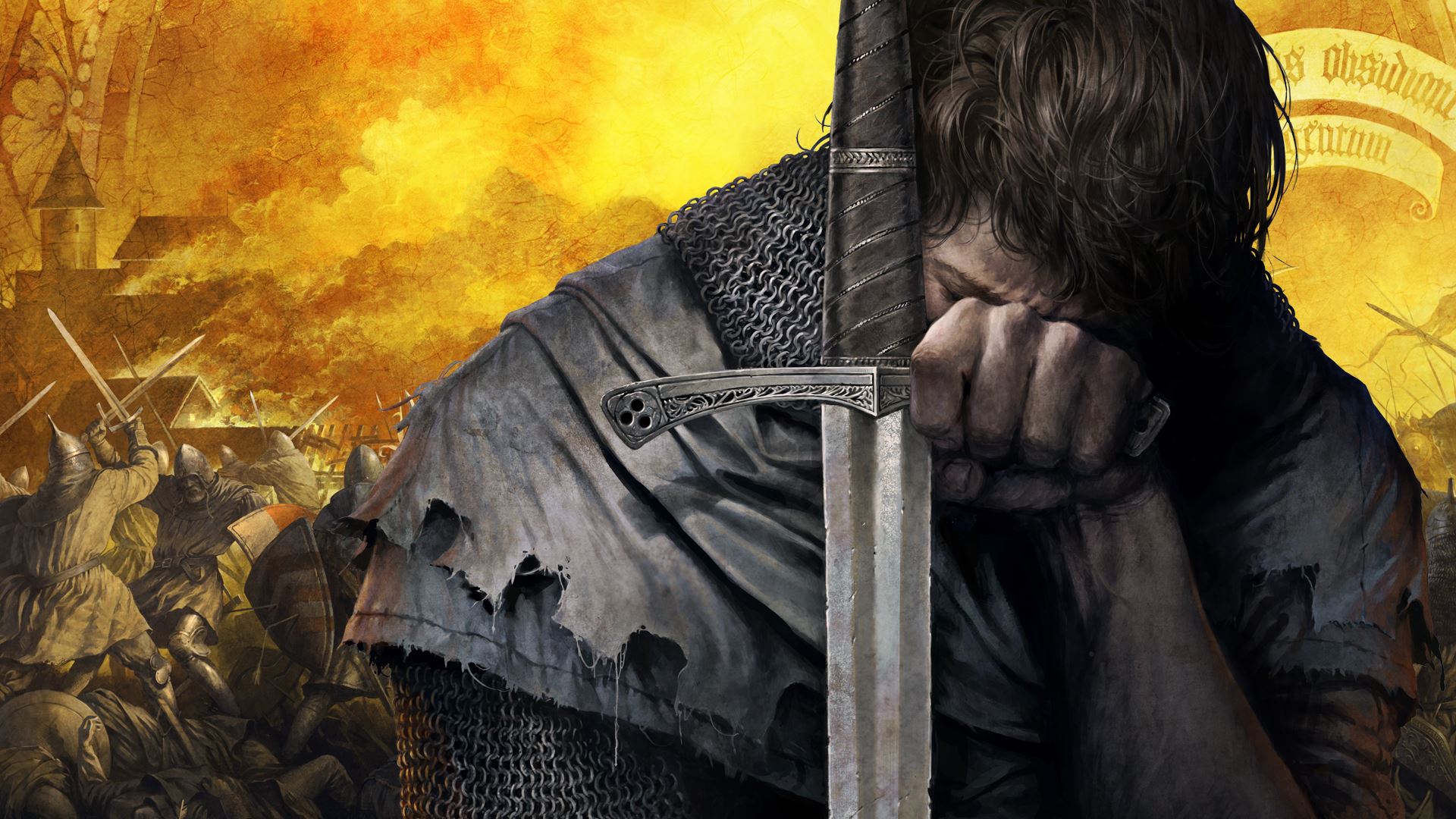
Set in 15th century Bohemia, this game was criticized by some for a lack of ethnic diversity in its cast of characters. The lead developer defended the decision by citing intensive historical research that indicated a homogeneous population in that specific rural region. This sparked a polarized debate between those who prioritized modern representation and those who demanded strict regional realism. A segment of critics called for a boycott while others praised the game for its dedication to medieval accuracy. The game ultimately became a commercial success despite the ideological rift it created.
‘Total War Rome II’ (2013)
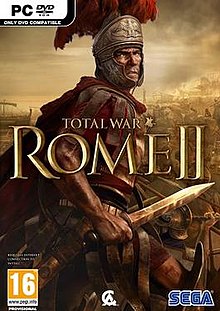
A post launch update that increased the spawn rate of female generals for certain factions caused an uproar among the player base. Many users claimed that the change was not historically grounded for the Roman and Greek cultures depicted in the game. Review bombing on major platforms served as a digital boycott to protest what players called a forced ideological update. Creative Assembly clarified that the feature was limited to specific cultures where female leaders were historically documented. This event remains a prominent example of how updates to older games can trigger historical accuracy debates.
‘Company of Heroes 2’ (2013)
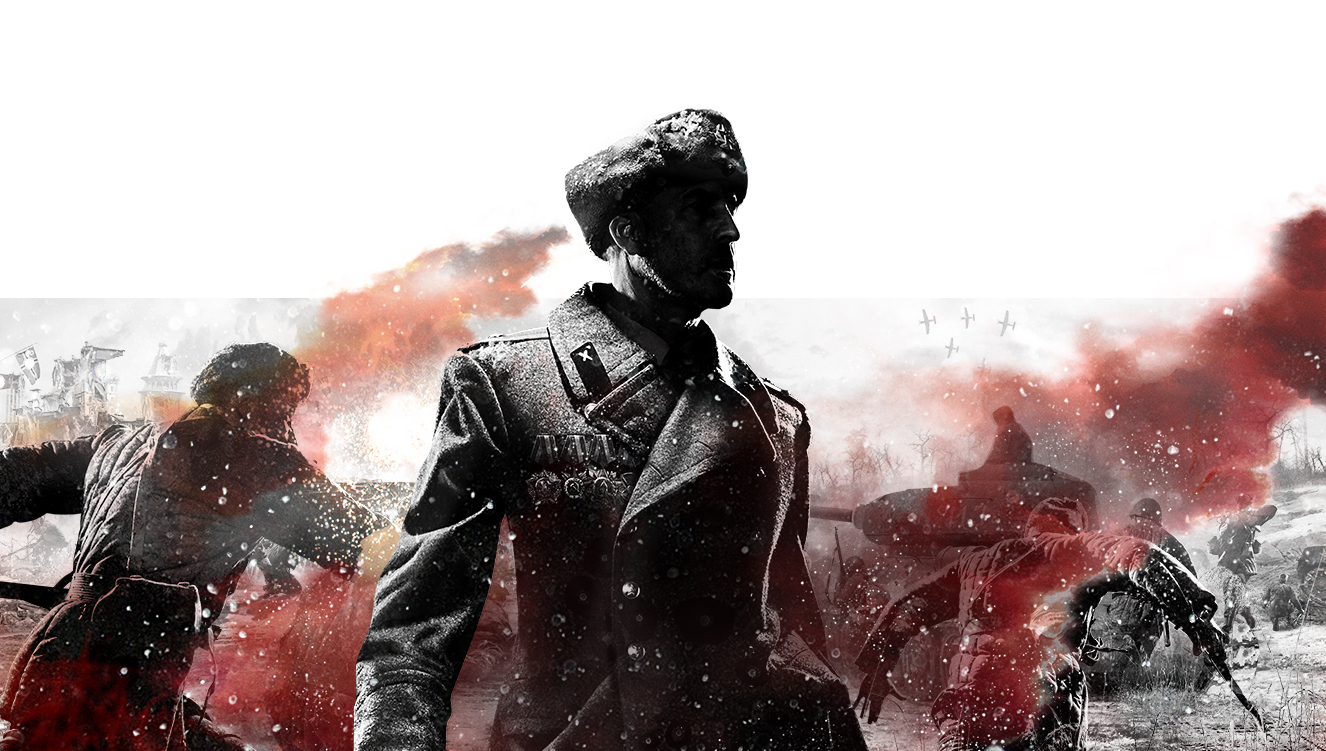
The depiction of the Soviet Red Army in this World War II strategy game led to a massive backlash in Russia and other former Soviet states. Critics argued that the game unfairly portrayed Russian soldiers as cruel and incompetent while ignoring their sacrifices. Local distributors eventually stopped selling the game due to the intense public outcry and calls for a boycott. The developer expressed regret that their narrative choices caused offense but maintained they were inspired by various historical accounts. This incident showed how different national perspectives on history can influence the reception of a global product.
‘Call of Duty Vanguard’ (2021)
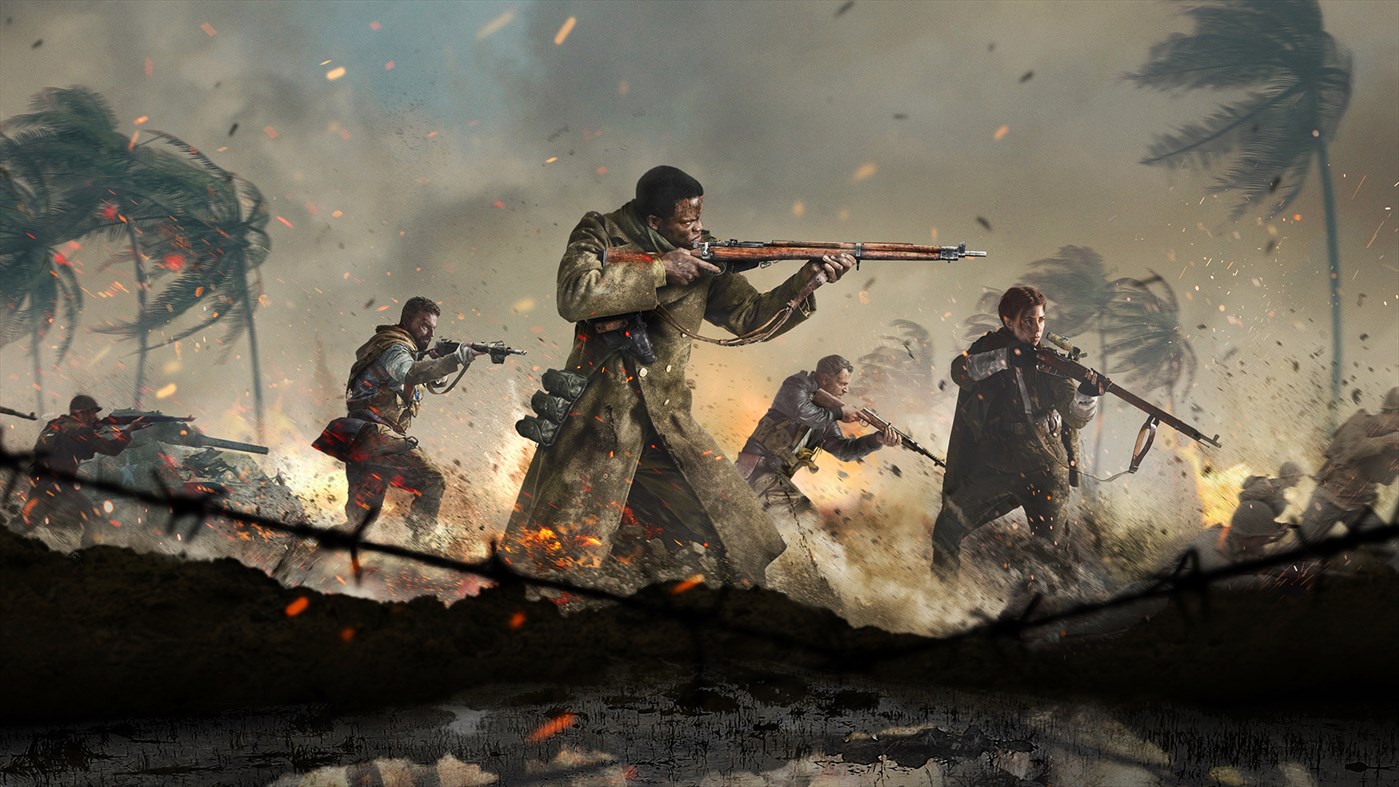
This entry in the long running shooter series was criticized for including weaponry and optics that did not exist during World War II. Players who value immersion felt that the anachronistic elements turned the historical setting into a mere aesthetic. Some groups encouraged a boycott of the title to demand a return to the grounded roots of the franchise. The developers aimed for a fast paced arcade experience which often clashed with the expectations of history enthusiasts. This disconnect contributed to lower sales and engagement compared to previous historical entries.
‘Six Days in Fallujah’ (2023)
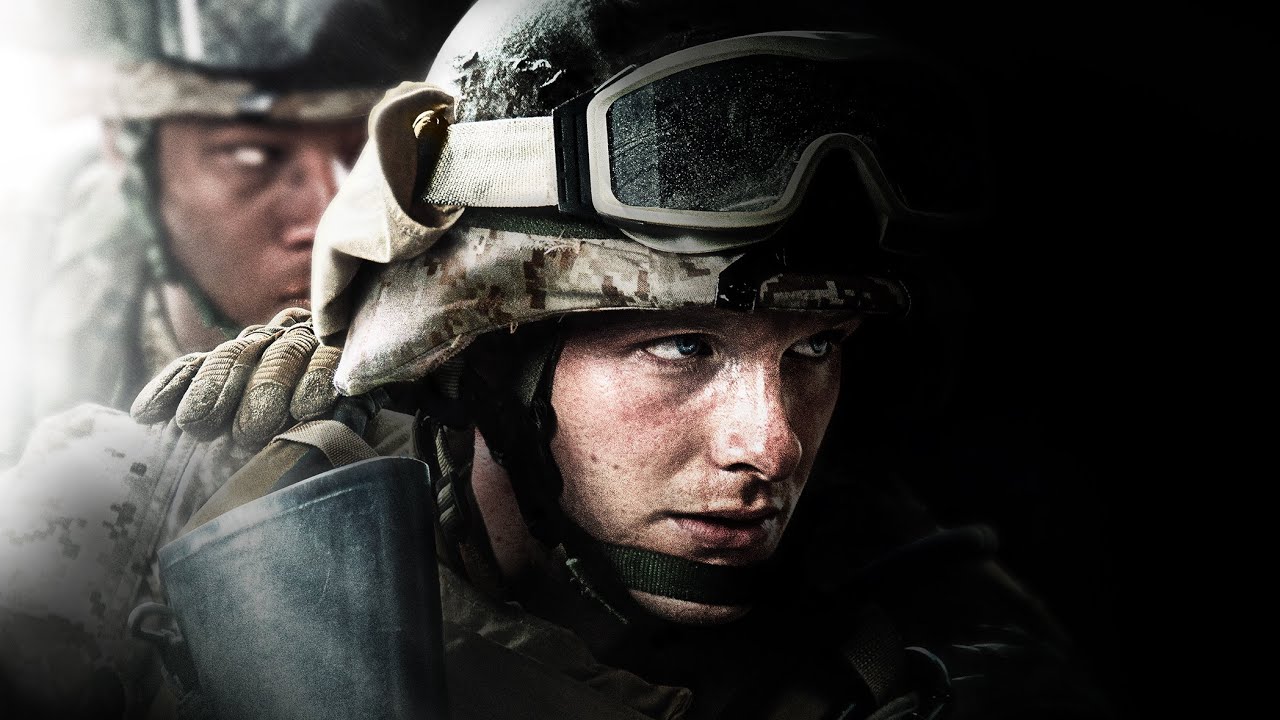
The long delayed release of this tactical shooter faced multiple boycotts throughout its decade of development. Critics were concerned that the game would provide a one sided or sanitized view of the Second Battle of Fallujah. Many human rights organizations argued that a commercial game could not accurately or respectfully portray such a recent and traumatic conflict. The developers stated they worked with both soldiers and civilians to provide a realistic perspective on the events. The title remains a flashpoint for discussions on whether recent history is suitable for interactive entertainment.
‘Medal of Honor’ (2010)
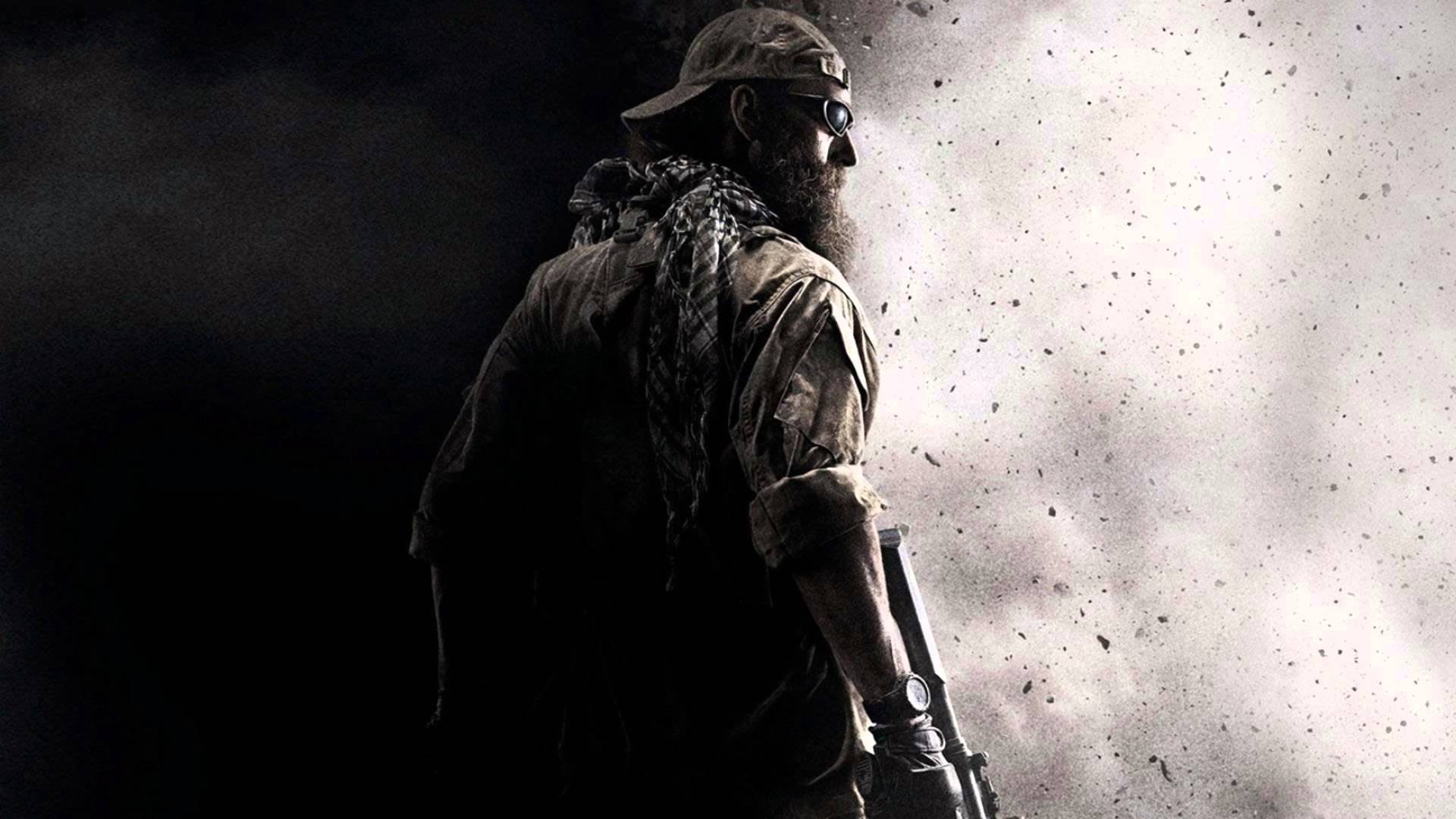
The inclusion of the Taliban as a playable faction in the multi player mode caused a massive national controversy in the United States. Military officials and families of service members called for a complete boycott of the game and its removal from military bases. The pressure eventually forced the developers to rename the faction to Opposing Force to avoid further outrage. Critics argued that the use of a real world insurgent group was a step too far for a commercial product. This decision illustrated the boundaries that developers often navigate when using ongoing or recent historical conflicts.
‘Call of Duty Modern Warfare’ (2019)
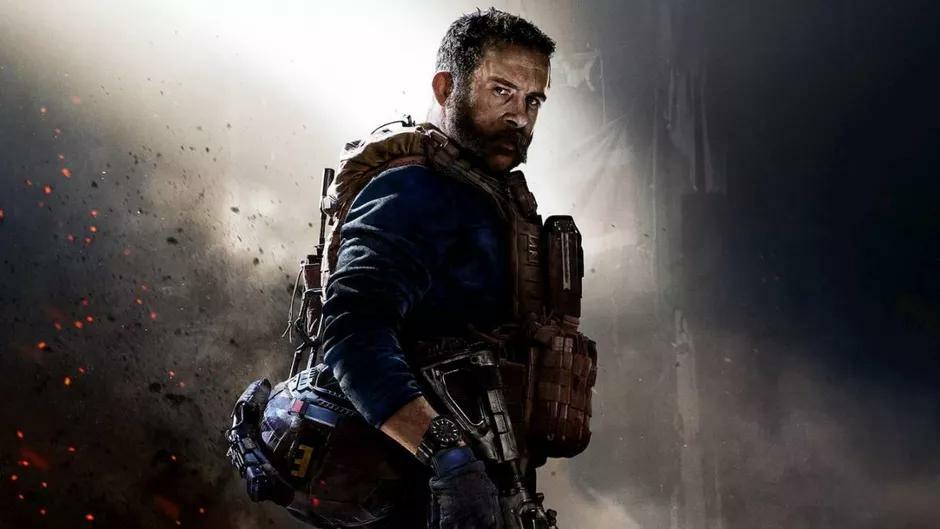
A specific mission in this game depicted a tragedy known as the Highway of Death but attributed the attack to Russian forces. In reality the actual historical event was carried out by a coalition led by the United States during the Gulf War. This perceived rewriting of history led to a severe backlash and boycott threats from Russian players and media outlets. The developers argued that the game took place in a fictionalized version of the world despite using real world names and events. The controversy highlighted the risks of blending contemporary history with fictional narratives.
‘Assassin’s Creed Unity’ (2014)
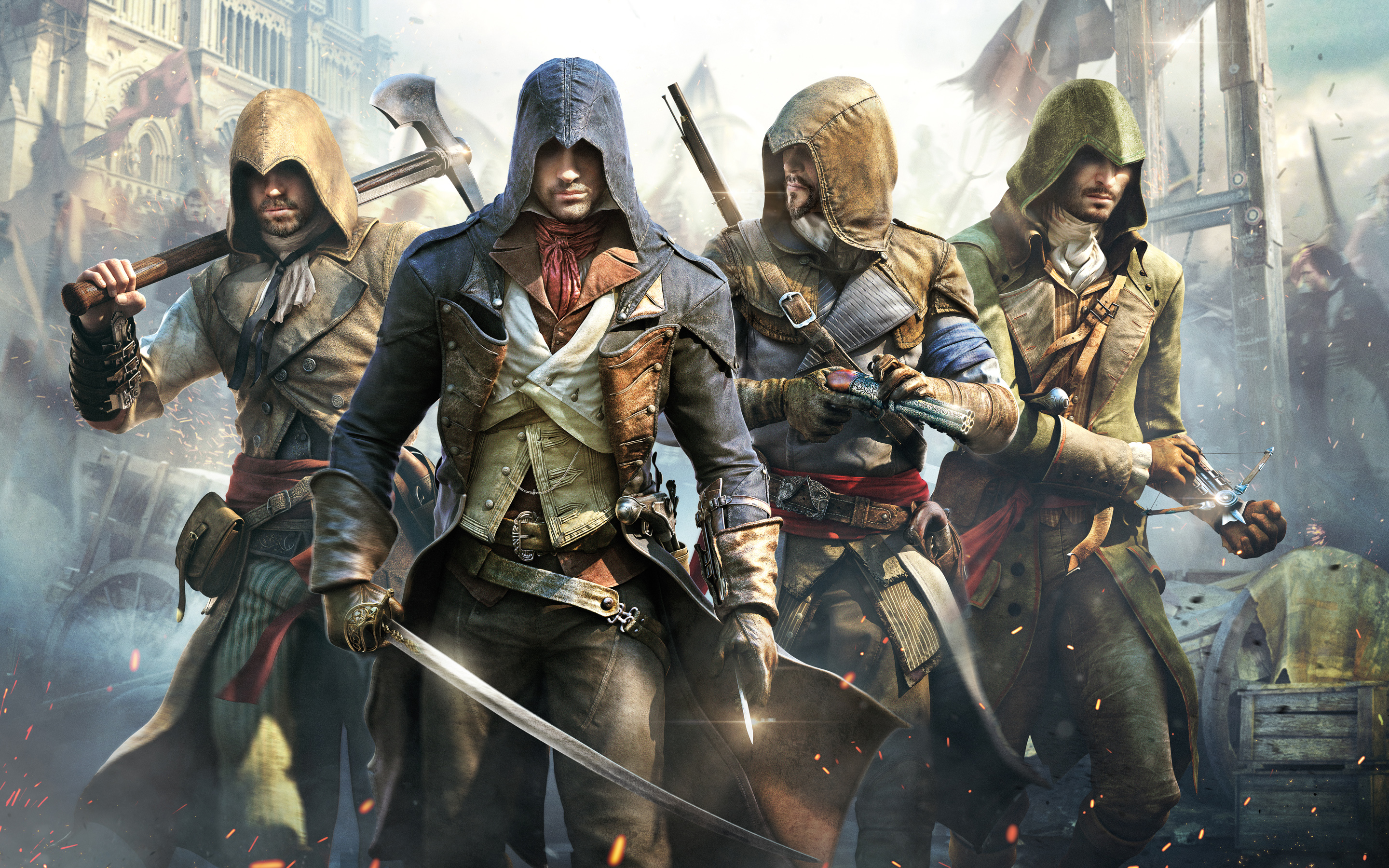
The portrayal of Marie Antoinette and the general timeline of the French Revolution were points of contention for French historians and politicians. Critics argued that the game demonized the revolution and ignored the legitimate grievances of the common people. Public statements from government officials encouraged citizens to look past the game for a true understanding of their history. The developer defended the work as a piece of historical fiction meant for entertainment rather than an educational textbook. This friction showed how domestic history can be a sensitive subject for global media developers.
‘Resident Evil 5’ (2009)
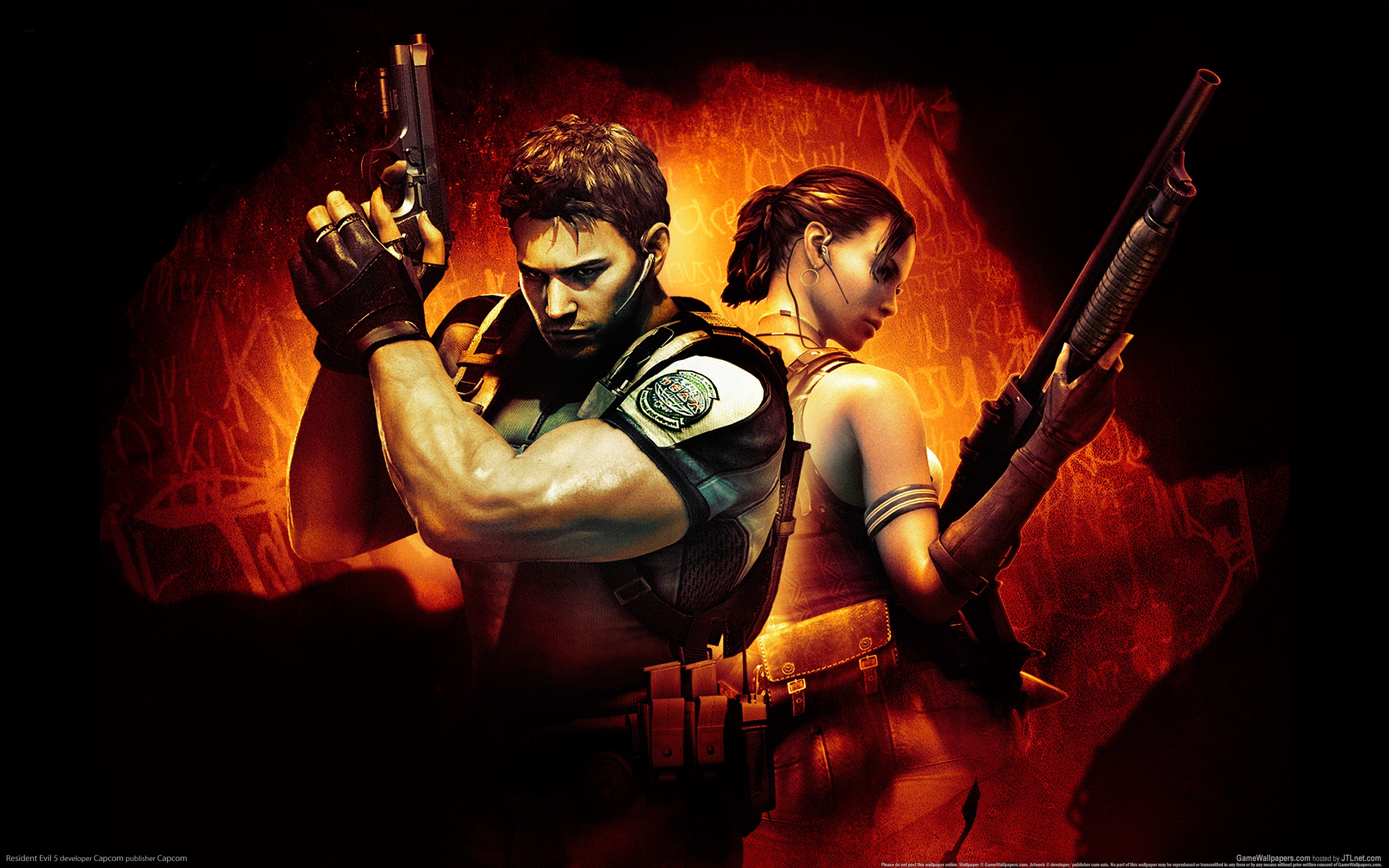
Early trailers for this game depicted a white protagonist fighting swarms of infected black people in an African setting. This imagery sparked accusations of colonialist tropes and historical racism in media. While the game is a work of science fiction the historical context of its setting led to calls for a boycott. Capcom eventually added characters of different ethnicities to the environment to mitigate the criticism. The debate centered on the responsibility of creators when using settings with a history of real world oppression.
‘Ghost Recon Wildlands’ (2017)
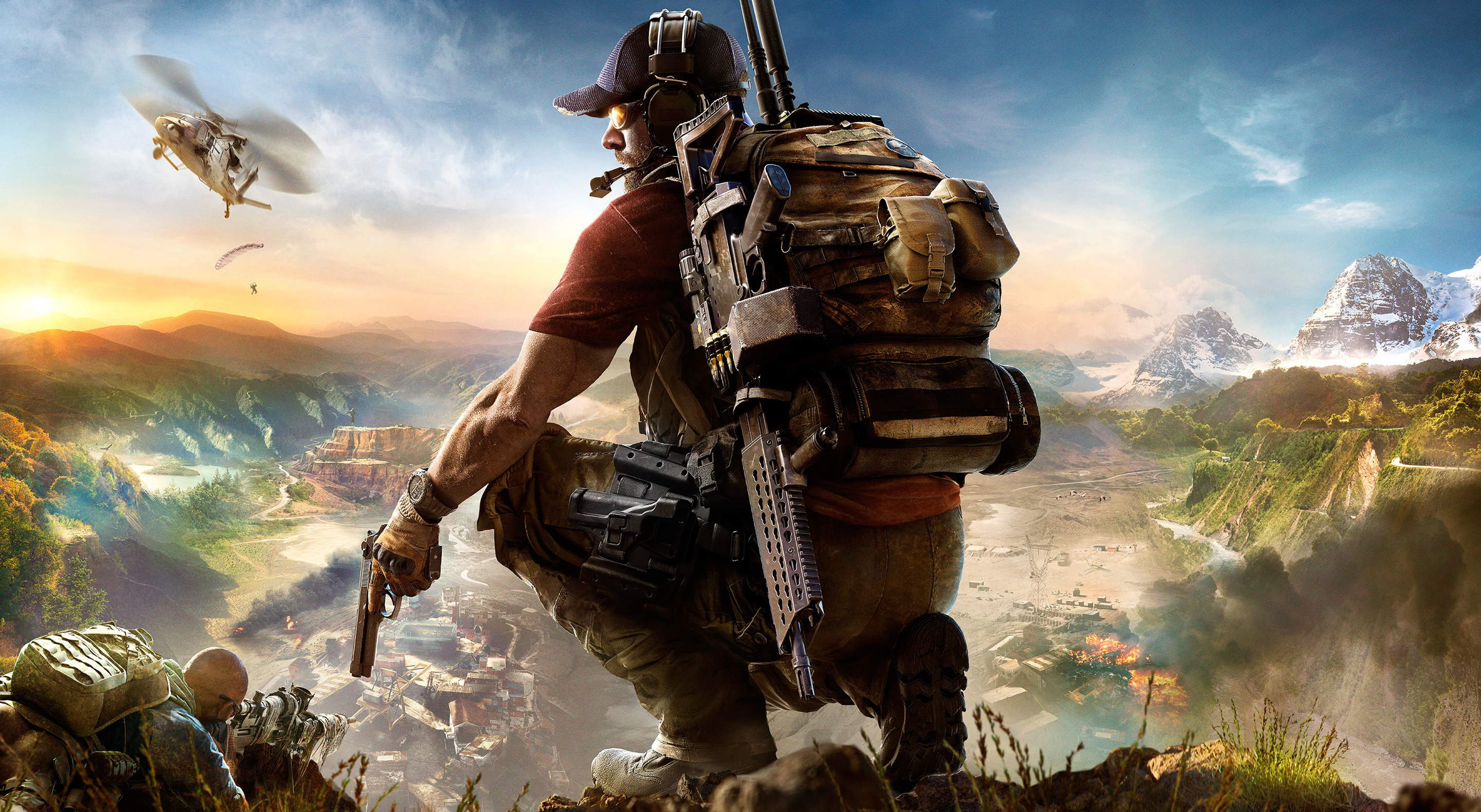
The government of Bolivia filed an official complaint regarding the portrayal of their country as a narco state controlled by drug cartels. They argued that the game ignored the rich history and culture of the nation in favor of a violent stereotype. Activists encouraged a boycott to protest the negative impact the game could have on the international image of the country. Ubisoft stated the game was a work of fiction inspired by real world events in South America. The incident demonstrated how games can affect the modern diplomatic relations and historical identity of a nation.
‘Grand Theft Auto Vice City’ (2002)
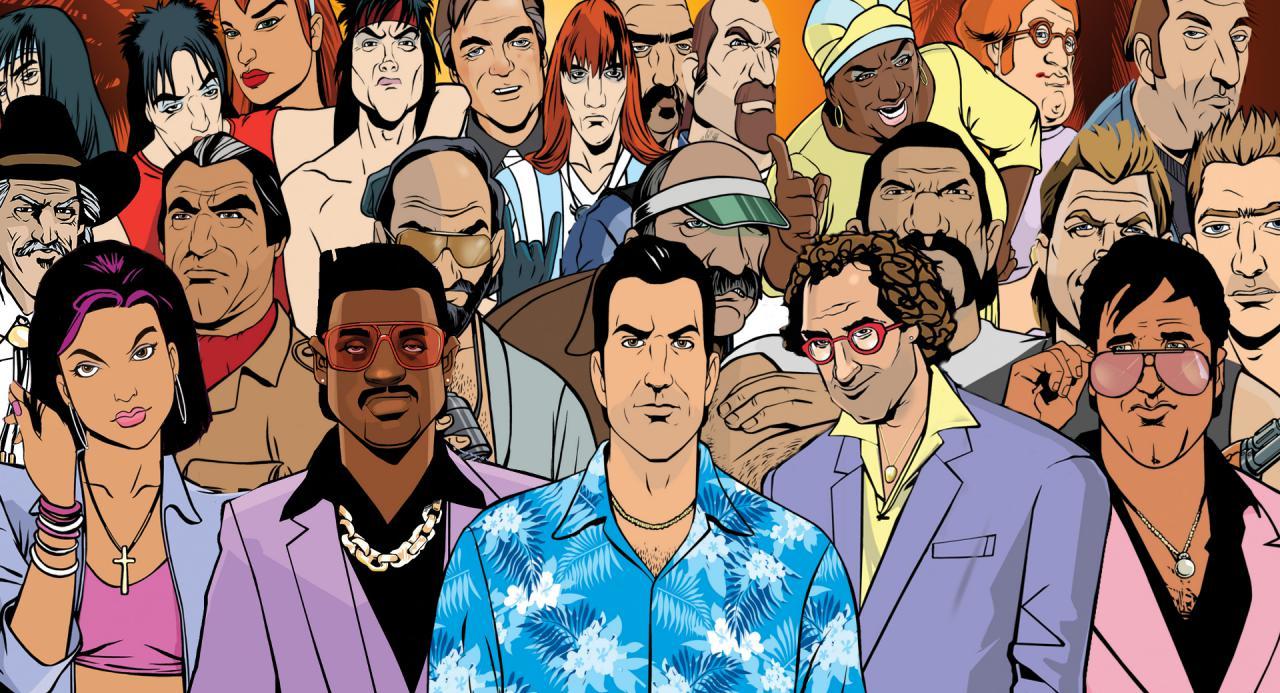
Specific lines of dialogue in the game sparked a significant boycott and legal action from Haitian and Cuban community groups. The groups claimed the game encouraged violence against their people and misrepresented their historical struggles in Miami. City officials and activists demanded the removal of the offensive content and a public apology. Rockstar Games eventually edited the dialogue in future pressings of the game to settle the dispute. This case remains a landmark in the discussion of ethnic representation and historical stereotyping in gaming.
‘Wolfenstein II The New Colossus’ (2017)
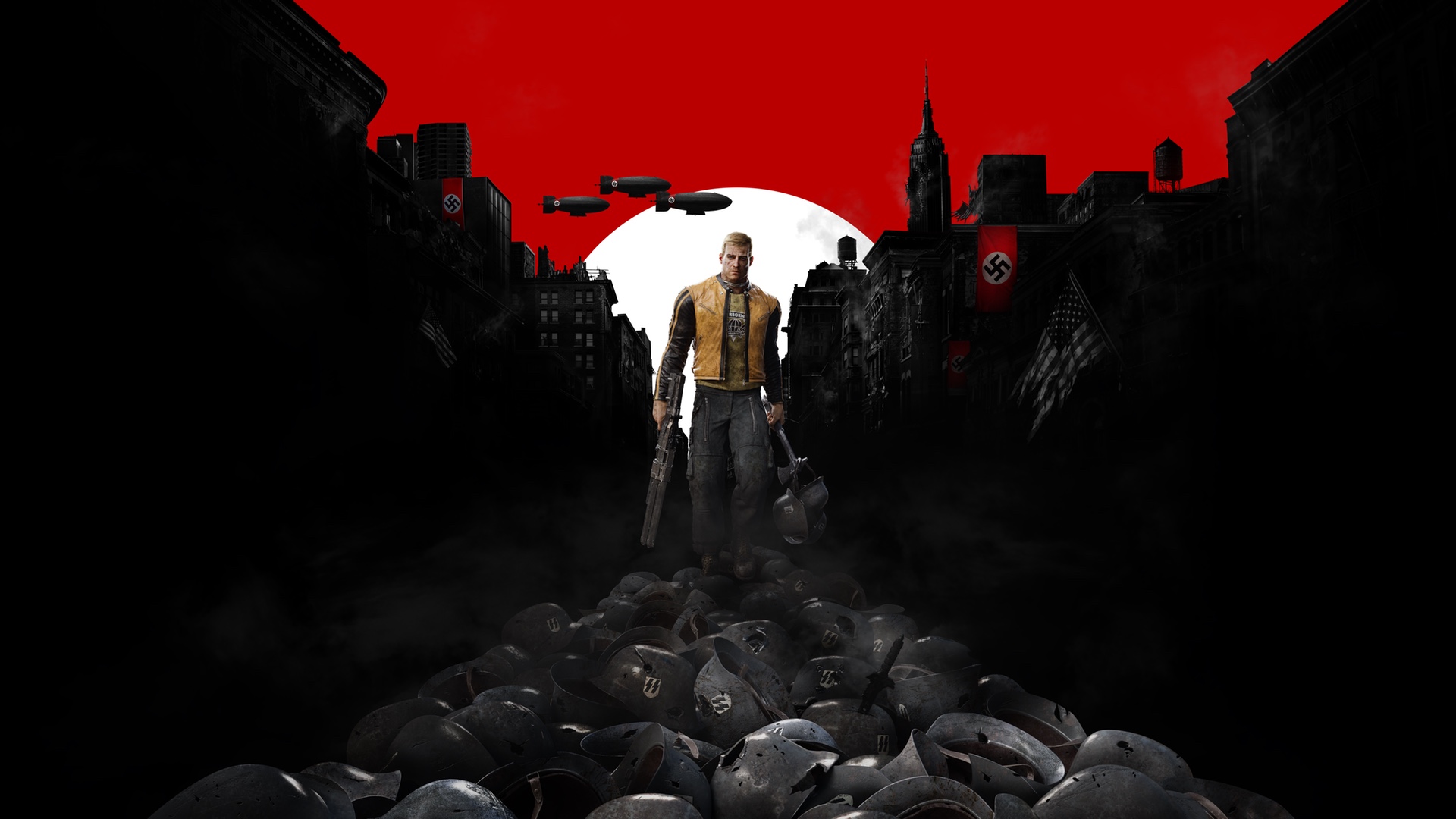
Marketing campaigns for this game used slogans that many interpreted as a commentary on modern American politics. The game explores an alternate history where the Axis powers won World War II and occupied the United States. Some groups felt the historical parallels were inaccurate and politically motivated leading to calls for a boycott. The developers maintained that the series has always been about fighting Nazis and should not be seen as a direct political statement. The tension showed how alternate history can be just as controversial as factual historical games.
‘Prince of Persia The Lost Crown’ (2024)
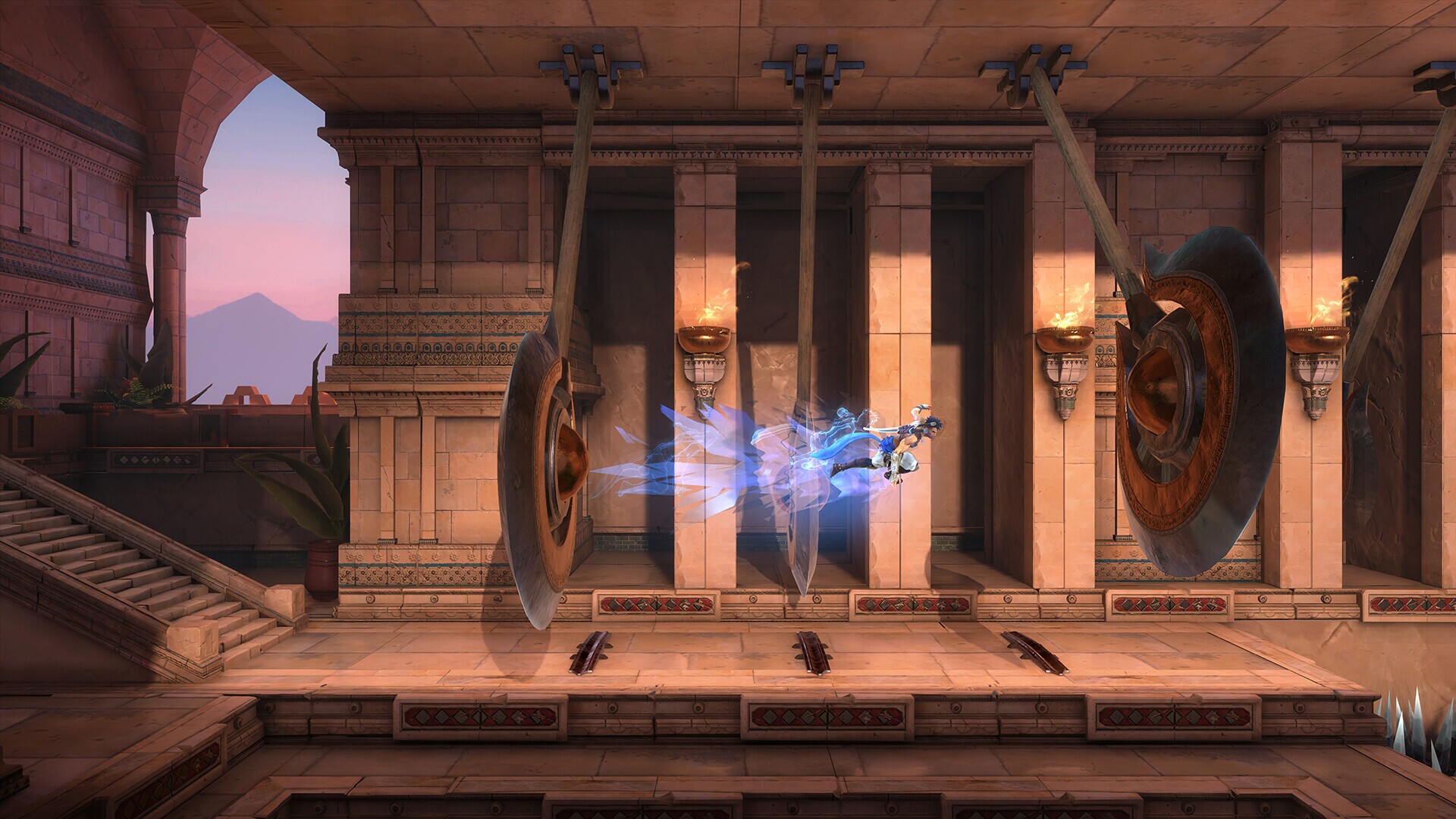
The aesthetic choices for the protagonist and the setting of ancient Persia led to debates about cultural and historical authenticity. Some fans felt the character designs leaned too heavily into modern styles rather than traditional Persian imagery. This led to a vocal minority calling for a boycott to protect the cultural heritage of the source material. Developers noted that the game was a fantasy exploration of Persian mythology rather than a strict historical simulation. The situation highlighted the challenges of reimagining historical cultures for new audiences.
‘Far Cry 5’ (2018)
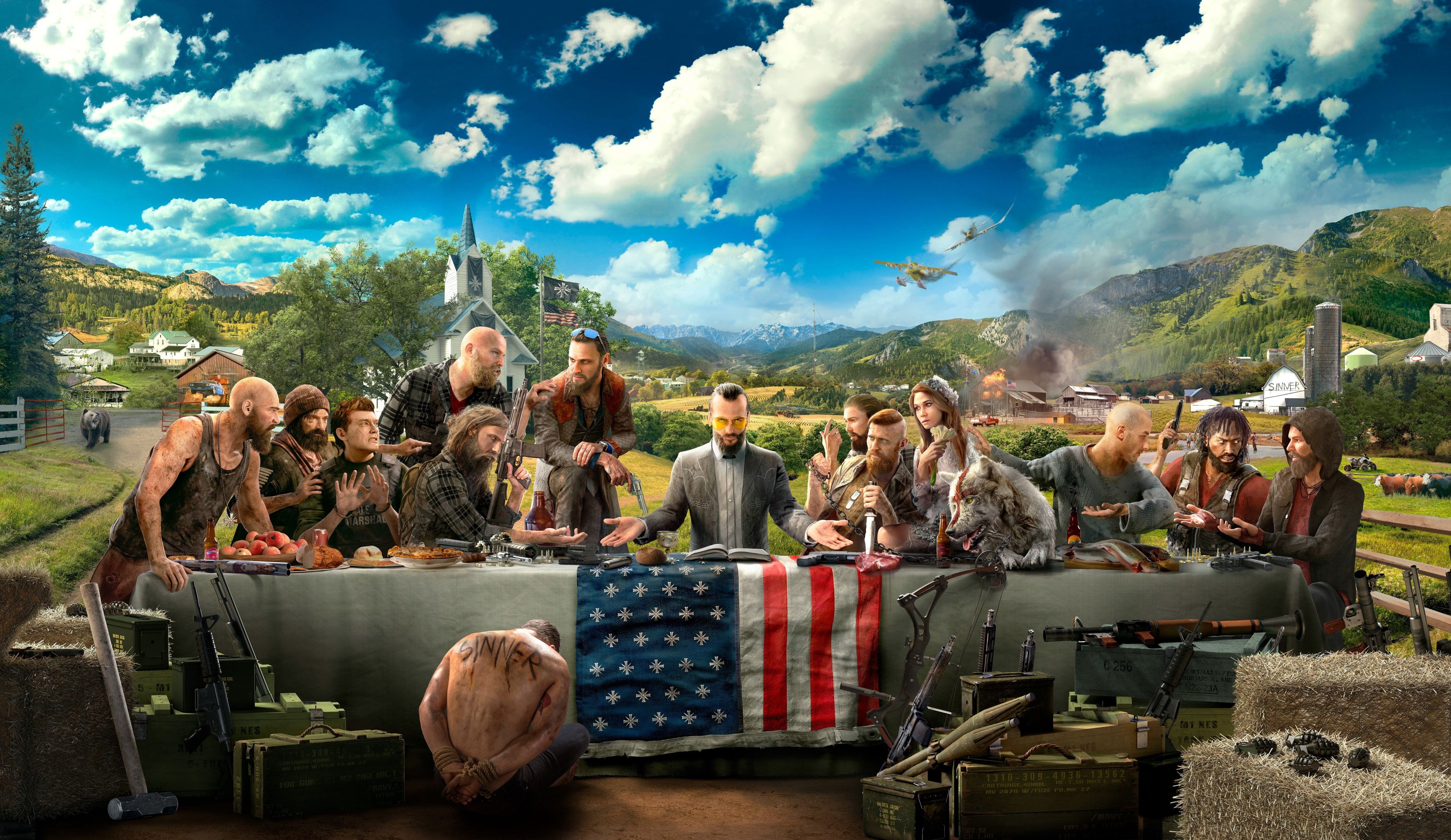
Set in modern day Montana the game explores a religious cult that seizes control of a rural county. Some groups launched a petition and boycott attempt claiming the game was an unfair attack on rural American history and Christian values. They argued the game misrepresented the culture of the region to push a specific narrative. Ubisoft defended the game as a fictional story about the dangers of extremism in any form. The debate was largely fueled by the political climate of the time rather than the actual gameplay content.
‘Civilization VI’ (2016)
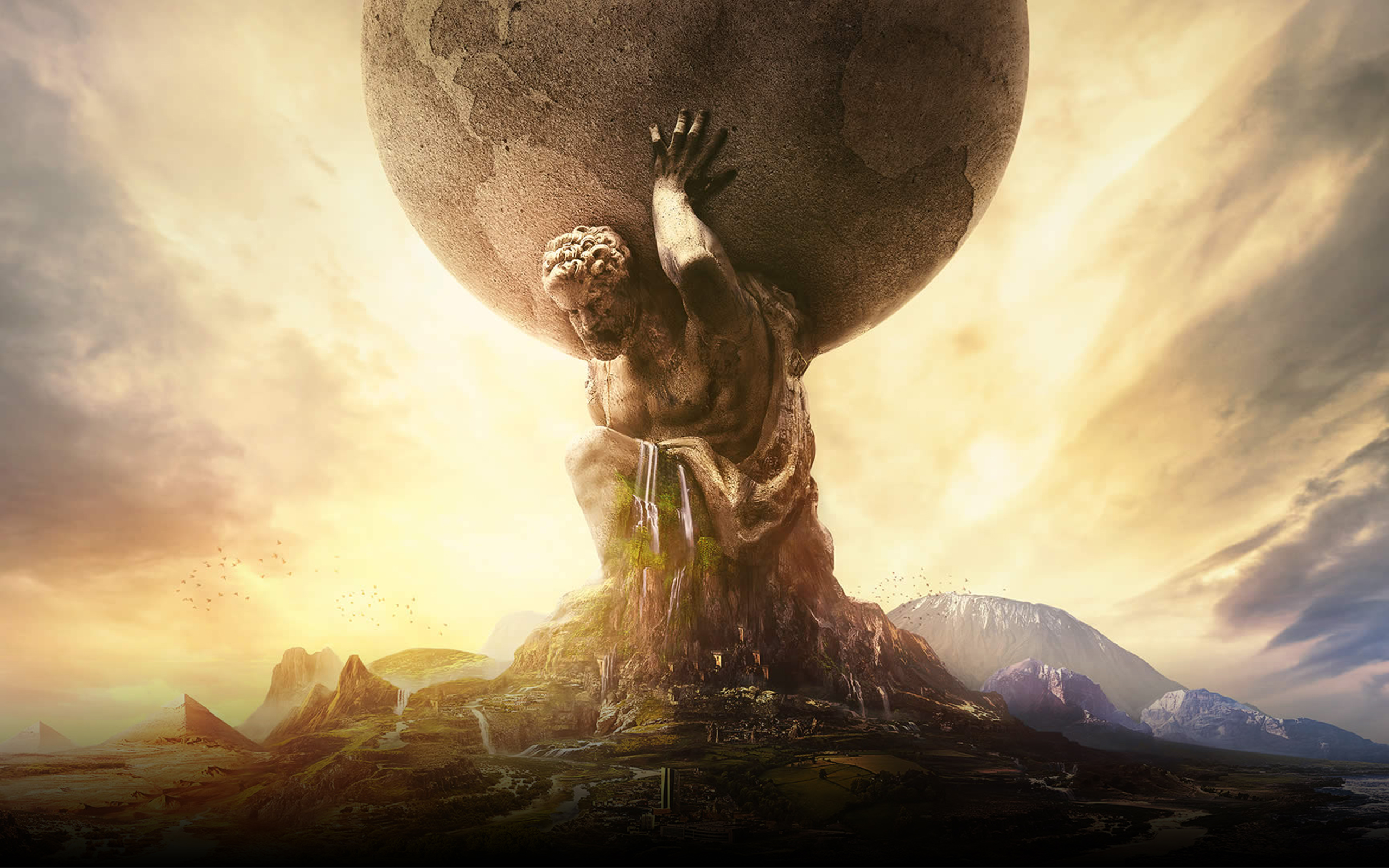
The selection of specific leaders for various civilizations often leads to debates about historical representation and accuracy. For example the choice of Queen Seondeok for Korea sparked a backlash among some players who preferred a different historical figure. Critics argued that the chosen leaders did not always represent the peak of their respective cultures or historical achievements. These debates sometimes escalate into organized efforts to demand changes or boycott future content packs. The series continues to navigate the balance between historical significance and diverse representation.
‘Assassin’s Creed Odyssey’ (2018)
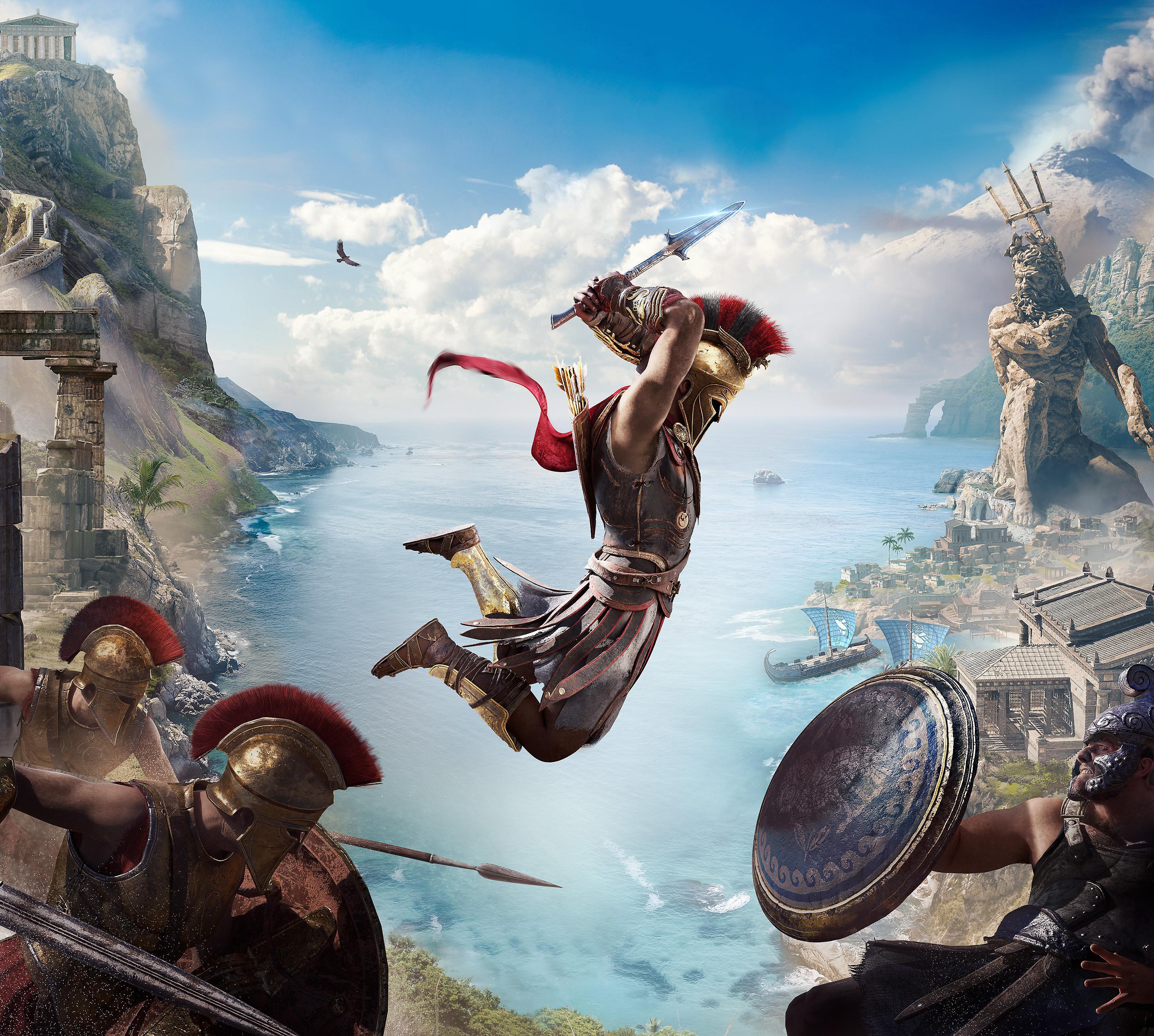
The inclusion of female warriors as main protagonists in an Ancient Greek setting was a point of debate for history enthusiasts. Some argued that the role of women in Spartan and Athenian society was historically restricted and did not include front line combat. Others pointed to mythological and rare historical examples to justify the creative choice. The developer provided players with a choice between a male and female lead to allow for personal preference. This decision was seen as a compromise between historical data and modern gameplay expectations.
‘Ghost of Tsushima’ (2020)
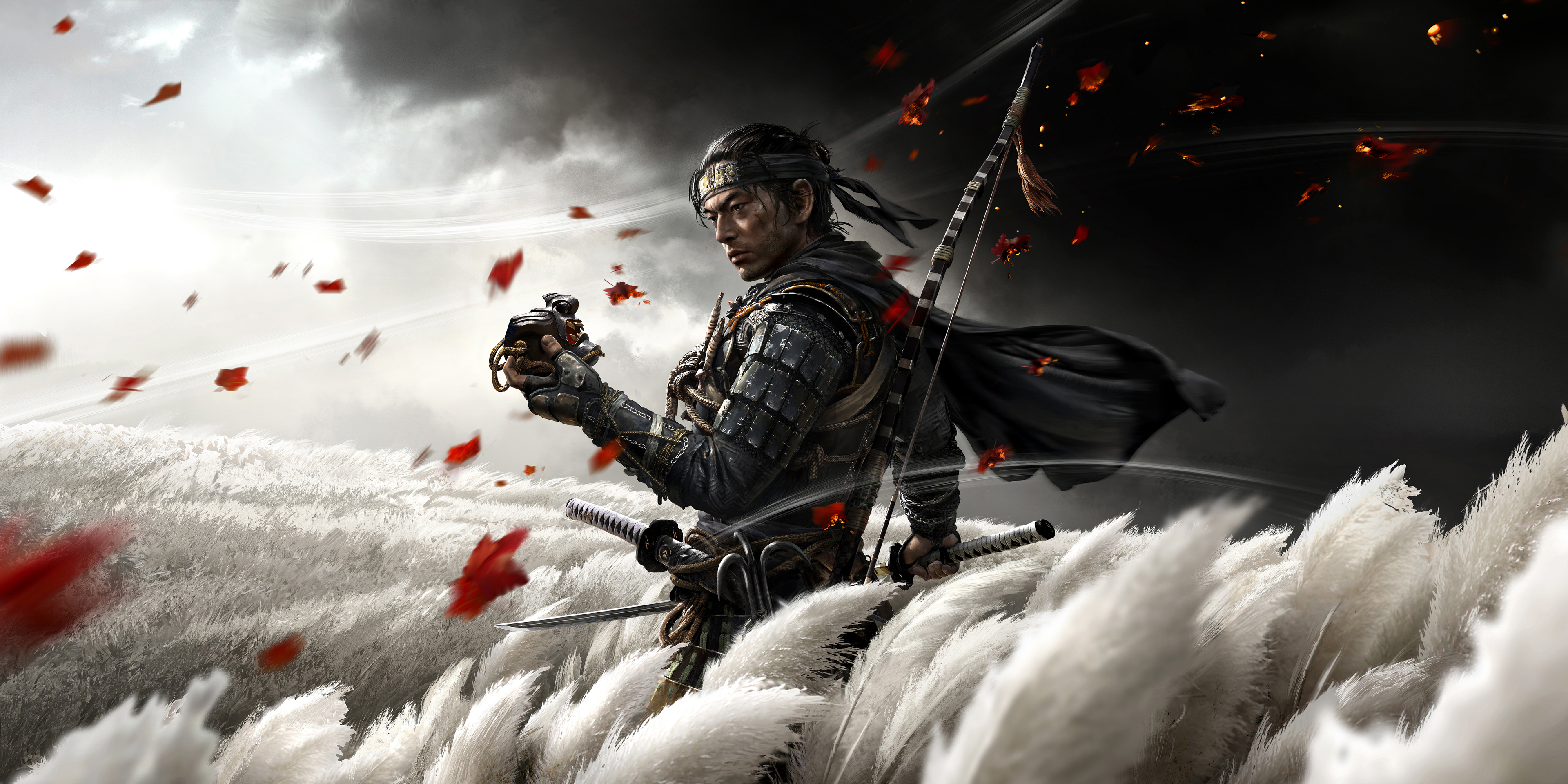
While widely praised in Japan the game faced minor debates regarding the accuracy of its armor and weaponry for the 13th century. Some historians noted that the iconic samurai sword and armor depicted were more common in later periods of Japanese history. A small group of players expressed concern that these anachronisms might mislead the public about the Mongol invasion period. The developers acknowledged that they prioritized the popular image of the samurai over strict chronological accuracy. The game ultimately became a major cultural bridge between Western developers and Japanese audiences.
‘Nioh’ (2017)
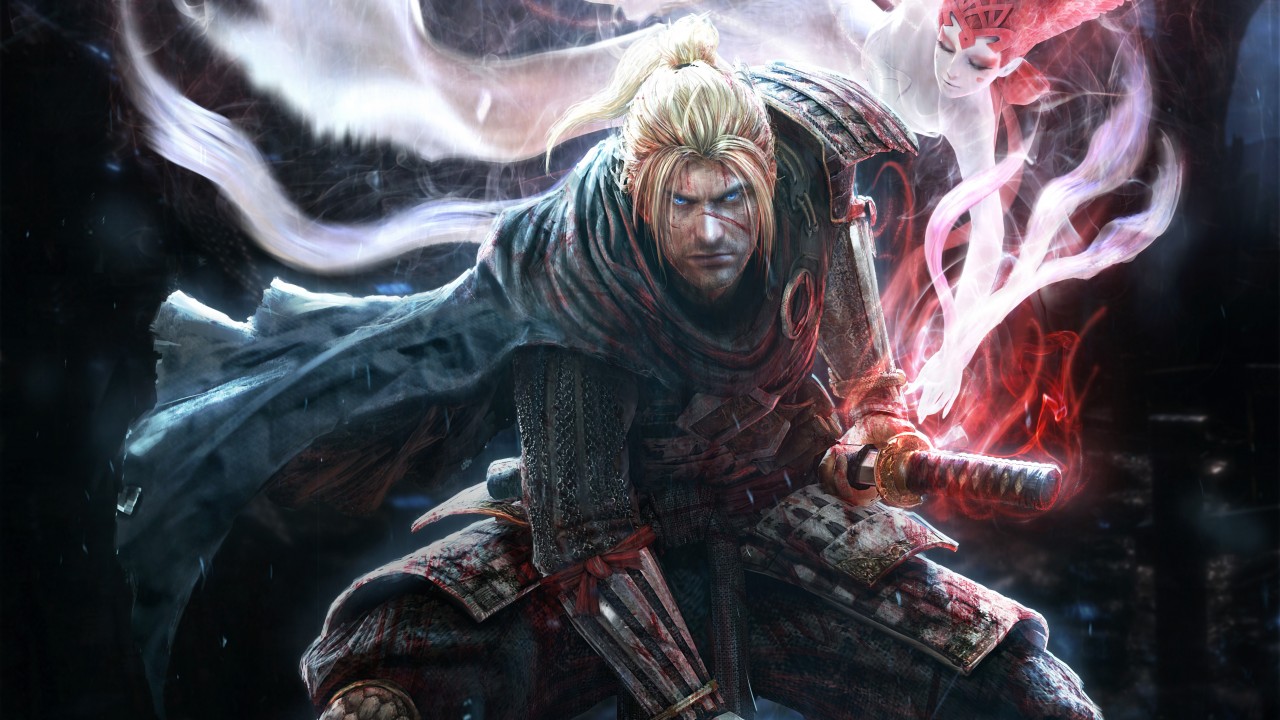
The portrayal of William Adams as a supernaturally powered warrior in feudal Japan was met with some skepticism regarding historical realism. Adams was a real English navigator who became one of the first Western samurai in history. Some critics felt that turning his story into a dark fantasy undermined the genuine historical significance of his life. However most players accepted the premise as a stylized interpretation of Japanese folklore and history. The game avoided major boycotts by leaning heavily into its fantasy elements from the start.
‘Crusader Kings III’ (2020)
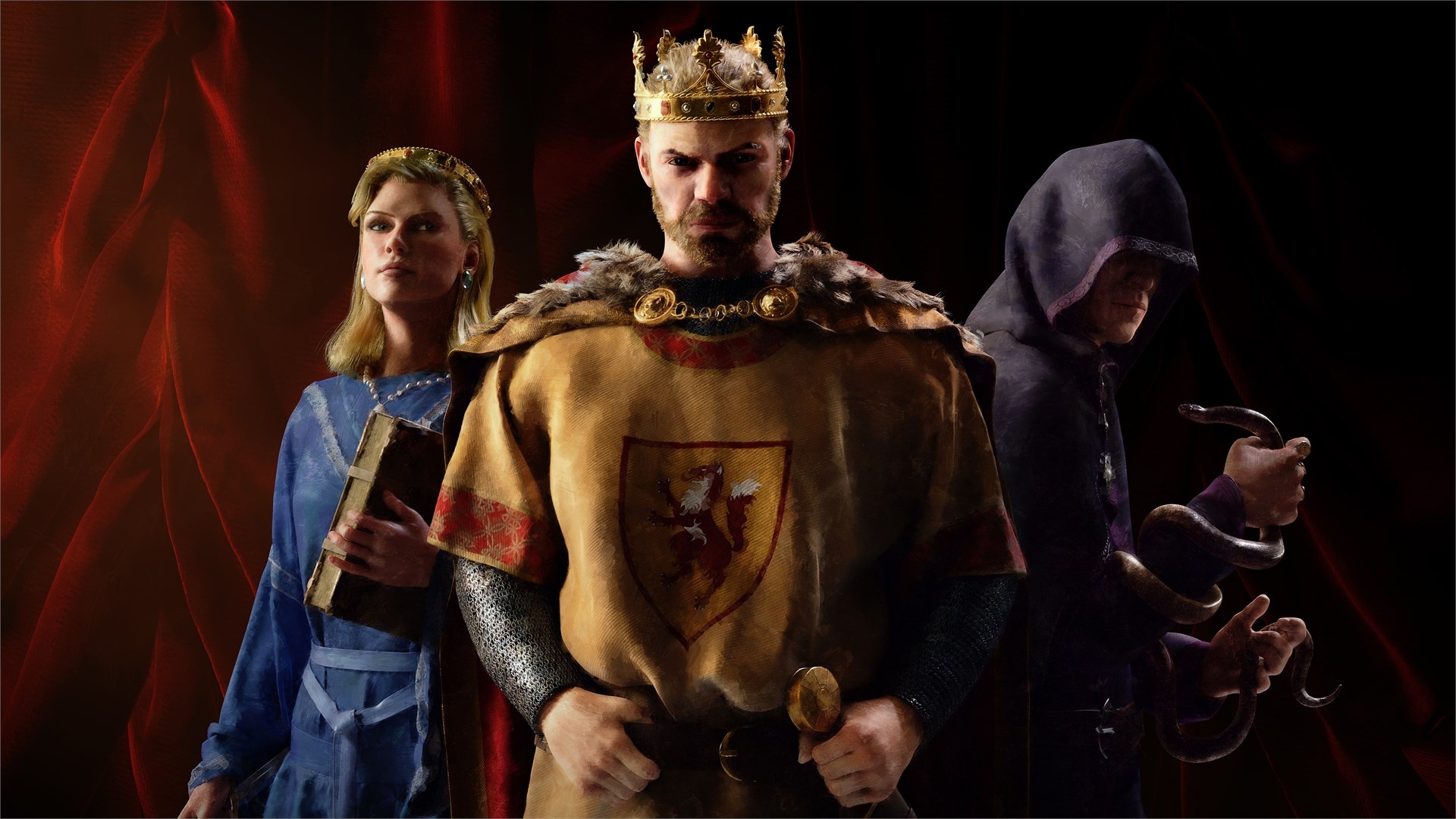
Mechanics surrounding succession laws and religious conversion often spark debates among the community of history fans. Some players argue that certain features simplify the complex political realities of the medieval period. There have been minor movements to boycott specific expansion packs that players felt did not add enough historical depth. The developer frequently engages with the community to refine these systems based on historical feedback. This ongoing dialogue shows the high level of knowledge and expectation within the grand strategy genre.
‘Hearts of Iron IV’ (2016)
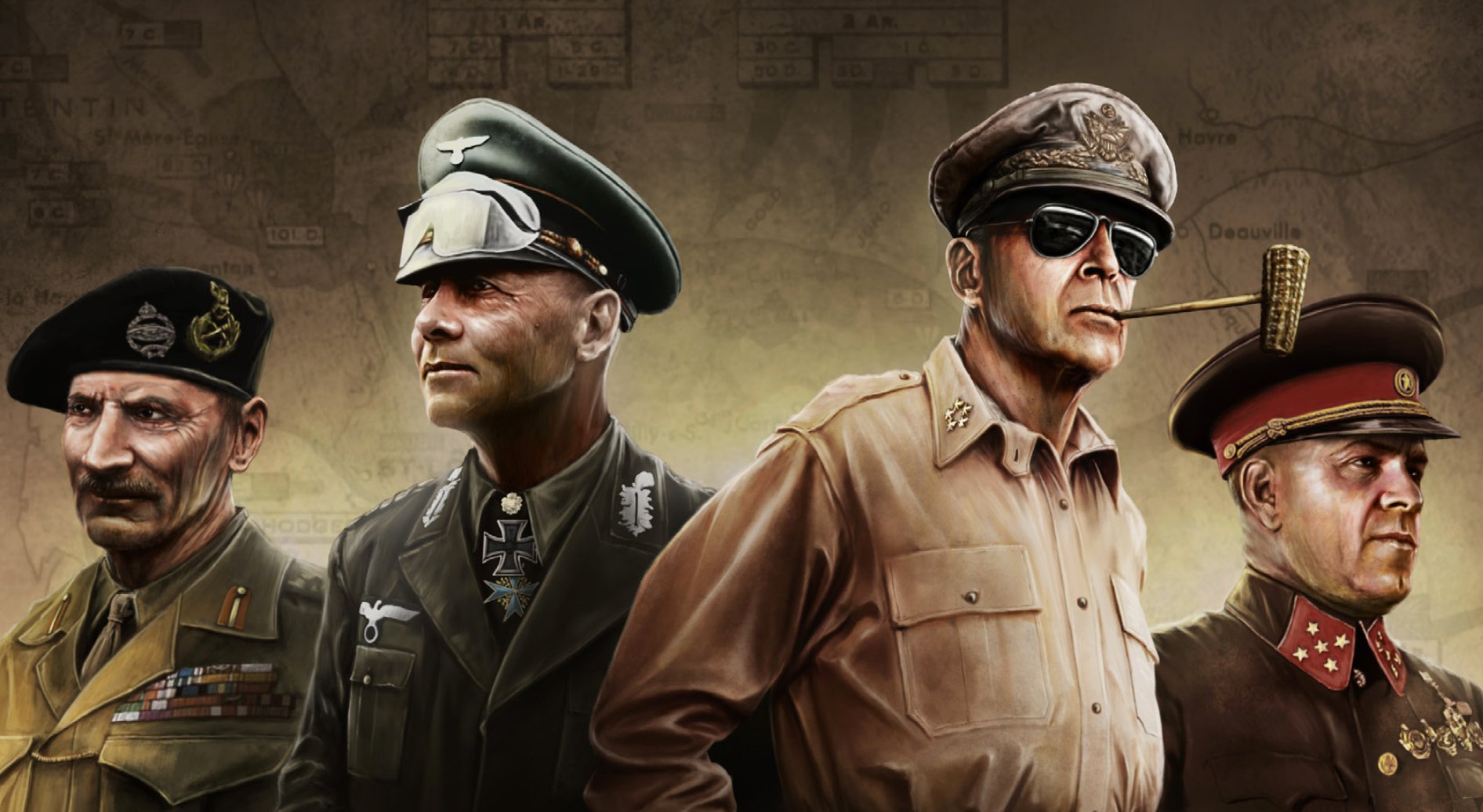
The game faced criticism for its omission of the Holocaust and other war crimes committed during World War II. The developers stated this was a deliberate choice to avoid glorifying atrocities in a grand strategy simulation. Some historians and players argued that removing these elements sanitizes the history of the conflict and leads to an inaccurate portrayal. This debate has led to long standing discussions about the ethics of historical war games. Despite these concerns the game remains one of the most popular titles for studying the logistical aspects of the war.
‘Victoria 3’ (2022)
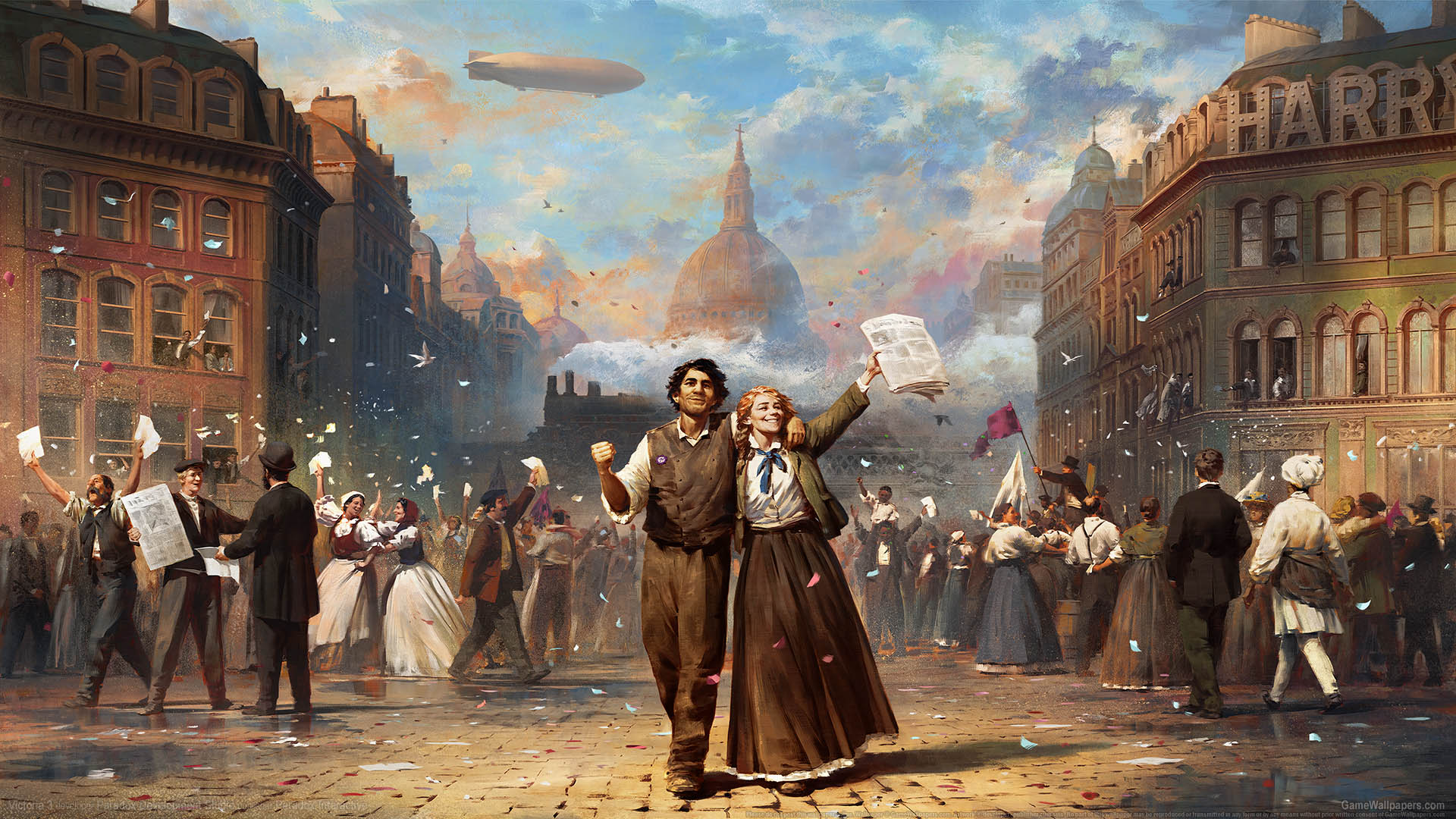
The simulation of slavery and colonization in this economic strategy game was a subject of intense internal and external debate. Developers had to decide how to portray these historical evils without making them mechanics that players would want to exploit. Some groups expressed concern that the game might trivialize the suffering of historical populations. The team eventually implemented systems that highlighted the social and economic costs of such practices. The game remains a complex example of how to handle sensitive historical topics in a data driven environment.
‘Atomic Heart’ (2023)
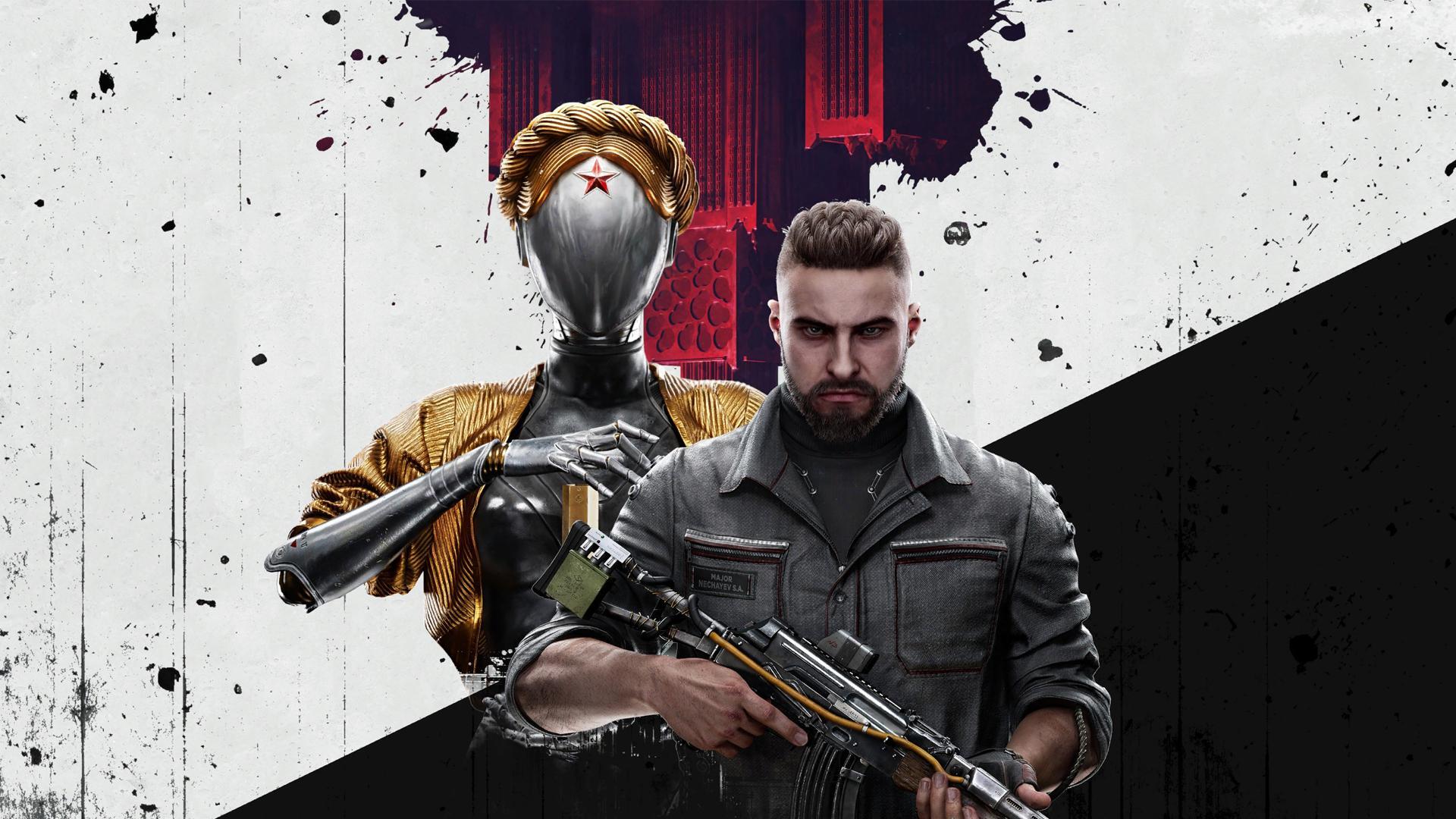
This game encountered significant controversy and calls for a boycott due to its portrayal of a high tech Soviet Union. Critics argued that the game glorified a regime responsible for historical oppression and human rights abuses. There were also concerns about the timing of the release relative to modern geopolitical conflicts. The developers maintained that the game was a critique of utopian ideals and not a celebration of Soviet history. The debate highlighted how historical aesthetics can be perceived as political statements in the modern world.
‘GreedFall’ (2019)
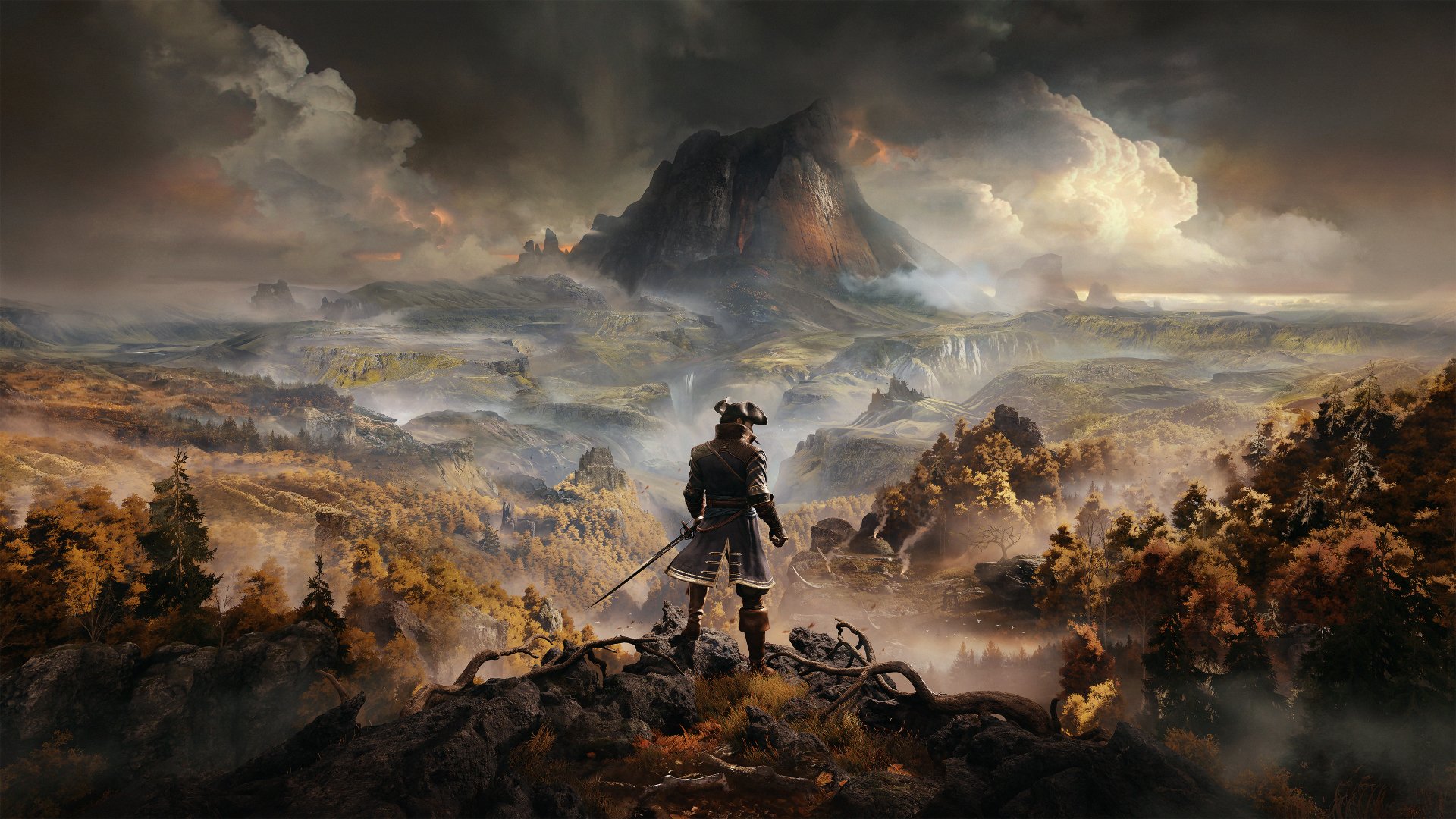
The game uses a fantasy setting that closely mirrors the era of European colonization in the Americas. This led to discussions about its portrayal of indigenous peoples and the ethics of colonial expansion. Some critics called for a boycott because they felt the game did not adequately address the historical trauma associated with colonizing new lands. The developer included choices that allowed players to side with the native populations or seek a peaceful resolution. These mechanics were intended to provide a nuanced look at a difficult historical theme.
‘Shadow of the Tomb Raider’ (2018)
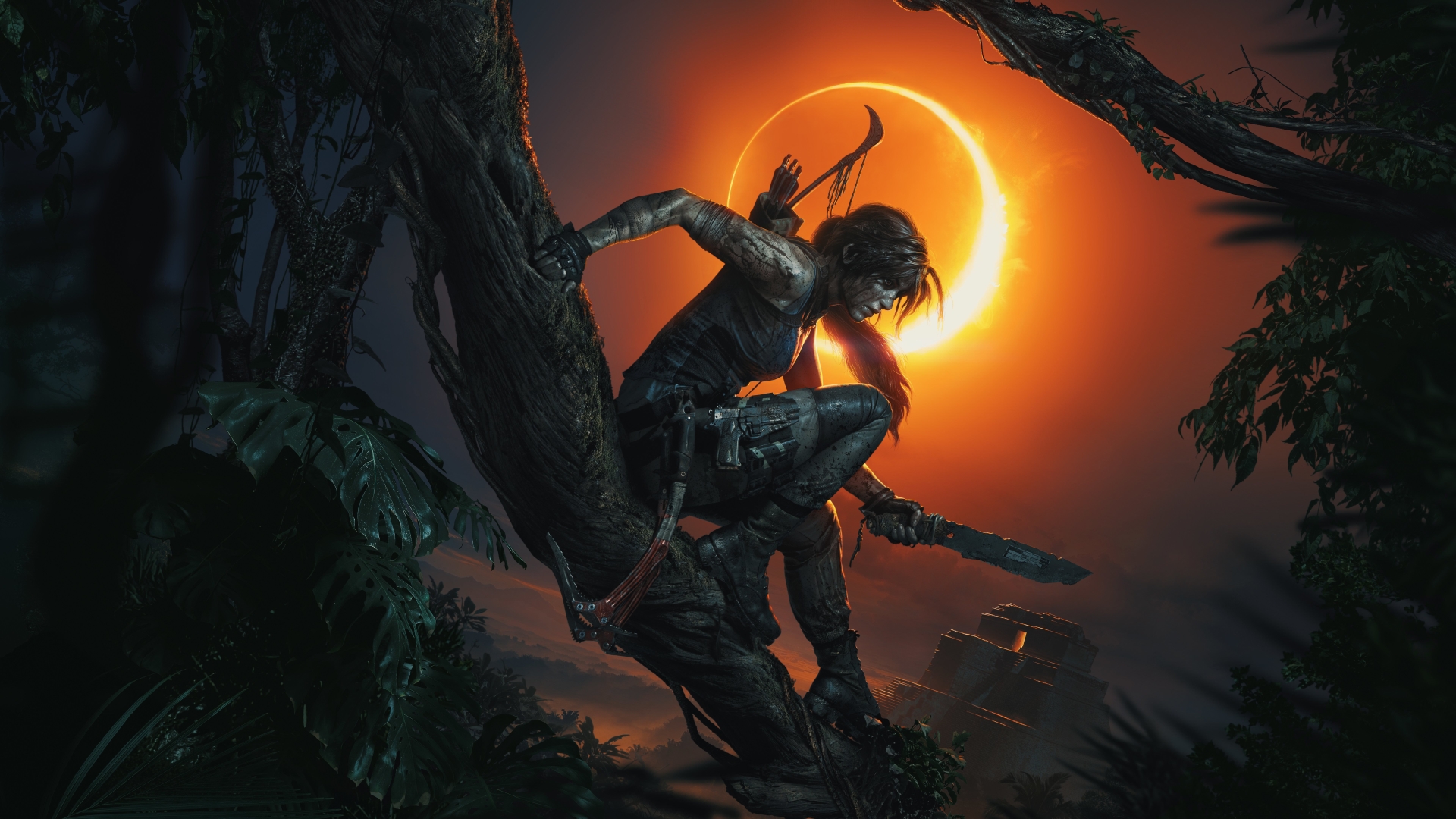
The depiction of Mayan and Incan cultures in this action adventure game was scrutinized for its archaeological and historical accuracy. Some critics argued that the game blended disparate cultures into a generic jungle civilization trope. There were minor calls to boycott the game to protest the perceived lack of cultural sensitivity and research. The developers responded by stating they consulted with historians to create a respectful fantasy world. This controversy emphasized the importance of distinguishing between different indigenous histories in popular media.
‘For Honor’ (2017)
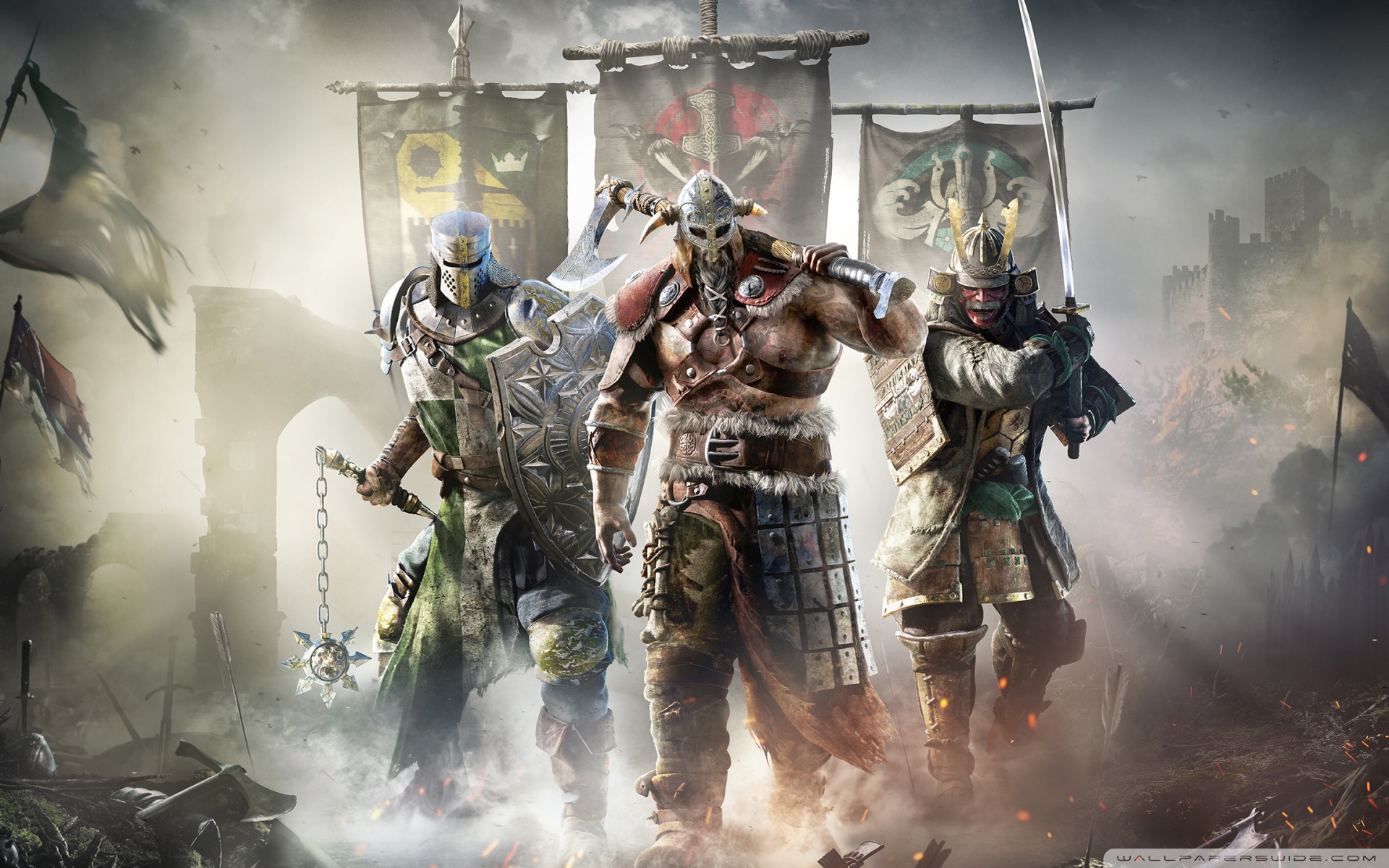
This combat game pits Vikings and Samurai and Knights against each other in a fictionalized historical world. While the premise is clearly fantasy many players debated the accuracy of the fighting styles and equipment shown. Some enthusiasts felt that the portrayal of these iconic warriors relied too much on Hollywood tropes. While no major boycott occurred the community frequently petitions for more realistic armor and weapon sets. This shows that even in fantasy settings players often crave a connection to historical reality.
‘Dante’s Inferno’ (2010)
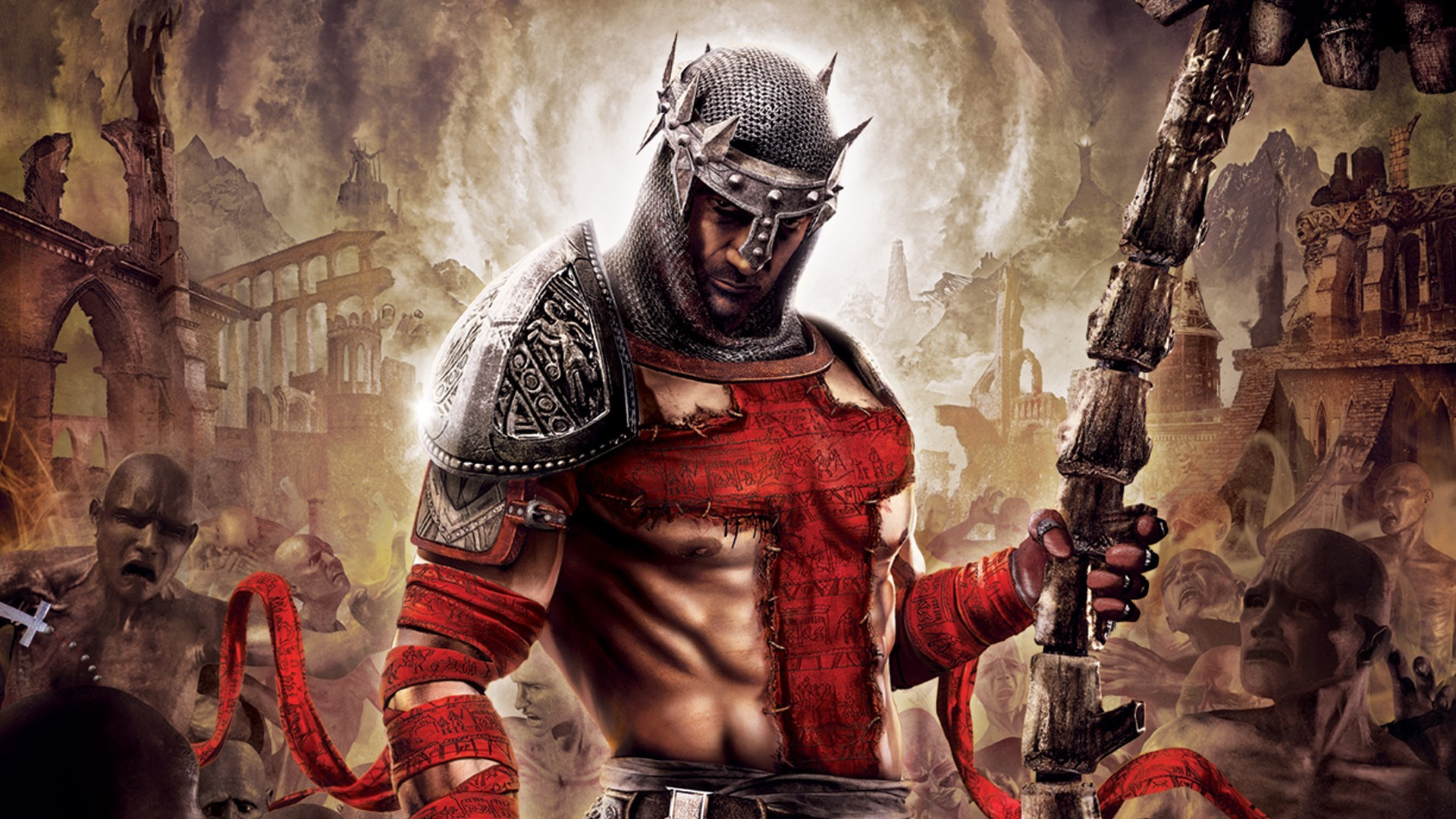
The transformation of a literary and religious masterpiece into a violent action game sparked outrage from religious groups and scholars. Critics felt that the game ignored the historical and theological significance of the source material to create a generic combat experience. A staged protest organized by the marketing team actually simulated a boycott to draw attention to the game. This meta commentary on controversy was seen as a risky move by the publisher. The incident remains a unique case of a developer using historical and religious debate as a marketing tool.
‘Age of Empires IV’ (2021)
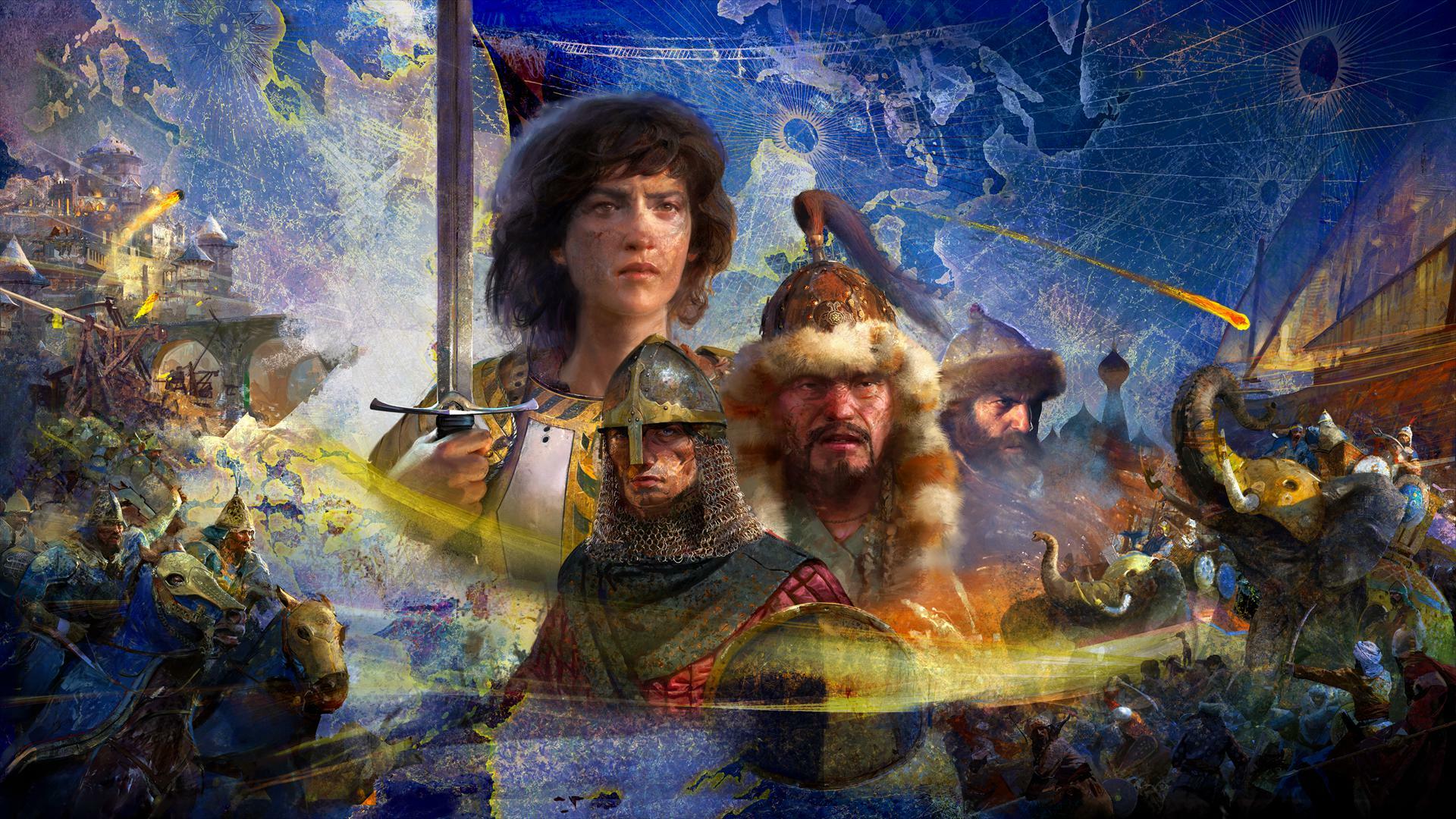
The narrative framing of the single player campaigns was a point of discussion for fans of the older titles in the series. Some players felt that the documentary style presentation felt more like an educational film than a traditional game. There were minor debates about the accuracy of specific battle locations and unit designs across different civilizations. The developers emphasized their collaboration with historians to provide an authentic look at the medieval world. This approach was largely welcomed but did not satisfy all players looking for a more stylized experience.
‘Steel Division 2’ (2019)
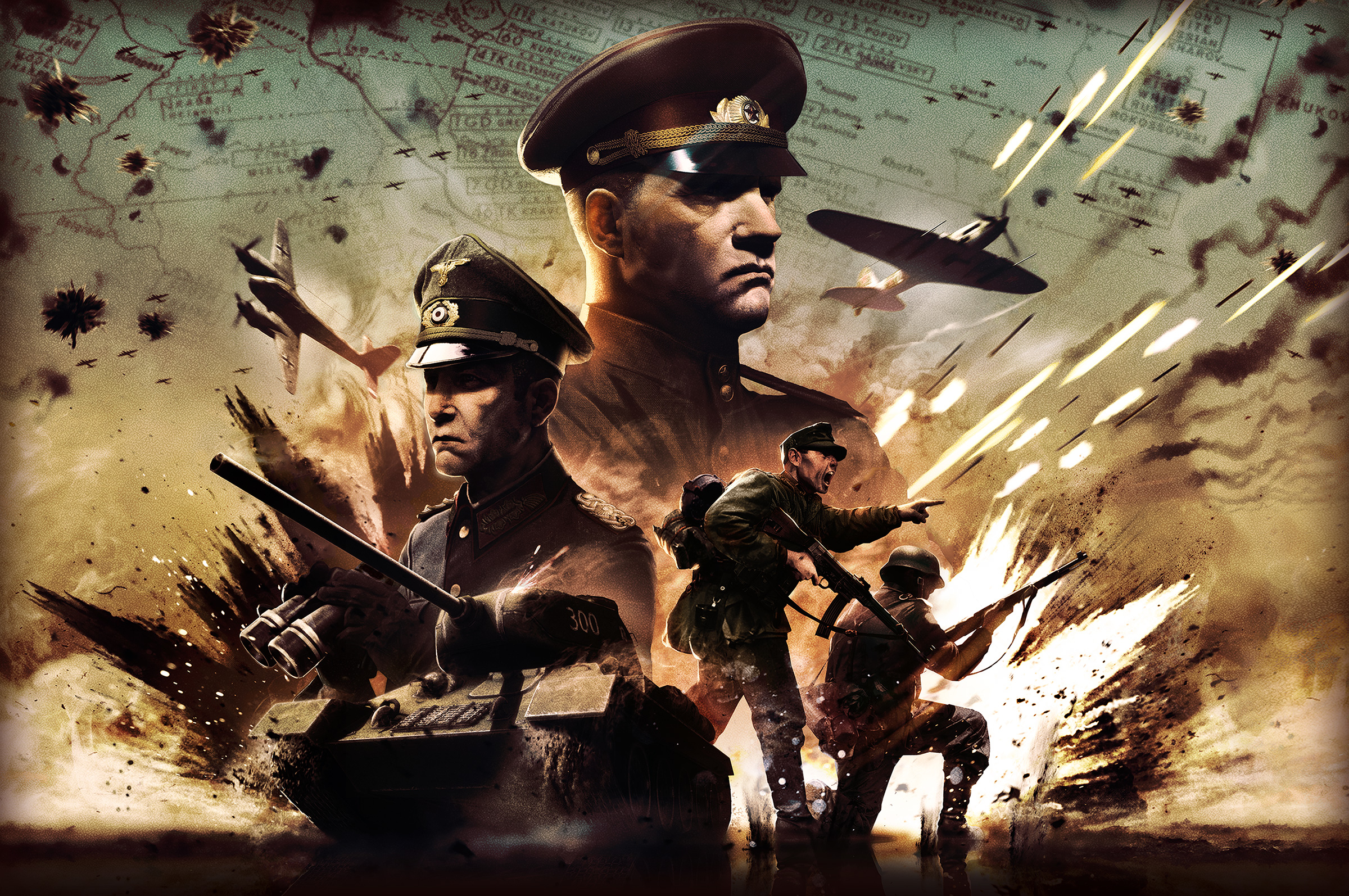
This tactical game focuses on the Eastern Front of World War II and was praised for its technical detail. However some players debated the balance and portrayal of Soviet versus German units based on historical performance. These debates occasionally led to heated forum discussions and threats of boycotts over perceived national biases. The developers regularly released patches based on historical data to address these community concerns. This situation shows how the pursuit of perfect historical balance can be an ongoing challenge for developers.
‘Hell Let Loose’ (2019)
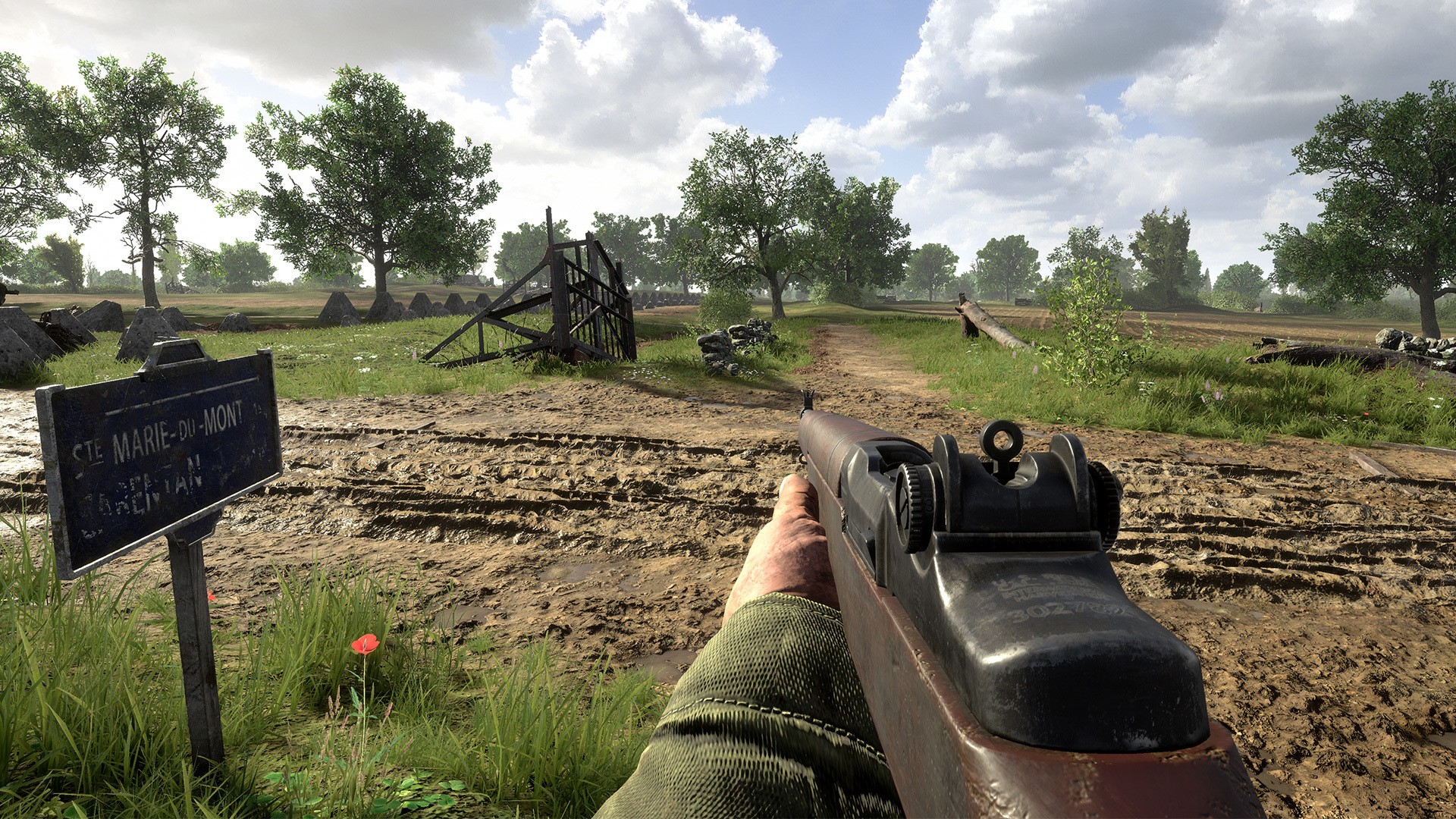
As a realistic tactical shooter this game is often judged by its adherence to historical maps and unit structures. A change to the movement speed of players caused a segment of the community to claim the game was losing its realistic identity. This led to a brief period of review bombing and calls for a boycott to force a reversion of the mechanics. The community felt that the historical accuracy of the infantry experience was more important than arcade style gameplay. The developers eventually adjusted the mechanics to better align with the expectations of the core audience.
‘Isonzo’ (2022)
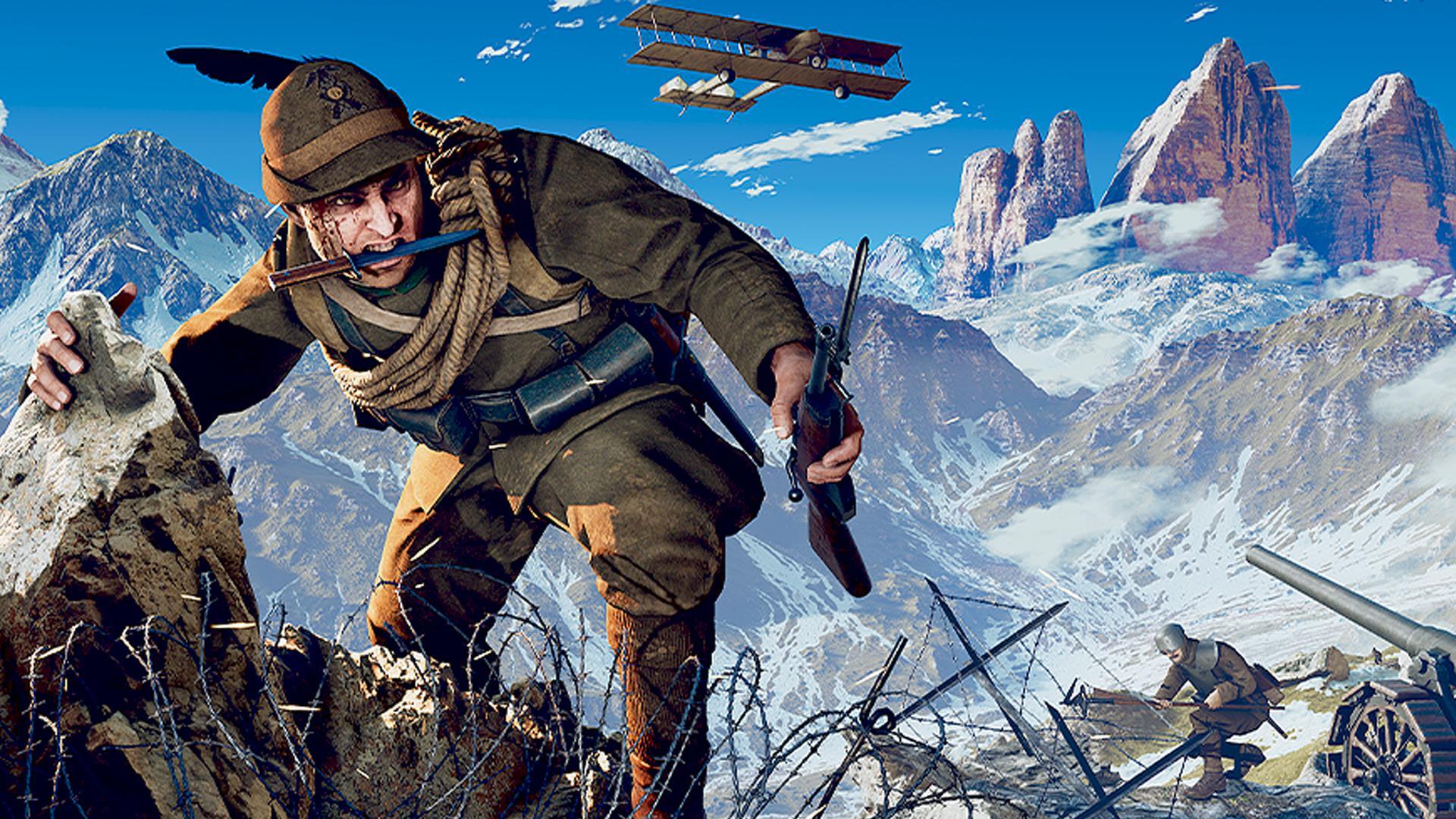
Focused on the Italian Front of World War I this game was lauded for its specific historical niche. Some debates arose regarding the variety of uniforms and gear available at certain points in the war timeline. A small number of players pushed for more accurate equipment distributions to reflect the supply struggles of the historical period. The developers responded by adding more authentic cosmetic options and map details. This shows how specialized historical games can attract a very dedicated and knowledgeable player base.
‘Sniper Elite 5’ (2022)
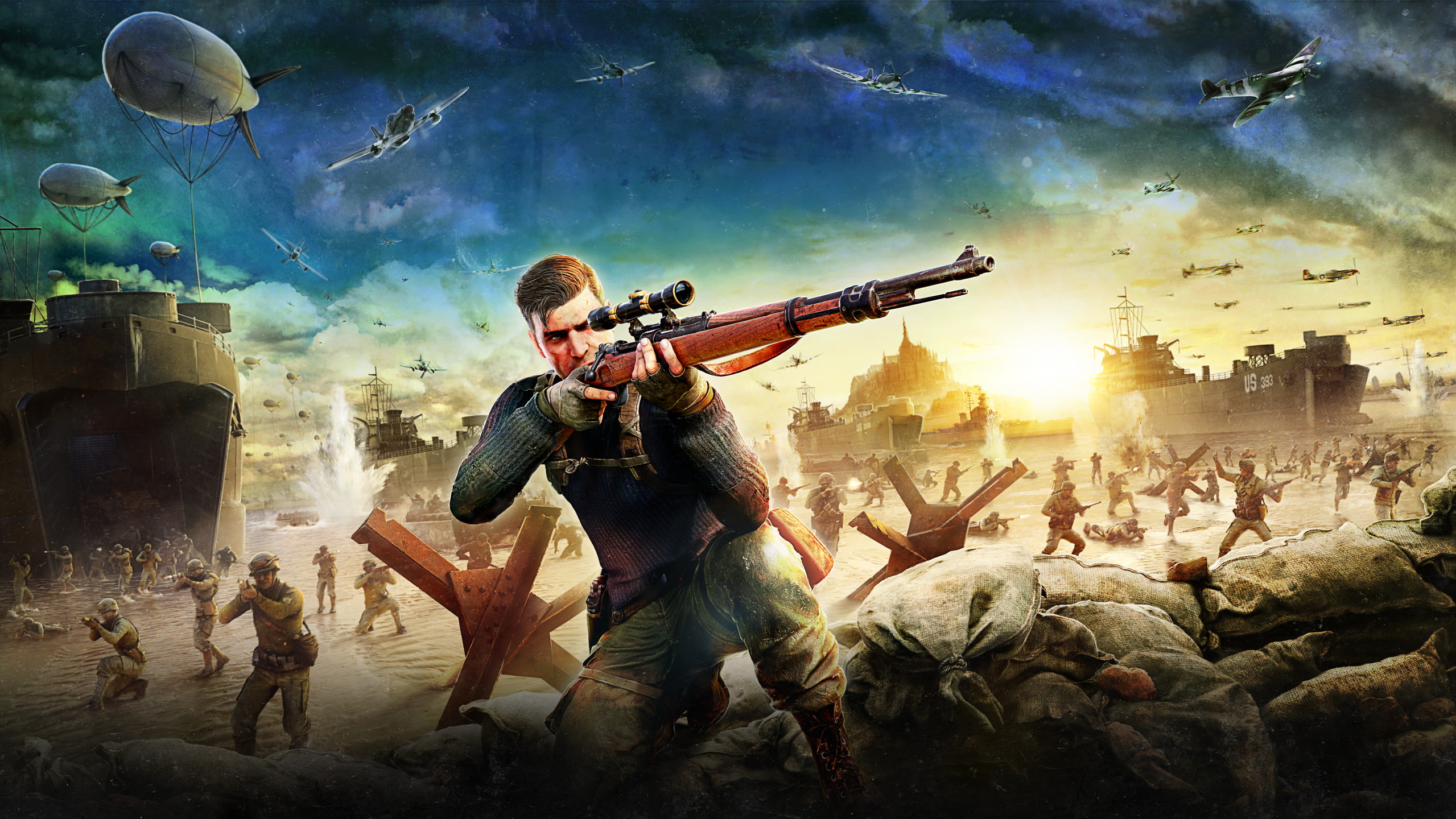
The portrayal of the French Resistance and their cooperation with Allied snipers was a theme that some historians analyzed for accuracy. Critics noted that while the game is a power fantasy it sometimes oversimplifies the complex social dynamics of occupied France. There were no large scale boycotts but the community frequently debated the realism of the kill cam mechanics and weapon ballistics. The series generally balances historical settings with highly stylized action to reach a broad audience. This balance helps the franchise avoid the more intense scrutiny faced by simulation titles.
‘Enlisted’ (2021)
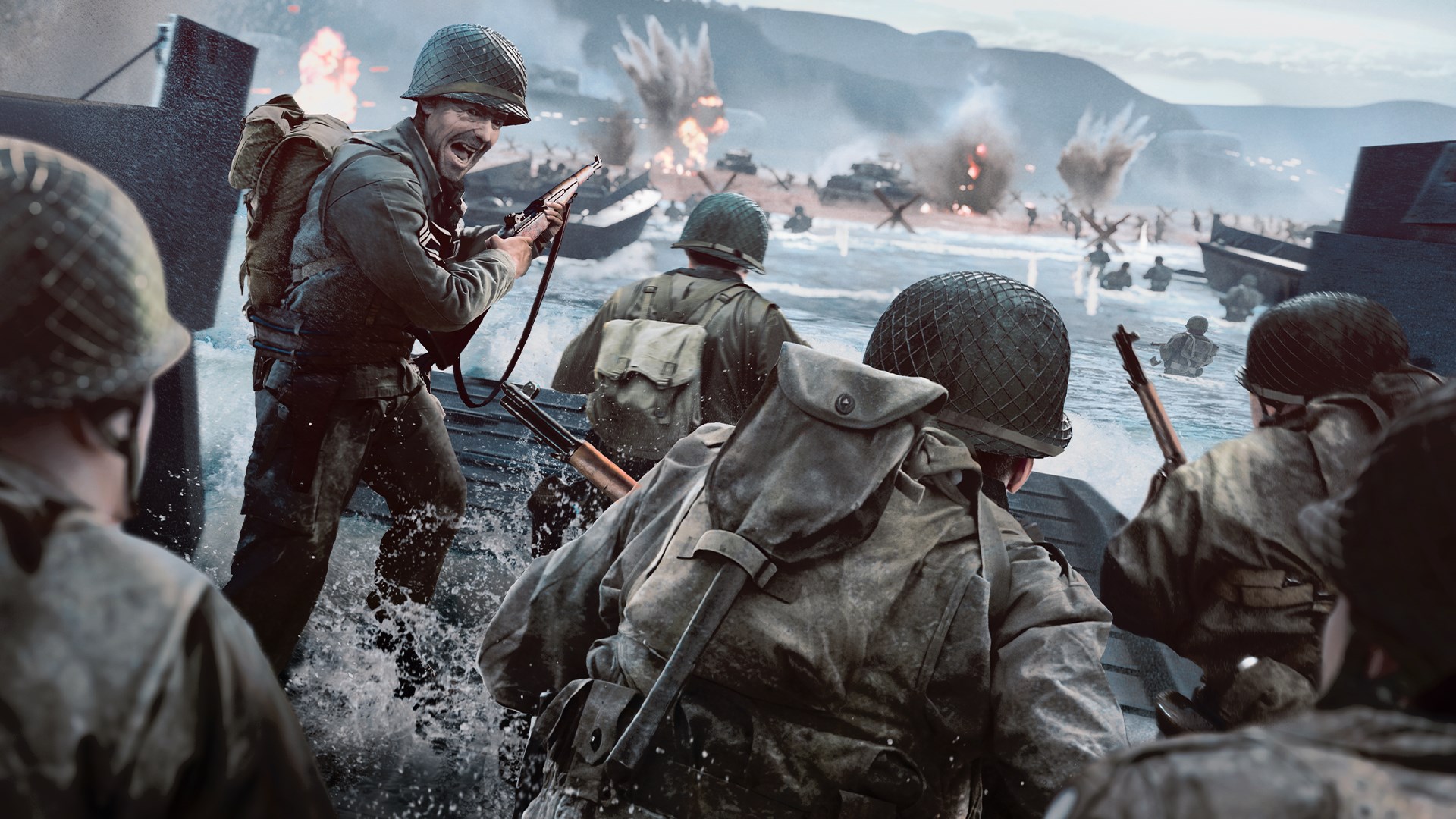
This multi player shooter faced criticism for its monetization of historical units and equipment. Some players felt that putting specific famous divisions behind a paywall was a disrespectful way to handle military history. This led to organized protests on community forums and calls to boycott the premium content. The developer has since made efforts to balance the economy and provide more ways for players to earn historical gear. The controversy highlighted the ethical challenges of combining historical themes with modern business models.
‘Mount and Blade II Bannerlord’ (2022)
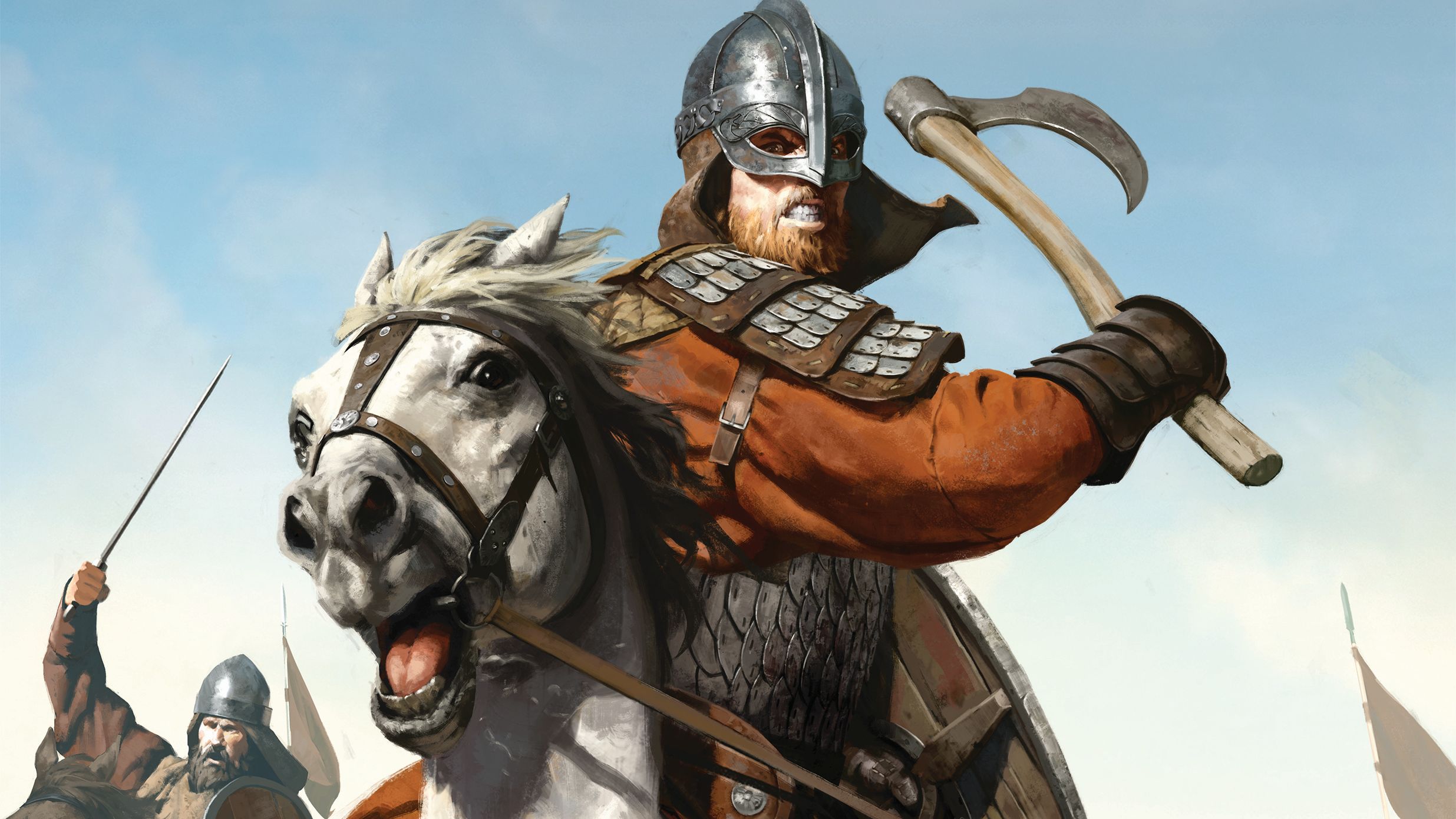
Though set in a fictional world the game is heavily inspired by the historical Migration Period and the fall of the Roman Empire. Fans often debate whether the gear and troop types reflect the early medieval era accurately. Some groups have called for changes to better align with the historical inspirations that the developers cited. The game supports a large modding community which often takes the lead in adding historical realism. This allows the base game to remain accessible while satisfying the demands of history enthusiasts.
‘Rise of the Tomb Raider’ (2015)
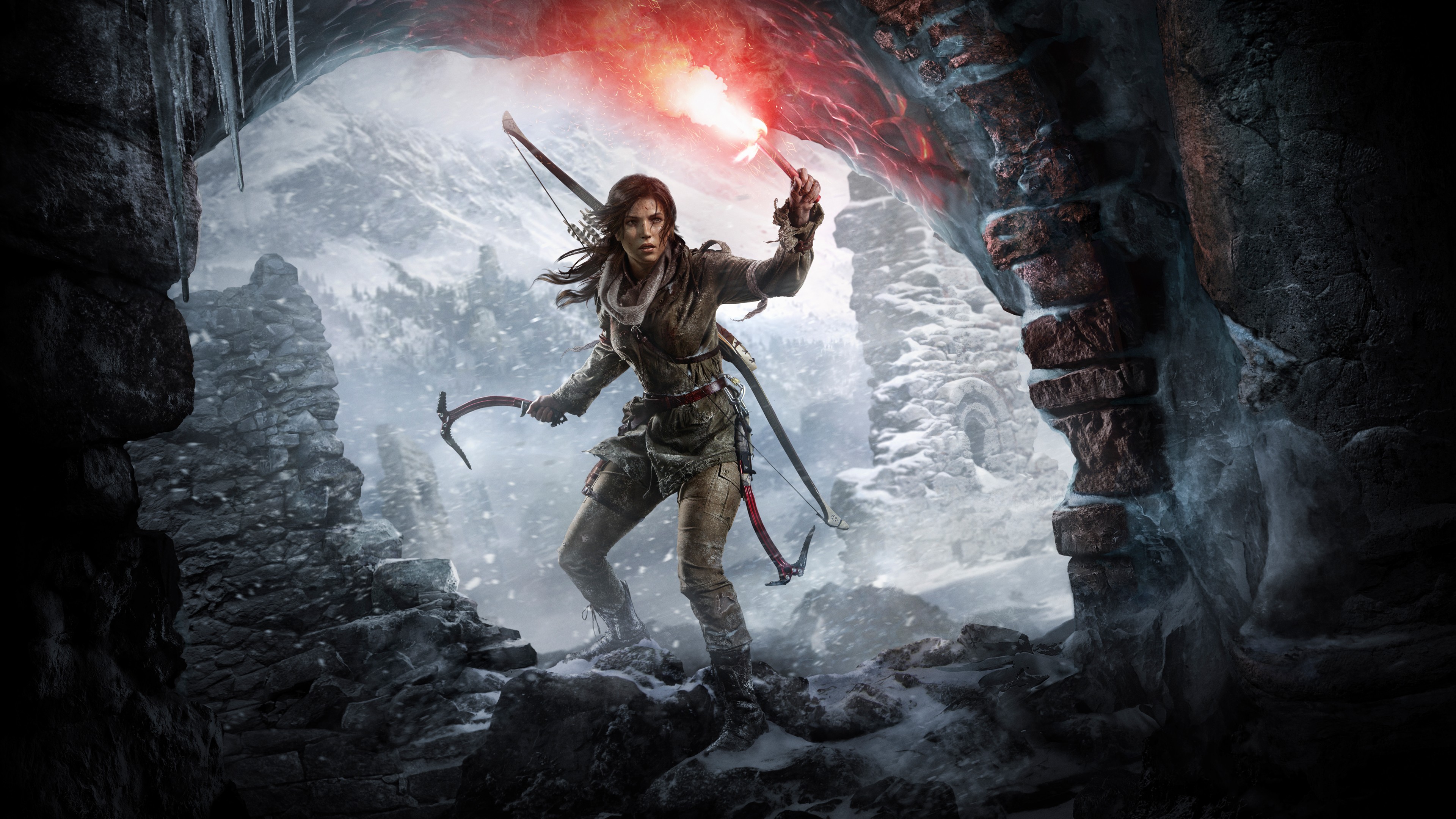
The search for the lost city of Kitezh and the history of the Prophet caused some debate among those familiar with Byzantine history. Some players felt the game took too many liberties with established historical figures and religious traditions. While the game is an action adventure title the use of real historical names led to a higher level of scrutiny. There were no formal boycotts but the discussion around historical blending remained a topic on community boards. The series continues to use historical mysteries as a backdrop for its narrative.
‘Blasphemous’ (2019)
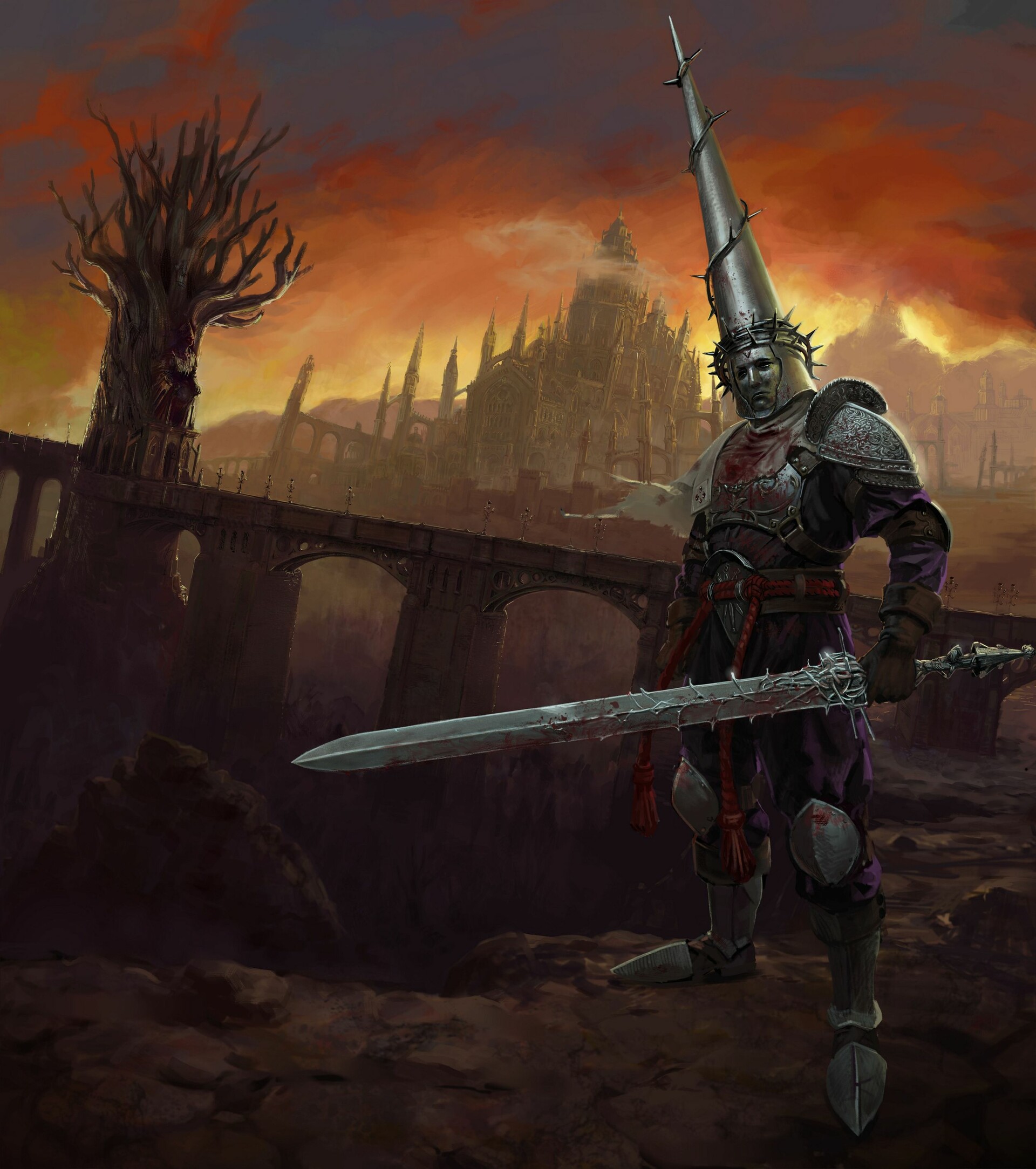
This action game draws heavy inspiration from Spanish religious history and the iconography of the Holy Week in Seville. Some viewers were concerned that the game would be seen as a disrespectful parody of historical religious traditions. This led to minor debates about the boundaries of using cultural and religious history in horror settings. The developers clarified that the game was a tribute to their own cultural heritage and local history. The game eventually received widespread acclaim for its unique and authentic artistic direction.
‘Pentiment’ (2022)
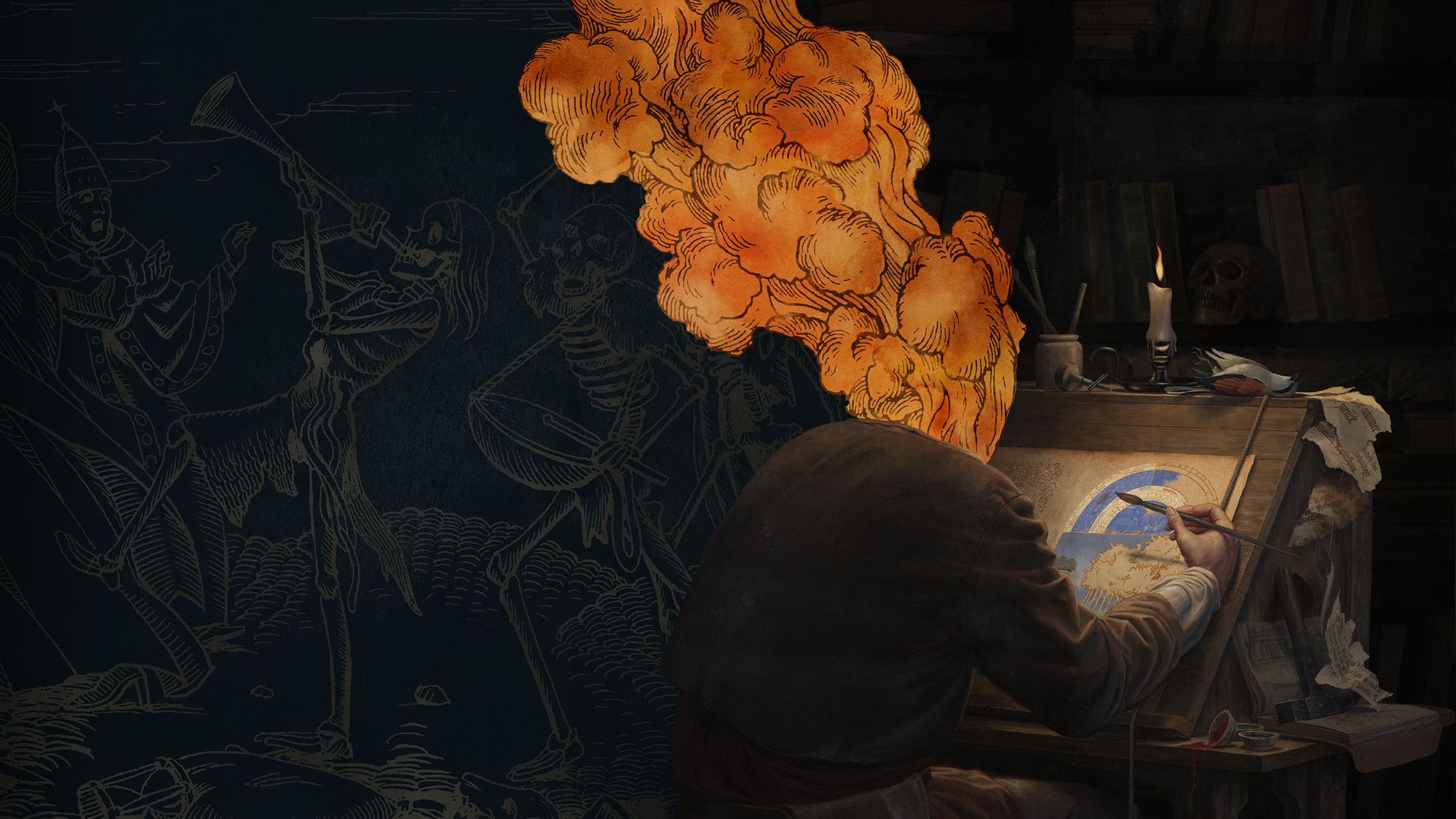
Set in 16th century Bavaria this game was praised for its immense historical detail and art style based on illuminated manuscripts. Some minor debates occurred regarding the portrayal of social classes and the specific theological arguments of the time. A small group of players felt the game might be too focused on niche history to appeal to a broad audience. However the dedication to accuracy helped the game find a loyal following among history buffs. The project demonstrated that there is a market for games that prioritize historical education and social dynamics.
‘Call of Duty Black Ops Cold War’ (2020)
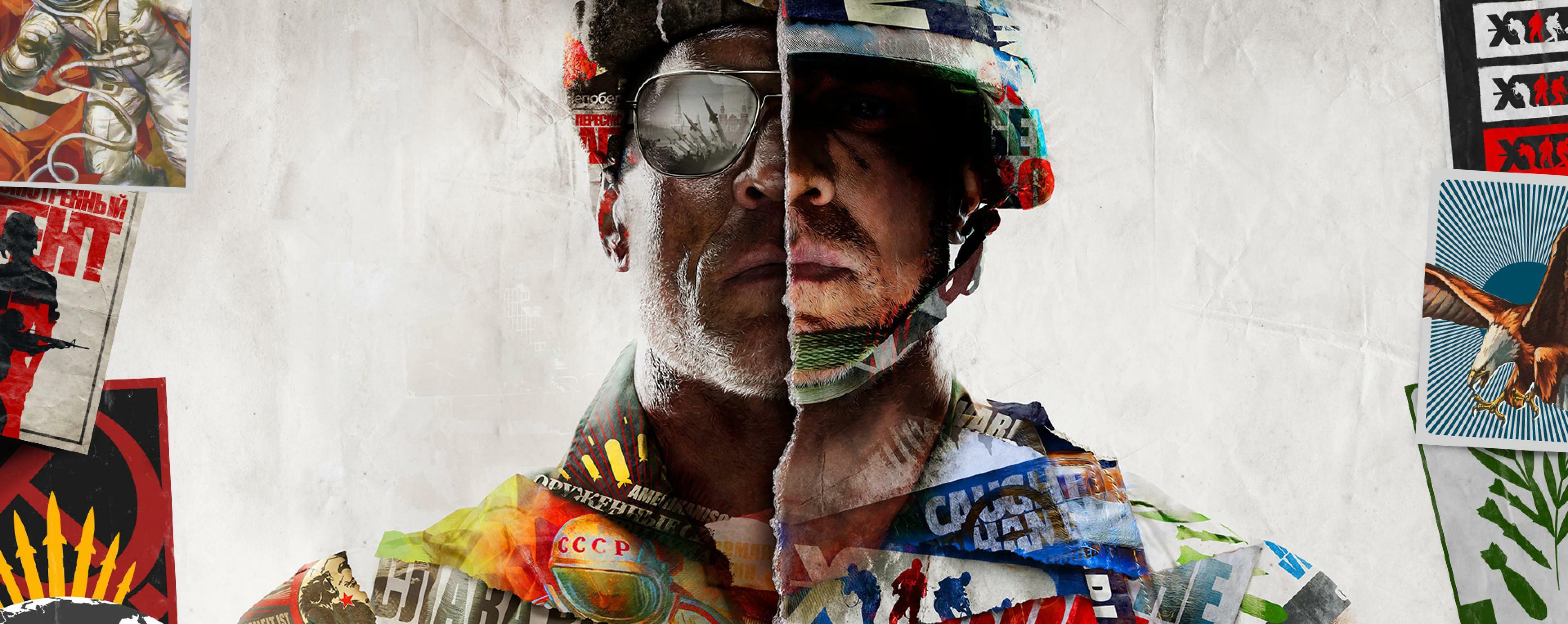
The use of a digitized Ronald Reagan in the game trailers sparked a wide range of reactions regarding historical and political accuracy. Some critics argued that the game was using historical figures to sanitize the actions of the intelligence community during the Cold War. There were calls for a boycott from those who felt the game was serving as a piece of political propaganda. The developers stated the game was a work of fiction that used historical events as a jumping off point for a spy thriller. The controversy was a reminder of the power of historical likenesses in modern media.
‘Assassin’s Creed Valhalla’ (2020)
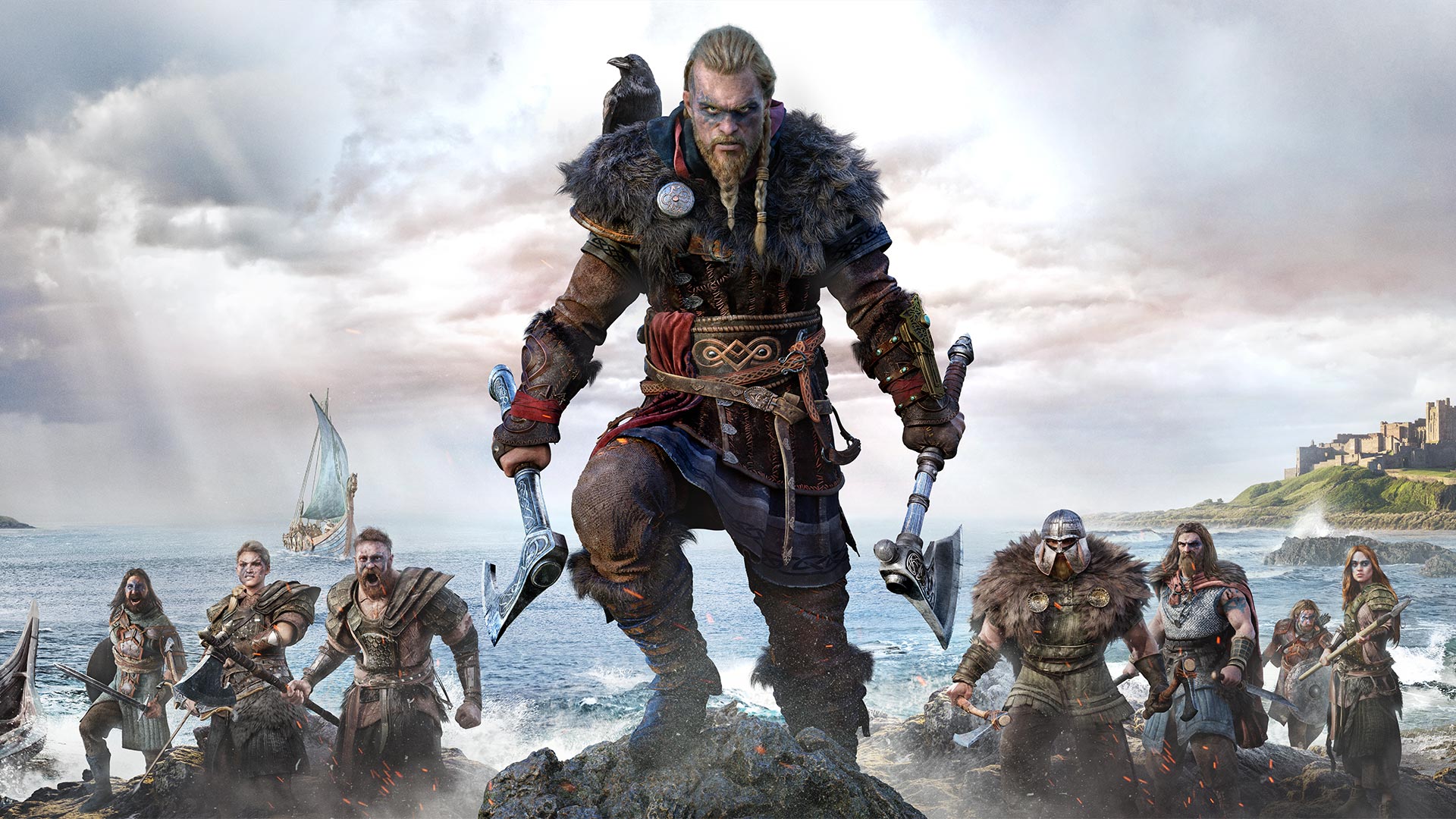
The depiction of Viking settlements and their relationship with the Anglo Saxon kingdoms was a point of interest for medieval historians. Some argued that the game portrayed the Vikings in a more favorable and peaceful light than historical records suggest. This led to discussions about the responsibility of the series to show the brutal reality of the period. While no major boycott occurred the debate influenced how the game was discussed in educational contexts. The developer included a Discovery Tour mode to provide a more factual look at the era.
‘Total War Pharaoh’ (2023)

The timeline and causes of the Bronze Age Collapse are subjects of intense academic debate that the game had to navigate. Some players felt the game did not adequately capture the scale of the historical catastrophe. This led to minor calls for a boycott to protest the scope of the game compared to previous entries in the series. The developers responded by adding more factions and mechanics to reflect the complexity of the era. The situation showed how high expectations for historical scope can impact the reception of a strategy title.
‘Europa Universalis IV’ (2013)
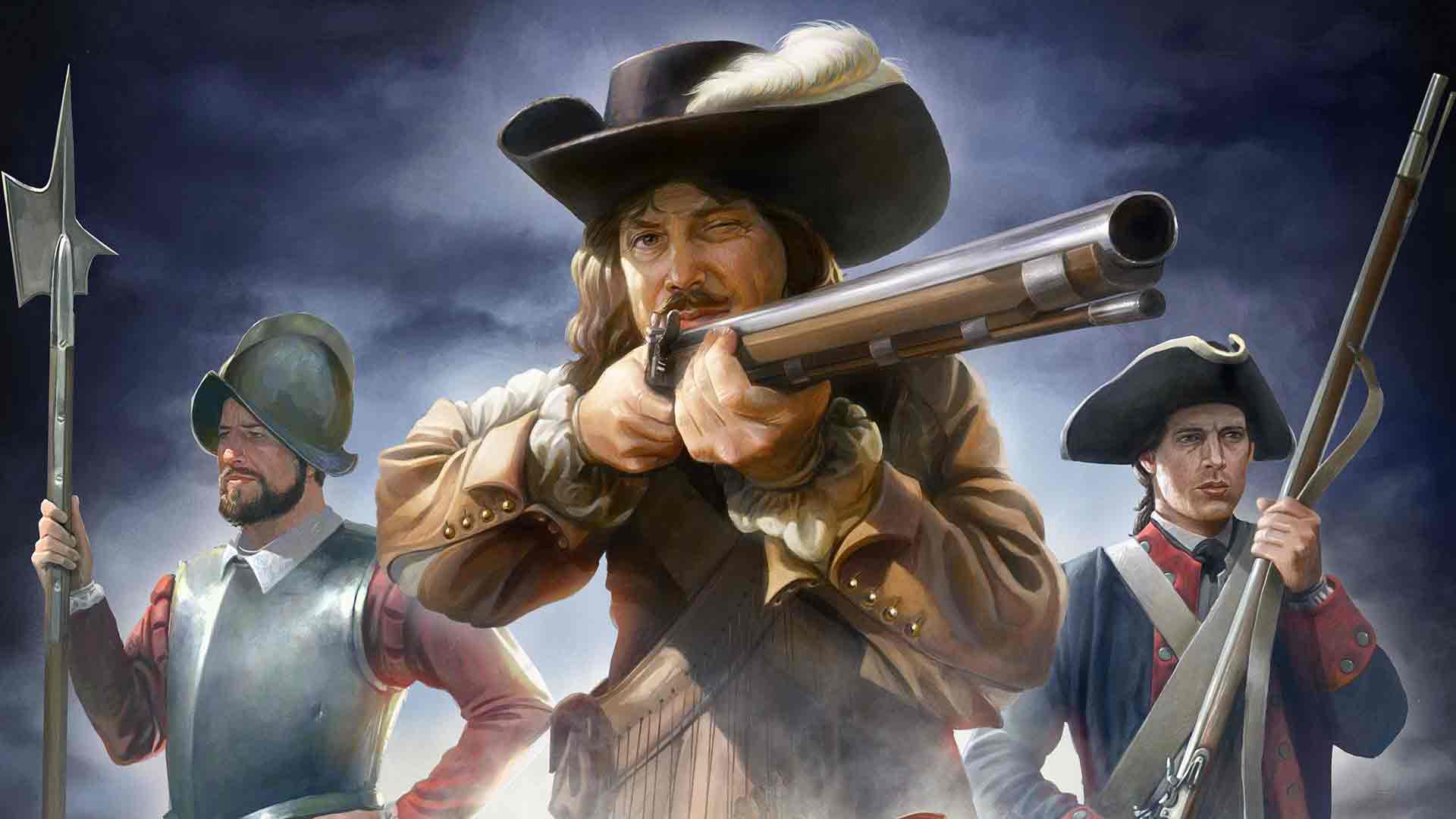
The naming of regions and the placement of borders in the base game and its expansions are frequent sources of historical debate. Various national groups have called for boycotts or changes when they feel their history is being misrepresented. The developers often use community feedback to update the map and reflect more accurate historical data. This ongoing process of refinement is a key part of the relationship between the studio and its fans. It demonstrates how historical games can evolve based on the expertise of their players.
‘Ancestors The Humankind Odyssey’ (2019)

The timeline of human evolution depicted in the game was scrutinized by science and history enthusiasts. Some critics felt the gameplay mechanics oversimplified the millions of years of biological and social development. While not a traditional history game its focus on the origins of the species led to similar accuracy debates. There were no large scale boycotts but the game faced mixed reviews due to its experimental nature. The project highlighted the difficulty of turning massive historical timelines into a cohesive interactive experience.
‘Hogwarts Legacy’ (2023)
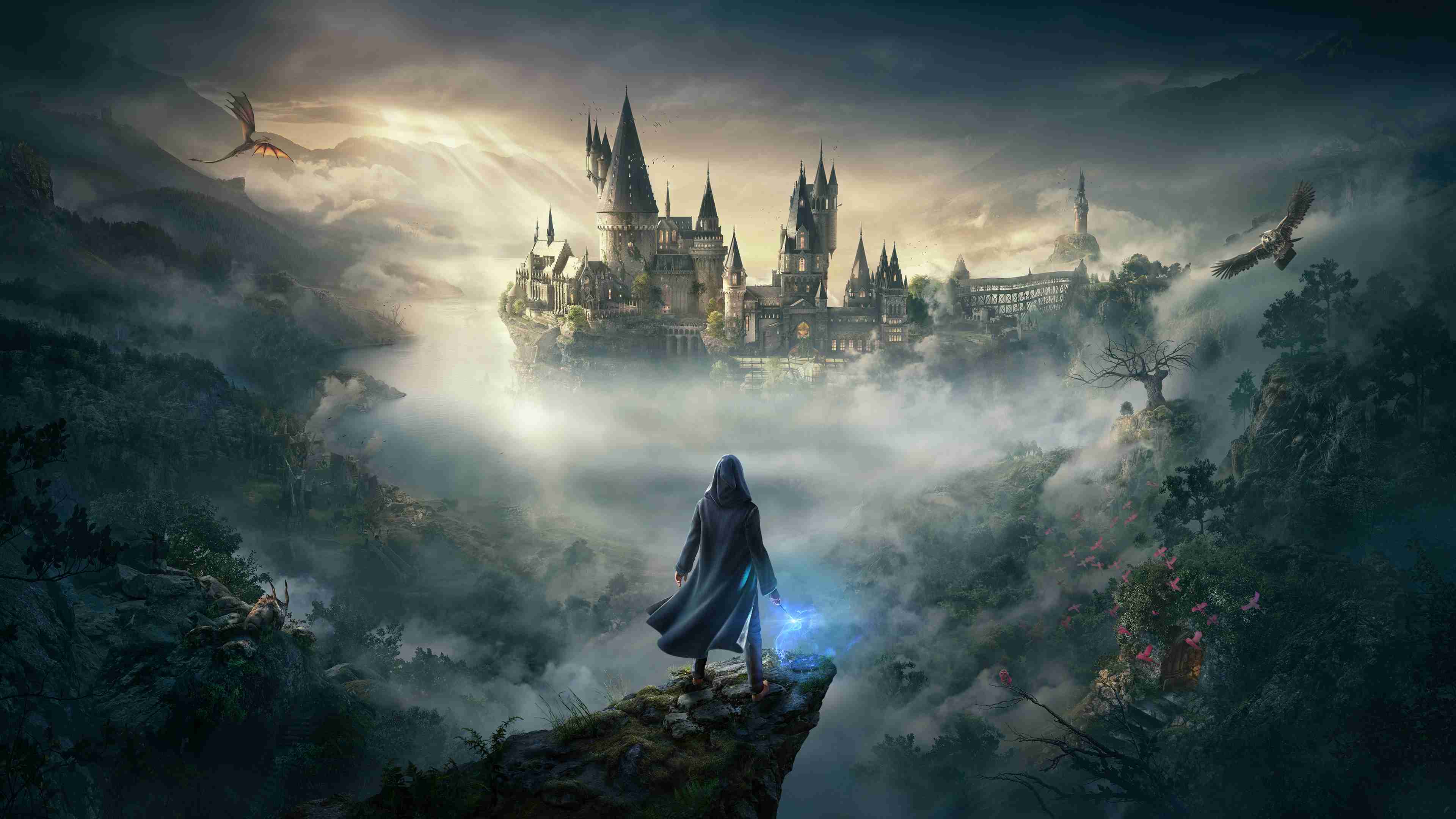
While based on a fantasy world the game is set in the late 19th century and depicts British social history of that era. Some critics debated the accuracy of the social dynamics and the inclusion of diverse characters in that historical context. This was part of a much larger boycott effort driven by broader cultural and political disagreements. The developers maintained that they aimed to create an inclusive version of the historical period they were portraying. The game was one of the most successful and controversial releases of its year.
‘The Witcher 3 Wild Hunt’ (2015)
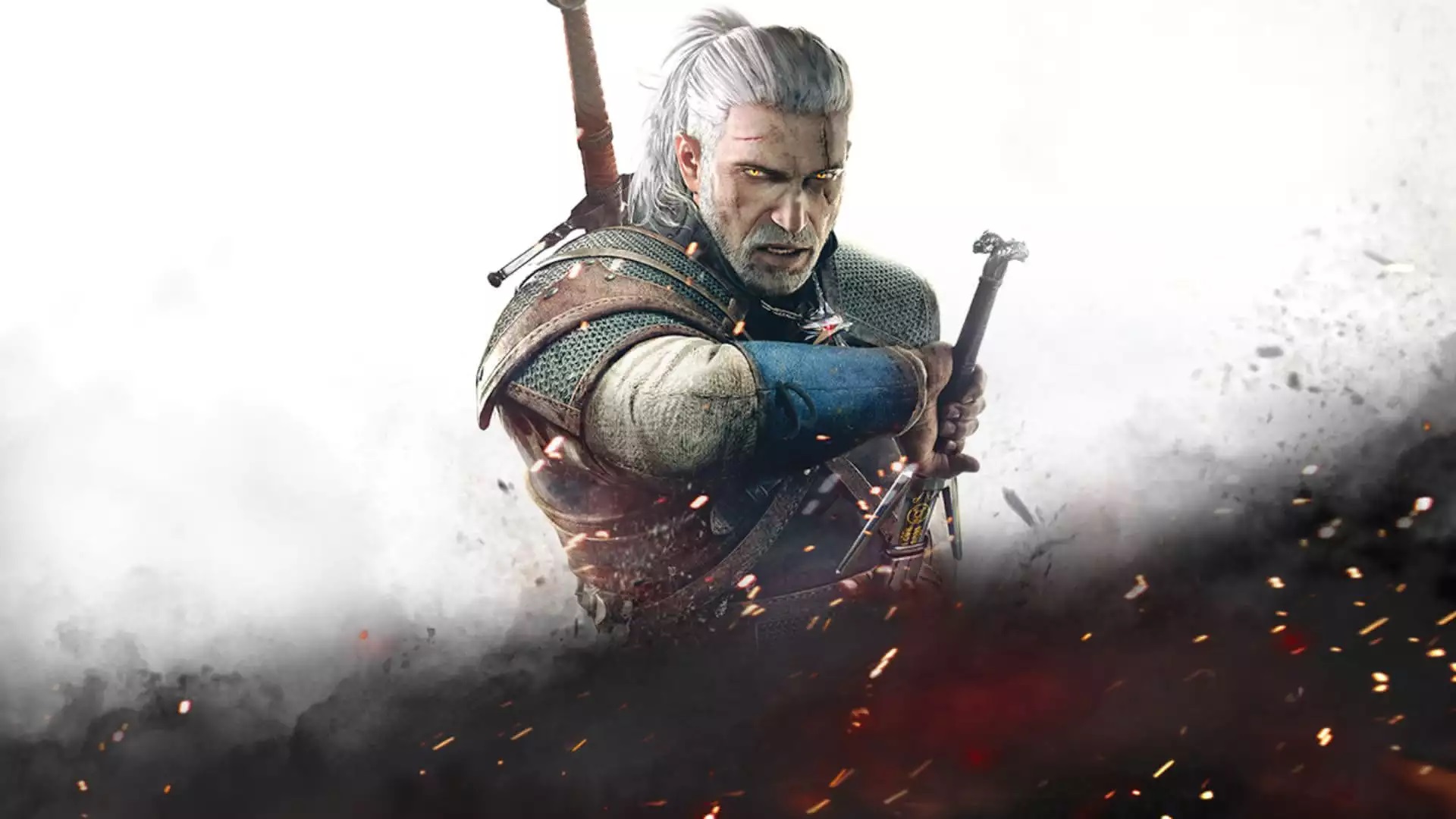
The game is rooted in Slavic folklore and medieval Polish history which led to discussions about its lack of ethnic diversity. Some Western critics called for a boycott because they felt the game did not reflect the diversity of a global audience. The developers and many fans defended the game as an authentic representation of a specific regional history and mythology. This debate was a major moment in the conversation about cultural sovereignty and historical representation in games. The title remains a landmark for regional storytelling in the global market.
‘Street Fighter V’ (2016)
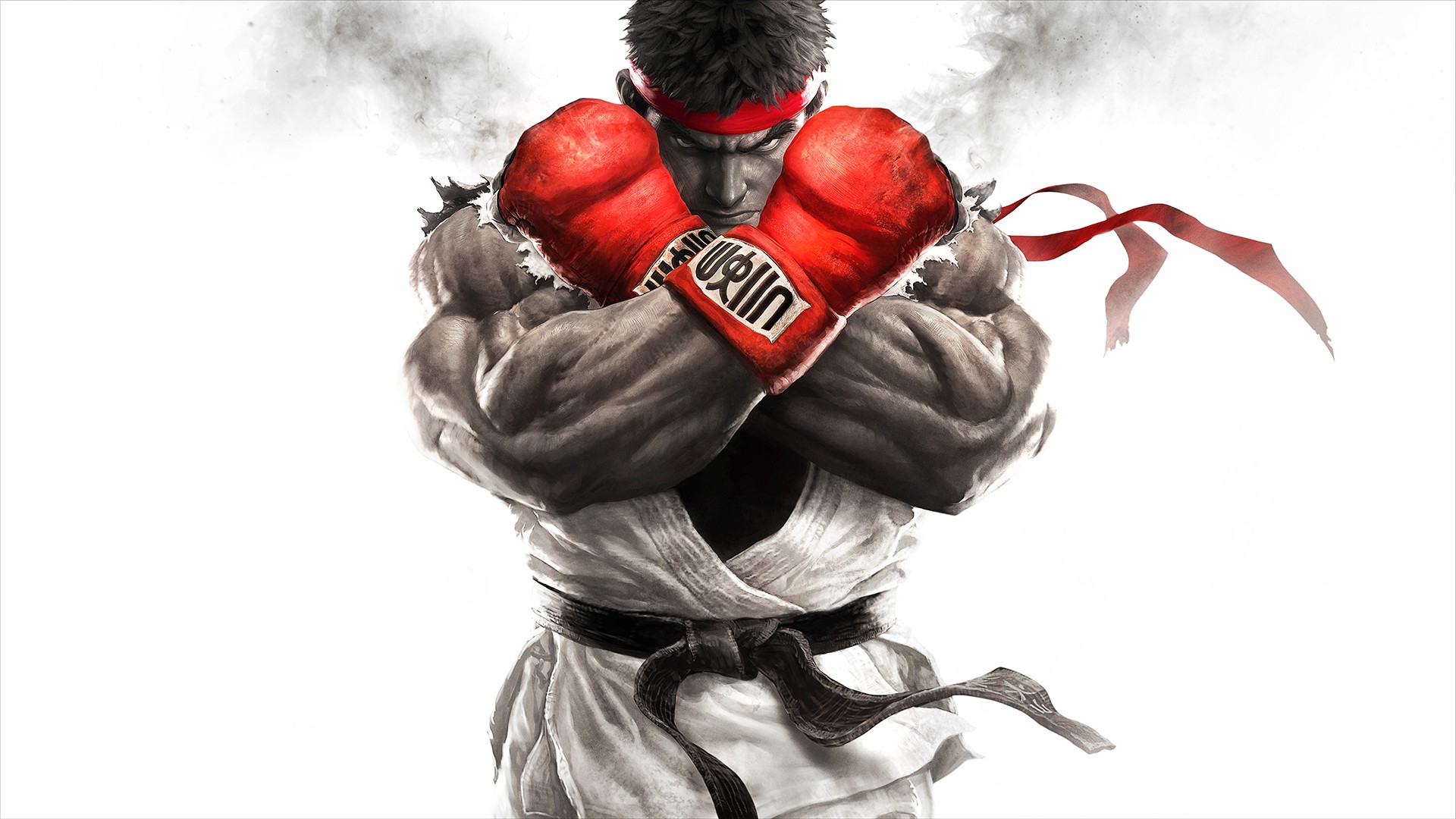
The backgrounds and stages for various characters often use historical and cultural symbols that can be controversial. For example a stage featuring a mosque or specific religious symbols was criticized for its historical and cultural insensitivity. This led to minor boycott threats and demands for the content to be patched or removed. Capcom often makes these adjustments to ensure the game remains respectful to its international player base. This shows that even fighting games must be careful when using historical and cultural imagery.
‘Overwatch 2’ (2022)
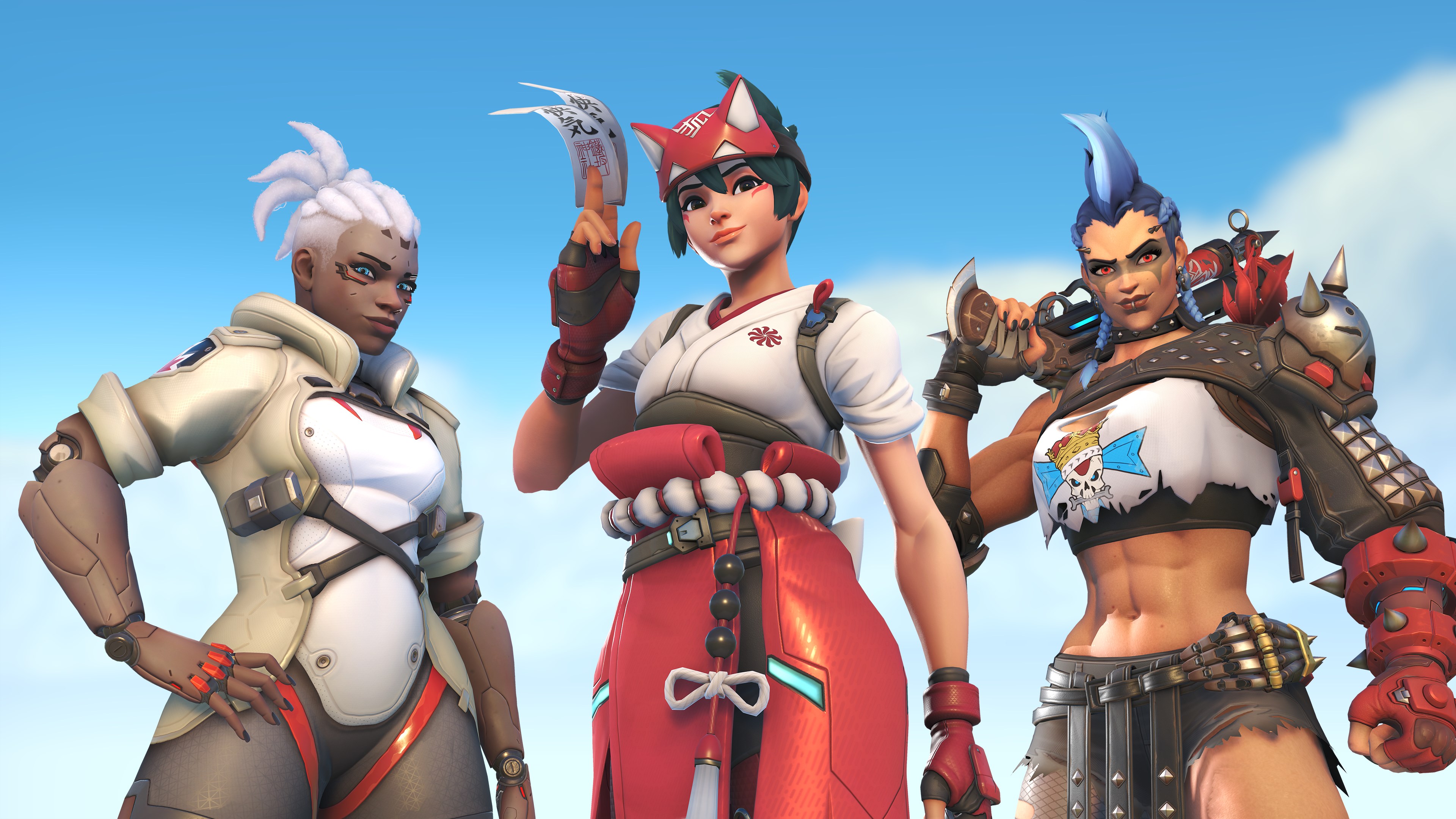
Character origins and heritage often lead to discussions about cultural and historical accuracy in the game lore. Some fans have expressed disappointment when a character’s backstory does not align with the historical reality of their supposed home nation. While the game is set in the future the historical identities of its characters are a major part of its appeal. There have been minor petitions and digital protests to demand more authentic representation. The developers continue to expand the lore to address these concerns.
‘Empire Total War’ (2009)
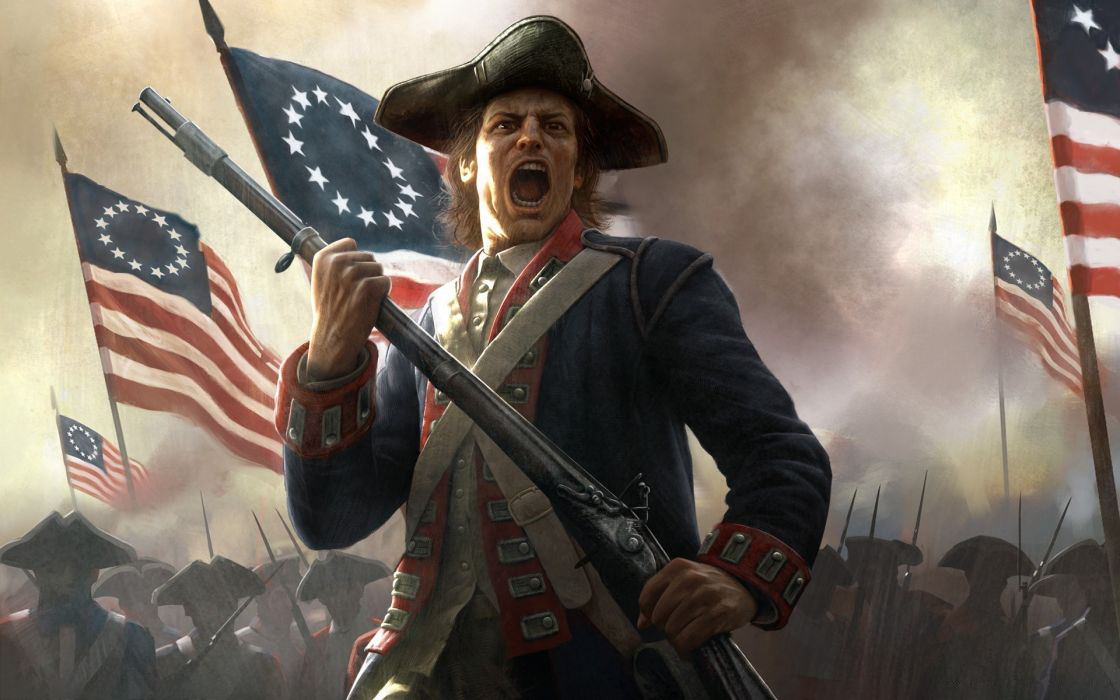
The portrayal of the 18th century and the mechanics of colonial expansion were subjects of debate for strategy fans. Some players felt the game did not adequately portray the impact of the slave trade on the era’s economy. Others argued about the accuracy of the naval combat and the effectiveness of different national armies. While no major boycott occurred the game faced criticism for its technical issues and historical simplifications. It remains a polarizing entry in the series for those who value strict 18th century realism.
‘Call of Duty WWII’ (2017)
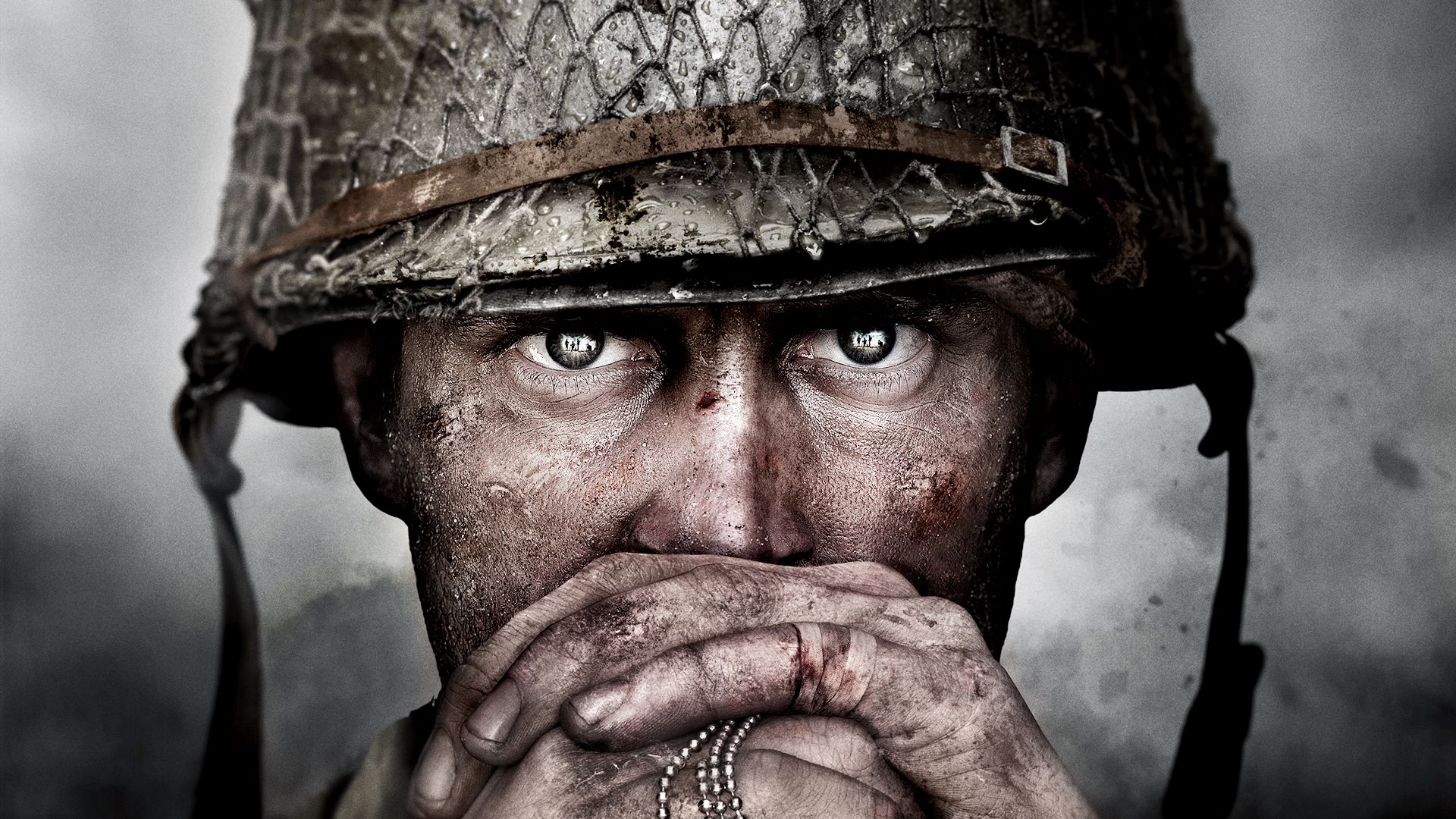
The decision to remove swastikas from the multi player mode sparked a significant debate about historical censorship versus modern sensitivity. Some players argued that removing the symbols sanitized the history of the Nazi regime and lowered the game’s immersion. This led to vocal protests and some groups suggesting a boycott to demand historical accuracy in all modes. The developer stated the choice was made to ensure the game could be sold and played globally without legal or social issues. This event highlighted the legal challenges of including specific historical symbols in international products.
‘Battlefield 1’ (2016)
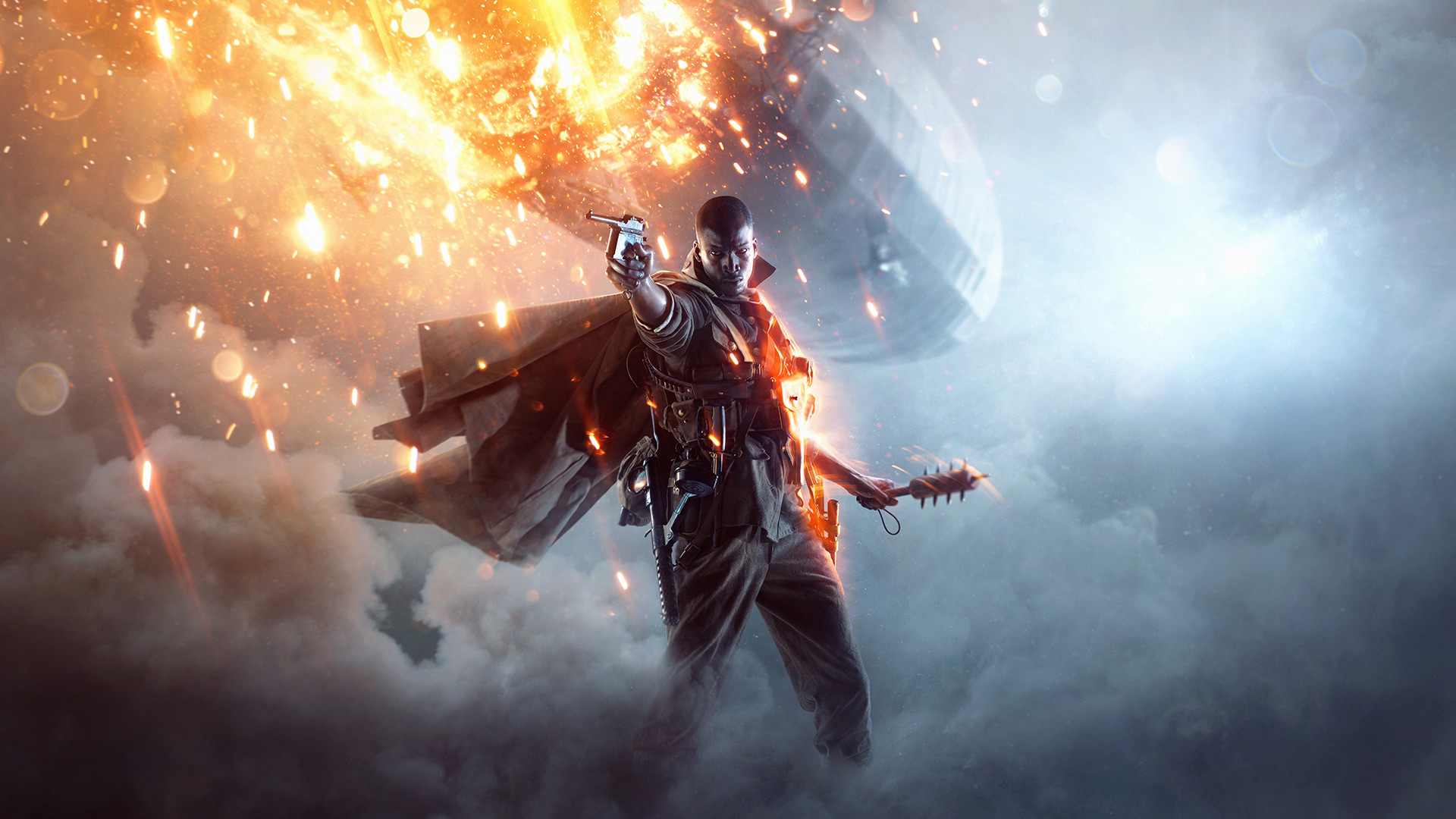
The frequency of prototype semi automatic weapons and tanks in a World War I setting was a point of contention for history fans. Critics argued that the game felt more like a World War II shooter than a trench warfare simulation. Some players called for a boycott to protest the move away from the authentic feel of the Great War. The developers stated they wanted to maintain the fast gameplay the series is known for while providing a unique historical backdrop. This decision helped the game reach a massive audience but left some purists dissatisfied.
Please share your thoughts on which games you think should prioritize historical accuracy in the comments.