

Games That Faced Massive Boycotts After Gender-Swapping Iconic Heroes

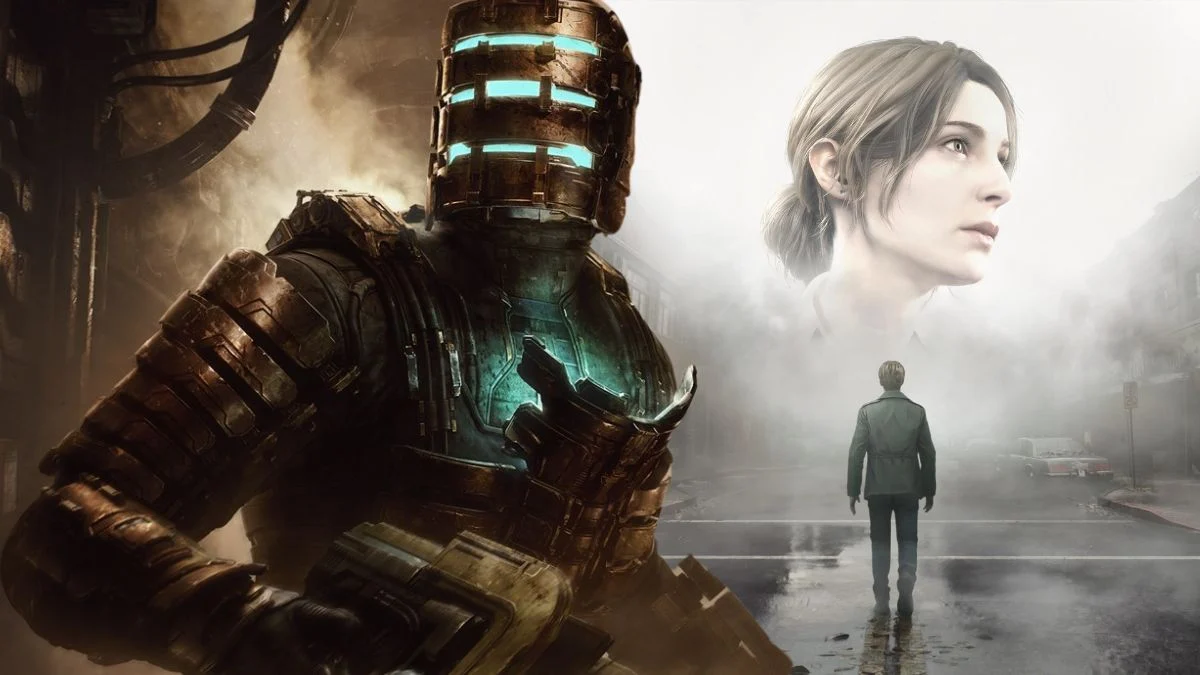


The video game industry has seen a significant shift toward inclusivity and representation in recent years. Developers often update classic franchises or introduce new installments that feature female protagonists in roles traditionally held by men. This creative direction sometimes sparks intense debate among long-time fans who feel protective over established lore and character identities. The following titles experienced significant community backlash or calls for boycotts due to changes in gender representation or the introduction of female leads in historic franchises.
‘Battlefield V’ (2018)
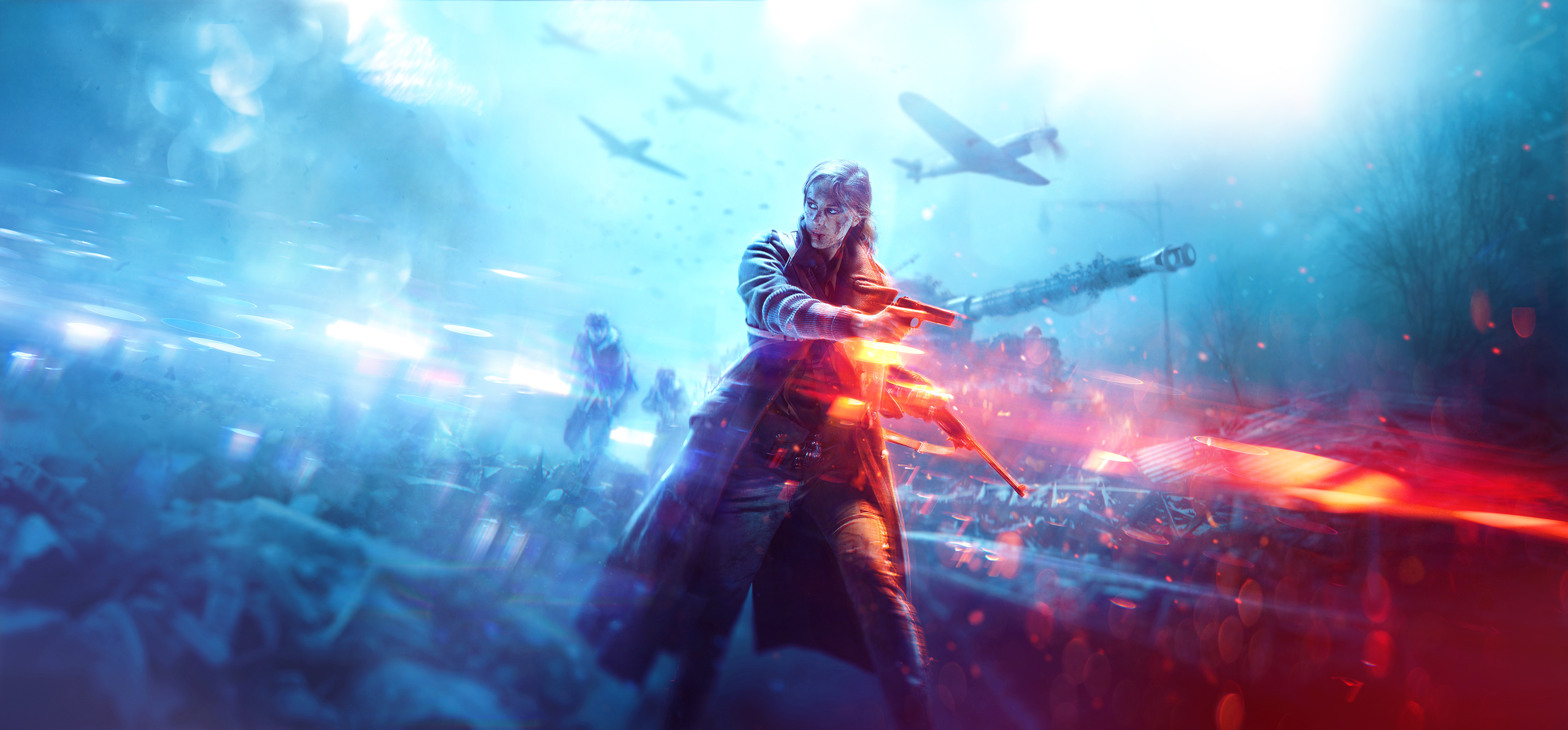
Electronic Arts faced an immediate uproar after releasing the reveal trailer for this World War II shooter. The footage prominently featured a female soldier with a prosthetic arm fighting on the front lines. Critics argued this depiction was historically inaccurate and disrespectful to the realism the franchise previously maintained. The developers defended the creative choice by emphasizing player customization and the untold stories of the war. This controversy contributed to lower initial pre-order sales compared to previous entries in the series.
‘The Last of Us Part II’ (2020)
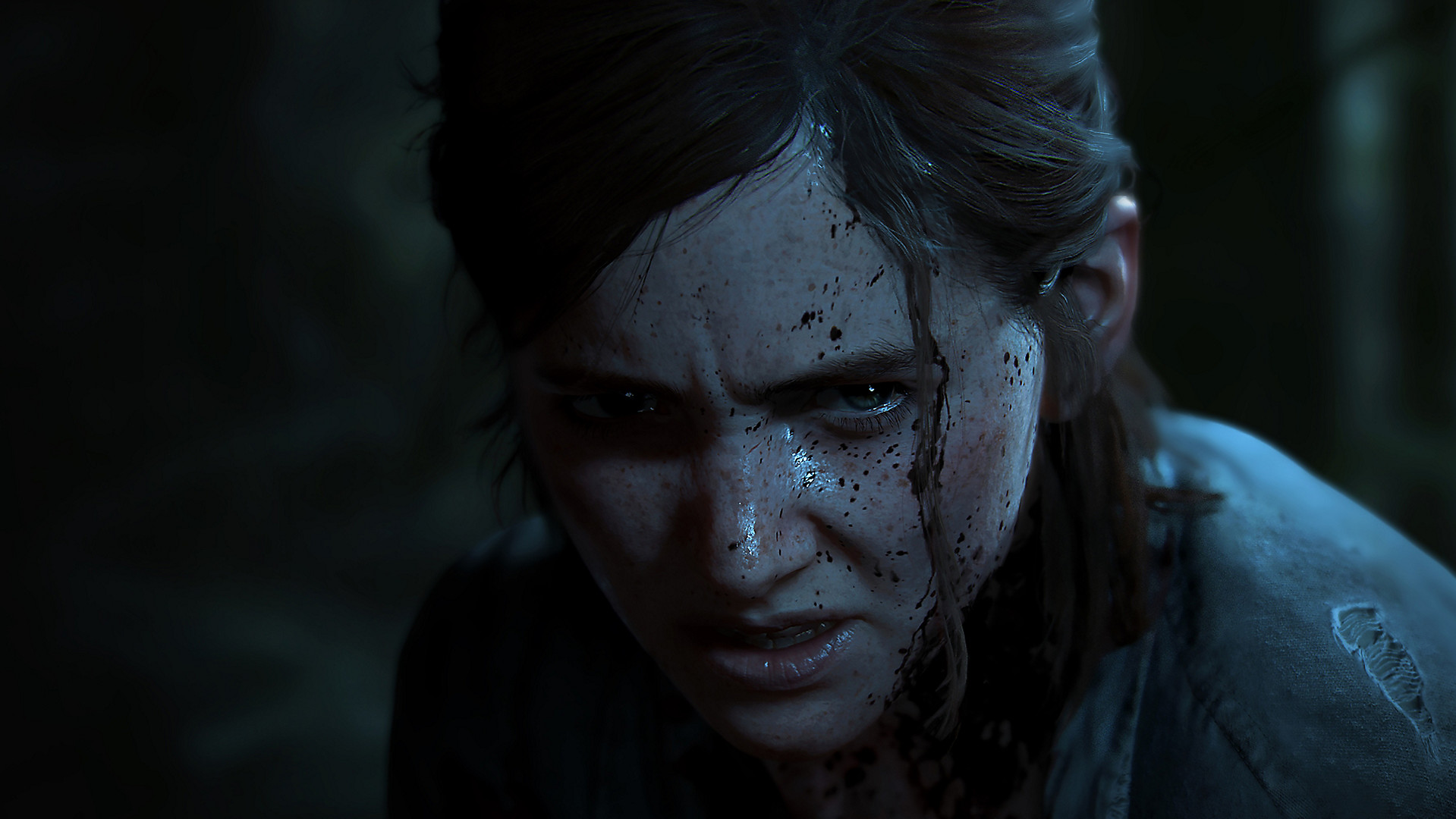
Naughty Dog encountered a massive wave of review bombing and hostility before and after the launch of this highly anticipated sequel. Leaks revealed that players would control a new muscular female character named Abby for a significant portion of the game. Many fans were upset by the narrative direction that sidelined the beloved male protagonist Joel Miller. The backlash intensified due to the perceived political messaging regarding gender roles and physical appearance within the post-apocalyptic setting.
‘Gears 5’ (2019)
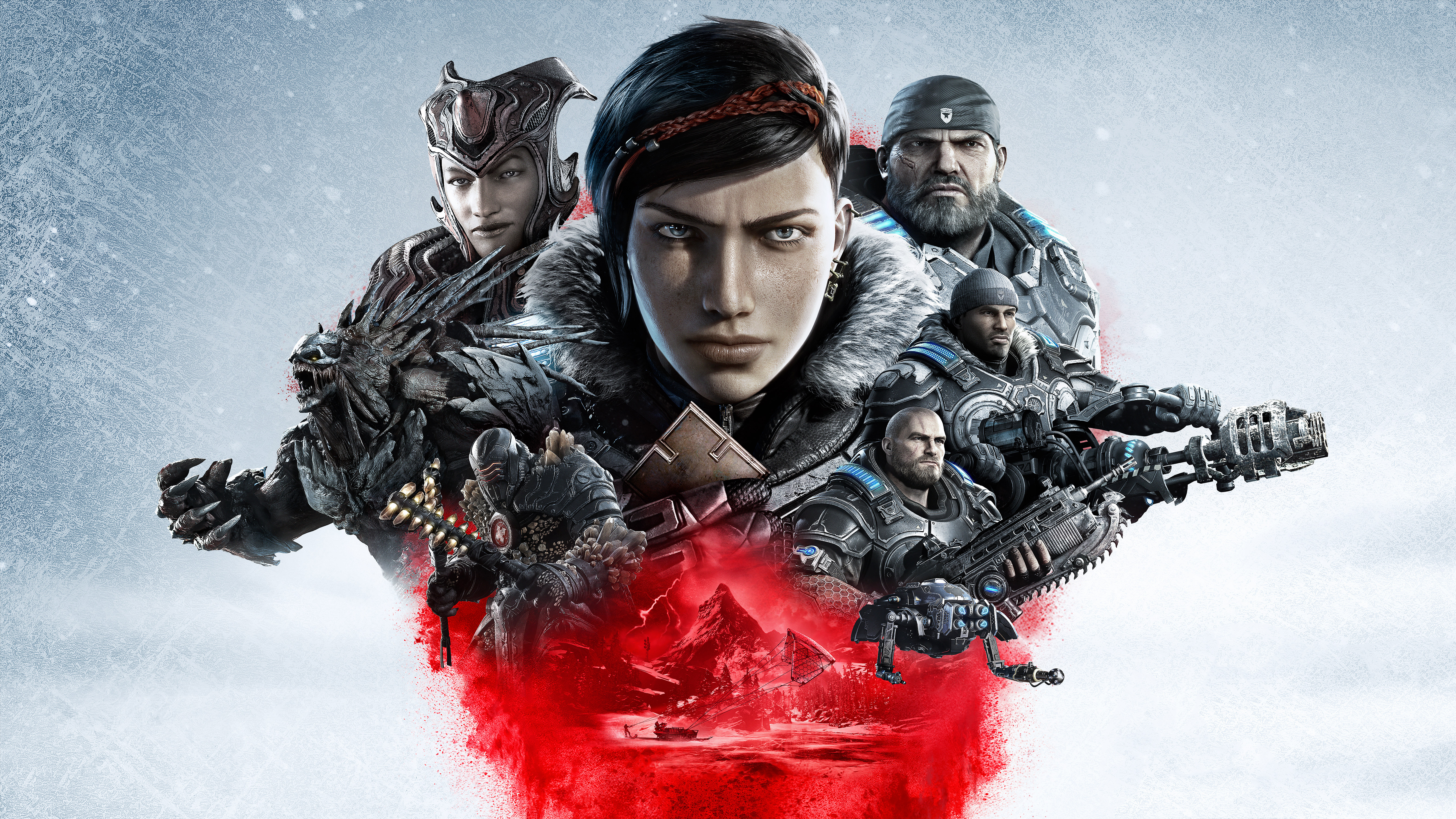
The Coalition made a narrative shift by placing Kait Diaz as the central protagonist instead of JD Fenix or his father Marcus. Longtime fans of the hyper-masculine franchise questioned the decision to shift focus away from the Fenix legacy. Online discussions became heated as some players felt the change was forced to meet diversity quotas rather than serving the plot. Despite the vocal detractors the game received generally positive reviews from professional critics for its campaign structure.
‘Wolfenstein: Youngblood’ (2019)
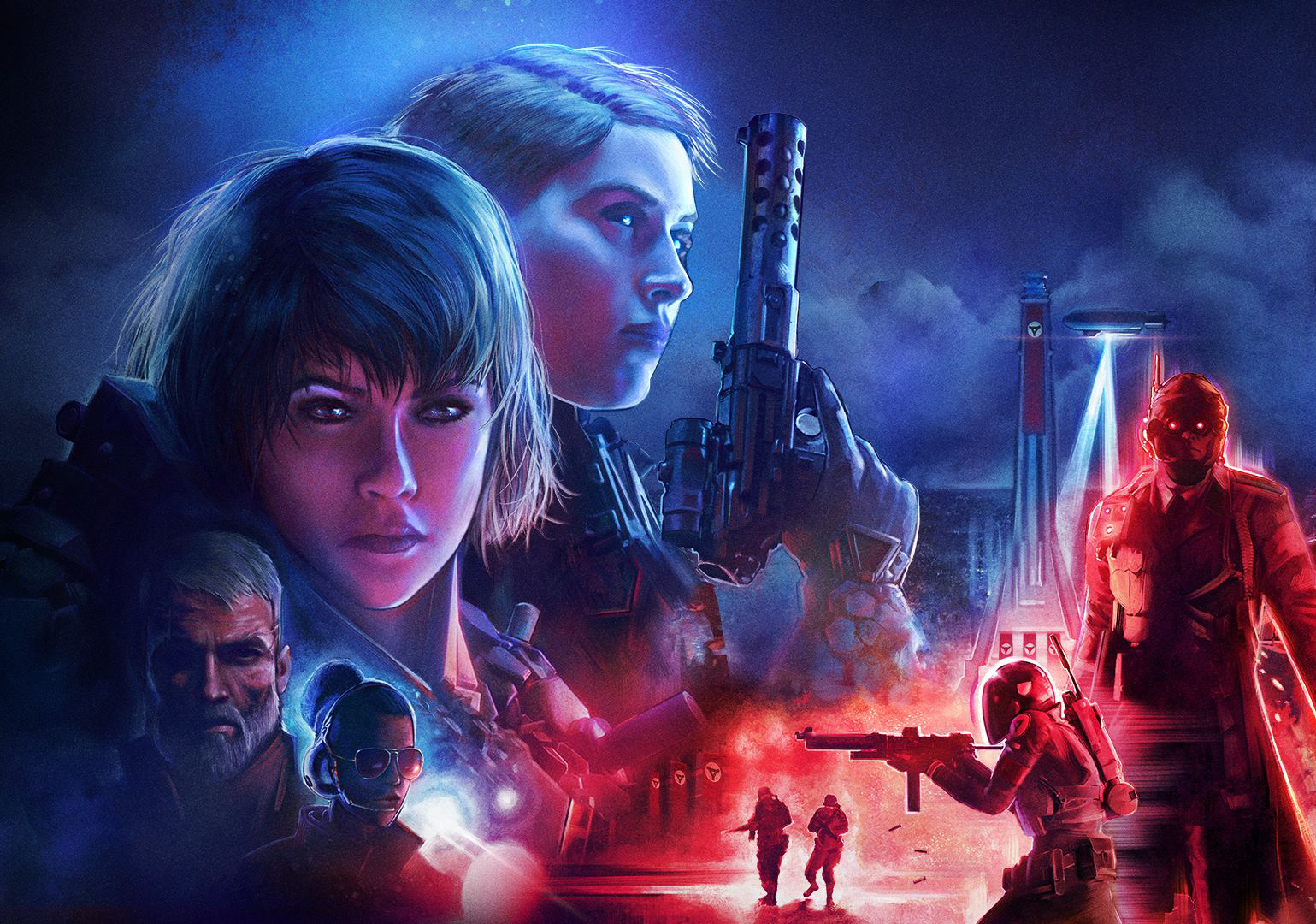
MachineGames moved the timeline forward to focus on the twin daughters of series protagonist B.J. Blazkowicz. Players took control of Jess and Soph in a cooperative shooter experience that replaced the solitary male hero archetype. The tonal shift from a gritty war drama to a lighter young adult adventure alienated some purists of the franchise. Criticism largely focused on the writing and character interactions of the sisters compared to their stoic father.
‘Assassin’s Creed Odyssey’ (2018)
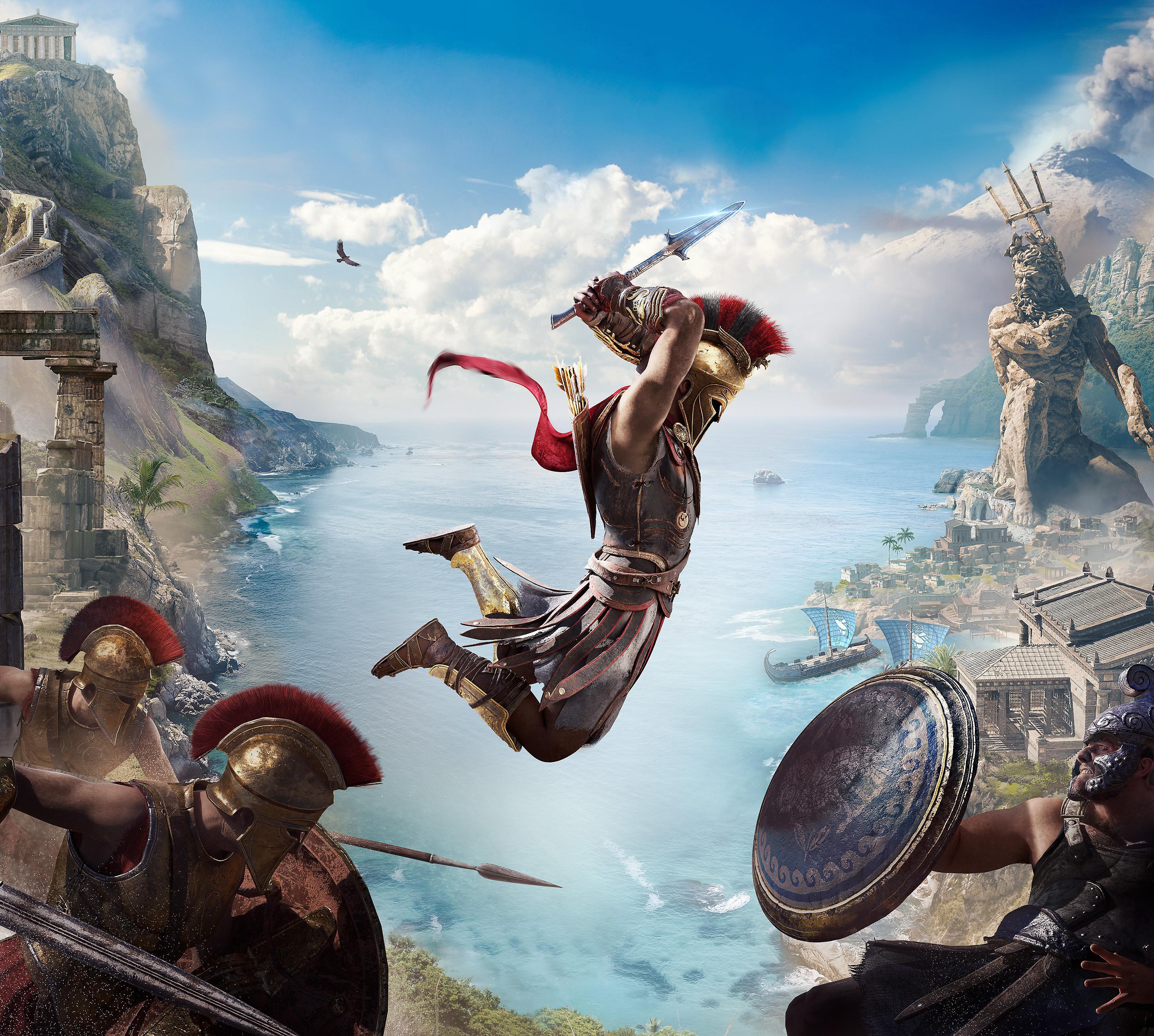
Ubisoft introduced the option to play as either Alexios or Kassandra in this sprawling RPG set in Ancient Greece. Controversy arose when it was revealed that Kassandra was the canonical protagonist in the official lore and novelization. Some players felt this marginalized the male option and broke historical immersion regarding the role of women in Spartan society. The developers maintained that the Animus technology allowed for exploring different genetic memories within the fictional universe.
‘Total War: Rome II’ (2013)

A significant controversy erupted years after release when an update increased the spawn rate of female generals for certain factions. Review bombing occurred on Steam as players accused Creative Assembly of rewriting history for modern sensibilities. The developers responded that the changes were intended to reflect the specific cultures that historically allowed women in command. This incident highlighted the tension between historical simulation and gameplay balance in strategy titles.
‘Uncharted: The Lost Legacy’ (2017)
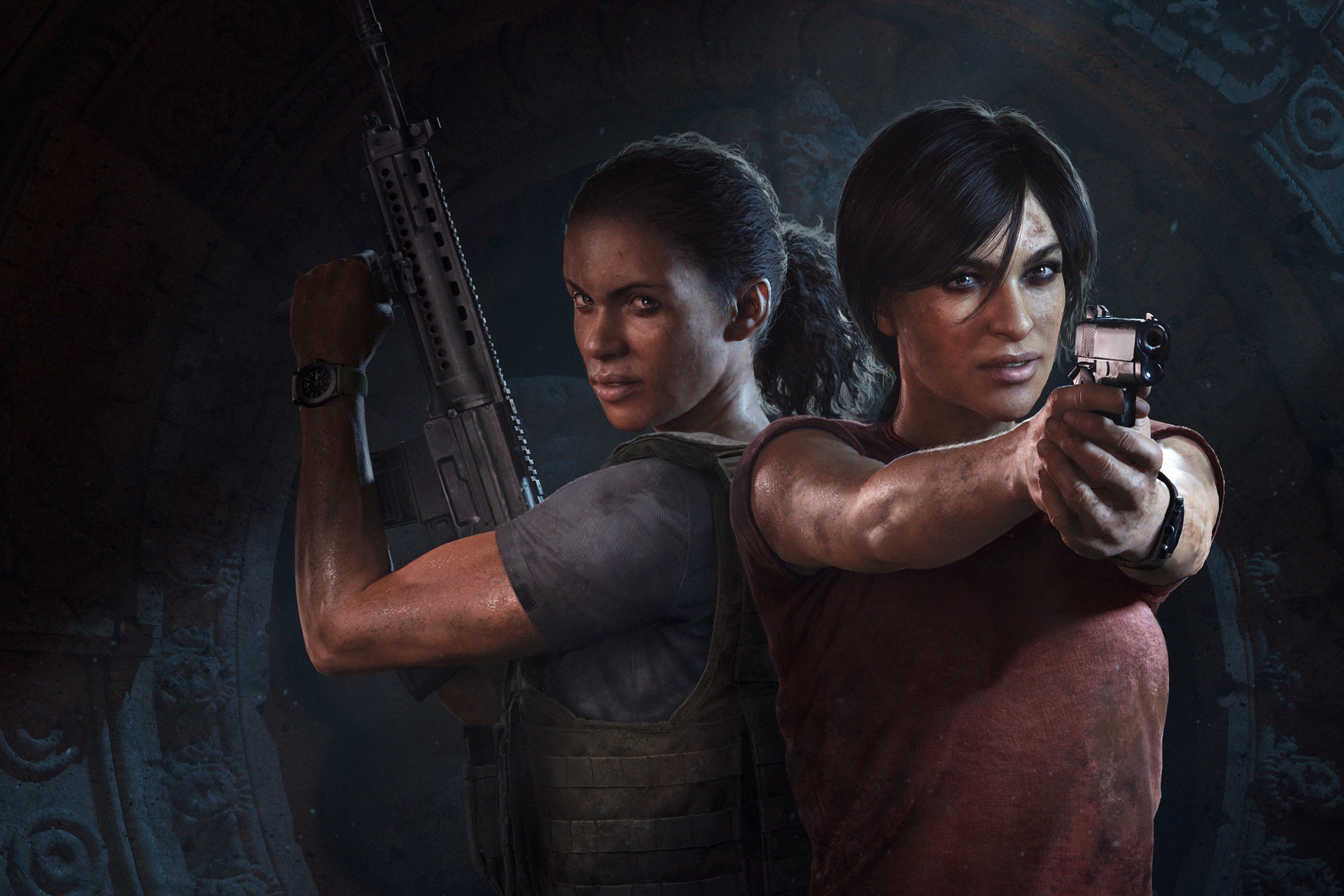
Naughty Dog developed this standalone expansion starring Chloe Frazer and Nadine Ross instead of Nathan Drake. While many praised the chemistry between the two leads some fans refused to support an Uncharted game without the original male hero. Detractors argued that the series relied entirely on Drake’s charisma and that replacing him was a mistake. The game ultimately proved that the franchise could succeed mechanically and narratively without its traditional frontman.
‘Dragon Age: The Veilguard’ (2024)
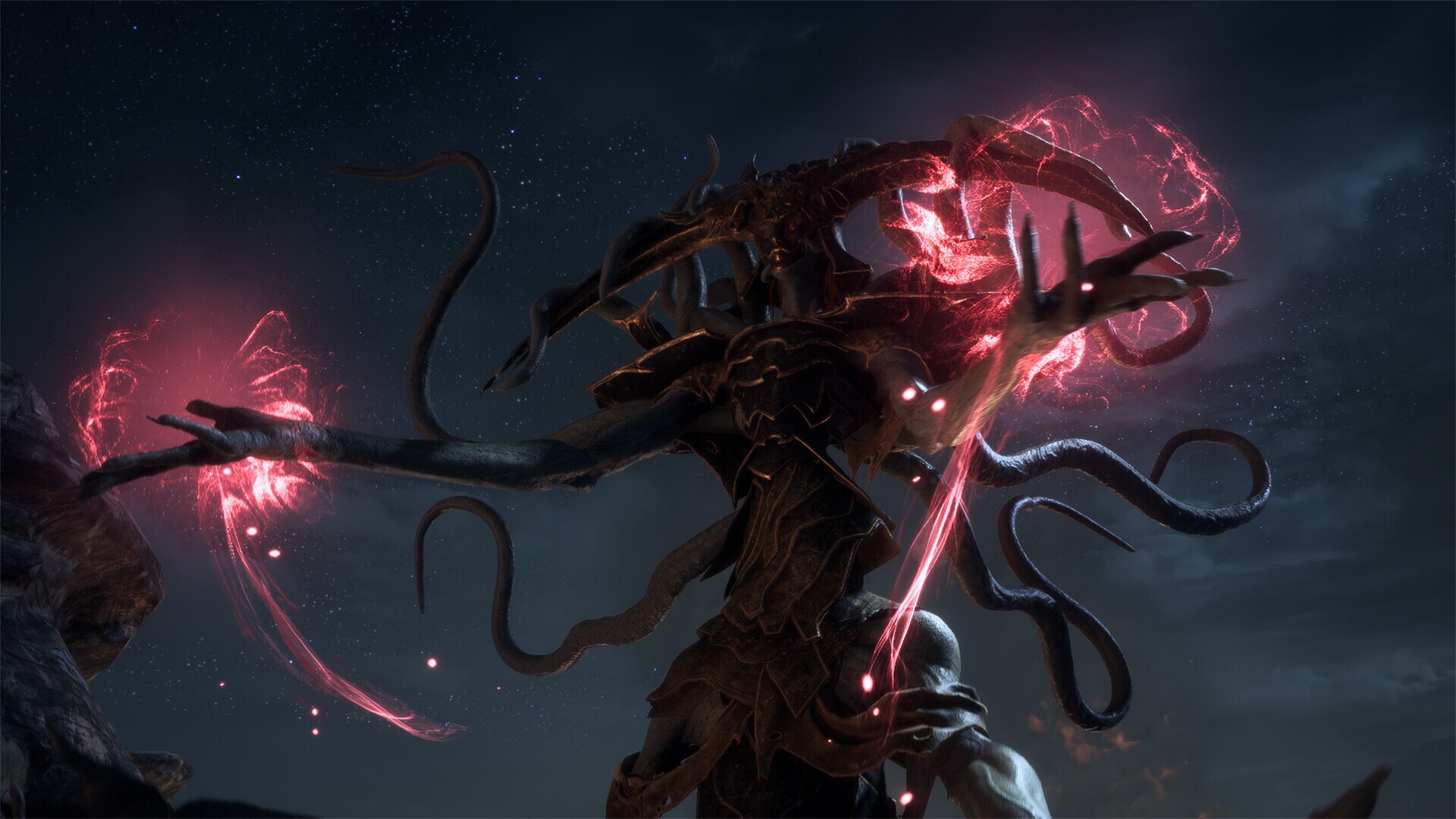
BioWare faced intense scrutiny regarding the character creator and gender options leading up to the release of this fantasy RPG. The inclusion of top surgery scars and non-binary dialogue options sparked heated debates across social media platforms. Critics labeled the game as performative and argued that modern social politics were intruding on the fantasy immersion. The backlash resulted in preemptive negative user reviews before the game was even available to the public.
‘Mass Effect: Andromeda’ (2017)
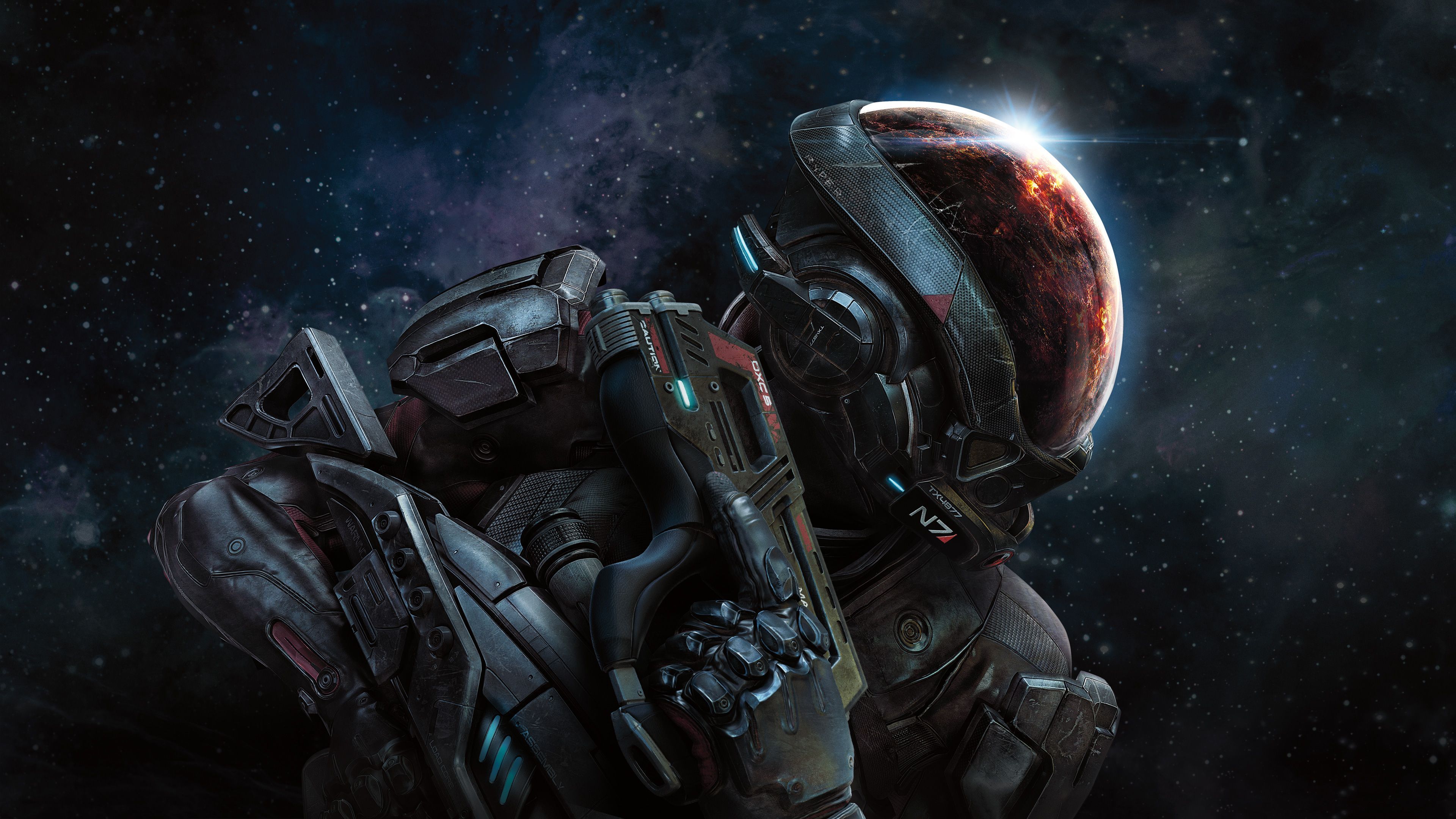
The marketing for the fourth entry in the series often featured the female version of the new protagonist Ryder. While players could choose their gender the default promotion of a female lead replacing Commander Shepard agitated a segment of the fanbase. Compounded by animation issues at launch the conversation frequently veered into attacks on the appearance of female characters. The hostility contributed to a poor public perception that stalled the franchise for several years.
‘Grand Theft Auto VI’ (Upcoming)
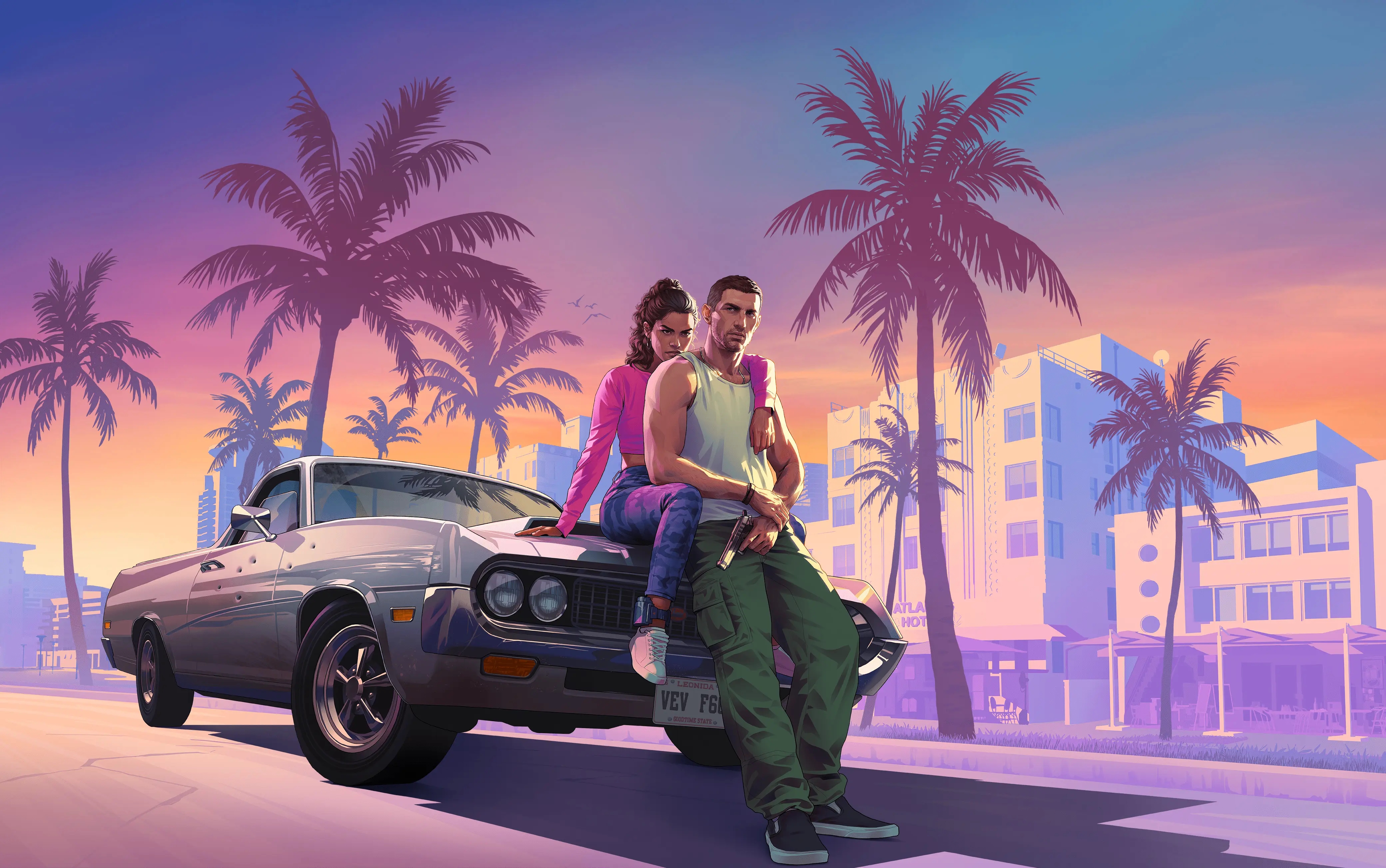
Rockstar Games faced premature backlash when leaks confirmed the game would feature a female protagonist named Lucia as part of a duo. A vocal minority expressed concern that the satirical and edgy tone of the series would be toned down to accommodate a female perspective. Comparisons were drawn to previous male leads with detractors fearing a shift away from traditional crime tropes. The official trailer release reignited these debates despite record-breaking viewership numbers.
‘Fable’ (Upcoming)

The reboot of the classic Xbox RPG series faced immediate criticism after its reveal trailer showcased a female protagonist. Comments on social media attacked the character’s facial design and perceived lack of conventional attractiveness. Fans of the original games argued that the tone felt different from the Peter Molyneux era. The discourse centered on whether the developers were deliberately avoiding idealized female beauty standards in gaming.
‘Star Wars Outlaws’ (2024)
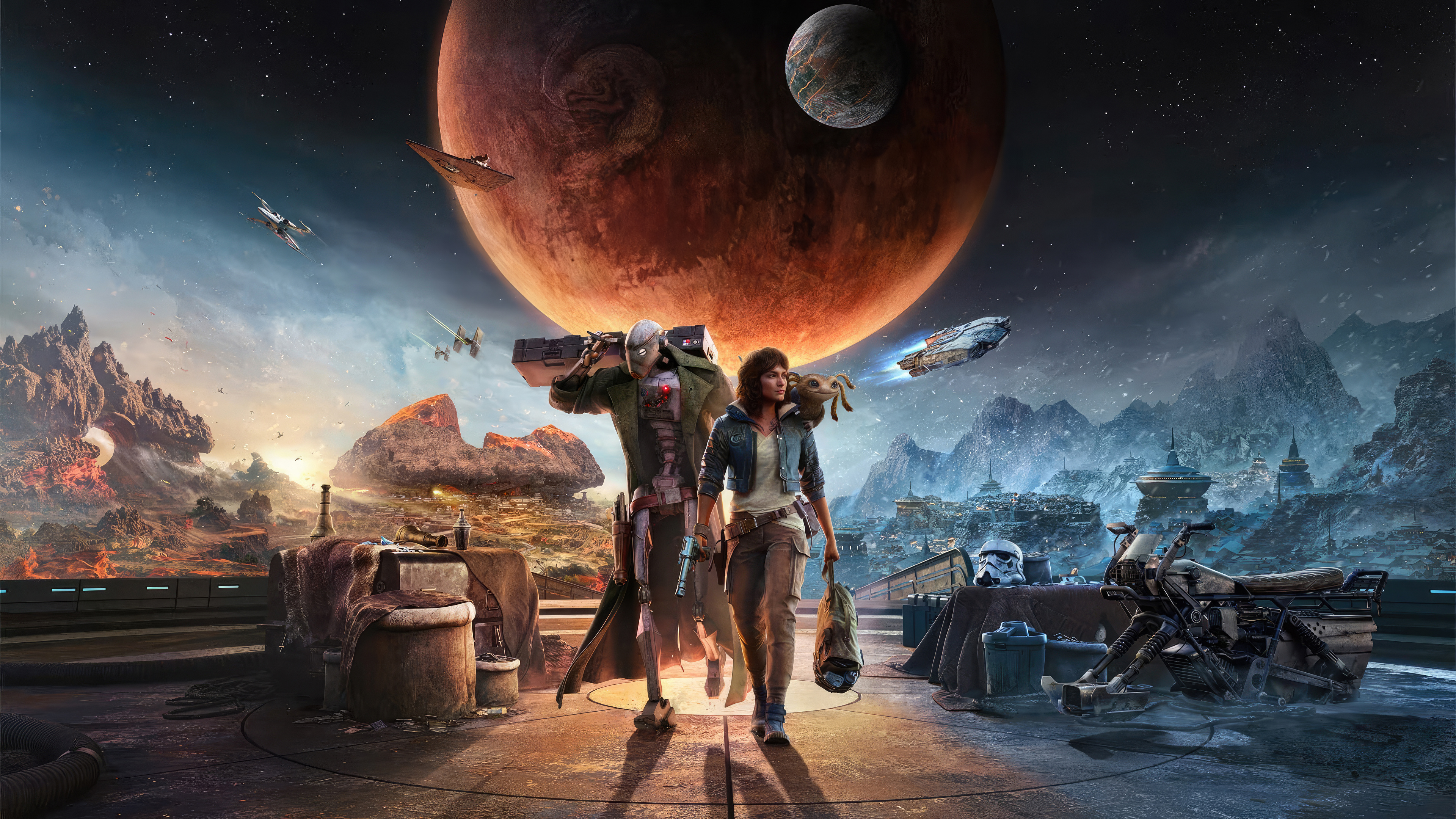
Ubisoft Massive developed this open-world adventure featuring a fixed female protagonist named Kay Vess. Some Star Wars fans expressed disappointment that they could not create their own character or play as a male scoundrel. The criticism often targeted the character design of Kay Vess and accused the developers of de-feminizing her appearance. This backlash mirrored broader cultural arguments regarding female representation in the Star Wars universe.
‘Dishonored 2’ (2016)
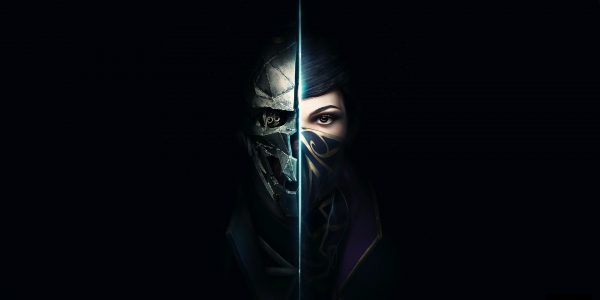
Arkane Studios allowed players to choose between the returning hero Corvo Attano and his daughter Emily Kaldwin. The narrative strongly centered on Emily as the rightful empress trying to reclaim her throne. Some players felt that Corvo was nerfed or sidelined to elevate the female lead within the story. Despite the gameplay improvements the shift in protagonist focus was a point of contention for those attached to the first game’s solitary avenger.
‘Far Cry 6’ (2021)
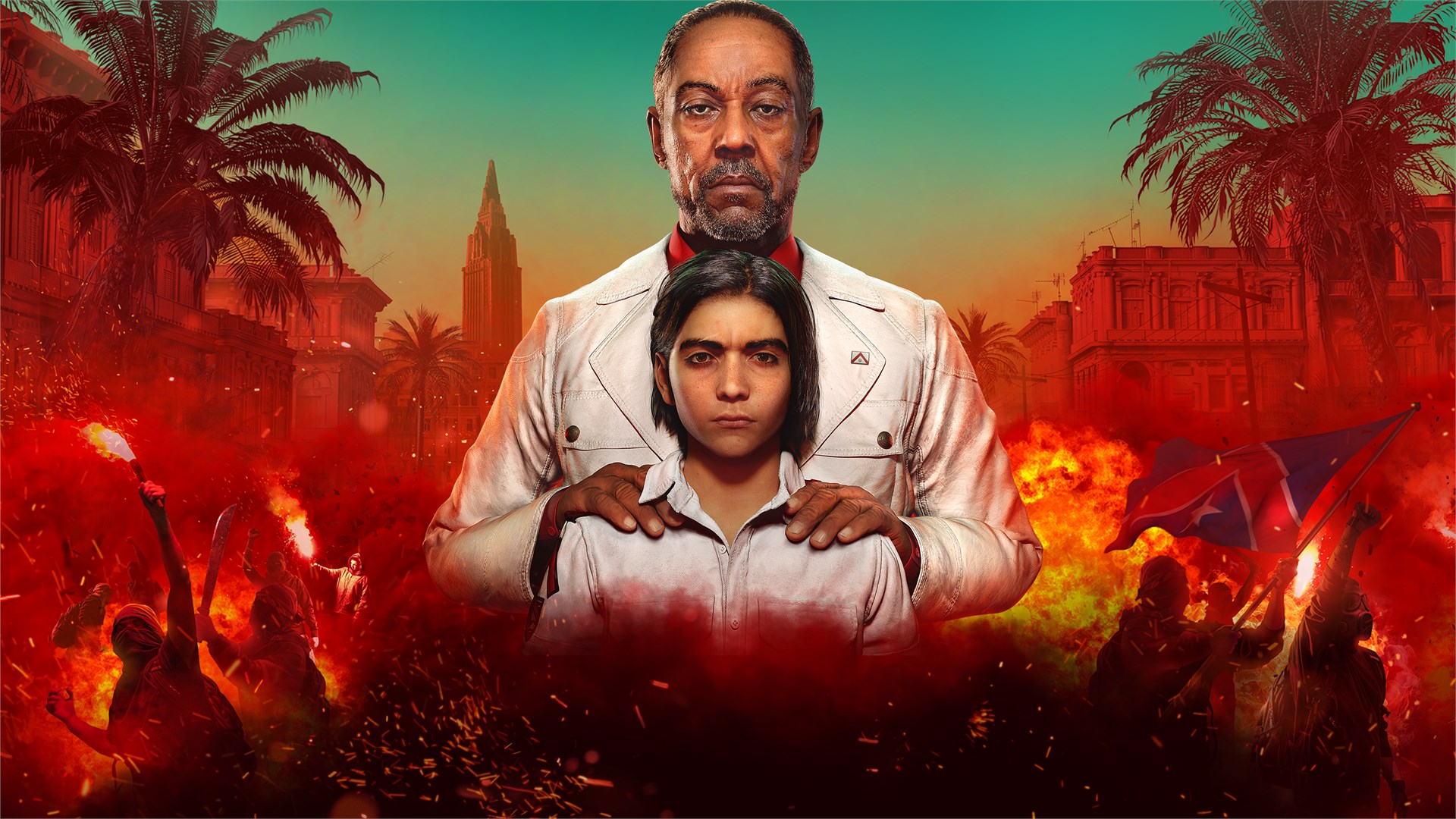
Ubisoft marketing featured both male and female versions of the protagonist Dani Rojas but later confirmed female Dani was canon in other media. This approach frustrated players who preferred the male option and felt their choice was invalidated by external lore. The franchise had traditionally featured male leads which made the canonical switch a topic of debate. Discussions focused on whether giving players a choice mattered if the developer had a preferred narrative path.
‘Silent Hill 2’ (2024)
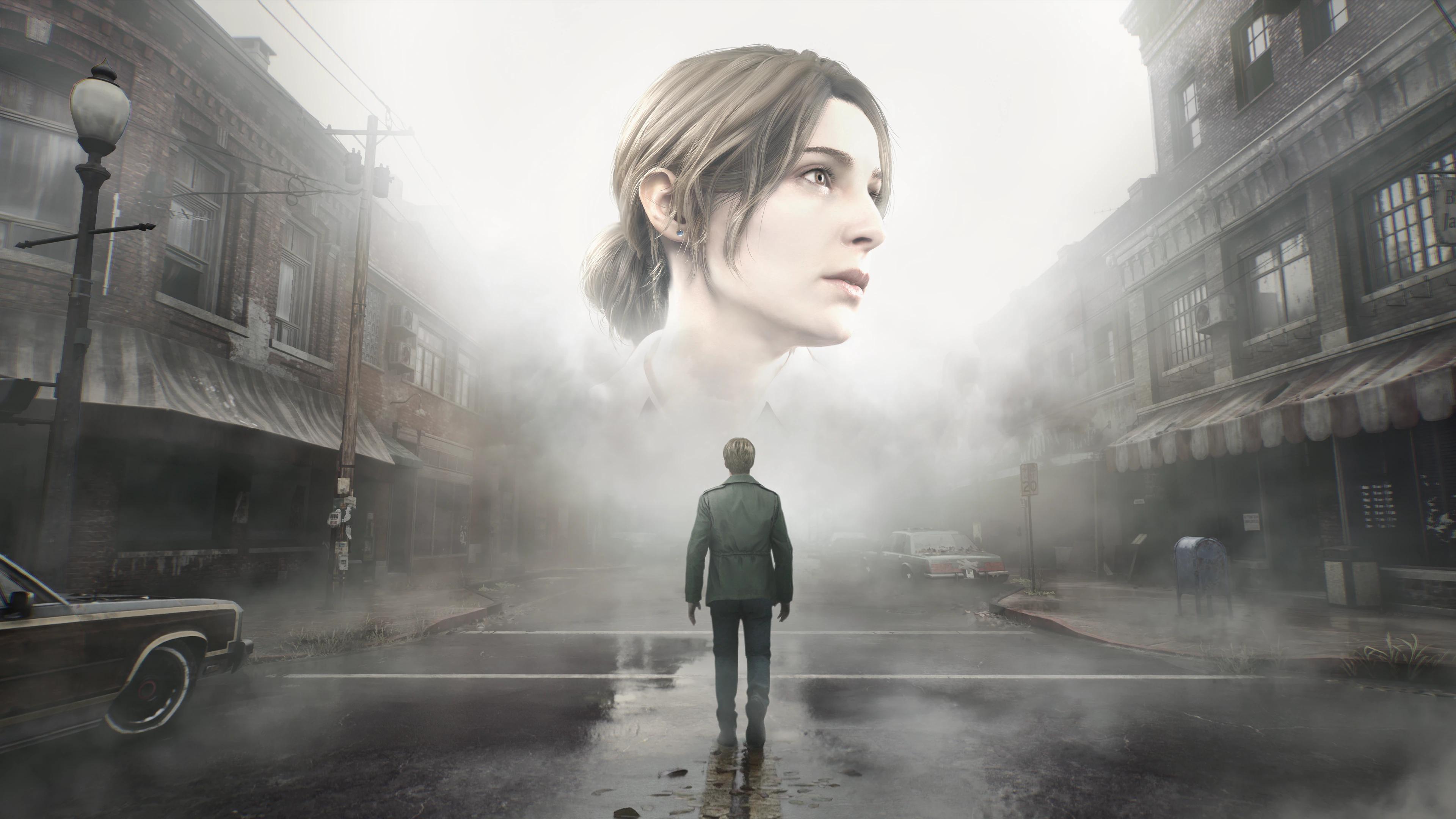
The remake of the psychological horror classic faced scrutiny over the redesigns of female characters like Maria and Angela. Detractors claimed the developers censored the original artistic vision to align with modern conservative standards of modesty. Social media comparisons between the original PS2 models and the new Unreal Engine 5 models fueled the outrage. Bloober Team insisted the changes were made to enhance realism and emotional depth rather than to meet a political agenda.
‘Alan Wake 2’ (2023)
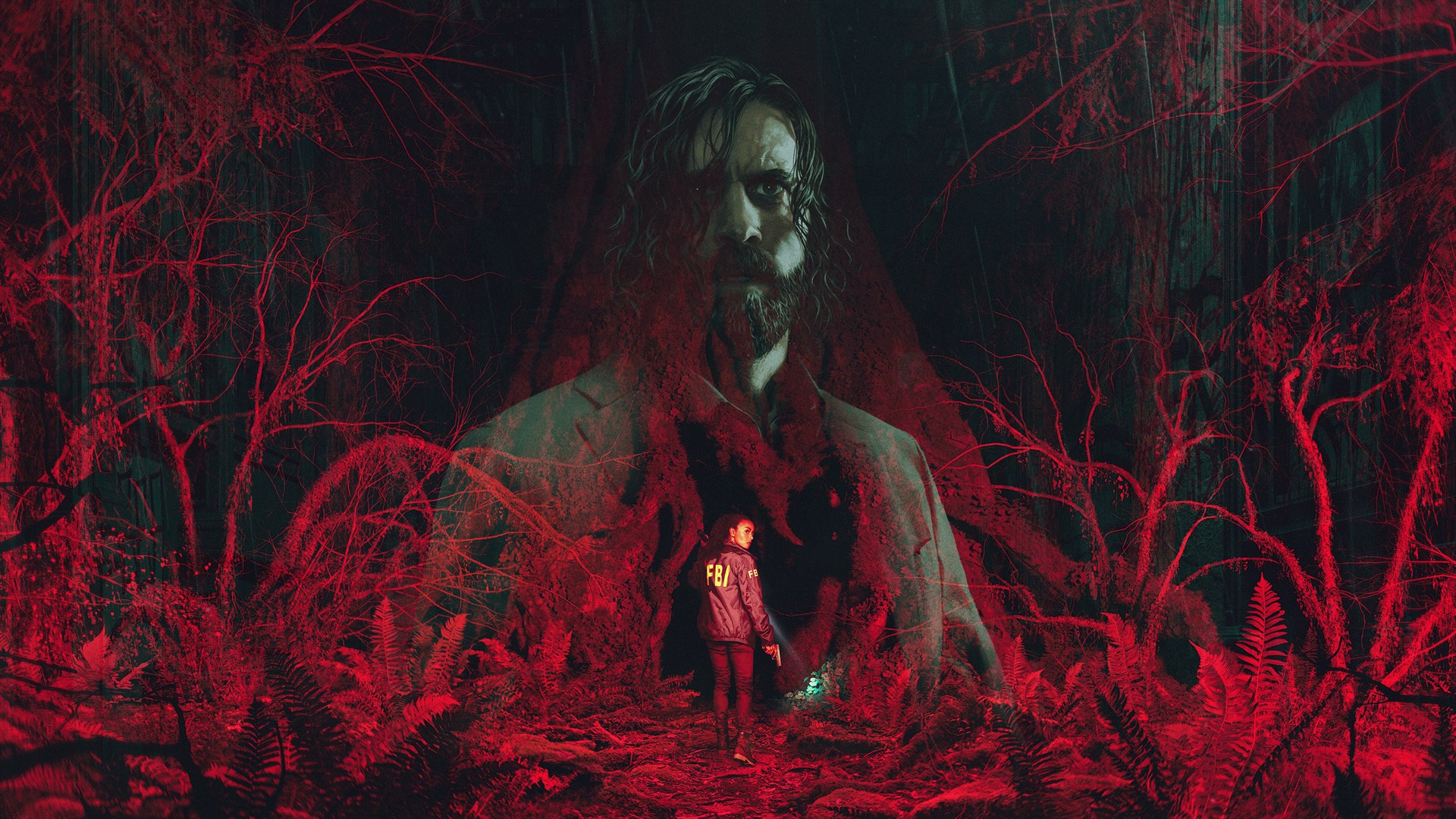
Remedy Entertainment introduced Saga Anderson as a co-protagonist who shares equal screen time with the titular character. Some fans were resistant to splitting the narrative focus and feared Alan Wake would become a secondary character in his own sequel. The backlash also touched upon diversity initiatives as Saga is a woman of color replacing the focus on a singular white male lead. Critical acclaim eventually overshadowed these complaints but the initial resistance was vocal.
‘Call of Duty: WWII’ (2017)
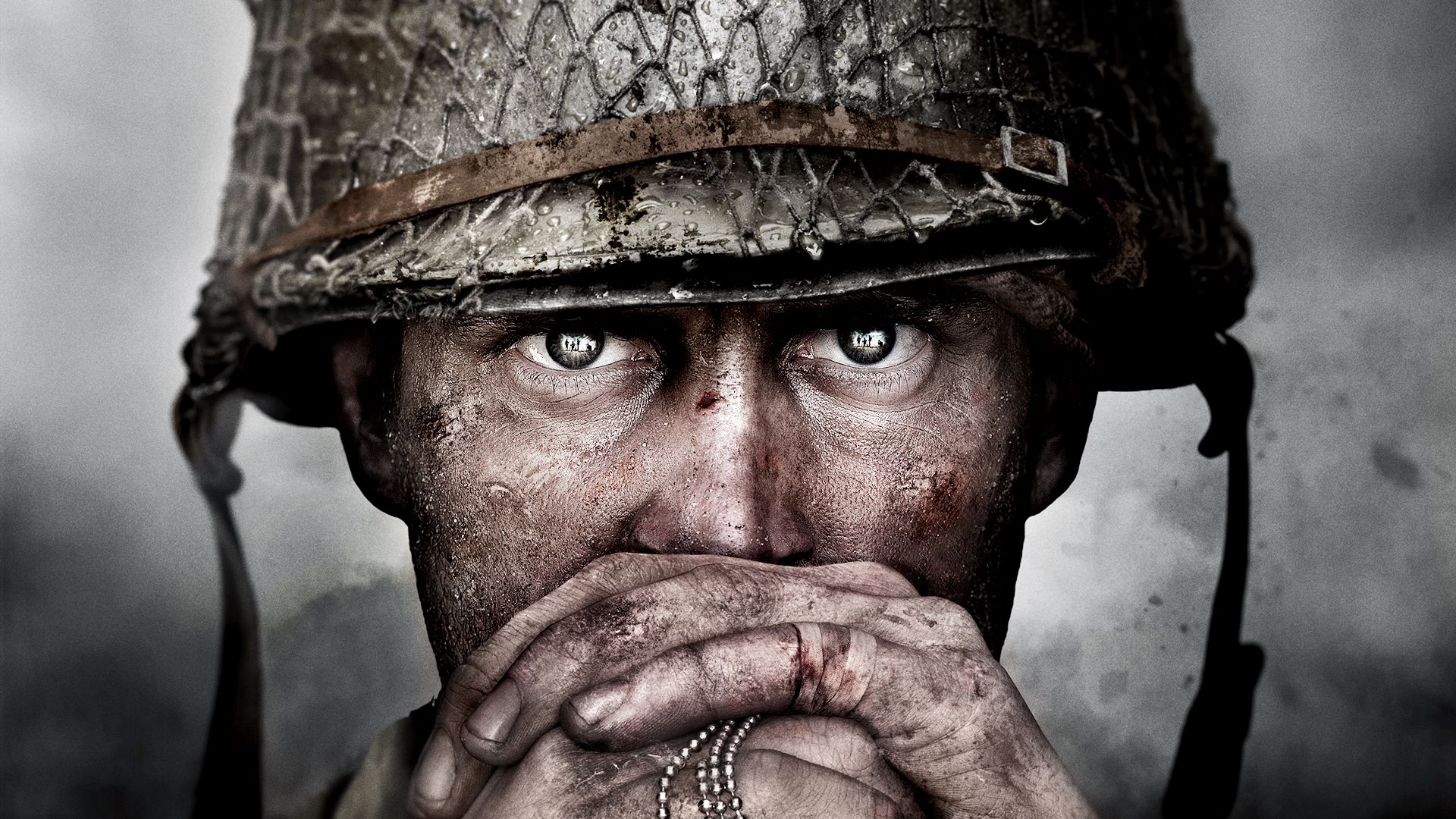
Activision introduced the ability to play as female soldiers in the multiplayer component of this historical shooter. Purists argued that this inclusion ruined the immersion of the World War II setting where combatants were predominantly male. The developers prioritized player expression and customization over strict historical adherence for online play. This decision led to heated forum threads and threats to skip the game entirely.
‘Mortal Kombat 11’ (2019)

NetherRealm Studios updated the character designs for classic female fighters like Kitana and Jade to be less revealing. A segment of the fighting game community accused the developers of bowing to outside pressure and desexualizing iconic characters. The controversy was exacerbated by an ending in the arcade mode where Jax ends slavery which drew unrelated political ire. Fans of the “sexy” aesthetic from the 90s and 2000s felt the franchise was losing its edgy identity.
‘Battlefield 2042’ (2021)
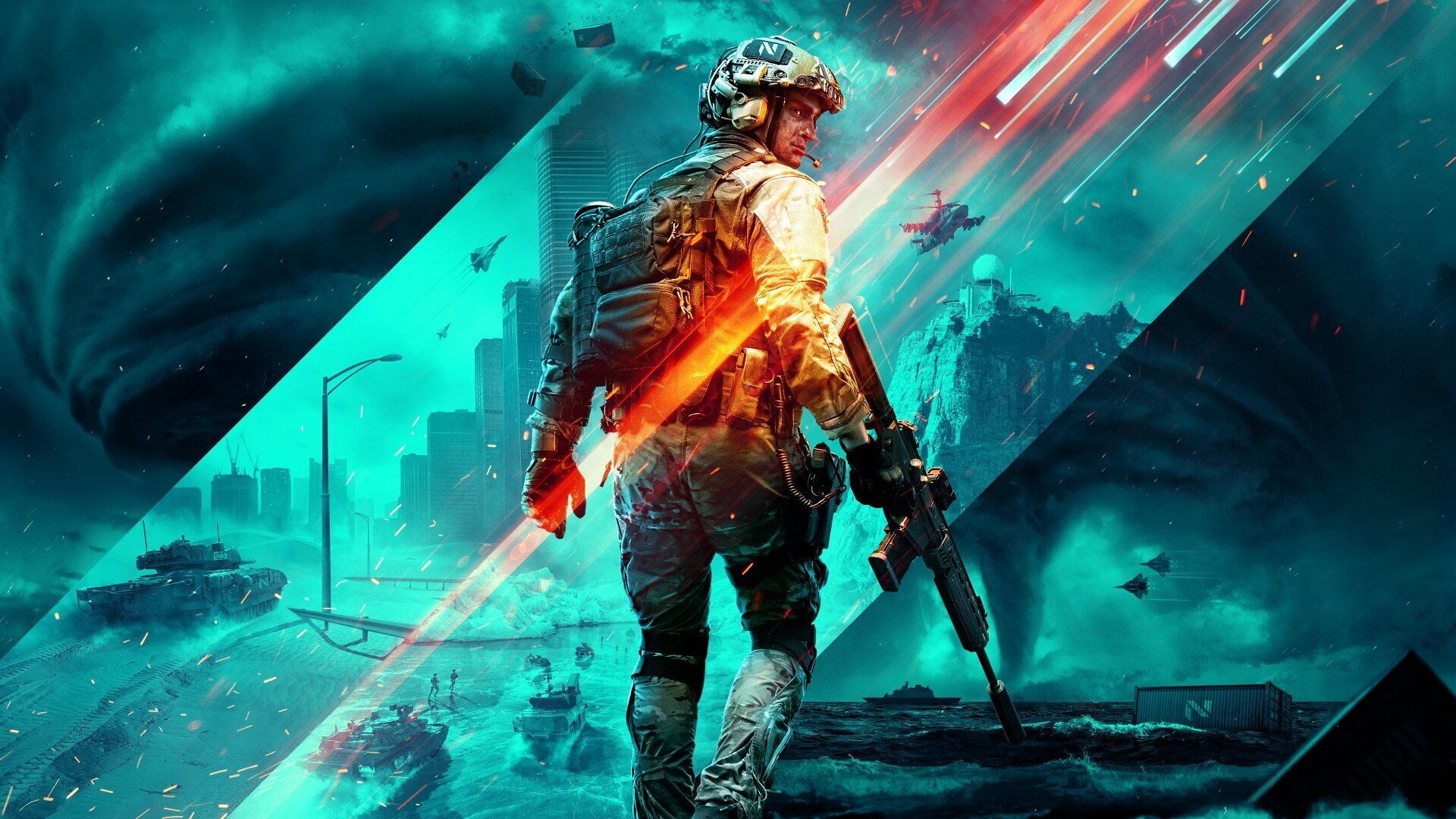
The introduction of Specialists aimed to replace the traditional class system with diverse unique characters. Many long-time fans rejected the hero shooter elements and the inclusion of non-binary and female soldiers in a gritty war setting. The backlash was compounded by technical issues but the identity politics of the Specialists remained a core complaint. Players demanded a return to nameless generic soldiers rather than defined personalities.
‘Overwatch 2’ (2022)
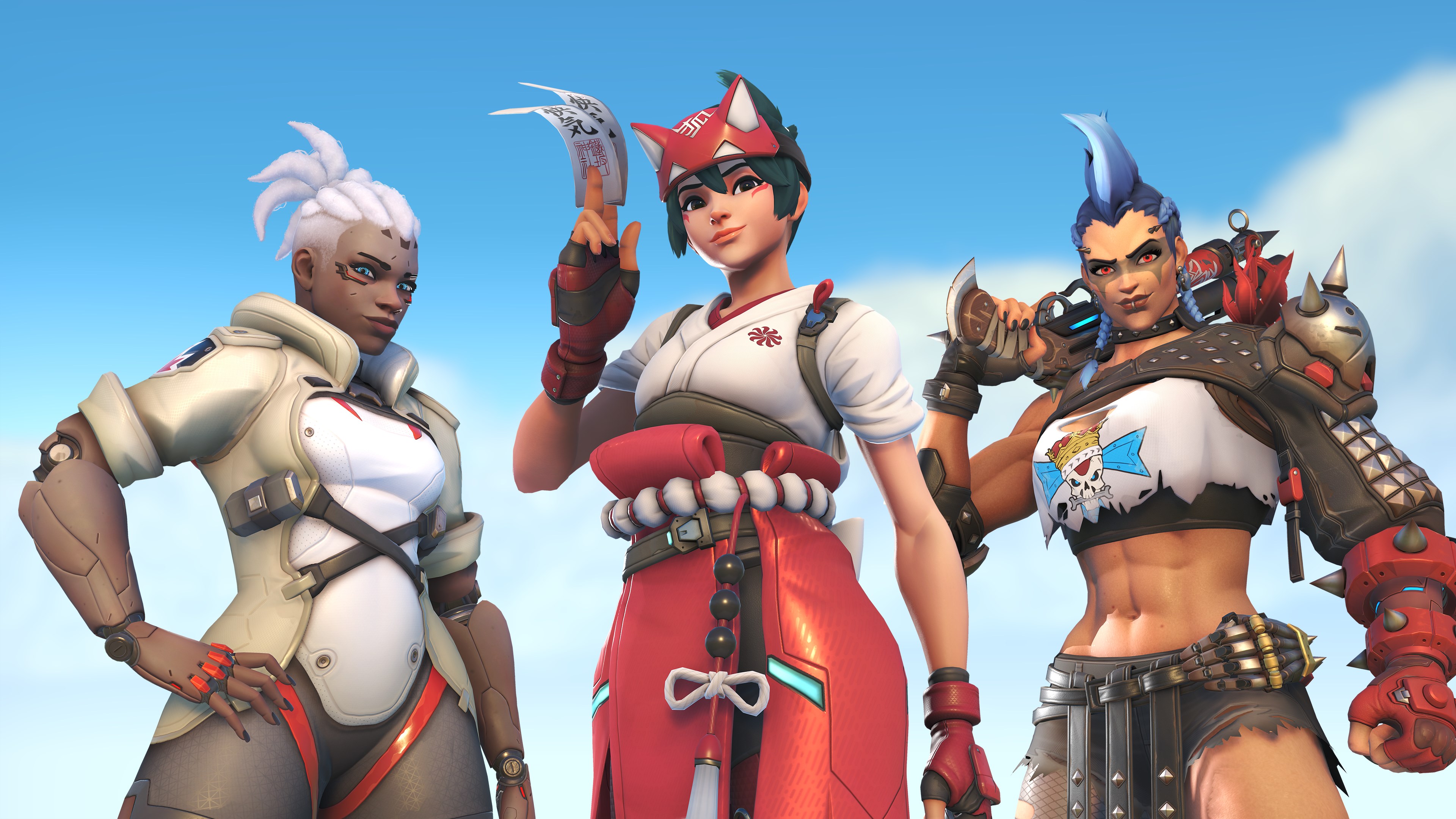
Blizzard made significant changes to character designs and lore that sparked debate among the hero shooter’s massive audience. The shift to a 5v5 format and the rebalancing of characters alienated players who felt their mains were ruined. While not a direct gender swap the constant tweaks to female character models and backstories fueled ongoing culture war discussions. Segments of the community felt the game prioritized representation metrics over gameplay balance.
‘Rainbow Six Siege’ (2015)
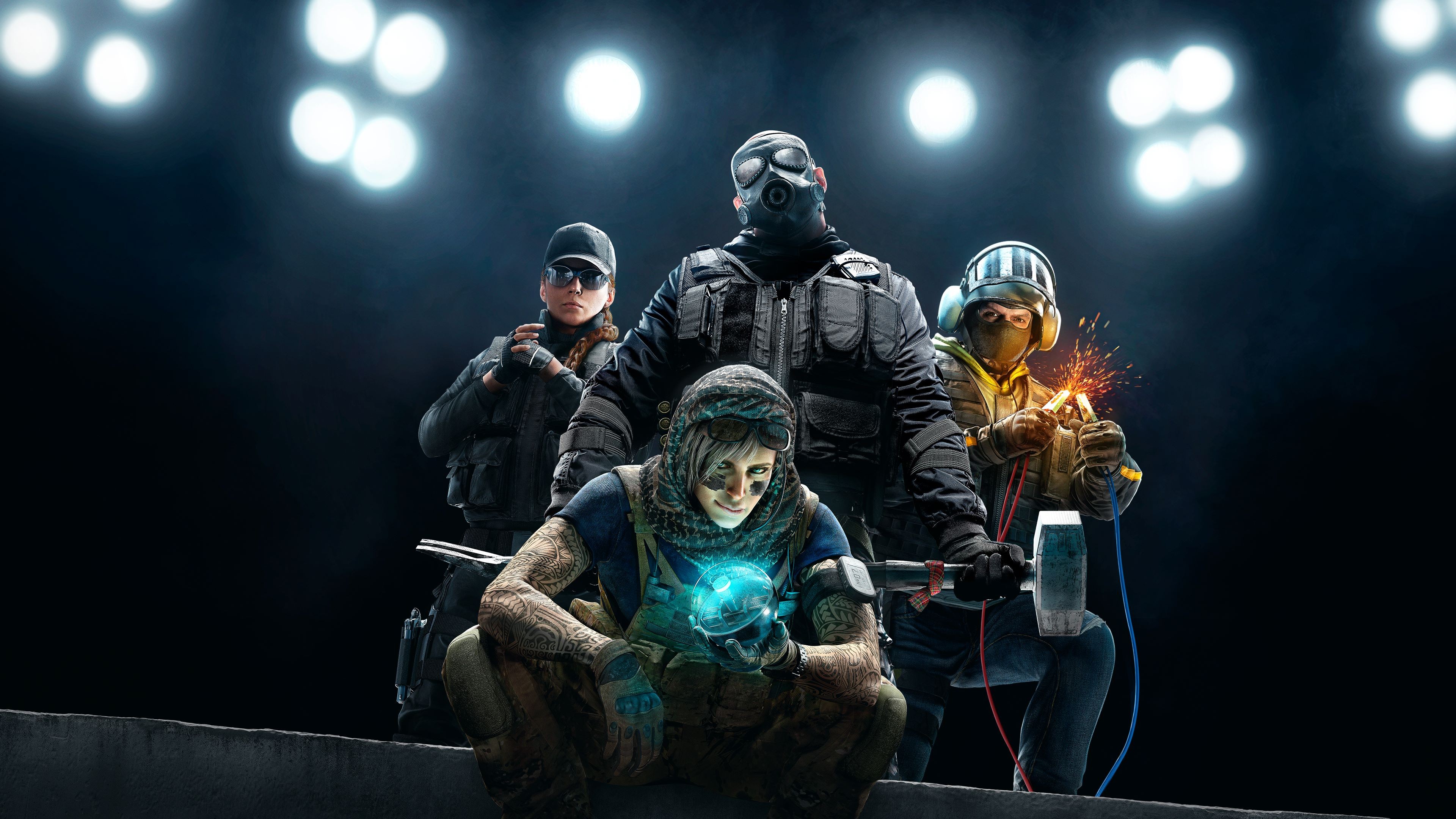
Ubisoft has continuously added female operators to the counter-terrorism tactical shooter since its launch. A portion of the tactical realism community frequently complains that the inclusion of women in special forces units breaks immersion. The character designs have shifted from grounded military gear to more stylized appearances over the years. These updates often result in flare-ups within the community regarding realism versus inclusivity.
‘Baldur’s Gate 3’ (2023)
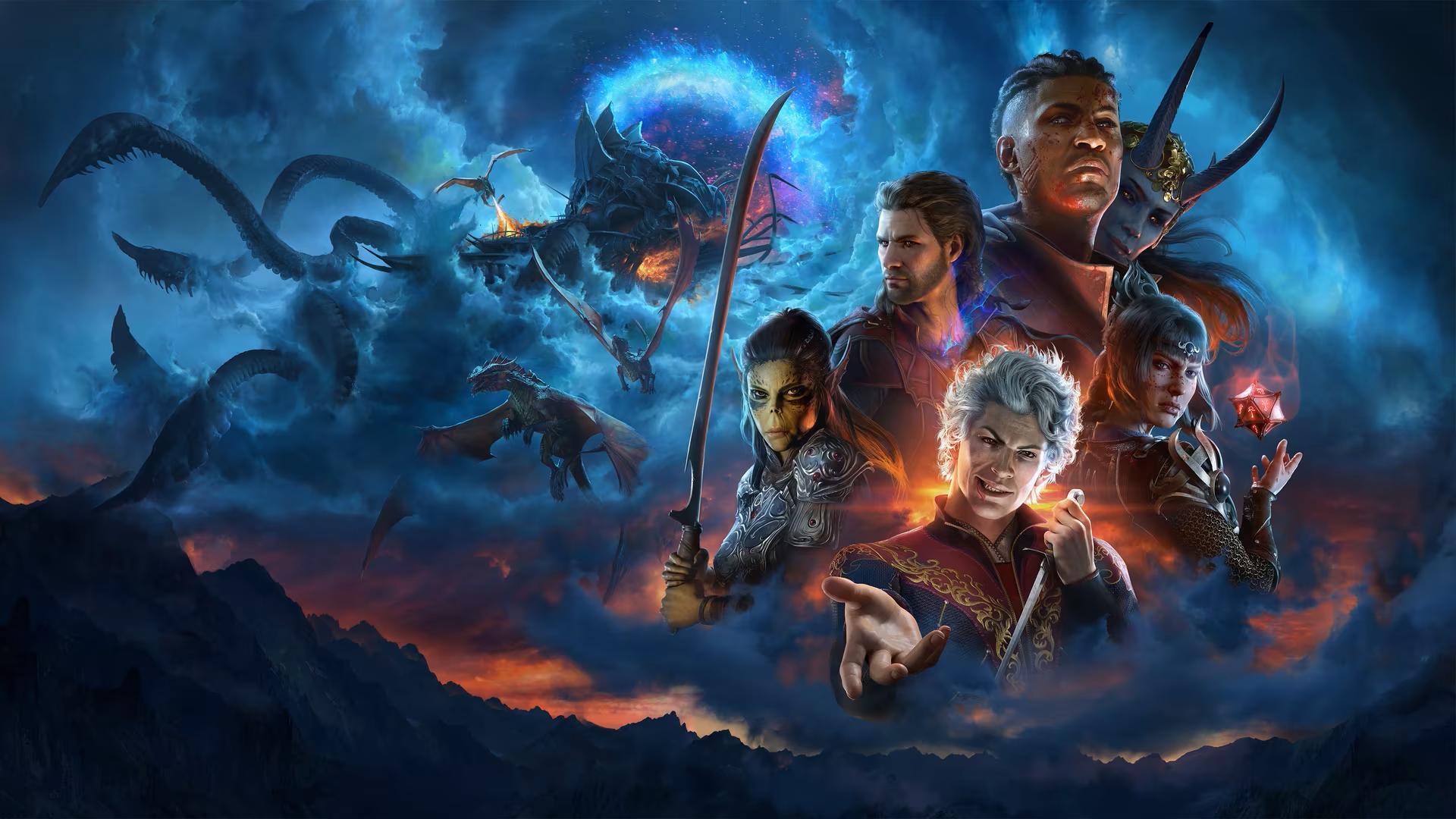
Larian Studios offered extensive character customization options that detached voice and genitals from gender identity. While the game was a critical darling a vocal minority attacked the “woke” nature of the creation suite. The presence of non-binary options and player-sexual companions was cited as a reason for boycotts by certain groups. The overwhelming success of the title largely drowned out these complaints but the discourse remained active in specific circles.
‘Starfield’ (2023)
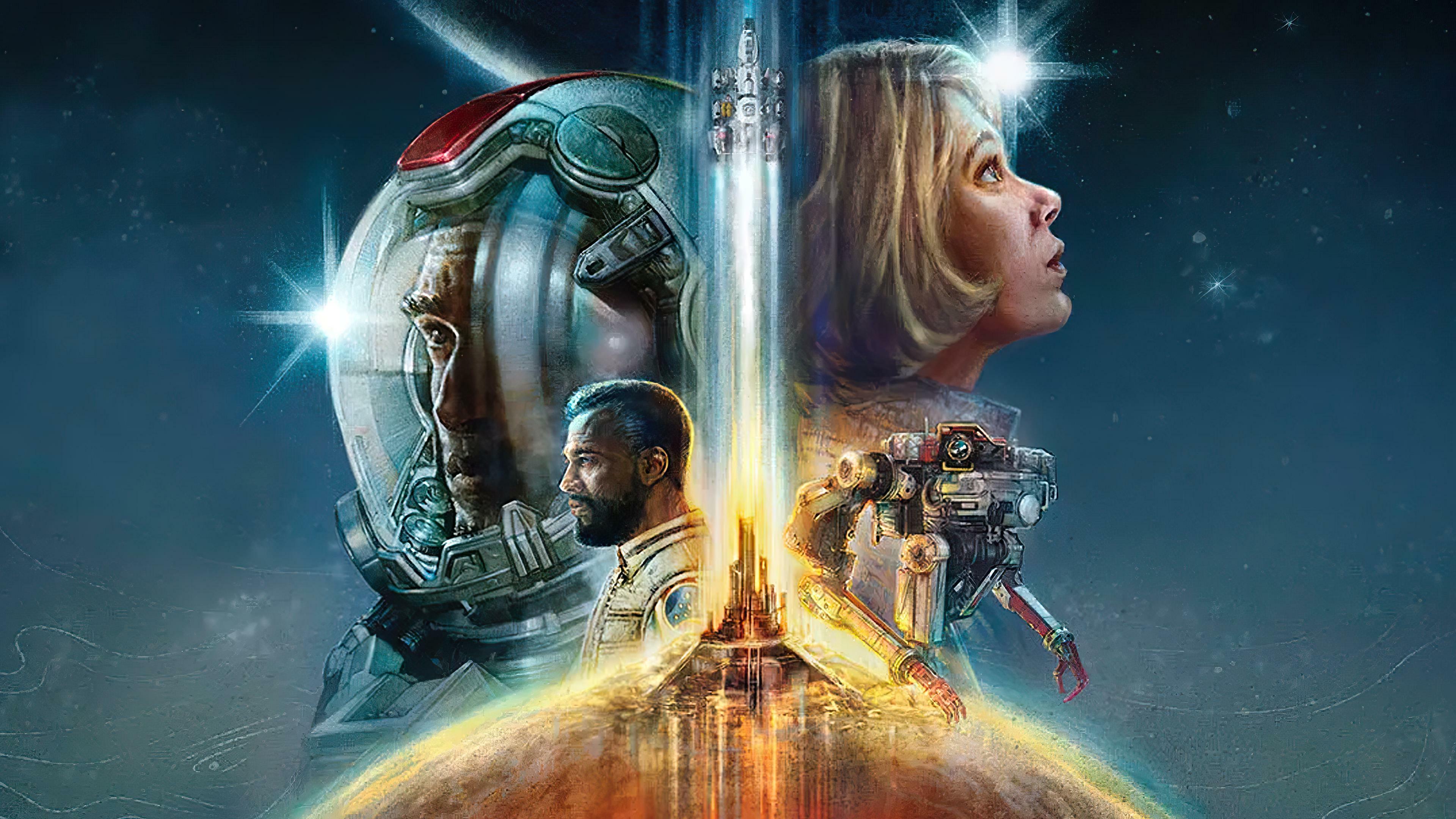
Bethesda Game Studios faced a viral controversy shortly after launch due to the option to select pronouns in the character creator. A prominent streamer’s meltdown over the prompt amplified the discussion into a wider culture war topic. Critics labeled the inclusion of pronouns as unnecessary political pandering in a sci-fi exploration game. The developers maintained that the feature was a minor text option intended to welcome more players.
‘Saints Row’ (2022)
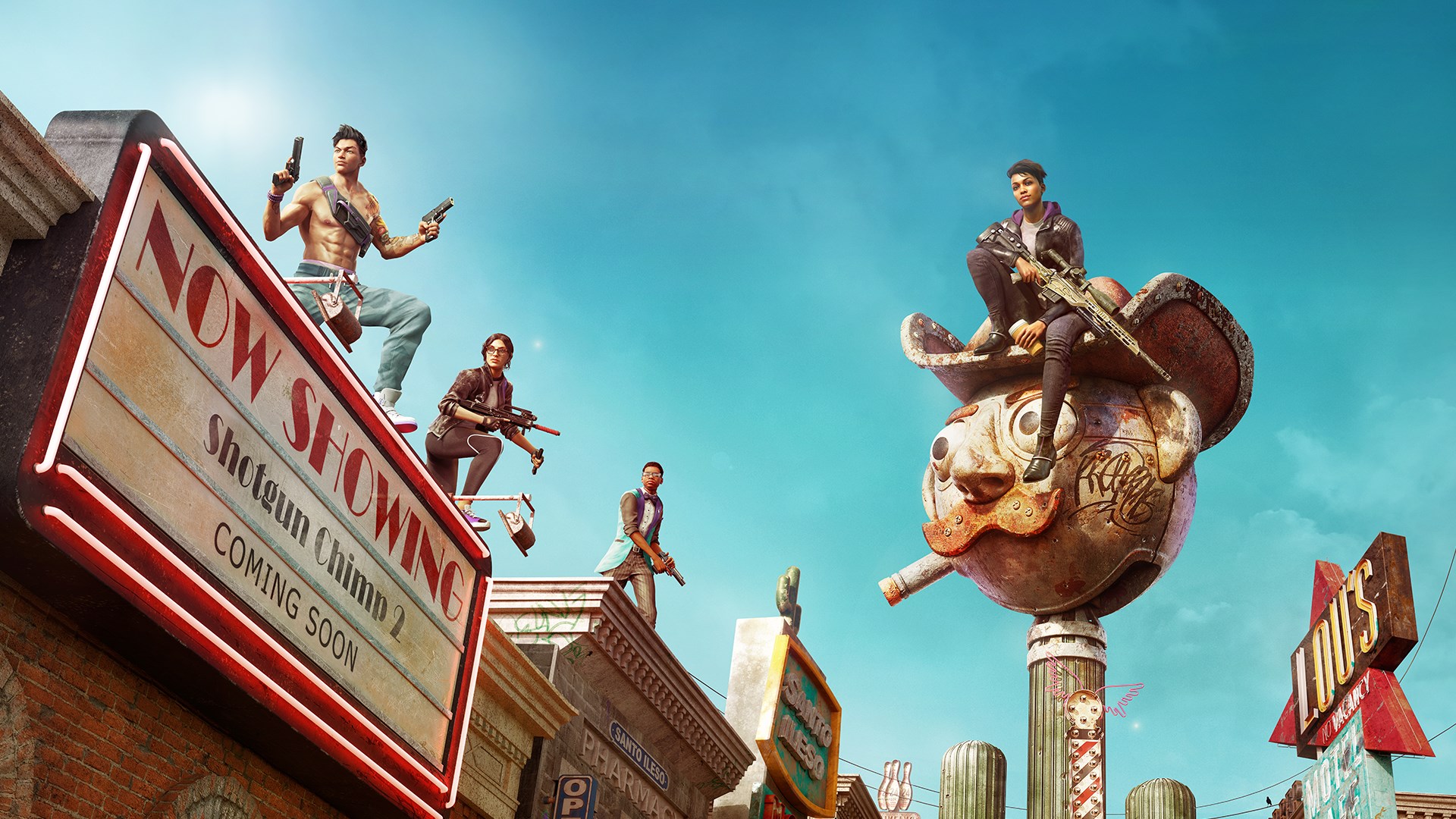
The reboot of the open-world crime series completely redesigned the Boss and the supporting crew. Fans of the original games criticized the new cast for looking like “hipsters” rather than hardened gangsters. The default female Boss used in marketing was targeted as a symbol of the franchise’s sanitized new direction. The game failed commercially and the studio Volition was eventually shut down following the poor reception.
‘Marvel’s Avengers’ (2020)
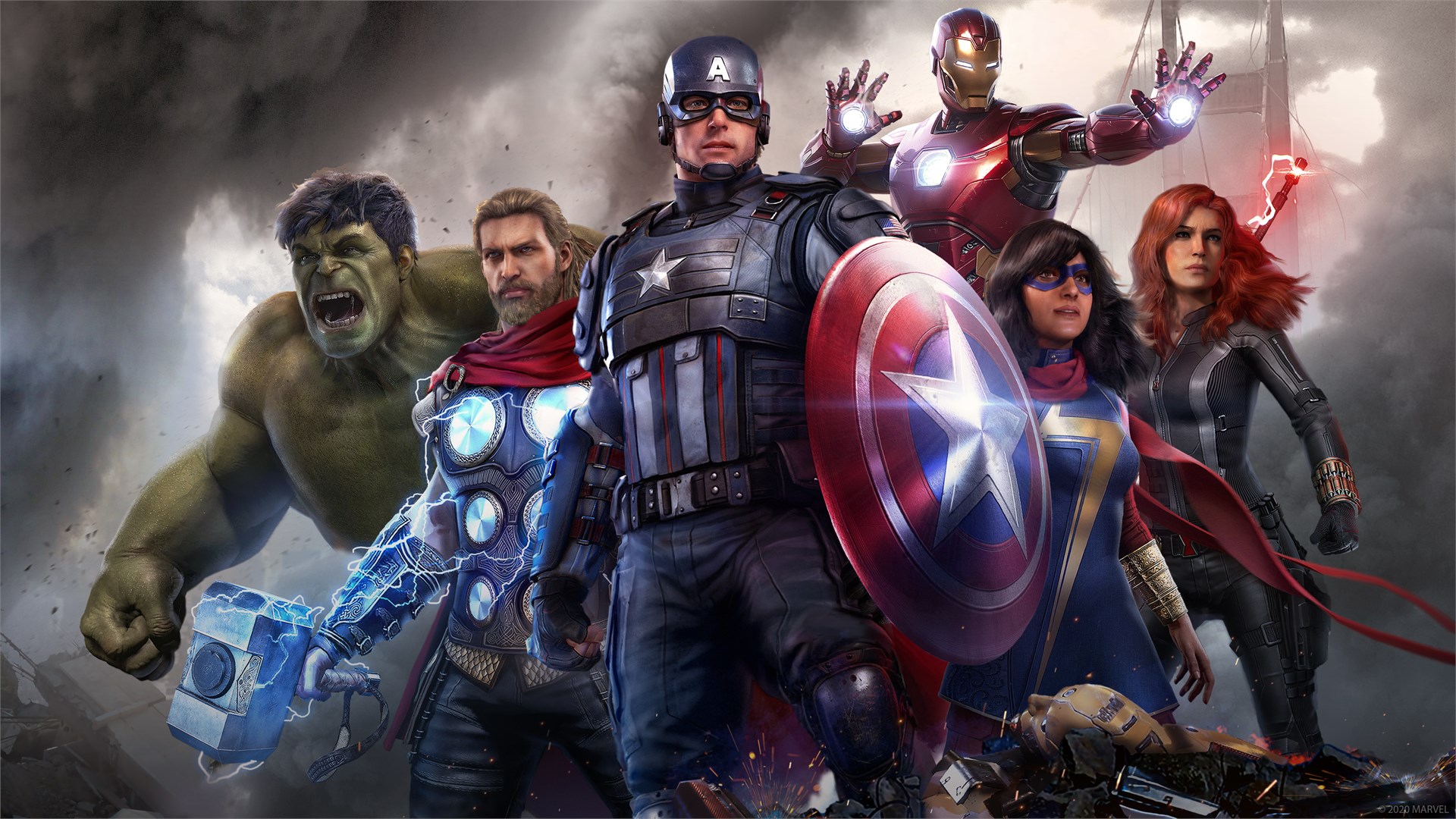
Crystal Dynamics centered the campaign narrative on Kamala Khan effectively making Ms Marvel the main protagonist. Players expecting a story focused primarily on Captain America or Iron Man felt misled by the marketing. The decision to view the Avengers through the eyes of a teenage girl was criticized as a bait-and-switch tactic. This narrative choice became a focal point for those claiming the game was pushing a diversity agenda over established heroes.
‘Gotham Knights’ (2022)
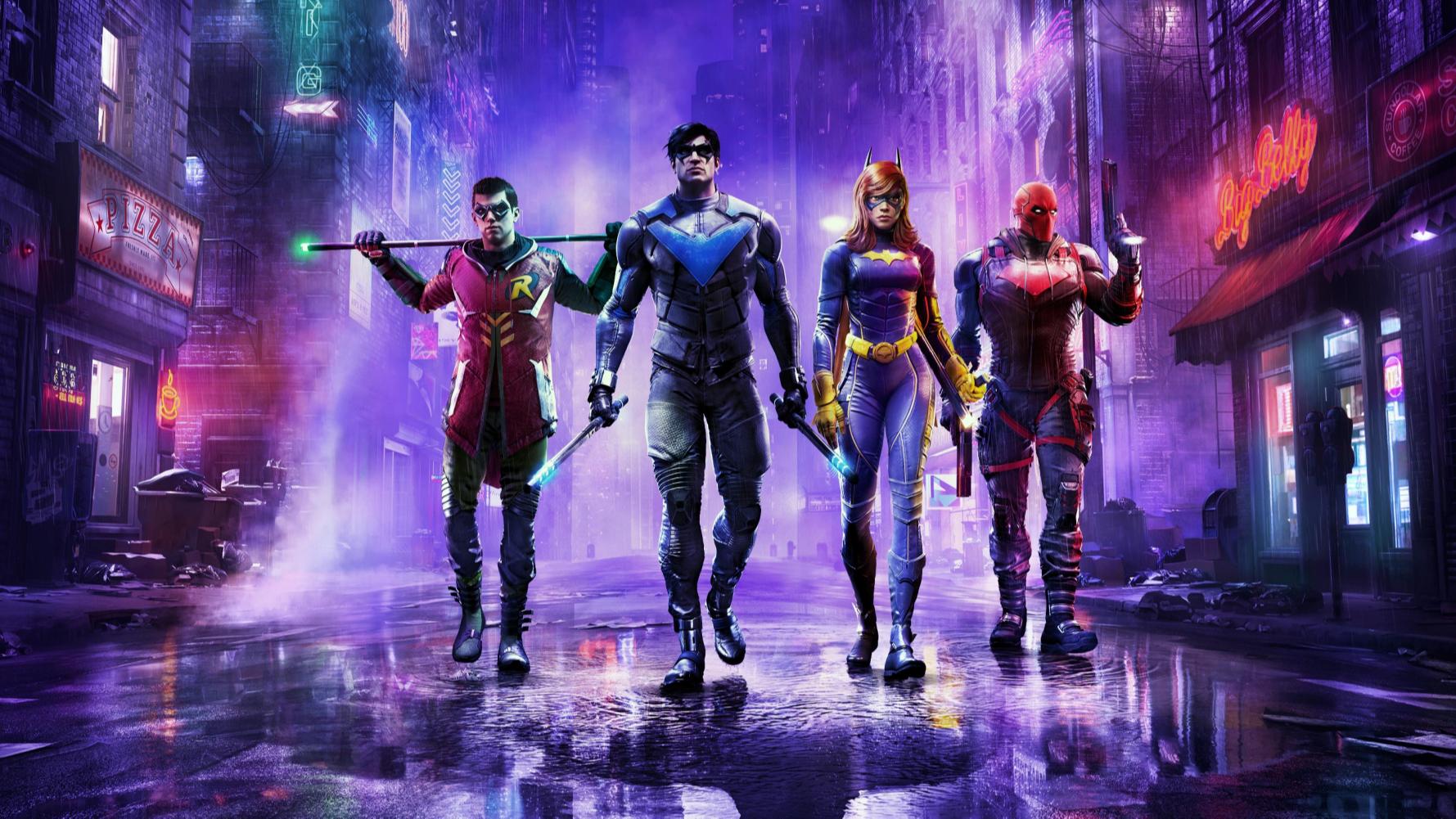
Warner Bros Games created a Batman game where Batman is dead and Batgirl serves as one of the primary leads. The absence of the Caped Crusader turned away fans who wanted a true sequel to the Arkham series. While players could choose male characters like Nightwing or Red Hood the marketing heavily featured Batgirl. The title struggled to escape the shadow of the male-led games that came before it.
‘Assassin’s Creed Valhalla’ (2020)
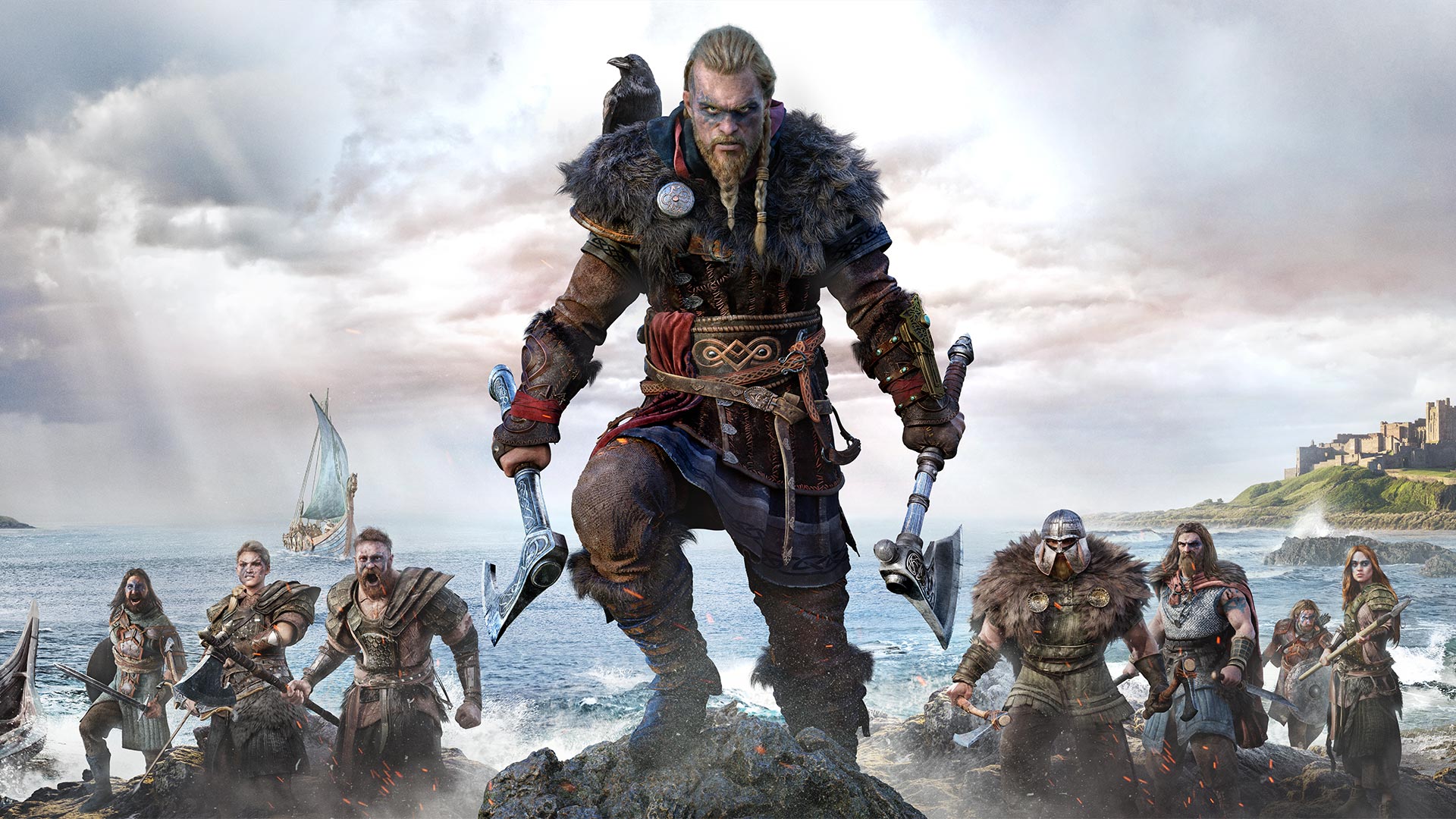
Ubisoft continued its dual-protagonist approach by letting players choose the gender of the Viking raider Eivor. Controversy arose when players discovered that the female Eivor was the canonical iteration in the underlying lore. Male Eivor was explained as an avatar of the god Odin rather than the historical human character. This revelation reignited the debate from Odyssey regarding Ubisoft’s commitment to female leads versus fear of sales impacts.
‘Cyberpunk 2077’ (2020)
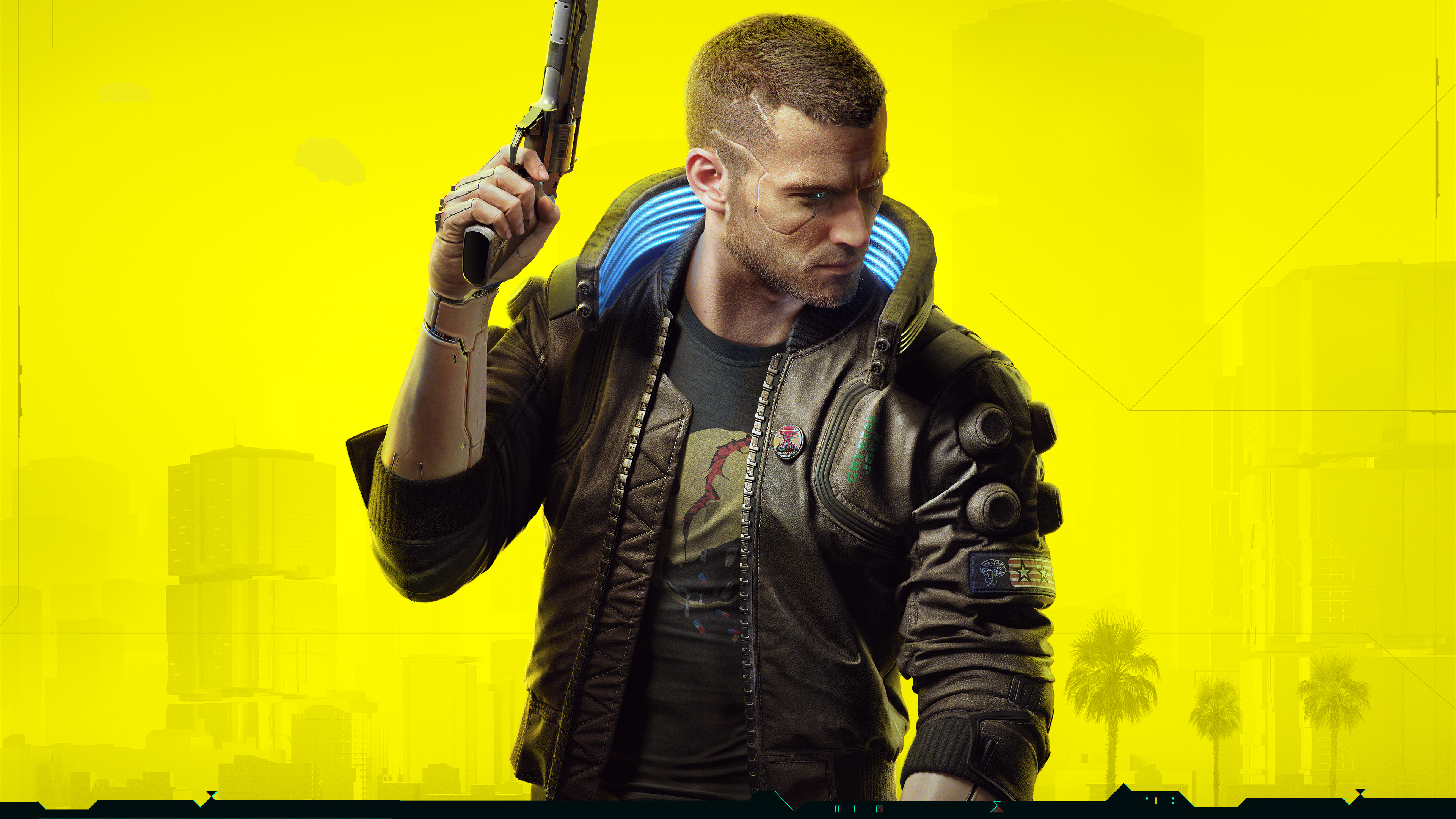
CD Projekt Red removed the binary male/female gender option in favor of body types and voice selection. This decision was made to be more inclusive of transgender identities but angered players who wanted traditional categorization. The “mix and match” approach to character creation was viewed by some as a political statement rather than a gameplay feature. The controversy was just one of many that plagued the game’s turbulent launch window.
‘Dead Space’ (2023)
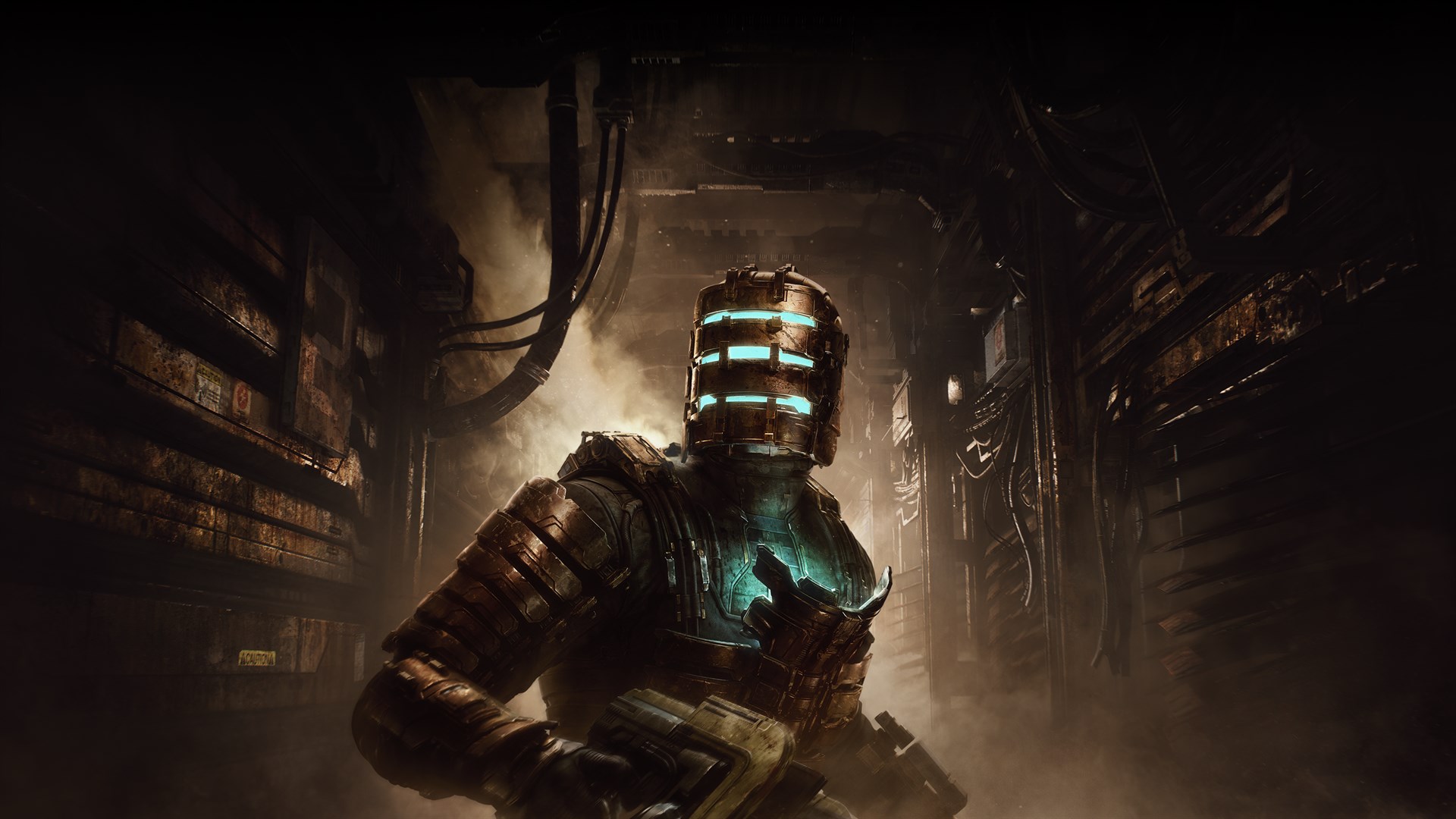
The remake of the sci-fi horror survival game featured subtle changes to the environment and character models. Textures in the game were altered to create gender-neutral bathrooms on the spaceship Ishimura. Additionally the character Kendra Daniels was redesigned to look less sexualized than her original counterpart. These minor details were magnified by content creators who framed them as an erasure of the original game’s identity.
‘Returnal’ (2021)
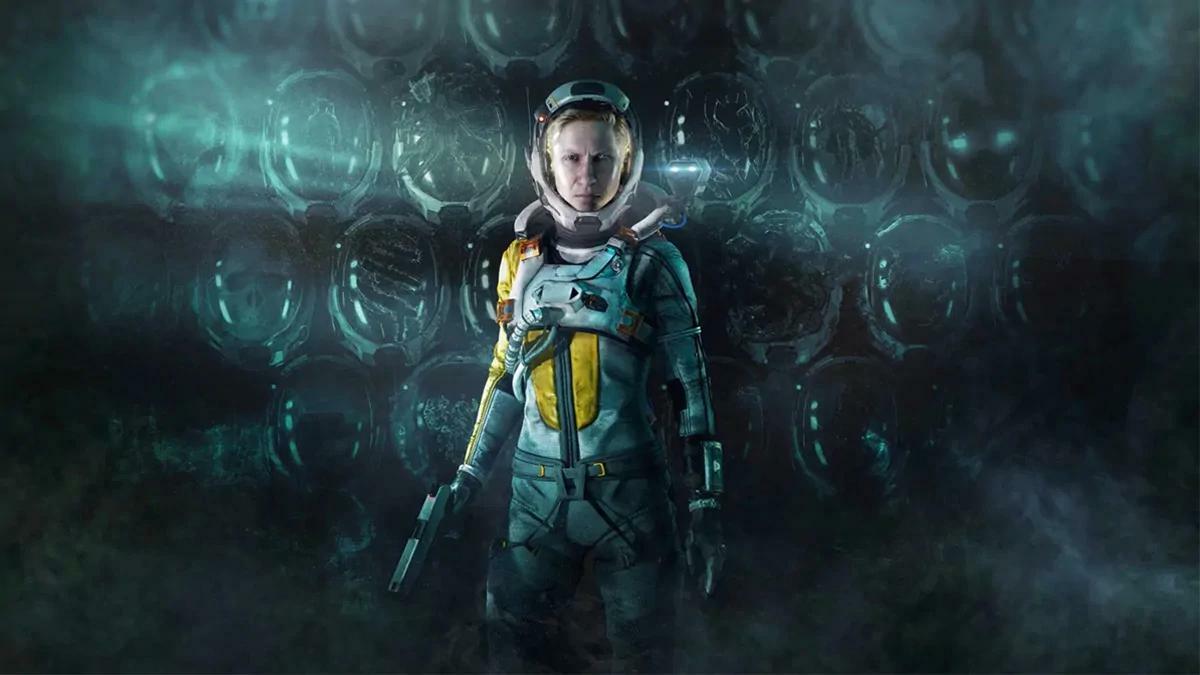
Housemarque launched this roguelike shooter with Selene Vassos as the middle-aged female protagonist. Some gamers criticized the decision to feature an older woman instead of a younger or sexualized lead. The character’s unconventional appearance for a video game heroine became a topic of debate regarding beauty standards. Despite the niche criticism the game was praised for its challenging gameplay and atmosphere.
‘Forspoken’ (2023)
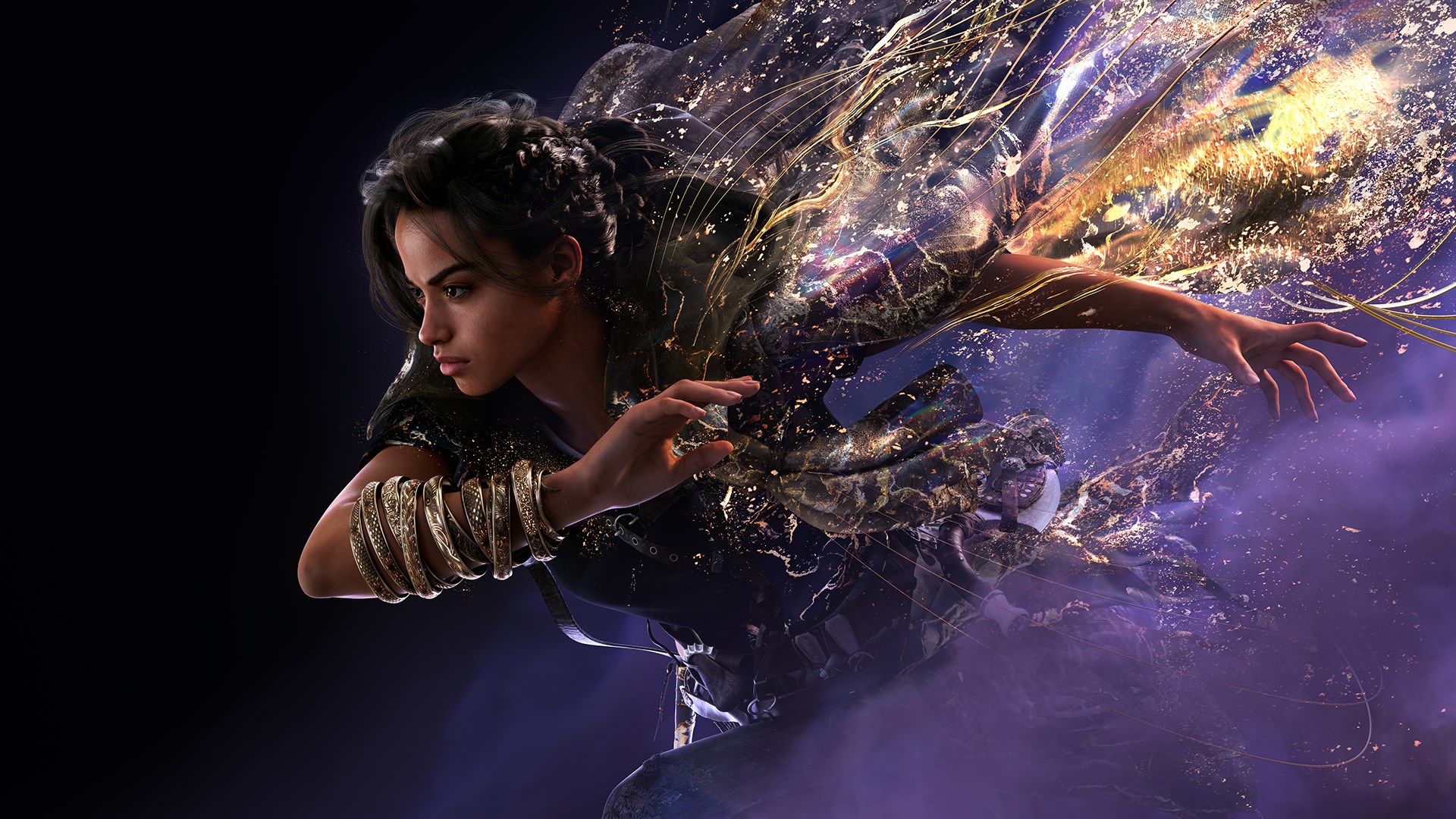
Square Enix released this action RPG starring Frey Holland who is transported from New York to a fantasy world. The protagonist’s dialogue and attitude were heavily criticized for being “cringe” and unlikeable. While much of the critique focused on the writing a significant portion of the backlash targeted the focus on a modern female lead. The game’s commercial failure was frequently attributed by detractors to its “woke” writing style.
‘Tell Me Why’ (2020)

Dontnod Entertainment developed this narrative adventure featuring Tyler Ronan a transgender man as one of the leads. The game was review bombed on user score aggregators by those opposed to the inclusion of trans themes. It was banned in several countries due to local laws regarding LGBTQ+ content. The developers stood by their story which focused on childhood trauma and memory.
‘Apex Legends’ (2019)
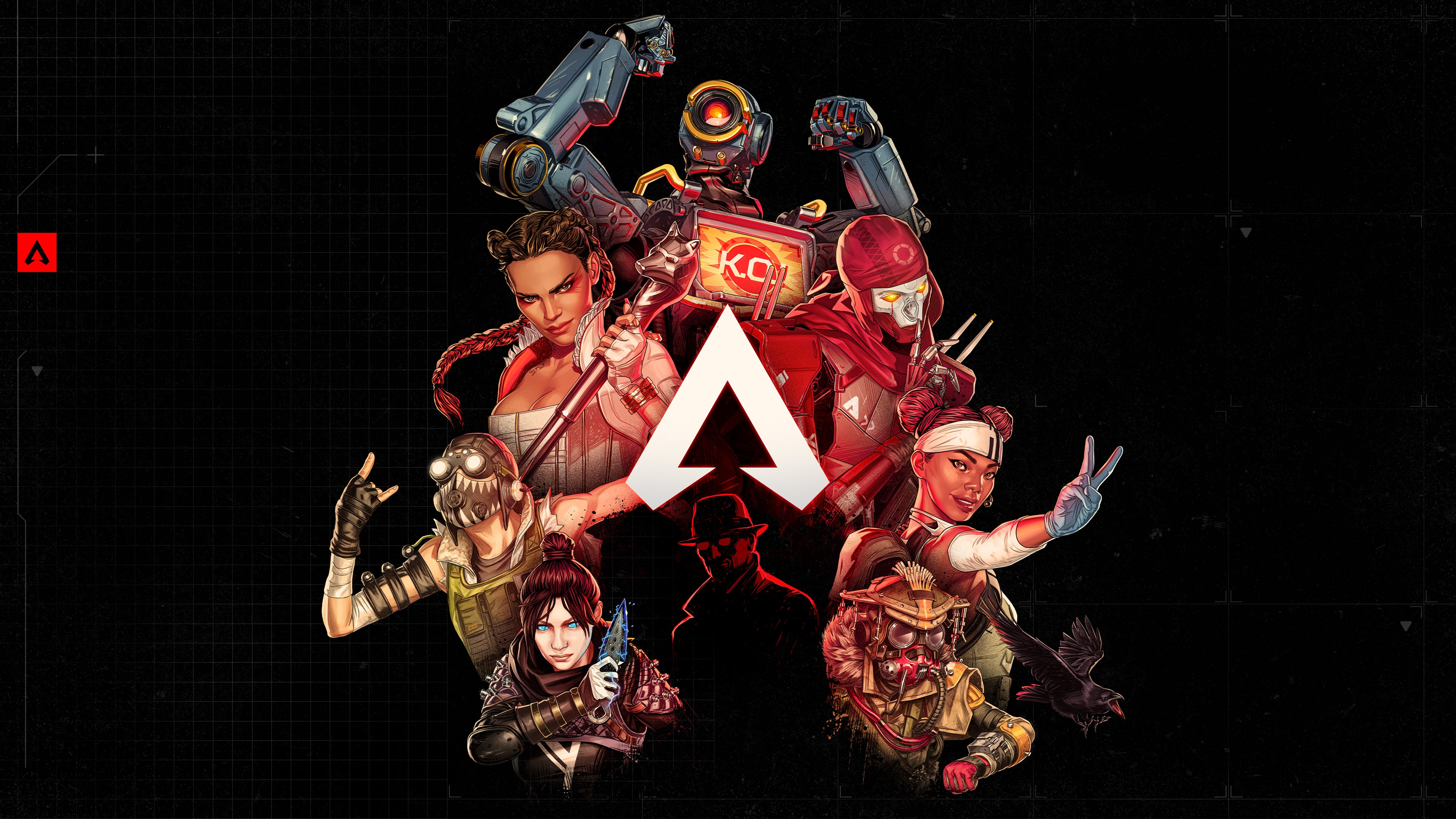
Respawn Entertainment built a battle royale with a roster heavily focused on diversity including women and non-binary characters. While the game is incredibly popular it faces constant low-level backlash from players demanding more “traditional” soldier archetypes. The lore confirms various gender identities and sexual orientations which sparks debates with every new character reveal. The developers have remained committed to representing a wide spectrum of identities despite the noise.
‘League of Legends’ (2014-Present)
Riot Games has gradually shifted the design philosophy of its female champions away from purely sexualized pin-ups. Older characters have been reworked to have more practical armor and realistic body proportions. Each update or visual overhaul typically sees resistance from players nostalgic for the original provocative designs. This ongoing evolution reflects the broader industry tension between legacy fan service and modern representation.
Share your thoughts on these gaming controversies in the comments.