

Games That Faced Refund Waves After Promised Features Vanished



The video game industry thrives on anticipation and the promise of groundbreaking experiences. Marketing campaigns often generate immense hype that drives record-breaking pre-order numbers before the public sees any real gameplay. This excitement sometimes turns to disappointment when the final product fails to deliver on advertised mechanics or technical stability. The resulting backlash frequently forces digital storefronts and publishers to issue mass refunds to appease frustrated customers.
‘The Day Before’ (2023)

The developers marketed this title heavily as a massive multiplayer online open world survival game set in a post-apocalyptic America. Players discovered upon launch that the game was actually a limited extraction shooter with pre-purchased asset flip environments. The studio announced its closure merely days after the release due to the overwhelming negative reception and lack of financial sustainability. Steam took the rare step of offering unconditional refunds to all purchasers regardless of their playtime.
‘Cyberpunk 2077’ (2020)
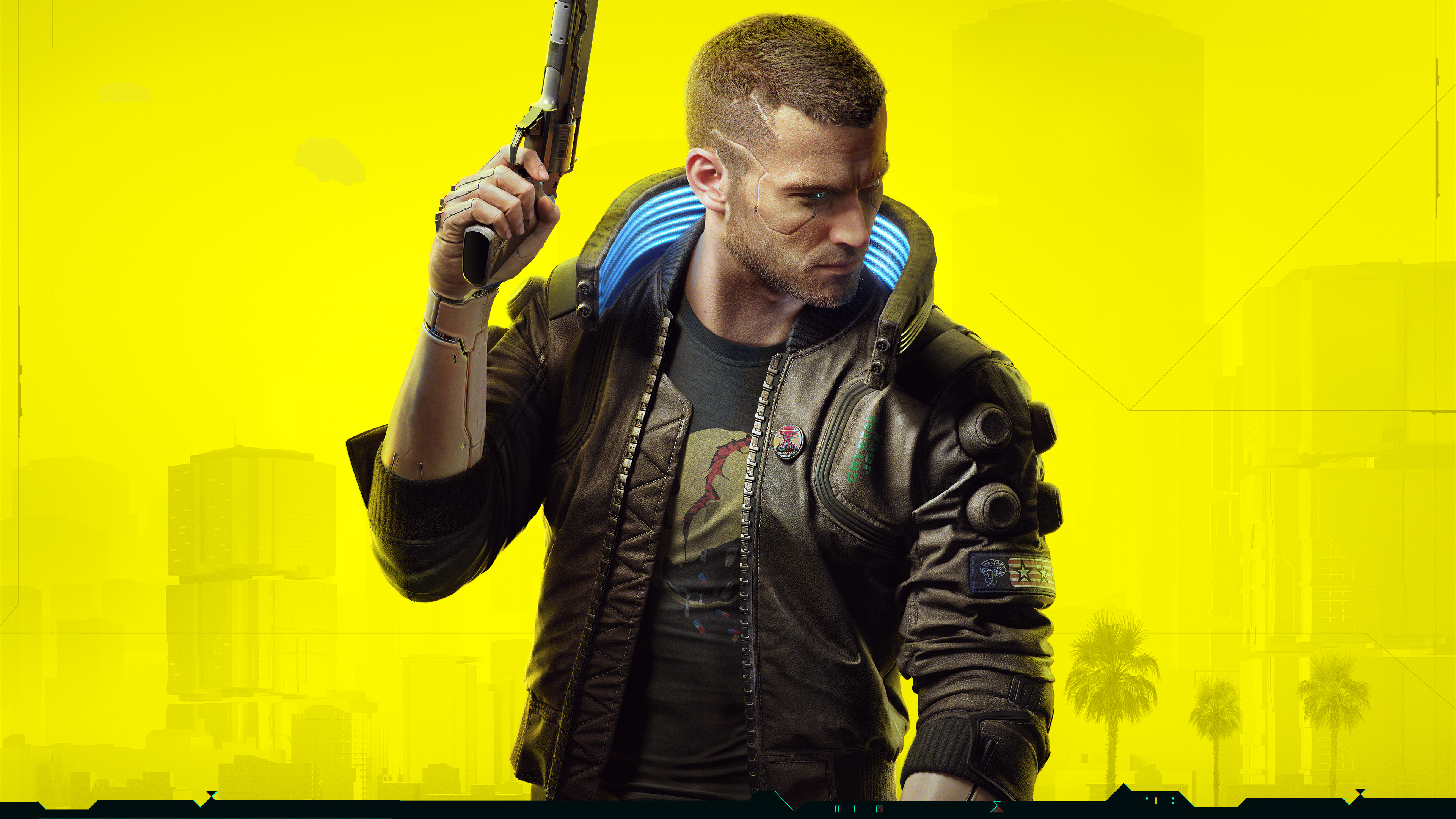
CD Projekt Red promised a revolutionary open-world RPG with a living and breathing city. The initial release on last-generation consoles suffered from severe performance issues and bugs that rendered the game nearly unplayable for many. Several features shown in promotional demos were missing or significantly downgraded in the final build. Sony removed the digital version from the PlayStation Store and offered full refunds to anyone who purchased it.
‘No Man’s Sky’ (2016)
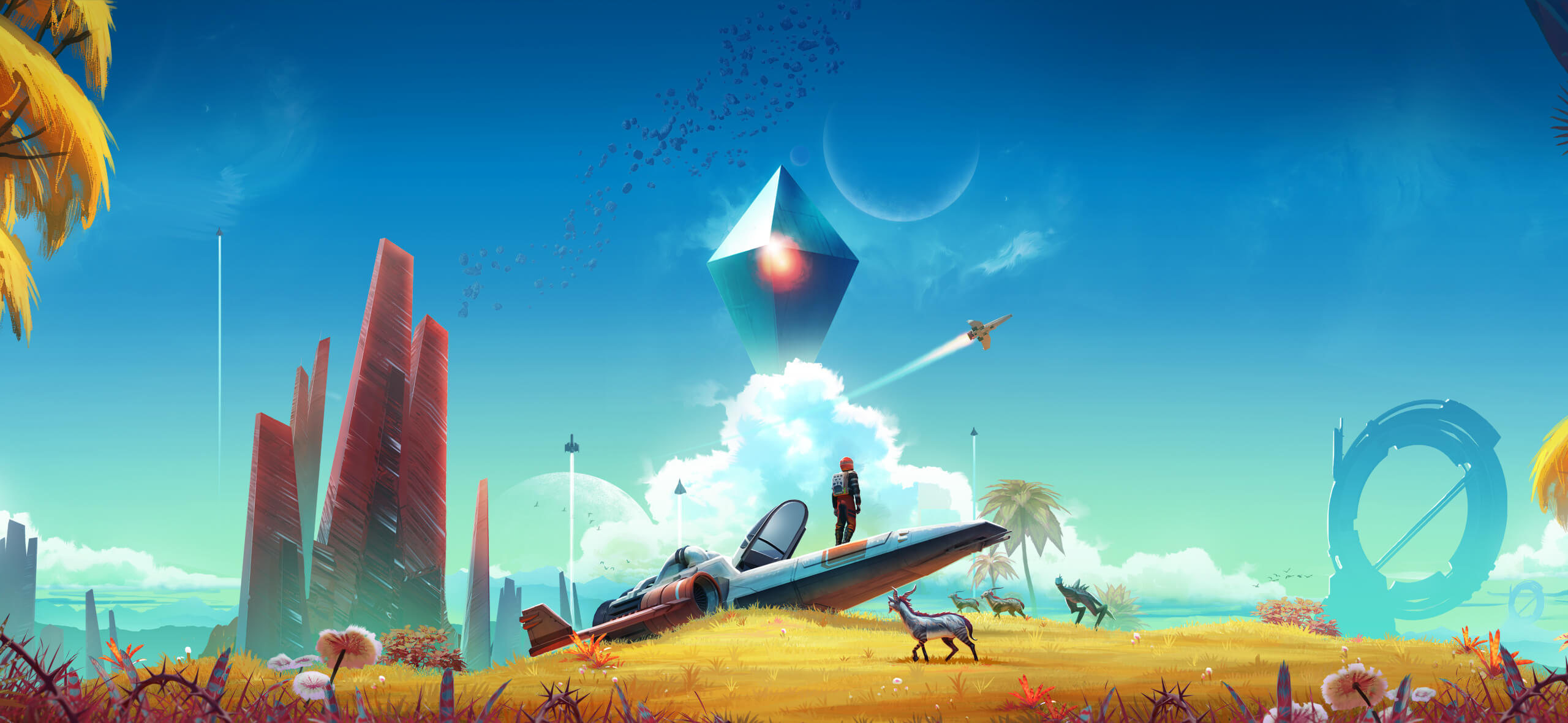
Promotional interviews and trailers depicted a universe with multiplayer interactions and complex planetary physics. Early adopters found themselves in a solitary experience where many of the promised ecosystems and faction mechanics were absent. The disparity between the marketing materials and the launch version caused a massive public outcry across social media. Steam and other retailers extended their refund windows to accommodate the high volume of unhappy customers.
‘Warcraft III: Reforged’ (2020)

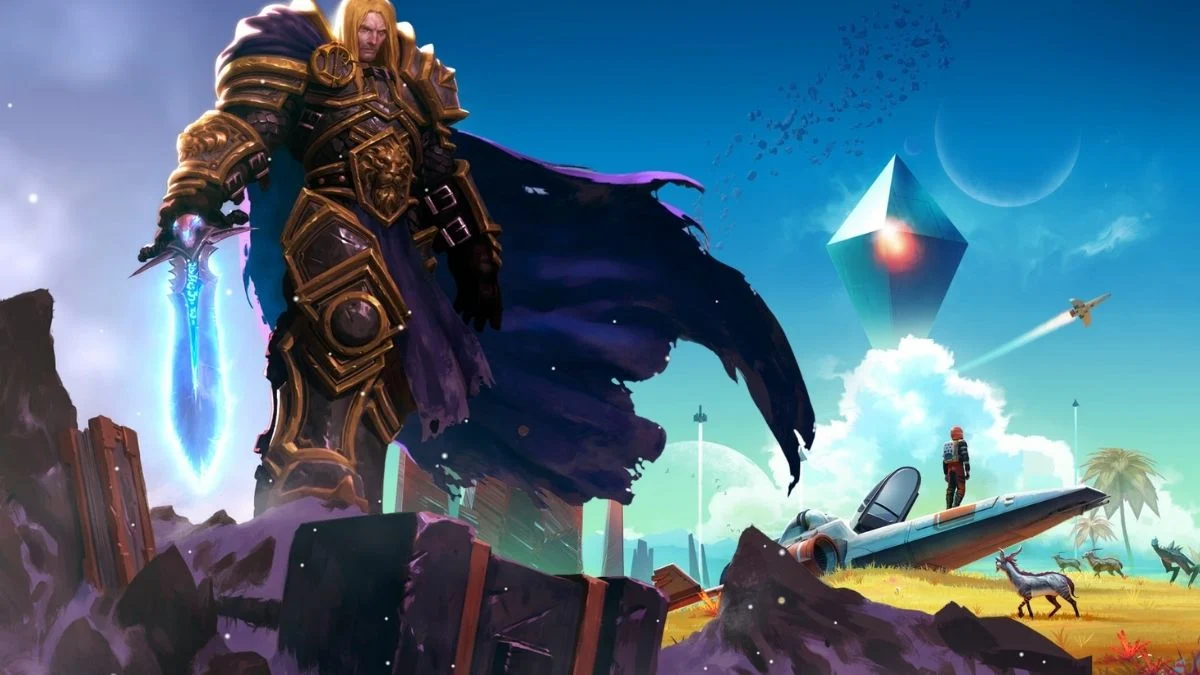
Blizzard Entertainment announced this remaster with promises of revamped cinematic cutscenes and a modernized user interface. The launch version arrived without the advertised cinematics and actually removed features that were present in the original game. Players were further angered by a new end-user license agreement that claimed ownership over custom maps created by the community. The company eventually offered automated refunds to address the backlash regarding the missing content.
‘Aliens: Colonial Marines’ (2013)
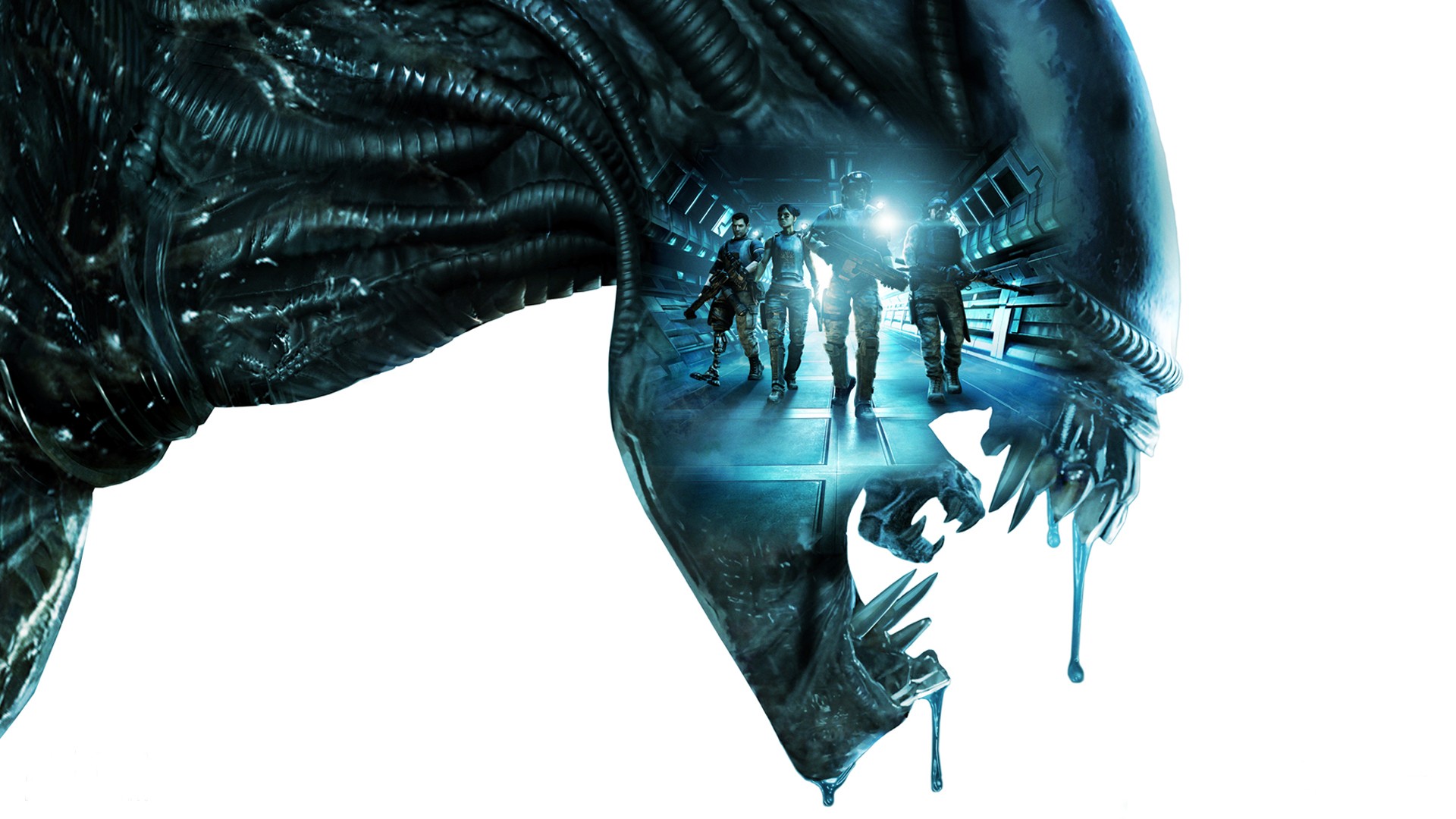
Gearbox Software showcased a demo with advanced lighting and sophisticated enemy artificial intelligence. The retail release featured significantly downgraded graphics and xenomorphs that ignored players or walked into walls. Files discovered later in the game code suggested that a simple typo had broken the enemy AI behavior. This controversy led to a class-action lawsuit regarding false advertising and a wave of return requests.
‘Star Wars: Battlefront II’ (2017)
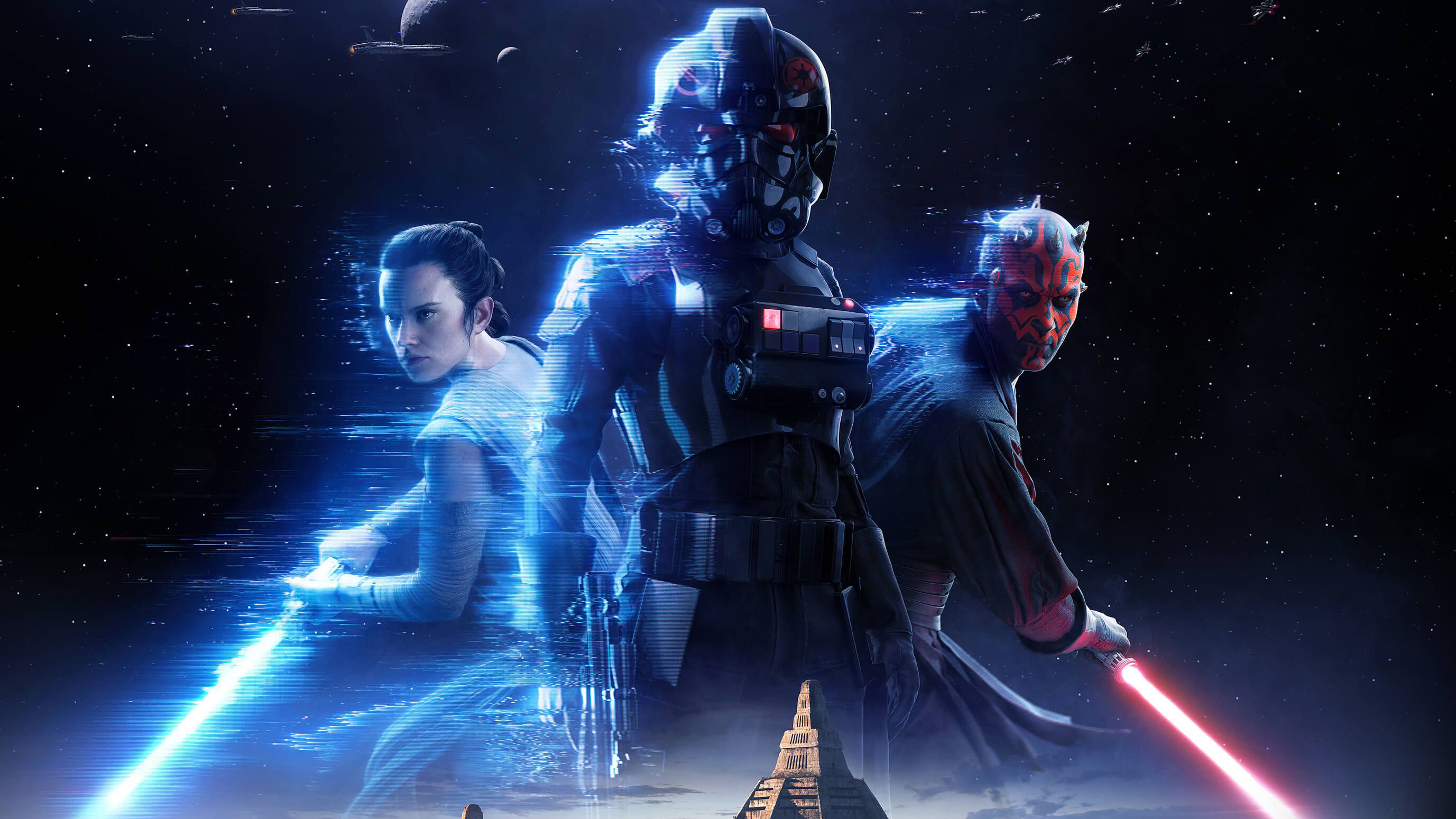
The inclusion of loot boxes tied to player progression created an immediate uproar during the early access period. Players calculated that unlocking major characters like Darth Vader would require thousands of hours of gameplay or significant real-money purchases. Disney reportedly stepped in to demand changes to the monetization system before the official launch date. Retailers and digital stores processed numerous cancellations and refunds from fans who felt the progression system was predatory.
‘Fallout 76’ (2018)
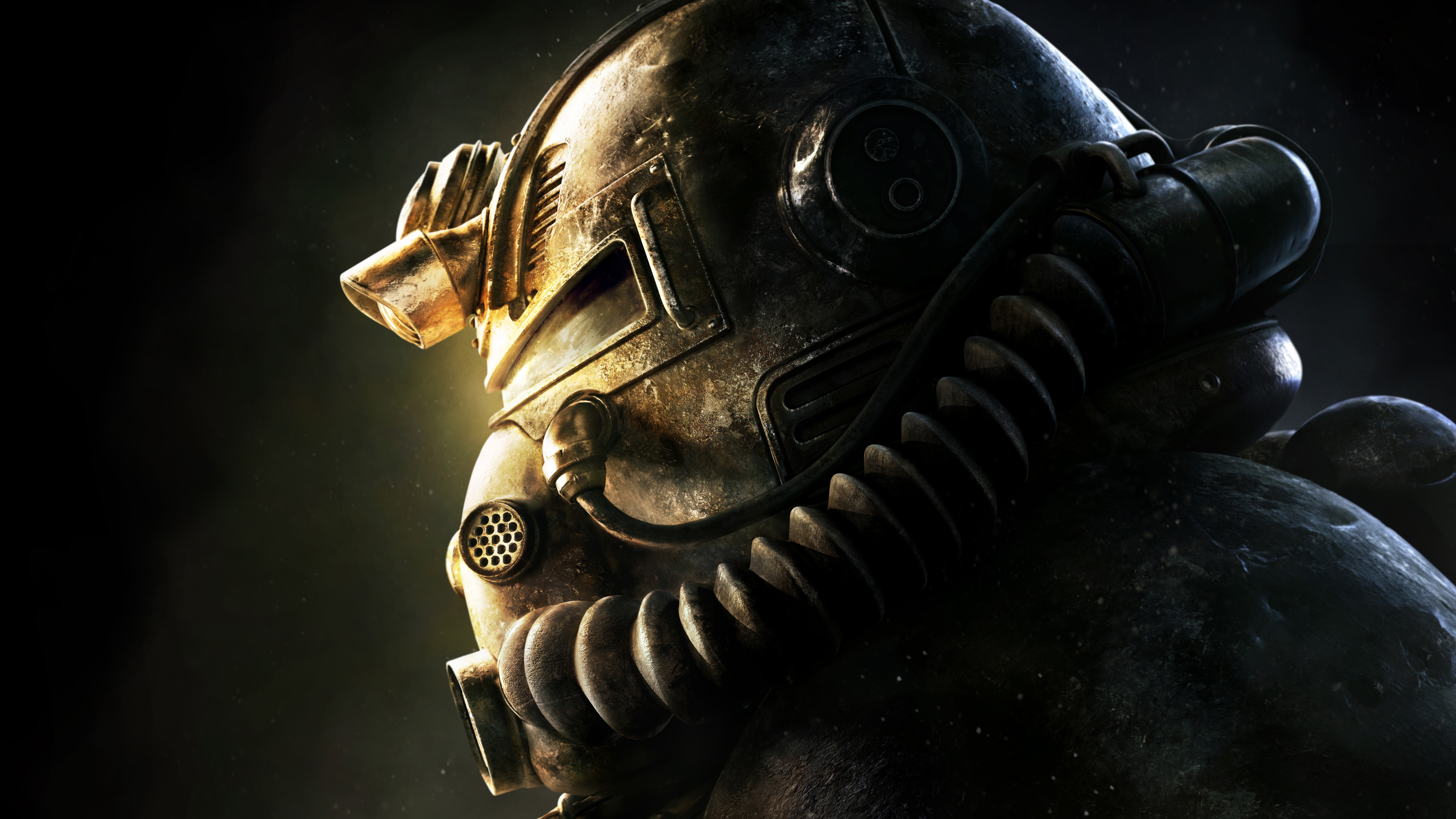
Bethesda took their popular post-apocalyptic franchise online but launched the game without human non-player characters. The world felt empty to many players and was plagued by server instability and game-breaking bugs. A collector’s edition controversy involving a nylon bag instead of the promised canvas one further fueled consumer resentment. Retailers eventually began accepting returns for opened physical copies due to the broken state of the game.
‘Grand Theft Auto: The Trilogy – The Definitive Edition’ (2021)
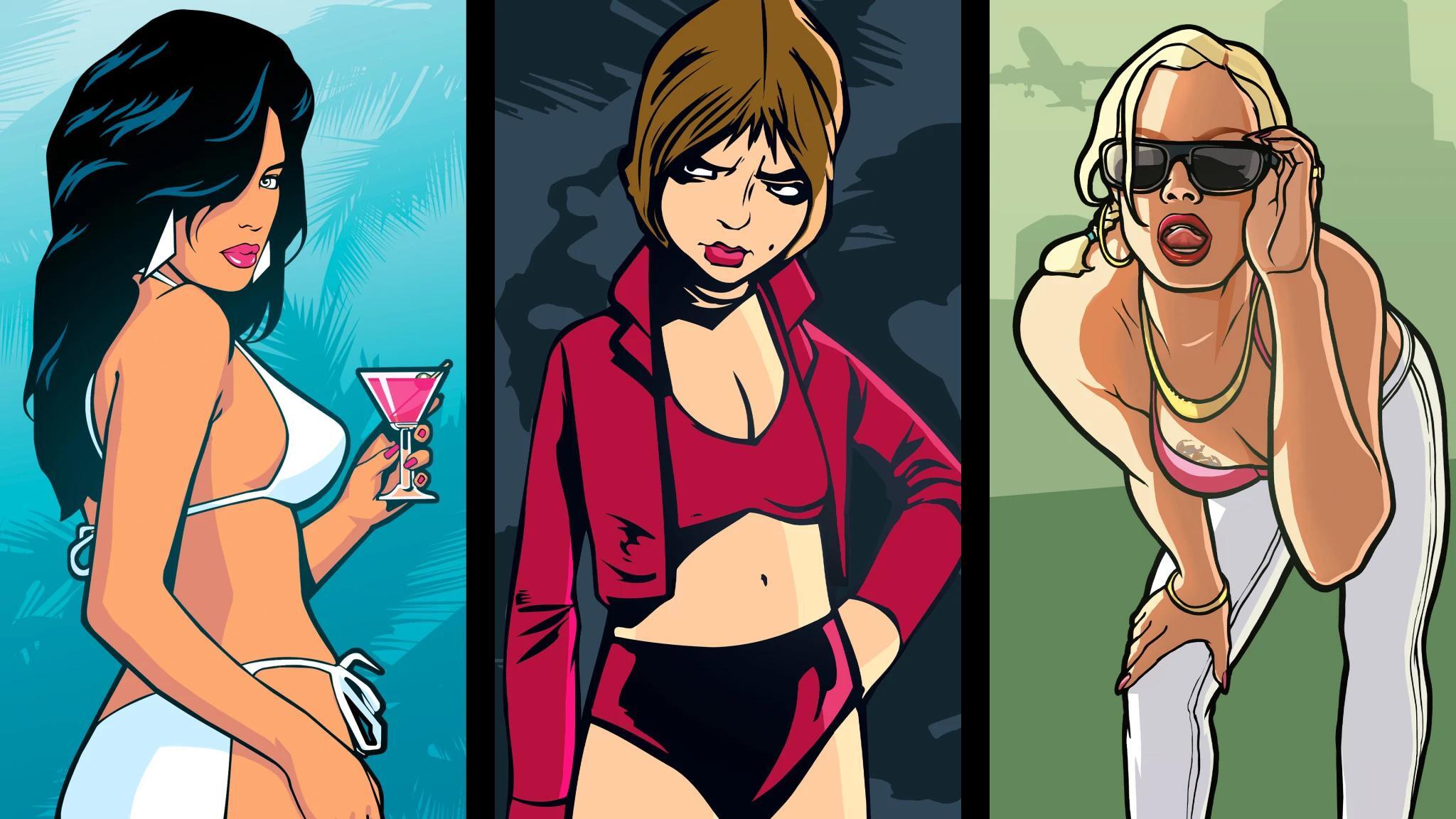
Rockstar Games promised modernized controls and high-resolution visuals for three classic titles. The release contained bizarre character models and rain effects that made it difficult to see during gameplay. The developer had also removed the original versions of the games from digital storefronts prior to this launch. Widespread technical issues forced the publisher to apologize and offer the original games for free to owners of the remaster.
‘Batman: Arkham Knight’ (2015)
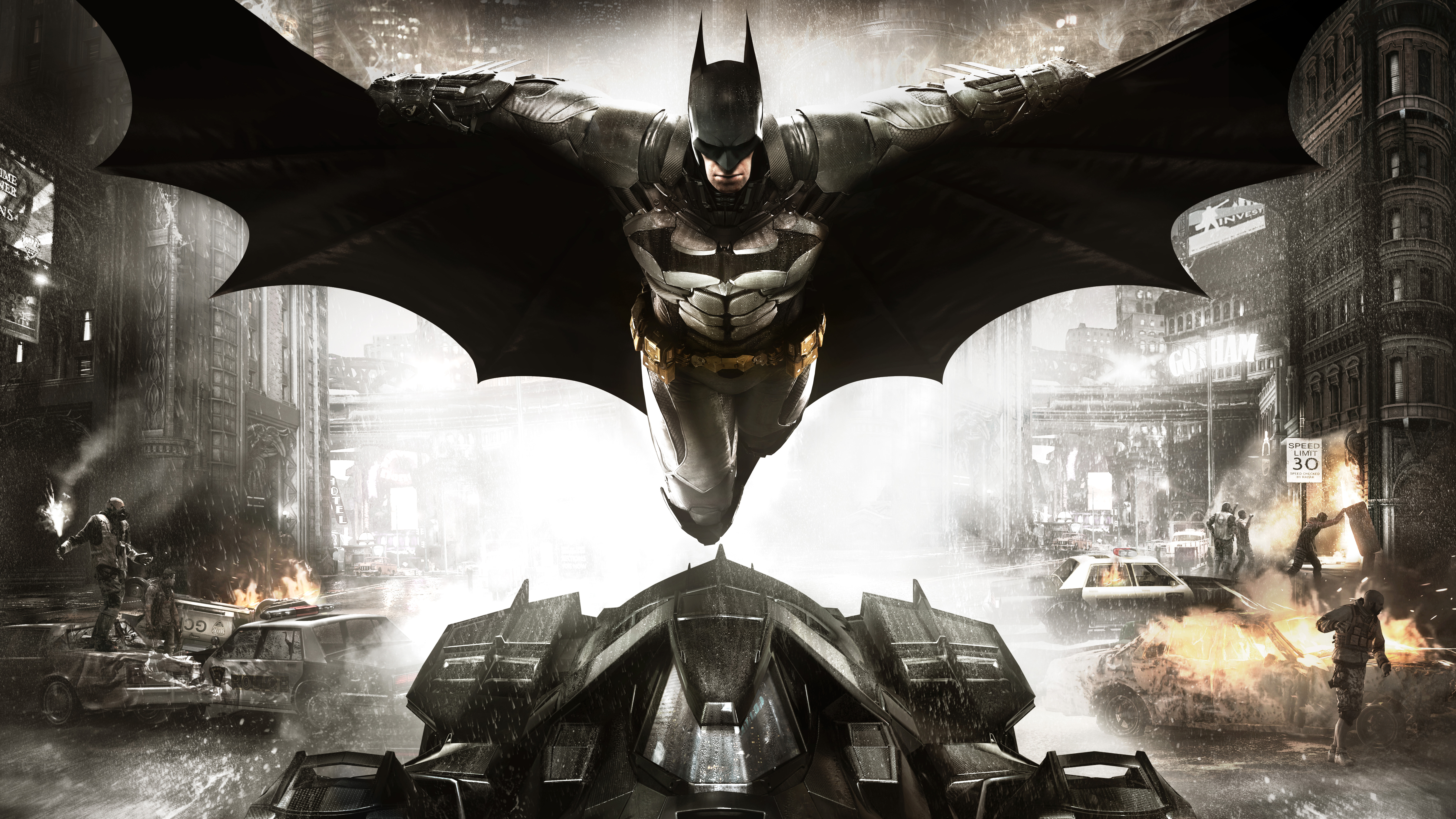
The PC port of this highly anticipated conclusion to the Arkham series suffered from severe frame rate stuttering. Warner Bros. Interactive Entertainment suspended sales of the PC version shortly after release because the performance was deemed unacceptable. The publisher worked for months to fix the technical problems while offering refunds to dissatisfied buyers. The console versions performed well but the PC launch remains a notable example of a pulled product.
‘SimCity’ (2013)
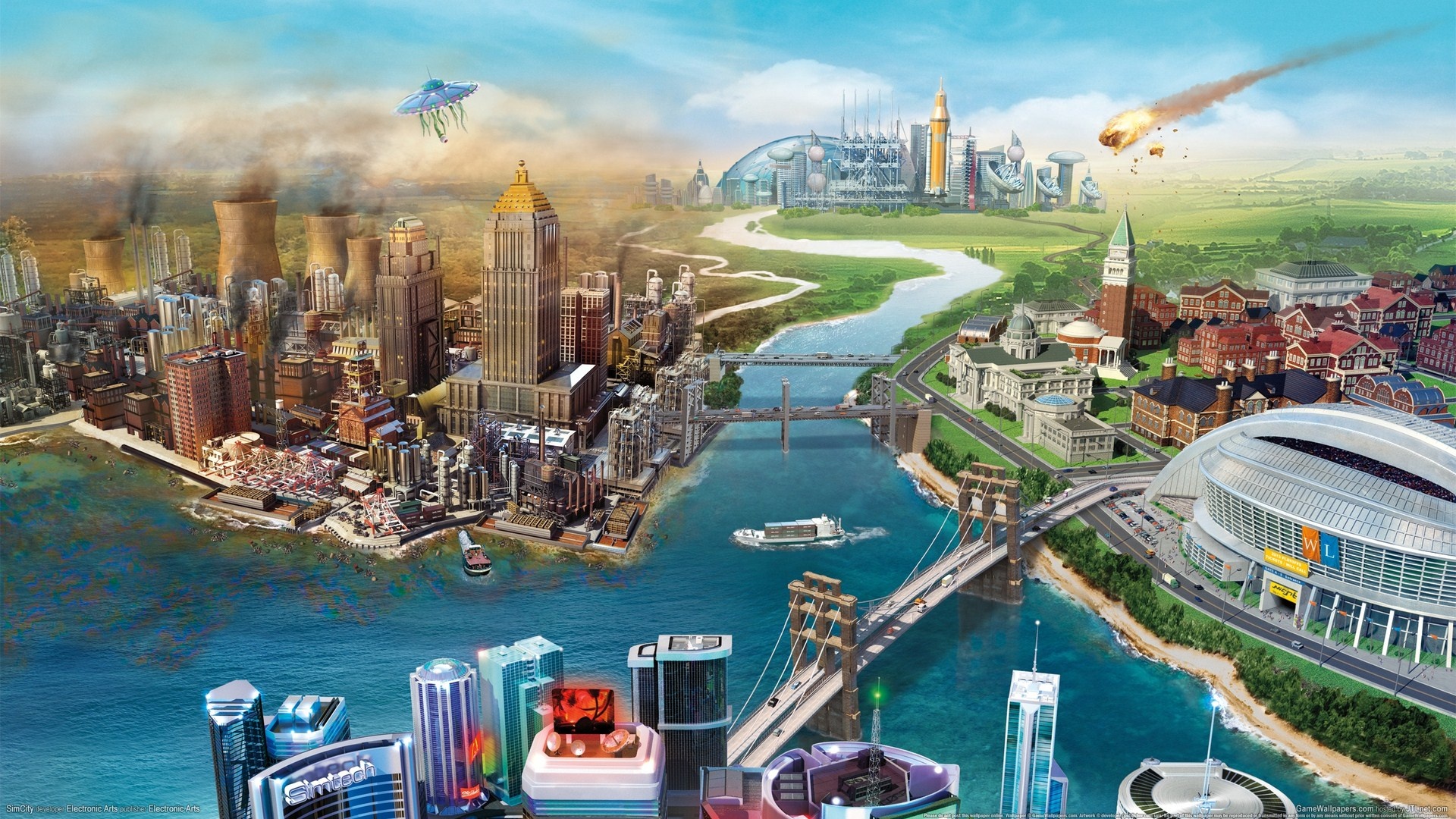
Electronic Arts insisted that the game required a persistent internet connection to handle complex cloud computing calculations. The launch servers collapsed immediately under the player load and locked people out of their single-player cities for days. Modders later proved that the game could function offline without the advertised cloud dependency. The publisher eventually added an offline mode after offering a free game to frustrated customers as compensation.
‘Overwatch 2’ (2022)
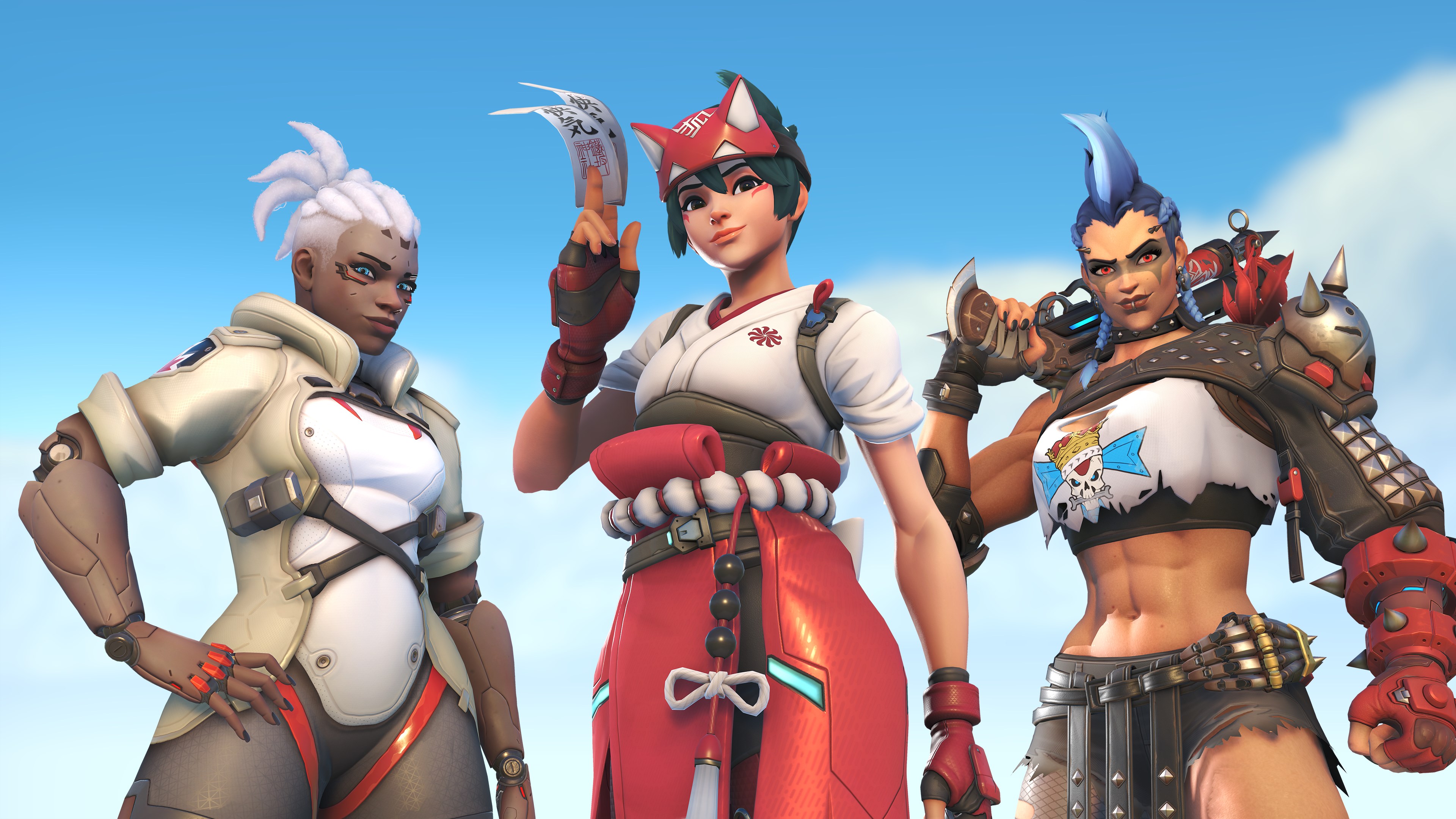
Blizzard justified the existence of this sequel primarily on the promise of a replayable PvE Hero Mode with talent trees. The developers later announced the cancellation of this major feature to focus entirely on the live service PvP components. Fans expressed outrage that the primary reason for the sequel had been scrapped after the monetization model had already changed. This reversal led to review bombing and demands for refunds on related content packs.
‘Assassin’s Creed: Unity’ (2014)
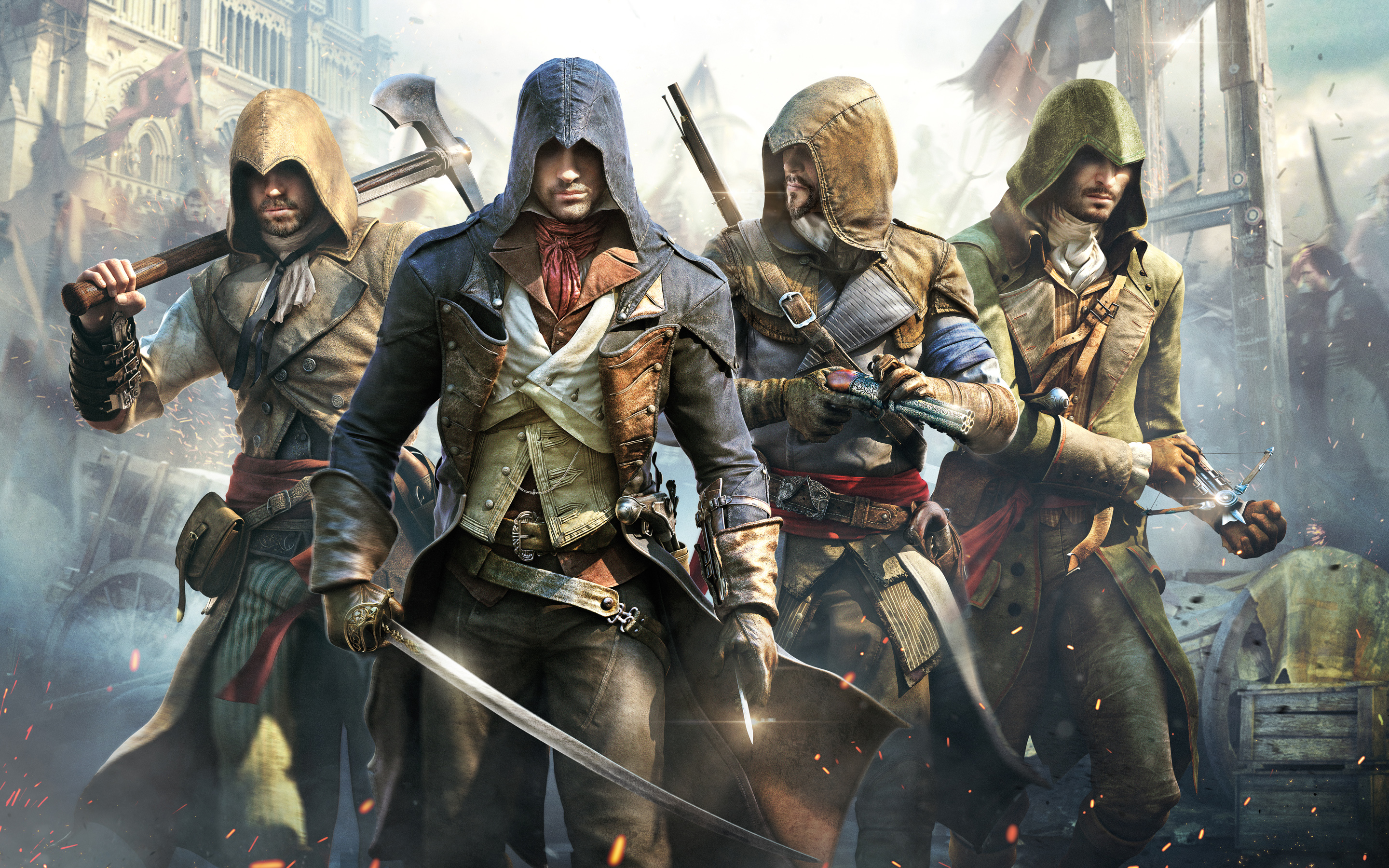
Ubisoft released this ambitious title with numerous technical glitches including characters missing their faces. The performance dropped significantly in crowded areas and made the game difficult to play on consoles. The publisher cancelled the season pass and gave the “Dead Kings” DLC to all players for free. They also offered a free game from their catalog to season pass holders to make up for the botched launch.
‘Mass Effect: Andromeda’ (2017)
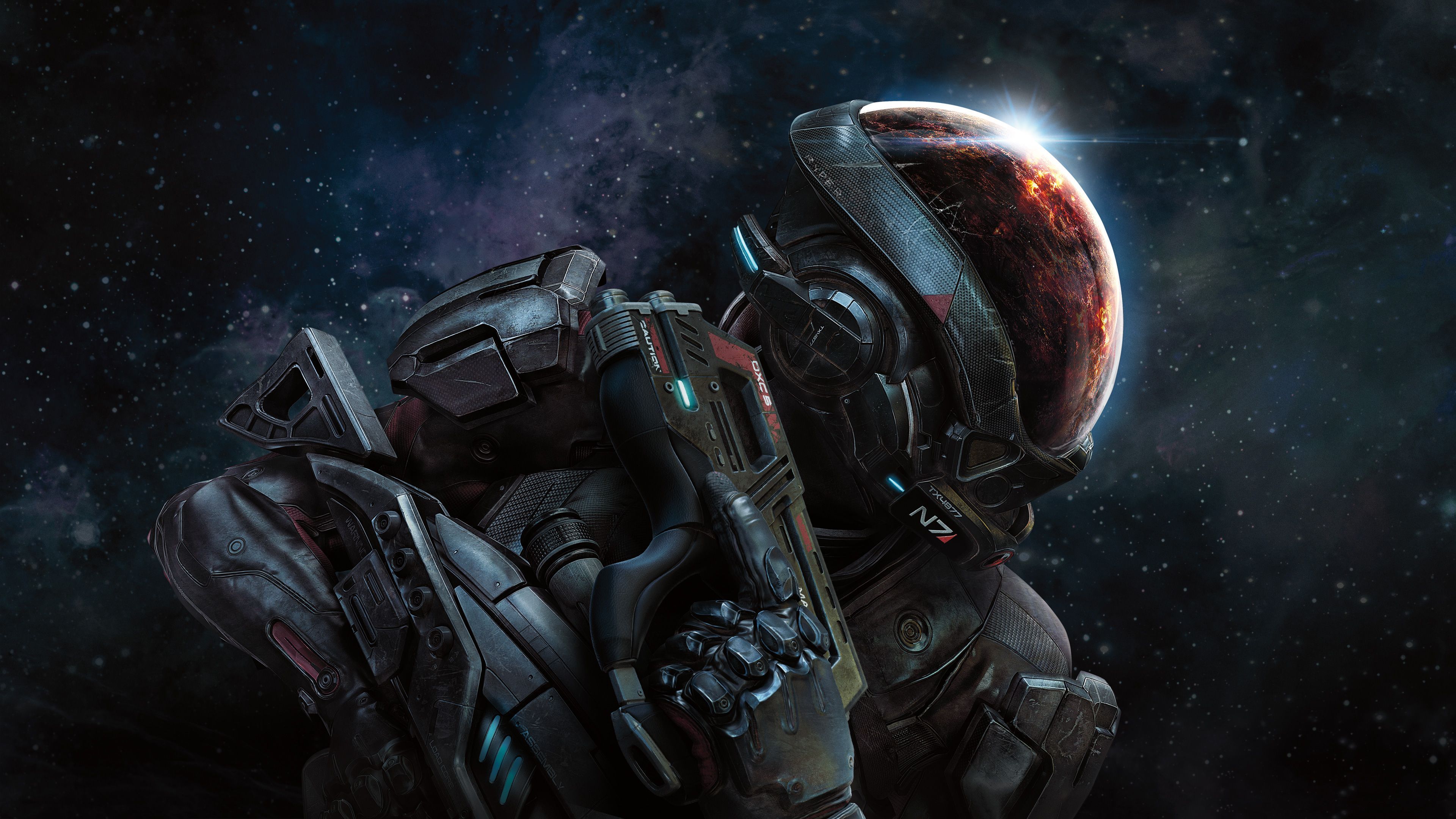
Fans expected a polished continuation of the beloved sci-fi RPG series. The game launched with awkward facial animations and numerous bugs that became the subject of widespread internet mockery. The negative reception led to the cancellation of planned single-player DLC expansions. BioWare eventually abandoned support for the game much earlier than anticipated.
‘Anthem’ (2019)
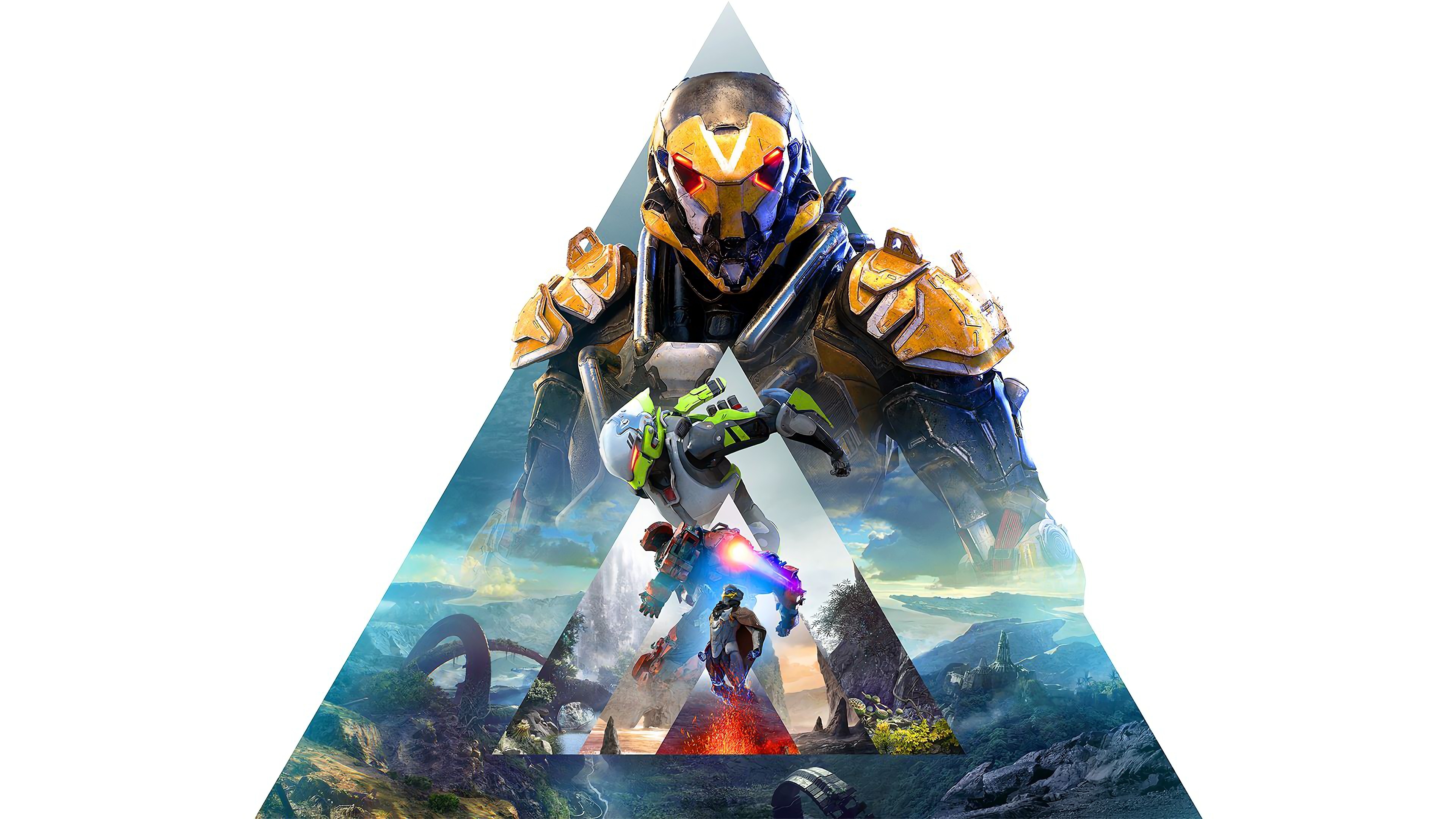
The initial E3 reveal trailer showcased a dynamic world with massive events and seamless gameplay. The final product lacked many of the environmental details and relied on repetitive mission structures. Reports later emerged that the development had been troubled and the trailer was created before the game mechanics were finalized. The game failed to meet sales expectations and the planned overhaul was eventually cancelled.
‘Battlefield 2042’ (2021)
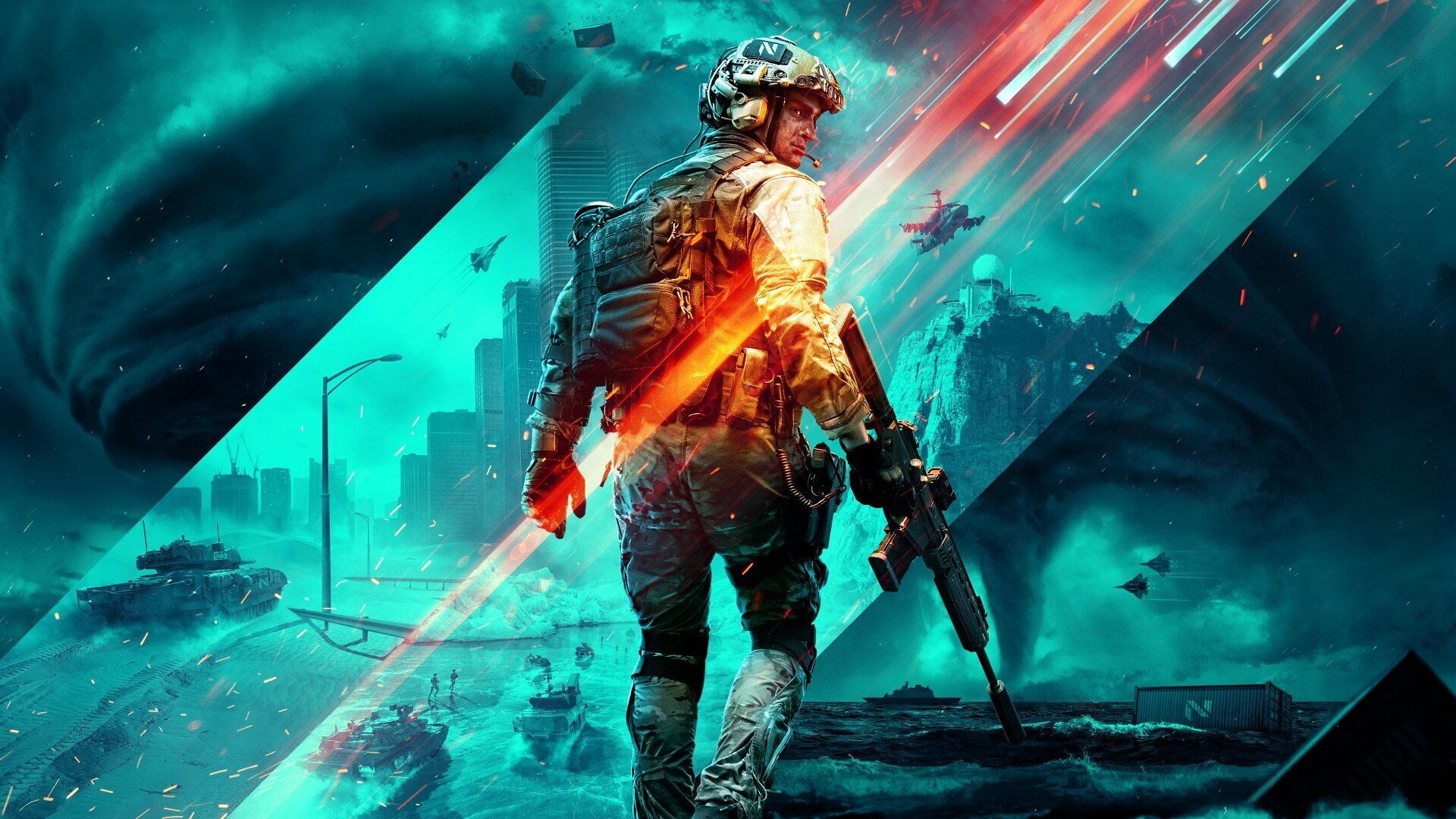
DICE removed the traditional class system that had been a staple of the franchise for decades. The game launched with persistent server issues and a lack of basic features like a scoreboard or voice chat. Maps were criticized for being too large and empty with little cover for infantry players. The player count dropped rapidly as refund requests flooded digital support channels.
‘Pokémon Scarlet and Violet’ (2022)

These titles introduced a fully open world but suffered from significant graphical pop-in and frame rate drops. Characters and environmental objects would frequently glitch or move in slow motion even at short distances. Nintendo received an unusually high volume of refund requests for a mainline franchise entry. The company eventually issued an update and a rare apology regarding the technical performance.
‘Halo: The Master Chief Collection’ (2014)
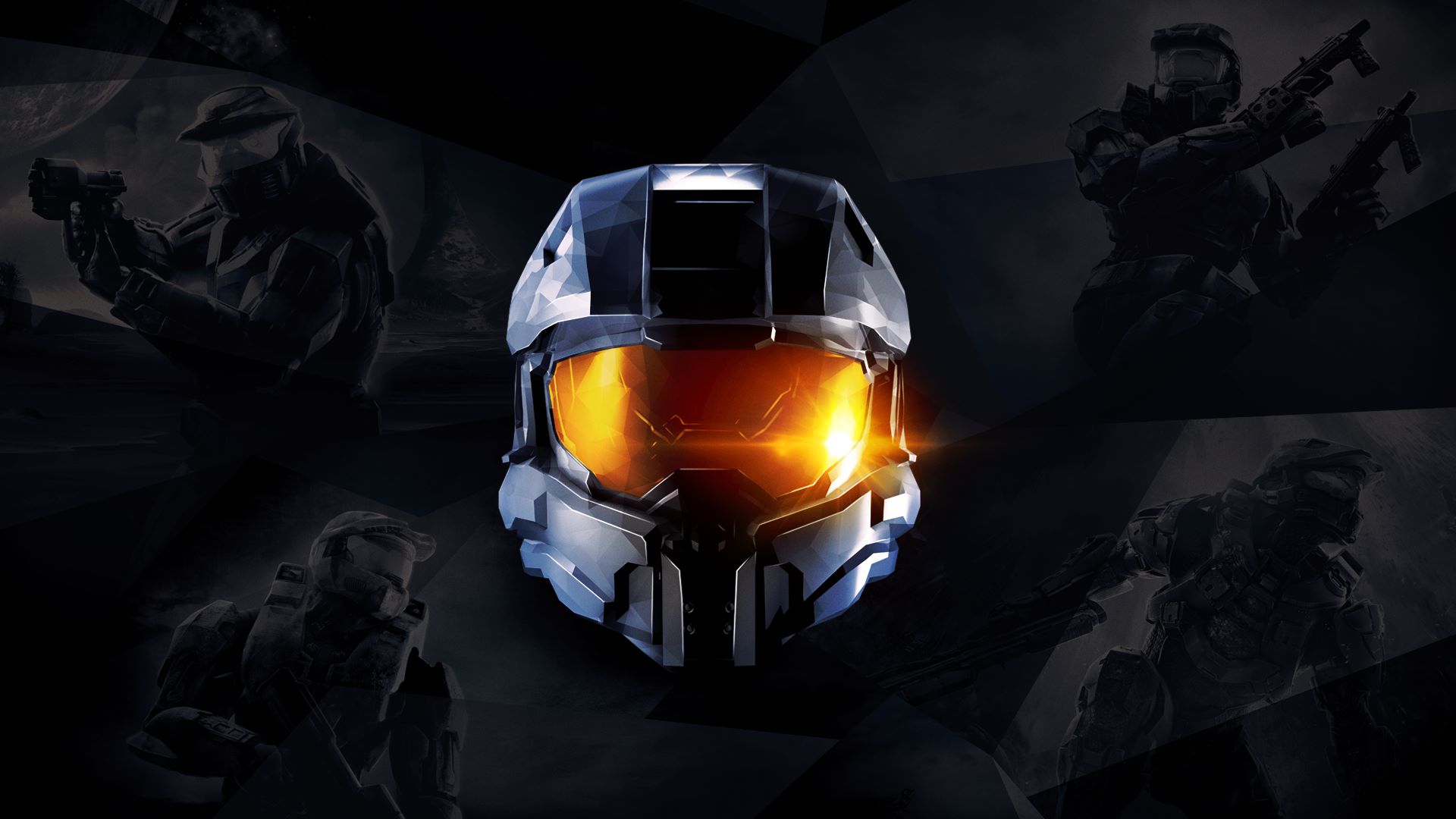
Microsoft promised the ultimate compilation of the Master Chief saga with unified multiplayer. The matchmaking system was completely broken at launch and prevented players from finding games for weeks. The developers spent months patching the networking code to make the multiplayer functional. Early adopters received a remastered version of ‘Halo 3: ODST’ as compensation for the extended downtime.
‘WWE 2K20’ (2019)
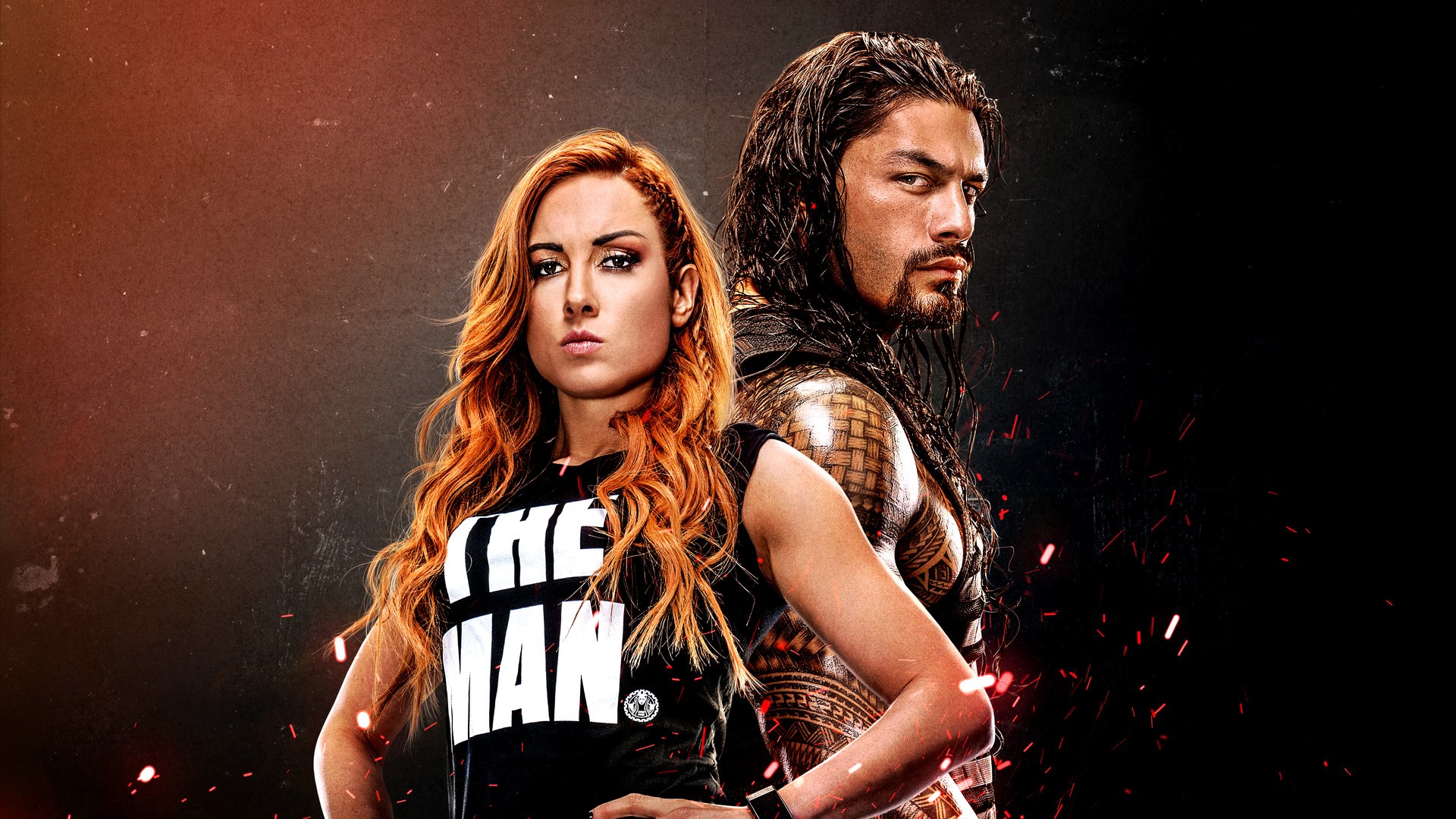
Visual Concepts took over development duties and released a game plagued by physics bugs and crashing issues. Characters would frequently distort into horrific shapes or fall through the wrestling ring floor. Sony accepted refunds for the digital version due to the game being technically broken. The reception was so poor that the publisher cancelled the next annual installment to rework the engine.
‘Marvel’s Avengers’ (2020)
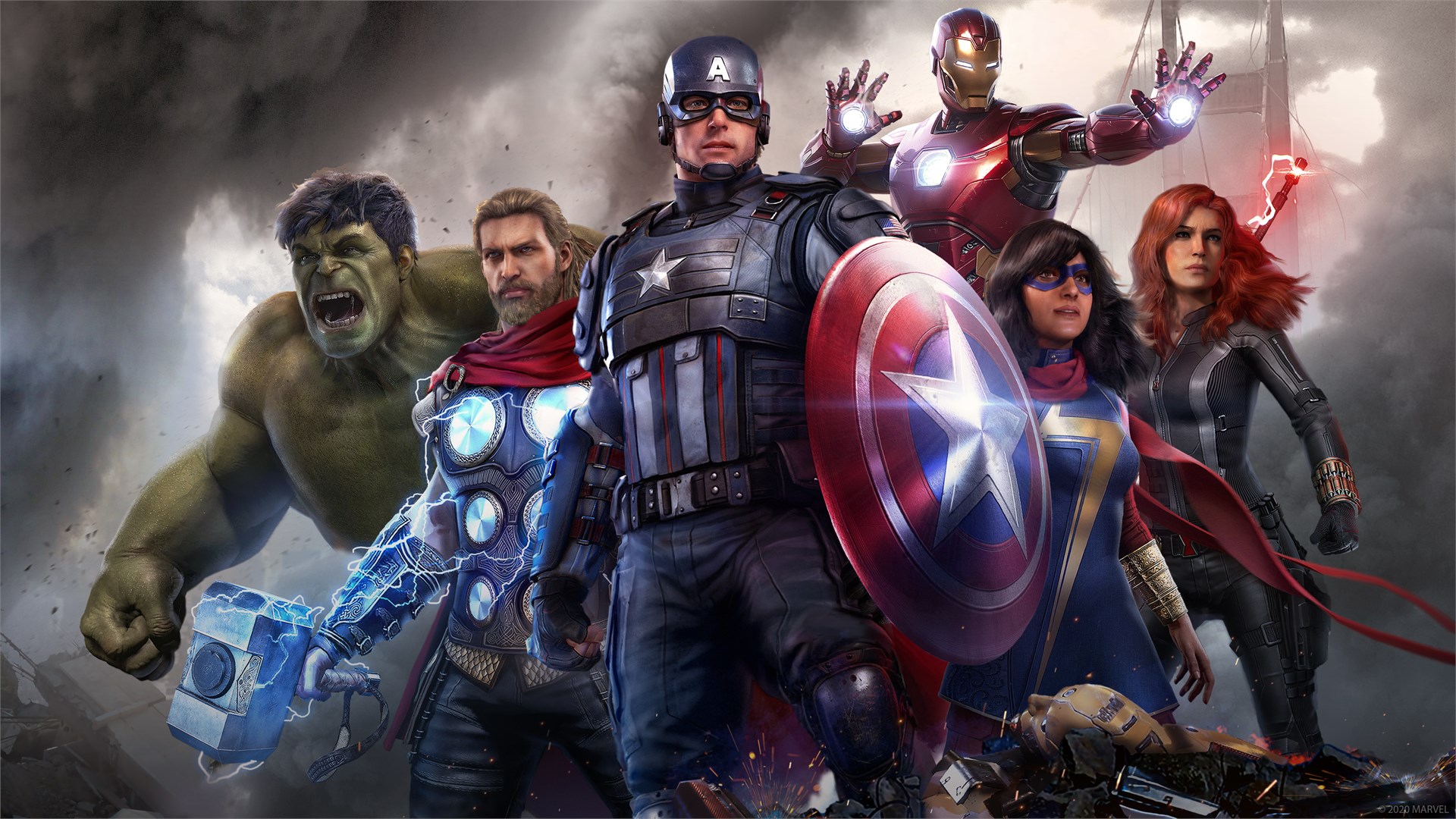
The live service game promised a growing roster of heroes and expanding story content for years to come. Players found the endgame loop repetitive and the loot system unrewarding. The promised roadmap of content faced severe delays and character releases were slowed significantly. Support for the game was officially ended and it was delisted from digital storefronts after failing to retain a player base.
‘Street Fighter V’ (2016)
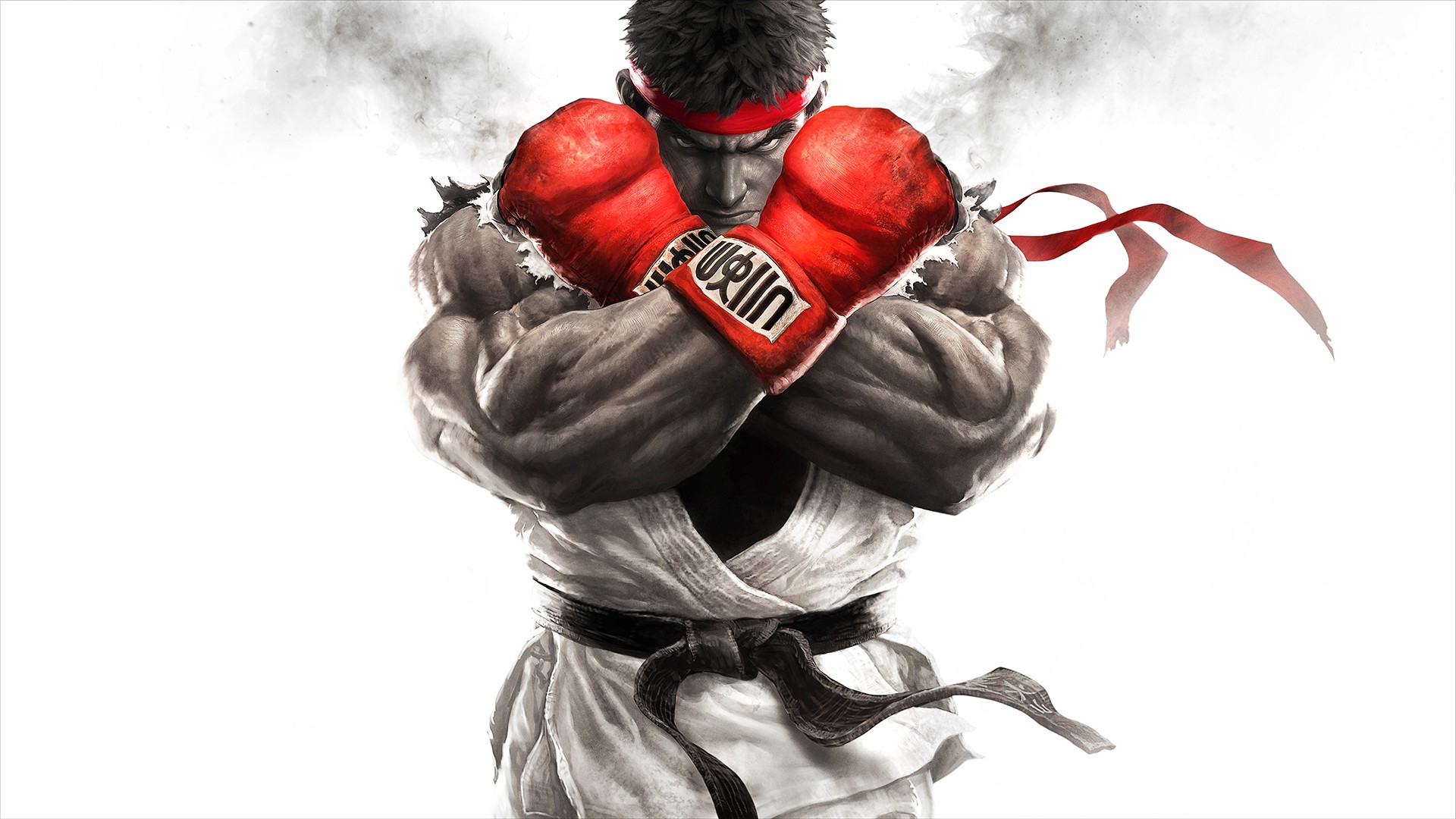
Capcom released the fighting game with a barebones roster and no traditional arcade mode. The lack of single-player content frustrated casual fans who felt the game was unfinished. Connectivity issues plagued the online lobbies during the initial launch weeks. The developers spent years adding the missing content that fans expected to be there on day one.
‘Tony Hawk’s Pro Skater 5’ (2015)

The game shipped with a physical disc that contained only the tutorial and forced players to download the rest of the game. The gameplay suffered from game-breaking bugs and physics glitches that launched skaters into the air. Activision shut down the online servers shortly after release which limited functionality even further. The title is often cited as the reason the franchise went dormant until the later remakes.
‘Driveclub’ (2014)

Sony marketed this racing game as a premier social experience centered around club connectivity. The servers were unable to handle the player load at launch and left the social features inaccessible for months. A promised free version for PlayStation Plus subscribers was delayed for nearly a year. The developer was eventually shuttered by Sony following the commercial struggles of the project.
‘Payday 3’ (2023)
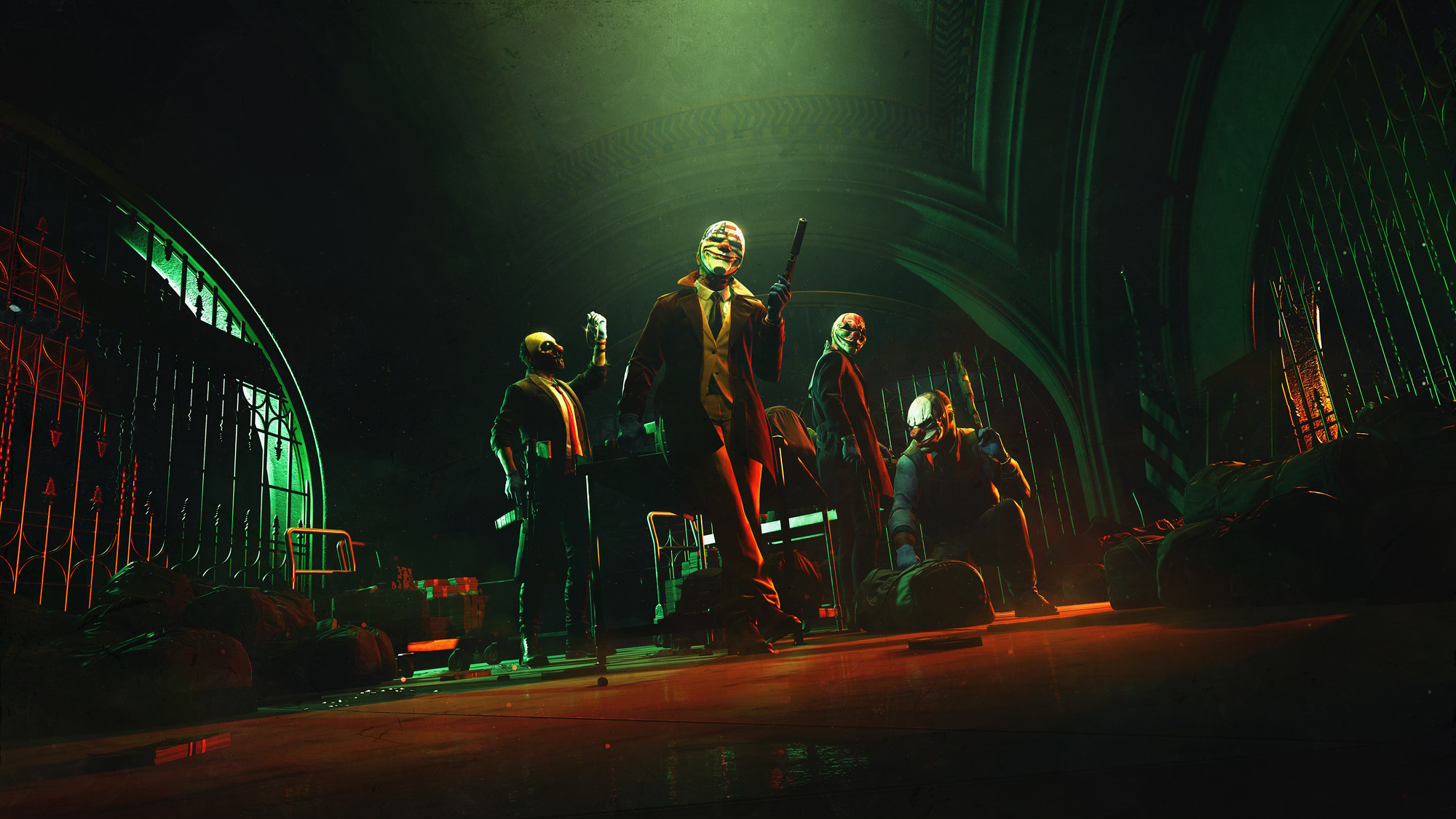
The developers mandated an always-online requirement even for single-player matches. The matchmaking servers collapsed upon release and prevented players from entering any heists for several days. The inability to play the game in any capacity led to a “mostly negative” rating on Steam. The studio CEO publicly apologized as the player count plummeted below that of its predecessor.
‘Redfall’ (2023)
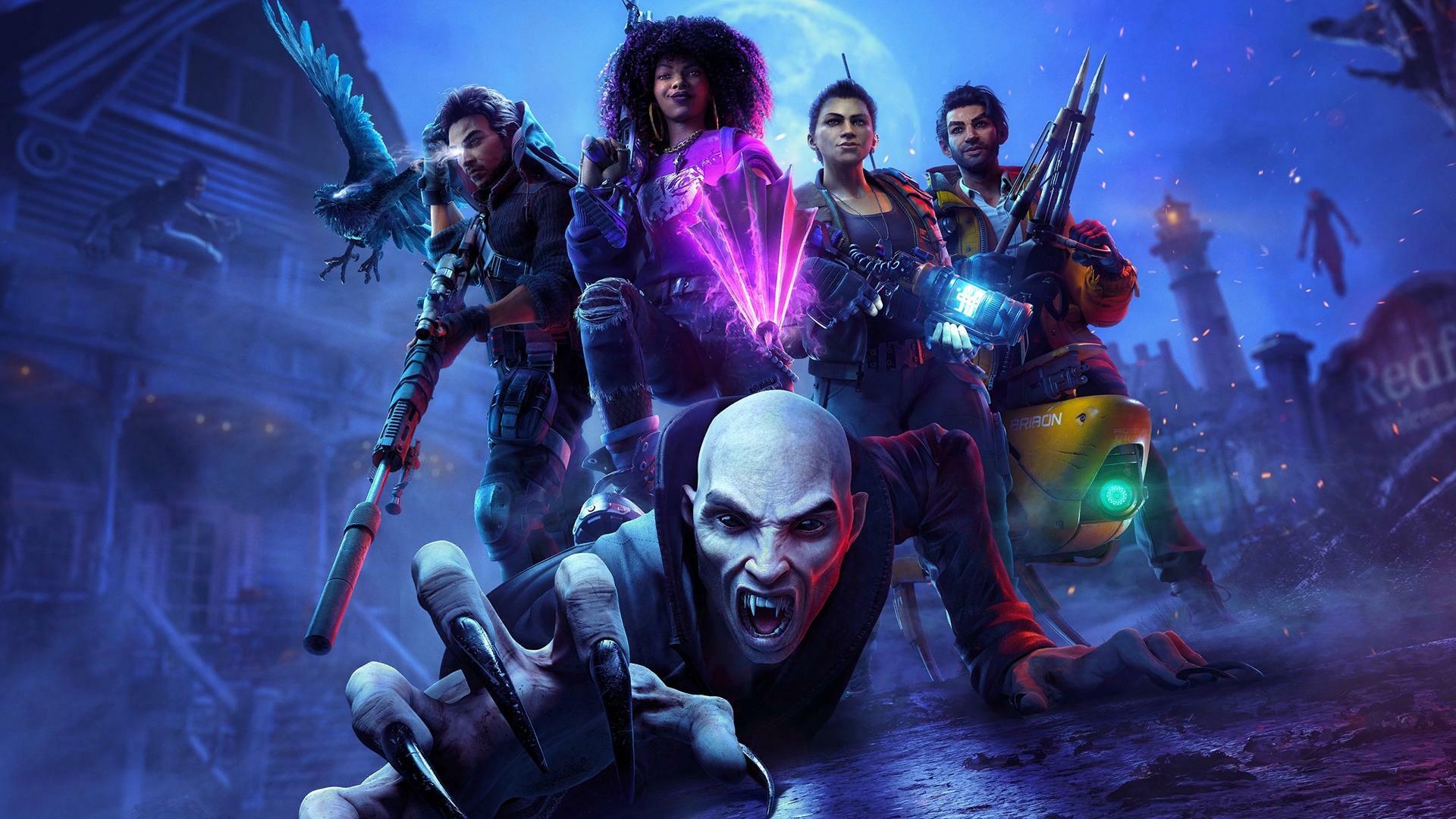
Arkane Studios promised a vampire shooter with their signature immersive sim elements. The game launched without a 60 frames-per-second performance mode on consoles despite earlier gameplay footage suggesting otherwise. Enemy AI was notably poor and the open world felt lifeless compared to the studio’s previous work. Xbox executives apologized for the quality of the first-party release.
‘Cities: Skylines II’ (2023)
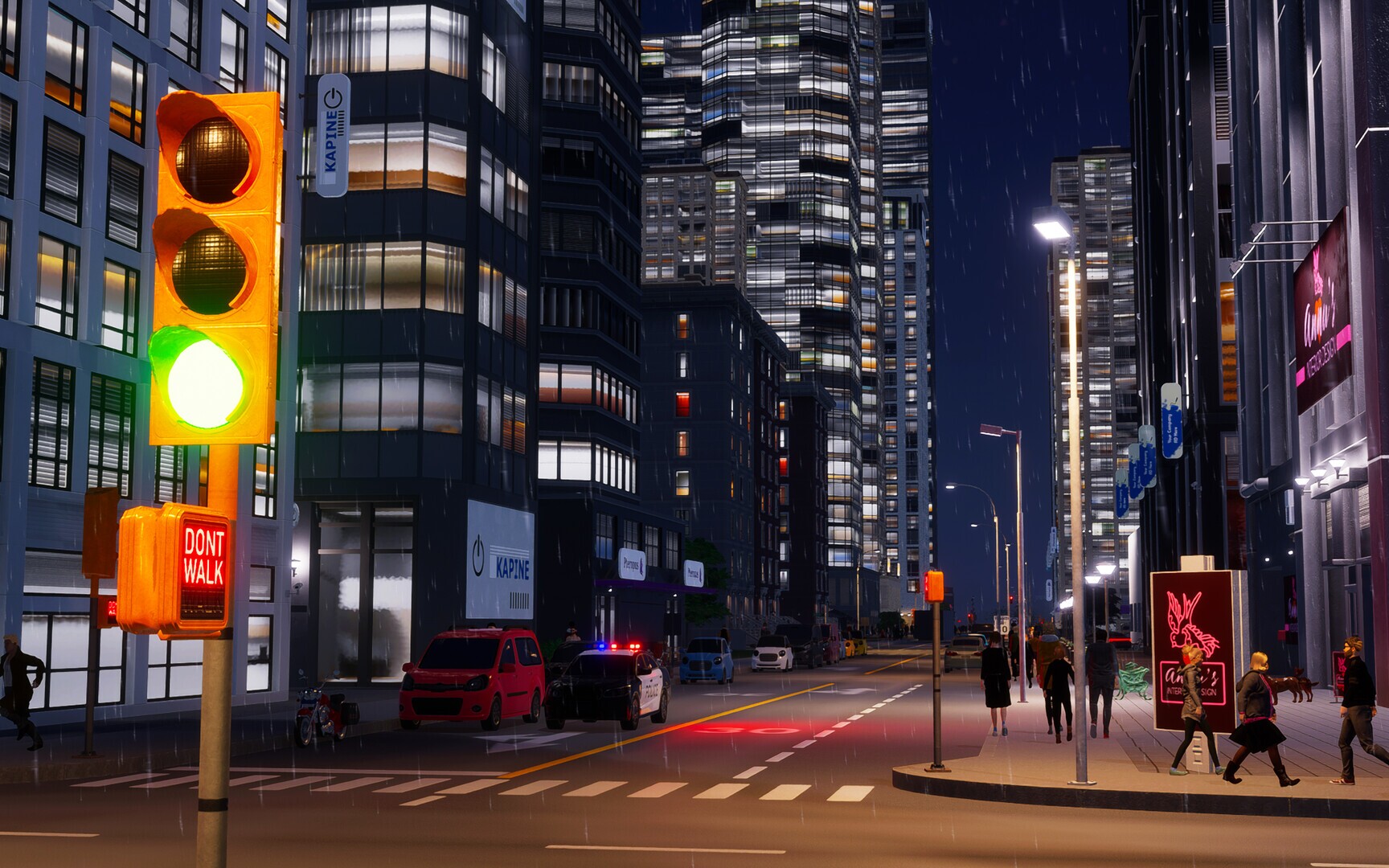
The sequel to the hit city builder launched with severe performance optimization issues even on high-end PCs. Paradox Interactive warned players about the performance shortly before release but the reality was worse than expected. The promised official modding support and map editor were also missing at launch. The developer has been releasing patches to address the simulation speed and graphical demand.
‘Kerbal Space Program 2’ (2023)

The sequel entered early access with a roadmap of features including multiplayer and interstellar travel. Players found the performance to be extremely poor and the physics simulation less stable than the original game. The development studio was effectively shut down by the publisher before the roadmap could be completed. Recent reviews reflect the anger of fans who feel the project has been abandoned.
‘Mighty No. 9’ (2016)
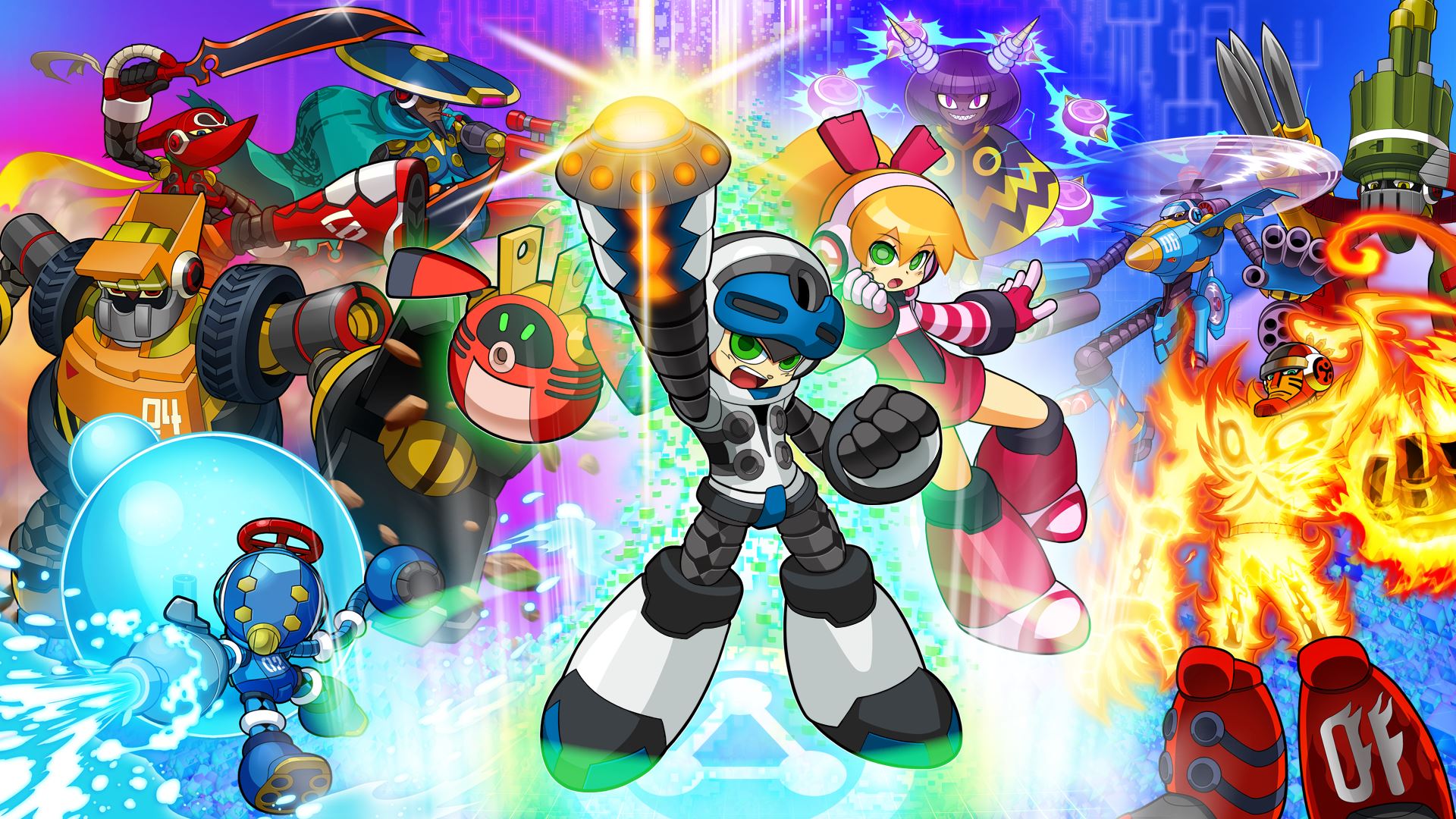
The Kickstarter campaign raised millions on the promise of a spiritual successor to the classic Mega Man games. The final visual style looked significantly cheaper than the concept art and early footage had suggested. Delays and poor communication from the project lead soured the backer community before the game even launched. Credits for the game were reportedly four hours long due to the inclusion of every backer name.
‘Imperator: Rome’ (2019)
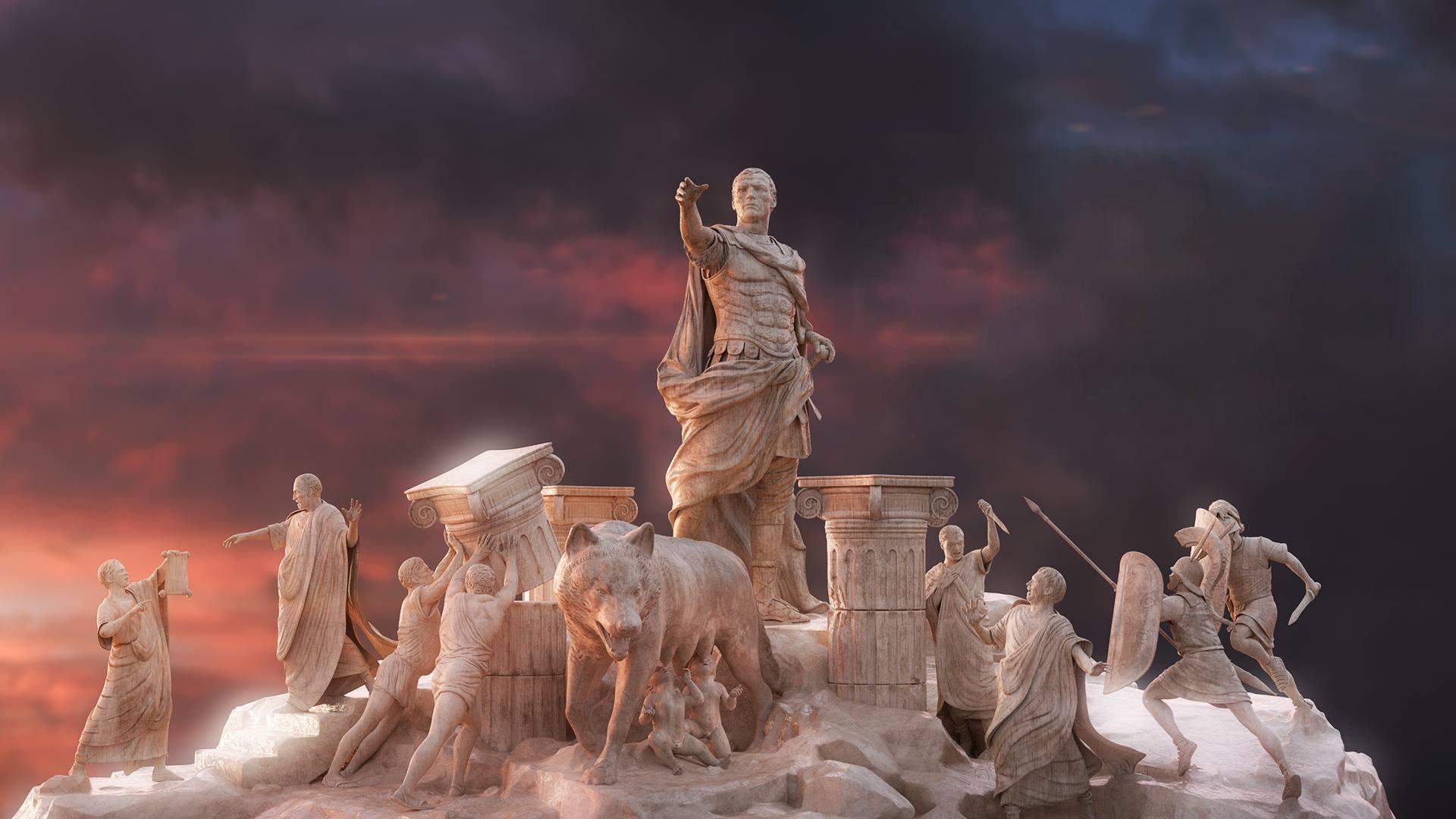
Paradox Interactive launched this grand strategy game with mechanics that felt shallow compared to their other titles. The mana system used for government actions was criticized for being too abstract and unengaging. The developers overhauled the game significantly but eventually halted active development to focus on other projects. Many early purchasers felt the game was abandoned just as it was starting to improve.
‘Sword of the Stars II: Lords of Winter’ (2011)

The game was released in what the developers later admitted was an alpha state. Basic features like the menu system and ship design were broken or missing entirely. The publisher offered full refunds and apologized for releasing the game before it was ready. It took months of patching to bring the game to a playable standard.
‘Atlas’ (2018)
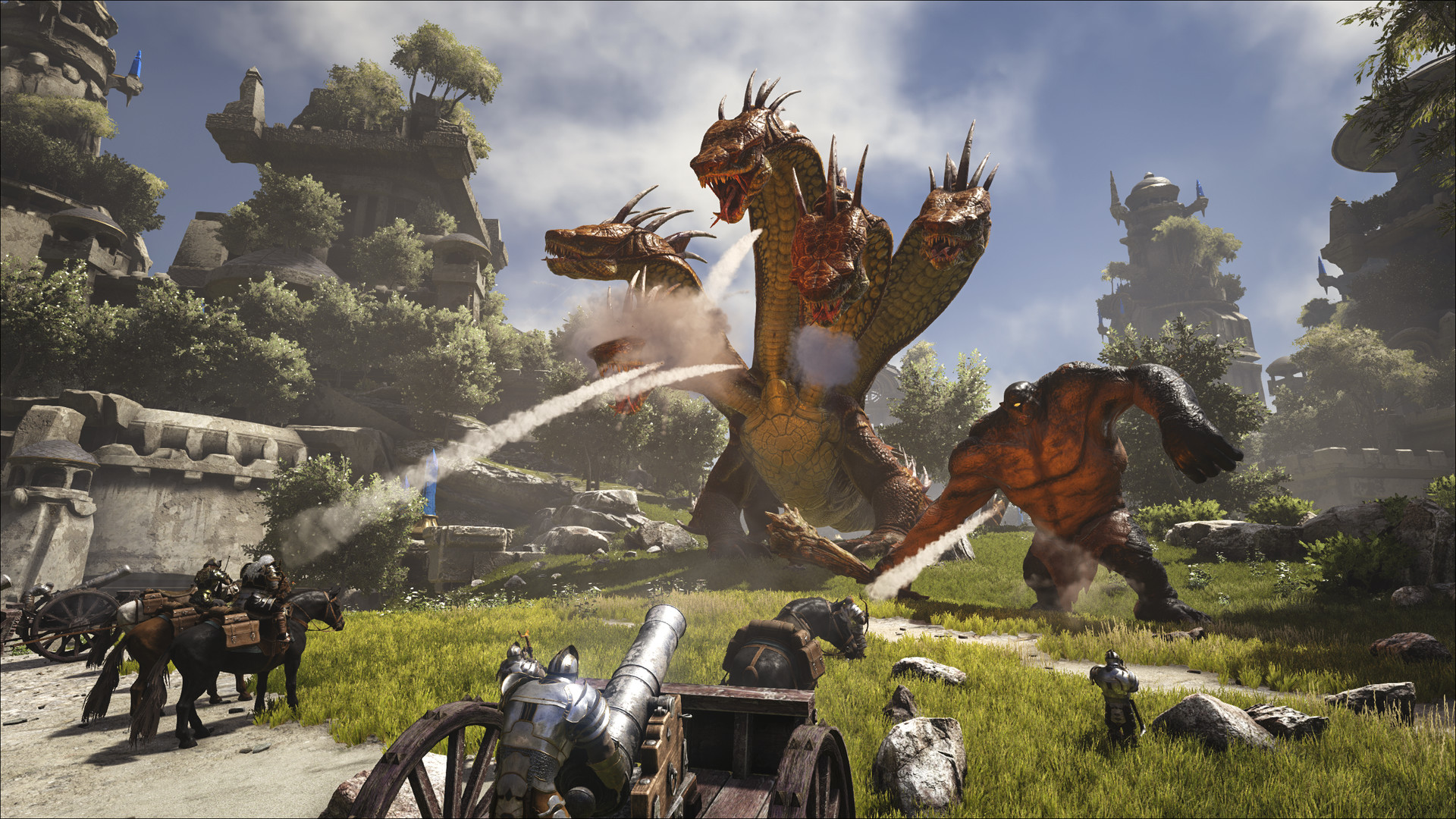
The trailer depicted a massive pirate MMO with thousands of players in a single world. Players discovered a hidden menu that revealed the game was built directly on top of the ‘ARK: Survival Evolved’ framework. Performance was abysmal and players struggled to leave the starting zones due to lag. The similarities to ‘ARK’ led to accusations that it was just a reskinned DLC sold as a standalone game.
‘X Rebirth’ (2013)
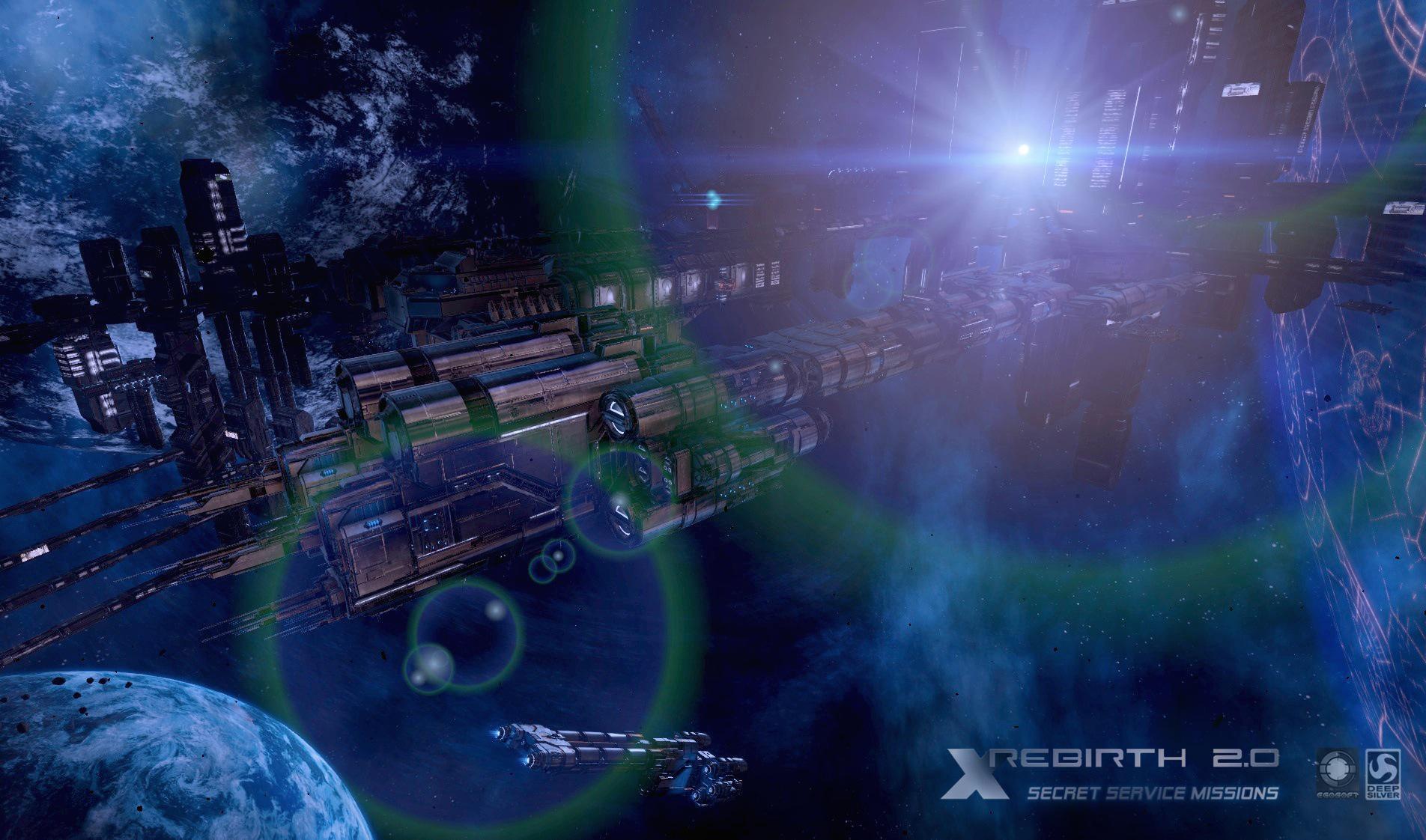
Egosoft simplified the complex space simulation mechanics of the previous games to appeal to a wider audience. Longtime fans were disappointed by the limitation to a single ship and the buggy launch state. The station interiors were repetitive and the trading system was frequently broken. The developer spent years patching the game but the reputation of the title never fully recovered.
‘Babylon’s Fall’ (2022)
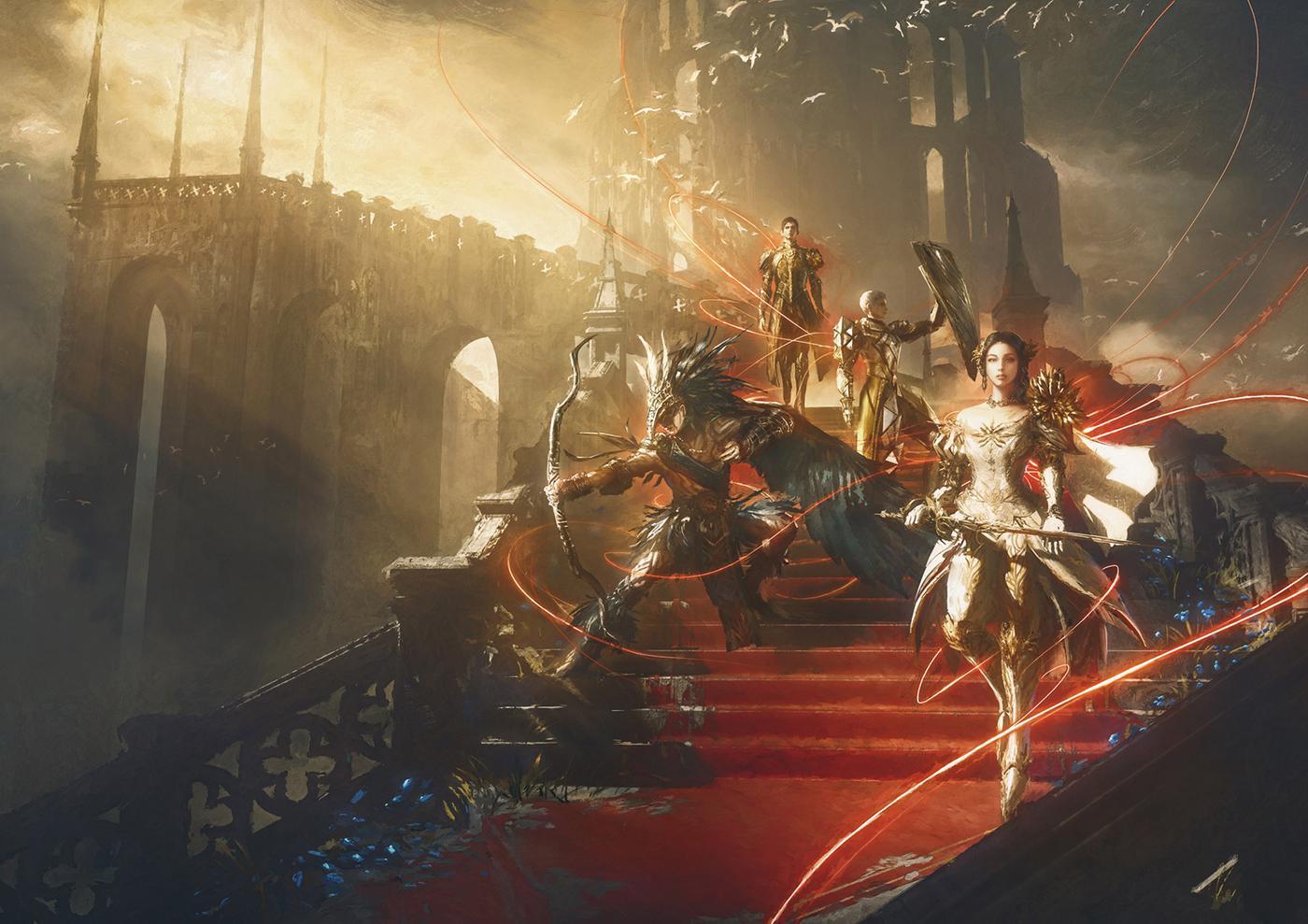
PlatinumGames attempted to create a live service looter-brawler with a unique oil painting aesthetic. The visuals were criticized for looking muddy and the gameplay loop was deemed monotonous. The player count dropped to single digits on Steam shortly after release. Square Enix terminated the game service less than a year after launch and retailers disposed of physical copies.
‘Crucible’ (2020)
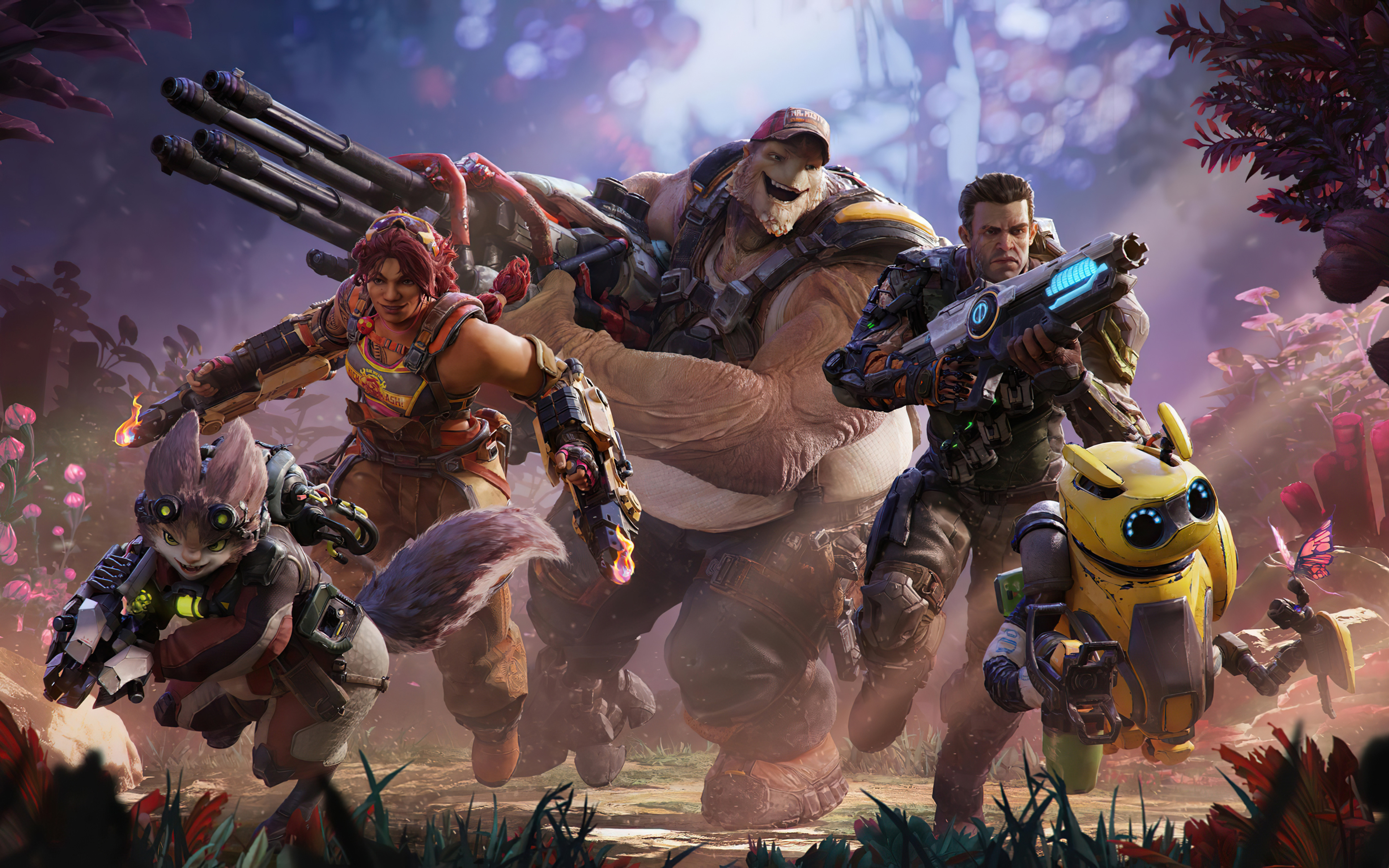
Amazon Game Studios launched this hero shooter without a clear target audience or distinct identity. The game was pulled back into a closed beta state shortly after release due to negative feedback. Development was permanently ceased a few months later so the team could work on ‘New World’. The game is now remembered as one of the quickest failures in modern multiplayer gaming.
‘Brink’ (2011)
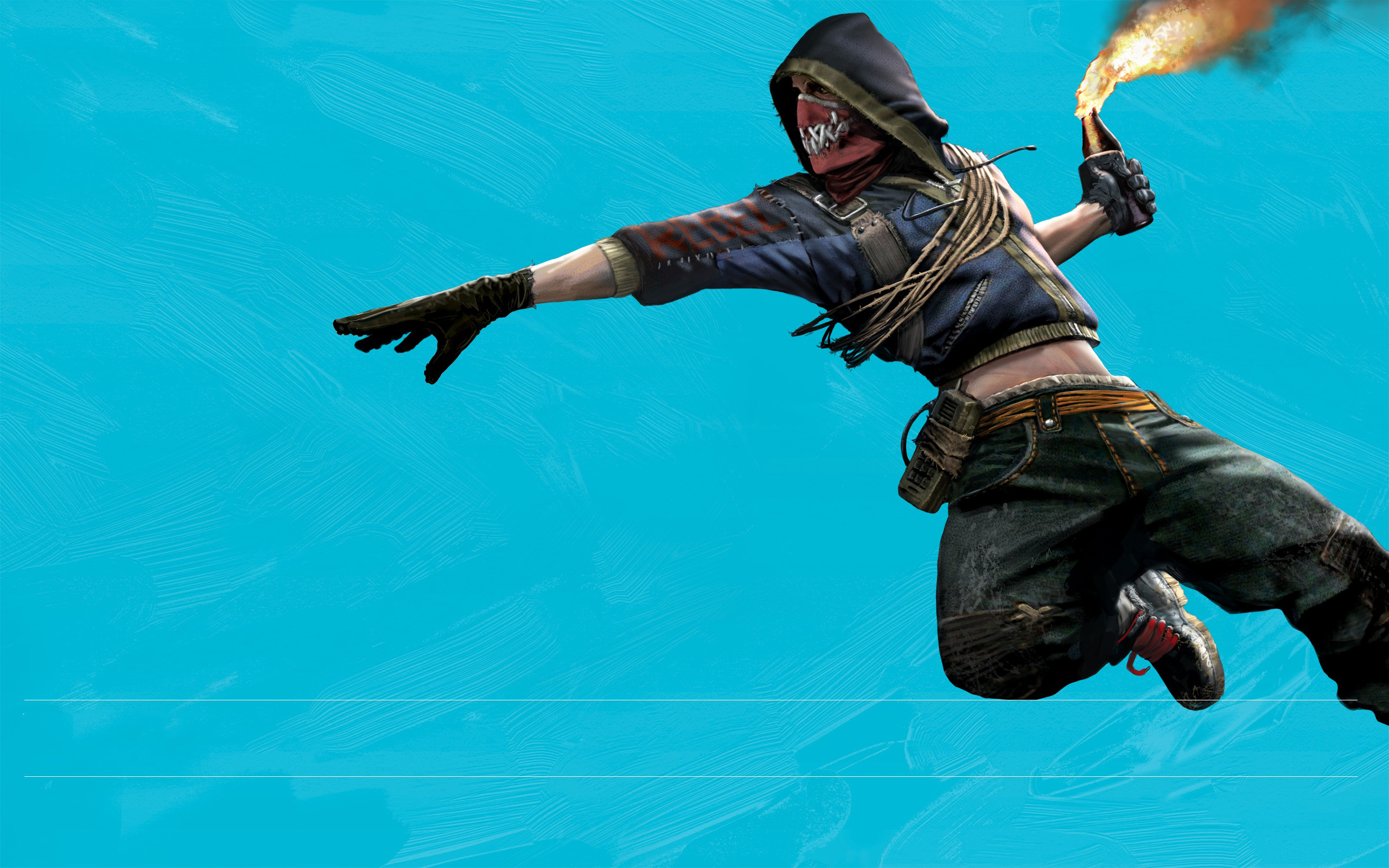
Marketing focused heavily on the SMART movement system which promised fluid parkour across environments. The final game felt clunky to many players and the bots filled empty multiplayer slots poorly. The narrative campaign was indistinguishable from the multiplayer matches. The player base dwindled rapidly as the gameplay failed to match the kinetic energy of the trailers.
‘Dark Spore’ (2011)
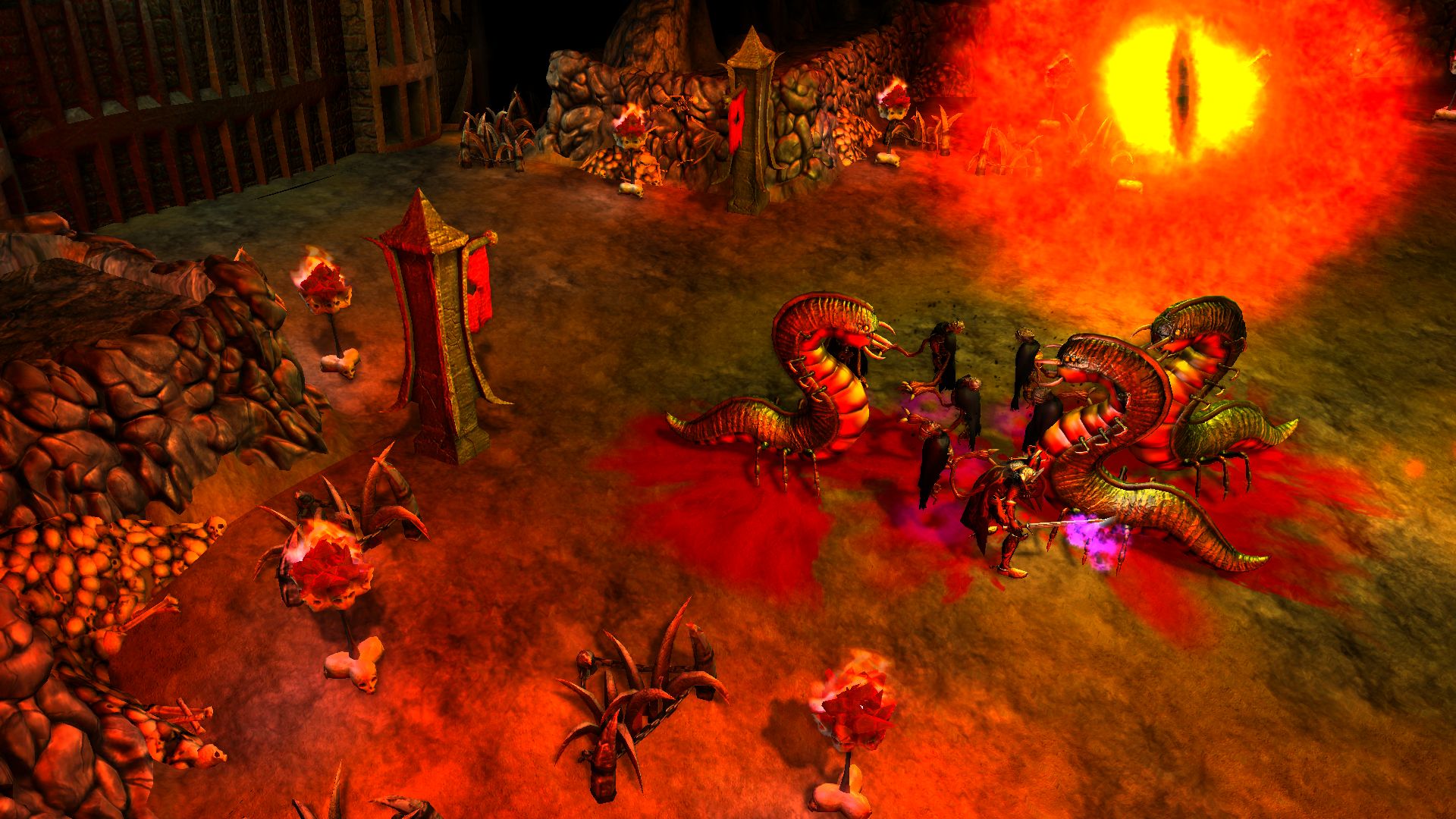
Maxis attempted to turn the creature creator from ‘Spore’ into an action RPG. The game required a persistent internet connection which caused issues when the servers were unstable. The title was eventually removed from digital stores and became unplayable after the servers were shut down. Owners of the game were left with a product that could no longer be accessed.
‘The Lord of the Rings: Gollum’ (2023)
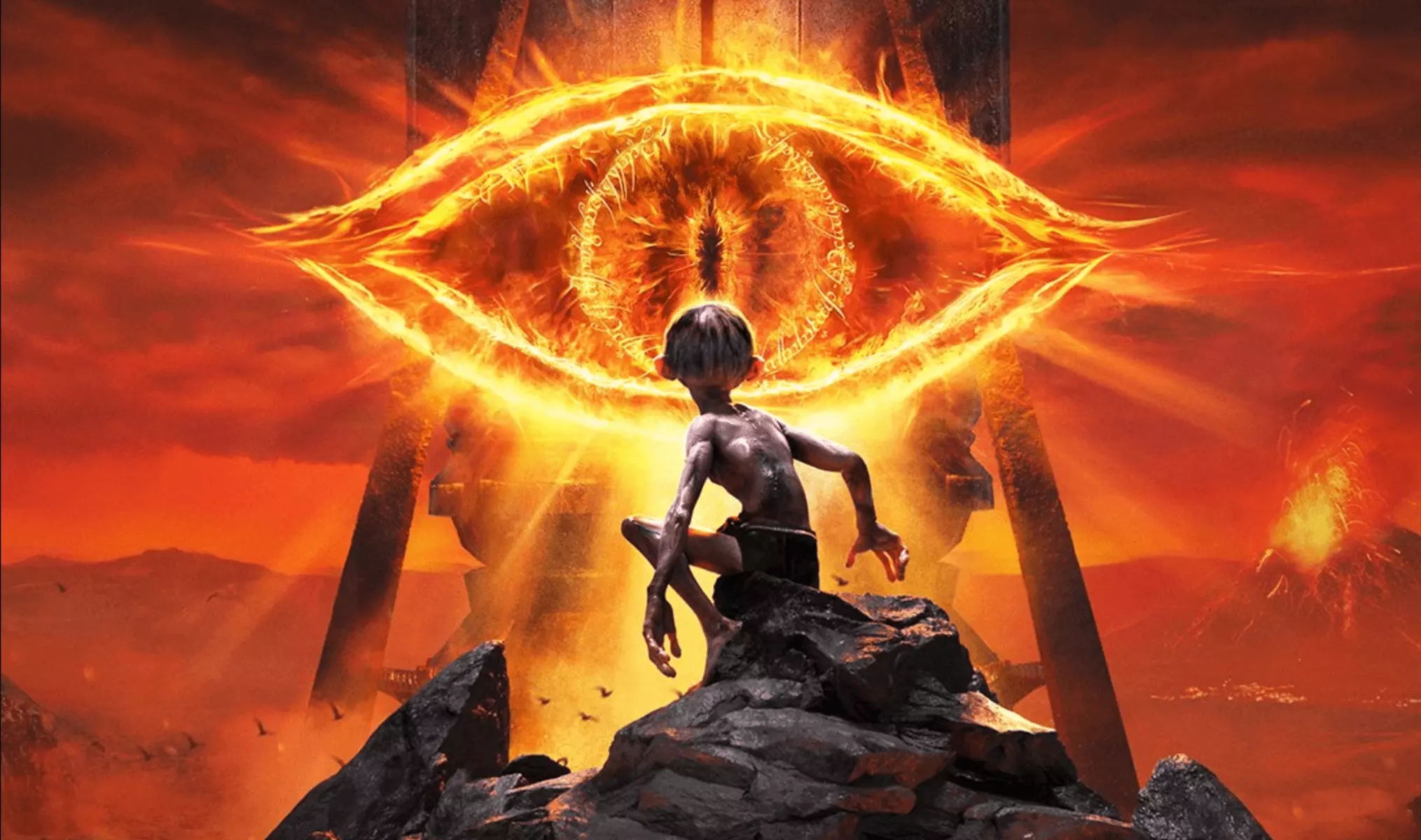
Daedalic Entertainment promised a narrative adventure that would explore the dual personality of the titular character. The game released with dated graphics and platforming mechanics that were frustratingly imprecise. A promised “precious” edition included lore emotes that locked basic canon interactions behind a paywall. The studio issued an apology before cancelling their next project and shutting down their internal development division.
‘Umbrella Corps’ (2016)
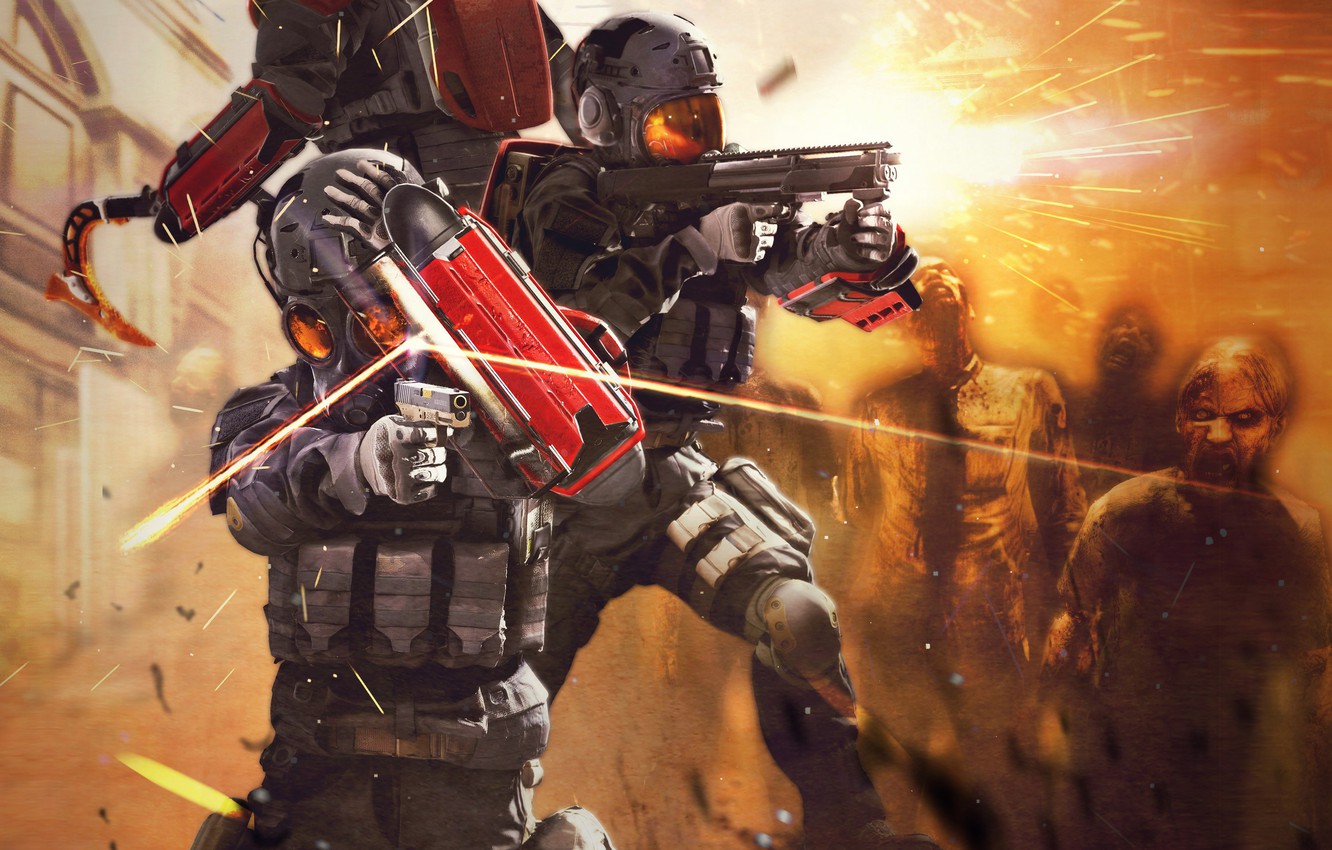
Capcom released this competitive shooter as a spinoff to the Resident Evil franchise. The gameplay was criticized for clumsy animations and maps that were too small for the chaotic action. The single-player content was virtually non-existent and relied on wave-based trials. It is widely considered one of the lowest points in the history of the brand.
‘Dead Island’ (2011)

The Steam release version was accidentally the developer build which included cheats and the ability to fly. Players could access debug menus and break the game progression easily. Deep Silver patched the correct version in quickly but the initial download caused confusion. The game was also criticized for having a tone that did not match the emotional announcement trailer.
‘Haze’ (2008)
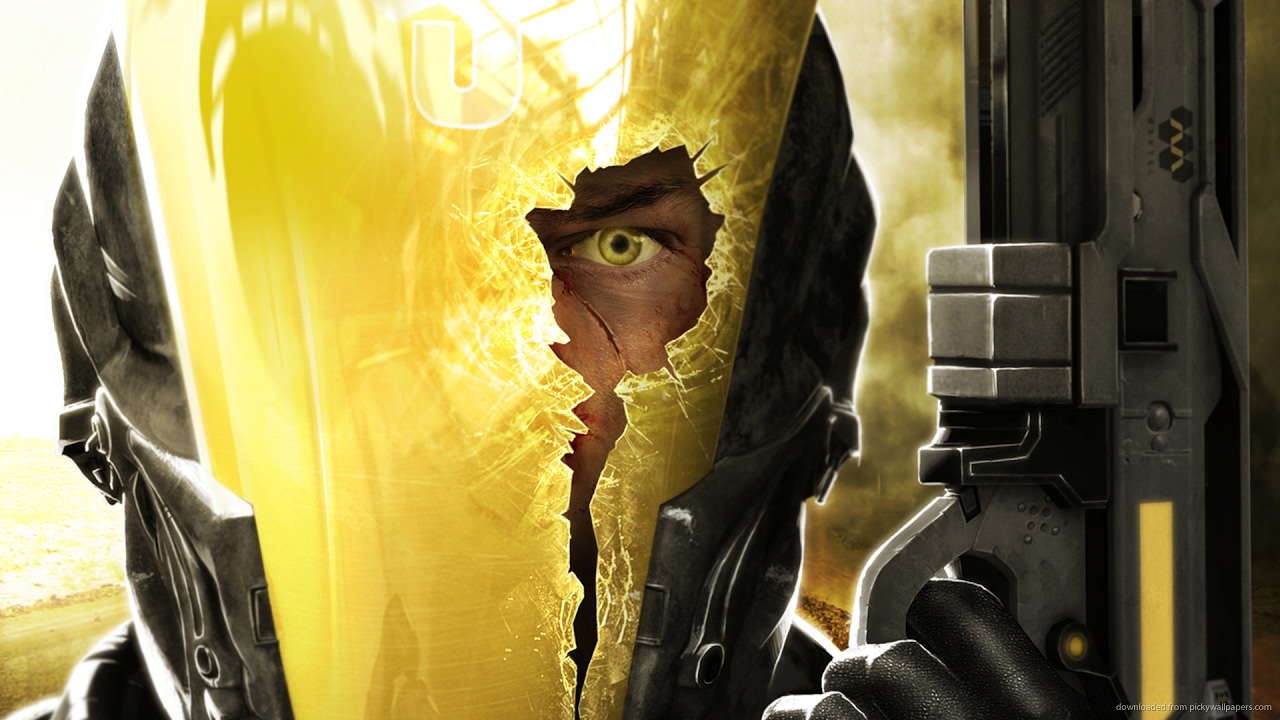
Ubisoft marketed this title as a “Halo killer” for the PlayStation 3. The story focused on a substance called Nectar but the gameplay mechanics surrounding it were underwhelming. The graphics were blurry and the artificial intelligence was notably lacking. The game failed to launch a new franchise and the developer closed down shortly after.
‘Total War: Rome II’ (2013)
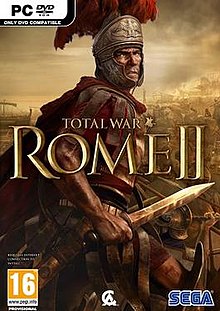
Creative Assembly released this strategy sequel with significant AI problems and graphical texture issues. Ships would sail over land and enemy armies would stand still while being attacked. The capture points in battles were criticized for forcing arcade-style gameplay in a simulation title. The developers worked for a year to fix the core issues and eventually released an “Emperor Edition” to replace the original.
Share your own experiences with gaming refunds and broken promises in the comments.