

Games That Got Review-Bombed for Modern Representation Changes

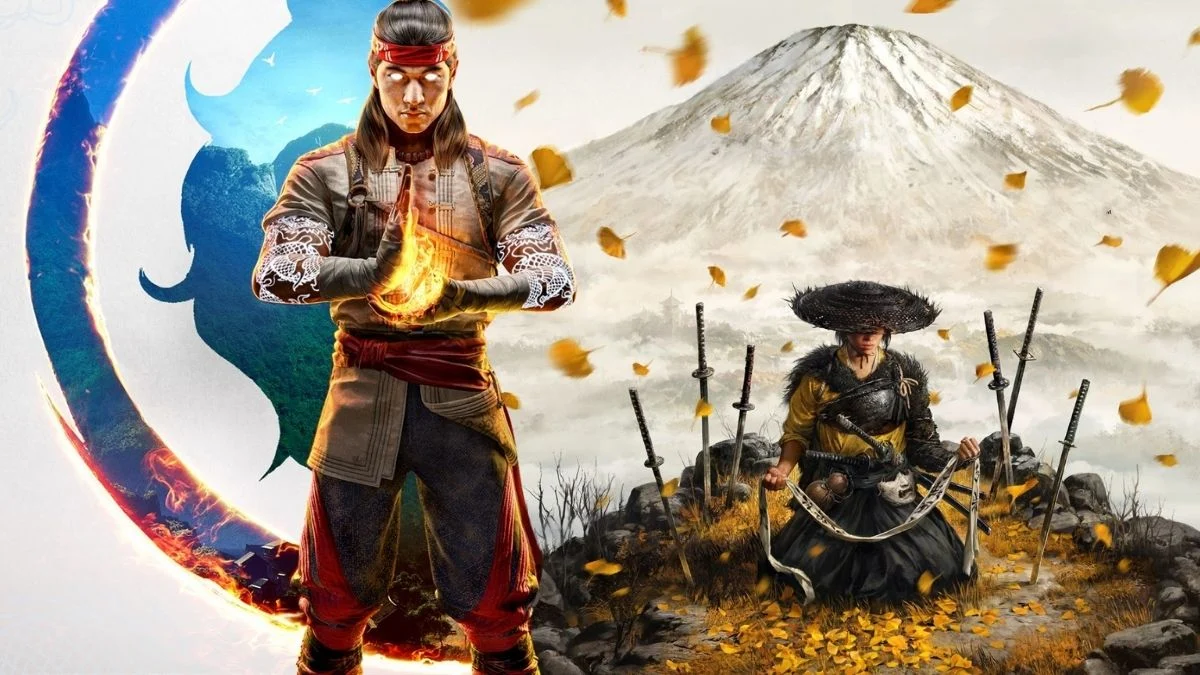


The video game industry has seen a significant increase in review bombing campaigns aimed at titles that introduce modern representation changes. These coordinated efforts often occur on user review platforms shortly after a game is revealed or launched. Players frequently target specific character designs or narrative choices that they perceive as being influenced by contemporary social movements. While some criticism focuses on gameplay or technical issues the majority of these instances revolve around cultural or political themes. This trend highlights a growing divide within the gaming community regarding the inclusion of diverse perspectives in digital entertainment.
‘The Last of Us Part II’ (2020)
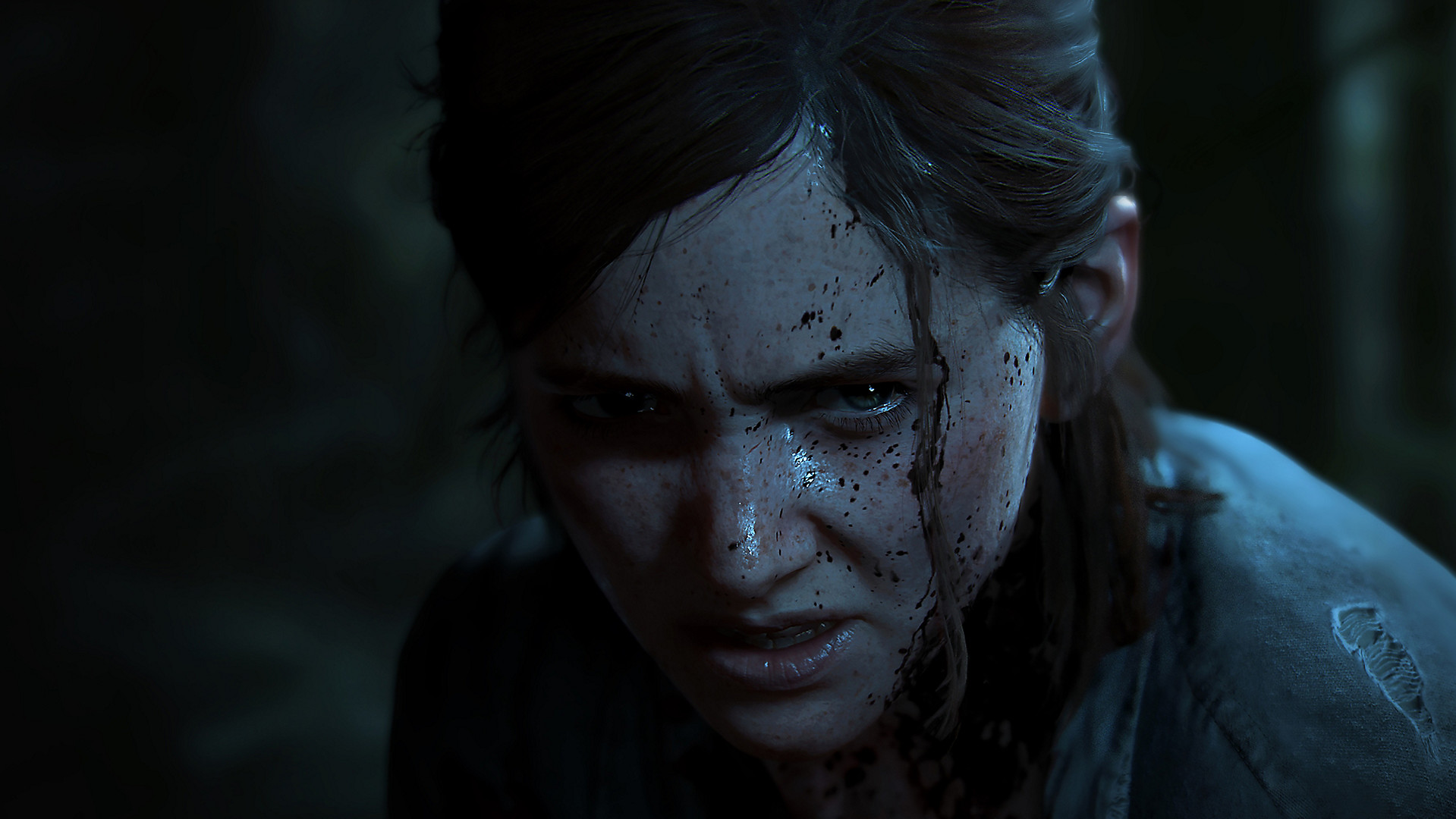
This sequel received an overwhelming amount of negative user reviews immediately upon its release. Much of the backlash focused on the character of Abby and her physical build which some users found unrealistic. Others were upset by the narrative direction involving the main characters and the prominent inclusion of diverse relationships. The game faced intense scrutiny on multiple platforms before many critics had even finished the campaign. It eventually became one of the most awarded titles in history despite the initial wave of negativity.
‘Horizon Forbidden West’ (2022)

The expansion for this title titled Burning Shores became a primary target for review bombing due to an optional romance choice. Players expressed their frustration with the protagonist Aloy being able to share a kiss with another female character. The user score on major review aggregators dropped significantly within hours of the expansion launch. This led to several platforms implementing stricter moderation policies for user reviews to combat bad faith submissions. Despite this the game was praised for its technical prowess and expanded gameplay mechanics.
‘Starfield’ (2023)
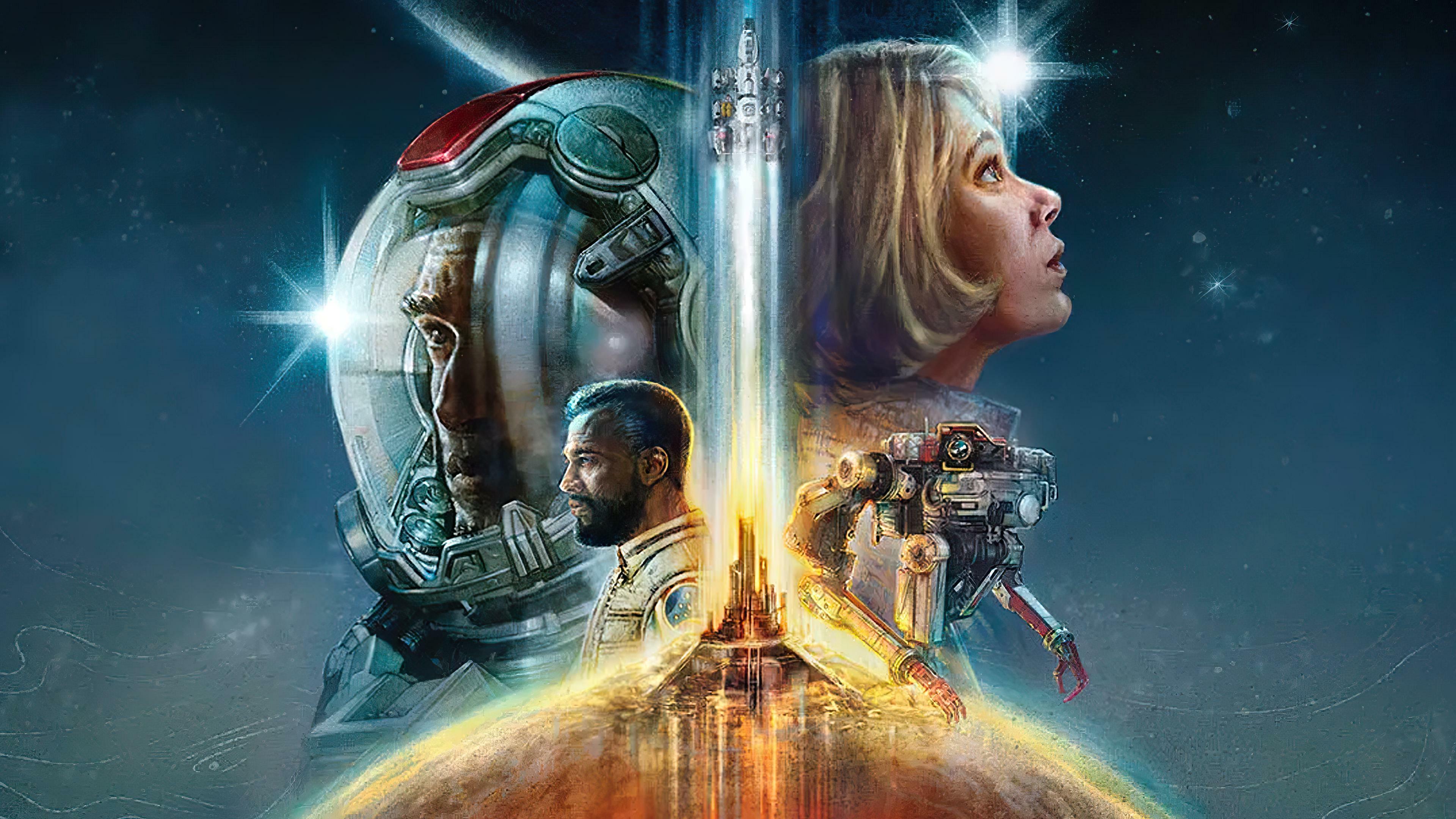
This massive science fiction epic faced criticism during its launch period for its character creation system. A vocal segment of the player base was unhappy with the inclusion of selectable pronouns for the custom protagonist. Some players also took issue with the presence of diverse characters throughout the settled systems. These factors led to a surge of negative scores that focused on the perceived political nature of the game. The developers defended the choices as part of their goal to make an inclusive role playing experience.
‘Battlefield V’ (2018)
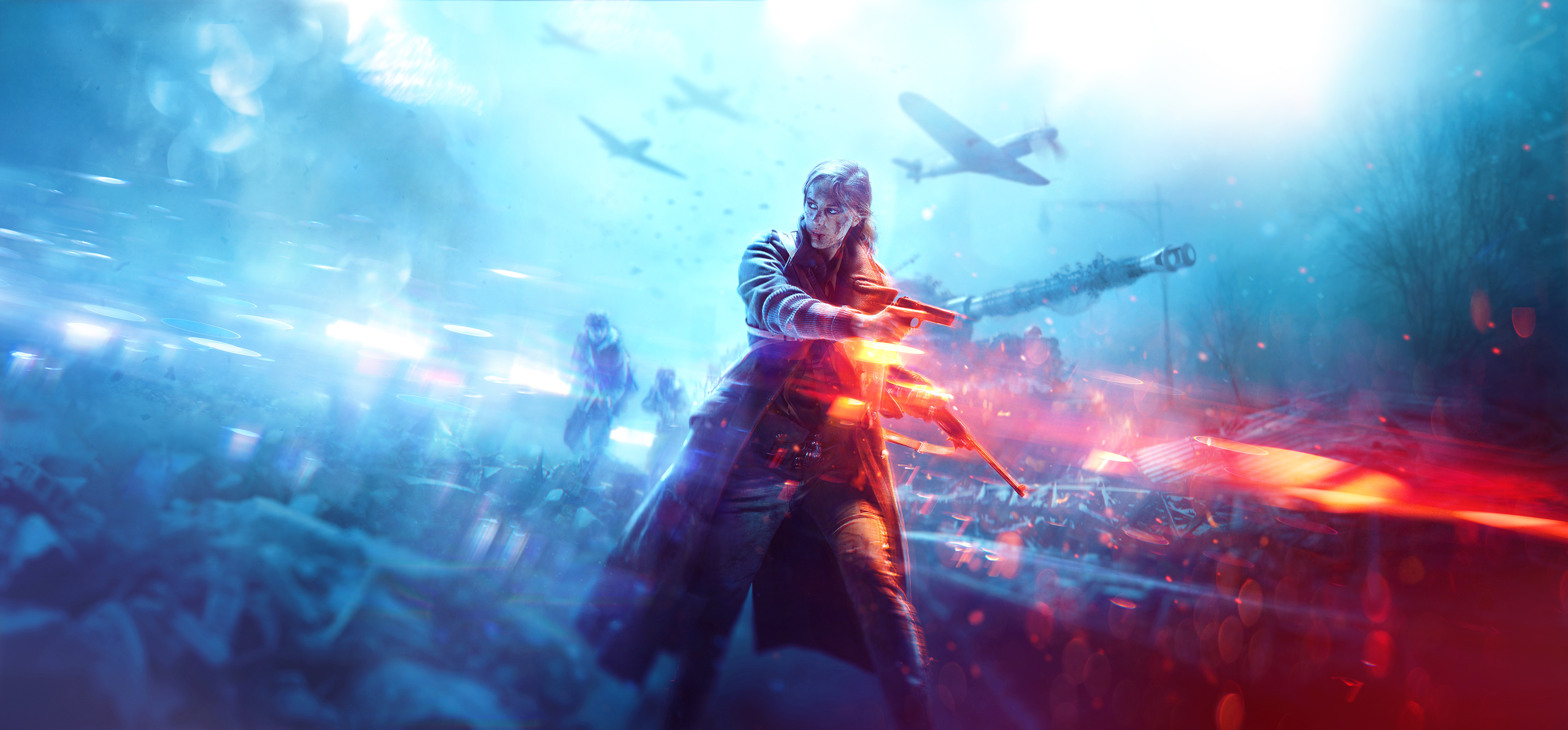
The initial reveal trailer for this historical shooter sparked a massive controversy among fans of the series. Many users were unhappy with the depiction of a female soldier with a prosthetic arm on the front lines of the conflict. The backlash intensified as the developers insisted that representation was a priority for the game. Review scores were subsequently targeted by those who felt the game was sacrificing historical accuracy for modern sensibilities. The project remains a central point of discussion in debates about realism versus representation in war games.
‘Assassin’s Creed Shadows’ (2025)
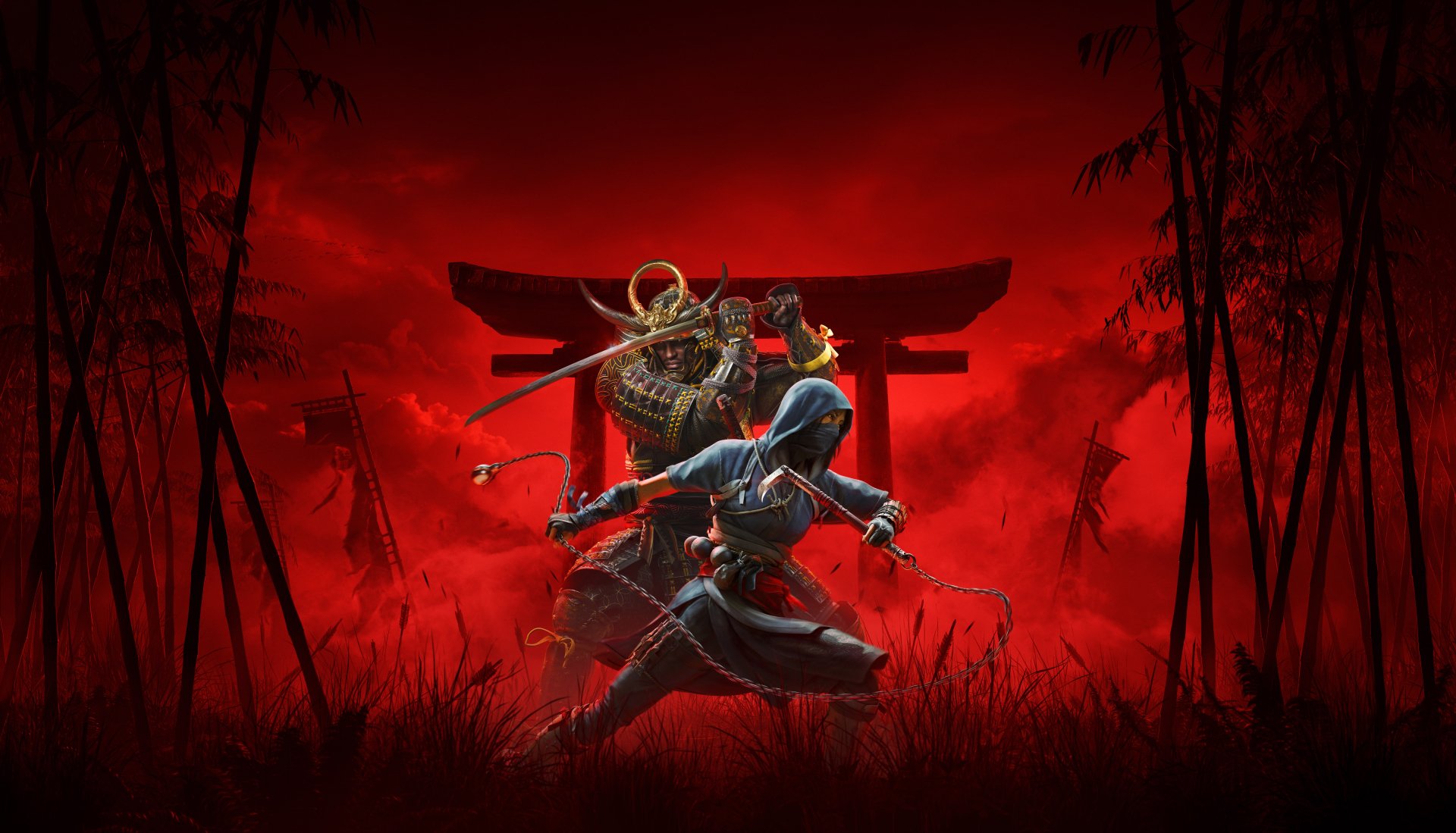
This title set in feudal Japan faced a wave of negative attention long before its actual launch. The decision to feature Yasuke as a playable protagonist sparked intense debate regarding his historical role as a samurai. Many users targeted the game with low ratings on trailers and social media platforms to protest the creative direction. Critics of the game argued that the choice was an example of modern diversity quotas being applied to historical settings. The developer issued statements clarifying their intent to blend historical fact with fictional elements.
‘Dragon Age The Veilguard’ (2024)
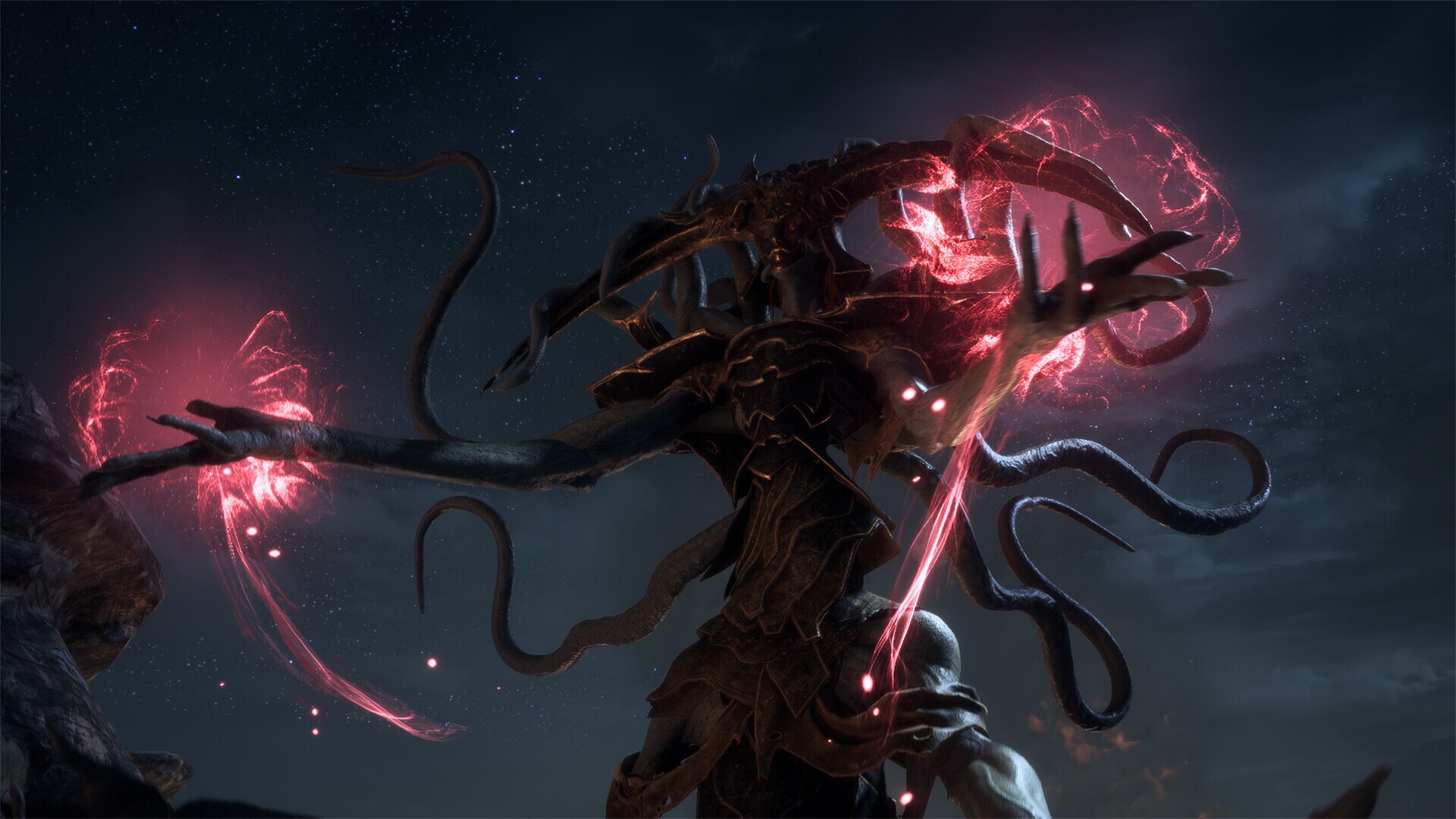
This fantasy role playing game was targeted by review bombers for its expanded character creator and dialogue options. Users criticized the inclusion of gender identity choices and the ability to discuss these topics with companions. The game saw a massive influx of zero ratings on user score sites within the first week of release. Many of these reviews cited a dislike for the inclusive themes rather than the technical quality of the game. It remains one of the most talked about examples of modern representation in the genre.
‘Marvels Spider Man 2’ (2023)
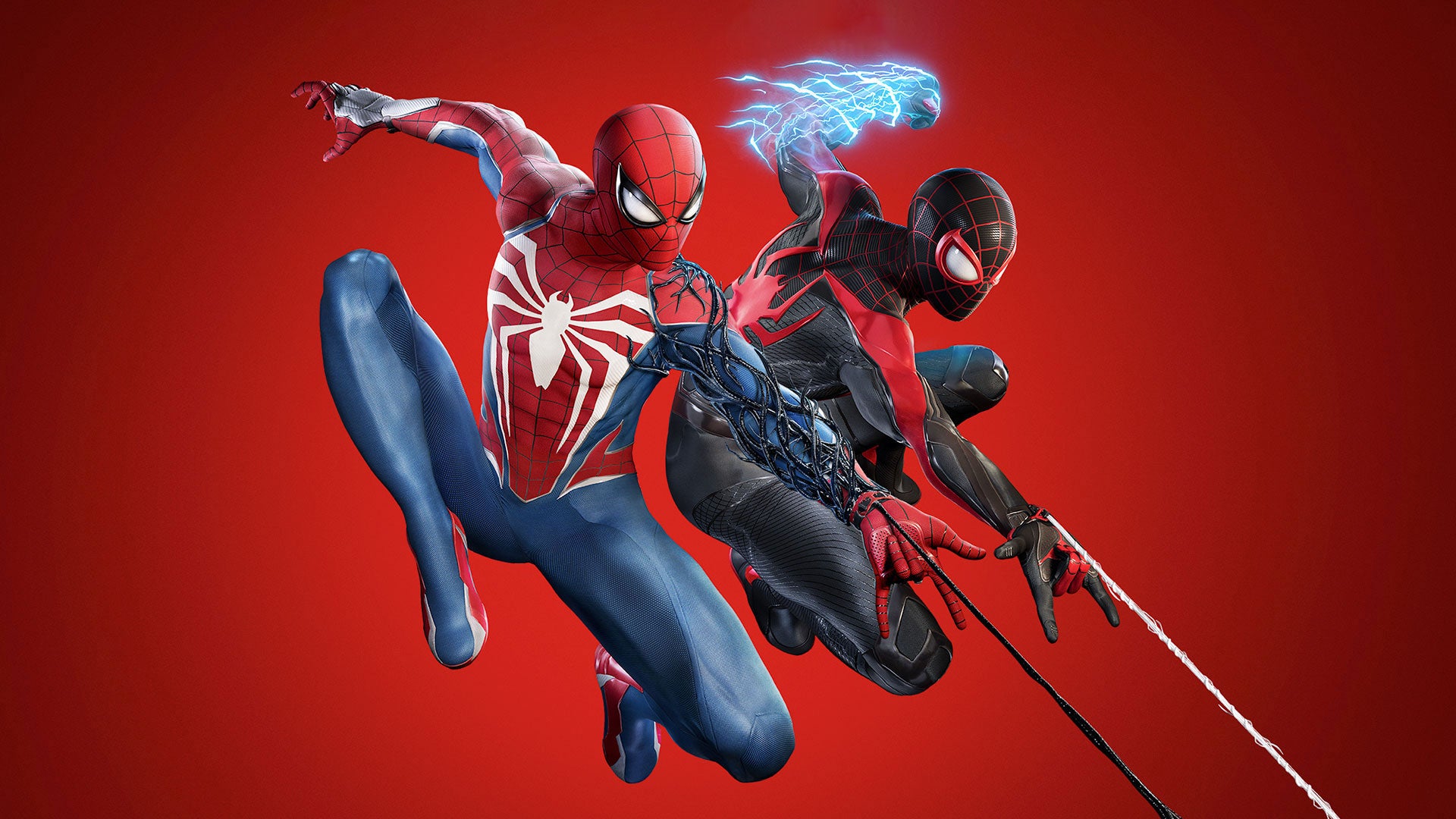
This superhero sequel faced criticism for several specific missions and character design changes. Some players were unhappy with a side mission that featured a deaf character and the use of American Sign Language. Others review bombed the game because of the updated facial model for Mary Jane Watson which they claimed was a downgrade. There was also pushback against the inclusion of diverse flags and symbols throughout the virtual New York City. Despite these complaints the game was a massive commercial success for the studio.
‘Suicide Squad Kill the Justice League’ (2024)
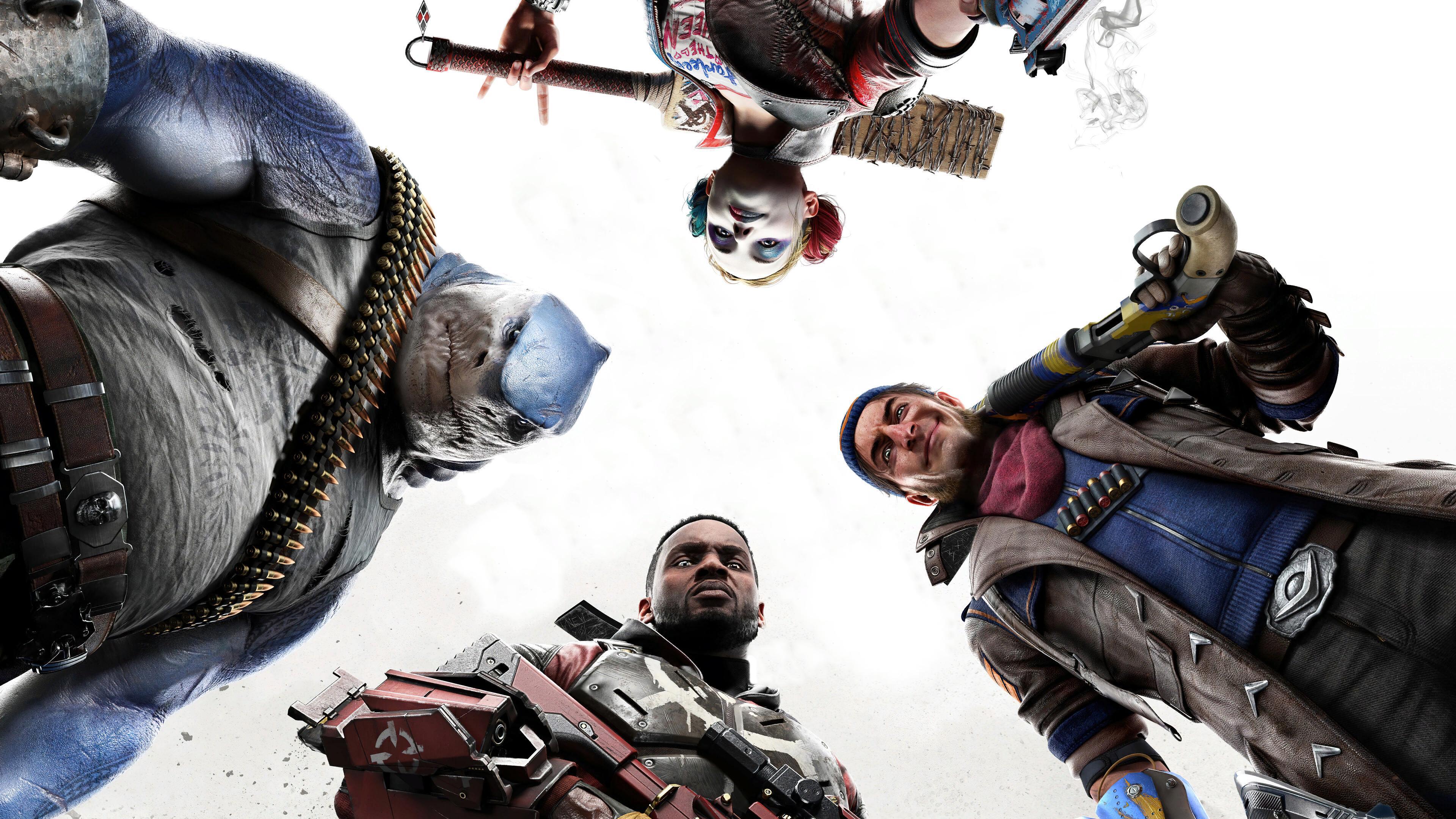
This live service title became a focal point for players who were unhappy with the involvement of external consulting firms. Many negative reviews focused on the narrative treatment of iconic heroes and the diverse cast of the squad. The discourse surrounding the game often linked its perceived flaws to a focus on social representation over gameplay. This led to a sustained campaign of low user scores that impacted its overall rating on digital storefronts. The game struggled to maintain a consistent player base following these controversies.
‘Saints Row’ (2022)
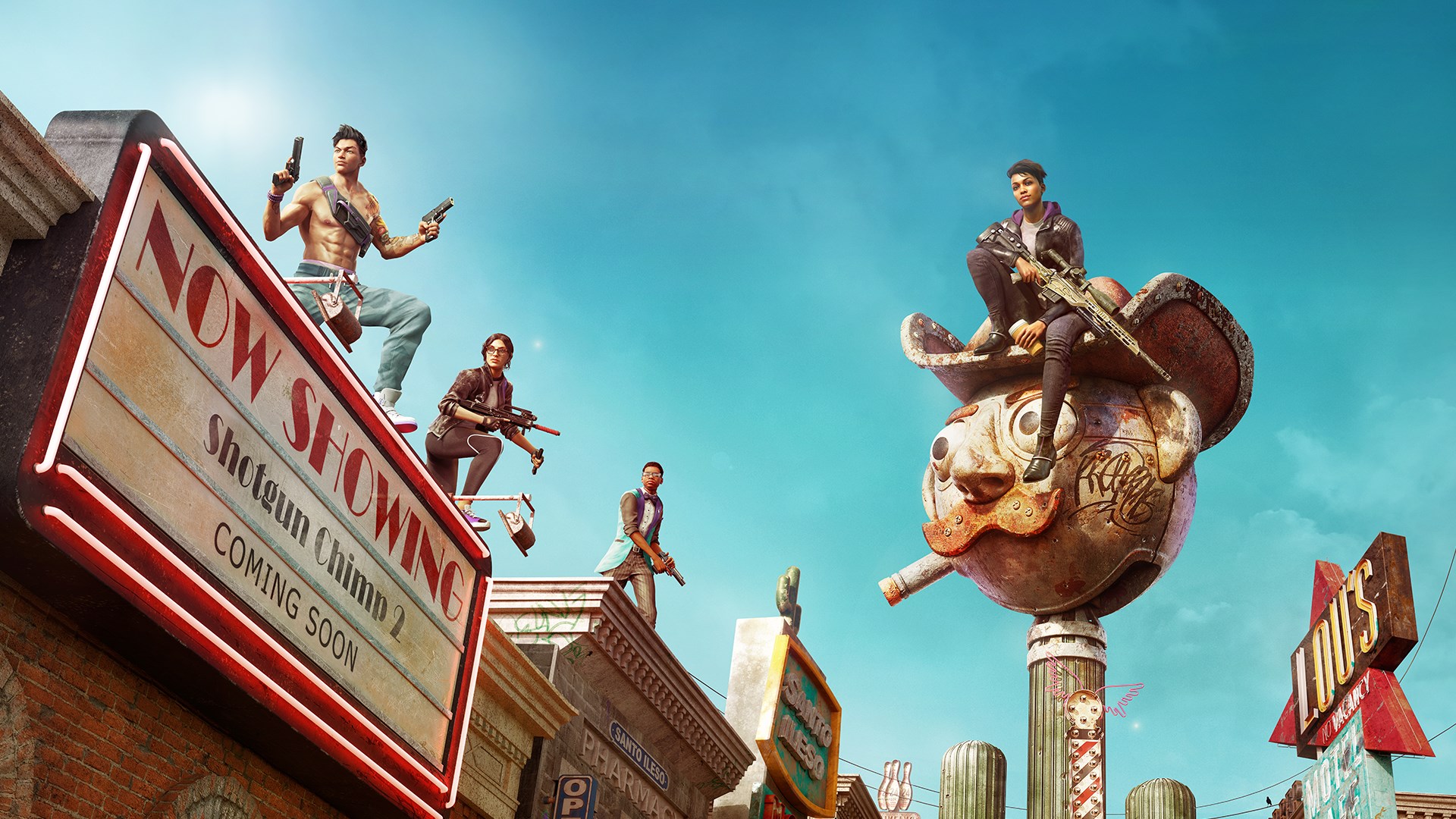
The reboot of this open world franchise was met with immediate resistance due to its new cast of characters. Fans of the original series felt the new protagonists were too focused on millennial culture and modern social issues. Review bombers targeted the game for moving away from the gritty and irreverent tone of previous entries. The backlash focused on the perceived softening of the franchise to appeal to a broader and more diverse audience. Ultimately the game failed to meet sales expectations and led to the closure of the studio.
‘Concord’ (2024)
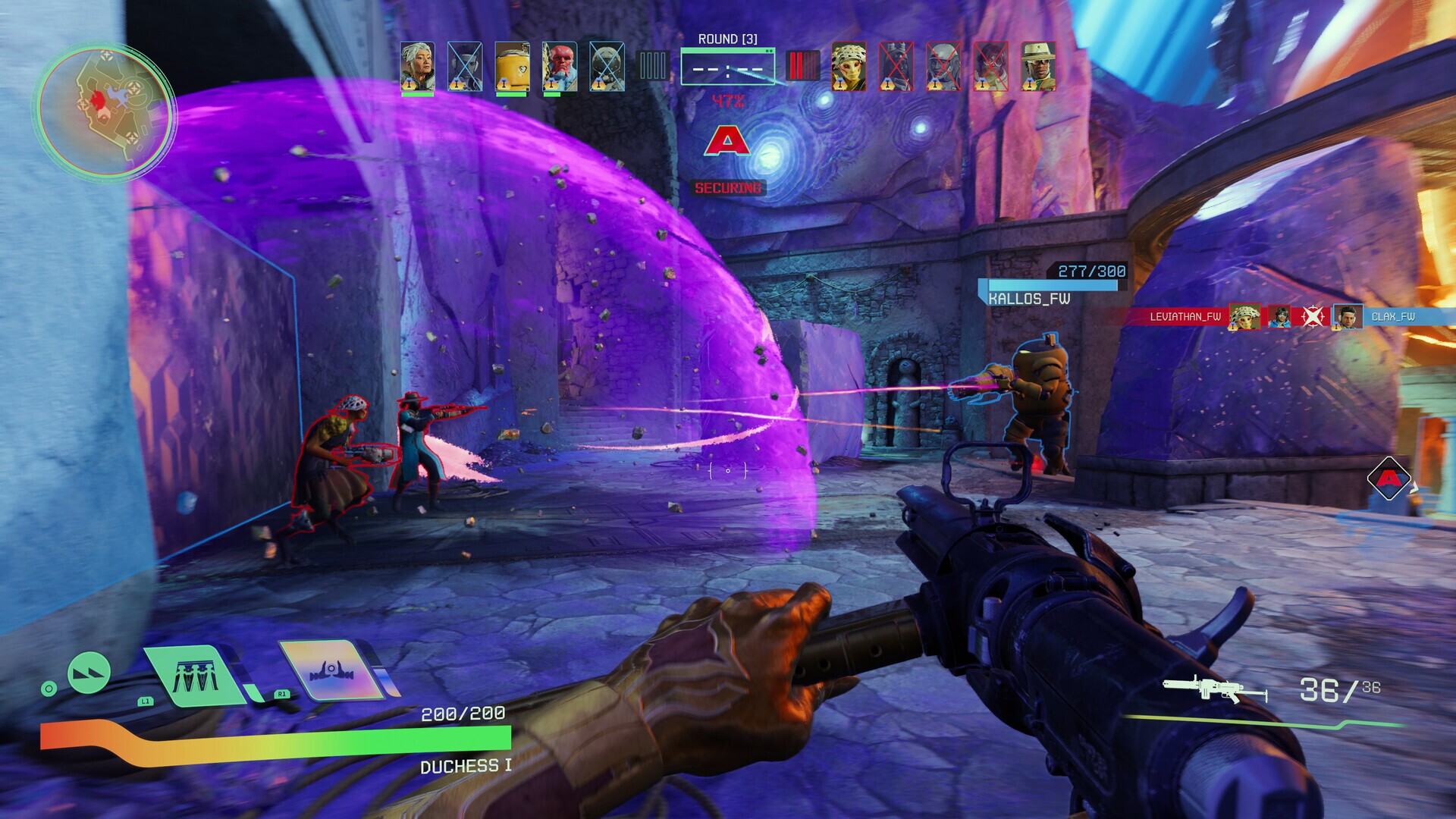
This hero shooter was review bombed shortly after its reveal due to its character designs and perceived focus on diversity. Many users felt the cast was designed specifically to meet modern representation standards at the expense of aesthetic appeal. The game faced a difficult launch with low player numbers and a flood of negative comments on social media. Critics of the design choices argued that the game lacked the distinct personality of its competitors. It was eventually taken offline by the publisher just weeks after its debut.
‘Alan Wake 2’ (2023)

This psychological horror sequel introduced a new playable protagonist named Saga Anderson who is a Black woman. Some players who remembered her as white in early teasers or related media review bombed the game for the change. The backlash focused on the idea that the character was changed to fit modern diversity requirements. Despite the online noise the game received critical acclaim for its innovative storytelling and atmospheric world. It went on to win several high profile awards for its narrative and art direction.
‘Dead Space’ (2023)
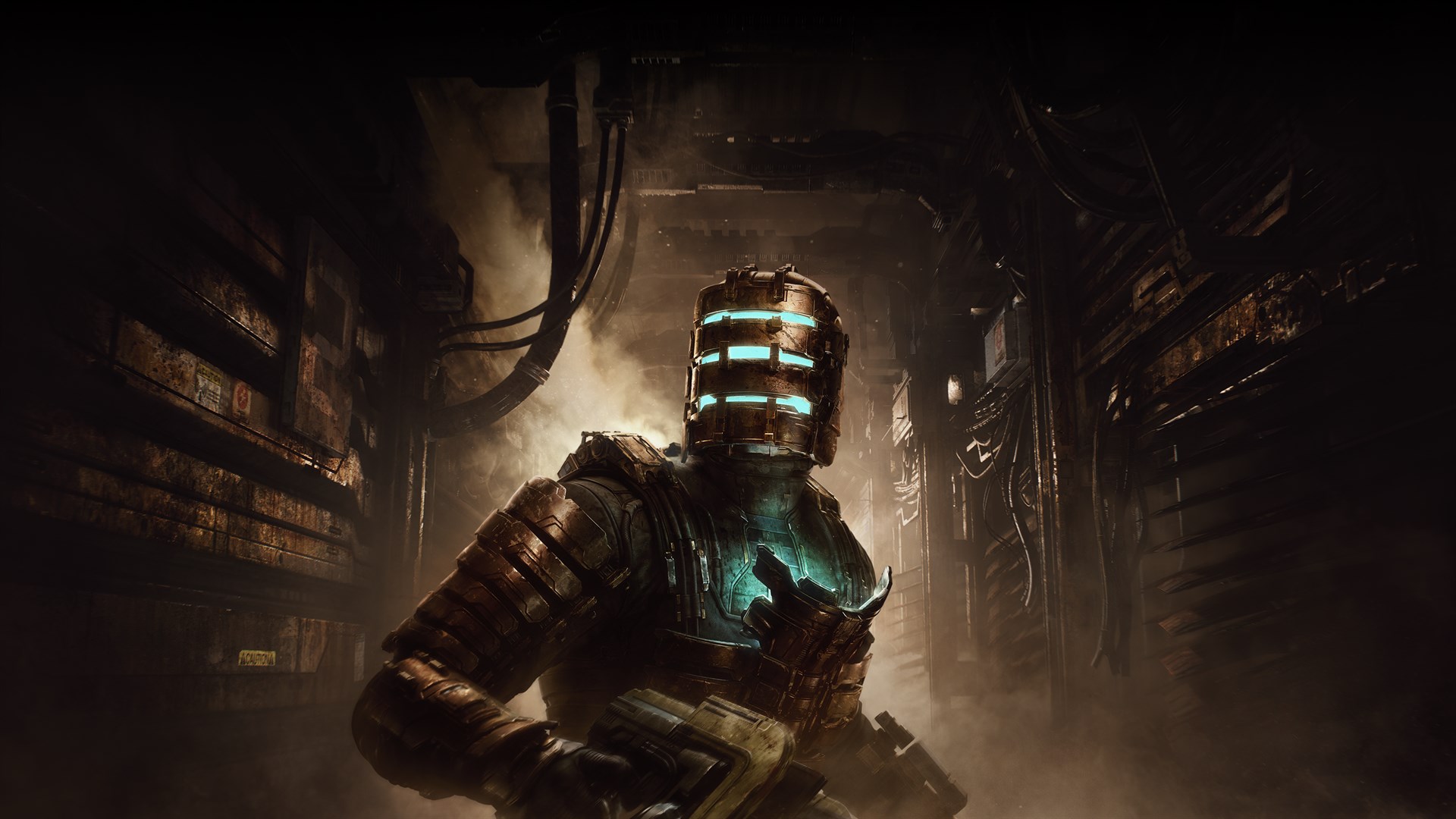
The remake of this classic horror game faced a surprising amount of negative feedback regarding minor environmental and character changes. Review bombers targeted the game for adding gender neutral bathrooms to the ship and changing the ages of certain characters. Some fans felt these adjustments were unnecessary additions that reflected modern sensibilities rather than the original vision. The core gameplay and technical improvements were often overlooked in these heated online discussions. However the game was still considered a successful modernization of the original title.
‘Silent Hill 2’ (2024)
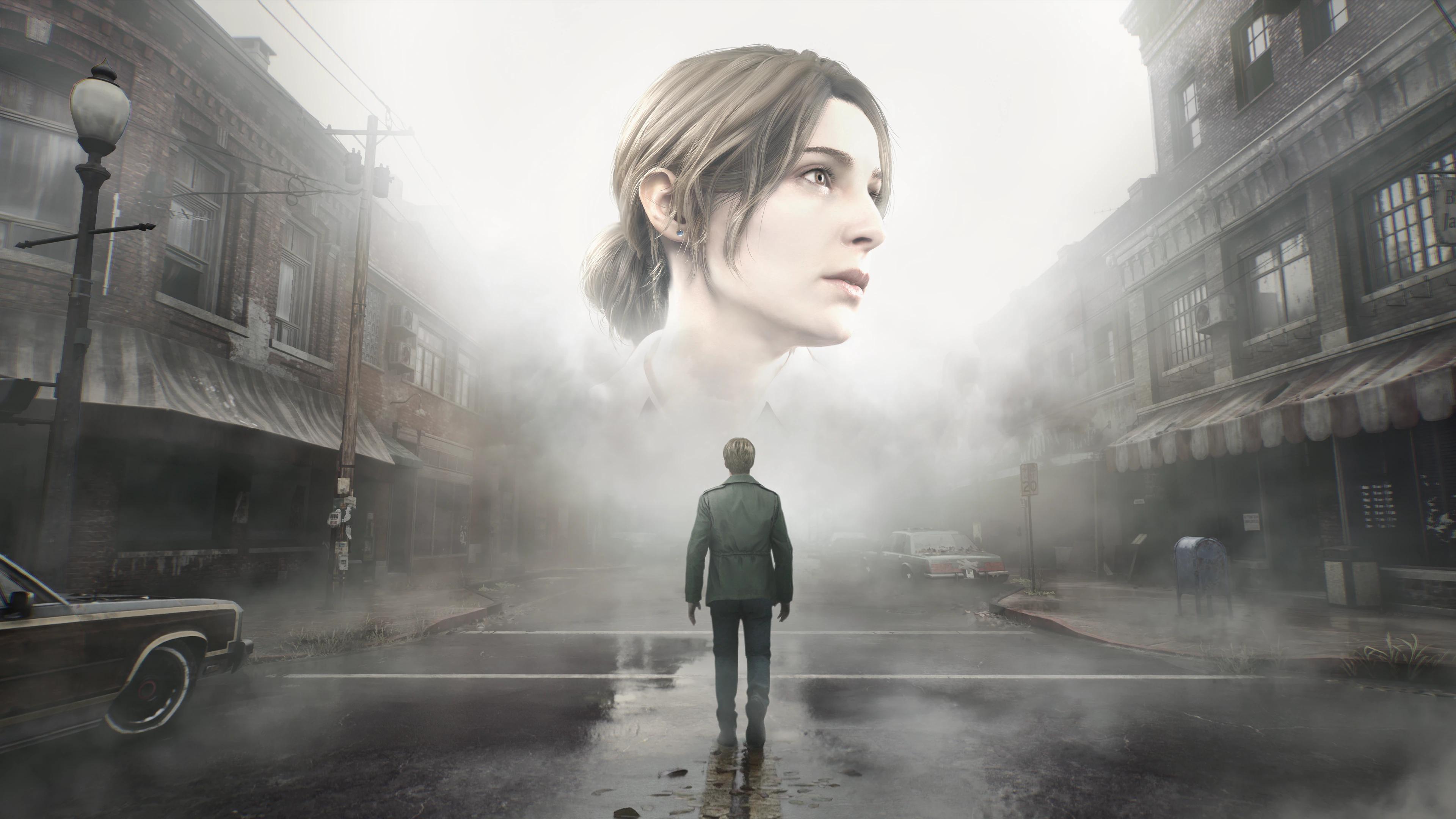
This highly anticipated remake was met with skepticism and review bombing campaigns regarding the appearance of its characters. Players targeted the updated designs of Angela and Maria claiming they were altered to be less attractive or more modest. Rumors about the involvement of consulting firms fueled the negative sentiment on user review sites. These critics argued that the changes ignored the symbolic importance of the original character designs. The game still managed to find an audience among those looking for a modern take on the horror classic.
‘Star Wars Outlaws’ (2024)
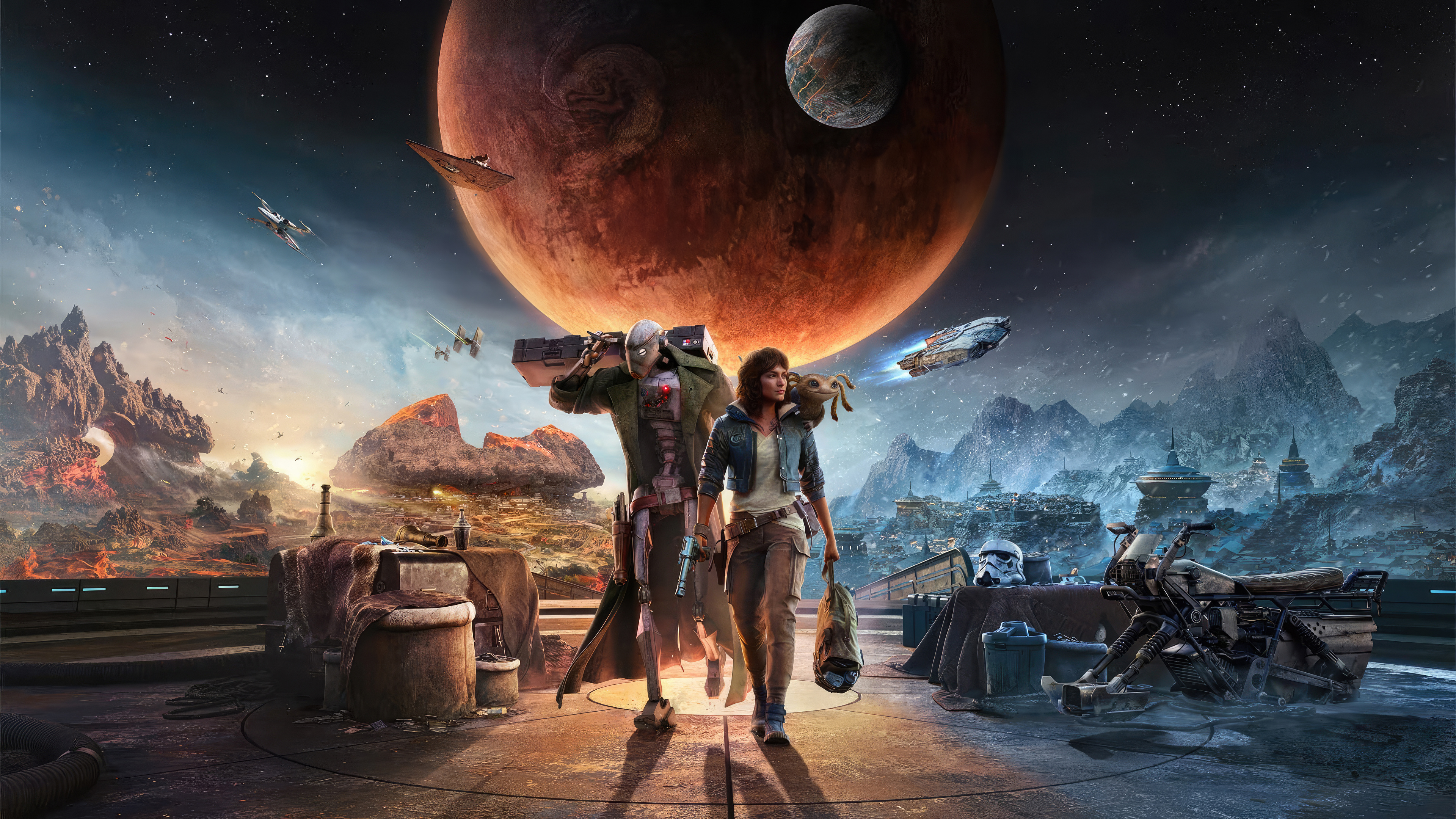
This open world adventure faced a wave of review bombing centered on the appearance of its lead character Kay Vess. Some users complained that the protagonist was intentionally designed to be less traditionally attractive than previous female characters in the franchise. The discourse often expanded into broader criticisms of how modern games handle female representation. Negative scores were posted to various aggregators to protest the perceived influence of social agendas on the game. Despite this the title offered a detailed look at the criminal underworld of the galaxy.
‘Fable’ (2025)
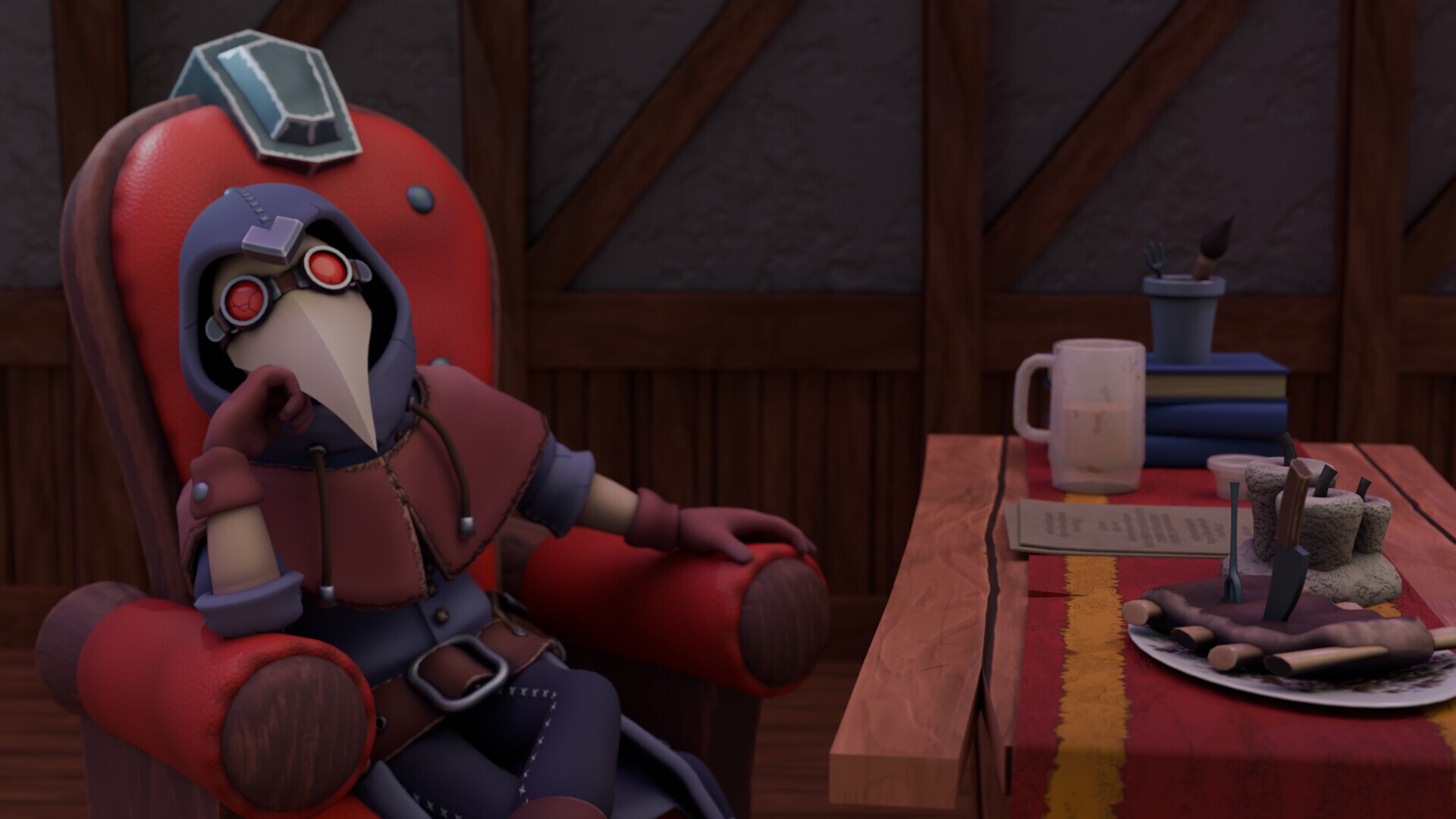
The revival of this beloved fantasy series faced early backlash following its first cinematic trailers. Review bombers focused their efforts on the appearance of the female protagonist shown in the footage. Many users argued that the character design did not meet their expectations for a lead hero in a high budget game. This sparked a larger debate about realism and beauty standards in modern character creation. The developers continued to focus on the whimsical and British humor that the series is known for.
‘Ghost of Yotei’ (2025)

This follow up to a popular samurai title features a new female protagonist set in a different historical era. The reveal of the lead character led to a wave of online debate regarding the shift away from the original hero. Some fans expressed their dissatisfaction with the casting of the lead actor due to their personal political stances. Review bombing occurred on social media and discussion forums before the game was even available for purchase. The studio maintained that the new setting and character were essential for the evolution of the series.
‘Dustborn’ (2024)
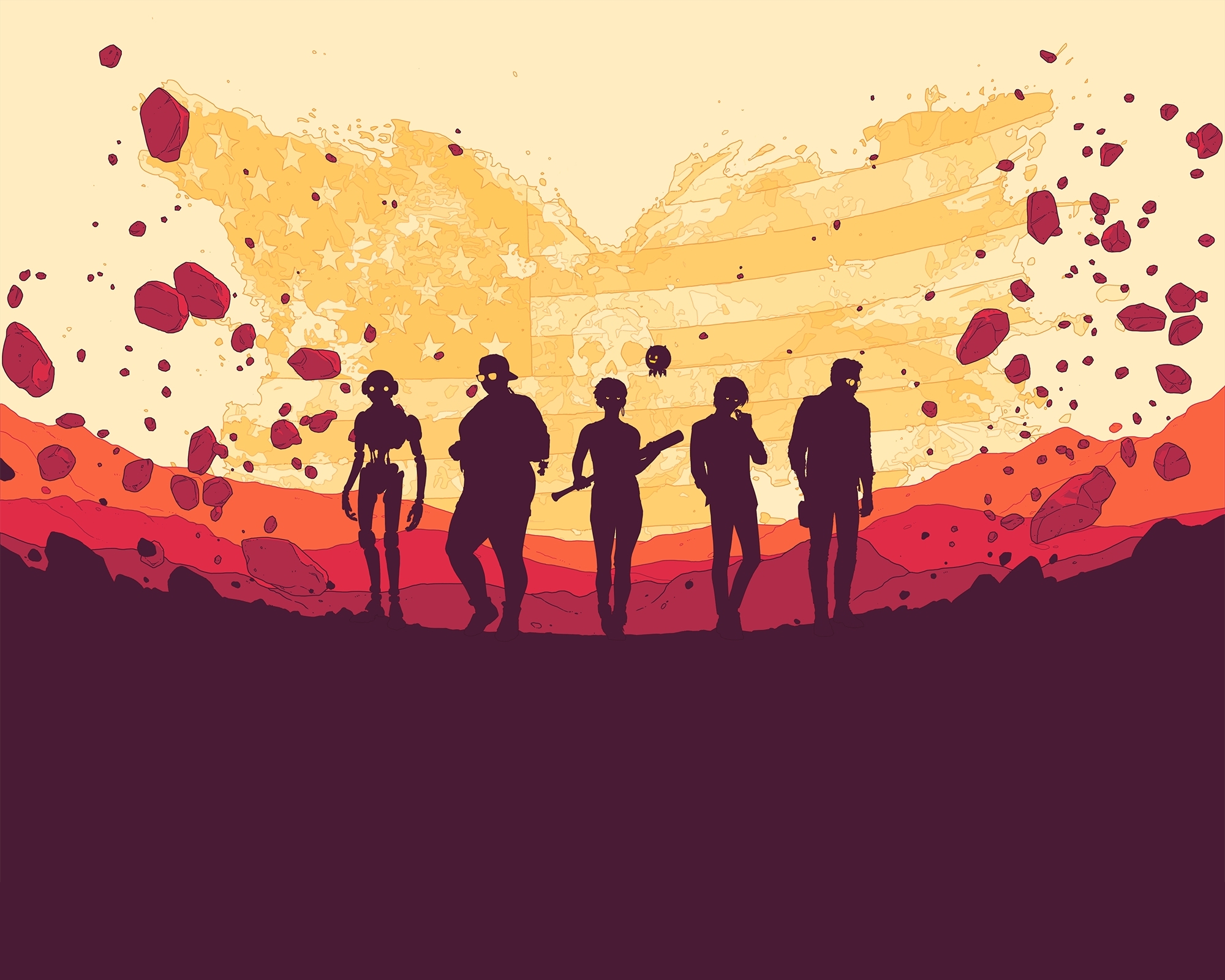
‘Dustborn’ is an action adventure game that features a heavy emphasis on dialogue and social interaction. It became a significant target for negative reviews due to its explicit political themes and diverse cast of characters. Many users criticized the game for what they felt was a heavy handed approach to social issues. The mechanics of using words as weapons also drew a polarized response from the gaming community. This title faced a coordinated effort to lower its user score across various digital storefronts.
‘The Sims 4’ (2014)
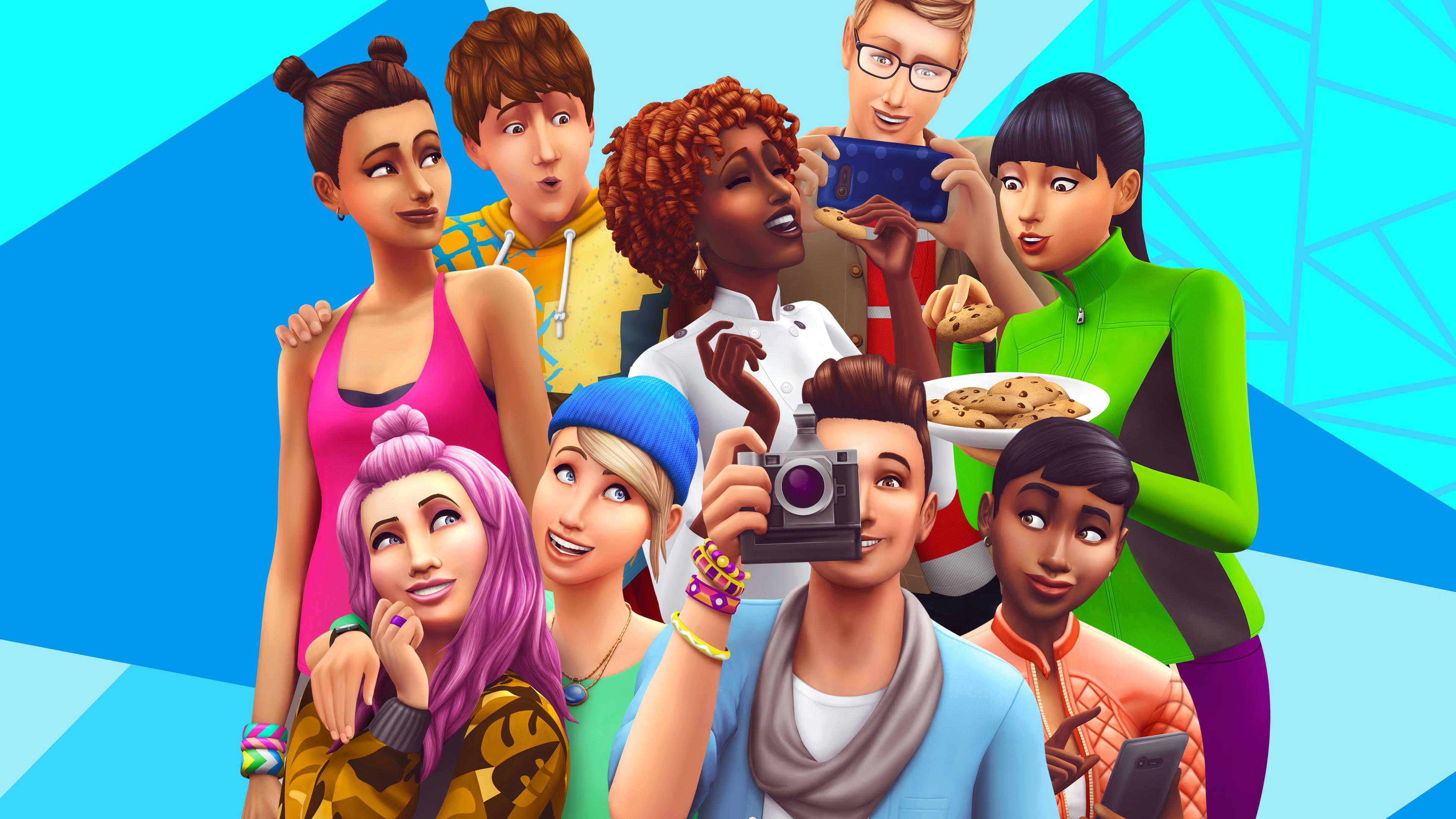
While this game is over a decade old it continues to face review bombing for its frequent updates regarding representation. Recent additions of medical wearables top surgery scars and vitiligo options sparked backlash from some segments of the community. These users argued that the developers were focusing too much on social representation instead of fixing long standing bugs. The game remains a leader in the life simulation genre despite these recurring waves of negative feedback. Its commitment to diversity has made it a central point of discussion in the community.
‘Baldur’s Gate 3’ (2023)
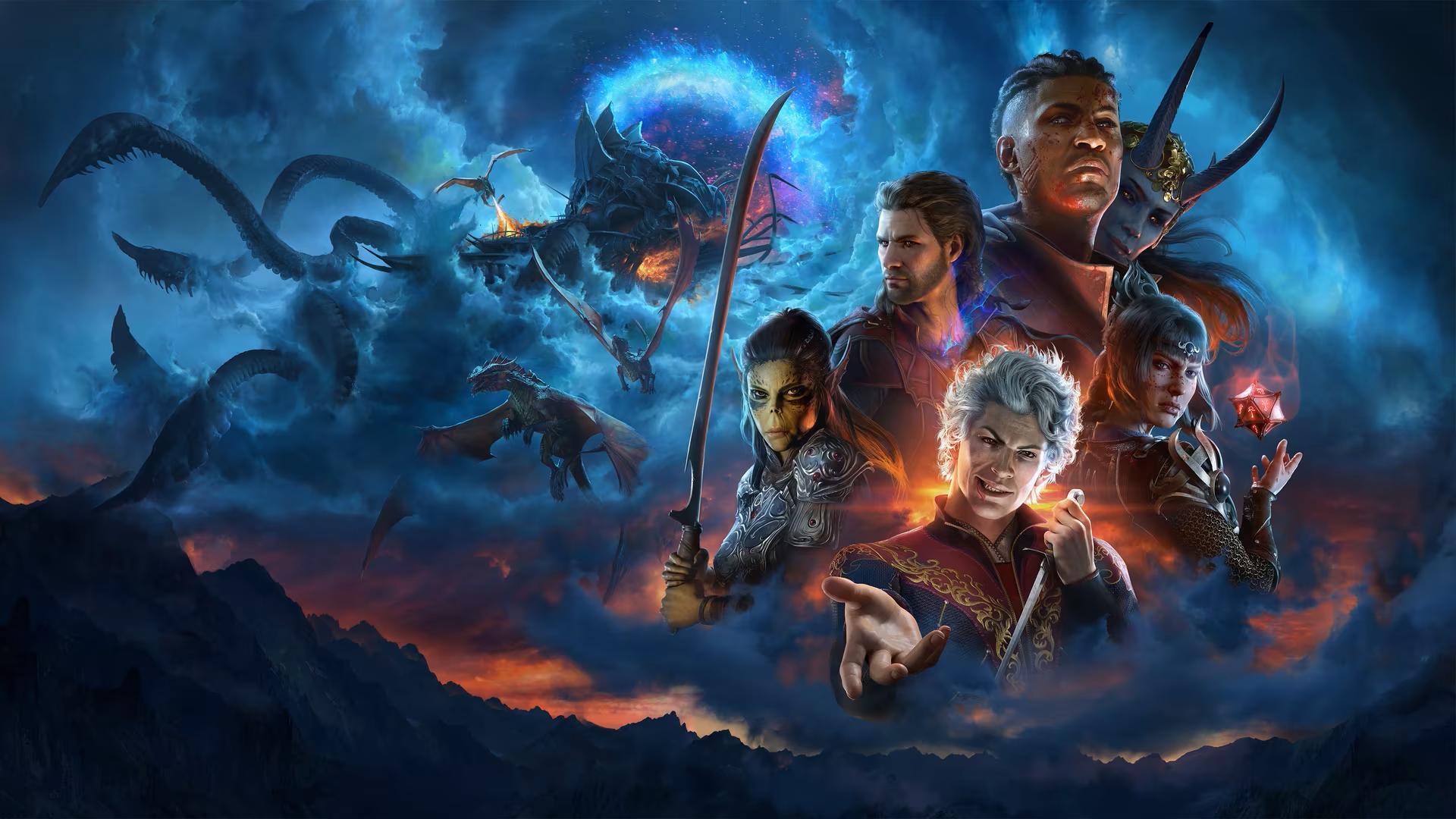
This massive role playing game was generally praised but did face instances of review bombing for its fluid approach to romance and gender. Some users were unhappy that all companions were available for romance regardless of the player character gender. Others targeted the game for the inclusion of diverse identities and the ability to customize primary characteristics. These negative reviews were often drowned out by the overwhelming critical and commercial success of the game. It is now cited as a benchmark for how to handle deep player choice and representation.
‘Hades II’ (2024)

The sequel to the acclaimed indie hit faced some criticism and low scores for its character designs. Some players felt that the new protagonist and supporting gods were designed to emphasize diversity over classical mythological accuracy. This led to several threads on user review platforms where players expressed their frustration with the aesthetic direction. The developers continued to iterate on the game through early access while maintaining their creative vision. The title remains highly rated among fans of the roguelike genre despite these specific complaints.
‘Forspoken’ (2023)

This action title featuring a young woman transported to a fantasy world faced intense scrutiny from its first trailer. Much of the negative feedback focused on the dialogue and the personality of the protagonist Frey Holland. Review bombers often targeted the game for what they perceived as an unlikable lead character who represented modern tropes. The discourse around the game became heavily polarized with many focusing on her race and gender as points of contention. The game struggled to find a solid footing in a crowded market after its release.
‘Unknown 9 Awakening’ (2024)

This project was targeted by review bombers due to its focus on a diverse lead character and cultural themes. Many users cited the involvement of consulting firms as a reason for their negative scores. The game faced a wave of low ratings that focused on its narrative choices and character designs. These critics argued that the game was more interested in representation than providing a compelling gameplay experience. It became another example of how consulting involvement can trigger pre-emptive backlash in the gaming world.
‘Flintlock The Siege of Dawn’ (2024)
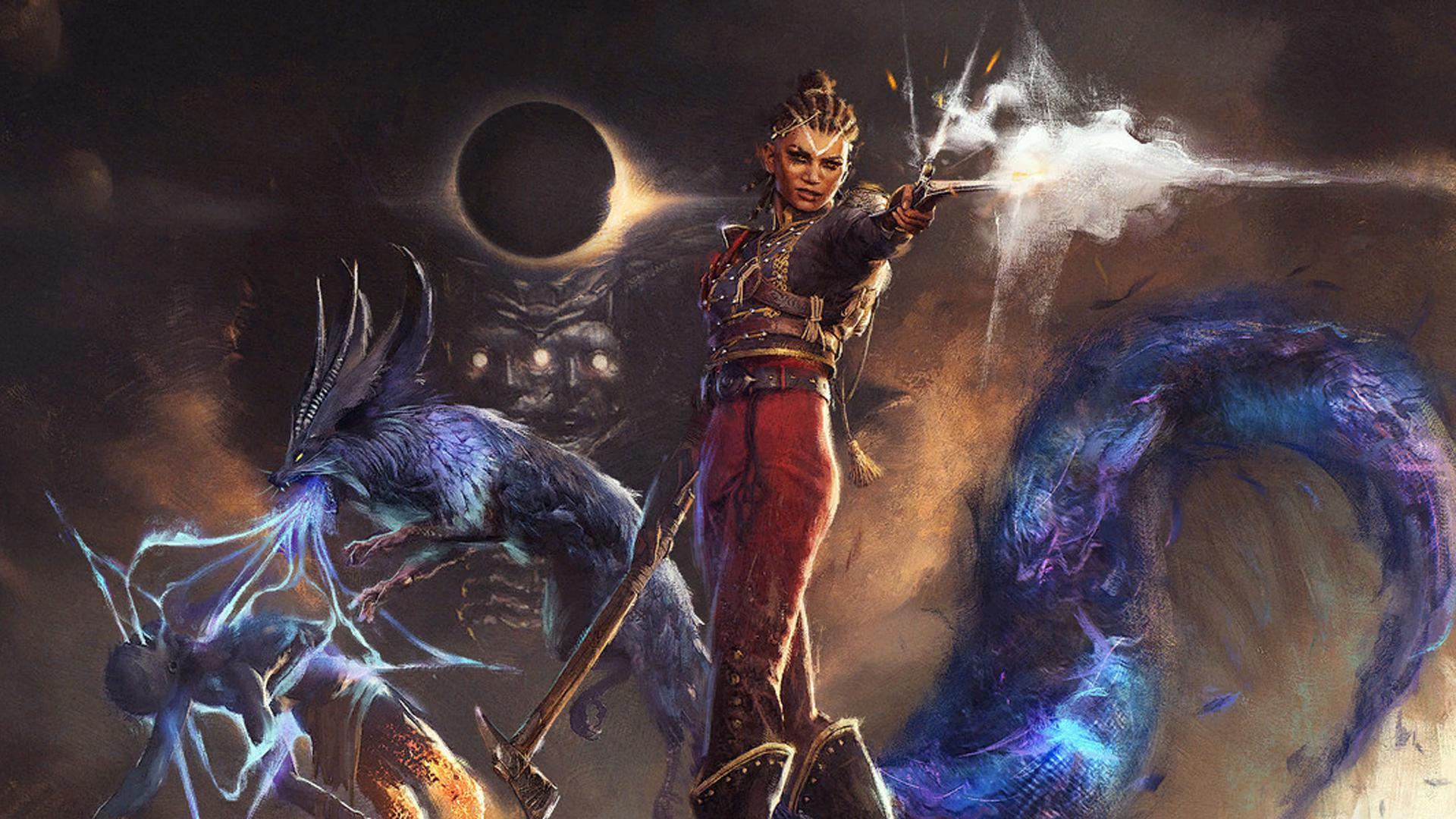
This action adventure game was another title that faced backlash for its character design and narrative focus. Review bombers often pointed to the protagonist as a reason for their low scores claiming she was a product of modern diversity mandates. The game was targeted by groups who monitor the involvement of specific consulting firms in the industry. These users argued that the game felt less authentic due to these perceived influences. Despite the noise the game offered a blend of magic and gunpowder combat.
‘Life is Strange True Colors’ (2021)
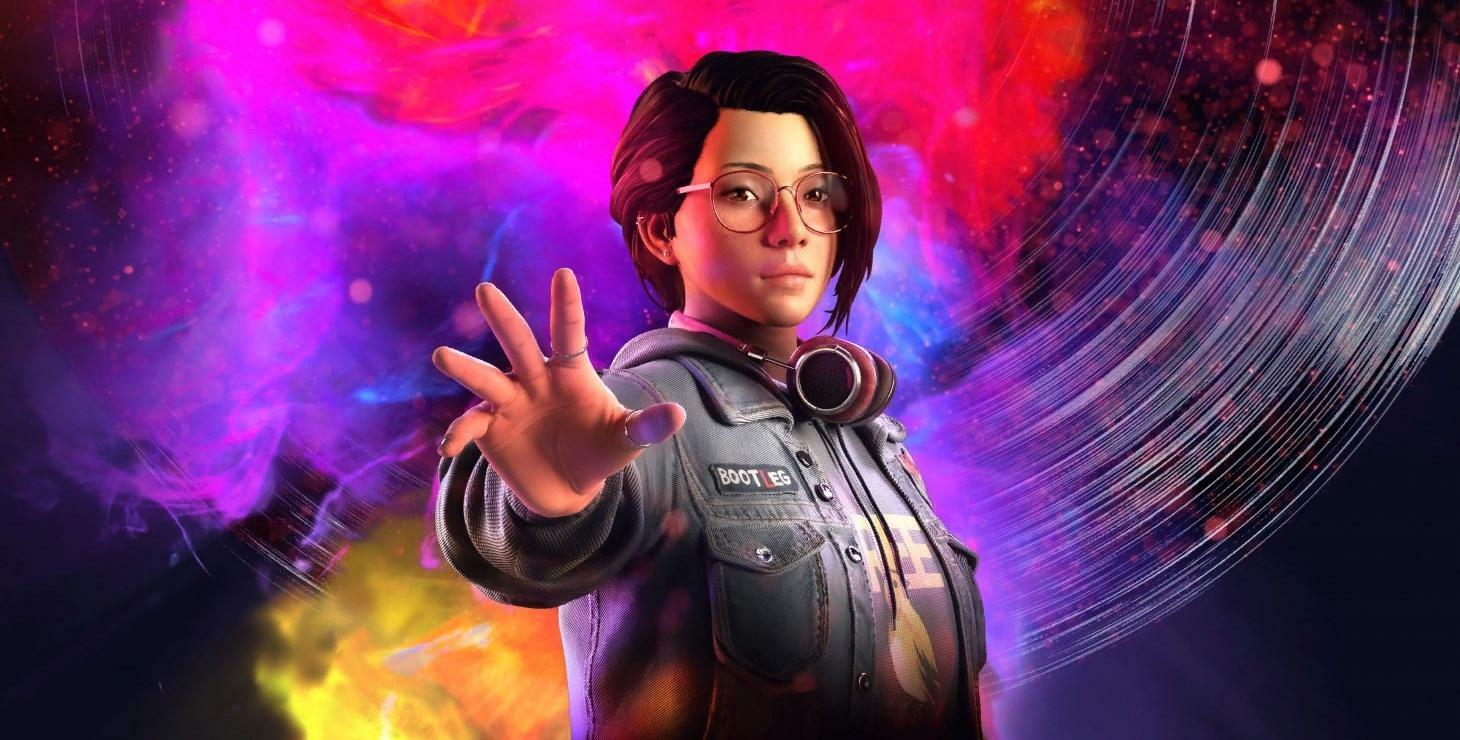
This narrative adventure game faced a unique form of review bombing shortly after its launch. Many negative reviews came from Chinese players who were upset by the inclusion of a Tibetan flag in the game world. These users saw the flag as a political statement and flooded the platform with low scores. The developers and publishers had to navigate a complex geopolitical situation while maintaining the integrity of the game. Outside of this specific controversy the title was praised for its emotional storytelling and diverse cast.
‘Tell Me Why’ (2020)

This game from the creators of ‘Life is Strange’ was the first major studio title to feature a transgender protagonist. It received a wave of negative user reviews from people who were unhappy with the focus on LGBTQ+ themes. Many of these reviews focused on the identity of the characters rather than the quality of the mystery or the gameplay. The developers were transparent about their goals for representation throughout the production of the game. It remains a landmark title for those looking for nuanced portrayals of diverse identities.
‘Goodbye Volcano High’ (2023)
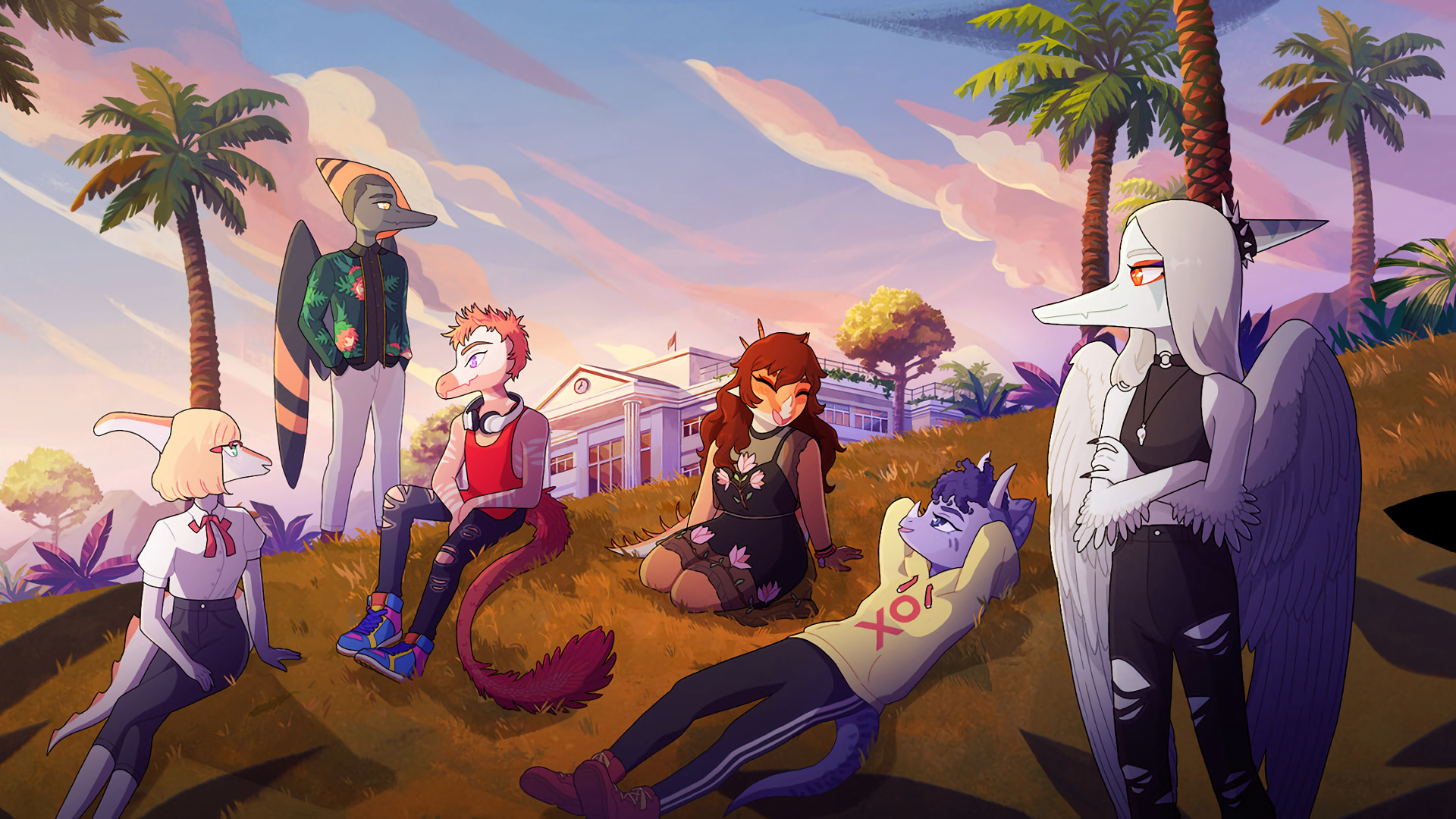
This narrative game about anthropomorphic dinosaurs faced years of online harassment and review bombing. The queer themes and art style were the primary targets for users who felt the game represented a specific social agenda. Many of the negative reviews were posted by individuals who had followed the project specifically to mock its development. When the game finally launched it received a polarized response on user review sites. The developers focused on telling a personal story about growing up and facing the end of the world.
‘Mortal Kombat 1’ (2023)
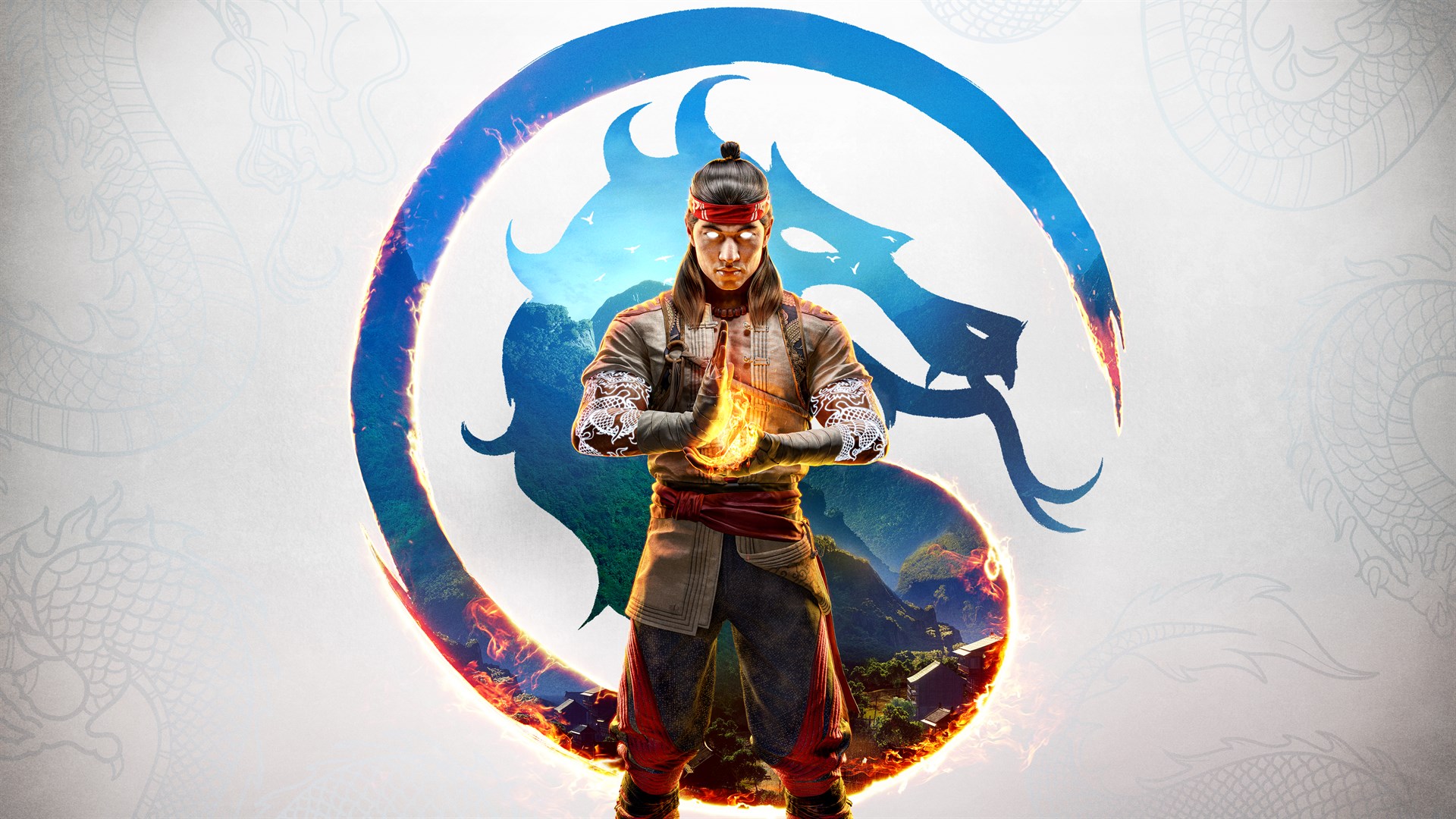
The long running fighting game franchise saw some backlash for its character redesigns in the latest entry. Specifically the character Tanya was targeted by review bombers who were unhappy with her new facial model and costume. These users claimed that the change was an intentional effort to make the character less attractive to fit modern standards. The discourse was part of a larger trend of criticizing female character designs in major fighting games. Despite this the game was a major hit and continued the series legacy of high stakes combat.
‘Overwatch 2’ (2022)
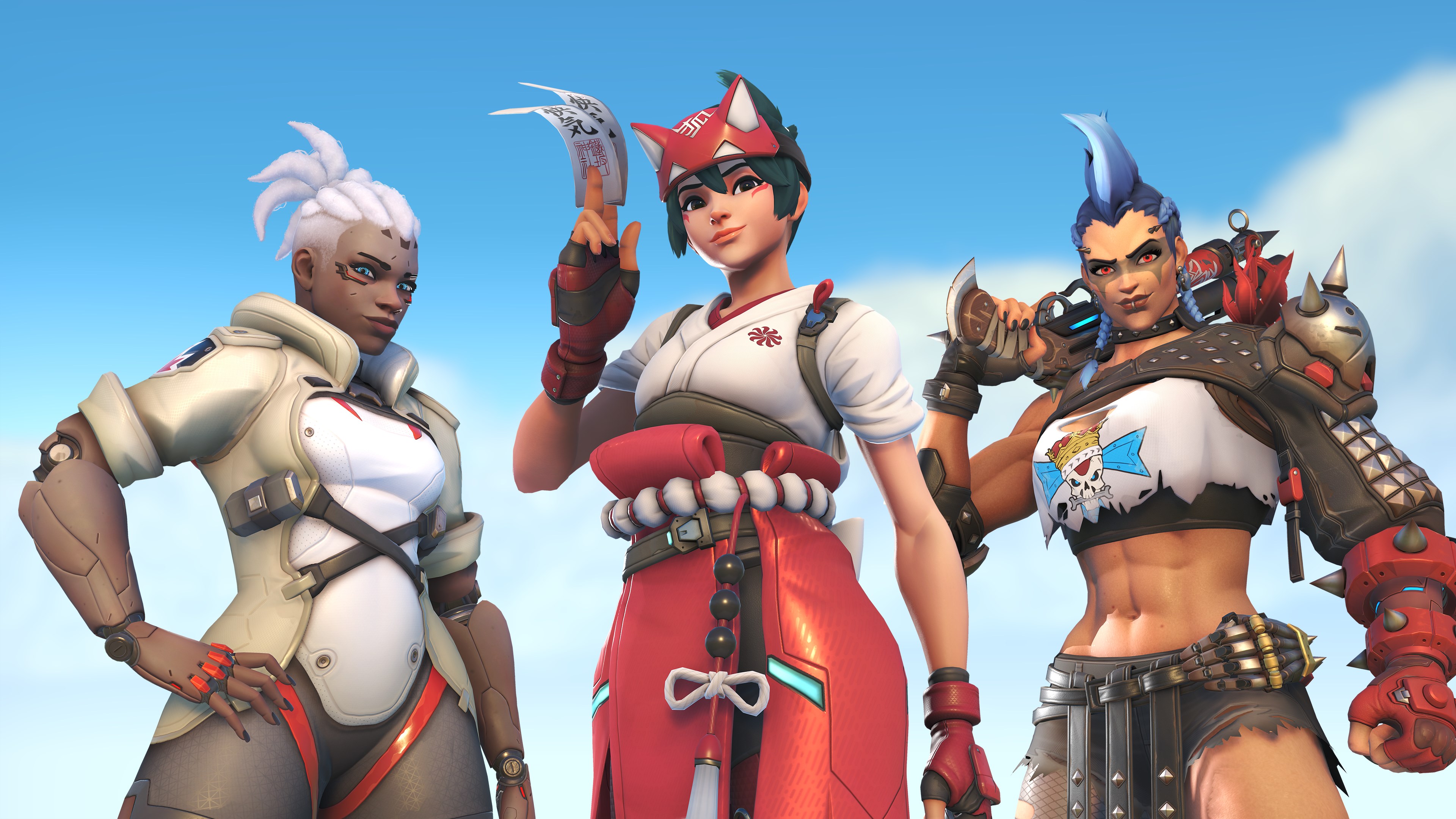
This team based shooter has faced various waves of review bombing since its transition to a free to play model. While many complaints focus on monetization some users target the game when new character sexualities are revealed. The confirmation of certain heroes as part of the LGBTQ+ community often triggers a surge of negative comments and low scores. These users argue that these details are unnecessary and distract from the competitive nature of the game. The developers have continued to expand the lore and diversity of the roster regardless.
‘Apex Legends’ (2019)
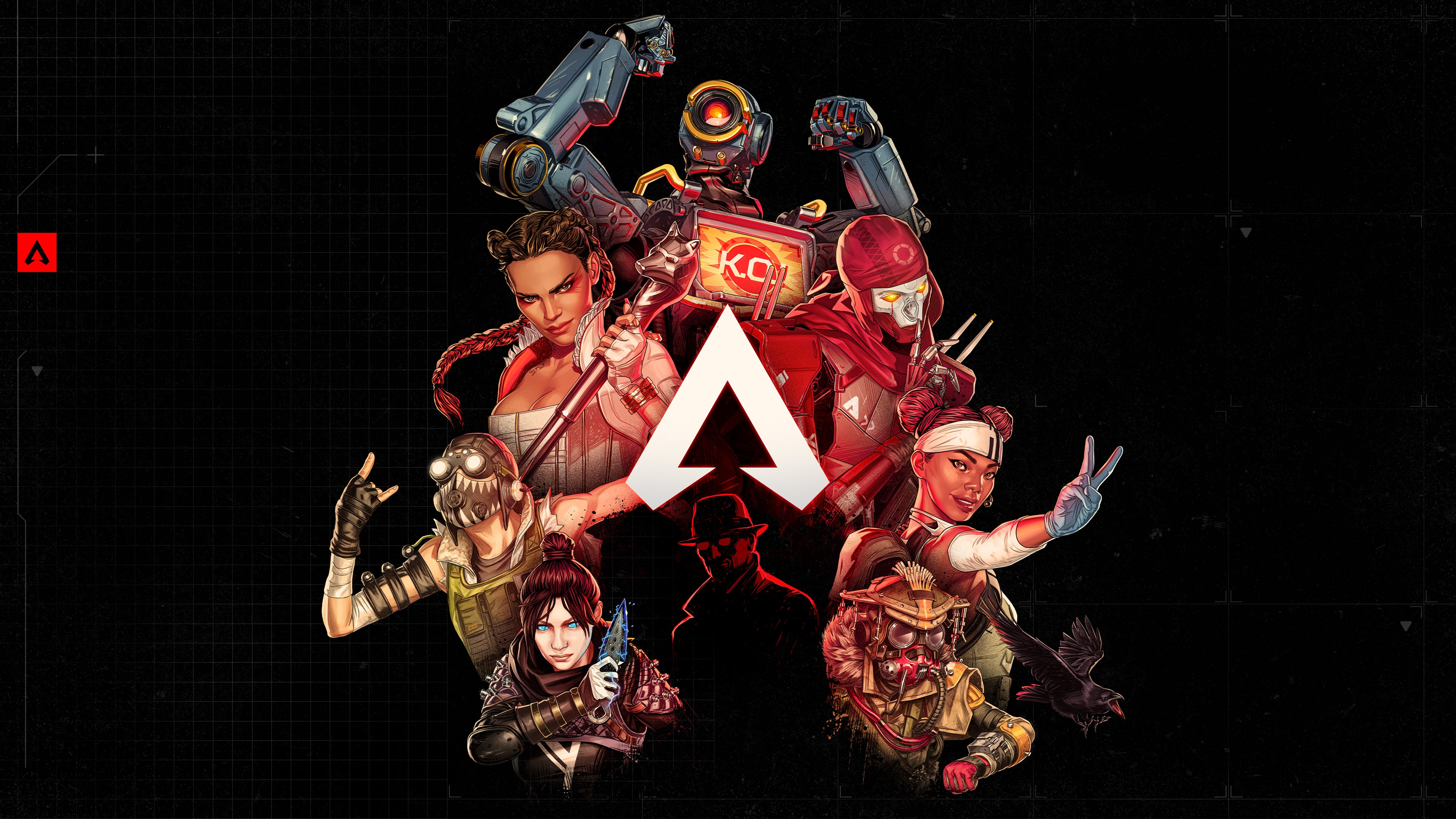
‘Apex Legends’ has consistently featured a diverse roster of characters which has led to occasional review bombing. Some players target the game during seasonal events that celebrate pride or other social causes. The negative reviews often focus on the idea that the game is becoming too political through its character backgrounds. These efforts are usually small compared to the massive active player base that supports the game. The studio has remained firm in its commitment to representing a wide range of human experiences.
‘Street Fighter 6’ (2023)
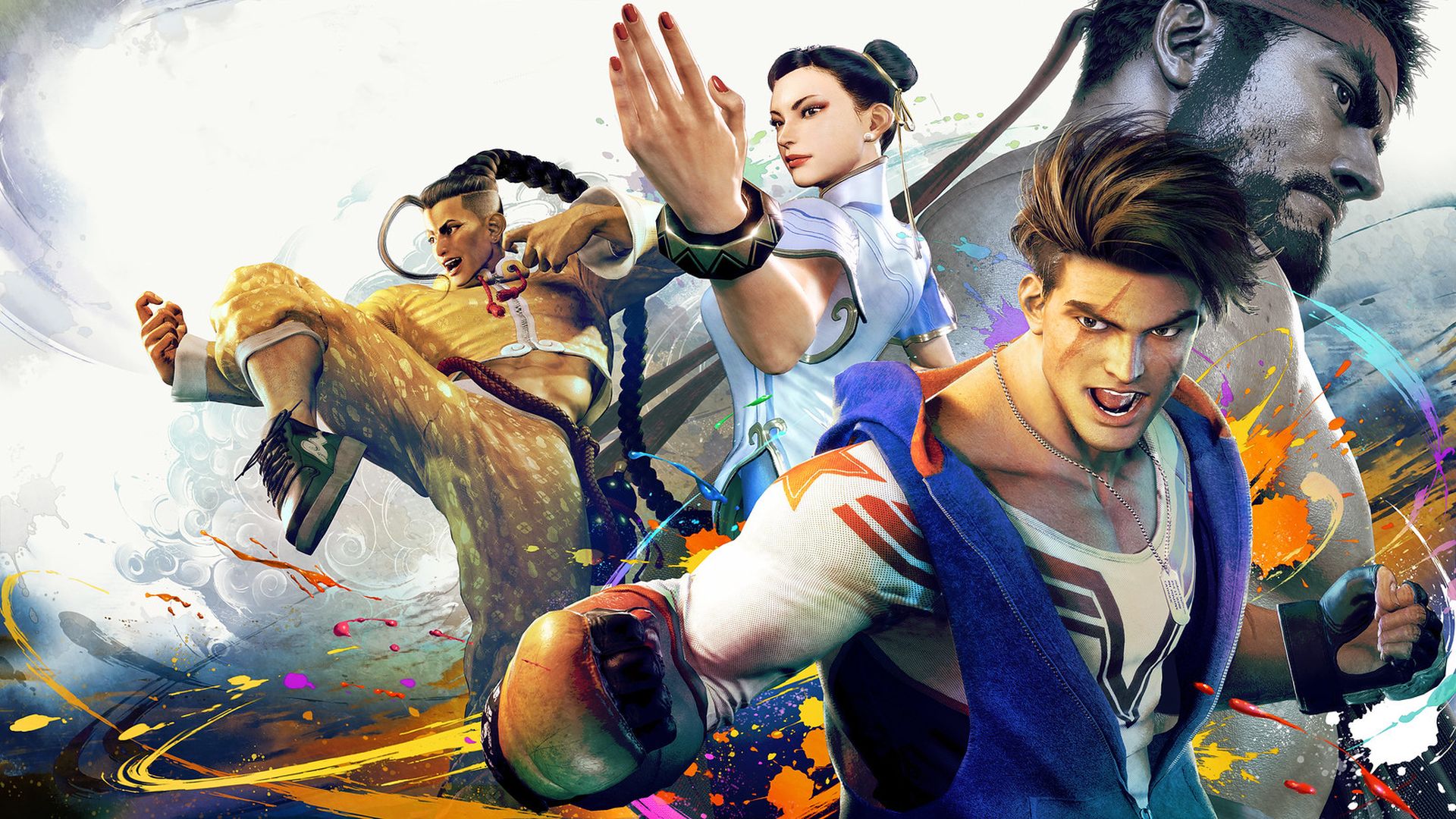
The latest entry in this iconic fighting series was review bombed for its new character designs and art direction. Some users felt that the characters were designed with modern social sensibilities in mind which they found unappealing. This led to a wave of negative scores on several user review platforms during the launch window. The backlash was particularly focused on the diverse new additions to the roster. However the game was a critical darling and revitalized the competitive fighting game scene.
‘Resident Evil 4’ (2023)

The remake of this legendary horror title was review bombed due to changes in the voice acting and character costumes. Some users were particularly upset by the performance of the actor for Ada Wong and the removal of suggestive dialogue from the original. These critics felt that the changes were a form of modern sanitization of the source material. The user score reflected this frustration for several weeks following the launch of the game. Most players eventually looked past these issues to appreciate the updated gameplay and visuals.
‘Gotham Knights’ (2022)
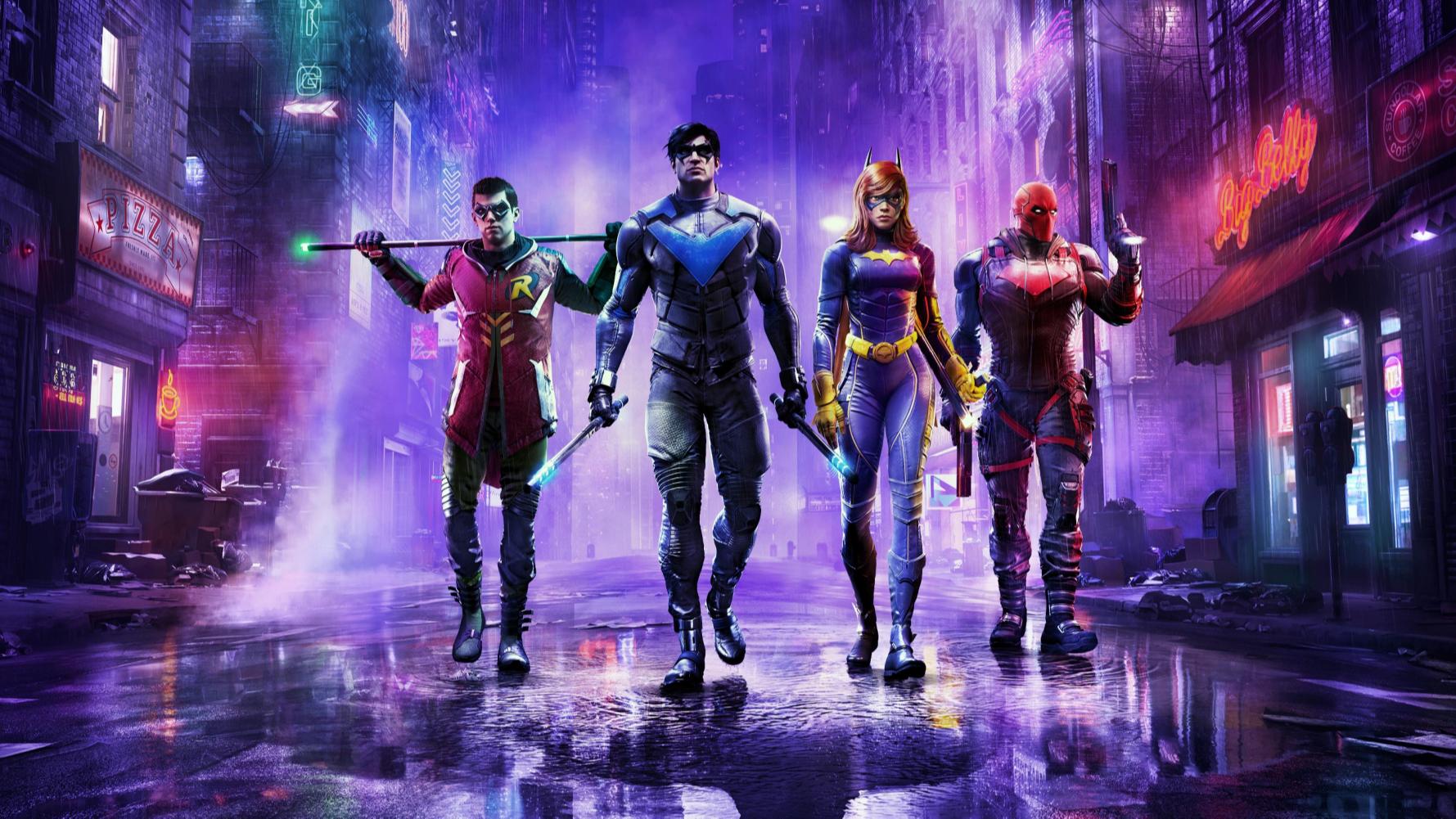
This action game set in the DC universe faced criticism for its portrayal of its lead heroes. One particular point of contention for review bombers was the confirmation of Tim Drake as bisexual. Some users flooded review sites with negative scores to protest this narrative choice. They argued that the change was unnecessary and did not align with their view of the character. The game also faced technical criticisms which were often mixed in with the complaints about representation.
‘Cyberpunk 2077’ (2020)
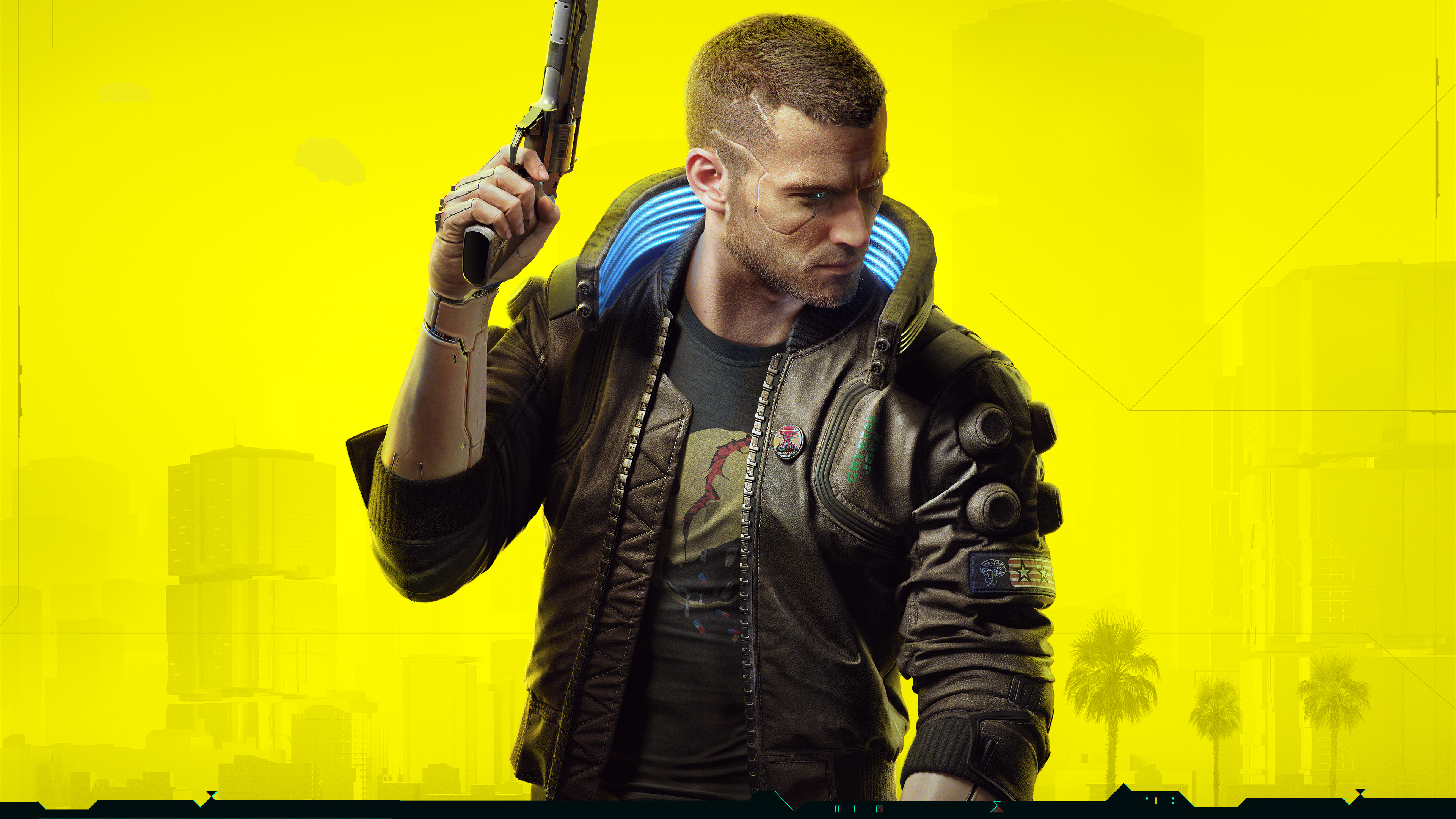
While its launch was mostly defined by technical bugs ‘Cyberpunk 2077’ also faced backlash for its representation choices. Some users were unhappy with the way the game handled gender and the ability to customize primary characteristics. This led to review bombing from different sides of the social spectrum who felt the game was either too progressive or not inclusive enough. The developers spent years patching the game to improve both its technical state and its features. It eventually became a highly respected title following its massive expansion.
‘Mass Effect Legendary Edition’ (2021)
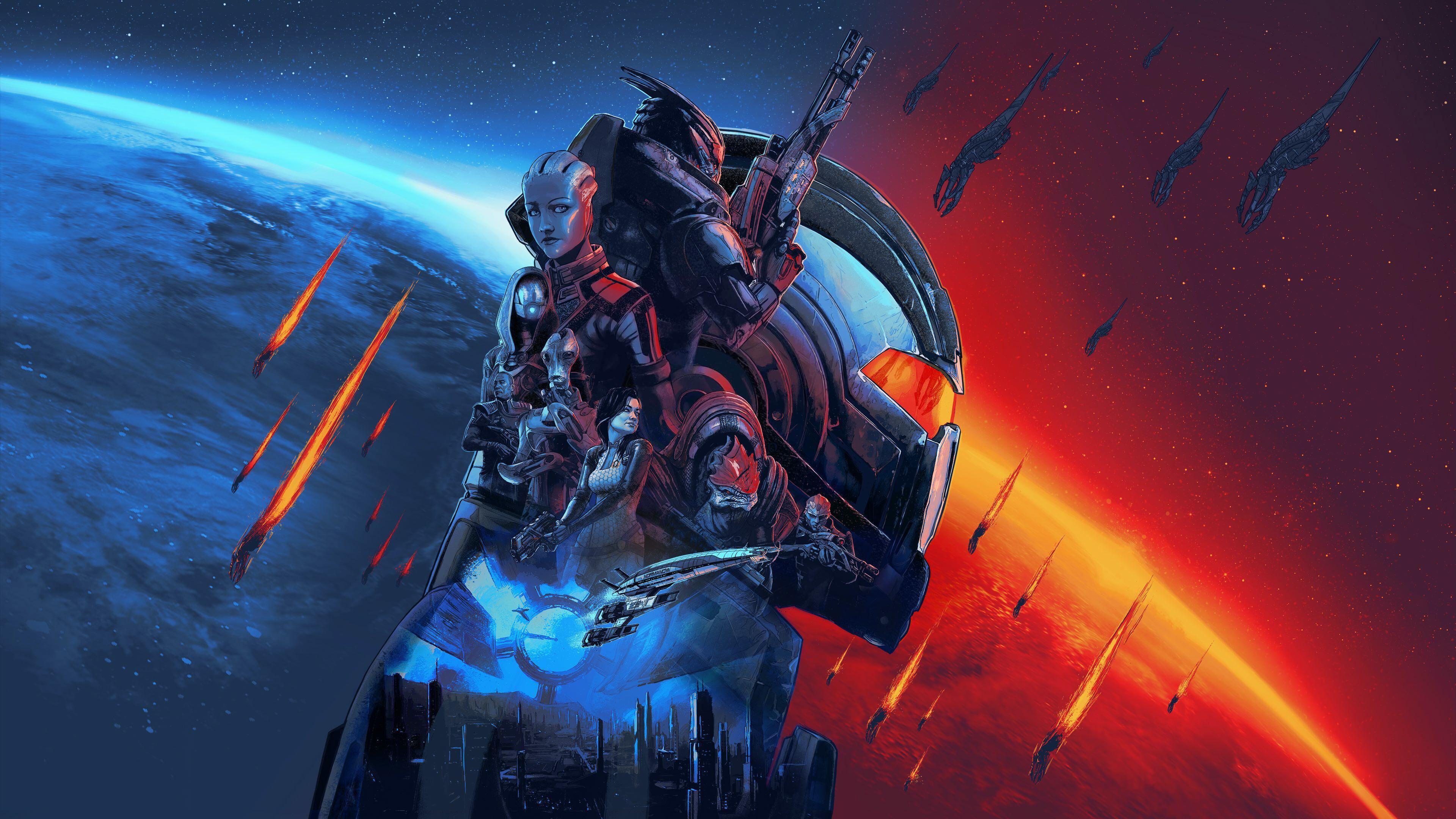
This remastered collection of the classic trilogy faced minor review bombing for making small aesthetic changes. The developers removed certain camera angles that they felt were unnecessarily suggestive during serious conversations. This led to accusations of censorship from a segment of the fan base who preferred the original presentation. These users targeted the collection with low scores to voice their displeasure with the removal of the male gaze. The majority of players still praised the collection for bringing the epic story to modern consoles.
‘The Outer Worlds’ (2019)
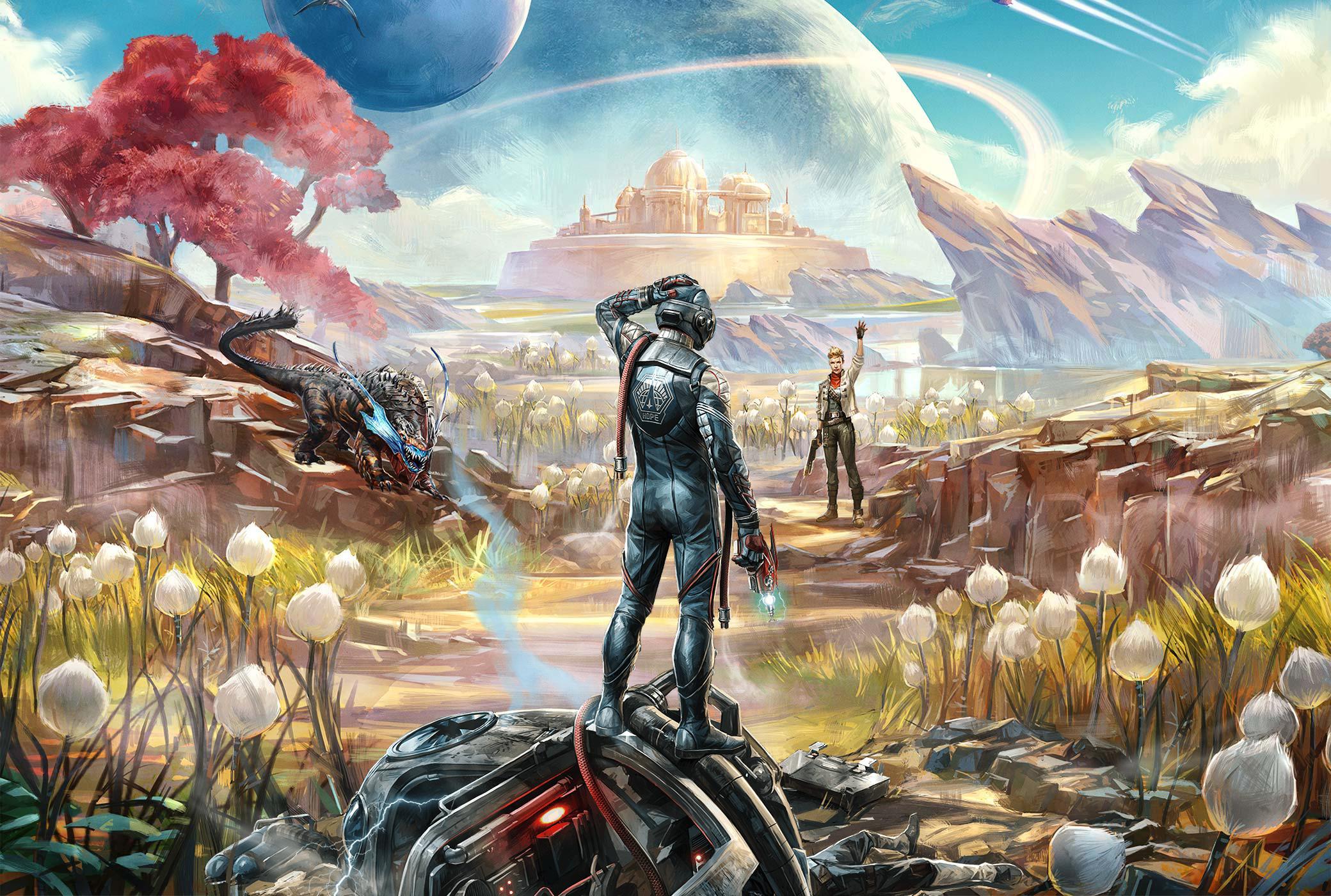
This science fiction role playing game was review bombed by some for its diverse cast and social commentary. A specific companion mission involving a character asexual identity was a target for some negative reviews. These users felt that the game was pushing a social agenda through its writing and character interactions. The game was designed by veterans of the genre who intended to explore complex societal themes. It remains a popular choice for those looking for a humorous and satirical take on corporate culture.
‘Boyfriend Dungeon’ (2021)
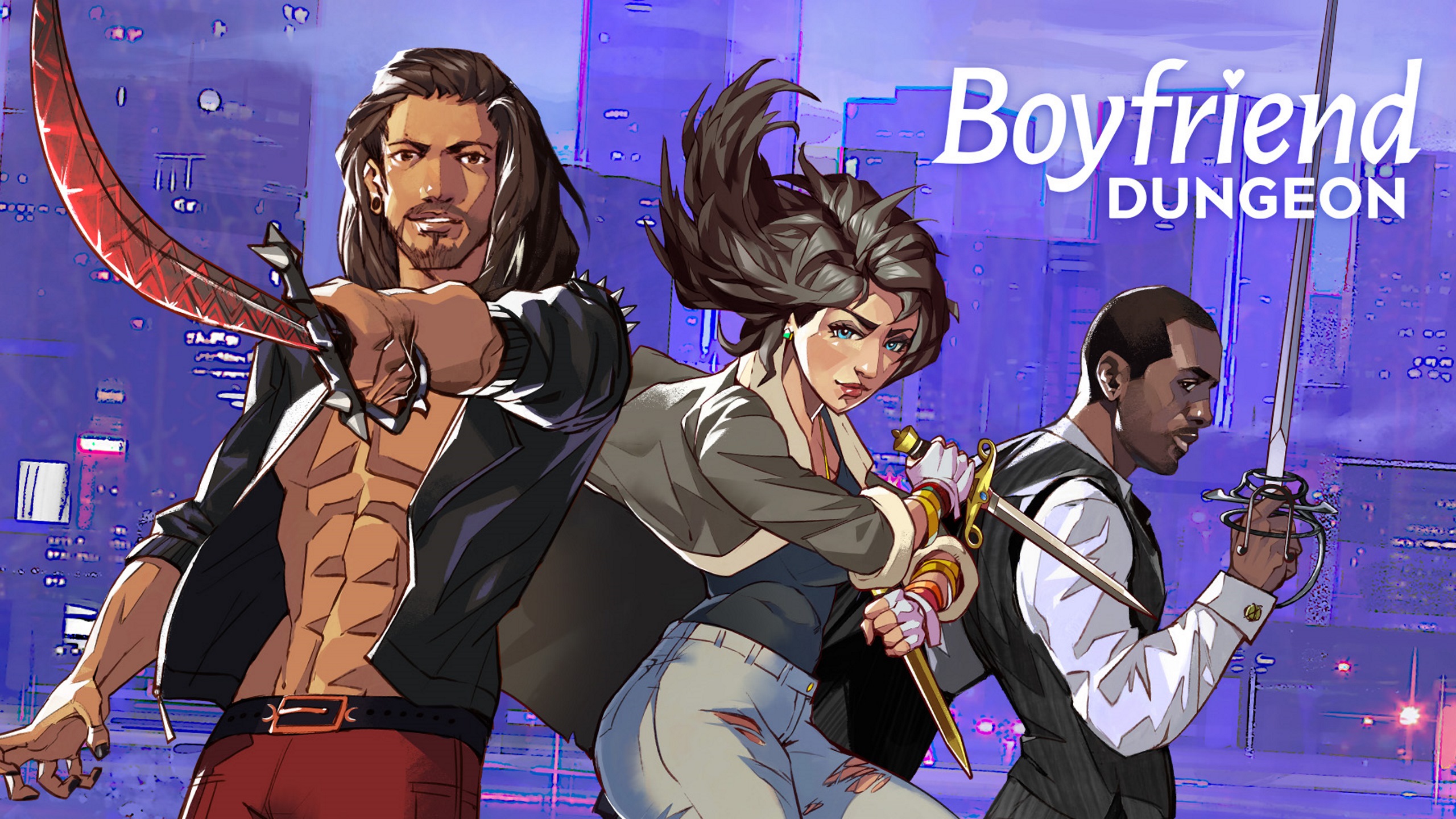
This indie title that blends dating simulation with dungeon crawling was targeted for its depiction of a specific character. Review bombers were upset by the inclusion of a character who exhibited stalker like behavior despite content warnings. The discourse also expanded to include the game queer themes and diverse cast. Some users argued that the game was trying too hard to be inclusive while failing to manage its darker themes. The developers updated the game to clarify its warnings and address the feedback.
‘Sea of Thieves’ (2018)
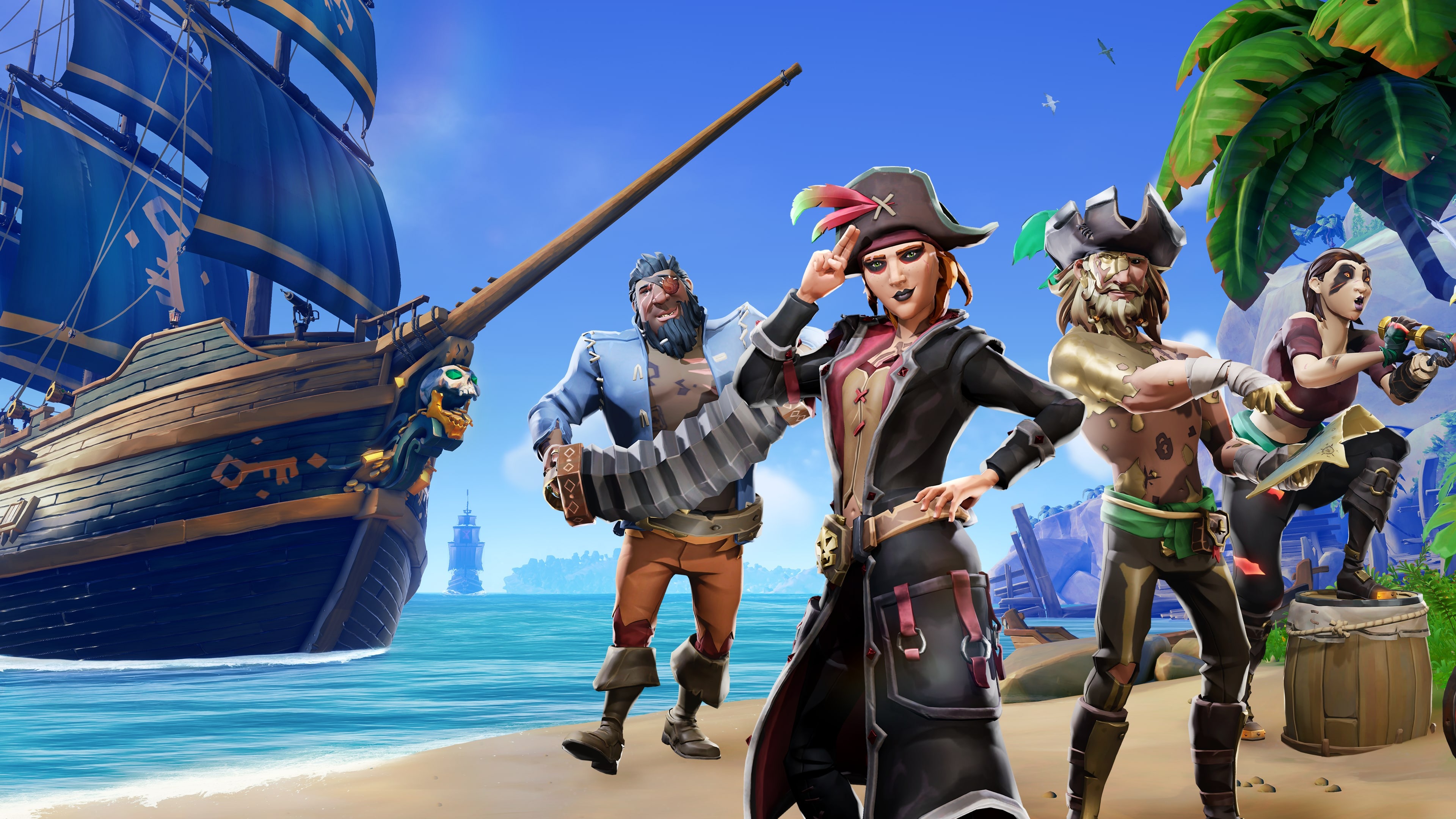
This pirate adventure game faced some early review bombing for its stylized and diverse body types. Some users were unhappy that they could not create a traditionally heroic looking character and were forced to choose from a random selection. These critics felt that the design choices were a move toward modern inclusivity that limited player agency. The game eventually grew into a massive success with millions of players enjoying its open seas. The developers continued to add more customization options to satisfy the community.
‘Stellar Blade’ (2024)

‘Stellar Blade’ faced a unique form of review bombing after a day one patch changed several character outfits. Players who had supported the game for its bold designs felt that the developers had censored the content to appease modern critics. This led to a coordinated effort to lower the user score as a form of protest. The situation highlighted the tension between developers and certain segments of the audience regarding character aesthetics. Despite the controversy the game was noted for its challenging combat and high production values.
‘The Last of Us Part I’ (2022)
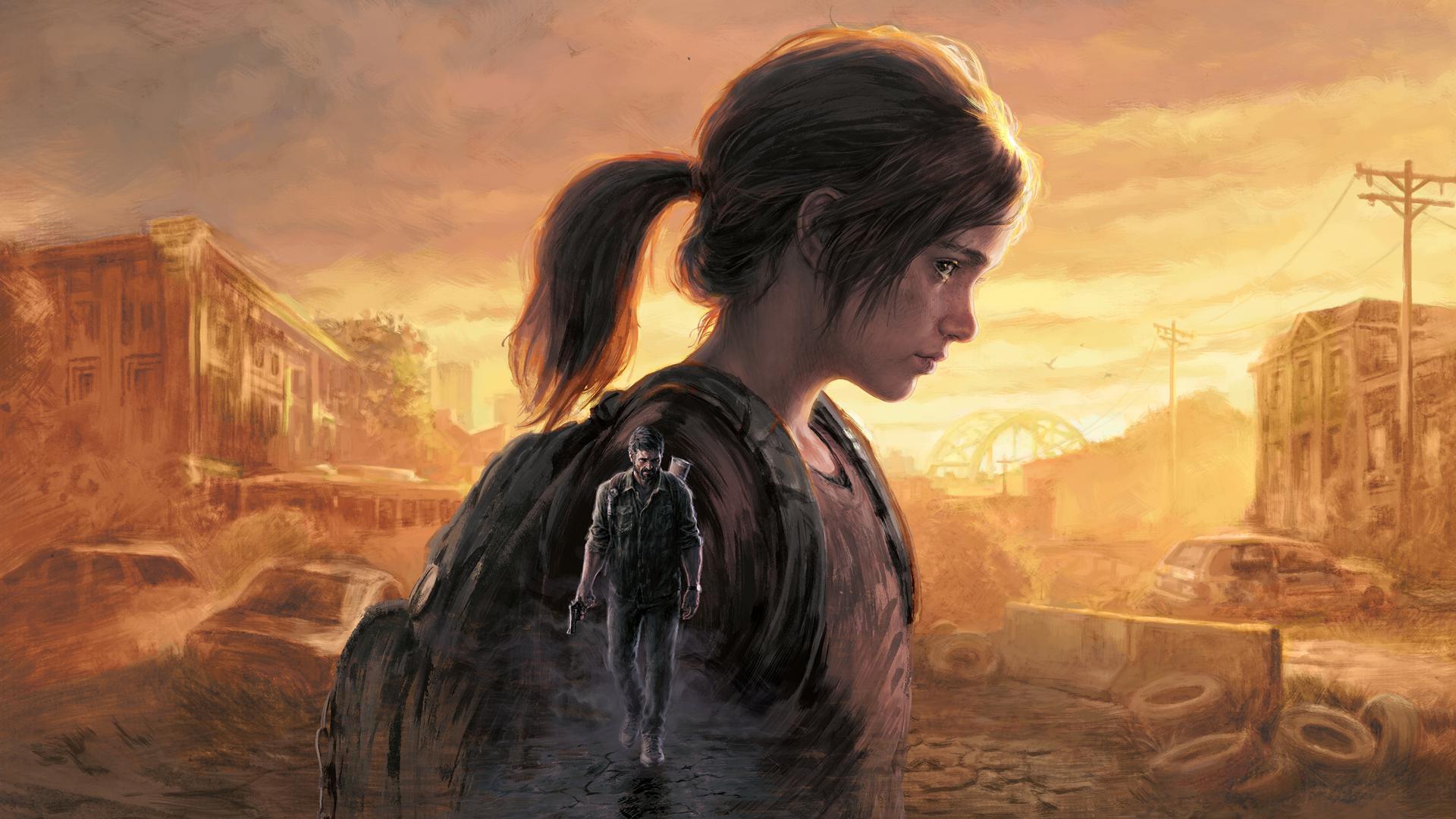
The remake of the original classic was review bombed for many of the same reasons as its sequel. Users targeted the updated character models claiming that they had been made to look older or less attractive to fit a modern aesthetic. This backlash was part of a broader skepticism toward the studio after the release of the second game. The negative reviews often focused on the idea that the remake was an unnecessary project that reflected modern sensibilities. It still remains a definitive way to experience the story of Joel and Ellie.
Share your thoughts on these review bombing trends in the comments.