

Games That Lie To You About Your Choices Mattering




Choice-driven games promise branching paths and wildly different outcomes, but plenty still funnel you toward the same beats. The titles below include dialogue wheels, morality meters, and “big decisions” that mostly tweak flavor text, cutscenes, or a final montage while the core storyline stays locked. You’ll see how late-game switches, convergence points, and binary finales undercut earlier agency, even when the UI suggests otherwise. For each entry, we’ve also noted the companies behind the game so you know where those design philosophies came from.
‘Mass Effect 3’ (2012)
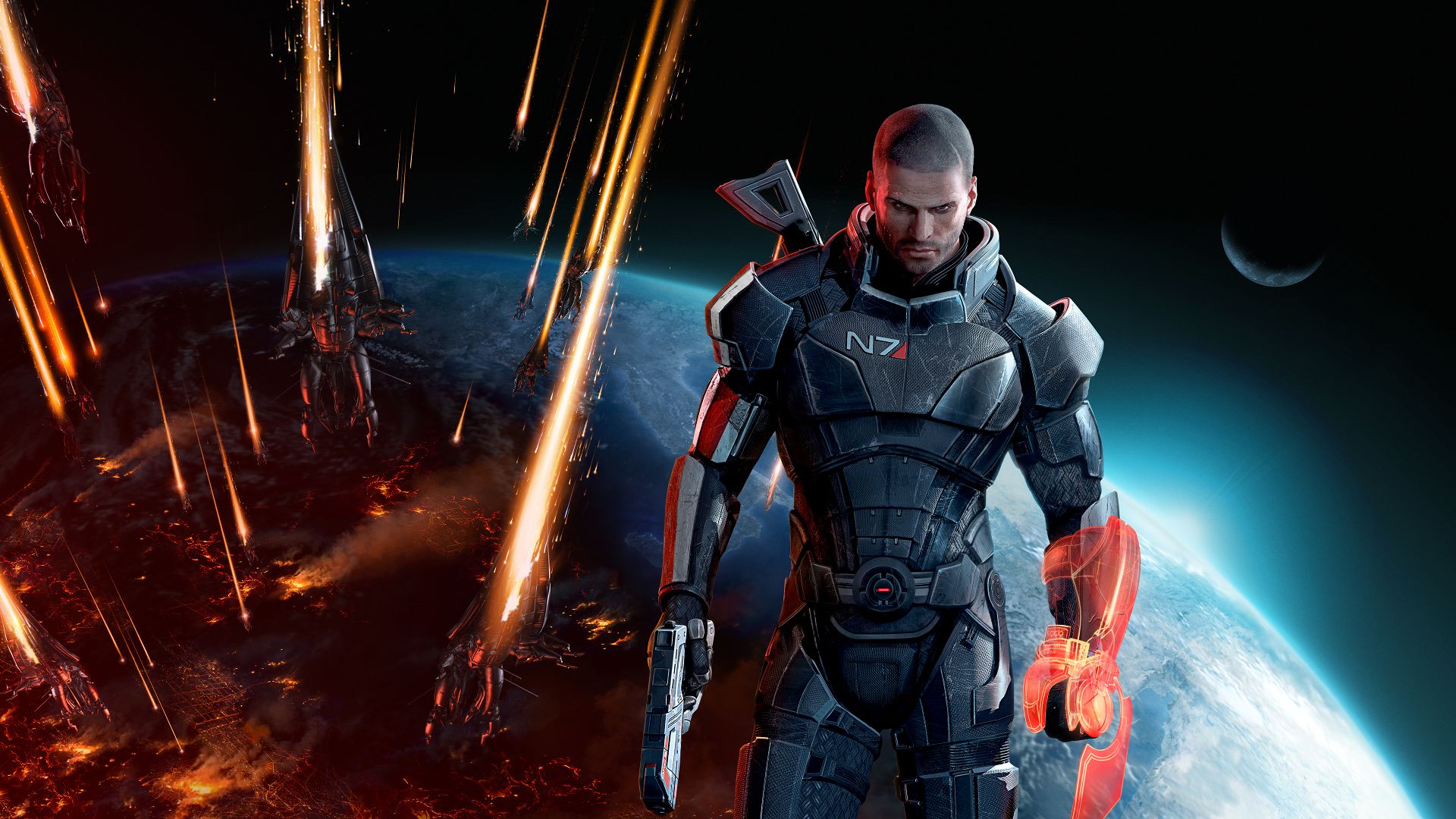
‘Mass Effect 3’ by BioWare and Electronic Arts tracks hundreds of flags from prior saves, yet key plot beats converge into a color-coded final choice that overrides many earlier branches. War Assets and the Galactic Readiness score gate the same small set of endings rather than unlocking distinct campaigns. Companion fates and side outcomes often collapse into brief epilogues or email updates. The Crucible decision effectively standardizes the finale regardless of mid-game diplomacy or morality paths.
‘Telltale’s The Walking Dead’ (2012)
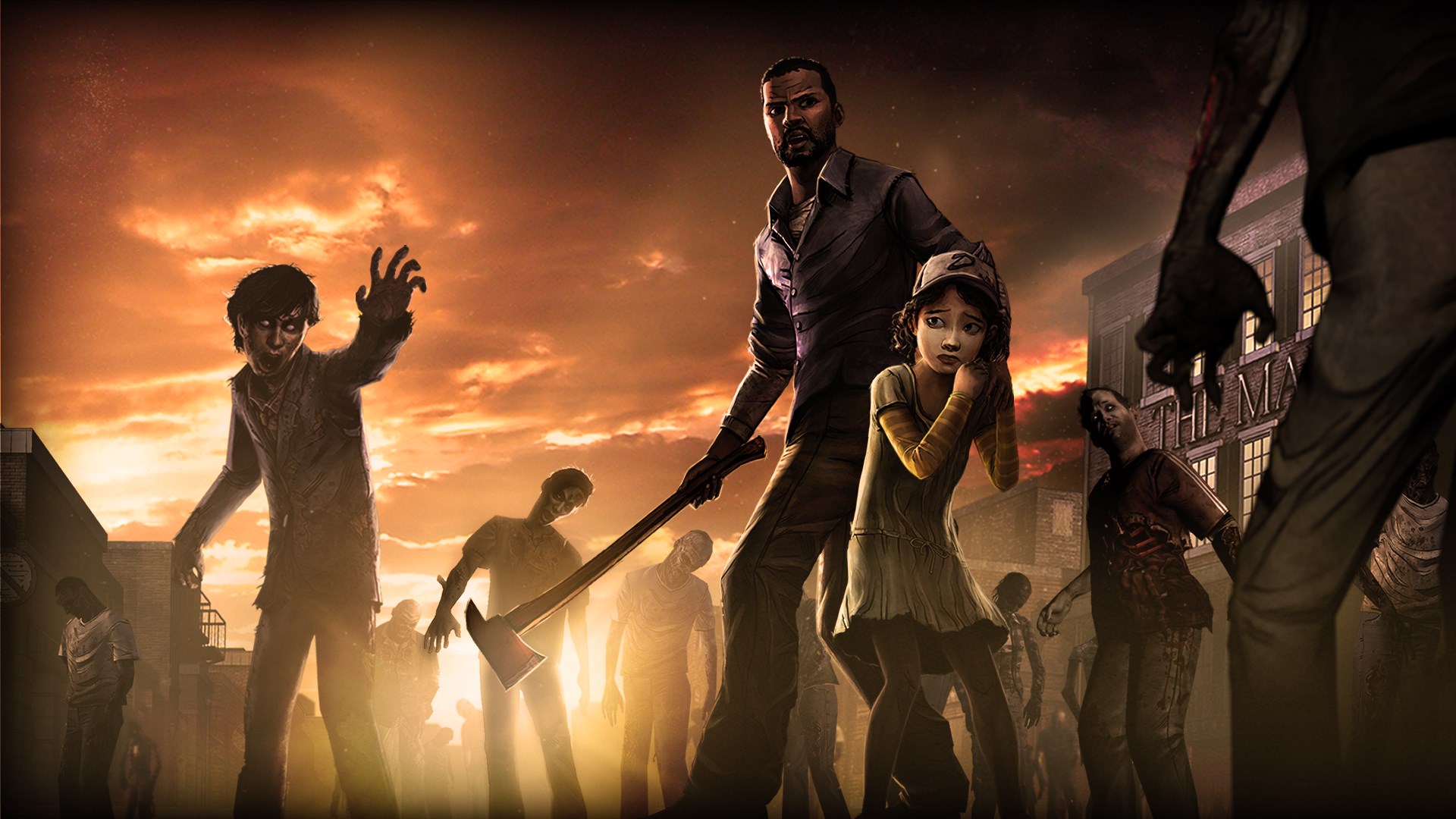
Developed and published by Telltale Games, ‘Telltale’s The Walking Dead’ advertises “X will remember that,” but many remembered moments only alter lines or short scenes. Major story destinations remain fixed, and seasonal arcs drive toward the same climaxes. Character deaths can be delayed, yet the narrative typically reintroduces equivalent replacements to preserve structure. The finale lands on the same core resolution with only minor variations in who accompanies you or how a conversation plays out.
‘Life Is Strange’ (2015)

Dontnod Entertainment and Square Enix present frequent, reversible choices that ripple across episodes, but the closing decision wipes away much of that history. Numerous earlier branches produce altered scenes or texts but don’t reroute the investigation’s spine. The Rewind mechanic highlights decision points while keeping the plot on parallel rails. The ending asks for a binary selection that determines the outcome far more than accumulated episode choices.
‘Deus Ex: Human Revolution’ (2011)
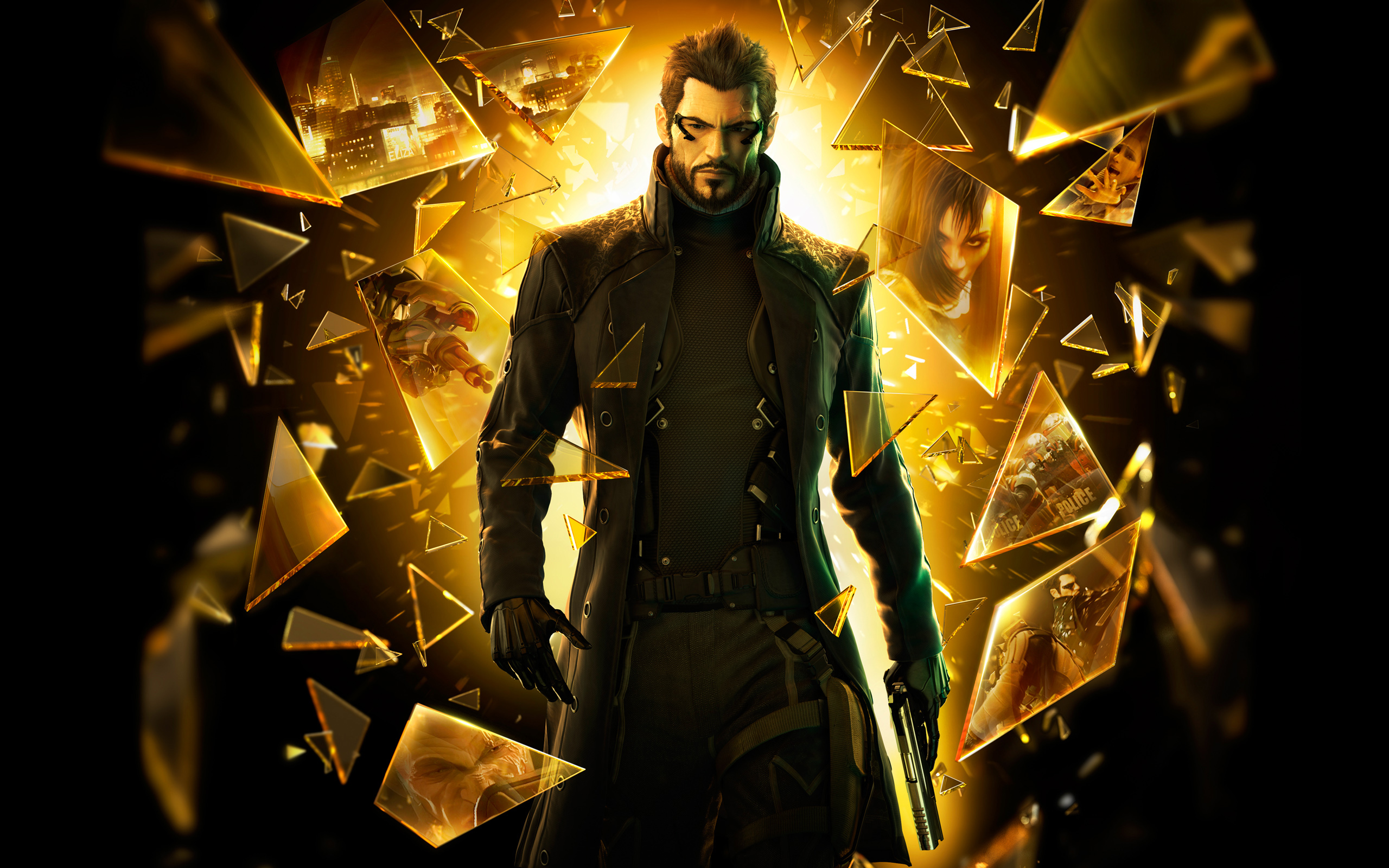
Eidos-Montréal and Square Enix build a web of social, stealth, and combat decisions, yet the final resolution is selected via a set of switches in one room. Earlier choices adjust hub NPC availability, mission routes, and news clips, but core missions and revelations line up similarly. Boss encounters happen regardless of pacifist play until later patches softened requirements. The last pick dictates global messaging with limited reflection of detailed playstyle paths.
‘Fallout 3’ (2008)
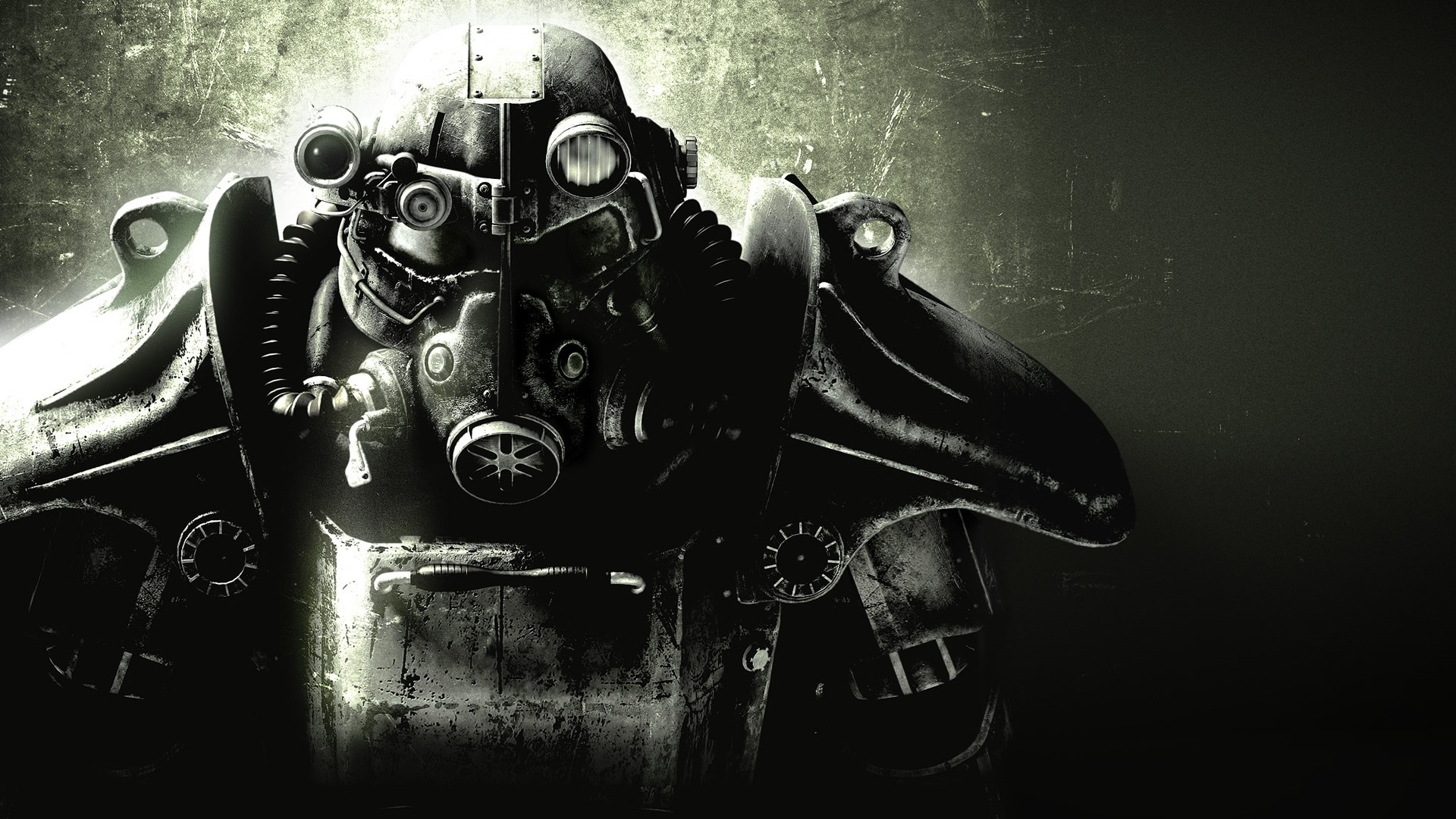
Bethesda Game Studios and Bethesda Softworks include karma, faction flavor, and settlement outcomes, but the main quest flows through the same beats. Many choices are summarized in Ron Perlman’s end slides rather than reshaping mission structure. Even pivotal decisions like the purifier outcome originally forced fixed participation until a DLC revision added alternatives. The journey’s major set pieces remain unchanged by most role-playing decisions.
‘Fallout 4’ (2015)
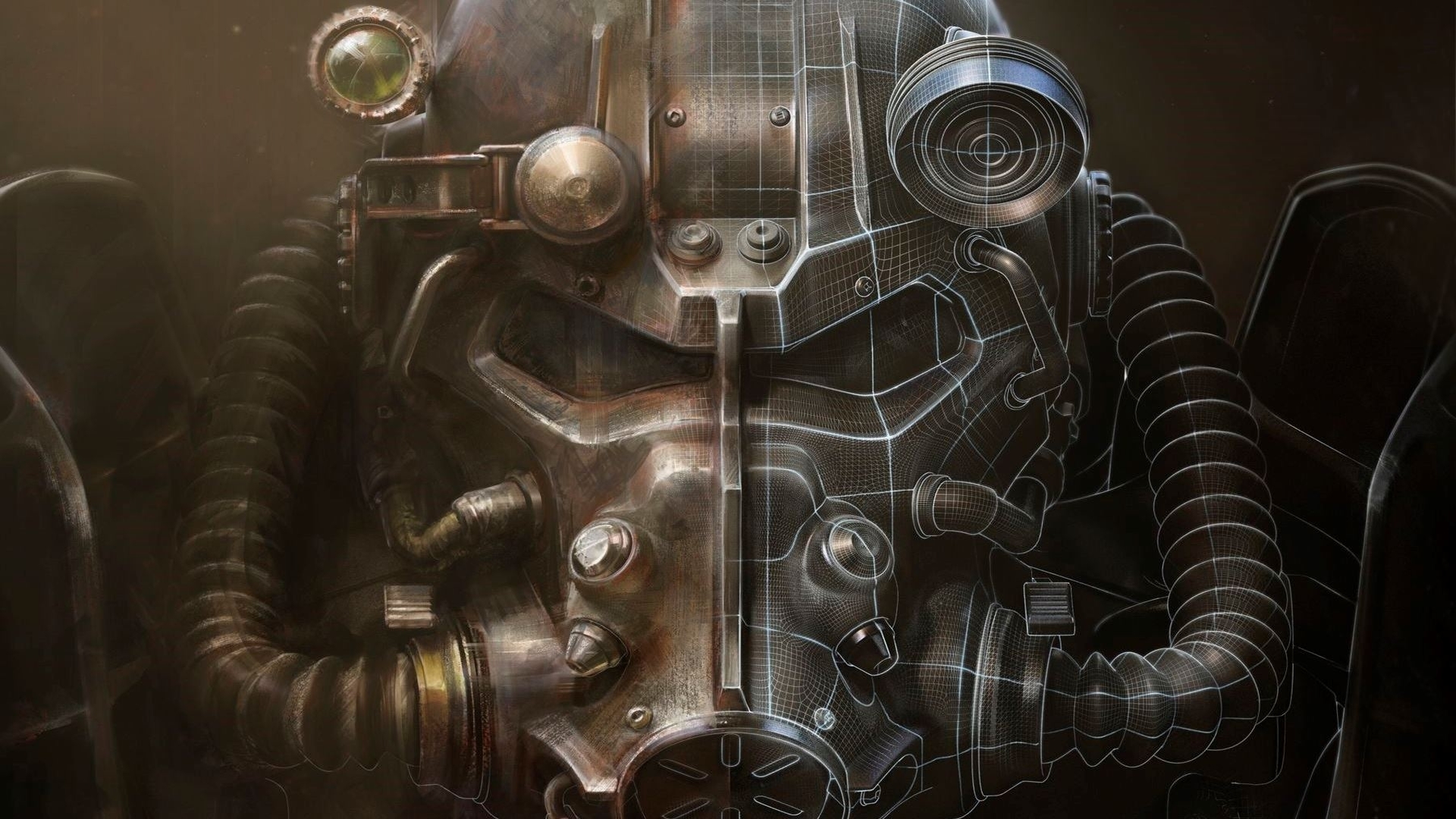
Also from Bethesda Game Studios and Bethesda Softworks, ‘Fallout 4’ features a dialogue wheel that often maps to the same responses. Early faction flirtations eventually force a limited selection of late-game alignments, with numerous quests shared across paths. Settlement decisions and companion affinity lead to perks and scenes but rarely alter the spine of the narrative. The synth mystery concludes along a small set of endings with overlapping mission content.
‘Game of Thrones’ (2014)
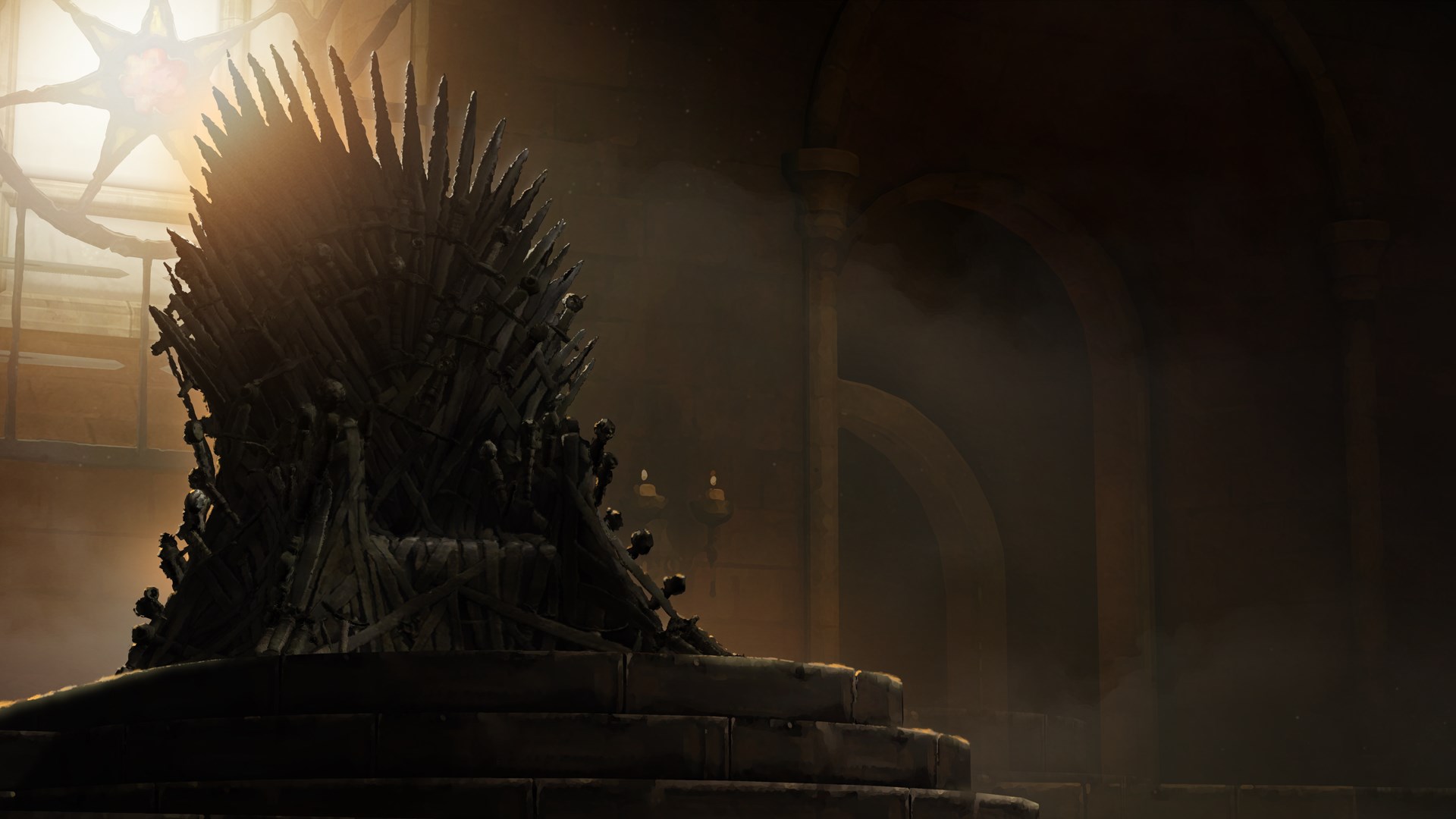
Telltale Games’ adaptation emphasizes tough house politics, but scene outcomes frequently course-correct to preserve the show-like arc. Deciding who lives or which envoy you support reconfigures dialogue while the broader downfall remains. Finale states differ in details, yet the season’s endpoint aligns across players. The studio’s episodic format keeps branches shallow to fit the fixed episode cadence.
‘The Wolf Among Us’ (2013)
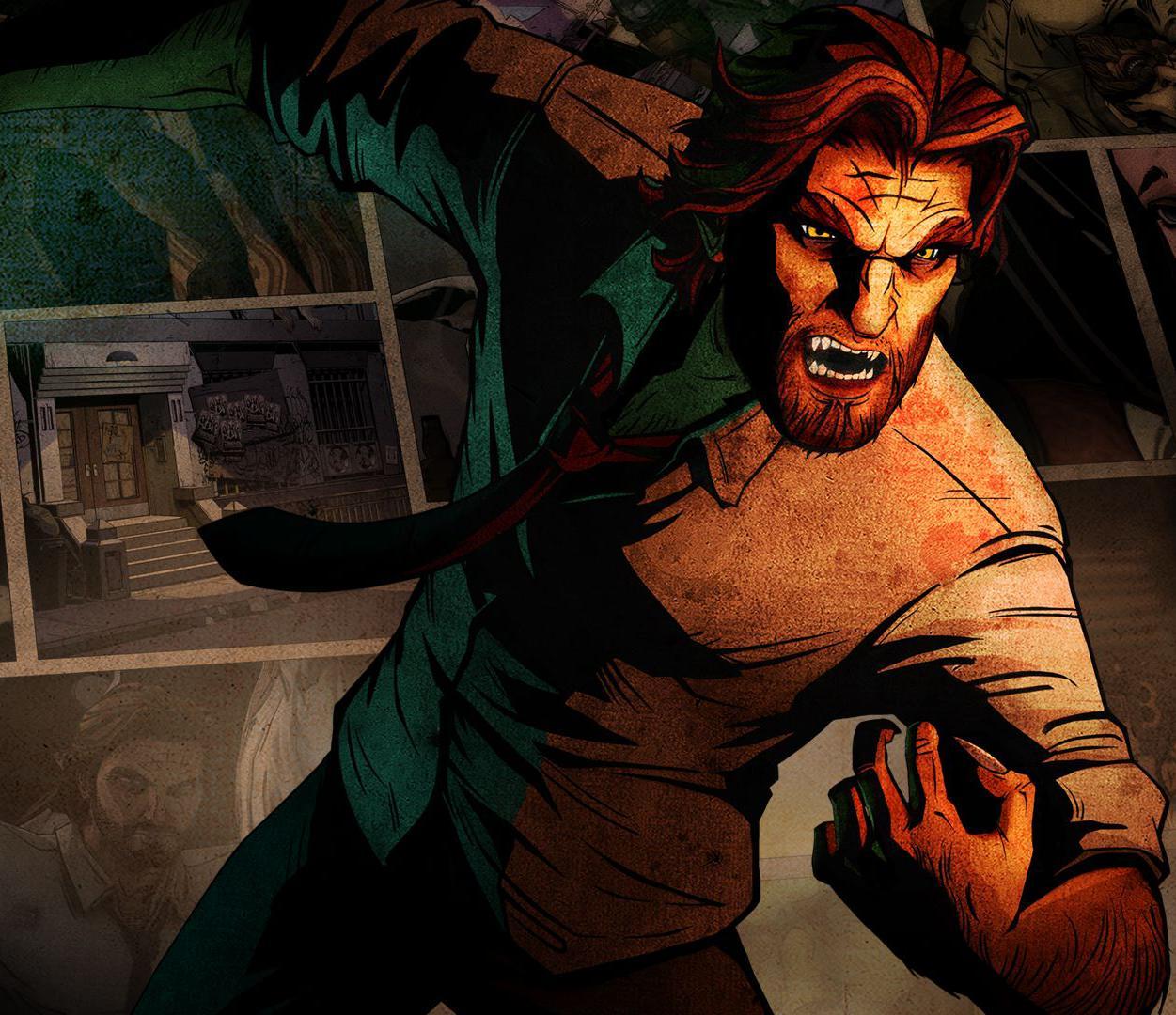
Developed and published by Telltale Games, this noir mystery logs your interrogation and confrontation styles, yet suspects and revelations arrive on schedule. Choice tallies change relationships and scene flavor without rewriting the case structure. The final confrontation acknowledges your demeanor but funnels into the same showdown. Post-credits teases reflect selected dialogue more than divergent plotlines.
‘BioShock’ (2007)
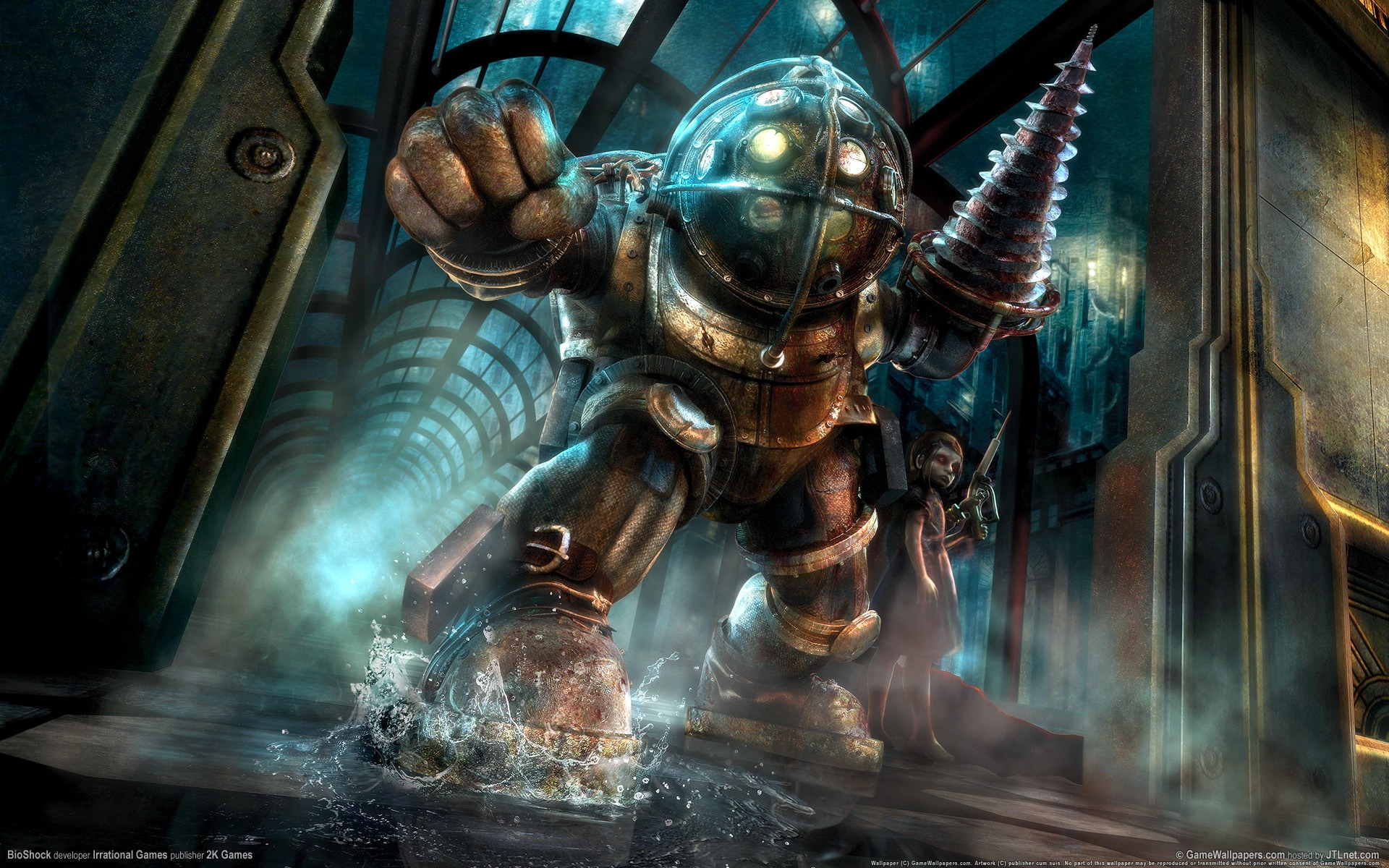
Irrational Games (2K Boston) and 2K Games track whether you harvest or rescue Little Sisters, but that morality mostly swaps a few plasmid rewards and the closing montage. Mid-game areas, boss battles, and the famous twist are identical. Atlas/Fontaine’s plan proceeds no matter your approach. The ending narration changes tone rather than the substance of the story journey.
‘BioShock Infinite’ (2013)
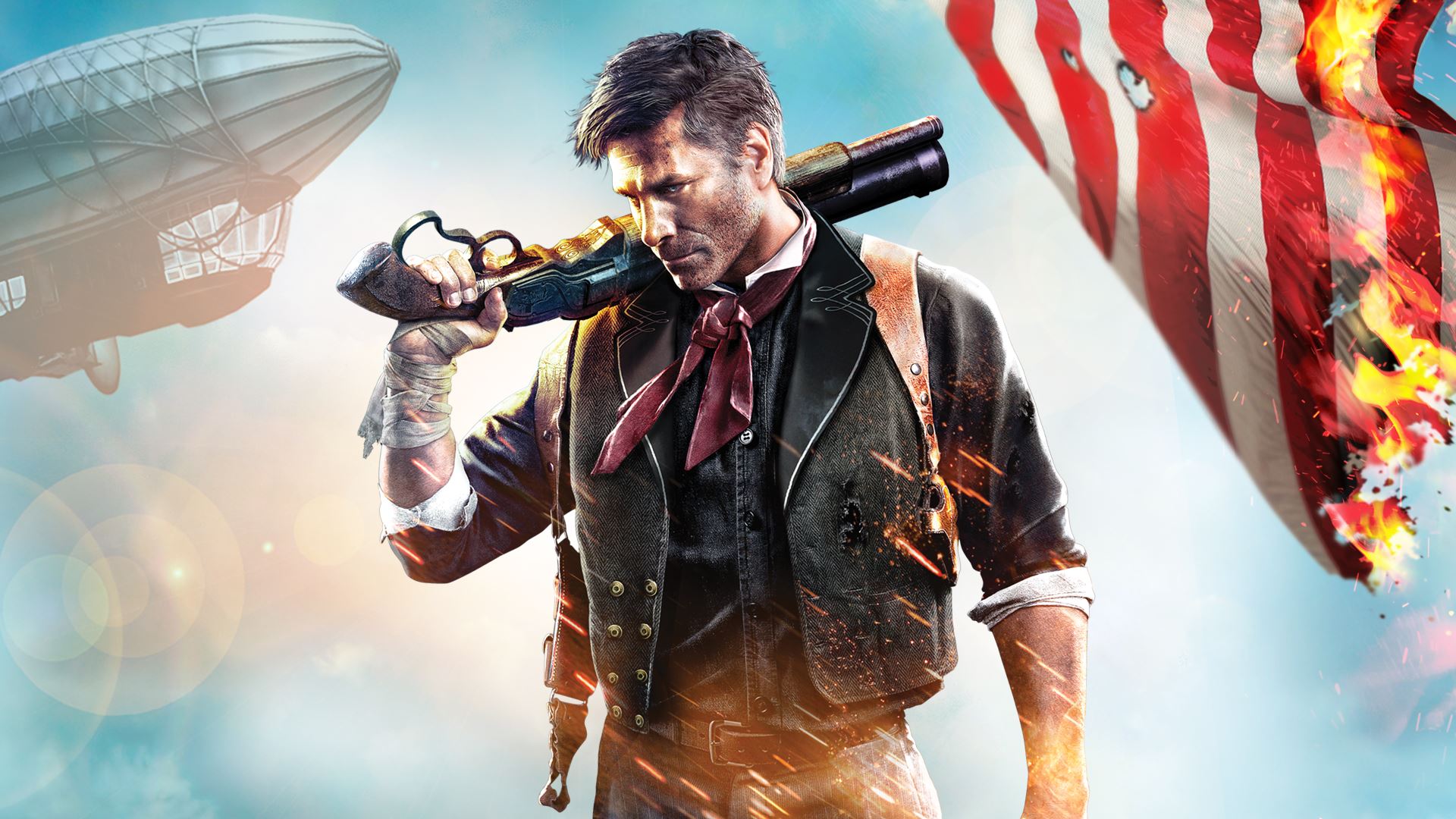
Made by Irrational Games and published by 2K, ‘BioShock Infinite’ offers choices like a necklace, a raffle outcome, or prisoner treatment that barely influence later scenes. Dimensional themes justify convergence, but the path through Columbia stays linear. Voxophone finds and gear builds vary playstyle, not plot. The finale reframes events in a way that sidelines earlier “decisions.”
‘Spec Ops: The Line’ (2012)
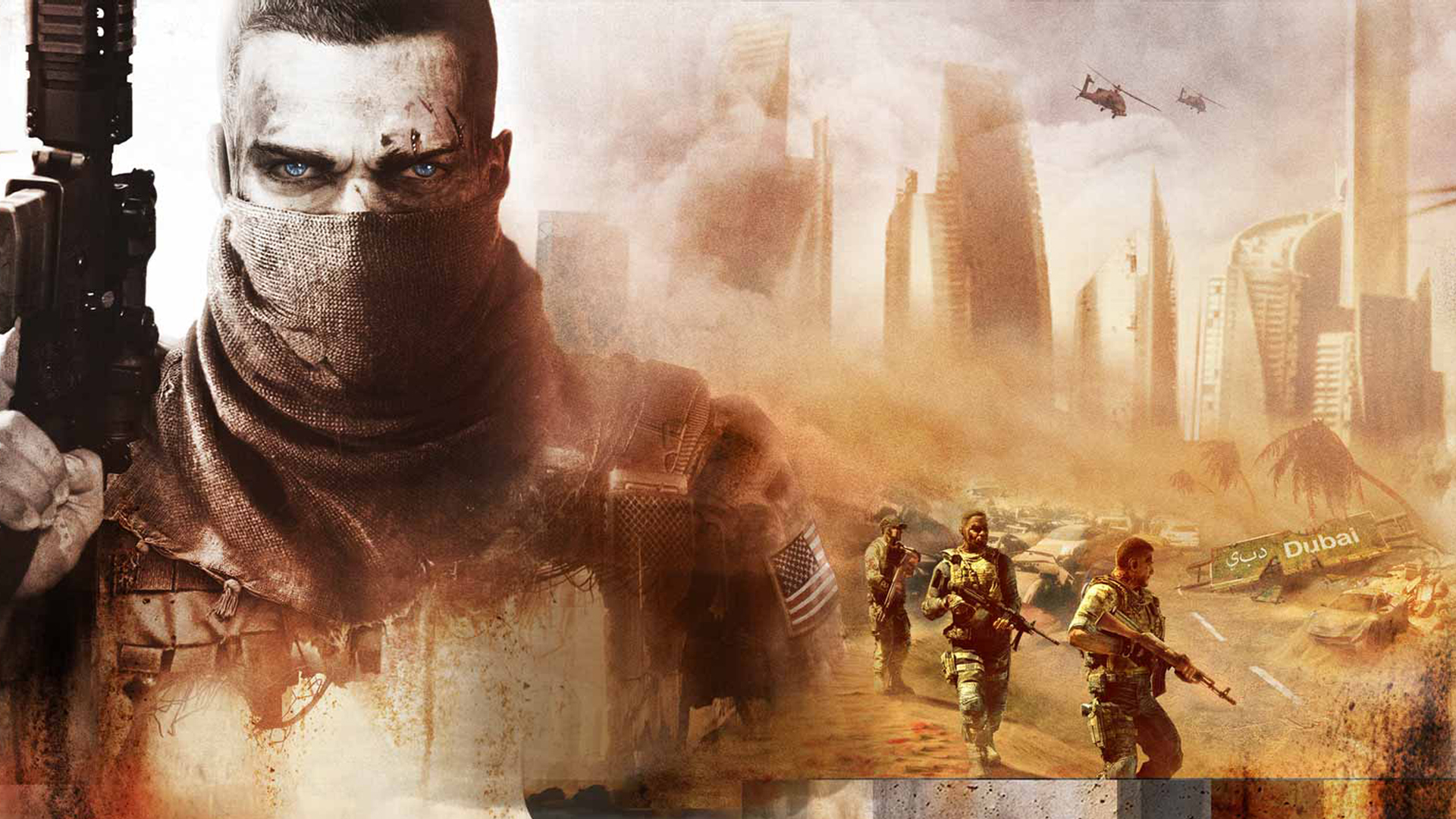
Yager Development and 2K Games design moral prompts that scrutinize player agency, but the operations unfold with limited branch depth. Key “choices” set tone and short-term scenes while the descent continues unabated. Late-game outcomes differ in final moments, yet the campaign’s progression stays on a fixed track. The structure intentionally exposes the illusion to serve its critique of military-shooter decision-making.
‘Far Cry 3’ (2012)
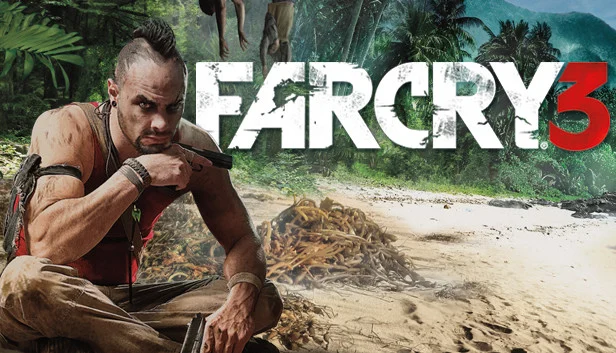
Ubisoft Montreal and Ubisoft present outpost freedom and skill builds, but the story advances along preset confrontations. Side decisions and ally interactions don’t reframe Jason’s path. The final fork determines a binary conclusion after an otherwise uniform campaign. Most island activities influence loadout and pacing rather than narrative consequences.
‘Far Cry 4’ (2014)
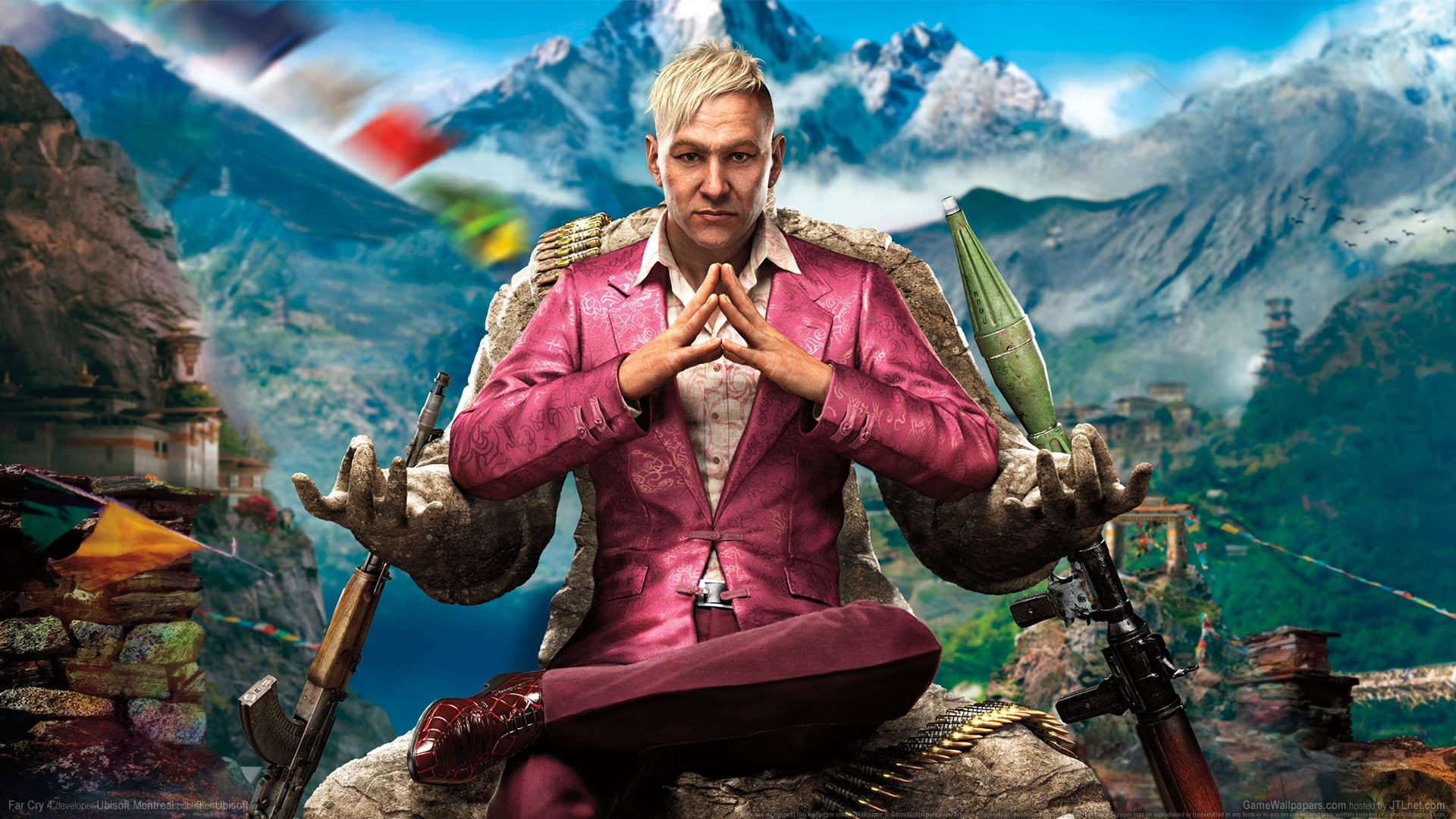
From Ubisoft Montreal and Ubisoft, ‘Far Cry 4’ includes a notorious “wait” option that can end the game early, highlighting how little mid-game choices matter. Picking between Golden Path leaders changes a handful of missions but not the regional liberation loop. Pagan Min’s rule and Ajay’s role resolve within narrow boundaries. The map-driven structure favors systemic play over story divergence.
‘Far Cry 5’ (2018)
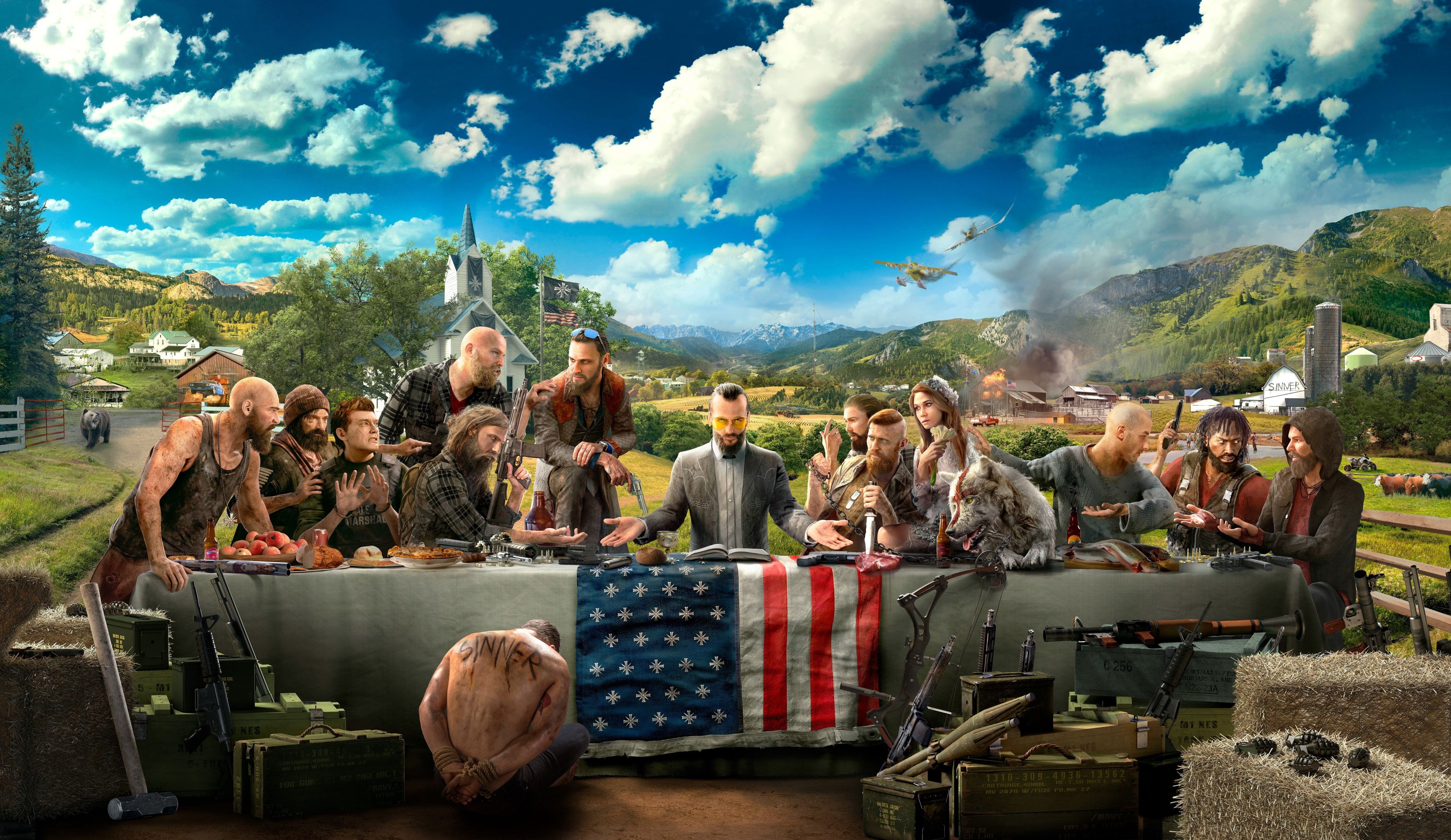
Developed by Ubisoft Montreal/Ubisoft Toronto and published by Ubisoft, this entry features cult region order and a trio of possible finales, but the run-up is largely identical. Resistance progression gates the same boss encounters regardless of side activity choices. The infamous final twist applies broadly, minimizing past decisions. Companion selection and side arcs mainly affect combat support, not plot direction.
‘L.A. Noire’ (2011)
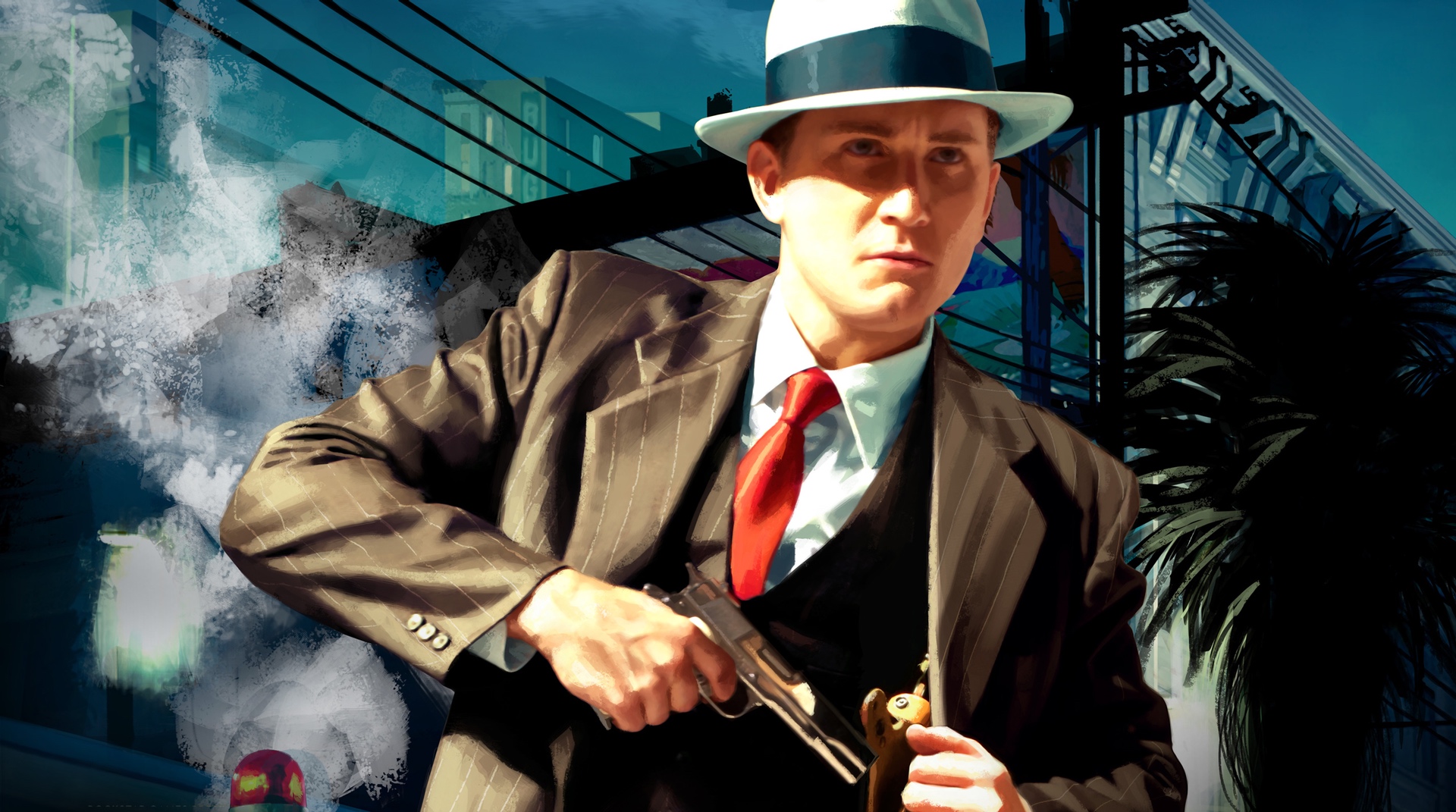
Team Bondi and Rockstar Games built an interrogation system where “Truth/Doubt/Lie” suggests agency, yet cases usually resolve the same way. Even failed lines of questioning let the story advance with minimal penalty. Promotions and desk transfers follow a fixed route. The overarching conspiracy unfolds regardless of your interview accuracy.
‘Dragon Age II’ (2011)
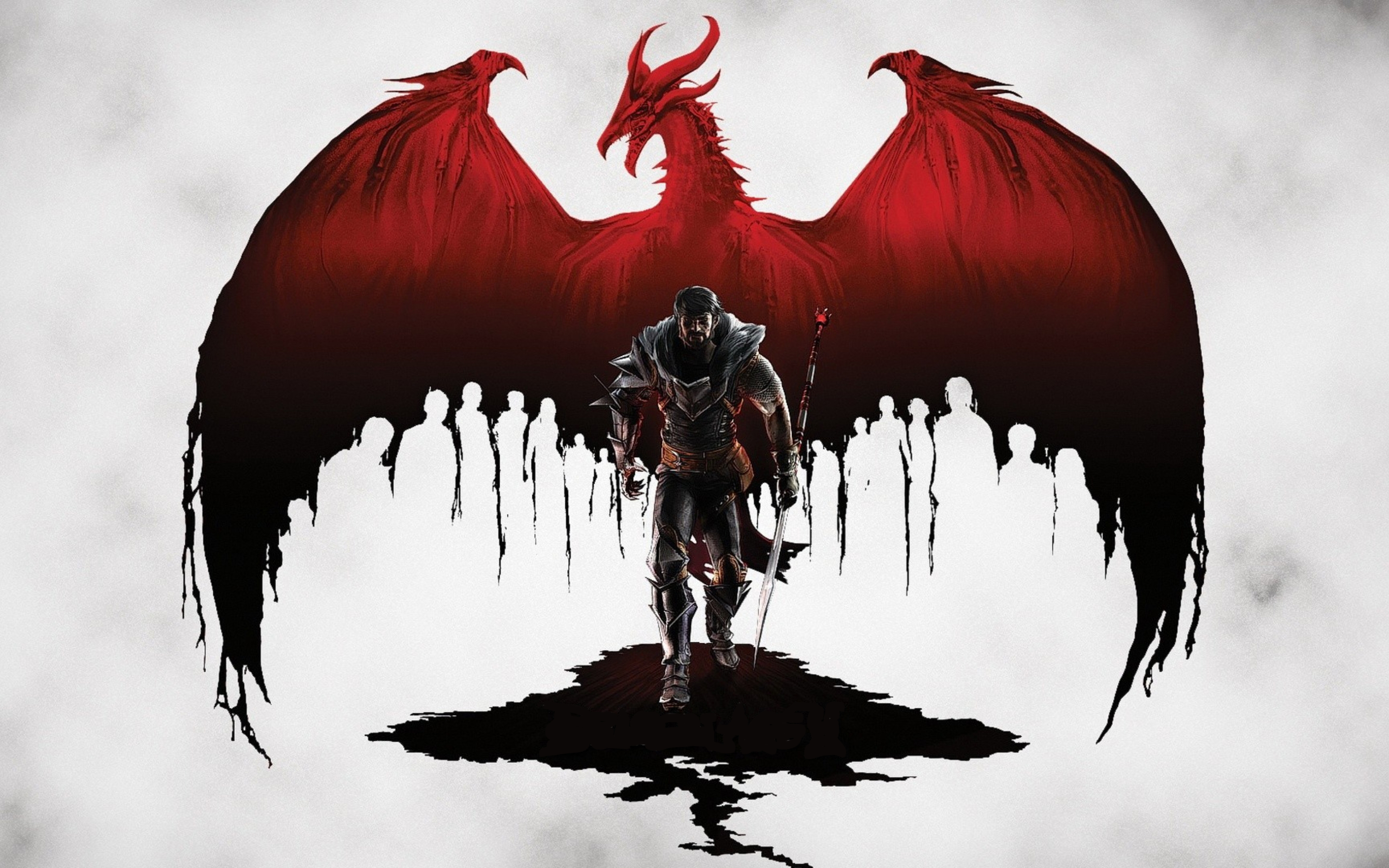
BioWare and Electronic Arts compress years into acts centered on Kirkwall, but major act breaks arrive on schedule. Companion rivalry or friendship changes personal quests and banter while the city’s fate converges. Class and build alter combat, not politics. The finale depicts the same crisis with different dressing around who supports you.
‘Dragon Age: Inquisition’ (2014)
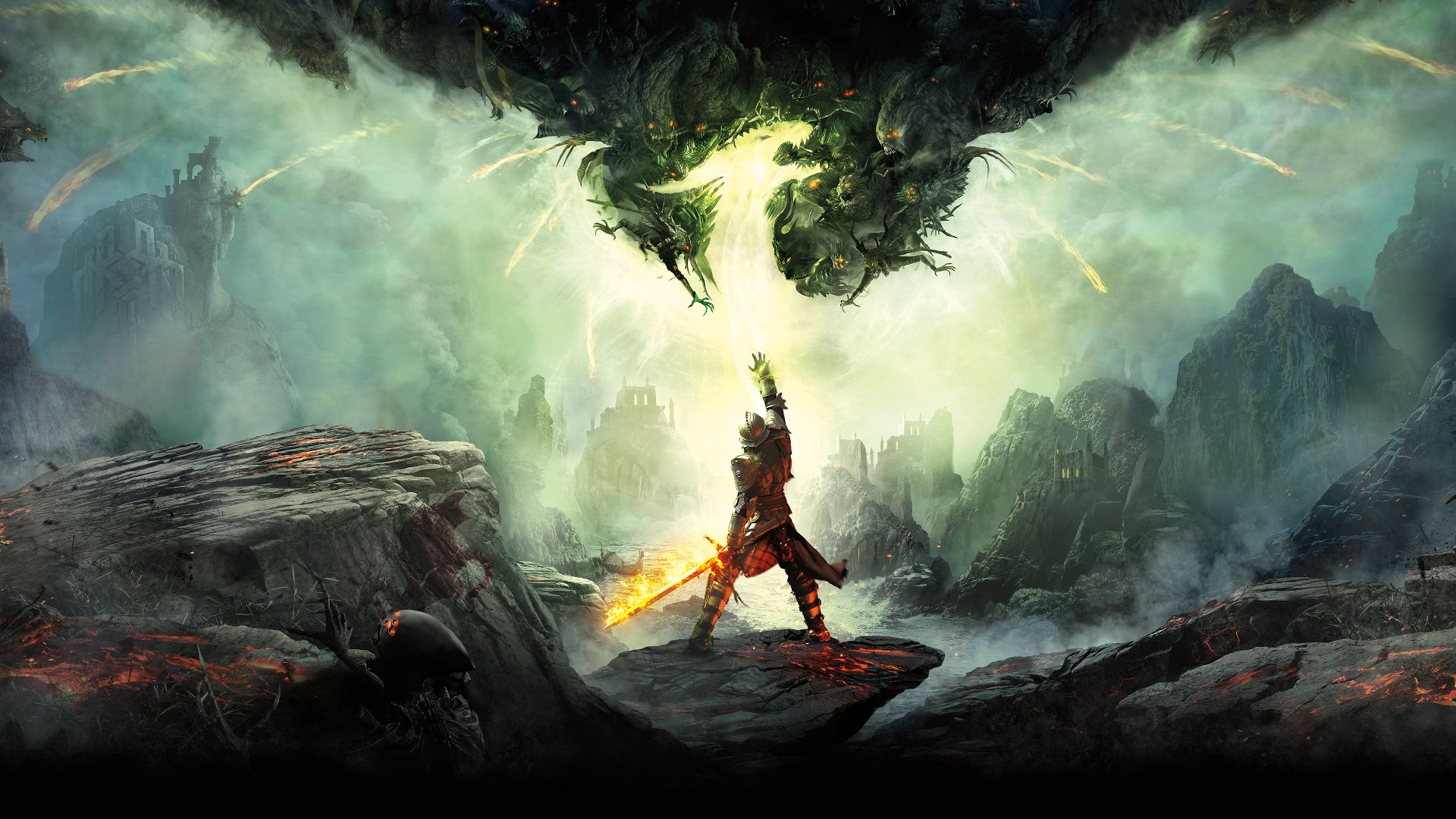
Also by BioWare and Electronic Arts, this entry tracks war table decisions and alliance favors that mostly feed resources and short vignettes. The main villain’s campaign remains unchanged by most diplomatic outcomes. Some companions can depart, yet the core mission list is stable. End slides acknowledge choices while the closing battle plays out similarly.
‘Fable’ (2004)
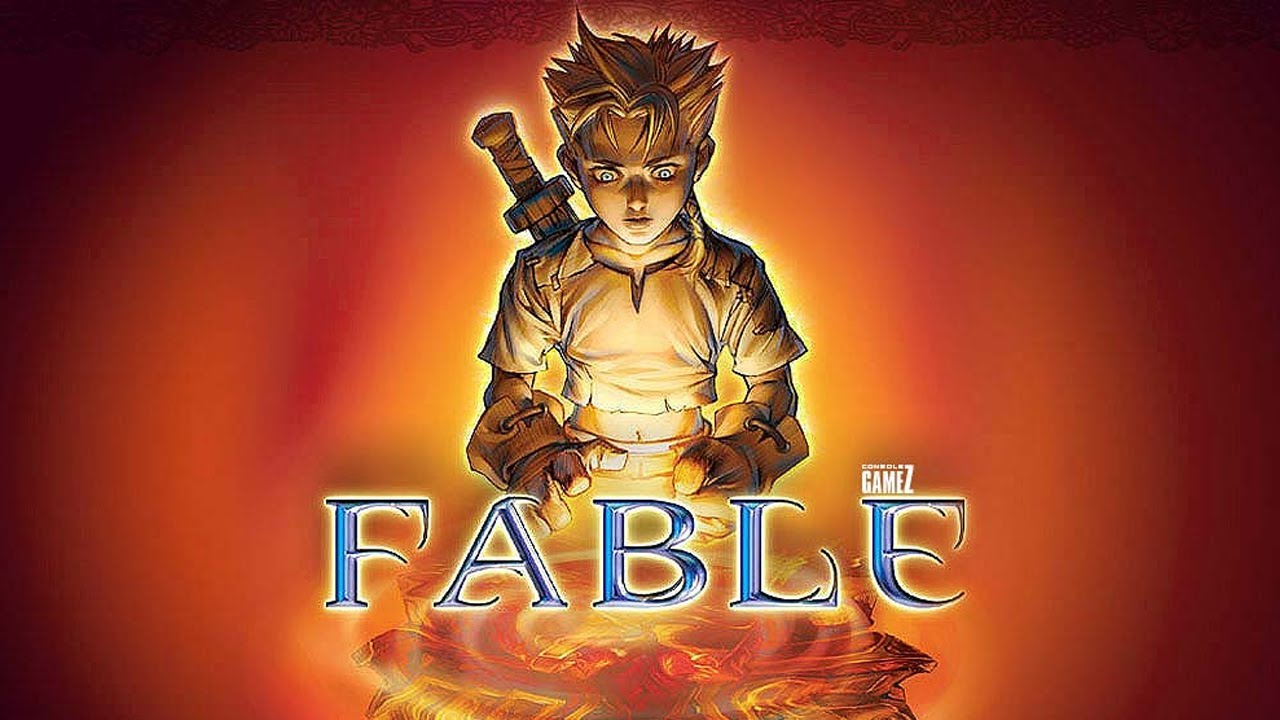
Lionhead Studios and Microsoft Game Studios marketed morality heavily, but halos and horns mostly change appearance and townsfolk reactions. Quest structure and boss fights proceed the same way. Shop prices and NPC responses shift without opening new regional arcs. The ending hinges on a simple good/evil decision rather than accumulated nuance.
‘Fable II’ (2008)
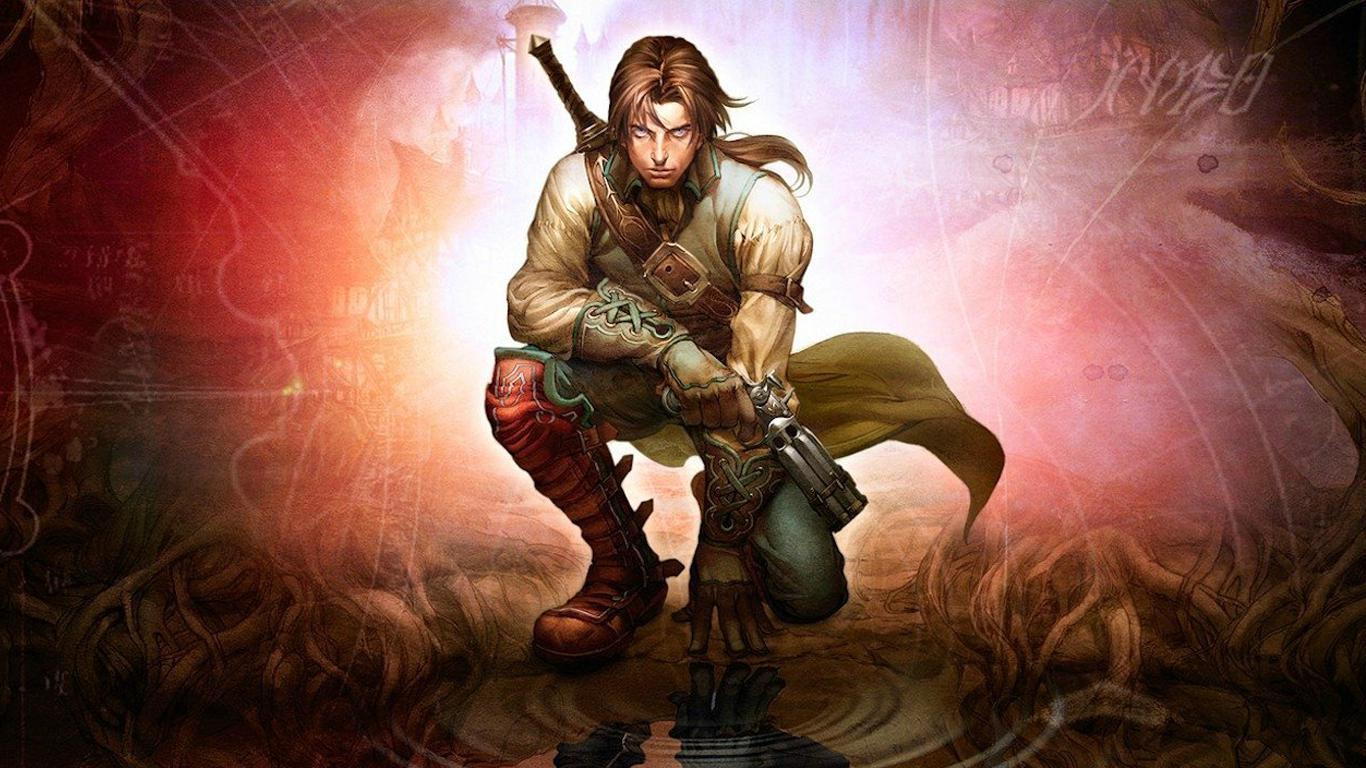
Again from Lionhead Studios and Microsoft Game Studios, ‘Fable II’ features family, wealth, and property systems that rarely alter the plot’s spine. The Spire sequence and final confrontation arrive for everyone. The ultimate wish selection changes the epilogue tone and rewards, not the journey. Morality influences cosmetics and economy more than story branches.
‘Fable III’ (2010)
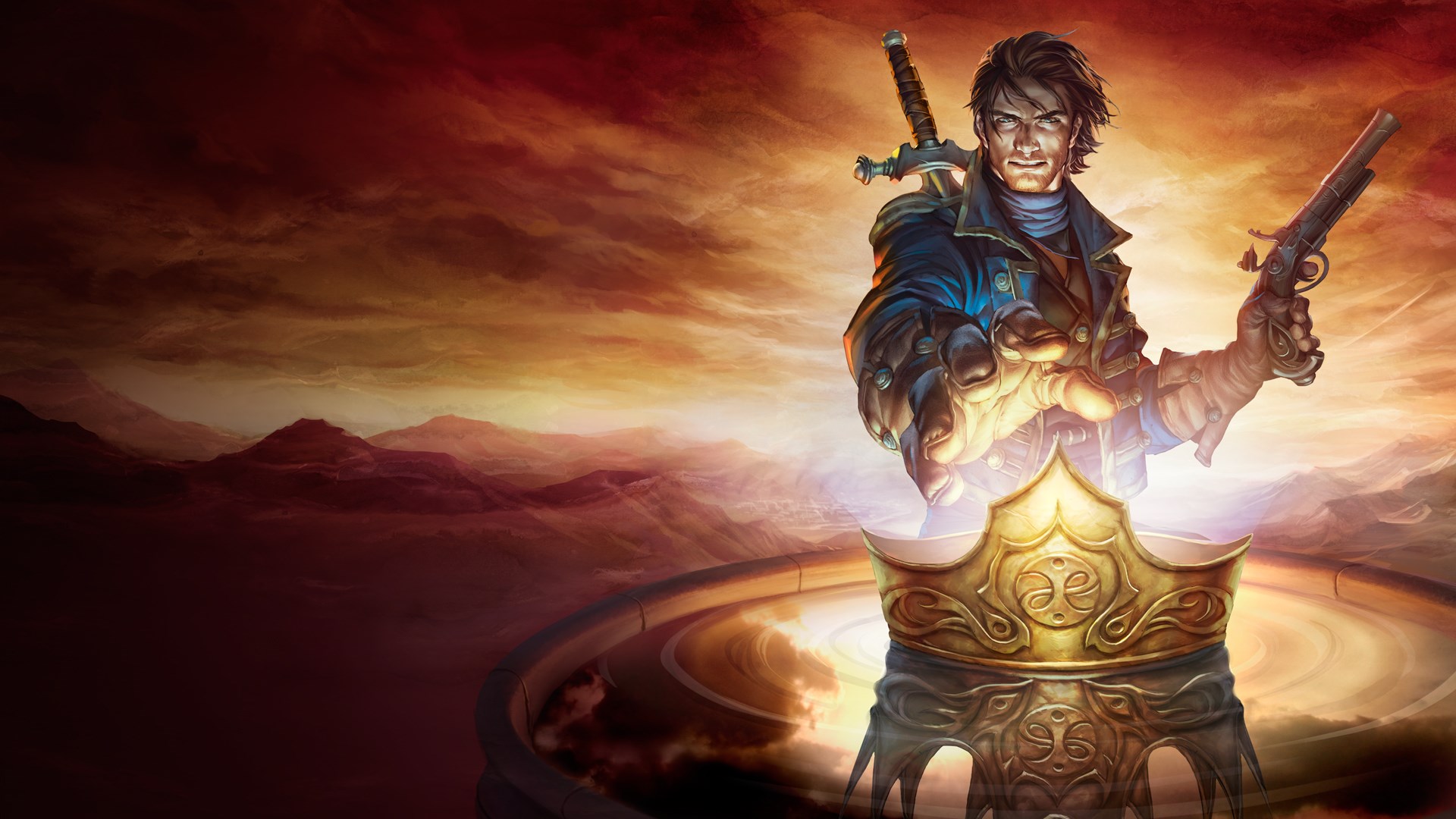
Lionhead Studios and Microsoft Game Studios position you as revolutionary and then monarch, but governance “choices” mainly modify treasury numbers and civic flavor. Promised reforms become a ledger rather than diverging campaigns. The looming threat resolves in a similar fashion with variable casualties noted in summaries. Most side decisions are acknowledged through town chatter and post-quest states.
‘Watch Dogs’ (2014)
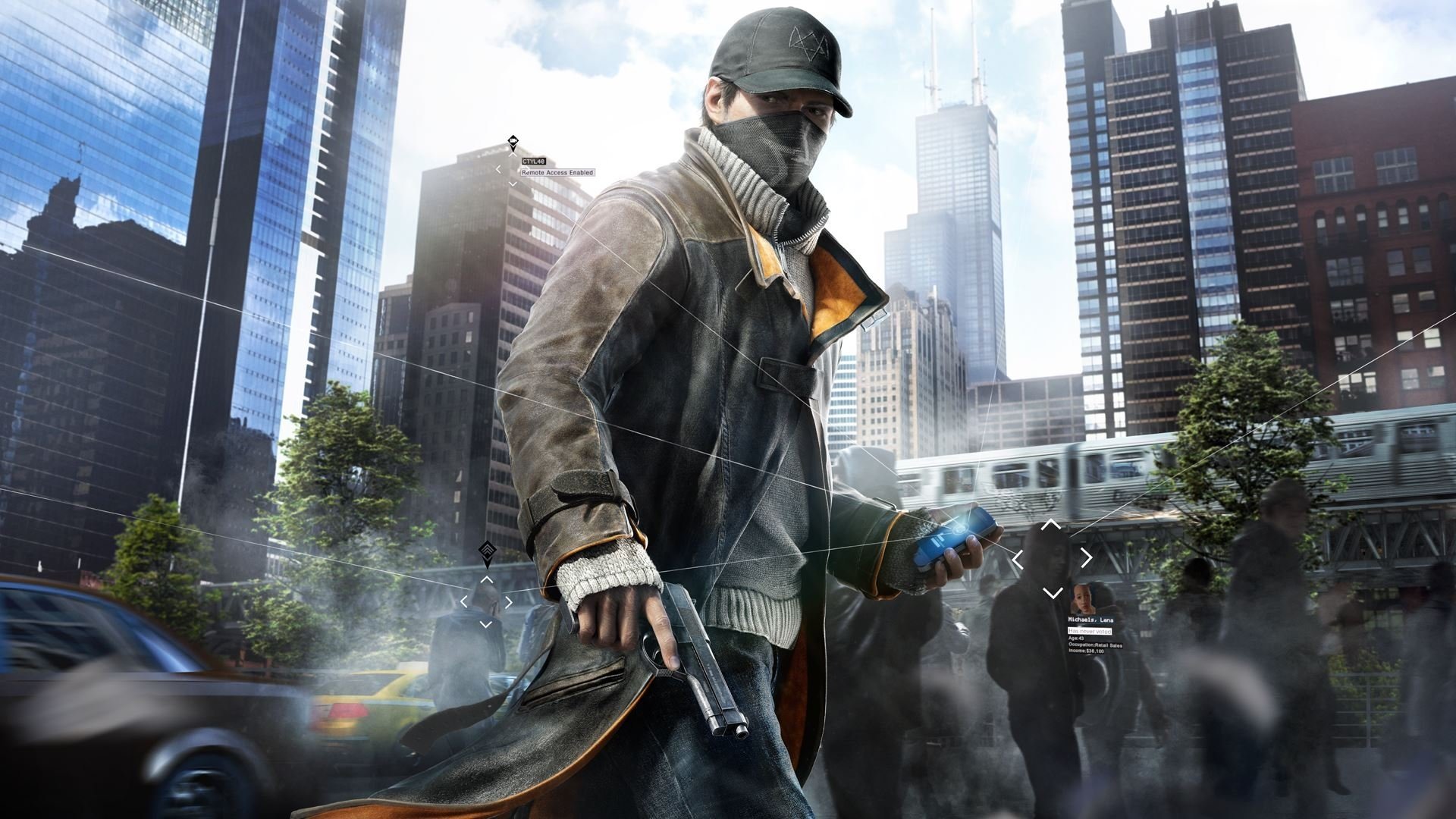
Ubisoft Montreal and Ubisoft structure the campaign so hacking choices affect tactics rather than story flow. Civilians reacting to your vigilantism adjust reputation, but missions and reveals stay intact. Dialogue tweaks appear, yet the Aiden–Iraq–Dermot throughline remains linear. The ending reflects a set path with minimal branch complexity.
‘Quantum Break’ (2016)
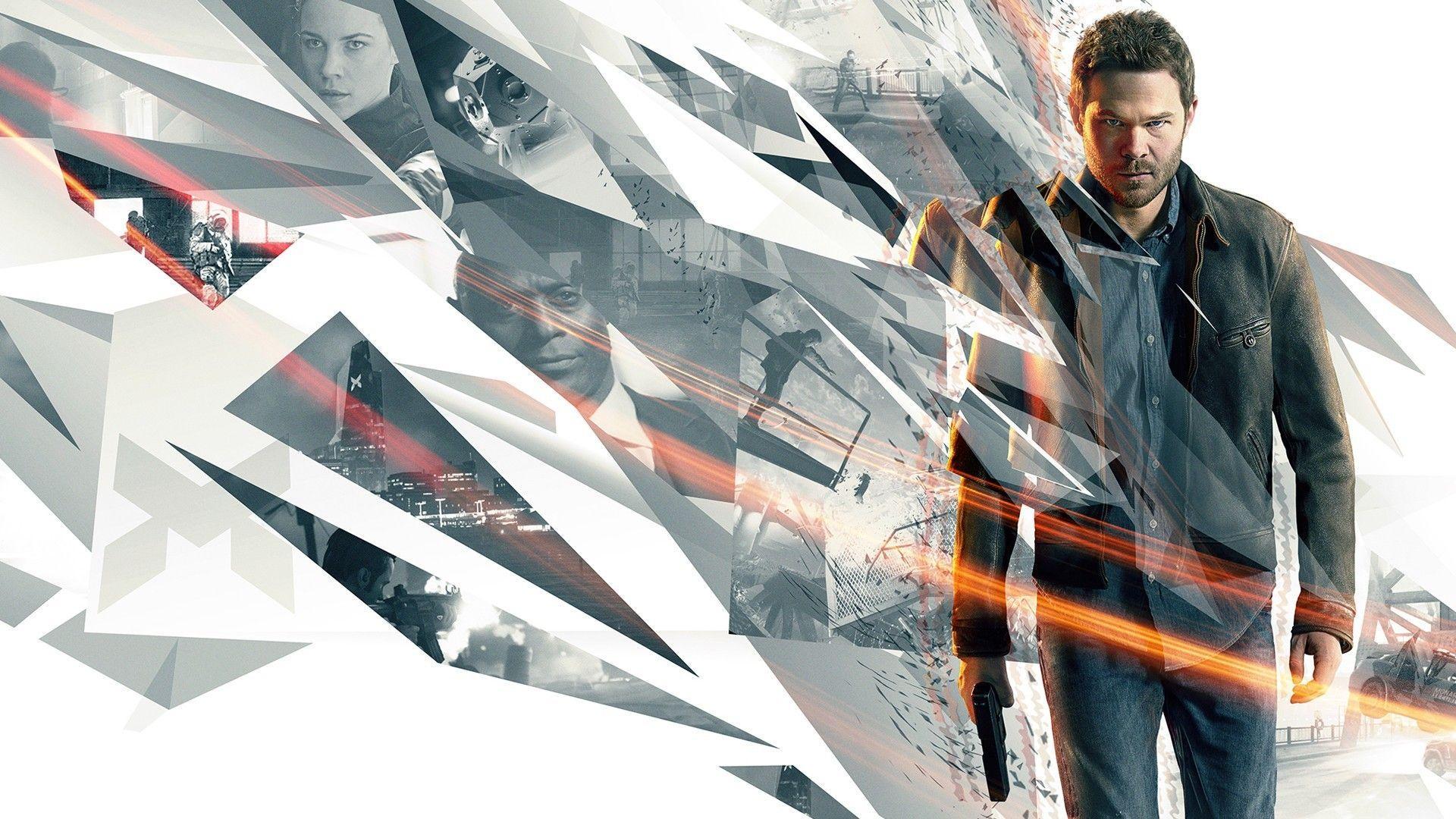
Remedy Entertainment and Microsoft Studios include “junction” choices that insert different live-action scenes, but the act order and boss beats don’t shift much. Collectibles add exposition without unlocking new chapters. Alternate episode inserts provide flavor around a consistent central conflict. The finale remains largely the same regardless of selected junctions.
‘Prey’ (2017)
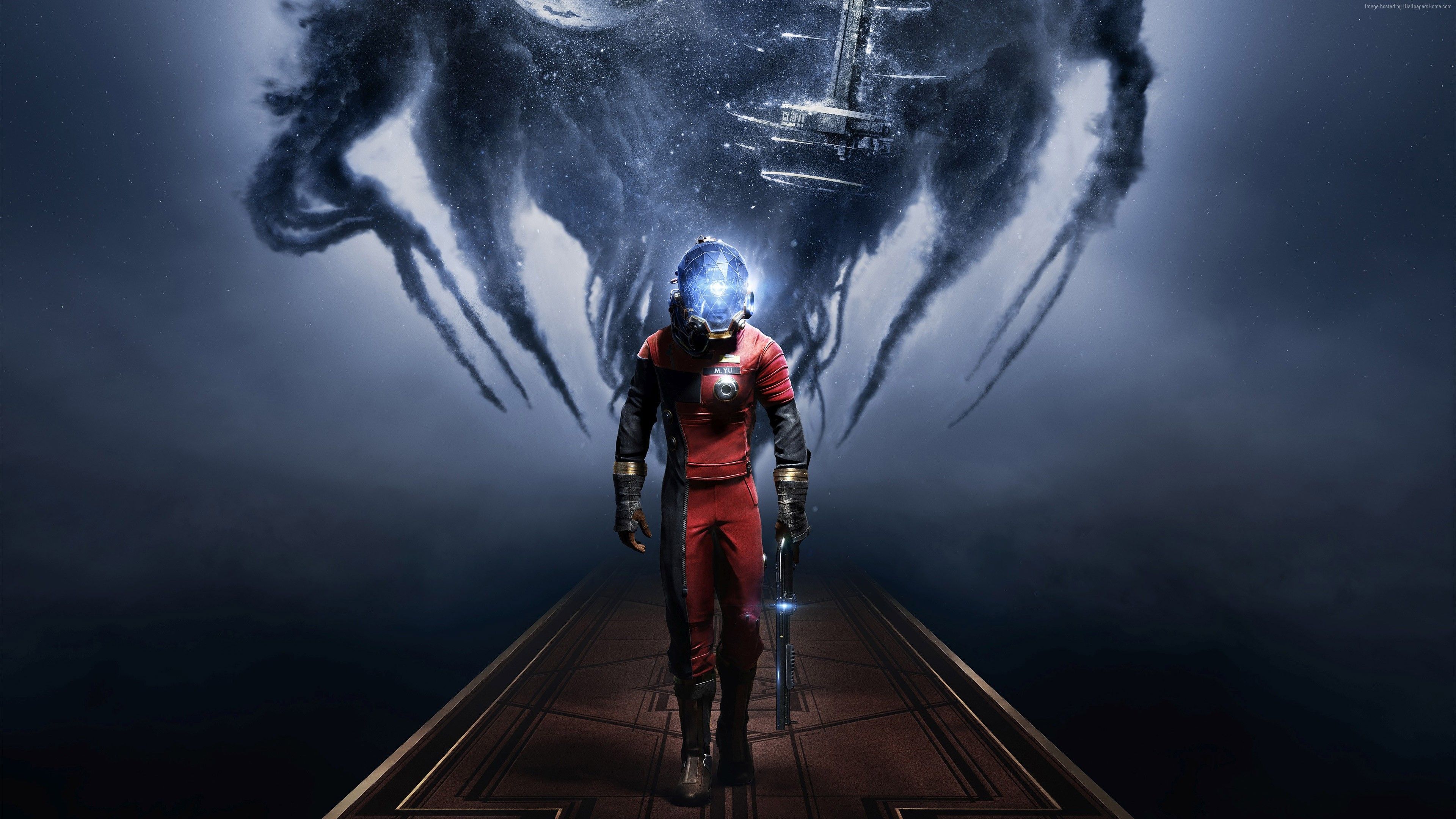
Arkane Studios and Bethesda Softworks let you role-play human or Typhon abilities, but main station events progress similarly. NPC rescue choices influence logs and a final assessment rather than core mission order. Multiple endings exist, yet the post-credits evaluation reframes outcomes as test results that compress differences. The critical path’s objectives stay consistent across builds.
‘Firewatch’ (2016)
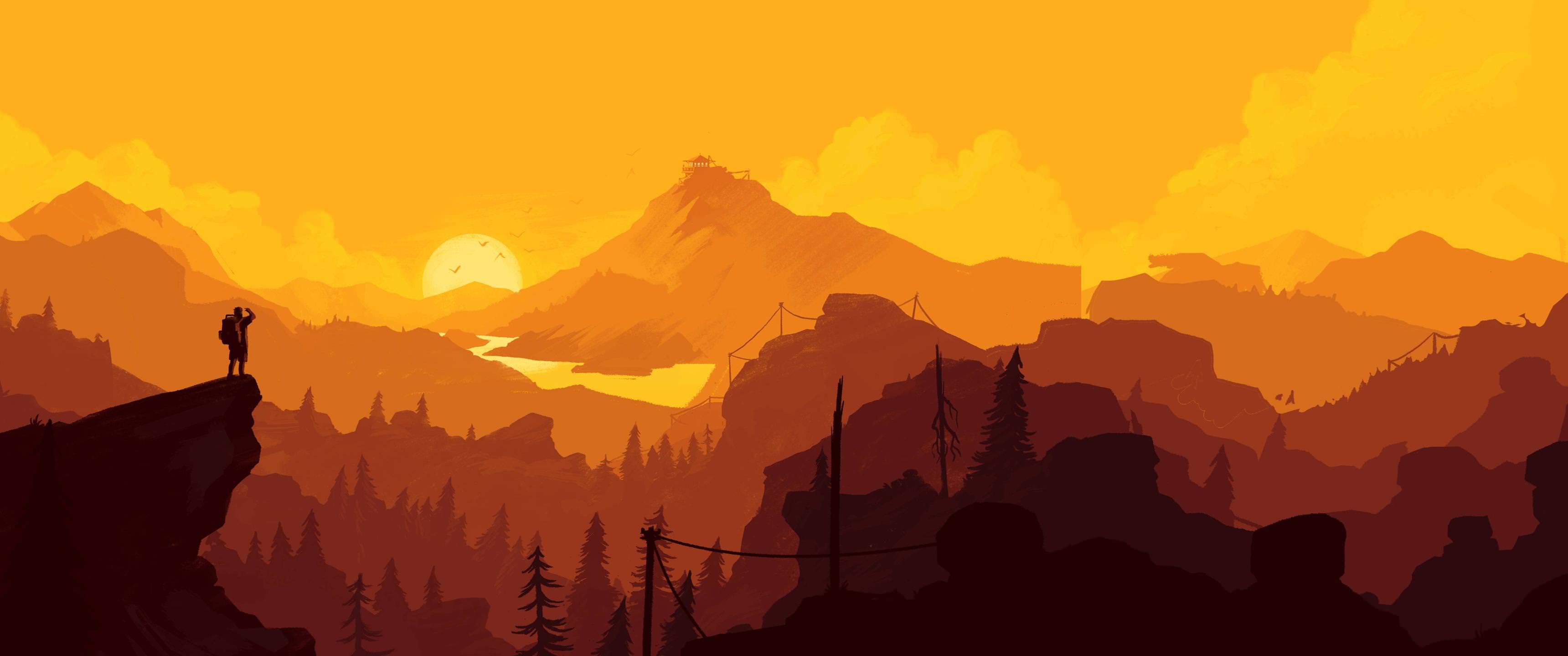
Campo Santo developed and published the narrative, with support from Panic for certain platforms, but your dialogue selections mostly set tone. The mystery resolves to the same grounded explanation. Relationship variations with Delilah change exchanges and a few scene beats, not the endpoint. Exploration findings add context without opening alternate storylines.
‘Twelve Minutes’ (2021)
Designed by Luis Antonio and published by Annapurna Interactive, this time-loop thriller offers conversational permutations that mostly lead back to the same puzzle gates. Progress depends on discovering exact information triggers rather than shaping the narrative. Different confrontations expose identical revelations. The ultimate conclusion is fixed once the necessary sequences are executed, regardless of earlier dialogue flavor.
Share your picks below: which games made you feel like your choices didn’t really move the needle?