

Games That Lost Key Voice Actors Over Payment Disputes




The video game industry relies heavily on iconic voice performances to bring its most beloved characters to life. However, behind the scenes, contract negotiations and payment disputes often lead to significant casting changes that can disrupt a franchise’s continuity. From high-profile union strikes to individual disagreements over residuals, several major titles have been forced to replace key actors mid-series. These shifts frequently highlight the ongoing tension between development budgets and the fair compensation of creative talent.
‘Bayonetta 3’ (2022)
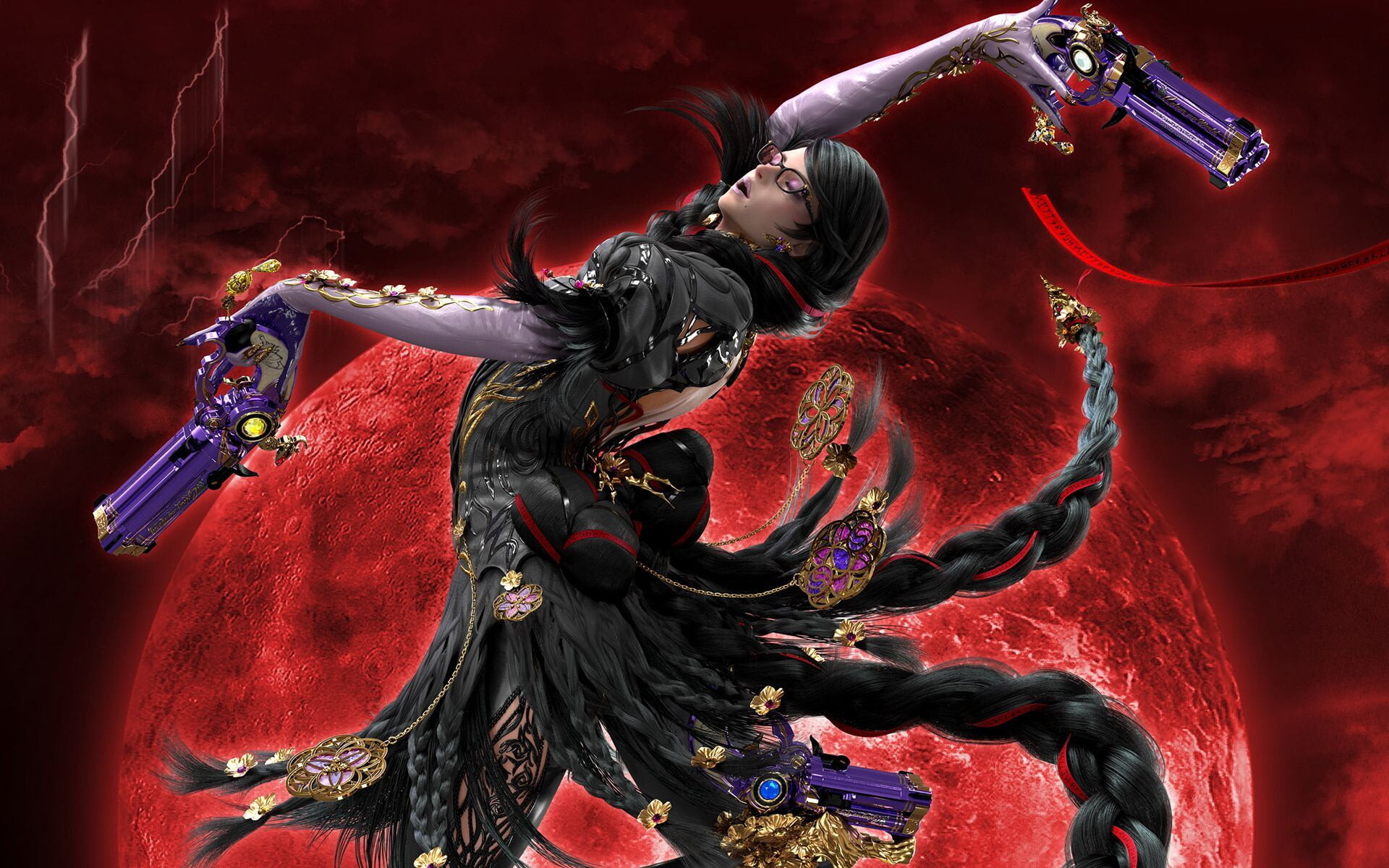
Hellena Taylor, the original voice of the titular witch, famously did not return for this installment developed by PlatinumGames and published by Nintendo. The dispute became public when Taylor claimed she was offered an “insulting” flat fee of $4,000 to voice the entire game. Jennifer Hale was subsequently cast to fill the role, while the developer cited various overlapping circumstances for the change. This event triggered significant industry debate regarding the fair valuation of veteran voice talent in high-budget sequels.
‘Life is Strange: Before the Storm’ (2017)

Ashly Burch did not reprise her role as Chloe Price in this prequel due to the SAG-AFTRA voice actor strike against several major publishers, including Square Enix. Developer Deck Nine had to cast Rhianna DeVries for the performance, although Burch remained on the project as a writing consultant. The strike was primarily centered on obtaining secondary compensation and better safety standards for performers. Fans eventually saw Burch return for a bonus episode after the labor dispute was resolved and new contracts were signed.
‘Resident Evil 2’ (2019)
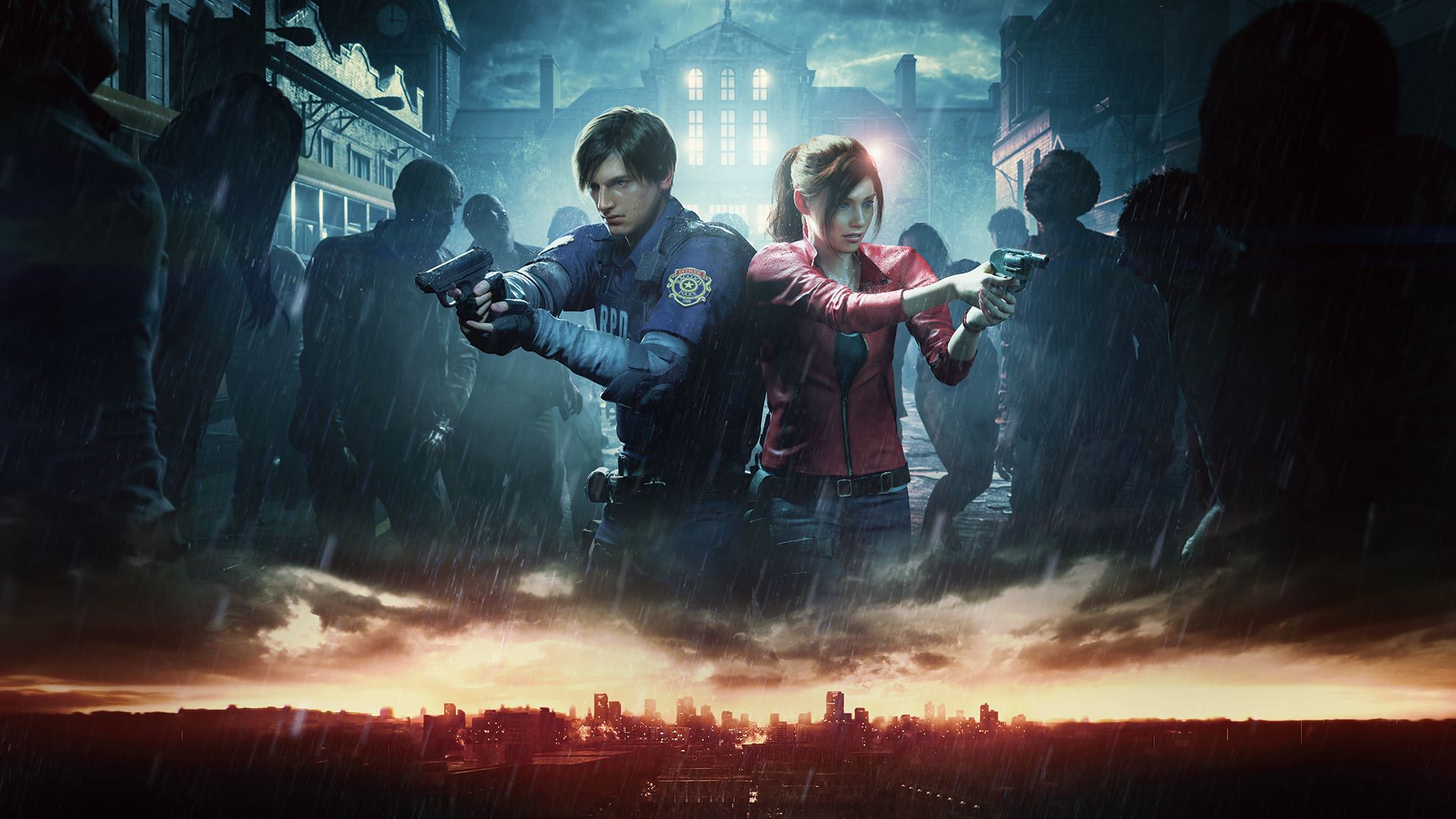
Alyson Court, the long-time voice of Claire Redfield, was not invited back for the remake developed and published by Capcom. Court revealed that the production company handling the localization chose to go with non-union actors to avoid the costs associated with union contracts. This decision led to the entire original cast being replaced by a new group of performers for the updated version. The move was met with disappointment from fans who had associated Court’s voice with the character since 1998.
‘Silent Hill HD Collection’ (2012)

The remaster of these classic horror titles, published by Konami, featured entirely new voice tracks because of a legal dispute with original actor Guy Cihi. Cihi, who played James Sunderland, claimed he was owed residual payments that Konami was unwilling to pay for the new release. The developer, Hijinx Studios, initially re-recorded all lines to bypass the royalty issues before eventually reaching a settlement with the original cast. This agreement eventually allowed players to choose between the original and new voices for ‘Silent Hill 2’ specifically.
‘Mass Effect 3’ (2012)
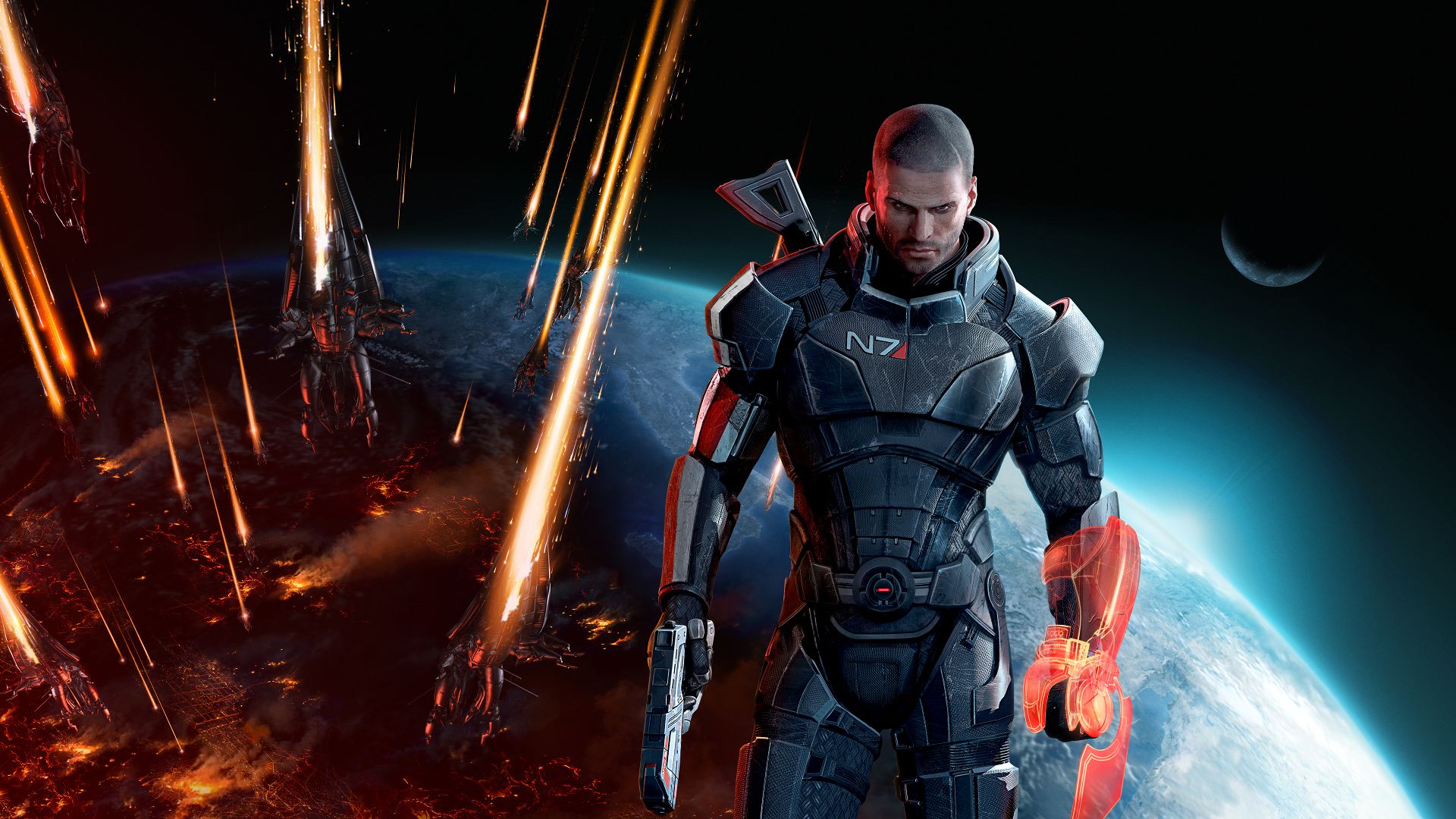
Michael Beattie, who voiced the popular character Mordin Solus in the second game, was replaced by William Salyers for the final entry in the trilogy. Developer BioWare and publisher Electronic Arts reportedly failed to reach a financial agreement with Beattie for the character’s return. While Salyers was praised for his performance, the shift was noticeable to many fans who had grown attached to the original delivery. The dispute highlighted how contract negotiations can impact character continuity in long-running RPG franchises.
‘Call of Duty: Black Ops Cold War’ (2020)

James C. Burns, known for his iconic portrayal of Frank Woods, was replaced by Damon Victor Allen in this installment published by Activision. Burns expressed his frustration publicly, stating that developer Treyarch never contacted him to negotiate a return or discuss terms. It was widely speculated that the move was made to utilize non-union talent or to reduce production costs associated with veteran cast members. Burns noted that he would have returned for the role had he been given the opportunity to discuss a fair contract.
‘Marvel vs. Capcom: Infinite’ (2017)
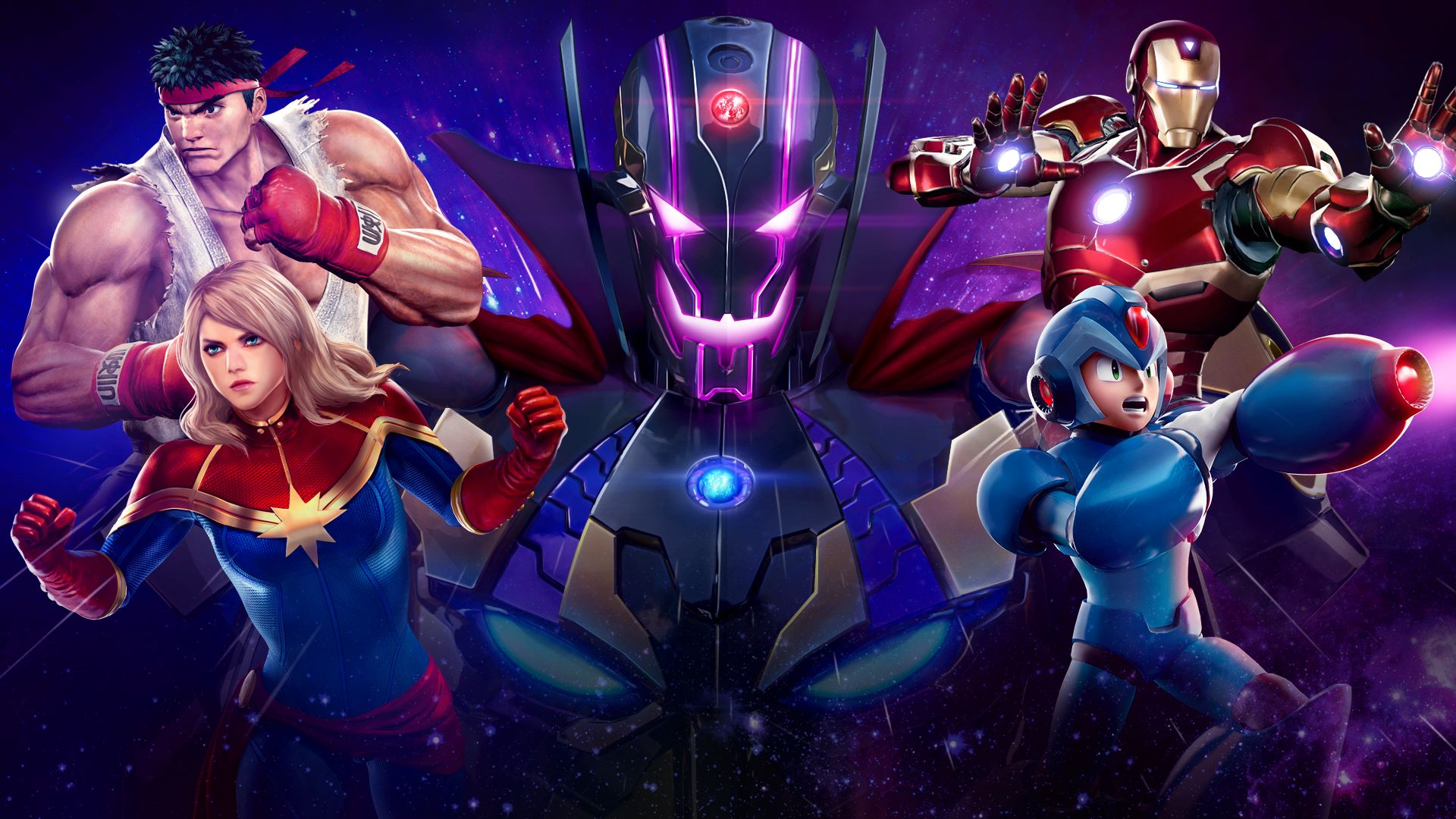
This crossover fighting game, developed and published by Capcom, saw a massive overhaul of its voice cast due to the ongoing SAG-AFTRA strike. Many regular Marvel voice actors were unavailable because the strike targeted several companies involved in the production of the title. Consequently, characters like Rocket Raccoon and Captain America featured different voices than those heard in previous games or the ‘Marvel Cinematic Universe’. The budgetary constraints of working outside union agreements resulted in a cast that many critics felt lacked the star power of its predecessors.
‘Final Fantasy VII Remake’ (2020)
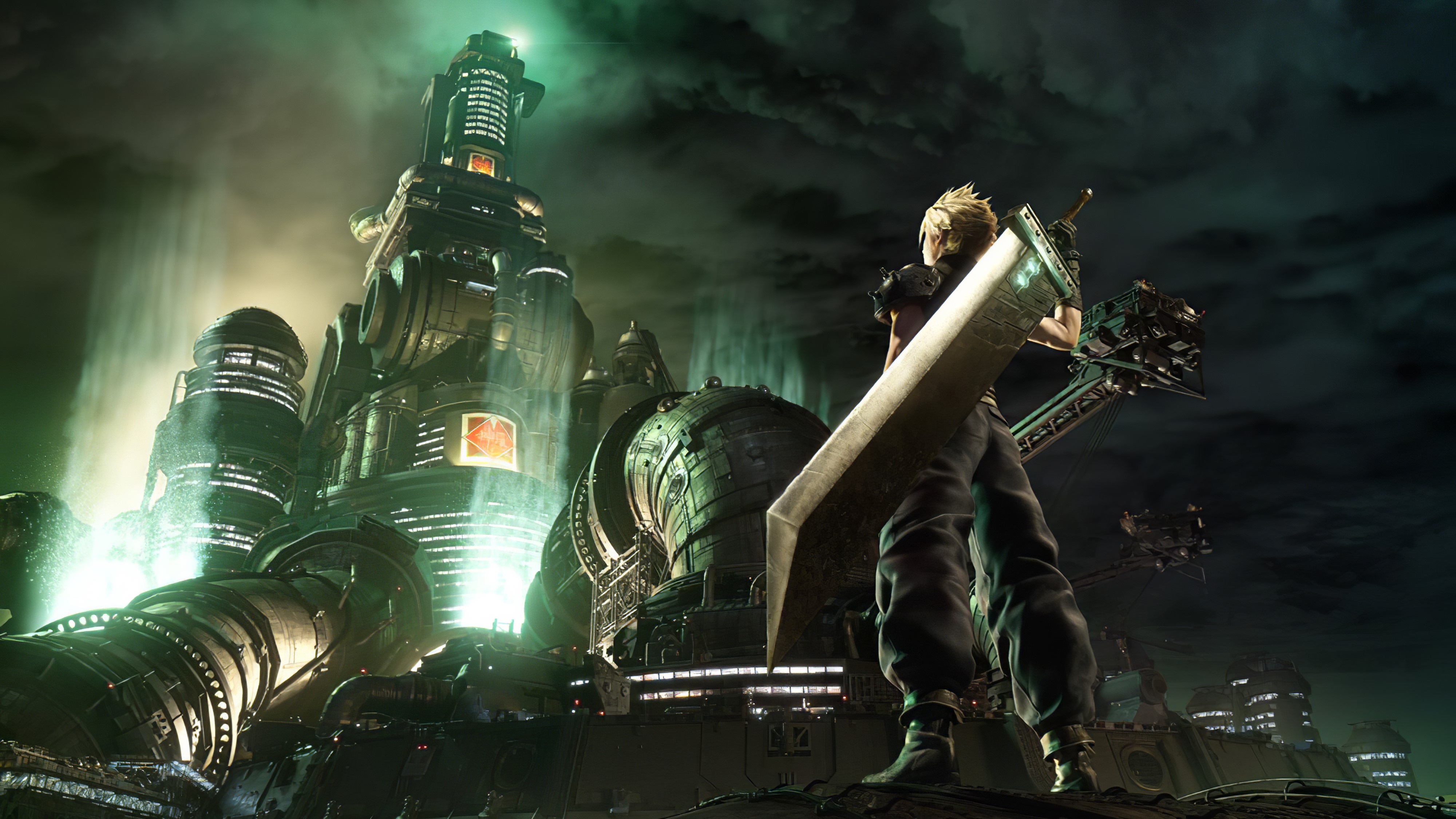
Square Enix decided to replace the entire voice cast from the ‘Compilation of Final Fantasy VII’ for this high-profile remake. Actors like Steve Burton and Quinton Flynn, who had voiced Cloud and Reno for over a decade, were replaced by a new, younger cast. While the publisher cited a desire for a fresh start, industry insiders pointed toward the transition to a non-union production as a primary motivator. This allowed the company to avoid the increasing rates and residual demands associated with the veteran union actors.
‘Dead or Alive 6’ (2019)
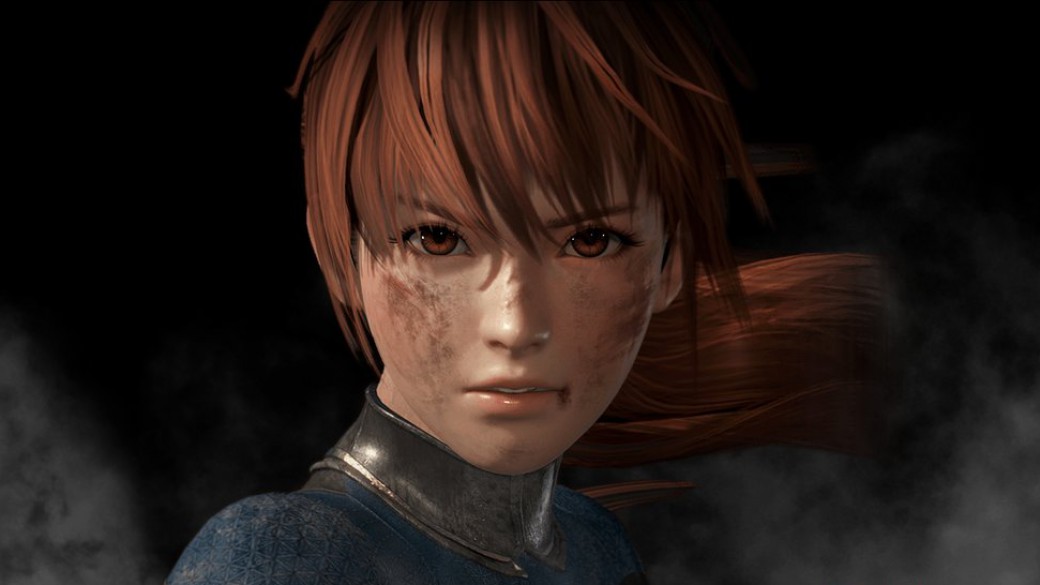
Peter Gadiot, who provided the voice for the character Diego, was at the center of a casting change for the game developed by Team Ninja and published by Koei Tecmo. The studio reportedly struggled to meet the financial demands of certain high-profile international actors during the final stages of production. This led to various adjustments in the localized voice tracks to keep the project within its specific allocated budget. The situation underscored the financial complexities of maintaining a consistent global cast for expanding fighting game rosters.
‘Injustice 2’ (2017)
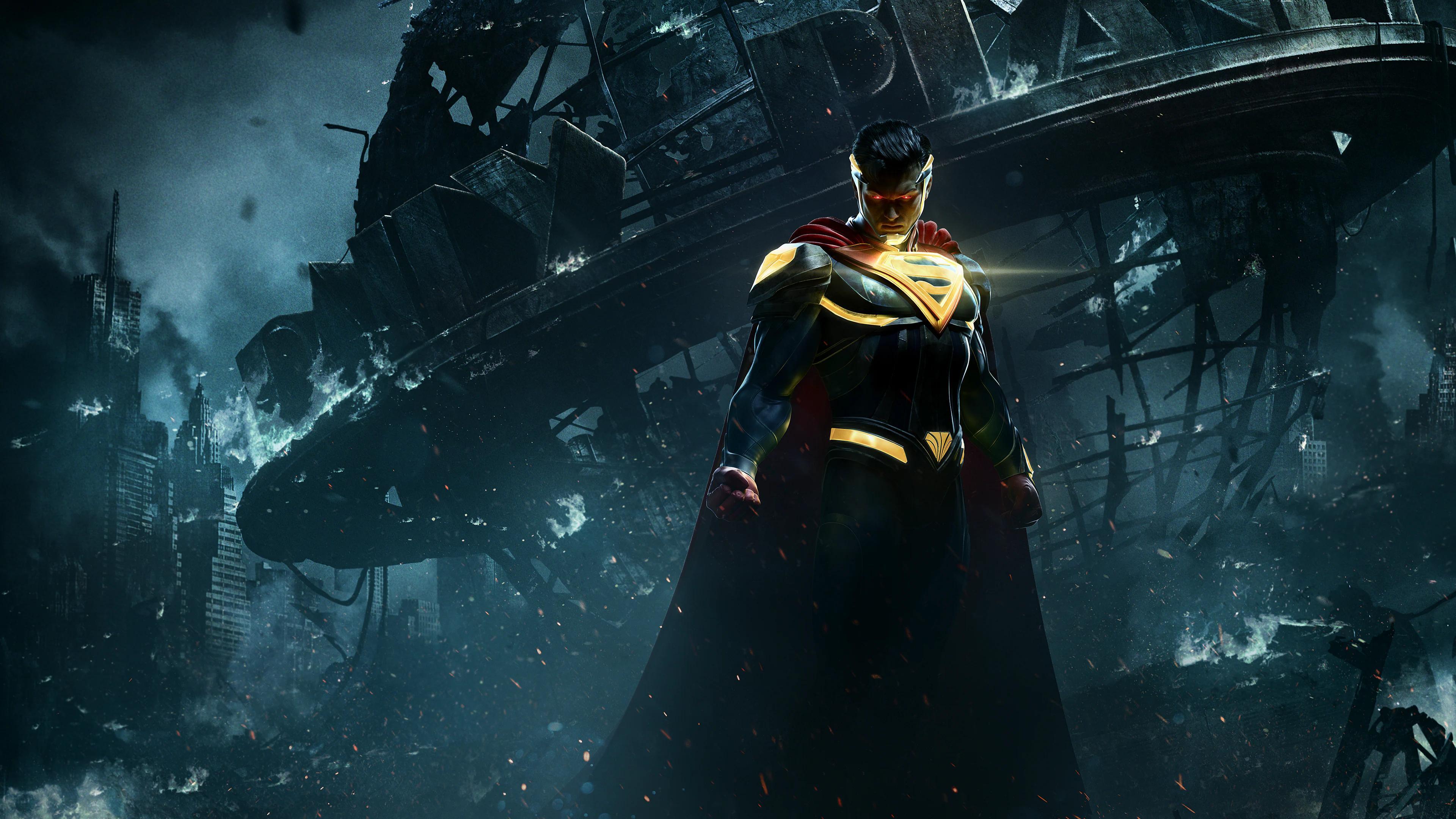
Developed by NetherRealm Studios and published by Warner Bros. Interactive Entertainment, this title was heavily impacted by the SAG-AFTRA labor strike. Several key roles had to be filled by different actors because the original performers were honoring the strike for better pay and transparency. This resulted in a mix of returning veterans and new voices that had to be integrated during a tumultuous development period. The eventual resolution of the strike brought more stability to future projects under the Warner Bros. umbrella.
‘Lego Dimensions’ (2015)
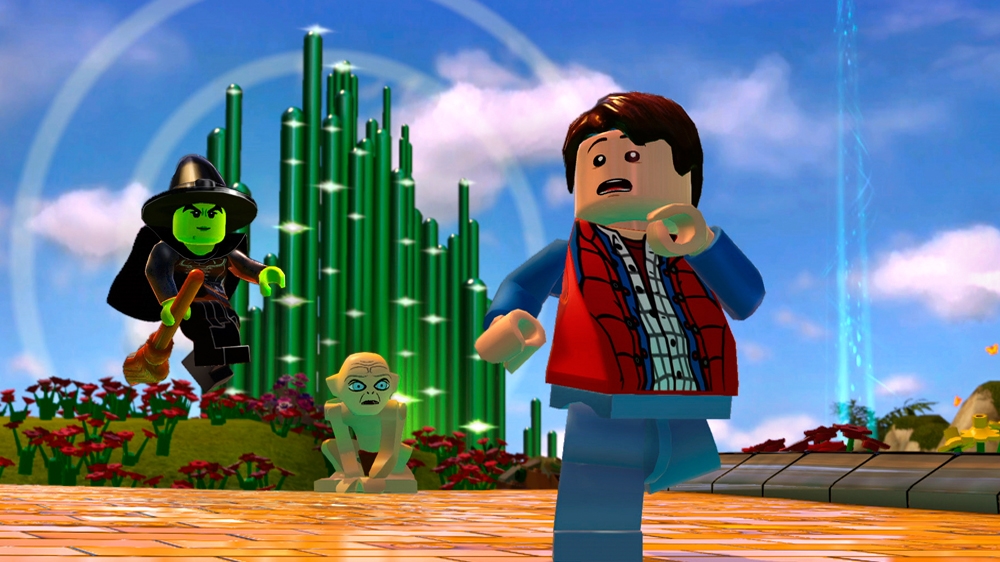
This ambitious crossover title from TT Games and Warner Bros. Interactive Entertainment required a massive cast that became difficult to manage under standard pay scales. Several actors from various licensed properties were replaced by sound-alikes when the publisher could not reach payment agreements for the additional lines. The cost of securing high-end Hollywood talent for a toys-to-life game proved to be a significant logistical and financial hurdle. This led to a revolving door of performers throughout the game’s various expansion packs and updates.
‘Mortal Kombat 11’ (2019)

The casting for this major fighting game from NetherRealm Studios saw several veterans replaced by newer talent to manage the rising costs of production. While high-profile names like Ronda Rousey were brought in, many long-standing union voice actors found themselves excluded from the project. Publisher Warner Bros. Interactive Entertainment faced criticism for the disparity between celebrity pay and the rates offered to career voice performers. This tension remains a focal point of discussions regarding the allocation of development budgets in the fighting game genre.
‘Shenmue III’ (2019)

After a record-breaking crowdfunding campaign, developer Ys Net and publisher Deep Silver struggled to bring back the original English voice cast. While Corey Marshall returned as Ryo Hazuki, many other original actors were not hired due to the limited budget of the independent production. The creators had to find more affordable talent to fill the numerous roles across the expansive game world. This decision was a point of contention for long-time fans who had waited nearly two decades for the story to continue with the original voices.
‘Kingdom Hearts III’ (2019)
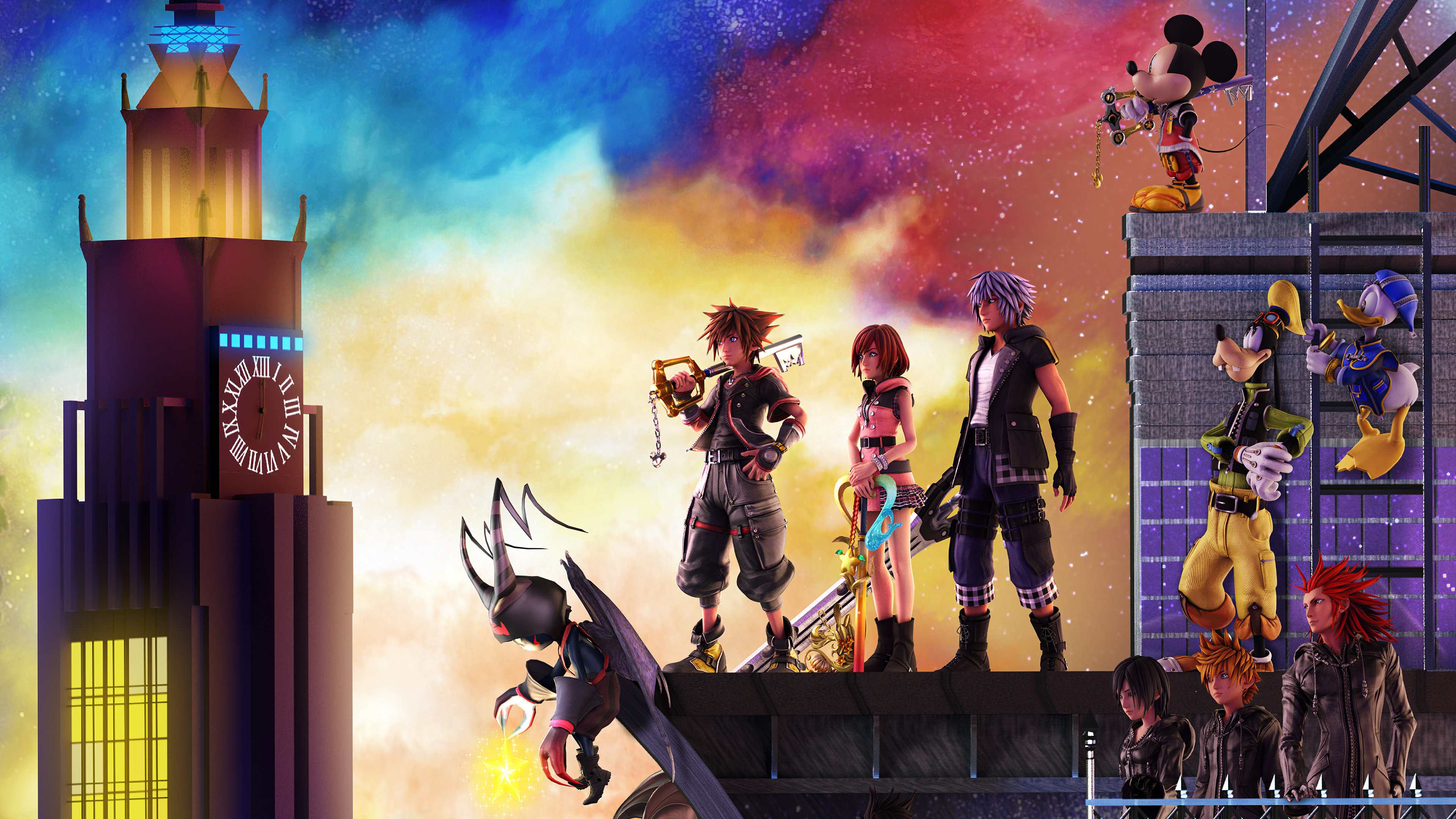
Willa Holland, who voiced Aqua, saw her role significantly reduced or supplemented by other performers in certain segments of this game. Developer and publisher Square Enix faced challenges navigating the busy schedules and increasing contract fees of the established talent. As a result, some characters received less screen time or were voiced by different actors in subsequent downloadable content updates. These shifts often occur when large-scale projects face the reality of multi-year development cycles and fluctuating budgets.
‘Grand Theft Auto IV’ (2008)

Michael Hollick, the voice of protagonist Niko Bellic, famously spoke out against the pay structure provided by Rockstar Games after the game’s massive success. While he was paid a standard union rate for his work, the lack of residuals meant he did not benefit from the title’s billion-dollar earnings. This dispute soured the relationship between the actor and the developer, leading to his absence in future expansions or franchise cameos. Rockstar Games has since maintained a policy of using less recognizable actors to avoid similar public disputes over profit sharing.
Share your thoughts on these voice acting changes and whether they impacted your experience in the comments.