

Games That Lost Millions After “Modern Sensitivity” Updates

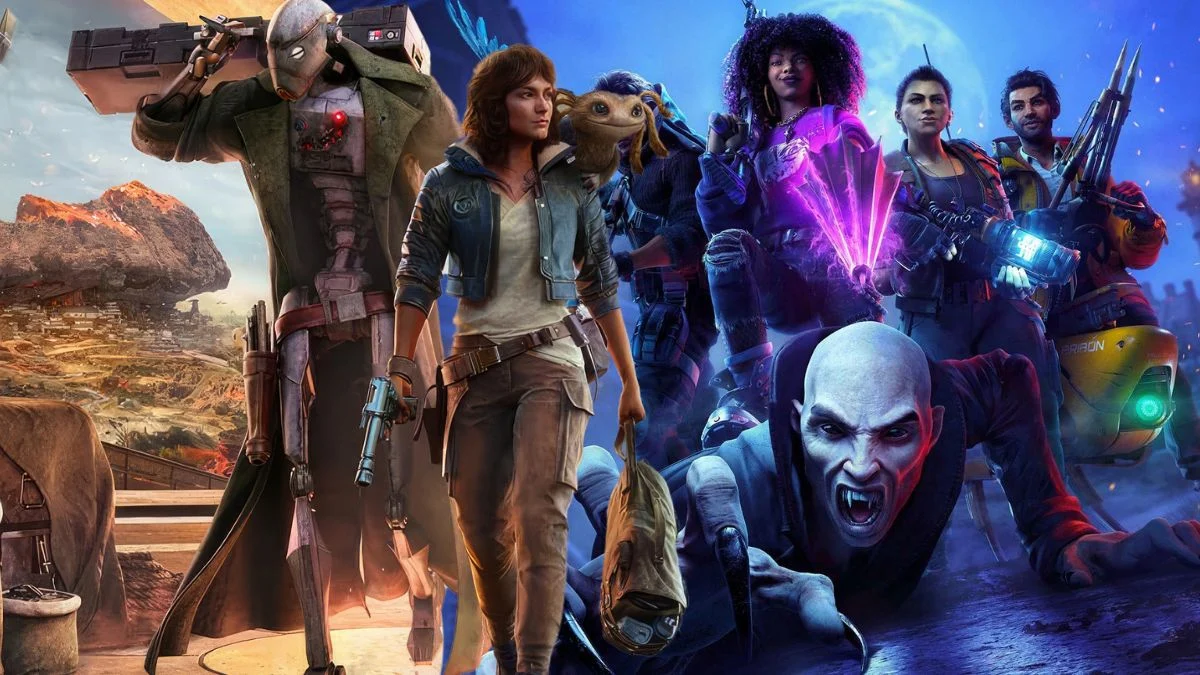


The gaming industry has seen a significant shift in how narratives and character designs are approached in recent years. While many developers aim for inclusivity, certain titles have faced severe backlash and financial downturns following changes or design choices tied to modern social standards. These instances often lead to lower sales figures and massive write downs for major publishers who struggle to balance creative vision with audience expectations. The following list examines titles that experienced substantial financial losses or underperformed relative to expectations after prioritizing modern sensitivity.
‘Concord’ (2024)
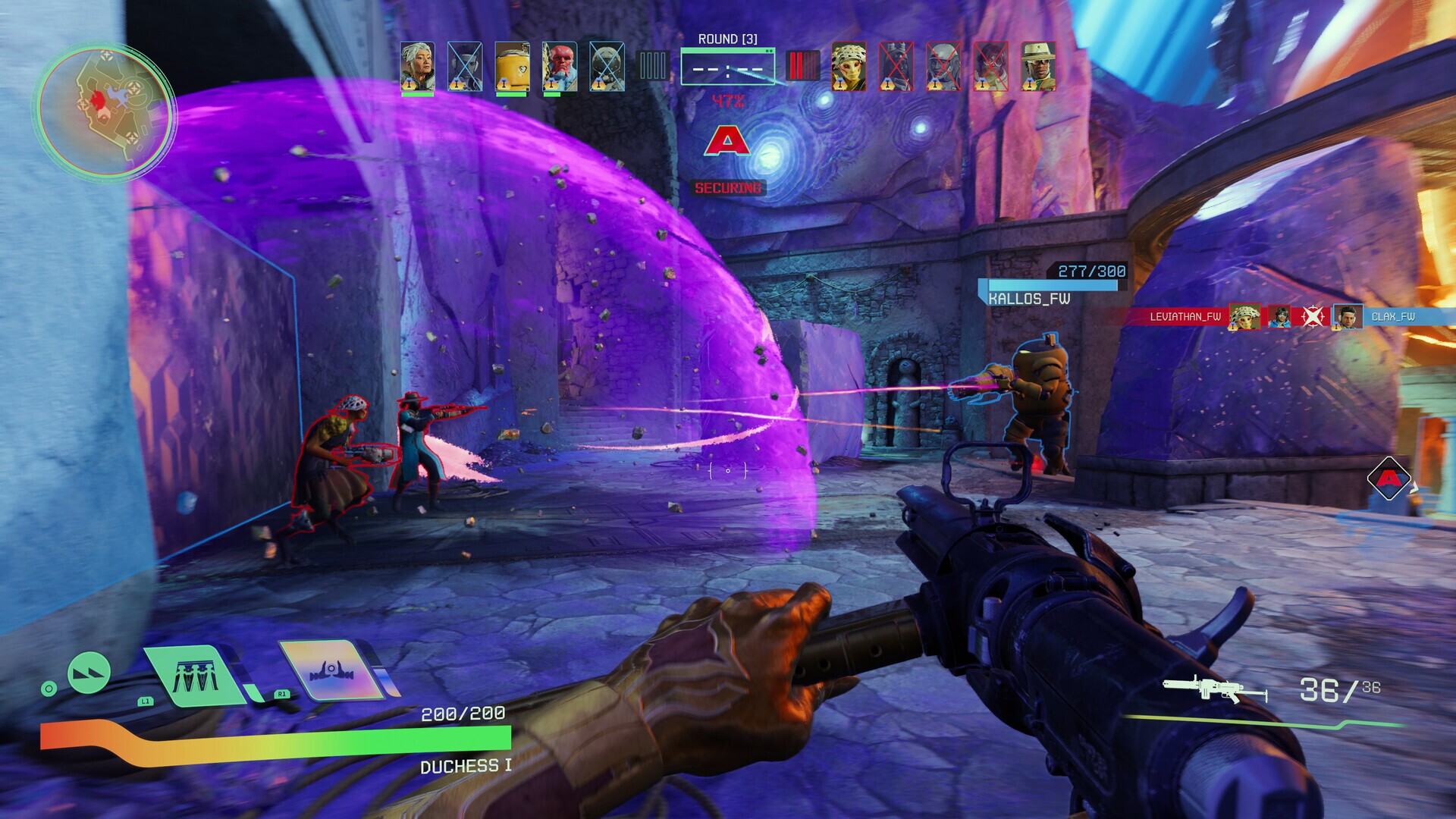
Sony Interactive Entertainment shut down this multiplayer shooter just two weeks after its global launch. The title suffered from extremely low player counts on both PC and PlayStation consoles. Many critics and players pointed to character designs and a lack of identity as primary reasons for its failure. Sony eventually pulled the game from storefronts and offered full refunds to all purchasers. This move resulted in a total loss of the development and marketing budget which reached hundreds of millions of dollars.
‘Suicide Squad Kill the Justice League’ (2024)
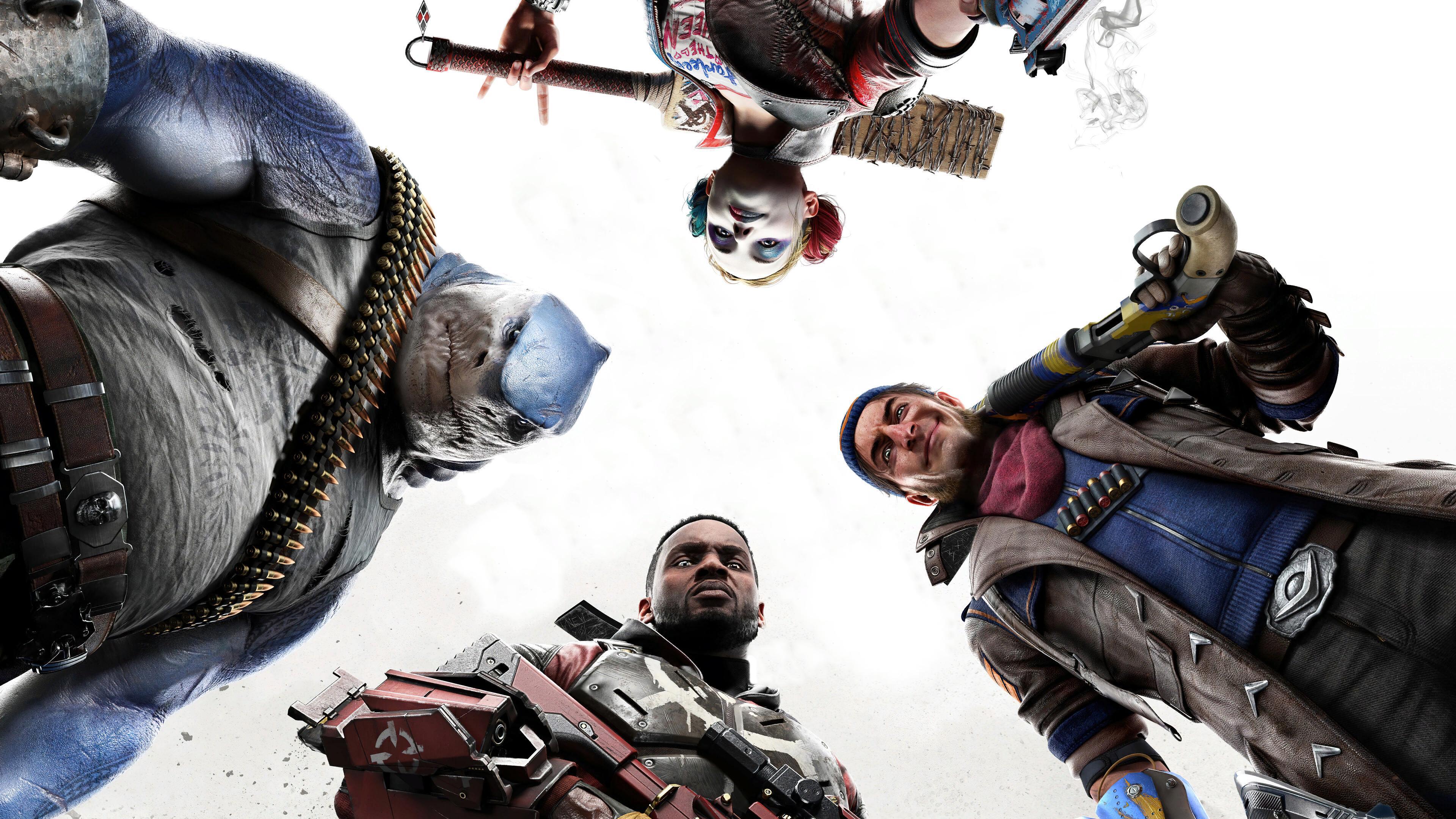
Warner Bros Discovery reported a two hundred million dollar loss following the release of this live service title. Fans criticized the narrative choices involving iconic heroes and the general gameplay structure. The modern sensibilities integrated into the character interactions did not resonate with the core fan base of the DC universe. Sales fell significantly below the expectations set by the publisher. This failure led to a strategic pivot for future projects within the company.
‘Saints Row’ (2022)
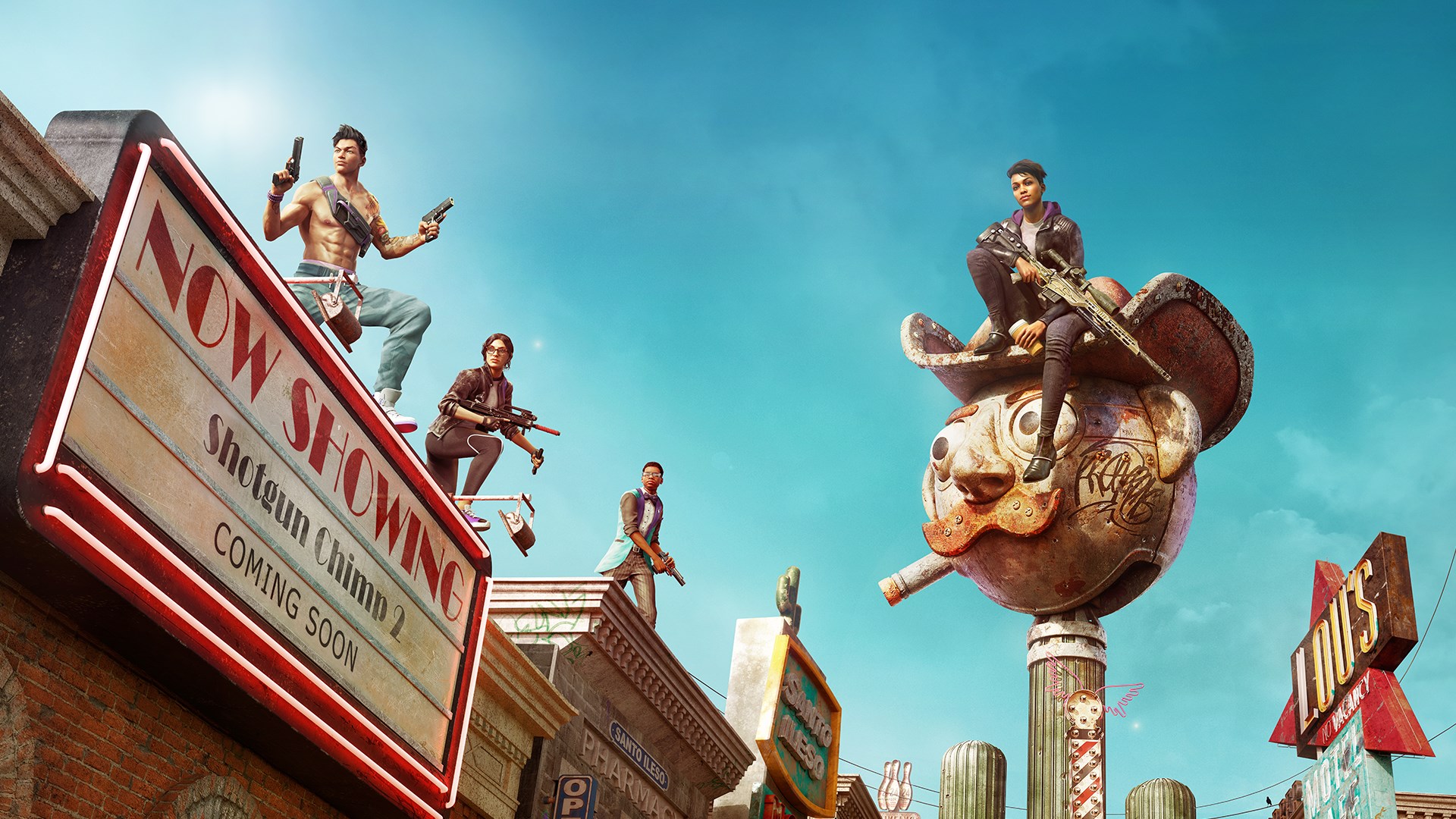
The reboot of the ‘Saints Row’ franchise attempted to move away from its crude origins toward a more modern and relatable cast. This shift alienated veteran fans who preferred the over the top nature of previous installments. Volition the developer of the series faced closure shortly after the game failed to meet its commercial targets. Embracer Group acknowledged that the financial return was disappointing despite the high development costs. The brand remains in a state of uncertainty following the poor reception of the reboot.
‘Dustborn’ (2024)
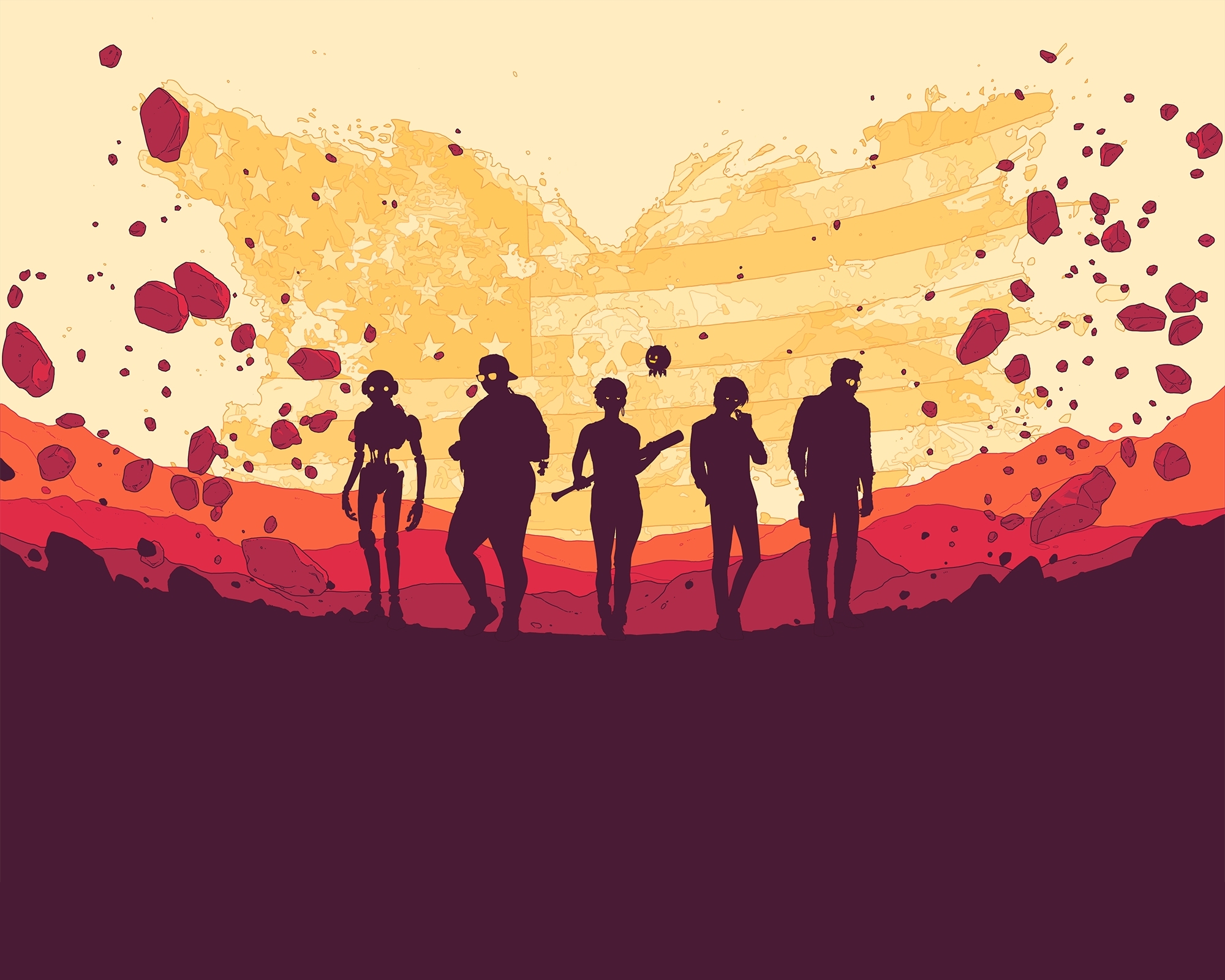
This narrative action game focused heavily on social themes and political commentary through its storytelling. Upon release the game struggled to attract a significant audience on digital storefronts. Public data indicated that concurrent player counts were exceptionally low for a major published title. The emphasis on modern sensitivity in the dialogue and world building was a central point of contention among gaming communities. The financial performance led to discussions regarding the viability of such niche narrative focuses in the current market.
‘Forspoken’ (2023)
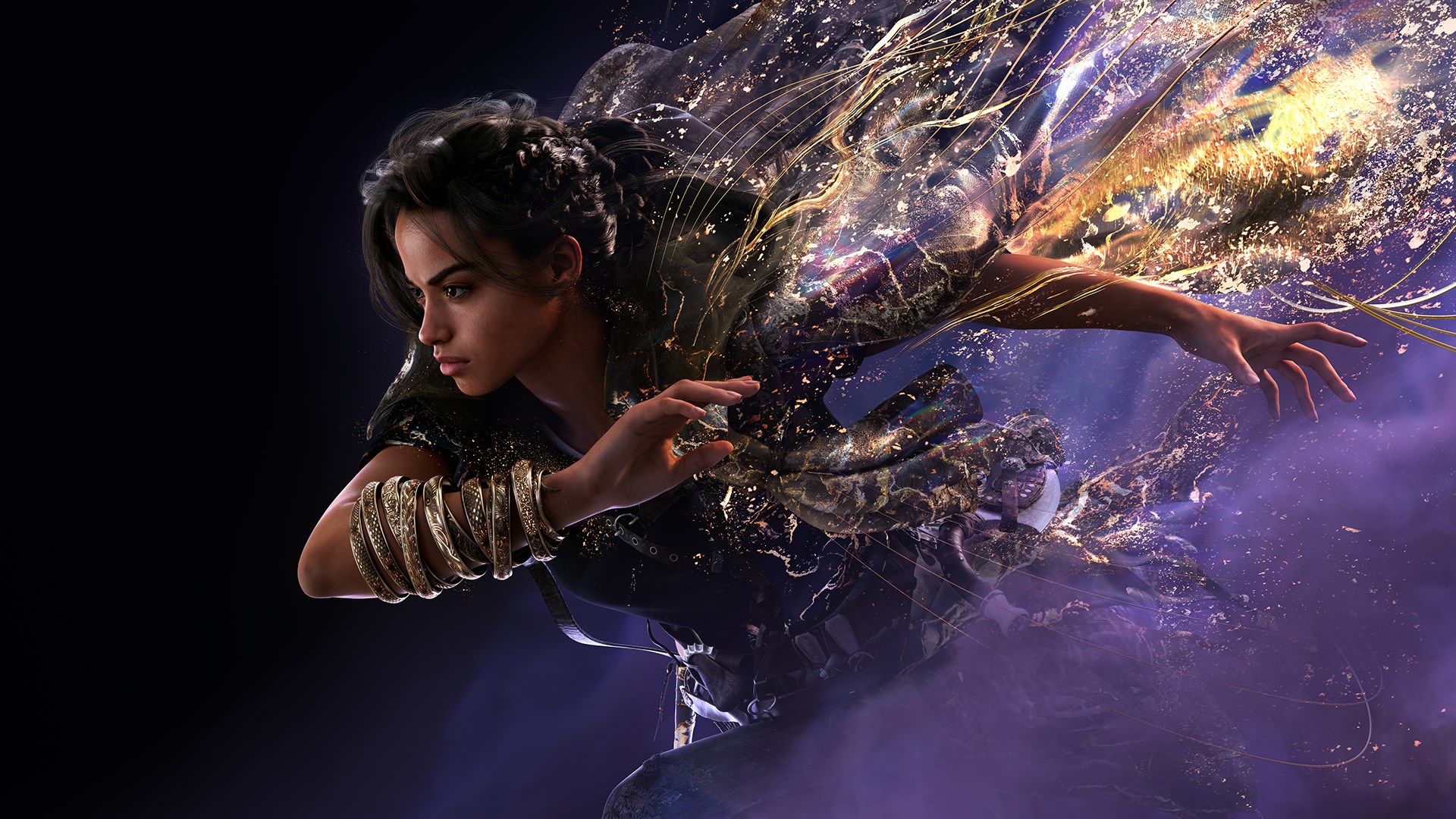
Square Enix merged the developer Luminous Productions after the game failed to reach satisfactory sales levels. The story and dialogue were frequently criticized for failing to connect with the target audience. High development costs and extensive marketing did not translate into a sustainable profit for the publisher. The company later admitted that the sales of the title were lackluster. This outcome forced a change in the development strategy for future large scale projects.
‘Battlefield V’ (2018)
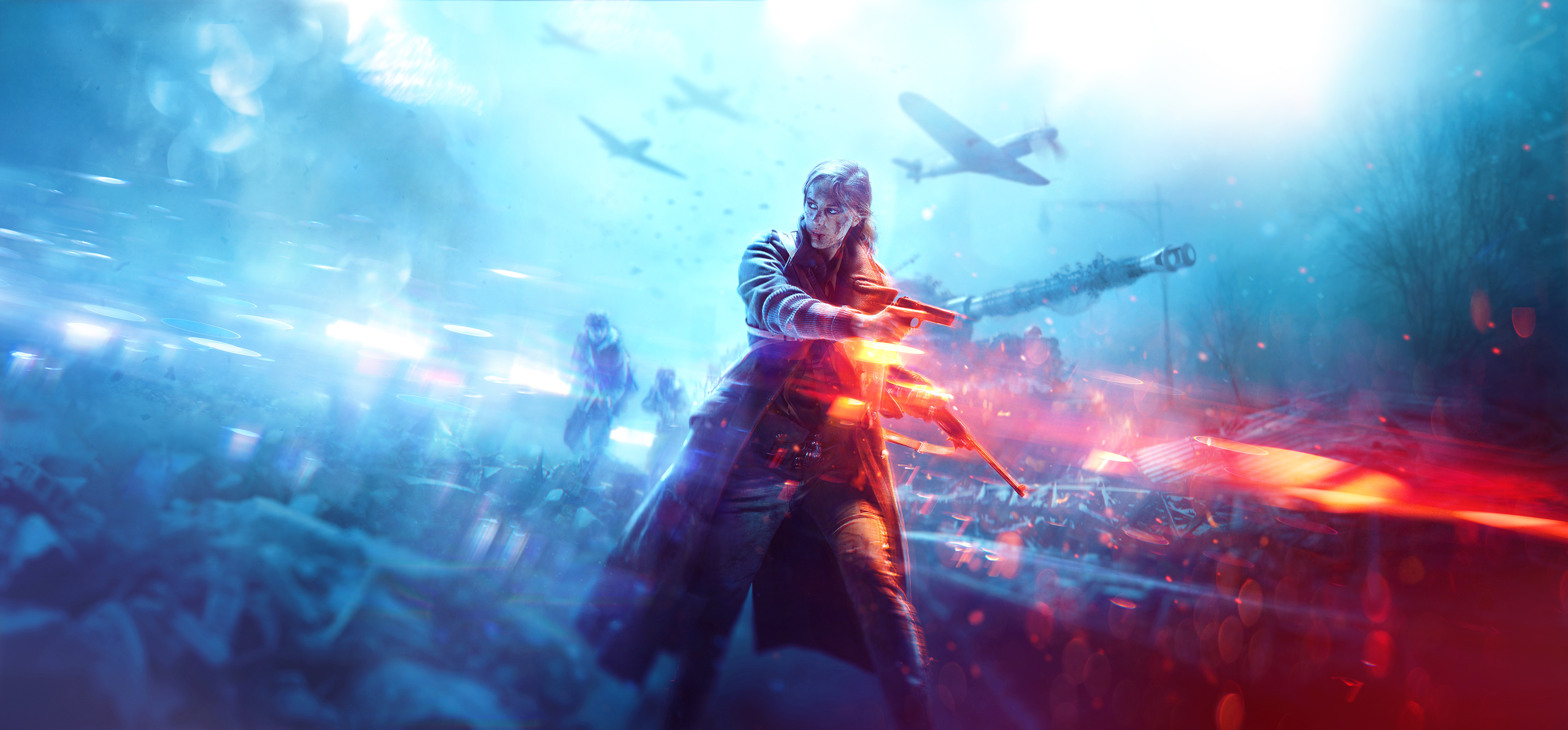
Electronic Arts saw a drop in pre order numbers and final sales after the initial reveal of the game. The inclusion of certain historical inaccuracies for the sake of modern representation sparked a large debate within the community. An executive at the time told displeased fans to either accept the changes or not buy the game. This stance contributed to a lower than expected commercial performance during the holiday season. The franchise eventually returned to a more traditional setting in subsequent releases.
‘Mass Effect Andromeda’ (2017)
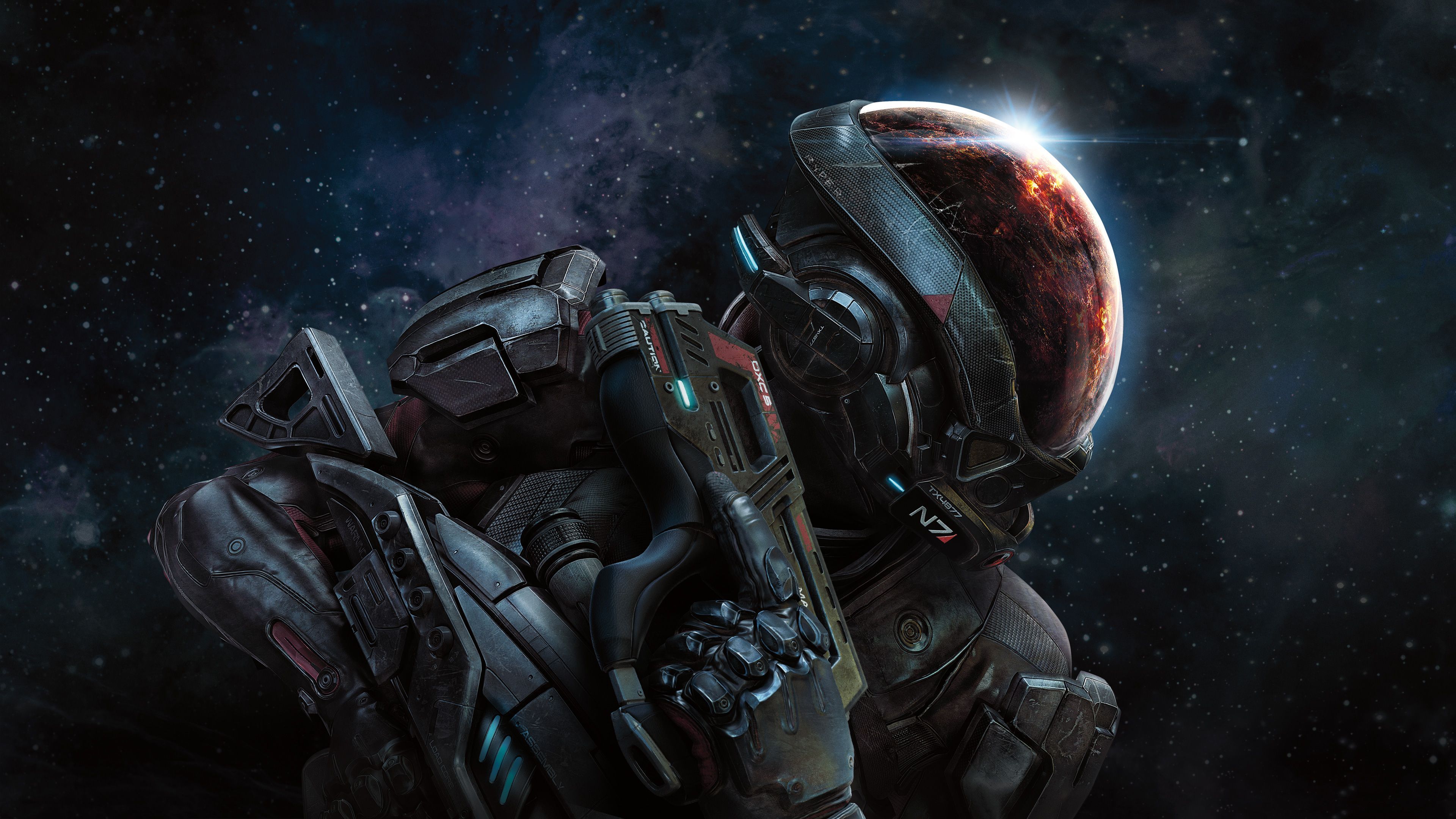
BioWare faced significant criticism regarding the character models and facial animations at launch. Players felt that the aesthetic changes were a departure from the high standards of the original trilogy. The narrative themes were also noted for being softer than previous entries in the series. Low critical scores and fan backlash led to the cancellation of planned single player expansions. The game eventually resulted in a temporary hiatus for the entire ‘Mass Effect’ franchise.
‘The Settlers New Allies’ (2023)
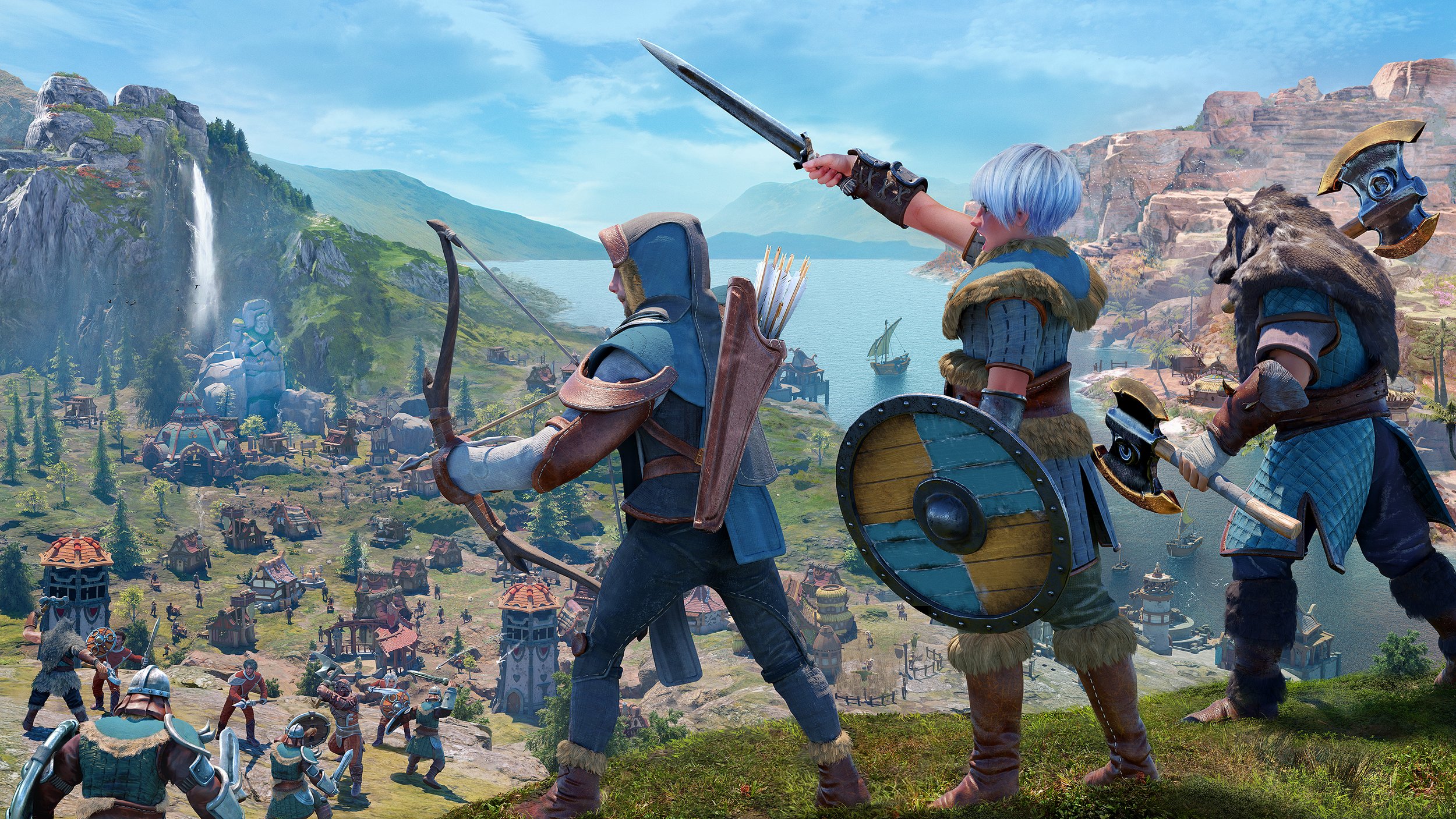
Ubisoft delayed this long running strategy series multiple times to rework the gameplay and tone. The final product moved away from complex simulation mechanics in favor of a more simplified experience. Many fans felt the changes were made to appeal to a broader and more modern audience at the expense of depth. Sales were reportedly very low and the game received poor reviews from both critics and users. The project failed to revitalize the franchise as originally intended.
‘Unknown 9 Awakening’ (2024)
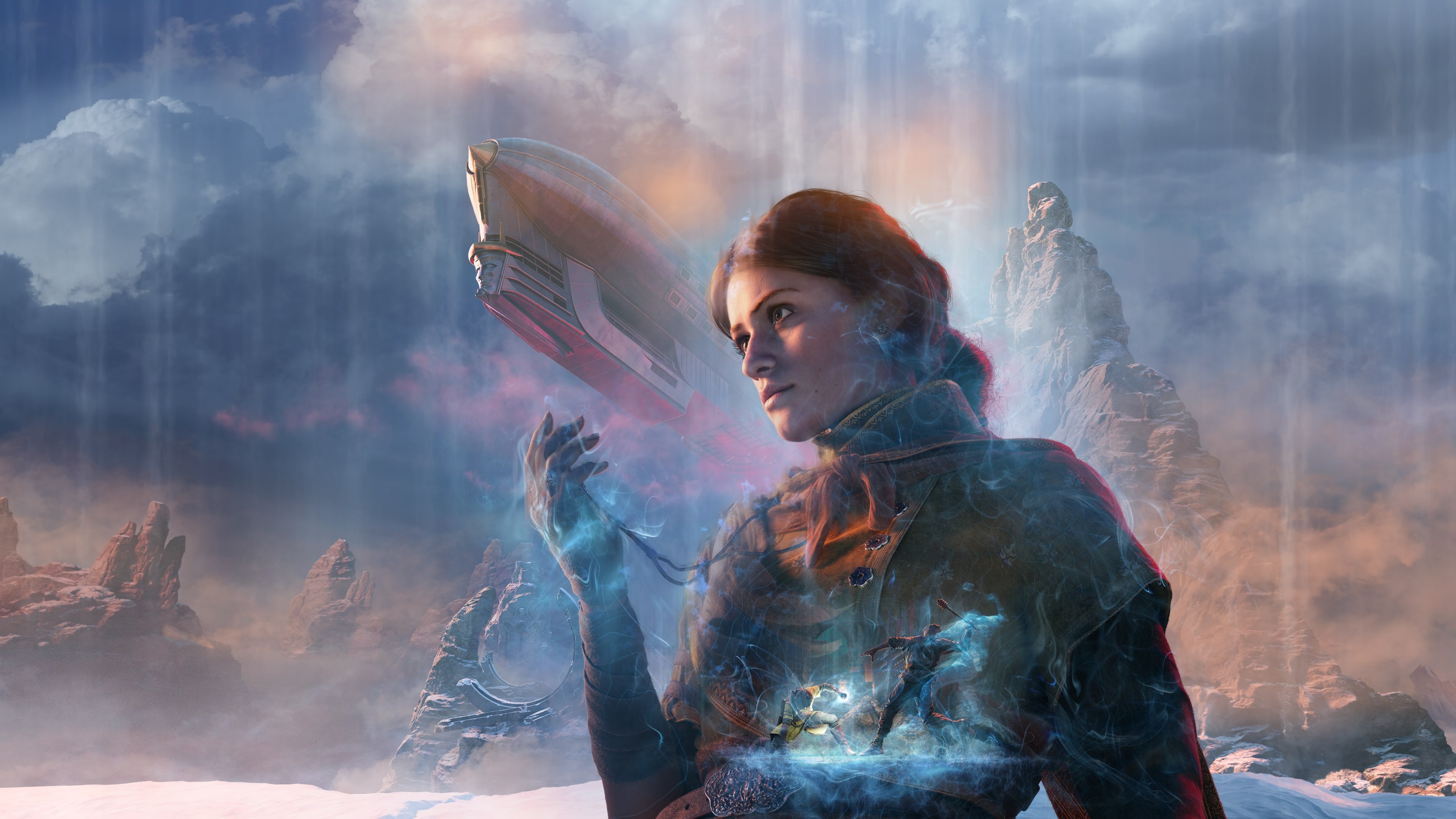
Bandai Namco launched this multimedia project with high expectations for a new cinematic universe. The game features a narrative deeply rooted in diverse perspectives and modern sensibilities. Despite a high profile lead actress the game failed to gain traction on digital platforms. Concurrent player numbers remained low and the title quickly disappeared from best seller lists. The financial impact was significant given the scope of the across the board media push.
‘Tales of Kenzera Zau’ (2024)

Electronic Arts published this indie title under its Originals label to highlight diverse storytelling. The game focused on themes of grief and heritage through a specific cultural lens. While it received some positive critical attention the commercial response was underwhelming. The developer eventually had to lay off staff due to the game not meeting financial milestones. This situation highlighted the difficulties of marketing specialized narrative games in a crowded market.
‘Redfall’ (2023)
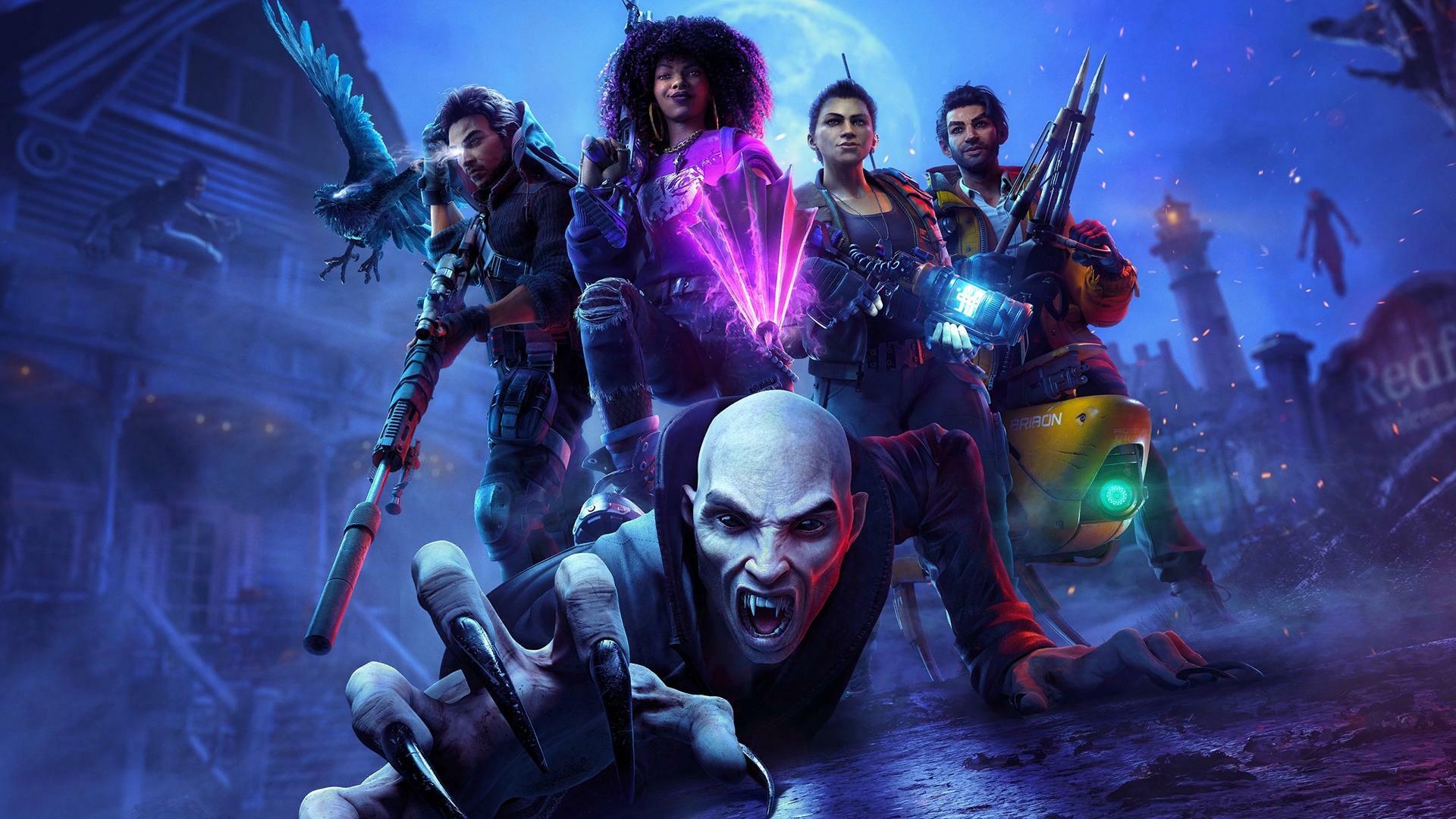
Microsoft and Bethesda released this cooperative shooter to overwhelmingly negative reviews. The game suffered from technical issues and a lack of engaging content at launch. Many players felt the character archetypes were designed around modern trends rather than compelling gameplay. The failure of the title led to the closure of Arkane Austin a well respected development studio. This loss represented a significant blow to the brand and its subscription service strategy.
‘Flintlock The Siege of Dawn’ (2024)
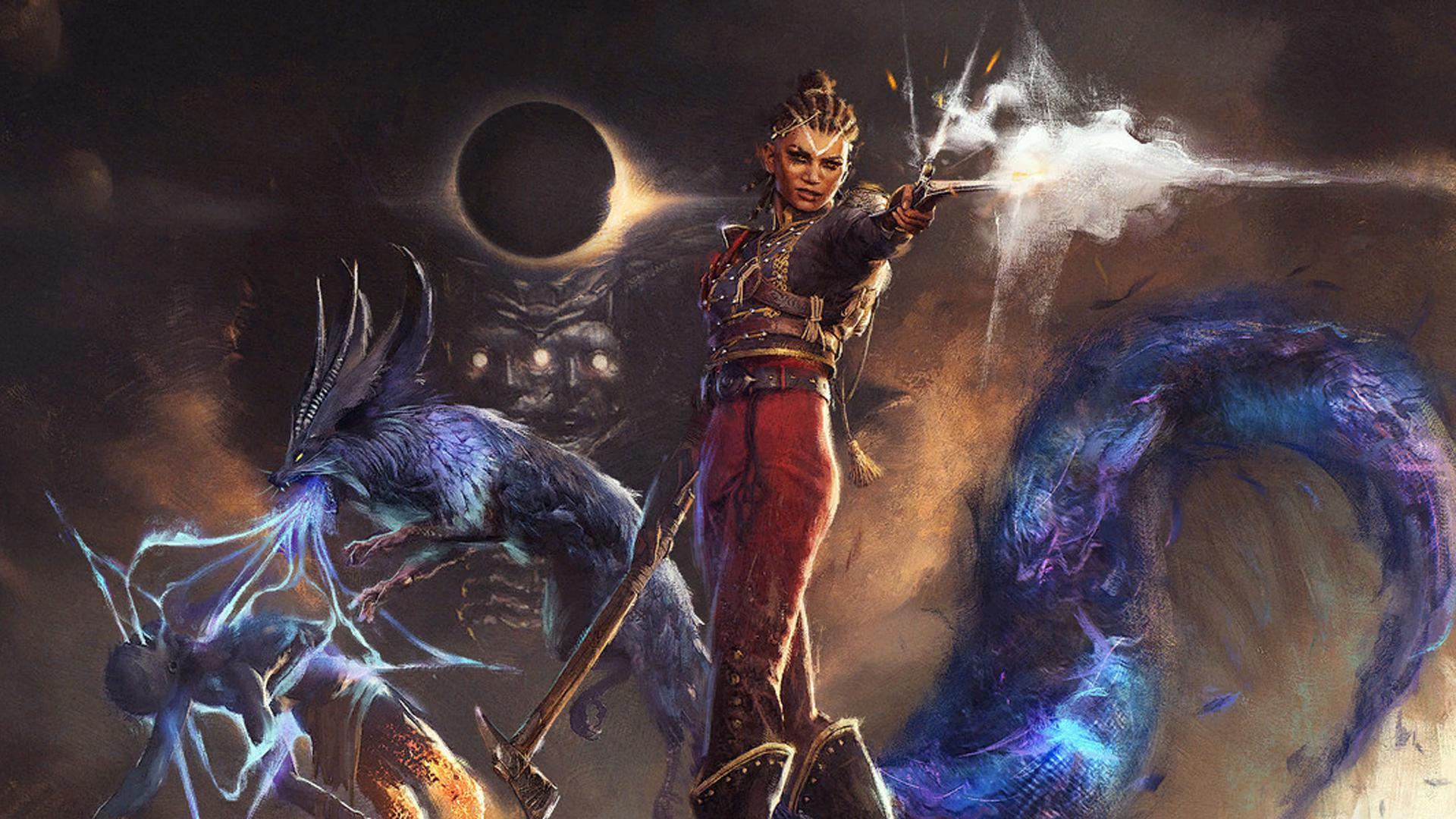
This action game combined flintlock weaponry with magic in a unique fantasy setting. The marketing emphasized a diverse protagonist and a world influenced by modern narrative structures. Upon release the game struggled to compete with other titles in the genre and saw low engagement. Developers faced scrutiny regarding the creative direction and its appeal to the core gaming audience. The commercial outcome did not meet the expectations set during the long development cycle.
‘Marvels Avengers’ (2020)
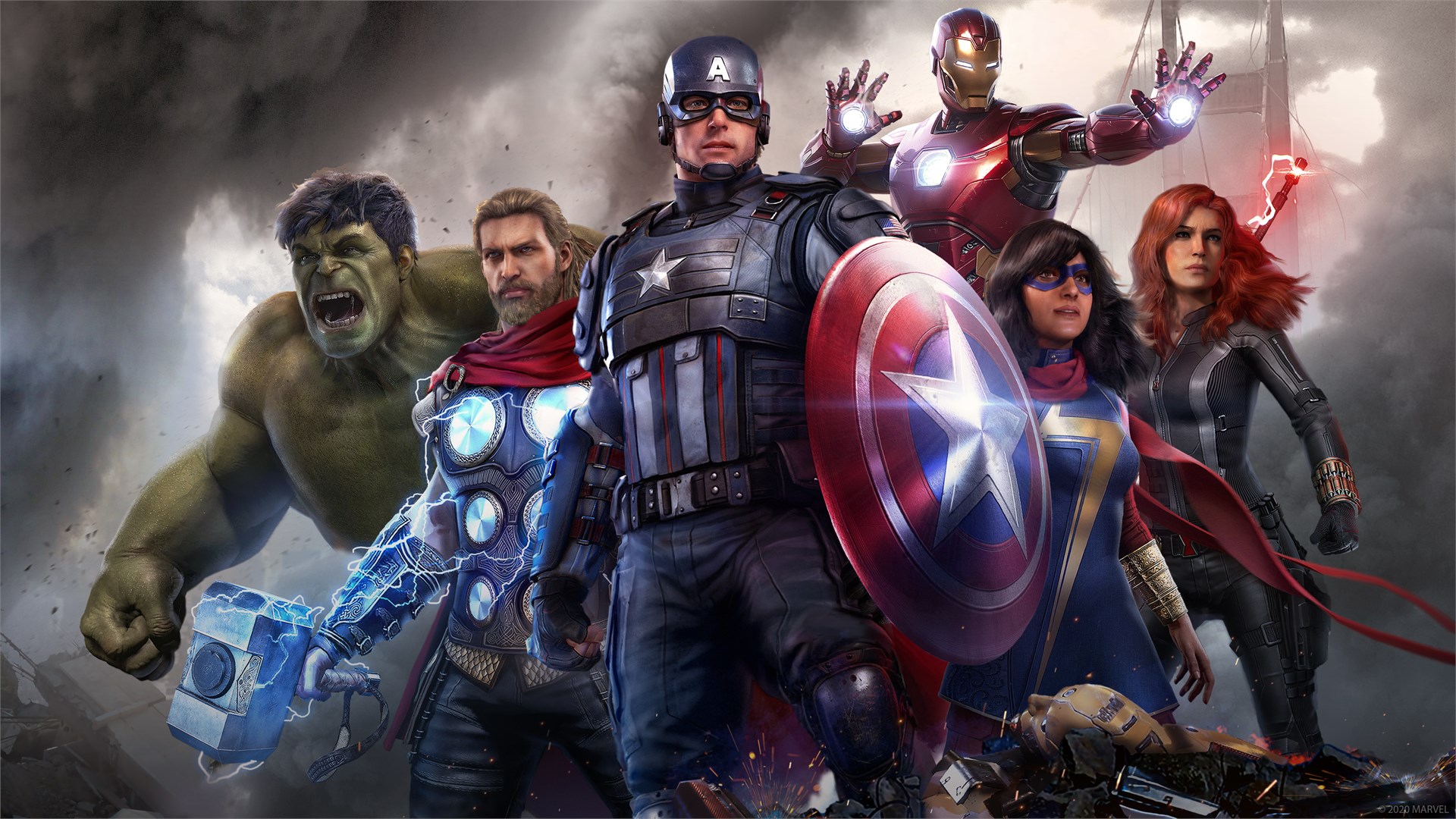
Square Enix lost over sixty million dollars shortly after the launch of this live service project. Fans were unhappy with the character designs which differed significantly from the popular film versions. The focus on a specific narrative path and modern characterizations did not satisfy the broader fan base. Continued updates failed to retain a large enough player base to justify the ongoing costs. The game was eventually delisted from all digital stores and support was terminated.
‘Gotham Knights’ (2022)
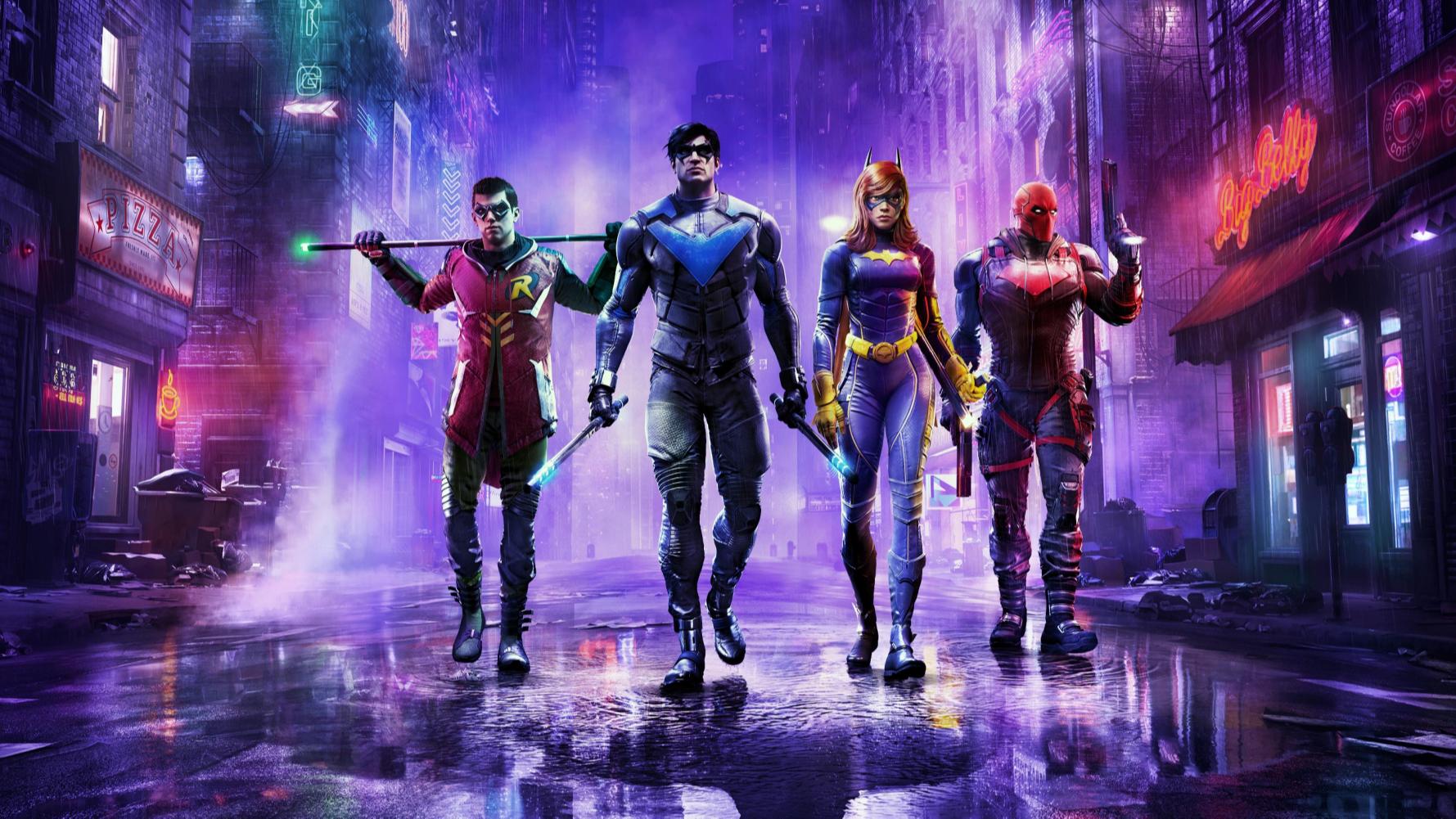
Warner Bros Games released this title as a follow up to the successful ‘Arkham’ series. The exclusion of Batman and the shift to a team of younger heroes was met with mixed reactions. Many critics felt the writing and character interactions were heavily influenced by modern television trends. The game underperformed commercially and failed to capture the same excitement as its predecessors. This result led to a reevaluation of how DC properties are handled in the gaming space.
‘Star Wars Outlaws’ (2024)
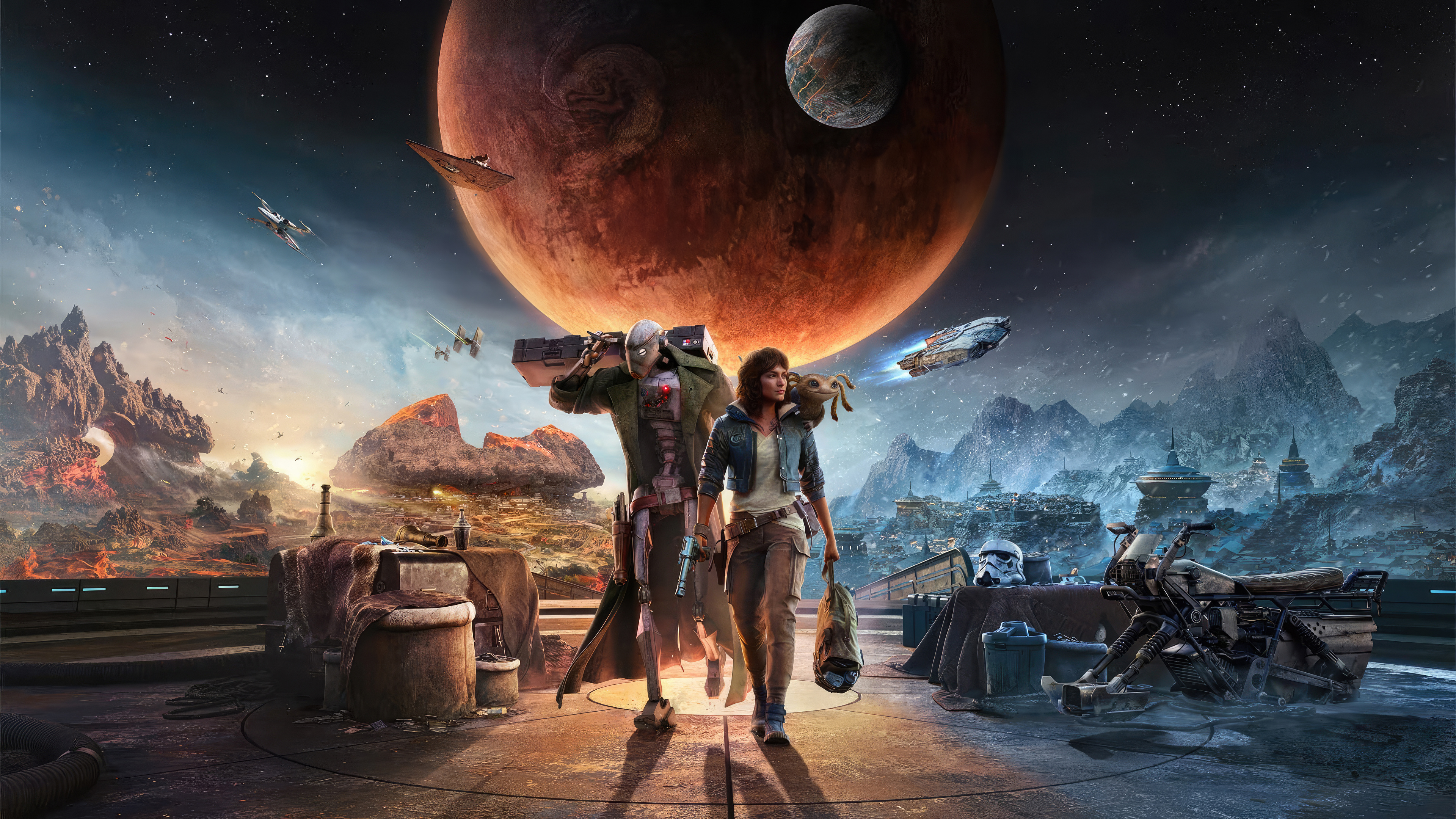
Ubisoft saw its stock price drop to a ten year low following the softer than expected launch of this open world game. While the game received decent reviews the sales figures did not meet the high internal targets. Discussions surrounding the character design of the protagonist were prominent in online communities. The company admitted that the initial sales were disappointing and announced plans to polish the game further. This financial setback led to the delay of other major titles in the Ubisoft pipeline.
‘Prince of Persia The Lost Crown’ (2024)
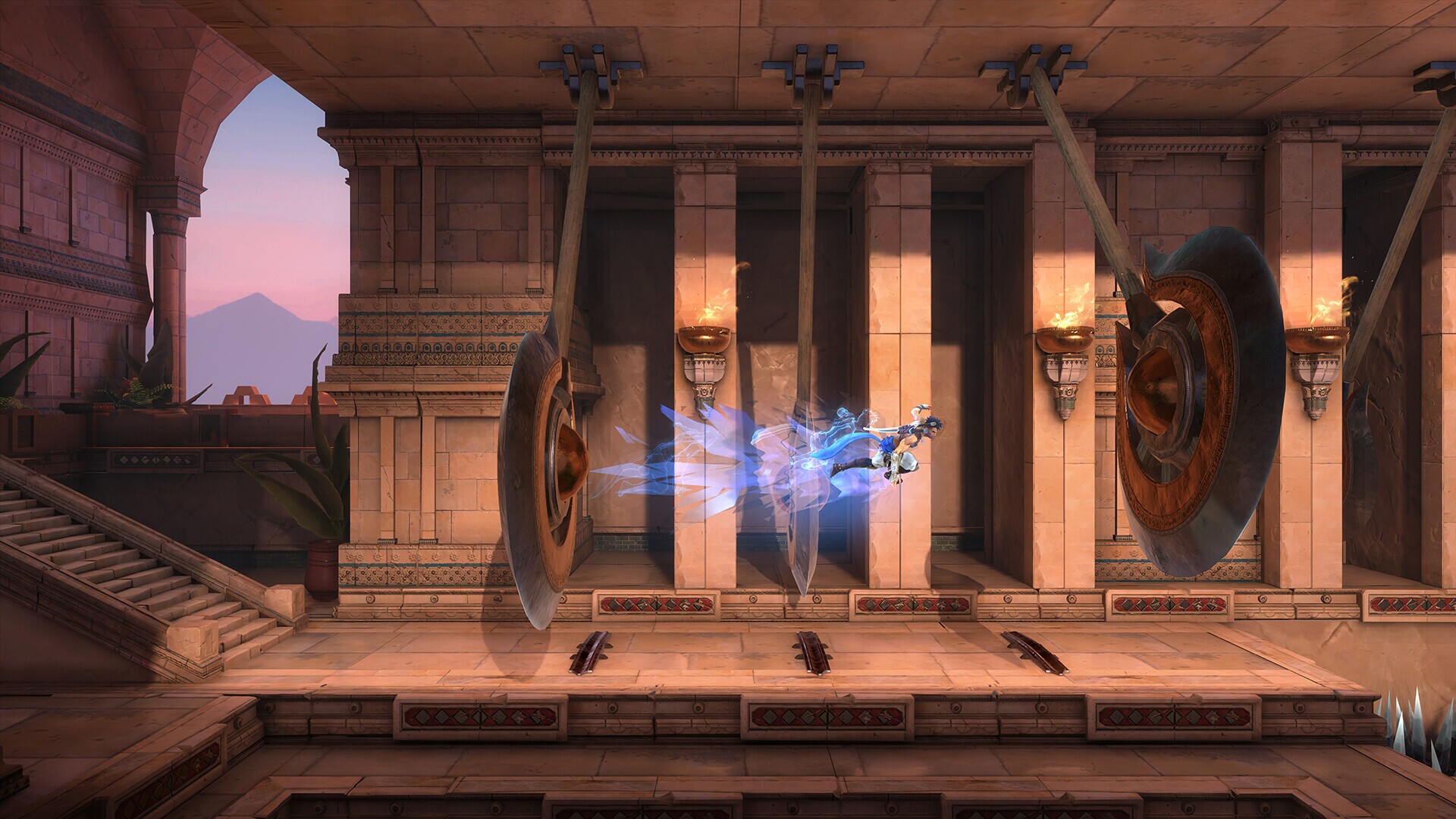
Despite being a critically acclaimed side scrolling adventure this game failed to achieve commercial success. The artistic direction and character redesigns were points of contention for some long time fans of the series. Reports indicated that the sales were not sufficient to sustain the development team which was later disbanded. This outcome was seen as a major disappointment for a franchise that had been dormant for many years. The failure showcased the difficulty of reviving old brands with a modern spin.
‘Skull and Bones’ (2024)
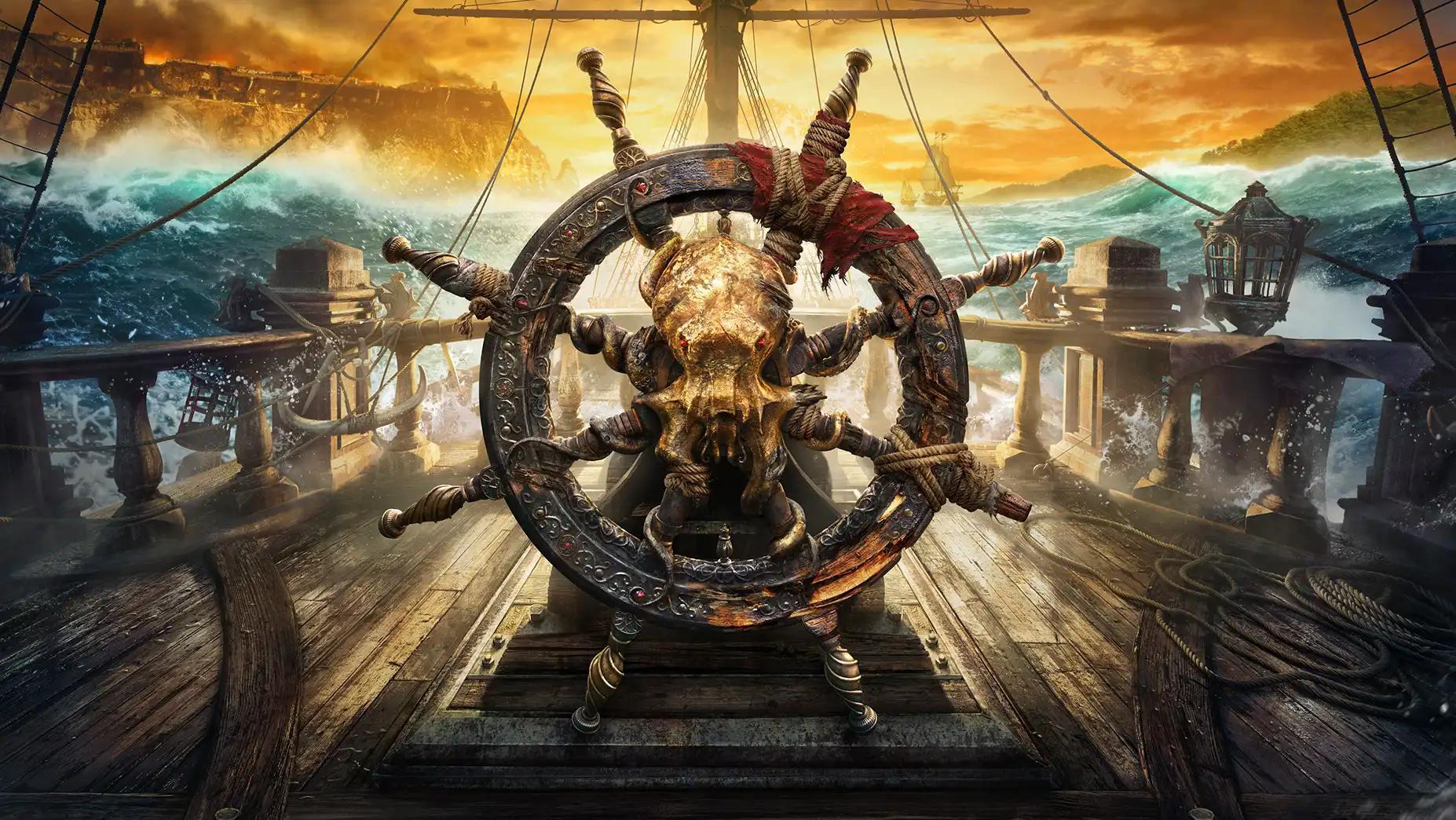
Ubisoft spent over a decade developing this pirate themed game after numerous delays and reboots. The final version removed many elements of traditional pirate fantasy in favor of a specific live service model. Players felt the game lacked the grit and excitement expected from the genre. Initial sales were low and the player count dropped rapidly after the first month. The massive budget and marketing spend resulted in a significant financial loss for the publisher.
‘Wolfenstein Youngblood’ (2019)
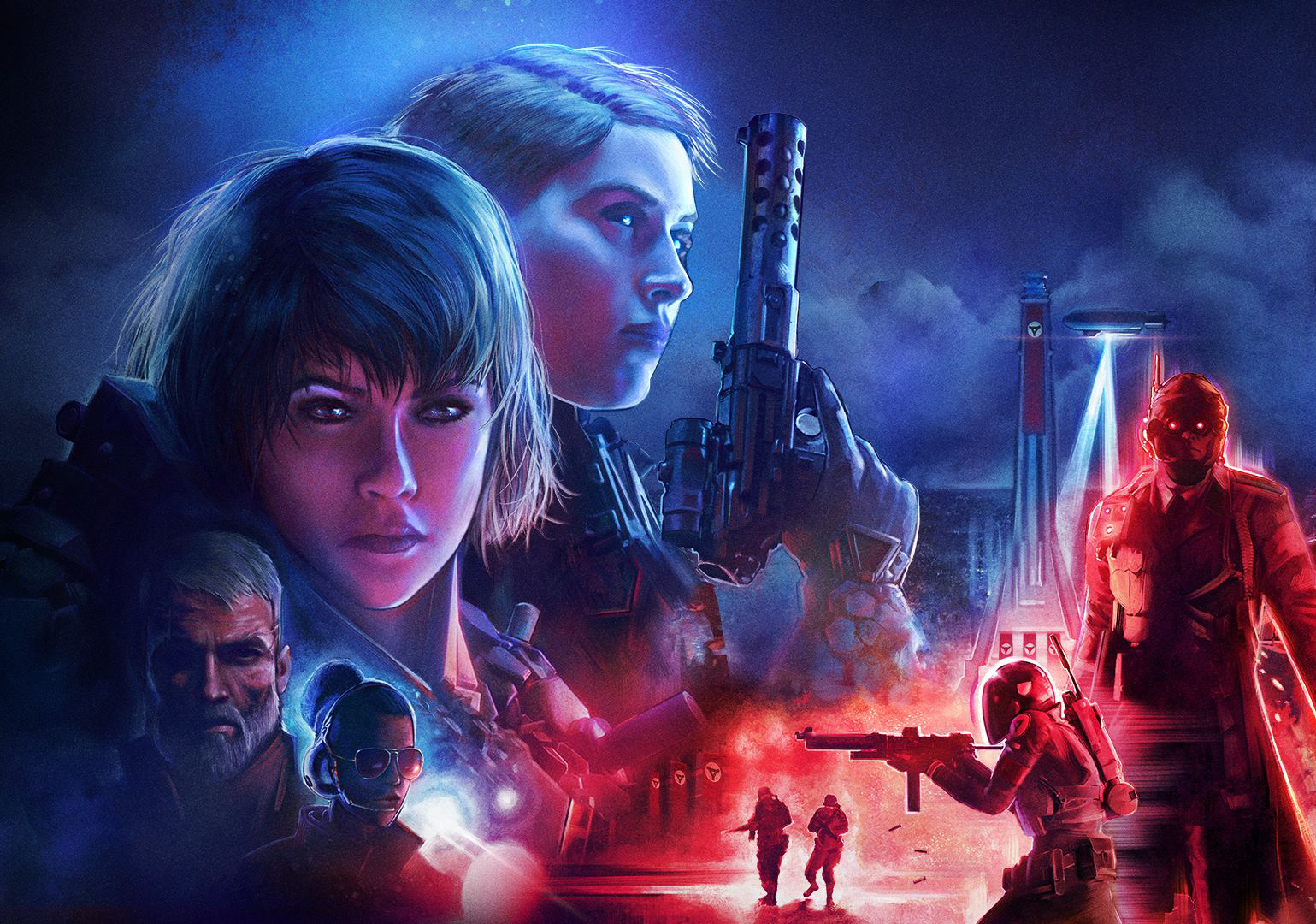
This spin off focused on the twin daughters of the series protagonist B.J. Blazkowicz. The shift in tone and the addition of RPG mechanics were not well received by the core fan base. Many players criticized the writing and the modern sensibilities applied to the characters. The game saw lower sales and scores compared to the previous two main entries in the franchise. It remains the most controversial and least commercially successful title in the modern ‘Wolfenstein’ era.
‘Battlefield 2042’ (2021)
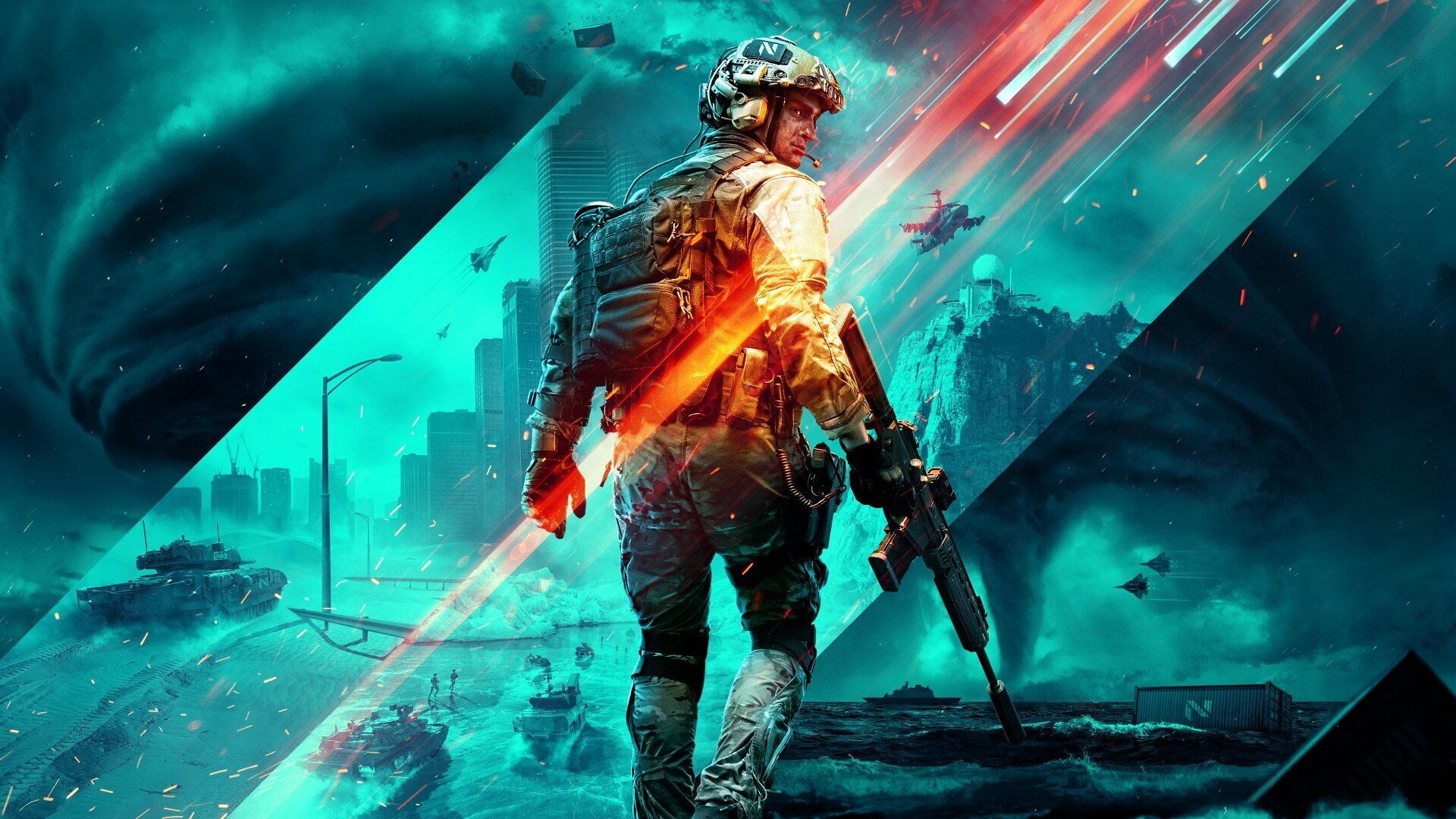
Electronic Arts faced a massive backlash when this title launched without a traditional single player campaign. The introduction of Specialists with distinct personalities replaced the anonymous soldier classes of previous games. Fans felt this change was an attempt to mirror modern hero shooters and monetize character skins. The game suffered from poor reviews and a rapidly declining player base shortly after launch. This led to a complete overhaul of the development team for future ‘Battlefield’ projects.
‘Call of Duty Vanguard’ (2021)
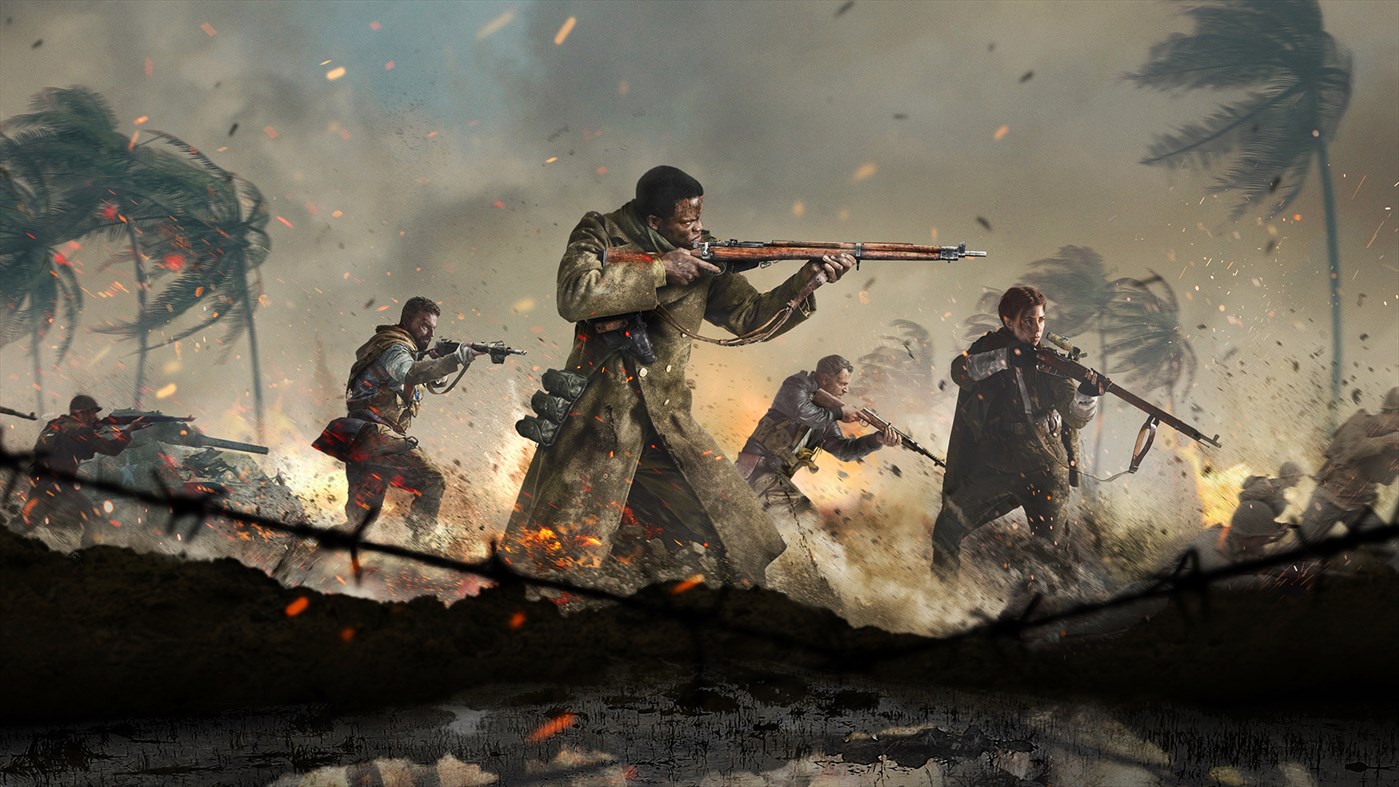
Activision Blizzard acknowledged that this entry in the long running franchise failed to meet sales expectations. The World War II setting was criticized for featuring many historical inaccuracies and modern design choices. Players felt the narrative was disconnected from the reality of the era it sought to portray. The lower sales figures were attributed to a lack of innovation and the controversial creative direction. The series has since moved back toward more modern and traditional settings.
‘Watch Dogs Legion’ (2020)
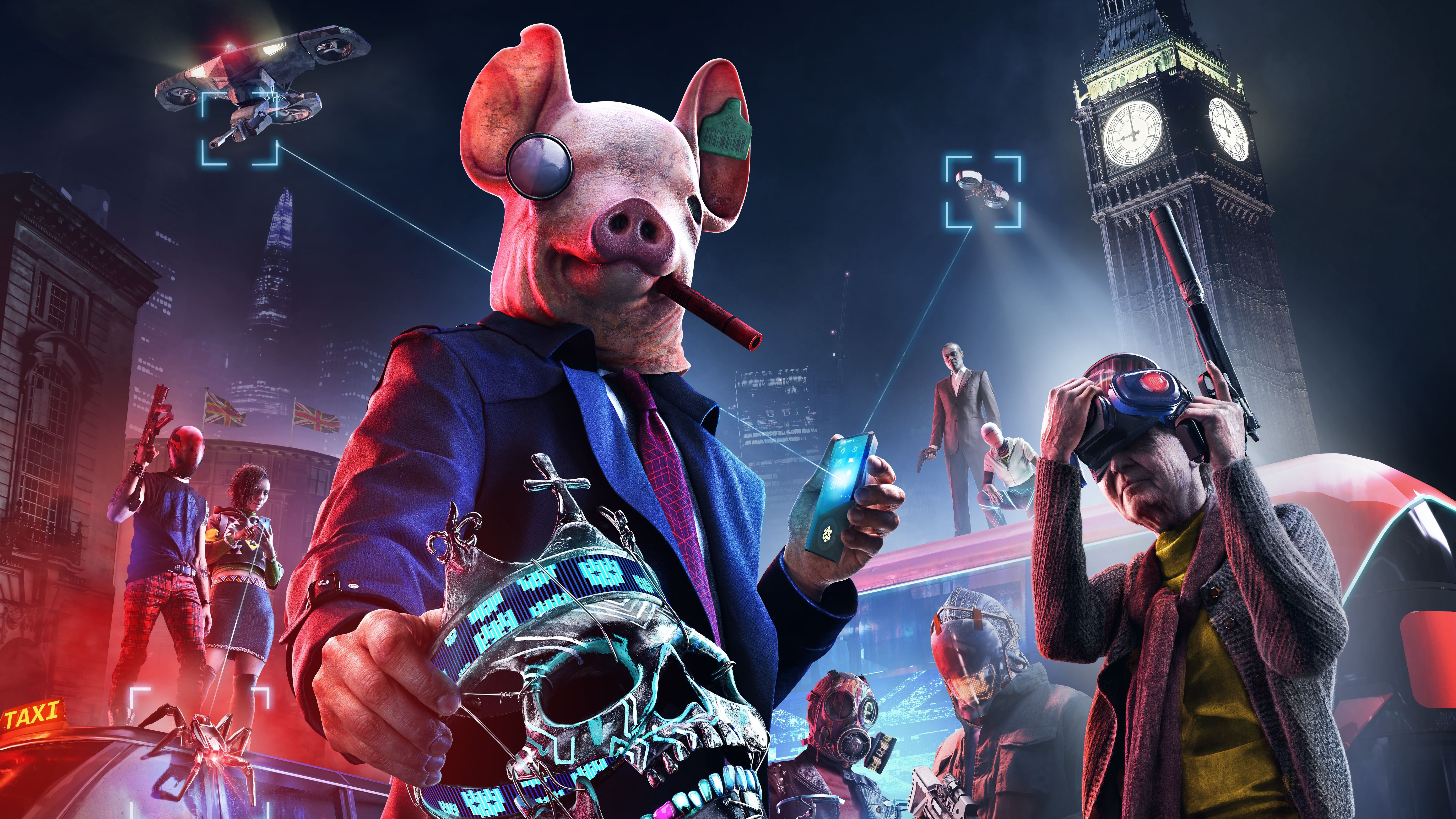
Ubisoft experimented with a system that allowed players to recruit any NPC in the game world. This mechanic resulted in a fragmented story that lacked a strong central protagonist. The narrative focused heavily on modern political themes and social commentary which divided the audience. Sales were significantly lower than the previous entry ‘Watch Dogs 2’. The franchise has been on hiatus since the release of this title.
‘New World’ (2021)
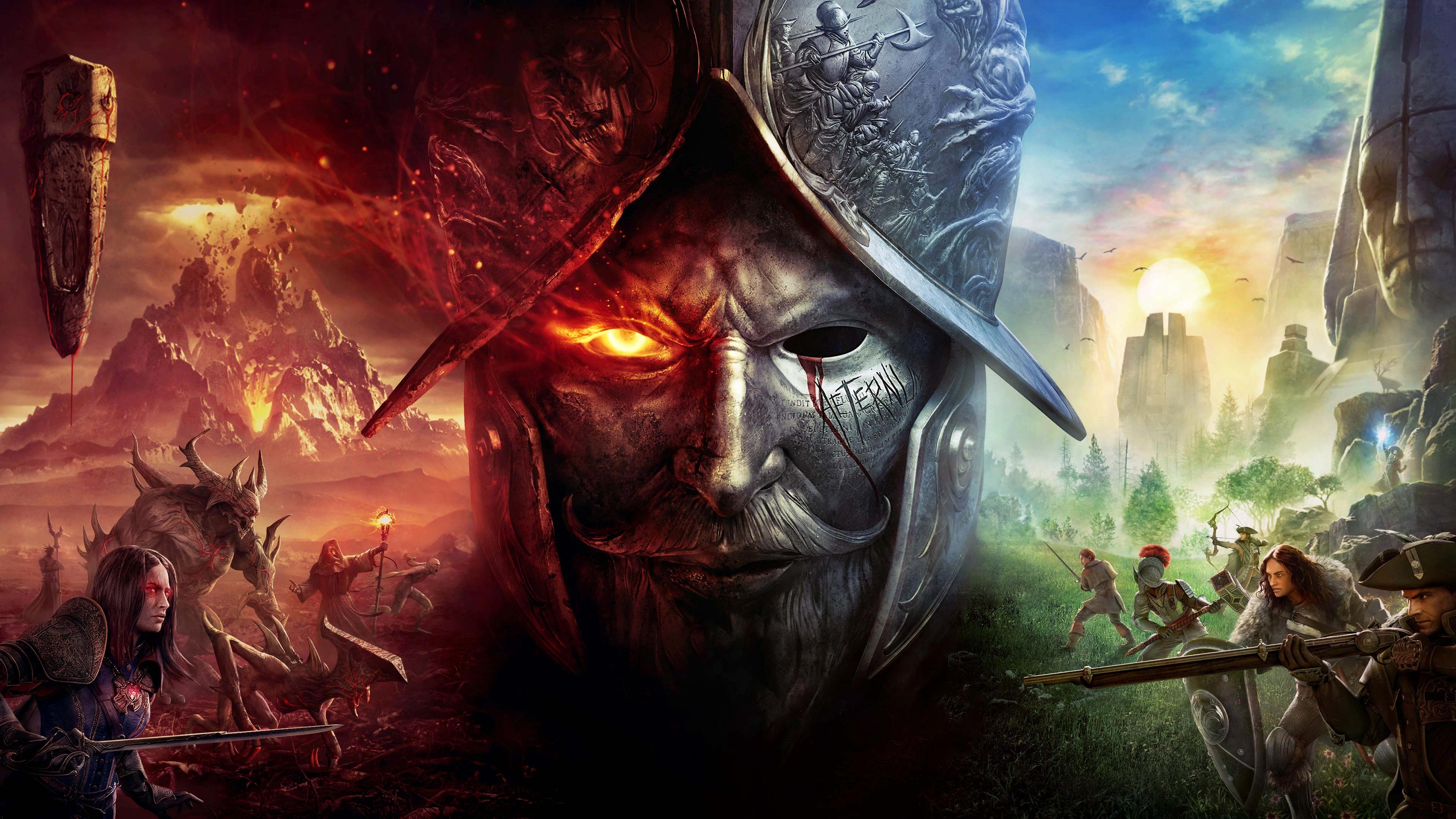
Amazon Games changed the original concept of this MMO from a colonial survival game to a more standard fantasy experience. These changes were made to address concerns about the sensitivity of the setting and its historical implications. While the game had a massive launch the lack of endgame content and technical issues led to a sharp decline in players. The company has spent millions of dollars in an attempt to retain the audience through various updates. The financial return remains a point of scrutiny for the Amazon gaming division.
‘World of Warcraft’ (2004)
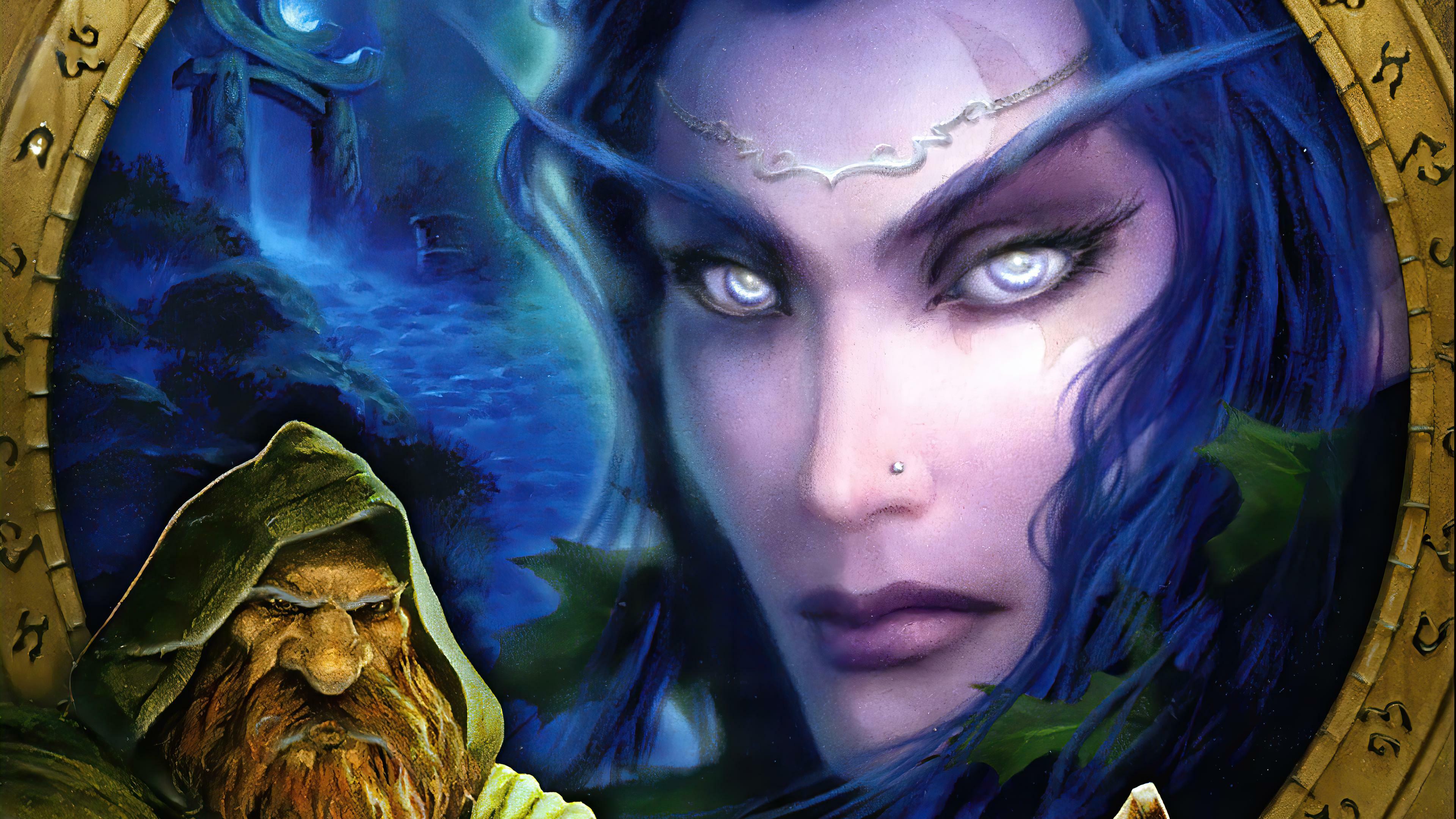
In 2021 Blizzard Entertainment implemented a series of updates to remove references and jokes that were deemed inappropriate by modern standards. These changes included altering character dialogue and removing certain in game paintings. Many veteran players felt these updates were unnecessary and sanitized the world of Azeroth. During this period the game saw a notable drop in active subscriptions and community sentiment. The developer has since tried to balance modern sensitivities with the original spirit of the game.
‘Overwatch 2’ (2022)
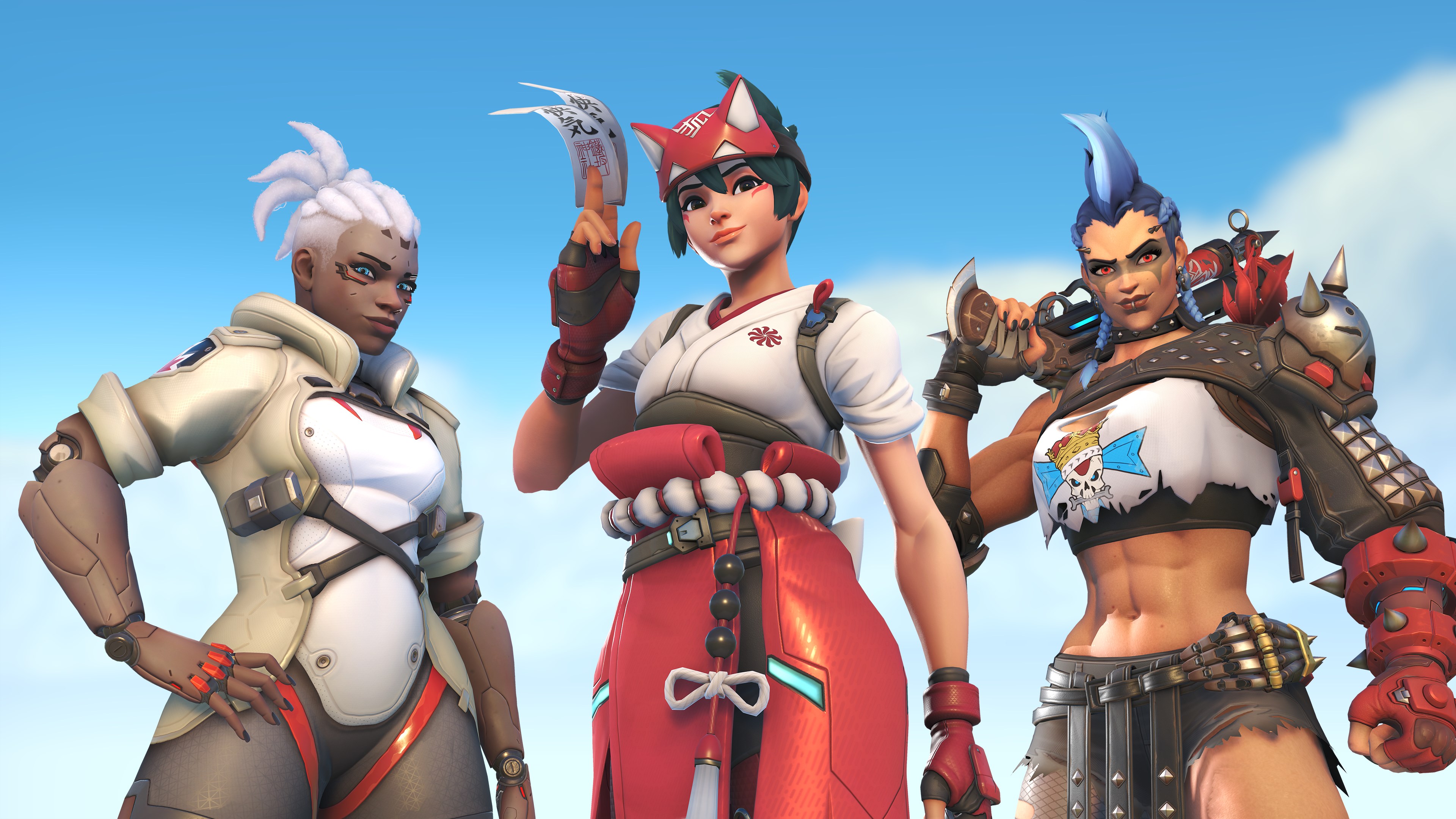
The transition to a free to play model and the introduction of a new battle pass system were highly controversial. Blizzard also faced criticism for changing character backgrounds and removing features to fit modern corporate goals. The promised PvE mode was eventually cancelled which led to further frustration among the fan base. Despite having a large player base the monetization and narrative shifts have impacted the overall brand value. The game continues to face challenges in maintaining its original level of popularity.
‘Street Fighter V’ (2016)
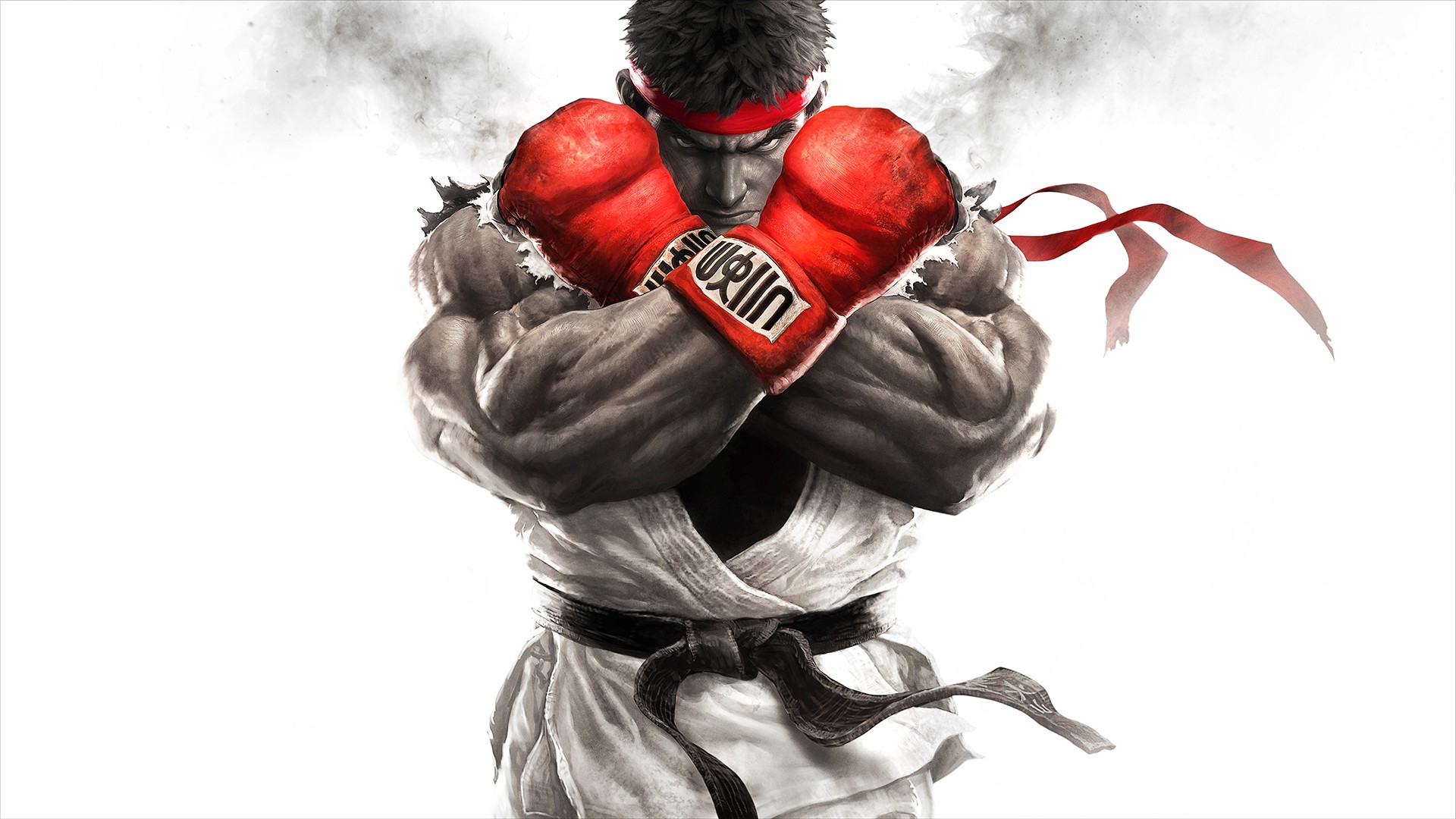
Capcom faced criticism during the early stages of the game for censoring certain character animations and costumes. These changes were seen as an attempt to appeal to a more sensitive global audience. The game launched with a lack of content which further hurt its initial sales and reputation. It took several years of updates and new editions to recover the player base and profitability. The controversy highlighted the tension between traditional fighting game aesthetics and modern expectations.
‘Dead or Alive 6’ (2019)
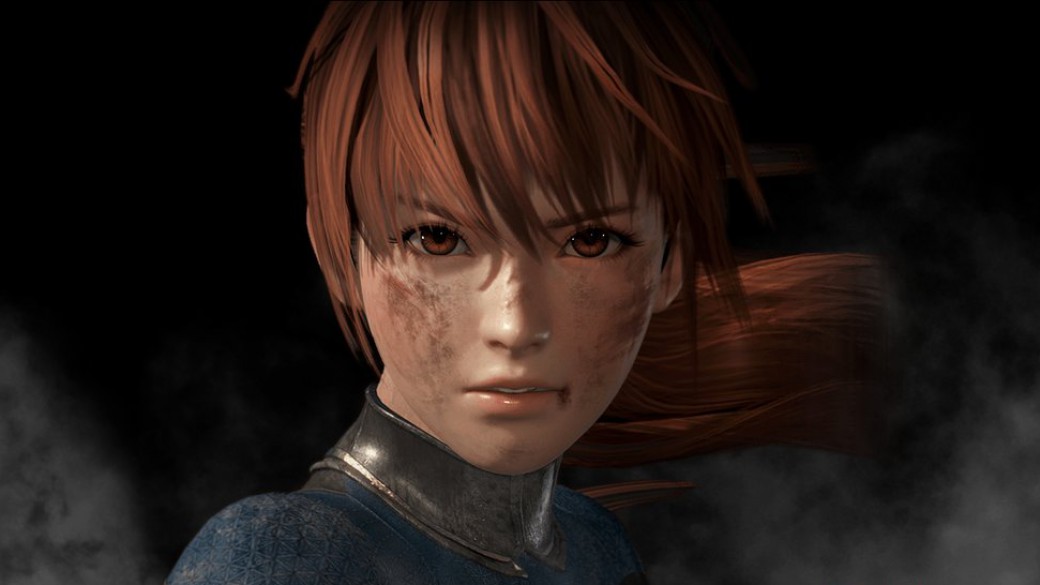
Koei Tecmo announced that this installment would feature less sexualized character designs to appeal to the esports market. This decision was met with resistance from the core audience who valued the traditional look of the series. The game struggled to find an audience and failed to meet the sales targets set by the publisher. Support for the game was cut short after just over a year of updates. The franchise has not seen a major new release since this financial disappointment.
‘Mortal Kombat 11’ (2019)

NetherRealm Studios decided to change the design of female characters to be more realistic and less revealing than in previous entries. While the game sold well the creative direction sparked a long running debate within the community. Some fans felt the changes were a departure from the established identity of the ‘Mortal Kombat’ universe. The developers defended the move as a way to make the game more professional and modern. This shift set a new standard for character design in the subsequent games of the series.
‘Mortal Kombat 1’ (2023)
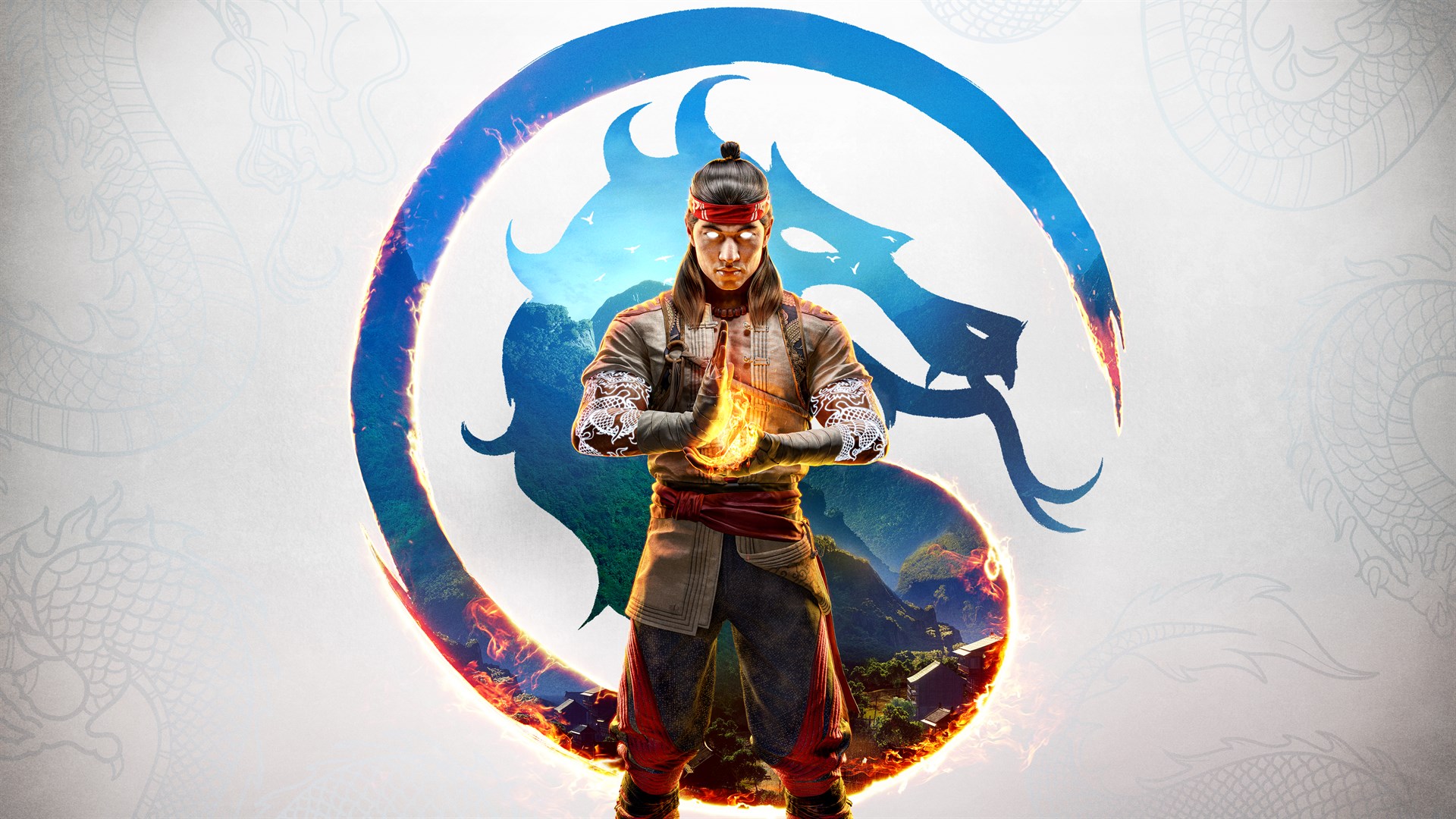
The reboot of the timeline allowed the developers to further lean into modern narrative structures and character roles. Some fans were unhappy with the changes to iconic character origins and the overall tone of the story. While the game had a strong launch the long term engagement and microtransaction sales have been under scrutiny. The community remains divided on whether these modern updates benefit the legacy of the franchise. The financial success is often compared to the higher peaks of previous installments.
‘Resident Evil 4’ (2023)
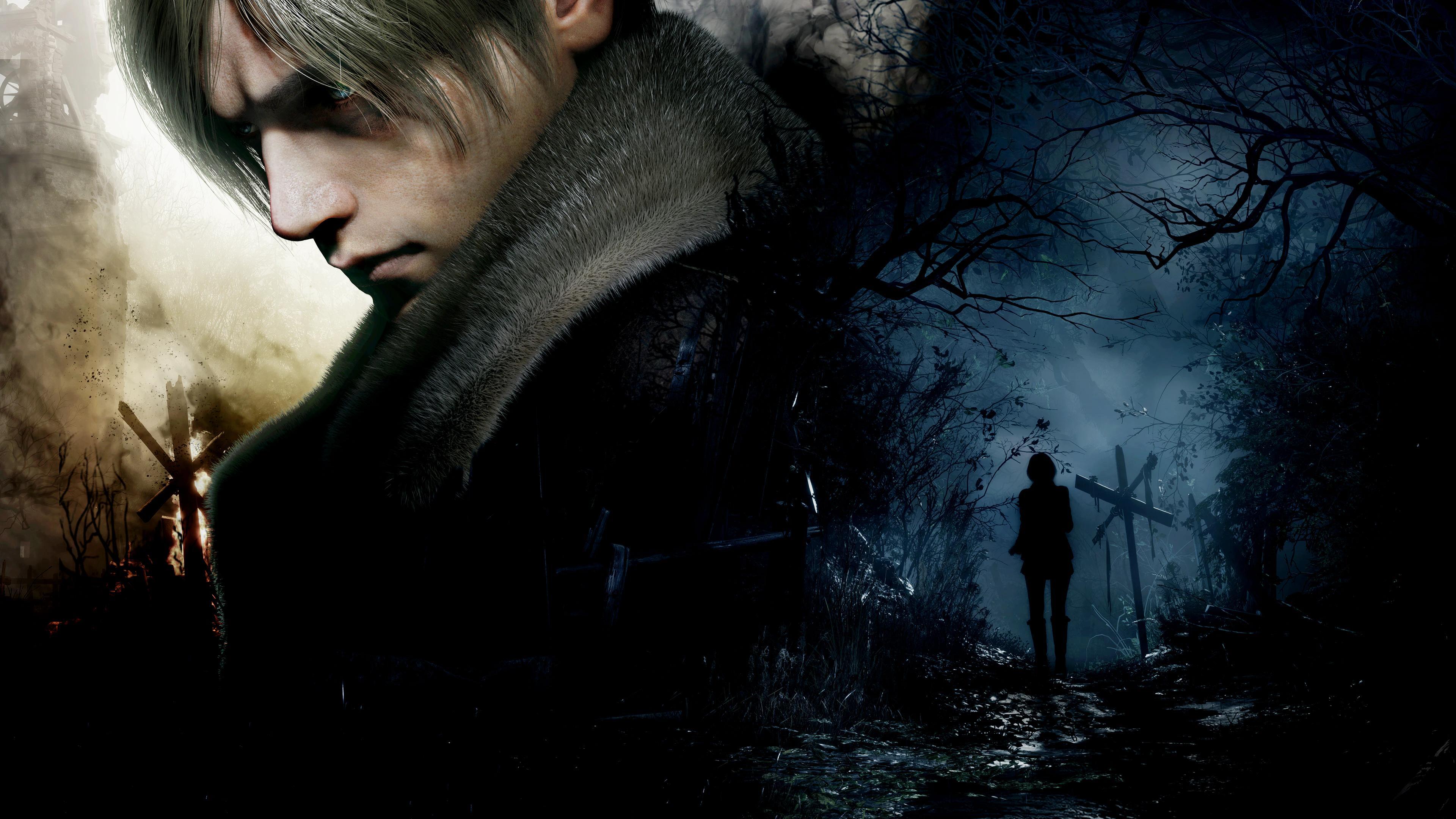
Capcom updated several scenes and character interactions for the remake of this survival horror classic. These changes aimed to modernize the dialogue and remove elements that could be seen as dated or offensive. Some fans argued that these edits removed the charm and personality of the original 2005 release. While the game was a commercial success the changes led to significant discourse regarding the preservation of original artistic intent. The discussion focused on how much a remake should be altered to fit modern standards.
‘Silent Hill 2’ (2024)
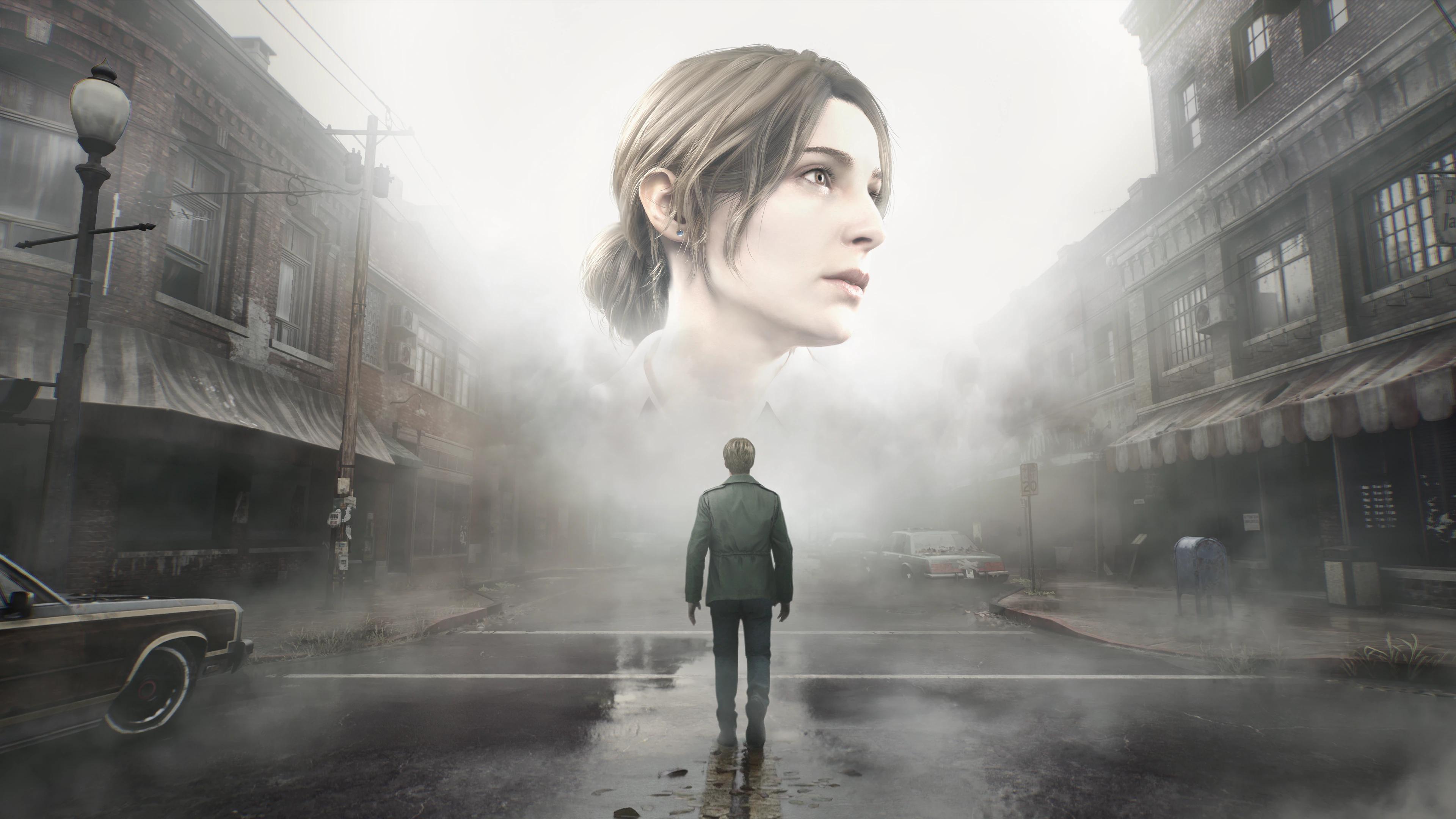
The remake of this psychological horror title faced intense scrutiny over the updated character models for James and Maria. Many fans felt the new designs did not capture the specific atmosphere and subtext of the original game. Concerns were raised that the changes were made to satisfy modern aesthetic sensitivities rather than artistic needs. Despite strong sales the developer Bloober Team had to navigate a difficult relationship with the core fan base. The project illustrated the high stakes involved in updating beloved cult classics for a new era.
‘The Last of Us Part II’ (2020)
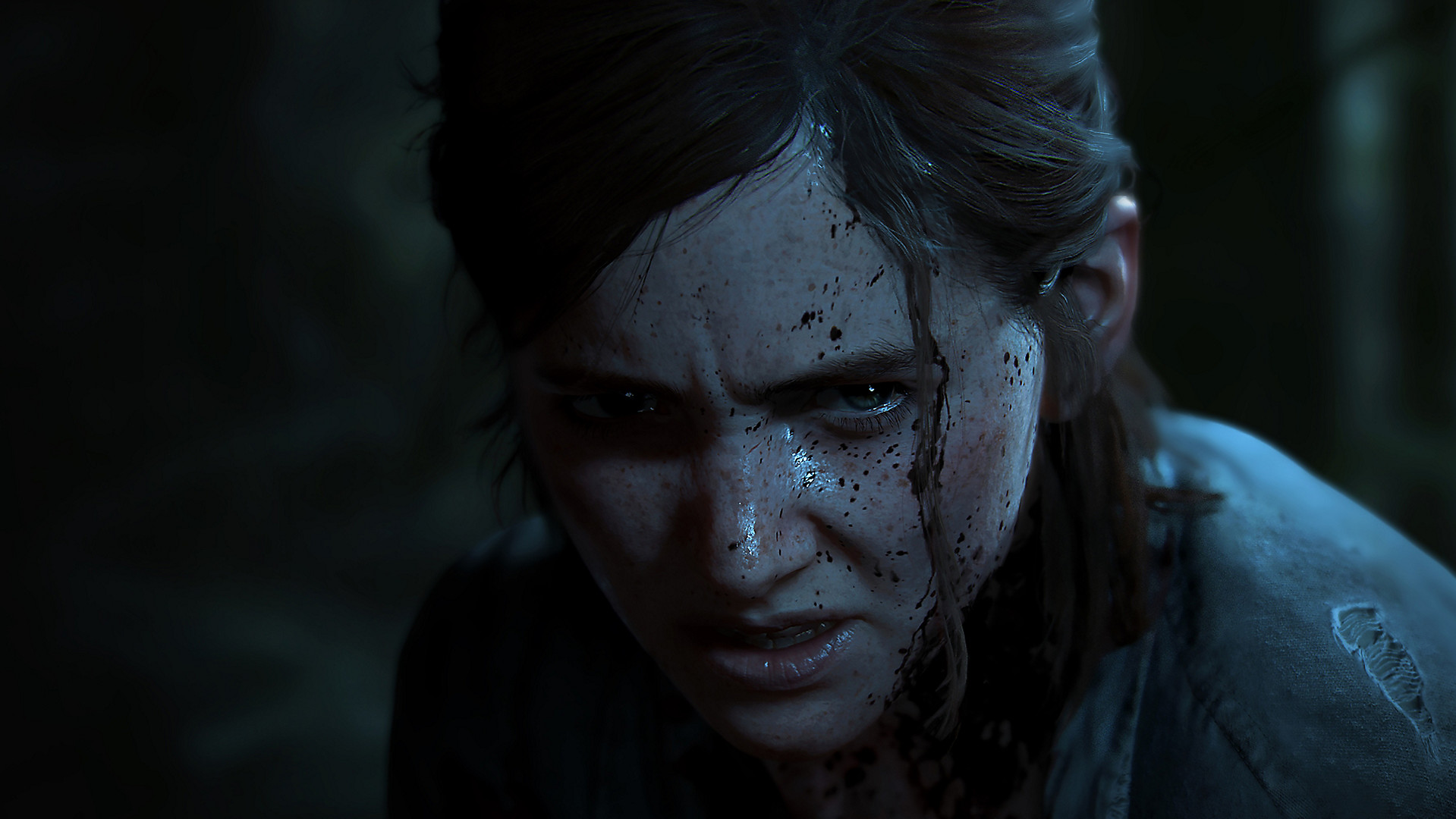
Naughty Dog released this sequel to massive critical acclaim but it faced a significant backlash from a portion of the audience. The narrative choices and the introduction of new characters were seen by some as being driven by a modern social agenda. This led to a split in the fan base and a massive review bombing campaign on various platforms. While the game sold millions of copies the brand impact and the discourse surrounding it remained polarized for years. The company had to address the intense vitriol directed at the development team.
‘Horizon Forbidden West’ (2022)
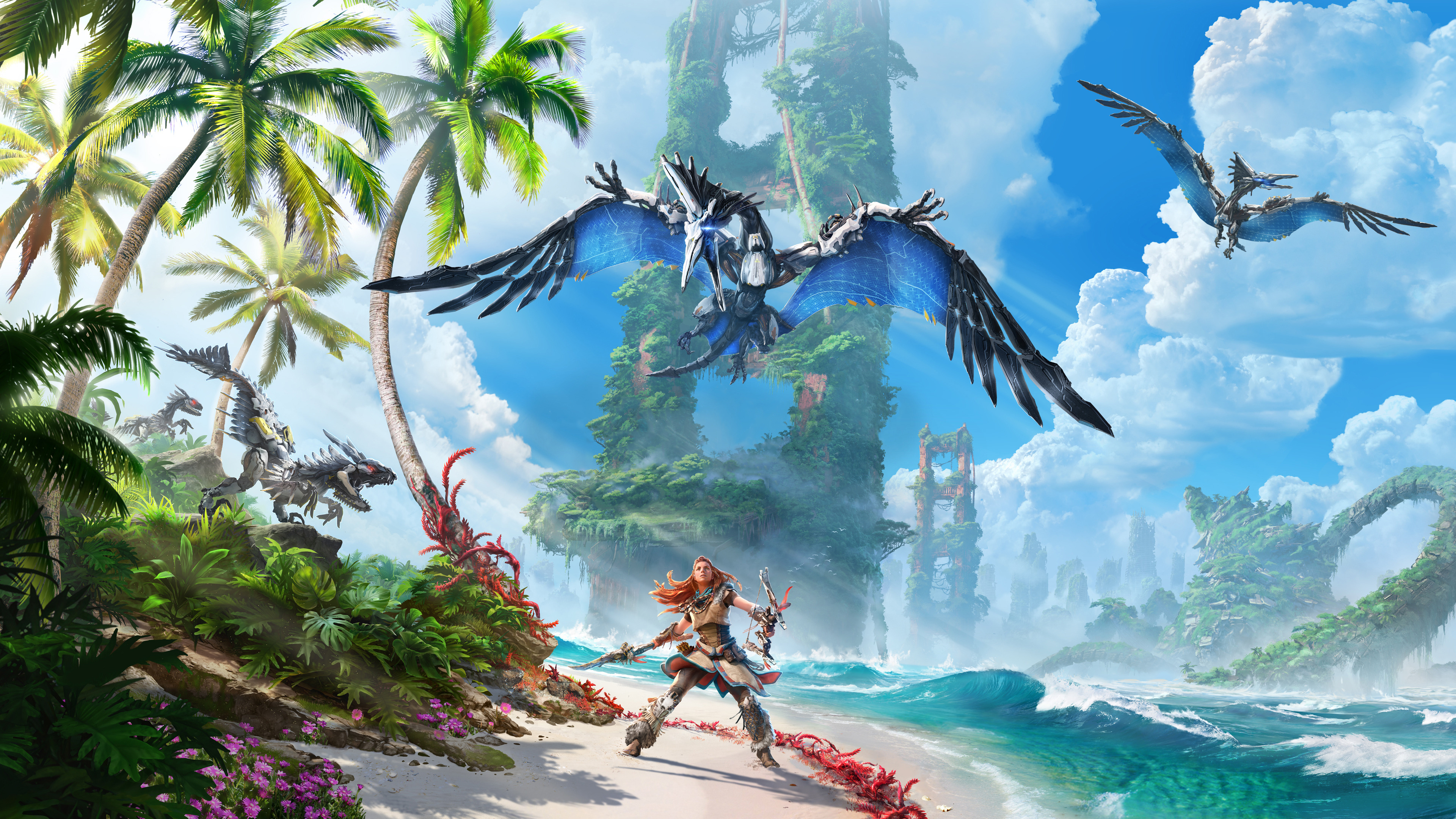
Sony and Guerrilla Games faced an unusual amount of criticism regarding the physical appearance of the protagonist Aloy. Some users argued that her design had been altered to fit modern standards of realism that they found unappealing. This debate overshadowed many of the technical achievements and gameplay improvements of the sequel. The game underperformed slightly in comparison to the massive success of the first title. The discussion became a focal point for broader arguments about character design in the modern industry.
‘Far Cry 6’ (2021)
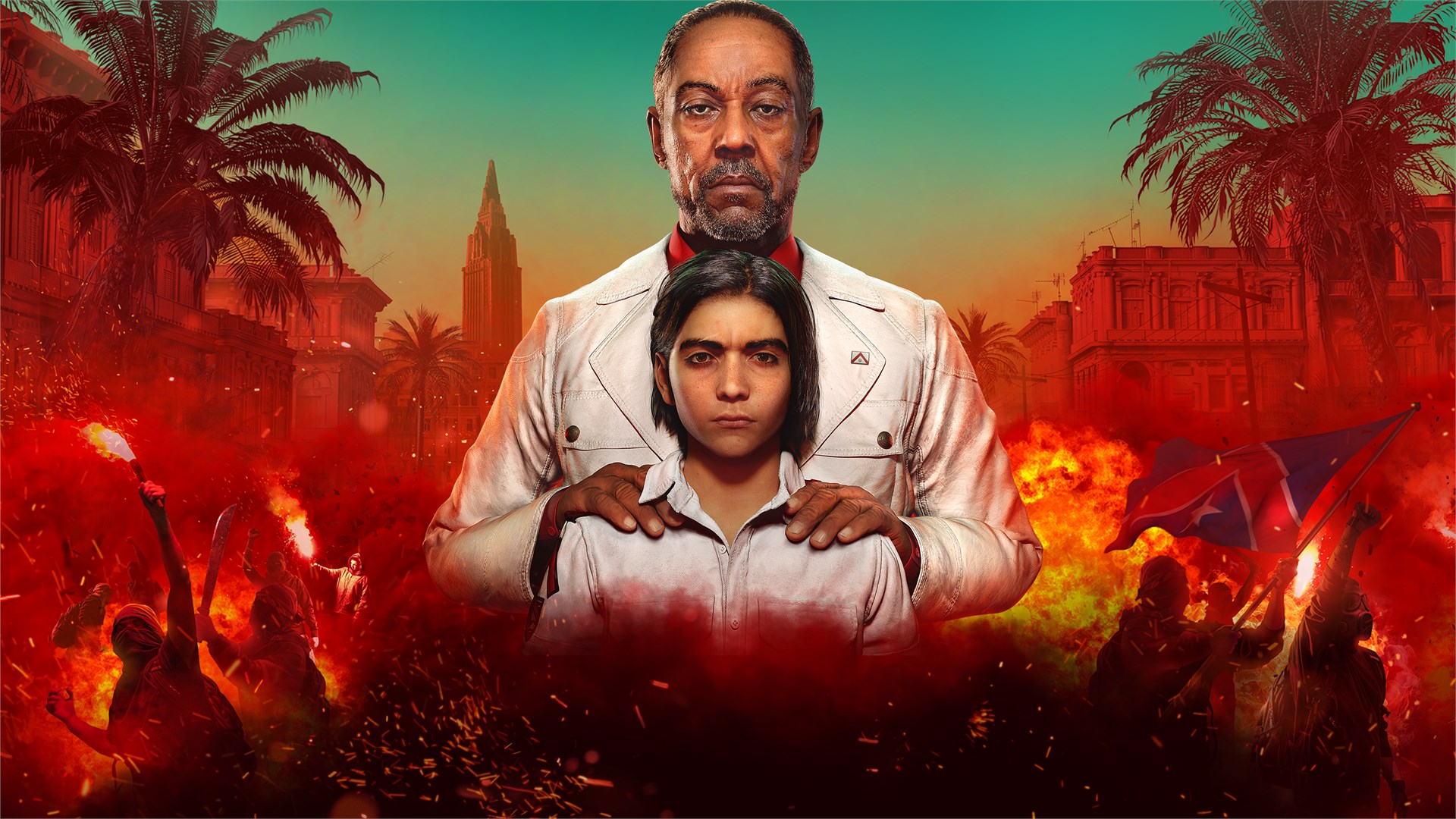
Ubisoft marketed this title with a heavy focus on political revolution and social justice themes in a fictional Caribbean nation. Many players found the tone to be inconsistent and the characters to be less compelling than previous villains. The game failed to achieve the same cultural impact or sales growth as ‘Far Cry 5’. The publisher eventually admitted that the game did not meet its long term engagement goals. This led to a shift in how the company approaches the narrative structure of its open world franchises.
‘God of War Ragnarök’ (2022)
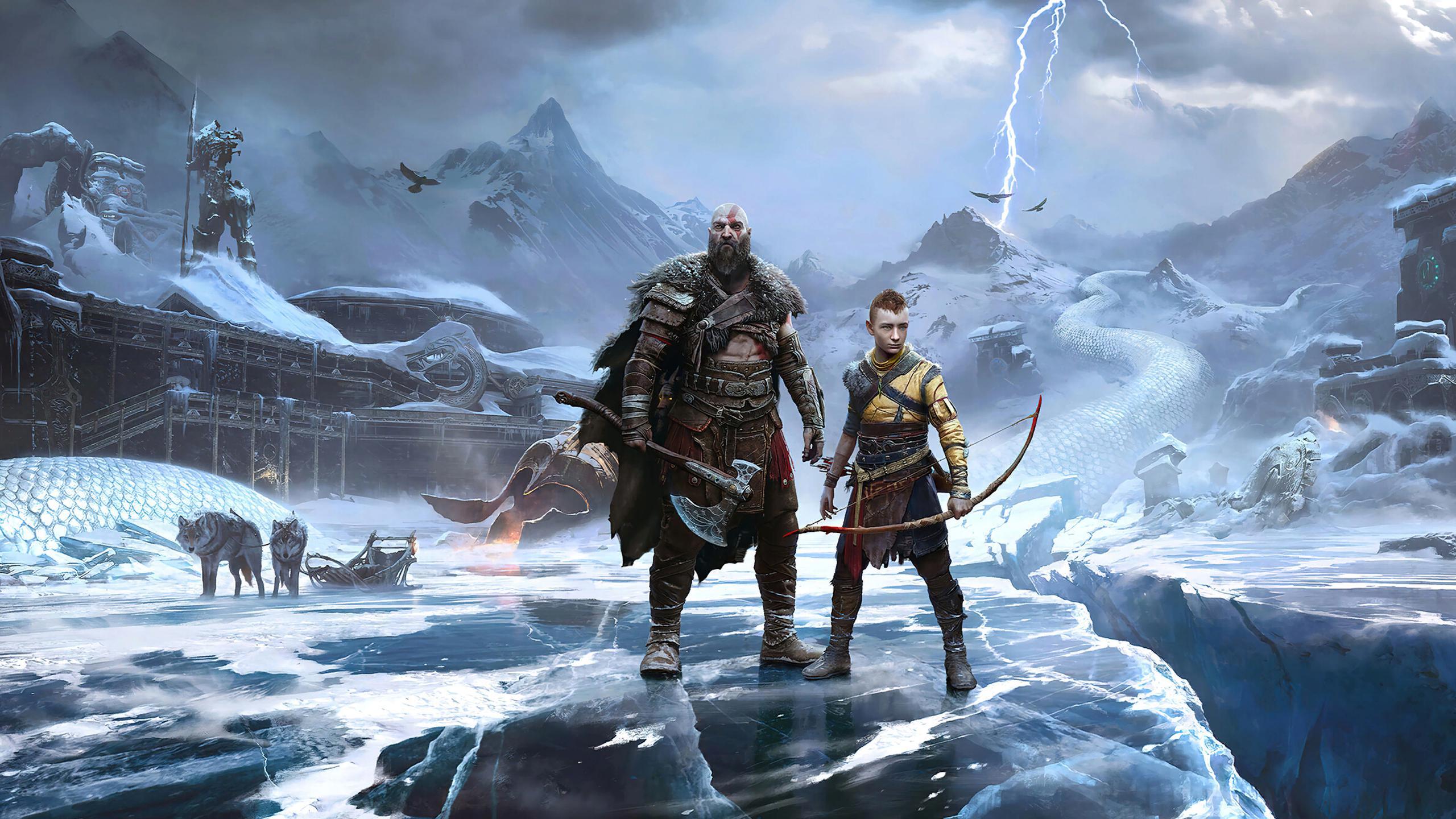
Santa Monica Studio faced a wave of online criticism following the reveal of the character Angrboda. The decision to represent a figure from Norse mythology with a diverse design was a point of contention for some fans. The developers stood by their creative choices and emphasized that their version of the myth was a unique interpretation. While the game was a massive financial success the controversy highlighted the ongoing tensions regarding representation in historical fantasy. The game remains a benchmark for high quality production despite the initial social media backlash.
‘Spider Man 2’ (2023)
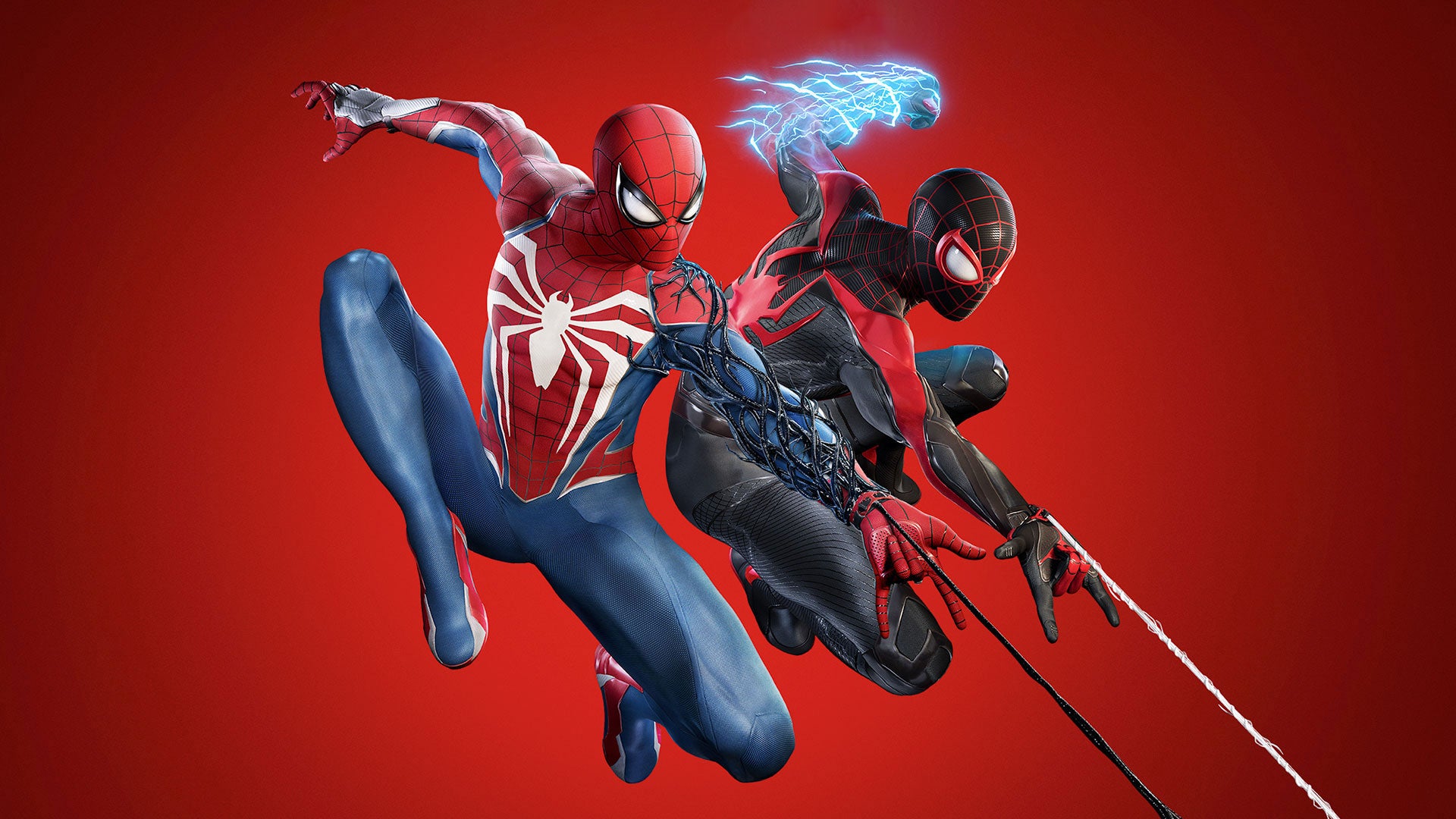
Insomniac Games included several side missions and dialogue options that focused on modern social themes and inclusivity. Some players felt these elements were forced and detracted from the core superhero experience. The high development cost of over three hundred million dollars meant the game needed to be a massive hit to be profitable. Sony documents later revealed that the profitability threshold was much higher than previous entries. The discourse surrounding the game often focused on the balance between social messaging and traditional gameplay.
‘Dragon Age The Veilguard’ (2024)
BioWare returned to the ‘Dragon Age’ series with a focus on modern character identities and a lighter tone. The marketing for the game was met with mixed reactions from fans of the older and darker installments. Early reports suggested that the game struggled to meet the high sales expectations required by Electronic Arts. The emphasis on modern sensitivity in the writing was a recurring topic of discussion among players and critics. The future of the franchise may depend on the long term performance of this specific title.
‘Life Is Strange Double Exposure’ (2024)
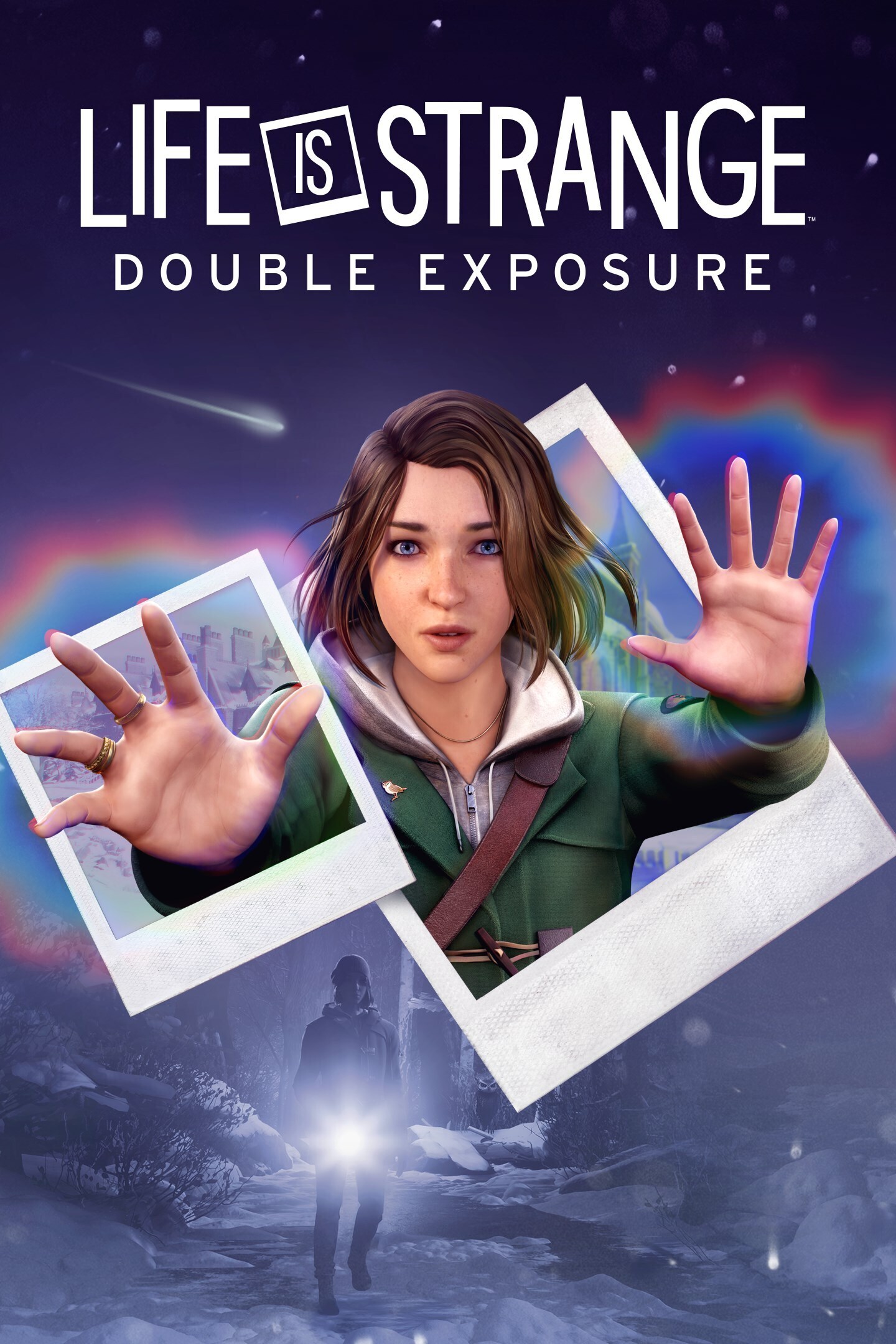
This sequel brought back the original protagonist Max Caulfield but introduced new modern themes and a diverse cast. Many fans of the original were critical of the narrative direction and the way the character was updated. The game faced a difficult market and did not generate the same level of excitement as the first game. The financial return was noted as being lower than previous entries in the series. The developer has had to address the divided feedback from the loyal community.
‘Banishers Ghosts of New Eden’ (2024)
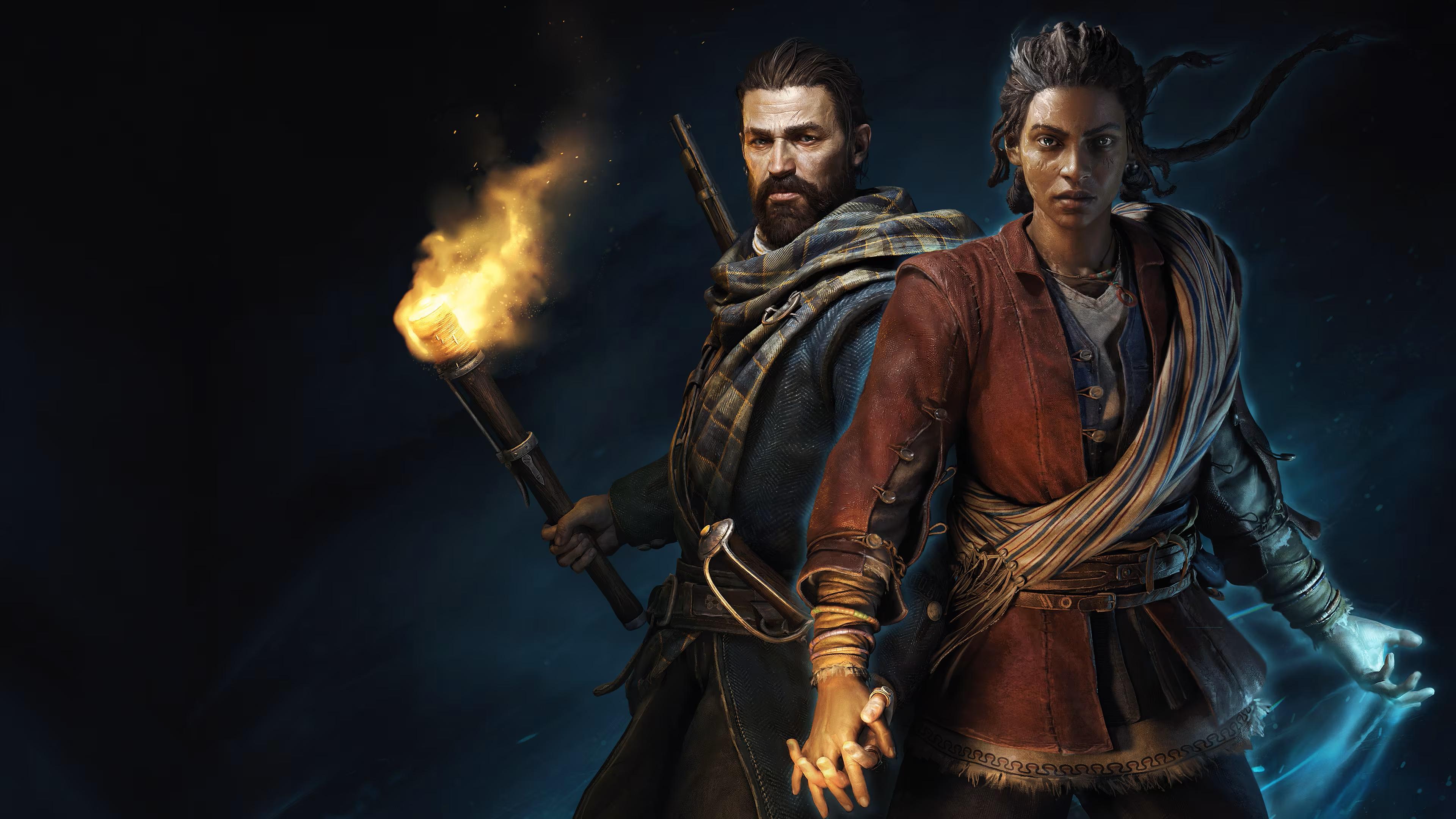
Focus Entertainment published this action RPG which centered on a diverse couple in a colonial American setting. The story explored many modern themes through its supernatural narrative. Despite receiving positive reviews the game failed to find a large audience upon launch. The sales figures were reportedly lower than what was needed to consider the project a major success. This outcome suggested that high quality niche narratives still face significant commercial challenges.
‘Immortals of Aveum’ (2023)
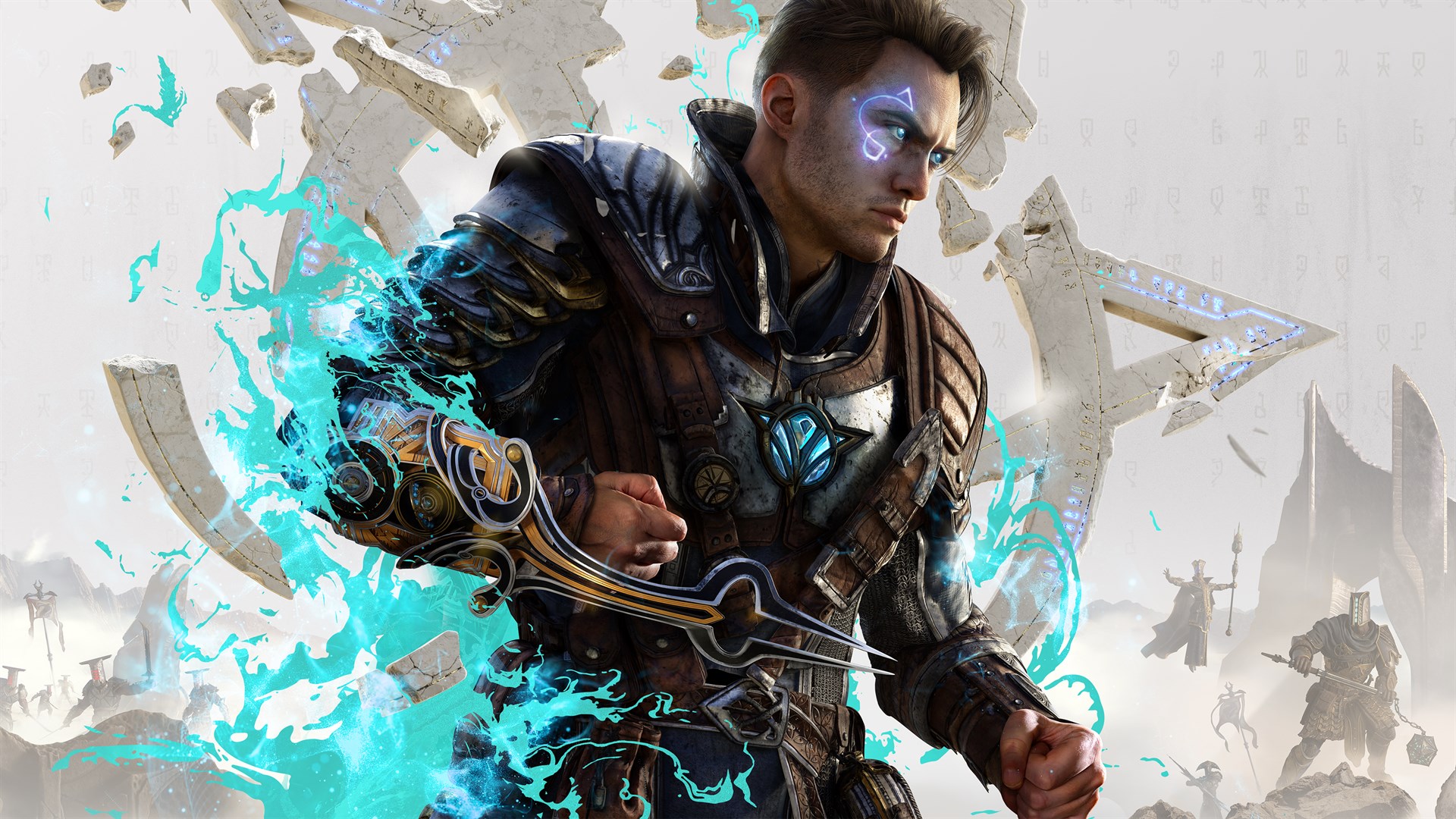
Electronic Arts launched this first person magic shooter as a new AAA intellectual property. The writing and character personalities were designed to appeal to a younger and more modern demographic. The game suffered from a crowded release schedule and a lack of clear identity. The resulting poor sales led to the layoff of nearly half the staff at the development studio. This financial failure was one of the most notable examples of a large budget game missing its target in 2023.
‘Deus Ex Mankind Divided’ (2016)
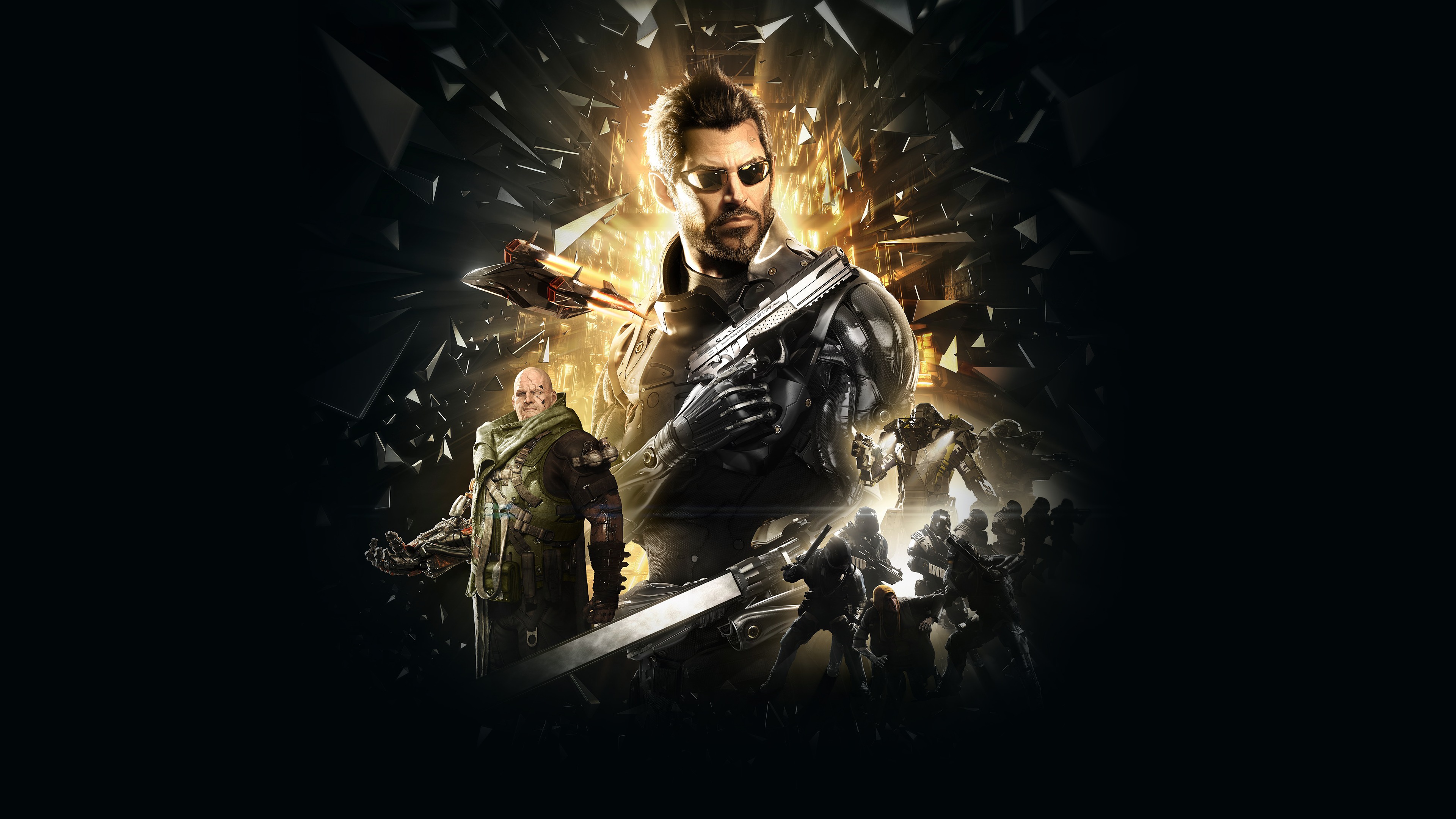
Square Enix and Eidos Montreal used controversial terms to describe the social themes of the game. This marketing choice and the modern political parallels were met with widespread criticism from various groups. The game underperformed commercially and the planned trilogy was put on an indefinite hiatus. Fans also felt the story was incomplete and designed to sell later expansions. The franchise has not seen a new installment since the controversy and financial disappointment.
‘The Callisto Protocol’ (2022)
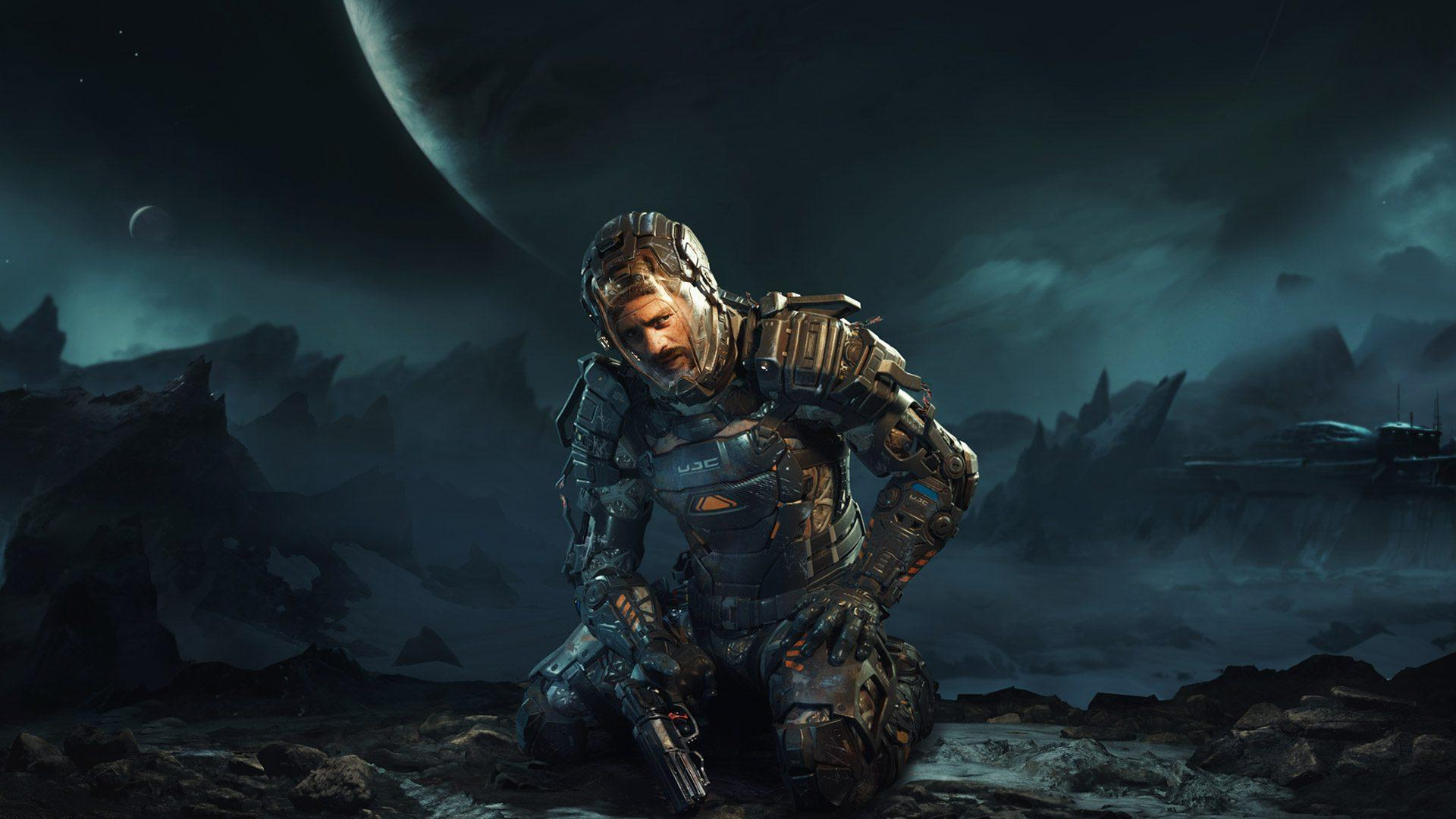
Krafton invested heavily in this spiritual successor to ‘Dead Space’ with the hope of launching a new horror franchise. The game was criticized for its gameplay mechanics and the modern cinematic approach that some felt hindered the horror. Sales were significantly below the five million copies needed to break even. The high production values and marketing spend led to a major financial loss for the publisher. The director of the game eventually left the studio following the poor reception.
‘Ghostwire Tokyo’ (2022)
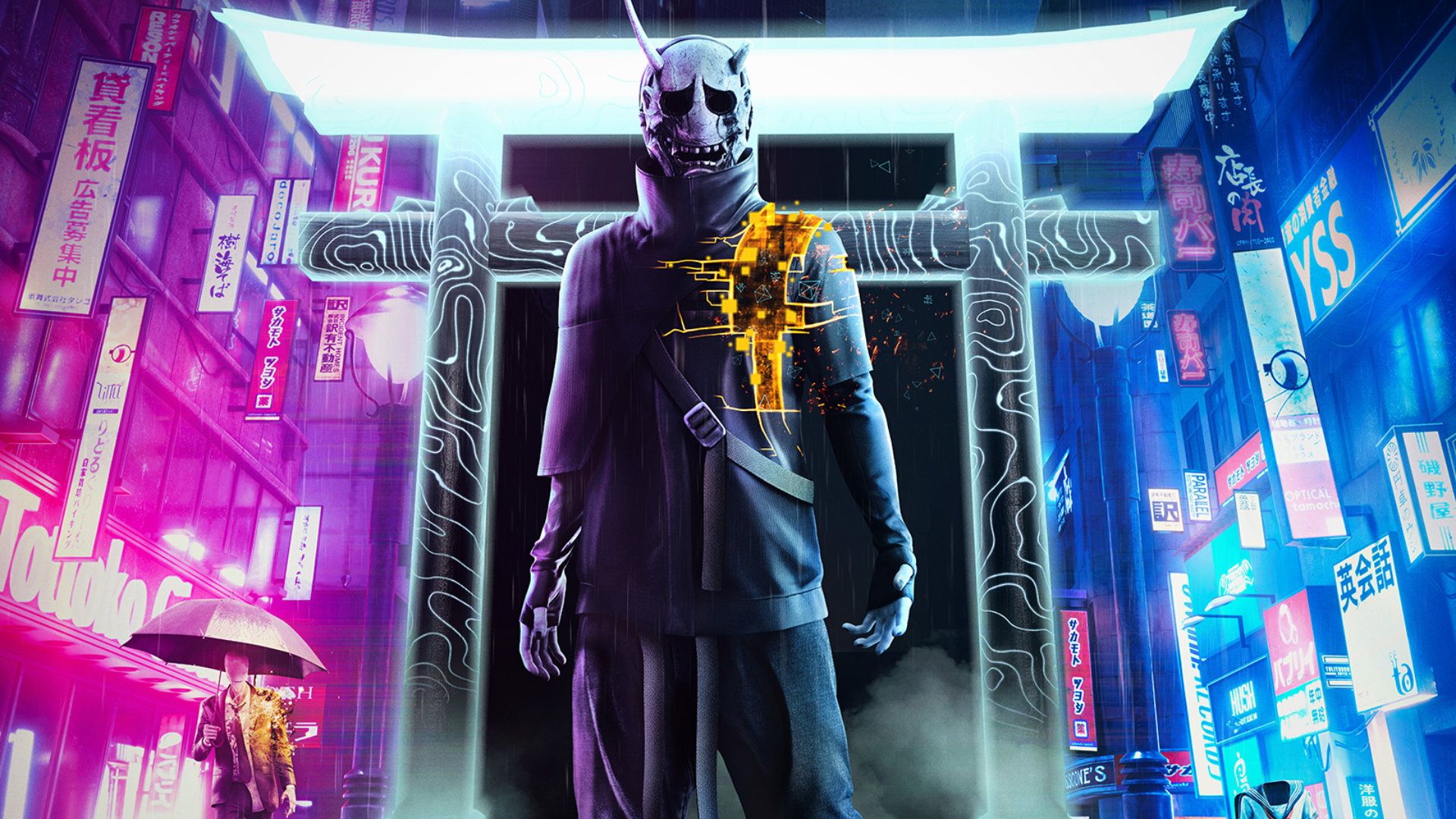
Bethesda Softworks released this supernatural action game as a timed exclusive for the PlayStation 5. The game featured a unique focus on Japanese folklore but incorporated many modern narrative tropes. While visually striking the gameplay failed to engage a wide audience over the long term. Sales were reported as being modest and did not meet the expectations for a major Bethesda release. The title eventually moved to other platforms but failed to see a significant surge in popularity.
‘Shadow of the Tomb Raider’ (2018)
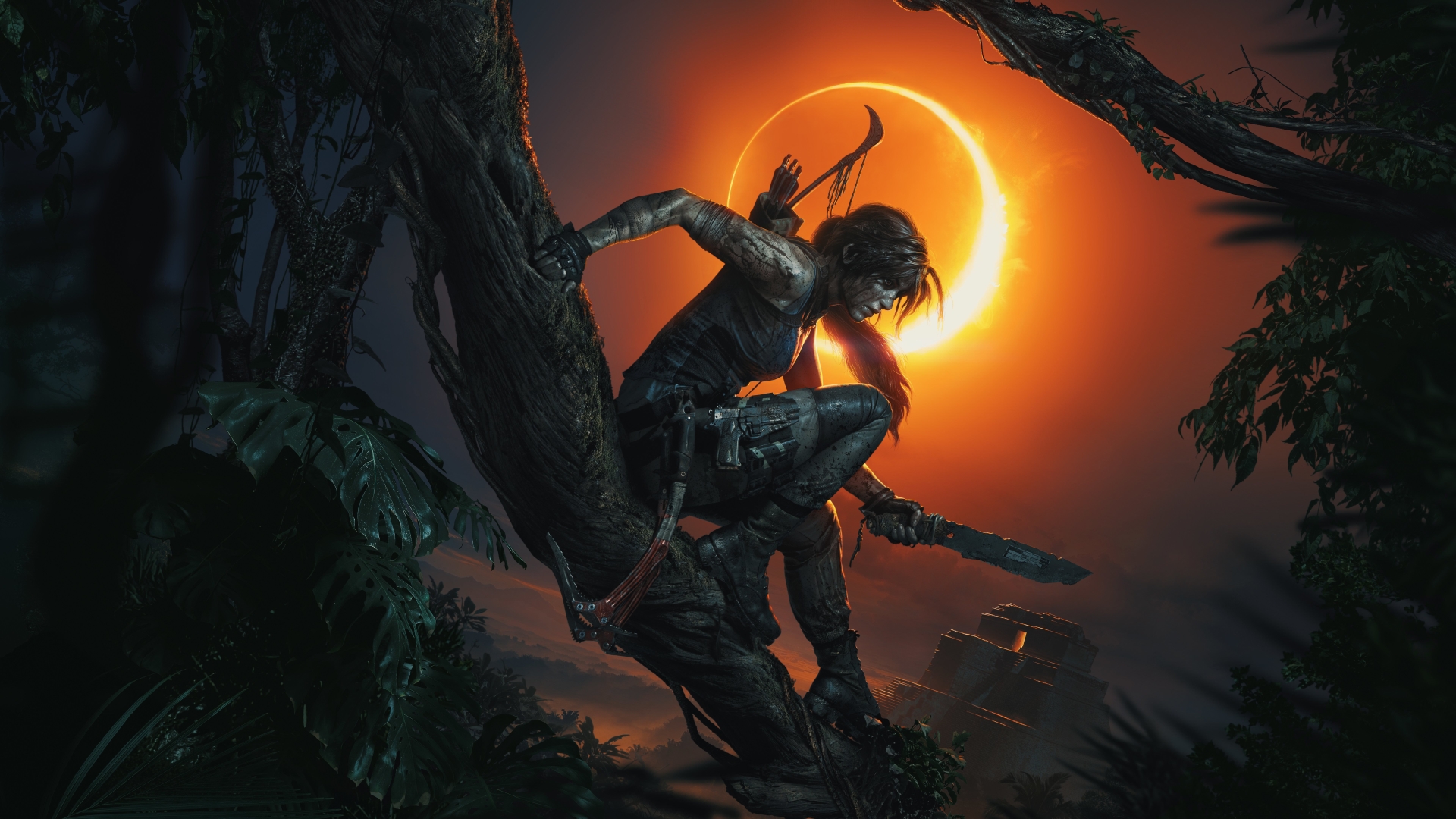
Eidos Montreal took over the final chapter of the rebooted trilogy and focused on Lara Croft facing the consequences of her actions. This shift to a more self reflective and modern narrative was met with mixed reactions from fans. The initial sales were slower than ‘Rise of the Tomb Raider’ and led to early price cuts to move inventory. Square Enix noted that the game had a weak start but eventually reached profitability over a long period. The franchise has since been sold to another holding company for a fraction of its former value.
‘Sunset Overdrive’ (2014)
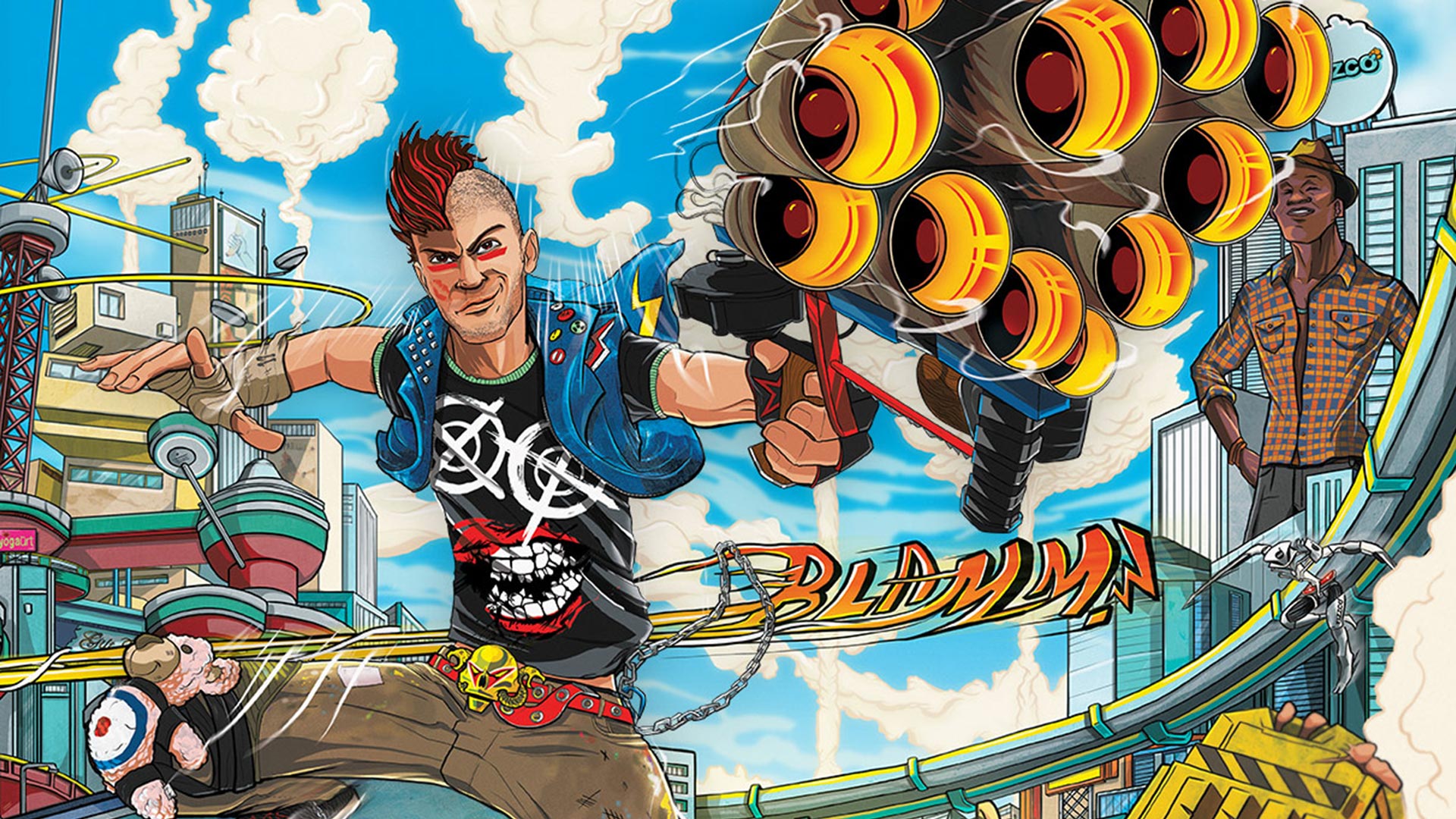
Insomniac Games created a colorful and satirical world that poked fun at corporate culture and modern trends. While the game was well received by critics it failed to find a large audience on the Xbox One. The unique tone and modern sensibility did not translate into the high sales numbers expected by Microsoft. The IP eventually moved to Sony after the studio was acquired but a sequel has never been made. It remains a cult favorite that failed to achieve mainstream commercial success.
‘Alone in the Dark’ (2024)

THQ Nordic rebooted this classic survival horror series with high profile actors and a modernized script. The game failed to gain traction in a market dominated by other major horror remakes. Poor sales led to significant financial losses and layoffs at the development studio Pieces Interactive. Critics pointed to the clunky gameplay and the tonal shift as reasons for the lack of interest. The franchise remains in a precarious position following this commercial failure.
‘Mirror’s Edge Catalyst’ (2016)

Electronic Arts attempted to reboot the parkour action series with an open world and a more modern narrative. The story focused on corporate oppression and featured a revamped version of the protagonist Faith. Many fans felt the open world structure and the writing were inferior to the focused original game. Sales were disappointing and the series was once again put on hiatus. The project failed to prove that the ‘Mirror’s Edge’ brand could sustain a modern AAA budget.
‘Dishonored Death of the Outsider’ (2017)
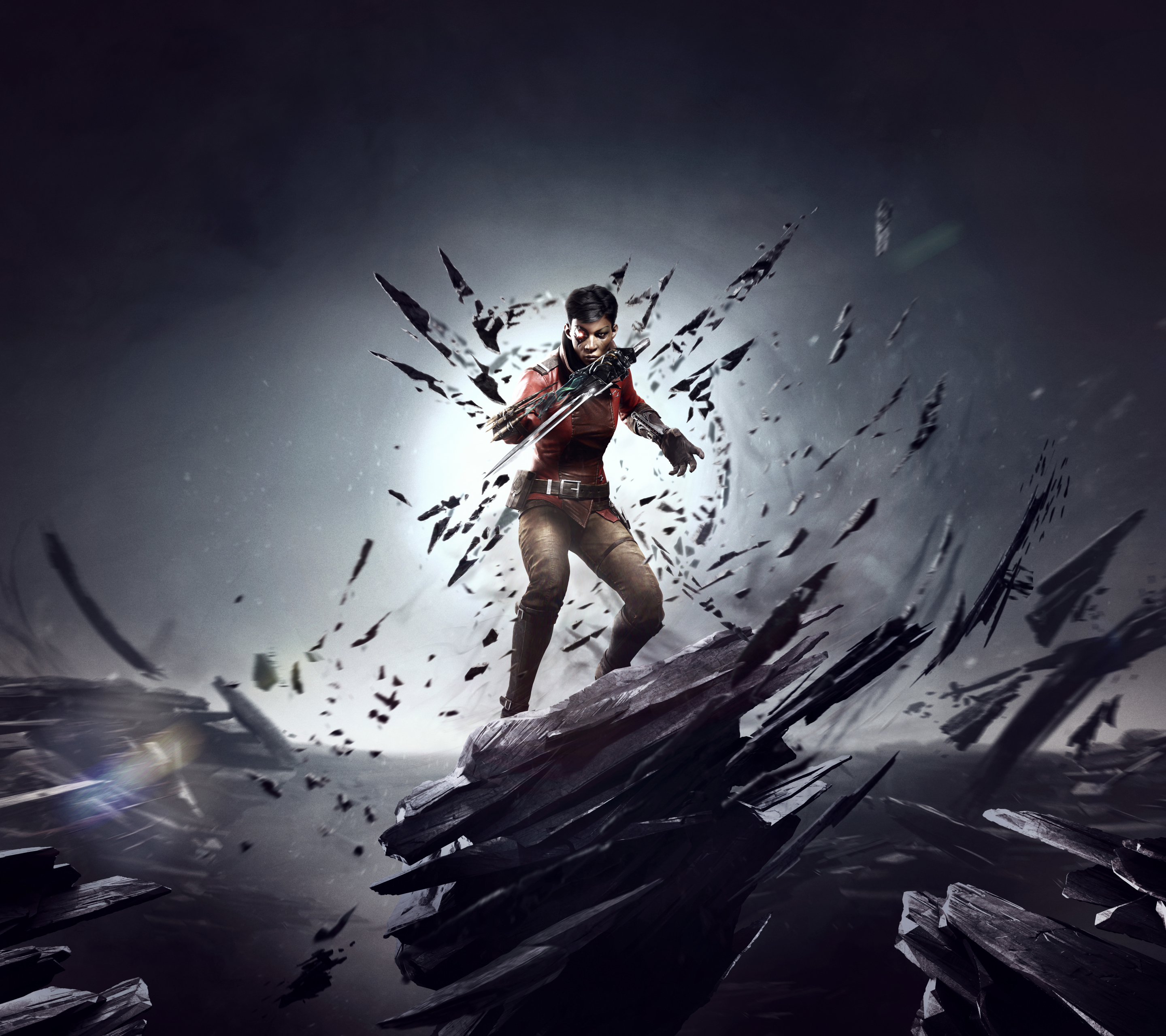
Arkane Studios released this standalone expansion to conclude the story of the ‘Dishonored 2’ era. The game featured a new protagonist and shifted the focus of the lore to address more modern narrative themes. Commercial performance was lower than the main entries and indicated a declining interest in the franchise. This led to the series being placed on a long term break while the studio explored other genres. The loss of momentum for the brand was a significant blow to the publisher.
‘The Quarry’ (2022)
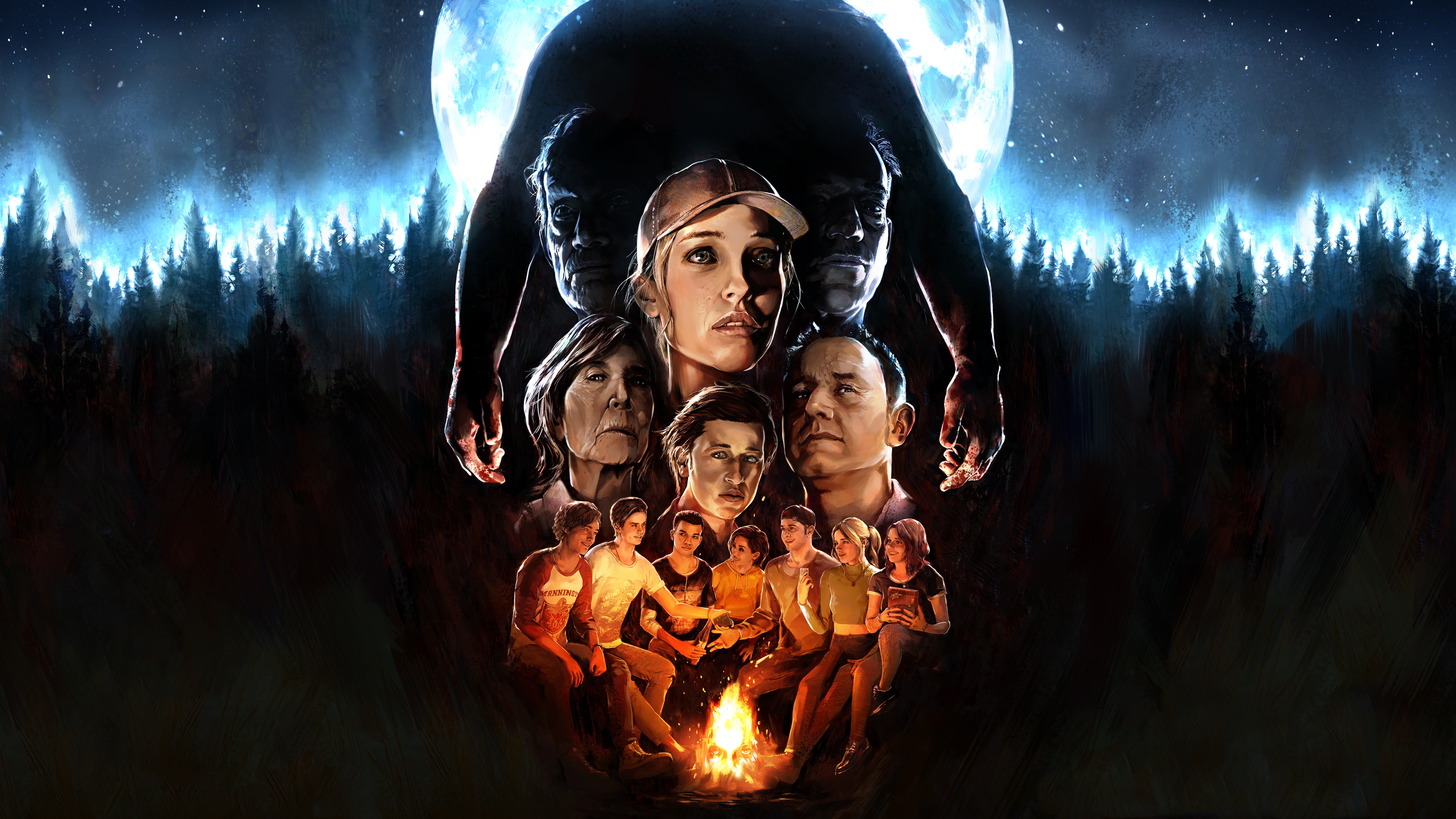
Supermassive Games created this spiritual successor to ‘Until Dawn’ with a focus on modern teen horror tropes. While the game had high production values it struggled to reach the same level of cultural impact as its predecessor. Sales were steady but did not meet the ambitious targets set by the publisher 2K Games. The high costs of the motion capture and celebrity cast impacted the overall profitability. The game remains a solid entry in the genre but failed to revitalize the interactive cinema market.
‘Wild Hearts’ (2023)
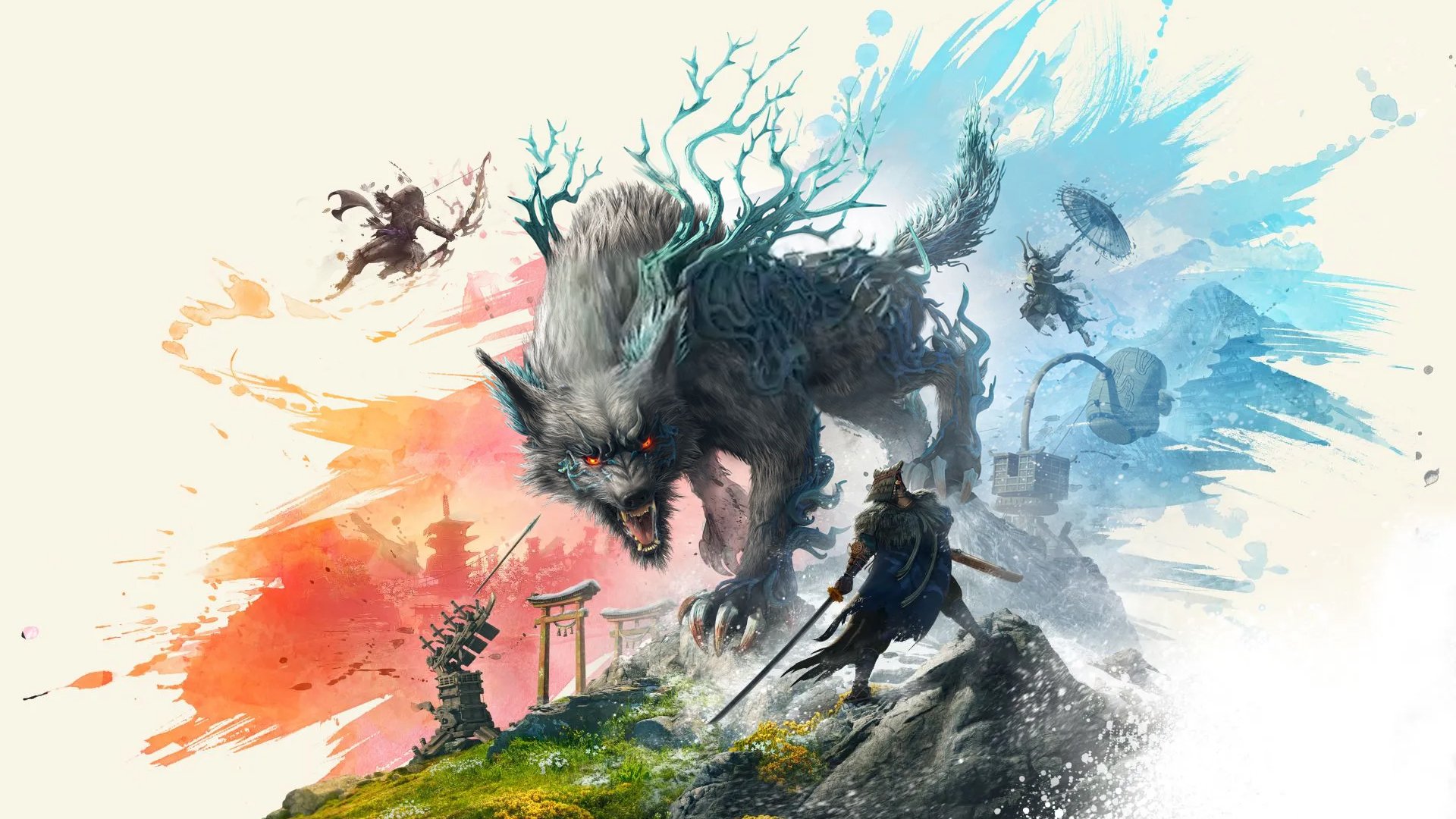
Electronic Arts partnered with Koei Tecmo to create a competitor to the ‘Monster Hunter’ series. The game featured a unique building mechanic and a focus on diverse character interactions. Despite some positive reviews the game suffered from performance issues and a lack of long term support. EA eventually announced that it would stop supporting the title just months after its release. The financial return was not enough to justify continuing the new IP in a competitive genre.
Please share your perspective on these industry trends and financial outcomes in the comments.