

Games That Quietly Became Classics Without Anyone Noticing At First

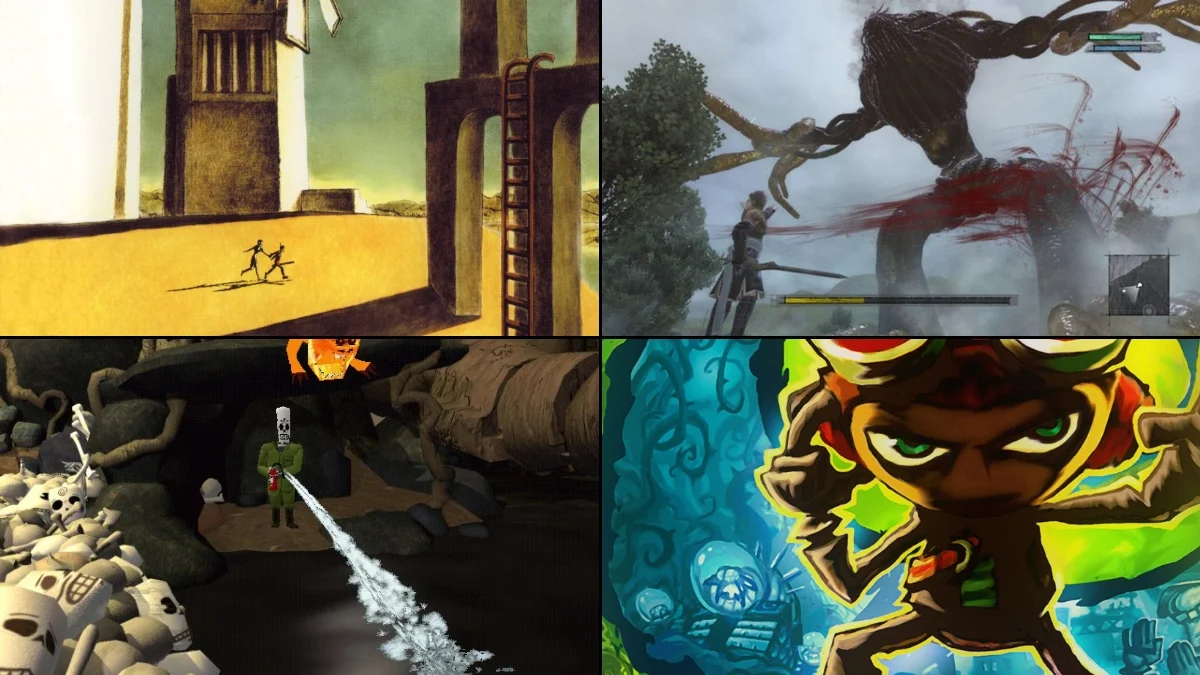


The video game industry often prioritizes immediate commercial performance, frequently overshadowing titles that do not achieve instant success. Some projects fail to reach a wide audience upon release due to poor marketing, technical issues, or niche concepts that the public is not yet ready to embrace. Over time, however, many of these games gain dedicated fanbases and retrospective critical acclaim, eventually earning the status of essential classics. The following list examines twenty video games that transitioned from overlooked releases to enduring icons of the medium.
‘EarthBound’ (1995)
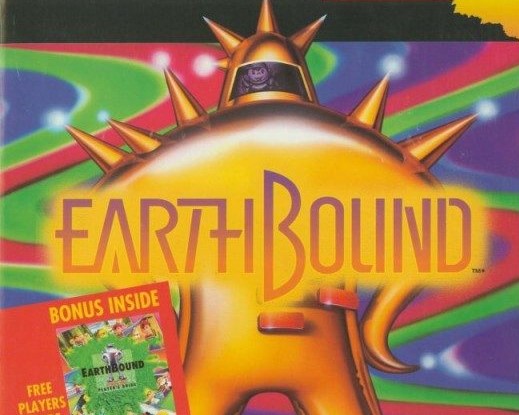
Developed by Ape Inc. and HAL Laboratory and published by Nintendo, ‘EarthBound’ is a role-playing game set in a modern-day parody of Western culture. The game was initially a commercial failure in North America, partly due to an unconventional marketing campaign that focused on gross-out humor. Over the years, its unique writing and subversion of genre tropes garnered a massive cult following through internet communities. It is now regarded as one of the most influential RPGs ever made, directly inspiring modern hits like ‘Undertale’.
‘Ico’ (2001)
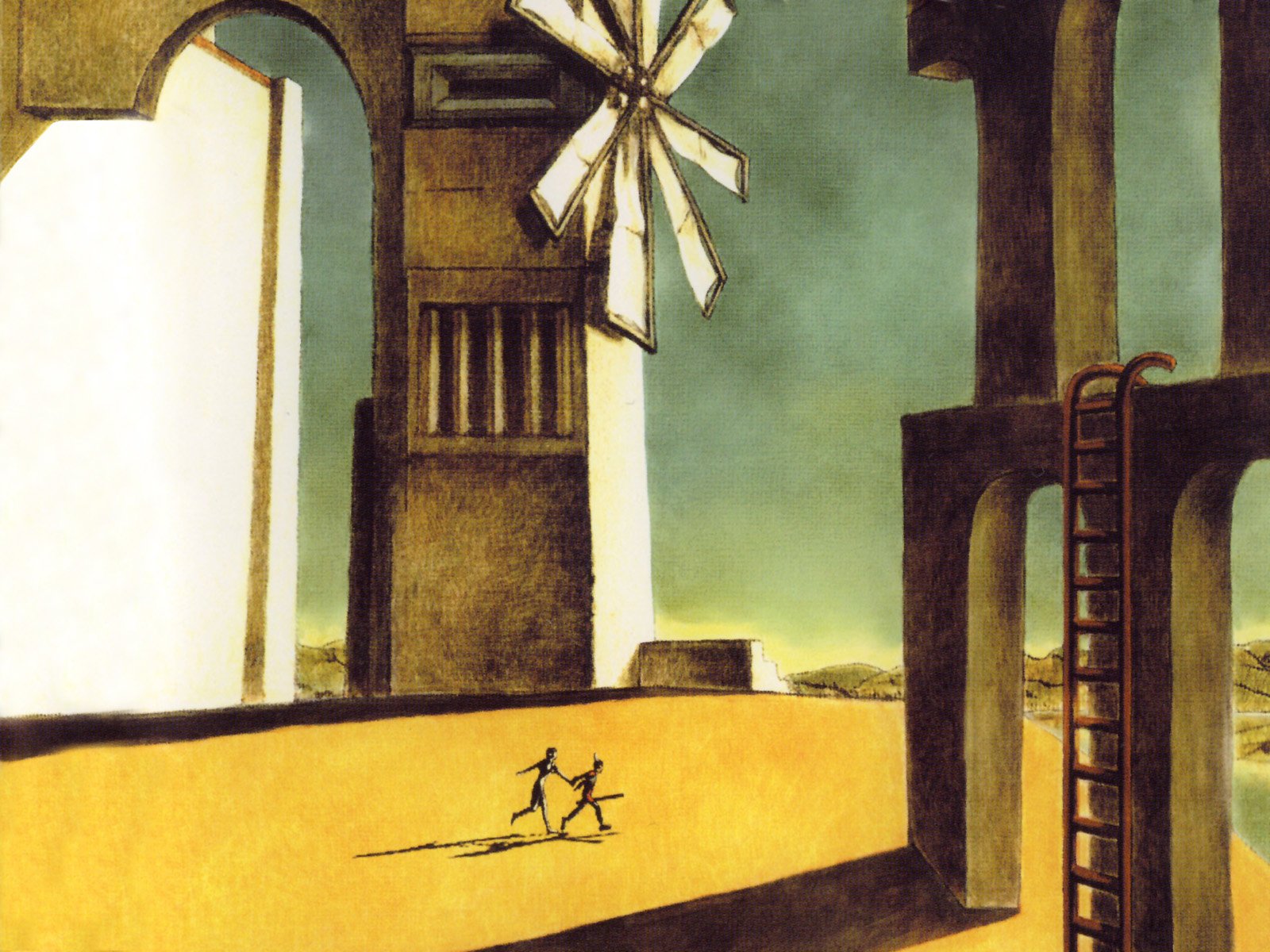
‘Ico’ was developed by Japan Studio and published by Sony Computer Entertainment for the PlayStation 2. The game follows a young boy with horns who must guide a mysterious girl through a sprawling, desolate fortress. Despite receiving high praise from critics for its minimalist design and atmospheric storytelling, ‘Ico’ suffered from low sales figures during its initial launch period. It has since become a landmark title for the “games as art” movement, influencing many prominent game directors including Hidetaka Miyazaki and Eiji Aonuma.
‘Psychonauts’ (2005)
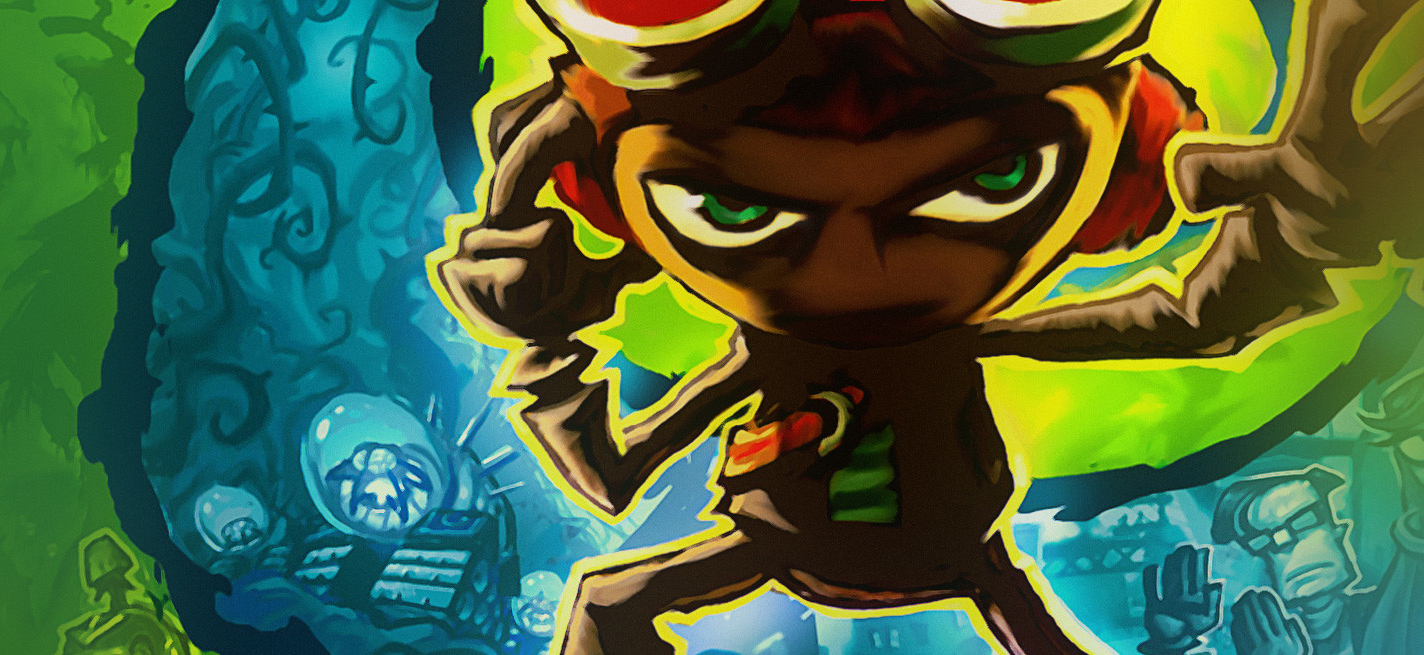
Published by Majesco Entertainment and developed by Double Fine Productions, ‘Psychonauts’ is a platformer that explores the mental worlds of various characters. The game failed to meet sales expectations upon its release, leading to financial difficulties for its publisher. However, its inventive level design and sharp writing earned it a reputation as a masterpiece of the genre among enthusiasts. Retrospective interest eventually led to a successful crowdfunding campaign for a sequel over a decade later.
‘Okami’ (2006)
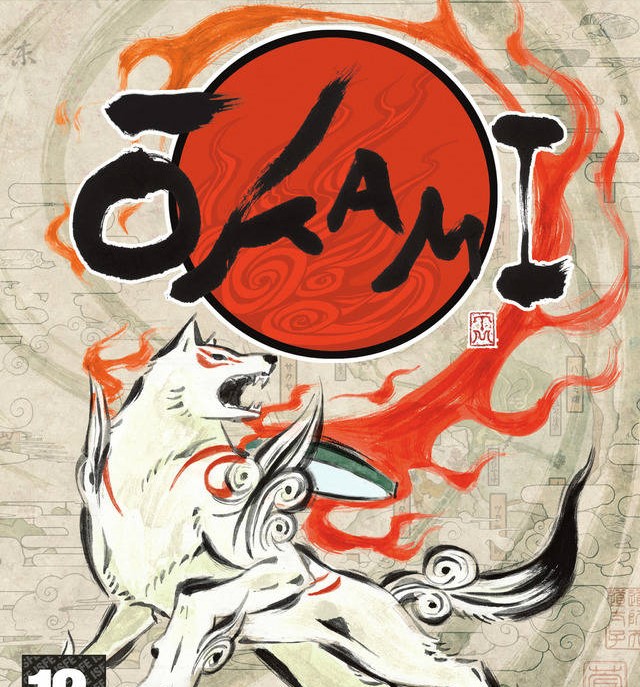
Developed by the now-defunct Clover Studio and published by Capcom, ‘Okami’ features a distinct sumi-e ink wash art style. Players control the sun goddess Amaterasu in the form of a white wolf, using a “Celestial Brush” to interact with the environment. While it won multiple Game of the Year awards, it was a commercial disappointment on the PlayStation 2. Its legacy has grown through several high-definition remasters, and it is now cited as one of the most visually stunning games of its generation.
‘Beyond Good & Evil’ (2003)
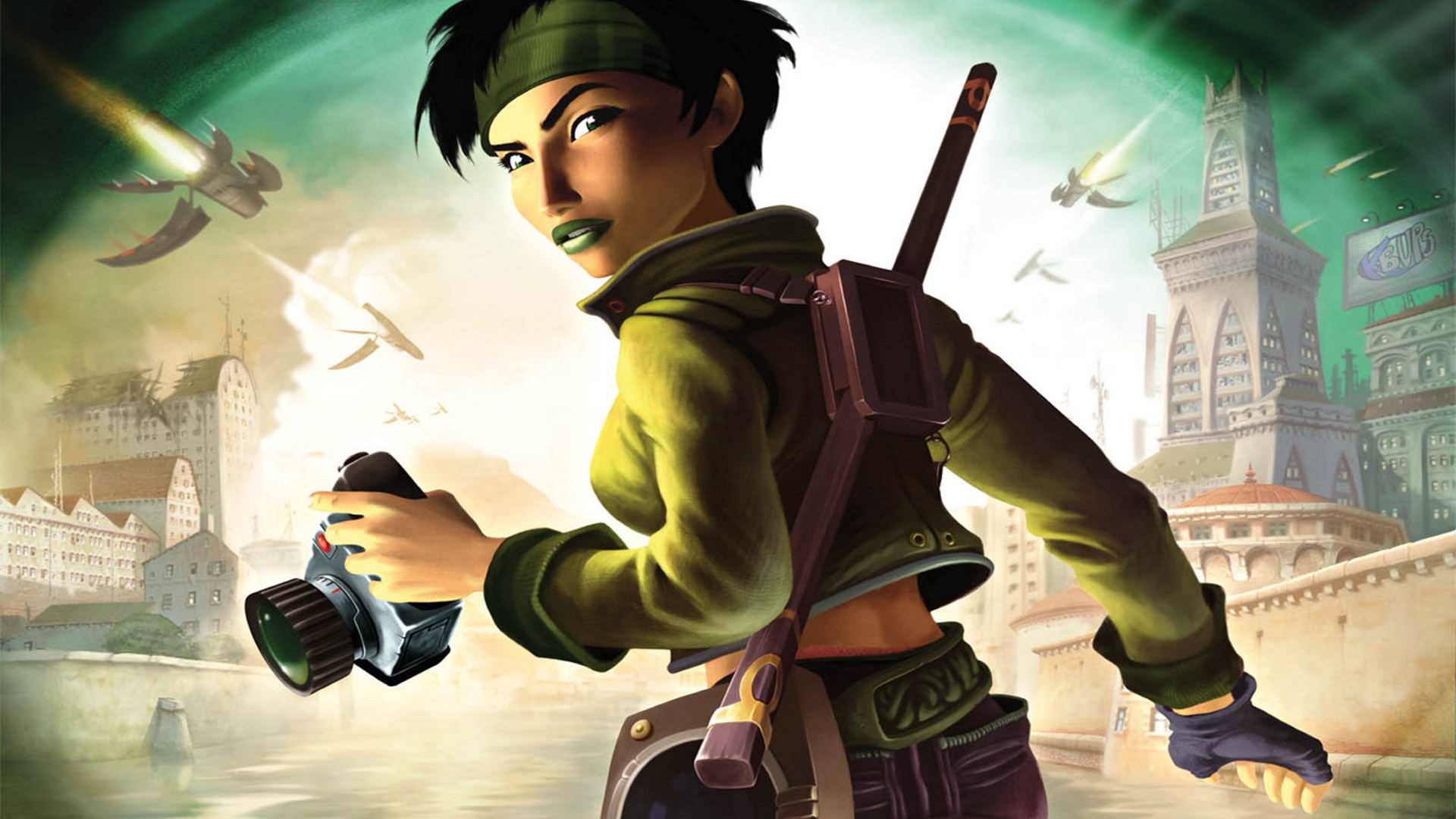
‘Beyond Good & Evil’ was developed and published by Ubisoft under the direction of Michel Ancel. The story follows an investigative photojournalist named Jade who joins an underground resistance to expose a planetary conspiracy. The game was released during a crowded holiday season and failed to compete with larger franchises, resulting in poor sales. It eventually reached classic status due to its strong narrative, diverse gameplay mechanics, and memorable protagonist.
‘Demon’s Souls’ (2009)

Developed by FromSoftware and published by Sony Computer Entertainment in Japan, ‘Demon’s Souls’ was initially met with internal skepticism and modest sales. The game’s uncompromising difficulty and cryptic systems were deemed too challenging for a general audience. After Atlus published the title in North America, word-of-mouth regarding its unique design spread rapidly across the globe. This success established the “Soulslike” subgenre, leading to the creation of the massive ‘Dark Souls’ franchise.
‘Vampire: The Masquerade – Bloodlines’ (2004)
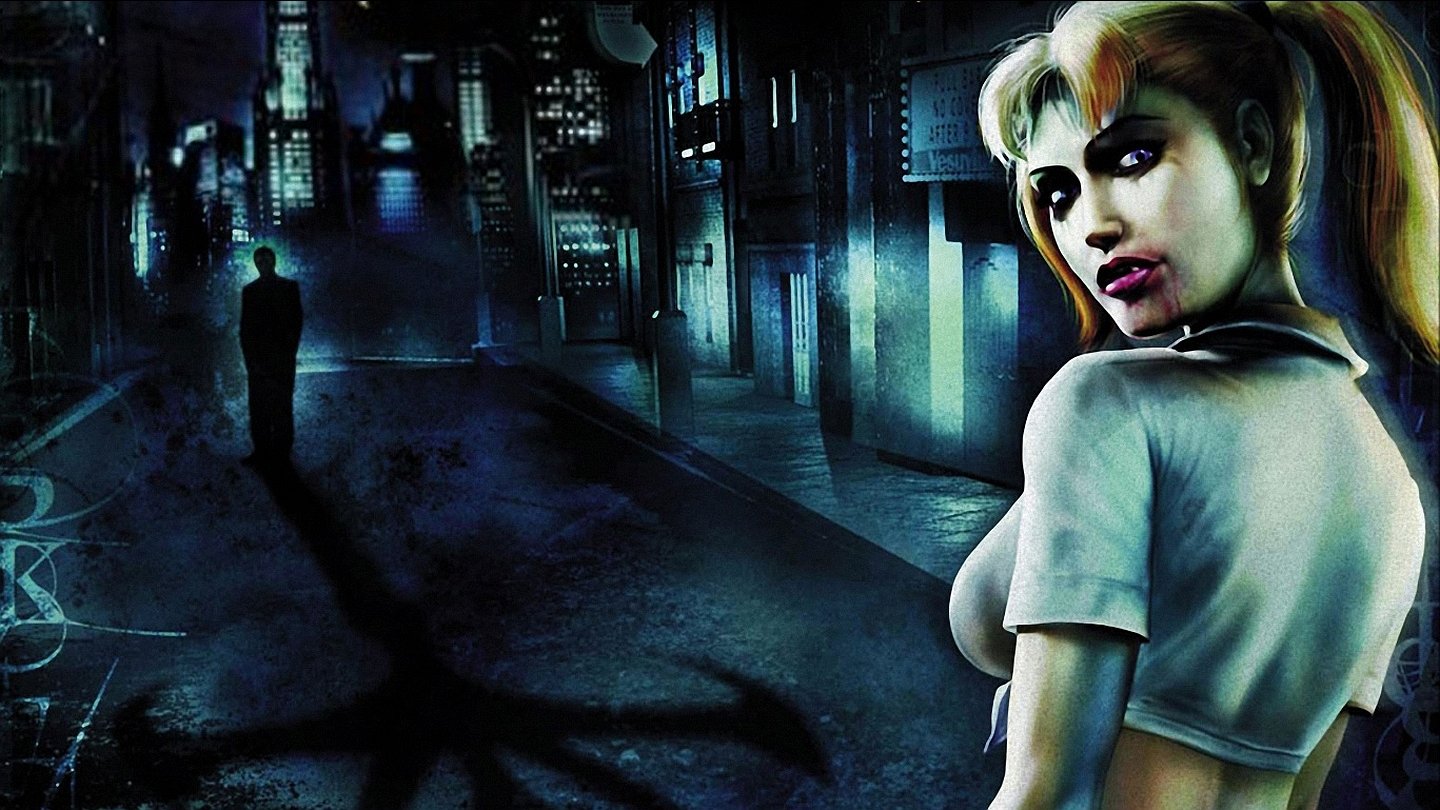
‘Vampire: The Masquerade – Bloodlines’ was developed by Troika Games and published by Activision. The game launched in an unfinished state and on the same day as ‘Half-Life 2’, which contributed to its commercial failure and the subsequent closure of Troika Games. Fans spent years creating unofficial patches to fix bugs and restore cut content, revealing a deep and reactive role-playing experience. It is now considered a definitive example of narrative-driven RPG design.
‘Spec Ops: The Line’ (2012)
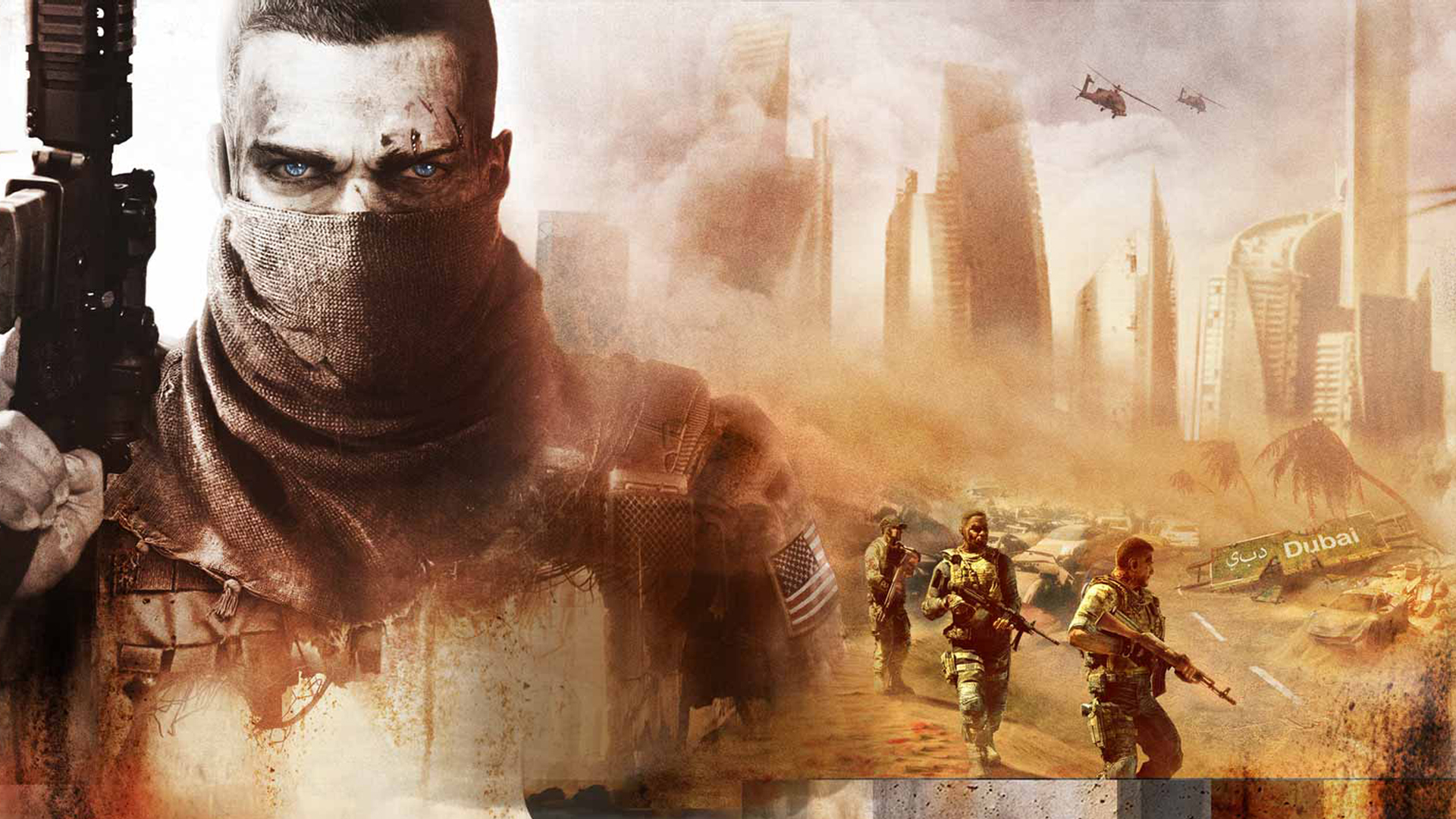
Published by 2K Games and developed by Yager Development, ‘Spec Ops: The Line’ appeared to be a standard third-person military shooter upon its reveal. The game performed poorly at retail, failing to compete with established military franchises. However, it gained legendary status for its subversive narrative, which deconstructs the morality of war and the tropes of the shooter genre. Its story, inspired by ‘Heart of Darkness’, remains a frequent subject of academic and critical discussion.
‘NieR’ (2010)
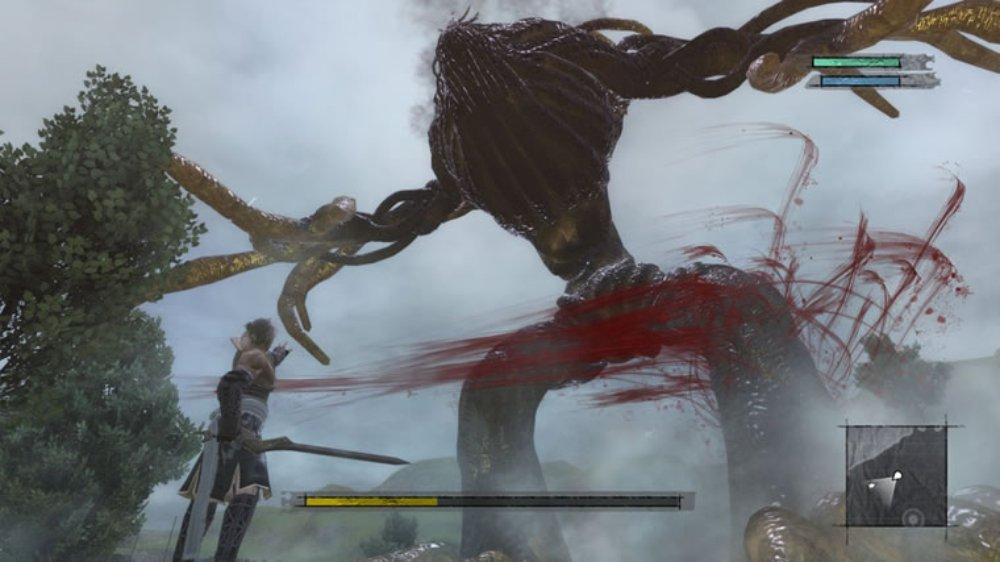
Developed by Cavia and published by Square Enix, ‘NieR’ was originally criticized for its dated graphics and repetitive combat. The game achieved very low sales and the developer was dissolved shortly after its release. Despite these hurdles, a dedicated community formed around its complex, multi-layered story and its exceptional musical score. This grassroots support eventually convinced Square Enix to produce a sequel, ‘NieR: Automata’, which became a mainstream success.
‘Eternal Darkness: Sanity’s Requiem’ (2002)

‘Eternal Darkness: Sanity’s Requiem’ was developed by Silicon Knights and published by Nintendo for the GameCube. It is a psychological horror game featuring a “Sanity Meter” that causes the game to break the fourth wall when the character’s mental health declines. While it received critical acclaim, it did not achieve high sales and never received a sequel. It has since become a sought-after classic known for its innovative horror mechanics and historical narrative scope.
‘Katamari Damacy’ (2004)
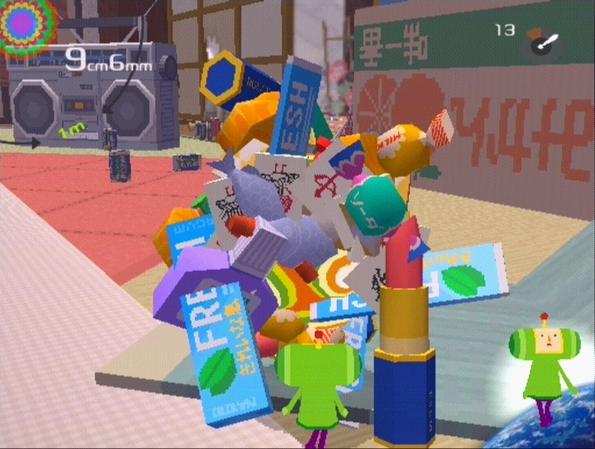
Developed and published by Namco, ‘Katamari Damacy’ originated as a school project before becoming a full production. The game’s quirky concept involves rolling a ball to collect objects of increasing size, which was considered too strange for Western markets at first. It was released as a budget title in North America and slowly found an audience through its sheer originality and catchy soundtrack. It is now recognized as one of the most creative titles of the PlayStation 2 era.
‘The World Ends with You’ (2007)
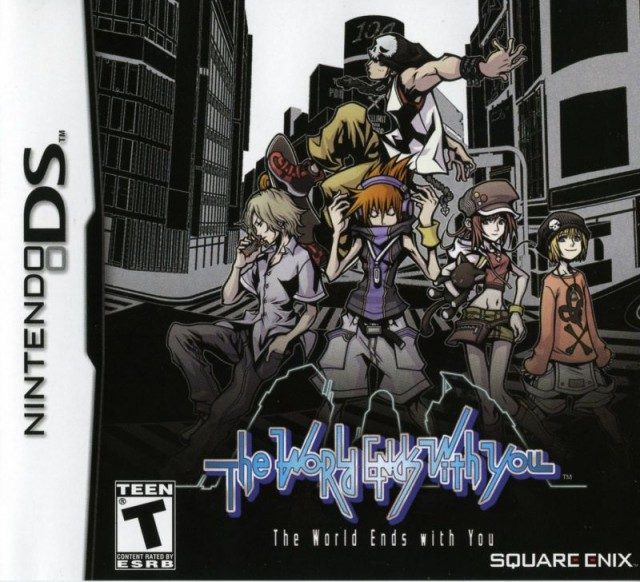
Developed by Jupiter and Square Enix and published by Square Enix, this title is set in the Shibuya shopping district of Tokyo. The game utilized the Nintendo DS hardware in unique ways, featuring a dual-screen combat system that was difficult for some players to master. Initial sales were modest outside of Japan, but it eventually gained a reputation as one of the most stylish and innovative RPGs on the handheld. Its popularity persisted long enough to warrant a modern sequel and an animated adaptation.
‘Sleeping Dogs’ (2012)

‘Sleeping Dogs’ was developed by United Front Games and published by Square Enix after being canceled by its original publisher, Activision. The game is an open-world action title set in Hong Kong, focusing on an undercover police officer infiltrating the Sun On Yee Triad. It struggled to stand out in a market dominated by ‘Grand Theft Auto’, yet it gained a cult following for its superior hand-to-hand combat and cinematic story. It is now frequently cited as one of the best open-world games of its decade.
‘Grim Fandango’ (1998)
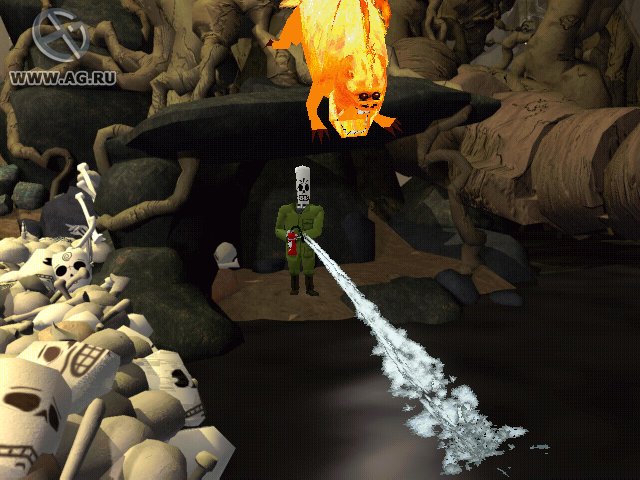
Developed and published by LucasArts, ‘Grim Fandango’ is a noir-themed adventure game set in the Land of the Dead. While critics lauded its art direction and writing, the game was a commercial disappointment and signaled the end of the adventure game’s golden age. Over time, it has been hailed as one of the greatest games ever written, leading to a remastered version years later. Its influence persists in the modern indie adventure scene.
‘System Shock 2’ (1999)
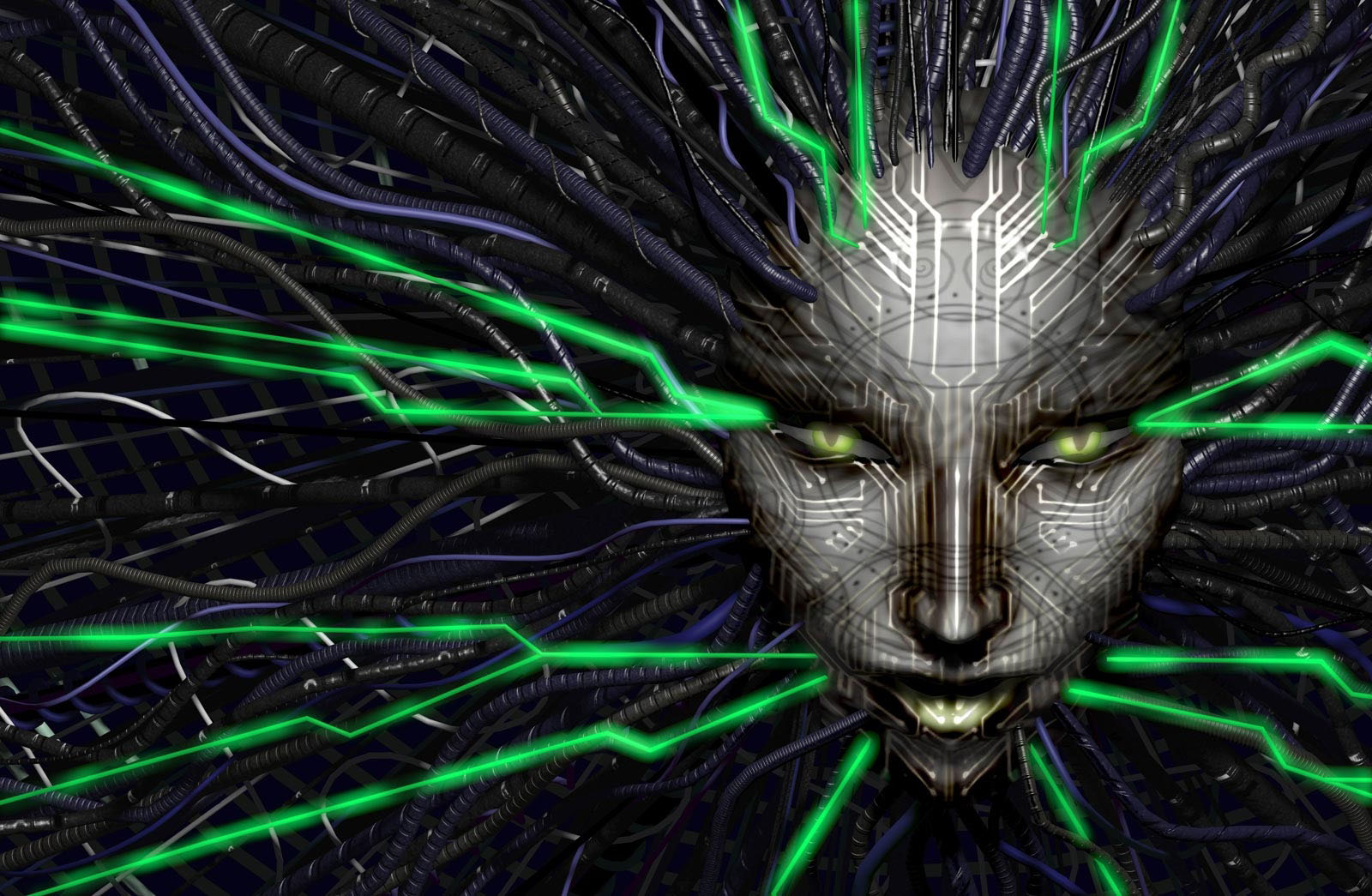
‘System Shock 2’ was a collaborative development between Irrational Games and Looking Glass Studios, with Electronic Arts serving as the publisher. The game blended first-person shooting with complex RPG elements and survival horror, but it failed to find a large audience at launch. Its legacy grew as many of its developers went on to create ‘BioShock’, which served as a spiritual successor. It is now celebrated for its atmosphere and its iconic antagonist, SHODAN.
‘Alpha Protocol’ (2010)
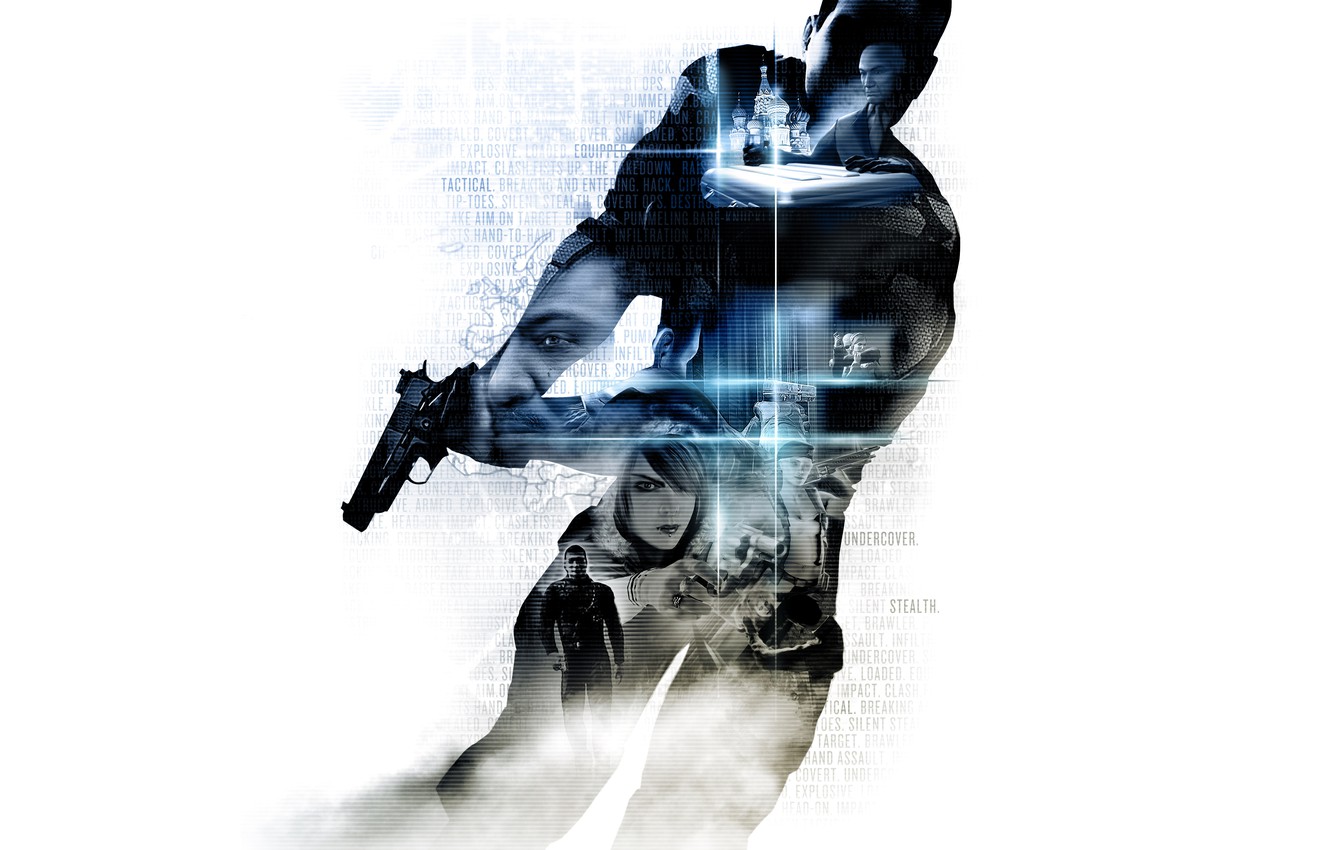
Published by Sega and developed by Obsidian Entertainment, ‘Alpha Protocol’ was criticized at launch for technical bugs and unpolished combat. The game’s sales were low, and plans for a franchise were quickly discarded. However, it quietly became a classic among RPG enthusiasts for its unparalleled choice-and-consequence system. Players discovered that almost every action and dialogue choice had a meaningful impact on the story and character relationships.
‘Binary Domain’ (2012)
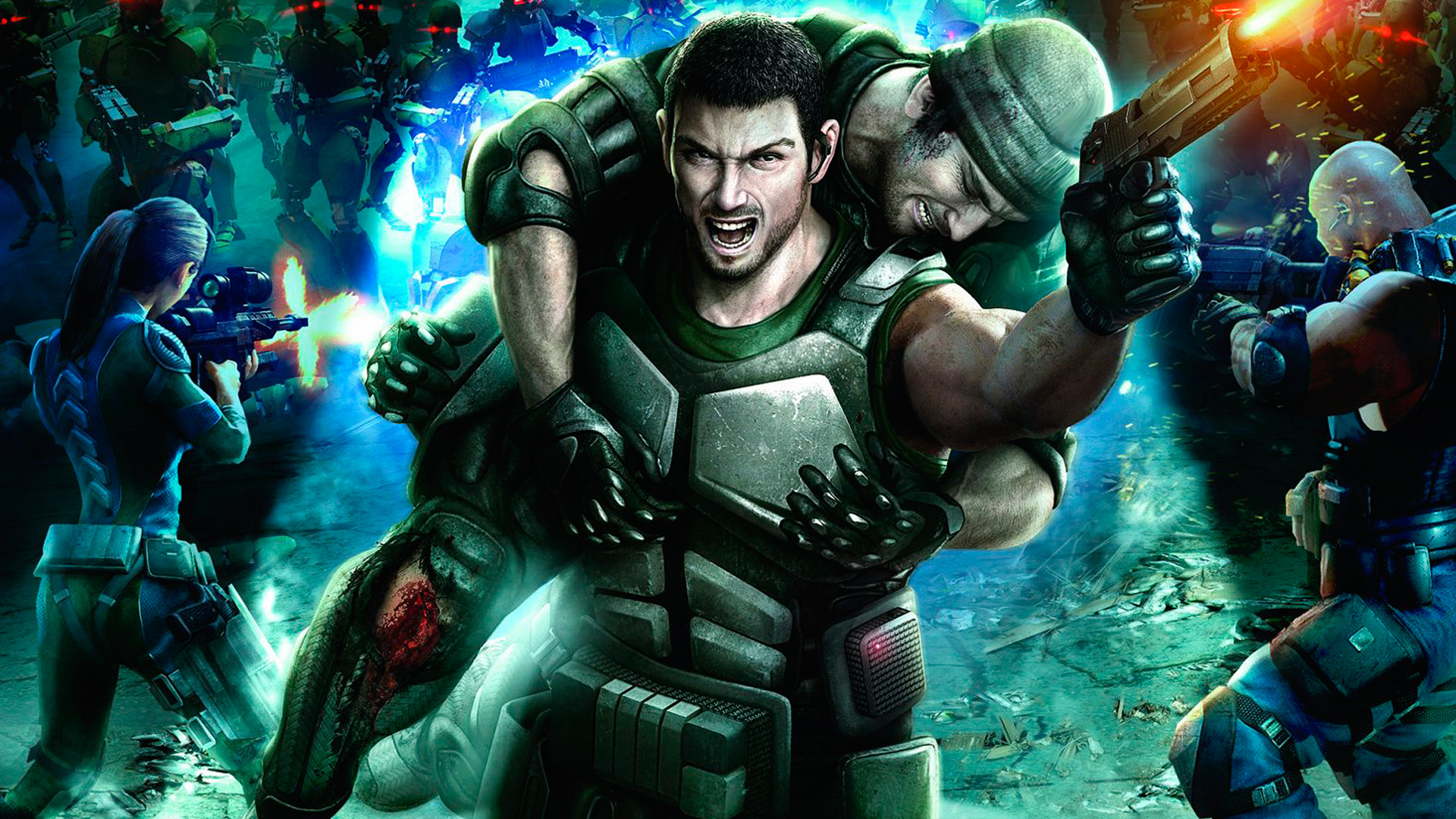
Developed by Ryu Ga Gotoku Studio and published by Sega, ‘Binary Domain’ is a squad-based shooter featuring a futuristic Tokyo overrun by robots. The game suffered from poor marketing and was largely ignored by the general public during its release. Critics later highlighted its “Consequence System,” where teammates respond to the player’s performance and verbal commands. It has since earned a reputation as a hidden gem of the seventh console generation.
‘Enslaved: Odyssey to the West’ (2010)
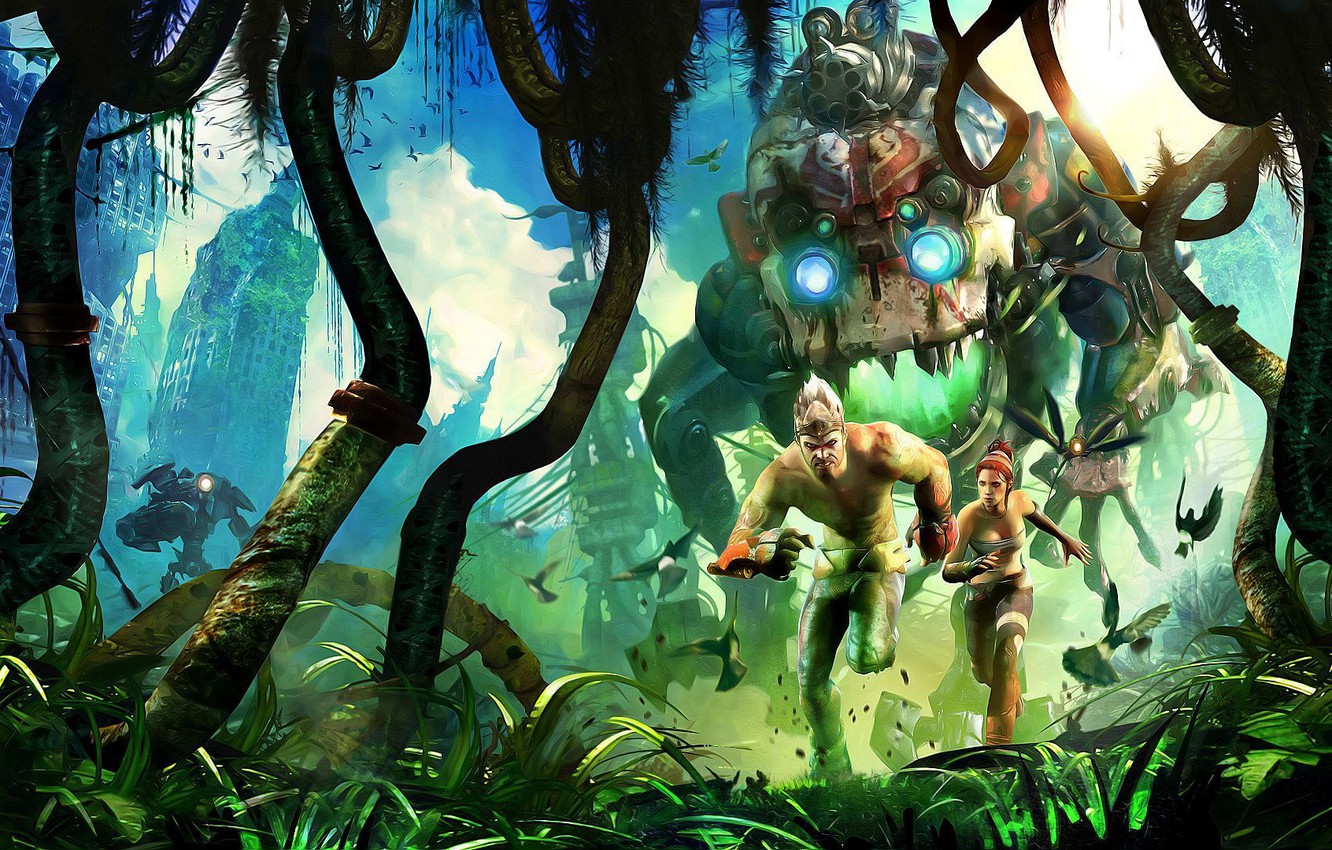
‘Enslaved: Odyssey to the West’ was developed by Ninja Theory and published by Namco Bandai Games. The game features a story written by Alex Garland and performances from Andy Serkis, offering a cinematic take on the classic Chinese novel ‘Journey to the West’. Despite positive reviews for its characters and art style, it failed to meet the publisher’s sales targets. It has since been recognized for its emotional depth and vibrant post-apocalyptic setting.
‘Mirror’s Edge’ (2008)

Developed by DICE and published by Electronic Arts, ‘Mirror’s Edge’ introduced a first-person perspective to parkour-style movement. The game received a polarized response due to its short length and trial-and-error gameplay, leading to slow initial sales. Its minimalist aesthetic and unique focus on momentum eventually earned it a dedicated fan base. This persistent interest led Electronic Arts to eventually greenlight a reboot titled ‘Mirror’s Edge Catalyst’.
‘Deadly Premonition’ (2010)

Developed by Access Games and published by Ignition Entertainment, ‘Deadly Premonition’ is an open-world survival horror game inspired by ‘Twin Peaks’. It famously received wildly varying review scores, ranging from near-perfect to extremely low, due to its technical flaws and eccentric presentation. The game gained a cult following for its bizarre characters, intricate schedule system, and surreal narrative. It eventually earned a Guinness World Record for being the most critically polarizing survival horror game.
Please share which of these titles you discovered long after their original release in the comments.