

Games That Removed Content to Avoid Cultural Sensitivity Complaints



The video game industry often faces significant pressure to modify content that may be perceived as culturally insensitive or offensive to specific demographics. Developers and publishers frequently implement changes to character designs and dialogue or even entire gameplay mechanics to ensure their products remain acceptable in global markets. These adjustments can range from minor visual tweaks to the complete removal of controversial missions and symbols. Understanding the history of these alterations provides insight into the complex relationship between creative expression and cultural expectations within the gaming community.
‘LittleBigPlanet’ (2008)
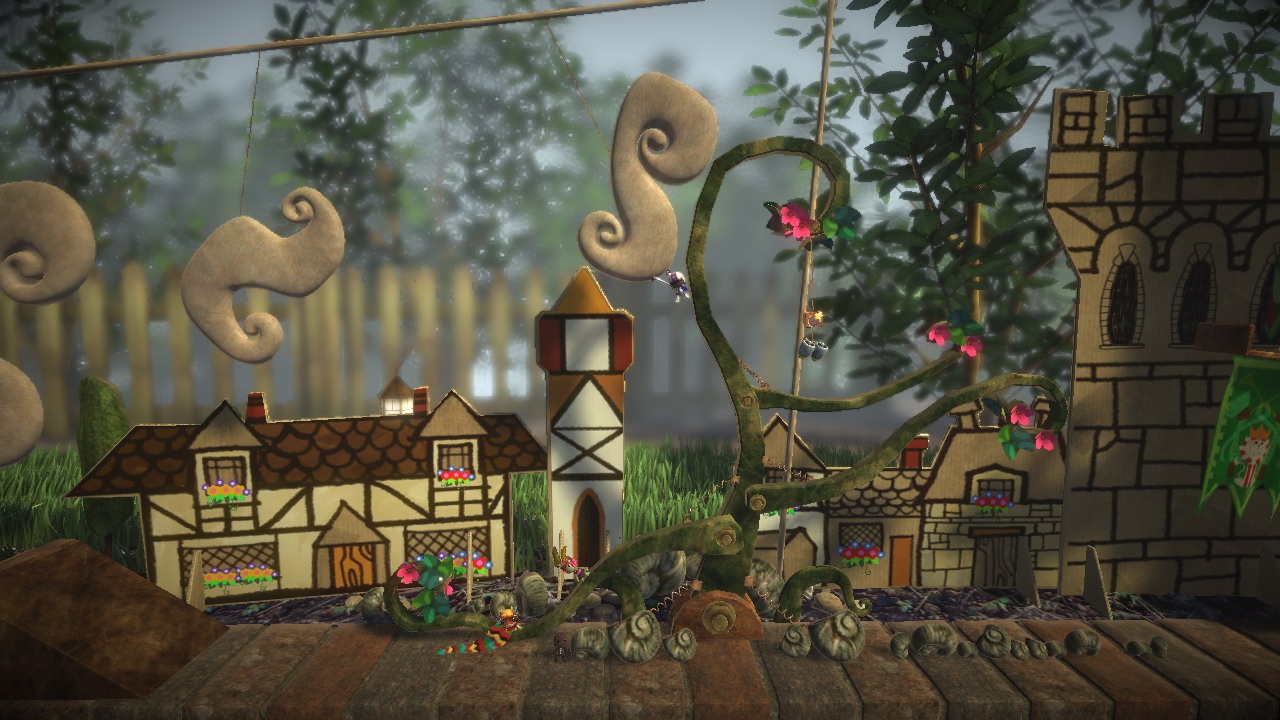
Sony recalled the physical copies of ‘LittleBigPlanet’ just days before its scheduled release because a musical track contained lyrics from the Quran. The song titled Tapha Niang by Malian artist Toumani Diabate included verses that religious consultants deemed inappropriate for use in a video game. This decision resulted in a global delay as the company needed to strip the audio from the game discs. The patched version replaced the track to avoid potential backlash from the Muslim community.
‘The Legend of Zelda: Ocarina of Time’ (1998)
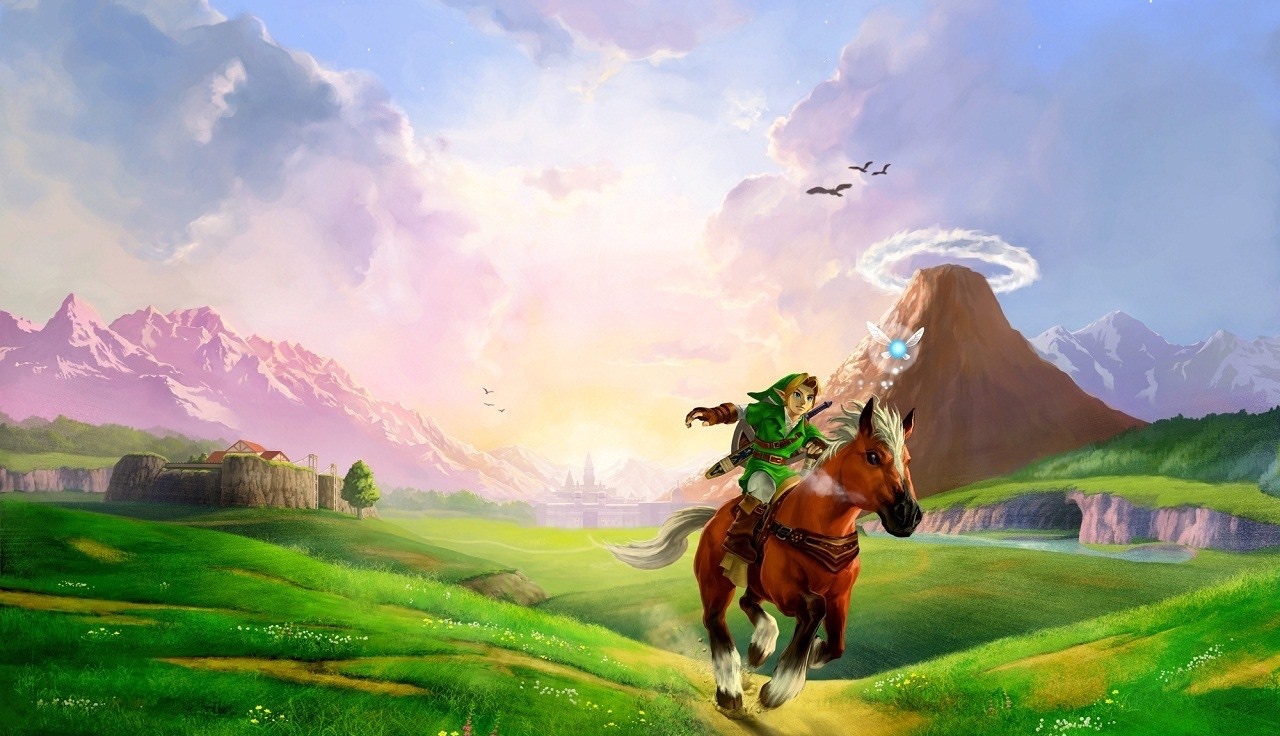
Early versions of ‘The Legend of Zelda: Ocarina of Time’ featured Islamic chanting in the Fire Temple theme music. Nintendo removed this audio in subsequent prints and the GameCube port to prevent religious controversy. The company also changed the original Mirror Shield design which featured a crescent moon and star similar to the symbols of Islam. These changes were made to respect cultural sensibilities and avoid religious associations with the fictional Gerudo tribe.
‘Call of Duty: Modern Warfare 2’ (2009)
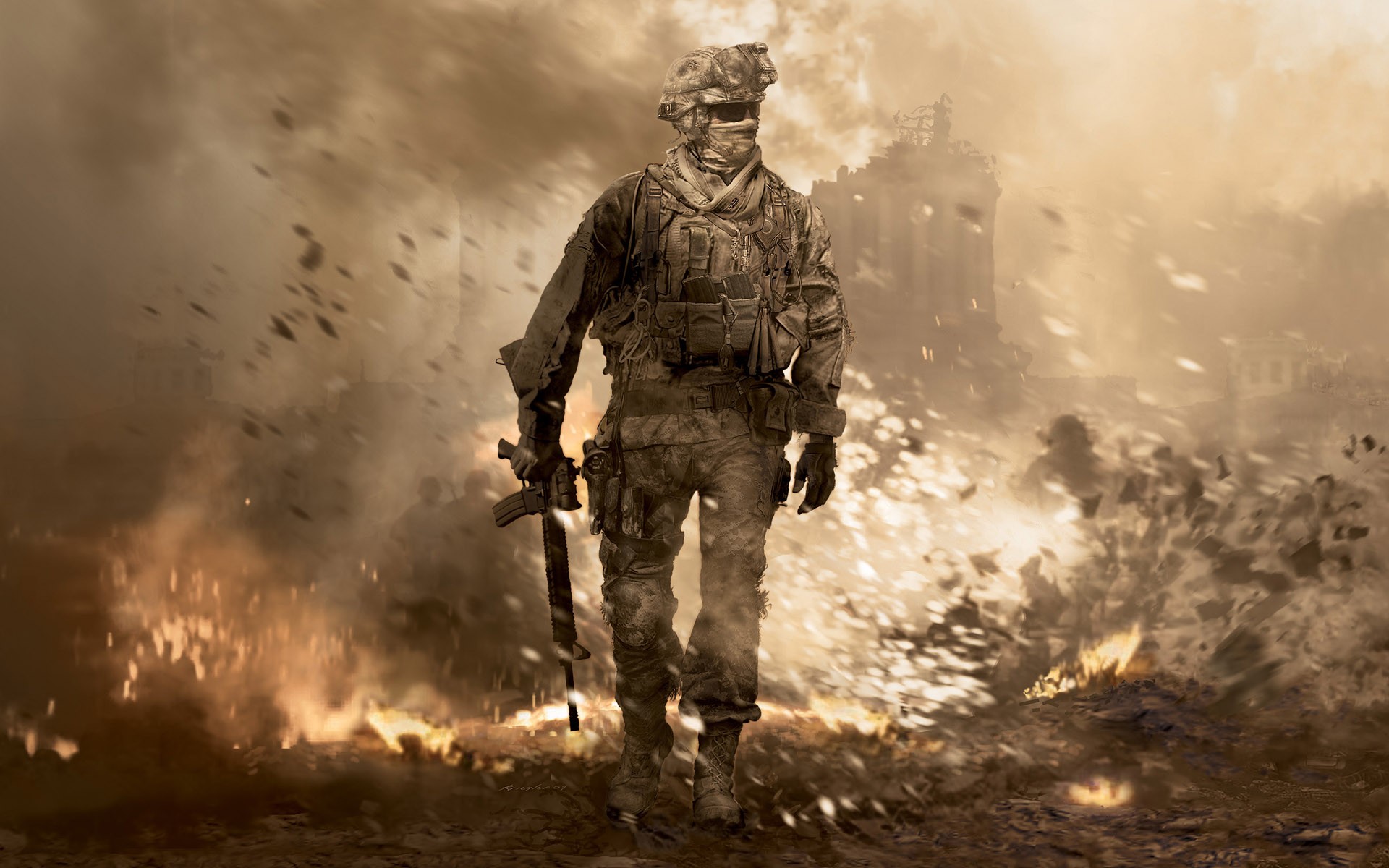
Activision removed the Favela map from rotation after players discovered an Islamic holy teaching displayed on a bathroom picture frame. The texture featured a frame with Arabic text placed directly above a toilet. This placement was considered deeply offensive to Muslim players who raised concerns about the lack of cultural awareness. The developers eventually patched the game to remove the texture and reintroduced the map to the online community.
‘Street Fighter V’ (2016)
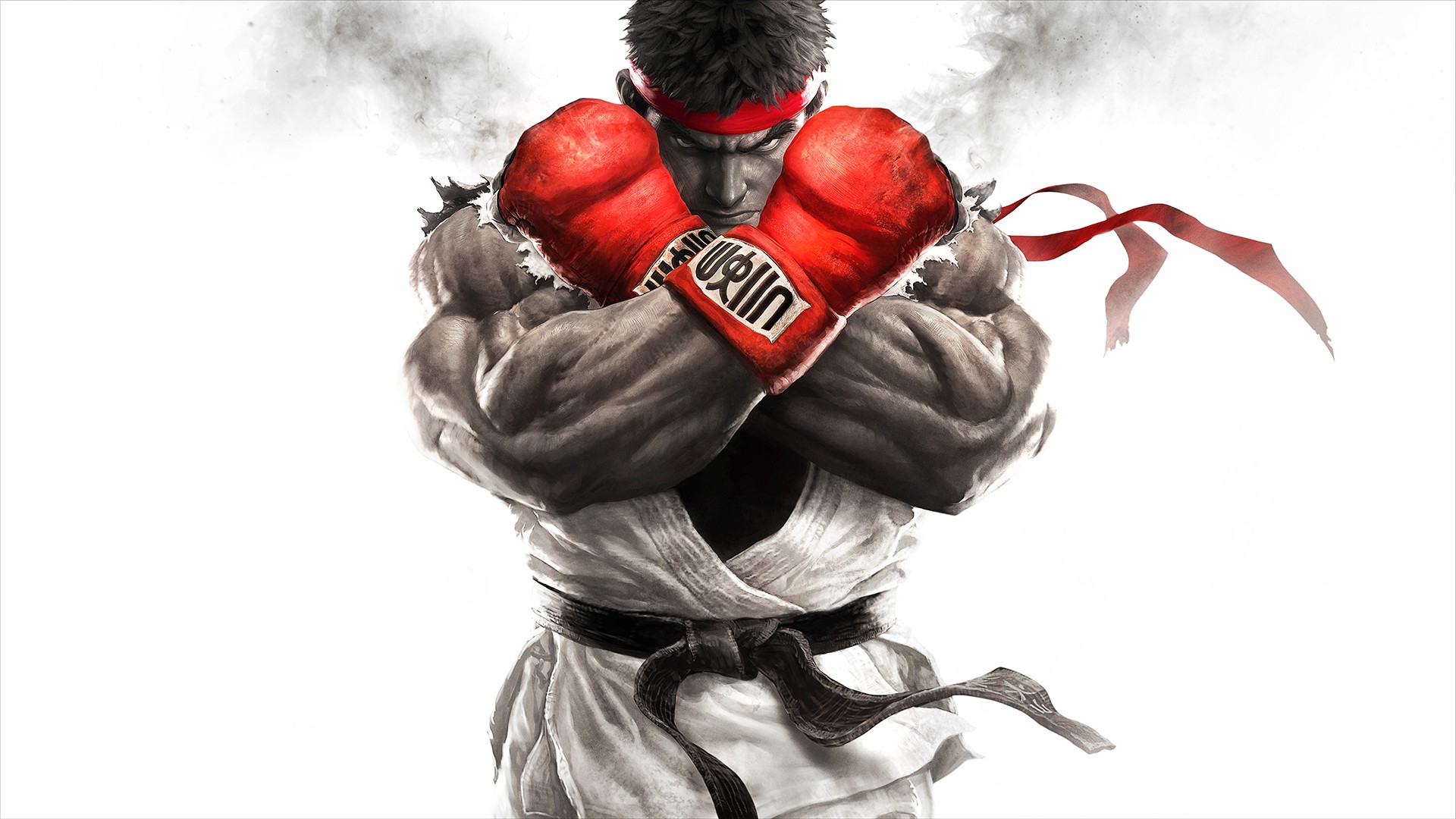
Capcom adjusted the camera angles for several character animations in ‘Street Fighter V’ to reduce sexual suggestiveness before the official launch. The character Rainbow Mika originally performed a move where she slapped her buttocks but the camera was repositioned to hide the action. Similarly the camera was moved during the introduction for Cammy White to focus less on her lower body. These changes were intended to make the game more inclusive and professional for the growing esports audience.
‘Pokémon’ (1998)
The original design for the pocket monster Jynx featured black skin and large pink lips which many critics compared to racial caricatures. Following public complaints and discussions regarding the history of blackface the Pokémon Company changed the skin color to purple. This change was implemented across all media including the video games and the animated series. Modern iterations of ‘Pokémon’ continue to use the purple skin tone to maintain cultural sensitivity.
‘Overwatch’ (2016)
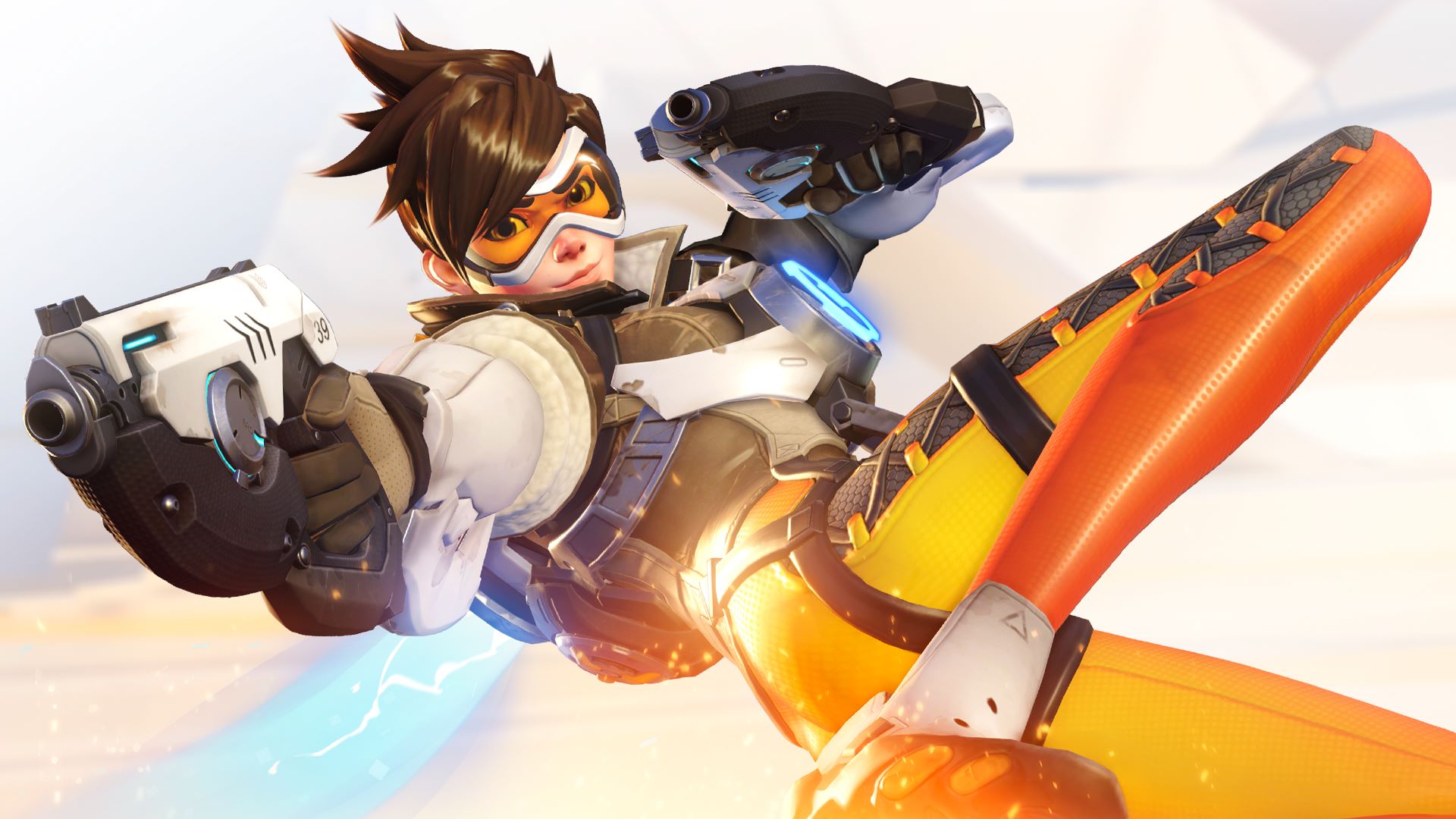
Blizzard Entertainment replaced a victory pose for the character Tracer after a player expressed concerns that it was overly sexualized and out of character. The original pose showed Tracer looking over her shoulder in a way that emphasized her physique. The developer agreed that the pose did not fit the energetic and heroic personality of the character. A new pose inspired by classic pin up art was introduced to satisfy both the community and the design goals.
‘Wolfenstein: The New Order’ (2014)
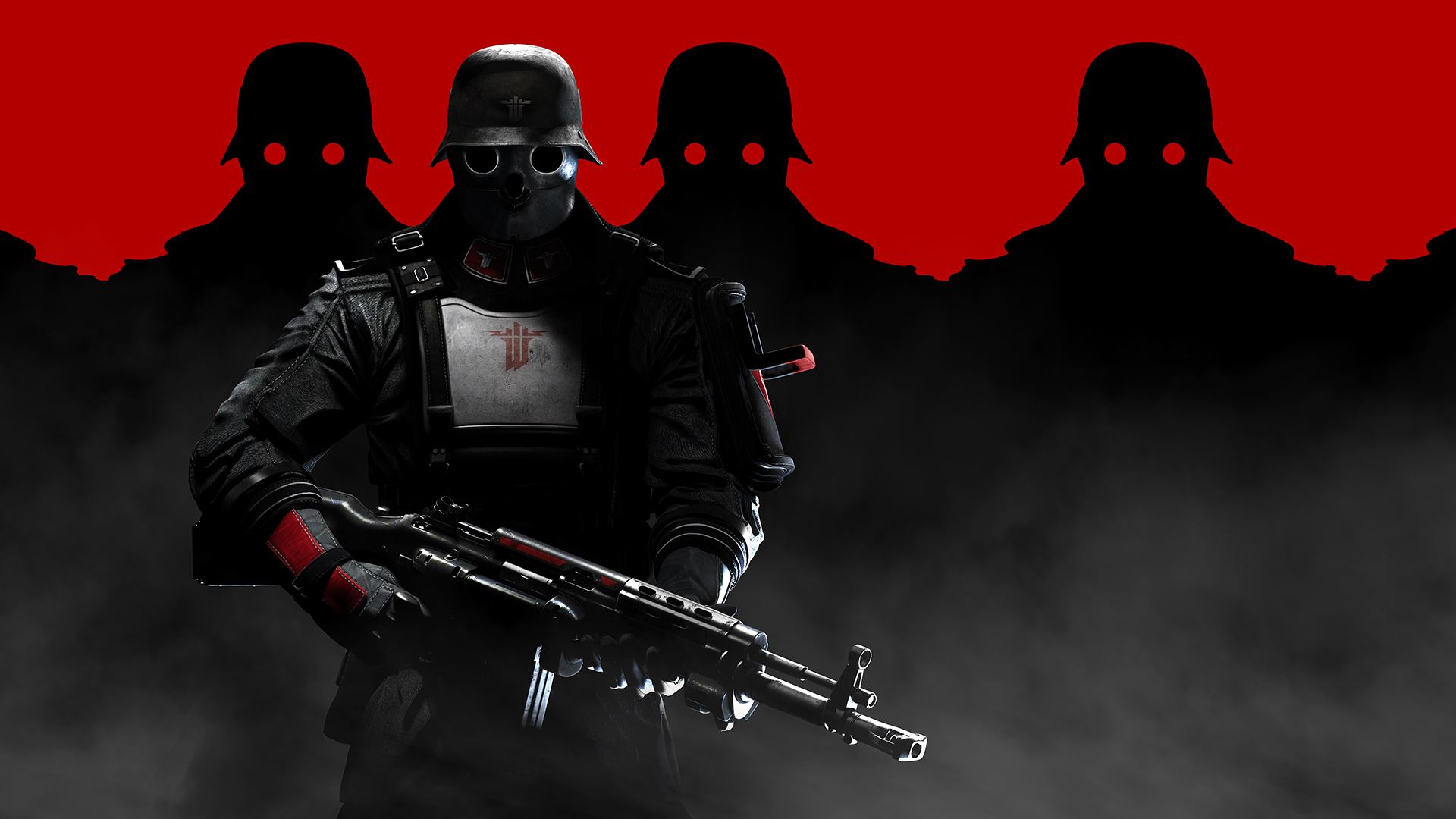
The German version of ‘Wolfenstein: The New Order’ underwent significant changes to comply with local laws regarding the depiction of unconstitutional organizations. Developers removed all swastikas and Nazi symbols and replaced them with alternative logos designed for the fictional regime. References to the Nazi party were changed to the Regime to avoid legal issues and cultural sensitivity concerns in Germany. These modifications allowed the game to be sold legally while maintaining the core narrative structure.
‘South Park: The Stick of Truth’ (2014)
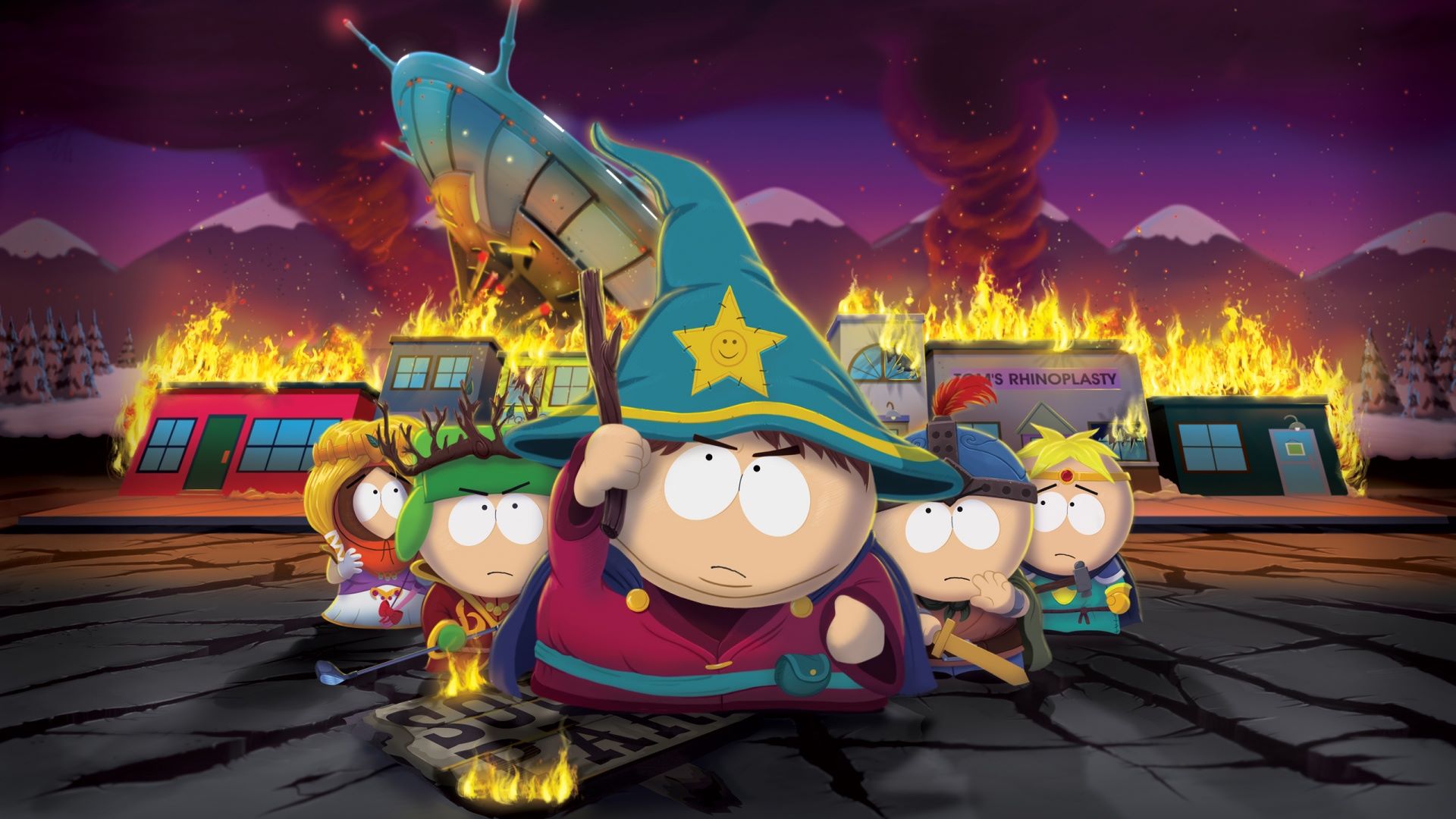
Ubisoft decided to censor several minigames in the European and Australian versions of ‘South Park: The Stick of Truth’ to avoid potential bans. The removed scenes involved an abortion procedure and a segment featuring an alien probe. In place of the interactive gameplay the developers included a text screen describing the events that were cut. This move was made to ensure the game met the standards of various international rating boards.
‘Persona 5’ (2016)
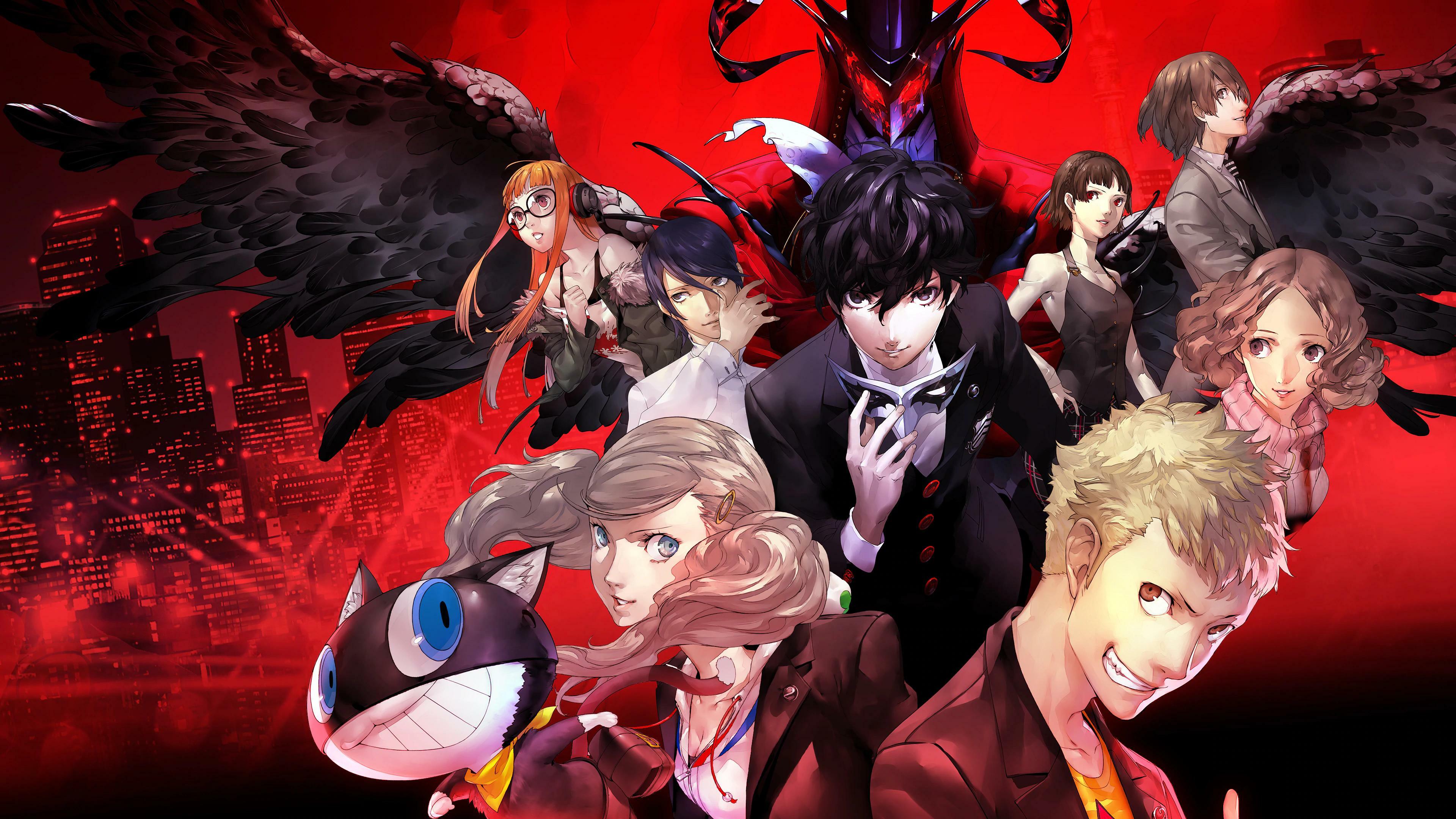
The character Ryuji Sakamoto originally wore sneakers featuring the Rising Sun flag design which is associated with Japanese imperialism in many Asian countries. Atlus removed the symbol from the Western and Korean releases of ‘Persona 5’ to avoid causing offense to those who view the flag as a symbol of past aggression. The texture was changed to a simple red design to preserve the character aesthetic without the controversial connotations. This adjustment reflects the studio commitment to navigating complex historical sensitivities in global markets.
‘Tom Clancy’s Rainbow Six Siege’ (2015)
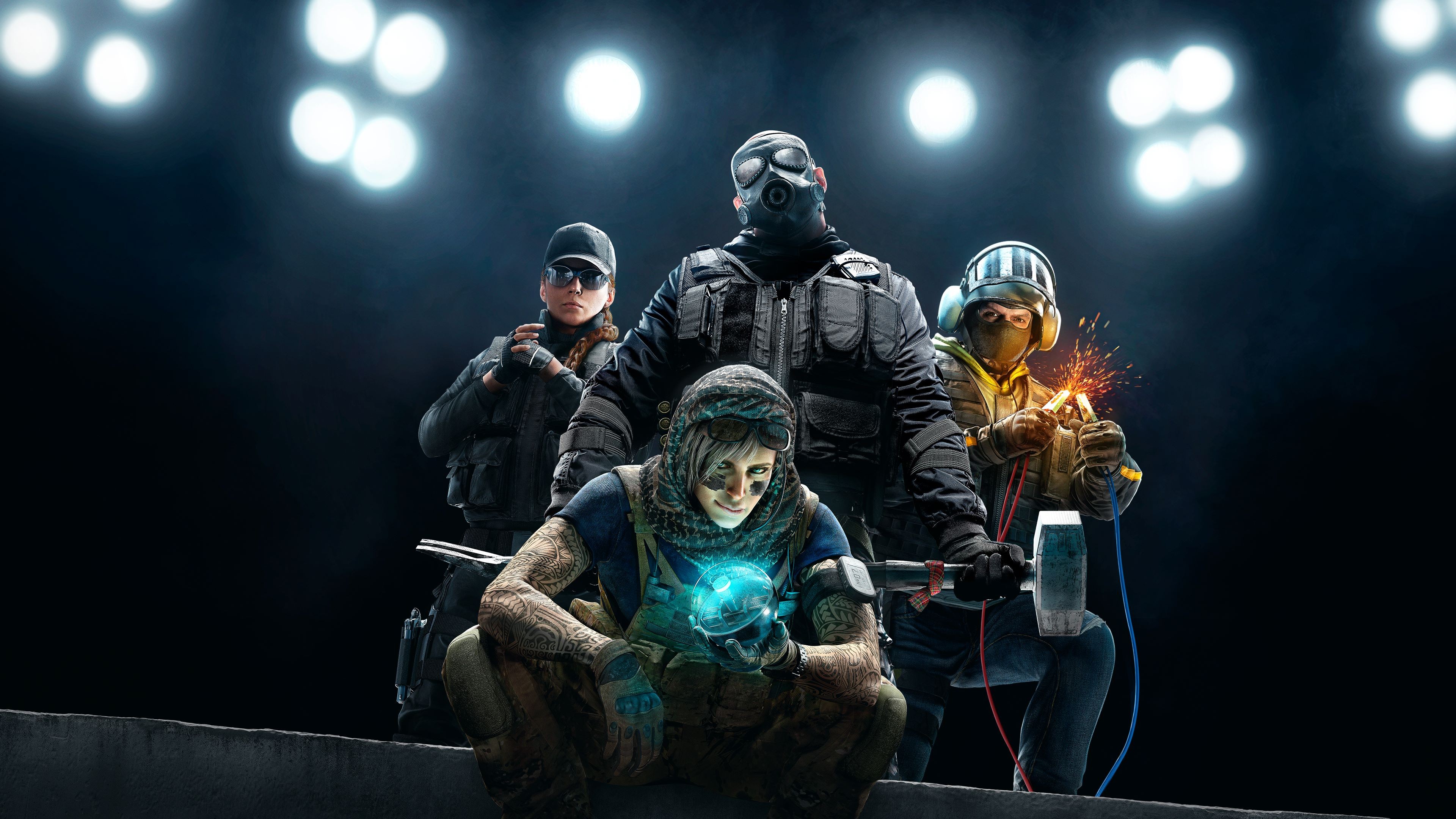
Ubisoft announced plans to remove gambling machines and blood splatters from ‘Tom Clancy’s Rainbow Six Siege’ to prepare for an expansion into the Chinese market. The developers also intended to replace skull icons and other violent imagery with more neutral assets. However the global player base reacted negatively to these aesthetic changes which led Ubisoft to revert the modifications for the international versions. The company ultimately decided to maintain a separate version of the game specifically for China to satisfy local regulations.
‘Fallout 3’ (2008)
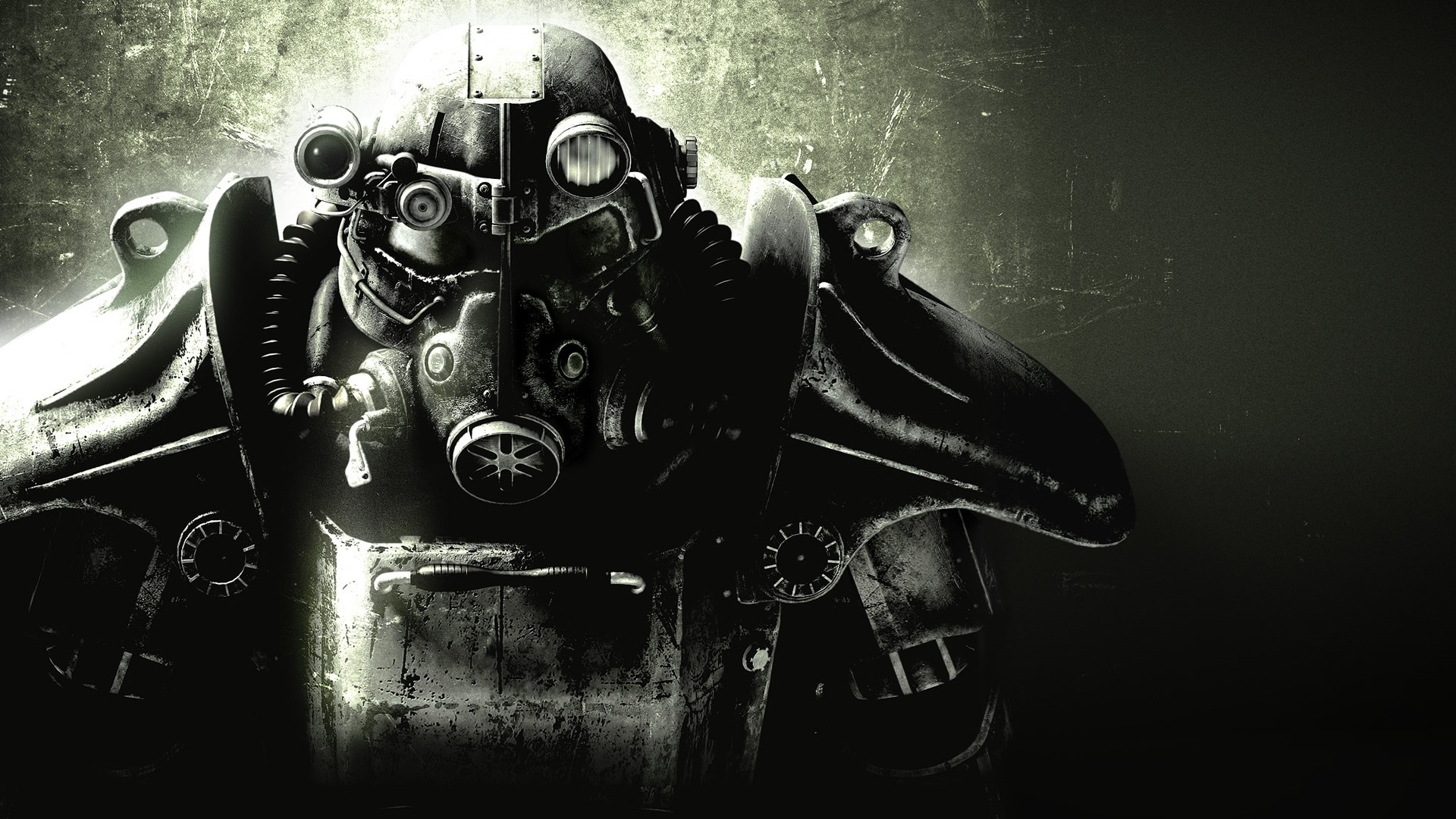
Bethesda Softworks modified a specific side quest in the Japanese version of ‘Fallout 3’ due to cultural sensitivities regarding nuclear explosions. The mission Power of the Atom allowed players to detonate a nuclear bomb in the town of Megaton. While the quest remained in the game the character Mr. Burke was removed from certain interactions in the Japanese release. This decision was made to show respect for the history of the country as a nation that has suffered a nuclear attack.
‘Six Days in Fallujah’ (2023)
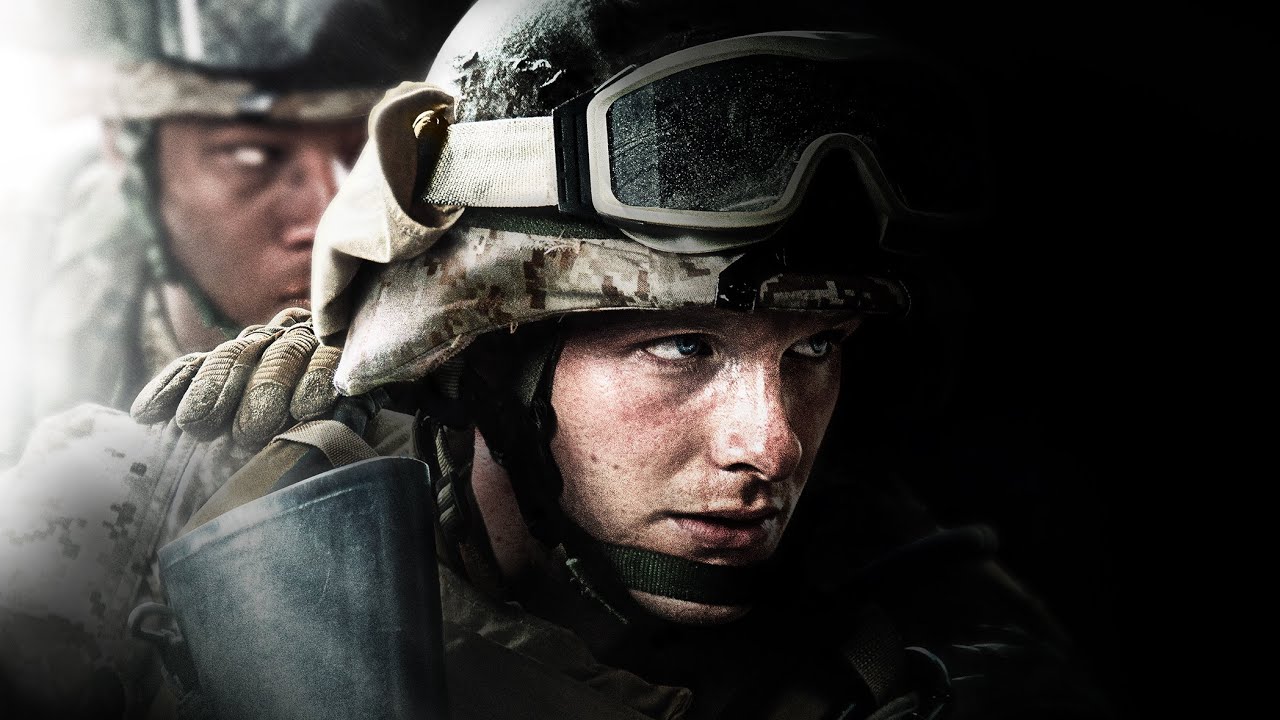
This title faced immense backlash and years of delays due to its depiction of a real life battle in Iraq. Critics argued that the game could serve as a recruitment tool or be insensitive to the trauma of the civilian population. In response to these concerns the developers claimed to have consulted with various military and civilian sources to provide a more documentary style experience. The final version focuses on specific tactical scenarios while attempting to distance itself from political commentary.
‘Devotion’ (2019)
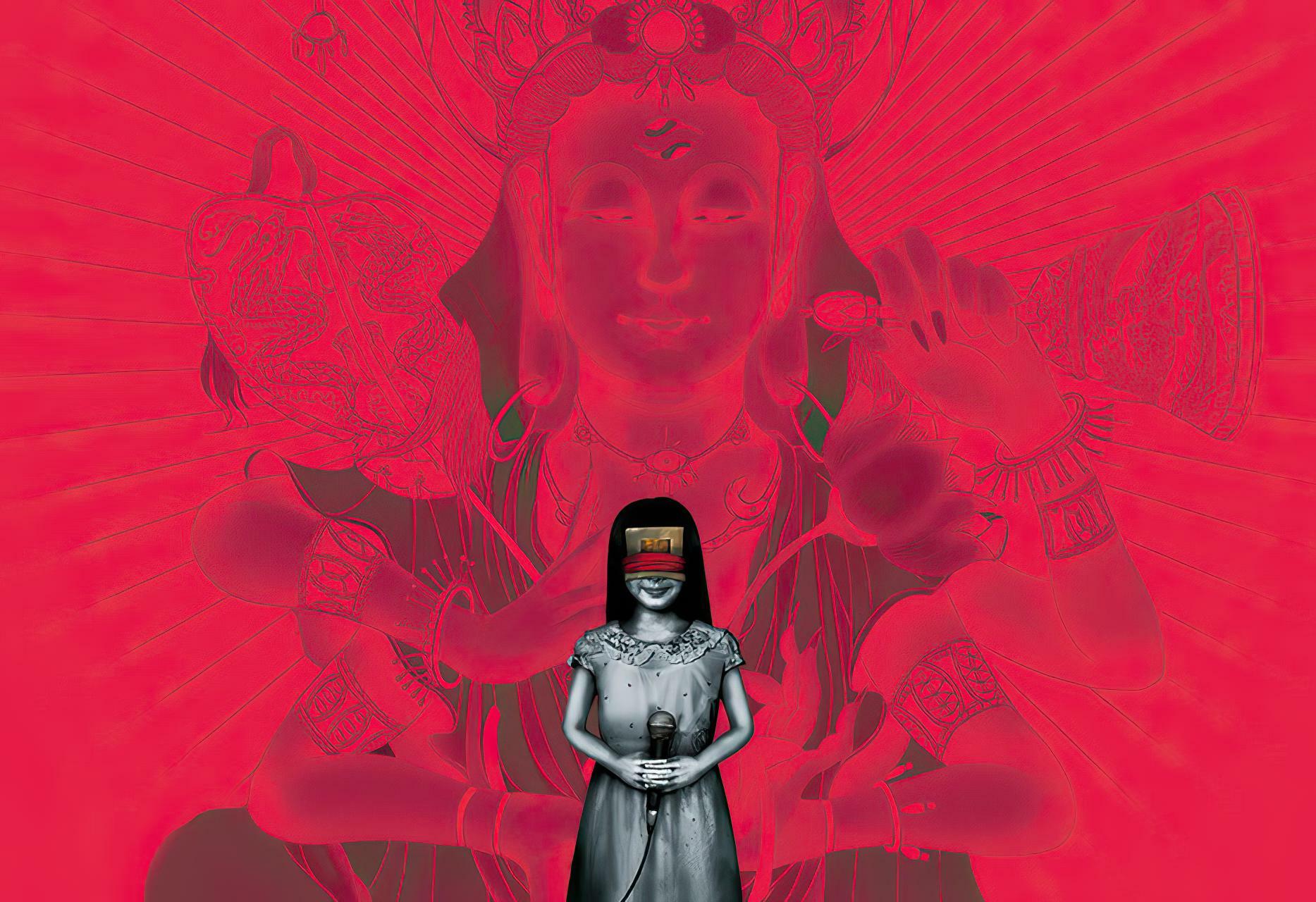
The horror game ‘Devotion’ was removed from digital storefronts after players discovered an easter egg that mocked Chinese President Xi Jinping. The asset featured a religious seal with words comparing the leader to a certain cartoon bear which is a banned comparison in China. This discovery led to a massive review bombing campaign and the withdrawal of the Chinese publisher. The developer Red Candle Games eventually released the game through their own store after being unable to return to major platforms.
‘Mortal Kombat 11’ (2019)

NetherRealm Studios opted for more modest costume designs for female characters in ‘Mortal Kombat 11’ compared to previous entries in the series. The lead character designer stated that the goal was to make the fighters look more prepared for battle rather than wearing revealing outfits. This shift was seen as a move toward modern standards of representation and inclusivity. While some fans missed the classic looks the change was generally accepted as a step toward professional character design.
‘Smite’ (2014)
The original design for the Hindu goddess Kali in ‘Smite’ was criticized by some religious groups for being overly sexualized and inaccurate. High profile leaders argued that the depiction did not reflect the traditional iconography of the deity. In response Hi Rez Studios redesigned the character to be more covered and aligned with traditional depictions. The update also included changes to her animations and overall presentation to show greater respect for the Hindu faith.
‘Dota 2’ (2013)
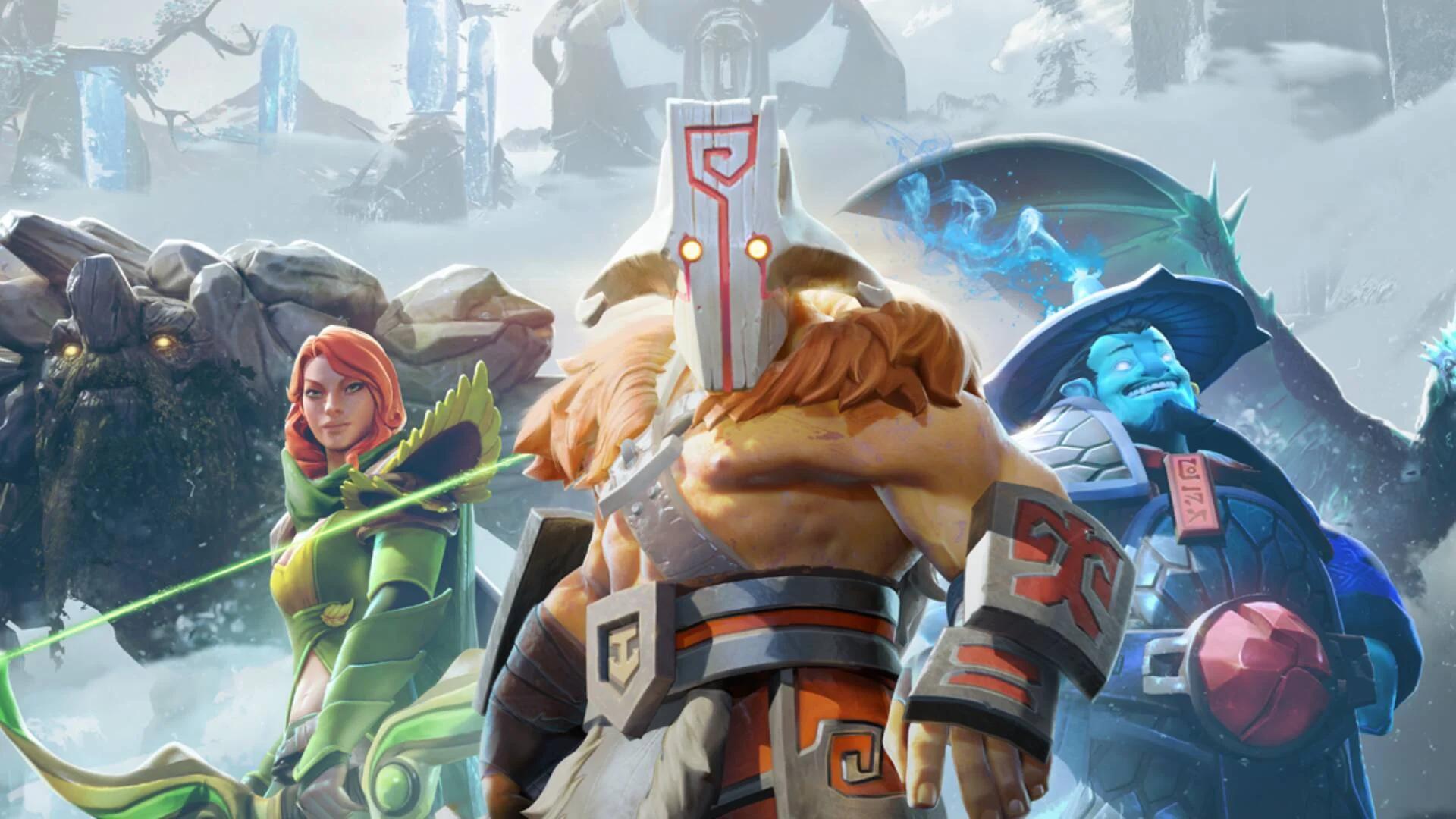
Valve Corporation changed the character Skeleton King into Wraith King during a special holiday event. This transformation replaced his skeletal appearance with a ghostly green phantom design. Many players believe the change was made to comply with Chinese regulations that restrict the depiction of human skeletons in media. The new design allowed ‘Dota 2’ to maintain a consistent global look while adhering to local cultural standards.
‘League of Legends’ (2009)
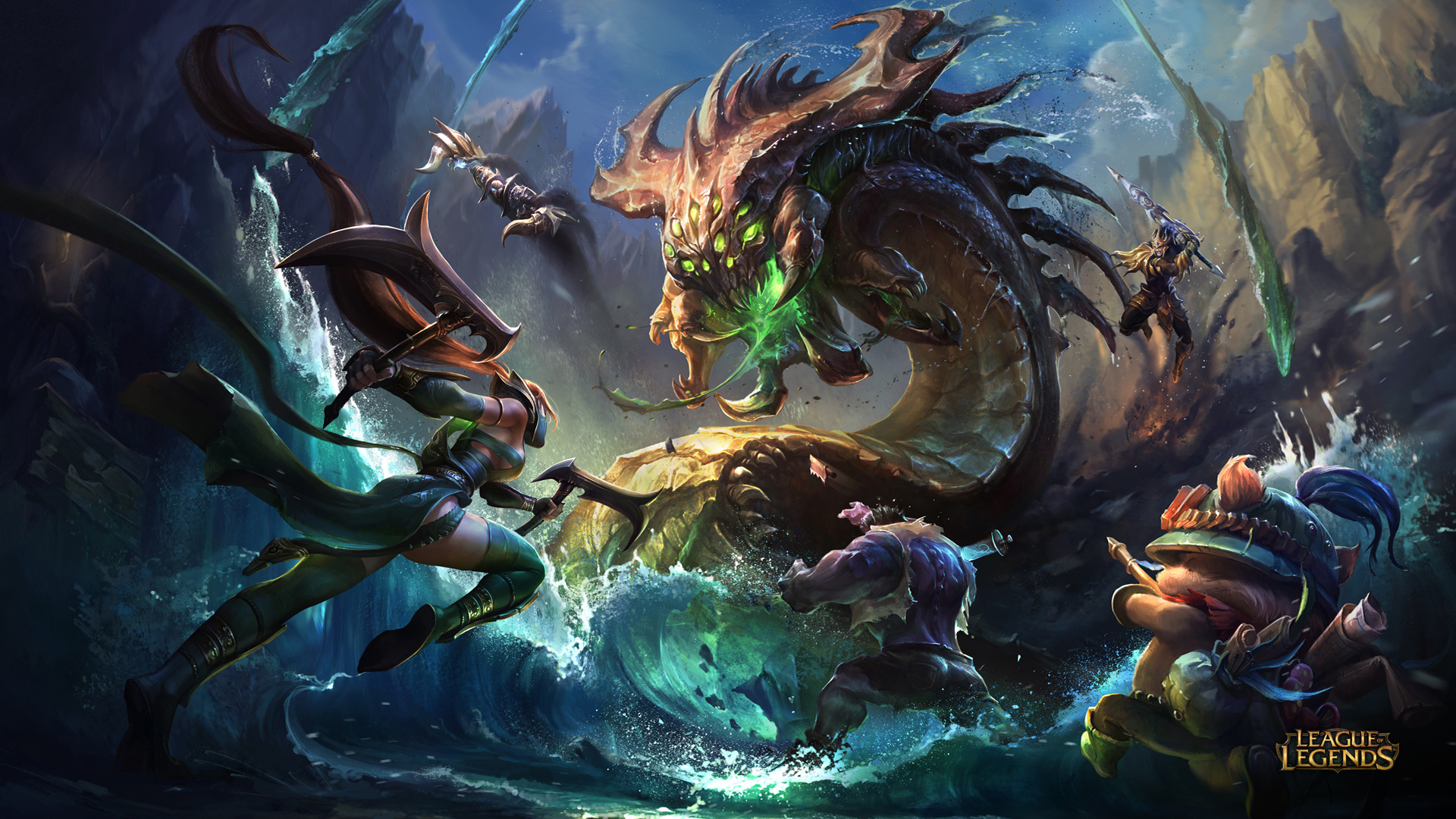
Riot Games removed a cigar from the character portrait of Graves to comply with anti smoking regulations in several regions. The developers stated that the change was necessary to maintain a lower age rating and ensure the game could be distributed globally without issues. This decision sparked various memes within the community but remained in place for several years. The cigar was eventually returned to the character in certain versions once the legal landscape shifted.
‘Hitman: Absolution’ (2012)
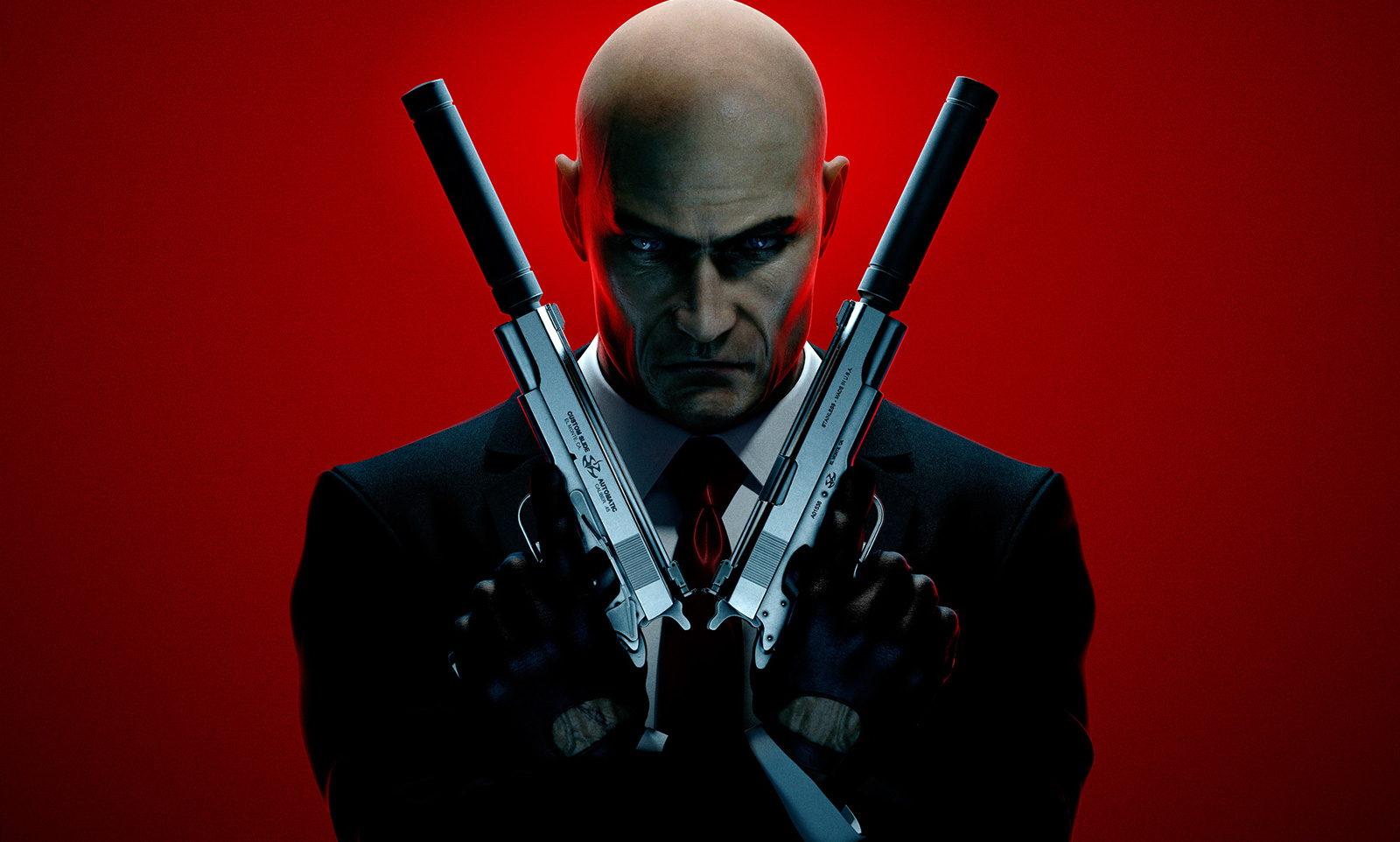
IO Interactive faced criticism for a promotional trailer featuring a group of combatants dressed as nuns in revealing latex outfits. Many viewers found the imagery to be disrespectful to religious traditions and unnecessary for the marketing of the game. The developers apologized for the content and modified several aspects of the game to ensure the tone was more appropriate. They admitted that the trailer was a mistake and focused on delivering a more grounded experience in the final product.
‘Catherine’ (2011)
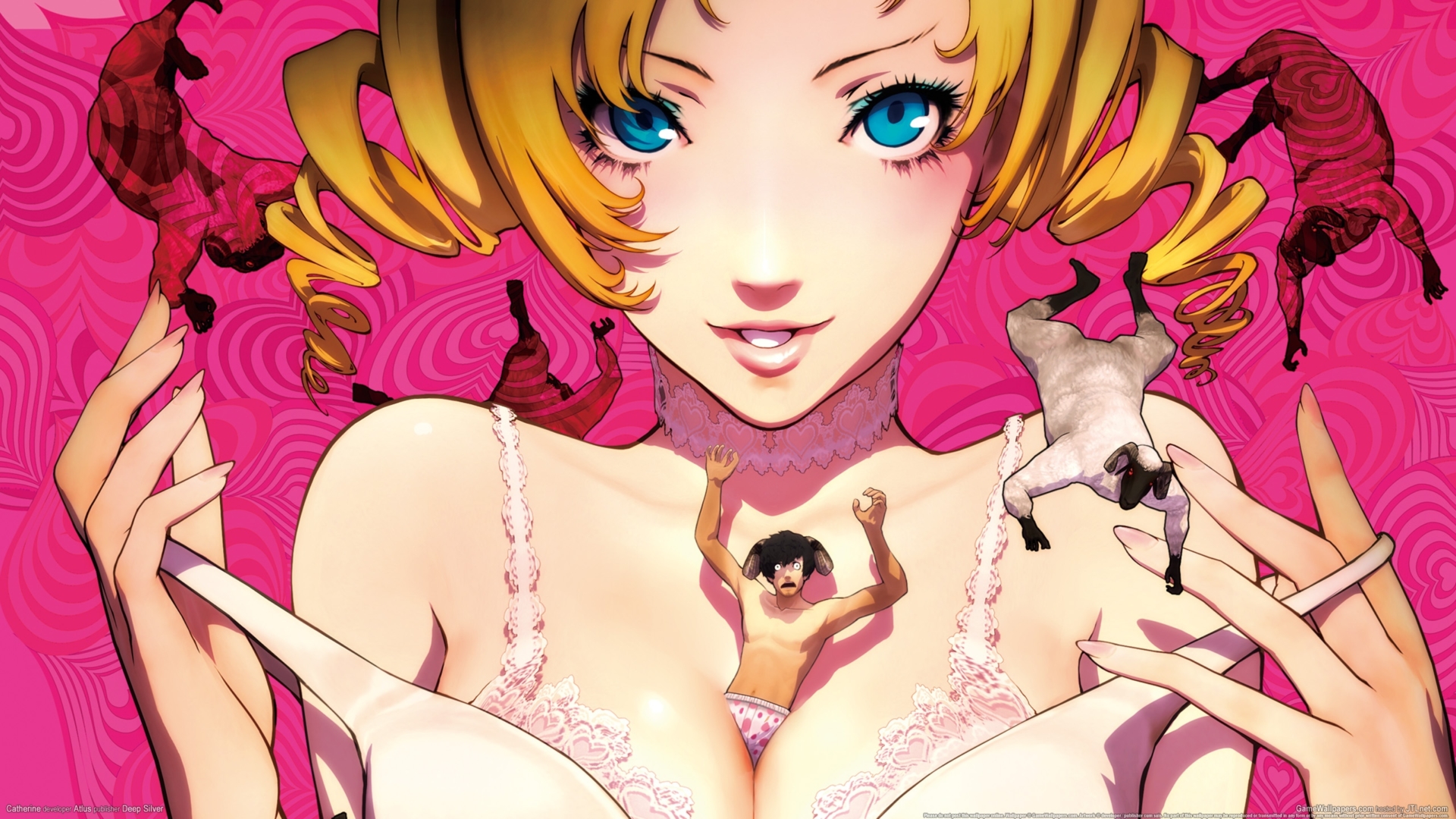
The puzzle game ‘Catherine’ received updates in its Full Body remaster to address concerns regarding the treatment of a transgender character named Erica. Critics noted that the original game credits used her birth name and some dialogue was seen as insensitive. The newer version adjusted the credits and modified certain interactions to be more respectful of her identity. These changes were made to modernize the story and avoid alienating players with outdated depictions.
‘Bravely Default’ (2012)
Nintendo and Square Enix altered several character costumes for the Western release of ‘Bravely Default’ to avoid controversy regarding the ages of the characters. Some of the outfits were made more modest by adding fabric to cover skin that was exposed in the original Japanese version. Additionally the ages of the main protagonists were increased from fifteen to eighteen in the international localization. These adjustments were intended to align the game with Western cultural expectations and rating guidelines.
‘Fire Emblem Fates’ (2015)
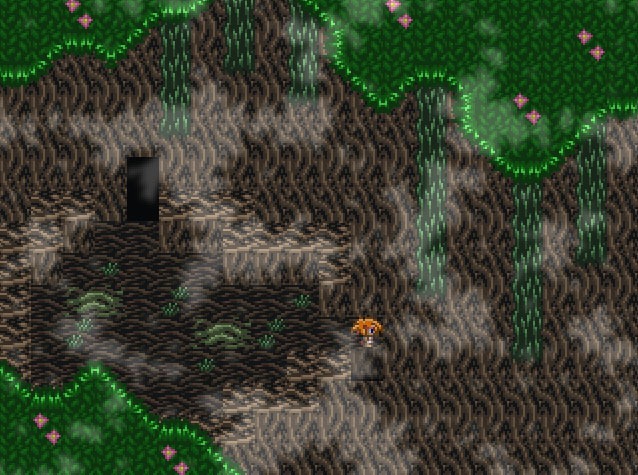
The Western release of ‘Fire Emblem Fates’ removed a minigame that allowed players to pet the faces of their allies to increase their bond. Nintendo decided that the mechanic was not suitable for international audiences and might be perceived as strange or uncomfortable. The company replaced the interaction with a simplified bonding system that did not involve the touch screen. This localization choice aimed to focus on the strategy and narrative elements of the game instead.
‘Xenoblade Chronicles X’ (2015)
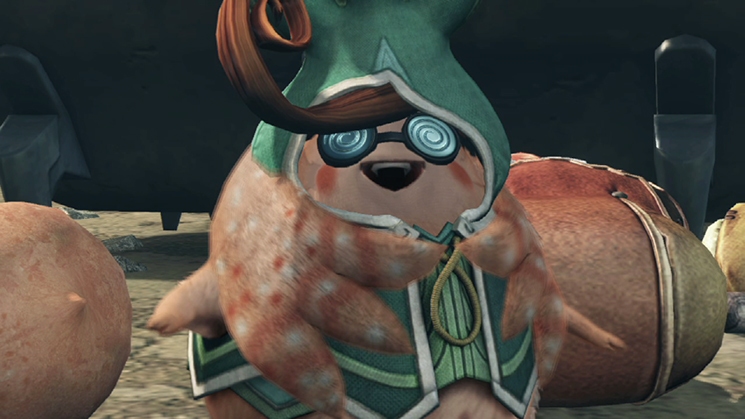
Monolith Soft removed a breast size slider from the character creation menu for female avatars in the Western version of ‘Xenoblade Chronicles X’. The developers also modified certain armor sets to be less revealing for the female characters. These changes were part of a broader effort to ensure the game was appropriate for a teenage audience in North America and Europe. The decision reflected the ongoing dialogue regarding gender representation and player customization in global RPGs.
‘Tokyo Mirage Sessions #FE’ (2015)
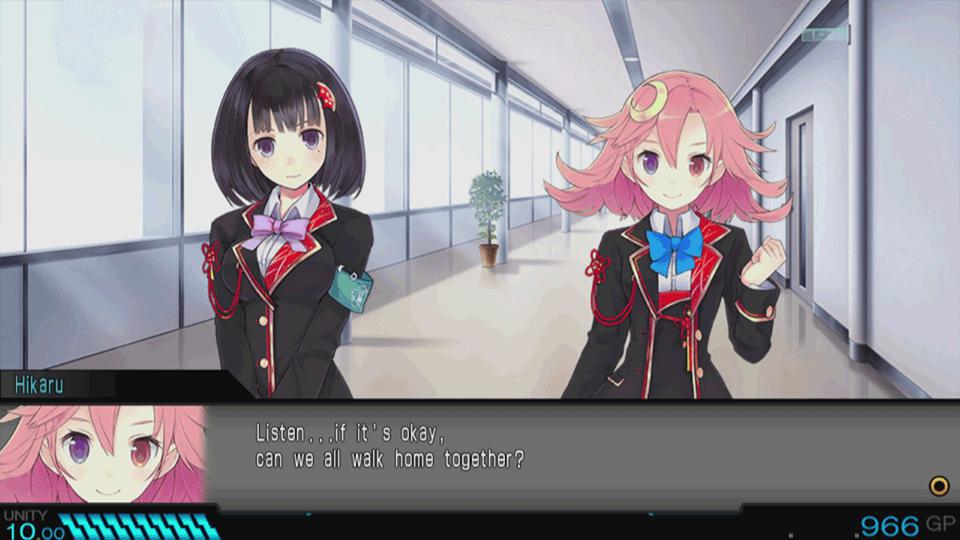
This crossover title between Shin Megami Tensei and Fire Emblem saw significant content changes during its transition to the West. One notable change involved replacing a dungeon theme focused on swimwear with a different fashion theme. Some character costumes were also modified to cover more of the characters during performances and cutscenes. These edits were implemented to meet the standards of various international rating boards and cultural preferences.
‘Saints Row’ (2006)
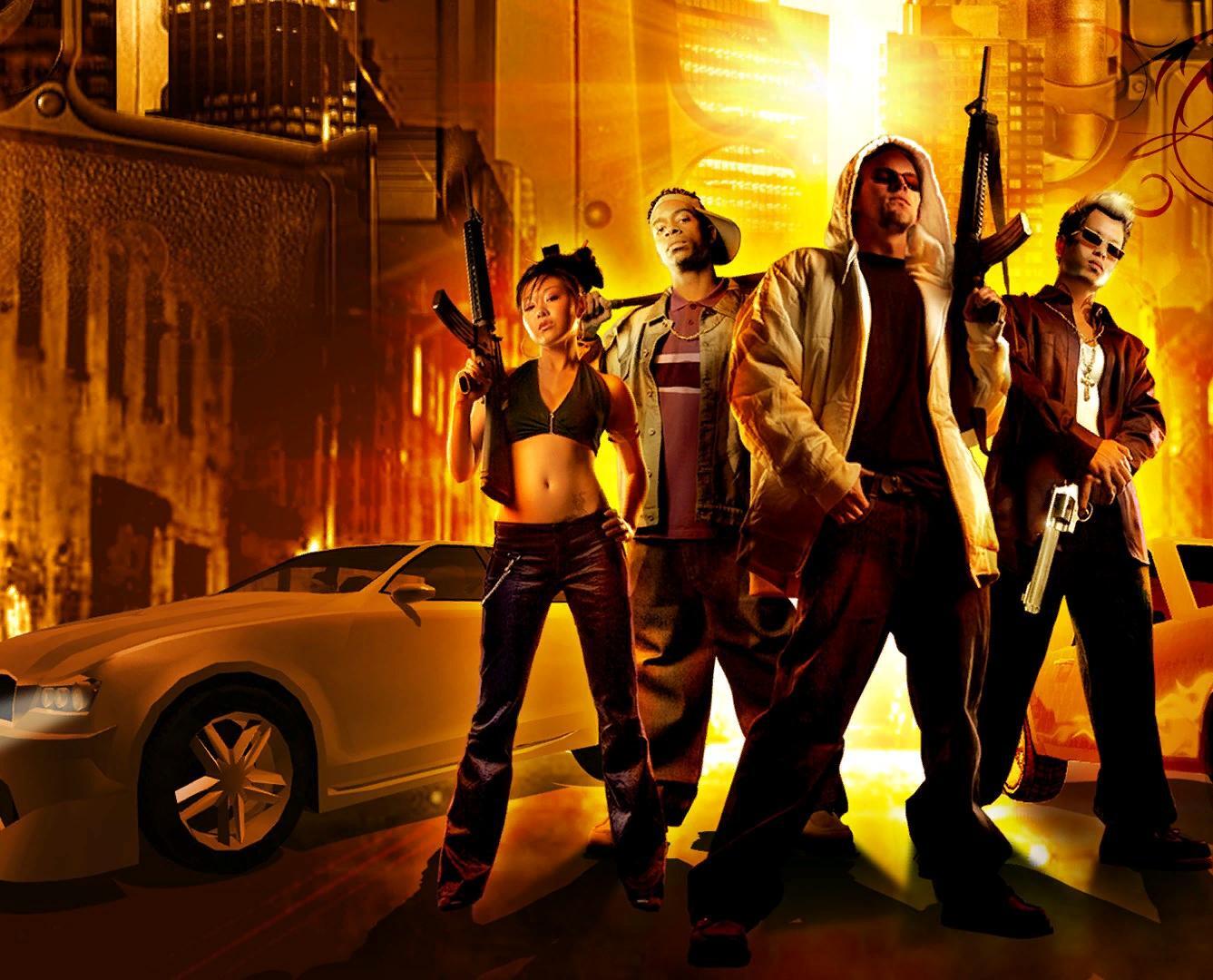
The developer Volition had to remove a specific weapon known as The Penetrator from the Japanese version of the ‘Saints Row’ series. This weapon was an oversized purple adult toy used as a melee club which local censors deemed inappropriate for public sale. The removal was necessary to obtain a rating from the Japanese rating board CERO. Other minor adjustments were made to the chaotic content of the game to ensure it could be legally distributed in the region.
‘Dead or Alive Xtreme 3’ (2016)
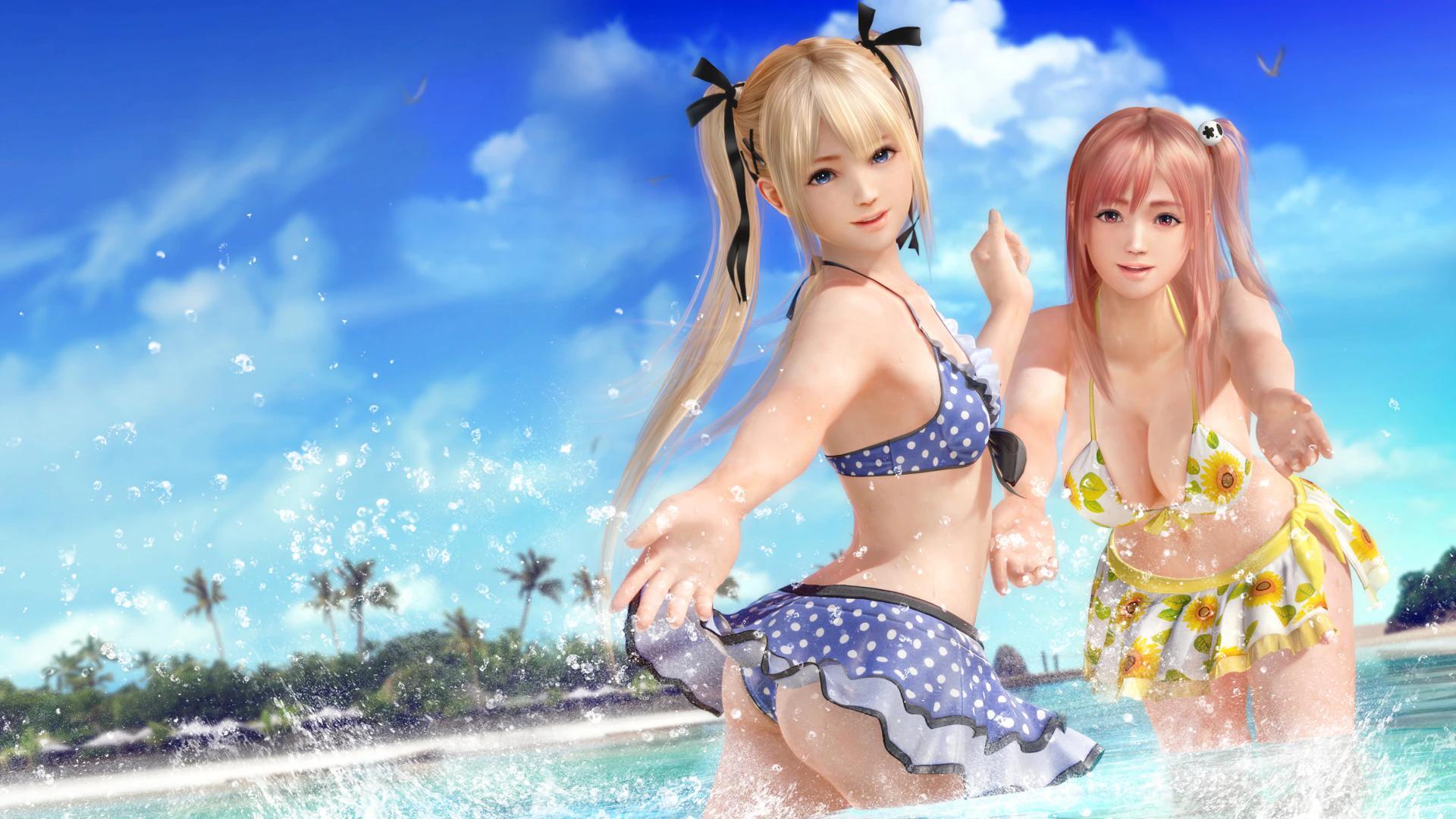
Koei Tecmo decided not to release ‘Dead or Alive Xtreme 3’ in North America or Europe due to concerns about the depiction of women. The company cited the current social climate and the potential for backlash as the primary reasons for the decision. While the game remained available in Asia the lack of an official Western release highlighted the differences in cultural standards regarding fan service. This move sparked a debate about censorship and the localization of Japanese media.
‘Yakuza 3’ (2009)
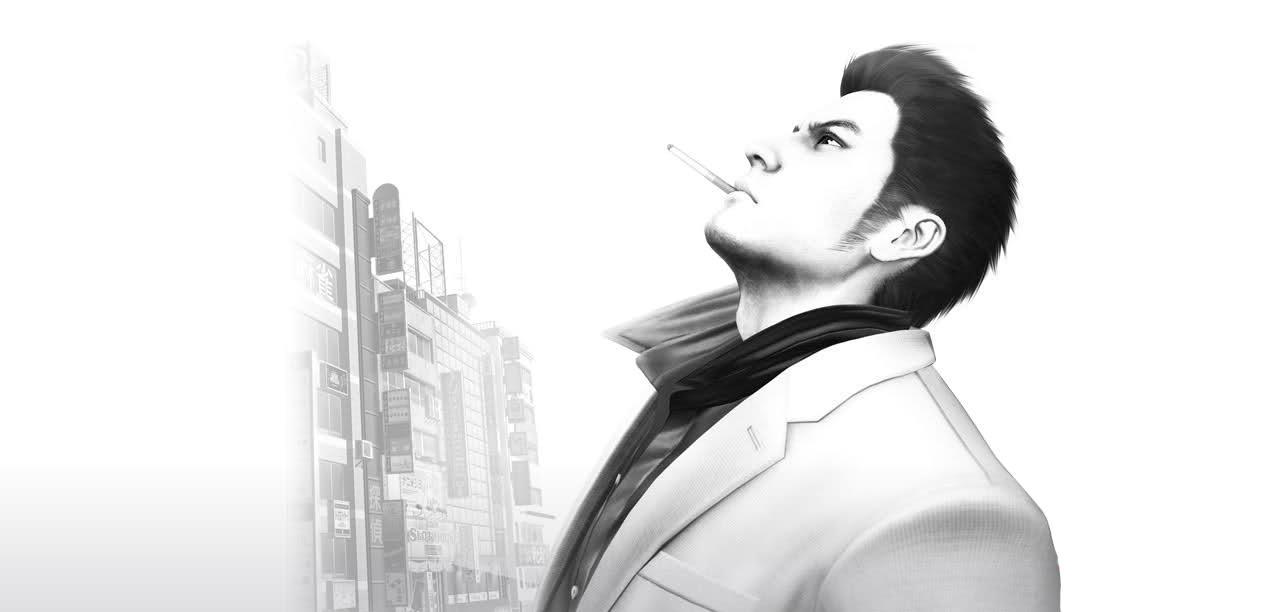
Sega removed several side activities and quests from the Western release of ‘Yakuza 3’ including an entire hostess club management minigame. The publishers believed that these elements were too culturally specific to Japan and might not appeal to or be understood by Western audiences. They also removed a history quiz that required deep knowledge of Japanese culture. Most of this content was eventually restored in the remastered version after fans expressed a desire for a more authentic experience.
‘Genshin Impact’ (2020)
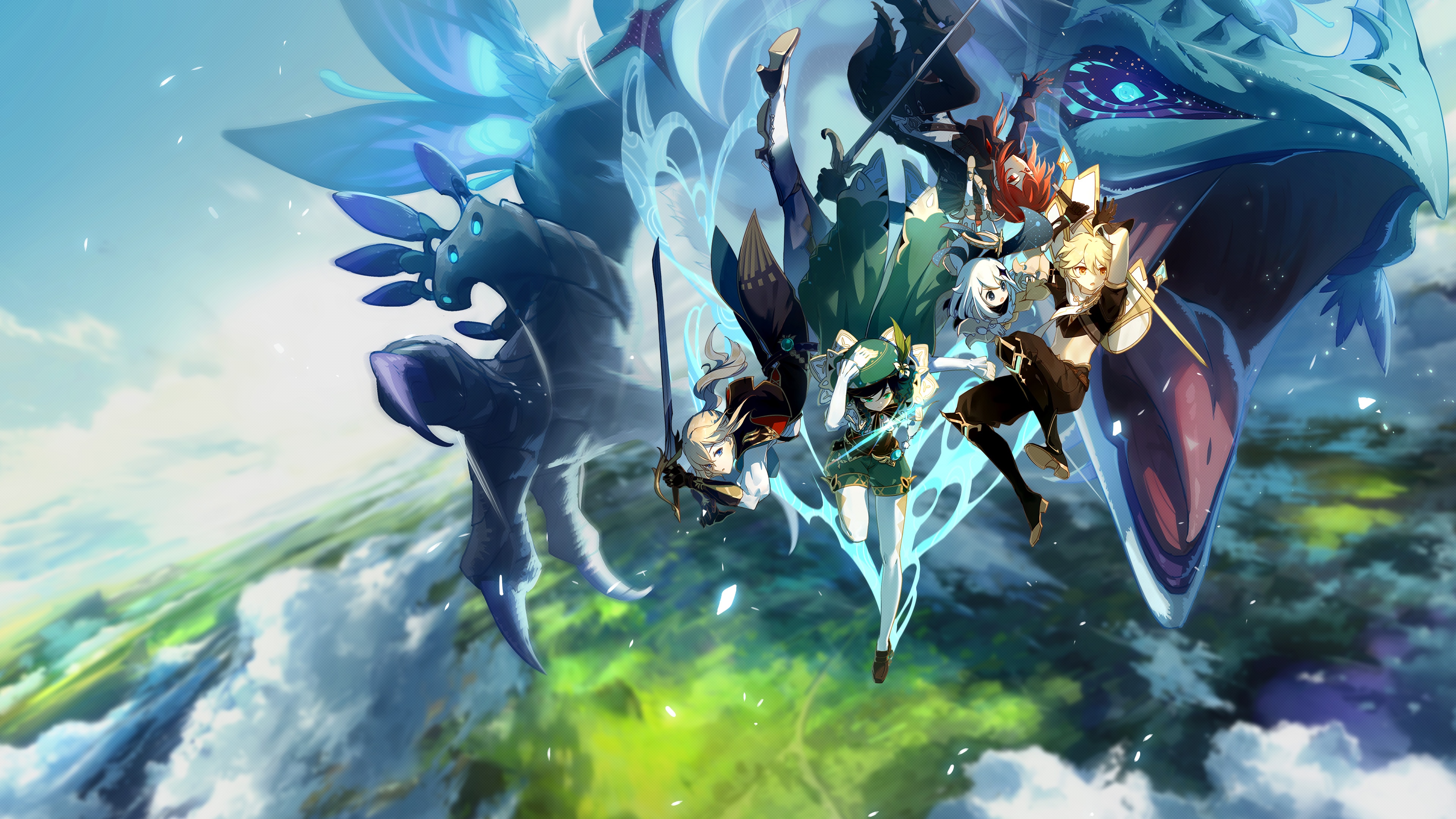
HoYoverse released alternative outfits for several characters in ‘Genshin Impact’ to comply with stricter content regulations in China. Characters like Jean and Amber received more modest designs that covered more skin during exploration and combat. While the changes were mandatory for the Chinese servers they were offered as optional free skins for the rest of the world. This approach allowed the developer to meet local legal requirements while offering choice to the global player base.
‘Splatoon’ (2015)
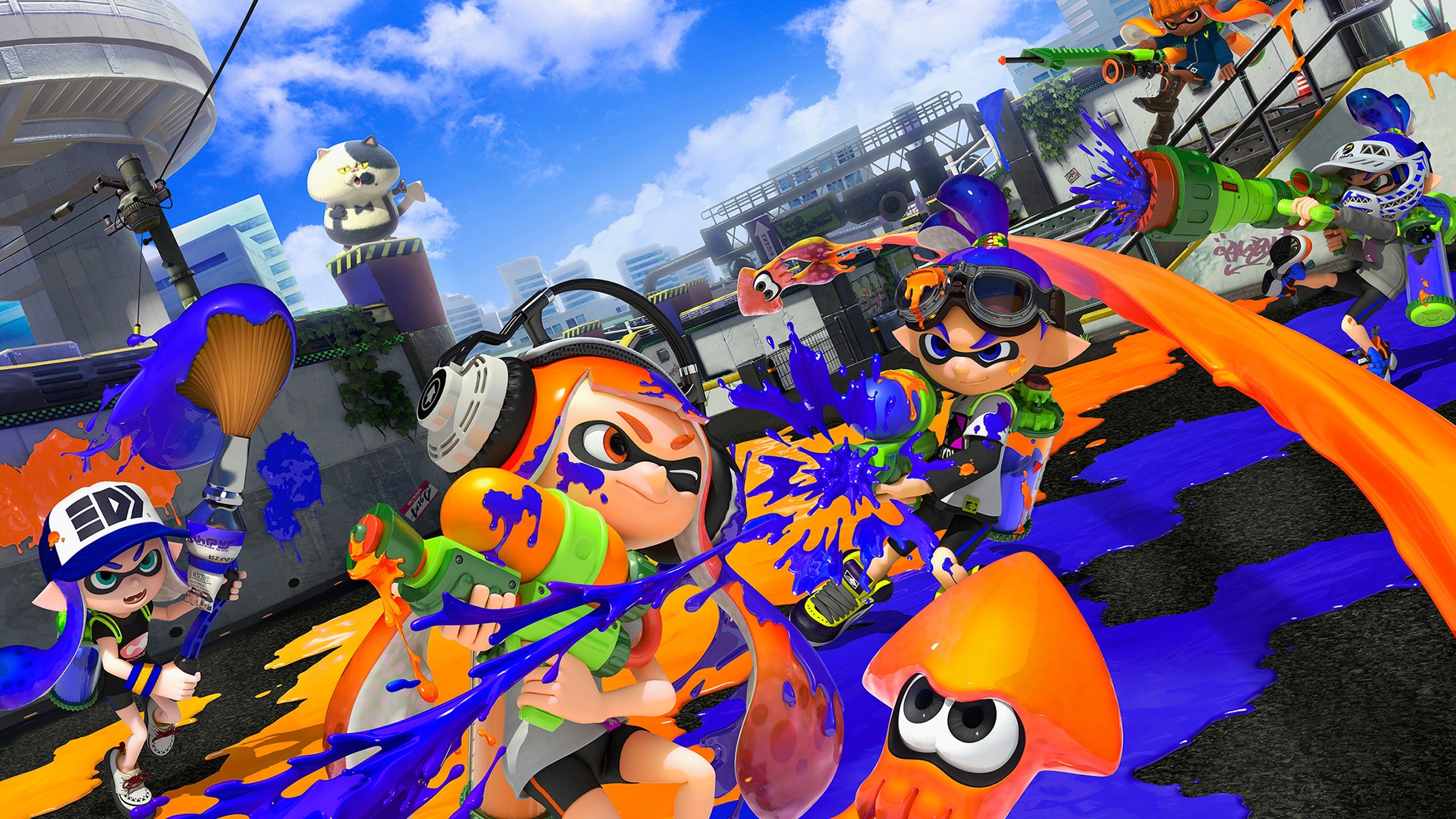
Nintendo modified an animation in ‘Splatoon’ for the Inkling girl character that was perceived as an offensive gesture in certain European countries. The character originally pumped her fist while holding her other arm which resembled a gesture known as the bras d’honneur. This action is considered equivalent to an insult in regions like Italy and France. The developers changed the animation to a simple victory pose to avoid any unintended insults to players.
‘Injustice 2’ (2017)
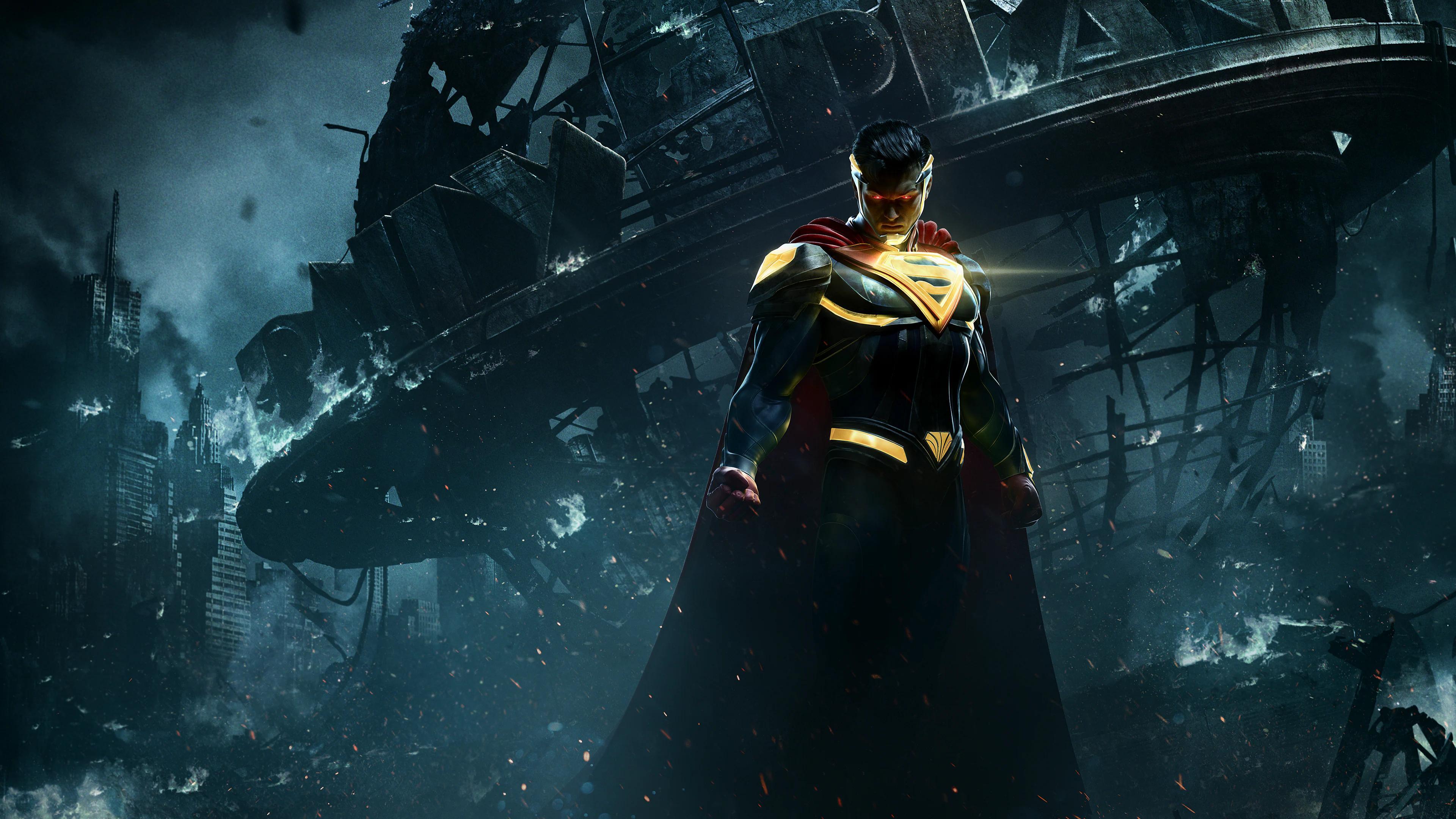
NetherRealm Studios adjusted a line of dialogue spoken by the character Starfire after fans pointed out its offensive nature. The original line made a reference to a specific racial stereotype that many found to be insensitive and unnecessary. The developers quickly acknowledged the mistake and replaced the audio in a post launch update. This quick response showed the willingness of the studio to listen to community feedback regarding cultural sensitivity.
‘The Last of Us Part II’ (2020)
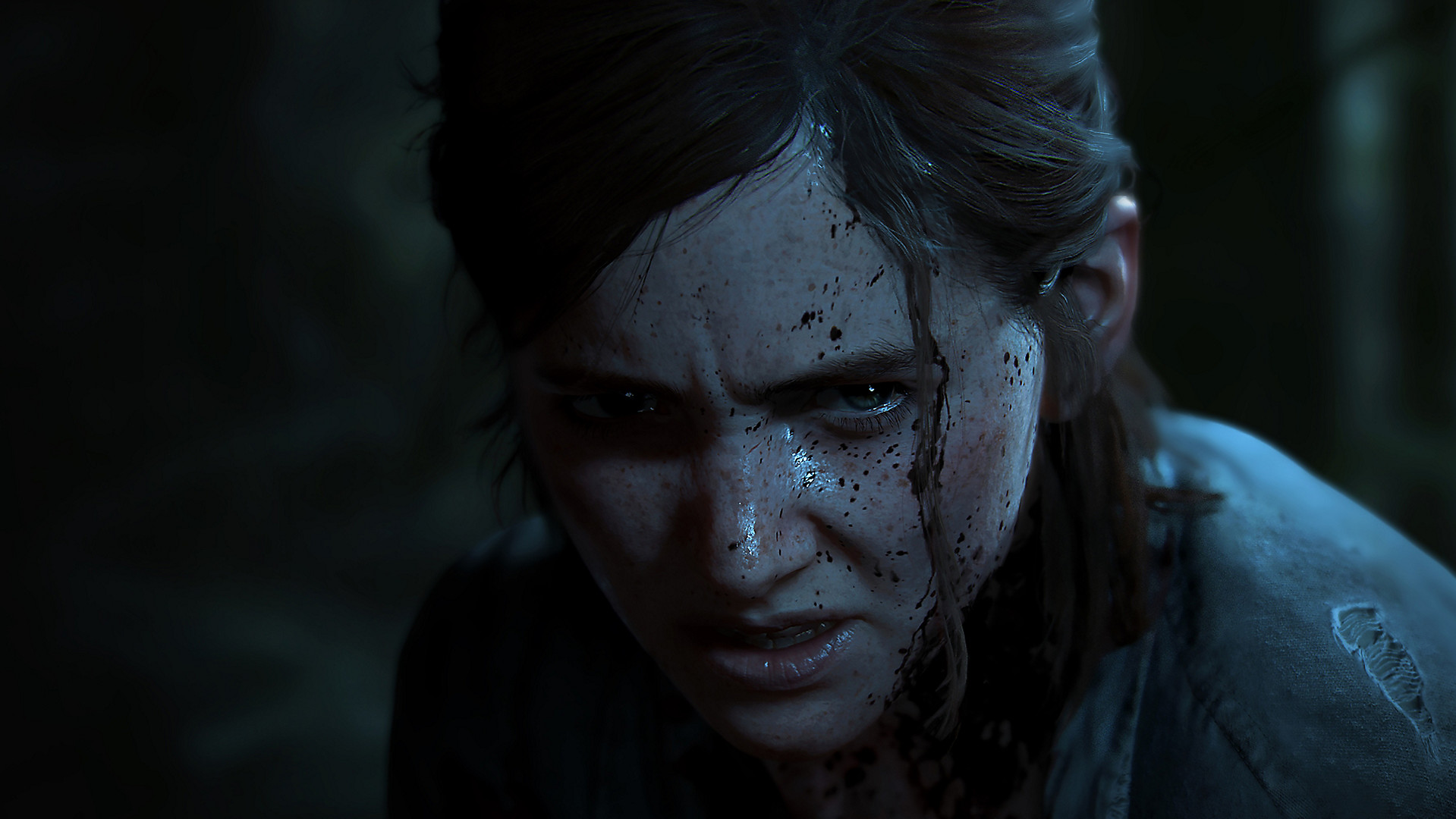
Naughty Dog made several small adjustments to environmental details and graffiti in ‘The Last of Us Part II’ to ensure cultural accuracy and respect. Some players noticed textures that could be interpreted as disrespectful to specific religious or ethnic groups. The developers addressed these concerns by patching the game and replacing the controversial assets with neutral ones. These changes were aimed at maintaining the immersive and serious tone of the post apocalyptic narrative.
‘Guilty Gear Strive’ (2021)
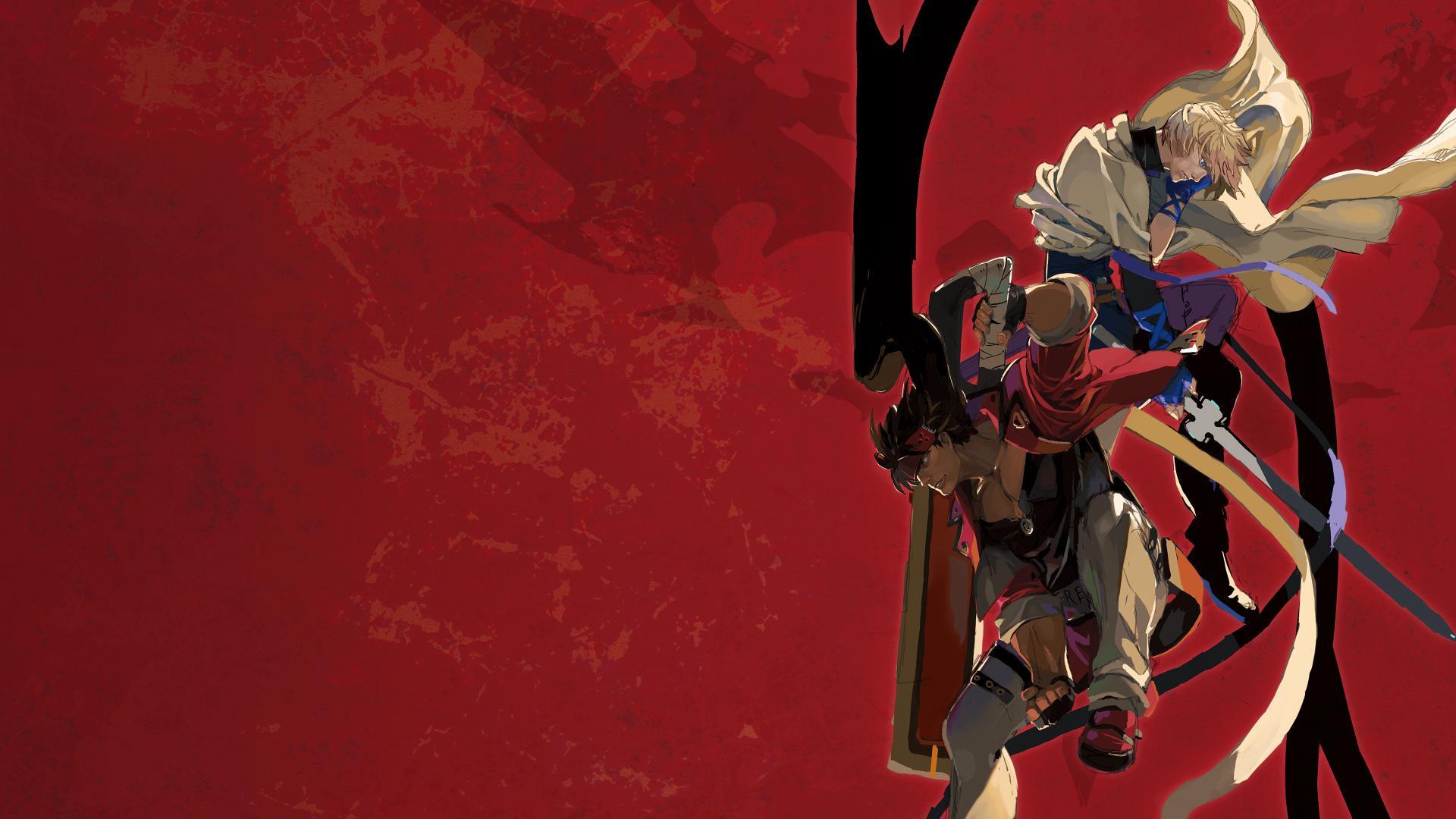
Arc System Works modified the lore entries in the digital gallery of ‘Guilty Gear Strive’ to remove mentions of specific regions as independent territories. This change was made following pressure to comply with political standards regarding territorial claims in certain markets. The removal of these references caused controversy among fans who felt the developer was prioritizing market access over narrative consistency. The incident highlighted the challenges Japanese developers face when balancing global politics with their creative output.
‘Hearts of Iron IV’ (2016)
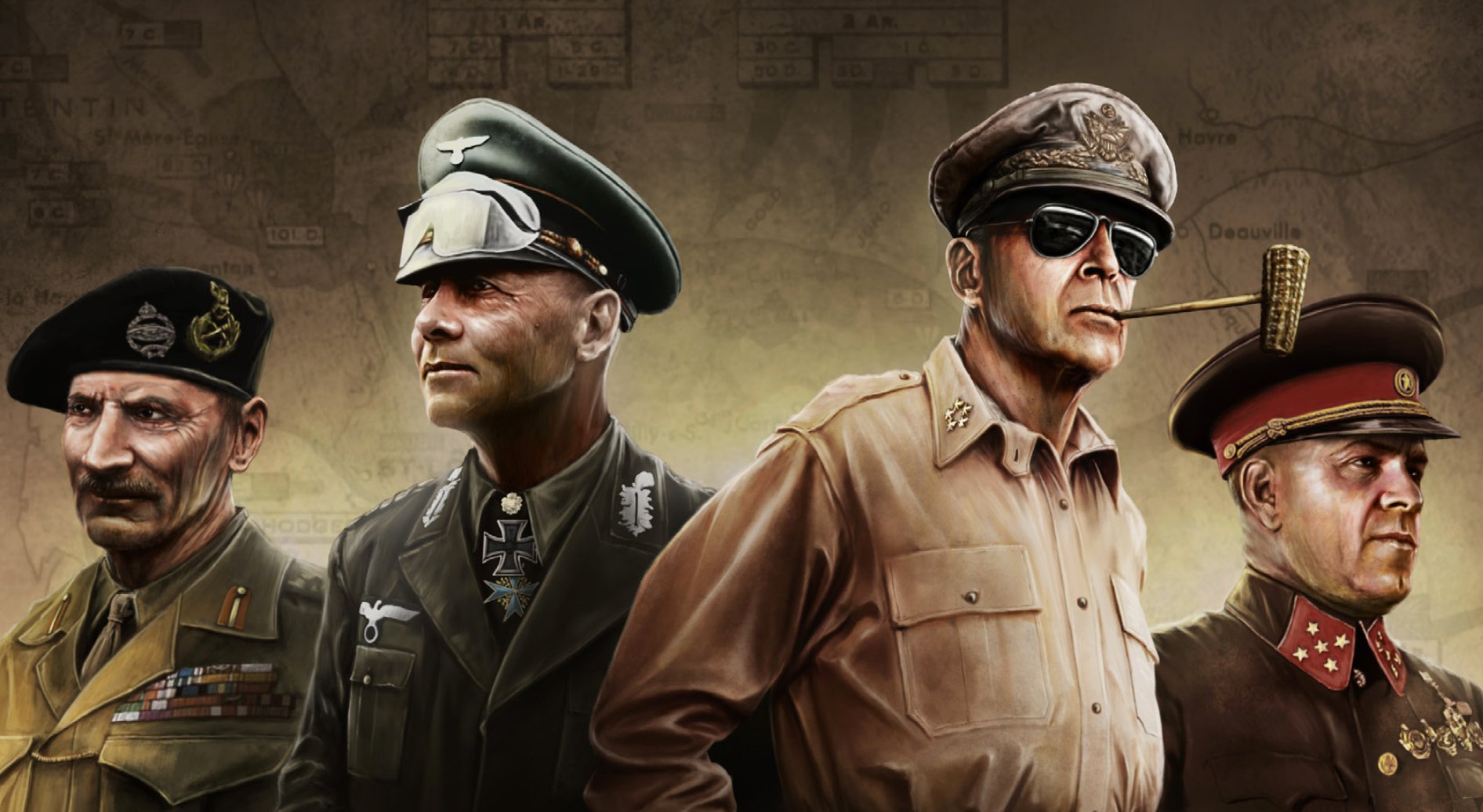
The grand strategy game ‘Hearts of Iron IV’ features a specific version for the Chinese market that removes certain historical flags and portraits. Paradox Interactive modified the game to adhere to local laws which prohibit the depiction of specific political symbols and historical figures in certain contexts. This includes the removal of certain national flags and various changes to the map boundaries. These adjustments allow the game to remain available to Chinese fans while respecting regional regulations.
‘World of Warcraft’ (2004)
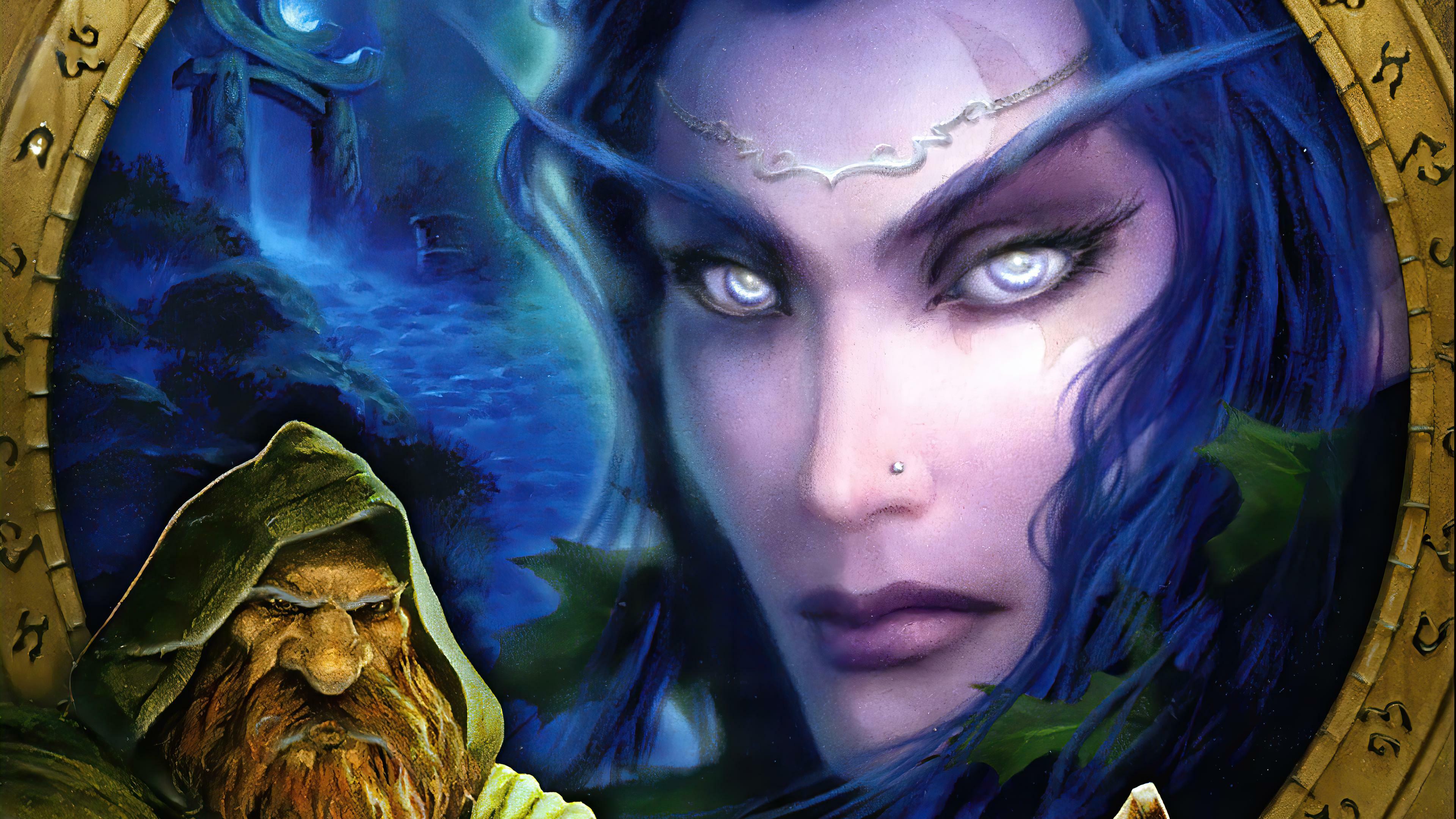
Blizzard Entertainment updated several character models and environmental assets in ‘World of Warcraft’ during its transition to the Chinese market. Human remains and skeletons were replaced with items like bags of grain to satisfy cultural taboos regarding the depiction of the dead. Additionally characters like Sylvanas Windrunner received updated armor designs to cover more of their midriff. These visual changes were essential for the game to operate legally and culturally within the region.
‘Final Fantasy XIV’ (2010)
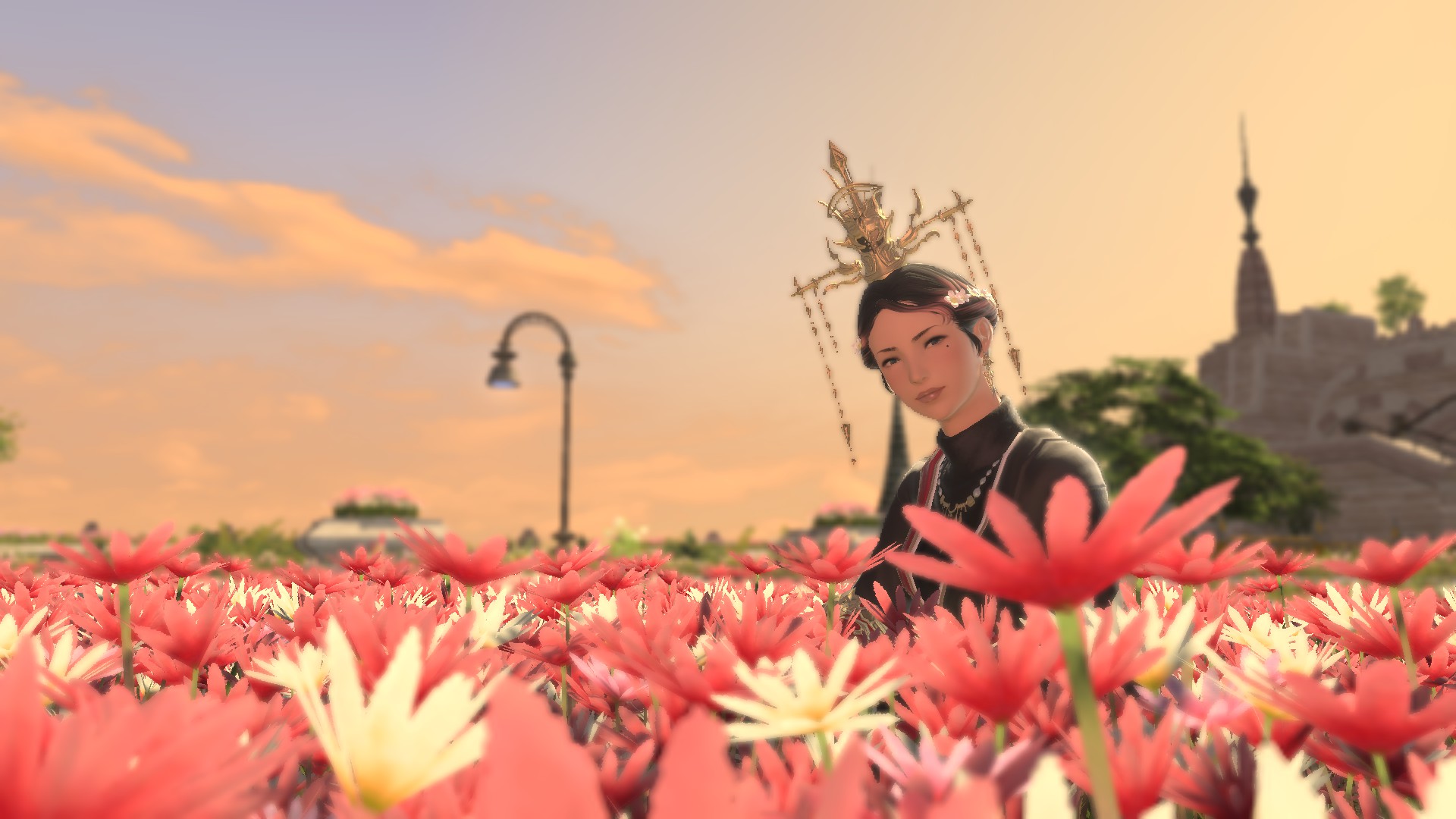
Square Enix has made various adjustments to emotes and gear in ‘Final Fantasy XIV’ to avoid cultural appropriation or offense. For example certain traditional dance animations were reviewed and modified to ensure they did not mock real world cultures. The developers also changed the names of some equipment items that used terms considered insensitive in modern contexts. These efforts are part of a continuous process to keep the massive online world inclusive for all players.
‘Age of Empires’ (1997)
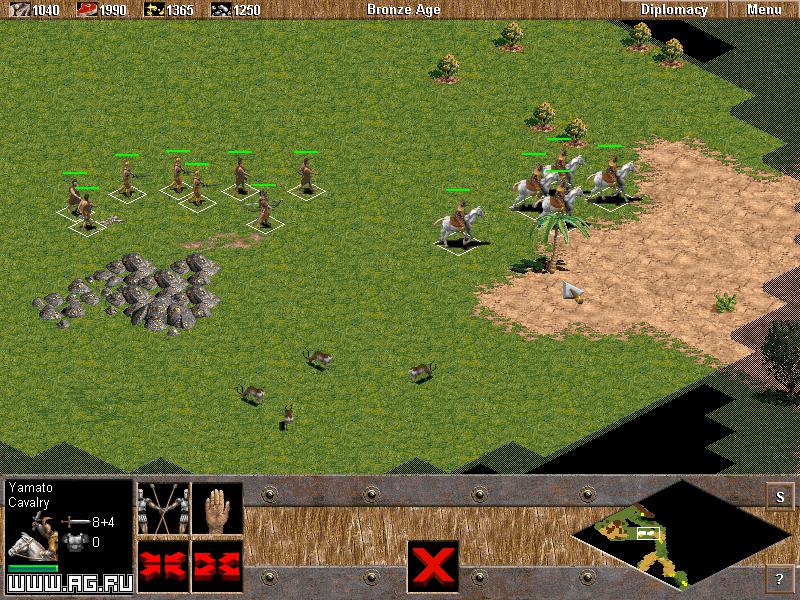
Ensemble Studios made changes to the priest unit in ‘Age of Empires’ to ensure the game was respectful of religious sentiments. The developers adjusted the sound effects and visual representations of religious conversion to be more abstract rather than tied to any specific faith. This was done to prevent the game from being banned in countries with strict religious laws. The focus remained on the historical strategy elements rather than religious commentary.
‘Dying Light’ (2015)
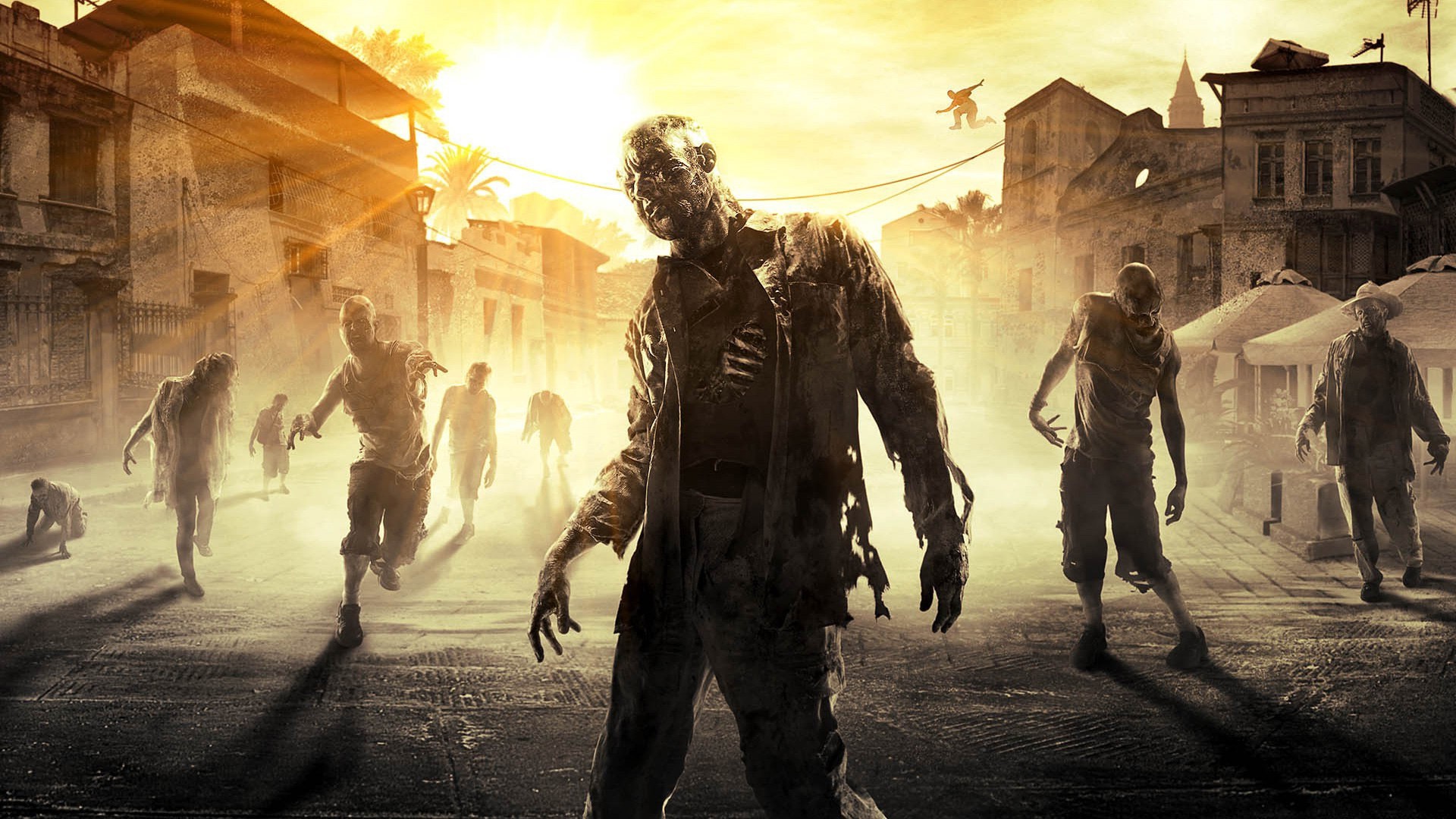
Techland removed certain textures from ‘Dying Light’ that featured Arabic text used out of context. Players pointed out that the writing was gibberish or used religious terms in inappropriate places like on trash bins. The developers apologized for the lack of oversight and replaced the textures with more appropriate assets. This incident reminded developers of the importance of hiring native speakers when including foreign languages in their games.
‘Friday the 13th: The Game’ (2017)
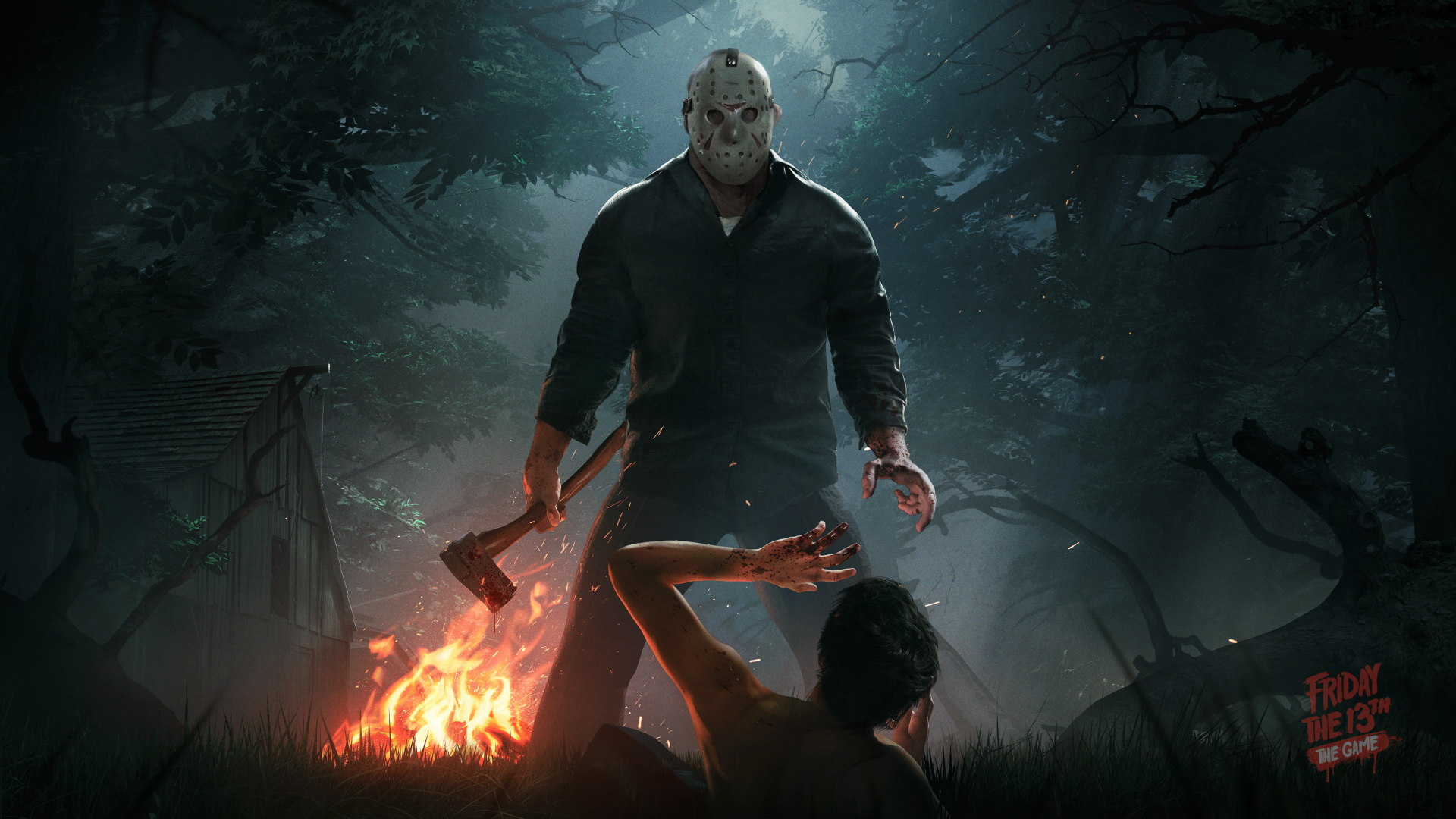
The developers of ‘Friday the 13th: The Game’ adjusted several kill animations to ensure they were not excessively cruel or focused on specific demographics. While the game is inherently violent the team wanted to avoid tropes that could be seen as biased or culturally insensitive. This included reviewing the ways characters of different backgrounds were treated during the cinematic death scenes. The goal was to maintain the horror aesthetic without crossing the line into offensive territory.
‘For Honor’ (2017)
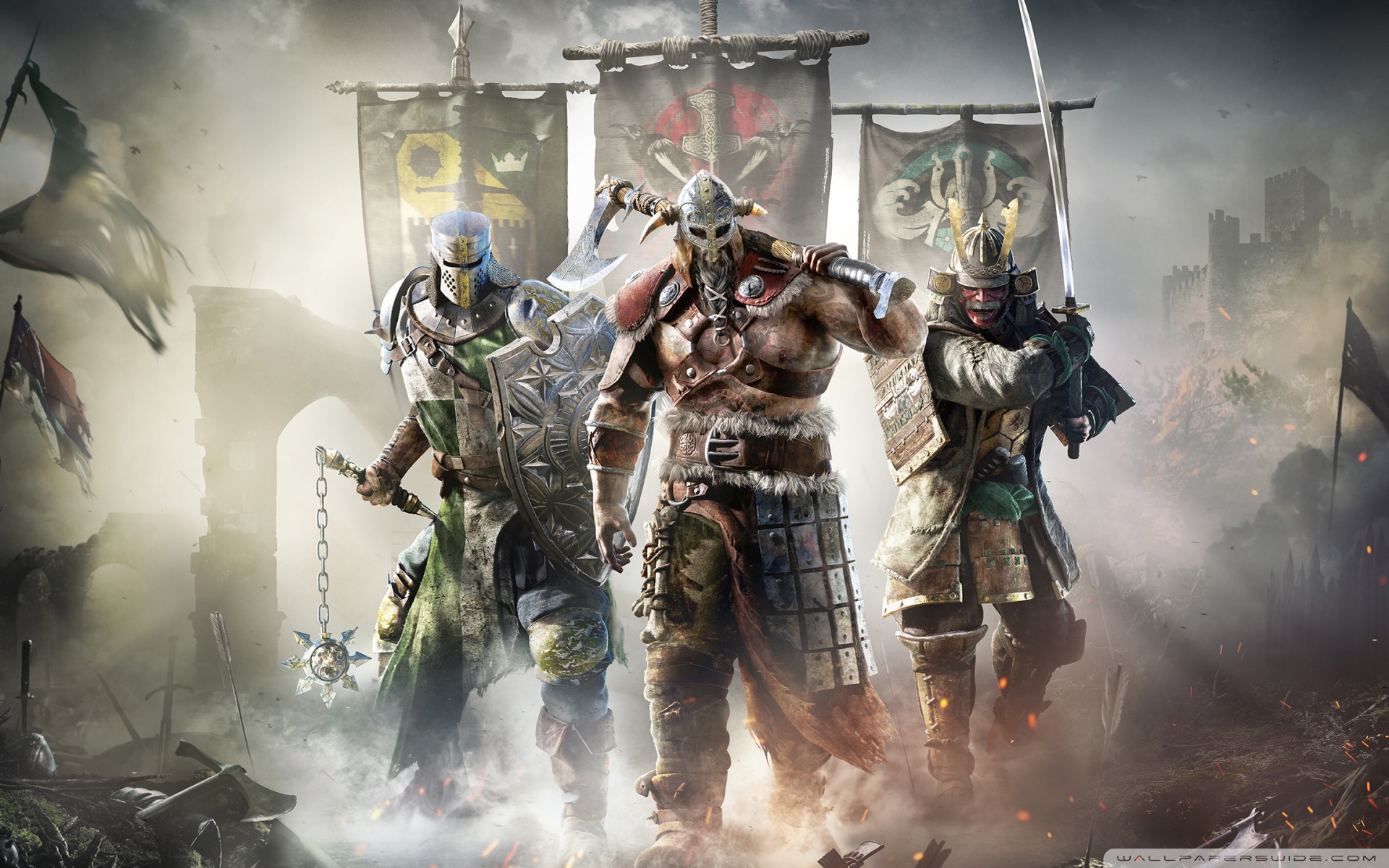
Ubisoft changed a specific execution animation for the character Valkyrie because it involved a character grabbing her chest during a struggle. The animation was seen as crossing a line into inappropriate contact during a combat scenario. The developer replaced the hand placement to ensure the move remained brutal without being sexually suggestive. This change was made to uphold the professional standards of the competitive environment of the game.
‘Mass Effect’ (2007)
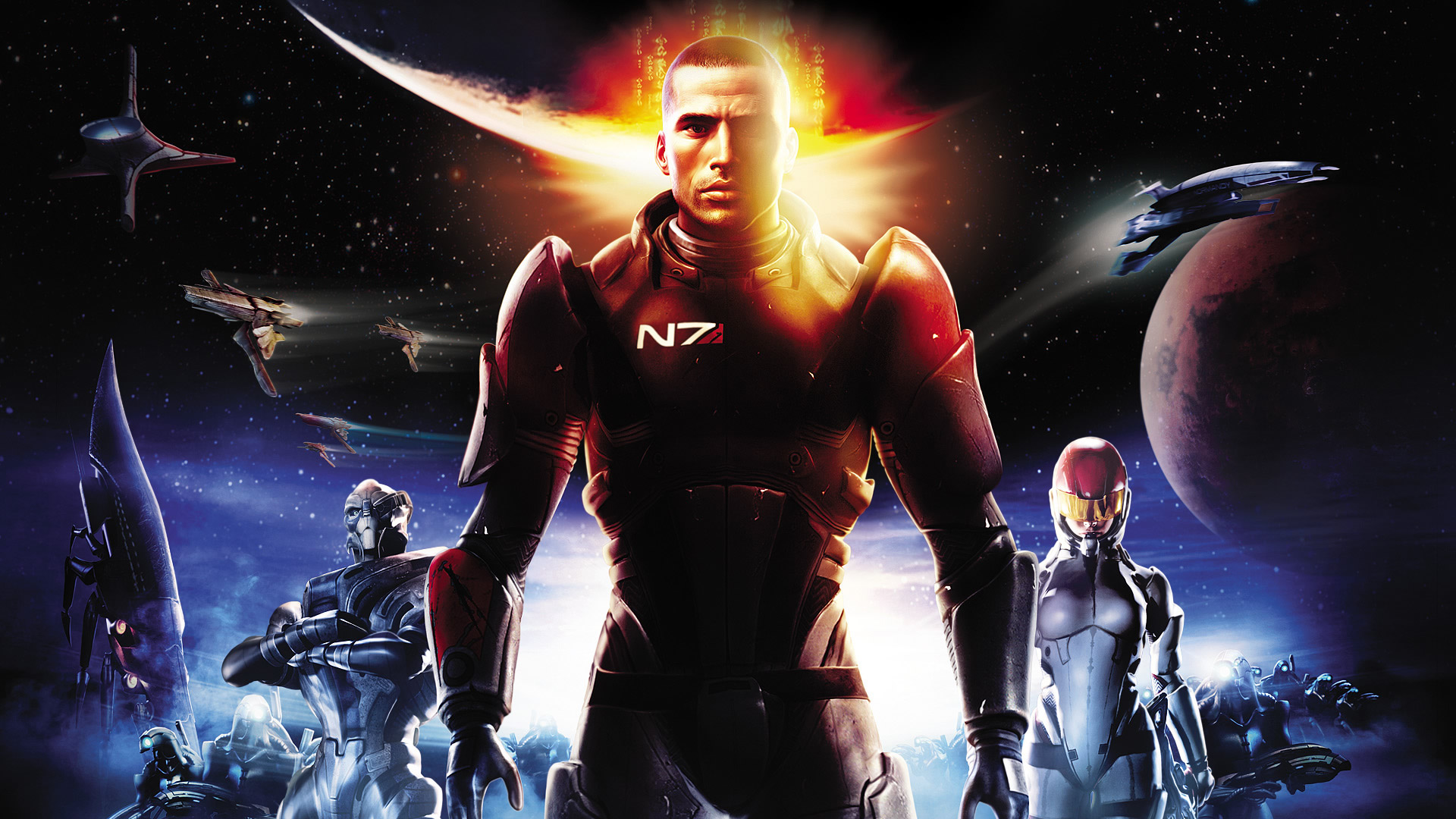
BioWare updated the face reveal of the character Tali in the ‘Mass Effect Legendary Edition’ to address years of fan complaints. The original game used a slightly modified stock photo of a human model which many felt was a lazy and culturally insensitive way to represent an alien race. The new version features a more unique and carefully designed alien appearance that fits the lore of the Quarian people. This change was praised for showing more respect to the identity of the character and the expectations of the fans.
‘Animal Crossing: New Horizons’ (2020)
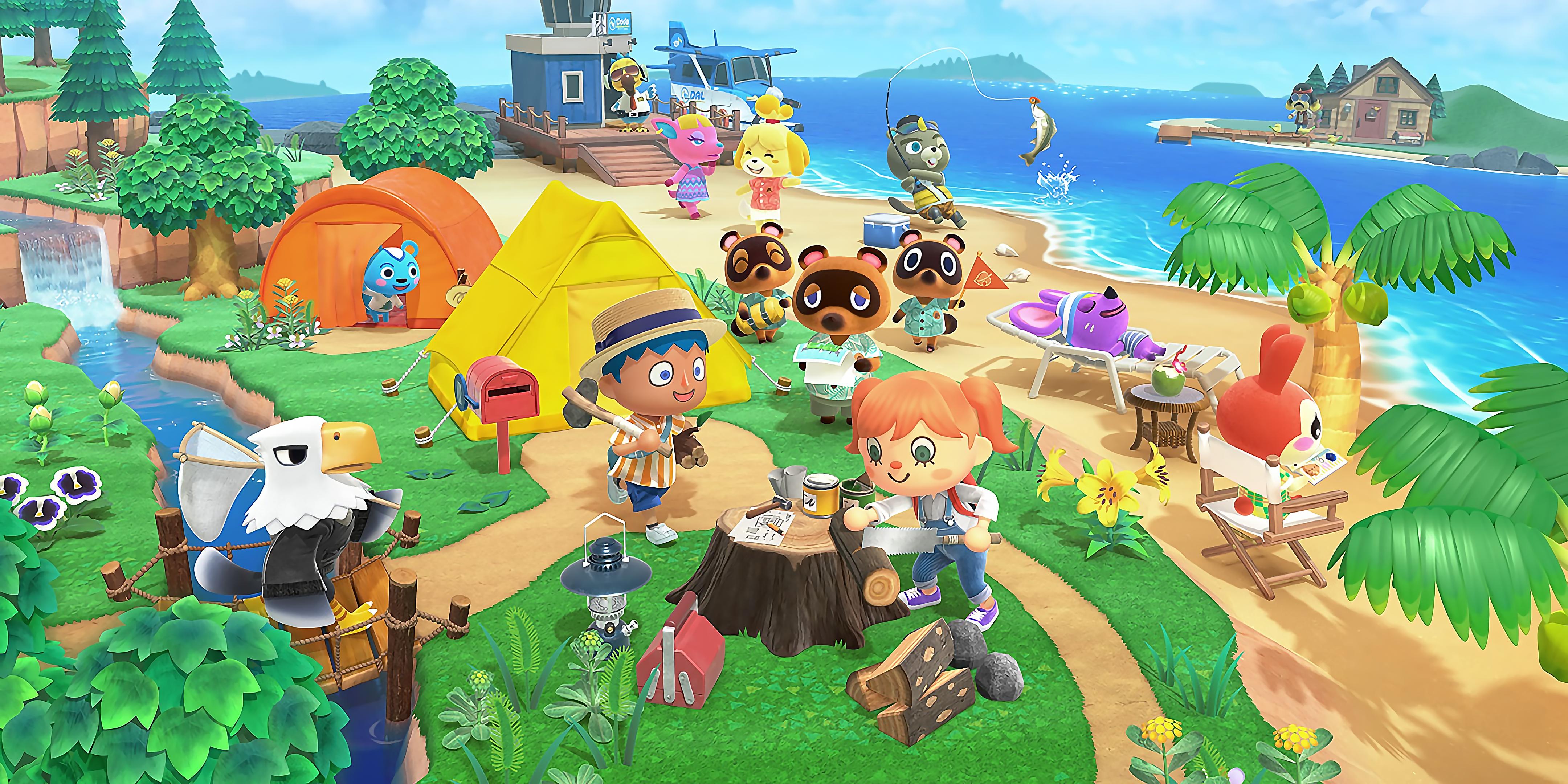
Nintendo added more diverse hairstyles and skin tones to ‘Animal Crossing: New Horizons’ following a social media campaign by players. While not a direct removal of content the addition was a response to the lack of representative options for different cultures. Some players also pointed out that certain existing items were named or used in ways that could be seen as stereotypical. The developers continue to update the game to ensure it remains a welcoming and culturally sensitive space for its global audience.
‘Resident Evil 4’ (2023)
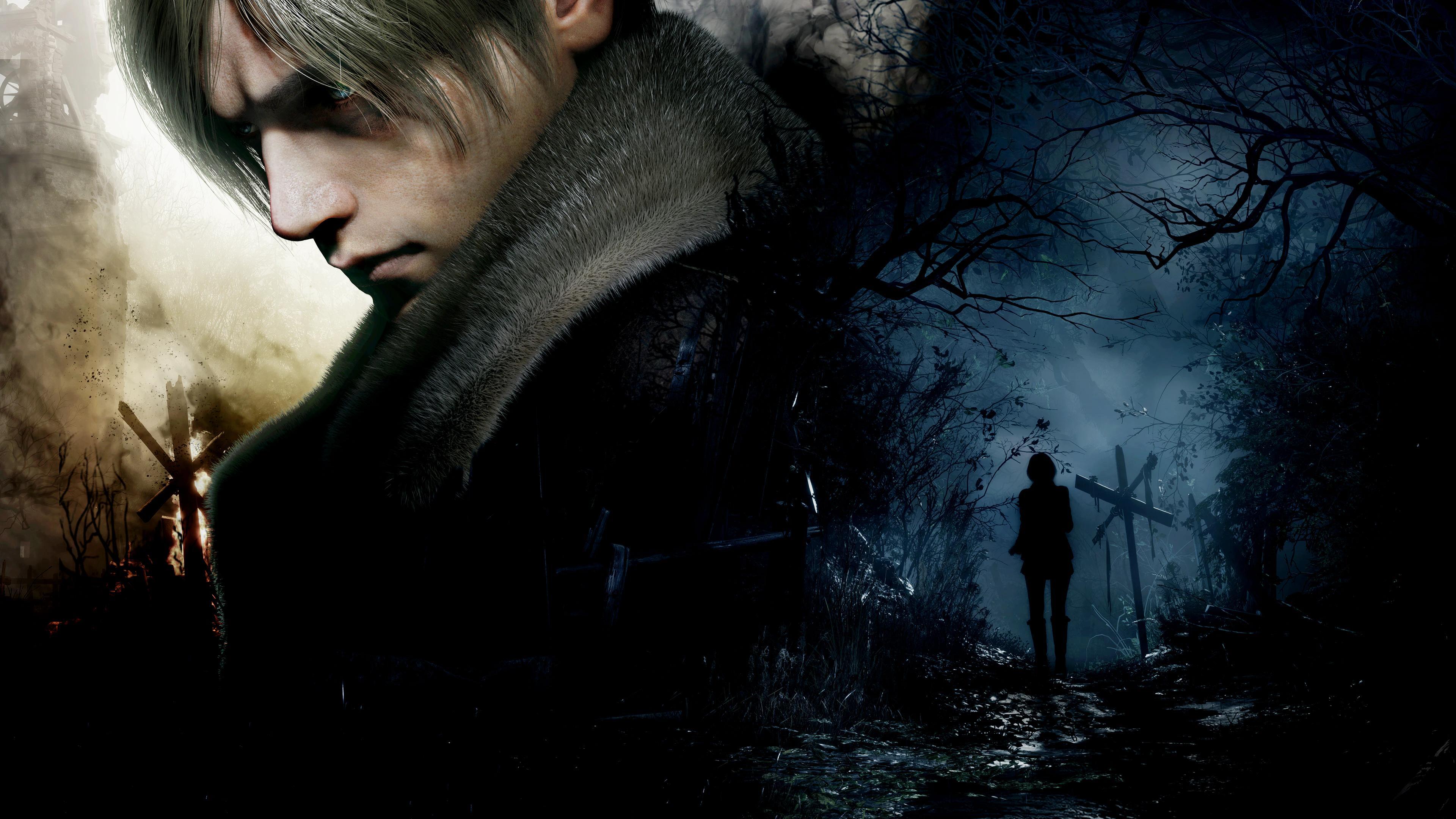
The remake of ‘Resident Evil 4’ removed specific camera angles and dialogue lines that were present in the original 2005 release. Certain comments made by the character Luis Sera regarding Ashley Graham were omitted to modernize the tone of the game. The developers also changed several camera transitions to avoid focusing on character outfits in a suggestive manner. These edits aimed to bring the classic title in line with contemporary standards of sensitivity and character portrayal.
‘Cyberpunk 2077’ (2020)
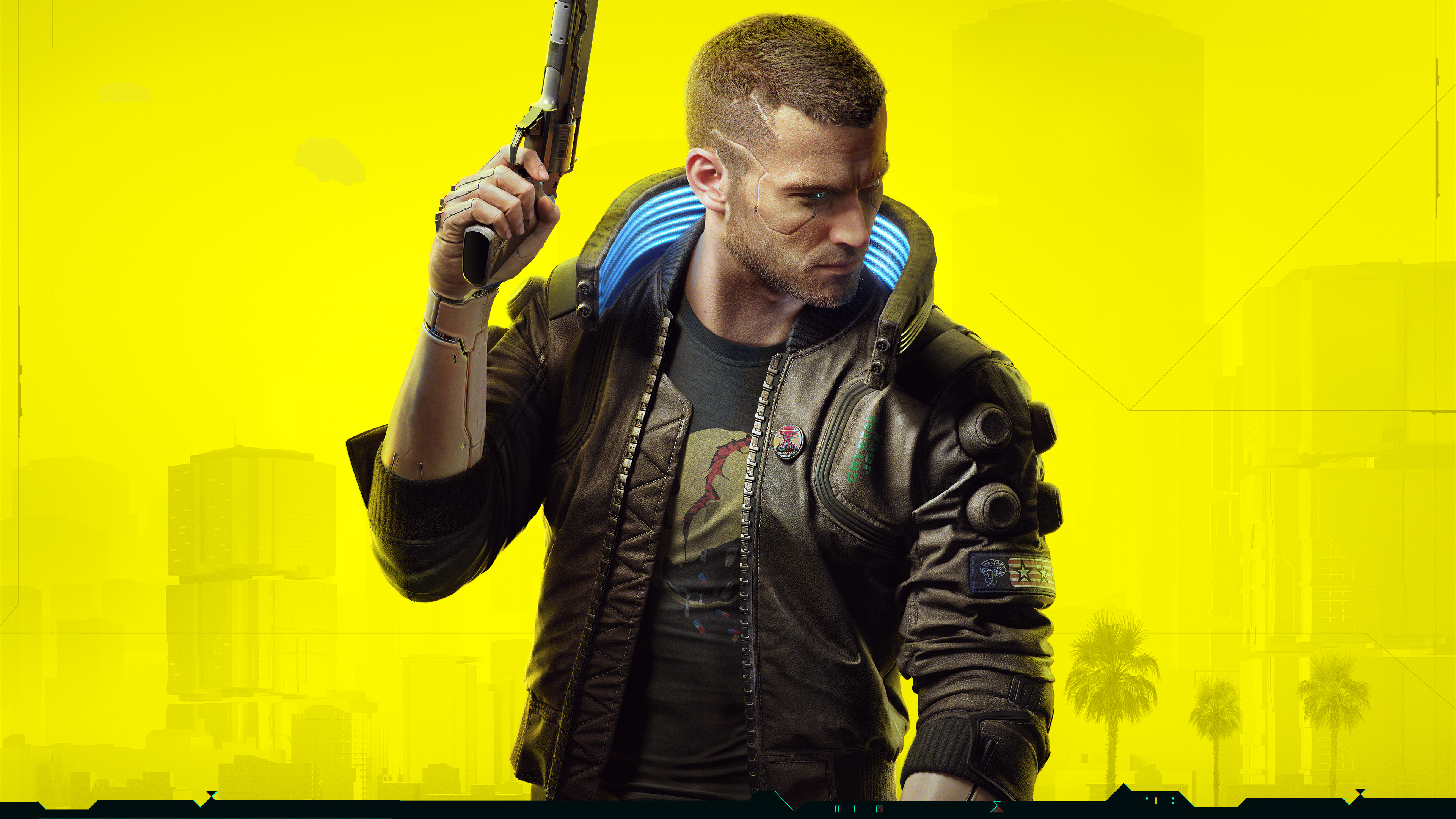
CD Projekt Red implemented several cultural edits for ‘Cyberpunk 2077’ to ensure the game could be sold in regions with strict censorship laws. This included adding permanent clothing to characters in certain versions of the game where they would otherwise be nude. Some religious symbols and character interactions were also modified to avoid conflict with local cultural norms. These changes were necessary for the game to reach a wider global audience while navigating complex regional regulations.
‘Life is Strange’ (2015)
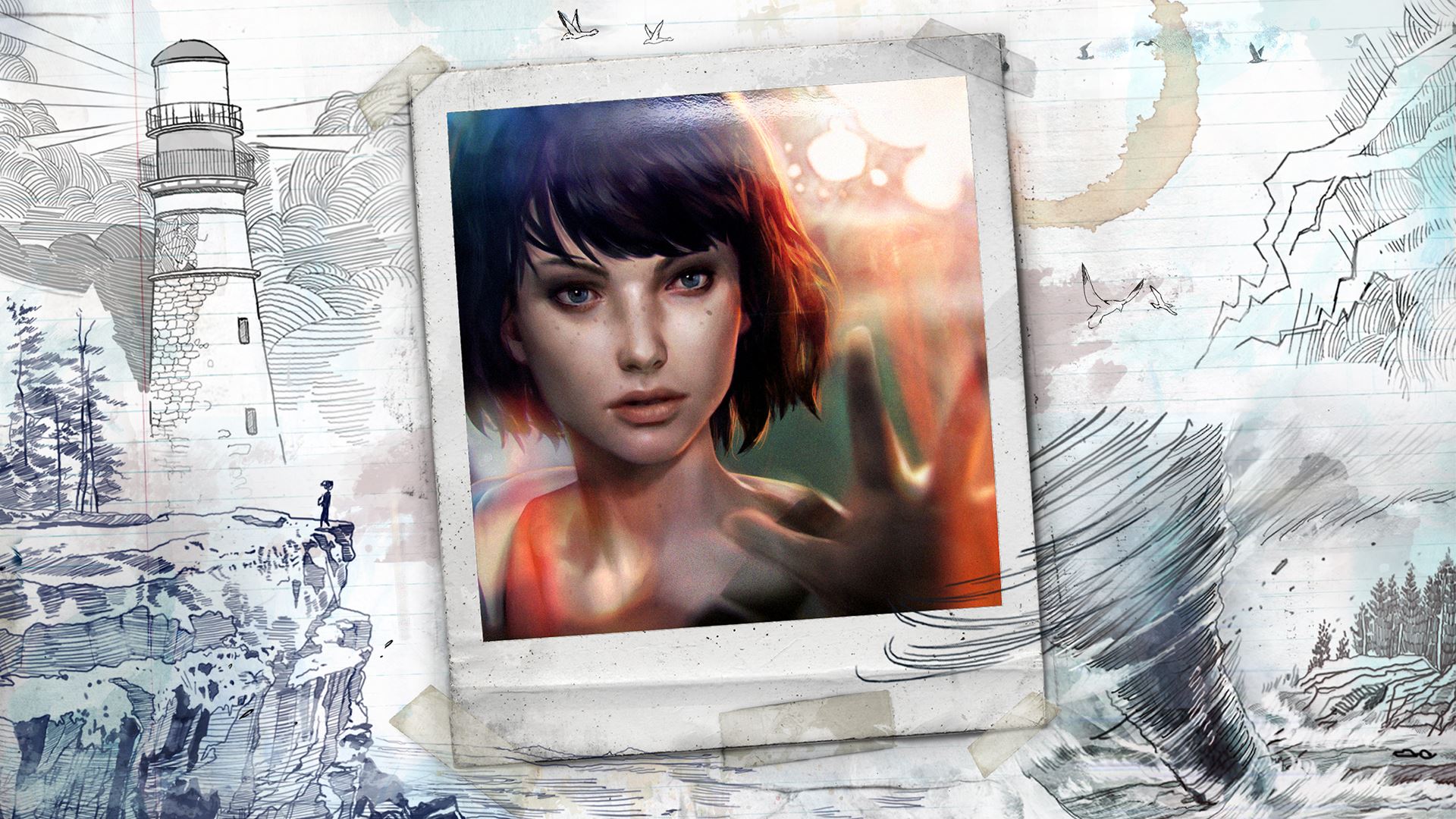
The developers of ‘Life is Strange’ changed certain environmental symbols after players identified them as culturally sensitive or potentially offensive. These minor textures were found in the background of school and street scenes during the early episodes of the game. The studio acted quickly to replace the assets with neutral designs to maintain the focus on the narrative and characters. This proactive approach demonstrated the commitment of the team to providing a respectful gaming experience.
‘Left 4 Dead 2’ (2009)
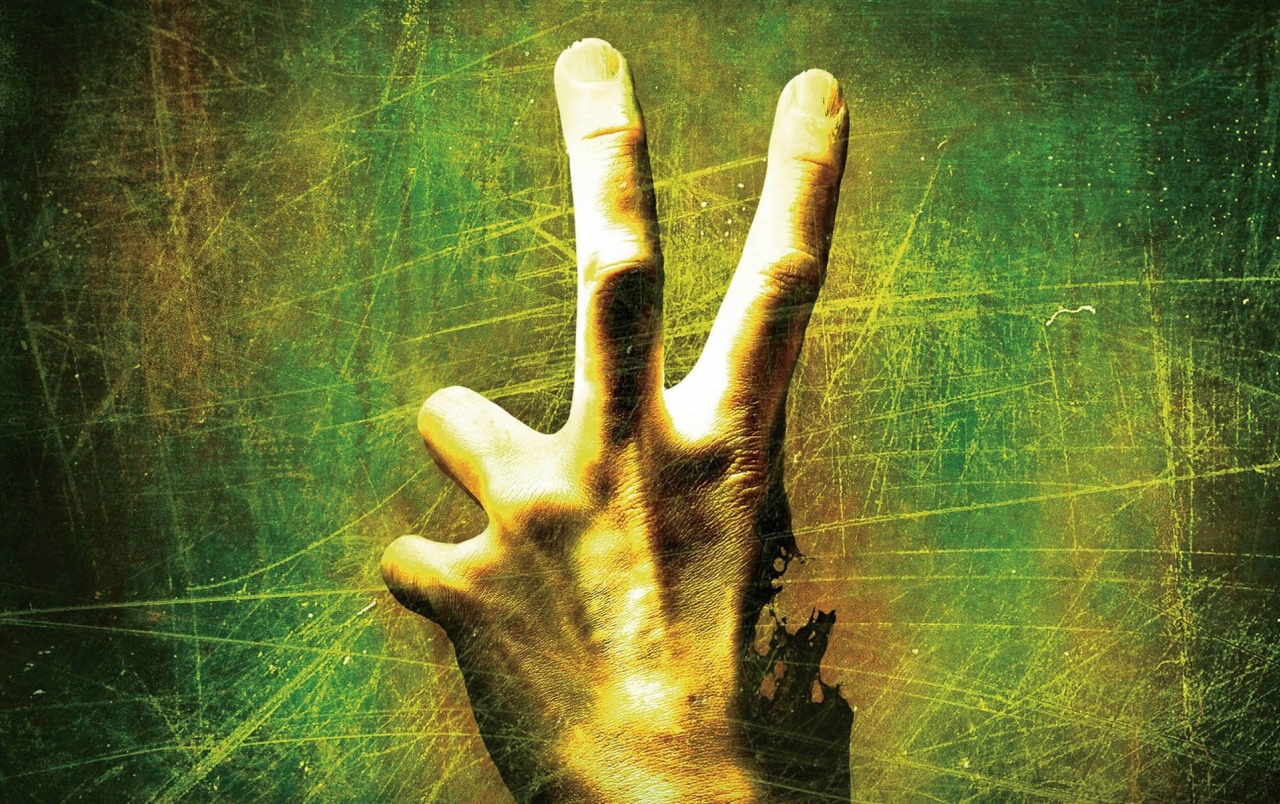
The cover art for ‘Left 4 Dead 2’ was changed in the United Kingdom and Germany to remove severed fingers that were considered too gruesome or offensive. The original design showed a hand with missing digits which local rating boards found inappropriate for public display. The modified art showed the hand with the fingers tucked in rather than severed. This change allowed the game to be marketed and sold without facing legal challenges in those specific European regions.
‘Fortnite’ (2017)
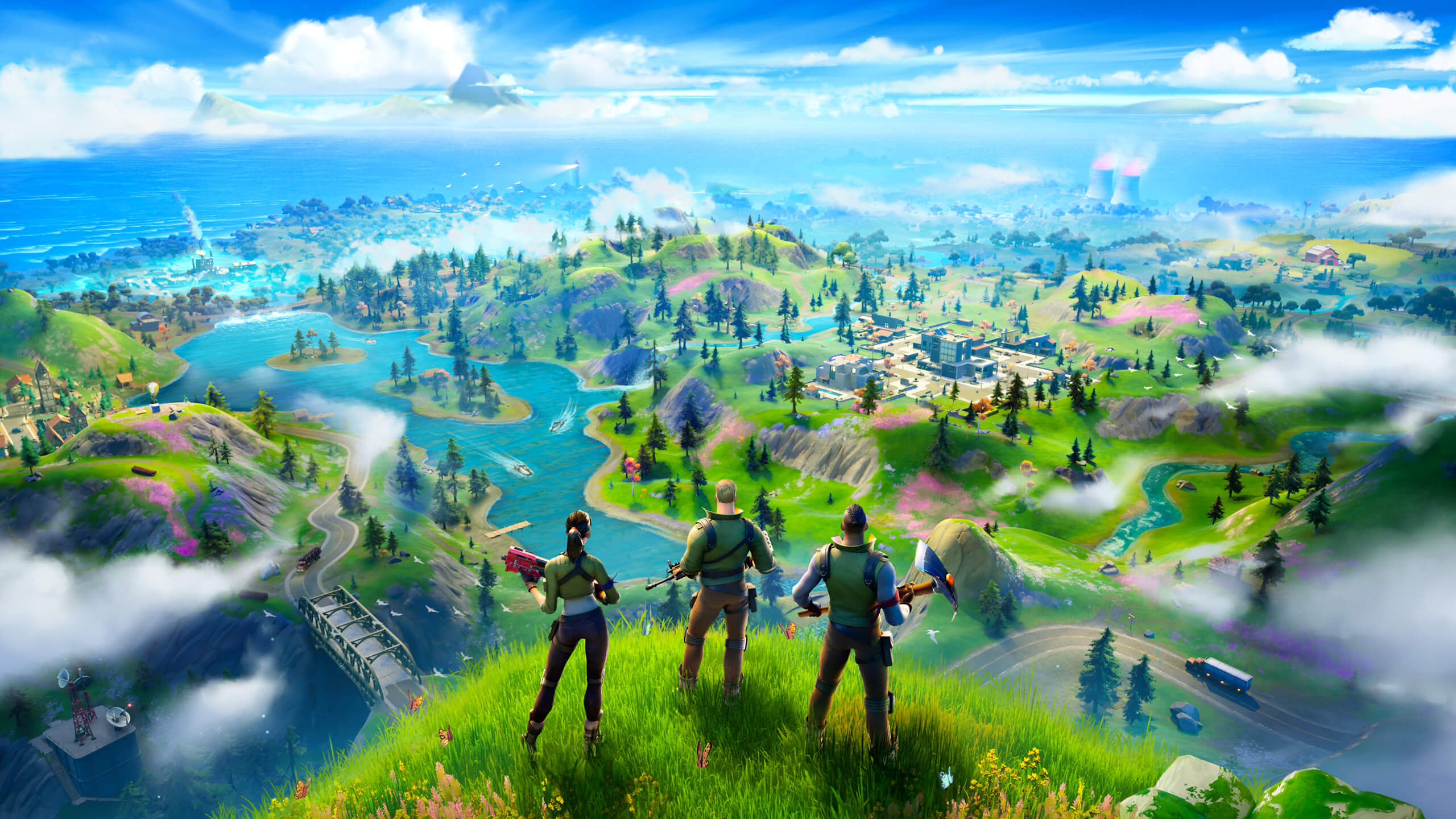
Epic Games has disabled or removed several emotes in ‘Fortnite’ after concerns were raised about cultural appropriation or similarities to copyrighted dances. The company often reviews its massive library of cosmetics to ensure they do not cause unintended offense to different communities. Some emotes have been permanently retired while others were modified to change their context or presentation. These decisions reflect the ongoing effort to keep the game a neutral and inclusive platform for all players.
‘PUBG: Battlegrounds’ (2017)
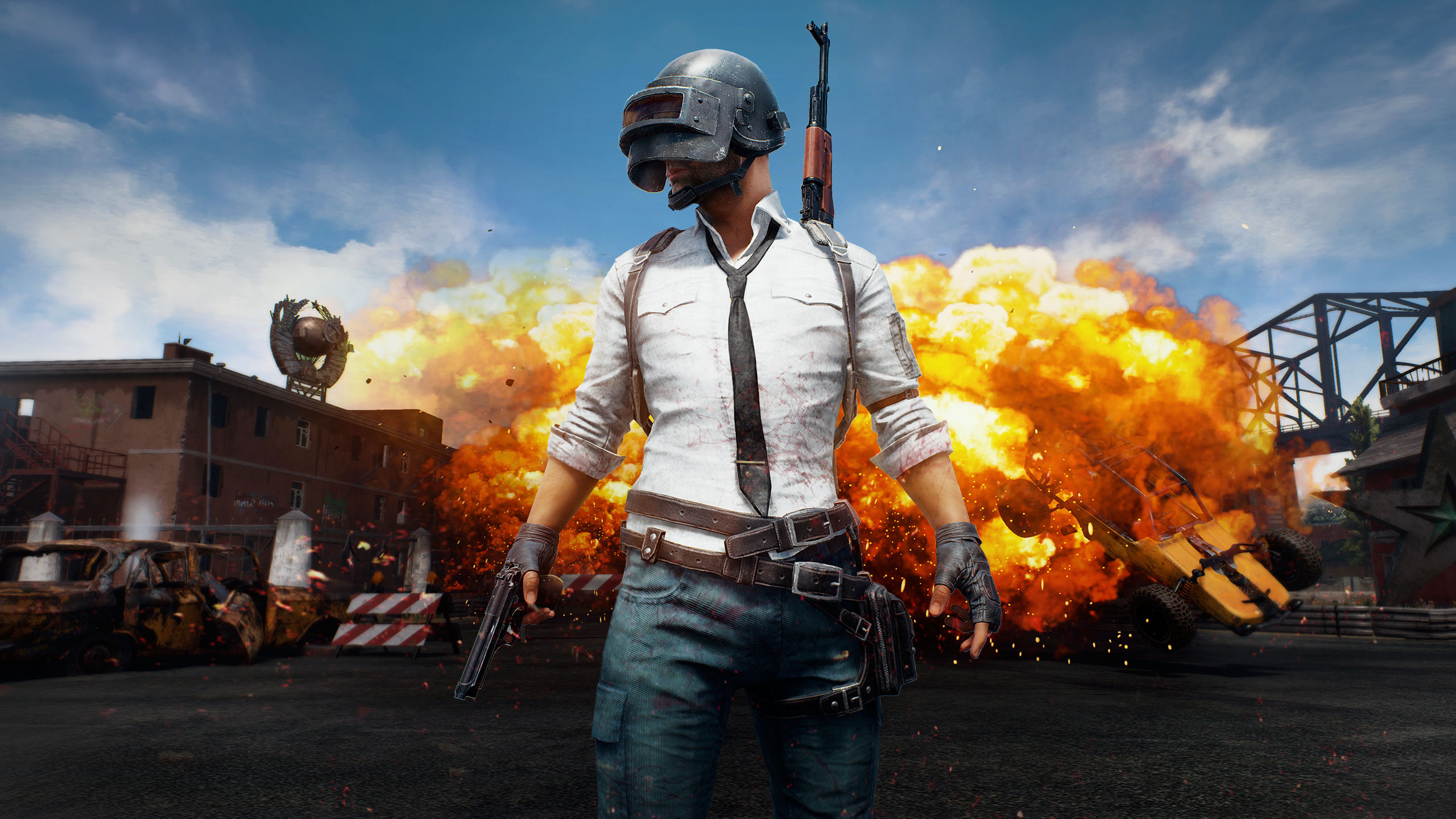
The popular battle royale game features green blood in several regions like China to reduce the impact of realistic violence on the screen. This change was a requirement for the game to be approved by local regulators who have strict rules about the depiction of blood. The developers also modified the ways characters react to damage to make the gameplay feel less graphic. These adjustments allowed the game to maintain its massive player base in the Asian market.
‘Counter-Strike: Global Offensive’ (2012)
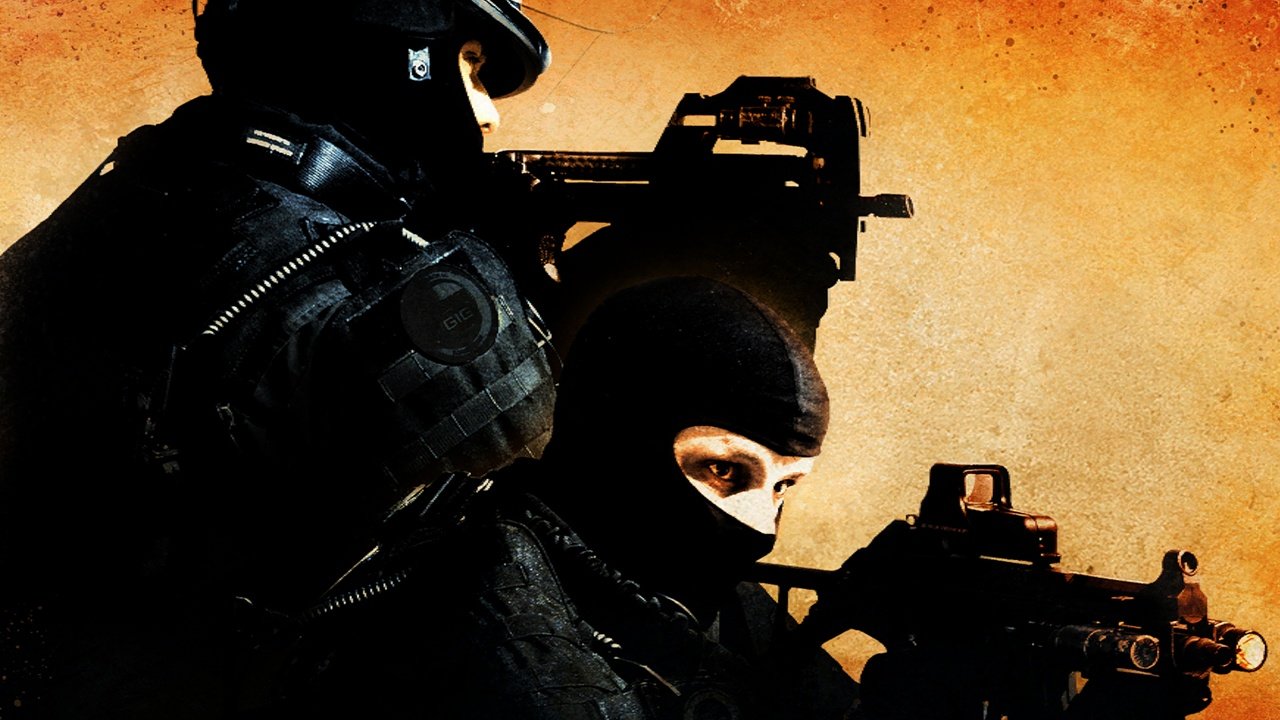
Character models in ‘Counter-Strike: Global Offensive’ were adjusted in the Chinese version to remove masks and symbols associated with specific real world groups. The developers replaced these assets with more generic tactical gear to avoid any political or cultural controversy. These changes were part of a broader localization effort to ensure the game met the standards of the Chinese gaming community. The core gameplay remained identical despite these visual modifications.
‘Final Fantasy VII Remake’ (2020)
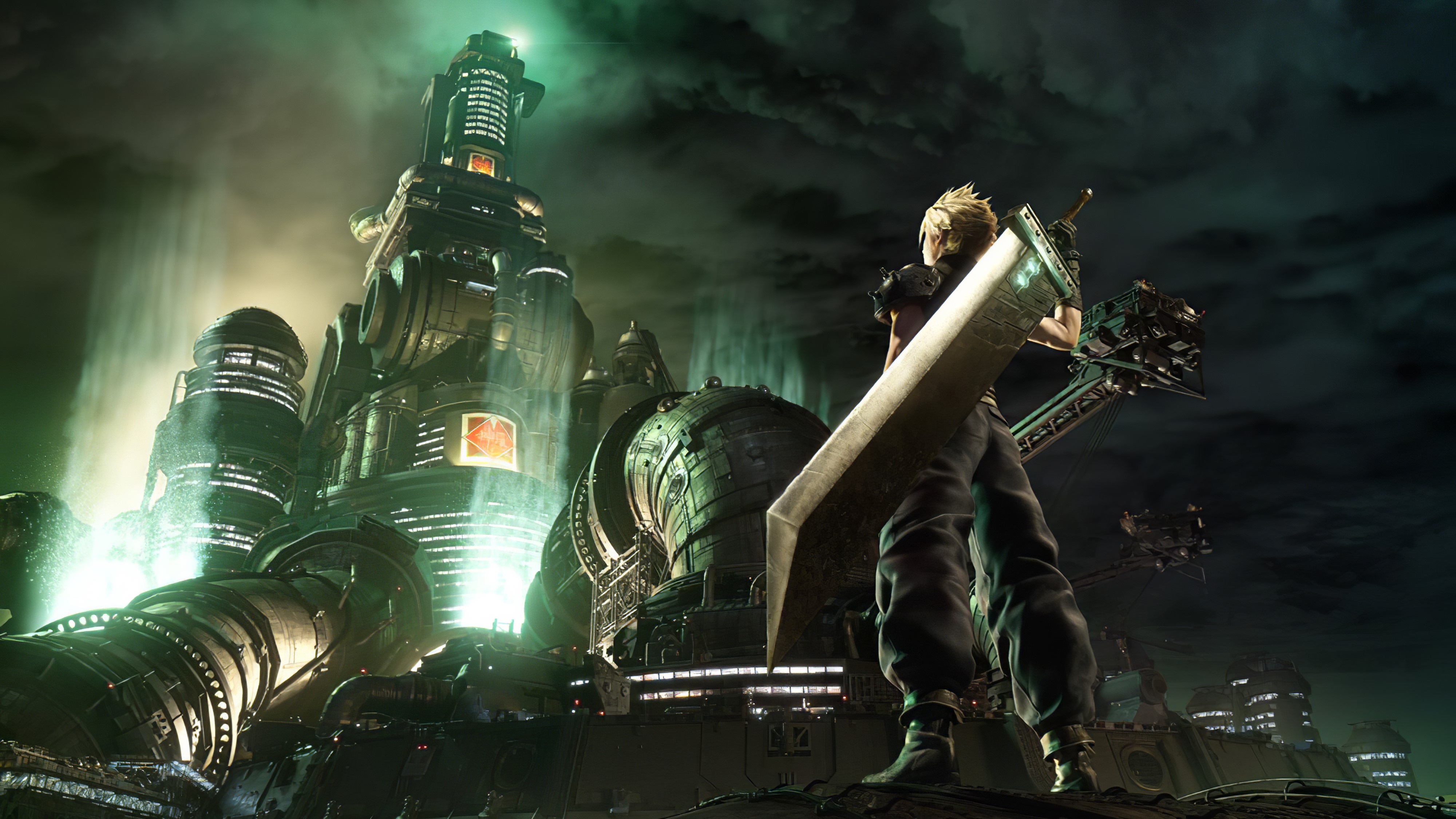
Square Enix modified the design of Tifa Lockhart’s clothing to be more practical and less revealing for modern audiences in ‘Final Fantasy VII Remake’. The developers consulted with an internal ethics department to ensure the character designs were appropriate for high definition graphics. This resulted in the addition of an athletic undershirt and adjusted proportions for her outfit. These changes were intended to balance the original look of the character with modern expectations for character design.
‘The Witcher 3: Wild Hunt’ (2015)
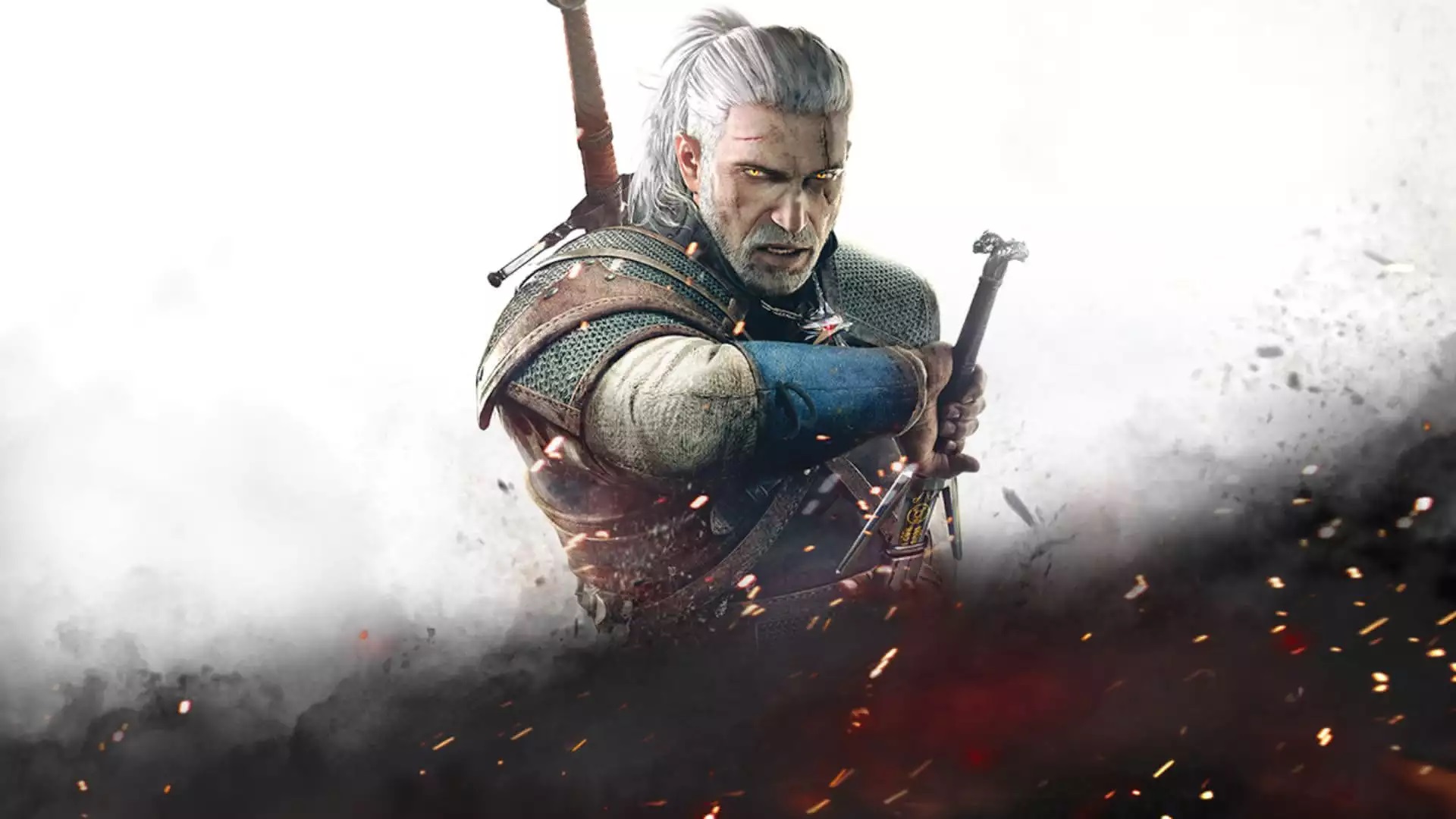
Certain symbols found in the world of ‘The Witcher 3: Wild Hunt’ were swapped out for localized versions to avoid political or cultural conflict in specific territories. These changes primarily involved small environmental details like posters or decorative icons that could be misinterpreted. The developers wanted to ensure that the dark fantasy world of the game remained immersive without causing real world offense. This attention to detail helped the game achieve critical and commercial success across many different cultures.
‘Call of Duty: Modern Warfare’ (2019)
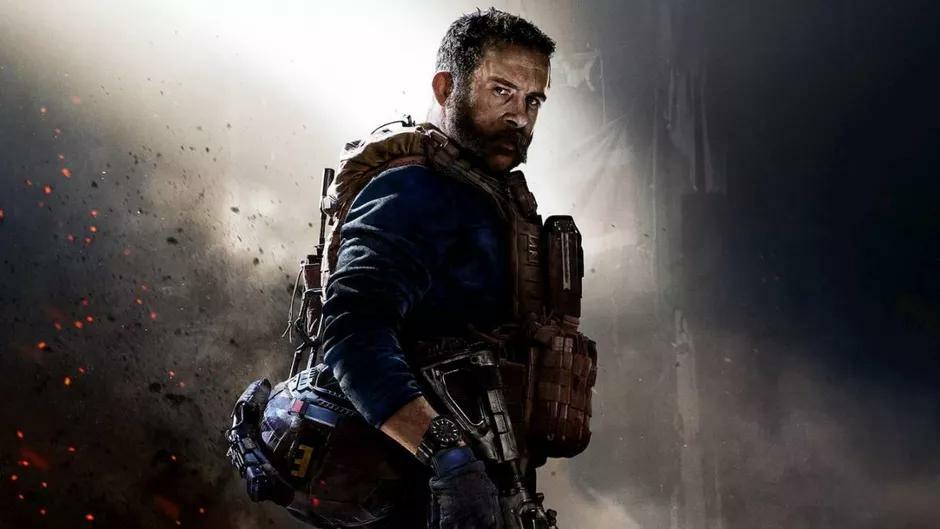
Infinity Ward removed a specific white phosphorus killstreak from certain promotional materials and modified its depiction to avoid glorifying a controversial weapon. While the item remained in the game the way it was presented to the public was carefully managed to address concerns from human rights groups. The developers stated that the goal of the game was to show the gritty reality of war rather than to promote specific weapons. This careful handling of sensitive military topics was a key part of the marketing strategy for the game.
Tell us which of these game changes surprised you the most in the comments.