

Games That Sparked Developer Walkouts Over Crunch Culture Lies

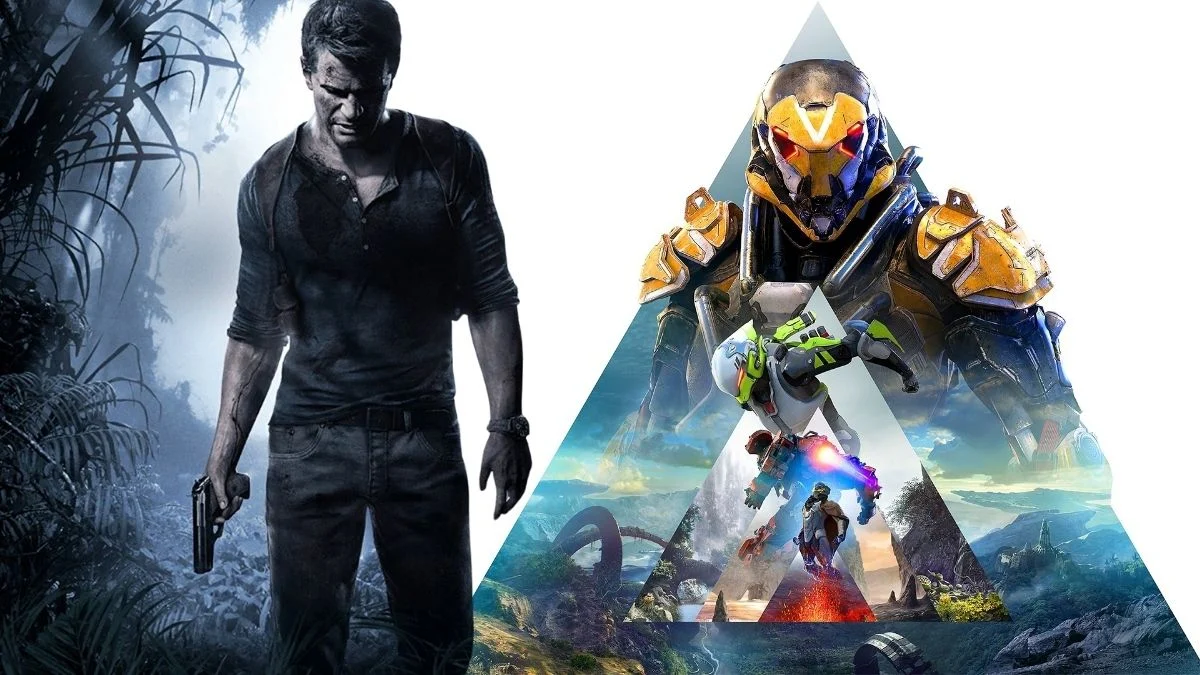


The video game industry has faced a reckoning in recent years as the glamorous facade of game development crumbles to reveal a foundation of exploitation and burnout. Developers have increasingly organized to protest “crunch culture,” a practice where studios mandate excessive overtime to meet unrealistic deadlines while often lying about the voluntary nature of the work. These systemic issues have triggered historic walkouts, unionization efforts, and public outcries that demand a shift in how the industry treats its workers.
‘World of Warcraft’ (2004)
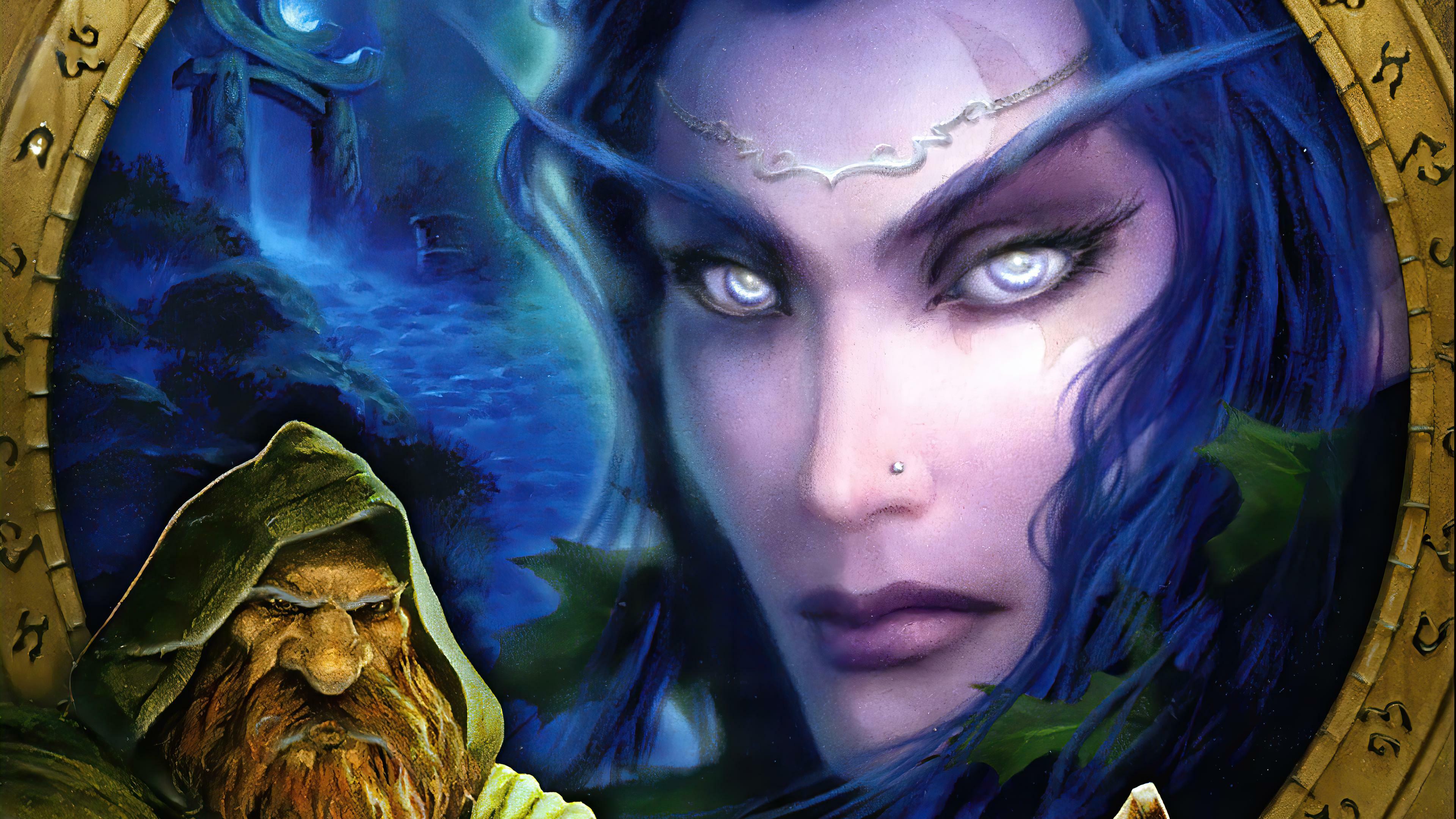
The culture surrounding this massive MMORPG became ground zero for one of the largest developer walkouts in history. In 2021, employees at Activision Blizzard staged a massive walkout following a lawsuit that alleged a pervasive “frat boy” workplace culture and widespread harassment. The allegations highlighted how long-standing crunch and toxicity had been ignored by leadership for years in favor of maintaining the game’s update schedule. This event marked a turning point where developers publicly demanded accountability for the human cost of maintaining a live-service juggernaut.
‘Cyberpunk 2077’ (2020)

CD Projekt Red management famously promised that mandatory crunch would not be required to finish this highly anticipated RPG. However, as the release date approached, the studio reneged on that promise and mandated six-day workweeks to fix technical issues. The subsequent buggy launch and public backlash exposed the lie that crunch guarantees quality, leading to severe internal morale drops and developer exits. This betrayal of trust became a primary example cited by advocates arguing that studio promises regarding work-life balance are often empty.
‘The Last of Us Part II’ (2020)
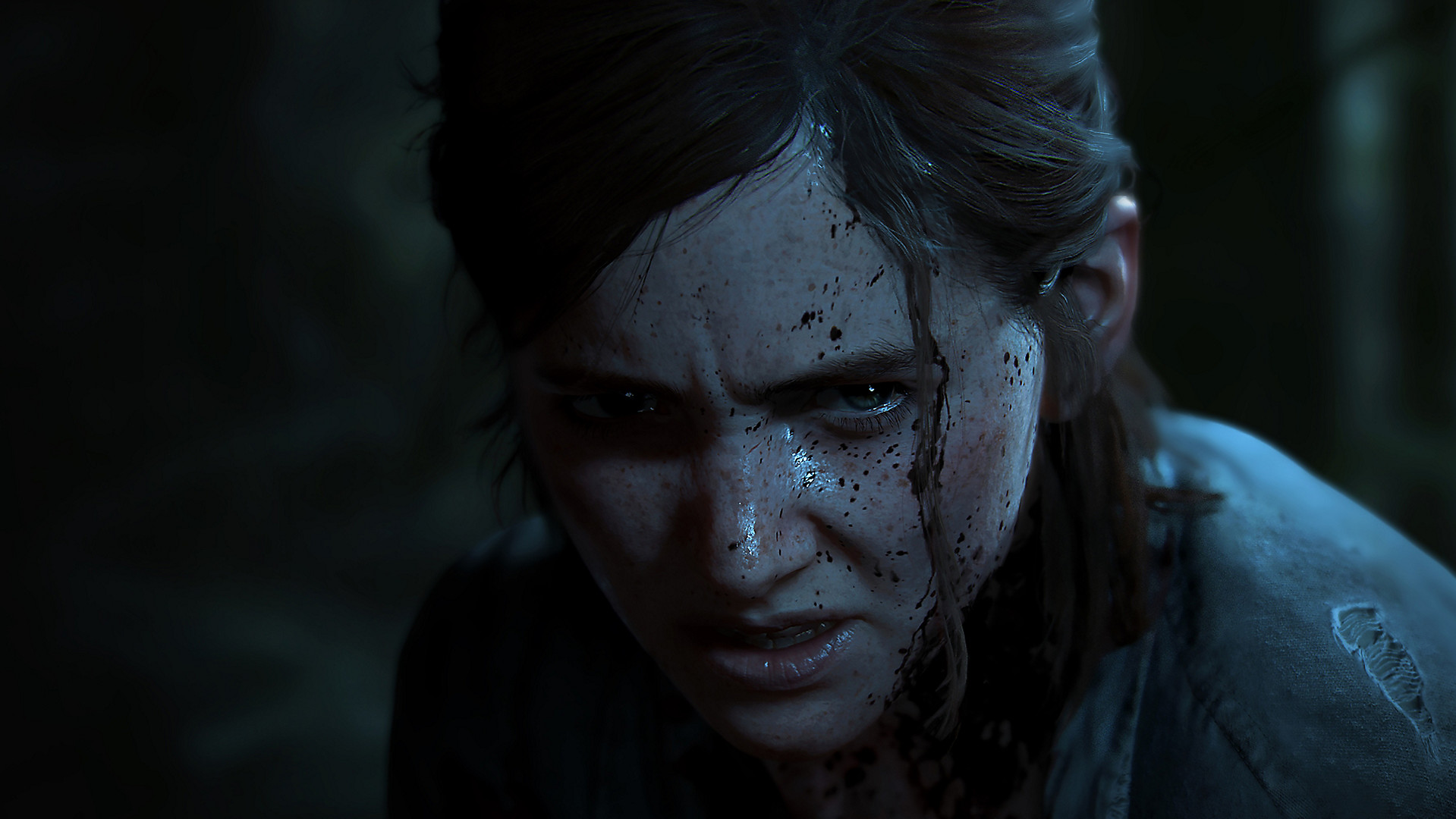
While Naughty Dog is celebrated for its narrative masterpieces, reports emerged during development that the studio relied heavily on a “perfectionist” culture that burned out designers. Developers described an environment where staying late was implicitly expected to meet the studio’s high standards, leading to significant staff turnover before the game shipped. The discourse surrounding this title shifted the industry conversation from celebrating “passion” to recognizing it as a mechanism for exploitation. The intense scrutiny on this production helped fuel the broader movement toward unionization in the triple-A space.
‘Red Dead Redemption 2’ (2018)
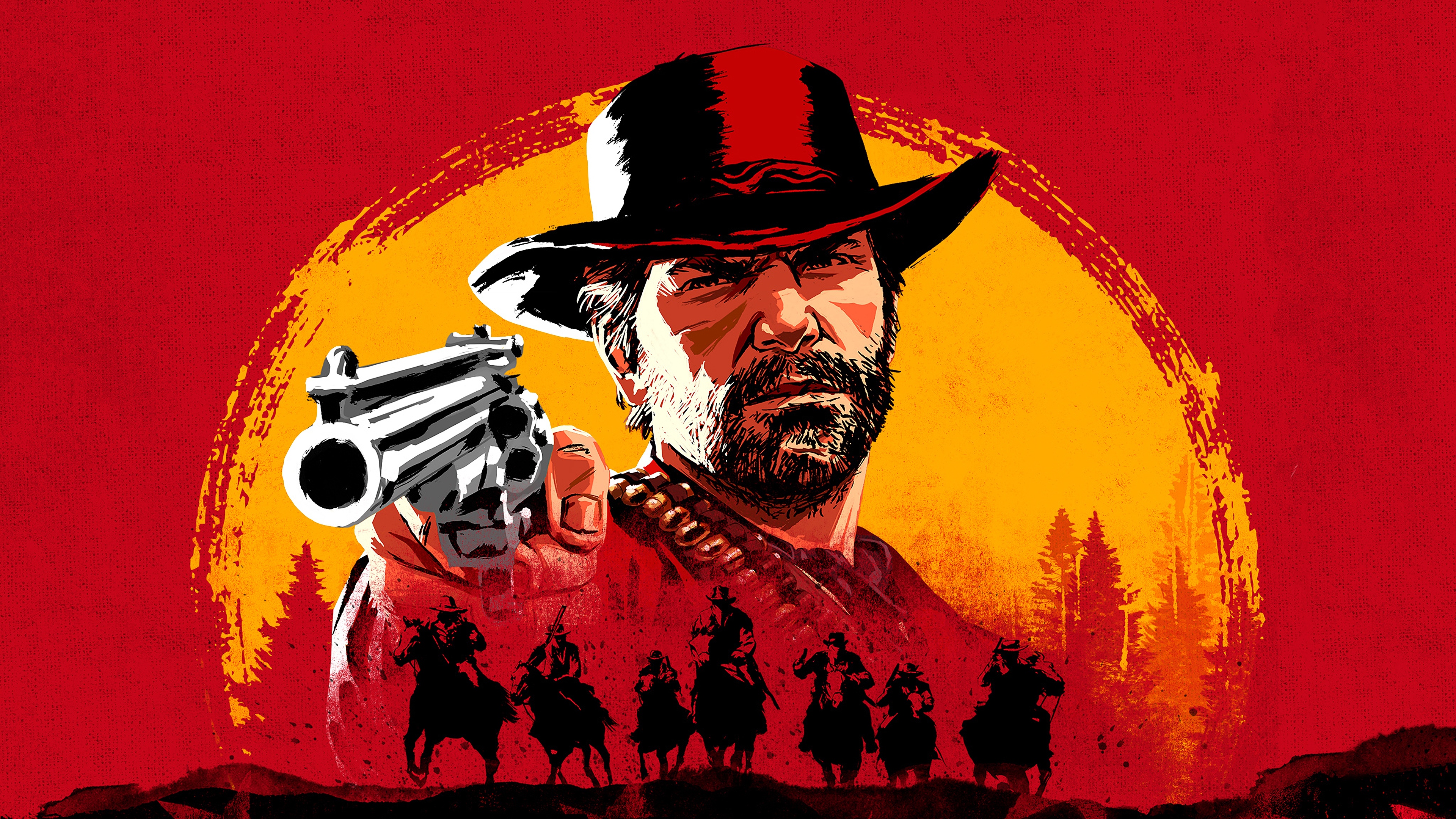
Rockstar Games faced intense criticism after executives casually mentioned working 100-hour weeks to complete this open-world western. The comment sparked an industry-wide investigation that revealed a “culture of fear” where contractors felt pressured to work excessive hours to secure full-time employment. Former employees spoke out about the physical and mental toll of the development cycle, challenging the normalization of such extreme commitment. This controversy was a catalyst for many developers to start openly discussing their working conditions on social media.
‘League of Legends’ (2009)

Riot Games experienced a historic walkout in 2019, the first of its scale in the industry, driven by anger over forced arbitration clauses and a culture of sexism. While the walkout was primarily about legal rights and harassment, it was deeply intertwined with the high-pressure environment of maintaining one of the world’s most popular competitive games. Employees left their desks to protest the company’s lack of action, signaling that game workers were ready to collectively organize. The action forced the company to reevaluate its policies and commit to cultural changes.
‘Call of Duty: Warzone’ (2020)
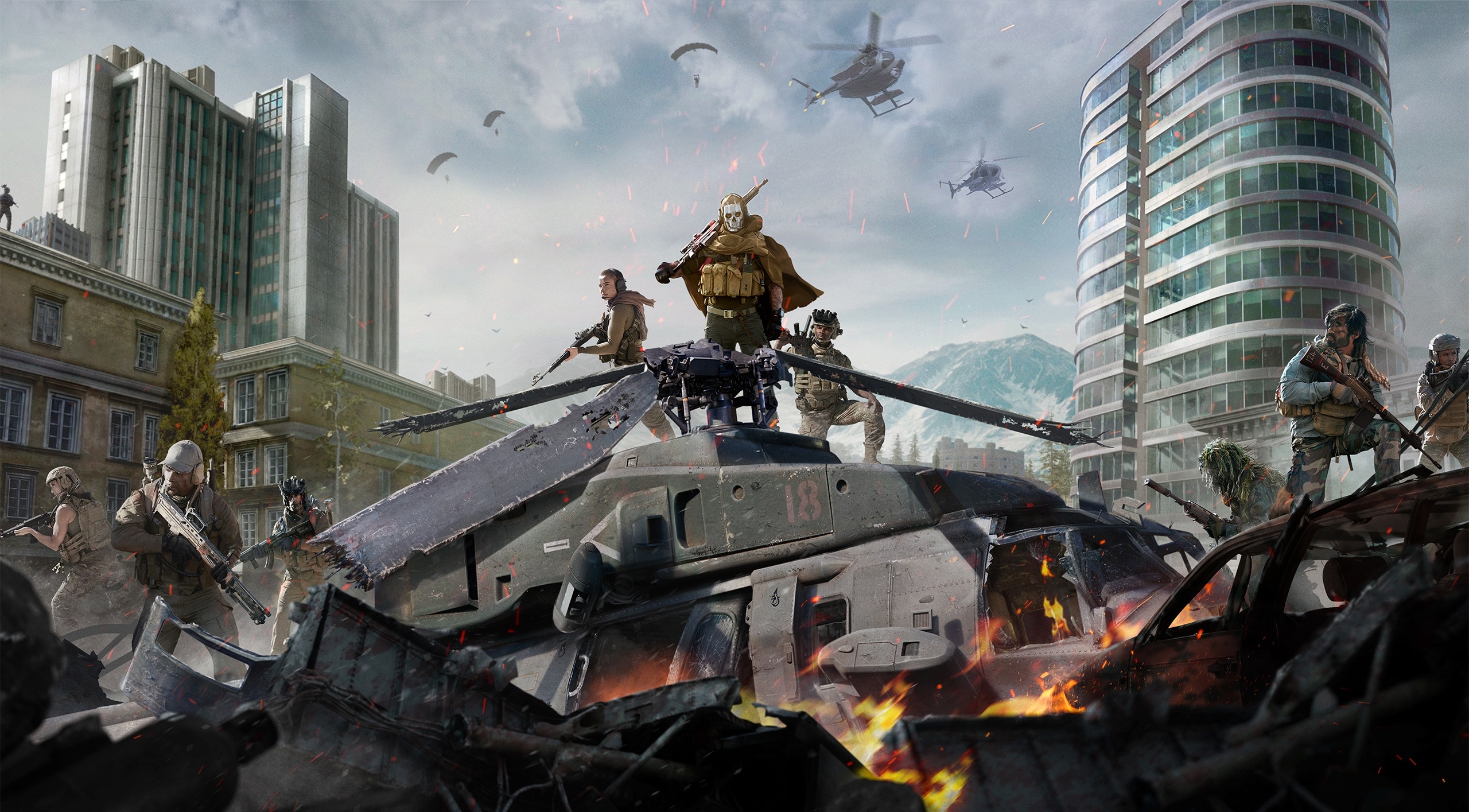
Quality assurance testers at Raven Software, a studio supporting this battle royale hit, staged a walkout in late 2021 after unexpected layoffs targeted the QA department. The testers had been working under crunch conditions to maintain the game’s constant updates, only to be let go despite promises of wage increases. This specific walkout was pivotal as it led directly to the formation of the Game Workers Alliance, the first major union at a North American listed game publisher. The success of their organization proved that collective action could yield tangible results in the face of corporate indifference.
‘Anthem’ (2019)
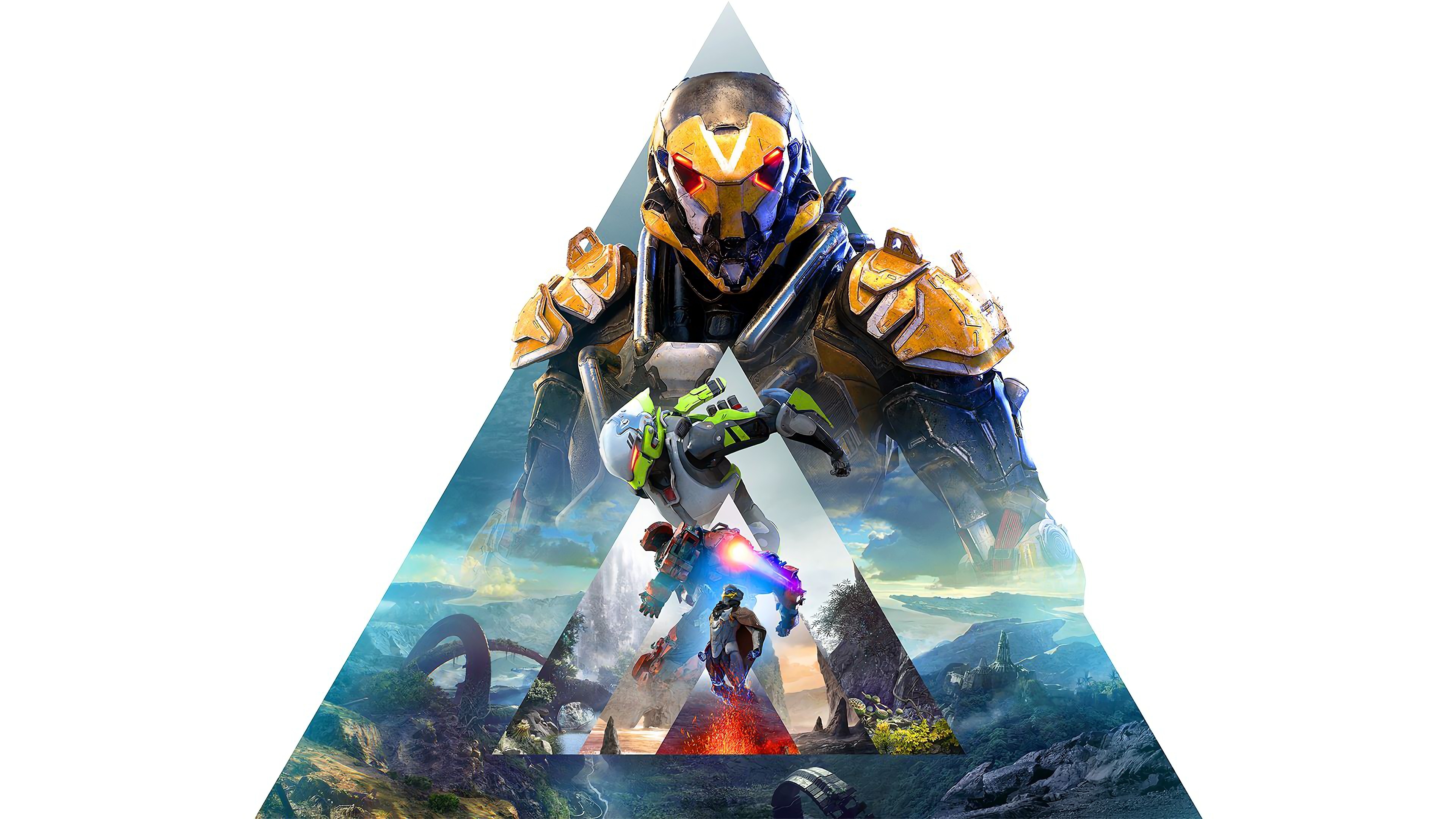
BioWare’s reputation suffered significantly when reports surfaced about “stress casualties,” a term used internally for employees who had to take mental health leave due to extreme burnout. The development was plagued by indecision and a reliance on “BioWare Magic,” a belief that crunch would eventually pull a chaotic project together at the last minute. This mismanagement led to a finished product that failed to meet expectations, proving that exhausting a team cannot compensate for a lack of clear direction. The exposure of these conditions forced the studio to publicly acknowledge the need for structural changes.
‘LEGO Star Wars: The Skywalker Saga’ (2022)

Development on this massive title at TT Games was reportedly marred by a culture of “soft-spoken blackmail” where staff felt pressured into overtime. Reports indicated that the studio struggled with a new game engine and feature creep, leading to years of crunch to fit all nine films into one package. Former employees described a workplace where loyalty was questioned if developers tried to leave on time. The public revelation of these conditions tarnished the family-friendly image of the brand and highlighted how even lighthearted games are built on developer exhaustion.
‘L.A. Noire’ (2011)

Team Bondi’s detective thriller is infamous for a development cycle so grueling that the studio effectively collapsed shortly after release. Staff were reportedly forced to work 100-hour weeks, and the studio was accused of omitting the names of developers who left before the project shipped from the credits. The International Game Developers Association launched an investigation into the working conditions, making it one of the earliest high-profile cases of crunch scrutiny. The game stands as a grim monument to a management style that viewed burnout as a necessary cost of ambition.
‘Assassin’s Creed: Odyssey’ (2018)
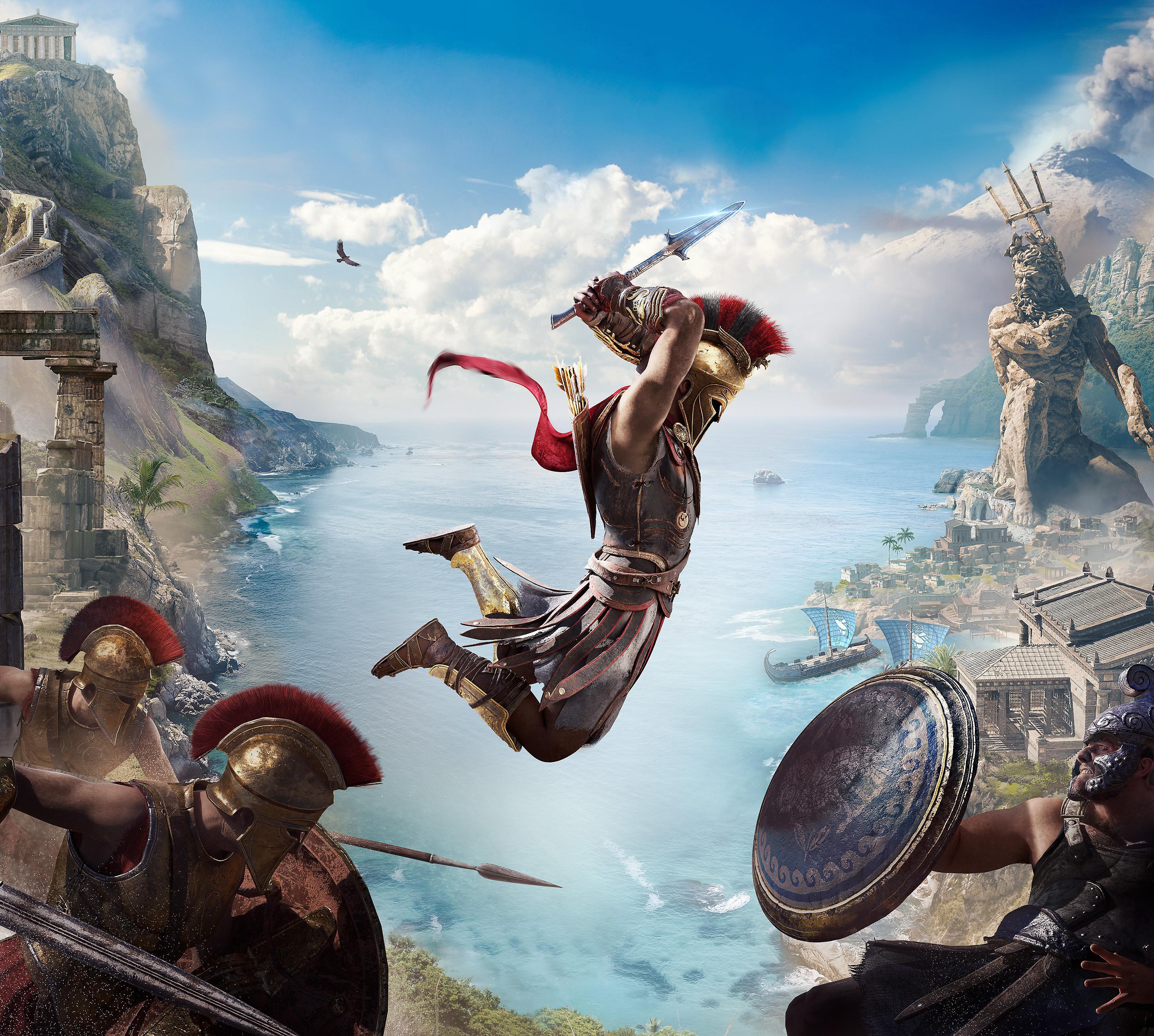
Ubisoft faced a massive reckoning starting in 2020, involving a wave of allegations regarding toxic management and systemic abuse across multiple studios. While Odyssey was a commercial success, it was developed during a period where reports indicated that creative control was consolidated among a few executives who protected abusive managers. This culture of impunity led to widespread employee dissatisfaction and multiple open letters from staff demanding reform. The turmoil at the publisher contributed significantly to the global rise of worker collectives within the industry.
‘Overwatch 2’ (2022)
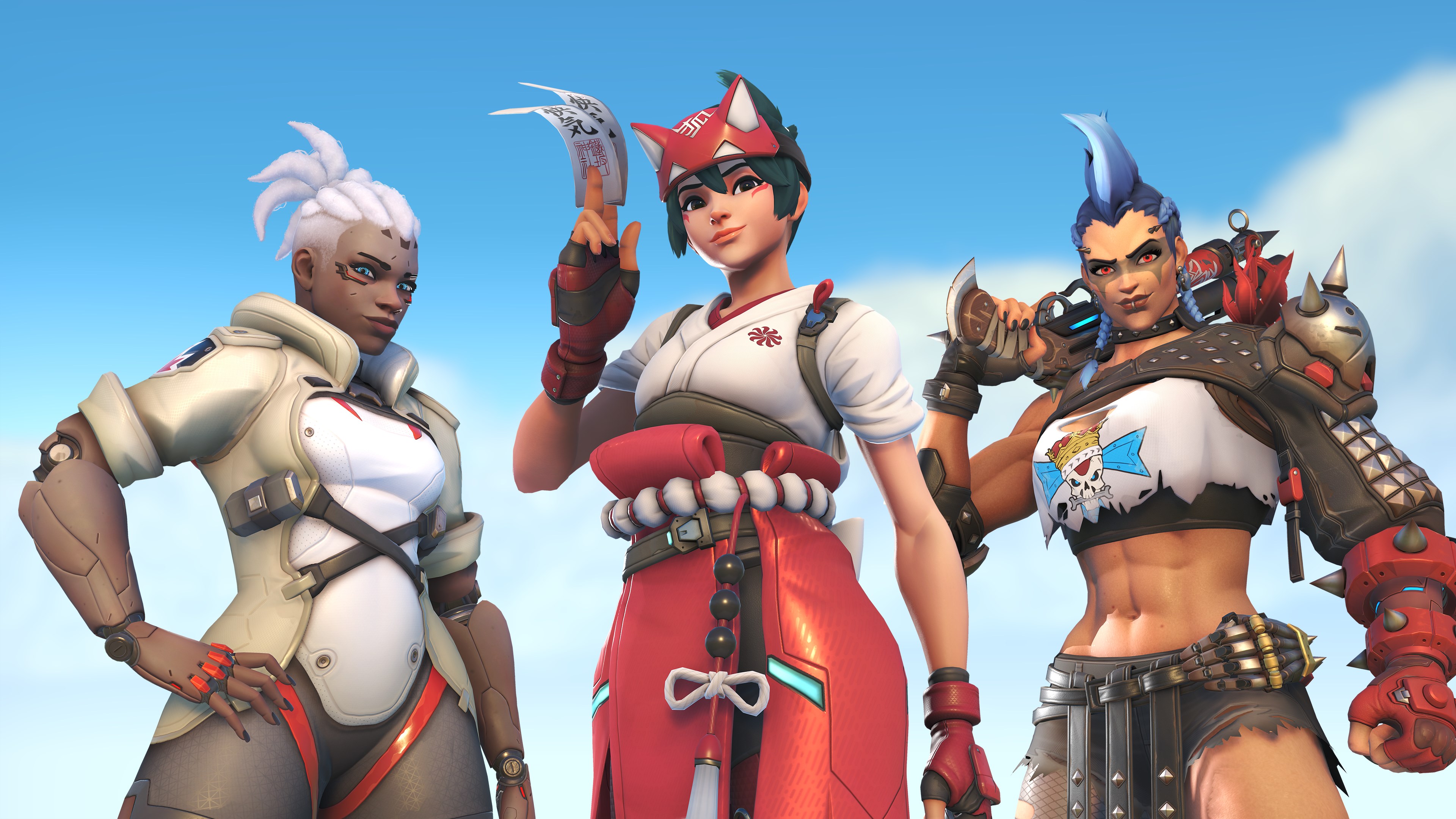
The development of this sequel was heavily impacted by the loss of key talent and the broader cultural crisis at Blizzard Entertainment. As the company faced lawsuits and walkouts, the team working on the game had to navigate shifting directives and the fallout of leadership departures. Developers expressed frustration that the drive to monetize the sequel overshadowed the needs of the team, exacerbating burnout. The game became a symbol of the tension between corporate mandates and the well-being of the creators.
‘Diablo IV’ (2023)
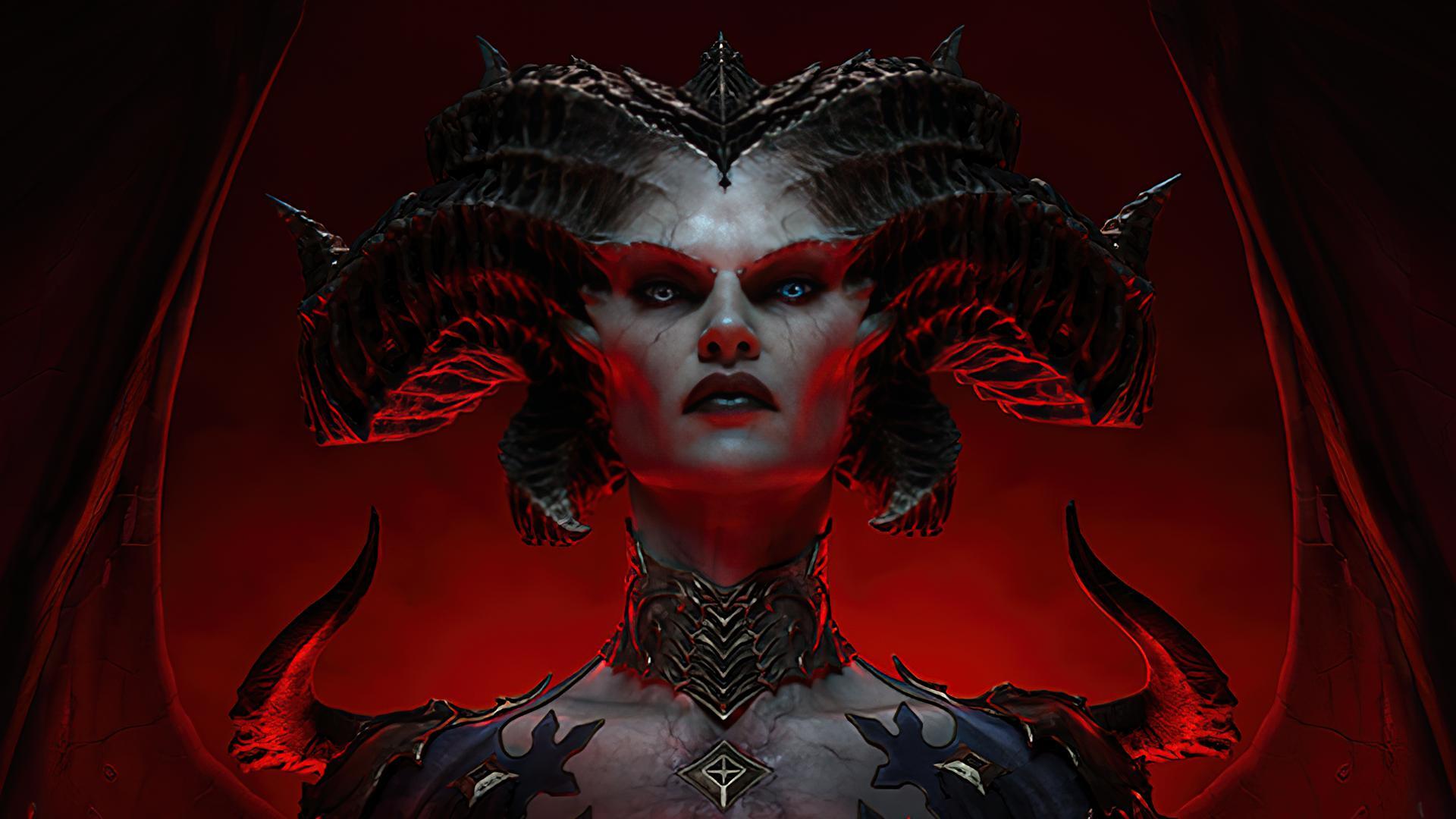
Leading up to its release, reports surfaced that the team at Blizzard Albany was losing staff due to low wages and crunch, prompting unionization efforts. QA testers at the studio voted to unionize, following in the footsteps of their colleagues at Raven Software, to demand better treatment and pay transparency. The launch of such a high-profile title under the shadow of labor disputes highlighted the growing disconnect between record-breaking profits and worker compensation. The success of the union vote demonstrated that workers on major blockbusters were no longer willing to accept prestige as a substitute for fair conditions.
‘Fallout 76’ (2018)

Bethesda’s multiplayer experiment was launched in a broken state, necessitating a grueling post-launch period where developers scrambled to fix the game. Reports later revealed that the QA team was subjected to severe crunch, with some testers working 10-hour days for six days a week. The reliance on contractors who lacked job security made the situation worse, as many felt unable to refuse overtime for fear of being replaced. The controversy underscored the industry’s habit of releasing unfinished products and relying on human suffering to patch them later.
‘Mortal Kombat 11’ (2019)

NetherRealm Studios came under fire when contractors revealed they were paid low wages and pressured to work excessive hours to finish the game’s polished cinematics. Former employees described a “crunch culture” that was ingrained in the studio’s DNA, with some working for months without a day off. The stark contrast between the studio’s glossy final product and the reports of tired, underpaid staff sparked a conversation about the treatment of temporary workers. This exposure pressured the studio to promise improvements in work-life balance for future projects.
‘Fortnite’ (2017)
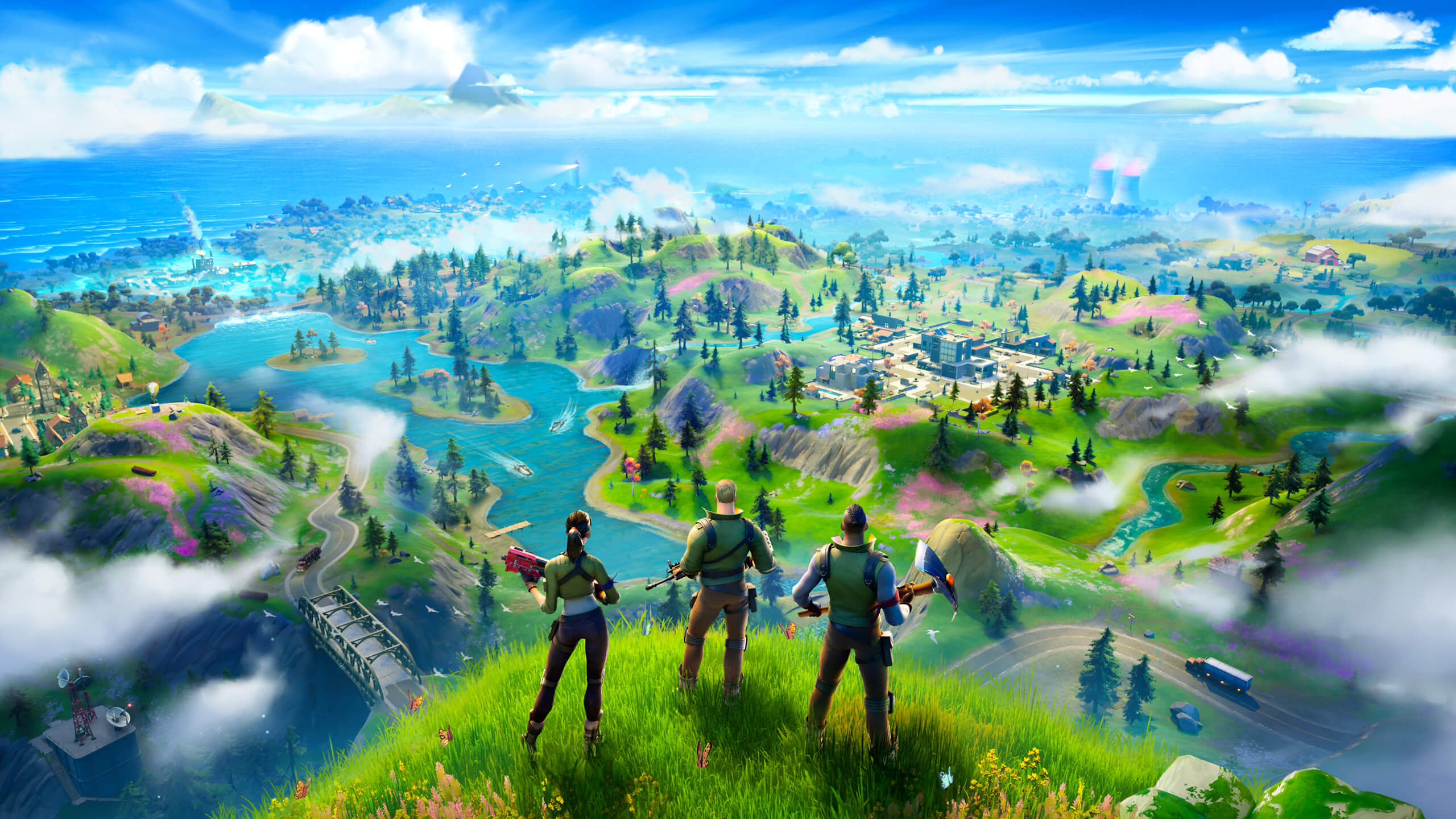
The explosive success of Fortnite created an endless cycle of crunch at Epic Games to maintain the game’s rapid update schedule. Developers and contractors reported working 70 to 100-hour weeks to keep up with the demand for new skins, events, and gameplay changes. The “live service” model meant that crunch was no longer a temporary phase before launch but a permanent state of existence. This situation highlighted the sustainable human cost required to keep a “forever game” at the top of the charts.
‘Detroit: Become Human’ (2018)
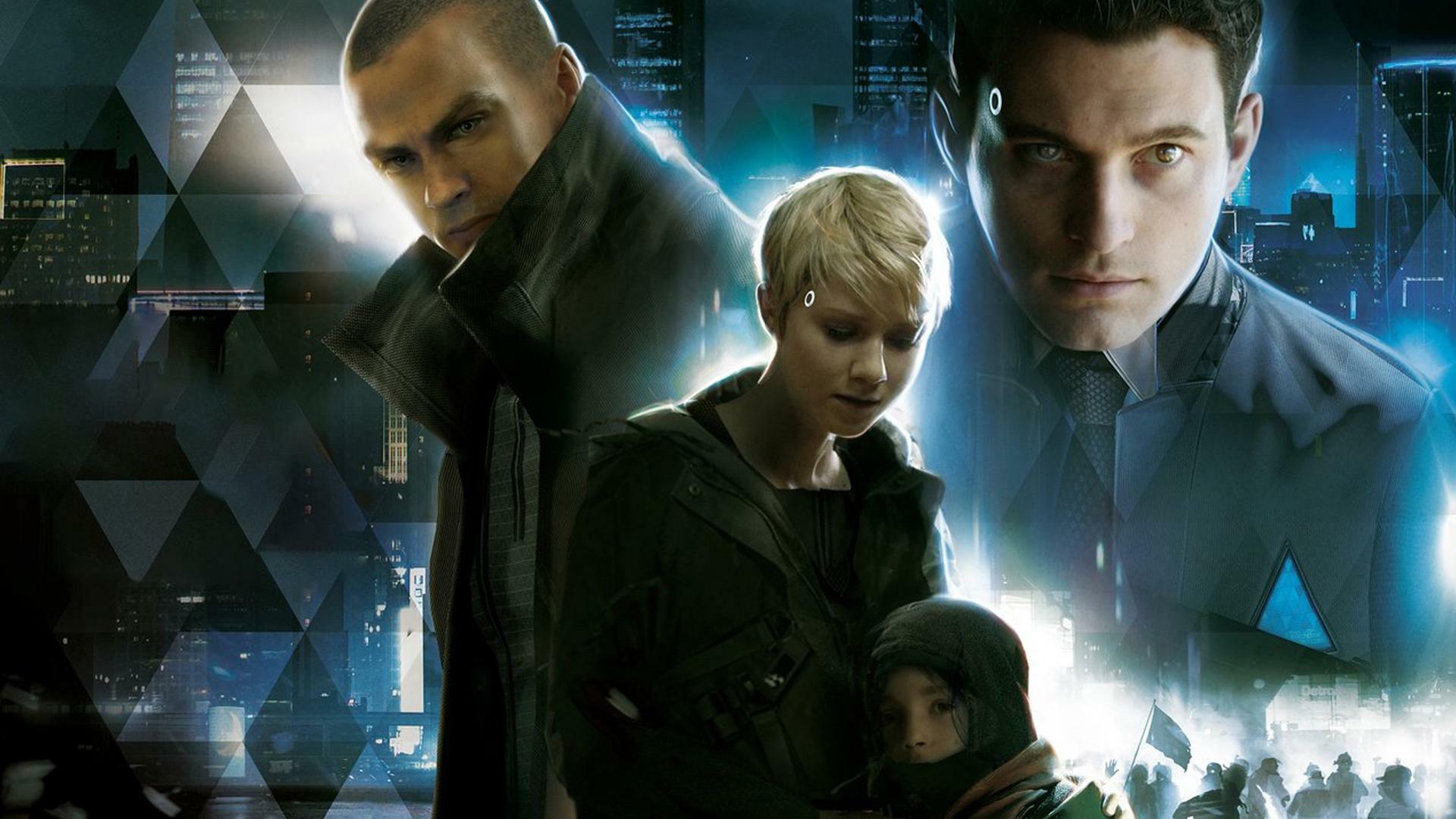
Quantic Dream faced legal battles and bad press following reports in French media about a toxic studio culture involving racist and sexist jokes. While the studio leadership denied the allegations, the controversy shed light on the unchecked behavior that can fester in prestigious development houses. The legal outcomes and public scrutiny served as a warning to other studios that internal culture is no longer a private matter. The game’s narrative about androids seeking rights ironically paralleled the real-world demands of the developers for respect and dignity.
‘Metroid Prime’ (2002)

While an older example, the development of this classic at Retro Studios involved a legendary crunch period that nearly broke the team. To get the game ready for its release window, staff worked continuously for months, a situation that led to significant turnover and management changes. This history is often cited in discussions about how “Nintendo polish” can sometimes come at a severe human cost. It serves as a reminder that even the most critically acclaimed games often have a dark history of labor exploitation.
‘Daikatana’ (2000)
Ion Storm’s infamous shooter is a historical example of how ego-driven management and unchecked ambition can lead to a disastrous work environment. The development was marred by the mass walkout of the original core team, who left due to the toxic atmosphere and lack of faith in the project’s direction. The game’s failure and the public collapse of the team served as an early industry cautionary tale. It demonstrated that talent will eventually refuse to work under conditions where their professional expertise is ignored or disrespected.
‘Mass Effect: Andromeda’ (2017)
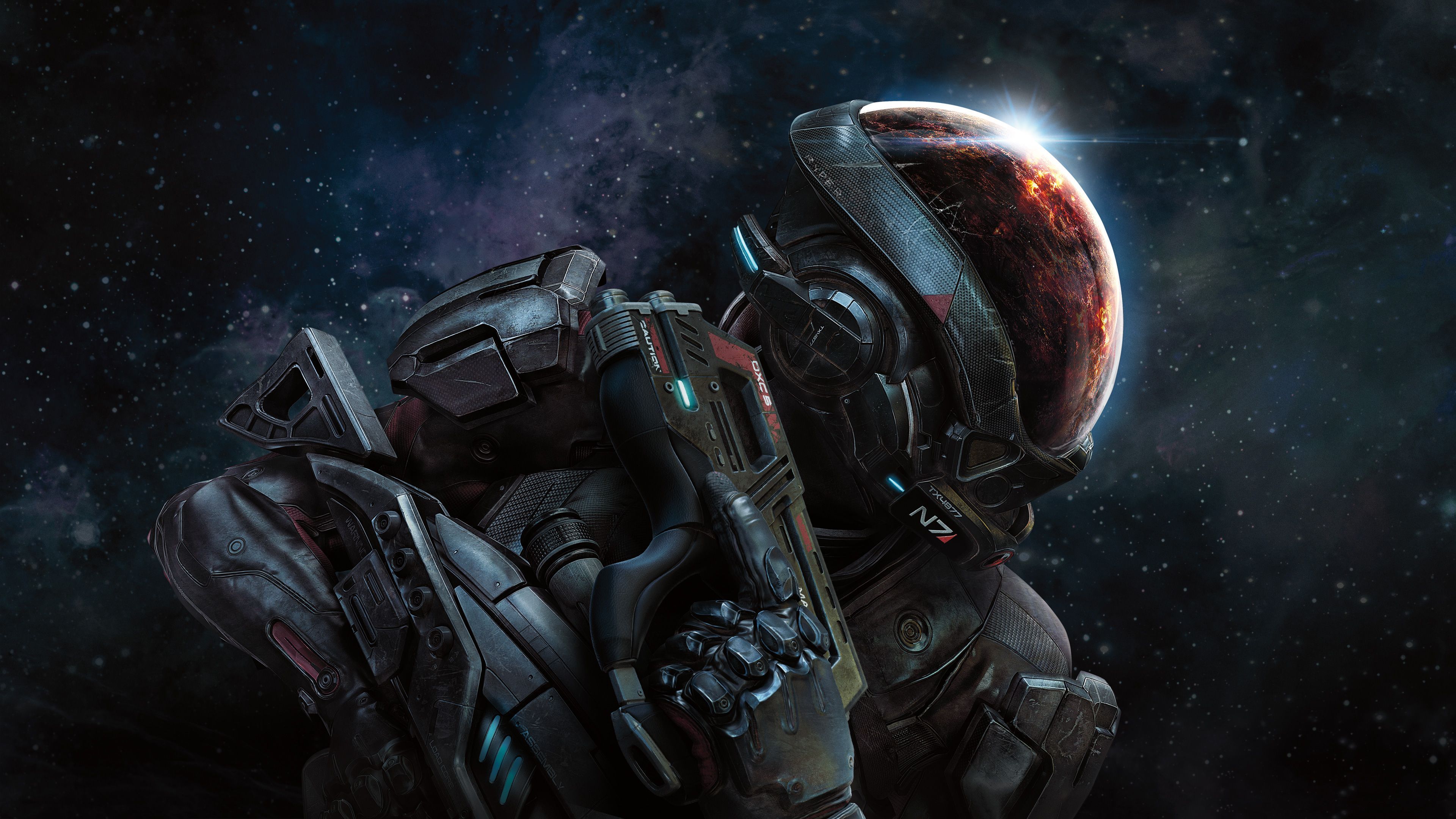
The troubled development of this sci-fi RPG was a result of changing engines, lack of clear vision, and a massive crunch period to meet a fiscal deadline. BioWare Montreal faced significant attrition as developers burned out trying to salvage a game that had spent years in pre-production hell. The critical failure of the game upon release was a direct result of the exhausted team being unable to polish the experience in time. This disaster prompted a restructuring of the studio and a reevaluation of the development processes within the publisher.
‘The Witcher 3: Wild Hunt’ (2015)

Although widely considered a masterpiece, the development of this open-world RPG involved extensive crunch that CD Projekt Red initially defended as a necessary evil. The studio’s founders later admitted that the workload was inhumane and promised to avoid it for future projects, a promise that was notably broken for their next game. The acclaim the game received unfortunately validated the “crunch equals quality” mindset for many years. It remains a complex example of how the industry rewards the results of overwork while ignoring the process.
‘Halo Infinite’ (2021)

343 Industries faced significant challenges due to a heavy reliance on contract workers who were forced to leave after 18 months due to Microsoft’s policy. This “revolving door” of talent led to technical debt and a lack of continuity that forced the remaining permanent staff into crunch to fill the gaps. The delayed launch and subsequent struggle to provide content updates highlighted the inefficiencies of treating developers as disposable resources. The situation sparked calls for major tech companies to change how they employ contingent staff in game development.
‘Borderlands 3’ (2019)
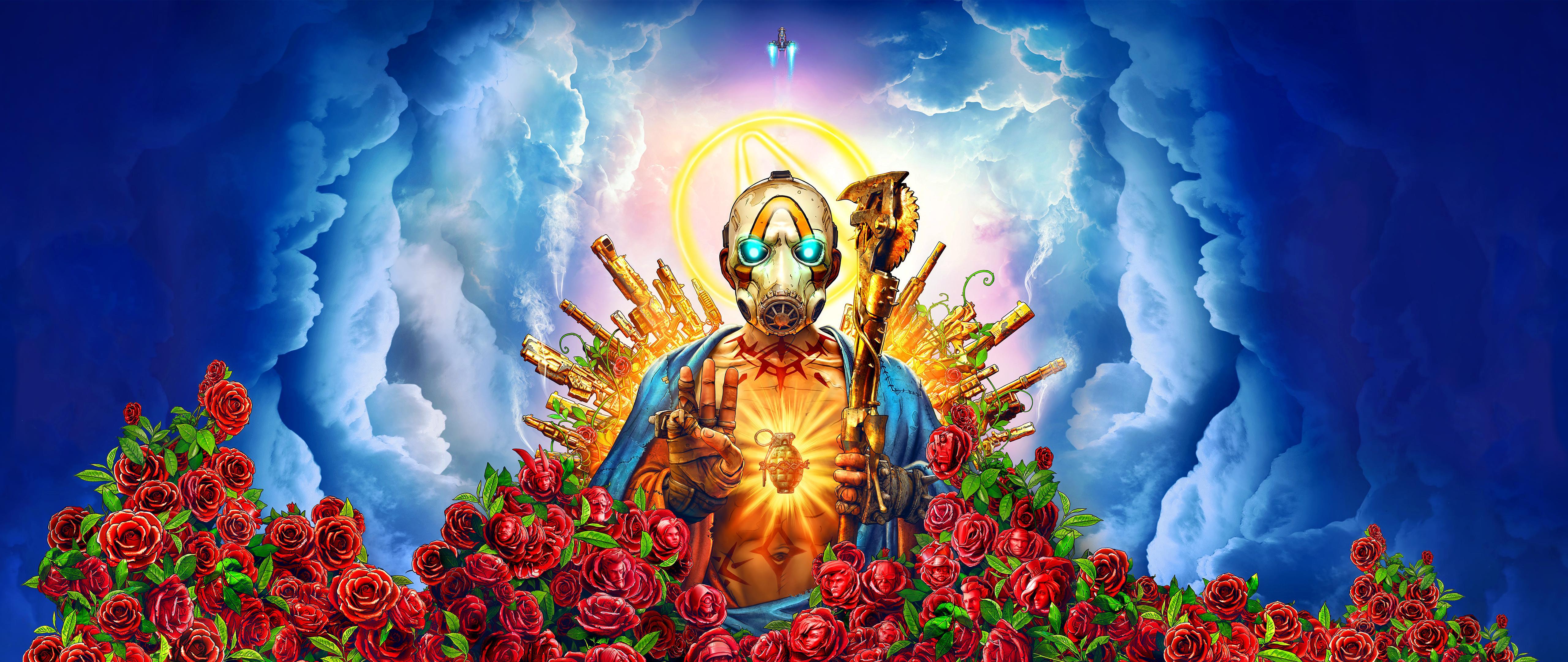
Gearbox Software faced controversy when it was reported that developers would not receive the substantial royalty bonuses they had been promised. Staff had worked long hours with the expectation that the game’s commercial success would result in a significant financial payout, only to be told the bonus pool was much smaller than anticipated. This “bait and switch” regarding compensation infuriated employees who had sacrificed their personal lives for the project. It highlighted the financial precarity of developers who rely on performance bonuses rather than fair base wages.
‘Ori and the Will of the Wisps’ (2020)
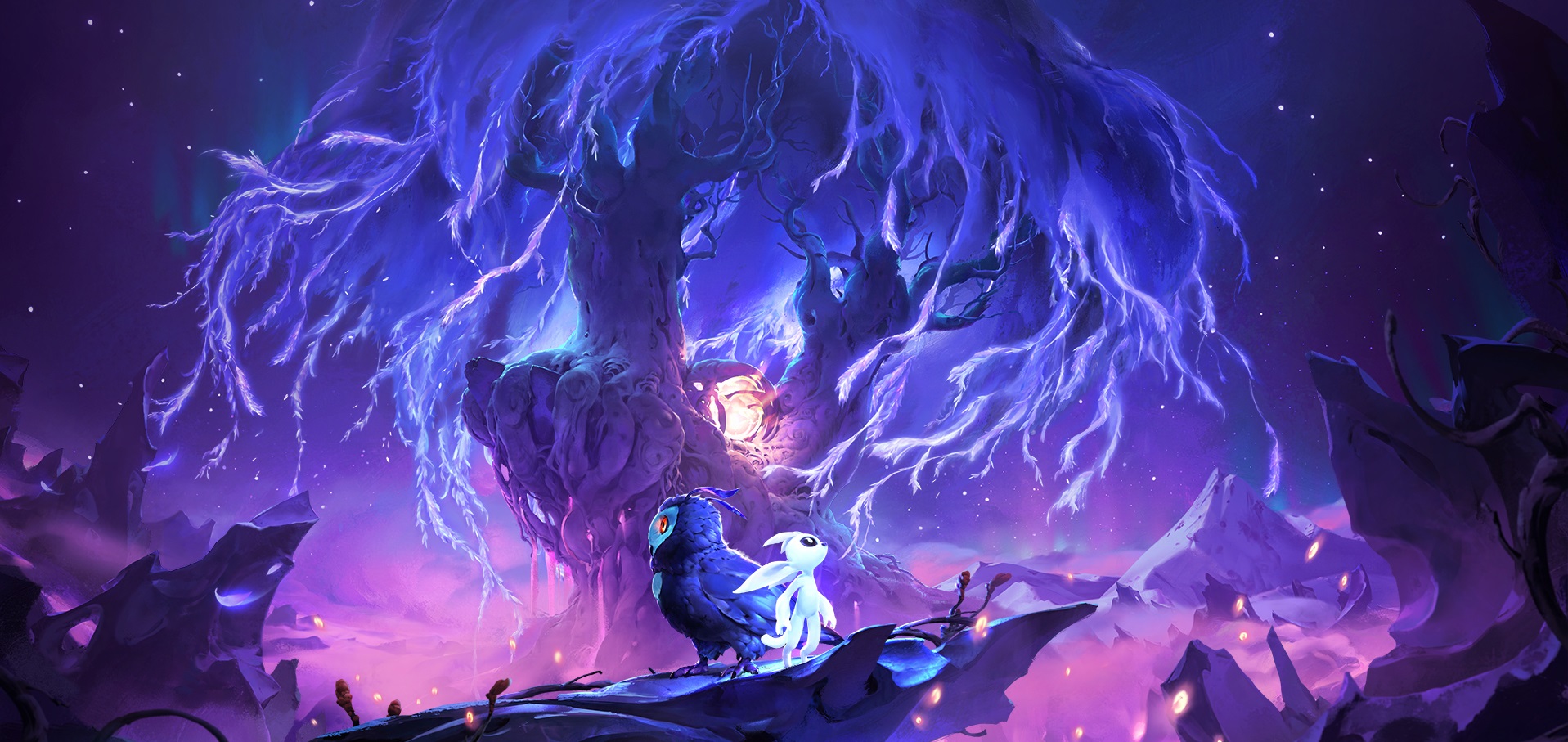
Moon Studios, the developer behind this acclaimed platformer, was the subject of a report alleging an oppressive workplace culture created by its founders. Despite the studio’s remote nature, employees described a “crunch culture” where they were expected to be available at all hours and subjected to harsh, unprofessional feedback. The contrast between the game’s heartwarming narrative and the alleged toxicity of its creation shocked fans. This case proved that indie studios are not immune to the abusive dynamics often associated with large corporations.
‘Vampire: The Masquerade – Bloodlines 2’ (TBA)
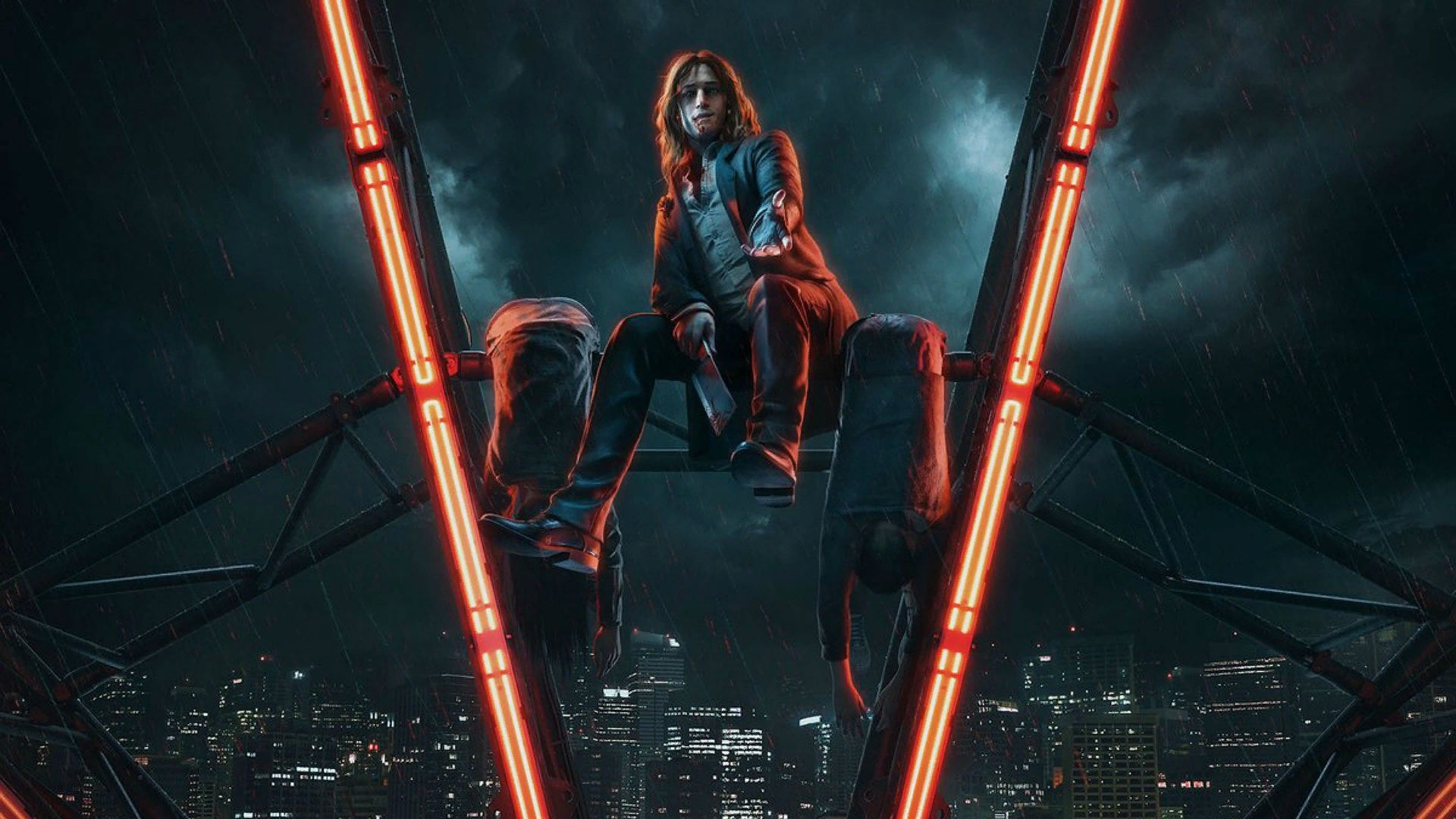
The development of this sequel has been chaotic, with the original developer Hardsuit Labs being removed from the project after extensive delays and staff layoffs. Reports suggested that the team faced significant crunch and mismanagement before the publisher decided to switch studios entirely. The firing of key creative leads and the subsequent uncertainty for the staff exemplified the volatility of the industry. It stands as a prime example of how mismanagement at the top often results in job losses for the developers on the ground.
‘Dying Light 2: Stay Human’ (2022)
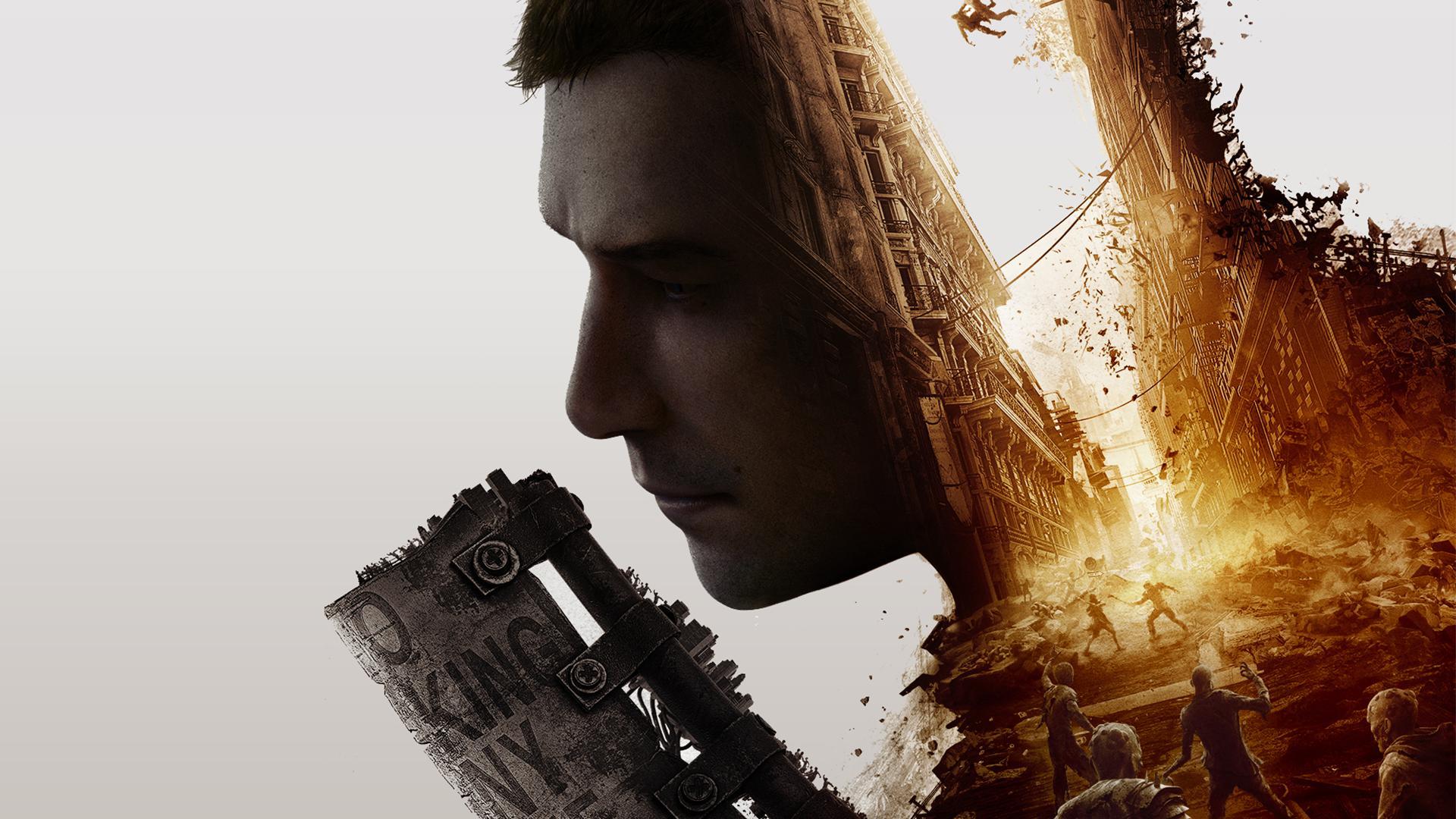
Techland faced accusations of chaotic management and a lack of clear vision that led to a repetitive cycle of reworking content, contributing to crunch. Reports described a studio culture where feedback was delivered harshly and direction changed constantly, leading to high turnover. The game’s prolonged development cycle was a testament to the inefficiency of “management by iteration” without a solid plan. Developers spoke out to expose how disorganization can be just as damaging as mandatory overtime.
‘Crysis 3’ (2013)

Crytek, the studio known for its graphical powerhouses, faced a severe crisis when reports emerged that staff were not being paid on time for months. The financial instability led to a walkout of sorts, with many employees refusing to work or leaving the company entirely. The situation revealed the fragility of even established studios and the lack of protection for workers when cash flow dries up. It remains a stark reminder that a paycheck is never guaranteed in the volatile games business.
‘Horizon Forbidden West’ (2022)
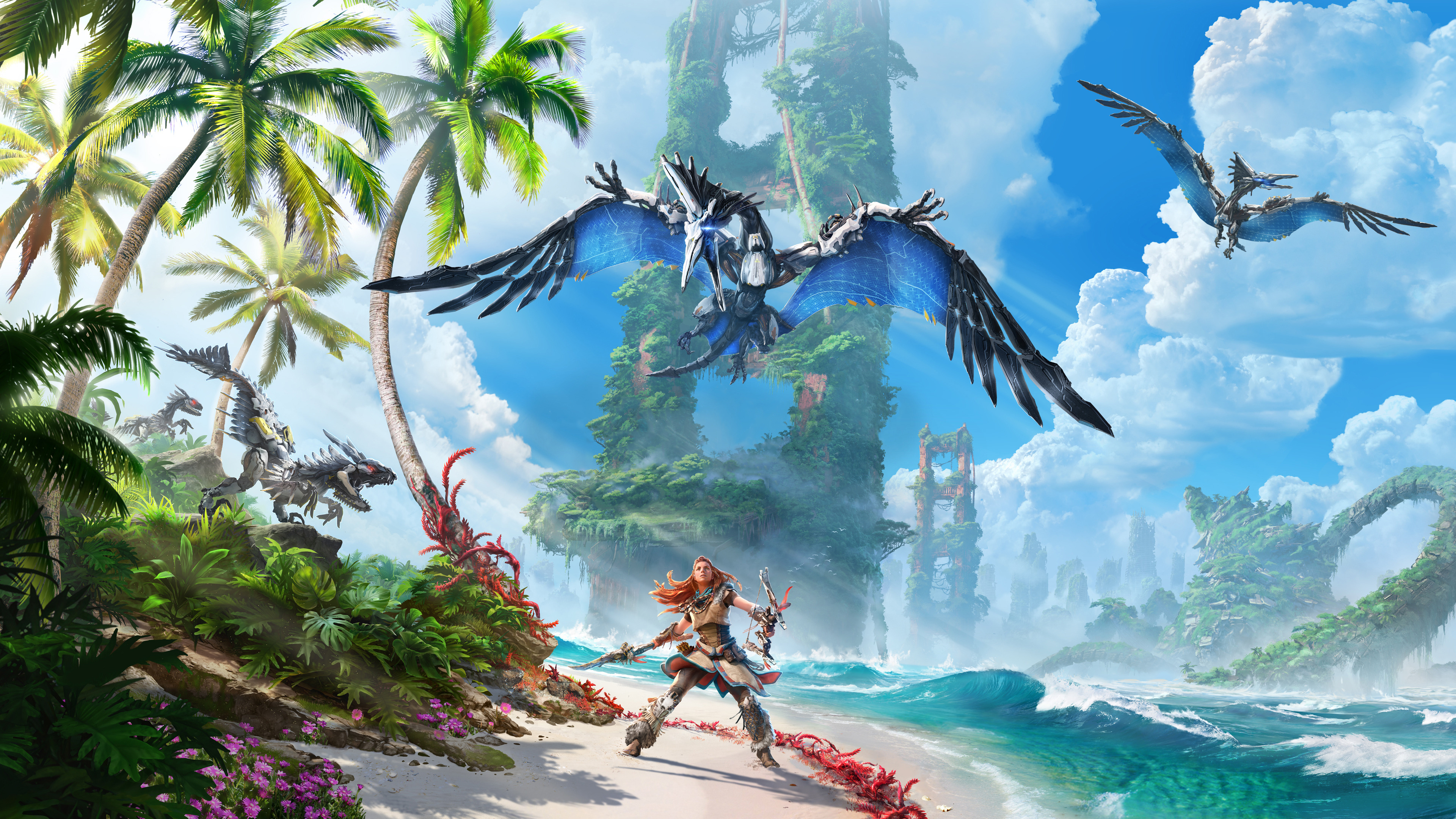
Guerrilla Games famously delayed this title to 2022 specifically to avoid the intense crunch that had plagued their previous projects. While this was a positive step, it was an admission of how prevalent the practice had been in the past and how precarious the schedule was. The decision was praised by industry advocates as a necessary correction, proving that delays are preferable to burning out staff. It serves as a counter-example where the pressure to walk out or protest was mitigated by management actually listening to the changing cultural tide.
‘Dragon Age: Inquisition’ (2014)
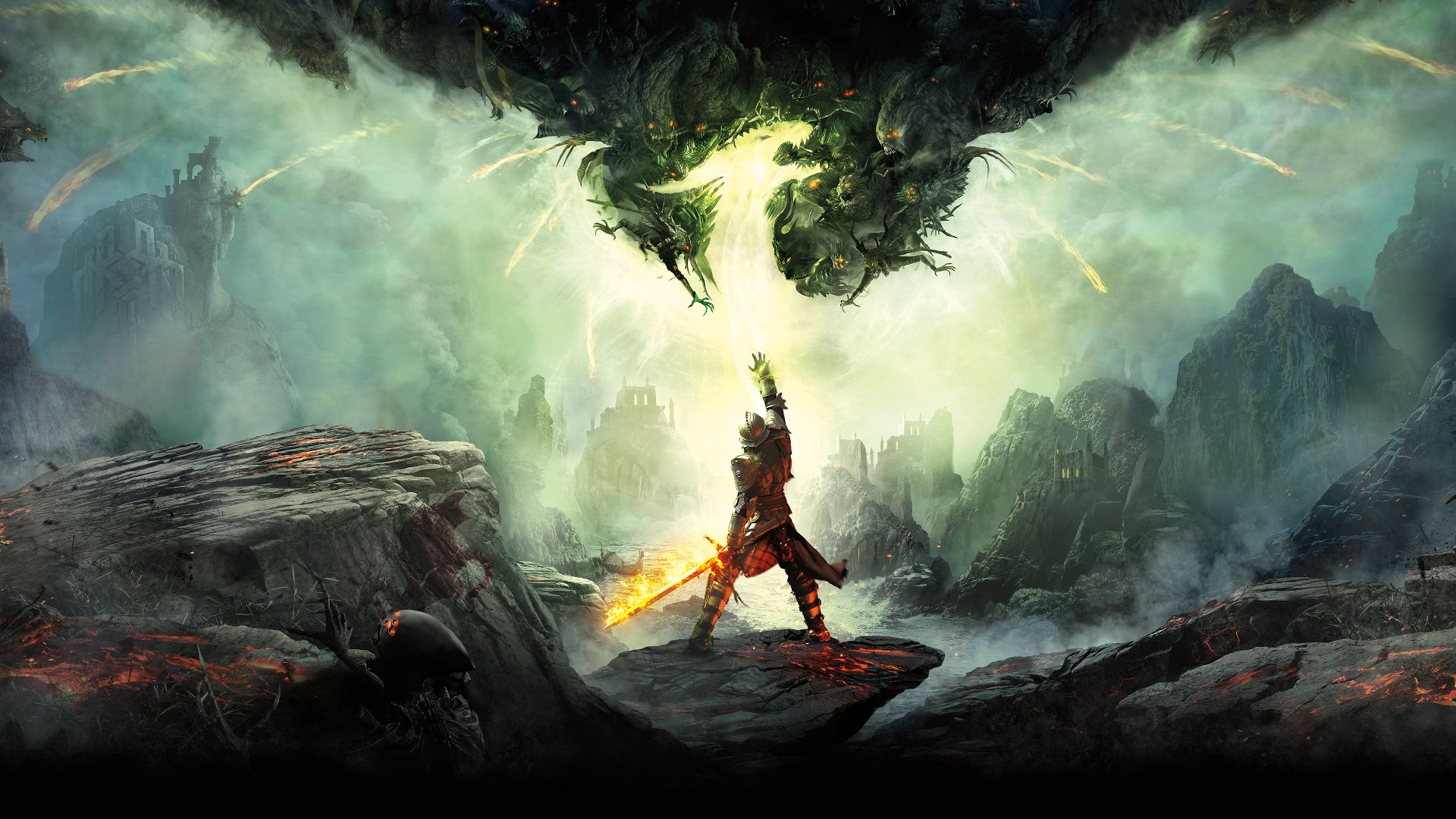
The development of this Game of the Year winner established the dangerous precedent of “BioWare Magic” that would later haunt the studio. The team crunched severely in the final year to pull disparate systems into a cohesive game, leading to significant burnout and the departure of veteran staff. The success of the title reinforced the wrong lessons for management, who came to believe that crunch was a viable production tool. This mentality set the stage for the disastrous production cycles of the studio’s subsequent games.
‘Uncharted 4: A Thief’s End’ (2016)
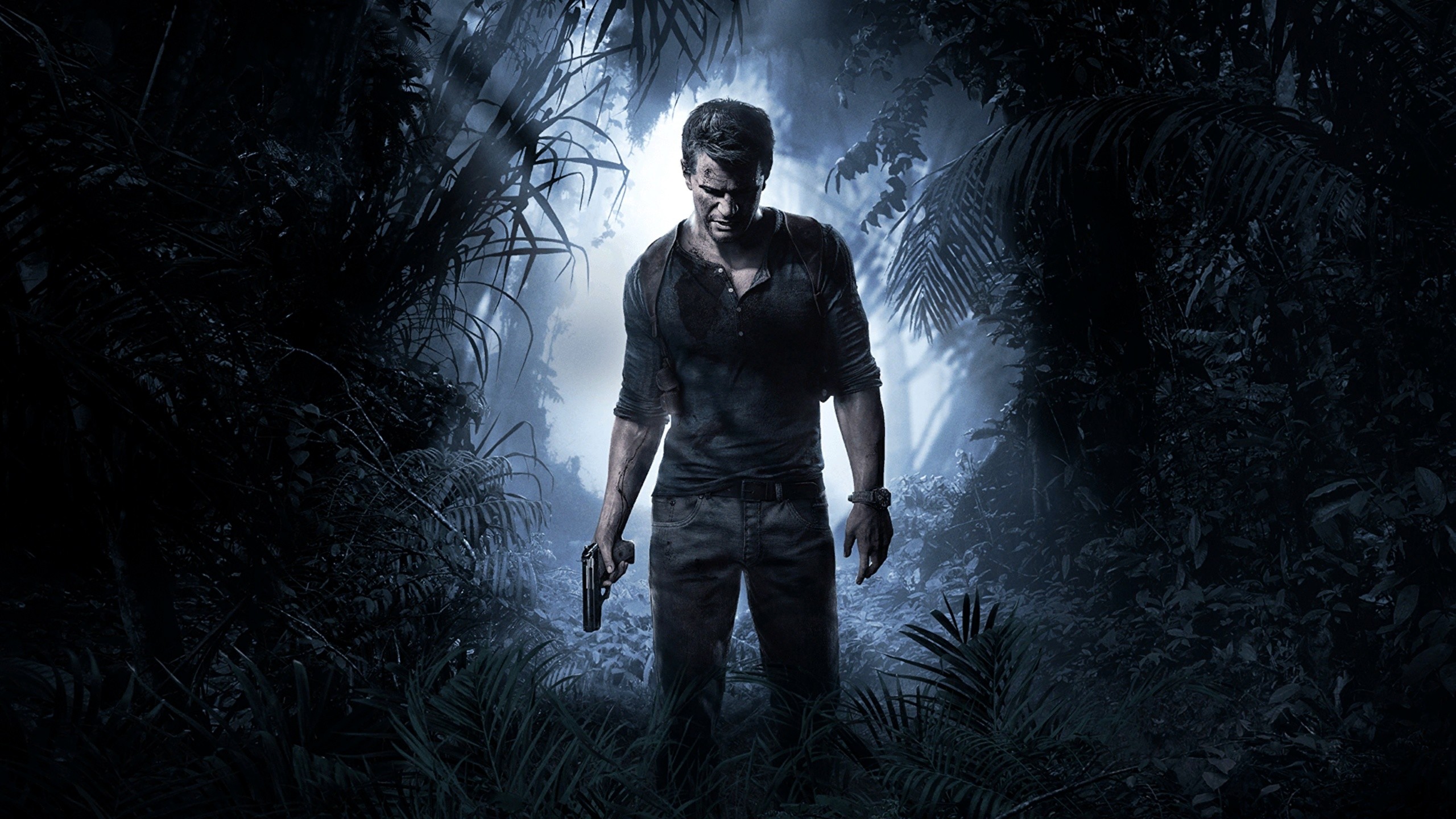
The conclusion to Nathan Drake’s story came at a high cost, with reports that the game’s development required massive amounts of overtime. The project saw the departure of the series’ creative director mid-development, which led to a reboot of the story and an even tighter schedule for the remaining team. While the game is technically flawless, the human effort required to achieve that level of polish was unsustainable. The attrition following its release contributed to the internal discussions that would eventually surface during The Last of Us Part II.
‘Grand Theft Auto V’ (2013)
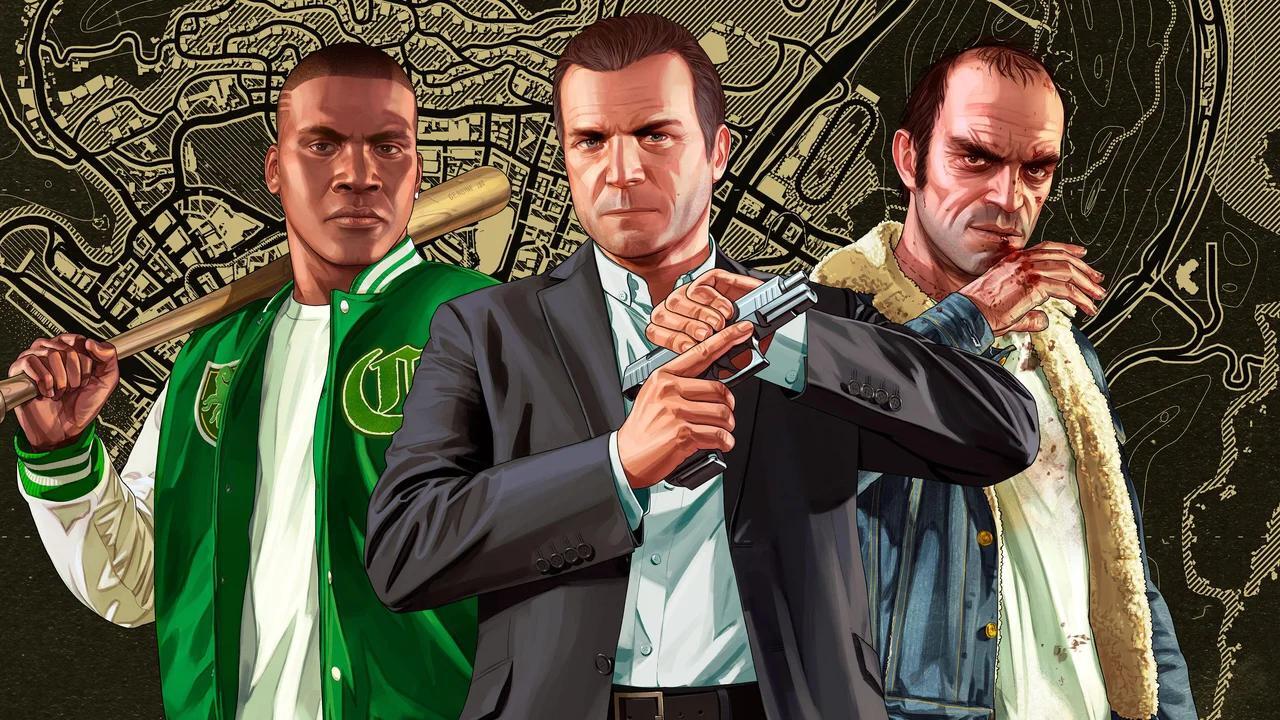
Before the Red Dead Redemption 2 controversy, Rockstar’s previous blockbuster also relied on a culture of immense pressure and overtime. The sheer scale of the game required the combined efforts of all Rockstar studios worldwide, creating a relentless 24-hour development cycle. Families of developers famously published a letter complaining about the “mandatory” overtime that kept their spouses at work for weeks on end. This early public outcry was a precursor to the more organized labor movements that would emerge a decade later.
Share your thoughts on these development stories and the industry’s shift toward unionization in the comments.