

Games That Sparked Fan Wars Over “Forced Diversity” Patches

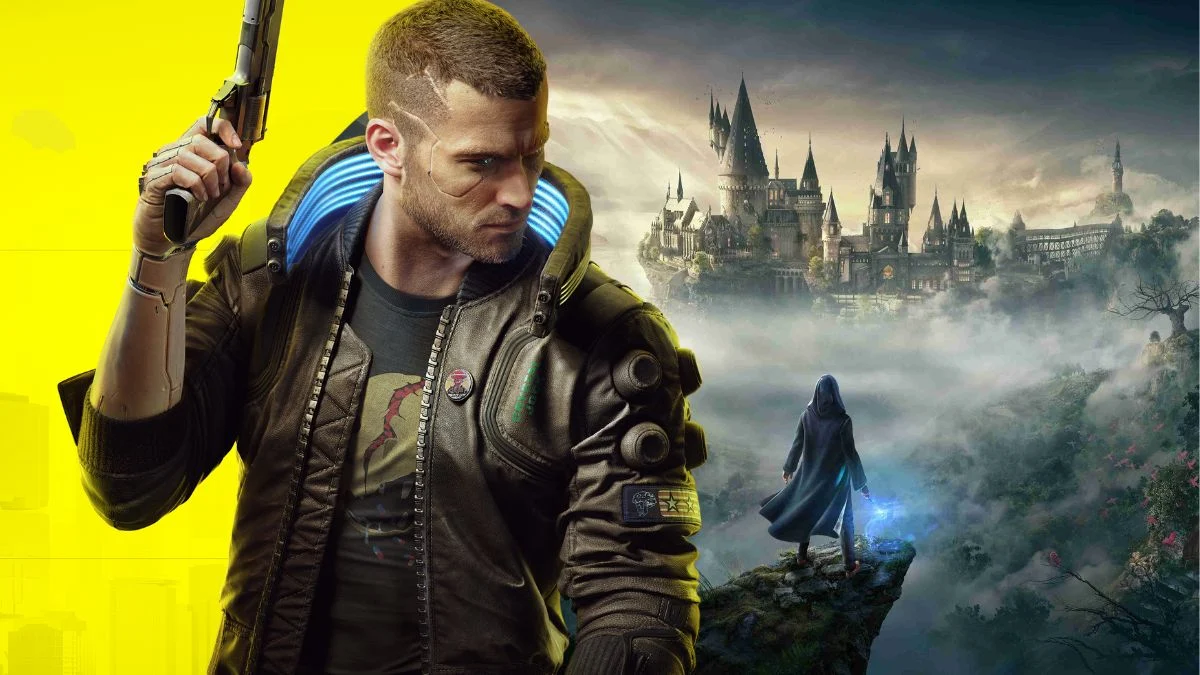


The gaming industry has seen a significant cultural shift in recent years as developers strive to make their worlds more reflective of the diverse player base that engages with them. This evolution often involves updates that introduce new character backgrounds or inclusivity options and sometimes alters existing lore to align with modern standards. These changes have frequently ignited intense debates within community forums and social media platforms regarding artistic integrity versus social agendas. The following list explores various titles where updates or content inclusions led to heated discussions among fans.
‘The Last of Us Part II’ (2020)
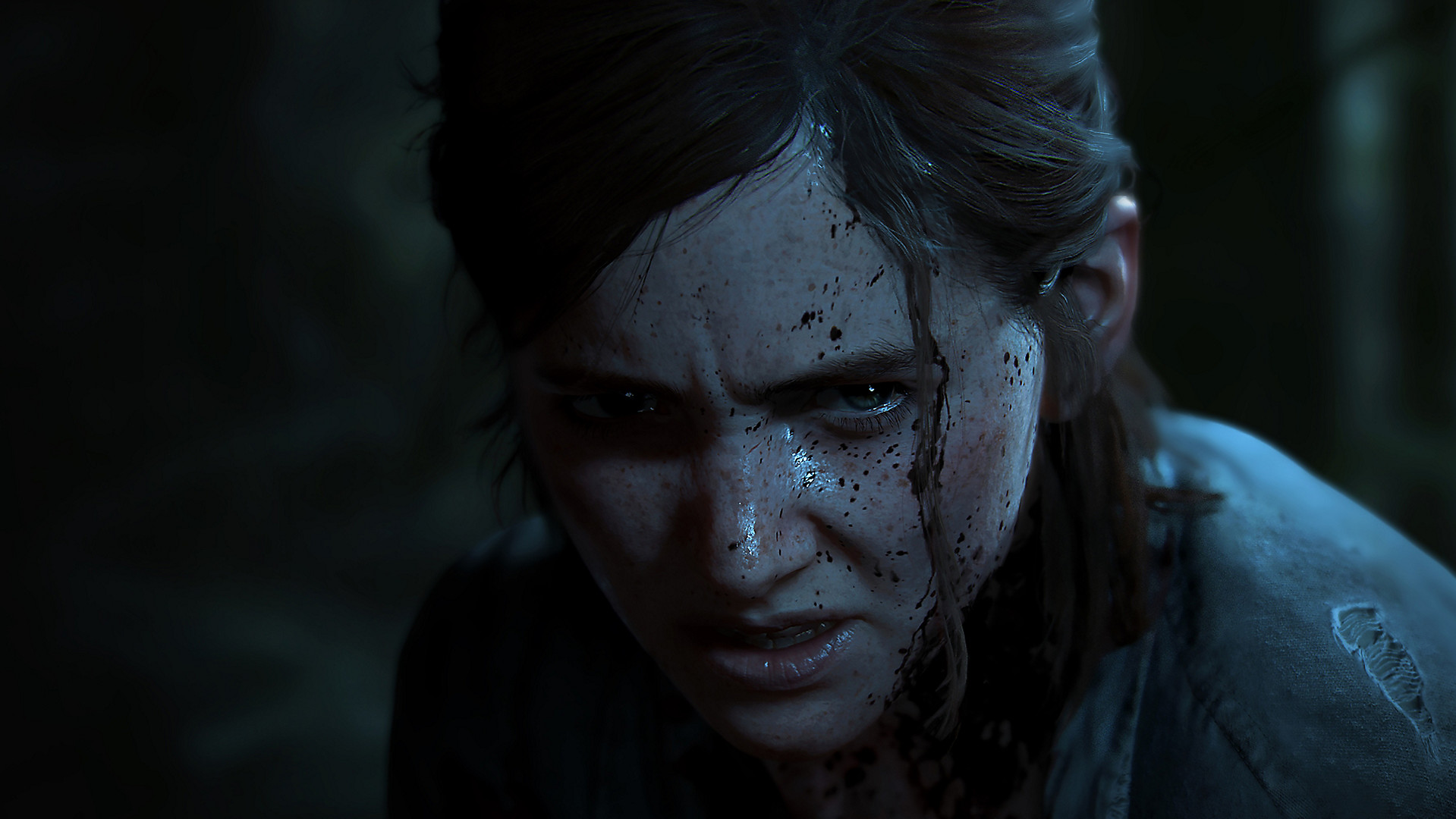
Naughty Dog released this highly anticipated sequel to massive commercial success and immediate polarizing discourse regarding its narrative choices. A significant portion of the player base expressed frustration over the introduction of Abby Anderson and her prominent role in the story alongside Ellie. The debate intensified due to the realistic muscular physique of the character which some detractors claimed was unrealistic for the post-apocalyptic setting. Developers maintained that the design was modeled after a real female bodybuilder to ground the character in physical capability.
‘Starfield’ (2023)
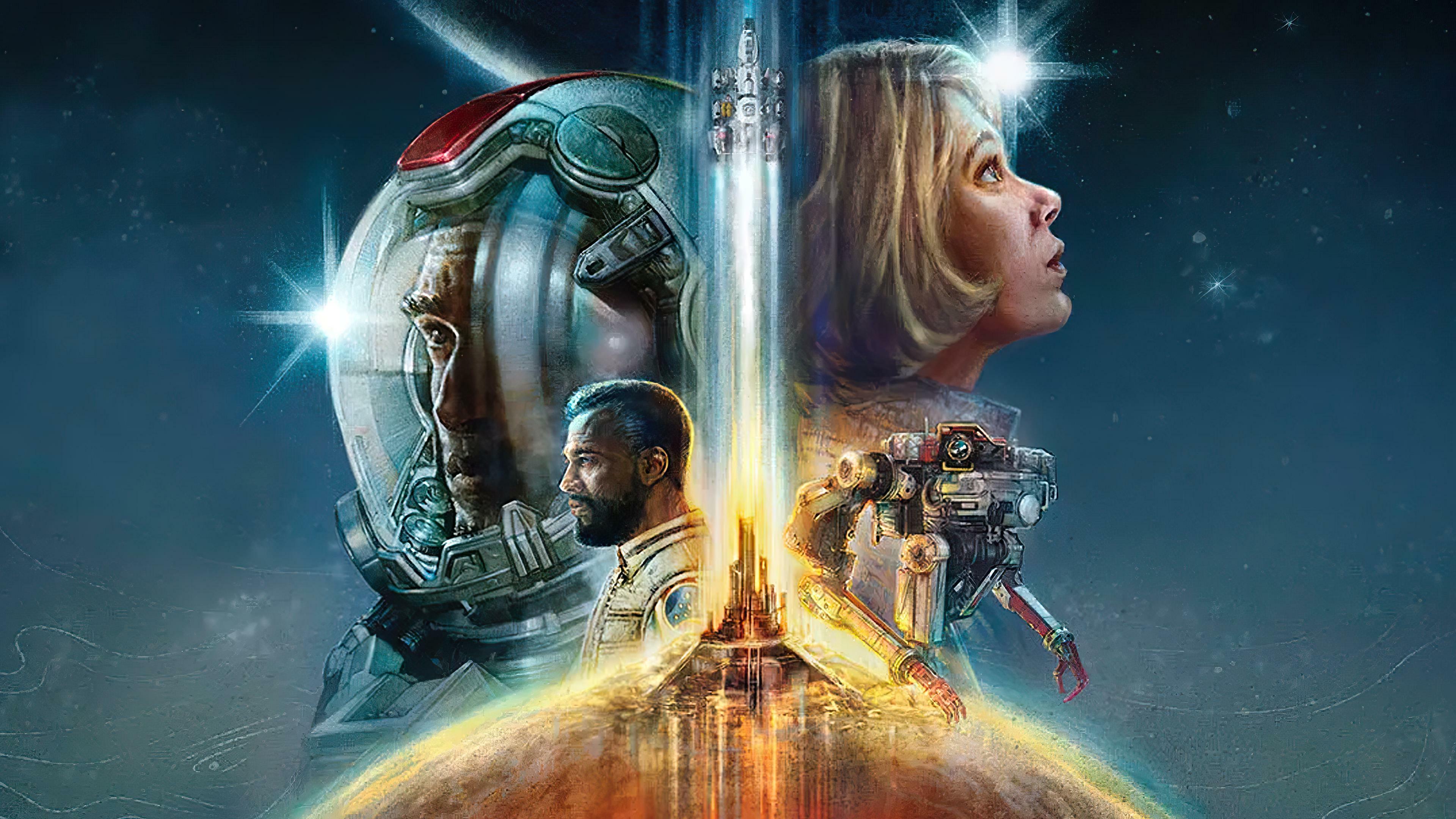
Bethesda Game Studios faced a surprising amount of backlash shortly after the early access launch of their space exploration RPG. Players discovered that the character creator included a mandatory option to select pronouns which included he/him, she/her, and they/them. Some users claimed this inclusion broke their immersion or signaled a political agenda within the game mechanics. The developers stated that the feature was a minor addition intended to allow players to express themselves more accurately in a role-playing environment.
‘God of War Ragnarök’ (2022)
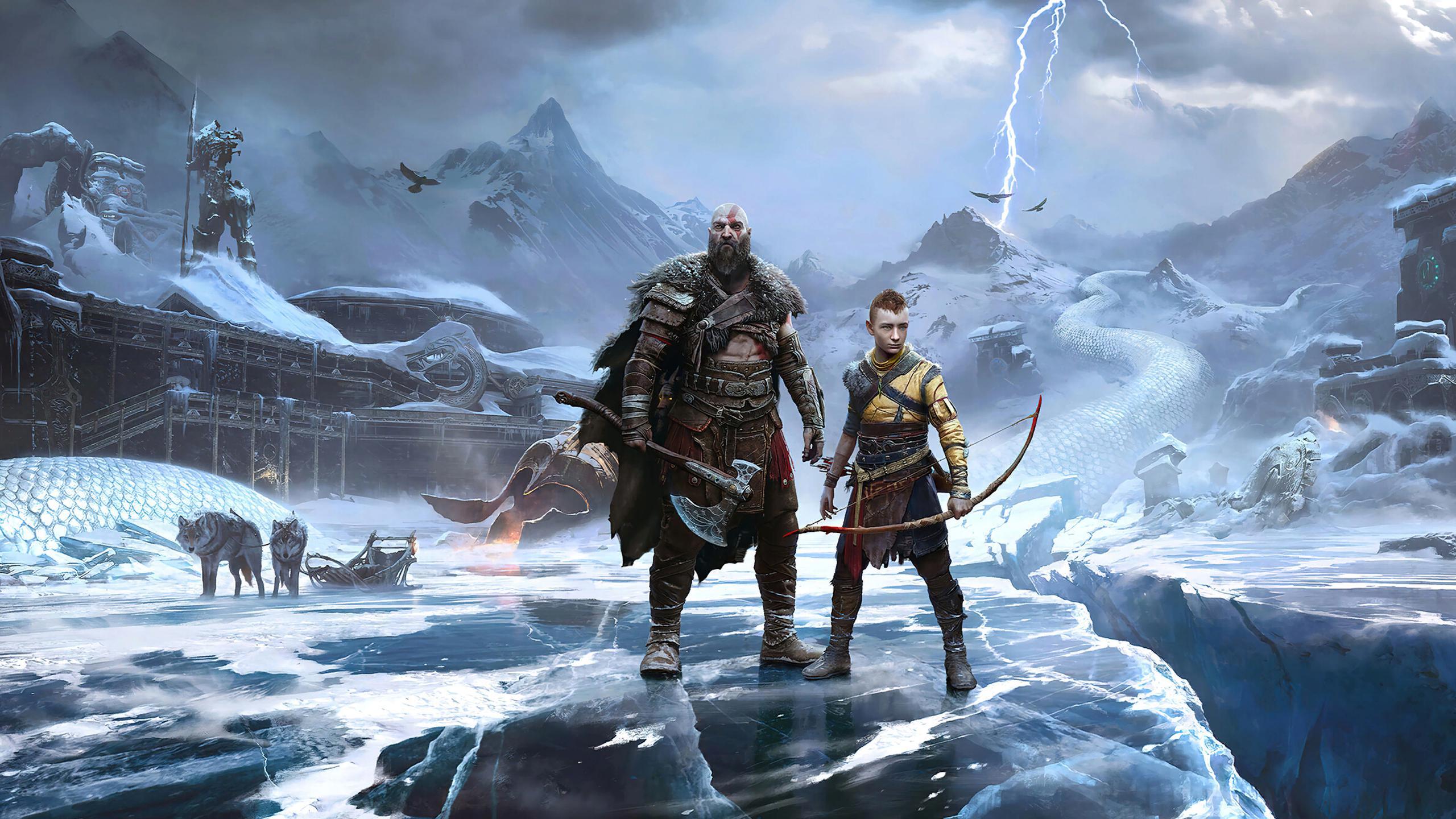
Santa Monica Studio introduced the character Angrboda as one of the last remaining Giants and a key figure in the Norse saga. The decision to portray her as a young black woman sparked heated arguments online about historical and mythological accuracy in a fantasy setting. Fans defending the choice pointed out that the series already took creative liberties with Norse mythology including the presence of a Greek protagonist. The narrative team emphasized that the interpretation of the myths was designed to tell a unique story rather than strictly adhere to historical texts.
‘Baldur’s Gate 3’ (2023)
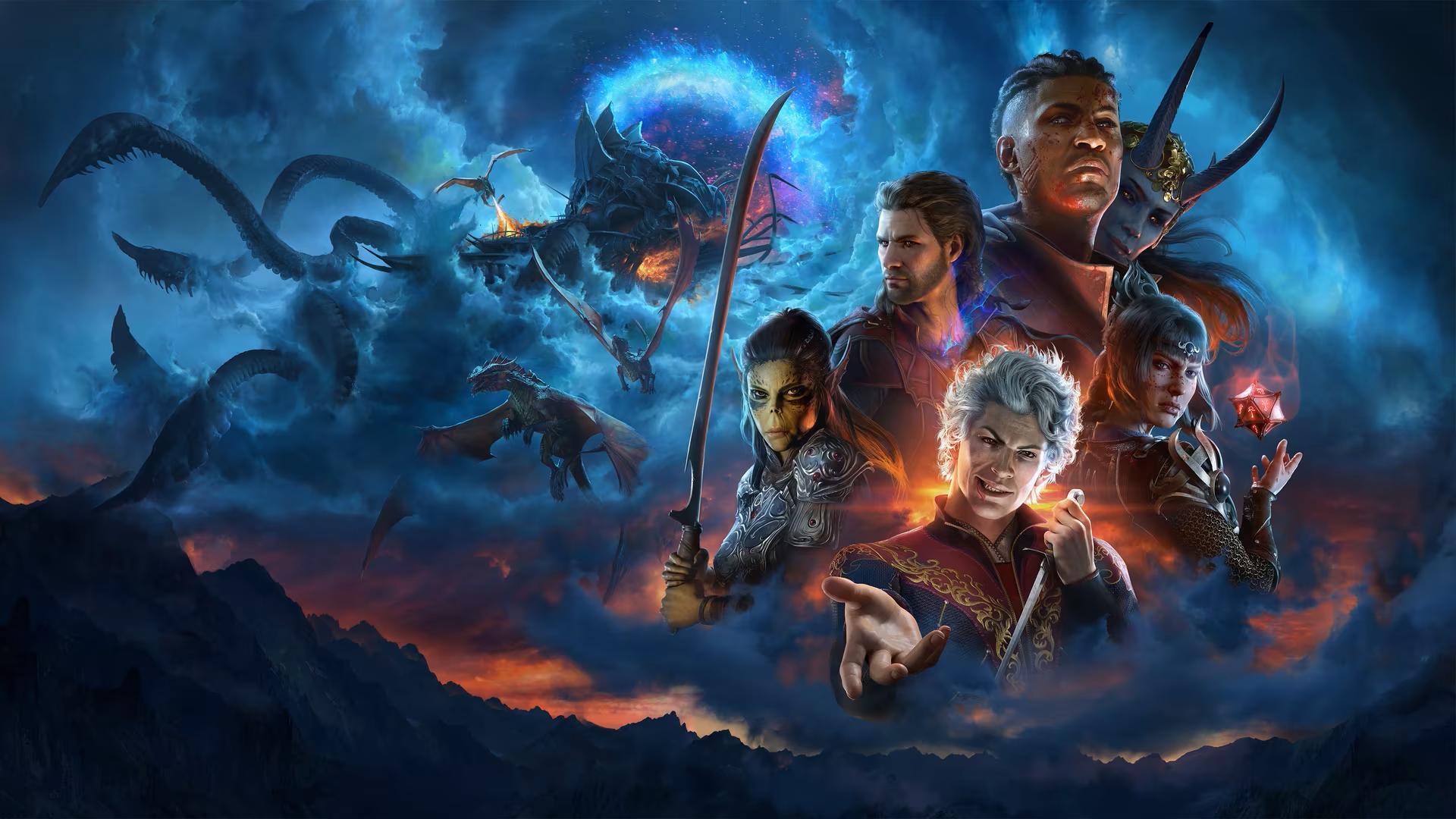
Larian Studios created an expansive RPG that allowed for unprecedented freedom in character creation and romantic interactions. The game drew criticism from certain circles for allowing players to select genitals independently of body type and voice pitch. Further discourse arose regarding the fact that all companion characters were playersexual and open to romance regardless of the protagonist’s gender. Supporters praised the game for its inclusive design philosophy that prioritized player agency above traditional restrictions.
‘Horizon Forbidden West’ (2022)
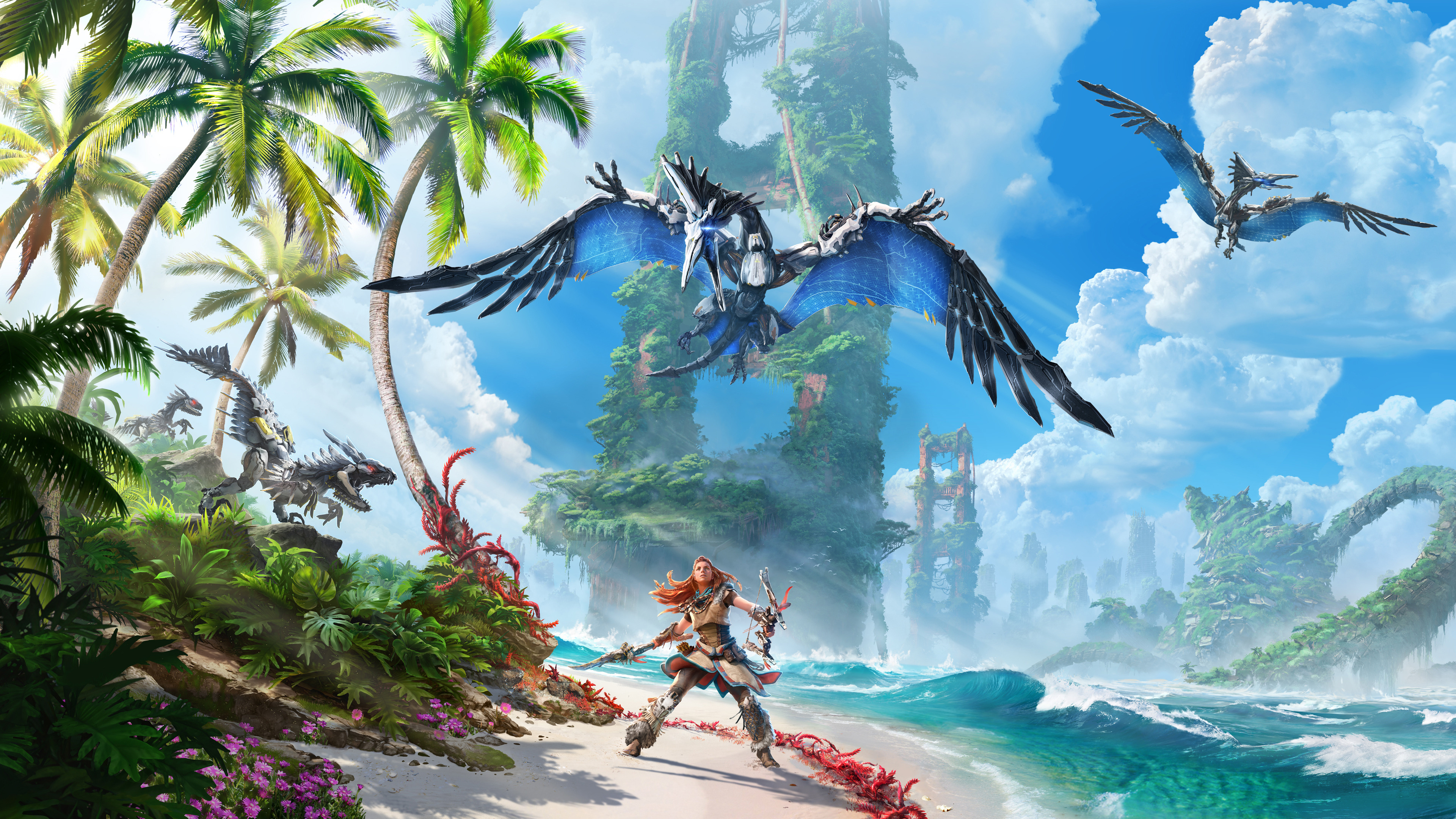
Guerrilla Games released the ‘Burning Shores’ DLC which expanded the story of protagonist Aloy and introduced a new companion named Seyka. The expansion culminated in an optional romantic scene where the player could choose to have Aloy kiss Seyka. This narrative addition resulted in a review bombing campaign on user score aggregators by those who opposed the romantic subplot. The developers stood by the storytelling choice as a natural evolution of Aloy’s character arc.
‘Apex Legends’ (2022)
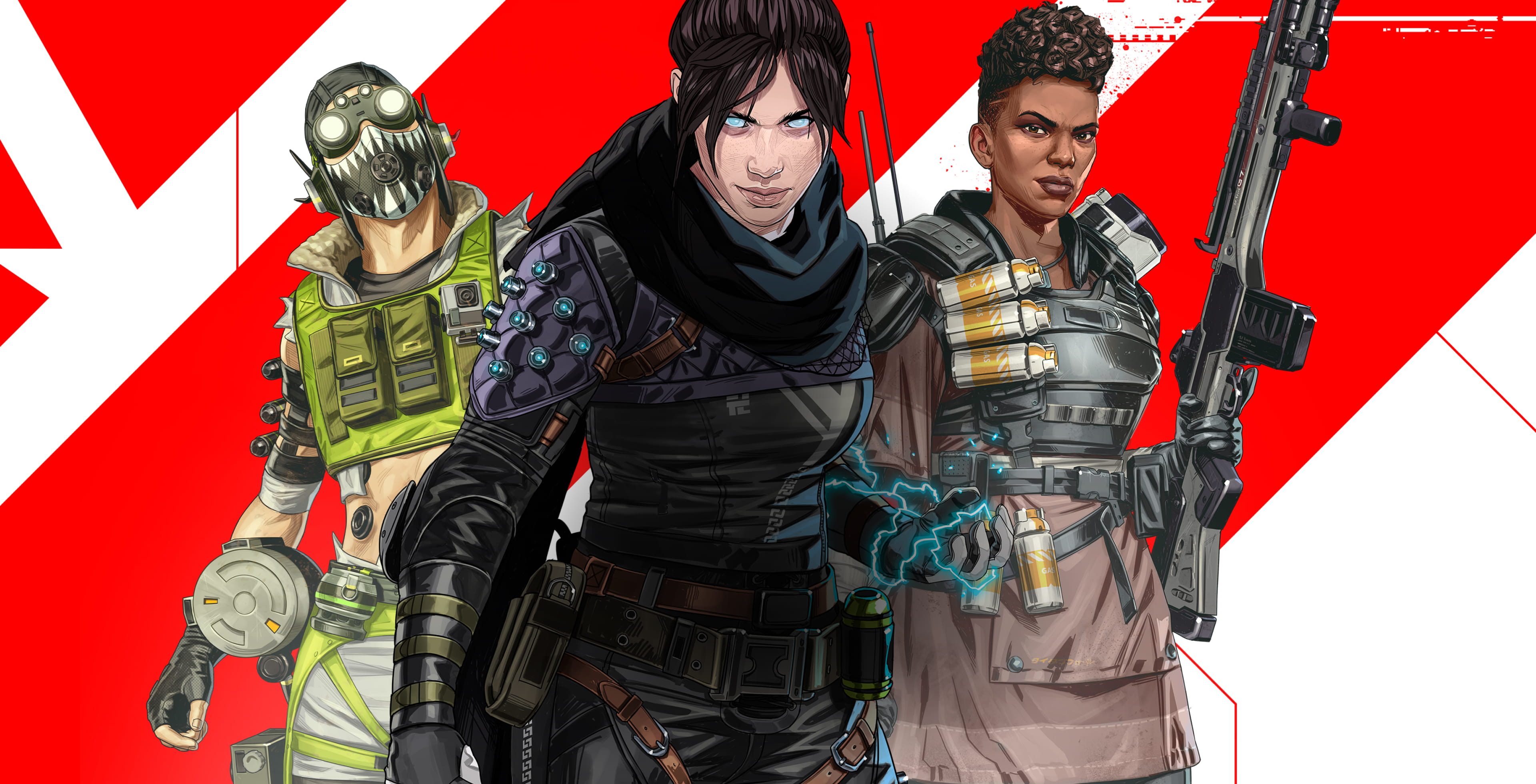
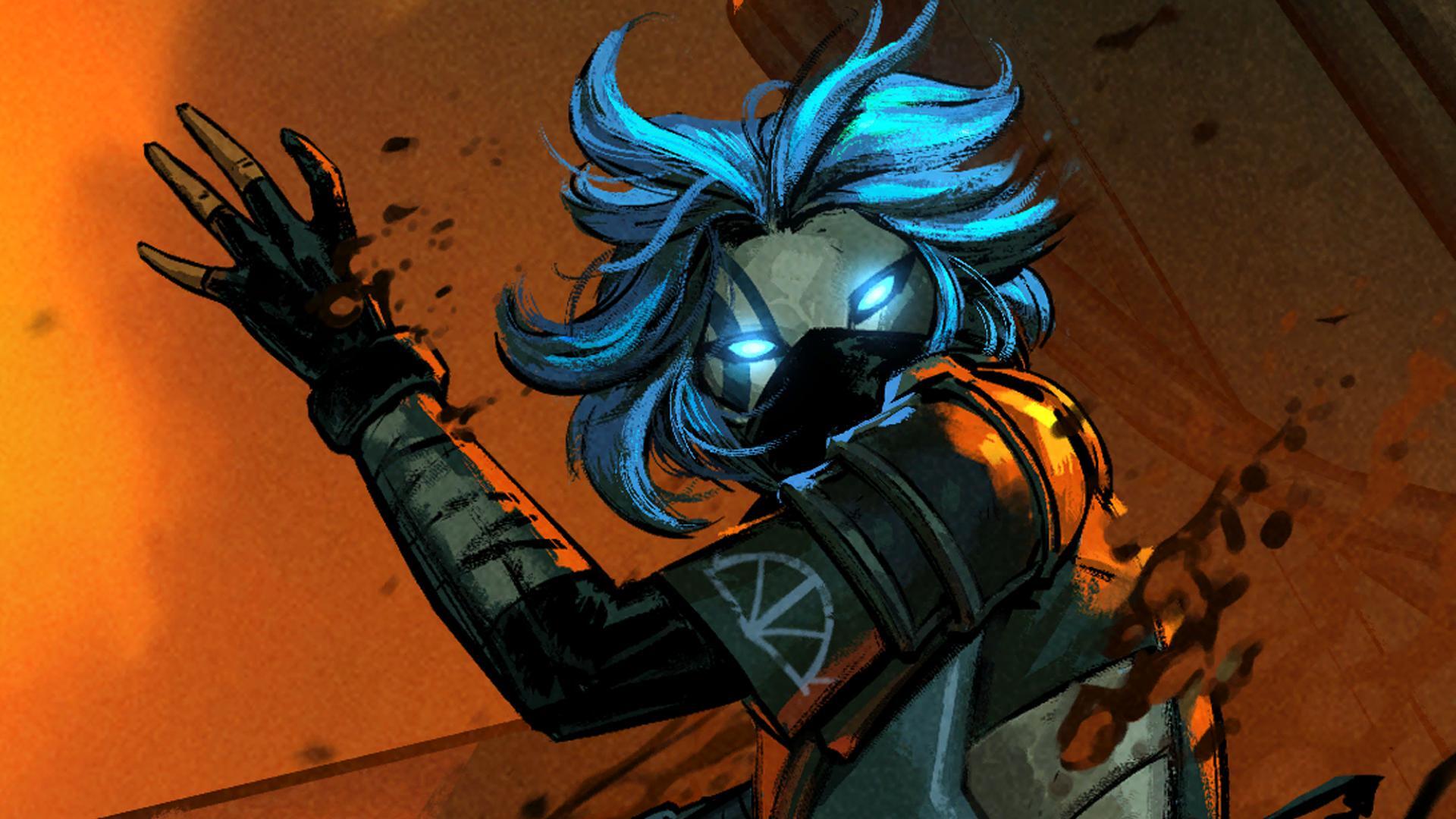
Respawn Entertainment introduced a new defensive legend named Catalyst who was revealed to be a trans woman during her promotional vignettes. While many fans welcomed the representation within the diverse roster of the battle royale shooter, others criticized the focus on the character’s identity. The developers worked with consultants and voice talent to ensure the portrayal was authentic to the trans experience. This addition continued the studio’s long-standing commitment to diverse character backgrounds in the Titanfall universe.
‘Overwatch’ (2019)
Blizzard Entertainment released a short story titled ‘Bastet’ which confirmed that the gritty vigilante Soldier: 76 had a former male romantic partner named Vincent. This lore update caused a significant stir among the player base as some felt it was an unnecessary addition to an established character’s history. The reveal mirrored a previous situation involving the cover star Tracer who was also confirmed to be gay in a holiday comic. Writers for the game asserted that these details helped flesh out the humanity of the heroes beyond their combat abilities.
‘Dragon Age: The Veilguard’ (2024)
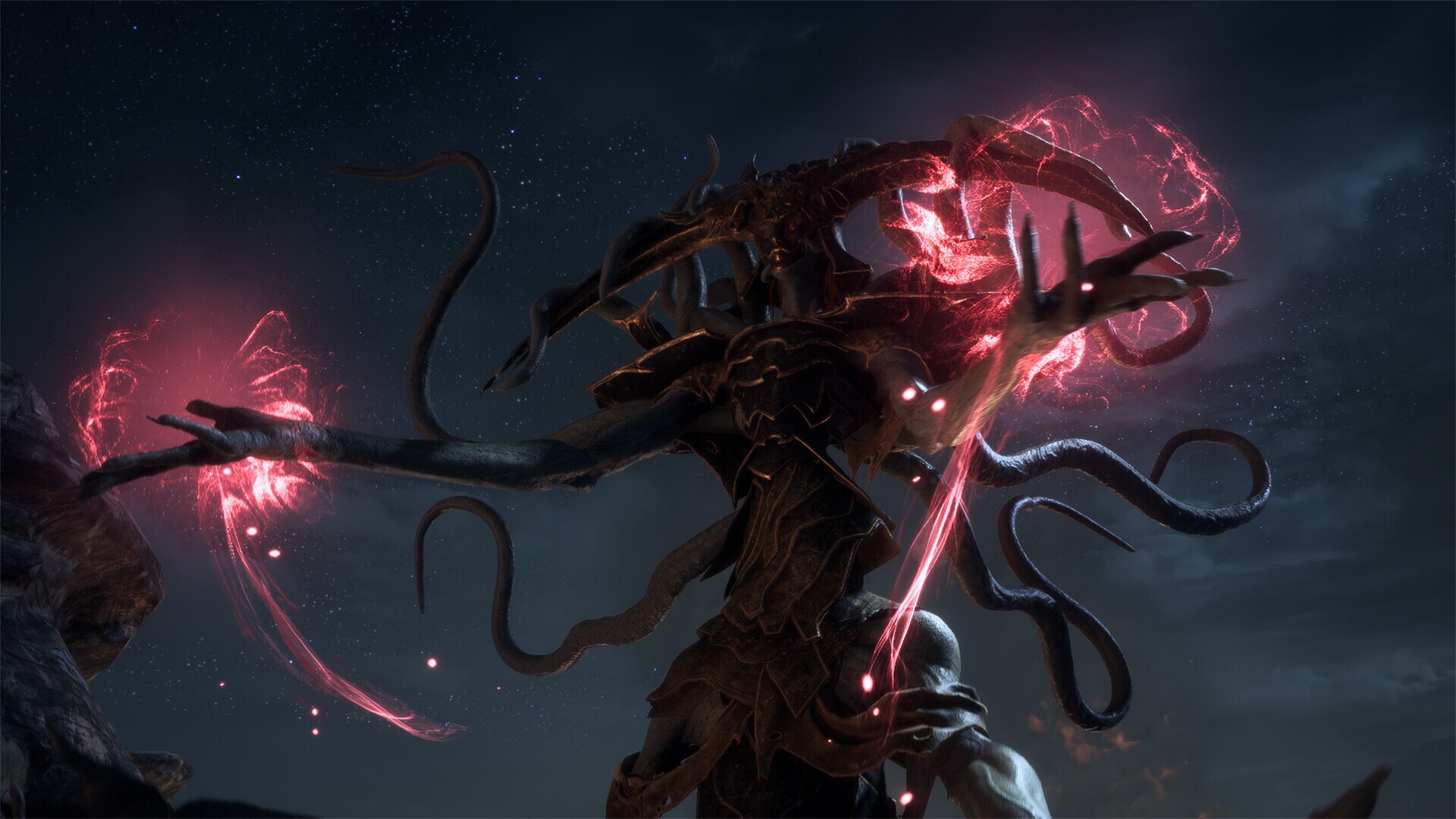
BioWare released their long-awaited fantasy sequel with a robust character creator that included options for top surgery scars. This specific customization feature became a flashpoint for online arguments regarding modern medical concepts appearing in a high fantasy setting. The developers included these options to allow players to create characters that reflected their own lived experiences or identities. This decision aligned with the franchise’s history of progressive storytelling and inclusive romance options.
‘World of Warcraft’ (2022)
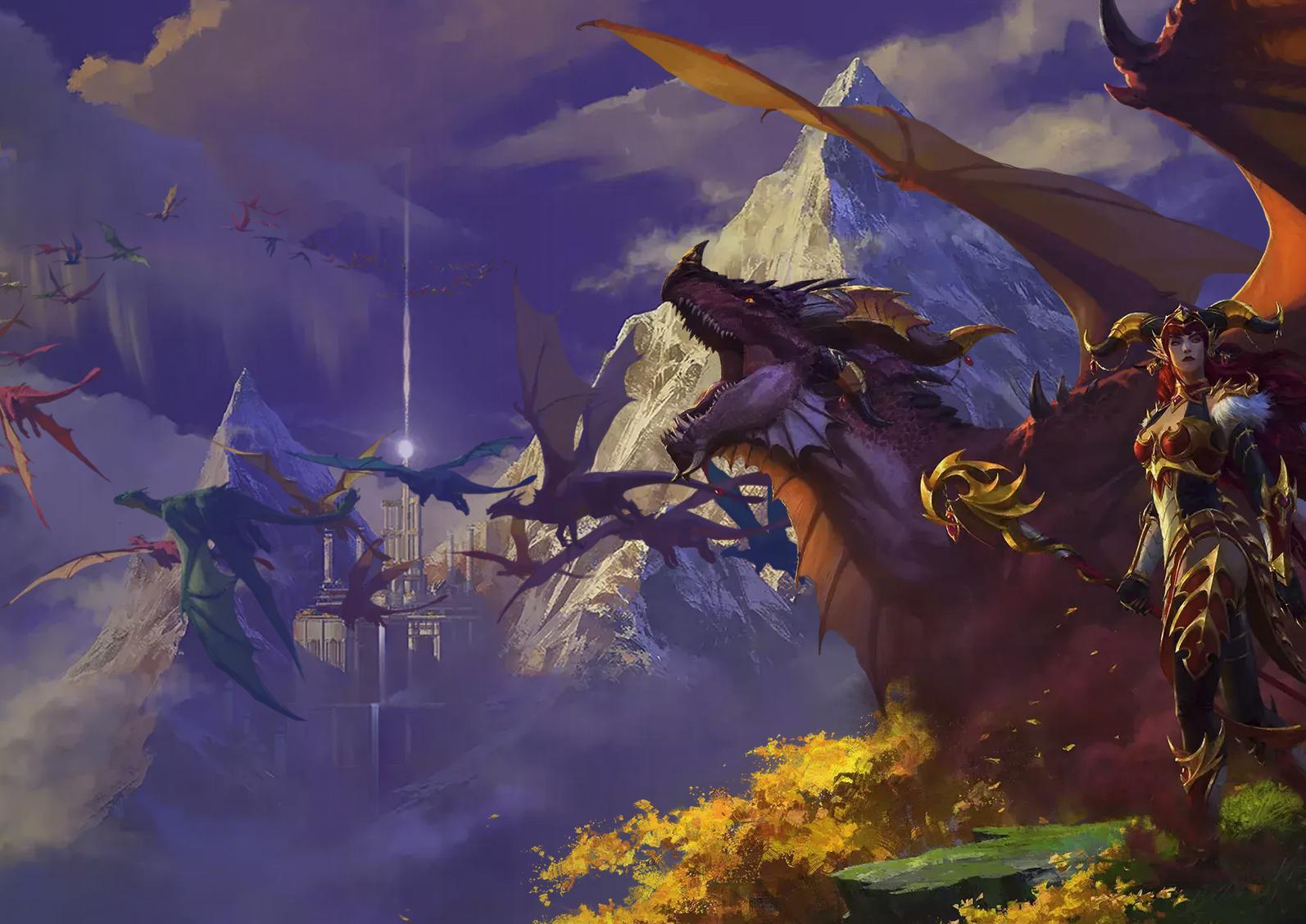
Blizzard Entertainment implemented an update to the character creation screen that replaced the traditional gender labels with Body 1 and Body 2. Long-time players debated whether this change was a necessary step for inclusion or an erasure of biological distinctiveness in the game world. The developers stated the change was part of a broader initiative to make the game more welcoming to all players. Similar changes were rolled out across other Blizzard titles to unify their design standards.
‘Battlefield V’ (2018)
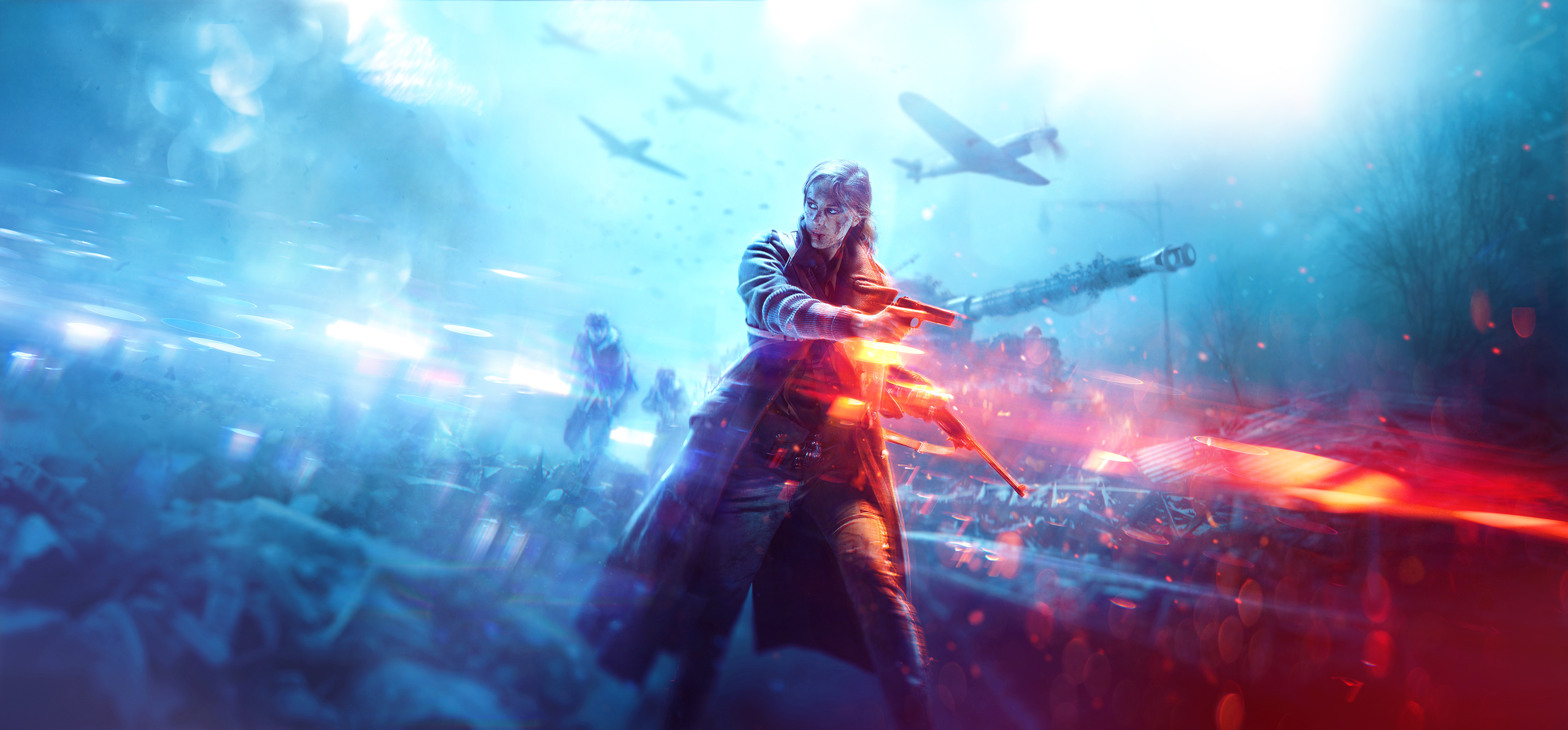
DICE released the reveal trailer for this World War II shooter featuring a female soldier with a prosthetic arm in a prominent combat role. The inclusion triggered a massive outcry from players who argued it disrespected historical accuracy and the reality of the conflict. EA executives responded by telling players who disliked the inclusive elements not to buy the game. The controversy highlighted the tension between historical authenticity and customization in multiplayer arcade shooters.
‘Cyberpunk 2077’ (2020)
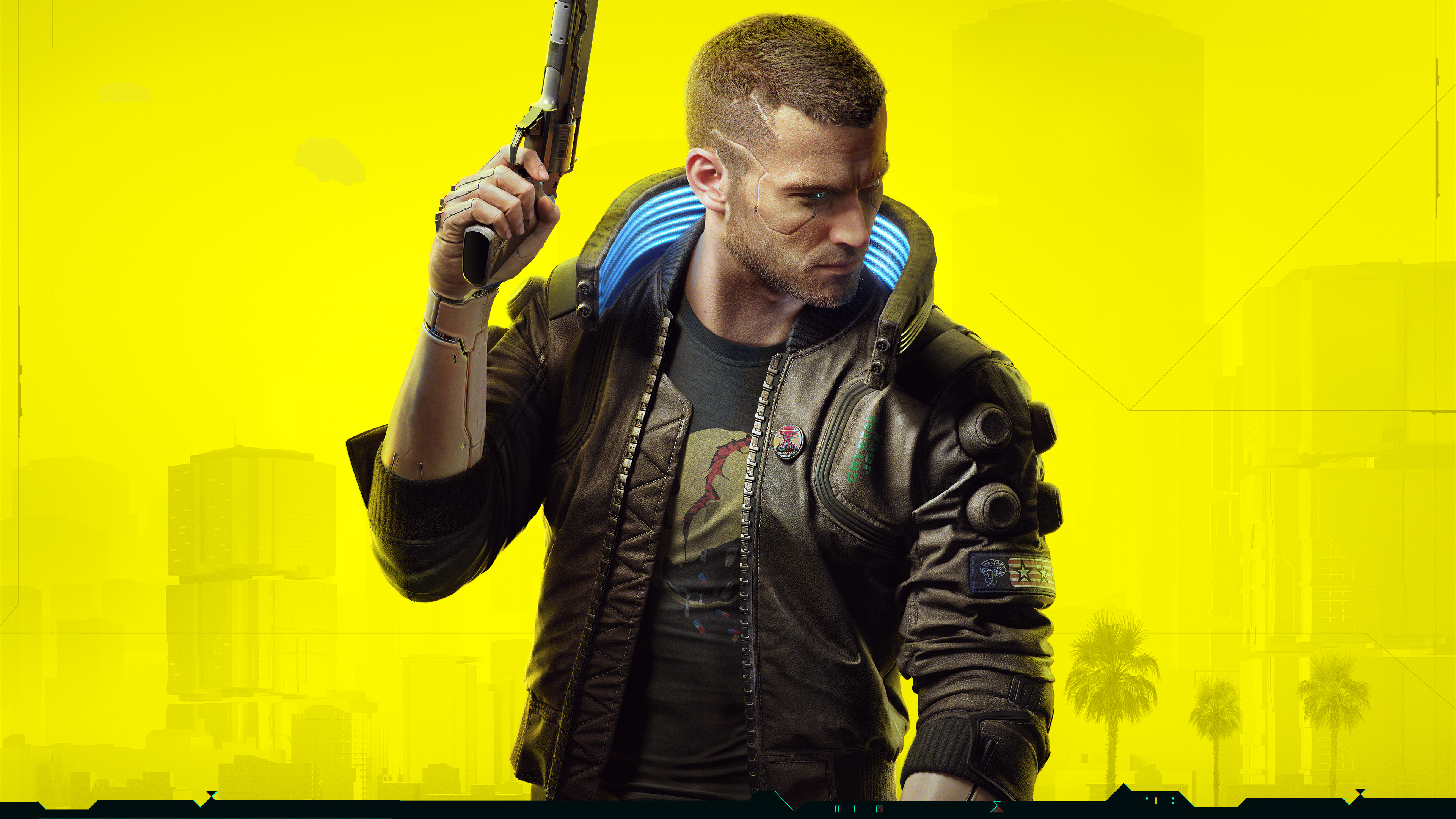
CD Projekt Red designed their character creator to decouple voice tone from body type and genital choice. While intended to be inclusive for trans and non-binary players, the implementation faced criticism from multiple sides regarding how the game world treated gender. Some players felt the options were merely aesthetic and did not meaningfully impact how NPCs addressed the protagonist V. The discourse focused heavily on whether the representation was genuine or commodified for marketing purposes.
‘Dead Space’ (2023)
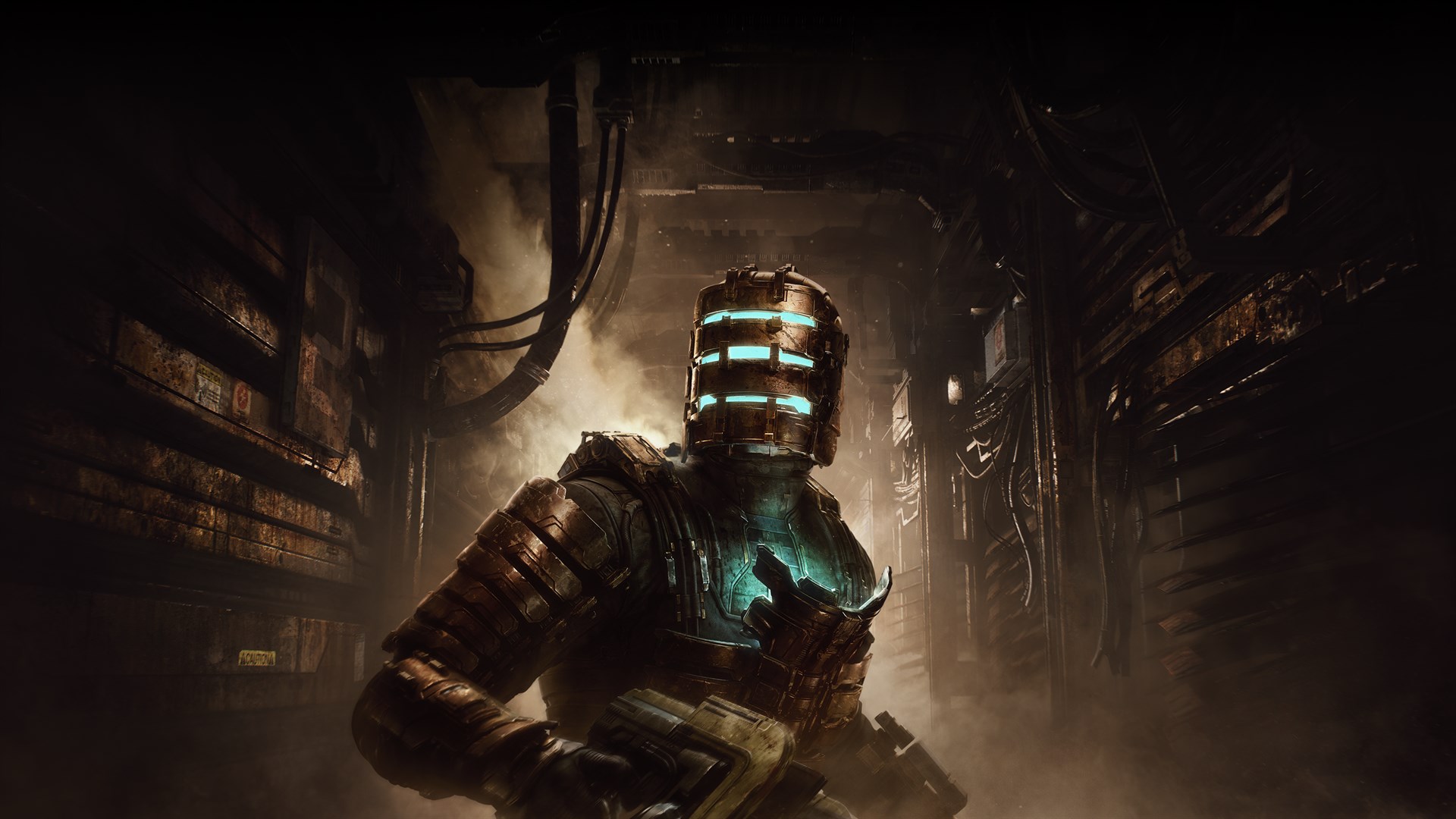
Motive Studio released a remake of the survival horror classic that included subtle changes to the environment such as gender-neutral bathroom signs on the USG Ishimura. Some players noticed these textures and took to social media to complain about modern politics influencing the set design of a sci-fi game. Proponents of the change argued that a futuristic setting would logically have different social norms than the present day. The developers aimed to modernize the game while remaining faithful to the original atmosphere.
‘Hogwarts Legacy’ (2023)

Avalanche Software introduced a character named Sirona Ryan who serves as the proprietor of the Three Broomsticks inn. Dialogue in the game strongly implied the character was a trans woman which sparked conversations given the external controversies surrounding the franchise creator. Some players criticized the name of the character while others debated the necessity of the inclusion in the Wizarding World lore. The studio emphasized that the game was created by a diverse team for a diverse audience.
‘Assassin’s Creed Shadows’ (2024)
Ubisoft revealed that one of the two protagonists in their feudal Japan installment would be Yasuke who was a historical figure of African origin. A segment of the gaming community argued that the game should have featured a Japanese male samurai as the lead character instead. Historians and fans engaged in lengthy debates regarding Yasuke’s actual status and role within Japanese history. Ubisoft maintained that the dual protagonist structure allowed them to explore different perspectives of the era.
‘Alan Wake 2’ (2023)
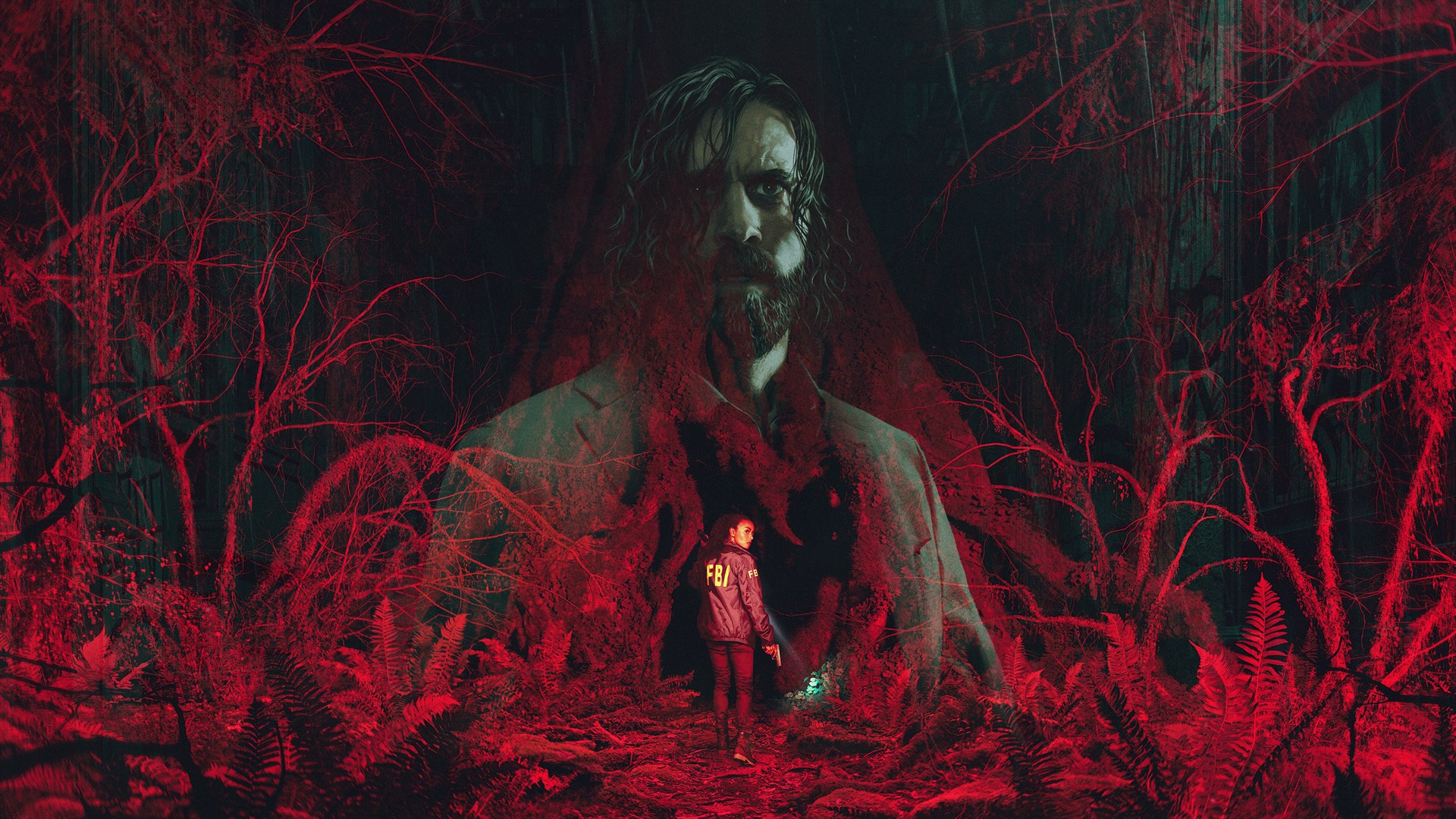
Remedy Entertainment introduced Saga Anderson as a co-protagonist alongside the titular character for their survival horror sequel. The character was portrayed by a black actress which led to complaints from fans who believed the character was originally white in early teasers or related Easter eggs. The narrative justified her presence through a complex story involving family lineage and alternate realities. Critics of the backlash praised the performance and the narrative depth the new character provided.
‘Street Fighter 6’ (2023)
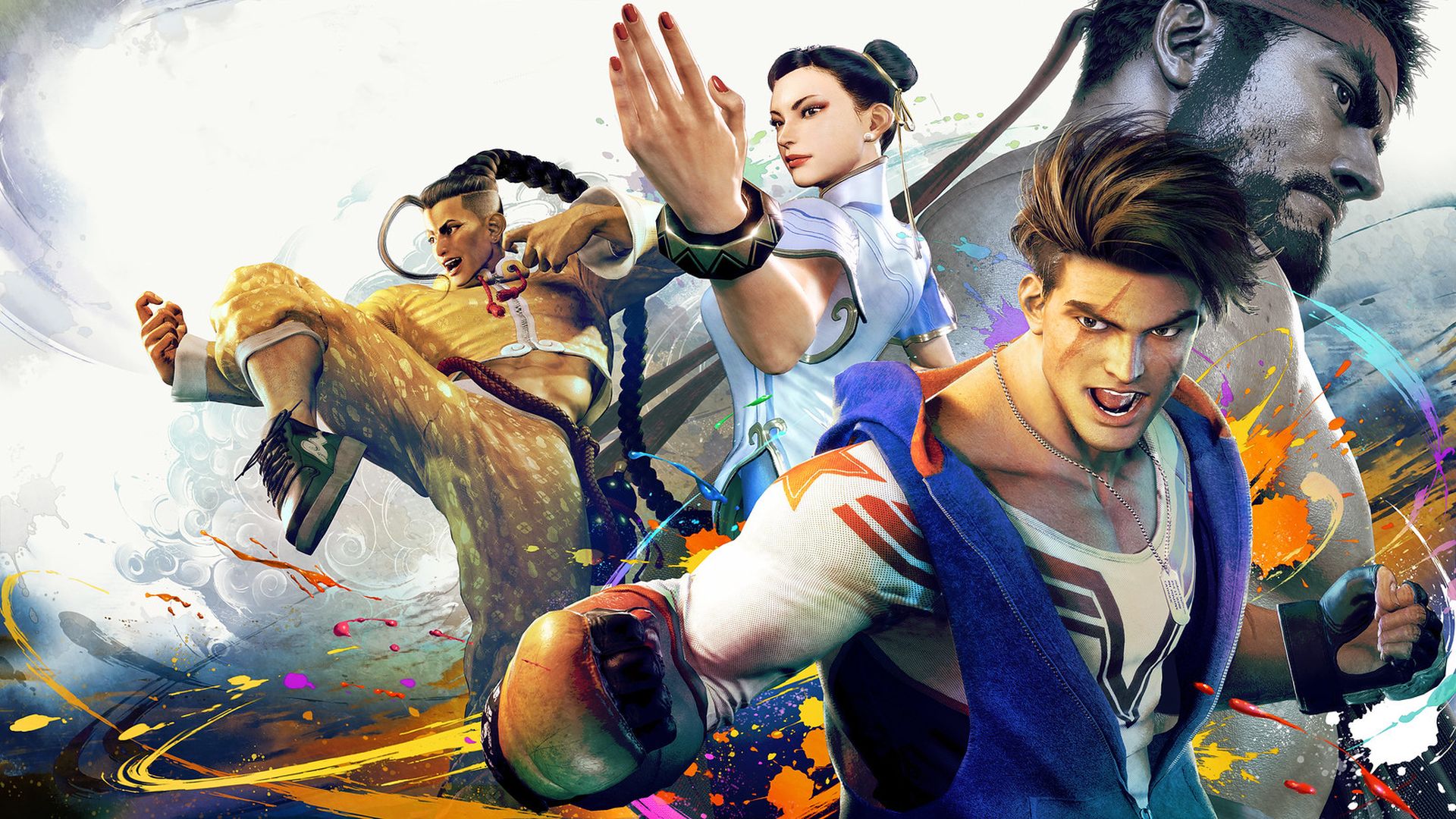
Capcom introduced a new commentator character named Eternity during the marketing campaign for the fighting game. The character’s flamboyant design and gender-non-conforming appearance became a subject of ridicule and anger in certain chat rooms. Players who opposed the design labeled it as an example of forced diversity that did not fit the aesthetic of the series. The developers intended the Battle Hub area to represent a modern and vibrant gathering space for all types of fighters.
‘Mortal Kombat 1’ (2023)
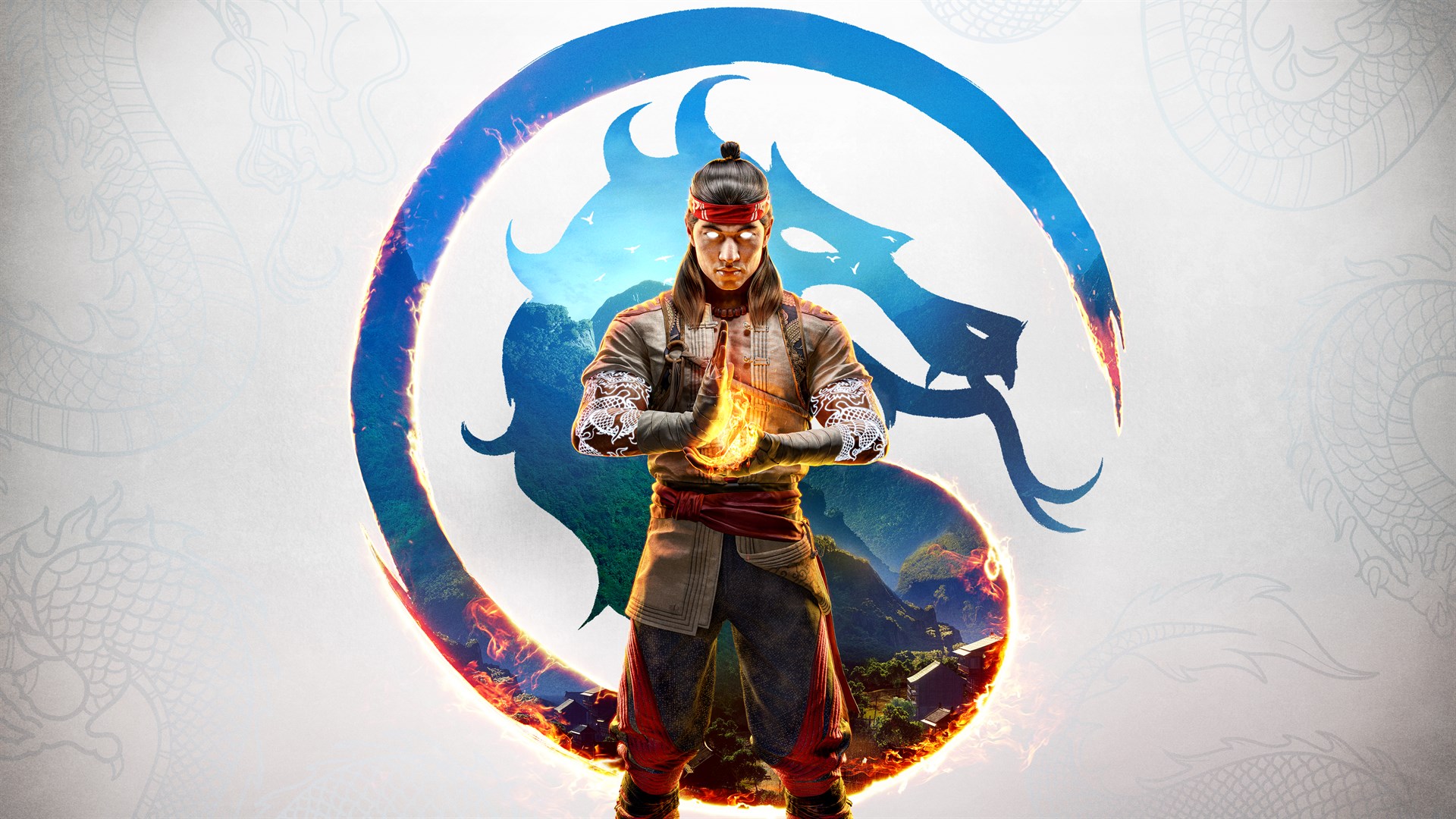
NetherRealm Studios revealed a redesigned version of the classic character Tanya for their rebooted universe. Fans expressed disapproval over her new facial model and hairstyle which departed significantly from her previous appearances. The criticism often veered into accusations that Western developers were intentionally making female characters less attractive to appeal to modern sensibilities. The studio stuck with the design which was based on the face model of a real actress.
‘Saints Row’ (2022)
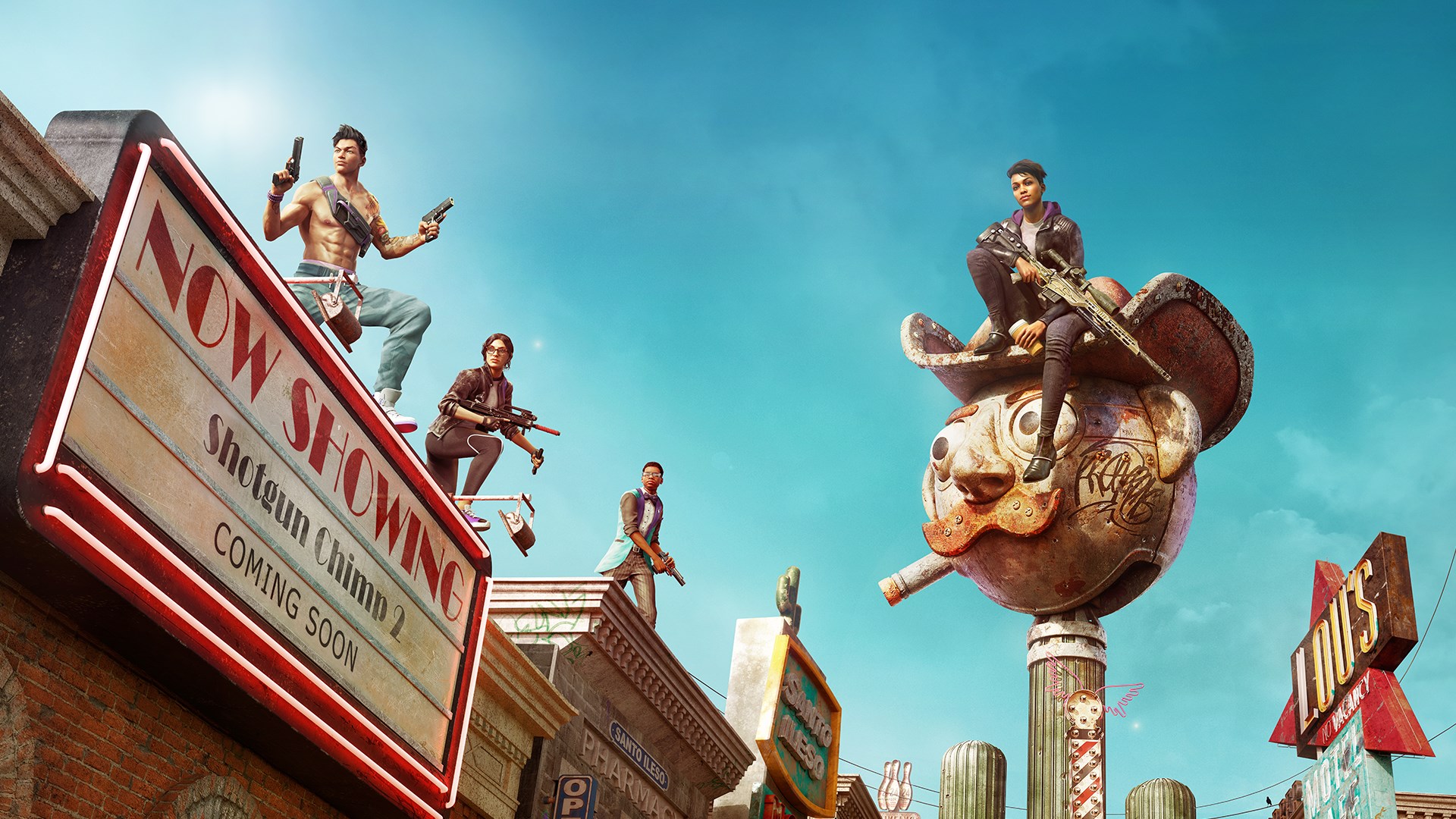
Volition rebooted their chaotic open-world franchise with a new cast of characters intended to appeal to a younger and more socially conscious generation. Long-time fans of the series criticized the writing for replacing the edgy tone of the originals with dialogue focused on student loans and friendship. The backlash centered on the idea that the characters felt like sanitized corporate attempts at diversity rather than hardened criminals. The reception highlighted the difficulty of updating a franchise’s identity for a new era.
‘Rainbow Six Siege’ (2021)
Ubisoft added a new operator named Osa who was the first openly trans character in the tactical shooter’s roster. While the gameplay abilities were well-received, the lore background sparked threads of complaints regarding the relevance of gender identity in a counter-terrorism game. The developers worked closely with trans consultants to ensure the character was respectful and realistic. Support for the character remained strong among the professional and competitive community despite the noise.
‘Mass Effect: Andromeda’ (2017)
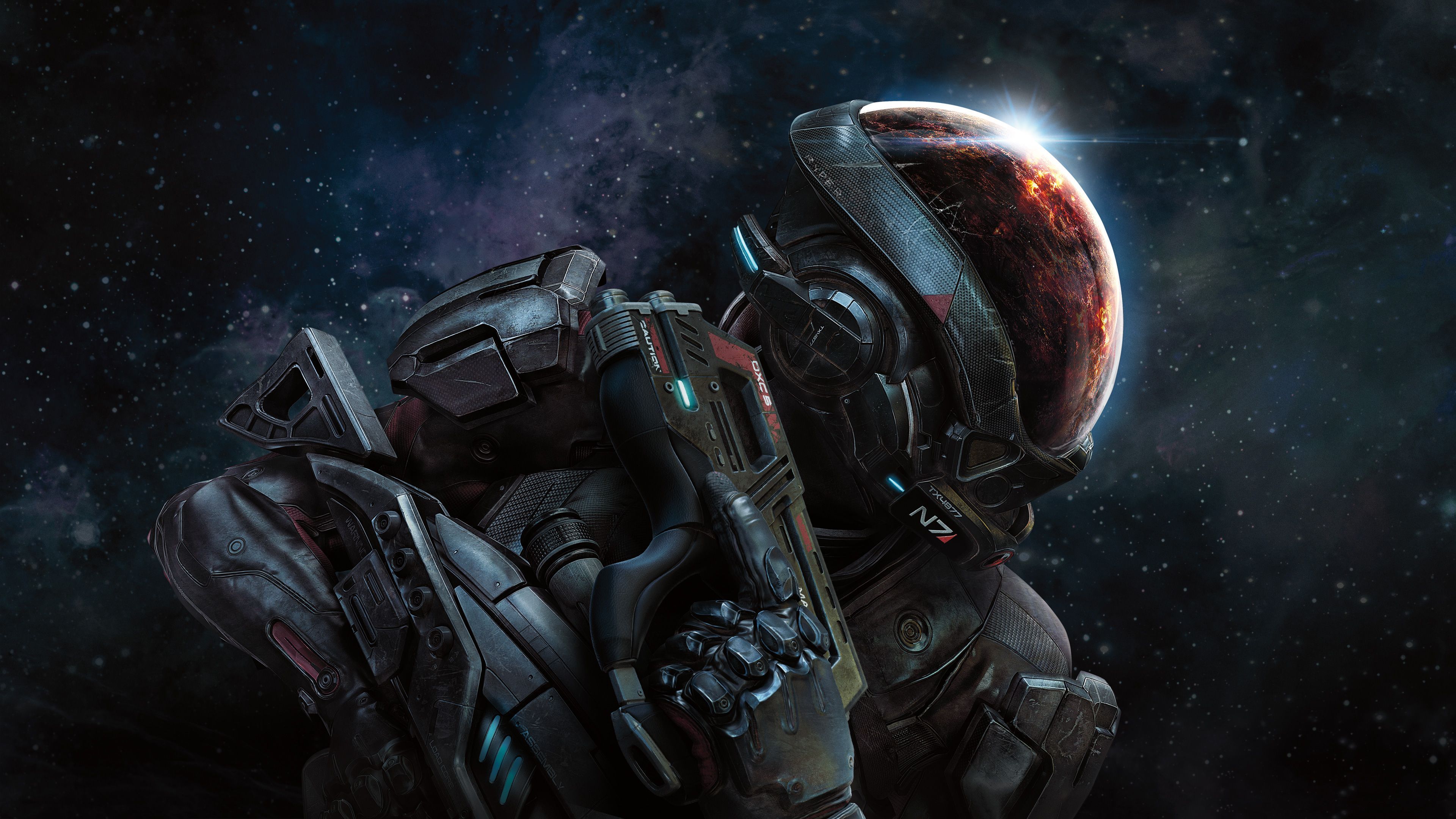
BioWare released a patch to alter the dialogue of an NPC named Hainly Abrams after players criticized her introduction. The character originally deadnamed herself almost immediately upon meeting the player which was viewed as unrealistic and insensitive writing. The patch adjusted the conversation to only reveal this information if the player developed a deeper trust with the character. This incident was a rare case where the diversity patch was requested by those asking for better representation rather than less.
‘Total War: Rome II’ (2018)
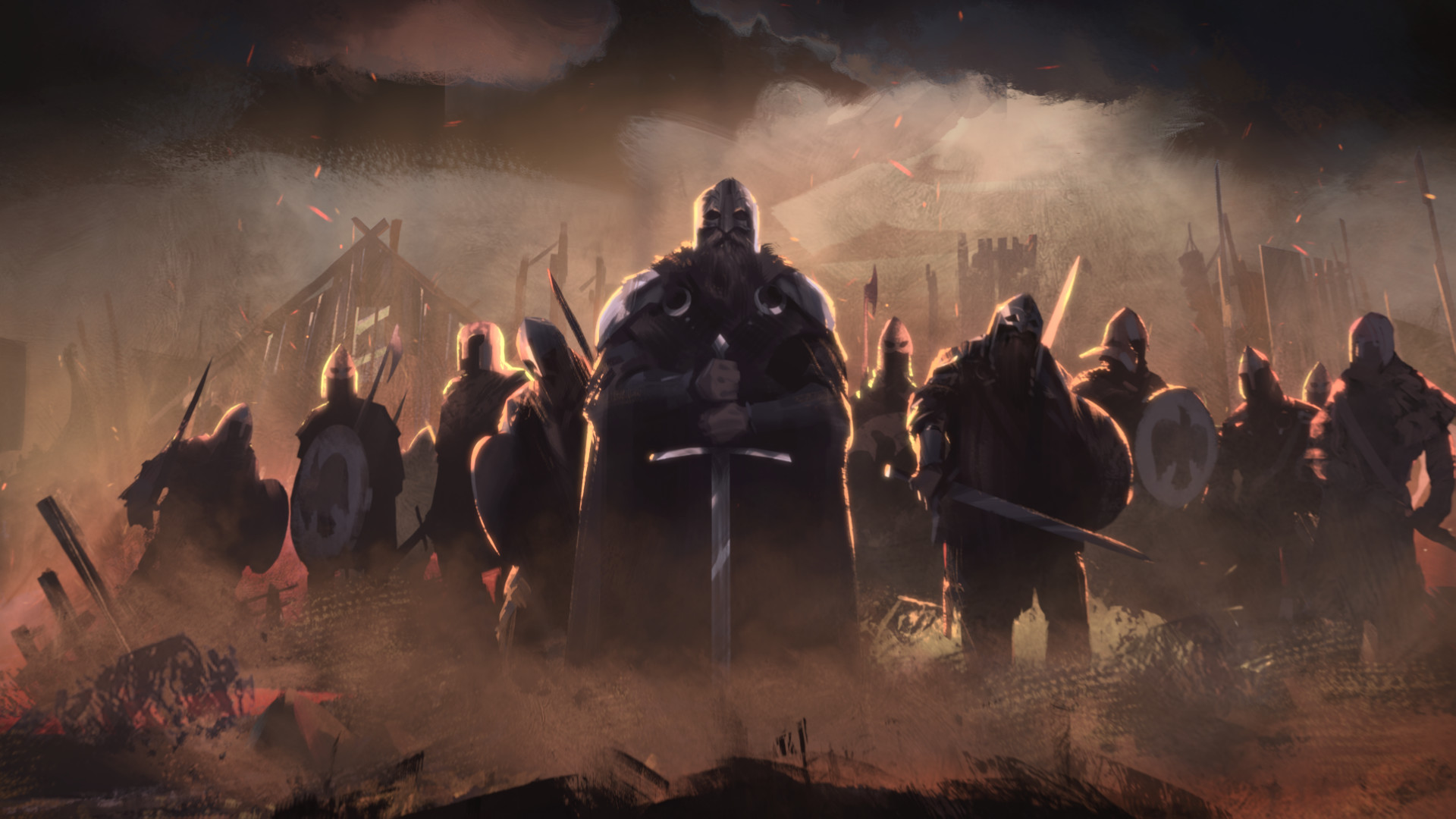
Creative Assembly released a patch that adjusted the spawn rates of female generals for certain factions to improve gameplay variety. A subset of the player base review bombed the game on Steam claiming that the update made female generals historically inaccurately common. The developers responded by stating the spawn rates were intended to be within reasonable historical boundaries for the specific cultures depicted. The controversy eventually subsided as players realized the actual impact on gameplay was minimal.
‘League of Legends’ (2022)

Riot Games released K’Sante as a new top lane champion and the first black LGBTQ+ tank in the game’s history. The announcement was met with mixed reactions in global comment sections with some regions expressing hostility toward the character’s orientation. The narrative team utilized a short story and voice lines to integrate his lost love into his motivation and lore. Riot Games affirmed their commitment to creating characters that resonate with their global player base.
‘Valorant’ (2024)

Riot Games introduced Clove as a new controller agent who uses they/them pronouns. The reveal led to the usual flare-ups in Twitch chats and social media comments regarding non-binary characters in competitive shooters. Content creators and casters were instructed to use the correct pronouns which helped normalize the inclusion during broadcasts. The character’s design and abilities were generally praised by the competitive scene despite the lore discussions.
‘Dead by Daylight’ (2022)

Behaviour Interactive released an update to the Tome lore which revealed that the veteran survivor David King was gay. This retroactive confirmation was met with backlash from players who felt it was pandering to change an established character’s backstory years after release. The developers stated they wanted to ensure their LGBTQ+ player base saw themselves represented in one of the game’s most popular characters. The game subsequently introduced pride charm cosmetics which also became points of contention.
‘Genshin Impact’ (2022)

HoYoverse released the Sumeru region which was inspired by Middle Eastern and South Asian cultures. A significant portion of the international fan base criticized the developers for using predominantly pale skin tones for the playable characters in this region. The controversy reignited with the release of the Natlan region where similar complaints about colorism surfaced. While not a standard “forced diversity” complaint, it represented a massive fan war regarding how diversity should be implemented in global games.
‘Borderlands 3’ (2019)
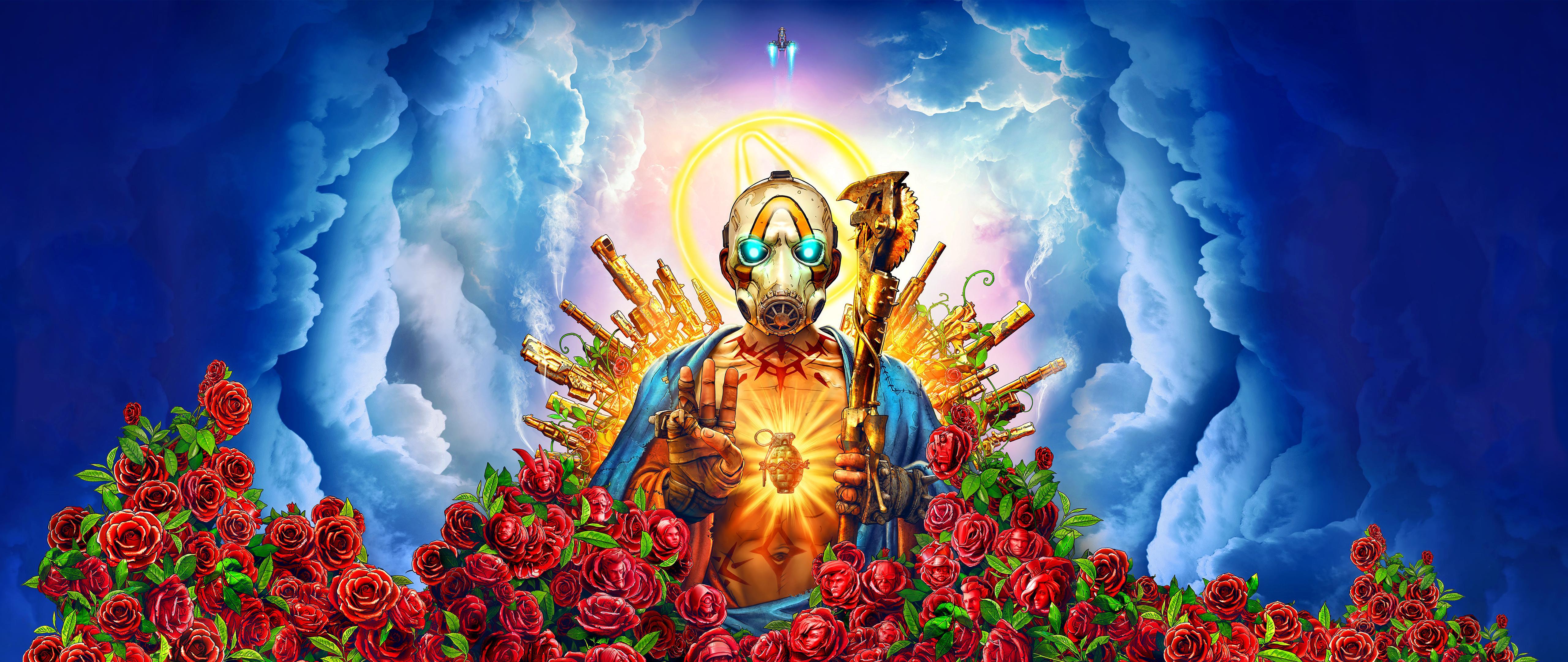
Gearbox Software introduced FL4K the Beastmaster as one of the four playable Vault Hunters. The robot character wore a non-binary pride pin and was referred to with they/them pronouns by the developers and in-game text. Forum moderators had to strictly enforce rules as users argued over the necessity of gender identity for a robotic character. The writing team explained that the robot’s sentience allowed for personal identity beyond its programming.
‘Psychonauts 2’ (2021)
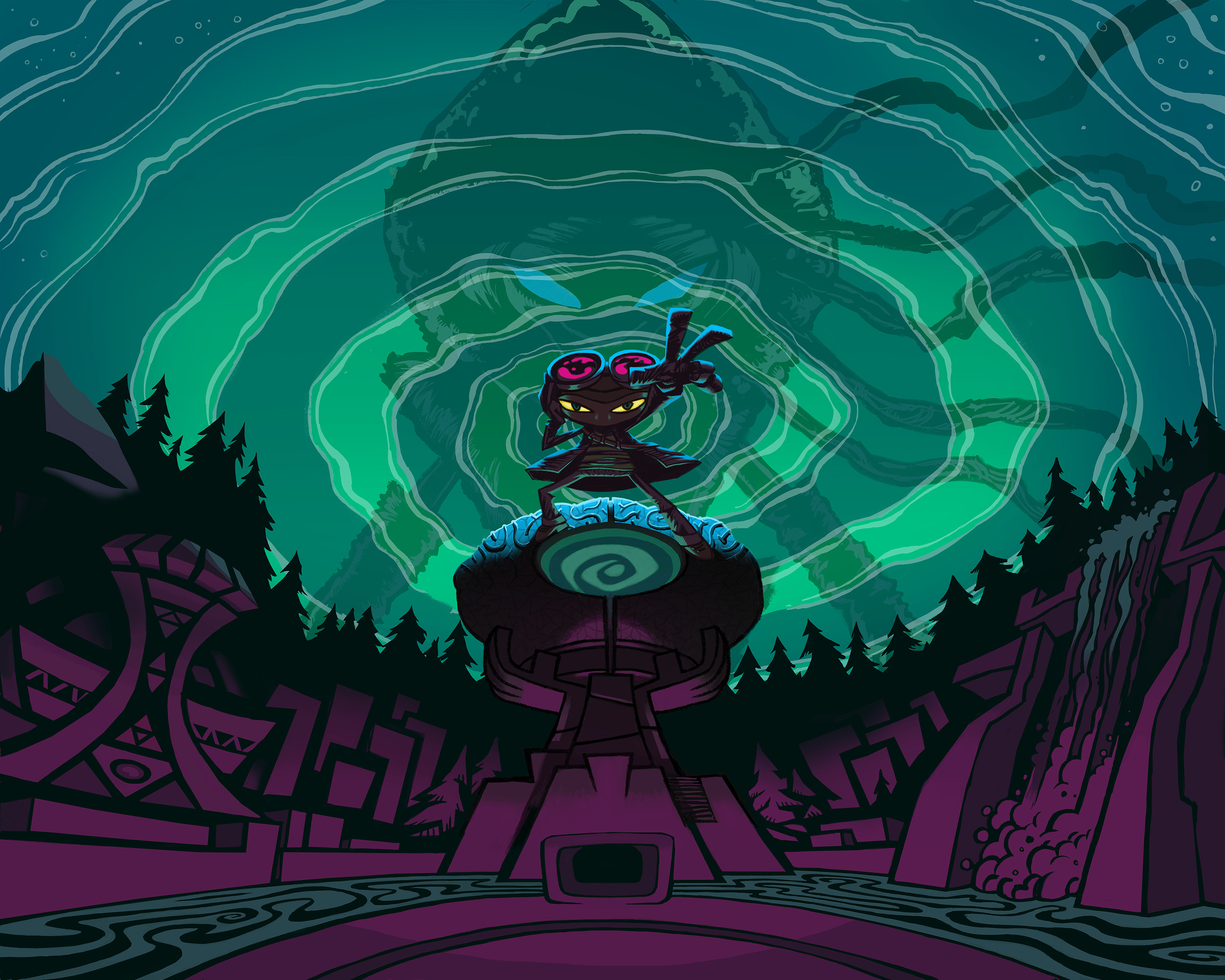
Double Fine Productions included a content warning at the start of the game discussing mental health themes. While not a diversity patch in the traditional sense, it sparked debates about the “coddling” of modern gamers and the necessity of trigger warnings. The game itself was widely acclaimed for its compassionate and nuanced handling of mental health conditions. The developers maintained that the warnings allowed players to make informed decisions about their engagement.
‘Gotham Knights’ (2022)
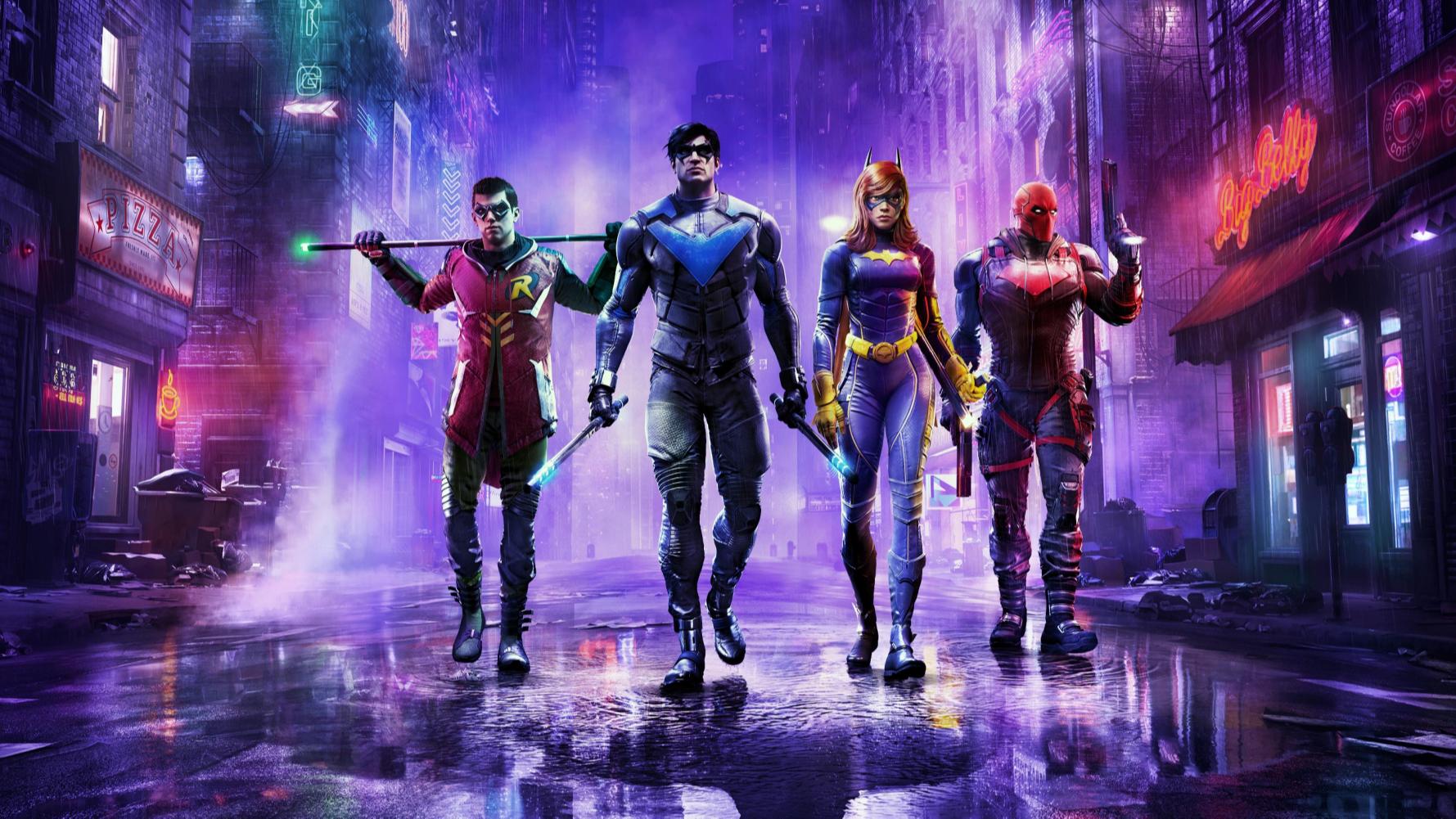
Warner Bros. Games Montreal included a biography for Robin that mentioned his support for a local pride parade. This small detail in the character menu was screenshotted and shared widely by those claiming the Bat-family was being politicized. The game also featured a pride flag in the Belfry headquarters which served as another point of contention. The developers included these elements to reflect the modern setting of Gotham City.
‘Marvel’s Spider-Man 2’ (2023)
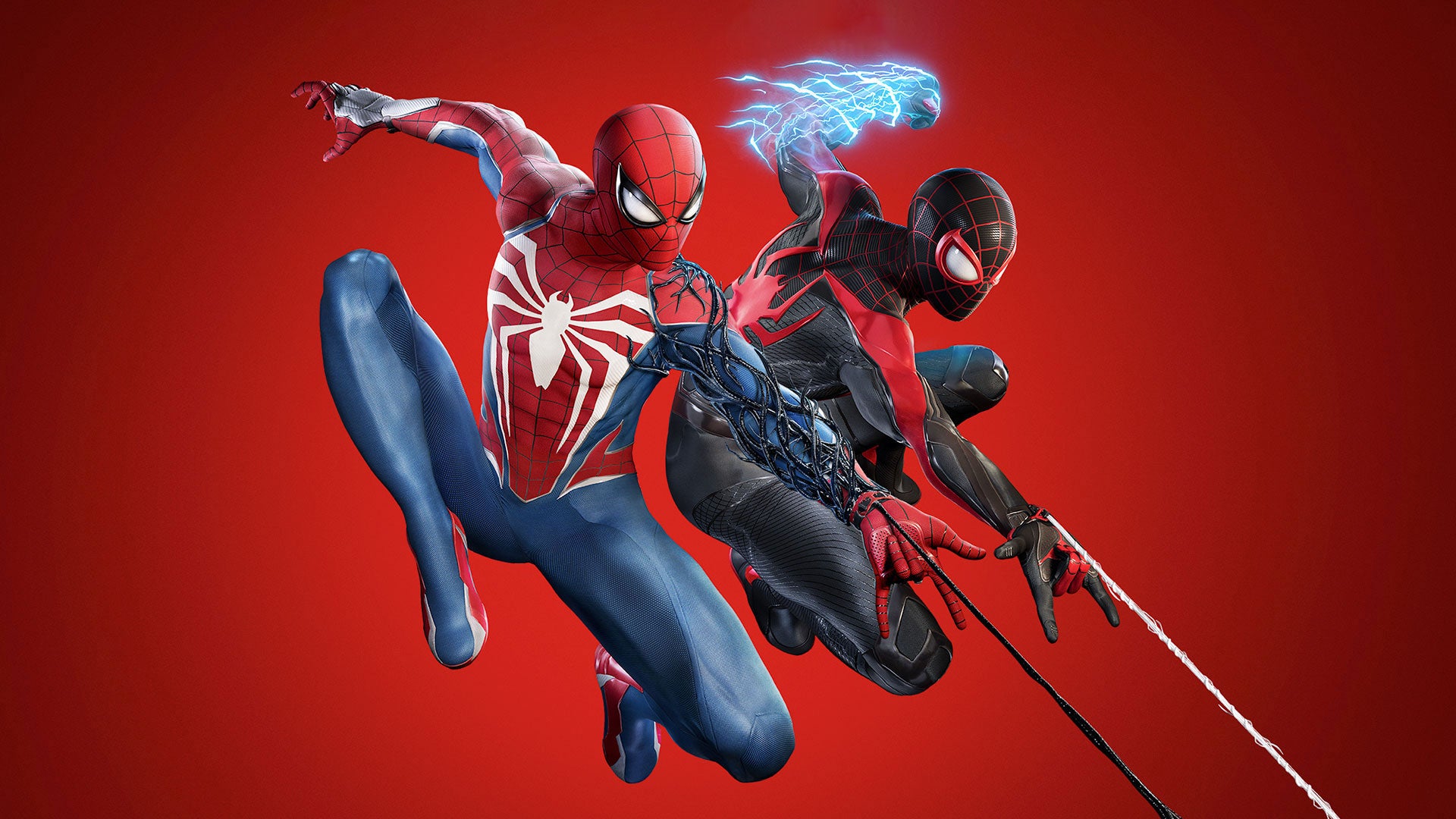
Insomniac Games faced criticism regarding the use of gender-neutral language in the Spanish localization of the game. The game used the term “le” instead of gendered endings for certain characters which angered linguistic purists. Additionally, a podcast within the game featured a scientist discussing bee entomology in a way some players interpreted as an allegory for non-binary identity. The studio did not remove the content despite the online fervor.
‘Ion Fury’ (2019)
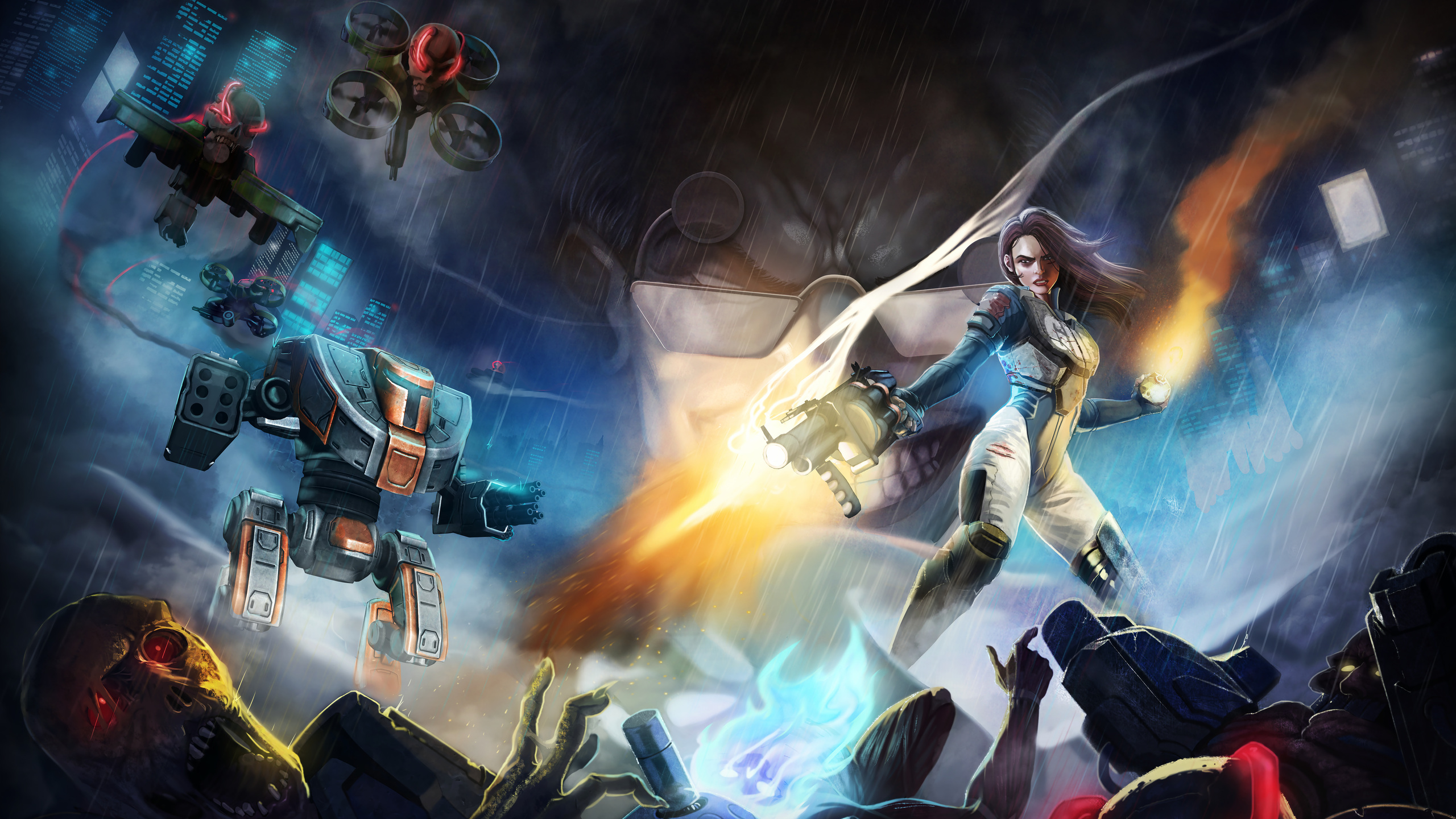
Voidpoint initially refused to censor a homophobic slur found in a soap bottle texture but later apologized and patched it out. This reversal caused a “fan war” where the developers were attacked by their own initial supporters for caving to pressure. The studio eventually donated to an LGBTQ+ charity and reinstated the patch to remove the offensive material. The incident highlighted the volatile nature of trying to please different factions of the gaming culture war.
‘Elden Ring’ (2022)
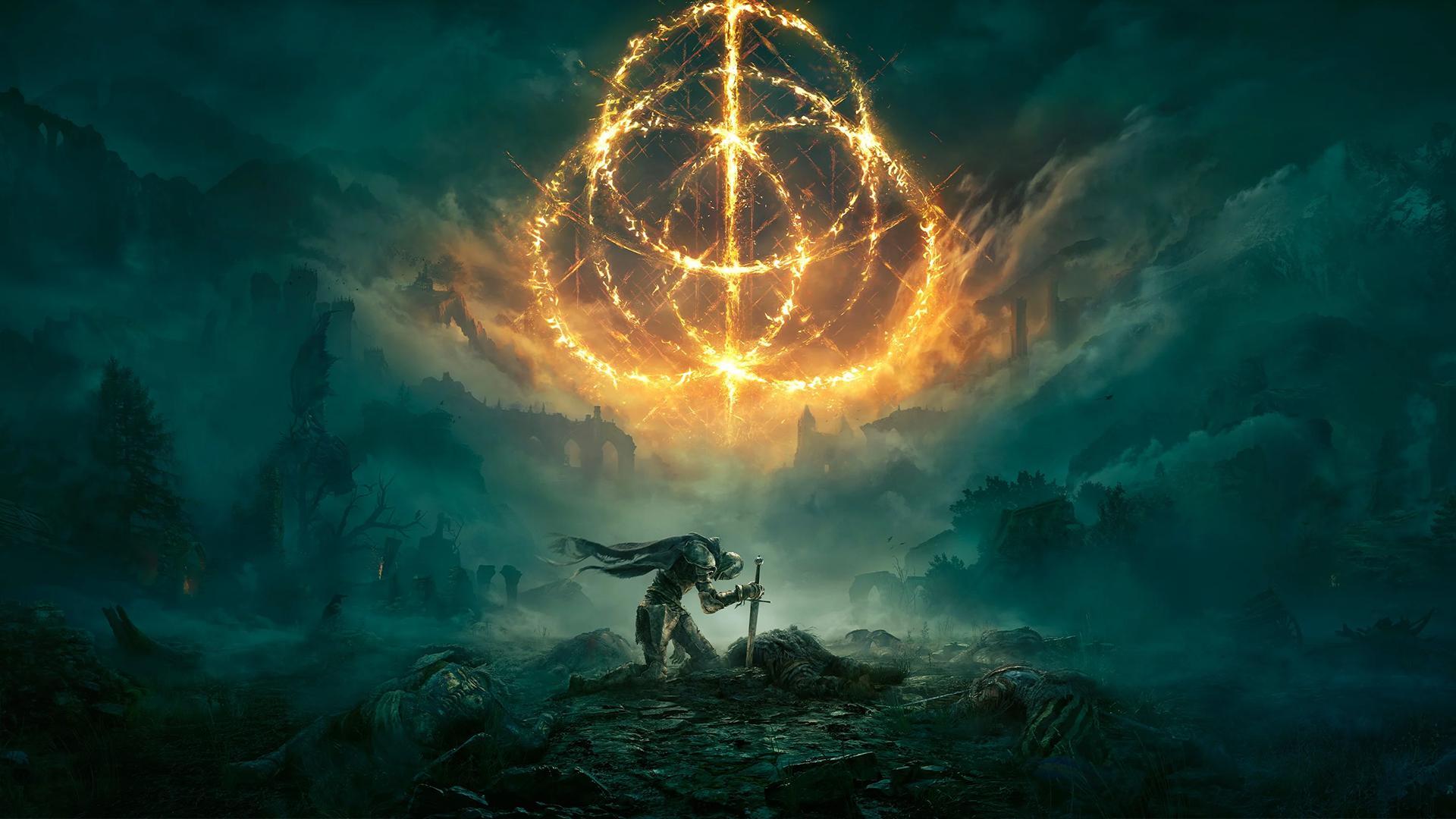
FromSoftware followed the industry trend of removing gendered labels from the character creator in favor of Type A and Type B. This led to threads expressing disappointment that a Japanese developer was adopting Western standards of inclusivity. The gameplay remained entirely unchanged by these labels which served only to categorize body meshes. The discussion quickly faded as players became absorbed in the game’s massive world.
‘Minecraft’ (2022)

Mojang Studios released an update introducing several new default skins to the game alongside Steve and Alex. The new characters were designed to represent a wider range of ethnicities and prosthetic usage. While intended to give new players more starting options, some users complained that the iconic simplicity of the original duo was being diluted. The developers stated that they wanted players to see themselves in the game before they even started crafting custom skins.
‘Call of Duty: Modern Warfare II’ (2022)
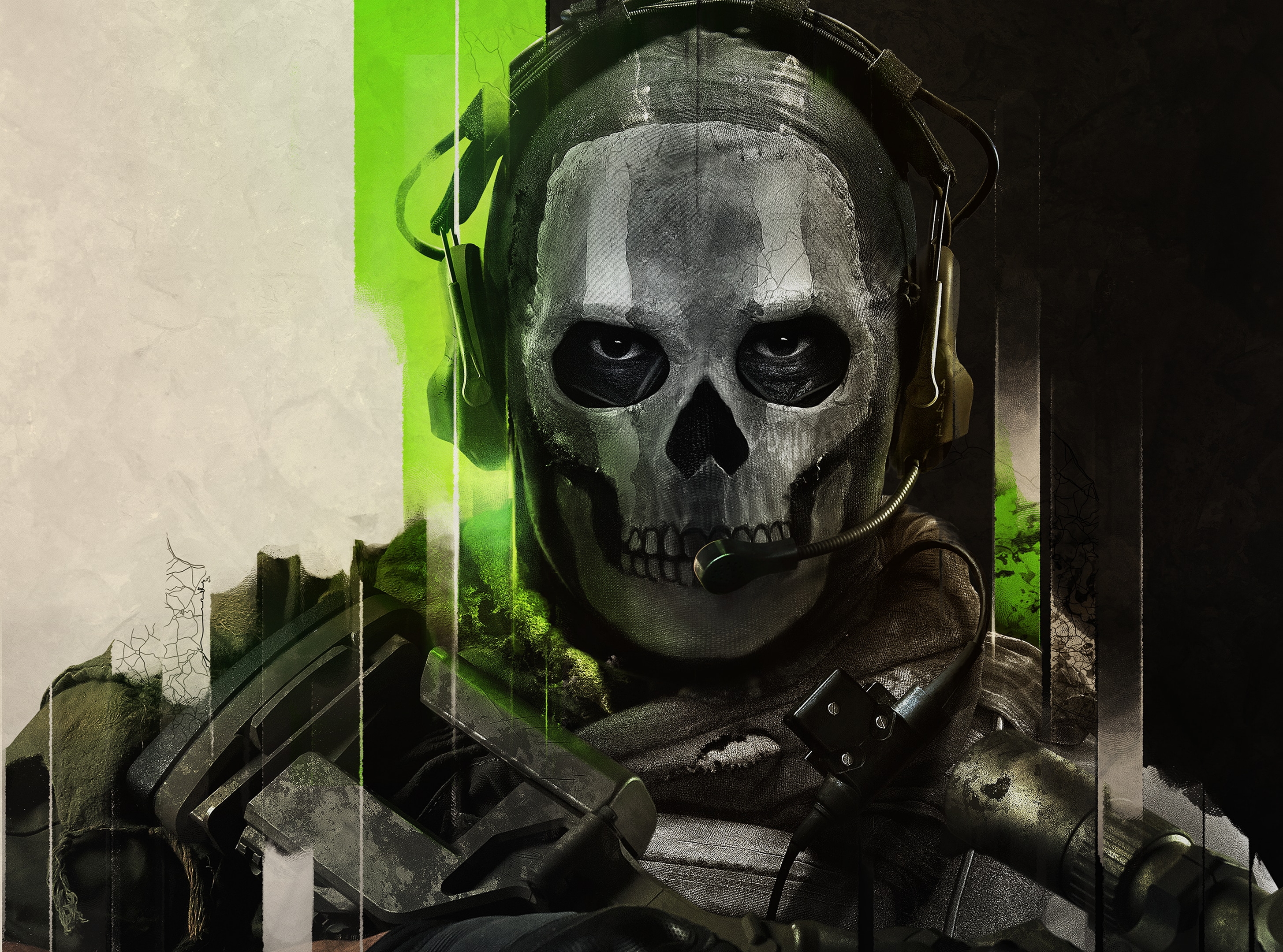
Activision introduced various operator bundles including pride flags and characters from diverse backgrounds. The inclusion of these cosmetic items often leads to heated lobby voice chats and forum posts about keeping politics out of military shooters. Despite the complaints, these bundles remain among the highest-selling items in the in-game store. The franchise continues to expand its roster of operators to appeal to a global audience.
‘Forspoken’ (2023)
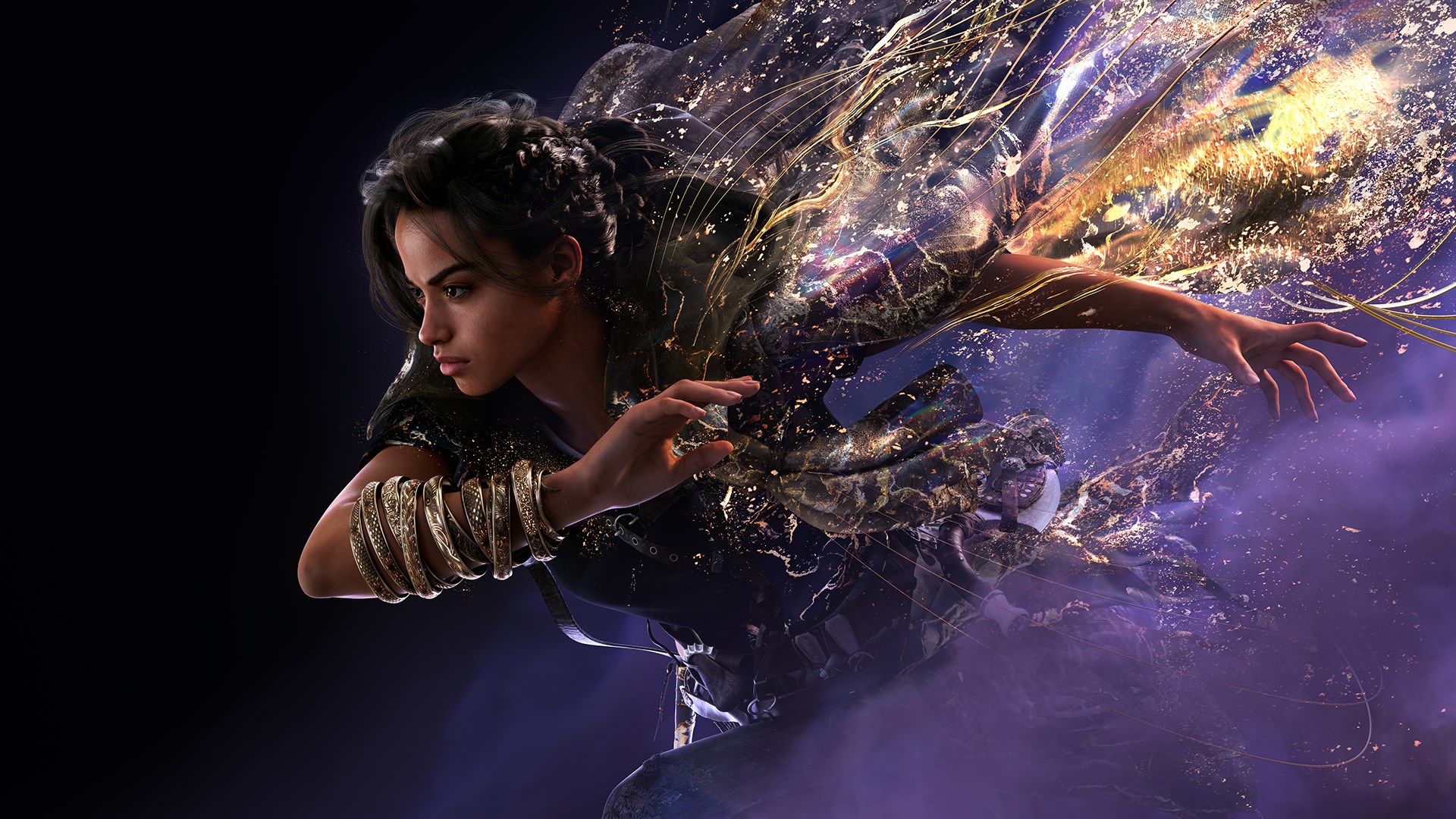
Square Enix released this action RPG featuring a young black woman from New York transported to a fantasy world. The game faced harsh criticism for its protagonist’s “quippy” dialogue which some detractors labeled as “woke writing.” While valid critiques of the pacing existed, much of the discourse focused disproportionately on the character’s attitude and race. The reception was a complex mix of gameplay issues and culture war talking points.
‘Suicide Squad: Kill the Justice League’ (2024)
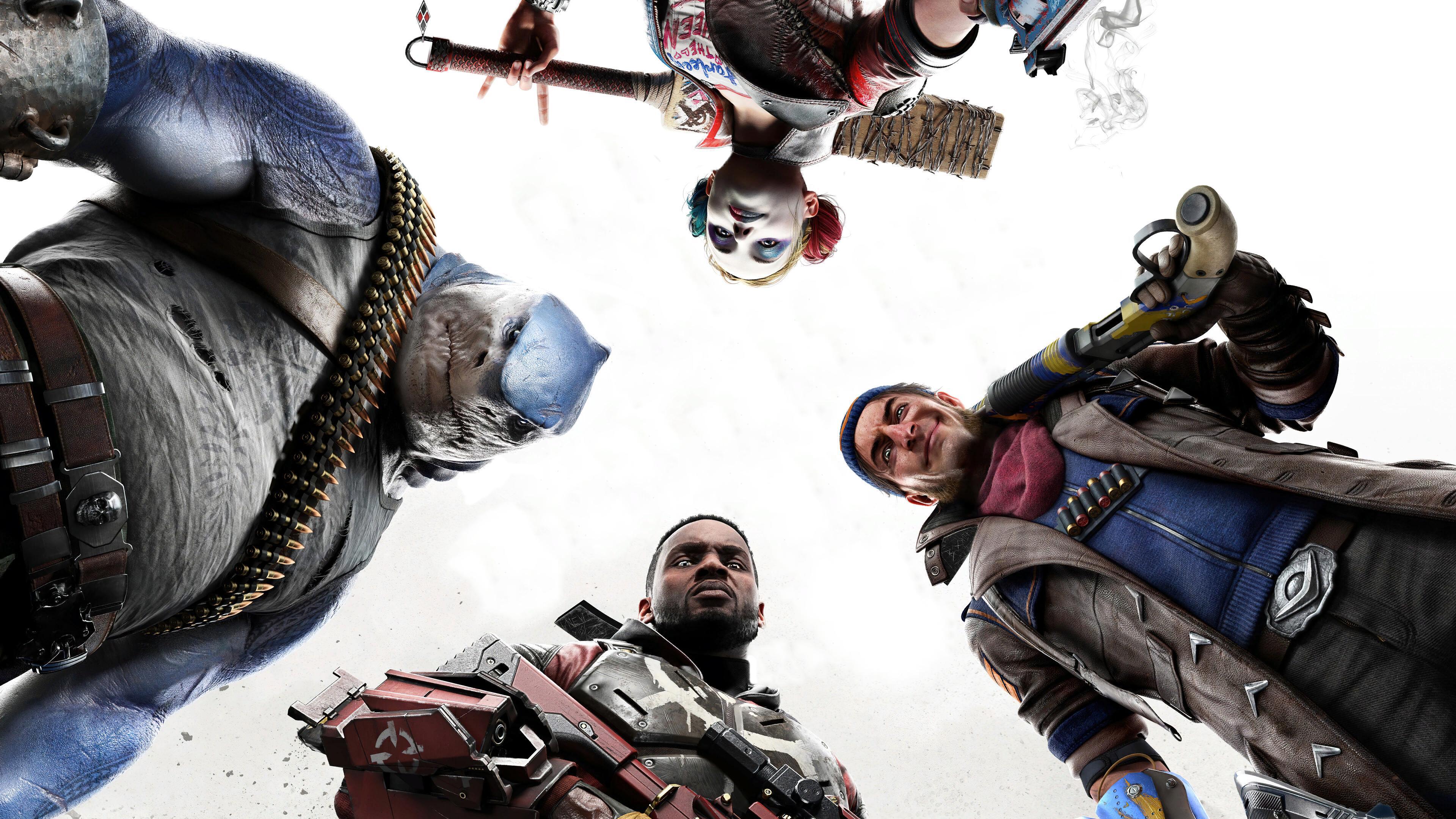
Rocksteady Studios faced a pre-launch firestorm due to the involvement of the consultancy firm Sweet Baby Inc. Detractors claimed the firm forced diversity changes and narrative shifts that ruined the portrayal of established DC characters. The backlash was fueled by screenshots of credits and out-of-context clips circulating on social media. The studio did not publicly address the conspiracy theories surrounding the consultancy work.
‘Fable’ (2024)
Playground Games released a trailer for the upcoming reboot featuring a female protagonist who did not meet the conventional beauty standards of some viewers. Social media users used digital editing tools to “fix” the character’s face and complained about the “masculinization” of female characters in western games. The discourse ignored that the series has always allowed for character customization and diverse appearances. The developers did not respond to the superficial critiques of the character model.
‘Tell Me Why’ (2020)

Dontnod Entertainment released this narrative adventure featuring a trans man as one of the two main playable protagonists. The game was review bombed on Metacritic by users who objected to the central theme of the story. Microsoft and the developers made the game free to claim during Pride month in subsequent years to support the message. The title won several awards for its sensitive and realistic depiction of the trans experience.
‘Goodbye Volcano High’ (2023)
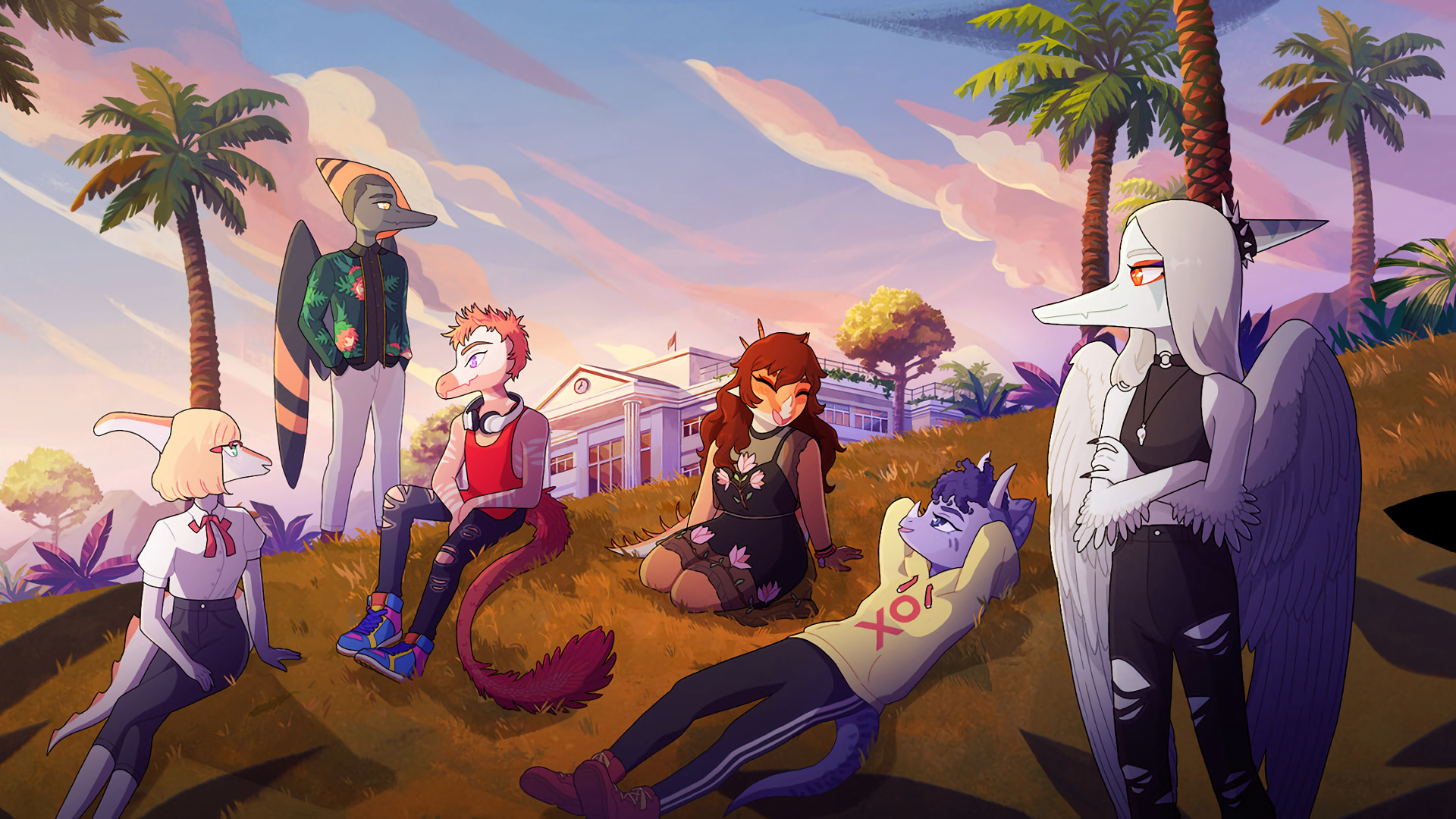
KO_OP developed a narrative game about dinosaur teenagers that featured non-binary characters and queer themes. The game became a target for harassment campaigns years before its release due to its art style and subject matter. The developers had to restructure their community management to handle the influx of hateful comments. Upon release, the game was praised by critics for its writing but remained a target for those opposed to its themes.
‘Dustborn’ (2024)
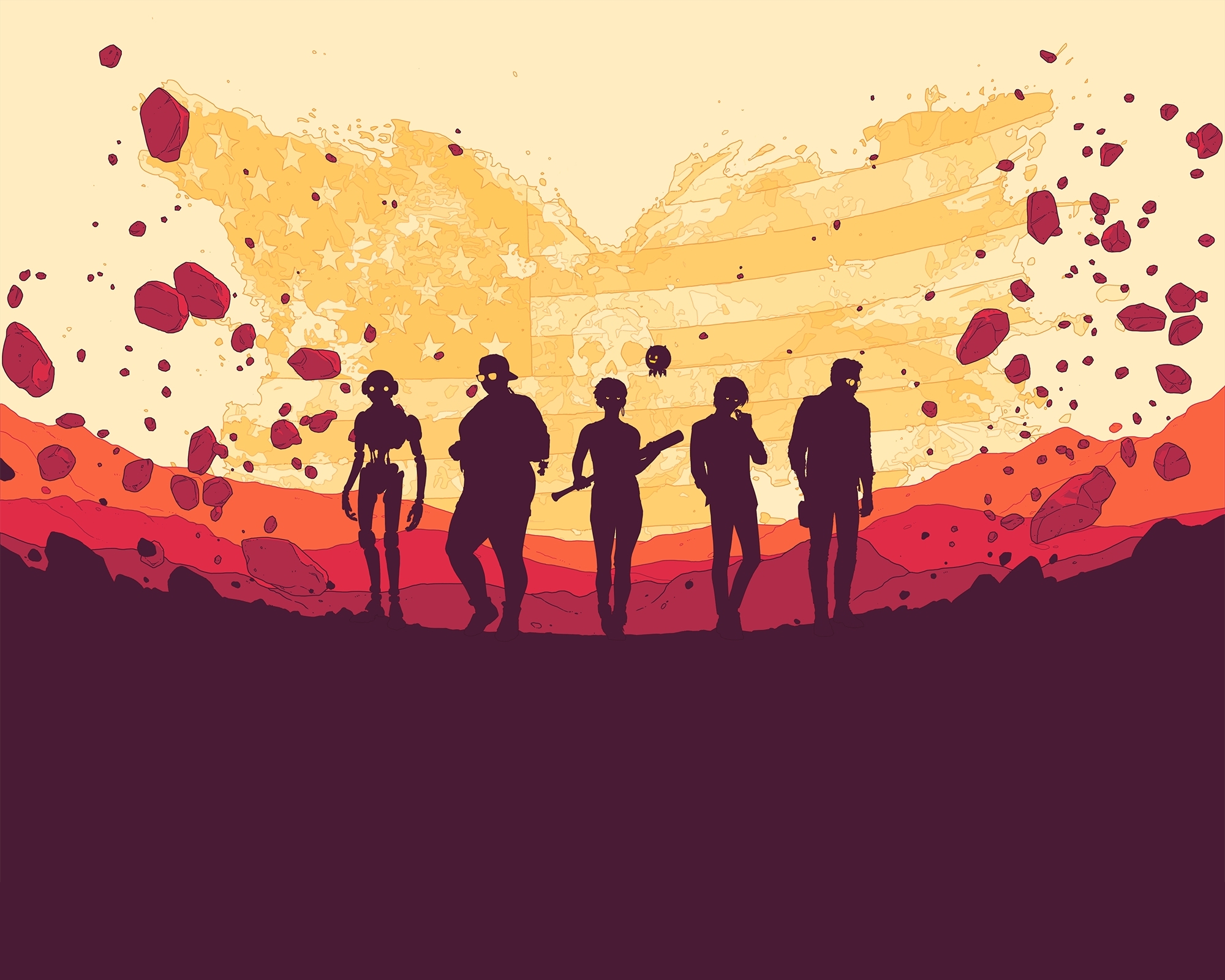
Red Thread Games released this action-adventure title which explicitly focused on a group of traveling activists in a dystopian America. The game’s mechanics included using “woke” concepts as literal weaponized shouts which drew immediate mockery and anger from right-leaning gaming communities. The title became a centerpiece for discussions regarding subtlety in political messaging within games. The developers marketed the game clearly to the audience that would appreciate its direct approach.
‘Rust’ (2016)

Facepunch Studios implemented a system that permanently assigned a race and gender to a player’s Steam ID. This meant players could not choose their avatar’s appearance and might be forced to play as a different race or gender than they identified with. The experiment caused a massive uproar among players who demanded the ability to customize their avatars. The developer Garry Newman stood by the decision as a social experiment to see how players treated each other based on unchangeable characteristics.
‘Returnal’ (2021)
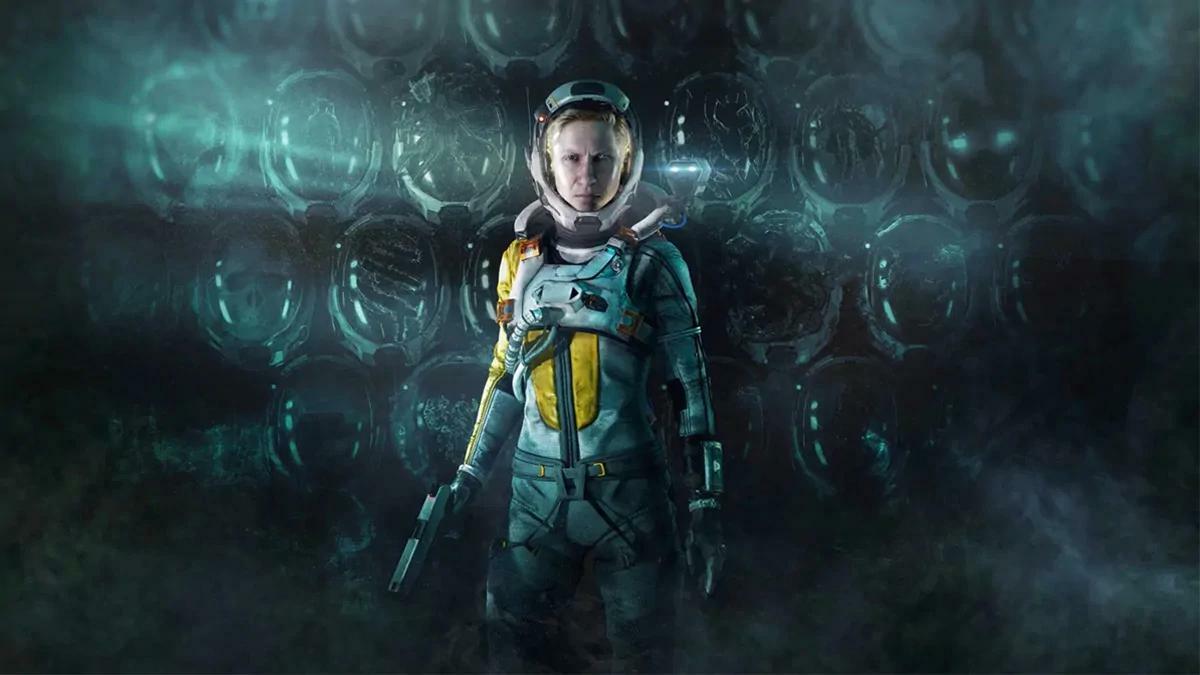
Housemarque released their roguelike shooter featuring Selene, a middle-aged female astronaut. Some gamers complained that the protagonist was not attractive enough and looked too old for an action hero role. Defenders of the design argued that the character’s appearance was realistic for a veteran astronaut stranded in a time loop. The discussion highlighted the industry’s pervasive ageism regarding female protagonists.
‘Warhammer 40,000: Space Marine 2’ (2024)
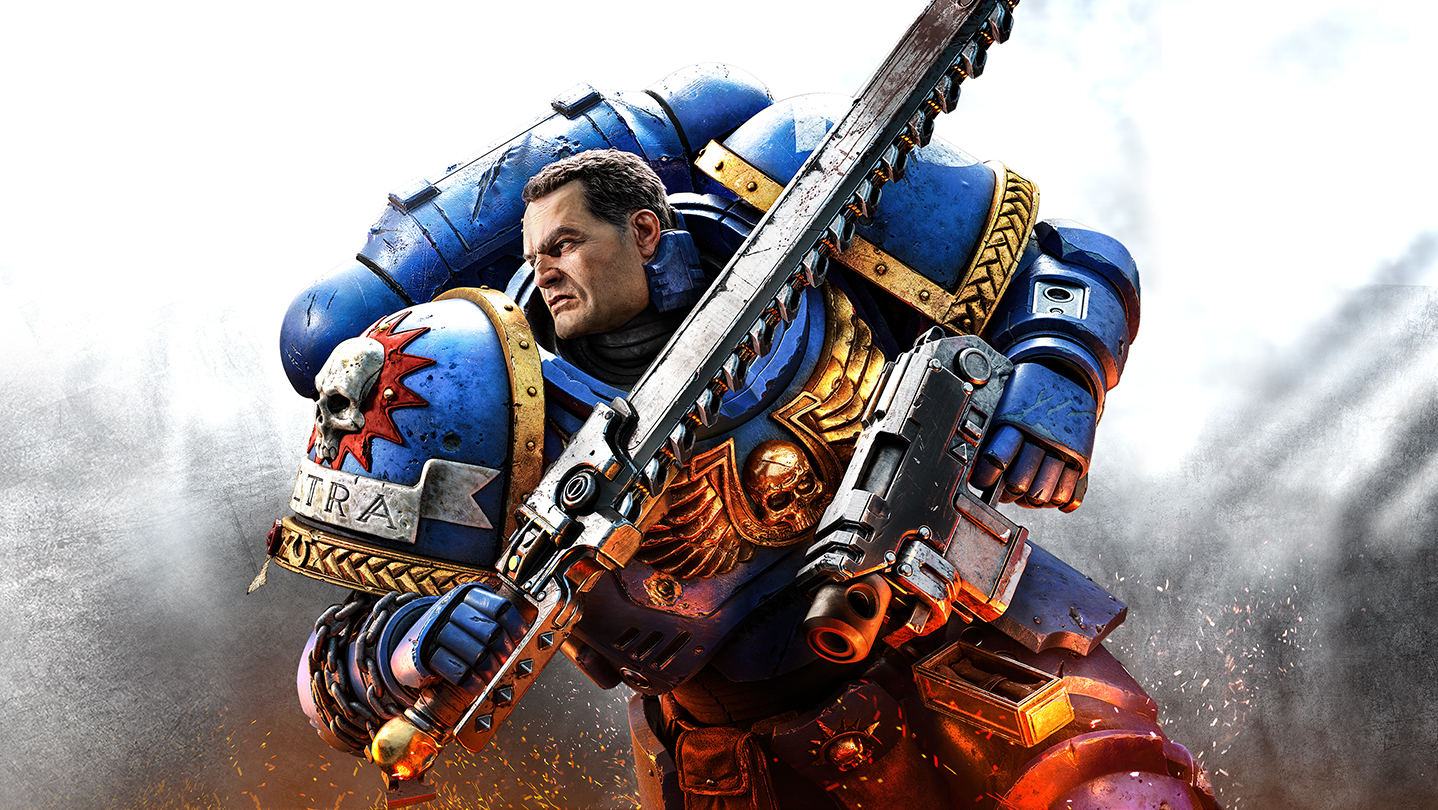
Saber Interactive’s release saw spillover from a tabletop controversy regarding the introduction of female Custodes in the lore. While the game itself focused on male Space Marines, the surrounding discourse involved fans fearing that the “woke” lore updates would be patched into the digital adaptation. The developers maintained a focus on the specific story they were telling without directly engaging in the tabletop lore wars. The community remains vigilant about any potential changes to the established canon.
Tell us which of these controversies you remember most vividly by leaving a comment.